This LEGO Portal 2 Set Lets You Design/Build Your Own Test Chambers With 1,280 Pieces

The Portal franchise has earned its place in gaming history through ingenious puzzle design, dark humor, and an aesthetic so iconic that a simple orange and blue color scheme instantly evokes the Aperture Science testing facility. Now, LEGO builder KaijuBuilds has translated that sterile-yet-sinister world into brick form with the Portal 2: Test Chamber Creator, a project currently seeking support on LEGO Ideas.

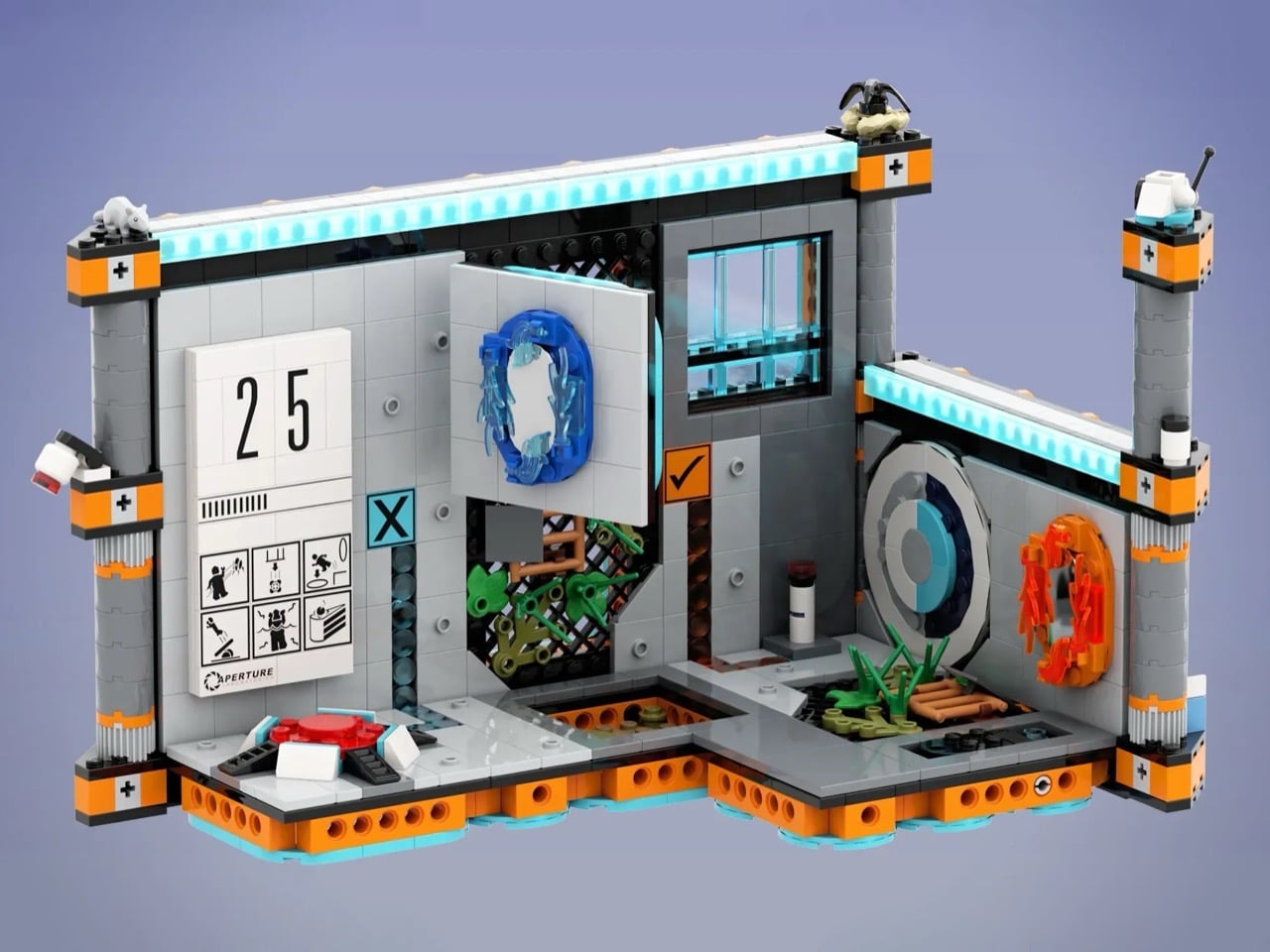
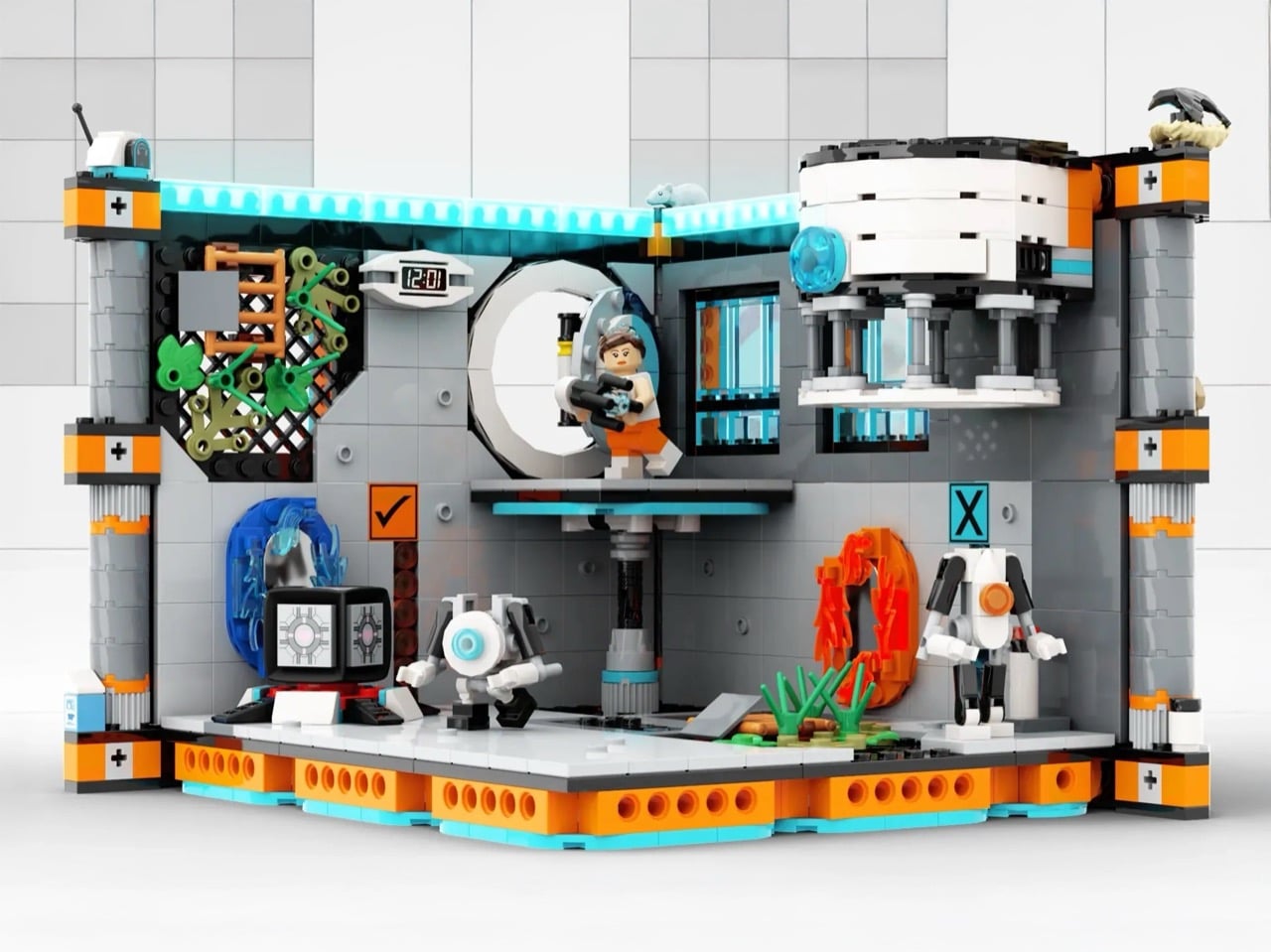
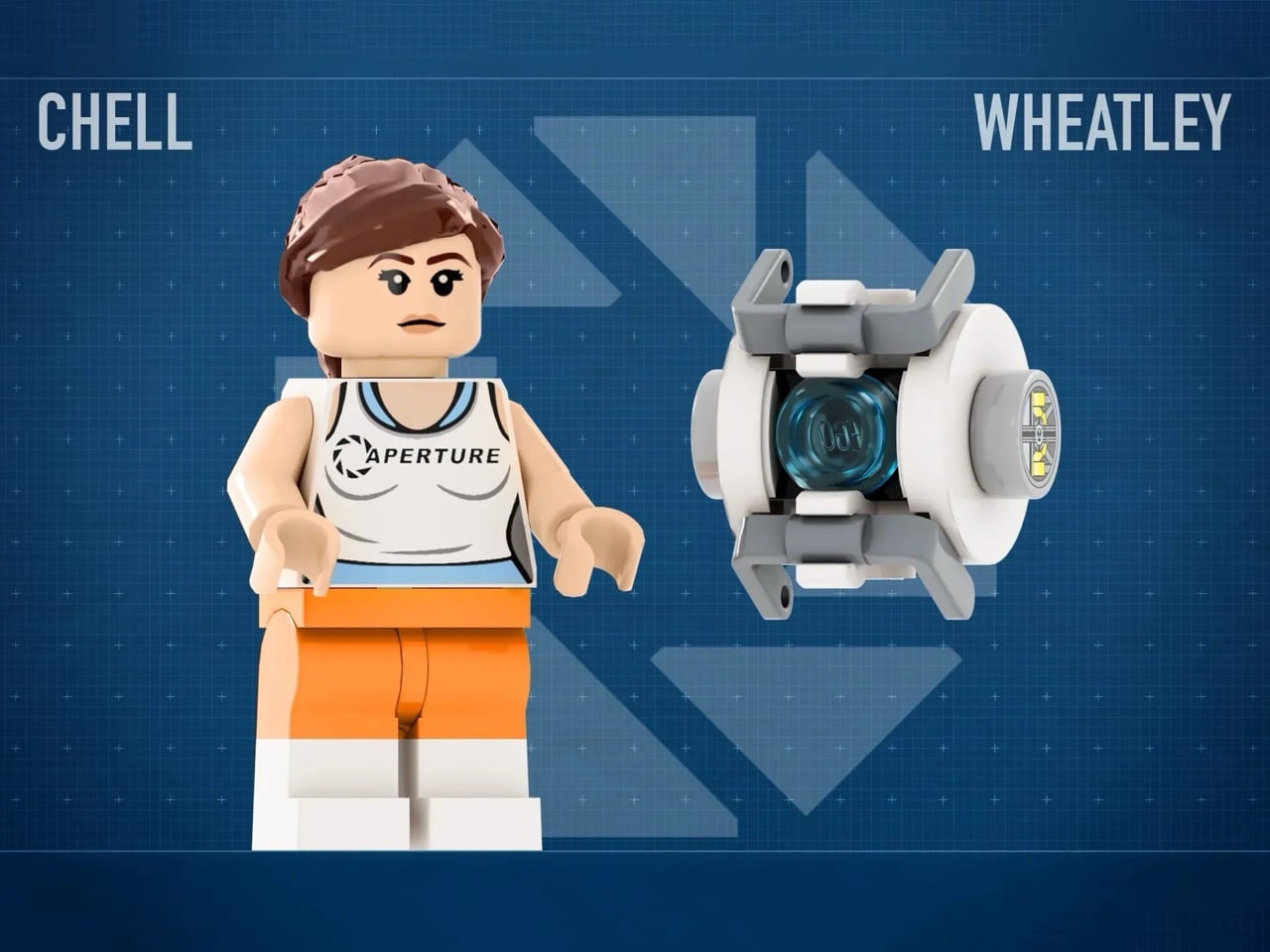
The set features a sophisticated modular tile system with 18 unique configurations across 29 total modules, allowing builders to reconstruct famous test chambers or design entirely new challenges. With around 1,280 pieces, the build includes Chell, Wheatley, Atlas, P-body, turrets, portals, a Companion Cube, and even that infamous cake. The attention to detail extends to overgrown tiles that reference Portal 2’s decayed facility sections, complete with a white rat as a nod to the mysterious Rattman. The modular approach mirrors the in-game test chamber editor, which means you can actually play with spatial configurations rather than building a single frozen scene.

Designer: KaijuBuilds
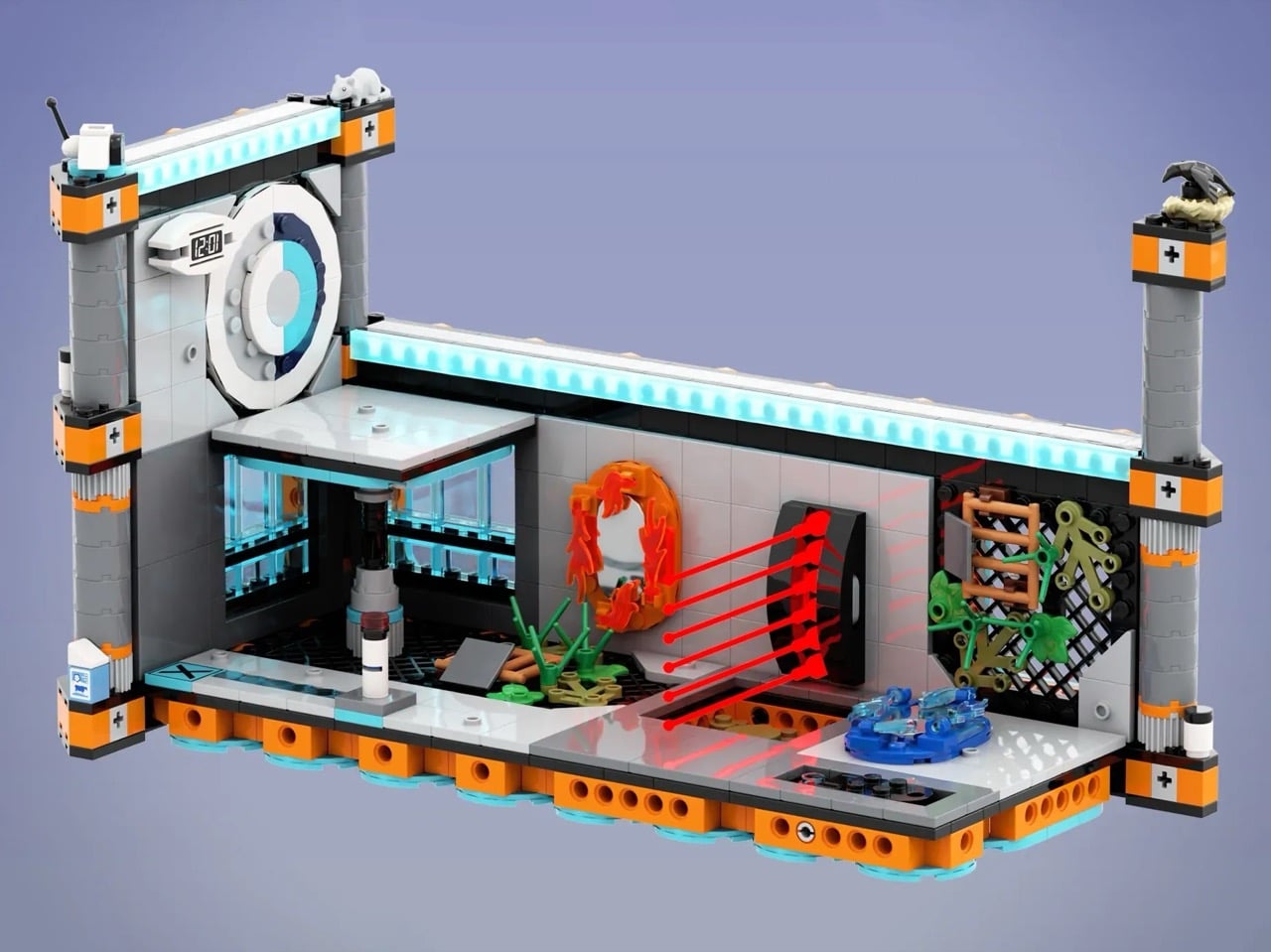
The Aperture Science facility aesthetic translates surprisingly well to LEGO’s design language because both share a love of modular systems and clean geometric forms. Portal works on minimalist white panels, colored power conduits, and spatial reasoning. This build captures that by making reconfigurability the core feature. Tiles come in different sizes (8×8, 4×4, 4×8) and snap onto an orange base with visible connection points. Some tiles show pristine testing surfaces while others feature vegetation breaking through panels, directly referencing Portal 2’s narrative about a facility decaying over decades. The observation windows sit where GLaDOS would watch test subjects fail, and those structural details do heavy lifting in establishing atmosphere.
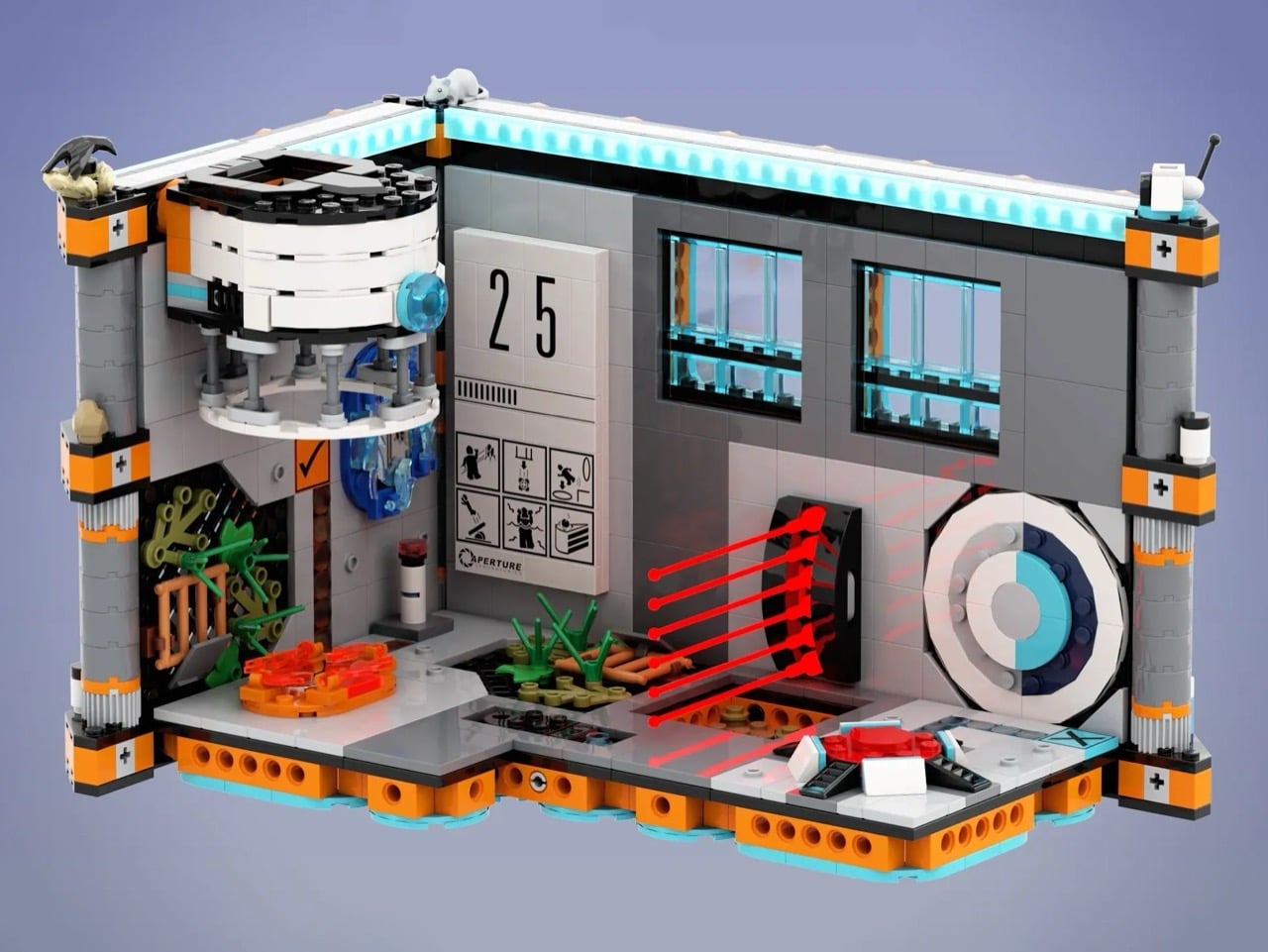
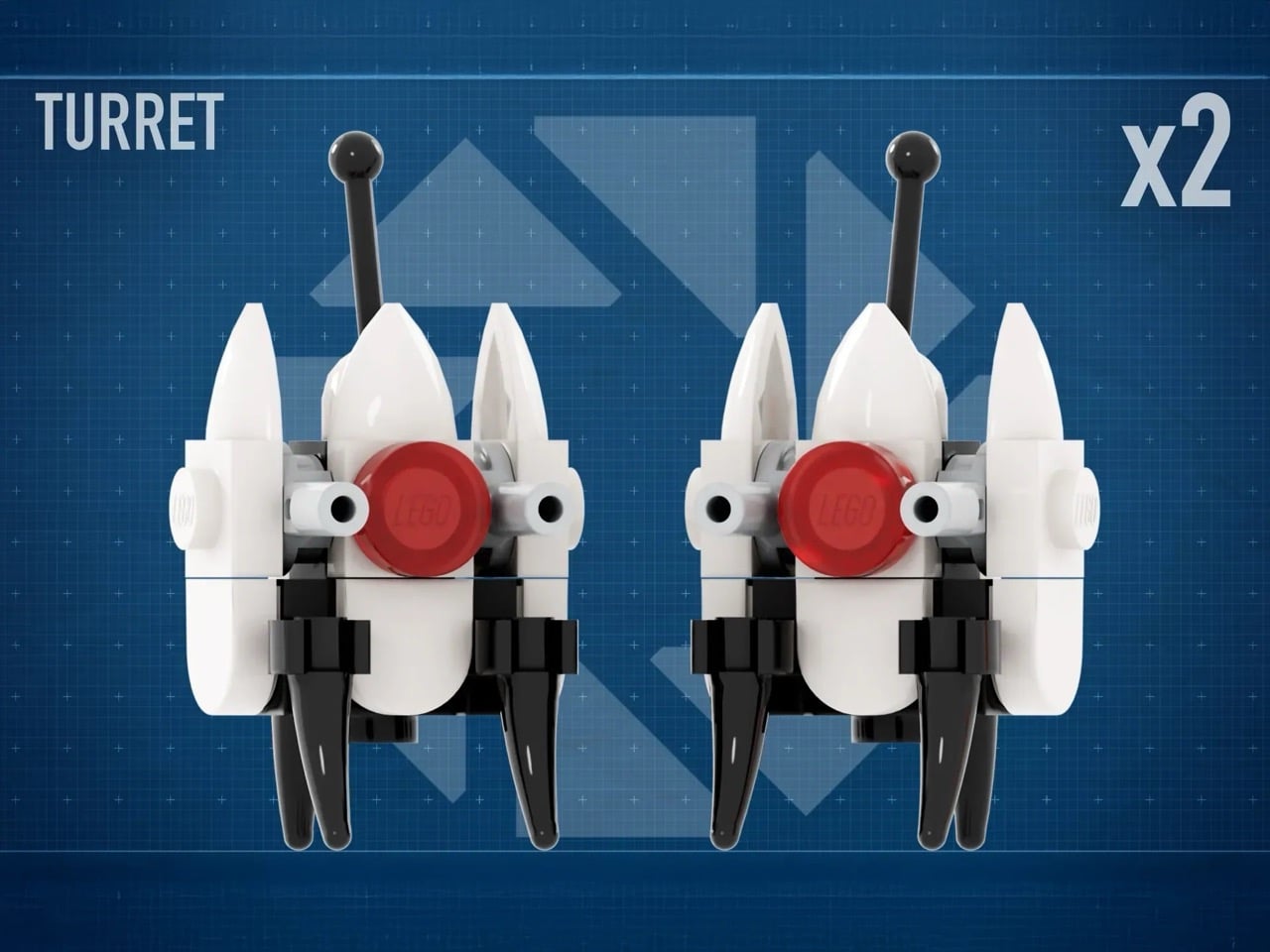
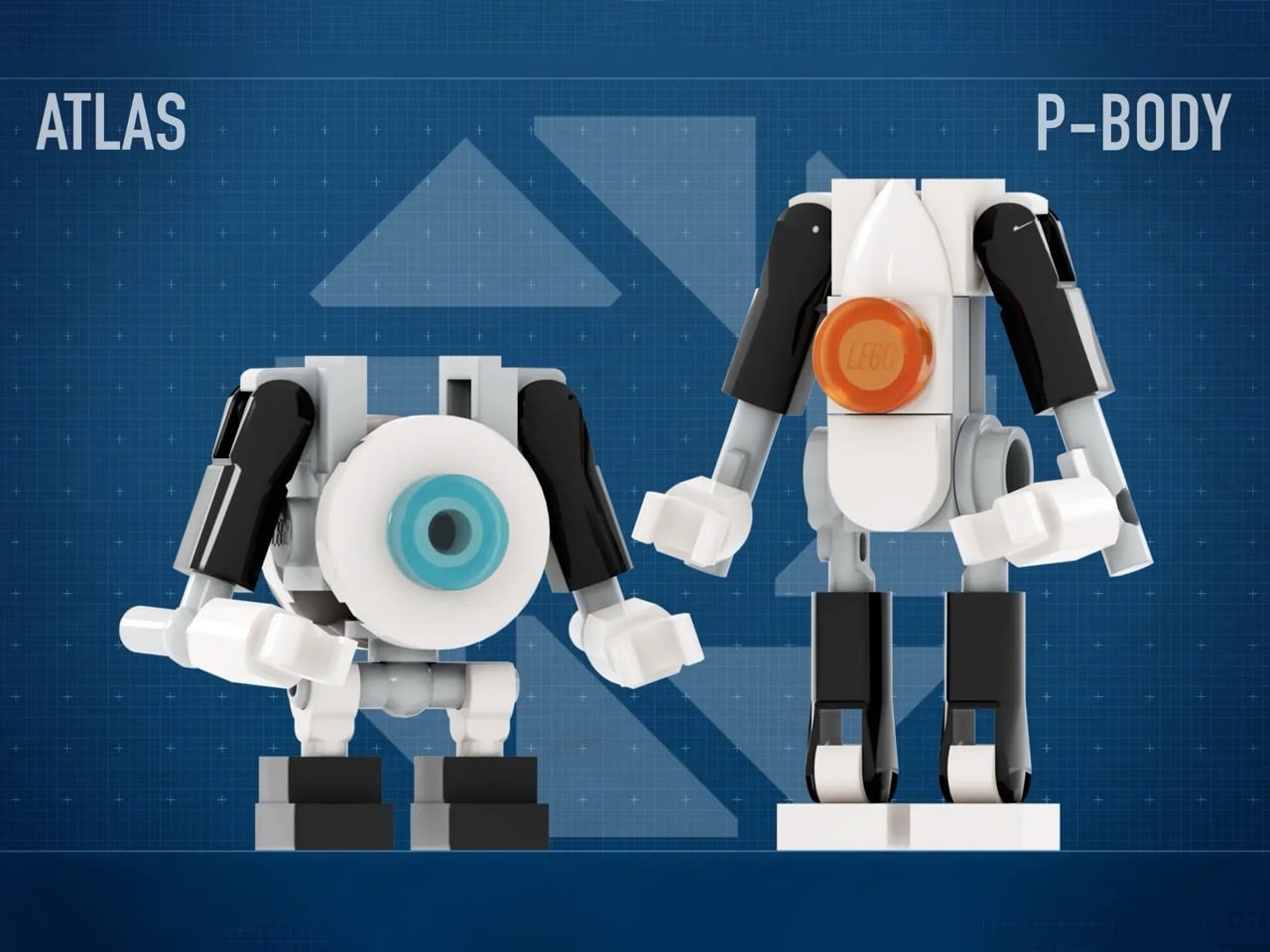
The character roster features all the iconic beings and bots and whatnots. Chell appears in her orange jumpsuit with the Aperture Science tank top. Wheatley exists as a buildable personality core with his blue eye. Atlas and P-body (the co-op robots from Portal 2) demonstrate awareness that the franchise extends beyond Chell’s story. The turrets manage to look simultaneously adorable and threatening with their white chassis, red sensors, and antenna stems. Two portal pieces come in translucent orange and blue, likely using curved or printed elements to create those characteristic oval shapes. The portal gun sits in Chell’s hands, completing the loadout any fan would expect.
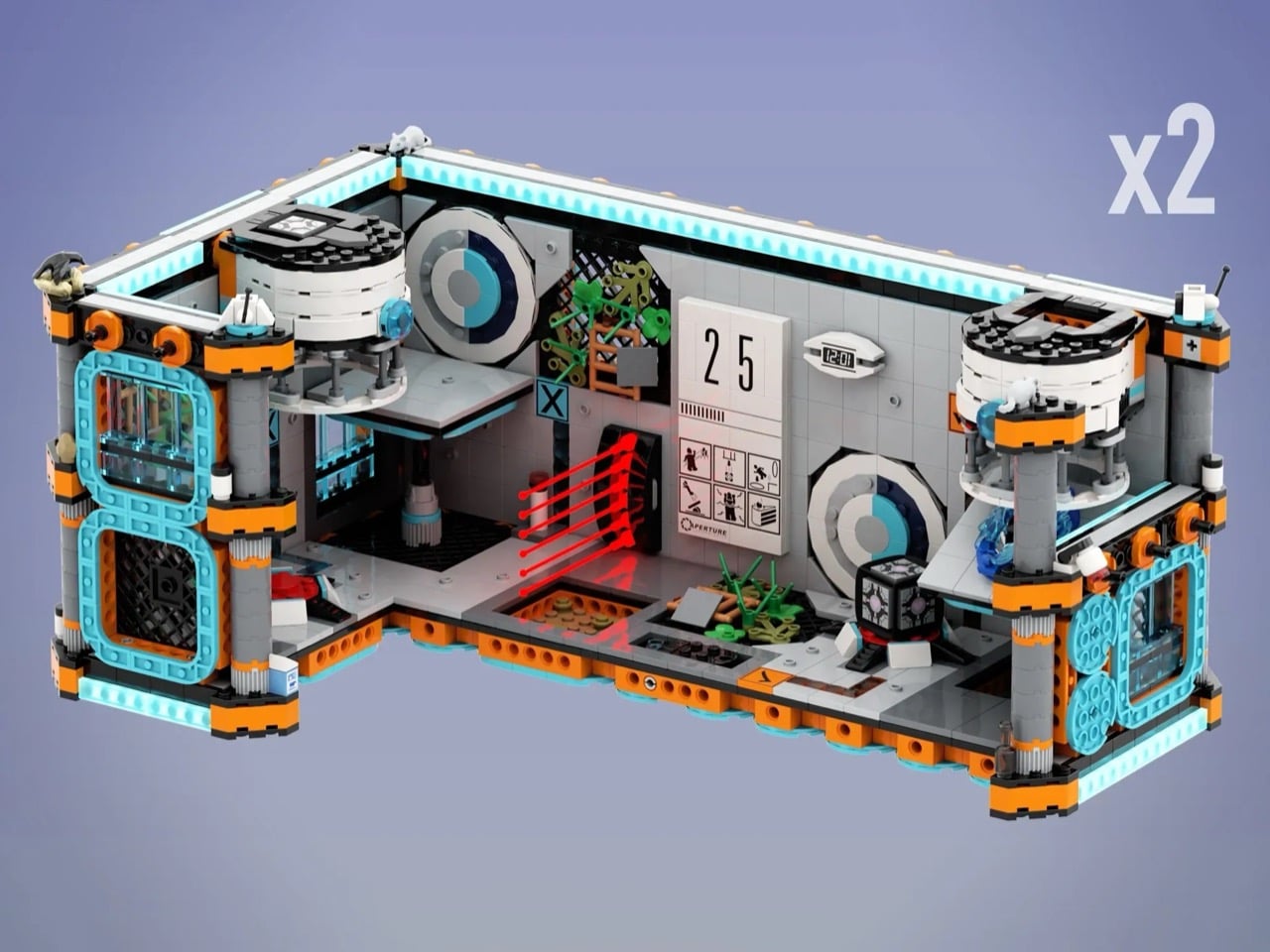
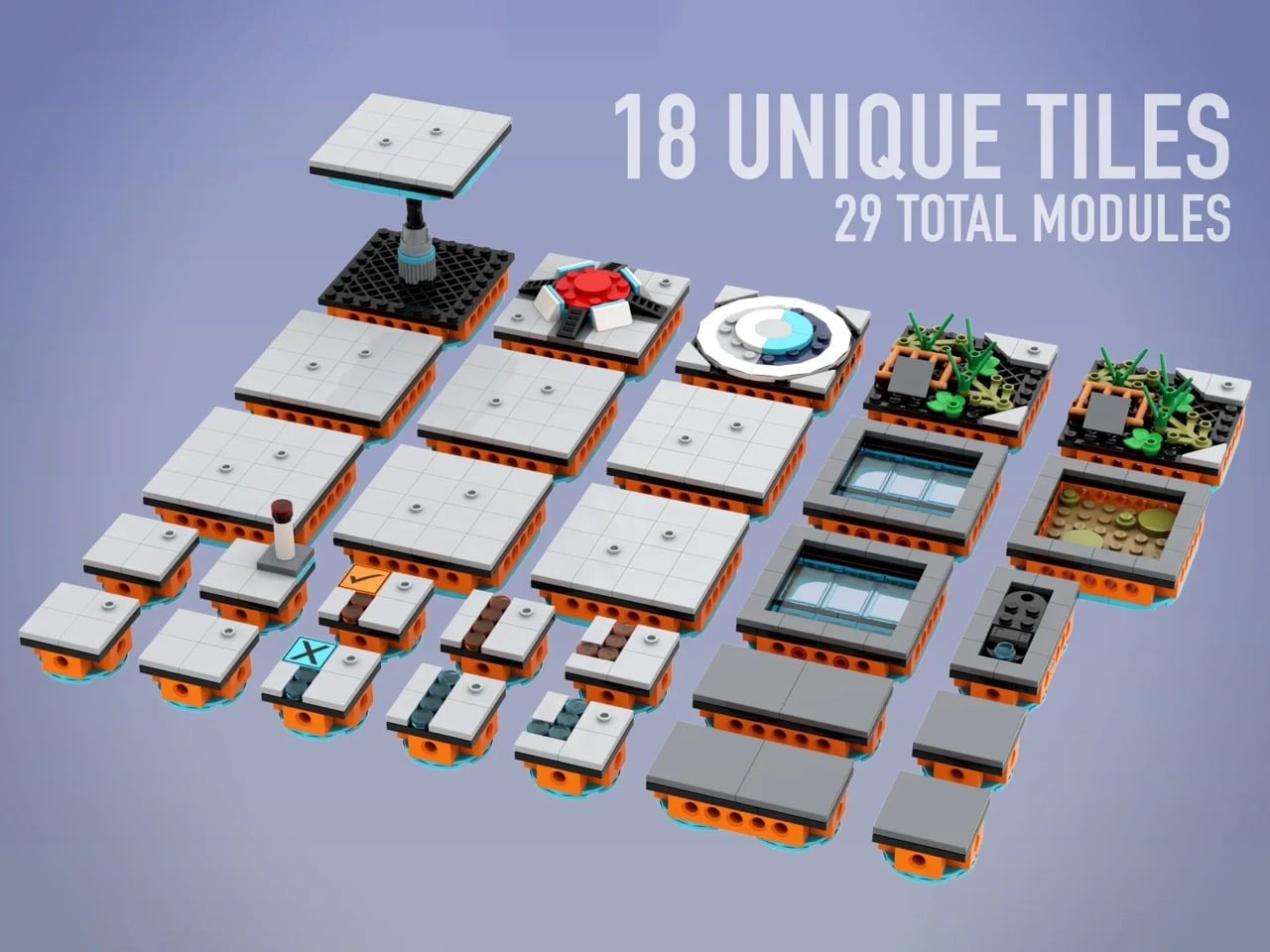
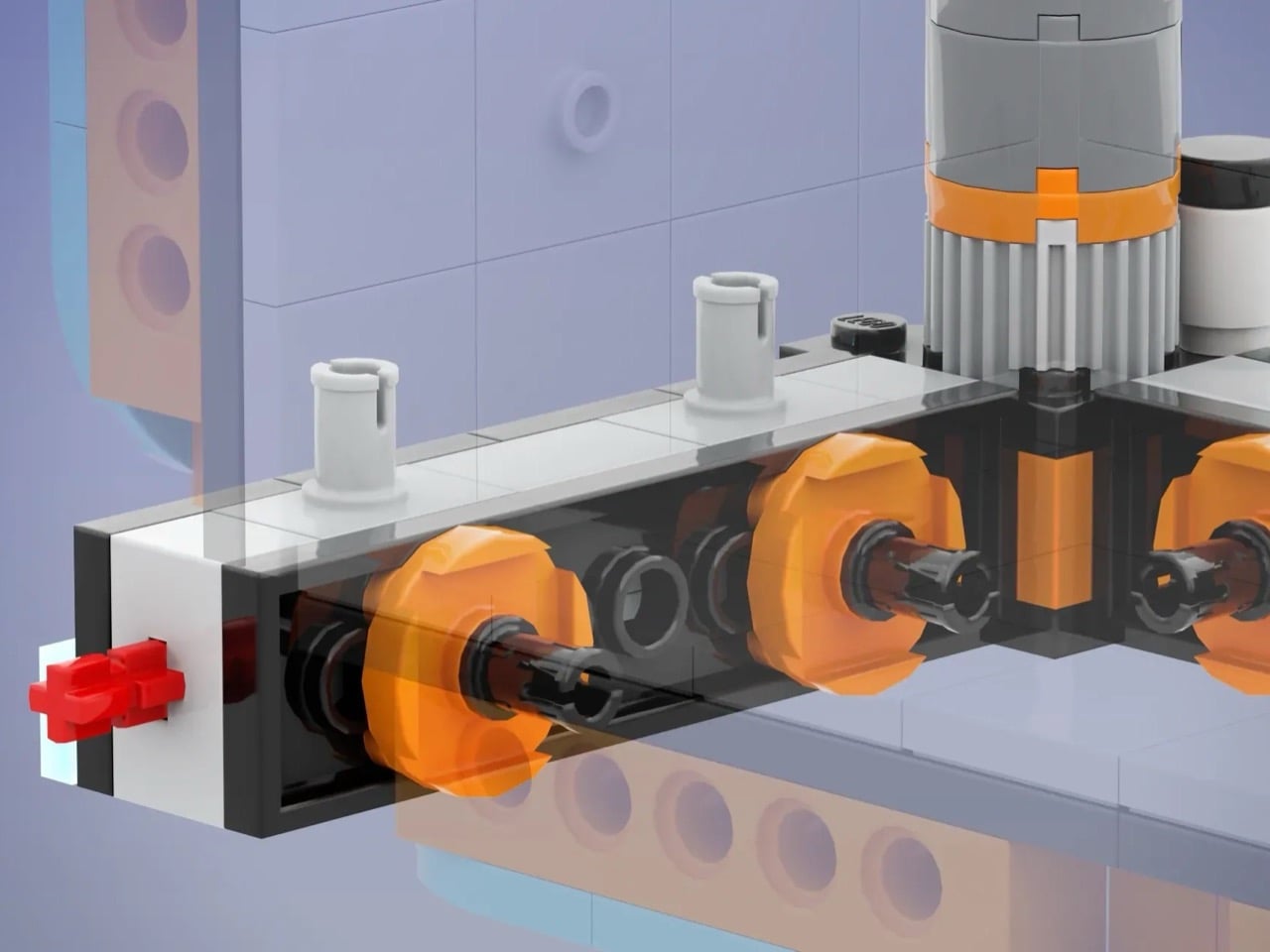
Those 18 unique tile types across 29 modules provide enough variety to build compact chambers or combine everything into larger, more complex puzzles. Some tiles feature orange and blue power line conduits that connect mechanisms in the actual game. Dark grey tiles break up monotonous white surfaces. Button tiles, overgrown sections, observation windows, and the Heavy Duty Super-Colliding Super Button all serve gameplay purposes Portal fans recognize immediately. The structure uses long and short connectors with technic pins and 2L axles to hold everything together, which should make reconfiguration reasonably straightforward without constant collapse during redesign sessions. The orange base with its studded connection points does the critical work of making the whole modular system functional rather than theoretical.
The functional elements push this past display territory into actual play value. The Companion Cube dropper holds and releases cubes, mimicking those ceiling-mounted dispensers from the game. The aerial faith plate triggers manually to launch minifigures upward. A tilting elevated platform angles in different directions for variable chamber layouts. The door swings open for chamber entrances and exits. These mechanisms aren’t revolutionary in LEGO terms, but they’re deployed strategically to recreate specific Portal gameplay moments. The laser grid uses red transparent pieces across a 3×6 area. It won’t vaporize minifigs, but it provides the visual language of hazards you’d design chambers around. The deadly goo gets two 8×8 tiles in translucent orange, which is the correct color unlike some fan builds that use green acid from generic video game conventions.
There’s even a cake hidden somewhere because at this point it’s mandatory for Portal merchandise. The cultural penetration of “the cake is a lie” has been both blessing and curse for the franchise, but you can’t release Portal LEGO without acknowledging it. The white rat perched on structural pillars references Doug Rattmann, the Aperture scientist who left cryptic murals throughout the facility. That’s a deeper cut than casual fans would catch. The test chamber sign displays “25” along with hazard pictograms, grounding the build in Aperture Science’s obsessive signage culture. The facility loved warning test subjects about dangers they couldn’t avoid. Small crows appear on the pillars too, adding those environmental details that make the difference between a good build and one that captures a world.
Portal maintains relevance fifteen years after its 2007 release through memorable writing, innovative mechanics, and an aesthetic that spawned endless memes. GLaDOS remains one of gaming’s most iconic antagonists. “Still Alive” transcended the game to become a cultural touchstone. The orange and blue portal color scheme is instantly recognizable across demographics. Portal 2 expanded the universe in 2011 with co-op gameplay, more complex puzzles, and deeper lore about Aperture Science’s history. The games influenced puzzle design across the industry and demonstrated that shorter, tightly designed experiences could compete with sprawling open-world titles. That legacy makes Portal a strong candidate for LEGO treatment, especially given LEGO’s existing relationship with video game properties and Valve’s general receptiveness to licensed products.
LEGO Ideas operates as a platform where fans submit designs for potential official sets. Projects reaching 10,000 supporters enter review, where LEGO evaluates production feasibility, licensing complexity, and market viability. The Portal 2: Test Chamber Creator sits at roughly 1,700 supporters with 543 days remaining. Voting requires a free LEGO Ideas account and takes about thirty seconds (you can cast your vote here). Reaching 10,000 votes doesn’t guarantee production since LEGO considers factors beyond popularity (licensing negotiations with Valve, manufacturing costs, retail strategy), but fan support gets projects in front of decision-makers. LEGO has produced gaming sets before, from Minecraft to various Nintendo properties. Portal’s enduring cultural presence and Valve’s track record with merchandise partnerships suggest this build has legitimate production potential if it clears the voting threshold.

The post This LEGO Portal 2 Set Lets You Design/Build Your Own Test Chambers With 1,280 Pieces first appeared on Yanko Design.

ONEXSUGAR Wallet Gaming Handheld Looks Like a Clutch When Closed

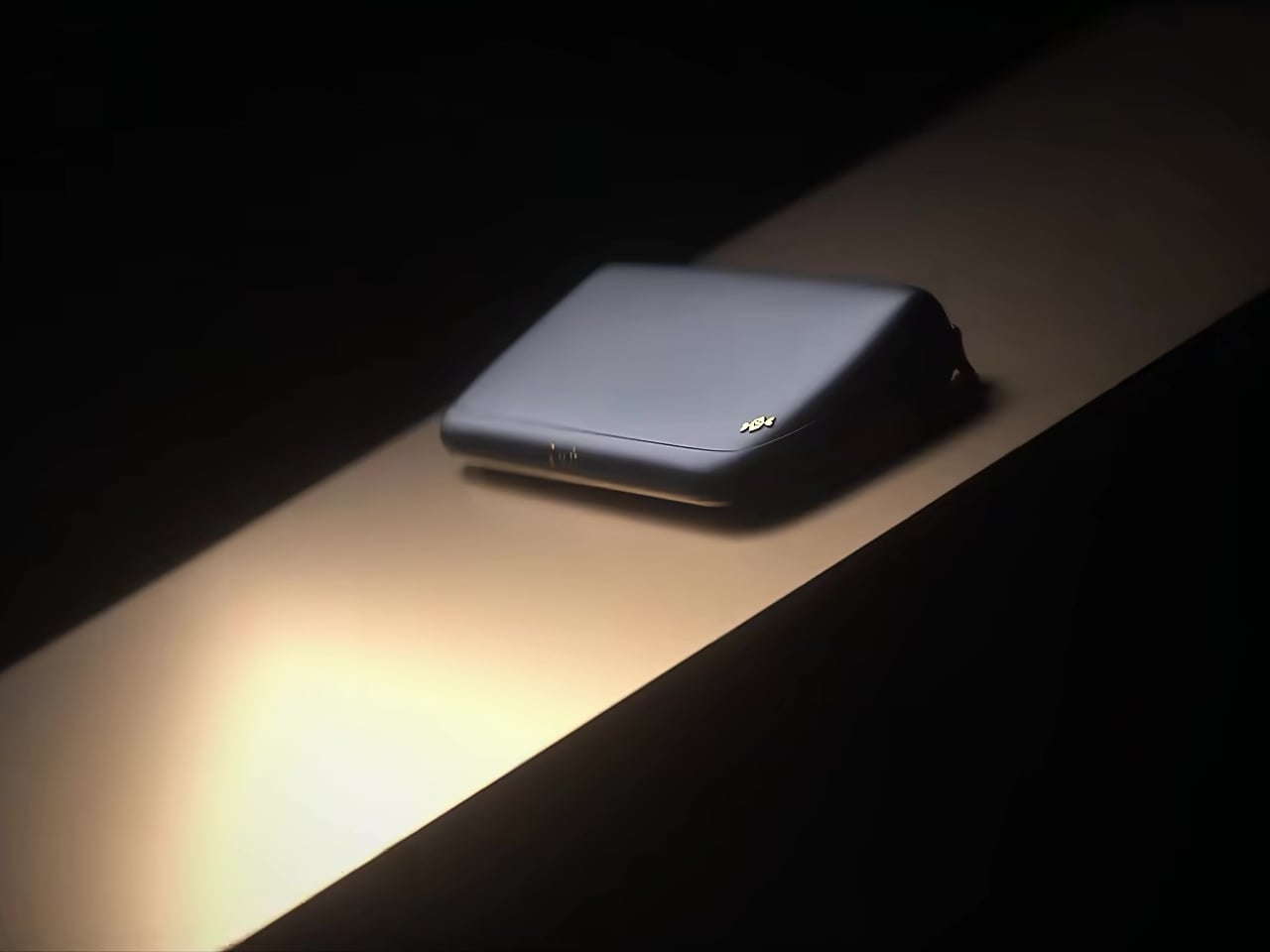
Most gaming handhelds today, from Steam Deck to ROG Ally, are big, loud slabs that look like shrunken consoles. They are great for playing, less great for slipping into a bag without announcing themselves. The category has settled into a familiar silhouette, thick bezels, and aggressive angles that scream gaming from across the room. ONEXSUGAR’s Wallet asks what happens if a handheld tries to look more like something you would quietly carry every day.

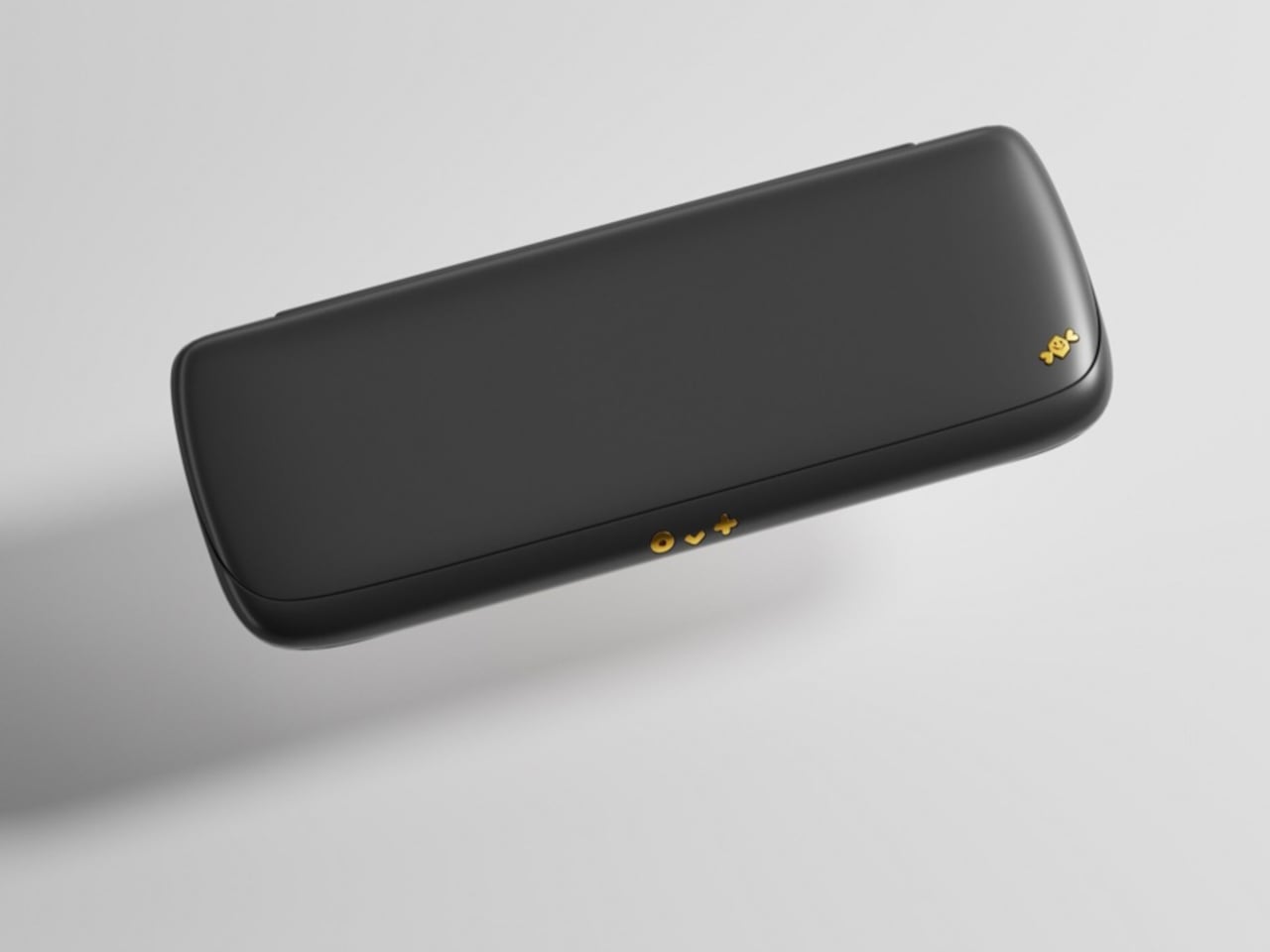
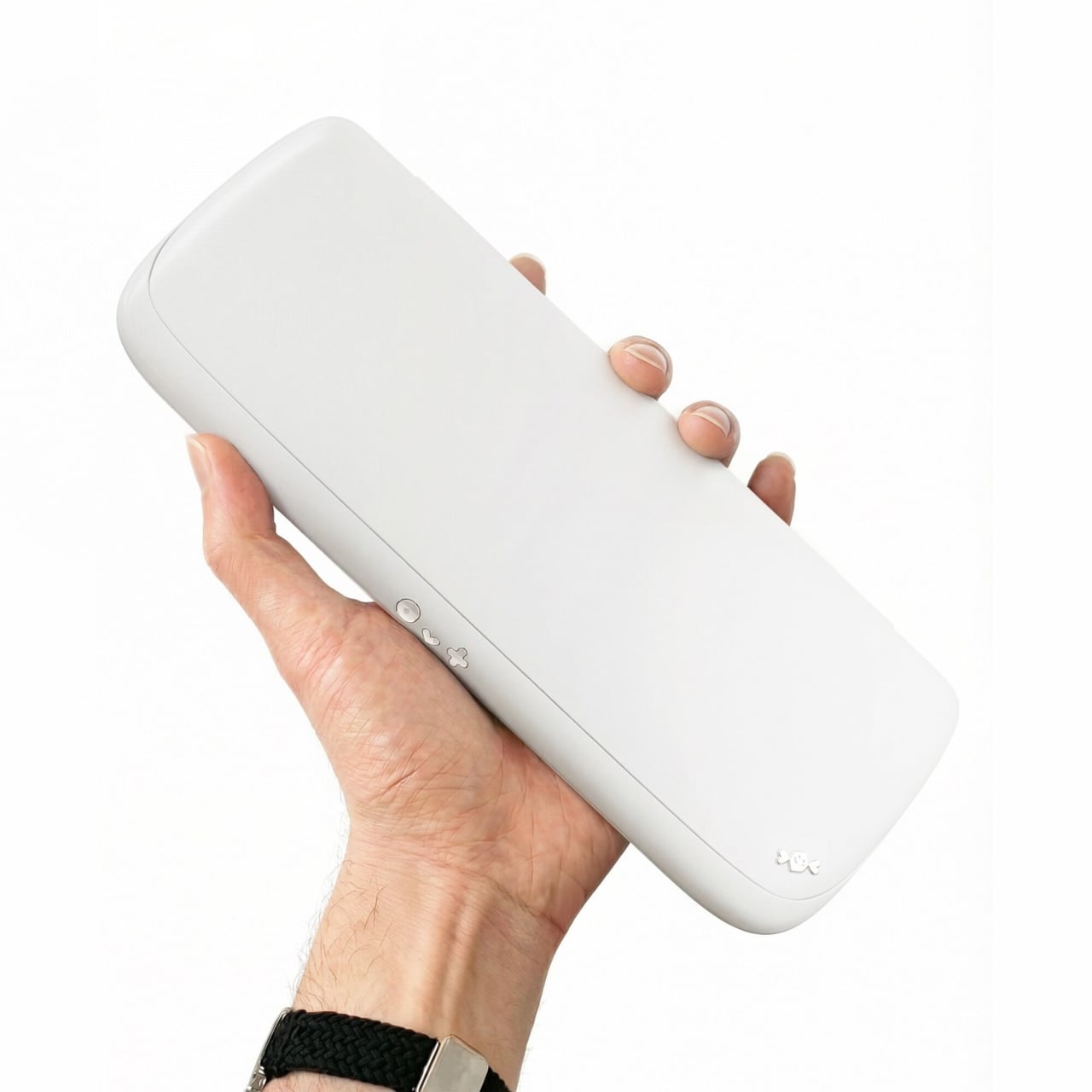
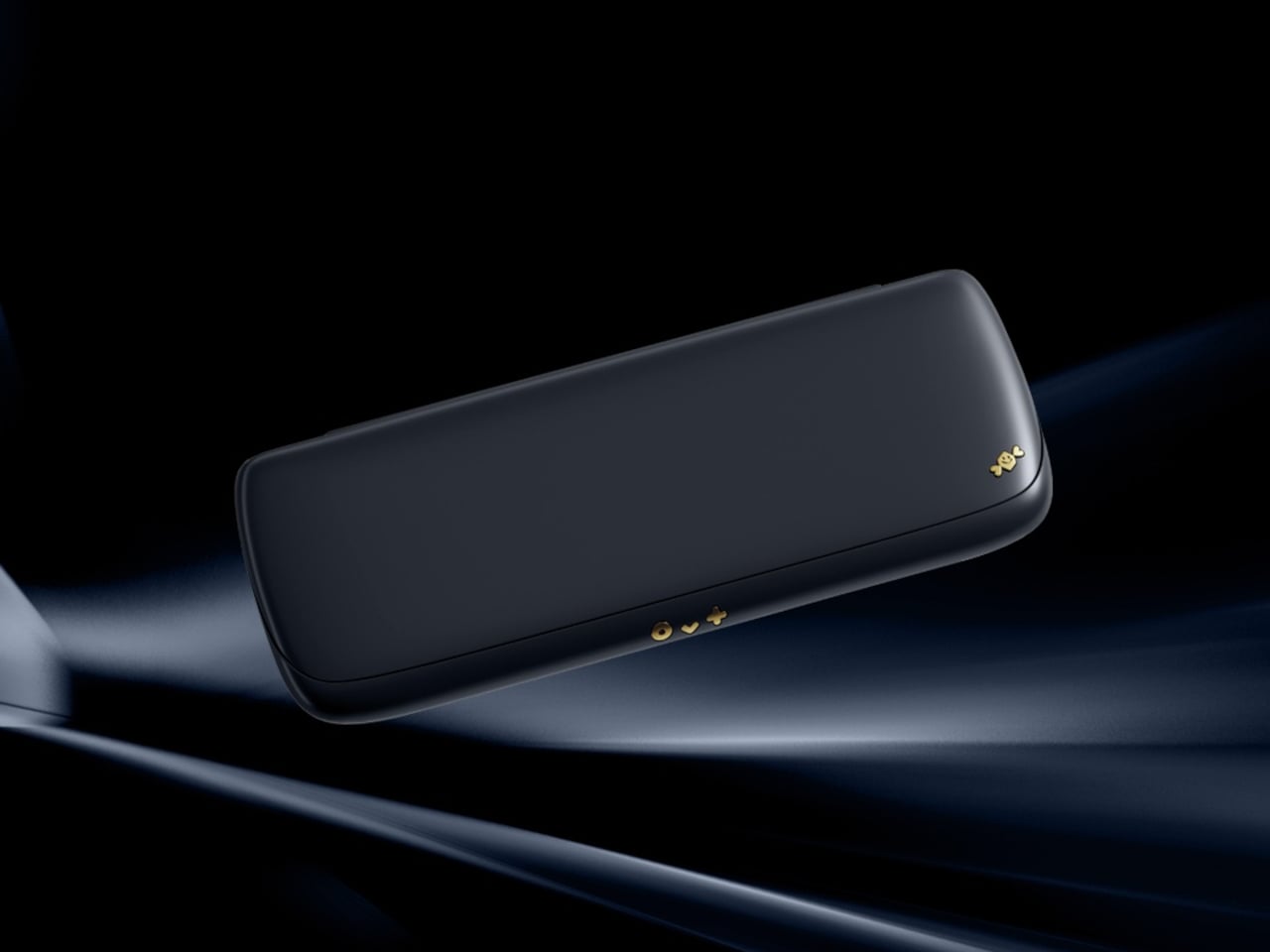
The ONEXSUGAR Wallet is a foldable-screen gaming handheld that, when closed, looks like an oversized wallet or clutch, a long, rounded rectangle with almost no visible tech. The name comes from this closed state, where it reads more like a personal object than a console. You can hold or pocket it without broadcasting that you are carrying a gaming PC, treating discretion as a core part of the design rather than an afterthought.

Designer: One-Netbook (via ITHome)

The Wallet uses a clamshell design with a flexible display inside. When you open it, the screen unfolds into a single large canvas, one continuous display bending at the hinge like a foldable phone scaled up to handheld size. That lets ONEXSUGAR keep the closed footprint small while giving games and media more room to breathe when you flip it open, reconciling portability with a genuinely usable screen.

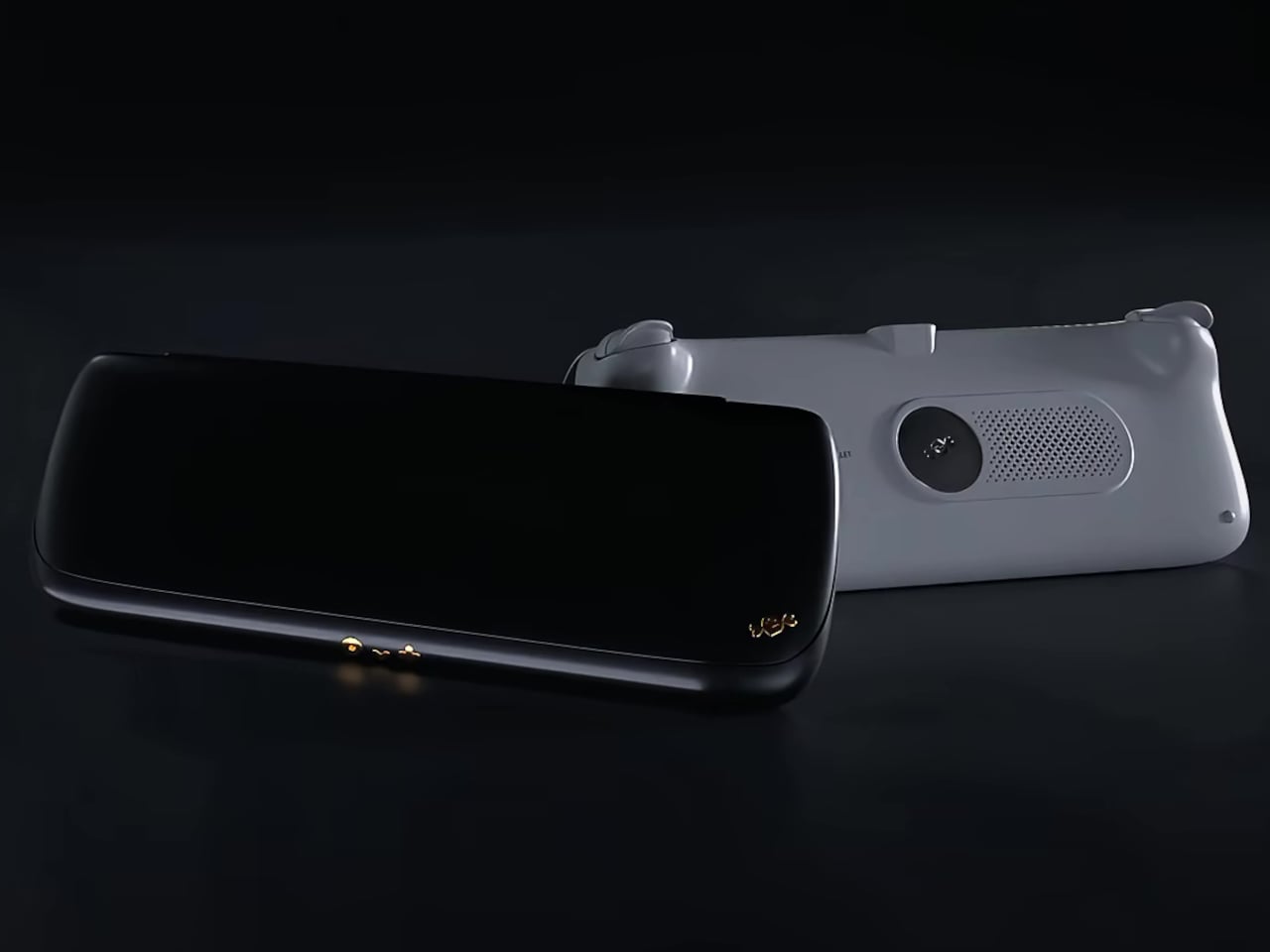
Once open, the Wallet reveals a familiar handheld layout, a central screen flanked by controls on the left and right. Each side has an analog stick, a D-pad or face buttons, and additional inputs and speaker grilles. The controls are baked into the chassis, not detachable, so the whole thing feels like a single, unified object rather than a tablet with clip-on gamepads, which should help with rigidity and ergonomics.

The aesthetic language leans soft and minimal, with heavily rounded corners, smooth surfaces, and almost no branding. Early shots show at least white and dark grey versions, with small gold accents and a subtle logo. It looks more like lifestyle tech than aggressive gamer gear, the kind of device that would not look out of place next to a phone and earbuds on a table, which is an unusual stance for a gaming product.

The wallet-like shape and clamshell closure change the relationship between device and user. Closed, it protects the screen and hides the controls, making it easier to toss into a bag or carry in hand without worrying about sticks catching or buttons being pressed. Opened, and it becomes a full-fledged handheld. That duality could make it more practical for people who want serious gaming hardware that does not dominate their everyday carry.

The ONEXSUGAR Wallet hints at a future where foldable screens reconcile big displays with discreet objects, and where handhelds borrow cues from wallets and clutches instead of only from consoles. It is still a tease rather than a shipping product, but as a piece of industrial design thinking, it suggests that gaming hardware can afford to be softer, quieter, and a bit more playful about how it shows up in the world.

The post ONEXSUGAR Wallet Gaming Handheld Looks Like a Clutch When Closed first appeared on Yanko Design.

SN Operator Brings the Cartridge Ritual to Steam Deck and PCs

Retro gaming has mostly split into two camps: ROMs and emulators on one side, original cartridges and aging consoles on the other. A lot of people have boxes of SNES games they love, but end up playing downloaded copies on a laptop because it is easier. The Epilogue SN Operator tries to bring those physical carts back into the loop without dragging a CRT out of storage or rewiring your living room.

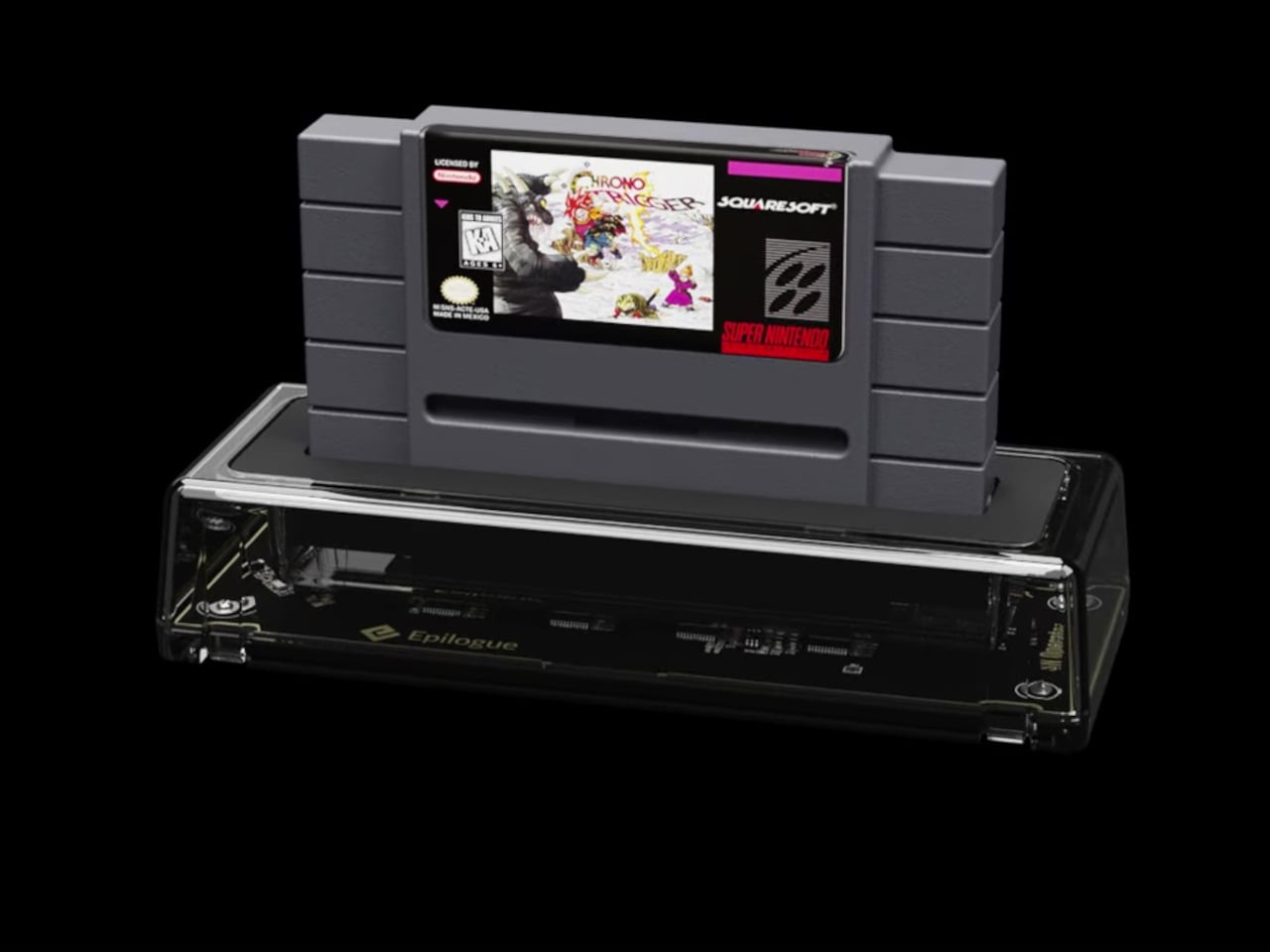
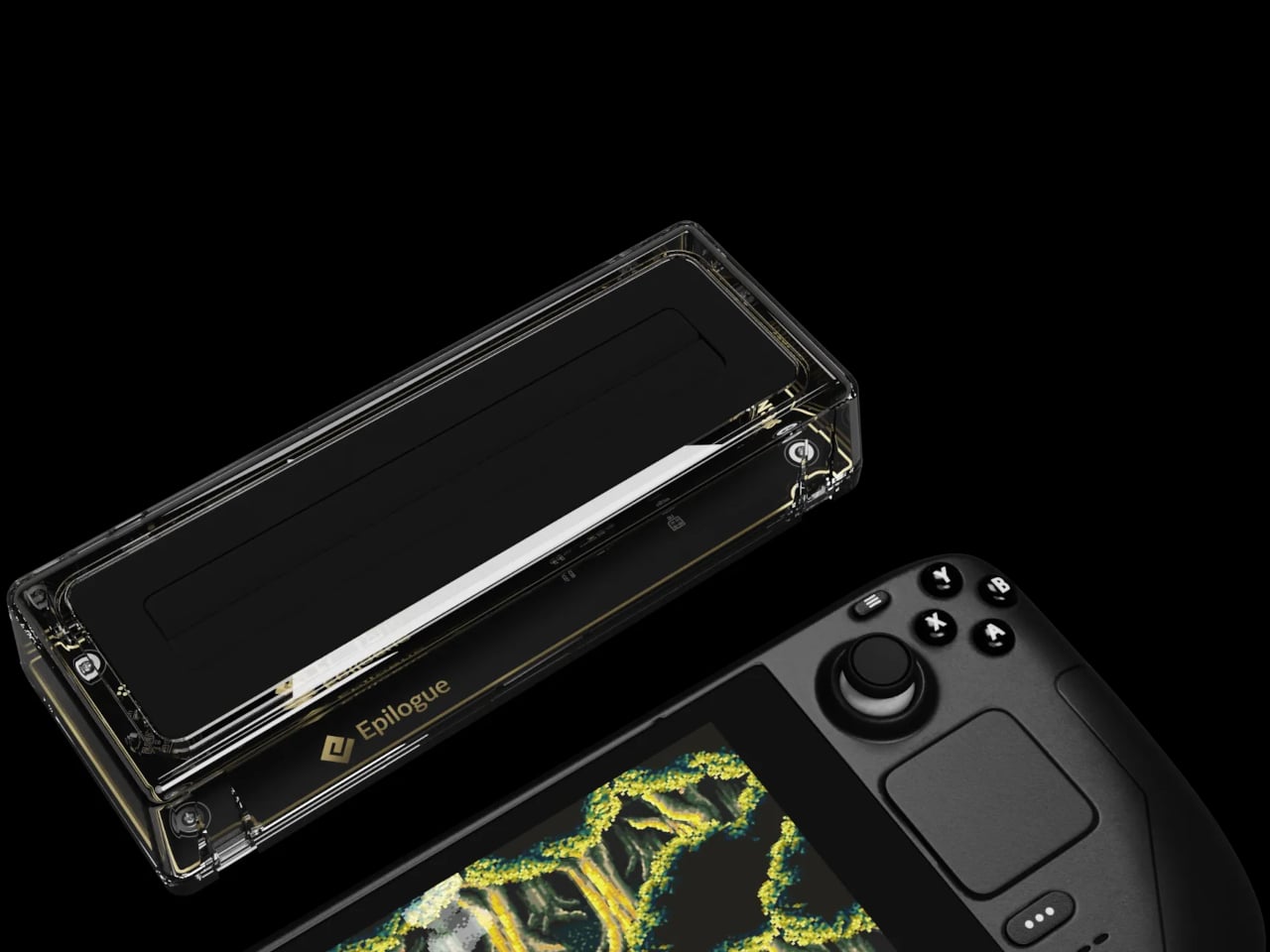
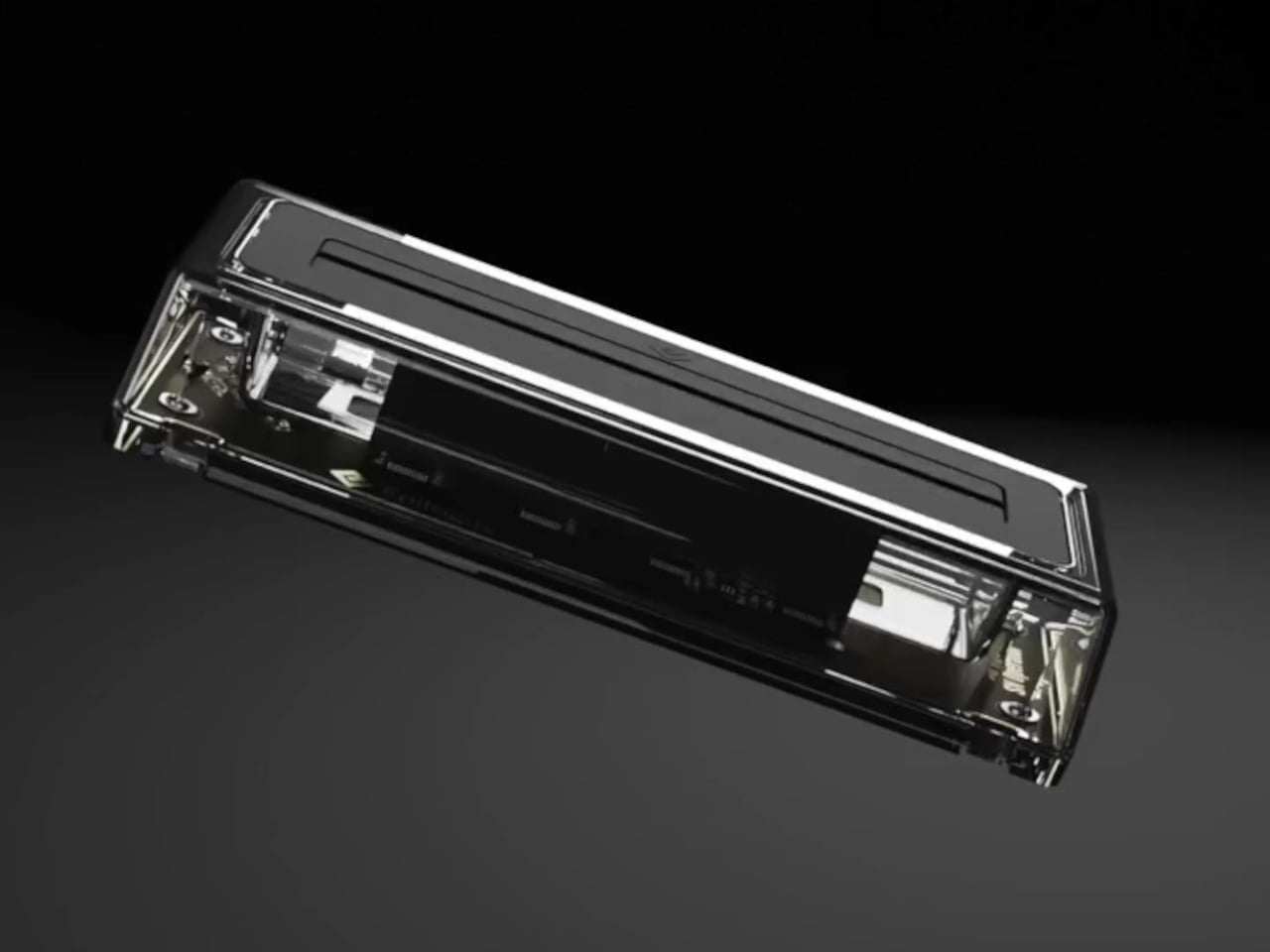
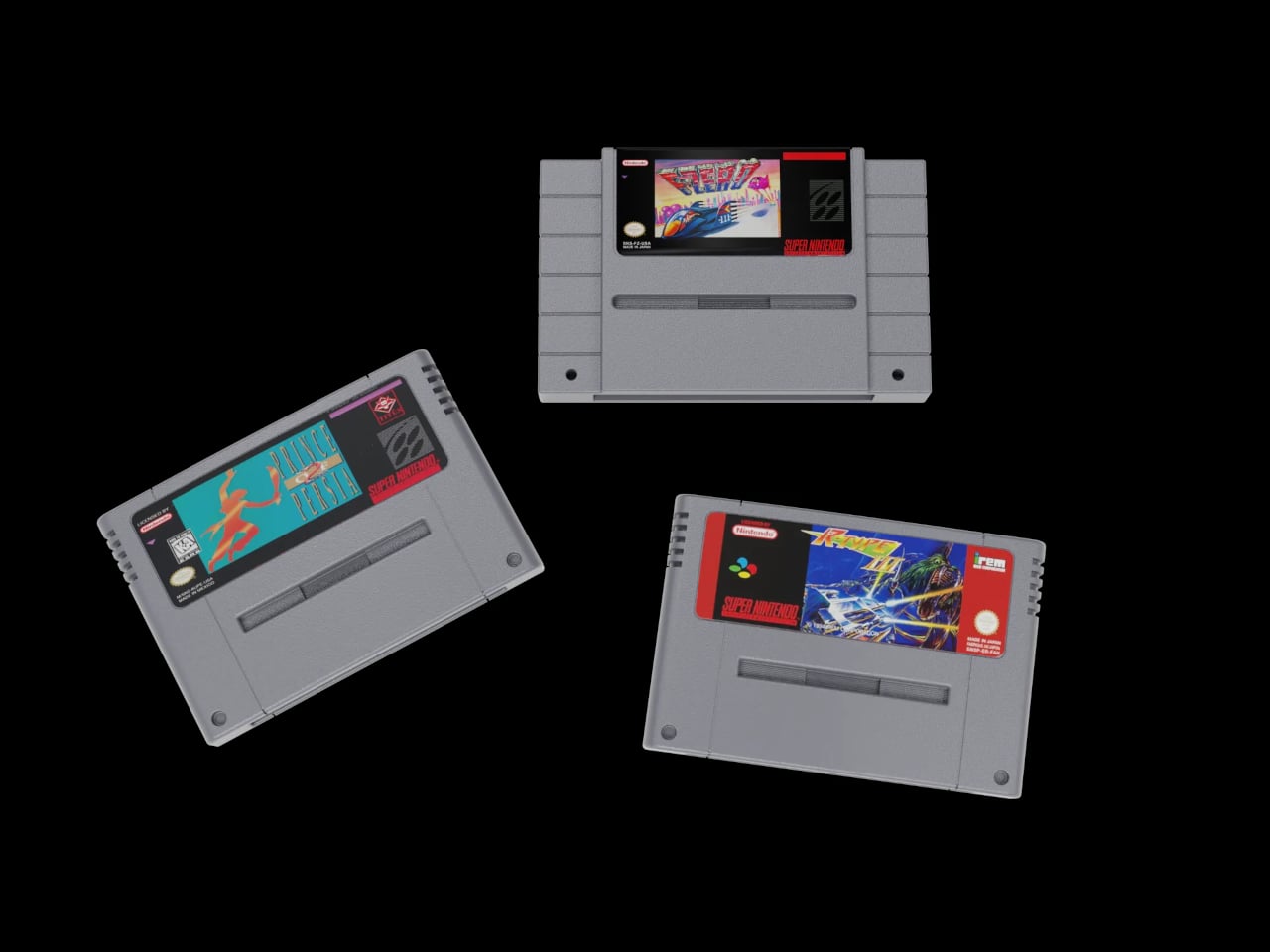
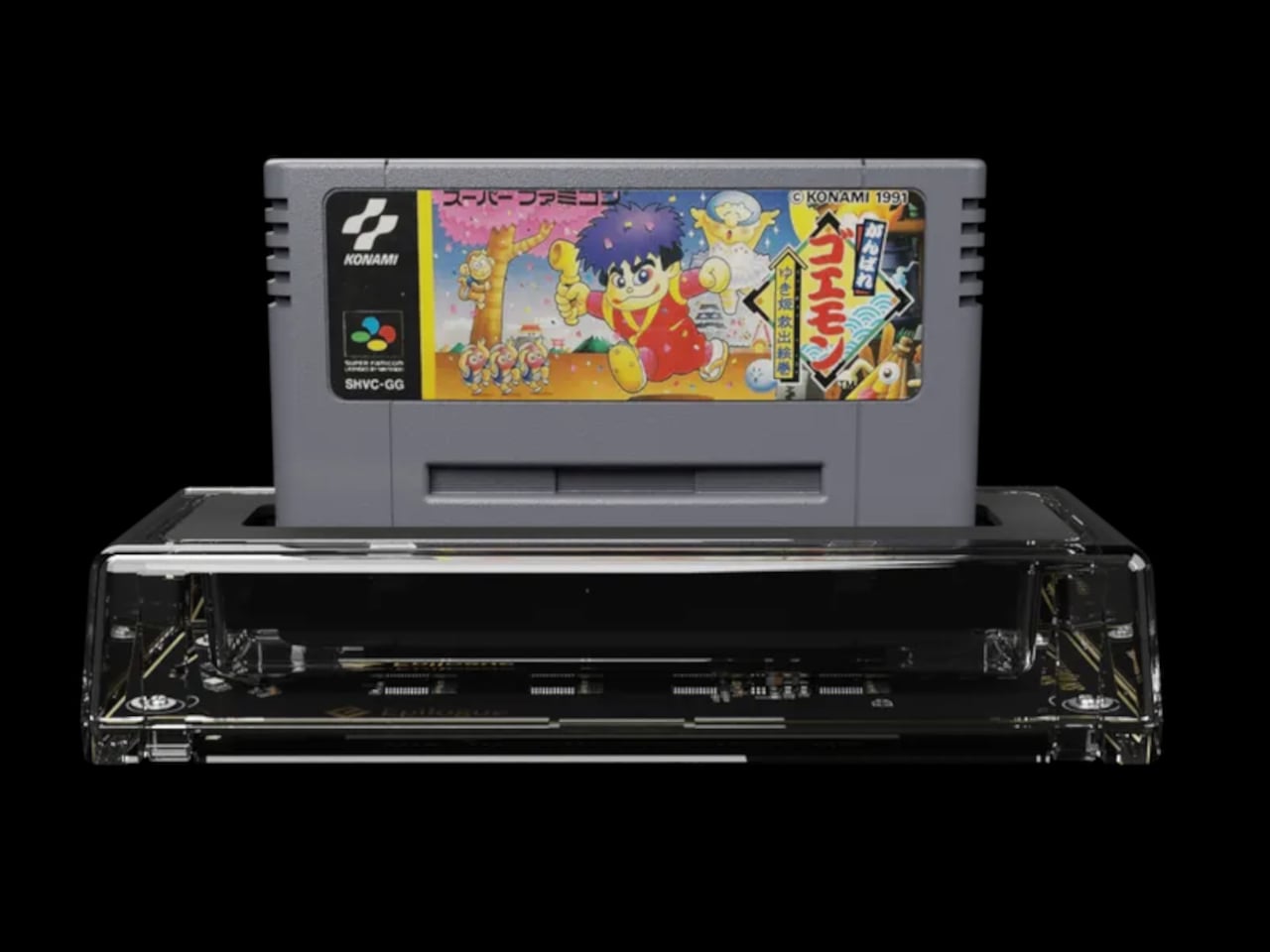
The SN Operator is a transparent dock that adds a Super Nintendo or Super Famicom slot to a computer or handheld over USB-C. You plug it into a Windows, macOS, Linux machine, or a Steam Deck, drop in a cartridge, and play through Epilogue’s Playback app or your emulator of choice. It behaves like a cartridge slot for your computer, not a black-box ripper, keeping the ritual of inserting a physical cart alive.

Designer: Epilogue

The Playback app handles the heavy lifting, running an in-app emulator that keeps saves synchronized between devices, supports co-op play, modern controllers, cheats, and integrates with RetroAchievements. You are playing from the original cartridge with your own save file, but you get achievements, soft reset, and fast forward layered on top. That turns a 30-year-old game into something that fits a 2025 setup without losing the tactile connection.

The handheld angle is where the SN Operator starts to feel unexpectedly useful. It plugs into a Steam Deck or similar device and effectively turns it into a portable Super Nintendo with a real cartridge slot. Setup is simple: install Playback, connect via USB-C, and you are playing carts on the couch or on a train. Saves stay in sync with your desktop, so you can bounce between screens without juggling files.

The preservation side lets you back up game data and save files from cartridges in a couple of clicks, archiving them on your computer before backup batteries die. Epilogue frames this as keeping titles and personal progress alive for decades, not as a piracy tool. The device is meant for legally owned cartridges and personal, non-commercial use, with no game ROMs included, and it protects cartridge integrity during reads.

Counterfeit detection analyzes cartridge data to help you spot bootlegs in a market where fakes are getting harder to identify by eye. It is not perfect, and results are informational only, but for collectors spending serious money on rare carts, having a hardware tool that can flag suspicious boards is useful on top of the play and backup functions, helping you know exactly what you are putting on the shelf.

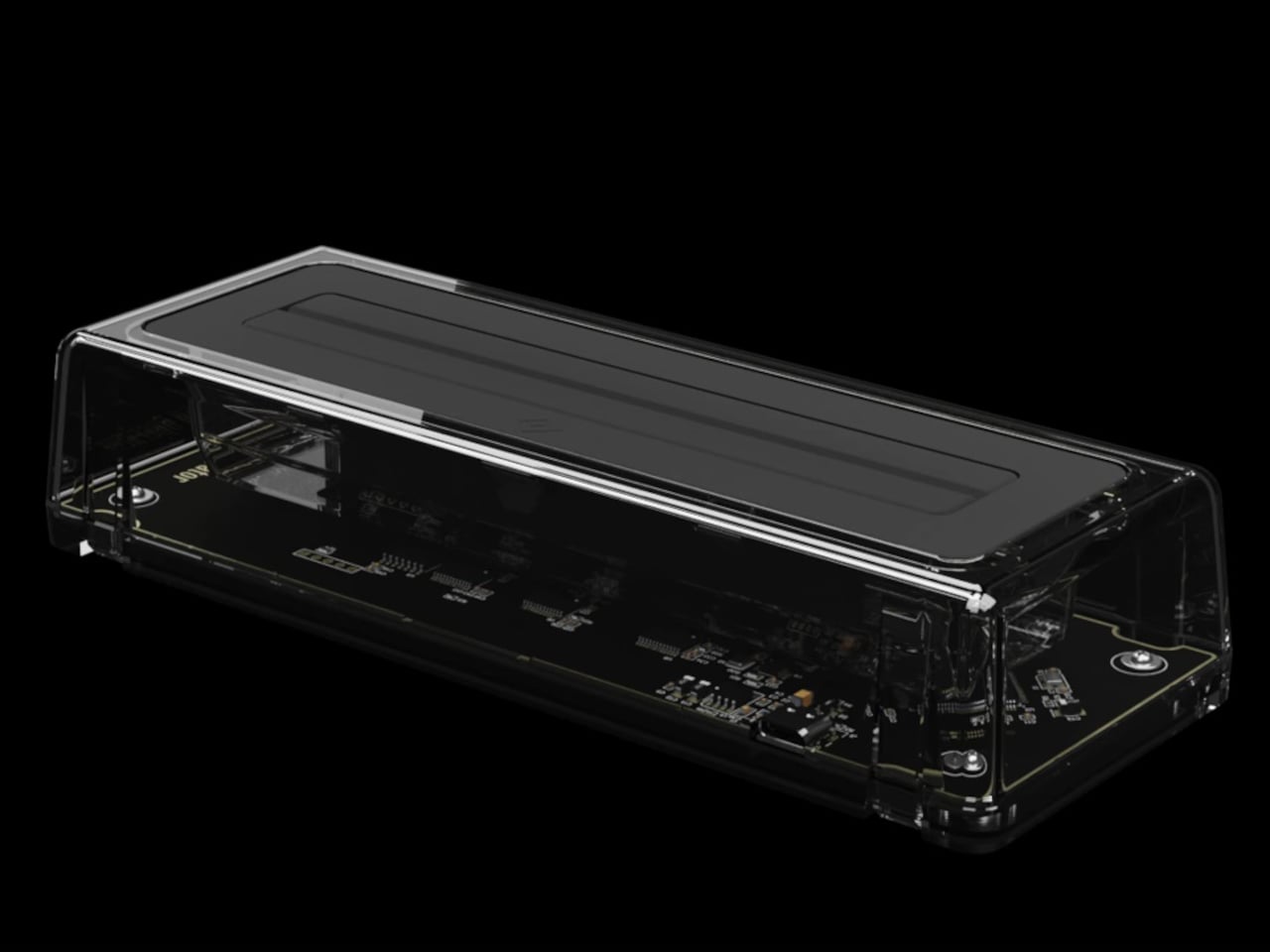
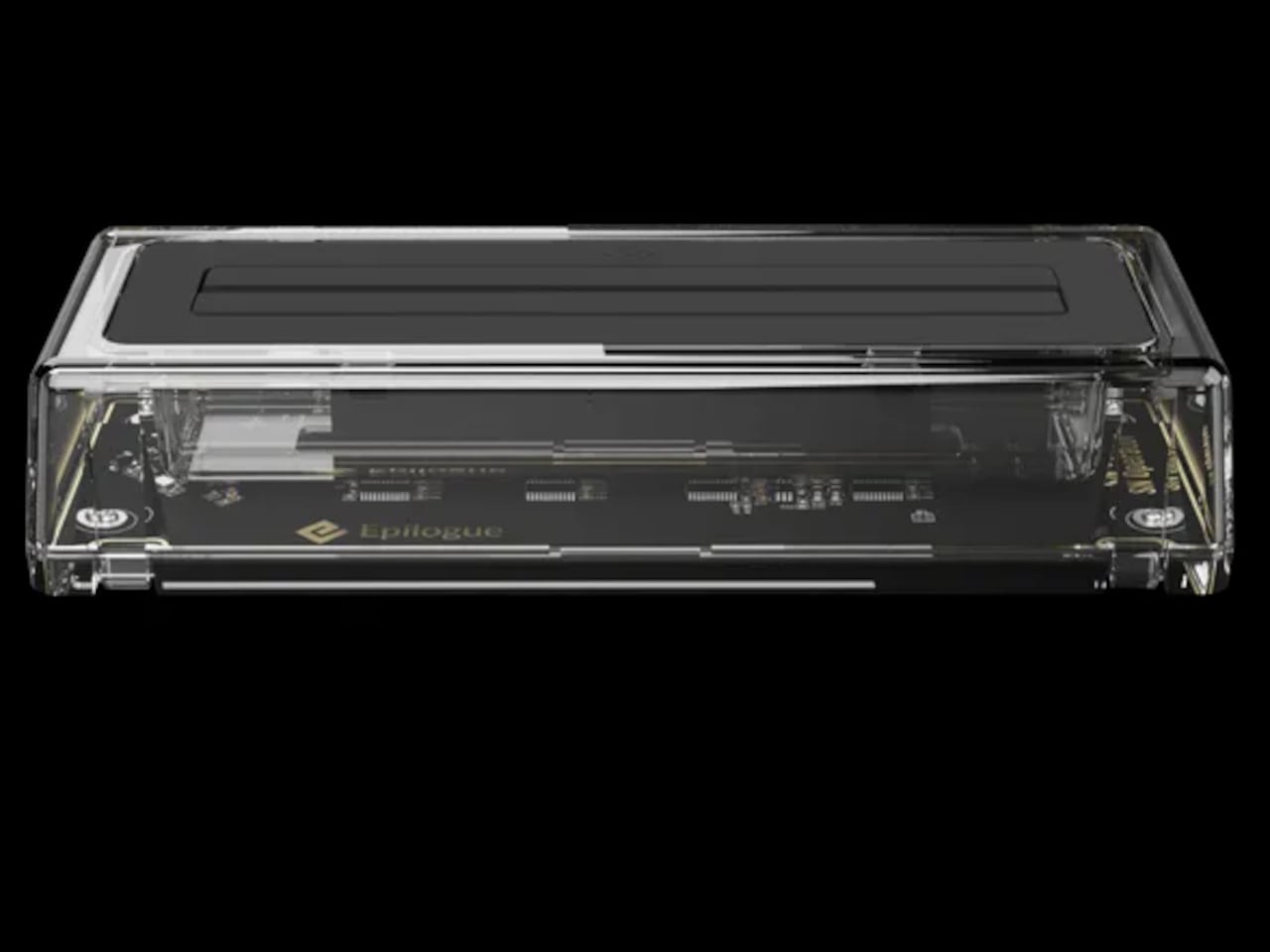
The transparent design feels right for this niche. A clear polycarbonate shell shows off the PCB and connector, with dust flaps keeping things clean. Transparent tech is a staple of 1990s gaming, and SN Operator leans into that nostalgia without feeling kitschy. It is a piece of hardware you want on the desk, a little window into the circuitry that is quietly keeping your Super Nintendo library alive on modern machines, whether you plug it into a tower or a handheld.

The post SN Operator Brings the Cartridge Ritual to Steam Deck and PCs first appeared on Yanko Design.

ACEMAGIC M1A PRO+ Is a Tank-Styled Ryzen AI Cube With 128GB RAM

Most mini PCs still look like shrunken office desktops, anonymous rectangles that hide under monitors or behind screens. That makes sense for some setups, but feels out of step with people who treat their desk as a curated space where every object carries some weight. ACEMAGIC’s M1A PRO+ leans in the opposite direction, turning the computer into a visible, sculpted object that occupies the desk like a small piece of machinery rather than a hidden utility box.

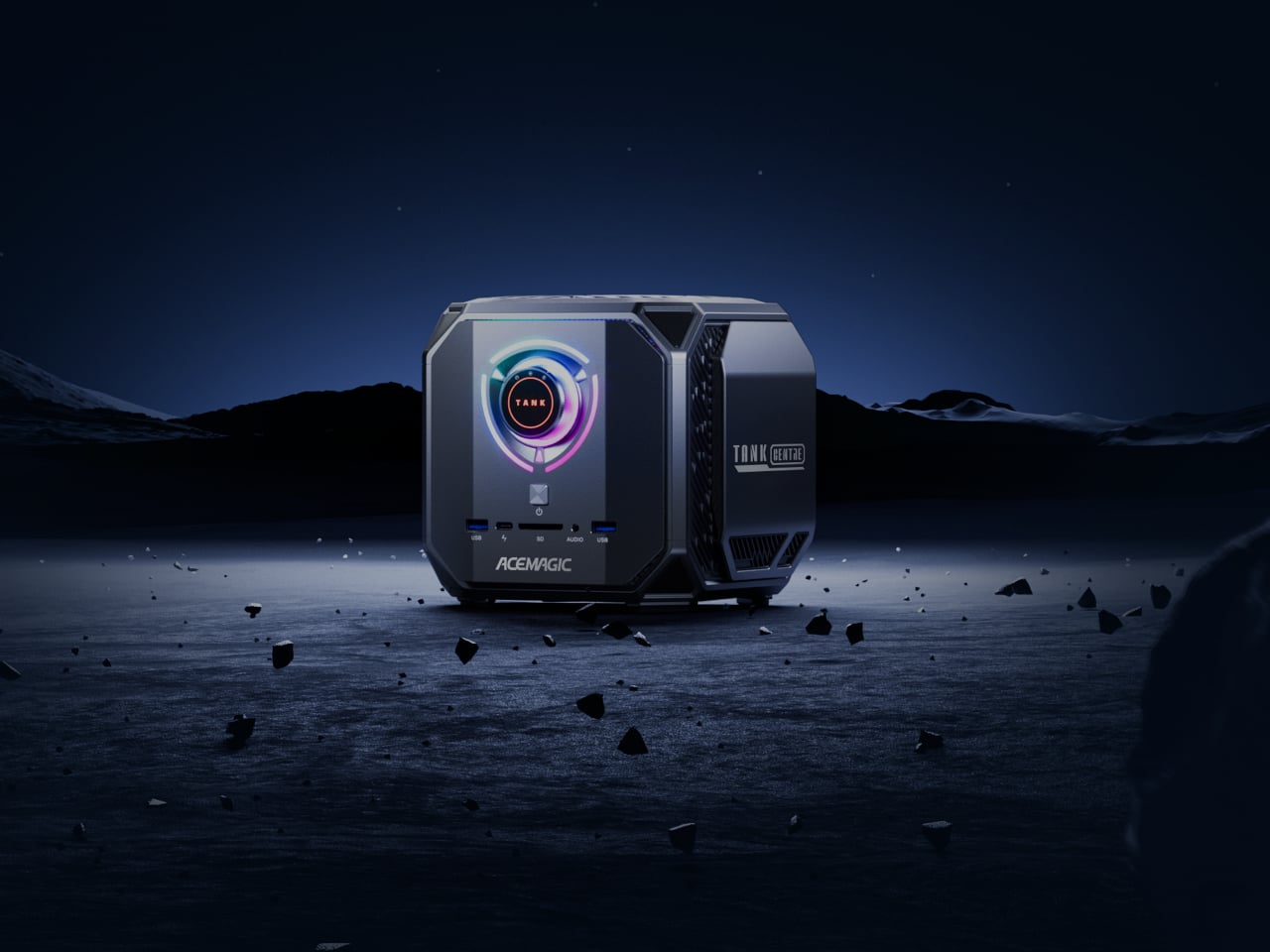
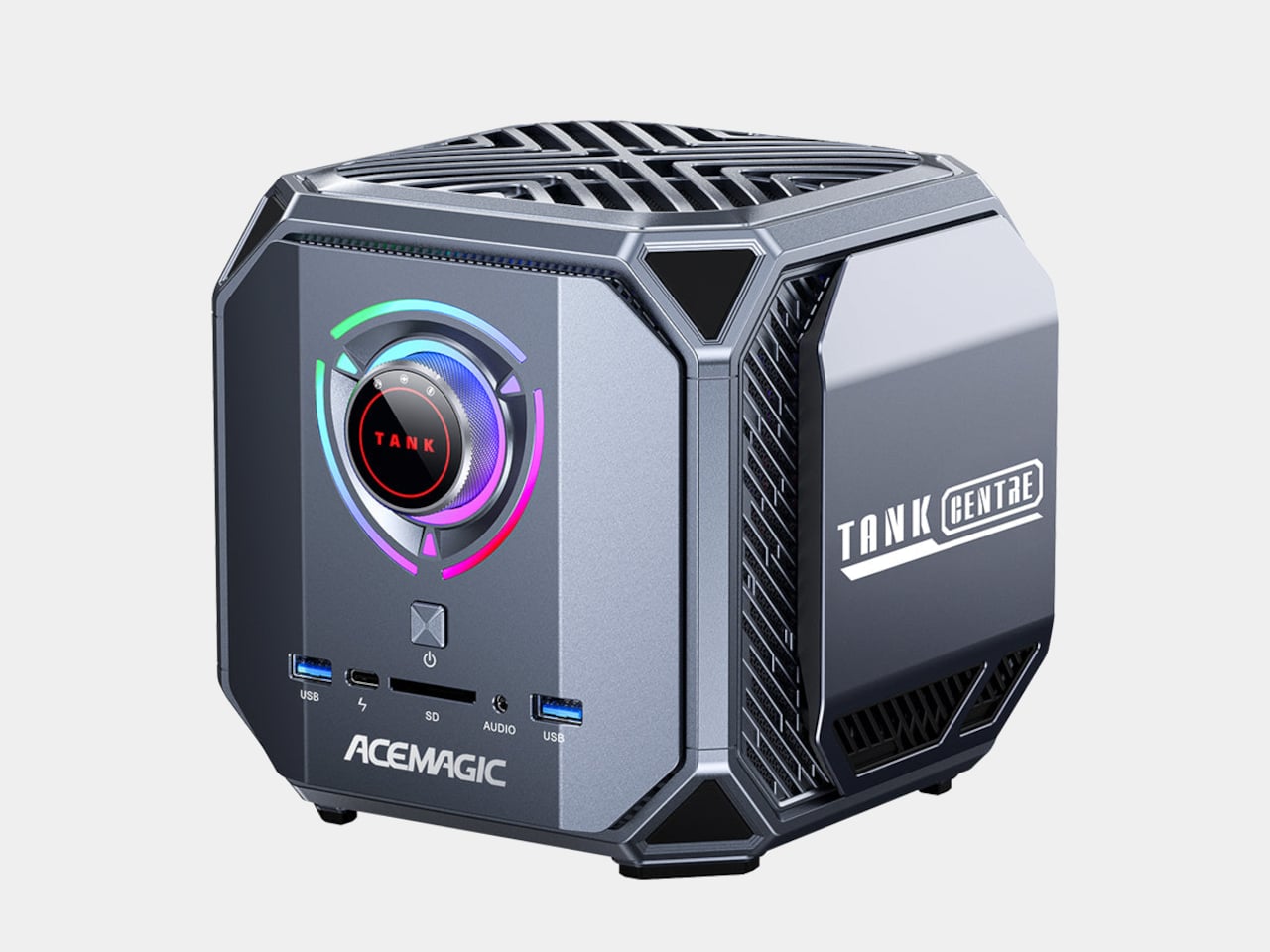
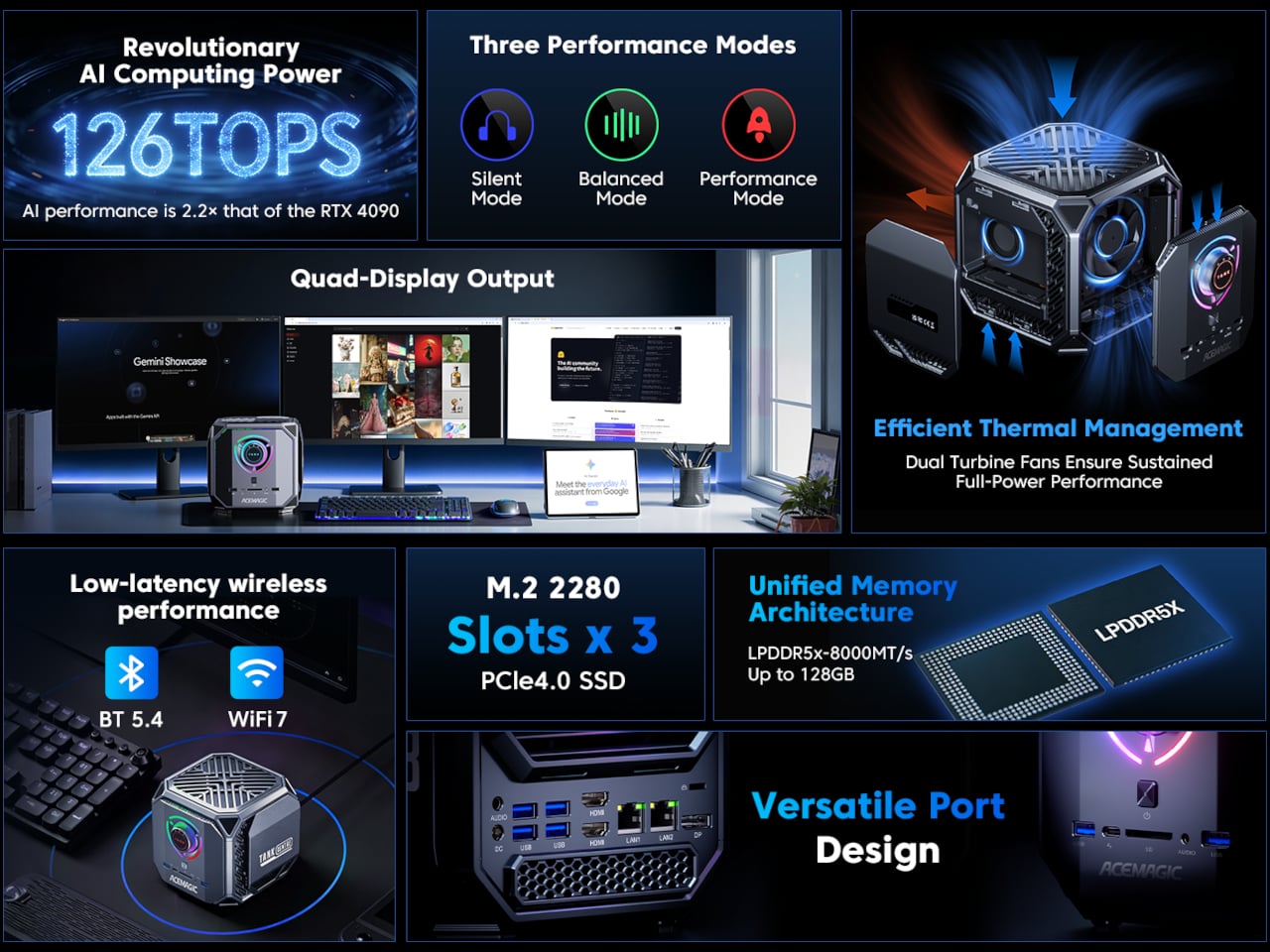
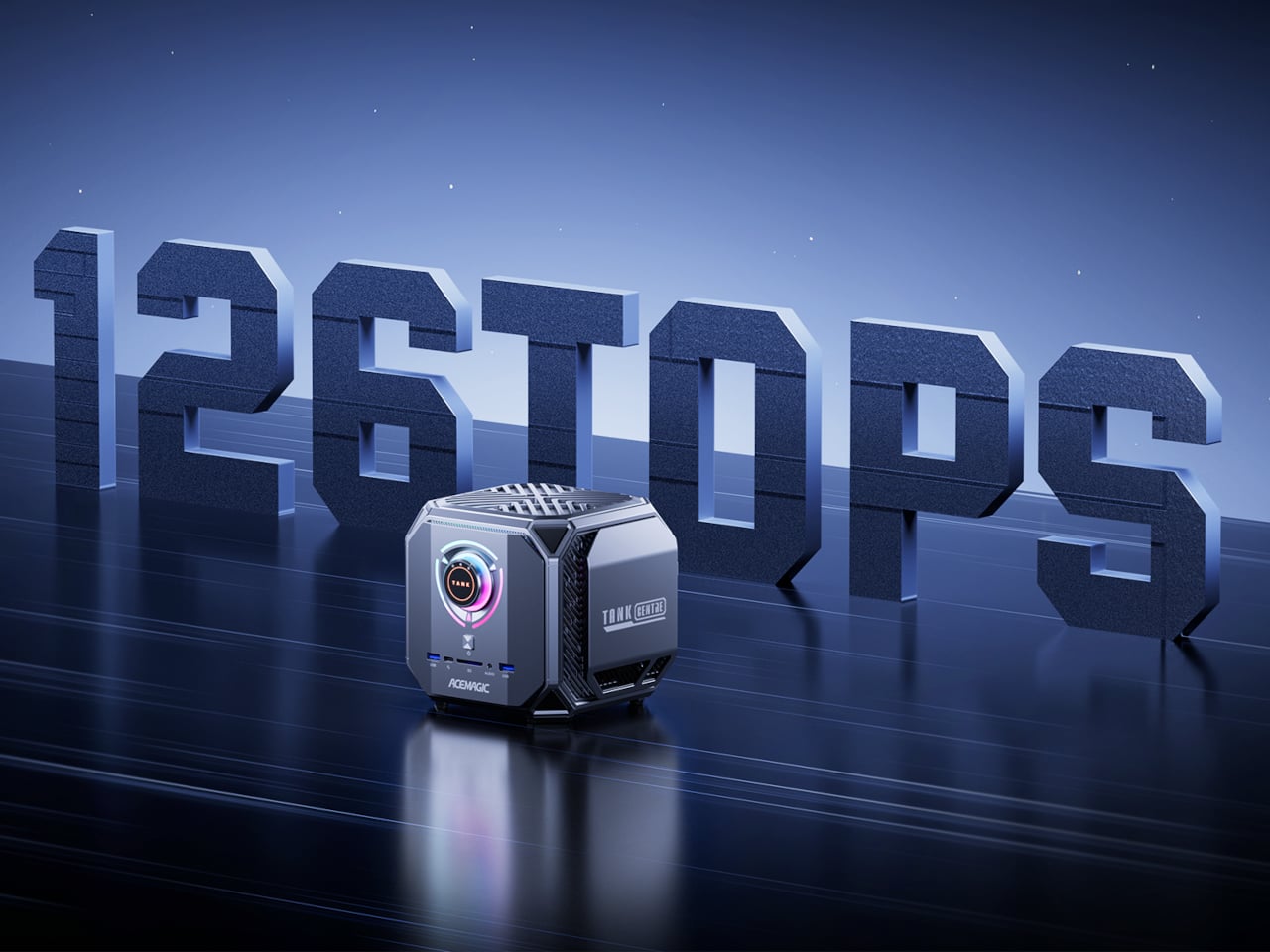
The ACEMAGIC M1A PRO+ is a cube-shaped mini PC built around AMD’s Ryzen AI MAX 395, but the way it presents itself matters as much as the silicon inside. The compact cube footprint, faceted corners, and layered panels make it feel more like a small engine block or sci-fi module than a piece of office equipment. ACEMAGIC calls it a “tank,” which fits the visual language of sharp edges, reinforced surfaces, and functional venting that runs across every face.

Designer: ACEMAGIC

The front is dominated by a circular dial with the TANK label and concentric RGB rings glowing around it. That element acts as both a visual anchor and a mode selector, echoing the kind of control you would find on pro gear. The RGB is contained and graphic rather than sprayed everywhere, keeping it closer to an instrument than a light show, even when it is glowing in performance mode. Below, the ACEMAGIC wordmark and a row of front USB ports ground the composition.

The side panels carry the Tank Centre wordmark, with subtle venting near the base and a dark metallic finish that shifts between charcoal and gunmetal depending on the light. The surfaces are clean enough to sit in a studio or office, but the geometry and branding still signal that this is a performance machine. It looks intentional from every angle, which matters when it is sitting in full view instead of hiding under a desk.

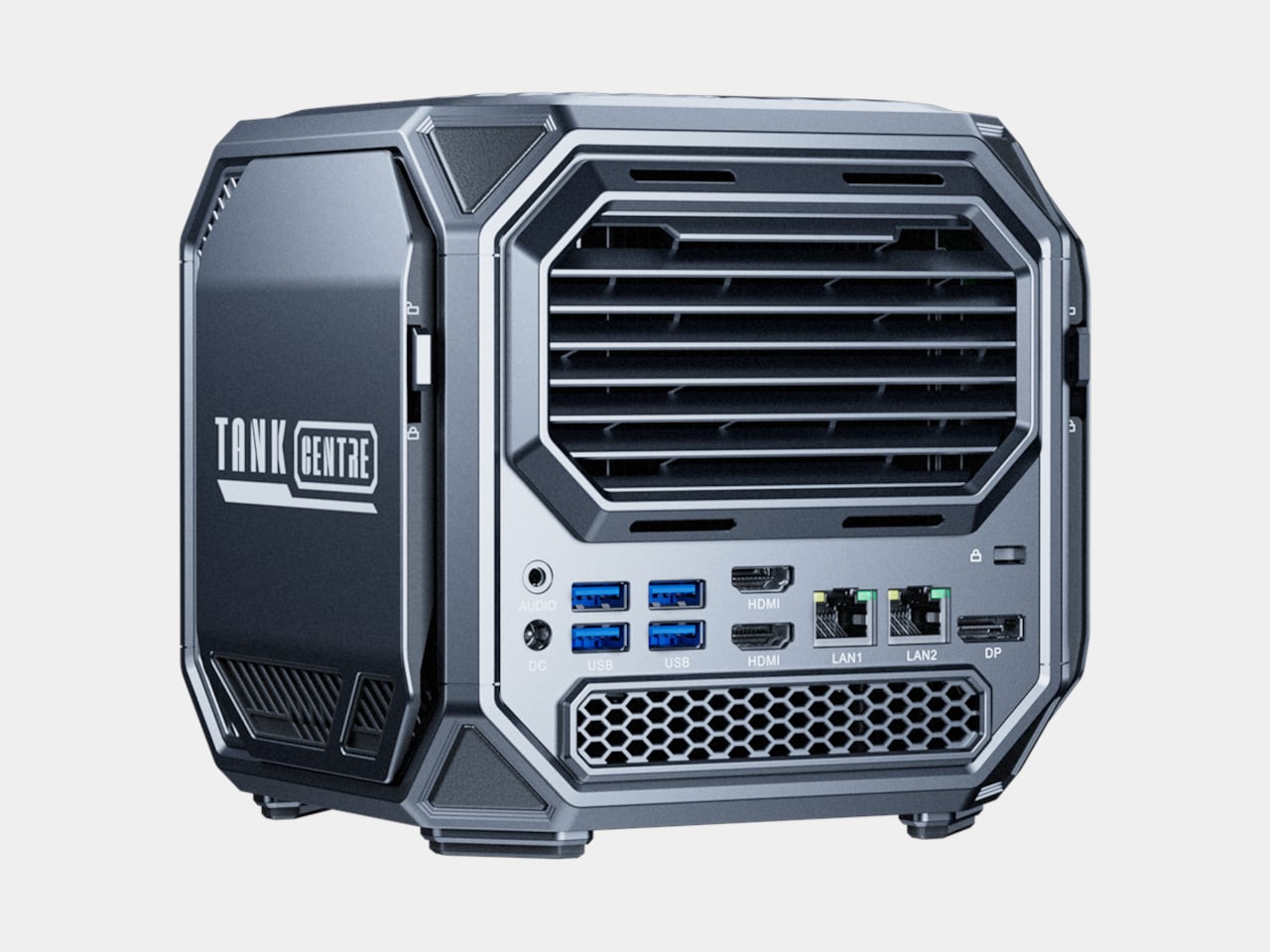
The rear is where function gets framed. A large, octagonal grill and honeycomb vent surround a dense cluster of ports, two HDMI 2.1, one DisplayPort 2.0, dual 2.5 GbE Ethernet, four USB 3.2 Type-A, plus audio and power. The symmetry of the grill and the disciplined arrangement make the back feel like the business end of a device designed to drive multiple 8K displays and fast networks. Function is not hidden; it is organized and expressed through geometry.

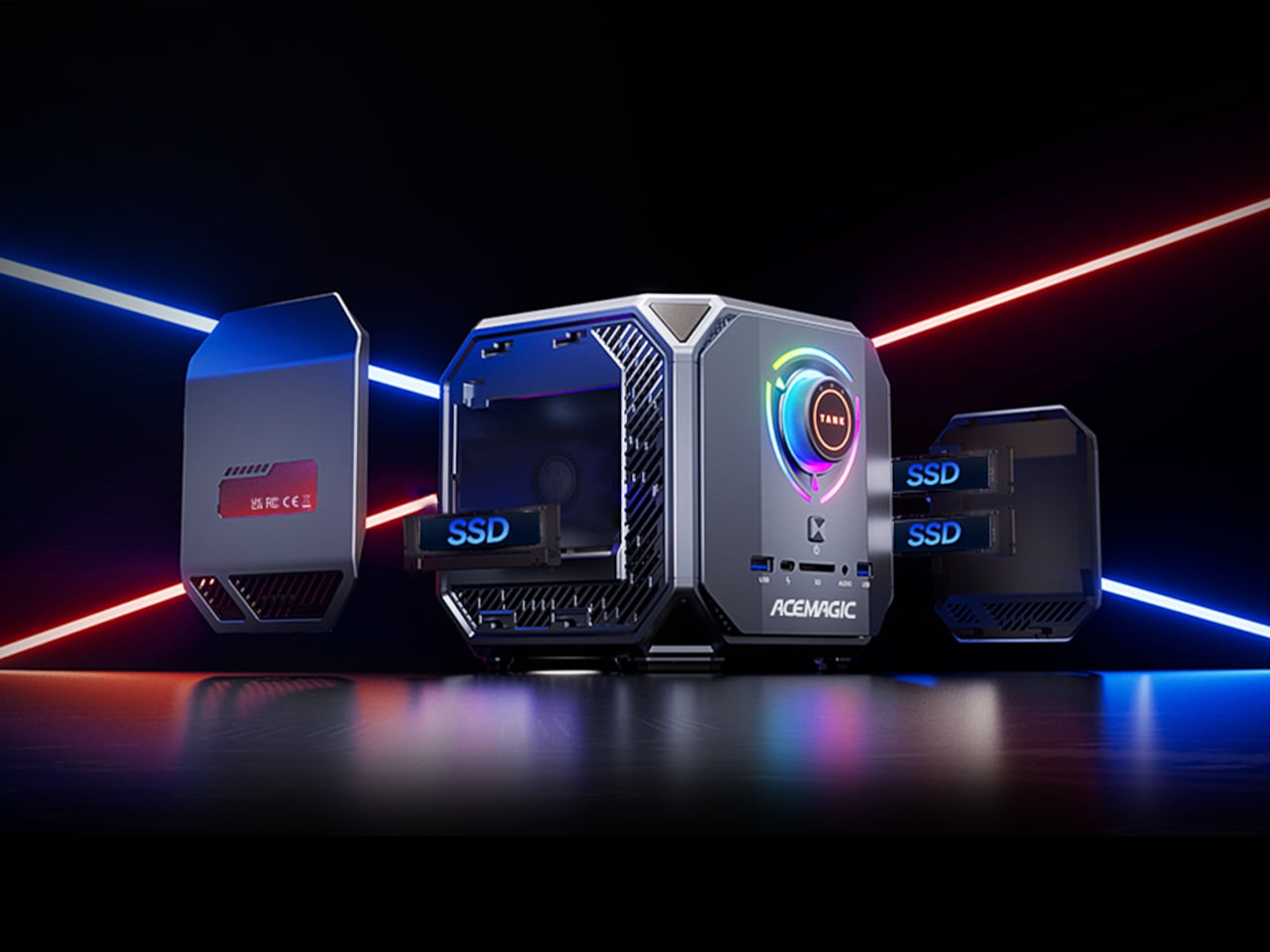
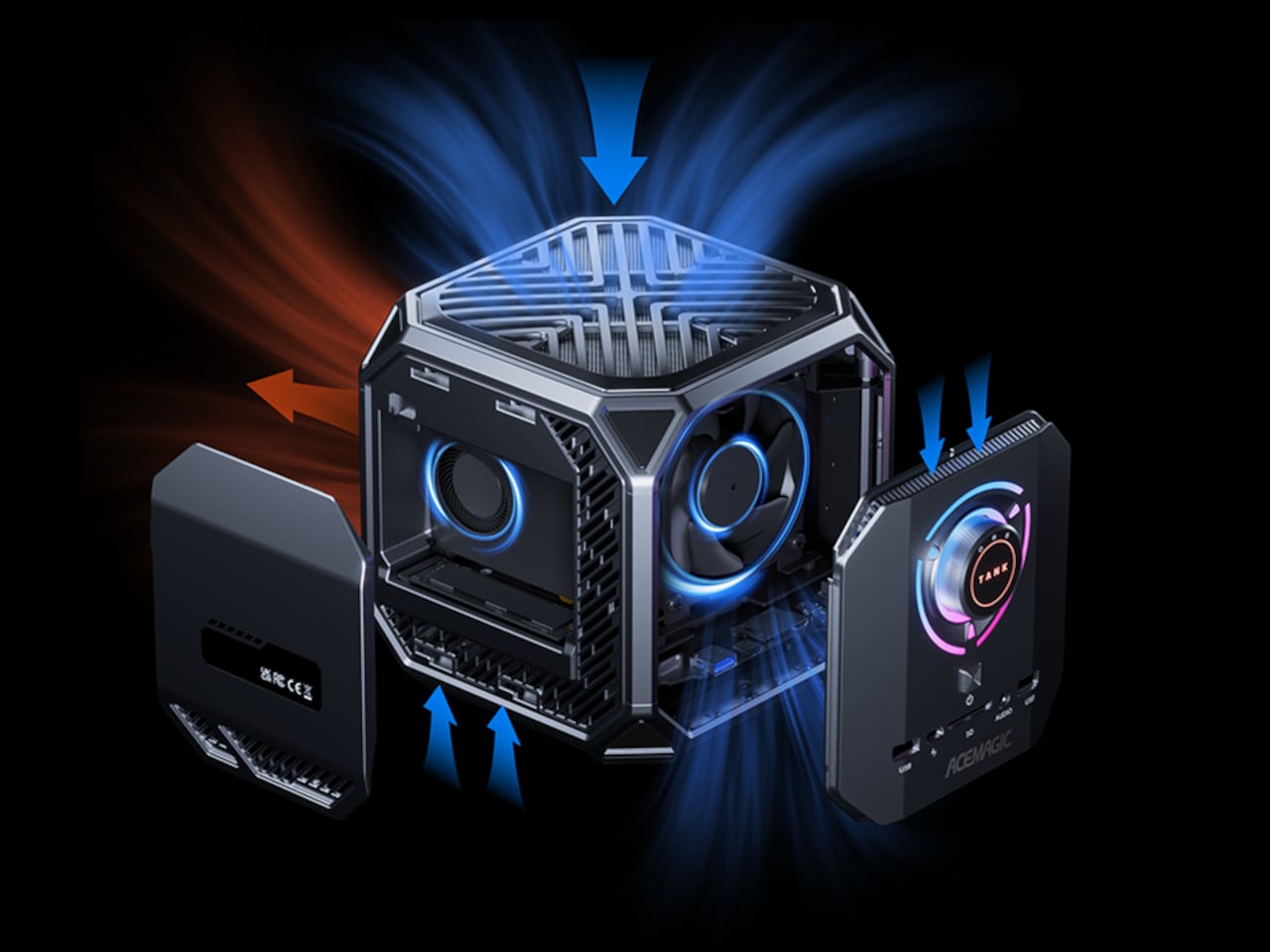
The exterior makes sense when you realize what is inside: a Ryzen AI MAX 395 processor with 16 cores and 32 threads, Radeon 8060S graphics, 128 GB of LPDDR5X memory, and room for up to 12 TB of PCIe 4.0 storage. The tank metaphor feels earned when the machine is meant to run local AI models, heavy creative workloads, and modern games without flinching, all while the cooling system and power modes are controlled from that central dial.

The M1A PRO+ is talking to people who want their main machine to look like a deliberate part of the setup, not an afterthought. For developers, creators, and gamers who spend hours at a desk, having a compact cube that looks like a self-contained engine, with lighting and form language to match its capabilities, makes the idea of a mini PC feel a lot less anonymous and a lot more personal. It sits on the desk as if it belongs there, not like it is hiding until you need it.

The post ACEMAGIC M1A PRO+ Is a Tank-Styled Ryzen AI Cube With 128GB RAM first appeared on Yanko Design.

Miyoo Mini Flip Shrinks Retro Gaming into a 2.8-Inch Folding Square

Retro handhelds have exploded in the last few years, from chunky bricks to tiny keychain consoles, and a lot of them still feel like little Linux boxes with buttons bolted on. The Game Boy Advance SP’s clamshell still lives rent-free in people’s heads, that satisfying snap when you close it, and the way it fits into a pocket without scratching the screen. The Miyoo Mini Flip is a modern answer to that memory, scaled for pockets and commutes.

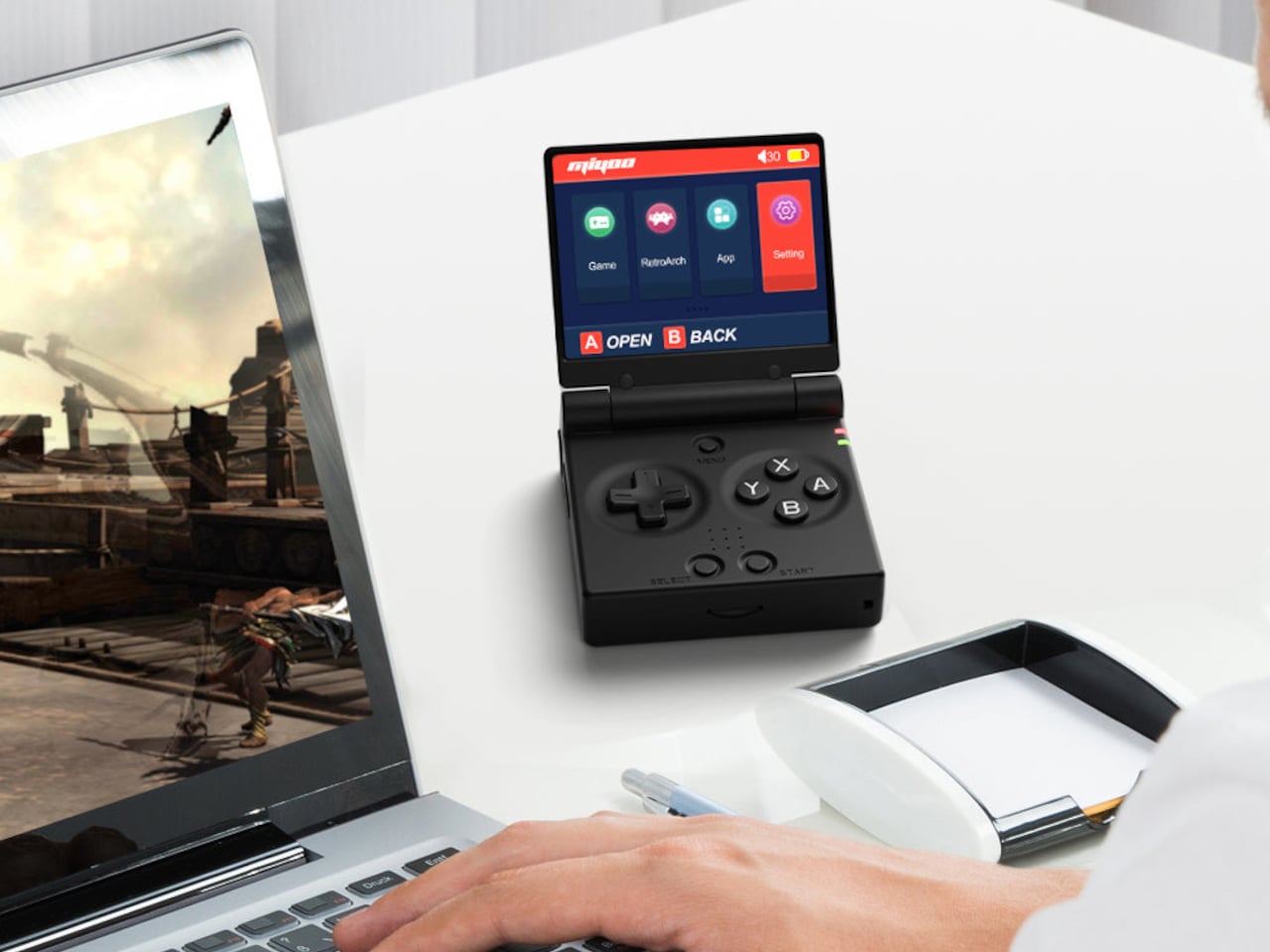
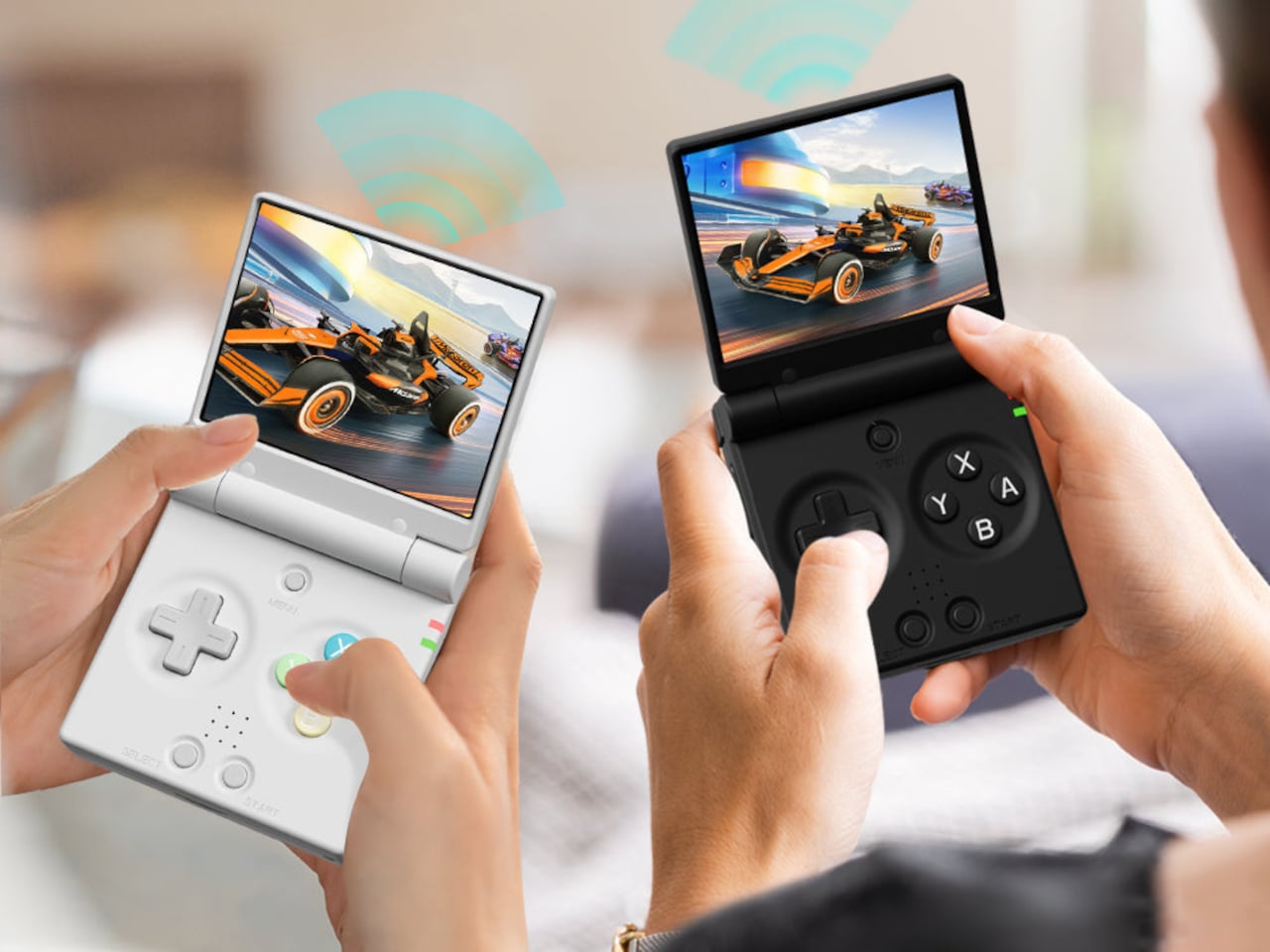
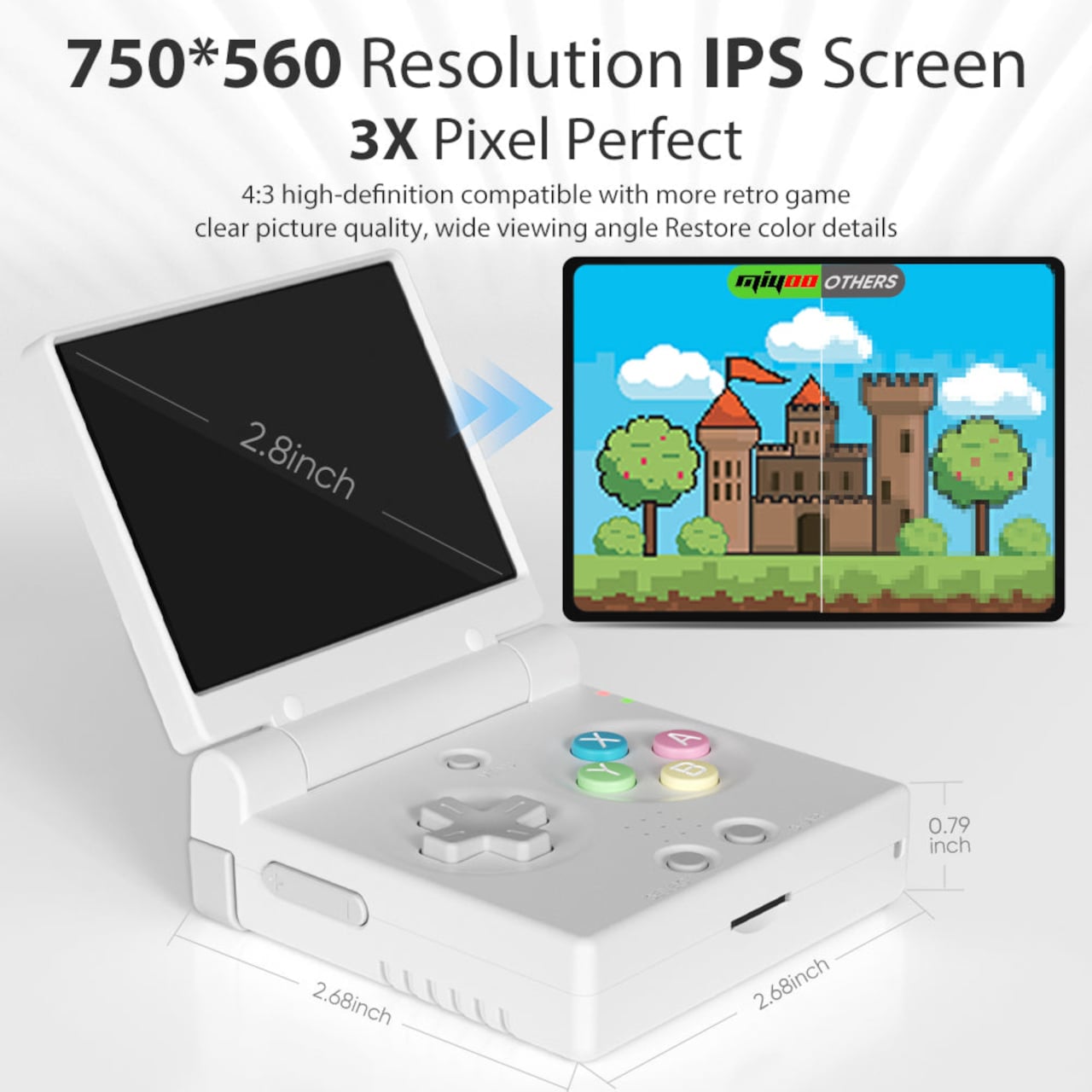
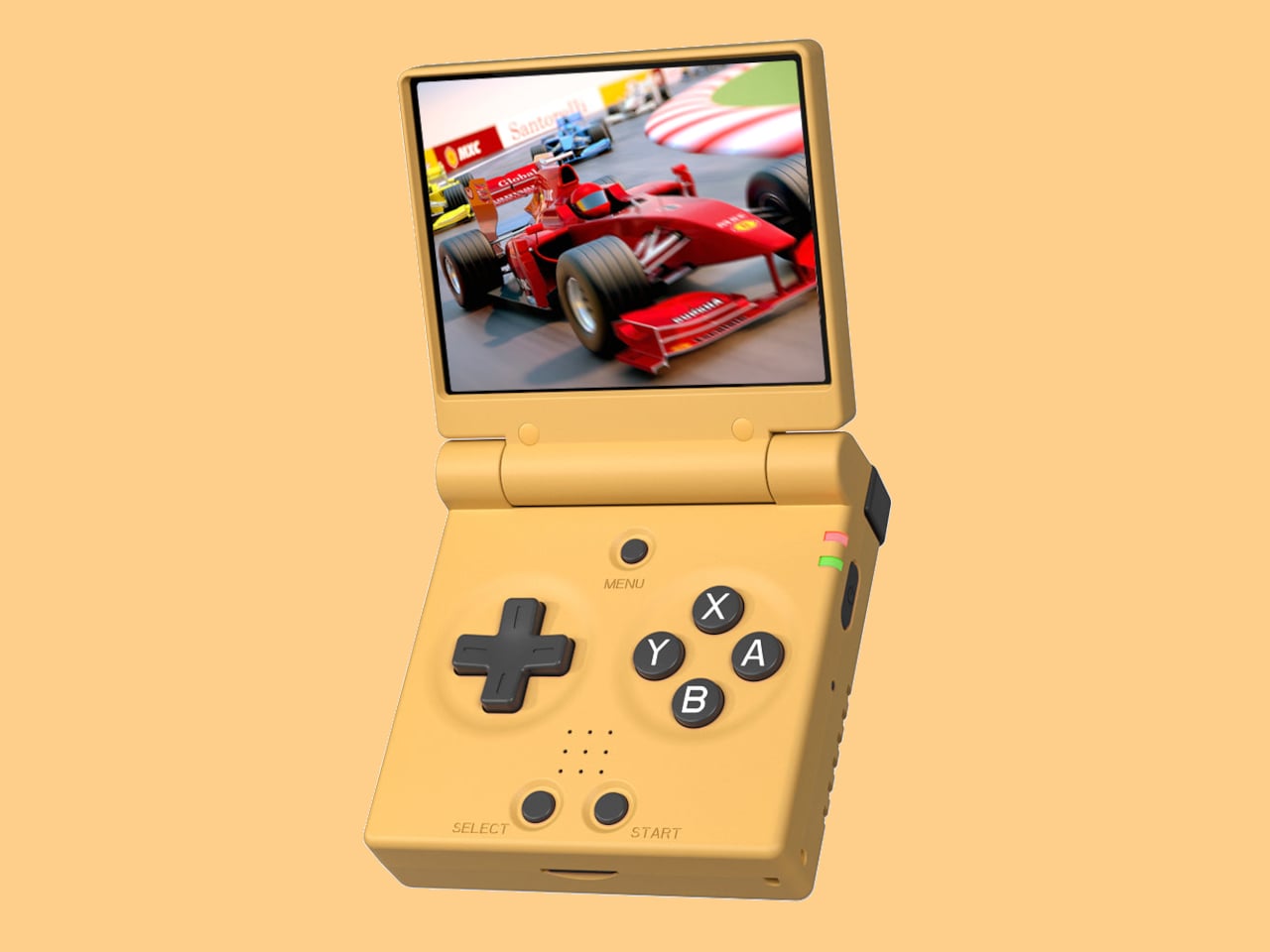
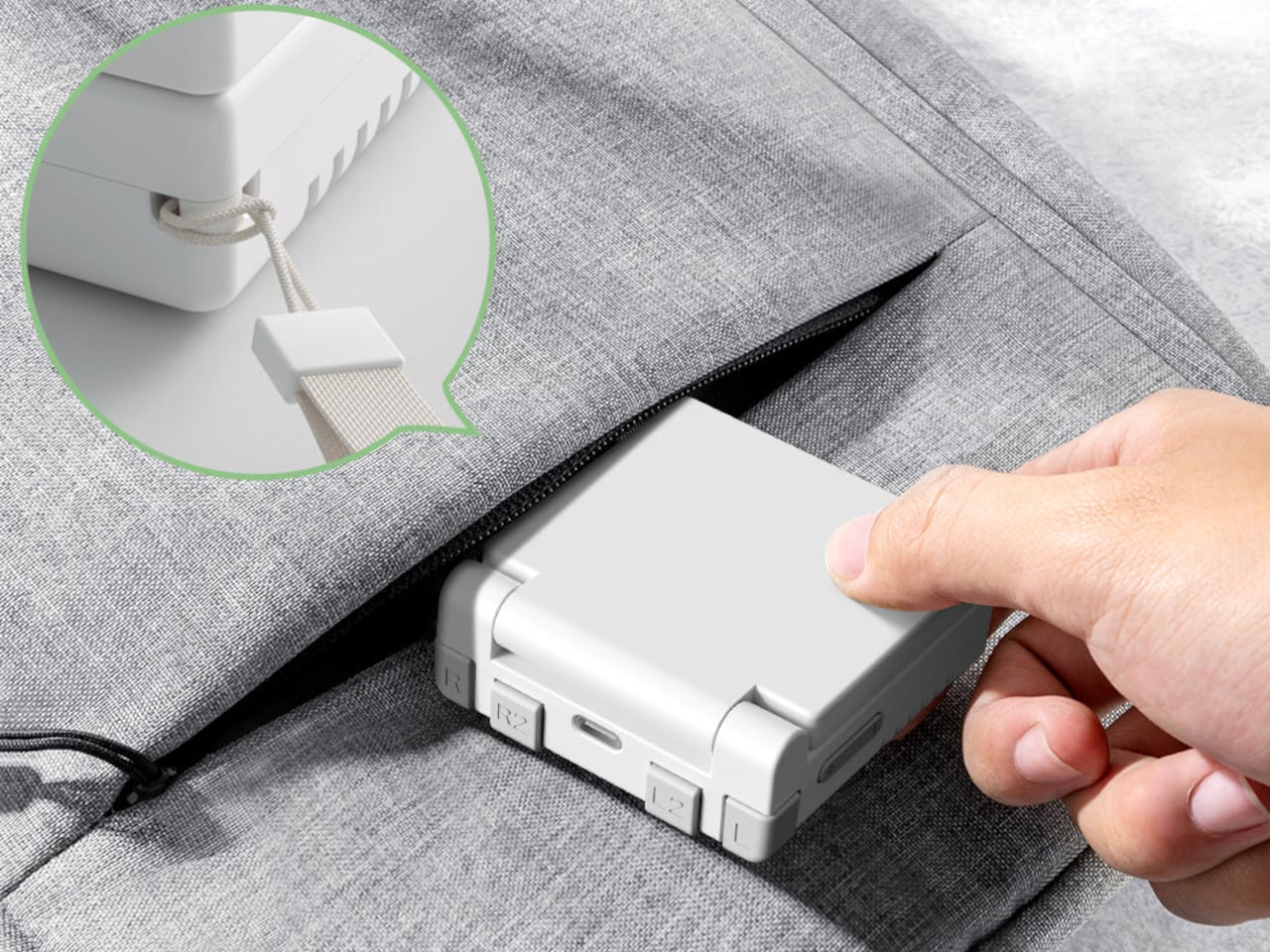
The Miyoo Mini Flip is a folding version of Miyoo’s tiny emulation handheld, now with an upgraded hinge for better durability. Closed, it is a 2.68‑inch square about 0.79 inch thick, small enough to disappear into a jeans pocket or bag. Open it up, and you get a full control deck and a 2.8‑inch screen, turning idle minutes into quick sessions of 8‑bit and 16‑bit comfort food without needing to commit to a full setup.

Designer: Miyoo

The 2.8‑inch IPS panel runs at 750 × 560 with a 4:3 aspect ratio, which lines up nicely with most classic consoles. The marketing calls it “3× pixel perfect,” hinting at clean integer scaling for certain systems, so sprites and tiles look crisp instead of smeared. Wide viewing angles and decent colour make pixel art and old racing games feel surprisingly alive on such a small canvas, bright enough to play outdoors or on a dimly lit train.

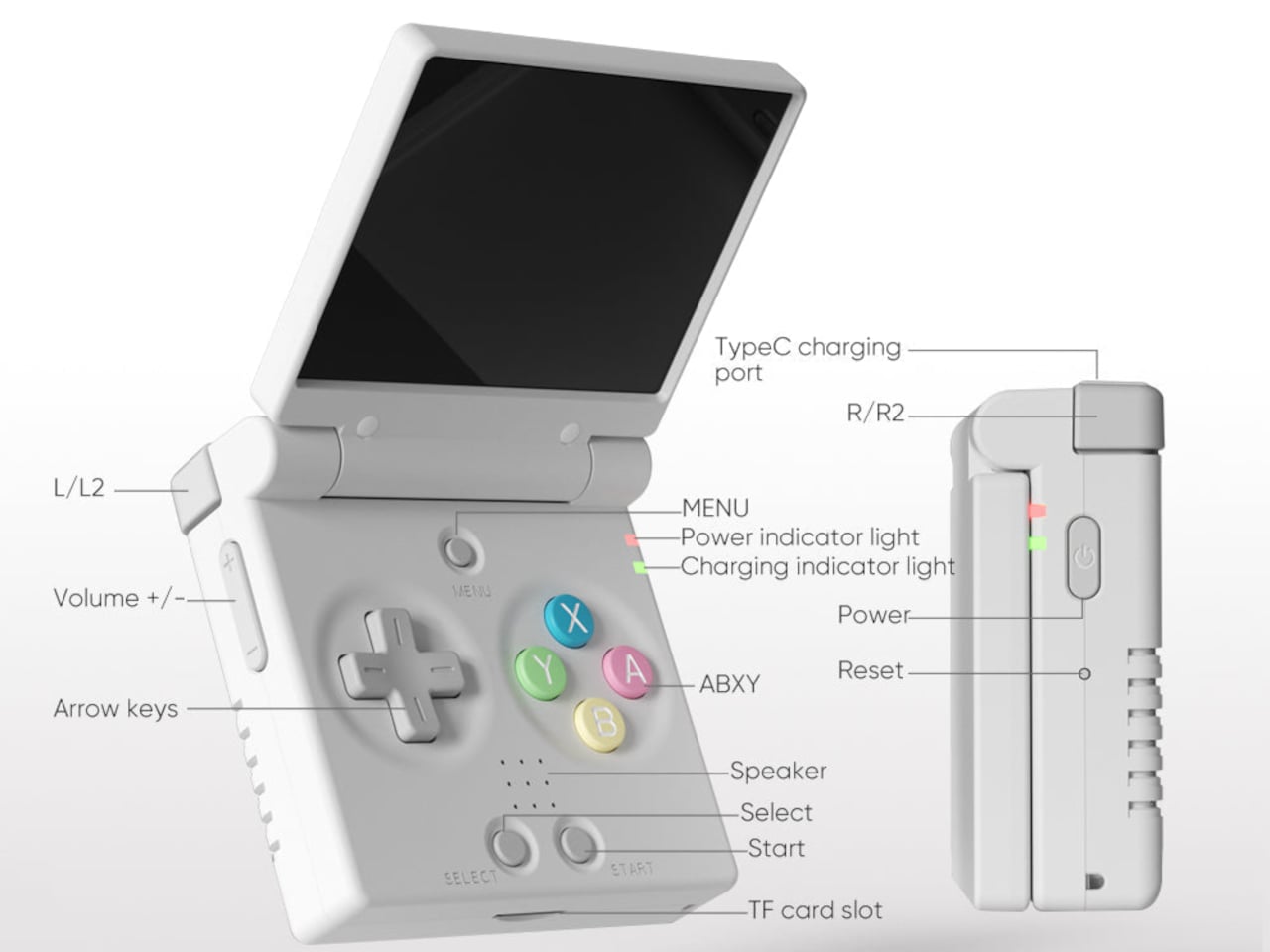
The control scheme mixes classic D-pad, ABXY face buttons, Select and Start, a Menu key, and L/L2 and R/R2 shoulder buttons tucked along the back edge. Volume and power live on the sides, with a front speaker and a TF card slot underneath. The layout feels like a mashup of modern controllers and old handhelds, giving thumbs familiar landmarks without overcomplicating a device that is meant to be grabbed and played.

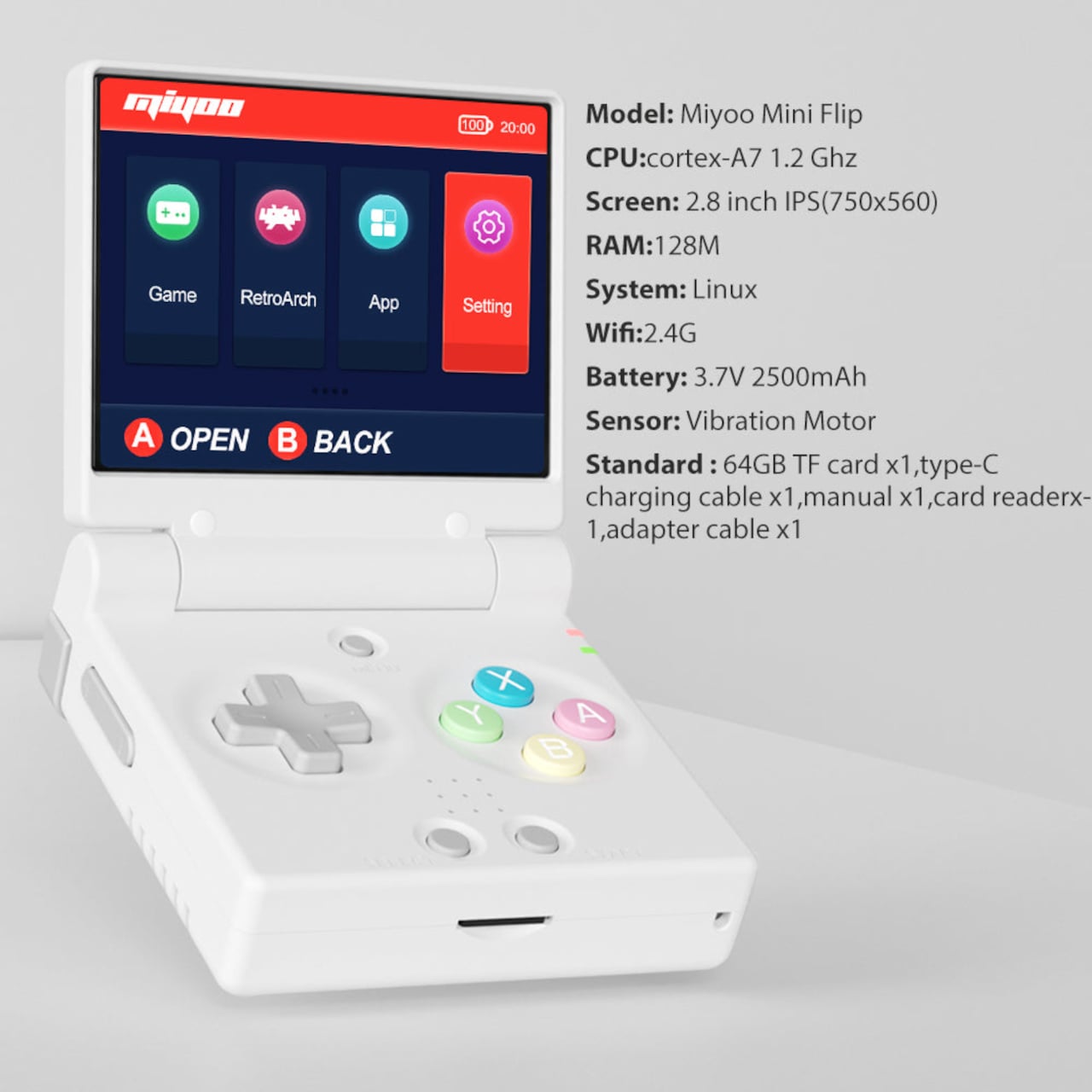
The hardware is a Cortex‑A7 at 1.2 GHz, 128 MB of RAM, Linux under the hood, 2.4 GHz Wi‑Fi, and a 3.7 V 2500 mAh battery. It is tuned for NES, SNES, GBA, PS1, and similar eras, not chasing Switch-level performance. The bundle usually includes a 64 GB microSD card and USB‑C cable, so you are not hunting for storage or adapters before you can start tinkering with ROMs and emulator settings.

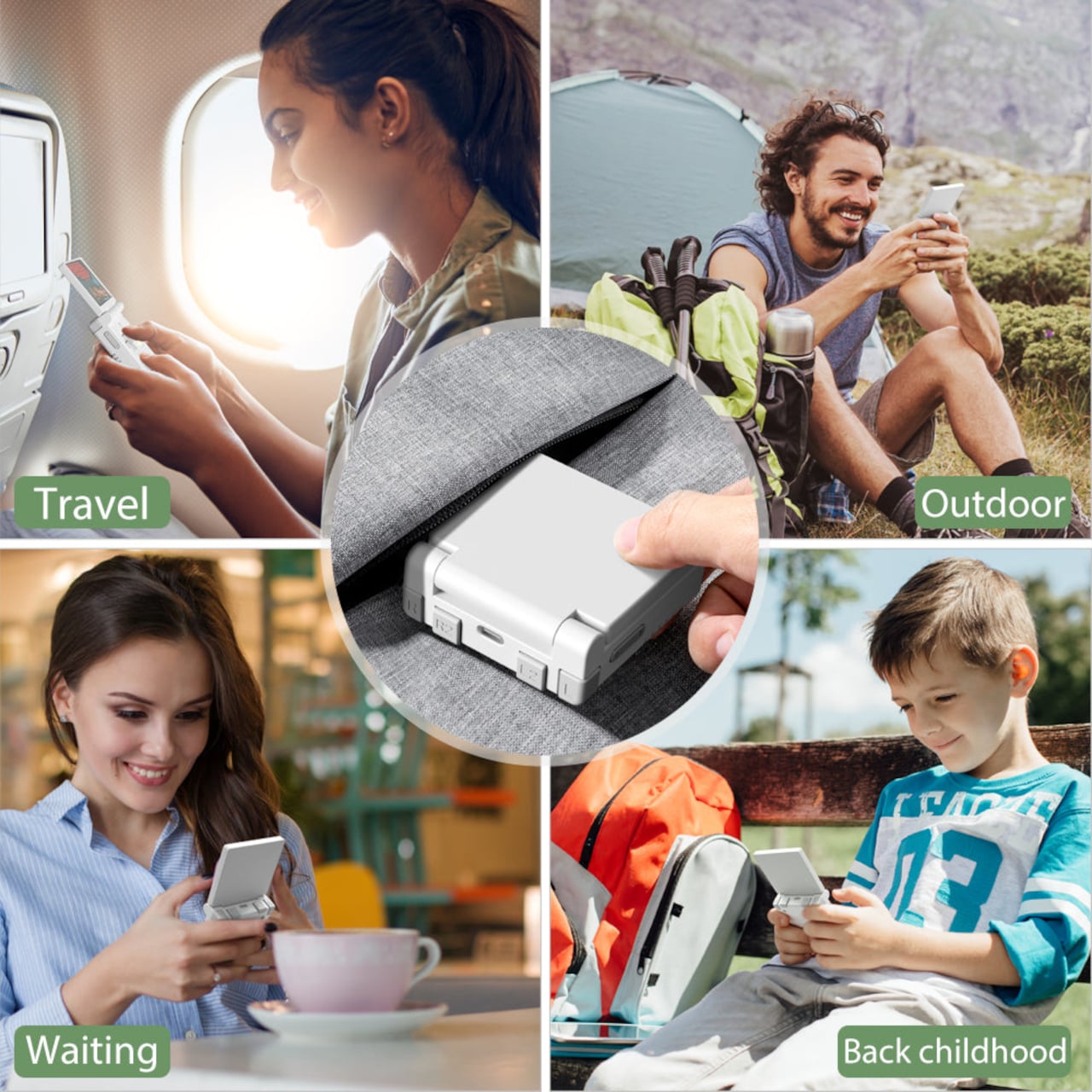
The hinge‑enhanced durability callout addresses early batches where people worried about wobble and wear. Closed, the Flip feels like a small, dense square you can toss into a pocket, backpack, or travel pouch without babying it. Marketing leans into travel, outdoor, waiting, and “back childhood” scenarios, which is exactly where a device like this shines, filling dead time with a few more runs of your favourite platformer or racer.

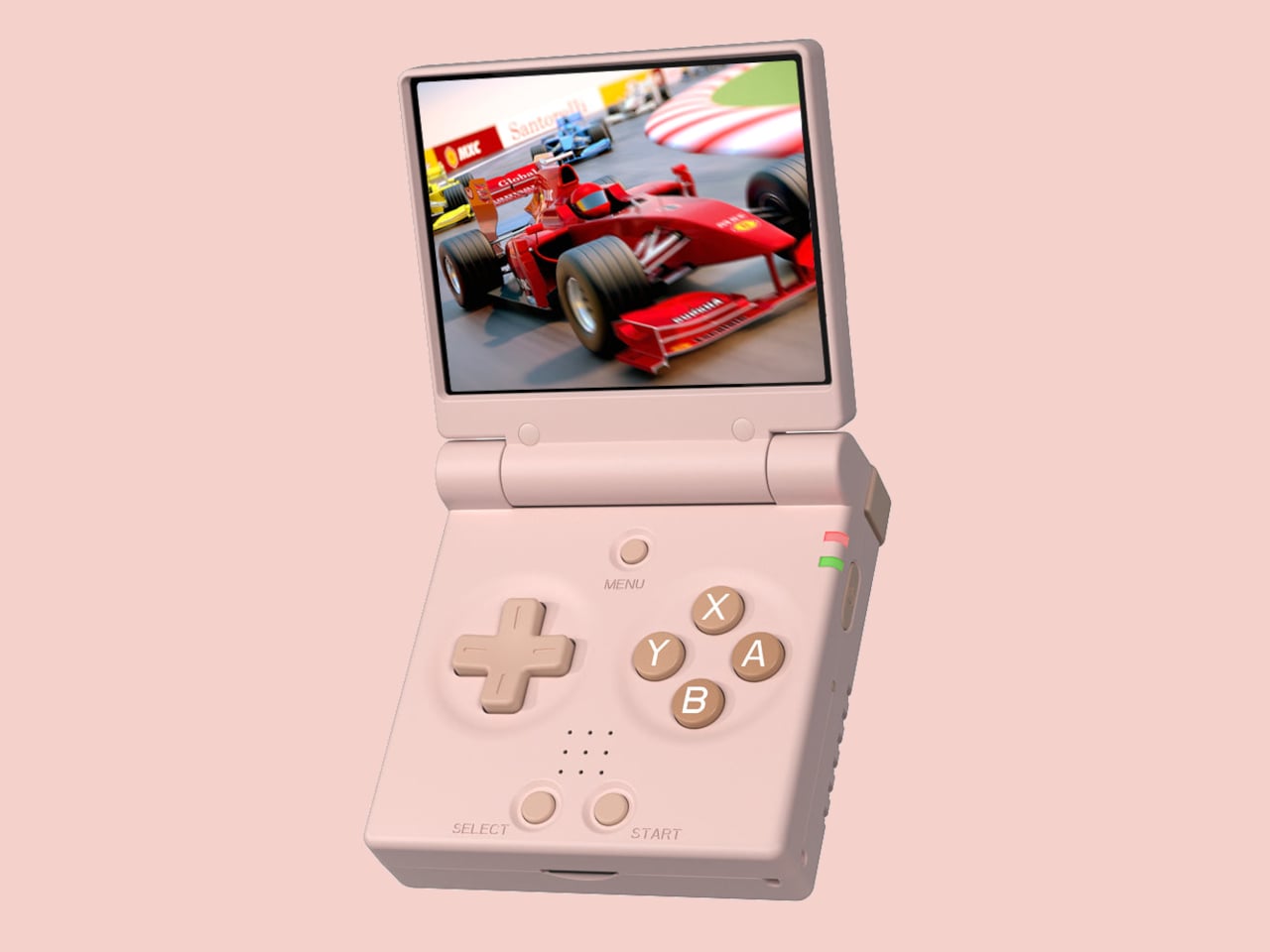
The Miyoo Mini Flip stands out beyond the emulator list. The clamshell form, upgraded hinge, sharp 4:3 IPS screen, and toy-like colours make it feel like a considered object, not another PCB in a shell. Retro games live as a small ritual in a pocket rather than a full setup on a desk, and this little folding square hits a very specific, very charming note without demanding much more than a microSD card and a willingness to revisit Super Mario World one more time.

The post Miyoo Mini Flip Shrinks Retro Gaming into a 2.8-Inch Folding Square first appeared on Yanko Design.

Super Game Boy is a huge handheld that plays classic arcade games

LEGO released a 421-piece life-sized Game Boy replica with Game Pak cartridges but it could not play games. Then later a Aussie modder turned it into a fully functional handheld, and promised that there will be a $50 kit coming in future so that fans can turn theirs into a playable LEGO version. However, the LEGO version has a small screen and you are better off playing titles on the original handheld.

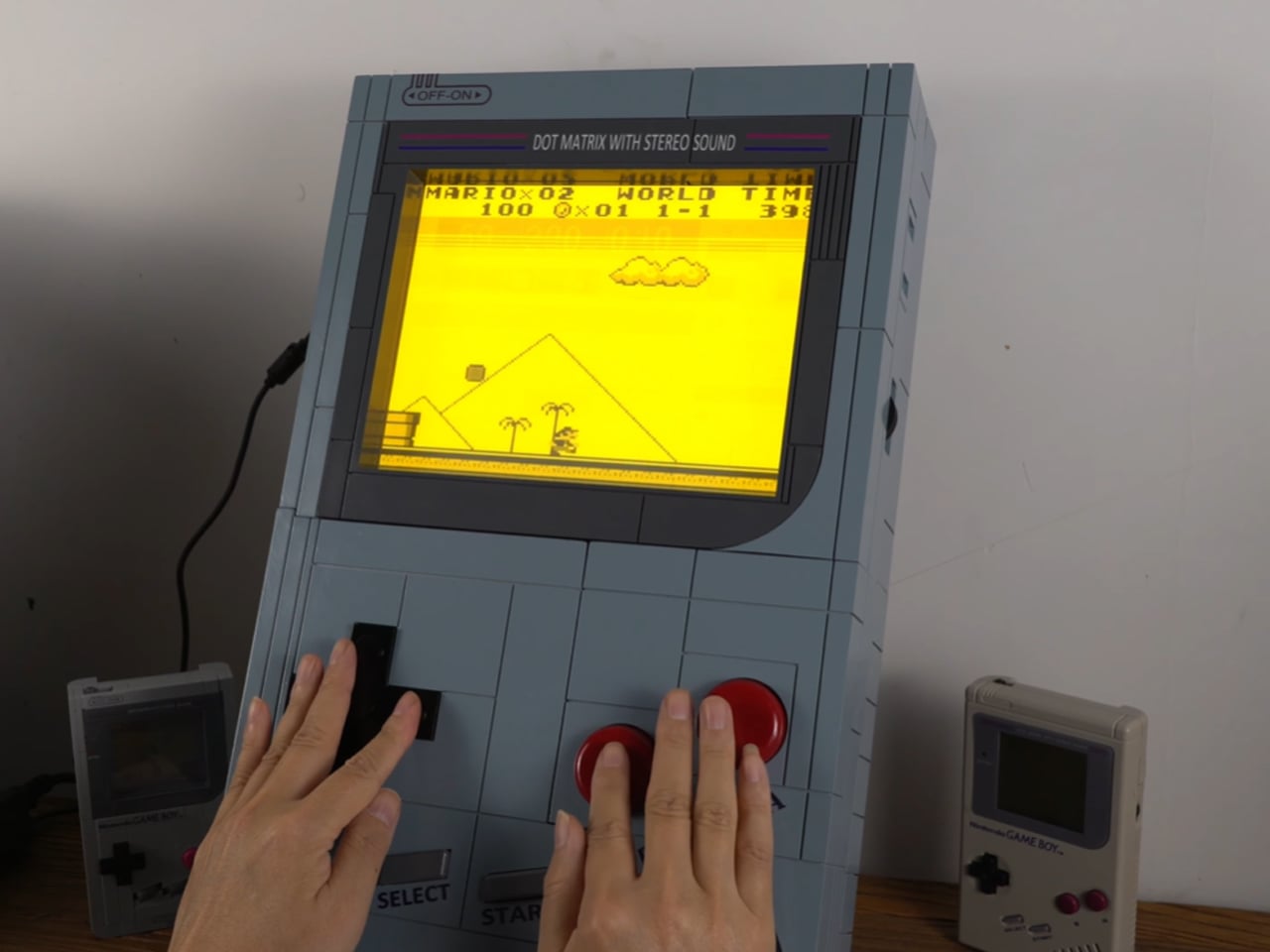
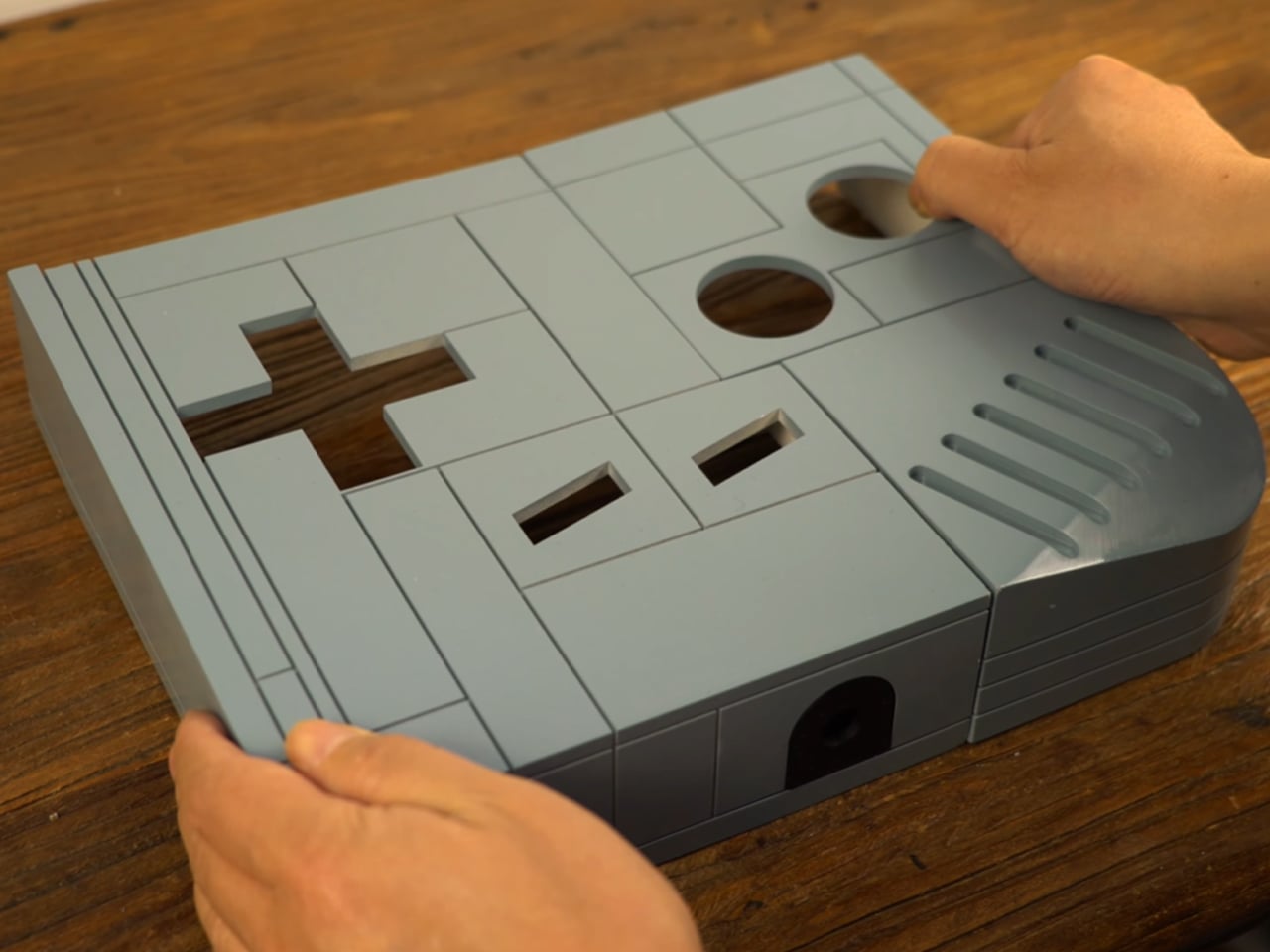
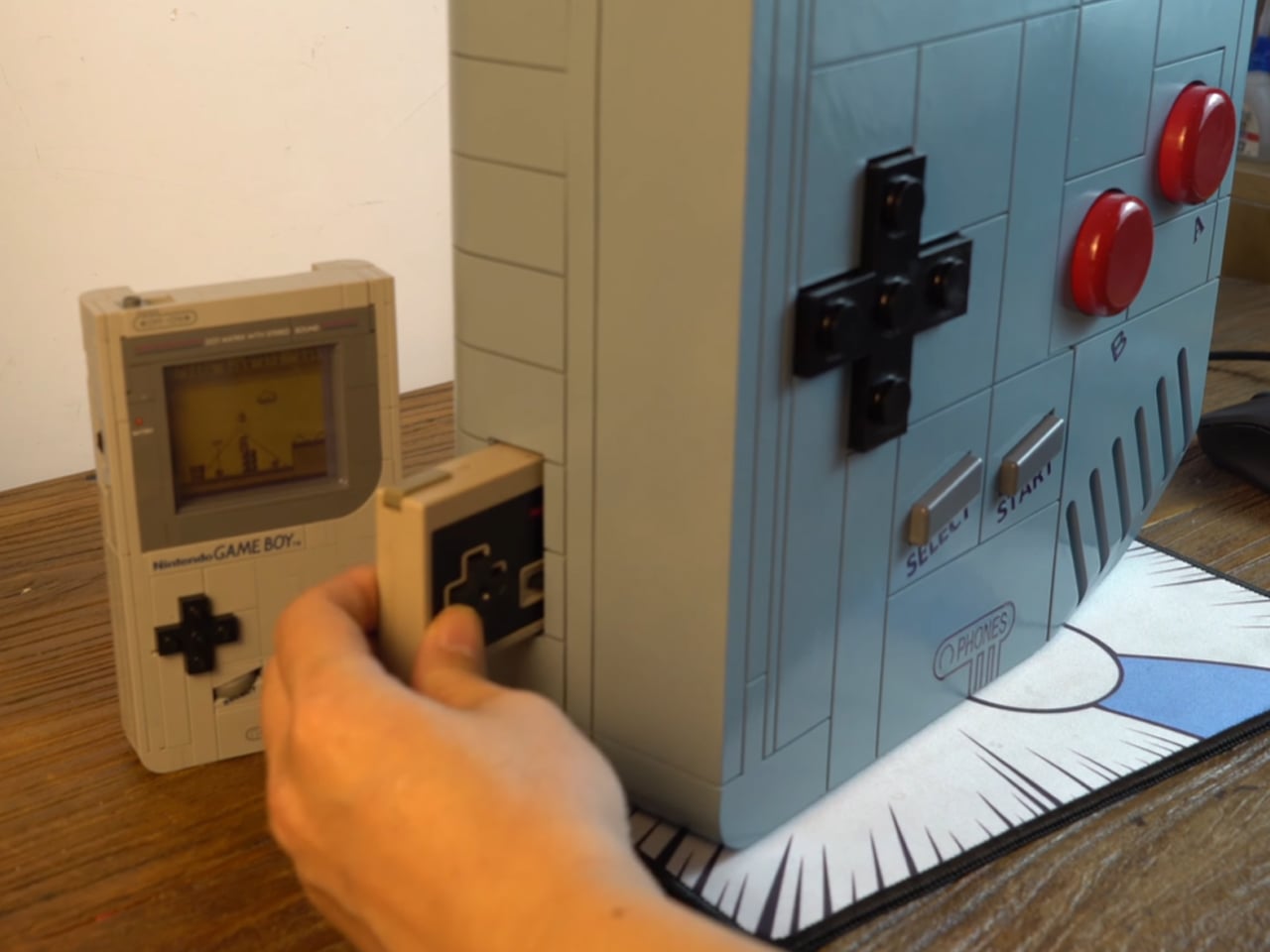
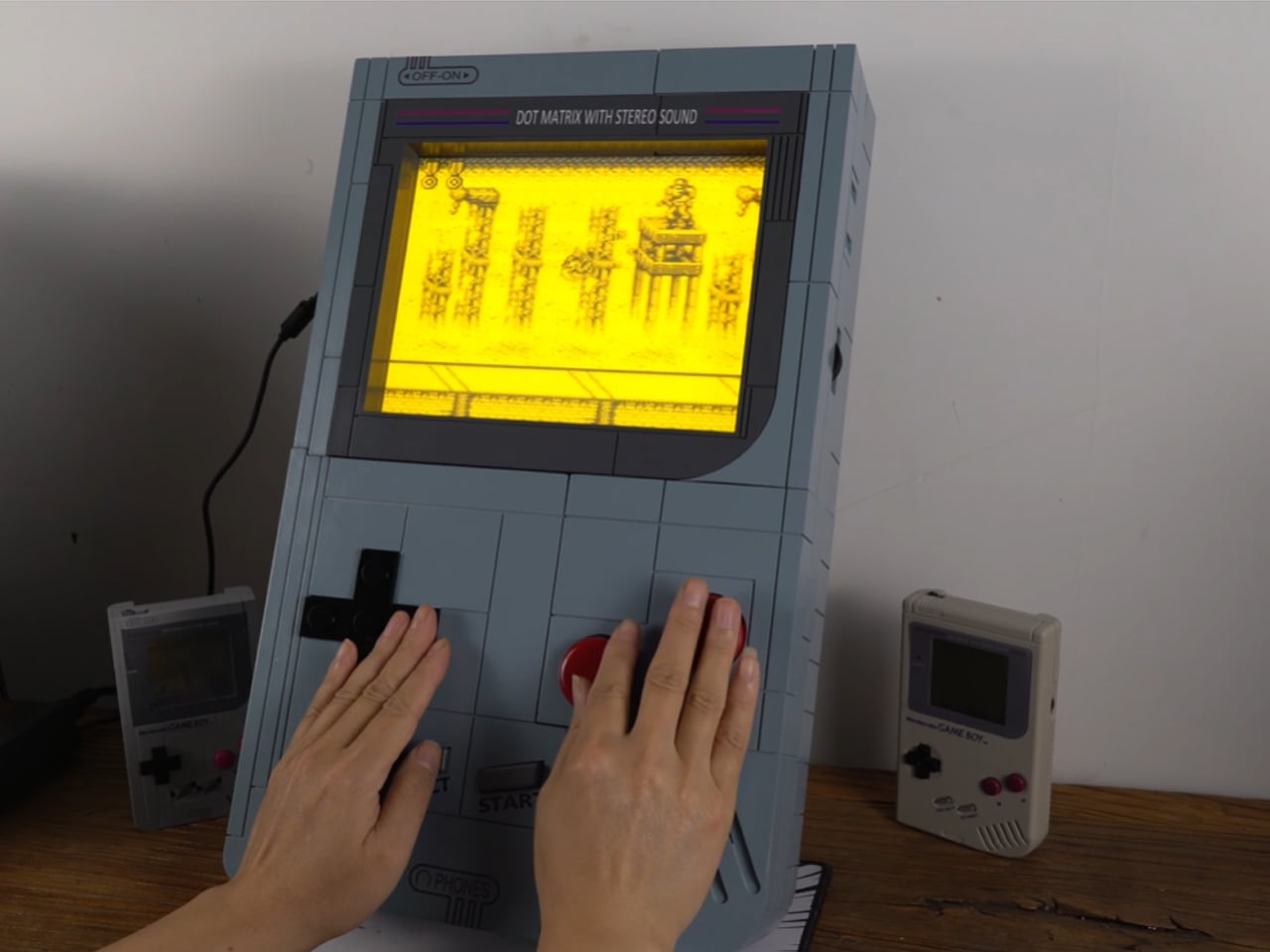
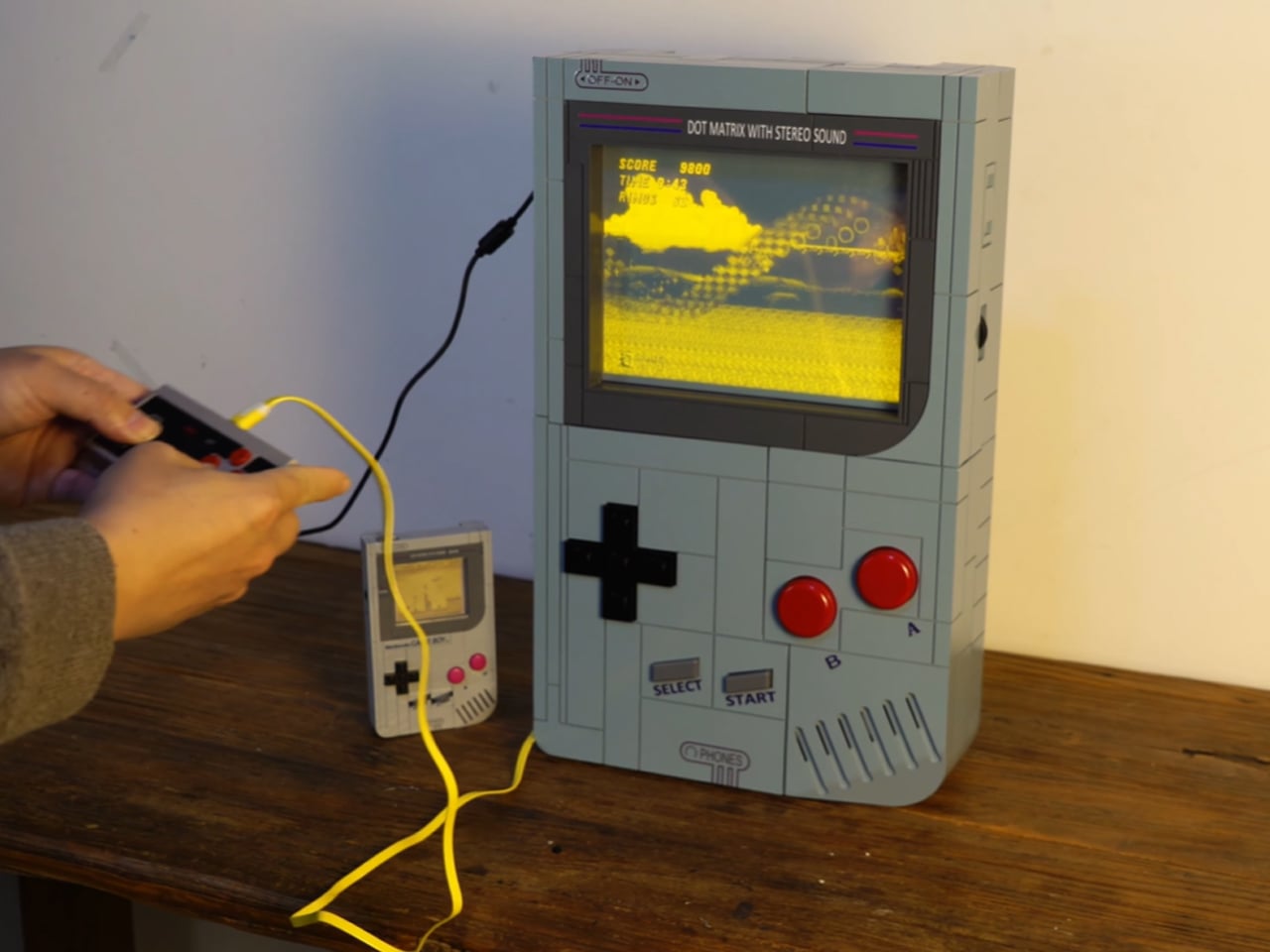
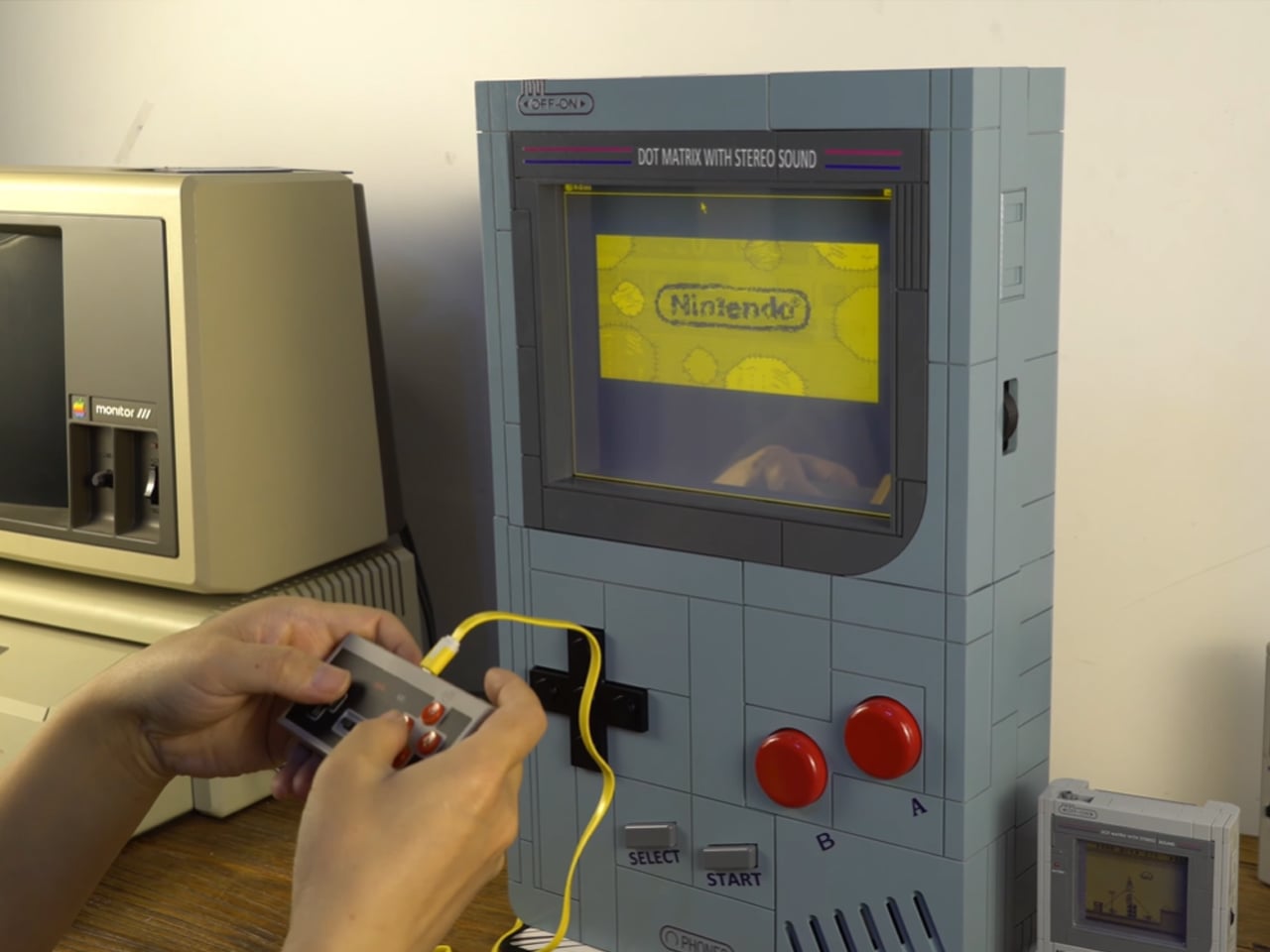
There’s so much craze around the classic Game Boy, you are bound to come across DIYs that spark the attention of arcade gaming community. Chinese YouTuber LCLDIY ventured out on creating his own interpretation of a Game Boy – only that it is much larger in scale. Best of all it plays games sans any glitches and can be carried around like a cool boombox.

Designer: LCLDIY

The DIY starts off by creating a 3D printed shell (using a light curing printer, printing for a week) that houses the 10-inches electroluminescent LCD TV that emulates the warm glow of the original Game Boy. The choice of the display makes sense as the soft glow illuminates the pixels that otherwise would look too harsh on the big display compared to small screen of the Game Boy. Getting the games to run on the rig was not an easy feat as he had to fit in an Intel 845 motherboard for driving the big display and also creating the interface for running the emulated software of the Game Boy handheld console. The classic processor is assisted by the 65540 Flat Panel VGA Controller chip to simplify the clock synchronization and data signals.

BIOS of the graphics card is modified to match the appropriate resolution of the display. The brick-built shell fits into pieces just like an assortment of LEGO pieces and the guts are flush with all the electronic components that make possible the magic. To complete the build, the maker spray paints the shell to replicate the look of the Game Boy. He also makes big tactile buttons and joystick to keep the arcade feel going, and the stickers for labels and the logos are put on the shell. The classic Nintendo gamepad is used to input the in-game actions for games (like Sonic, Yoshi’s Island and Comix) from other platforms like Sega. This is done as big buttons would be impractical and require even more tinkering around of the electronics.

The DIYer is kind enough to make the design files of the shell, PCB files and graphics card BIOS settings available for free for keen DIYers who love the idea of a Super Game Boy. Just seeing him play the classic titles like Contra and Super Mario using those chunky buttons and the joystick is pure joy.

The post Super Game Boy is a huge handheld that plays classic arcade games first appeared on Yanko Design.

This Weird $12 Clip-On Gamepad Turns Your Smartphone Into a Game Boy Color

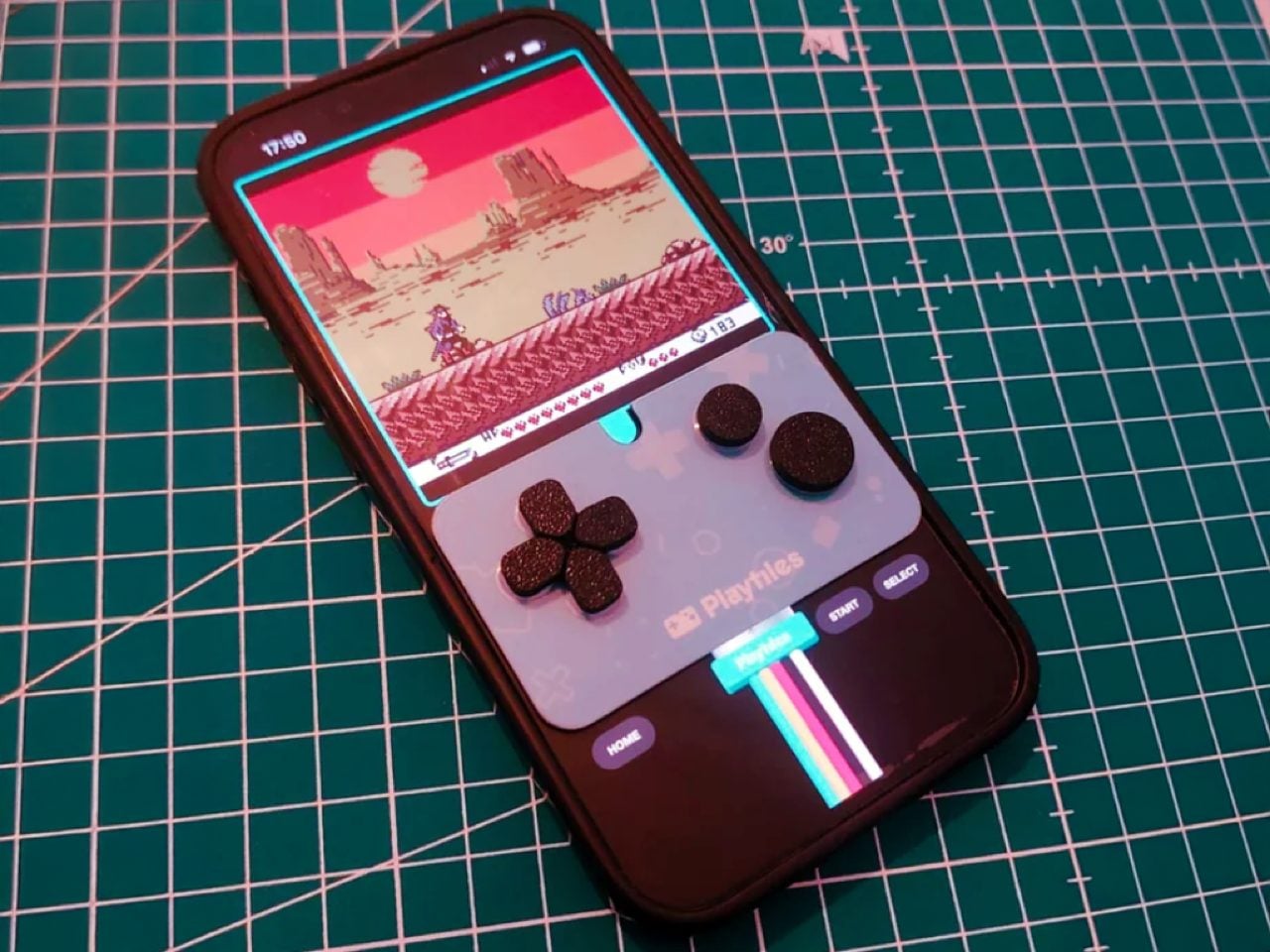
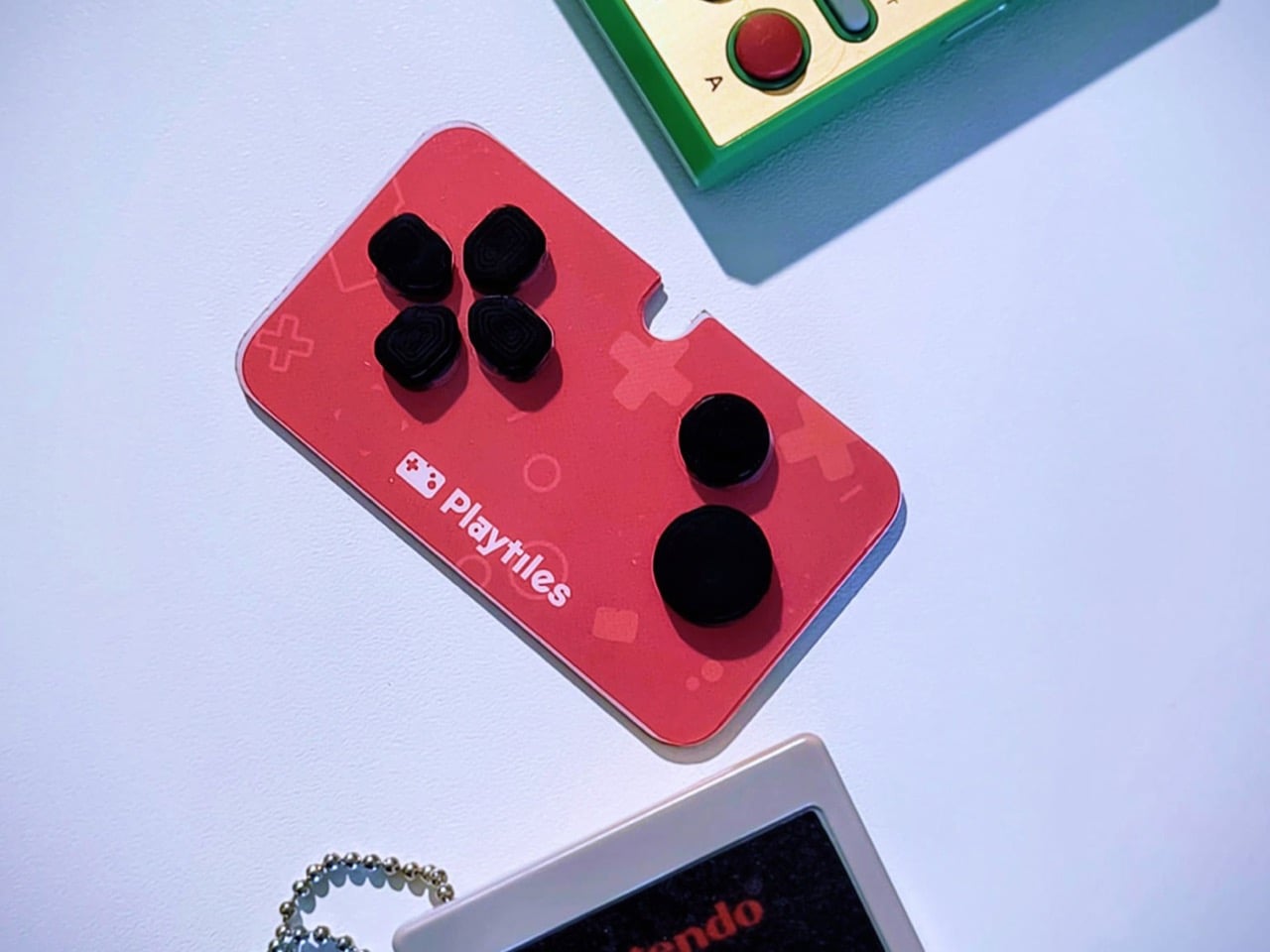
Playtiles looks like something that shouldn’t work. A thin piece of plastic with buttons, no electronics inside, sticking to your smartphone screen like a temporary tattoo. Yet this $12 accessory has managed to capture what expensive gaming phones and elaborate clip-on controllers often miss: the pure, uncomplicated joy of pressing actual buttons while playing retro-style games. The device ships with access to a curated library of indie titles that feel lifted straight from the Game Boy Color era.

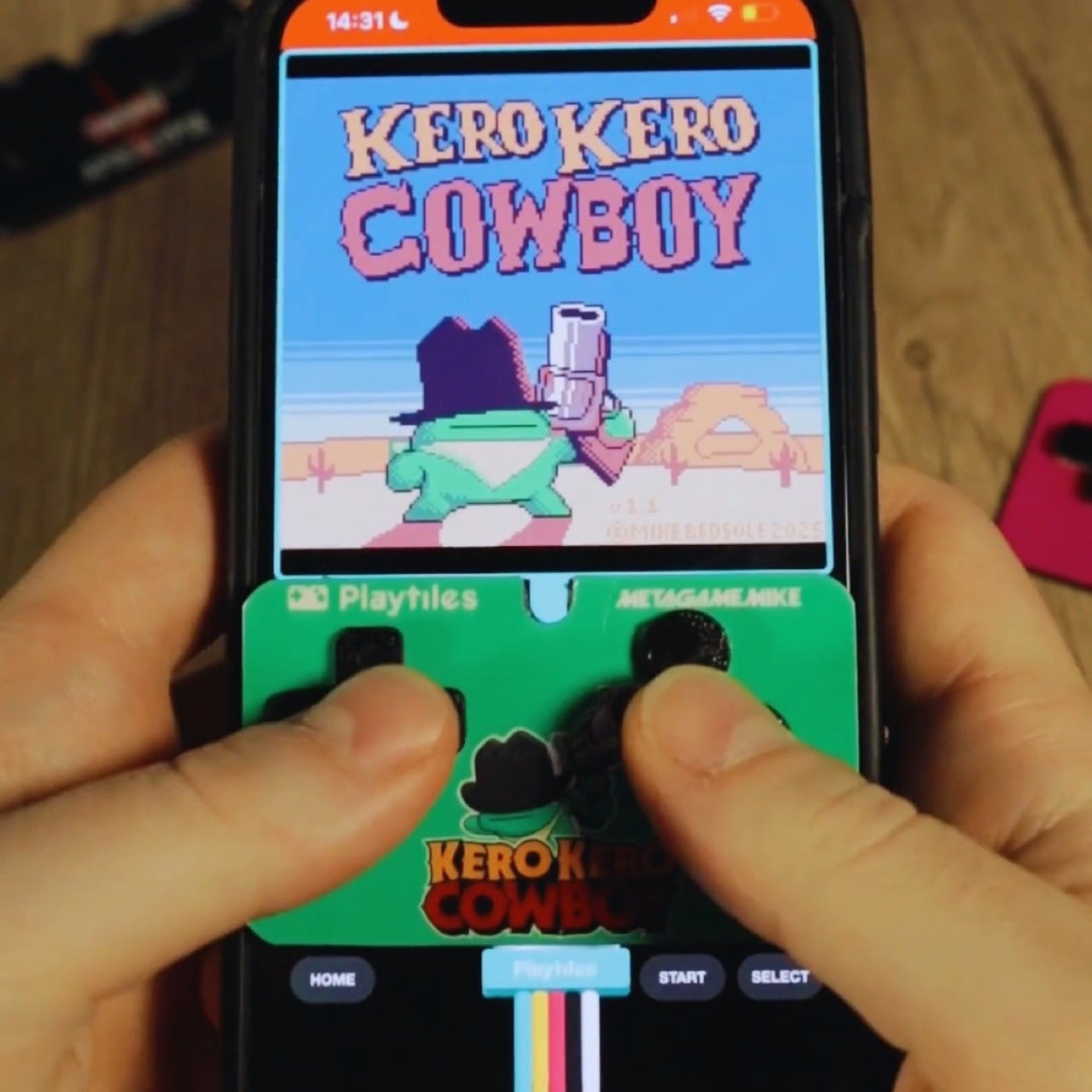
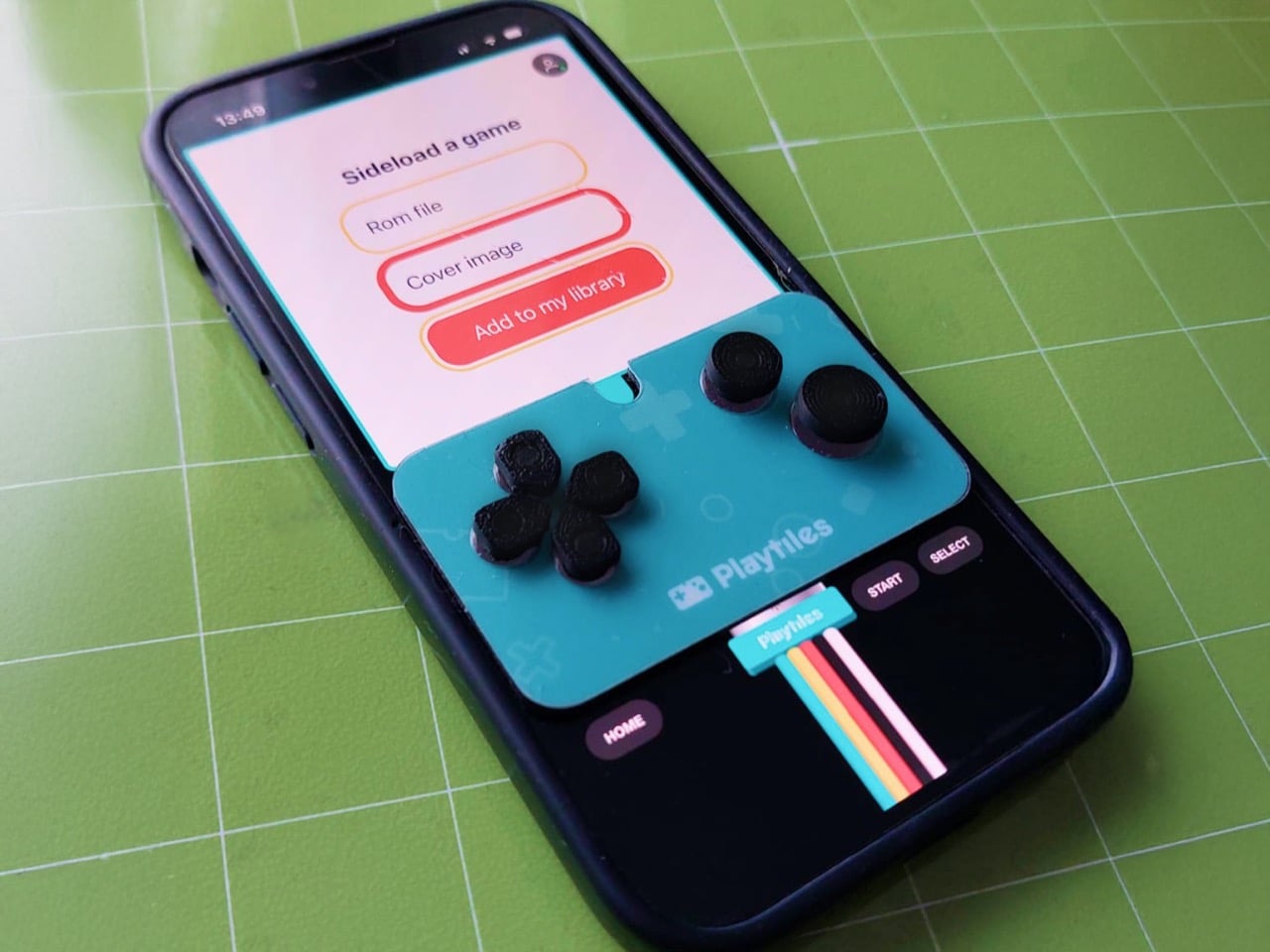
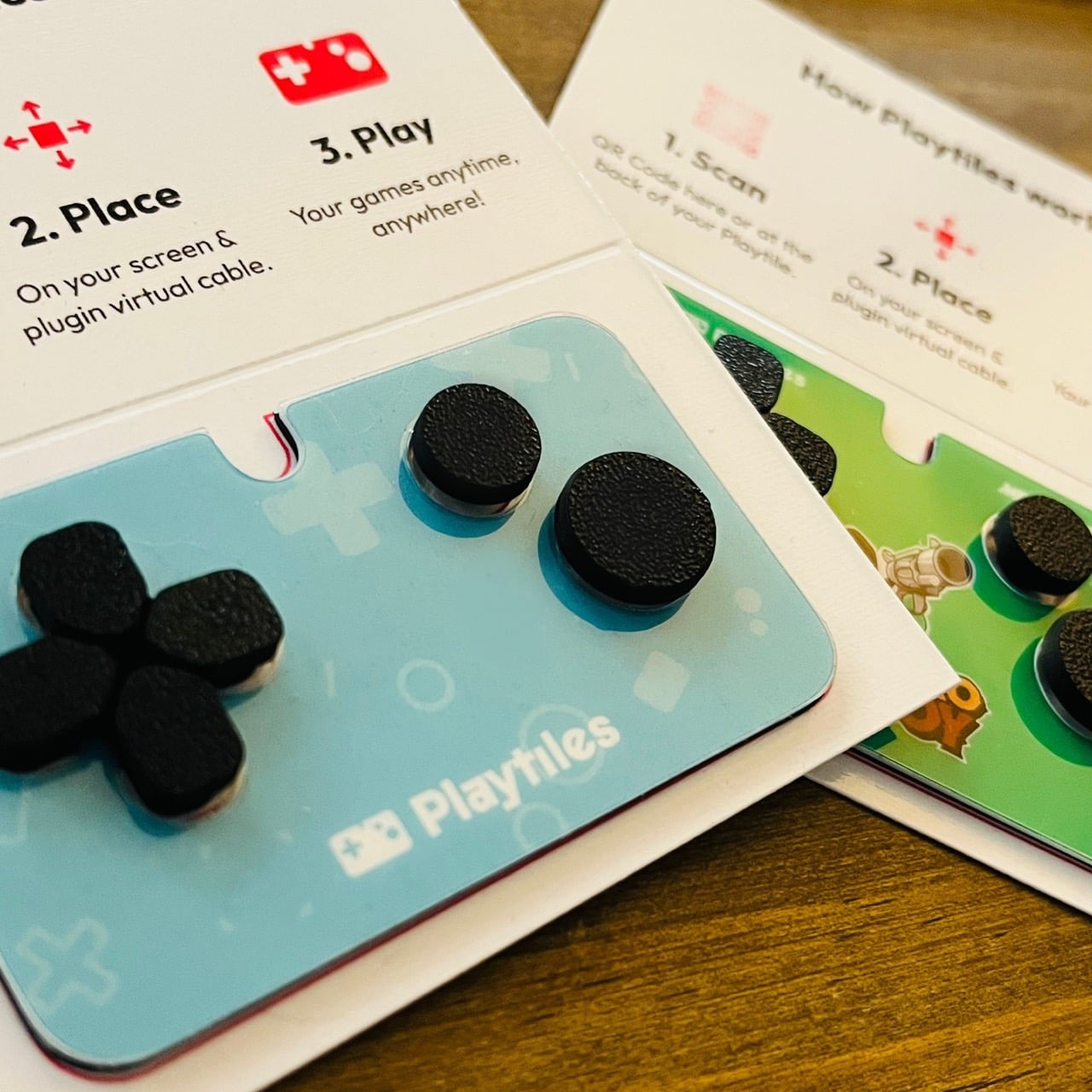
The design strips away everything modern mobile gaming has become. No account setup, no firmware updates, no charging cables. You place it on your screen where the virtual controls appear, press the buttons, and play. Thousands of micro suction cups hold it in place during gameplay, and when you’re done, it slides back into your wallet next to your credit cards. After months of anticipation since July’s pre-order launch, units are now reaching backers who wanted to rediscover what handheld gaming felt like before touchscreens took over.

Designer: Playtile

The buttons work through capacitive conduction, using your own body’s electrical properties to register a press on the screen beneath. It’s a completely powerless system, which in a world of constant charging is a breath of fresh air. The entire polycarbonate unit weighs just 0.2 ounces and measures 2.68 by 1.57 inches, making it smaller than a credit card. This isn’t trying to compete with a Backbone or Razer Kishi; those are full-fledged peripherals that turn your phone into a console hybrid. Playtiles is a fundamentally different idea, an accessory so unobtrusive it feels more like a guitar pick than a piece of hardware.

Of course, the hardware is only half the story. The back of every Playtiles has a QR code that launches a browser-based OS, completely sidestepping the app stores. This is an incredibly shrewd move, giving the creators a direct channel to their audience without platform fees or gatekeepers. Early adopters who bought the Season 1 bundle get a new, bite-sized retro game delivered every week for twelve weeks, all built in GB Studio. This transforms a simple controller into a curated content platform. It solves the biggest problem with mobile gaming, which is finding good games amidst a sea of ad-riddled clones. You get a handpicked library that you know is designed perfectly for the D-pad and two-button layout.

You are obviously not going to be playing Genshin Impact on this thing. The two-button constraint is a feature, a deliberate design choice that forces a return to the focused game mechanics of the 8-bit and 16-bit eras. It works on any phone with a screen wider than 68mm, so long as the game lets you reposition the on-screen controls to align with the controller. That’s the key requirement. For $12, it’s an impulse buy that feels like a low-risk experiment in nostalgia. In a market where dedicated handhelds from companies like Anbernic command prices north of $100, the Playtiles carves out its own space by being almost disposable in price yet surprisingly robust in its concept.

The post This Weird $12 Clip-On Gamepad Turns Your Smartphone Into a Game Boy Color first appeared on Yanko Design.
GameSir’s $79 MFi-compatible Controller Lets You Play PC & Xbox titles on an iPhone or iPad Mini

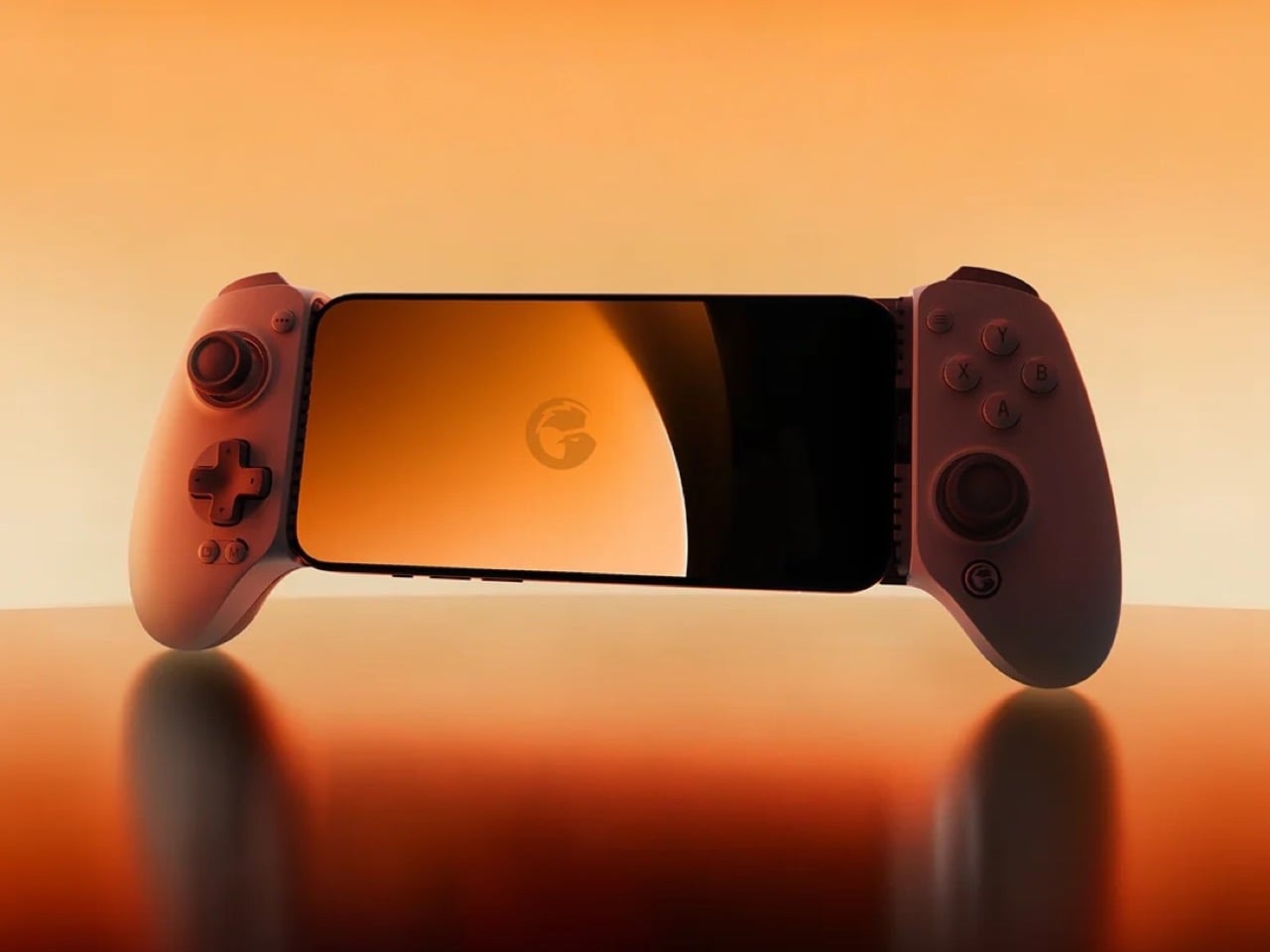
Backbone has enjoyed relatively comfortable dominance in the iPhone controller market, but GameSir just made things considerably less comfortable. The GameSir G8 Plus MFi arrives as the company’s first MFi-certified product, bringing proven gaming hardware expertise to Apple’s ecosystem at an aggressive $79.99 price point. This puts GameSir $20 below the established market leader while matching many of its core features. The competitive landscape matters here because Backbone now faces much stronger competition from companies like GameSir, Gamevice, and Razer, making its premium positioning harder to justify. GameSir counters Backbone’s sleek design and app integration with Hall Effect technology, customizable faceplates, and dual back buttons. The G8 Plus MFi also supports both iOS and compact Android devices, offering flexibility that pure iPhone-focused controllers cannot match.

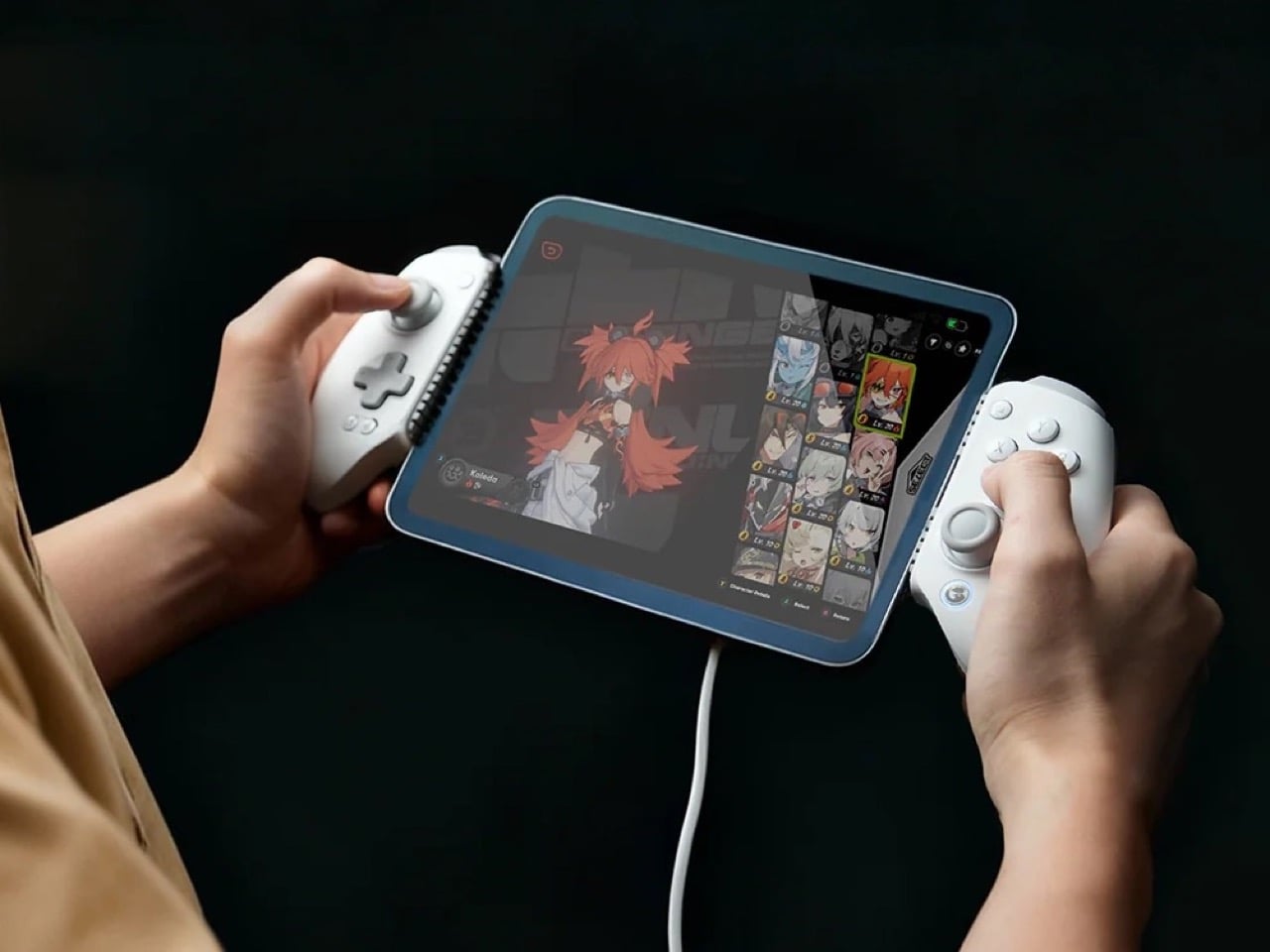
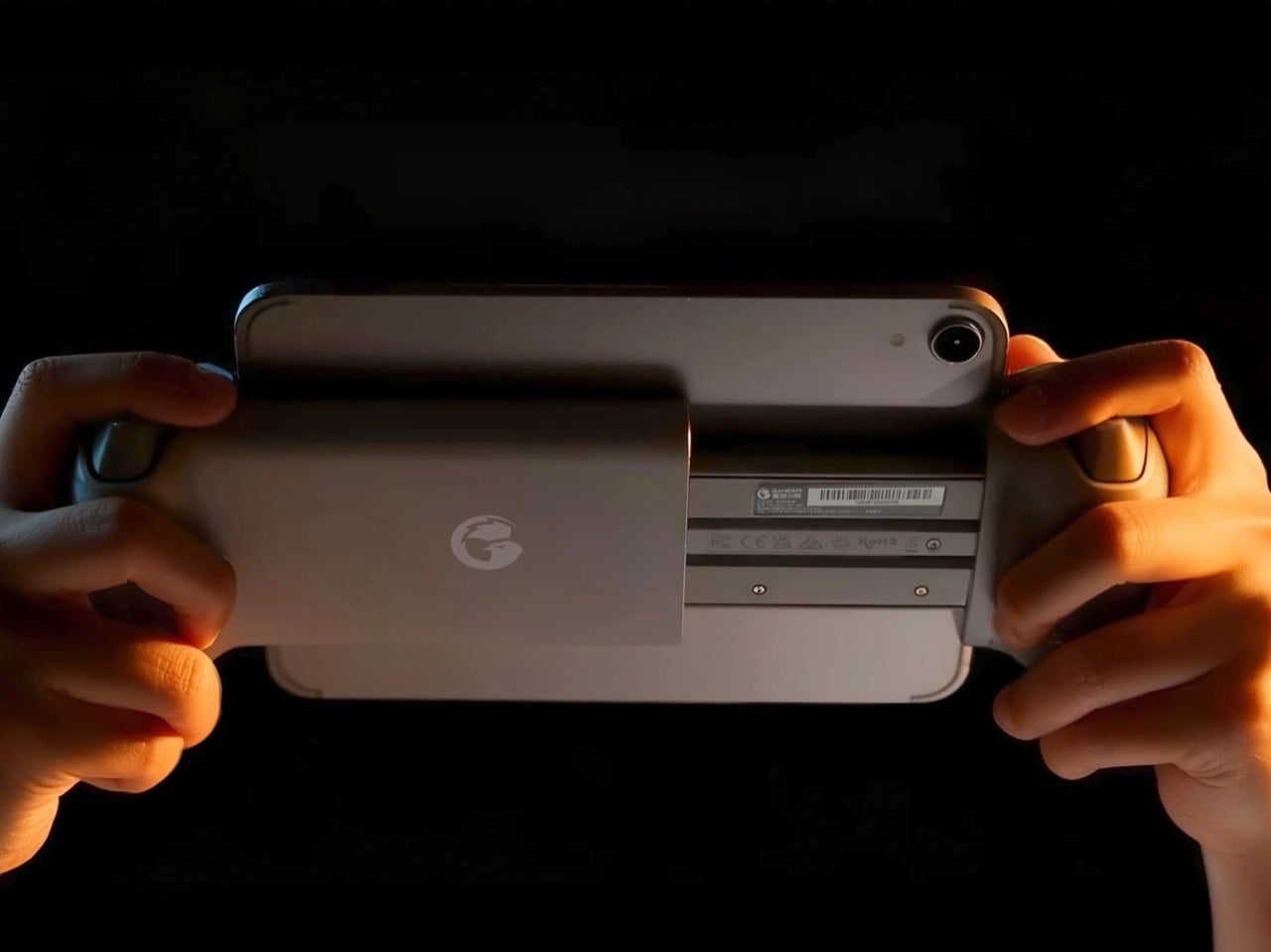
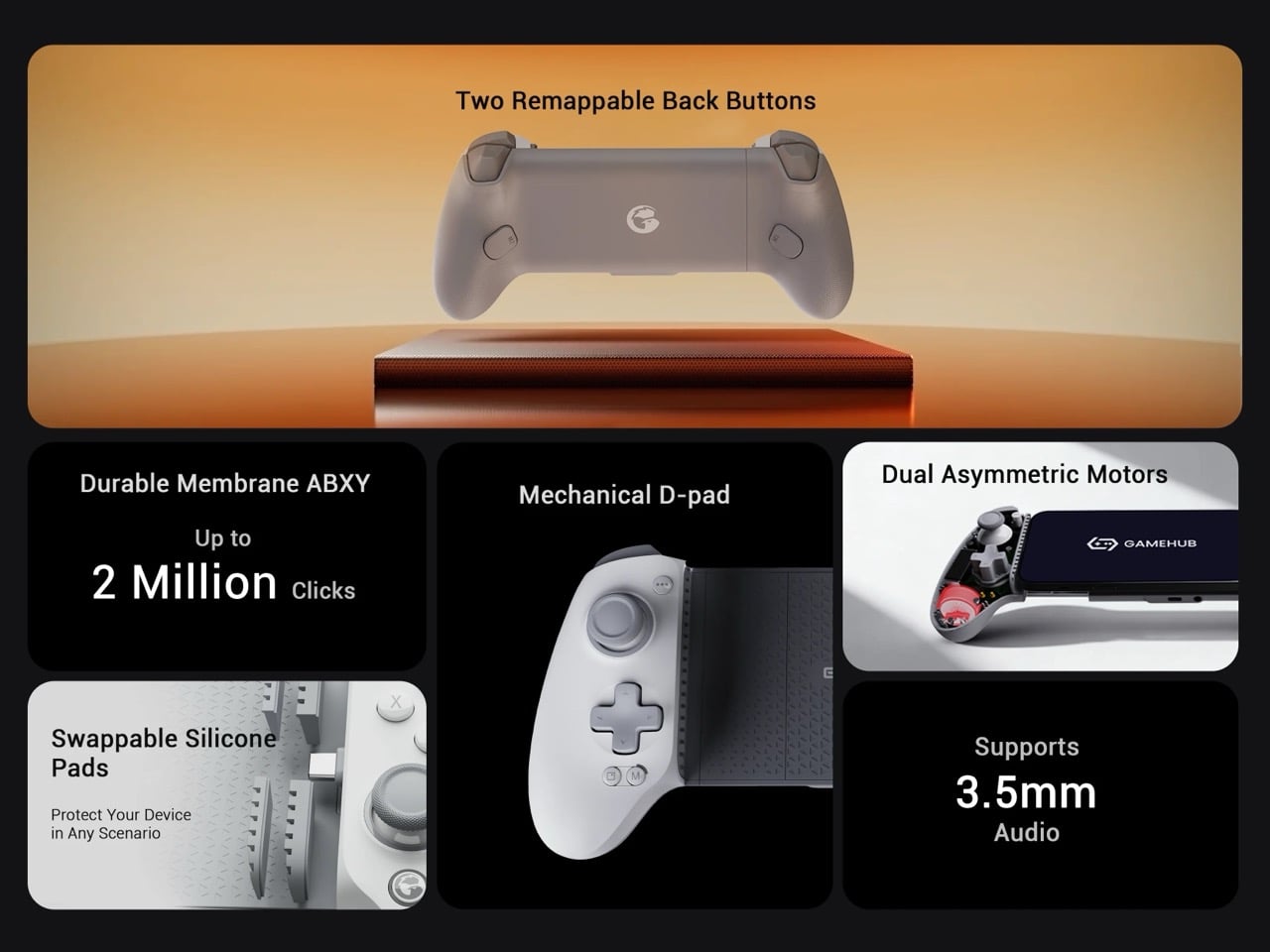
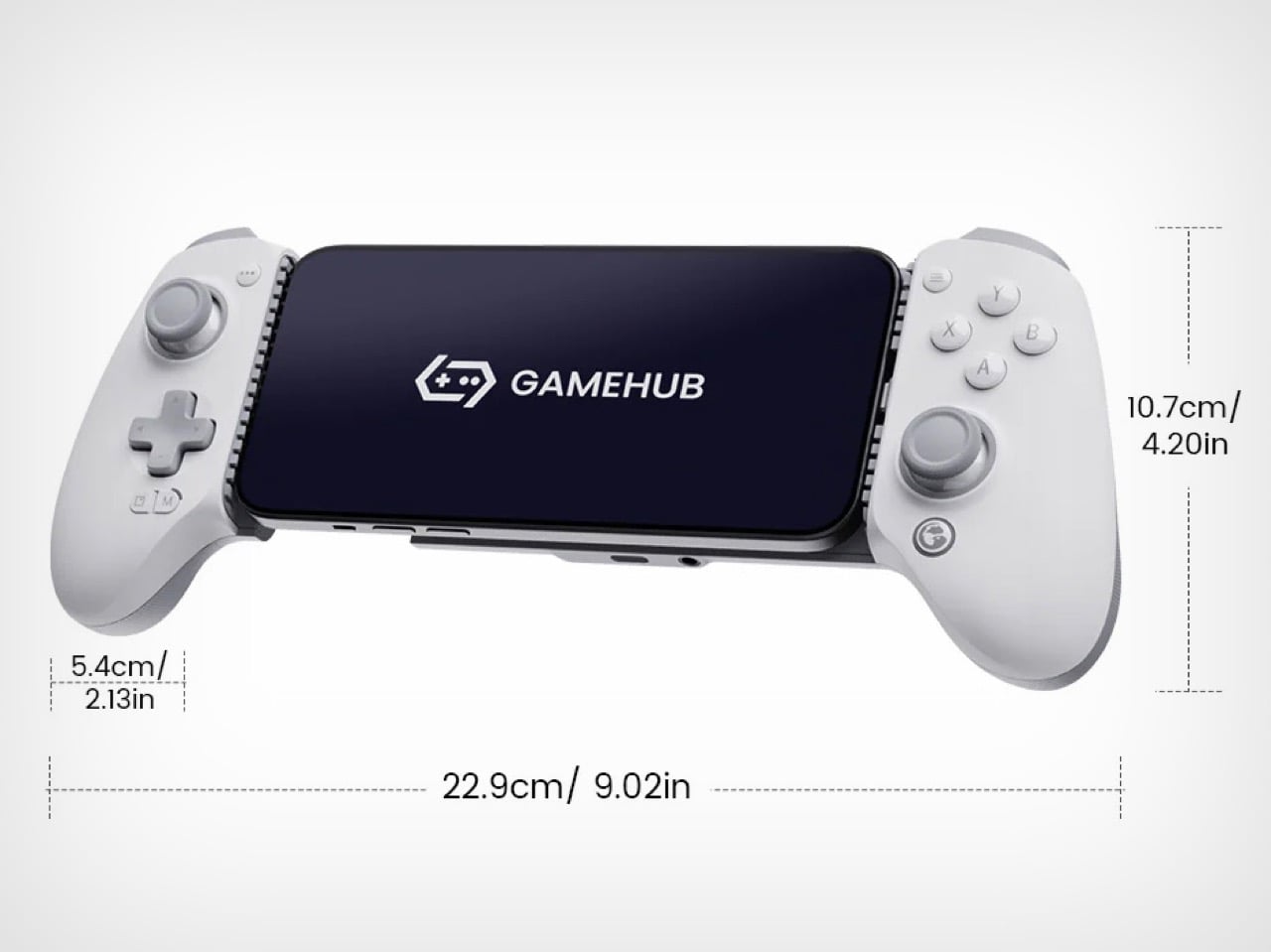
GameSir finally secured MFi certification, which means reliable performance and stable connectivity across iOS devices without the usual third-party controller jank. The company built its reputation on solid hardware, particularly with controllers like the standard G8 Plus that launched earlier this year with Bluetooth and battery support. This MFi version strips out both the battery and wireless connectivity to meet Apple’s specifications and hit that $79.99 price point. You’re getting a wired-only experience through a movable USB-C port, but the tradeoff includes pass-through charging so your phone doesn’t die mid-session. The telescopic design stretches to accommodate devices up to 215mm, which covers everything from standard iPhones to the iPad Mini, giving you way more versatility than you’d expect from a phone controller.
Designer: GameSir

Click Here to Buy Now

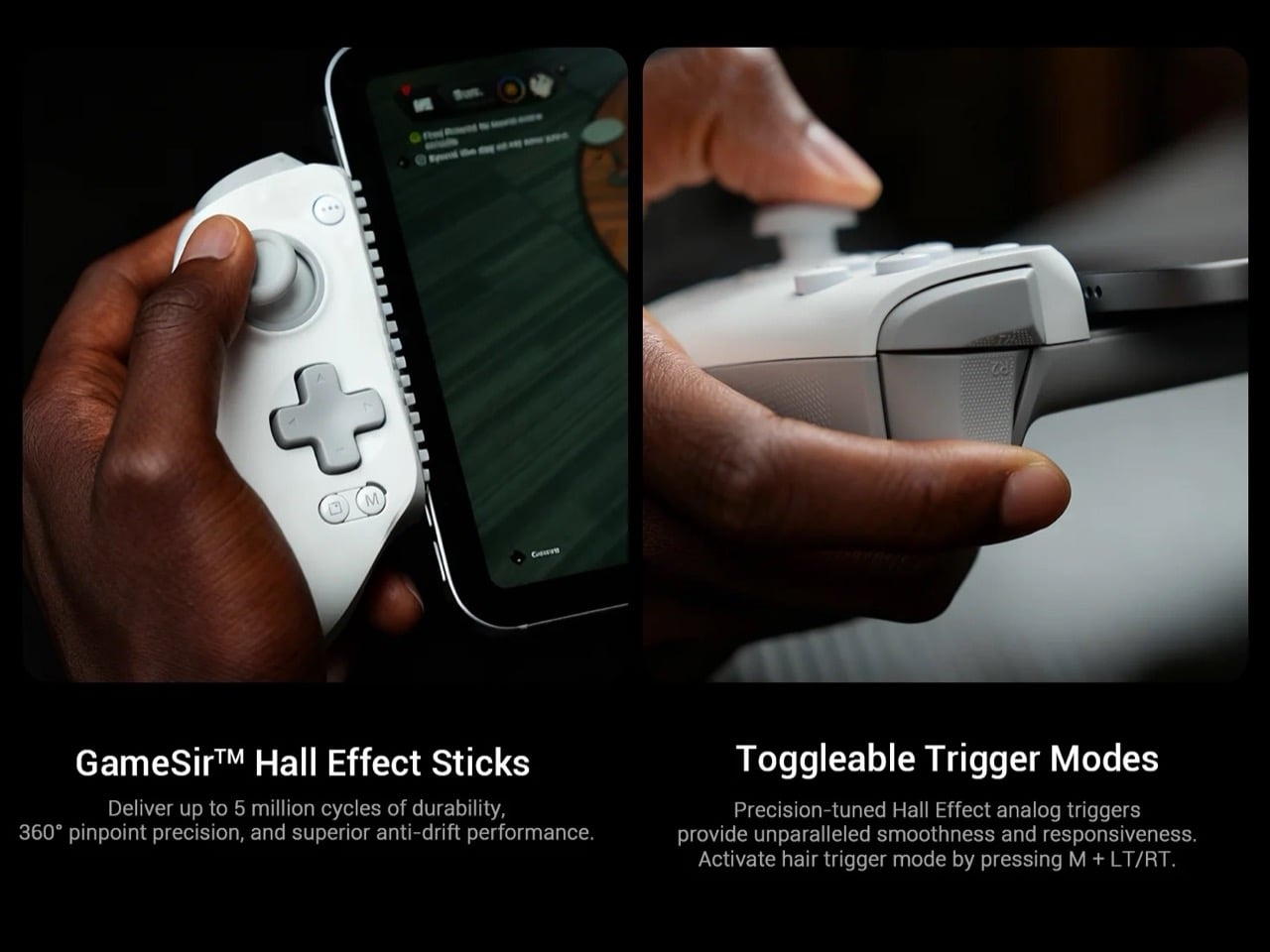
Hall Effect sensors in both the thumbsticks and analog triggers eliminate stick drift, which remains a persistent problem even in premium controllers. The mechanical D-pad provides tactile feedback that membrane alternatives can’t match, though the ABXY buttons use membrane technology to keep costs reasonable. Two programmable back buttons sit on laser-engraved grips, and the entire controller works with the GameSir app for customization. The detachable magnetic faceplate lets you swap thumbstick positions and rearrange the ABXY layout, something Backbone doesn’t offer at any price point. There’s also a 3.5mm audio jack for wired headphones, which matters more than you’d think when Bluetooth audio introduces latency in competitive games. GameSir clearly spent their engineering budget on components that affect gameplay rather than feature bloat.

No gyroscope means games that rely on motion controls won’t work properly, which eliminates a chunk of the iOS gaming library. The wired-only design lacks the flexibility of Backbone’s newer Pro model with its 40-hour battery and Bluetooth connectivity. GameSir’s app exists but doesn’t approach the polish or social features of Backbone’s ecosystem, which has become a genuine differentiator for the brand. Backbone built a game launcher, social platform, and recording hub that transforms the controller from a peripheral into a gaming experience. GameSir offers button remapping and firmware updates, which covers the basics but won’t replace your need for separate apps. You can tell where each company decided to compete and where they chose to concede ground.

The calculation for buyers comes down to whether Backbone’s ecosystem and brand cachet justify a 25% premium over GameSir’s hardware-focused approach. If you care about launching games from a unified interface, sharing clips with friends, or using your controller as a social hub, Backbone remains the obvious choice despite the higher cost. But if you want Hall Effect reliability, physical customization options, and the ability to use the same controller with both your iPhone and a compact Android tablet without switching devices, GameSir built exactly that product. The G8 Plus MFi proves you can compete with an established market leader by focusing on what actually matters to a specific segment of buyers. Backbone set the standard for mobile controllers on iOS, and now someone finally showed up with enough credibility to make the comparison worthwhile rather than embarrassing.

Click Here to Buy Now

The post GameSir’s $79 MFi-compatible Controller Lets You Play PC & Xbox titles on an iPhone or iPad Mini first appeared on Yanko Design.