Atari’s 1980 Arcade Classic Just Became a Limited Edition Automatic Watch

Gaming and watchmaking have been circling each other for years, trading collaborations that usually land somewhere between cynical and forgettable. The Hamilton x Call of Duty watch exists. The G-Shock x Street Fighter collection exists. Casio has licensed more IP than most studios at this point. Nubeo looked at all of that and apparently decided the only interesting move was to go deeper, not louder.

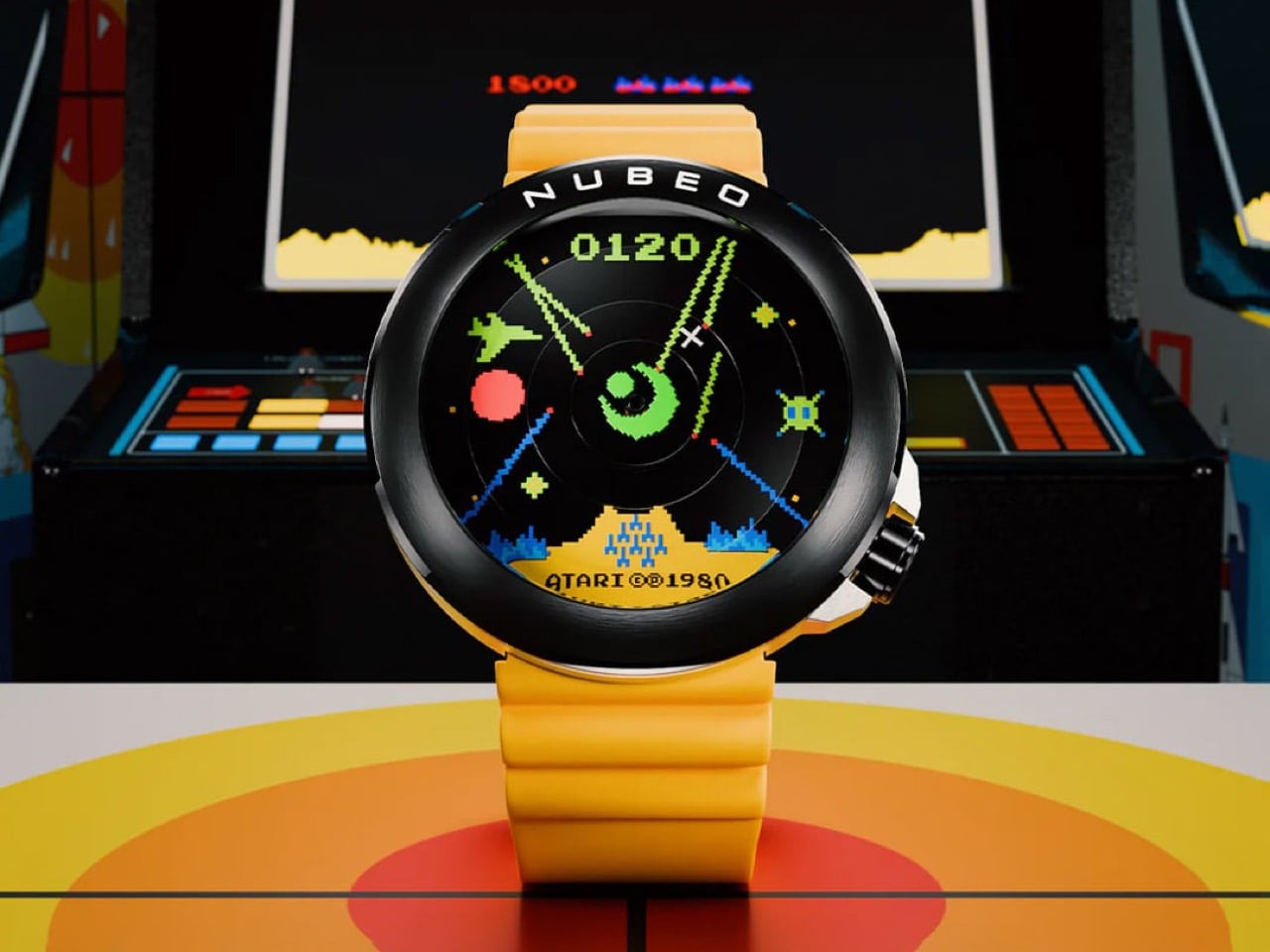
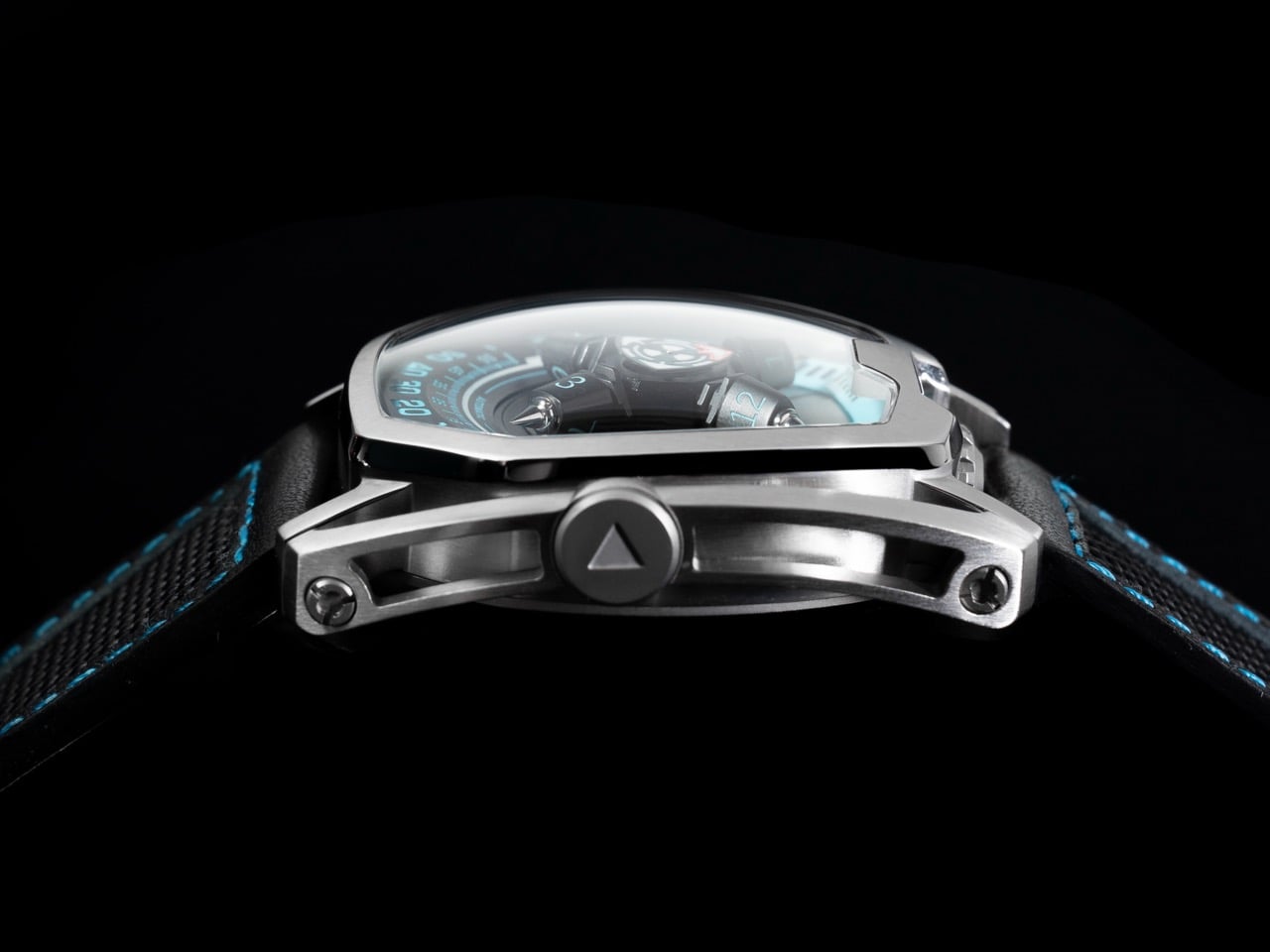
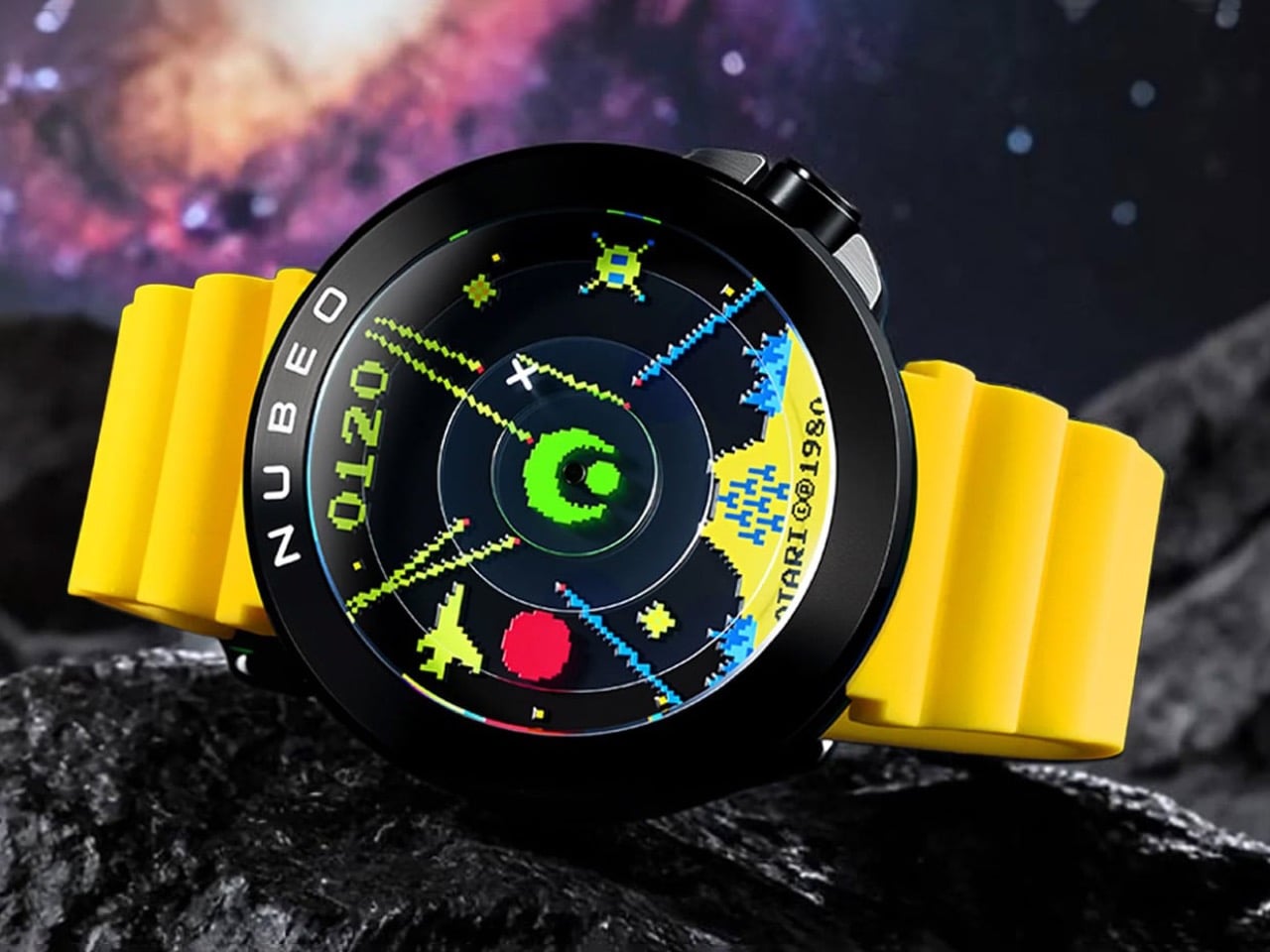
The Ventana Automatic Missile Command takes the full visual grammar of Atari’s 1980 arcade classic and builds it into a 50mm mechanical watch limited to 100 individually numbered pieces per colorway. The dial layers pixelated missile trails, fighter jet sprites, and a concentric radar system over a multi-disc mechanical assembly, with the “0120” score display anchoring 12 o’clock and the “Atari ©1980” copyright stamp sitting at 6. The exhibition caseback frames the Miyota 8215 automatic movement inside the original arcade cabinet artwork, giving the watch a second face as compelling as the first. Kill the lights and the Super-LumiNova does something unexpected: the full-color scene collapses into monochrome green, the exact phosphor glow of a 1980 CRT screen, and suddenly the whole design logic becomes obvious. Nubeo built five colorways at $500 each, Assault Yellow, Strike Green, Vector Red, Command Black, and the Impact Blue exclusive to Atari.com, and every one of them rewards that kind of attention.
Designer: Nubeo x Atari

Designer: Nubeo
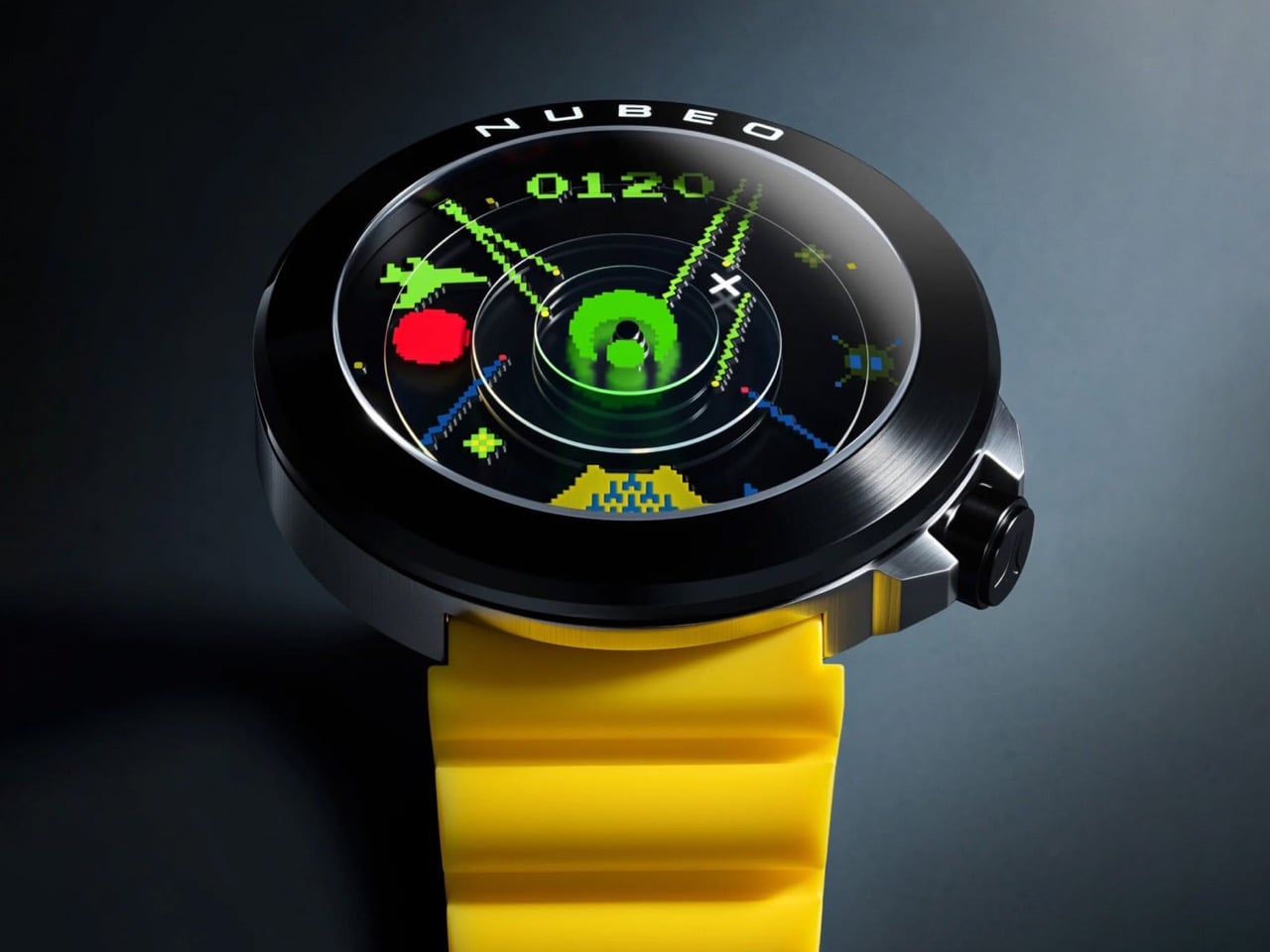
Missile Command arrived in arcades in 1980 carrying a psychological weight that most games of its era never attempted. Designer Dave Theurer has spoken about the nightmares the project gave him during development, because the premise was deliberately unwinnable: nuclear warheads are falling on your cities, you can slow the assault but never stop it, and eventually the screen fills with fire. That Cold War dread, rendered in chunky pixels and trackball physics, made it one of the most culturally loaded games ever put into a cabinet. It migrated to the Atari 2600 and into living rooms across America, and an entire generation grew up memorizing its visual language: the radar rings, the missile trails, the pixelated cityscape at the bottom of the screen waiting to be vaporized. Nubeo clearly grew up with it too, and the Ventana is the design evidence.
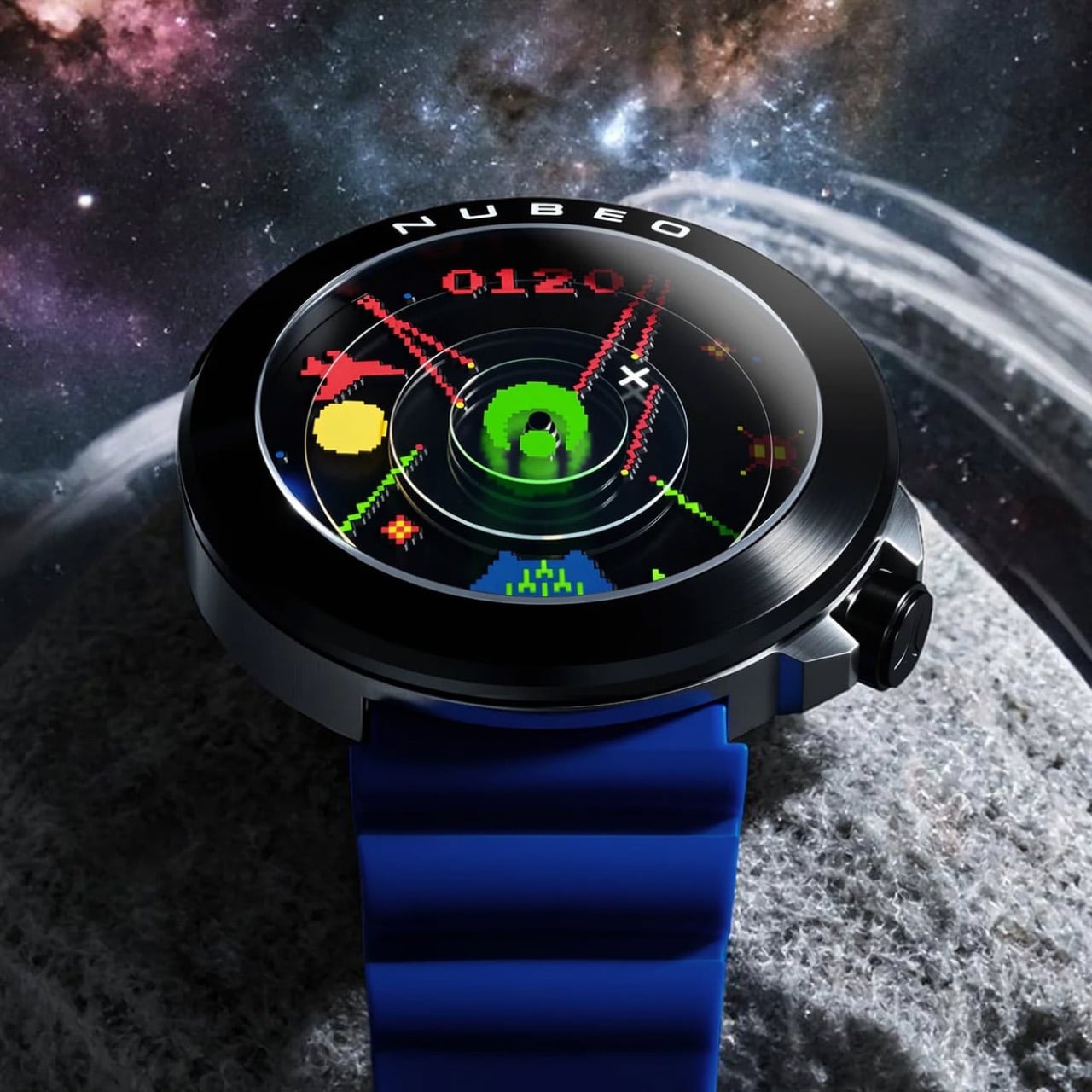
A multi-layered disc system gives the scene genuine physical depth rather than the flat printed look that sinks most licensed watches. The concentric radar rings at center sit on a separate disc plane, catching light differently from the pixelated imagery surrounding them and creating a parallax effect that shifts as you move the watch. The central turret hub anchors the second hand and reads exactly as the game’s targeting reticle, while the minute hand carries an X crosshair and the hour hand a red sun symbol. These are not decorative flourishes bolted onto a standard layout. They are the timekeeping system rebuilt around the game’s iconography from the ground up, which is a fundamentally different design brief than most collaborations ever attempt.
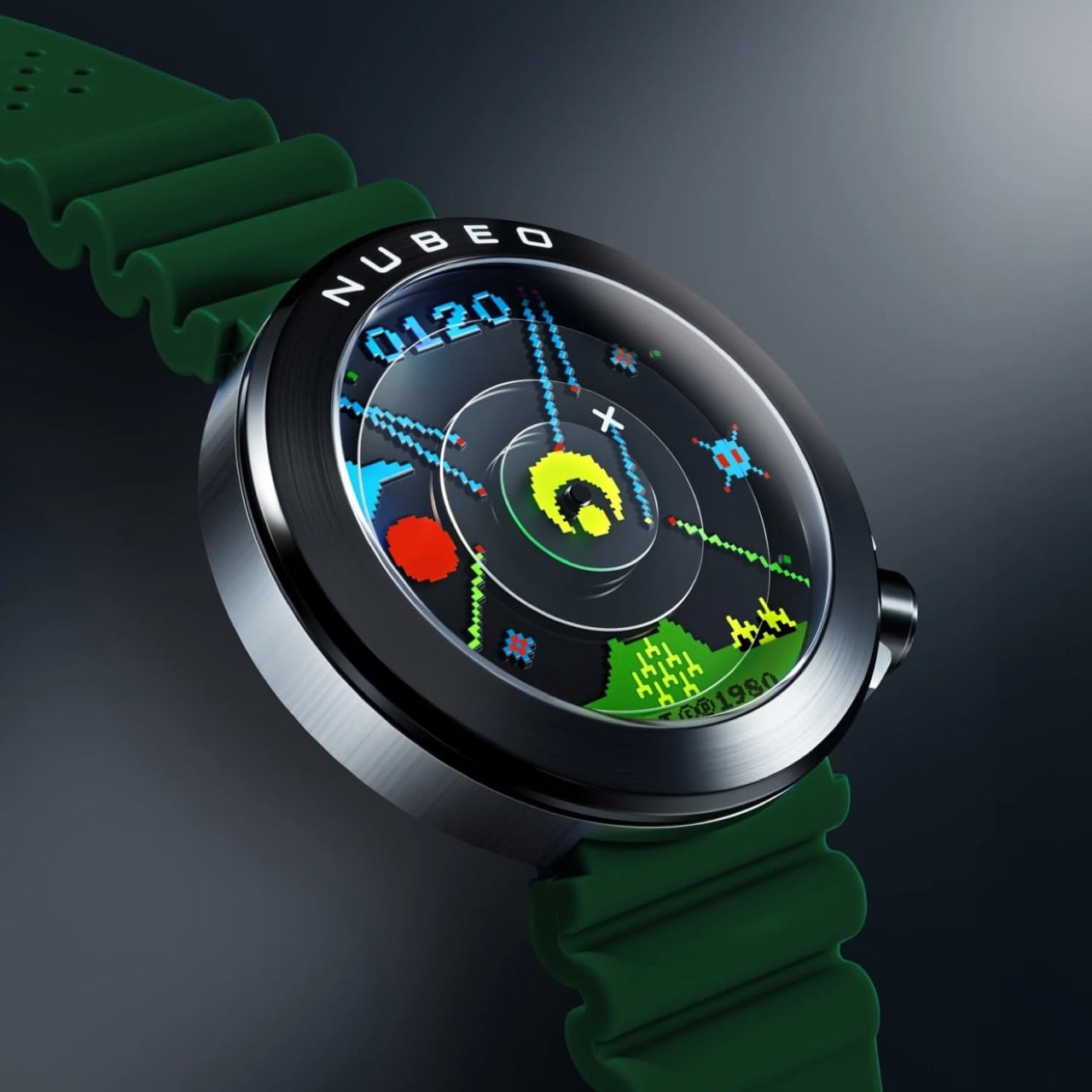
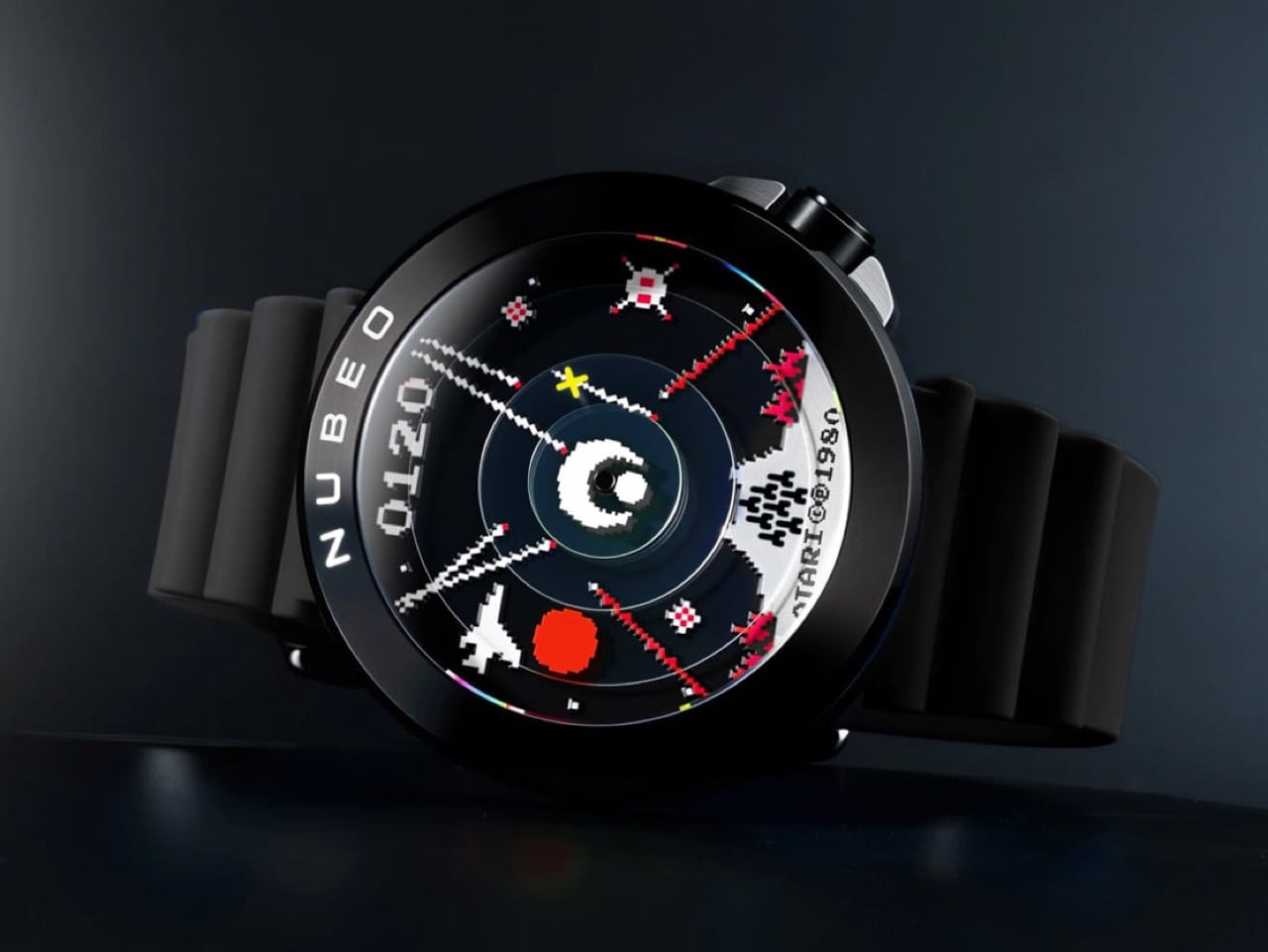
Super-LumiNova was applied across the full dial surface, which means in daylight you are reading a full-color Missile Command scene in vivid greens, yellows, reds, and blues, and in darkness all of that color information drops away into a pure monochrome green glow that is a dead ringer for the phosphor output of a 1980 CRT monitor. The design team understood that the game existed in two visual registers, the color of the arcade cabinet screen and the green-tinted memory of everyone who played it in a darkened room, and encoded both into a single material decision. Every pixel, every missile trail, every sprite glows with the same uniform intensity, uniform in the way that analog phosphor was uniform, which is to say warm and slightly imprecise at the edges. That quality is almost impossible to fake with modern lume application and the fact that Nubeo pulled it off suggests this collaboration went well beyond a licensing agreement into something closer to genuine obsession.
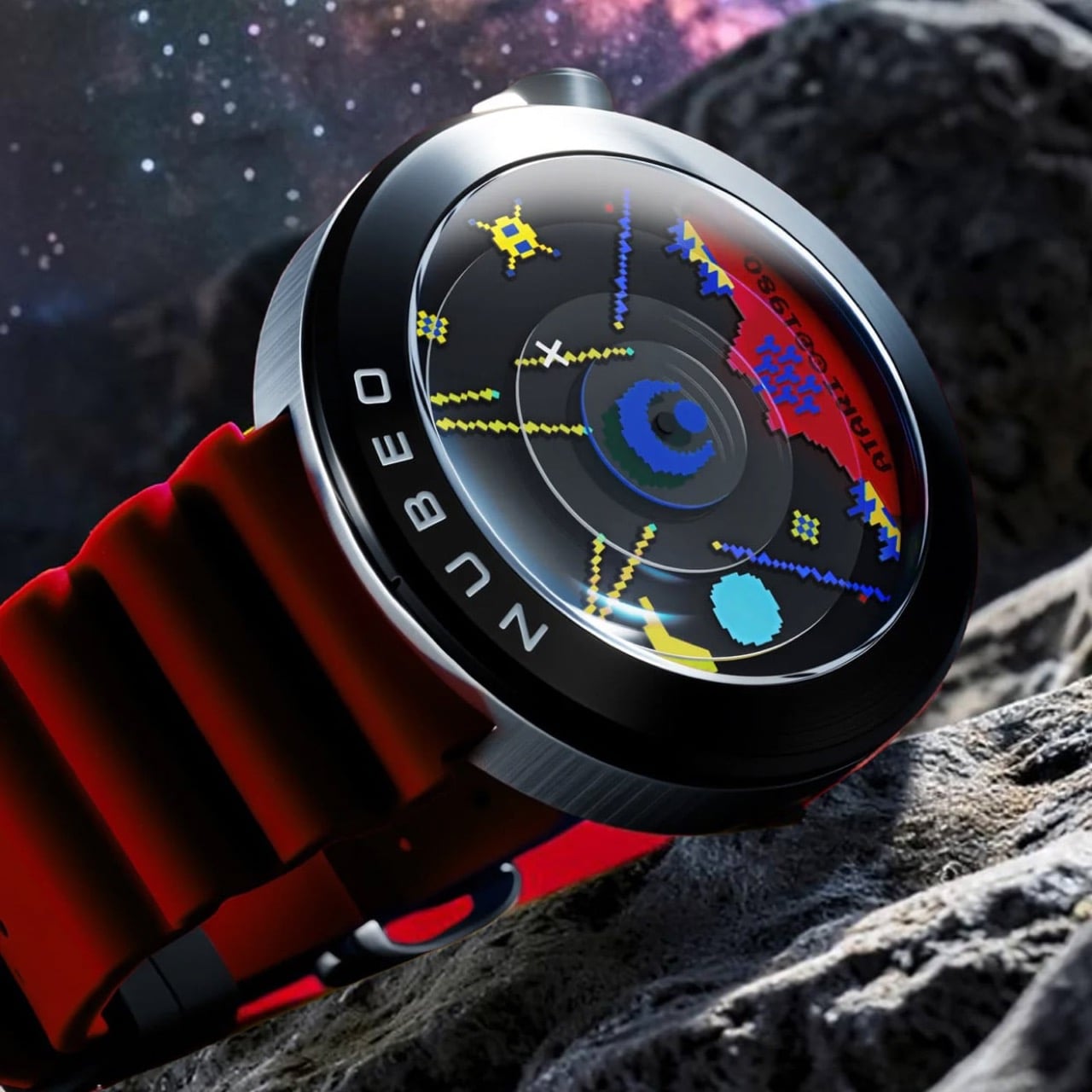
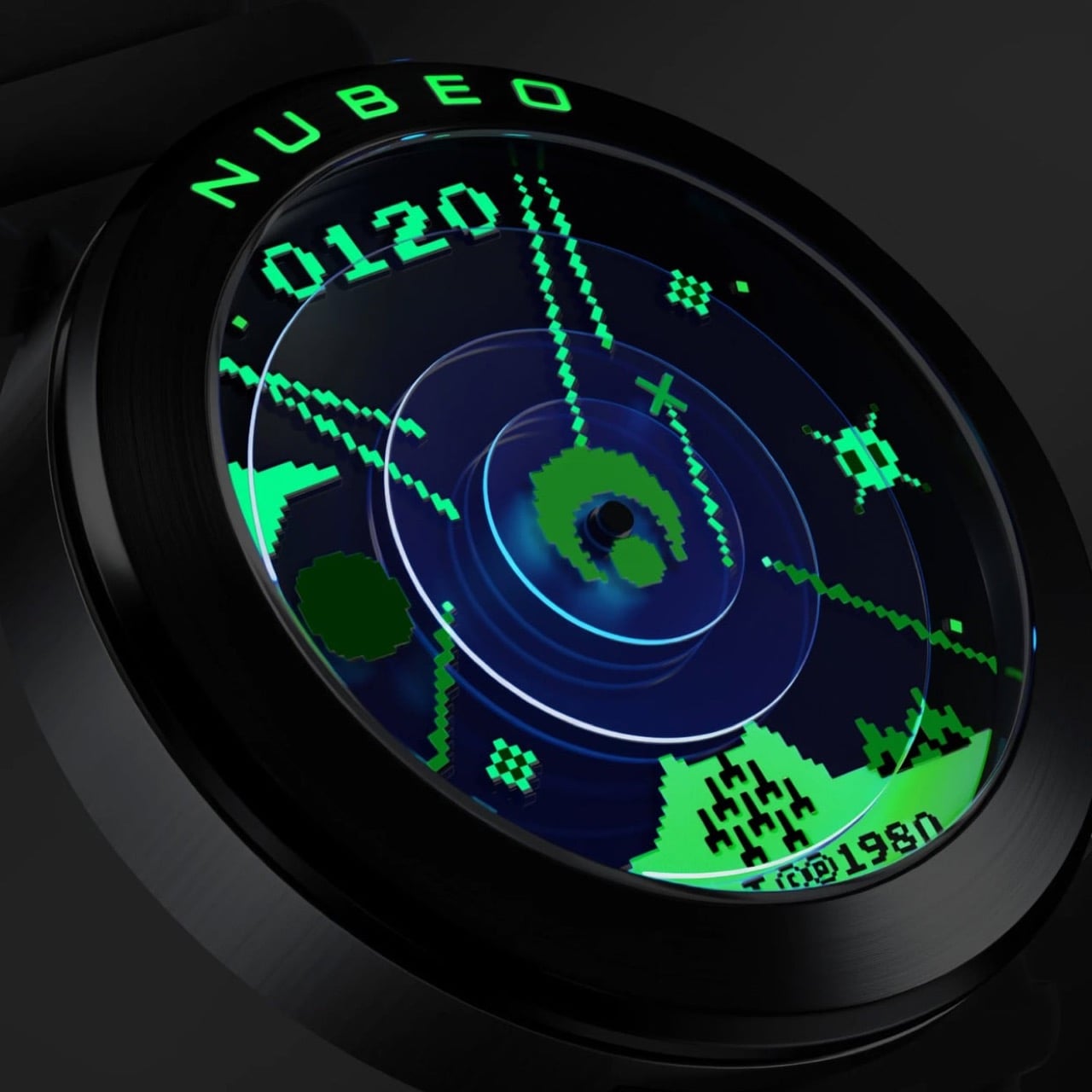
Through the exhibition window you can watch the Miyota 8215 automatic rotor spin, but the real draw is the original Missile Command arcade cabinet artwork surrounding it, complete with the bold red and yellow logo treatment, the rocket imagery, and the Atari mark printed onto the inner caseback disc. The outer ring is engraved with the model reference NB-6138, the water resistance rating, the limited edition designation, and the individual piece number. Wearing this watch means carrying two museum-quality presentations simultaneously, one facing the world and one facing your wrist, which is an unusually generous design decision for a $500 release.
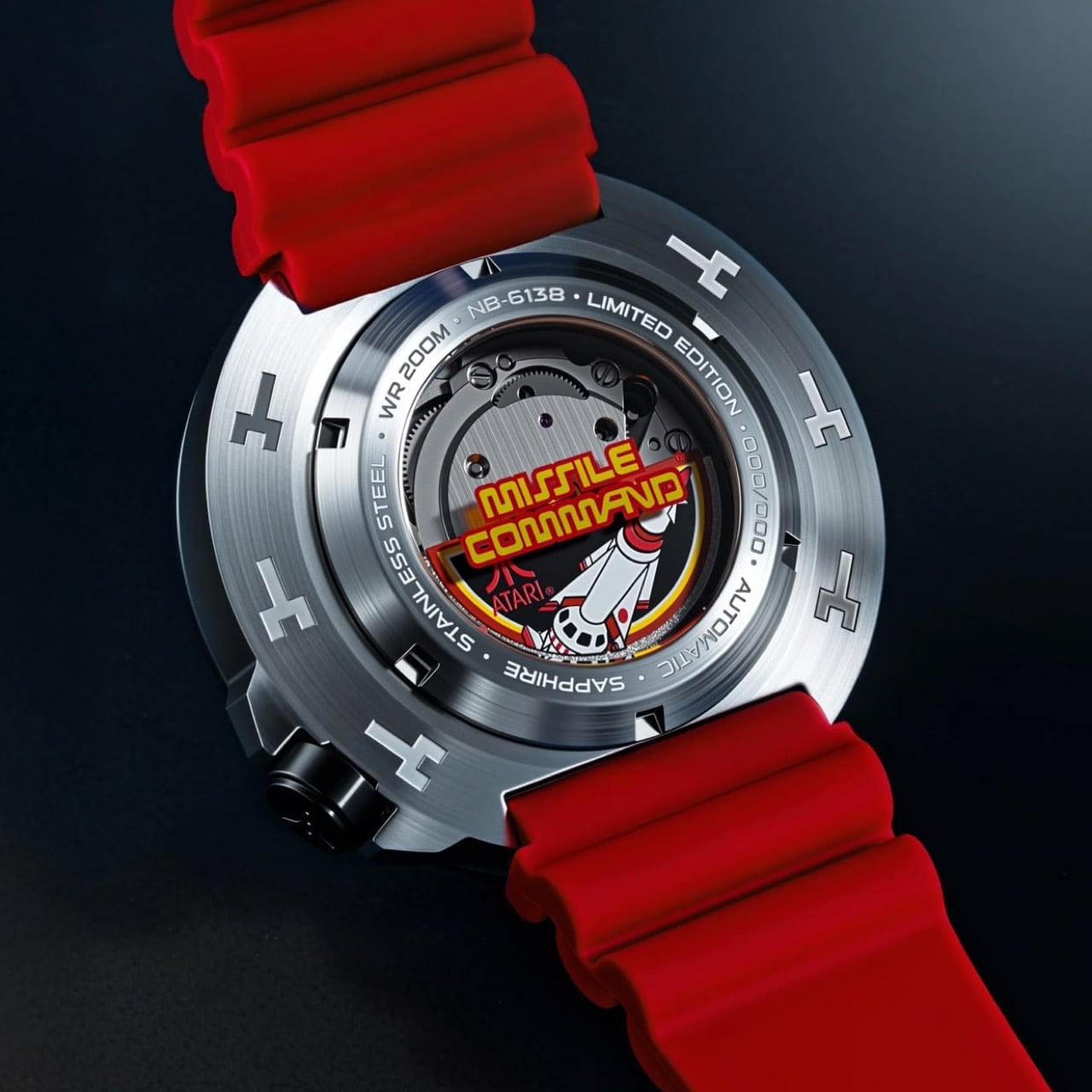
The hardware specifications match the ambition of the concept without overreaching. The 50mm stainless steel case runs 16mm thick, the Miyota 8215 is a Japanese automatic workhorse that stays reliably out of the way of the dial story, sapphire crystal with AR coating protects the scene, and the screwdown crown at 4:30 delivers 200M water resistance. The chunky segmented rubber straps in each colorway add a tactile sportiness that ties the whole package back to the arcade cabinet’s joystick-era aesthetic, and at 179 grams the watch has the kind of presence on the wrist that reminds you it is there. At $500 for a sapphire-crystalled, 200M-rated, individually numbered automatic with this level of dial craft, Nubeo found the third path that the gaming collaboration space rarely bothers looking for: mid-tier pricing with upper-tier design intent. All five colorways are available now at nubeowatches.com, with Impact Blue held exclusively at atari.com, and with production capped at 500 pieces total across all variants, the cities on your dial may be perpetually under attack but the watch defending them is built to outlast every arcade cabinet that ever ran the original game.

The post Atari’s 1980 Arcade Classic Just Became a Limited Edition Automatic Watch first appeared on Yanko Design.
The $429 PhantomX Watch Has Four Rotating Arms That Tell Time Like a $50,000 URWERK

URWERK builds watches that cost as much as a compact car. The Geneva-based studio has spent decades engineering satellite hour complications, where orbiting arms carry hour numerals into position around a central axis, revealing the current hour as they complete their circuit. It is horological theater at its most sophisticated, with collectors typically paying between $30,000 and $100,000 depending on the configuration. The wandering hour concept itself dates to 17th-century pocket watches, but URWERK transformed it into an entire brand identity that has spent the better part of three decades sitting behind a velvet rope. The visual language of satellite hours has remained firmly in luxury territory for nearly all of that time.

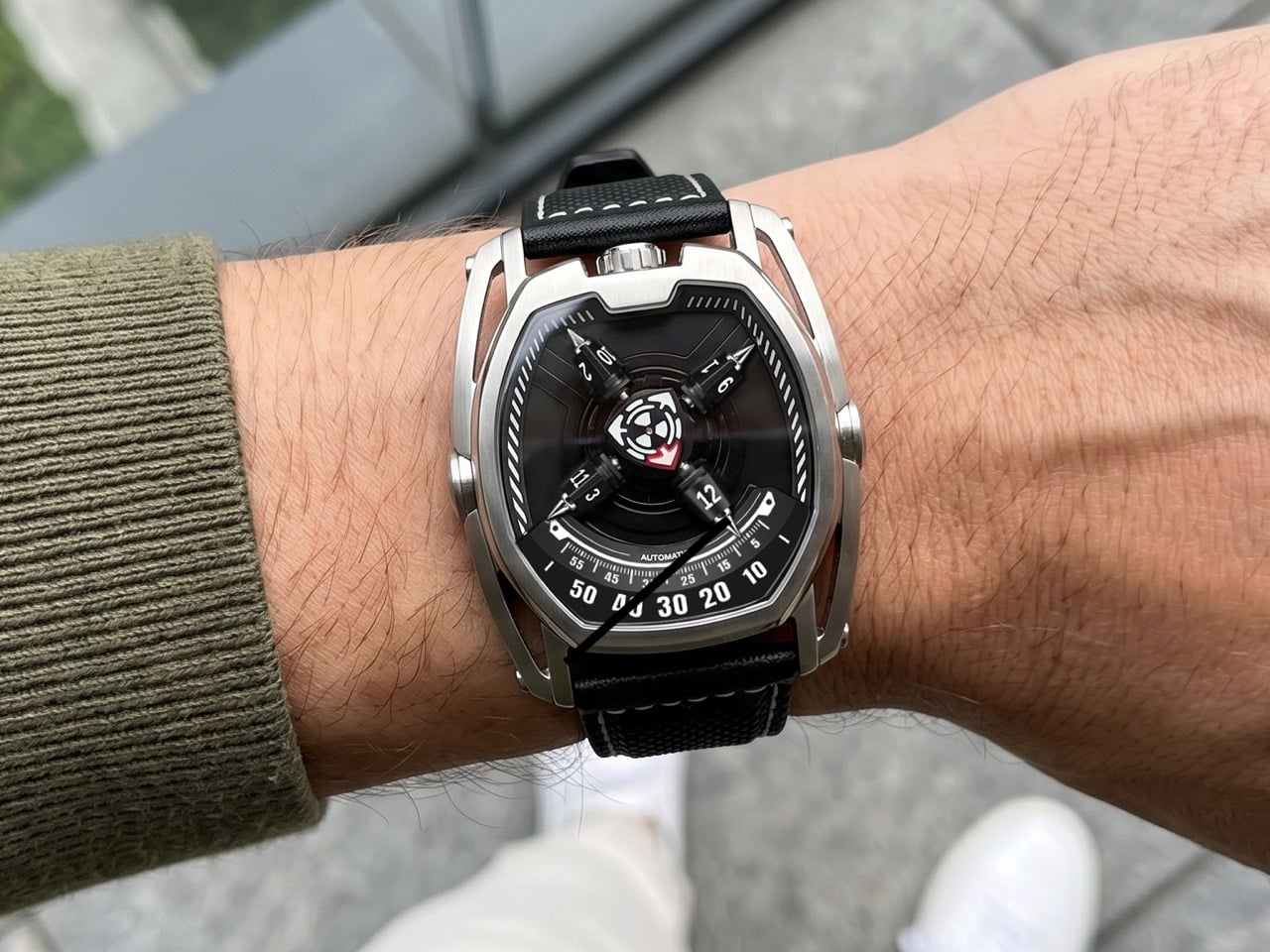
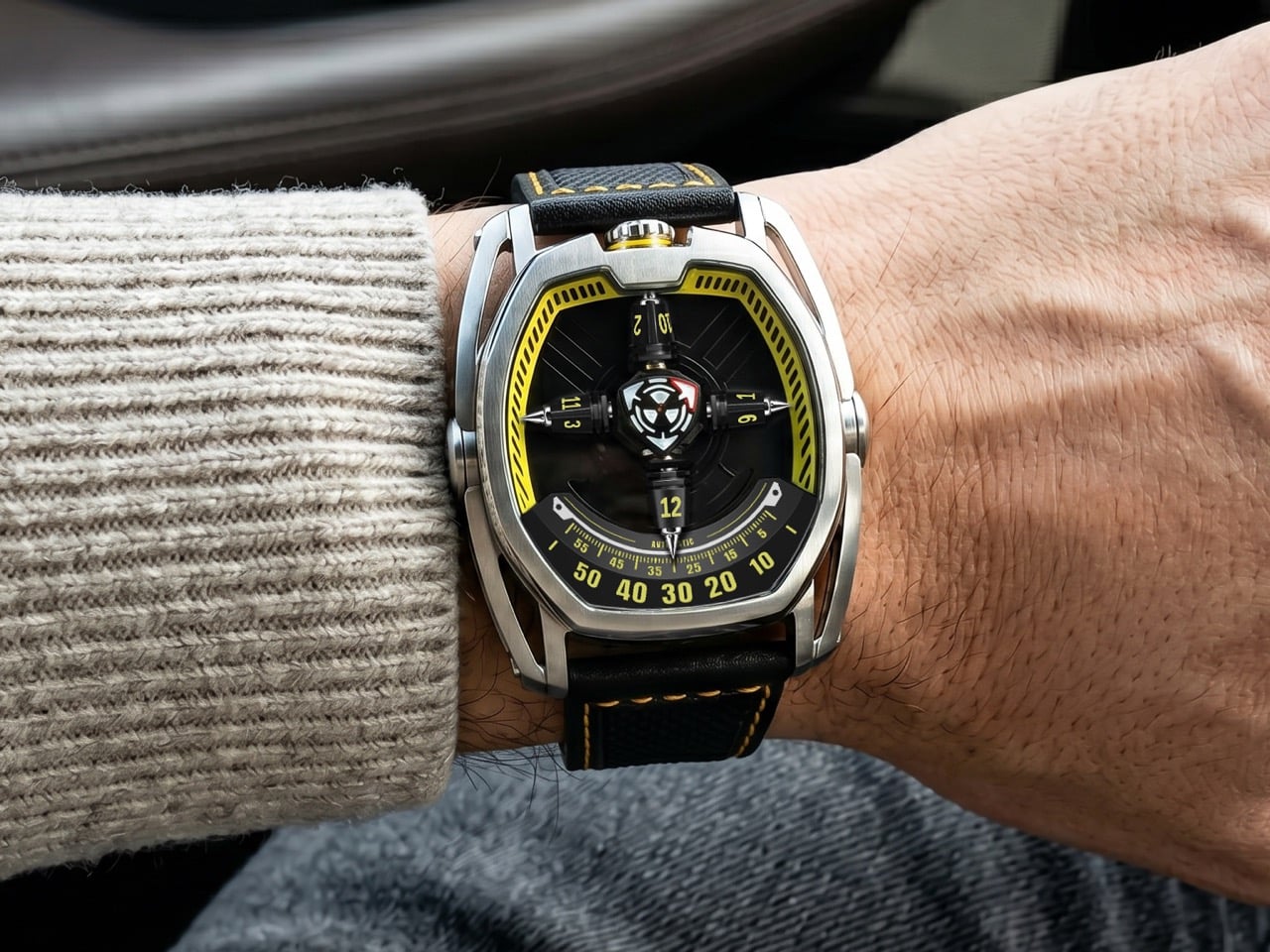
Mitico, a Hong Kong-based brand, just launched the PhantomX on Kickstarter at $399. It runs a four-arm satellite wandering hour system over a Miyota 9039 automatic, wrapped in a stainless tonneau case with a 3D star wheel mechanism that reveals only the current hour at any given moment. The campaign cleared 1,400% of its funding goal within days of going live. Something is clearly happening in independent horology right now, and the PhantomX is one of the most direct examples yet of the satellite hour complication finally escaping the velvet ropes. The gap between ambition and accessibility, in this category, is narrowing fast.

Designer: Mitico

Click Here to Buy Now: $429 $750 (43% off) Hurry! Only 12 days left.

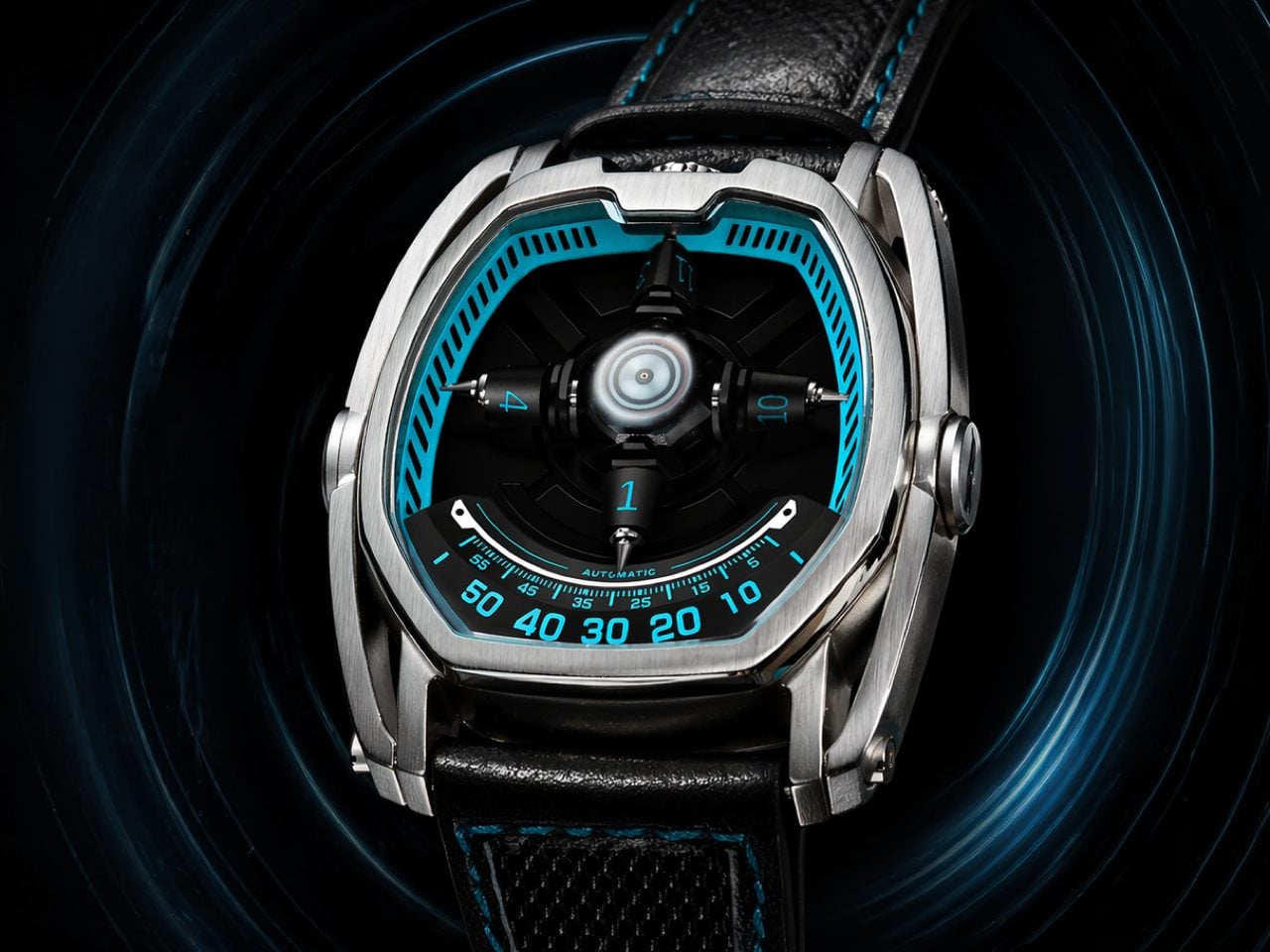
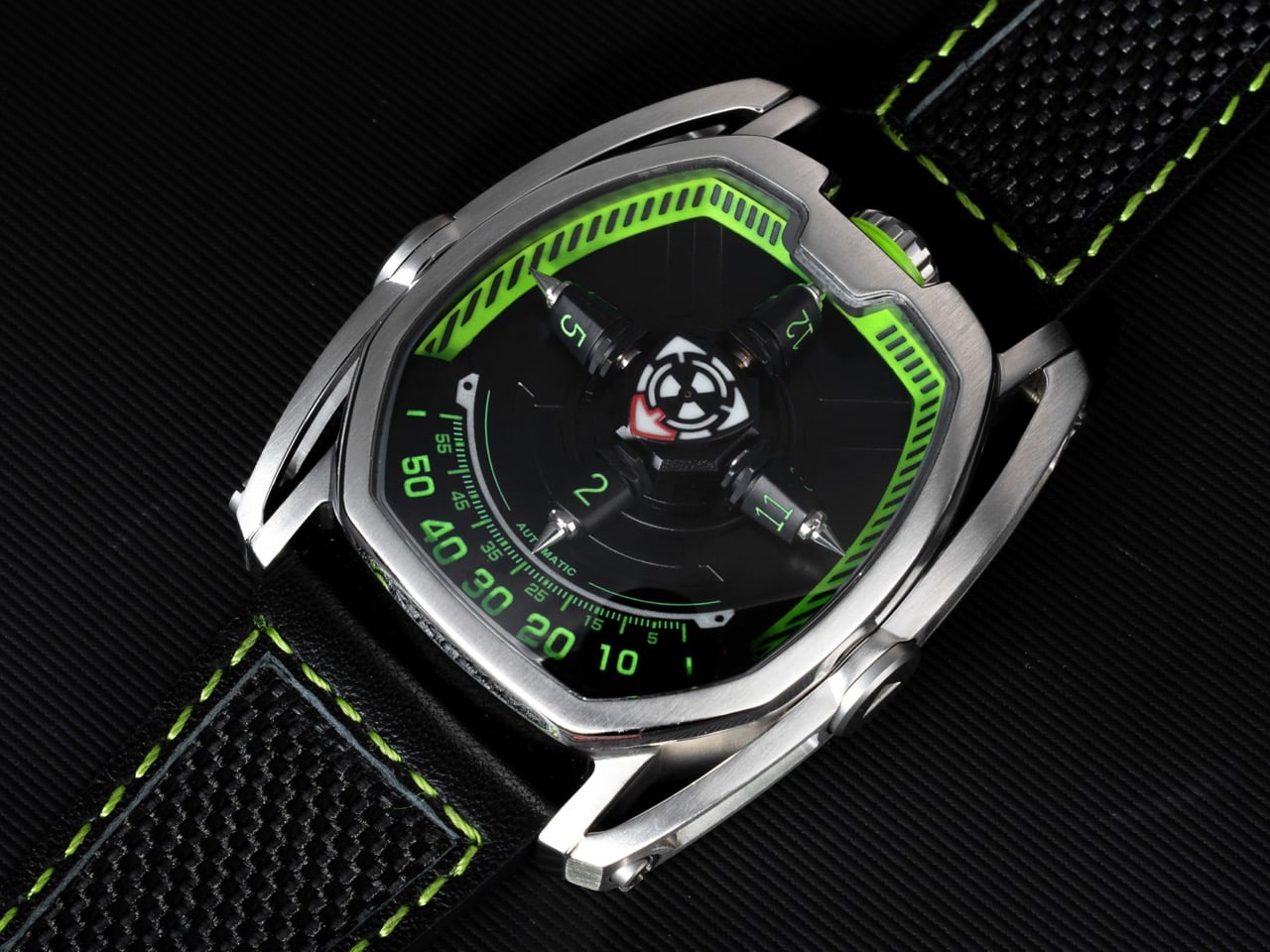
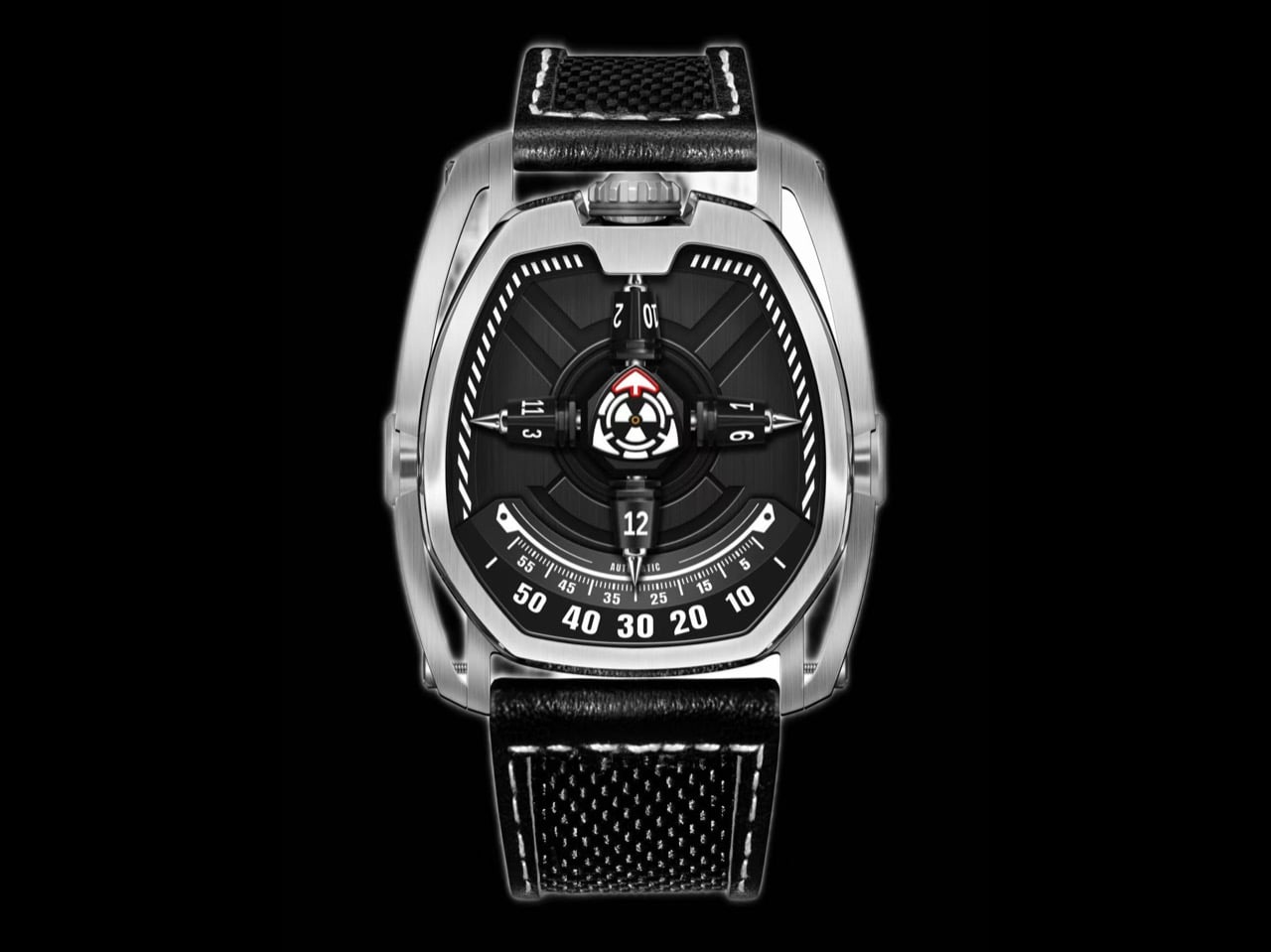
The wandering hour format has existed in some form since the 17th century, and Mitico’s interpretation adds a structural layer that separates the PhantomX from the current wave of indie satellite designs. Four arms orbit continuously around a central axis, each carrying three hour numerals on a sculpted 3D star wheel, with only the current hour numeral vertically aligned and fully visible at the dial center. Mitico calls this the “Only the Present Hour Revealed” concept, meaning the adjacent numerals stay tucked along the curved sides of the wheel, keeping the face uncluttered despite the mechanical complexity underneath. Time is read by finding the arm that has rotated into the central display position, then cross-referencing it against the clockwise 0-to-60 minute track. The result is a reading experience that demands a moment of engagement rather than a reflex glance.

A red triangular seconds hand sweeps steadily across the dial, acting as both a navigational beacon and a metronome for the entire orbital system. It gives the eye something to follow inside a display that is otherwise in constant, multidirectional motion, and the contrast between its singular sweep and the orbiting arms creates a layering effect that rewards watching rather than just checking. The dial center is sculpted with layered textures rather than left flat, adding mechanical depth that reveals itself at close range. Mitico applies high-intensity Swiss Super-LumiNova to the central time display, covering the rotating seconds, minute track, and hour indicators, for clear legibility in the dark. The upper inner dial ring gets standard-grade lume, providing a faint structural outline at night without competing with the primary display.

The tonneau-shaped stainless steel case measures 50.64mm wide by 43.32mm tall, with a case thickness of 15mm, dimensions that put this squarely in bold-statement territory. The skeletonized side architecture is machined to reduce visual bulk and overall weight while preserving structural rigidity, with every cutout doing double duty as both aesthetic element and structural support. Crown placement at 12 o’clock reduces wrist pressure during wear and allows more natural operation, one of those ergonomic decisions that sounds minor until you actually live with a conventionally crowned watch all day. A double anti-reflective sapphire crystal with a Mohs hardness of 9 sits over the dial, ensuring clarity from any angle. Water resistance is rated at 5 ATM.

The Miyota 9039 is a self-winding caliber running at 28,800 vibrations per hour with a 36-hour power reserve, and it is the right movement for a project at this price point. Miyota calibers in this family carry an established track record across the microbrand world, offering day-to-day reliability that lets a complex display module run on top without stress-testing the foundation. The 9039 carries no date complication, which is the correct call, because a date window would introduce visual noise into a dial already managing considerable simultaneous motion. Choosing a proven base over an untested proprietary caliber is the pragmatic engineering decision that separates a deliverable product from a concept. That the four-arm satellite module delivers stable, legible display on top of this foundation is the understated technical achievement at the center of the PhantomX.

The PhantomX arrives in ten colorways: Phantom Black, Arctic White, Solar Yellow, Stellar Blue, Nebula Green, Mars Orange, Flare Red, Abyss Blue, Orbital Brown, and Nova Purple, each carrying matching strap stitching and crown accent treatment across the same stainless case and movement platform. The strap is a nylon and genuine leather hybrid fitted with quick-release spring bars, so swapping requires no tools. Mitico estimates shipping to backers in August 2026, with the campaign running through June 13. At $399, the PhantomX is making the satellite hour complication accessible at a price point that no established watchmaker has approached at this level of mechanical ambition.

Click Here to Buy Now: $429 $750 (43% off) Hurry! Only 12 days left.

The post The $429 PhantomX Watch Has Four Rotating Arms That Tell Time Like a $50,000 URWERK first appeared on Yanko Design.
This Titan Grandmaster Watch Hides a Chessboard Inside It, and Only 500 People Can Own One

Magnus Carlsen banging the table. That image alone tells you everything about what Gukesh Dommaraju means to the world of chess right now. At Norway Chess in June 2025, the reigning World Champion, a 19-year-old from Chennai, sat across from the greatest player the game has ever seen and dismantled him in classical format. Carlsen, a man who has made a career out of psychological composure, was so rattled he slapped the table before collecting himself and patting Gukesh on the back. That moment, quiet and electric all at once, was the clearest signal yet that the throne had genuinely changed hands, and that its new occupant had no intention of warming it for anyone else.

Titan was paying attention. The Indian watchmaker’s “Titan of the Year” platform exists precisely to freeze moments like this in metal and mineral, and for 2026 they had an obvious, irresistible choice. The result is the Grandmaster X Gukesh Dommaraju Special Edition, a 500-piece limited run that takes the geometry, hierarchy, and quiet intensity of chess and presses it into one of the most thoughtfully designed Indian watches in recent memory.

Designer: Titan

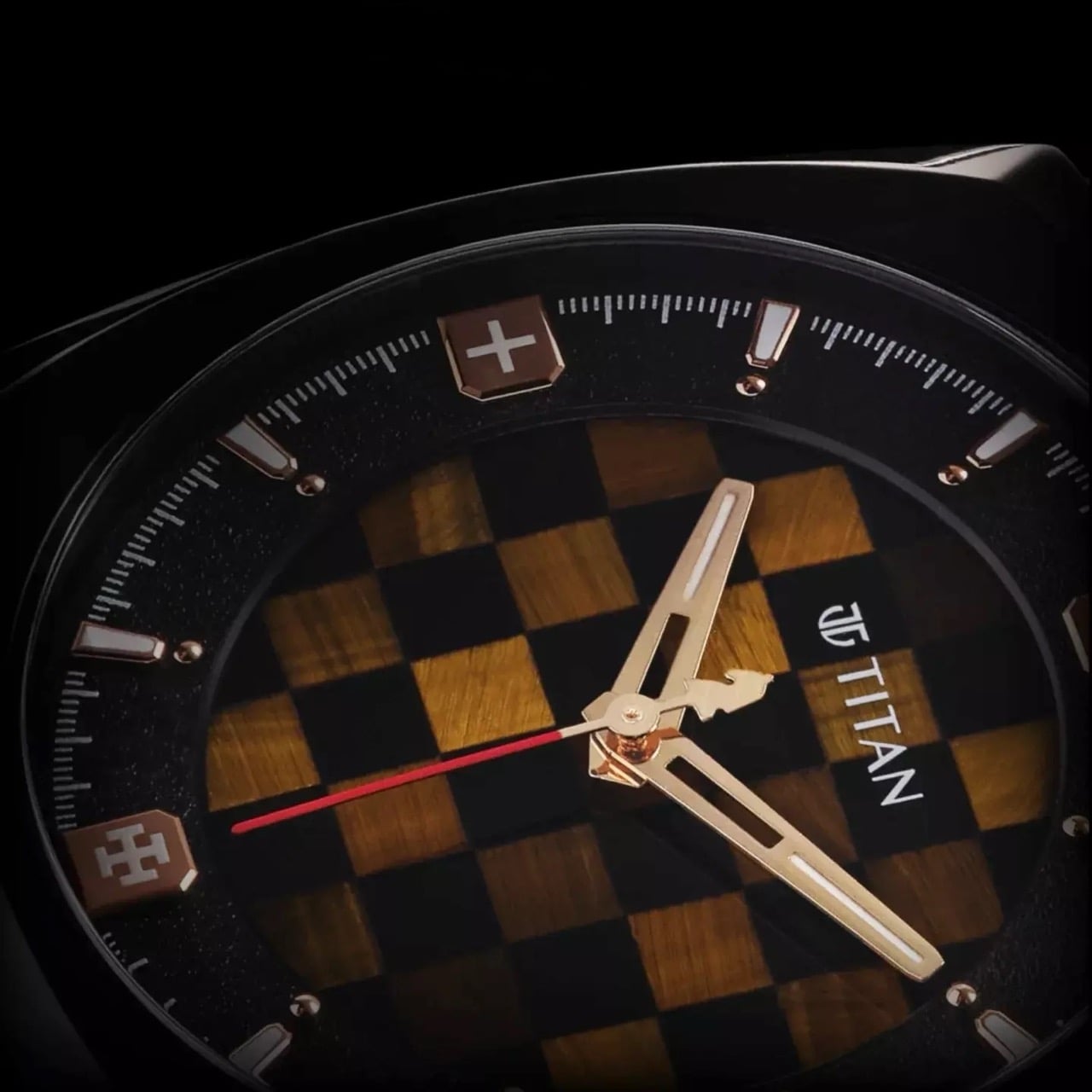
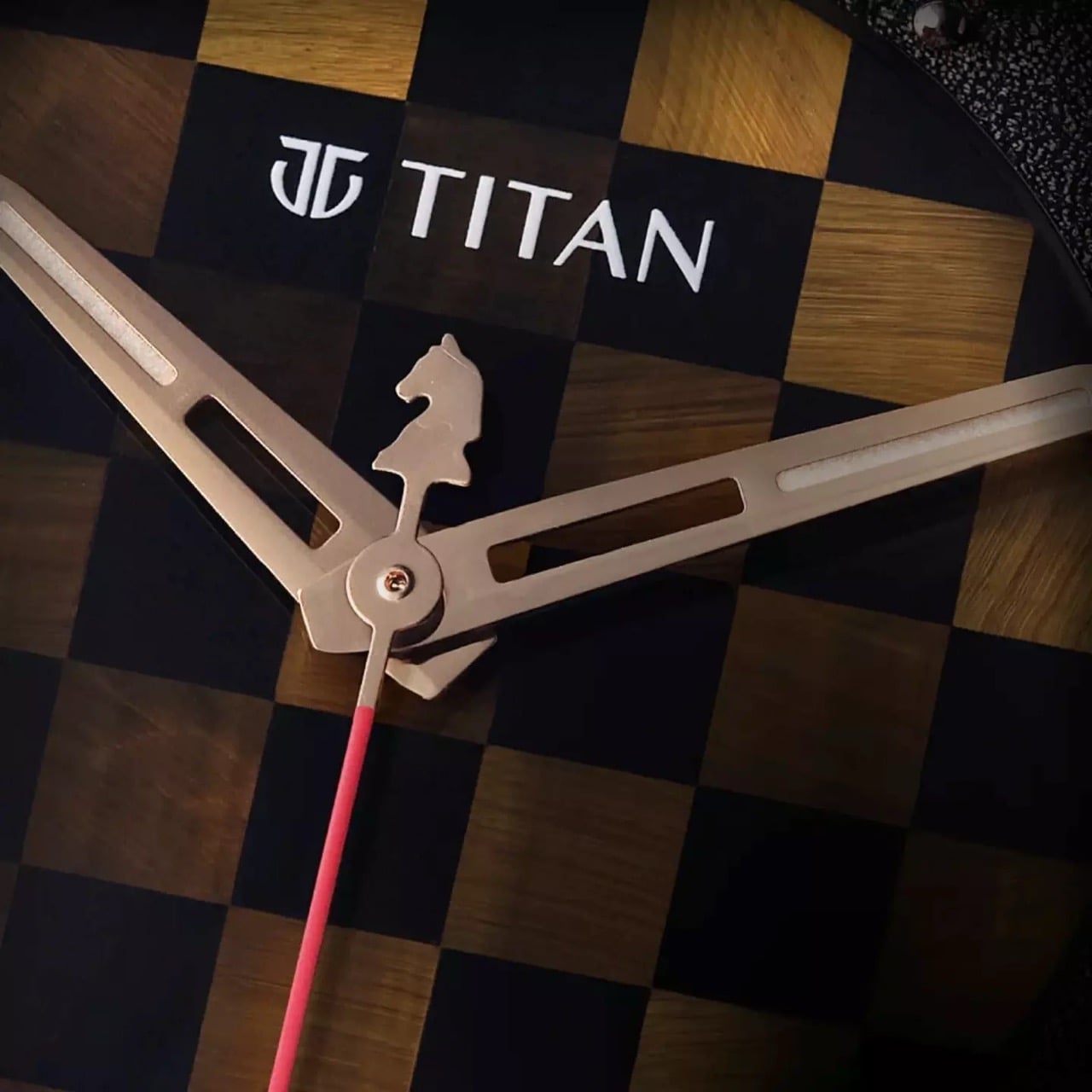
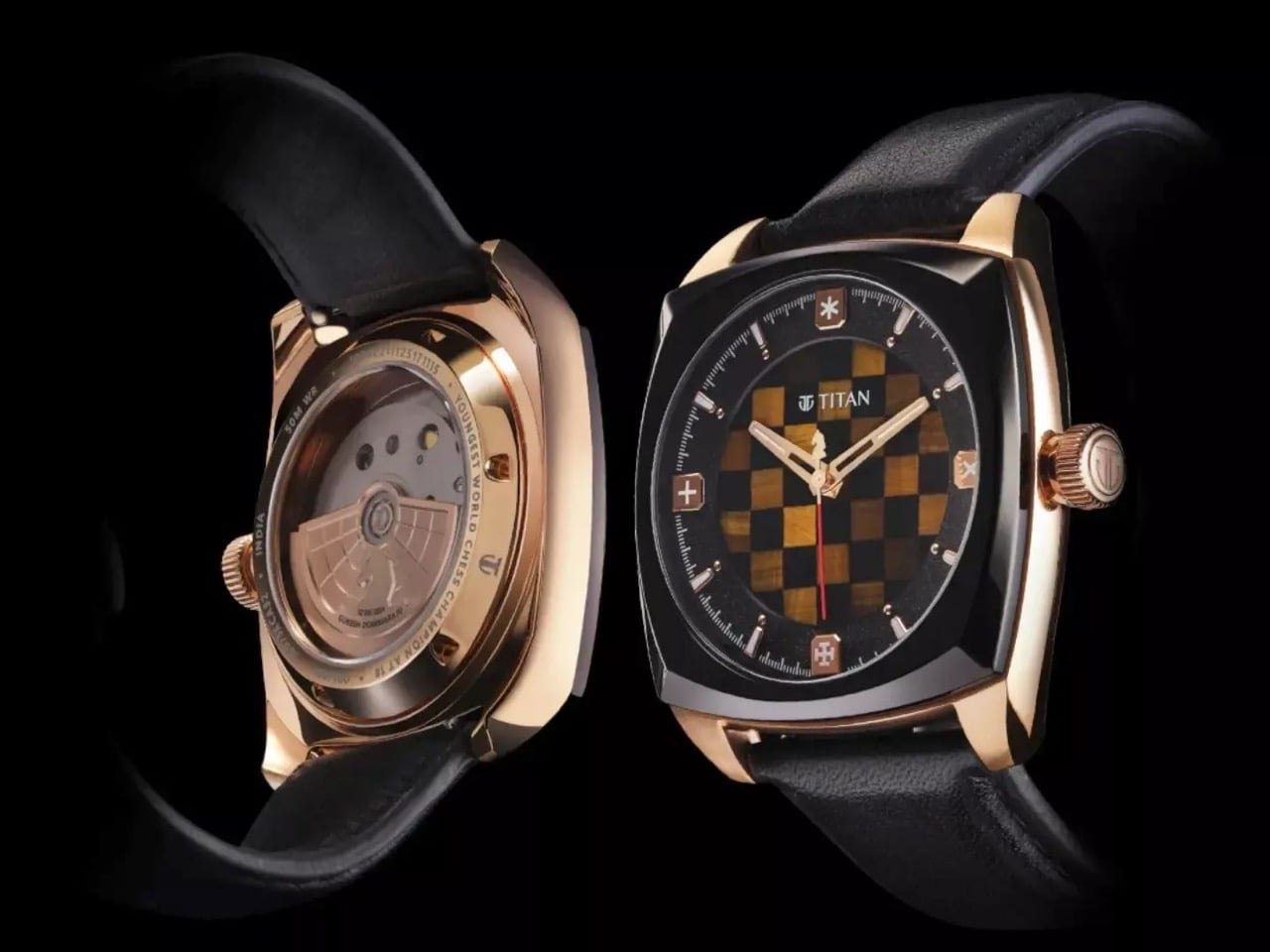
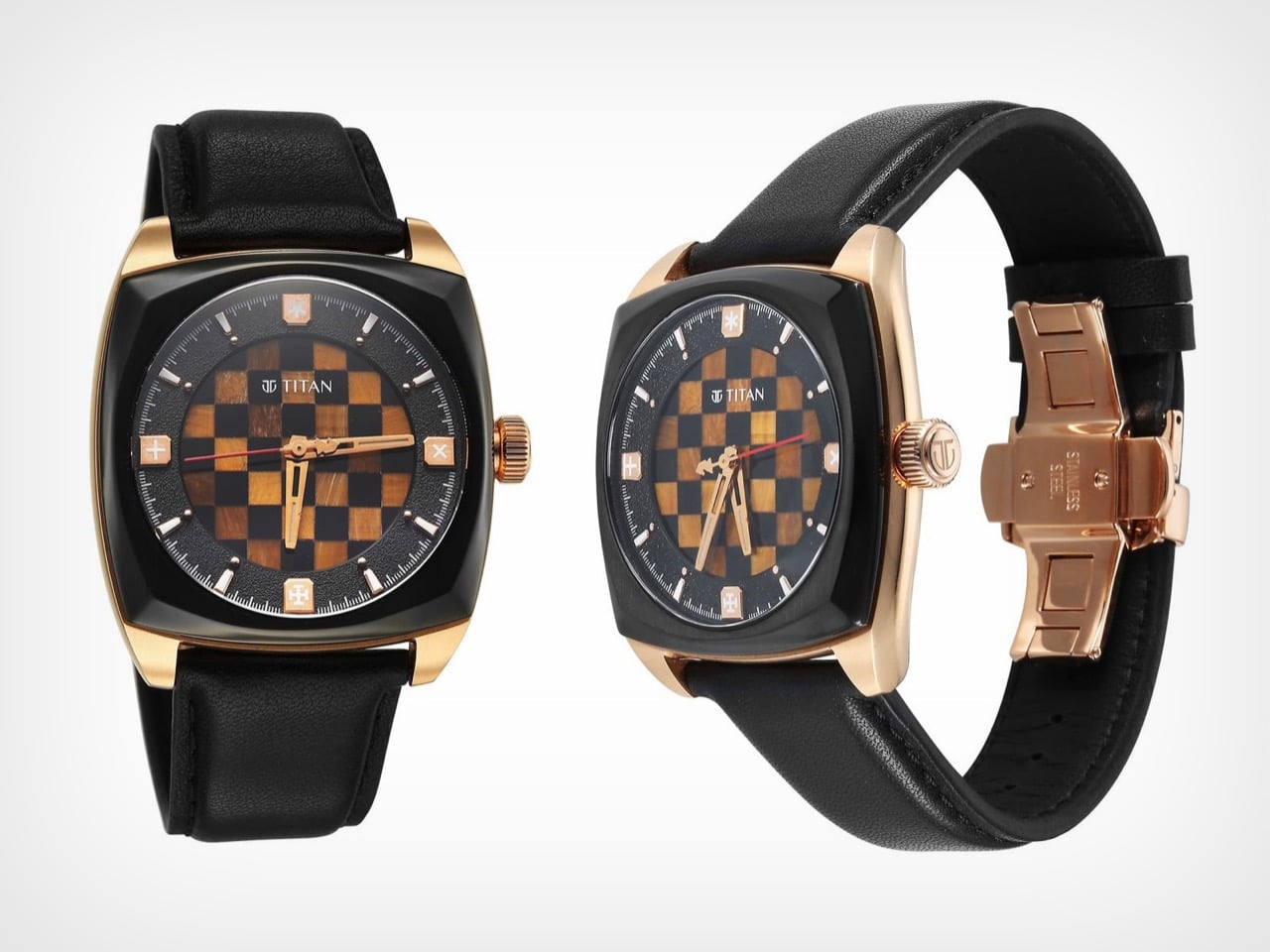
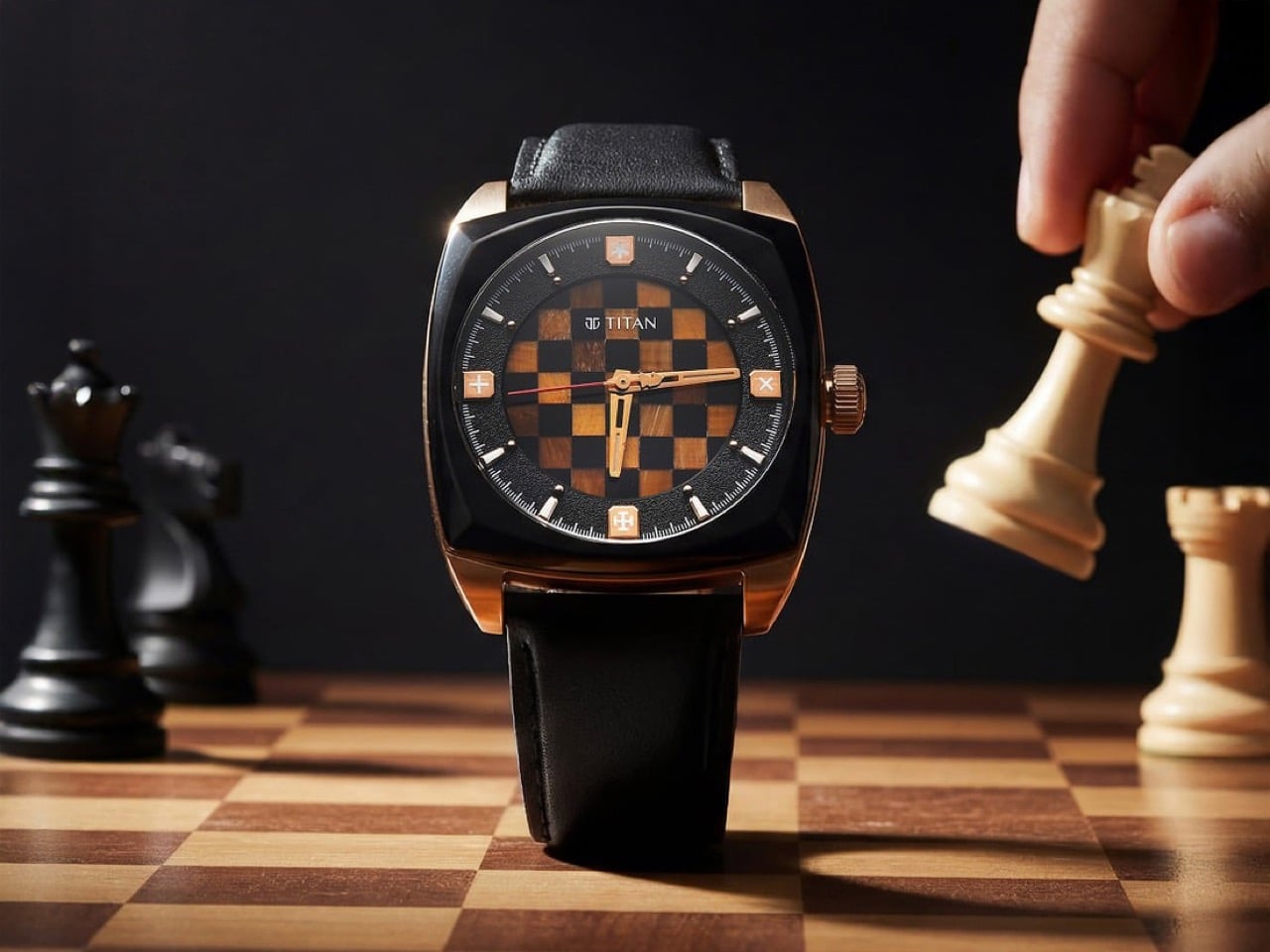
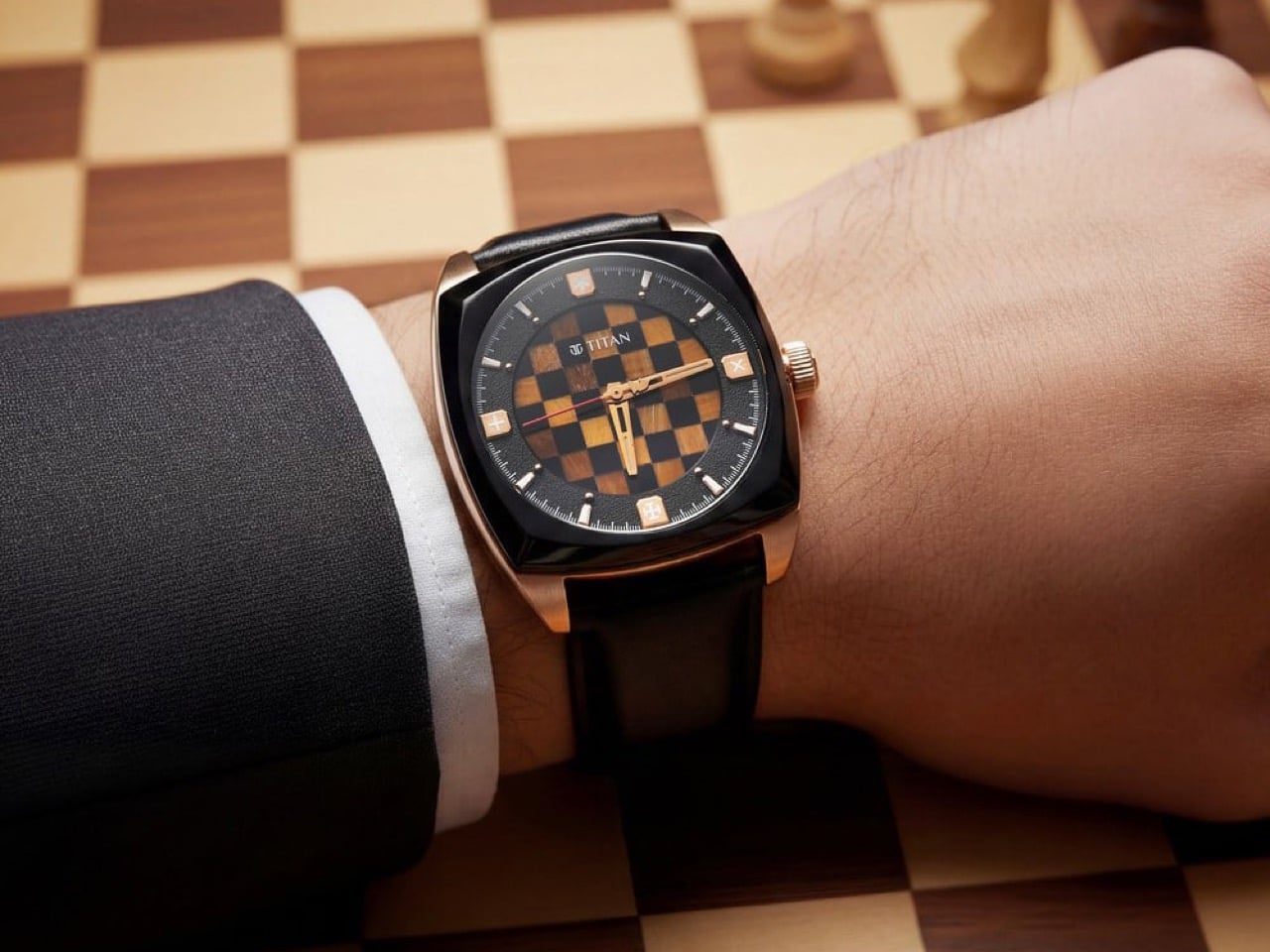
The centerpiece of the watch, quite literally, is the dial. Titan’s design team went well beyond printing a chessboard pattern on a disc and calling it a day. The dial is a hand-crafted stone marquetry composition in tiger eye and black agate, two minerals with very different personalities that together produce the warm amber-and-dark-grid texture of a real wooden chess board. Closer inspection rewards patience, and the design team clearly understood that a chess player’s watch should reveal itself the same way a brilliant move does: slowly, deliberately, with growing appreciation.

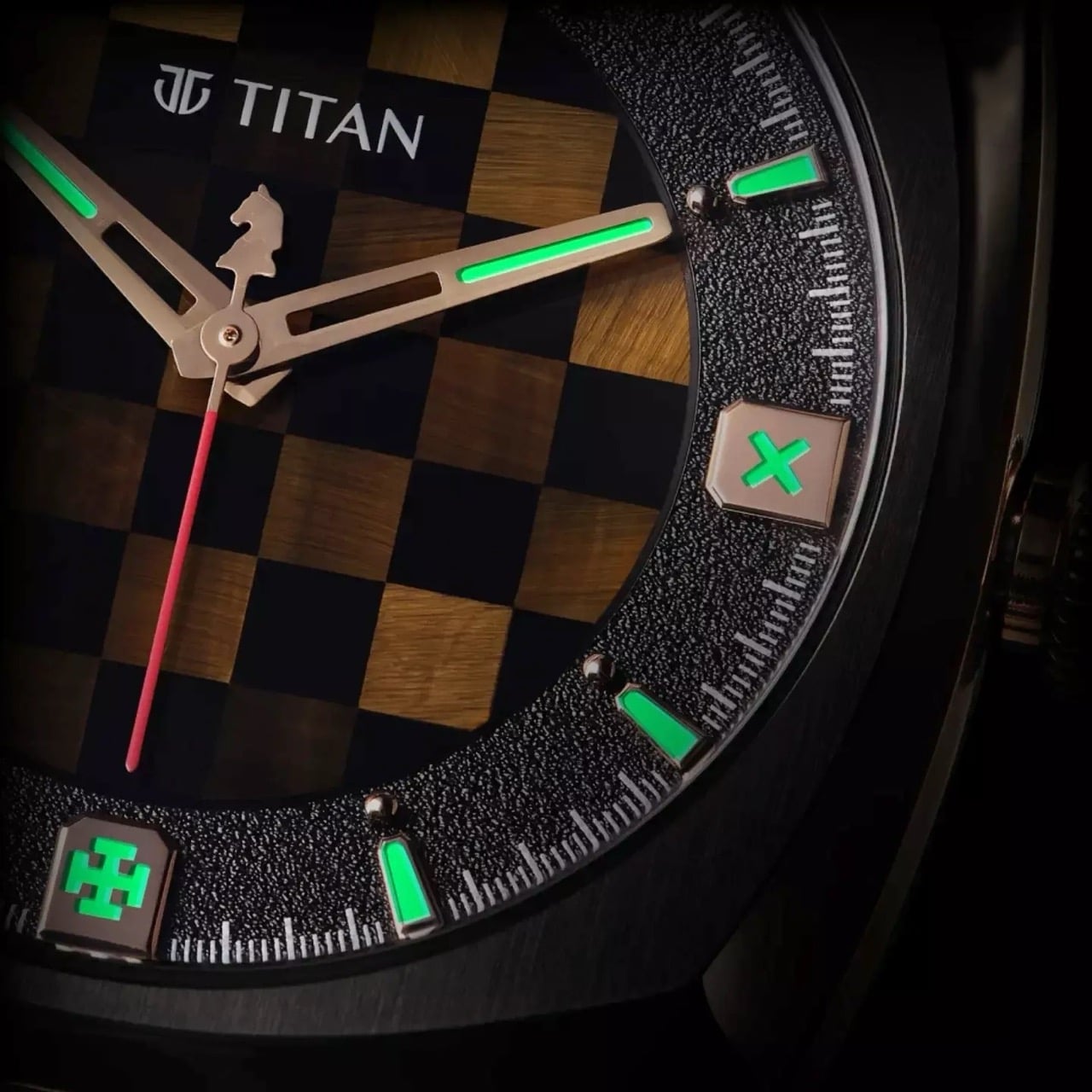
The hour indices follow the movement logic of chess pieces. The Queen sits at 12, the Rook at 9, the Bishop at 3, and the King at 6, while the remaining markers take the shape of pawns. The red seconds hand carries a Knight counterpoise, a nod to Gukesh’s favorite piece on the board. Every glance at the time becomes a subtle re-engagement with the game. Then the lights go out, and the watch transforms entirely. The lume application on this dial is genuinely dramatic. The chess piece indices, rendered as sculpted rose-gold markers with lume fills, blaze a vivid green against the dark textured chapter ring. The hands, with their open-worked cutouts, carry the same green charge.

The case is 316L stainless steel with a rose-gold finish, warm and contemporary without being flashy, much like the man it honors. A sapphire crystal sits over the dial, and the whole thing rides on a calf leather strap with a butterfly clasp. Flip it over and the caseback gives you the real collector’s moment: a rotor embossed with the Grandmaster Knight motif, personally signed by Gukesh, alongside the inscription marking his achievement as the youngest World Chess Champion at 18.

Inside, Titan’s in-house calibre 7A20 automatic movement does the work, 22 jewels, 40-hour power reserve, and entirely built without outsourcing the mechanical heart of the watch. That’s a point of pride for Titan, and rightly so.

The watch ships in specially designed packaging with a personal note from Gukesh, and it’s priced at Rs. 69,995 (roughly $840). With only 500 pieces in existence, each one numbered, this is a watch that exists at the intersection of cultural moment and material craft. Whether you’re a chess obsessive, a collector of Indian design milestones, or someone who appreciates a dial that rewards long, careful attention, the Grandmaster X Gukesh is already playing its own quiet, masterful game.

The post This Titan Grandmaster Watch Hides a Chessboard Inside It, and Only 500 People Can Own One first appeared on Yanko Design.
The Panthevm Roma Watch pays tribute to the Roman Architecture of the Pantheon Dome

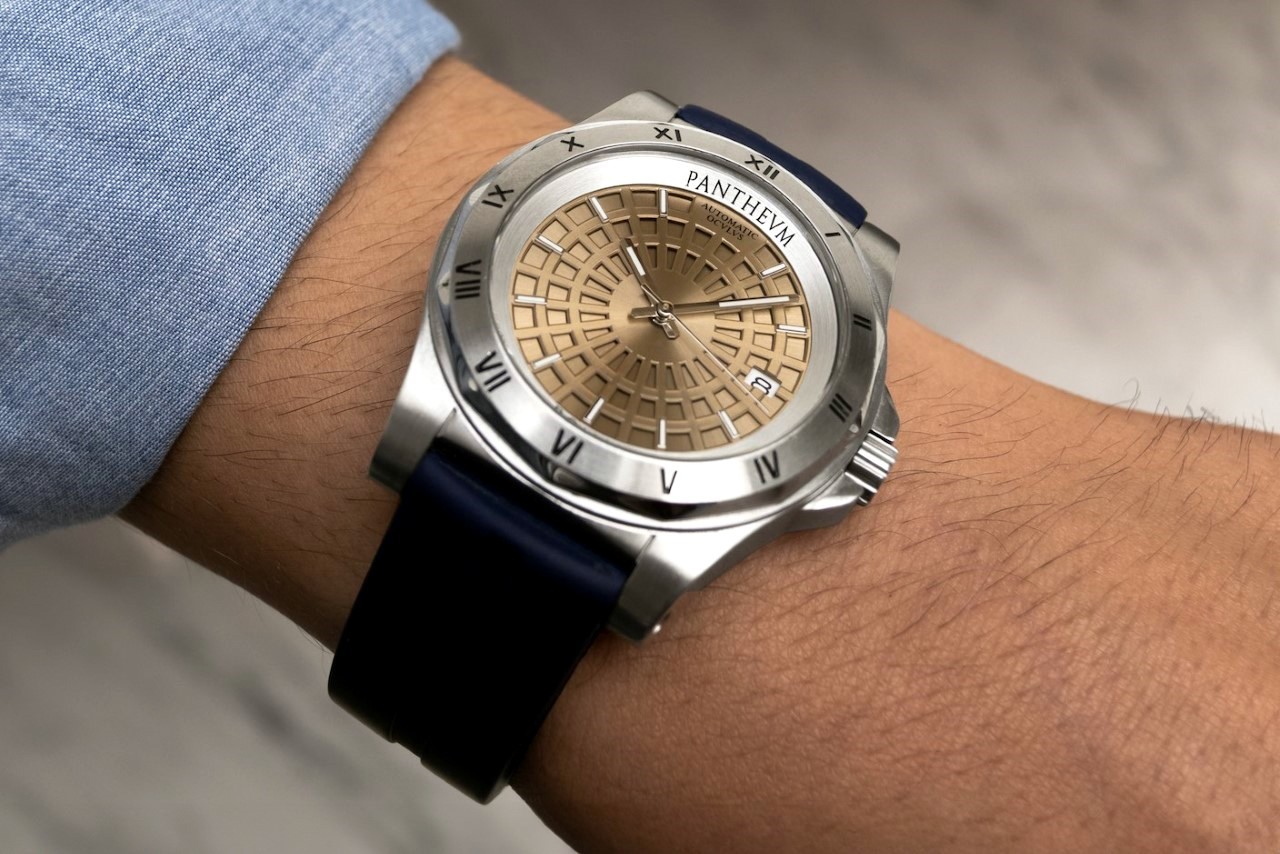
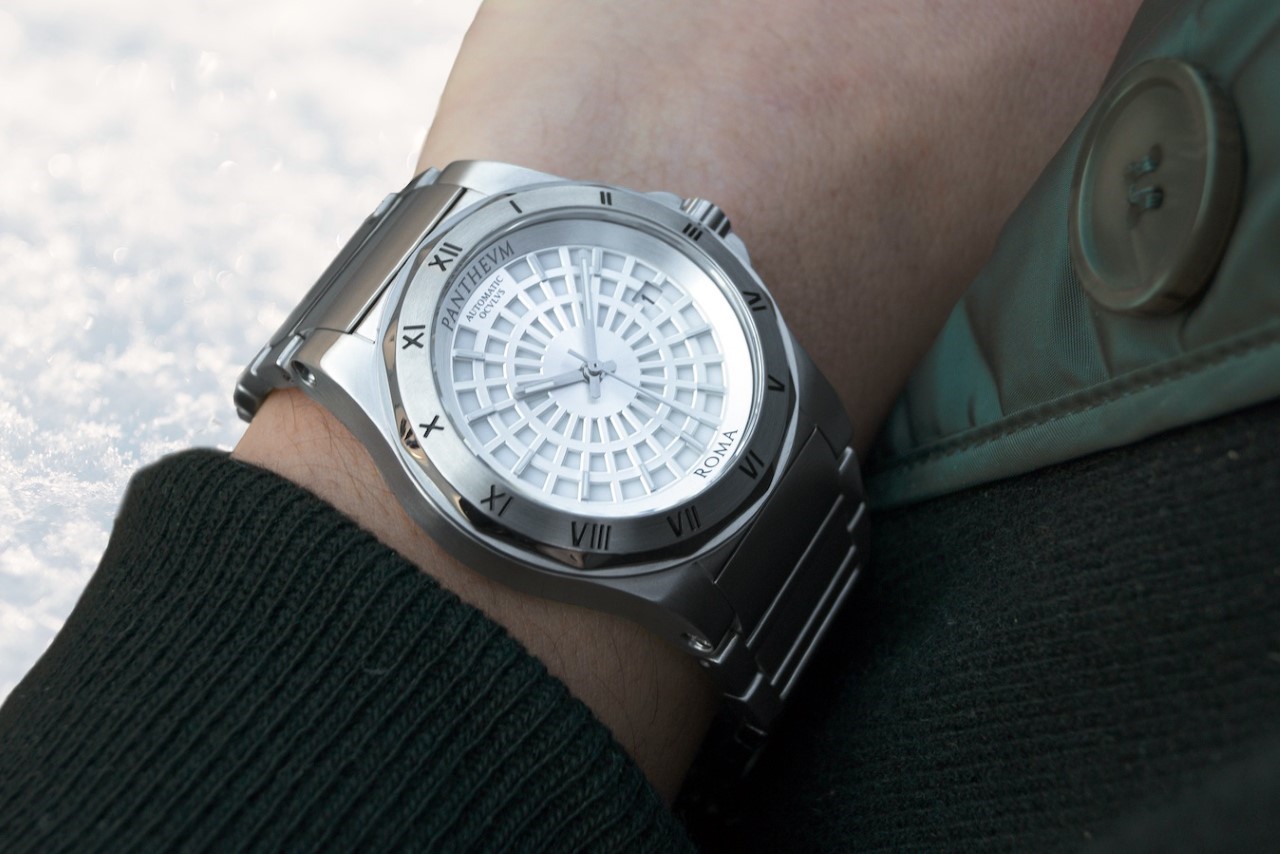
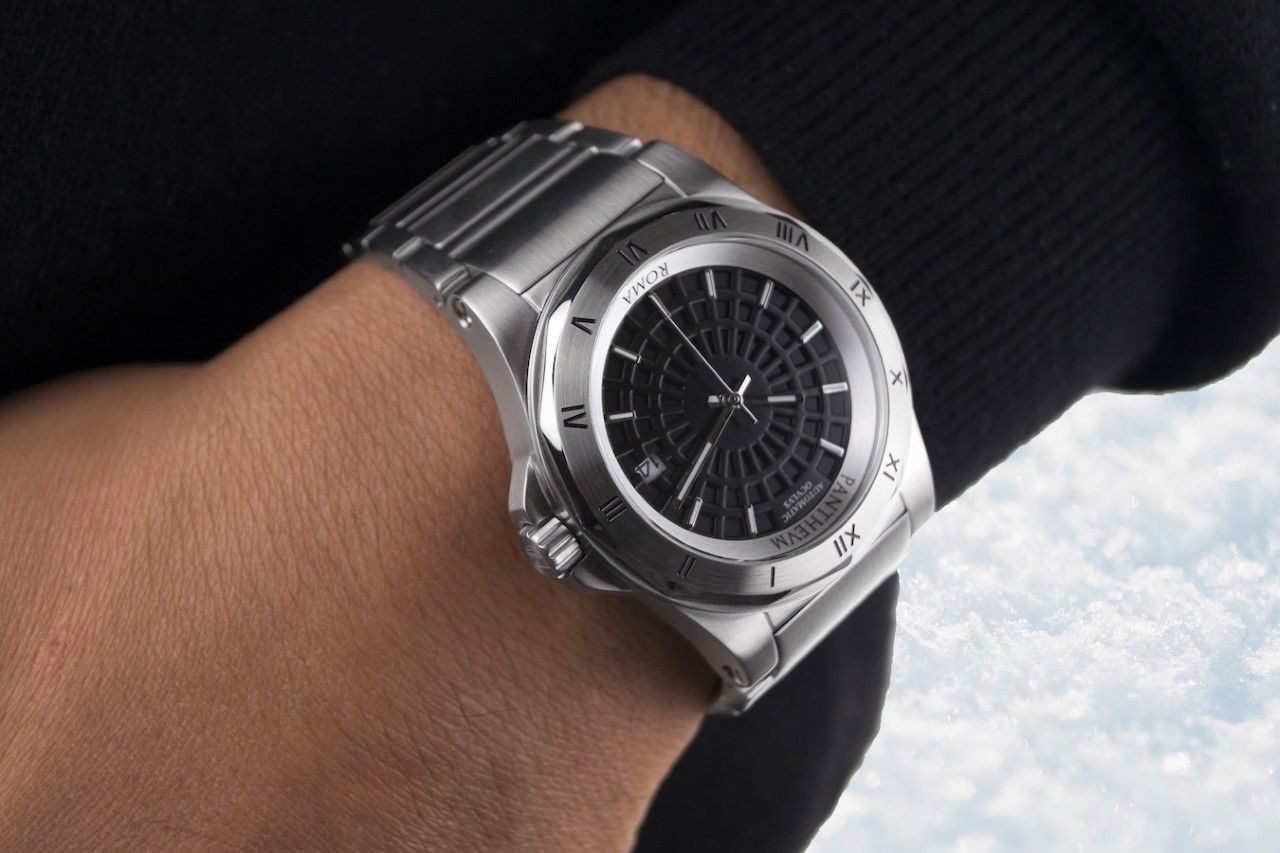
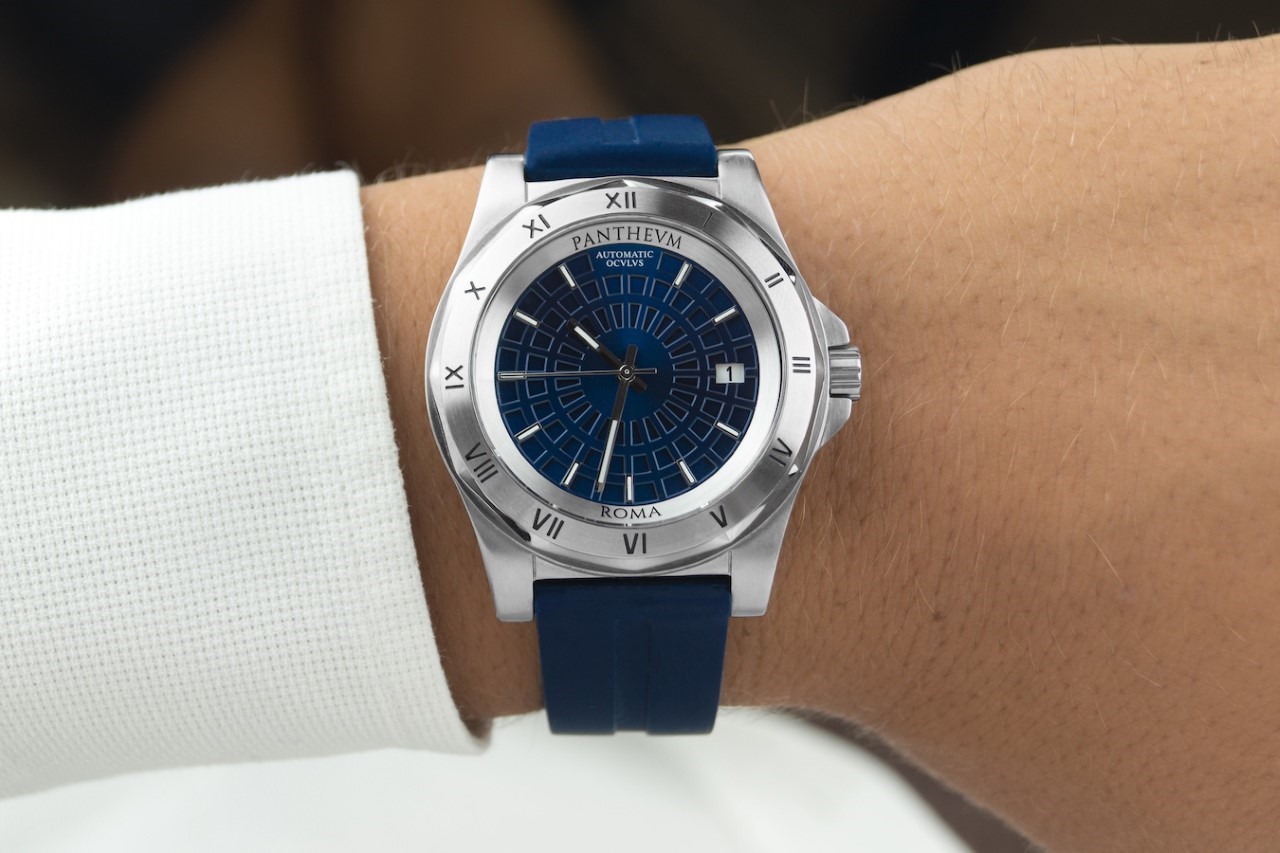
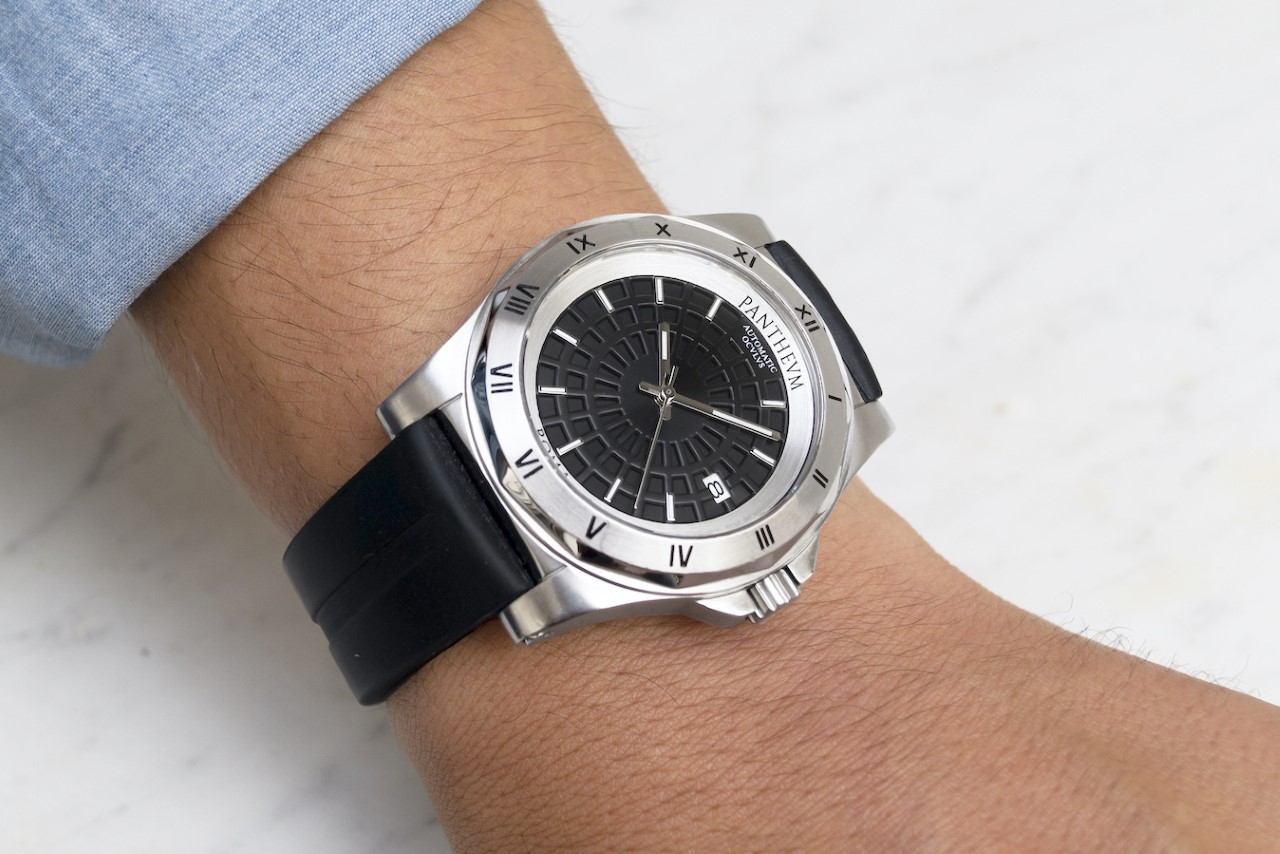
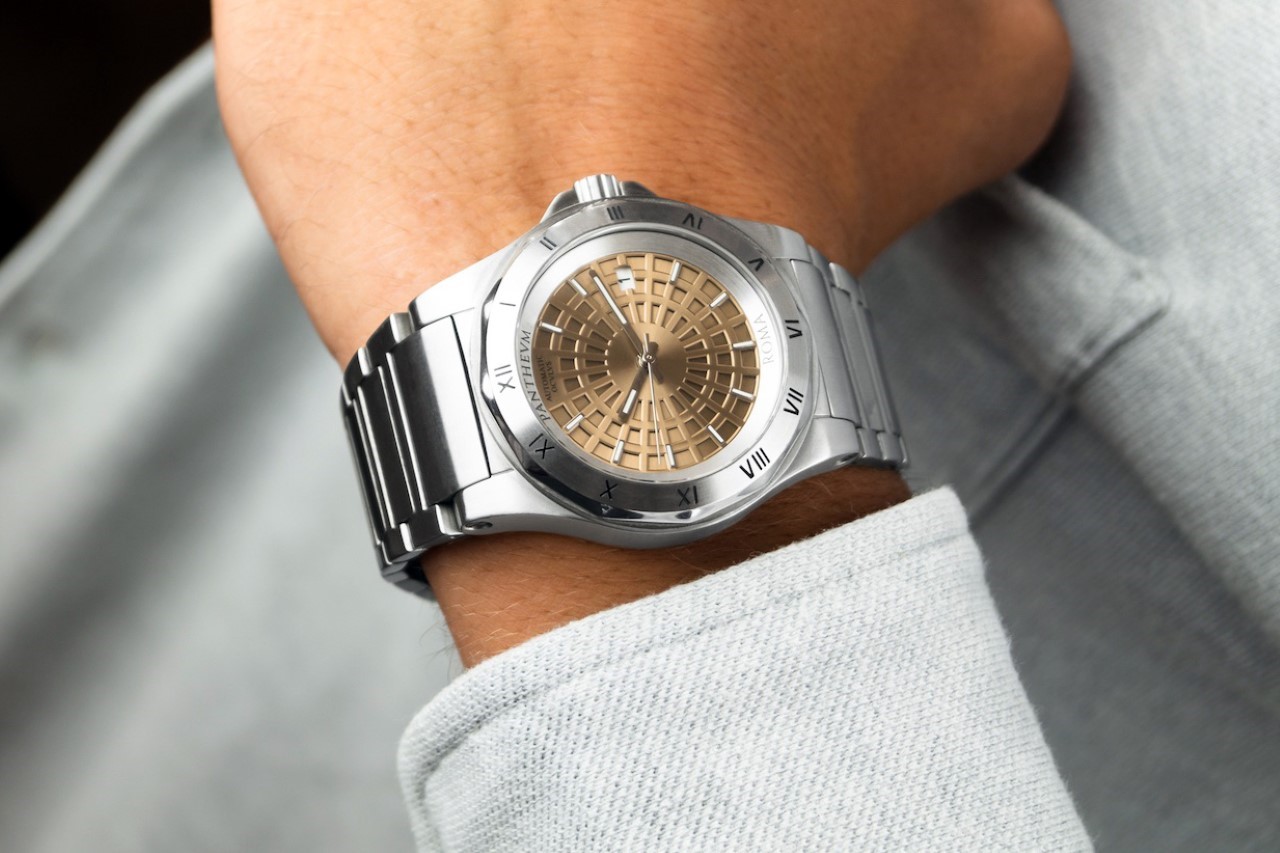
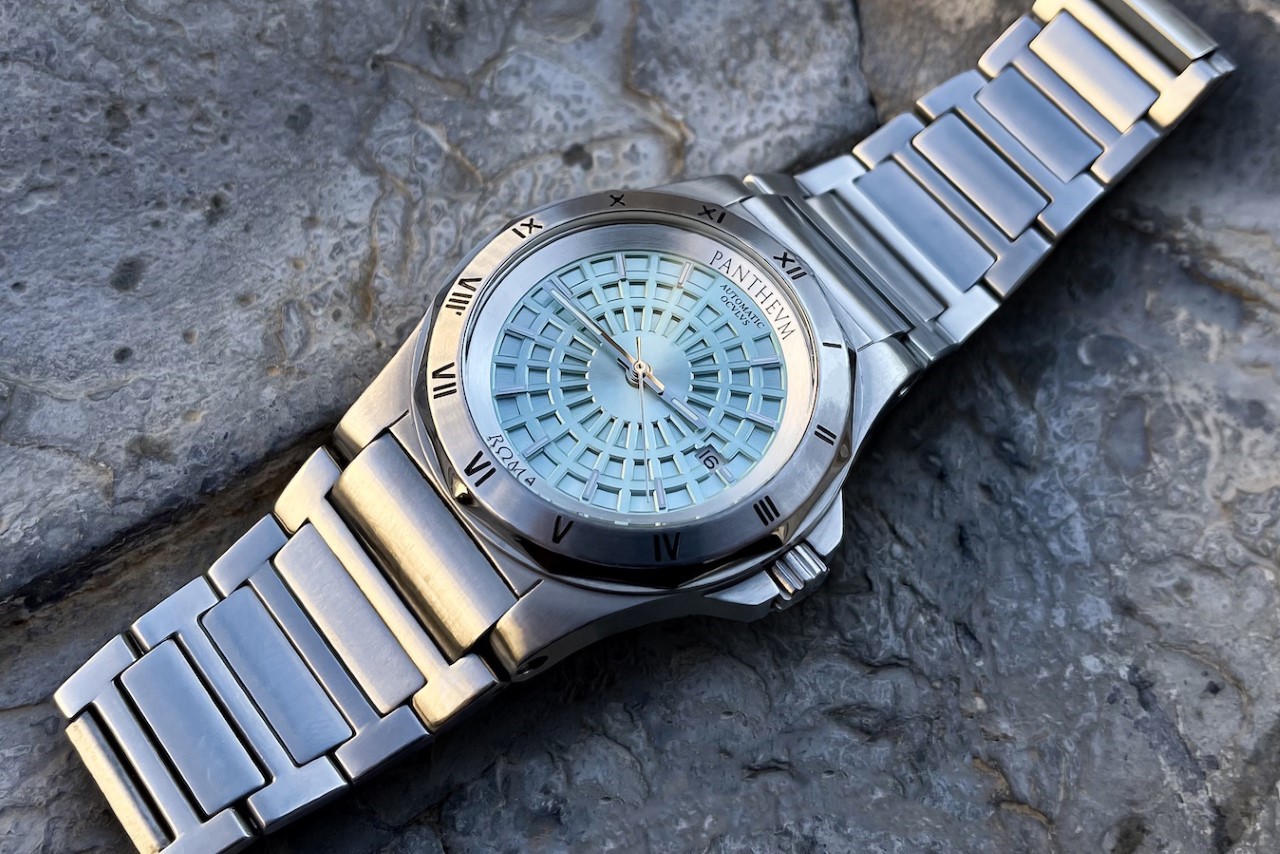
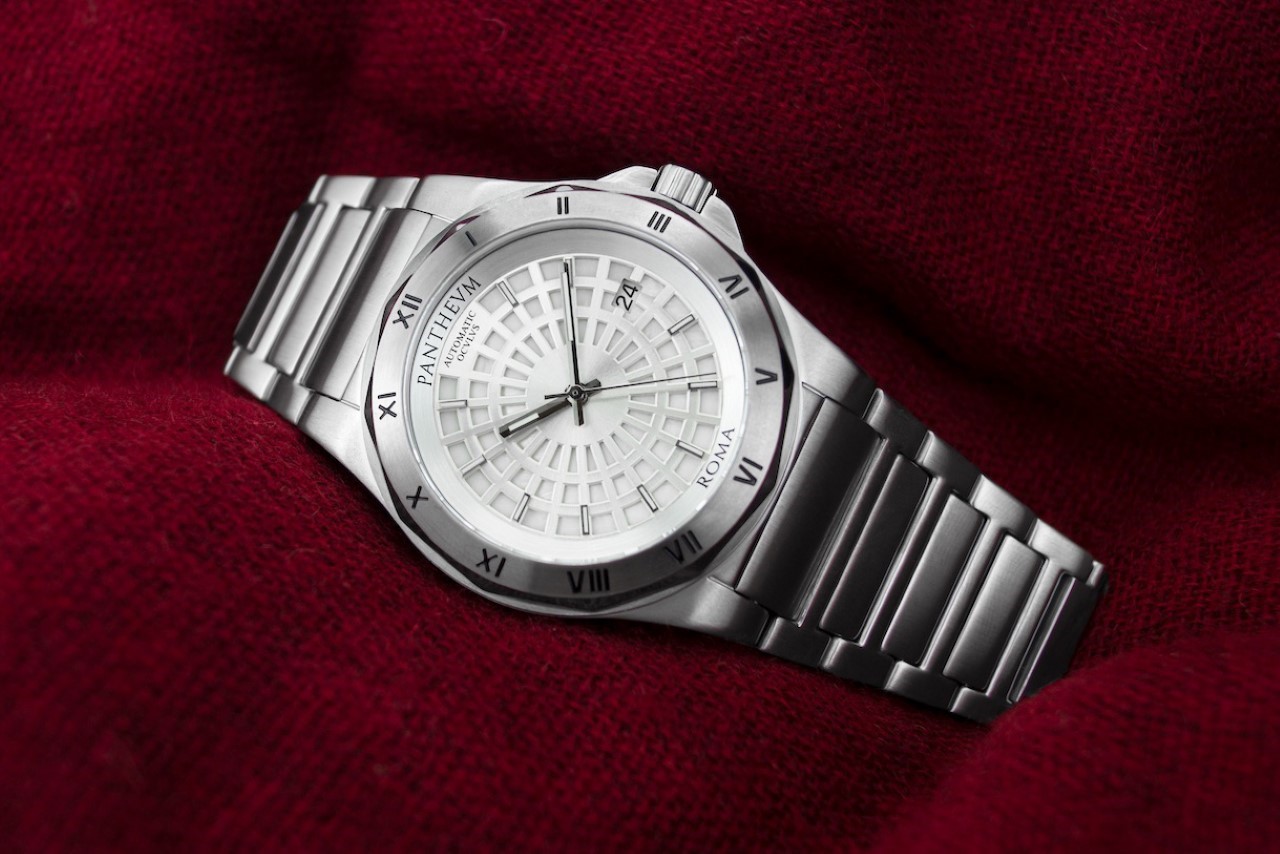
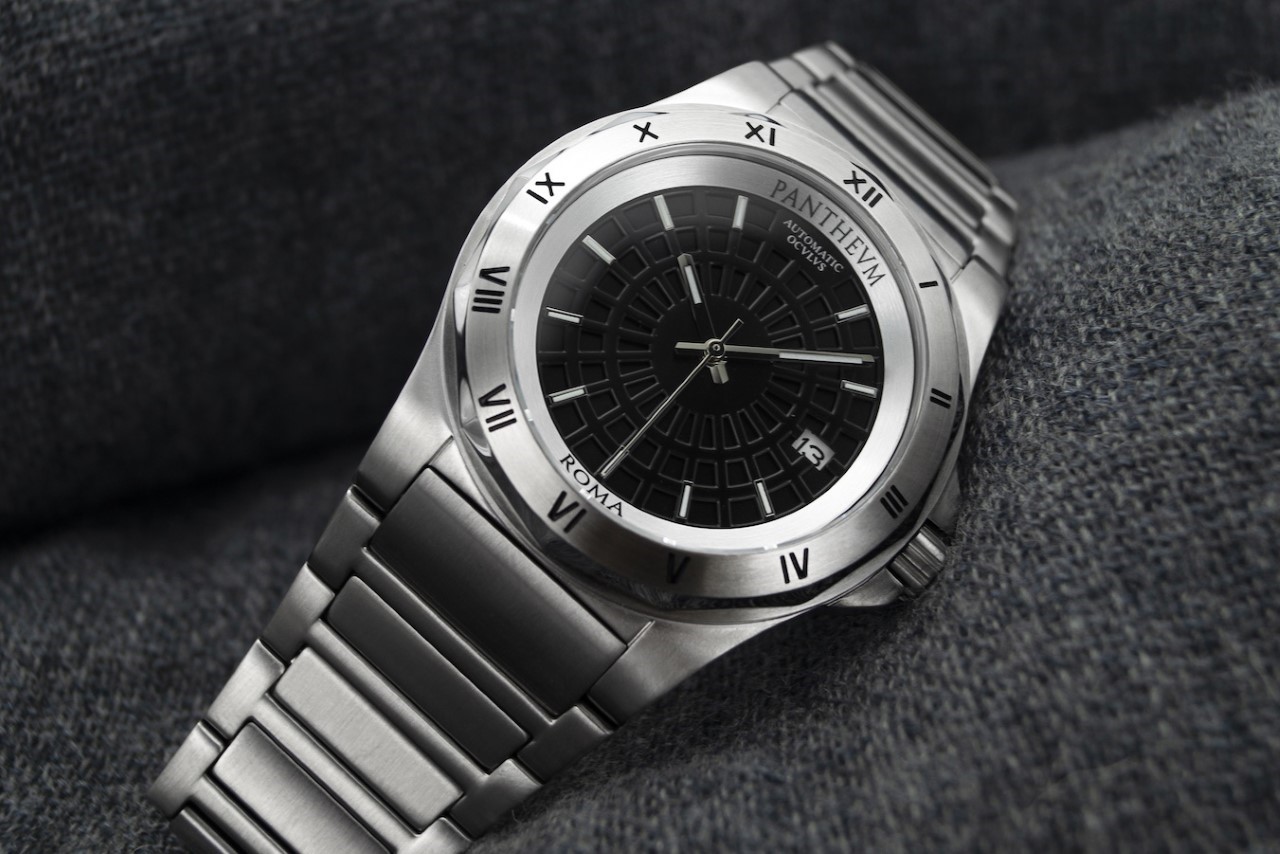
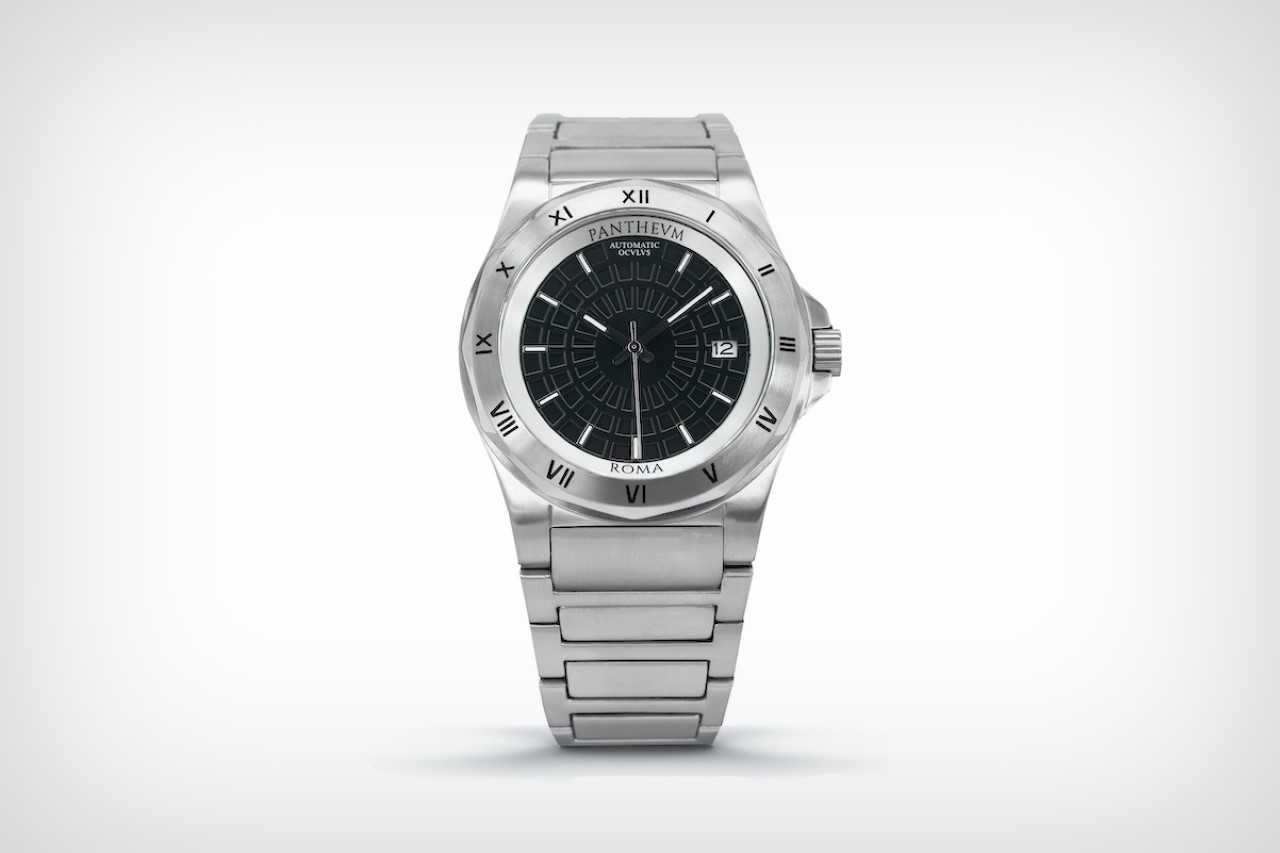
If you aren’t one of the many American men on TikTok who think about the Roman Empire on a daily basis, the Panthevm Roma definitely will get you there. Inspired by the timeless design of the Pantheon dome, the Roma watch comes with a gorgeous 3D dial featuring the radial design seen on the underside of the dome that was constructed back in 125 AD.

Designer: Panthevm

The Pantheon in Rome, Italy has a dome that is 142 feet (43.30 meters) in diameter and 71 feet (22 meters) high. It was the world’s largest dome for 1,300 years and still remains the world’s largest unreinforced concrete dome. The trick lies in the fact that it was made in a staggered manner, with heavier materials like travertine used at the base of the dome, and lighter ones like porous volcanic rock on the top. A signature element of the dome remains its oculus, a 27-foot-wide hole on the top that lets a shaft of light in, illuminating the entire chamber naturally, along with the different pockets in the dome’s radial inner concavity. It’s these pockets that find themselves on the Panthevm Roma’s dial, with the oculus being where the watch hands emanate from.

The Roma collection features a classic design that goes well with the timeless nature of the Italian aesthetic. In short, it’s got a bit of history and modern times imbued in it, much like how Italian architecture and automobiles co-exist and complement each other on the streets of the bustling city of Rome.

The Roma watch comes with a body crafted from 316L Stainless Steel, with that 3D dial in the middle surrounded by linear markings lined with Superluminova (along with the hour and minute hands). There’s a date window at the 3 o’clock position that unfortunately doesn’t line up with the 3D Pantheon dome design on the dial and it’s making my eyelid twitch but that might be the only glaring OCD-triggering part of this otherwise elegant timepiece. Finally, a sapphire crystal sits on the top of the watch, offering a clear view of the dial while also rendering the Roma 20ATM water-resistant.

Although the watch is rather unapologetically Roman, with the Pantheon detail, Roman numerals around the bezel, and the word Panthevm written in the Latin style, its heart is Japanese. Underneath the surface lies the Panthevm Roma’s Seiko Automatic movement, a 24-jewel movement with a 41-hour power reserve.

The watch debuted on Kickstarter and Indiegogo back in 2020, unveiled in 5 different colored variants. Patrons can also choose between metal, leather, or rubber straps to customize their timepiece.

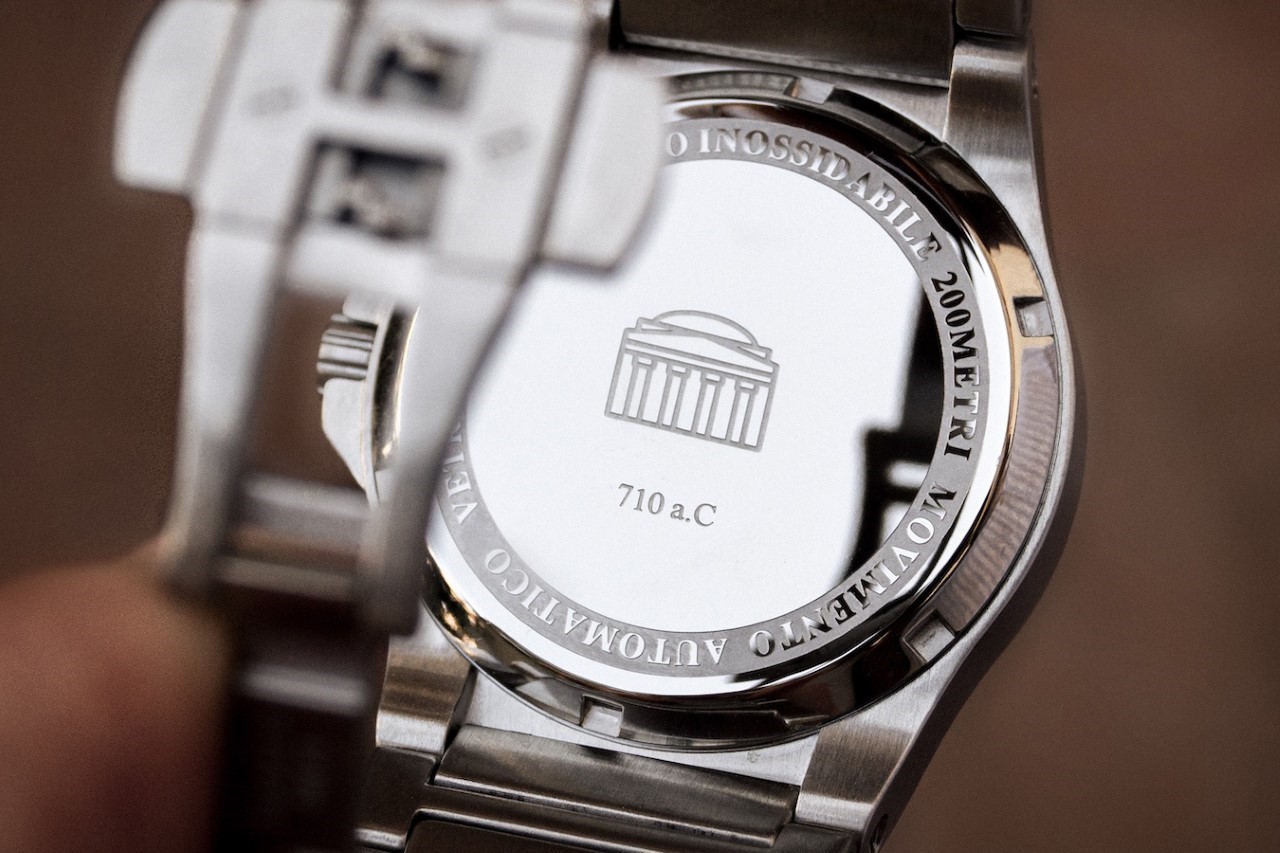
Early editions of the watch were marked with a serial number counting down from 753 B.C. – the year Rome was founded.

The post The Panthevm Roma Watch pays tribute to the Roman Architecture of the Pantheon Dome first appeared on Yanko Design.
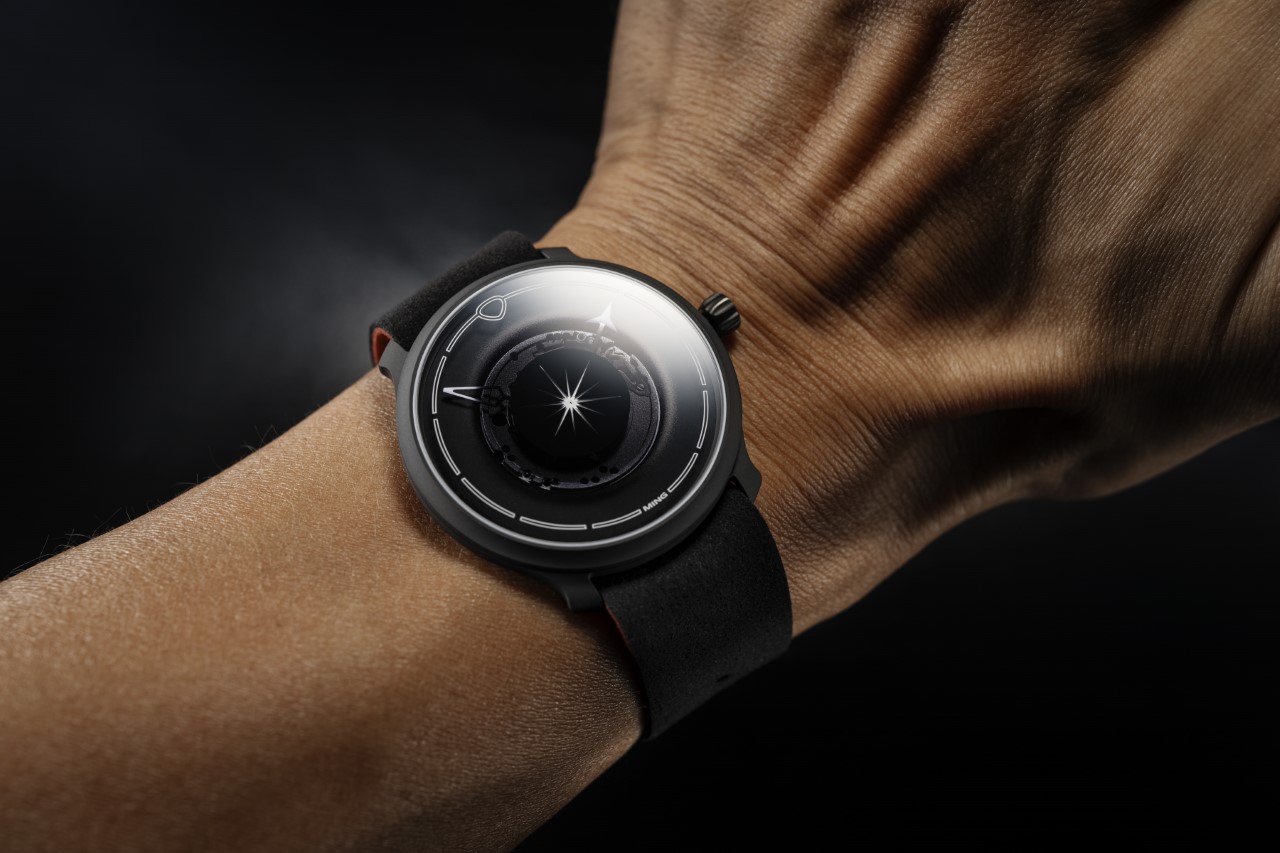
“World’s Lightest Mechanical Watch” clocks in at a Stunning 8.8 Grams in Weight

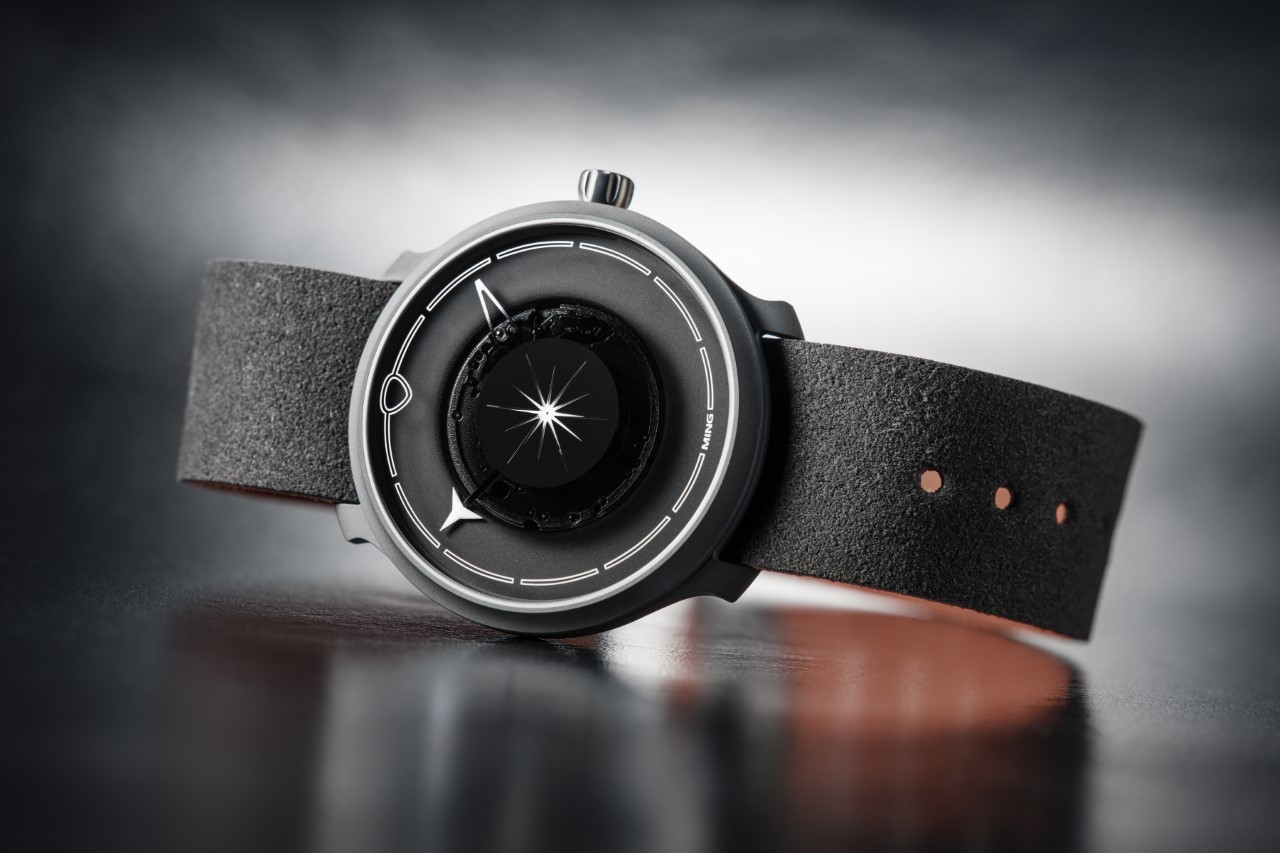
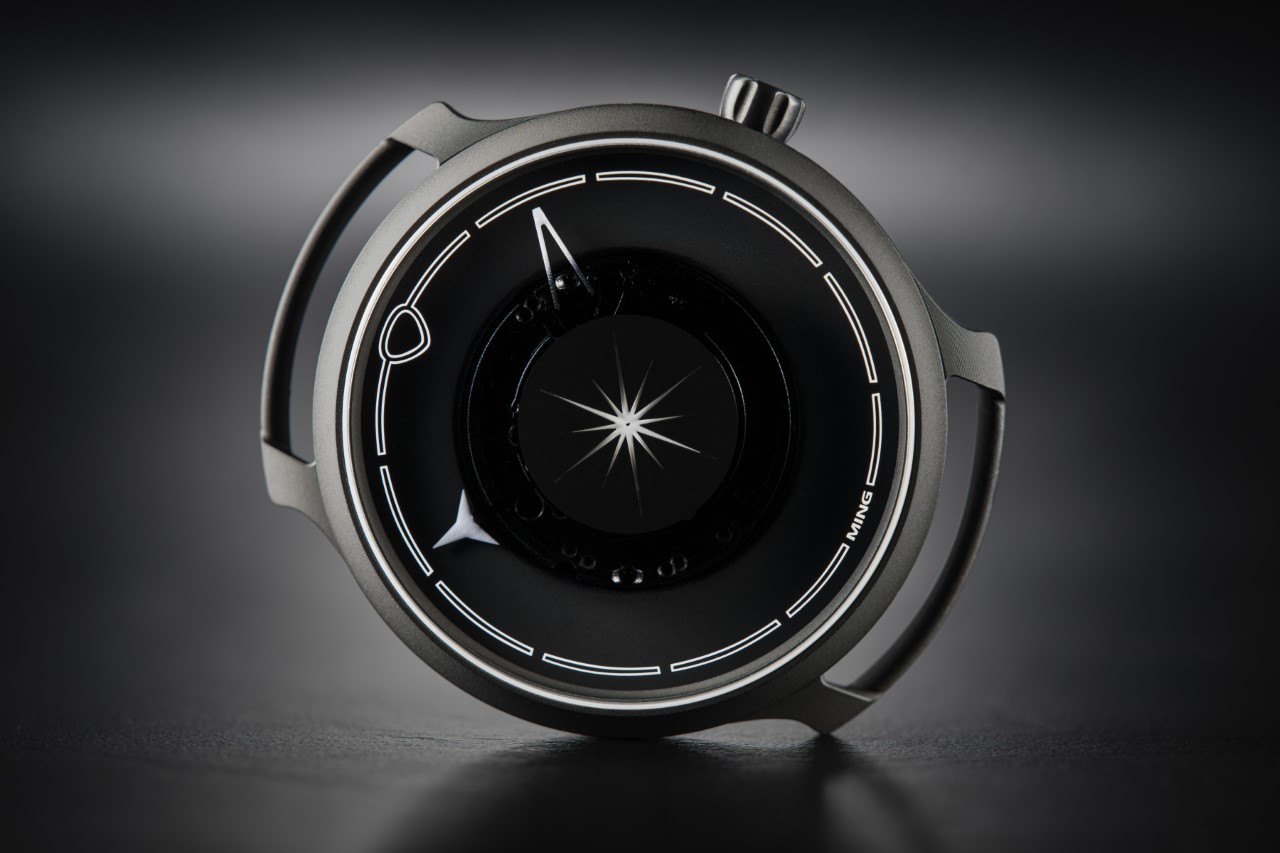
Billed as the world’s lightest mechanical watch, the MING LW.01 boasts an impressive weight of just 8.8 grams (0.31 ounces) for the manual variant and 10 grams (0.35 ounces) for the automatic variant. For reference, that’s lighter than one AirTag… or about as much as two AirPods WITHOUT the case.

The LW.01 takes the idea of minimalism a little bit further by going beyond just the visual sense of the word. “We wanted to push the envelope further than we – or any other brand – has ever done,” the folks at MING said. This includes some brilliant design hacks, the use of novel materials, and basically removing everything non-essential. In short, the folks at MING Marie Kondo-ed the hell out of this watch… and the result definitely sparks joy.

Designer: MING

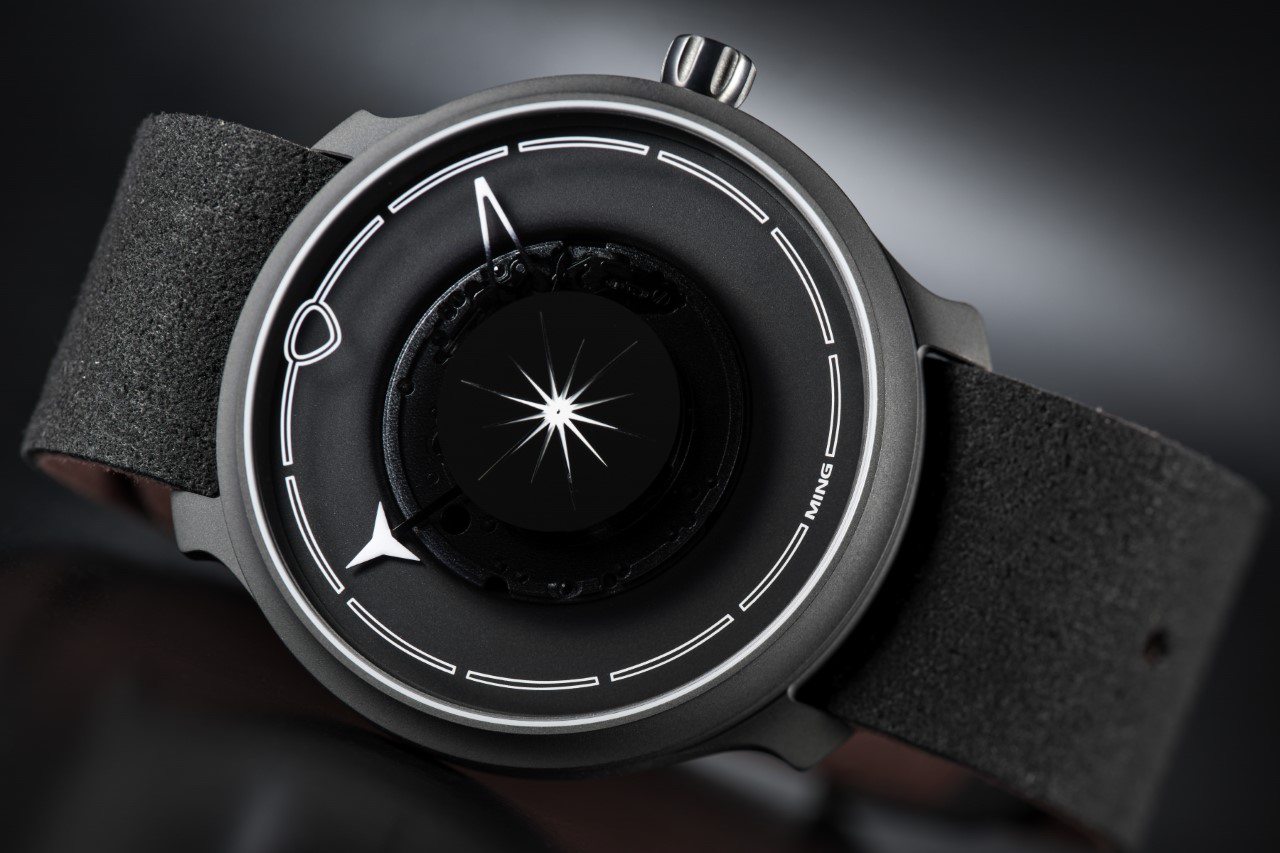
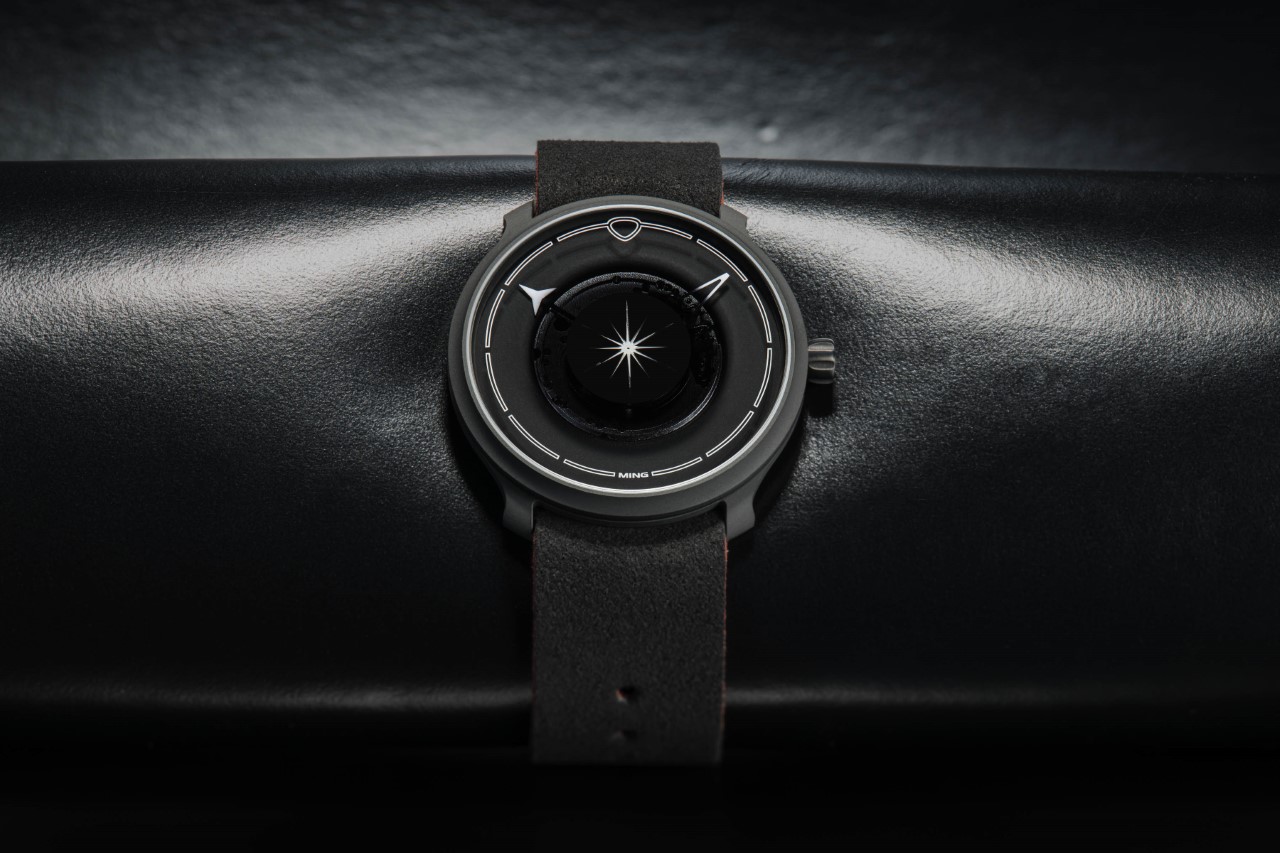
The watch itself is a work of art, featuring a dial that’s as minimal to look at as its bill of materials. In fact, there isn’t a dial at all. The LW.01’s minute hand sits on a disc that obscures the movement, while the central portion comes with a gradient print that hides the skeletal view of the watch, while also having the watch’s minimal markings on its periphery. Every part of the watch is art and engineering combined to its nth degree, creating something that really stands at the intersection of great design and immaculate engineering.

“We set ourselves some ‘conventional’ constraints, though: the watch had to be a wearable size, and retain certain tactile qualities such as the texture and thermal transfer of metal,” MING’s team mentioned. “More importantly, it would have to be practically wearable and not technically compromised purely for the sake of lightness. As it turns out, it would take us a couple of years longer than expected and an exhaustive amount of metallurgy and testing.”

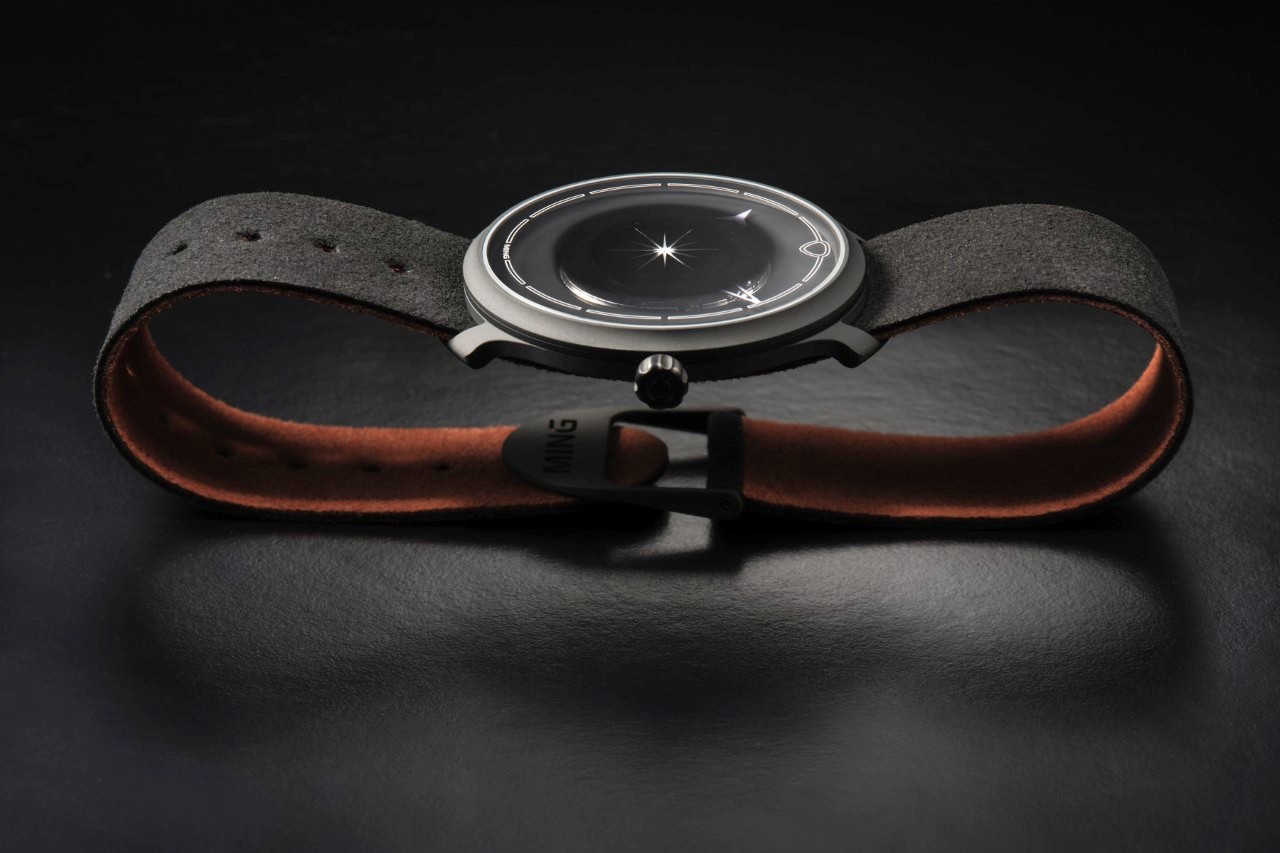
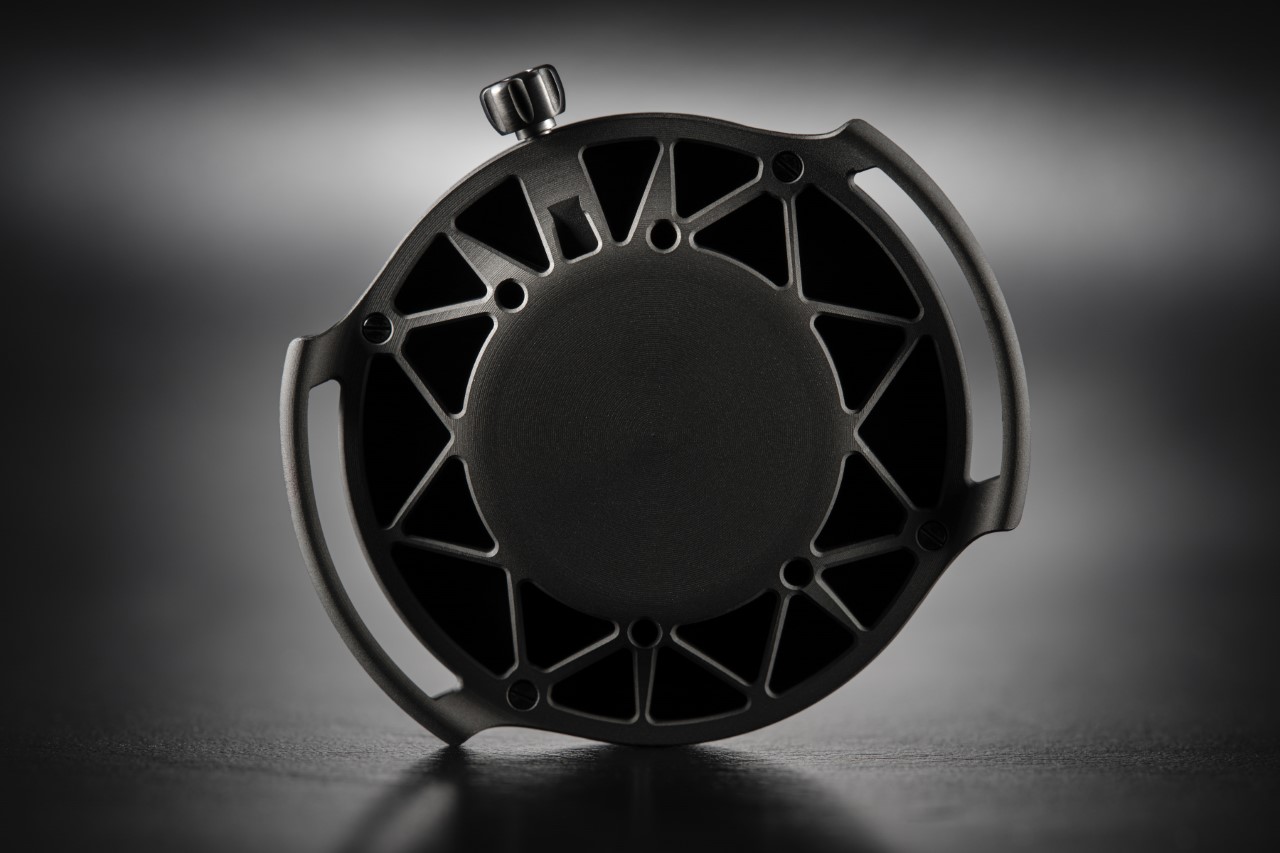
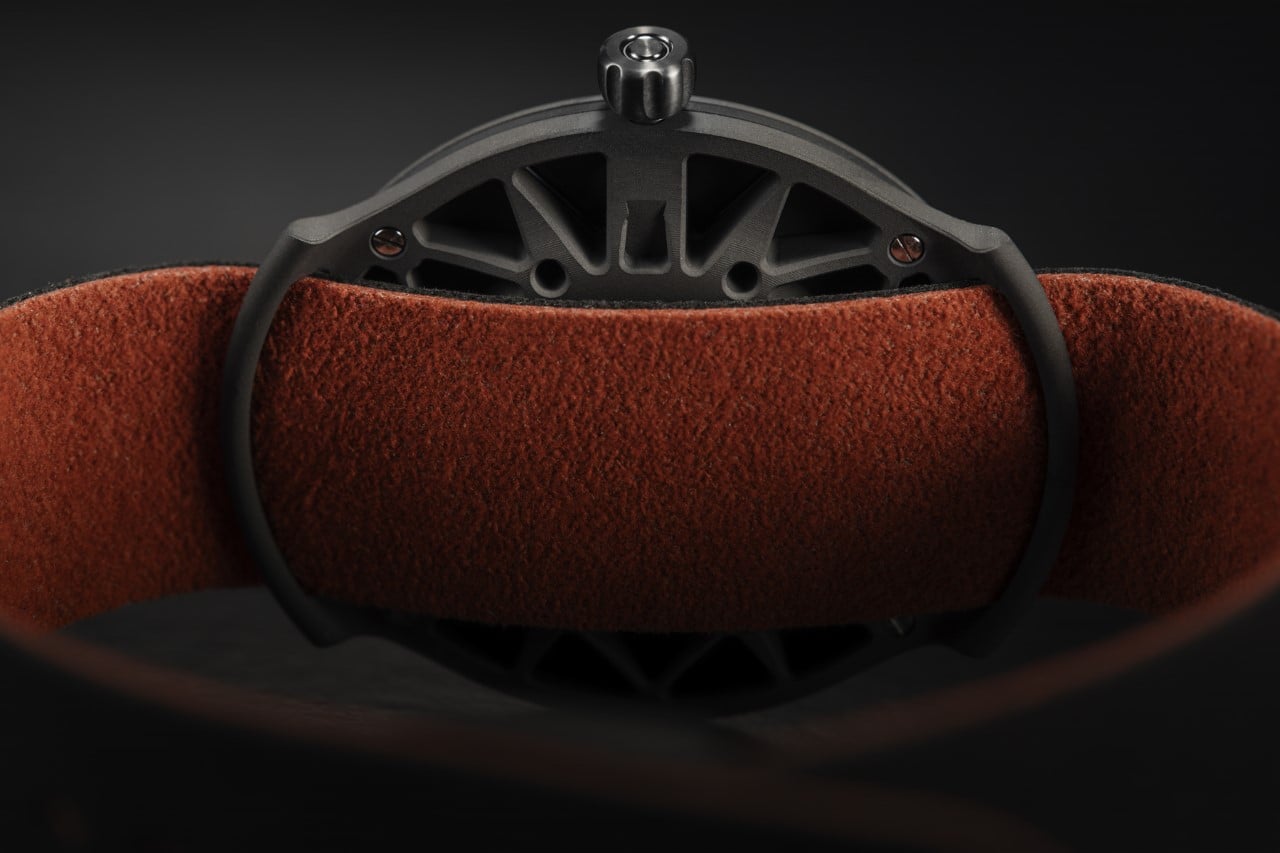
Those constraints, however, don’t in any way diminish the end product. The watch has a spectacular body that’s crafted from a special metal alloy that’s lighter than carbon but has the premium feel of metal. The lugs are turned into bars that allow the strap to through without any additional elements (which would add to its weight), and the face isn’t layered with sapphire crystal. Instead, it opts for equally resistant Corning Gorilla Glass – similar to the slim glass sheet found in smartphones, but with a separate hardening treatment done by UK-based Knight Optical.

“We explored a wide range of ultralight materials including carbon fiber derivatives and hollow-core 3D printing, but ultimately found that AZ31 Magnesium-Aluminium-Zinc-Manganese alloy from Smiths High Performance was both lighter than carbon (1.77g/cc, vs ~2g/cc density), more consistent to produce than hollow 3D printing, and more importantly retained the feel of metal,” MING mentioned. “It is further surface treated by plasmaelectrolytic oxidation by Keronite for corrosion resistance and biocompatibility, with a further composite protective layer.”

Every element of the watch, including the screws made of PEEK composite, the hollowed bezel, and the angled case buttressing, was meticulously optimized to achieve the perfect balance between durability and weight. The crown, crafted from anodized aluminum, ensures durability and smooth threading. To ensure overall torsional rigidity, finite element simulation was employed to assess the watch case. The fixed integral bars, machined from the same billet as the case, not only enhance rigidity but also weigh less than traditional steel spring bars.

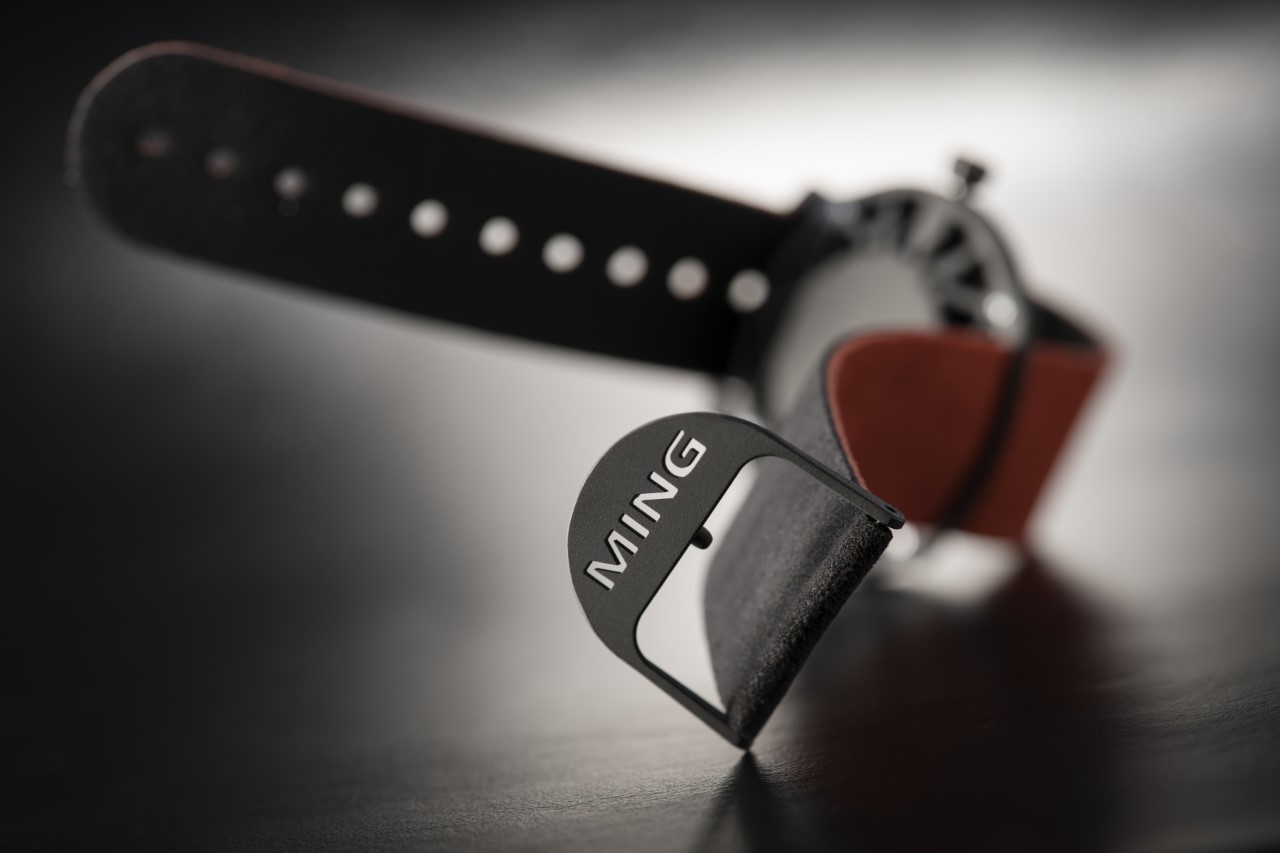
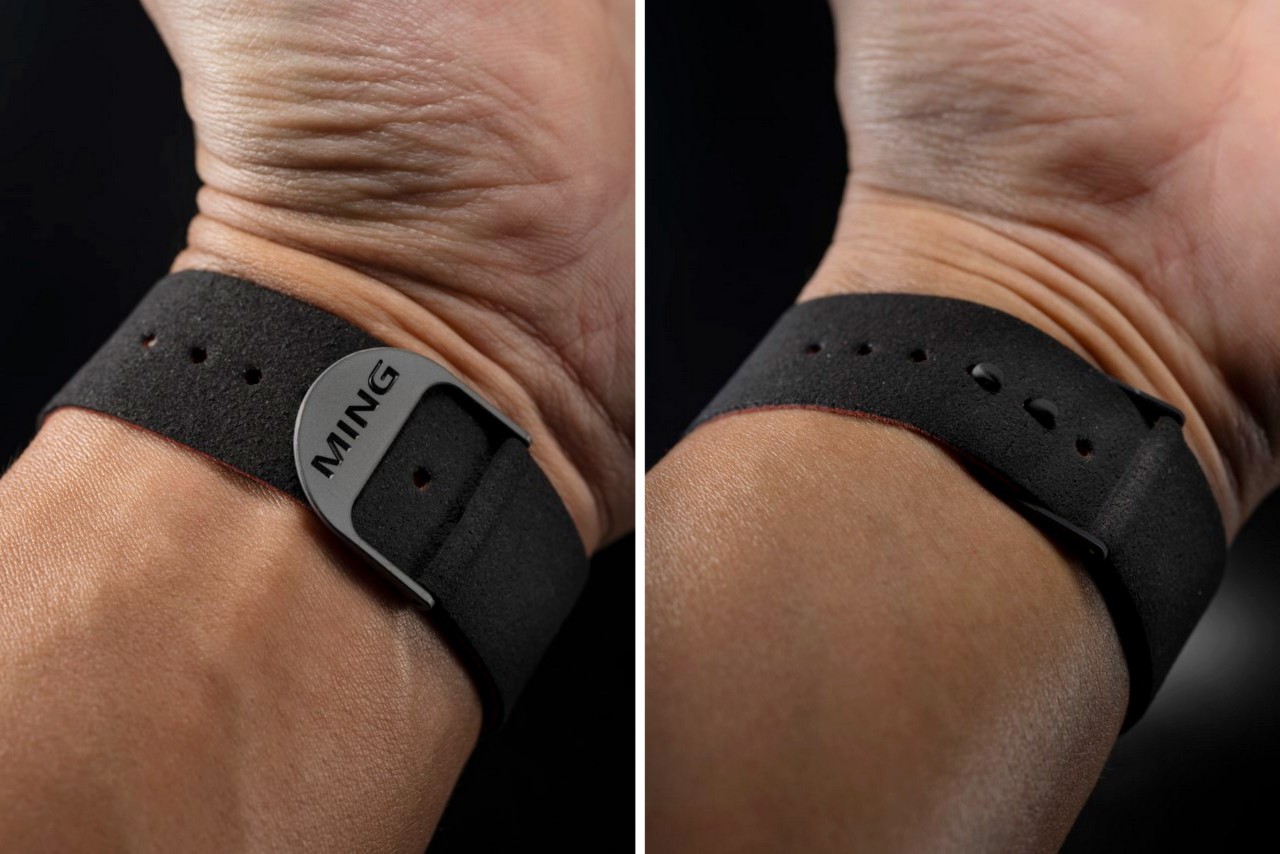
As a result, the watch boasts an impressively lightweight head, weighing just 8.8 grams with manual winding, 10.8 grams with automatic winding, along with an additional 0.6 grams for the matching AZ31 buckle and 1.2 grams for the ‘record’ spec Alcantara strap. This translates to a total weight of 10.6 grams or 12.6 grams for a fully assembled, ready-to-wear timepiece… but don’t expect all that innovation to come cheap. The “World’s Lightest Watch” may be lighter than an AirTag, but it’s half the cost of a Tesla Model Y. With a brain-imploding asking price of 19500 Swiss Francs ($21,623 USD), you’re kind of better off buying a Patek Philippe instead.

The post “World’s Lightest Mechanical Watch” clocks in at a Stunning 8.8 Grams in Weight first appeared on Yanko Design.