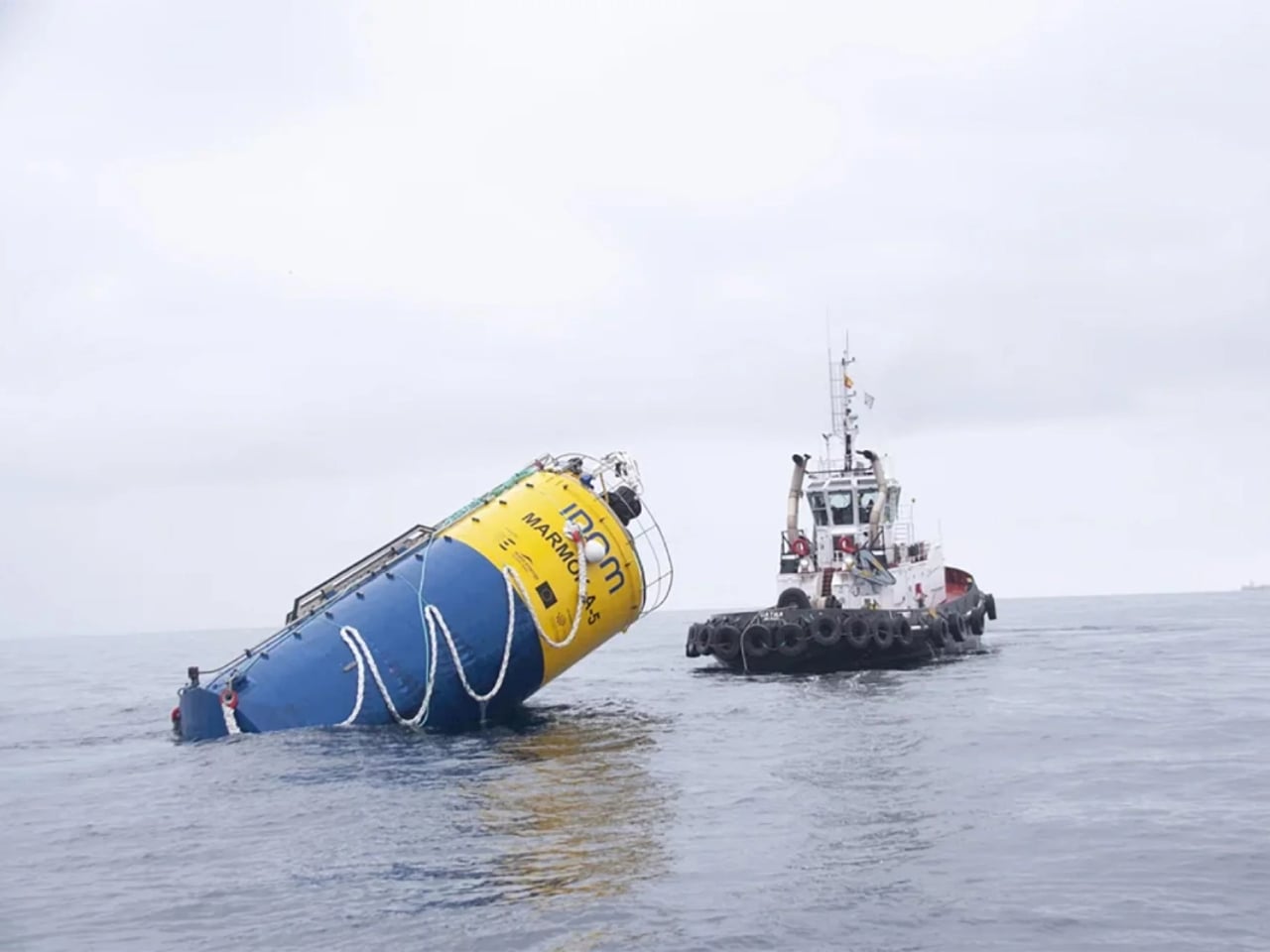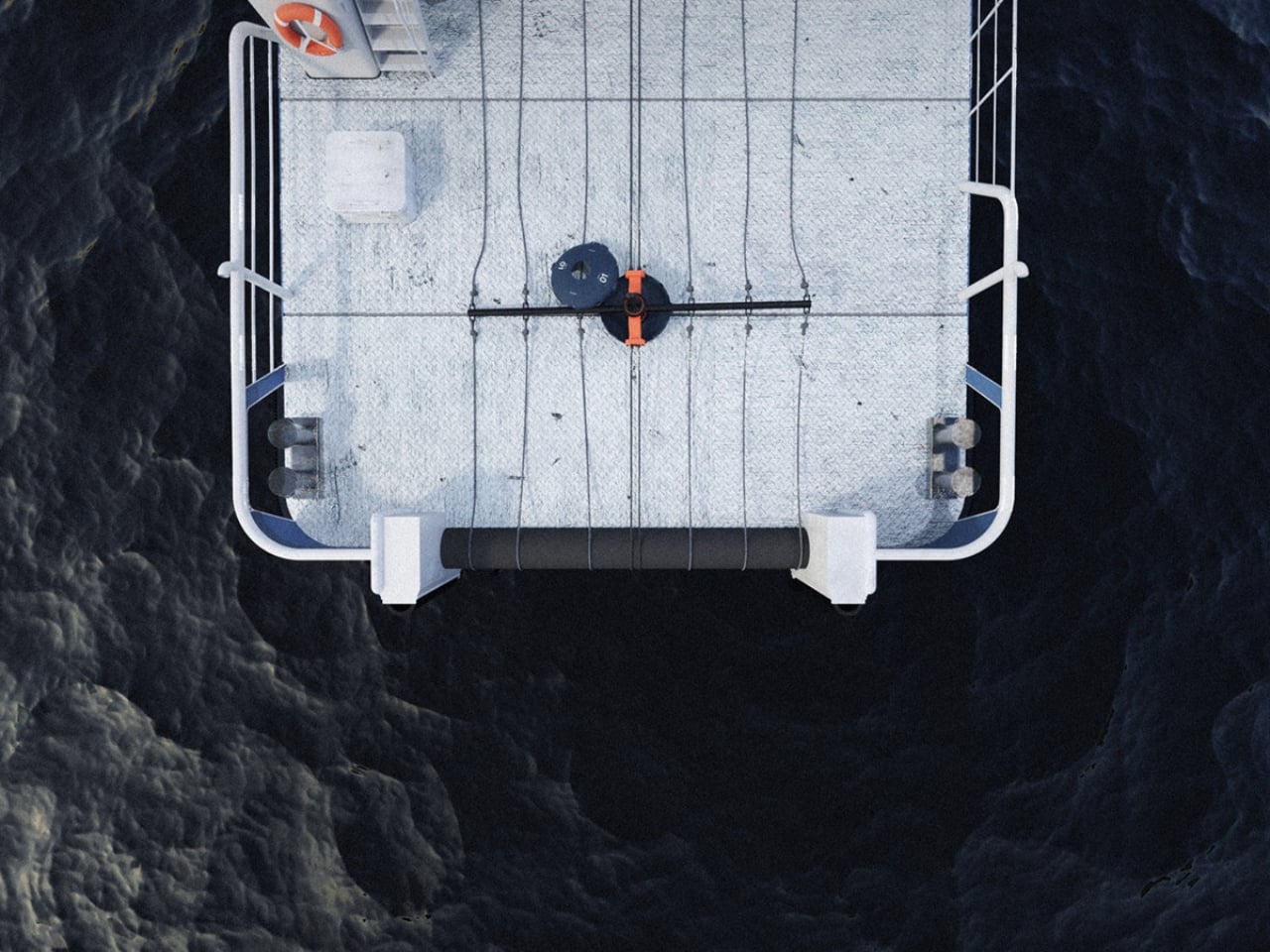
Most of us don’t spend a lot of time thinking about seaweed. It turns up in sushi, drifts around in the ocean, and occasionally ruins a beach day. But seaweed farming is quietly becoming one of the more compelling conversations in sustainable food and ocean health, and the tools that support it are finally starting to catch up with the ambition. Enter Symbios, a buoy system designed by Aaron Mooser as his bachelor thesis project at Bauhaus University Weimar, and one of the more quietly impressive things to come out of student design in recent memory.
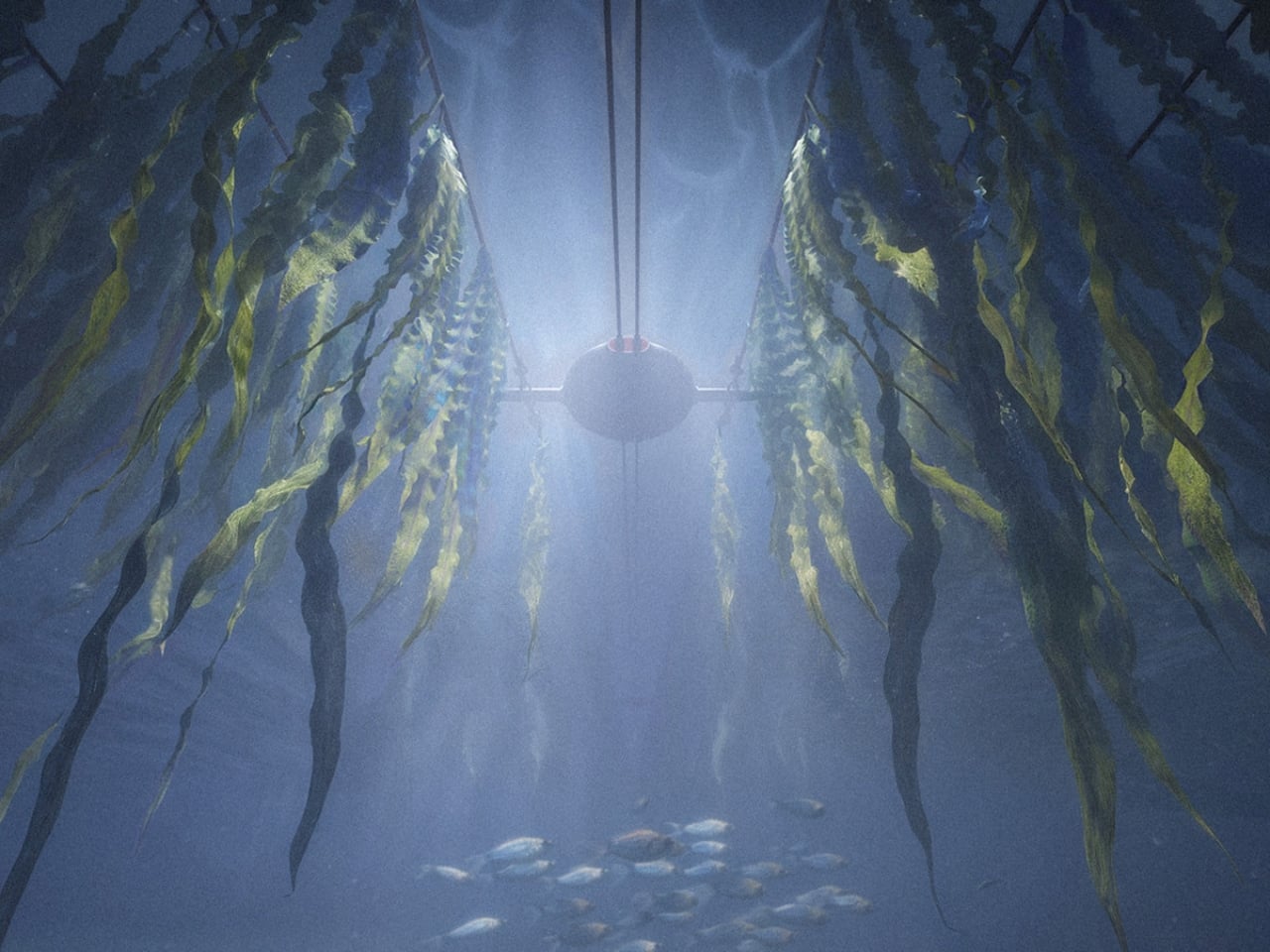
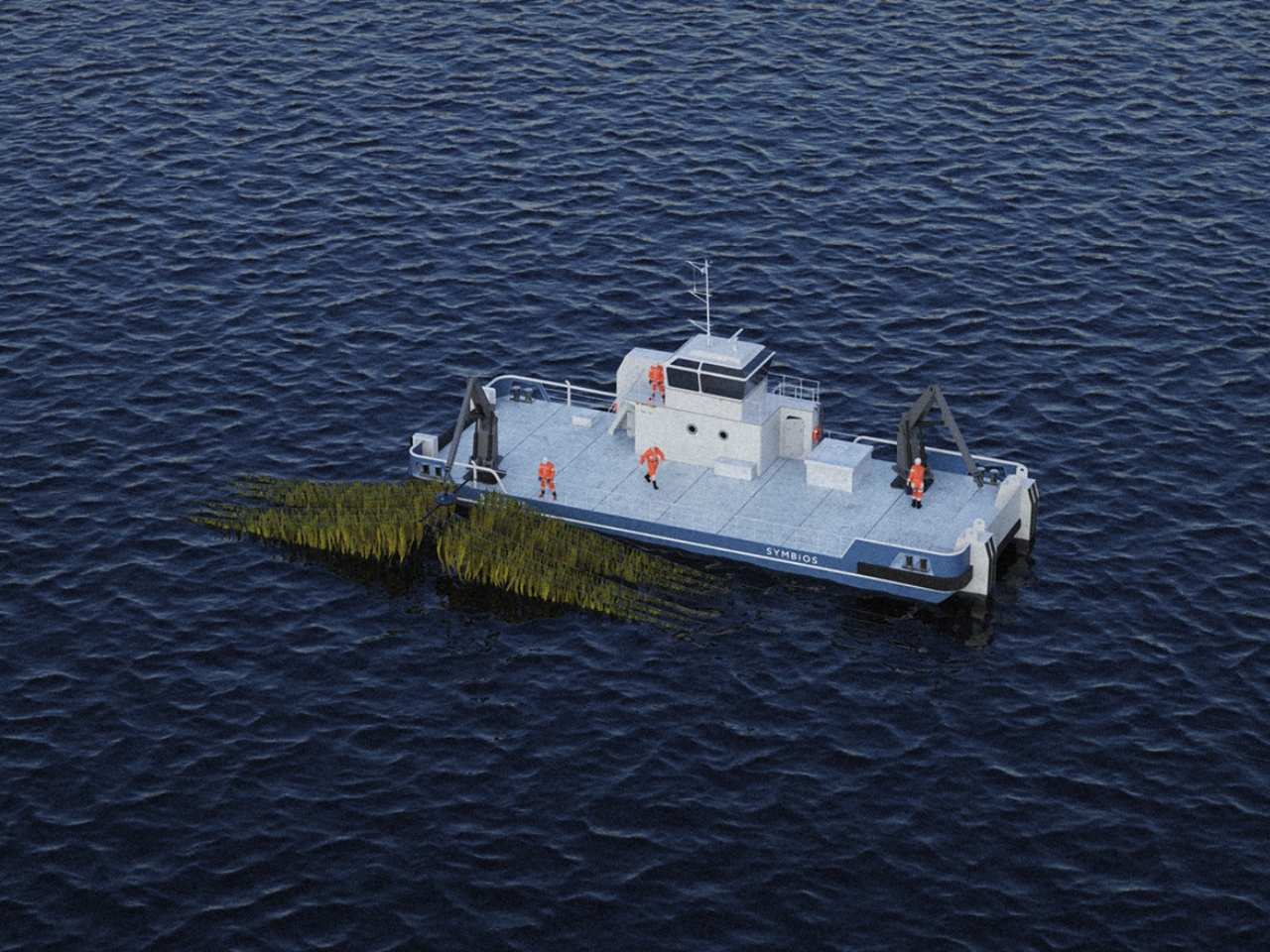
The core idea is straightforward, but the thinking behind it is genuinely sharp. Symbios is an automated buoy system built for Nordic nearshore seaweed farmers. Its central feature is depth regulation, allowing the buoys to move seaweed into cooler, deeper waters during warmer months. This solves one of the most persistent problems in seaweed cultivation: ocean temperatures fluctuate enough to disrupt or completely derail a harvest season. By managing that shift automatically, Symbios makes year-round cultivation and partial harvesting not just possible, but practical.
Designer: Aaron Mooser
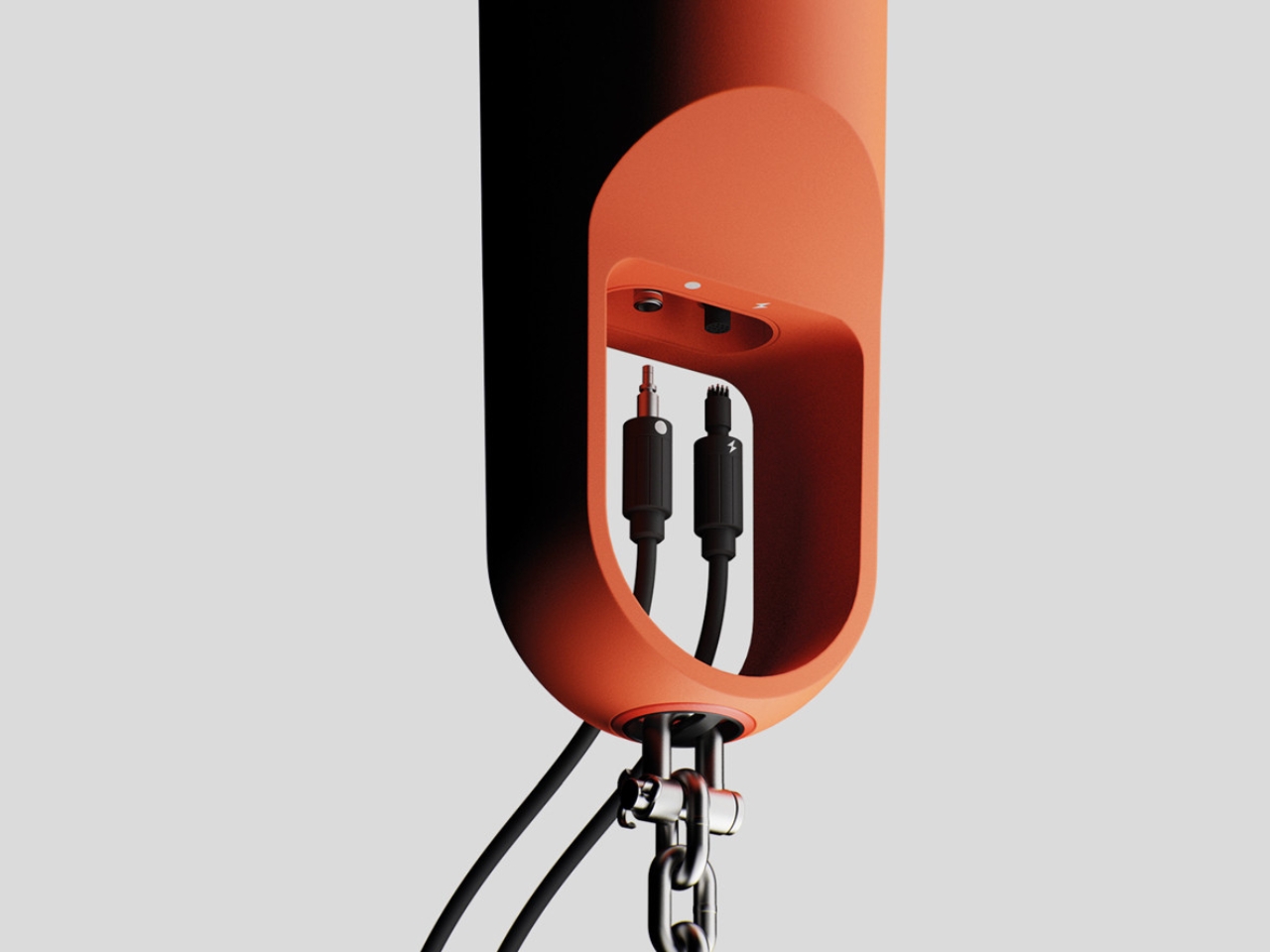
That might not sound like a design story, but it absolutely is. The challenge Mooser was solving wasn’t purely biological. It was logistical, environmental, and deeply human. Seaweed farmers in Nordic regions deal with the compounding pressure of climate variability and the sheer labor of monitoring a harvest that lives underwater. Every unnecessary boat trip costs time, fuel, and money. Symbios addresses this through remote monitoring built directly into the system, reducing the number of trips farmers need to make without losing visibility into what’s happening below the surface.
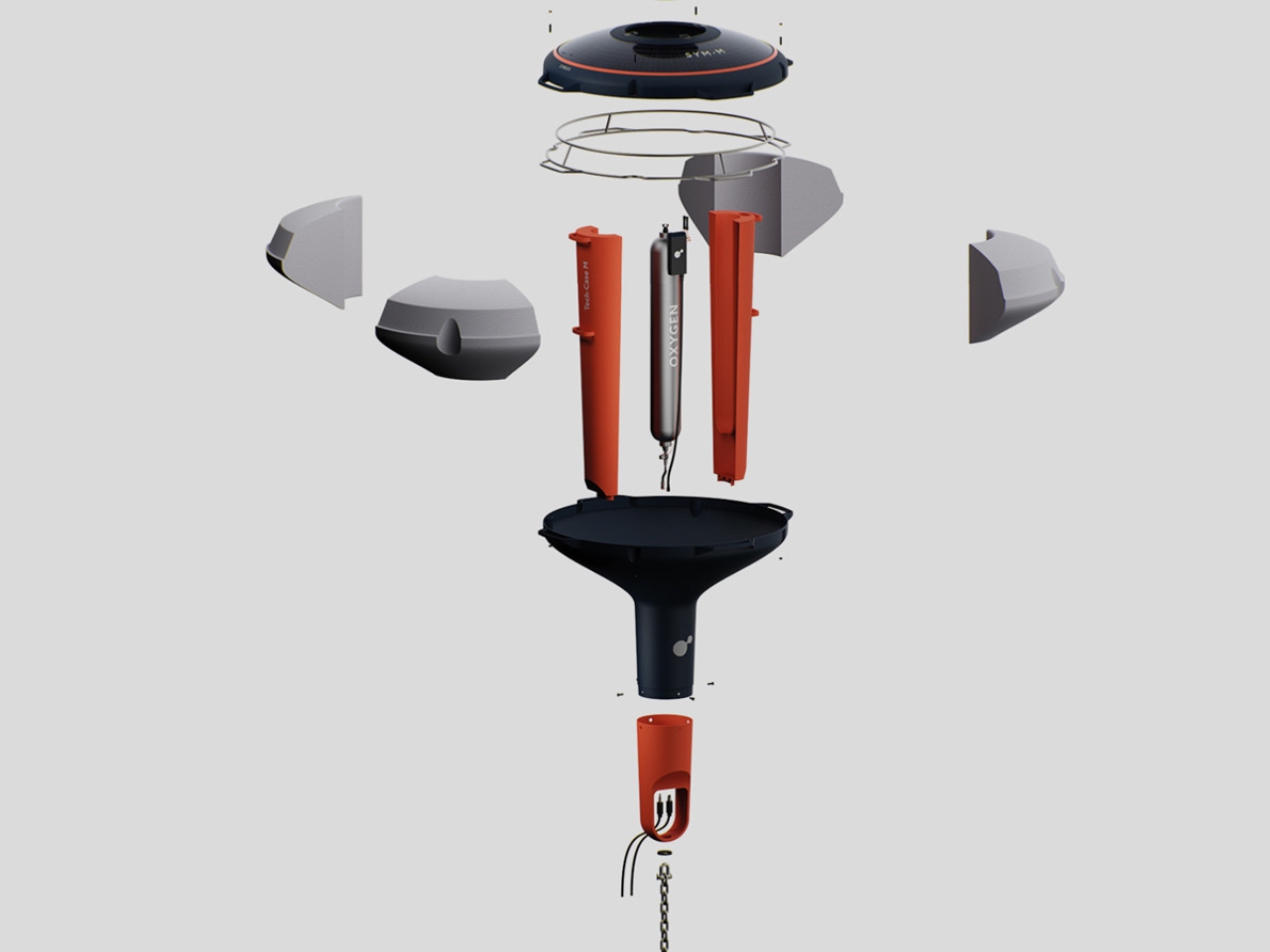
There’s an elegance here that feels distinctly Bauhaus-trained. Mooser completed his bachelor’s in product design at Bauhaus University Weimar and is now pursuing a Master’s in Industrial Design at FH Joanneum, where he’s focused on Eco-Innovative design. That background shows. The buoys are modular, built to be repaired rather than replaced, and designed for durability in conditions that would wear most things down quickly. It’s the kind of systems thinking that doesn’t get enough attention in sustainability discussions, because repairability rarely makes a headline. But designing for longevity in a marine environment is a serious commitment, and it’s a far more honest environmental gesture than a lot of what gets labeled green.
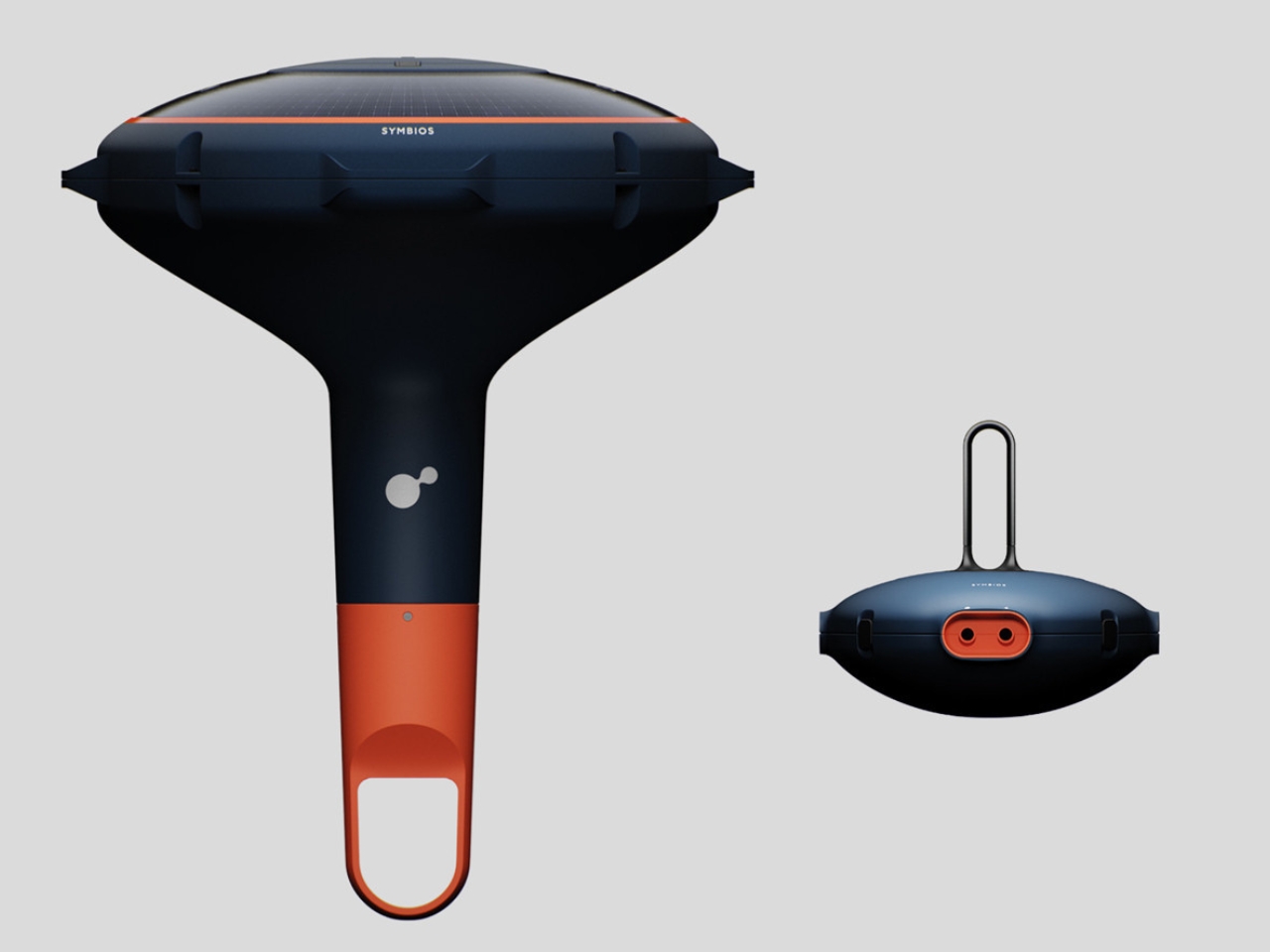
What Symbios also does, somewhat unexpectedly, is create stable marine habitats. Because the seaweed is cultivated continuously in a regulated environment, it offers more consistent ecosystem support for the marine life around it. The design doesn’t just serve the farmer. It serves the water, too. That dual benefit, where agriculture and ecology work together rather than in opposition, is what makes Symbios feel like more than a polished student project. It reads as a genuine proposal for how nearshore food systems could be structured.
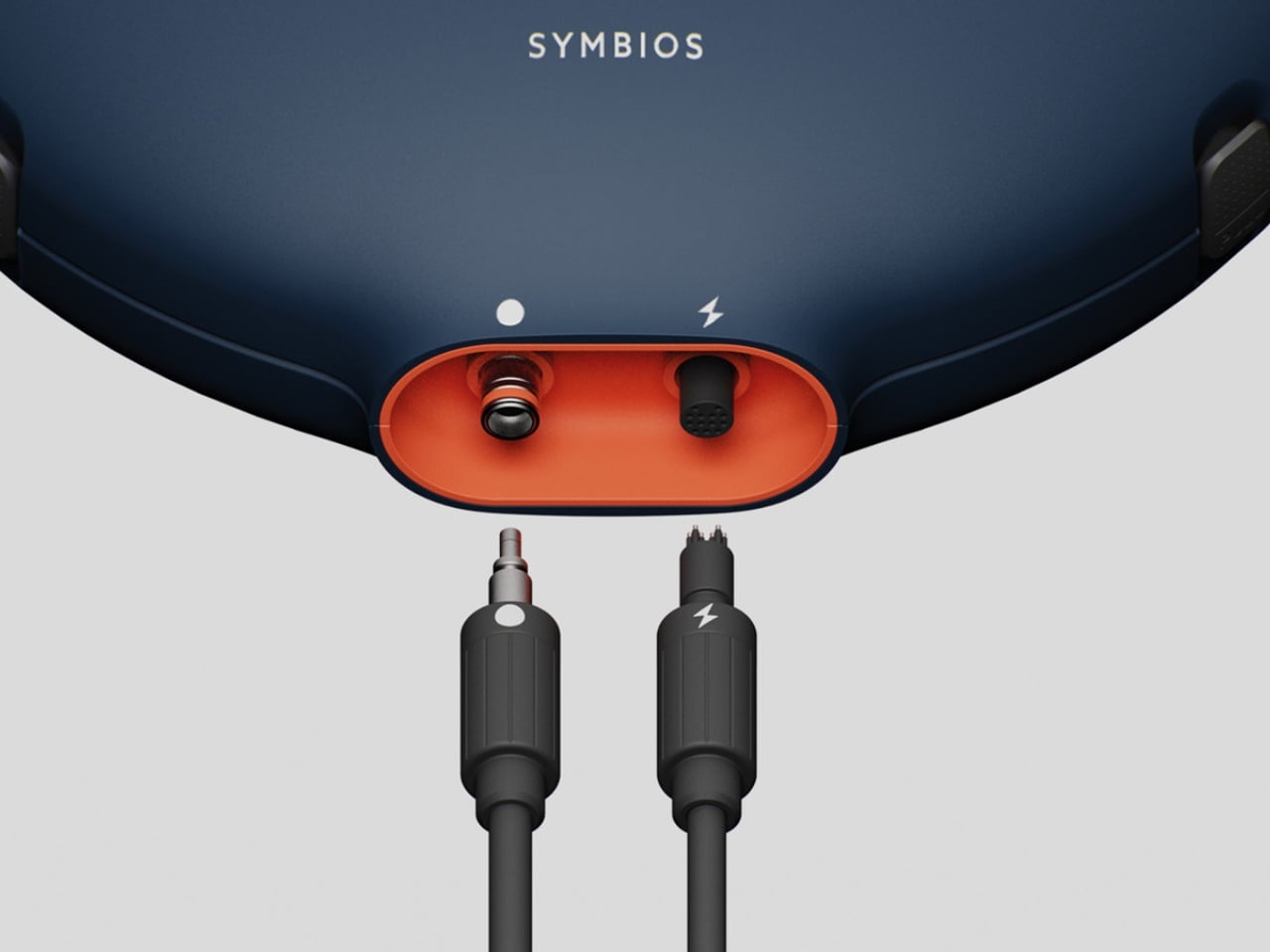
The fact that this began as a bachelor thesis is worth sitting with. Student design can sometimes feel speculative, imaginative but distant from actual use. Symbios pushes back on that assumption. It’s detailed, practical, and built around a real user: the Nordic seaweed farmer navigating a genuinely complex set of conditions. The design process clearly involved deep engagement with that context, not just a convincing visual presentation.
Aaron Mooser’s work has been recognized by the Green Product Award, and it earns that recognition. Not because it’s flashy, but precisely because it isn’t. Symbios doesn’t try to solve everything at once. It addresses specific problems cleanly, considers the full lifecycle of the product, and respects both the people who will use it and the environment it operates within. That kind of restraint, in a design culture that so often rewards novelty over genuine usefulness, is worth paying attention to.
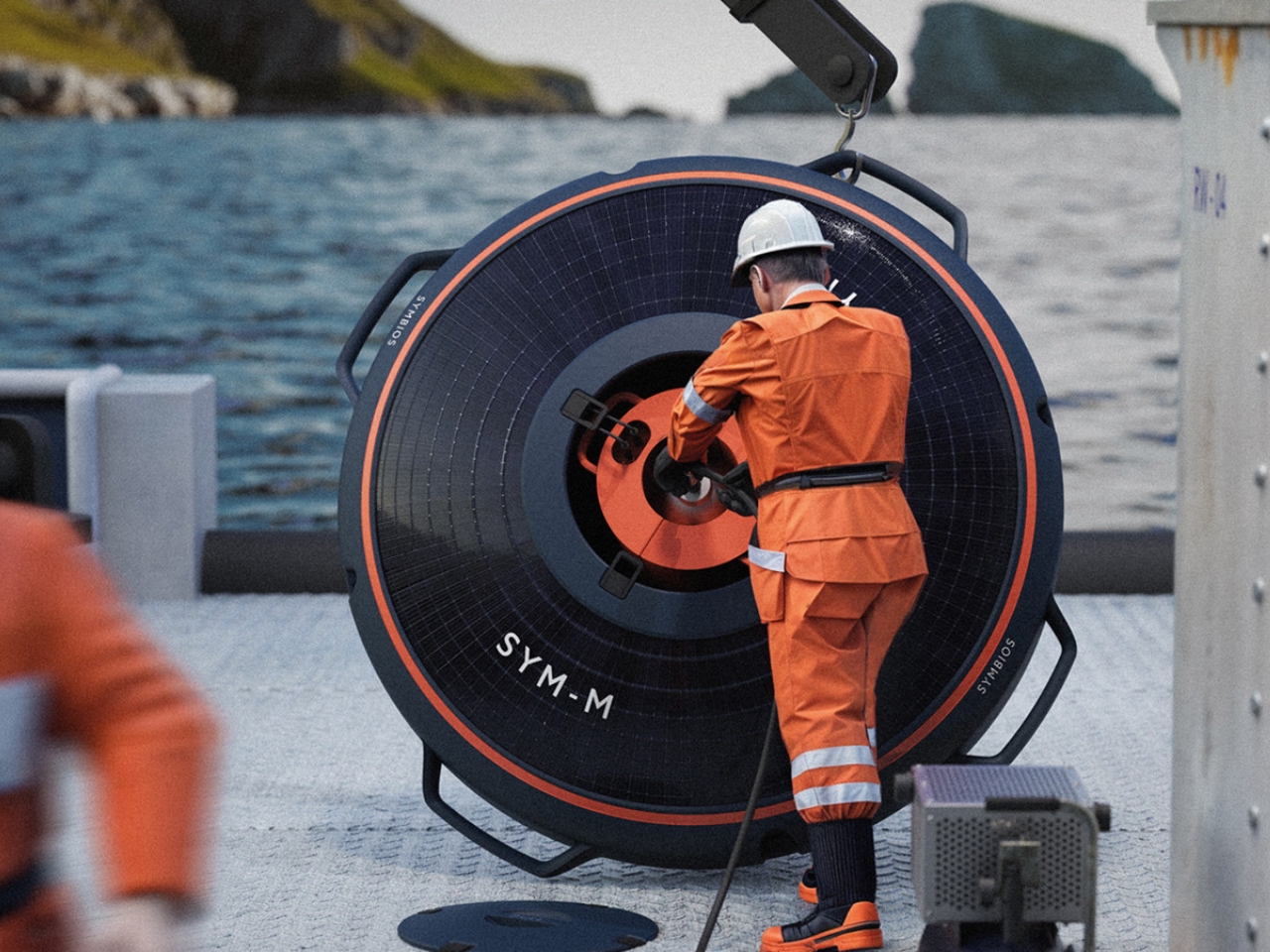
Seaweed farming isn’t going anywhere. If anything, it’s going to become more prominent as food systems shift toward more sustainable sources. The real question is whether the infrastructure supporting it can evolve fast enough. If Symbios is any indication, the answer might surprise you.
The post A Student Built a Buoy That Could Fix Seaweed Farming first appeared on Yanko Design.