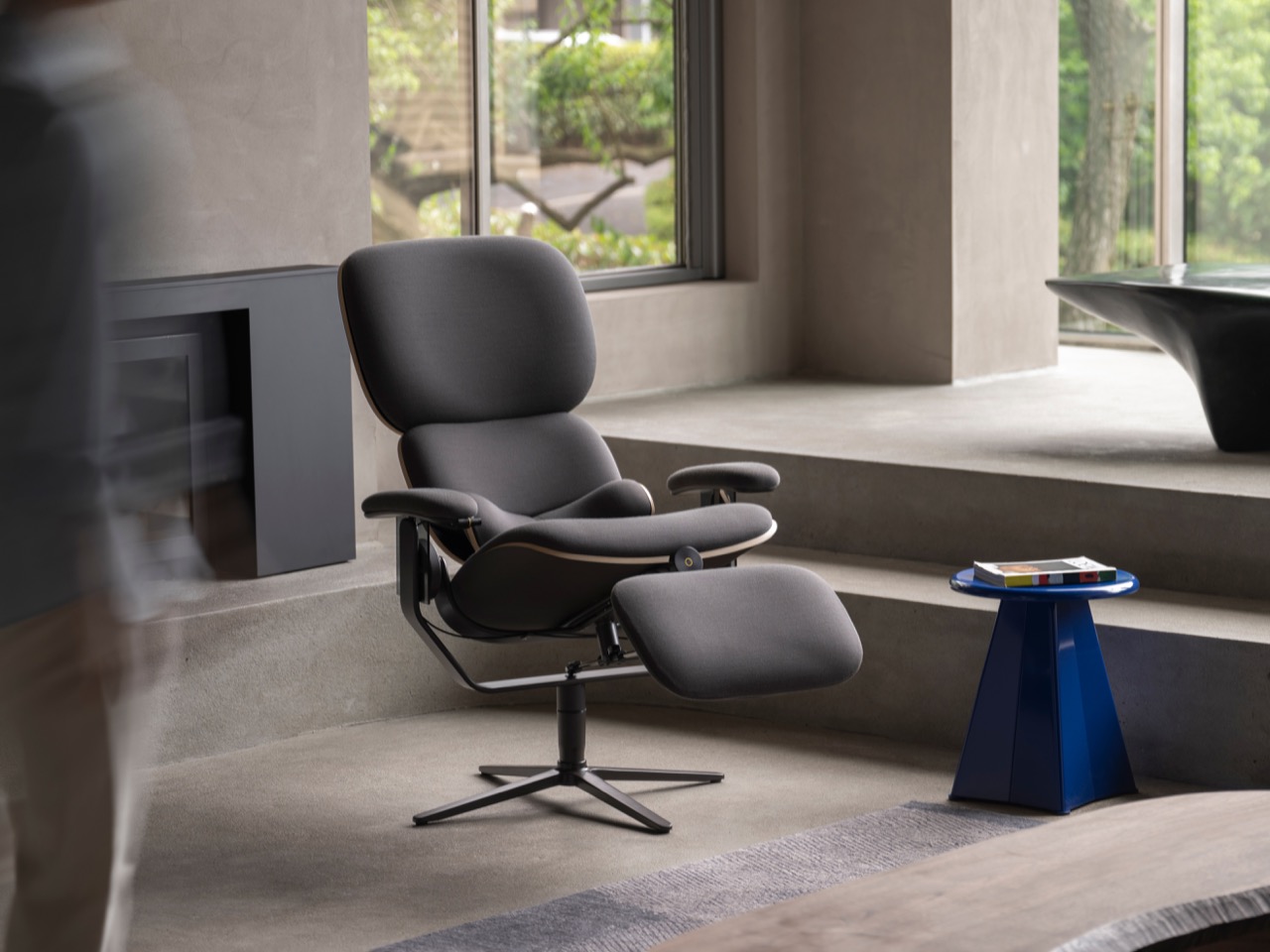
Weightlessness as a design goal is usually reserved for space agencies or sensory deprivation tanks. DavidHugh decided to build it into a chair. The Aiora uses what they call Floatation technology, a system of planar motion mechanics so sensitive that the act of breathing creates visible movement. You’re held in perfect equilibrium with zero external force, which sounds like marketing copy until you realize there are published neuroscience studies backing up their claims about induced meditative states.
This is the culmination of two decades of work from a Cambridge-based team that started in furniture design and ended up deep in biomedical engineering and consciousness research. The new model, priced at £5,700, follows their flagship Elysium chair and aims to be more accessible while maintaining the core technology that makes DavidHugh interesting: the ability to disconnect users from external sensory input and redirect their awareness inward, all through precision-engineered mechanics.
Designer: DavidHugh
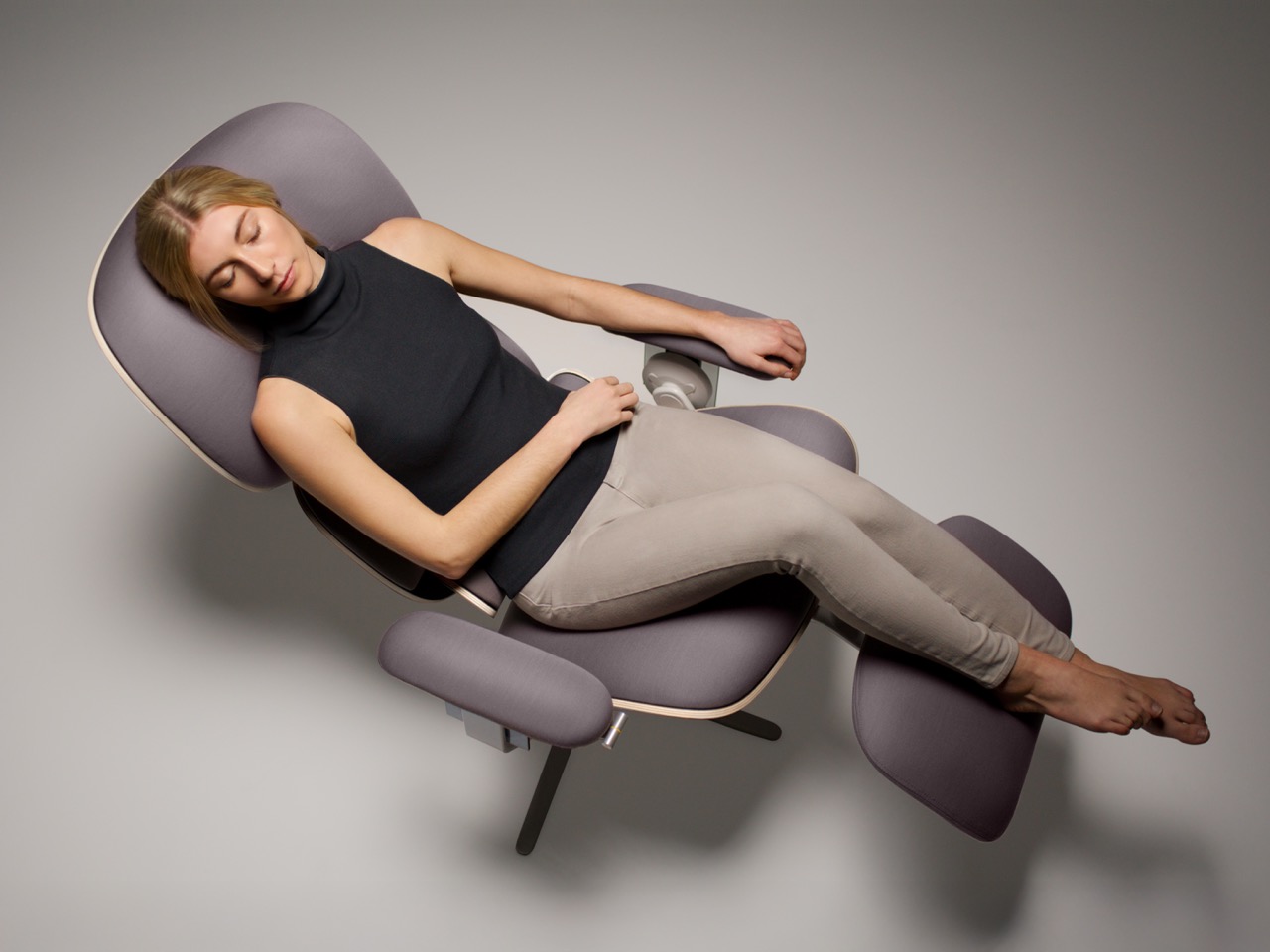

The tech itself is refreshingly analog in an era obsessed with app-connected everything. There are no motors, no springs, no batteries to charge. The Floatation system relies on roller bearings moving along a specific path to create what the company describes as frictionless continuous balance. In practice, this means you can shift positions without the usual resistance or effort, and the chair responds to the slightest movement, including the rise and fall of your chest as you breathe. The sensation has been compared to saltwater flotation, where the buoyancy removes the constant feedback your body gets from gravity and surfaces.
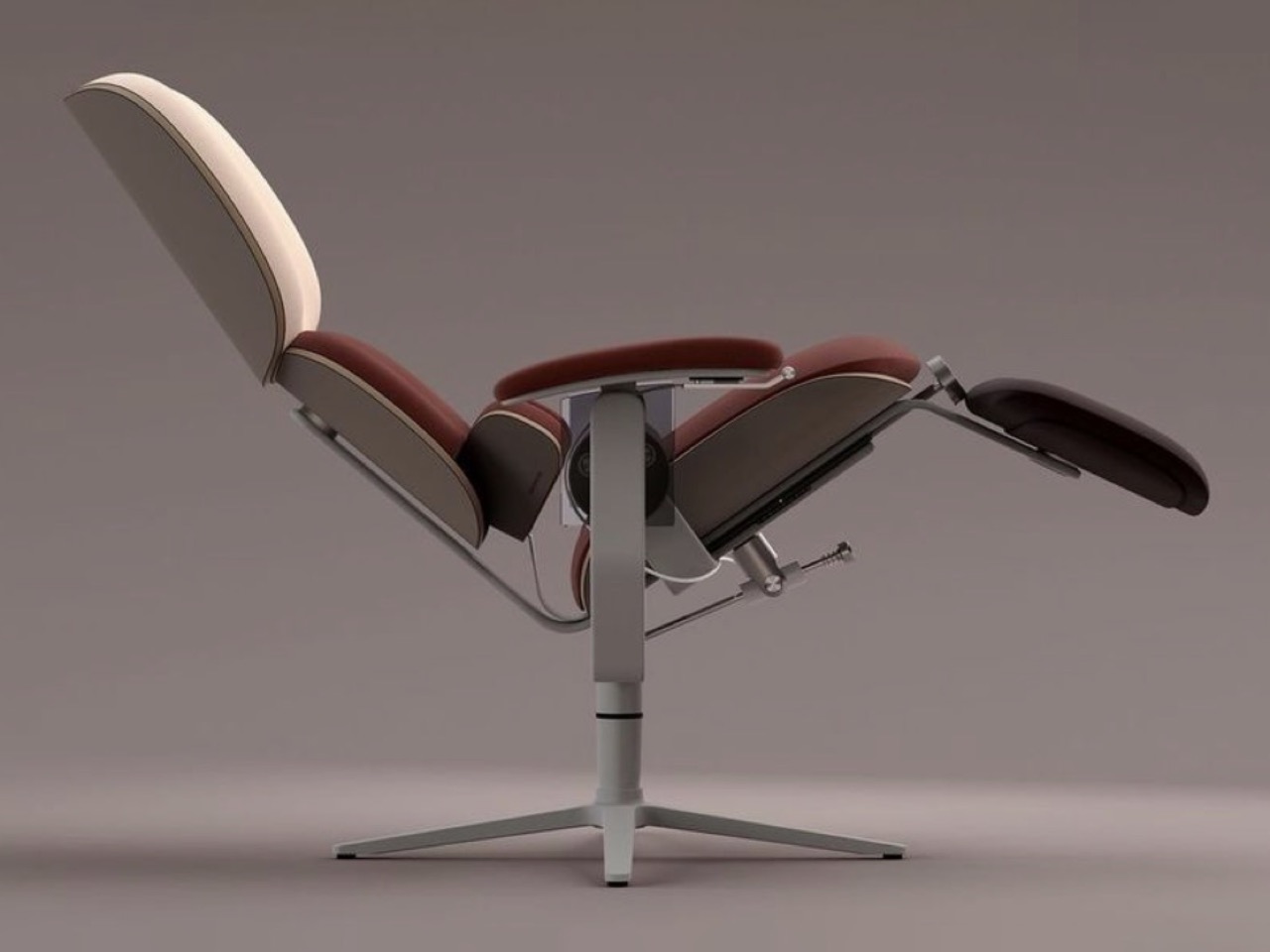
Construction-wise, the Aiora leans heavily into modular design and premium materials. The frame is precision-engineered aluminum and steel, double powder-coated for durability. The shells incorporate Fenix surfaces from Italy, known for their soft-touch matte finish and self-healing properties. Cushioning comes with options for Danish Kvadrat wool-blend fabrics or full Muirhead leather, depending on whether you’re going for the Monochrome collection (minimalist elegance), Soul (vibrant colors), or Signature (full leather craftsmanship). The modular approach also means the chair is designed for servicing, renewal, and upgradability, which is a smart counter to the usual luxury furniture model of “buy it once, keep it forever or landfill it.”
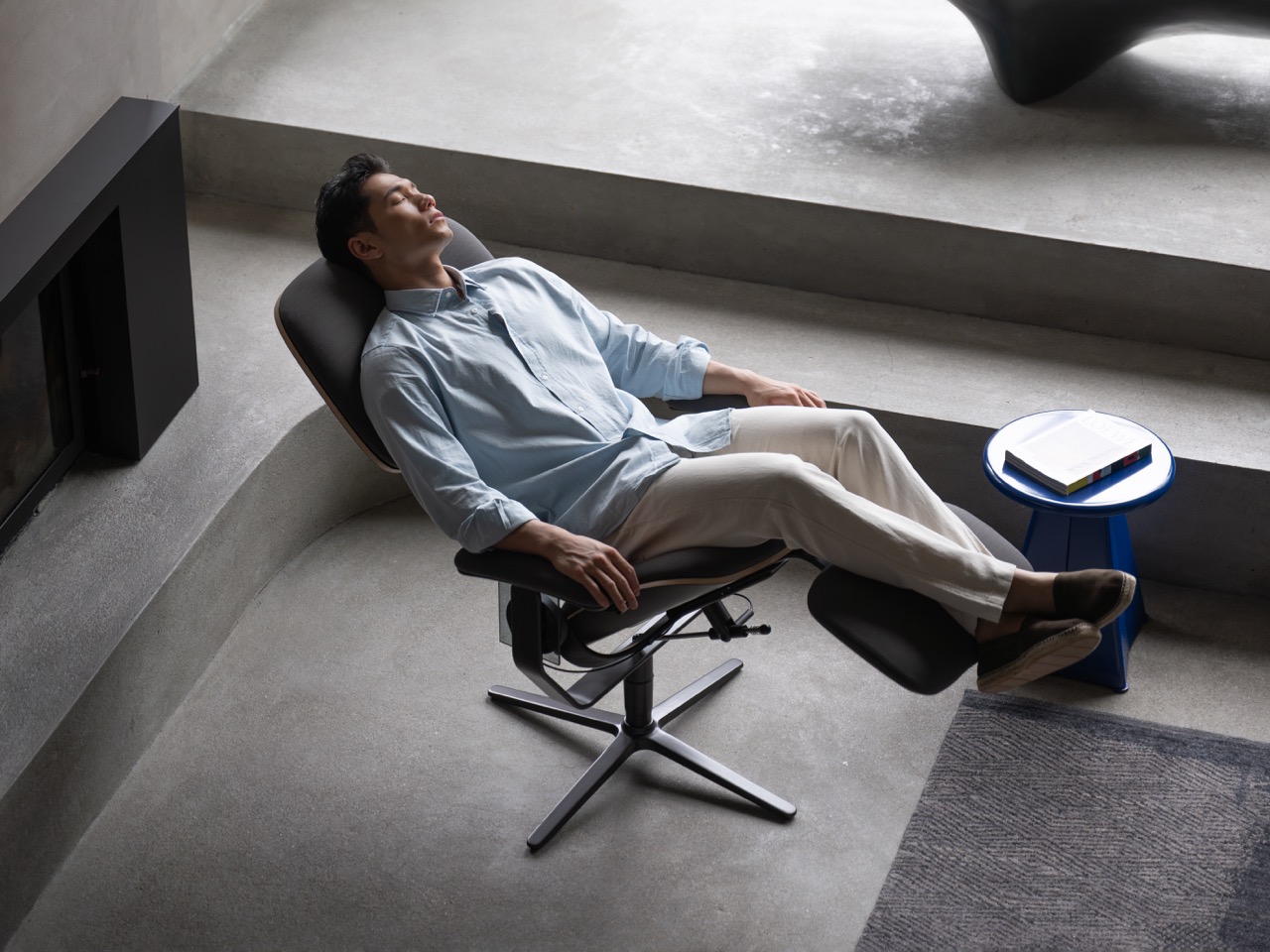
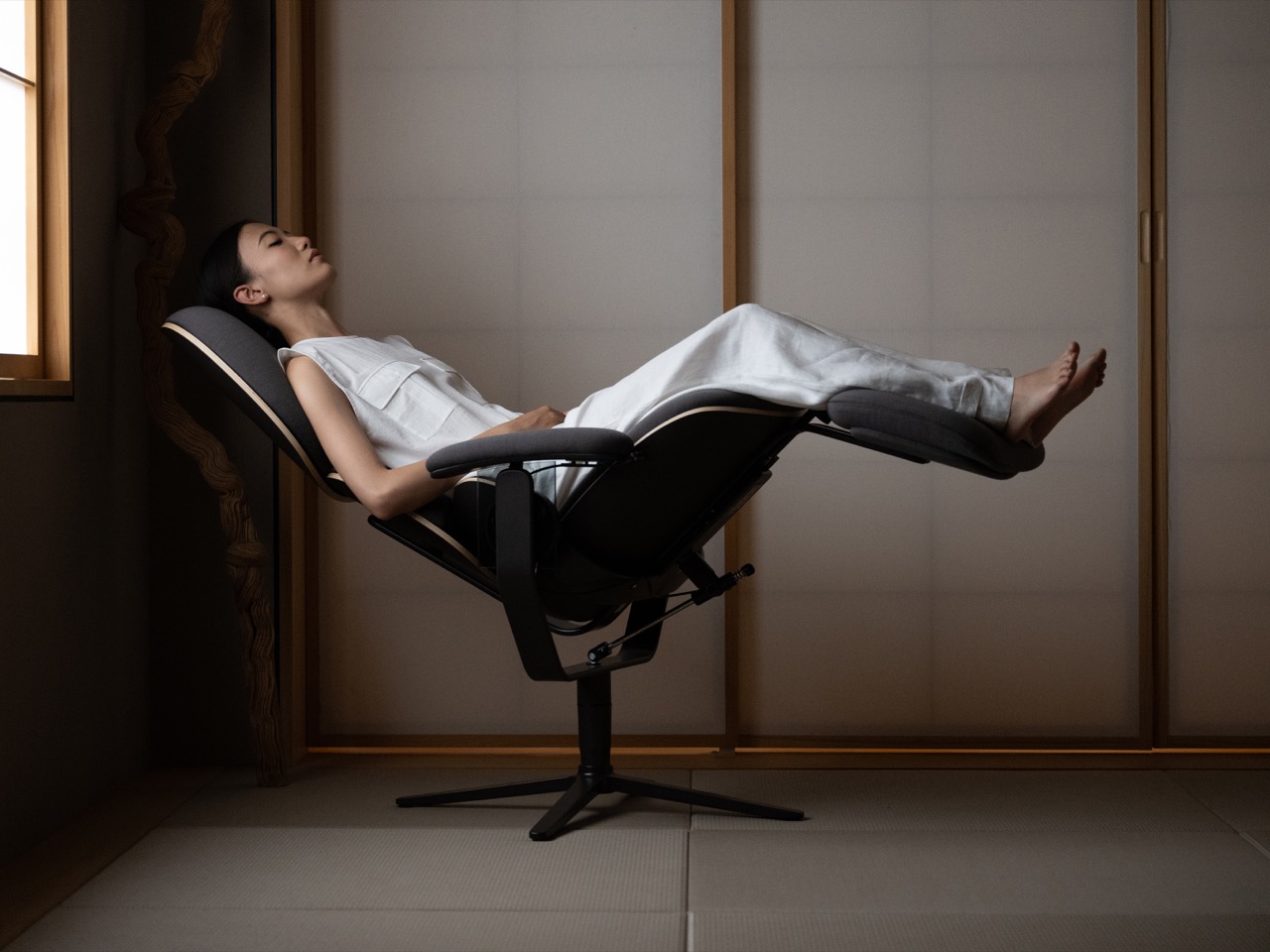
What’s compelling here isn’t just the engineering, though that’s certainly part of the appeal. It’s the way DavidHugh is positioning this as wellness technology rather than furniture. The neuroscience research they’ve published shows EEG patterns in first-time users that mirror advanced meditators, people who have spent years developing that capacity. If those findings hold up under scrutiny, it suggests the chair isn’t just comfortable, it’s actively creating conditions for specific brain states that are usually only accessible through extensive practice or pharmaceutical intervention.
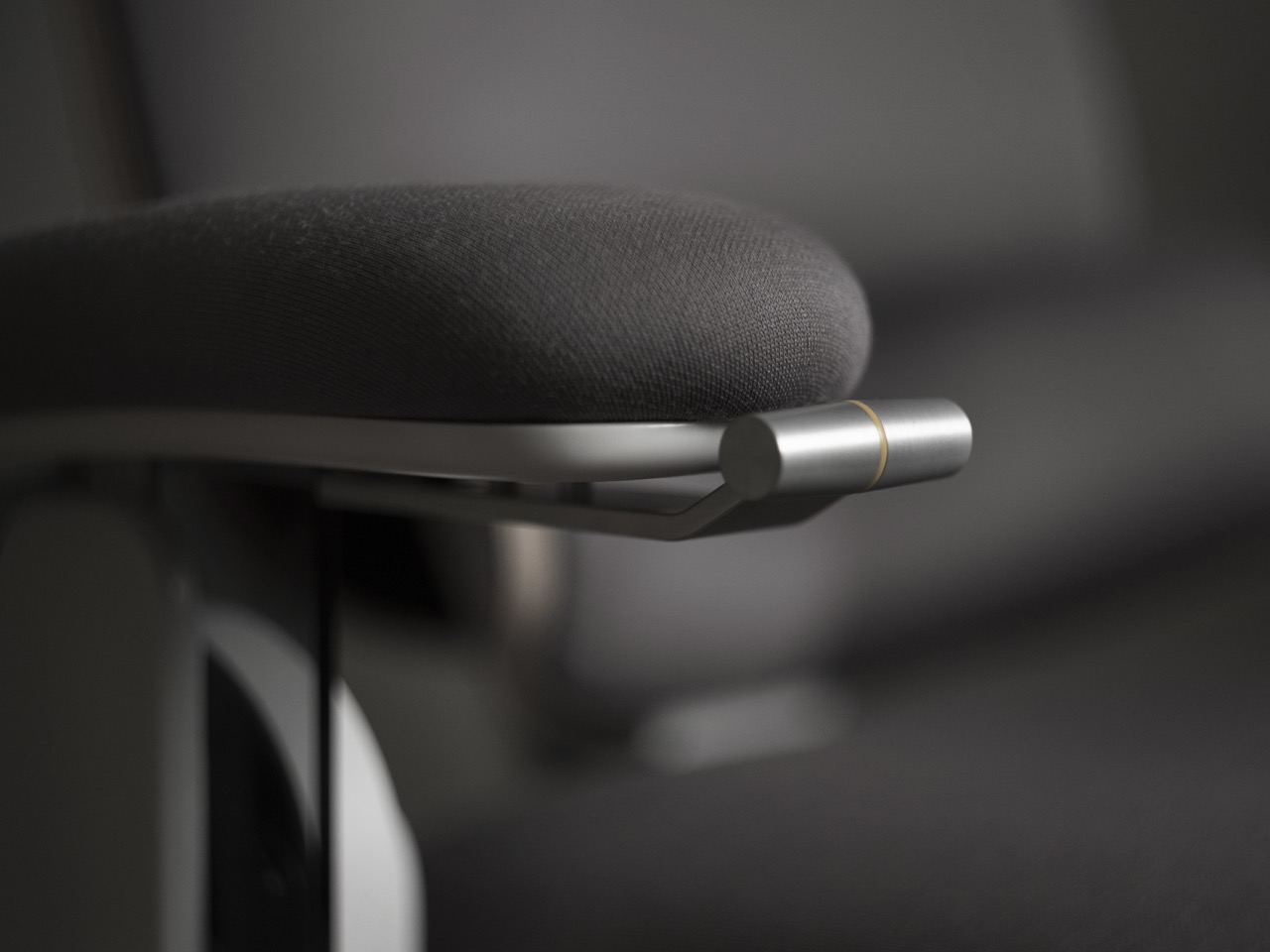
That shifts the value proposition considerably. At £5,700, you’re not paying for a really nice recliner. You’re paying for access to a mental state that would otherwise require significant time investment or specialized environments like float tanks. Whether that’s worth it depends entirely on how much value you place on meditative states and whether you trust the research, but the ambition is undeniable.
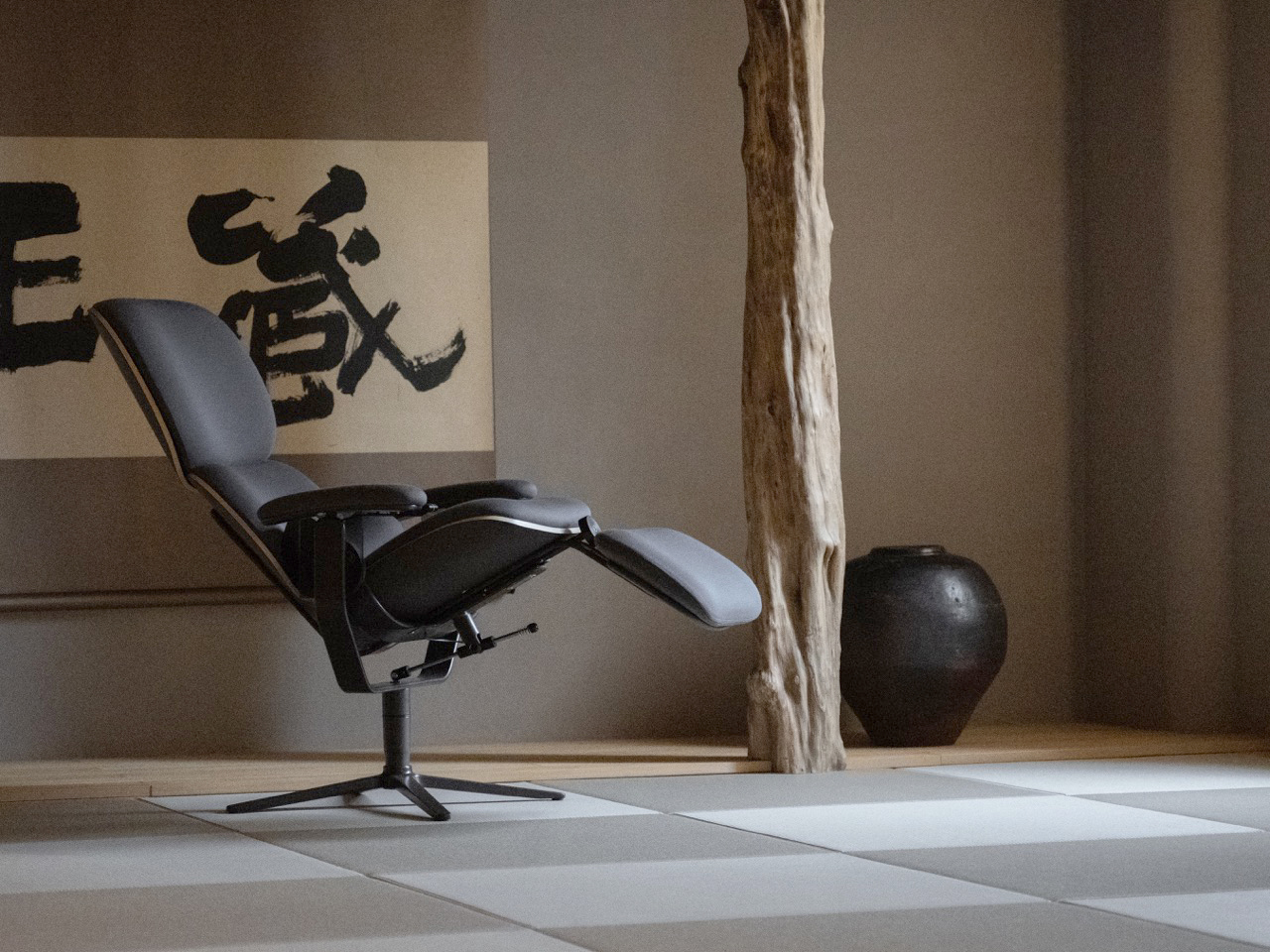
The post This £5,700 ‘Weightless’ Recliner Is So Sensitive, It Responds To Your Breathing Patterns first appeared on Yanko Design.