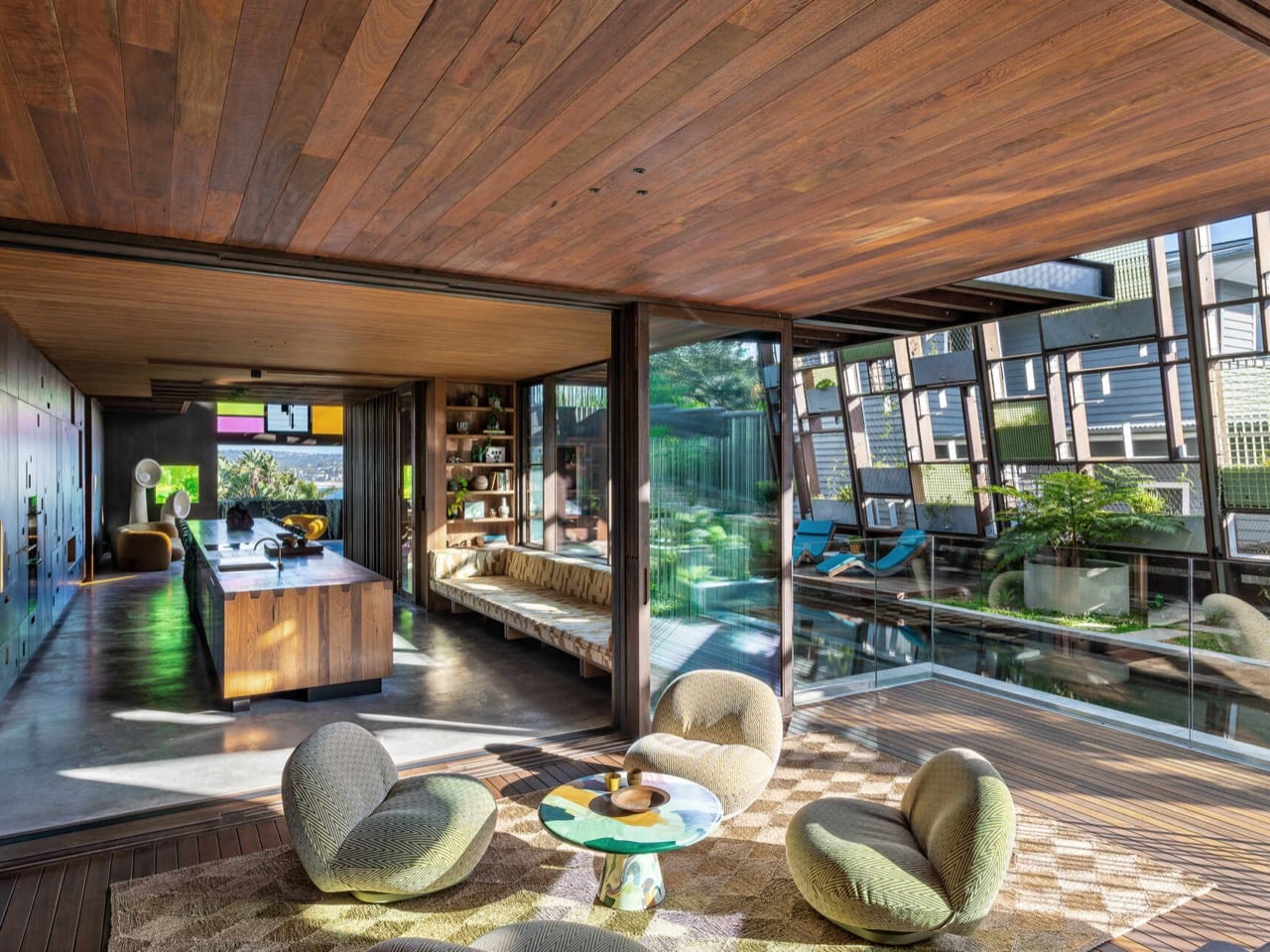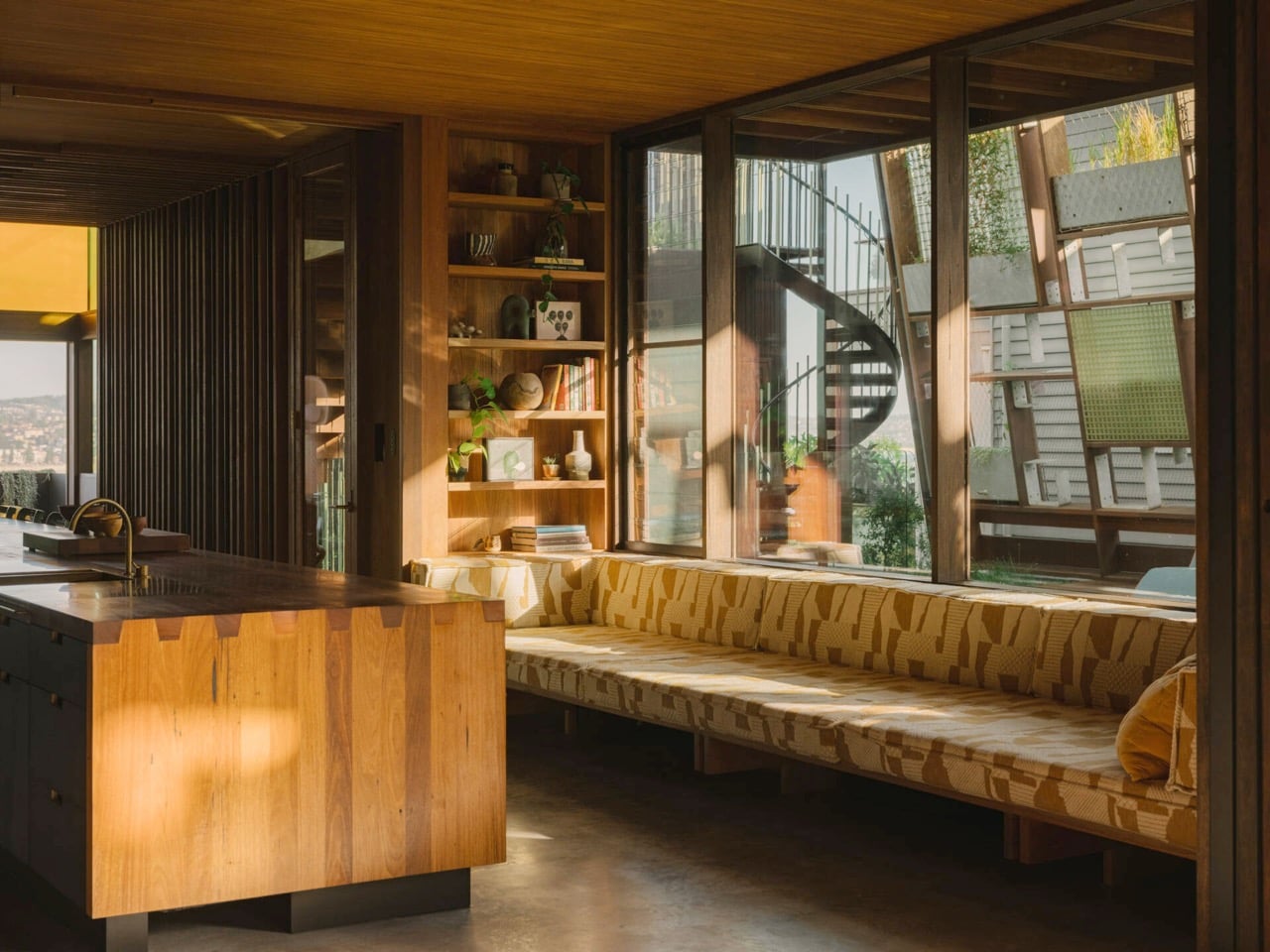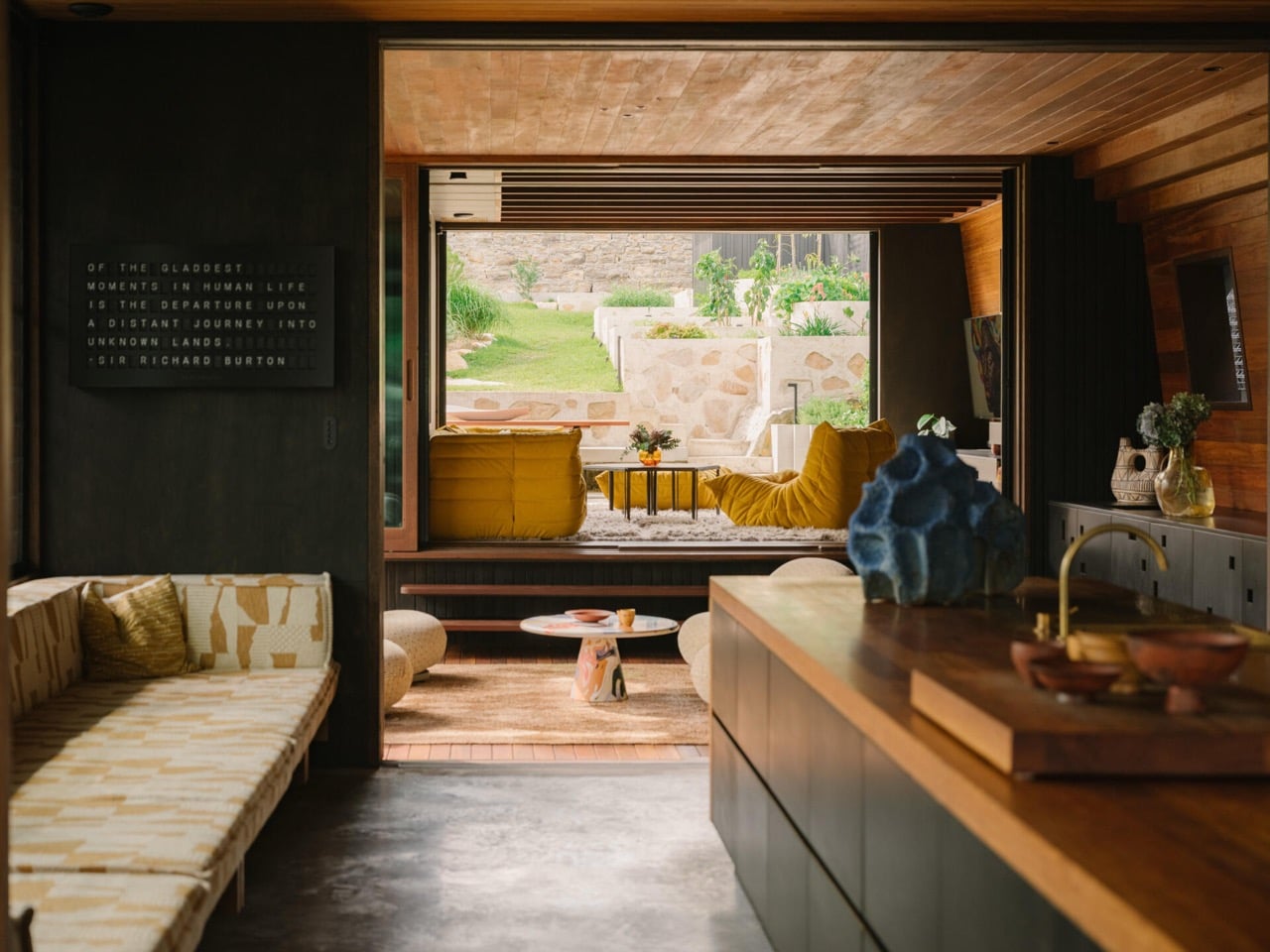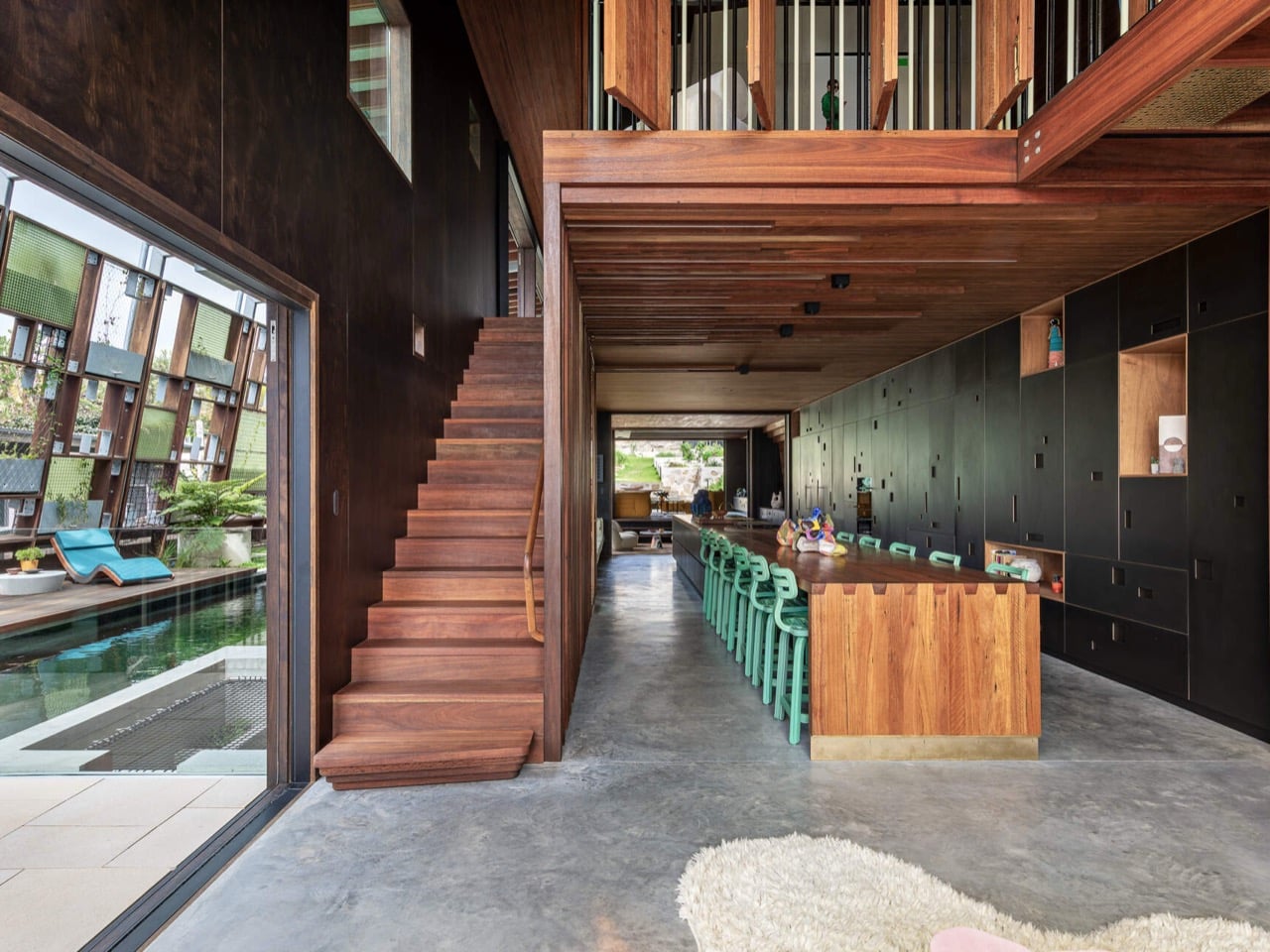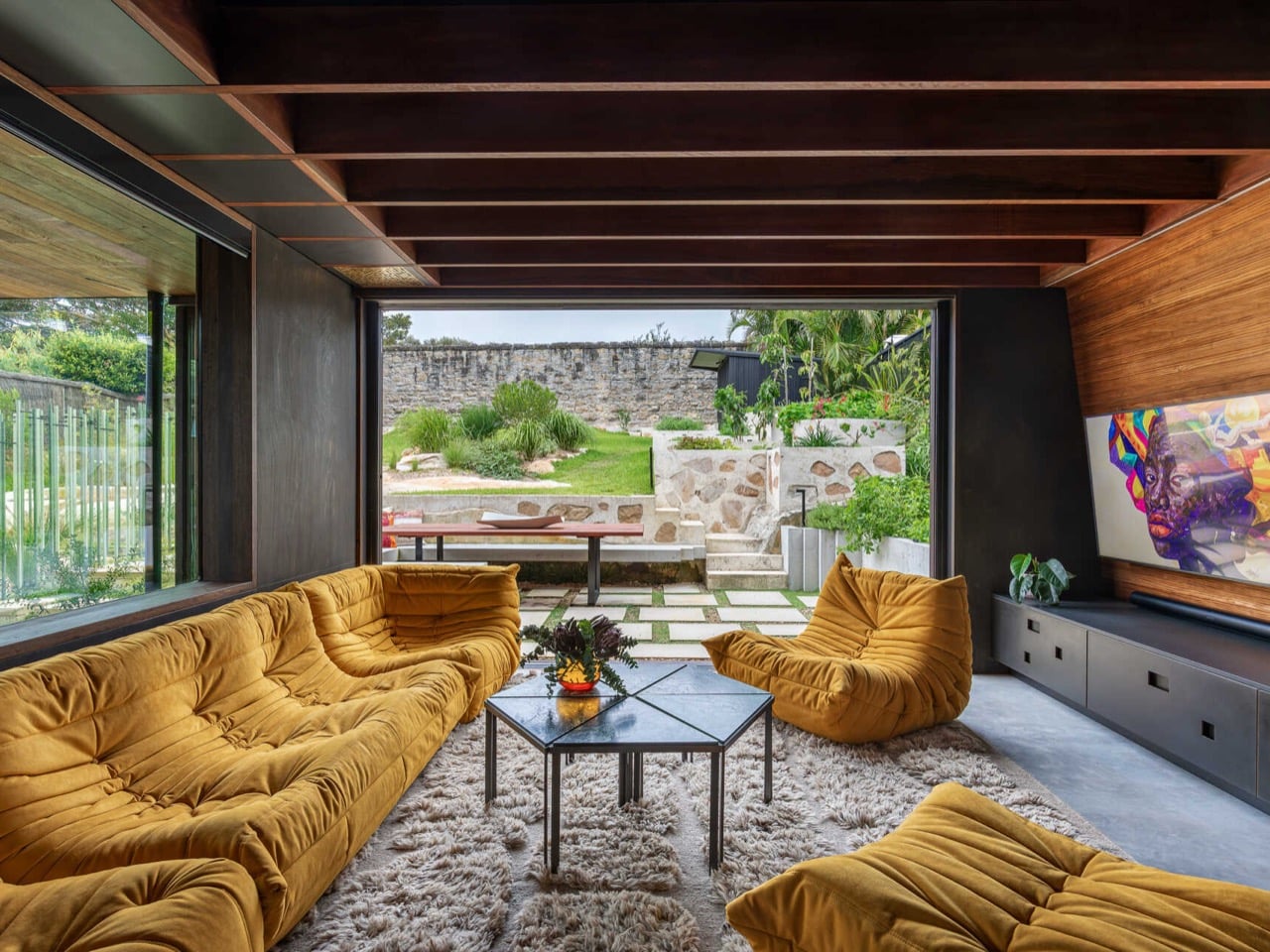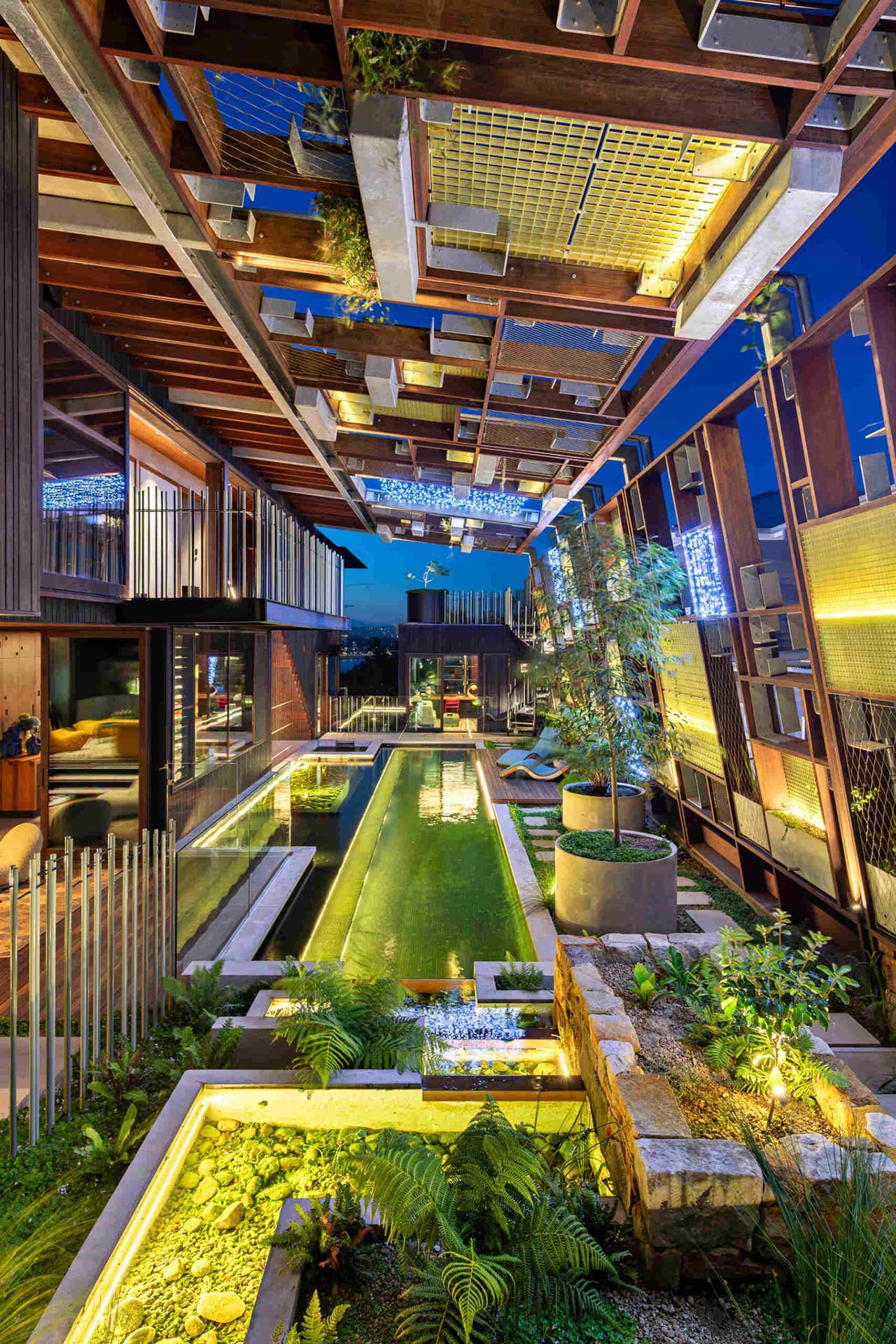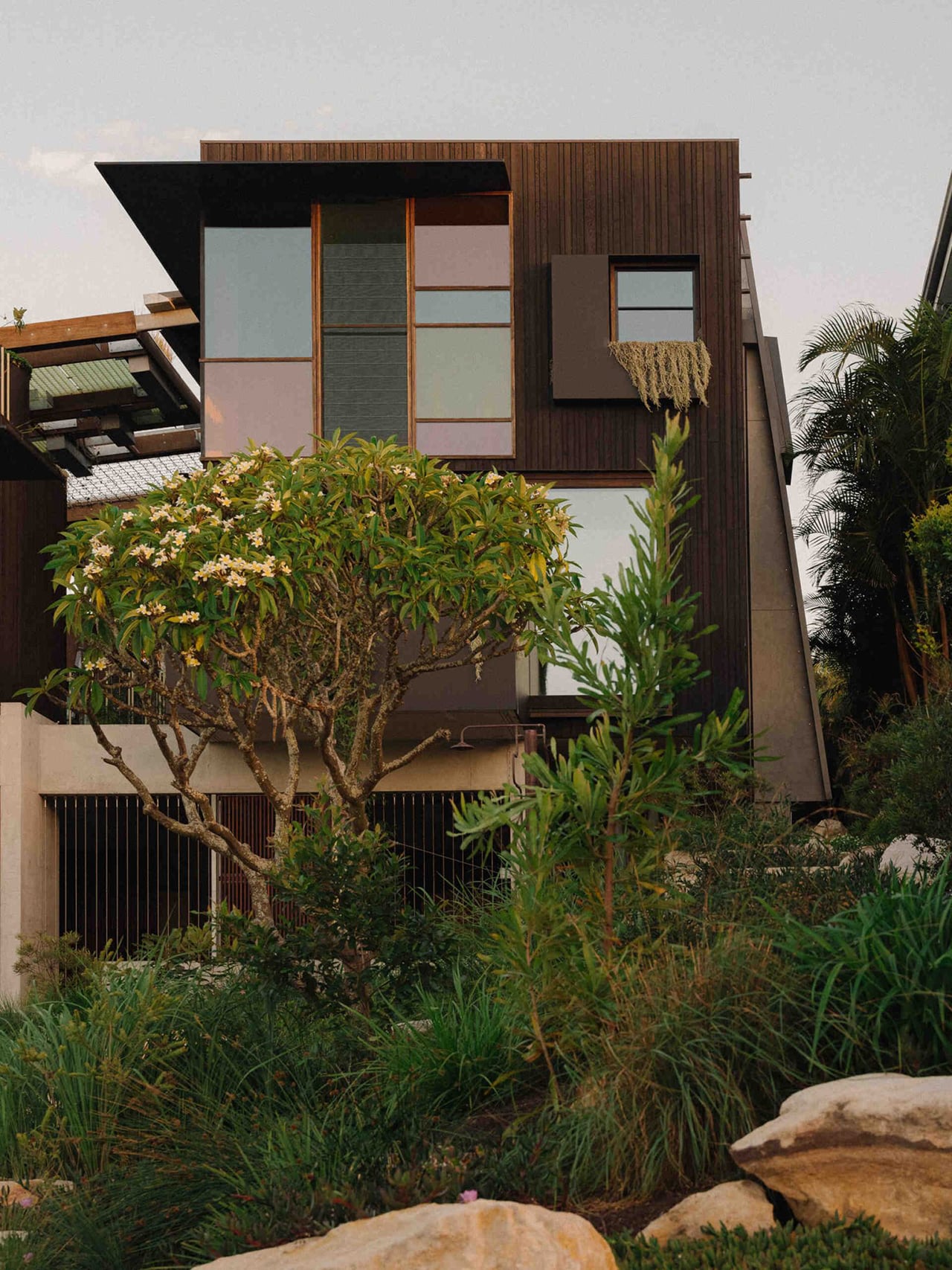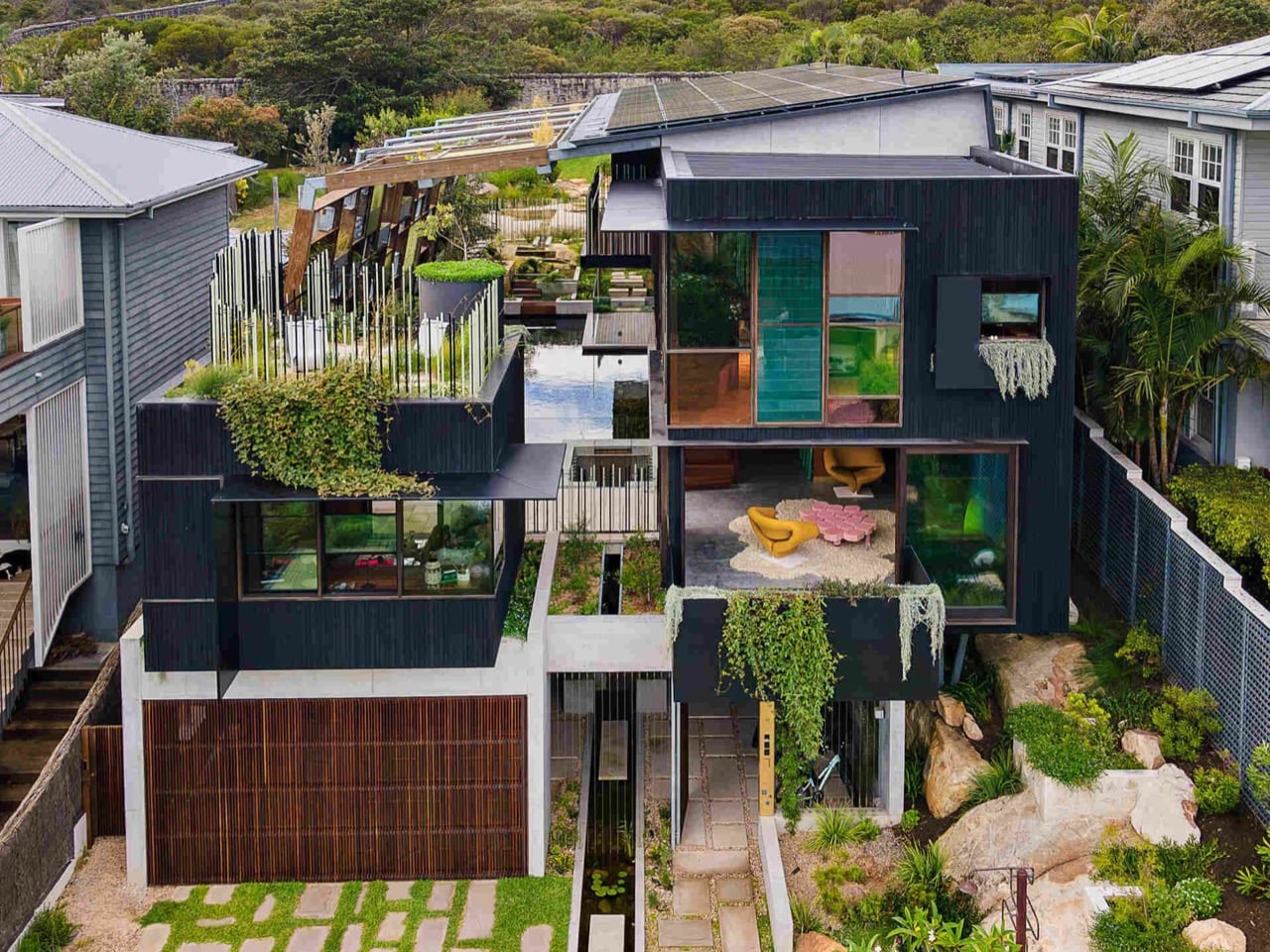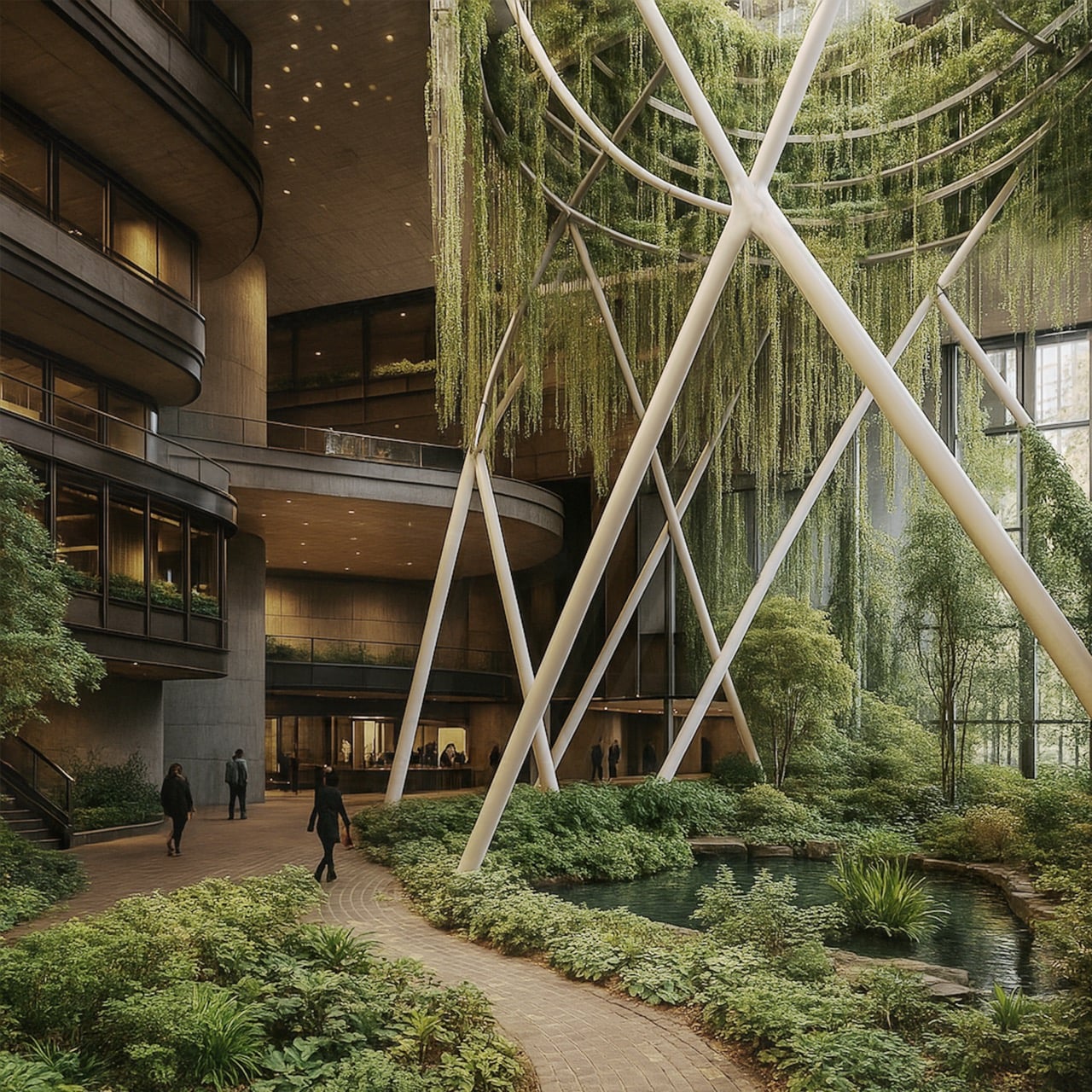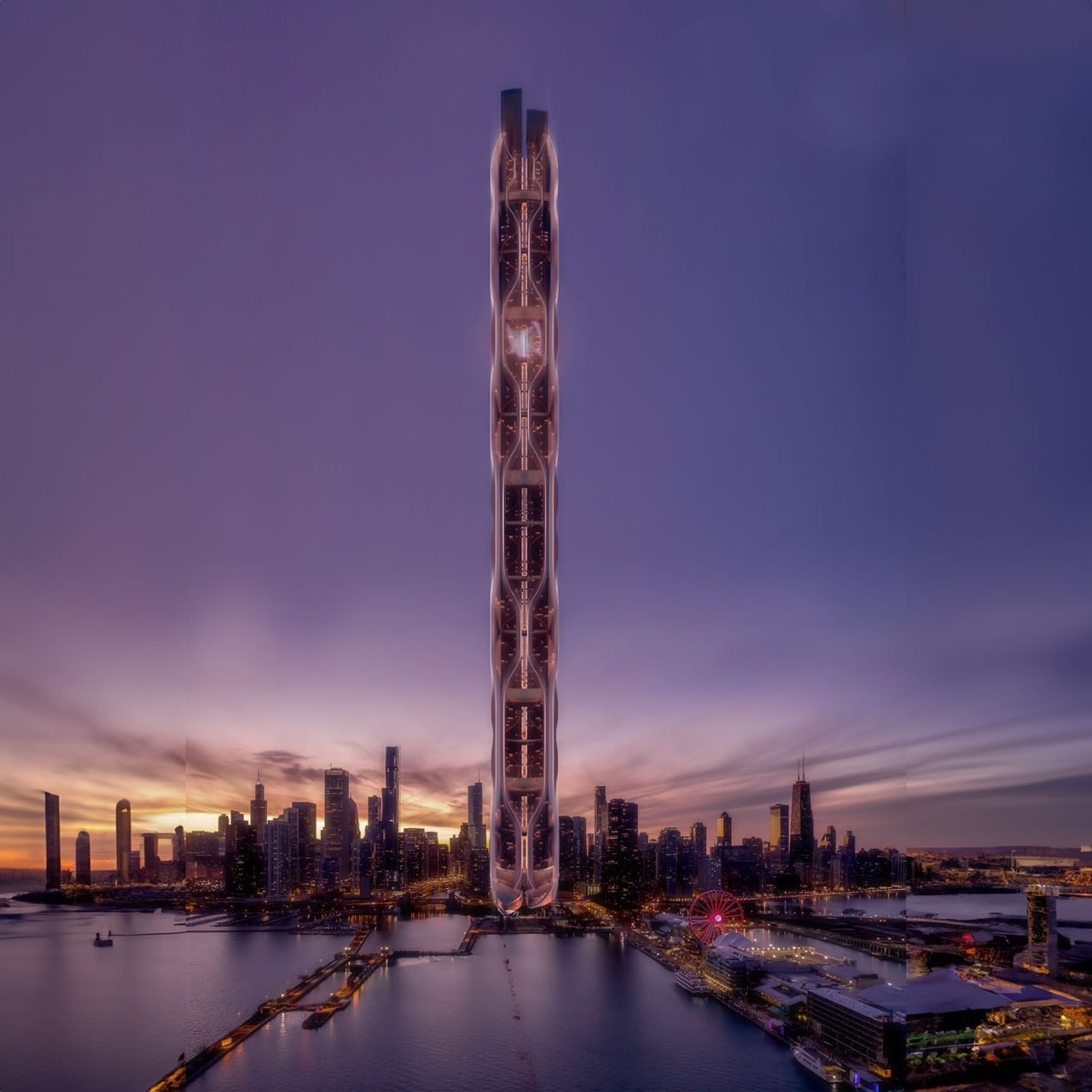
Slow architecture asks a simple but powerful question: should buildings be designed for short-term trends or for the next hundred years?
At a time when much of construction is driven by speed, cost-cutting, and fast-changing aesthetics, this approach brings the focus back to durability, function, and long-term value. True luxury today is not excess, but the ability of a space to remain useful, relevant, and well-crafted over time.
Designing for a 100-year lifespan means making smarter choices from the start, from honest materials and adaptable layouts to lower environmental impact and easier maintenance. It turns architecture into a lasting asset and not just a temporary product. The five principles ahead explore how thoughtful, future-ready design can create buildings that perform better, age beautifully, and continue to support everyday life for generations.
1. Build with Materials That Last
A long-lasting building starts with materials that can handle time, weather, and daily use without losing their value. Stone, solid wood, brick, and other durable natural materials often perform better over decades than finishes chosen only for appearance. They need fewer replacements, age more gracefully, and usually reduce long-term maintenance costs. Instead of designing for quick upgrades, this approach creates a stronger, more reliable building envelope that can stay relevant for generations.
These materials also improve how a space feels in everyday life. The texture of timber, the weight of stone, and the character that develops over time add warmth and authenticity that synthetic finishes often cannot match. They create interiors that feel grounded, calm, and connected to nature. Choosing fewer artificial materials can also lower environmental impact while helping the building remain practical, beautiful, and honest for years to come.
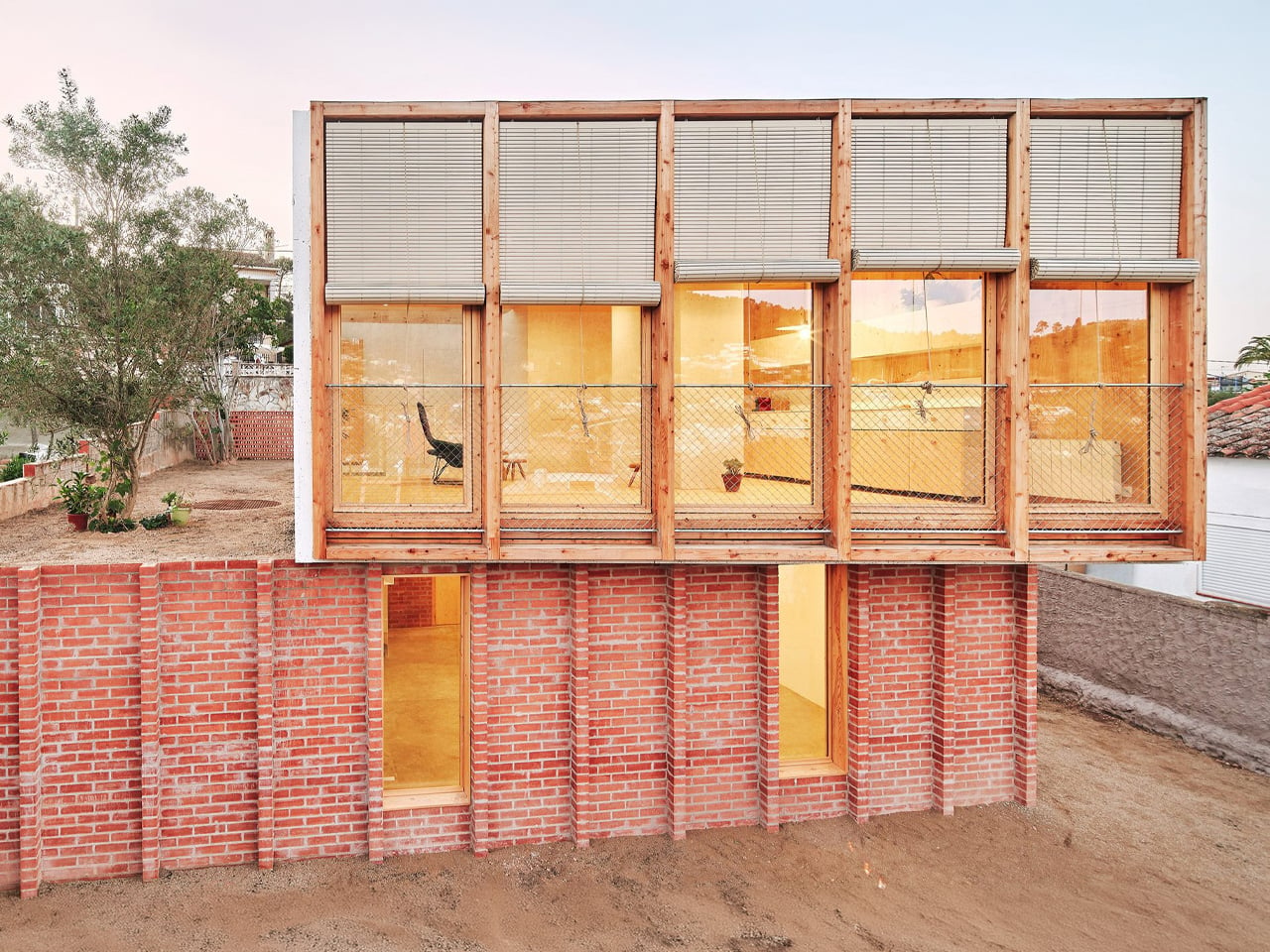
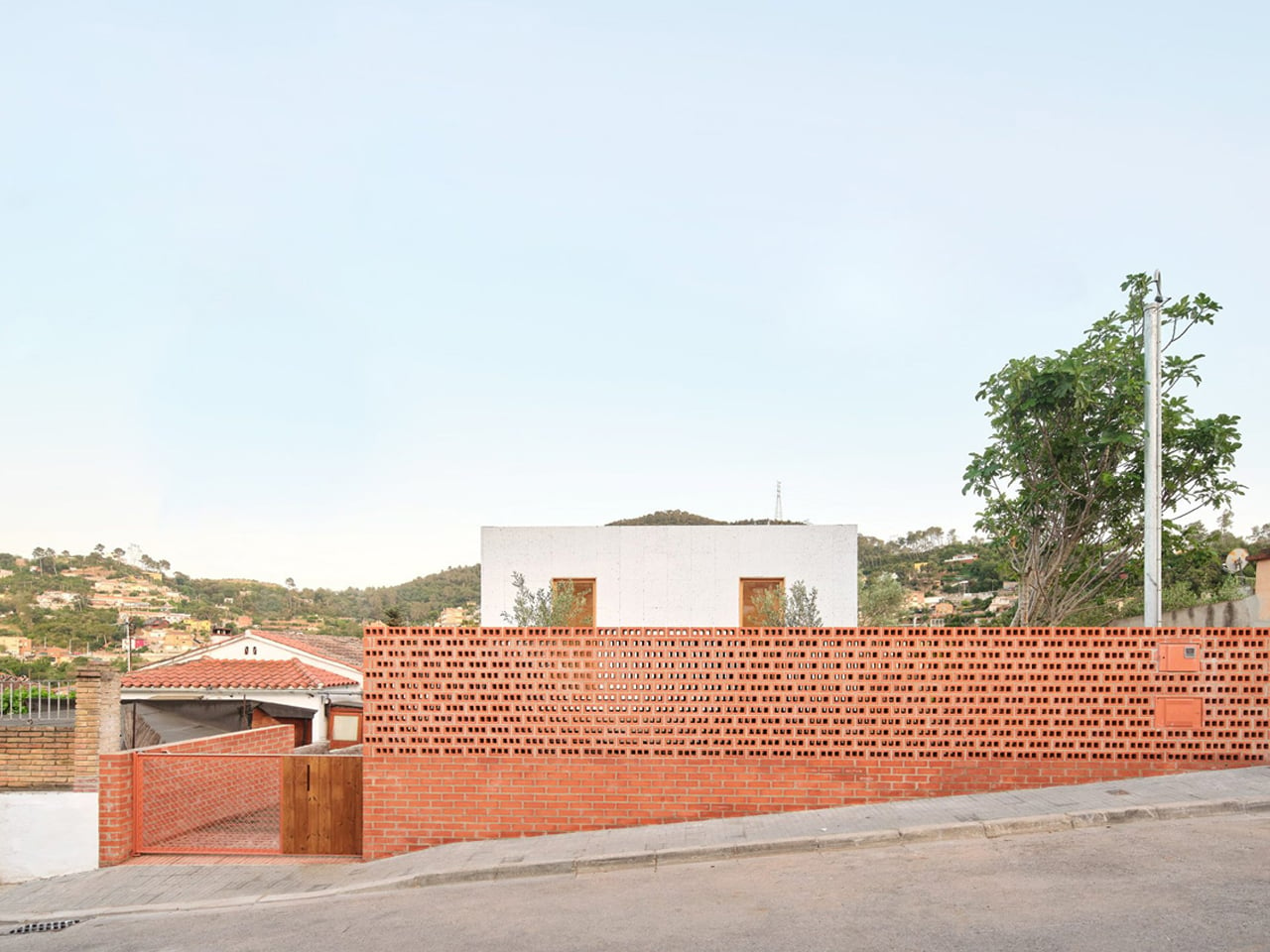
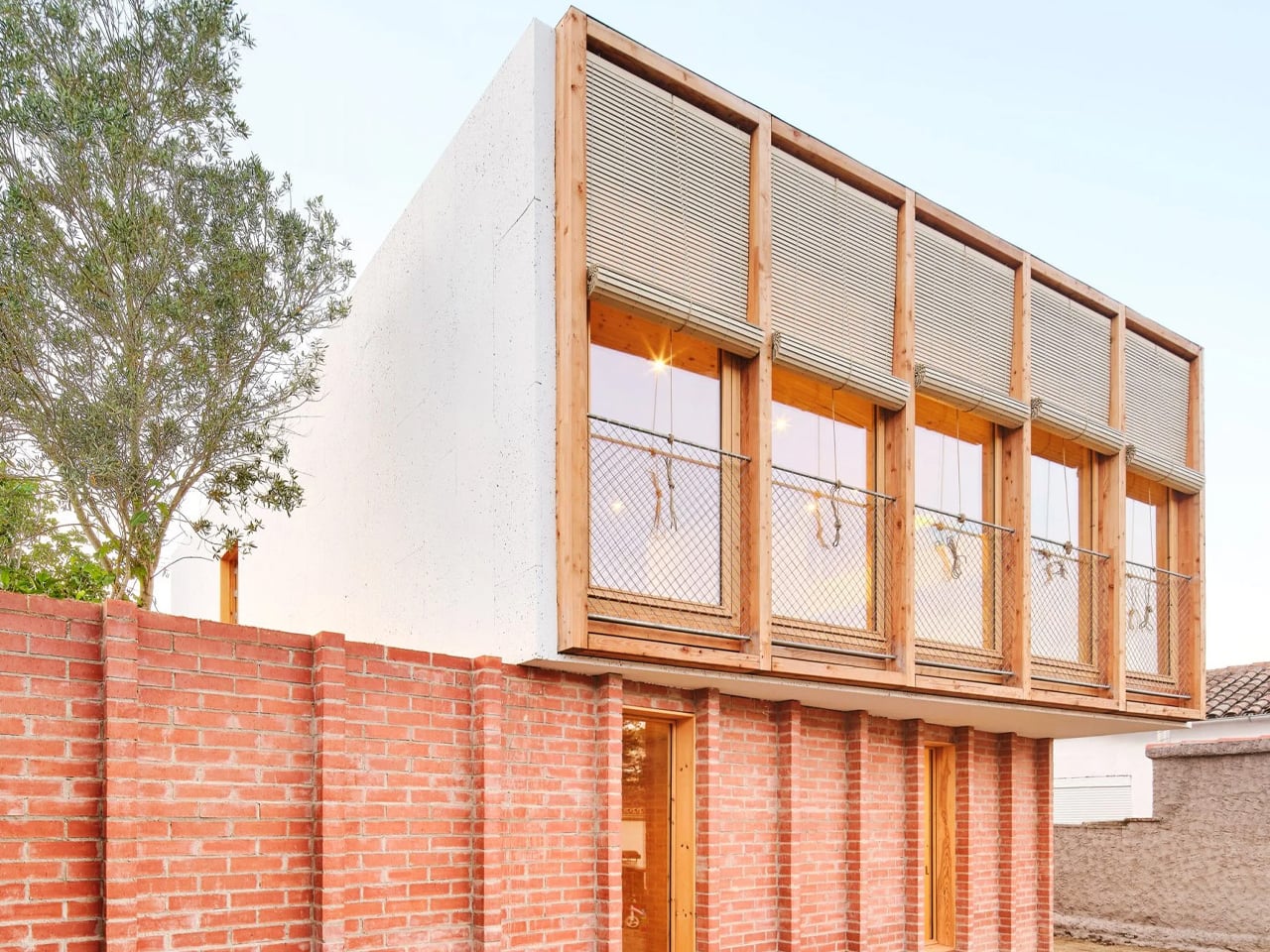
Spanish studio Agora Arquitectura redesigned a neglected agricultural site on the outskirts of Barcelona by transforming a ruined red-brick structure into the foundation for a contemporary raised home. Named House on a Brick Base, the project preserves the character of the original building while introducing a new layer of living above it. Instead of demolishing what was already there, the architects restored the old brick shell and extended its presence across the site, turning a forgotten structure into a meaningful architectural anchor.
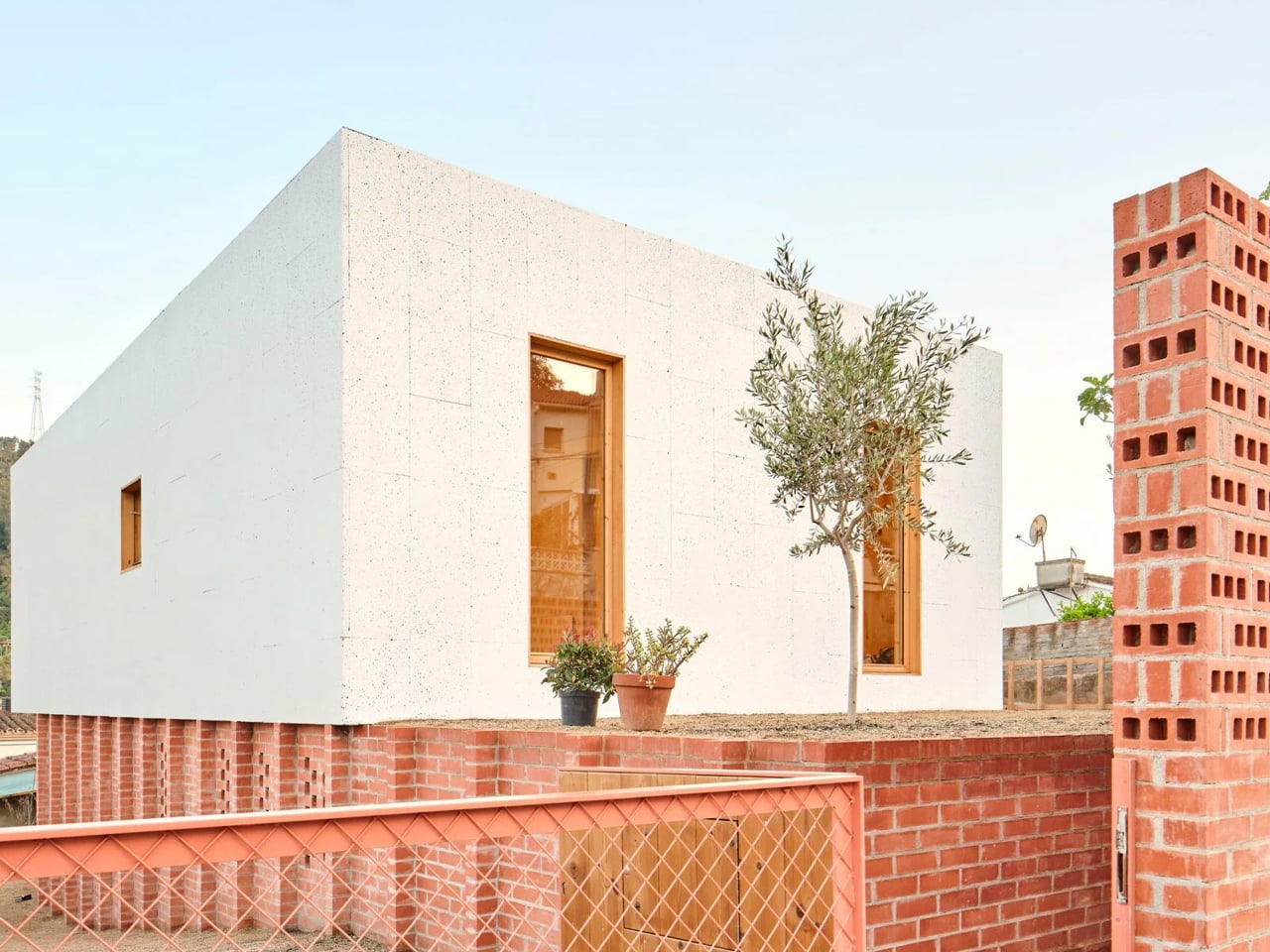
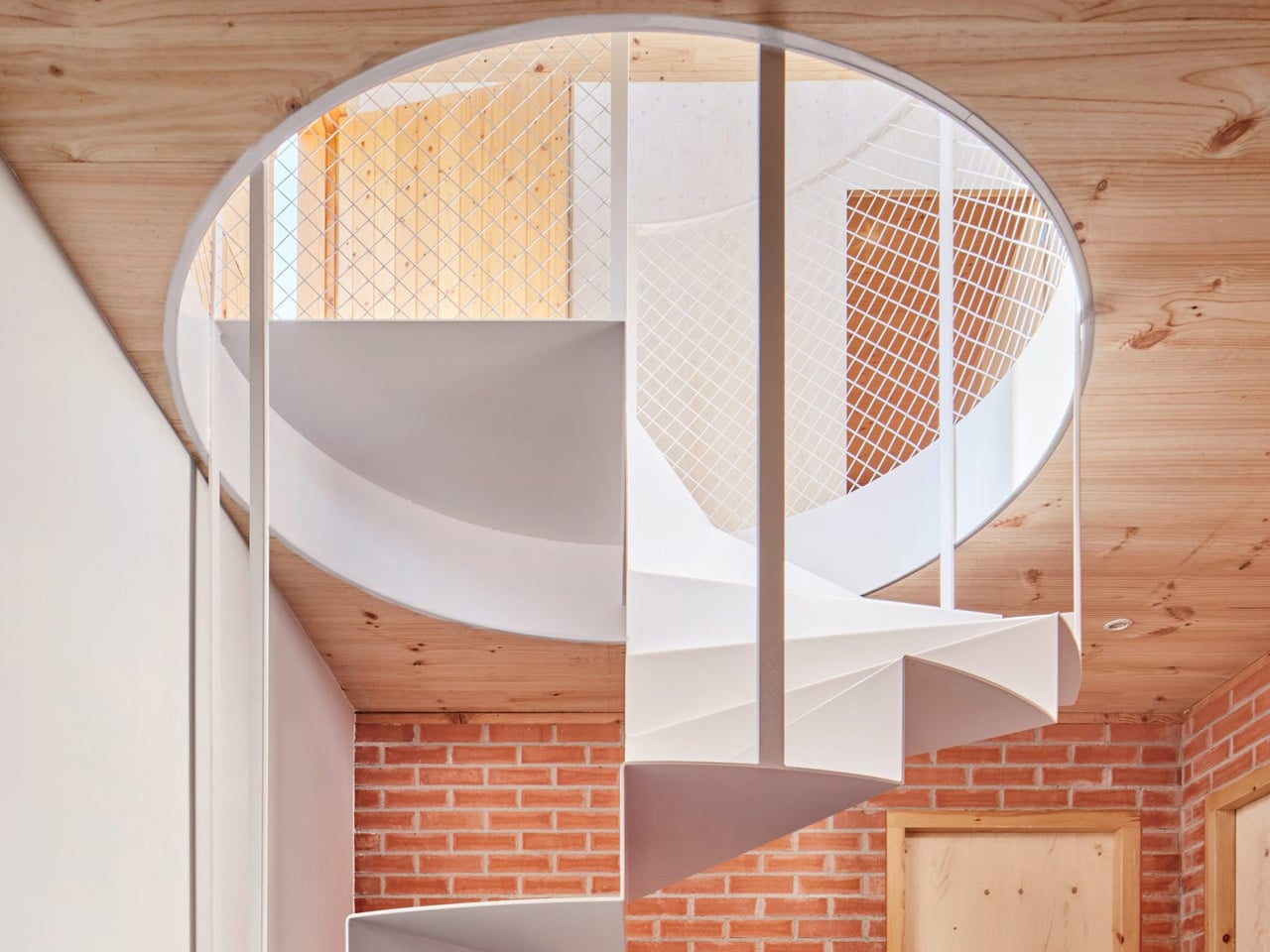
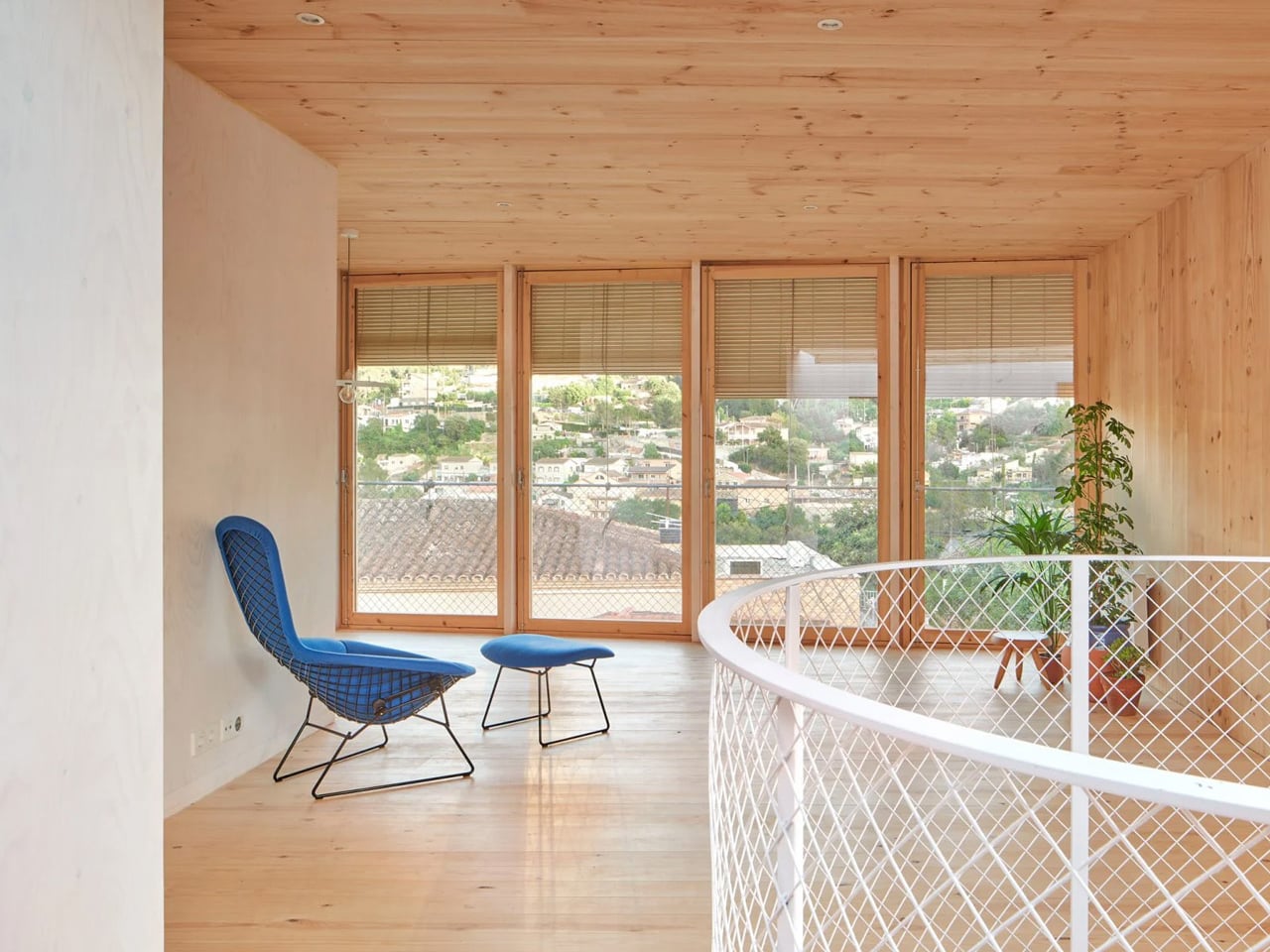
The lower brick volume is organized by two perpendicular walls that divide the interior and structurally support the timber addition above. A perforated brick boundary wall, outdoor staircases, and a sloped access route create a carefully choreographed arrival, leading visitors past a century-old olive tree before entering the home. Above, the new volume is built from prefabricated cross-laminated timber and clad in whitewashed cork, combining warmth with sustainability. Large windows, a steel spiral staircase, and a generous skylight bring daylight deep into both levels, creating a strong visual dialogue between old masonry and new timber.
2. Design Spaces That Can Change Over Time
A home built to last 100 years should not be locked into one lifestyle or one stage of life. Flexible planning makes it easier for spaces to adapt as needs change, whether that means creating a home office, adding privacy for older family members, or reworking rooms for future use. Features like non-load-bearing walls, practical room sizes, and good ceiling heights make these changes easier without major structural work. This keeps the home useful and relevant for much longer.
Adaptable design also improves everyday comfort. When the layout is planned well, rooms can shift in function without feeling awkward or disconnected. Good natural light, smart circulation, and strong core services like plumbing and electrical systems help the home work smoothly even as it evolves. Instead of becoming outdated, the house stays functional, resilient, and ready to support different ways of living over time.
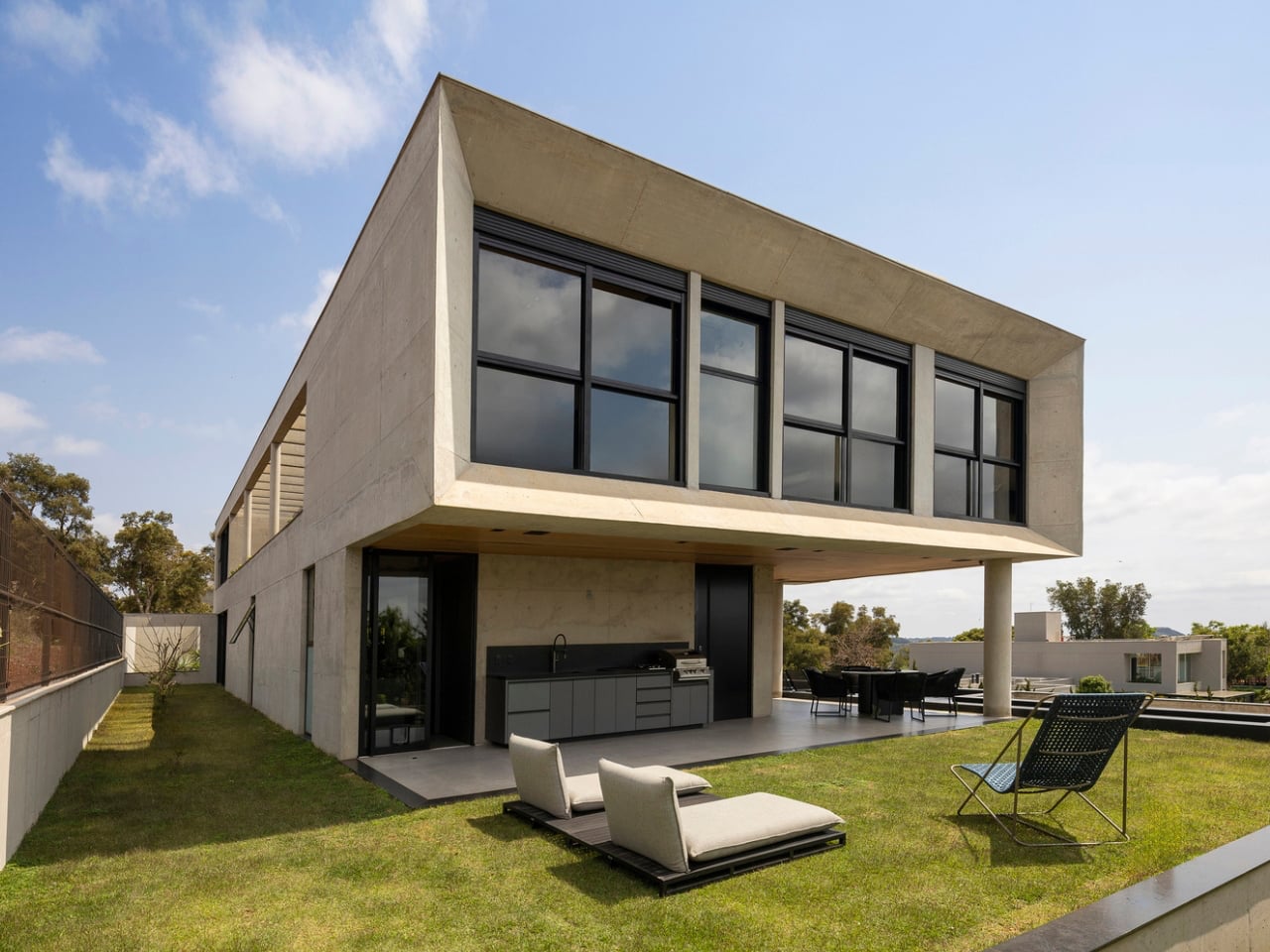
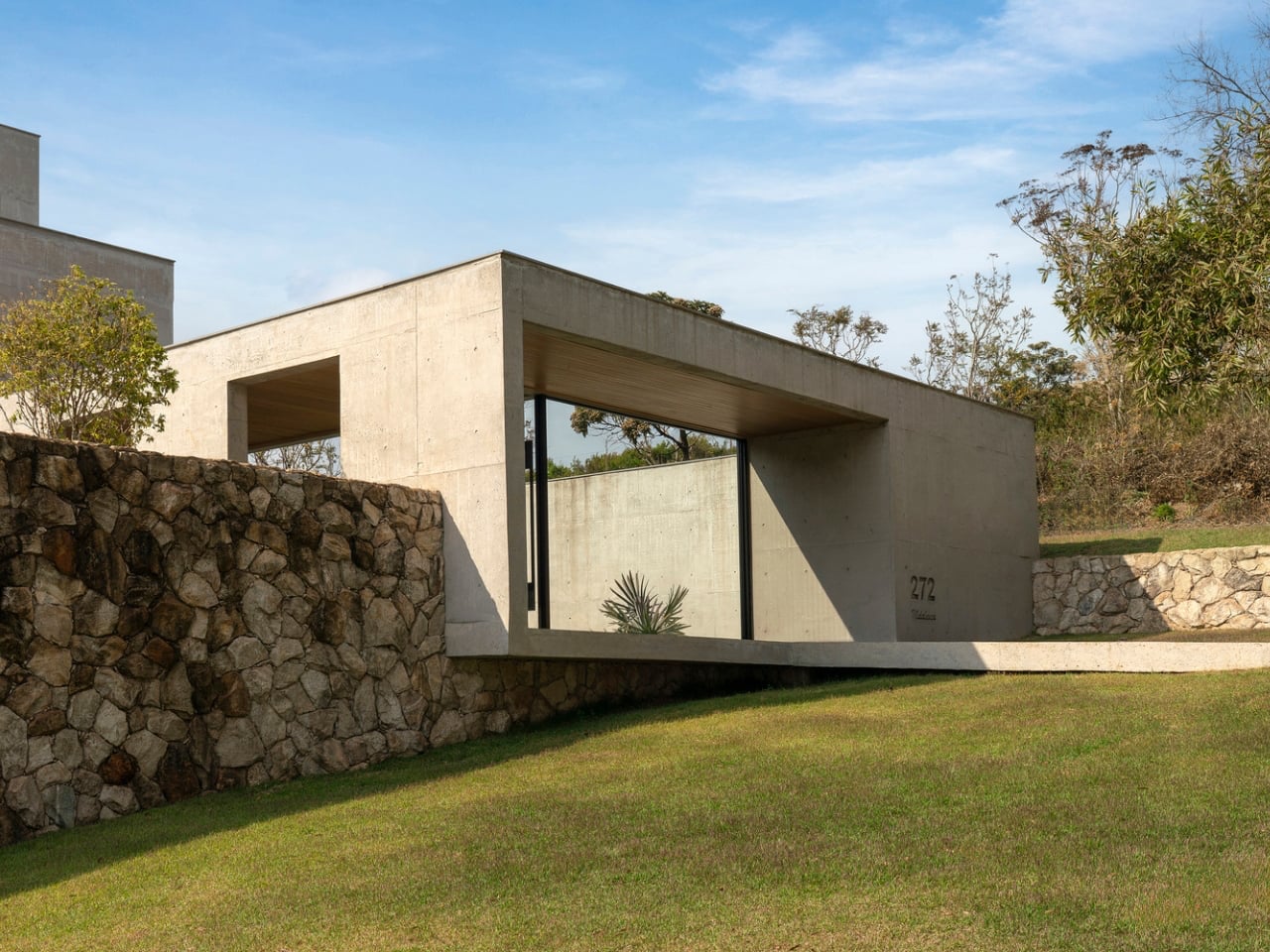
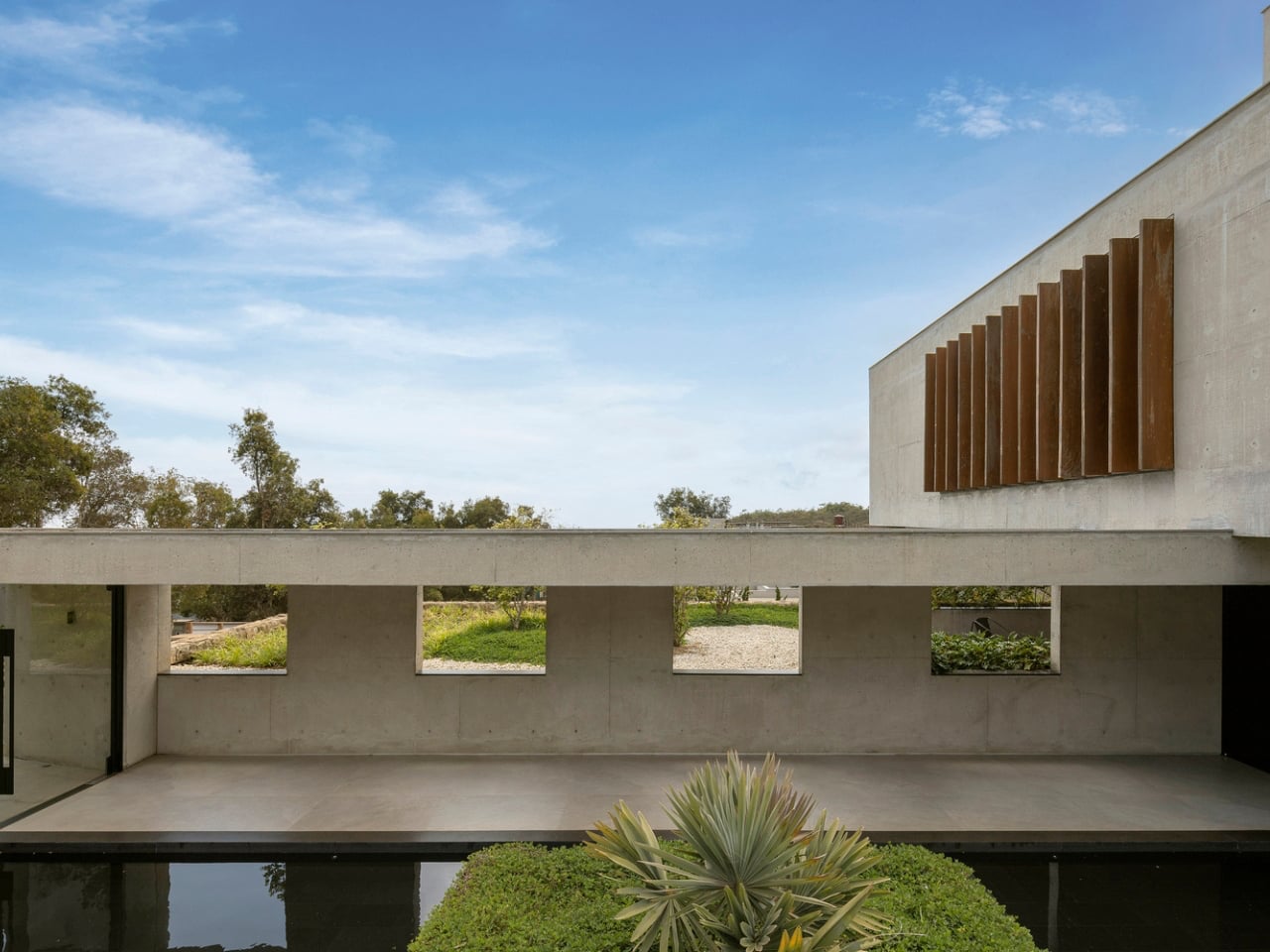
GM House by Frederico Bicalho Arquitetura shows how a flexible layout can be naturally shaped by the land itself. Set on a steep site in Minas Gerais, the home follows a long, linear plan that allows each zone to respond differently to views, sunlight, privacy, and circulation. Instead of forcing the house into a fixed or compact arrangement, the architects used the slope to create a more open and adaptable sequence of spaces that feels practical, balanced, and deeply connected to the site.
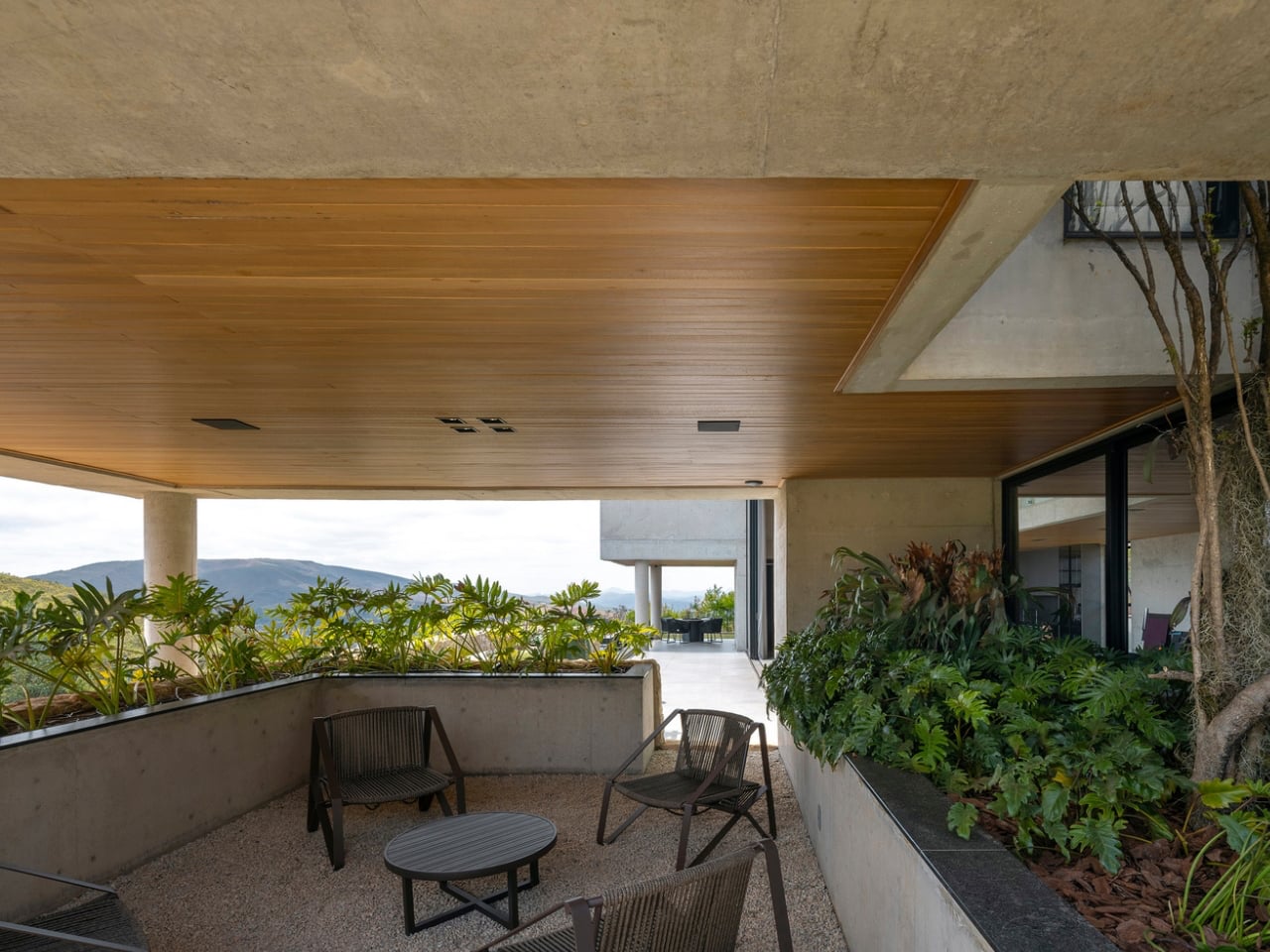
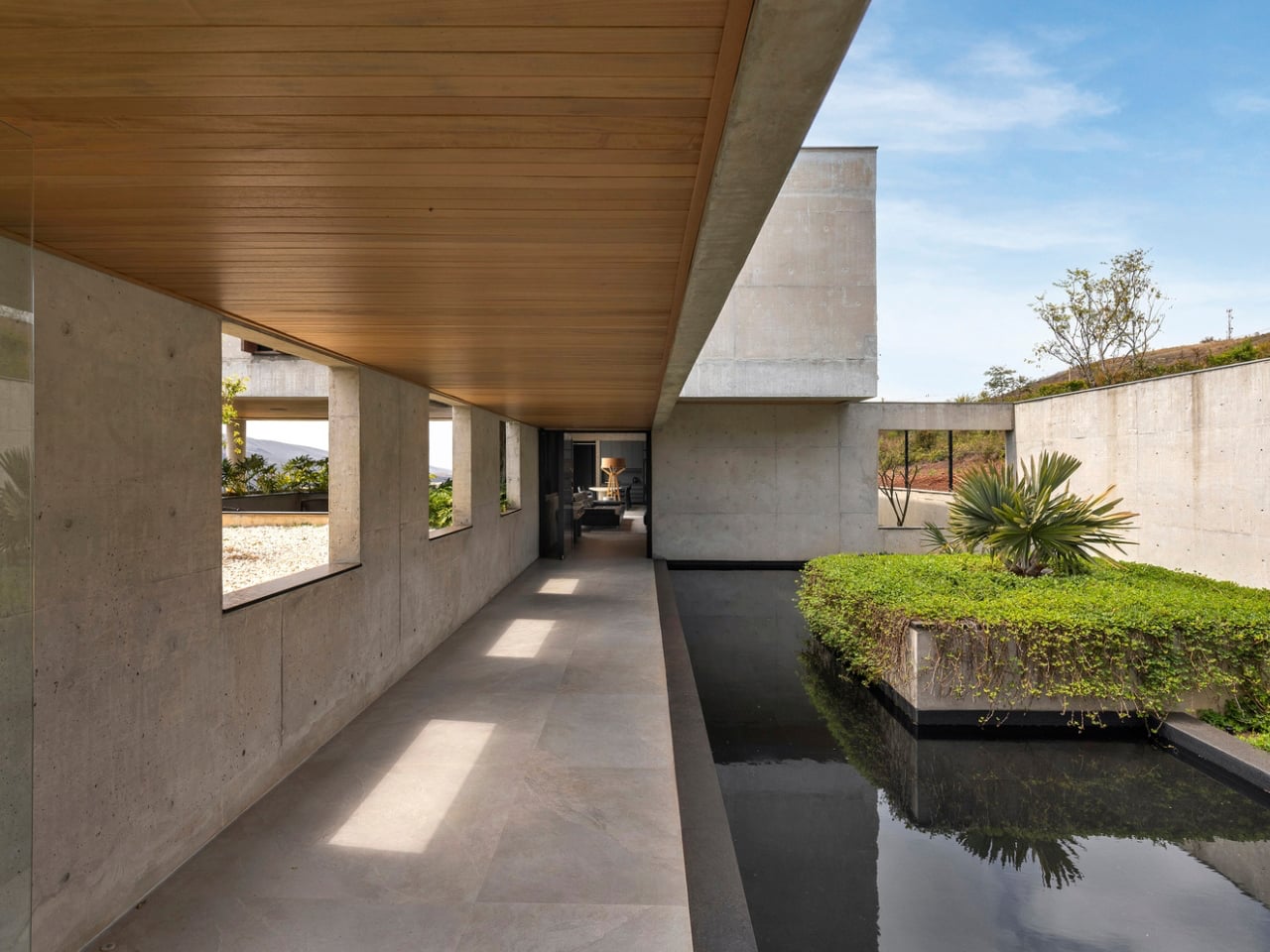
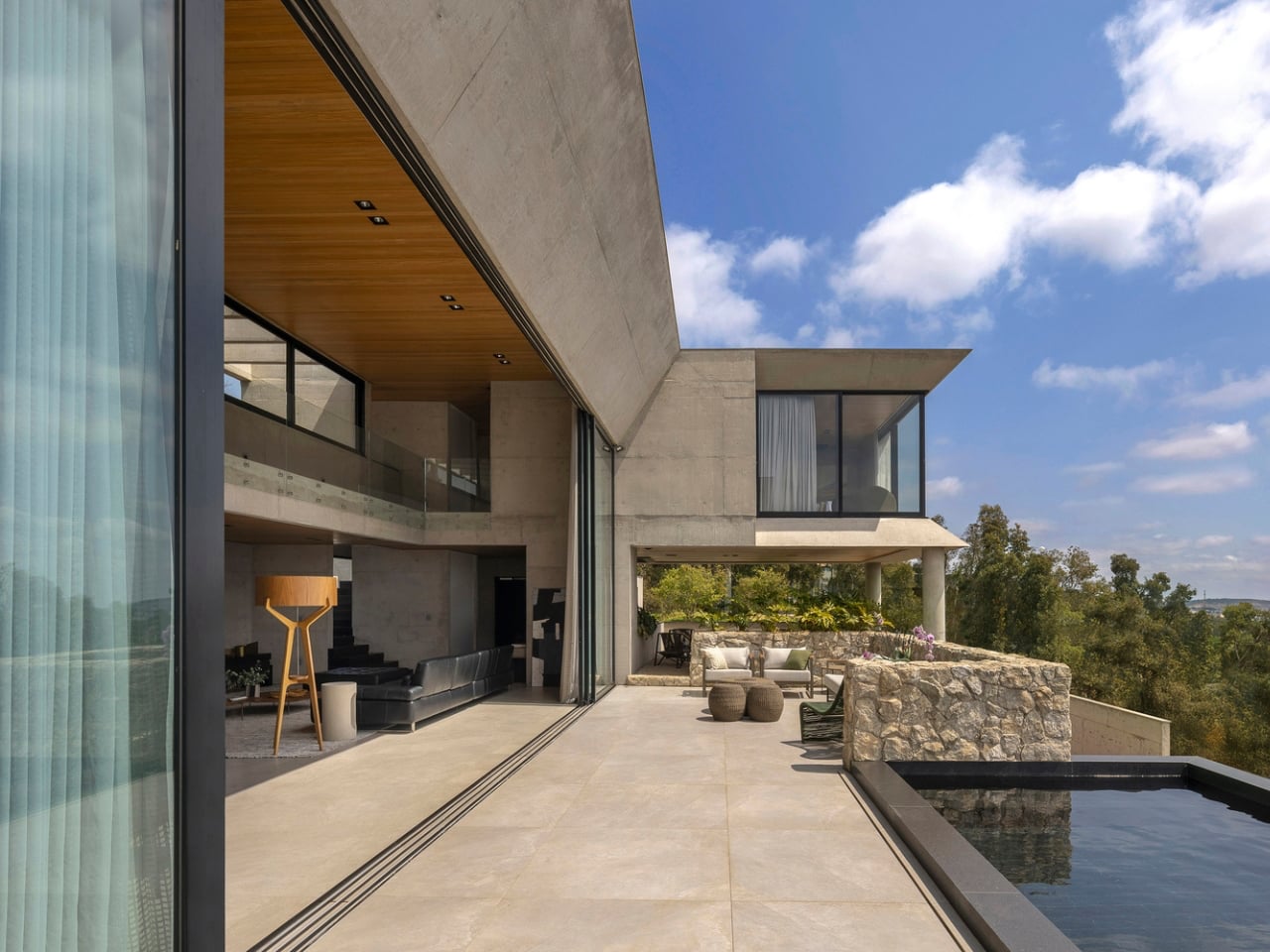
This adaptability is reflected in how the home organizes everyday living. The social areas open directly onto the veranda and pool, creating a seamless indoor-outdoor environment that can support different activities with ease. On the upper level, the bedrooms are divided into two separate volumes connected by a walkway, allowing for both privacy and connection within the same home. This thoughtful spatial arrangement gives the residence a more dynamic rhythm and shows how flexible layout planning can make architecture feel both highly functional and effortlessly livable.
3. Prioritize Comfort Through Passive Design
A home designed for the long term should stay comfortable without depending too heavily on mechanical systems. Passive design helps achieve this through better orientation, cross ventilation, shading, insulation, and materials that can naturally regulate indoor temperature. These decisions reduce energy use, lower utility costs, and make the home more resilient in the face of rising energy prices or unreliable power supply. Over time, this creates a building that performs better with less effort and fewer resources.
Passive resilience also improves the daily experience of living in a space. Rooms feel cooler in summer, warmer in winter, and more stable throughout the day without constant adjustments. Good airflow, balanced daylight, and thermal comfort create interiors that feel calm and easy to live in.
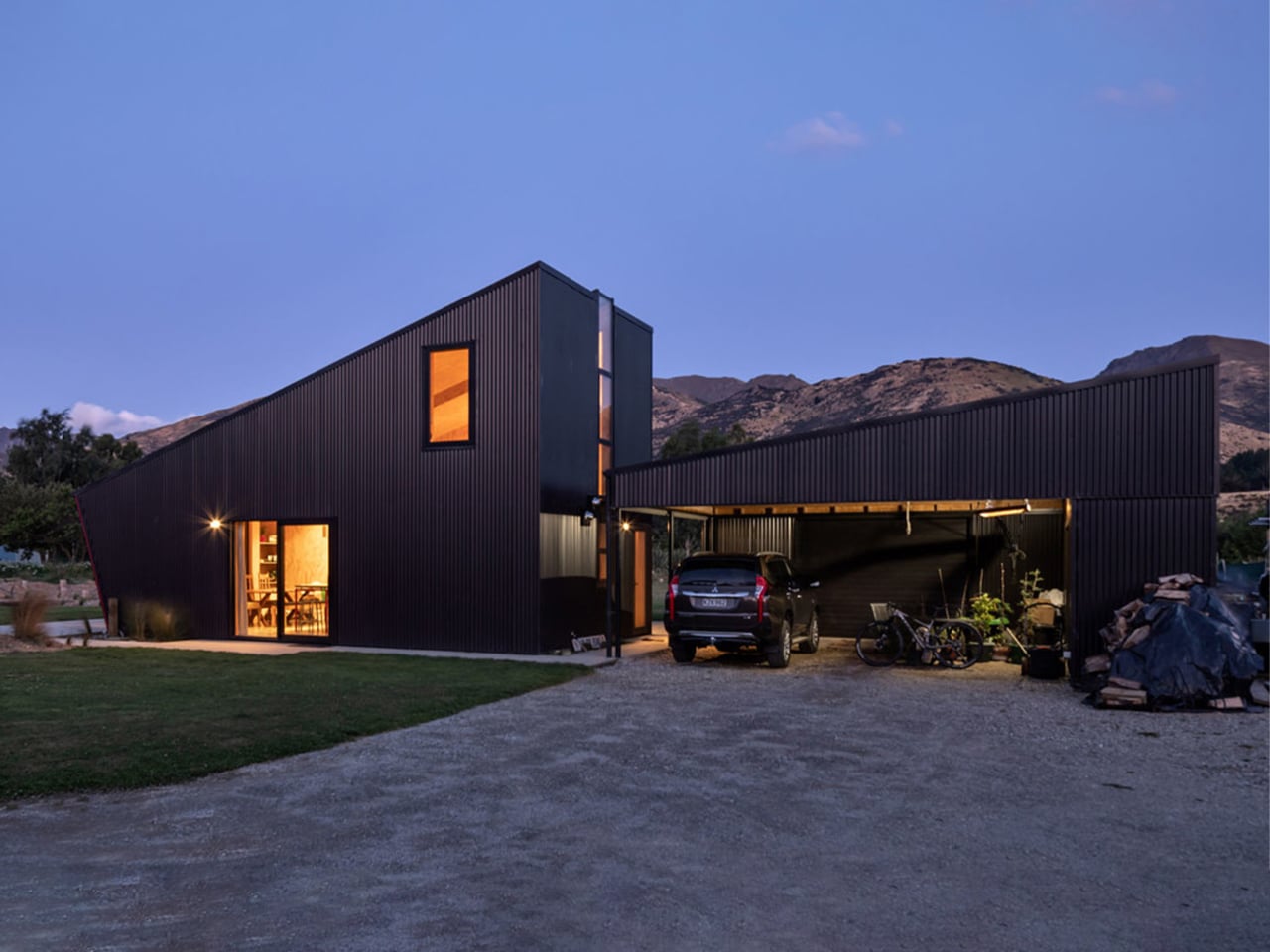
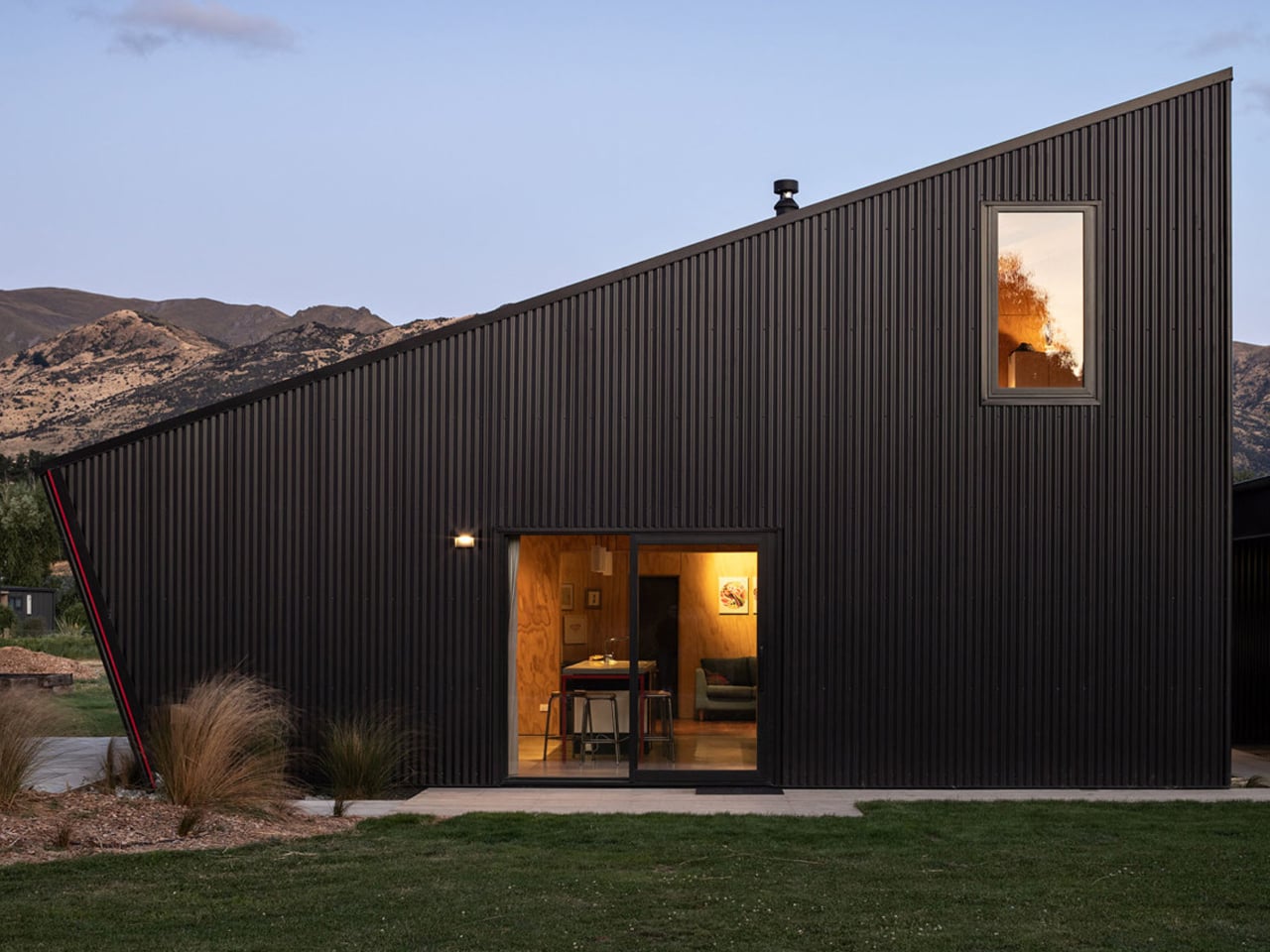
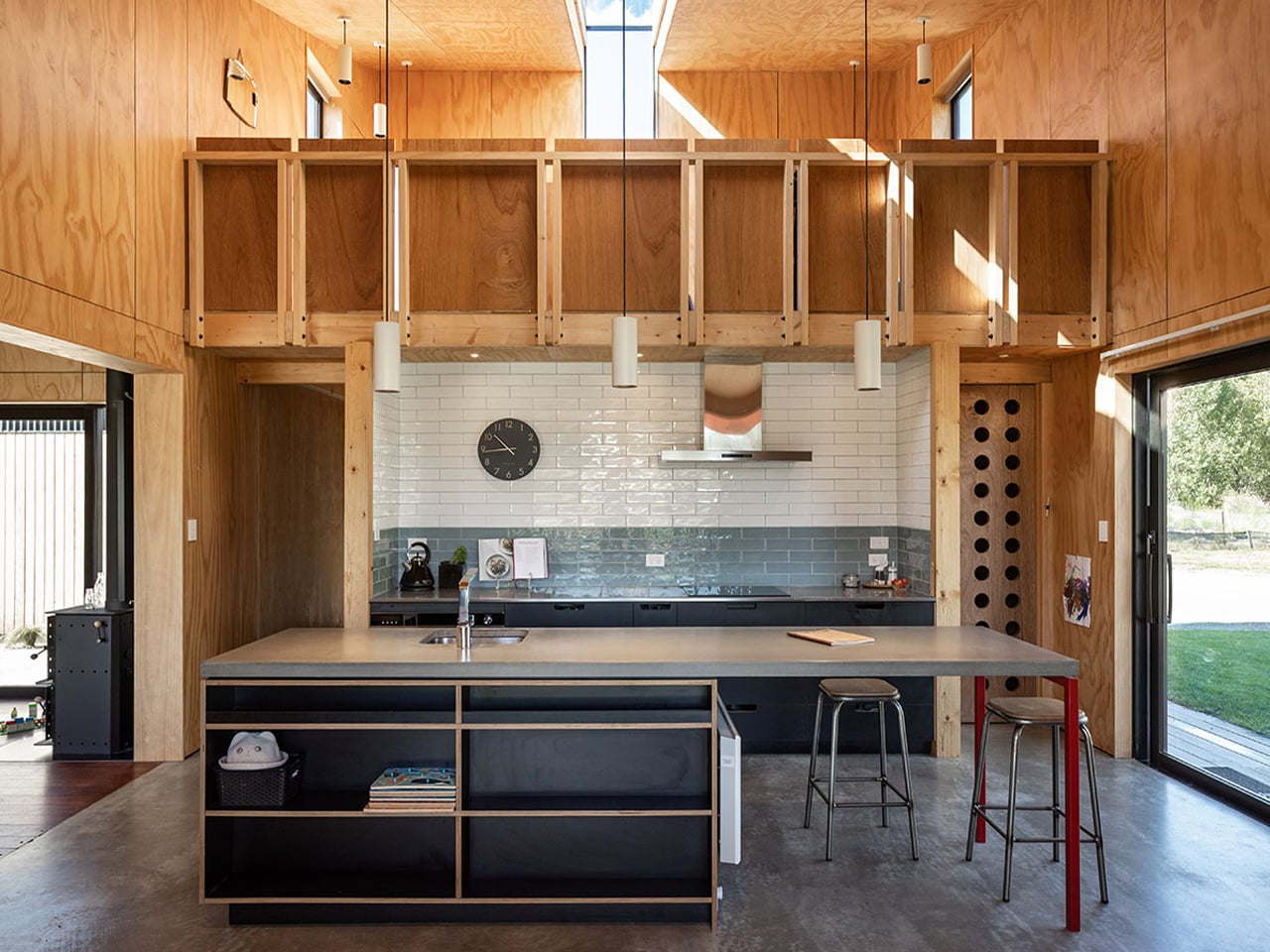
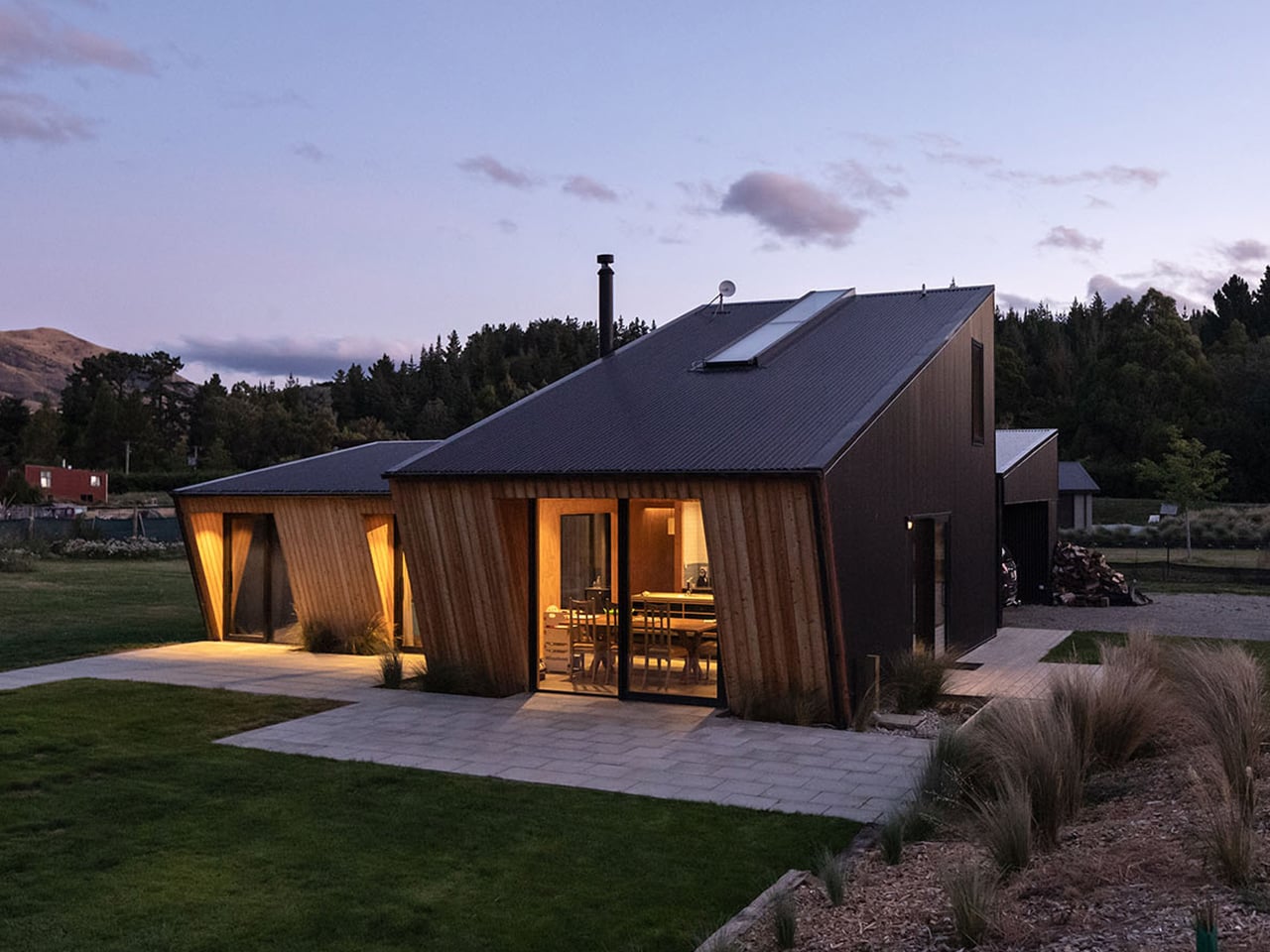
Long Grass House in New Zealand shows how a flexible layout and passive design can come together in a home that feels both practical and uplifting. Recognized by the New Zealand Institute of Architects, the house balances affordability, sustainability, and everyday comfort without sacrificing character. Its compact form helps reduce energy demand, while the angled rooflines and carefully placed overhangs improve shading and thermal performance. Designed to feel relaxed and open, the home creates a holiday-like atmosphere while still functioning as a durable, year-round family residence.
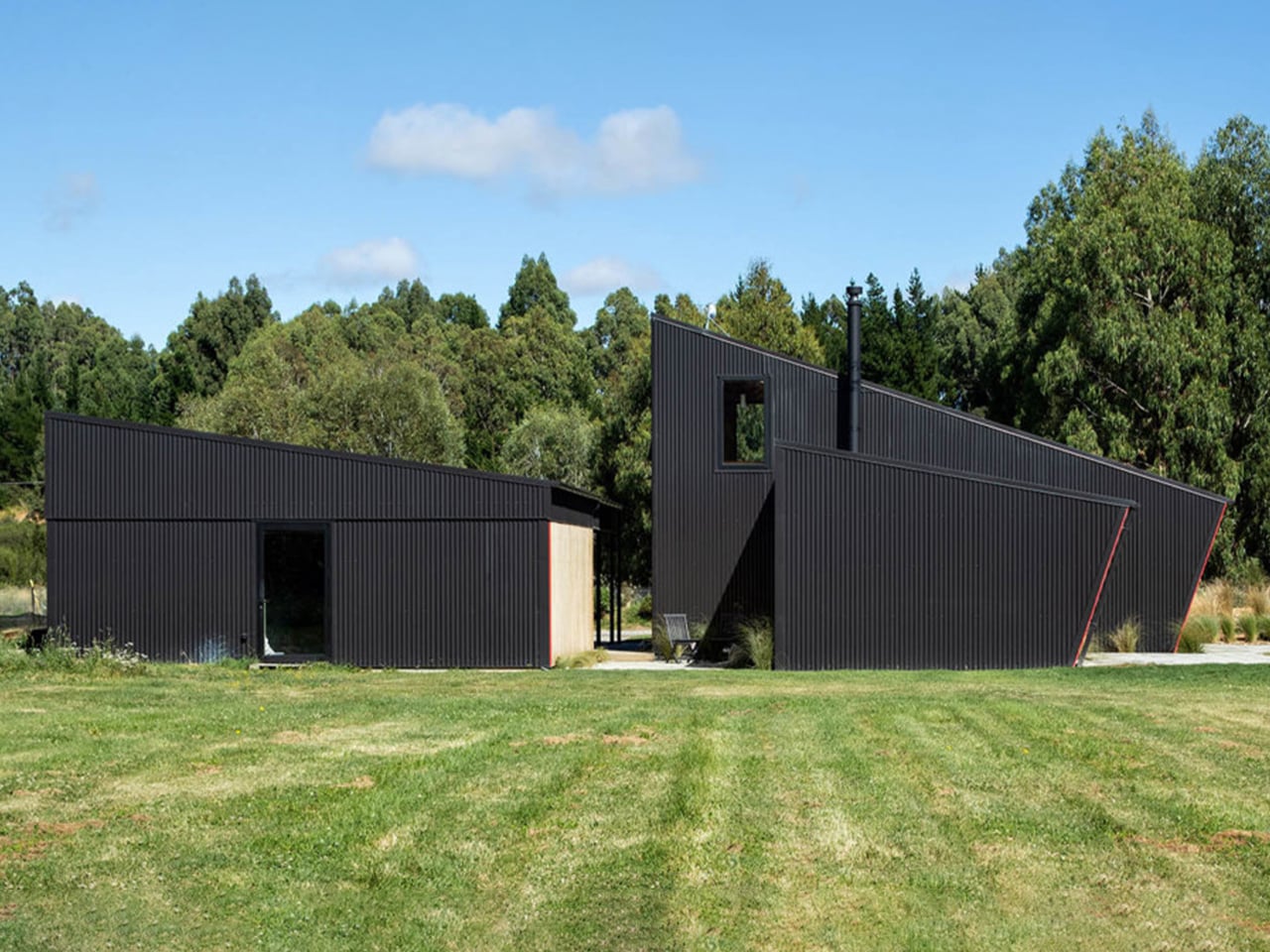
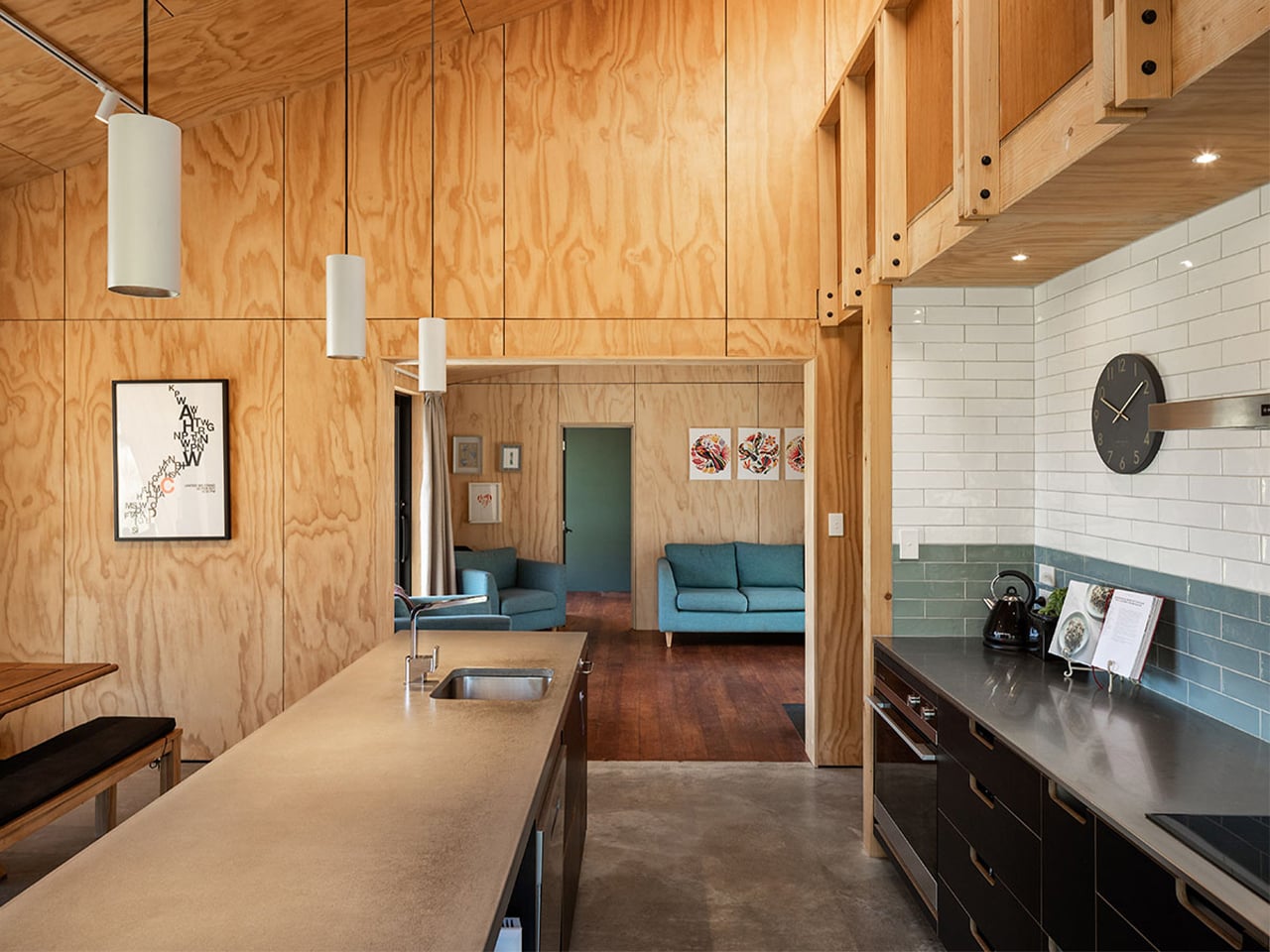
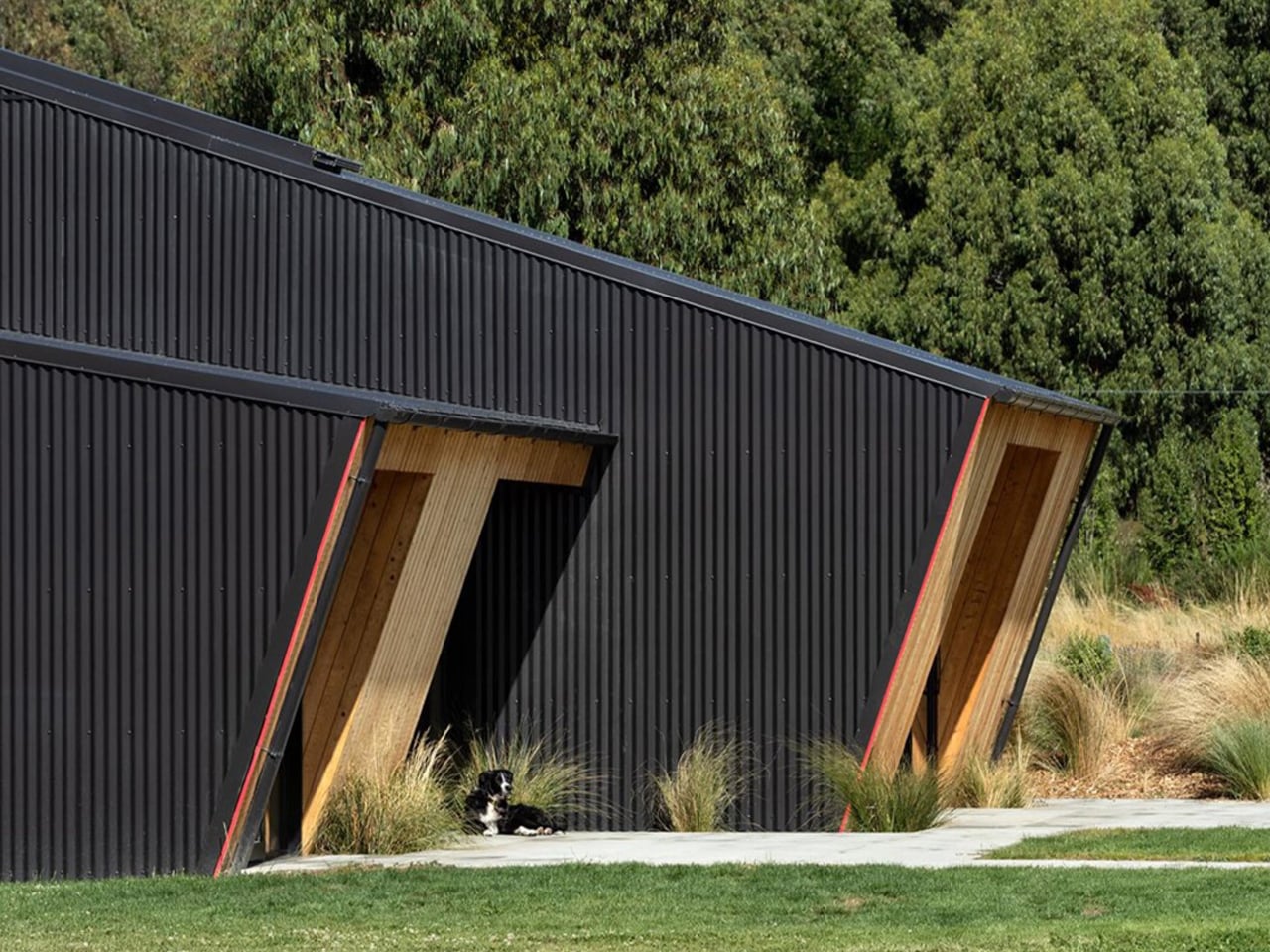
Inside, the layout is simple yet highly efficient, with spaces arranged to support changing needs over time. The bathroom, laundry, entrance, and loft are organized in a way that makes the plan feel dynamic without becoming complicated. A long skylight and vertical window bring daylight deep into the interior, while plywood finishes add warmth and visual continuity. Combined with durable steel cladding outside, the material palette keeps the house low-maintenance, cost-effective, and built to adapt gracefully to family life over the years.
4. Create a Design That Will Not Date Quickly
A 100-year home should not be built around short-lived trends that feel outdated within a decade. Lasting design comes from strong proportions, balanced layouts, quality finishes, and details that remain relevant over time. Instead of chasing what is popular for the moment, the focus should be on choices that continue to look good and function well across changing tastes. This helps protect the long-term value of the property and reduces the need for frequent cosmetic updates or renovations.
Timeless spaces also feel more comfortable to live in every day. Natural light, simple forms, and carefully chosen materials create interiors that stay calm, elegant, and adaptable rather than overly styled or visually exhausting. When a home is designed with restraint and clarity, it remains easier to maintain, update subtly, and is far more likely to be appreciated by future generations without needing to be completely redesigned.
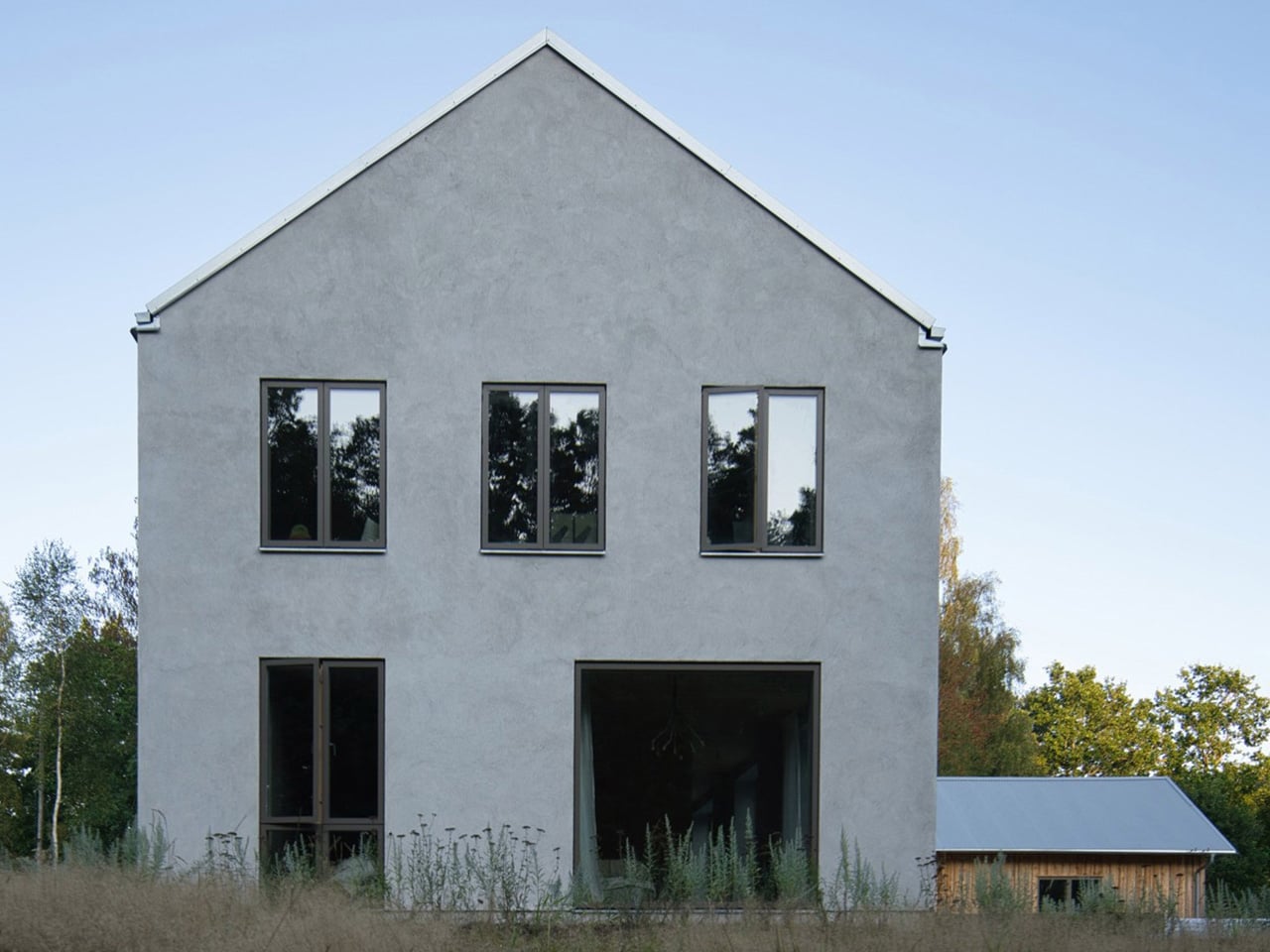
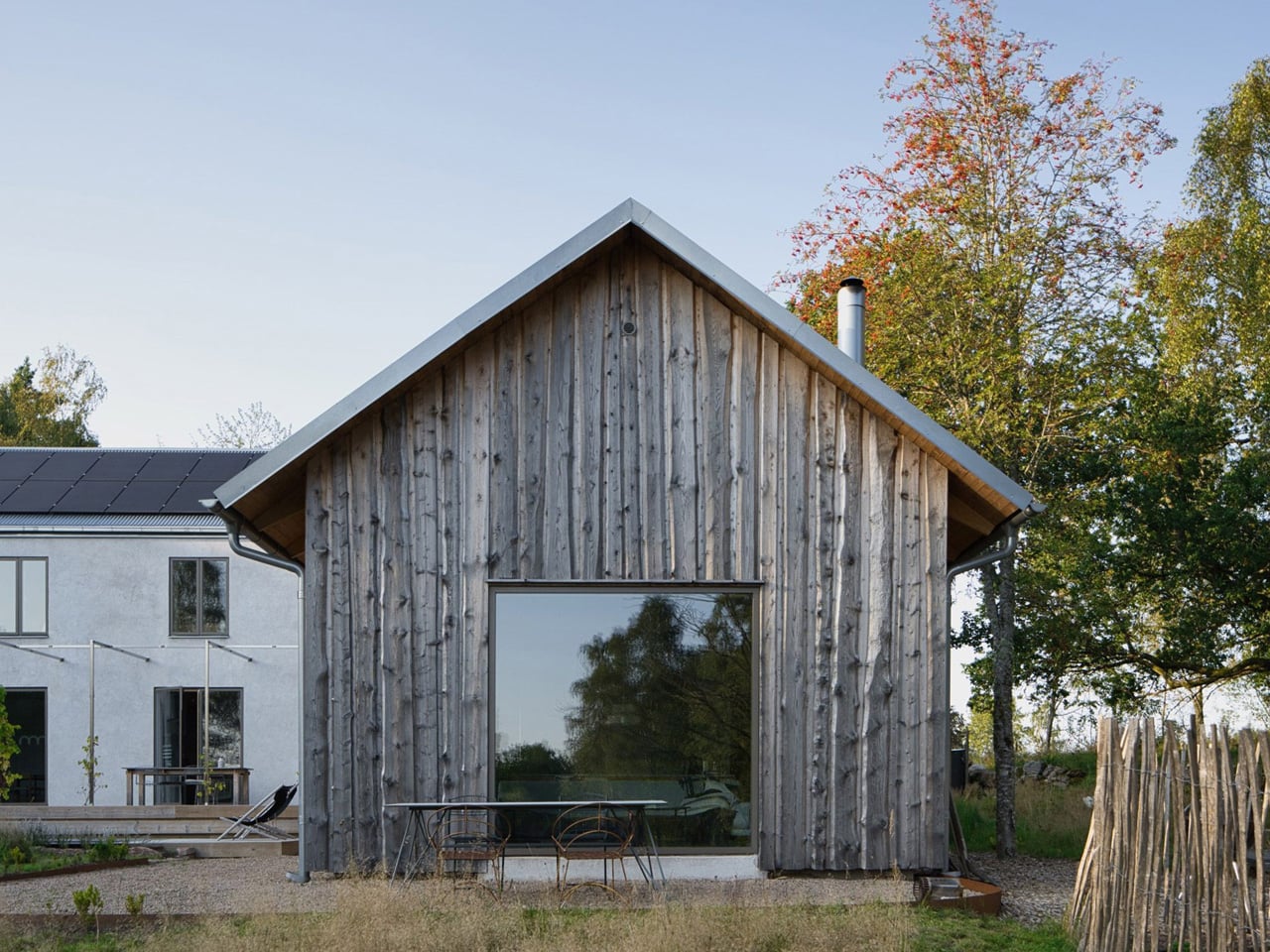
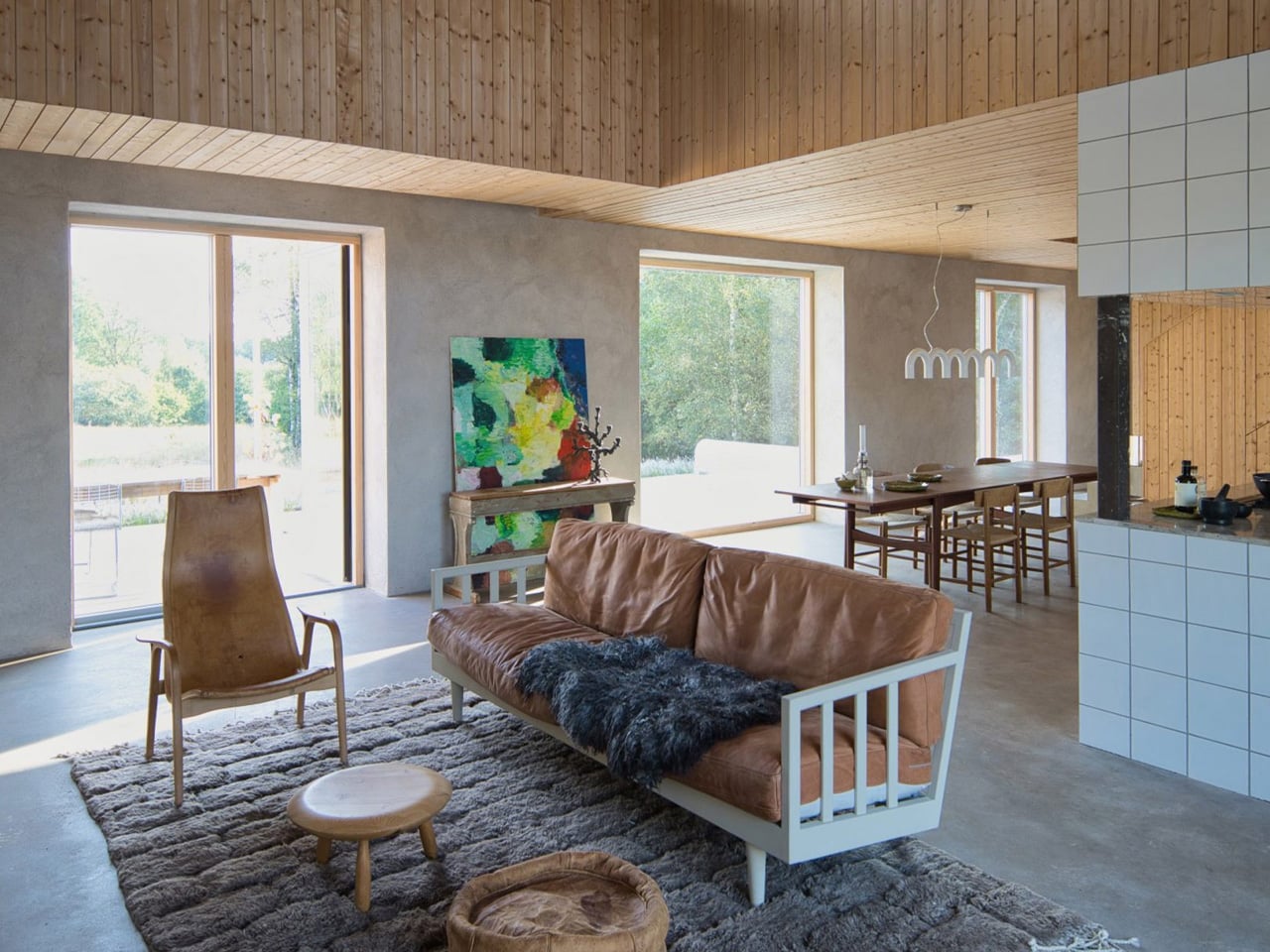
House Hökarn by Per Bornstein is a strong example of timeless design, where simplicity, proportion, and material honesty take priority over visual trends. Set within a meadow in Floda, the home feels calm, restrained, and deeply connected to its landscape. Its minimalist expression does not aim to impress through excess, but through balance and permanence. By avoiding unnecessary gestures and focusing on enduring architectural fundamentals, the house achieves a quiet character that is more likely to remain relevant and beautiful over time.
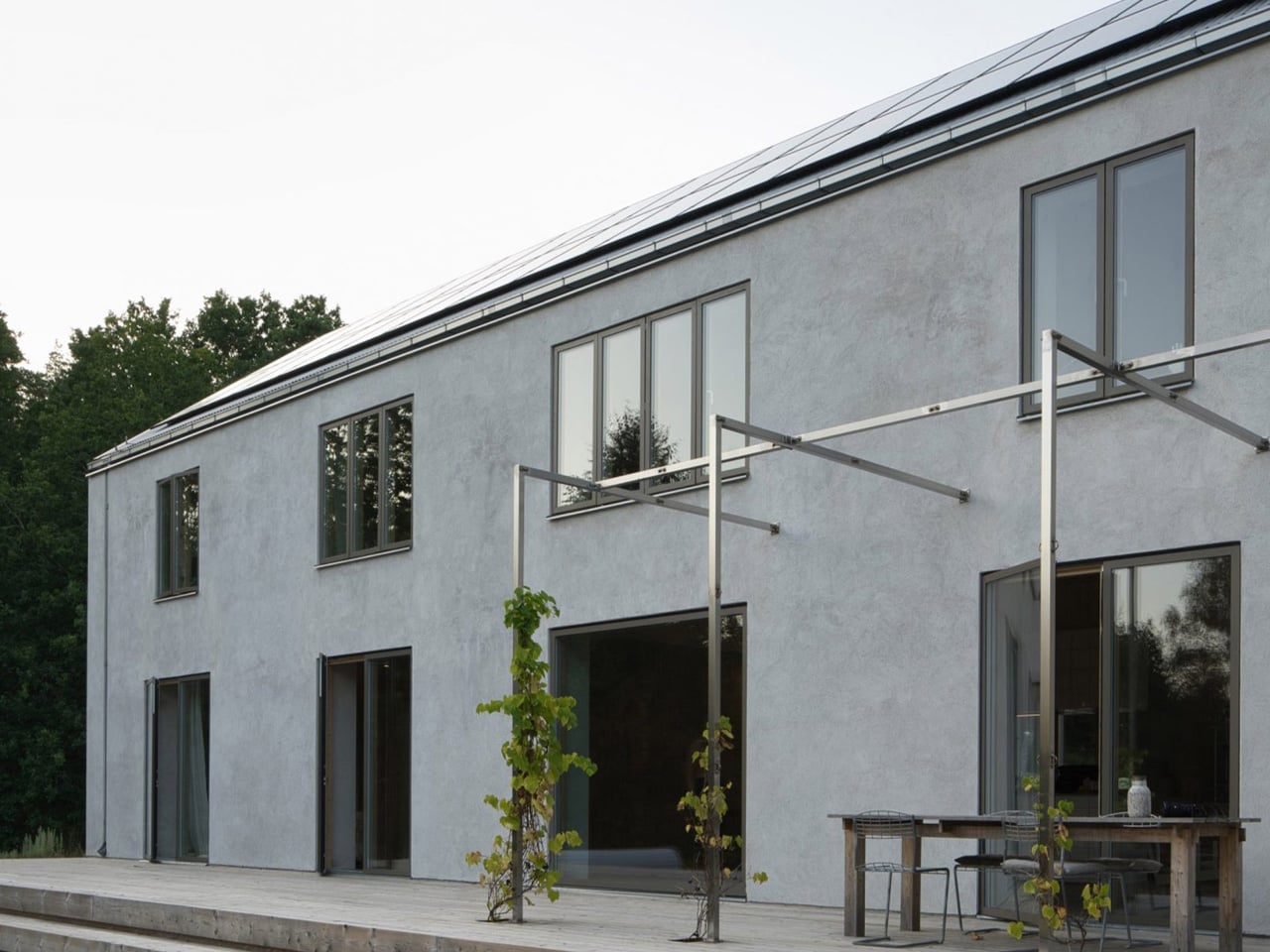
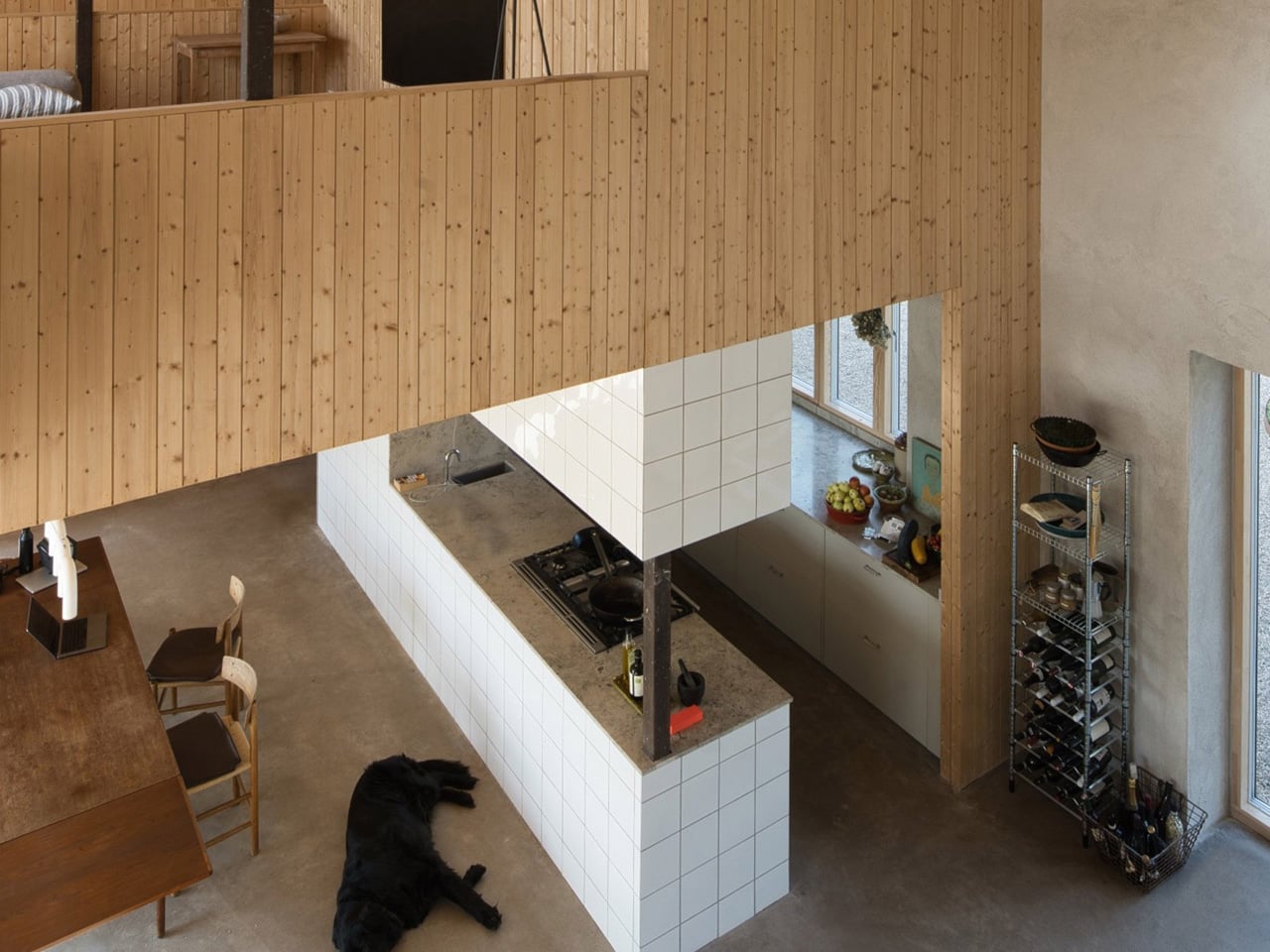
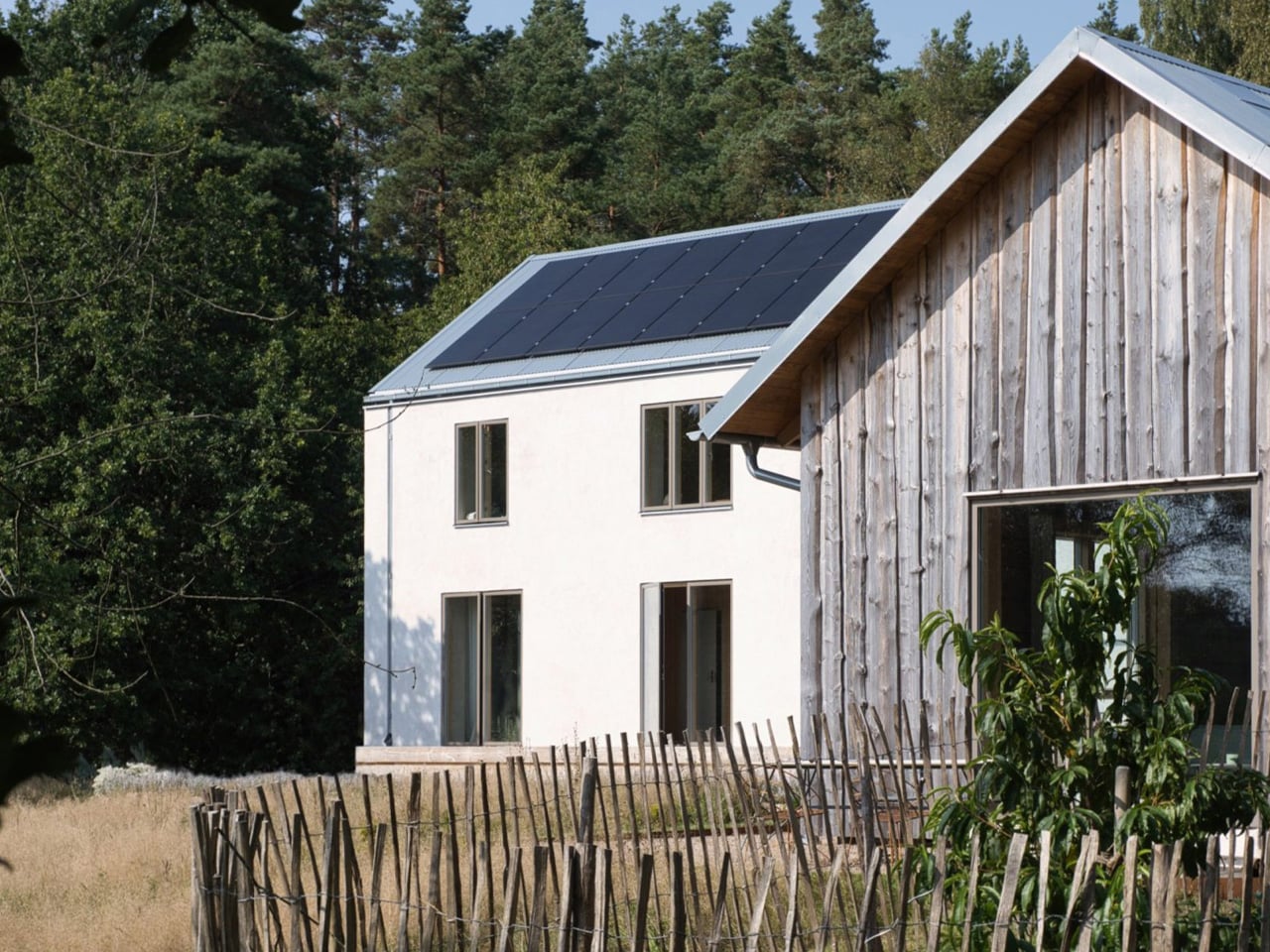
This sense of longevity is reinforced through a carefully considered material palette and clear spatial planning. Lime-plastered walls, pine timber interiors, and precisely integrated concrete and steel create a home that feels contemporary and lasting. Natural light, framed forest views, and seamless room transitions further support an atmosphere that is serene rather than overstated. Together, these elements show how timeless design can create architecture that feels deeply livable today while still holding its value and appeal well into the future.
5. Plan the Landscape to Mature with the Home
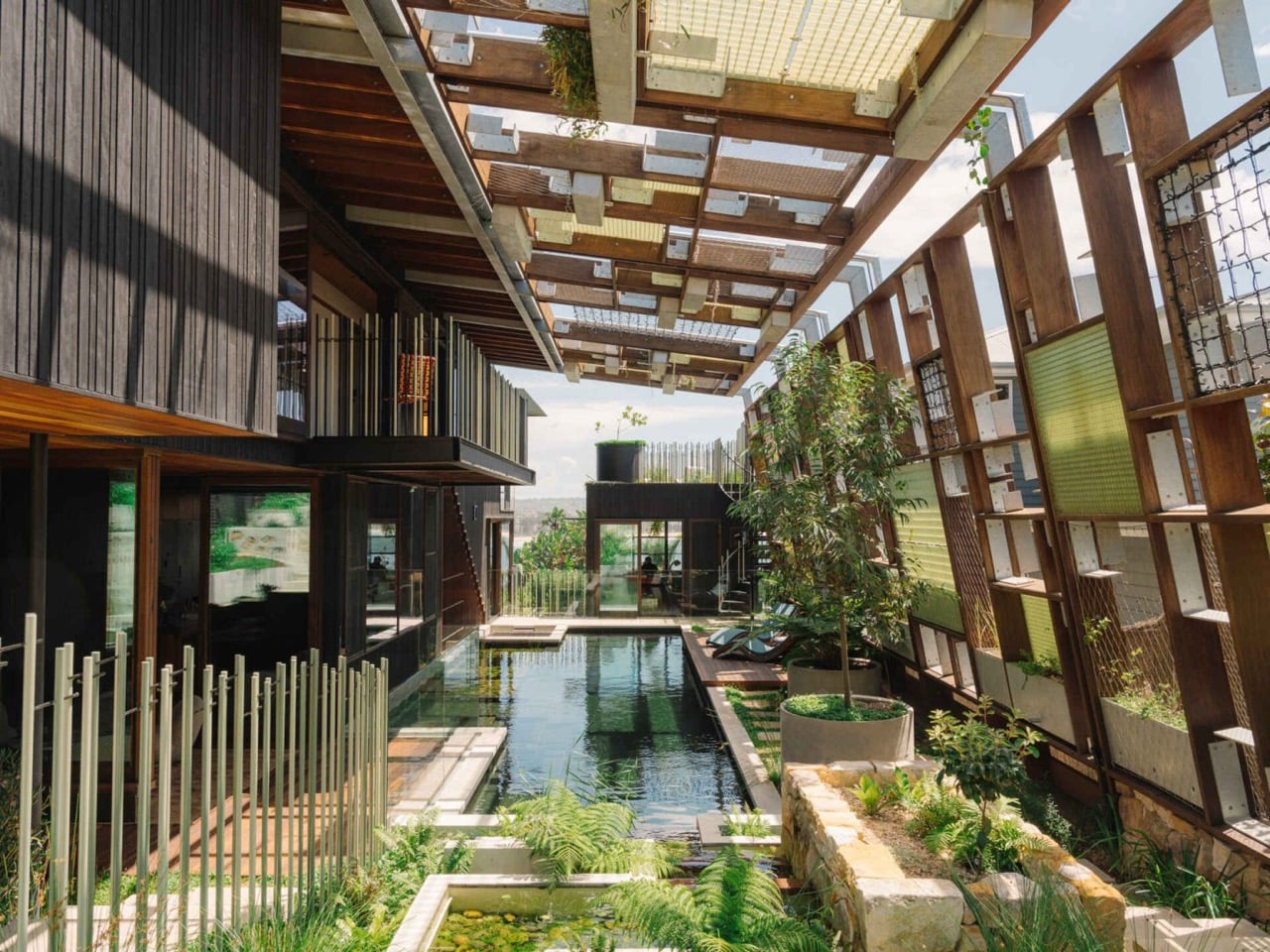
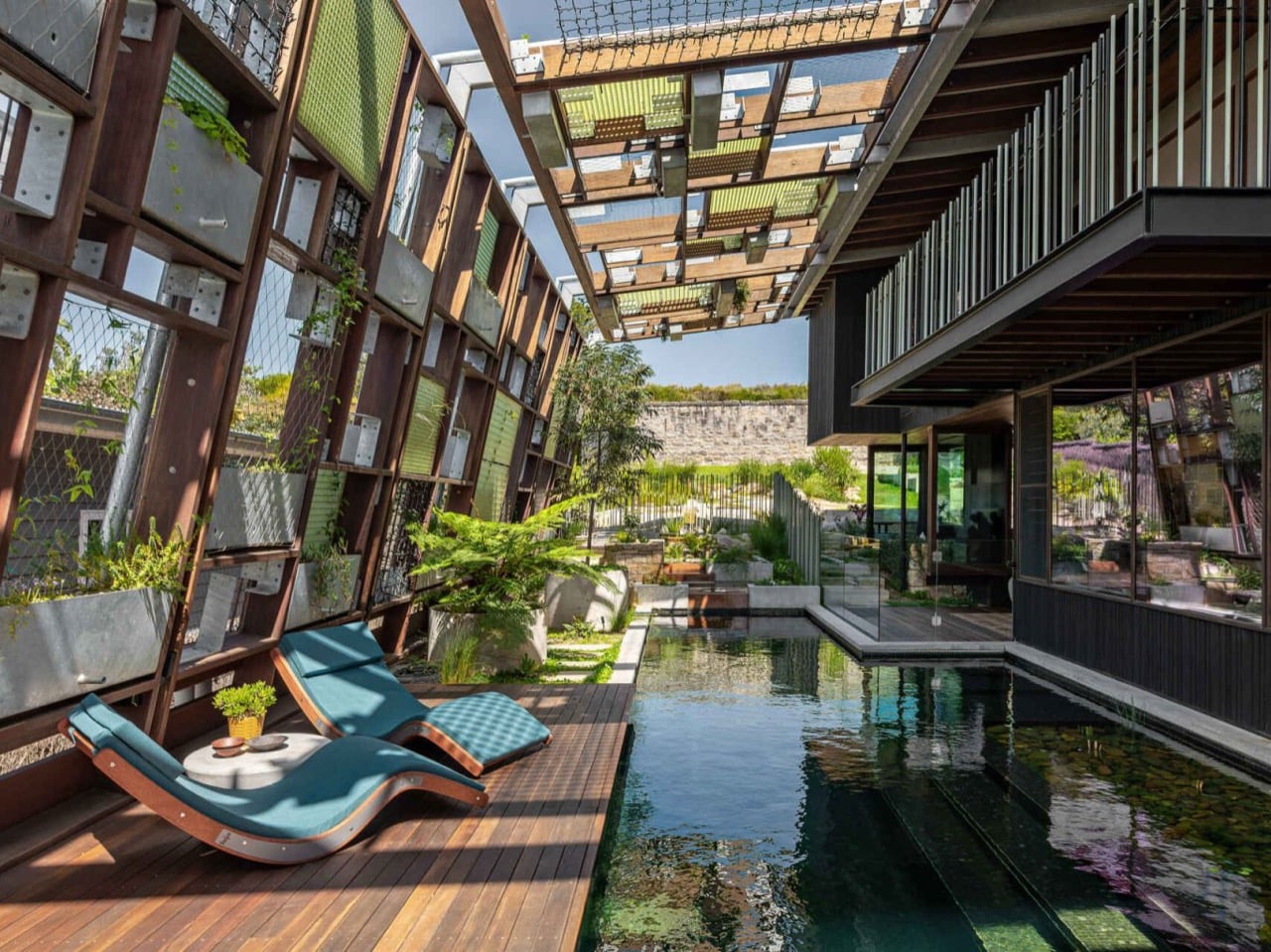
A home designed for 100 years should include a landscape strategy that improves with time, not just at handover. Trees, native planting, shaded outdoor areas, water-sensitive planning, and healthy soil can all strengthen the long-term performance of the property. As the landscape matures, it can provide natural cooling, privacy, wind protection, and better biodiversity. This makes the site more resilient while also increasing the everyday usability and long-term value of the home.
A well-planned landscape also changes how the home is experienced. Views from inside become more meaningful, outdoor spaces feel more comfortable, and the property develops character year after year. Instead of treating the garden as decoration, this approach sees it as part of the architecture itself. When the built form and landscape are planned together, the result is a home that feels more grounded, more livable, and more connected to its environment over time.
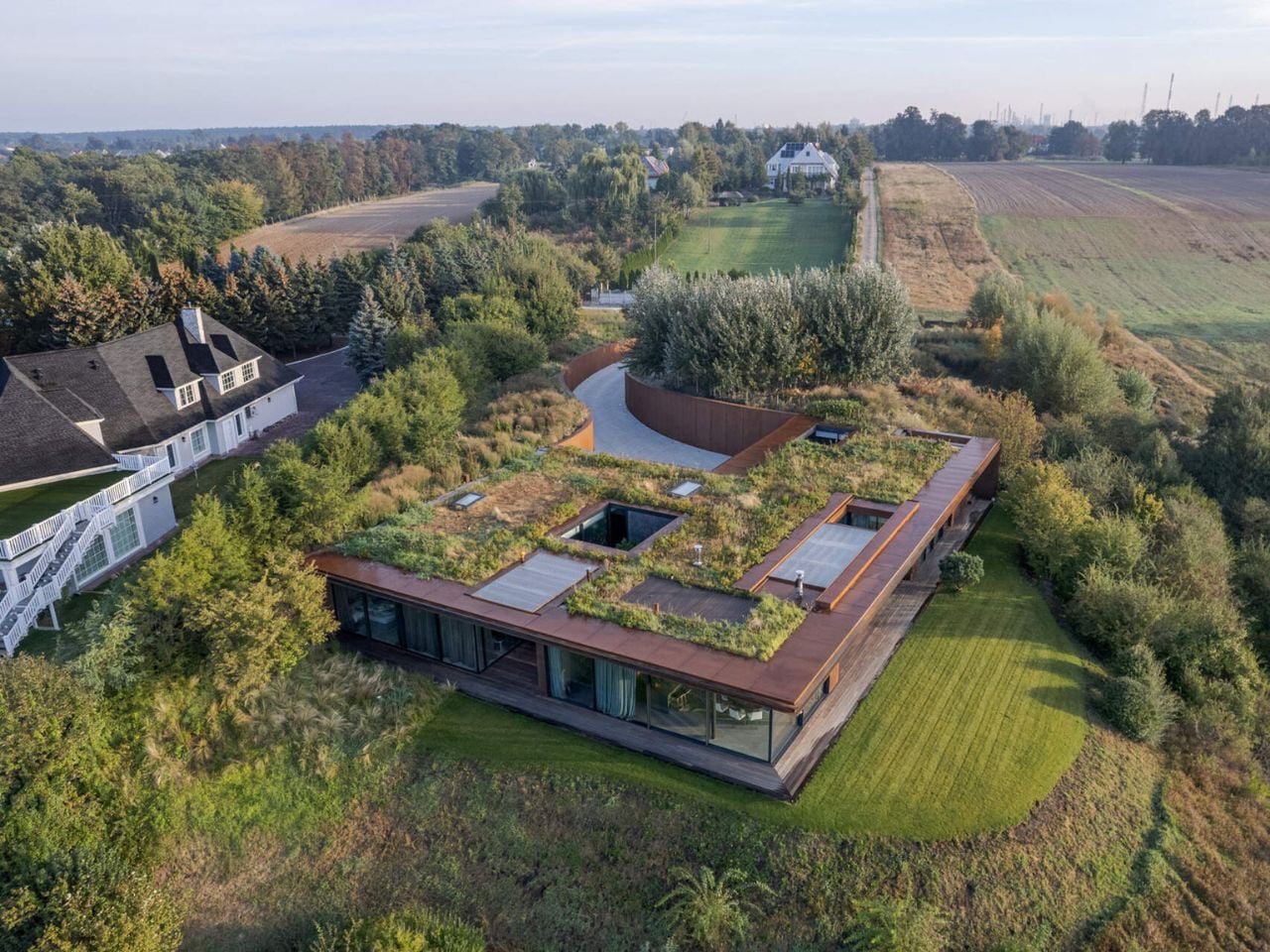
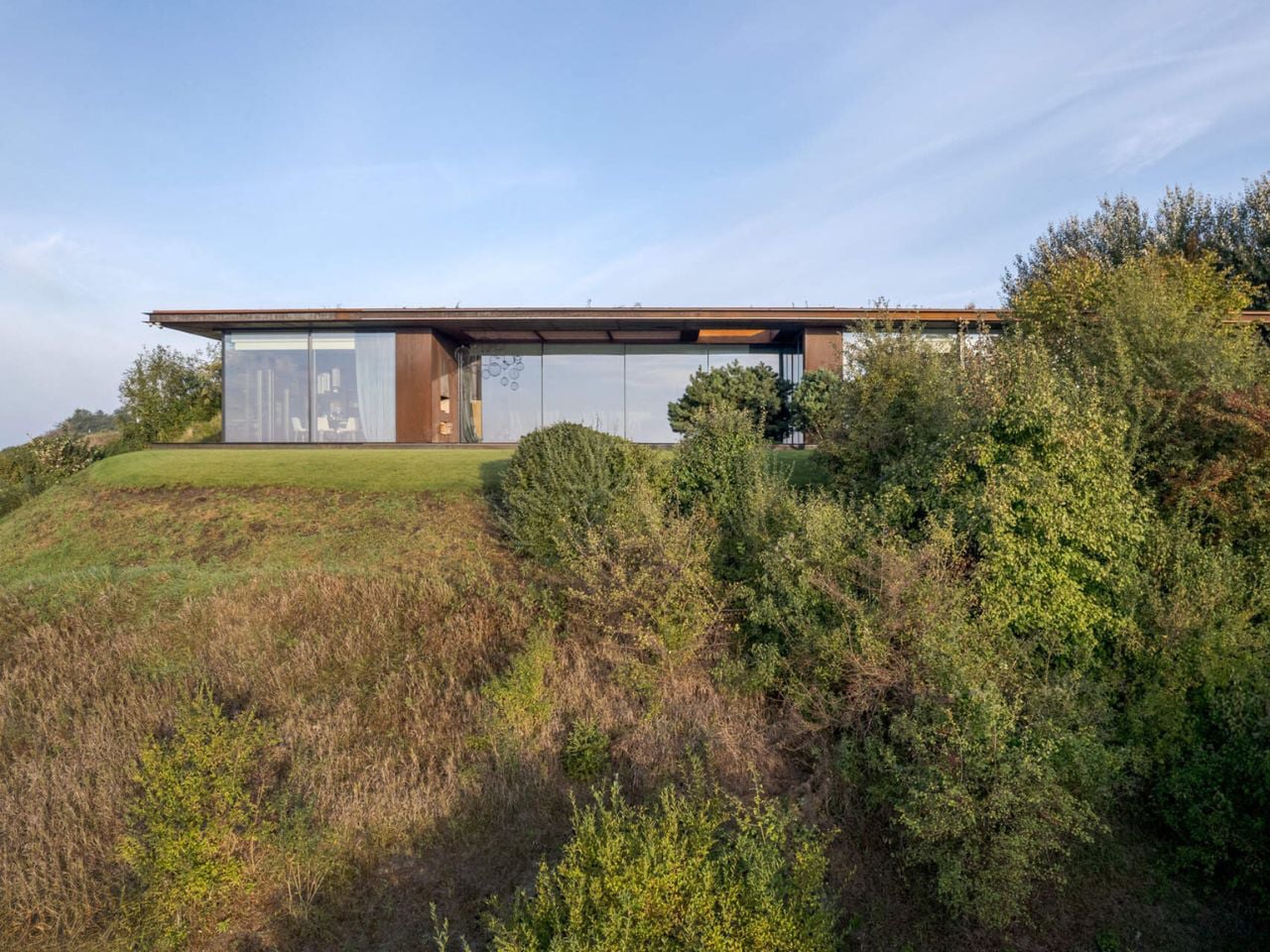
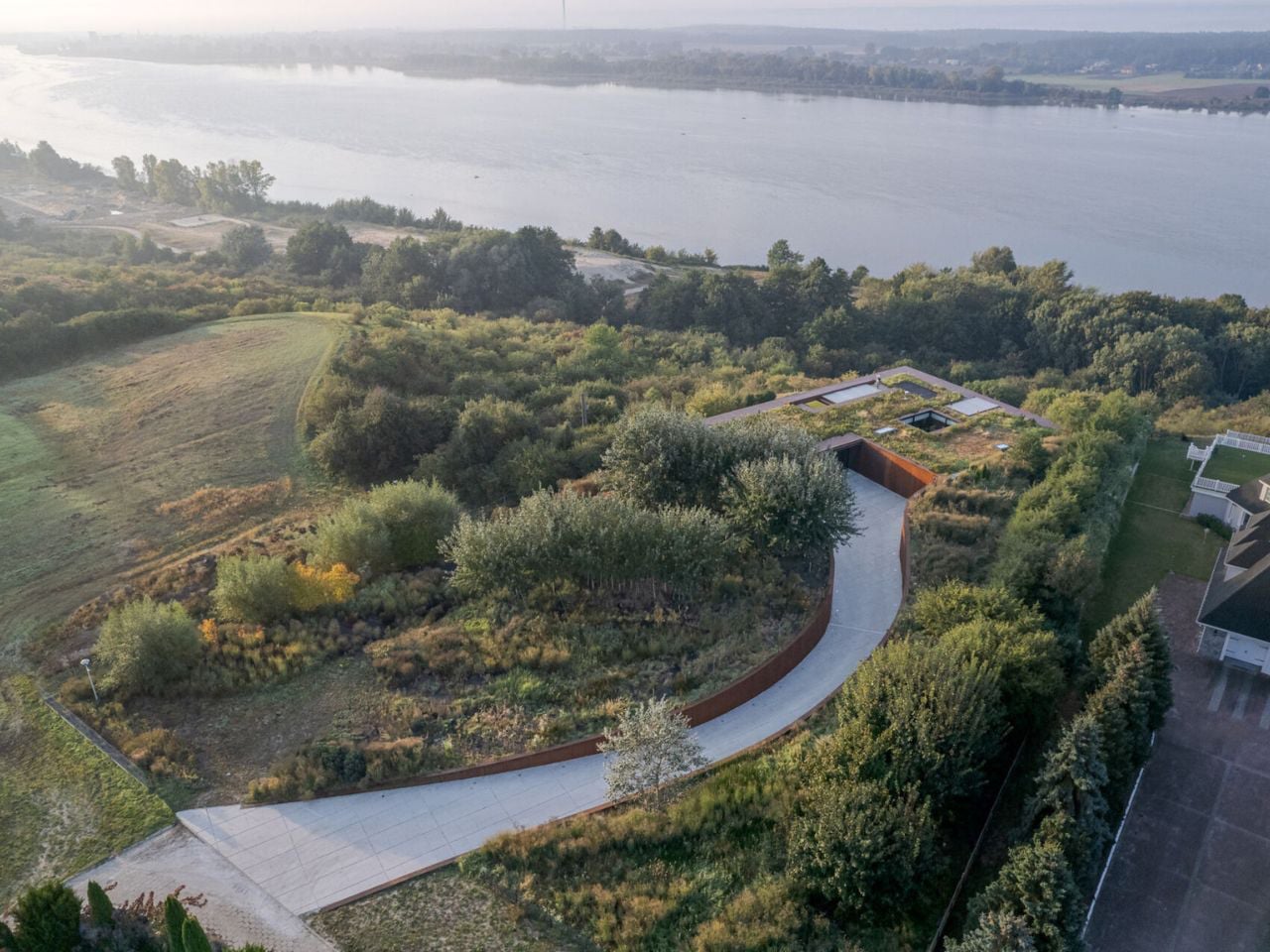
Set along the winding edge of Poland’s Vistula River, 77 Studio’s House in the Slope feels less like a building and more like part of a living garden. Embedded into the riverside embankment, the home is surrounded by layered greenery, wild grasses, native planting, and a restored meadow that softens its presence. A planted green roof helps the house disappear into the landscape, while preserving the site’s natural contours and strengthening its bond with the riverbank ecosystem. The design allows vegetation, open views, and quiet privacy to define the experience.
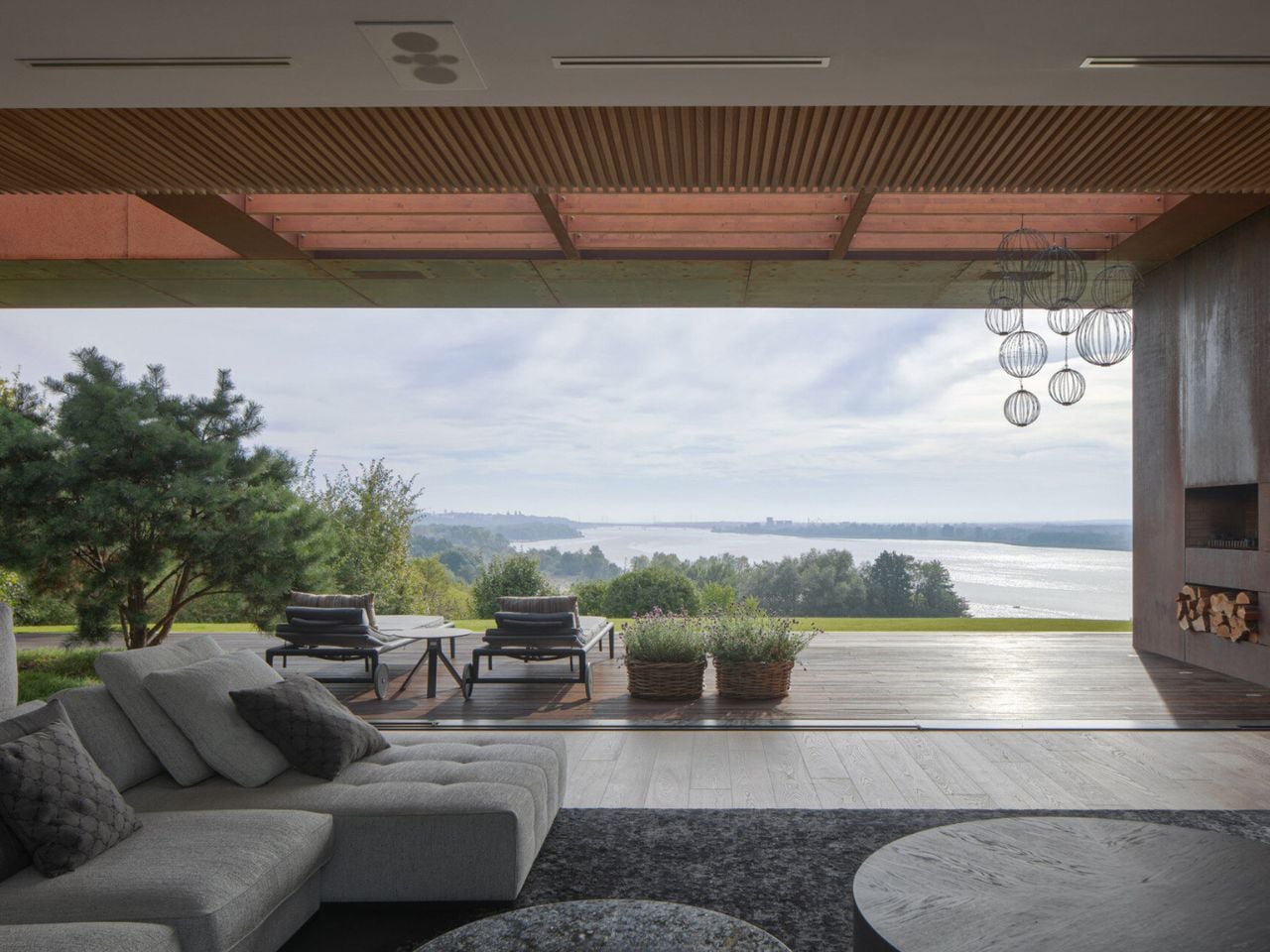
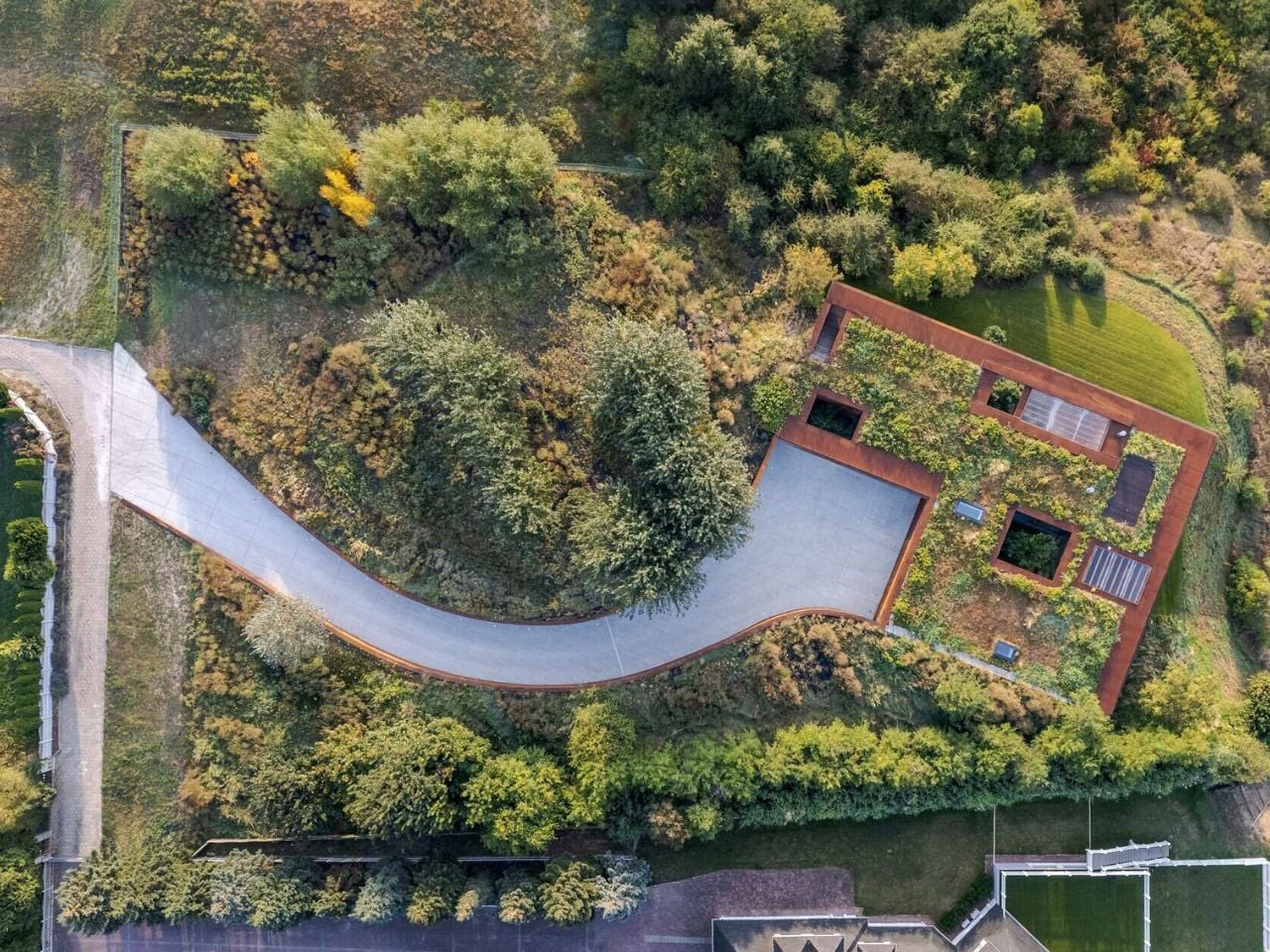
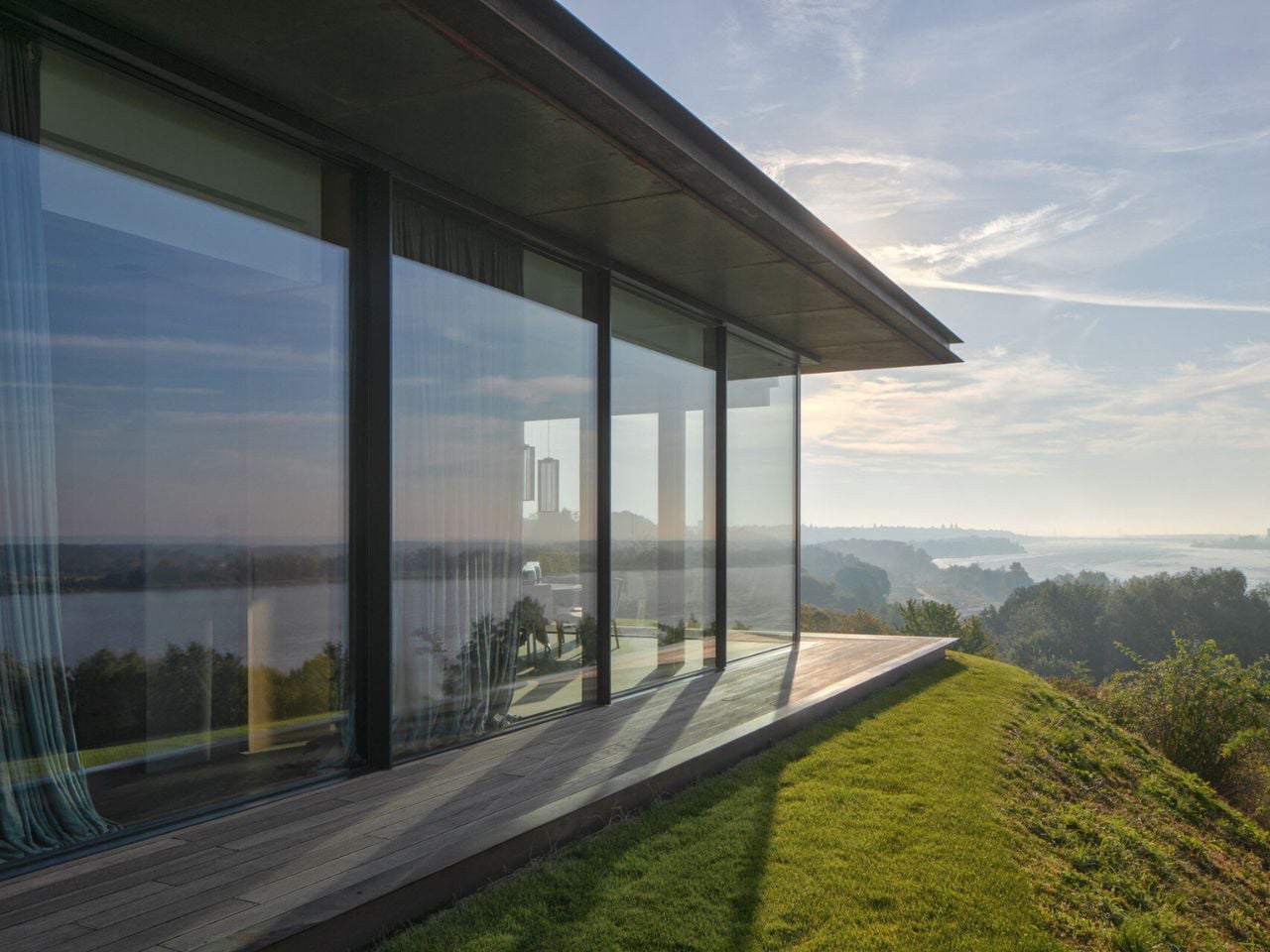
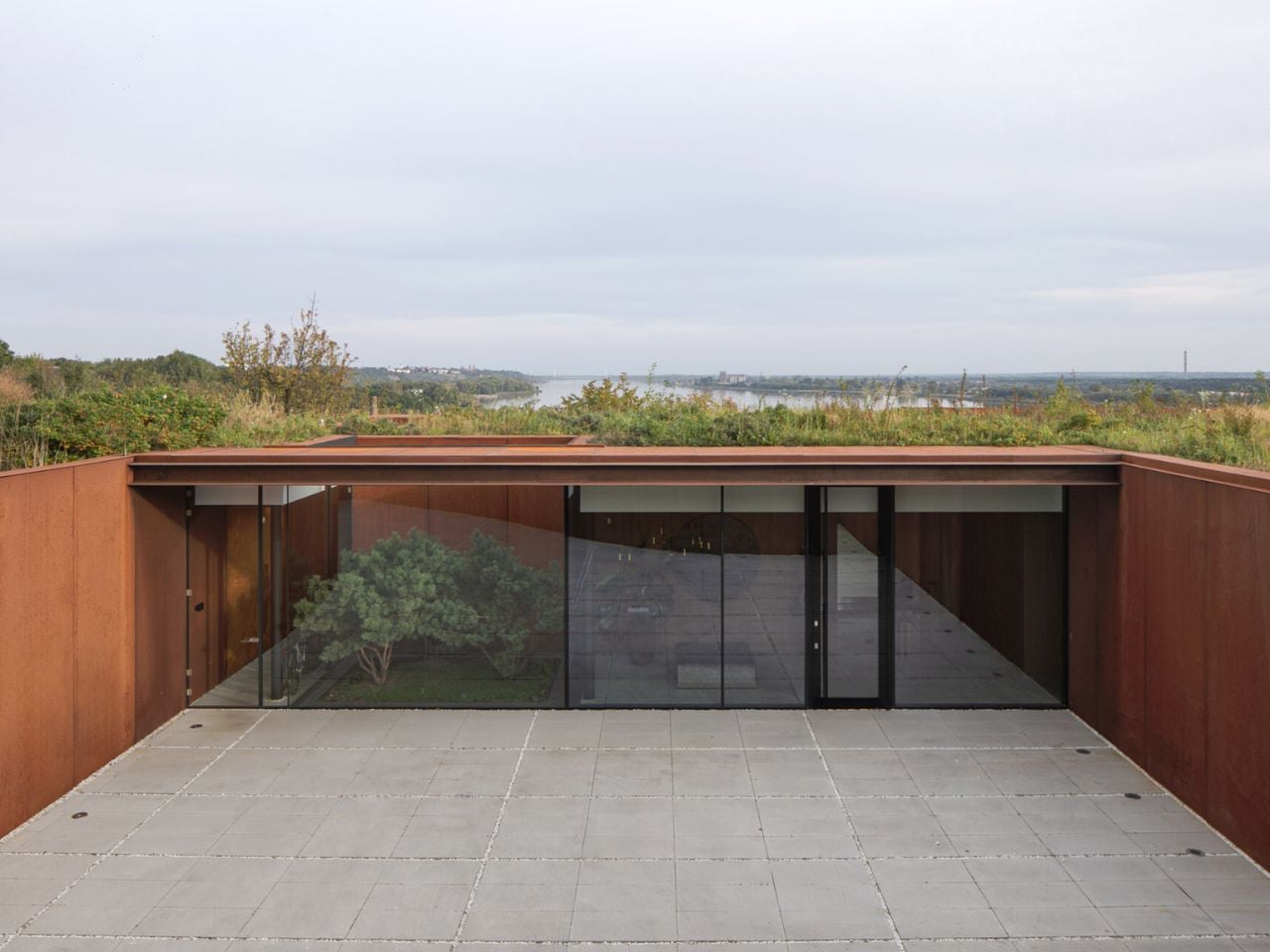
The home’s orientation was carefully shaped around its most beautiful outlooks, where garden-like riverside planting unfolds toward the water and distant skyline. Terraces, courtyards, and recessed outdoor spaces extend the feeling of living within greenery, while a rooftop meadow adds another immersive layer of nature. Every move in the design celebrates the surrounding landscape, turning the house into a calm architectural frame for the site’s abundant natural beauty.
Slow Architecture offers a more lasting kind of luxury, rooted in the confidence that a home is built to endure. Through durable materials, adaptable planning, and passive performance, it creates spaces that remain resilient, comfortable, and valuable while continuing to serve present needs and future generations.
The post Most Homes Are Built to Last 10 Years. These 5 Designs Are Built for 100 first appeared on Yanko Design.