A Step Stool That Actually Belongs in Your Entryway

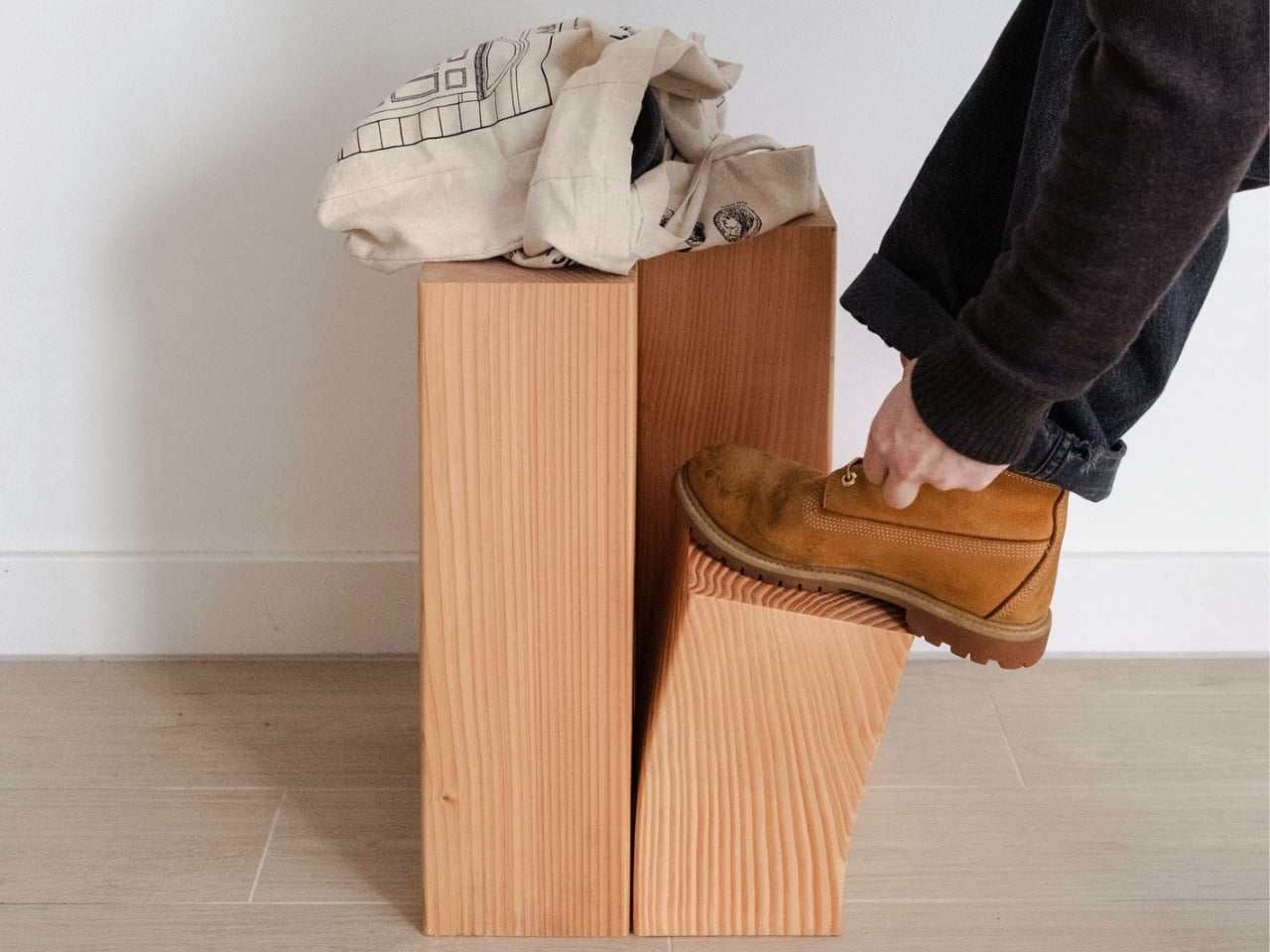
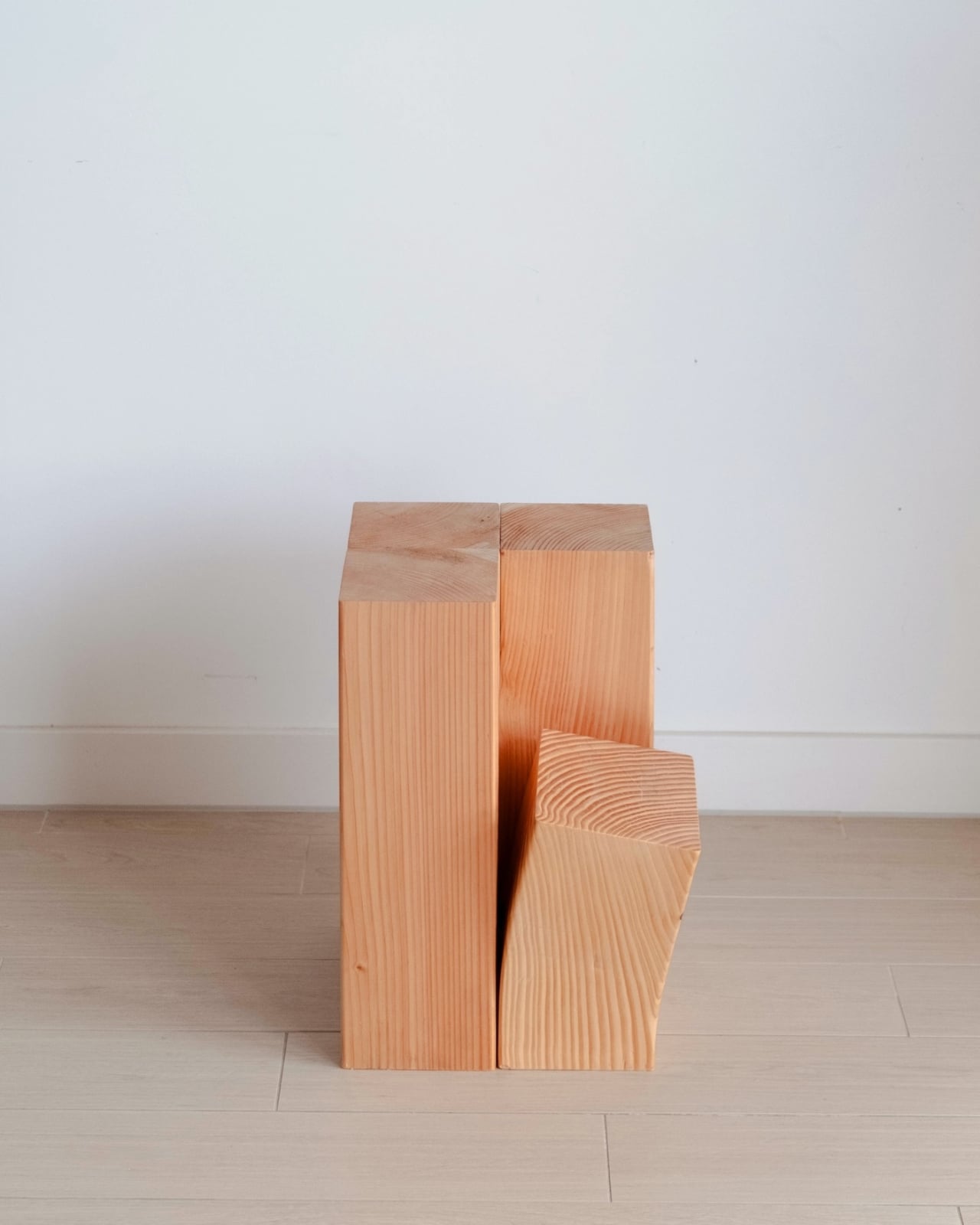
Tying your shoes in the entryway shouldn’t feel like a balance test, but it usually does. You hop on one foot, grip the doorframe or a console table that wasn’t built for that kind of abuse, and hope you don’t tip over before the laces are done. It is a tiny, daily inconvenience that most American homes have quietly accepted, because the entryway is rarely treated as a space worth designing for. Stephen Chan decided to fix that with a step stool built from Douglas Fir, one with a single offset block positioned at exactly the right height to rest a foot while you knot your laces, and it is well-crafted enough that hiding it in a closet would feel like a waste.

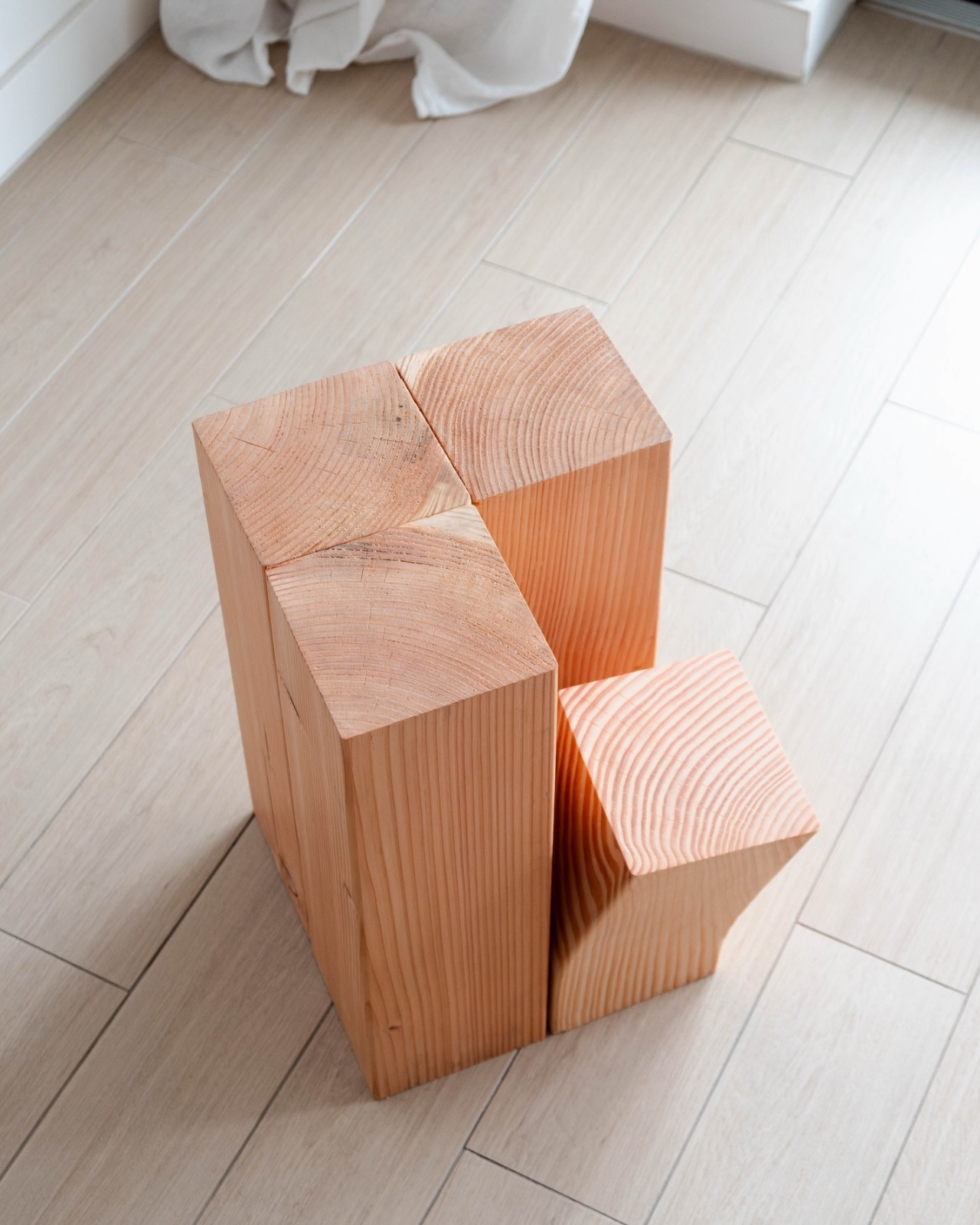
That combination is rarer than it should be. Most step stools look utilitarian by design, the kind of thing you tuck behind a door and drag out only when necessary. Chan’s version refuses that fate. The composition reads as a cluster of rectangular volumes grouped together, with one shorter block offset to one side to create a natural foot ledge. It is immediately functional without a label or instruction, and the geometry is clean enough that it reads as sculpture before it reads as utility.

Designer: Stephen Chan
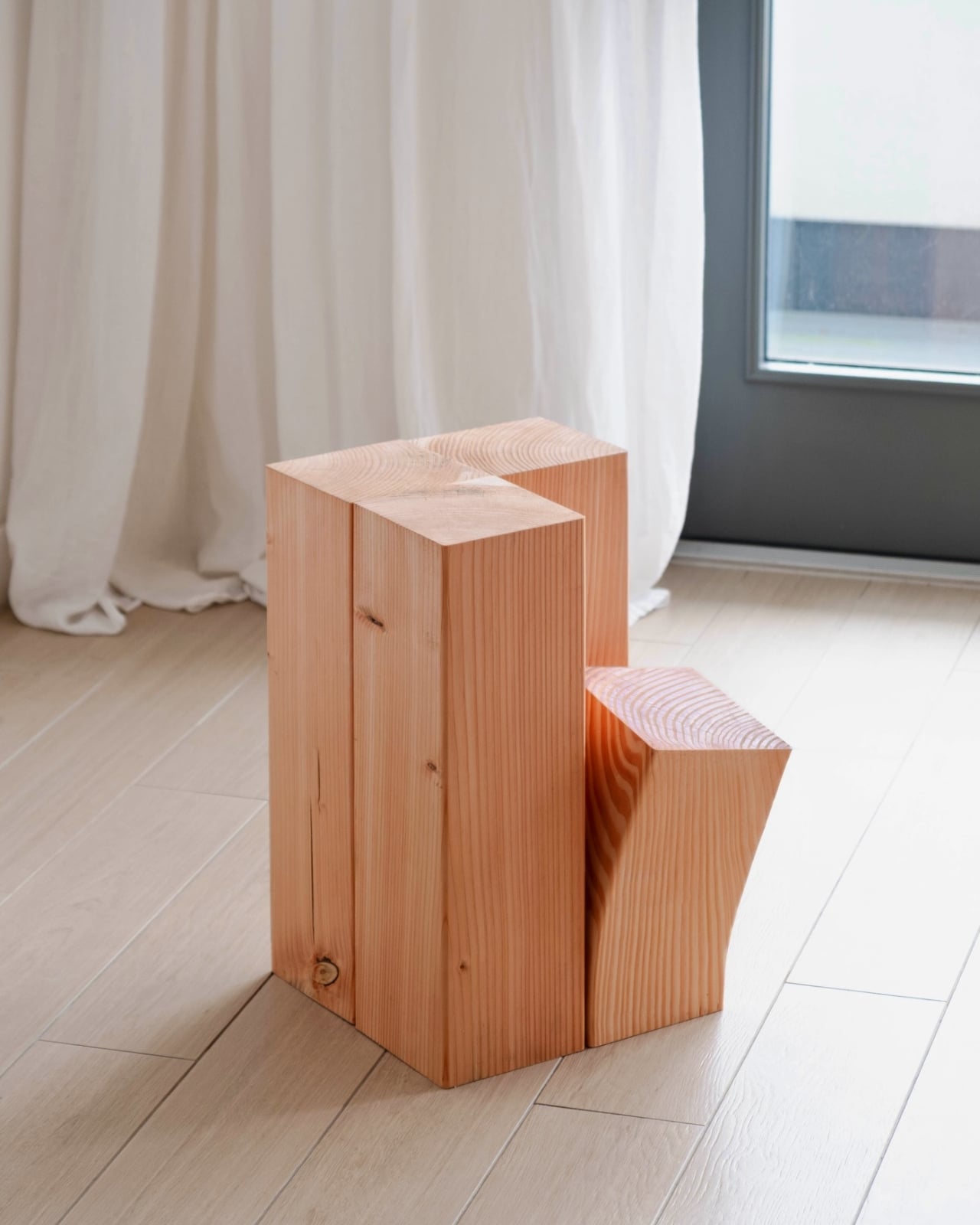
The material choice matters here. Douglas Fir is a Pacific Northwest species, pale and straight-grained, and Chan finishes it in hardwax oil rather than a thick lacquer, so the surface stays matte and raw-looking rather than polished and precious. The wood still feels like wood, with the grain visible and the texture honest. At 300 by 300 by 480 millimeters, the proportions are heavy but not oversized, solid enough to trust with real weight, compact enough to fit in a New York apartment entry without dominating it.

American design right now leans into curves and soft materials, bouclé everything, rounded edges that signal comfort and approachability. Chan goes the other direction entirely. The stool is blocky and angular, closer in spirit to a Donald Judd sculpture than anything you would find at a furniture chain. That is not a criticism. The right-angle joinery is precise and the overall form has the kind of quiet confidence that does not need softening to work in a home. It earns attention without demanding it.
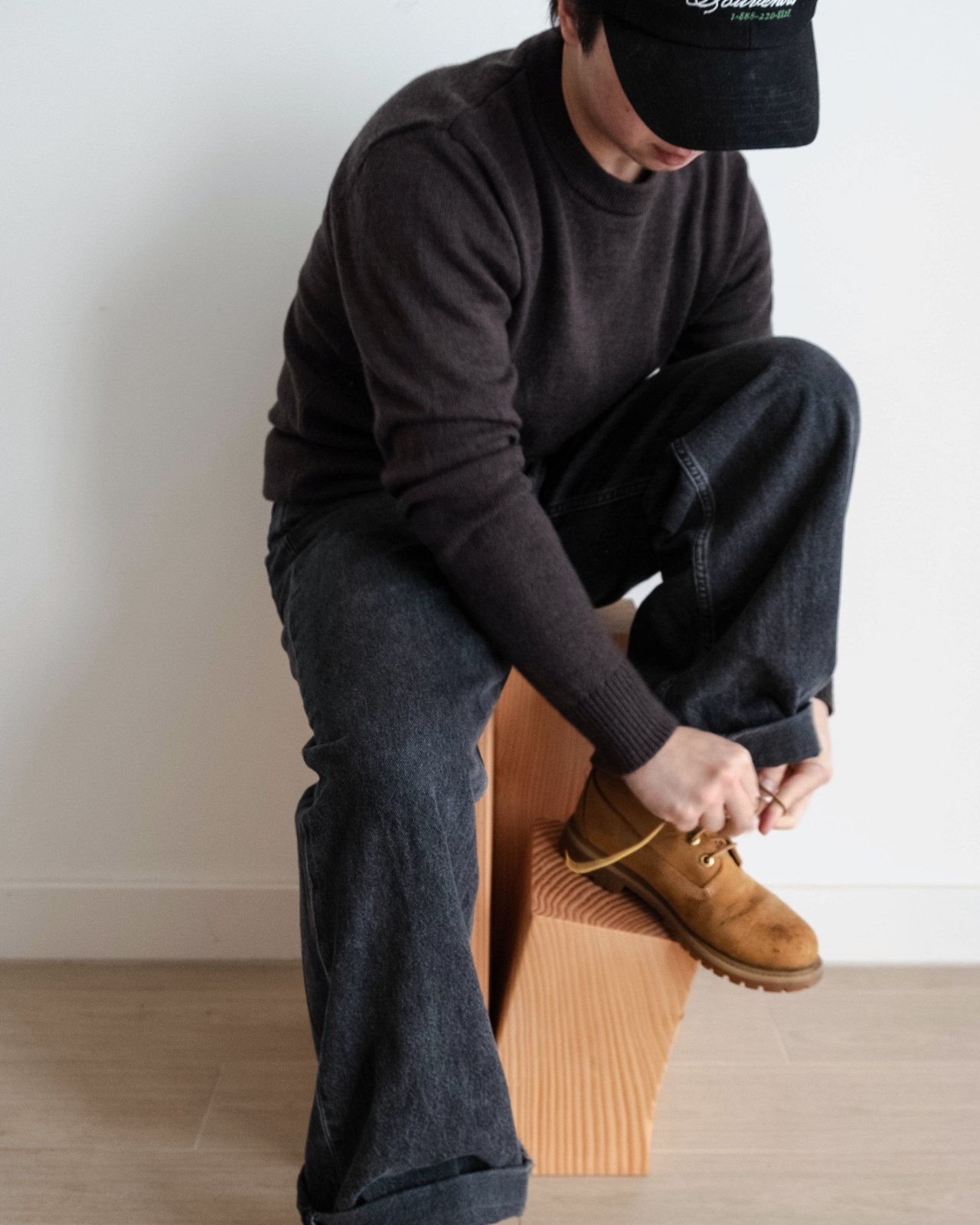
There is a specific context this piece fits into that Chan actually illustrates in his own photos, where he is pictured lacing up a pair of Timberland boots on it. That single image places the stool in a very familiar scene: the entryway of a house in a state with real winters, where work boots and rain boots live by the door out of necessity. Douglas Fir itself grows in that same region, so the material and the use case are quietly connected in a way that feels considered rather than coincidental.

The stool does not try to multitask. It is not a side table or a plant stand or a storage unit with a hidden compartment. It has one job and it does that job with more precision than furniture at twice the price usually offers. That kind of restraint is genuinely rare in a market that rewards versatility over specificity, where every piece of furniture is expected to justify its footprint by doing three things at once. Sometimes the better answer is an object that solves one unglamorous problem extremely well and looks good doing it.
Nobody has ever really solved the entryway stool in a way that made you want to keep it visible. Chan’s version makes the case that the reason most of them get tucked away is not the category, it is the execution. When the craftsmanship is there and the geometry is intentional, a step stool can actually belong in the room rather than hiding from it. Chan’s work is on Instagram at @stephen_____chan. If you follow design accounts, it is worth a look.
The post A Step Stool That Actually Belongs in Your Entryway first appeared on Yanko Design.
A Hay Rake Inspired This Surprisingly Beautiful Entryway Piece

Most of the furniture we buy tells no story. It comes flat-packed, gets assembled on a Saturday afternoon, and does its job quietly in the corner. We don’t think much about where it came from, what it references, or what it means. And then a piece like Restel comes along and completely reframes what furniture is even supposed to do.

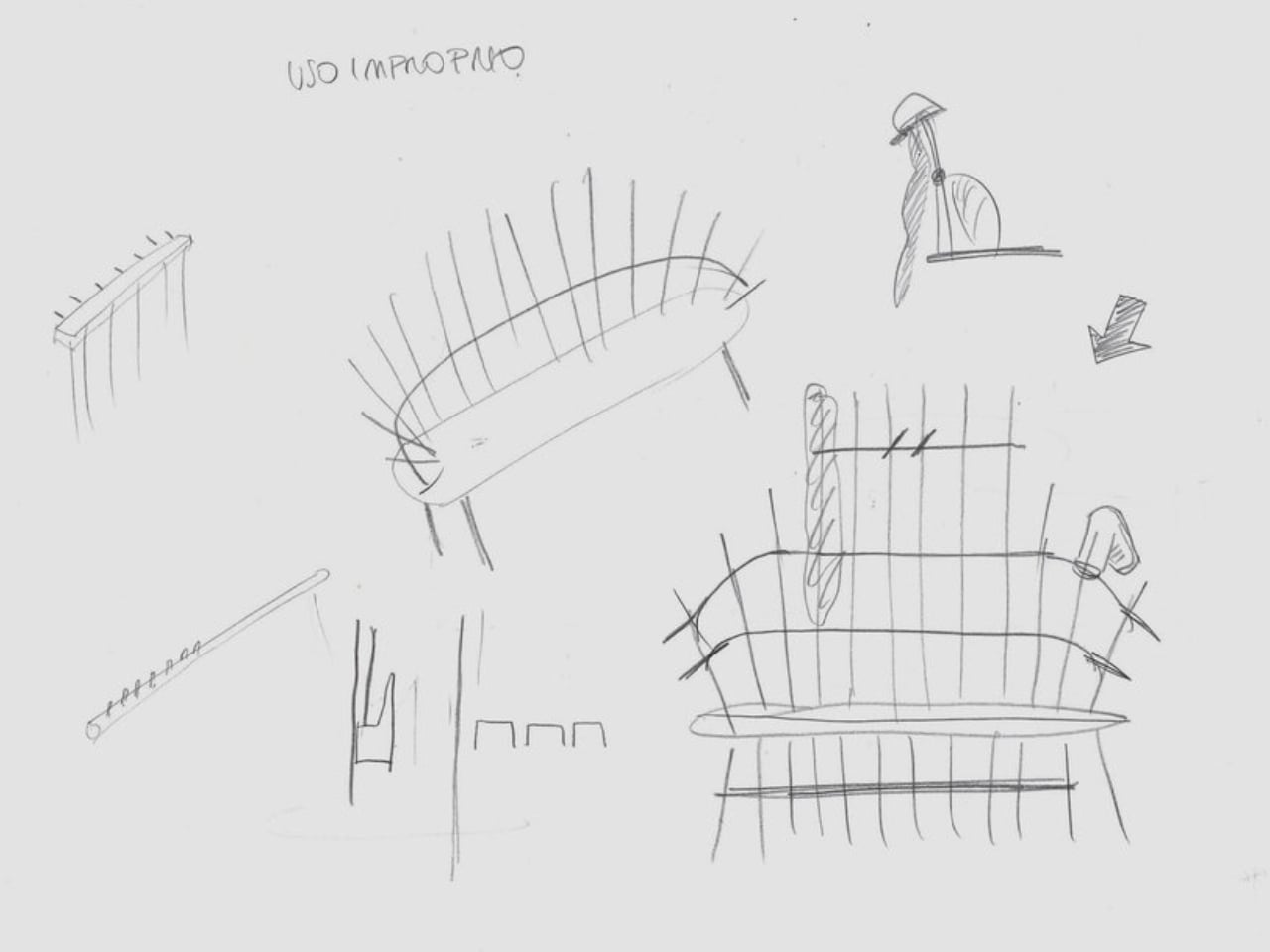
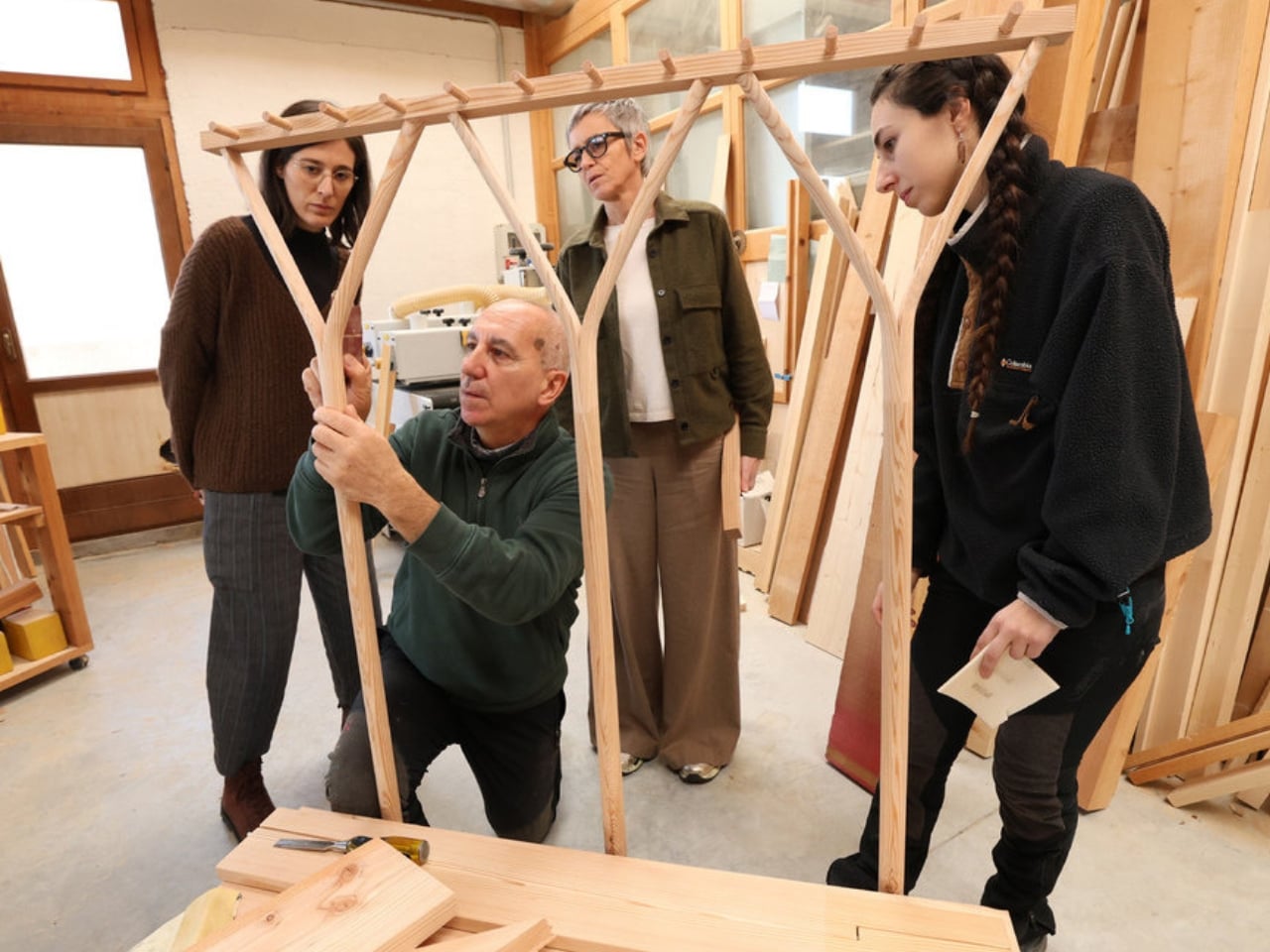
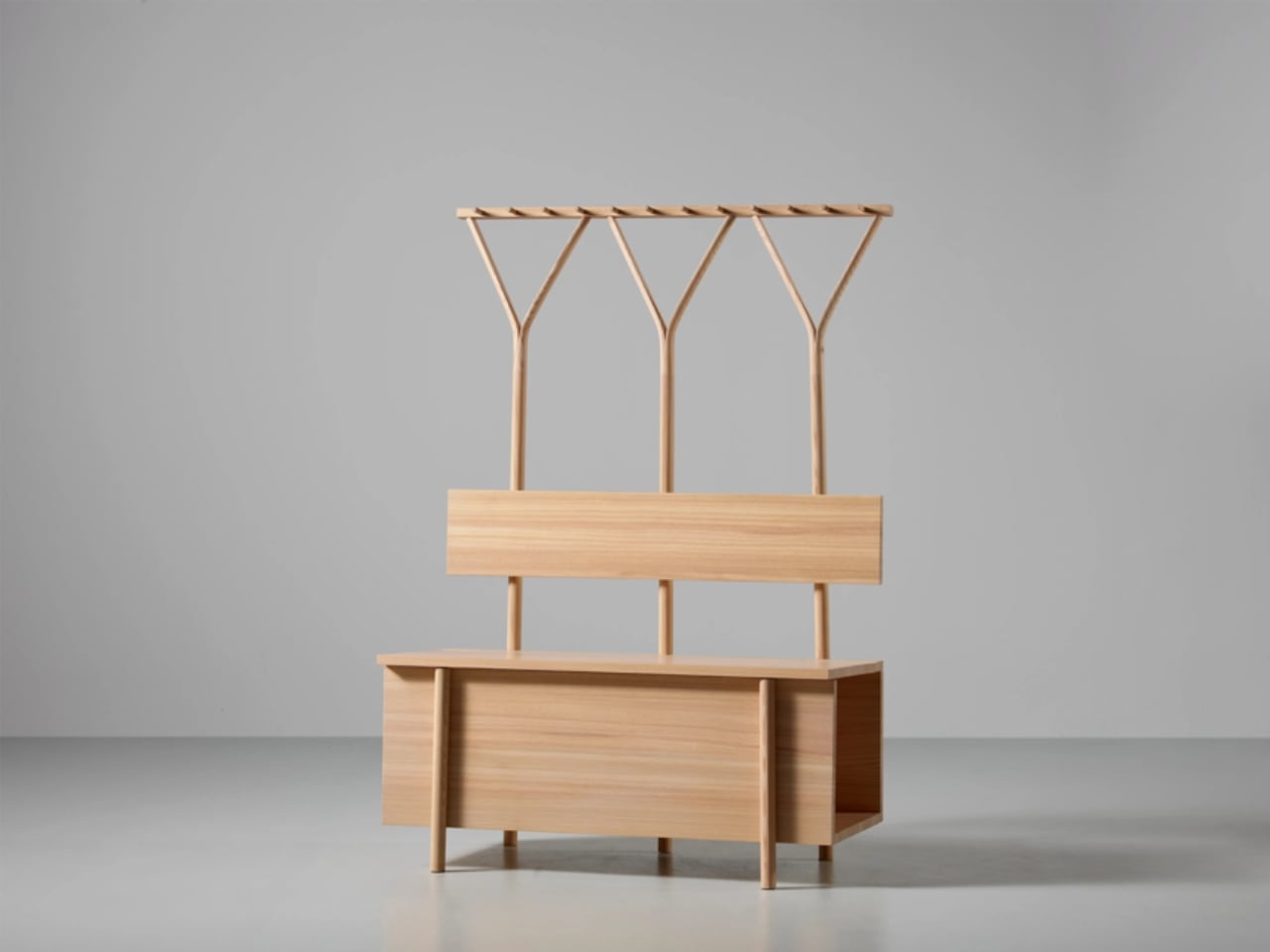
Italian industrial designer Monica Graffeo created Restel after encountering traditional Alpine hay rakes. Not a digital reference, not a museum exhibit, but the actual tools. The kind that have been leaning against barn walls in the mountains for generations. She saw them and started sketching, asking herself whether the rake’s form could be translated into furniture in a way that was actually useful. The answer, clearly, was yes.

Designer: Monica Graffeo

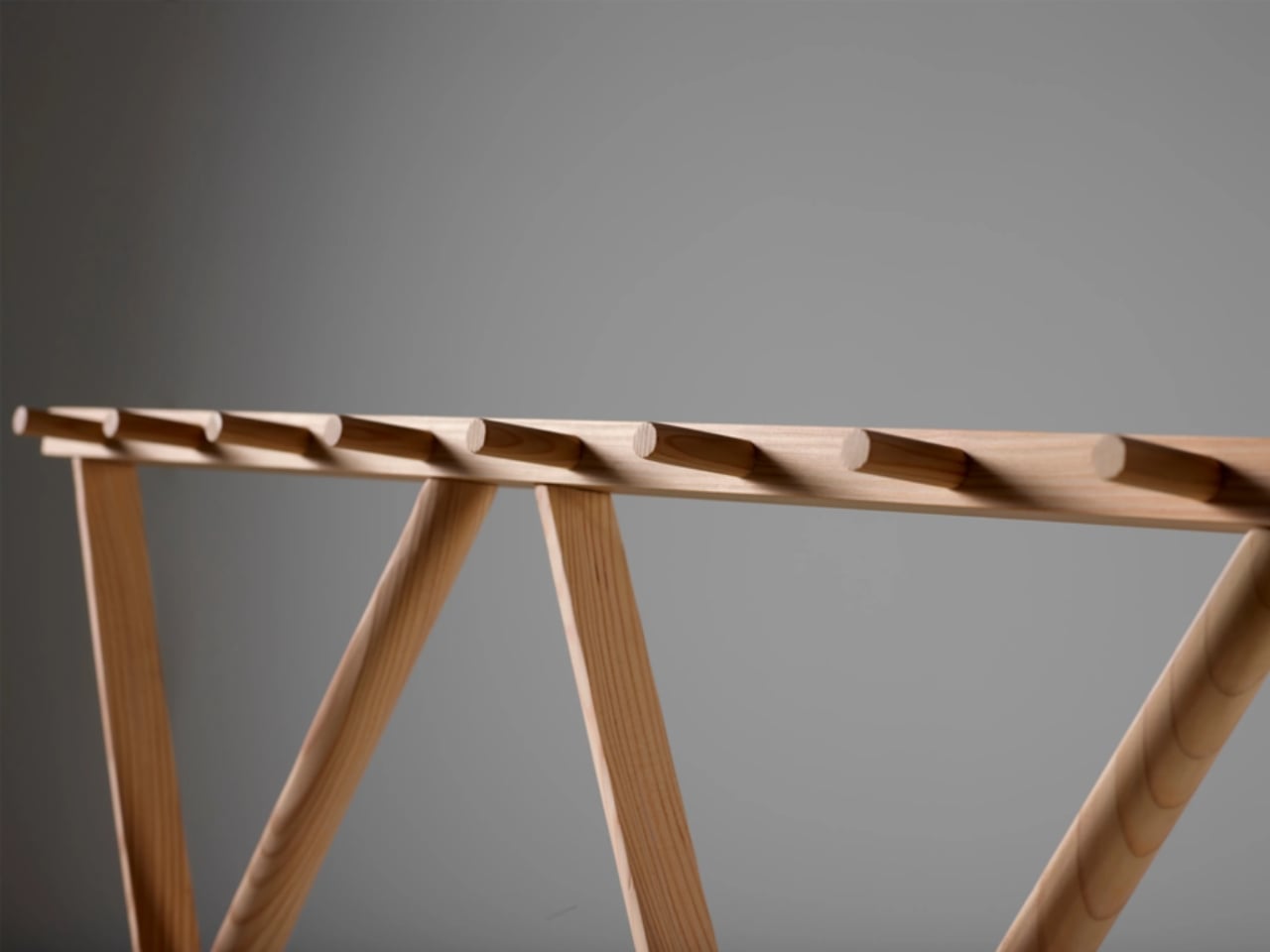
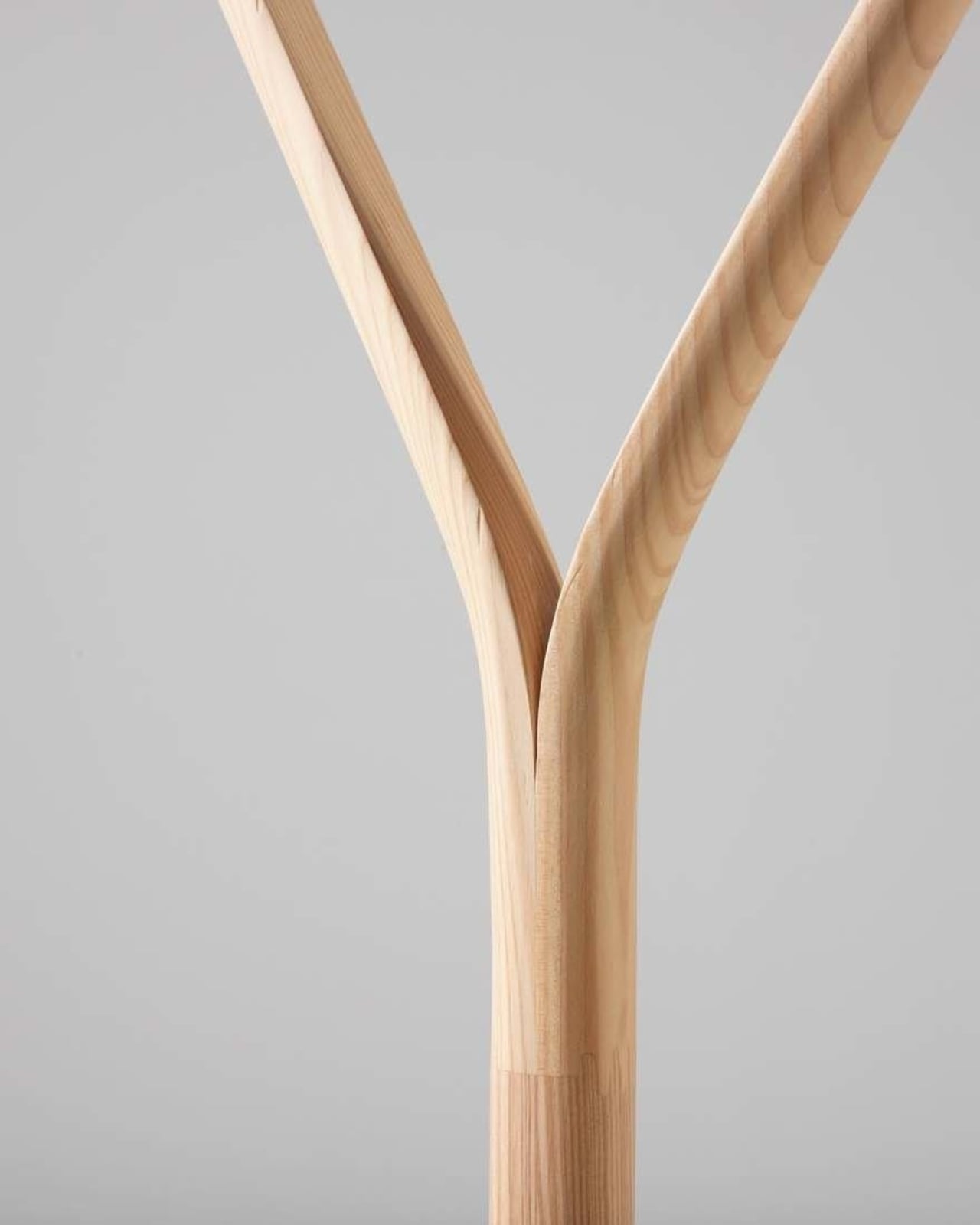
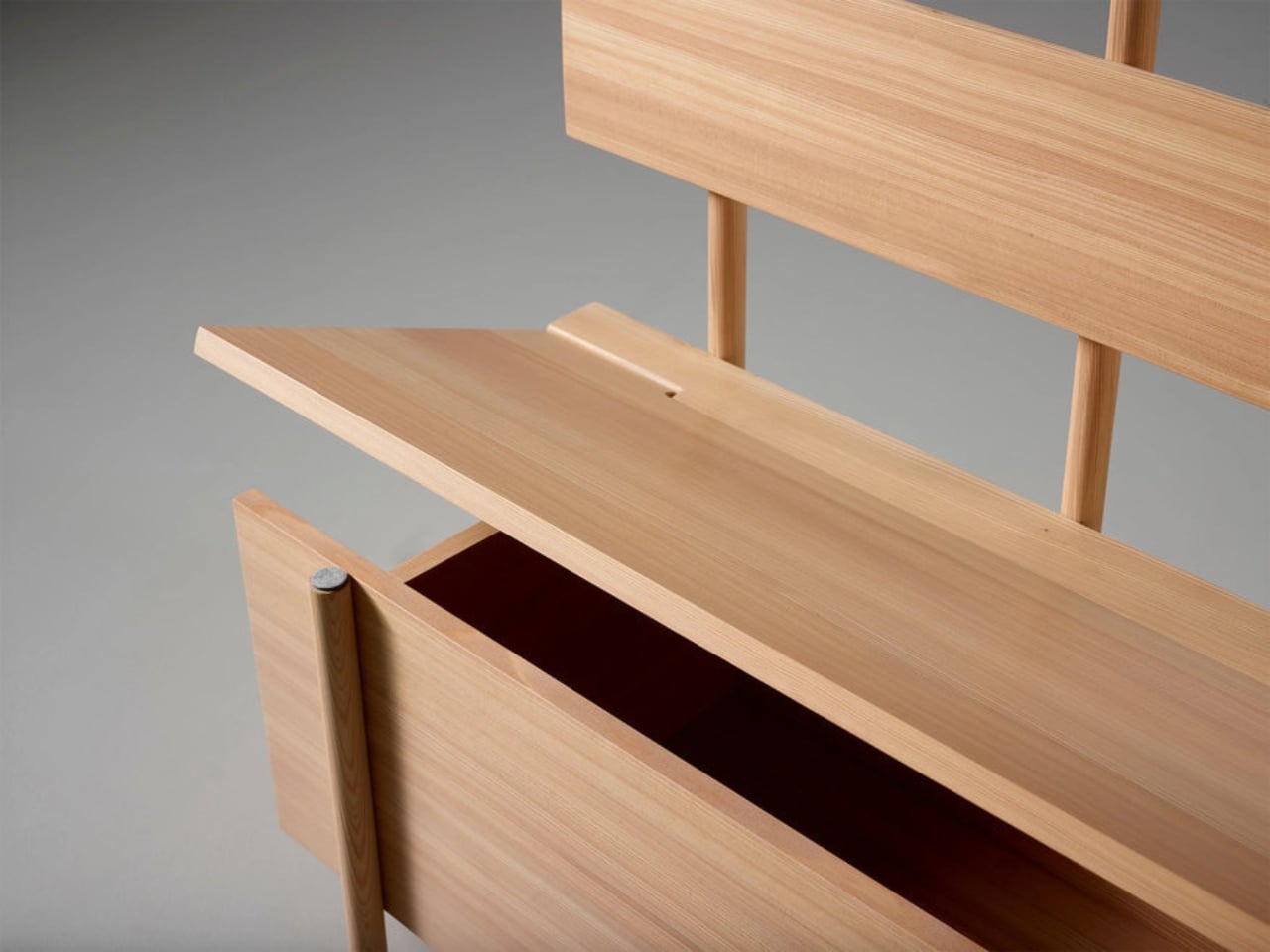
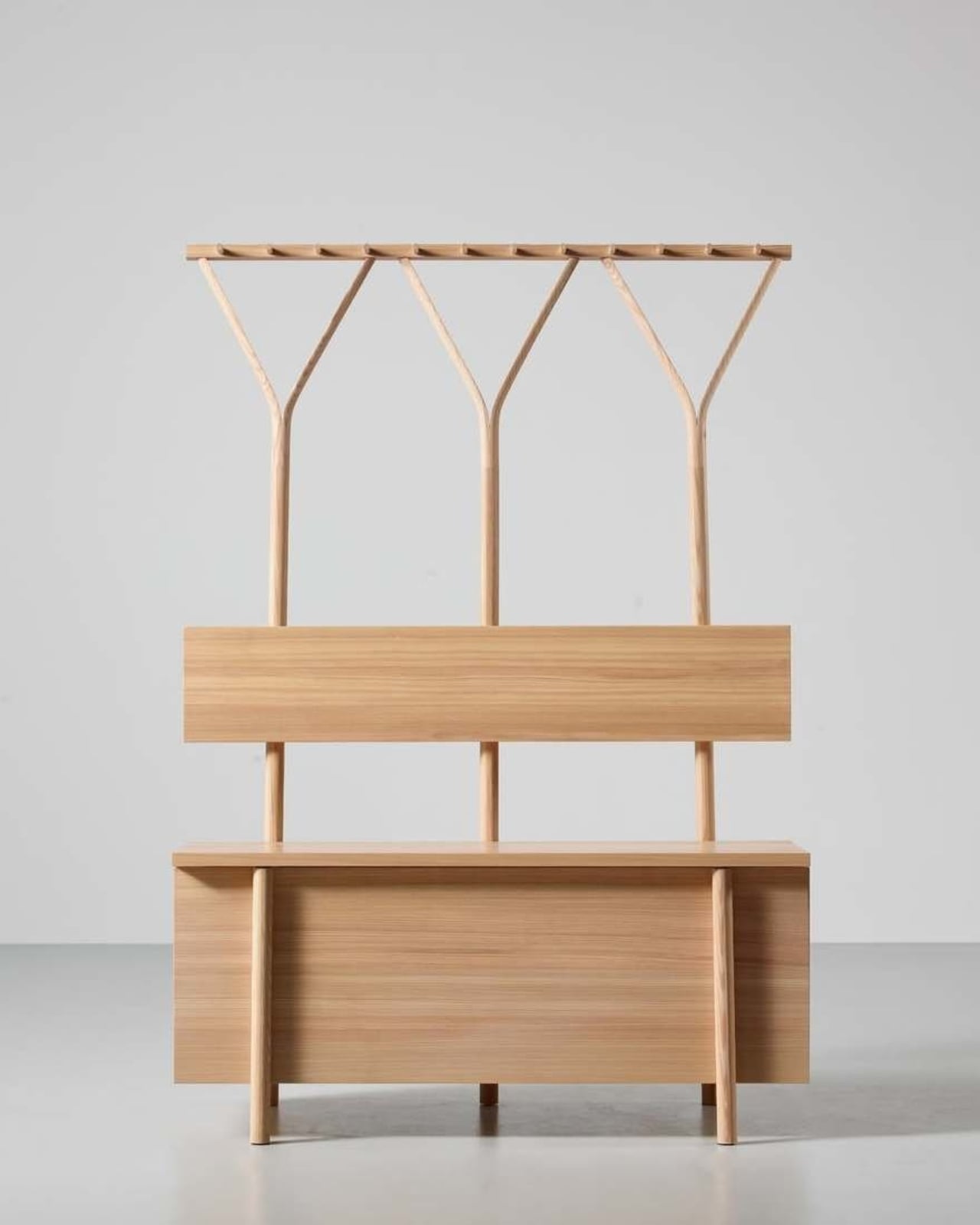
The result is an entryway piece that functions as both a bench and a hanging structure. It’s made from Trentino Larch, a wood native to the Alpine region that gives the piece a warmth and texture you can almost feel through a photograph. Graffeo worked with Falegnameria Bosetti, a traditional carpentry firm based in Trentino, to bring it to life, which means the craftsmanship is as rooted in the region as the inspiration itself.

The design logic behind it is clean and honest, and that’s what makes it so compelling beyond the visual appeal. A hay rake’s tines are spread wide and built to hold and gather. In Restel, those same proportions become hooks and structure, organizing coats, bags, and the general chaos of a front entryway. The form isn’t borrowed for aesthetics alone. It actually earns its place by being functional in a way that mirrors the original tool.

This is becoming a more intentional conversation in design circles, and for good reason. For years, the dominant trend in home interiors leaned toward minimal and abstract, stripping objects of any cultural or regional identity in favor of clean lines that could sell anywhere on the planet. That has its appeal, but it also produces spaces that feel like they could belong to no one in particular. Restel pushes in the opposite direction. It carries a specific geography, a specific history, and a specific set of hands that made it. You can feel the Alpine landscape in it even if you’ve never been.

The versatility of the piece is worth noting too. Positioned against a wall, Restel organizes the entryway and creates a clear threshold between the outside and the inside of a home. Move it to the center of a room and it becomes a divider, something that defines space without closing it off. That kind of flexibility in a single piece of furniture is genuinely hard to pull off without the design feeling compromised. Graffeo managed it without losing any of the visual coherence.

The question I keep returning to is how much courage it takes to look at a farming tool and say, I want to put this in someone’s home. Not as a decorative nod to rural life, not as a rustic accent piece, but as a fully considered object that stands on its own as good design. The risk of that kind of referencing is that it tips into costume, into the sort of design that performs a cultural identity rather than embodying one. Restel doesn’t have that problem. It feels earned.

Graffeo’s broader practice as an industrial designer has included work for major Italian furniture brands, so she’s no stranger to furniture. But Restel reads like something more personal, more tied to a specific place and a specific curiosity. That combination of intellectual rigor and genuine affection for material culture is what separates a good design from one that stays with you. If you’ve been on the lookout for a piece that will actually start a conversation, this is it. Not because it’s strange or provocative, but because it’s honest in a way that most furniture simply isn’t.

The post A Hay Rake Inspired This Surprisingly Beautiful Entryway Piece first appeared on Yanko Design.