LEGO Just Built the F1 Helmets Ferrari Fans Have Dreamt Of

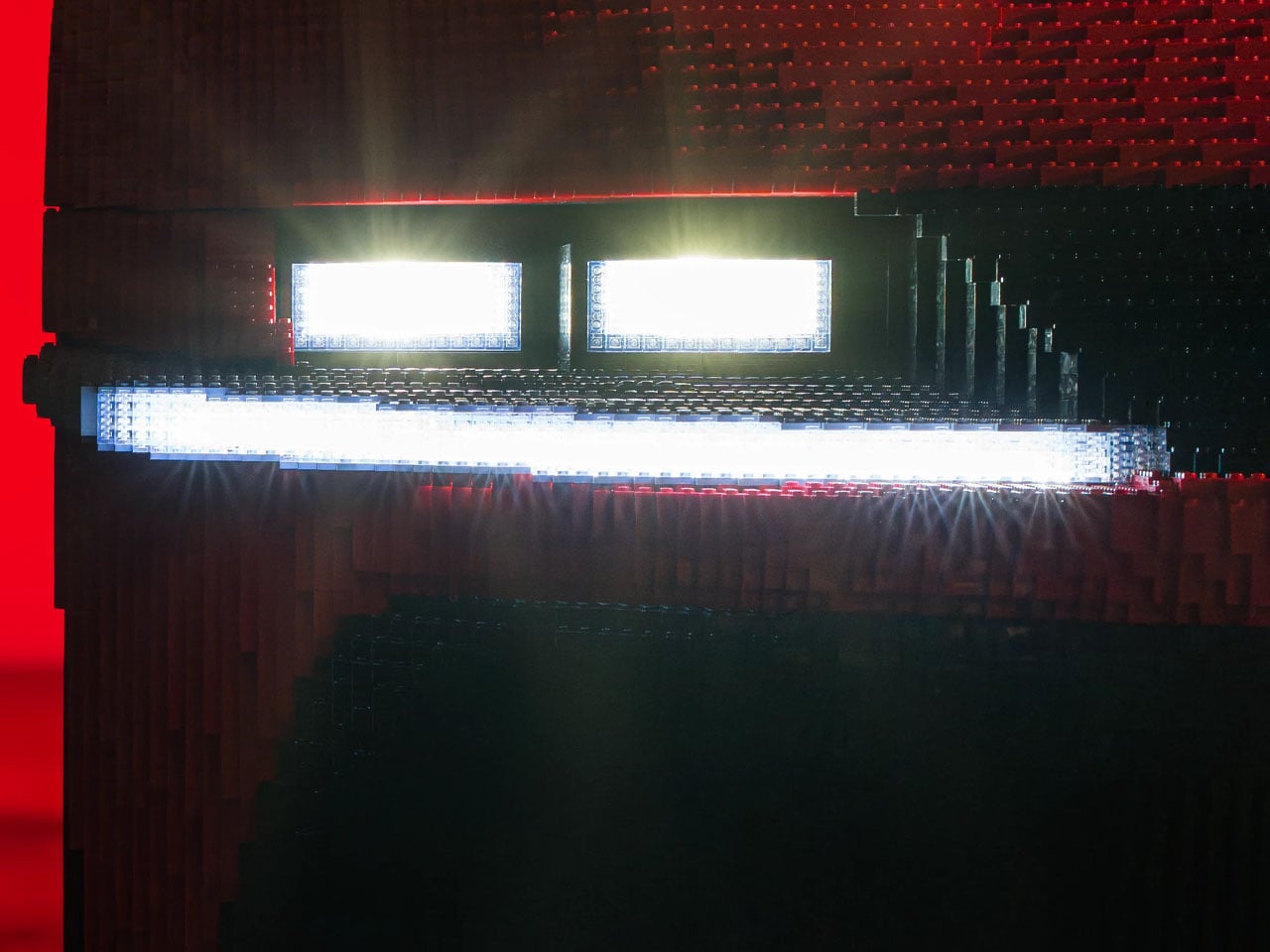
LEGO has a way of taking things you already love and making you love them in a completely new format. Formula 1 has been getting a lot of that treatment lately, and the brand’s latest direction is hard to argue with: brick-built driver helmets, sized for your shelf and detailed enough to stop anyone mid-step.

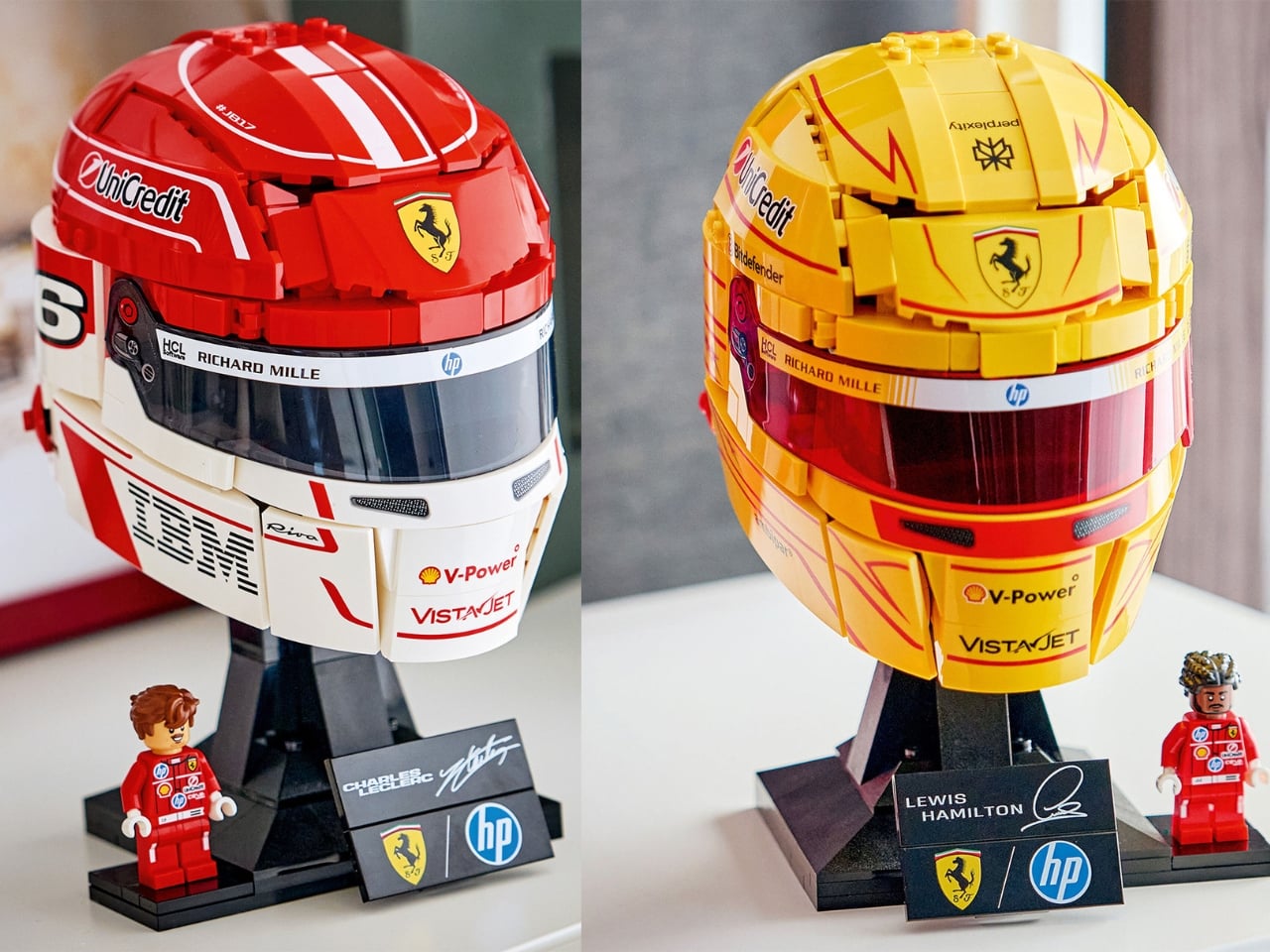
The Scuderia Ferrari HP Lewis Hamilton Helmet (43022) and the Scuderia Ferrari HP Charles Leclerc Helmet (43014) are the first two confirmed entries in what looks like a full F1 Helmet series from the LEGO Editions line. Both sets turned up on FuelForFans.com with official hi-res images after blurry leaks circulated a few weeks prior. Now that we can actually see them clearly, the level of detail here is genuinely impressive.

Designer: LEGO

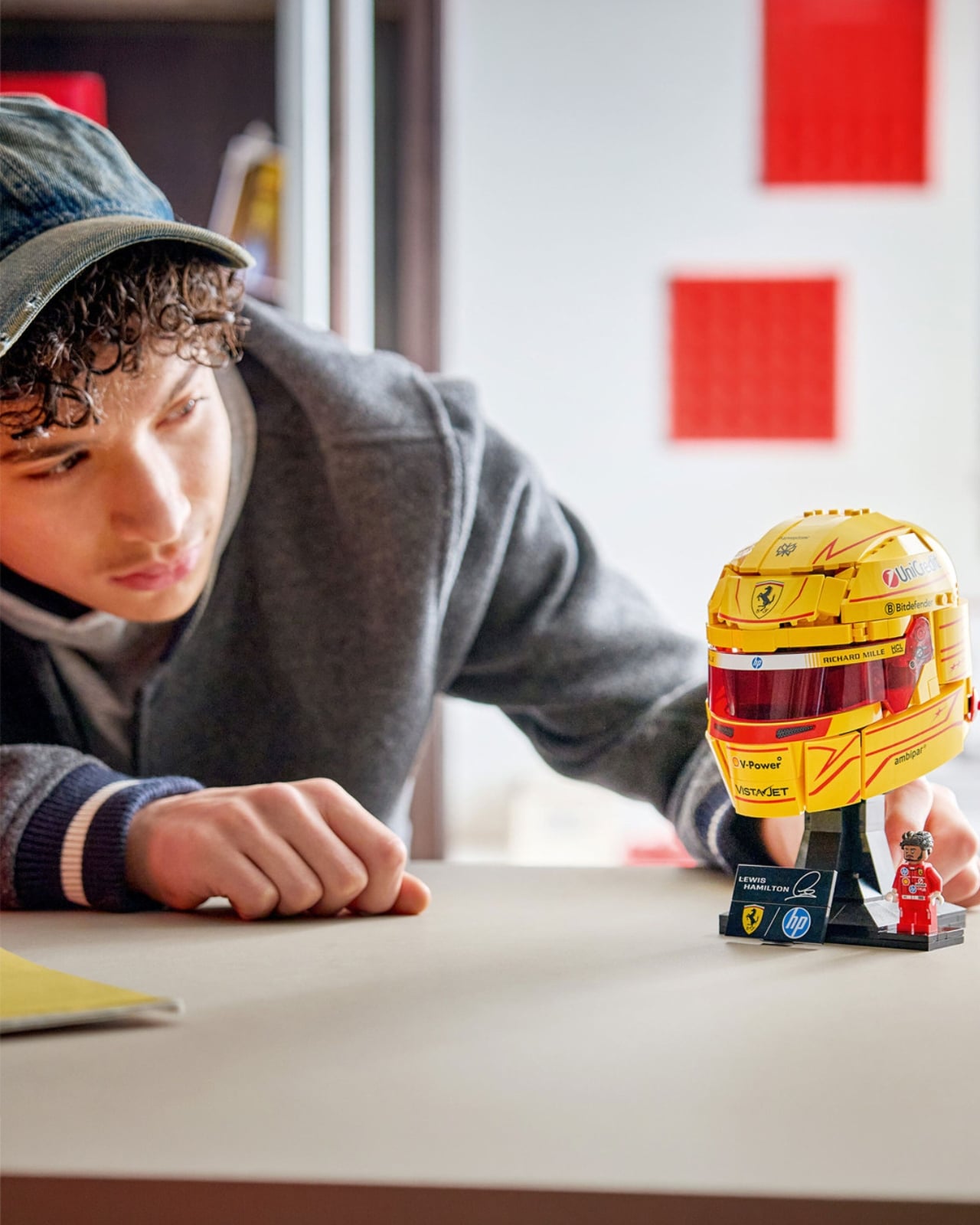
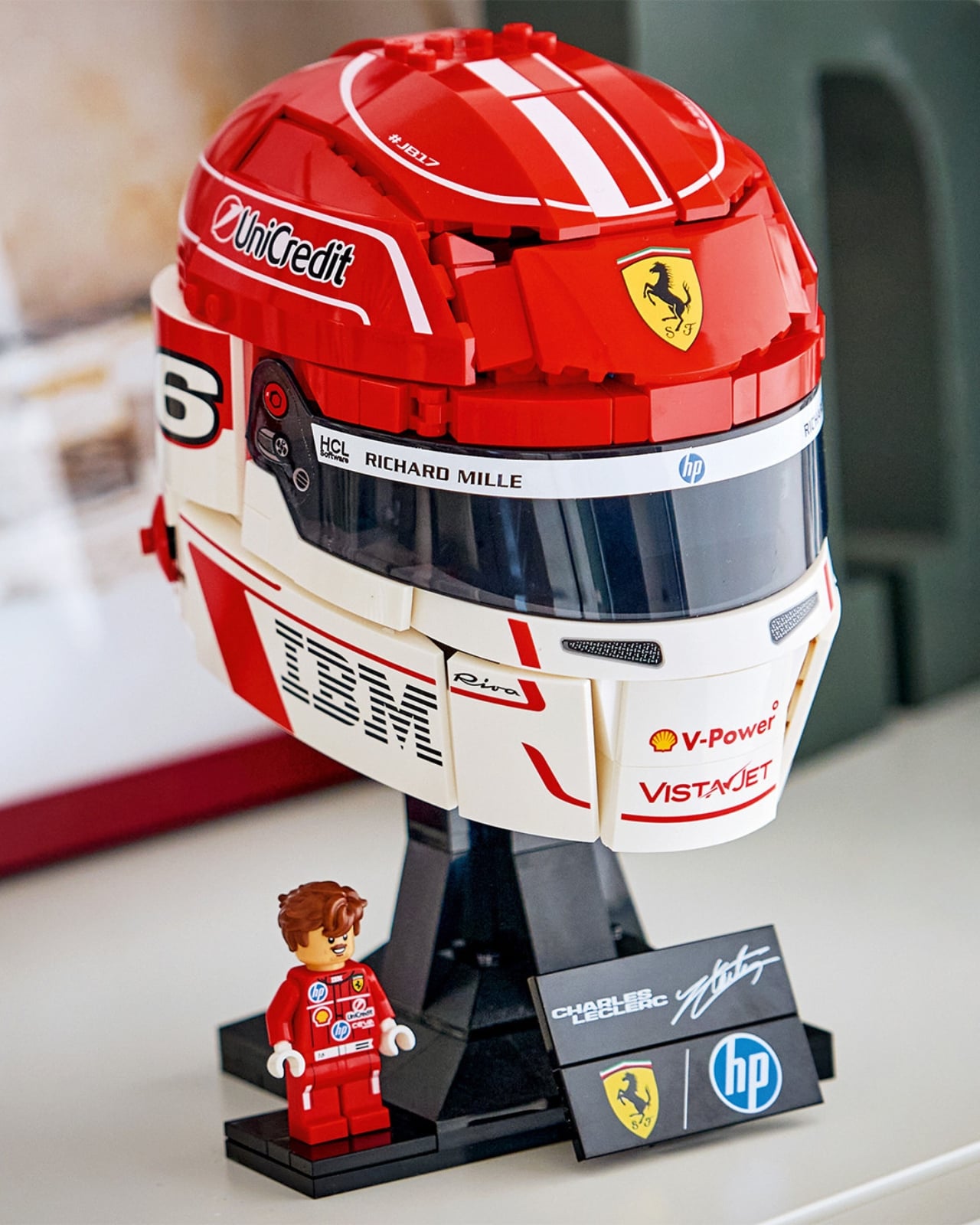
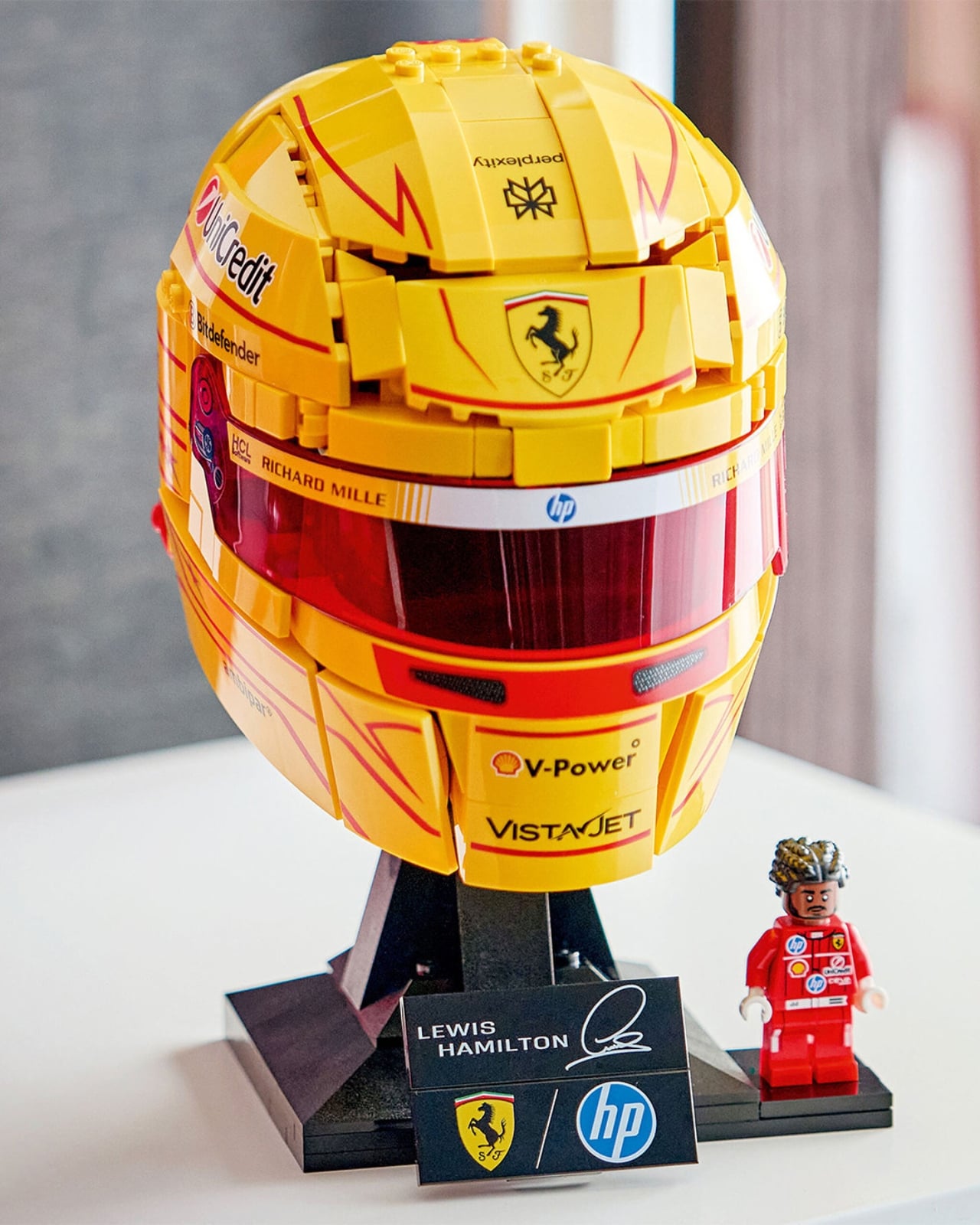
Hamilton’s helmet comes in the kind of golden yellow that makes Ferrari’s livery feel unexpectedly bold. The 2025 season graphics are recreated across the bricks with sponsor decals for UniCredit, Shell V-Power, VistaJet, Richard Mille, HP, and Bitdefender distributed with a surprising degree of accuracy. The deep red visor pulls the whole thing together. Leclerc’s goes in the opposite direction, predominantly red and white with a cleaner, more structured aesthetic. The #JB17 tribute detail sits at the crown, IBM branding runs across the chin, and the smooth white band at the visor line is almost architectural in how it divides the piece.

What makes both helmets compelling from a design standpoint is how LEGO’s engineers handled the curvature. Helmet shapes are notoriously difficult to replicate in bricks. Slightly irregular curves require precision in the build sequence that can look awkward if the angles don’t land right. Both sets pull it off well. The geometry holds. They read as helmets, not just helmet-adjacent objects, and that distinction matters when you’re paying for a display piece.

Each set clocks in at around 884 to 886 pieces and is priced at $89.99. Included with each build is a matching driver minifigure and a branded display stand carrying the driver’s name and signature. The minifigures themselves are a thoughtful detail rather than an afterthought. The Hamilton figure has the curly hair, the beard, and the red Ferrari race suit printed with his car number. Leclerc’s captures that warm, approachable expression the driver is known for. They work on their own as desk companions.

LEGO has rated both sets for ages 14 and up, which is accurate. These aren’t Speed Champions quickbuilds. They sit in the Editions category, LEGO’s answer to adult collector culture, sitting alongside the Botanical Collection and Icons line in terms of ambition and finish. Putting F1 driver helmets in that space is a smart call. The sport’s audience has expanded considerably over the past several years, and the overlap between LEGO collectors and motorsport fans is significant. This drop lands in the middle of that Venn diagram with confidence.

What I appreciate most is that this isn’t just a license slapped onto a generic product. Translating a helmet into a brick build is a specific creative challenge, and the result feels like a genuine collectible rather than a promotional item. The display stands with driver signatures and team branding look like something you’d find in a motorsport memorabilia shop. Place both helmets side by side and they read like a proper installation.

Rumors are already circulating about Max Verstappen and Ayrton Senna editions joining the lineup, which would elevate this into a series worth collecting in full. A Senna helmet in LEGO form carries obvious historical weight, and if LEGO executes it with the same attention to detail shown here, it would be a remarkable piece. The potential for this series is real.

Both helmets are expected to drop on May 1, 2026. If you’re an F1 fan, a LEGO collector, or simply someone who wants a well-designed object on a desk, the case for picking one up makes itself.

The post LEGO Just Built the F1 Helmets Ferrari Fans Have Dreamt Of first appeared on Yanko Design.
Did Ferrari And Jony Ive Just Build The ‘Apple Car’?

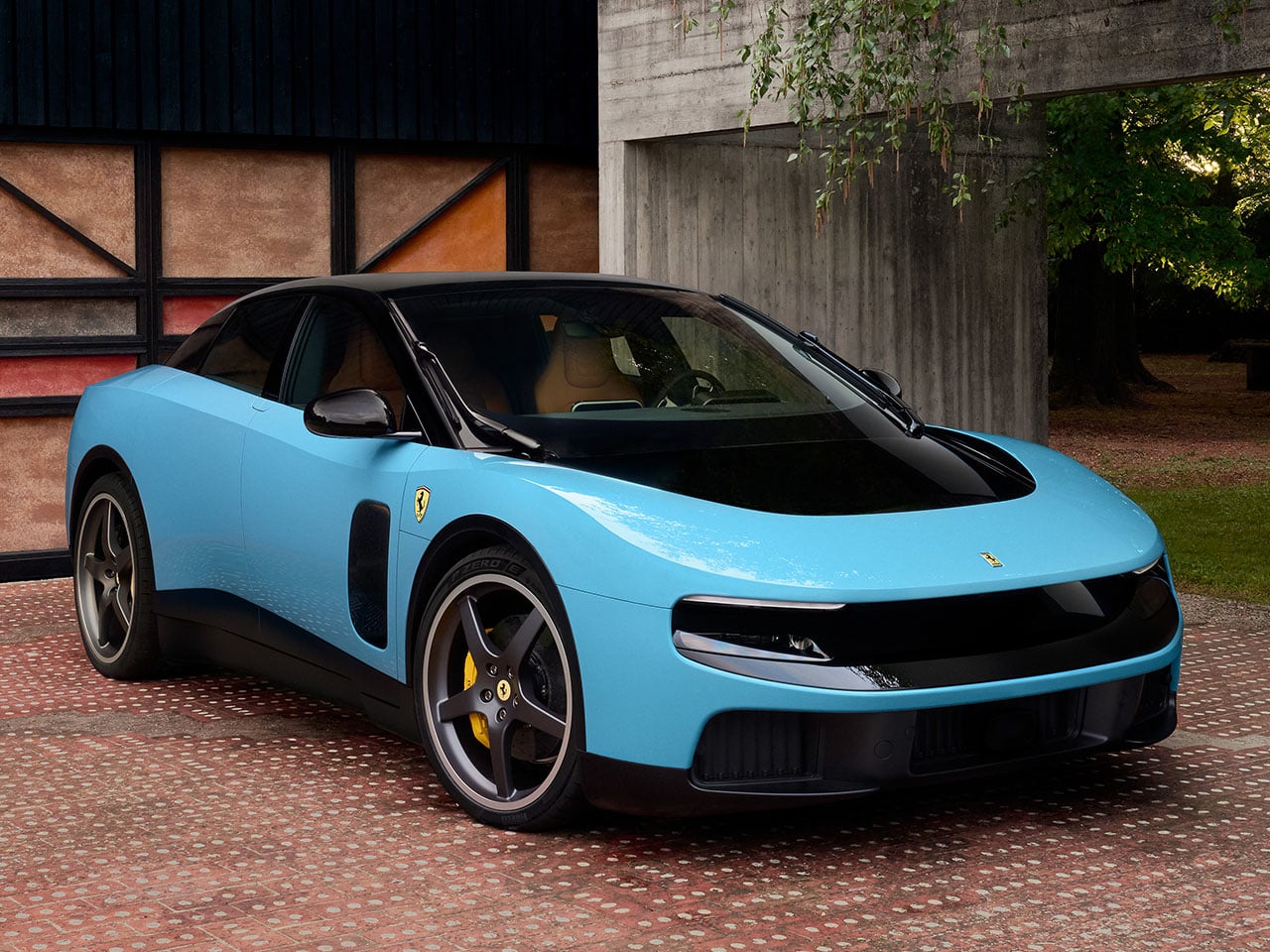
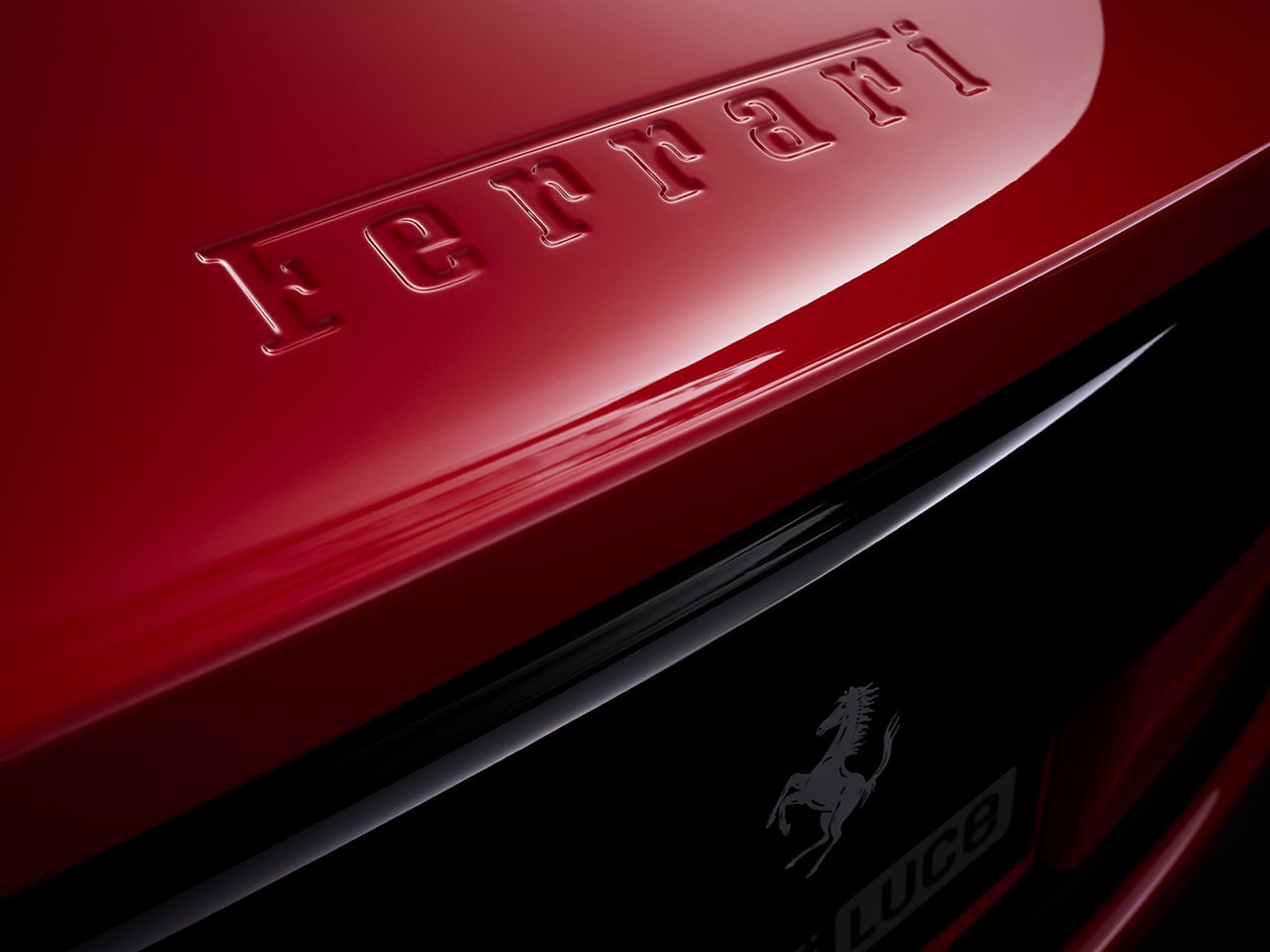
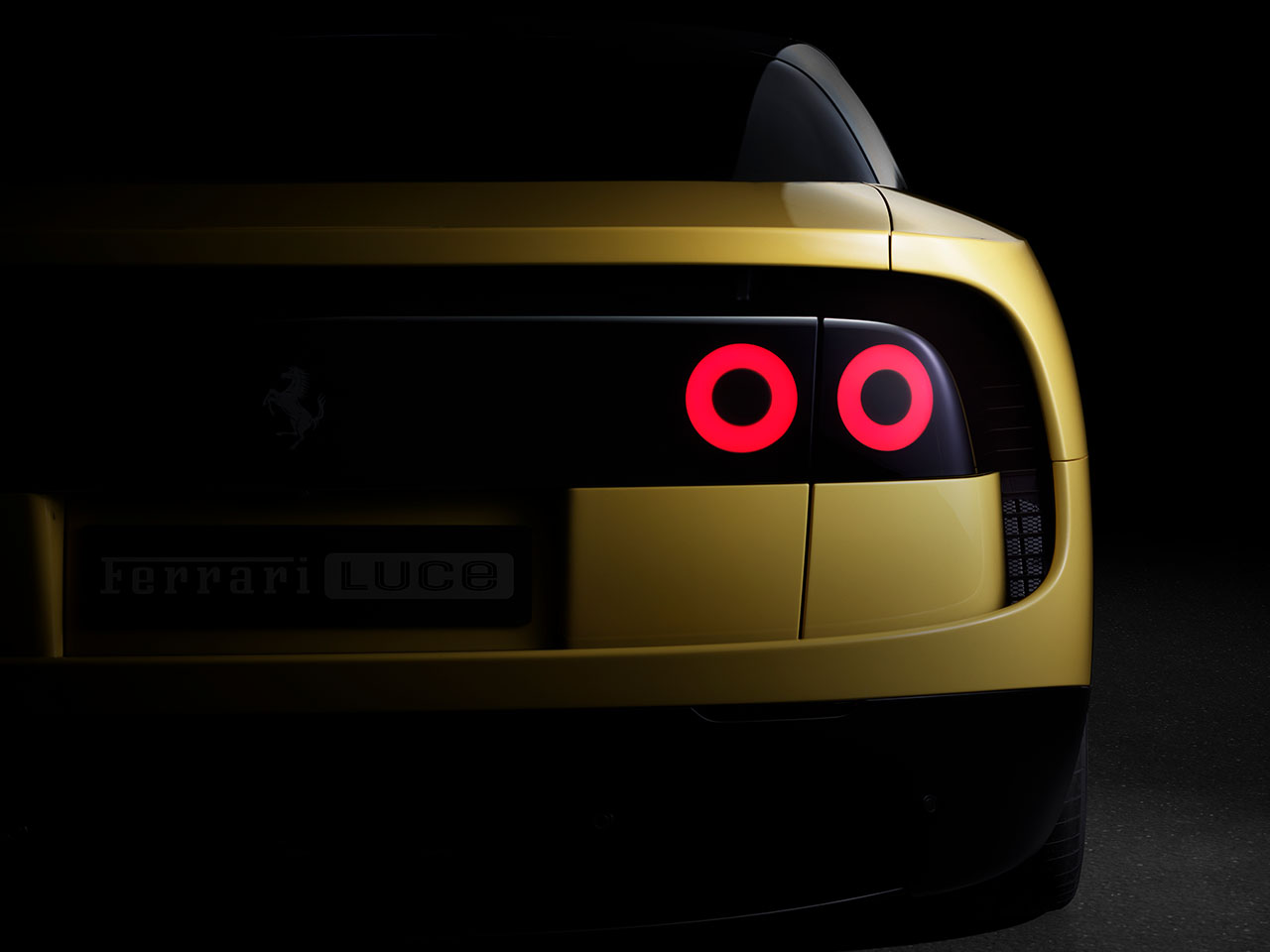
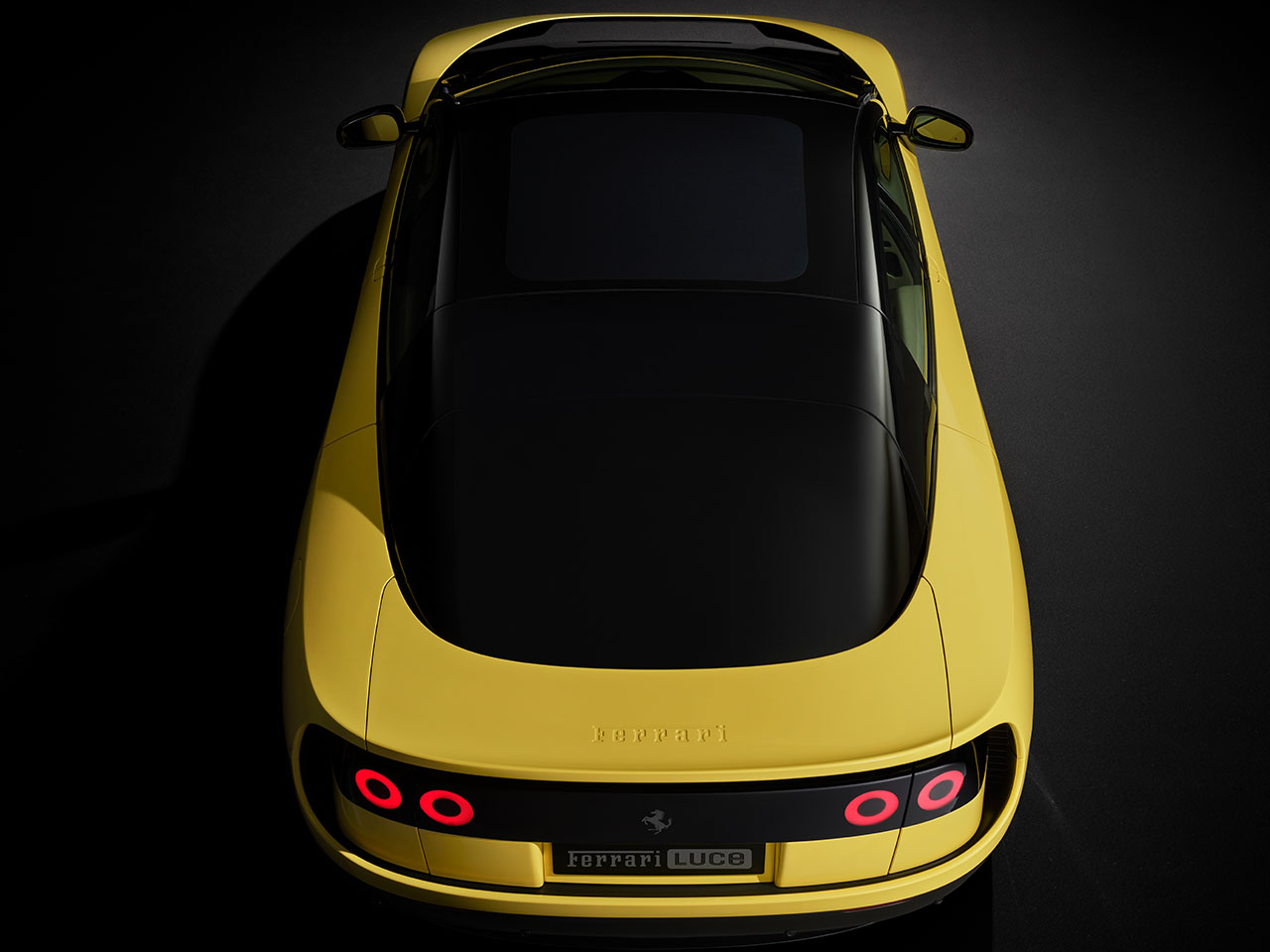
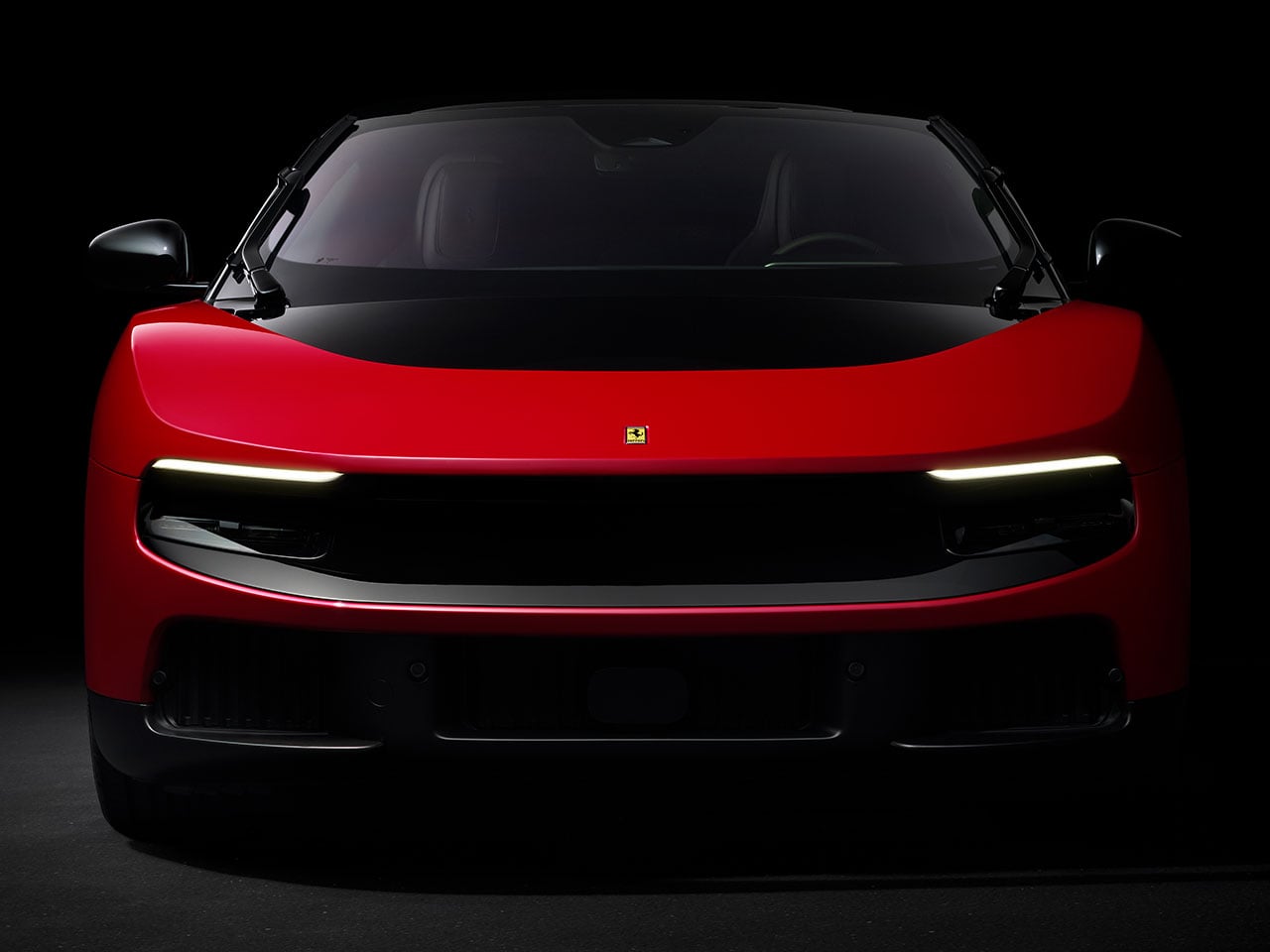
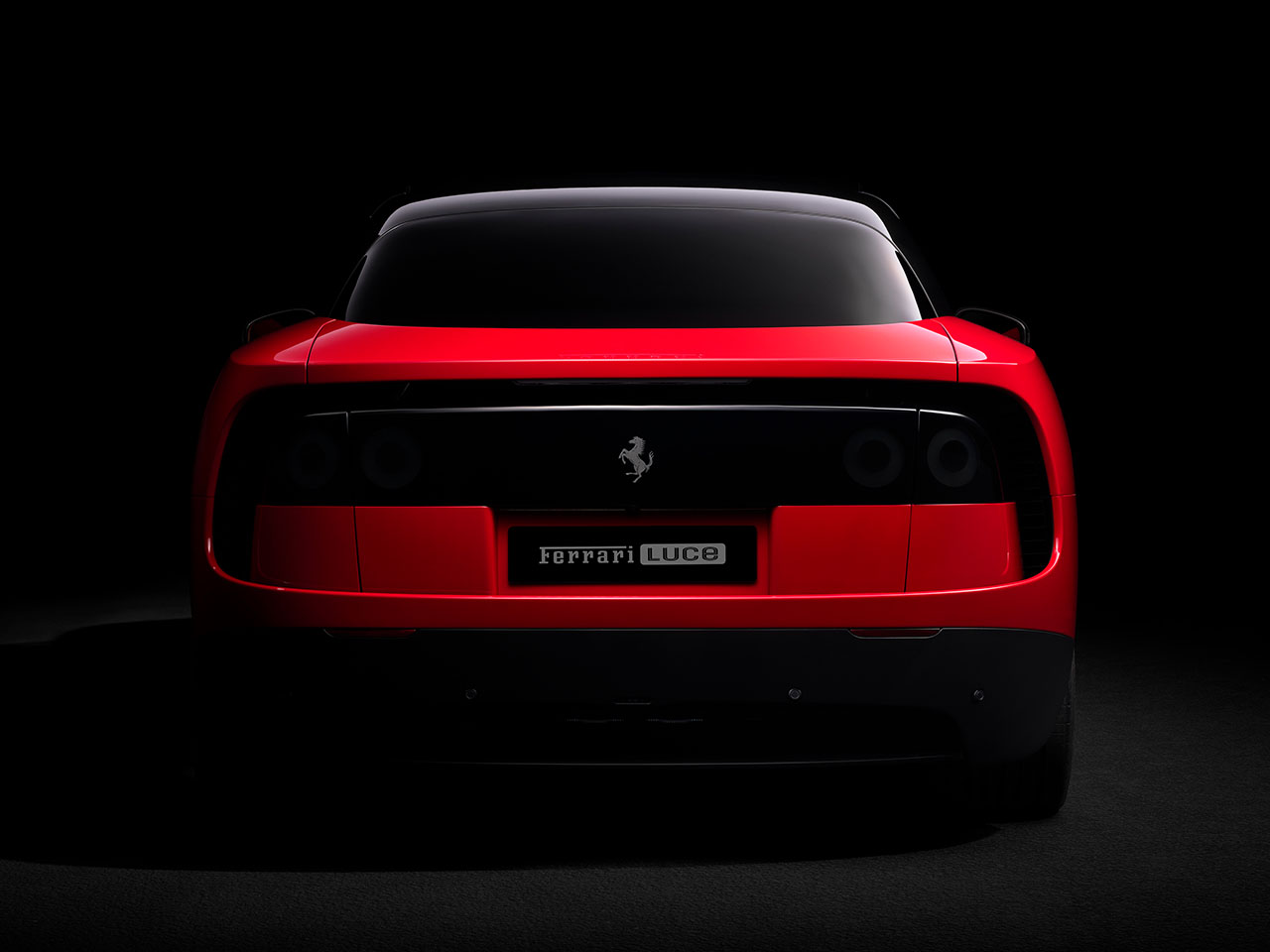
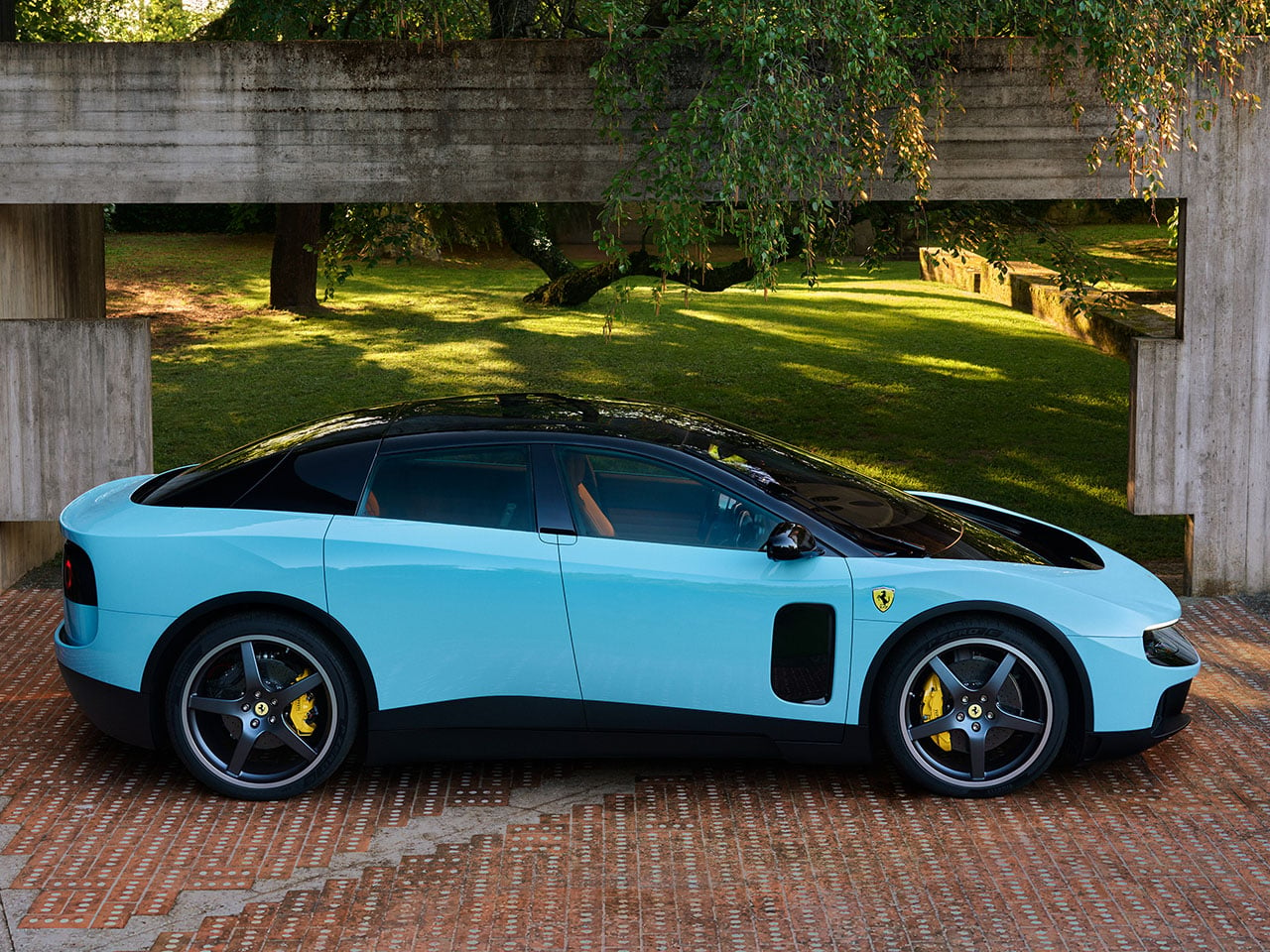
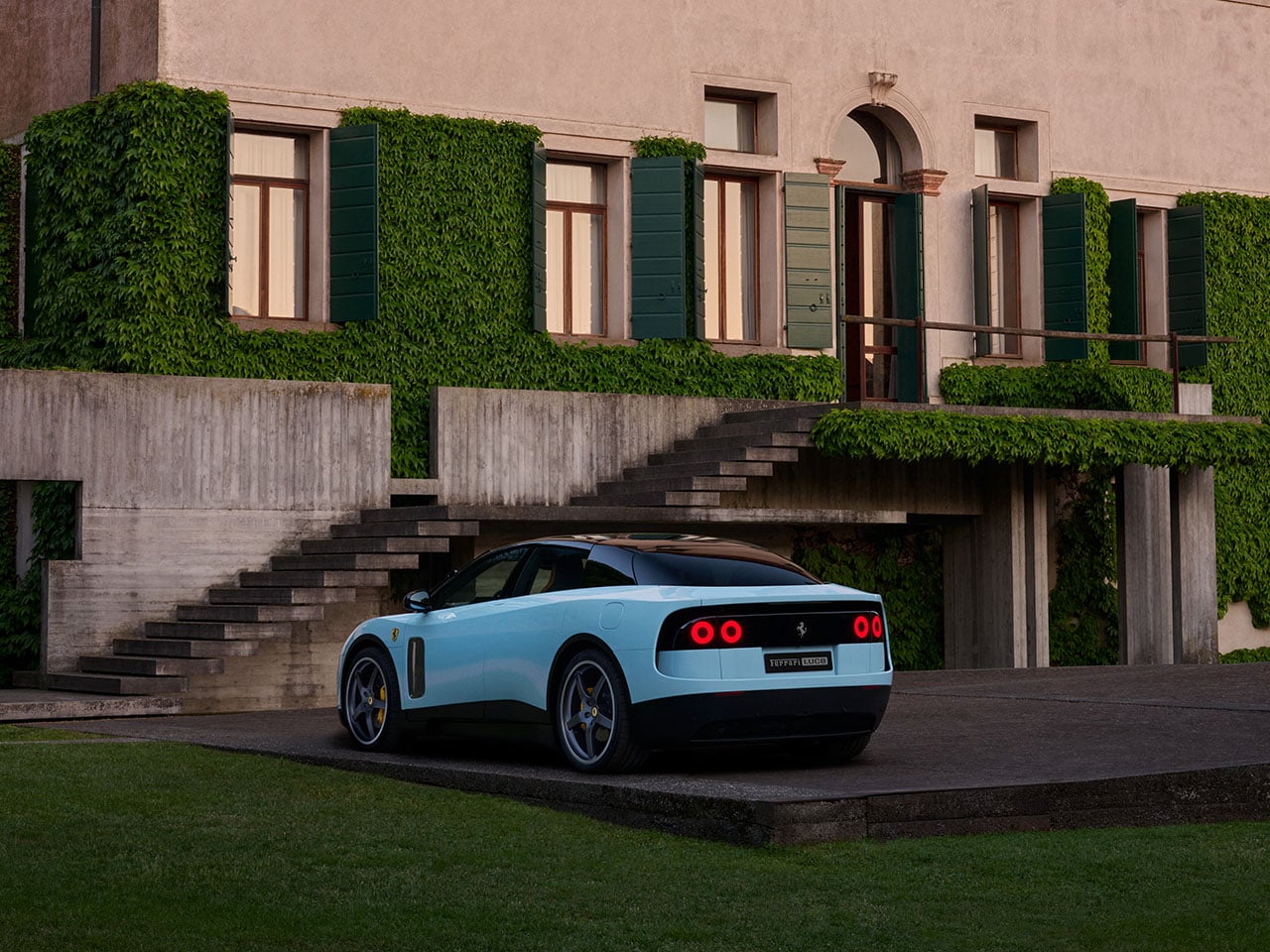
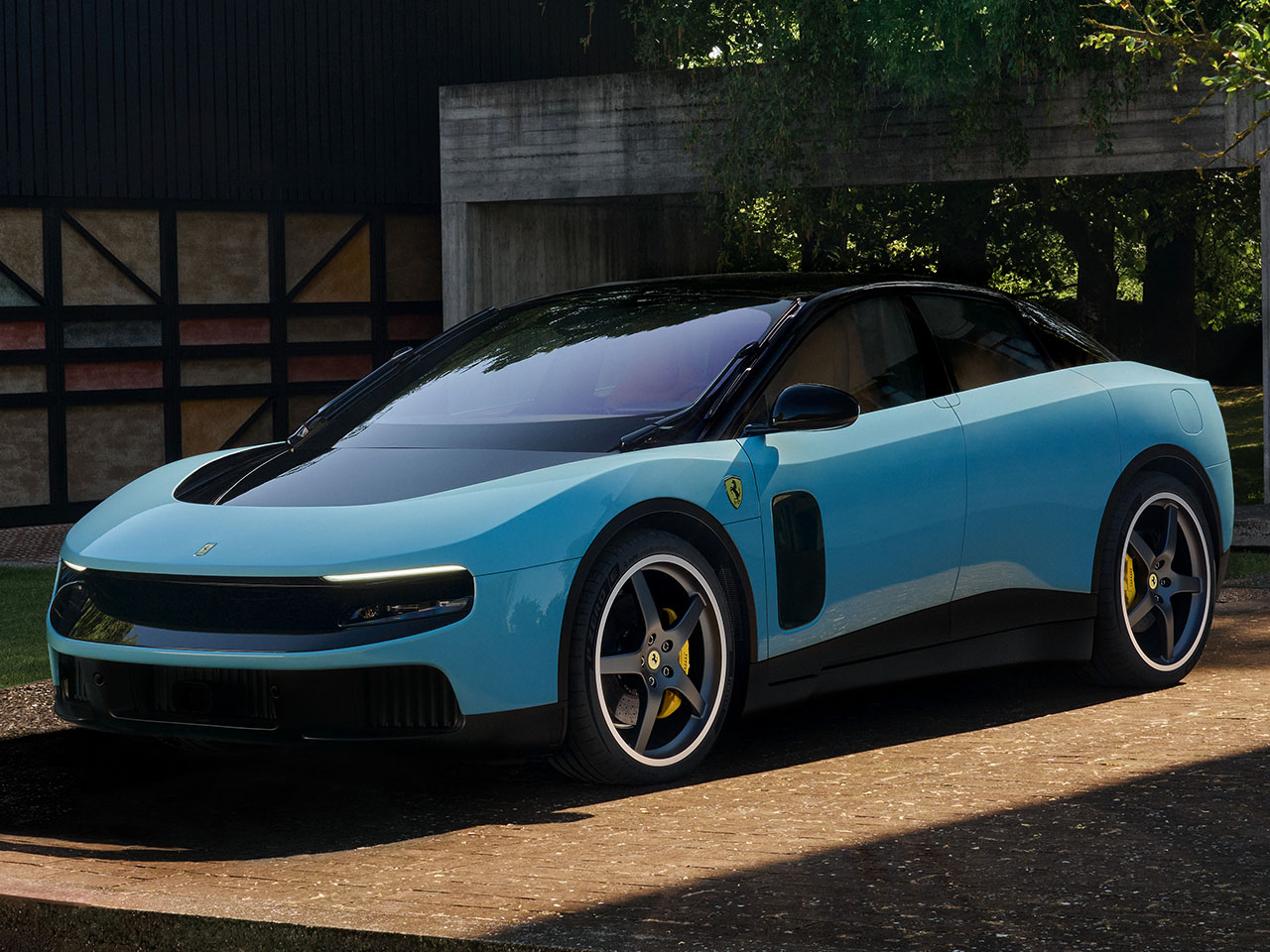
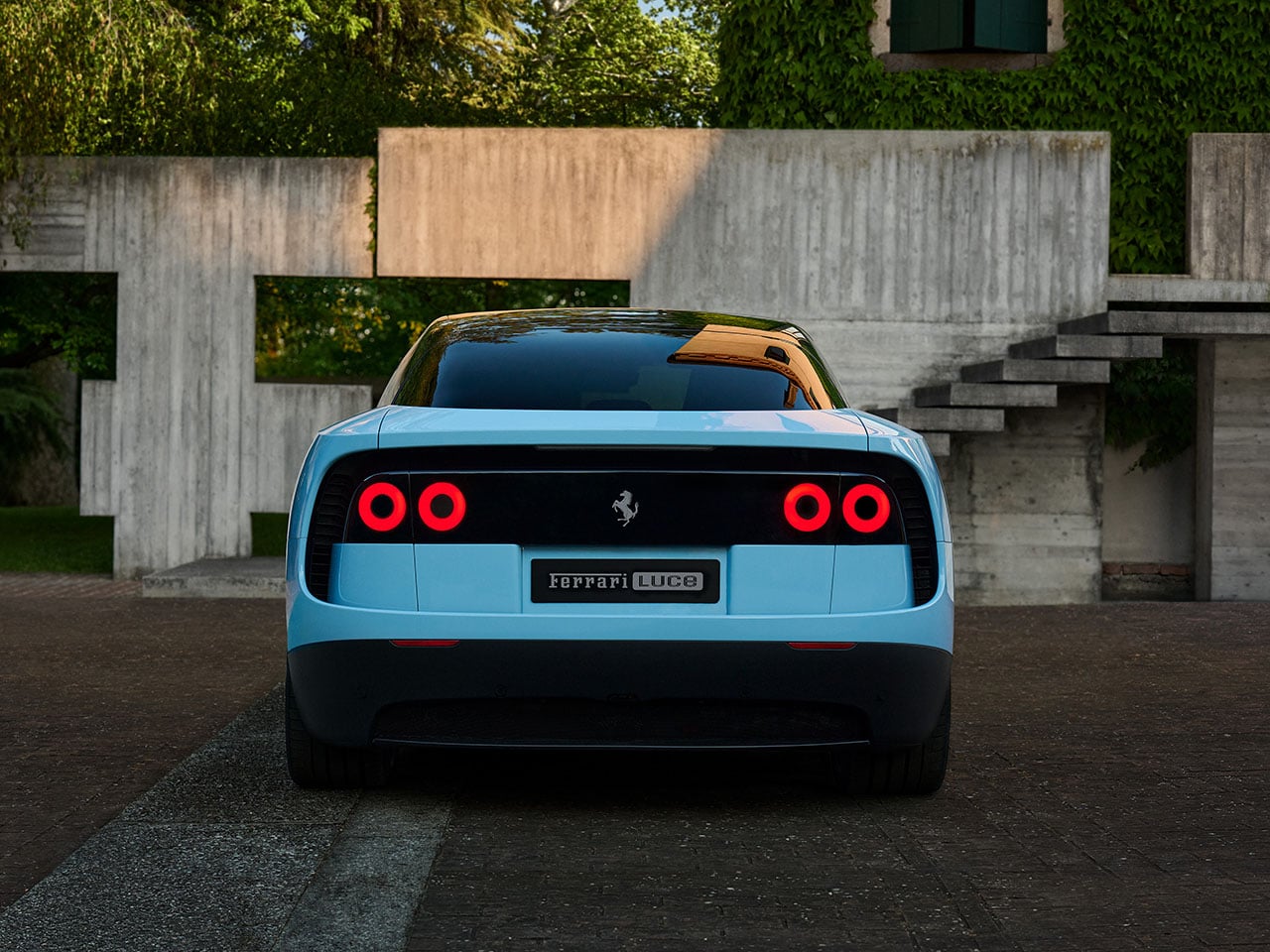
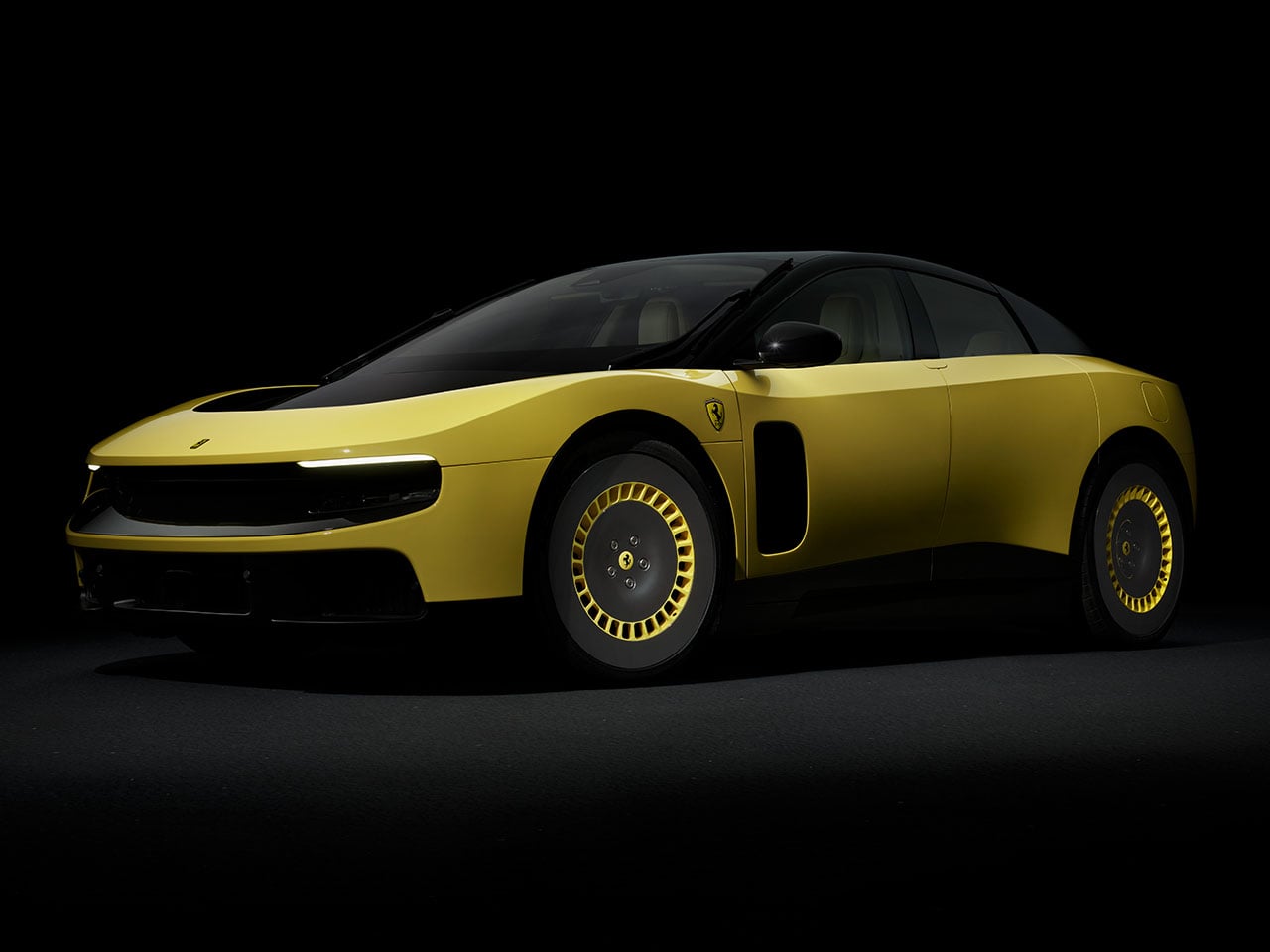
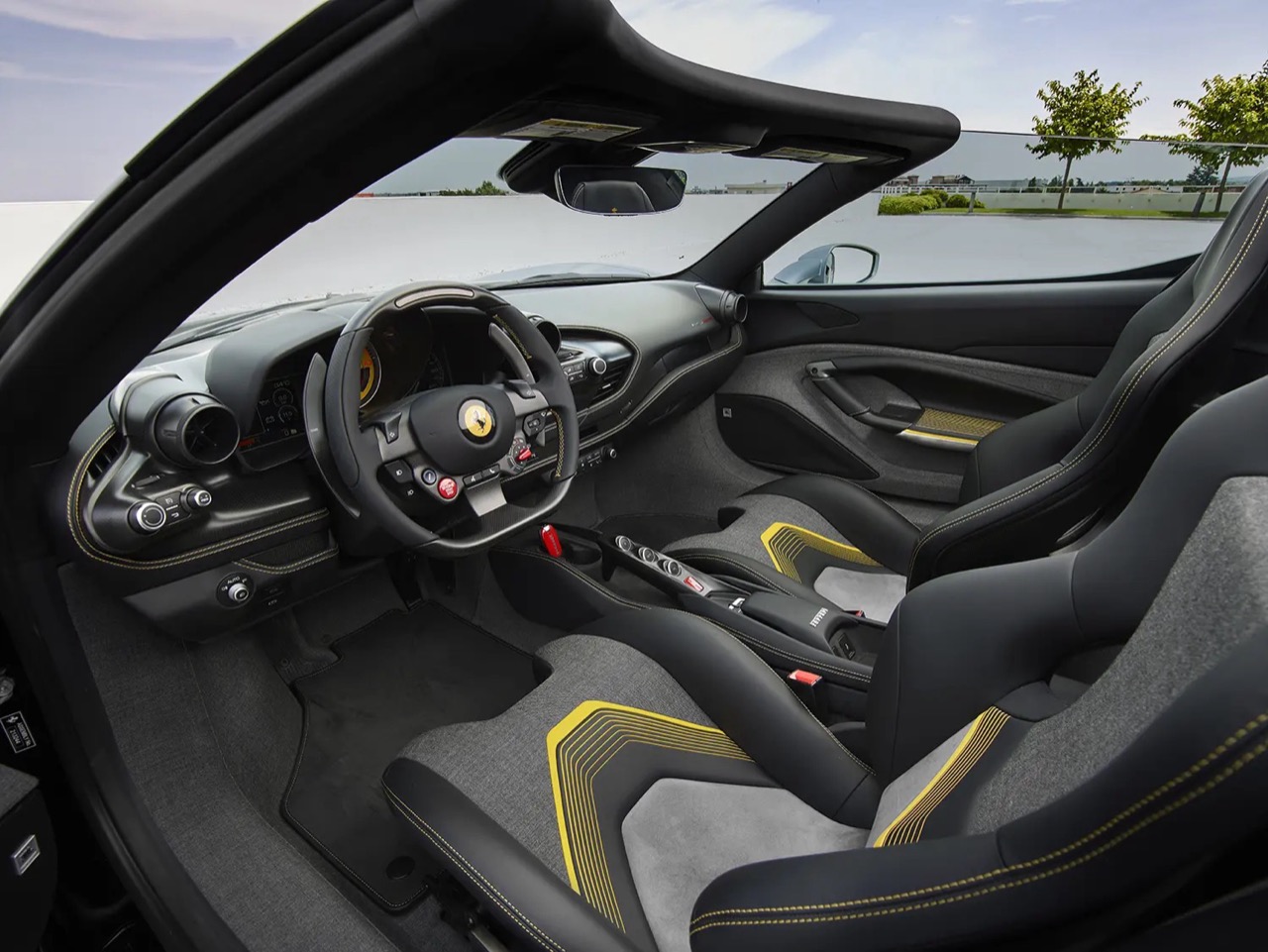
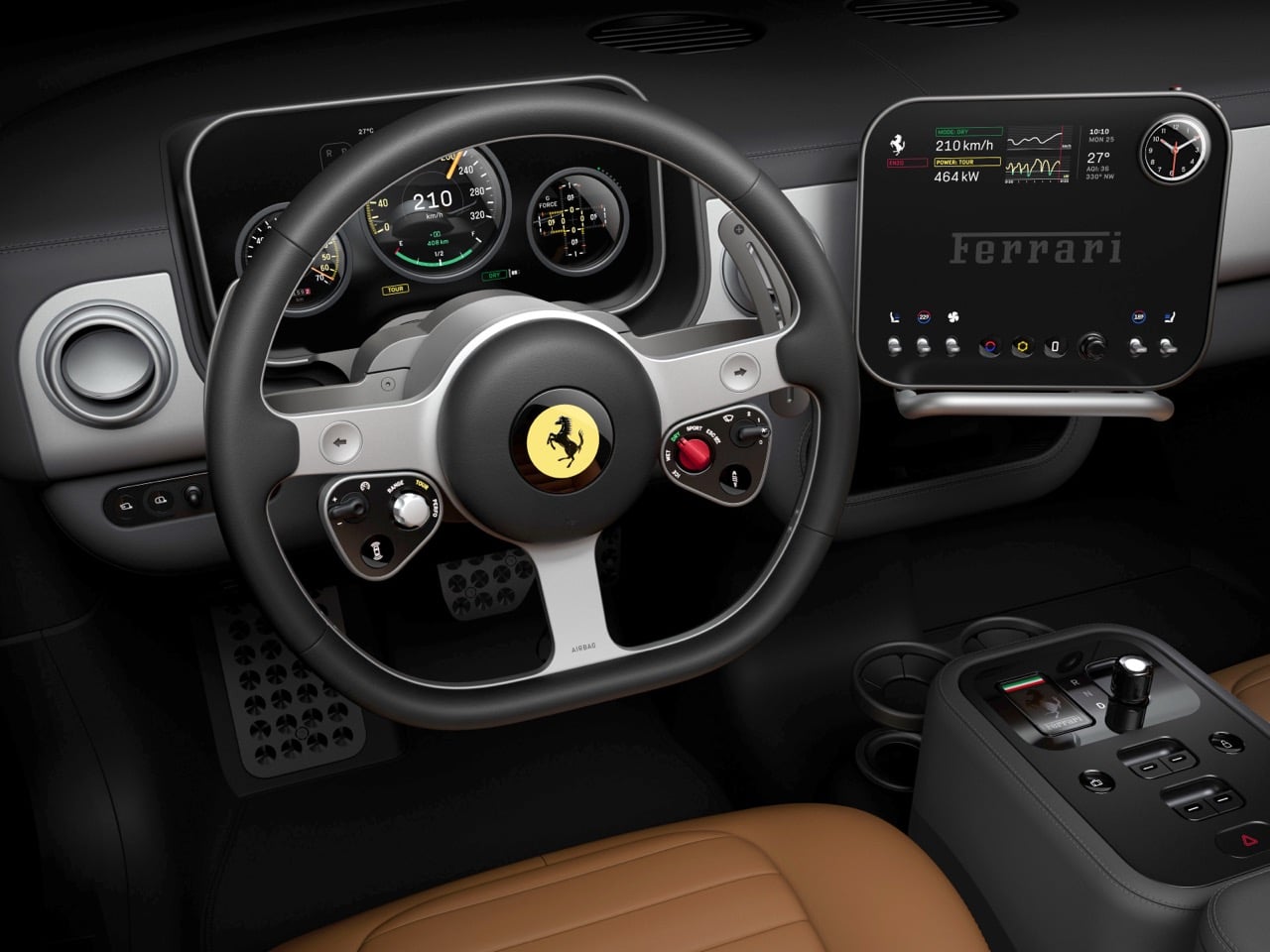
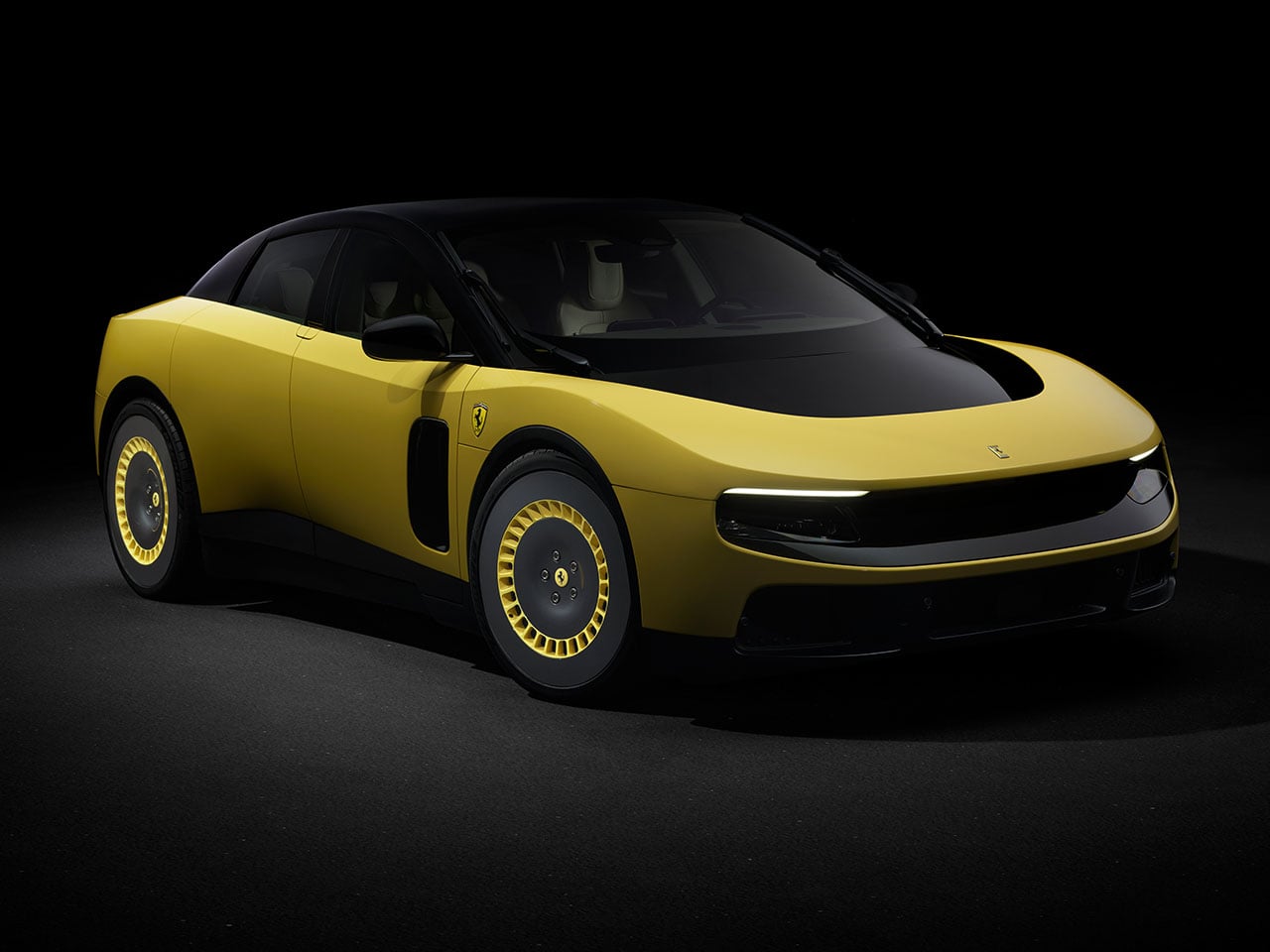
Five years after Jony Ive left Apple, and two years after Apple killed Project Titan, we finally know what the Apple Car’s interior *could* have looked like. It just happens to have a prancing horse on the steering wheel instead of a bitten apple.

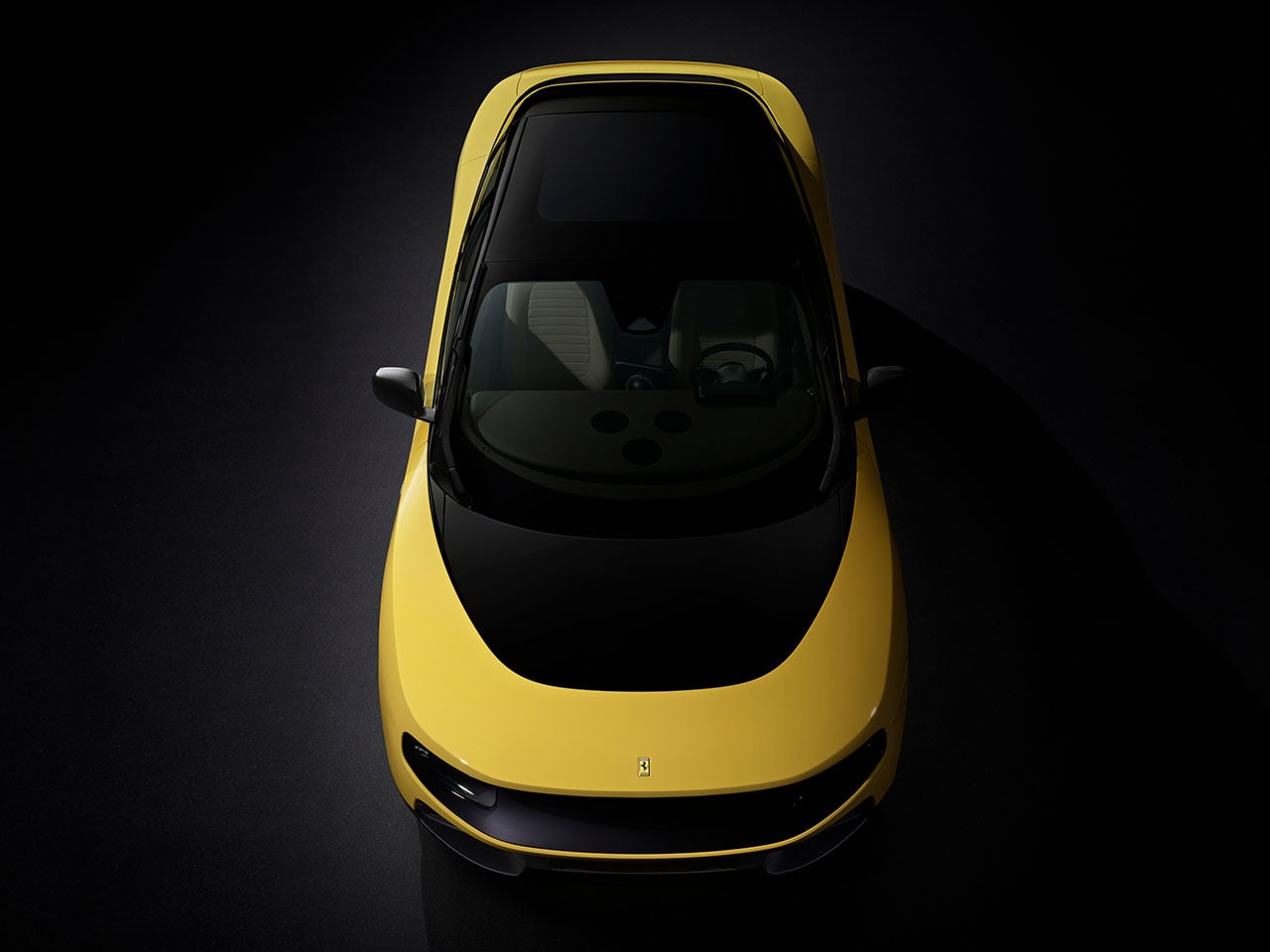
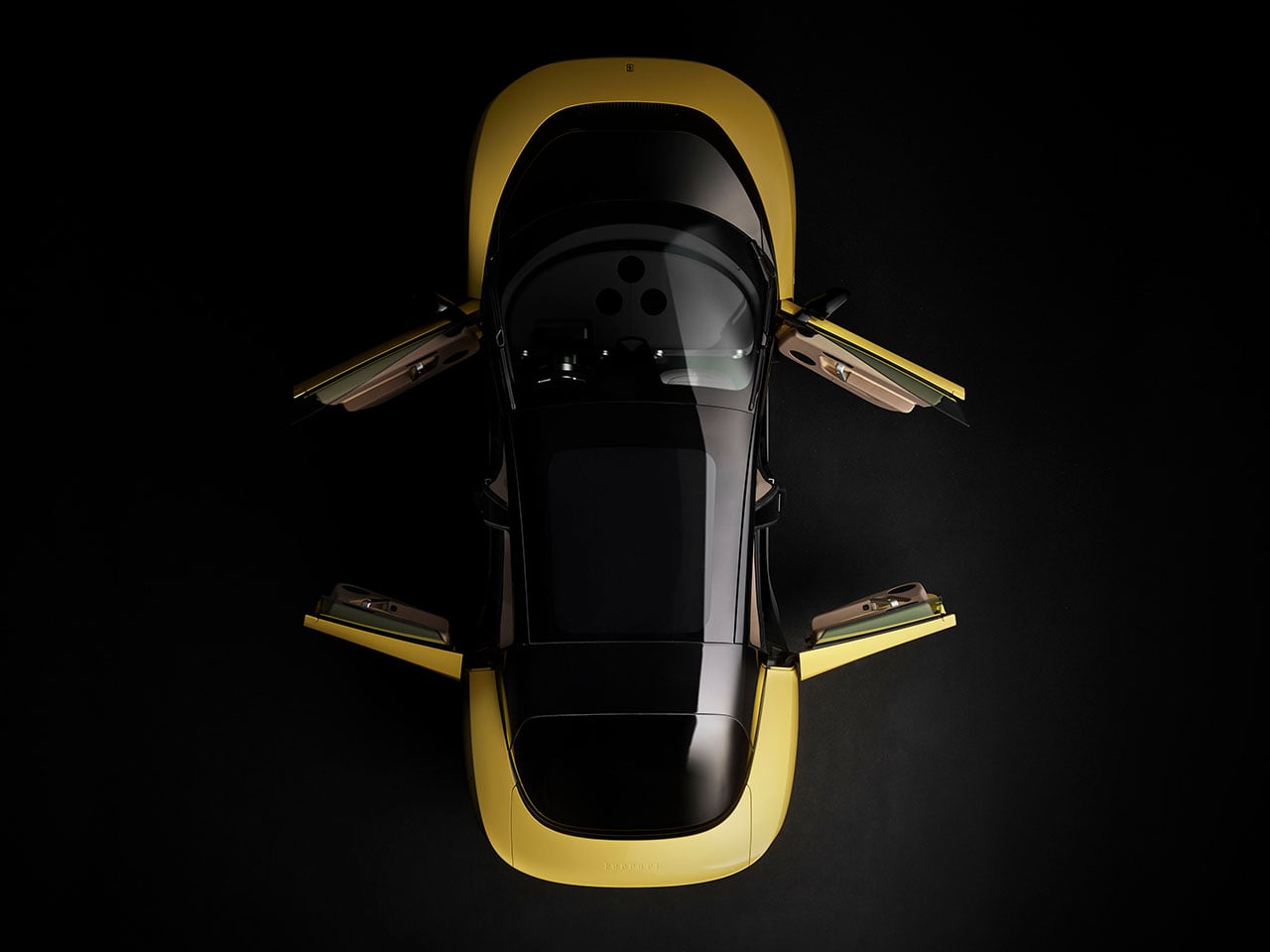
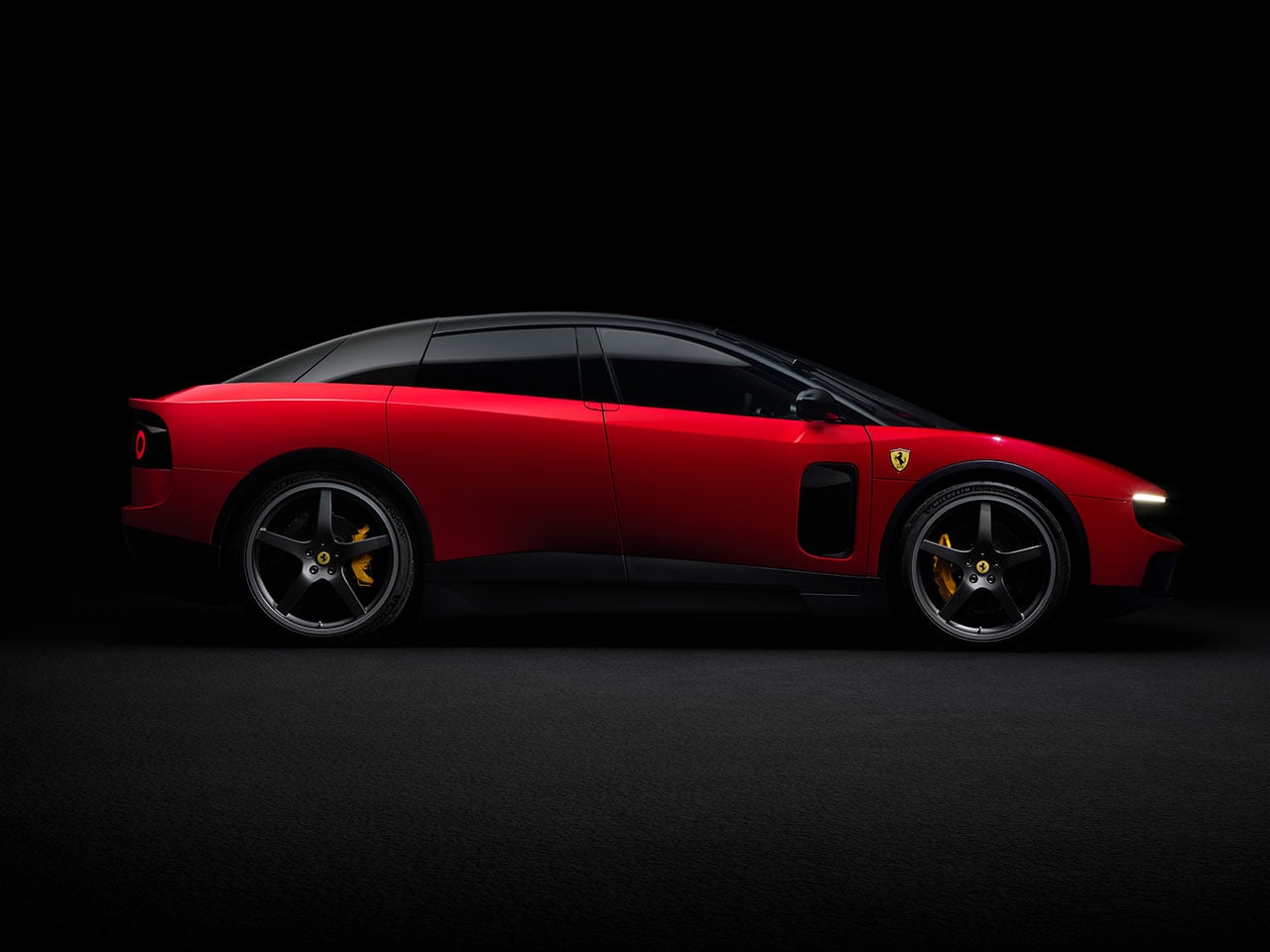
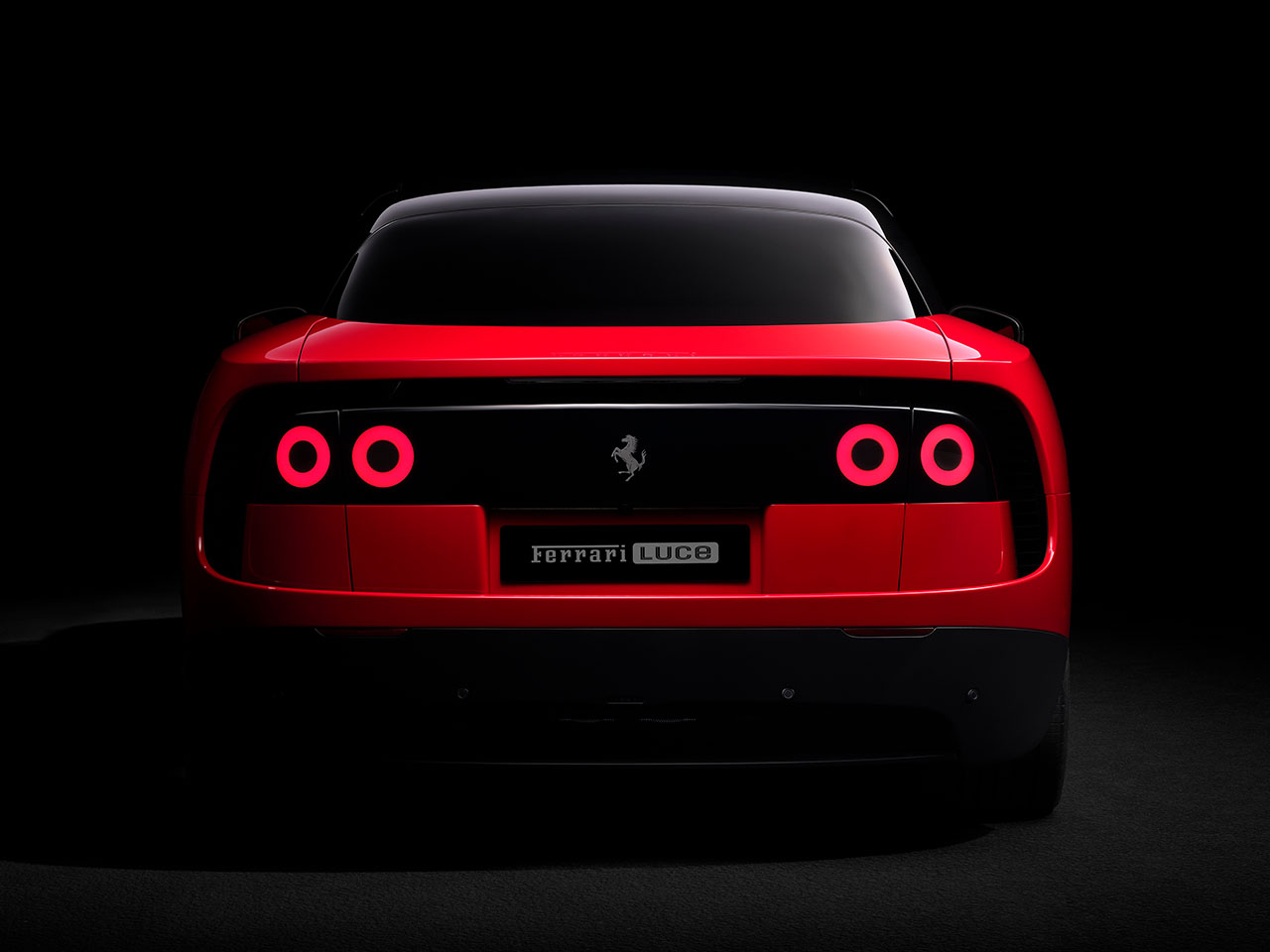
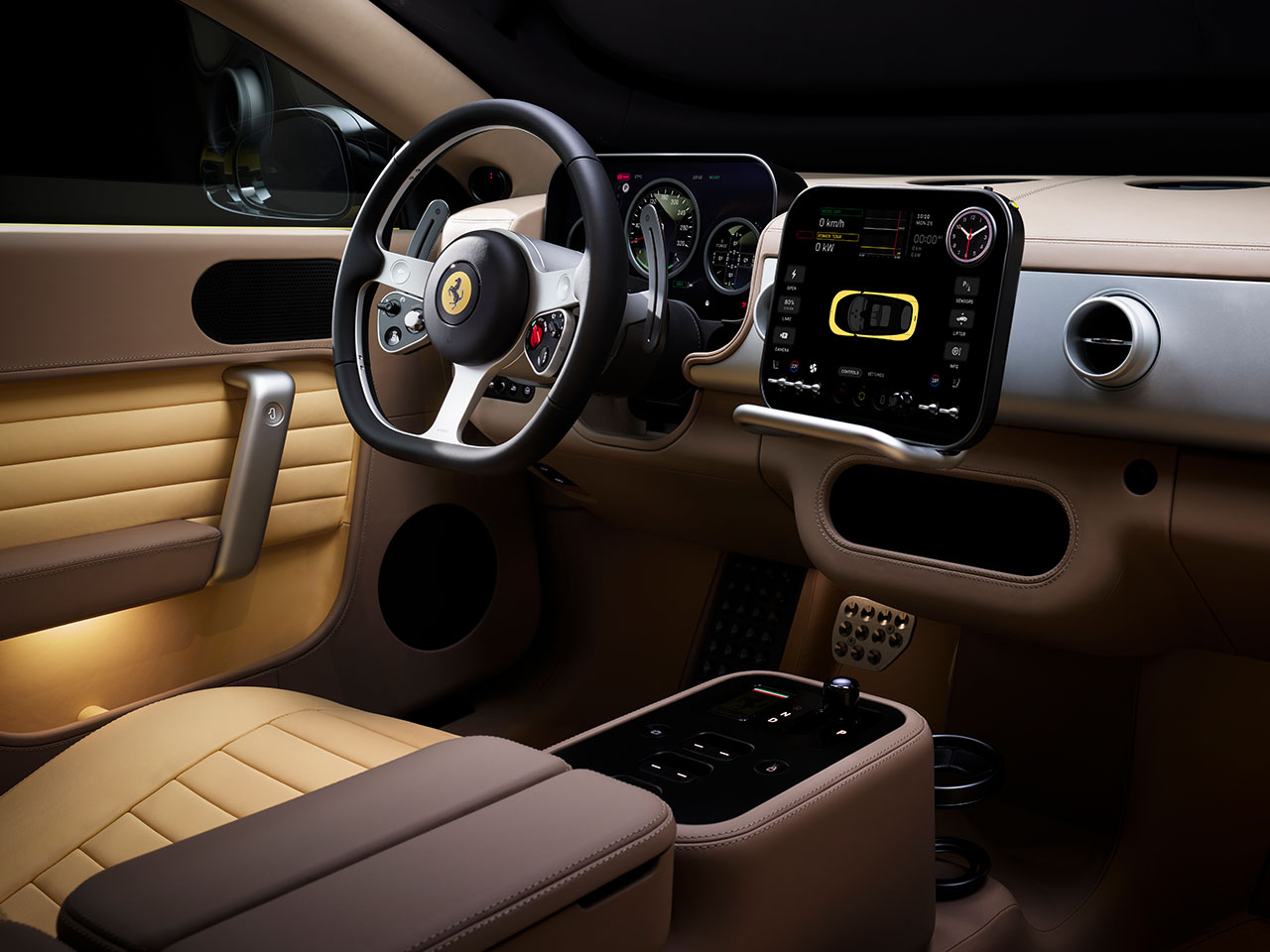
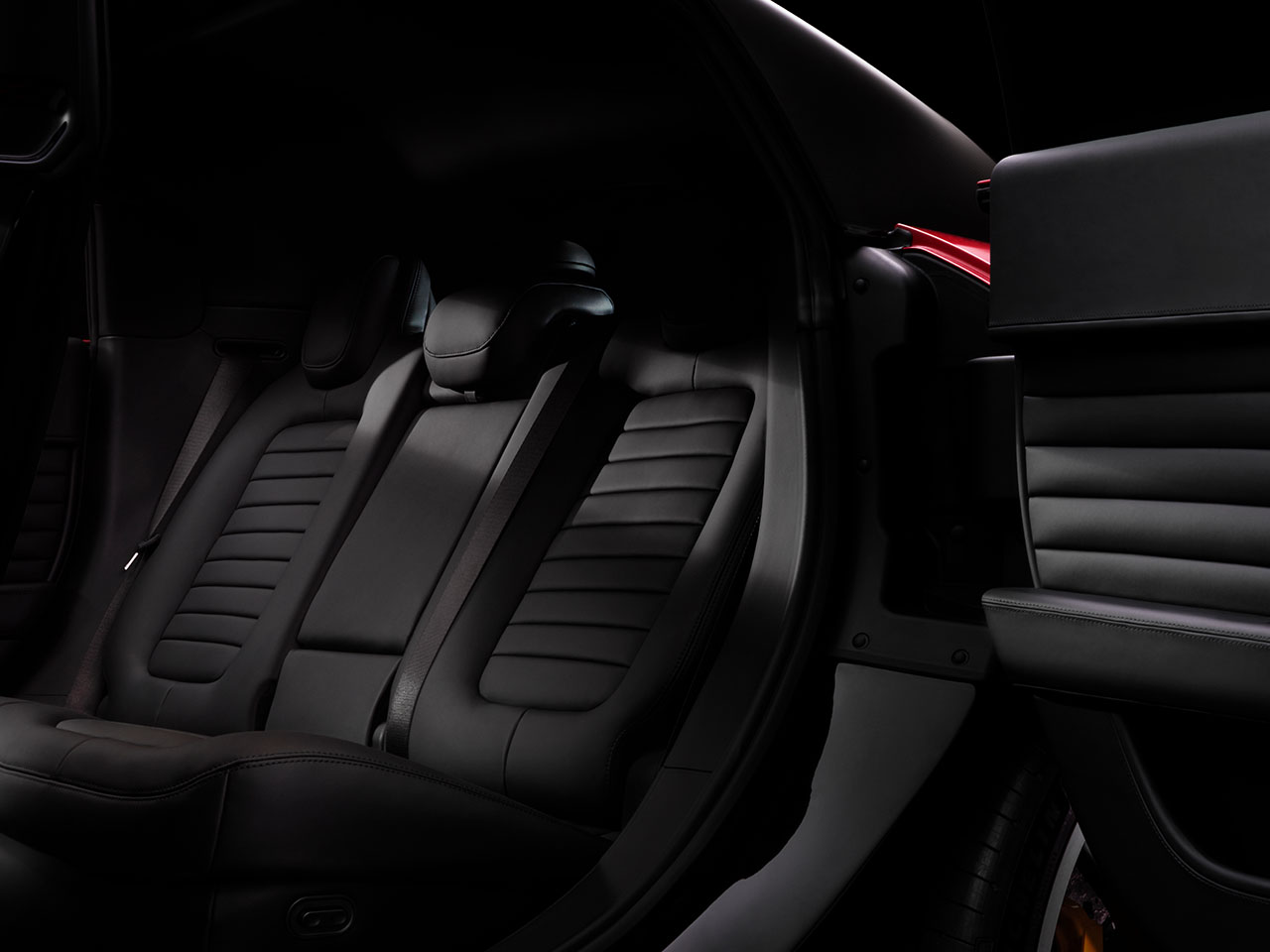
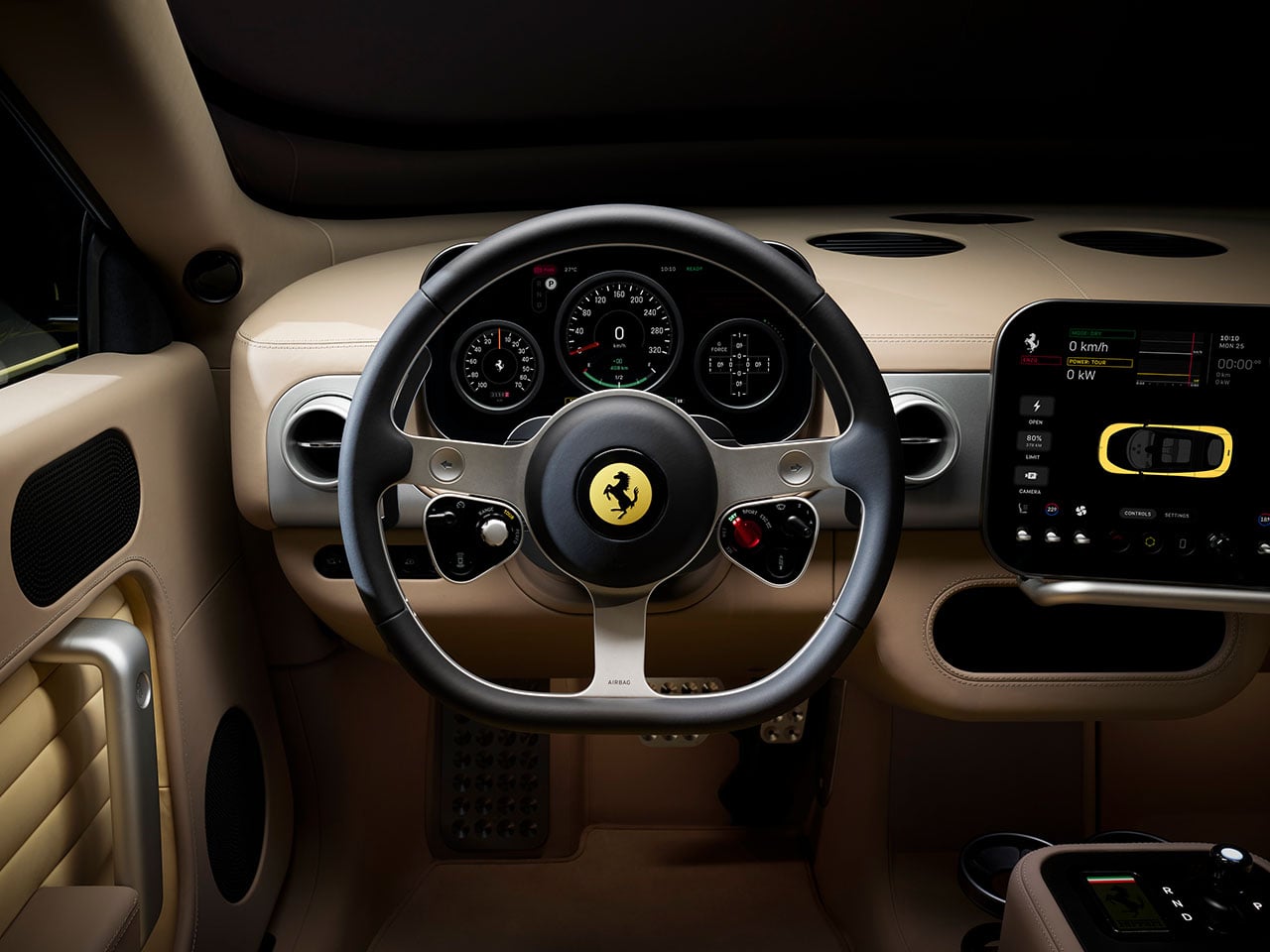
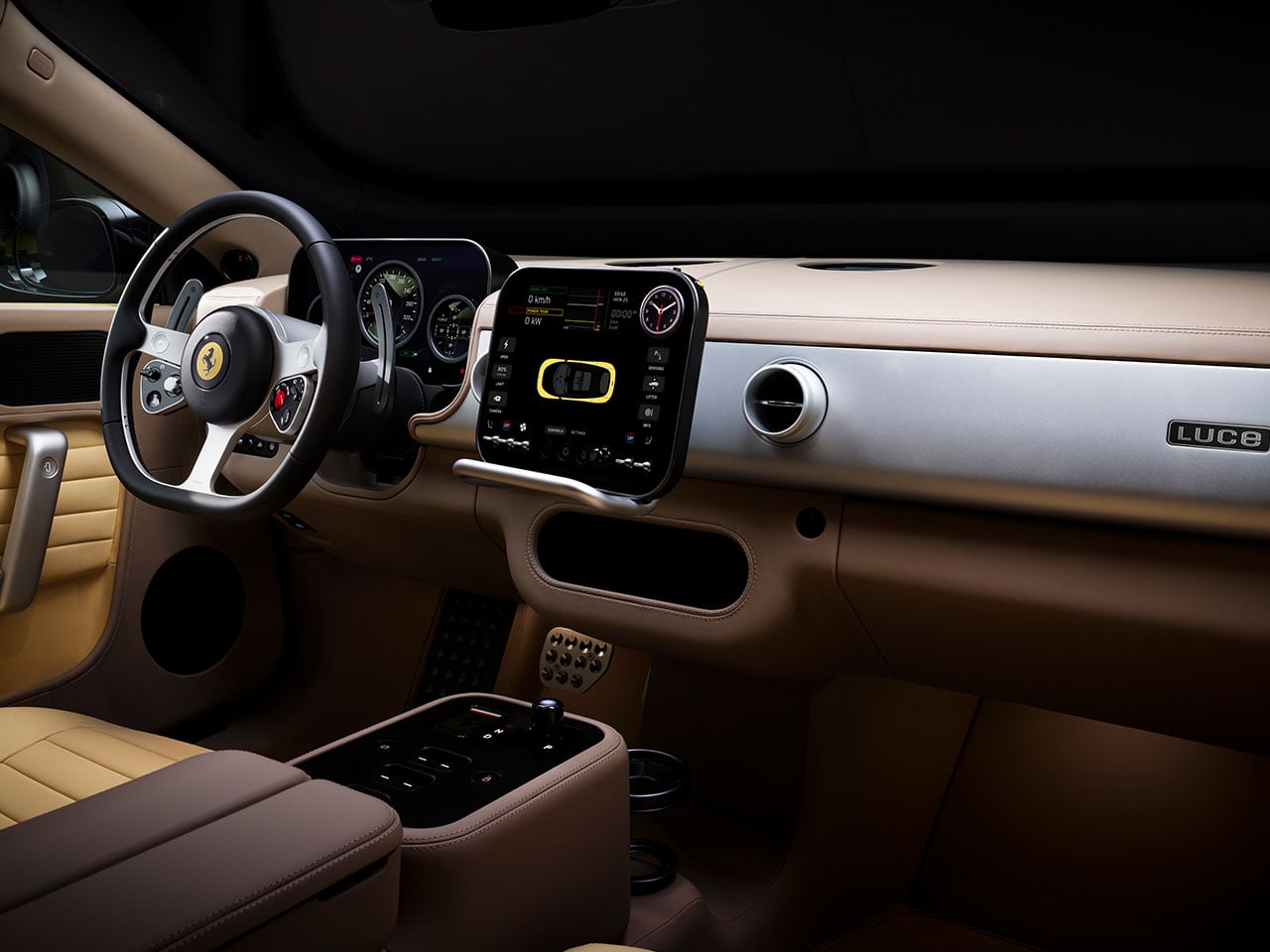
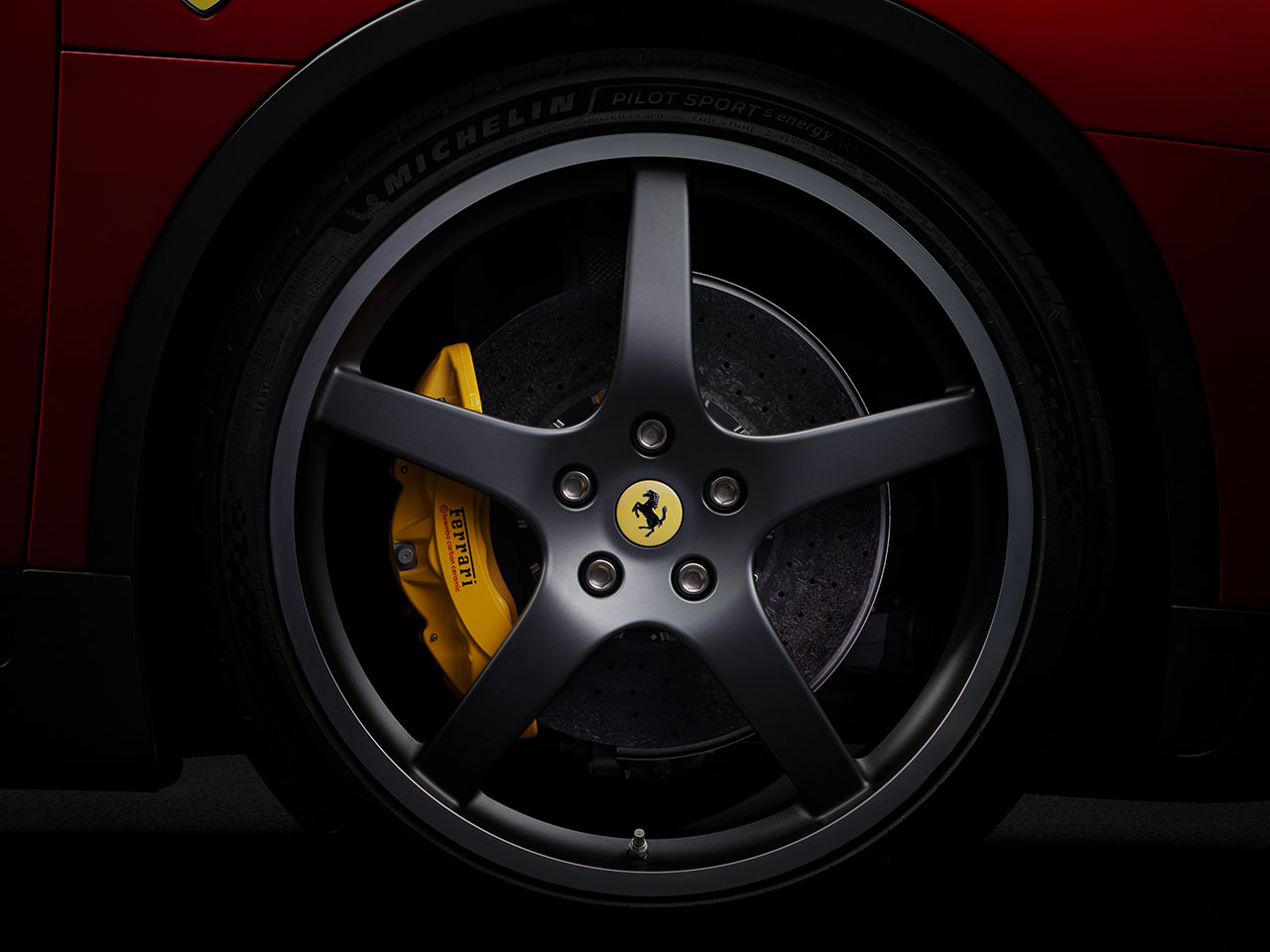
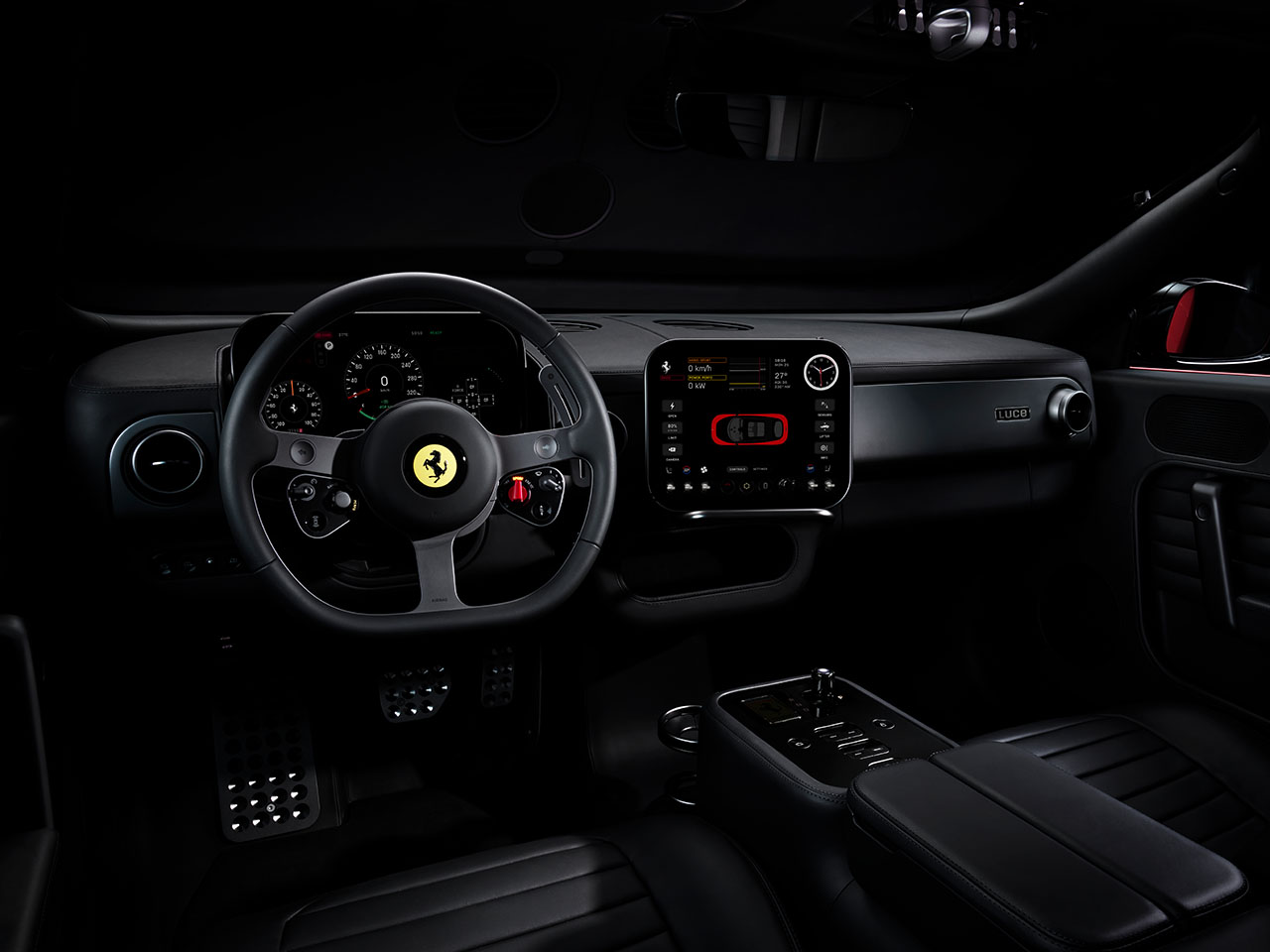
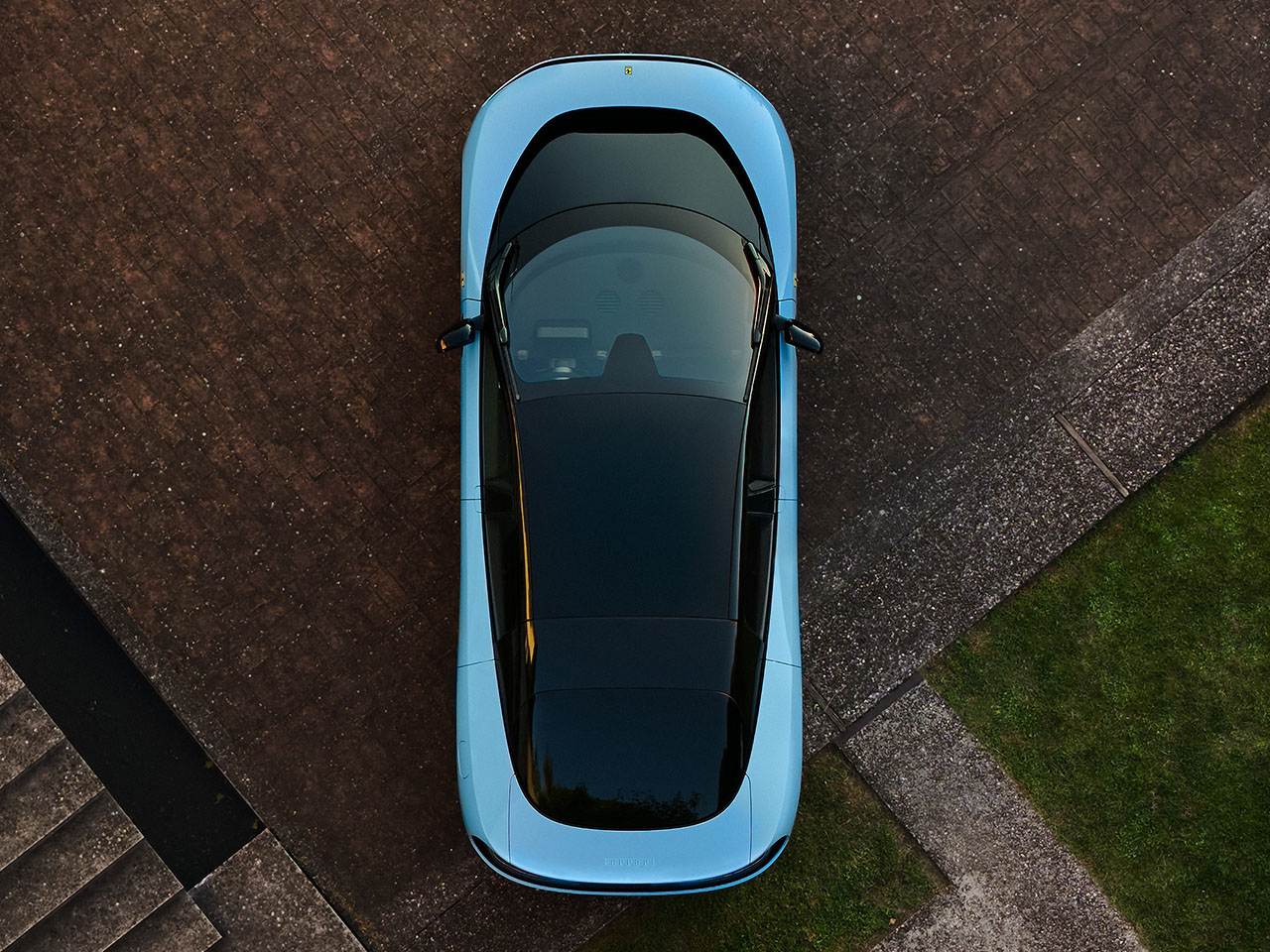
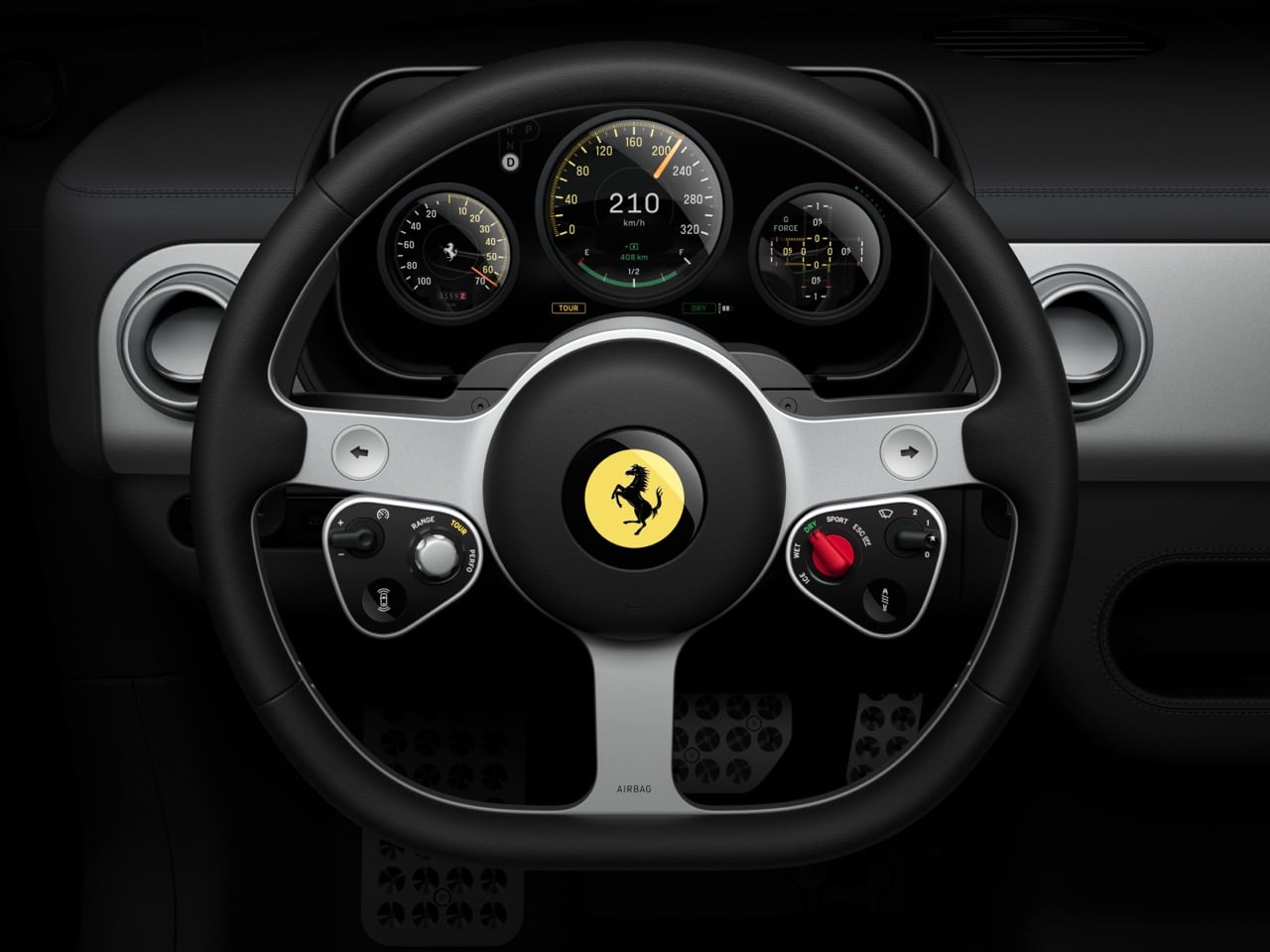
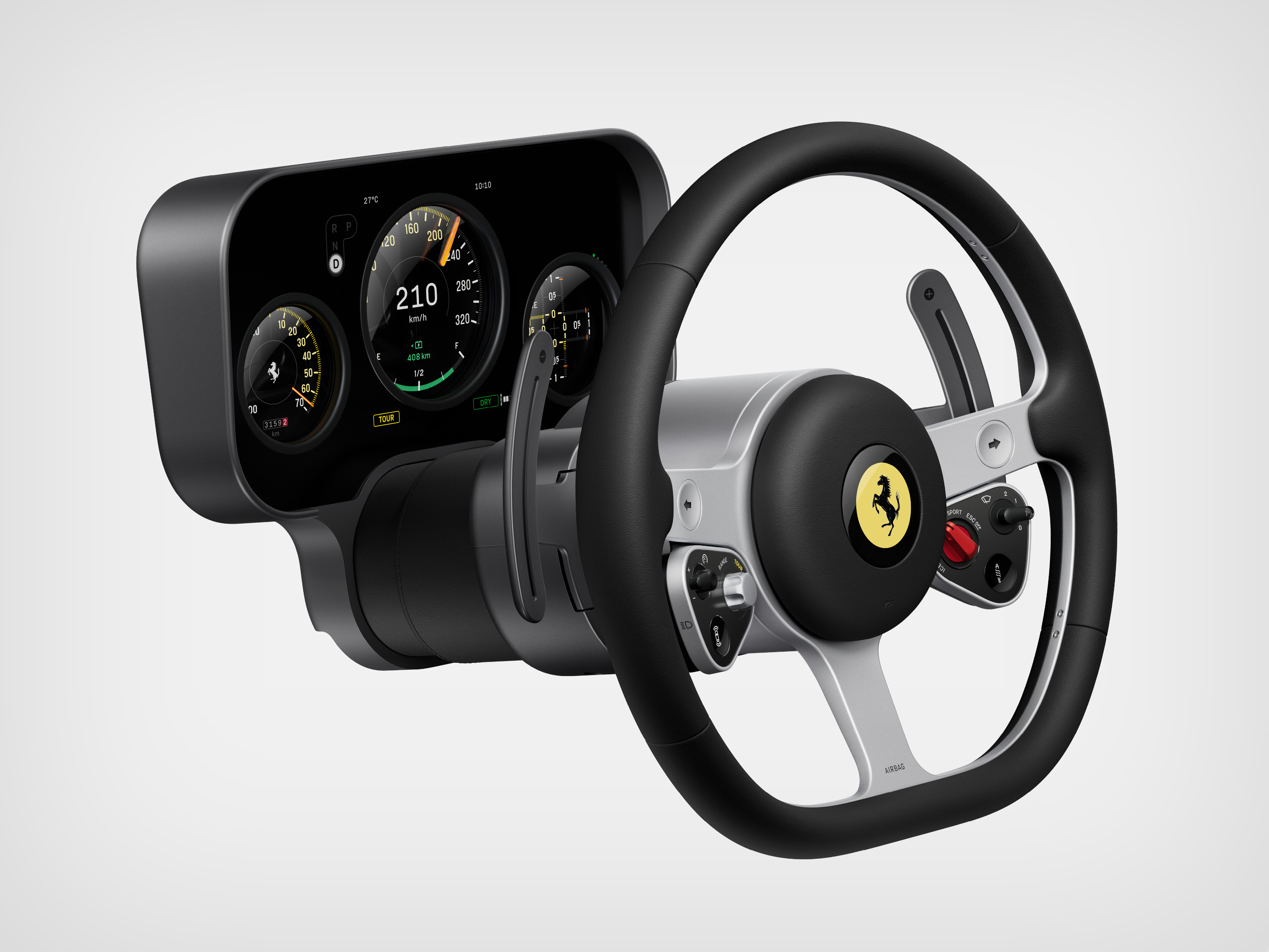
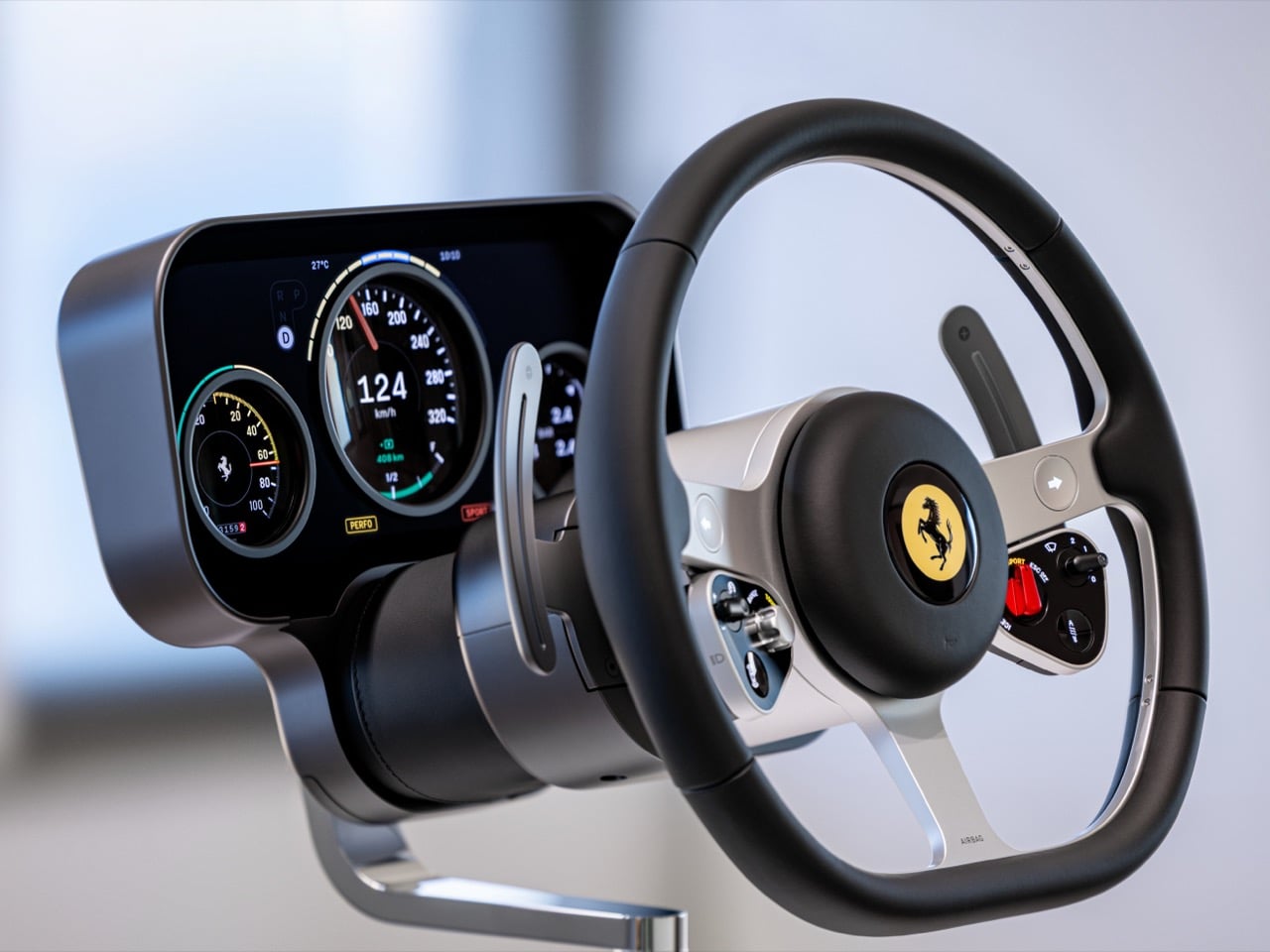
The Ferrari Luce, revealed last week in San Francisco, is a transplant of Apple’s design language into automotive form. Everything about this interior, from the E-ink key fob to the OLED dials to the obsessive material purity, carries the unmistakable signature of Apple’s design peak from 2015 to 2019, when Ive still occupied his Cupertino office and the car project remained alive.

The Apple DNA is Everywhere

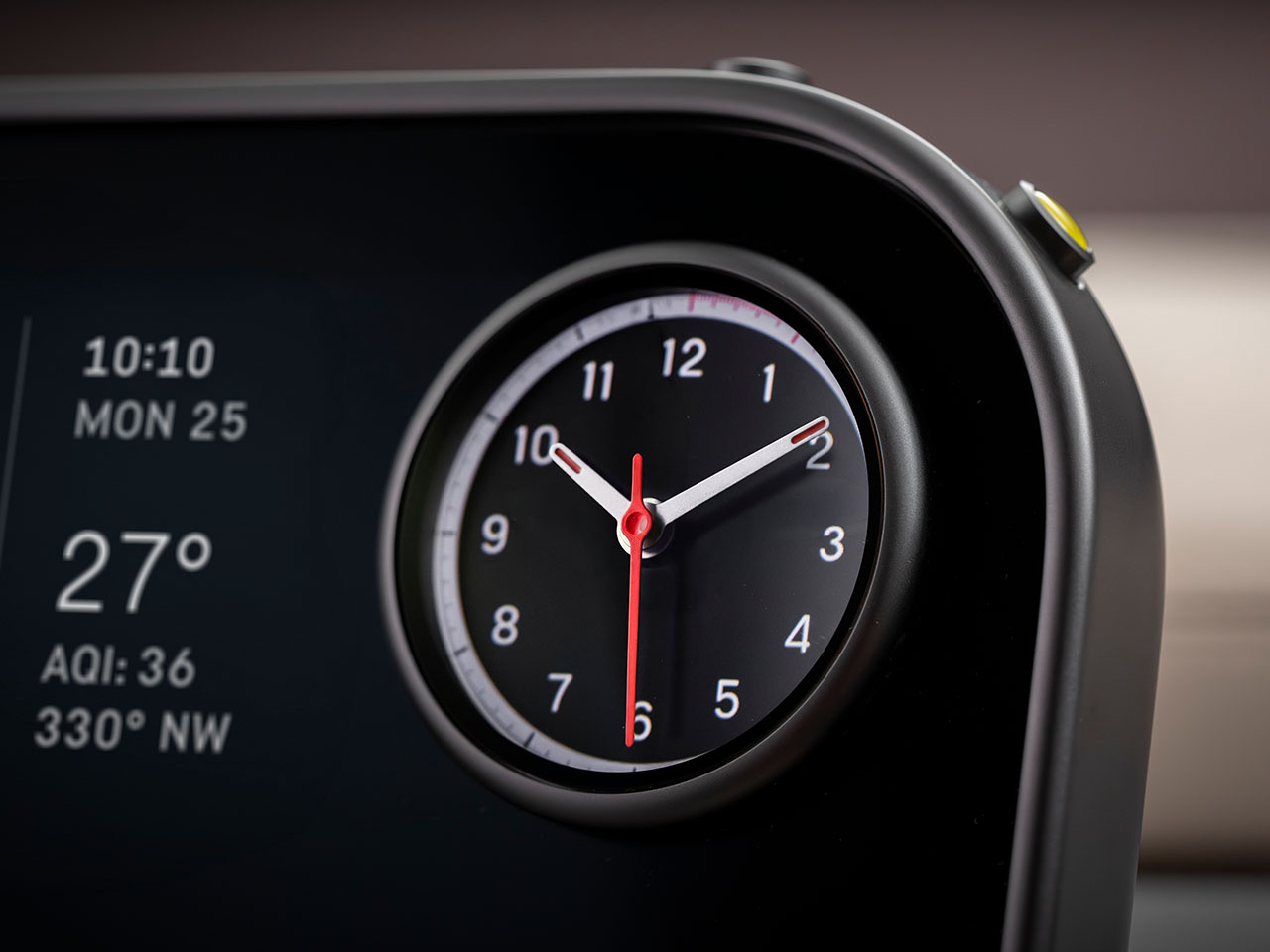
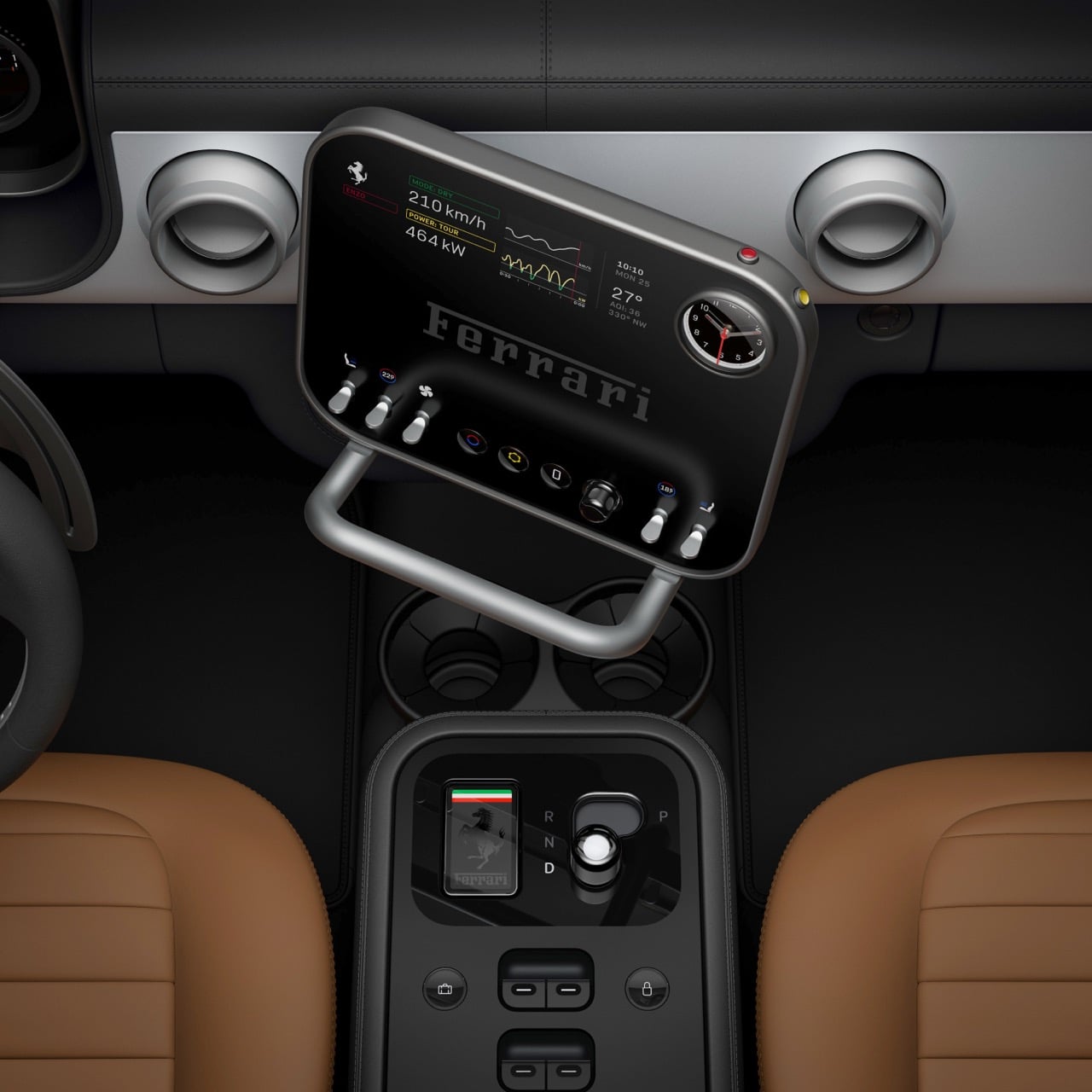
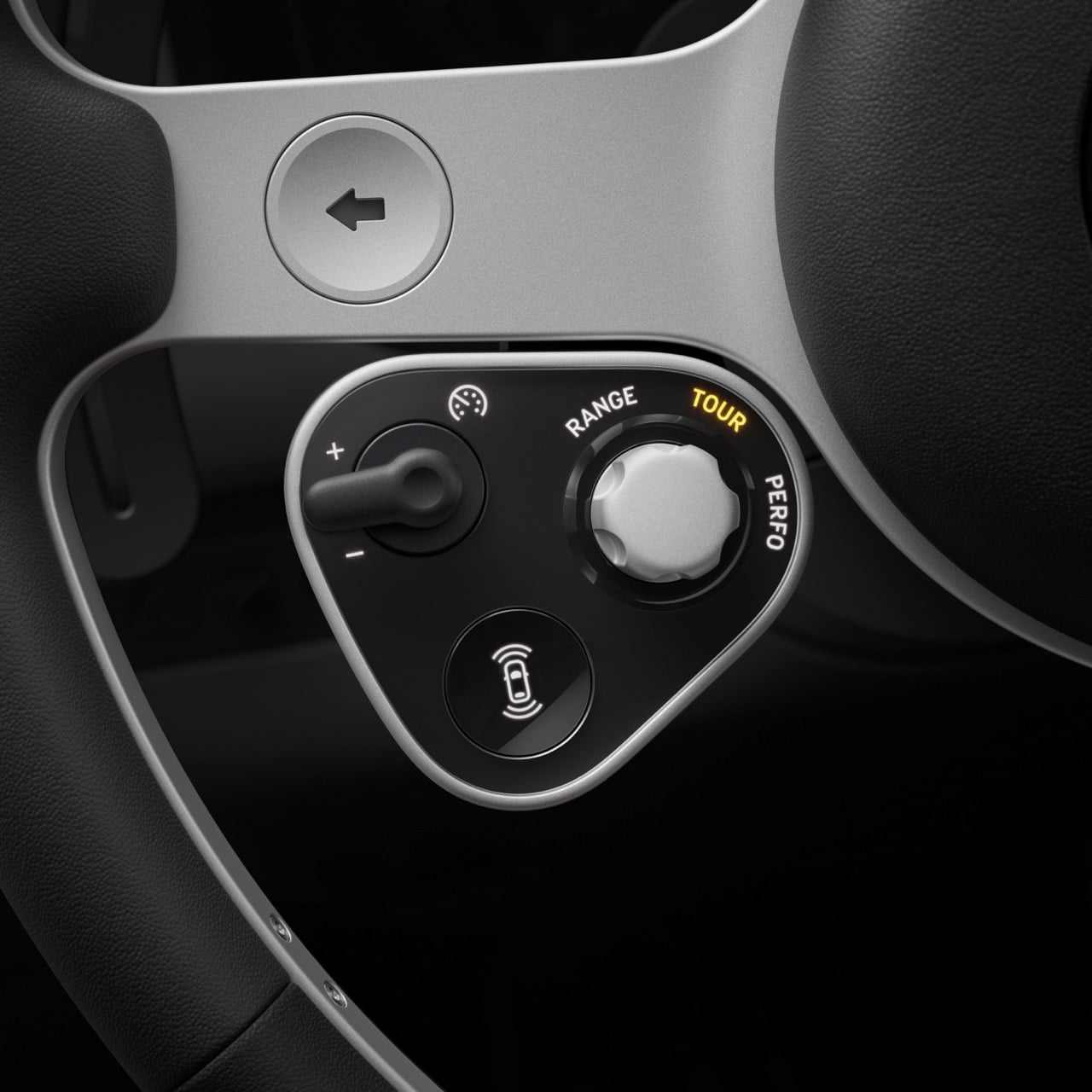
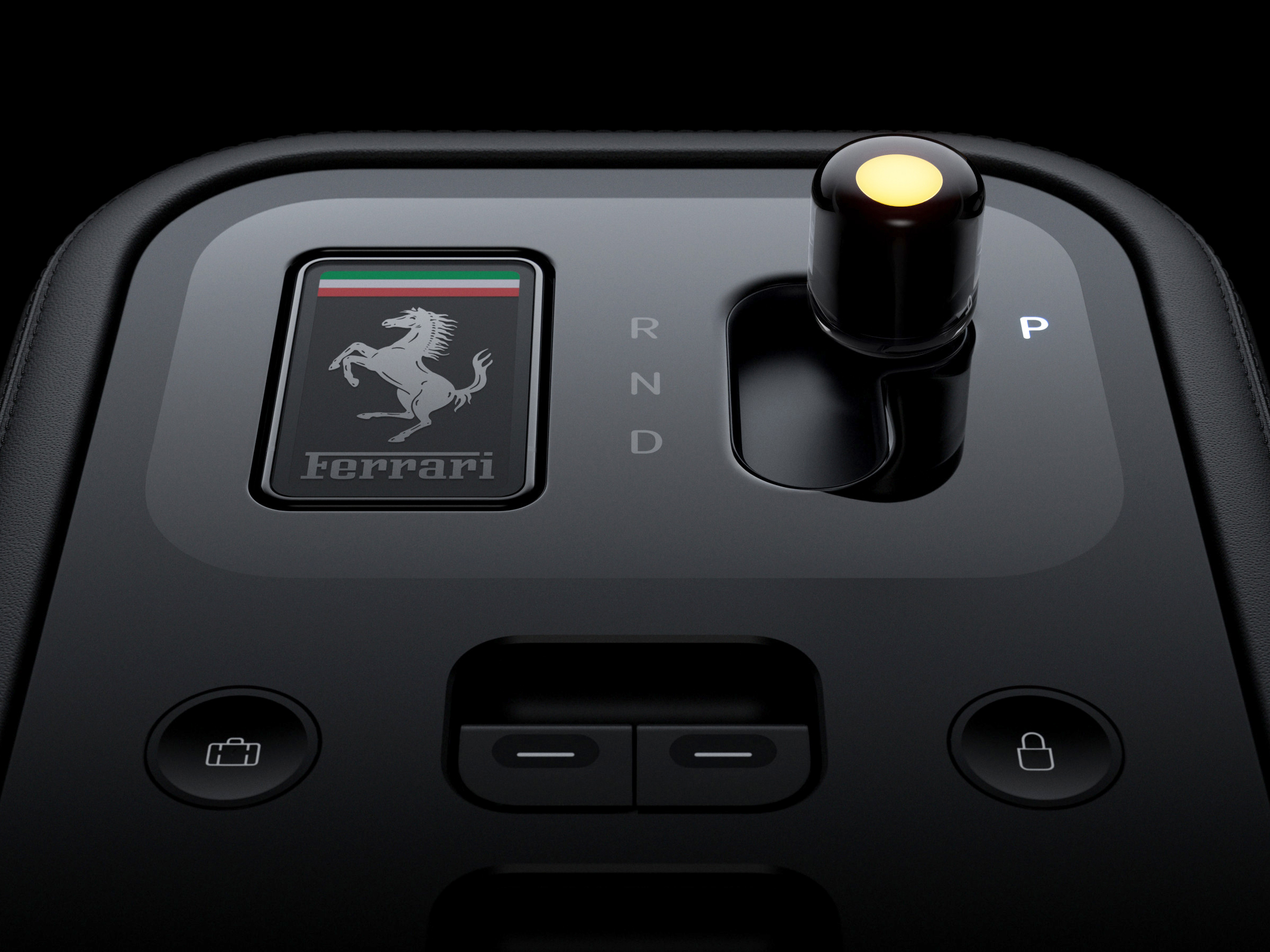
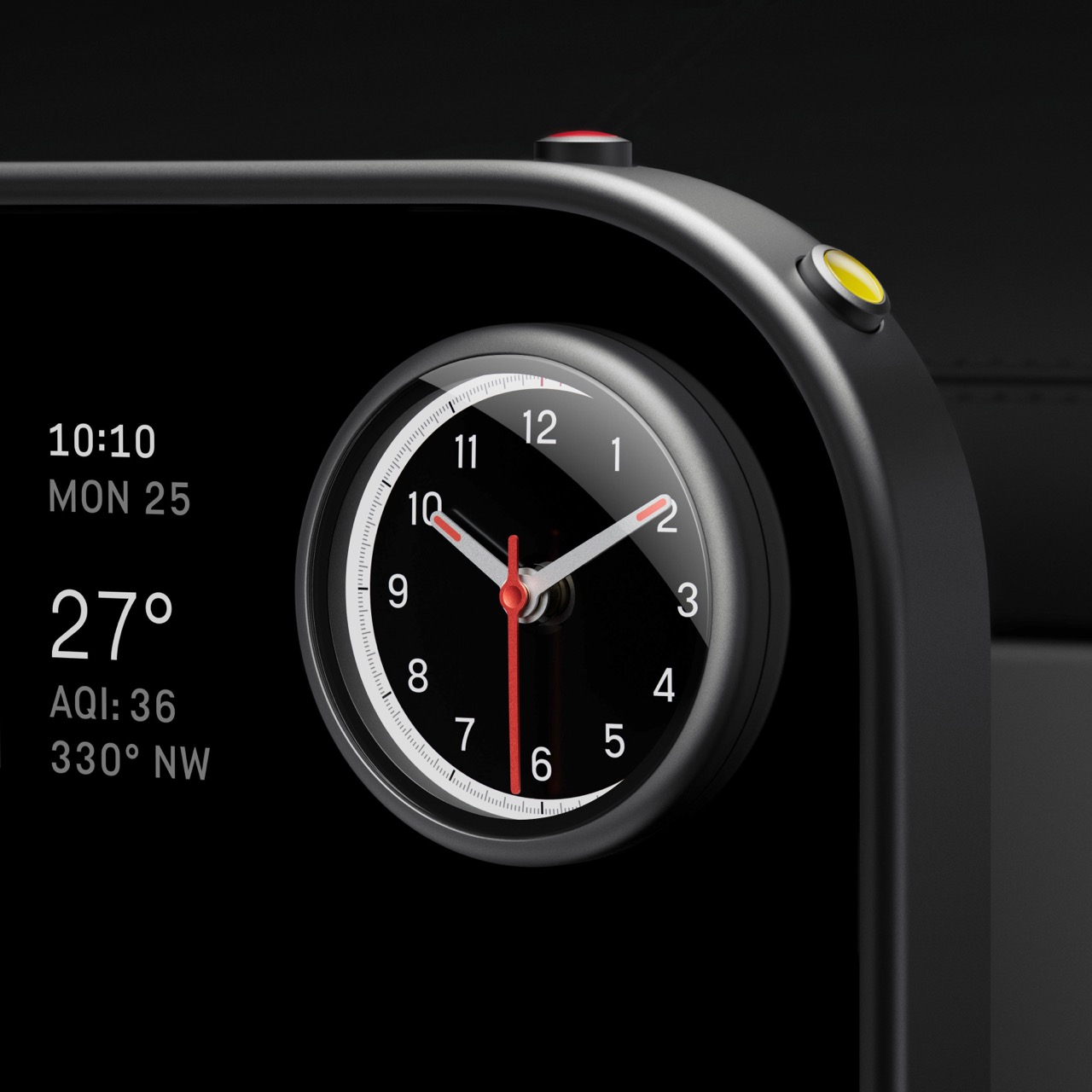
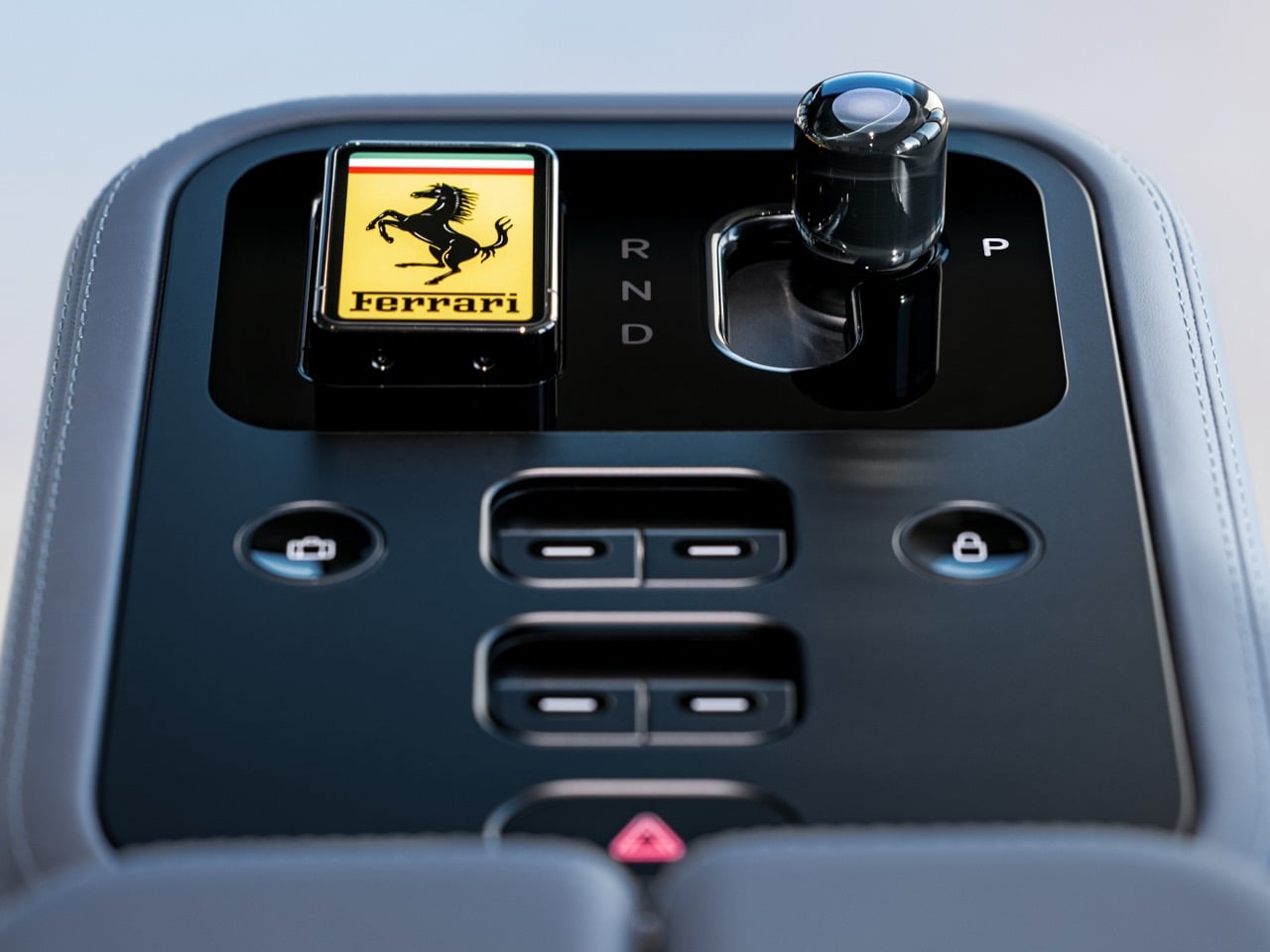
Walk through the components and the Apple DNA becomes impossible to ignore. The key fob magnetically docks into the center console and changes color via E-ink display. This is MagSafe technology meets Apple Watch complications, translated into a car key. The center screen features an analog clock that transforms into a chronograph and compass with the press of two buttons. Pull up any image of Apple Watch faces and the interaction model is identical.

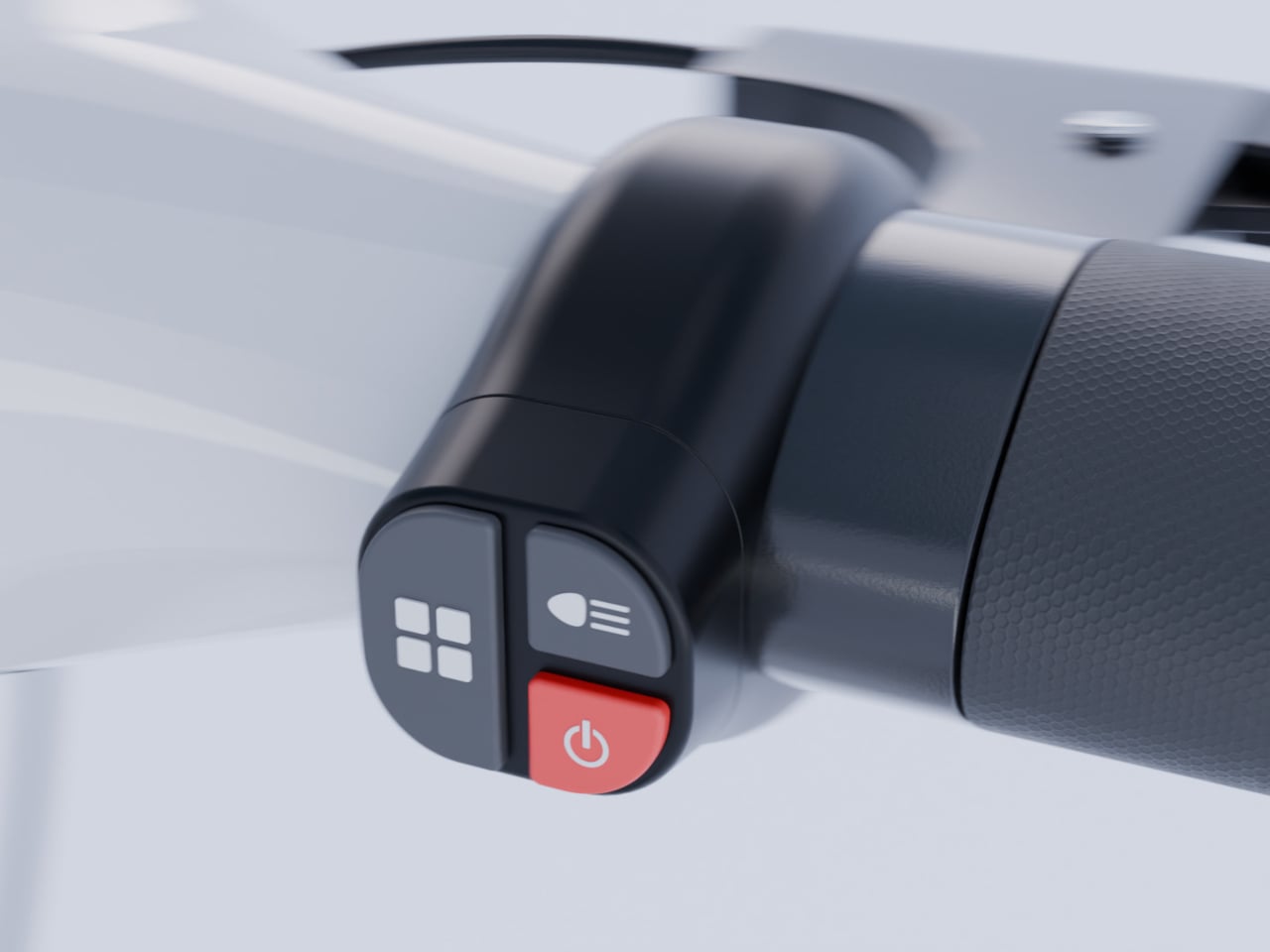
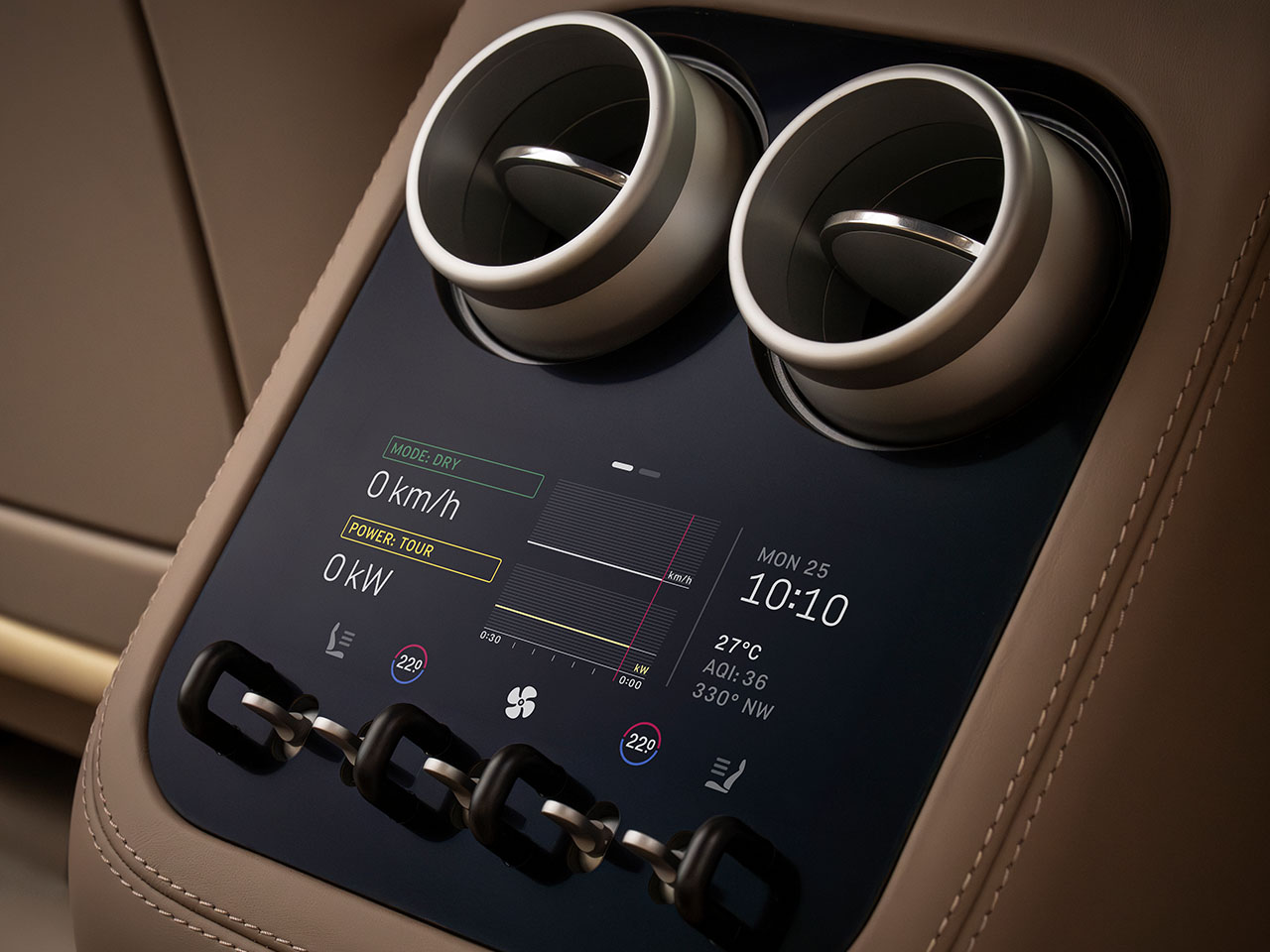
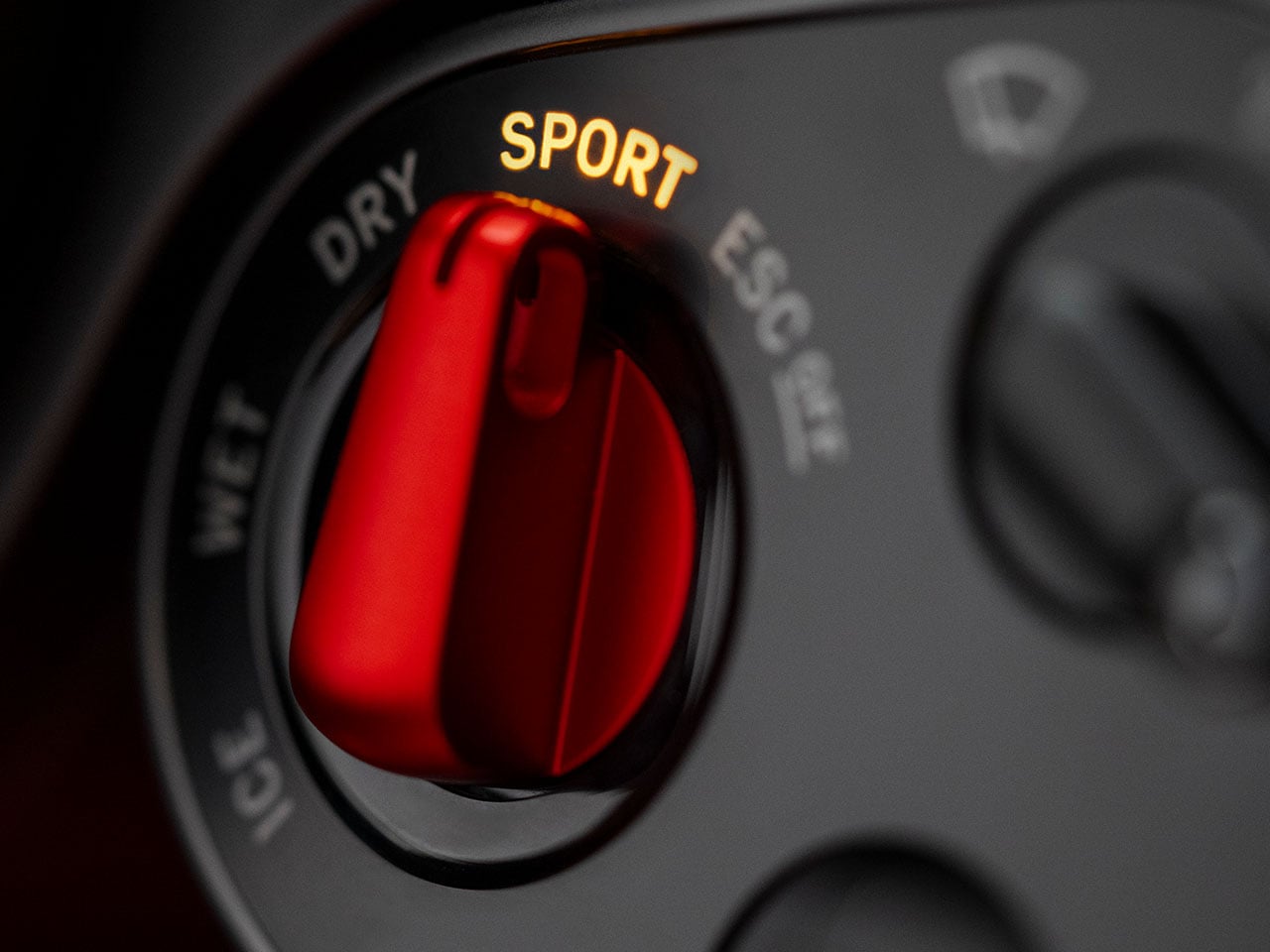
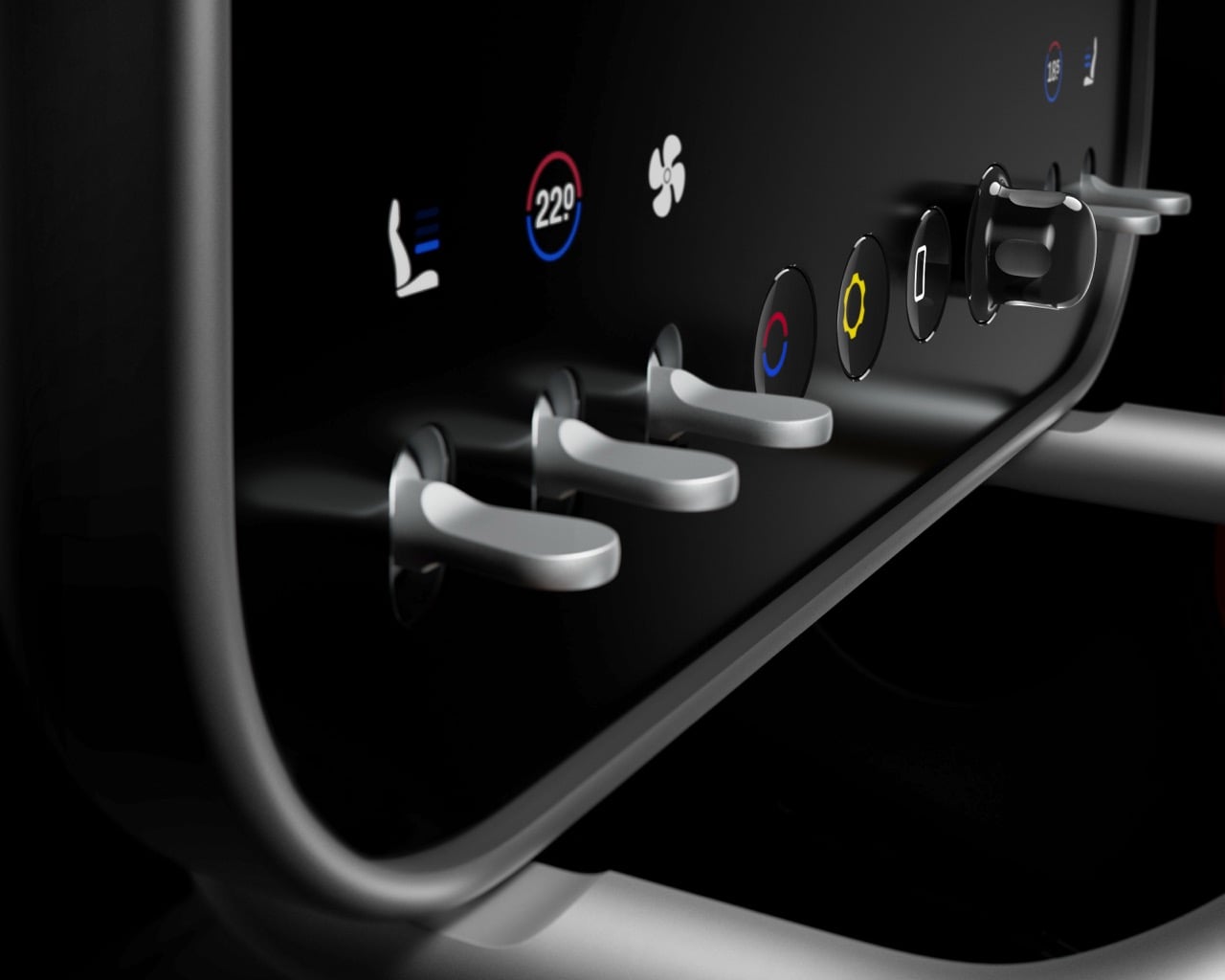
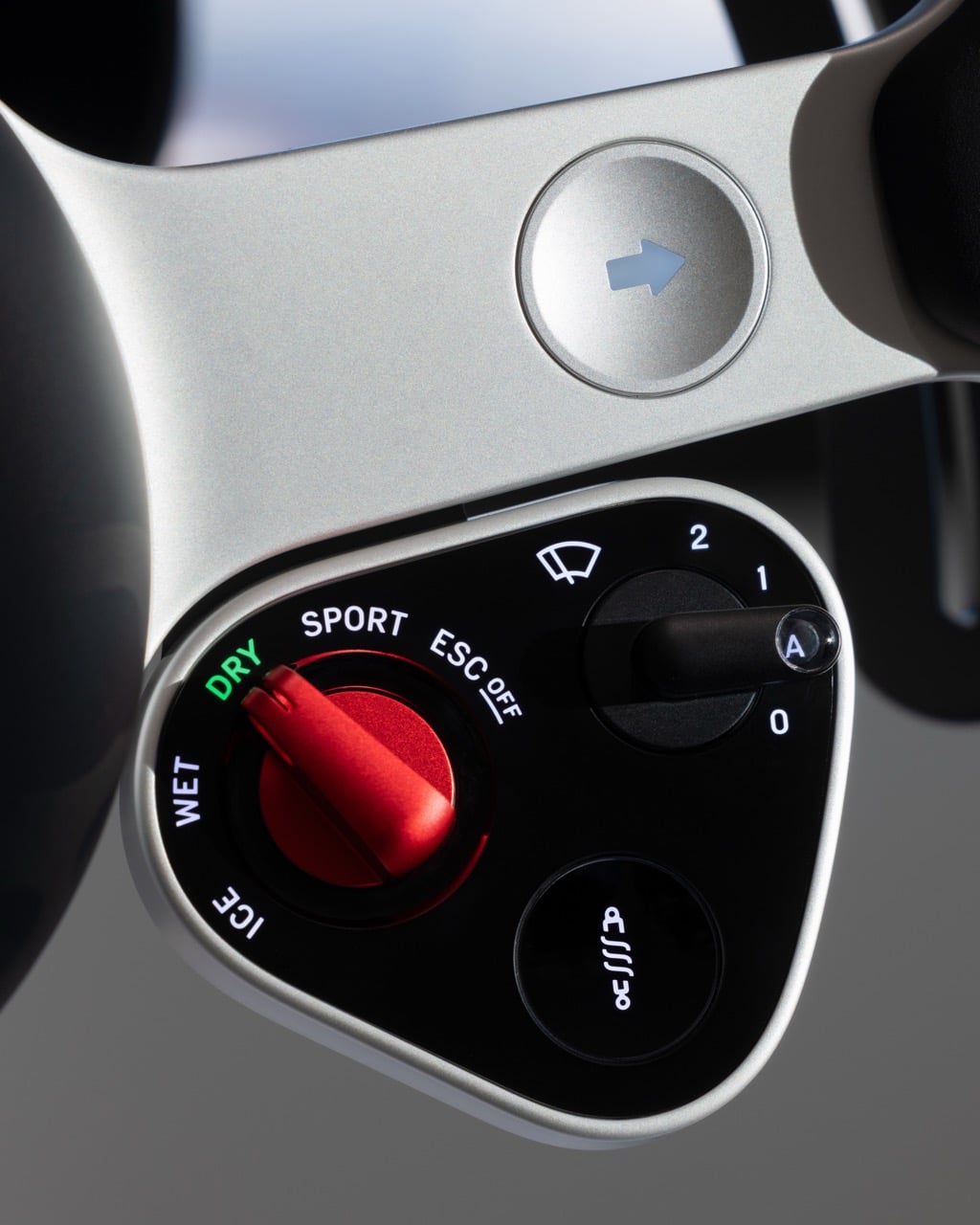
The toggle switches and knobs scattered throughout the cabin represent the physical interface philosophy Ive has been refining since the original iMac. The Digital Crown on the Apple Watch, the mute switch on the iPhone, the volume controls on the HomePod. These are the same careful considerations about how humans interact with objects through touch and rotation. The OLED binnacle behind the steering wheel uses a parallax effect to create depth perception, the same technology that made the iPhone X’s face recognition possible, now applied to gauge clusters.

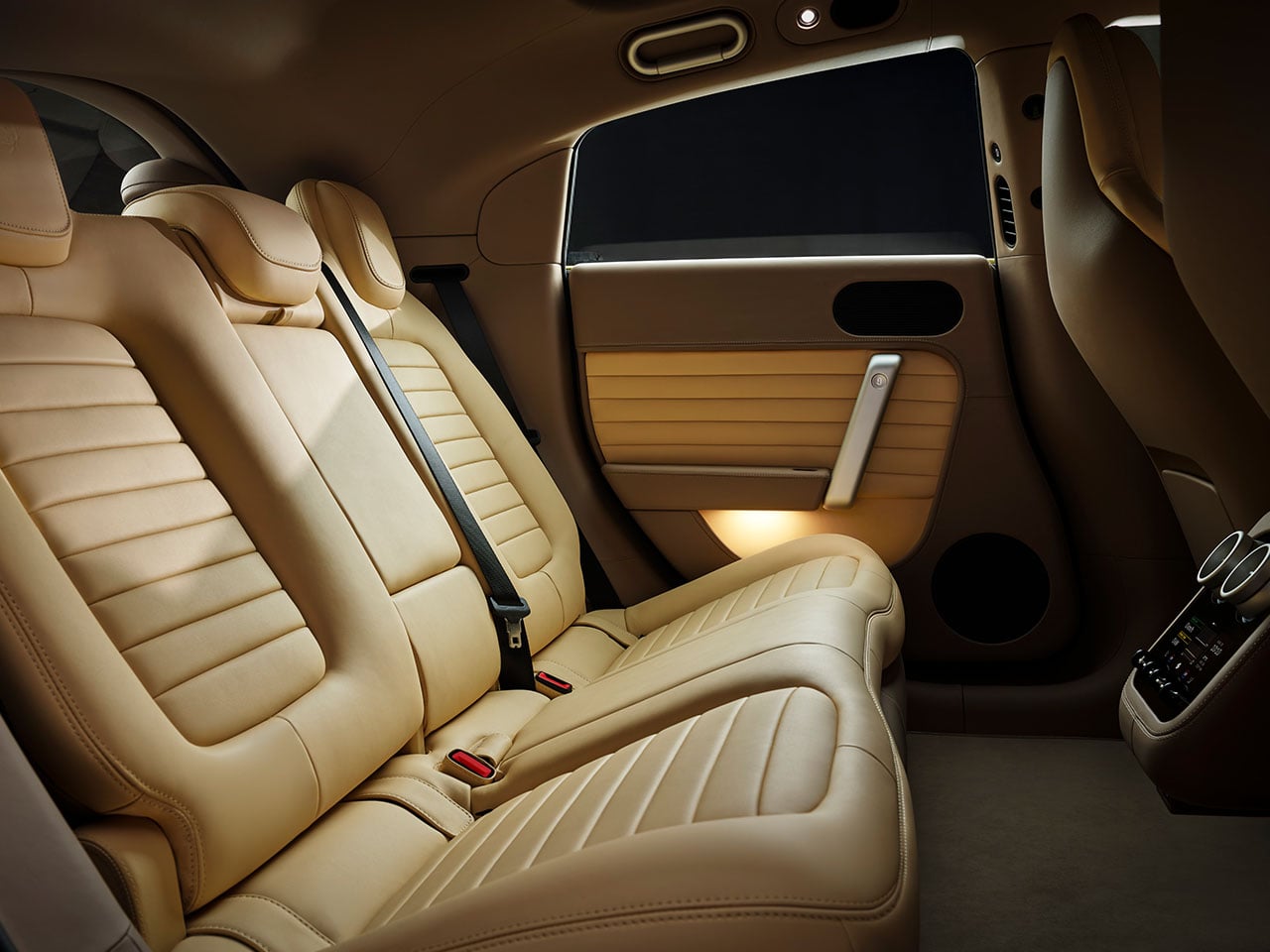
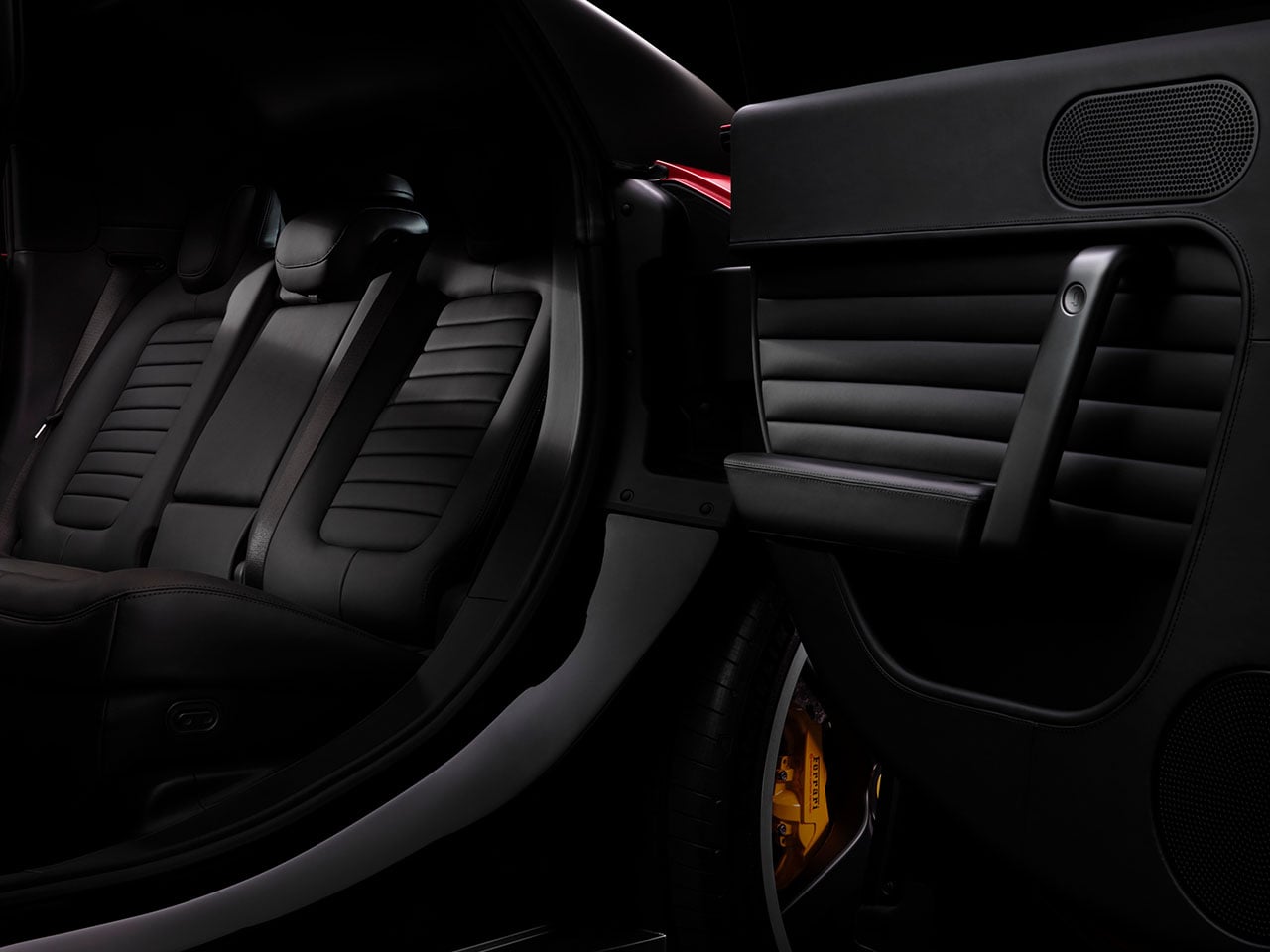
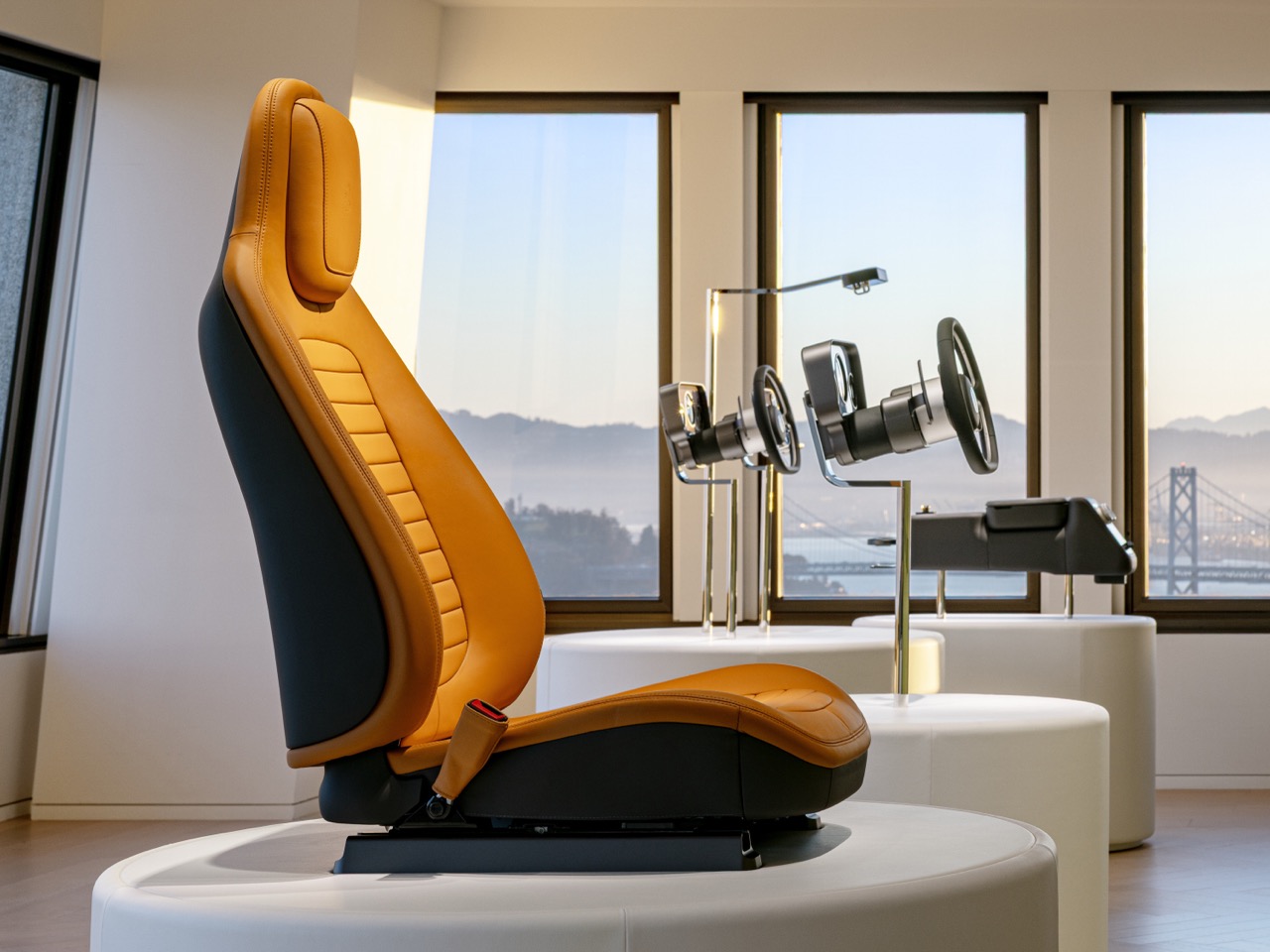
Then there’s the material palette: recycled aluminum with a microscopic anodized texture, Corning glass surfaces, leather in muted tan. This is the 2017 iPhone X material story. This is the unibody MacBook recipe. This is every premium Apple product from the past decade, reassembled into automotive architecture.

Wait, Is This the Same Jony Ive?

Consider what Ive said at the reveal: “It’s bizarre and lazy to assume the interface should be digital if the power source is electric.”

This is the man who killed the headphone jack. Who removed every port from the MacBook. Who spent twenty years eliminating physical buttons, physical connections, physical everything. And now he’s arguing that physical controls matter? That tactility is essential? That you can’t just solve everything with a touchscreen?

Maybe the context really does change everything. A phone lives in your pocket. You can look at it. A car moves at 200 kilometers per hour. Looking away kills people. Or maybe Ive has simply evolved. Perhaps LoveFrom represents a different philosophy than Apple did, one less concerned with relentless minimalism and more interested in appropriate solutions. Or perhaps this is who Ive always was, and Apple’s commercial pressures pushed him toward deletion when his instincts wanted refinement.

The Luce interior suggests that physical interfaces weren’t the enemy. Bad physical interfaces were. Give Ive the freedom to perfect a toggle switch, to make a dial that clicks with precision, to create a button that feels inevitable, and he’ll choose physical every time. The question is whether we’re seeing growth or contradiction.

The Timeline is ‘Interesting’

Apple started Project Titan in 2014. By 2016, Ive had become increasingly involved as the project shifted from full autonomy toward driver-focused experiences. He left Apple in 2019 but reportedly continued consulting on the car. In 2024, Apple abandoned the project entirely. During those years, Bloomberg reported that the Apple Car was supposed to feature premium materials, minimalist interiors, physical controls prioritized over touchscreens, and a “living room on wheels” concept.

Here’s what actually happened: Ive leaves Apple in 2019 and forms LoveFrom. Two years later, in 2021, Ferrari announces the partnership. That means conversations started immediately after his departure, possibly before. Ive spent a decade developing car interior concepts at a company with unlimited resources. Then he got to actually build one at a different company with unlimited resources and, crucially, manufacturing capability that Apple never developed.

My guess is Ferrari didn’t hire LoveFrom for an overhaul. They hired them for battle-tested thinking that never shipped.

Why Ferrari Said Yes

From Ferrari’s perspective, the logic is clear. They’ve never built an electric vehicle. Their customer base is deeply skeptical of electrification. They need to signal that the Luce represents something genuinely different, something beyond an electrified 296 GTB. So they hire the two most famous industrial designers on Earth, who happen to have spent years thinking about this exact problem at a different technology giant.

It’s outsourcing credibility as much as design. When people inevitably say “that doesn’t look like a Ferrari,” Ferrari can point to LoveFrom and say “well, exactly.” They’ve purchased permission to break from tradition by hiring people with no Ferrari tradition to break from. The prancing horse gives LoveFrom legitimacy in automotive circles. LoveFrom gives Ferrari legitimacy in technology circles. It’s a perfect exchange.

But the question remains: did Ferrari want Ive’s vision, or did they want Ive’s brand? Because what they received feels unmistakably like Apple-thinking while wearing a Ferrari cap.

The May Reveal Will Answer Everything

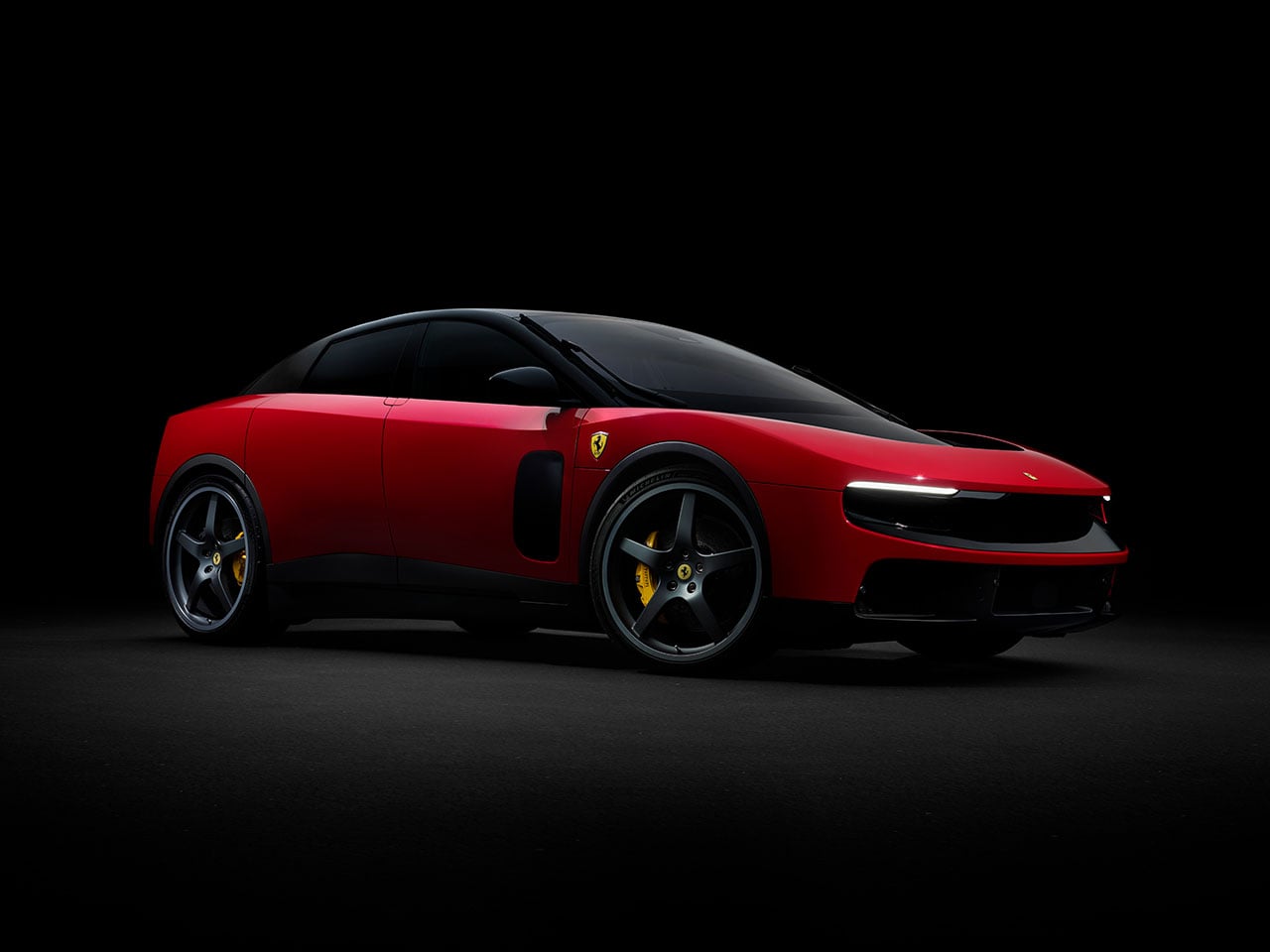
The real test arrives in May when Ferrari reveals the exterior. Right now we’ve only seen the interior, which is LoveFrom’s natural domain: screens, materials, ergonomics, spatial relationships. The exterior is different. It has to work in a Maranello showroom next to a 12Cilindri and an SF90. It has to look fast while standing still. It has to carry seventy-nine years of design language forward into an electric future.

Can Ive do that? Has he ever designed anything with that kind of visual aggression? His career has been defined by approachability, by objects that invite touch, by forms that recede rather than announce themselves. Ferraris don’t recede. They dominate spaces. They demand attention. If the exterior looks like an Apple product in May, then this really could be what the Apple Car might have become. If it looks genuinely Ferrari, then maybe LoveFrom understands they serve the brand rather than the reverse.

What This Tells Us About the Car That Never Was

The Luce interior reveals something bittersweet about the Apple Car that never was. This is the closest we’ll get to seeing what that vision might have looked like. But it also proves why Apple was probably right to kill the project. It took Ferrari, a company with seventy-nine years of automotive manufacturing experience, five years and presumably nine figures to turn Ive’s concepts into reality. And they still don’t know if customers will accept it. Imagine Apple attempting this from scratch, competing with Tesla on price, managing recalls and service networks and dealer relationships.

The Luce interior is stunning. It’s also a monument to why the Apple Car would have most likely been an operational nightmare, given that Apple isn’t an automotive company.

The irony is perfect: Jony Ive finally got to build his car. He just needed Ferrari to do the hard part.

The post Did Ferrari And Jony Ive Just Build The ‘Apple Car’? first appeared on Yanko Design.
Ferrari F80 V6-powered Hybrid is Italian marque’s fastest ever road car inspired by F1 and aerospace industry

Ferrari has some really fast road cars like the 288 GTO, Enzo, and LaFerrari that reflect the marque’s affinity towards innovation, exclusivity and performance. Now, the new age F80 joins the ranks with a 3.0-liter twin-turbo 120-degree V-6 engine, complemented by three electric motors. Yes, it’s a hybrid supercar and one of the most powerful the Italian automotive giant has ever produced.

The road-legal car can produce 1,184 horsepower – churning out 888 hp (at max) from the V6 engine, adding 140 hp each from the two front motors, and 80 hp with the rear electric motor. The latter makes use of regenerative braking for another trickle of speed boost when needed. This e-4WD system completely engineered and designed in Maranello is similar to the SF90 Stradale since the rear motor lends torque fill for the V6. So, don’t count out this scarlet monster when it comes to drag racing culture!

Designer: Ferrari

At the Ferrari’s Fiorano test track, the F80 managed to slice out a couple of seconds from the SF90’s best time around the lap. The official top speed clocked at 217 mph and acceleration of 0-60 mph in a mere 2.15 seconds. The car has a dry weight of 3,362 pounds courtesy of the carbon fiber central monocoque structure and some 3D printed parts including the upper wishbone. The composite material approach extends with the use of aluminum and titanium for parts such as subframes and screws. According to chief product development officer Gianmaria Fulgenzi, “F80 gives you butterflies in the stomach when you drive the car, it’s an incredible experience.” He adds that the car symbolizes the marque’s “Ferrari Forever” philosophy.

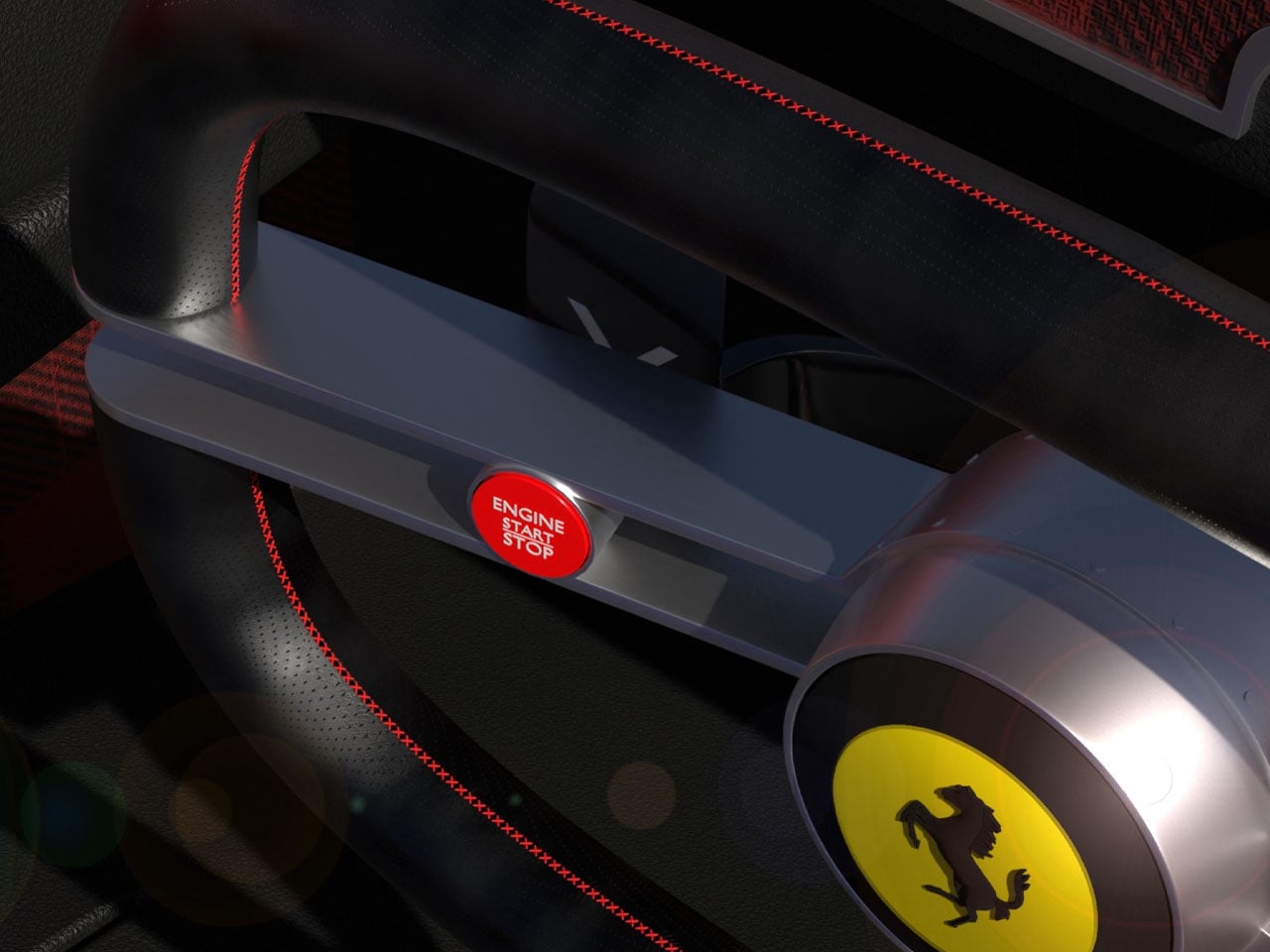
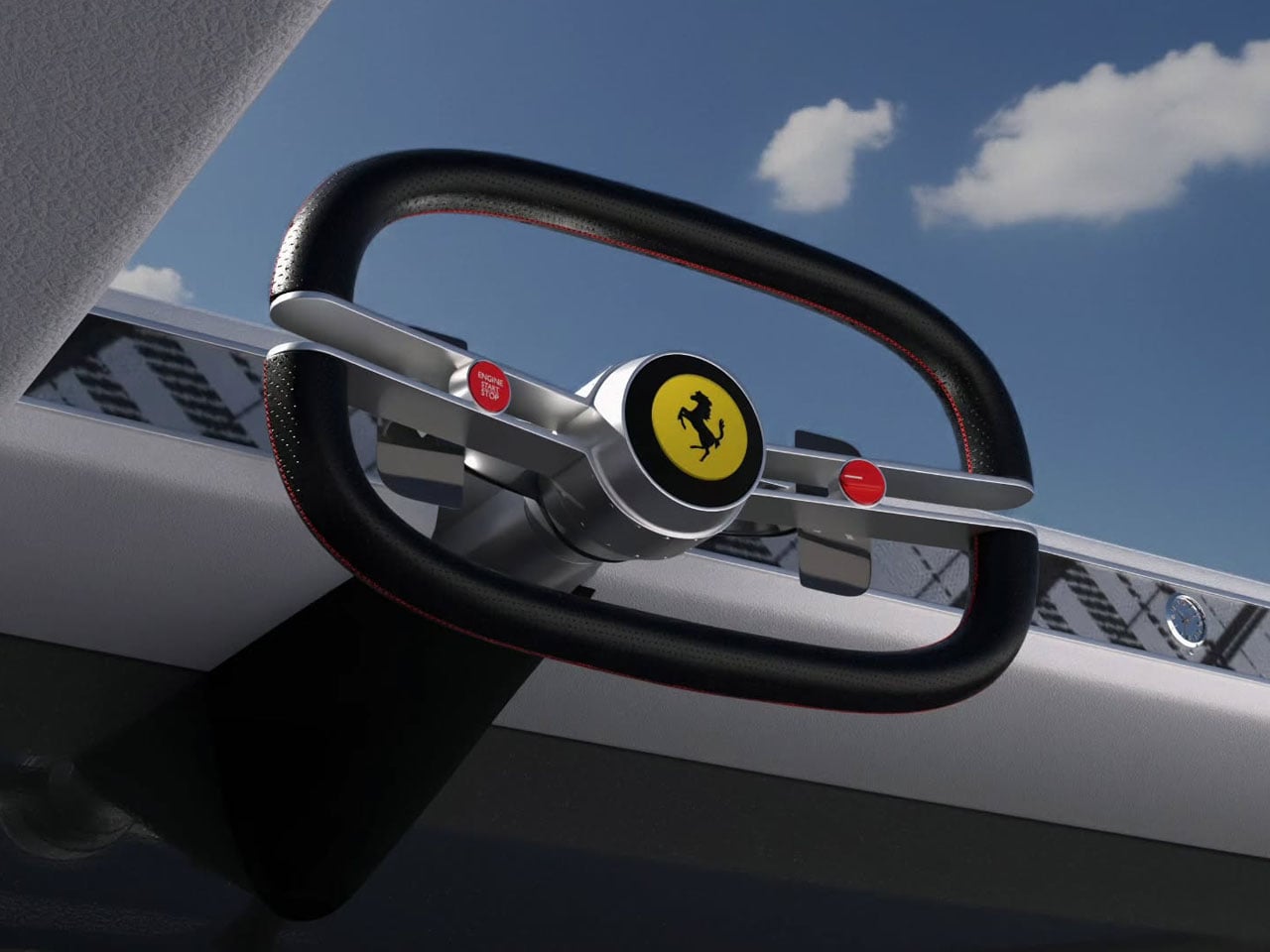
There were thoughts of designing it as a single-seater supercar but ultimately it materialized as a two-seater speed demon. The driver’s cell is slightly more prominent than the passenger’s cell, as the former is oriented more towards the center. The F1 inspiration is evident from the yoke-styled steering wheel with tactile button controls. The physical buttons make a comeback on the right and left and spokes – breaking the recent tradition of all digital layouts by Ferrari in recent years.

Ferrari F80 will be limited to just 800 units, and all of them have already been allocated to filthy rich buyers. Of course, you won’t even think of spending $3 million on this hybrid prancing horse unless you have a fat bank account.

The post Ferrari F80 V6-powered Hybrid is Italian marque’s fastest ever road car inspired by F1 and aerospace industry first appeared on Yanko Design.
Ferrari Alto ANGEL electric concept is a fluid roadster with the muscle of a hypercar

Ferrari SF90 Stradale PHEV has already set the platform for future electric vehicles coming from the house of the Italian automotive giant. The three electric motors mated to the V8 internal combustion engine of the sports car give it a maximum output of 1000cv. Going fully electric will be one of the major goals for Ferrari, and they’ve promised one is coming in the fourth quarter of 2025.

What this EV will look like or exactly be (supercar, sportscar, roadster, or hypercar) is not exactly clear. What is known so far from the filed patents by the Italian marque is the indication of a two-seater sports car that will have a rear mid-engine layout for it to have a lower stance resulting in better aerodynamics. Although it is just one calculated guess we have got just the right concept to build on this speculation.

Designer: Alexandre Bernini

This is the Ferrari Alto ANGEL two-seater roadster concept that fits right in the puzzle board of what the Ferrari EV 2025 could be. The ride has a low ground clearance, the signature brand silhouette, flowing aerodynamic design and a rear that is most definitely a prancing horse loaded with ample electric power. The hourglass shape running from the front of the EV to the rear gives it a definition that’s evoking. The air intakes on the hood and the side pods further add dynamism to this Ferrari concept.

The panoramic windshield flows to the back with a geometric body panel with a shark fin fusing the two. The cool sea-green headlights run right across the front section that has a futuristic grille right beneath it. The rear has a similar flowing silhouette of brake lights integrated right across the spoiler and continuing with two light bars at both ends. Those wheels are very muscular, loaded on industrial-themed rims that look absolutely dope.

I’m drooling all over this Ferrari EV roadster and if the real thing looks anything close to this it’ll be a big hit. Compare it against the likes of the Tesla Roadster, Pininfarina Battista, Maserati GranTurismo Folgore or Lamborghini Terzo Millenio; and every time my heart will say the Ferrari Alto ANGEL!

The post Ferrari Alto ANGEL electric concept is a fluid roadster with the muscle of a hypercar first appeared on Yanko Design.
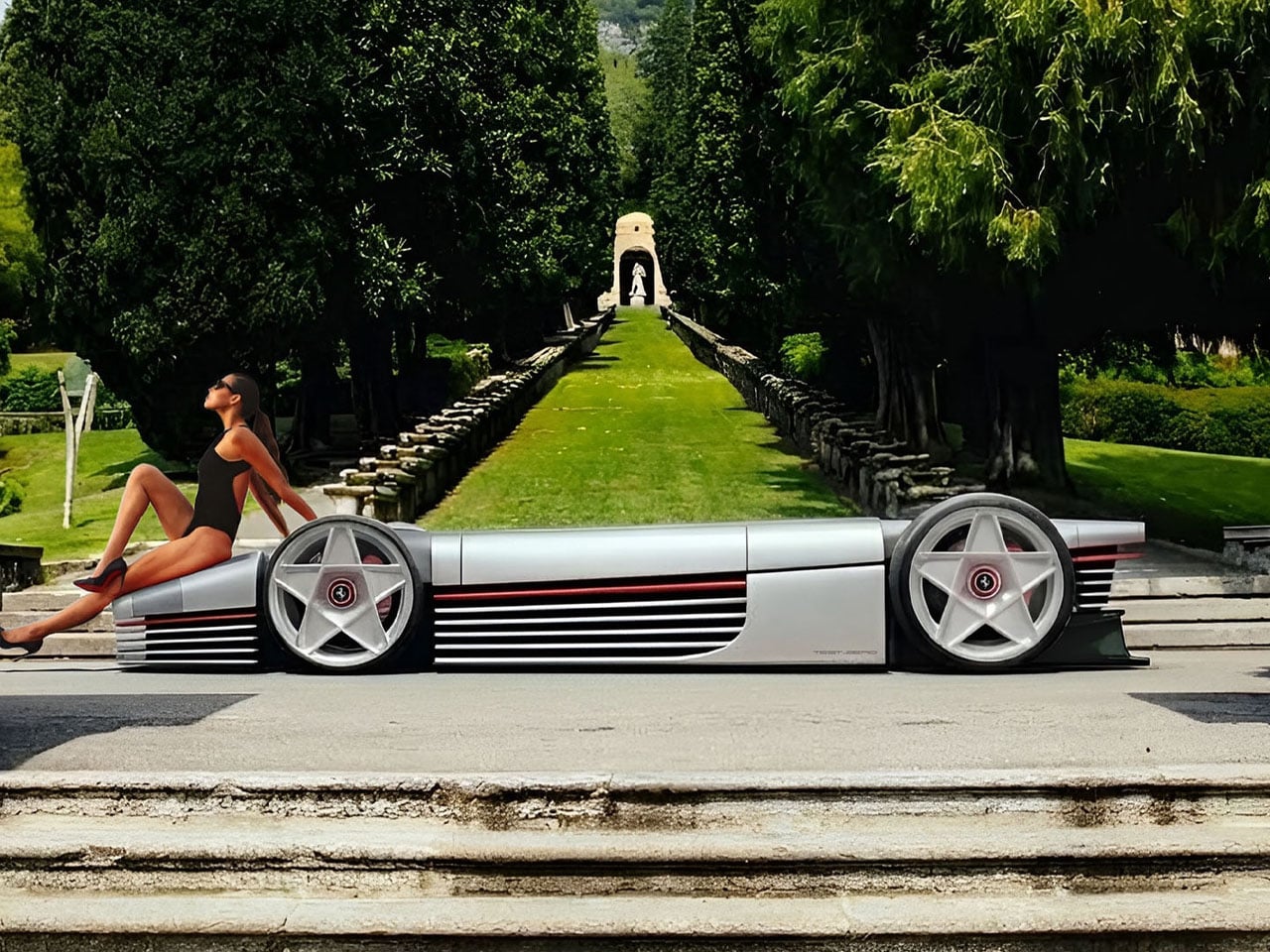
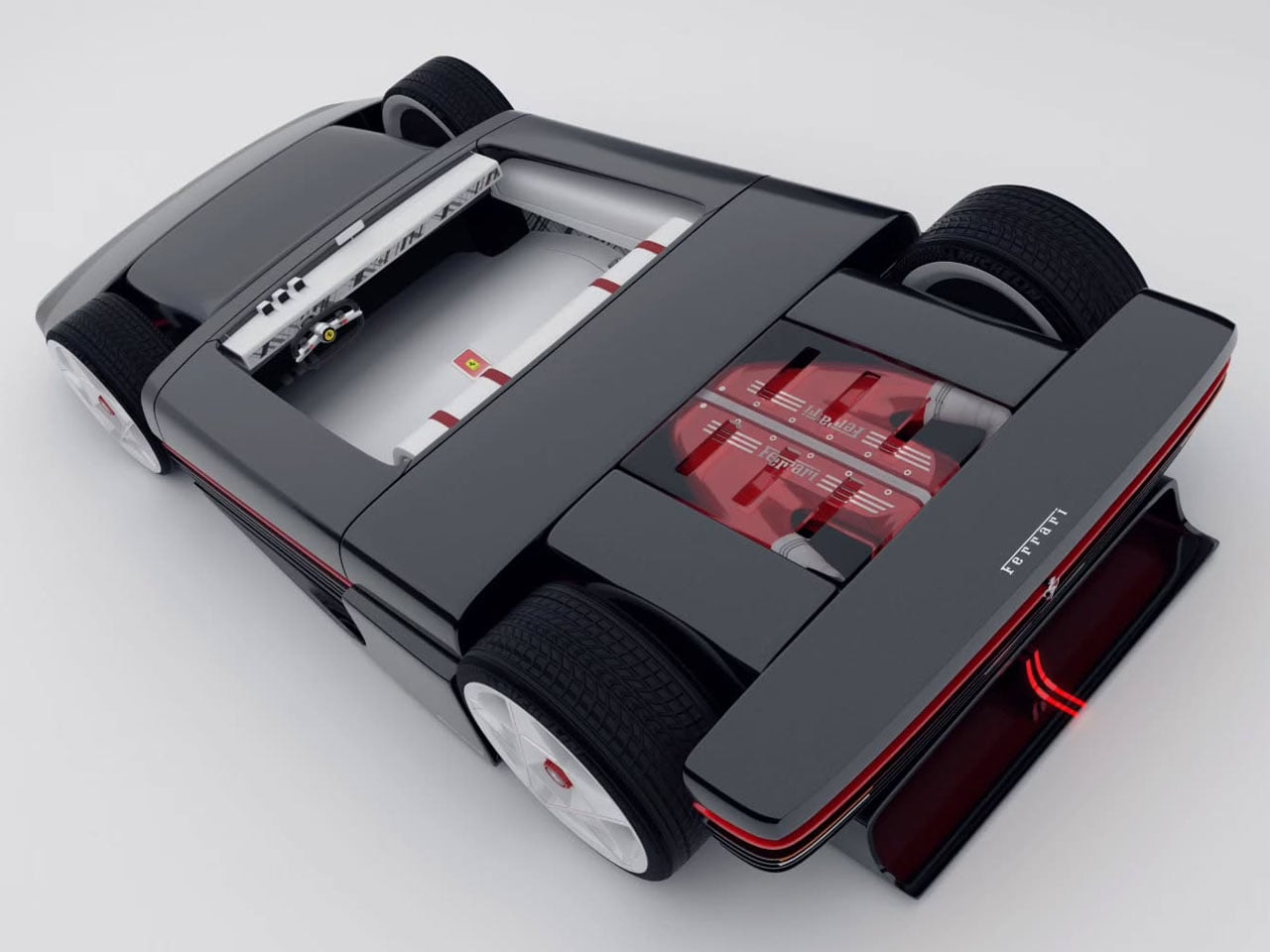
All-electric Ferrari Alto reinforces legacy of The Prancing Horse in zero-emission dominated future

The prancing horses from Italy capture motorheads’ imagination whether they own one or not. These set of wheels adorn either the lavish garages of billionaires or stick to the walls of youngsters who have mustered up a million dreams of where they would take their Ferrari.

The brand laid the foundation of fast car trend that to date have proved their metal as more automotive sports car makers took up the challenge of satisfying demanding drivers. Such is the elegance and performance of The Prancing Horse that every fresh model rolling out of the production lines is as exciting as the last one.

Designer: Alban LERAILLER

With all the major automakers making the gradual transition to electric vehicles, performance cars also seem to be ready for the electrified future. Ferrari SF90 Stradale is the initial step that the Italian automaker had to offer in a plug-in hybrid electric vehicle setup, and they are currently building an all-electric hypercar to dominate the closely contested race for the zero-emission future.

This concept in line with the upcoming plans of Ferrari redefines the shift in strategy to an all-wheel drive electric sportscar that can induce the same level of excitement as the fuel-powered V12 monsters. The front intake of the Alto brings an advantage in terms of the rotation axis of the electric motor – the more speed it gains, the more air intake optimizes performance.

Alto has a divided approach in terms of design with a fluid top (for optimized aerodynamics) and a geometric bottom section (for constant and uniform tension), creating a mix of smooth and sharp aesthetics. Based on the iconic 365GTB chassis, the concept Ferrari here adapts the front section of the Daytona and the grille of the 250 GTs. The subdued spoiler is an extended part of the full body headlights and the panels on top open to act as aérofrein for active aerodynamics.

To add a bit of spark to the predictable concept car designs of today, Alban incorporates a wind instrument organ that diffuses the low-pitched sound inside and outside the cabin to create a peculiar sound. This gives the sportscar a personality of its own.

The post All-electric Ferrari Alto reinforces legacy of The Prancing Horse in zero-emission dominated future first appeared on Yanko Design.
Intricately detailed Ferrari 296 GT3 replica model is perfect for passionate motorheads

Amalgam Collection has created a niche for itself in the car scale model-making craft and they go down to the last-minute details, leaving nothing to nit-pick. The Bristol-based company creates intricate scale models of acclaimed cars at their workshops in China Hungary and the UK. These faithful reproductions are dream-worthy for those who can’t afford the real thing and also for those who already own the $600,000 Ferrari but want a replica to sit on their desk to show off some love.
Their latest creation is the 1:8 scale model of the Ferrari 296 GT3 sportscar that was originally based on the Prancing Horse’s first-ever V6-powered 256 GTB. The model measures 22 inches in length and is made using the original CAD data of the 296 GT3. The level of realism can be judged from the fact that the development process took 3,000 hours and the assembly (including sanding, fitting and painting) of each one takes around 350 hours in total. It’s like a shrunken-down version of the real sportscar down to the details such as the 2.9-liter V6 engine bay, Pirelli race tires Stäubli fuel-filler cap, magnesium gearbox case and the original paint codes for the exterior. Even the individual metal parts are carefully crafted using CNC-milling techniques.

Designer: Amalgam Collection

The intricate details carry down to the interiors right from the dashboard with Bosh-branded monitor and Manettino-equipped steering wheel to the control console and the handstitched racing harness. According to the in-house team at Amalgam, the scale models they create are no less than crafting high-end watches detailed down to the last millimeter. The Ferrari 296 GT3 is perhaps their best creation thus far in that regard and it shows in the end product.

Amalgam is going to craft only 199 limited edition units of the 1:8 scale model of the high-performance car for passionate collectors. The level of realism will continue down to the customization options for the interested buyers. For example, the exact color match and interior upholstery hues are based on that choice. All this for a mind-numbing price tag of $18,090. Sure, you’ll easily buy a mid-sized car for that amount, but hey, we are talking about passionate motorheads who are fat-pocketed!

The post Intricately detailed Ferrari 296 GT3 replica model is perfect for passionate motorheads first appeared on Yanko Design.