A Jewelry Artist Just Turned a 50-Cent Coin Into a World Cup Ball

The 2026 FIFA World Cup is already one of the most logistically ambitious tournaments in the sport’s history. Three host nations. Forty-eight teams. One official ball. And now, one very tiny, very gorgeous golden replica made from spare change.

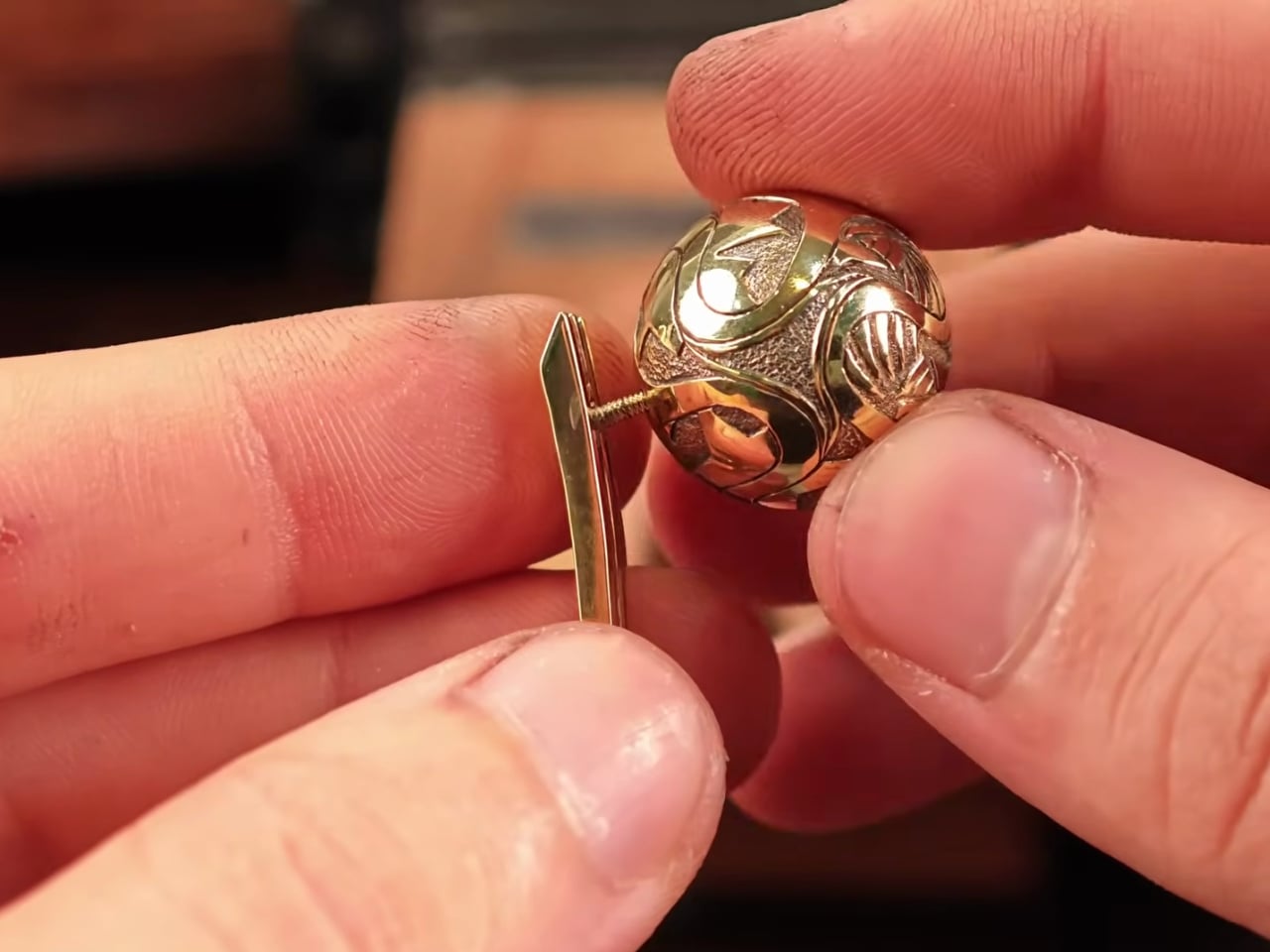
Jewelry artist Soroush JWL recently released a video documenting his process of turning 50-cent Euro coins into a miniature version of the Trionda, Adidas’ official match ball for the 2026 FIFA World Cup. The result is exactly as compelling as it sounds: a palm-sized golden sphere that perfectly mirrors the Trionda’s distinctive flowing panel pattern. It shouldn’t work as well as it does, but it does.

Designer: Soroush JWL

For those not yet deep in the World Cup rabbit hole, the Trionda is a ball worth knowing. Adidas unveiled it in October 2025, and its design carries real intention behind it. The name nods to the three host nations (Canada, Mexico, and the United States), while the curving four-panel form was inspired by “la ola,” the wave. It actually holds a small record: with only four panels, it’s the fewest a FIFA World Cup ball has ever used. Each panel carries iconography tied to a host country. A maple leaf for Canada. An eagle for Mexico. A star for the United States. The craftsmanship baked into the original ball already had layers of meaning long before Soroush got near it with his tools.
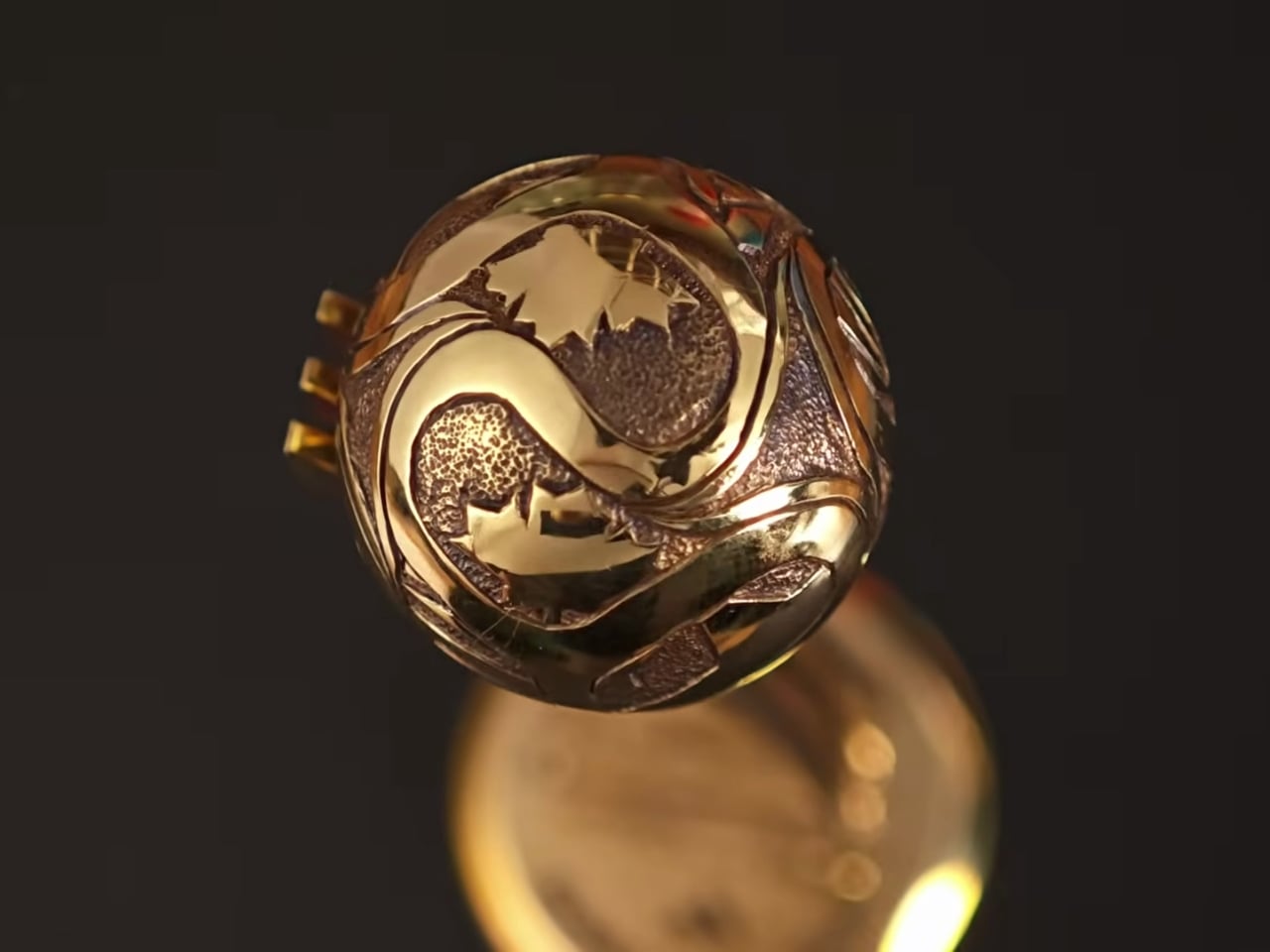
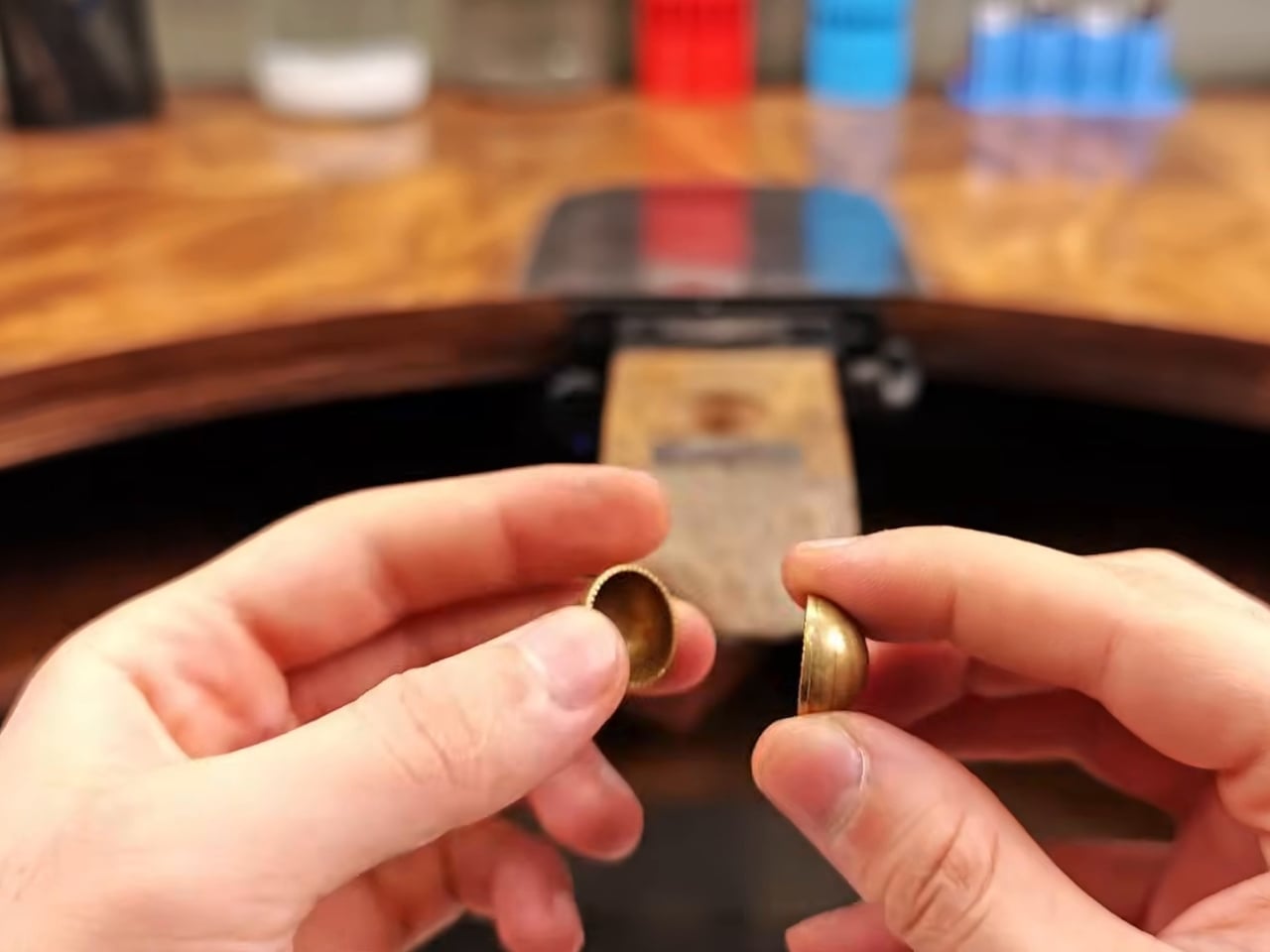
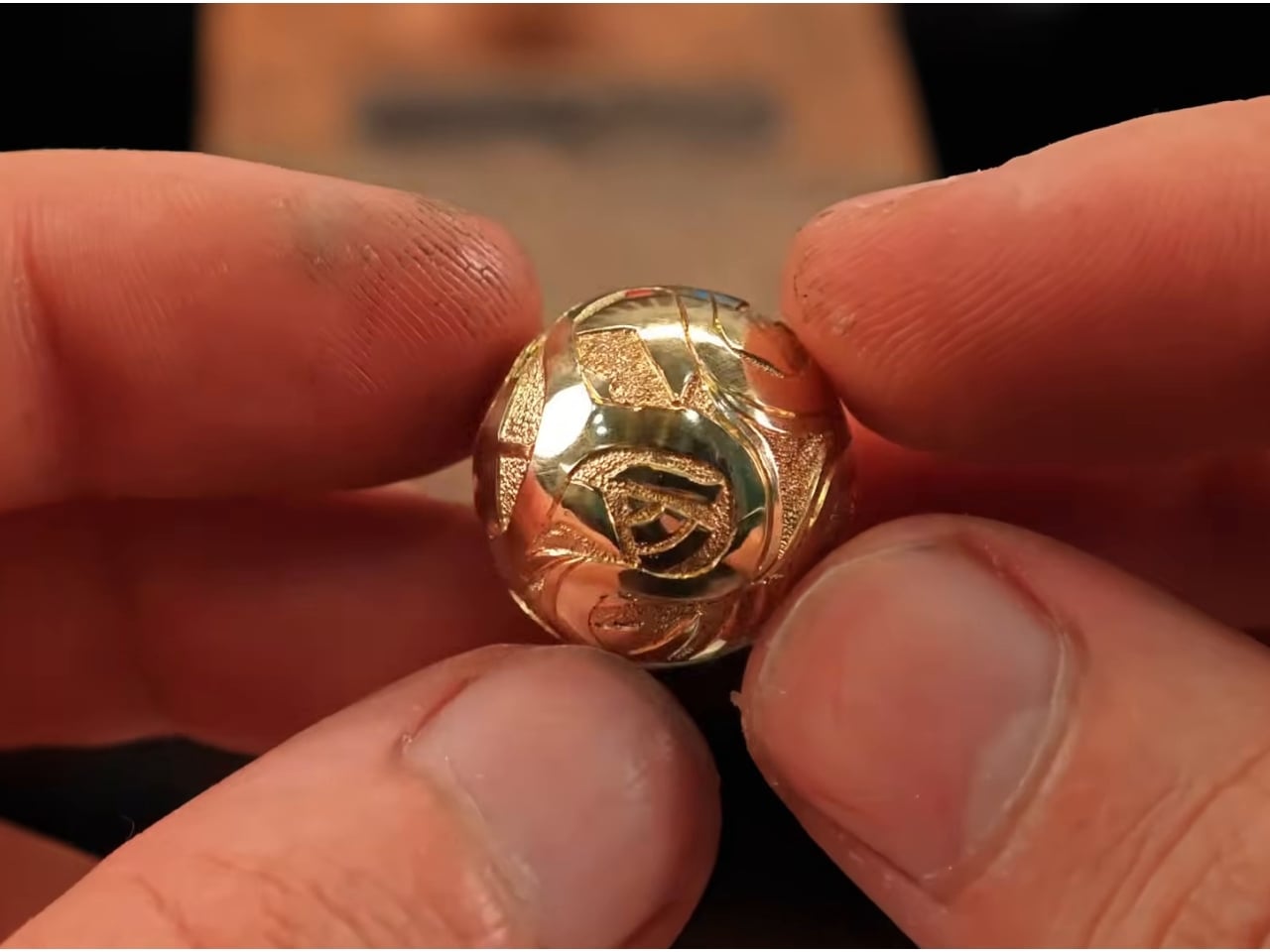
Which is probably part of what makes his replica so satisfying to watch take shape. He splits the coins down the middle, hammers each half into a custom mold, solders the halves together into a sphere, and then begins the painstaking work of hand-carving the Trionda’s twisting surface pattern directly into the metal. No CNC machine. No shortcuts. Just hands, tools, and a very deliberate commitment to getting every curve right.
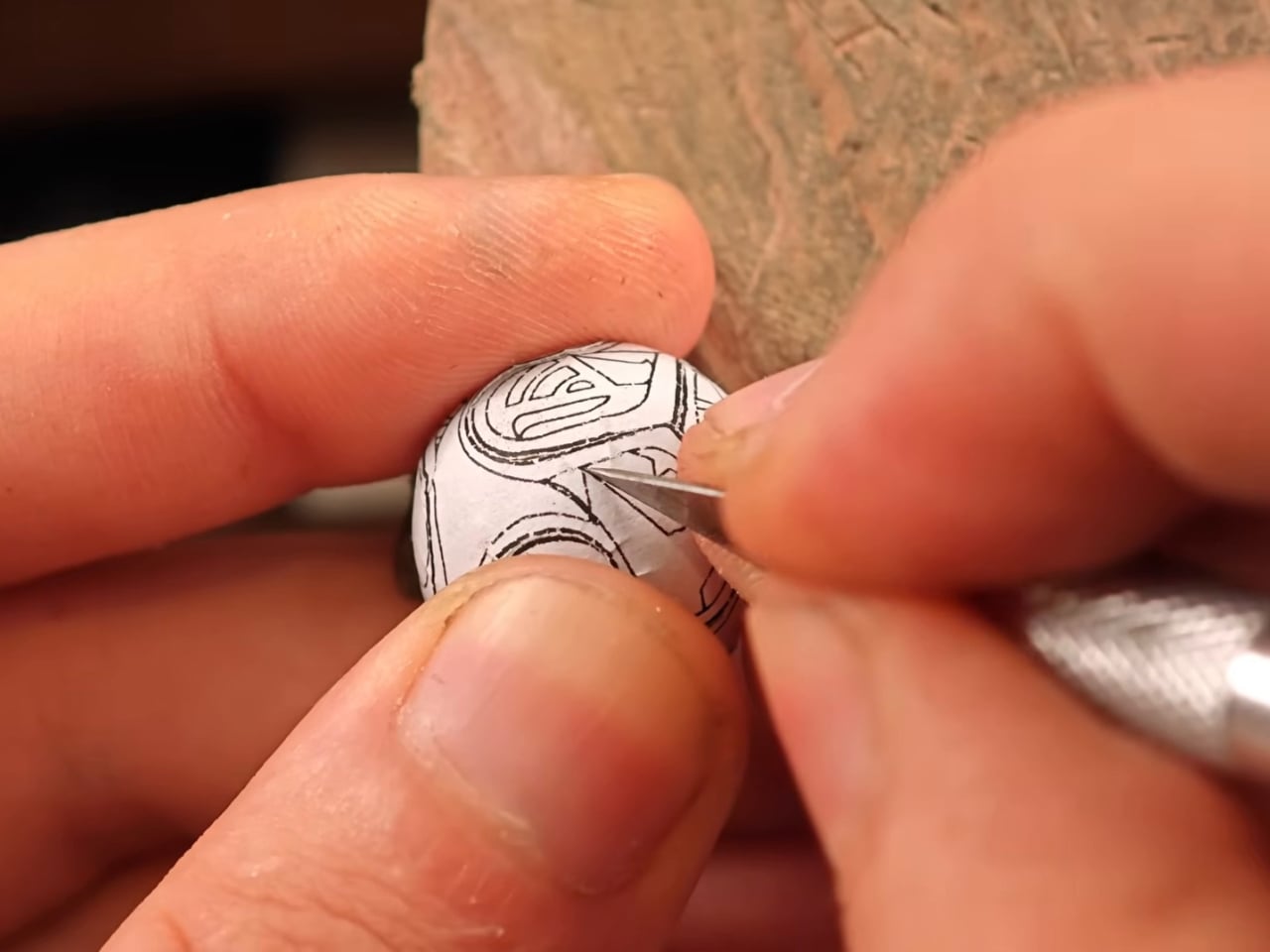
I have a lot of appreciation for this kind of project because it does two things at once. It is a genuine craft exercise, the kind that demands patience and precision without any automated assist. And it is also a design exercise in disguise. To carve a pattern convincingly, you first have to understand it completely. Soroush had to deconstruct the Trionda’s geometry before he could reconstruct it at a fraction of its size. That level of attention to an object most people only interact with as background detail during a broadcast is, by itself, a kind of tribute.
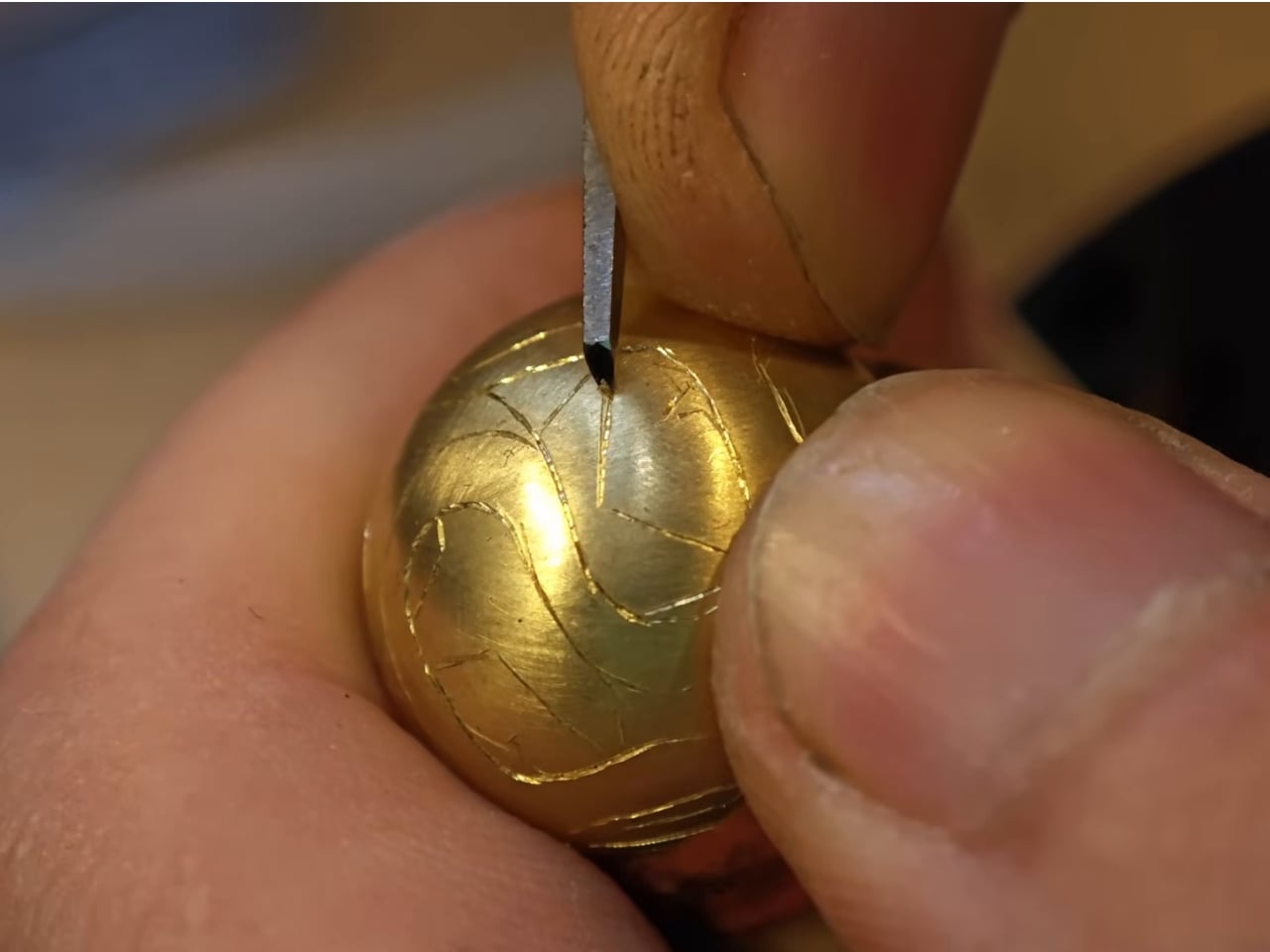
Soroush JWL has built a following on exactly this kind of work. Previous projects have included a ring engineered to unfold into a bracelet through a series of interconnected scissor mechanisms, a miniature Aladdin’s lamp, and a bolt transformed into a sword. The common thread across all of it is a delight in transformation and an insistence on doing it by hand. His YouTube channel has grown to over 123,000 subscribers, and it is easy to understand why. Watching raw metal become something recognizable, even beautiful, hits a very specific satisfaction center in the brain that almost nothing else does.
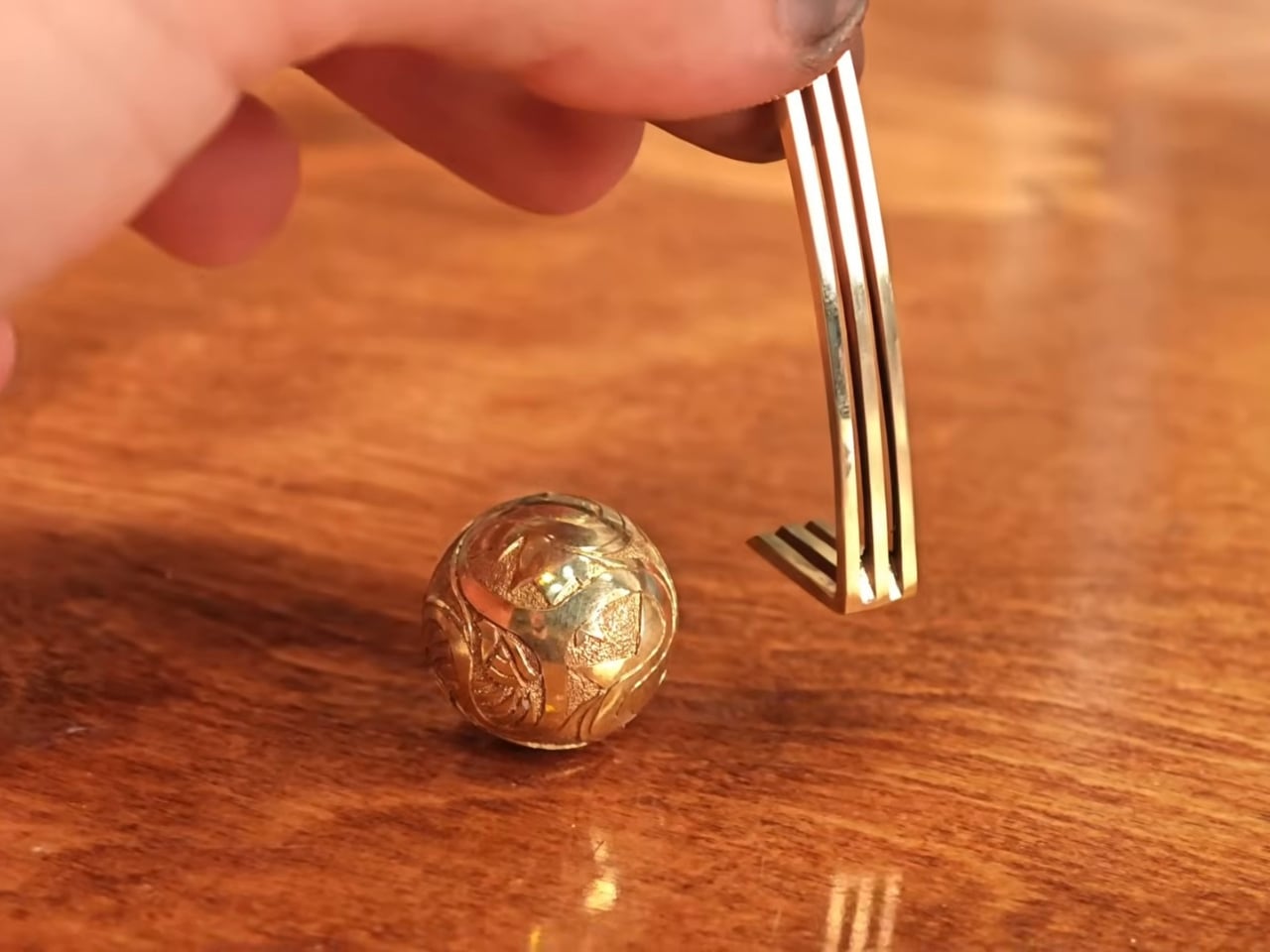
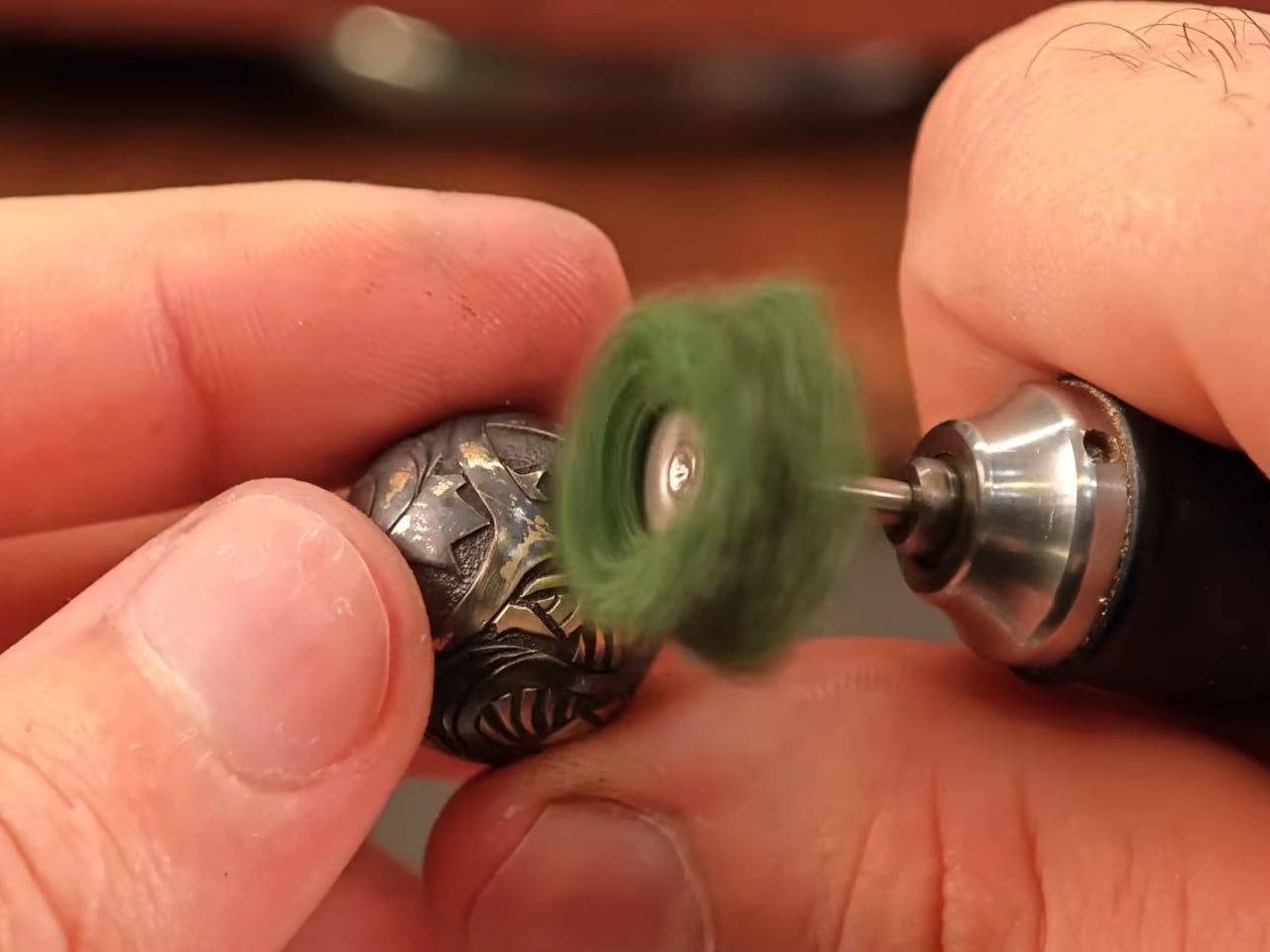
More than the craftsmanship, though, it is the timing that makes this feel significant. The World Cup is one of those rare events that genuinely pauses the world for a few weeks and creates objects that carry collective memory. Jerseys. Stickers. Posters. The balls themselves. Soroush took one of those objects and translated it into something permanent and personal, a keepsake that will outlast the tournament by decades.
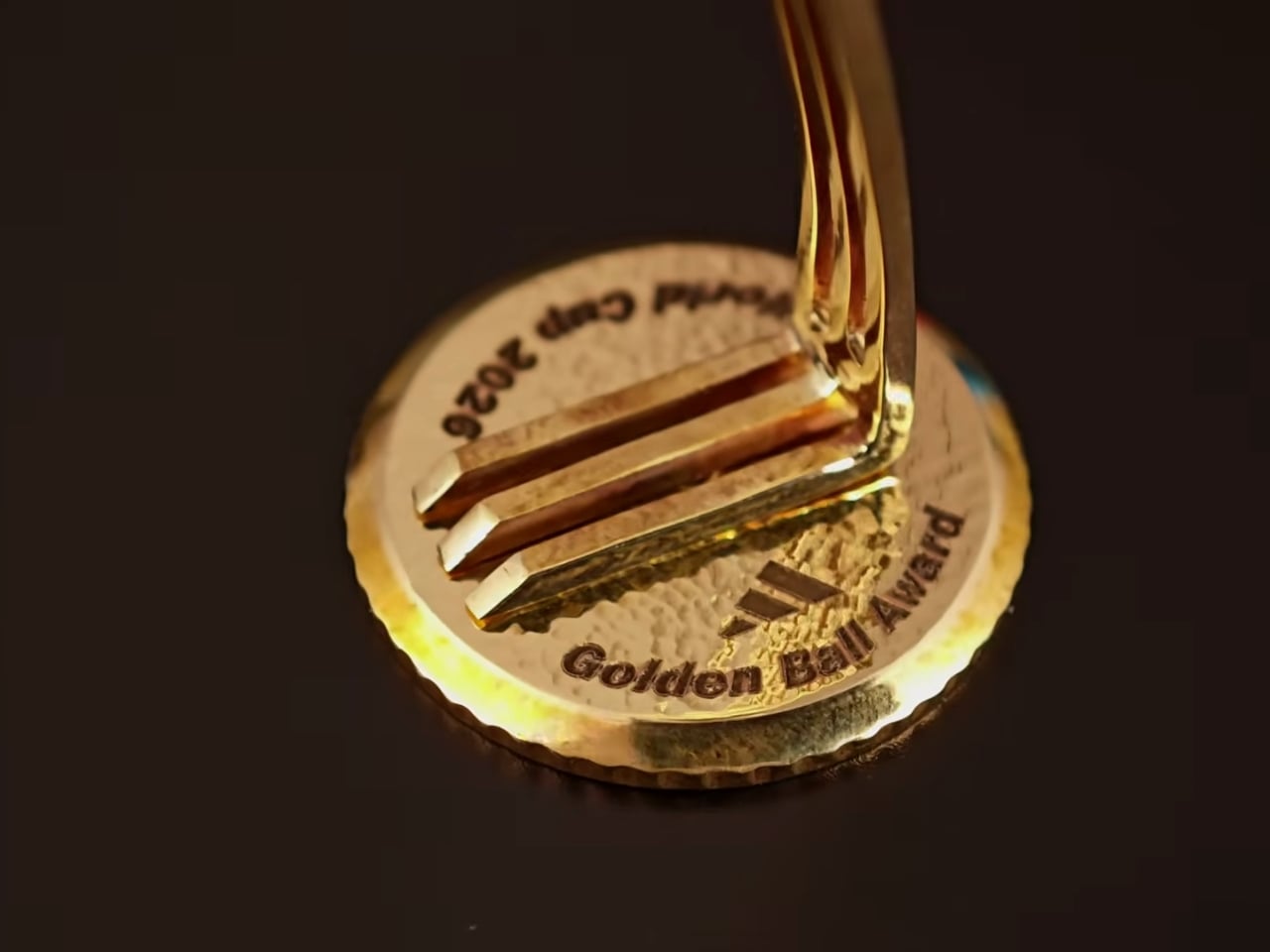

There is also something quietly ironic about the material choice. The Trionda is engineered for elite play, designed to perform under the highest standards of precision and durability on the world’s biggest stage. Soroush’s version will never see a pitch. It will sit in someone’s hand, catch the light, and make whoever holds it think about what it represents. In some ways, that is its own kind of performance. The World Cup is a design event as much as it is a sporting one. Soroush JWL just made a tiny, golden argument for that point.

The post A Jewelry Artist Just Turned a 50-Cent Coin Into a World Cup Ball first appeared on Yanko Design.
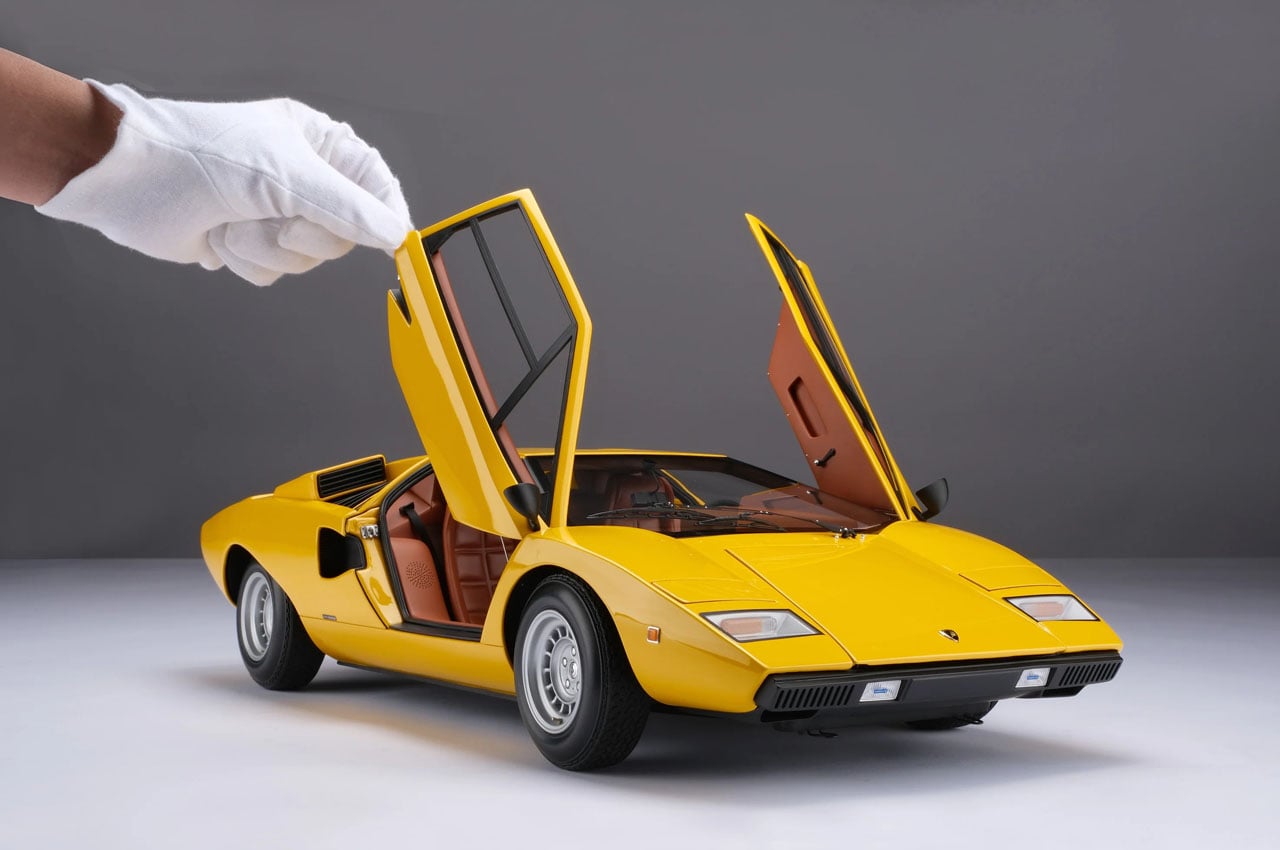
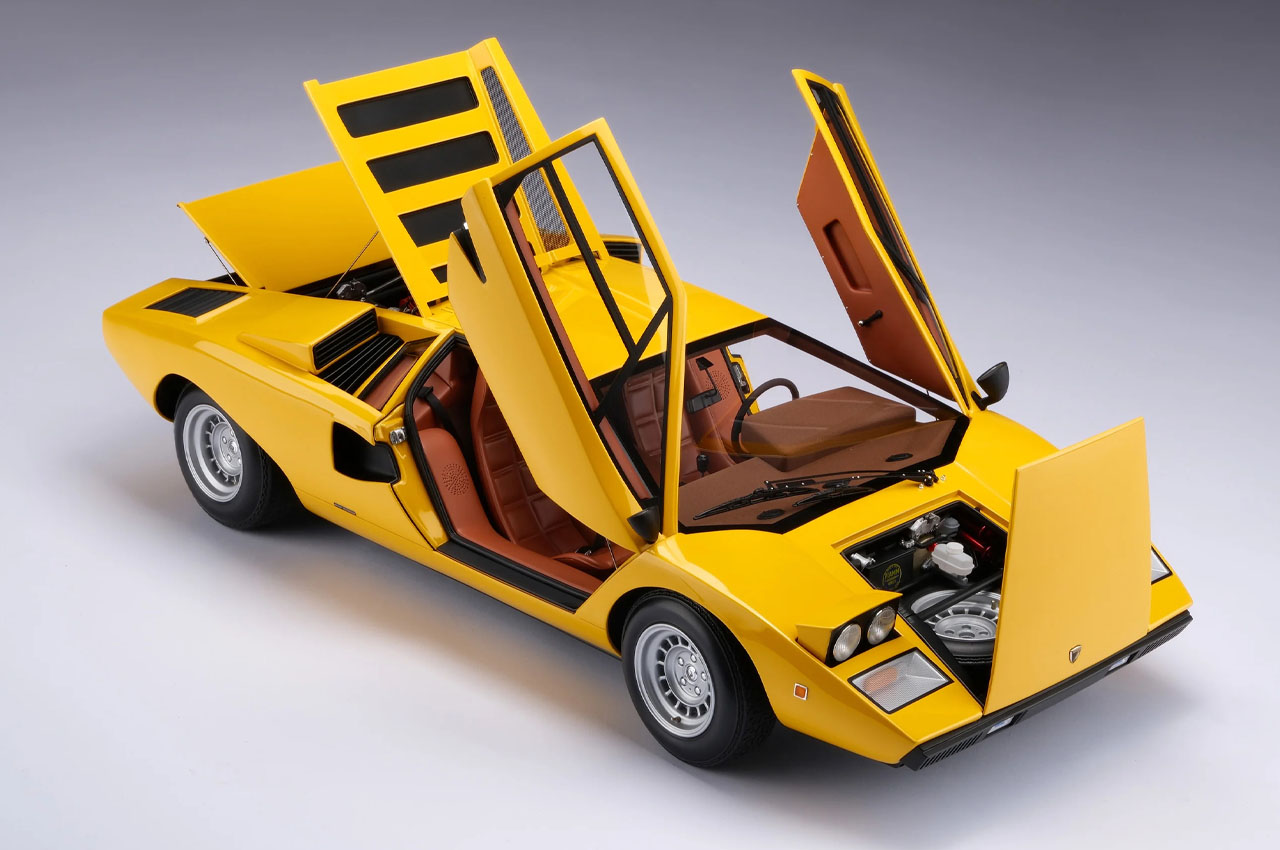
Lamborghini Countach LP400 replica flaunts intricate scissor doors and rear-view periscope mirror

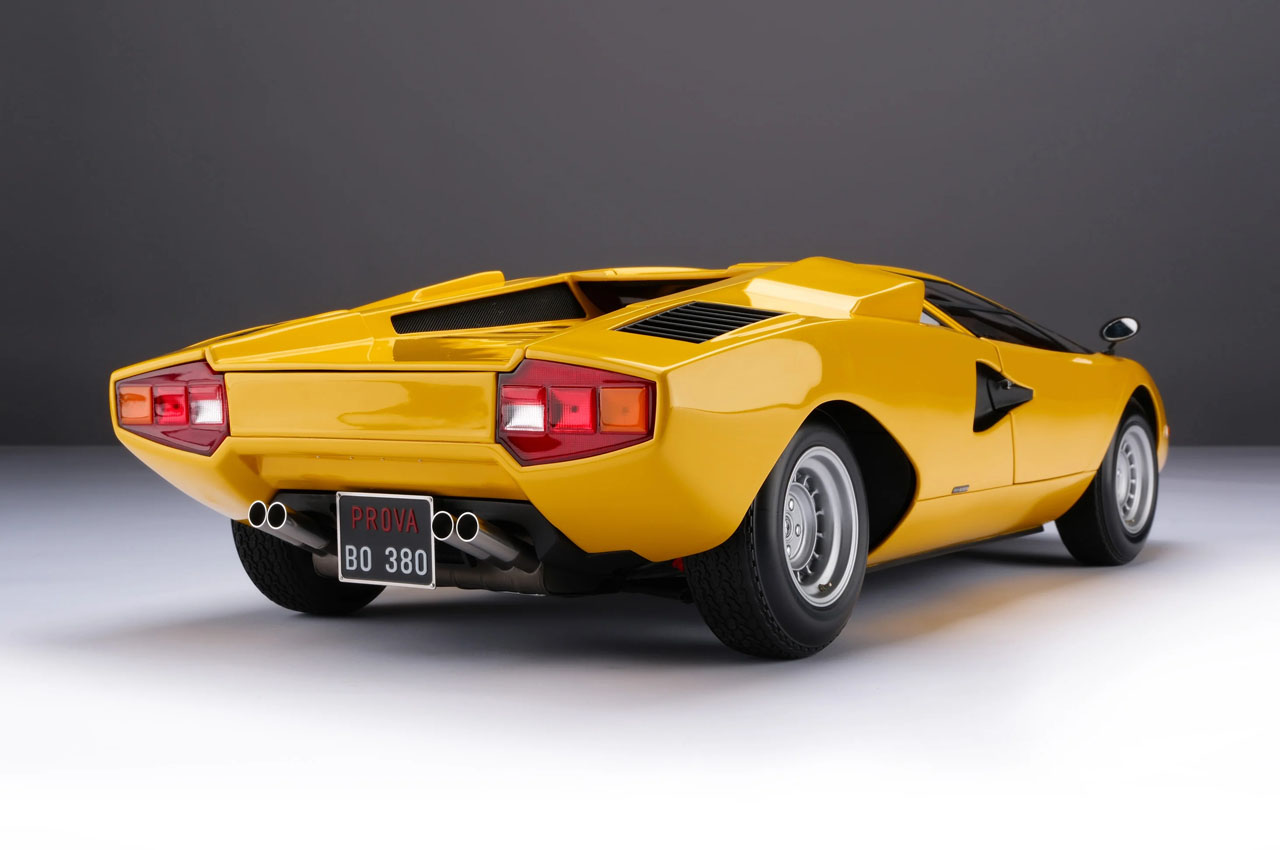
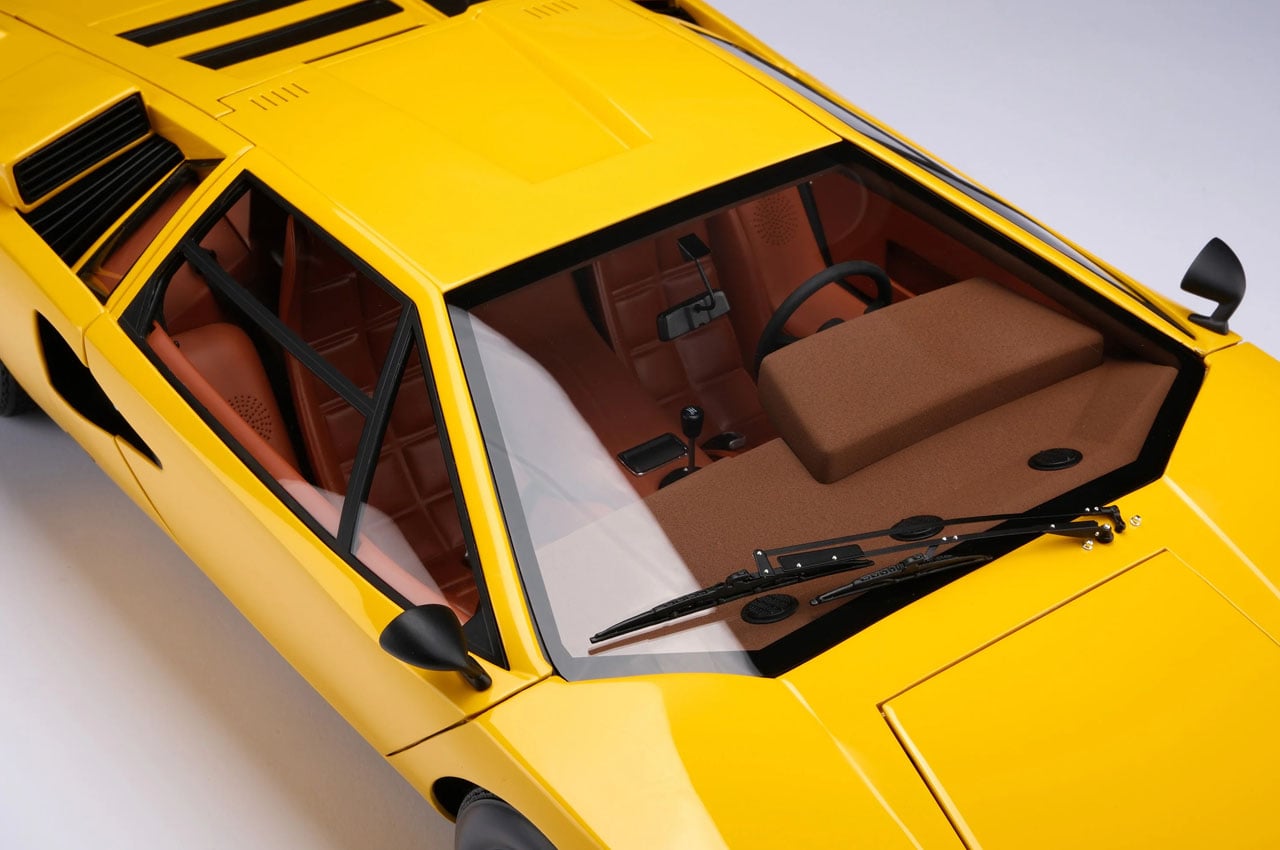
The Lamborghini Countach LP400 was the first generation of its kind and way ahead of time in terms of design given it debuted way back in 1974. Those scissor doors and the rear-view periscope mirror that vanished into the roof, just like the periscope of a submarine captured the imagination of performance car lovers. Fast forward to the current day and Lambo is basking in the glory of the Revuelto plug-in hybrid supercar.

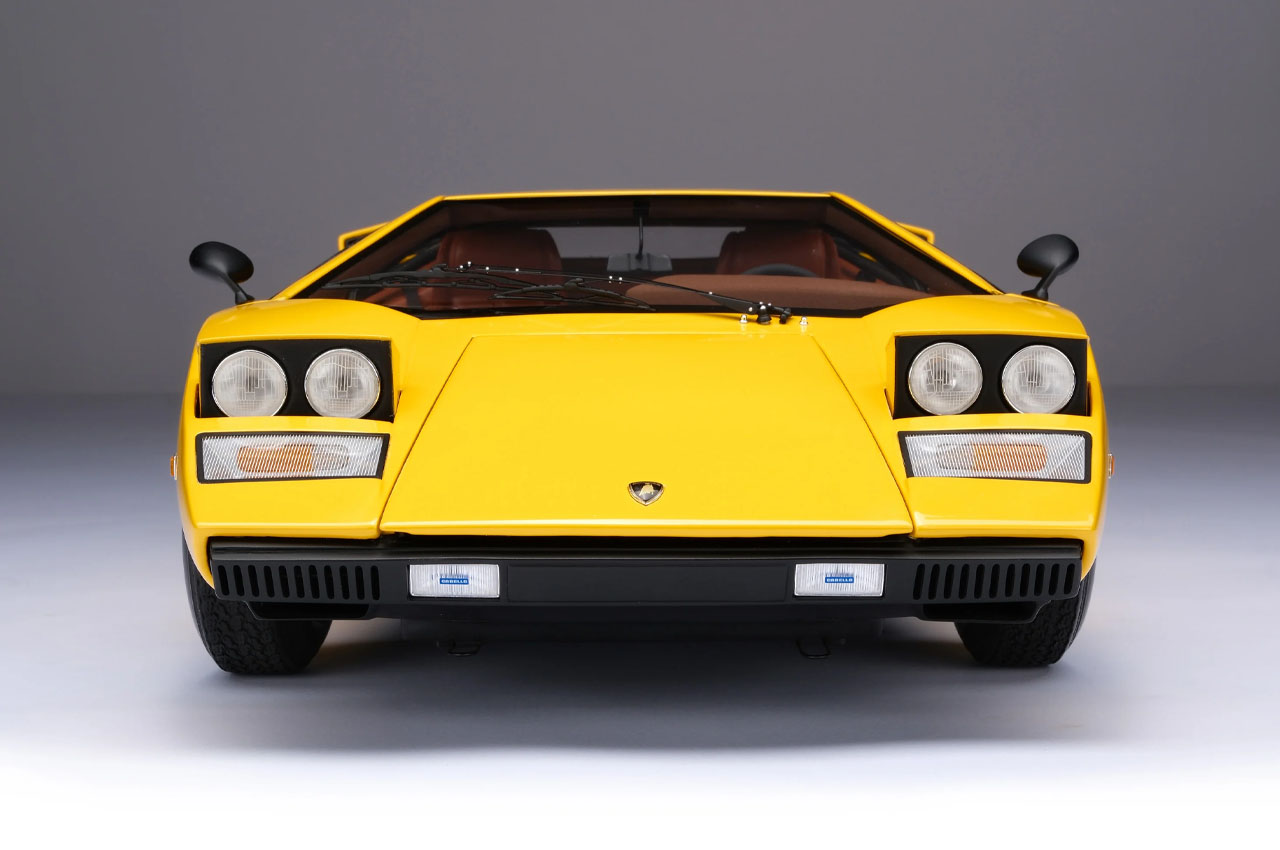
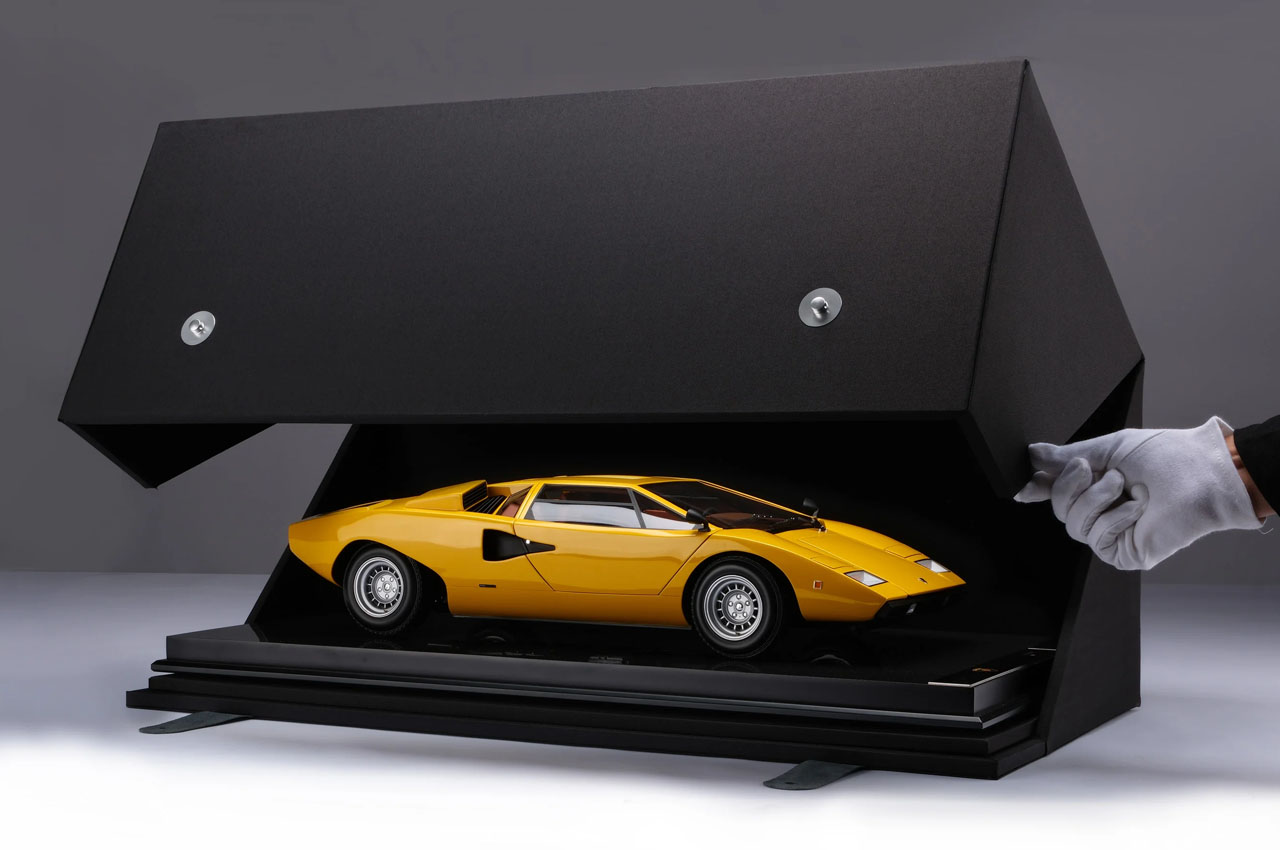
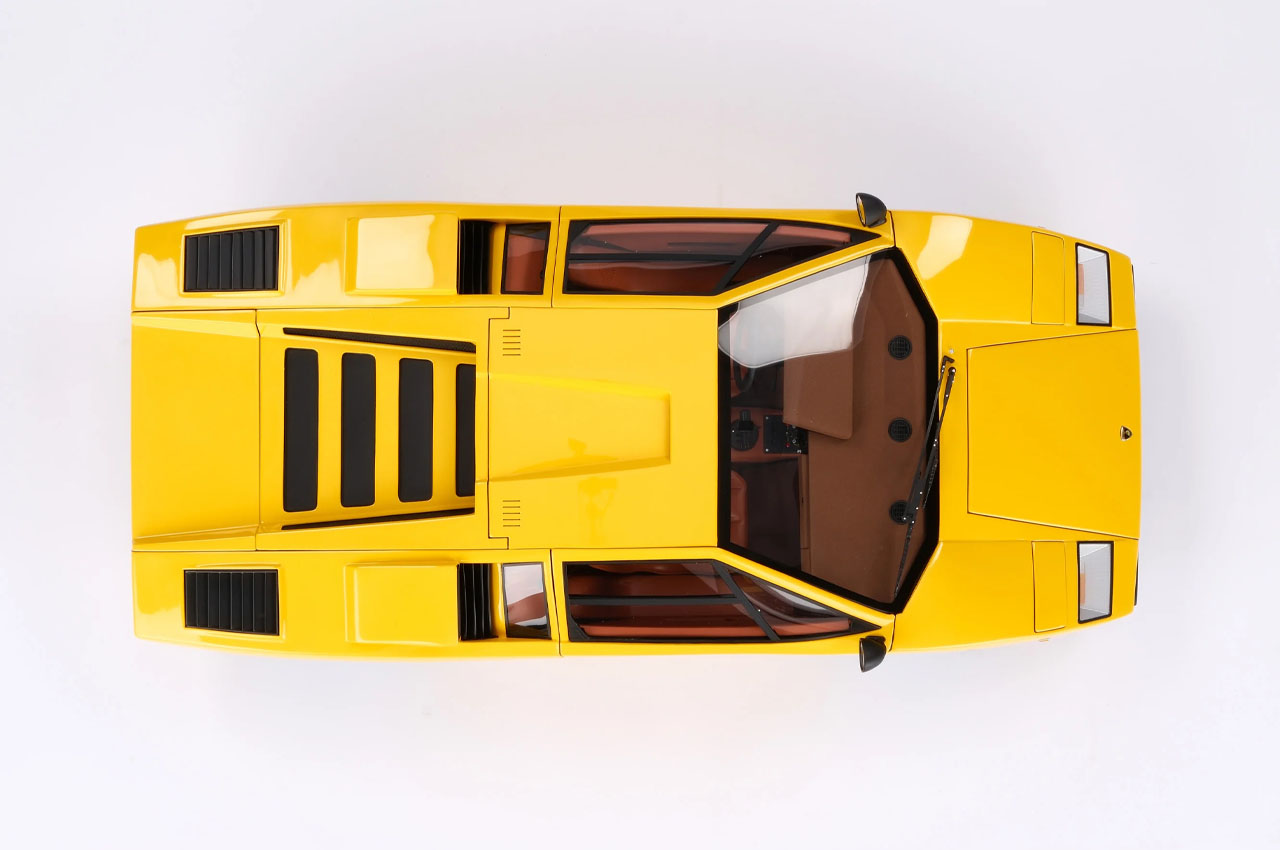
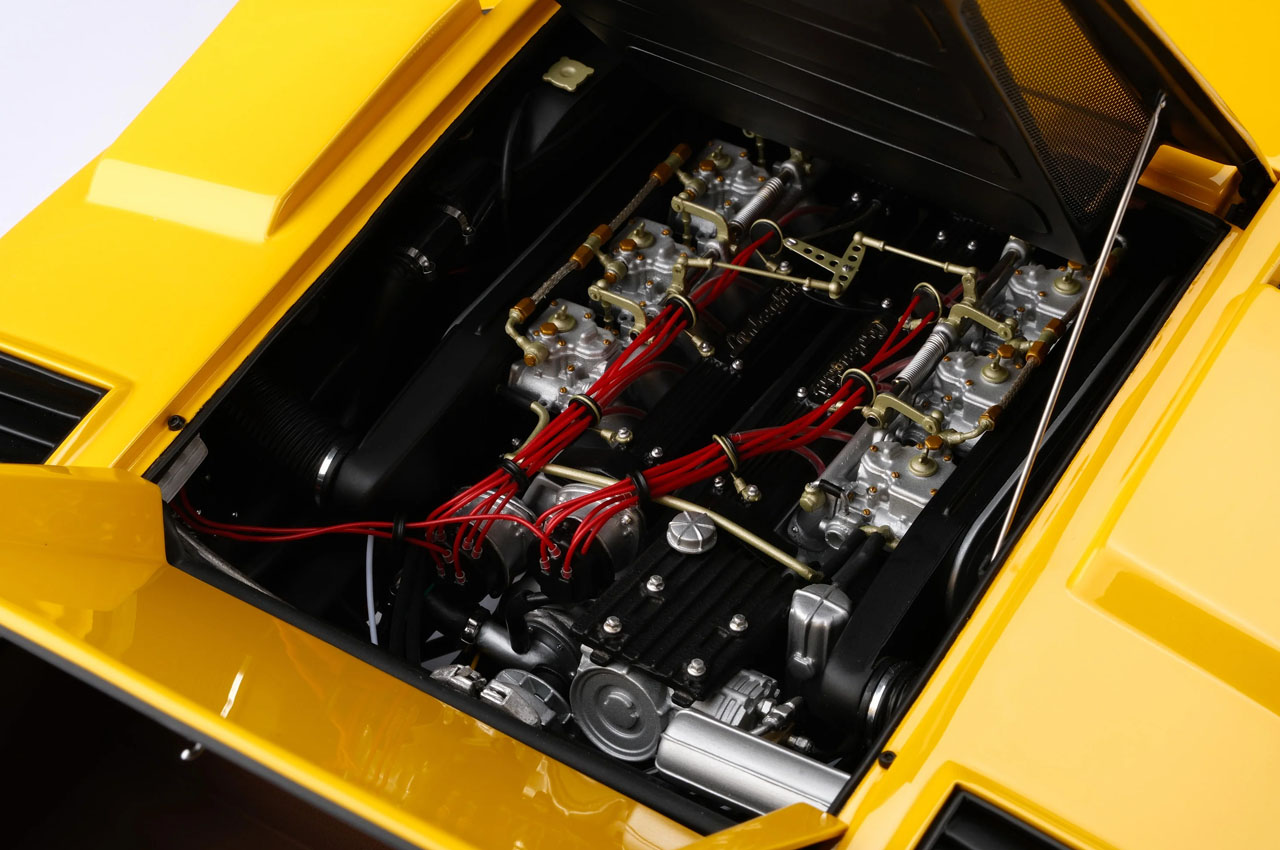
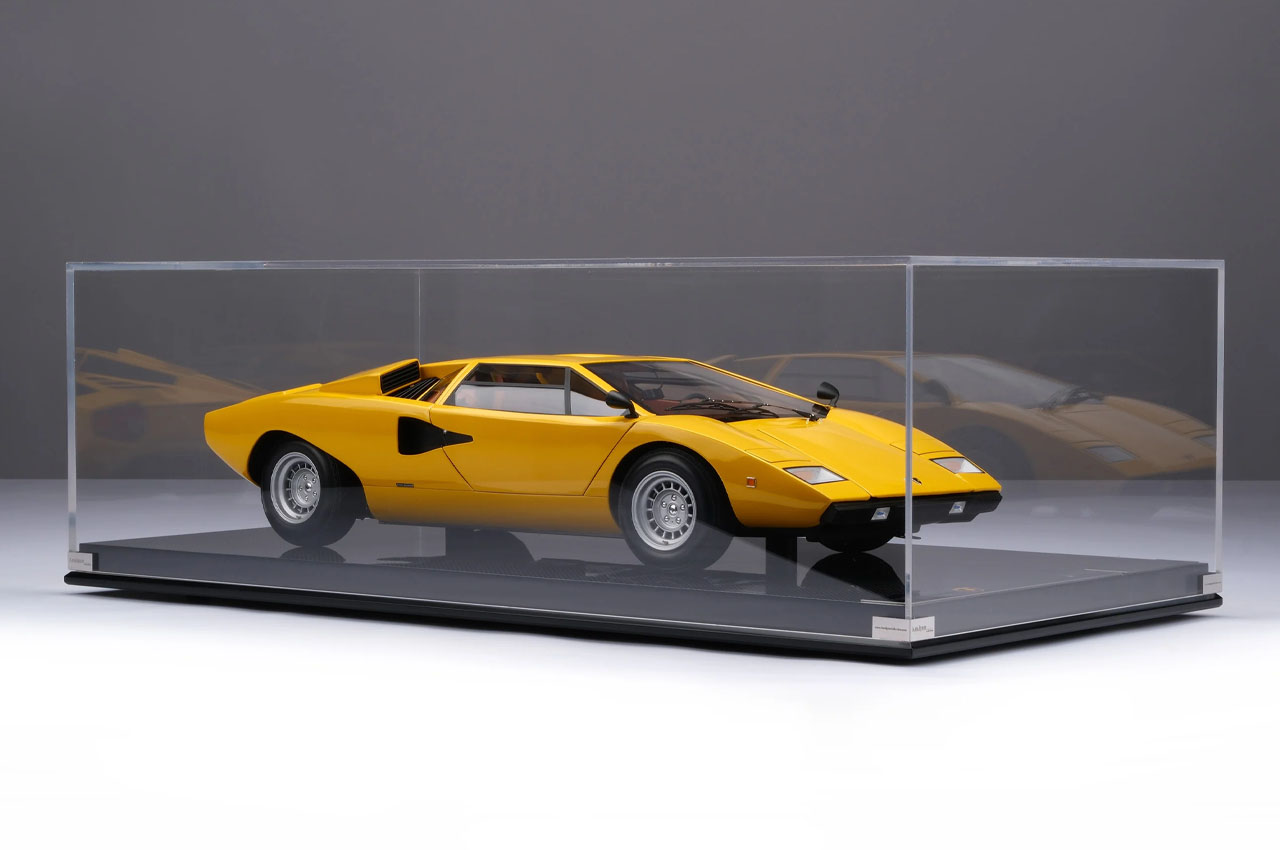
Amalgam Collection, a brand out of Bristol, UK, renowned for making the most detailed scale model replicas of famous four-wheelers like the Ferrari 296 GT3 sportscar has again caught our attention. This time they’ve created intricate 1:8 scale models of both the Revuelto and Countach LP400. Since we like things classic, so for now our focus is the nostalgic LP400 scale model that’s handmade to perfection with thousands of precisely engineered parts completing the build.

Designer: Amalgam Collection

As expected from the scale model builder, this fully-opening scale replica took almost 400 hours of the craftspeople’s time and skillful effort. The design took shape from the original CAD models and digital scan files provided. Further details were obtained from the thousands of pictures of the classic 4.0-liter V12-powered supercar. If we overlook the 250-400 hours of creating each of the scale model units, the initial time input to develop the tooling for vehicles that the maker has never before made alone takes a mind-boggling 2,500 – 4,000 hours!

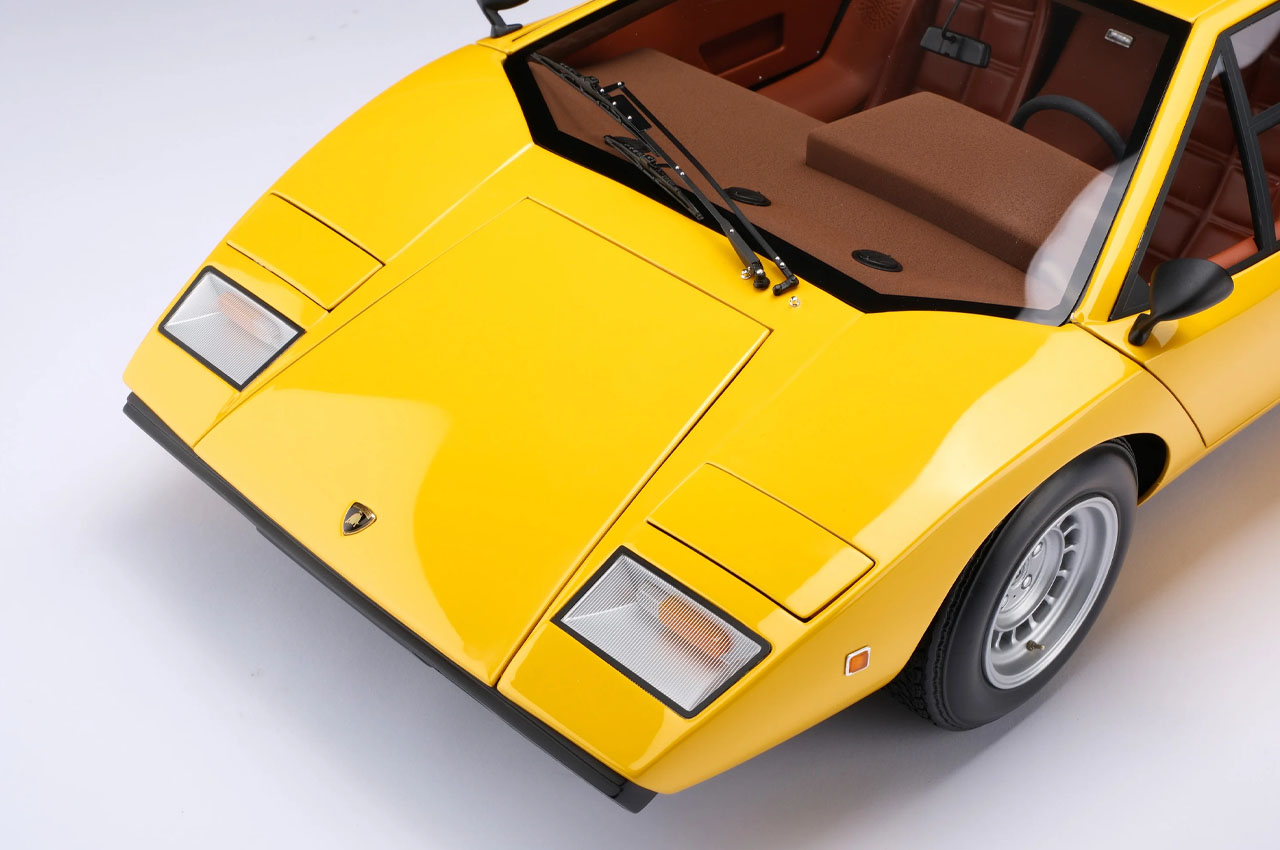
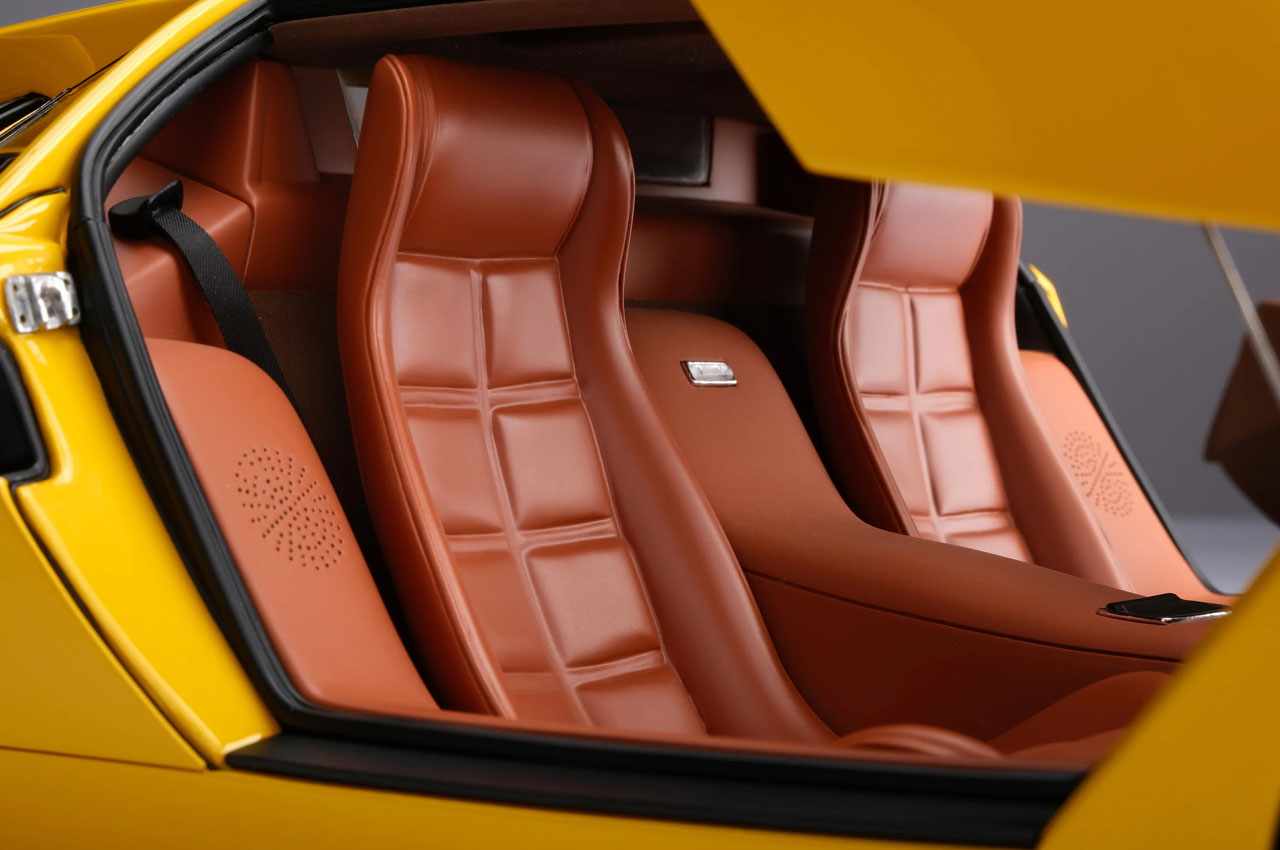
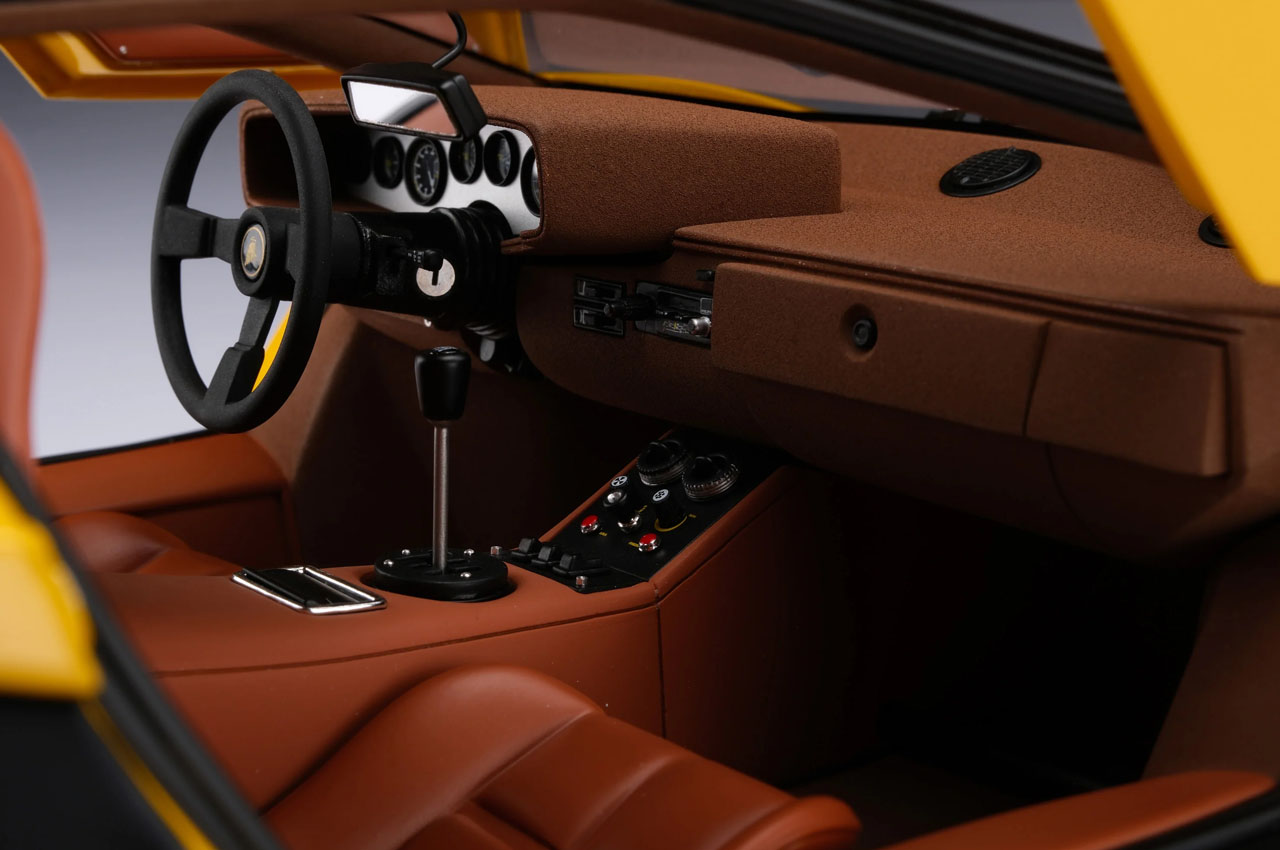
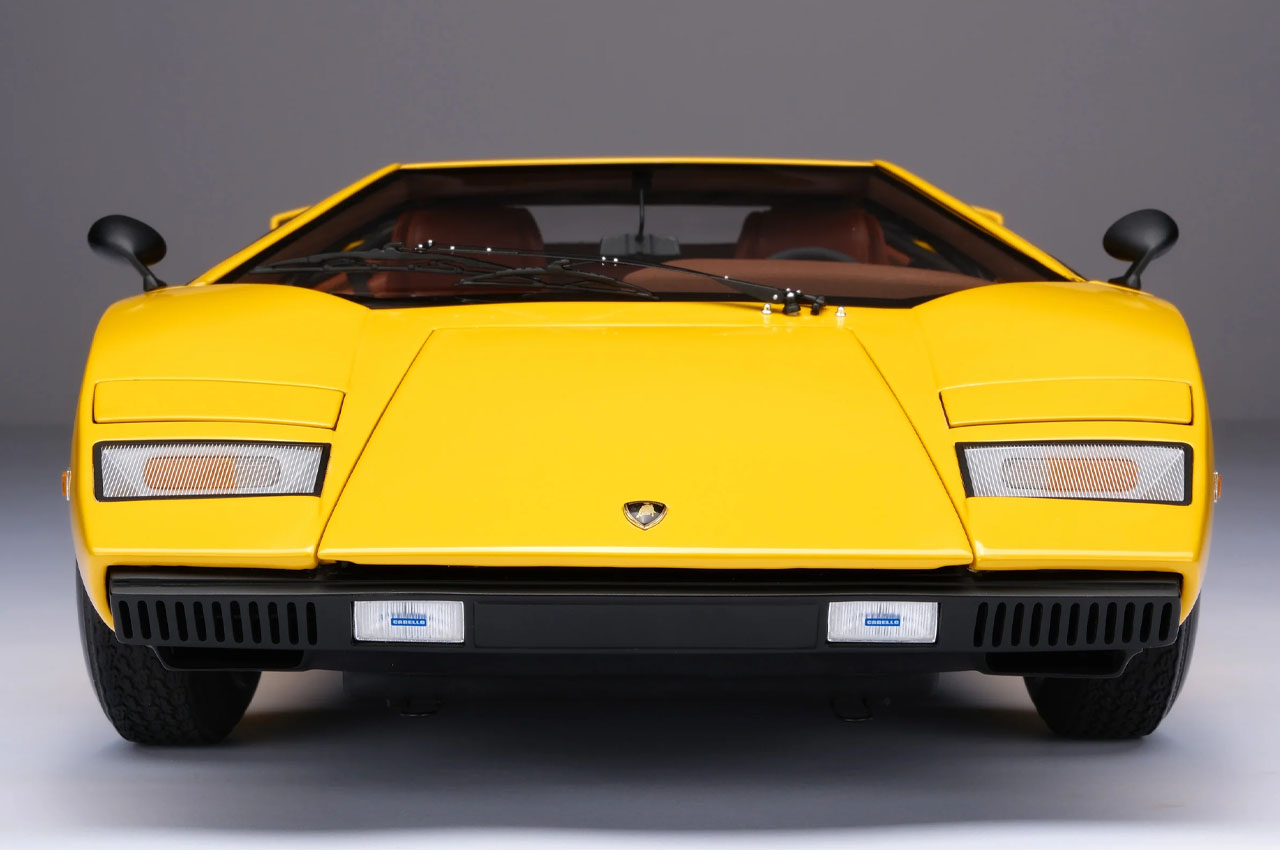
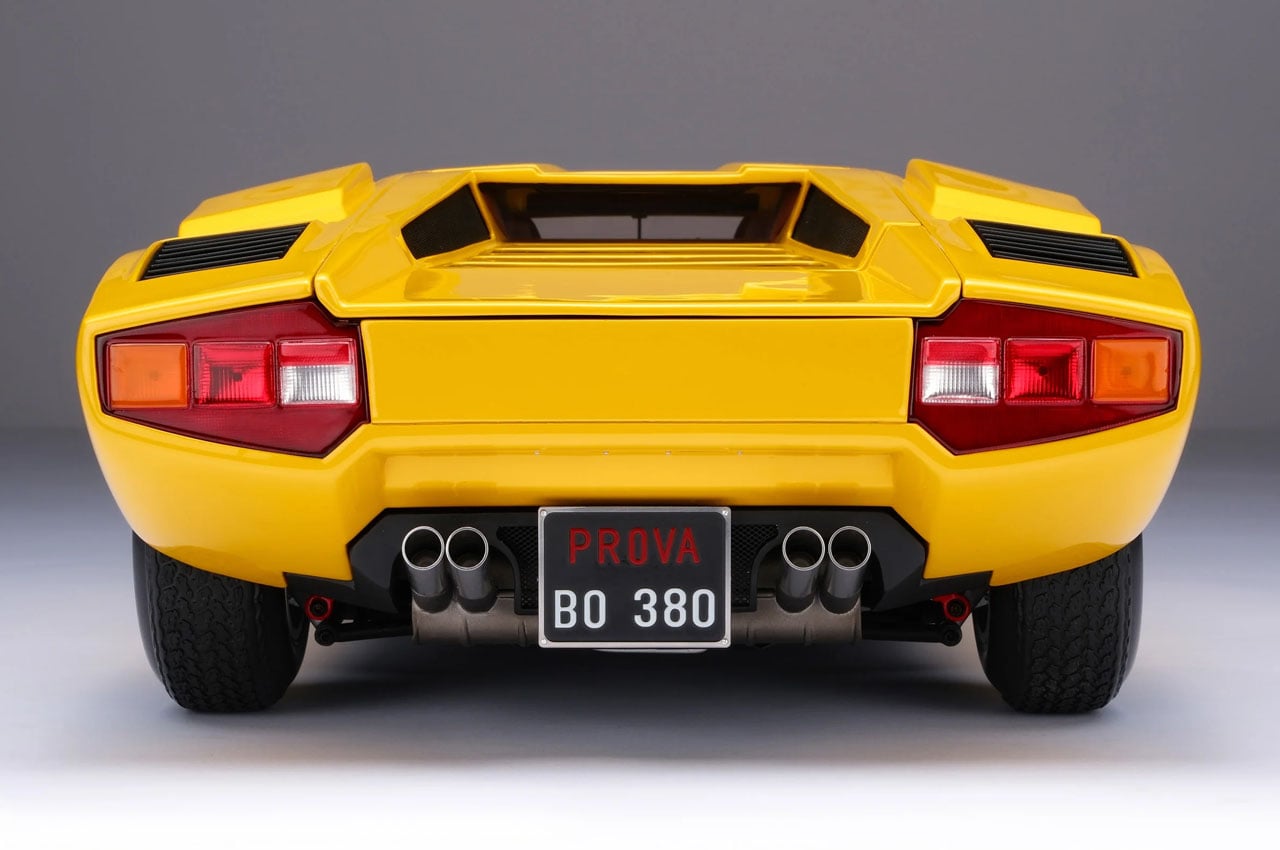
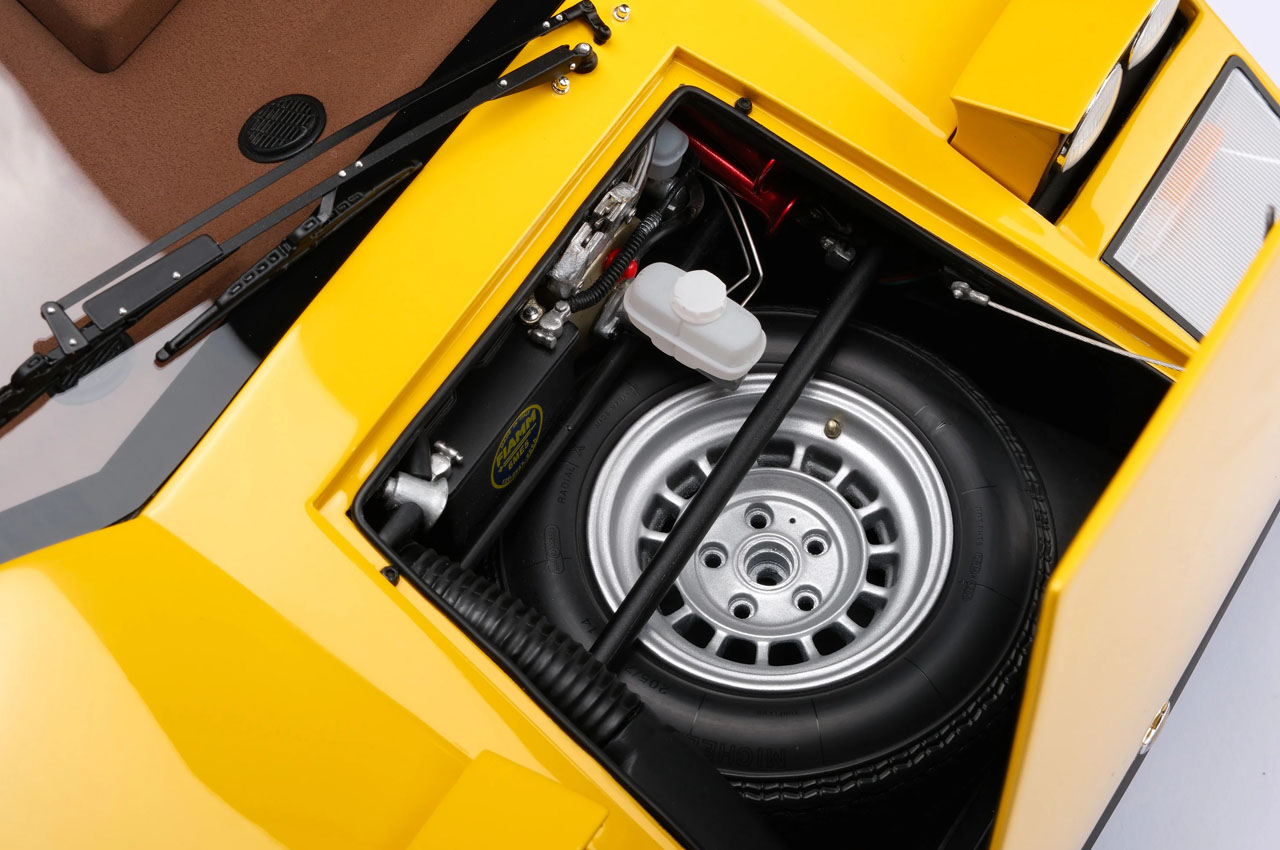
According to Amalgam, the exterior and interior of the car will be accurately replicated to the last visible detail. These include the color of the seat stitching, brake calipers, steering wheel, speaker indents, manual shifter, license plates, and even the ashtray in the center console. Predictably, the front trunk has a spare tire and the headlights can be toggled between up and down position.

They further added that their long-term collaboration with Lamborghini  permits them full access to “the brand’s paint codes, color samples, and every personalized detail to ensure their model matches their full-size counterpart.”

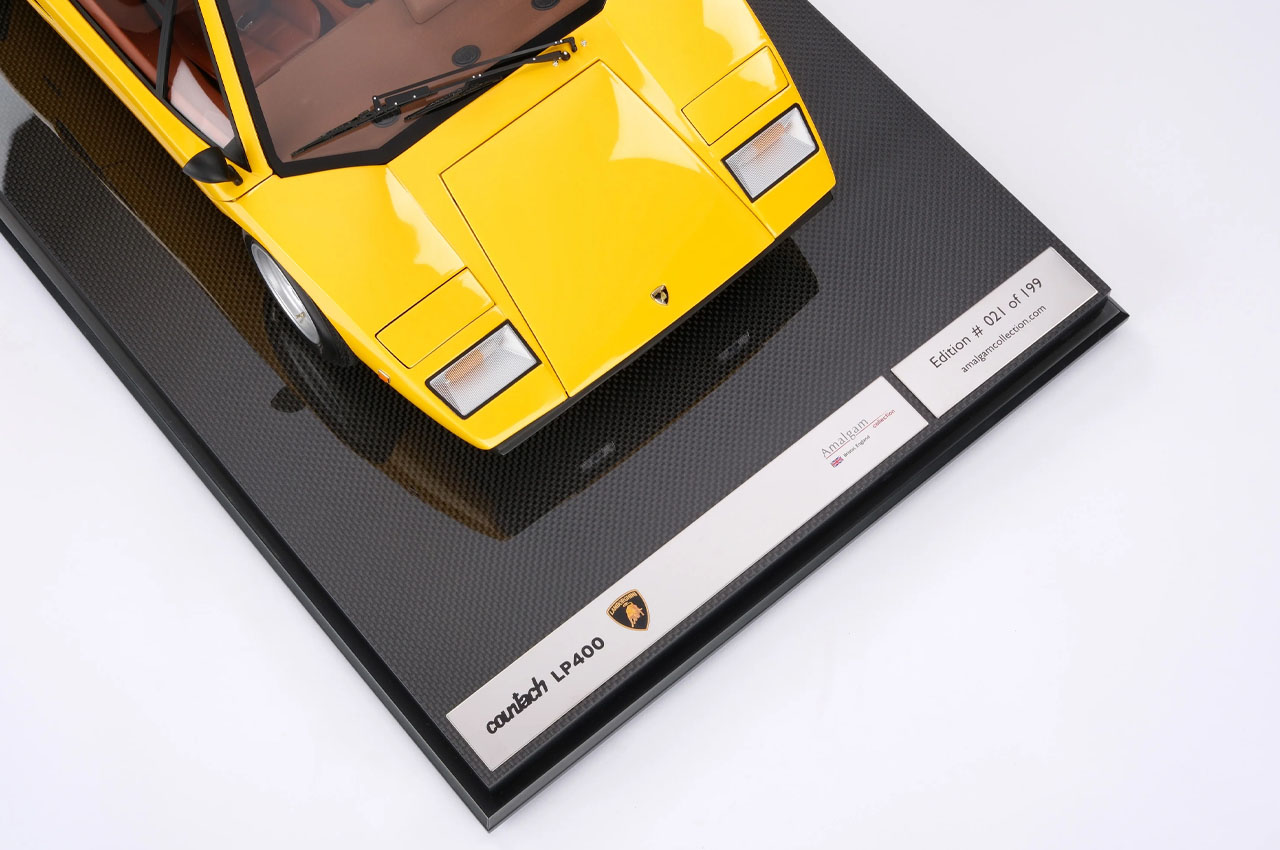
There will be a limited number of 199 units of the scale model Countach LP400 in Giallo Fly yellow or Rosso red color options. This model is priced at approximately $19,900 for automotive collectors willing to pay any price for such intricate works of art. You could buy a real sedan for that price tag!

The post Lamborghini Countach LP400 replica flaunts intricate scissor doors and rear-view periscope mirror first appeared on Yanko Design.
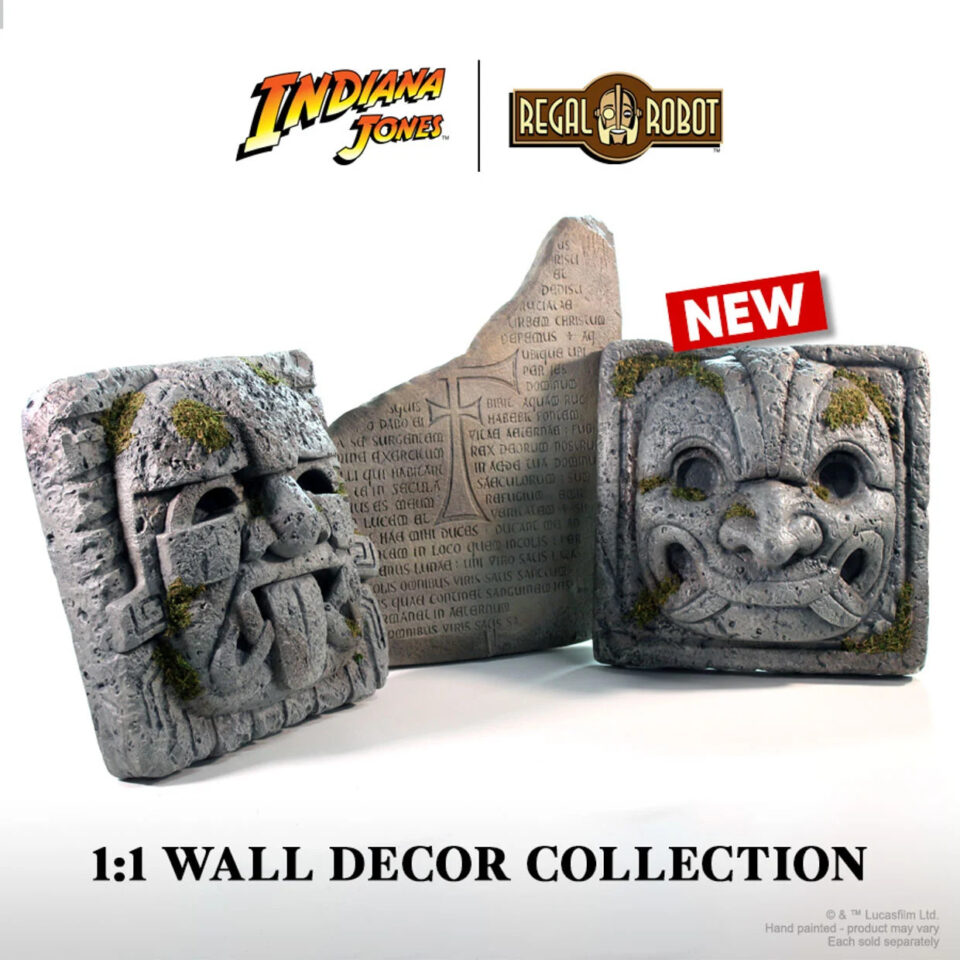
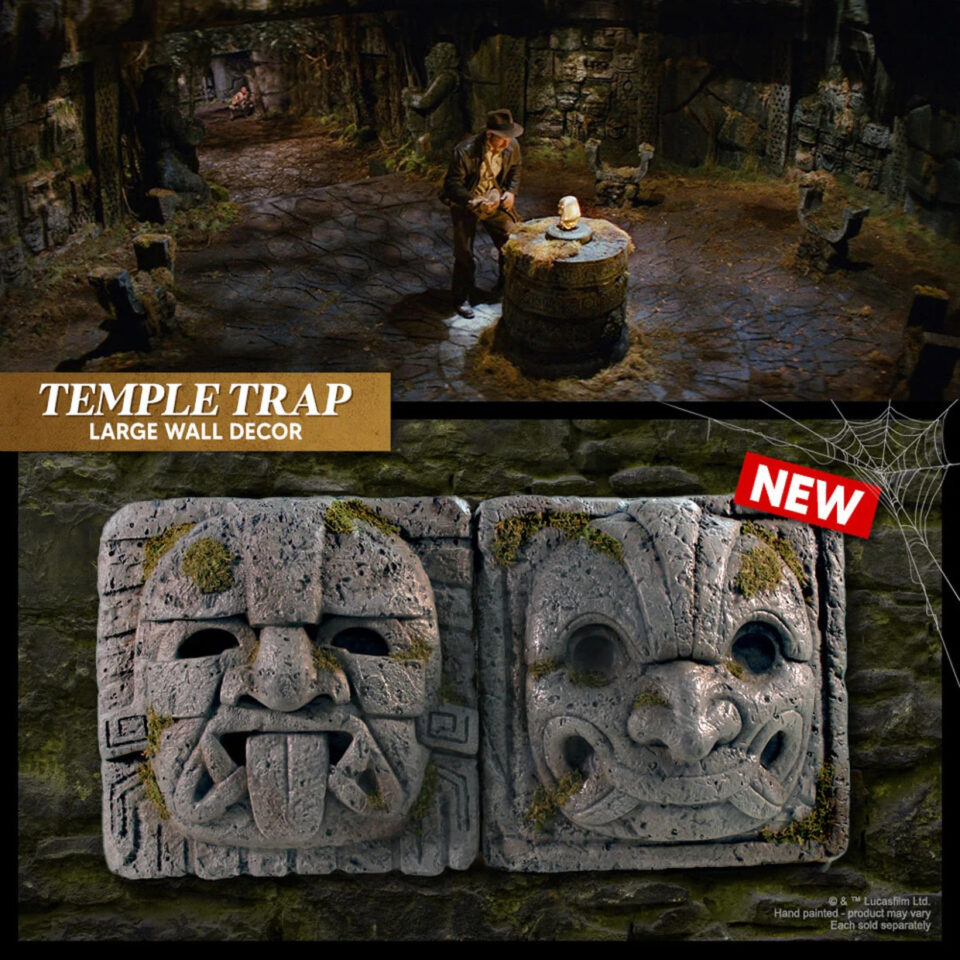
Indiana Jones Golden Idol Temple Wall Trap Replicas

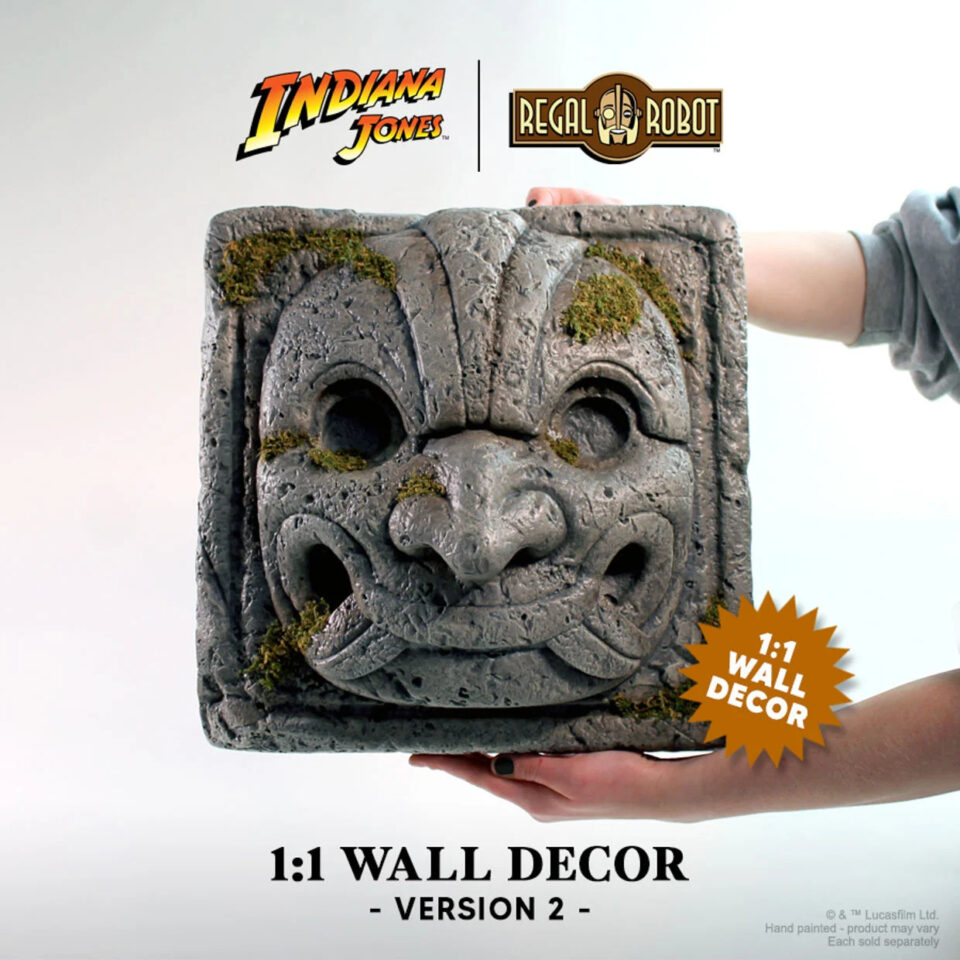
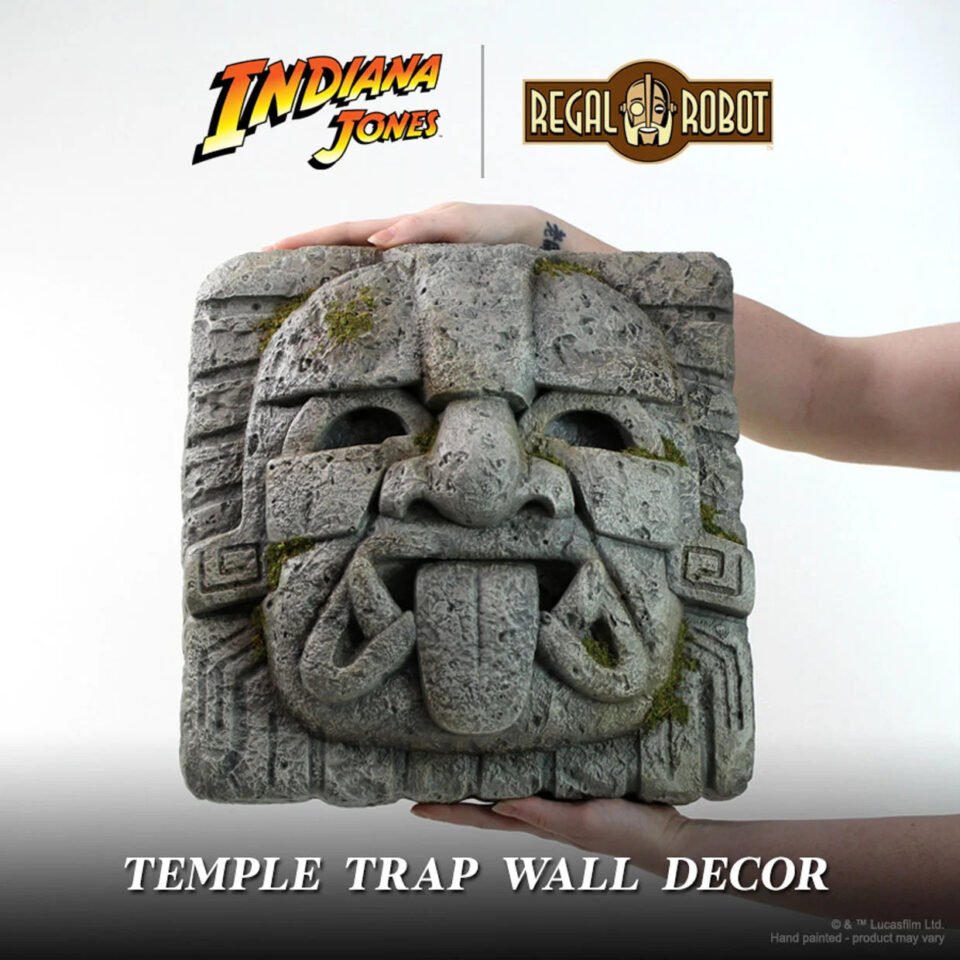
Inspired by the carved faces that fire darts at Indy and Satipo as they try to exit the temple after setting off the golden idol’s booby traps, these wall art blocks from Regal Robot are perfect for the Indiana Jones-themed room in your own home. You do have an Indiana Jones room, right? Well, if not, these will make the perfect start.

Each block measures approximately 15″ square and is made in the U.S. using hand-painted polyurethane resin. That quality doesn’t come cheap, though — an individual square will set you back $375. Yikes! I might have to steal and sell some ancient artifacts just to be able to afford one.


A few dozen of these on the walls, along with some cobwebs, spike pits, and a giant rolling boulder replica, and your Indiana Jones room will be complete! What a place to watch the movies that will be! Please, just remind me about the spike pits whenever I get up for snacks or a bathroom break.

[via TheAwesomer]

Intricately detailed Ferrari 296 GT3 replica model is perfect for passionate motorheads

Amalgam Collection has created a niche for itself in the car scale model-making craft and they go down to the last-minute details, leaving nothing to nit-pick. The Bristol-based company creates intricate scale models of acclaimed cars at their workshops in China Hungary and the UK. These faithful reproductions are dream-worthy for those who can’t afford the real thing and also for those who already own the $600,000 Ferrari but want a replica to sit on their desk to show off some love.

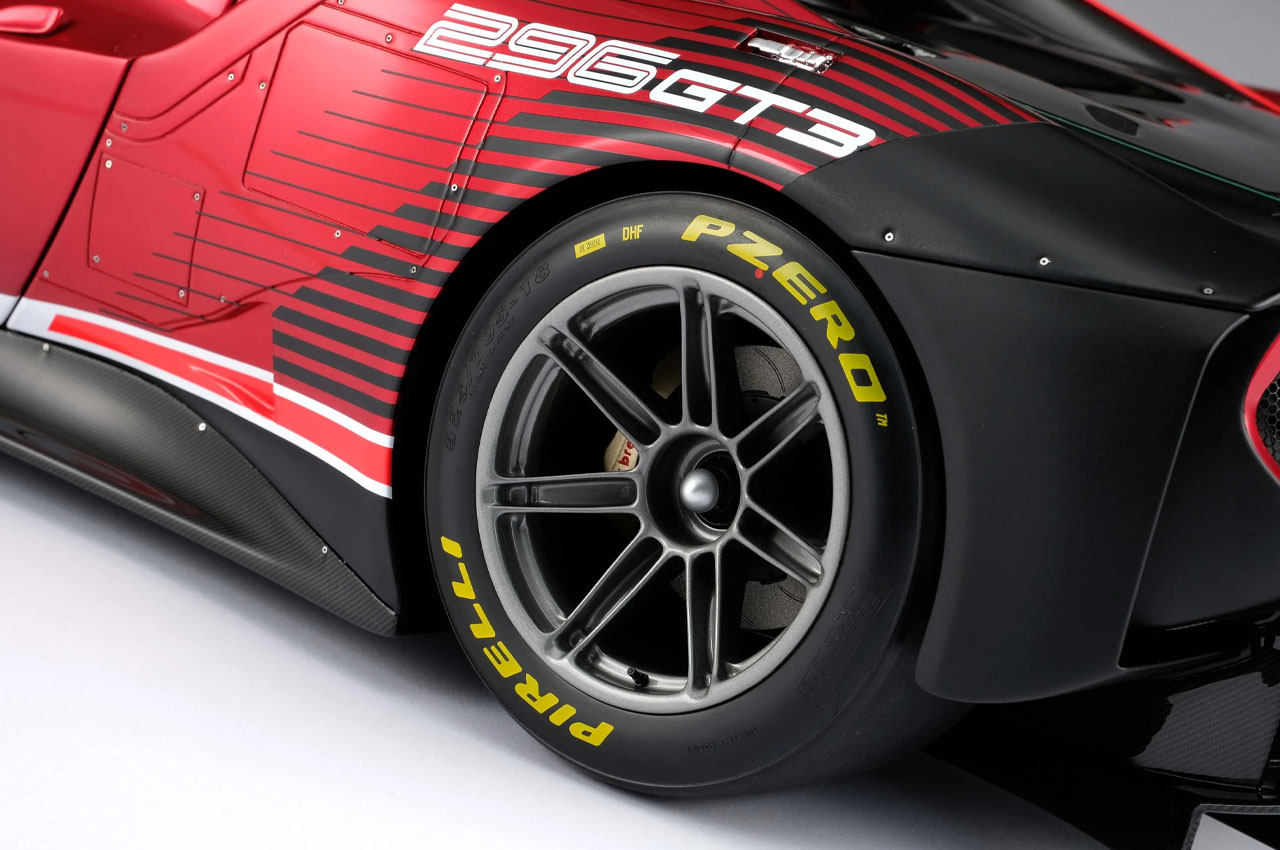
Their latest creation is the 1:8 scale model of the Ferrari 296 GT3 sportscar that was originally based on the Prancing Horse’s first-ever V6-powered 256 GTB. The model measures 22 inches in length and is made using the original CAD data of the 296 GT3. The level of realism can be judged from the fact that the development process took 3,000 hours and the assembly (including sanding, fitting and painting) of each one takes around 350 hours in total. It’s like a shrunken-down version of the real sportscar down to the details such as the 2.9-liter V6 engine bay, Pirelli race tires Stäubli fuel-filler cap, magnesium gearbox case and the original paint codes for the exterior. Even the individual metal parts are carefully crafted using CNC-milling techniques.

Designer: Amalgam Collection

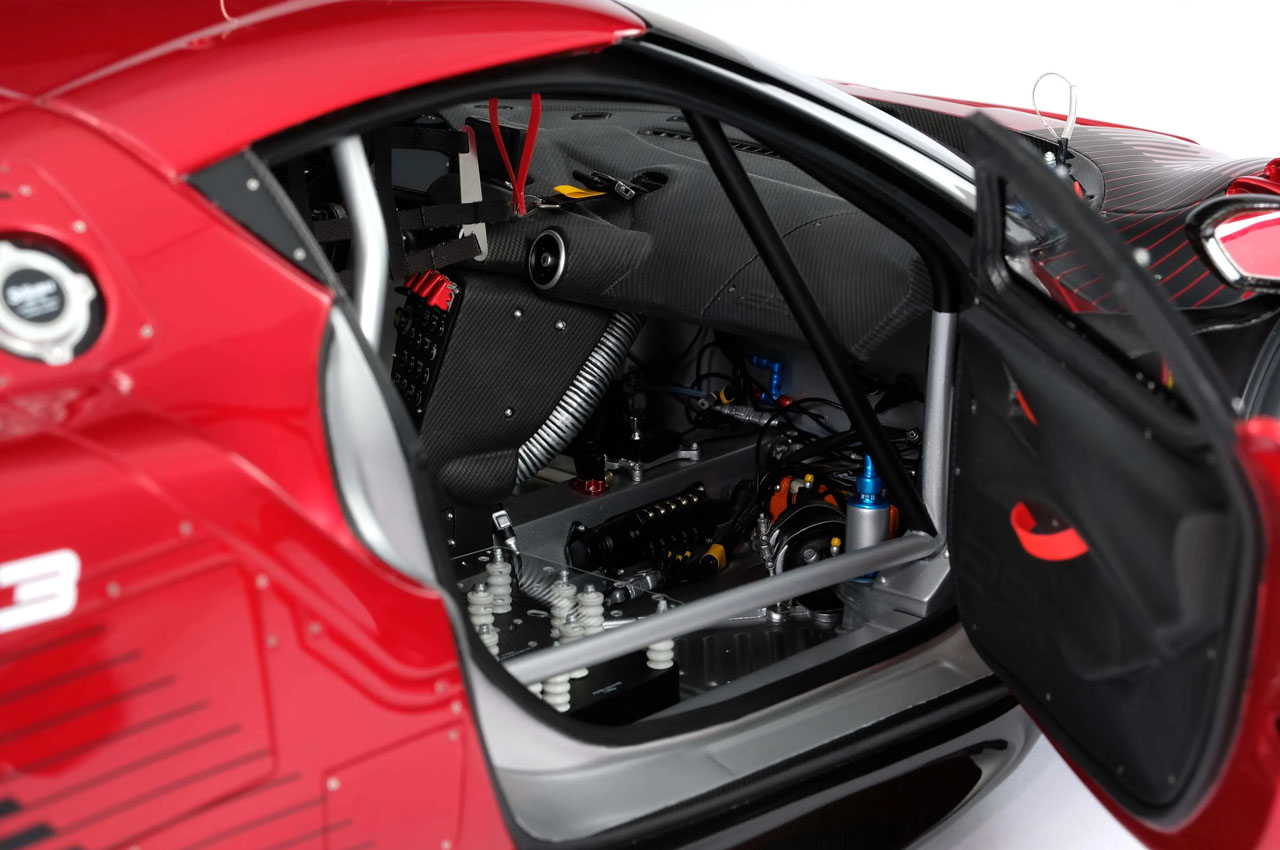
The intricate details carry down to the interiors right from the dashboard with Bosh-branded monitor and Manettino-equipped steering wheel to the control console and the handstitched racing harness. According to the in-house team at Amalgam, the scale models they create are no less than crafting high-end watches detailed down to the last millimeter. The Ferrari 296 GT3 is perhaps their best creation thus far in that regard and it shows in the end product.

Amalgam is going to craft only 199 limited edition units of the 1:8 scale model of the high-performance car for passionate collectors. The level of realism will continue down to the customization options for the interested buyers. For example, the exact color match and interior upholstery hues are based on that choice. All this for a mind-numbing price tag of $18,090. Sure, you’ll easily buy a mid-sized car for that amount, but hey, we are talking about passionate motorheads who are fat-pocketed!

The post Intricately detailed Ferrari 296 GT3 replica model is perfect for passionate motorheads first appeared on Yanko Design.