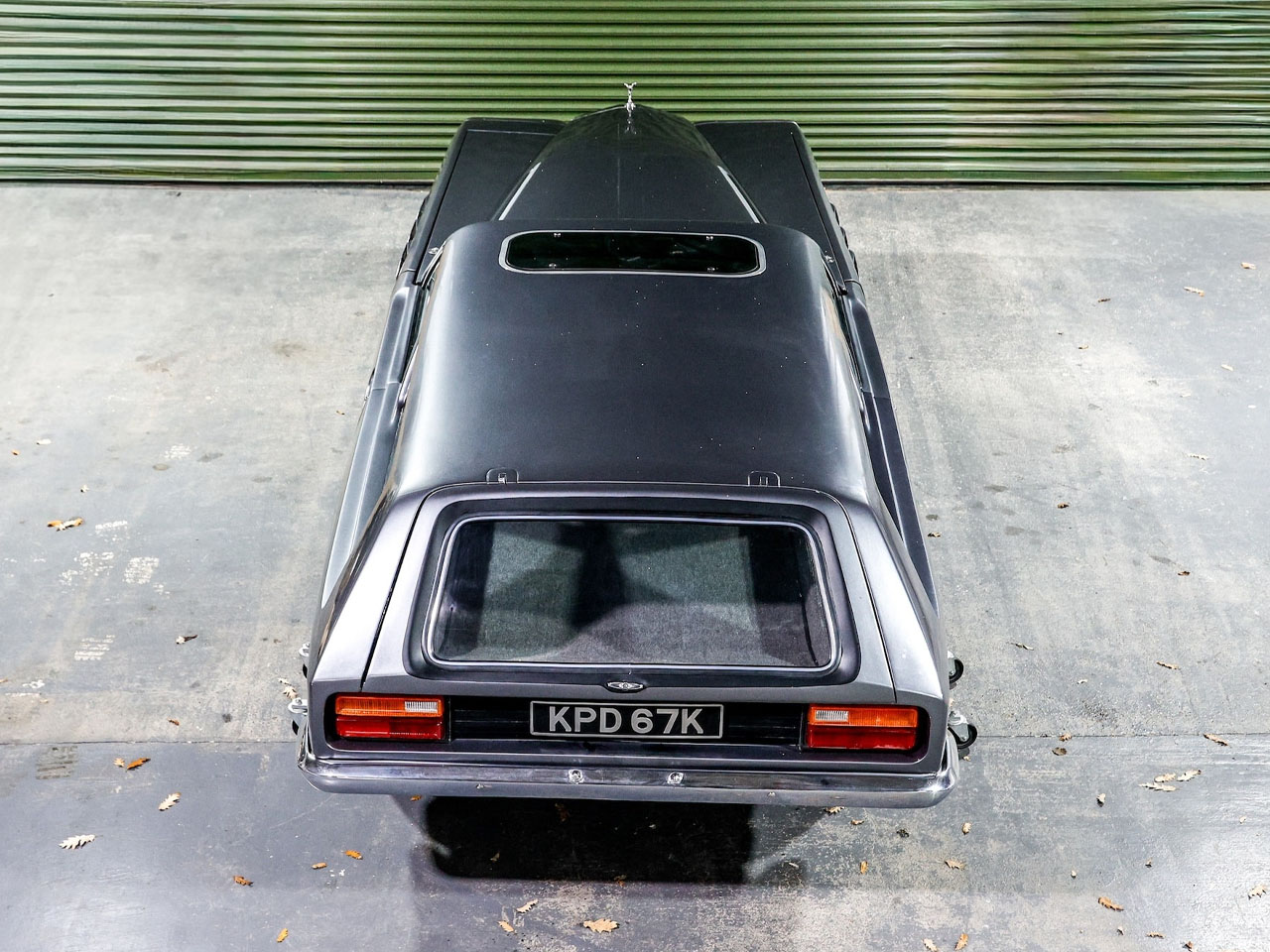
The Beast is John Dodd’s 27-Liter V12 creation that turned aviation power into road-going legend

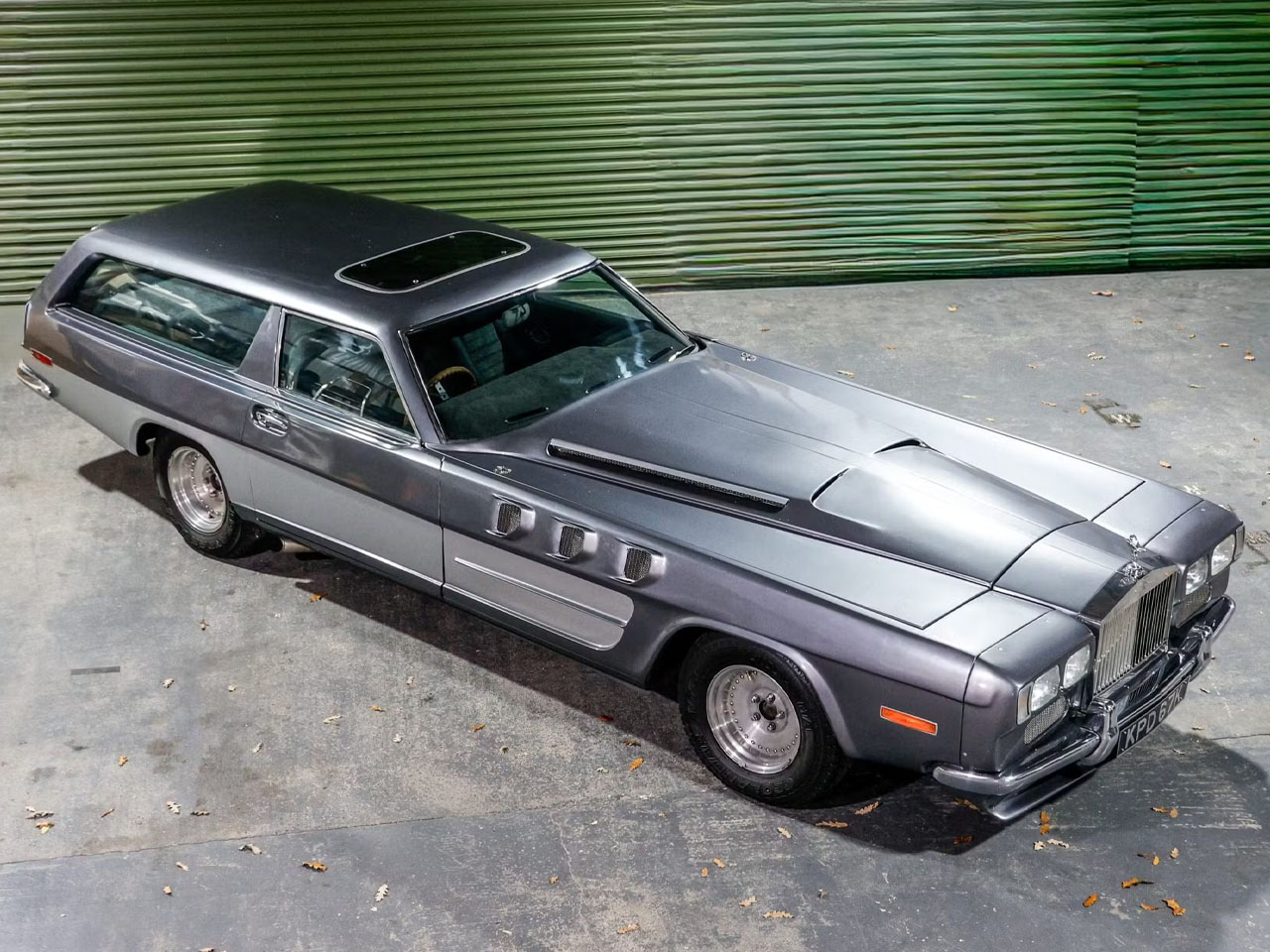
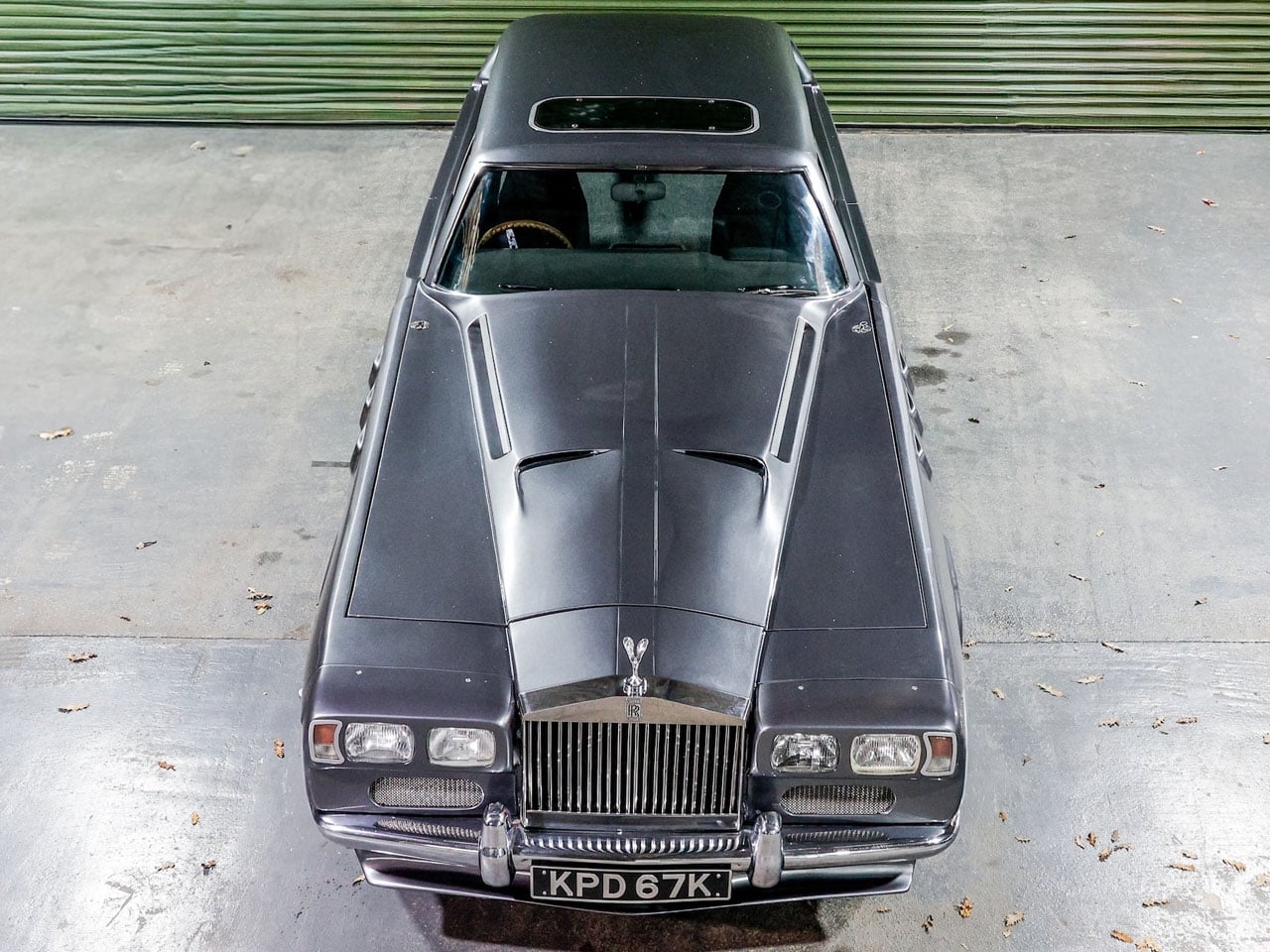
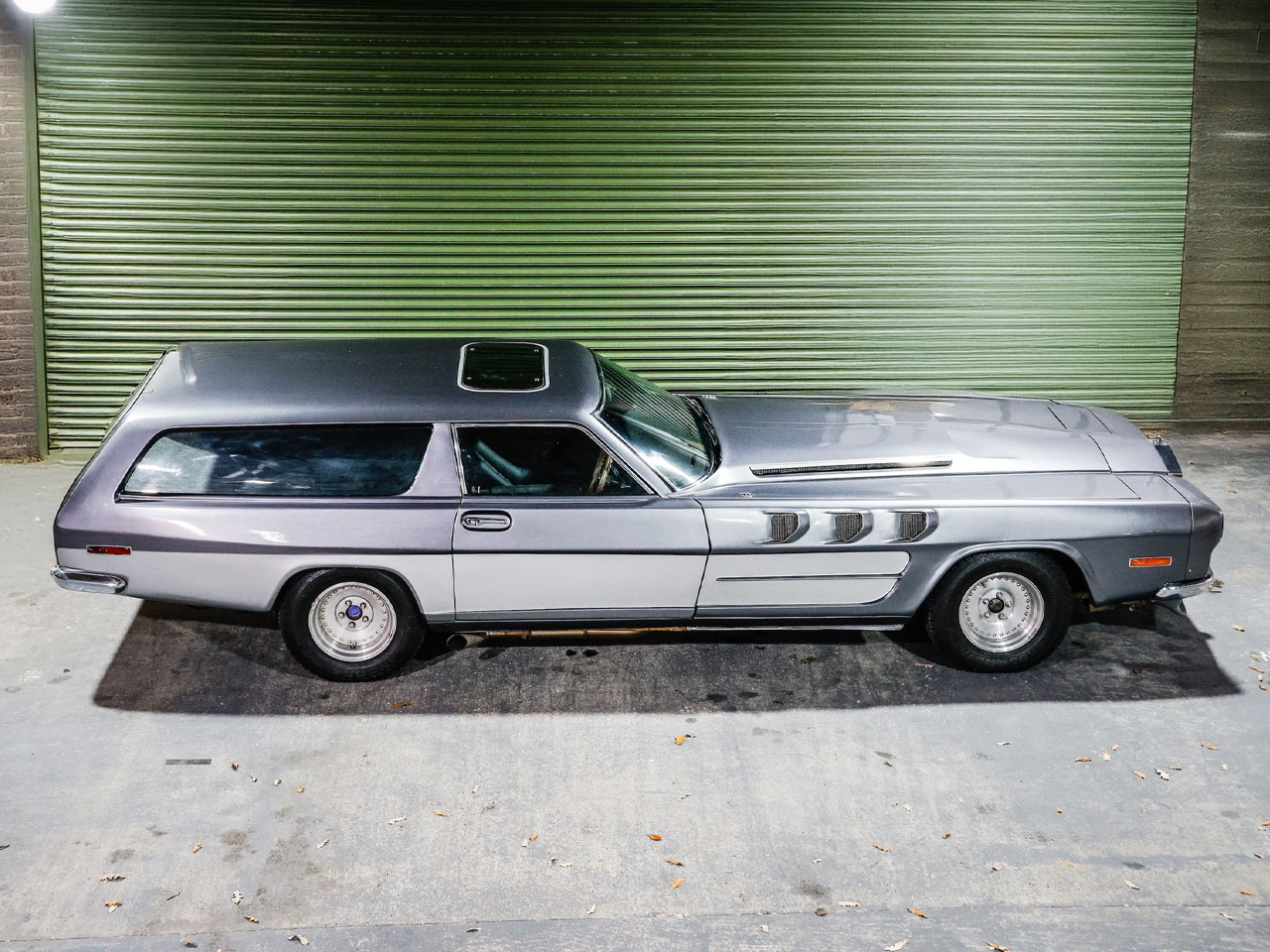
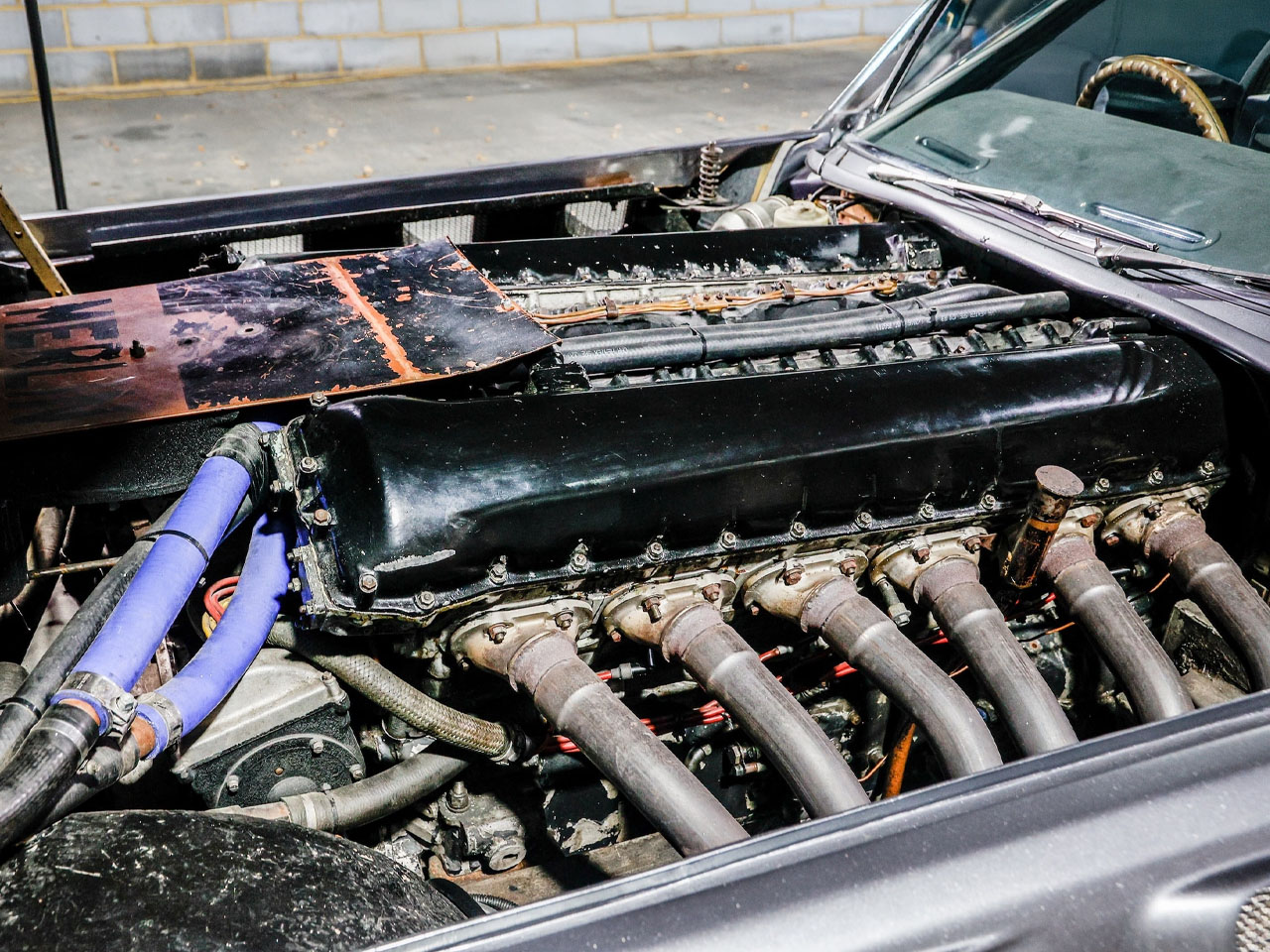
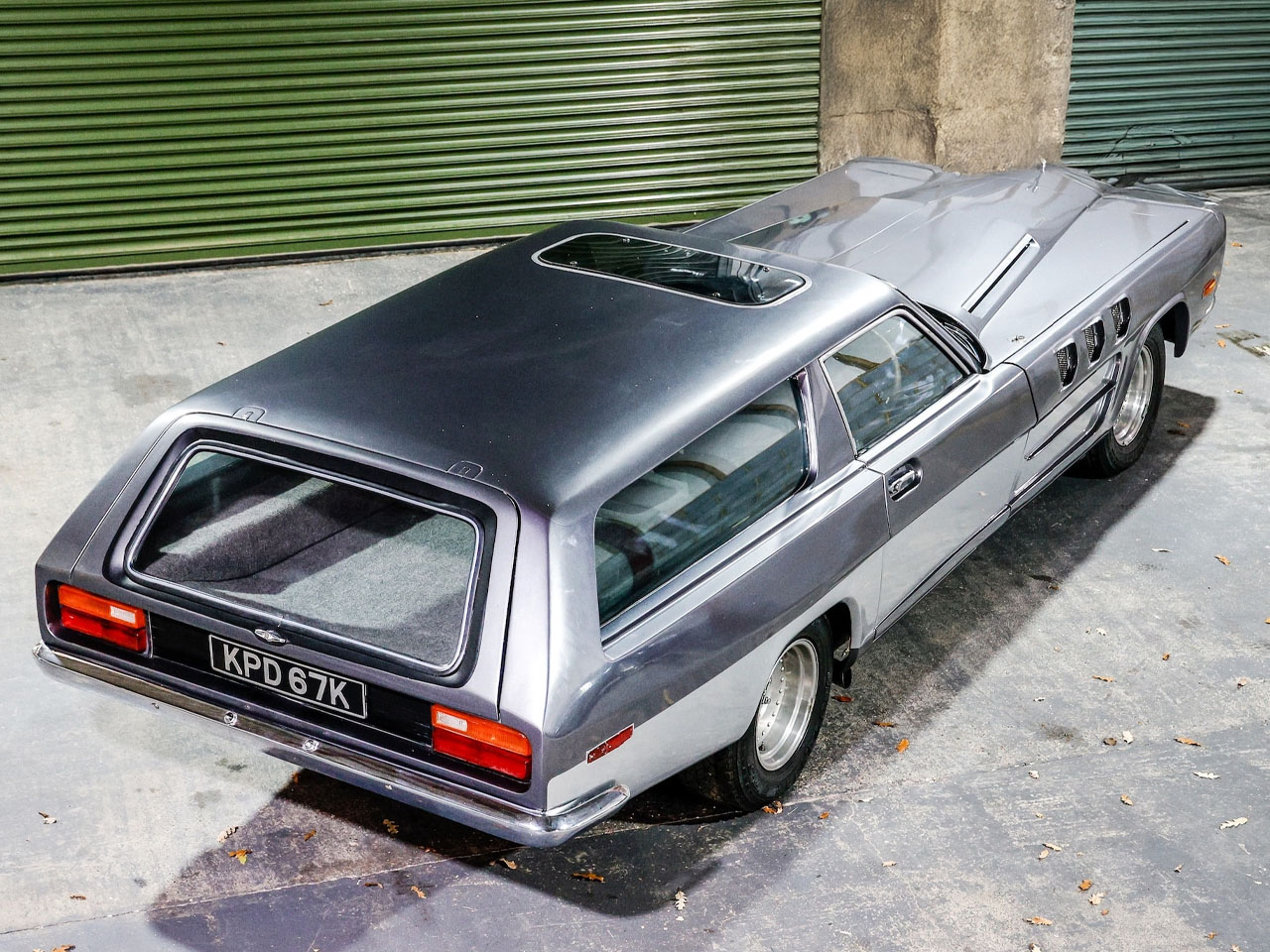
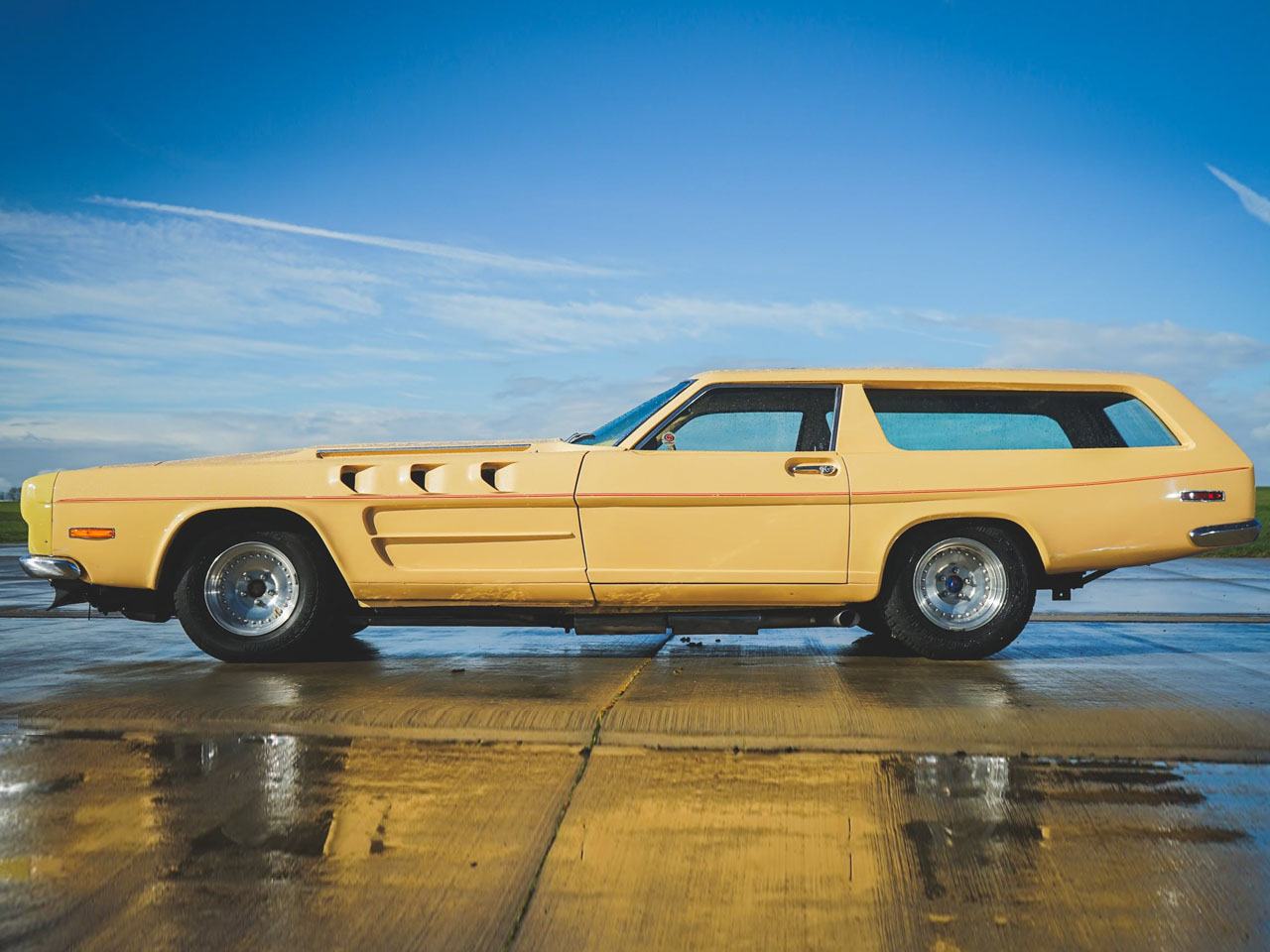
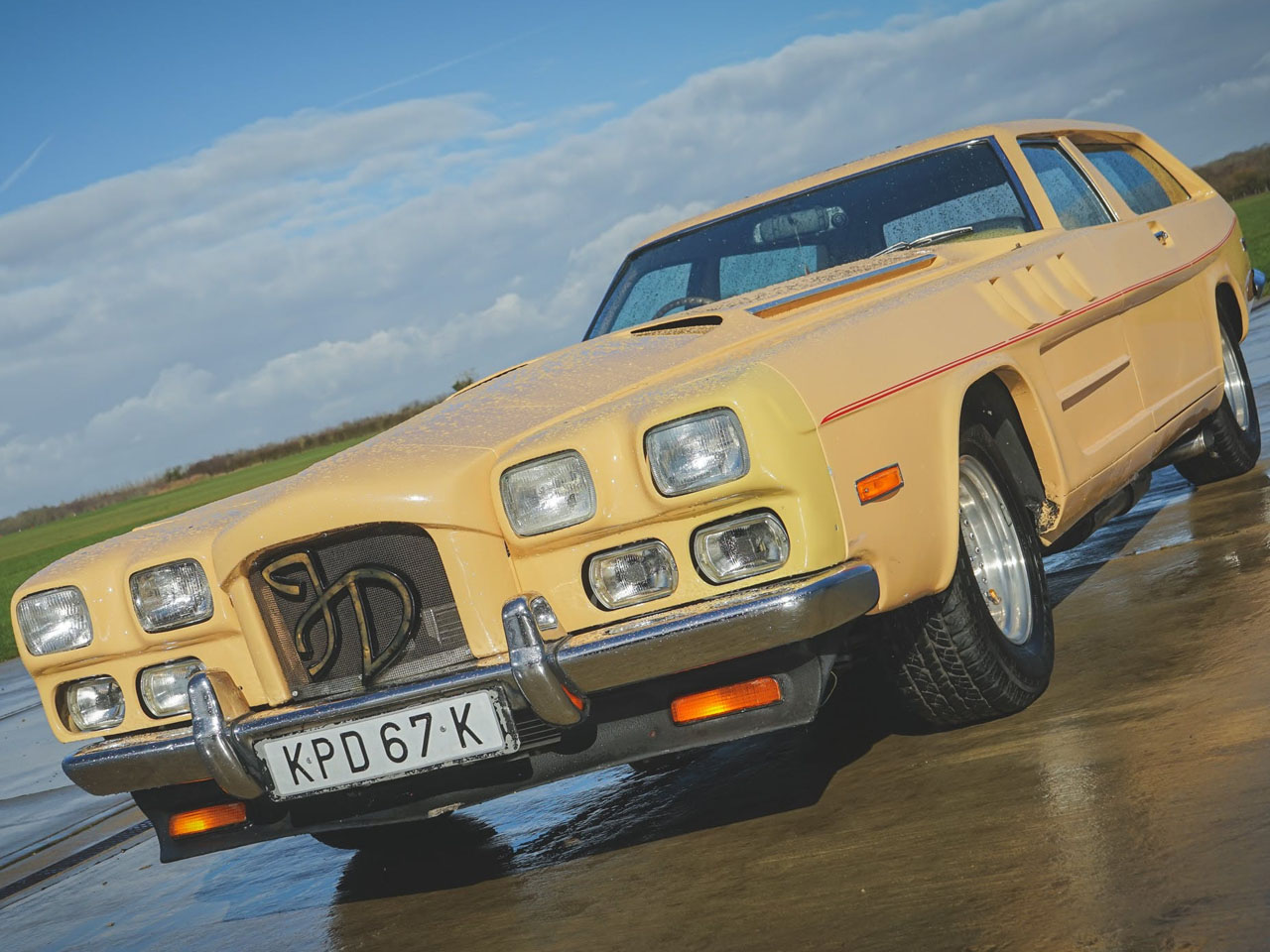
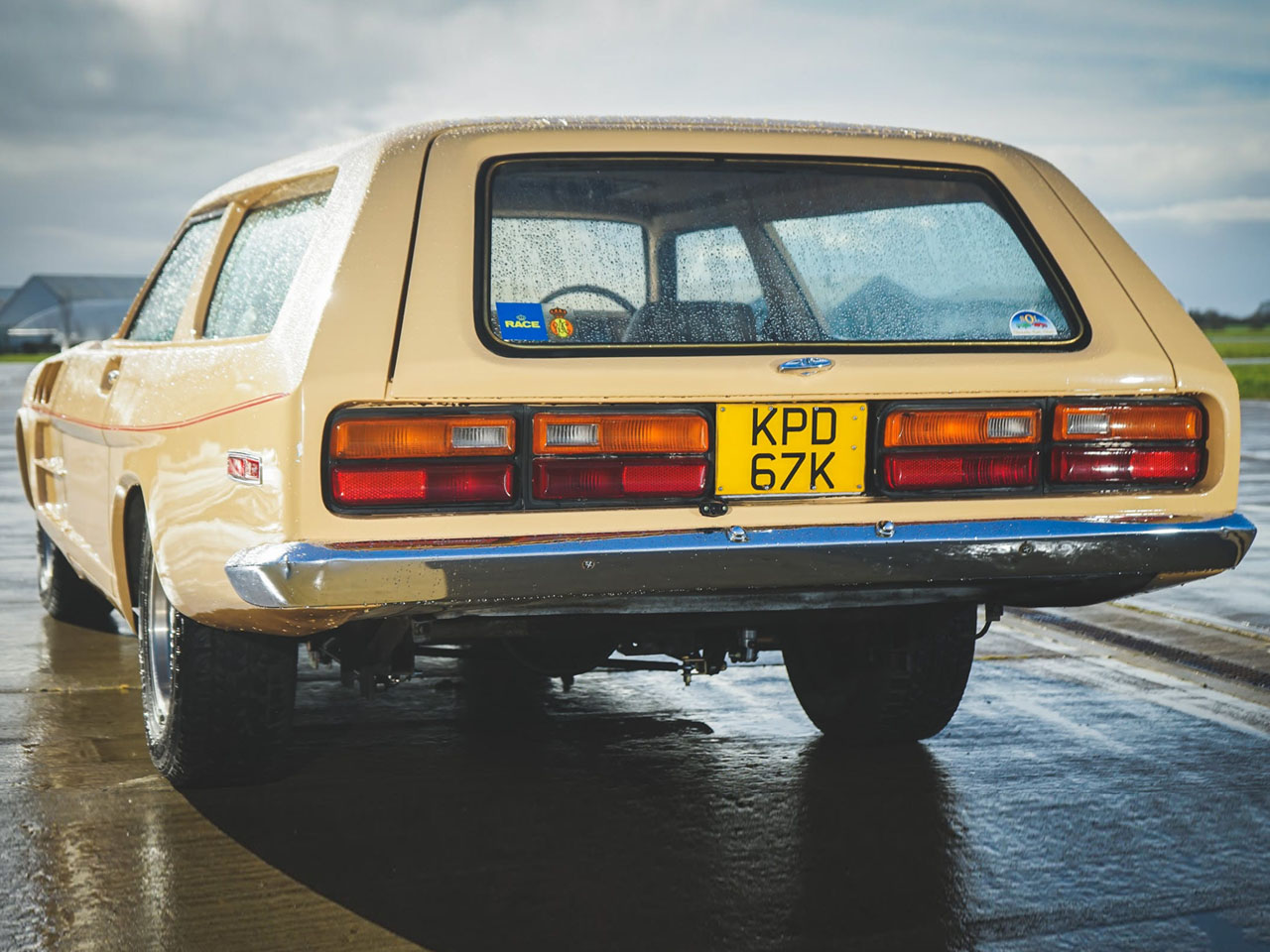
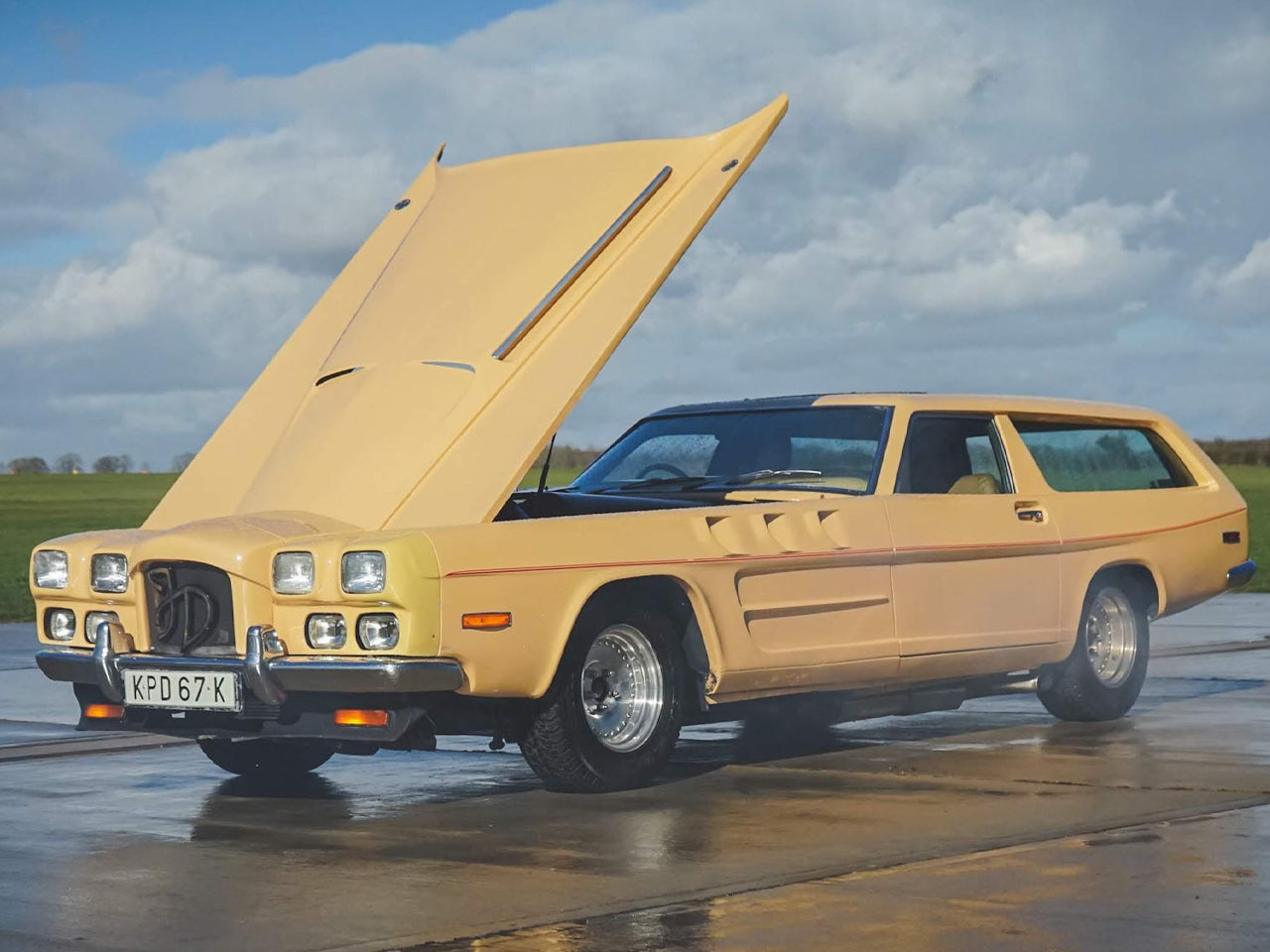
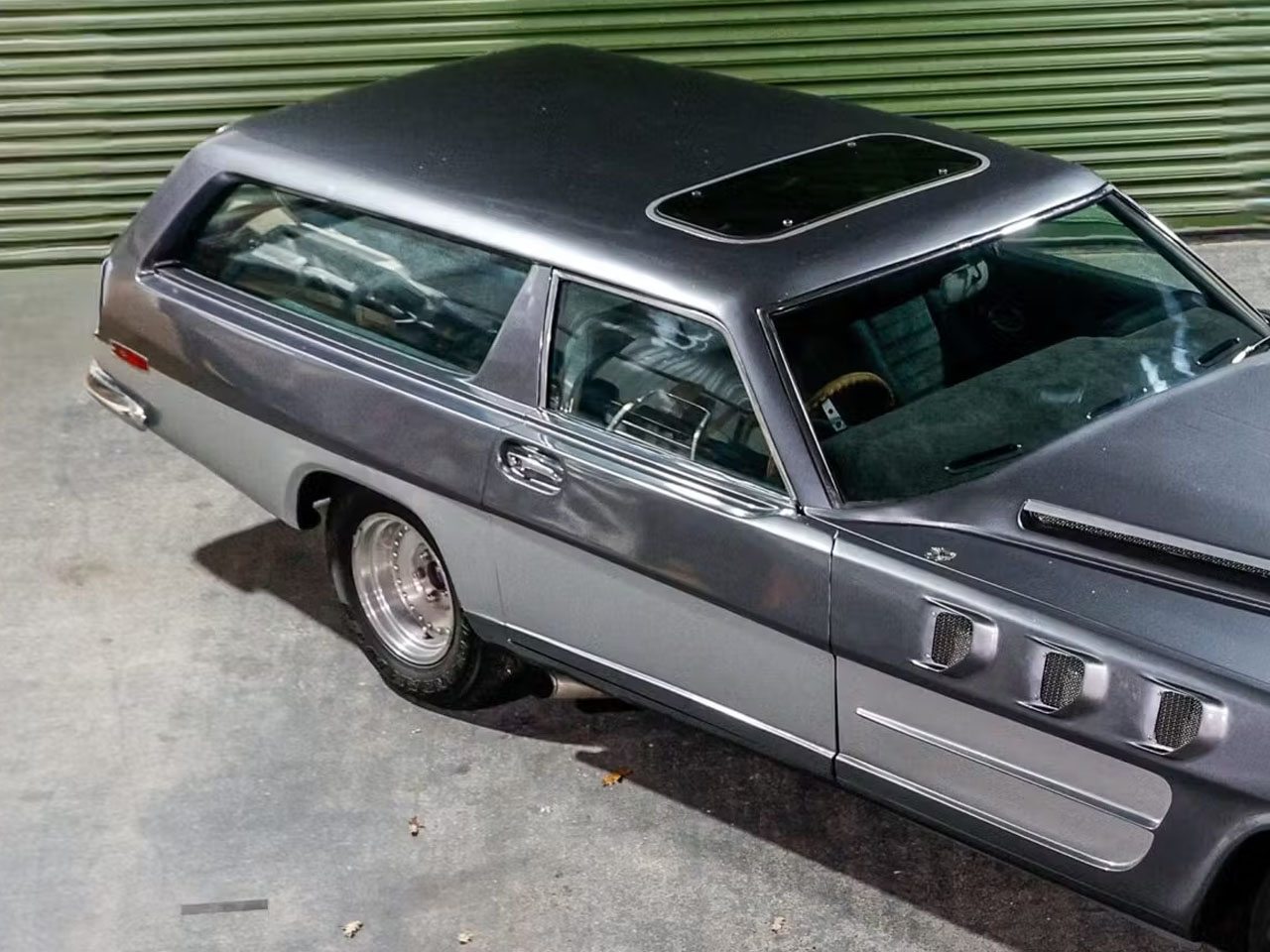
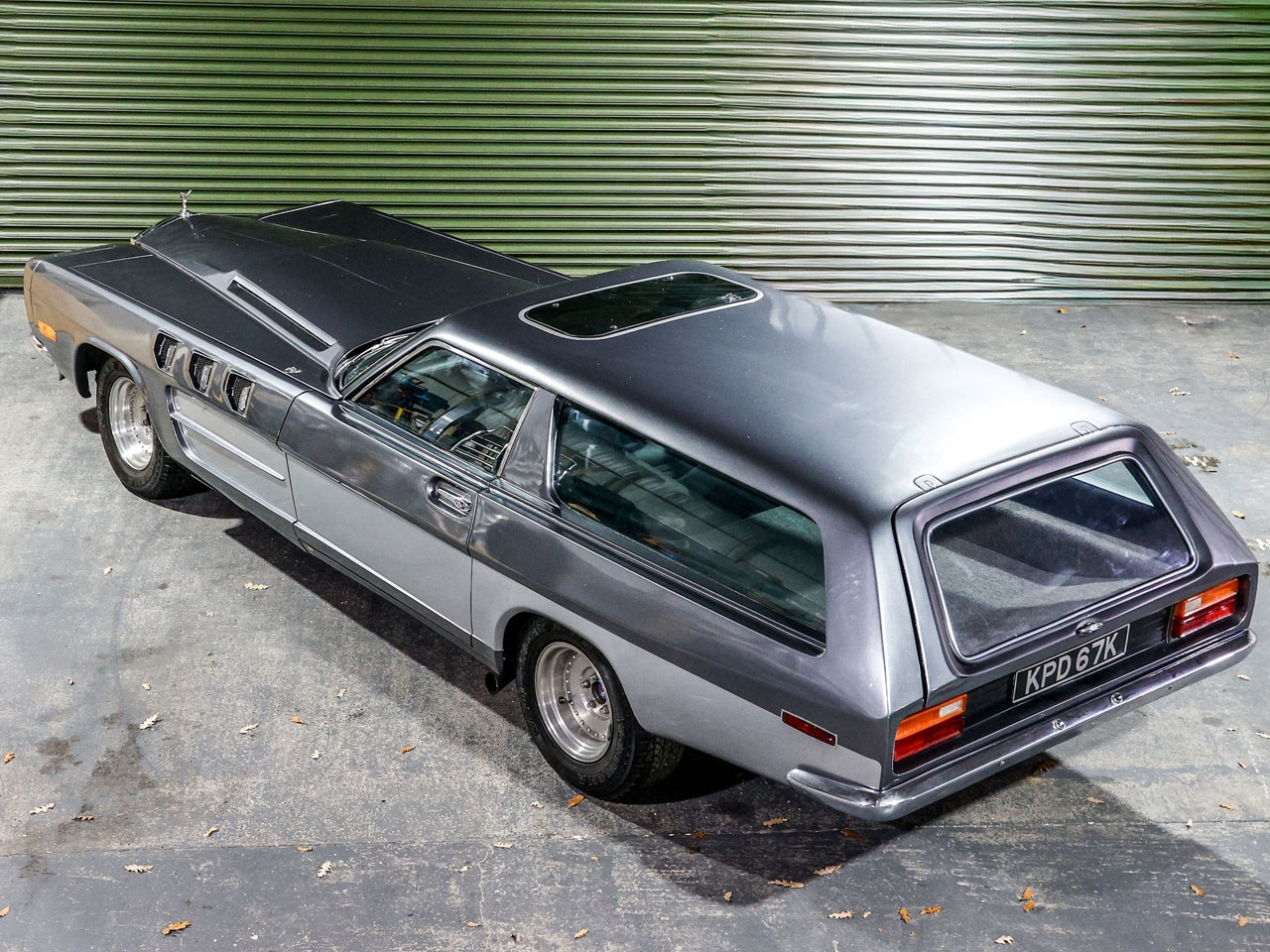
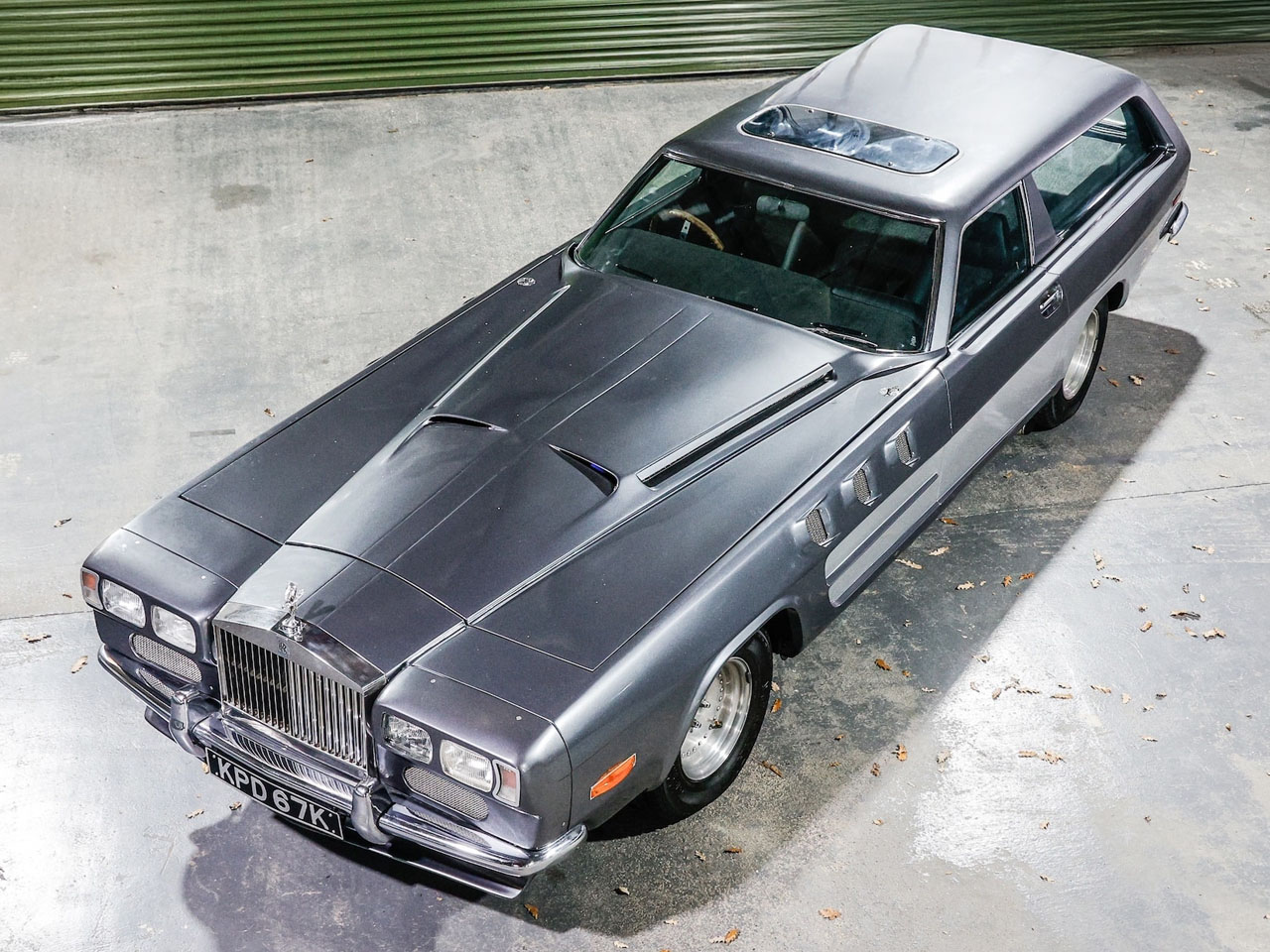
When I first came across the story of the car known simply as The Beast, crafted by British engineer John Dodd, I was reminded of those wild, boundary-pushing machines you’d expect in vintage concept renderings. Except this one was real. Dodd, a gearbox specialist, wasn’t dreaming of design for design’s sake; he was building a functioning road-legal car that defied logic and convention. Built in 1972, The Beast is a one-off shooting-brake style creation, nearly 19 feet long (about 5.8 m), powered by a 27-liter (1,650 cu-in) Rolls‑Royce Merlin V12 aero engine, the same type that powered the Supermarine Spitfire and Lancaster bomber in WWII.

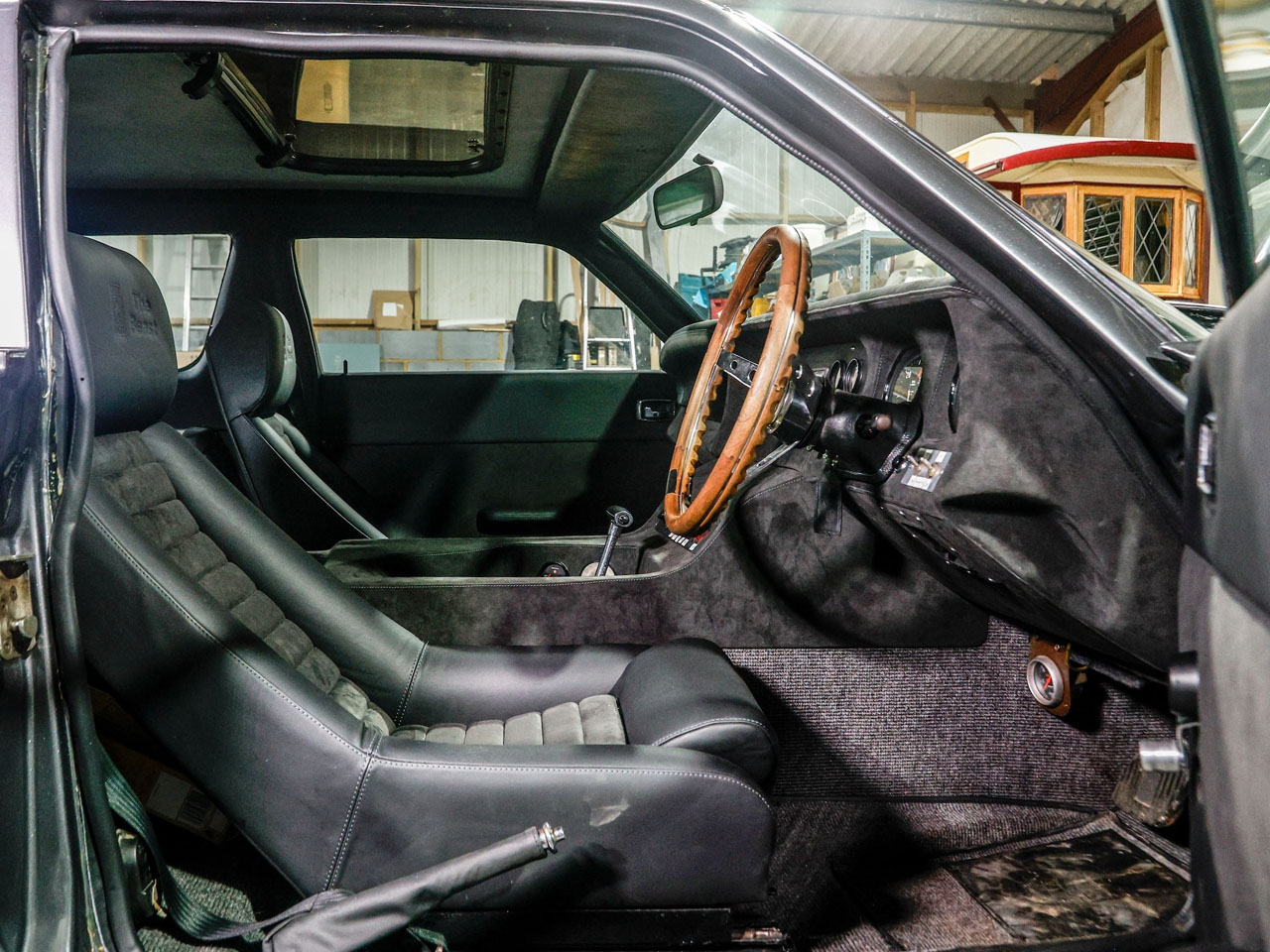
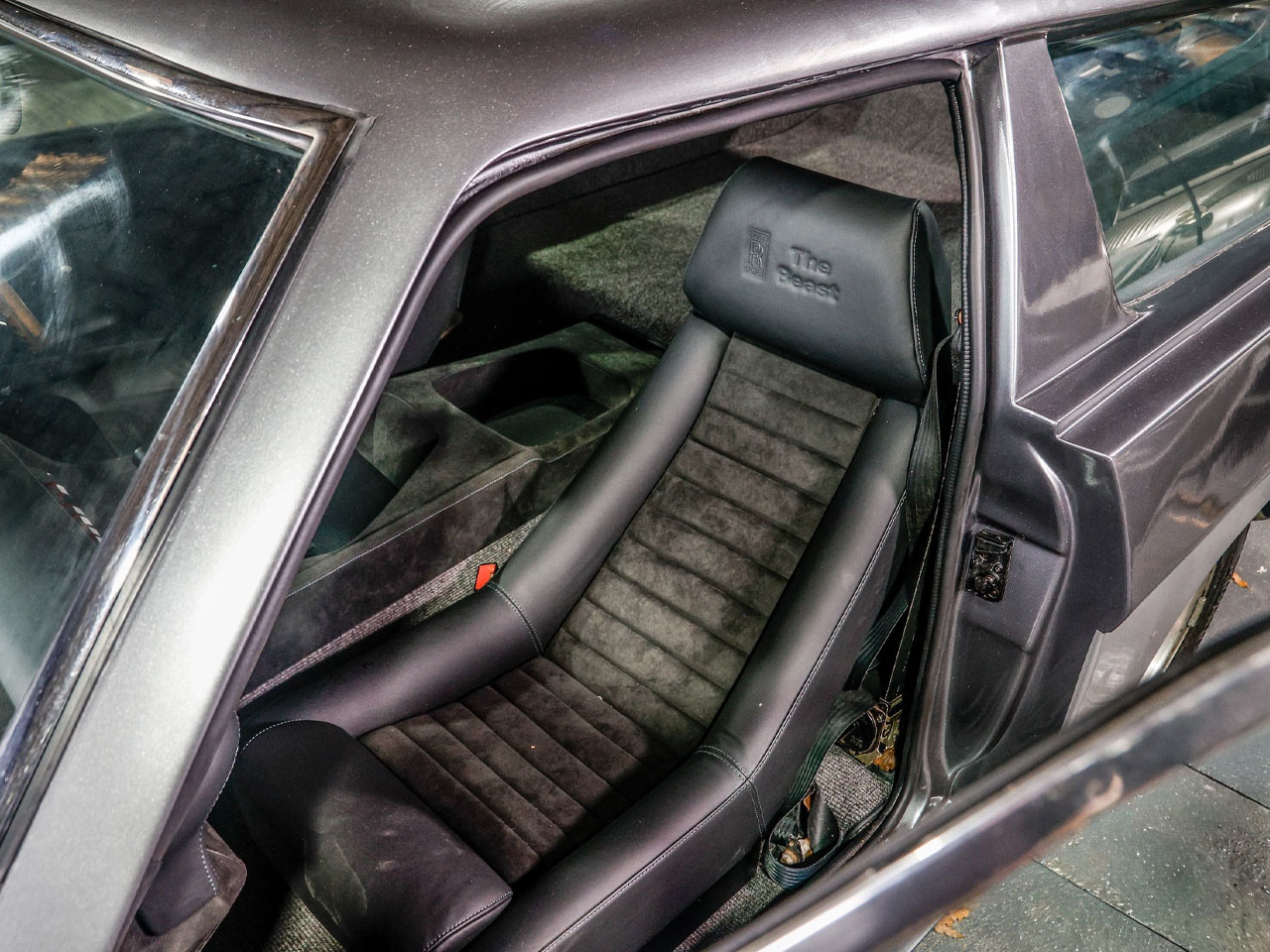
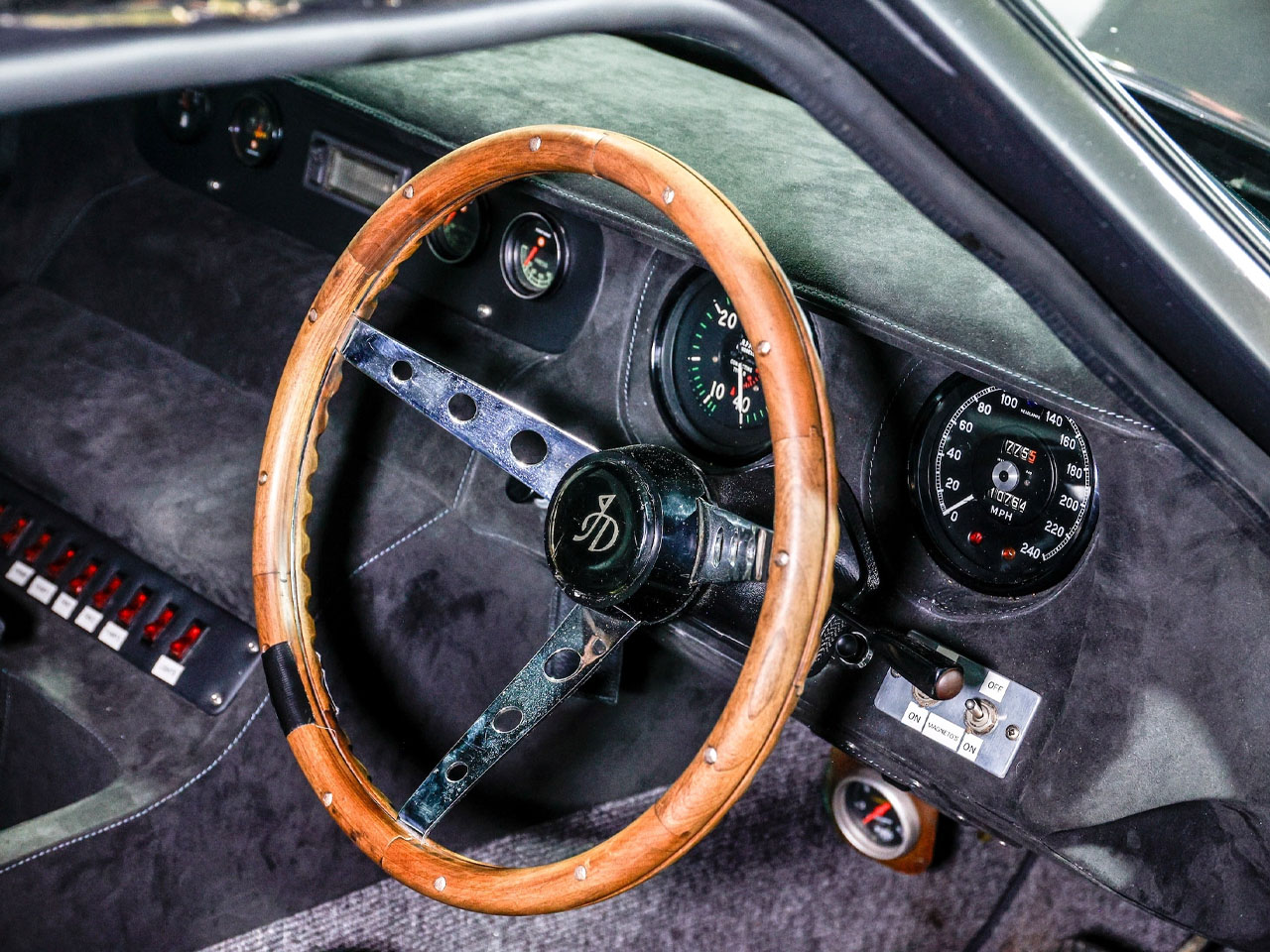
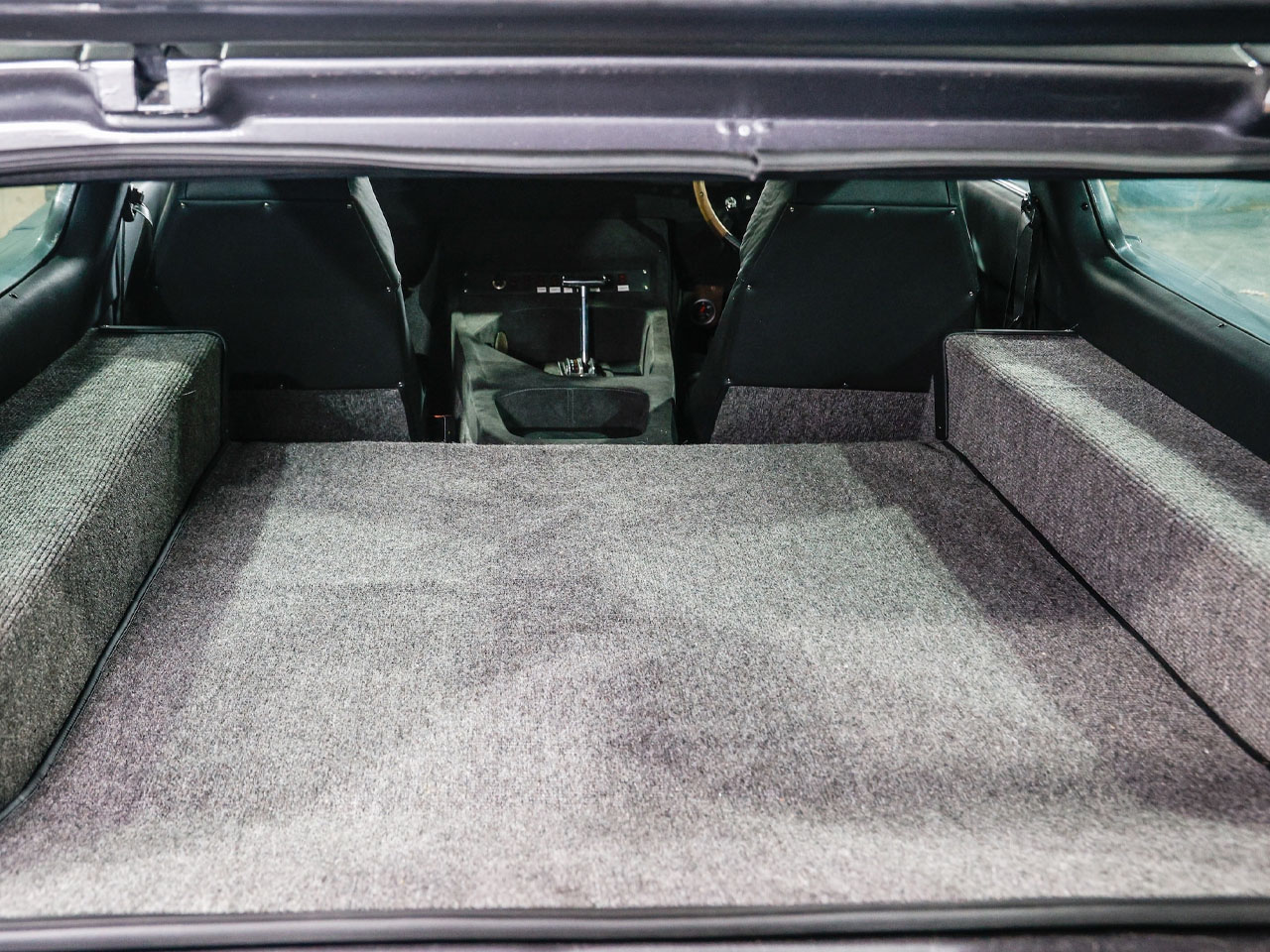
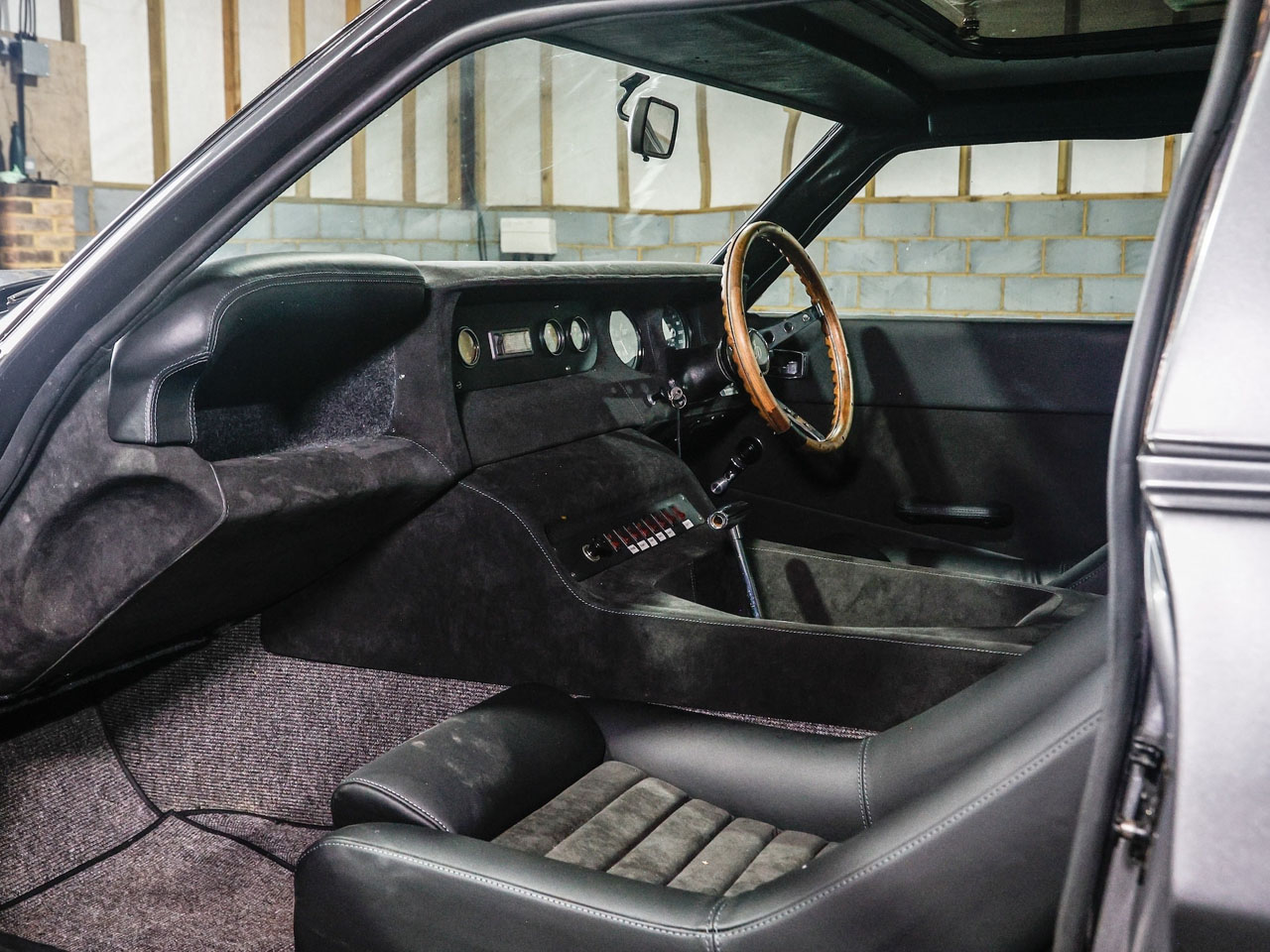
Dodd’s journey began when engineer Paul Jameson created a chassis to house a Rolls-Royce Meteor tank engine in the late 1960s. When that project stalled, Dodd took over, rebuilt it after a fire destroyed the first version, and stepped up the ante by installing the Merlin V12. To handle the immense torque from the engine, Dodd engineered a bespoke transmission, adapting a heavy-duty automatic gearbox. The bodywork, by Fiber Glass Repairs of Bromley, blends the length of a dragster nose with the profile of a grand touring estate. Inside, Dodd did not neglect refinement: leather upholstery, walnut veneer, and an interior that belies the car’s wild intent.

Designer: John Dodd

Performance figures are largely anecdotal (since formal dyno tests are lacking), but contemporaneous reports estimate output between 750-850 horsepower, with claims of over 183 mph achieved on the German Autobahn. What truly matters is the ambition: a road-going car using an aeroplane engine, built by a private engineer in Britain. Although it may not meet modern supercar standards, for its era, it smashed boundaries. The car incorporated independent suspension and disc brakes all around, making it more usable than you’d expect for such a dramatic build.

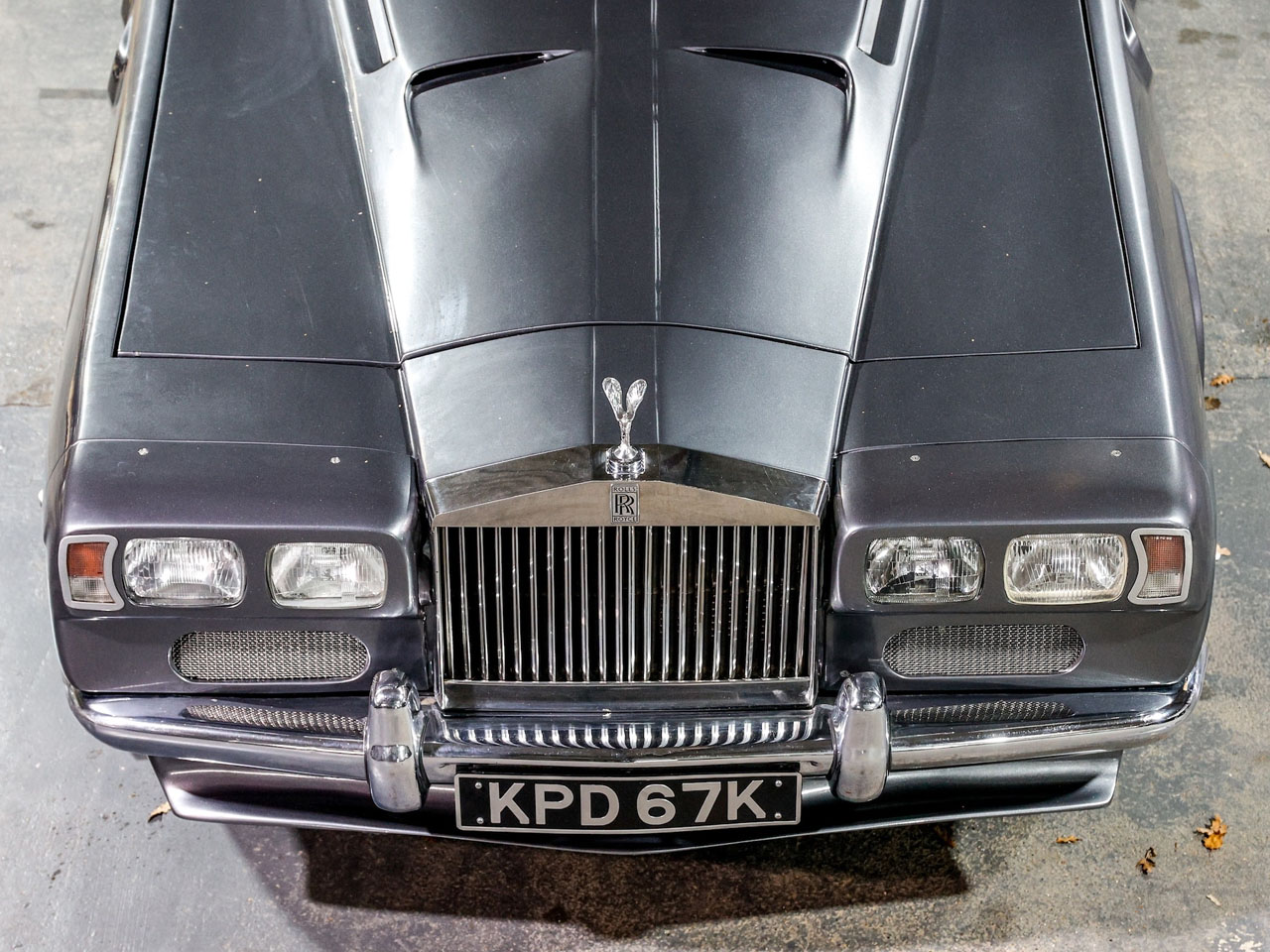
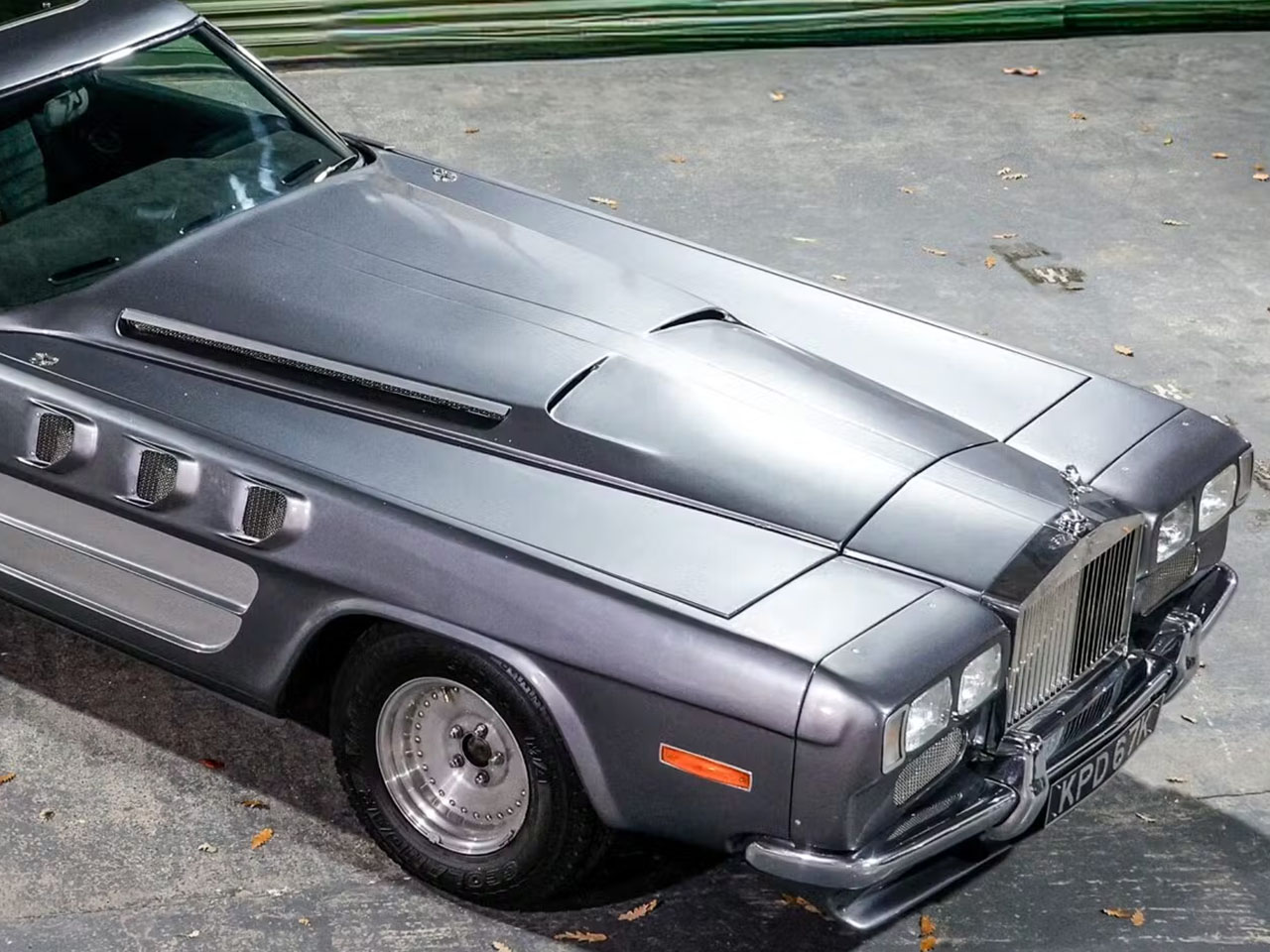
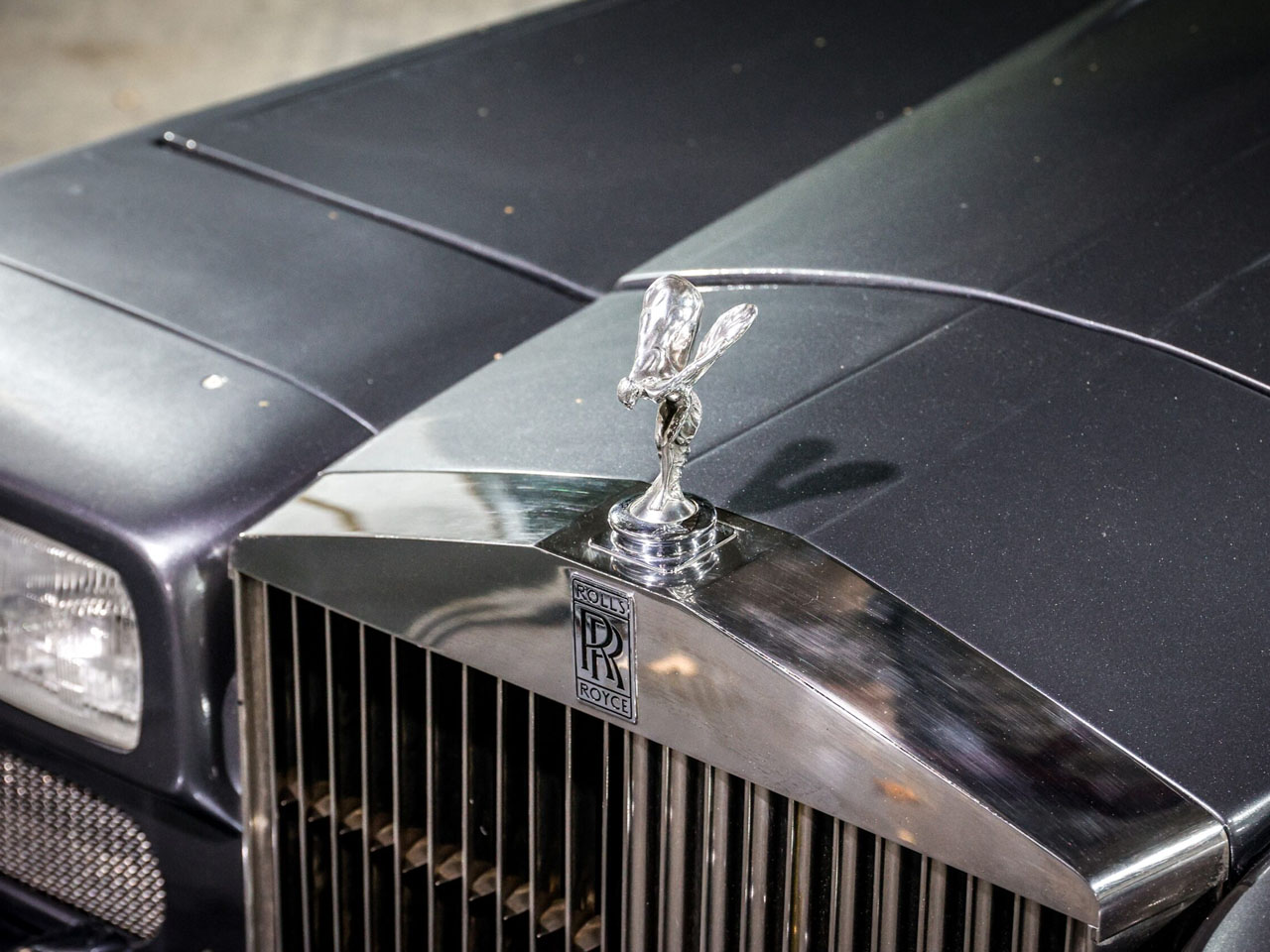
Legal drama is part of the story too. The original Beast carried a Rolls-Royce grille and the Spirit of Ecstasy mascot. The marque sued Dodd in the 1980s for trademark infringement and won, forcing him to replace the grille with one bearing his initials. Later, the car accompanied Dodd to Spain, where locals became accustomed to the thunderous note of the engine echoing around Malaga.

In recent times, the car has been refreshed. The original bright yellow paint is now hidden under a reversible two-tone metallic grey wrap (so the yellow could be restored in the future) and the interior retrimmed to a high standard. The Beast was consigned to auction by Historics Auctioneers with an estimate of £75,000–£100,000 (roughly USD $98,000–$131,000) in late 2025.

What stands out most is how The Beast blends ludicrous scale and genuine engineering into a drivable road car. It’s not just a showpiece; it was built to move, to roar, to defy expectation. For someone fascinated by the intersection of bespoke craftsmanship and automotive maverick thinking, this car is a landmark. If you’re someone considering bidding or simply telling the story, here is a piece of motoring folklore that truly warrants attention.

The post The Beast is John Dodd’s 27-Liter V12 creation that turned aviation power into road-going legend first appeared on Yanko Design.
Italjet Roadster 400 is a fighter-jet-inspired scooter all set to redefine urban mobility

When a manufacturer known for daring scooters introduces a new model, you know it’s going to catch your eye. That’s exactly the case with the Italjet Roadster 400, a fresh unveiling from the Bologna-based brand that blends bold styling and serious components. The Roadster 400 is more than a typical urban runabout; it’s a scooter with ambition and personality.

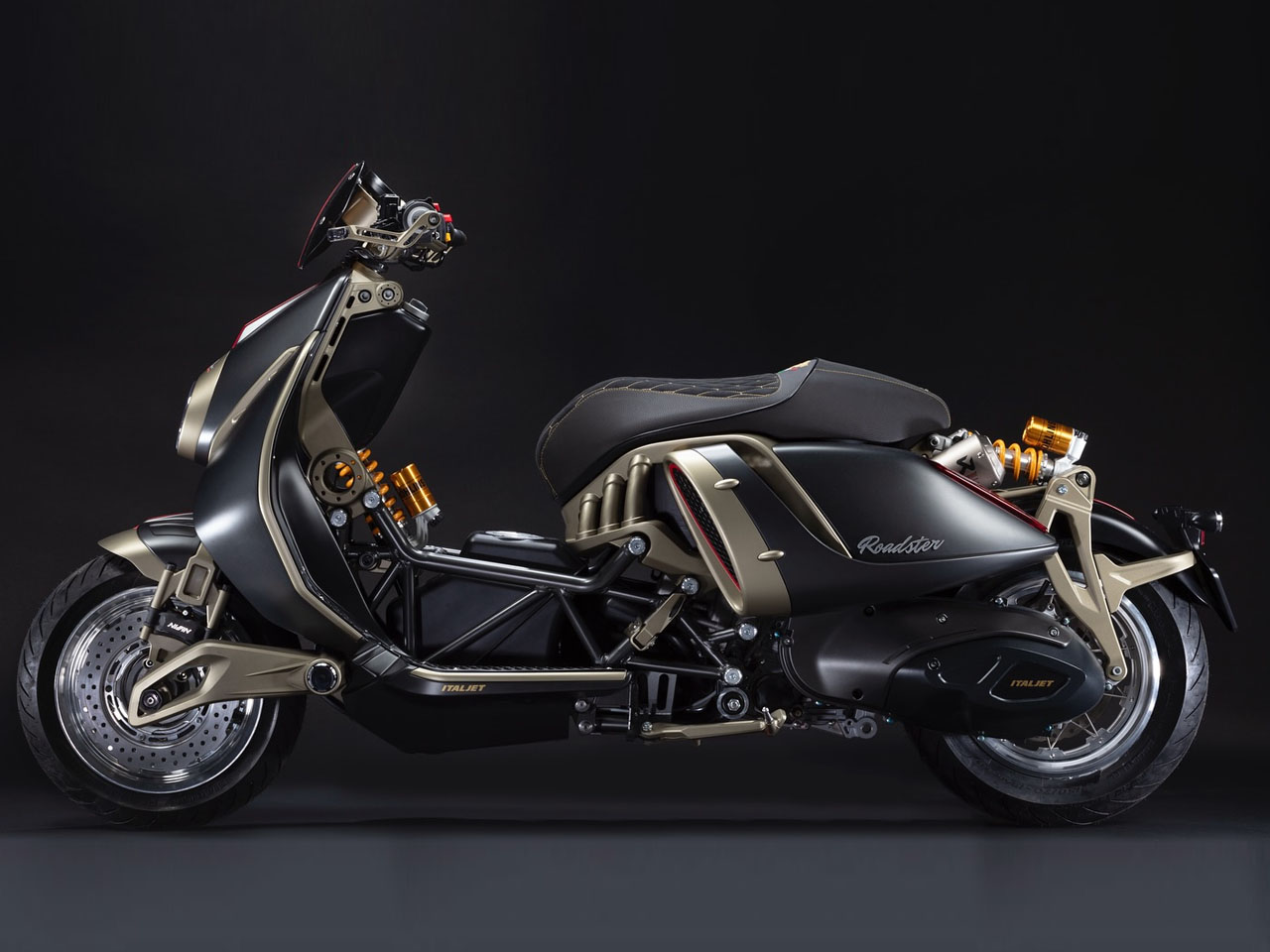
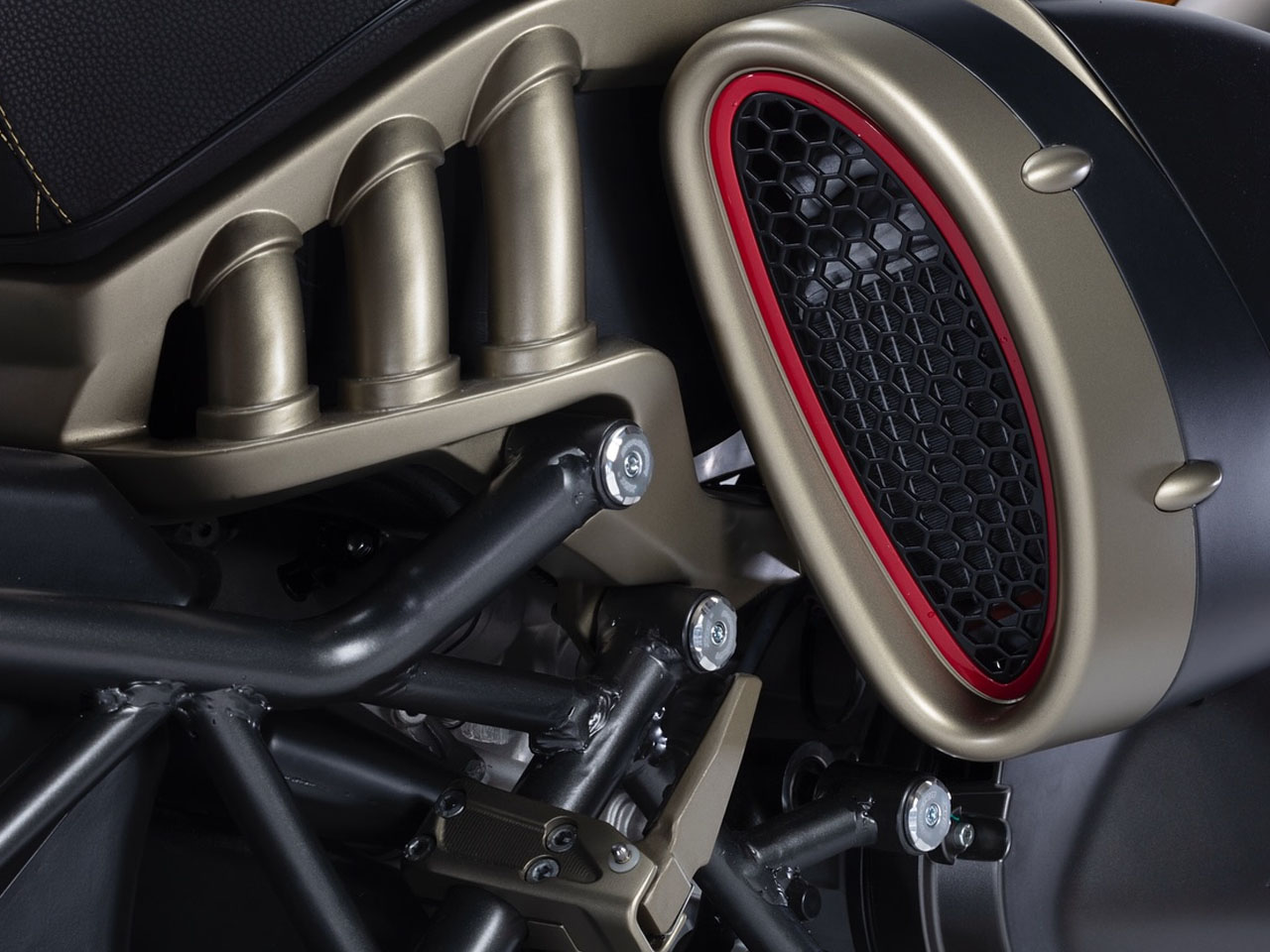
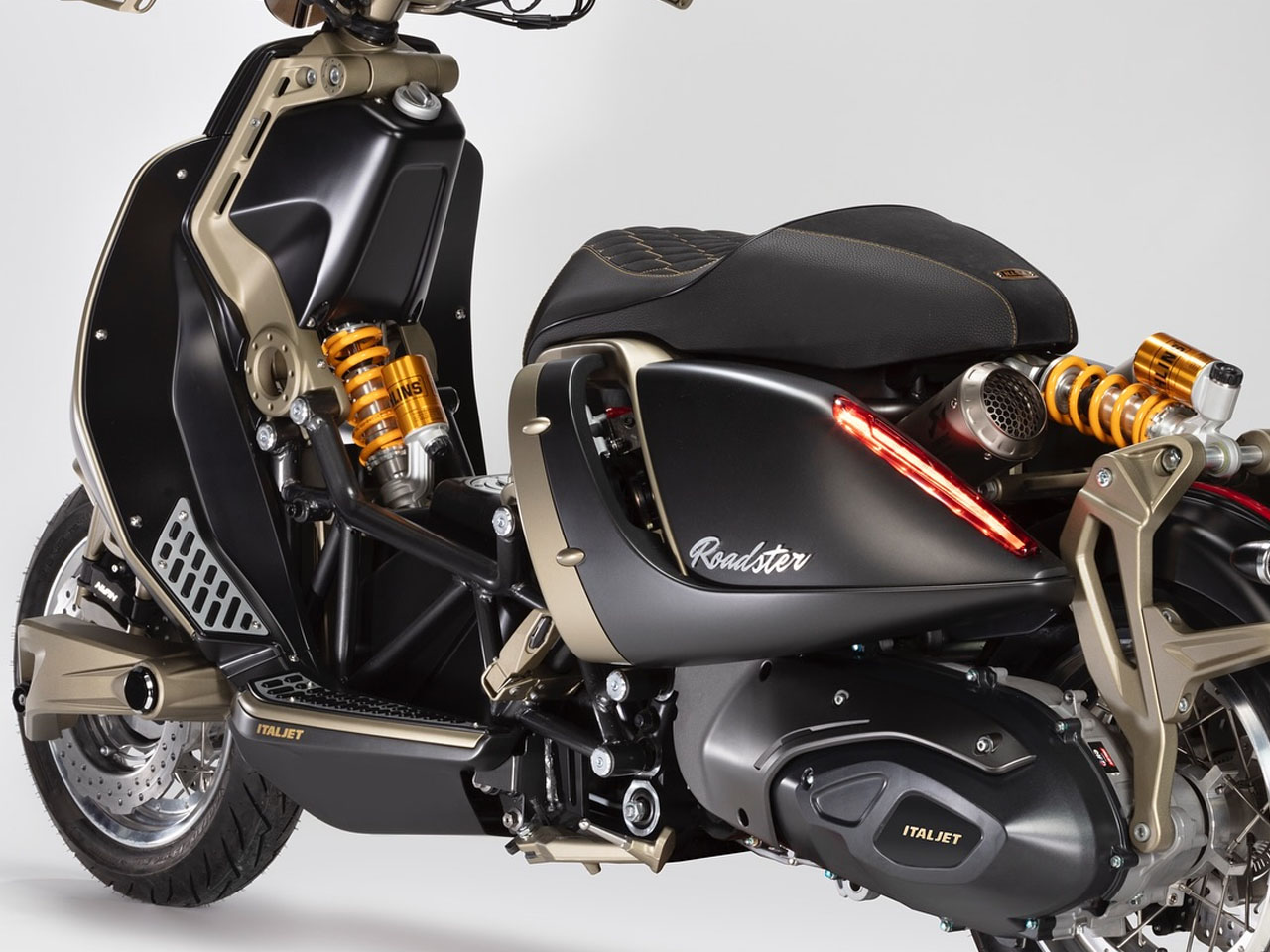
Italjet has framed this model as “more than just a scooter,” as they call it “Art in Motion.” Designed with inspiration from classic silhouettes of the past and fighter jets alike, the Roadster 400 makes a striking statement at first glance. The sweeping lines and sculpted side pods serve as functional cooling ducts that channel air to twin radiators. All these details reinforce the premium feel of the two-wheeler that looks a cross between The Jetsons and the Cyberpunk world.

Designer: Italjet

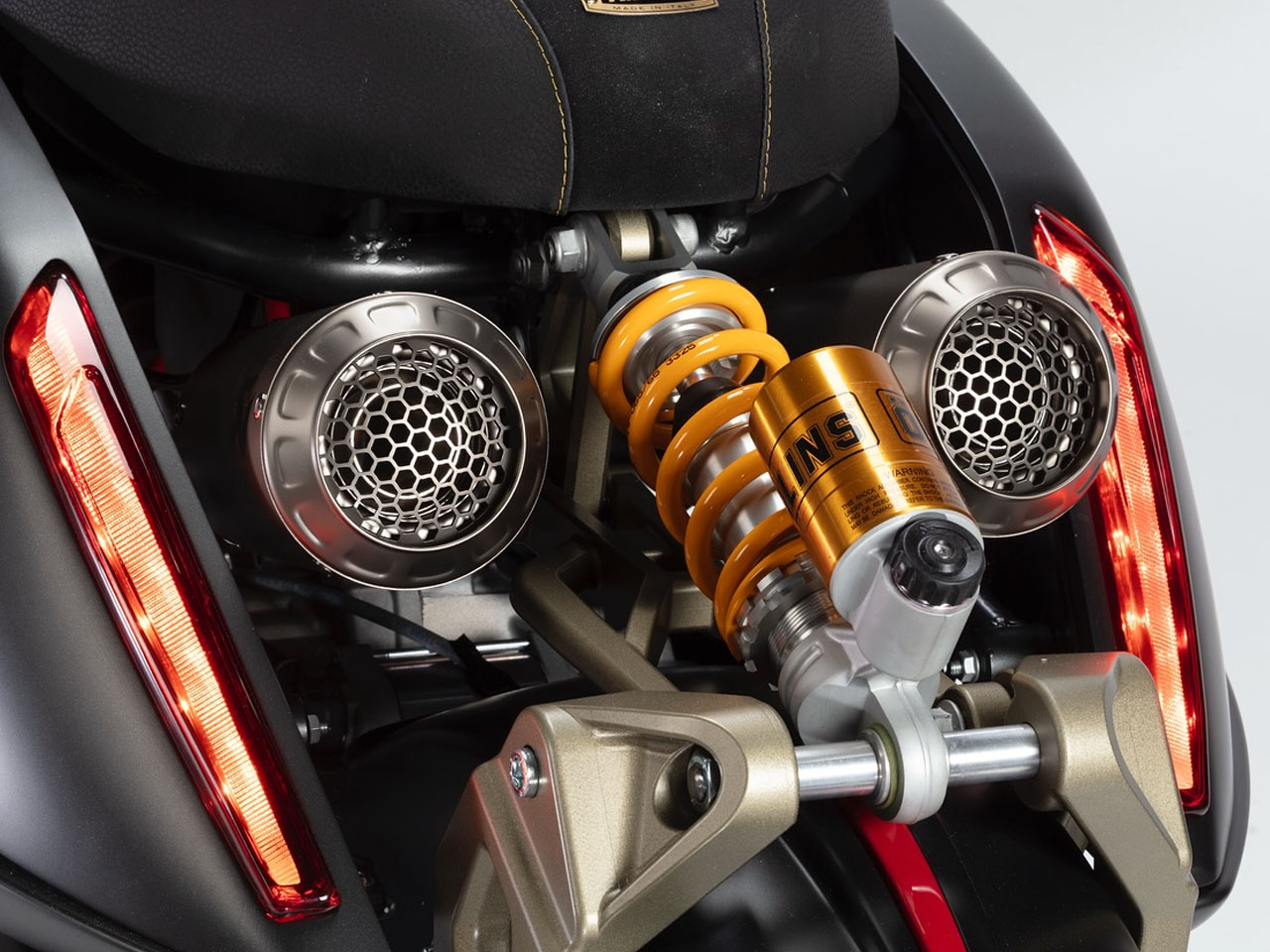
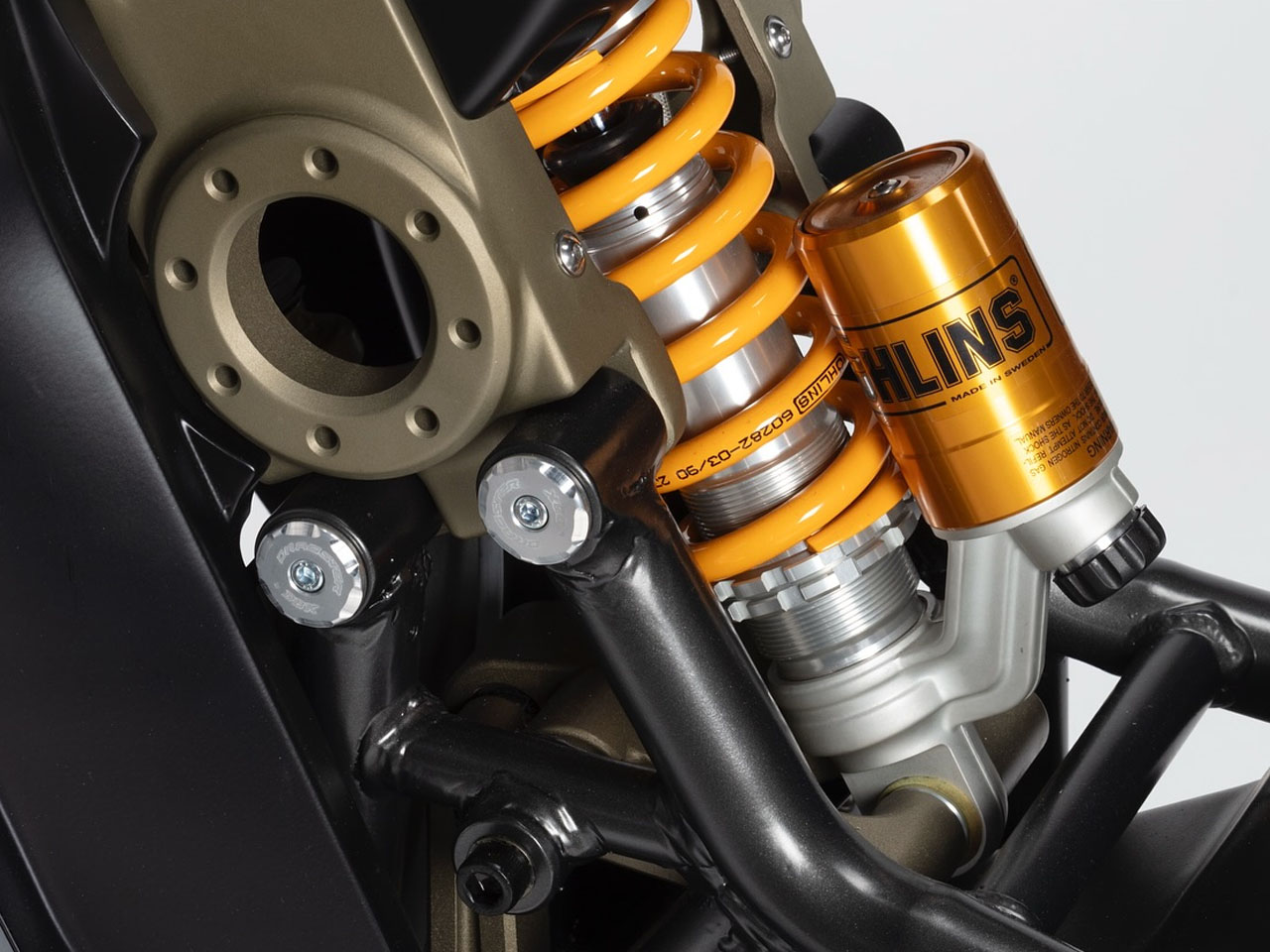
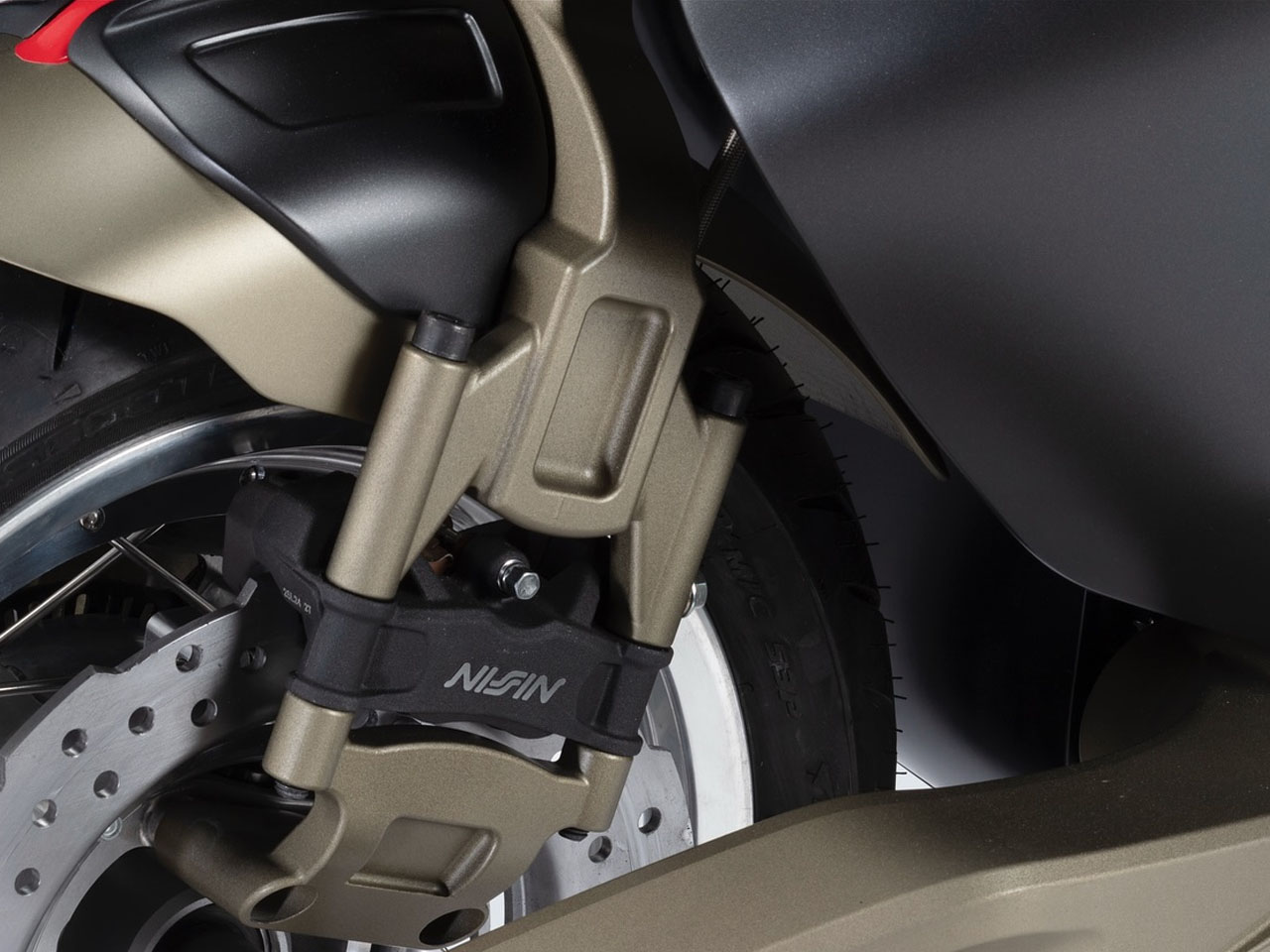
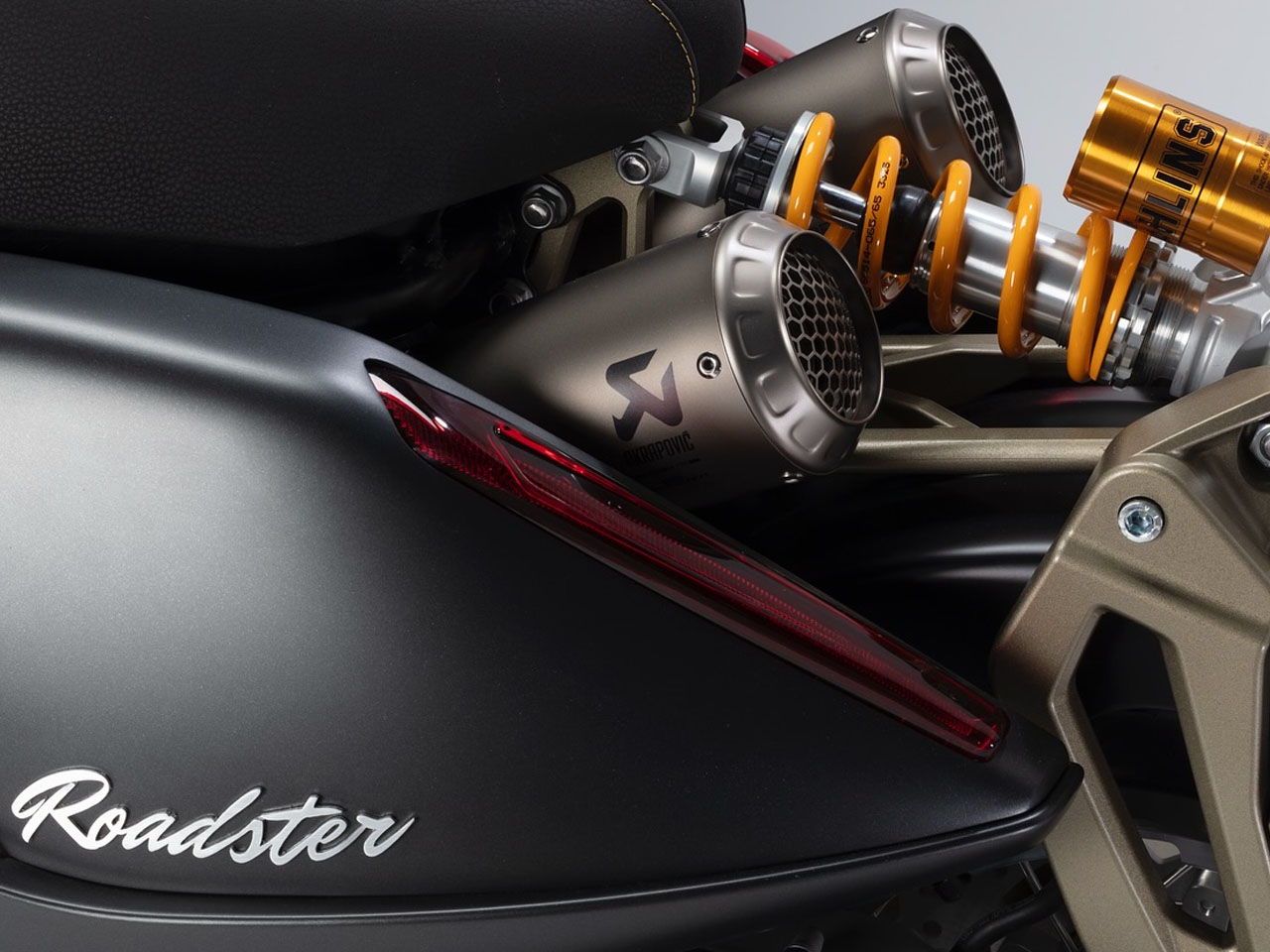
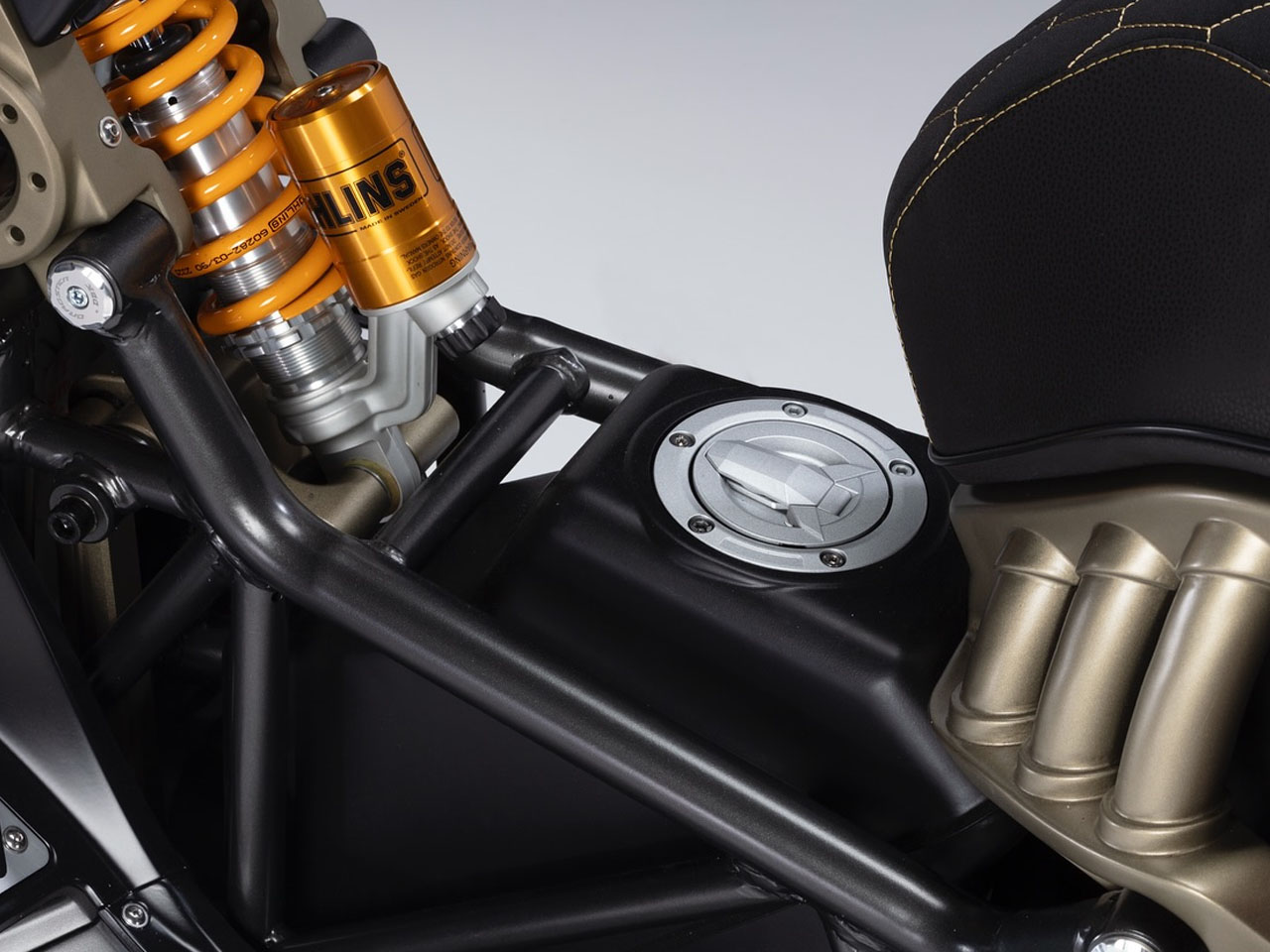
Underneath its dramatic bodywork lies a trellis frame and a host of high-spec mechanicals. Italjet’s new Dynamic Linkage Articulated Steering (DLAS) replaces the single-arm front end used on the previous Dragster model, and brings more structural precision and visual identity to the front end. The suspension and braking package is equally noteworthy: Öhlins shock absorbers, twin Akrapovič mufflers emerging from the rear, and chunky brake discs behind billet aluminium spoked wheels.

Performance credentials are solid as well. The Roadster 400 features a 394 cc liquid-cooled single-cylinder engine that produces 41.5 horsepower and 30 lb-ft of torque, positioning it squarely in the “maxi-scooter” category rather than entry-level commuter territory. That said, Italjet has yet to reveal the full specs, such as final weight, belt vs chain drive, or the exact dimensions of the two-wheeler.

From a styling perspective, the Roadster 400 exudes an Italian flair, with matte black and bronze paint finishes, multi-textured seat upholstery, red accents, and CNC-machined lever guards featuring integrated LED turn signals, all of which speak to the attention to detail. The side pods (resembling turbine intakes) highlight the aviation inspiration and offer real function, not just flair.

From a utilitarian perspective, the Roadster 400 sits at an interesting intersection. It offers the convenience and lighter licensing benefit of a scooter, yet brings near-motorcycle performance and visual swagger. For buyers who care as much about style and mechanics as they do about practicality, it looks compelling. That said, as with any high-spec model, the trade-offs may lie in maintenance costs, parts availability (especially outside Europe), and service network. The full urban practicality, such as storage and comfort for two, has yet to be detailed by the company.

On the commercial side, Italjet plans to launch the Roadster 400 globally in September 2026 with a price estimate of €7,500 (approximately US$8,650) for markets that pay VAT. The positioning suggests Italjet sees this as a premium offering rather than a budget city scooter. The ride stands out because it doesn’t settle for being anonymous. It channels heritage design, aviation cues, and top-tier components into a scooter form that demands attention. For those seeking something beyond the ordinary commuter ride, this model is worth tracking closely.

The post Italjet Roadster 400 is a fighter-jet-inspired scooter all set to redefine urban mobility first appeared on Yanko Design.
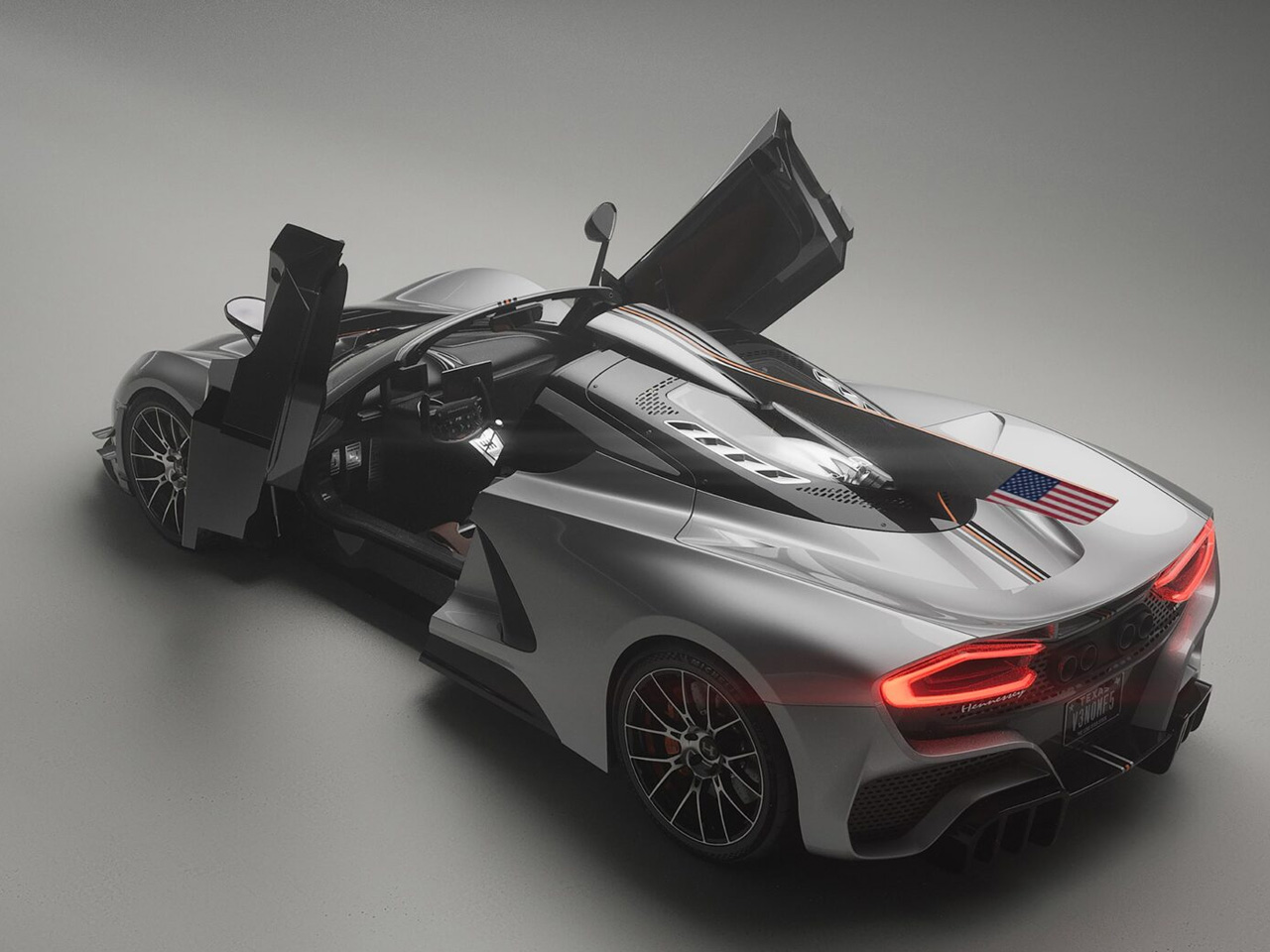
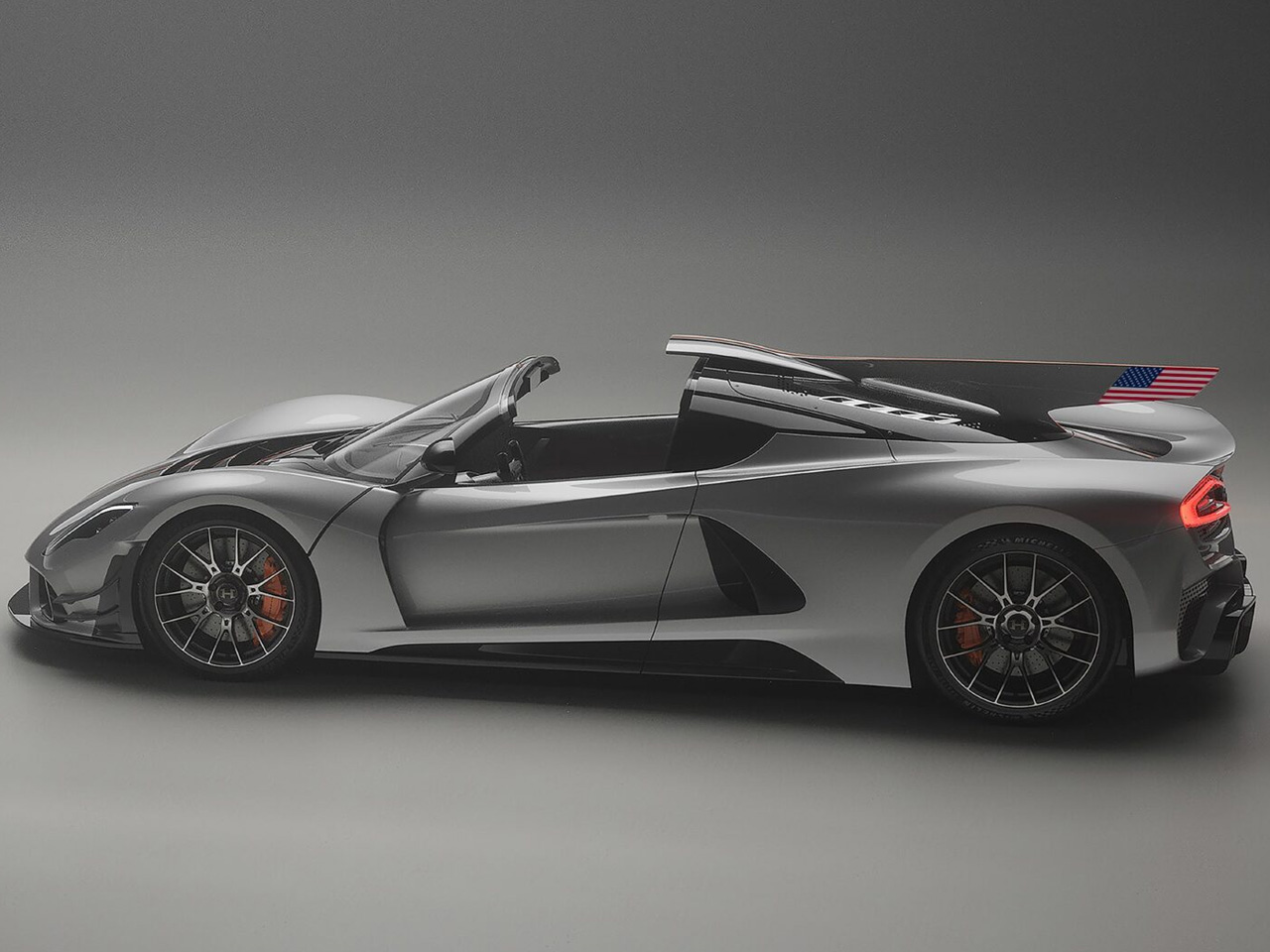
Hennessey Venom F5-M roadster is the fastest manual transmission roadster that purists will love to drive

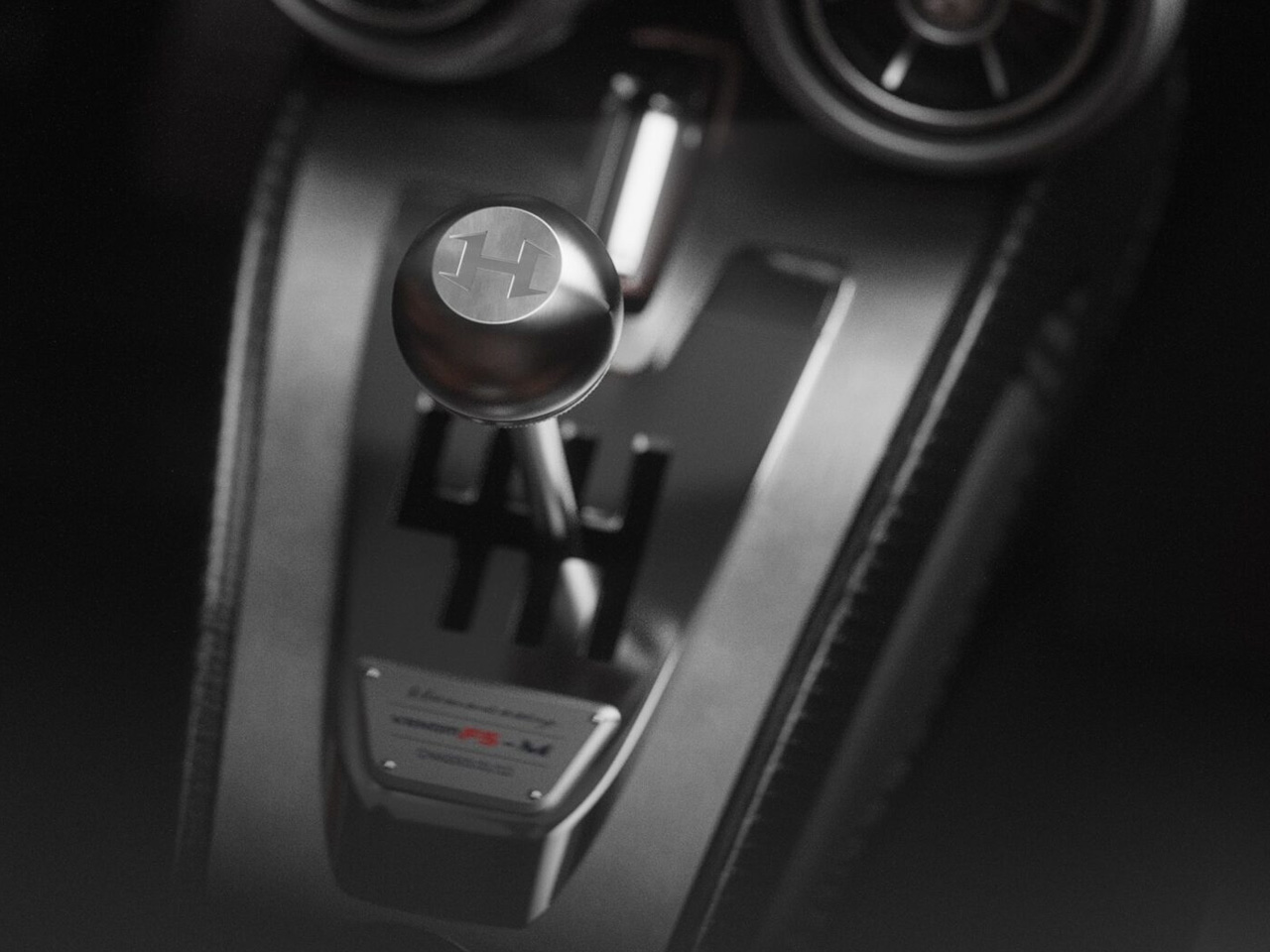
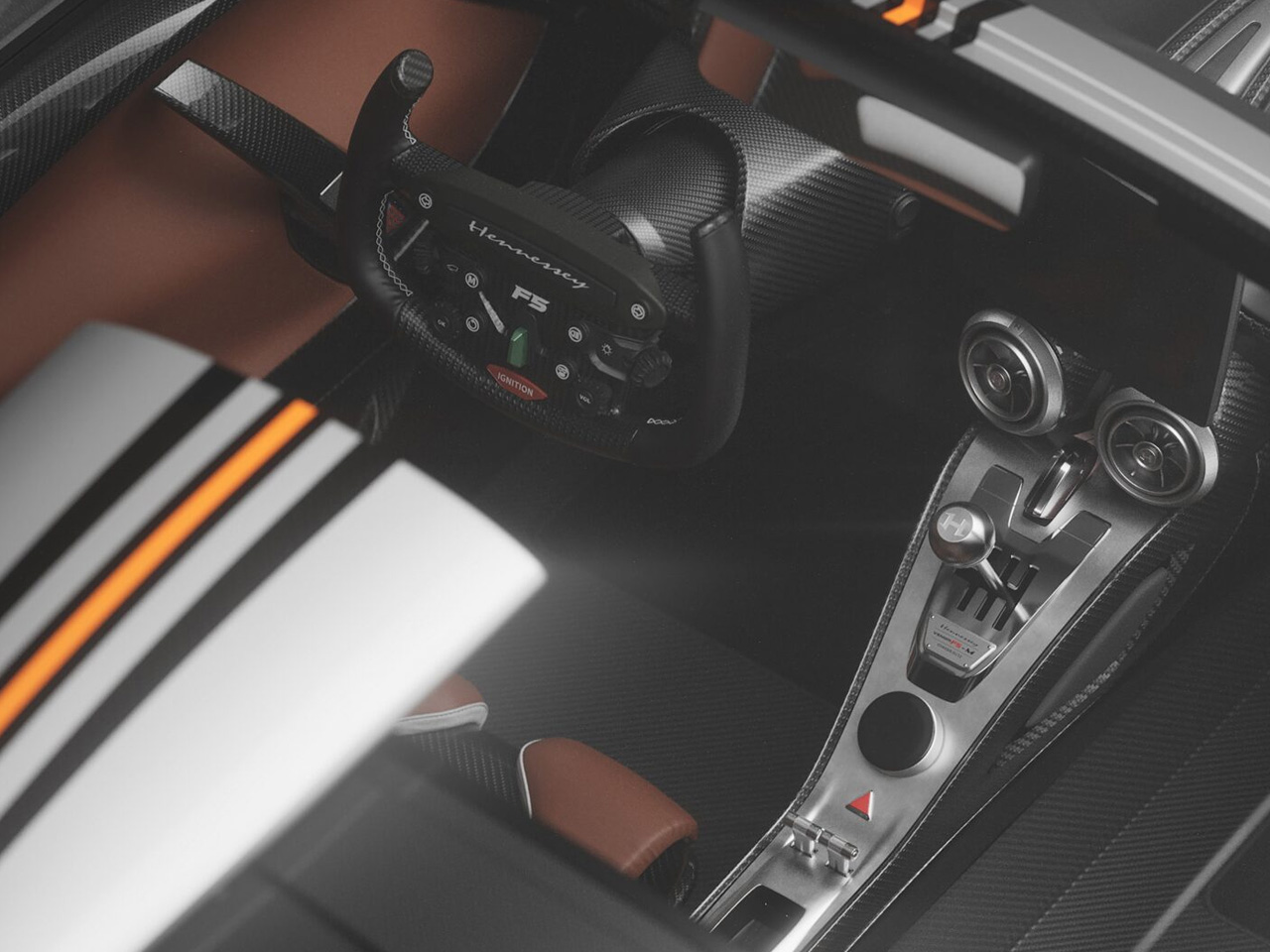
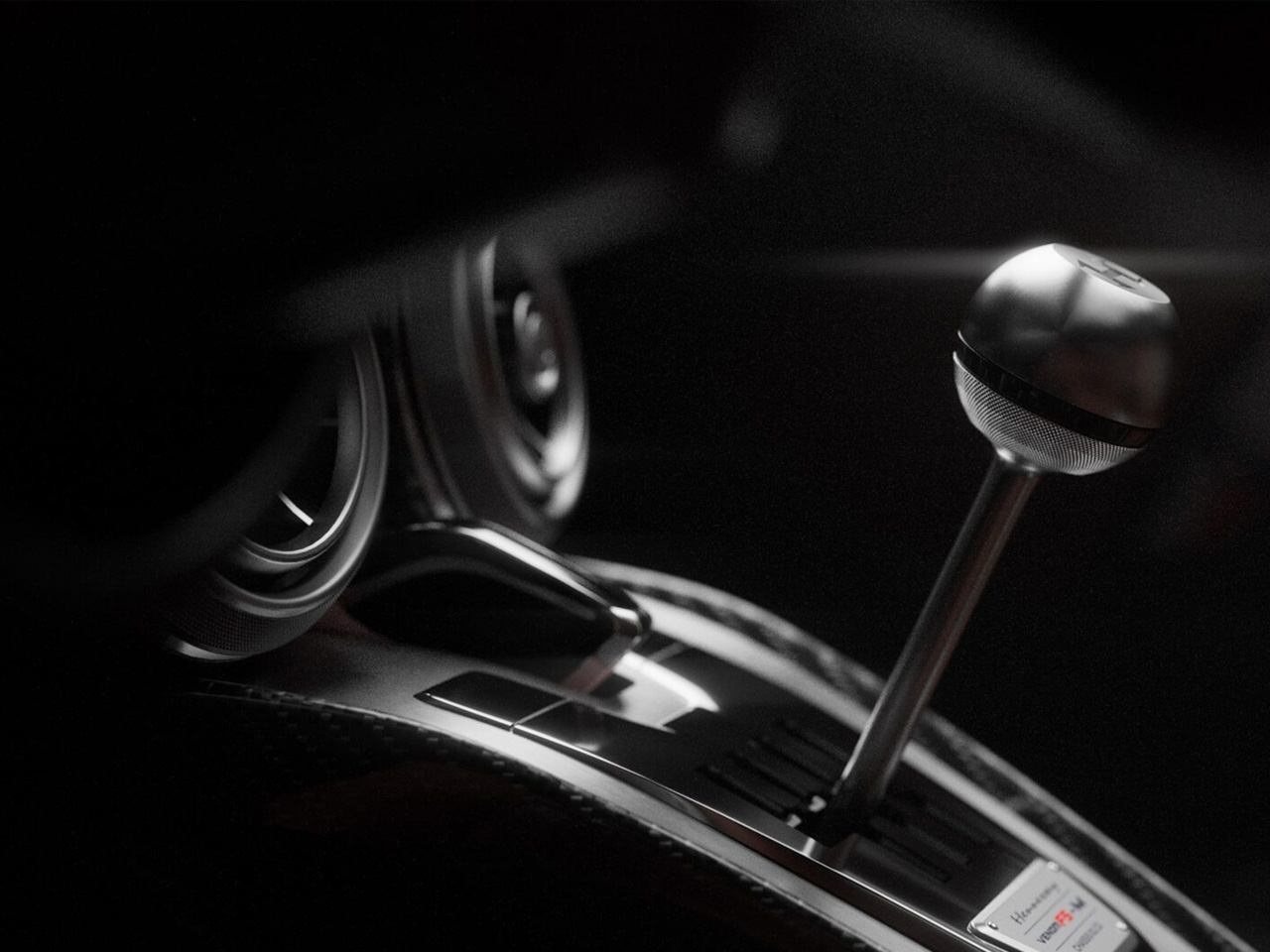
If you’ve got The Need for Speed then Hennessey has created the most powerful manual transmission hypercar for the ultimate adrenaline rush. The Texas-based tuner has introduced the Venom F5-M roadster with a manual gearbox that’s gated. For motorheads who get their kick from something extraordinary, the car comes with a stick shift gear. Infact, this is the first ever hypercar by the brand with manual gearshift option.

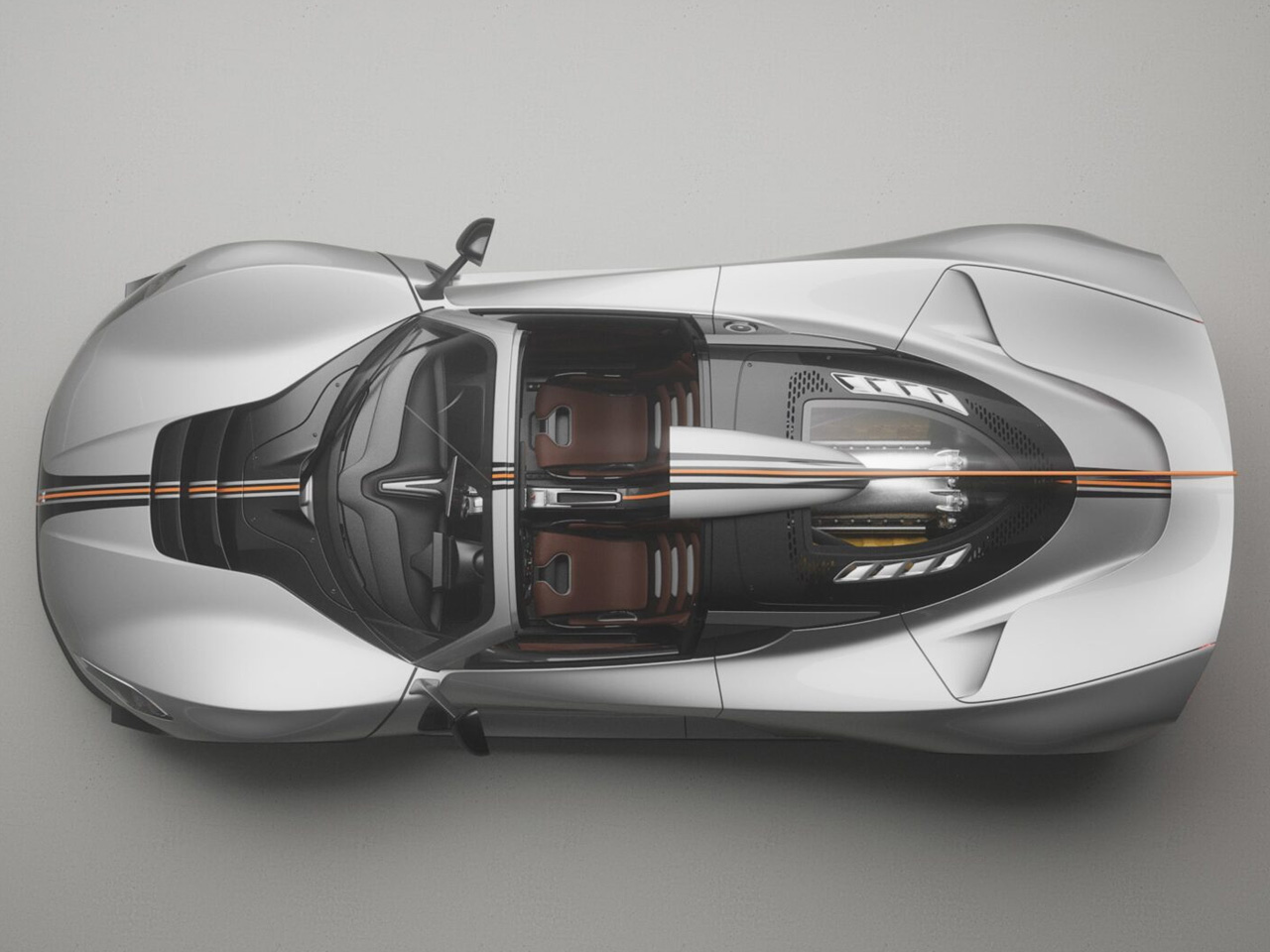
The performance car is based on the droptop roadster revealed recently, and it gets minor tweaks inside out. All the performance capabilities have been retained for peak acceleration and top speed. The speed monster gets an in-house developed twin turbocharged 6.6-liter Fury V8 engine. The M in the name denotes the 6-speed manual transmission gearbox for a very analog driving experience for die hard racing fans.

Designer: Hennessey

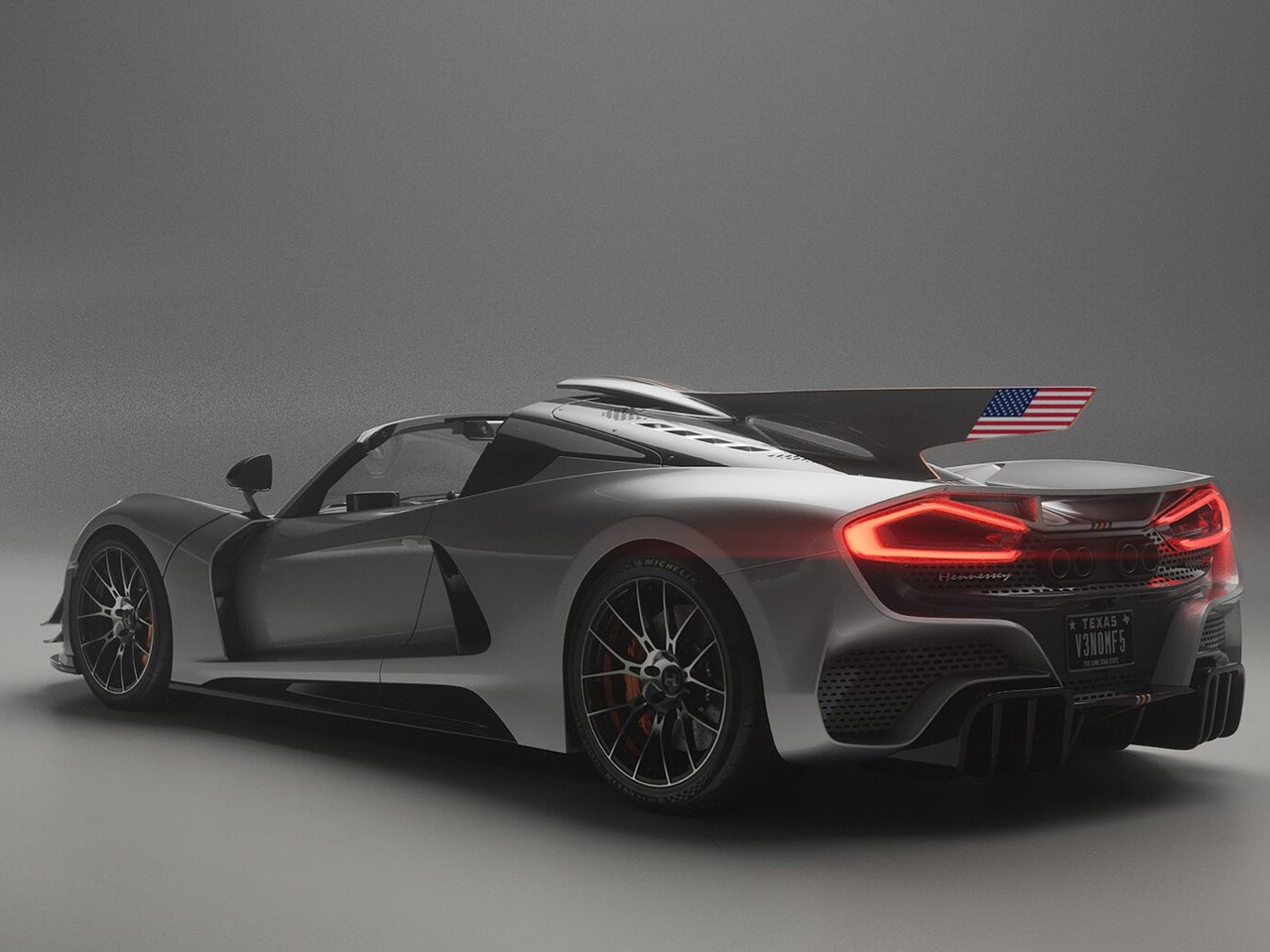
According to John Hennessey, the model is a true manual in every sense since it gets a clutch connected to the transmission via a cable. So, no modern day computer controlled interface for smoother gear shifts, which will please purists who want to feel every little mechanical change of the vehicle. The car can generate 1,817hp and 1,617ft-lbs of torque which is very similar to the automatic version. Considering it can hit speeds of 0-6- mph in just under 3.5 seconds, if you have the driving flair to shift gears at the right time, makes it the fastest manual transmission hypercar you can get hands on.

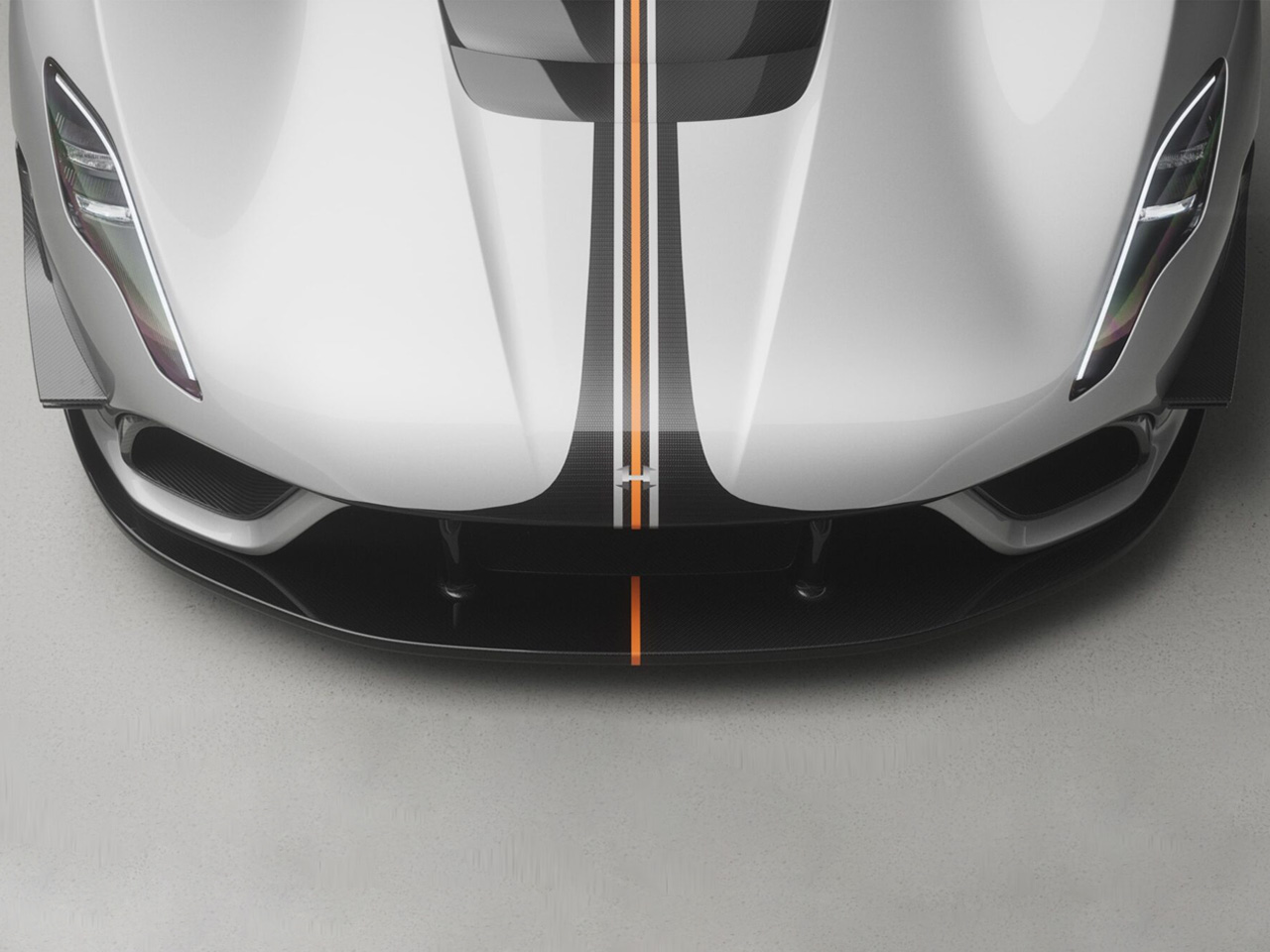
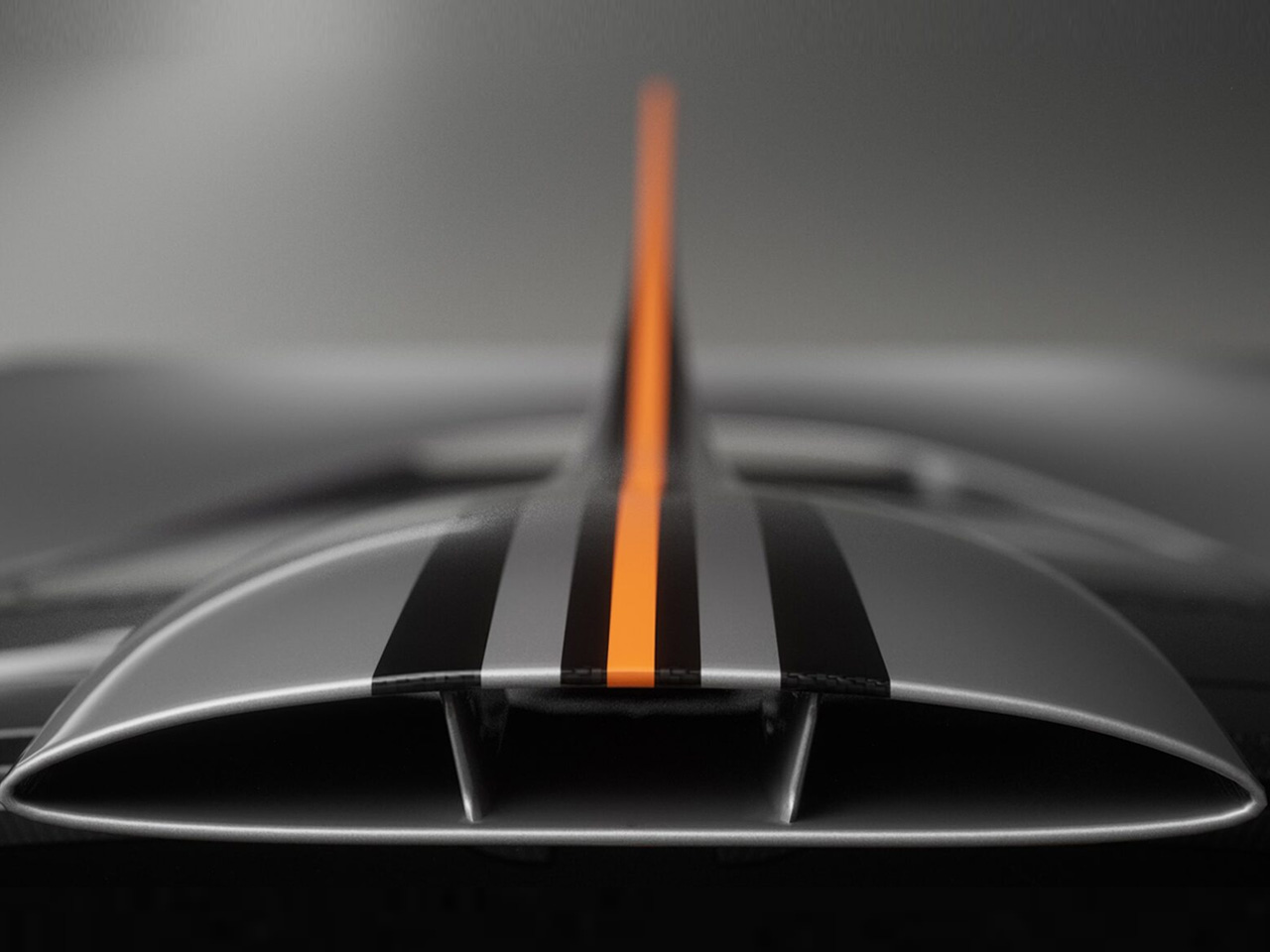
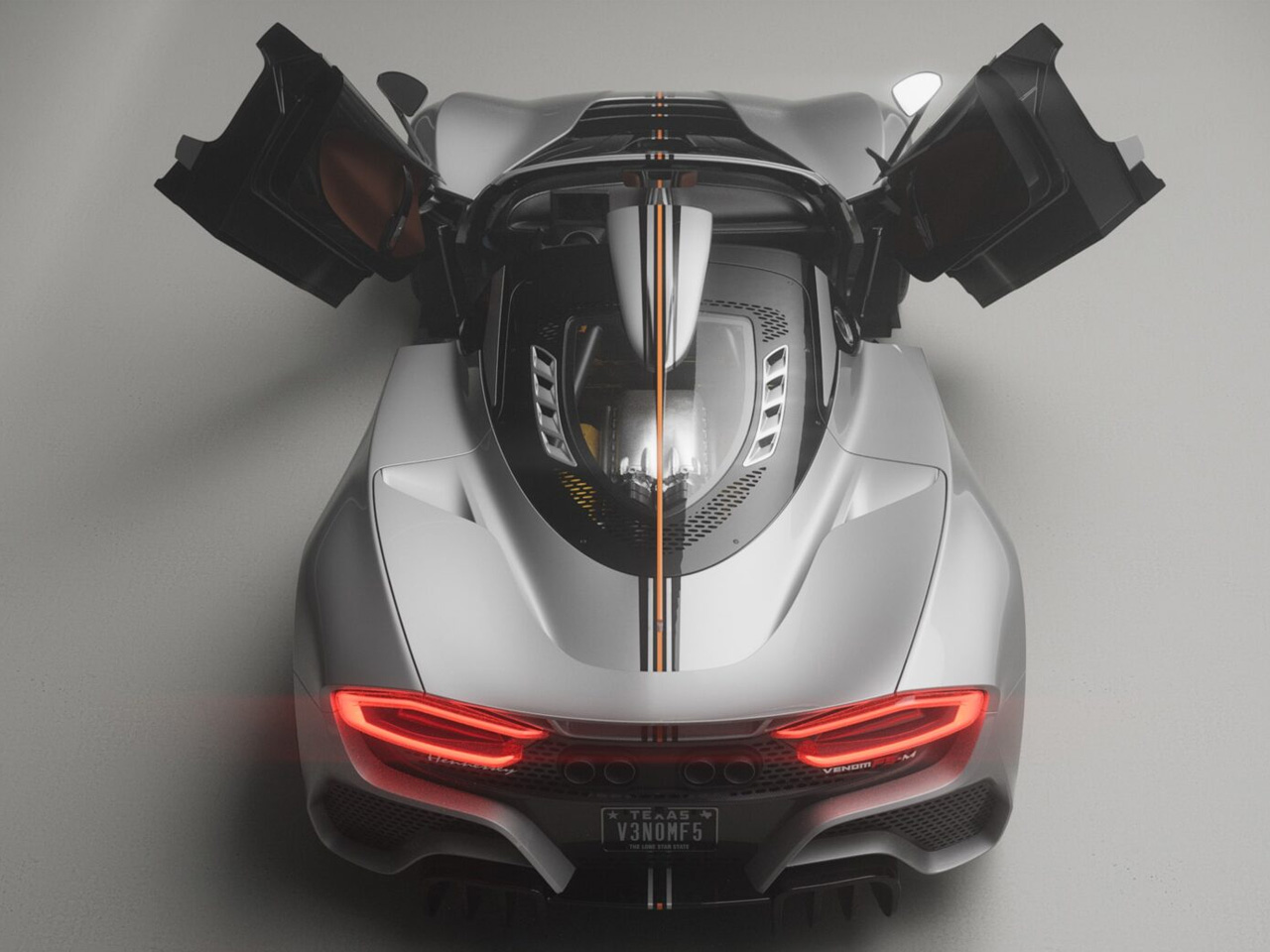
The subtle differences in performance compared to the USA-made version come in the form of aero elements including the carbon fiber bodywork, front canards, and dorsal fin spanning 55-inch from the roof scoop to the rear deck. This helps in achieving stability at top speeds in excess of 300 mph. To make space for the manual transmission, the interiors have also been tweaked. Theirs is an updated central console with horizontal air vents and a redesigned air conditioning control system. Classic car lovers will love the jet-inspired toggle switches for windows positioned behind the carbon fiber shifter and aluminum shift gate.

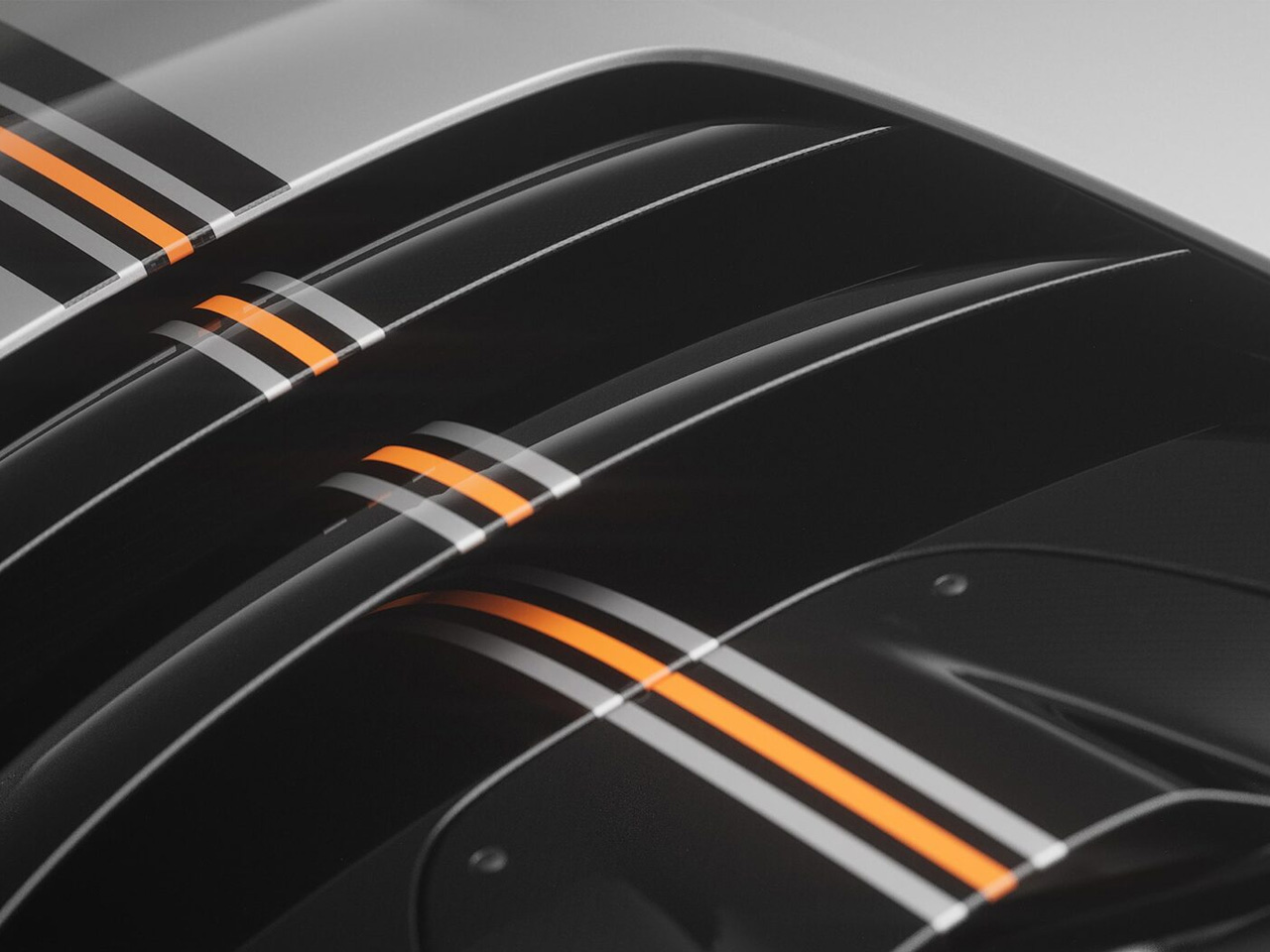
Lucky buyers will also get the privilege to choose the custom livery that pairs the exposed carbon fiber elements to the spine. The selection of bespoke colors will be deleted from the Hennessey configurator once chosen. Such is the exclusivity of this hypercar. It’s not surprising that the Hennessey Venom F5-M Roadster will only be made in 12 examples worldwide. For a passionate car lover who’s got $2,650,000 to spare on his collectibles, this one should be on the bucket list without an iota of doubt.


The post Hennessey Venom F5-M roadster is the fastest manual transmission roadster that purists will love to drive first appeared on Yanko Design.
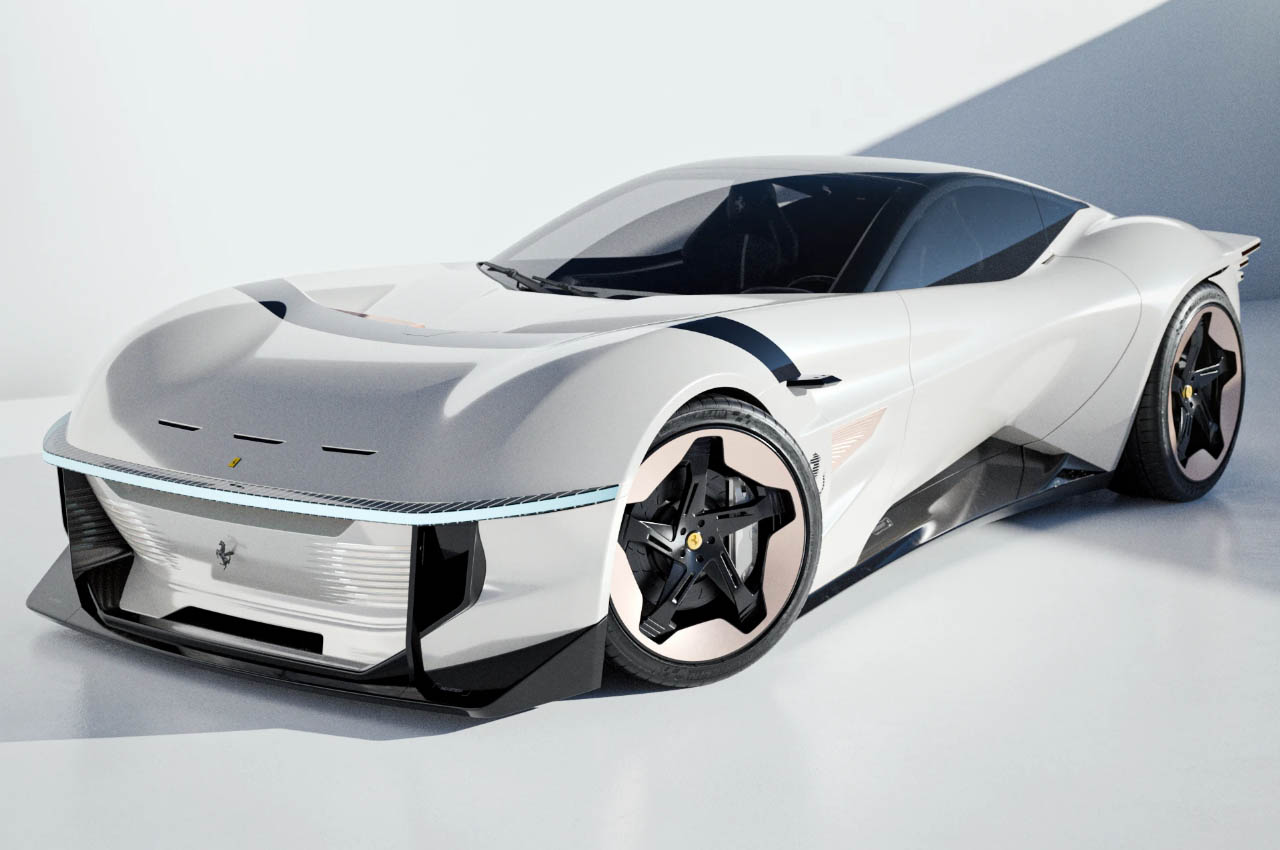
Ferrari Alto ANGEL electric concept is a fluid roadster with the muscle of a hypercar

Ferrari SF90 Stradale PHEV has already set the platform for future electric vehicles coming from the house of the Italian automotive giant. The three electric motors mated to the V8 internal combustion engine of the sports car give it a maximum output of 1000cv. Going fully electric will be one of the major goals for Ferrari, and they’ve promised one is coming in the fourth quarter of 2025.

What this EV will look like or exactly be (supercar, sportscar, roadster, or hypercar) is not exactly clear. What is known so far from the filed patents by the Italian marque is the indication of a two-seater sports car that will have a rear mid-engine layout for it to have a lower stance resulting in better aerodynamics. Although it is just one calculated guess we have got just the right concept to build on this speculation.
Designer: Alexandre Bernini

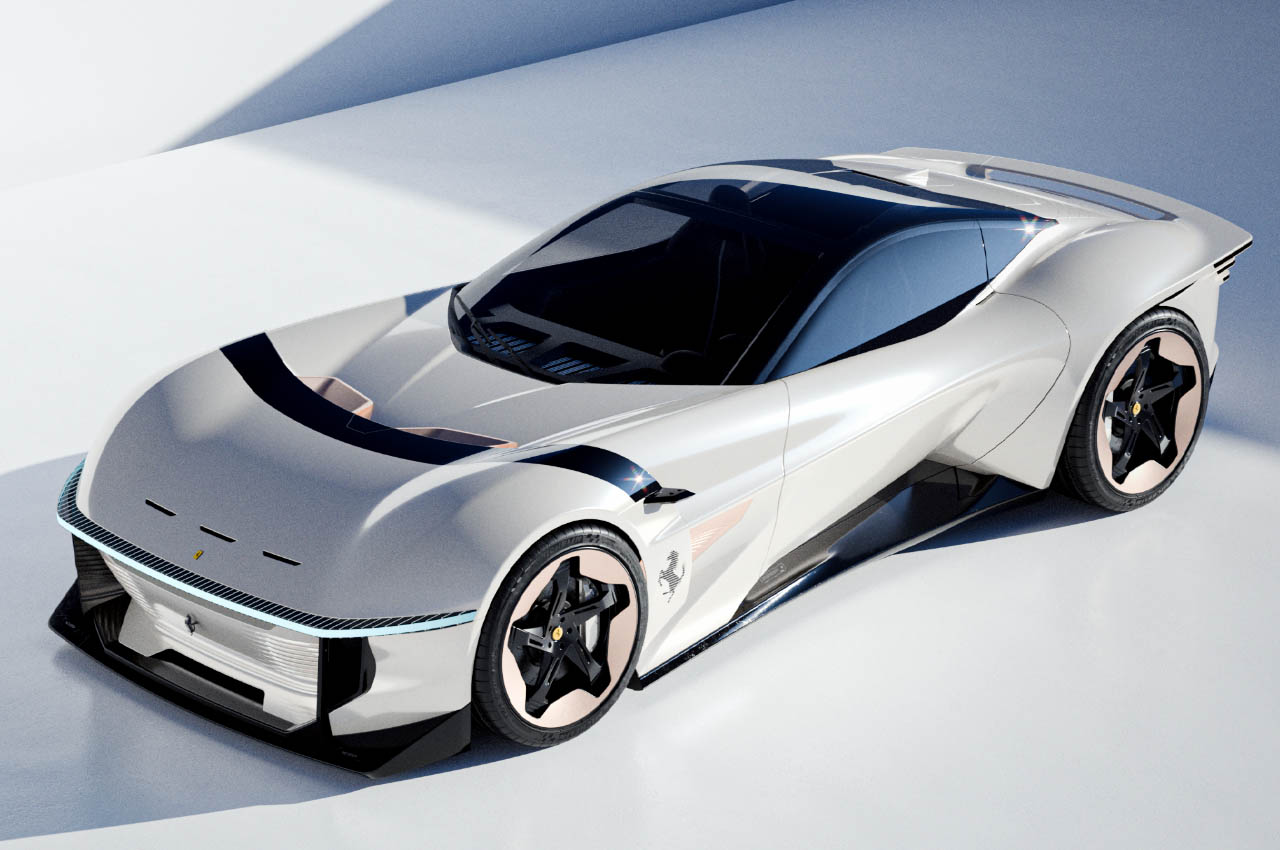
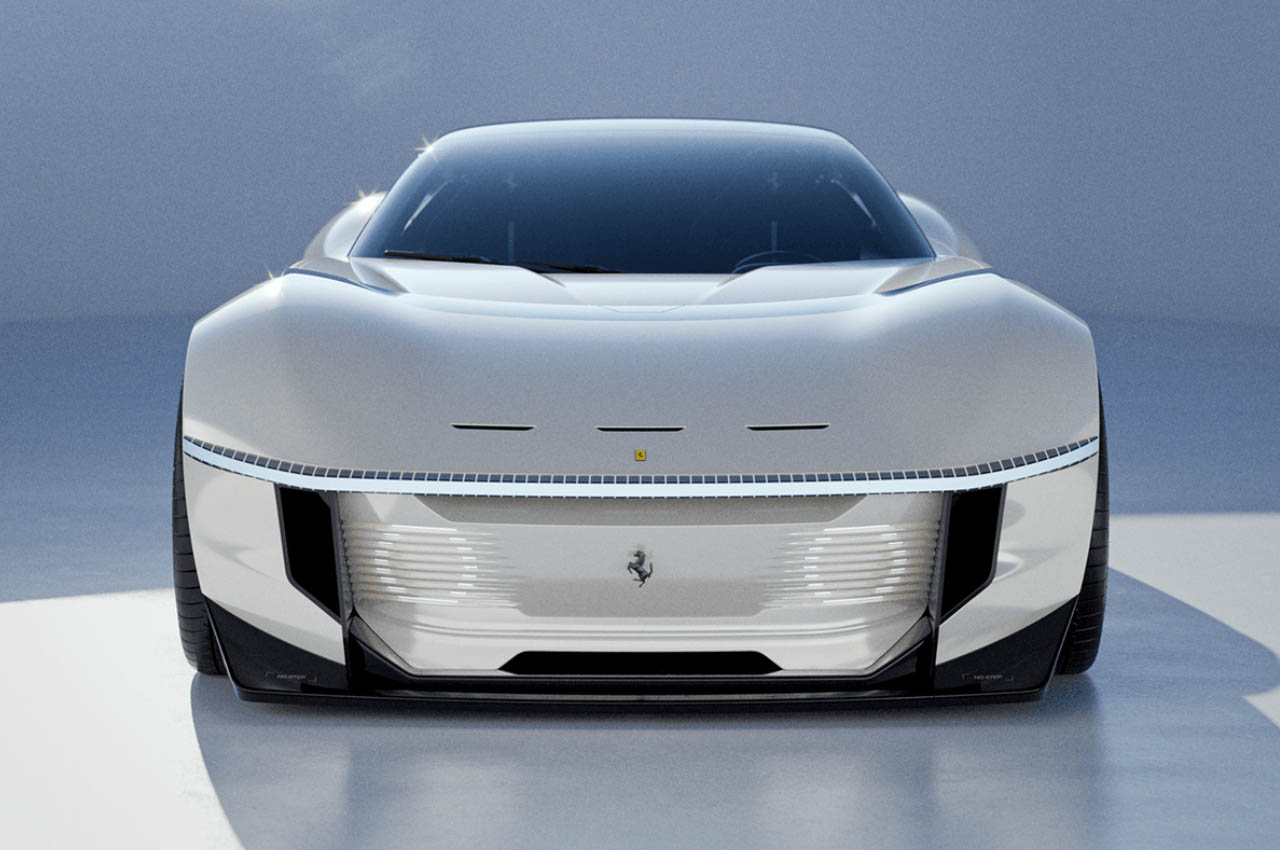
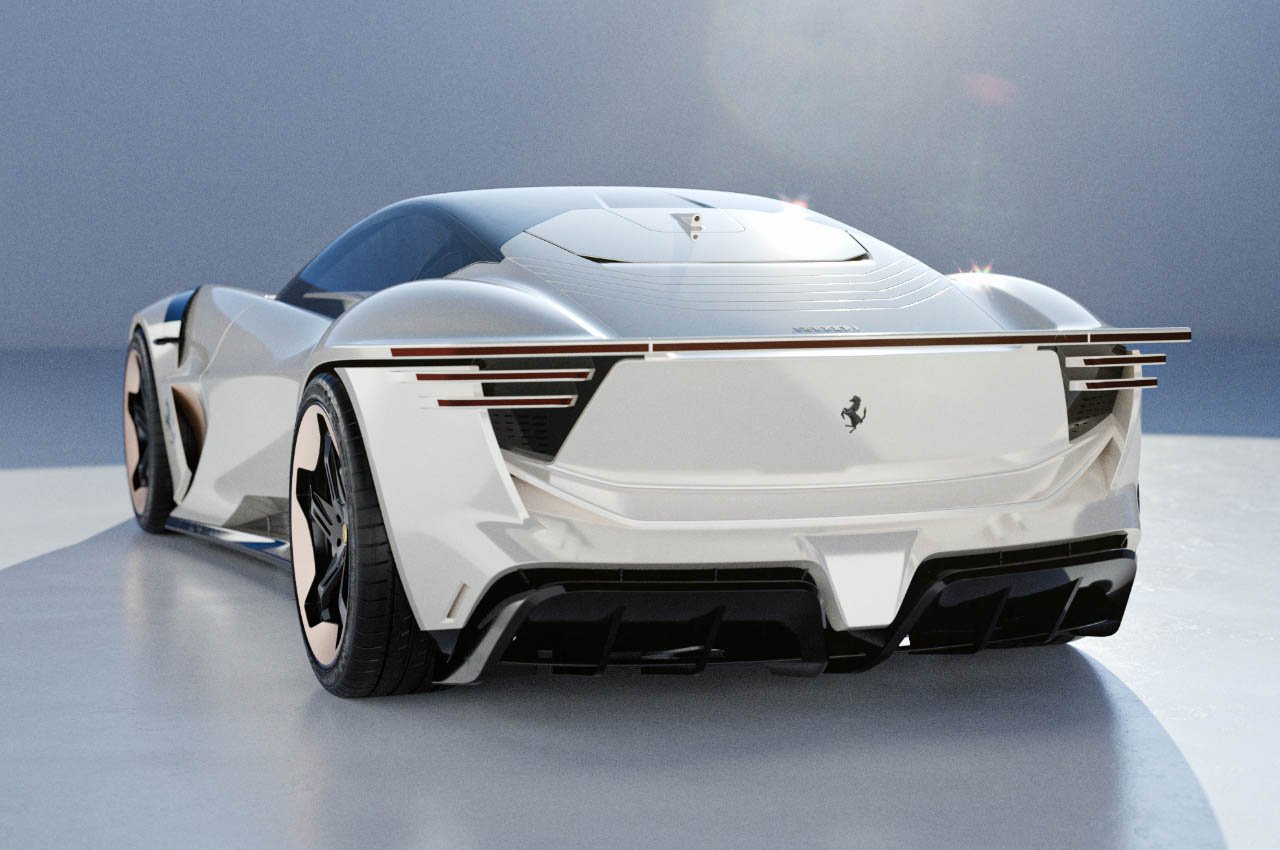
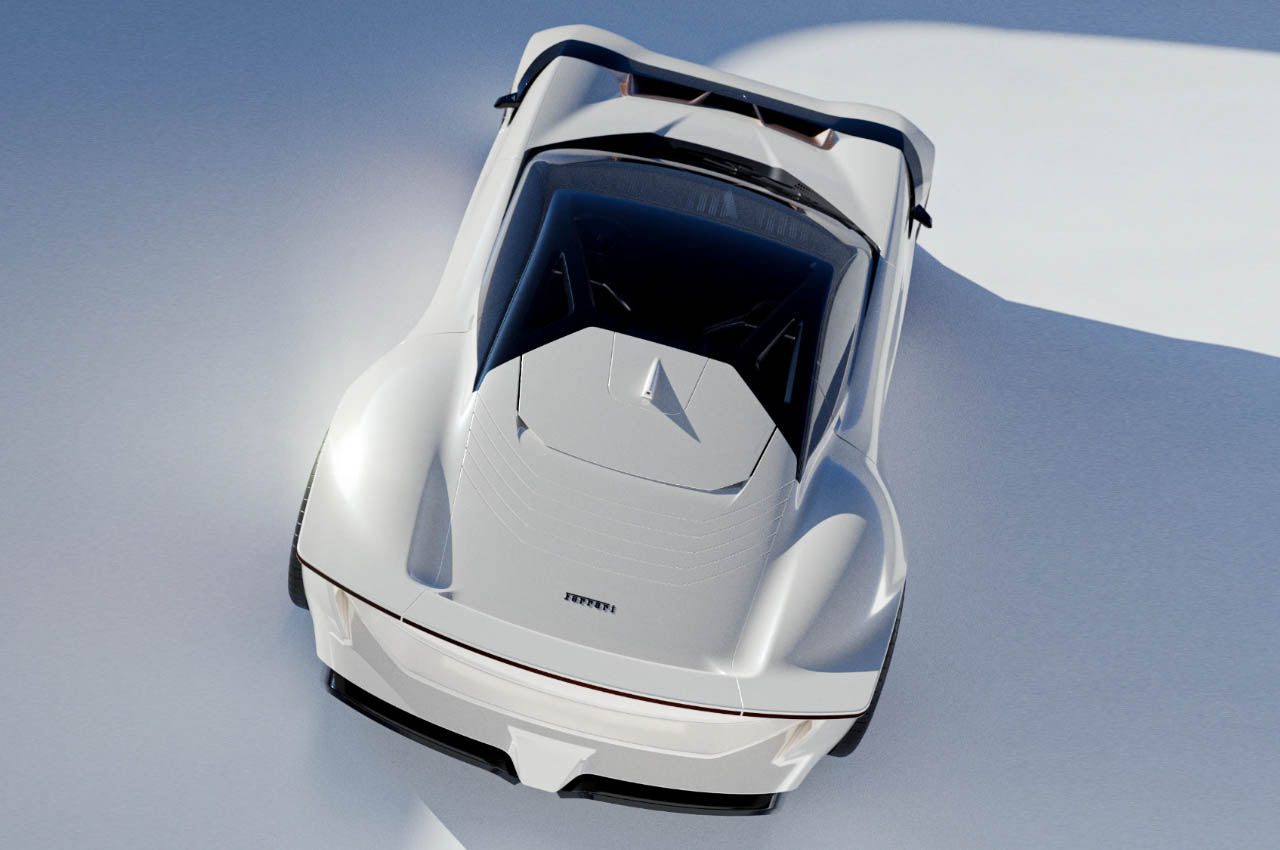
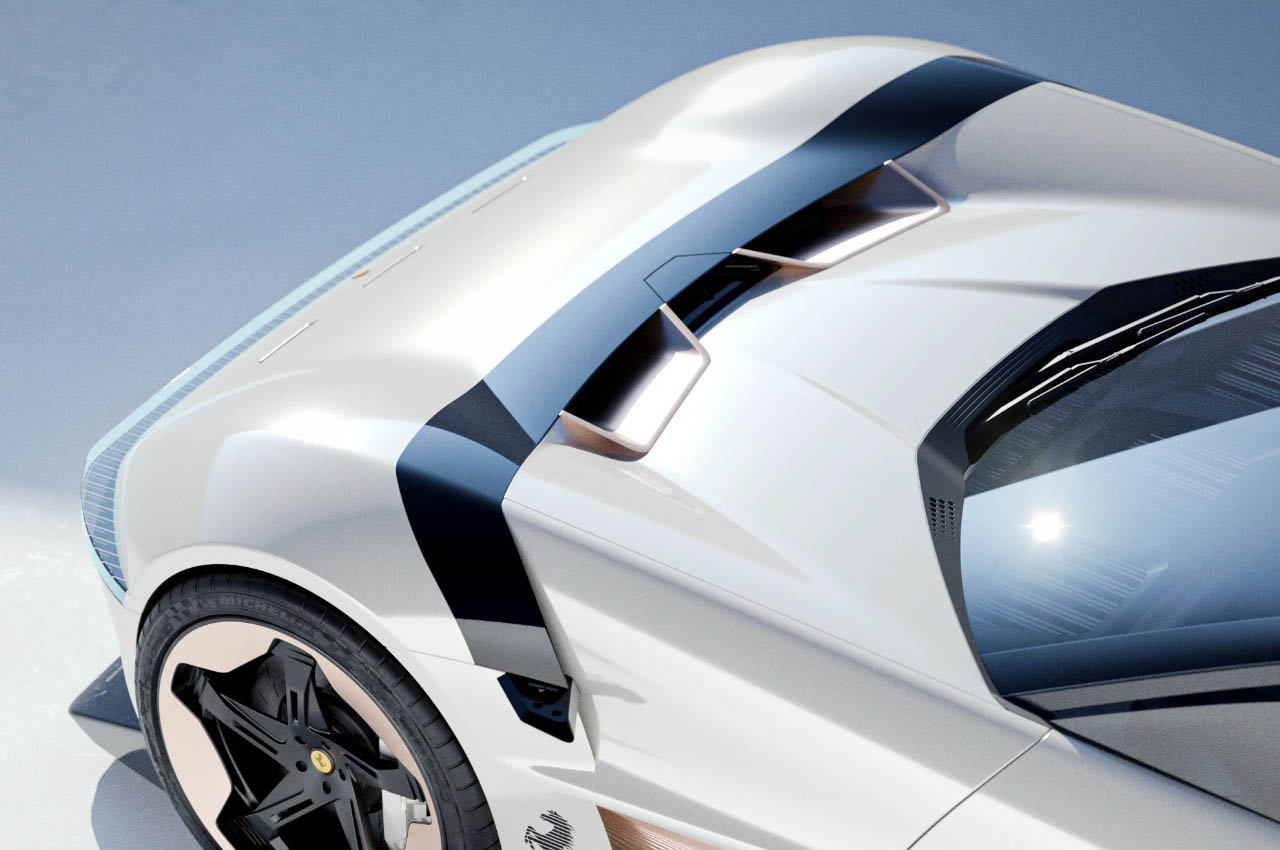
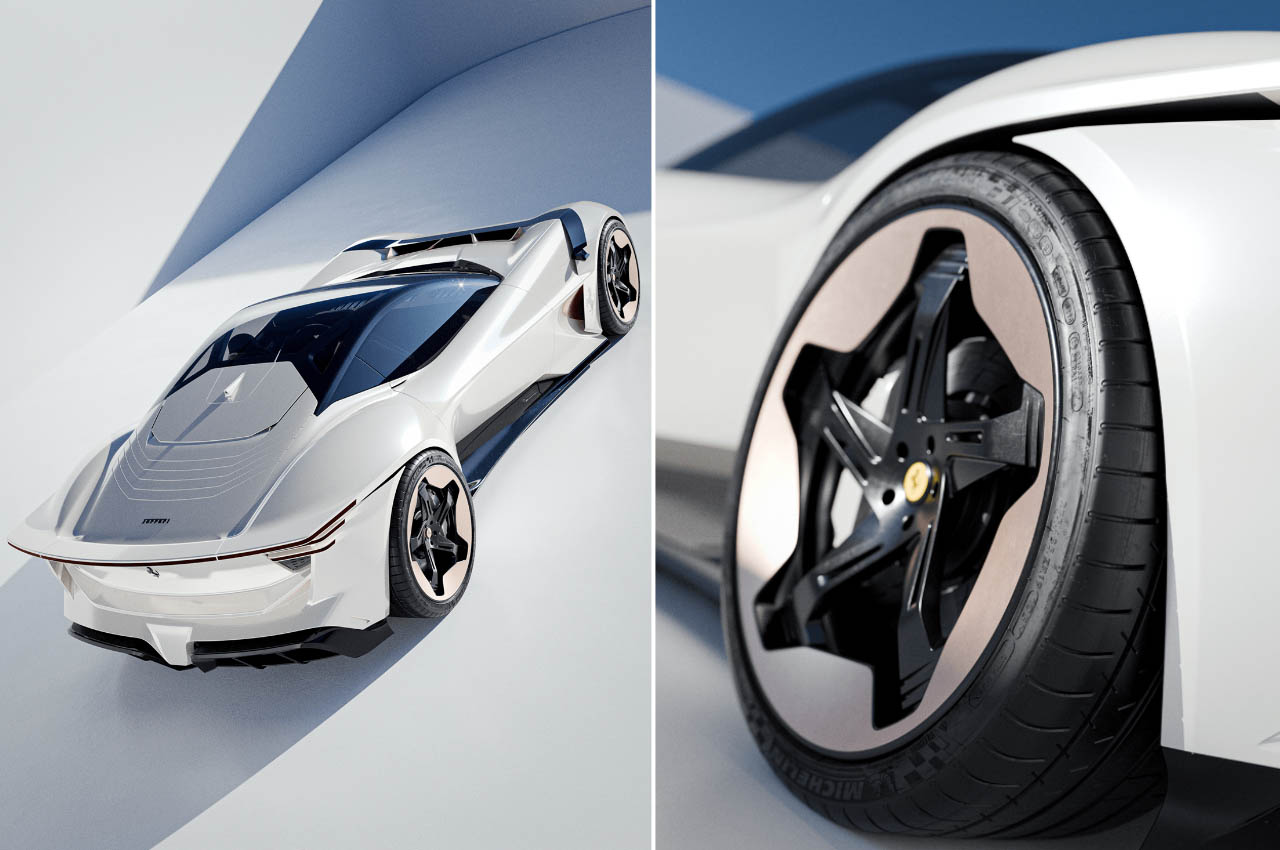
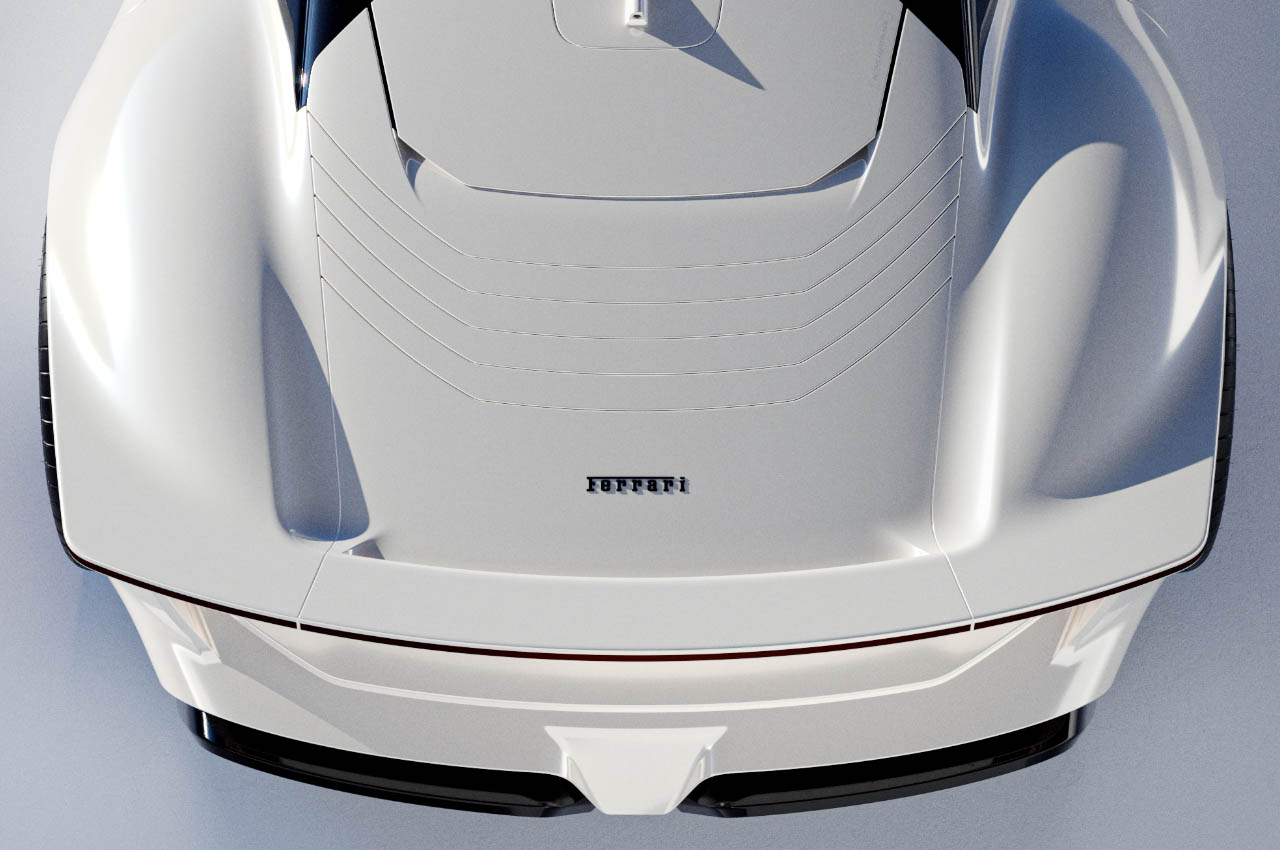
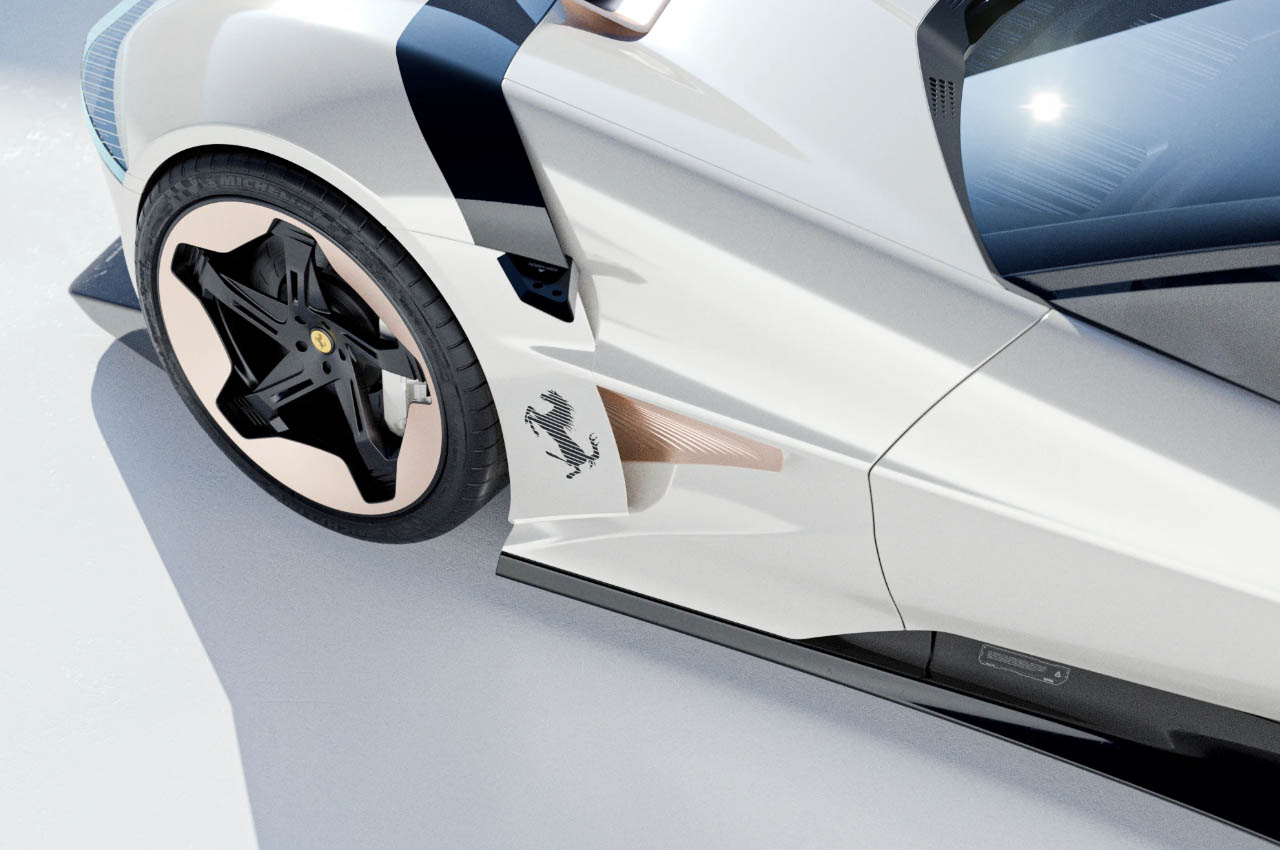
This is the Ferrari Alto ANGEL two-seater roadster concept that fits right in the puzzle board of what the Ferrari EV 2025 could be. The ride has a low ground clearance, the signature brand silhouette, flowing aerodynamic design and a rear that is most definitely a prancing horse loaded with ample electric power. The hourglass shape running from the front of the EV to the rear gives it a definition that’s evoking. The air intakes on the hood and the side pods further add dynamism to this Ferrari concept.

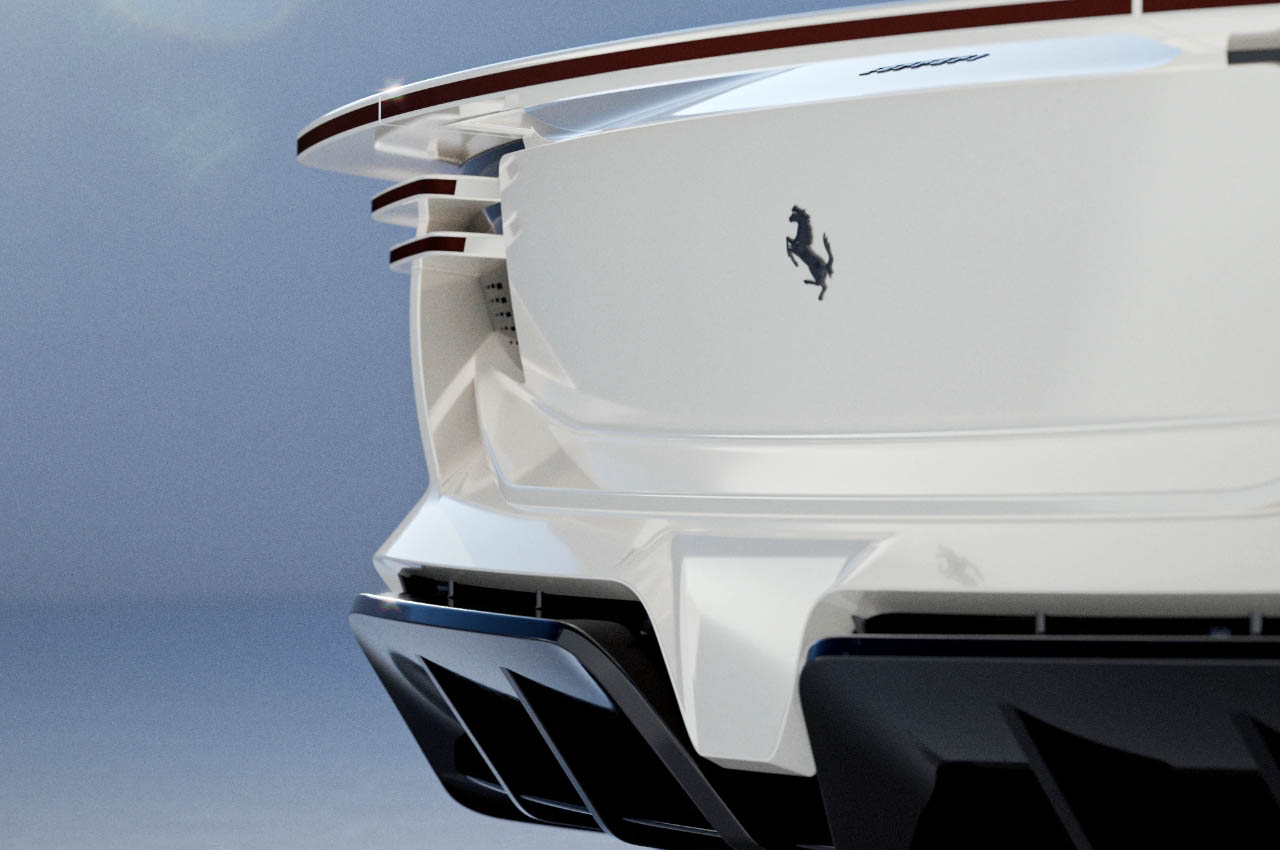
The panoramic windshield flows to the back with a geometric body panel with a shark fin fusing the two. The cool sea-green headlights run right across the front section that has a futuristic grille right beneath it. The rear has a similar flowing silhouette of brake lights integrated right across the spoiler and continuing with two light bars at both ends. Those wheels are very muscular, loaded on industrial-themed rims that look absolutely dope.

I’m drooling all over this Ferrari EV roadster and if the real thing looks anything close to this it’ll be a big hit. Compare it against the likes of the Tesla Roadster, Pininfarina Battista, Maserati GranTurismo Folgore or Lamborghini Terzo Millenio; and every time my heart will say the Ferrari Alto ANGEL!

The post Ferrari Alto ANGEL electric concept is a fluid roadster with the muscle of a hypercar first appeared on Yanko Design.