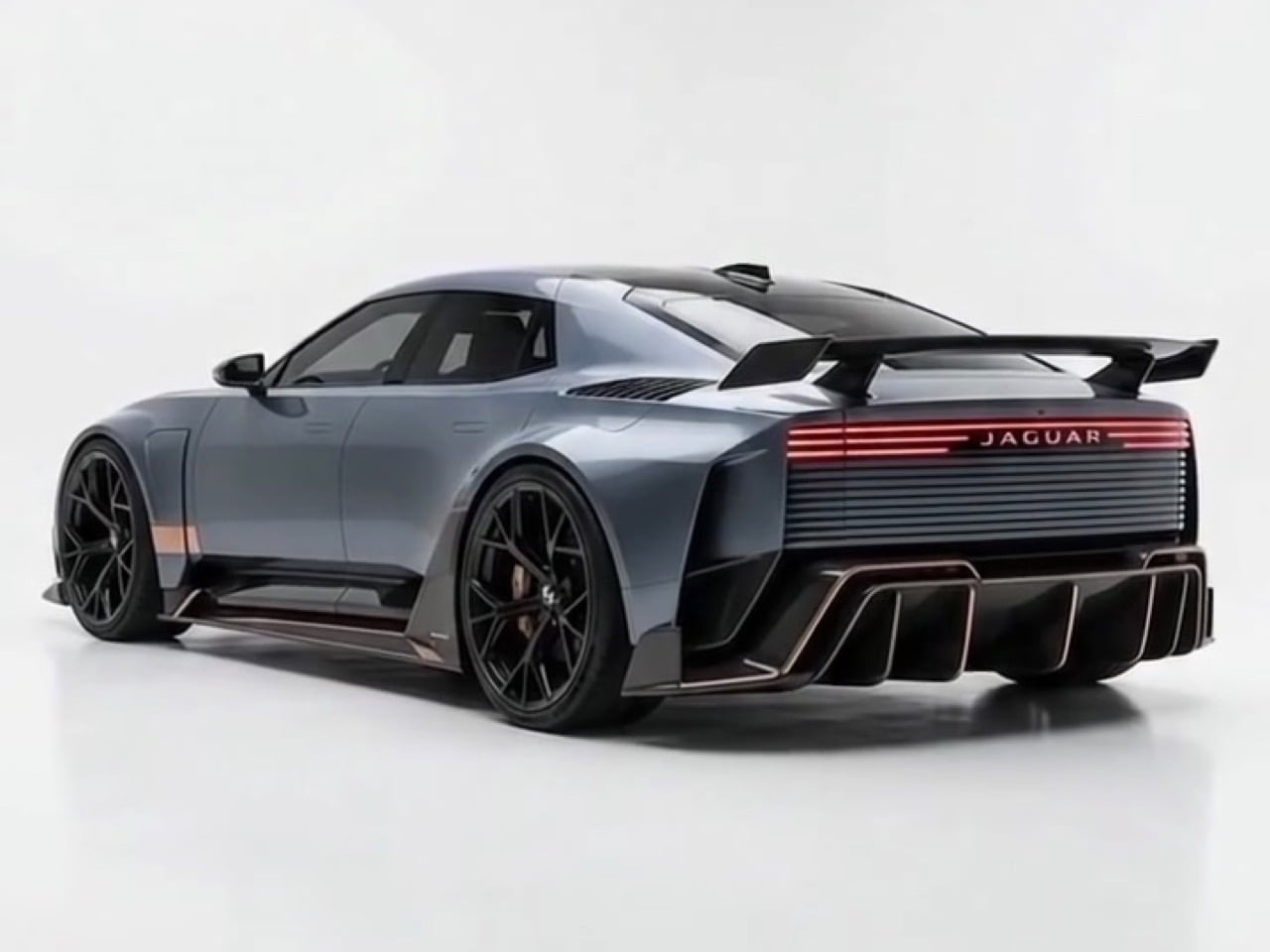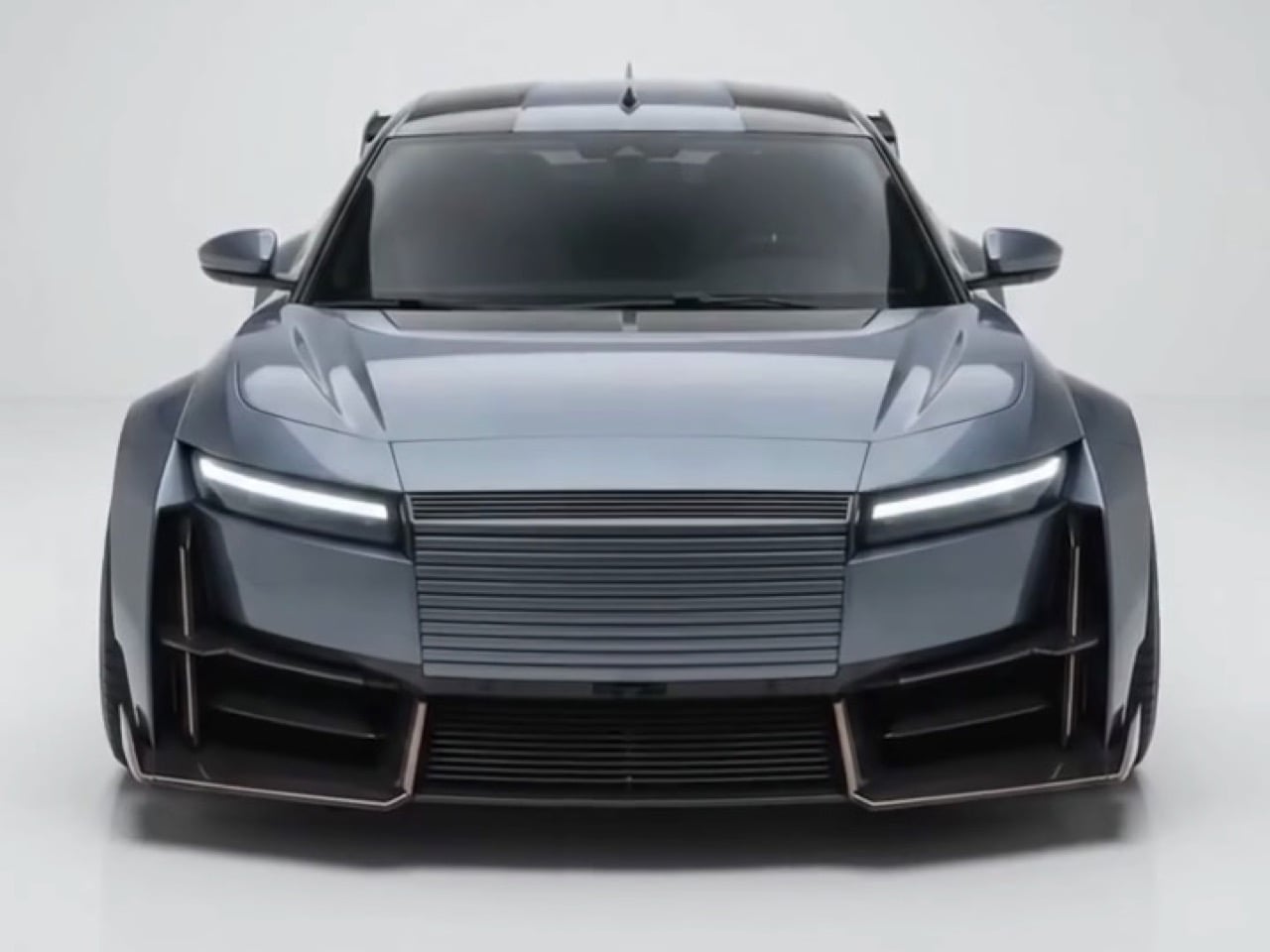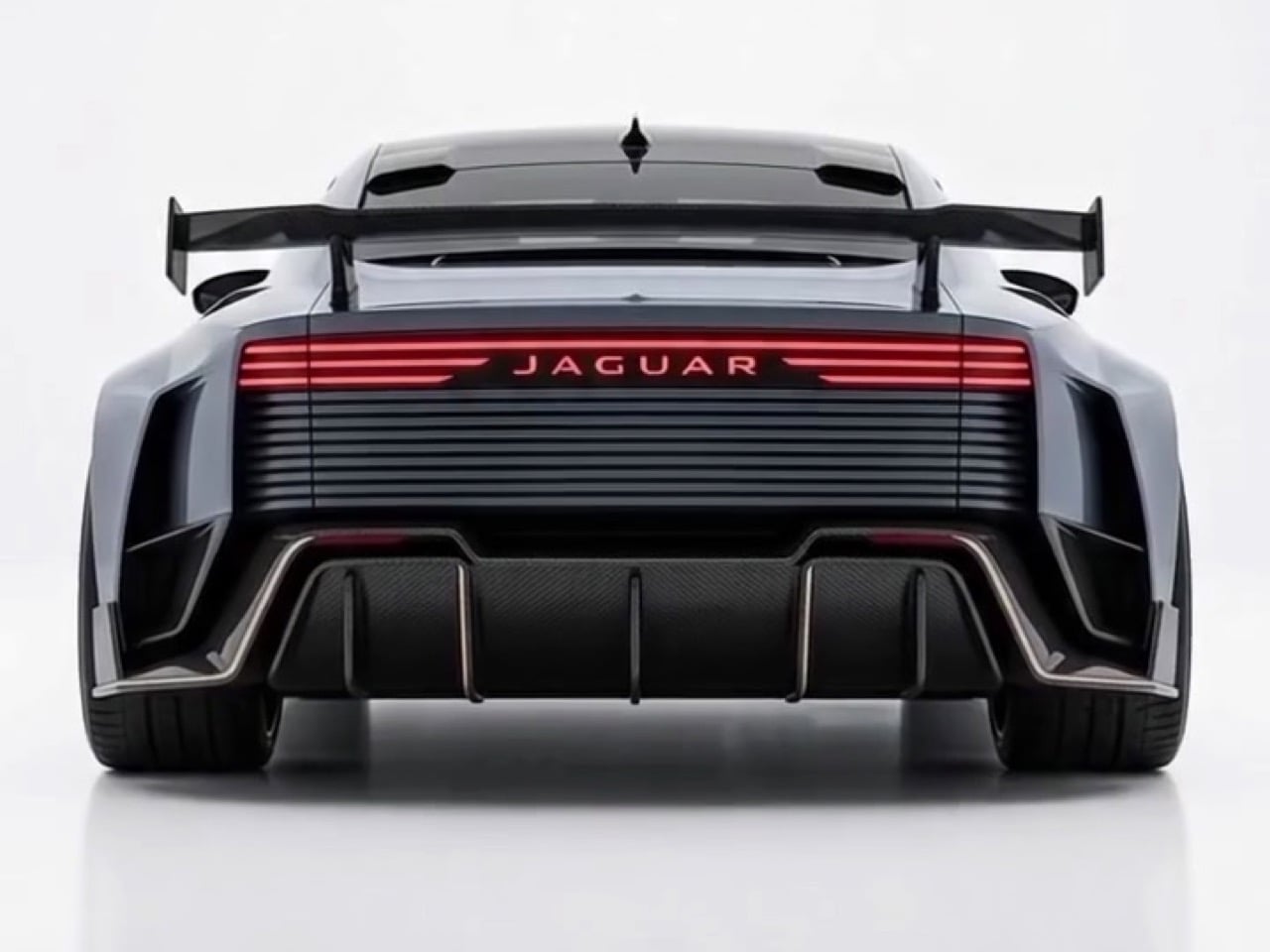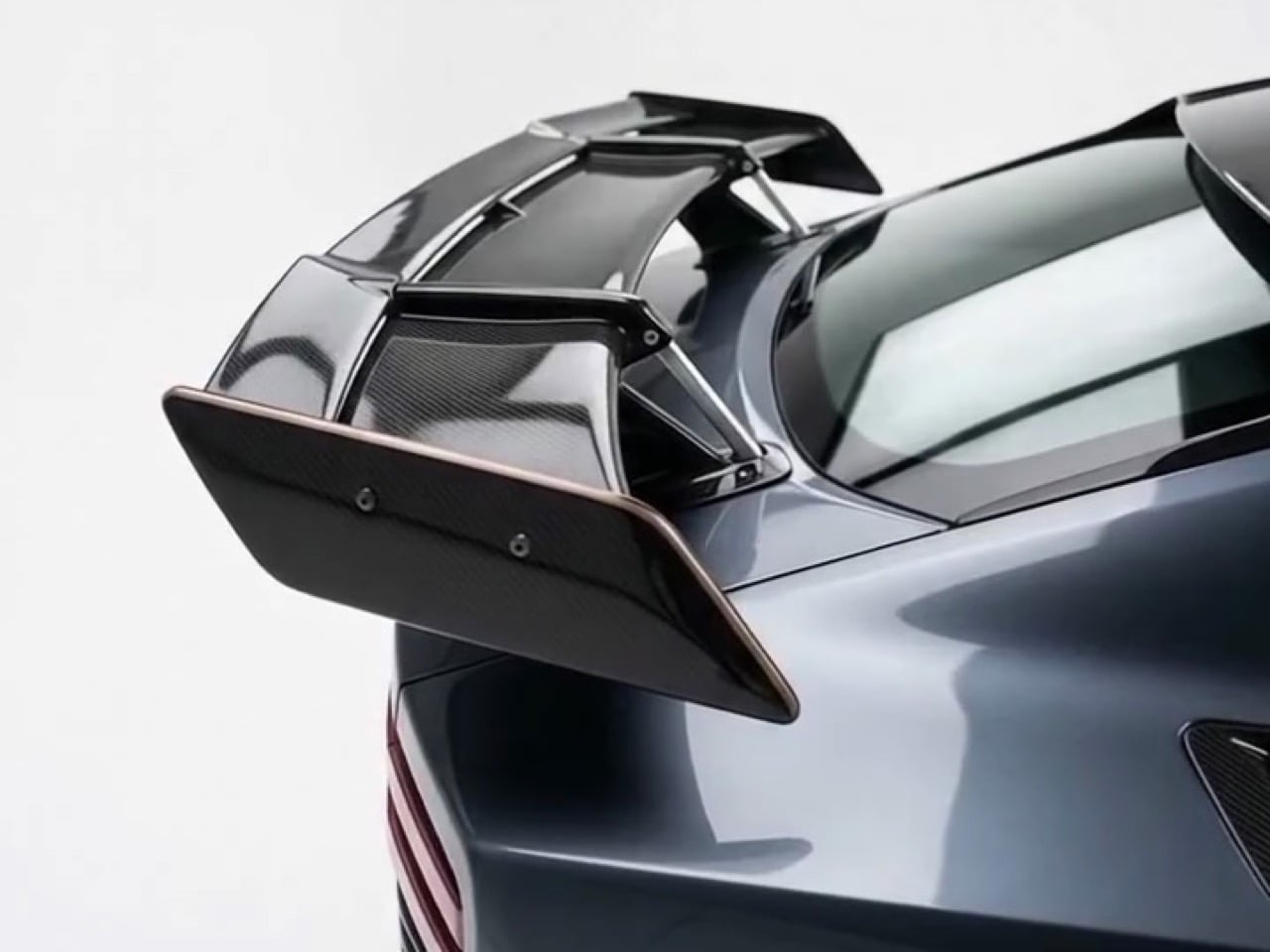
Kia Vision Meta Turismo is a sharp looking concept poised for the future

Kia always likes to celebrate its milestones with concepts that pave the way for the future of automotive design and technologies on the inside. This week is the South Korean brand’s 80th anniversary, and predictably, they’ve gone to the lengths of materializing a concept that is one of the most impressive from their design studio.
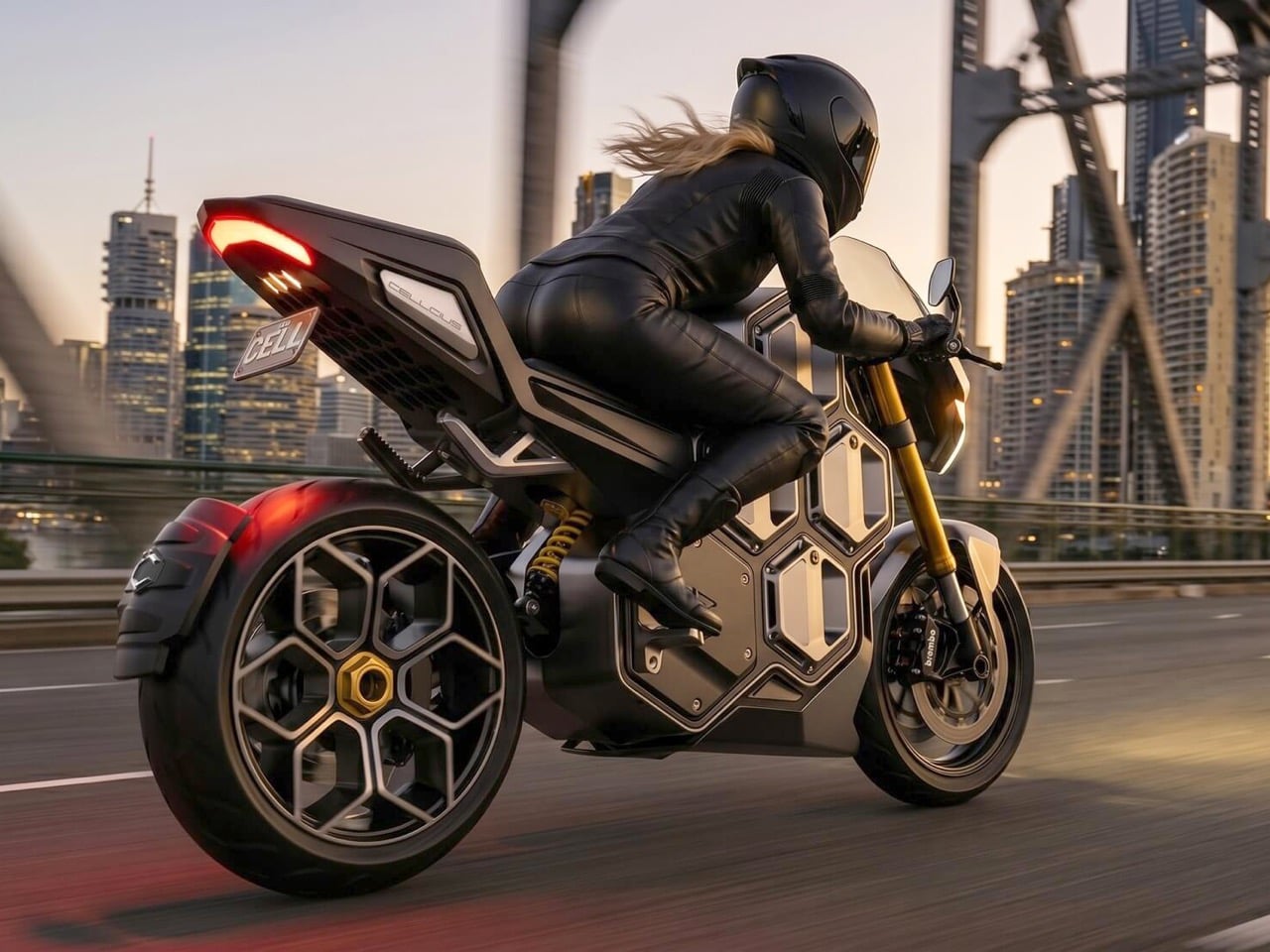
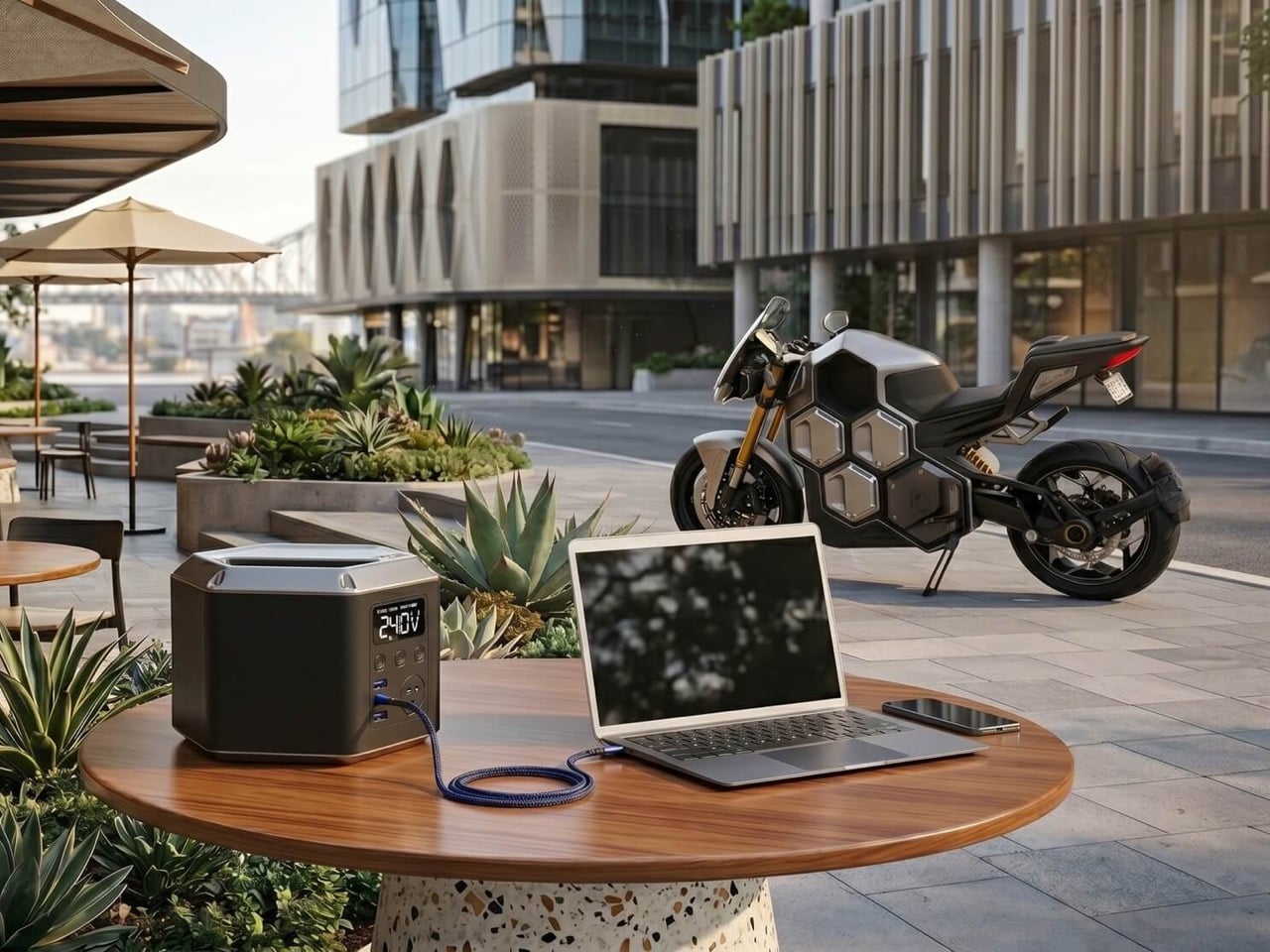
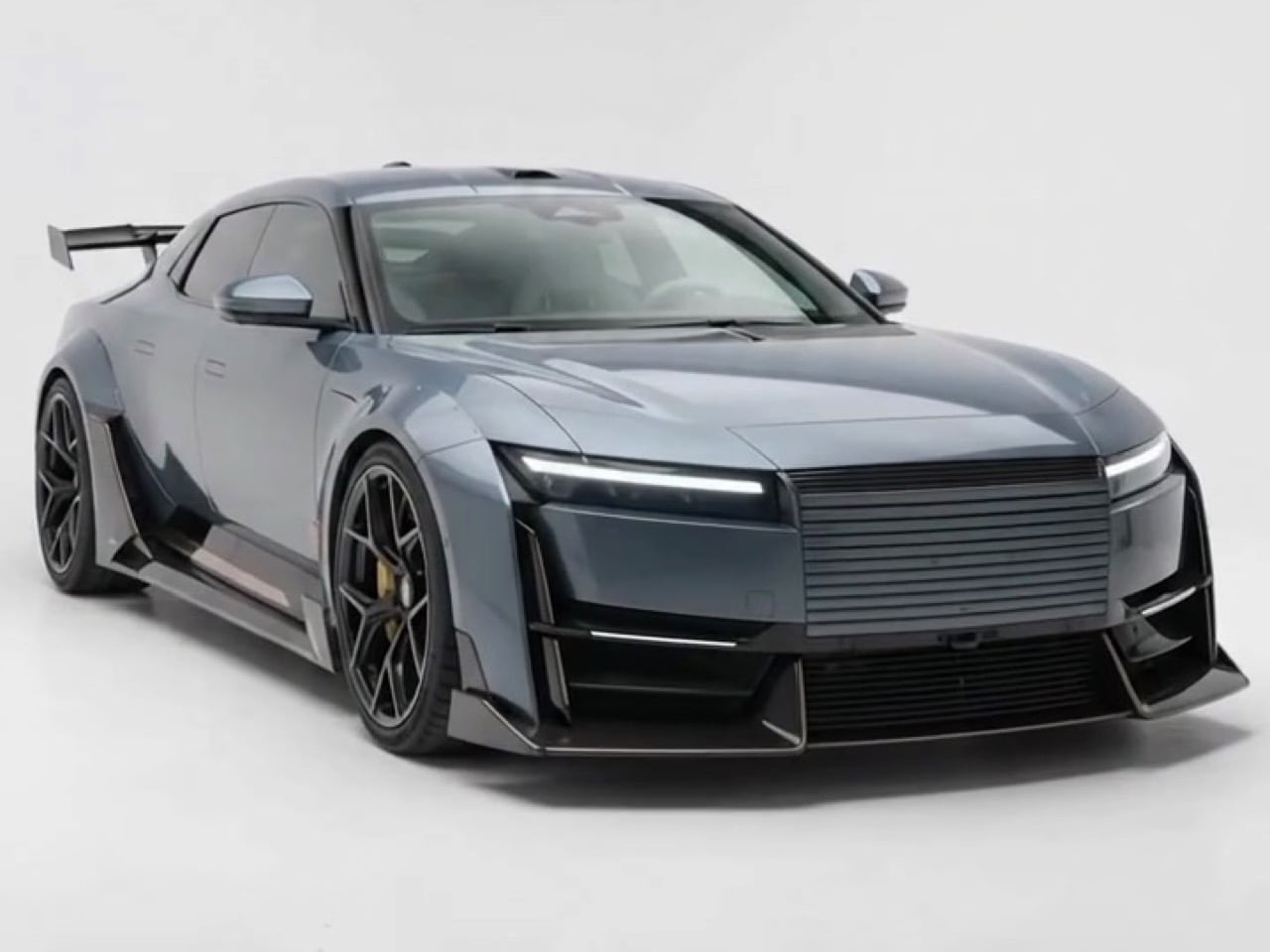
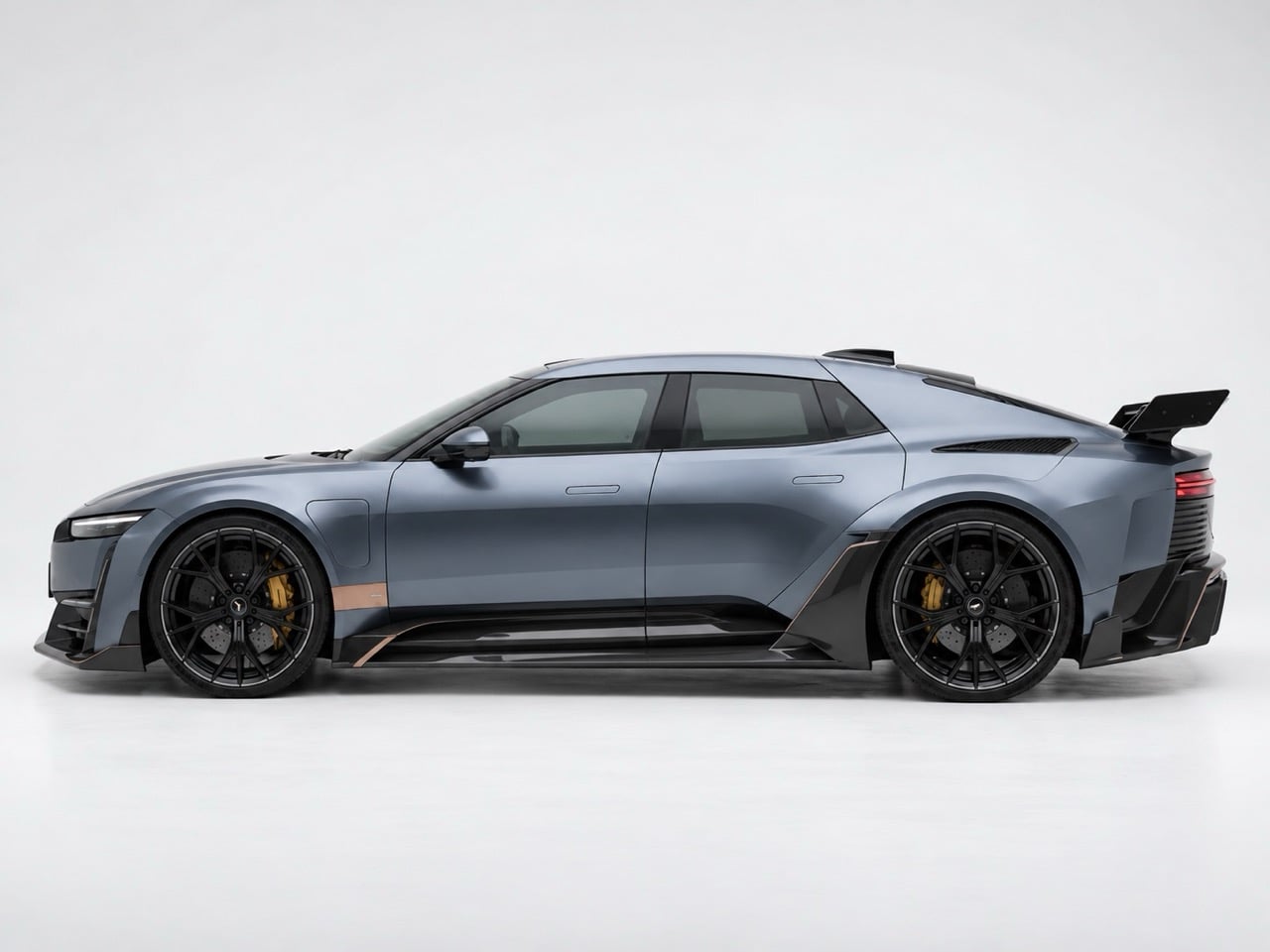
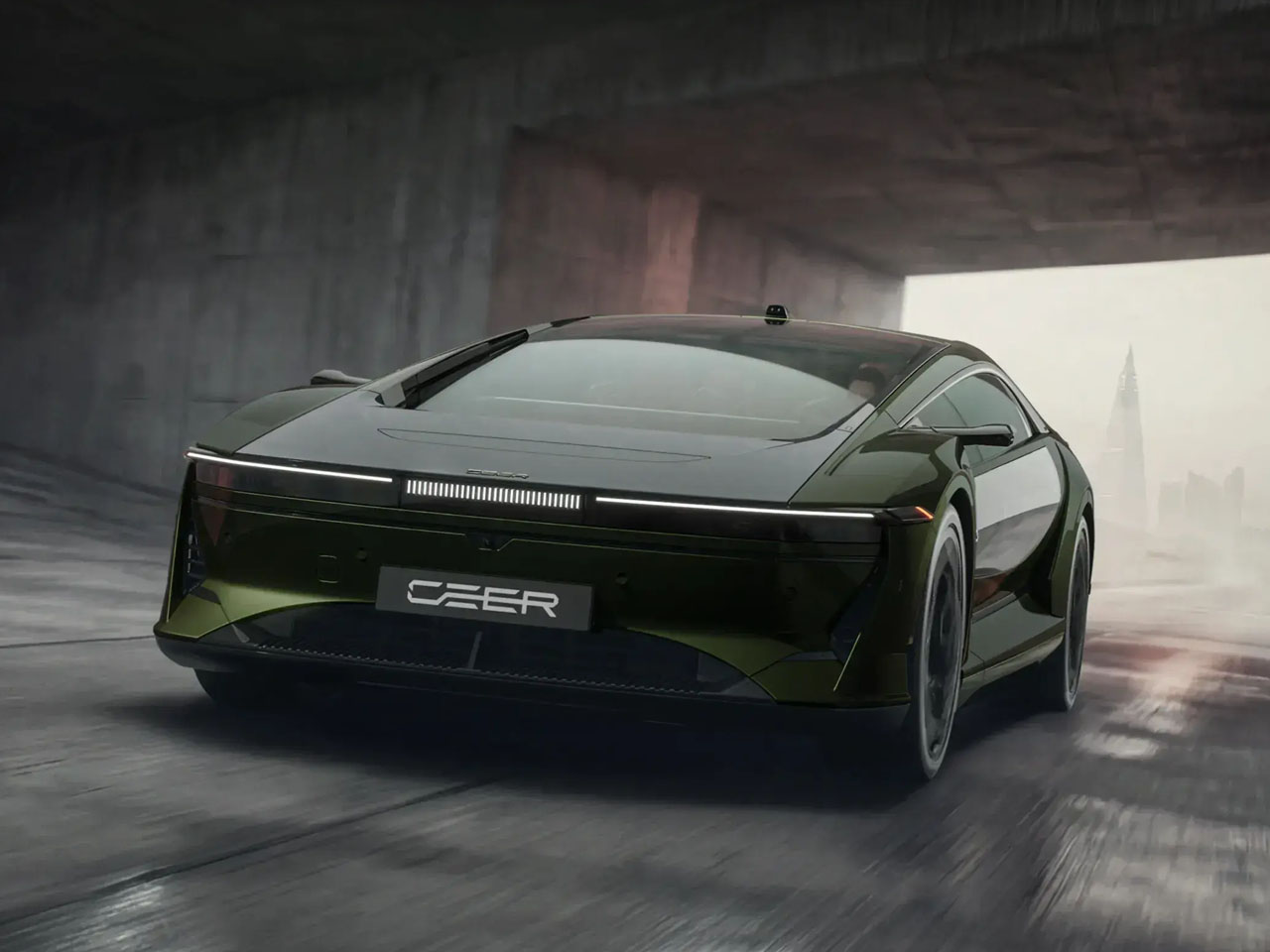
Called the Vision Meta Turismo concept, the sports sedan is not merely a design exploration; it’s their “first bold glimpse into the future of mobility.” The car was unveiled at the Kia Vision Square in Yongin, South Korea, and the future iteration of the electric vehicle (most likely it’s not going to be gasoline-powered) will be dubbed EV8. Just like the EV5 and EV6, this one is based on the Opposites United design theme, and by the look of things, is the spiritual successor to the Stinger. Vision Meta Turismo revitalizes three core experiences: performance driving, immersive driving, and spacious interiors.

Designer: Kia

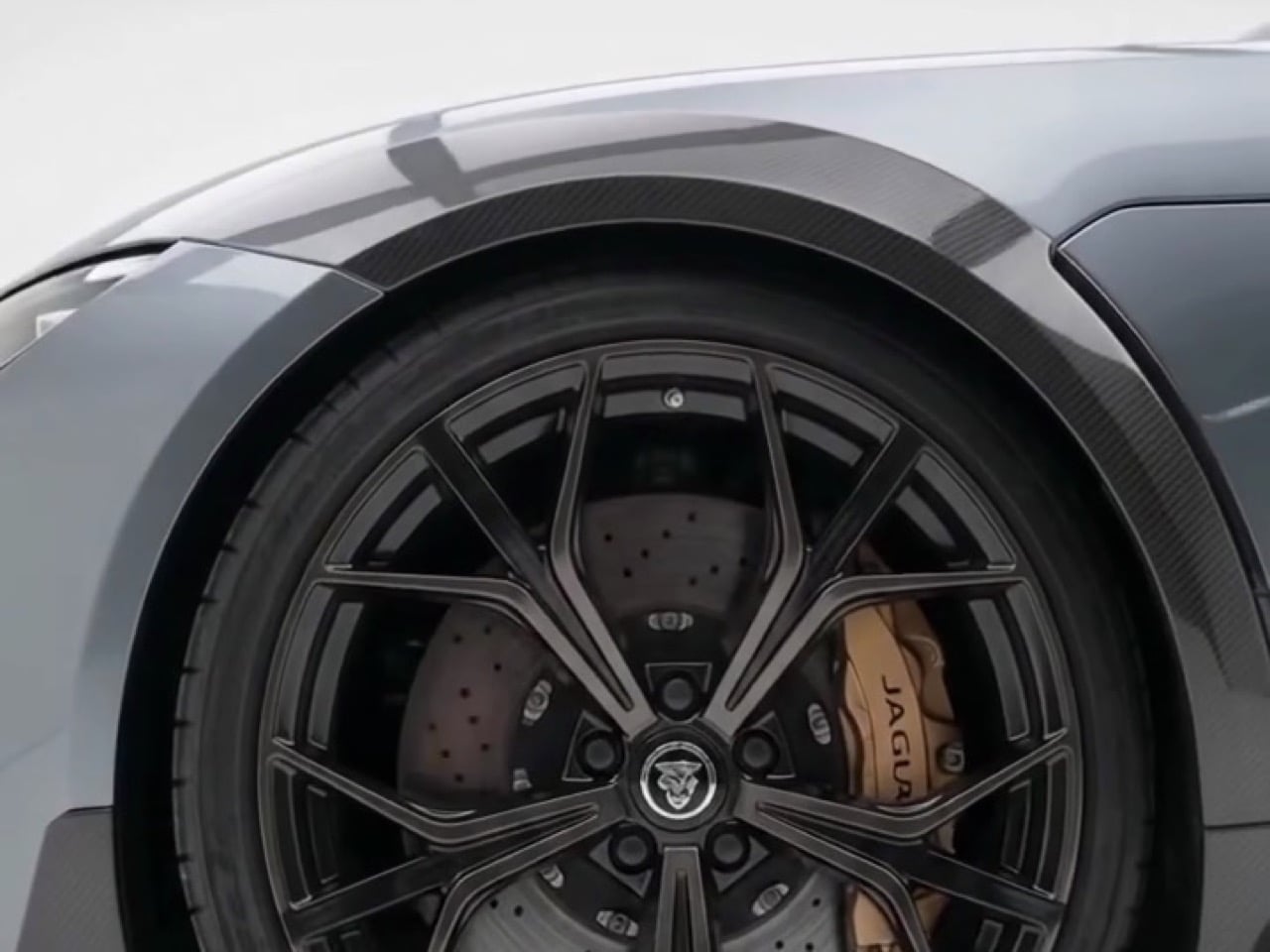
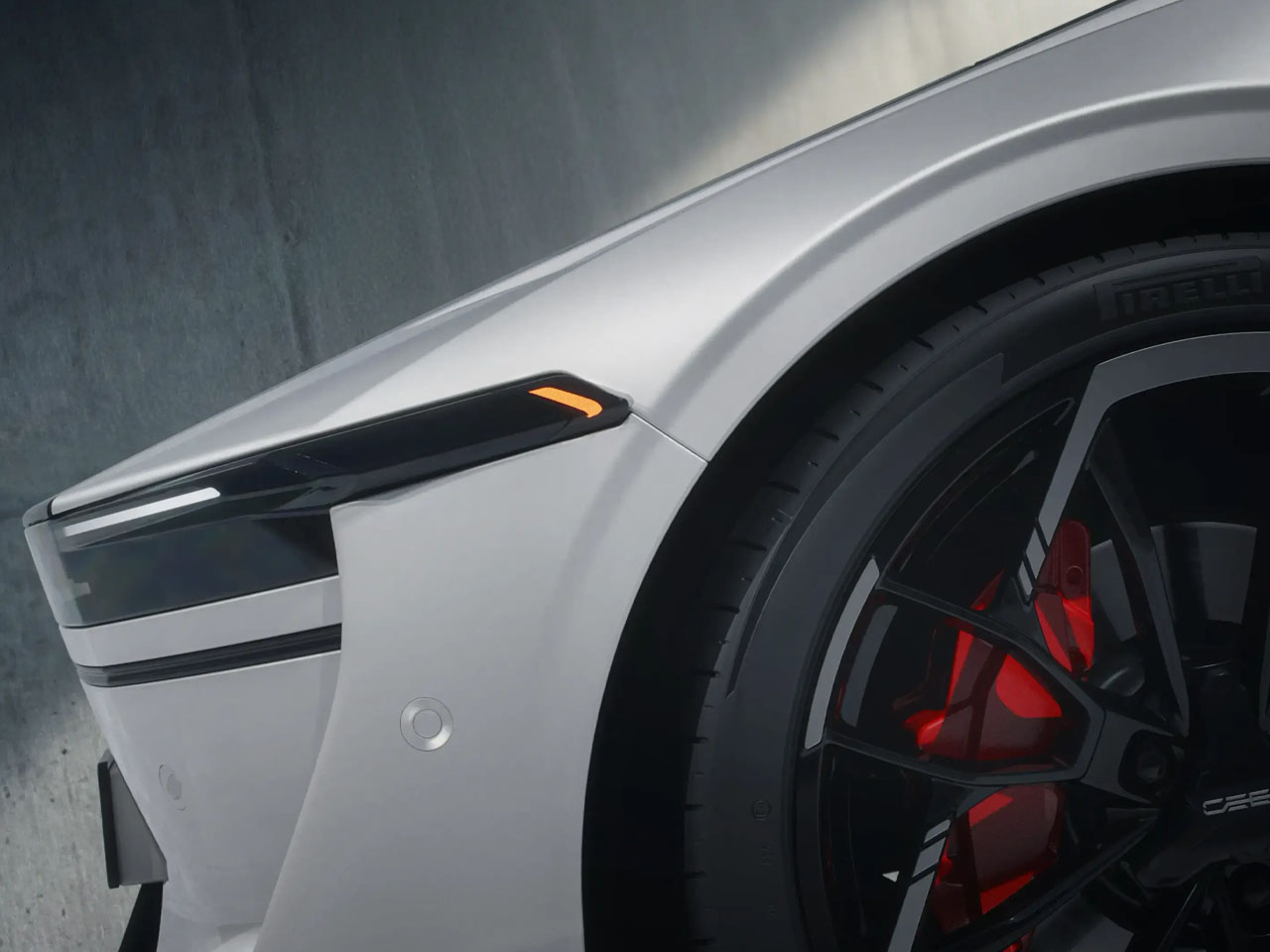
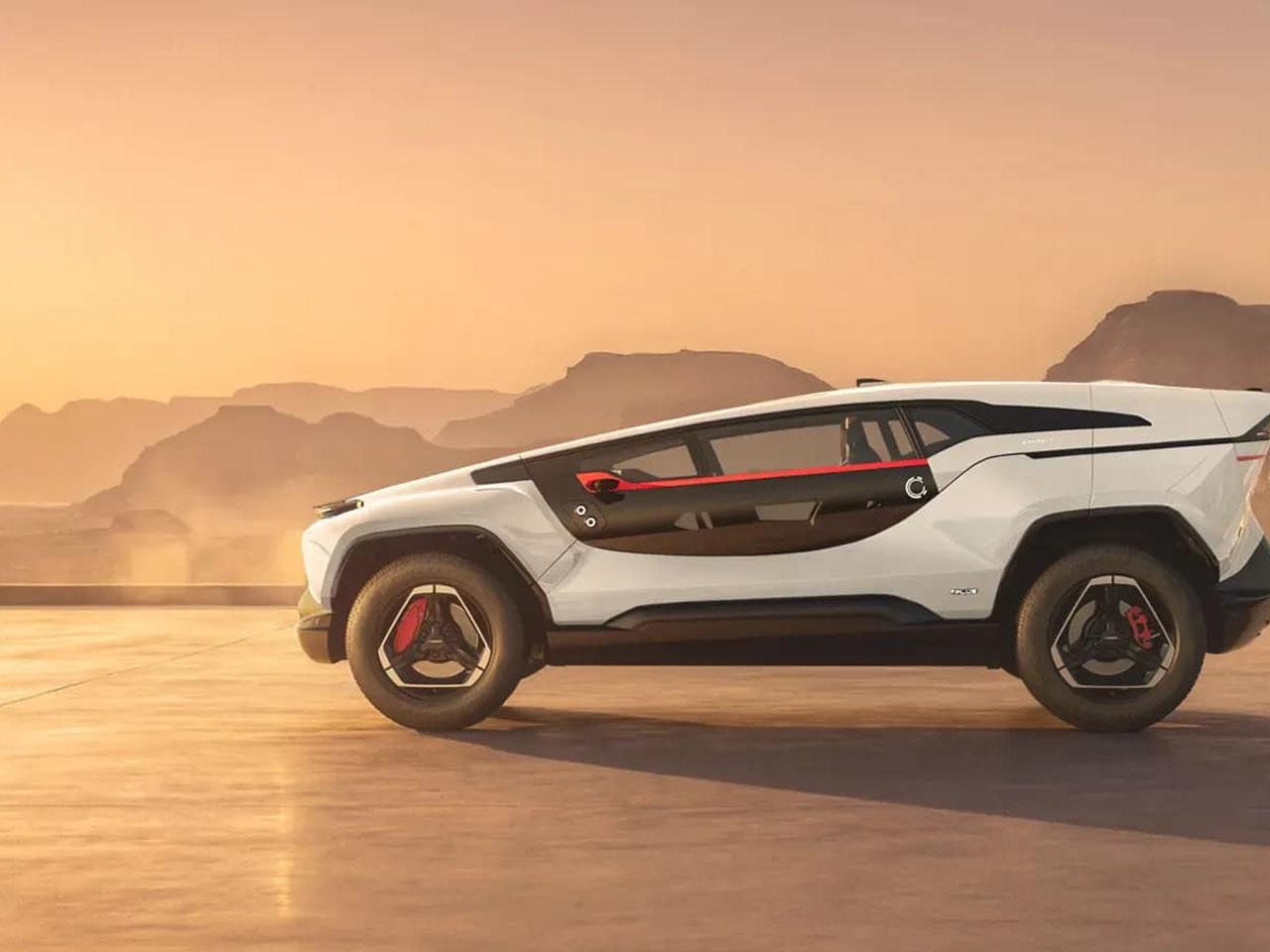
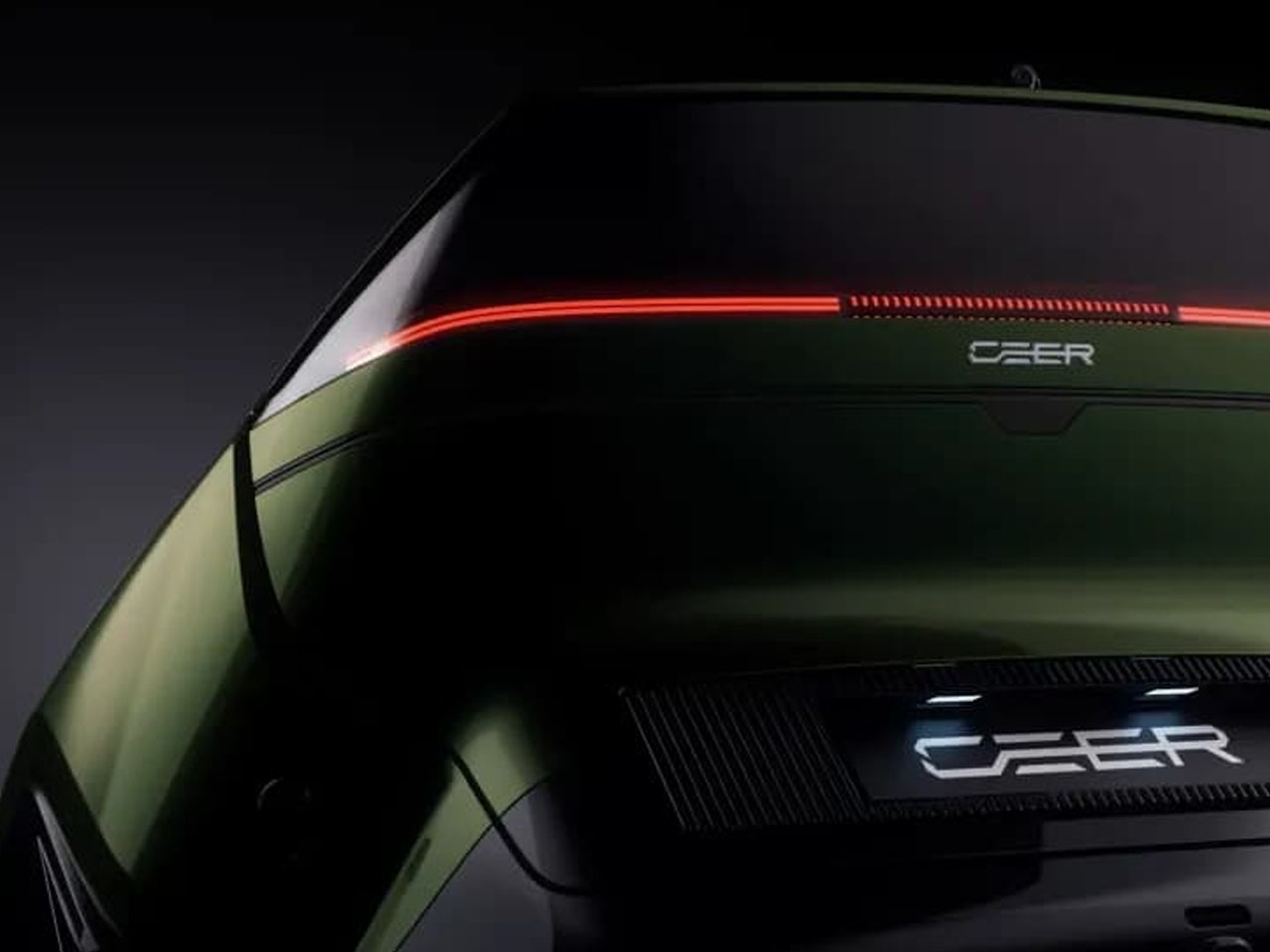
Kia is categorizing the concept as a performance driving vehicle, even though they’ve not shared many technical details, we assume it is a serious contender for their premium electric lineup sometime in the future. On the outside, the car has a very sharp silhouette with soft geometric elements on the surface and natural lines. This fuses well with the aerodynamic elements like the vertical fins and embedded air channels for optimized airflow, which are inspired by the touring cars of the 1960s. A short hood is contrasted with the long, torpedo-like, elongated shape for a spacious interior that is ultra-comfy. LED strips on the front blending into the nose section edge out of the main frame, while the taillights have a more muted setup reminiscent of the current-gen electric vehicles.

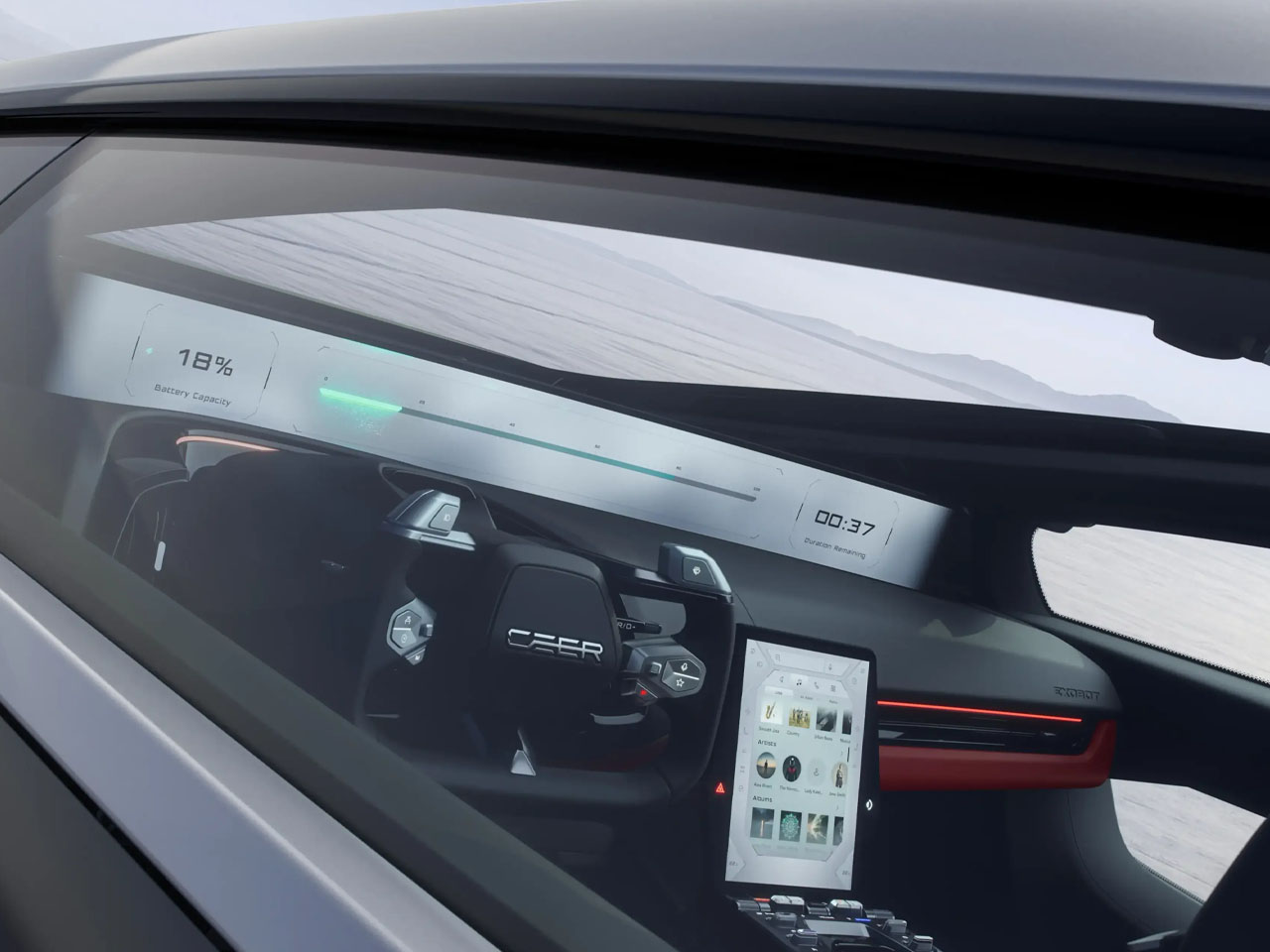
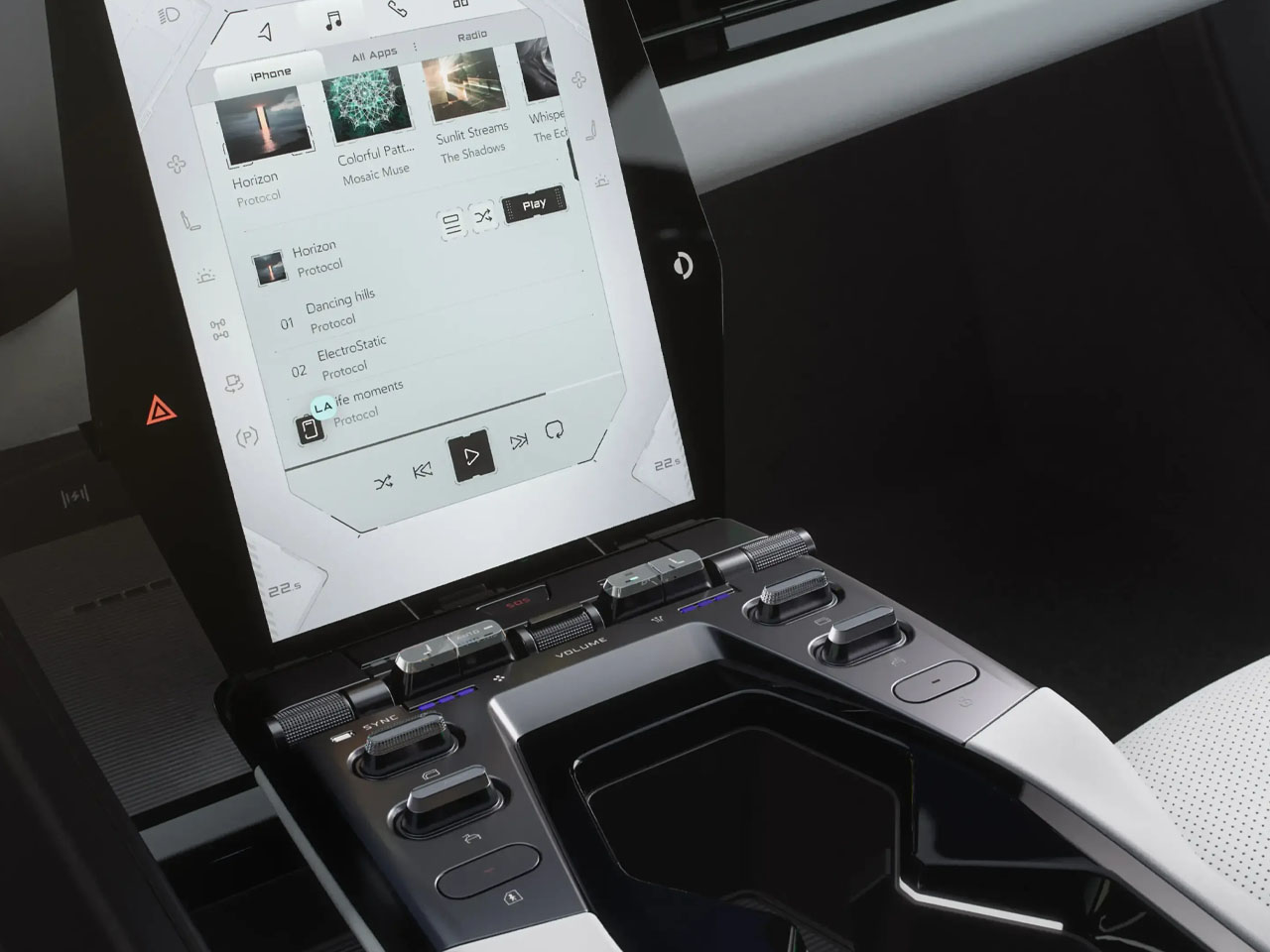
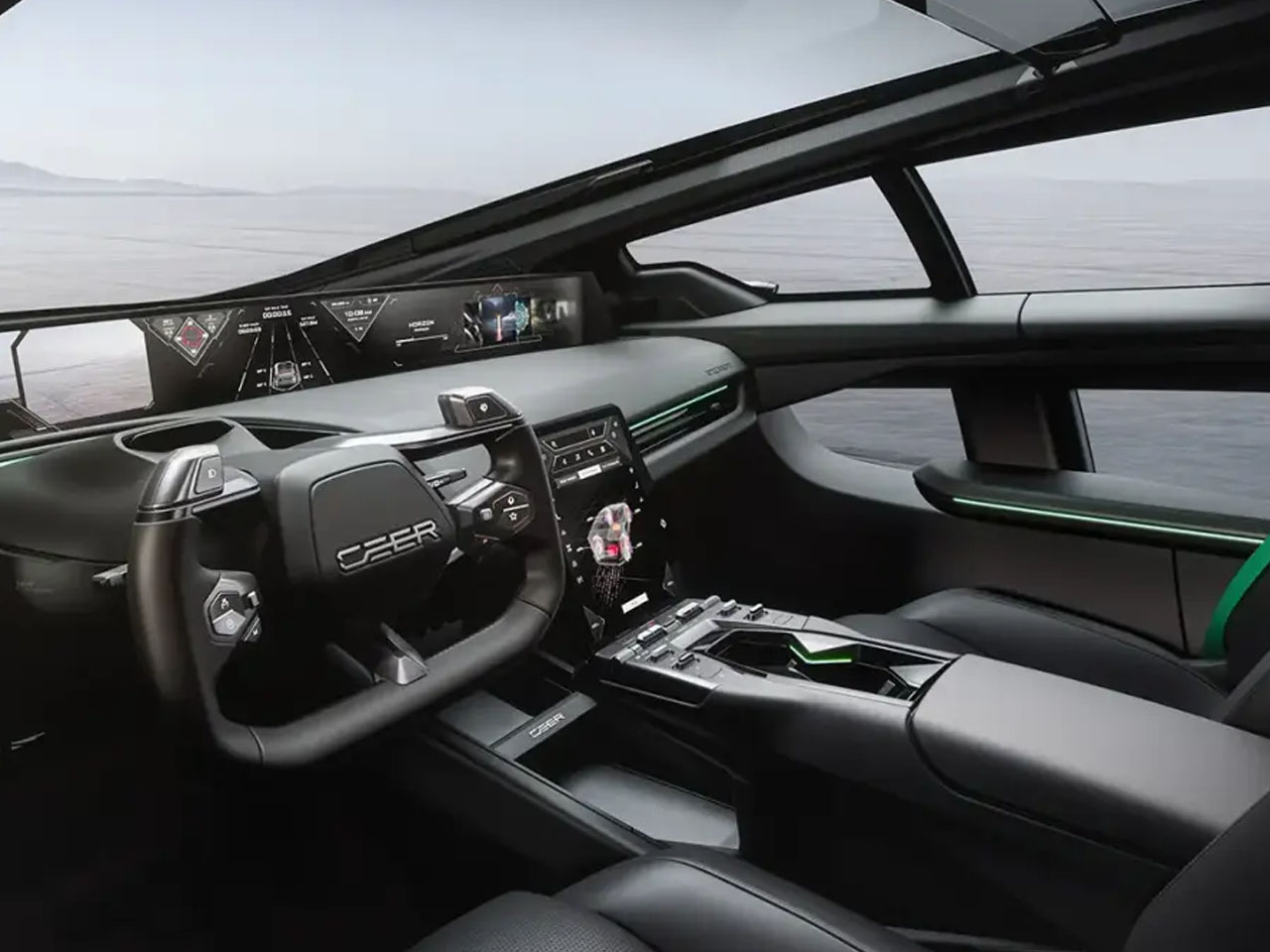
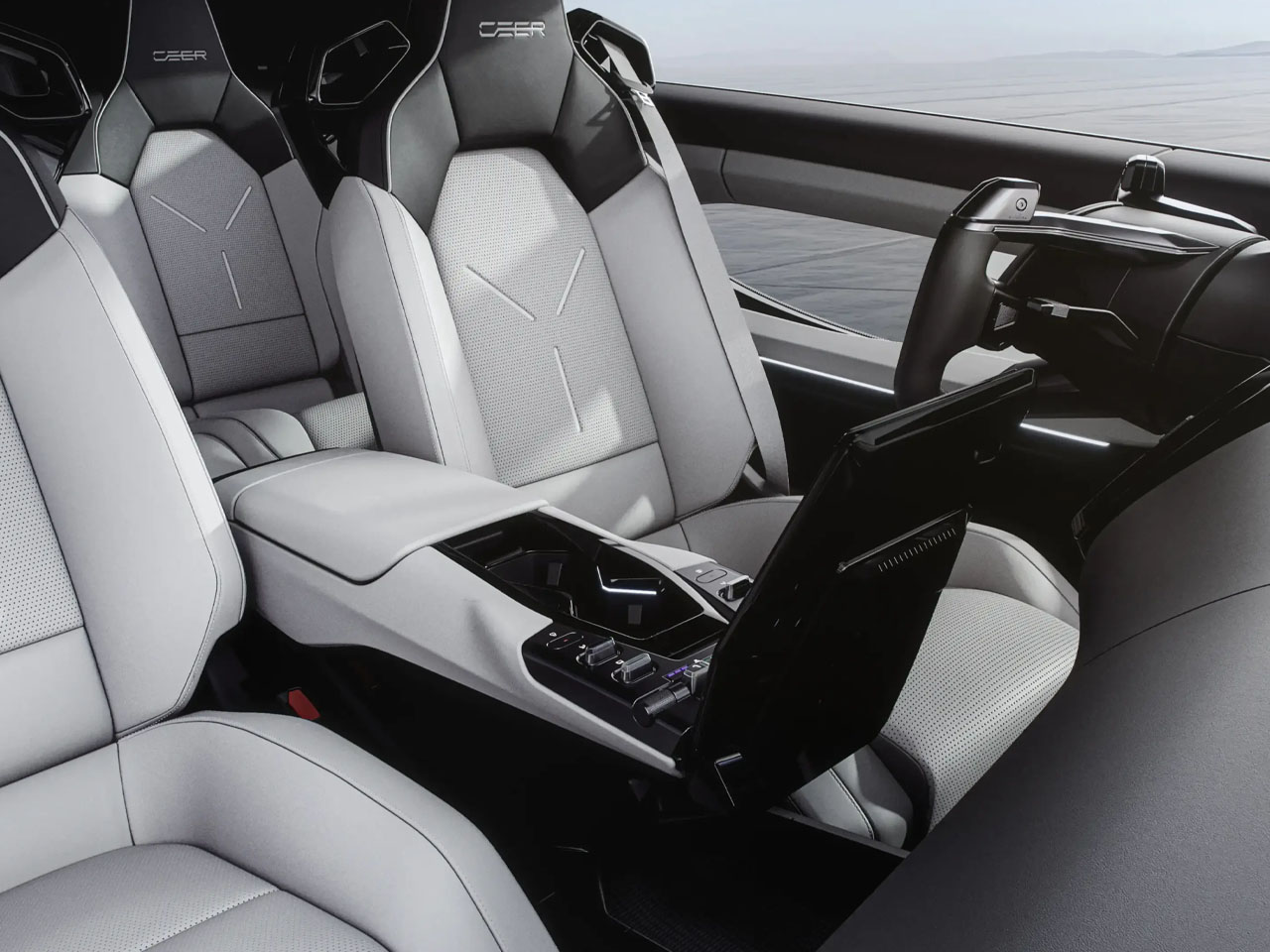
On the inside, the sports sedan concept has an airy lounge-inspired cabin encapsulated in a panoramic windshield that extends to the rear like a modern fighter plane. For a dynamic look, there is a crisscross support pillar running from the A pillars that visually segments the front and the rear sections. The concept car has an upholstered driving seat, while the other seats have an upholstered off-white cloth material skin. The driver-focused interior has a matching hexagonal yoke steering wheel with gear shifters, and the dashboard is done in the same premium leather finish. The lower section of the windshield displays all the vital driver’s information in the AR Heads-Up Display (HUD). All these elements, according to Kia, “reimagine the next-generation intuitive driving interface.”

The concept has three driving modes: Speedster, Dreamer, and Gamer, which are not detailed by Kia and, in a way, are self-explanatory. Not much has been revealed by Kia, which hints that the probable EV sedan, having a long wheelbase and low profile, is going to manifest in some way as a production-ready vehicle. We are more than eager to learn more about the Vision Meta Turismo, and are sure of the fact that Kia is future-serious about this prototype.

The post Kia Vision Meta Turismo is a sharp looking concept poised for the future first appeared on Yanko Design.
A fashion-inspired pod bike that brings streetwear attitude to urban mobility

We as a curious species are always intrigued by the prospects of the future, and predicting what the timeline holds for us is always exciting. That’s where we all get lost in the world of concepts that are far ahead of time, giving us a glimpse of what our imagination could manifest into. Clean energy vehicles have remained the perfect canvas to paint one’s imagination into forms that subtly portray the vision for coming generations based on their perceptions, habits, and style.

The design sphere is heavily influenced by pop culture cues, and so is the creation of vehicles. Electric bike concepts have piqued our interest for their out-of-the-box forms and the skins they are draped in. This electric bike of the future carries a similar hip vibe that’s tailored for Gen Alpha. The form of the two-wheeler is dominated by the ultra-secure sitting position and the private pod that eludes the freedom associated with conventional bikes of the current times.

Designer: Jade Rivalland

Dubbed NANO Mobilize, the urban vehicle is heavily inspired by the dynamic world of fashion and streetwear. The idea is a two-wheeler designed by the young generation and obviously targeted for the young and restless. On the outside, the bike carries the industrial design element that’s definitive of the uber cool character without compromising on the functionality. The driver’s sitting area is securely encapsulated in a panoramic, rounded glass section. Contrary to the café racer persona in the structure, the sitting position is akin to a four-wheeler, emphasizing the comfort-laden character.

While not made for the claustrophobic section of the community, this translucent boundary is for a private interior that comes in handy in the self-drive mode. The rider can relax and check on the social media feed with a dock for the phone integrated into the steering section. Well, you can call it more of a handlebar that reminds us of the rental electric scooters. For your absolute favorite items, there is space behind the seating area. There is ample room to stretch your legs and relax on long journeys.

The electric battery is stored in the rear bottom section, above which is the carrier for hauling essentials, except for items you can’t risk keeping outside. Entry to the inside is initiated by pressing the Manual Release button, which opens up the interior section. The bike is secured by a lightweight metal frame that runs along the length of the rims. The headlights take a peculiar arched form with an array of single big LEDs and two smaller ones denoting the high and low beams on the bike. The taillights are more muted down with just the roundish red LEDs to warn motorists behind.


The post A fashion-inspired pod bike that brings streetwear attitude to urban mobility first appeared on Yanko Design.
Volkswagen Numa Concept imagines a future where cars become part of the urban living

Long before concept cars became laboratories of screens and powertrains, automotive design often flirted with imagination for its own sake, vehicles that felt like sculptural expressions rather than objects built for the road. The Volkswagen Numa Concept taps into that spirit of creative exploration, offering a vision that feels more like an urban artifact than a traditional car. The tough experiment proposes a future where a vehicle does more than move through a city; it becomes part of the city’s texture, softening hard edges and blending mobility with environmental sensibility.

The concept approaches idea of transportation from a fresh angle, treating the vehicle as a spatial object rather than a closed mechanical shell. Its design embraces minimalism with clean, uninterrupted surfaces and calm geometry that intentionally avoids the aggression often associated with modern automotive design. Instead of projecting dominance, it aims for a gentle presence that aligns with architectural surroundings, almost as if it were a piece of contemporary street furniture shaped for movement. This is reinforced by its monochromatic palette and the intentional simplicity of its exterior lines, giving it the quiet confidence of an object designed to complement its environment.

Designer: Daniil Ostrovskii

One of the most unexpected elements is the rear section, envisioned as a space capable of hosting decorative plants. The idea is not ornamental but conceptual, suggesting that a car could introduce pockets of greenery into dense urban areas. This subtle integration of nature adds a layer of warmth and humanity to the design, hinting at a future where vehicles contribute to the emotional and ecological quality of city life. It’s a small gesture with symbolic weight, an acknowledgment that mobility can coexist with softer, more organic forms of expression.

While the Numa Concept doesn’t outline powertrains or engineering details, its purpose is clearly rooted in design exploration rather than technical forecasting. Its value lies in the conversation it sparks: how might vehicles adapt to cities where space, sustainability, and aesthetics matter as much as performance? By promoting a vehicle that behaves like both sculpture and structure, the concept reframes the automotive role in urban settings, encouraging designers and planners to think beyond conventional categories.

The emotional tone of the design is intentional, aiming to create a sense of calmness instead of visual noise. This approach demonstrates how transportation could evolve to harmonize rather than interrupt, offering a counterpoint to the ever-more complex forms emerging across the industry. For a future in which cities strive to balance density with livability, ideas like Numa suggest that cars could participate in that balance, not work against it. The car reminds us that design still has the power to reframe familiar objects and proposes that mobility, architecture, and nature might someday coexist more fluidly.

The post Volkswagen Numa Concept imagines a future where cars become part of the urban living first appeared on Yanko Design.
Peugeot Polygon Concept shatters the rules of modern supermini design

Peugeot’s design portfolio has always balanced compact efficiency with expressive character, but the new Polygon Concept takes that philosophy in a more experimental direction. This compact EV previews the next-generation 208 and signals the French brand’s vision for a future where architecture, materials, and controls are rethought.

Built on a sub-4-meter footprint, the Polygon modernizes the supermini silhouette with bold geometry and a signature lighting design. The familiar three-claw Peugeot motif is reinterpreted as horizontally arranged micro-LED stripes at both the front and rear, giving the car a sharply modern look. Its body features two large butterfly doors, replacing the conventional four-door layout, which is an expressive choice more suited for concept presentation rather than mass production.

Designer: Peugeot

The most radical change is on the inside, where the traditional round steering wheel is replaced by what Peugeot calls the “Hypersquare.” Rather than a solid circular rim, this control interface consists of four pods (one at each corner) that house touch-sensitive controls for media, driving modes, and more. Because the system is steer-by-wire, there is no physical linkage between the control and the front wheels. The steering ratio automatically adjusts for different speeds, becoming more direct at low speeds and more stable at high speeds. This setup also filters out any abrupt road vibrations for a smoother riding experience.

Peugeot replaces its conventional instrument cluster with a micro-LED screen placed behind the steering assembly, projecting information directly onto the windshield in a large, immersive format. According to the company, this design creates a cleaner, more open interior while keeping the driver’s attention focused where it matters.  Sustainability is central to the Polygon. The cabin uses a “forged textile” made from recycled seat upholstery sourced from end-of-life Peugeot vehicles. Seat shells are 3D-printed from recycled R-PET plastic, while their foam cores come as a single molded piece, reducing complexity. Interior paint also incorporates recycled rubber derived from used tires.

Peugeot designed the Polygon with modular, easily replaceable parts. Elements such as the Hypersquare control, seat foam, dashboard surfaces, and wheel covers can all be swapped out, allowing for personalization and potentially longer ownership. The car uses fewer overall components than a typical production vehicle, which simplifies manufacturing and supports a more circular lifecycle. Another tech highlight: the Polygon’s Goodyear tires feature “SightLine” technology, which monitors pressure, temperature, and road conditions and sends that data to the i-Cockpit system in real time.

While Peugeot has not confirmed detailed powertrain specifications, the Polygon is widely understood to preview a forthcoming fully electric version of the 208. The concept aligns with Peugeot’s plan to bring its Hypersquare steering system to production models around 2027. The Polygon Concept is a bold exploration of future small-car design with a combination of steer-by-wire controls, immersive display technology, and sustainable materials. Peugeot proposes a supermini that is not just efficient, but smarter, more modular, and far more expressive than what exists today.

The post Peugeot Polygon Concept shatters the rules of modern supermini design first appeared on Yanko Design.
Formula E Gen4 is a 800-horsepower evolution driving electric racing’s future

Electric racing has always been about progress—each generation of Formula E machinery redefining what’s possible for battery-powered performance. From the original Gen1 car that barely completed a race on a single battery to the sleek, aerodynamically advanced Gen3 that pushed 200 mph, every leap has mirrored the rapid evolution of EV technology itself. Now, the newly unveiled Gen4 signals another turning point; one that blends raw speed, cutting-edge control systems, and true sustainability into a single statement of intent for the sport’s future.

Set to debut in the 2026–27 ABB FIA Formula E World Championship, the Gen4 car represents a substantial step forward in both engineering and purpose. It delivers 450 kW (around 603 hp) in race trim and up to 600 kW (over 800 hp) in Attack Mode, nearly 200 hp more than the outgoing Gen3 machine. The boost is complemented by a new permanent all-wheel-drive system, which, unlike the Gen3’s limited use of front-axle regeneration, remains active throughout the race. This not only improves acceleration and grip but also introduces an unlimited traction control system and anti-lock braking for sharper, more consistent handling.

Designer: Formula E

Energy recovery has also been significantly enhanced. The Gen4’s regenerative braking now peaks at 700 kW compared to Gen3’s 600 kW, allowing for faster recharge during races and fewer compromises on pace. Its usable battery capacity rises to 55 kWh from 51 kWh, enabling teams to adopt more flexible strategies while sustaining higher outputs for longer durations. Combined with new aero options, high-downforce for qualifying and low-downforce for race conditions, the car offers tunable performance that better suits diverse circuits and race formats.

Visually and structurally, the Gen4 is sleeker yet more responsible. Built from 100 percent recyclable composites and containing at least 20 %percent recycled material, it reinforces Formula E’s environmental focus. The design is a collaboration between the FIA and Spark Racing Technology, refined with input from manufacturers such as Porsche, Nissan, Jaguar, Stellantis, and Lola, all of whom are integrating lessons from the track into road-going EV programs.

When compared to its predecessor, the Gen4 is more than just a performance upgrade; it’s a philosophical evolution. The Gen3 prioritized efficiency and lightweight engineering, but the Gen4 couples that efficiency with unprecedented power delivery and stability. It bridges the gap between electric precision and traditional motorsport spectacle, pushing top speeds beyond 209 mph while maintaining a smaller carbon footprint than ever before.

As Formula E enters this new era, the Gen4 car embodies the championship’s original promise – to make electric racing not only sustainable but thrilling. The sport is no longer proving that EVs can perform; it’s demonstrating how they can outperform. For fans and engineers alike, the Gen4 marks the moment electric racing stops chasing its combustion past and starts shaping motorsport’s electric future!

The post Formula E Gen4 is a 800-horsepower evolution driving electric racing’s future first appeared on Yanko Design.
Toyota Announces World’s First Self-Driving EV For Children

Would you trust AI to drive your child across town without you? Toyota is betting some parents will. At the Japan Mobility Show 2025, the automotive giant introduced Mobi, a fully autonomous electric bubble car that transports children on their own, with no adult supervision required. The pint-sized vehicle relies entirely on AI for navigation and safety, marking a radical departure from traditional ideas about child transportation.

This is the kind of concept that makes you simultaneously excited about the future and somewhat uncomfortable about it. The Mobi sits on display at the show between October 30th and November 9th, looking like someone crossbred a Pixar character with actual transportation infrastructure. And honestly, that seems intentional. Toyota positioned this as part of their “Mobility for All” project, which sounds noble until you realize they’re proposing to put elementary schoolers in autonomous pods and send them off into traffic.

Designer: Toyota

The design language here is fascinating because it has to do something incredibly difficult: make a vehicle feel safe enough for parents to trust while simultaneously feeling fun enough that kids actually want to use it. That bubble canopy swings upward like a gullwing door, revealing a single seat covered in fuzzy material that looks lifted straight from a particularly cozy bean bag chair. The exterior comes in aggressively cheerful colorways, lime green with black accents or blue-purple with orange trim, both loud enough to make sure nobody’s running this thing over in a parking lot. And then there are the LED eyes at the front, two circular lights that blink and animate to give the vehicle an almost sentient personality. It’s cute bordering on manipulative, which is probably exactly the emotional response Toyota wants from both kids and their hesitant parents. Up top, two ‘ears’ serve as the car’s advanced sensor array, allowing the EV to be spatially aware as it transports its tiny passenger around.

The AI system does all the heavy lifting here. Direction, speed, traffic navigation, obstacle detection, it’s all handled by the onboard intelligence while the kid just sits there like a particularly small passenger on the world’s shortest Uber ride. Toyota has equipped the Mobi with an AI assistant called UX Friend, which is either a stroke of genius or the beginning of a Black Mirror episode depending on your tolerance for letting algorithms raise your children. This virtual companion talks to kids throughout the journey, gives them instructions on how to “drive” the autonomous pod (which is really just letting them feel involved), and presumably keeps them entertained so they don’t try to open the door mid-trip. The system uses sensors and cameras positioned around the vehicle to detect motion and obstacles, creating a protective bubble of awareness that theoretically keeps the child safe from the chaos of real-world traffic.

The specs are still murky because Toyota hasn’t released the full technical breakdown yet. What we know is the outer shell likely uses lightweight plastic or composite materials to keep the weight down and the safety up. The vehicle is almost comically small, with a footprint that makes a Smart car look like an SUV. Single occupancy only, which makes sense given the target demographic isn’t carpooling to corporate meetings. The interior is deliberately spacious enough for a child to sit comfortably without feeling claustrophobic, and that textured seat material isn’t just aesthetic, it’s tactical design meant to make the space feel less like a vehicle and more like a safe cocoon. Toyota knows that if kids associate this thing with discomfort or fear, the whole concept dies on arrival.

Here’s where it gets interesting though. This isn’t a production vehicle, it’s a concept with a working prototype, and Toyota has been notably silent about when or if they plan to conduct real-world road tests with actual children inside. That’s a massive gap between “look at this cool thing we built” and “you can actually use this to send your kid to soccer practice.” The regulatory hurdles alone are staggering. What jurisdiction is going to greenlight unsupervised minors in autonomous vehicles? What happens when the AI encounters an edge case it wasn’t trained for? Who’s liable when something inevitably goes wrong? Toyota is playing in a sandbox that doesn’t have rules yet, and while that’s exciting from an innovation standpoint, it’s also deeply complicated from a practical one. The Mobi might be a genuine glimpse at future mobility, or it might be an elaborate design exercise that never leaves the auto show circuit. Only time will tell…

The post Toyota Announces World’s First Self-Driving EV For Children first appeared on Yanko Design.
Audi Unveils New EV Brand in China Without Its Iconic Four-Ring Logo

A car’s identity can be attributed to two things – its overall design language, and the logo that sits on the front and back of it, allowing you to identify its ‘marque’. For decades, Audi’s identity could be traced back to the iconic four-ring logo on its front, coupled with its sporty-aggressive design language. Times, however, change, and Audi is embracing that change too. The company just unveiled its first China-specific EV brand in collaboration with SAIC Motor. Dubbed just ‘AUDI’, the brand eschews the four-ring logo for four capital letters, tying both to its German name as well as the way its partner’s name ‘SAIC’ is spelled.

The new brand was announced alongside an EV concept, built with a fast-charging 800V powertrain and two 760HP motors supplying energy to the car’s AWD platform. The car accelerates 0-60mph in just 3.6 seconds, despite its large frame, while, a 100 kWh gives the car a range of 434 miles on a full charge. Exclusive just to the Chinese market, the car is looking at an August 2025 launch, with a price of $42,000 USD.

Designer: Audi

Positioned as a fully electric Sportback, the AUDI E boasts a significant presence on the road with its dimensions: 4,870 mm in length, 1,990 mm in width, and 1,460 mm in height, with a generous 2,950 mm wheelbase. Two electric motors on the front and rear axles generate a thrilling 570 kW and 800 Nm of torque, ensuring the iconic quattro four-wheel drive feel. Performance enthusiasts will appreciate the AUDI E’s 0-100 km/h sprint in just 3.6 seconds, and the brand promises that it drives with all the comfort and dynamism that fans expect from Audi.

The vehicles will be built on an Advanced Digitized Platform, a joint effort with SAIC that combines Audi’s premium design and engineering with SAIC’s technological prowess and understanding of Chinese consumer needs. This platform underpins the upcoming lineup, which will hit the market starting in 2025, targeting mid-size to full-size segments. With this collaboration, Audi’s commitment goes beyond creating cars—it’s about creating a distinctly localized driving experience that merges Audi’s luxury touch with China’s fast-paced digital landscape.

At the core of the AUDI E is a 100-kWh battery that supports a range of 700 km (434 miles) on a full charge, measured according to CLTC (China Light-Duty Vehicle Test Cycle) standards. This EV comes equipped with an innovative 800-volt architecture, making charging speeds incredibly fast. Imagine gaining more than 370 km (230 miles) of range in just 10 minutes at a rapid charging station. For users in China, these speeds add significant convenience to daily commutes and long journeys, transforming how they experience charging times and range anxiety.

Stepping inside, the cabin introduces a level of interactivity that blurs the line between digital and physical. The AUDI Assistant, an AI-driven avatar, takes center stage, handling touch and voice controls with effortless finesse. This assistant doesn’t just respond; it interacts with an intuitive design that adds a layer of emotion and feedback, creating an experience that feels like a dialogue. Meanwhile, seamless smartphone integration enables users to bring their digital lives on the road with ease, a must-have for today’s hyper-connected audience.

While the new brand aligns itself with Audi’s established reputation, the rebranding feels like a conscious step into a future defined by both global standards and local resonance. The new, ring-less identity signals Audi’s awareness of the unique needs and preferences of Chinese drivers, opening up a pathway to engage a younger, tech-driven customer base. Personally, the four-ring identity had a unique iconic appeal that transcended language barriers. With the new logo in English, it’s difficult to say if it’ll imprint on the Chinese audience, although I’m sure the German marque’s done a fair bit of planning in advance!

The post Audi Unveils New EV Brand in China Without Its Iconic Four-Ring Logo first appeared on Yanko Design.
This 3D-Printed city car is AI-assisted emotional companion for city rides

Automatic transmission cars were good, self-driving EVs even better, and now ones that can console you on a bad mood day are god sent. Yes, this is the future of mobility that’s upon us and the Robo-EV by PIX Moving Team is the living example.

The micro car envisioned for choked city mobility is completely 3D-printed out in one piece making it structurally strong and easy to manufacture for commercial use. The Switzerland-based company has crafted a prototype of this bold vision and we are impressed.

Designer: PIX Moving Team

The real-time manufacturing processes employed in manufacturing this four-wheeler make way for complex component manufacturing, ease of customization, and of course modularity of use. There are other benefits as well including lightweight yet robust chassis and frame. The team used basalt composite to make the suspension ultra-reliable minus any bells or whistles. Even the wheel arches are made from 3D-printed metal.

Its real USP lies in the smart technology embedded on the inside. Robo-EV comes with an AI system that can detect the mood and tone of the driver in real-time. Based on the data, the intelligent car can provide emotional support via its large language model. The interaction can be two-way as the car’s voice system also functions as a voice assistant. In a way, you won’t need a buddy on long trips when you’ll be driving this Swiss EV on the roads.

Robo-EV touts regenerative braking adding to its reserve of battery power, and extending the total range. PIX Moving Team tested the two-seater vehicle on the road and the results have not yet been shared with media houses. The electric vehicle of the future is targeted primarily towards ridesharing and public transport domains. More than that it gives a clear vision of what the future of city transportation will be like.

The post This 3D-Printed city car is AI-assisted emotional companion for city rides first appeared on Yanko Design.
Hyundai’s experimental EV Drifter is inspired by exoskeleton cars that leave nothing unexposed

Hyundai introduced the sub-brand with the N line back in 2018, dedicated to building the future of powerful electric vehicles. Under this badge, the high-performance Hyundai N badged IONIQ 5 N electric hatchback impressed us with its performance and everyday practicality.

Now, the South Korean automotive giant has introduced the RN24 to showcase where the brand is heading with its vision of mass-adopted vehicles. The primary motive is to develop electric cars with a thrilling ride experience, and this lightweight experimental concept does it all right.

Designer: Hyundai

The short wheelbase RN24 based on the IONIQ 5 N powertrain was revealed as a part of the N Day 2024 online event. The vehicle combines an open-air roll-cage design with a WRC-themed chassis, making it a visually appealing prospect. It is the next installation in the “rolling lab” series which came with past makes like the RM19 and RN22e. The powertrain is 15 inches shorter than the IONIQ 5 N, purposefully to have a distinct appeal. The all-electric experimental vehicle comes with Hyundai’s WRC Powertrain Drive Control Logic system that allows drivers to precisely adjust the PE Power, Acceleration Sensitivity, Regenerative Brake Sensitivity, and PE Power Balance right from the steering wheel.

Since the EV doesn’t make any growling sound when the RPM hits the red mark, Hyundai has taken the IONIQ 5 N’s sound system and routed the two speakers through the rear fenders, acting as a loud soundbox. This all-wheel drive has a rally mode with an electronic variant of the i20 WRC’s torque control. The electrical hand brake makes sure this naked EV can perform stunning drifts. On the looks front, the RN24 adapts the motorsports frame since these machines have to face extreme conditions that require strength and structural integrity. Thus, the vehicle is reinforced with and exposed exoskeleton-styled roll-cage, 19-inch matte black forged wheels, and a large spoiler with 3D-printed gussets.

According to Manfred Harrer, Executive Vice President and Head of the Genesis and Performance Development Tech Unit, “Hyundai N is not just a brand but a representation of our commitment to innovation and high performance. RN24 is a testament to our bold ambitions for the future.” Truly we cannot agree more with this statement.

The post Hyundai’s experimental EV Drifter is inspired by exoskeleton cars that leave nothing unexposed first appeared on Yanko Design.
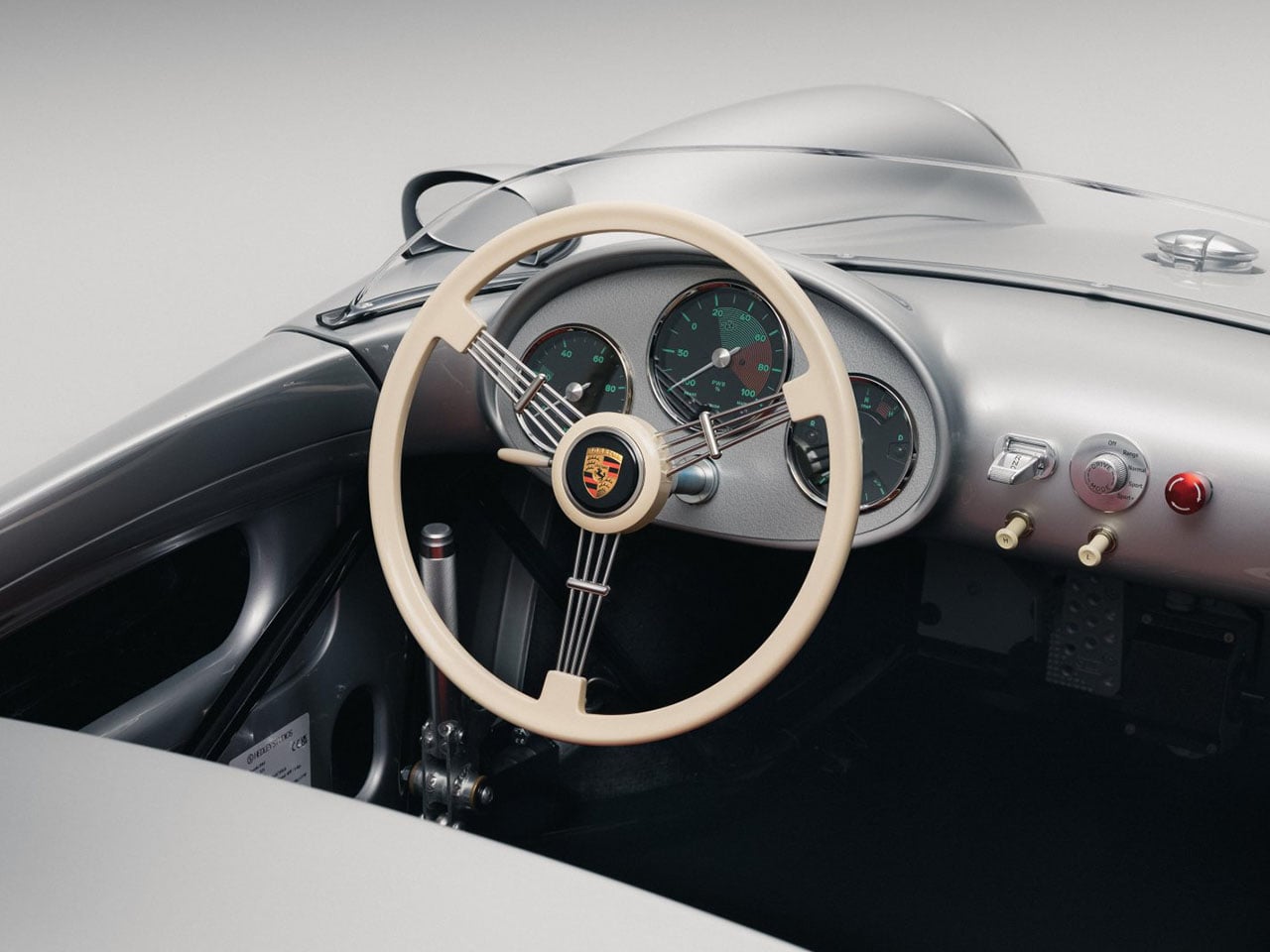
Kia reincarnates the iconic old school Pride as a powerful electric car restomod we love

The gas-powered Kia Pride was a successful subcompact hatchback from the 90s that was a rebatched Ford Festiva. For the 80th anniversary of the brand’s business in the UK, they have restored the 1996 Pride 1.3 LX into an all-electric restomod. This one-off electrified reincarnation of the classic family car gets a stellar EV powertrain conversion courtesy of a British manufacturer.
According to Kia, the electric hot hatch is one of the most powerful of its kind, and they playfully call it a “true socket rocket.”  All the combustion components have been replaced with a powerful EV powertrain and the only components retained from the original are the five-speed manual transmission and drive shafts. This brings maximum drivable engagement for motorheads who care.

Designer: Kia

The renewed avatar of the Pride boasts 107 bhp (80kW) and 173 lb-ft of torque, almost double the power of its older counterpart. On the inside, the electric motor, twin 10 kWh battery packs, and a charging port replace the older gas-powered engine, fuel tank and filler neck. All these core modifications lead to an acceleration of 0 to 62 mph in 8 seconds flat. Kia assures that the 20 kWh battery pack can stretch a total mileage of 120 miles on a single full charge in the Evo mode which is good enough for a city commuter like this one. In this drive configuration the engine shifts to producing 60 bhp with a maximum torque of 11 Nm. Talking of which, the Pride EV also has two other modes – Auto and Sport – the latter offering a max power output of 107 bhp and 173 lb-ft torque.

Sadly, this restomod version is going to be a one-off and not up for sale anytime in the future. That said Kia is launching many EVs like the latest EV3 as a part of the plan to have 15 electric vehicles by 2027. Nine of these will be available for sale in the UK.

The post Kia reincarnates the iconic old school Pride as a powerful electric car restomod we love first appeared on Yanko Design.