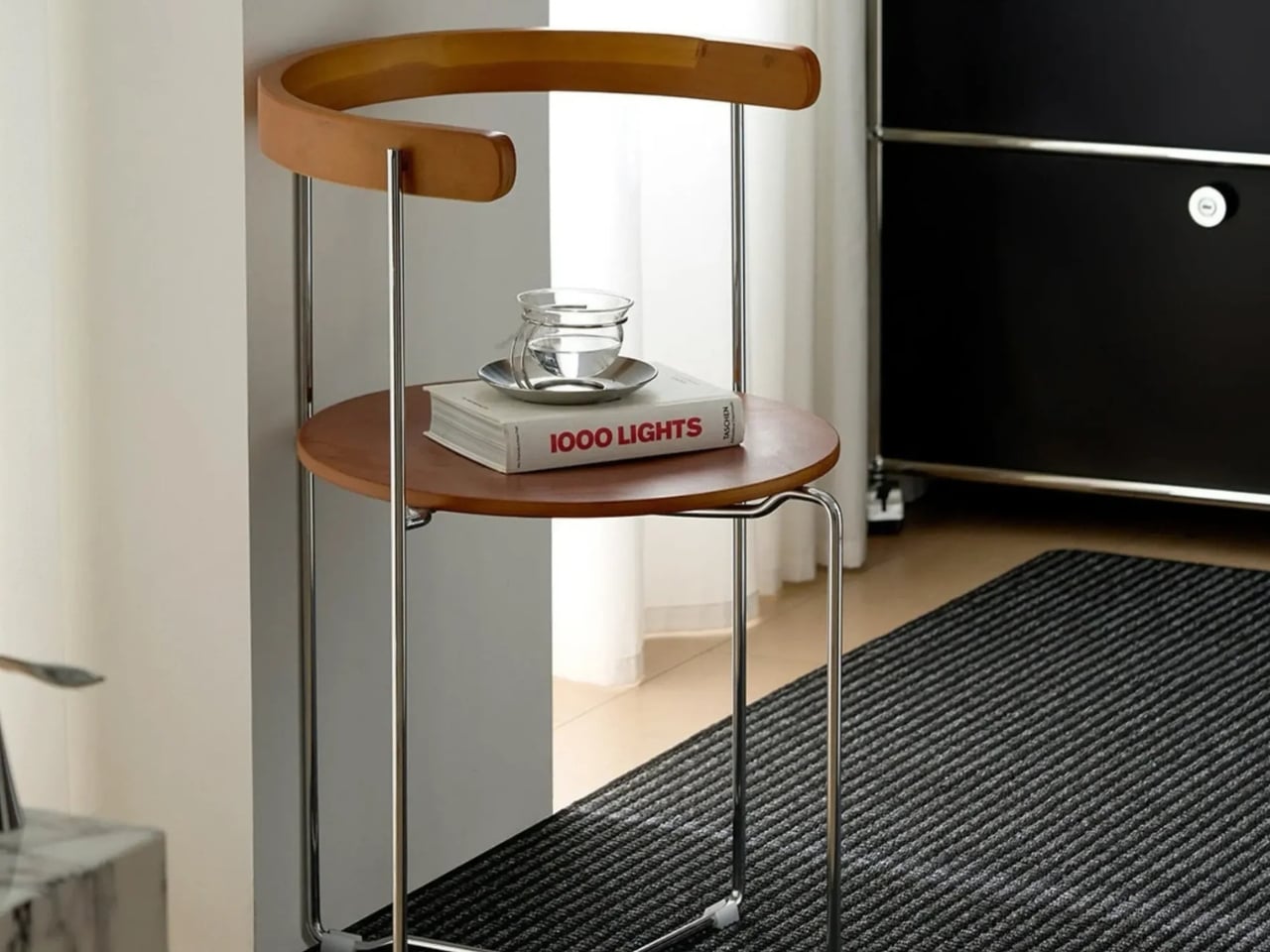
I have a complicated relationship with folding chairs. Not a hostile one, just complicated. They are one of those objects that exist in a permanent state of apology: useful when you need them, embarrassing when you don’t, and almost always the first thing you hide before company arrives. The folding chair has never quite managed to transcend its reputation as a placeholder for “real” furniture, and for decades, most designers haven’t really bothered trying. That’s what made the Kael Walnut Folding Chair by Esspur stop me mid-scroll.
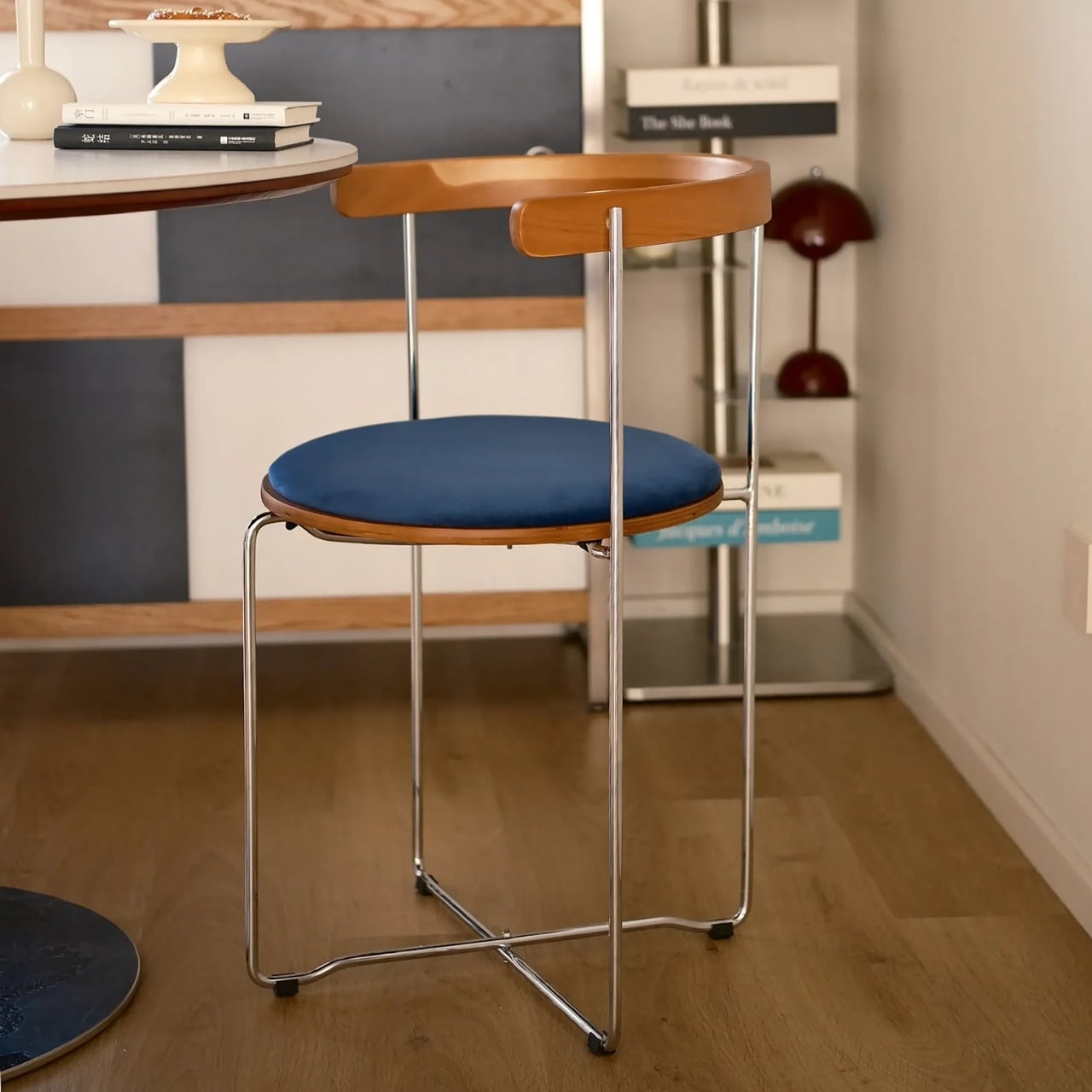
It doesn’t announce itself as a folding chair. If you saw it sitting in someone’s dining room, you’d probably assume it was a permanent fixture, a considered purchase, a statement piece. The seat and curved backrest are solid walnut, warm in tone and shaped to suggest permanence rather than portability. The frame is polished stainless steel, slim and structured without feeling cold or industrial. Taken together, the chair reads more like something you’d find in a well-edited boutique hotel lobby than something you’d unfold for a dinner party and tuck back behind a door before your guests could notice. The proportions are right. The materials are at least photographically convincing. And the overall silhouette holds a kind of quiet confidence that most folding chairs never come close to.
Designer: Esspur
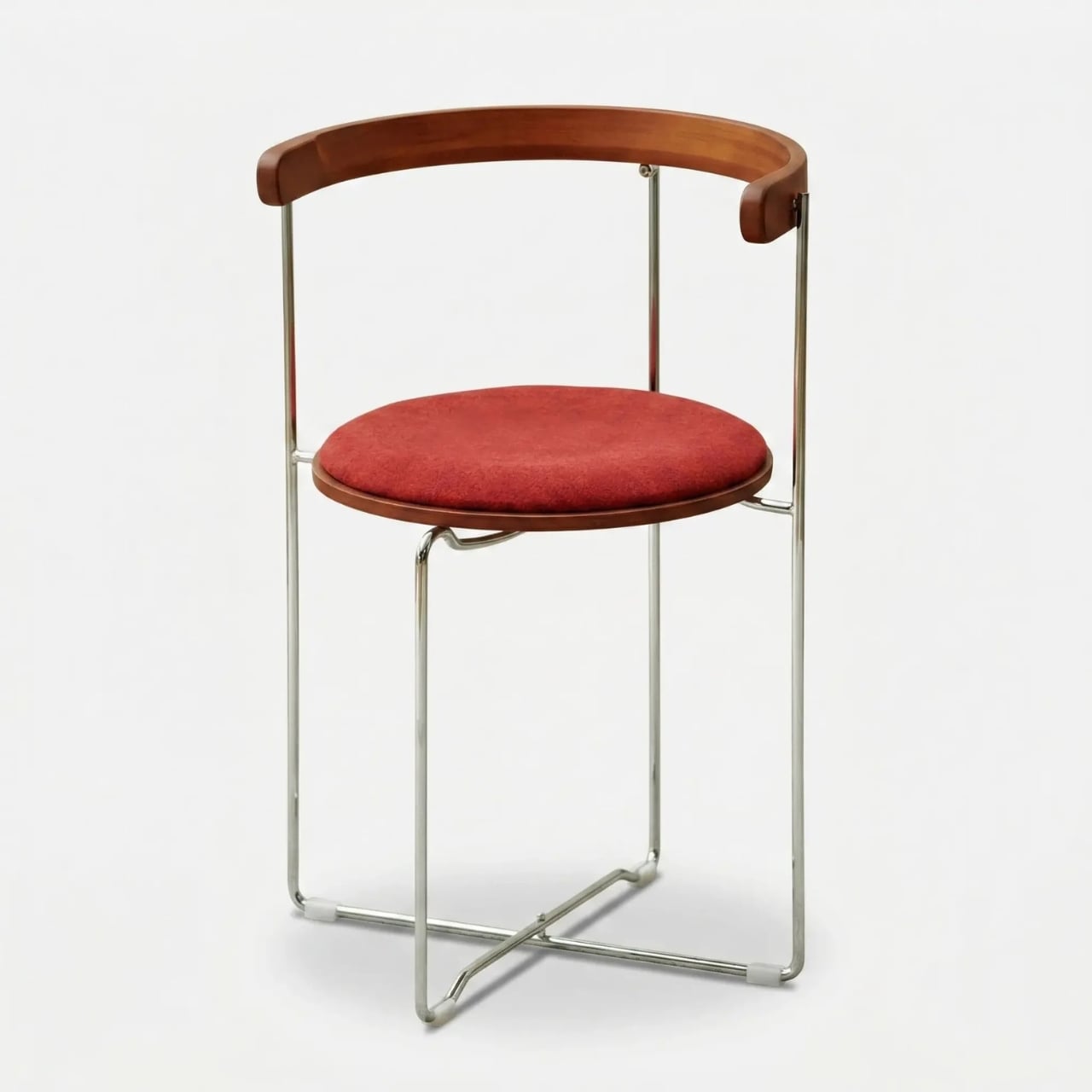
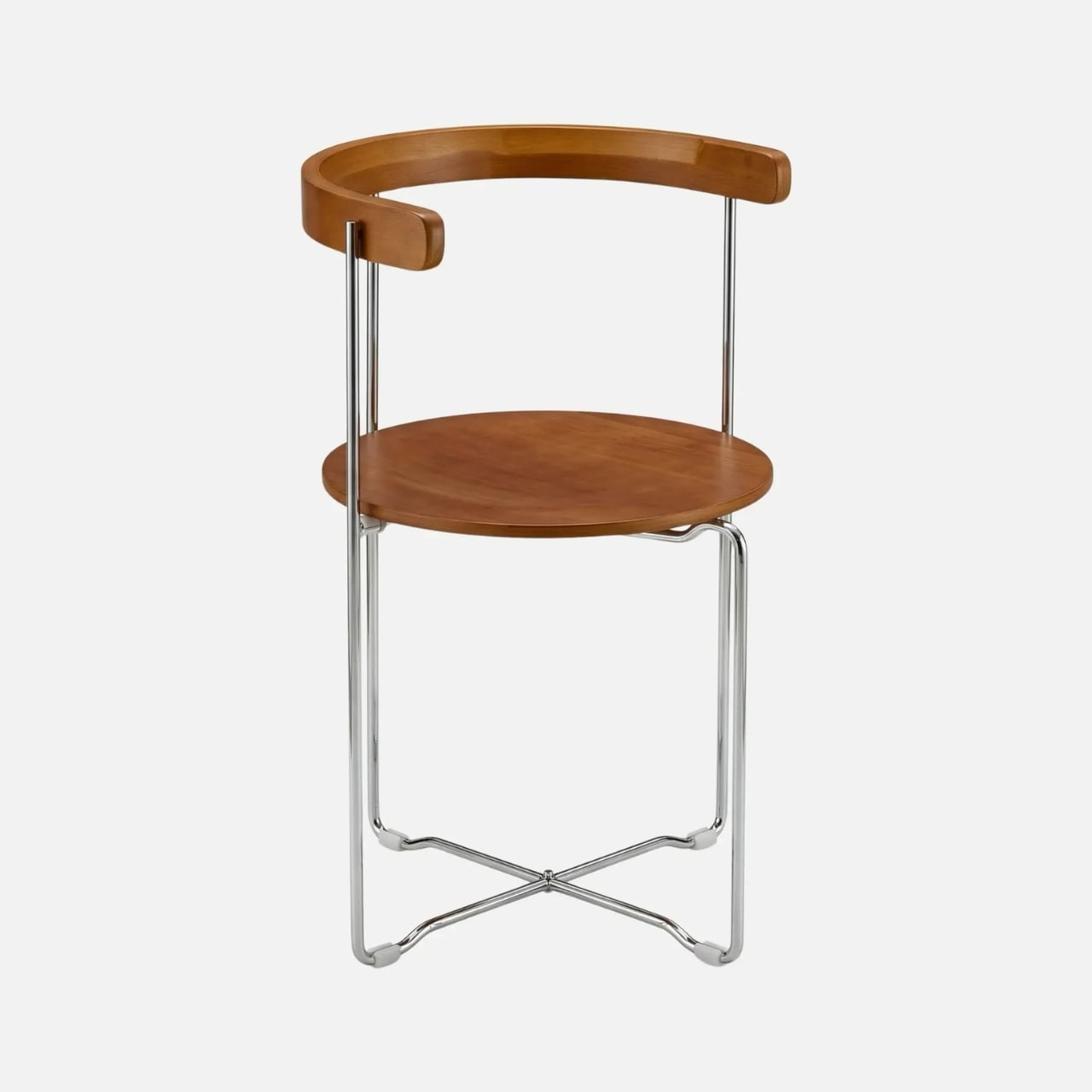
The design carries echoes of mid-century classics, and those references don’t feel like a stretch. There’s a rotational elegance to how the chair collapses that feels deliberate, almost theatrical, as if the whole point of the folding mechanism is to be watched. That’s not a common quality in budget-adjacent furniture. Most folding chairs fold in the most graceless way possible, a series of clicks and reversals that feel like you’re solving a problem rather than using a product. The Kael seems to understand that the fold is part of the design, not an afterthought.
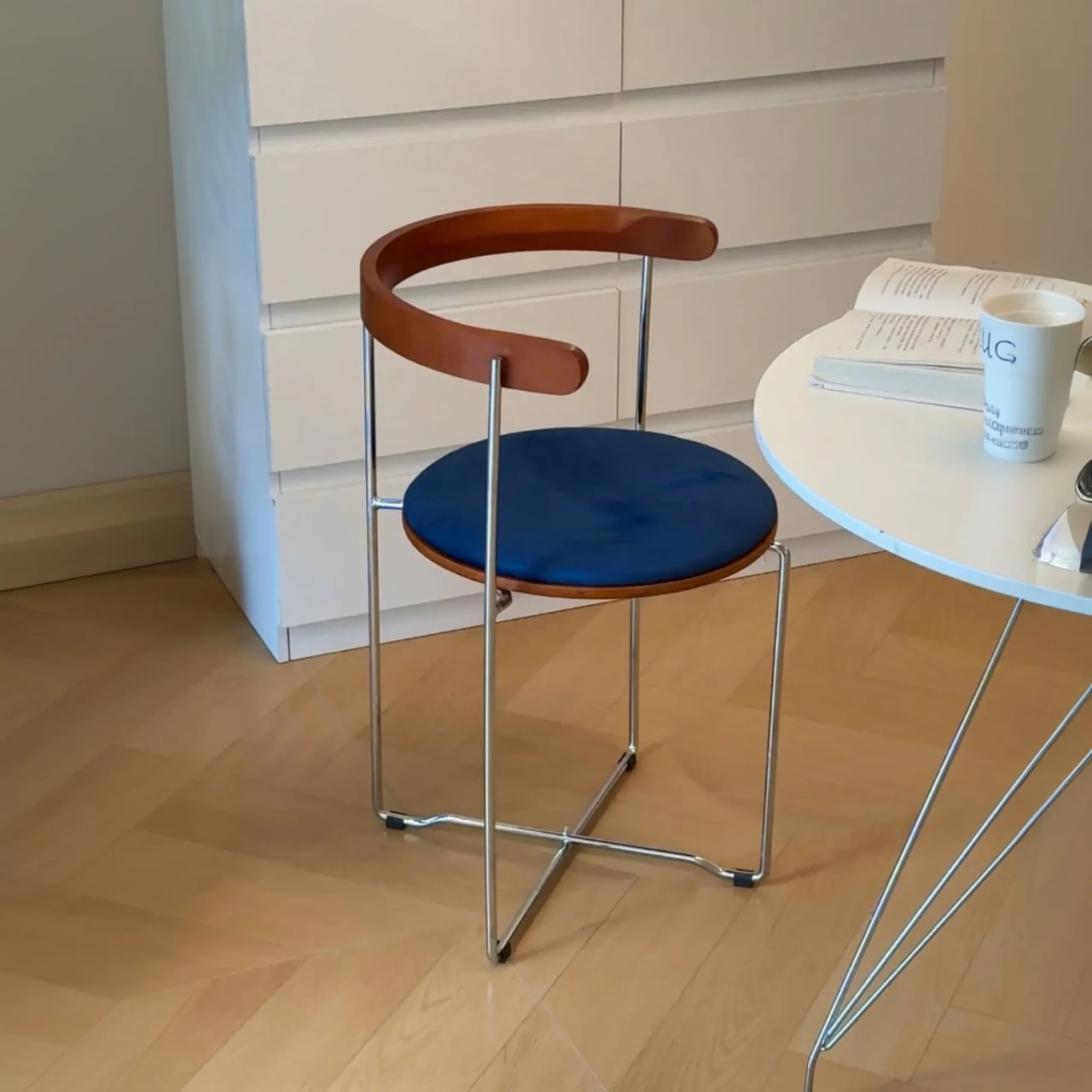
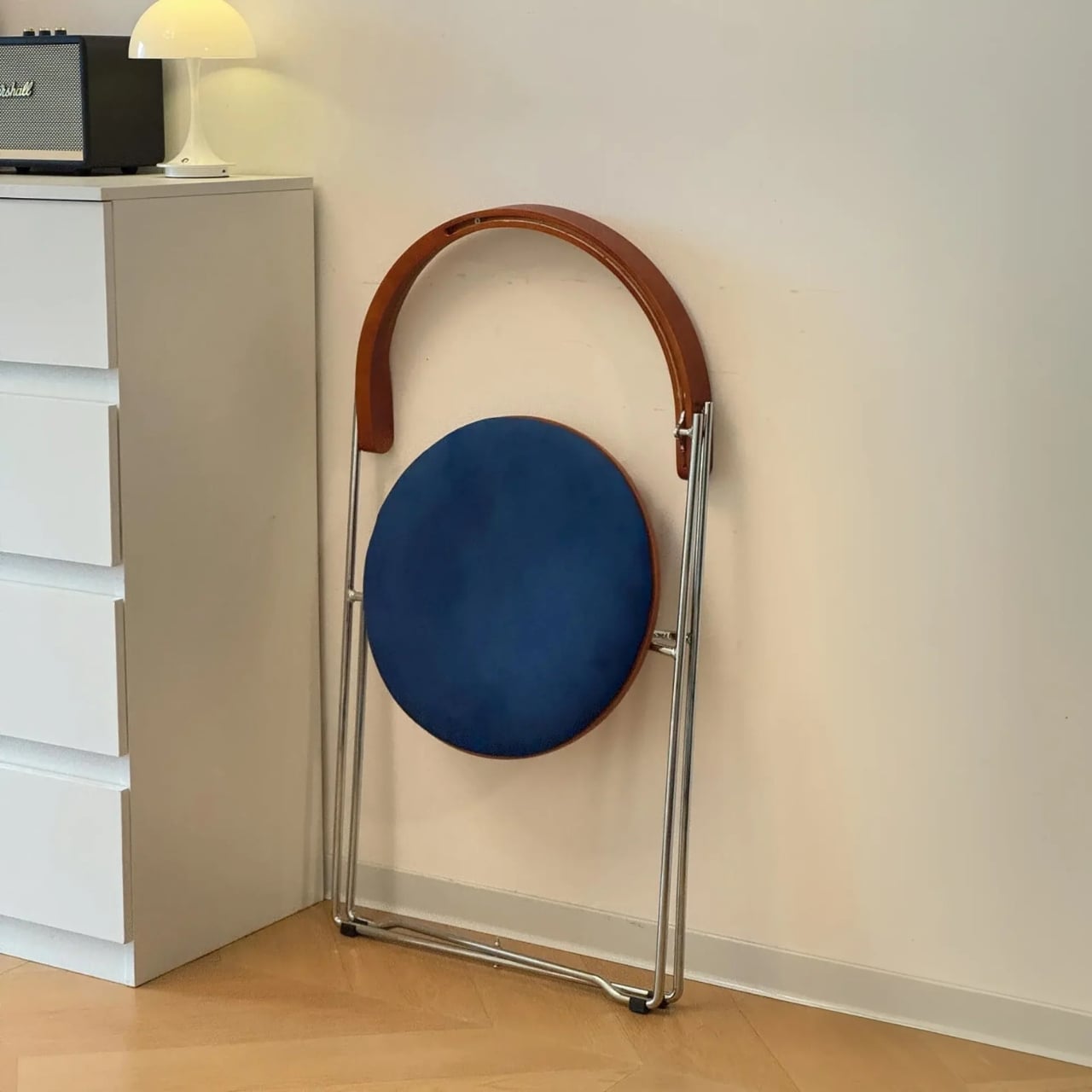
Esspur is a brand with virtually no history and no disclosed location, and their online presence raises more questions than it answers. The product description calls the seat and backrest solid wood in one place, then references veneer craftsmanship in the fine print. I think that’s worth sitting with for a moment. We live in an era of very convincing product photography, and the gap between how something looks on a screen and how it feels in your hands has never been wider. The walnut might be veneer rather than solid. The steel might feel lighter than it looks. These are legitimate concerns, and if you’re the kind of person who expects heirloom-grade furniture, this probably isn’t it. Shopping from an unknown brand with no verifiable track record is always a calculated risk.
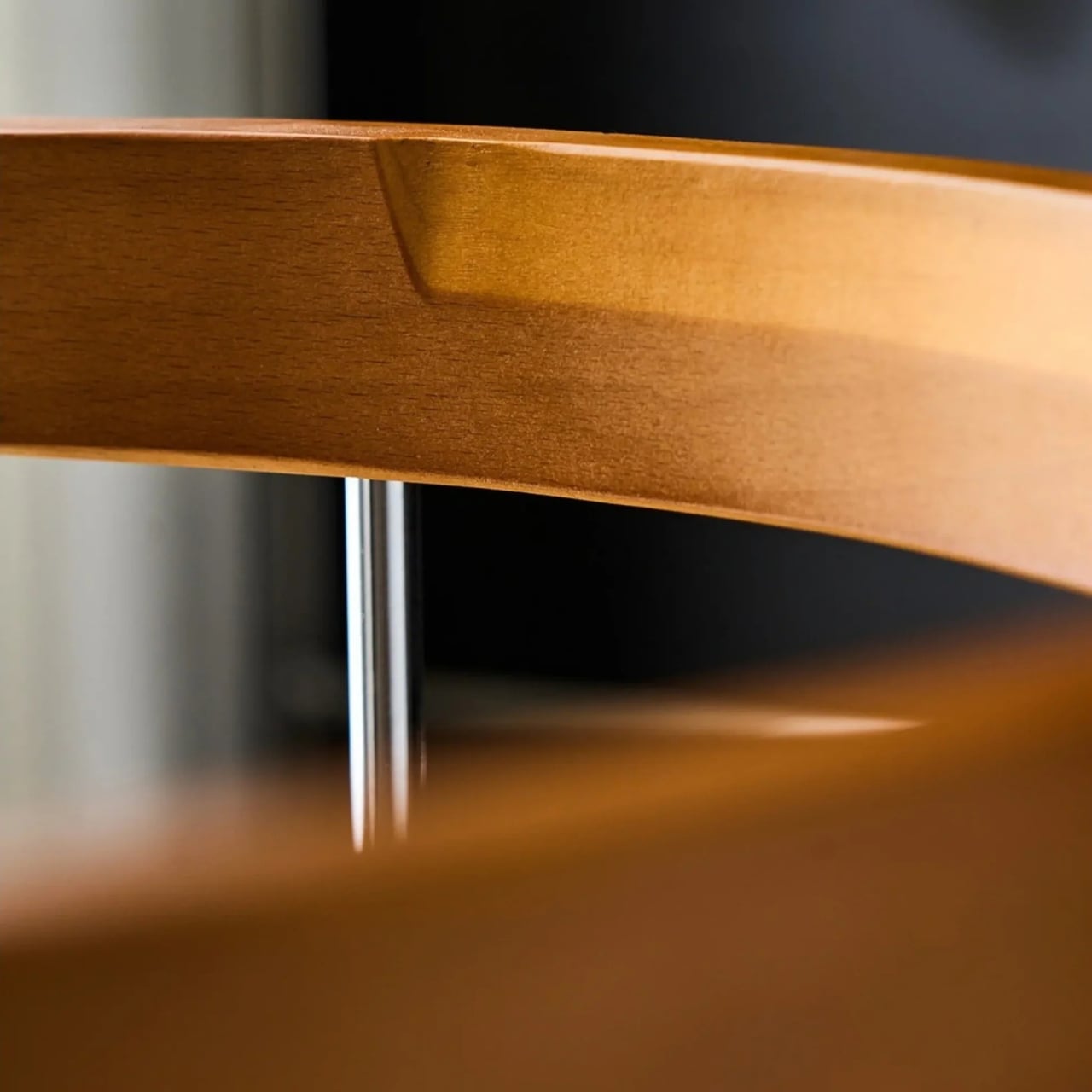
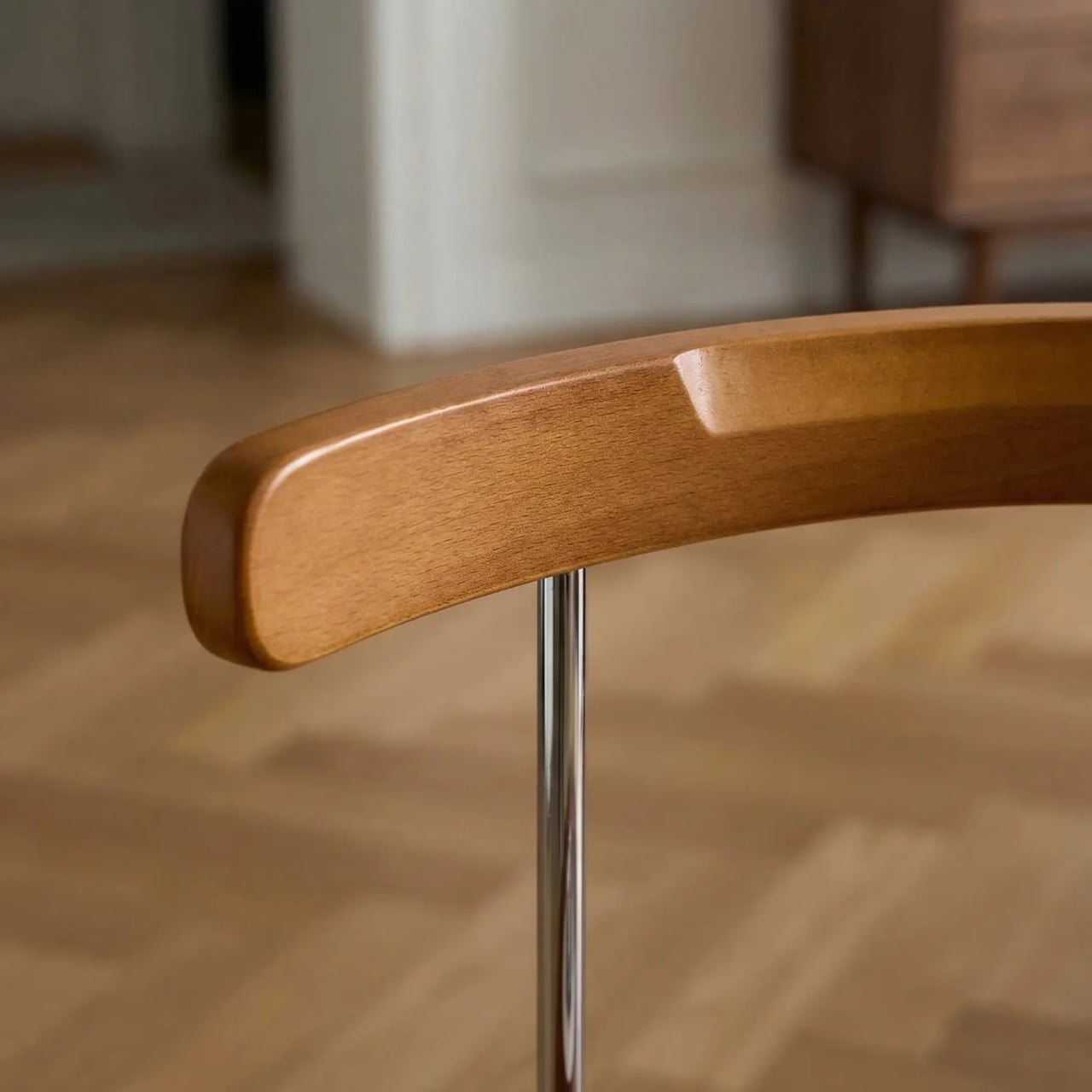
But here’s the thing I keep turning over: the idea itself is nearly flawless. Whatever the material quality ends up being, someone thought carefully about the problem of the folding chair and came up with a solution that doesn’t feel like a compromise. The design respects the object. It doesn’t try to disguise the fact that it folds; the mechanism is visible, structural, part of the aesthetic. But it also doesn’t apologize for it. That’s a harder line to walk than it looks.
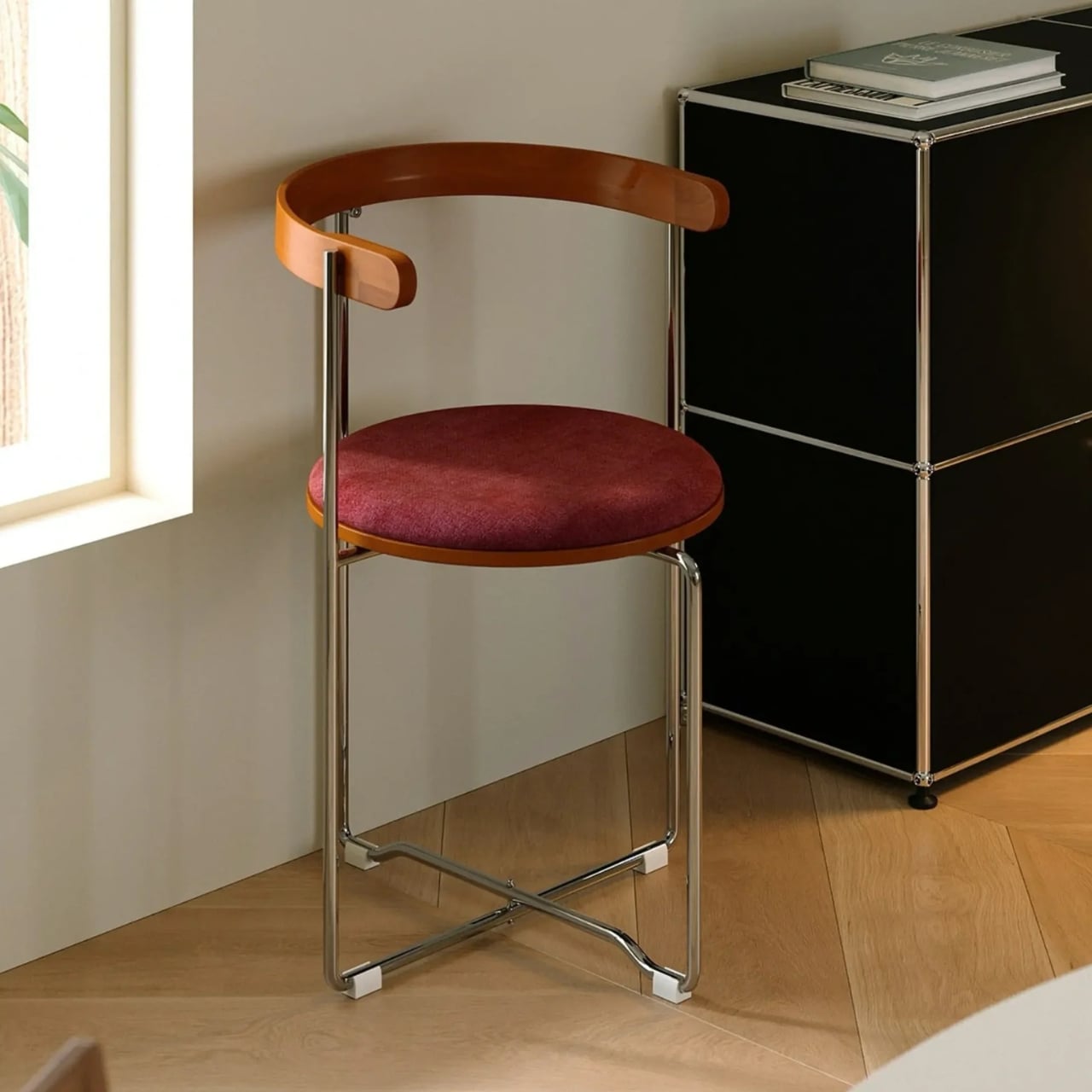
For anyone living in a city apartment, a studio, or a home where space is a constant negotiation, the Kael makes a quiet argument: good design shouldn’t require a permanent footprint. The best extra chair is one you’d want to leave out even when you don’t need it. Most folding chairs fail that test spectacularly. This one, at least in concept, passes with something to spare.
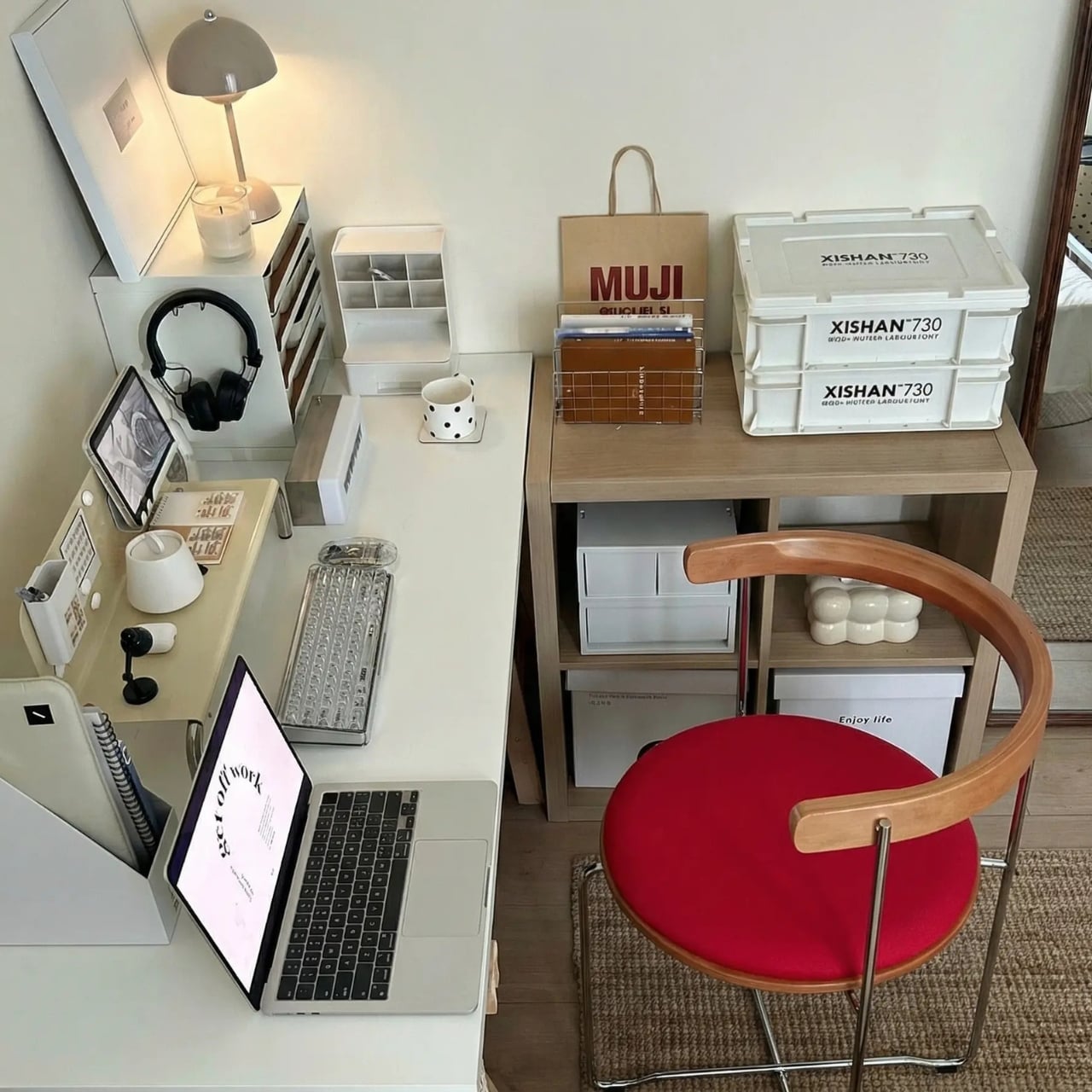
Whether Esspur refines the build quality over time or quietly disappears from the internet, the design itself has already done something useful. It’s asked the right question: what if the folding chair wasn’t the awkward option, but the intentional one? It’s a question the furniture industry hasn’t had much urgency to answer. Maybe now it does.
The post A Folding Chair Designed to Stay Out, Not Hide Away first appeared on Yanko Design.