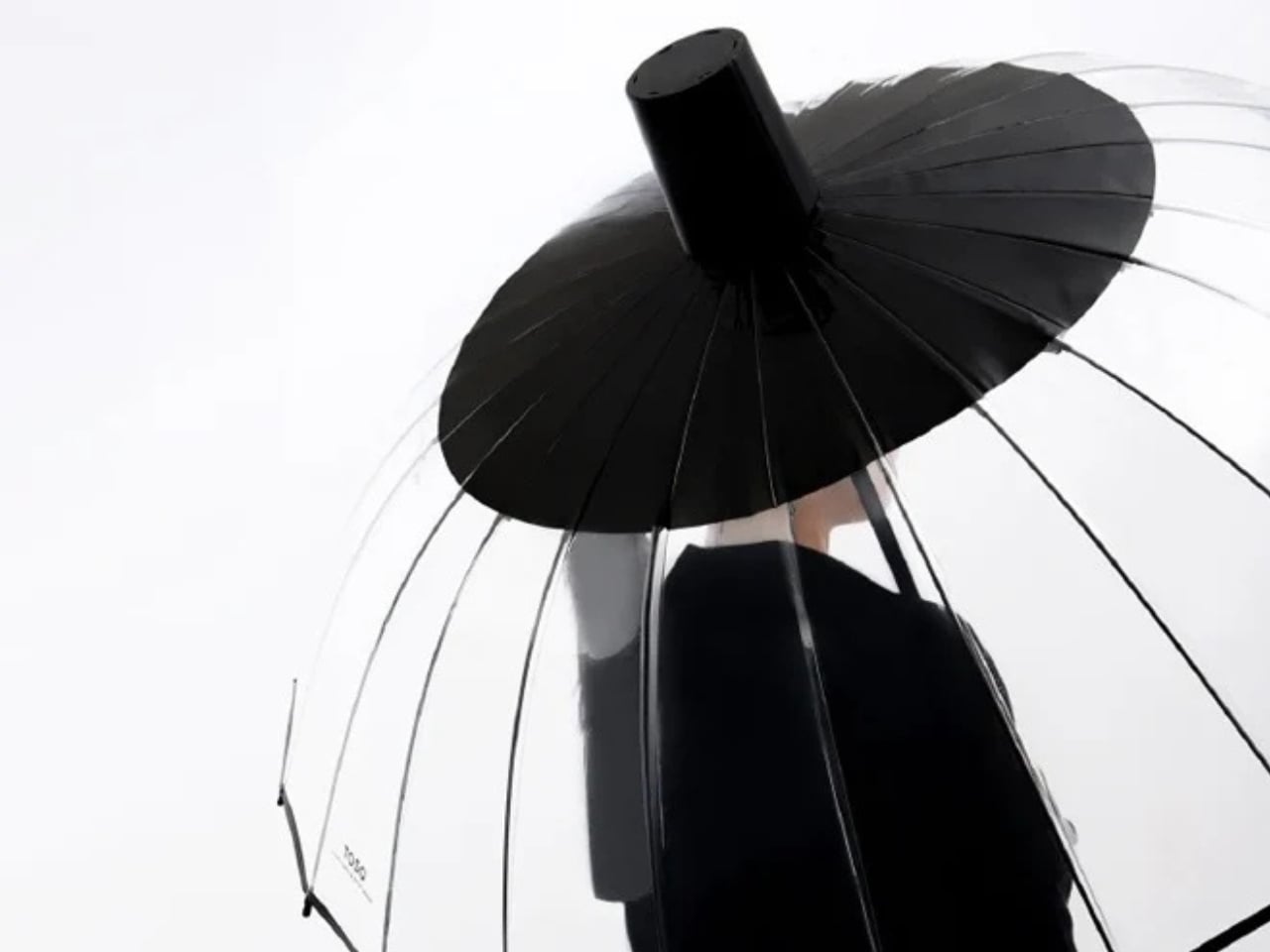
Kengo Kuma’s Wave-Inspired Tower Rises in Busan

There’s something mesmerizing about watching waves crash against a harbor, the way they ripple and fold into themselves with an effortless rhythm. Japanese architect Kengo Kuma must have spent some time observing this when designing the Busan Lotte Tower, because he’s managed to bottle that exact energy and stack it into the sky.

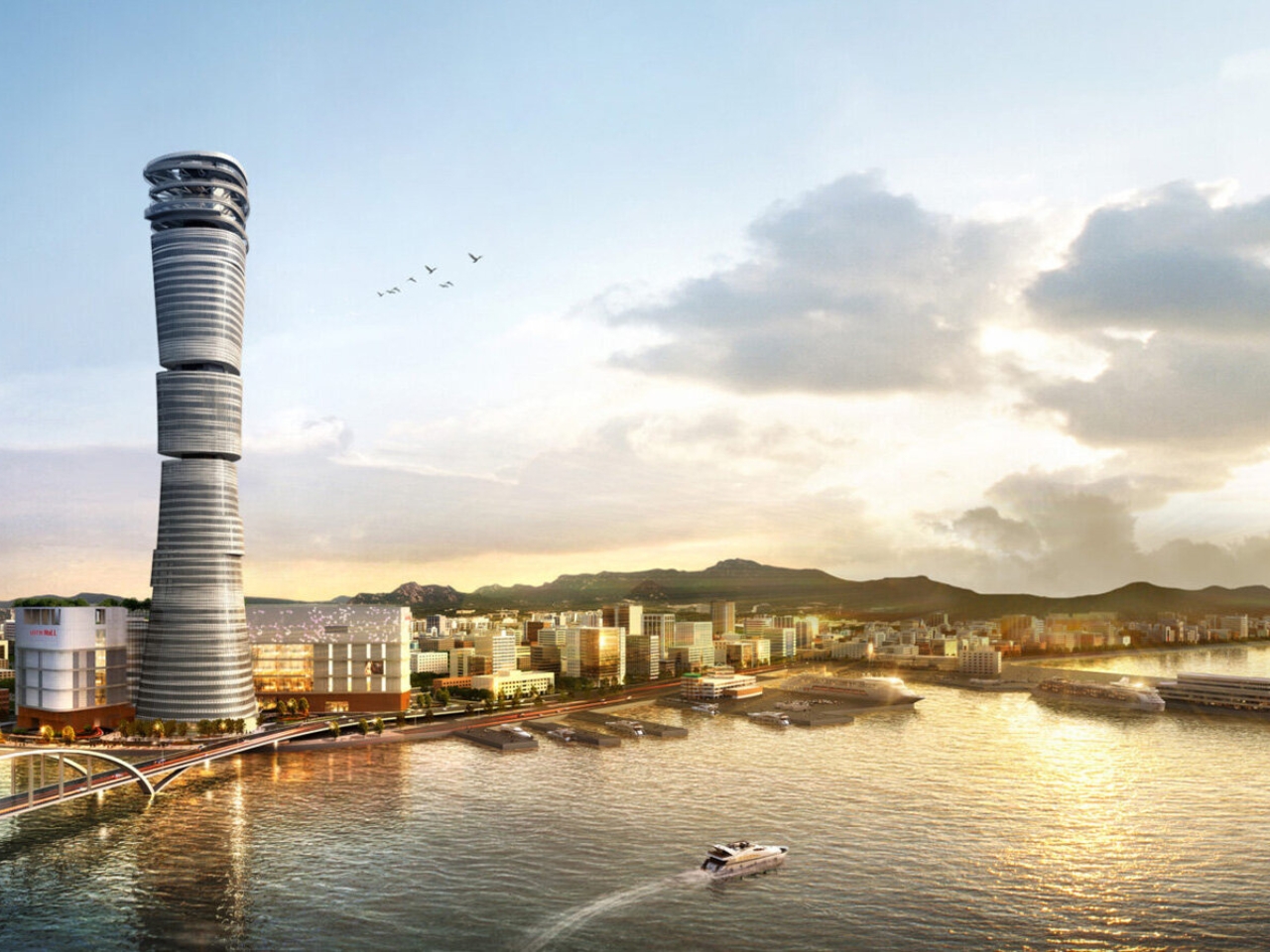
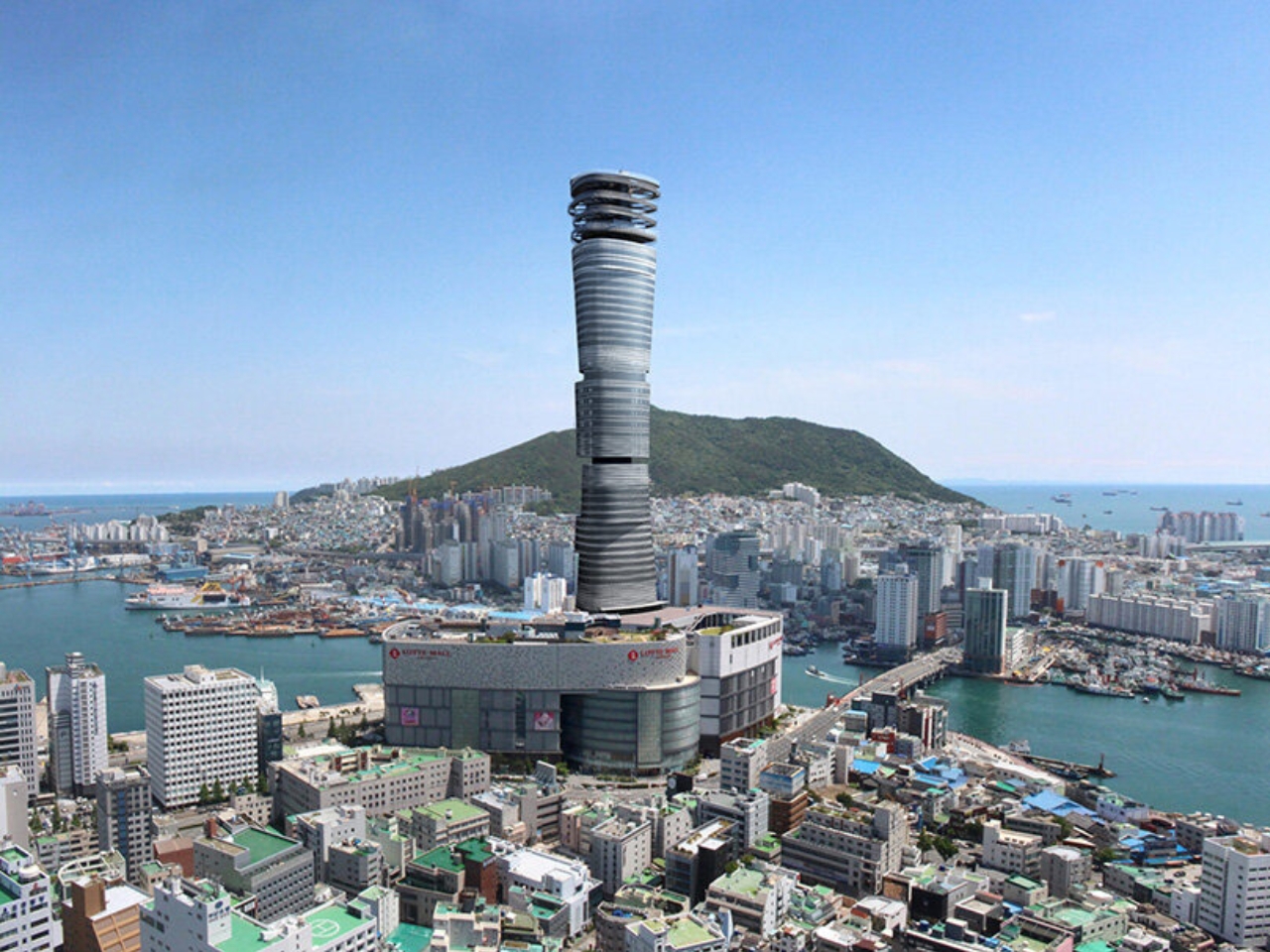
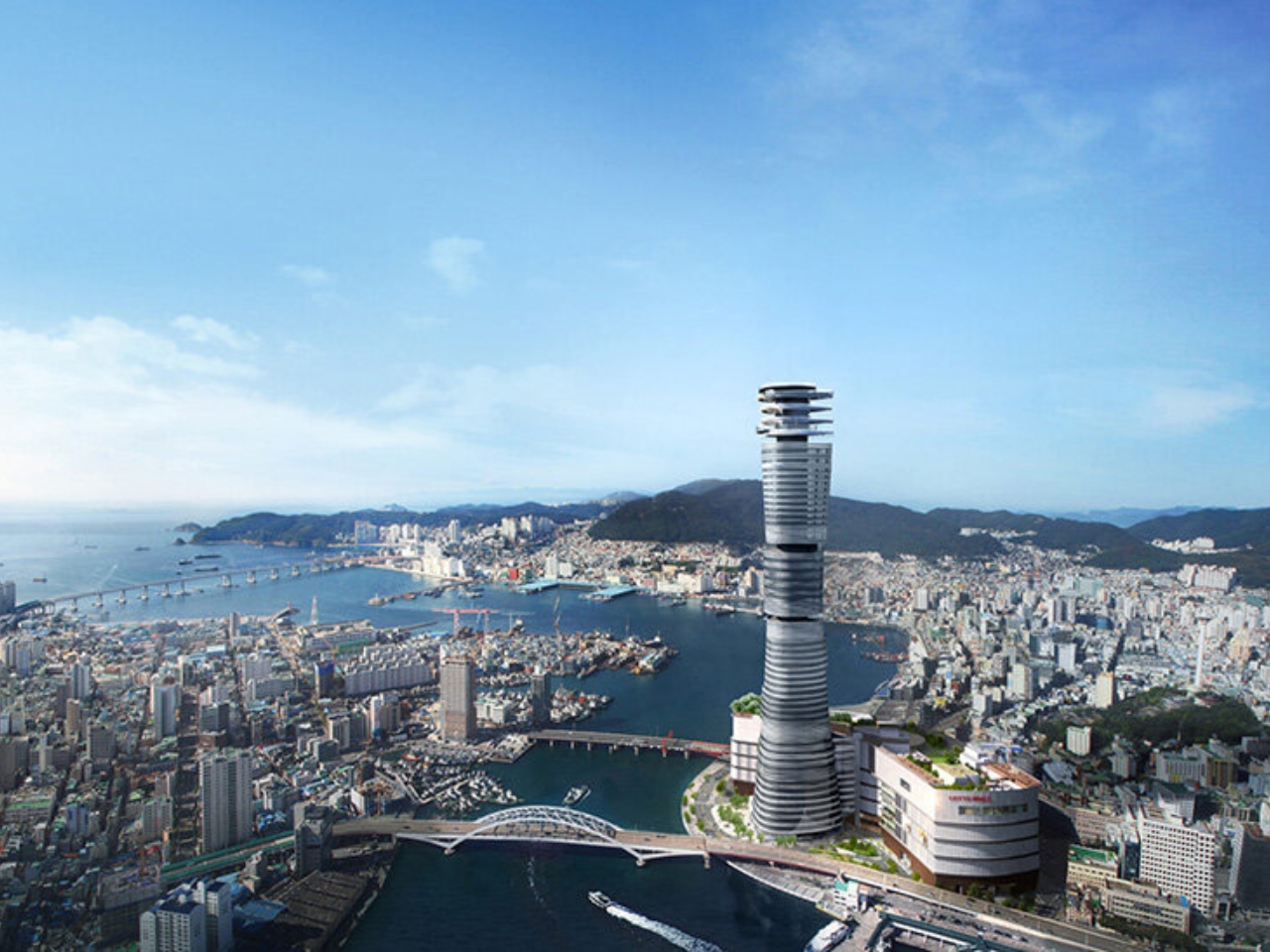
Rising from the former City Hall site in South Korea’s bustling coastal city, this skyscraper isn’t your typical glass-and-steel rectangle reaching skyward. Instead, Kengo Kuma and Associates have created something that feels alive, like the building itself is caught in a gentle oceanic current.

Designer: Kengo Kuma and Associates

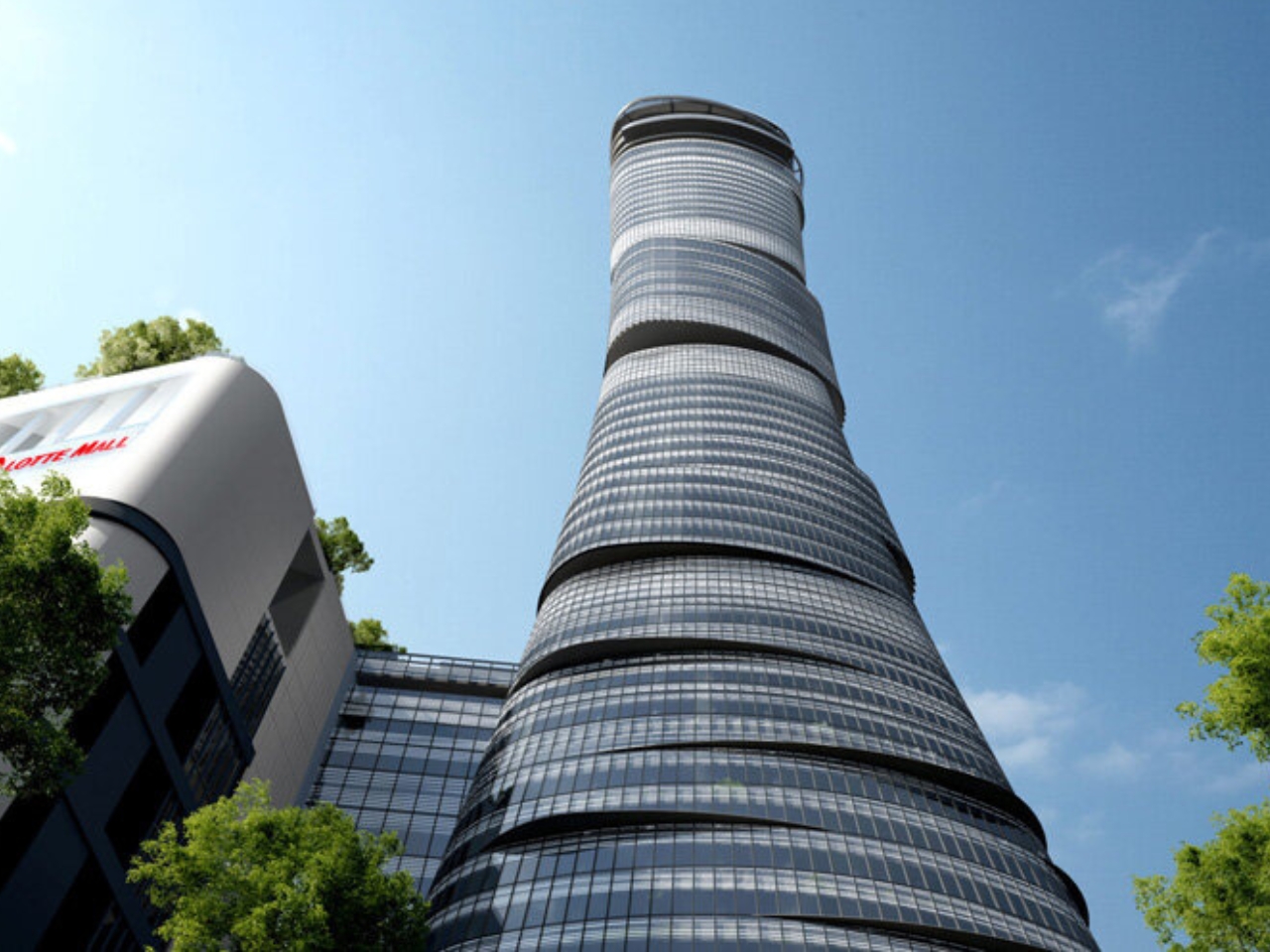
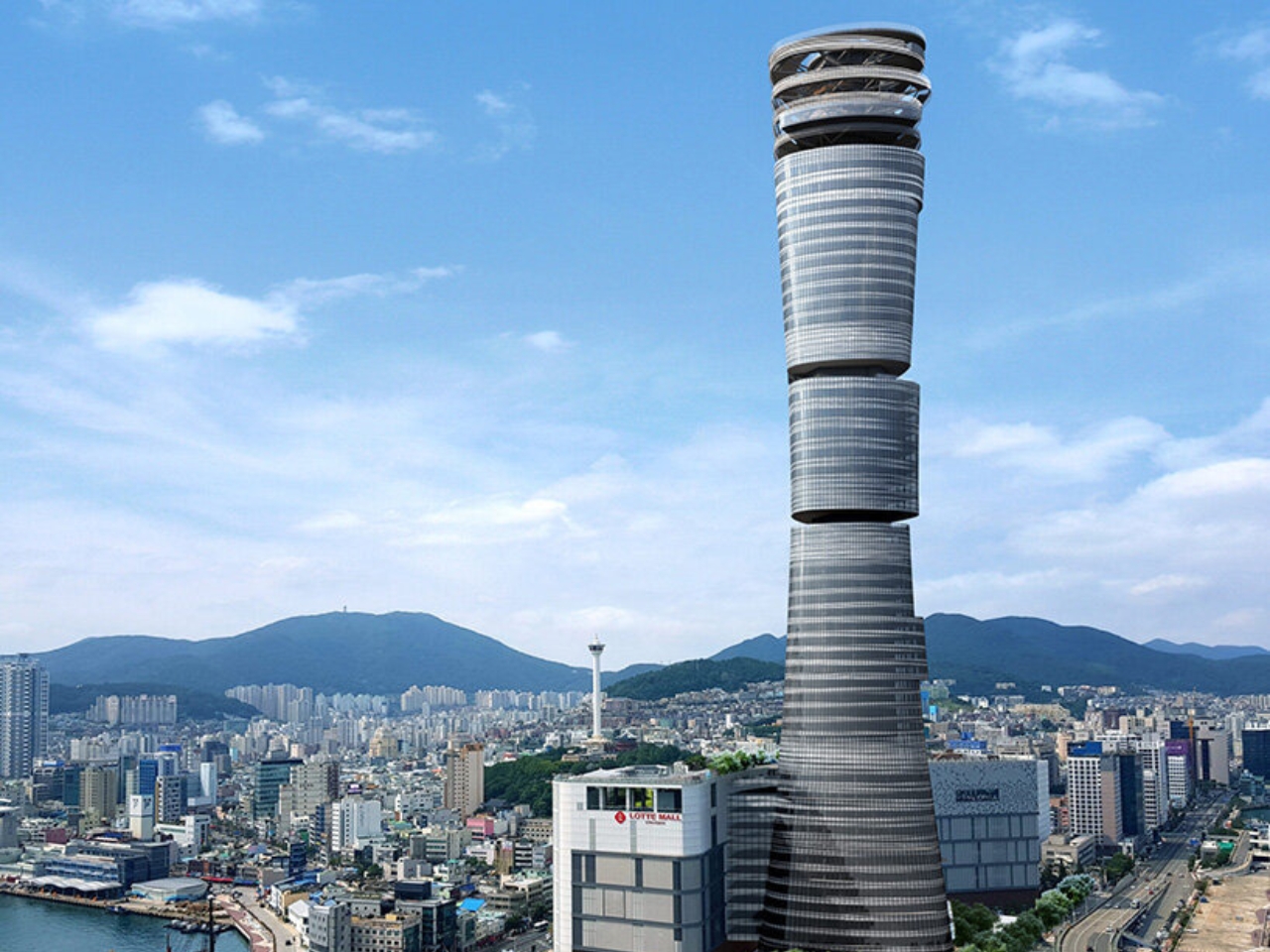
The tower’s design captures the wake patterns left by ships moving through Busan’s busy harbor. Think about those moments when you watch a boat glide through calm water, leaving behind those beautiful, undulating trails. That’s exactly what Kuma’s team translated into architecture. The facade features horizontal bands that ripple across the exterior, creating a continuous line that wraps around the entire structure.

What makes this approach so clever is how it blurs the usual architectural boundaries. The glass shifts seamlessly from transparent to gently tinted, mirroring the changing colors of Busan’s coastal sky throughout the day. It’s not trying to dominate the landscape but rather reflect and celebrate it. This is pure Kuma, who’s known for his philosophy of creating buildings that harmonize with their surroundings rather than fight against them. The structure itself is conceived as a stack of curved transparent volumes, each layer subtly offset to suggest motion. This creates an interplay of concave and convex surfaces that echo, you guessed it, more waves. It’s architecture as poetry, where form doesn’t just follow function but captures feeling.

At ground level, the experience shifts. Those curved glass volumes frame glimpses of the activity happening inside, connecting the rhythm of urban life with the broader cadence of the harbor nearby. It’s like the building is breathing with the city, offering passersby windows into the life happening within while simultaneously pulling in the energy of the port. When evening arrives, the tower transforms again. Soft interior lighting brings those horizontal lines into subtle relief, creating the impression of an illuminated current rising through the building. Imagine standing at the waterfront at dusk, watching this glowing structure that looks less like a conventional skyscraper and more like captured light moving upward through water.

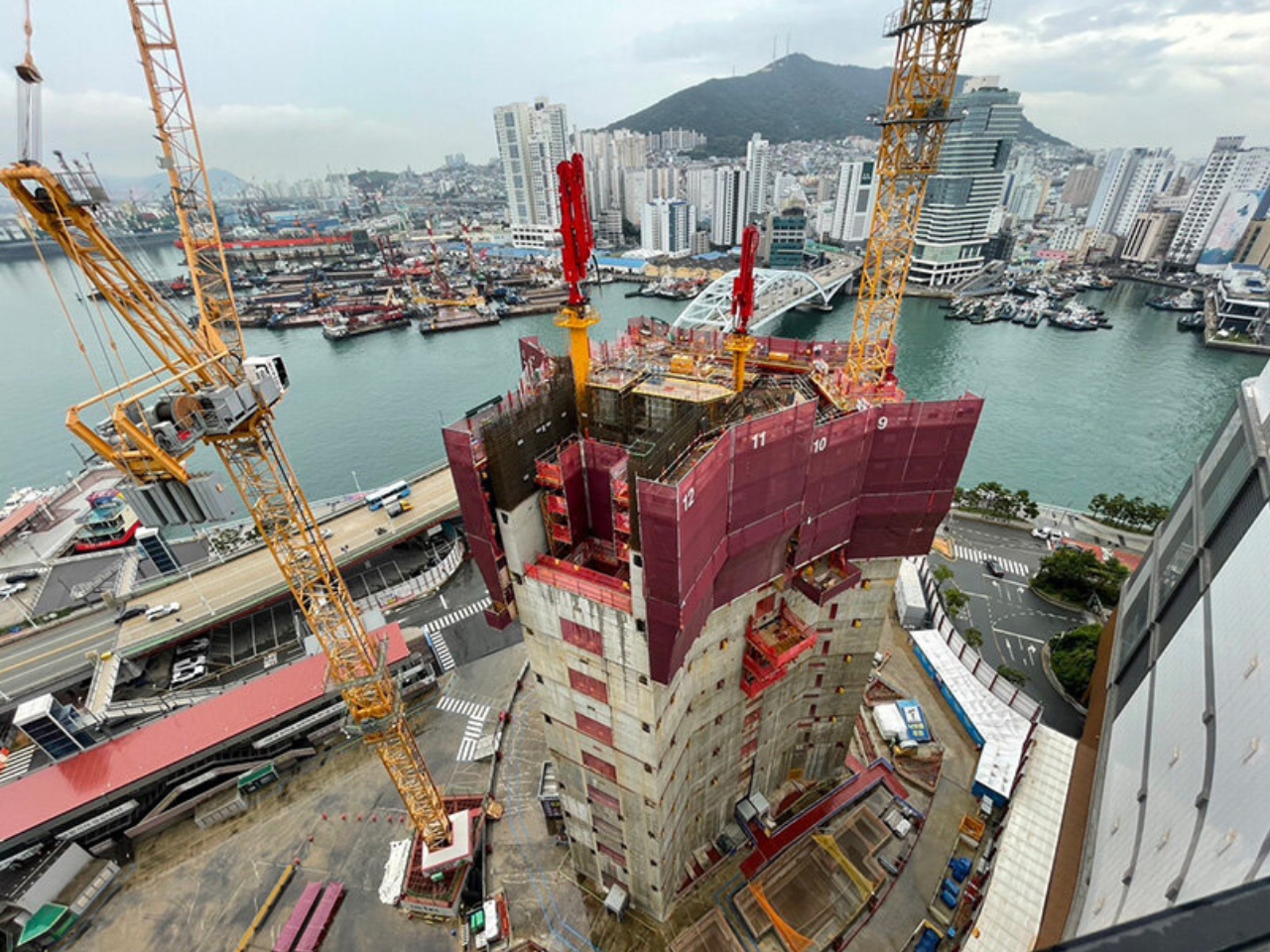
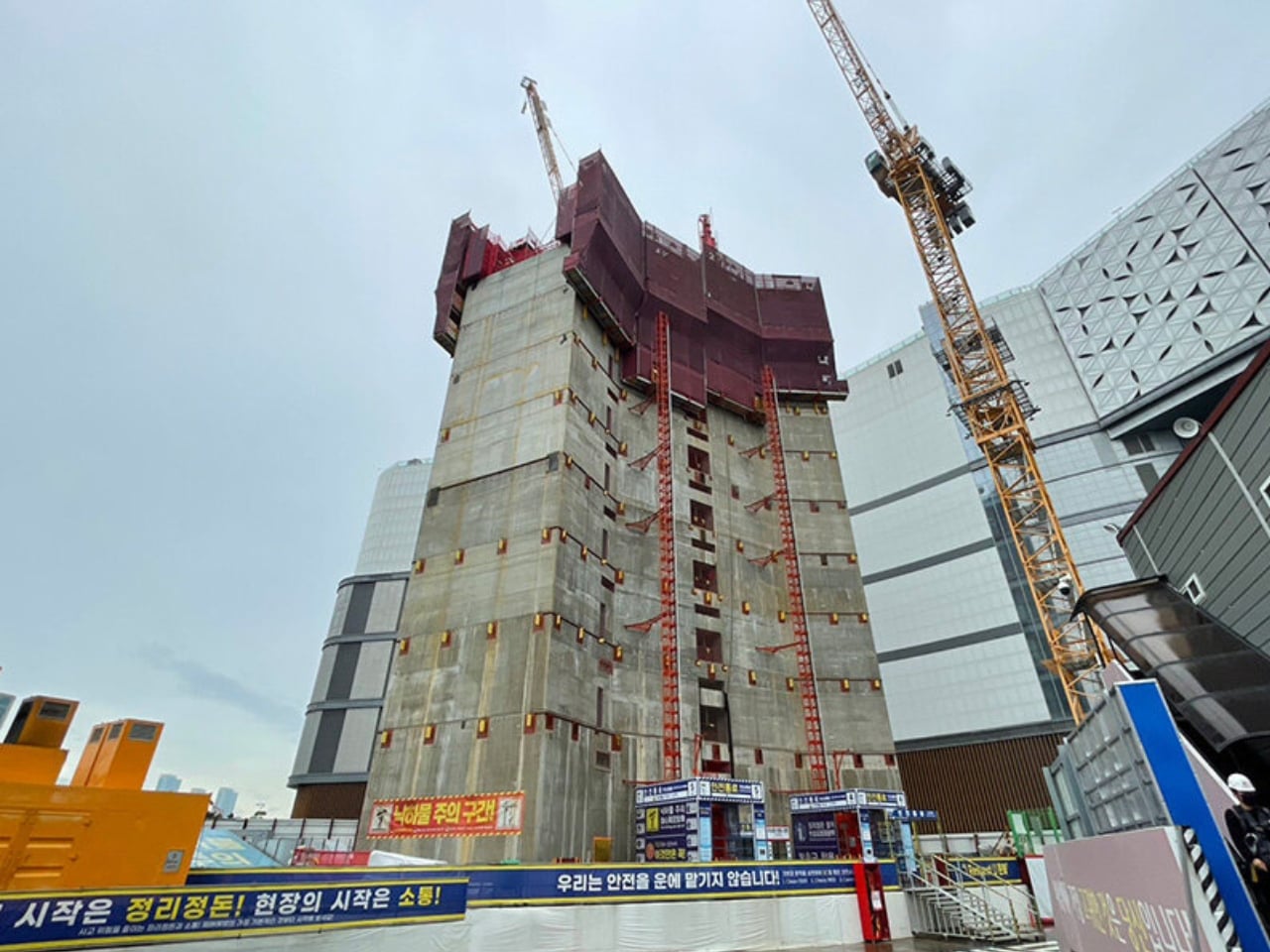
The project, which began construction in August 2023 under Lotte Construction with structural engineering by Arup and CNP, is expected to complete by 2028. It’s been ongoing under Kuma’s direction, and if you’re familiar with his body of work, this fits perfectly into his architectural language. This is the same designer who gave us Tokyo’s Olympic Stadium and the Nagasaki Prefectural Art Museum, projects that similarly prioritize integration with their contexts over architectural ego.

What sets Kuma apart in contemporary architecture is his resistance to creating monuments to himself. While many starchitects chase dramatic, instantly recognizable signatures, Kuma seems more interested in creating buildings that feel inevitable in their settings, as if they grew there naturally. The Busan Lotte Tower embodies this approach perfectly. It’s bold without being brash, distinctive without being disconnected from its environment.

For a city like Busan, which lives and breathes its maritime identity, having a landmark that doesn’t just acknowledge but celebrates that connection feels right. The tower doesn’t sit on the harbor pretending to be anywhere else. Instead, it amplifies what makes Busan special, turning the patterns of ships and waves into something permanent yet fluid. This project shows us what happens when an architect truly listens to a place. The result isn’t just another tall building competing for attention in an increasingly crowded skyline. It’s a vertical landscape that captures the essence of where land meets sea, where urban energy meets ocean rhythm, where glass and steel somehow manage to feel as natural as water itself.

The post Kengo Kuma’s Wave-Inspired Tower Rises in Busan first appeared on Yanko Design.
Tallest spokeless ferris wheel to be constructed in Seoul

Whenever I visit a new international city for the first time, I try to look if they have a giant ferris wheel and if I can, I take a ride on it to get the best view of the city. So far, the best ones I’ve been on are the Singapore Flyer and the Budapest Eye. Of course I have a lot more to go as I haven’t been to places like the London Eye, High Roller, Dubai Eye, etc. It looks like I’ll be adding something new to my list in one of my favorite cities in the world: a landmark giant ferris wheel is coming to Seoul soon.

Designer: UNStudio

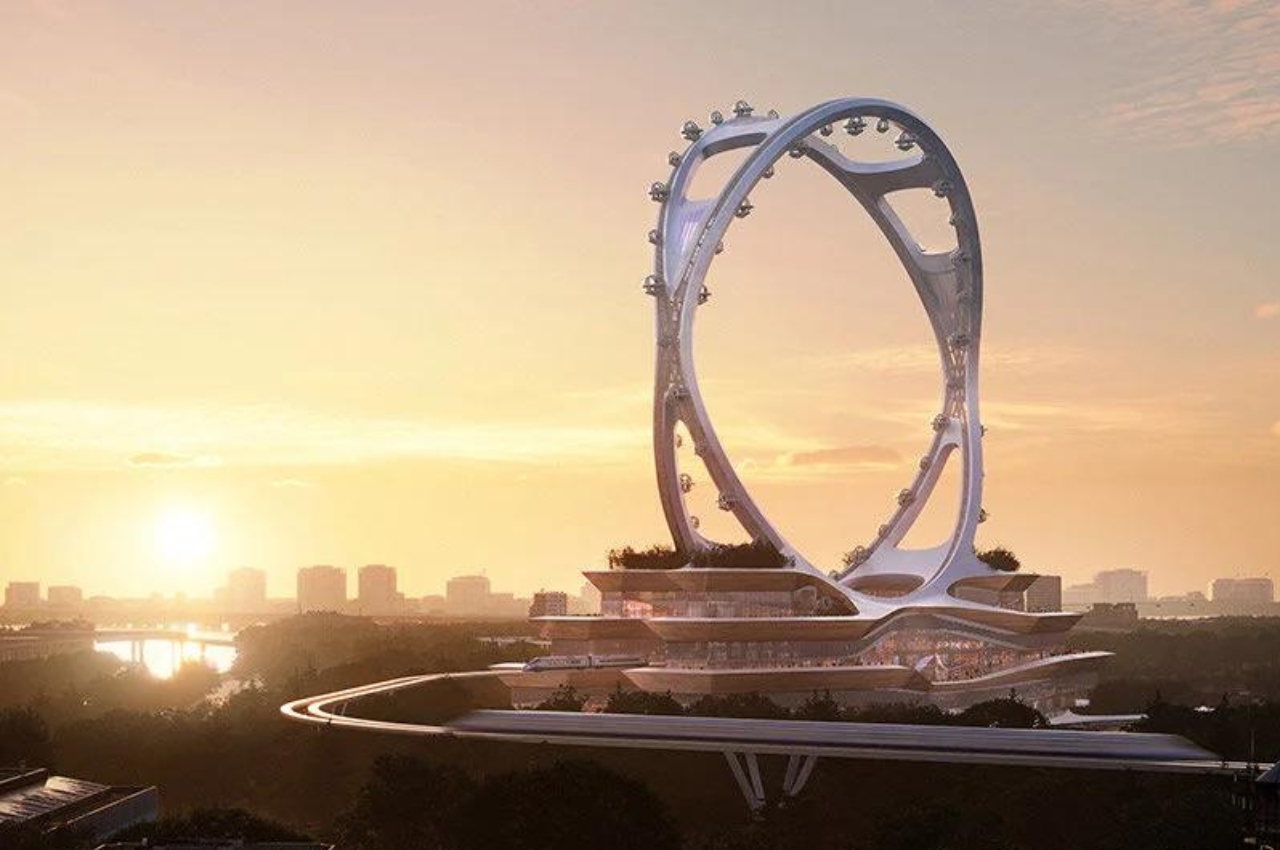
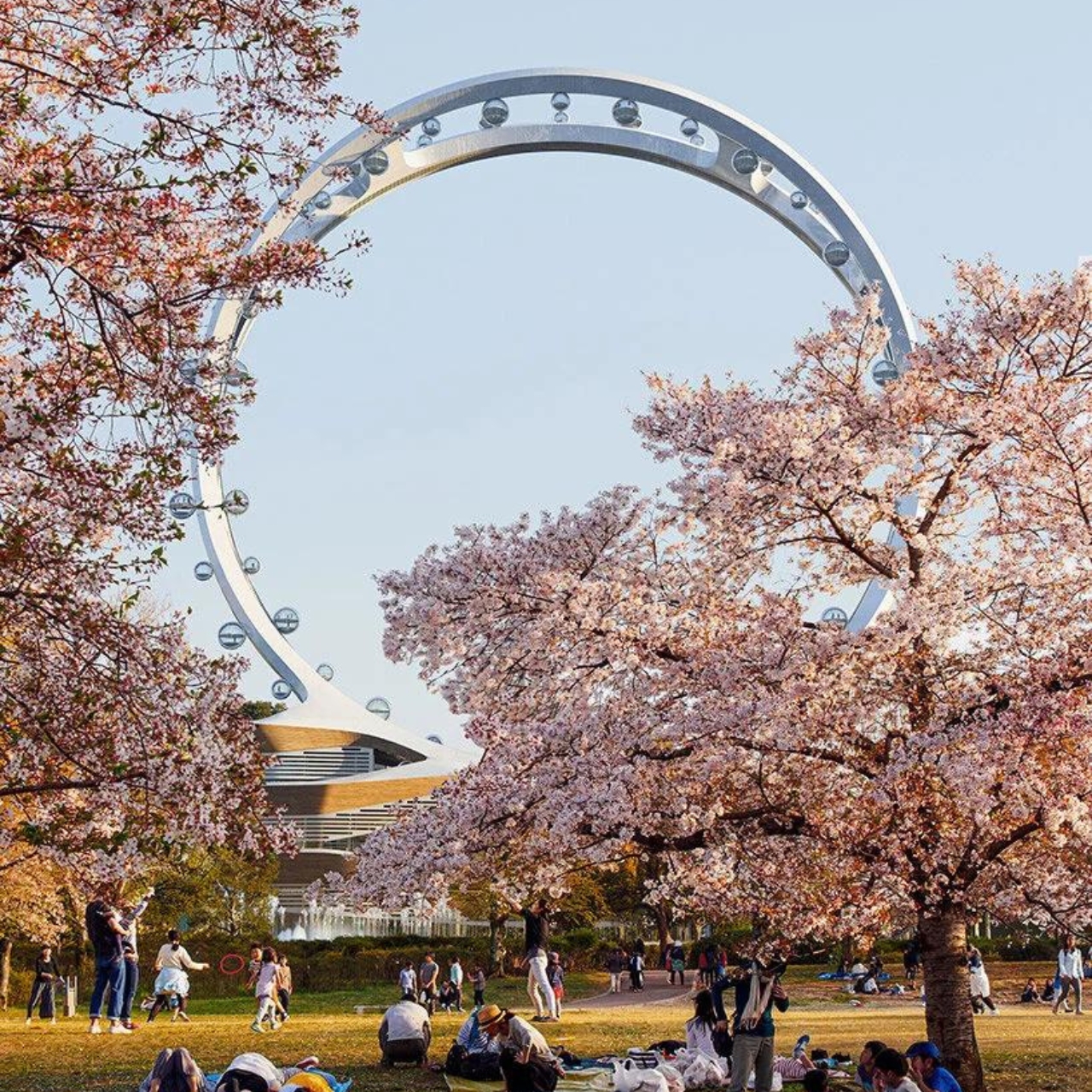
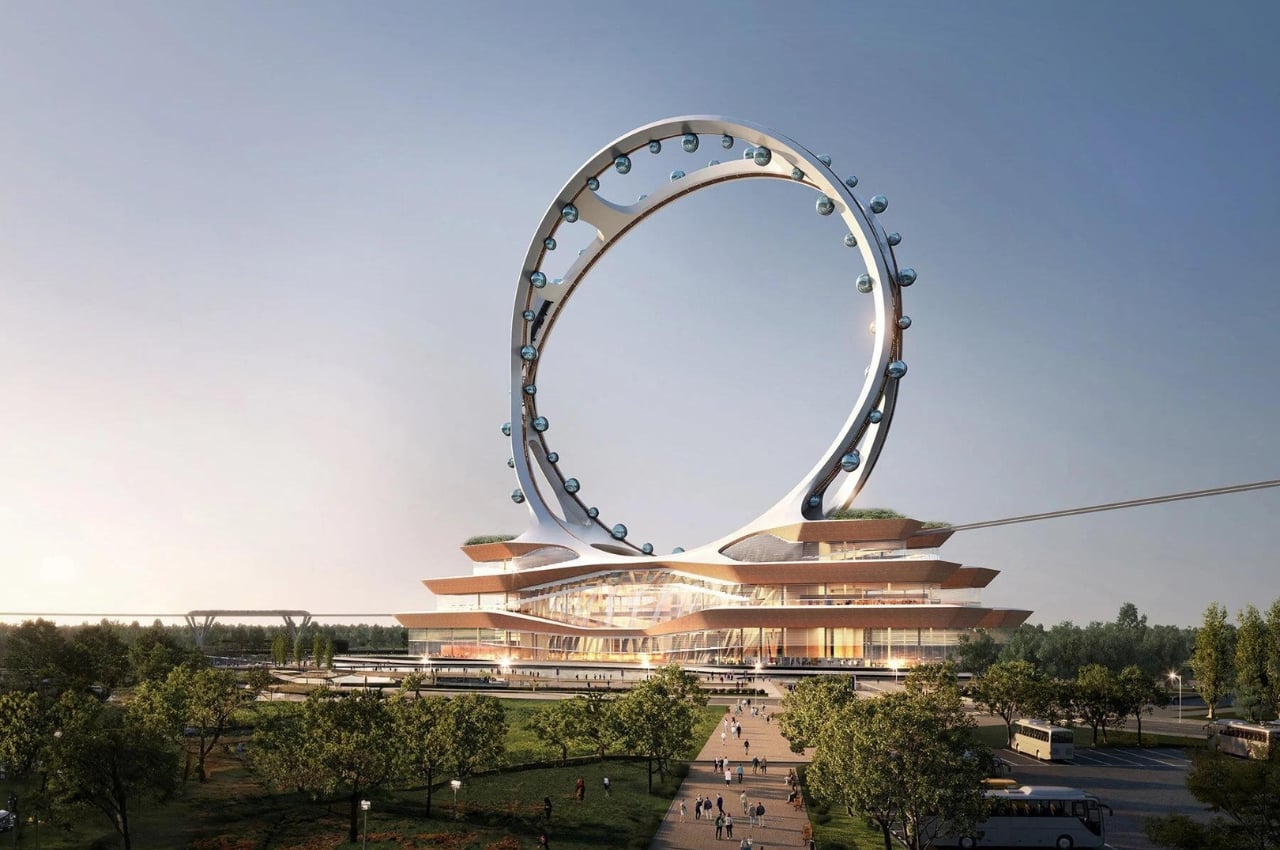
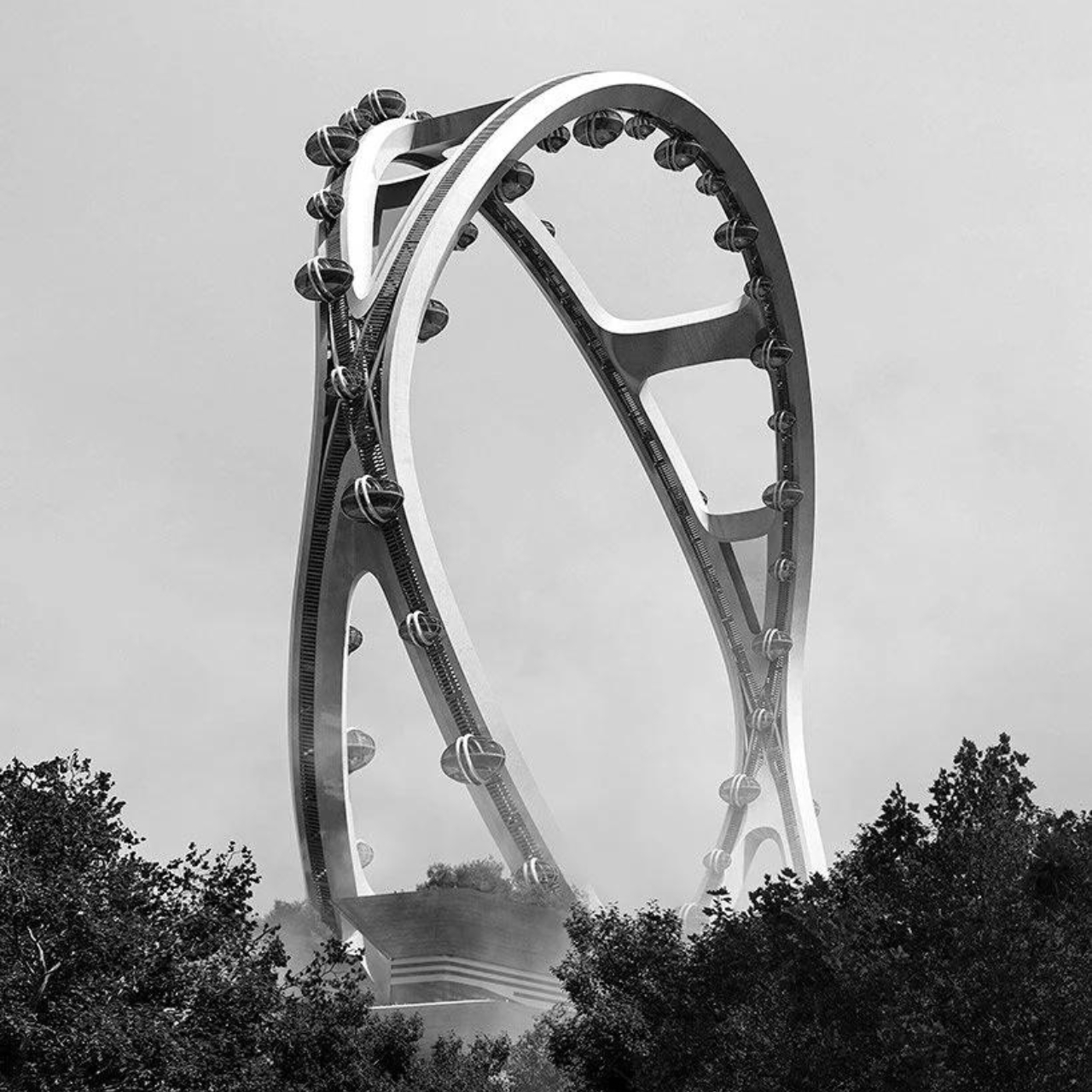
The Seoul Twin Eye will start construction sometime in 2025 and when finished, it will be the world’s tallest spokeless one with its planned 180 meters high structure. Aside from its height, it has a pretty unique design as it will have two intersecting rings that will carry pods going around both tracks. It can hold as many as 1,400 tourists at the same time, with 20-25 people fitting in each of the 64 capsules. This is actually double of what the London Eye is able to accommodate and currently it is one of the largest in the world.

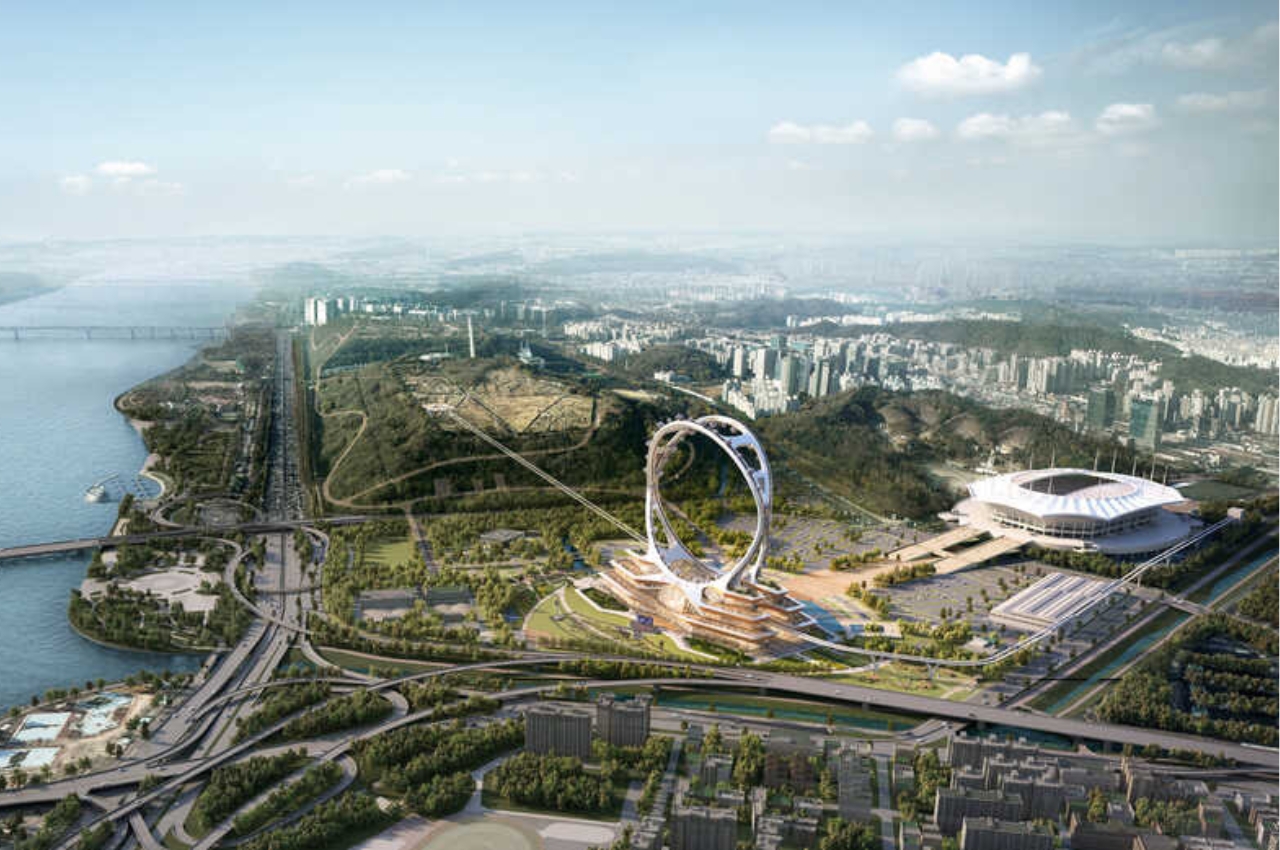
The planned ferris wheel will be located on the edge of the Han River as part pf a 40-meter high cultural complex which Seoul is hoping to develop as part of public spaces for residents and tourists. Not only will you be able to ride such a huge ferris wheel but you’ll also get the best panoramic views of the city. The design is actually inspired by the Honcheonsigye, an astronomical clock that represents celestial objects moving through time.

Aside from the Seoul Twin Eye, there’s a proposal to also construct a monorail to have a direct connection from the subway station to the ferris wheel site. There is also a proposed zip line within the complex for those who prefer a much more adventurous experience, although it’s unclear if it will be connected to the ferris wheel directly. One thing’s for sure, once it is launched, it will add to the beauty and charm of Seoul and will become a must-see destination for locals and tourists alike.

The post Tallest spokeless ferris wheel to be constructed in Seoul first appeared on Yanko Design.
Tiny Forest In Seoul Is A Tiny Study/Relaxation Space Designed To Be A “Microcosm For Oneself”

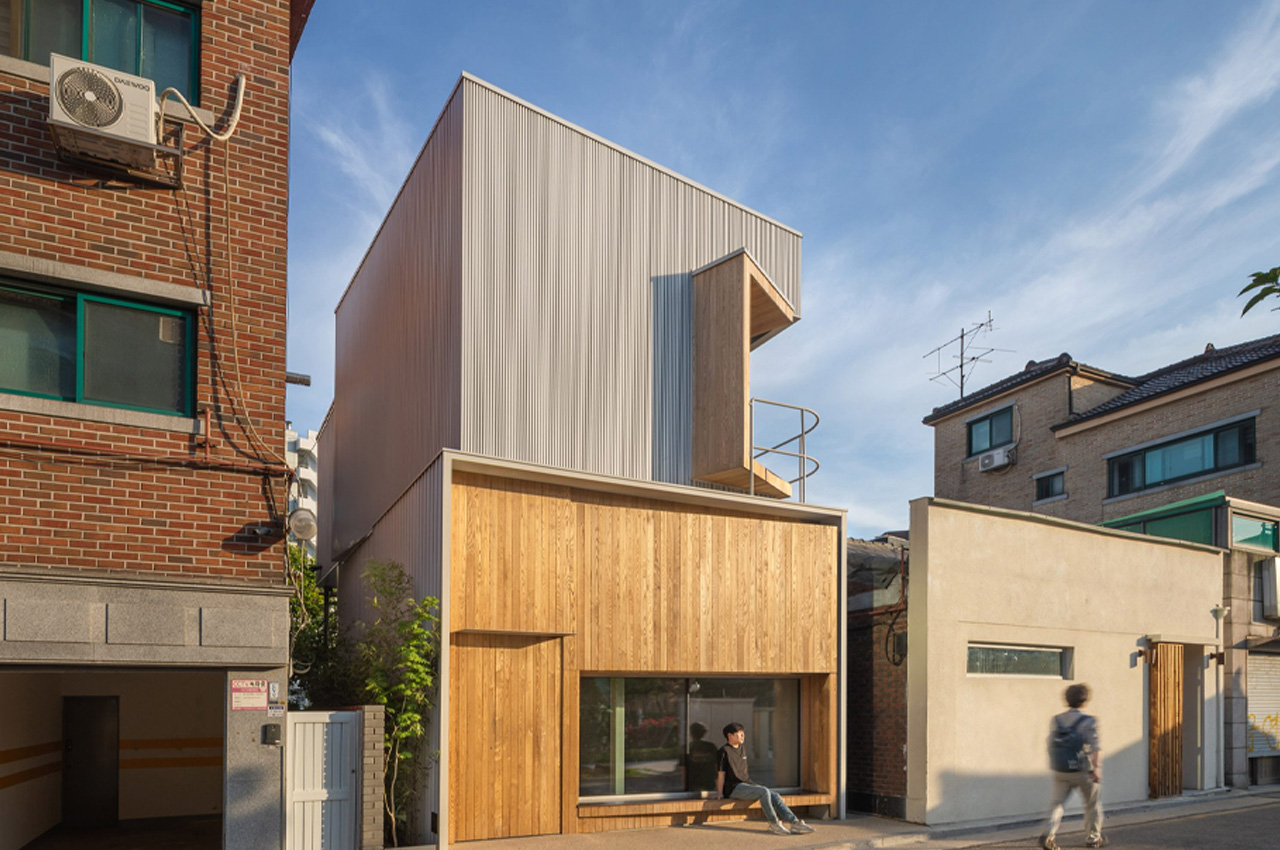
This flexible study space in Jongno-gu, Seoul is designed by YounghanChung Architects in an attempt to “eliminate unnecessary spaces as much as possible”. Dubbed Tiny Forest, the two-story building was built for a retired university lecturer, who wanted to have a separate space from her main home – a space that would function as a study, and as an intimate space to host and entertain guests. The space is inspired by a sarangbang which is found in traditional Korean homes, where usually the man of the house hosts guests or indulges in hobbies.

Designer: YounghanChung Architects

“Spaces as a hobby space or study have gradually loosened in the frame of housing, and lost the power of their original function,” said founder Younghan Chung. “However, the desire to escape from the house and experience a space like a microcosm for oneself is desperate for all of us living in modern times…[so] this building was intended to create a small private room,” he said.

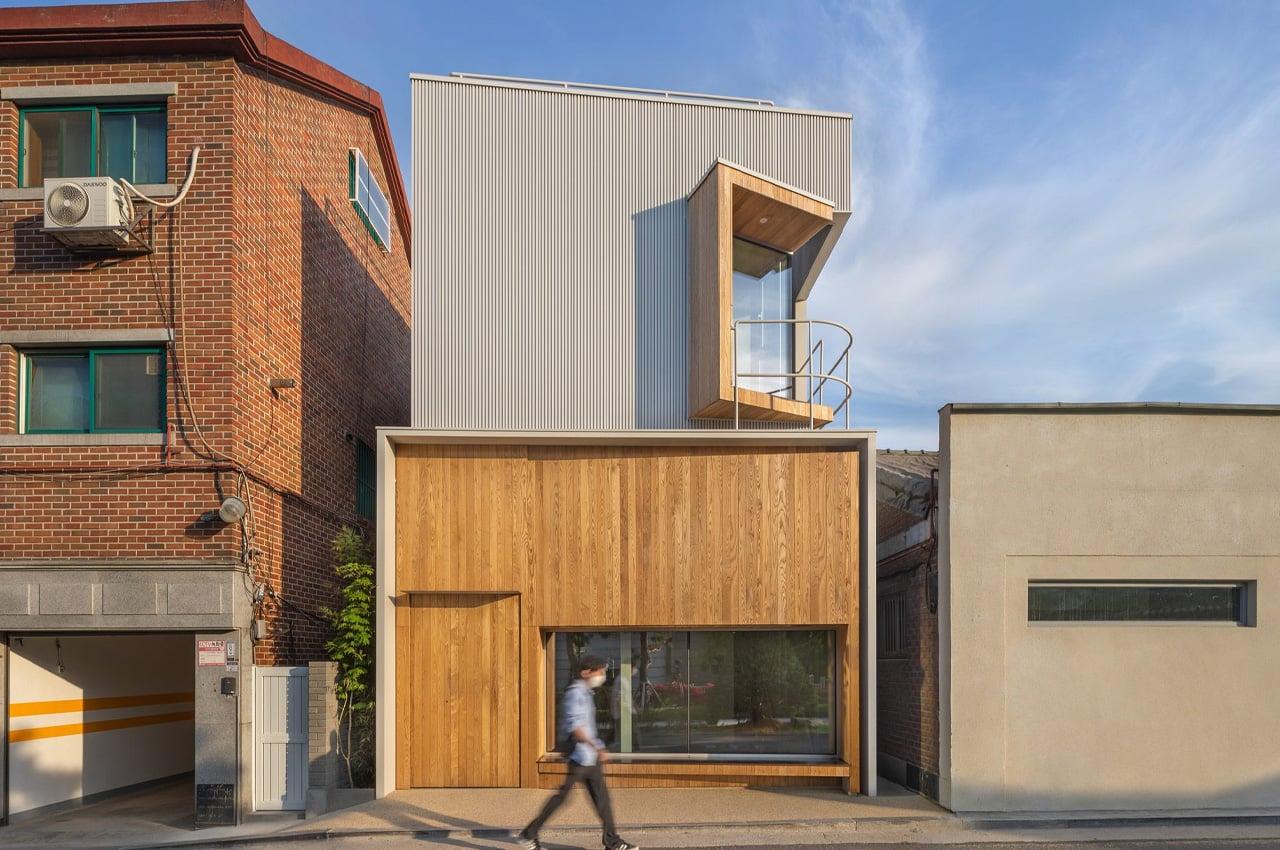
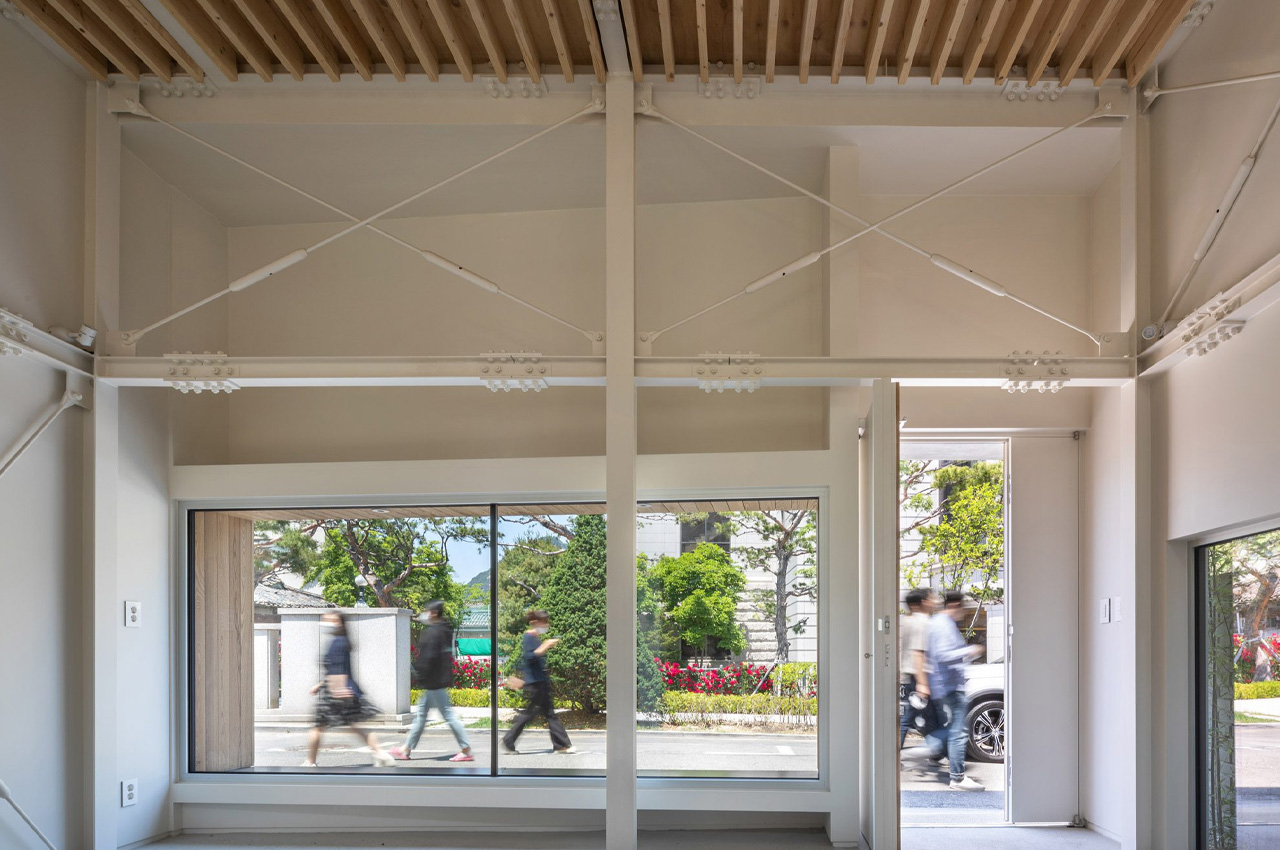
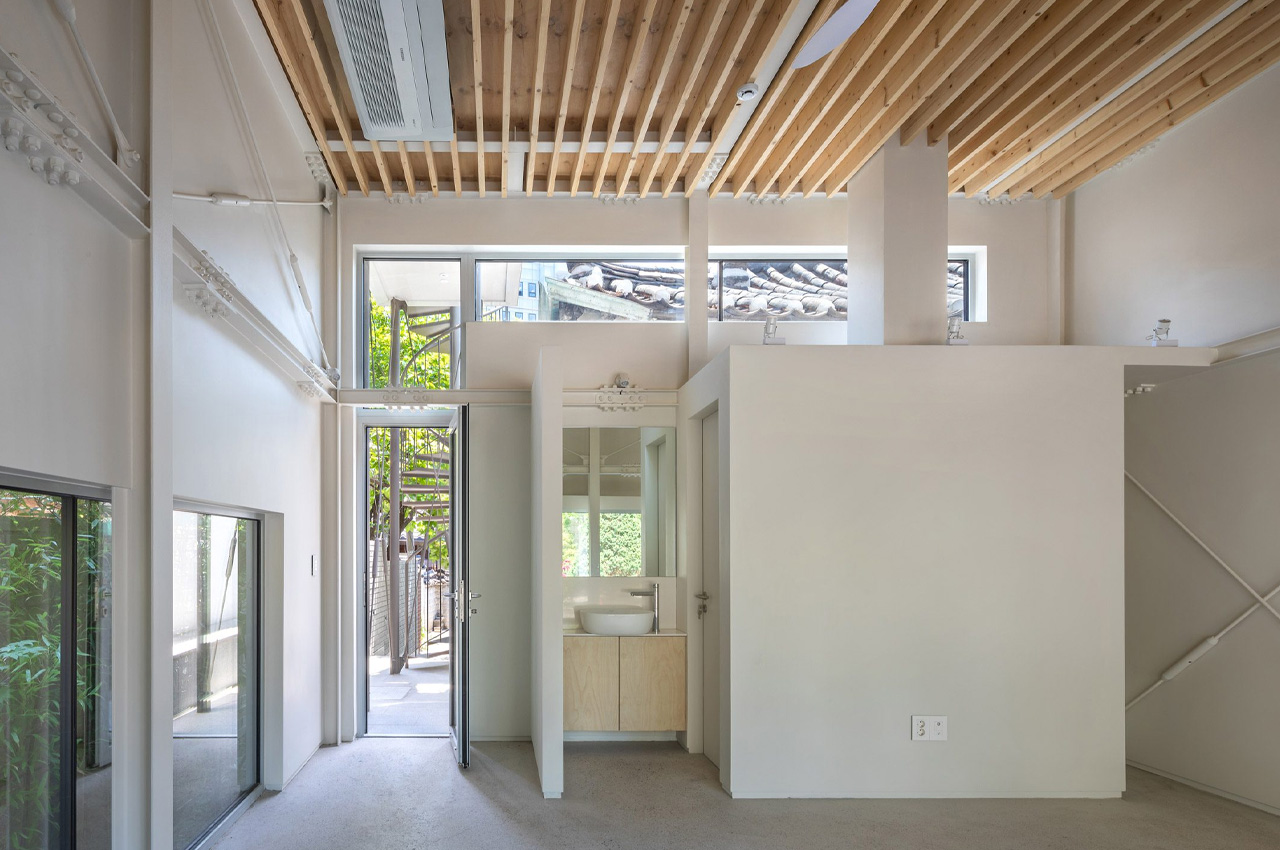
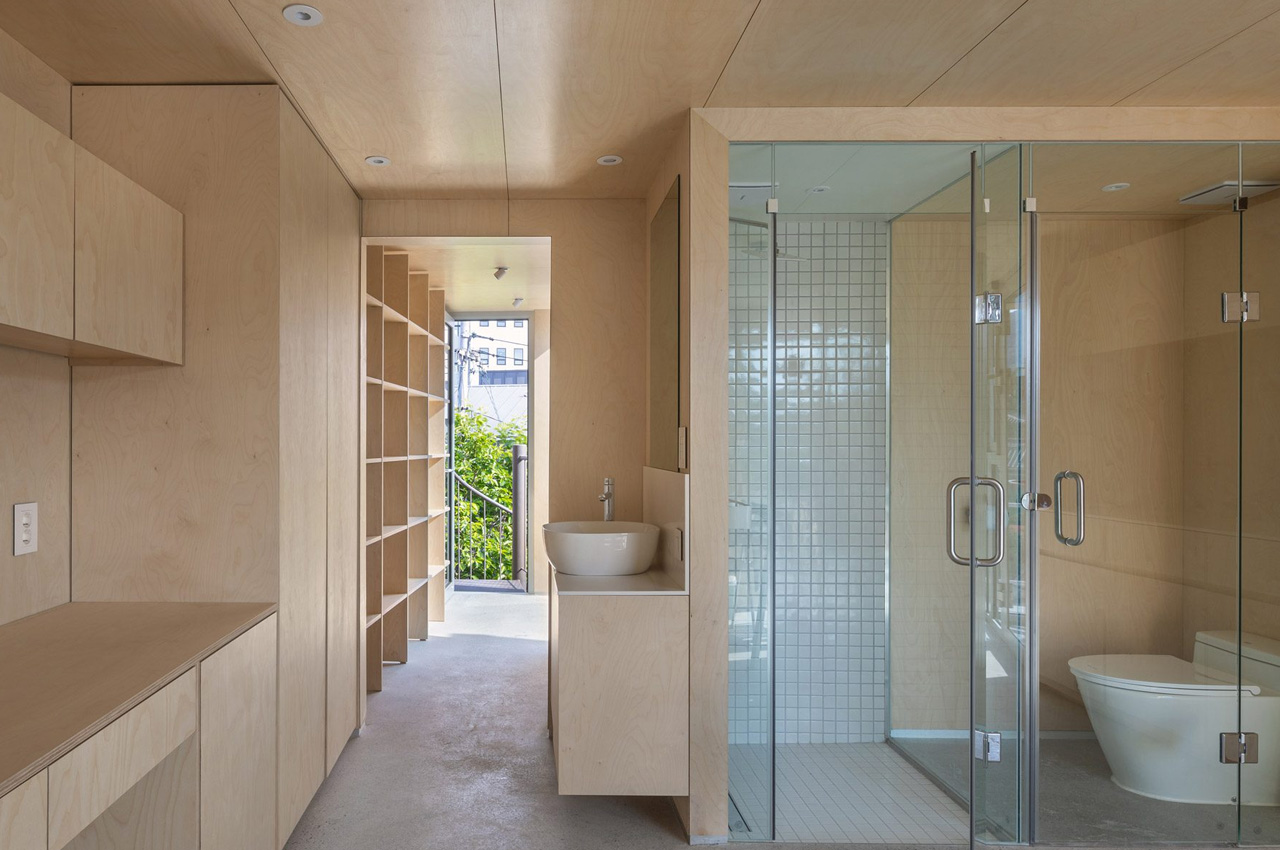
Tiny Forest was designed to be a dedicated study and relaxation space, a serene zone that is nestled away from the hustle and bustle of the main house. The building is made up of two stacked cubes, with the upper cube a little rotated, while both are supported by a steel frame, and clad in corrugated metal in the color white. The different floors of the space were designed as single and flexible spaces, each one amped with a bathroom and generous storage space. The spaces are defined by minimal fittings and fixings, creating a smooth and quaint area. “Conventional structural methods can trap the choreography of users with diverse ways of life within a strictly prescribed framework,” said Chung.

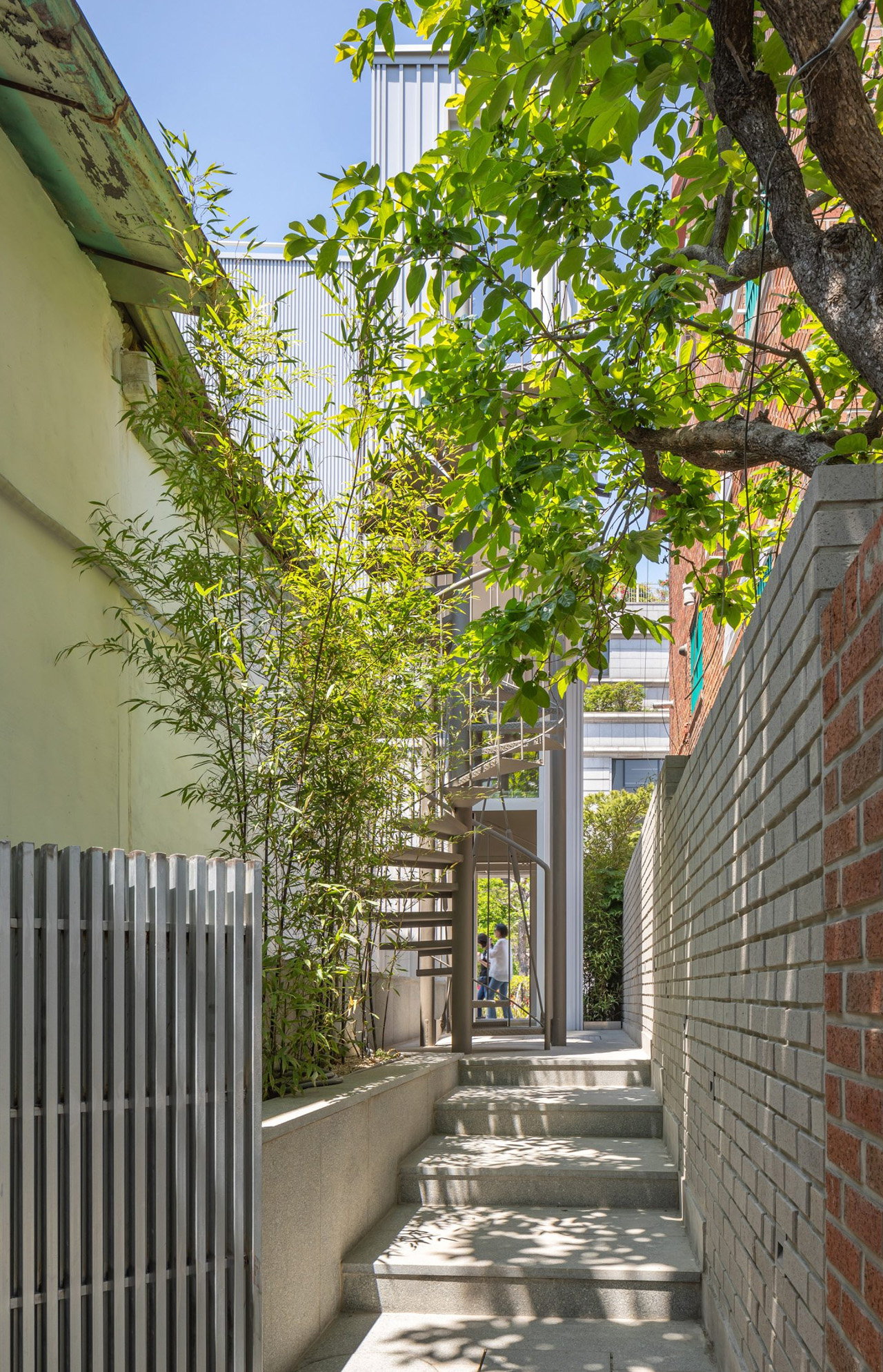
The ground floor features an exposed steel structure in the color white, as well as a massive shopfront-style window that provides views of the street, while also holding an external bench. The space above is wood-lined creating a warm and minimal ambiance, and is equipped with built-in desk space and bookshelves alongside one wall. An external spiral staircase connects both the two floors and is located at the rear of the building. While another staircase connects the western side of the upper level to a tranquil rooftop garden.

The post Tiny Forest In Seoul Is A Tiny Study/Relaxation Space Designed To Be A “Microcosm For Oneself” first appeared on Yanko Design.