This Seoul Studio Just Grew a Building From Mushrooms


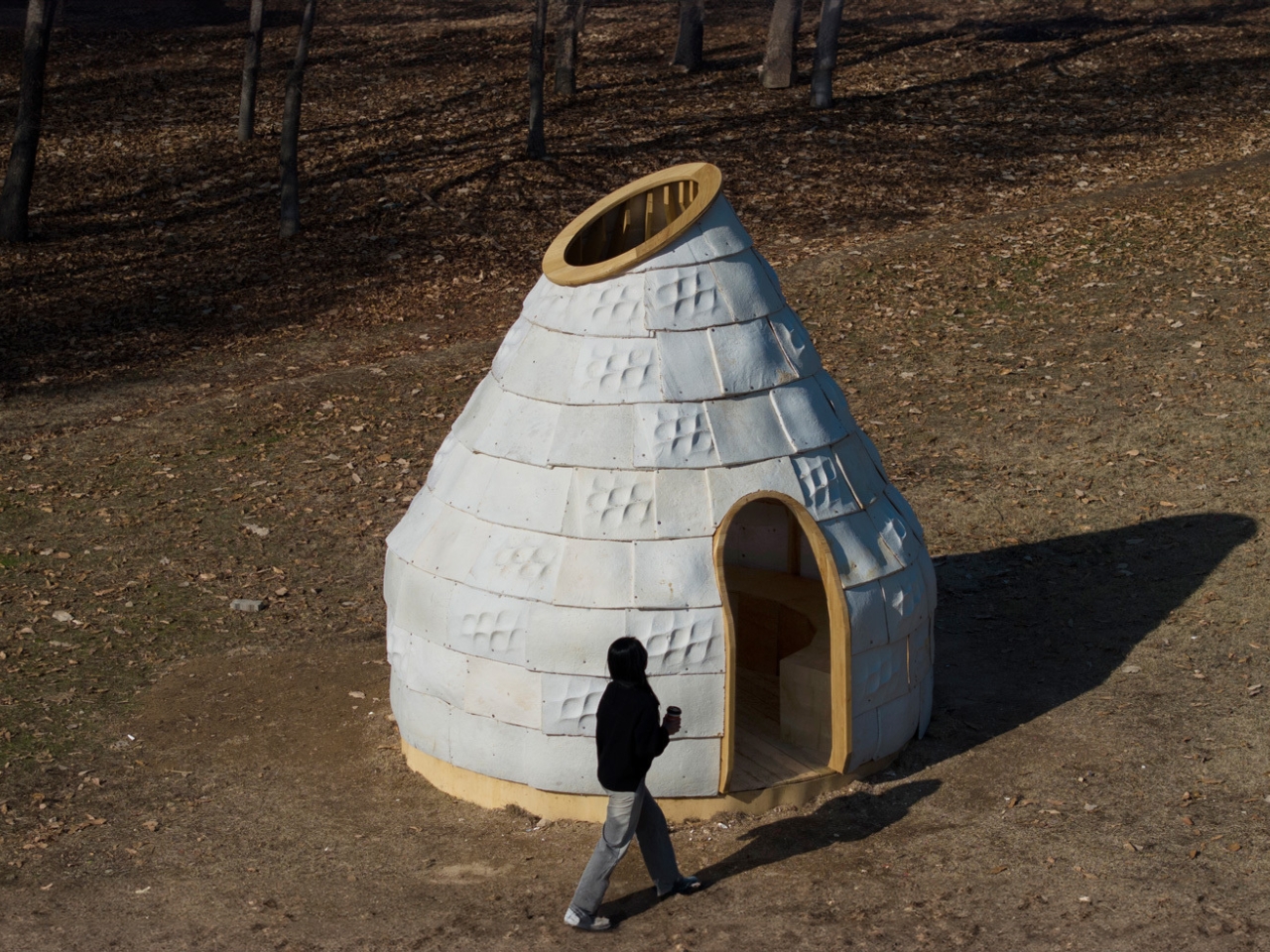
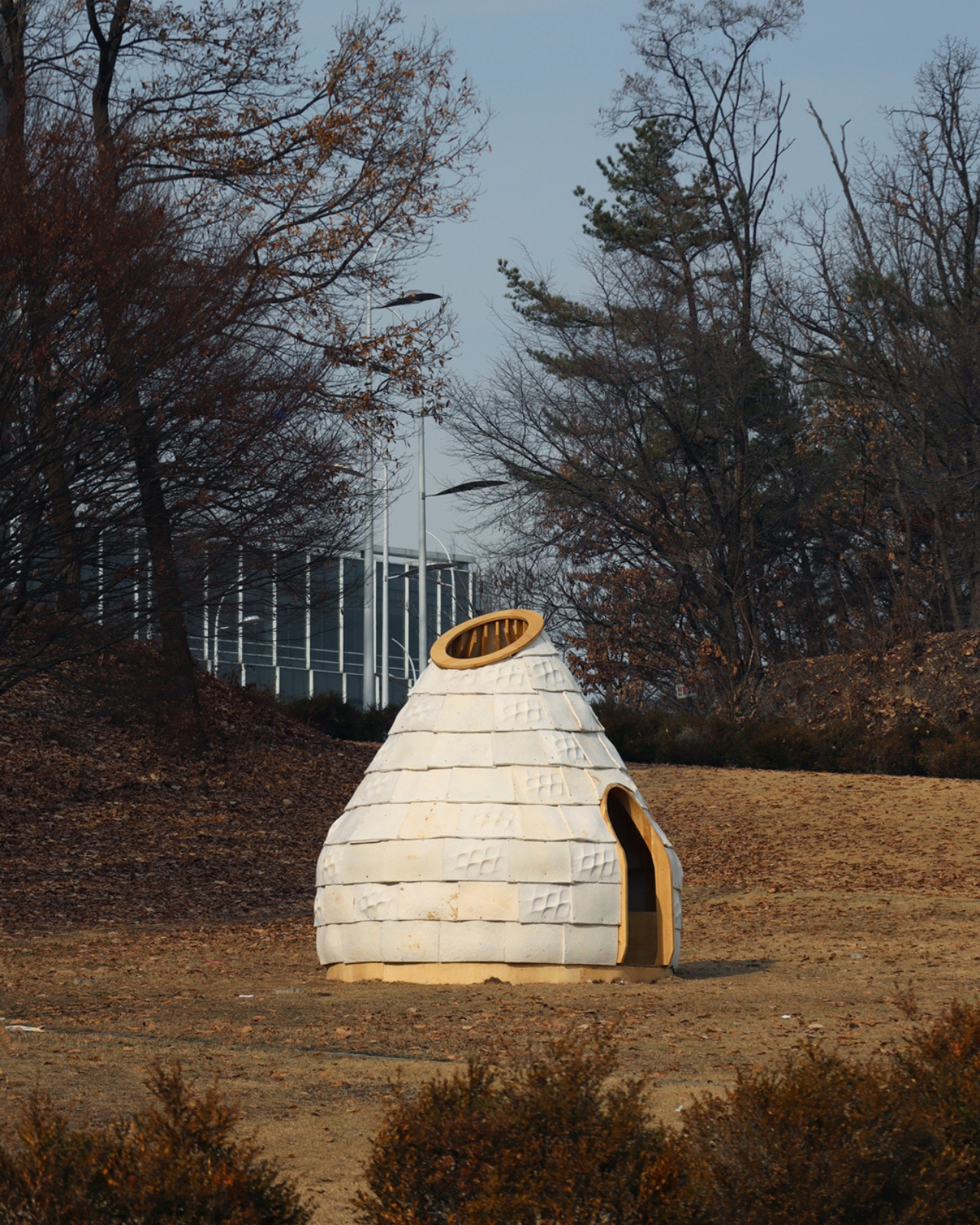
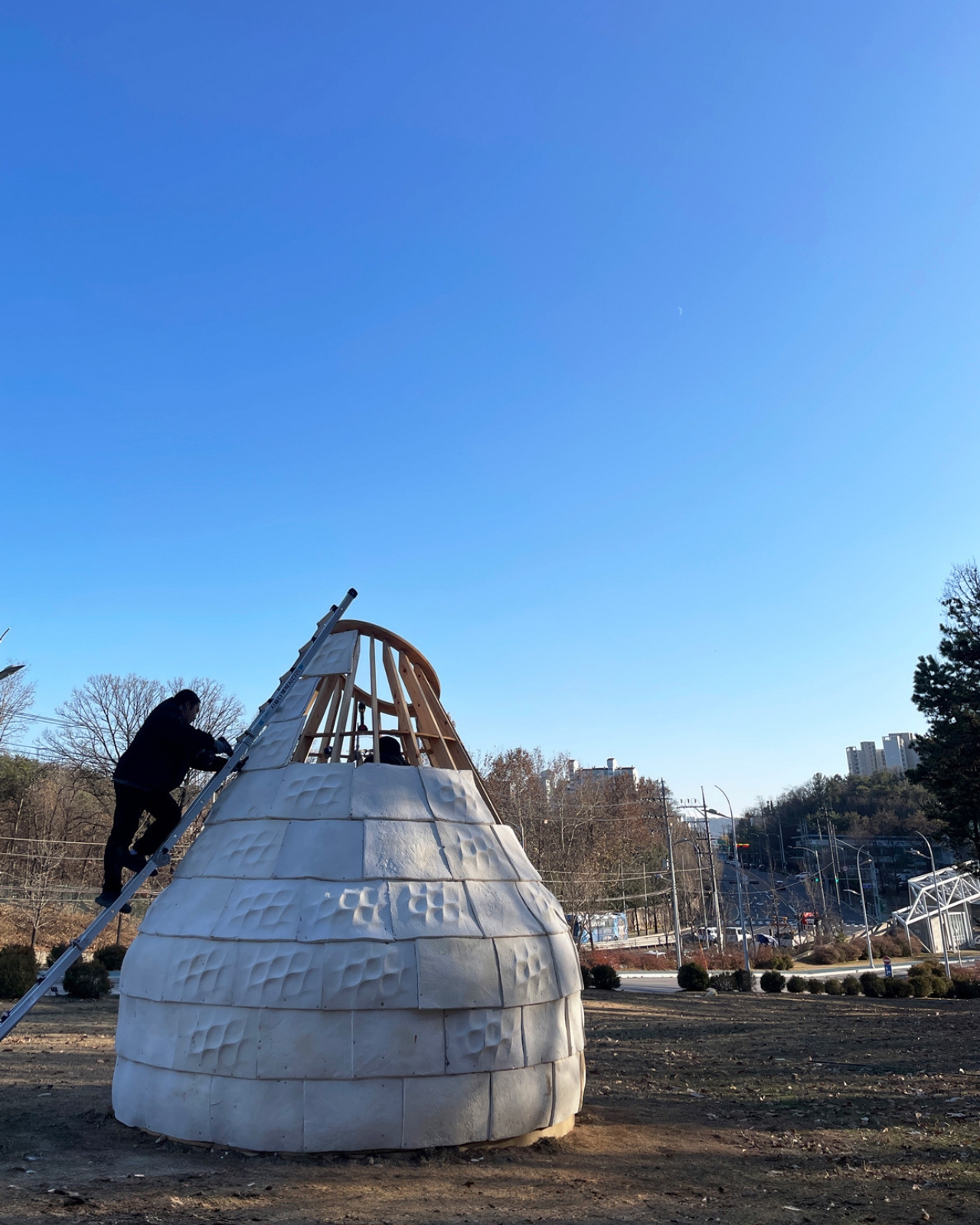
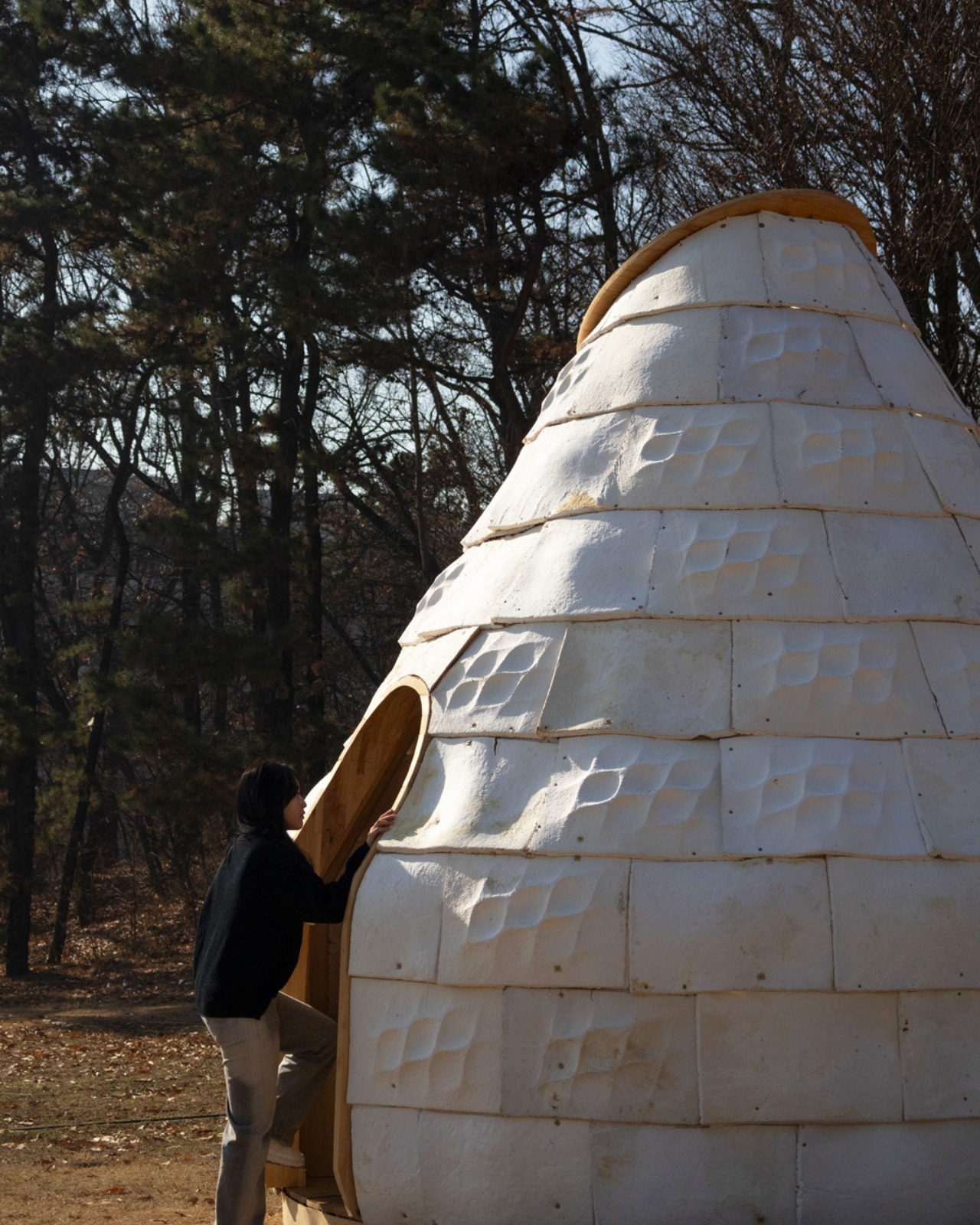
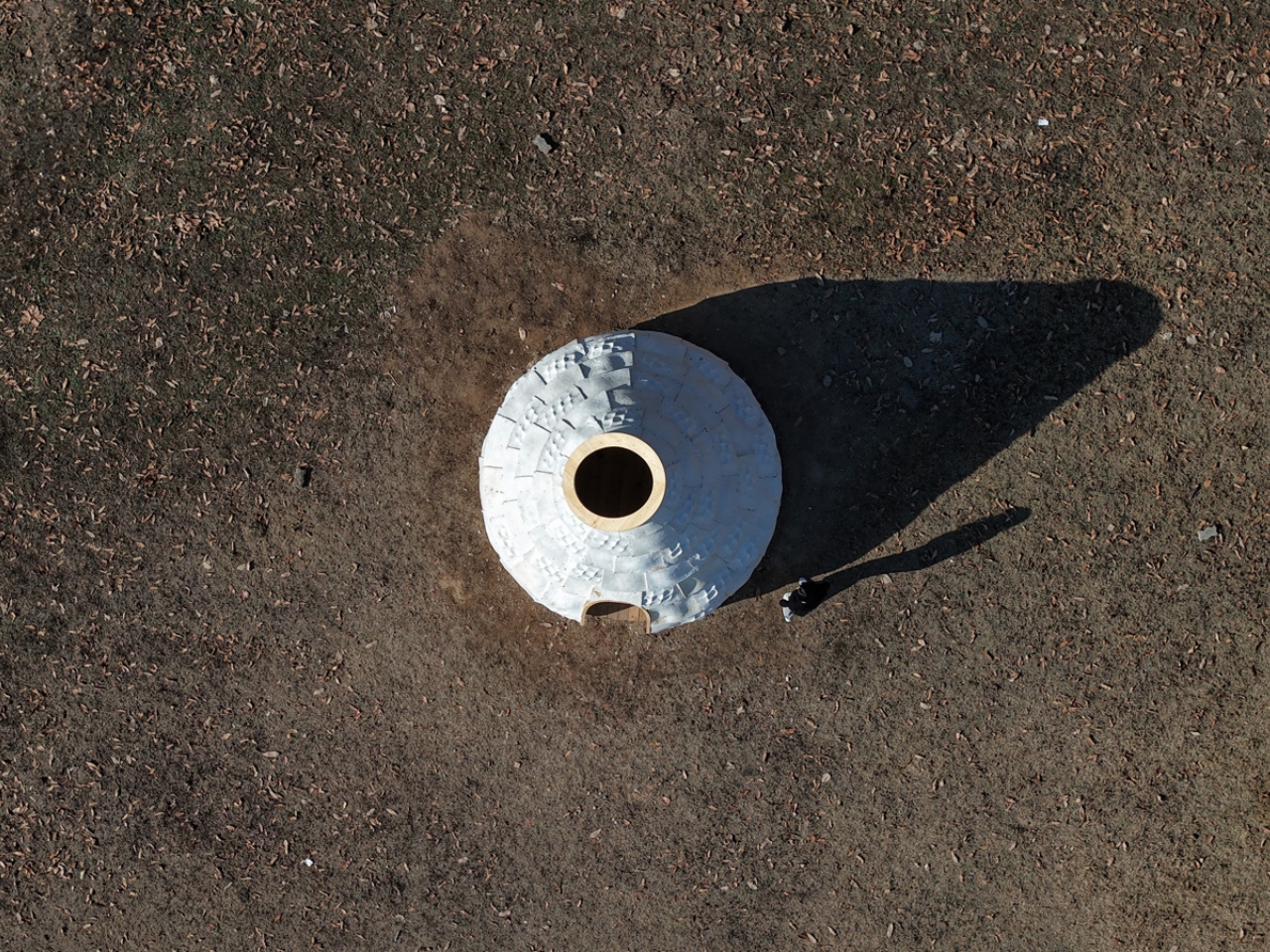
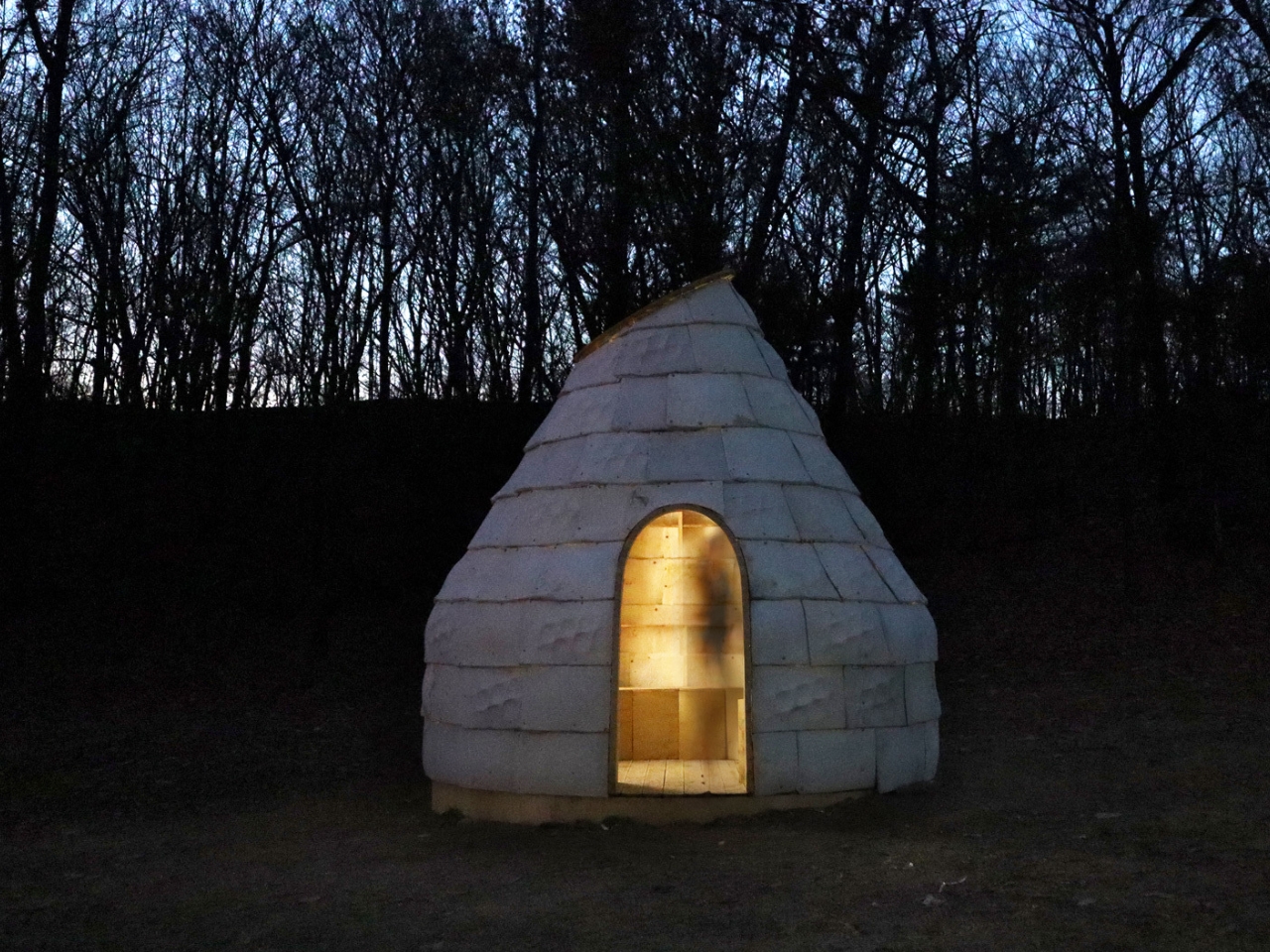
Picture a world where buildings aren’t just constructed but cultivated, where walls grow in custom molds and construction materials come from nature’s own filtration system. It sounds like science fiction, but on the campus of Seoul National University of Science and Technology, that vision became reality in 2024 with the Mycelial Hut.

Designed by Yong Ju Lee Architecture, this project arrives at a critical juncture. The architecture and construction sector currently accounts for the highest carbon emissions among all global industries. After 10,000 years of evolution alongside humanity, architecture entered the 20th century prioritizing efficiency and economy above all else, adopting concrete and steel as its near-exclusive materials. This pursuit of industrial optimization, while enabling rapid development, detached architecture from its ecological roots and intensified the environmental burden of the built environment.

Designer: Yong Ju Lee Architecture

Following the era of environmental crisis and the pandemic, a new approach has emerged to redefine sustainability itself. Organism-based composite materials present fresh possibilities for architecture, challenging the non-recyclable and non-degradable nature of inorganic construction materials. The Mycelial Hut experiments with mycelium, the fungal network that serves as nature’s filter, to reinterpret what eco-friendly architecture can be.

But here’s where it gets really interesting. This isn’t about simply replacing one material with another. The project explores bio-integrated fabrication methods that align growth, decay, and design within a single process. Think of it as architecture that understands its own lifecycle from the moment it begins taking shape.

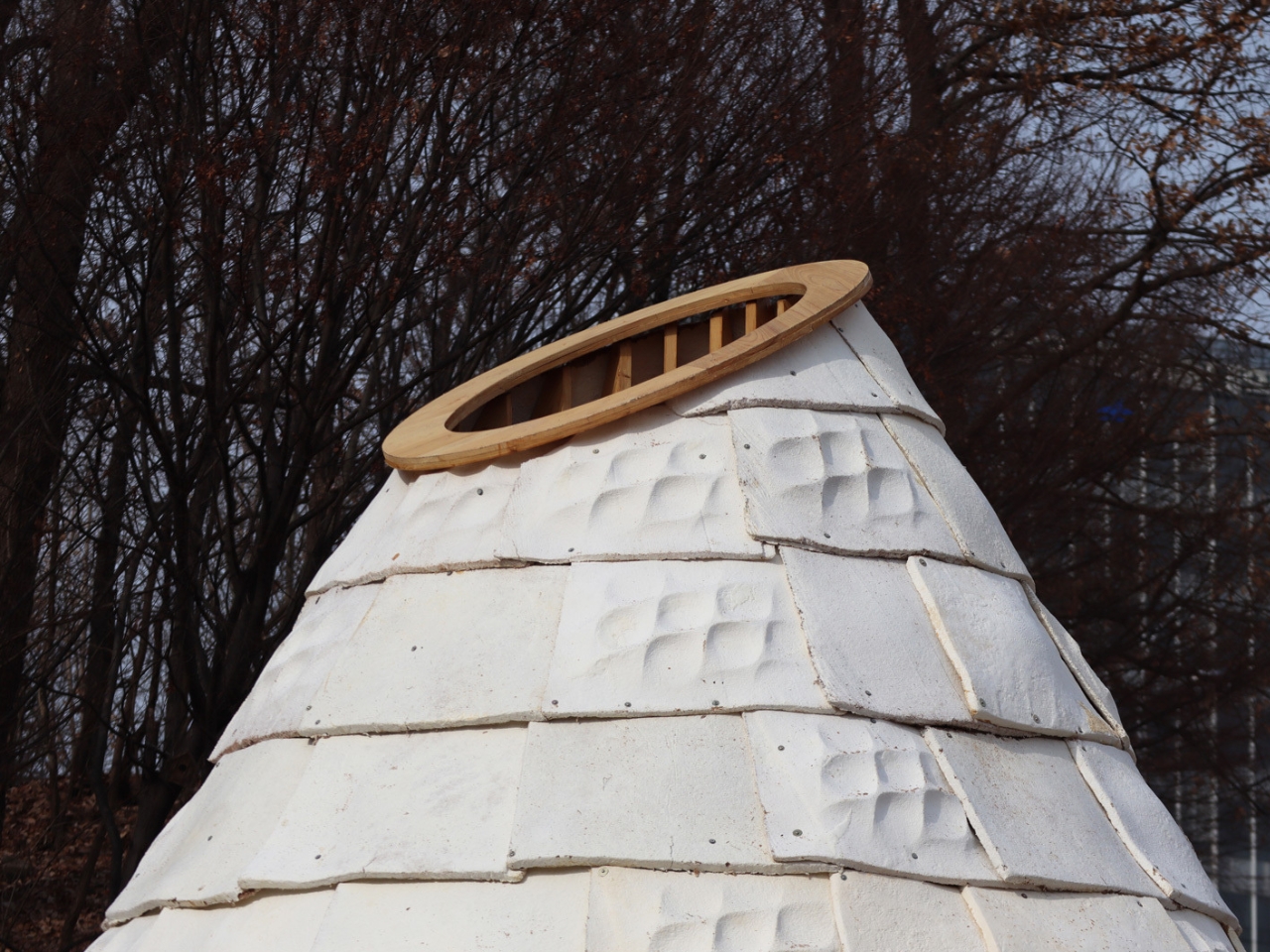
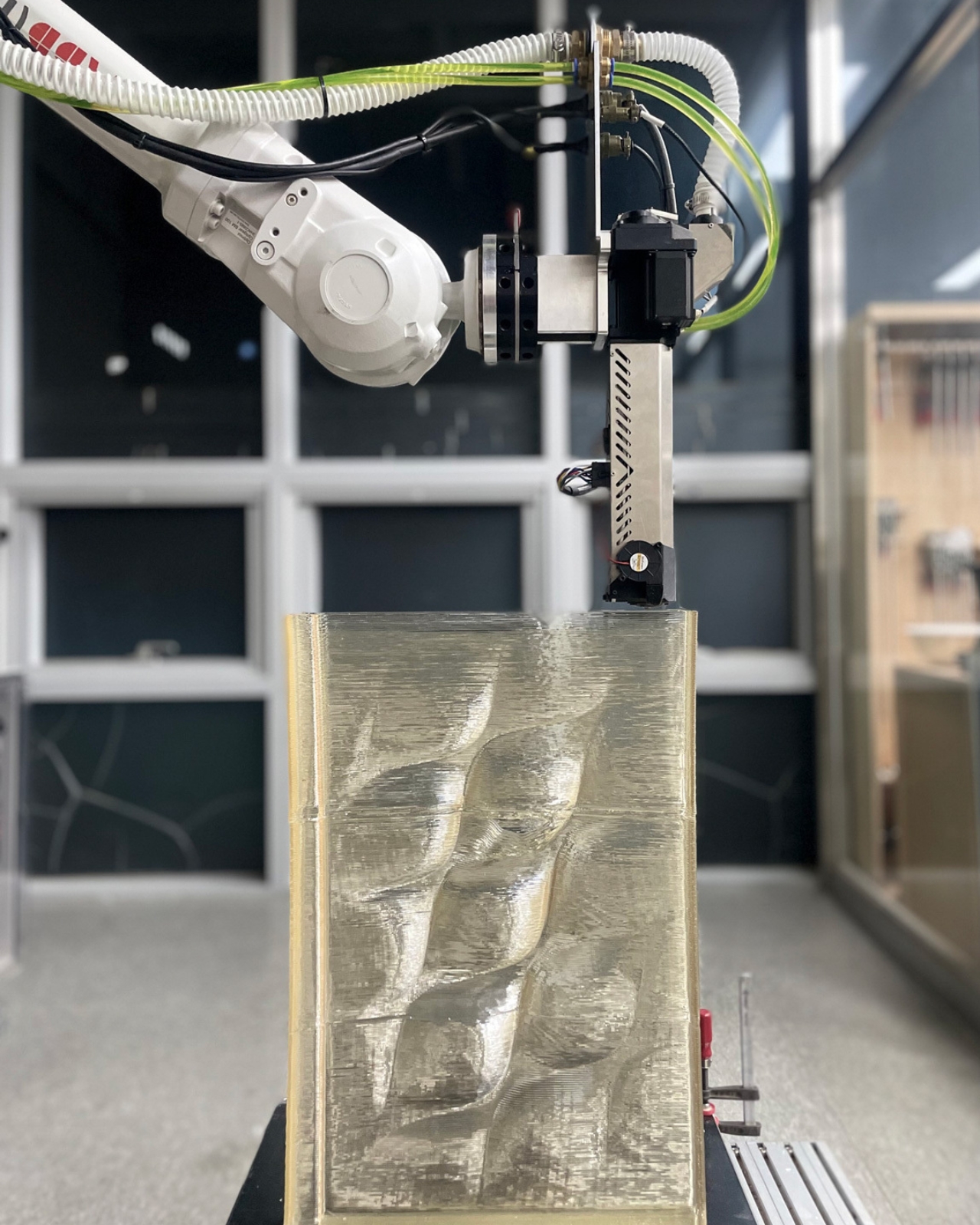
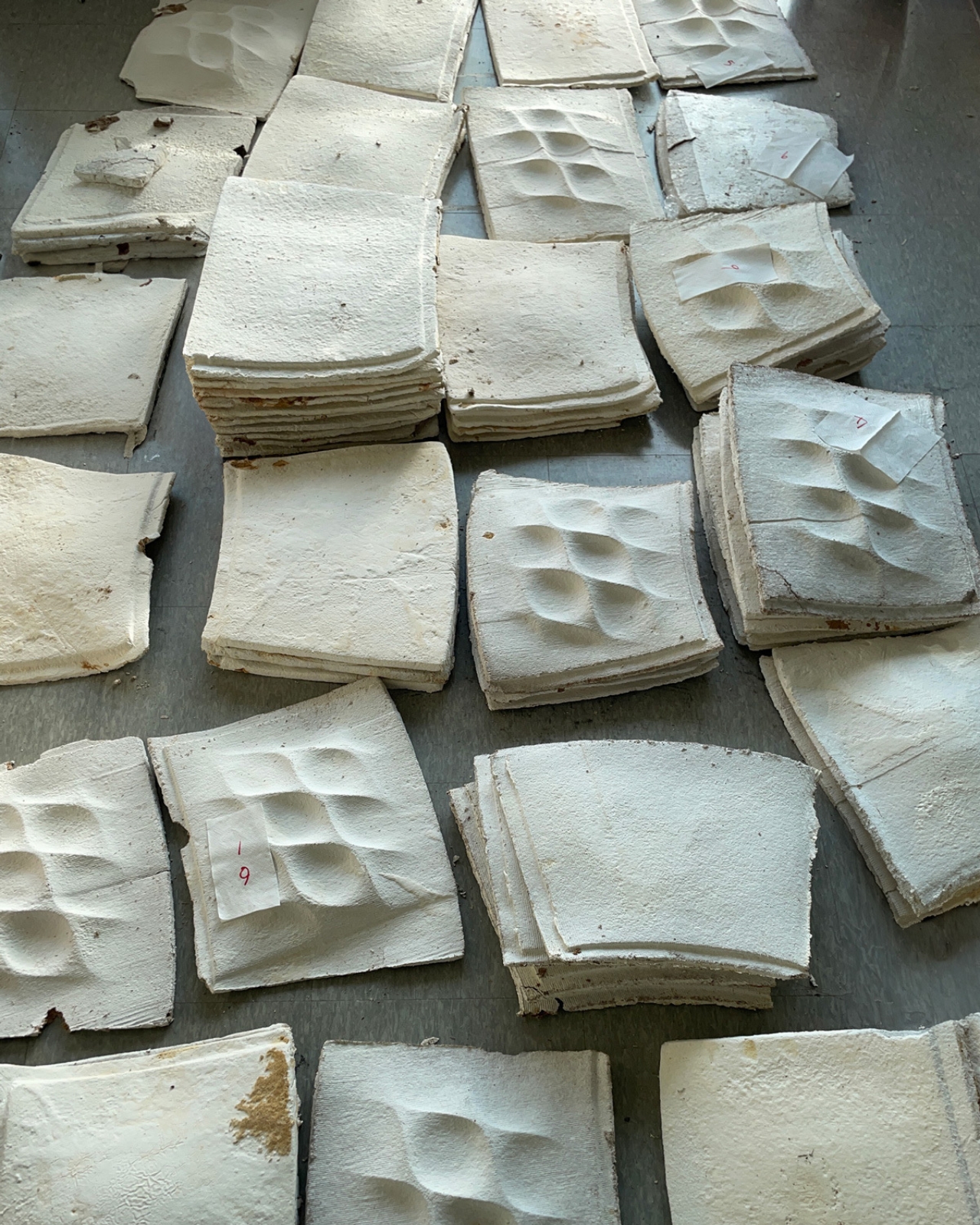
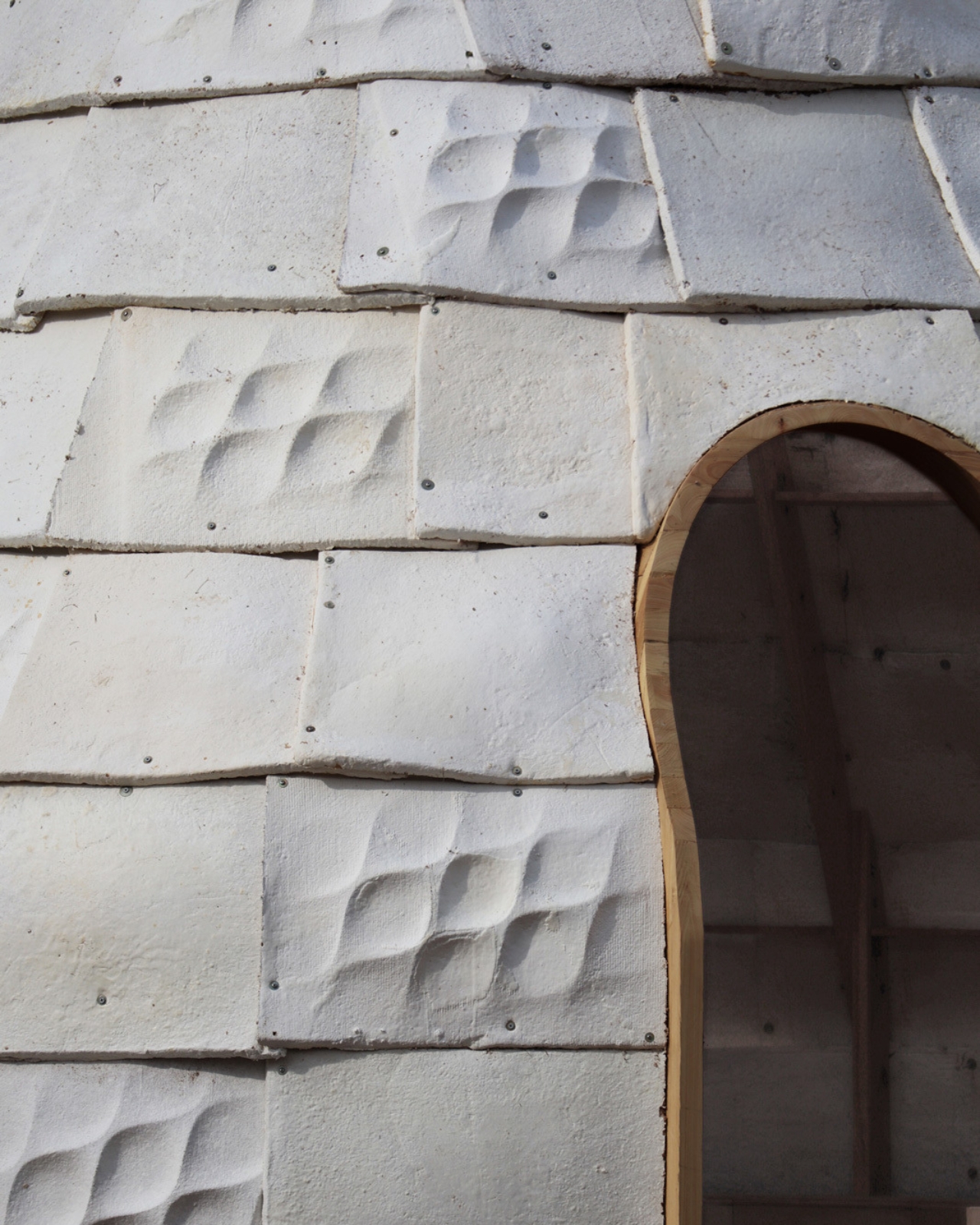
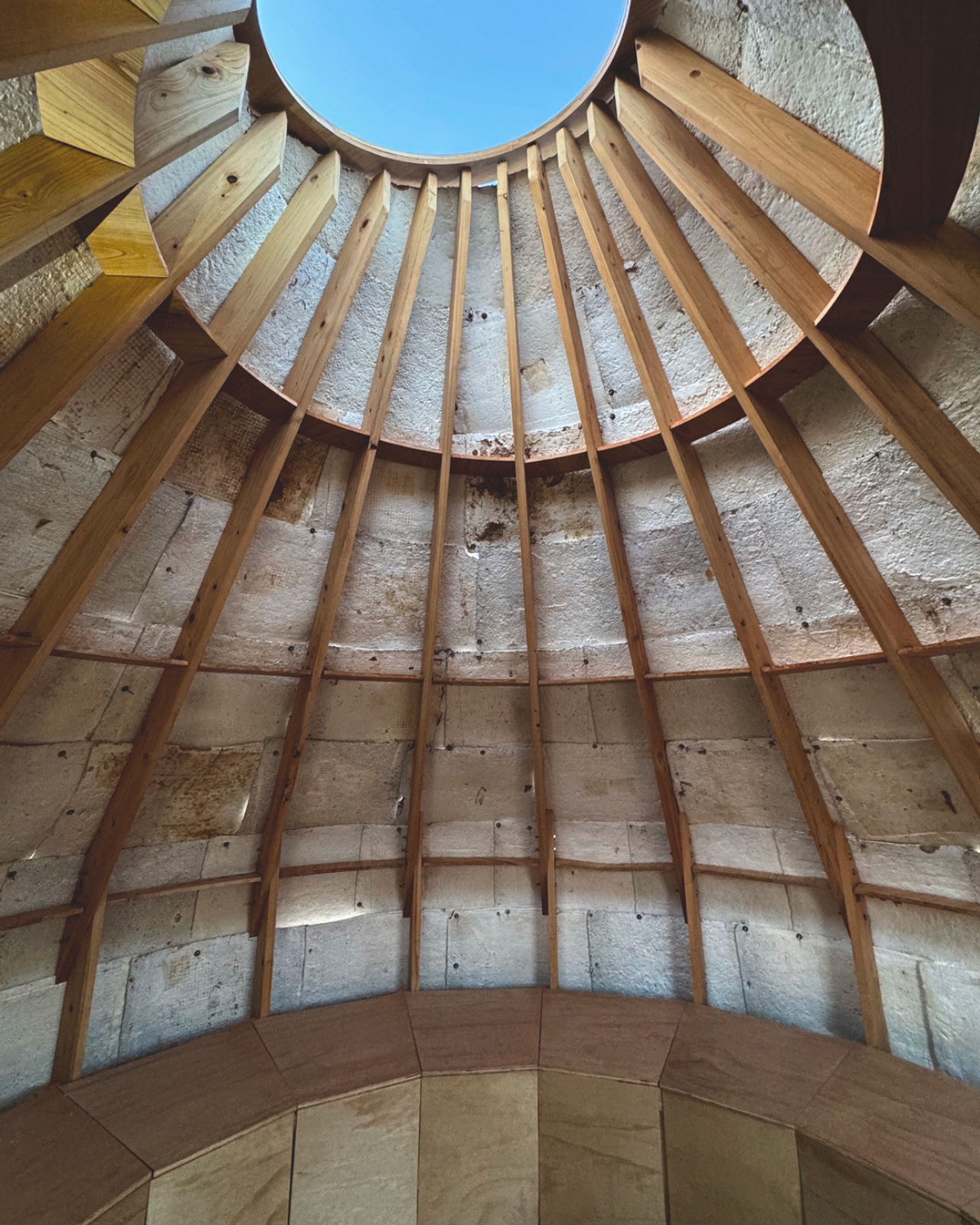
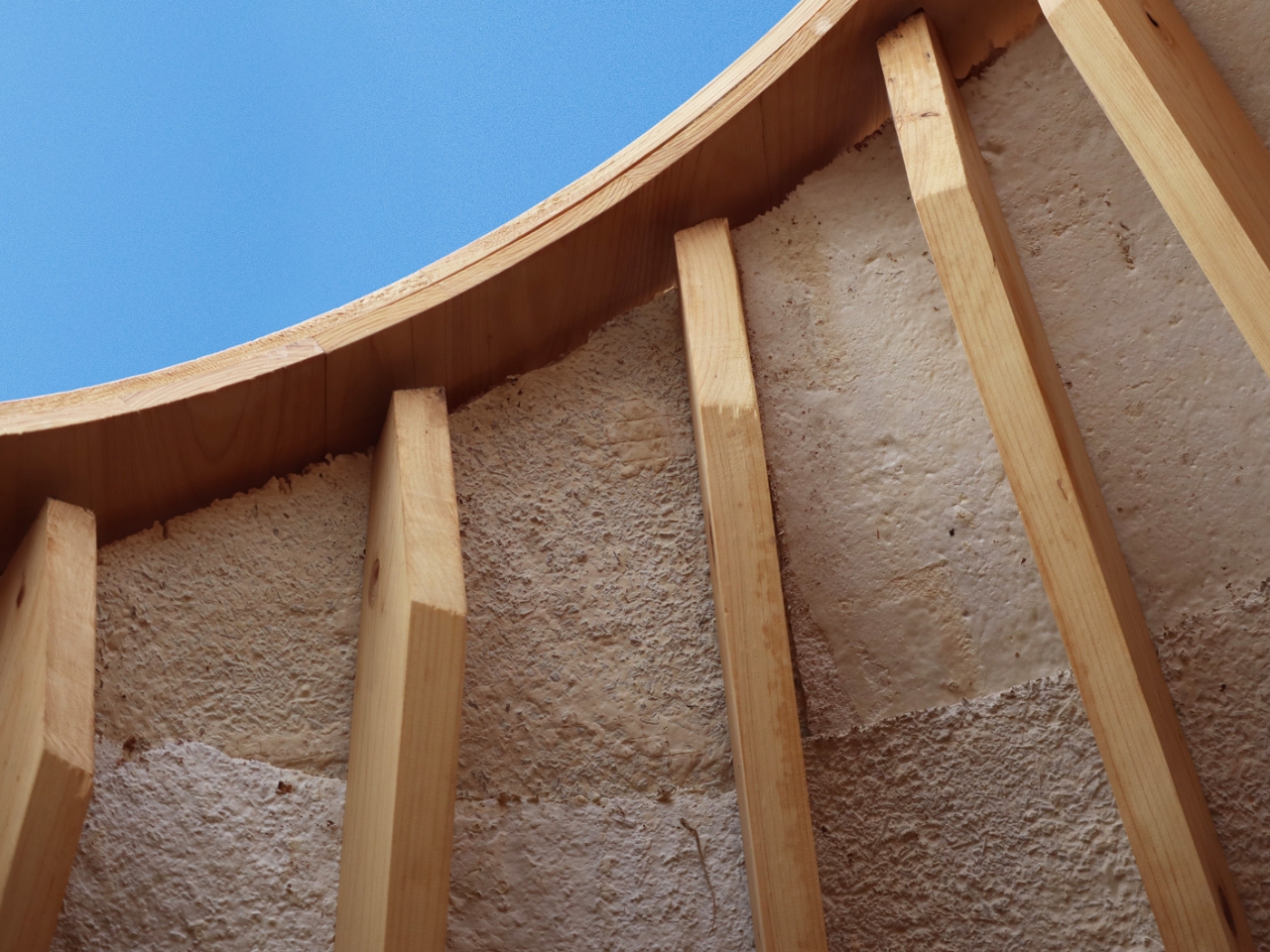
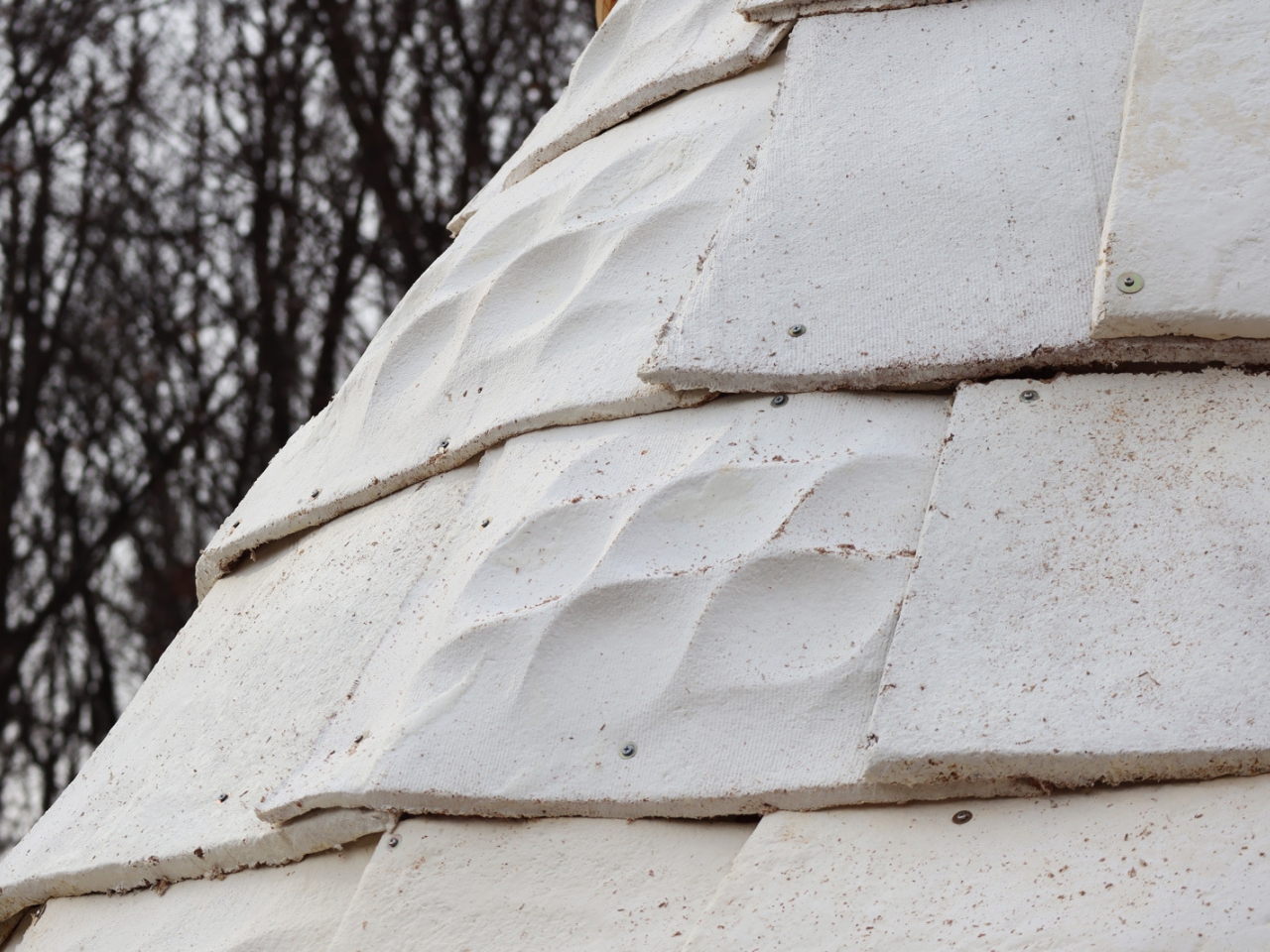
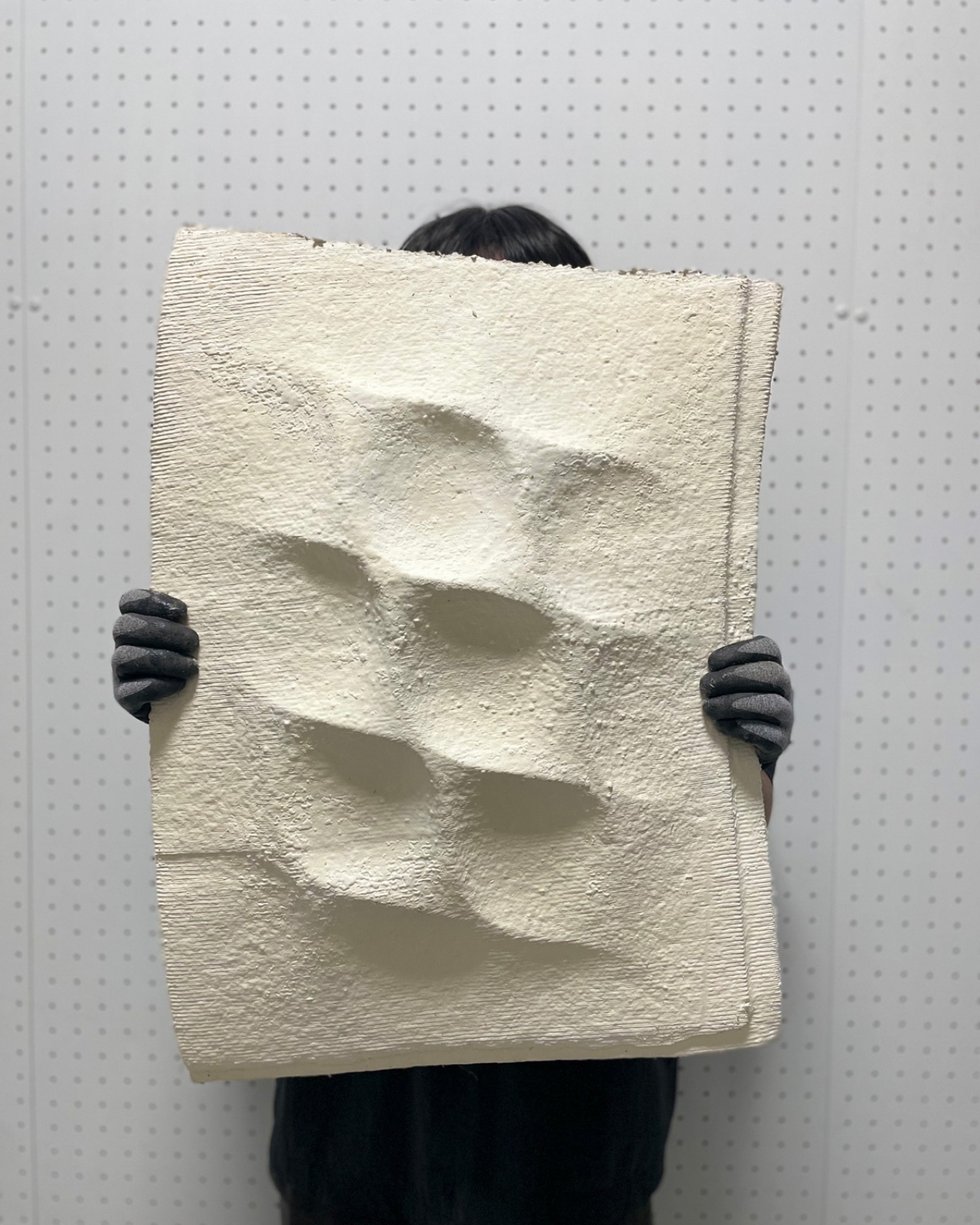
The Mycelial Hut demonstrates large-scale application of mycelium as a building material through customized molds fabricated by robotic 3D printing. This design-based research produces a bio-hybrid pavilion where a wooden frame serves as the structural backbone while customized mycelium panels form the external envelope. It’s a marriage of old and new, natural and digital, strength and adaptability.

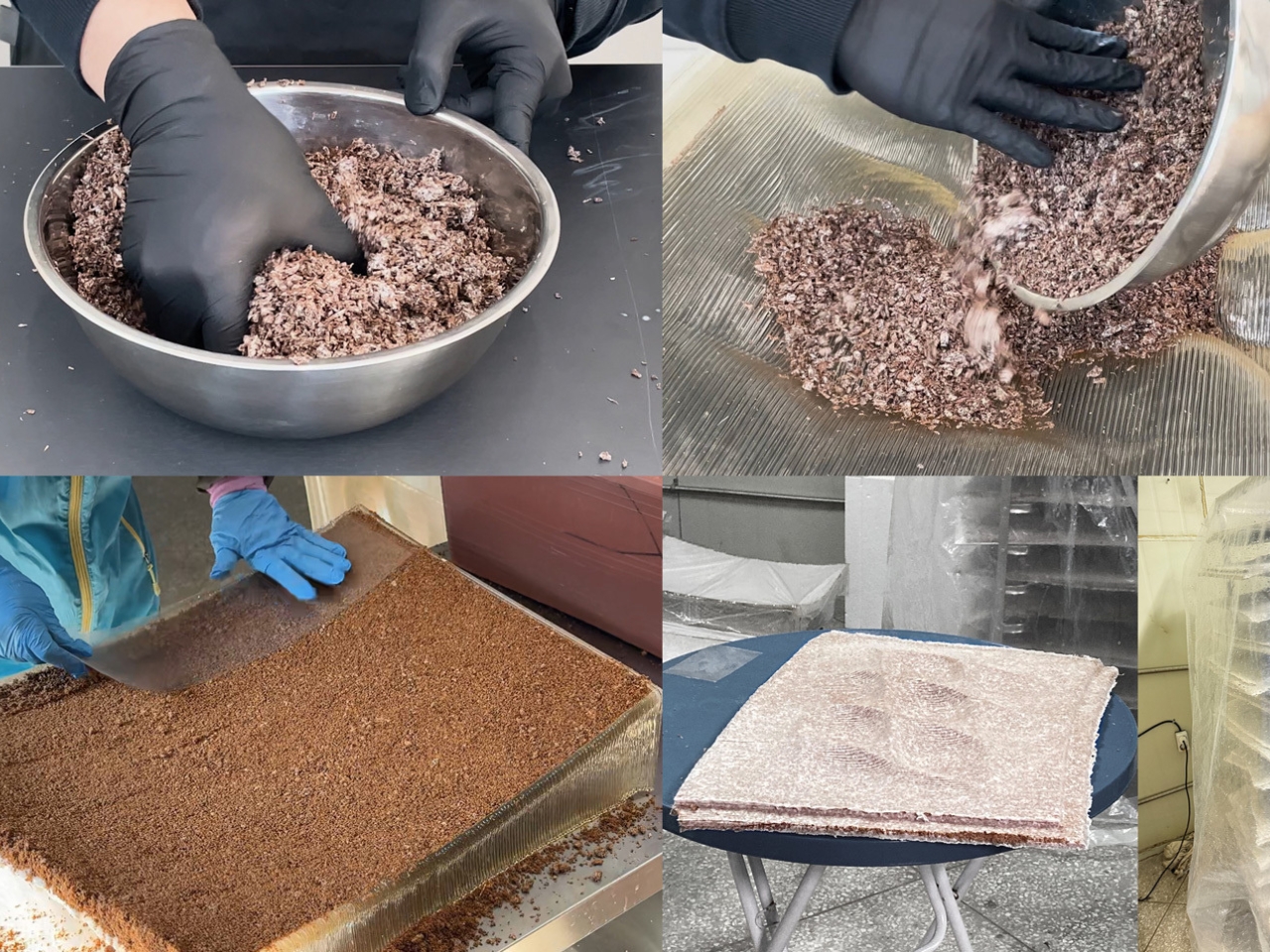
The process itself reads like an experimental recipe. In the initial phase, various types of mycelium substrates were tested to evaluate their workability, growth, and strength. Based on these results, specific molds were fabricated using 3D printing. Then came the innovation that makes this project particularly fascinating: a new workflow combining industrial robotic arms was established to merge digital processes with natural growth systems. The result is a large-scale structure that embodies the coexistence of computation and biology. Robots and fungi working together. Algorithms guiding organic growth. It’s the kind of collaboration that wouldn’t have made sense even a decade ago, but now feels inevitable.

What makes the Mycelial Hut more than just an interesting experiment is how it addresses the real challenges of fungal material application. Mycelium is structurally weak compared to concrete or steel. It grows unpredictably. It needs specific conditions to thrive. These aren’t bugs in the system but features that demand smarter design thinking. By using geometry, custom molds, and a supportive wooden frame, the project demonstrates the feasibility of bio-composites for architectural construction without pretending the material is something it’s not.

The location matters too. Situated on a university campus, this bold installation makes the concept of sustainable architecture tangible and accessible in everyday life. It’s not hidden away in a research lab or showcased only at industry conferences. Students walk past it. Visitors encounter it. The project invites everyone to imagine a future where buildings respond to their environment because they’re fundamentally made from it.

We’re watching a shift in architectural thinking that goes beyond sustainability buzzwords. When your building materials can be composted after use, when construction happens through cultivation rather than extraction, when robots program molds for fungus to fill, you’re not just reducing environmental impact. You’re reimagining what construction can be. The Mycelial Hut suggests that the next revolution in architecture won’t come from stronger concrete or lighter steel but from learning to work with living systems. By combining digital fabrication with biological growth, Yong Ju Lee Architecture has created something that’s both cutting-edge and ancient, high-tech and earthy, experimental and surprisingly practical.

The real question isn’t whether we can build with mushrooms. The Mycelial Hut proves we can. The question is whether we’re ready to rethink our entire relationship with materials, growth, and the built environment. On a university campus in Seoul, that conversation has already begun.

The post This Seoul Studio Just Grew a Building From Mushrooms first appeared on Yanko Design.
Nintendo Museum to showcase 132 years of the company’s gaming history

At one point in most people’s lives, they have probably played with or interacted with a Nintendo gaming device. Now what device that is is of course depends on the generation but with more than a hundred years of experience in creating games, there are a lot of things to choose from. And if you’re a die-hard fan of their various games and consoles, then you’ll want to book a ticket to what will surely be the hottest thing in town in a couple of months.

Designer: Nintendo

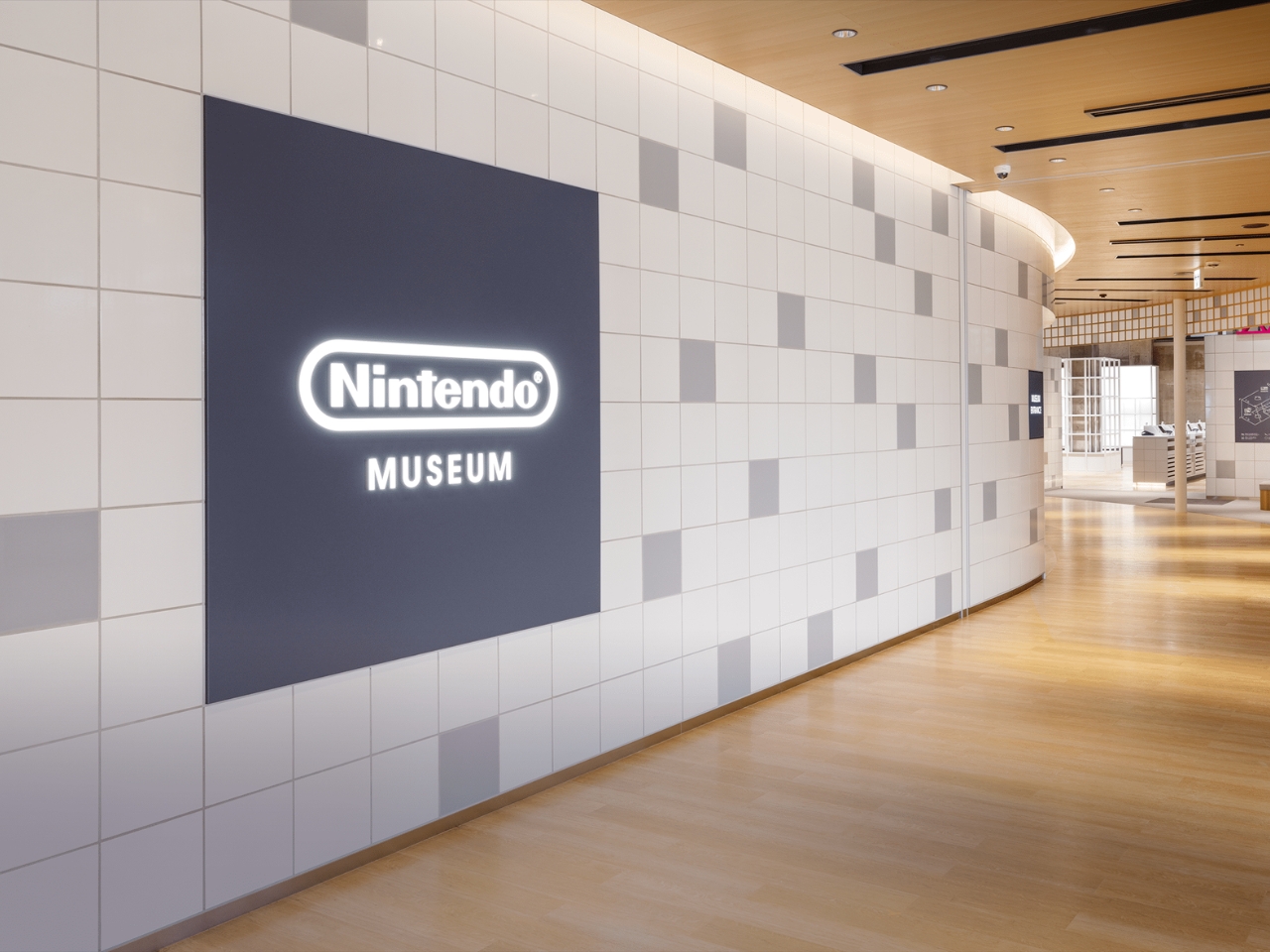
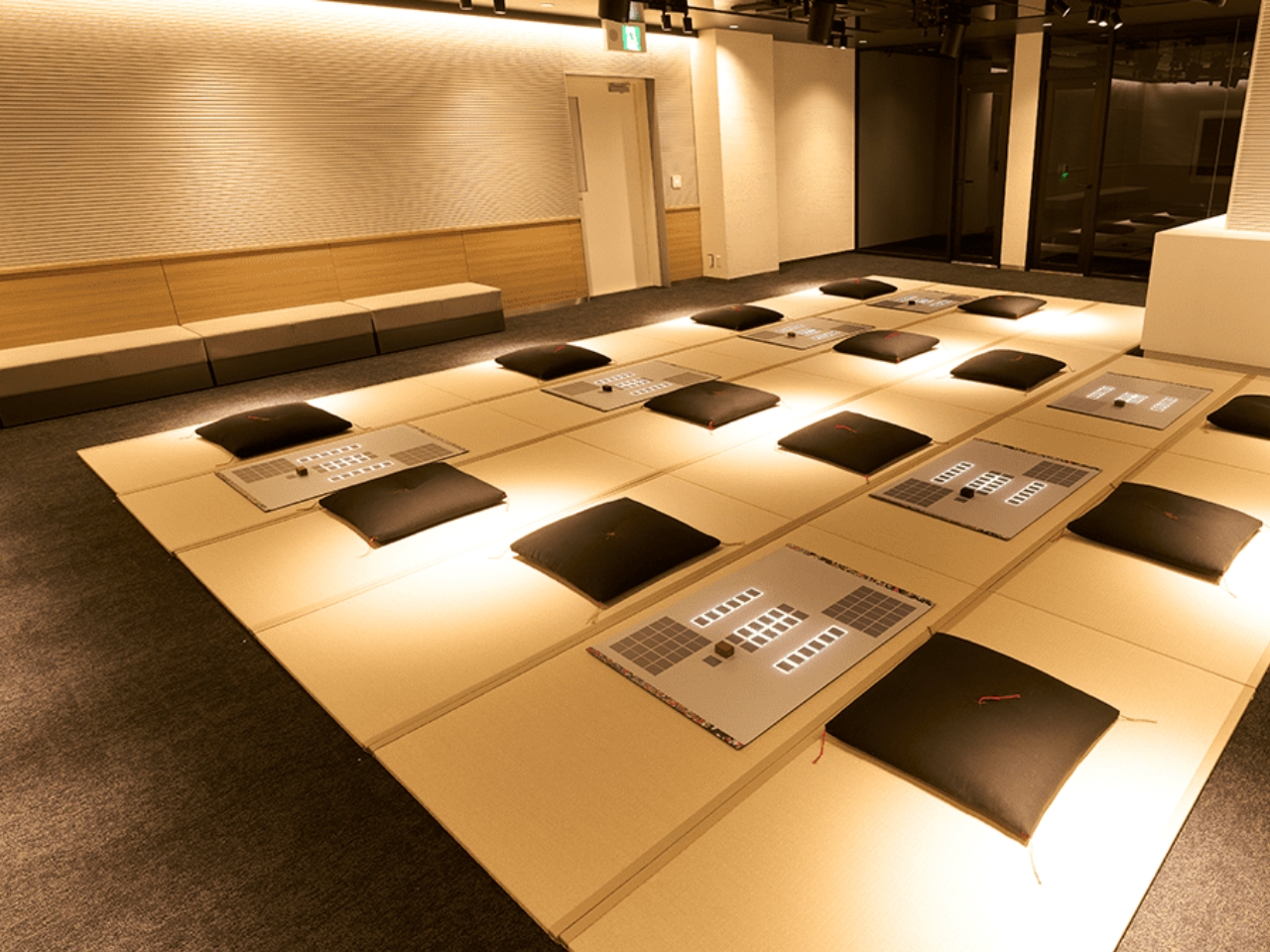
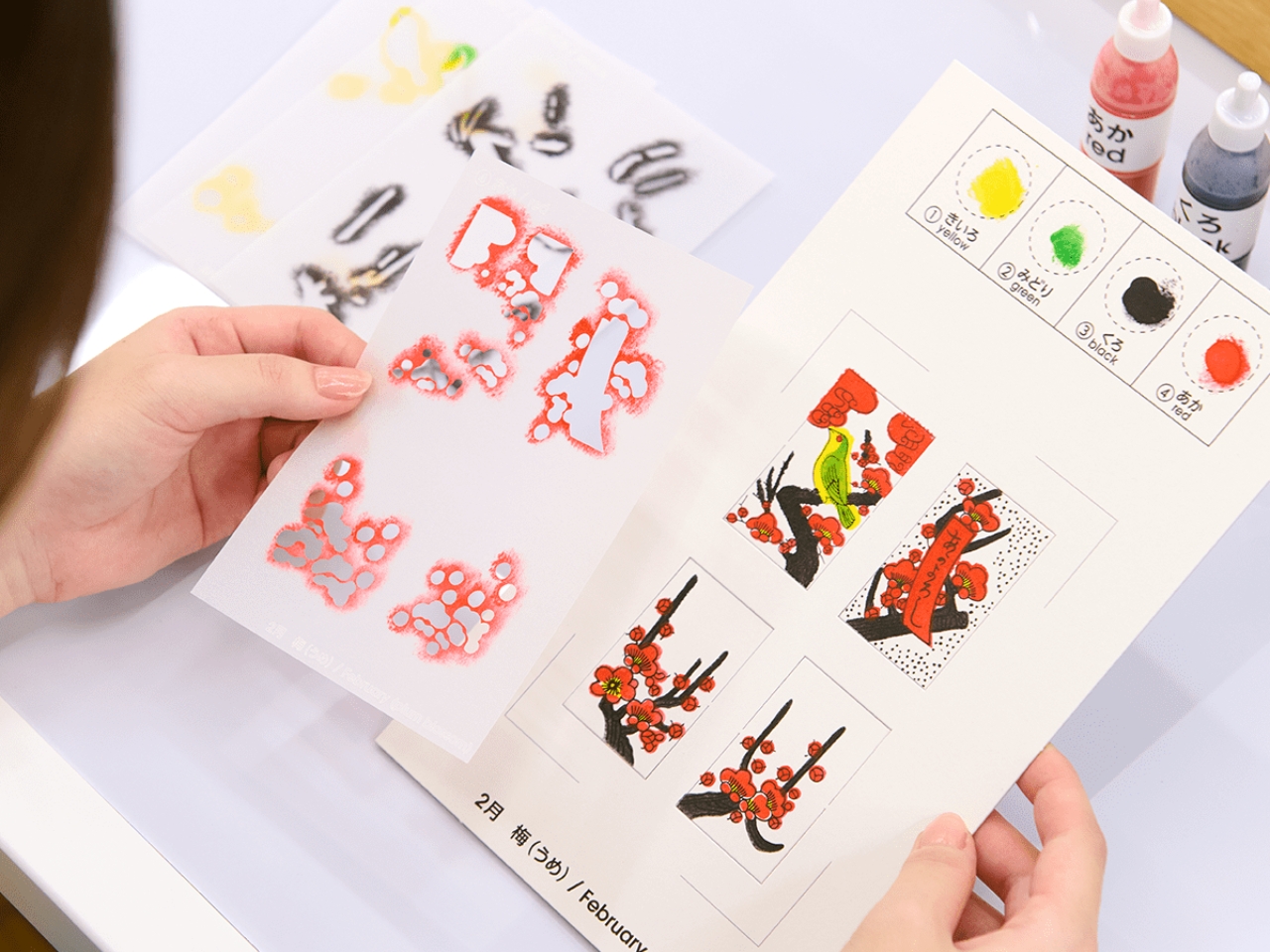
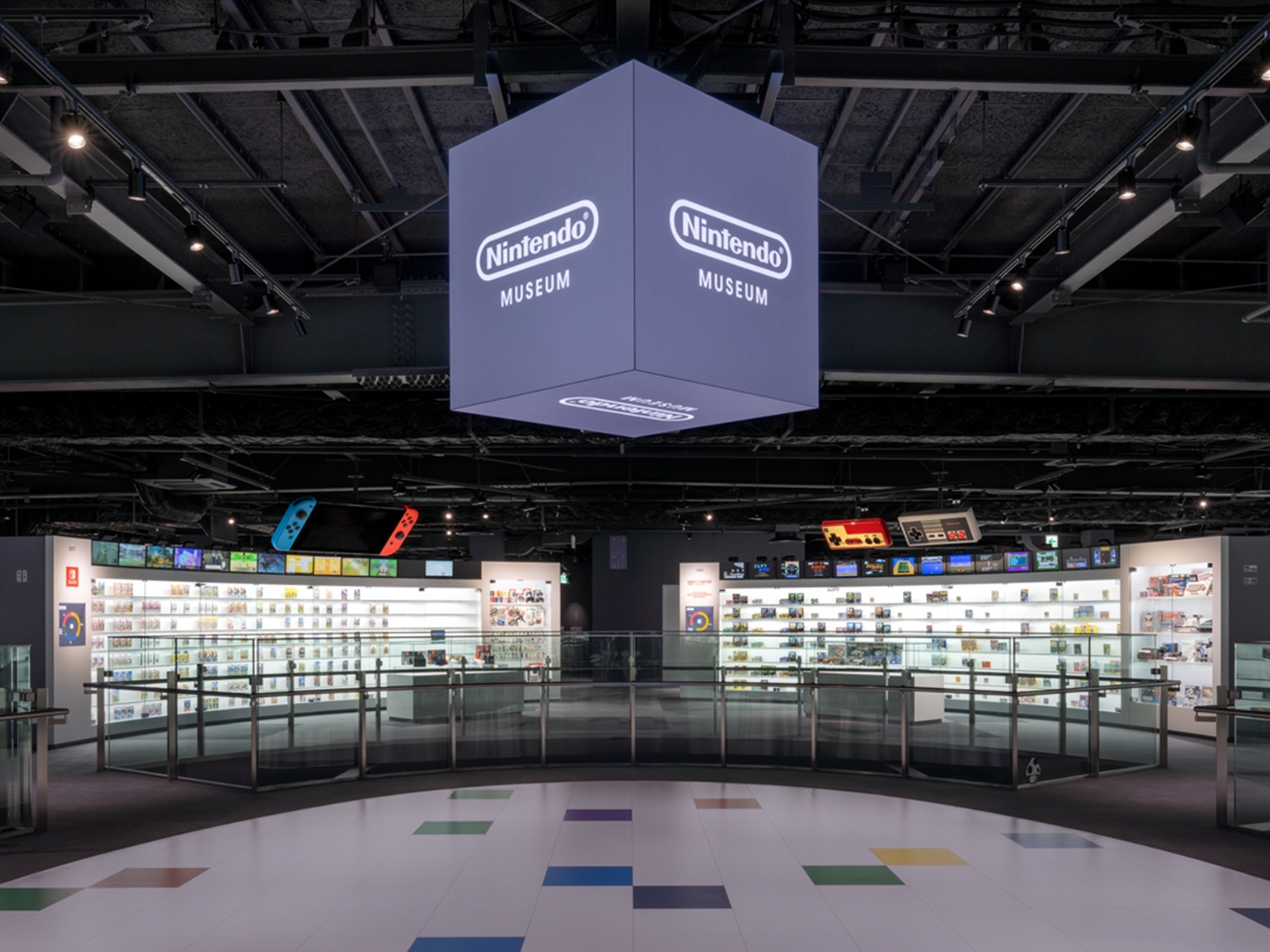
Yes, we are finally getting a Nintendo Museum opening this October and built on the very space where they started creating hanafuda playing cards in 1889. Because this company has gone through many evolutions since then, you can expect a fun and interactive history lesson spanning a century of family entertainment. There will be various exhibits as well as a cafe and of course, an extensive merchandise shop that will celebrate all kinds of games and technology. There will also be arts and crafts and workshops section where you can do things like create your own hanafuda cards.

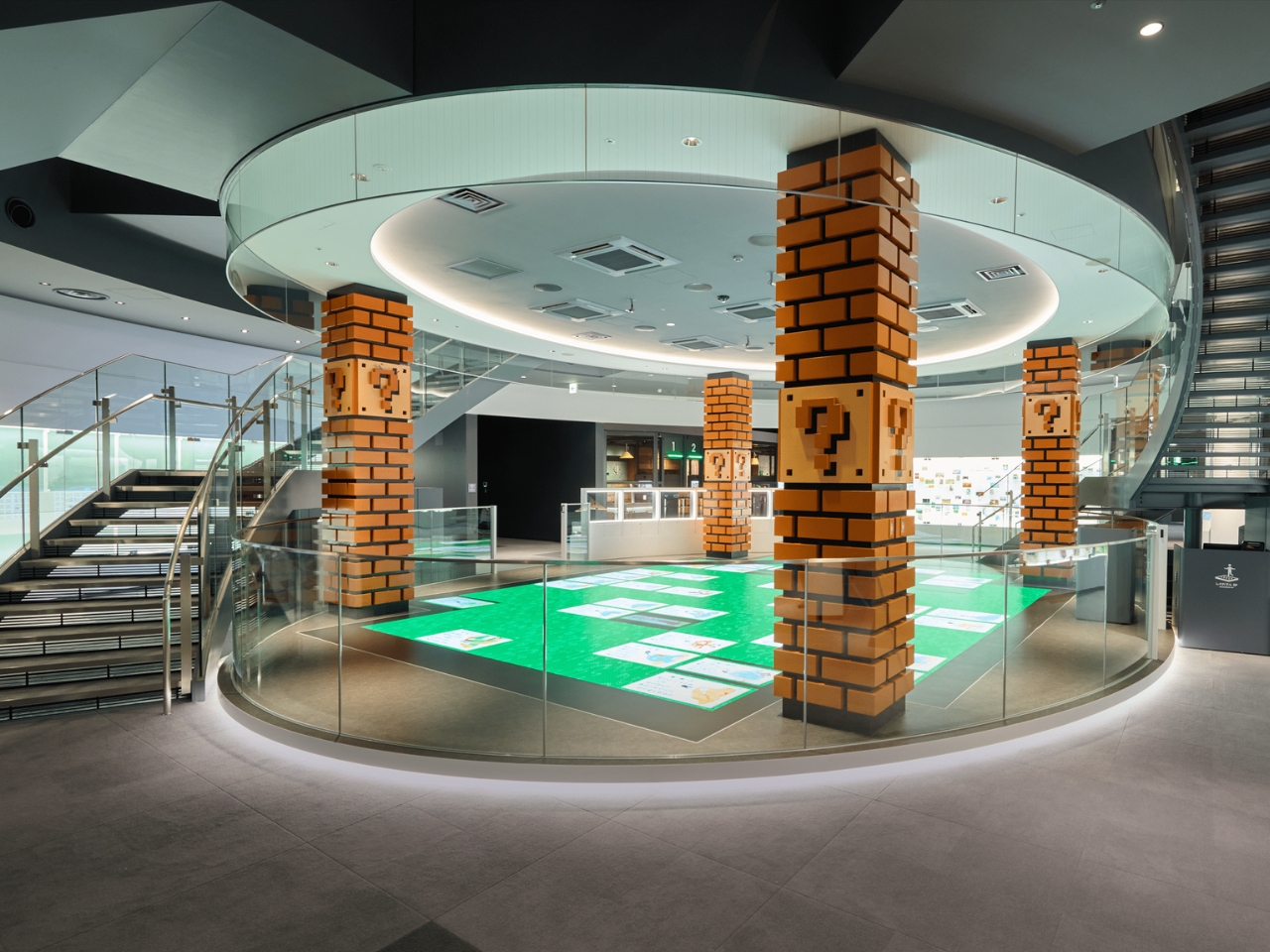
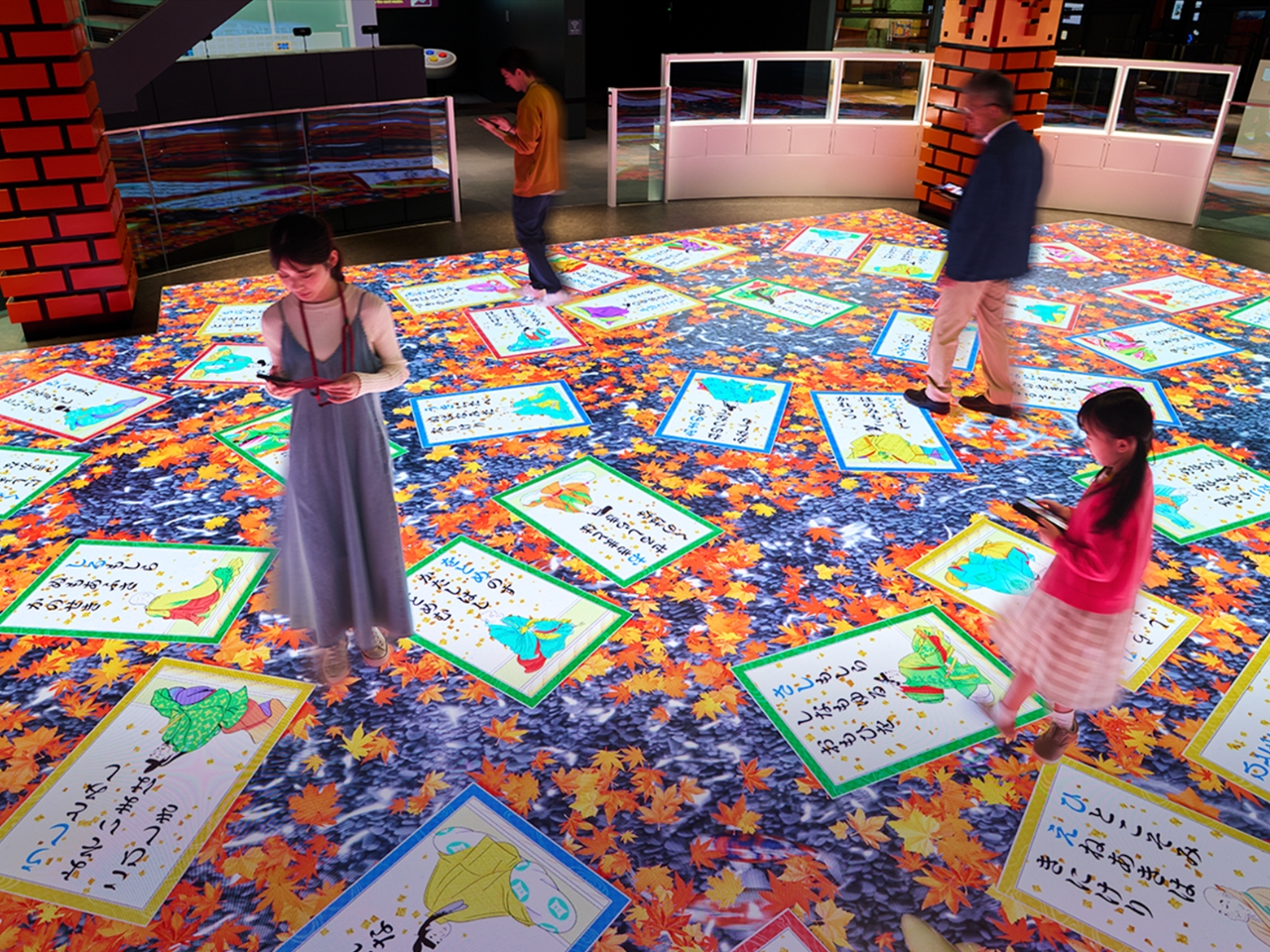
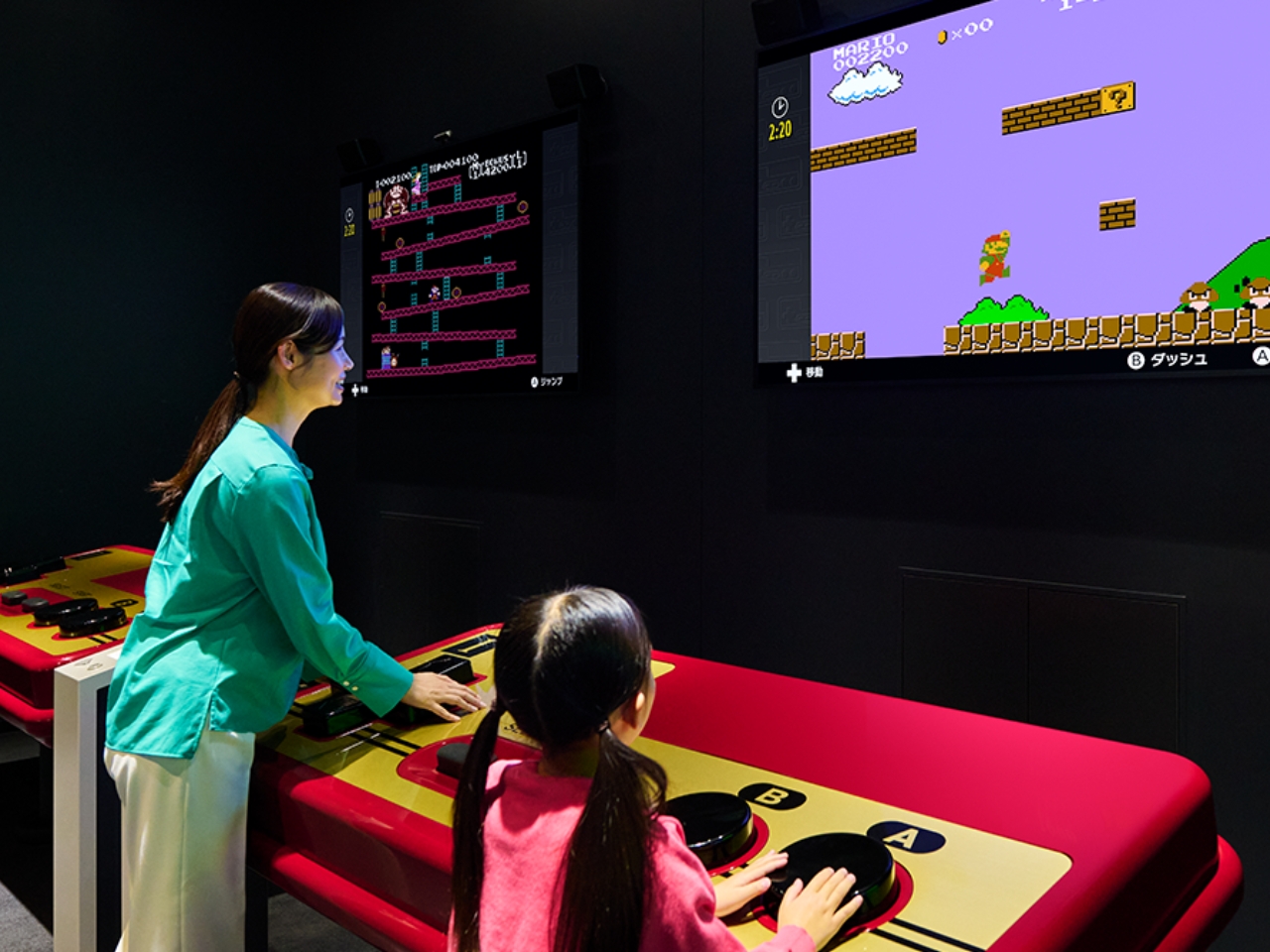
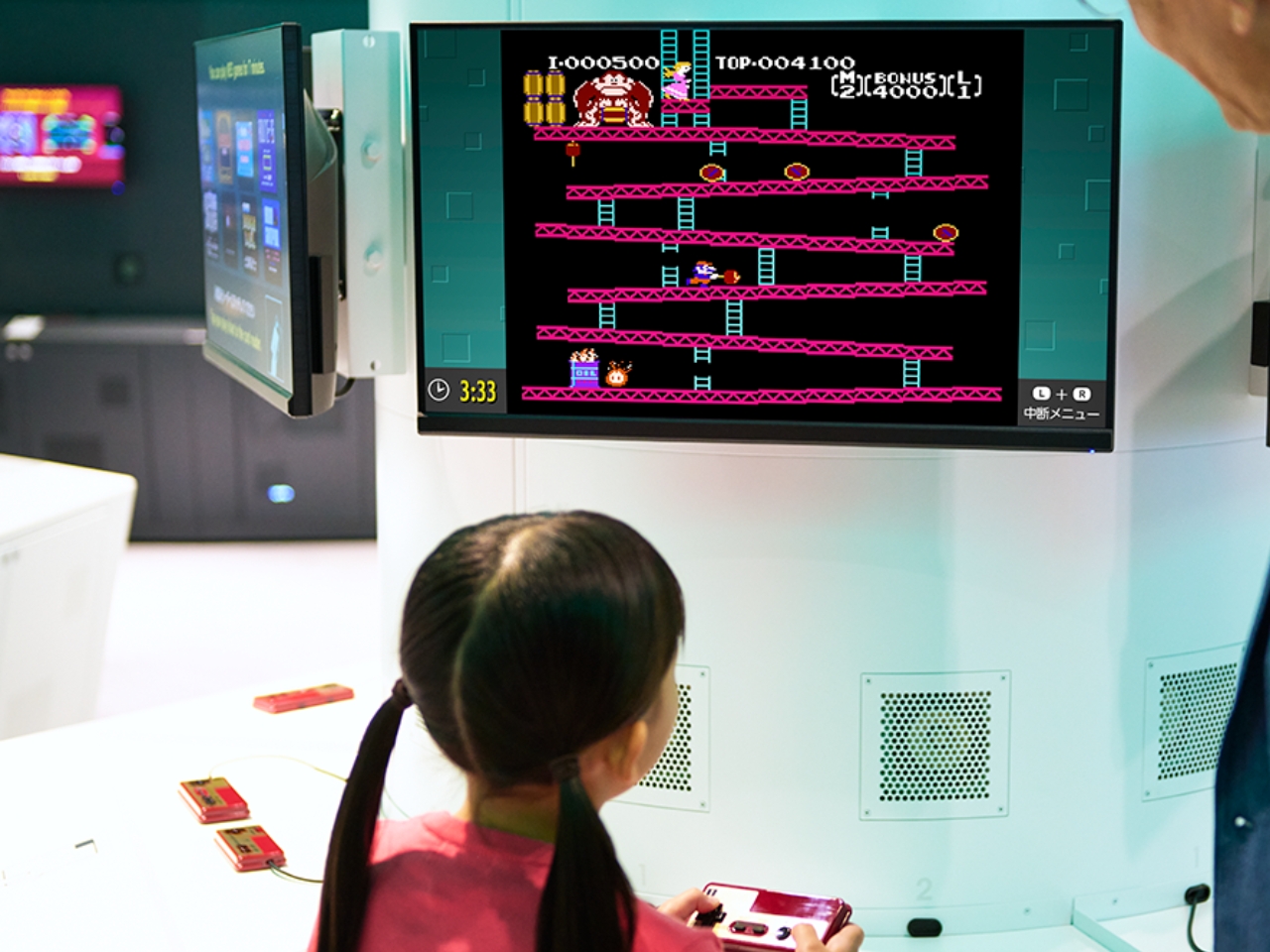
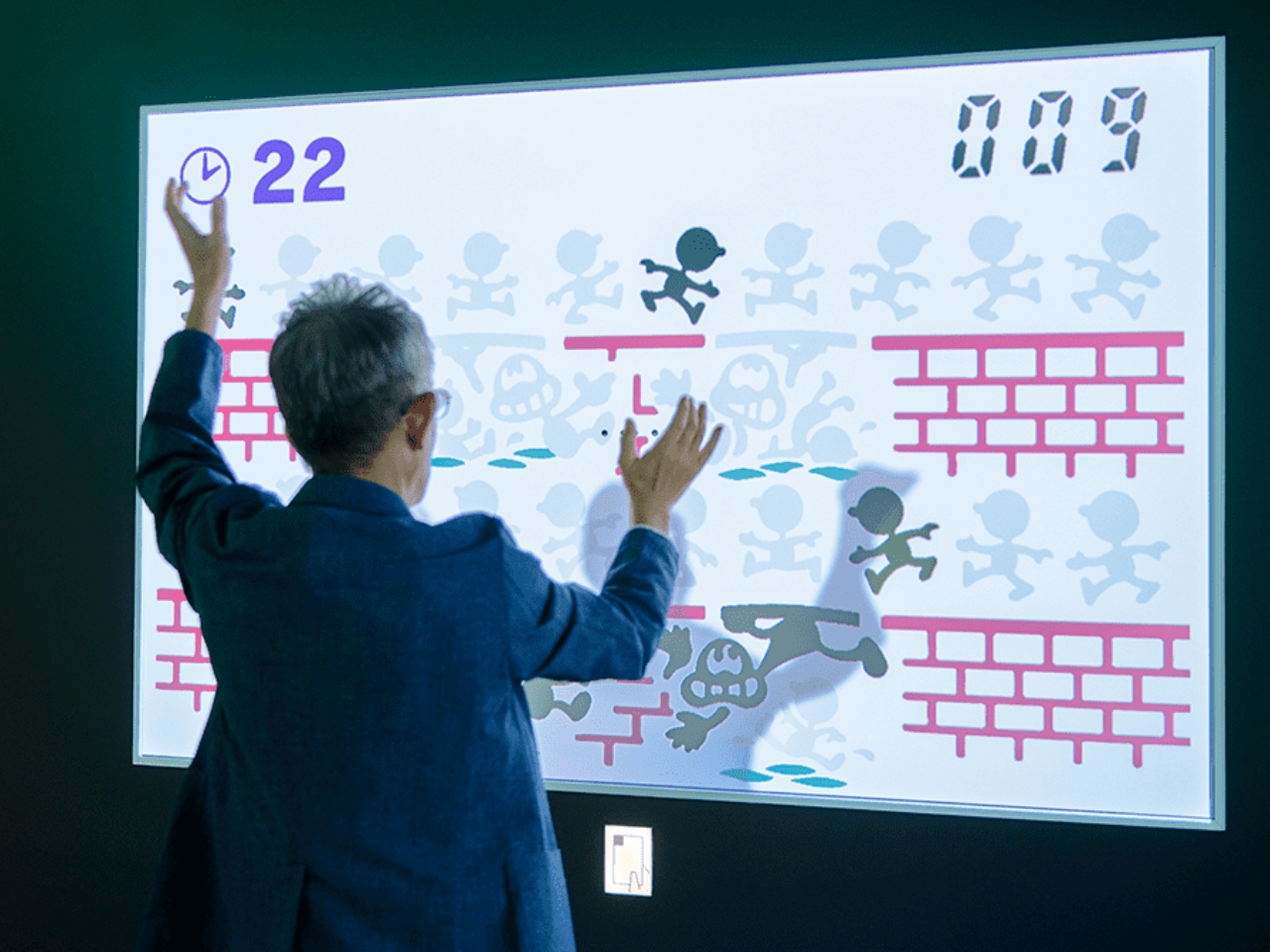
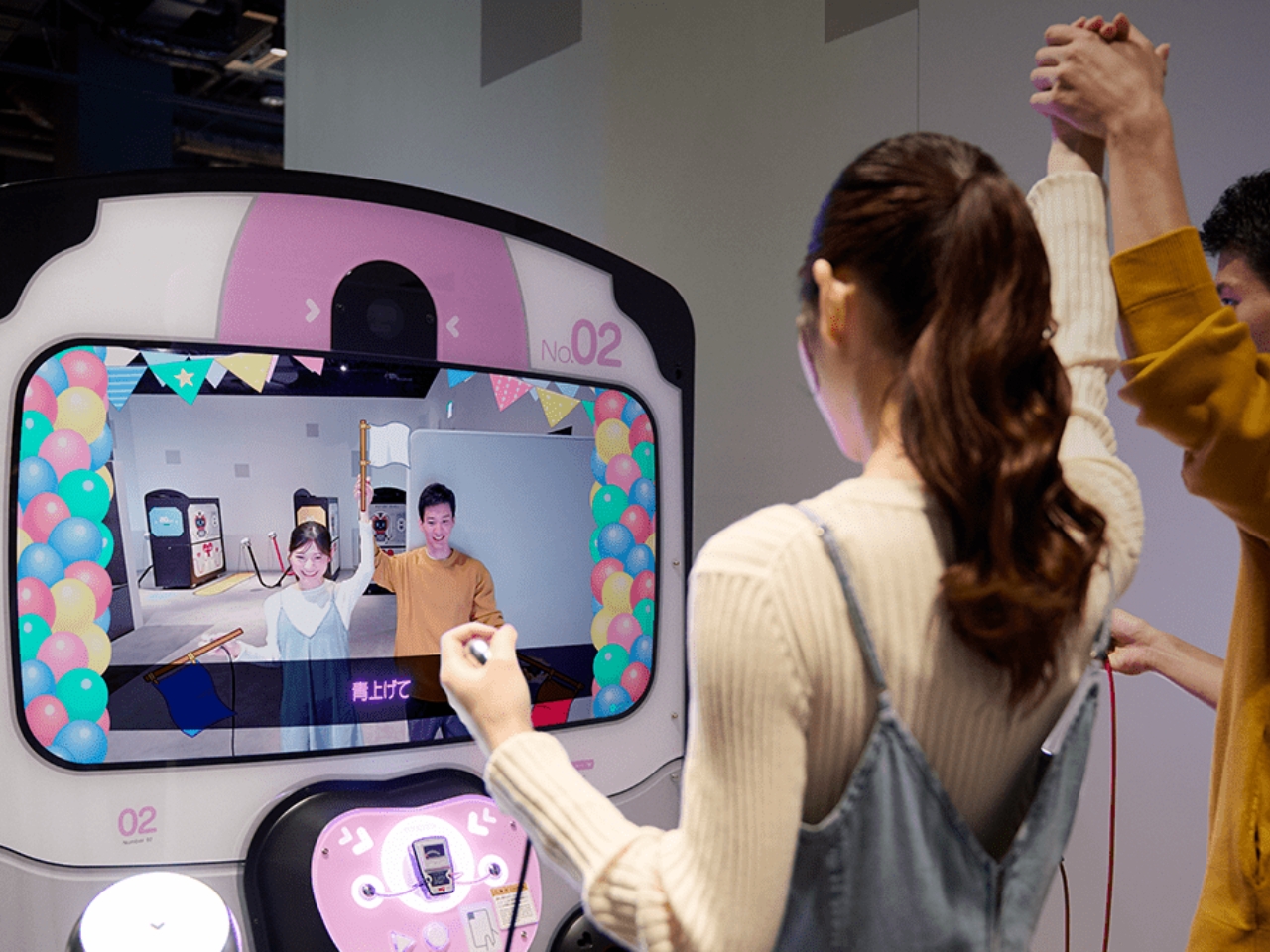
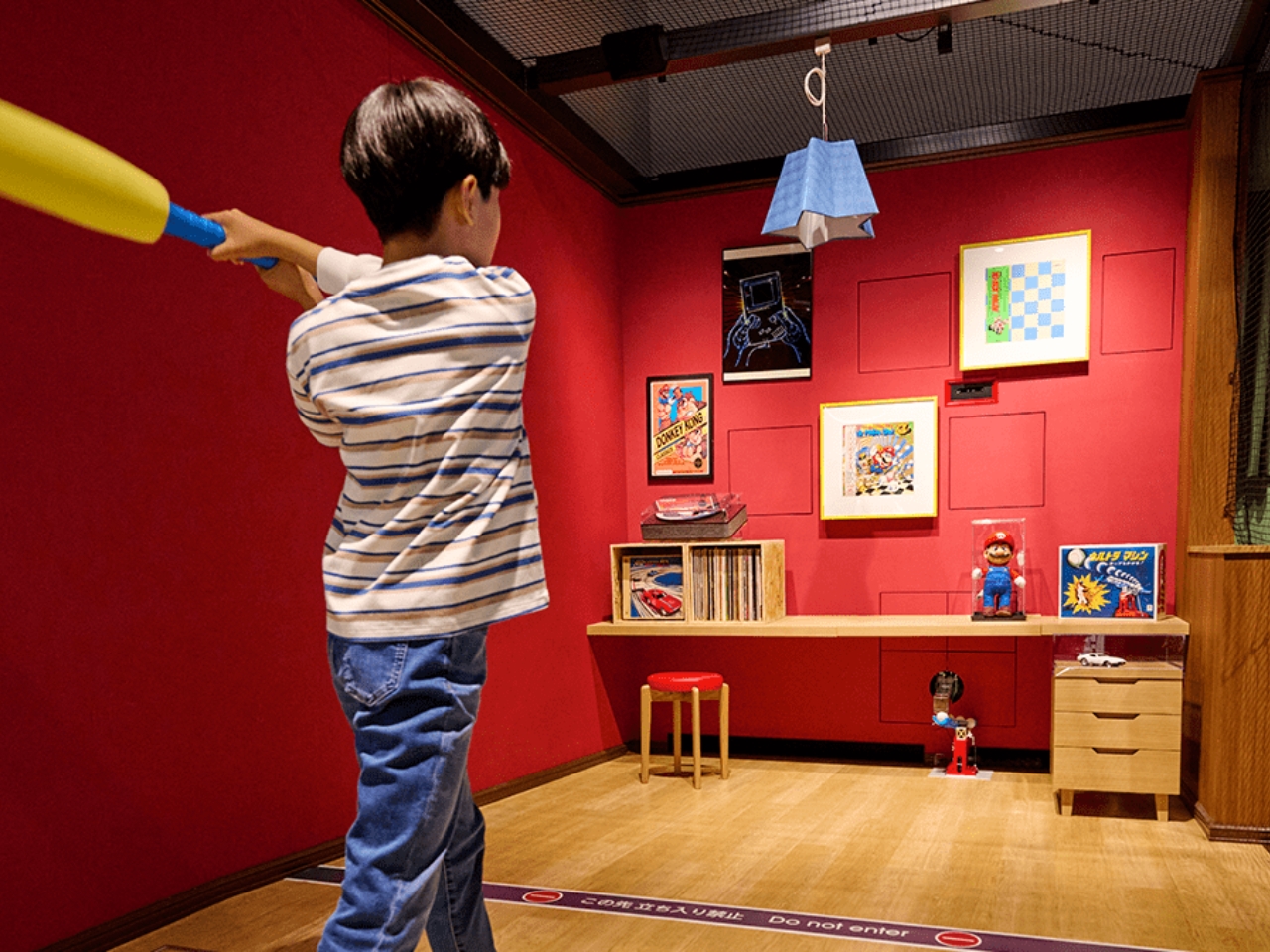
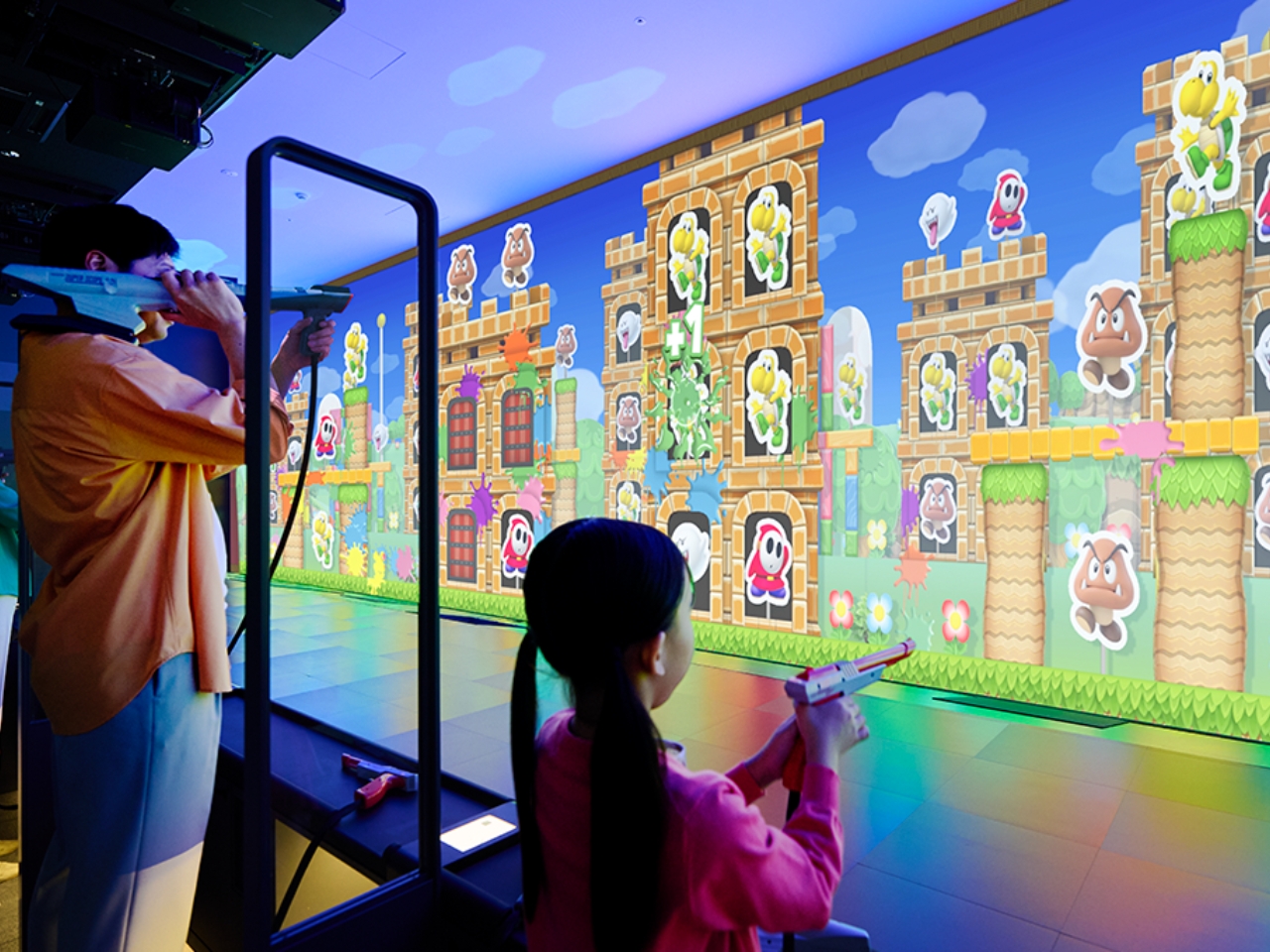
The first floor of the Exhibition Building 1 has eight interactive play experiences. Each visitor will get a card that contains ten digital coins to be able to try out the exhibits. They did not specify it but you will probably be able to top up the card if you want to try out everything. The Shigureden SP lets you explore Hyakunin Isshu poems using your smart device and viewing it on the giant screen. The Ultra Machine SP rooms lets you hit balls pitched by a machine and hit items in the room that will react. The Zapper & Scope SP gives you a shooting experience in the world of Mario while the Ultra Hand SP lets you grab balls rolling down lanes and dropping them in pipes. You can also play Nintendo games in areas like the Game & Watch SP, Nintendo Classics, and Big Controller with giant game consoles. There’s even a Love Tester SP where you can see if you and your loved one are compatible.

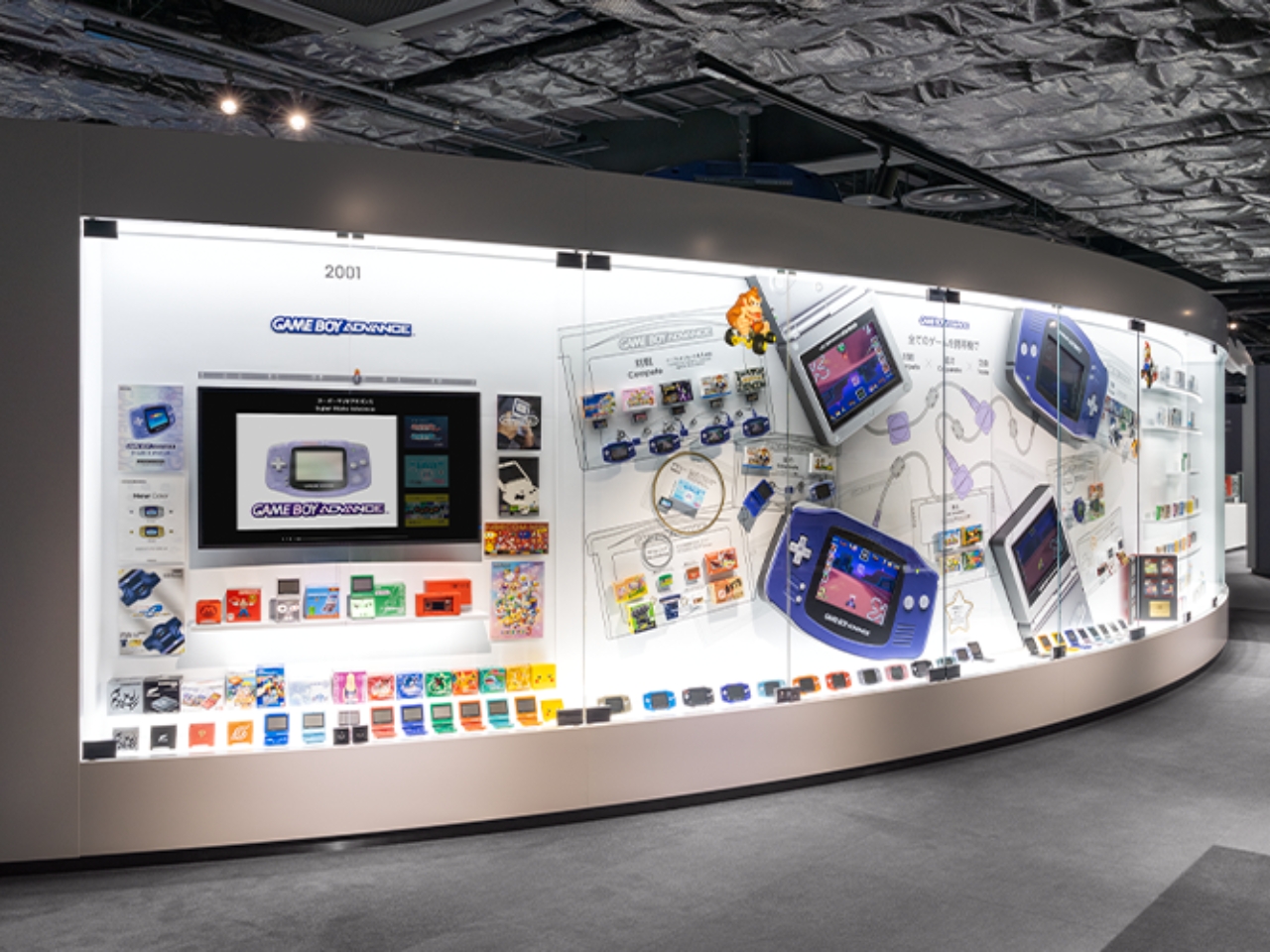
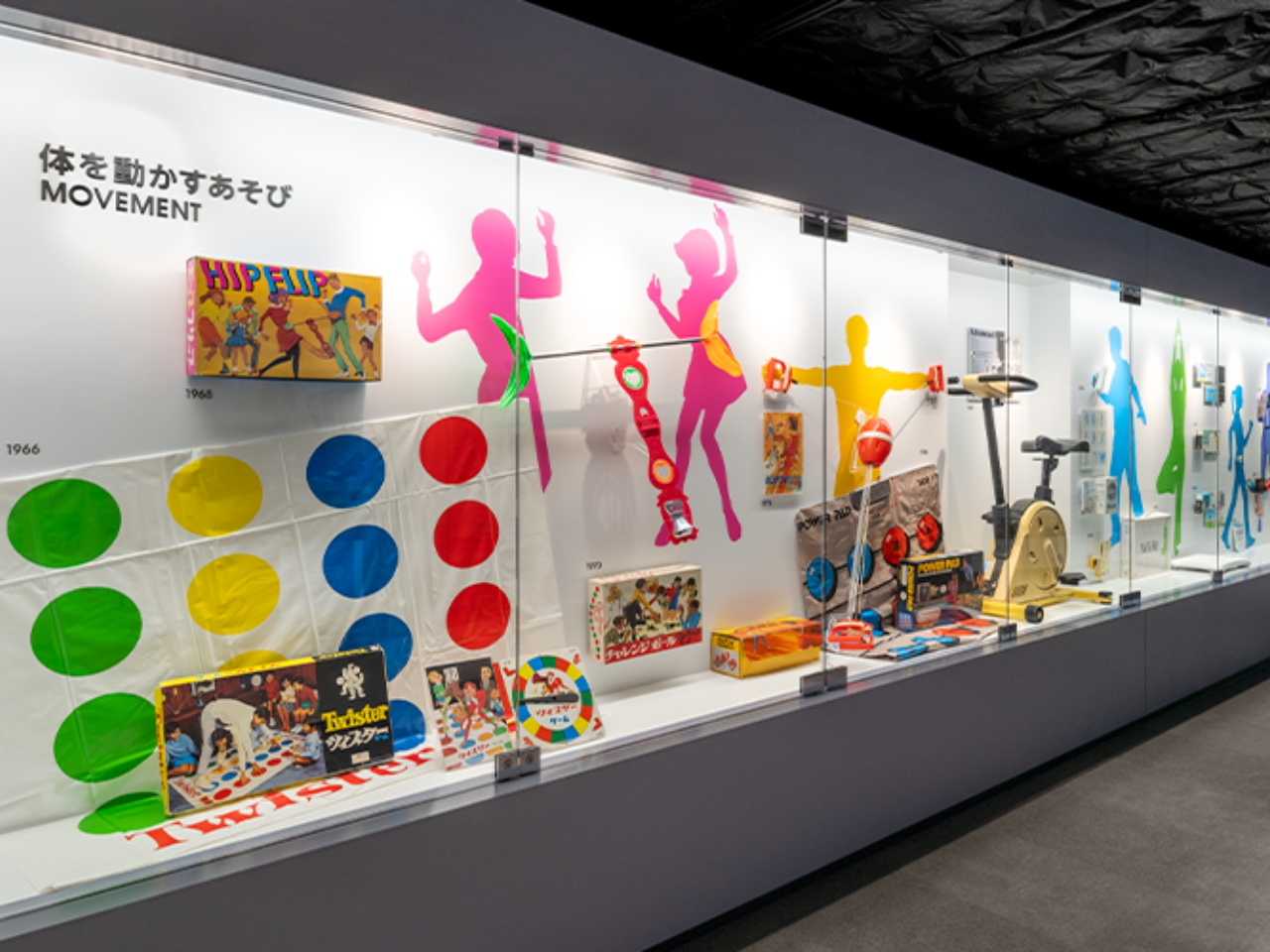
On the 2nd floor is the museum part where there are exhibits of everything that Nintendo has created throughout the years. This includes the era before they created gaming devices and it includes copying machines, baby strollers, and of course the hanafuda cards and various board games. But of course the highlight would be all the gaming consoles and games that have made them arguably the most popular entertainment company in the world. The Nintendo Museum opens in October but you can already buy your tickets, although if you’re familiar with Japan ticketing, you know that it’s via a randomly selected drawing.

The post Nintendo Museum to showcase 132 years of the company’s gaming history first appeared on Yanko Design.
Staggered Skyscraper In Tirana Is Made Up Of 13 Cube Volumes Making It A “Unique Vertical Village”

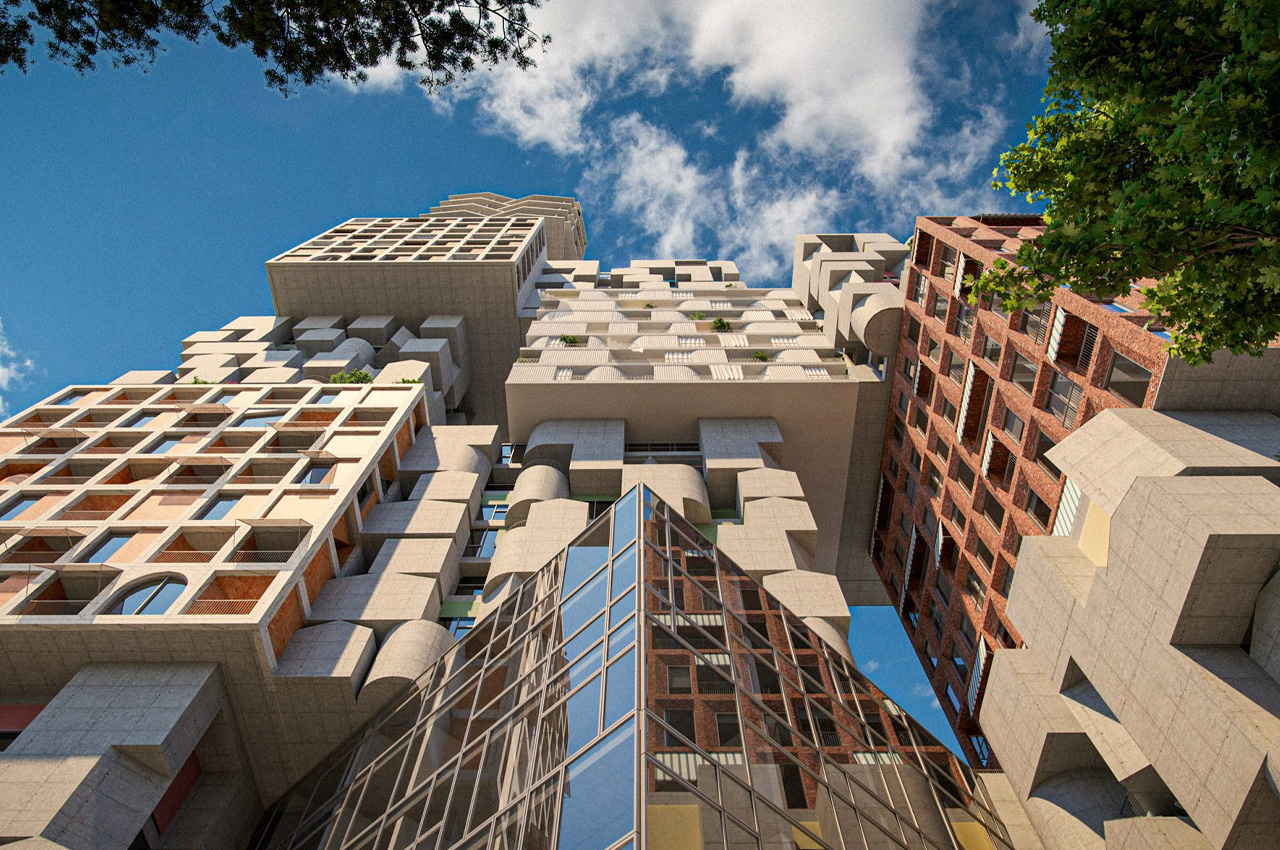
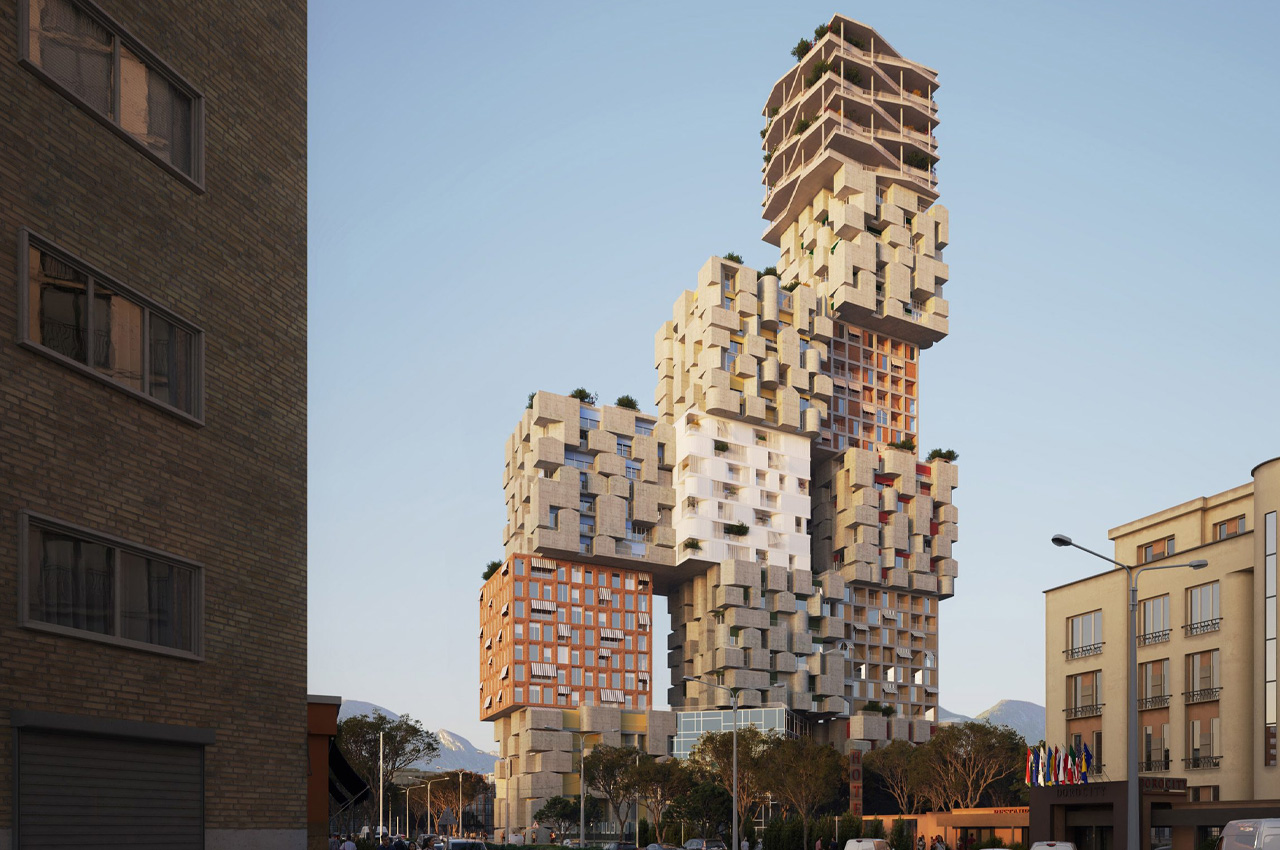
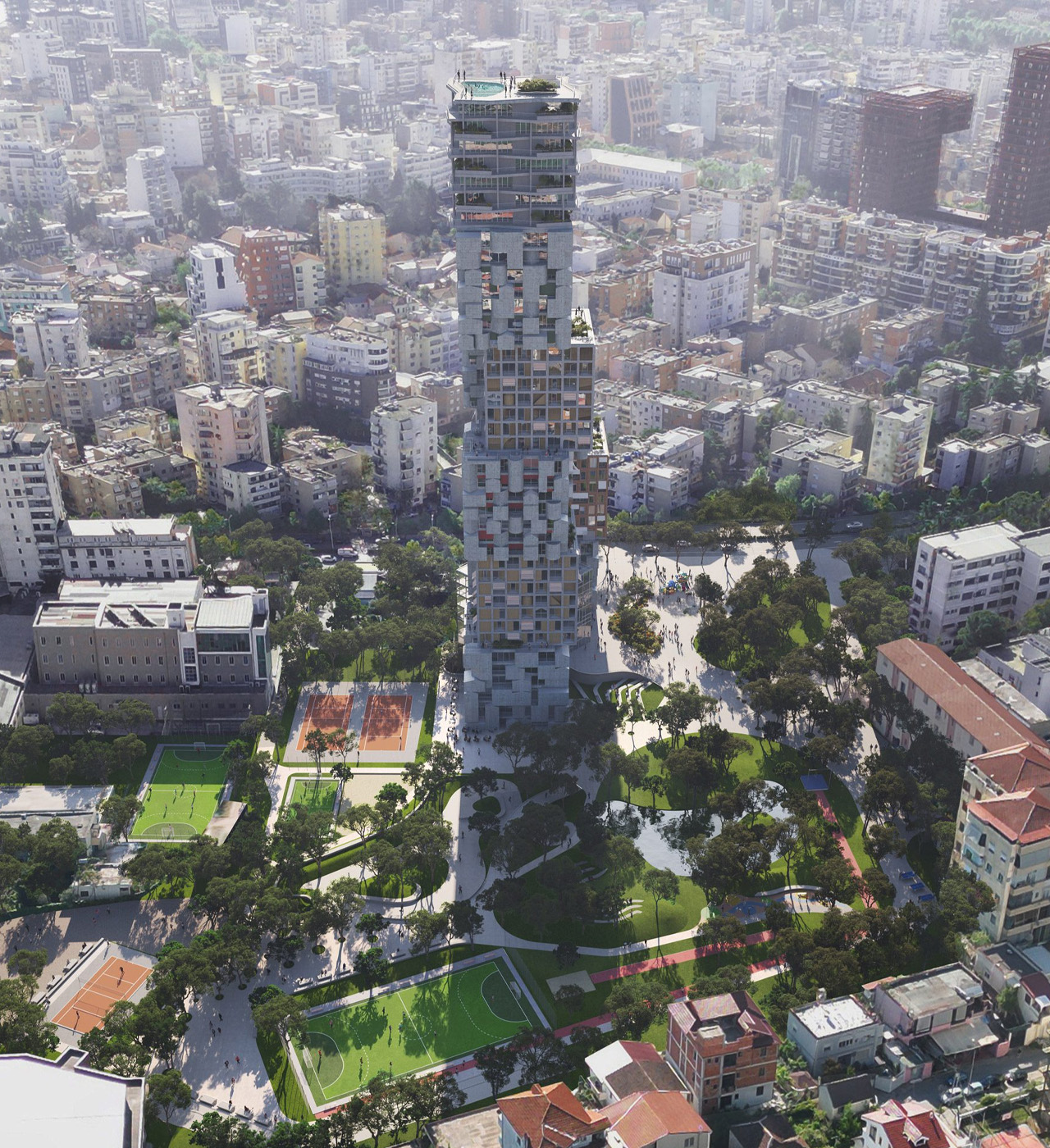
Designed by Portuguese studio OODA, this stunning and impressive skyscraper is made up of 13 staggered cube volumes and is intended to be the design for the Hora Vertikale residential development in Tirana. It is supposed to be unveiled in spring 2024 and is designed to be a 140-meter-tall building that will house apartments placed over a park amped with multiple public amenities.

Designer: OODA

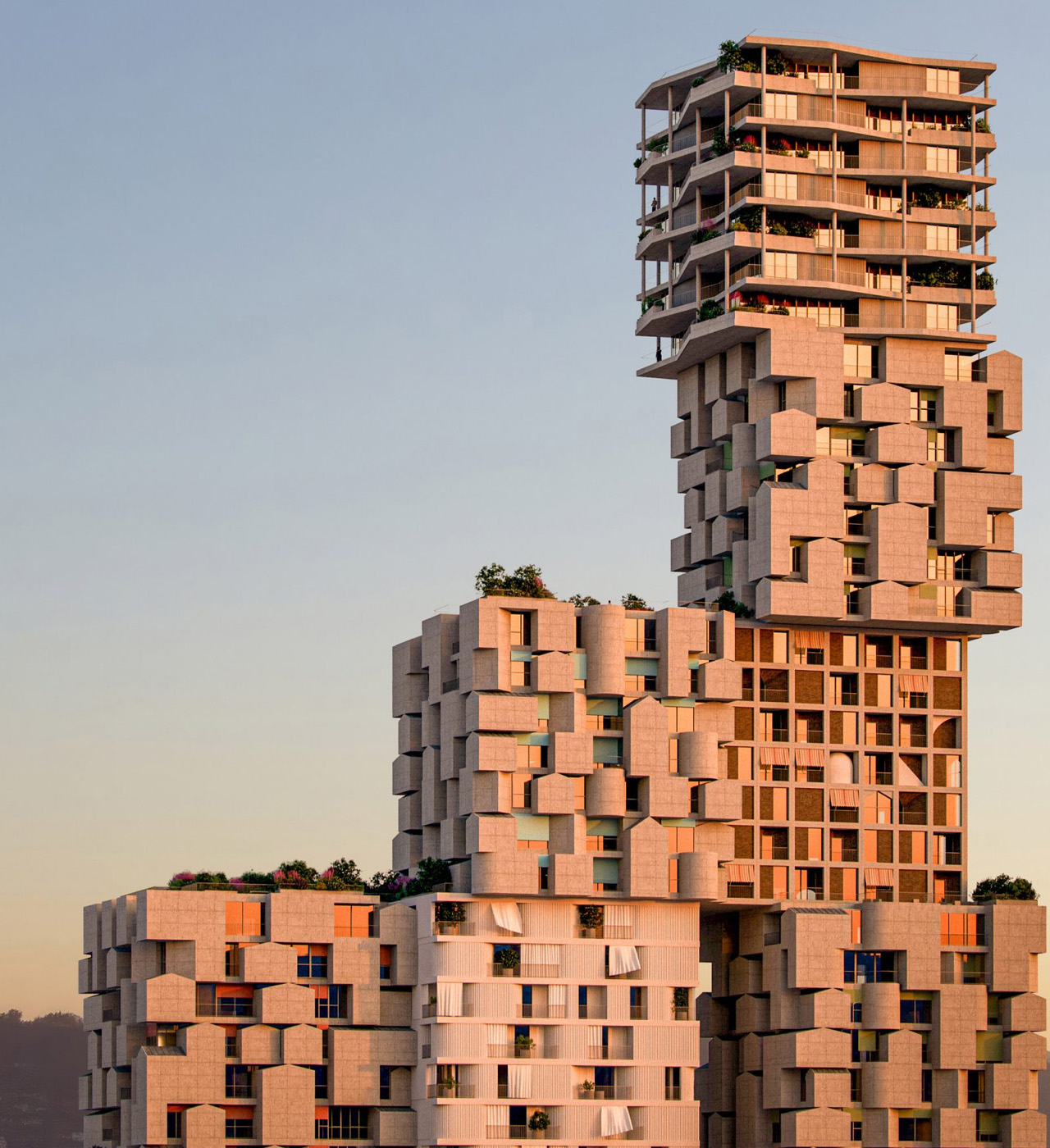
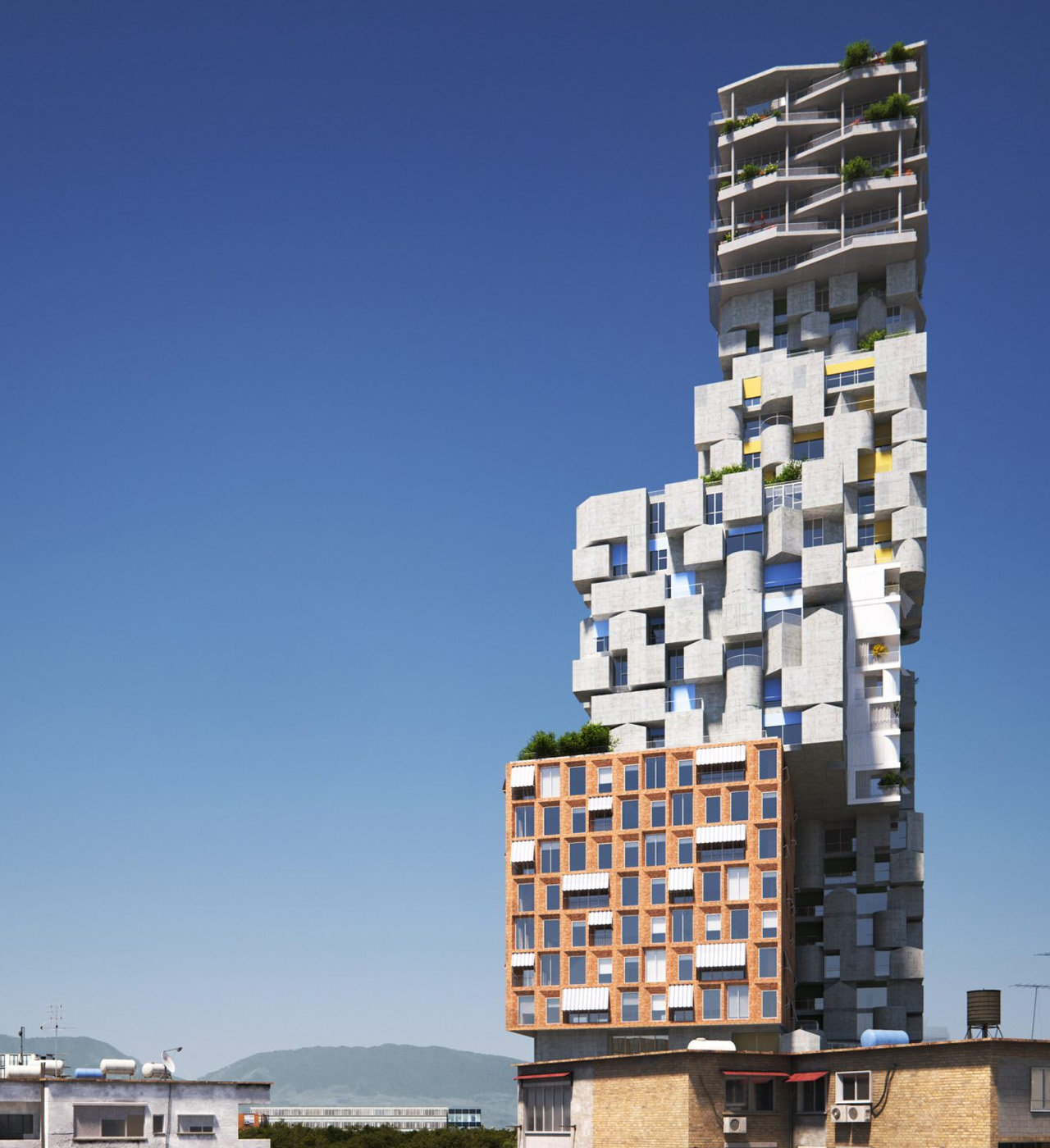
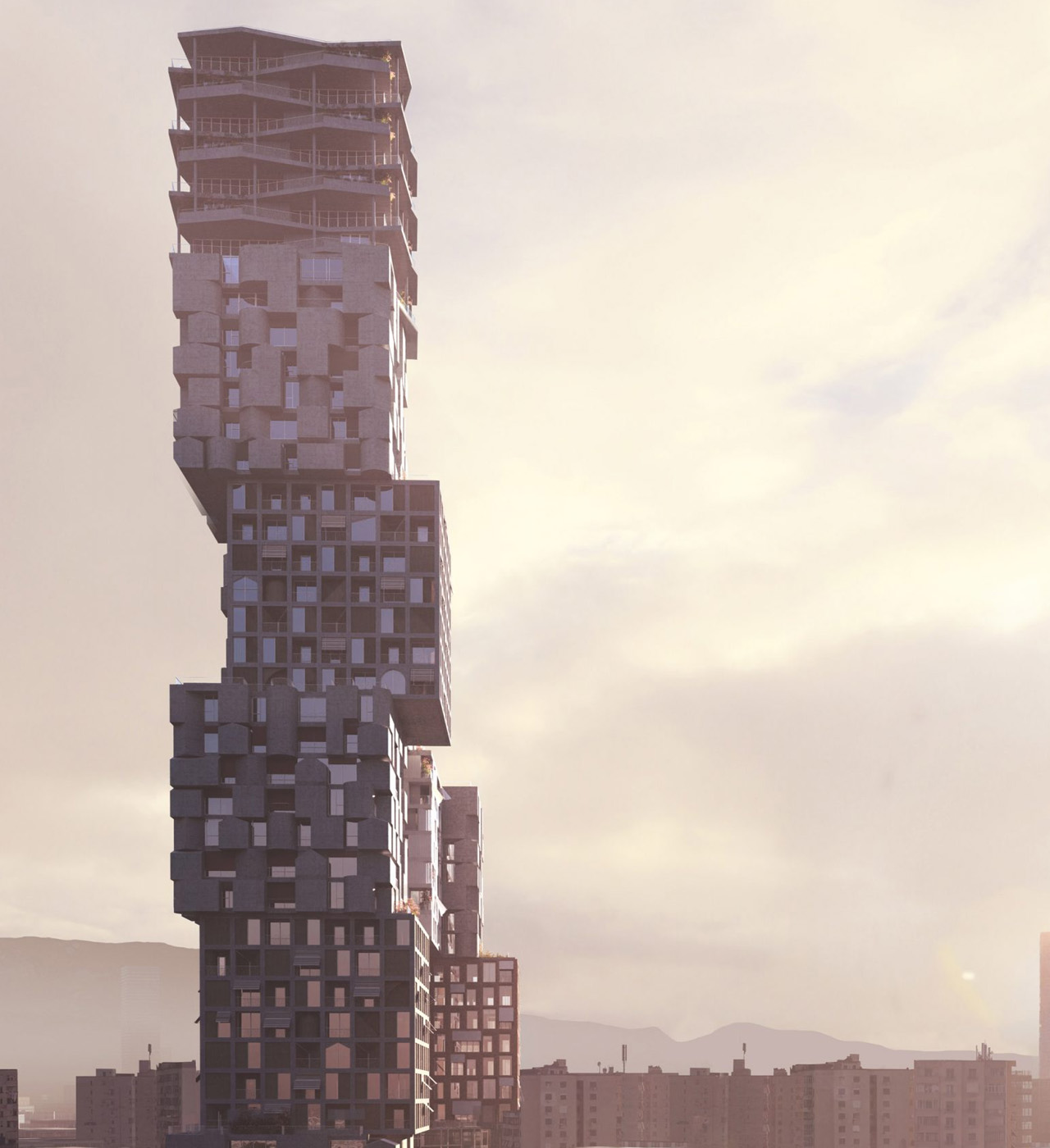
Nestled in the Albanian capital Tirana, OODA designed the Hora Vertikale to engage with the local community and describes the towering structure as “a unique vertical village set amidst a large green city”. 13 cubes have been designed and created in seven variations, and each cube measures 22.5 meters by 22.4 meters and is seven stories tall, which is typically the height of buildings in Tirana.

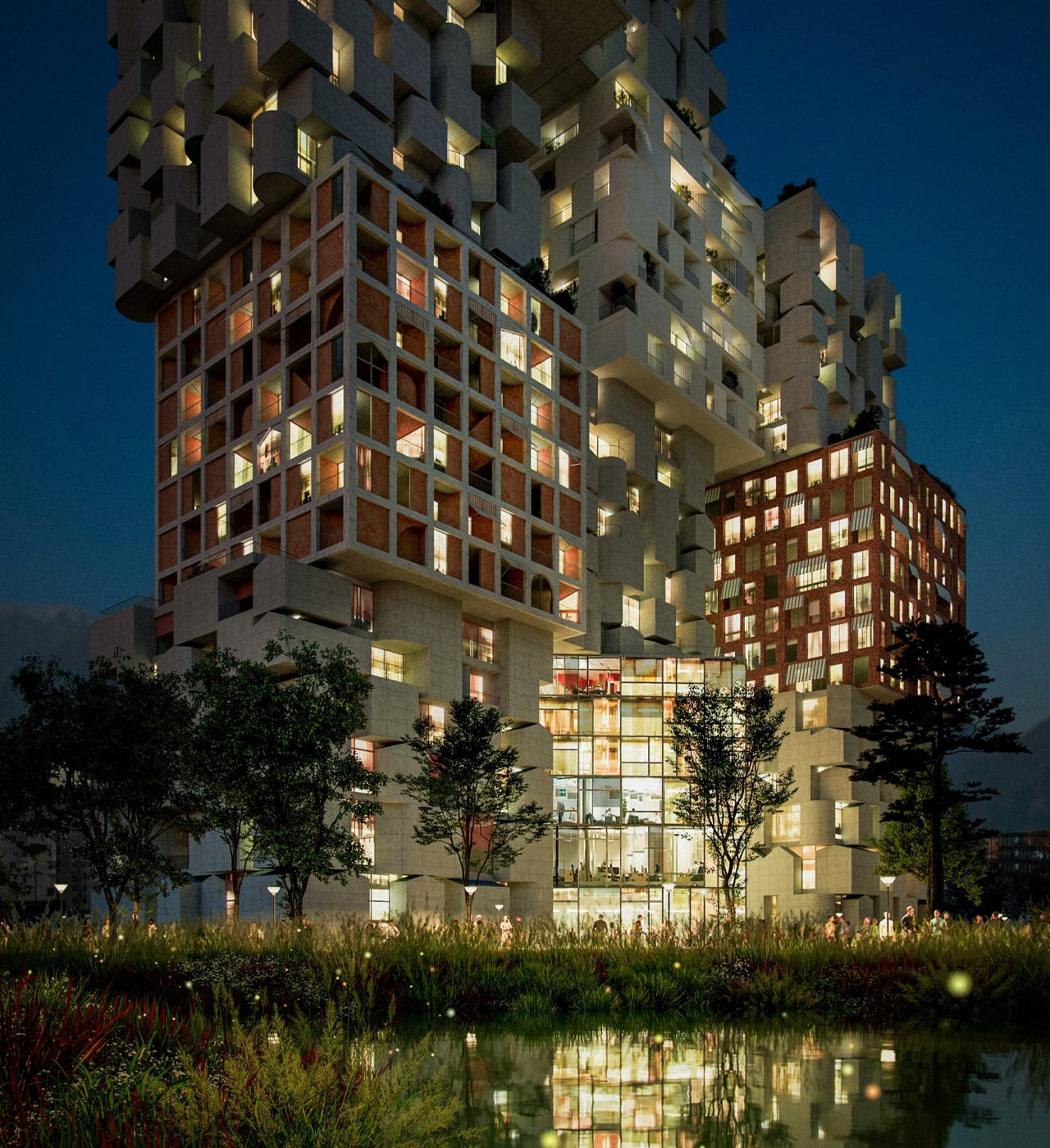
The foundation or base of the building comprises three rows of three cubes, with a couple of them set apart and rotated a bit to create a narrow gap. Two side-by-side cubes sit on the top, followed by two singular ones that in turn form an expansive building that is six cubes tall. The cube at the top will be equipped with angular balconies that are supported by columns punctuating the perimeter. “Each cube embodies a unique concept related to art and is also inspired by the local vernacular,” said OODA.

What makes the building even more impressive, is that it will be made from locally sourced materials from Albanian, which will reduce its carbon footprint, and also provide support to local businesses.

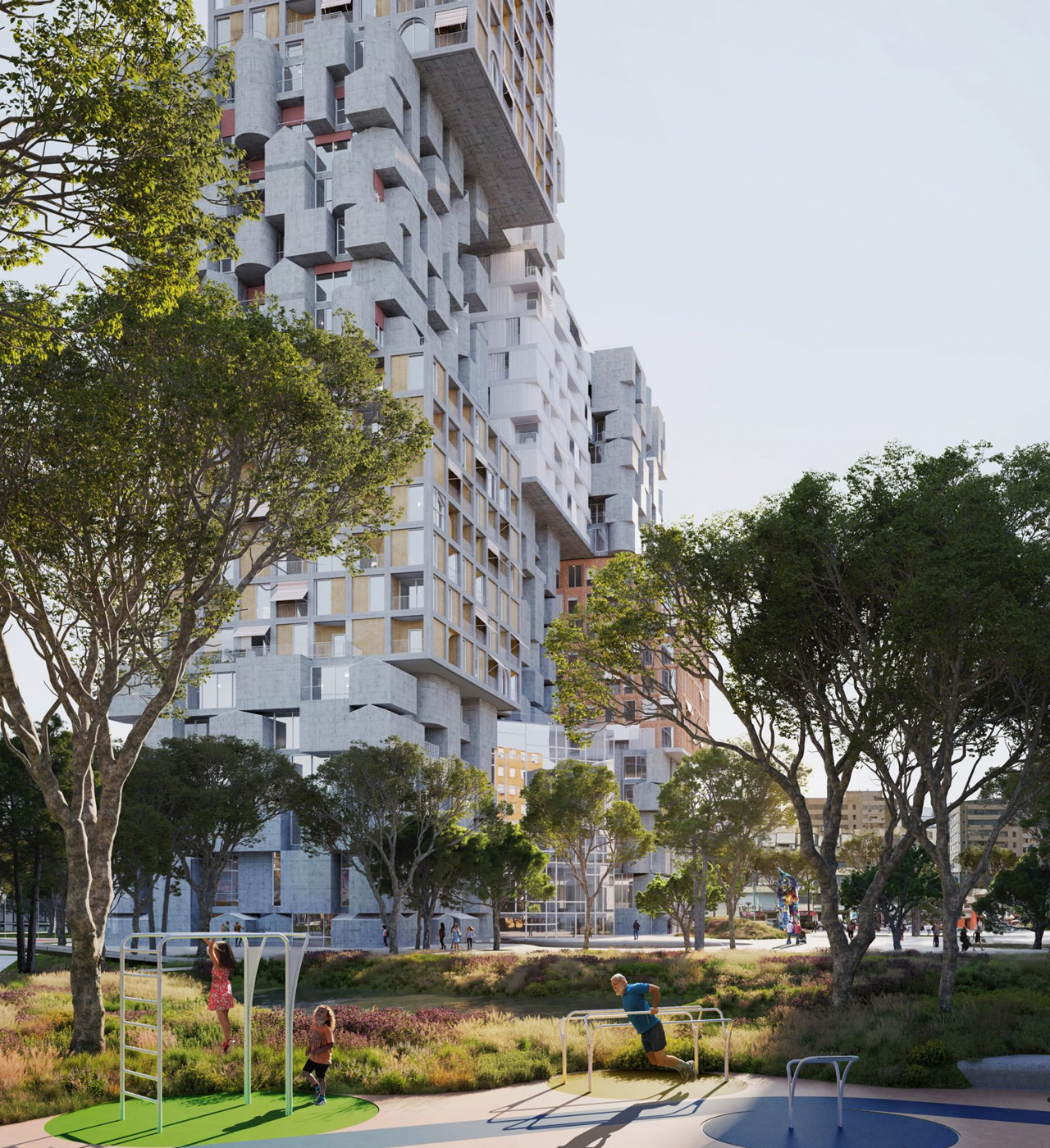
“The result is a building that leaves a lasting impact on both city visitors and those who live there,” said the studio. “From a distance, the building presents distinct elevations and perceptions from different views around the city. Up close, the concept’s playful interplay reveals its secrets, and the compositions step back from the main road towards the park at the rear, creating the most adequate transition in terms of scale.”

This stunning building is set to be the latest high-profile skyscraper to be constructed in Tirana with a rather unique design that instantly grabs eyeballs.

The post Staggered Skyscraper In Tirana Is Made Up Of 13 Cube Volumes Making It A “Unique Vertical Village” first appeared on Yanko Design.
Tiny Forest In Seoul Is A Tiny Study/Relaxation Space Designed To Be A “Microcosm For Oneself”

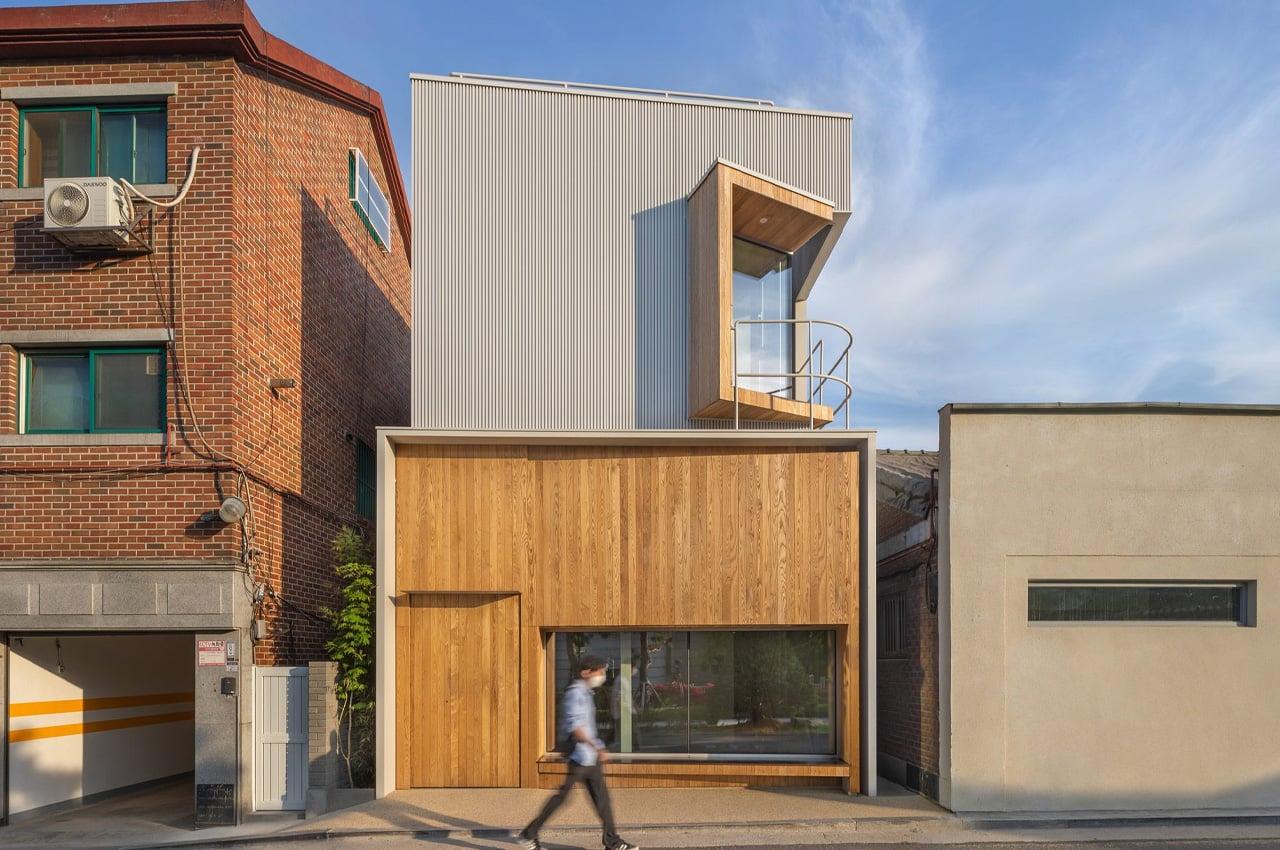
This flexible study space in Jongno-gu, Seoul is designed by YounghanChung Architects in an attempt to “eliminate unnecessary spaces as much as possible”. Dubbed Tiny Forest, the two-story building was built for a retired university lecturer, who wanted to have a separate space from her main home – a space that would function as a study, and as an intimate space to host and entertain guests. The space is inspired by a sarangbang which is found in traditional Korean homes, where usually the man of the house hosts guests or indulges in hobbies.

Designer: YounghanChung Architects

“Spaces as a hobby space or study have gradually loosened in the frame of housing, and lost the power of their original function,” said founder Younghan Chung. “However, the desire to escape from the house and experience a space like a microcosm for oneself is desperate for all of us living in modern times…[so] this building was intended to create a small private room,” he said.

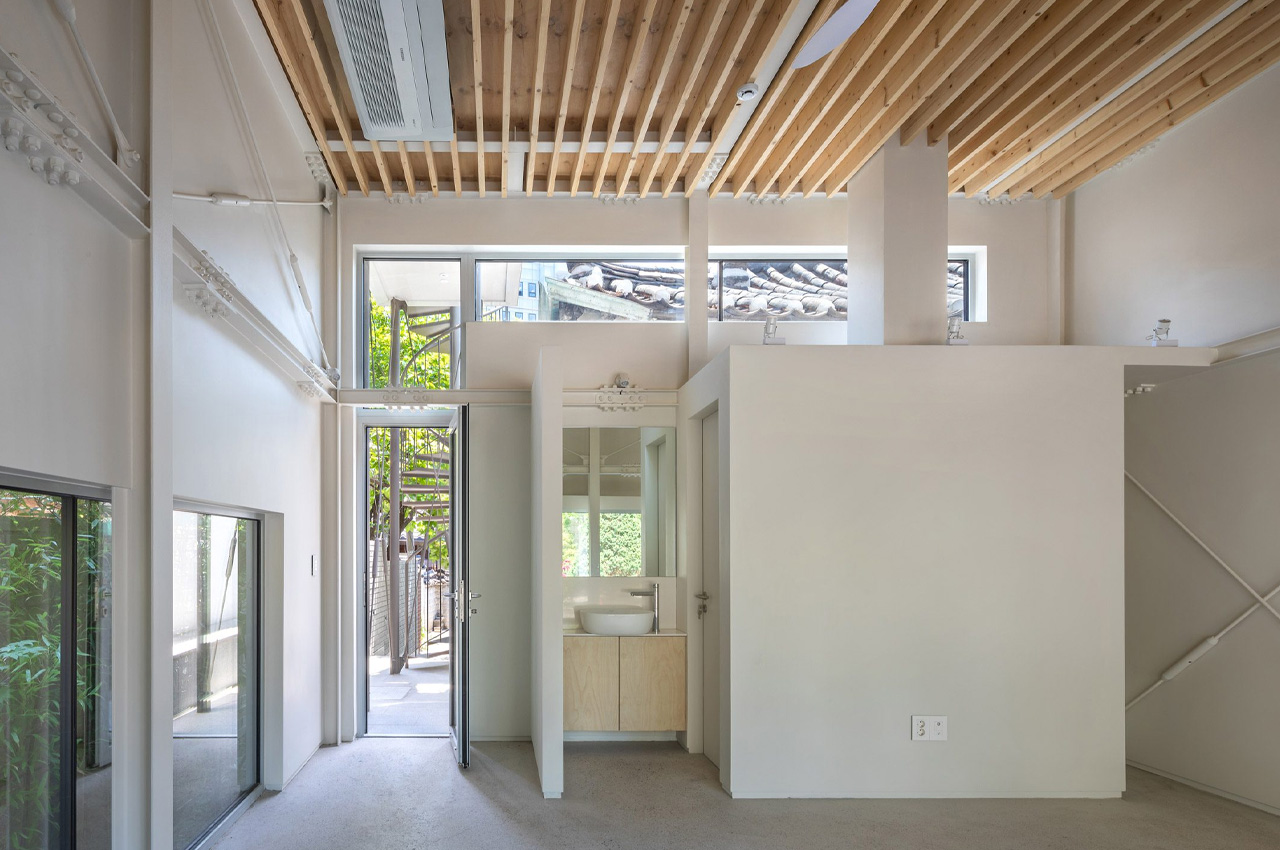
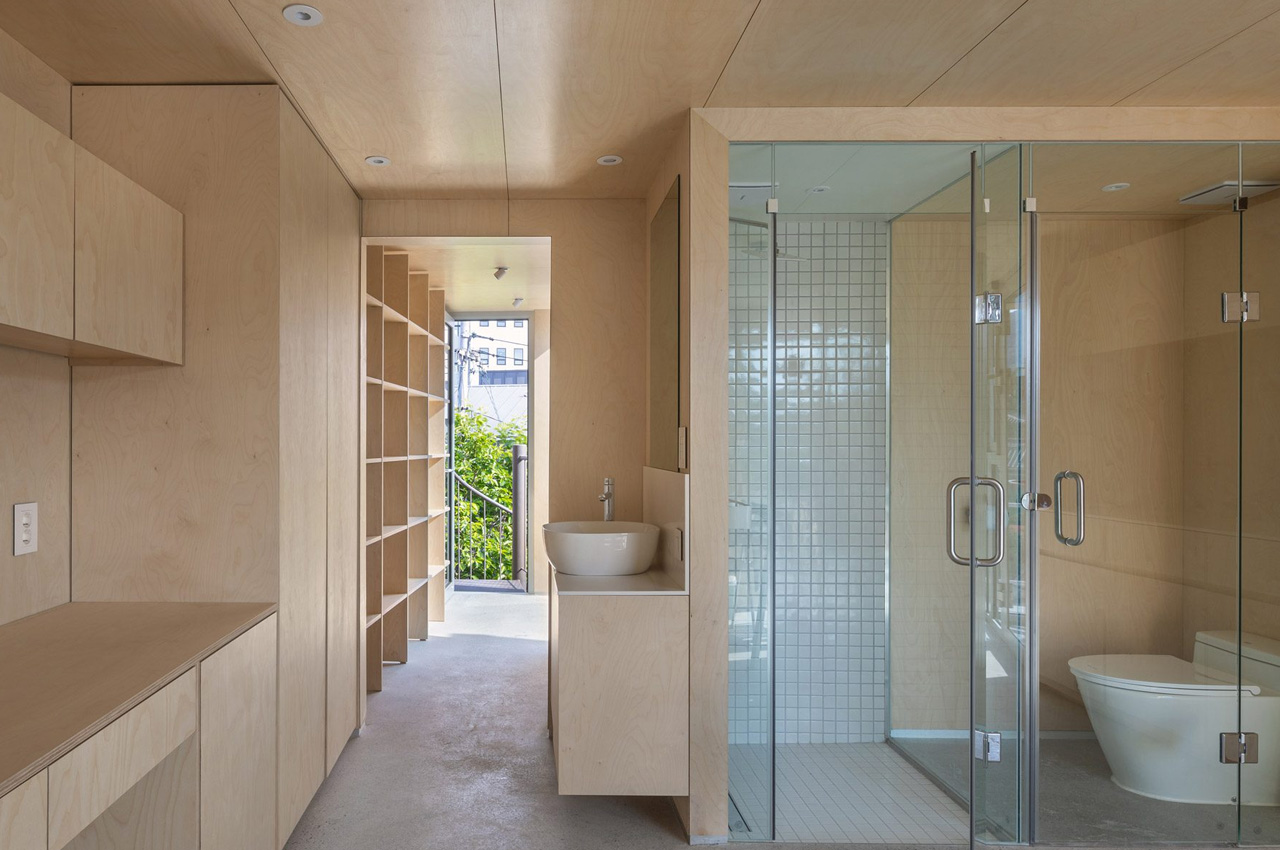
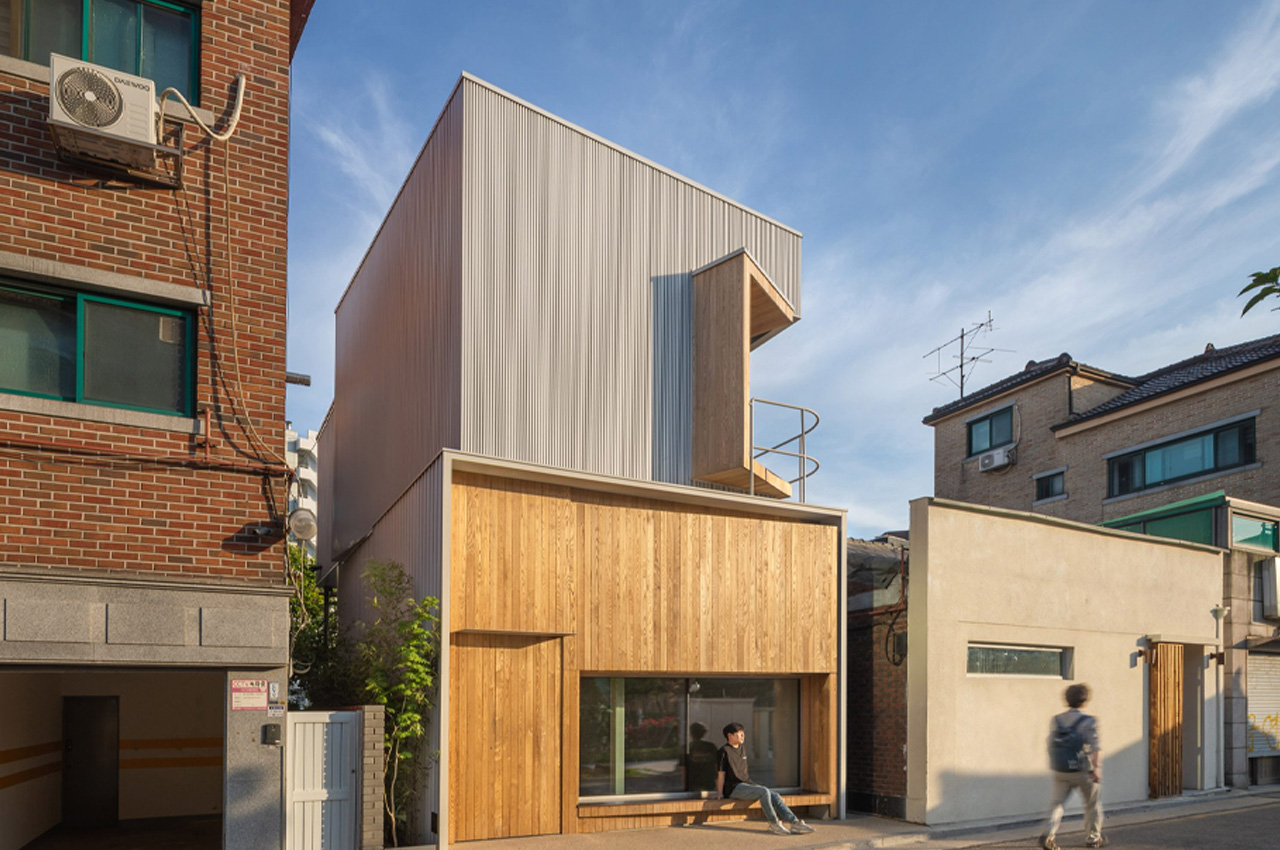
Tiny Forest was designed to be a dedicated study and relaxation space, a serene zone that is nestled away from the hustle and bustle of the main house. The building is made up of two stacked cubes, with the upper cube a little rotated, while both are supported by a steel frame, and clad in corrugated metal in the color white. The different floors of the space were designed as single and flexible spaces, each one amped with a bathroom and generous storage space. The spaces are defined by minimal fittings and fixings, creating a smooth and quaint area. “Conventional structural methods can trap the choreography of users with diverse ways of life within a strictly prescribed framework,” said Chung.

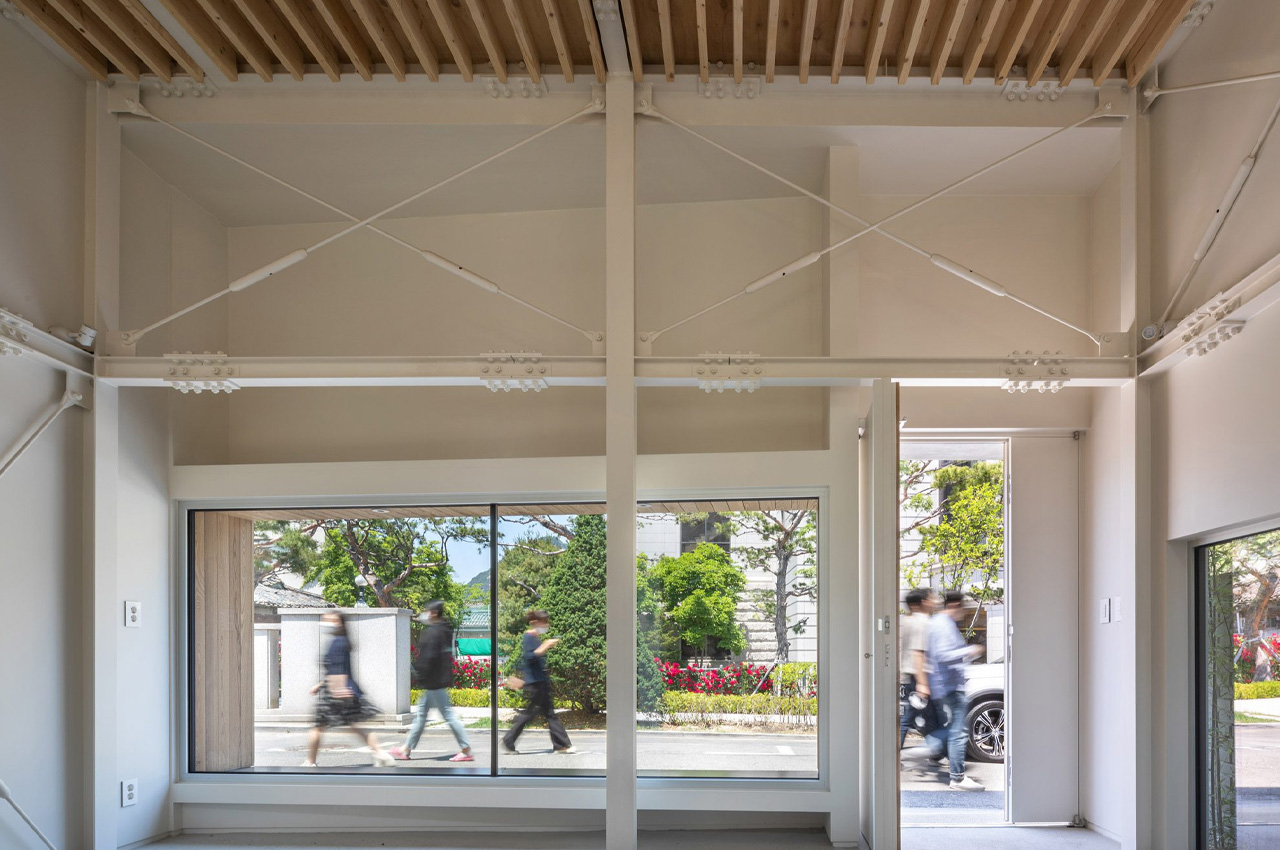
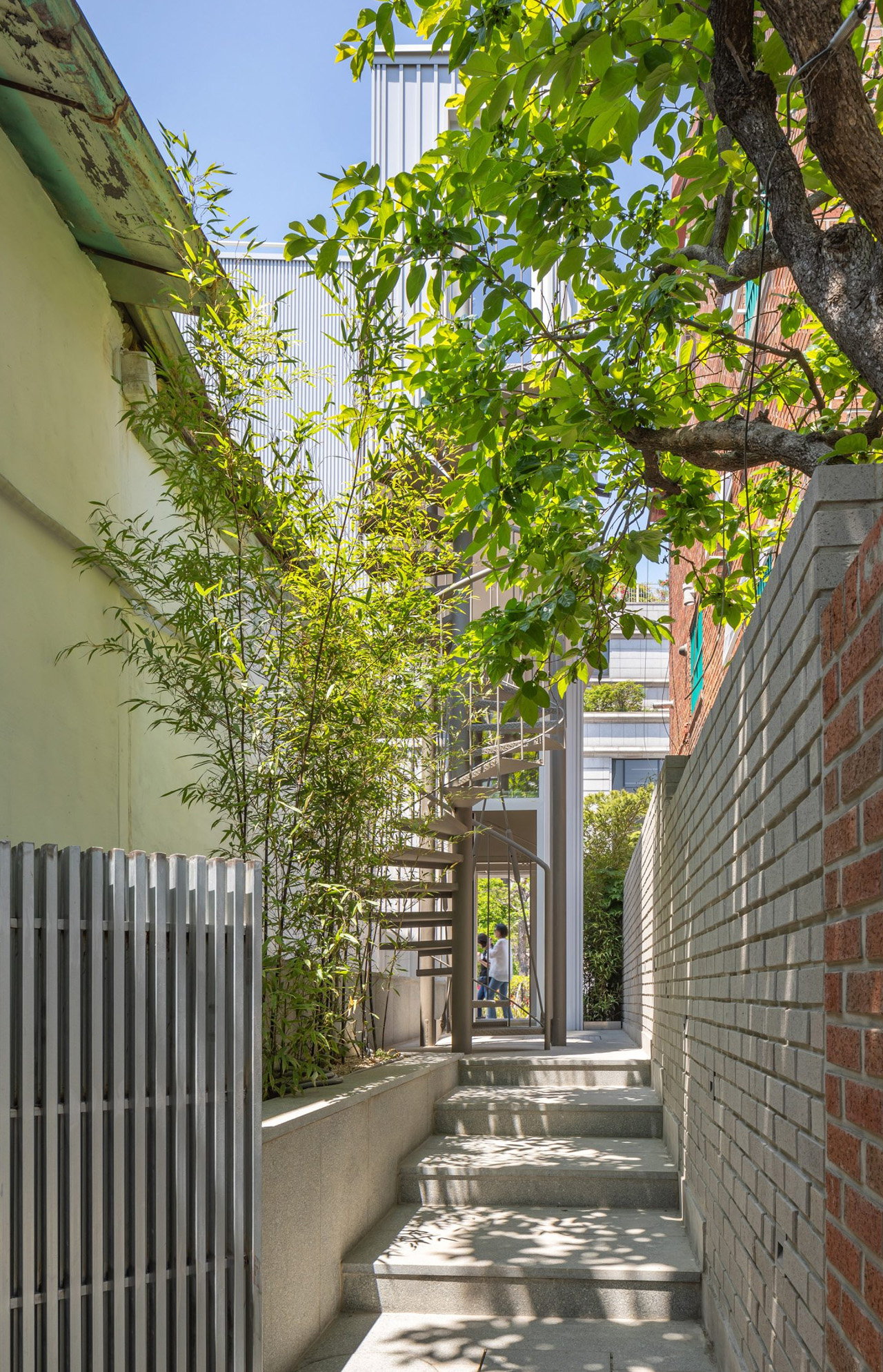
The ground floor features an exposed steel structure in the color white, as well as a massive shopfront-style window that provides views of the street, while also holding an external bench. The space above is wood-lined creating a warm and minimal ambiance, and is equipped with built-in desk space and bookshelves alongside one wall. An external spiral staircase connects both the two floors and is located at the rear of the building. While another staircase connects the western side of the upper level to a tranquil rooftop garden.
The post Tiny Forest In Seoul Is A Tiny Study/Relaxation Space Designed To Be A “Microcosm For Oneself” first appeared on Yanko Design.