Wellhouse puts most efficient micro-camping layout inside of the Kei Toyota/Daihatsu camper van

Micro camper vans are having a day in the sun. The delightful concept from Kia is already registered as a must-have in my memory, but the mind is also clouded by what Ovrland Campers did with the Mini 95. The most interesting option, it seems, is still waiting on the sidelines, and I must reconsider. This is Wellhouse Leisure’s take on a small but highly efficient and feature-packed camper van for those who like to travel solo or at max with their partners, willing to adjust with some comfort.

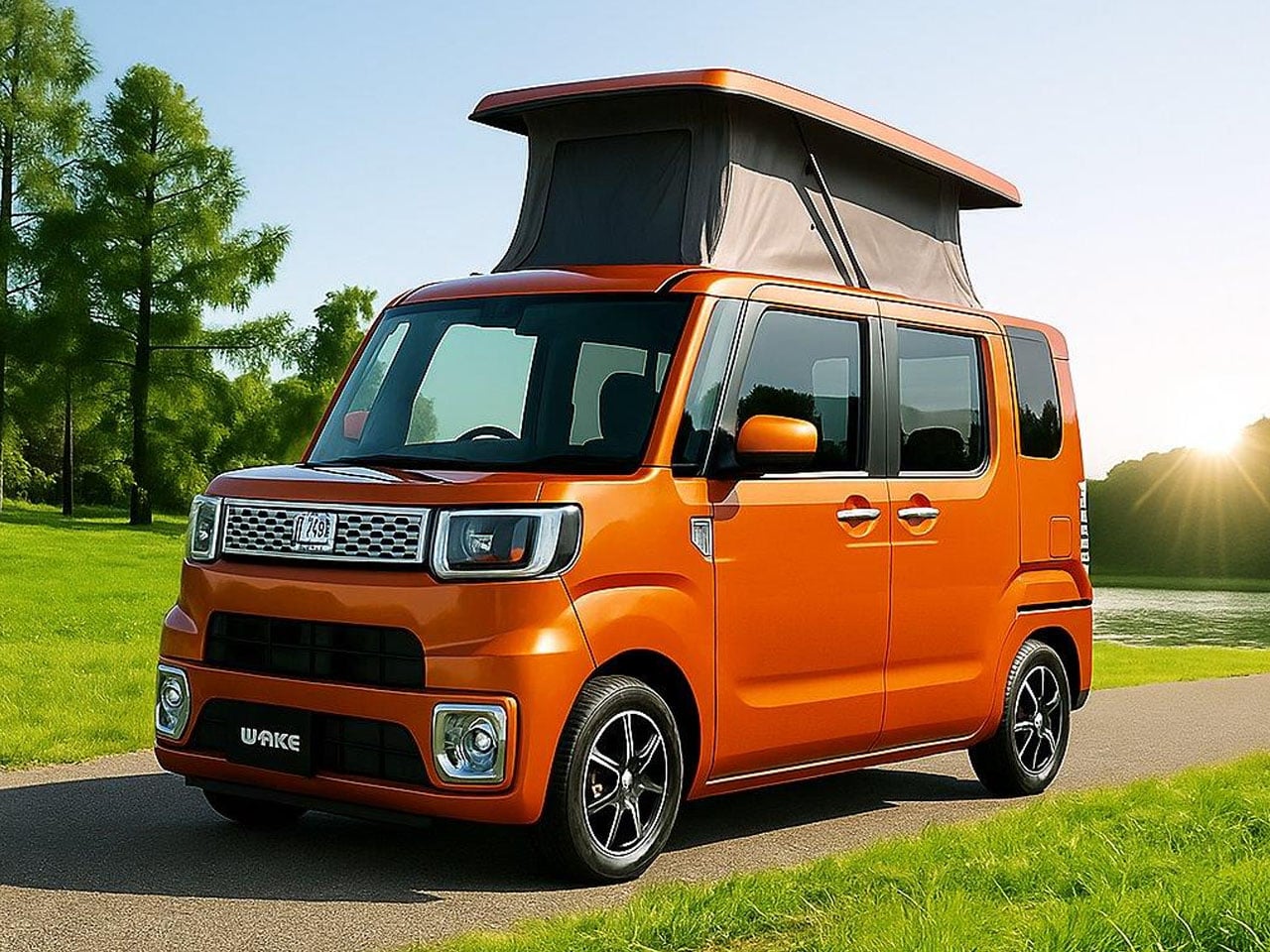
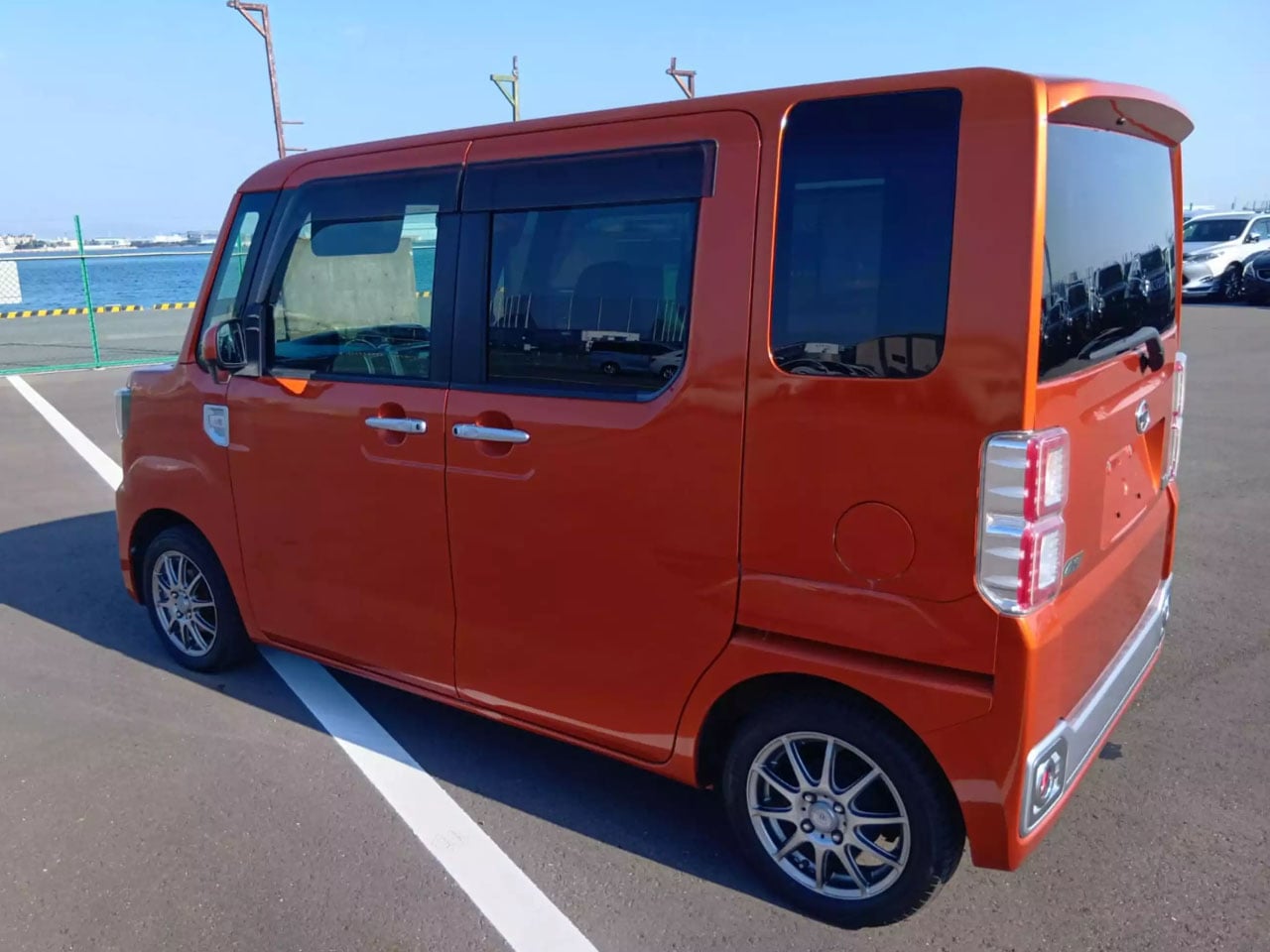
The new micro-camper – slated to debut in the UK first (because of the obvious import convenience) – would be based on the Kei van from Toyota/Daihatsu and will be dubbed Daihatsu Wake & Toyota Pixis Mega Microcamper. Wellhouse explains, “The Daihatsu Wake and Toyota Pixie are the same vehicle and are built by Daihatsu in Japan and the Toyota version is just a rebadged Daihatsu.” Wellhouse continues to inform that it has received the first Daihatsu Wake microvan for conversion, and what we see in the images for now is an adaptation of what the eventual camper van would look like. Let’s understand how well it will be furnished in the article below.

Designer:  Wellhouse Leisure
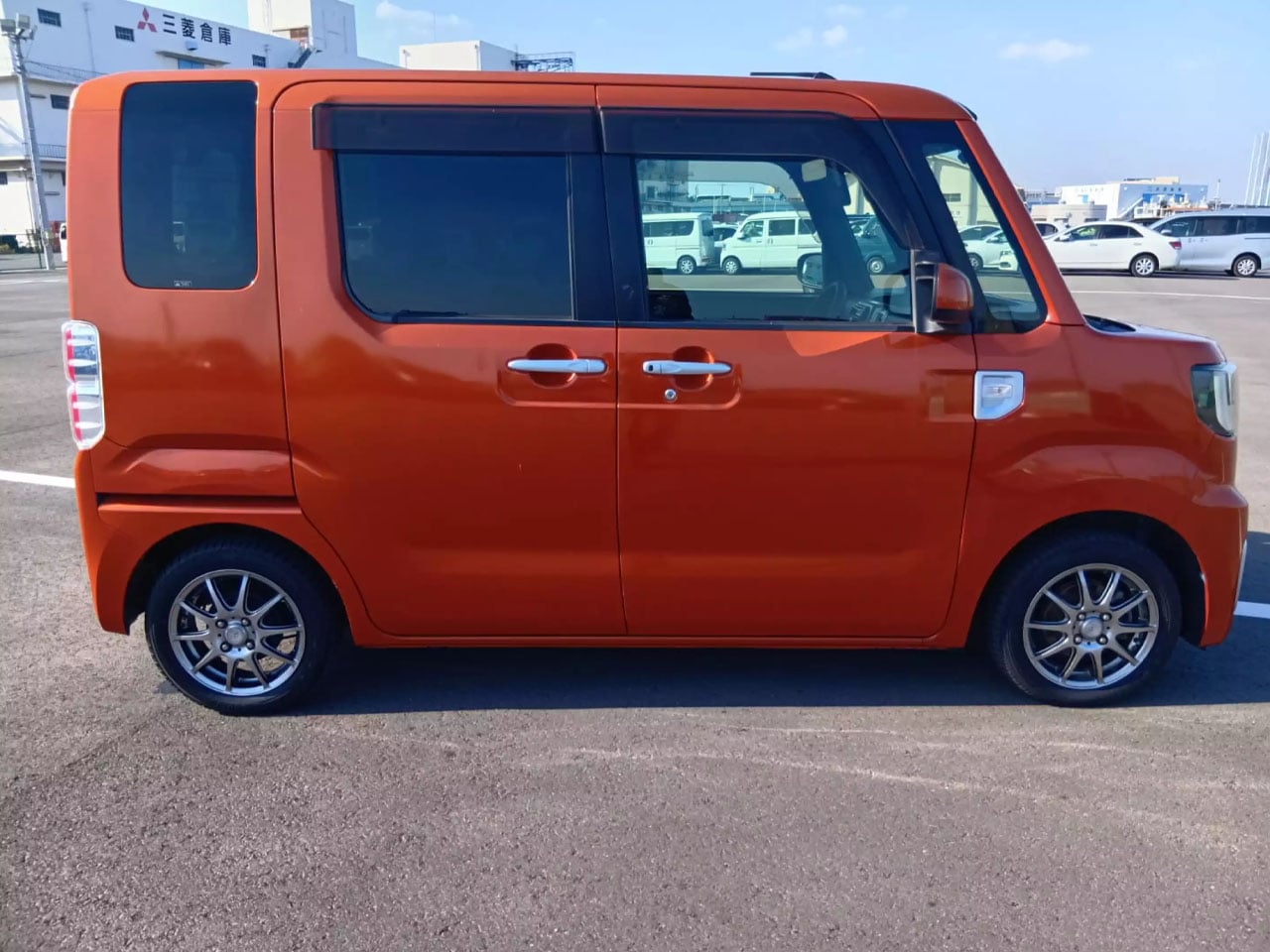
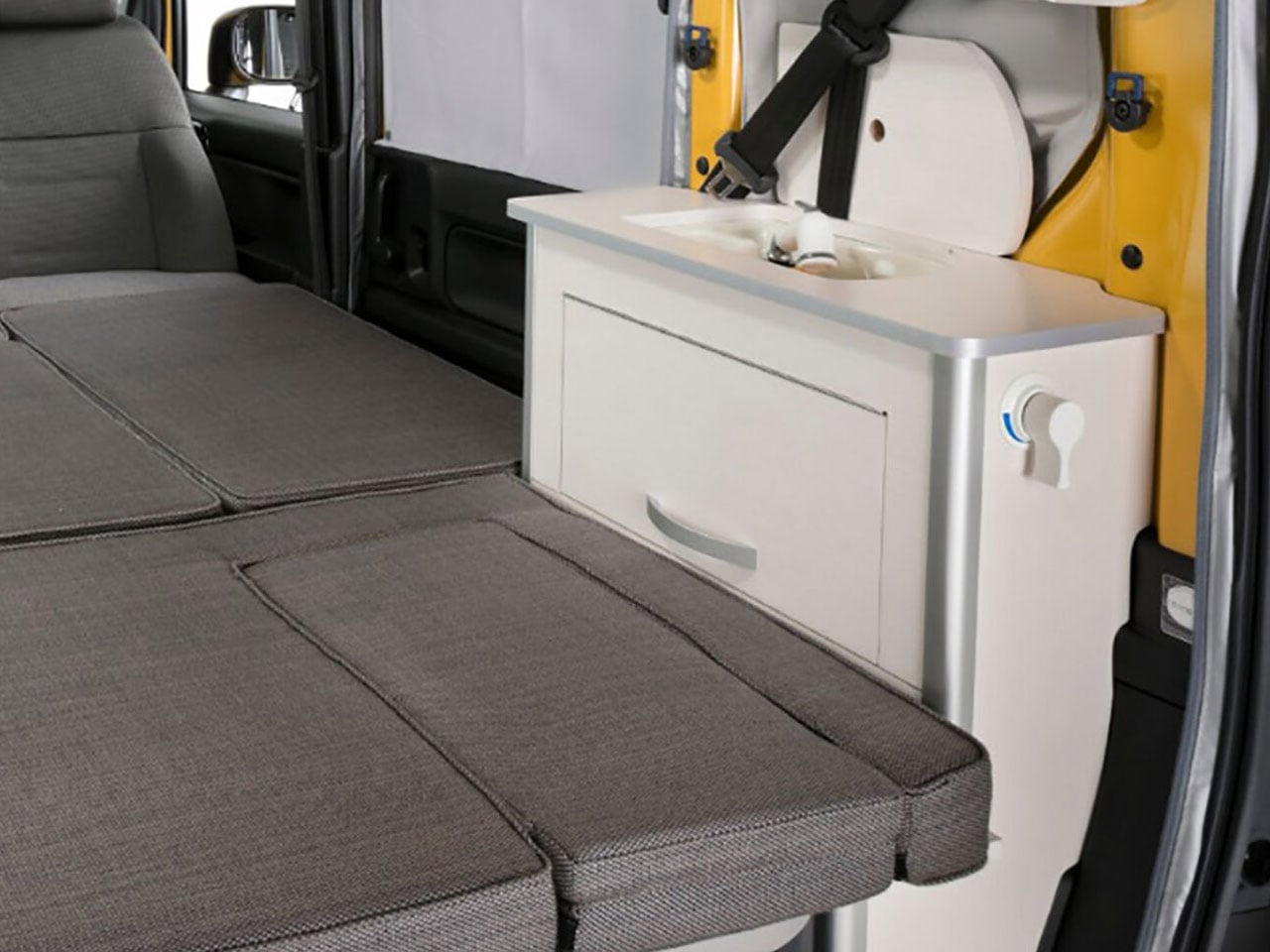
Solo camping is definitely the idea behind how the Daihatsu Wake’s layout is planned. But the final layout is still in the works. Presumably, Wellhouse would make provisions to sneak in another person. How it is visioned for the moment shows the camper with a unique three-seat solo-sleeper layout. The floor plan shows that the front passenger seat can transform into a single bed while the area behind the driver’s seat remains reserved for utilities, such as the kitchen and some storage.
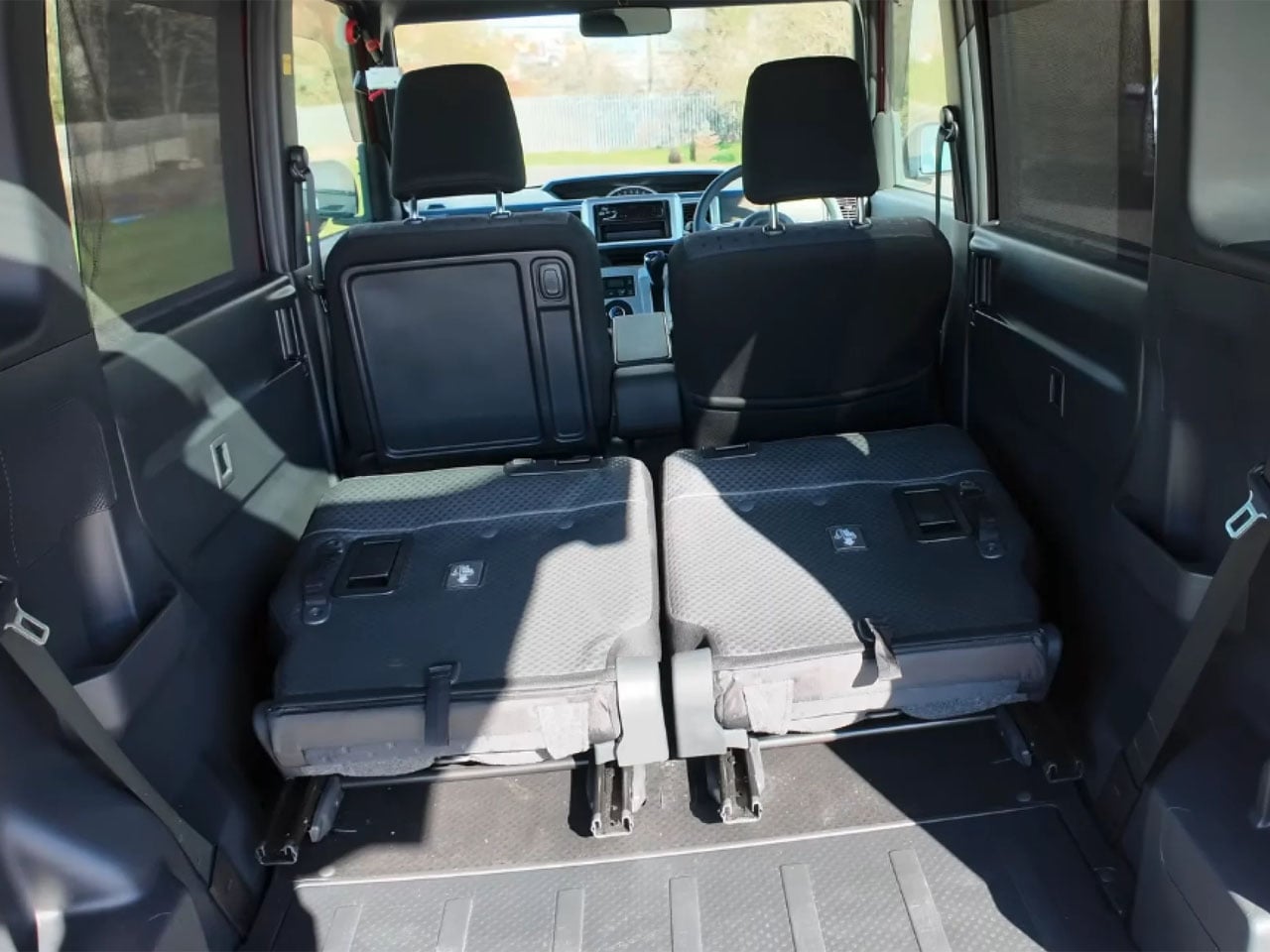
The Daihatsu Wake received for conversion is powered by a 660cc Turbo 64ps engine. The van can provide a range of up to 45 miles per gallon, and is available in the choice of 2WD or 4WD. If you’re the more adventurous type, you know the drivetrain to go with, and for you, Wellhouse has a lot of convenience provided on the house. The camper floor plan provides for an equipped kitchen with a stove, sink, and an electric pump supplying fresh water to ensure you are well-fed on the road.
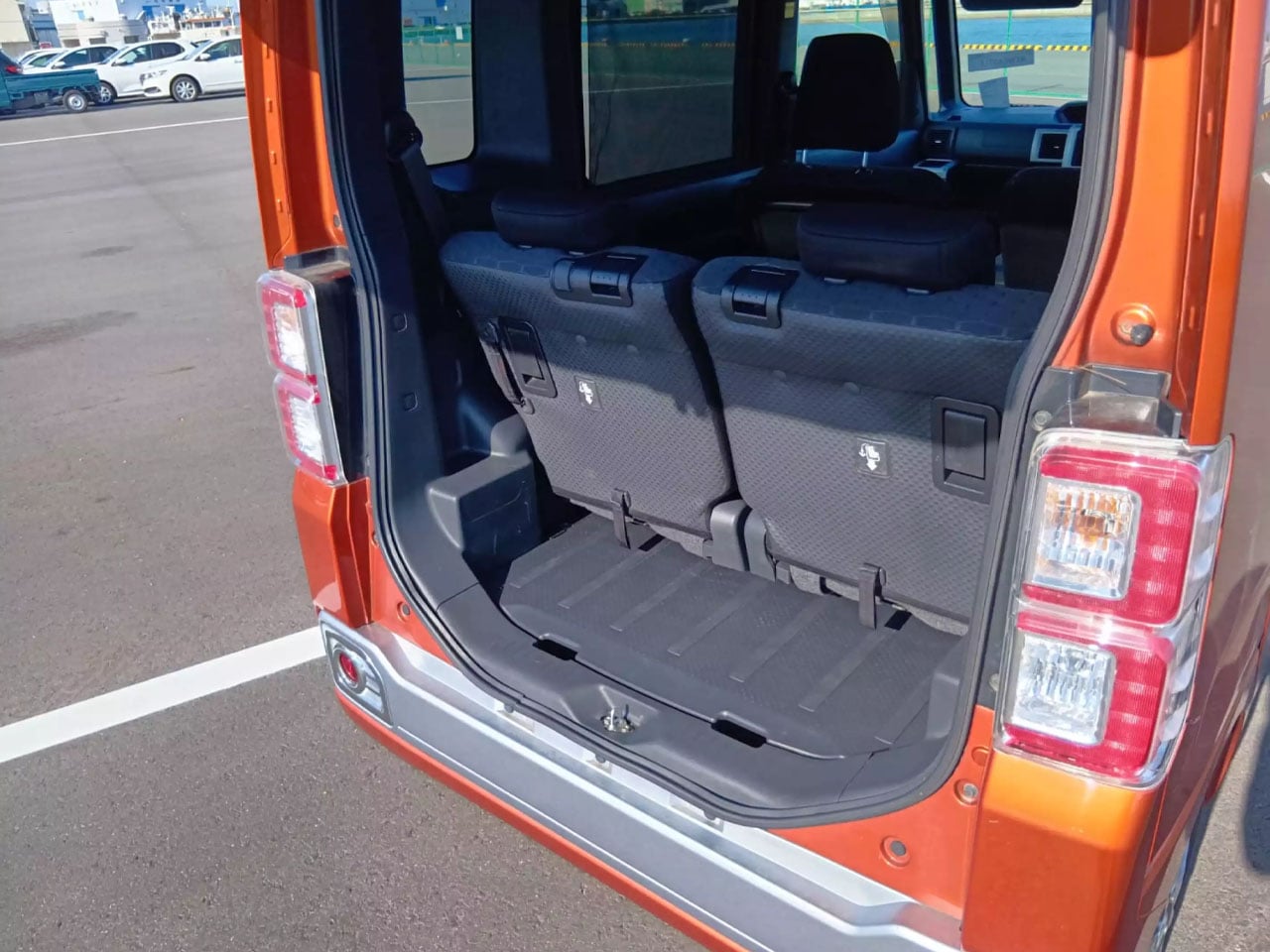
The Daihatsu Wake will come with a portable (porta-potty) toilet, and feature some off-grid readiness with a leisure battery and solar panels on the rooftop. Correct specifications are not available, but the images do suggest that a version of the camper van would feature a pop-up roof. We cannot sight a bed in the increased space overhead, but it should definitely increase the headroom inside, that’s a given.
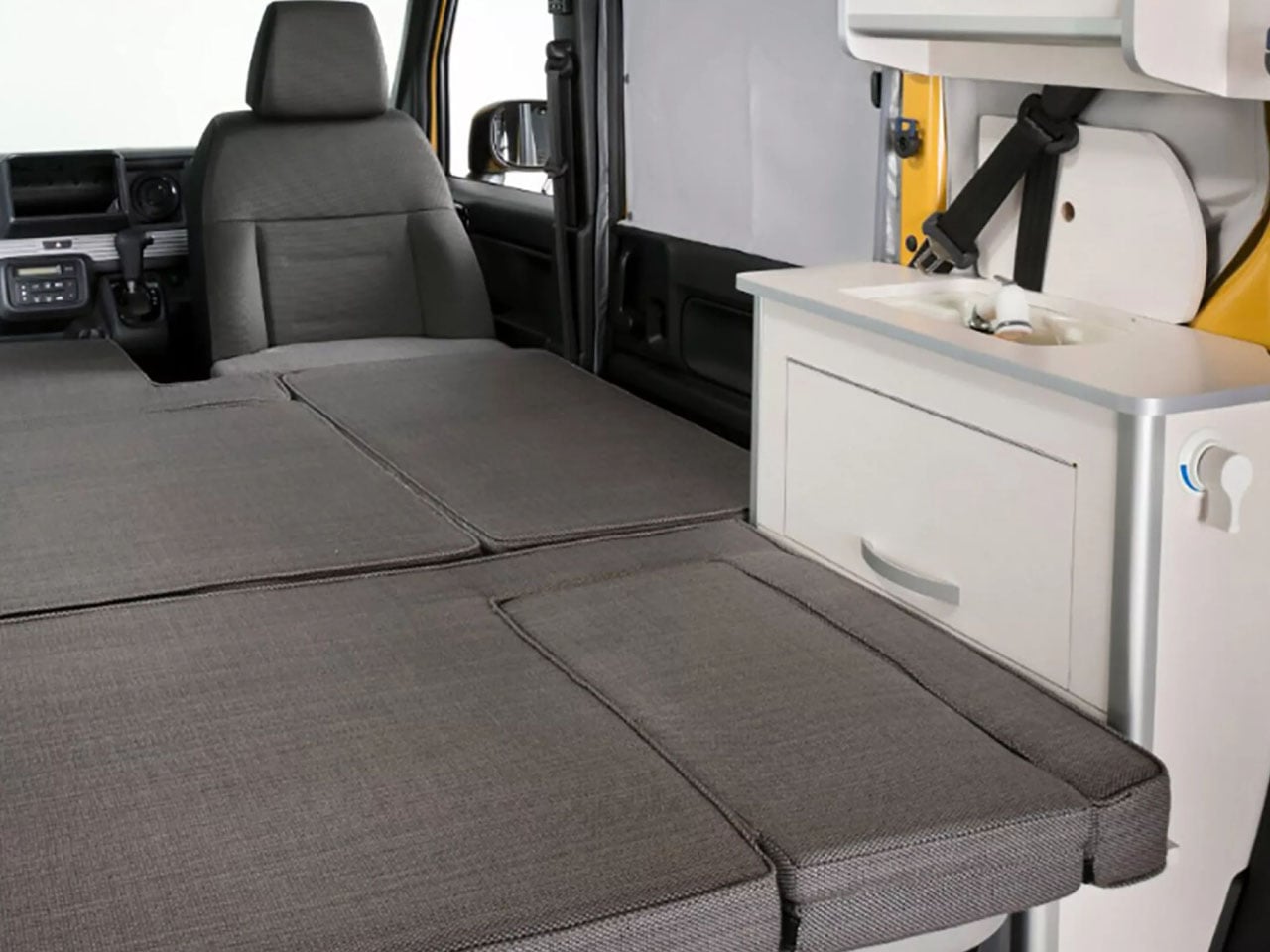
With all the mentioned features onboard, Daihatsu Wake or Toyota Pixie, if you may, will be a highly efficient, micro-camper van with a compelling layout in a vehicle of its size. If you are interested, a Wellhouse Daihatsu camper van model is already available for preorder at £17,995 (roughly $25,000).


The post Wellhouse puts most efficient micro-camping layout inside of the Kei Toyota/Daihatsu camper van first appeared on Yanko Design.
This Expandable Popup Micro Camper Turns Your EV Into a Fully Equipped Tiny Home for Off-Grid Escapes

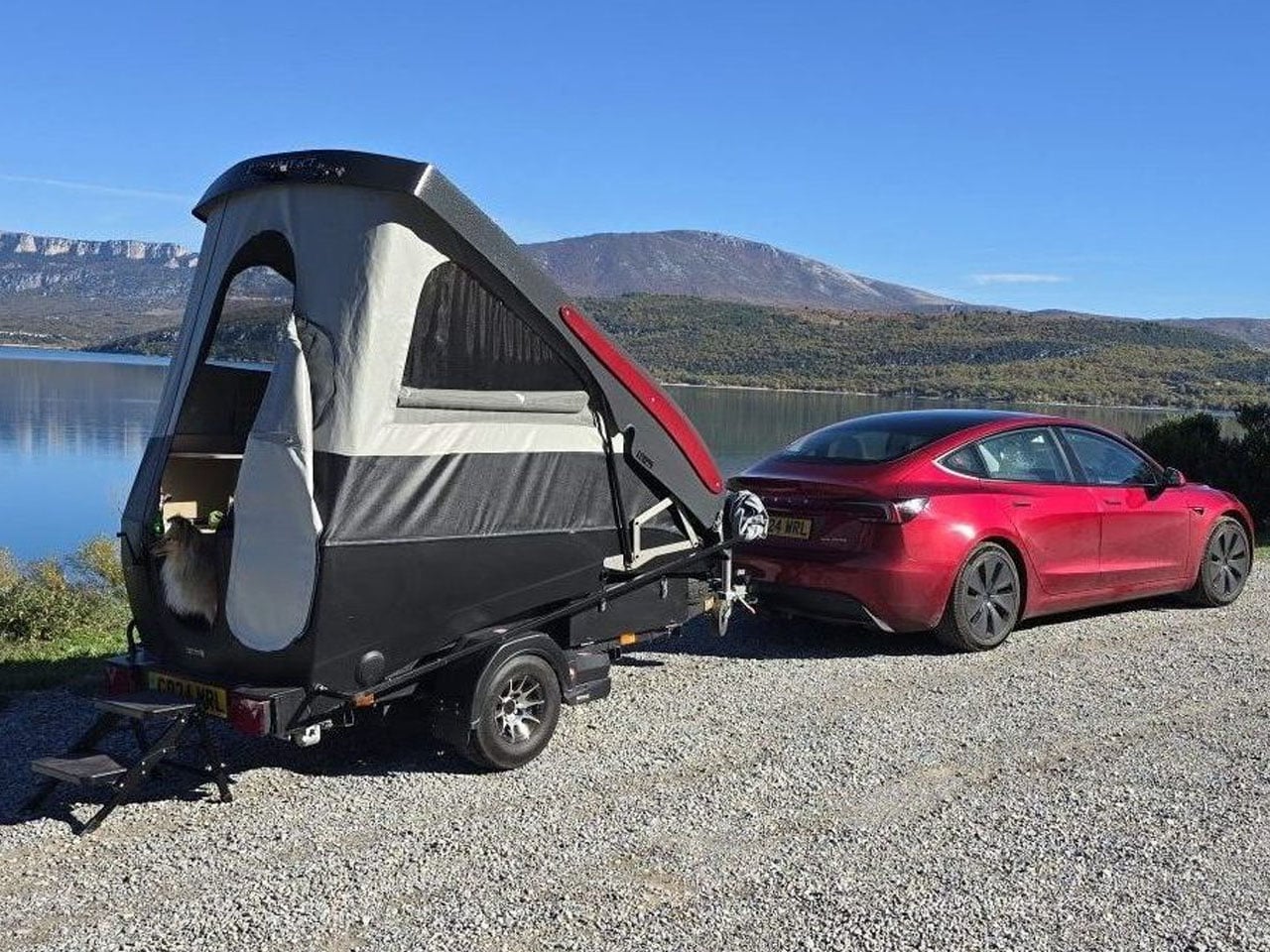
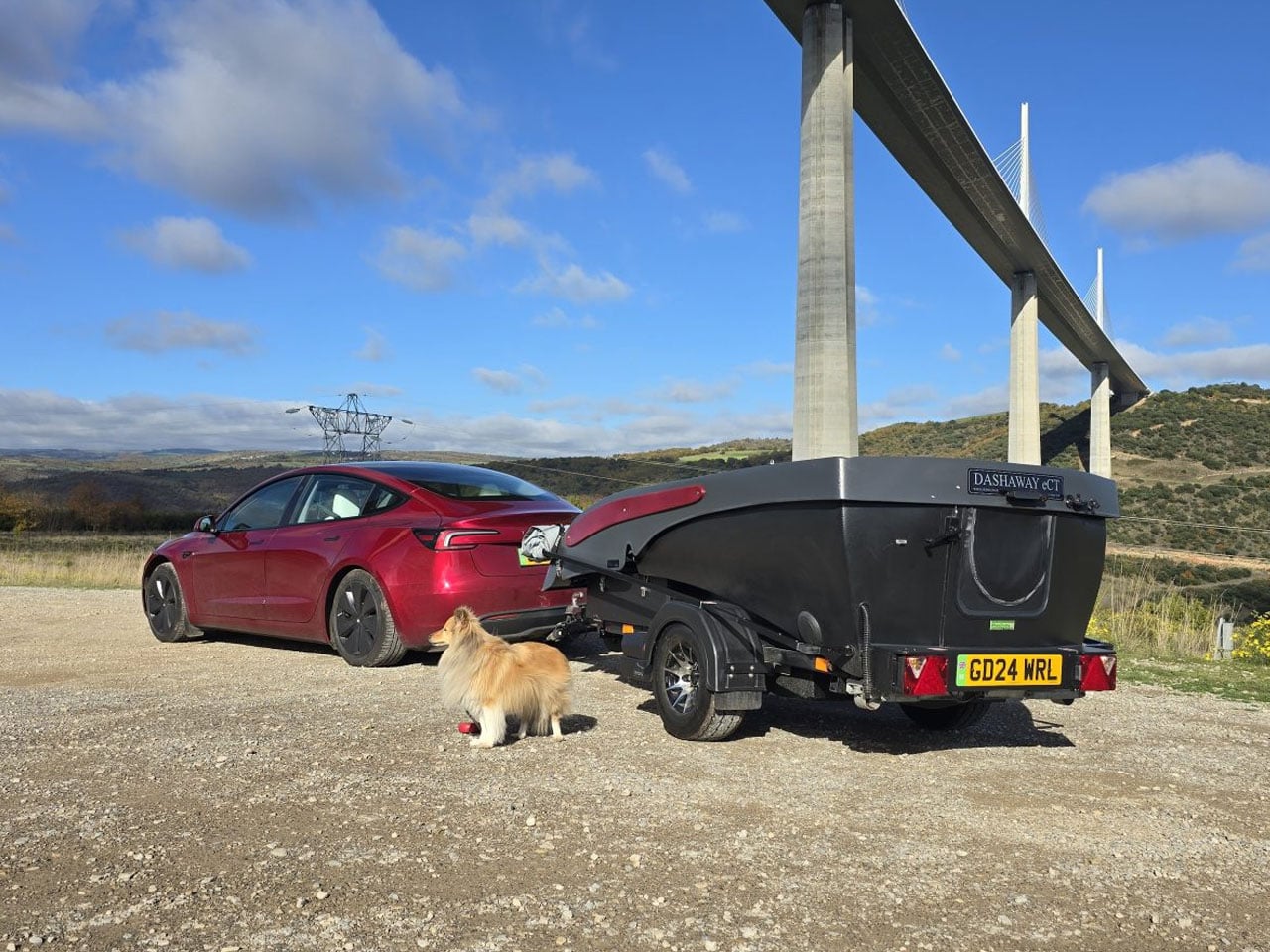
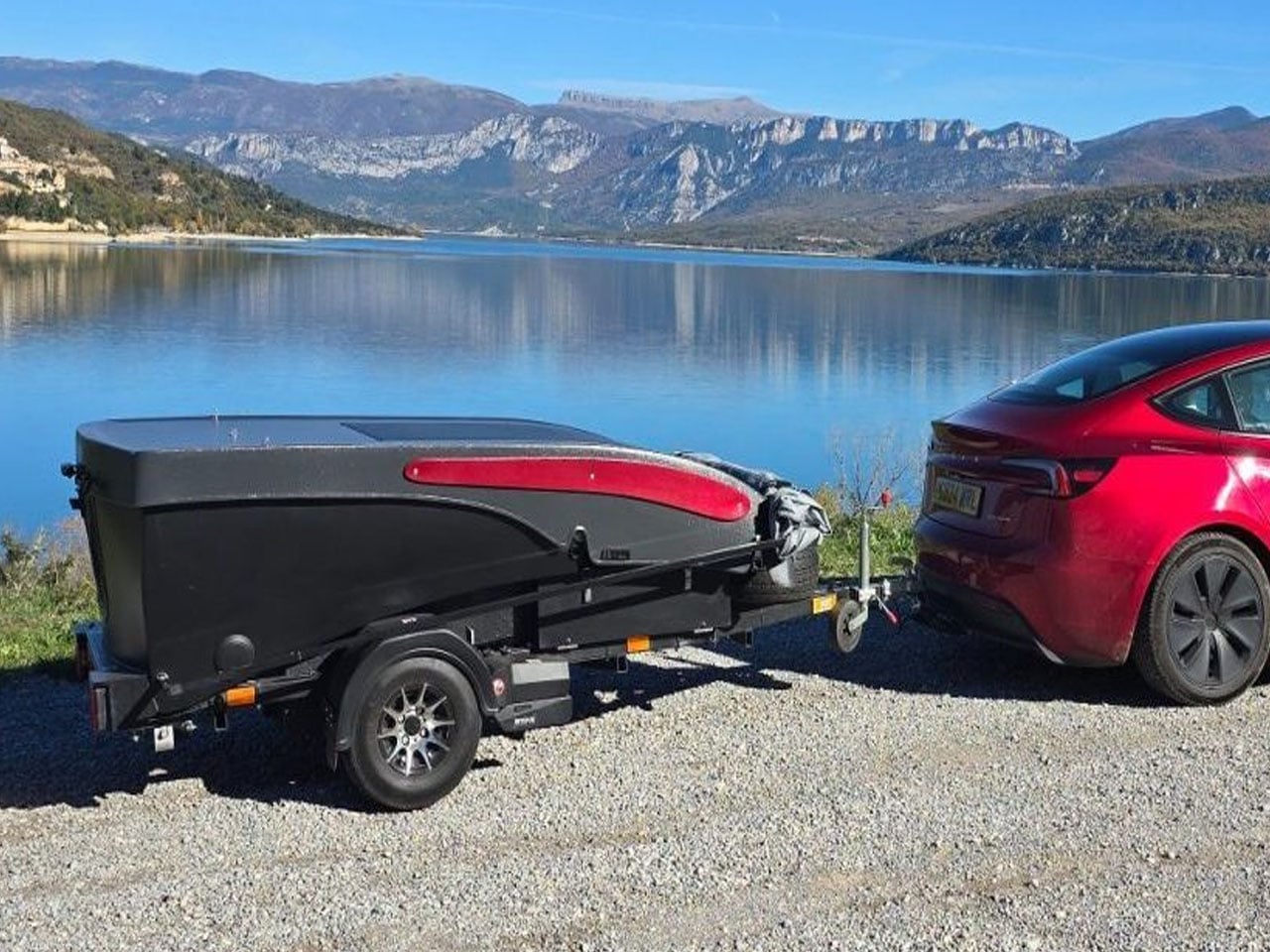
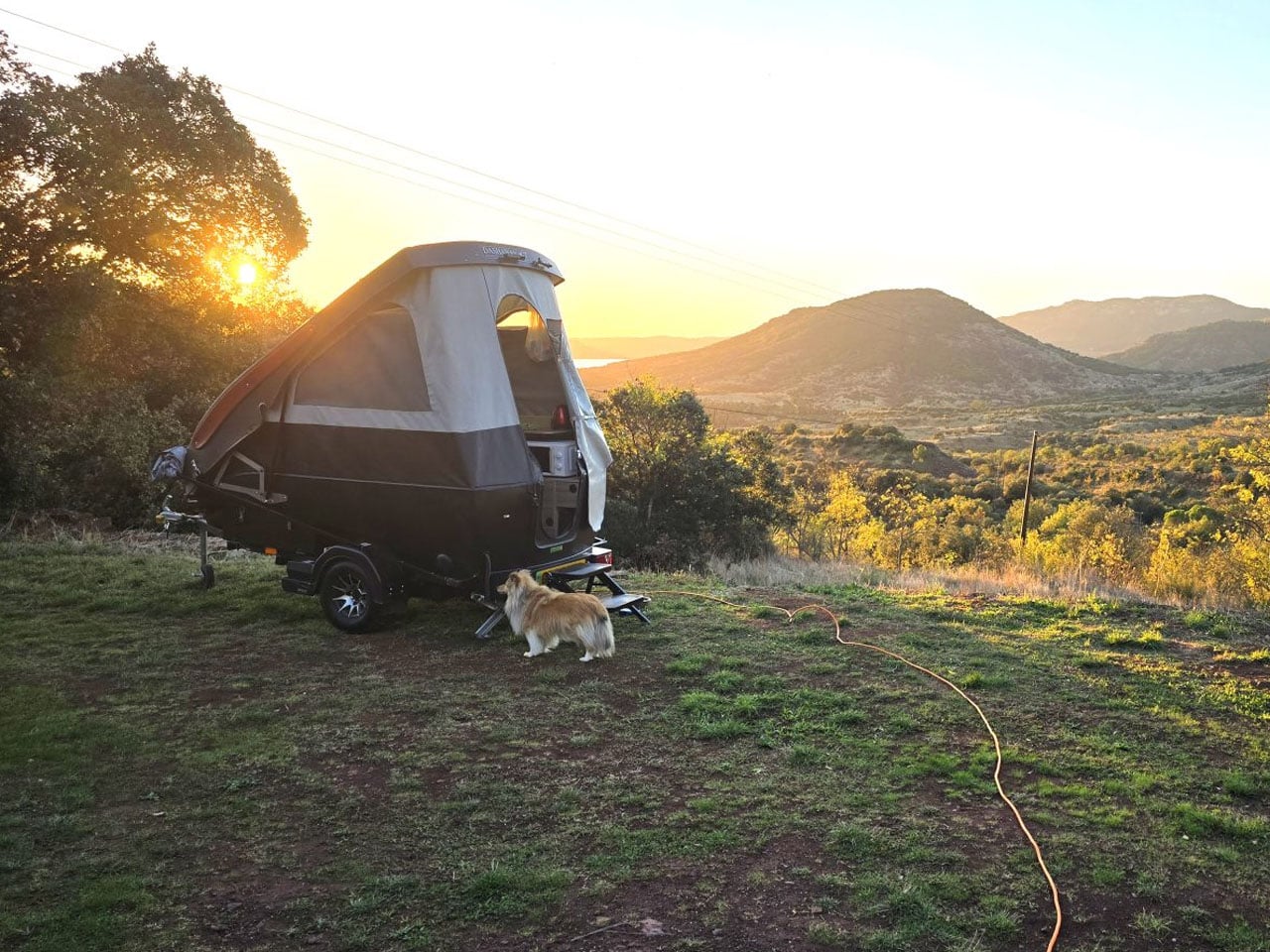
Wheelhome is a budding compact camping solutions enterprise in the United Kingdom. It is changing the way camping is perceived and how all-electric camping trips can be made more convenient. First, it launched the electric rooftop camper for the Tesla’s popular Model 3, and now it is offering other lighter vehicle owners an alternative for solo or two-person camping with the new Dashaway ECT micro camping trailers.

Designed for efficient electric camping trips, the Dashaway ECT trailer comes in two variants: a solo version and a two-person model. The campers are packed with all the amenities and facilities one needs, from a lounge to beds and a toilet to a kitchen, so they can be fully packed for all sorts of camping requirements.

Designer: Wheelhome

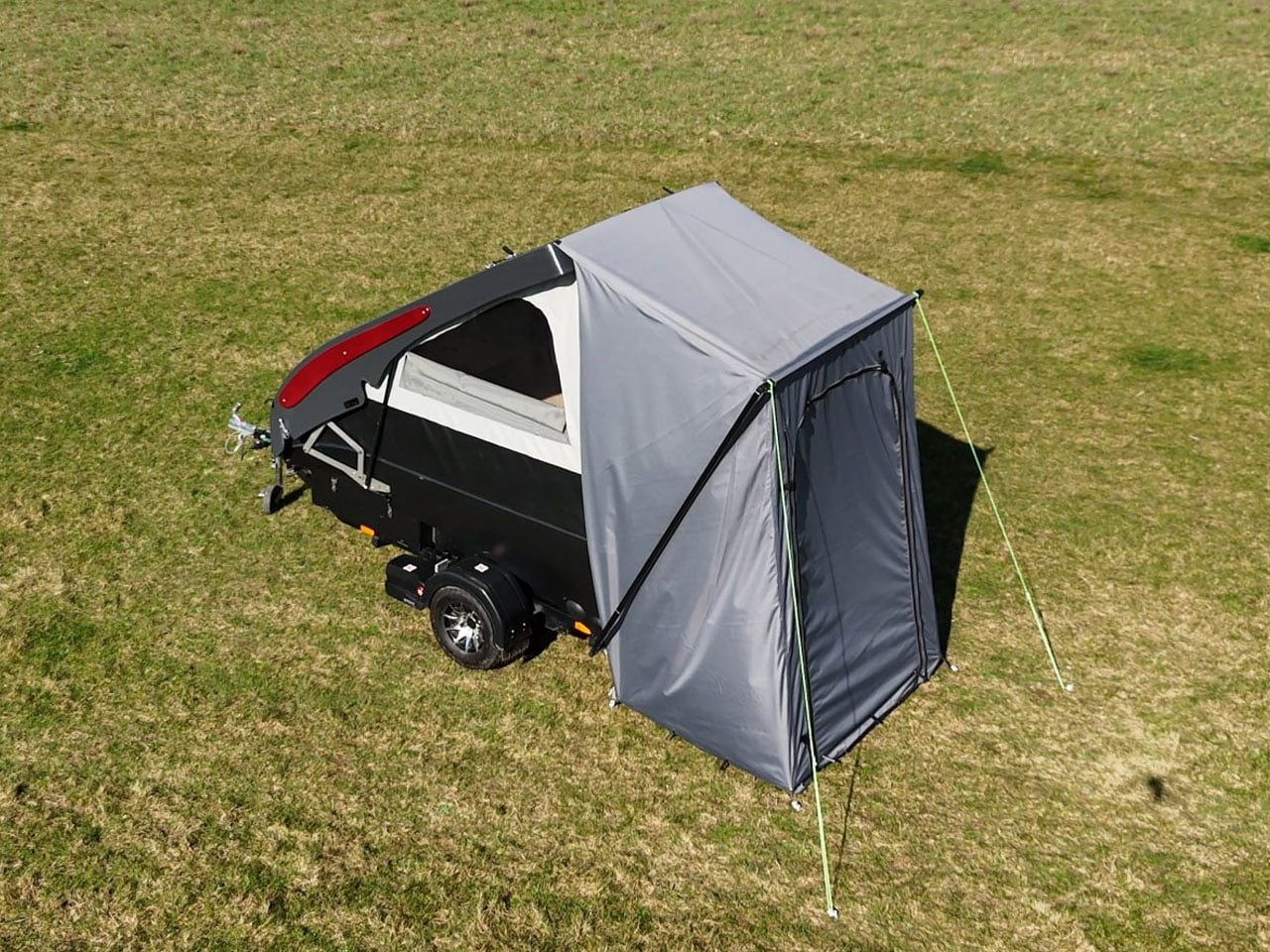
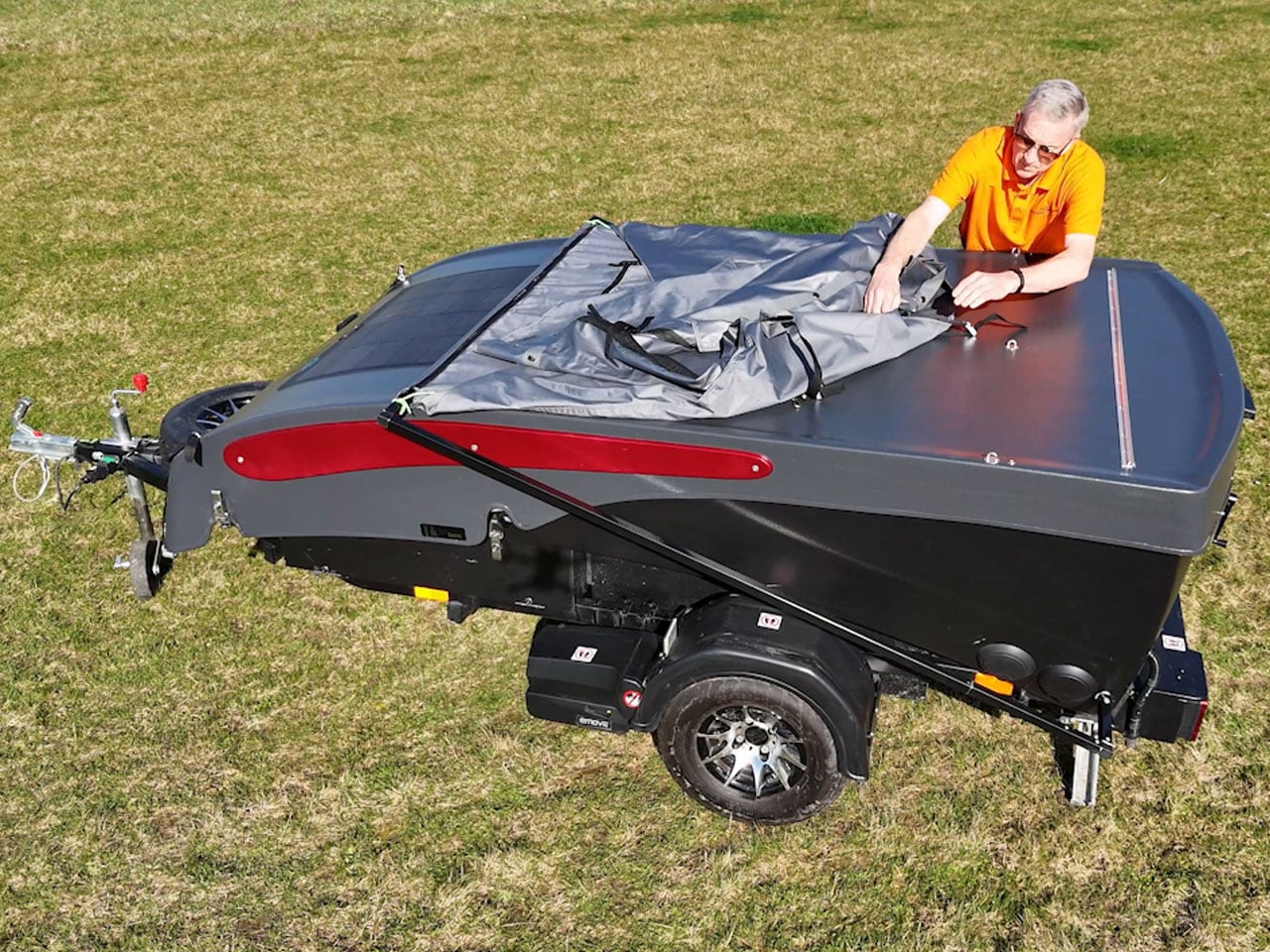
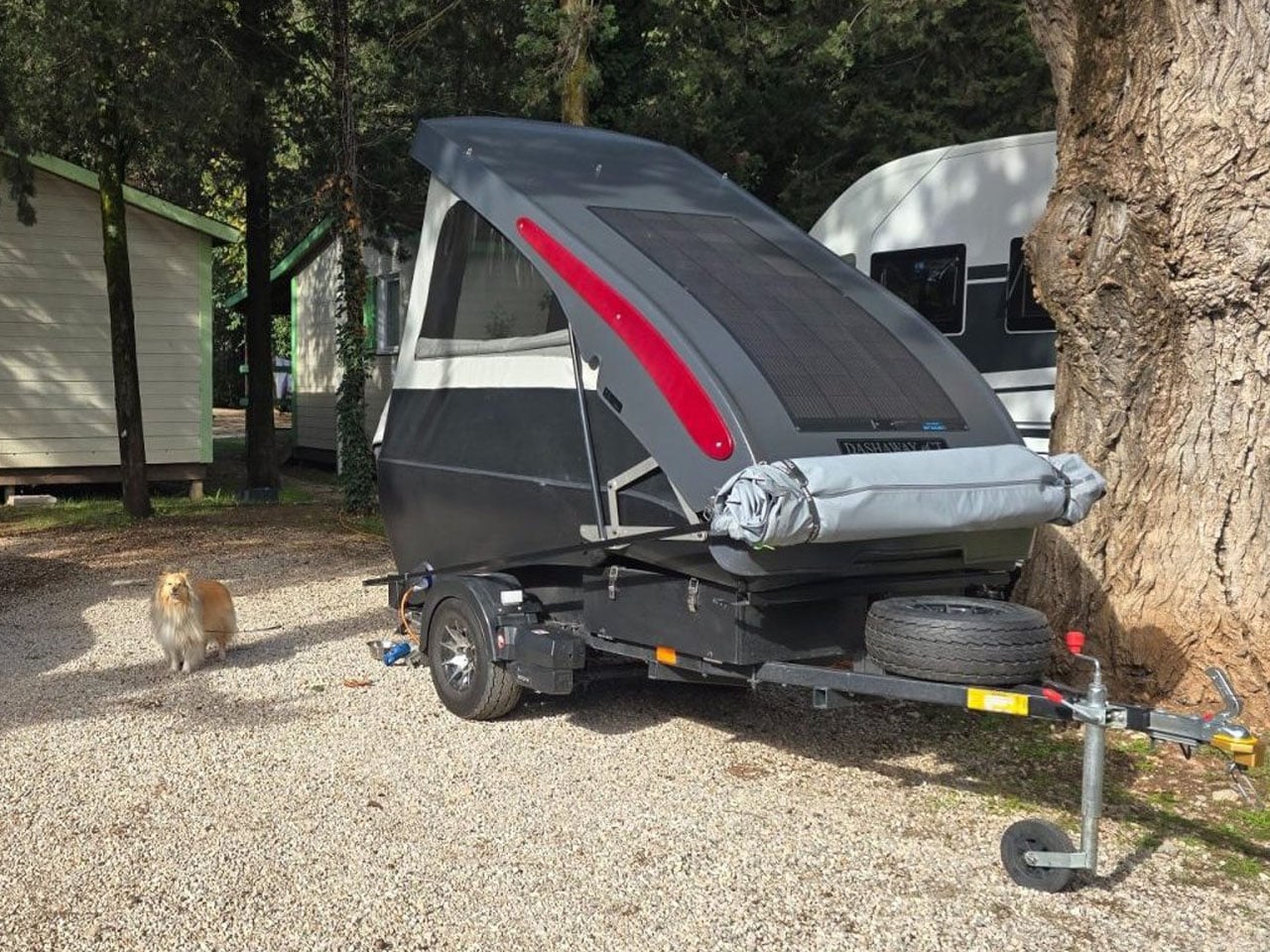
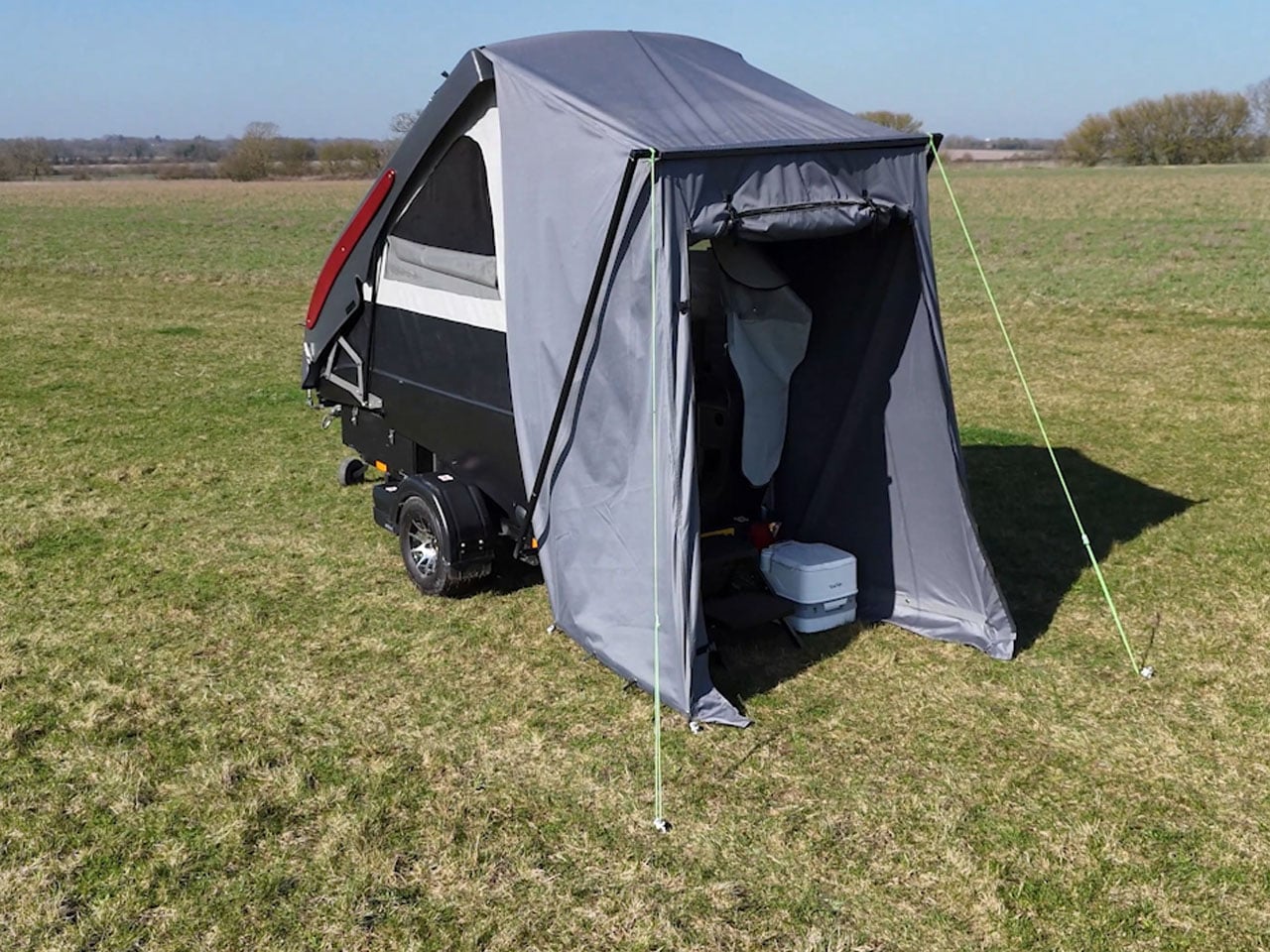
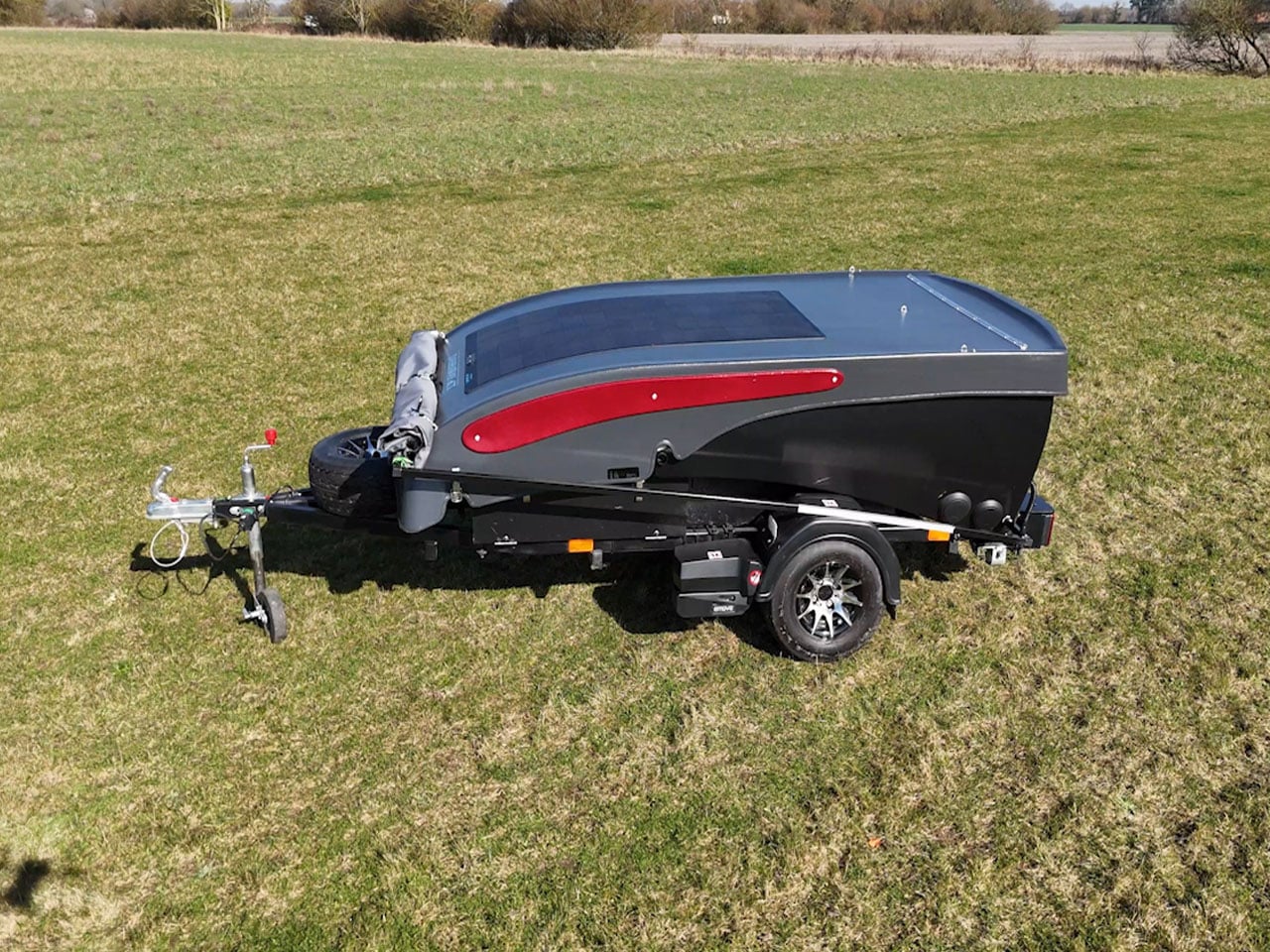
A provided awning is one of the major highlights of the Dashaway ECT series. It is part of the trailer and delivers an additional outer space that can be used for a portable toilet. Of course, it is optional, but with awning rolled up on the front of the trailer when riding, you have the option of expanding the living space. It can unfurl easily and attach to the roof and two side poles to create a sizable space. Besides the awning, the trailer is otherwise similar to the other options on the market, measuring 12.5 feet long and about 5.3 feet wide, but it differentiates itself in the convenience campers can have inside.

When in drive mode, the Dashaway ECTS one berth and the ECT 2 two berth pack down to a height of 3.8 feet. At the camp, both models can pop up to the height of 6 feet. Setting up the trailers is as easy as it can get. No additional tools or any specific training is necessary. The process takes a few minutes. First, using a motorized mover the trailer can be positioned using a remote control, without even the tow vehicle. When in place, the stabilizer legs are lowered and the roof can be lifted up using a gas strut-assisted crank and the fabric side-walled camp is ready to live.

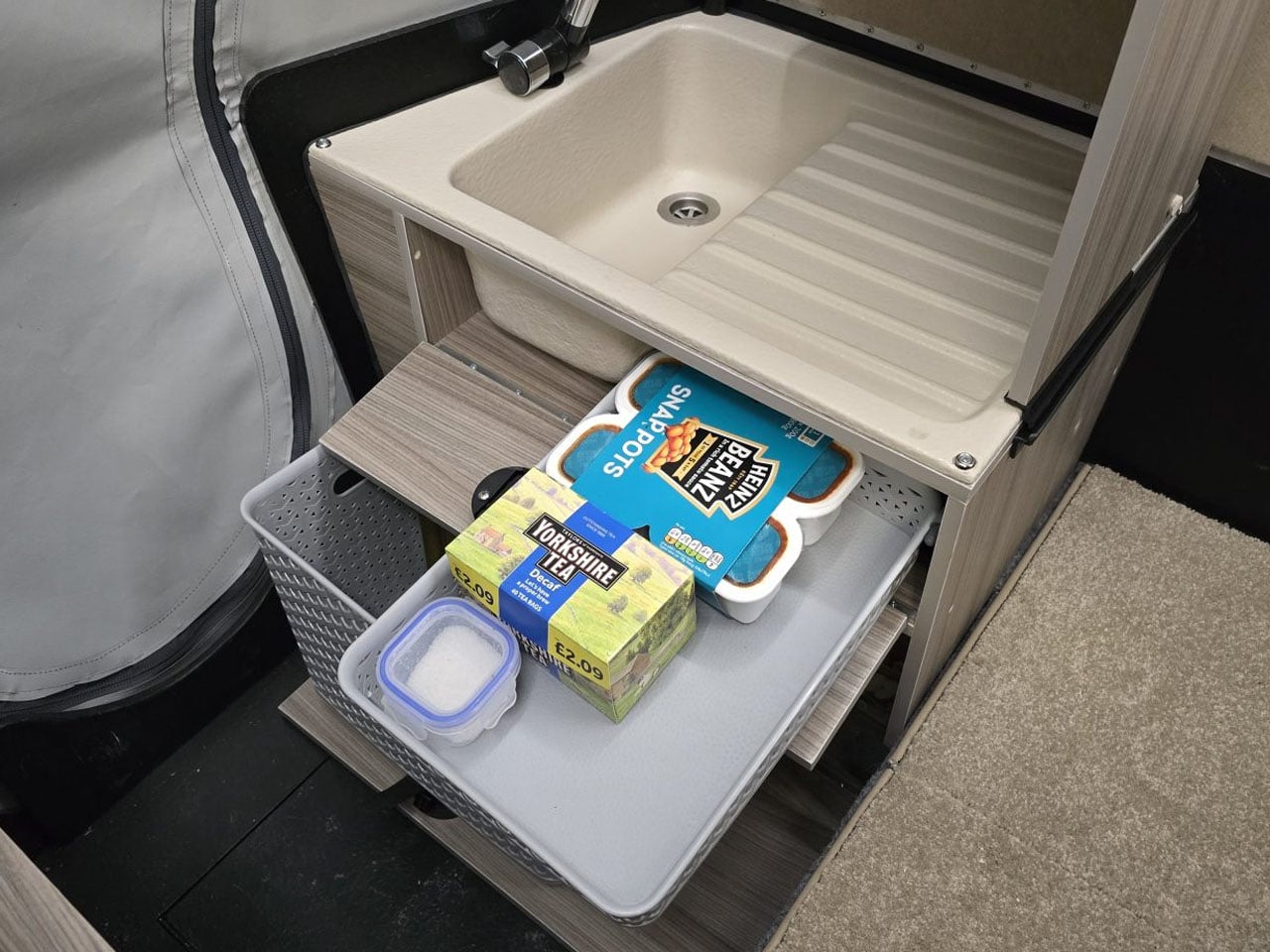
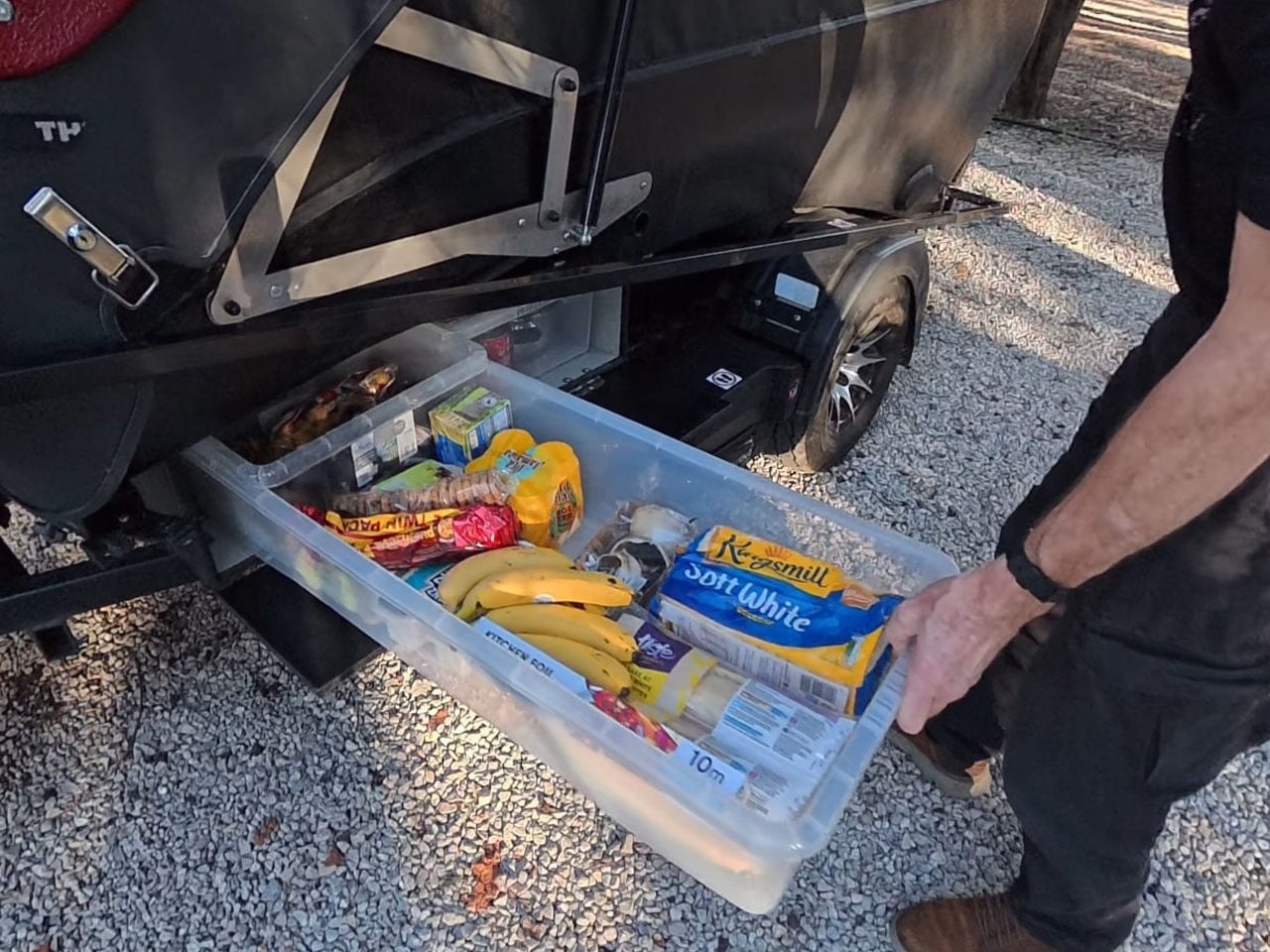
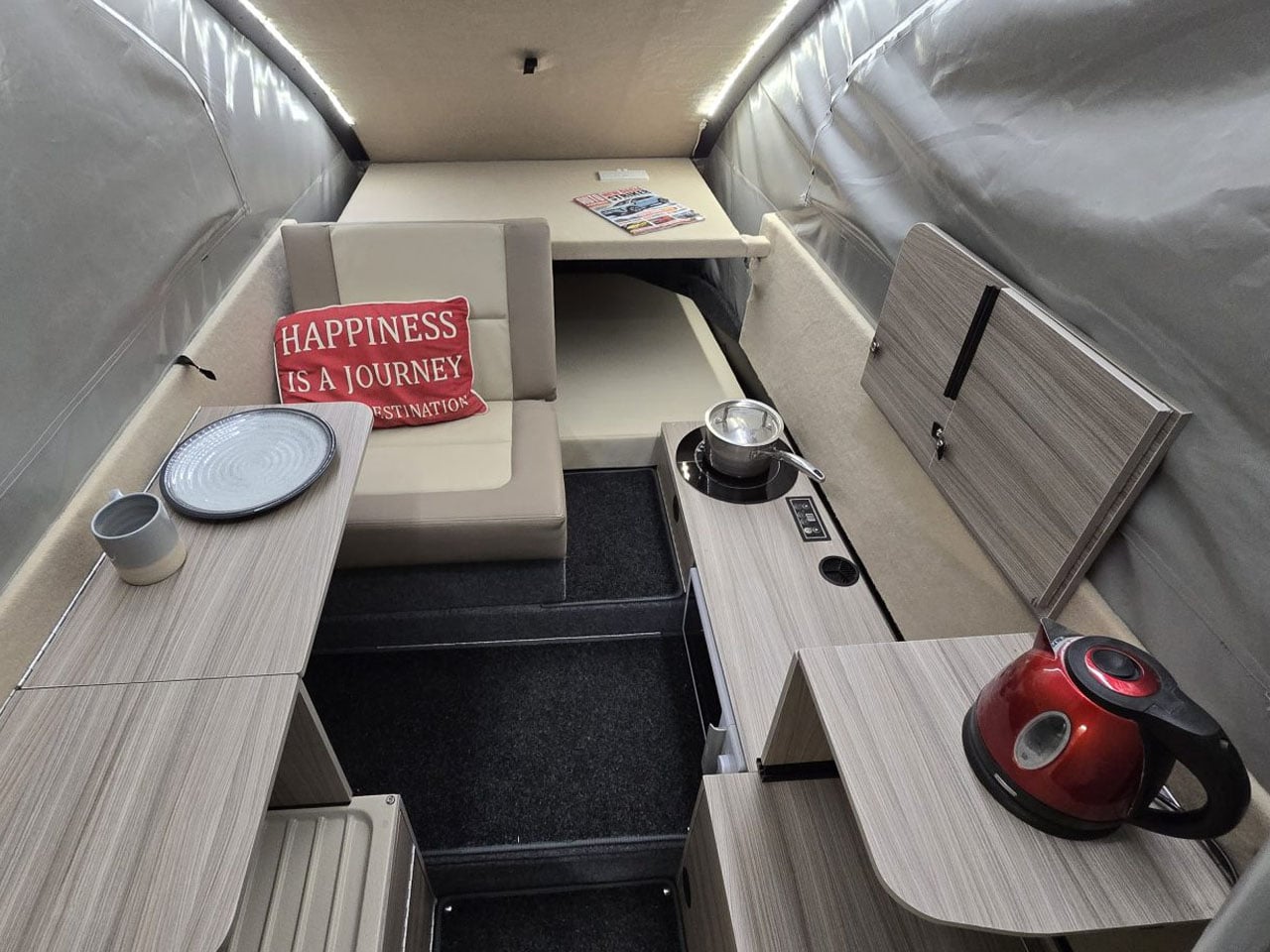
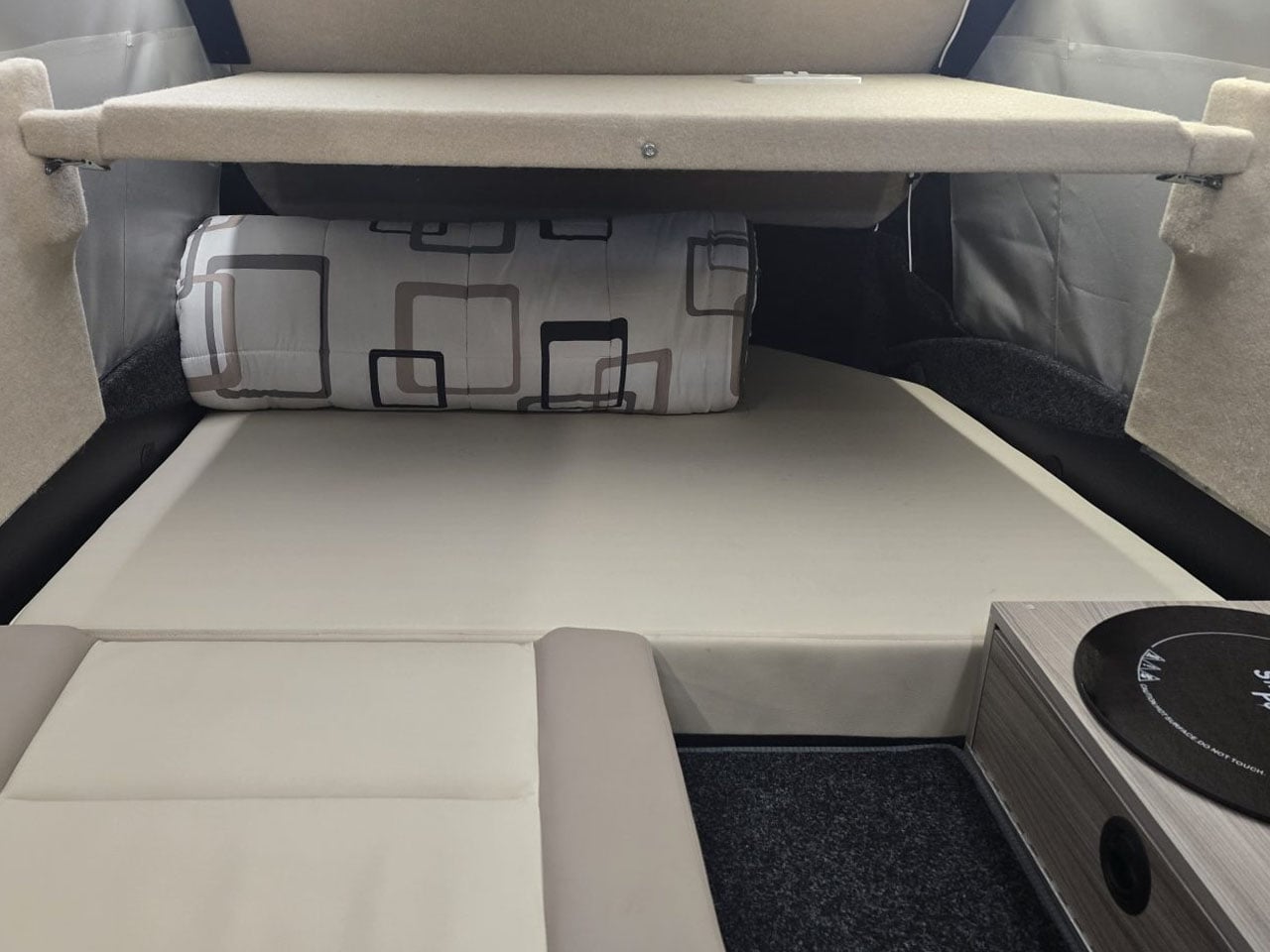
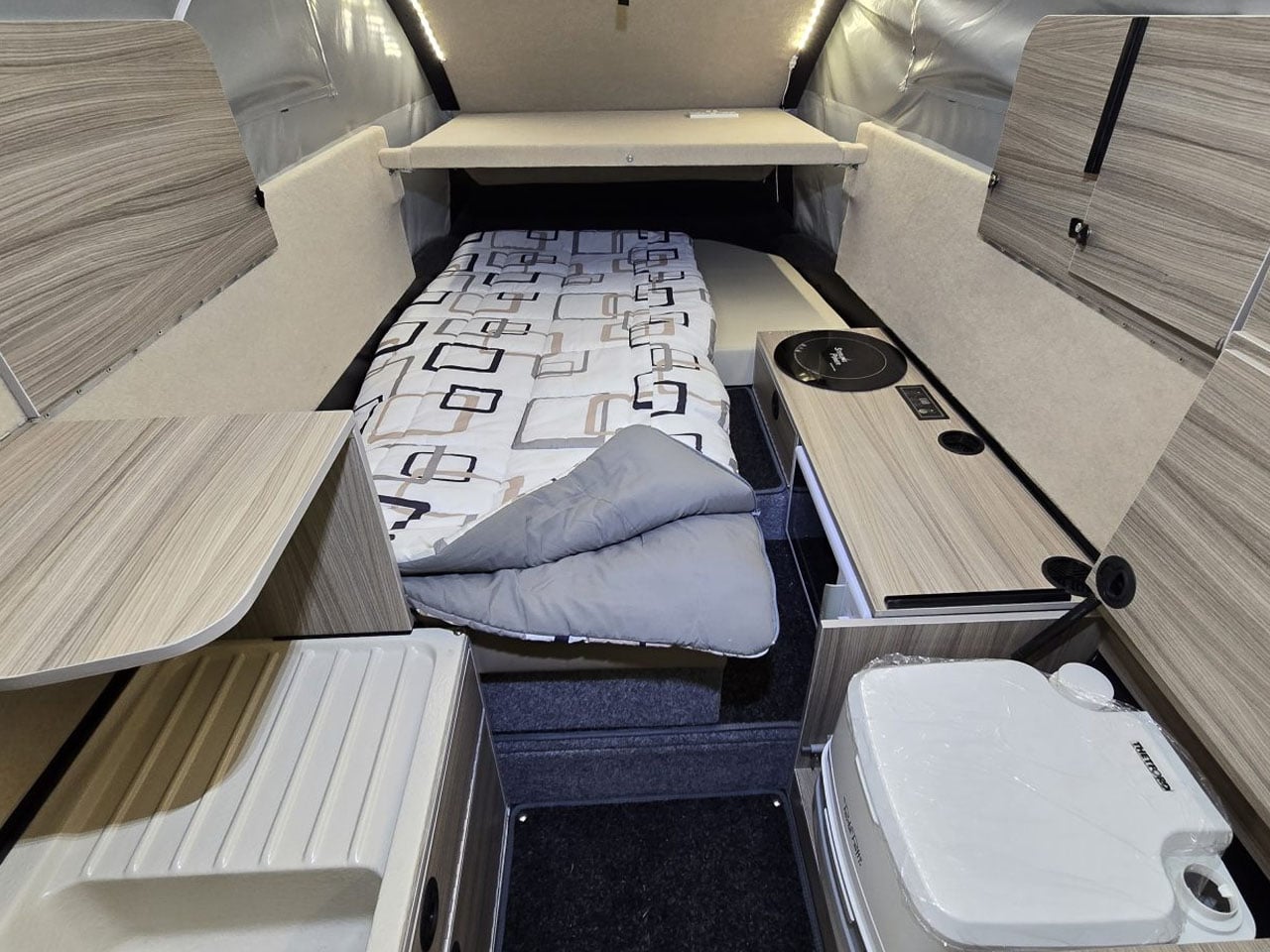
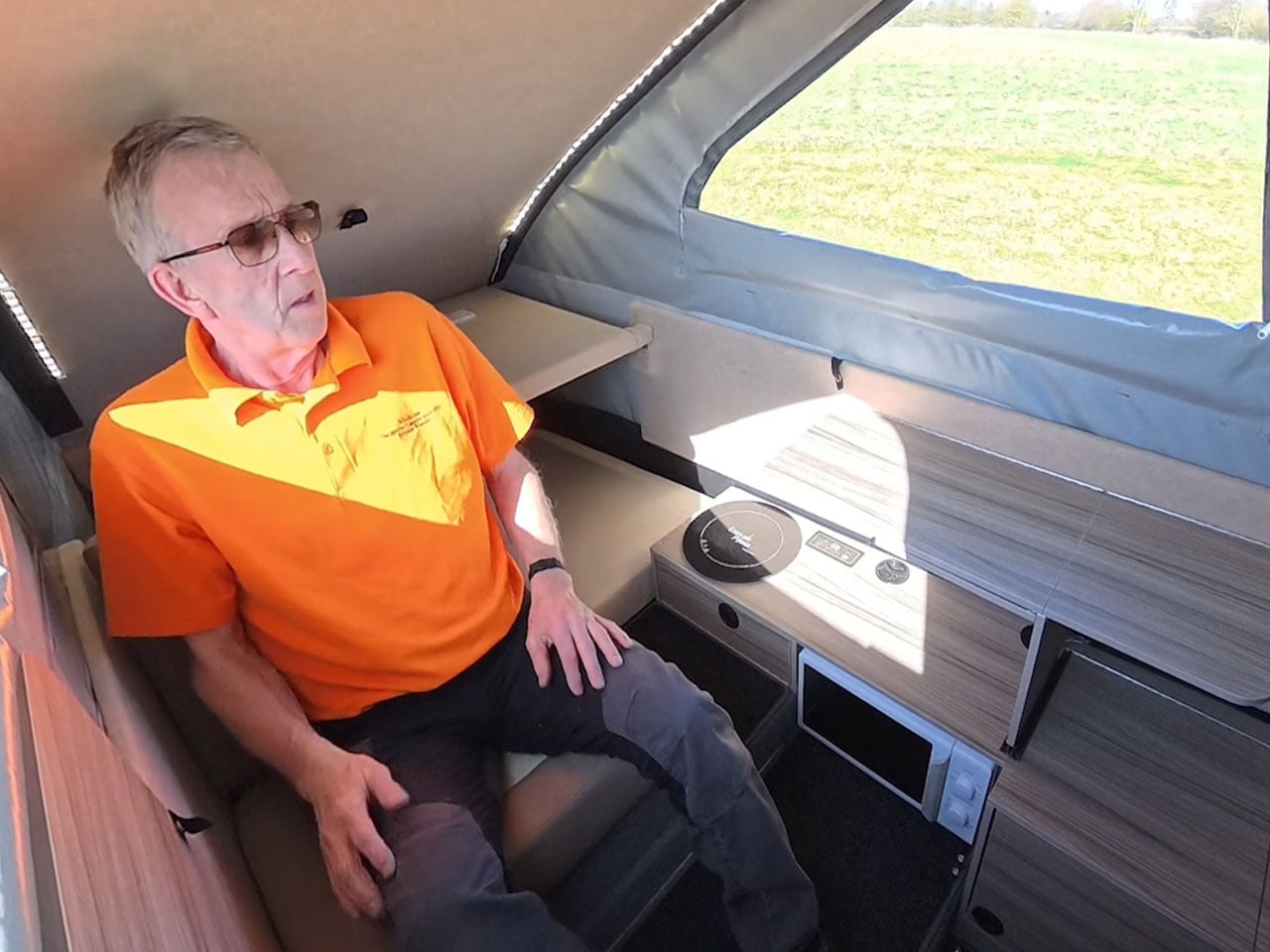
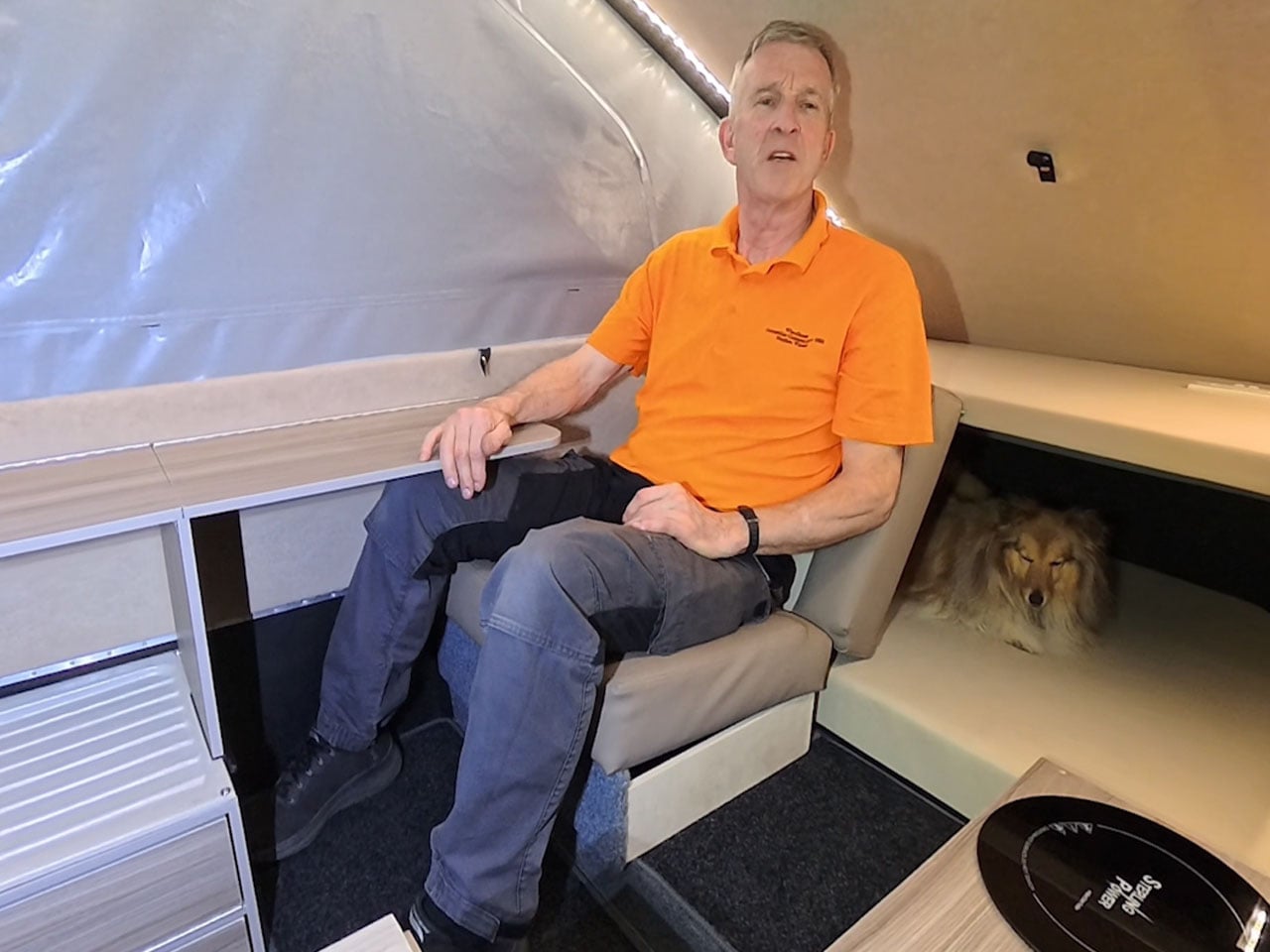
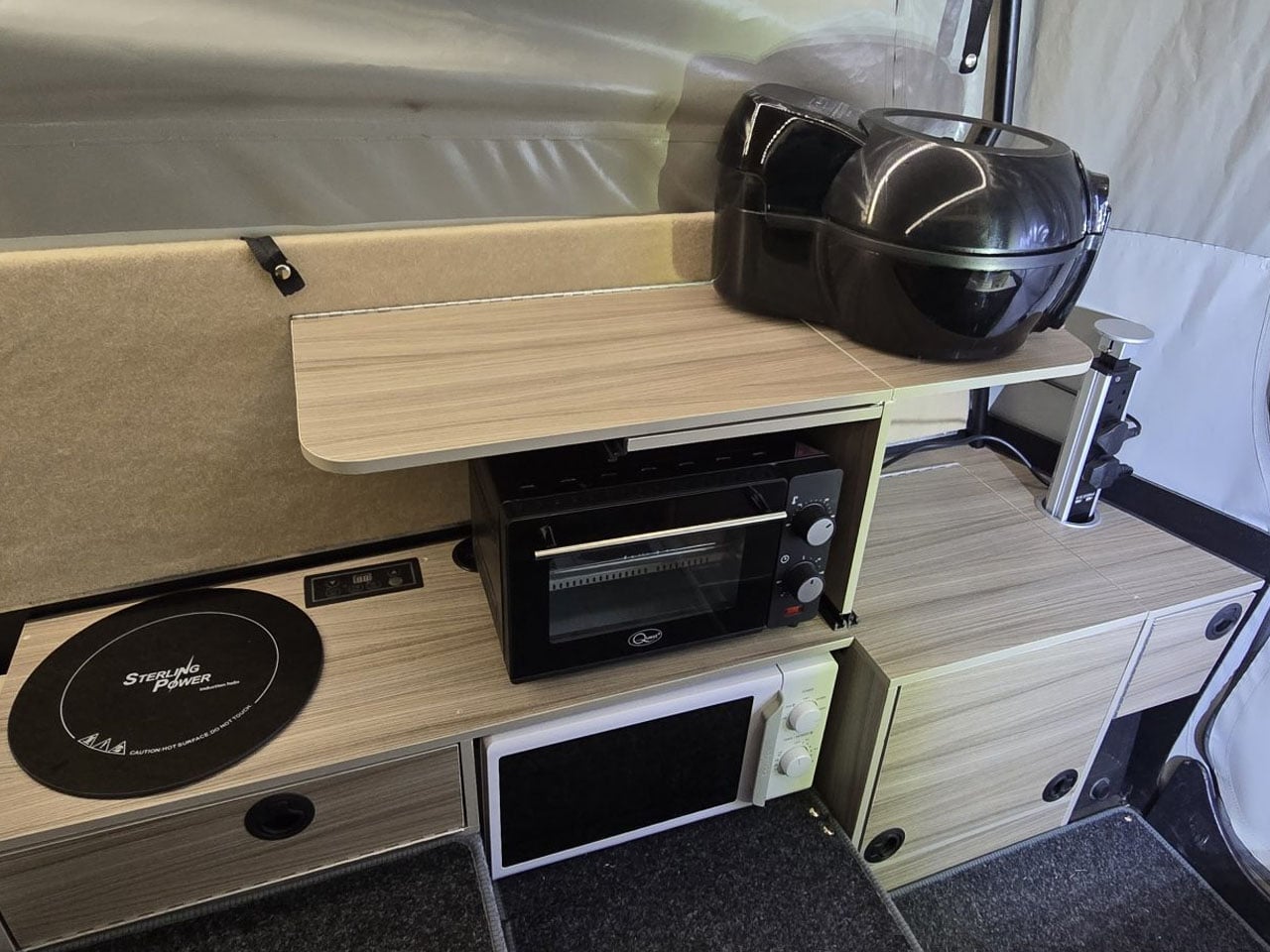
However, before you start living, you can access the camper via single rear entry and layout the furniture and furnishing inside (which folds down when the camper is packed for the road). The interior has the kitchen setup at the entrance complete with an induction hob, kettle, air fryer, and microwave, and then is the seating lounge facing outward, toward the camp entry. The seat also accommodates a 12L fridge underneath. The lounge – depending on the berth configuration you have picked – is either one seat or two. the seats flatten down into a single or double bed at night. The sides are provided with large windows covered with mesh, which light up the interior.

Wheelhome provides the ECT series with ample storage cabinets and compartments under the seat(s). The trailer features a 3-kWh lithium battery, 200-watt rooftop solar panel connected to a 3,000 W inverter. Dashaway ECTS is available for a starting price of £19,750 (roughly $26,000), and the ECT2 is priced at £26,225 (about $35,000).

The post This Expandable Popup Micro Camper Turns Your EV Into a Fully Equipped Tiny Home for Off-Grid Escapes first appeared on Yanko Design.
Mitsubishi shows Delica Mini Camper with roof-mounted pop-up tent and off-roading capabilities

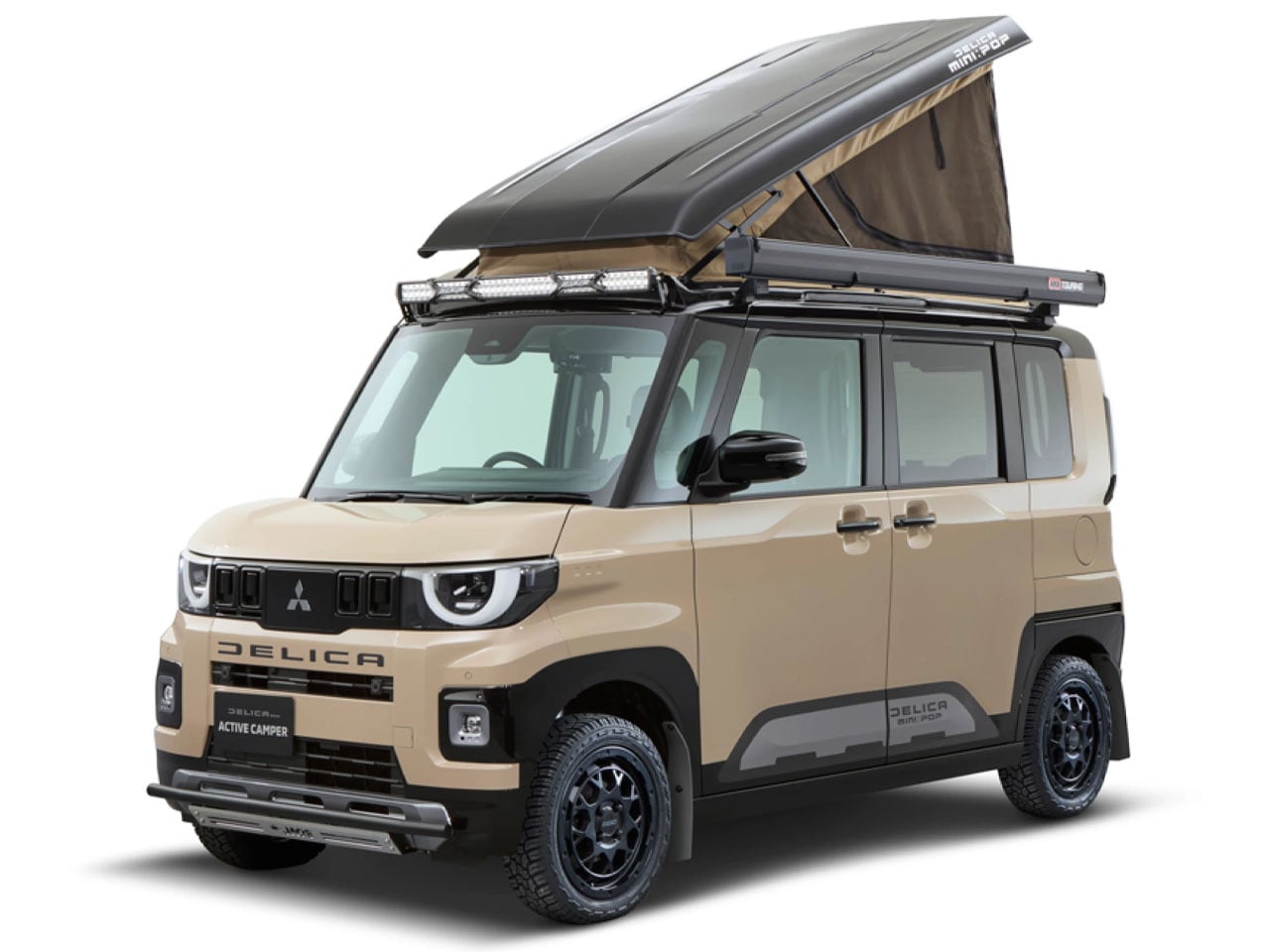
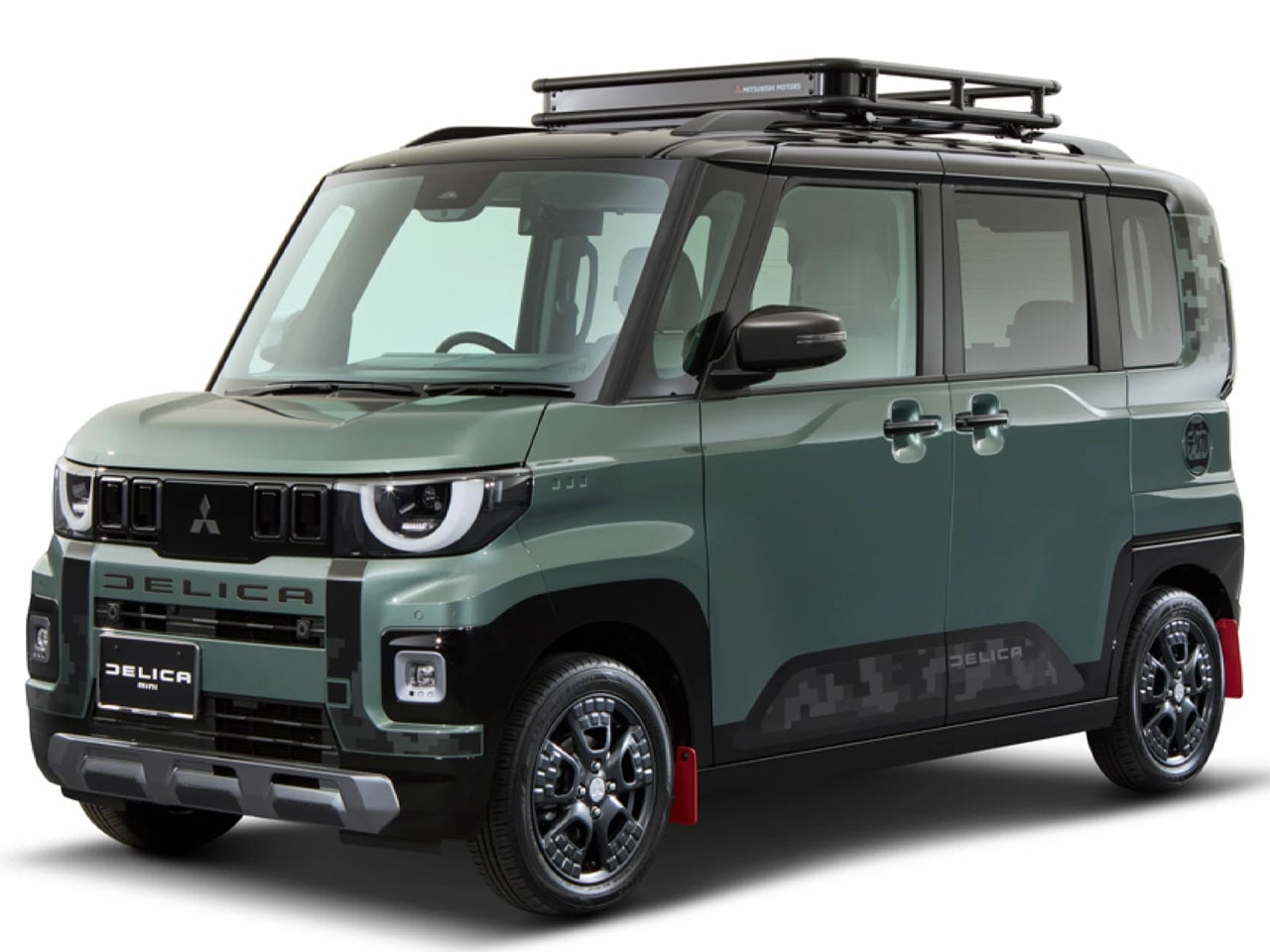
The trend of camper vans is gradually clawing its way into the small car segment, and it makes sense for solo riders who give weightage to minimalism more than anything. Lutz Focke’s Lutz Minicamper and the Mini Pop Bee Active Gear by Mystic are the most recent iterations that prove it. The latest one, substantiating the fact, comes from Mitsubishi Motors, which just recently showcased the Delica Mini active camper at the Tokyo Auto Salon, one of the world’s largest custom car shows, that concluded in Chiba, Japan, on January 11.

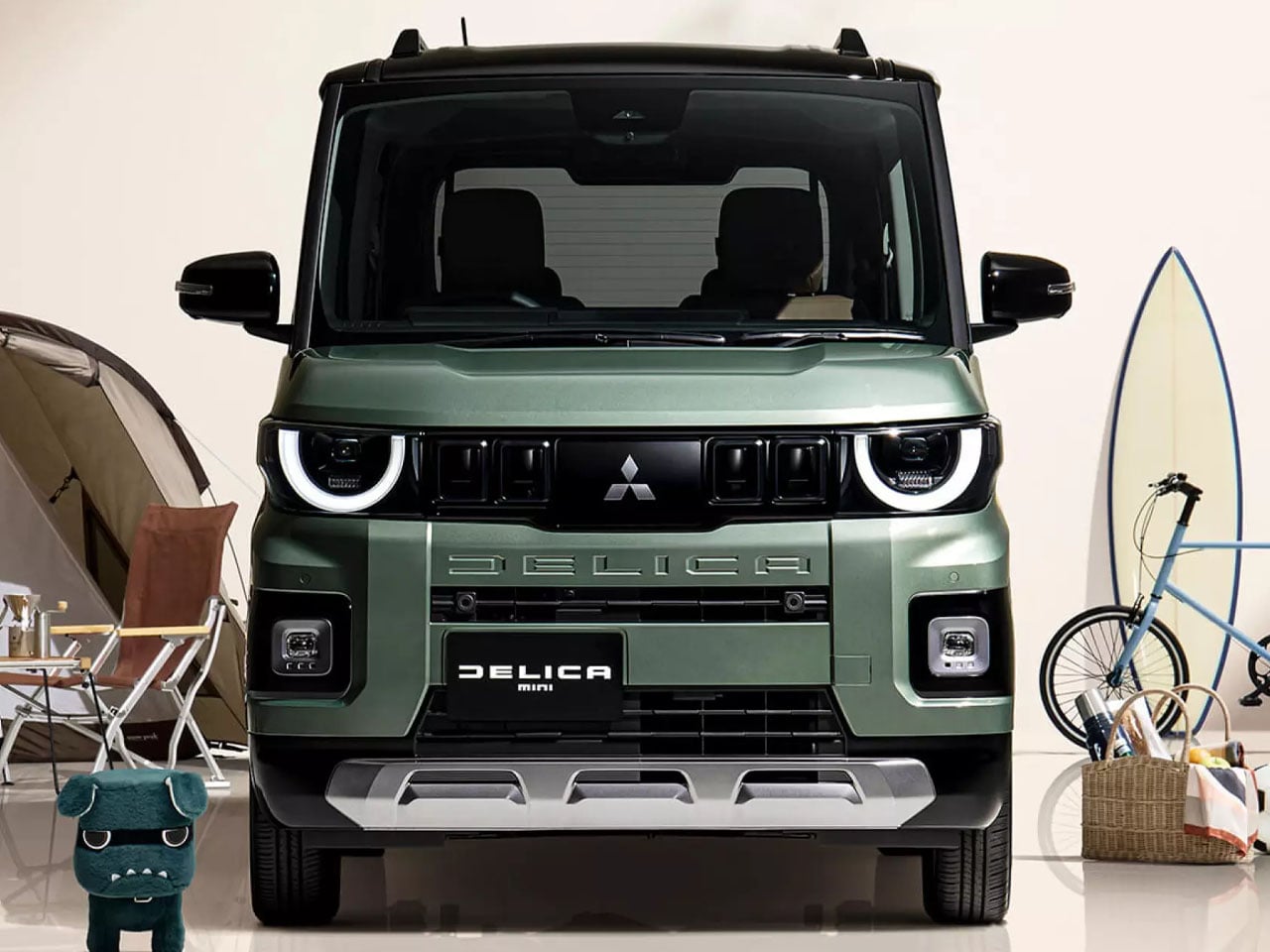
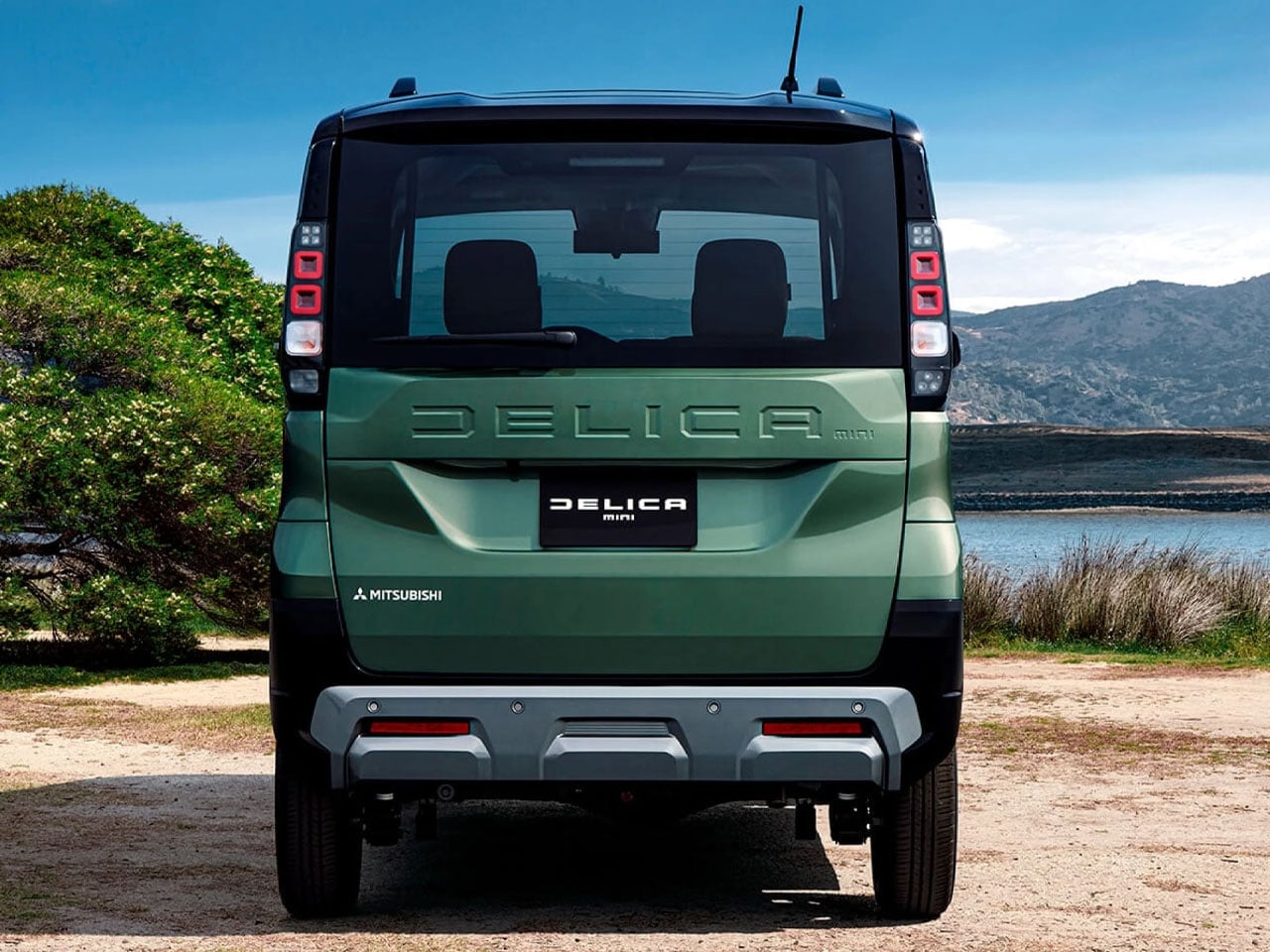
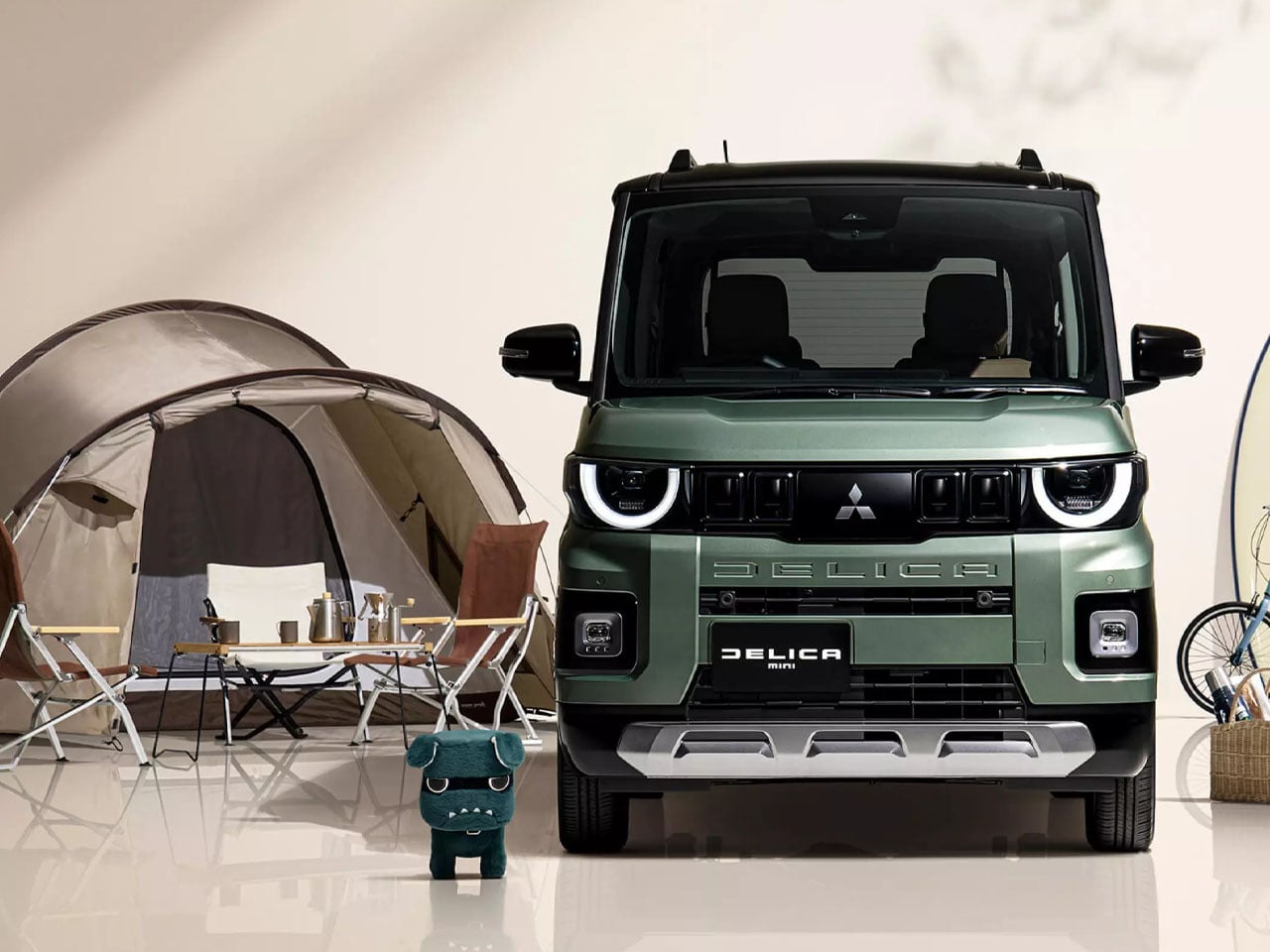
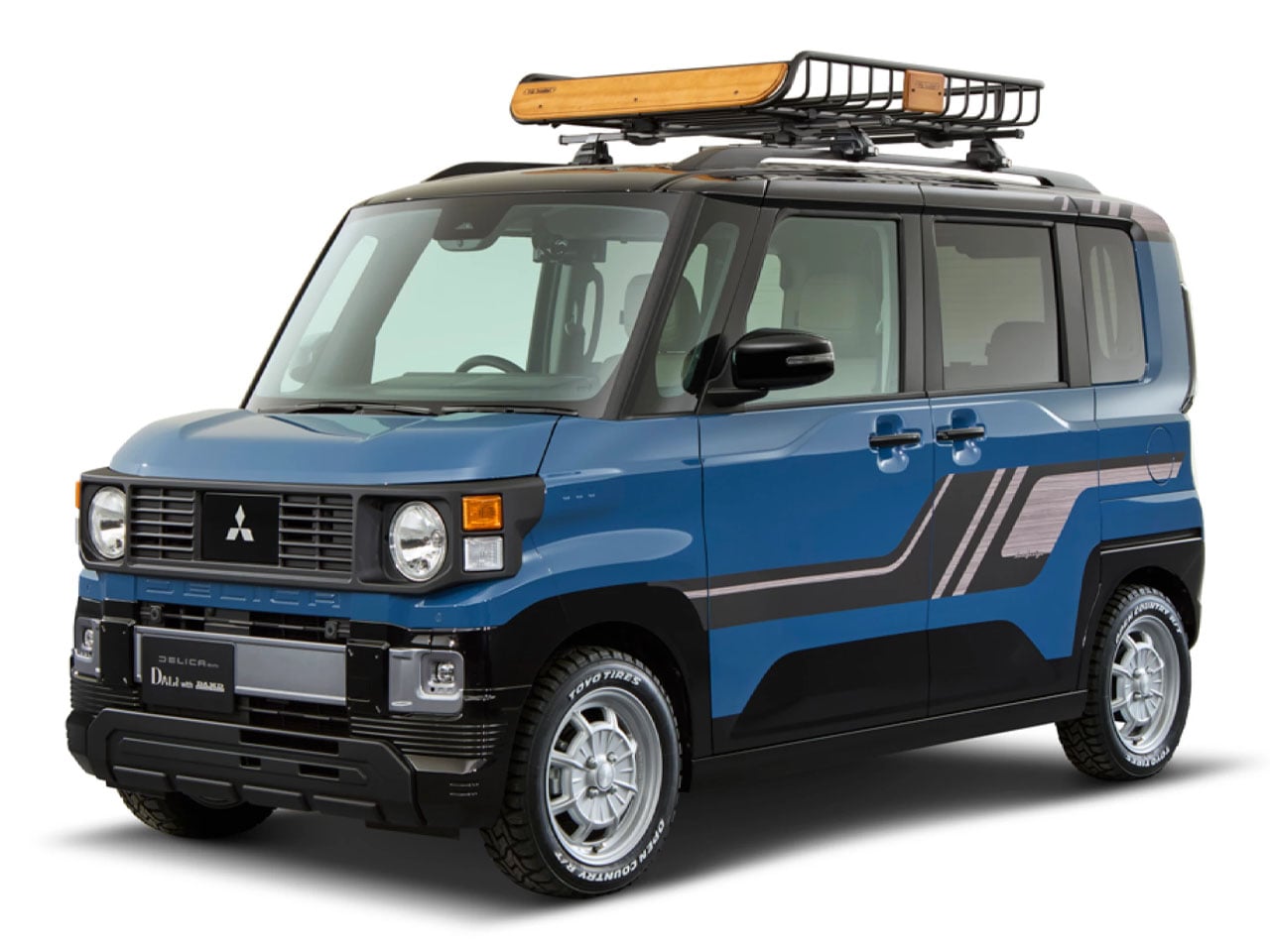
The redesigned Delica Mini, which made its recent appearance, is one of the 11 vehicles displayed by the company. The custom version of the Delica Mini is a reimagination of the super compact kei car, which is rugged and ready for off-road adventures courtesy of some worthwhile tweaks on the inside.

Designer: Mitsubishi

The Delica Mini, since its launch in 2023, has been known for combining spacious interiors with powerful driving performance. Owing to this, the car has been awarded recognitions like the Design Car of the Year in Japan for 2023-2024. For its 2026 look, the Delica Mini maximizes indoor utility with a pop-up roof that features a roof-mounted tent for two, a suspension lift, and for four-wheel-drive system for off-roading. The space-constrained camper van also gets an ARB side awning to increase the livable space on the outside.

According to the information, the Delica Mini measures only 133.7 inches in length. The space seems cramped up until the roof above is popped open, and you have almost double the living space, but vertically. While the model retails all the popular features of the original Mini, including its endearing style and touch construction, it gets an uplift in the safety features, off-roading capabilities and interior design.

In addition to increasing the livable space with a pop-up roof, customization allows for making the camper off-roadable. The lifted suspension adds ground clearance, all-terrain tires keep stable, while the protective skid plates on the underbody ensure durability in rough terrains. With its all-drive powertrain and enhanced ground clearance, the Delica Mini is uplifted from a city camper to a true all-terrain camper for those who want to embrace the outdoors wholeheartedly.

Delica Mini is only a showcase concept at the time of writing. Its true world potential is yet to be seen and experienced. That said, Mitsubishi has not yet made anything official about when the new custom Mini will be made, or if it will ever be made. Even if it were to roll out in the near future, adventurers in Japan are likely to be the first to get their hands on it, before it drives into other markets.

The post Mitsubishi shows Delica Mini Camper with roof-mounted pop-up tent and off-roading capabilities first appeared on Yanko Design.
Toyota unveils Kayoibako-K micro camper van concept that can be used as self-driving mobile storefront

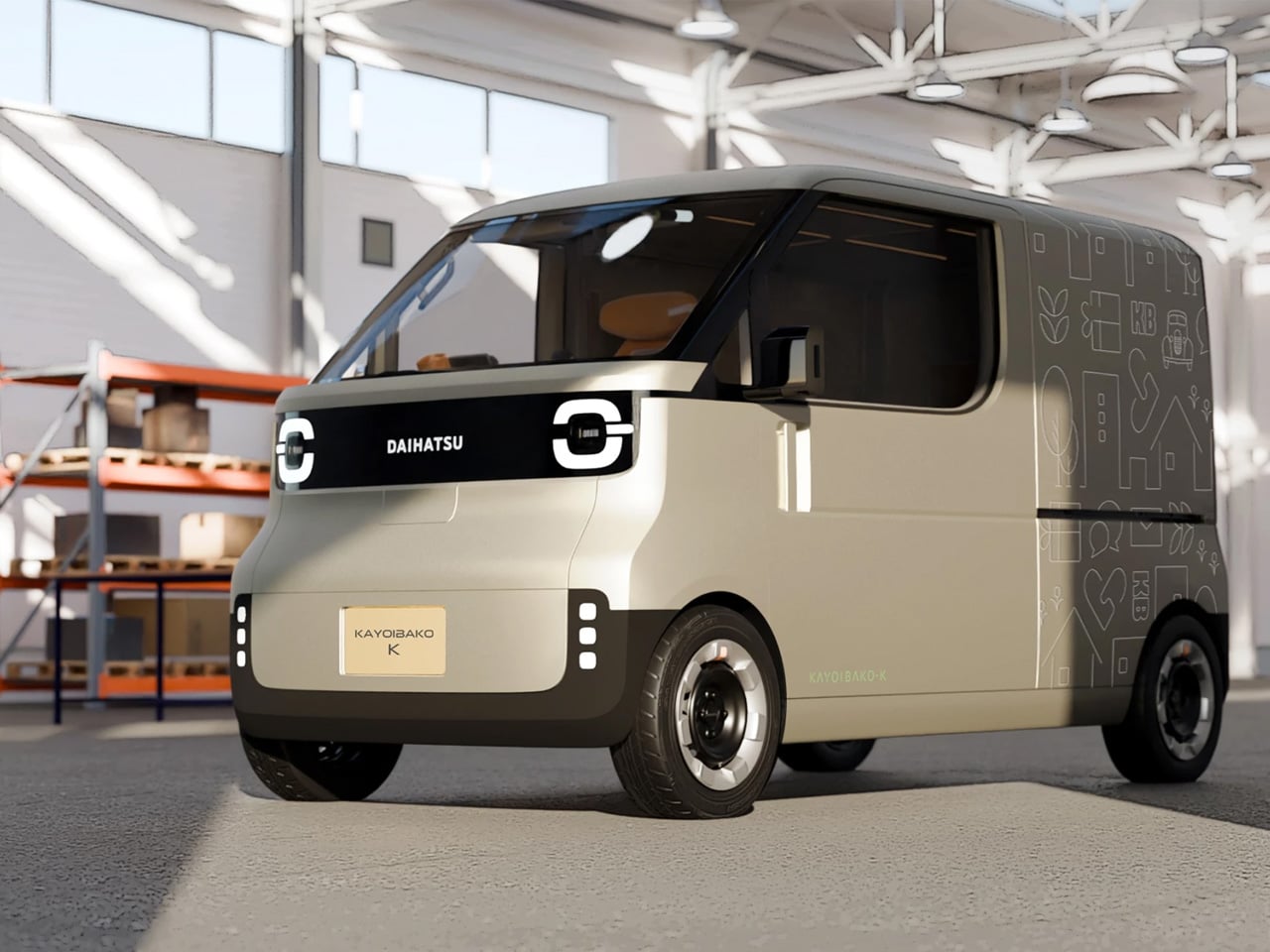
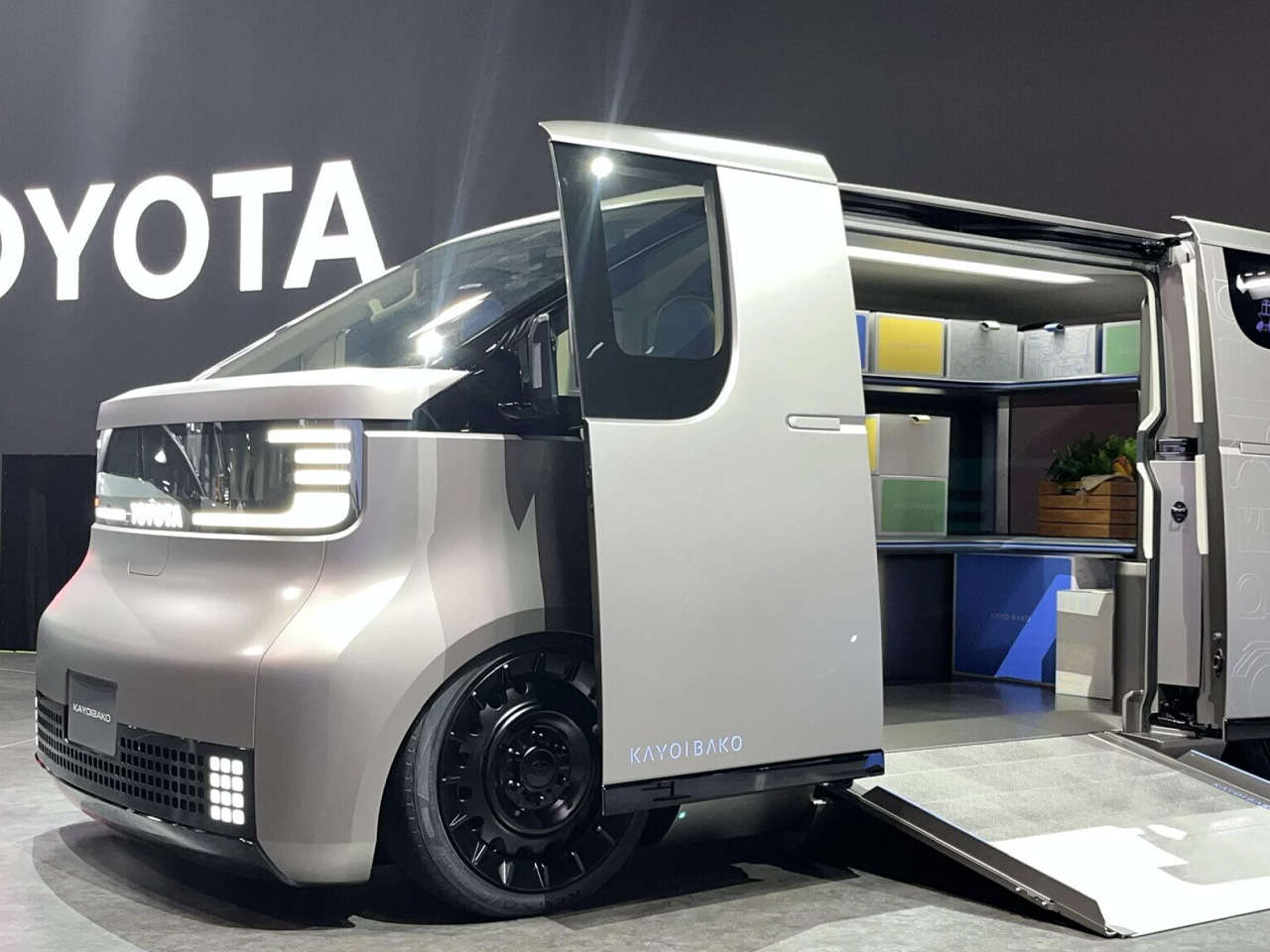
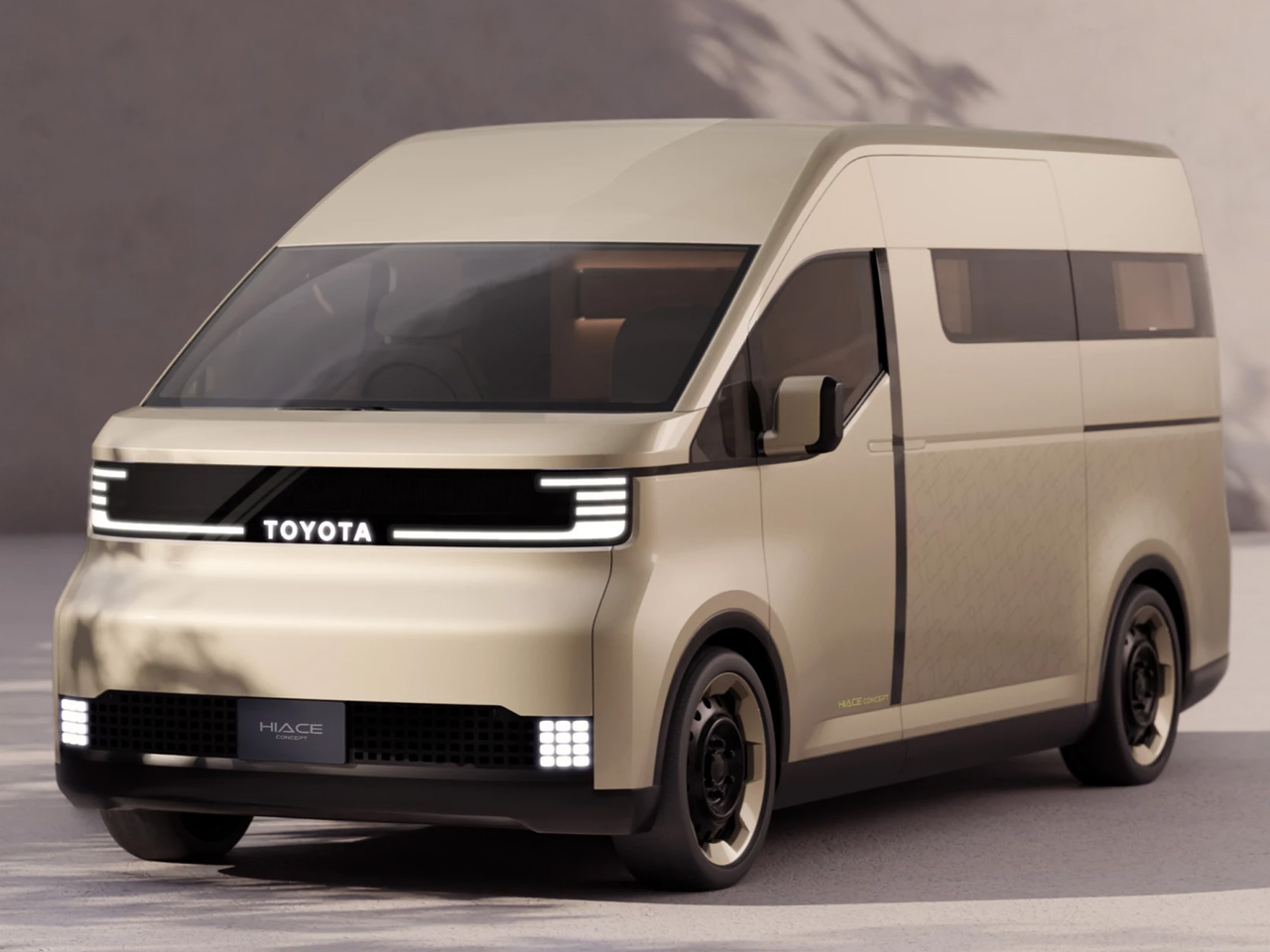
Daihatsu recently took to the Japan Mobility Show to showcase some of the fascinating vehicles it’s building in the small segment. Personally speaking, small cars are incredibly difficult to pull off with all the features and functionalities, let alone the idea of stuffing them with features to fit the camper segment. But that’s what Daihatsu continues to take up as a challenge for itself, which is evident in the showcase of the Toyota Daihatsu Kayoibako-K concept.

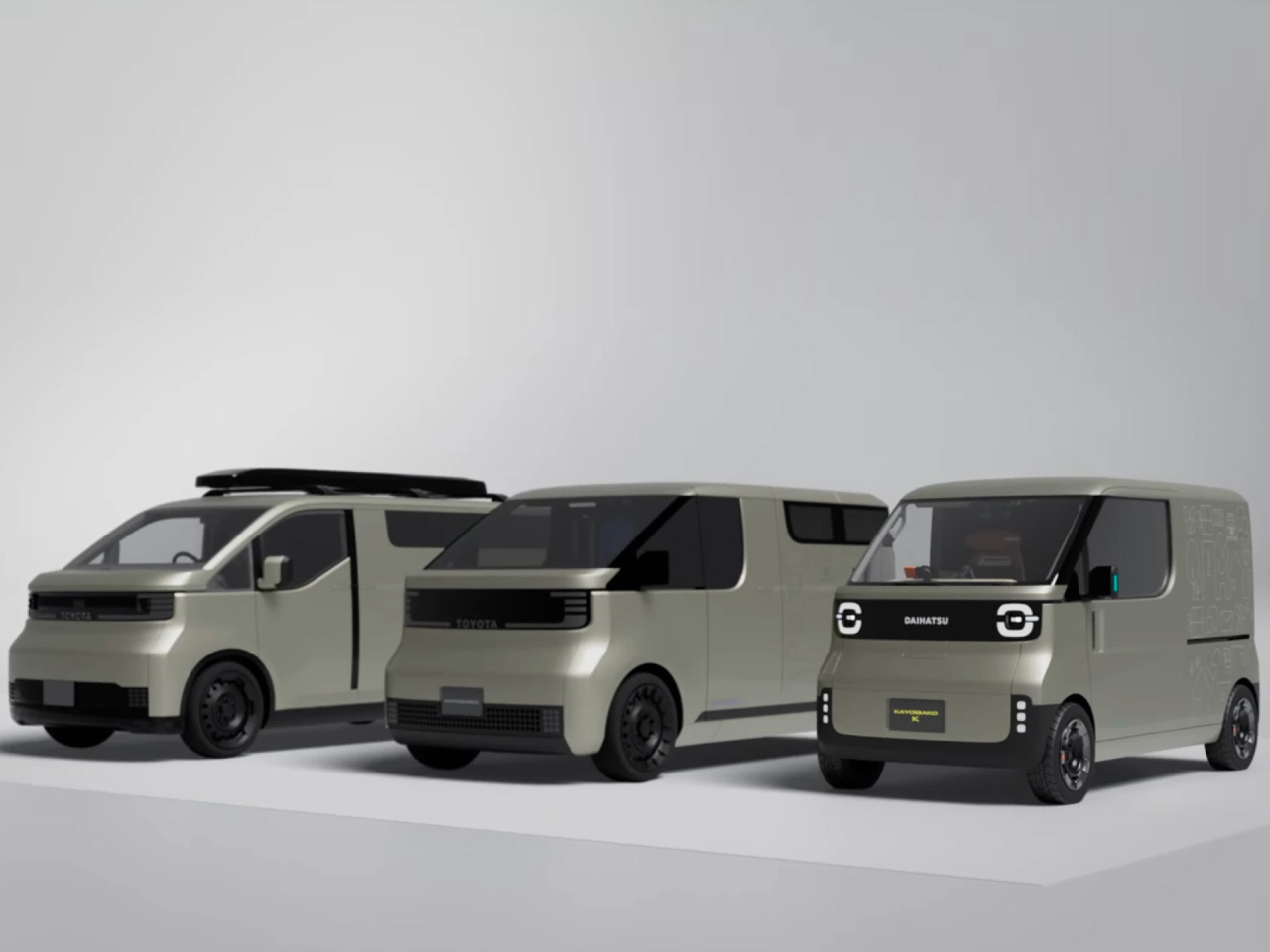
The adorable micro-transporter is showcased in various possible variants, including a camper van, a small family hauler, and as a self-driving adventurer and mobile delivery van. While the concept vehicle is not fully autonomous, the Kayoibako-K concept has been depicted in promotional videos as navigating itself to the driver’s doorsteps, driving autonomously on specific routes, or returning autonomously to its parking spot after a long day of work.

Designer: Daihatsu

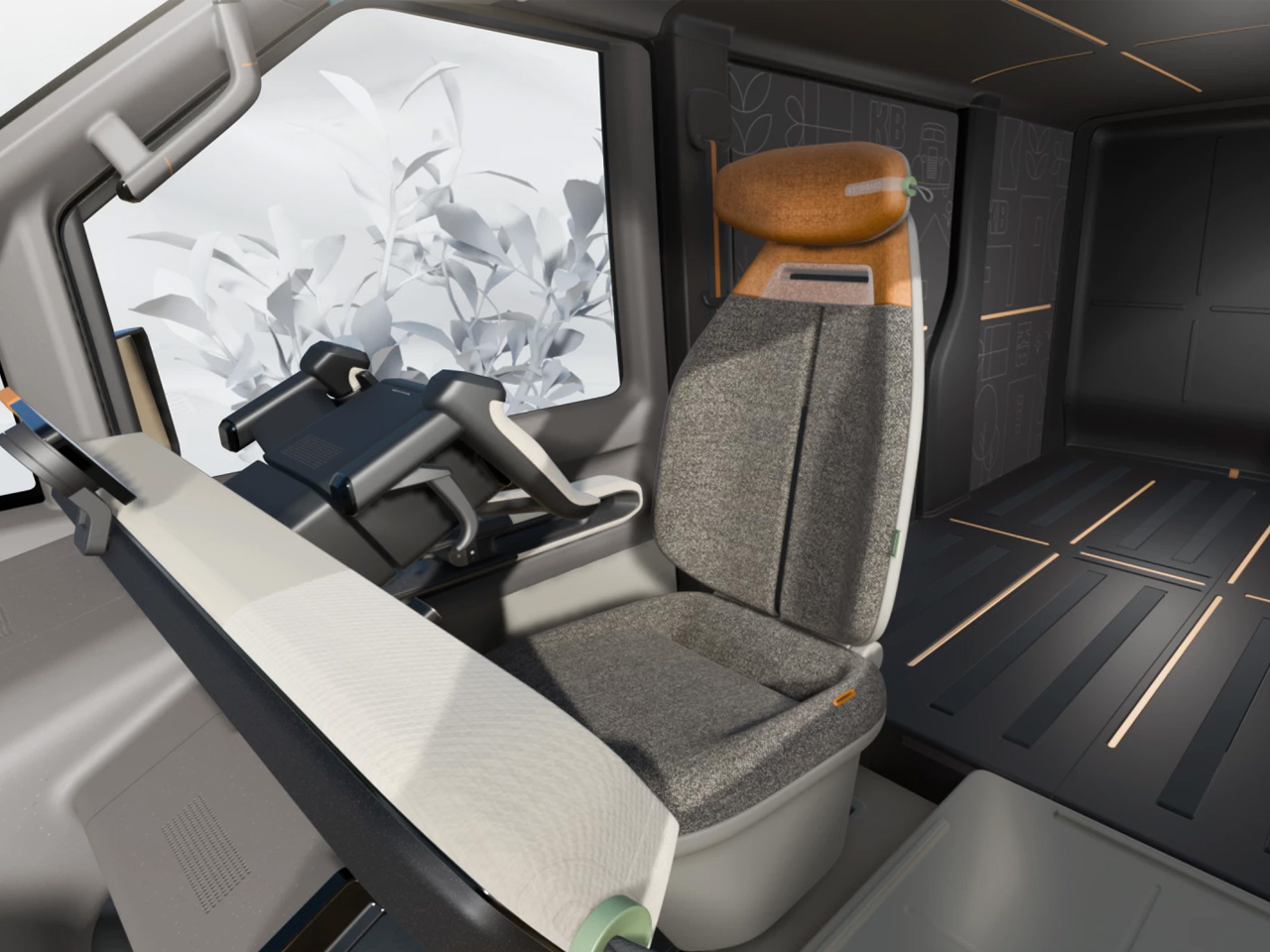
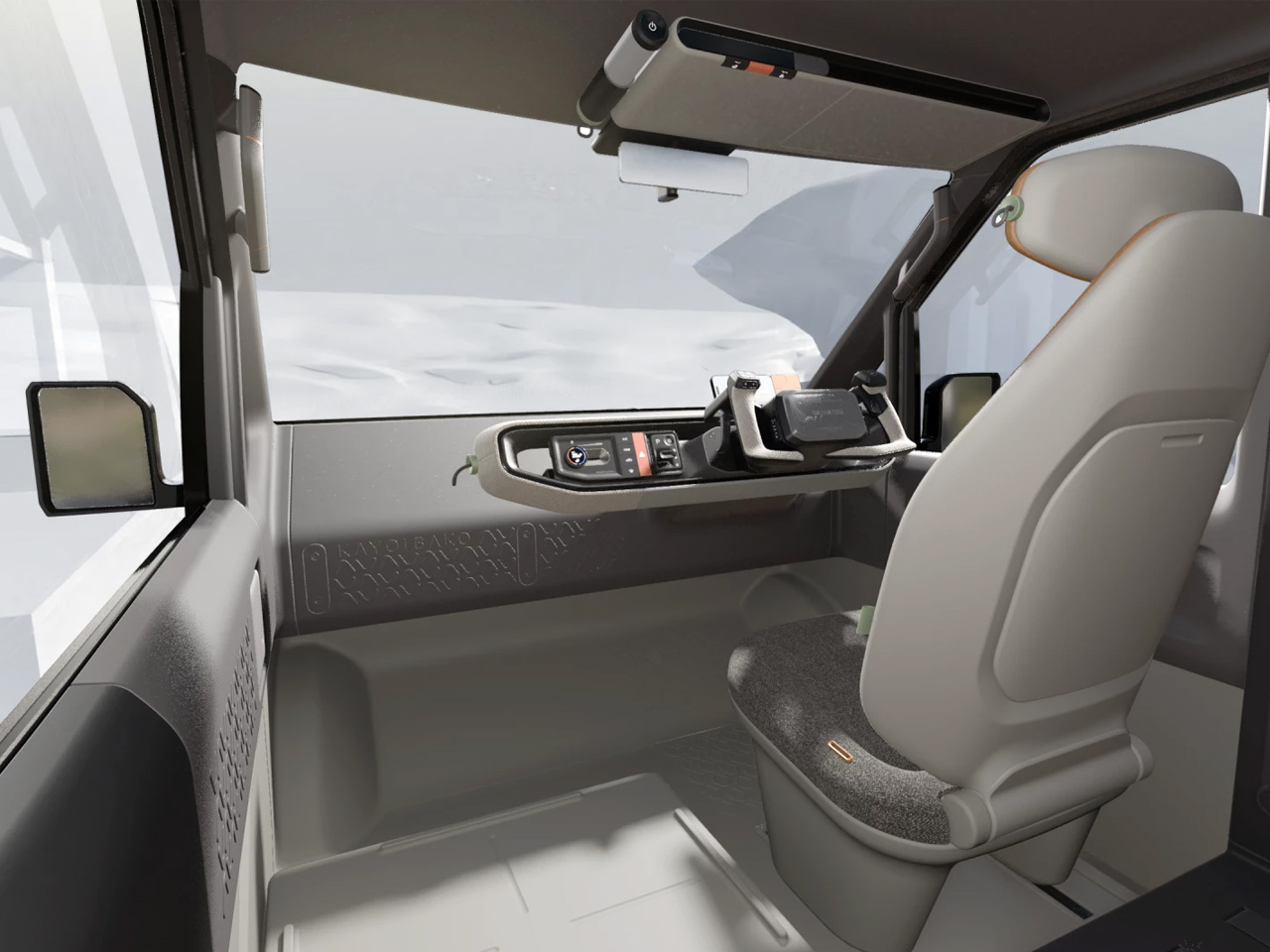
Even though, for those who have been following Toyota’s vision of the micro-van, there wouldn’t be much to distinguish between the Kayoibako-K and the original Kayoibako concept the company showcased at the Japan Mobility Show, two years back in 2023, but the adorable micro-camper is skimmed down in size further to be more adaptable to city roads. Kayoibako is a name Toyota has picked from the name deriving from shipping containers in Japanese, which rely on modular interiors to haul different types of cargo. On similar lines, the Kayoibako-K is a compact concept van and mini-camper, is basically a single vehicle (a platform) that features interchangeable interiors for versatility and enhanced scope of use.

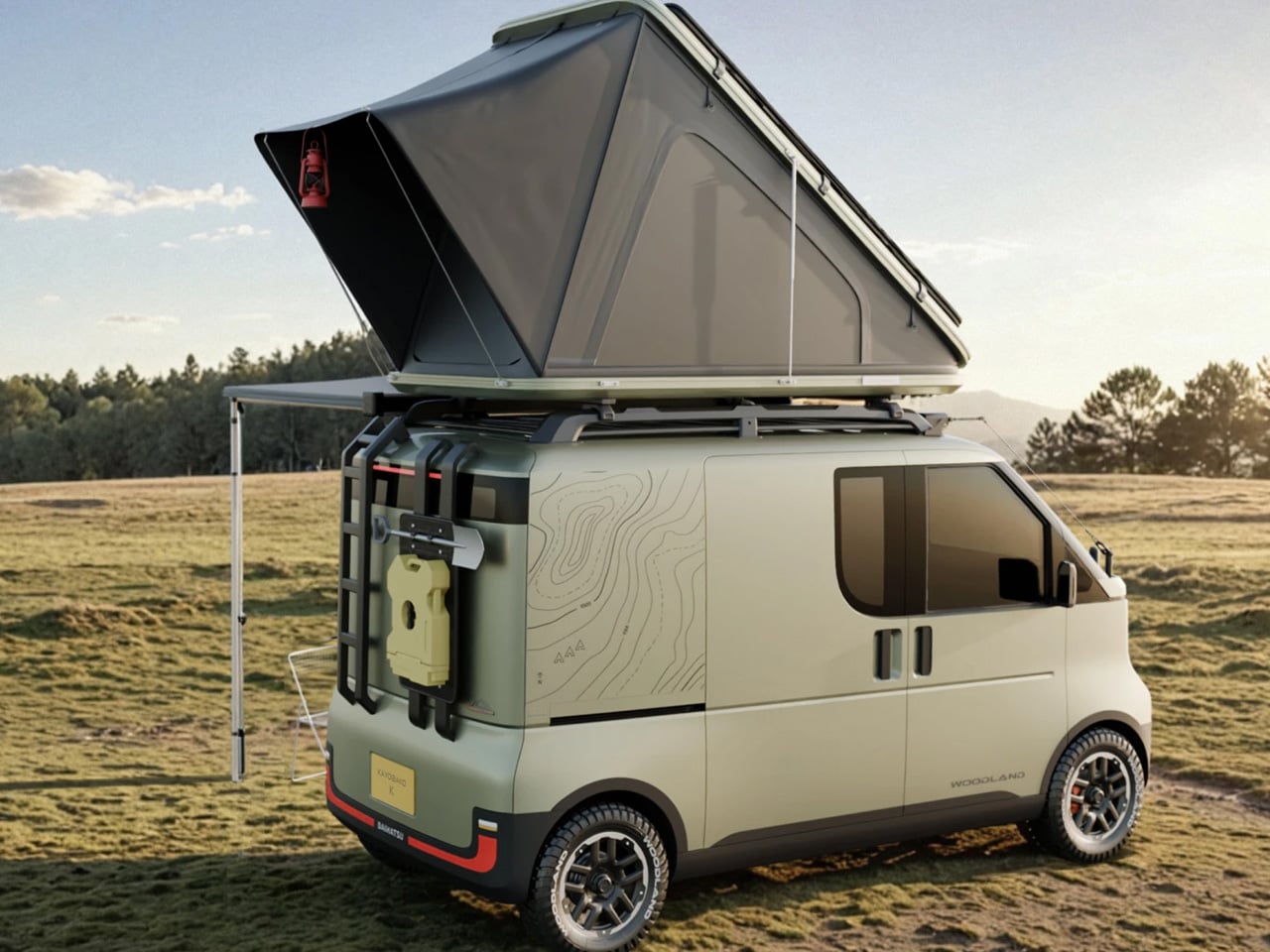
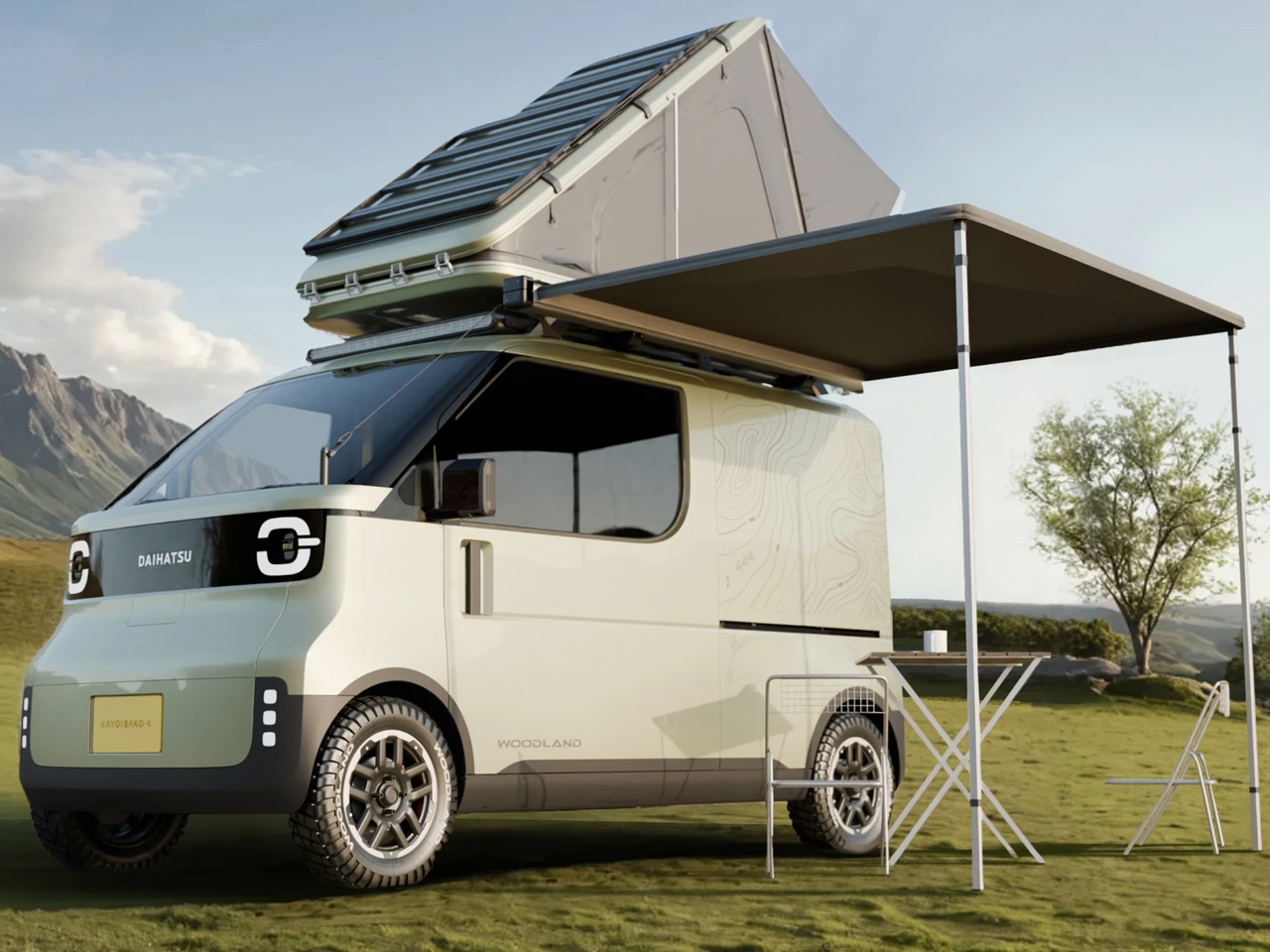
According to the press information received, Kayoibako-K van measures almost 3,395mm, 1,475 mm wide, and 1,475 mm high. It can accommodate 4 people, and is designed to pull off everything from last-mile deliveries in local communities to camping beyond the cityscapes, in of course what is the smallest mini vehicle form factor ever in the mini vehicle-sized commercial vehicles. In the camper version, this little vehicle puts on a roof tent accessible by a ladder, and off-road tires for traveling some unpaved roads on the way to the campsite.

Even though camping has its versatile functionality, the Kayoibako-K is primarily conceptualized with a large rear cabin for delivering packages. The van can work as a mobile storefront, used to carry tools, and even be used, if you may, as a cab to transport elderly passengers in an urban road setting. However, it’s the camper van feature of the Kayoibako-K that impresses me. The van is shown to feature a two-person rooftop tent, and can also be used to haul your gear, including a kayak, to the beach. There is no word on when or if the concept micro camper van will hit the market, but if and when it does, it will definitely slay the onlooker with its graphic detailing and blinky-like headlamps.

The post Toyota unveils Kayoibako-K micro camper van concept that can be used as self-driving mobile storefront first appeared on Yanko Design.