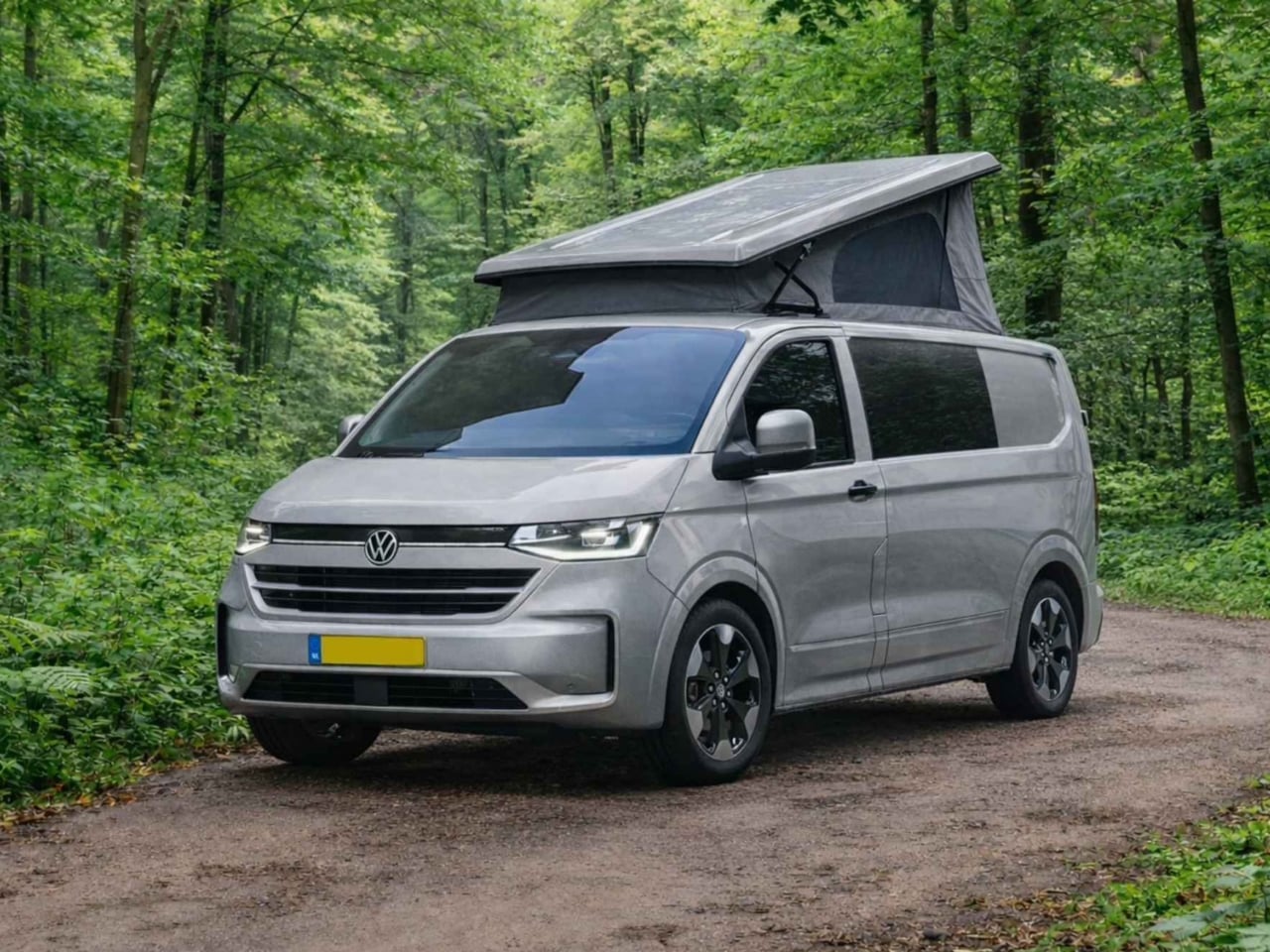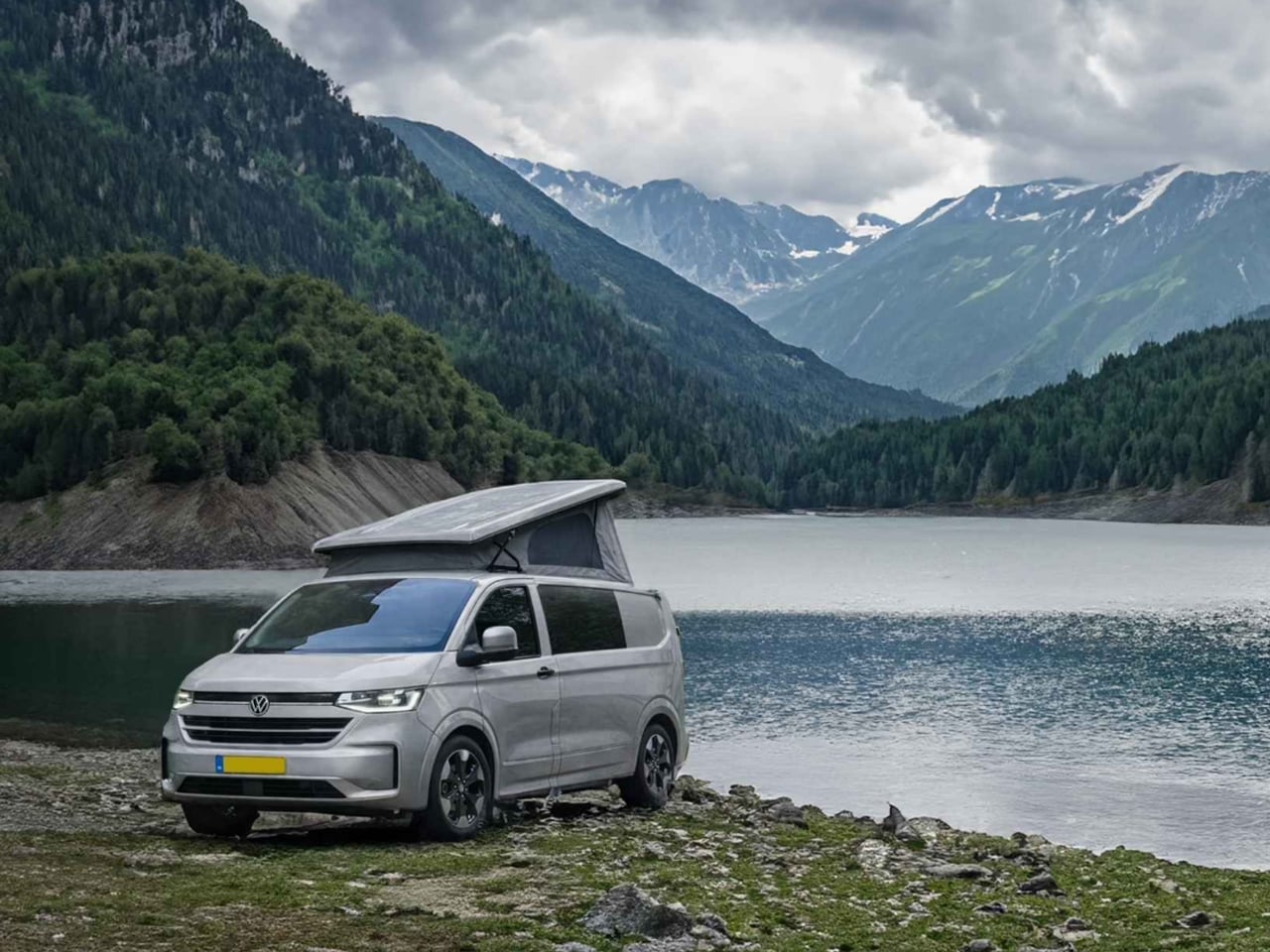
This Kia PV5 Modular Camper Kit Disappears Completely When the Weekend Is Over

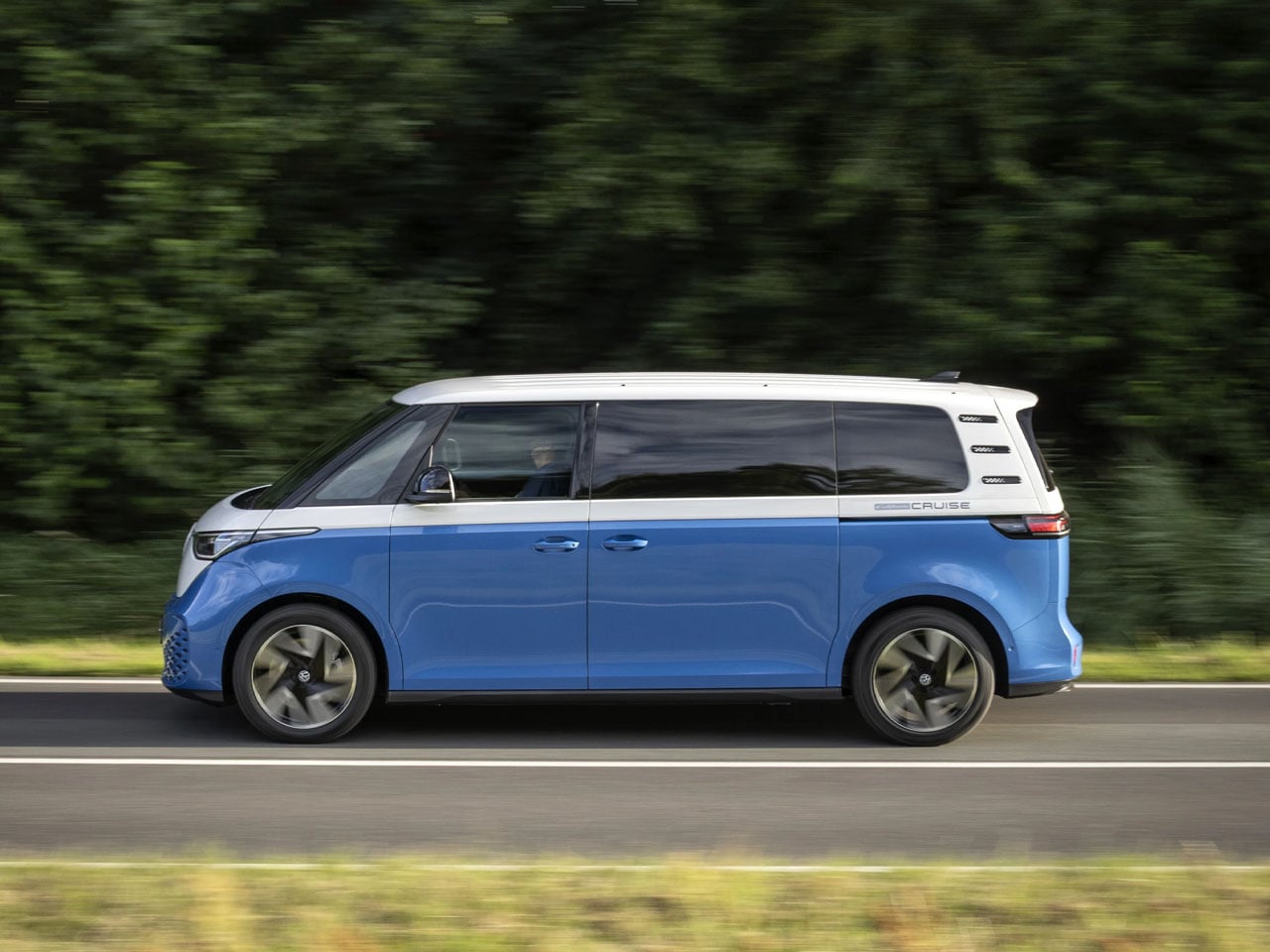
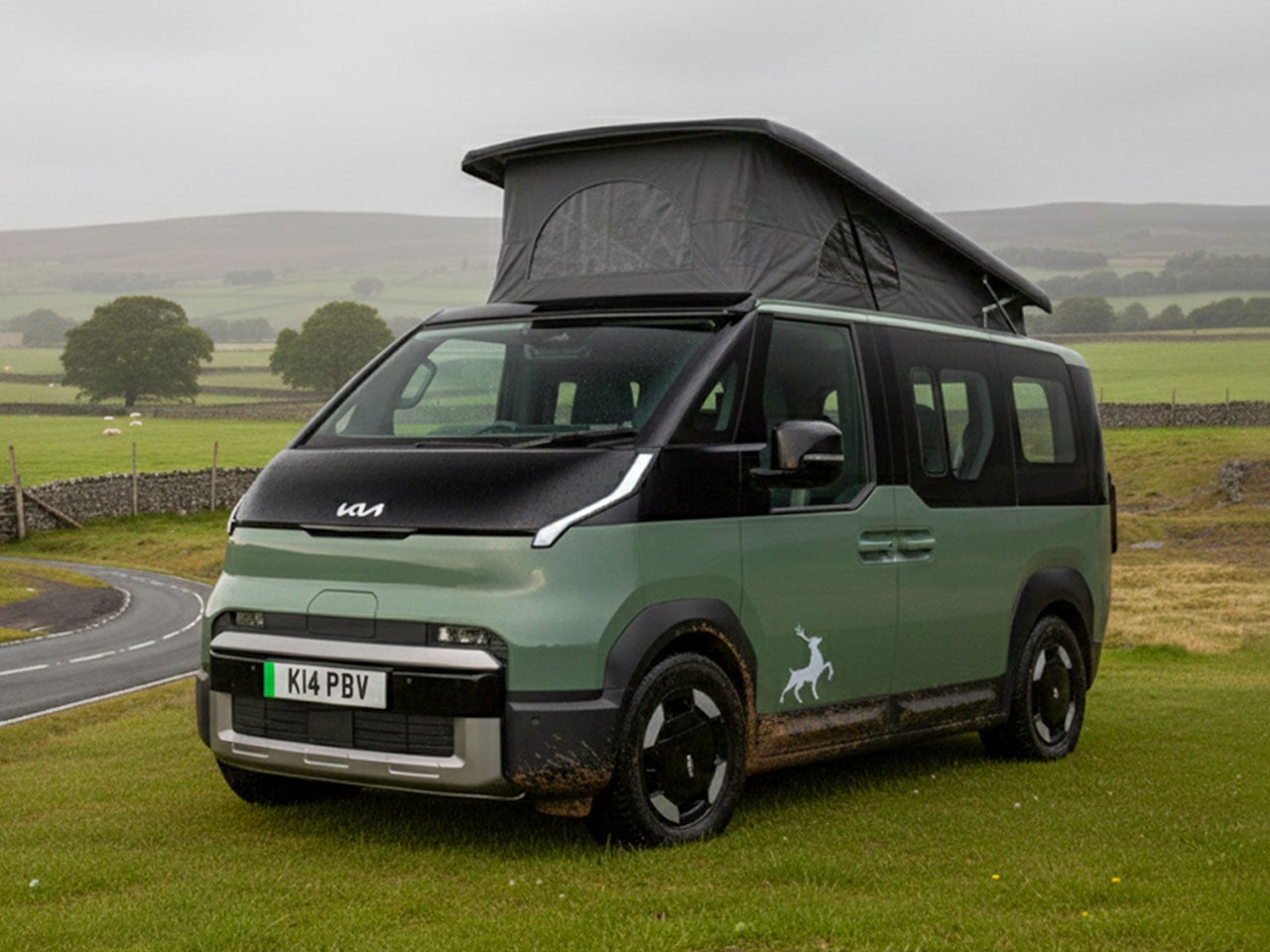
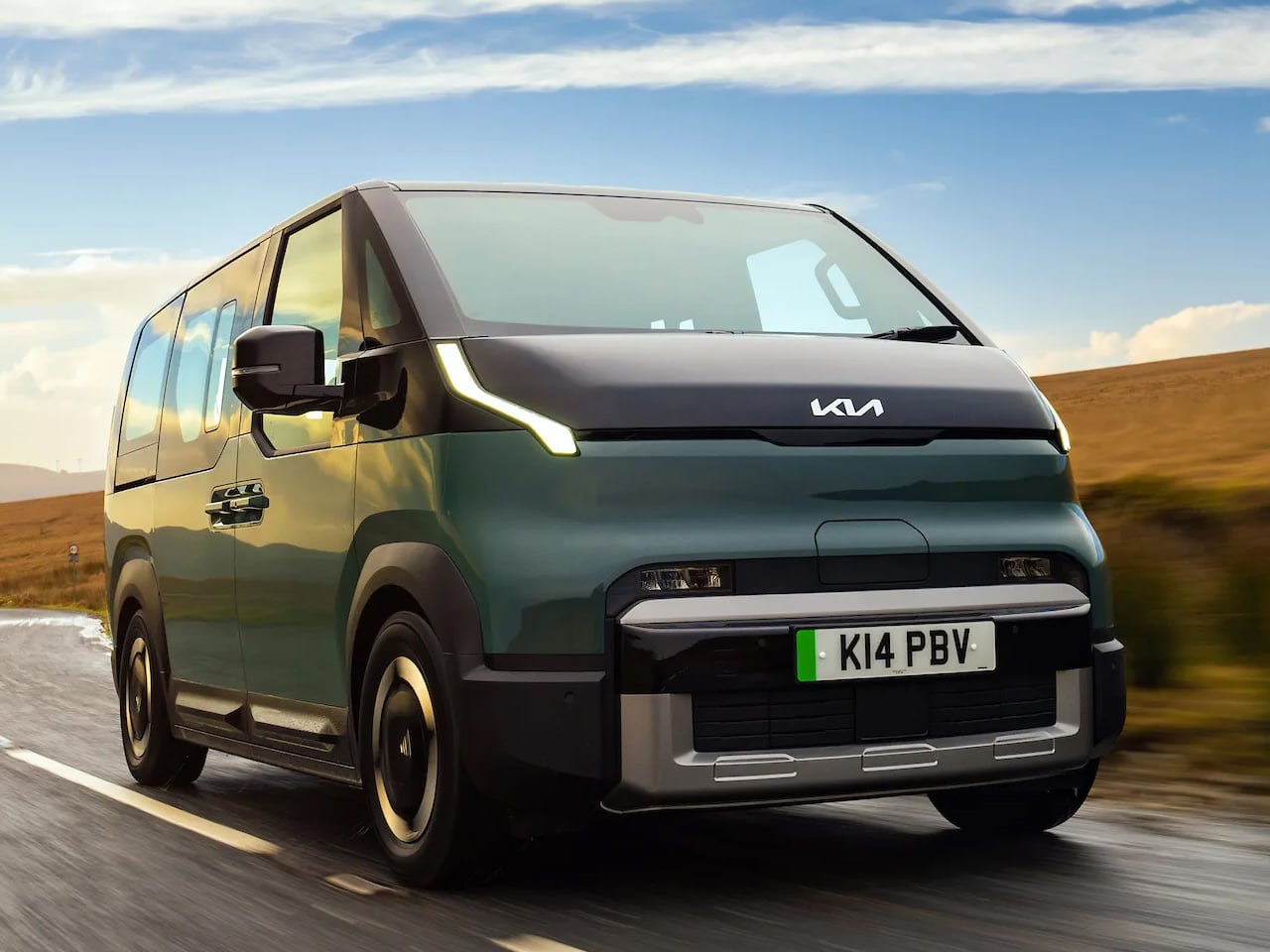
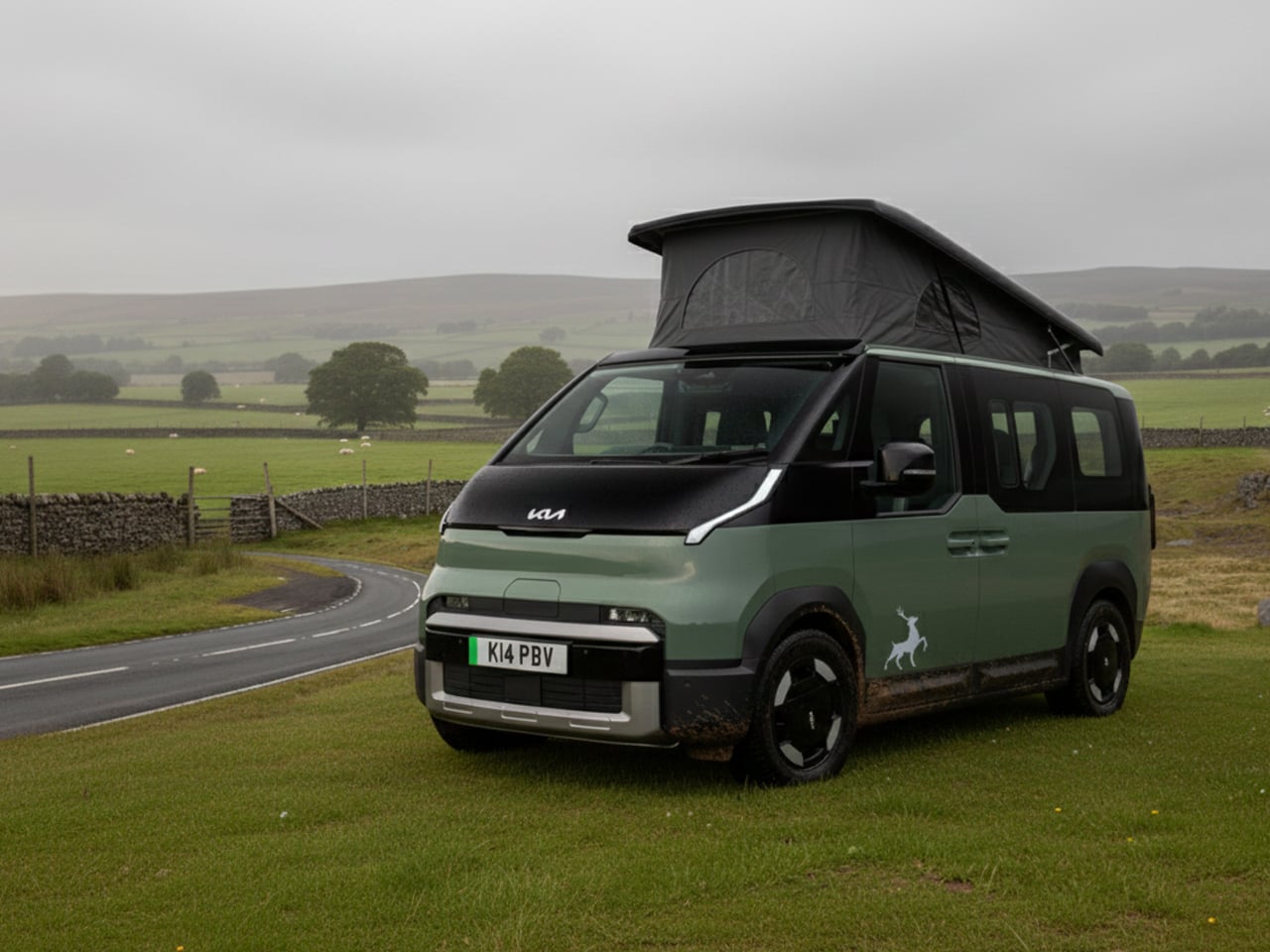
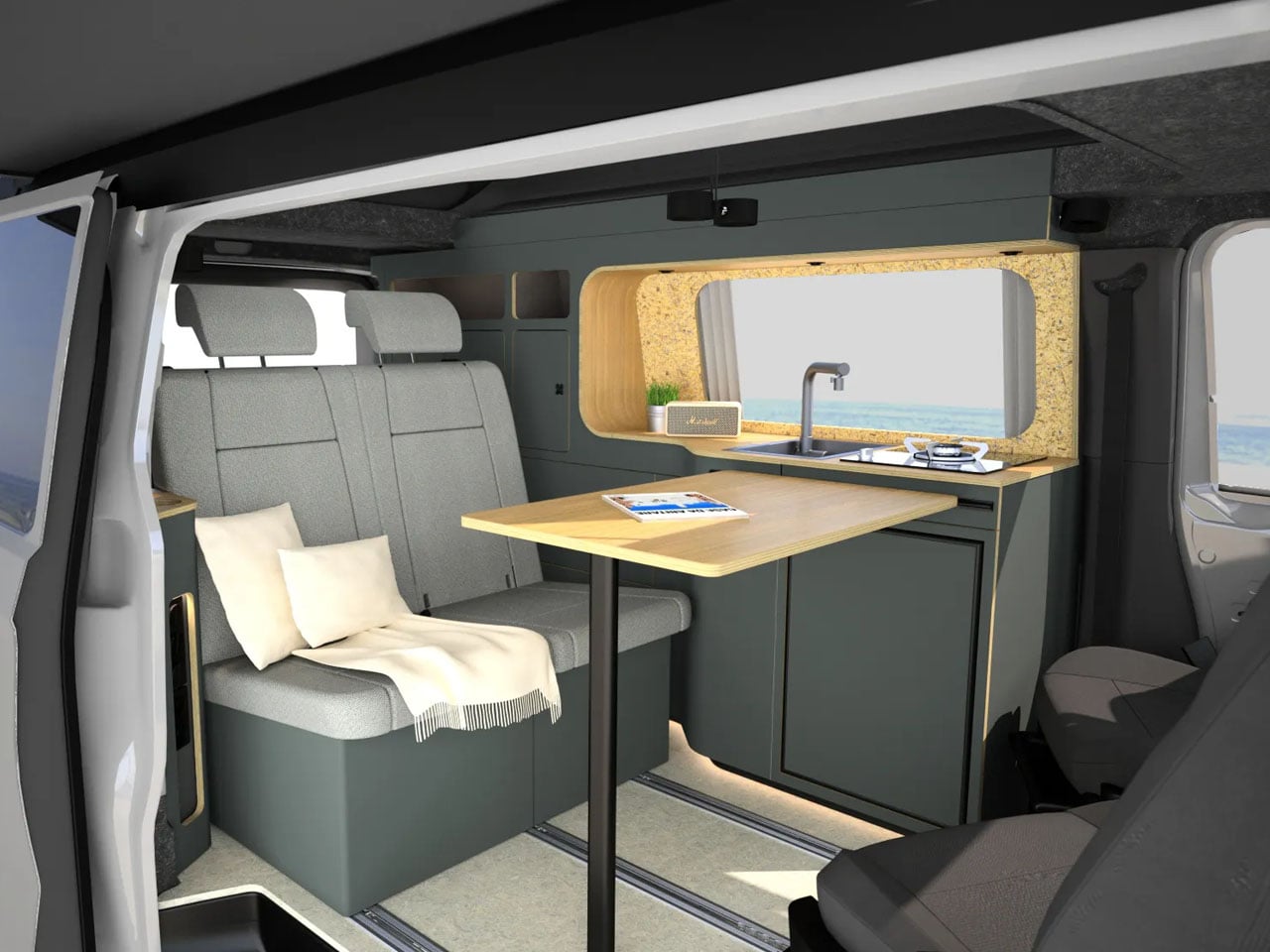
Camper conversions usually leave a mark. Cabinets get bolted in, headroom gets swallowed by a pop top roof, and the donor vehicle spends the rest of its life looking and feeling like a camper even when it is just running errands. Dutch outfit Vantrack decided that trade off did not have to be permanent, at least not for the Kia PV5 Passenger. Its Lightcamp package turns the compact electric van into a four person mini camper on Friday and hands it back as a stock e-MPV on Monday, with almost nothing left behind to prove the transformation happened.

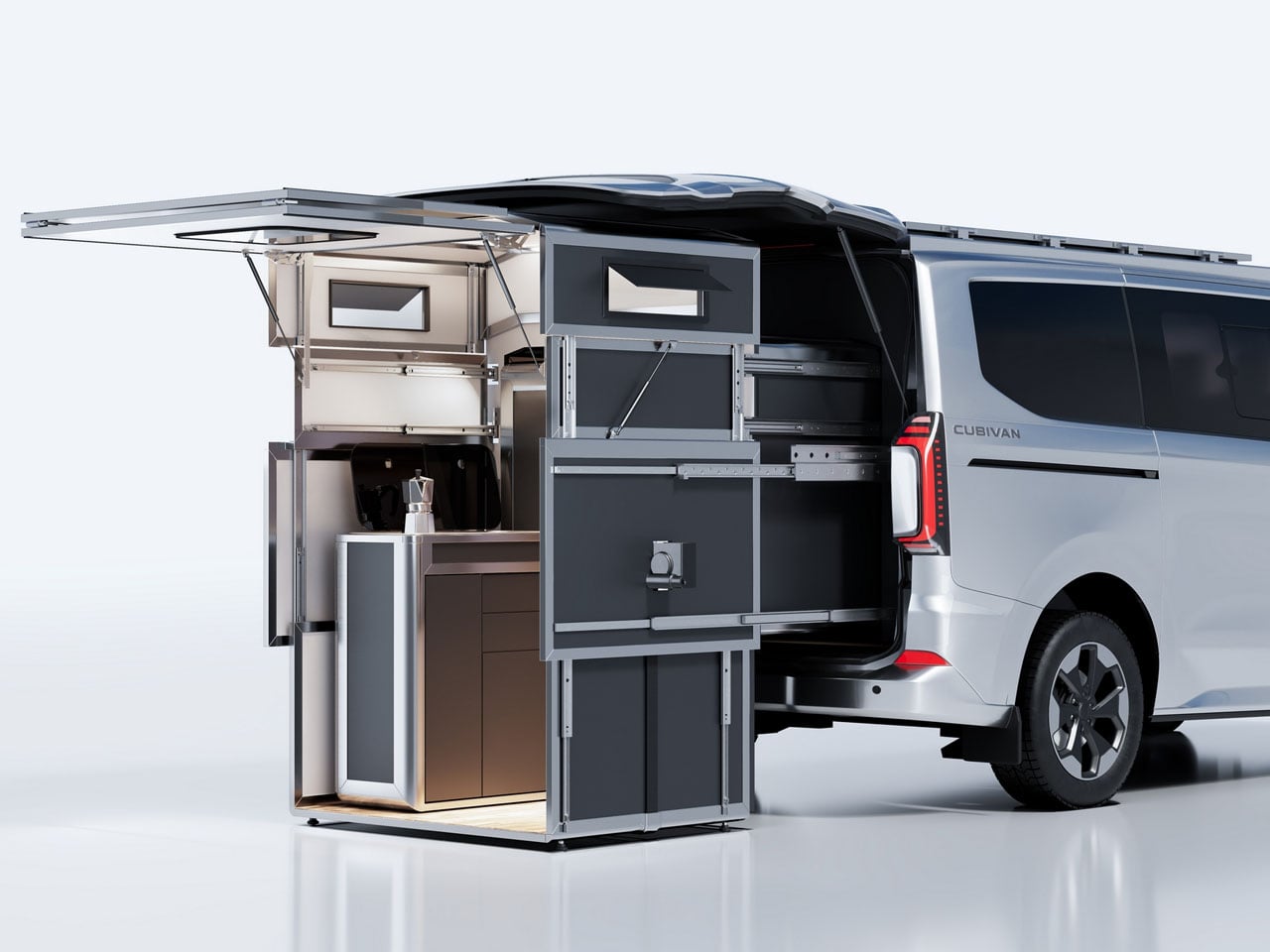
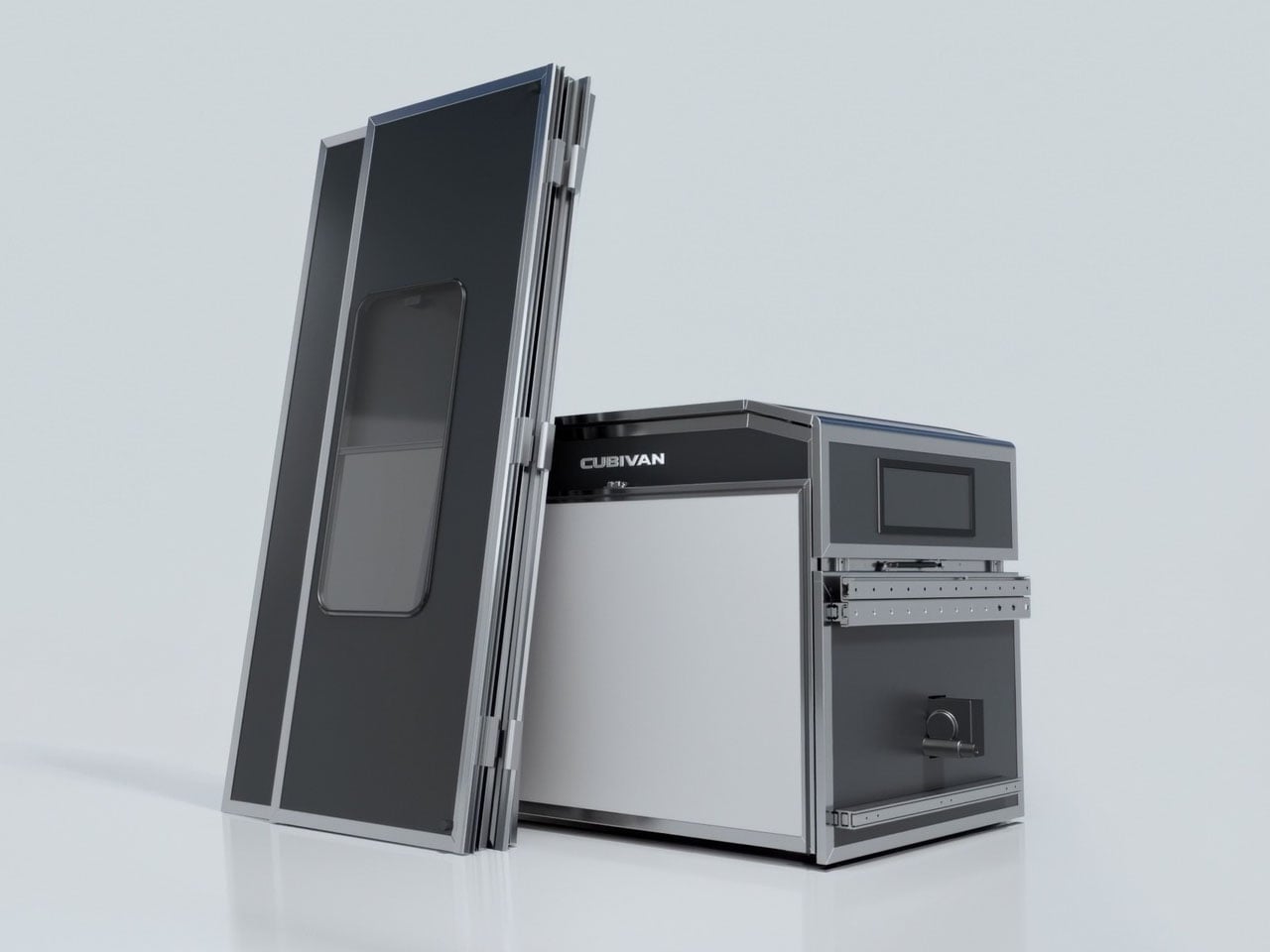
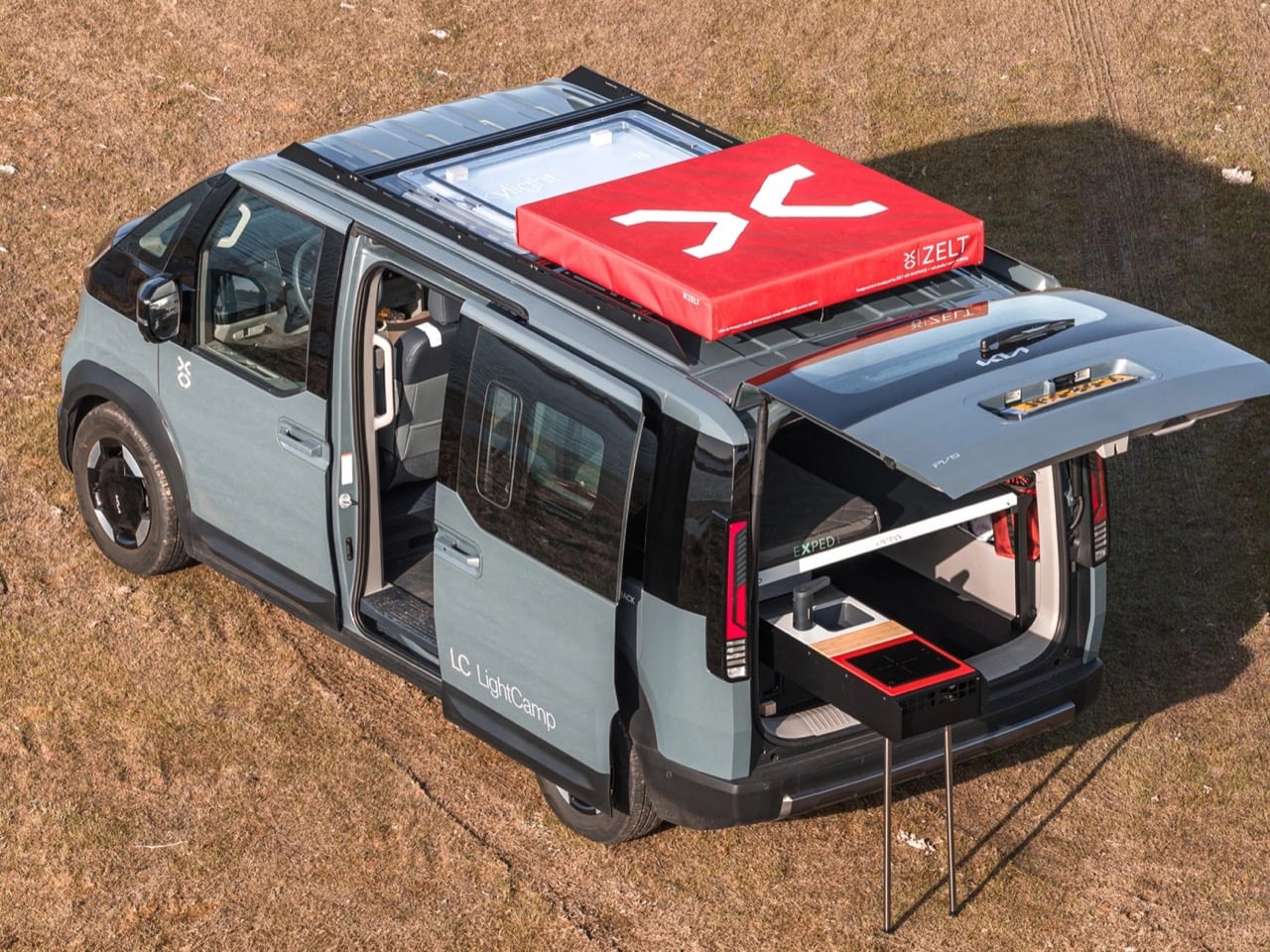
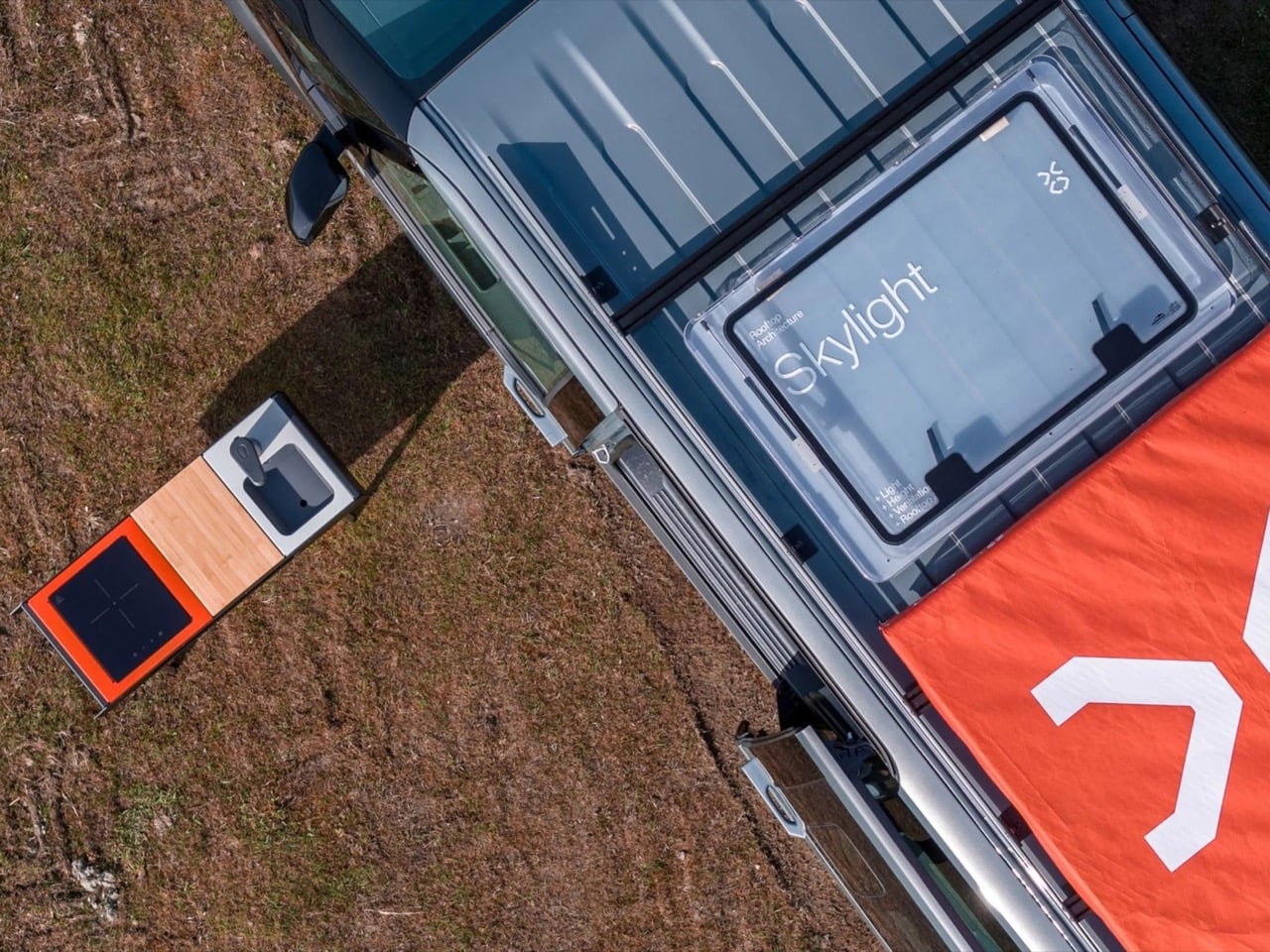
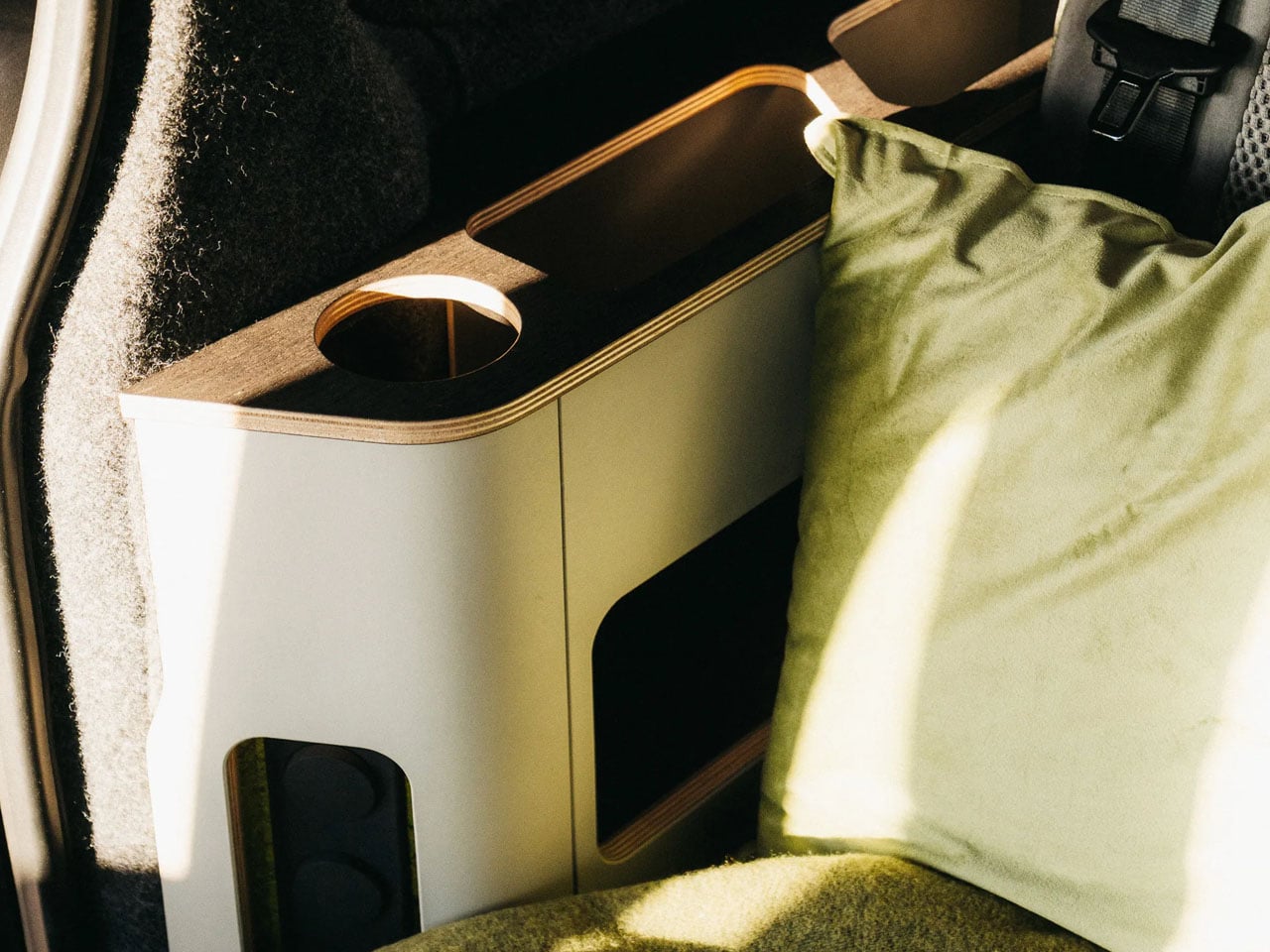
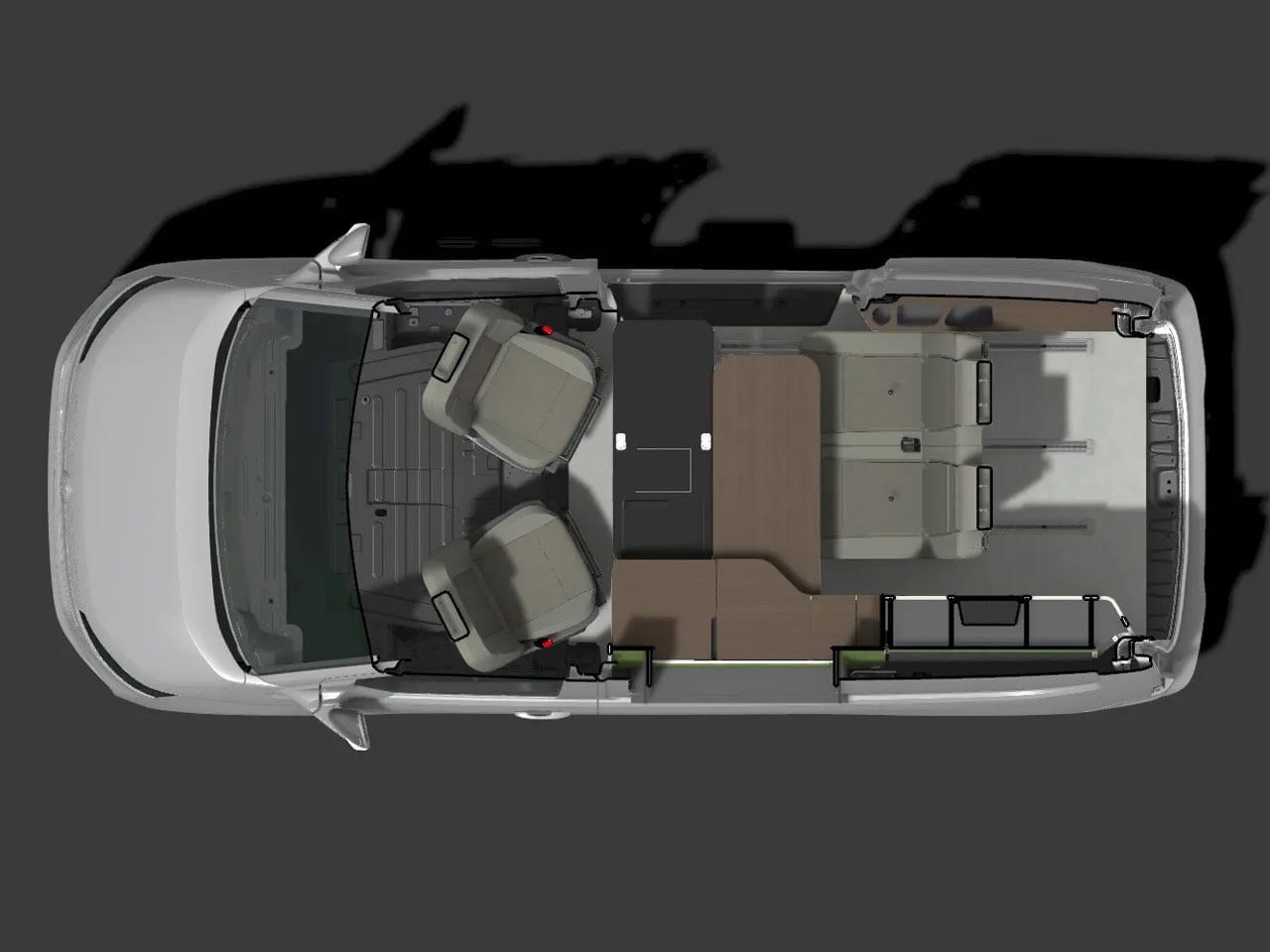
The trick lies in how little of the kit actually stays attached. A slide out kitchen, an inflatable sleeping platform, and a rooftop tent all come off in minutes, leaving only a fixed skylight as evidence anything changed. Vantrack plans to reveal the production version in September at the Netherlands’ Camper Trade Fair, with complete conversions starting around €65,000 based on the PV5 Passenger Essential trim.

Designer: Vantrack

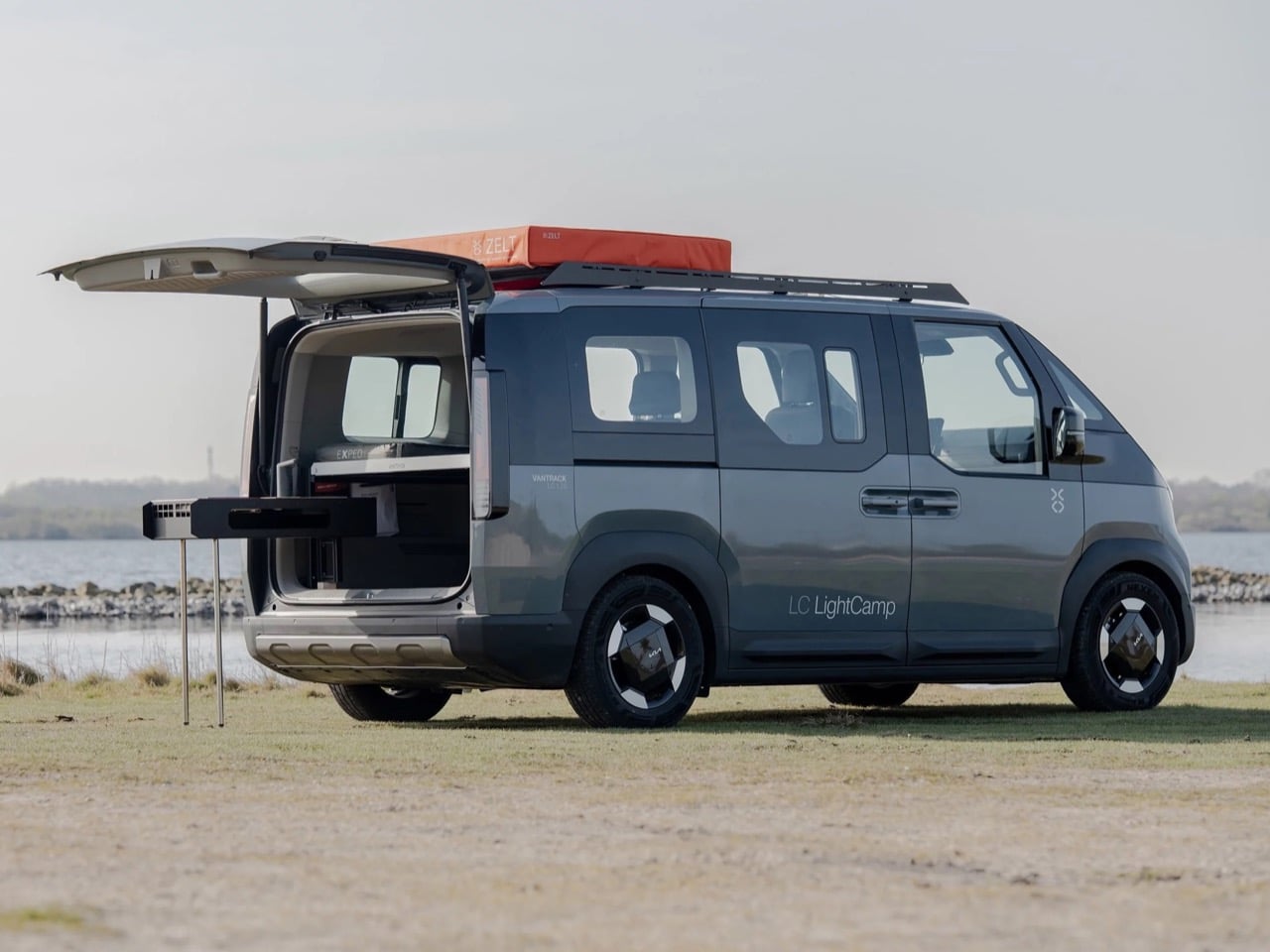
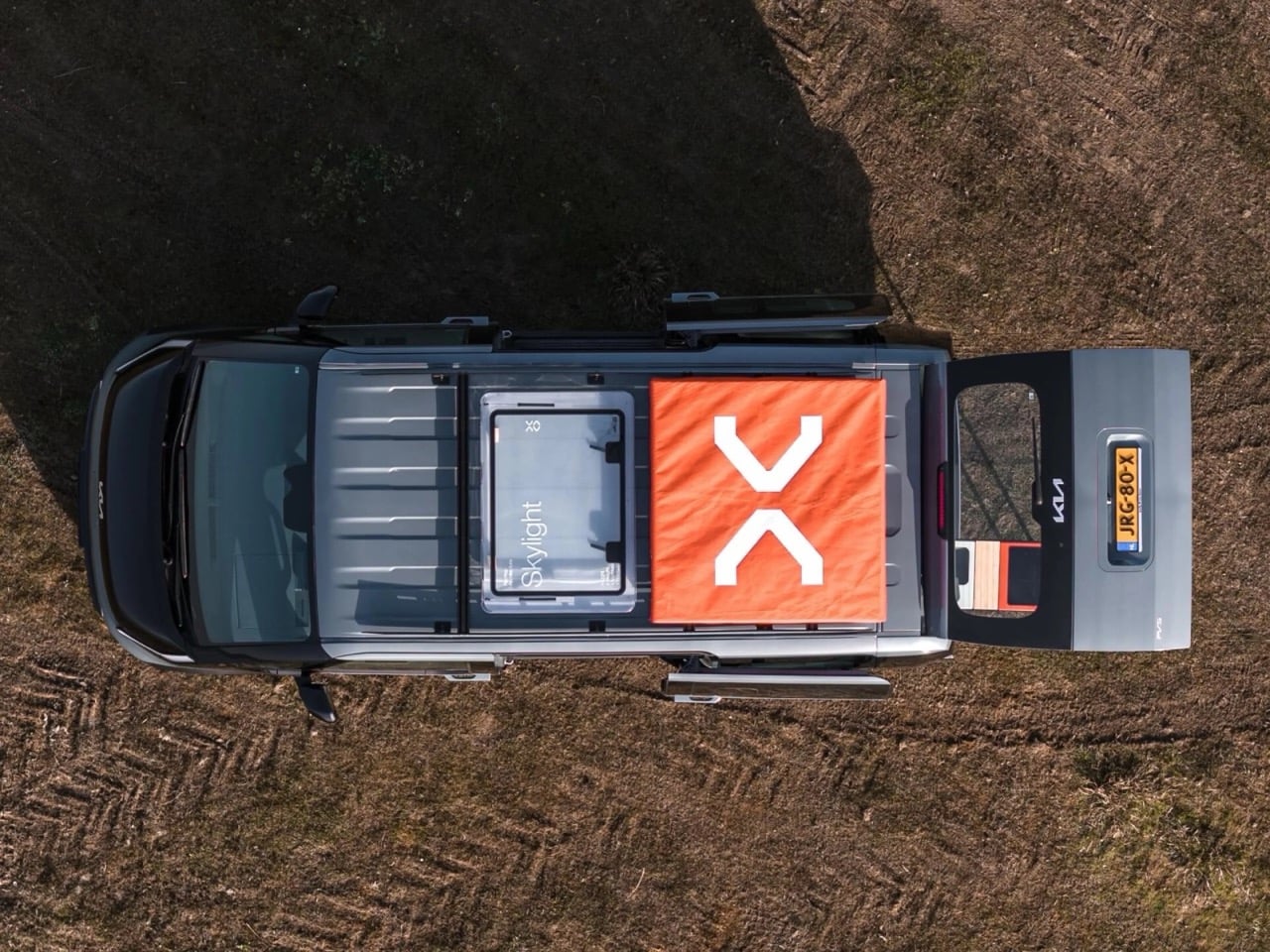
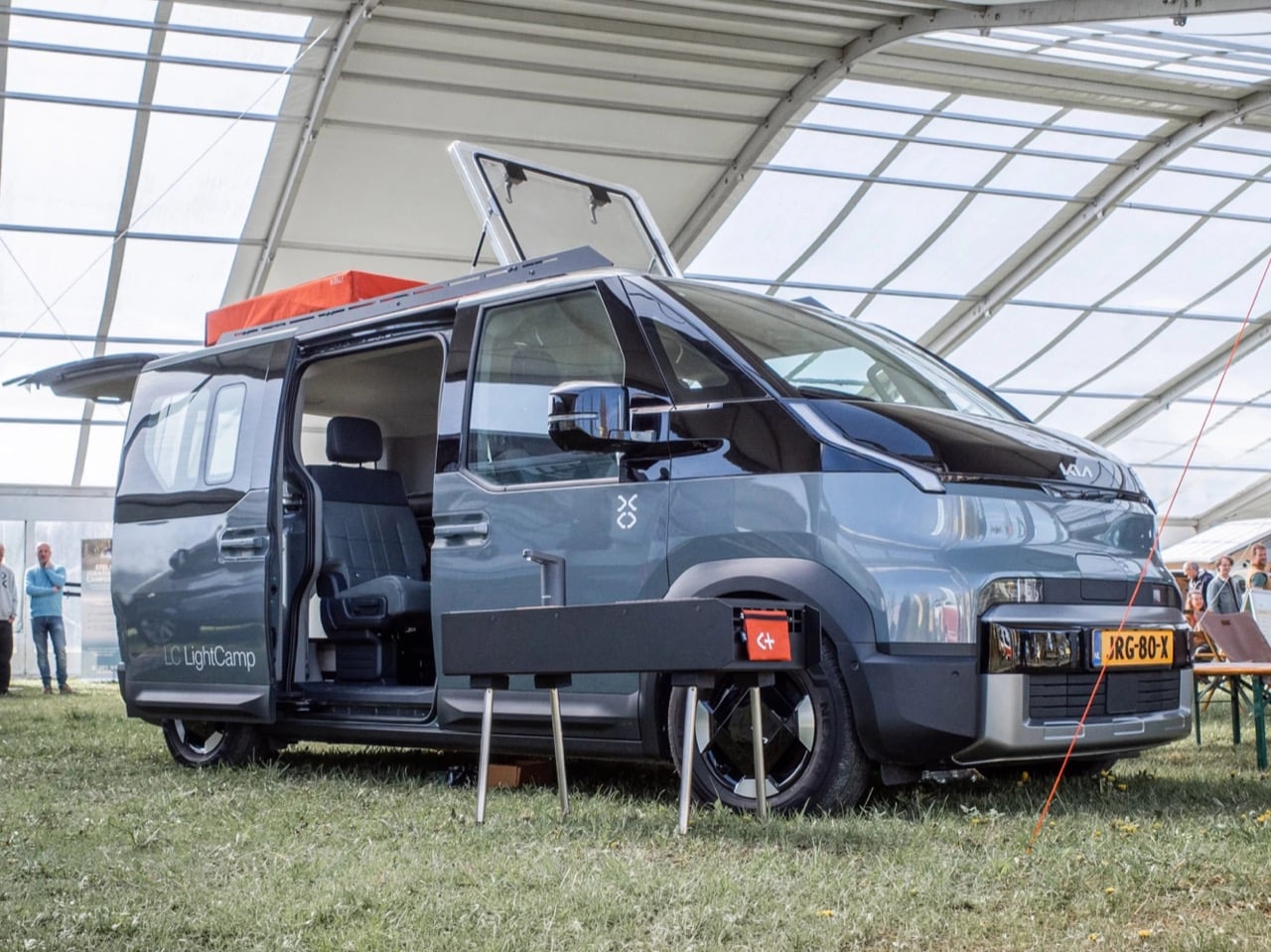
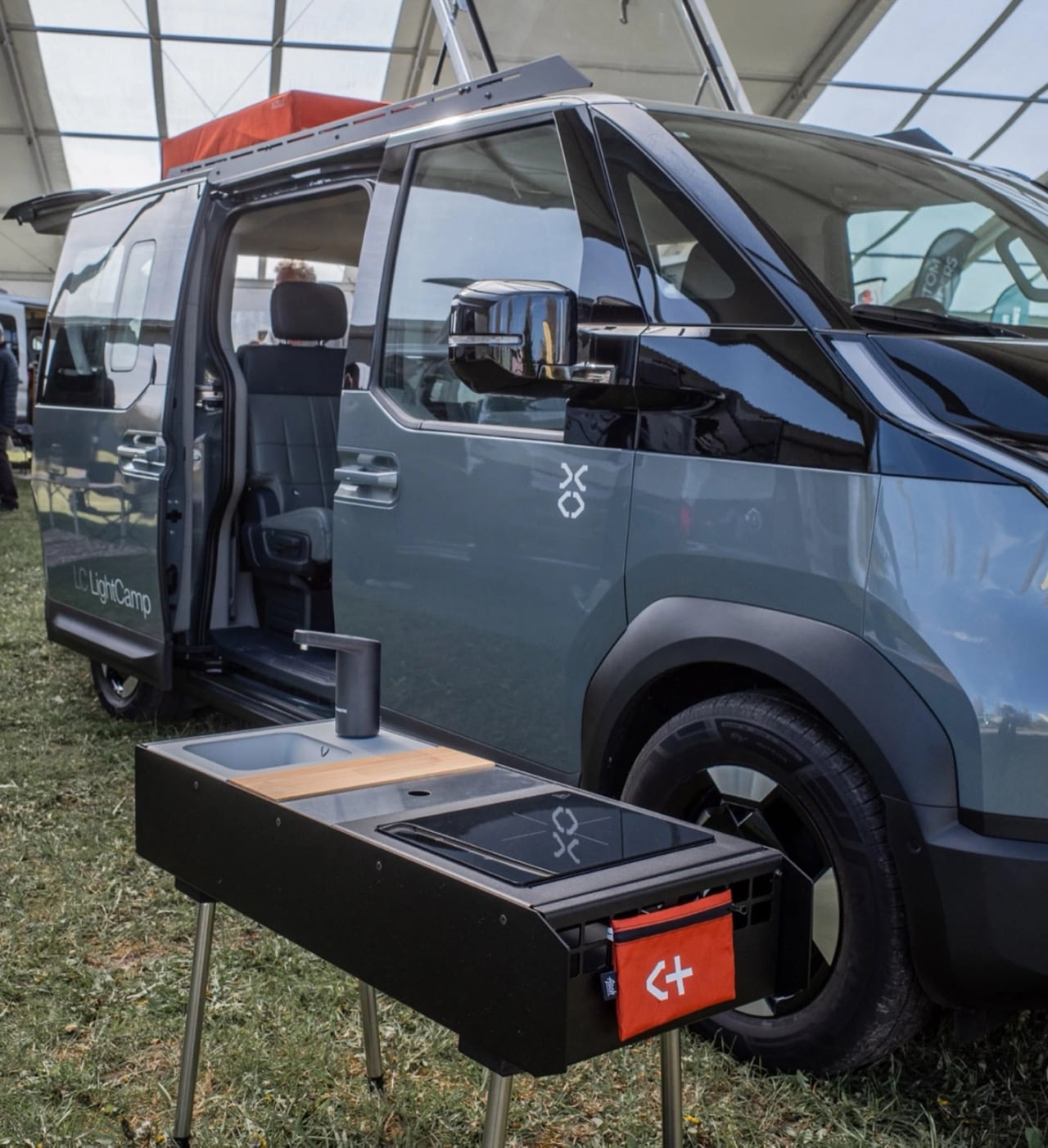
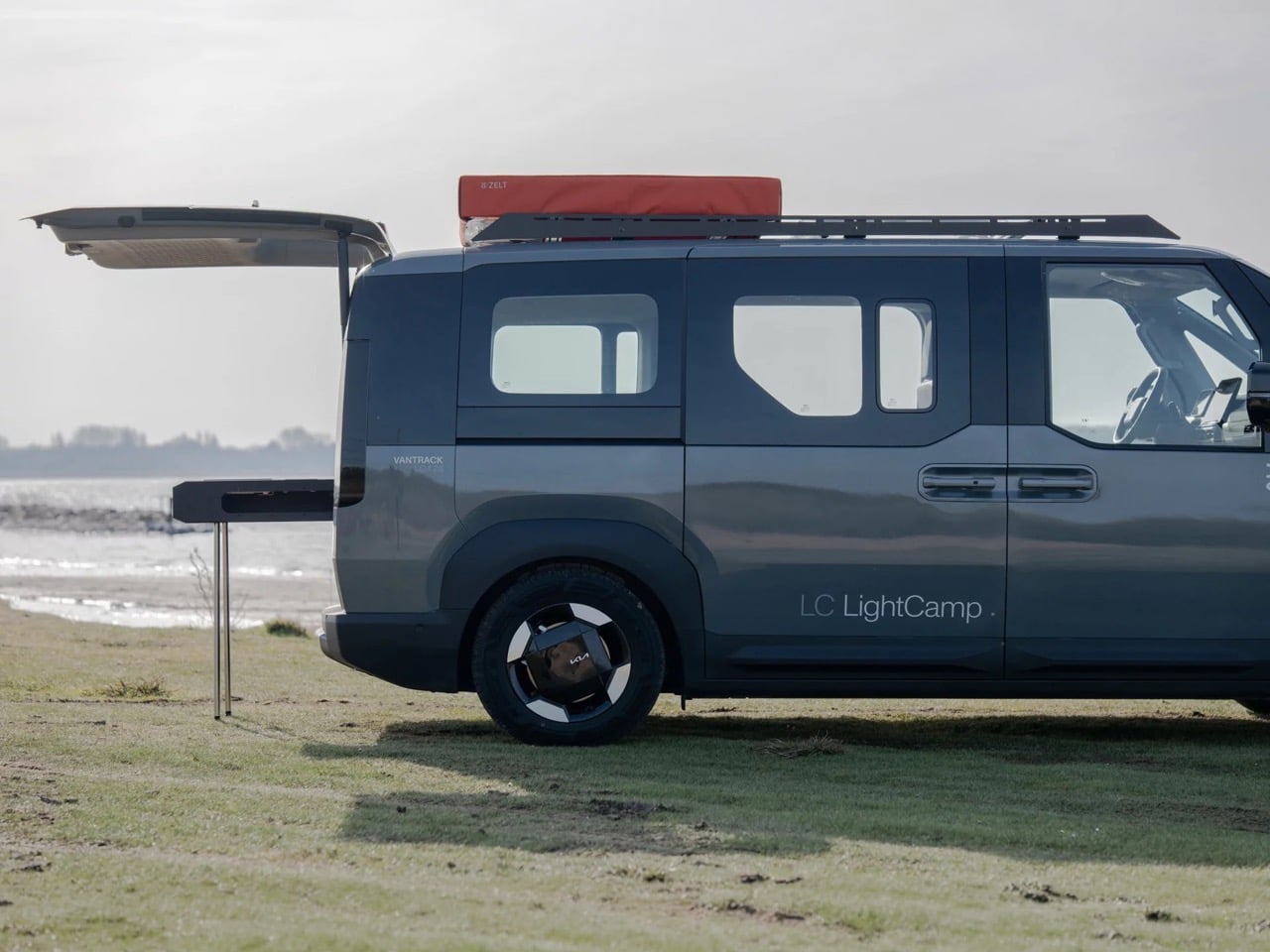
The exterior graphics set the tone before you even open a door. Large, neat lettering spells out “LC LightCamp” along the flank, paired with a stark X logo that reads more like a Scandinavian furniture brand than a typical outdoor equipment maker. That restraint suits the PV5 itself, a van whose crisp panel lines and boxy proportions already look like they were drawn with a ruler. The single splash of orange canvas on the roof, visible from a drone shot as clearly as from the ground, keeps the whole package from feeling clinical. It is minimalism doing actual work, not just decoration for a trade show floor.

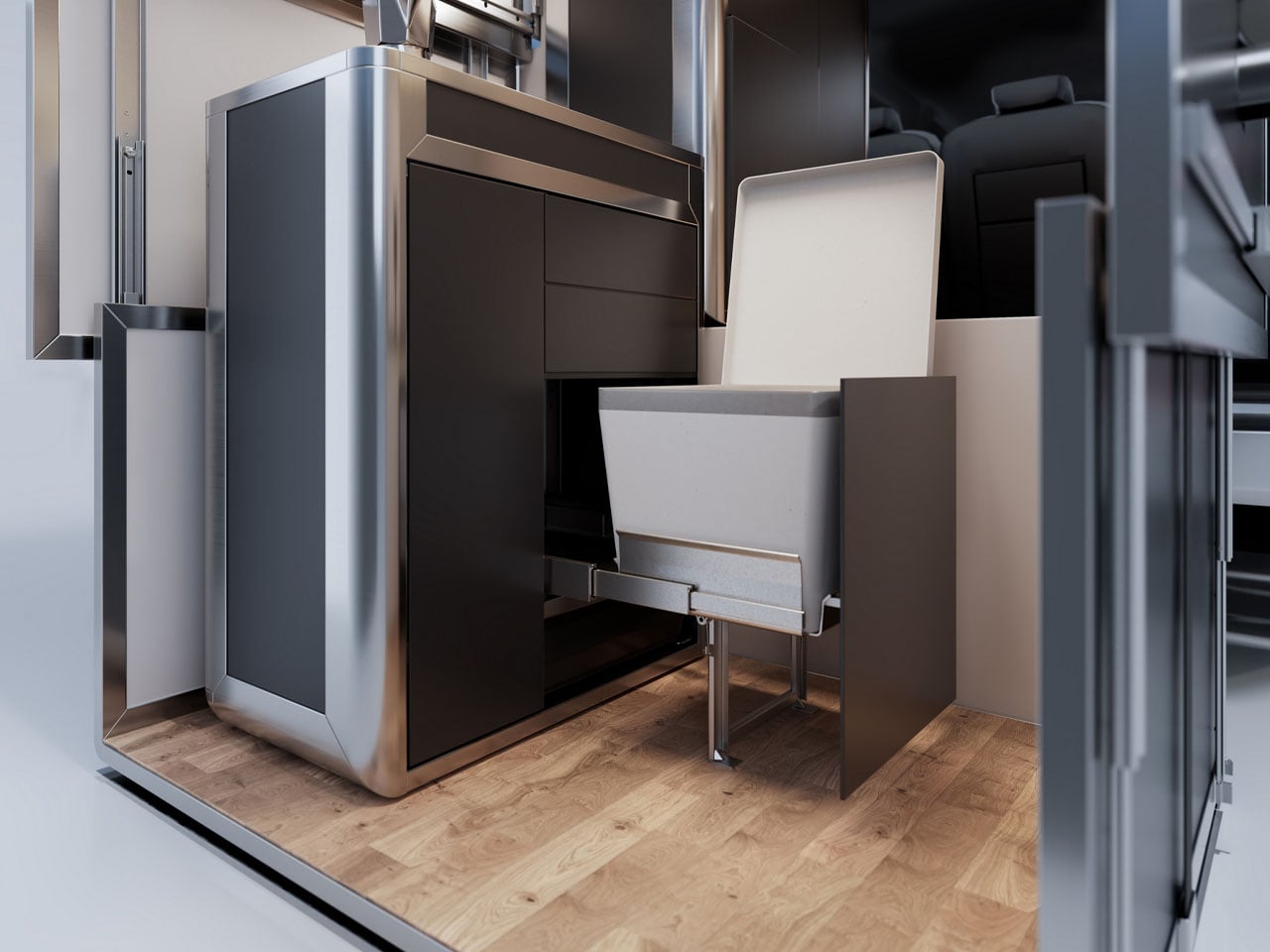
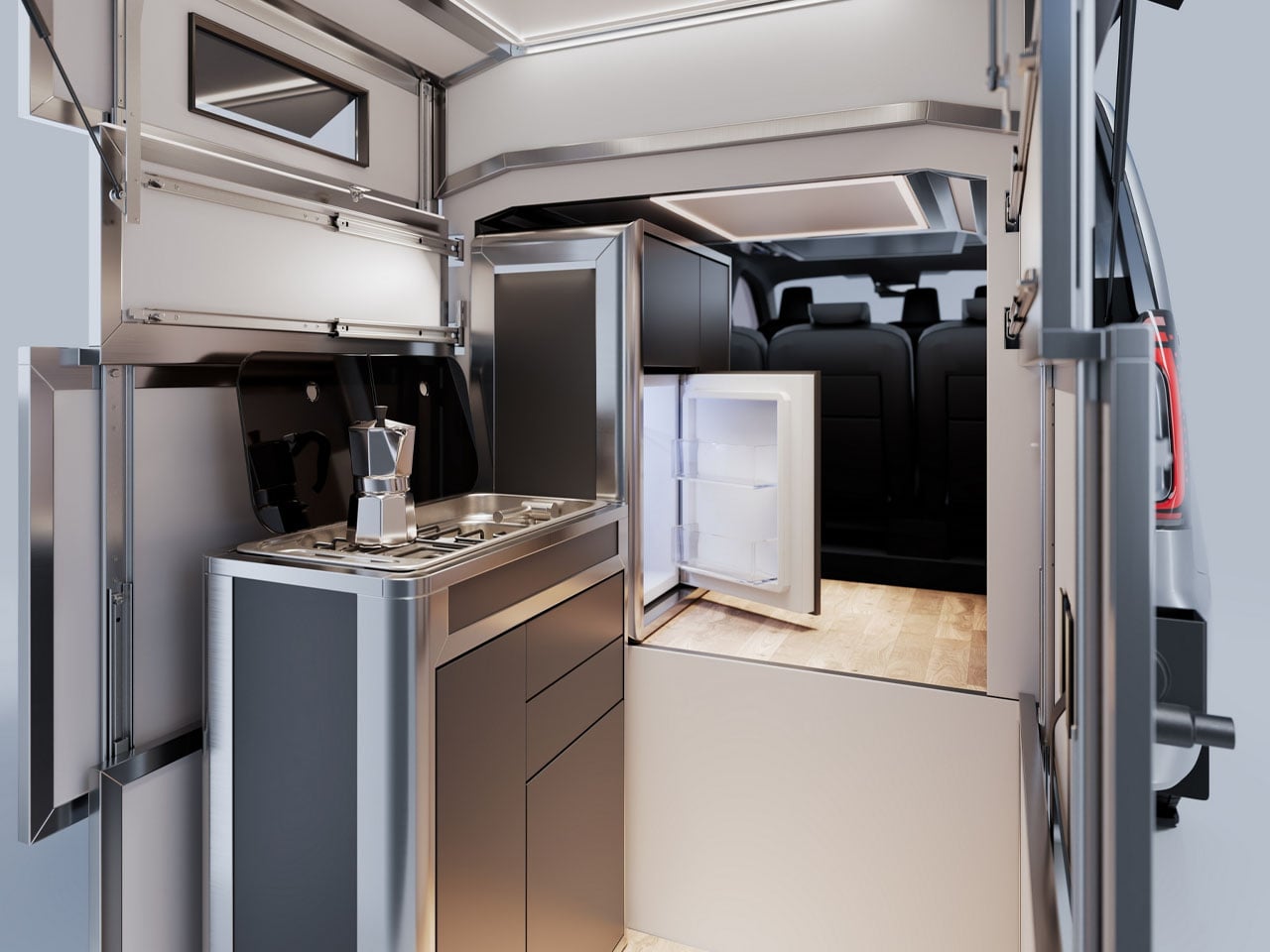
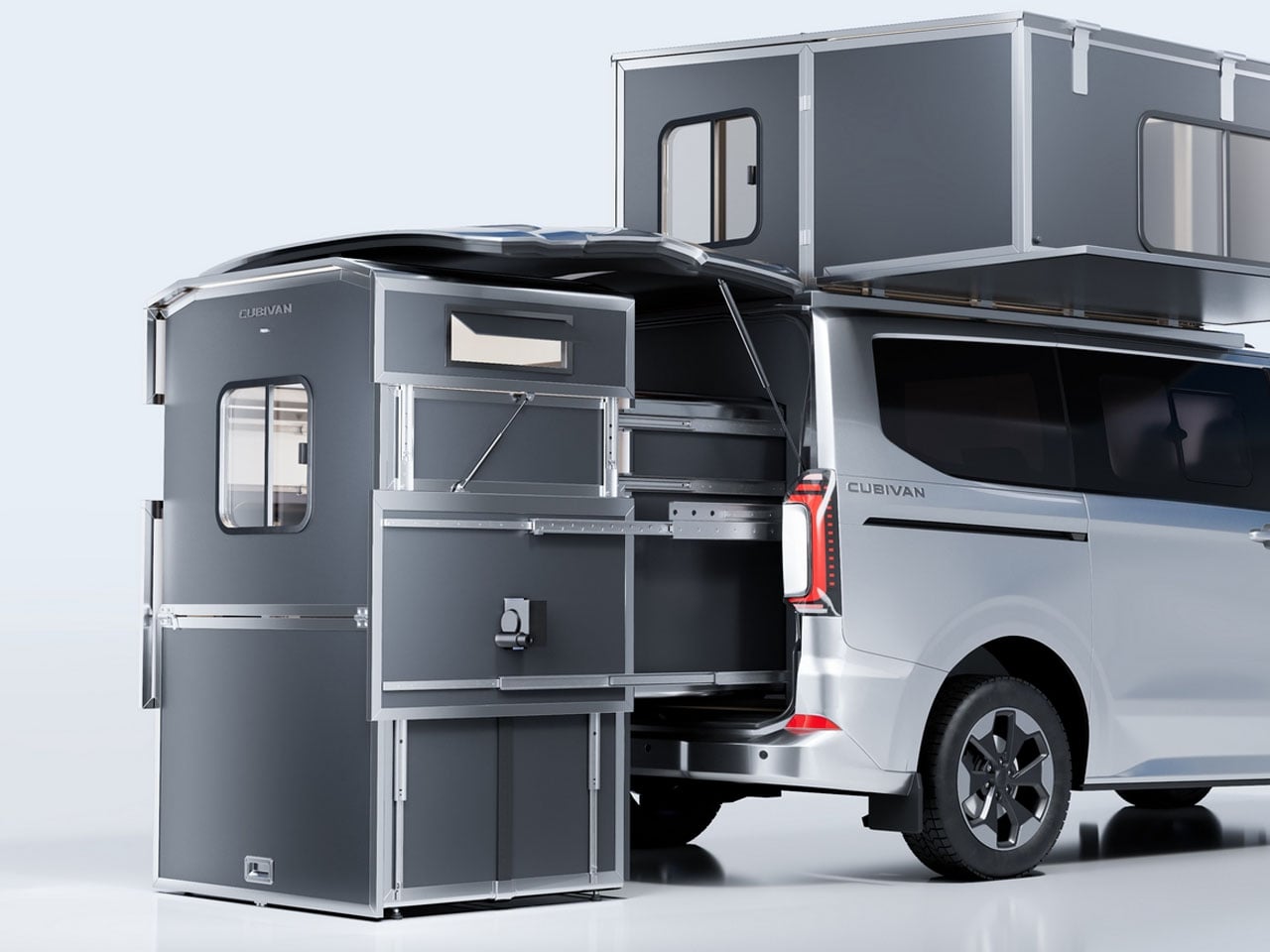
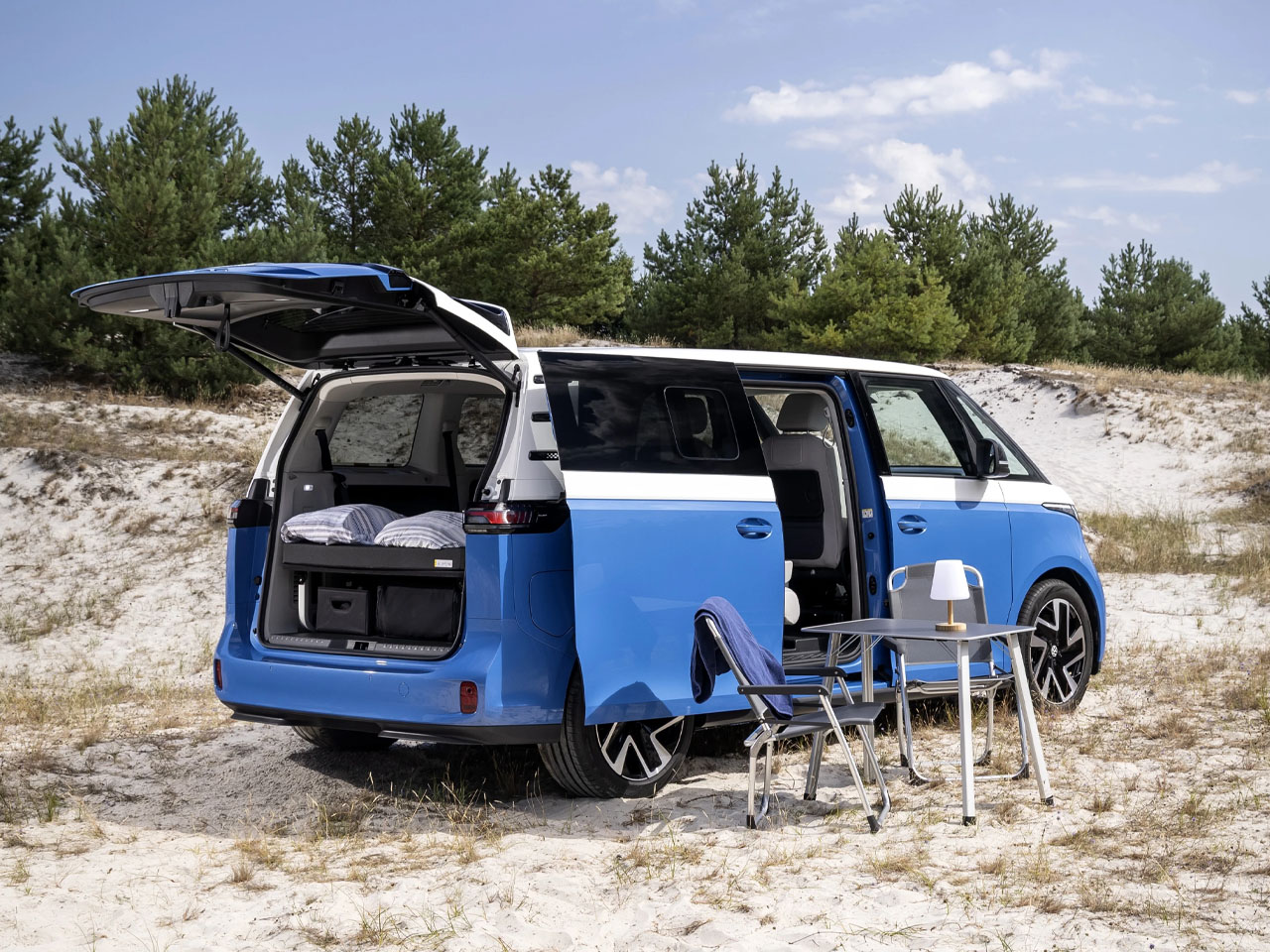
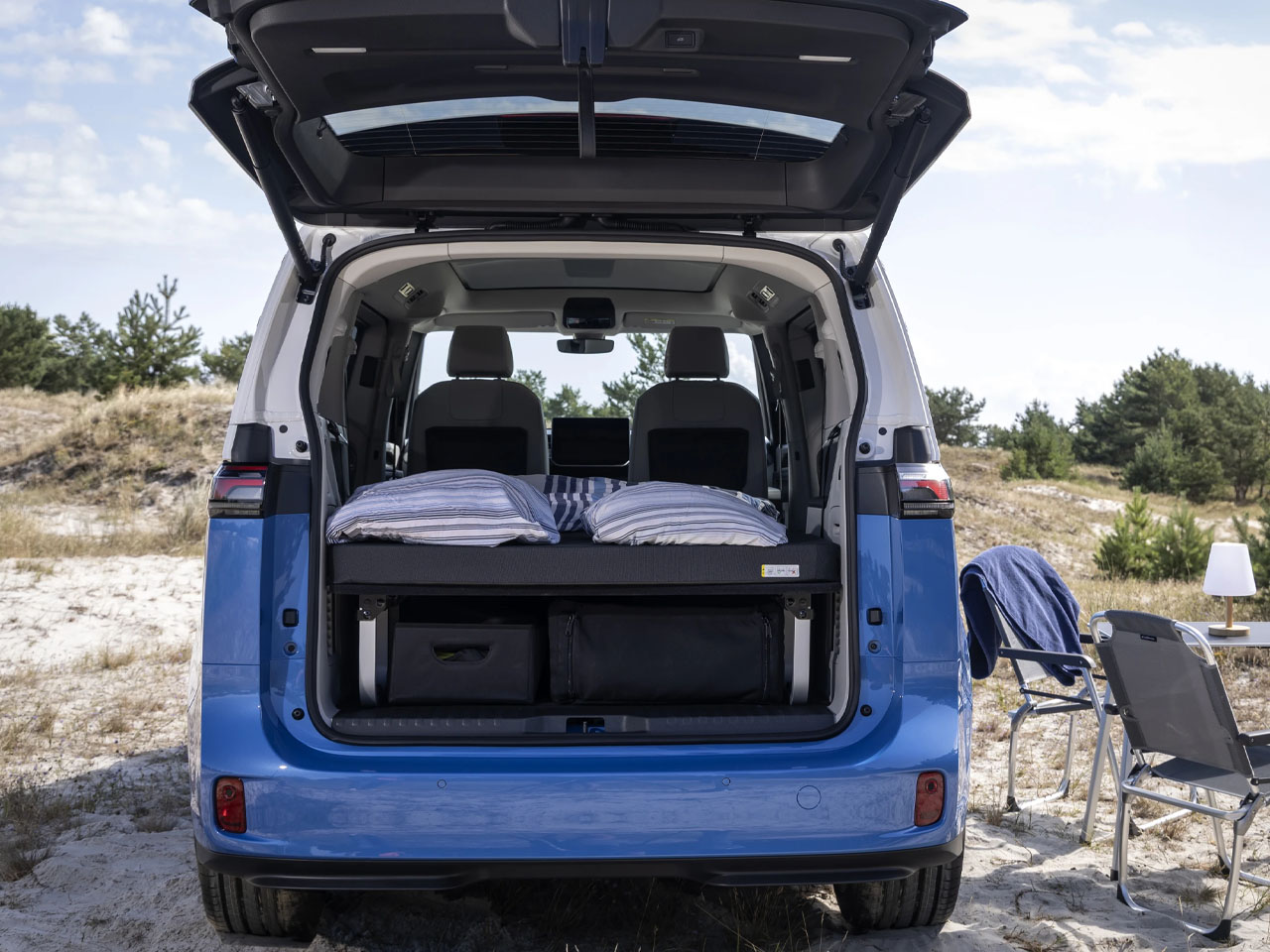
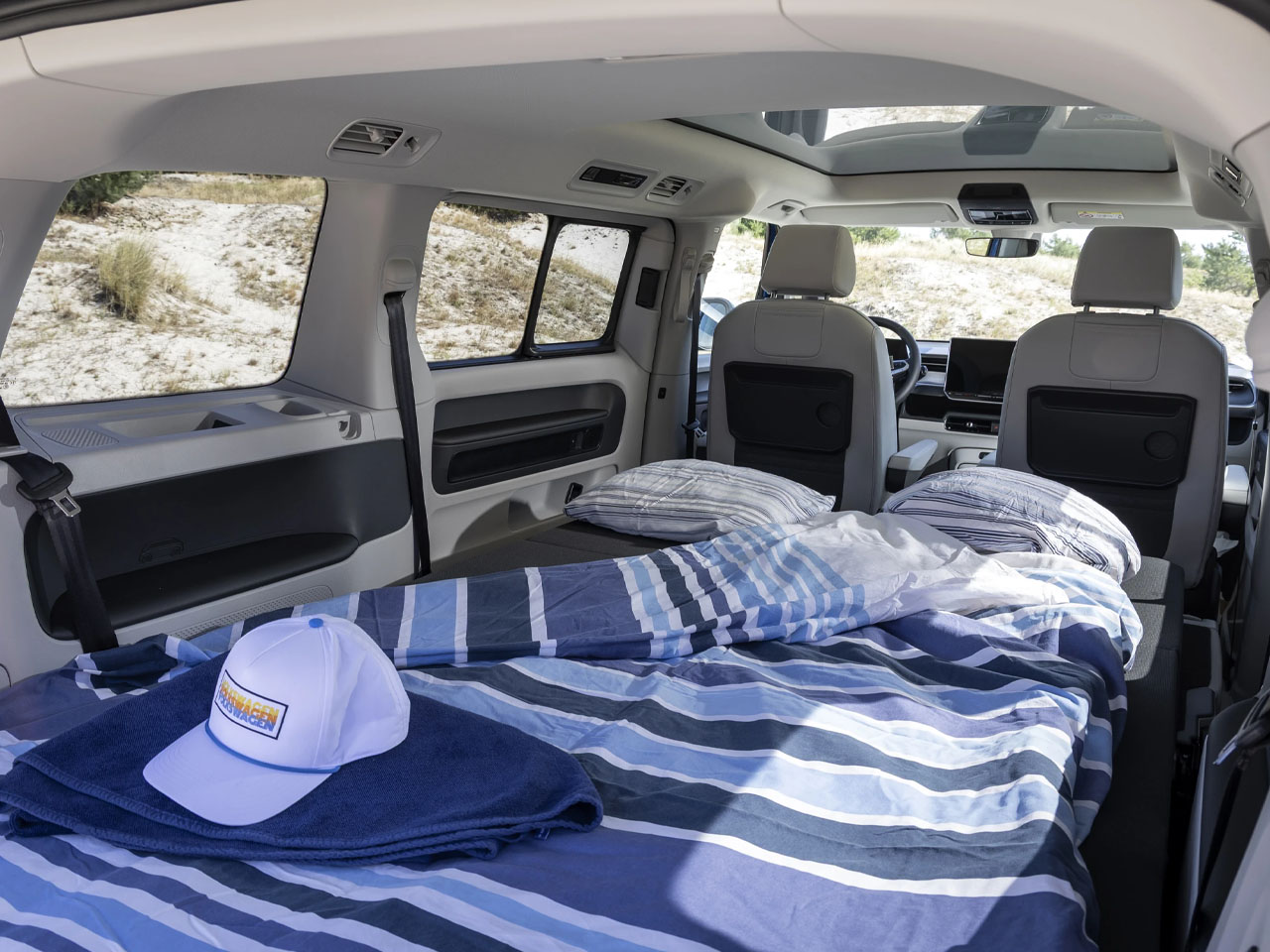
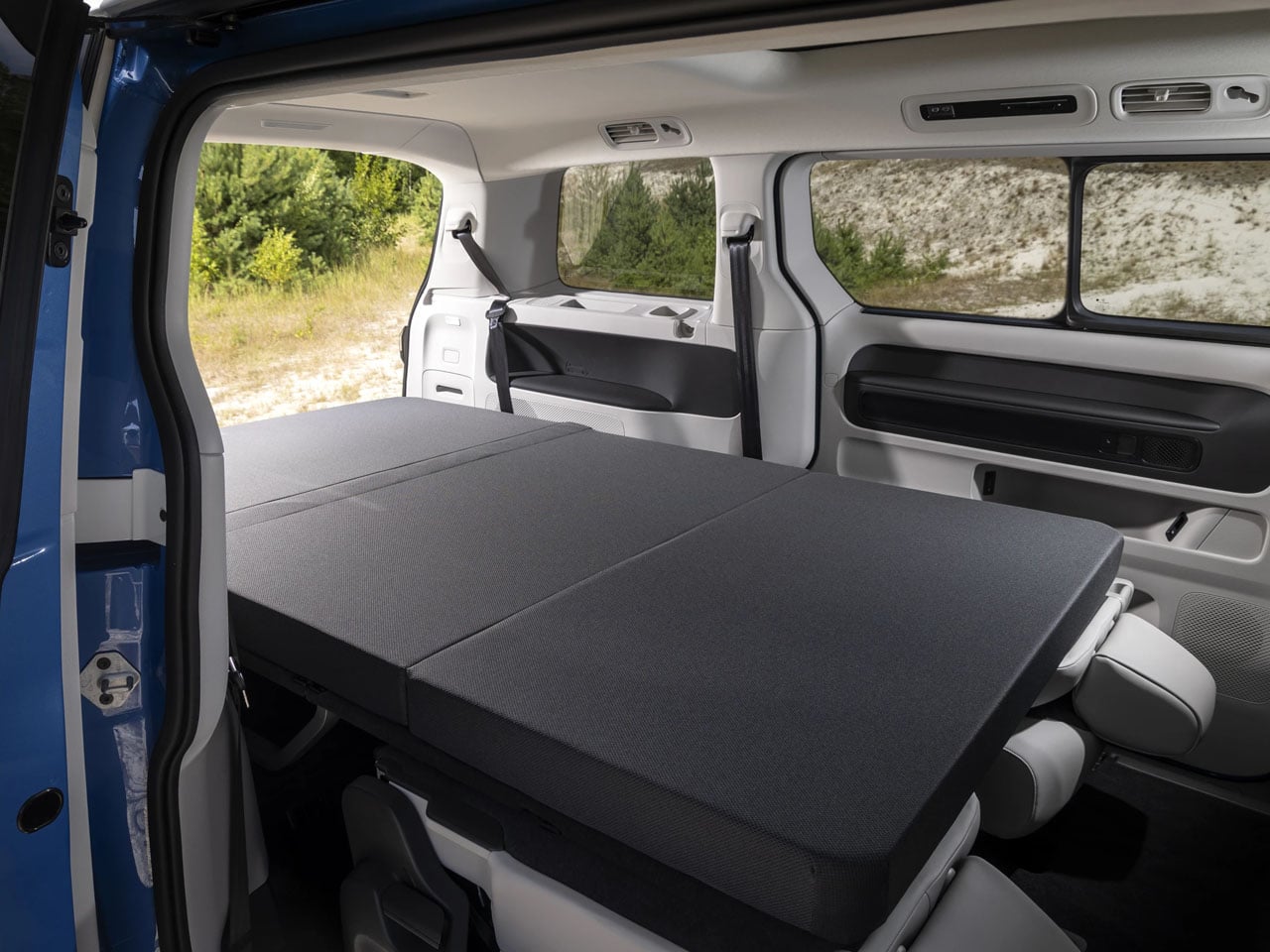
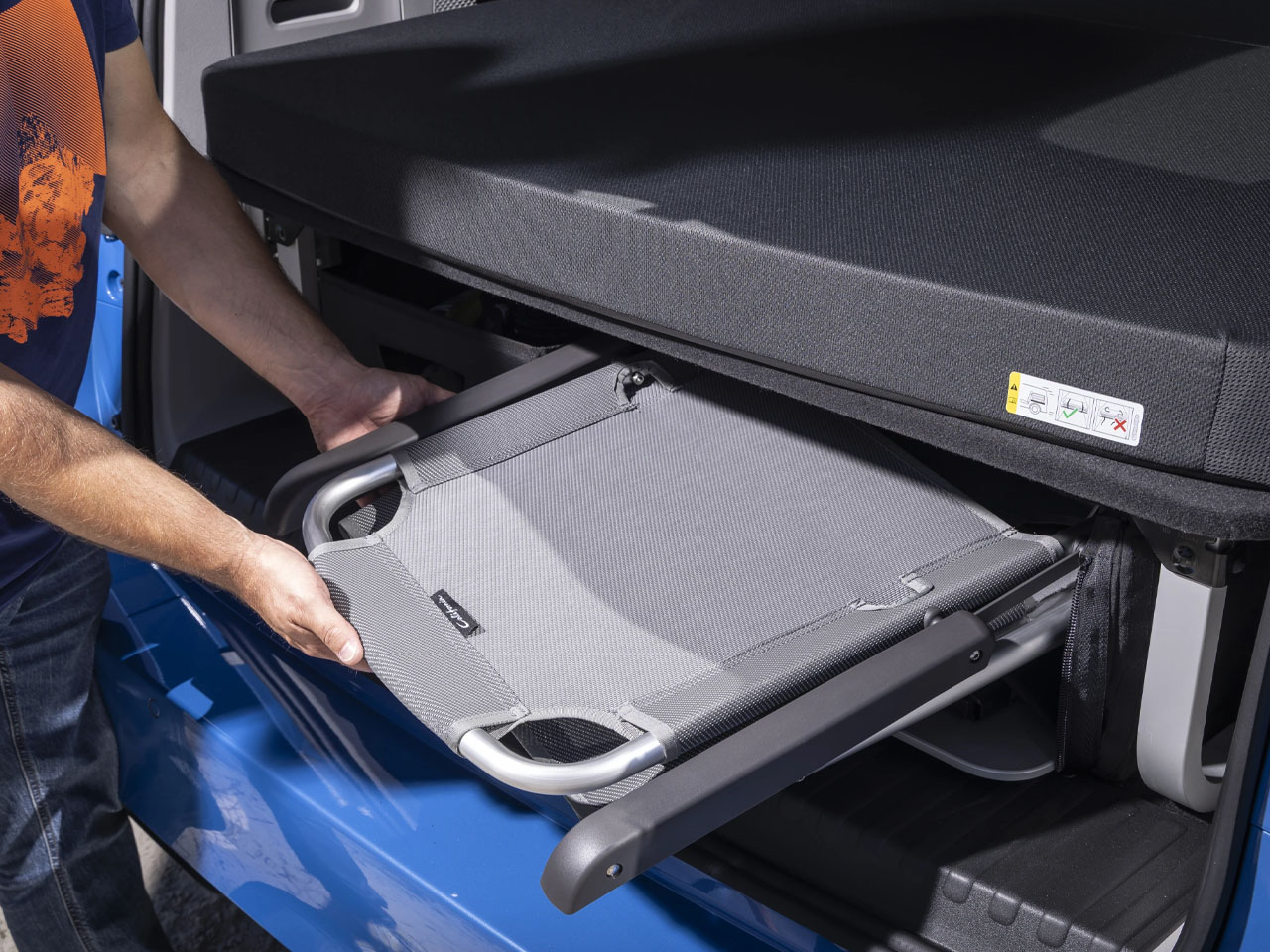
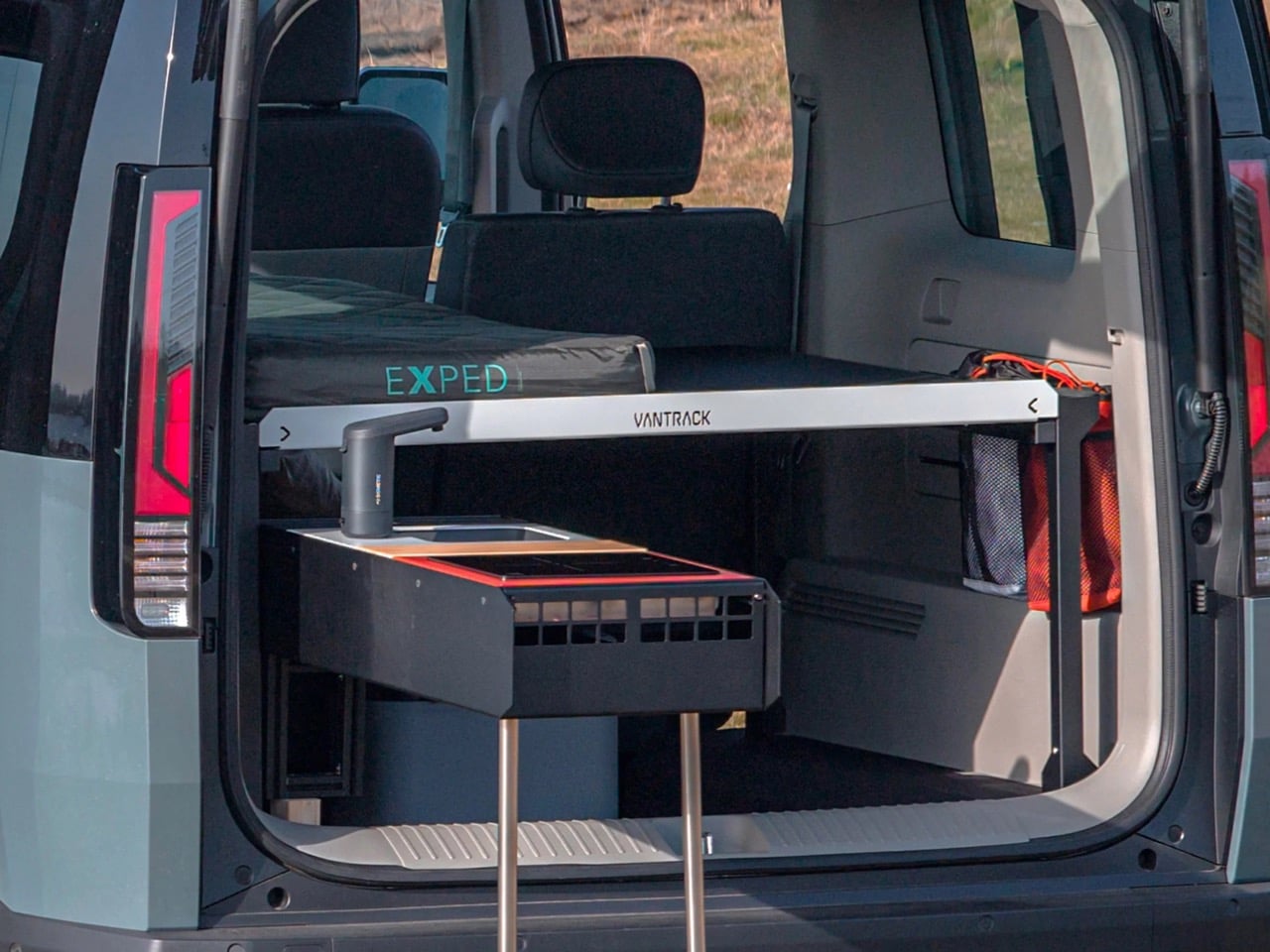
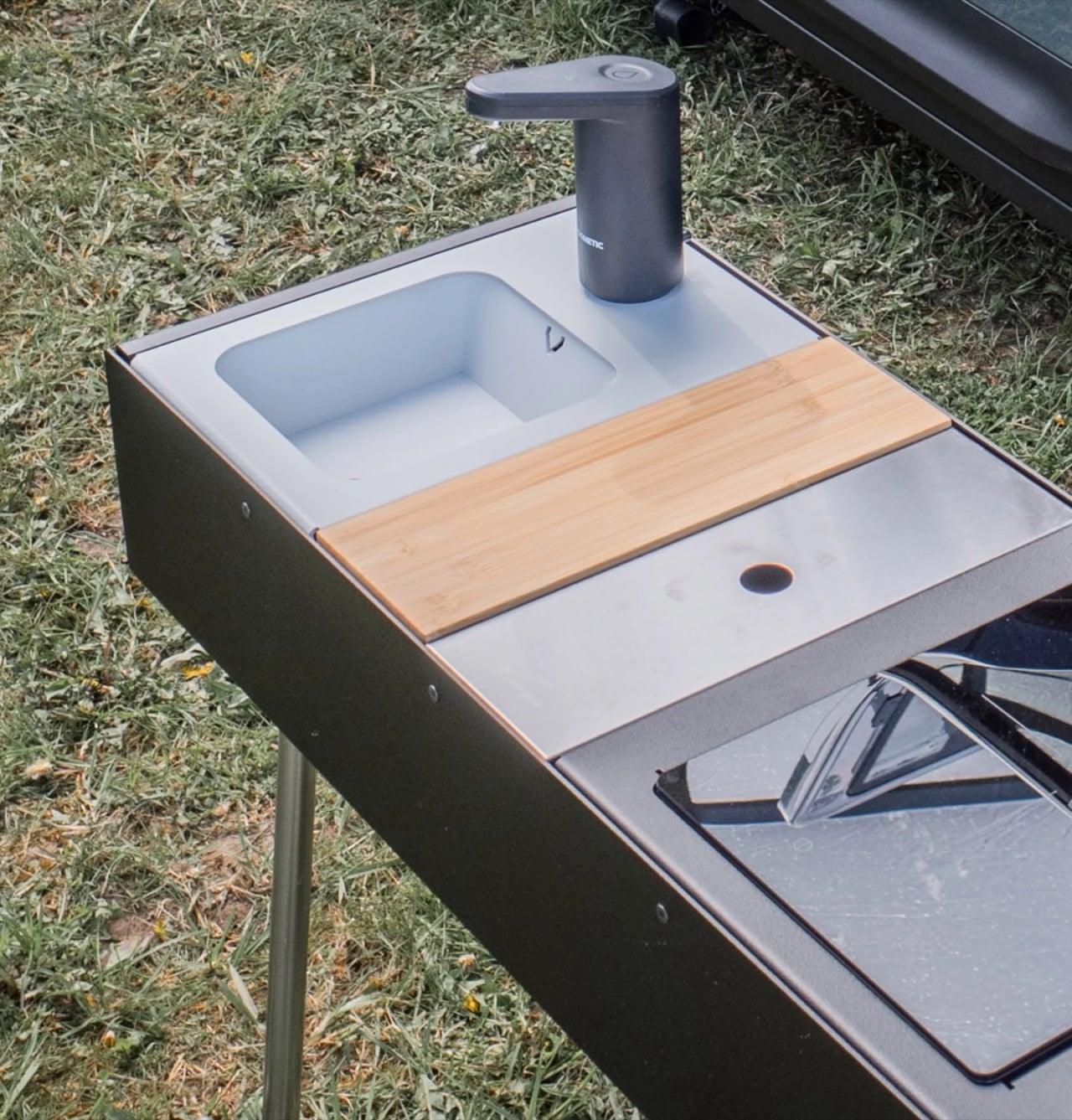
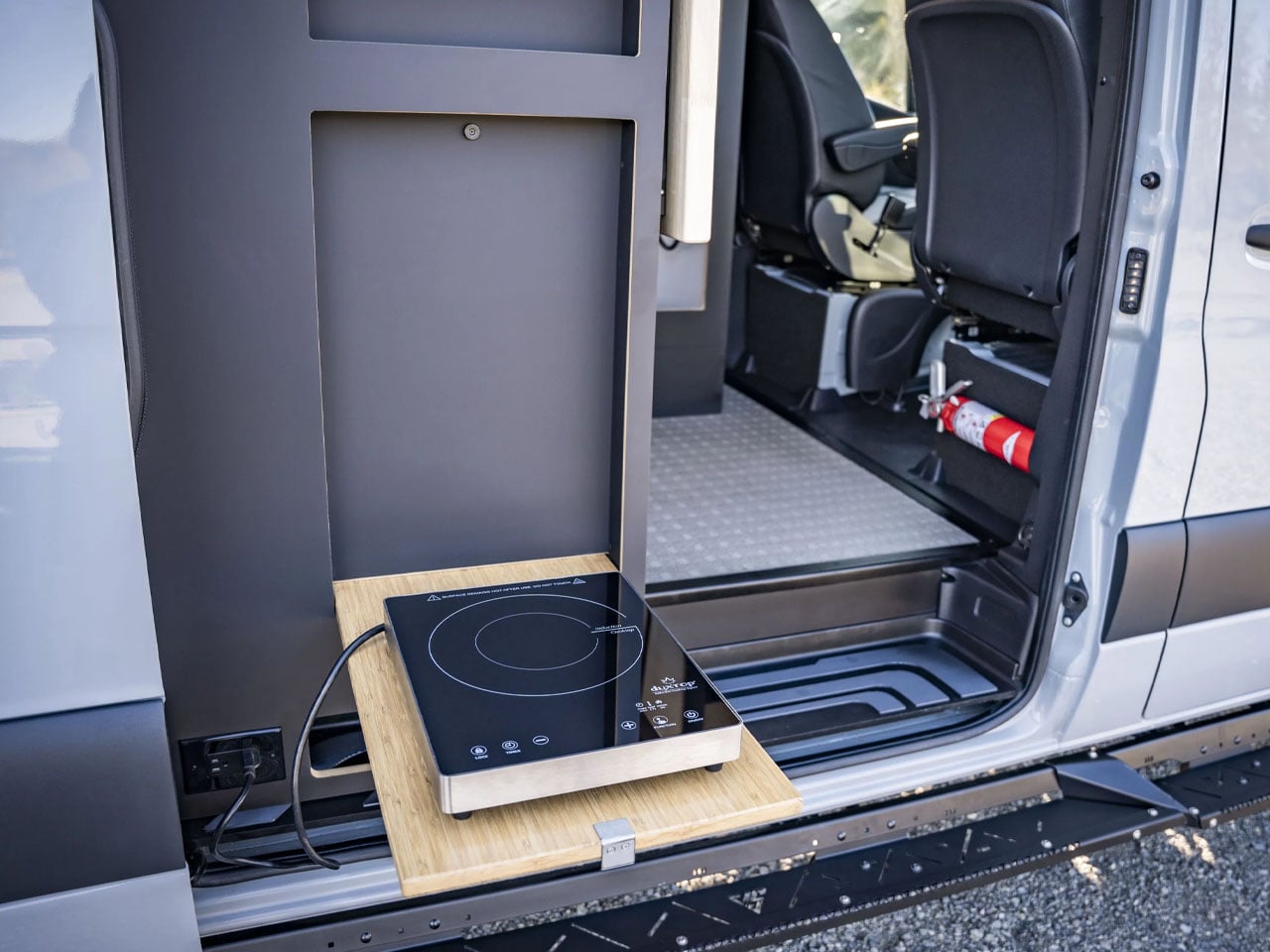
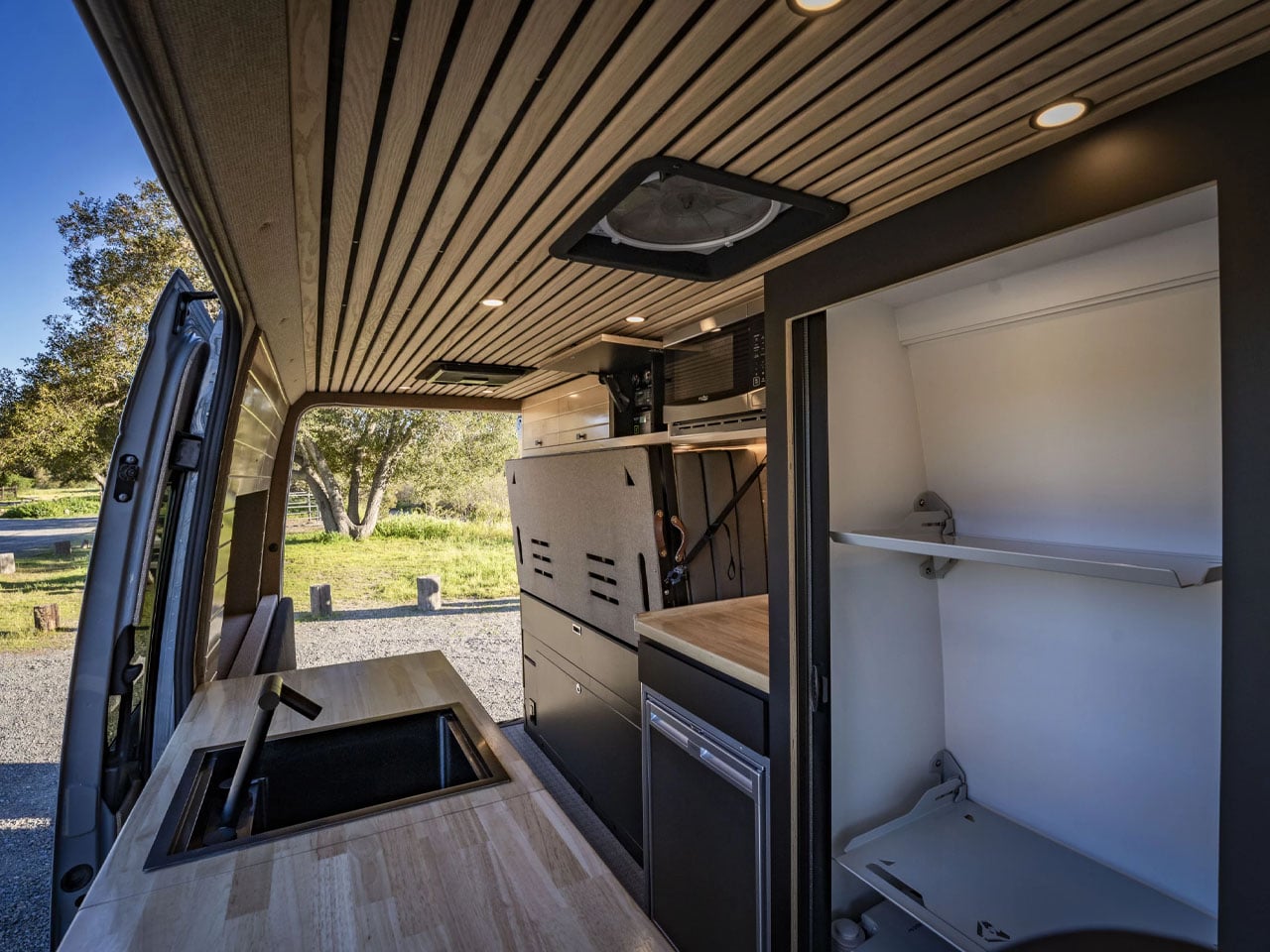
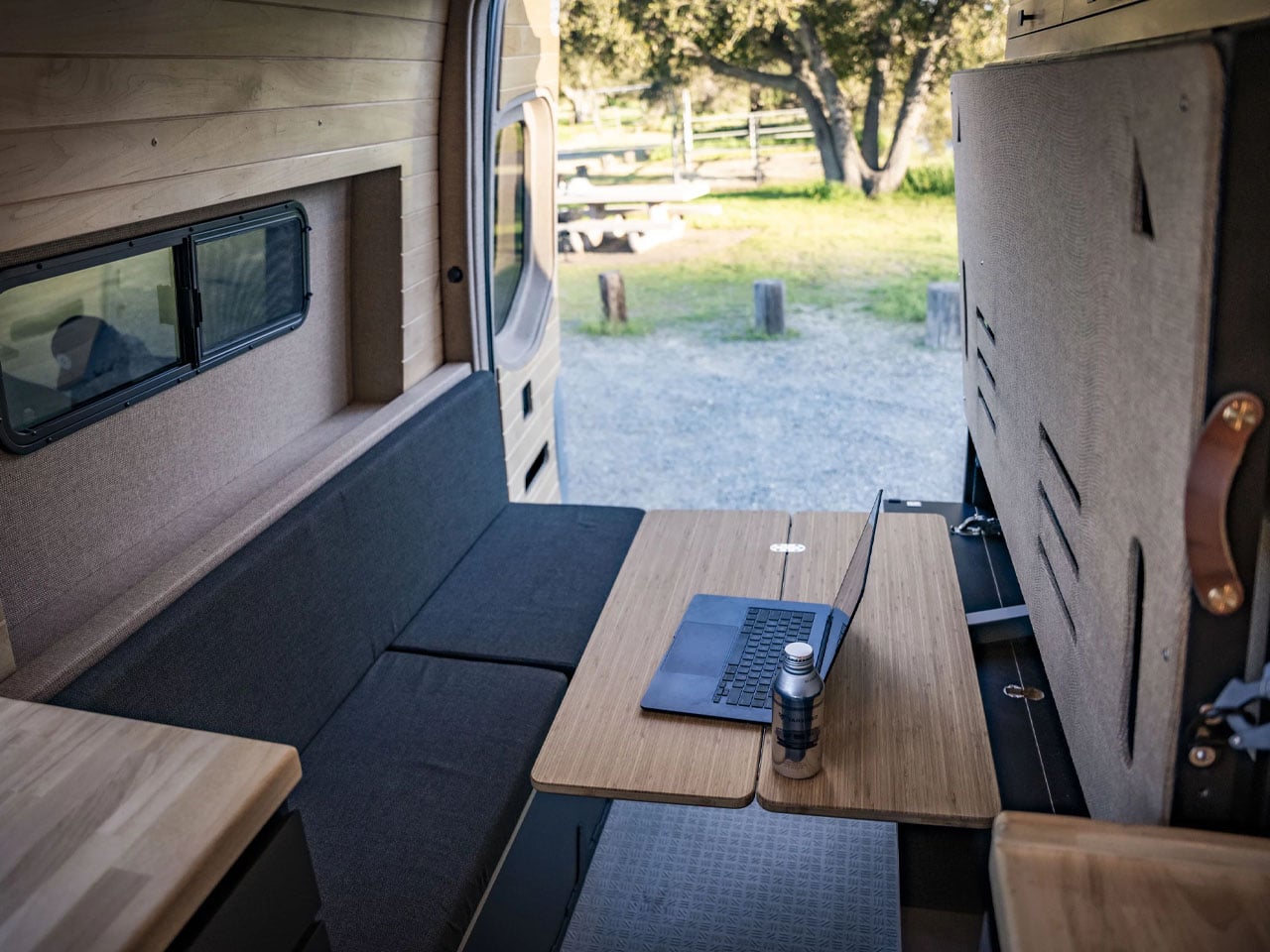
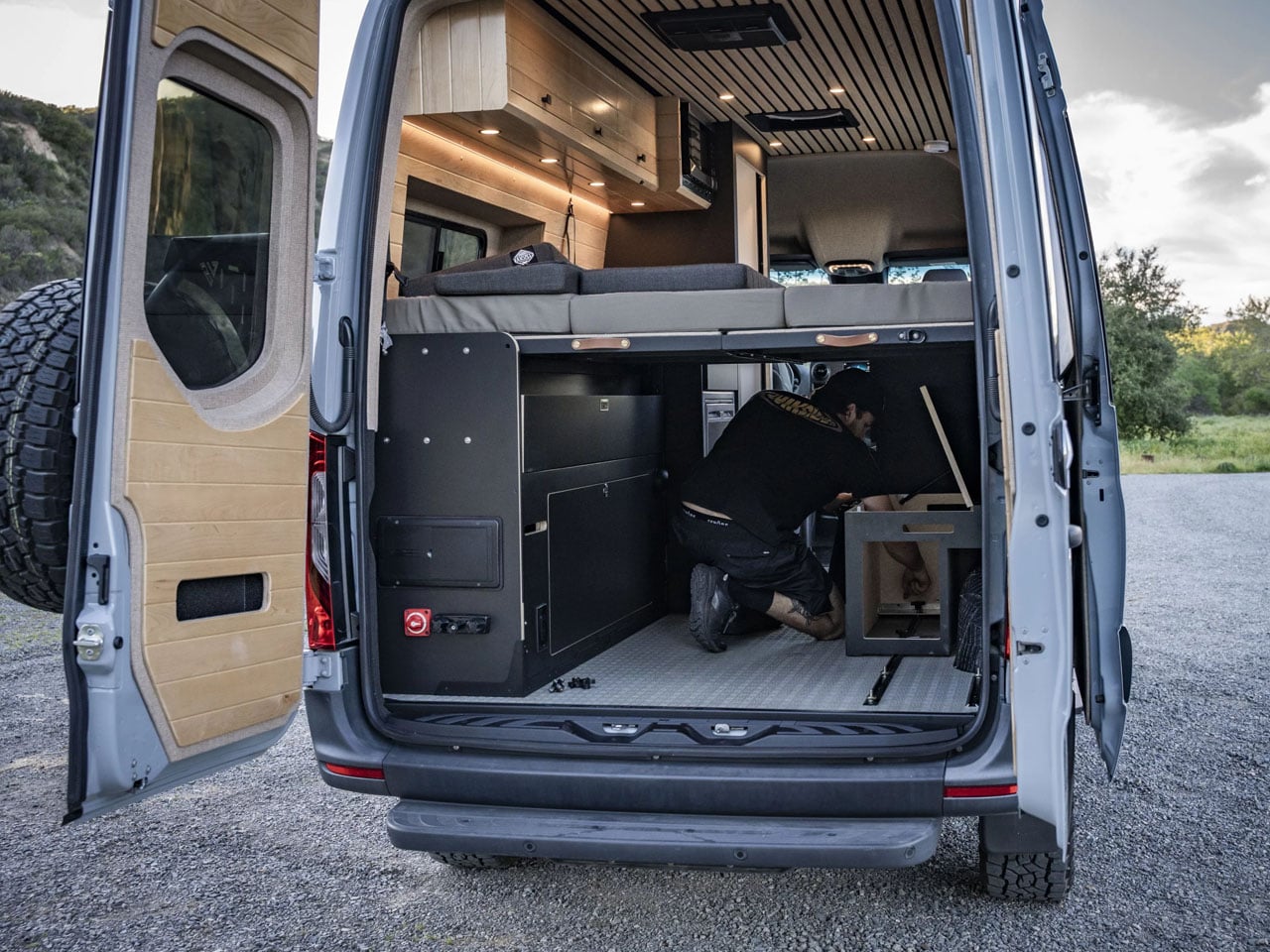
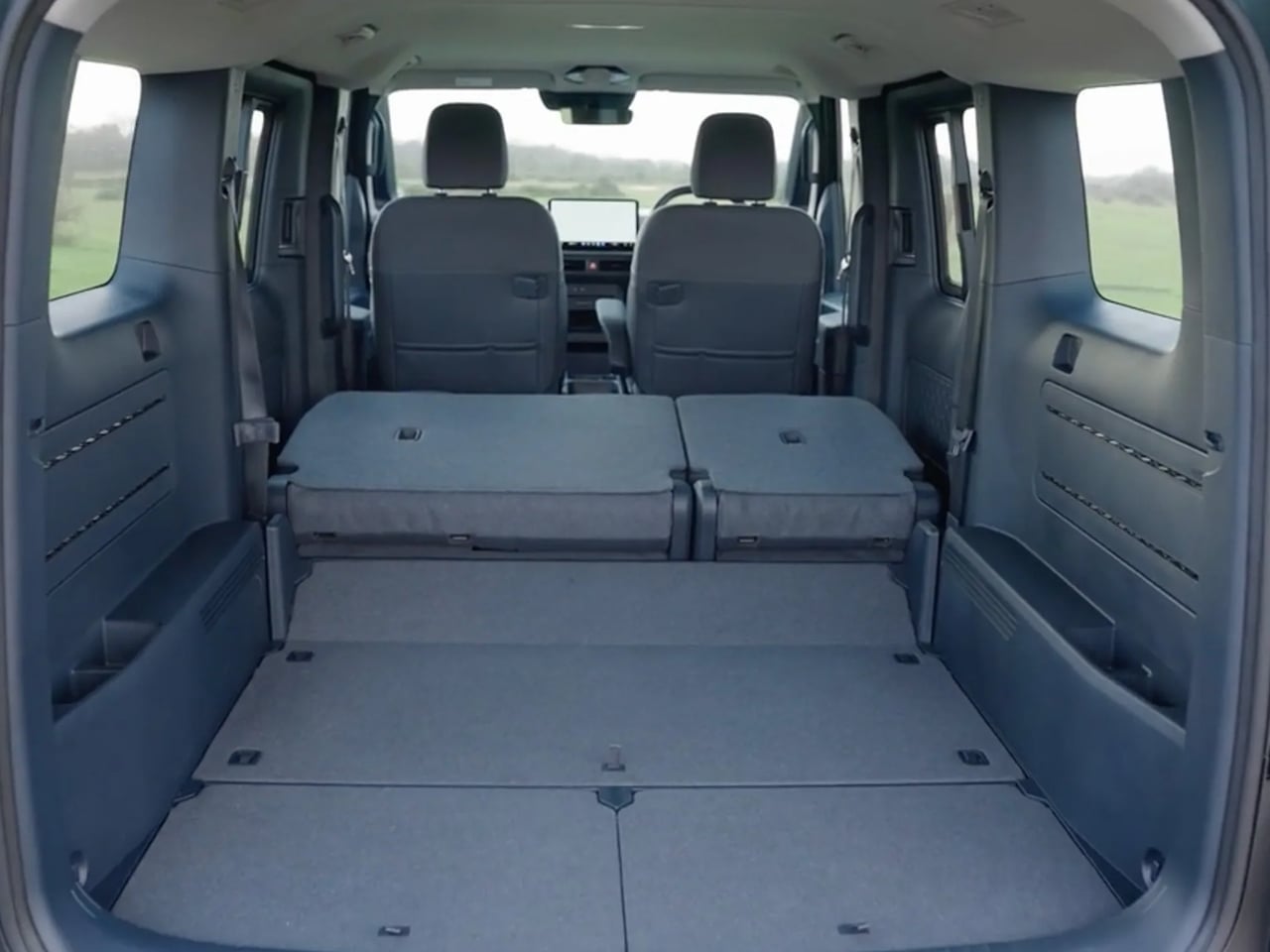
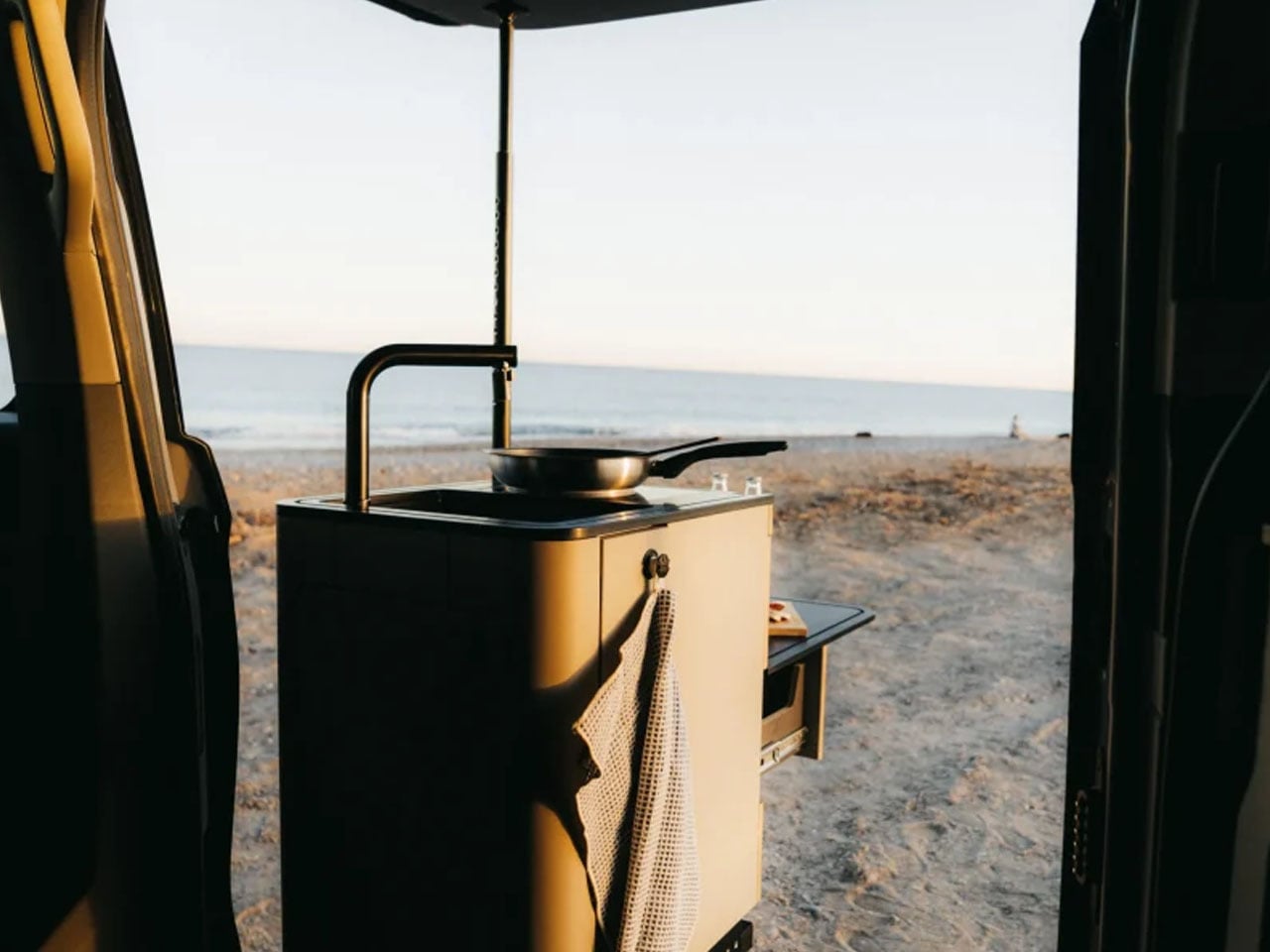
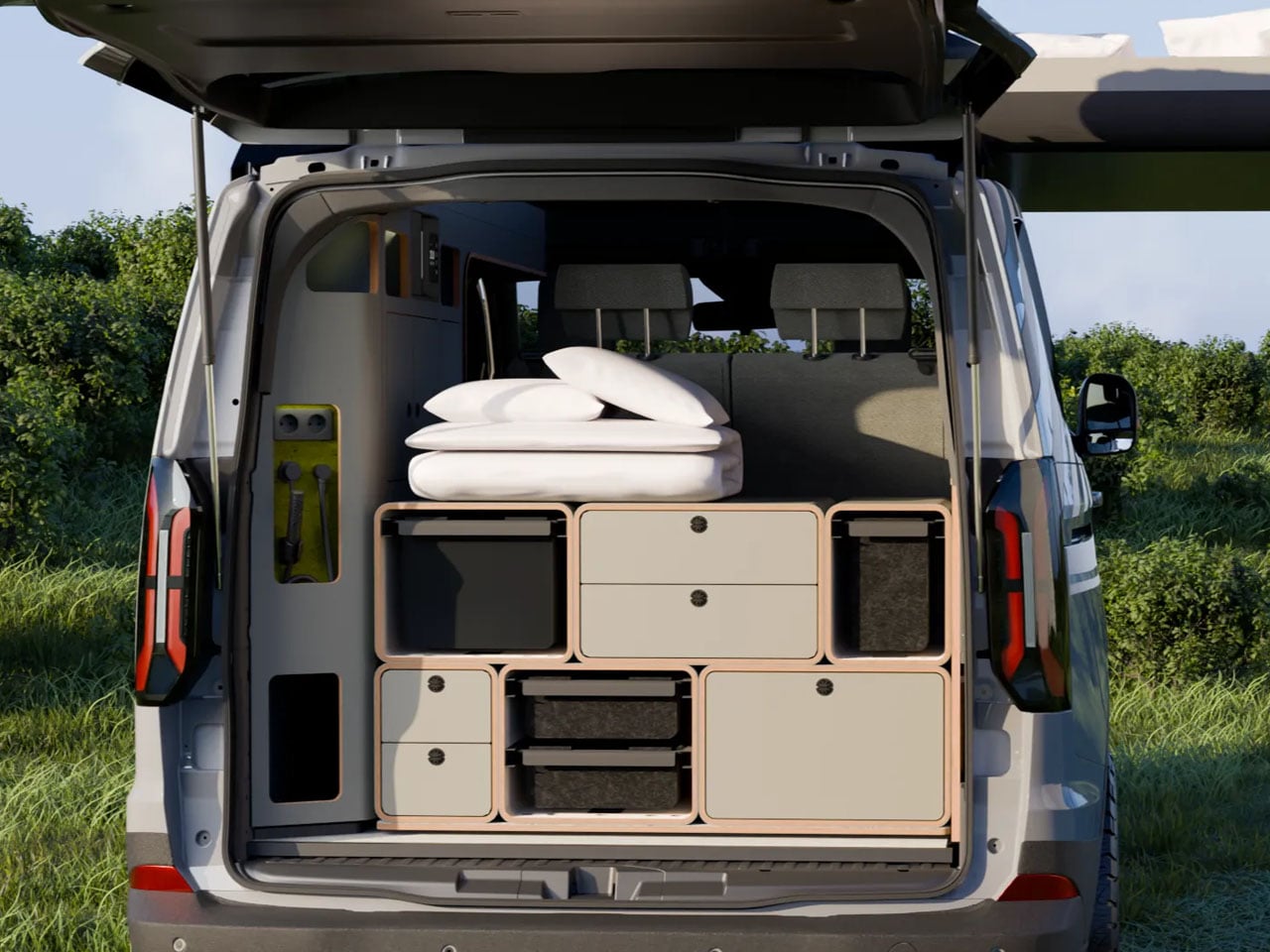
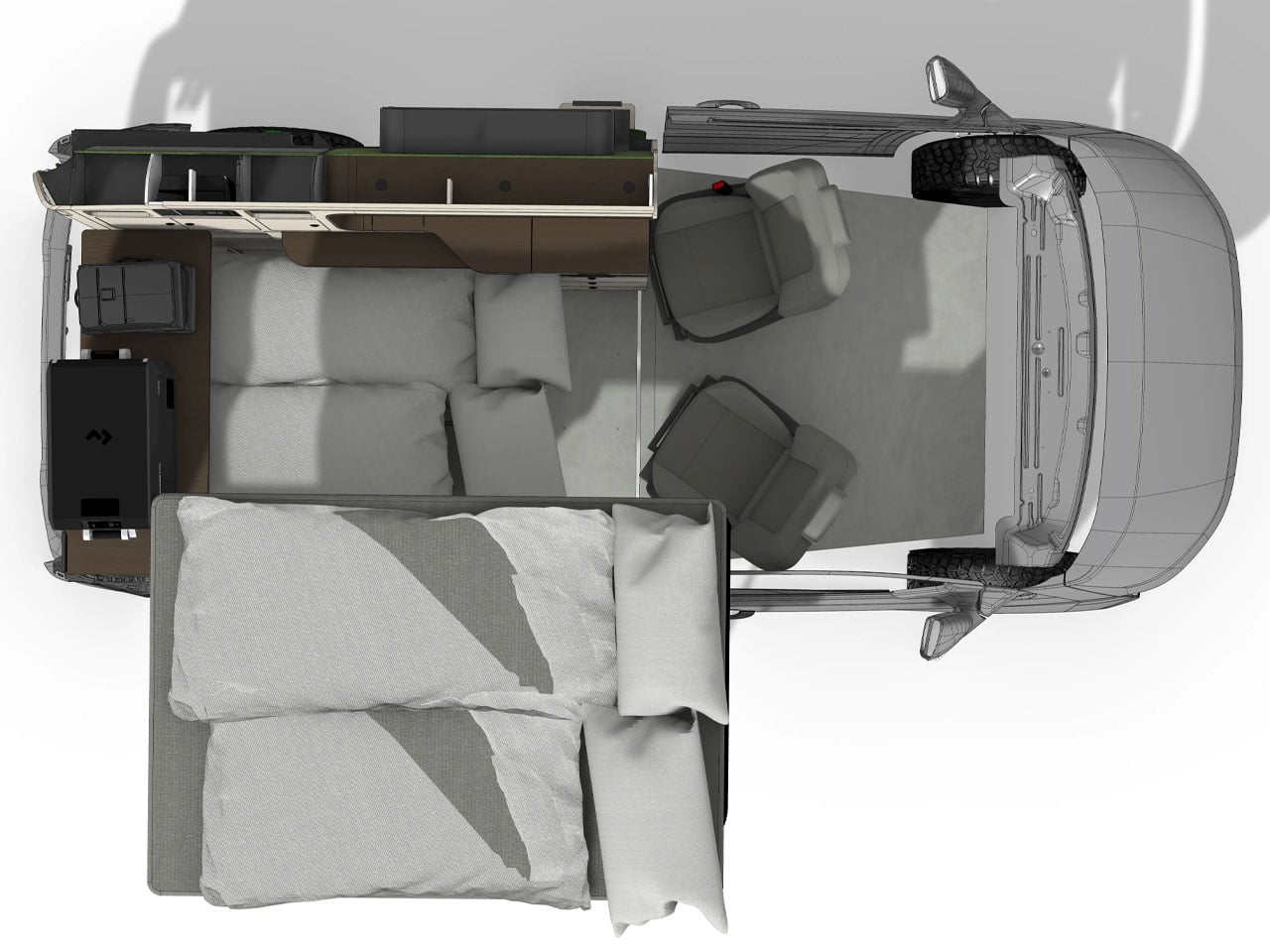
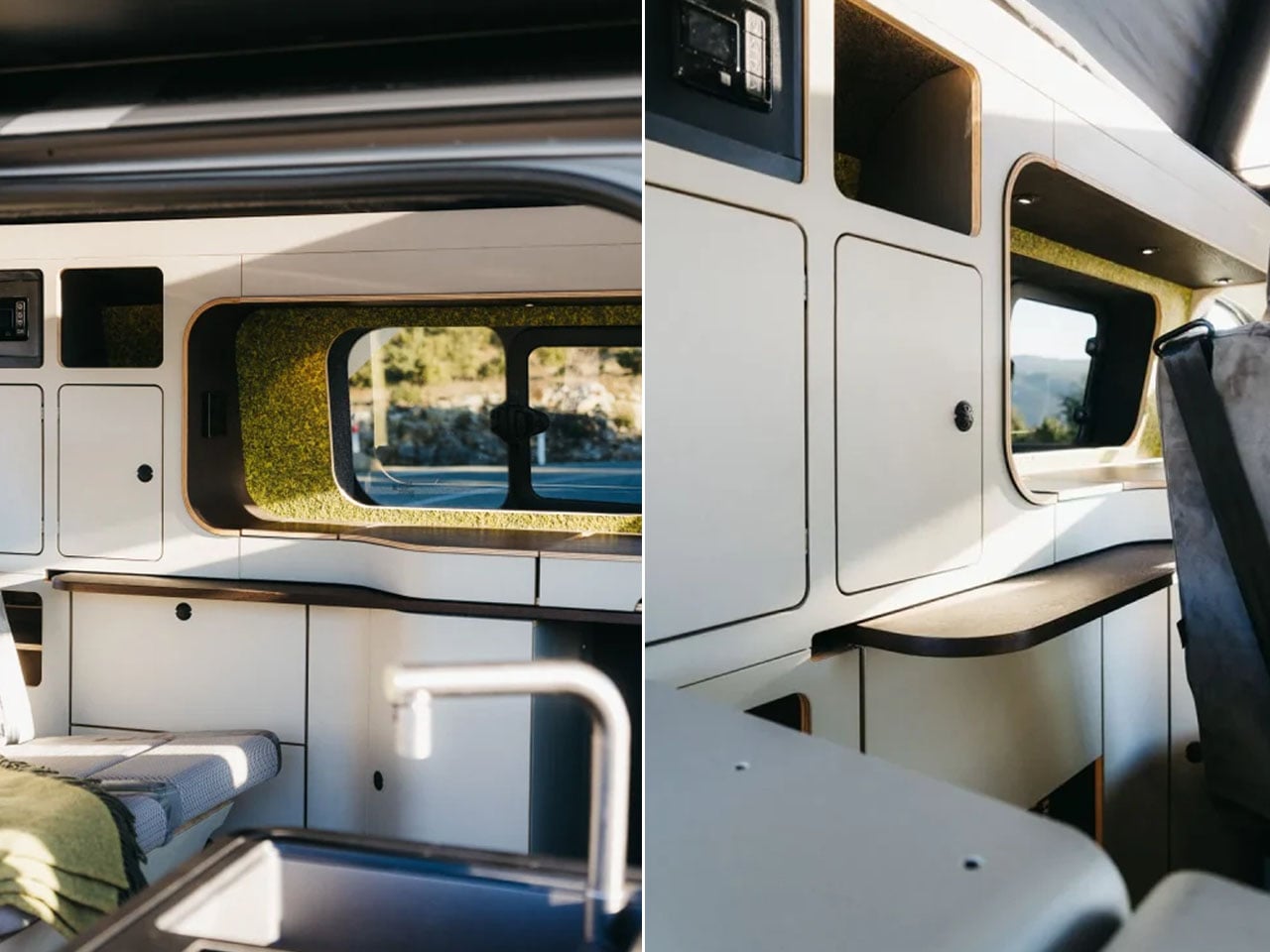
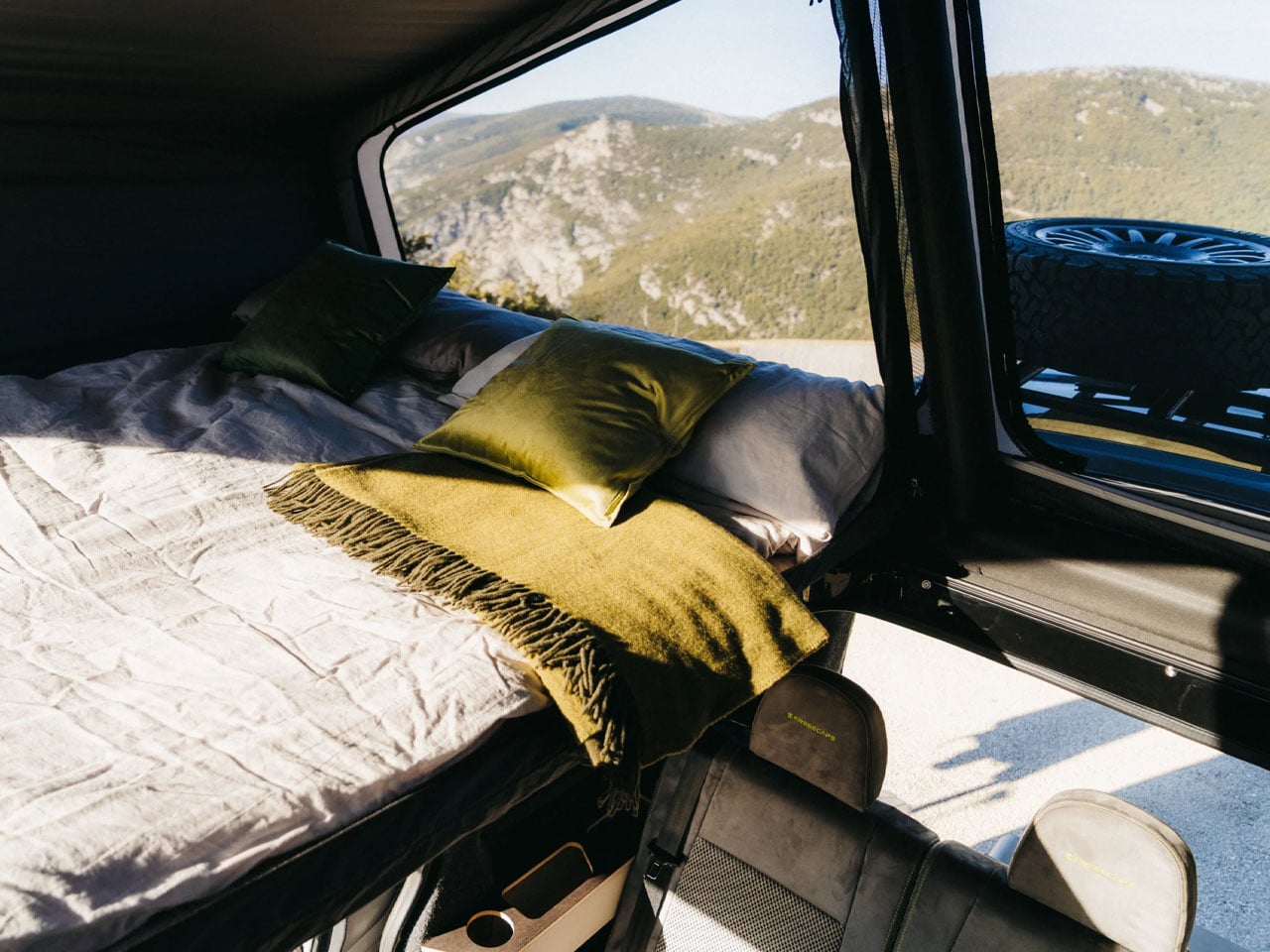
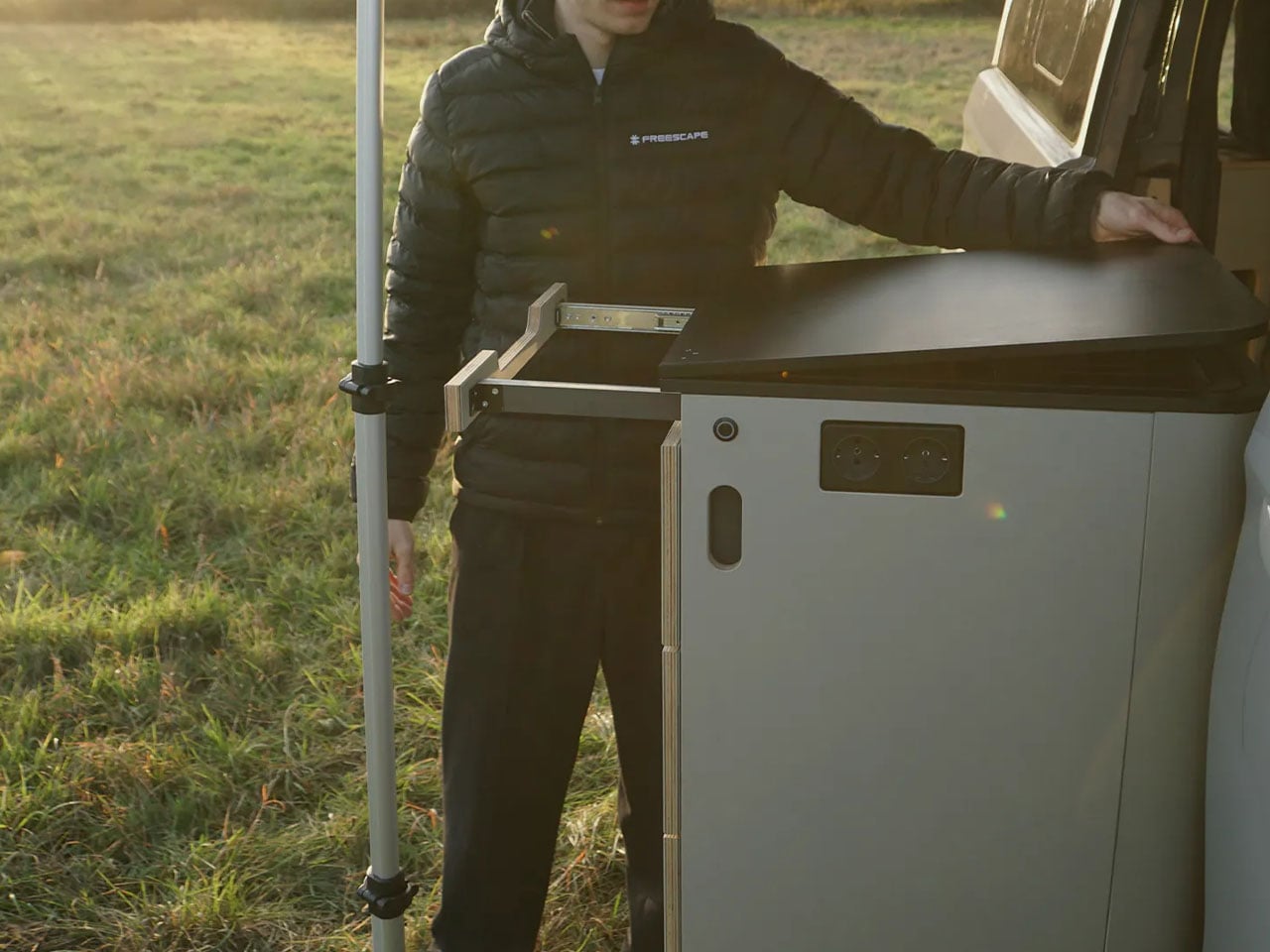
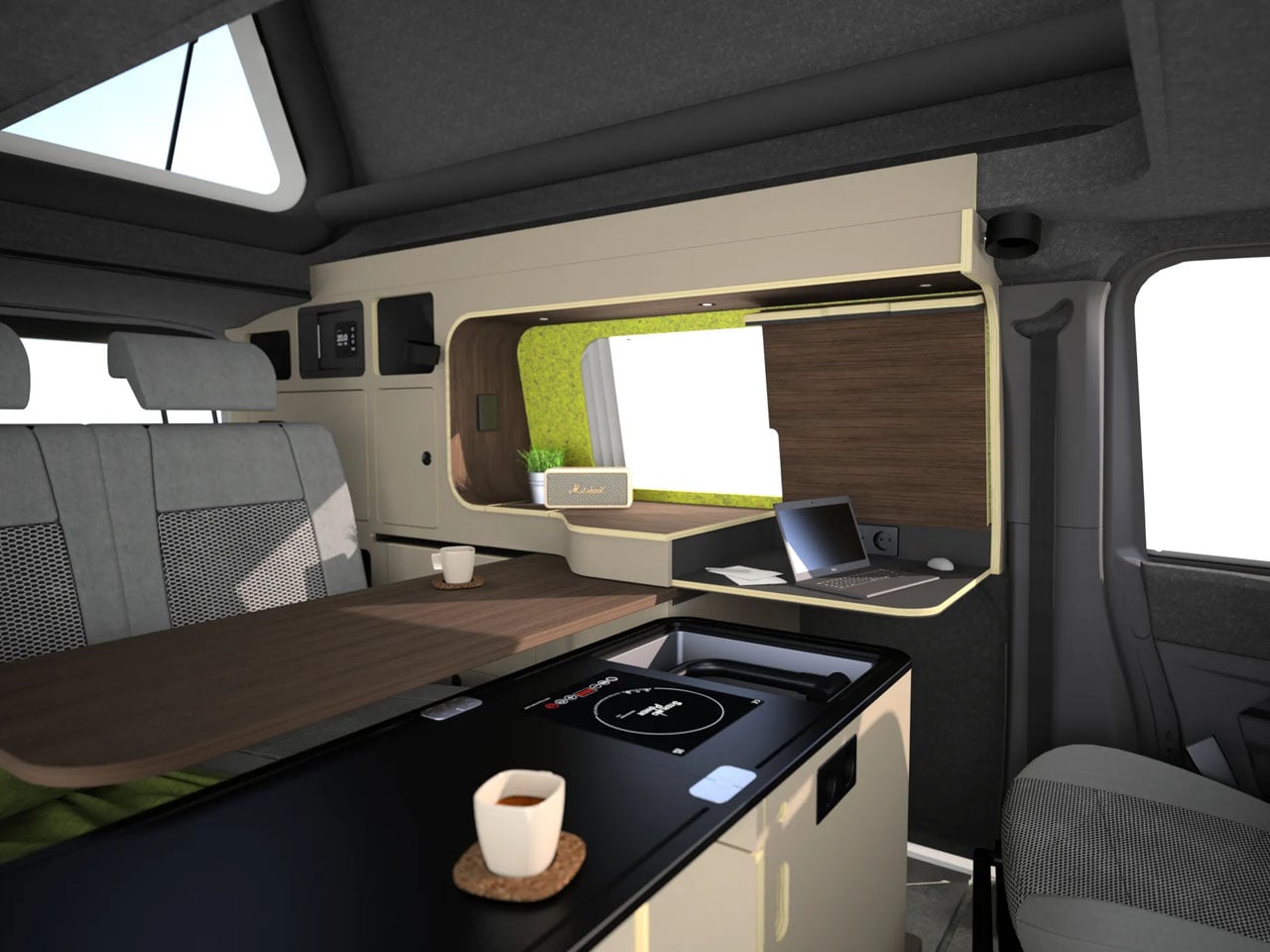
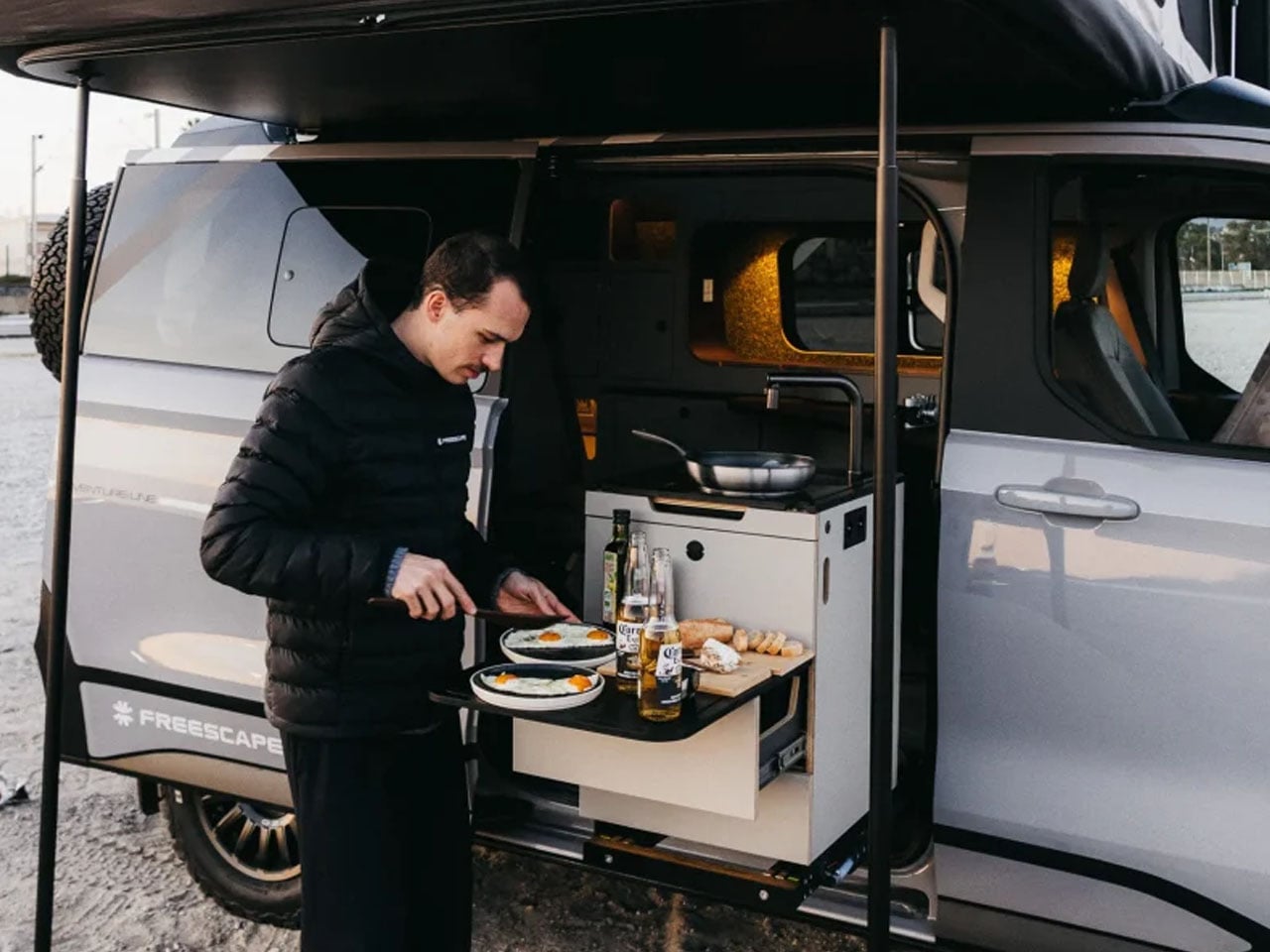
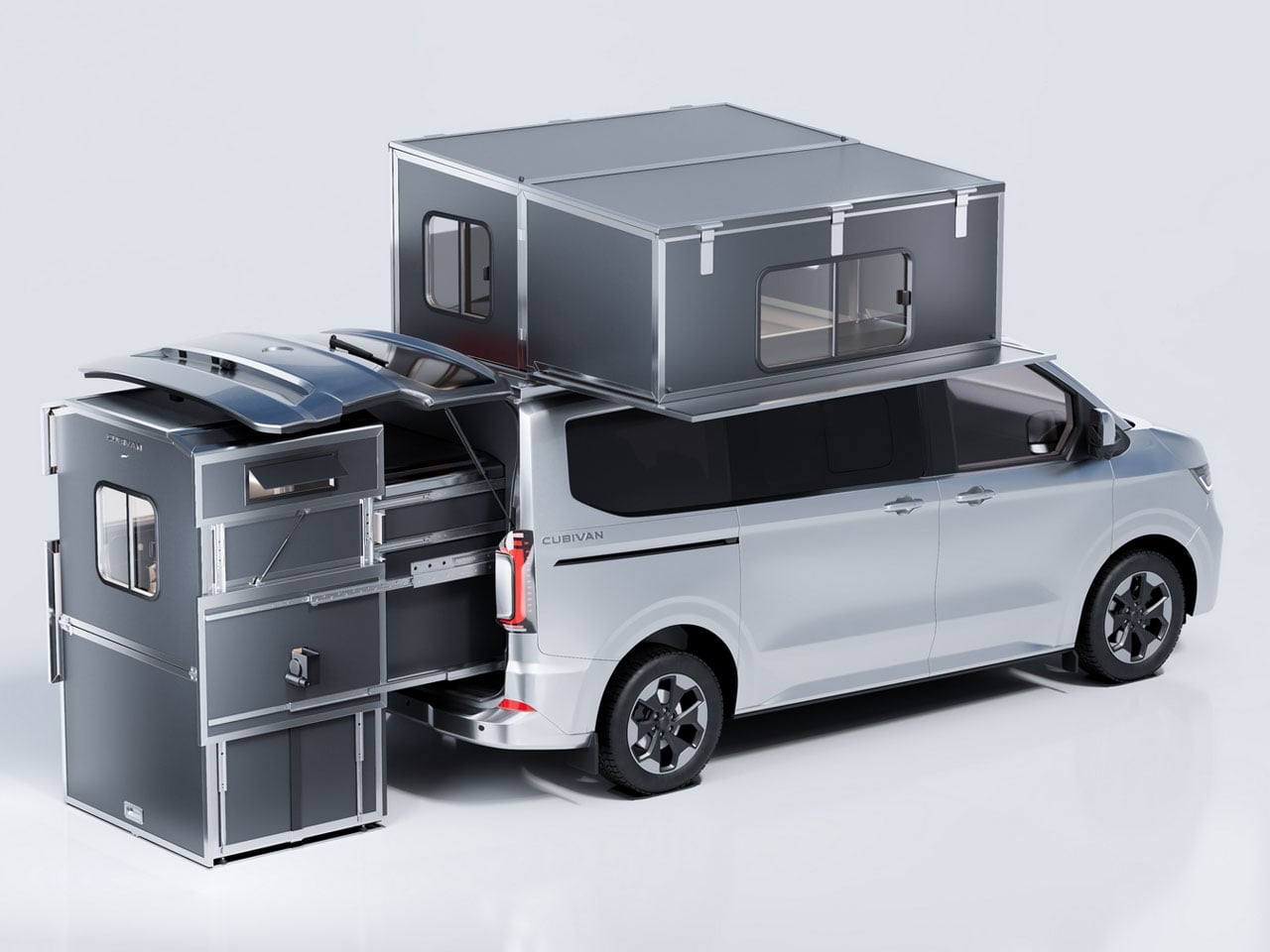
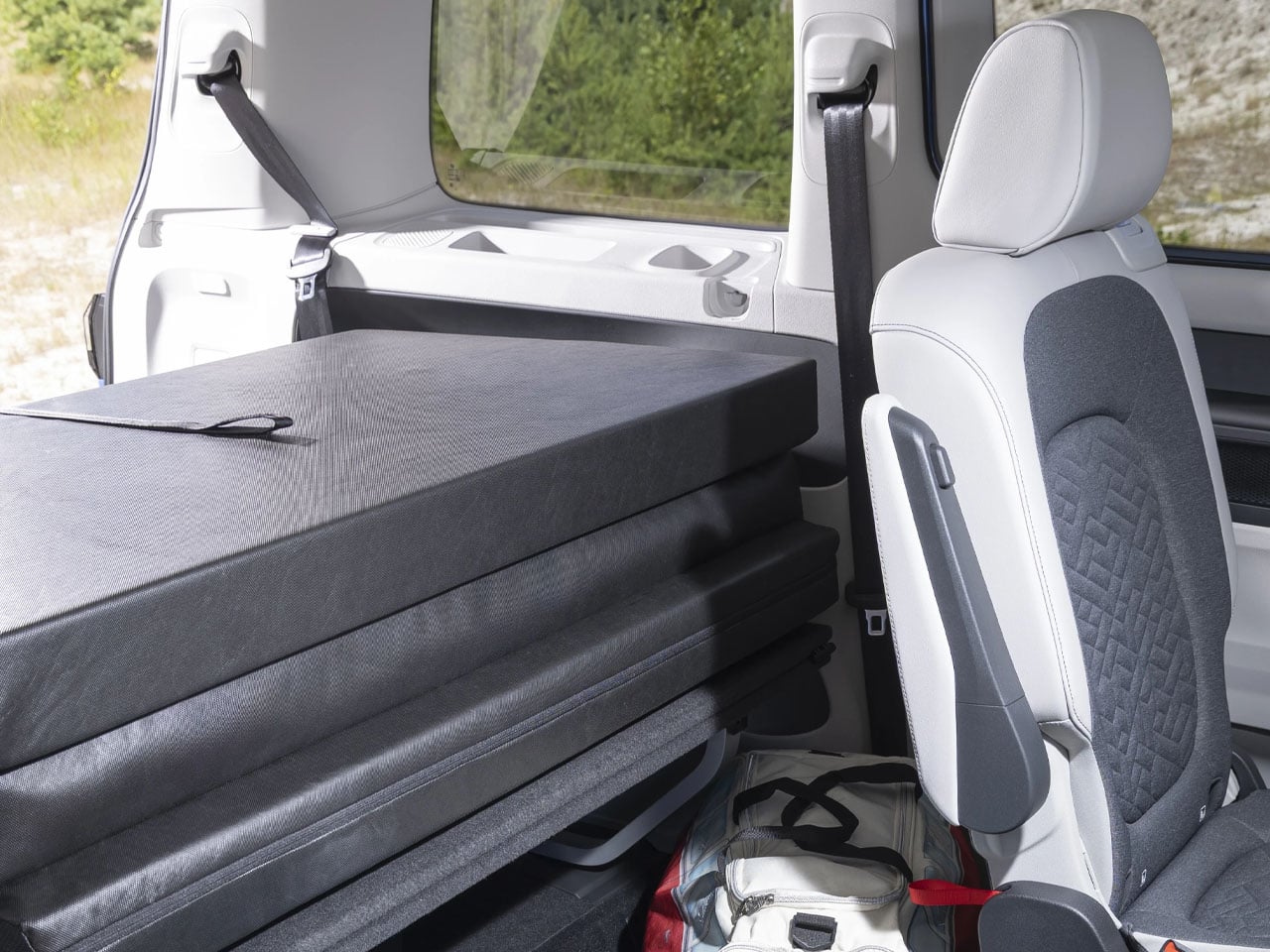
Vantrack’s real party trick sits at the tailgate. Instead of the thick, stacked foam mattress that most camper kits rely on, Lightcamp uses a slim pull out bed platform paired with two Exped Luxemat inflatable sleeping pads, each one rolling down to about 26 x 8 inches for storage underneath the platform itself. That frees up cargo space for gear rather than burying it under bedding. Below that platform rides the kitchen module, a compact unit with an induction cooktop, a bamboo cutting board, a small sink, and a Dometic Go faucet drawing from an 11-liter water canister. Slide it out on its own folding legs and it works as either a tailgate galley or a standalone cook station away from the van entirely.

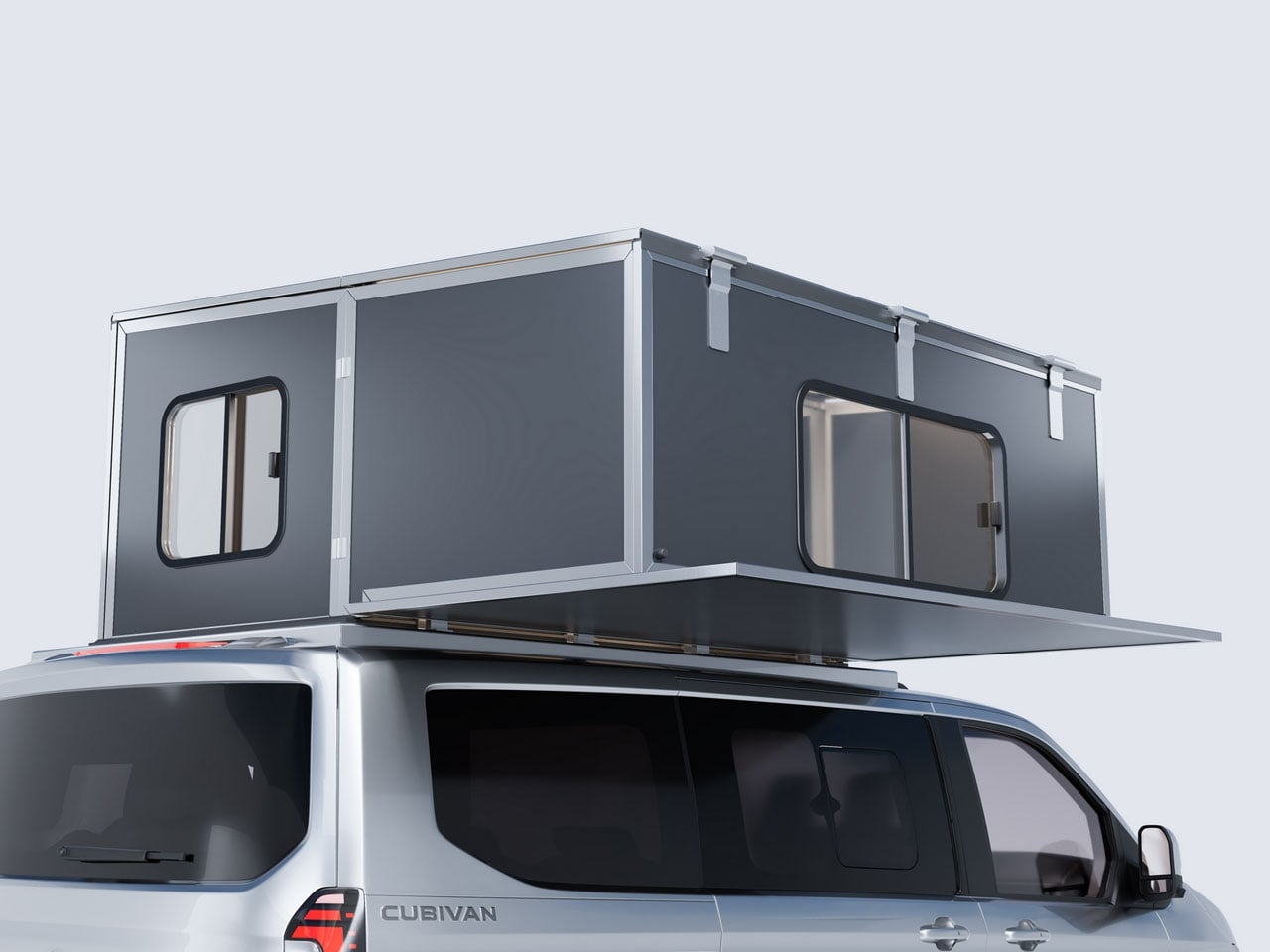
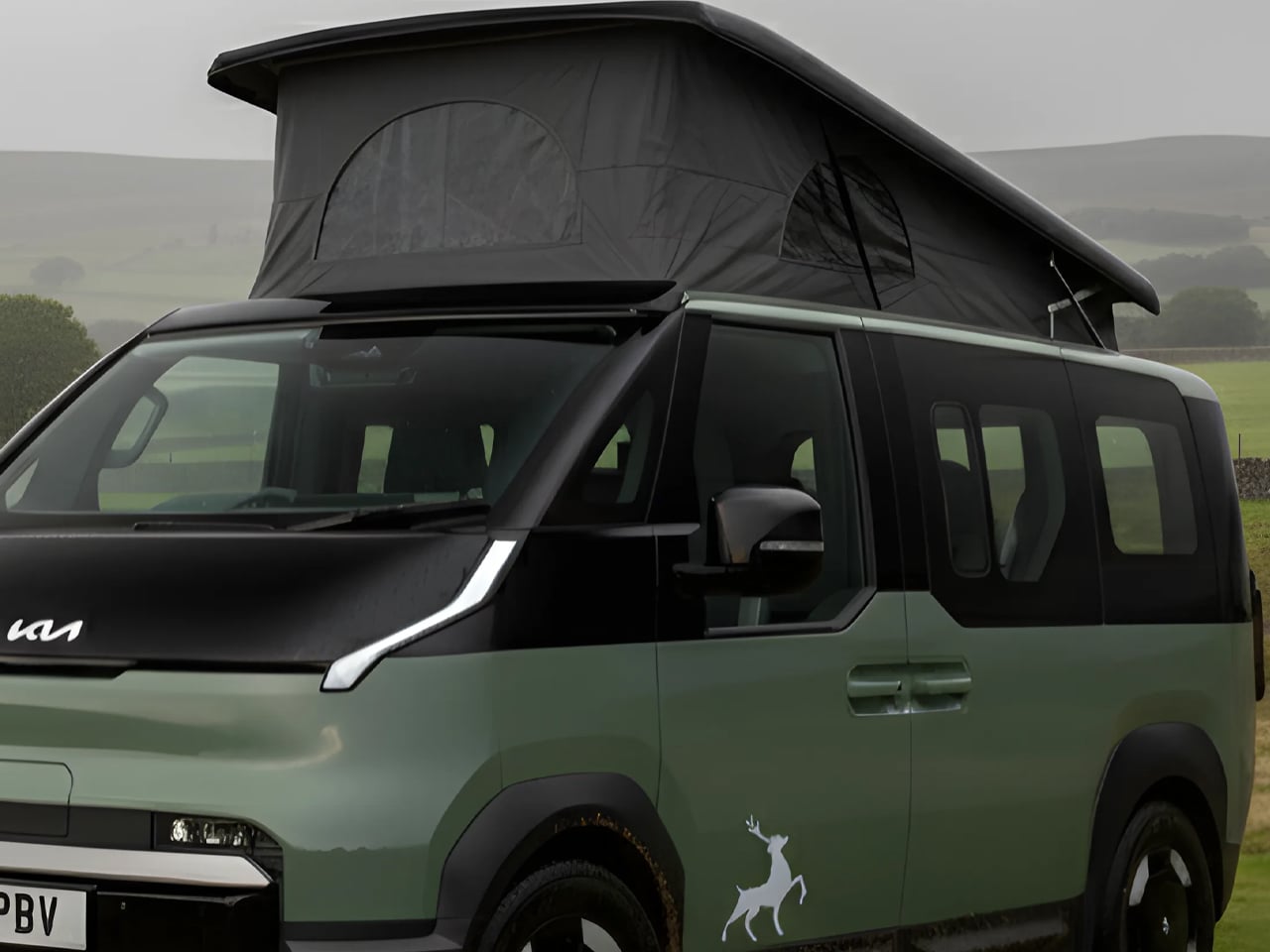
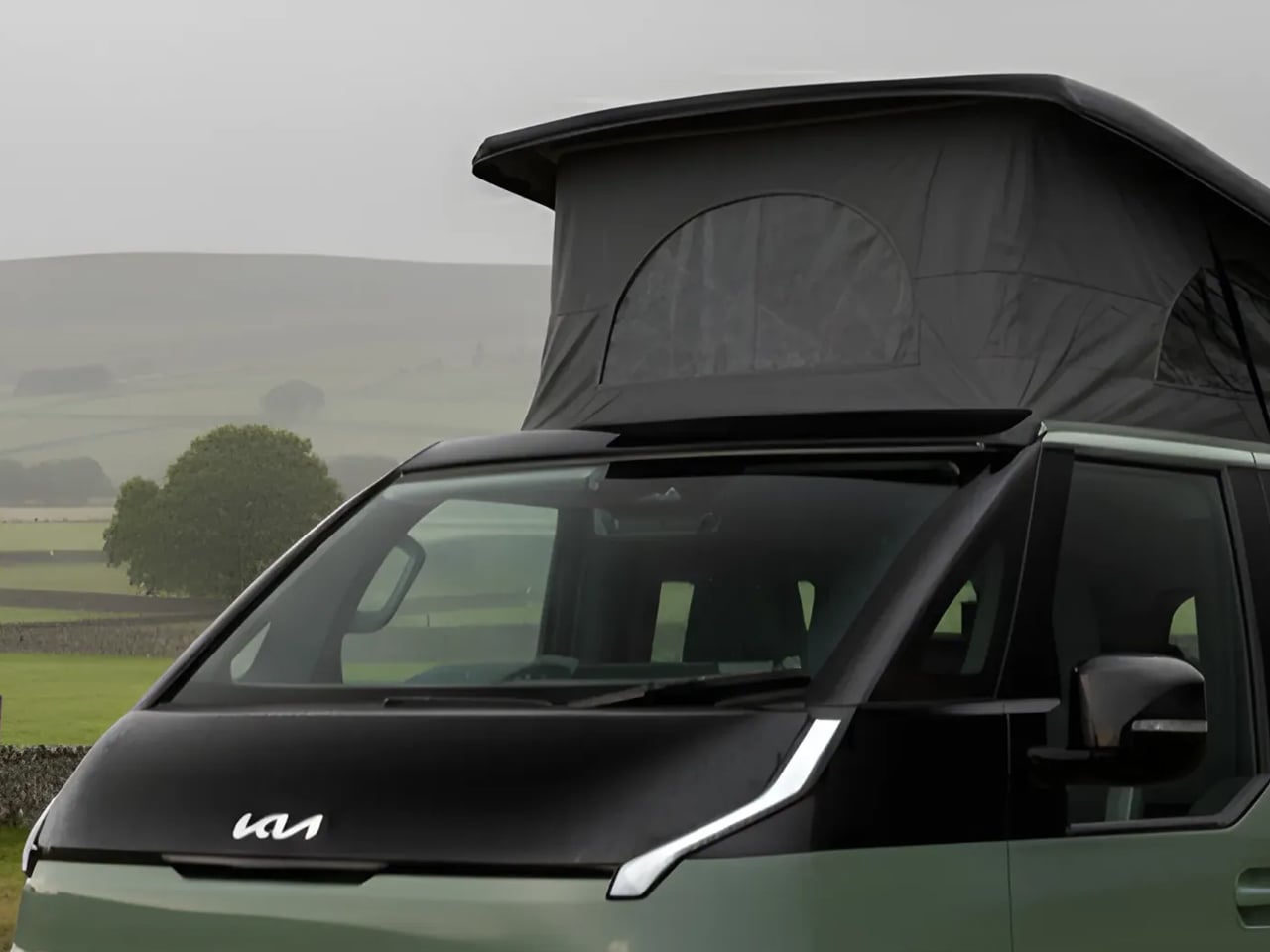
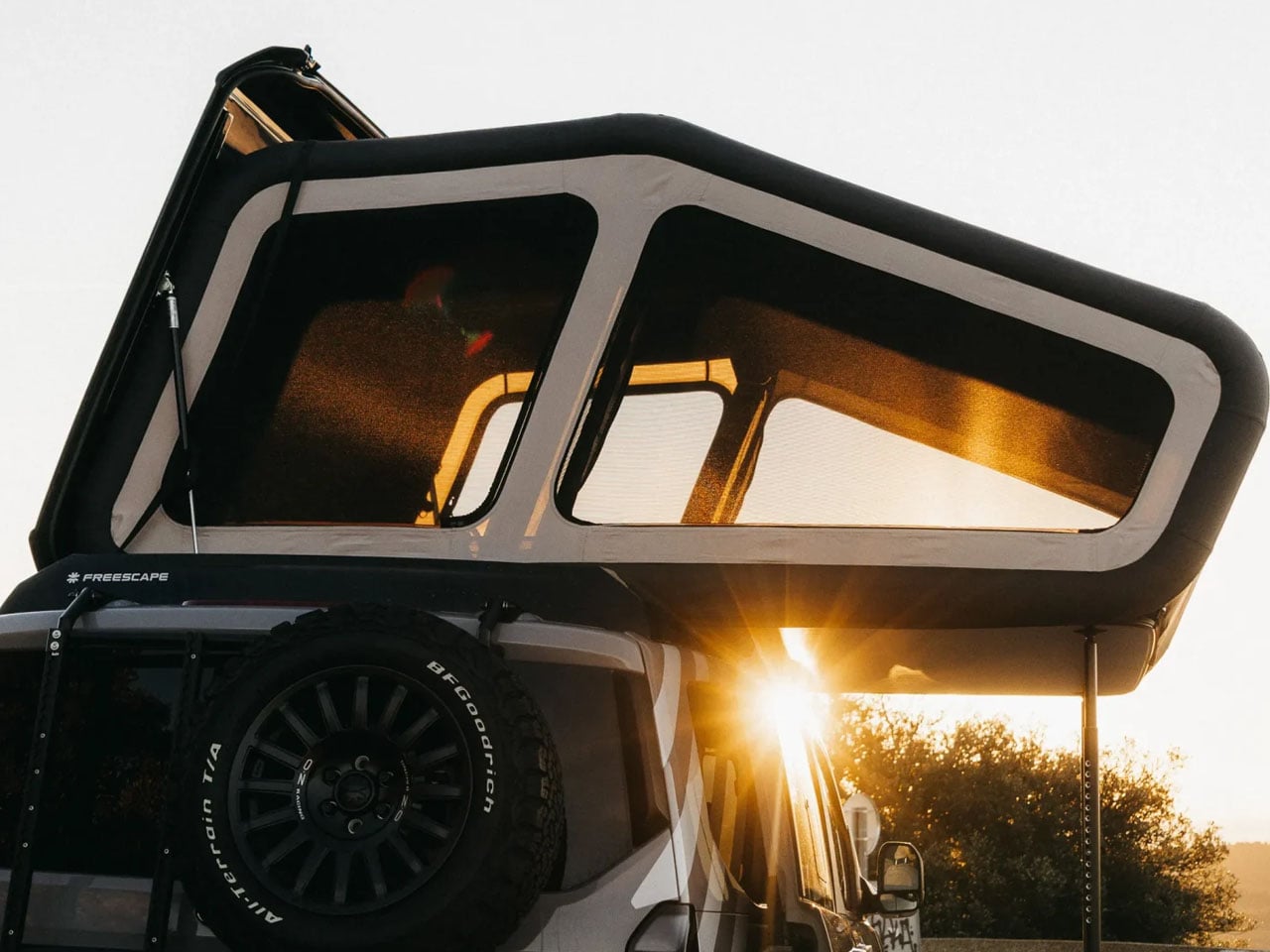
Rather than fitting a heavy pop up roof, the company installed a fixed skylight that doubles as an access hatch into a rooftop tent it calls its Rooftop Architecture. The tent itself packs down small enough to sit on the rear of the roof rack, unfolding forward to create a two person sleeping area roughly 51 by 79 inches. That is lighter than a traditional pop top and, more importantly, it stays out of the way entirely when the tent gets pulled off for the off season. Vantrack has done similar rear cargo racks on its Volkswagen T6.1 builds, and Lightcamp borrows that same building block logic throughout.

None of this would matter much without a capable base vehicle underneath it. The PV5 Passenger’s Utility Mode lets owners tap the traction battery for climate control and V2L power while parked, running lights, a speaker, or a coffee maker without a separate leisure battery. Combined with a 256 mile WLTP range and 30 minute fast charging from 10 to 80 percent, the PV5 handles the drive to a campsite with more confidence than most dedicated camper vans manage on a full tank.

What makes Lightcamp worth watching is not any single component but the discipline behind leaving so much of it removable. Full pop top conversions commit an owner to a camper shaped life whether they are camping that week or not, while Vantrack’s kit lets the PV5 Passenger slide back into being an ordinary five seat van the moment the trip ends. Whether that modularity survives the jump from concept to the finished September reveal is the real question, but the underlying idea, that a camper should be something you deploy rather than something you permanently become, feels overdue.

The post This Kia PV5 Modular Camper Kit Disappears Completely When the Weekend Is Over first appeared on Yanko Design.
This Airstream camper van has powered loft bed to sleep four people without the pop-up roof

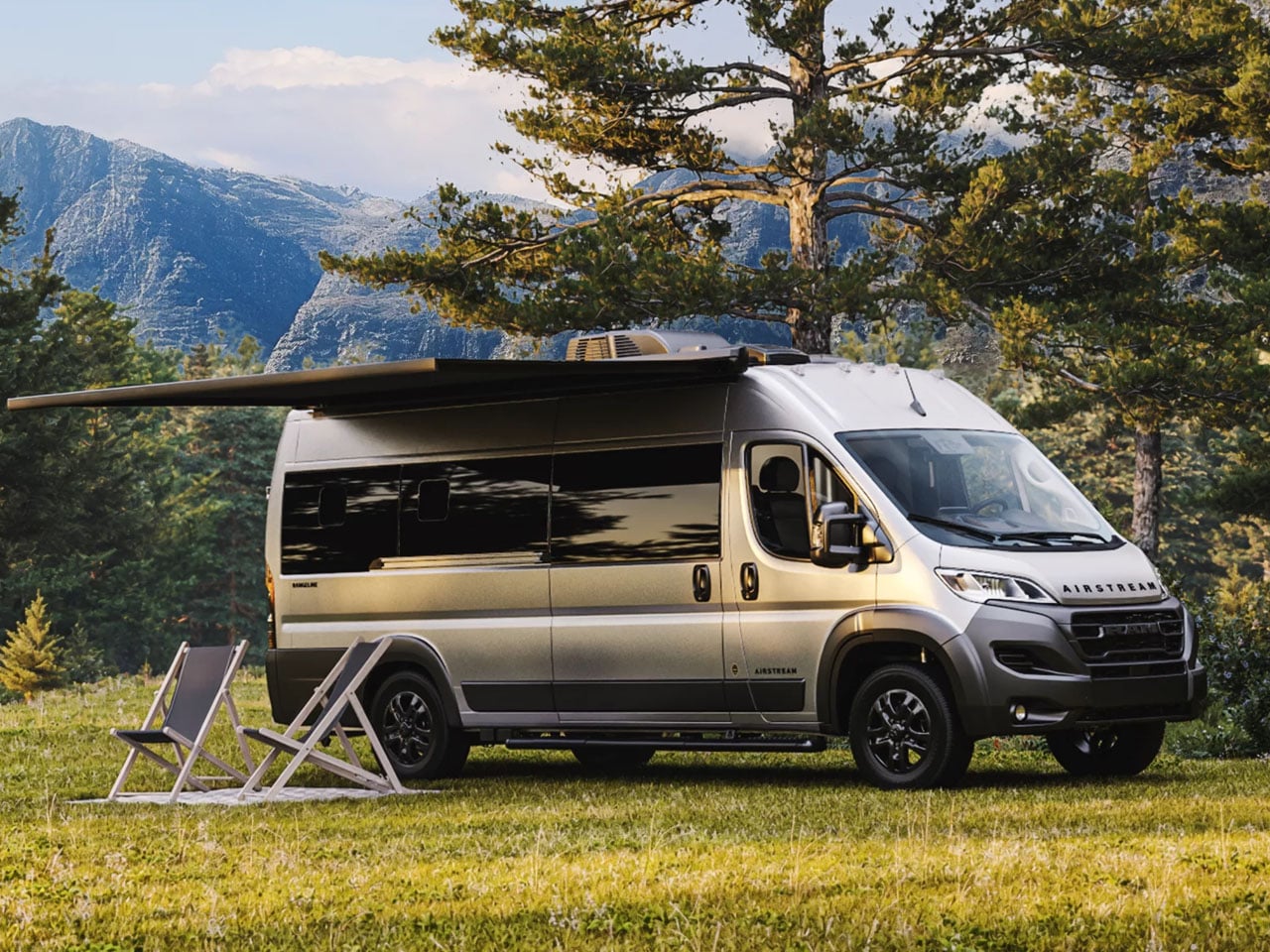
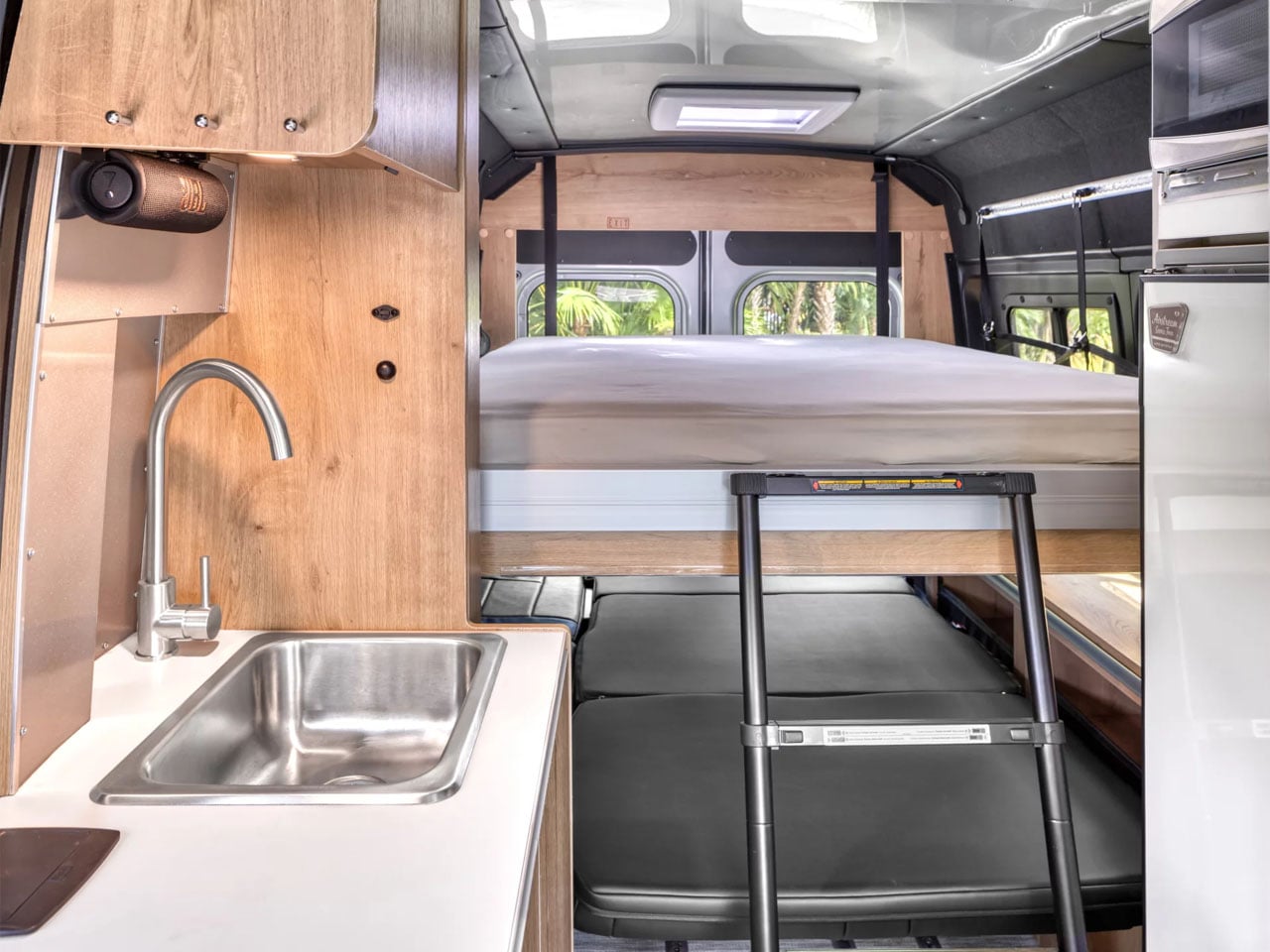
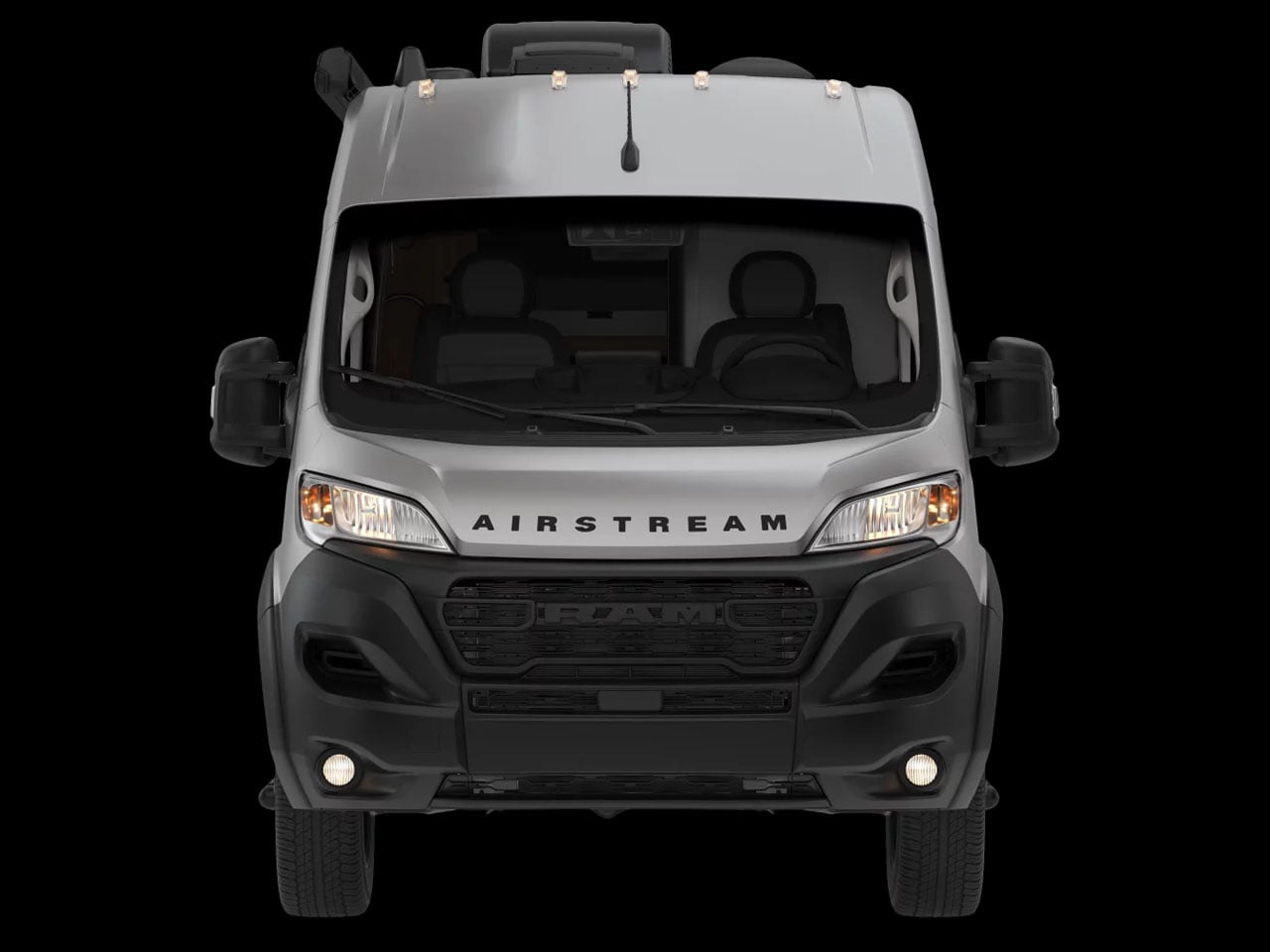
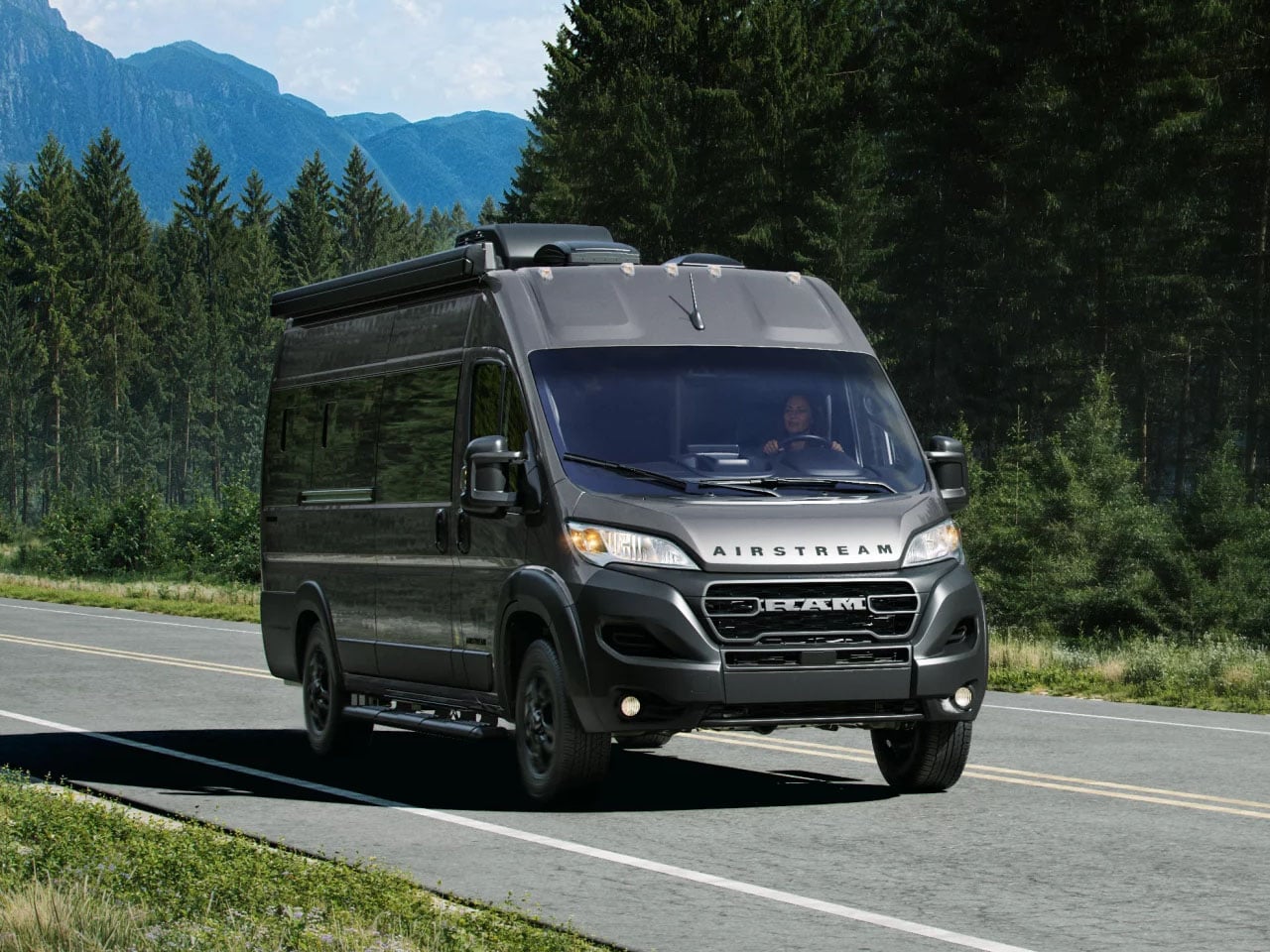
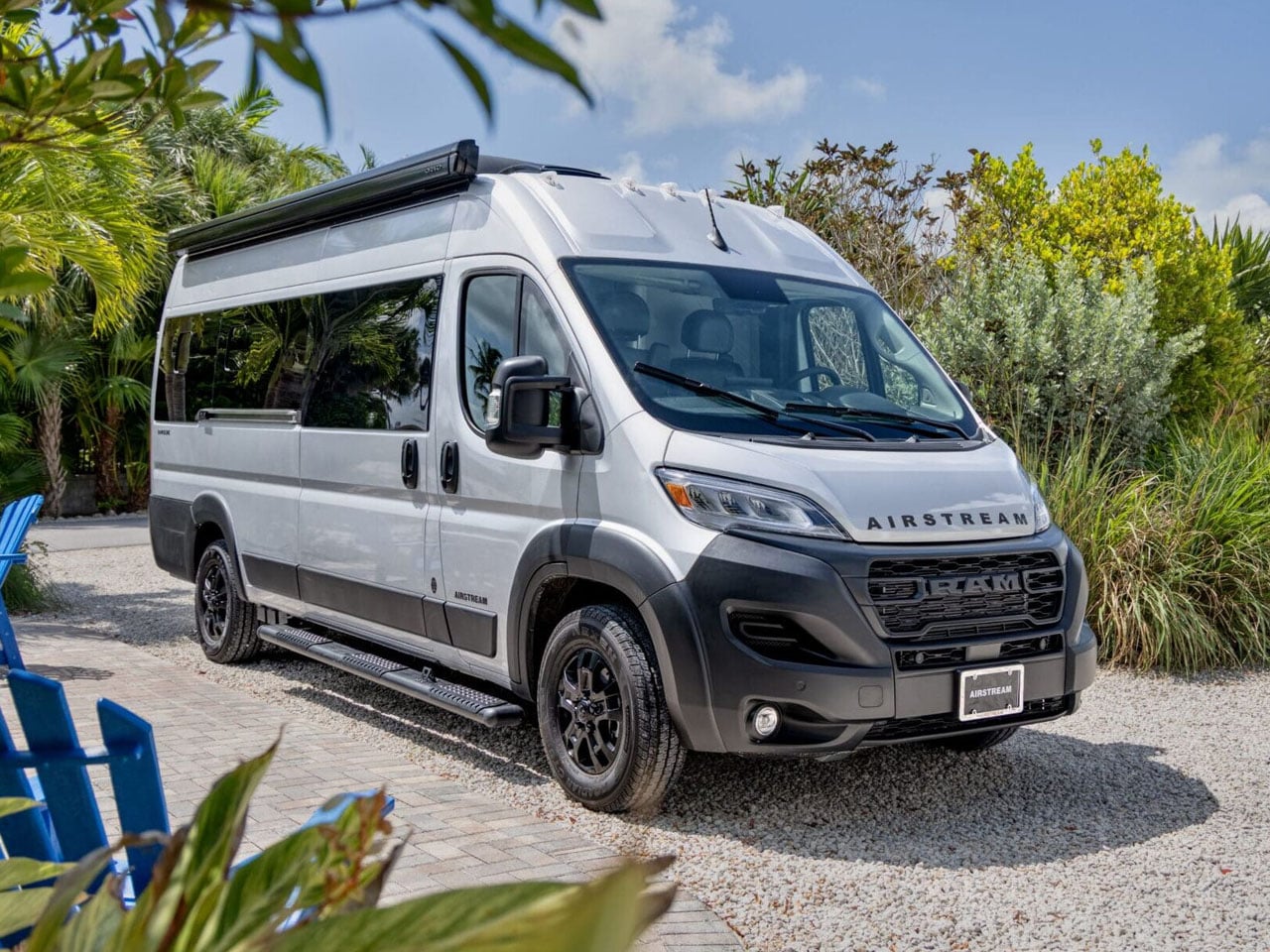
Airstream was waiting for the right time to surprise us after the launch of its Rangeline 21 Premier Suite. The single floorplan of the Rangeline 21PS tailored for solo travelers now gets an upgrade, for those who love to travel as a family, in the new Airstream Rangeline 21PL Touring Coach. Just like the predecessor, this one is also a Class B motorhome based on a Ram ProMaster 3500 high-roof extended chassis, but now comes with a powered lift bed that lowers to sleep up to two passengers, in addition to a couple on the convertible bed below, and raises flush against the ceiling when not in use during the day.

The Rangeline 21PL or Rangeline 21 Premier Loft is not just for sleeping comfortably on a family trip, the camper van can be customized to haul gear. More on the conversion possibilities below. Anyhow, the greater sleeping capacity is, however, the most exciting thing about the new Airstream launch, which rides on an updated suspension now. This ensures the Airstream can ride some rough terrain to the destination of your next extended vacation.

Designer: Airstream

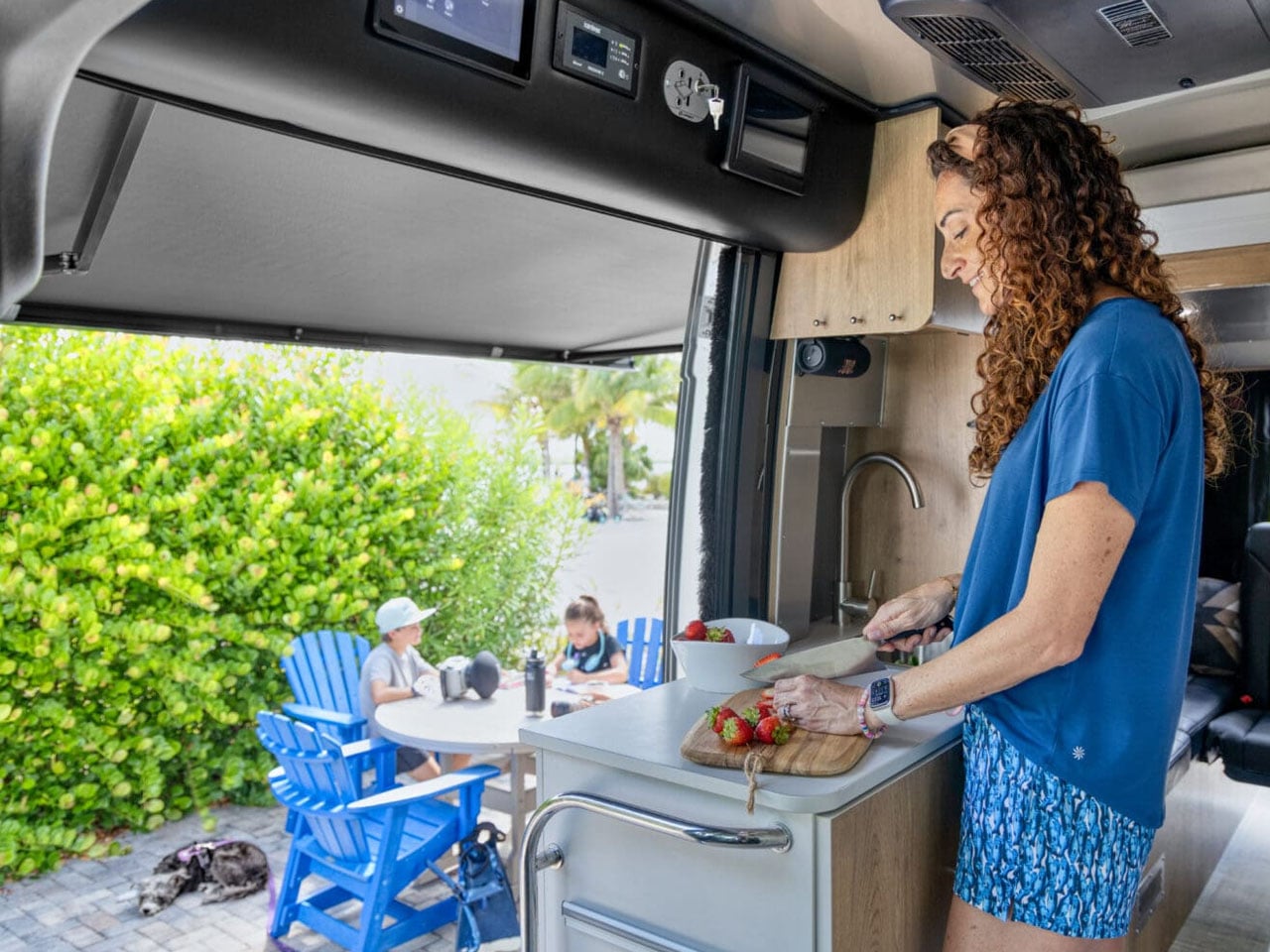
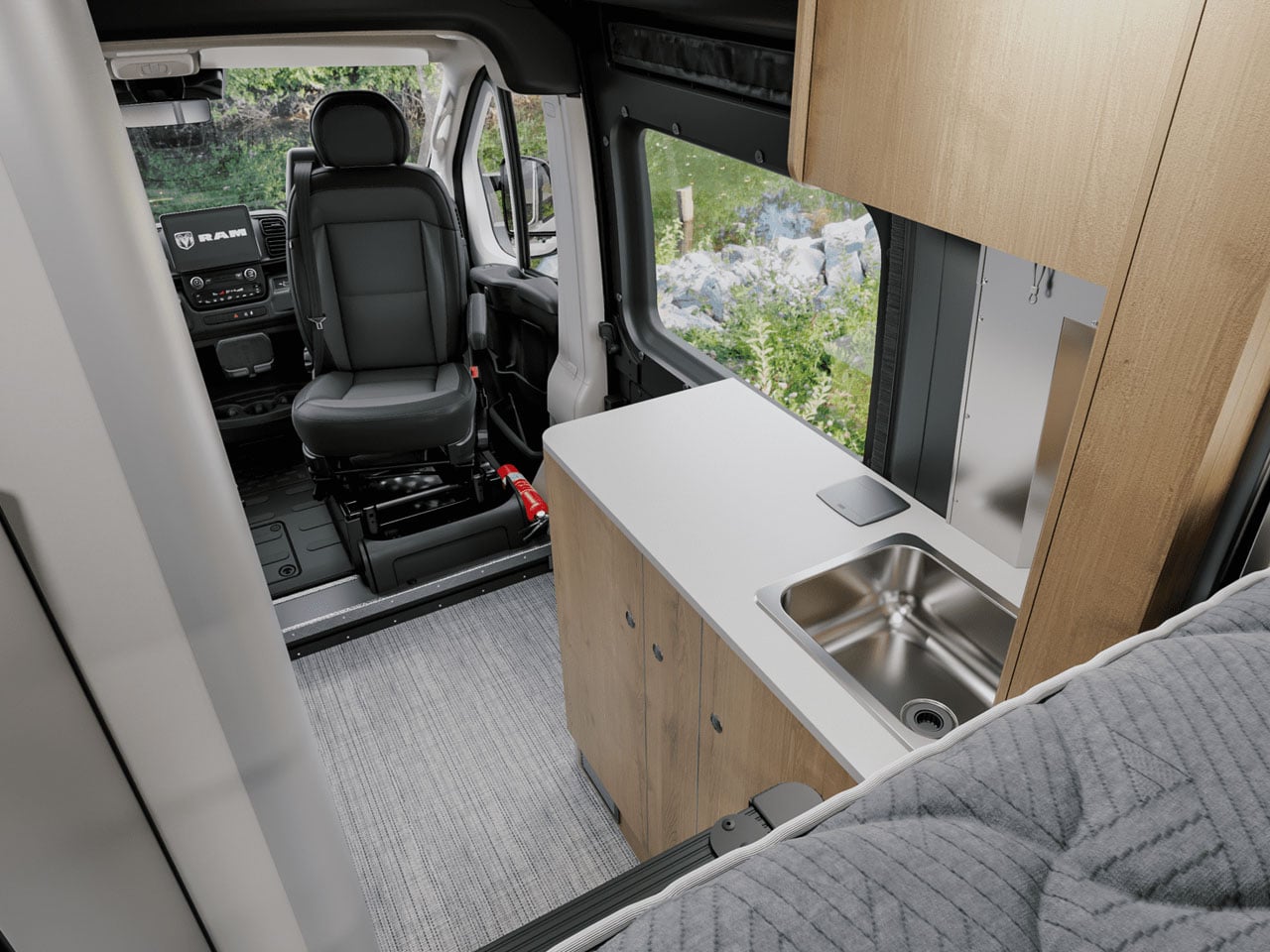
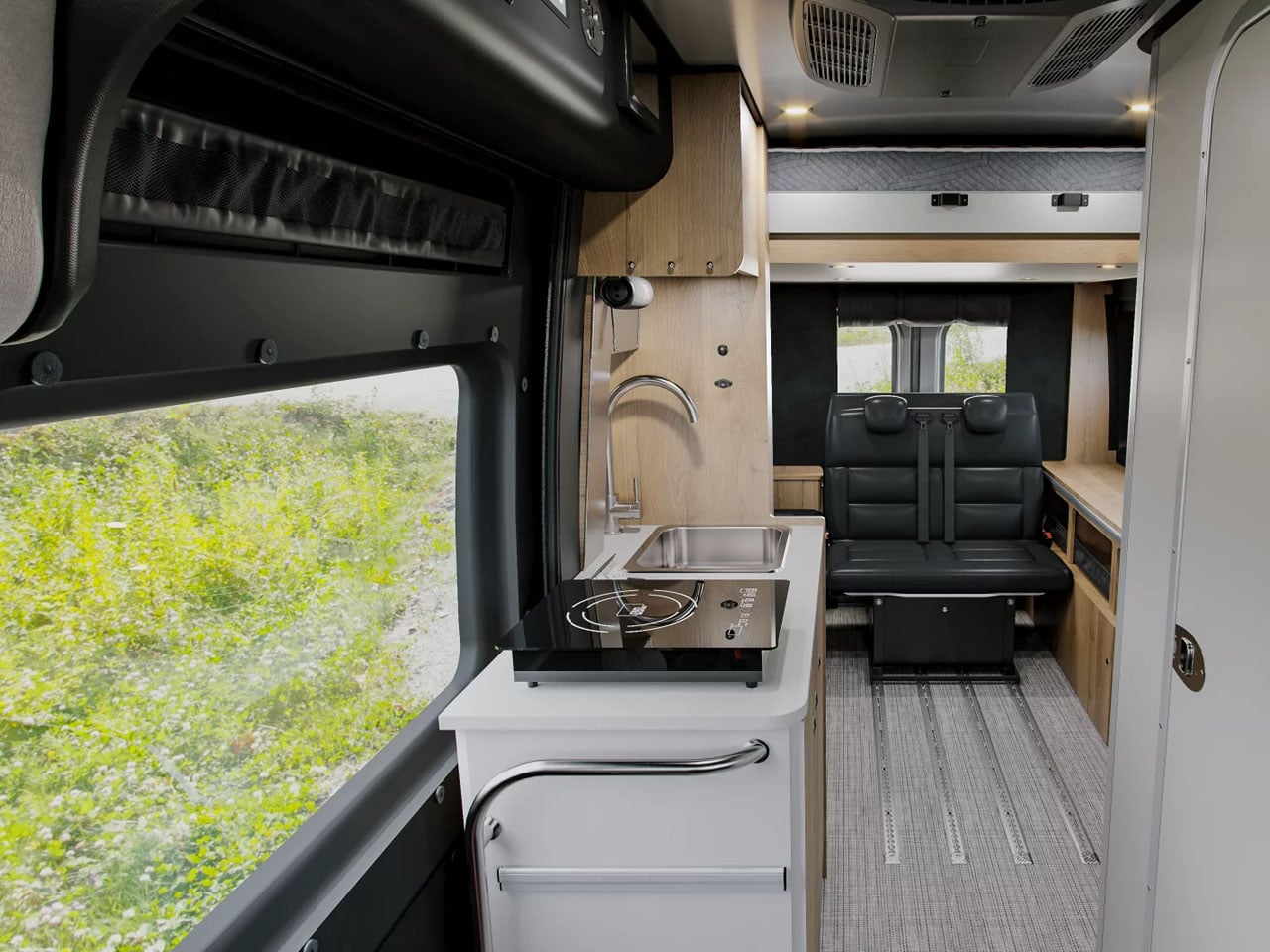
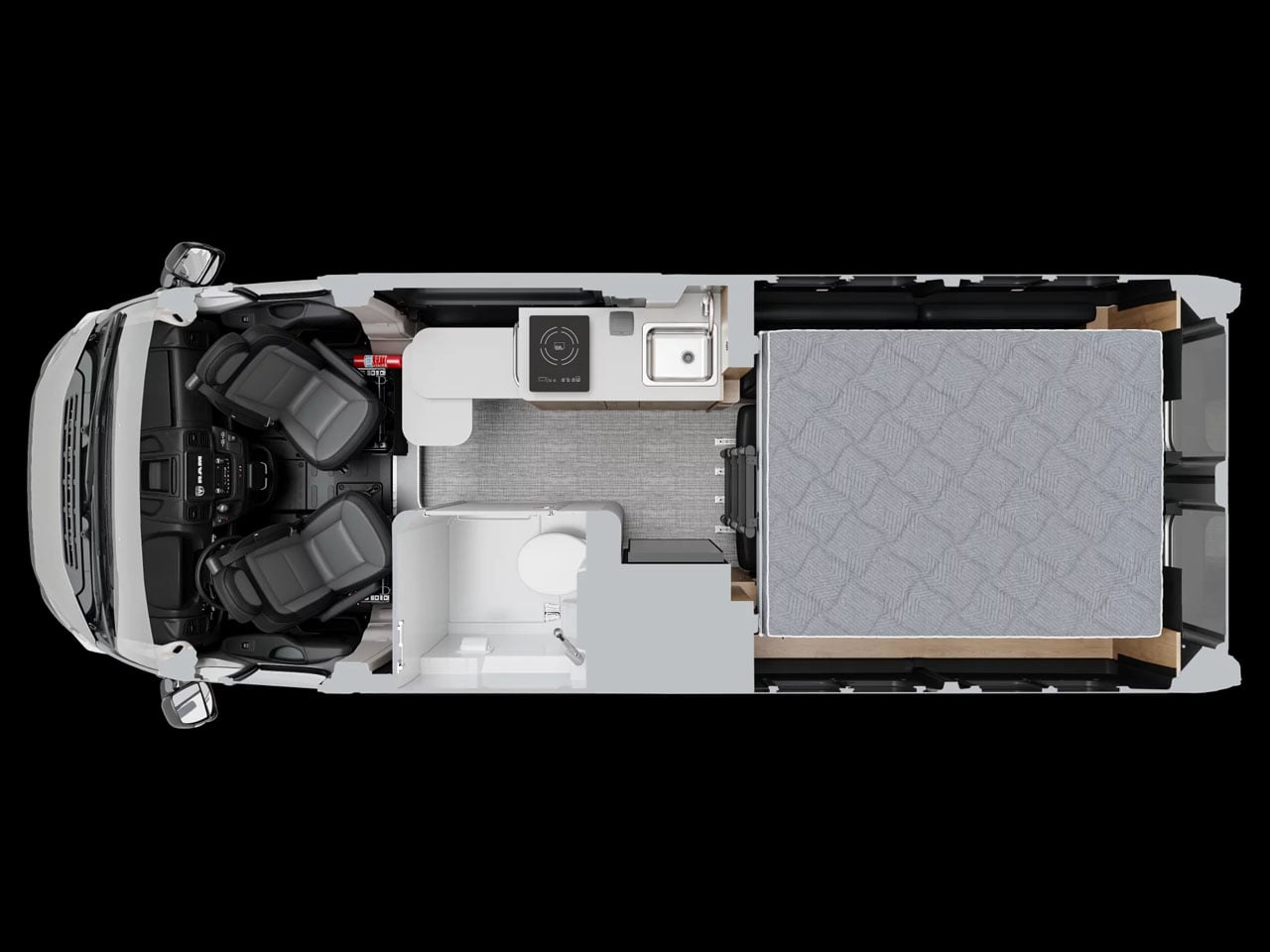
The Rangeline 21PL measures 20 feet 11 inches long and has a standing height inside. The interior is 9.5 feet with the air conditioning unit on top. It has a gross weight of 9350 lbs., and a payload capacity of 1290 lbs. Right up front, in the cabin, the motorhome features driver and passenger seats that can swivel all the way to form a cozy seating with an extending dinette table attached to the galley kitchen.

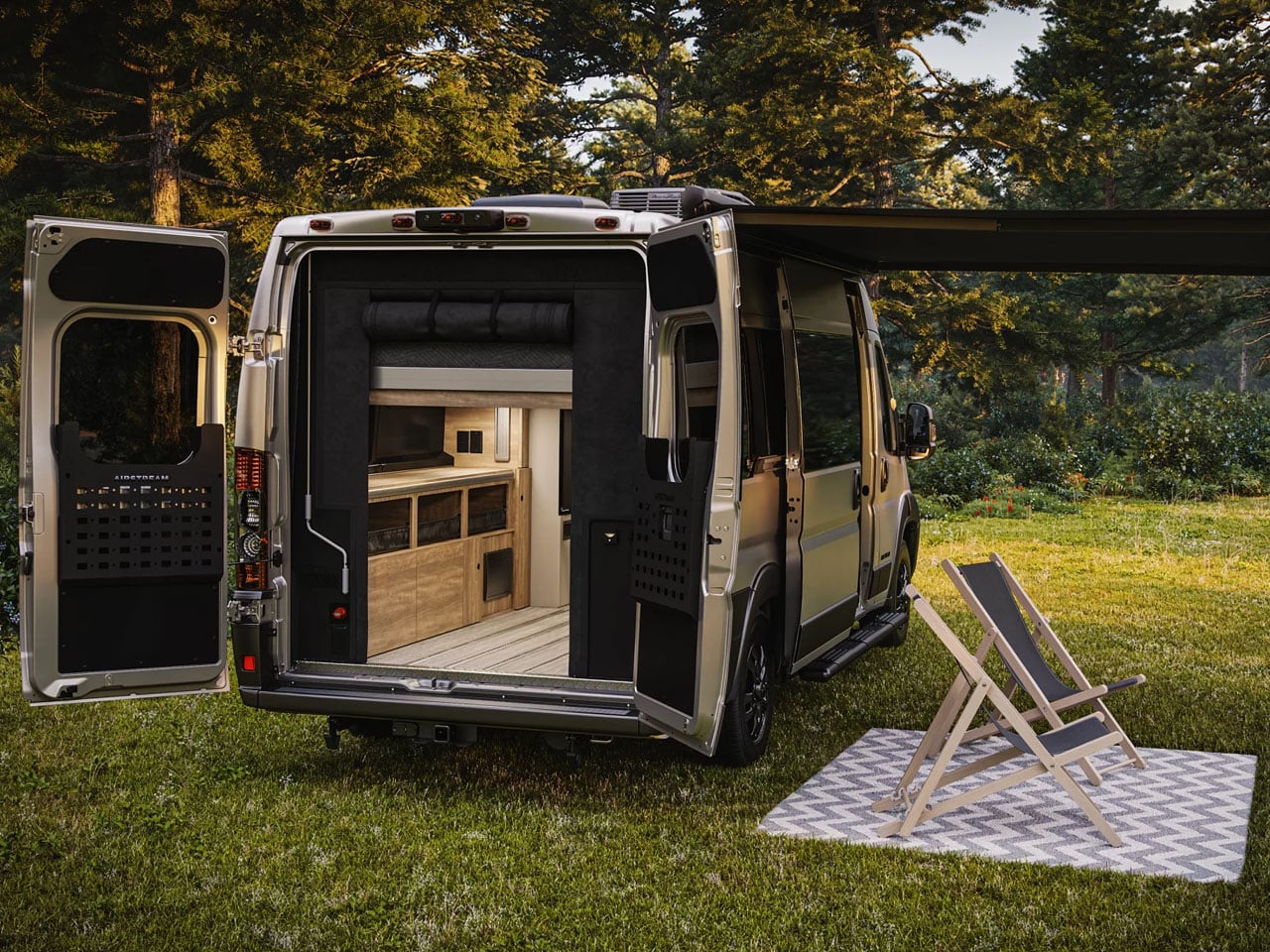
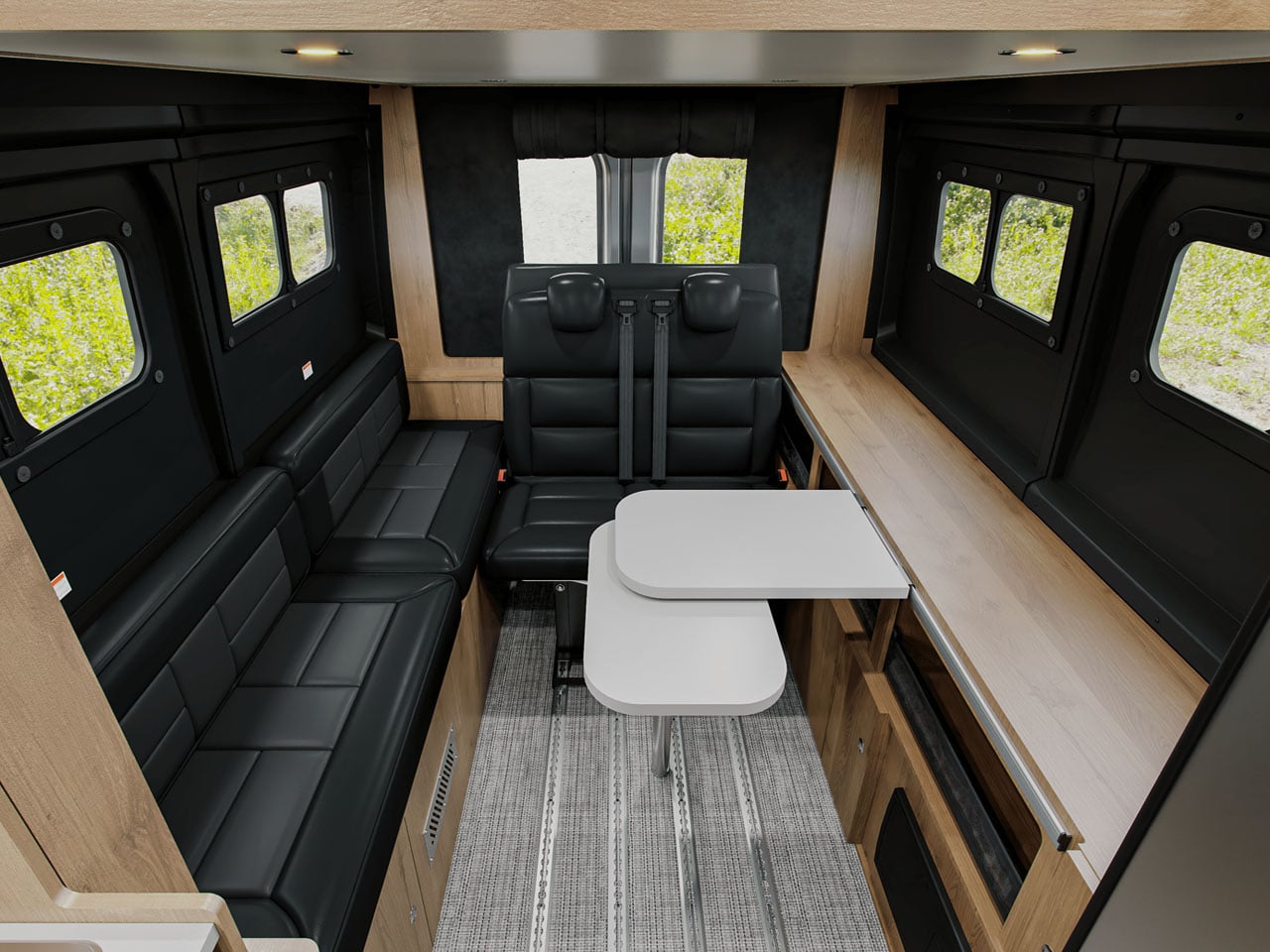
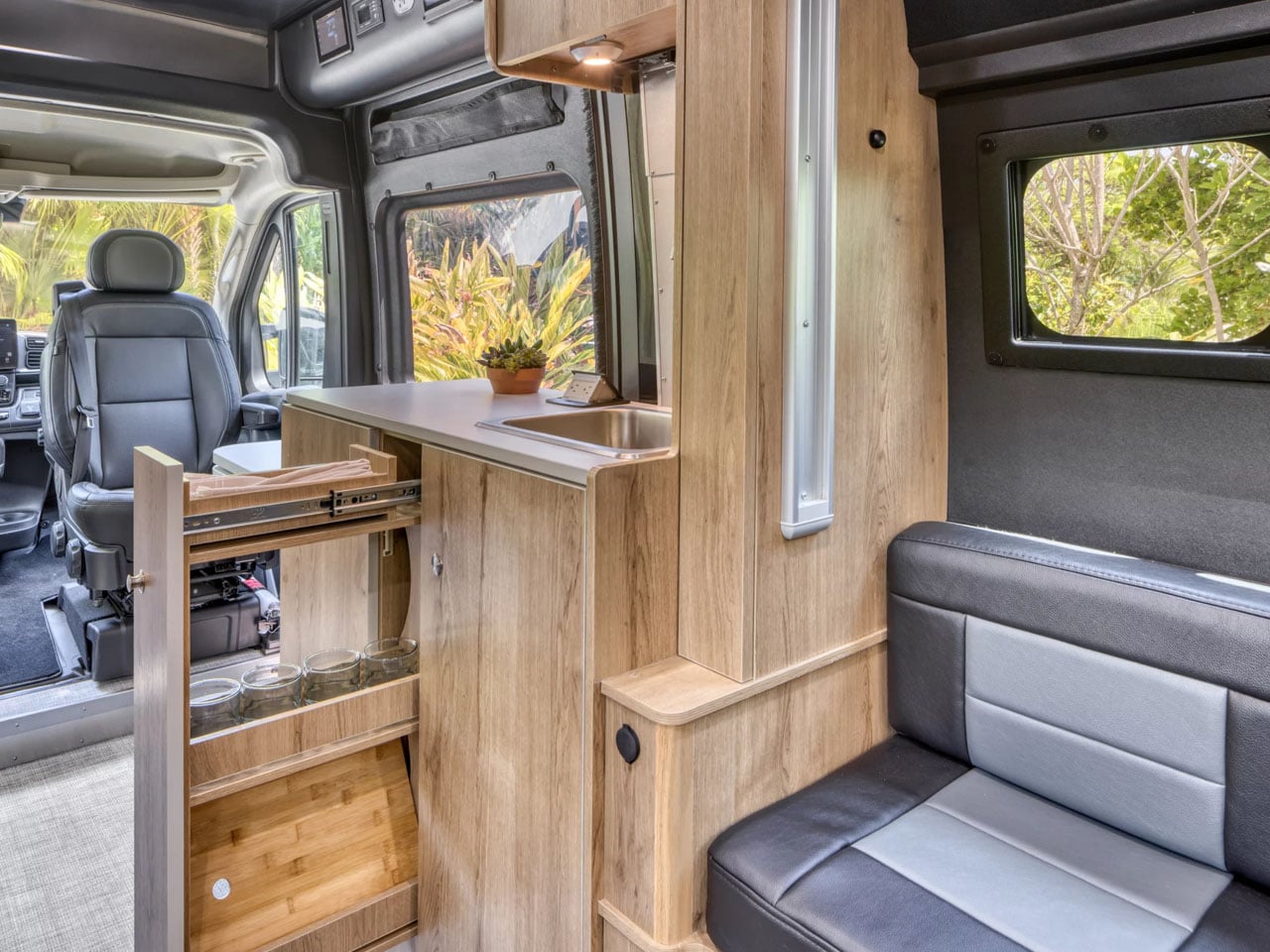
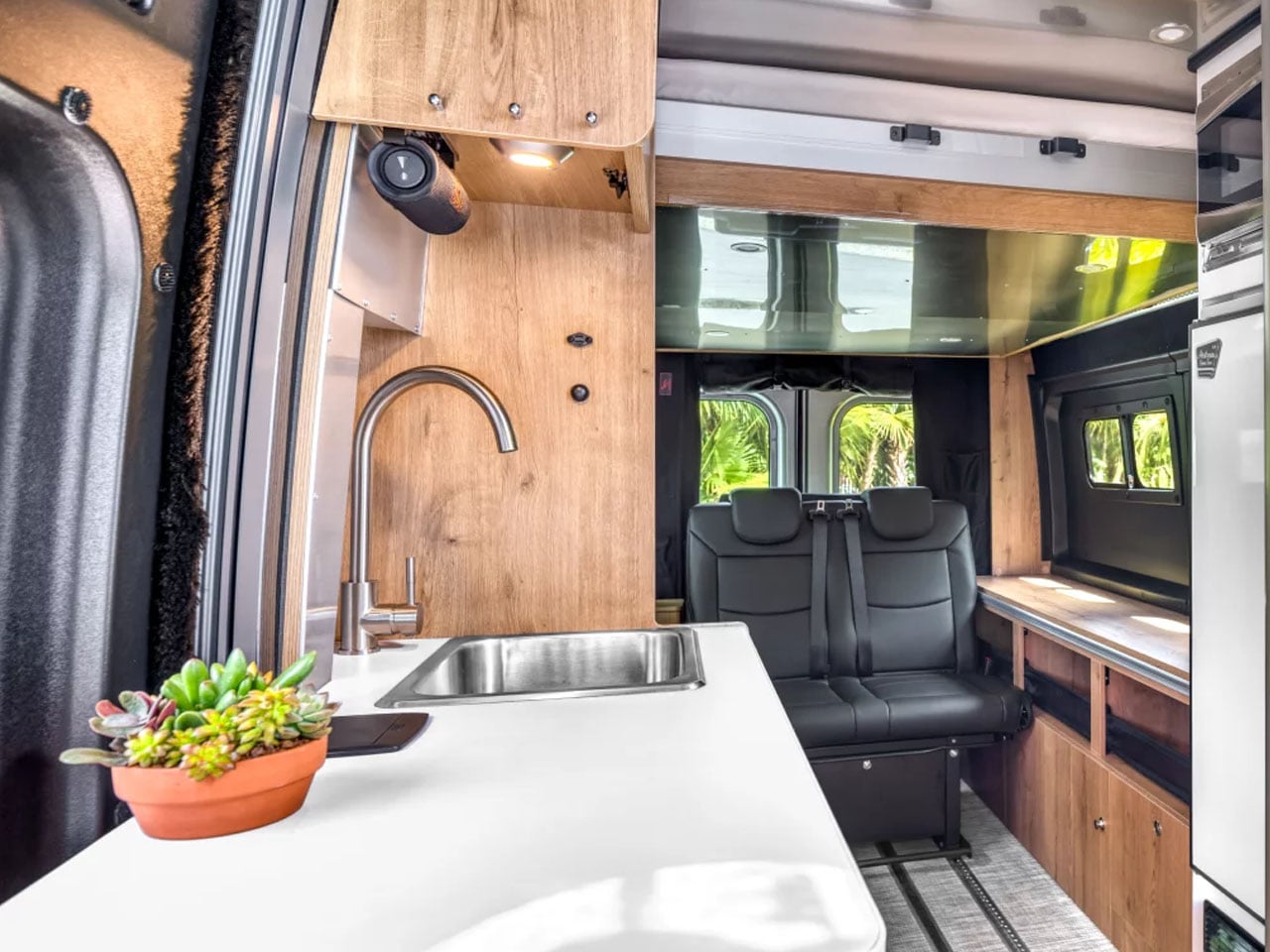
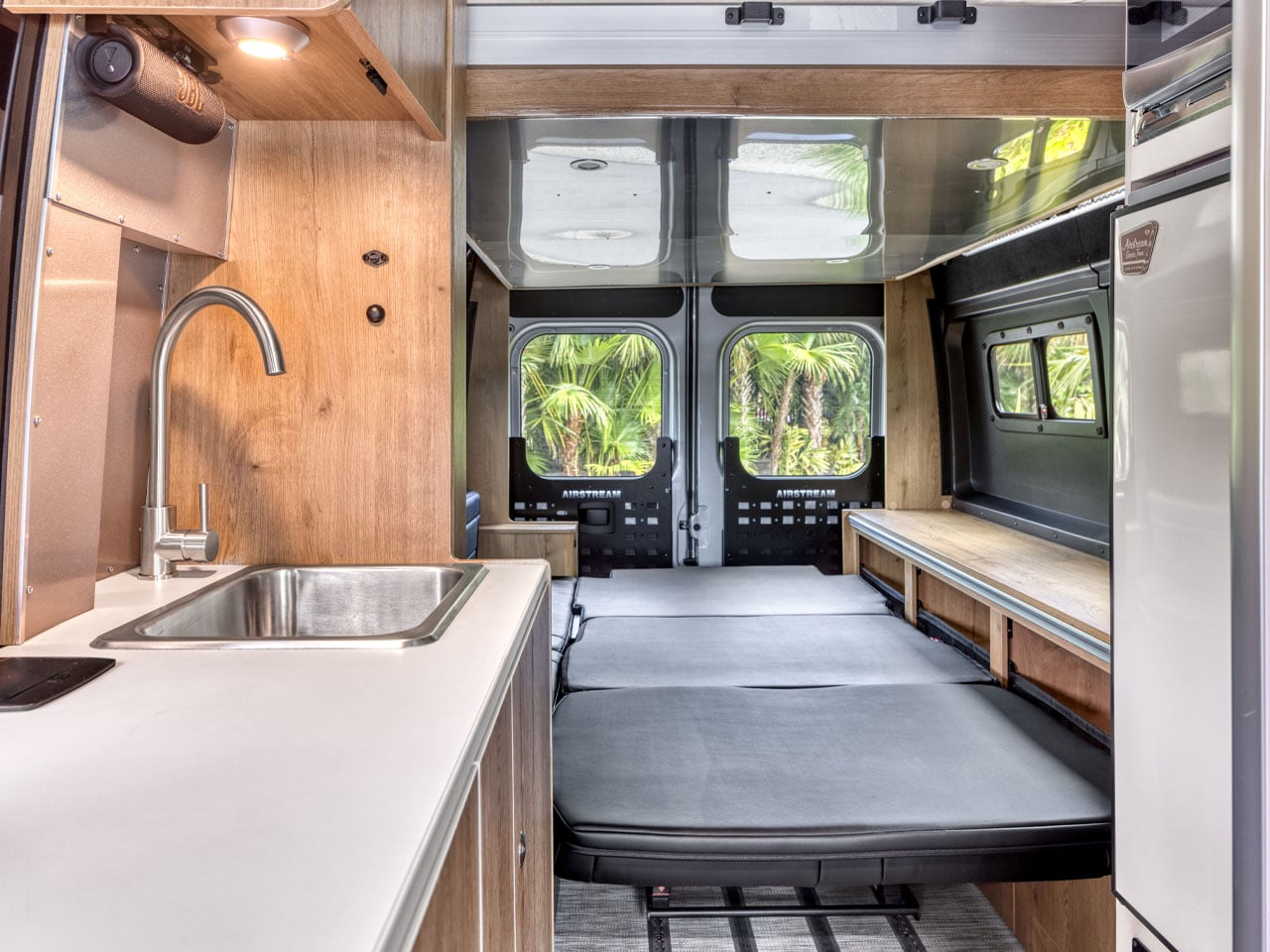
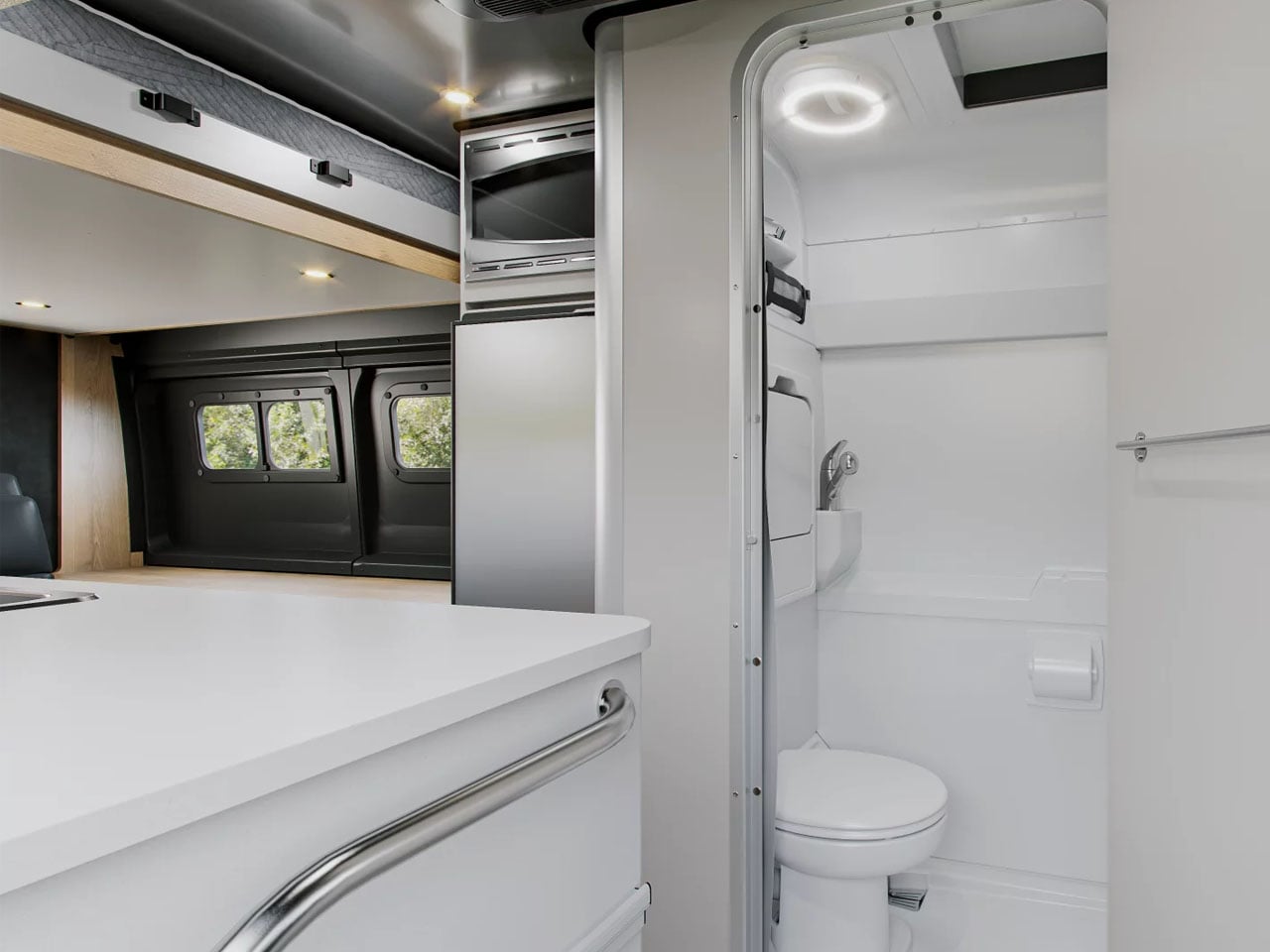
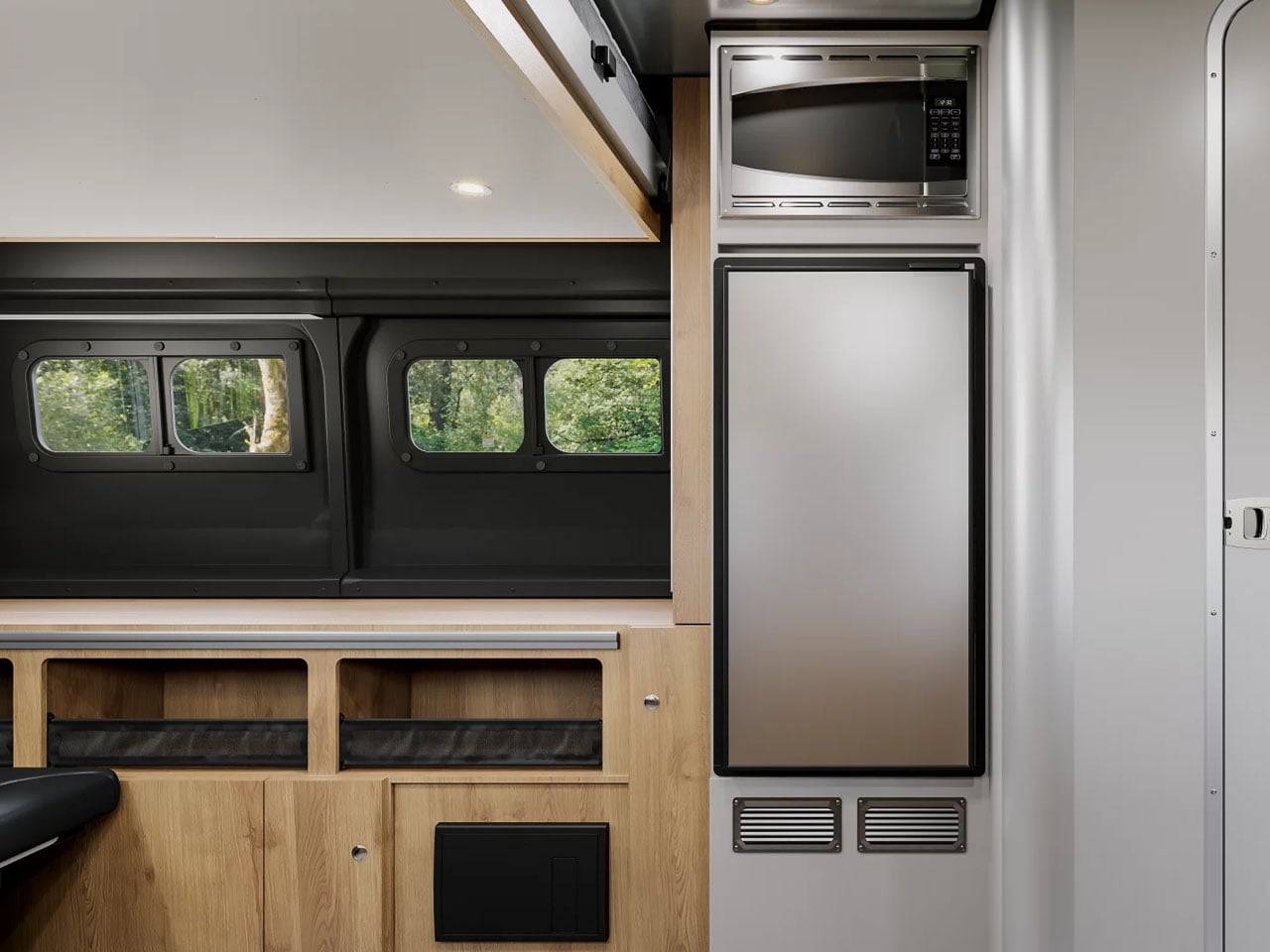
The kitchen comprises a cooktop and sink, while the wet bath with a macerating toilet lies just opposite. Alongside the bathroom is a small fridge and freezer combo and a nicely placed microwave. Things actually get interesting in the rear of the motorhome. Here, you get a lounge area that converts to sleeping space for up to four people.

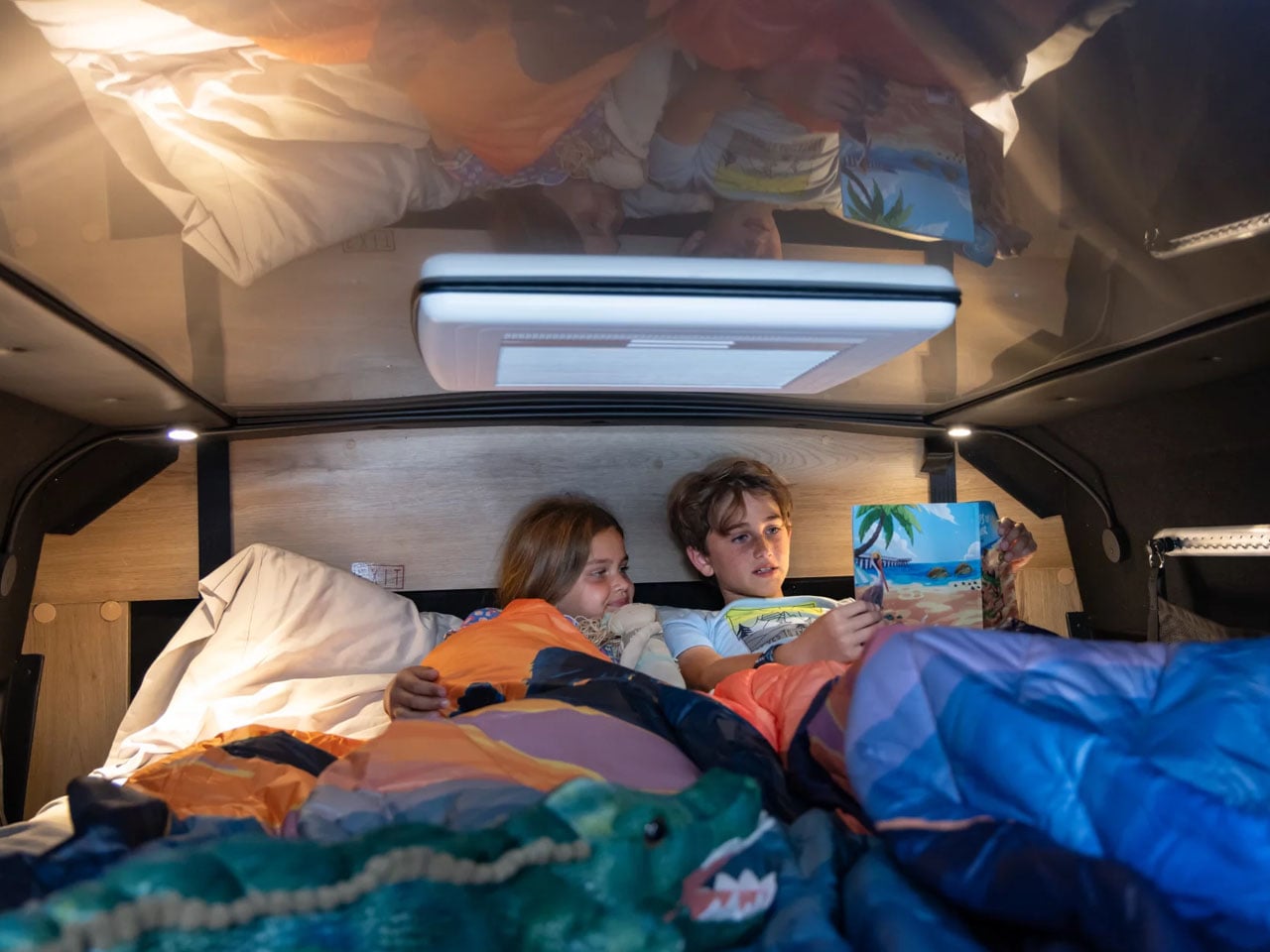
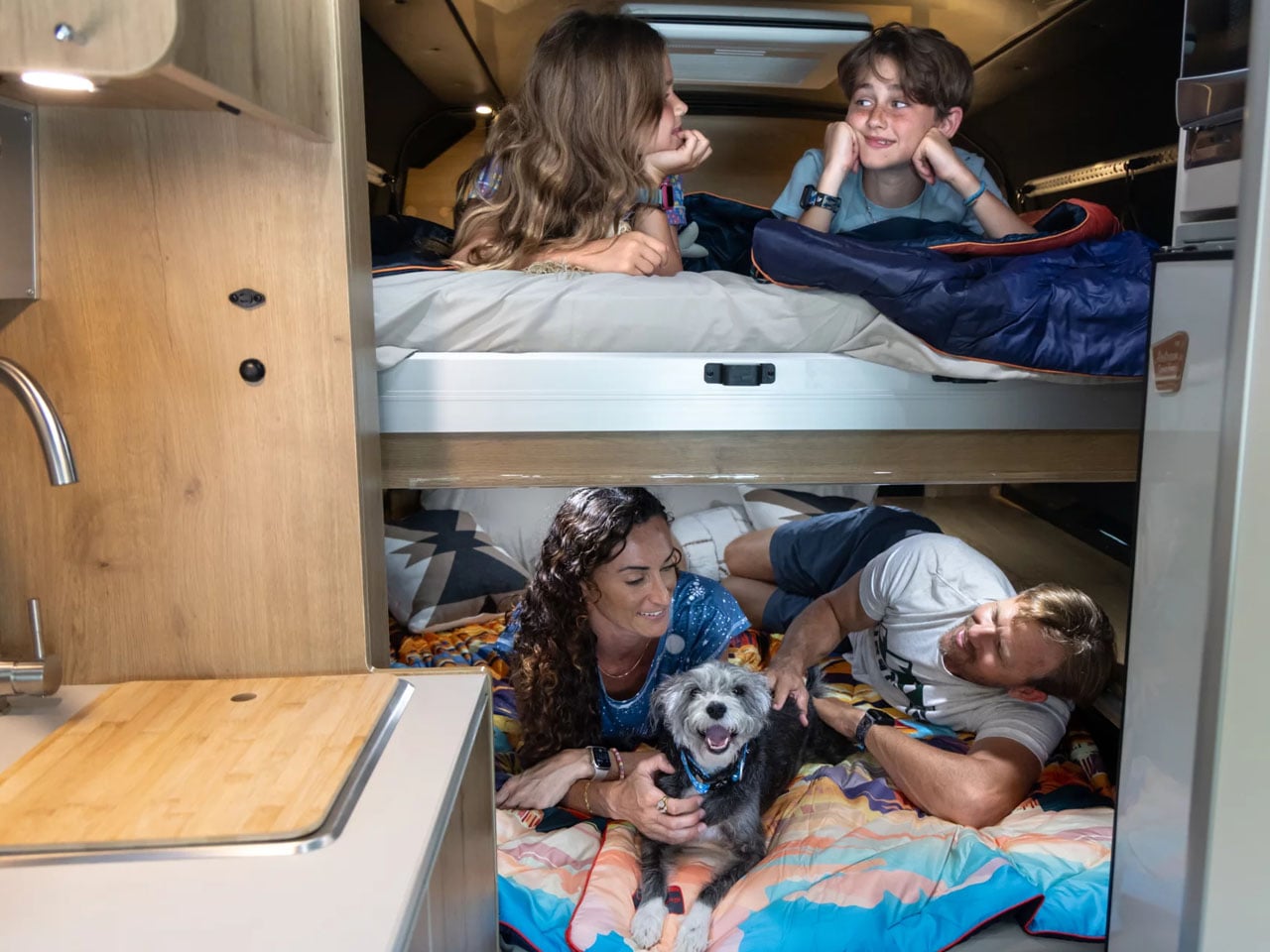
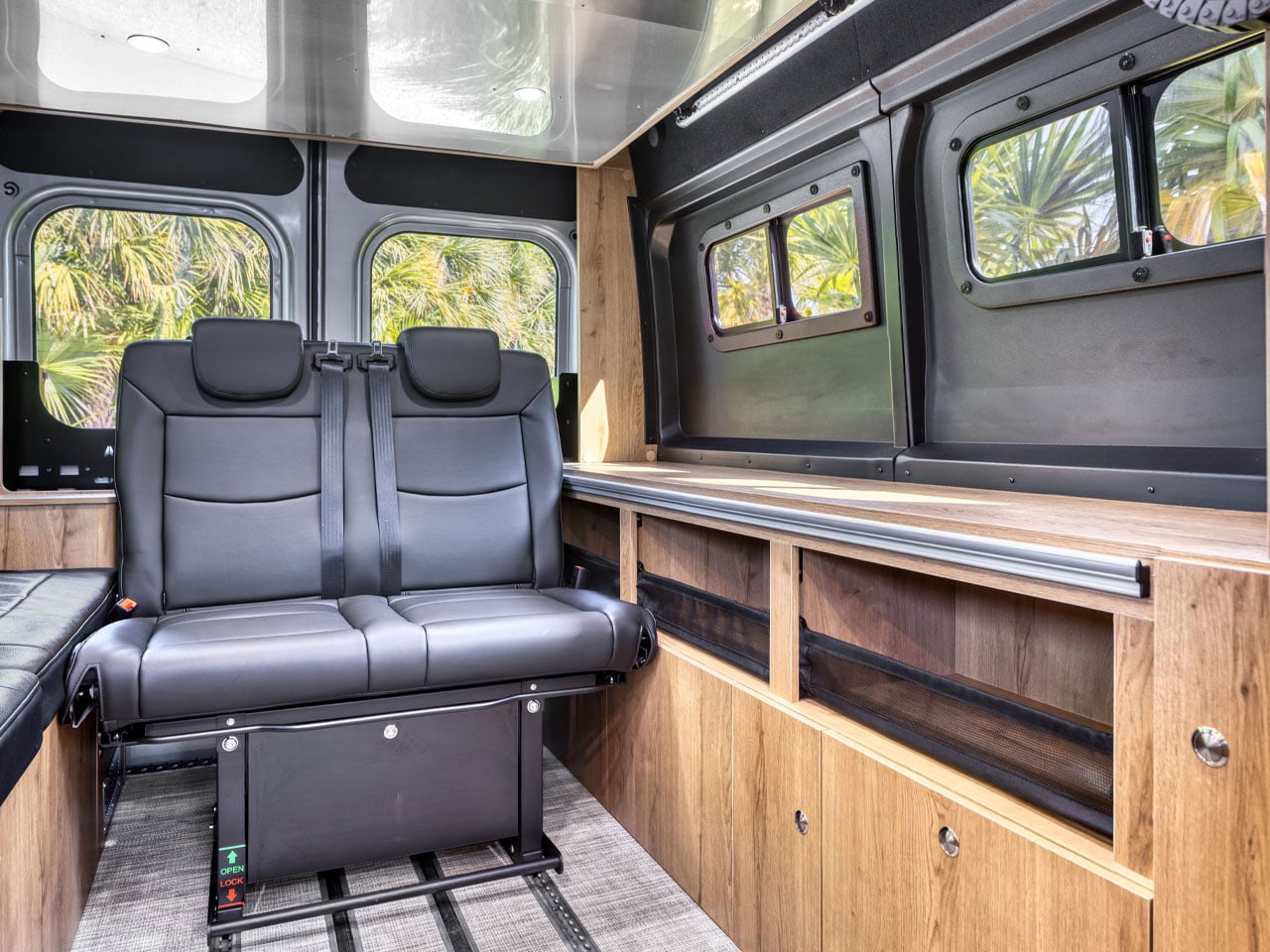
The seating area features an Airstream’s Smartbench, which sits on a L-track floor, alongside a fixed storage bench. Together, these convert into a lower bed, while a power lift loft bed lowers from the ceiling to create additional bedding. The seating convertible sleeping space measures 74×53 inches, and the ceiling bed forms a 74×57 inches bed. This bed comes with a 4-inch memory foam mattress and also has safety nets on both sides.

The Smartbench on the integrated L-track floor can slide back and forth to create boot space inside the rear hatch that features MOLLE panels on both doors. If you want more storage space for sports gear and hunting equipment, you can remove the Smartbench and loft bed to create space. The interior of the Rangeline 21PL Touring Coach features two skylights, and it starts at $173,400.

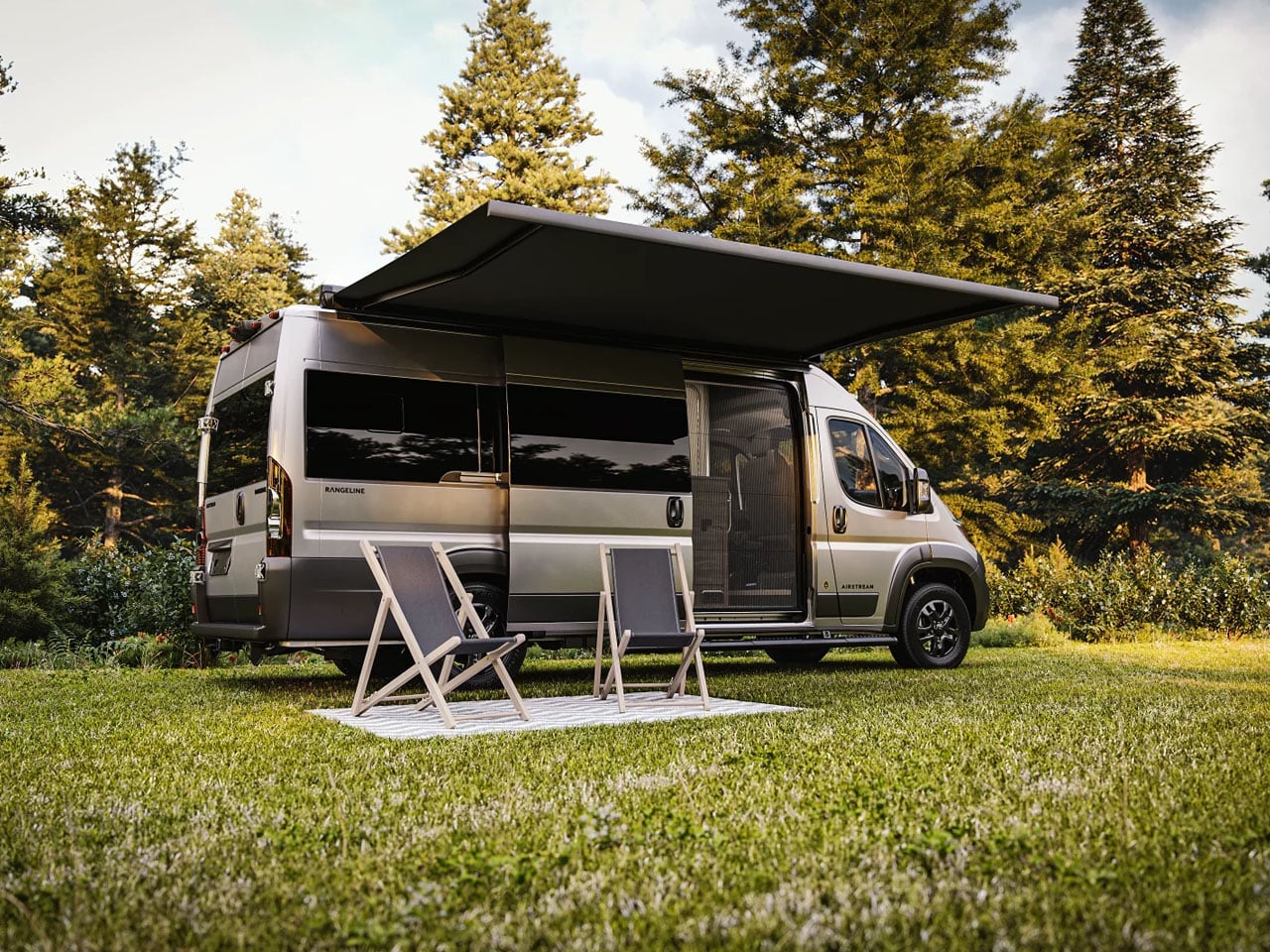
For that amount, in addition to the mentioned features, you get an off-grid-ready Airstream with a 3.5-kWh lithium battery onboard. It is connected to a 200W solar panel and also features a 3,000W inverter and a 2.8kW generator, which uses fuel from the Rangeline 21PL’s own gasoline tank. The Airstream motorhome is available in granite crystal metallic and bright silver metallic colors with a side-mounted 13-foot manual crank-out awning featuring built-in LEDs for light time fun.

The post This Airstream camper van has powered loft bed to sleep four people without the pop-up roof first appeared on Yanko Design.
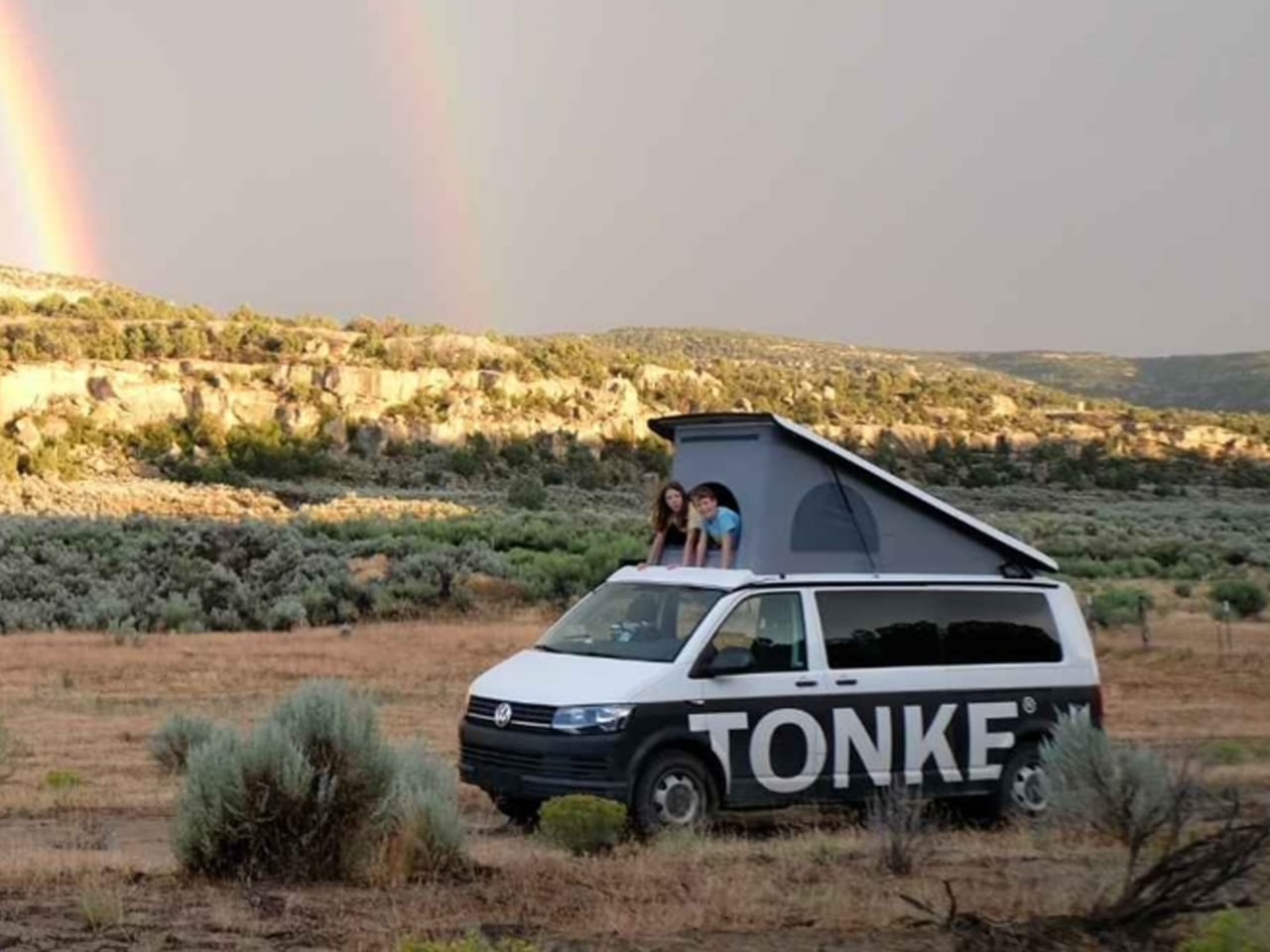
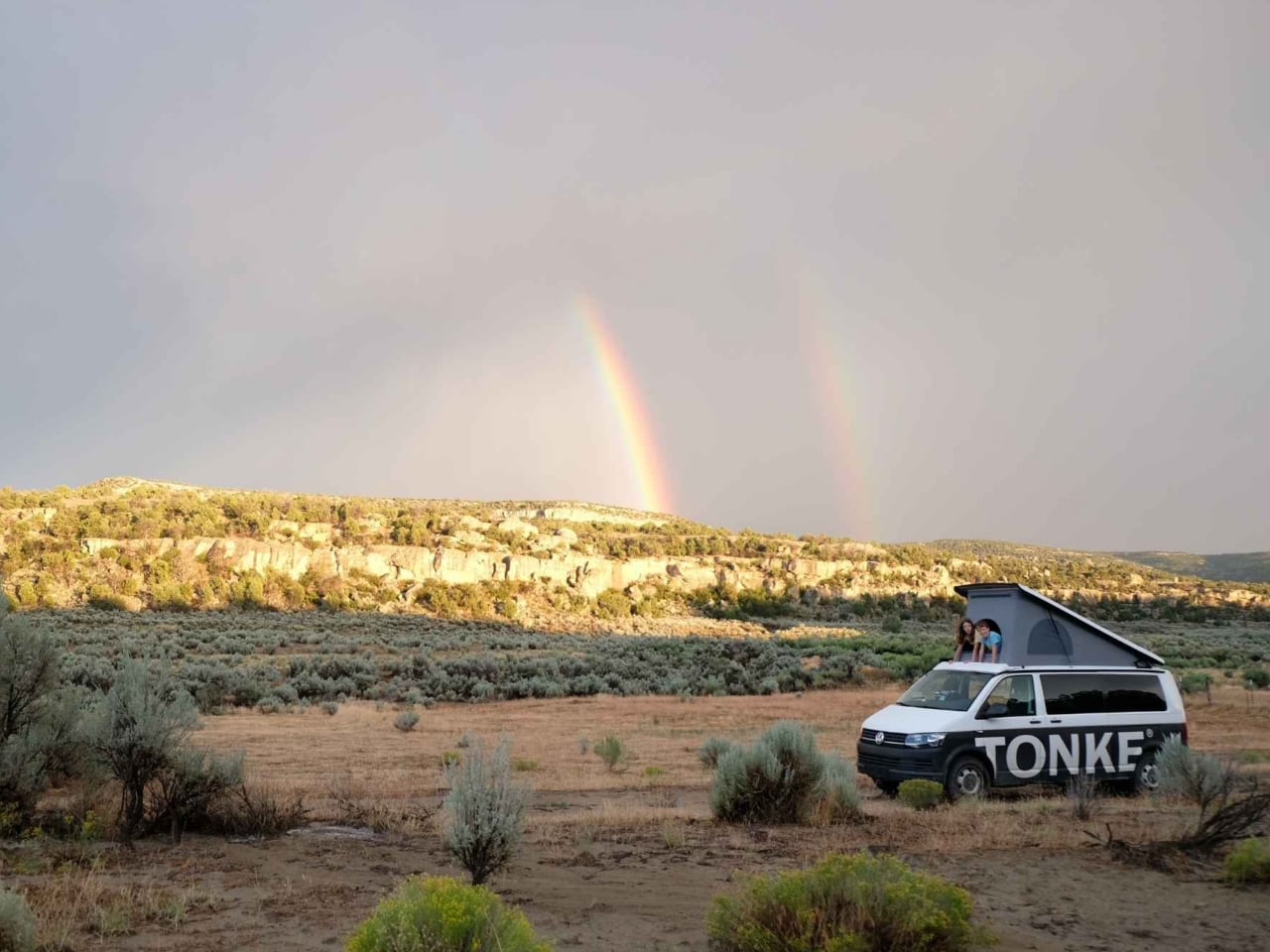
Tonke Basecamp: Most robust, self-sufficient, and luxurious VW Transporter camper van arriving in May

It hasn’t even been 24 hours since I reported on the new Sprinter 144 AWD–based, highly versatile Vanspeed Album camper van, and already another high-quality Volkswagen camper van is knocking at the door. This one is being transformed in the workshops of Dutch converter Tonke and is aptly called the Basecamp, which should be with us any time next month, if the camper van’s webpage on Tonke’s website is anything to go by.

If all goes as planned, Tonke is likely to launch the Basecamp, its most robust, self-sufficient, and luxurious camper van, in May 2026. The adventure vehicle perceived will be based on the latest generation Volkswagen Transporter with a well-thought-out interior, enhanced by underfloor insulation, off-grid power systems, and the structural integrity to go where life takes you.

Designer: Tonke

Basecamp will be a pop-top camper van, the Tonke notes on its website. With sleeping and daytime sitting accommodation for four people, the camper van will be equipped with a spacious kitchen, toilet, shower, and storage for longer trips. Of course, being based on the VW Transporter, the van will be offered with a choice of three powertrains, depending on buyers’ travel needs and carbon footprint preferences.

“Tonke Basecamp will be available as a hybrid camper, an electric camper, and as a traditional diesel variant. In addition, there will be a powerful 4×4 version.” Buyers can go with an all-electric Basecamp camper van version for the zero-emissions adventure, or the hybrid variant would allow “smooth and quiet electric drive,” with the assurance of extended range as compared to a combustion engine. The regular diesel powertrain will provide maximum towing capacity and endurance for longer journeys.

Irrespective of the powertrain you choose, Basecamp will provide a customized Volkswagen Transporter “hand-built to Tonke’s quality standards.” The pop-up roof Basecamp is confirmed as a four-person sleeper, with a 91 x 47-inch bed in the pop-out and a convertible 79 x 39-inch bed in the lower section. The cabin will function as a lounge area during the day with an extendable dining table and a lounge area for four people.

A smartly designed Volkswagen Transporter Basecamp camper van will, Tonke notes, “comfort level of a large Mercedes Sprinter camper.” To that accord, it will embed a spacious kitchen with a 60L water tank, a 16L boiler for hot water supply, and an 80L refrigerator. There are no other details about the kitchen setup at the time of writing. But we learn that the van will have a wet both complete with a shower and a toilet.

What’s really interesting is the fact that the Basecamp will be provided with an underfloor heating system, preparing the camper van for all-season comfort. The entire package is likely to arrive in May for a starting price of €50,668 (approximately $60,000).

The post Tonke Basecamp: Most robust, self-sufficient, and luxurious VW Transporter camper van arriving in May first appeared on Yanko Design.
Vanspeed Album camper van with Murphy bed and versatile lounge is designed to go where you need it

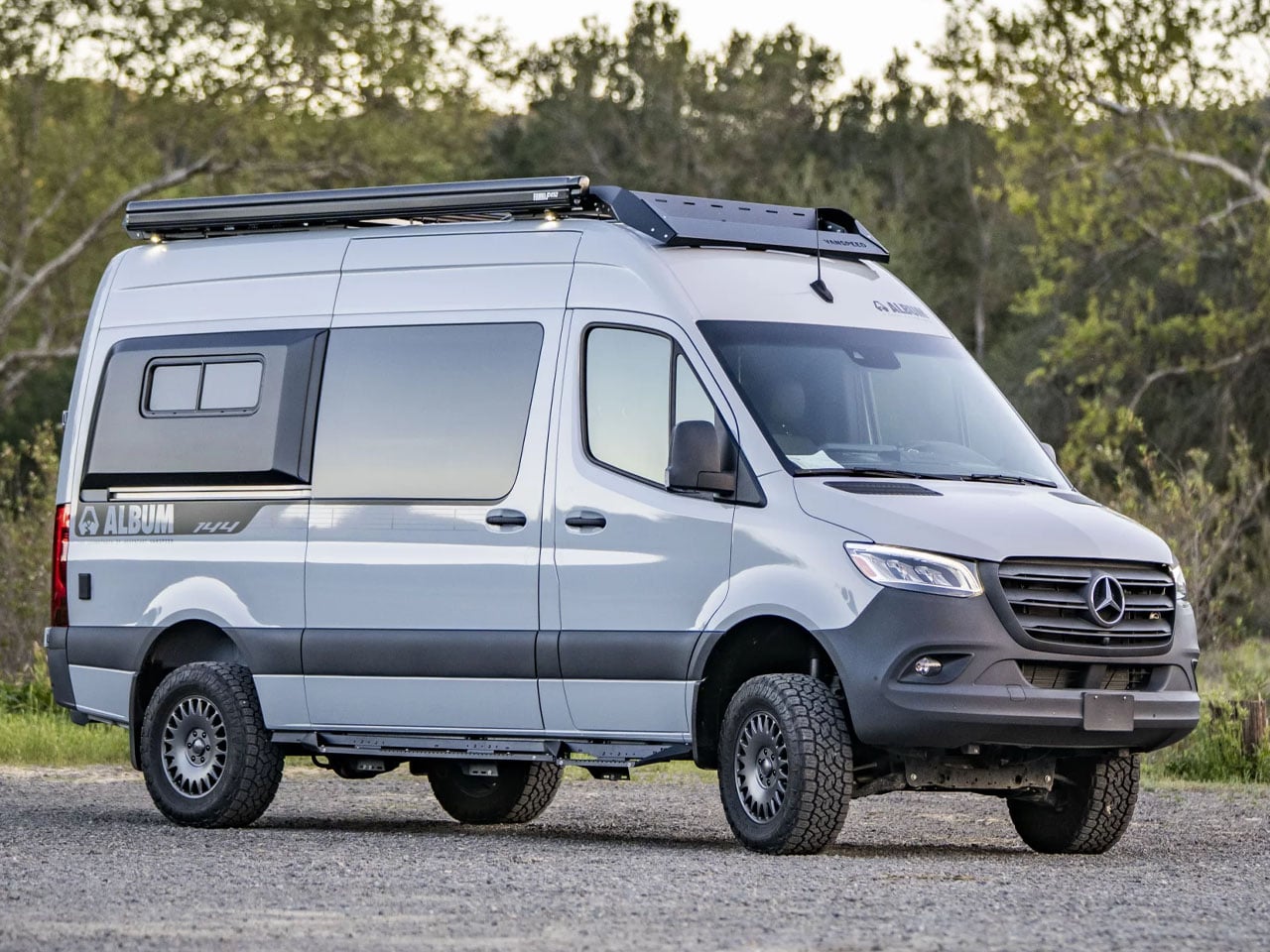
Mercedes-Benz Sprinter camper vans are built for those who want adventure without sacrificing comfort. Taking cues from the Sprinter’s exterior and thriving on its base, California-based Vanspeed has been designing camper vans focused on multifunctional performance. A standout example is the all-new Album camper van.

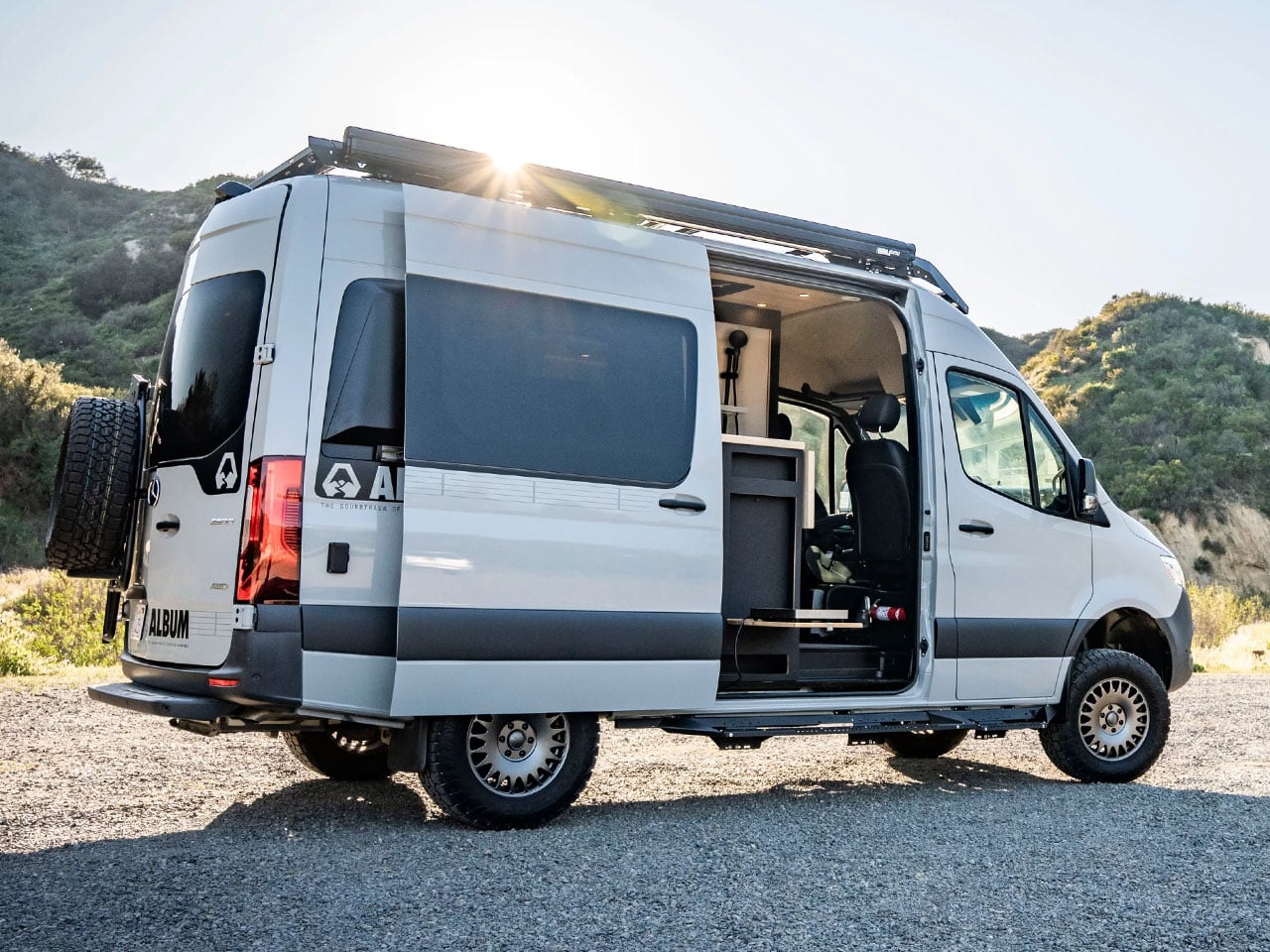
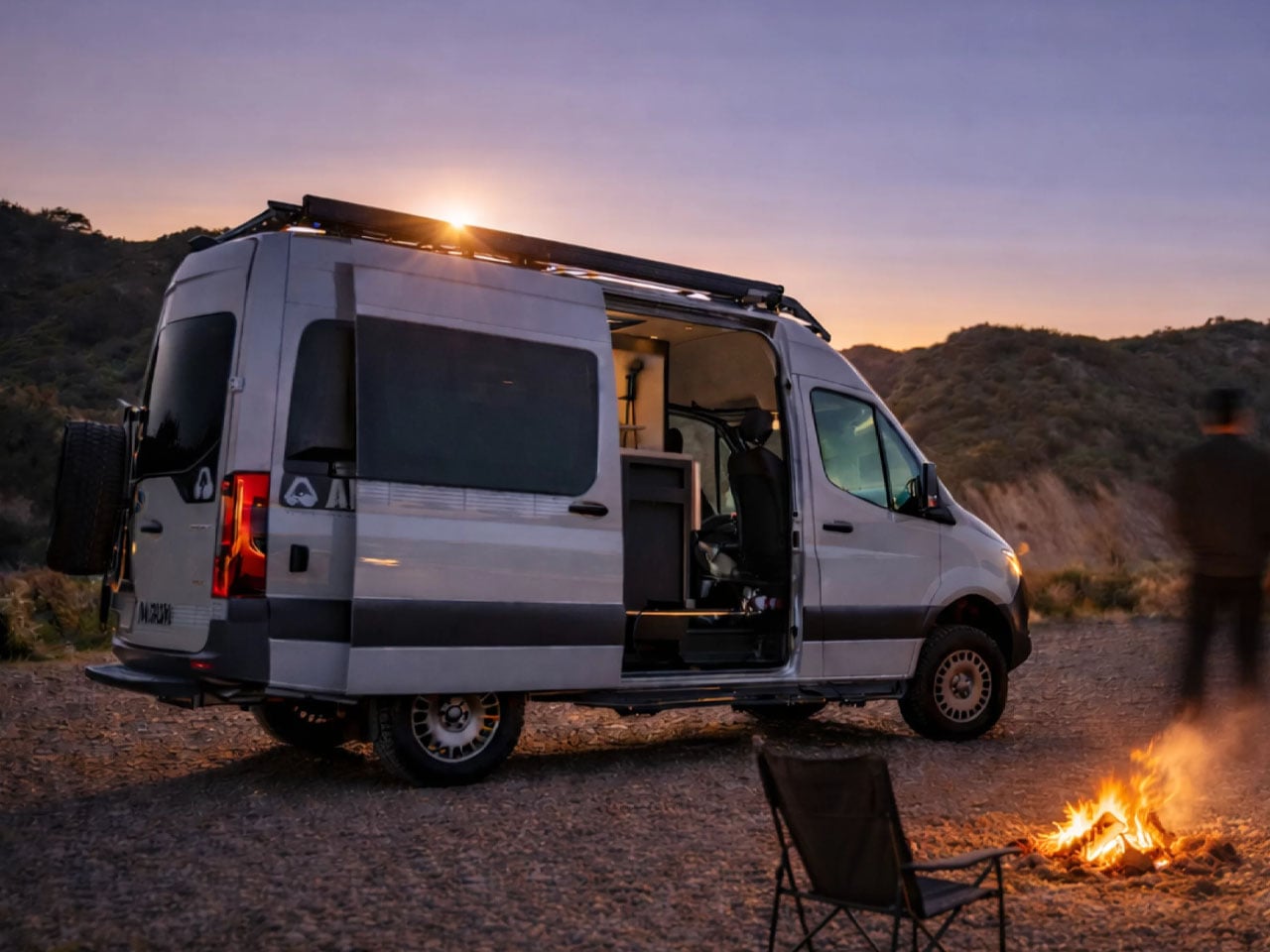
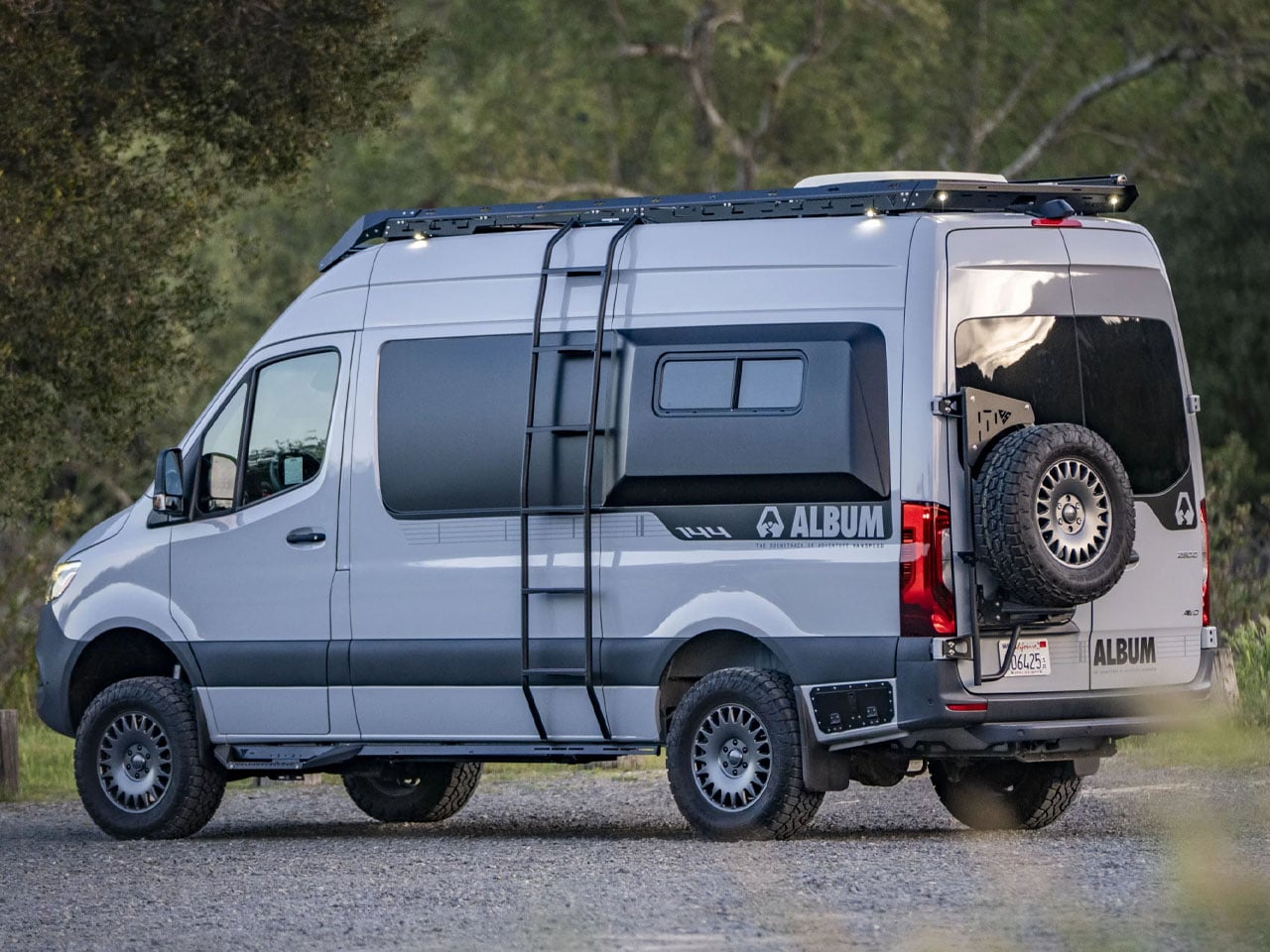
Built atop a Sprinter 144 AWD, it offers an ideal blend of convenience and luxury, making it ready to go wherever you need it. The Vanspeed camper van strips off any fancy exterior addons, keeping the body simple and clean. Only visible addition to the body is the roof ladder on the driver’s side to access the full-length rooftop rack.

Designer: Vanspeed https://www.vanspeedshop.com

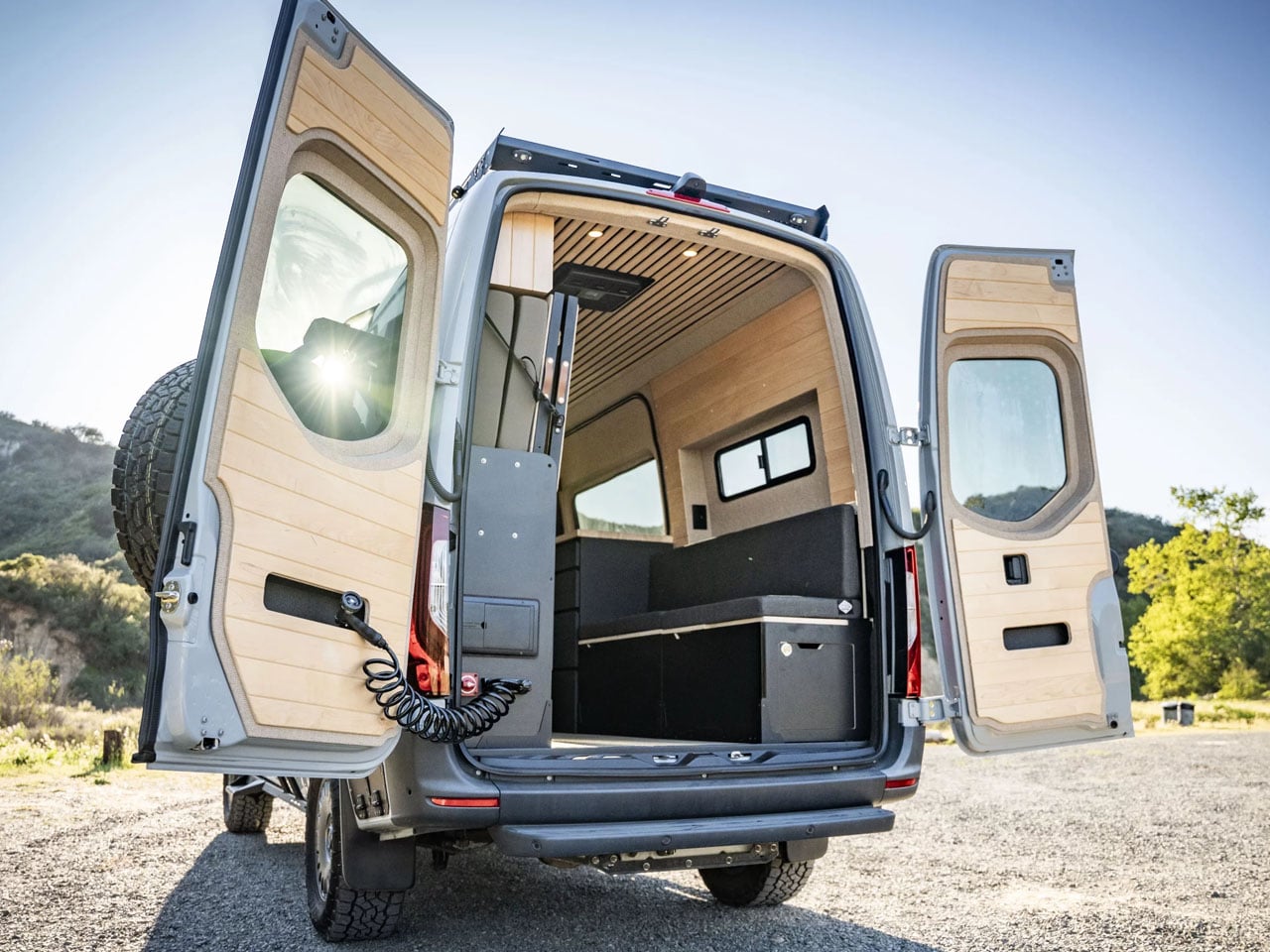
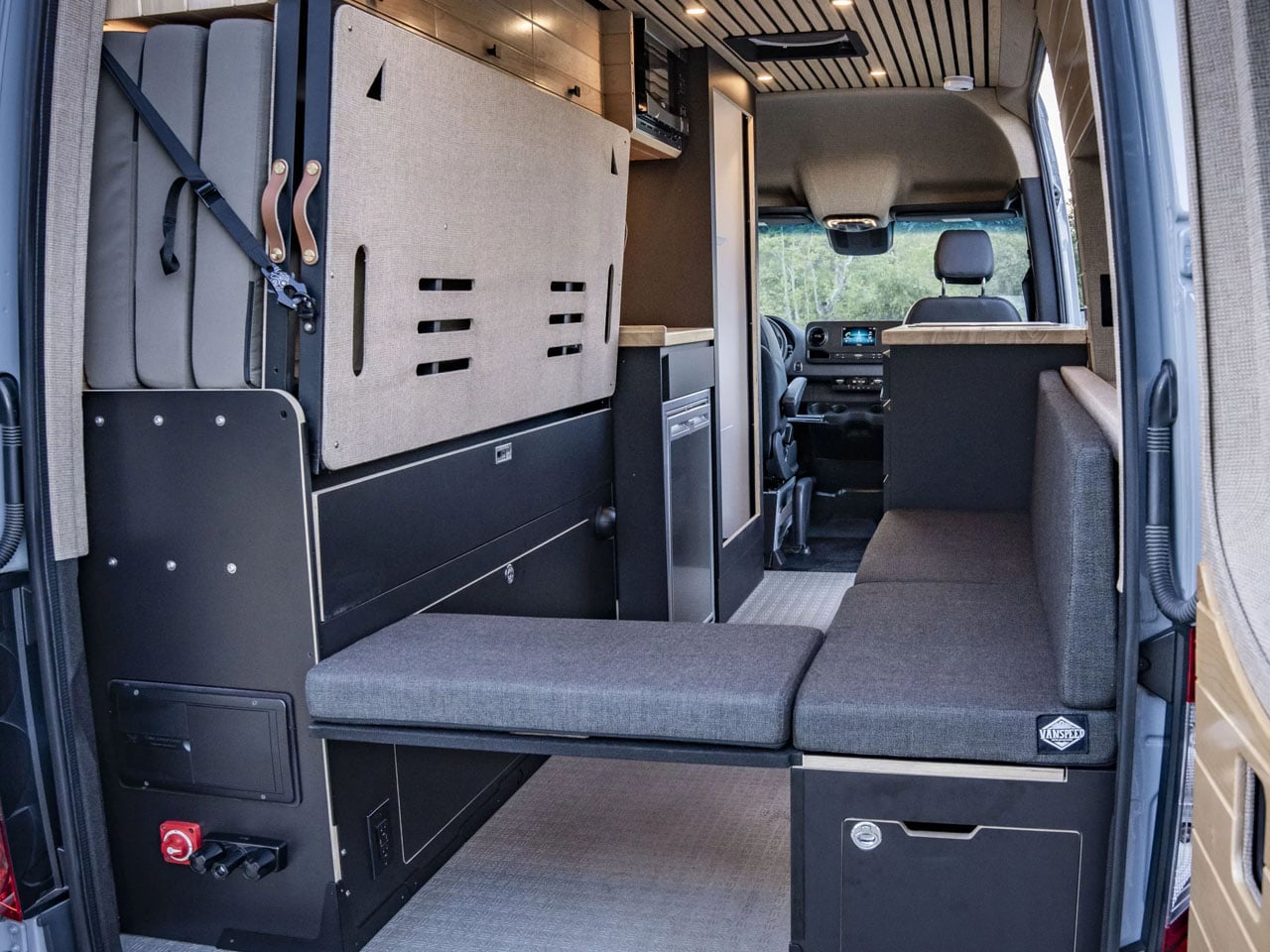
Other than the minimalist exterior, there is nothing casual about the Album camper van. It is a fine embodiment of what a functional camper van interior should be. Ready for off-road adventure, the multipurpose interior of the camper is defined by its Murphy bed and partially or fully removable seating, which opens up the center aisle for cargo or adventure equipment, such as your bicycles or surfboard.

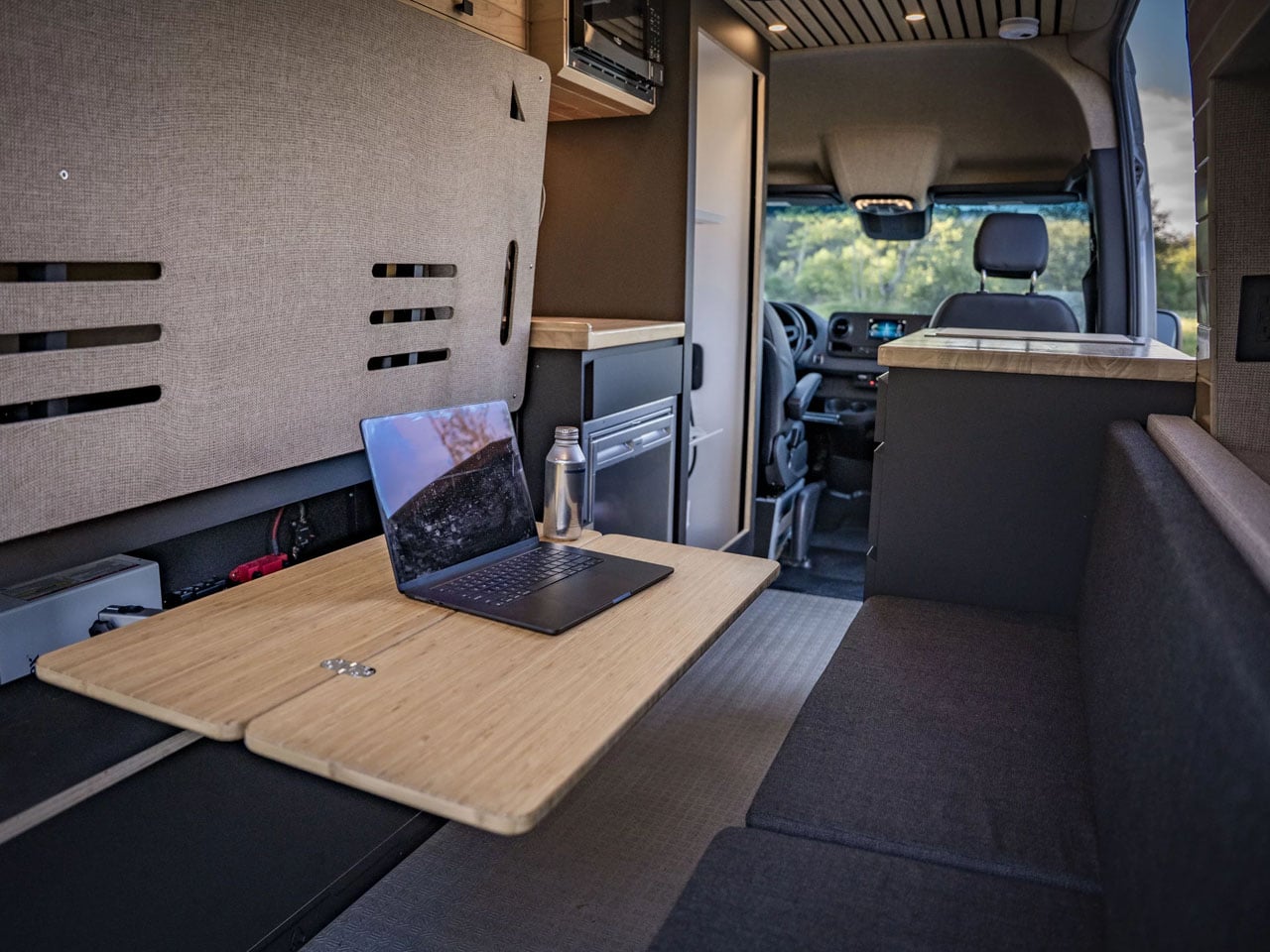
Despite the functionality, the interior with wood-style paneling throughout is warm and inviting. The folding bed stacks up against the driver’s sidewall, freeing up space for daytime convenience. You can use the L-shaped seating for relaxing, or pull down the hidden swivel table (from the cabinet just opposite) and use it as a workstation or for dining. In the pictures, you will notice only a bench seat, however, the seating is completed with a detachable crosspiece sofa, creating the complete L-shaped sofa lounge.

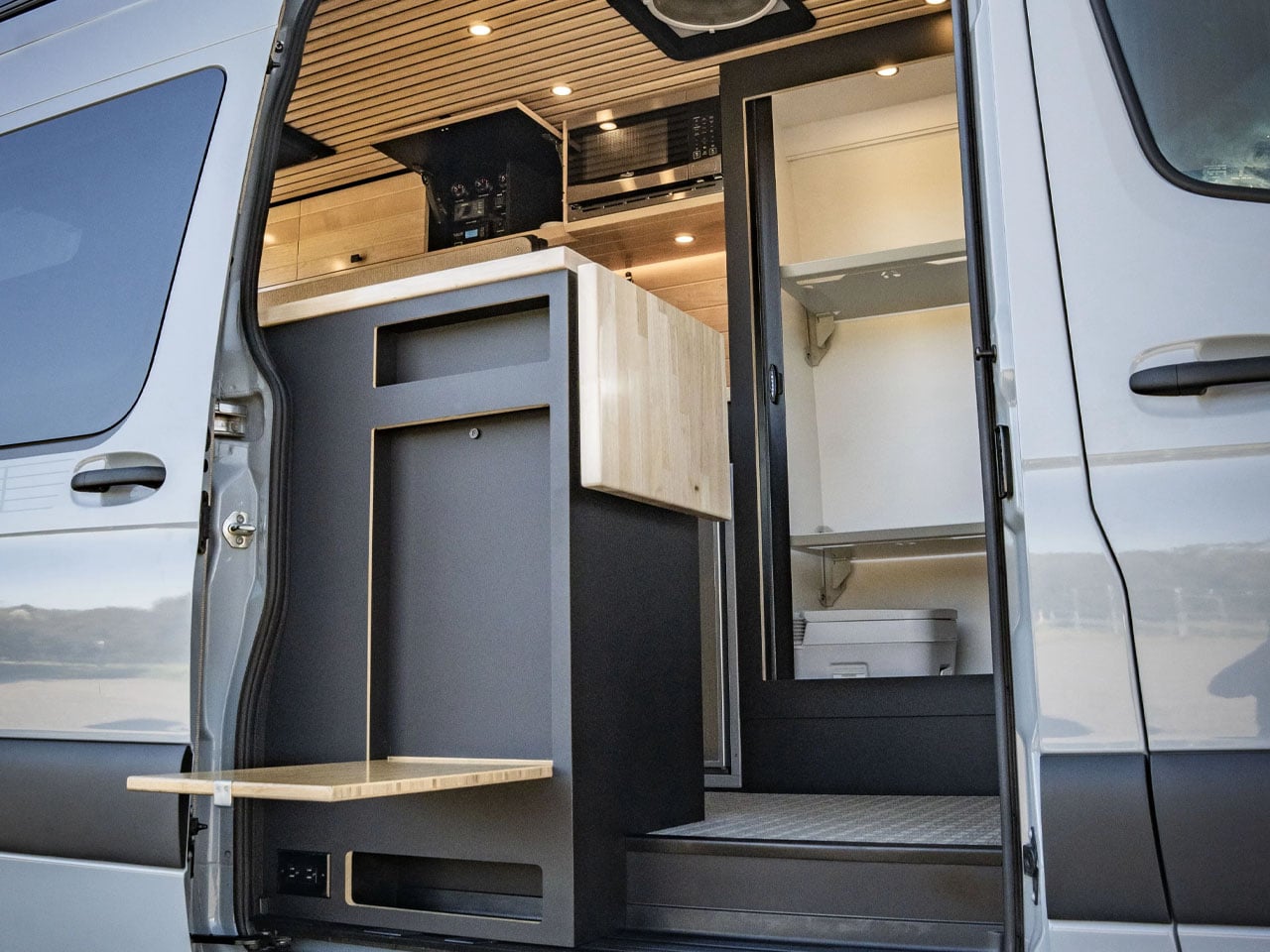
At nighttime, you can conveniently fold down the Murphy bed to create a comfortable platform measuring 80 inches (203 cm) long. It can sleep two people and sit stably on its own foundational supports on the sidewalls, without disturbing the cabinetry and lounge setting underneath. While all this is happening toward the rear of the camper van, up ahead, approachable from the side entry is the kitchenette. The counter is provided with a single-burner portable induction cooktop, and a fridge finds a place underneath the kitchen block. For the convenience of daytime campers, the kitchen includes a countertop that extends for outdoor cooking.

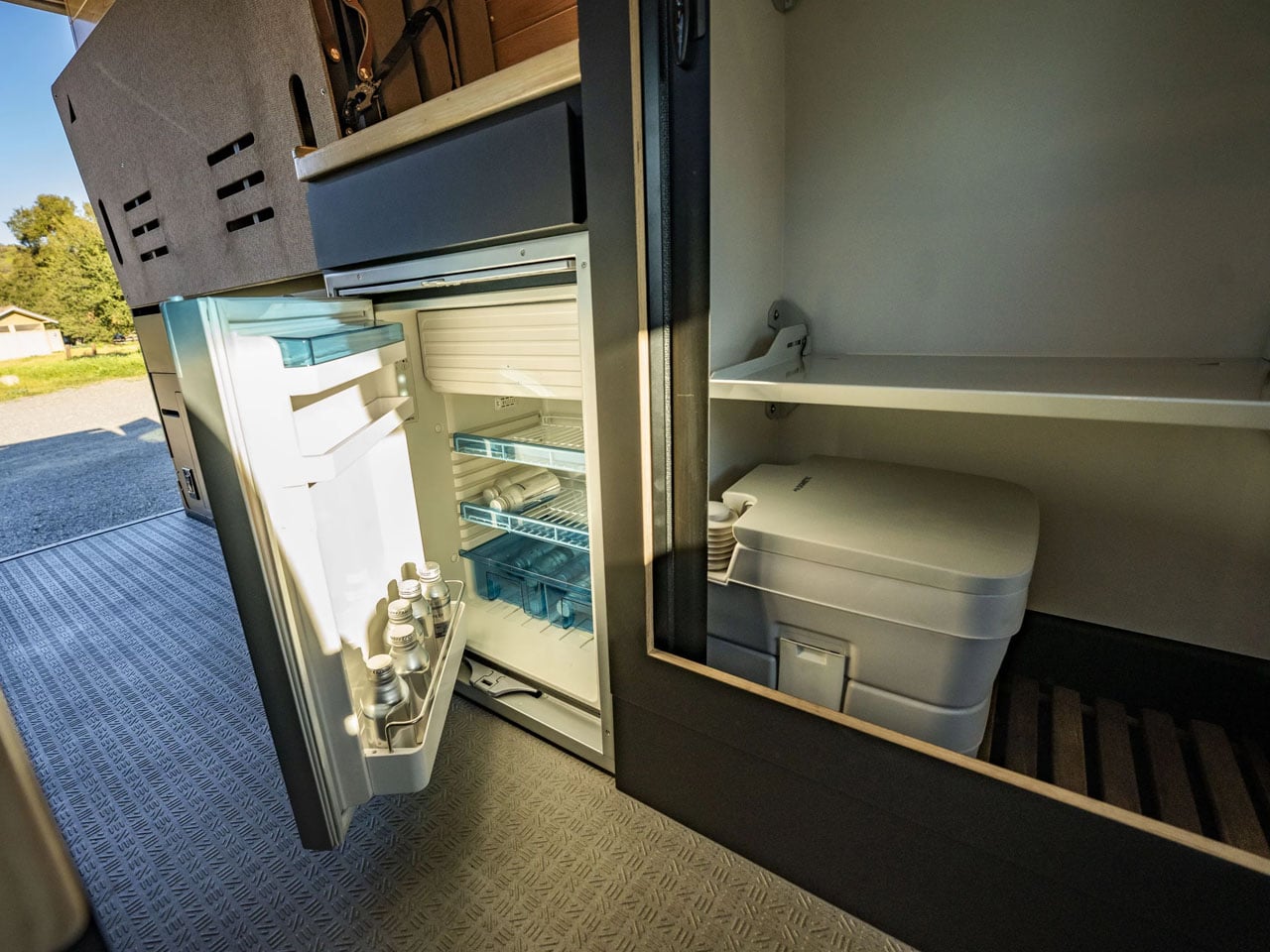
Alongside is another multifunctional space: The wet bathroom, which doubles as a storage cabinet. The bathroom is provided with a shower and a removable portable toilet with flippable shelves for storage. The camper van is powered by a lithium battery to render it usable for stays longer than a weekend. If you’re interested, the Vanspeed Album is priced at $219,000.

The post Vanspeed Album camper van with Murphy bed and versatile lounge is designed to go where you need it first appeared on Yanko Design.
Kia to soon roll out its first pop-up PV5 production camper van for ultimate future of EV adventure

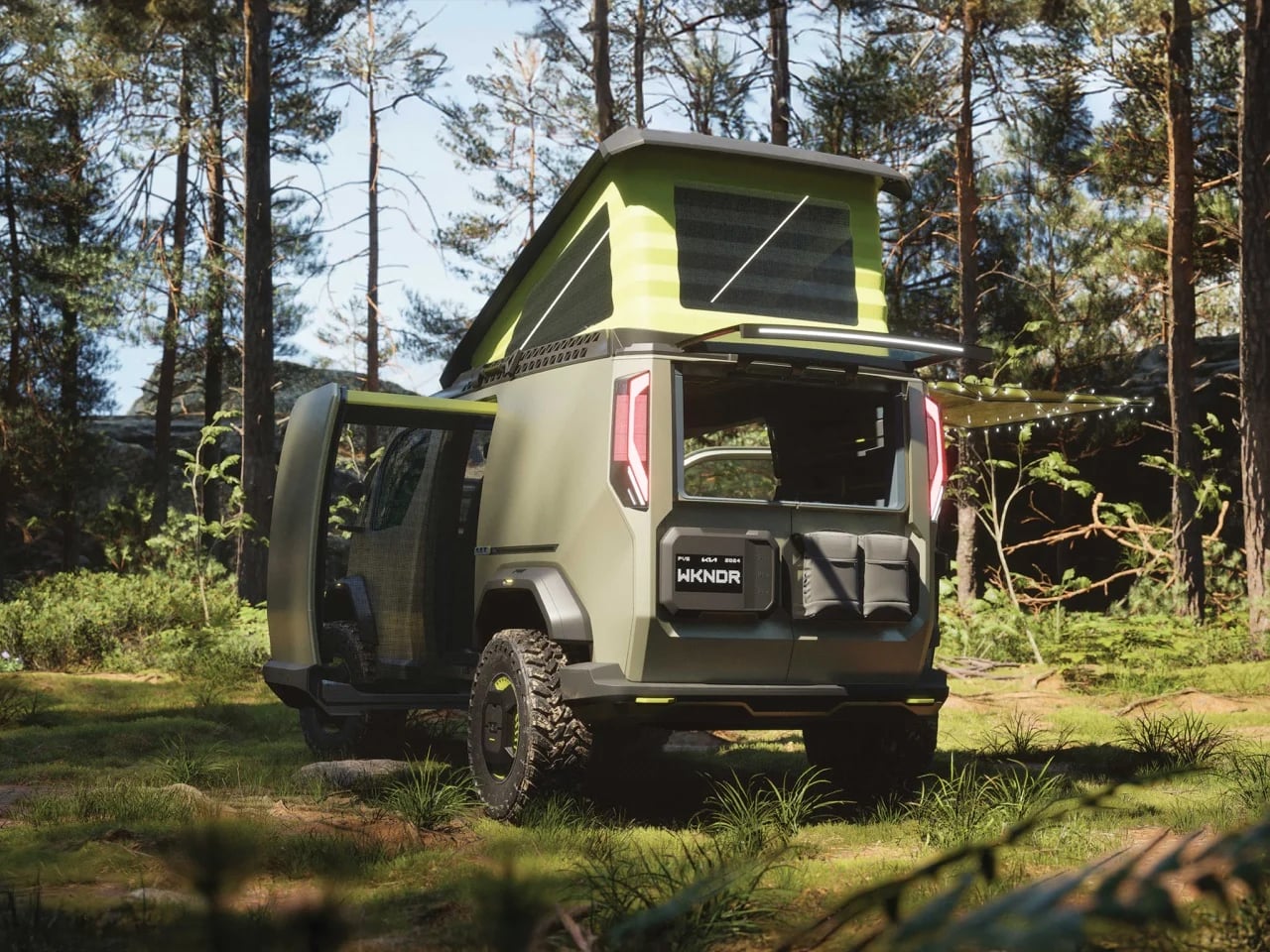
We definitely live in a world of adventure enthusiasts who demand more from their vans than meets the auto maker’s desire. Which is one of the primary reasons everyone from Volkswagen to Nissan and now Kia is reimagining their designs, so as to carter to the demand more appropriately. Speaking of which, the South Korean auto giant surprised us with the Kia PV5 WKNDR concept at Sema last year, and now, in collaboration with British converter Sussex Campervans, is working on the regular version of the PV5 to transform it into a pop-up roof camper van that gives the best in the industry a run for their efficiency and comfort.

When Kia revealed the PV5 WKNDR, it demonstrated the highly flexible and modular interior of an electric van, which could easily and efficiently be customized to maximize space and function. This idea is now translating – thanks for Sussex – into feasibility soon. We say soon, the conversion specialist is already accepting registrations for inquiries regarding the Kia PV5 pop-top camper van, indicating the conversion could be available for the adventurers in no time now.

Designer: Sussex Campervans

The conversion, in the works, is billed as the first pop-up PV5 production camper van that can be an EV capable of changing the game in Kia’s favor. How it will do that is really not revealed completely. The promo on the outfitter’s website shows the Kia PV5 with a pop-up roof and various interior customizations. Of course, the real footage of the possible configurations is missing at the time of writing, but we learn that the conversion package is strictly done in line with Kia’s ‘global sustainability goals.’

The zero-emission EV van from Kia may see some components go out to make the conversion feasible, but Sussex informs, what goes will be replaced and compensated for with parts and trim sourced from recycled materials, ensuring the sustainable quotient of the original vehicle remains intact. While we are short on information about what the actual conversion will look like, we can inform that the van, with the destined pop-top roof, offers reclining and foldable second-row seats along with a spacious cargo space that both facilitate comfort and flexibility.

The Kia PV5 passenger vehicle itself has a spacious interior designed with a cargo capacity of 1,330L, even with the second-row seats are available for commute. That’s more than enough to carry your camping gear or everything required for your business trip. With the second-row seats down, the space increases to 3,615L, which is enough for Sussex Campervan to play around during conversion. To make the van accessible to all types of adventurers (young and old), it comes with a low floor height of only 399mm. Kia PV5 is powered by a 120kW motor paired with a 71.2kWh battery, which delivers up to 412 km range on a single charge. Fast charging support allows the batteries onboard to charge up to 80 percent in less time than you’ll take to order and finish a cup of coffee. If you’re interested in the possibilities of the Kia PV5 camper van, you can reserve the all-electric conversion starting £68,995.

The post Kia to soon roll out its first pop-up PV5 production camper van for ultimate future of EV adventure first appeared on Yanko Design.
2026 Mercedes-Benz Marco Polo camper van arrives with smarter pop-up roof and luxury upgrades

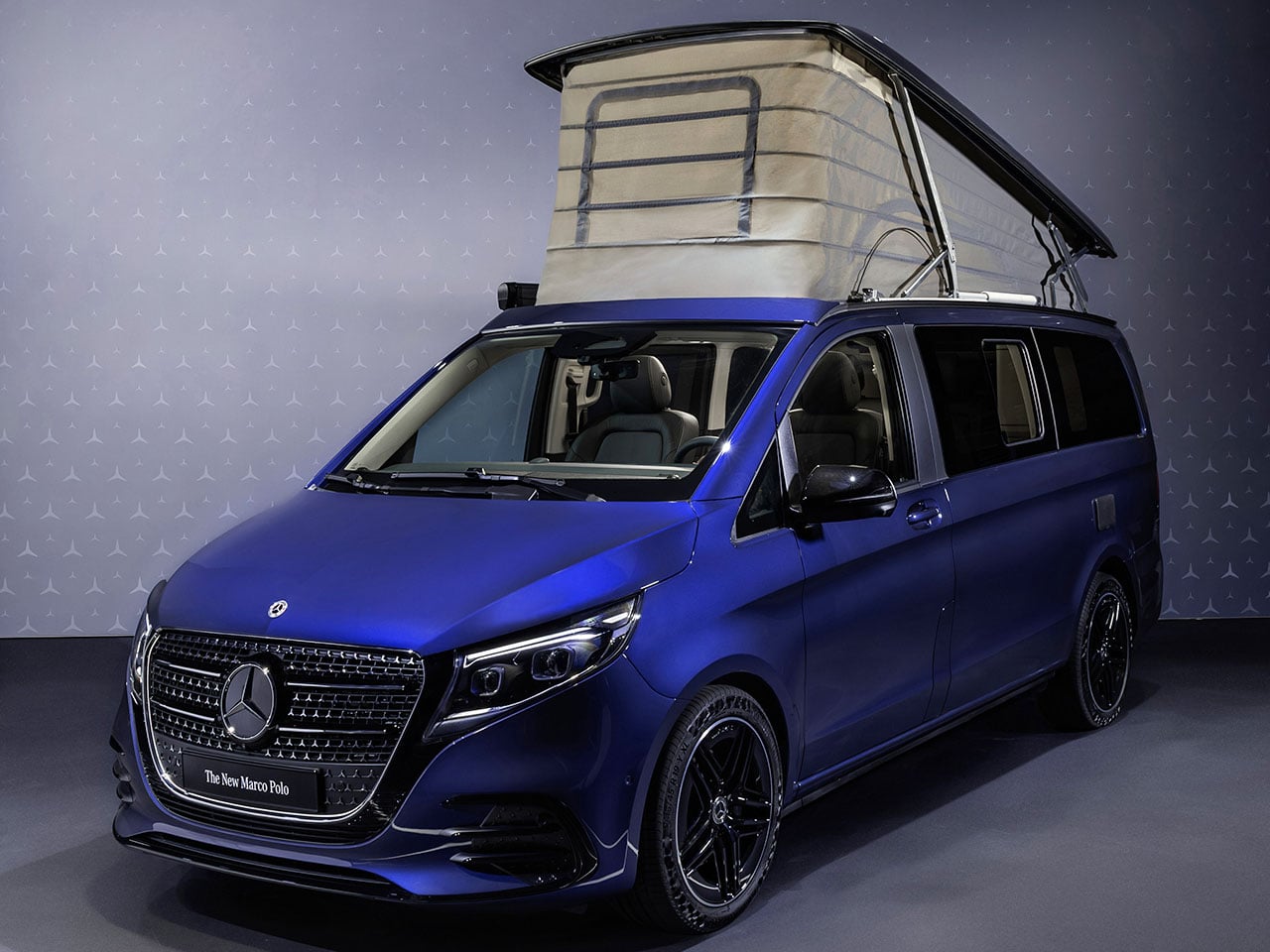
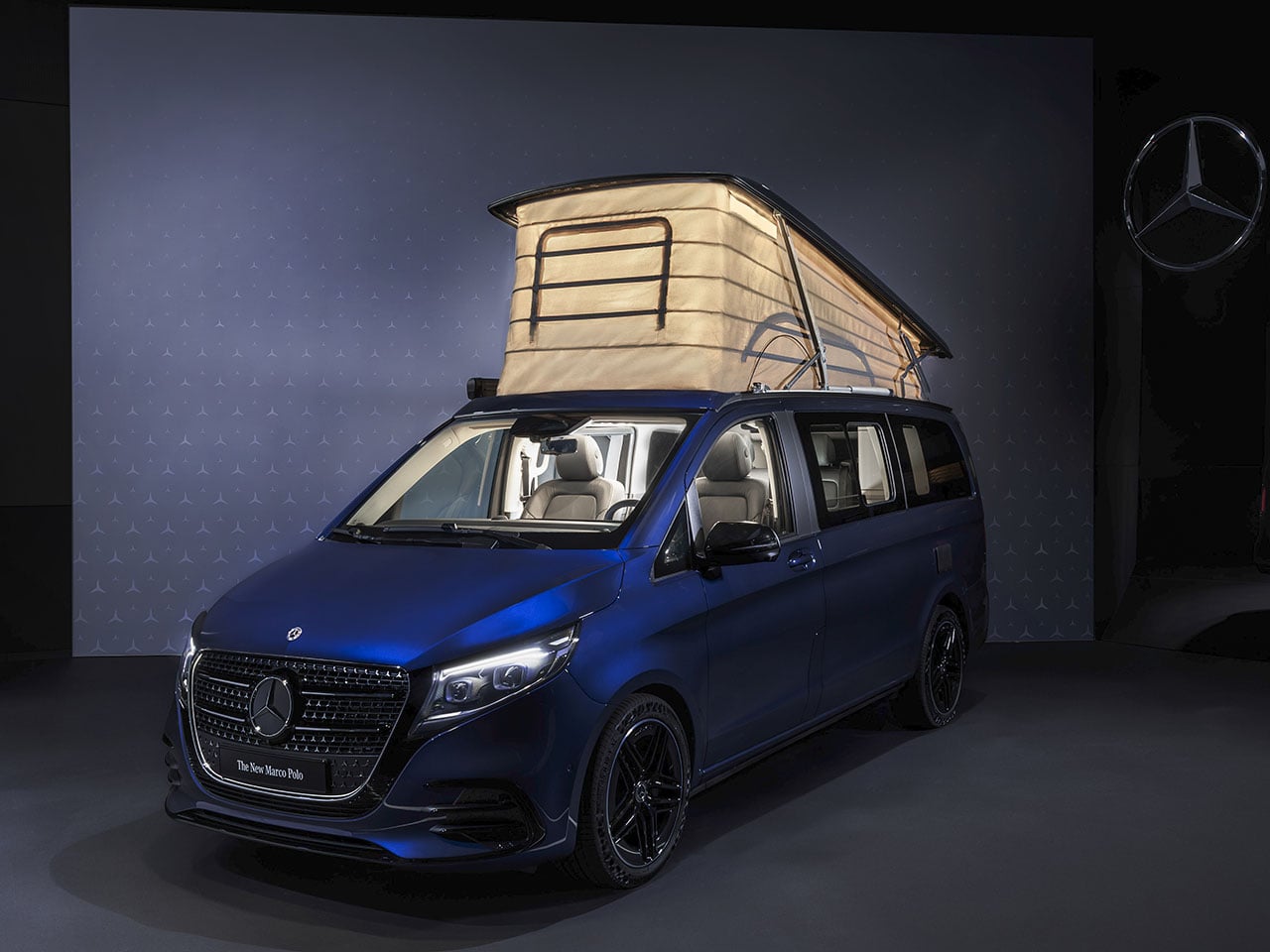
Mercedes-Benz and Volkswagen have produced some of the best camper vans on the market, and they’ve long shared a common collaborator. Now, with Mercedes-Benz taking the complete production of its Marco Polo under its wings, Volkswagen and other competitors can expect some serious competition. The newly updated 2026 Marco Polo is the first new addition to Mercedes in-house van life portfolio and flaunts an interesting pop-up roof, which is its main talking point.

According to Mercedes-Benz press information, the body of the V-Class Marco Polo is built at the company’s Vans plant in Vitoria, Spain. The vehicle is then converted into a pop-up camper van at the Ludwigsfelde plant in Germany. The overall in-house production of the Marco Polo means it’s of the “highest quality standard” and that the company has complete control over every detail and pace at which it is produced.

Designer: Mercedes-Benz

Substantiating the fact, Sagree Sardien, head of sales & marketing Mercedes-Benz Vans said, it is a “Mercedes-Benz through and through,” which is designed to offer buyers a more sophisticated home on wheels. “A home that effortlessly combines travel and everyday life – while making a stylish statement,” he said.

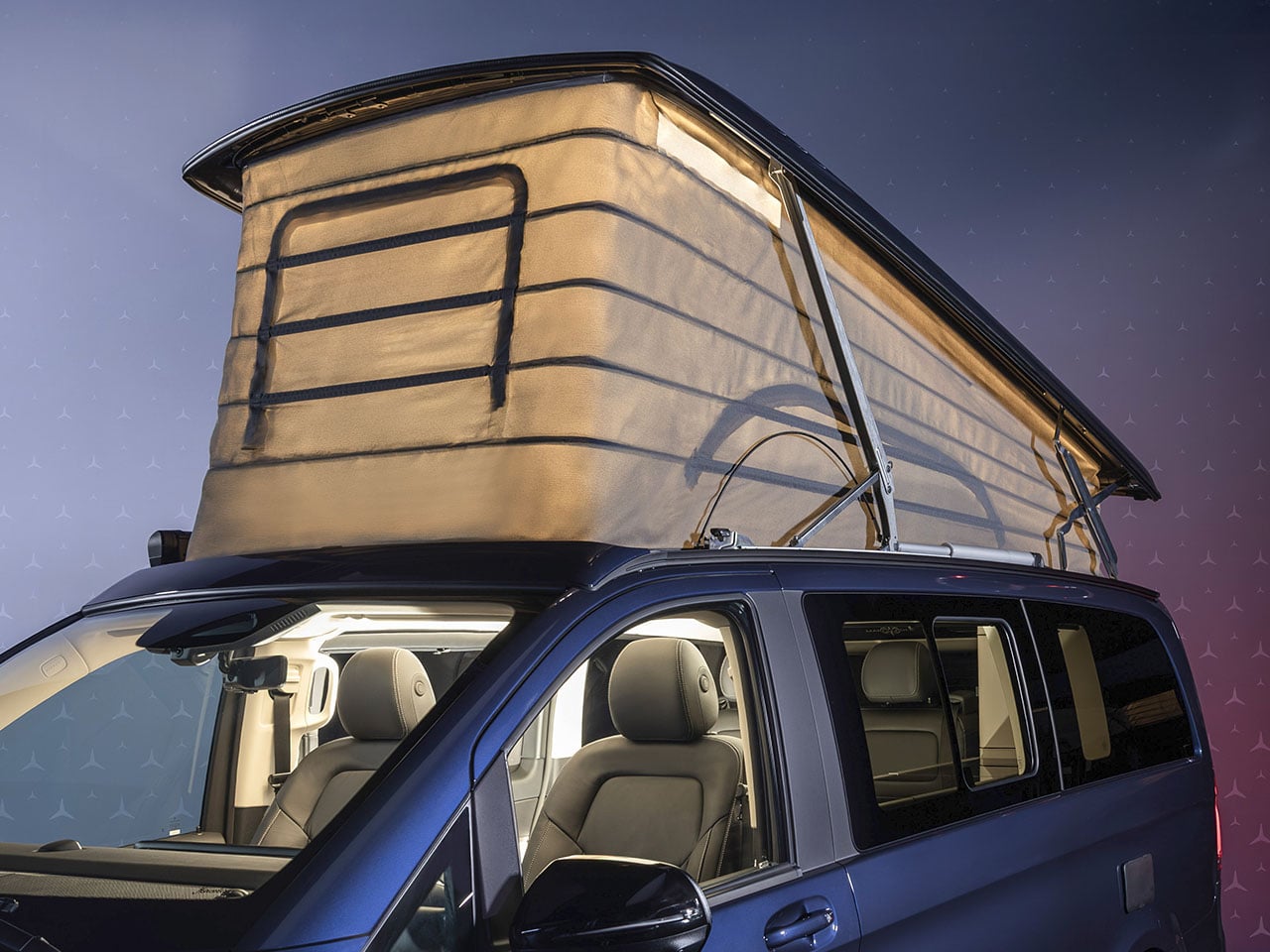
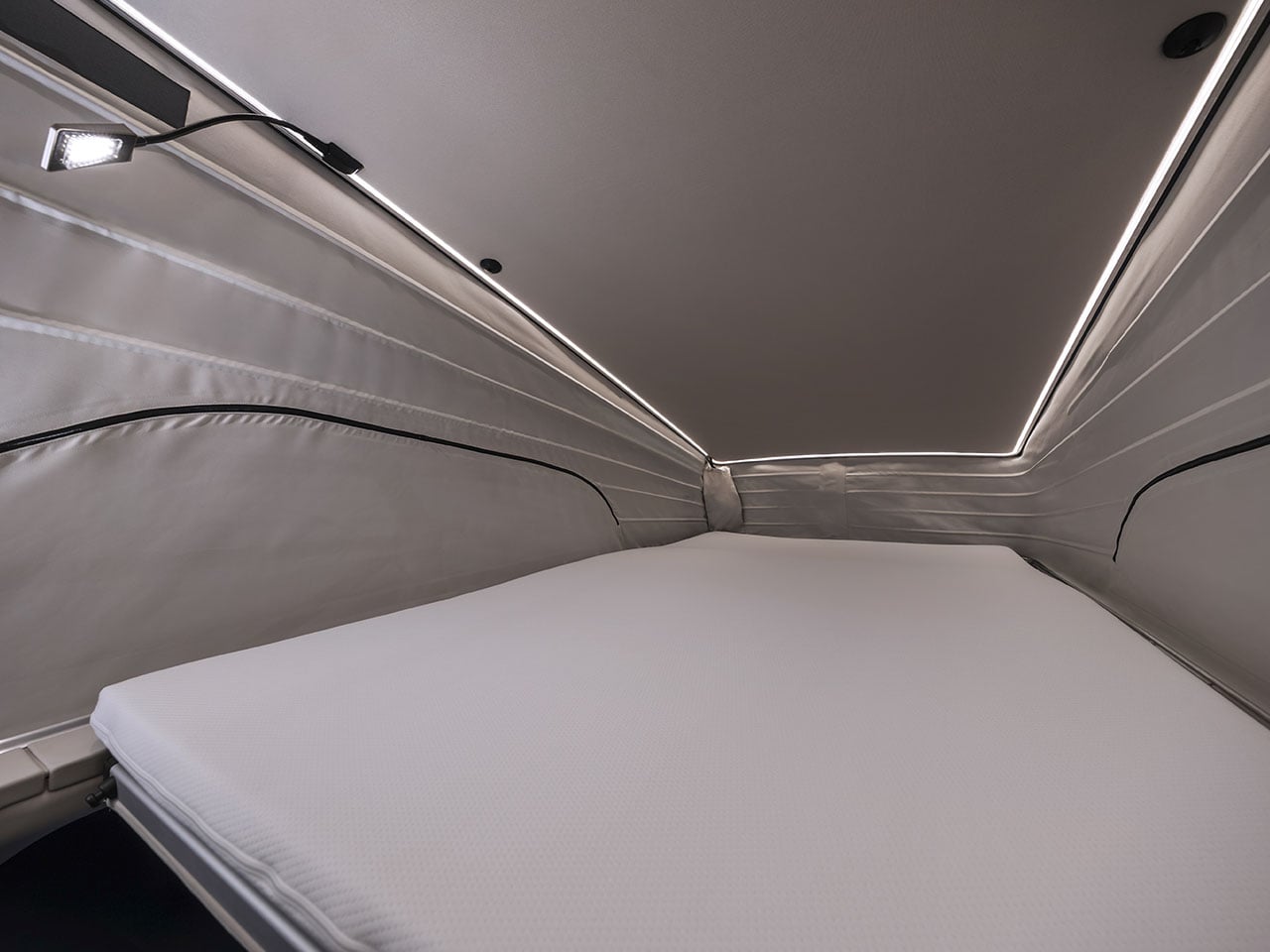
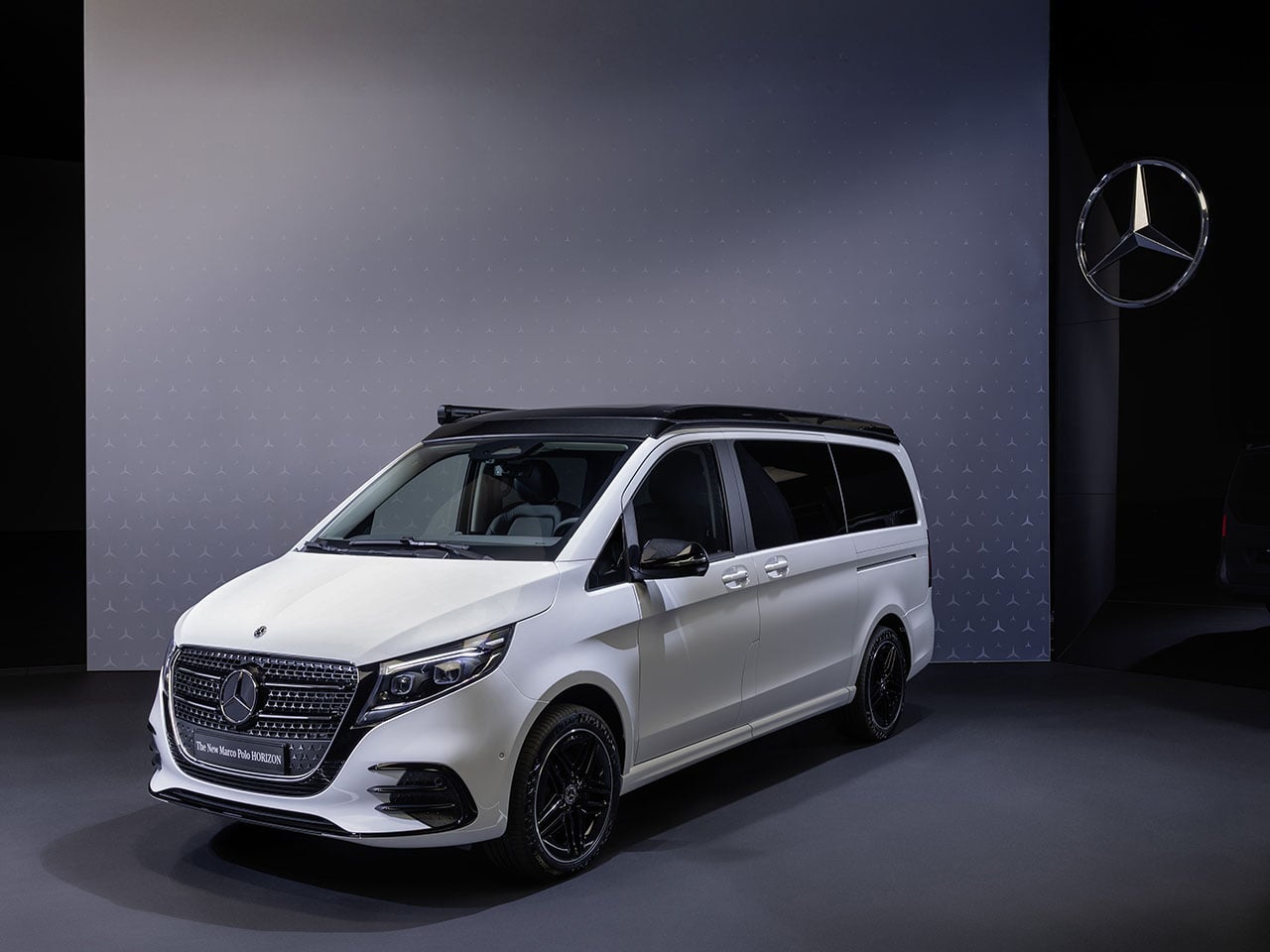
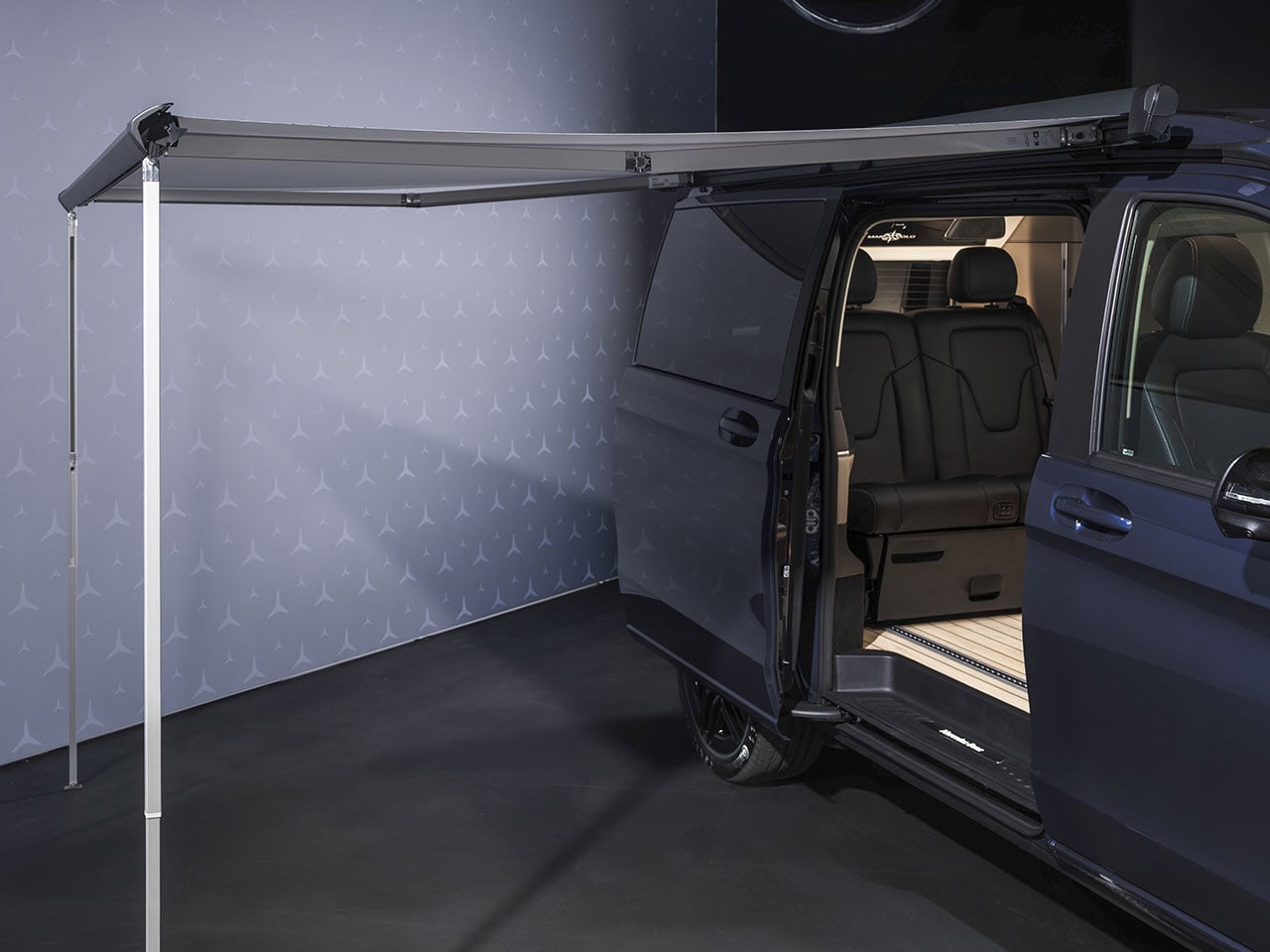
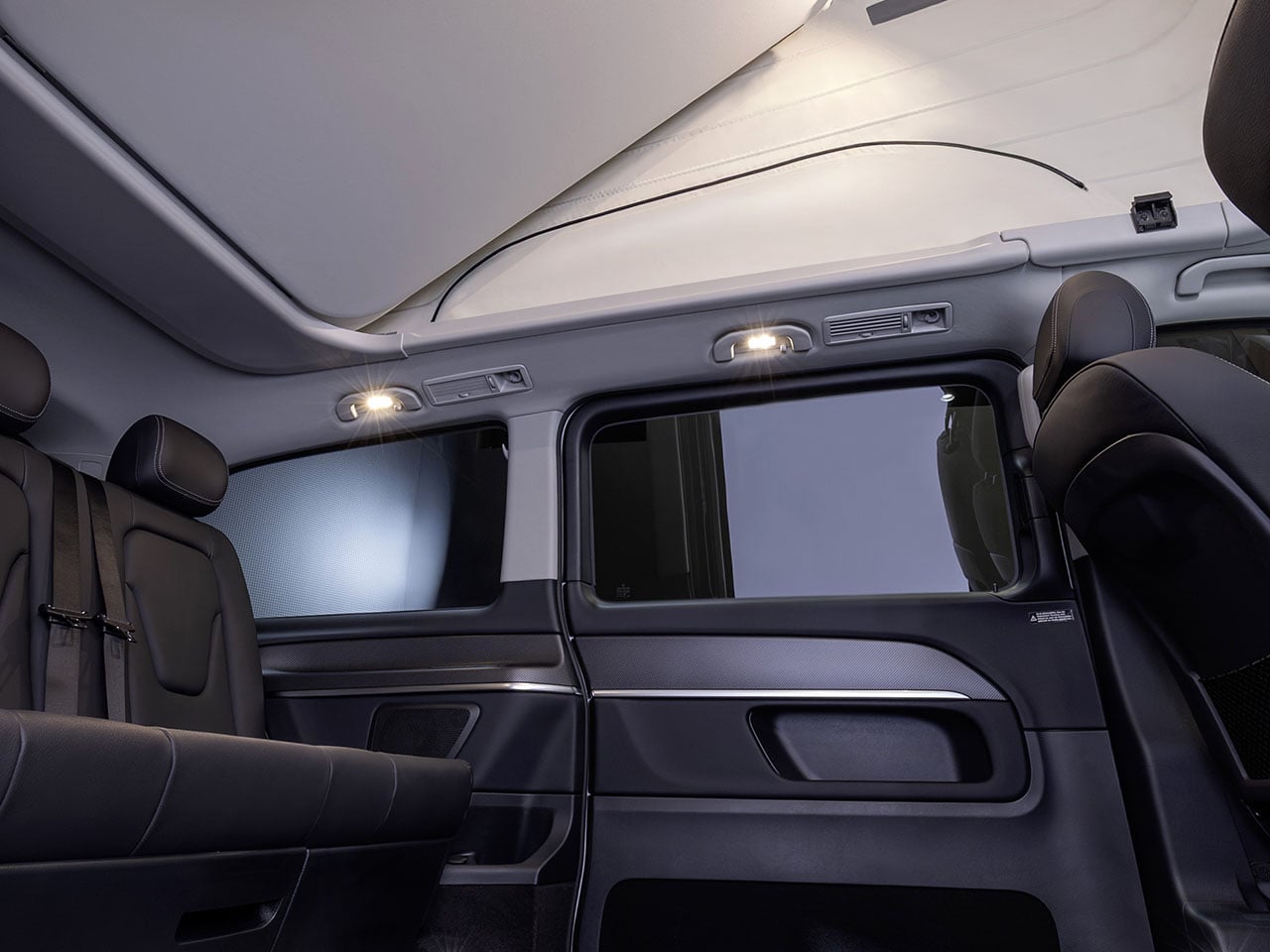
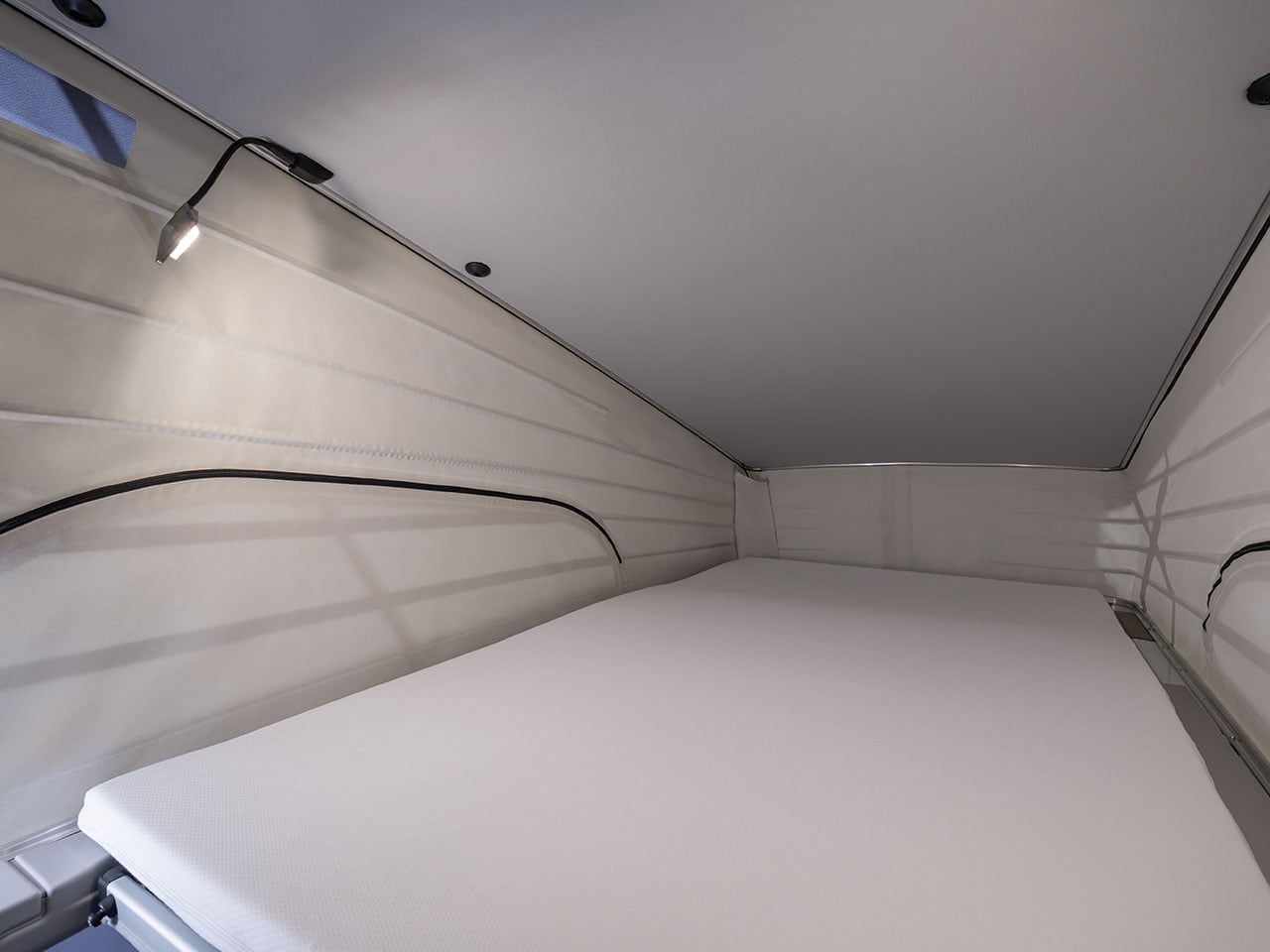
To that accord, the Mercedes-Benz 2026 Marco Polo is a compact, luxury camper van featuring a pop-up roof, convertible downstairs seating, kitchen, and ambient lighting to uplift the mood when you’re inside the van. The major update from the 2024 model of the van is focused around the improvement to the lifting roof space. The double-skinned aluminum pop-top makes for an additional 4 inches of headroom and is provided with an ambient LED system that allows the space to feel lively and inviting.

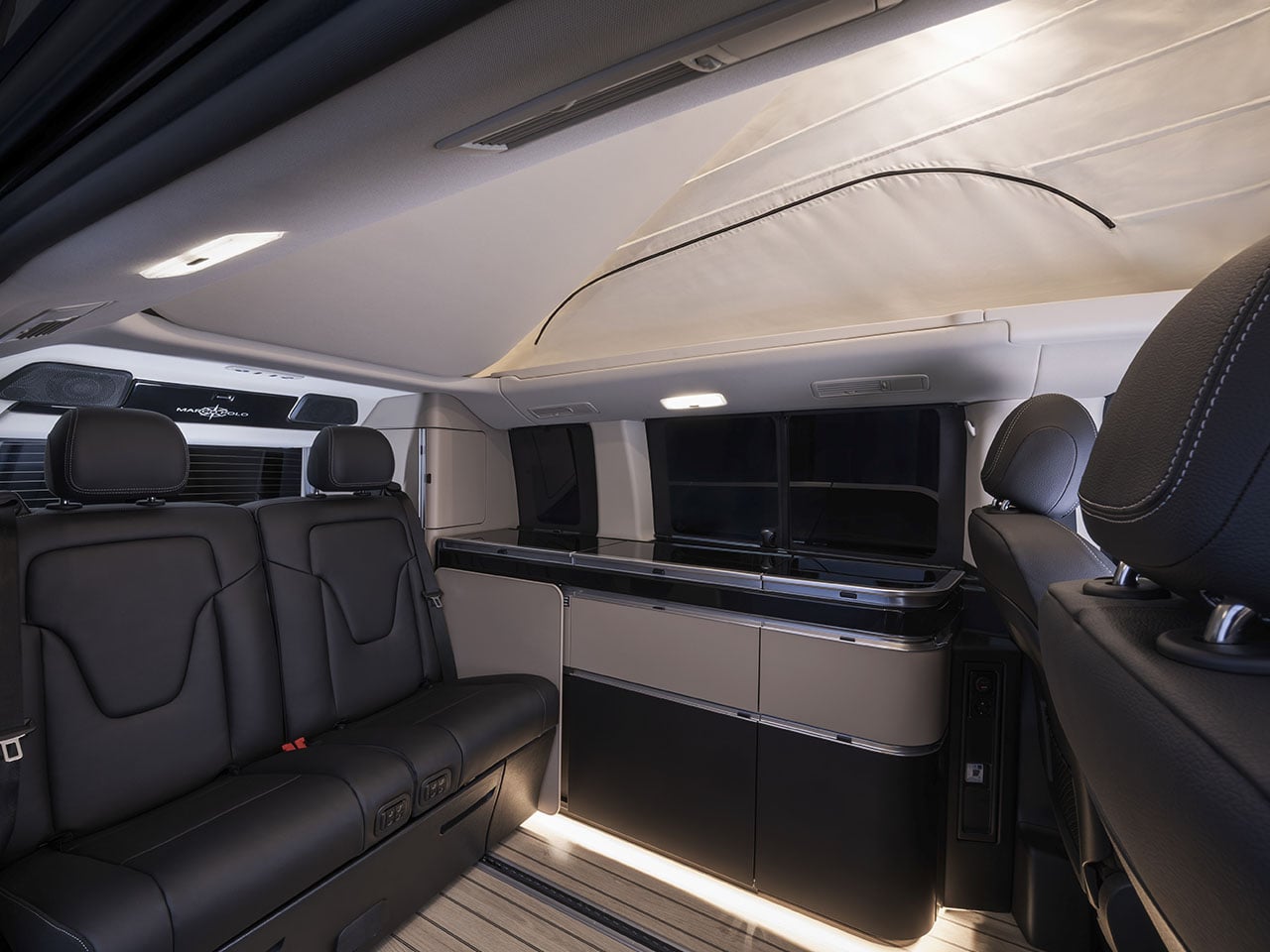
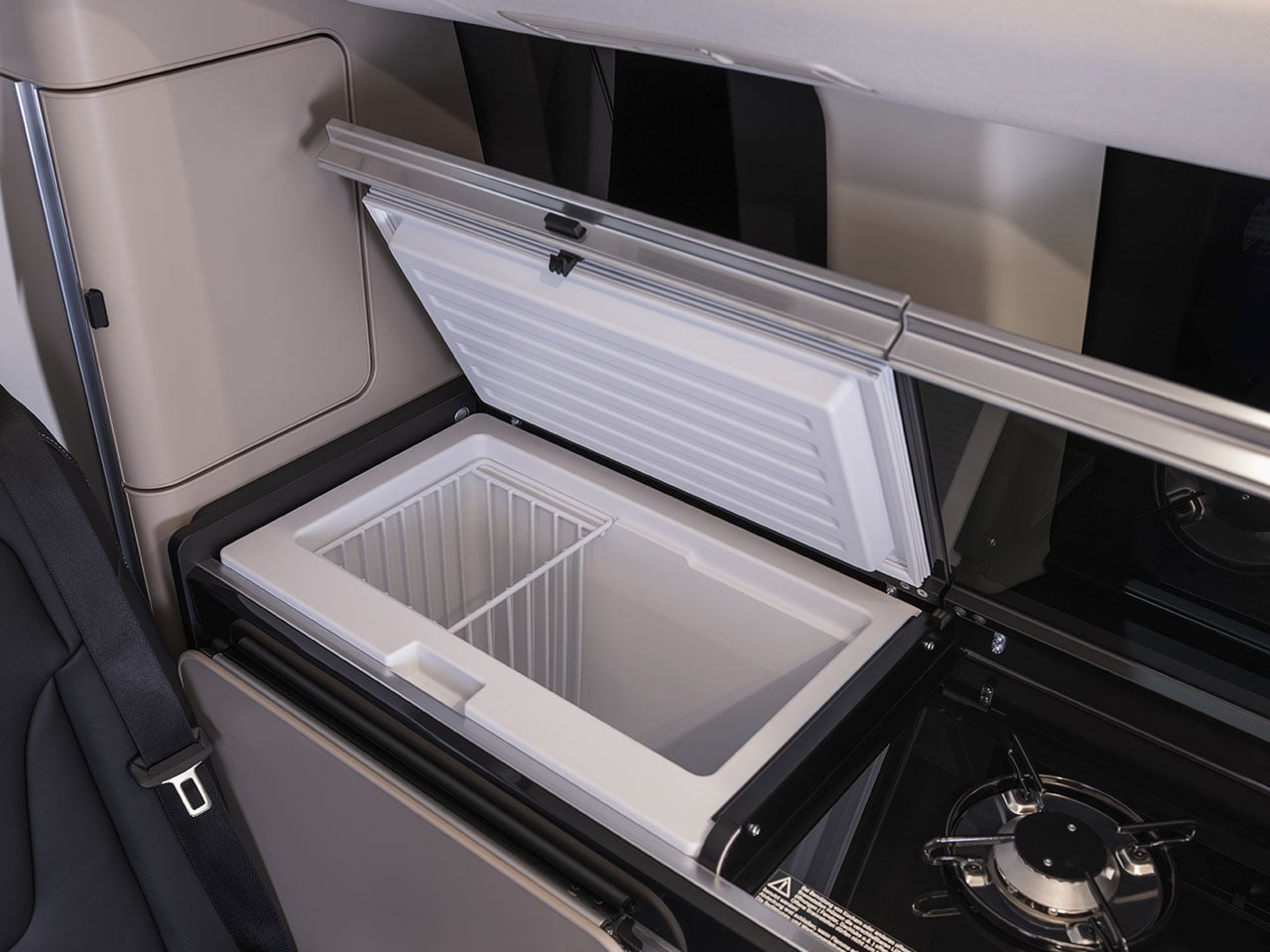
Downstairs, the Marco Polo doesn’t make many changes. It comes equipped with a kitchen featuring double burner gas stove, a sink, mini fridge, and a swiveling bench that can easily facilitate dining and sleeping. During mealtime, you have a folding table that reaches out of the kitchen block, and during the night it folds up to make room for the convertible sofa to create a double bed.

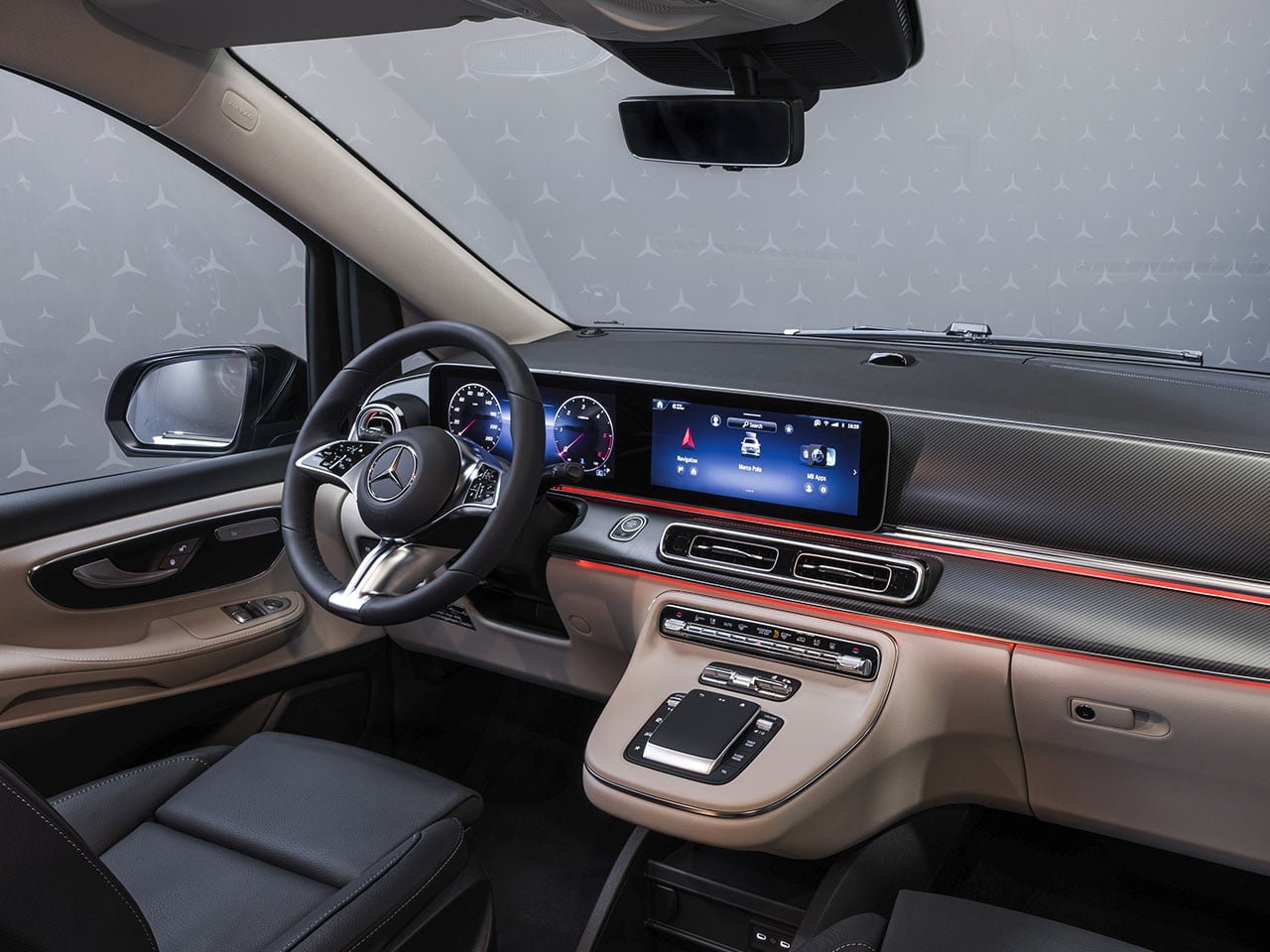
MBAC infotainment suite is another interesting facet of the new Mercedes camper van. Sitting in the cockpit, the smart touchscreen can control the interior components like the vehicle’s upgraded eight-speaker audio system and pop-up roof lighting. The infotainment system also has instant control to pop-up roof. You can deploy or retract the lifting roof remotely, while also maintaining the temperature of the van home.

The new Marco Polo will be available to order soon, Mercedes notes. It also mentions in the press release that the launch of Marco Polo Horizon is also on the cards. This model shares similar features except for the built-in kitchen unit, making it suitable for weekend outings or short holidays only.

The post 2026 Mercedes-Benz Marco Polo camper van arrives with smarter pop-up roof and luxury upgrades first appeared on Yanko Design.
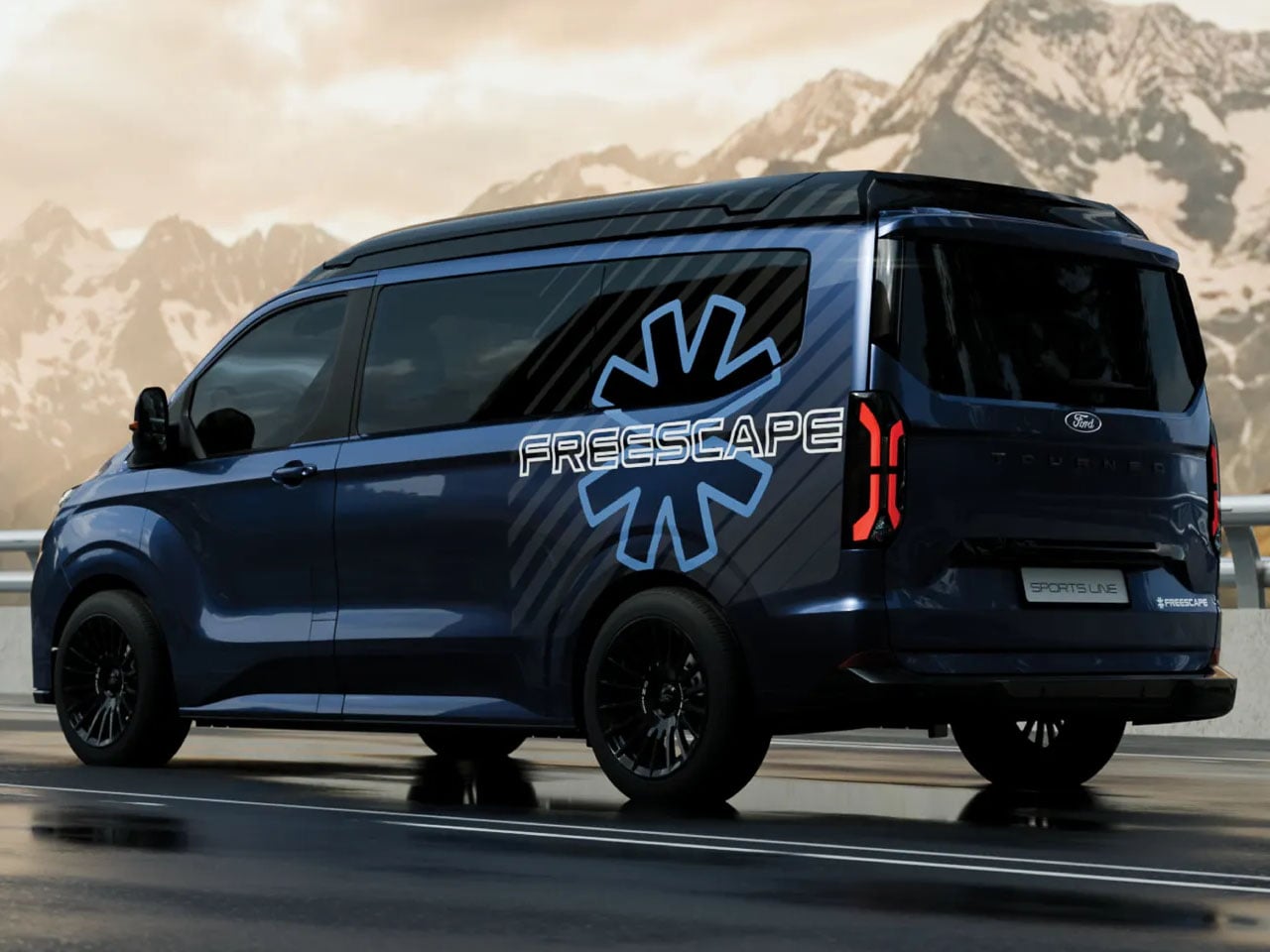
Freescape puts side-extending inflatable pop-up roof on a Ford camper van

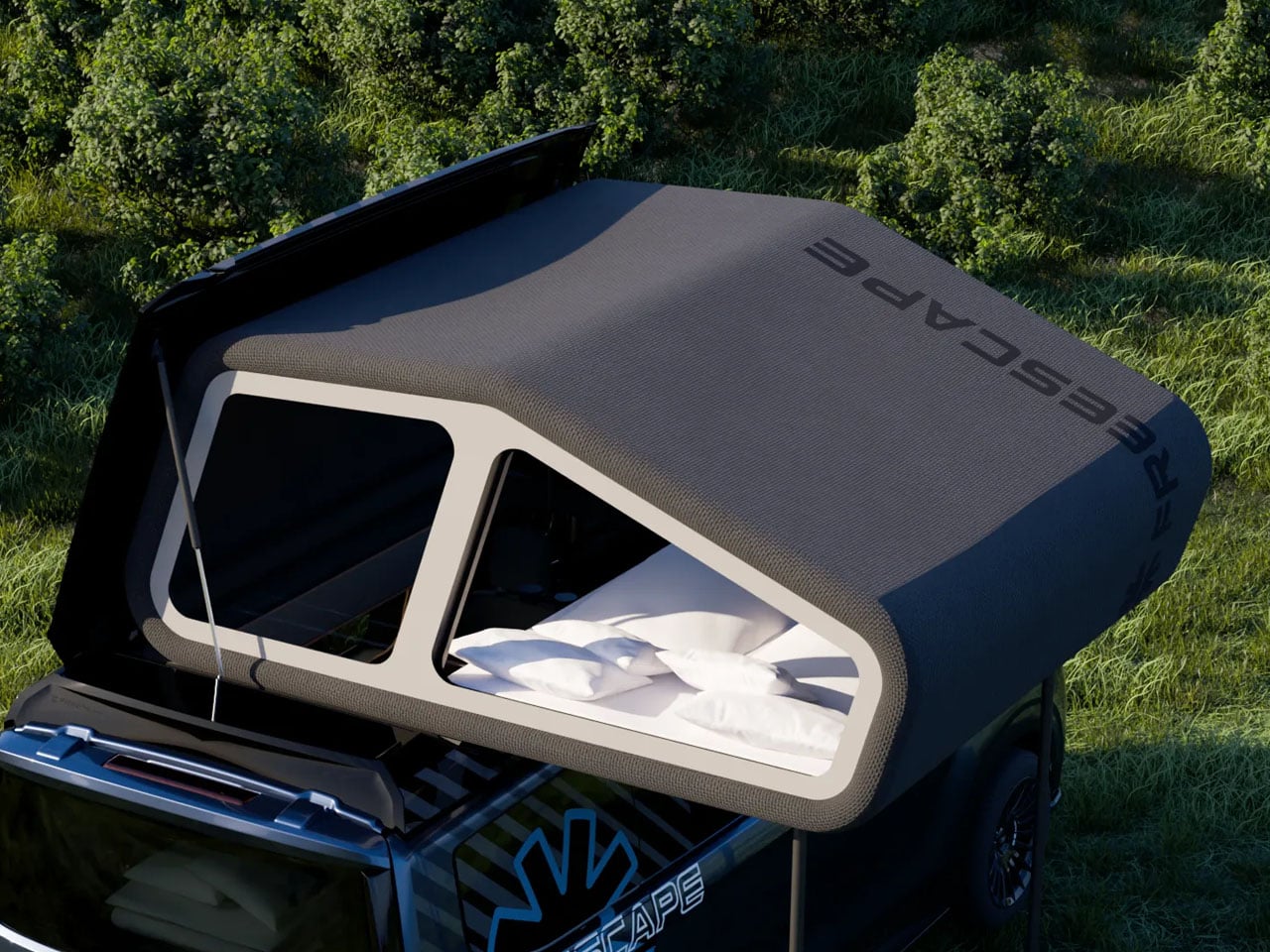
Just a few days ago, we saw a caravan featuring a pretty unique pop-up roof concept. It used an electronically lifting upper shell to double the interior space. The Freescape camper van is another rig that stands out thanks to its innovative pop-up roof system. It features an inflatable rooftop system that expands the vehicle’s interior and creates a comfortable sleeping area in a truly unconventional way.

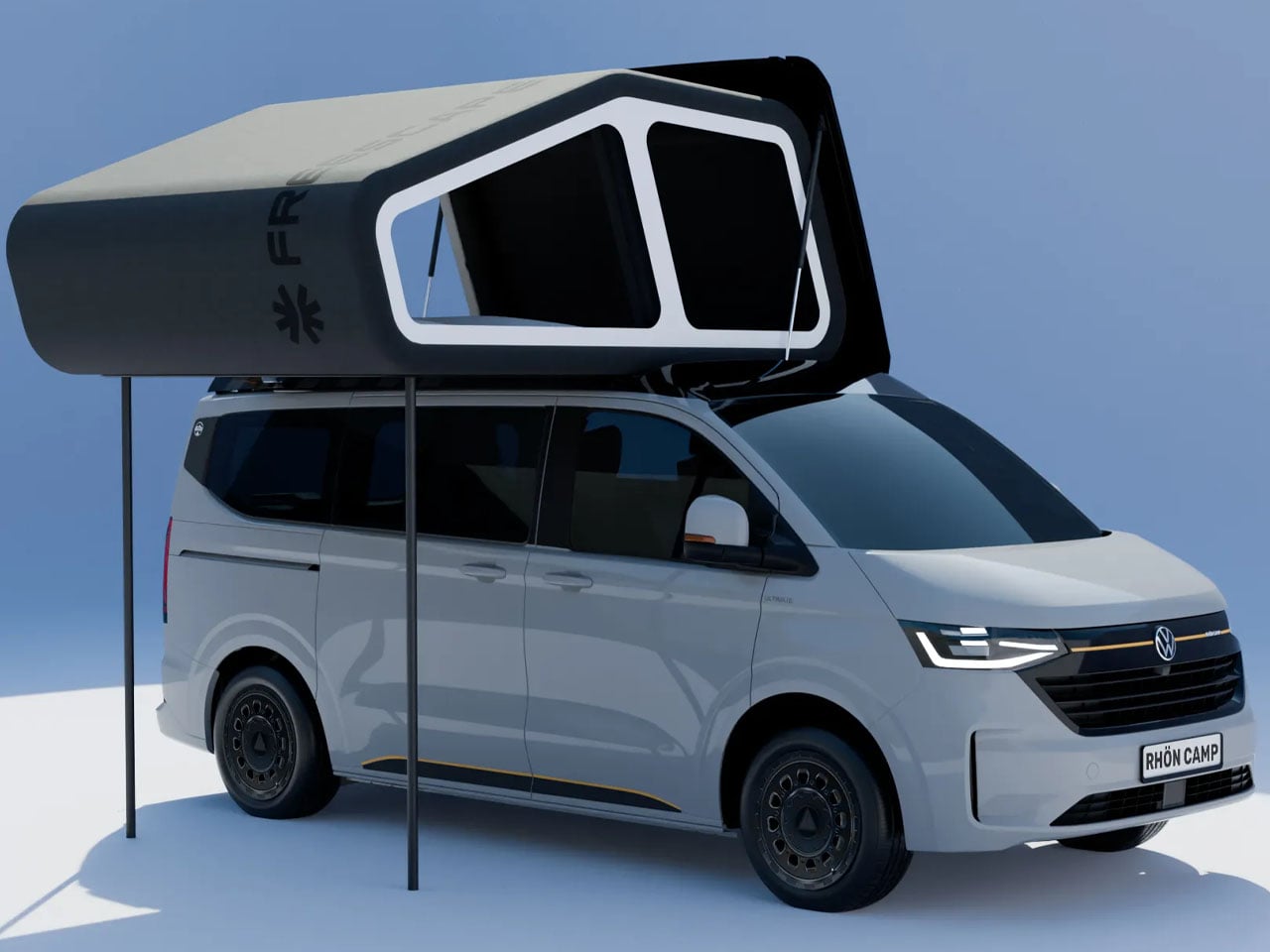
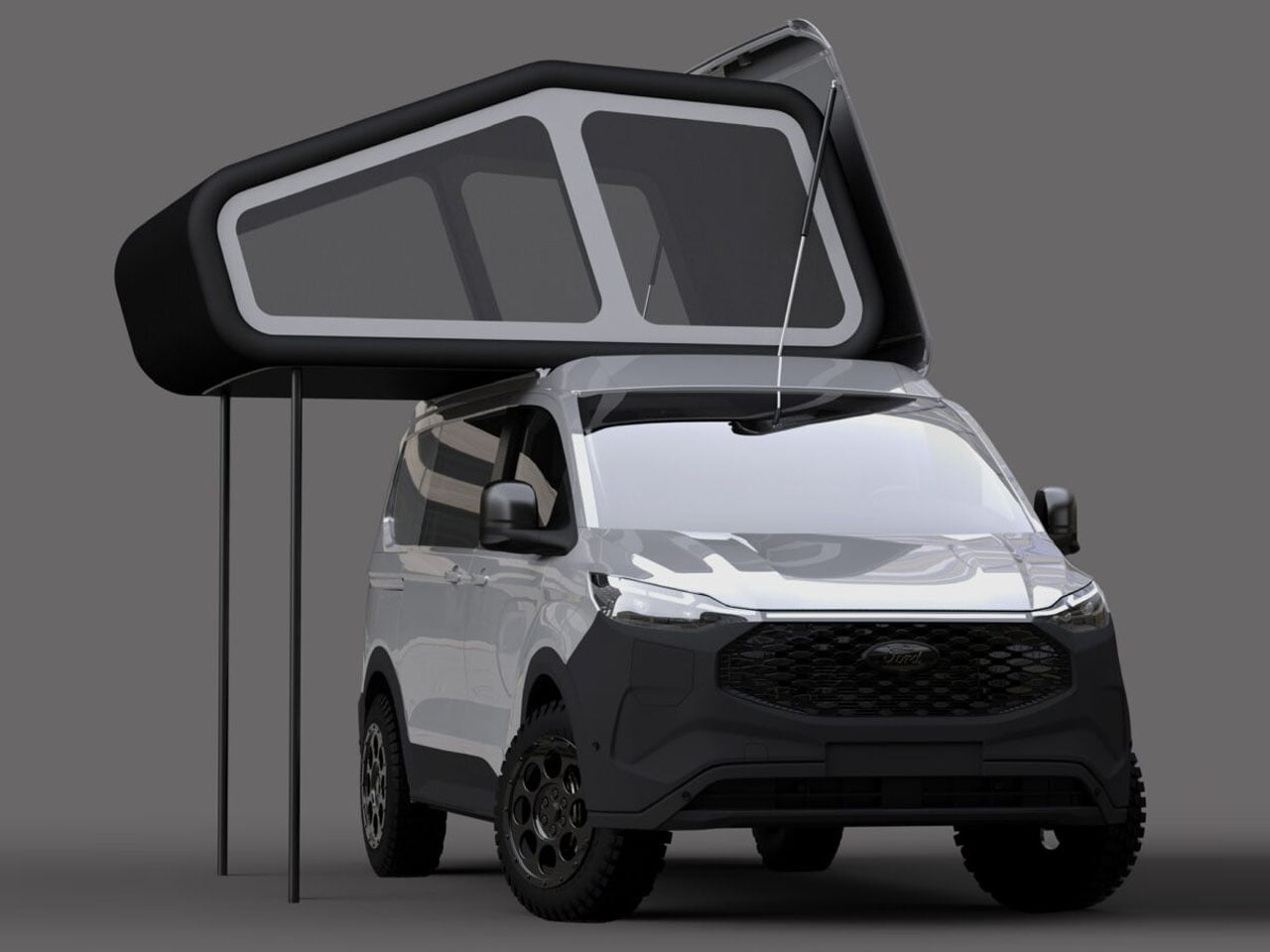
The roof tent swivels to one side, rather than sitting directly above the living area, leaving full headroom inside the van at all times. It is for the first time that such a concept for expanding the camper van living space has surfaced and is making way into a production vehicle. The van features a roof that tilts toward the driver’s side, allowing an inflatable tent inside to create a full sleeping space on the rooftop. It takes almost seven minutes for the entire thing to set up. The retraction is much quicker; more on that later.

Designer: Freescape

The new Freescape camper van has a flexible floor plan, which is also starkly different from ideas we have seen over the past. But, it’s frankly the patented pop-up roof that stands out on this all-wheel drive adventure camper van, which is based on the Ford Tourneo Custom and is configurable for the great outdoors and also for city commuting.

s

The side-extending pop-up roof of the Freescape camper van leaves the full amount of headroom inside the van while providing a 79 x 55-in double bed to sleep two people comfortably. It is set up on two support poles for stability. The roof-top tent is designed with multiple valves; one, to make the deflation quicker, and two to help prevent complete failure if one valve were to leak. Once deflated, it is easy to fold the tent back inside and close the roof.

The advantages of a side-expanding roof are manifold. In addition to providing a sleeping space that’s not directly in the van’s roof, hindering the interior headroom, it also functions as an awning, providing shade and weather protection without a separate awning. The camper van has a swivel-out kitchen, which can be aligned below the extended roof awning.

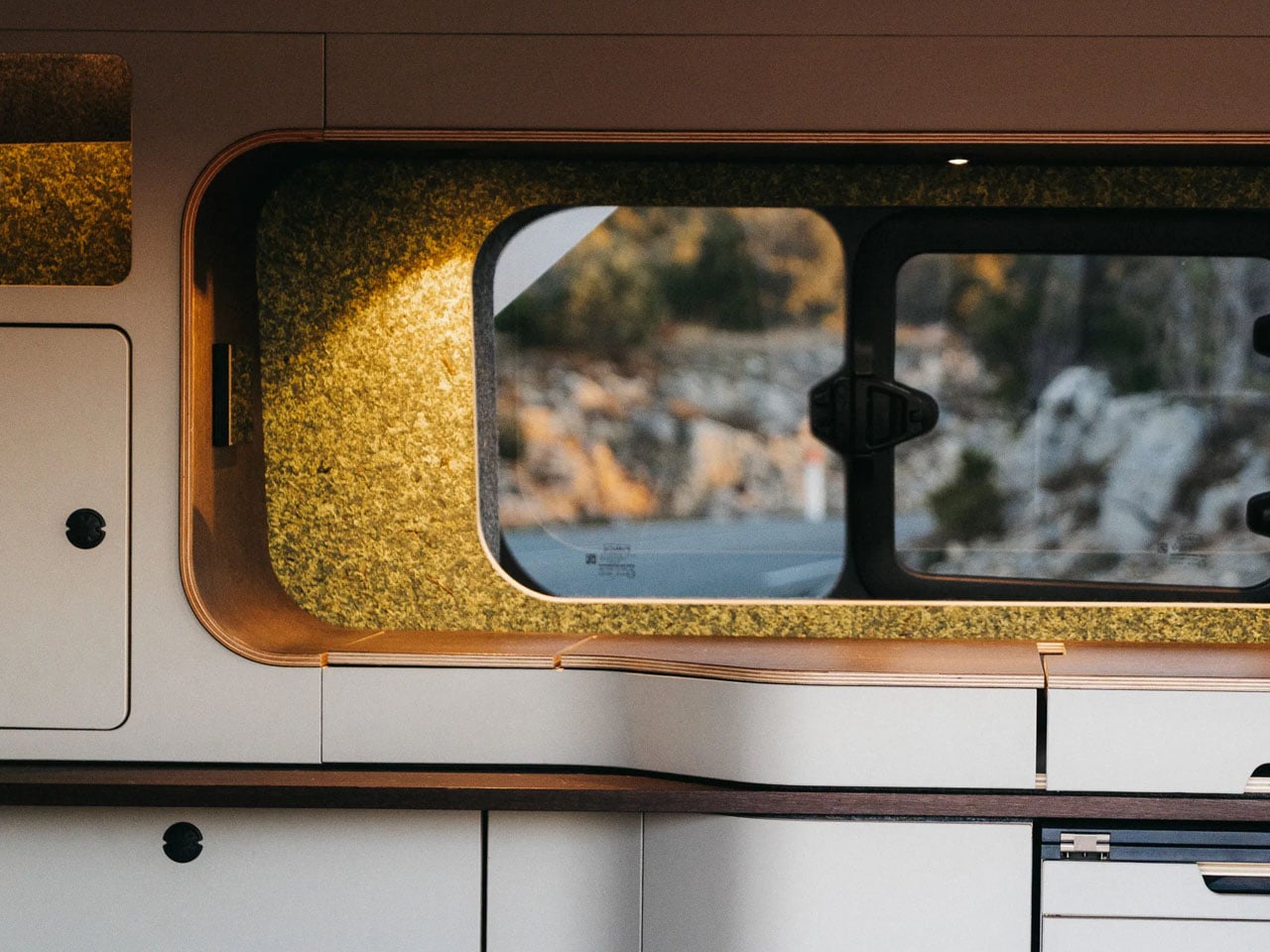
Definitely, Freescape camper van’s inflatable roof is the undeniable difference from the crowd, but the uniqueness of this van doesn’t really stop at the roof. The interior is equally cool. It’s provided with floor rails to move the seats and other hardware around the inside. The seats in the cockpit turn around to face the living area, while those at the back can be lowered to create another bed.

In the middle of the campervan is the multipurpose kitchen block that slides practically around the cabin and even extends out for outdoor cooking. It is provided with an induction cooktop, a worktop extension, and a sink. In addition to this, the sliding swivelling table, which pivots out of the wall, to the middle of the vehicle, functions as a table or work desk.  The camper van may be compact, but it comes with shelf-like modules that stack up in the tailgate area. The removable storage modules can be arranged as required or removed to make space for your sporting gear.

The Freescape is an ideal city commuter is the configuration possibilities inside, but it can also be equipped for off-grid adventures with 340 watts of solar power, a 300-Ah lithium battery, and a 3,000-W inverter. The camper van features a diesel camp heater, portable dry toilet, and a 25-liter fresh water tank, which also connects to an outdoor shower. The demo model for now is based on the Ford Tourneo Custom and costs $79,990. The company aims to provide plans for the Volkswagen Transporter and Caravelle in the near future.

The post Freescape puts side-extending inflatable pop-up roof on a Ford camper van first appeared on Yanko Design.

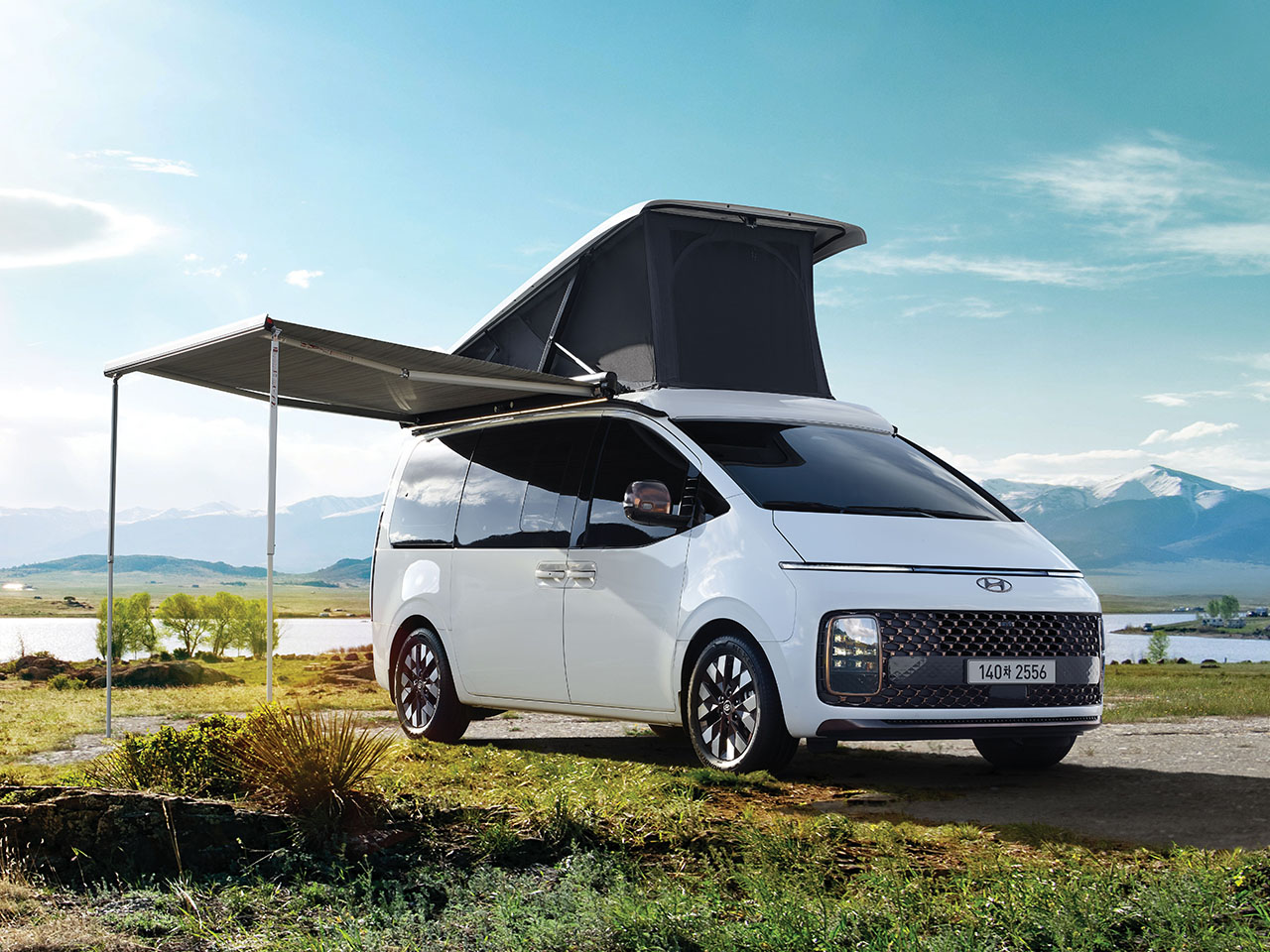
Hyundai’s STARIA Electric Camper reimagines adventure beyond the grid

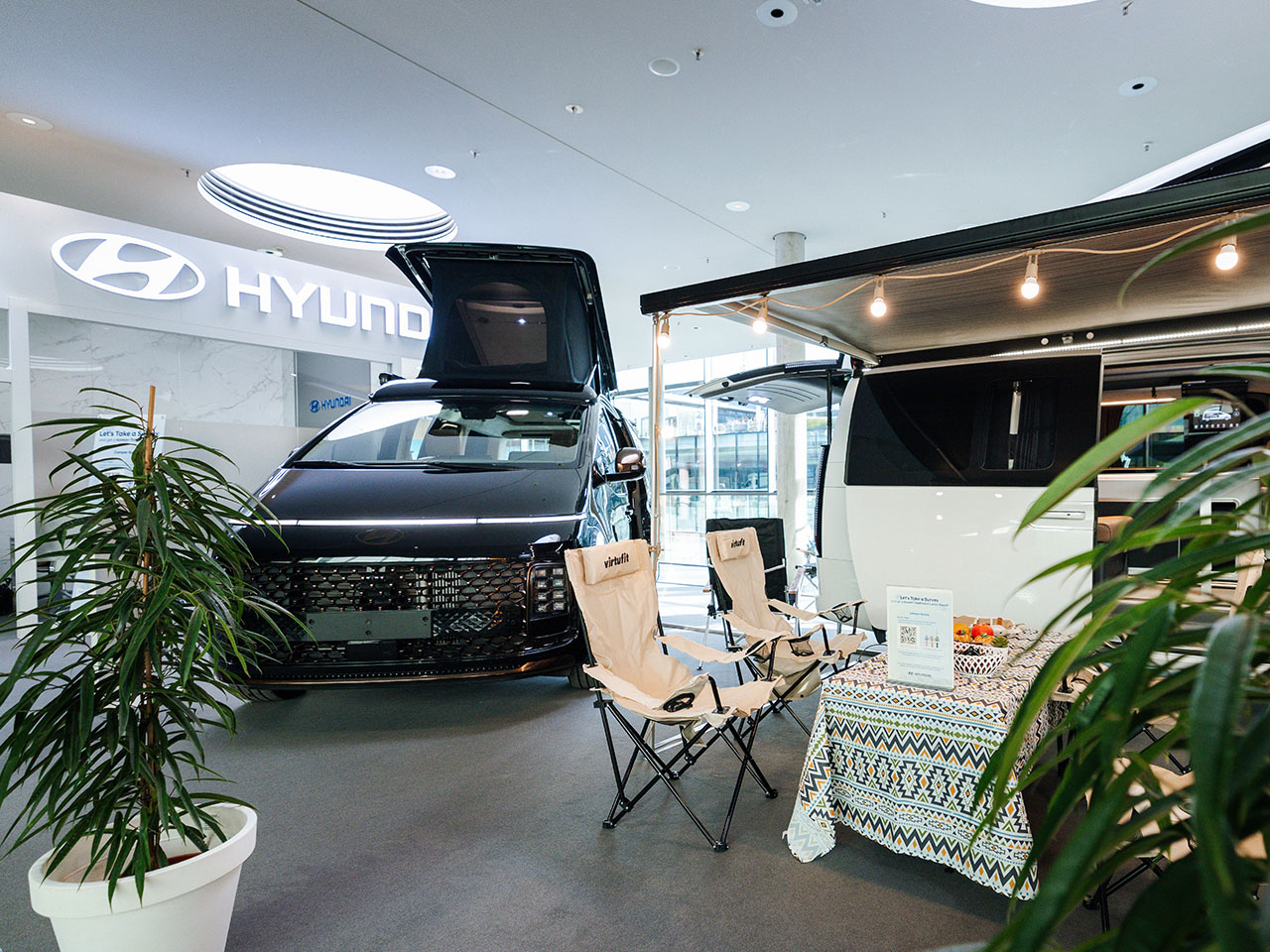
Hyundai is serious about its ambitions of providing off-the-grid, liveable mobility for adventure seekers, and that’s proo enough with their latest STARIA Camper concept. Based on the STARIA Electric 11-seater MUV unveiled at the Brussels Motor Show, the zero-emission camper walks right into the trails of the Lightship AE.1 electric travel trailer, Colorado Campworks NS-1 camping trailer, and the Camp365 Model T camper.

The STARIA minivan is the perfect canvas for a camper revamp, as Hyundai wants to cater to the rising demand for electric mobility for living on the road. The concept is a direct invitation for the community of travelers whose feedback will decide the fate of the camper in the European market. Depending on the demand for electric vehicles that can satisfy the everyday usability, loaded with travel amenities, the camper version of the vehicle could make it to the production lines.

Designer: Hyundai

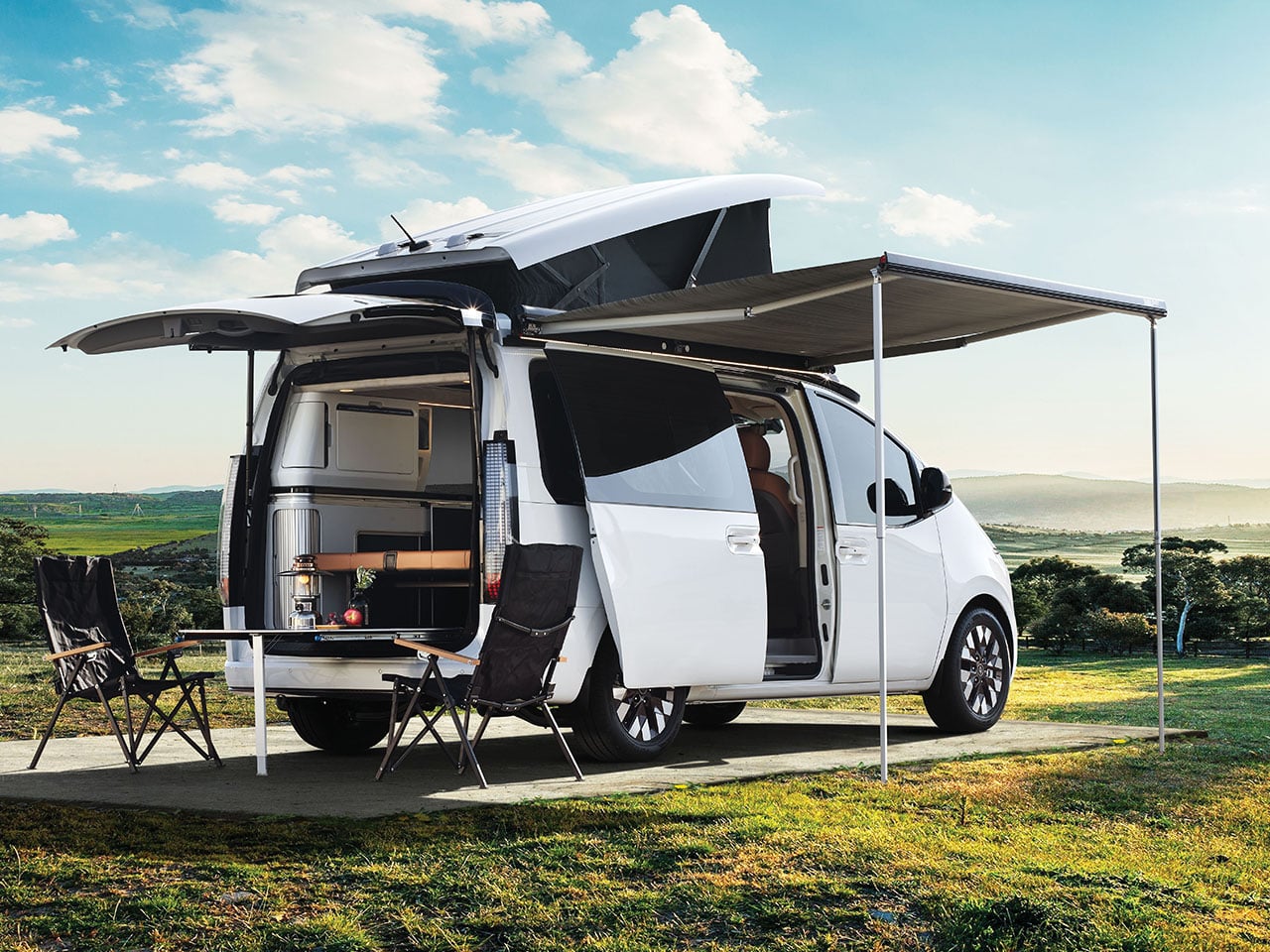
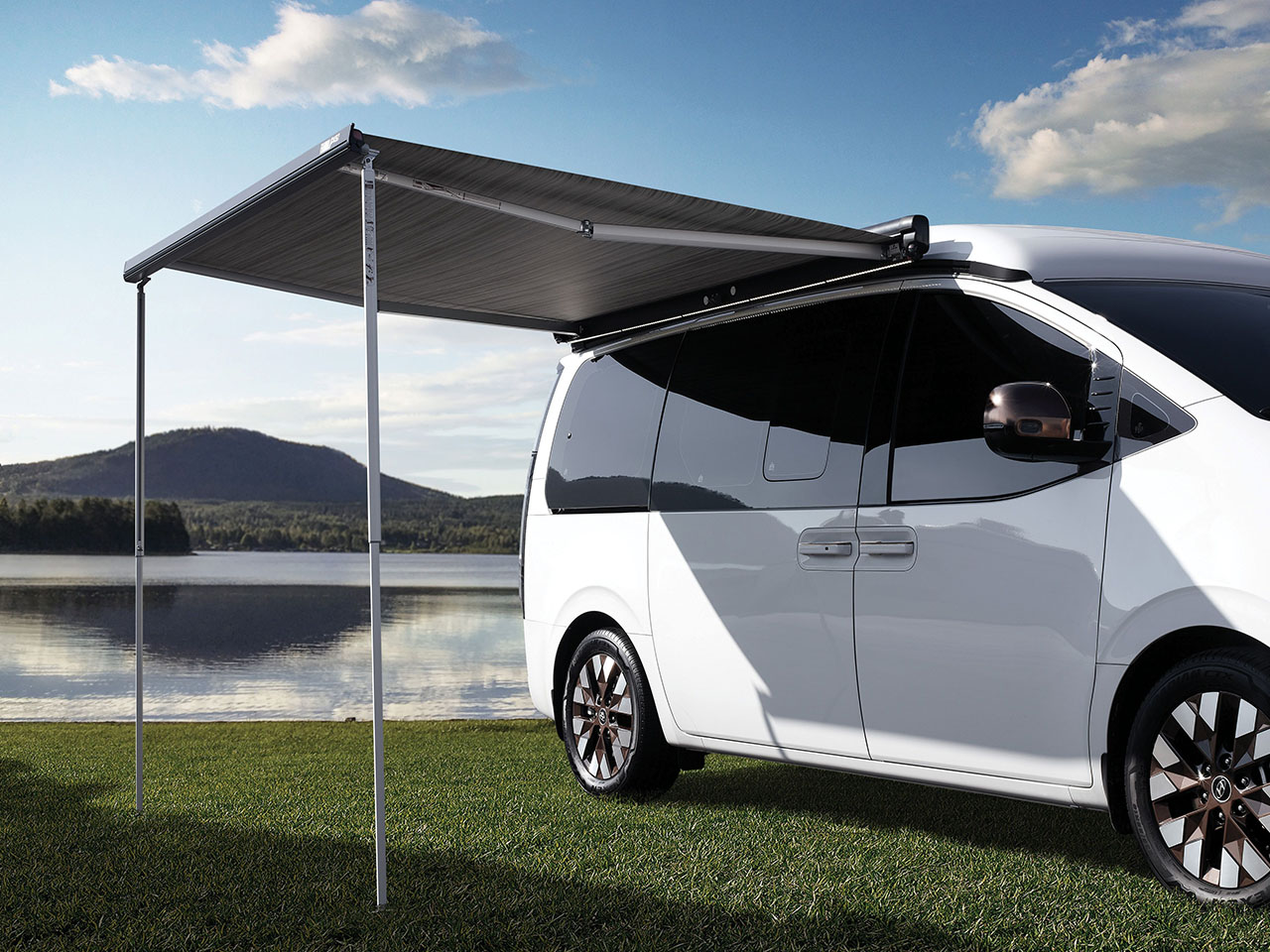
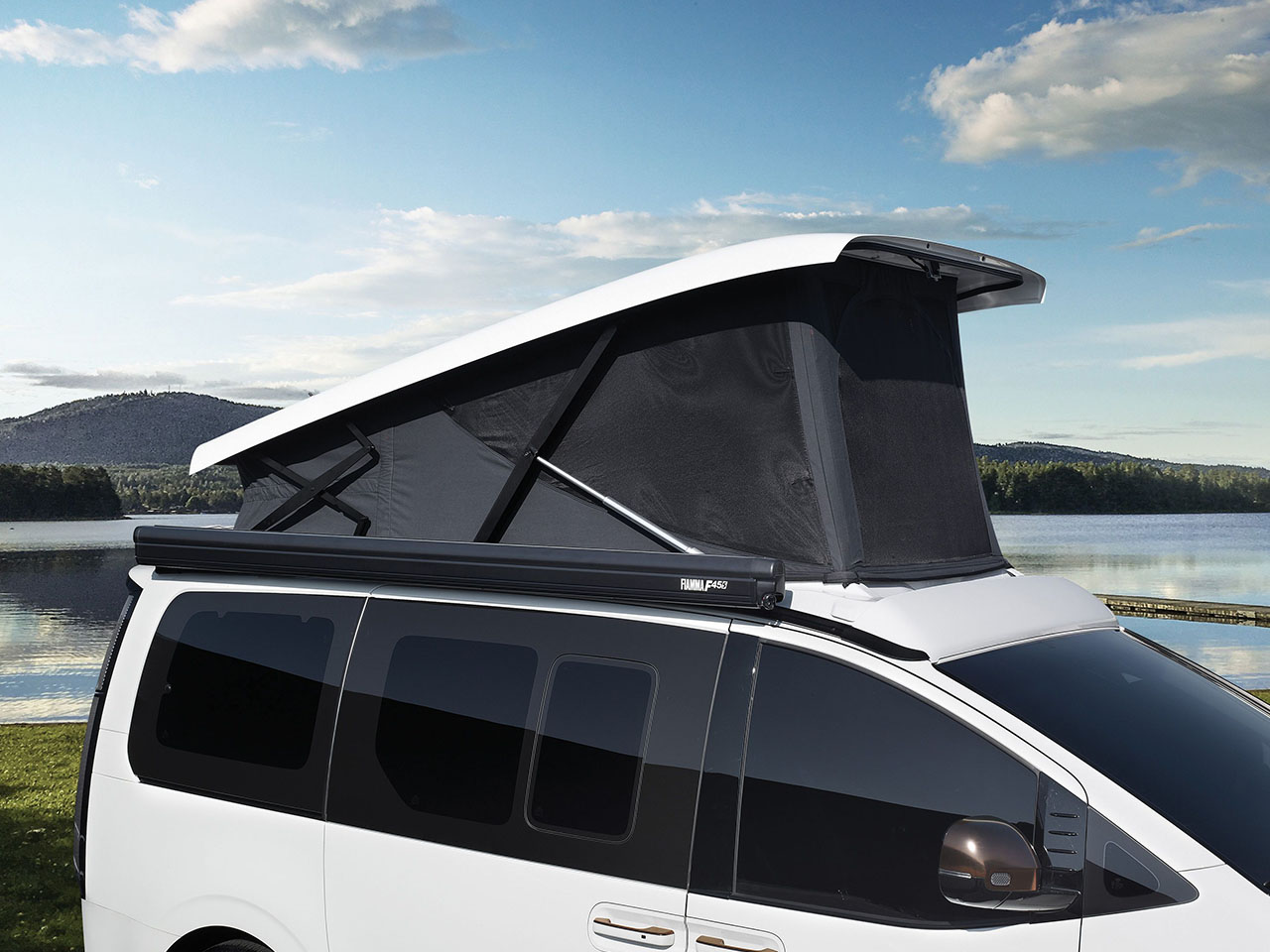
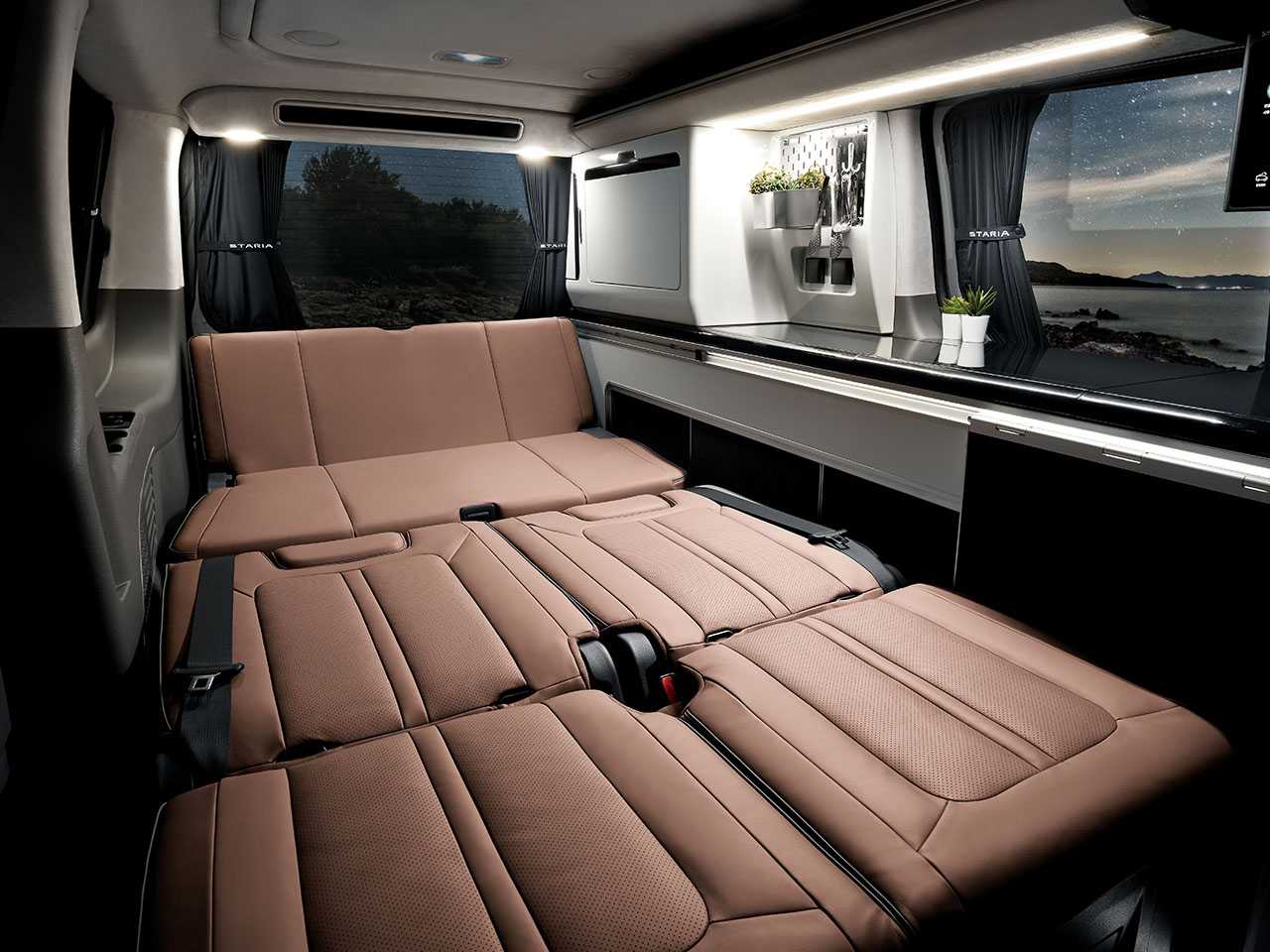
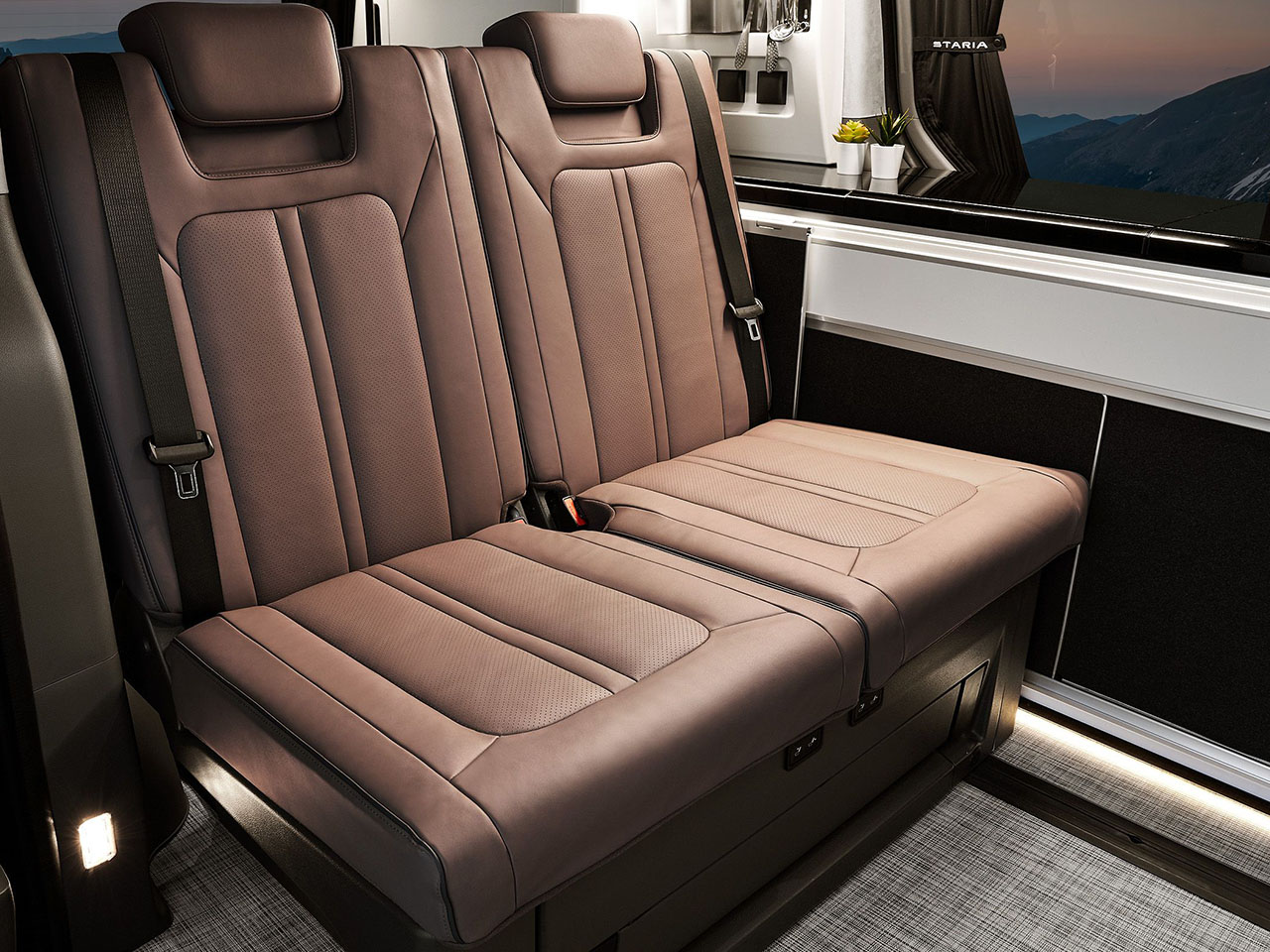
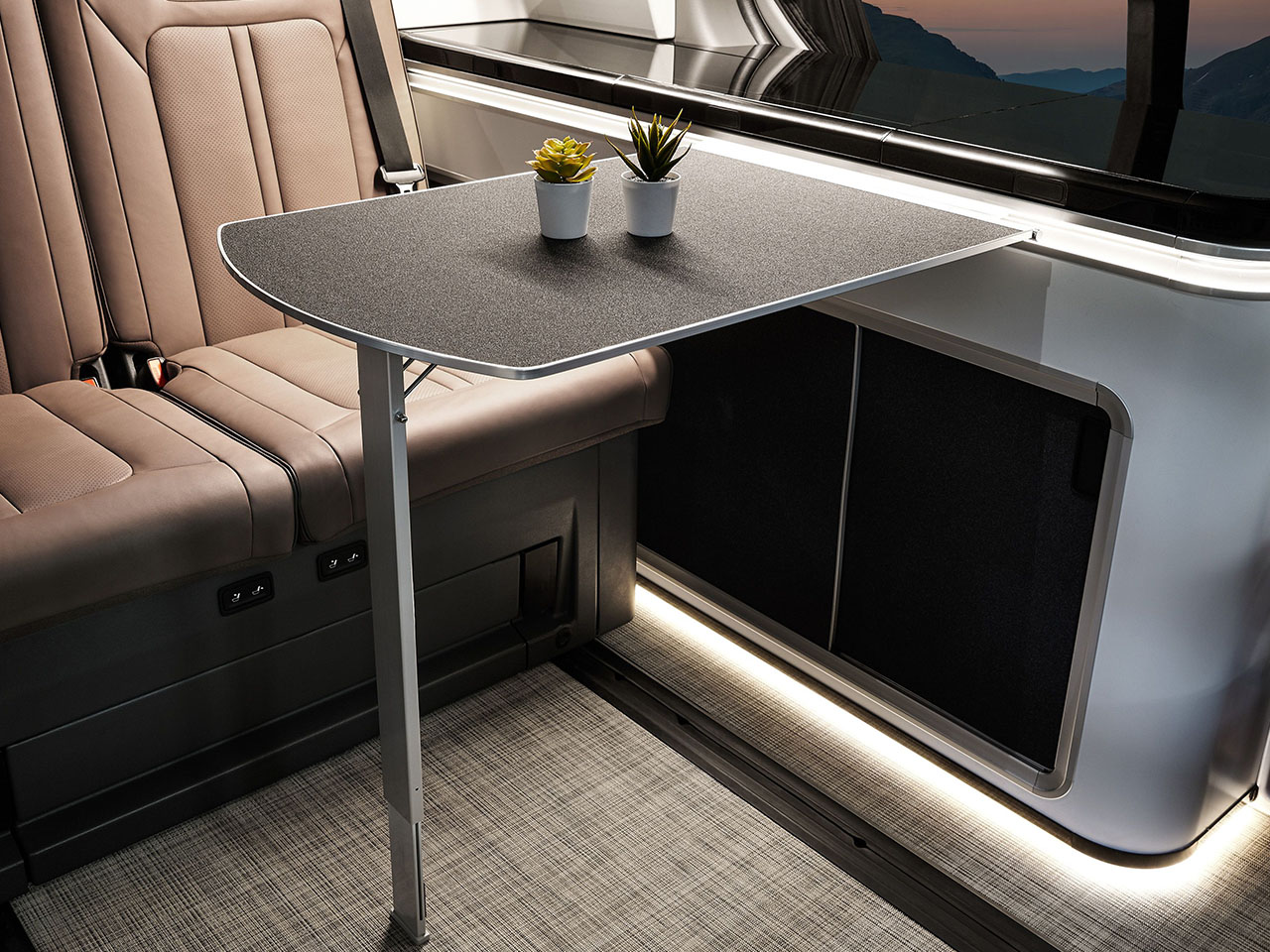
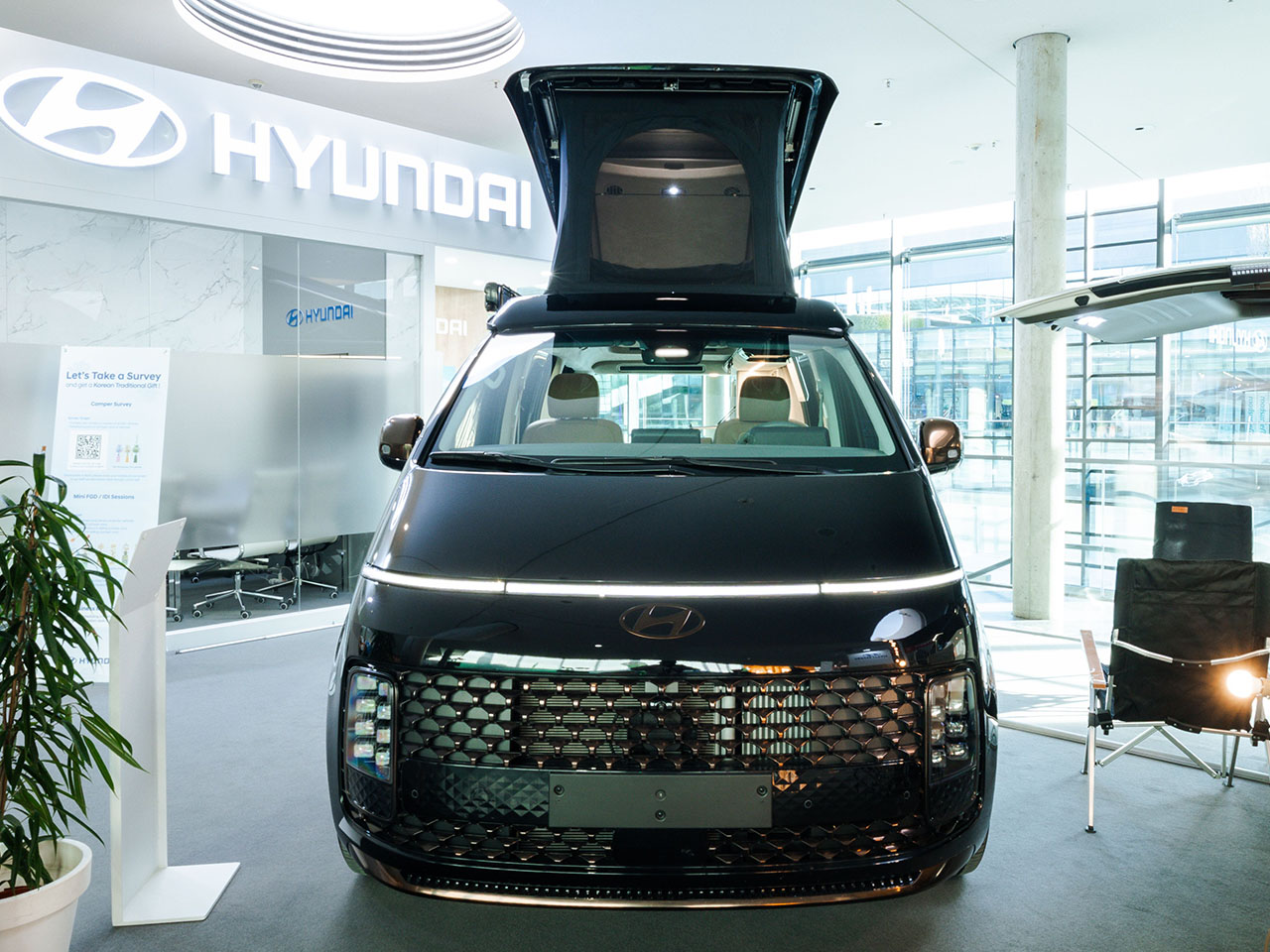
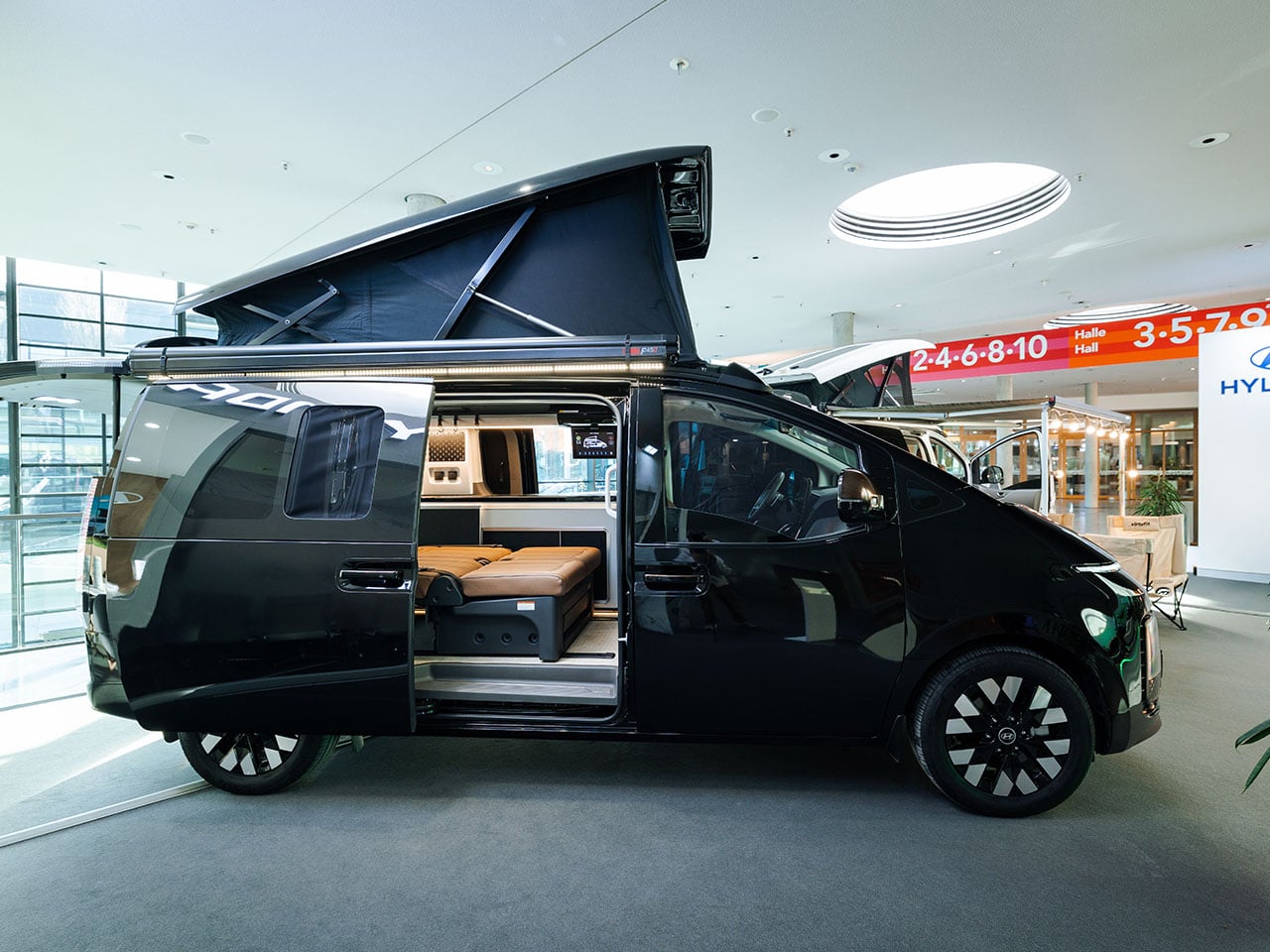
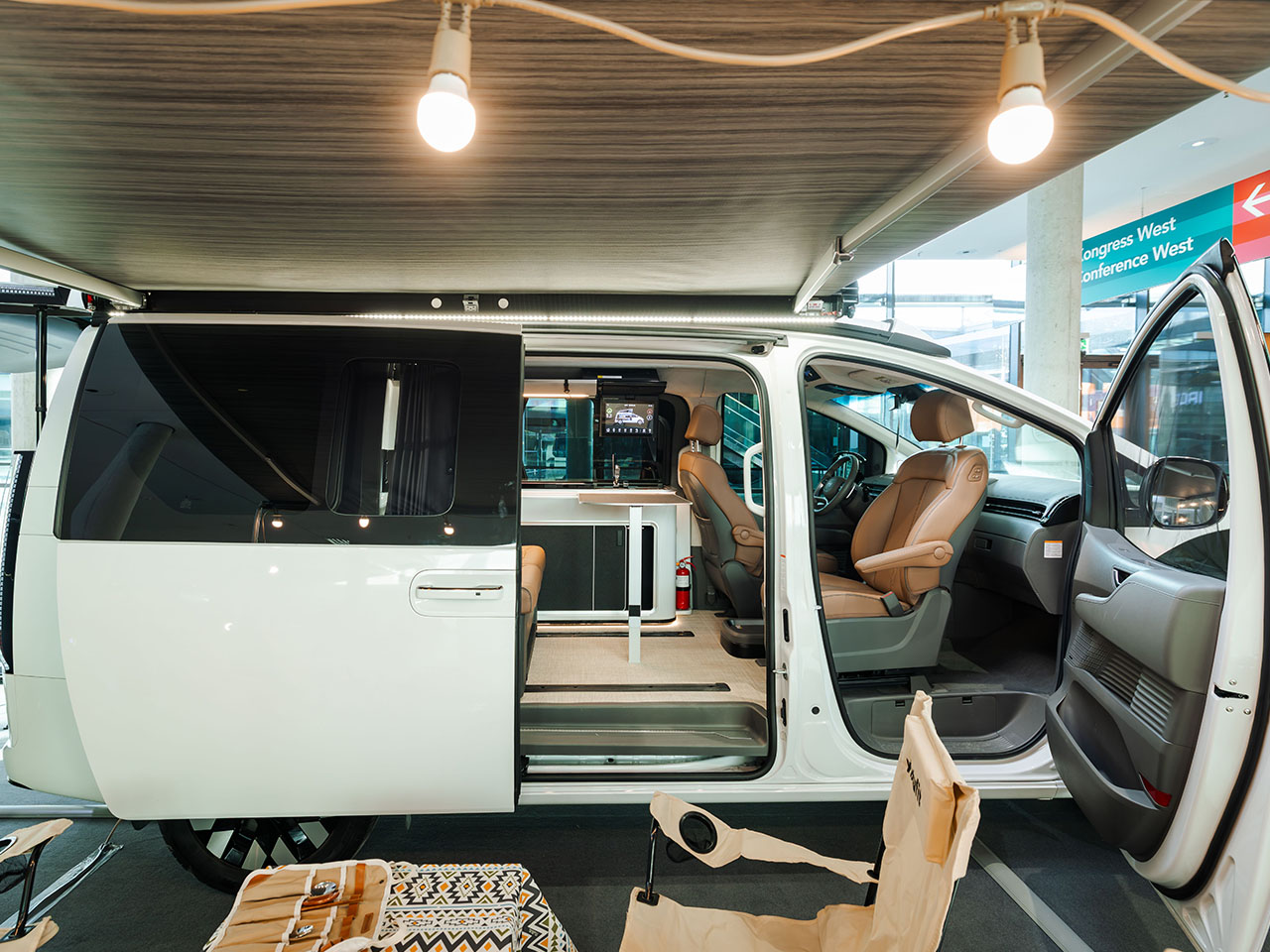
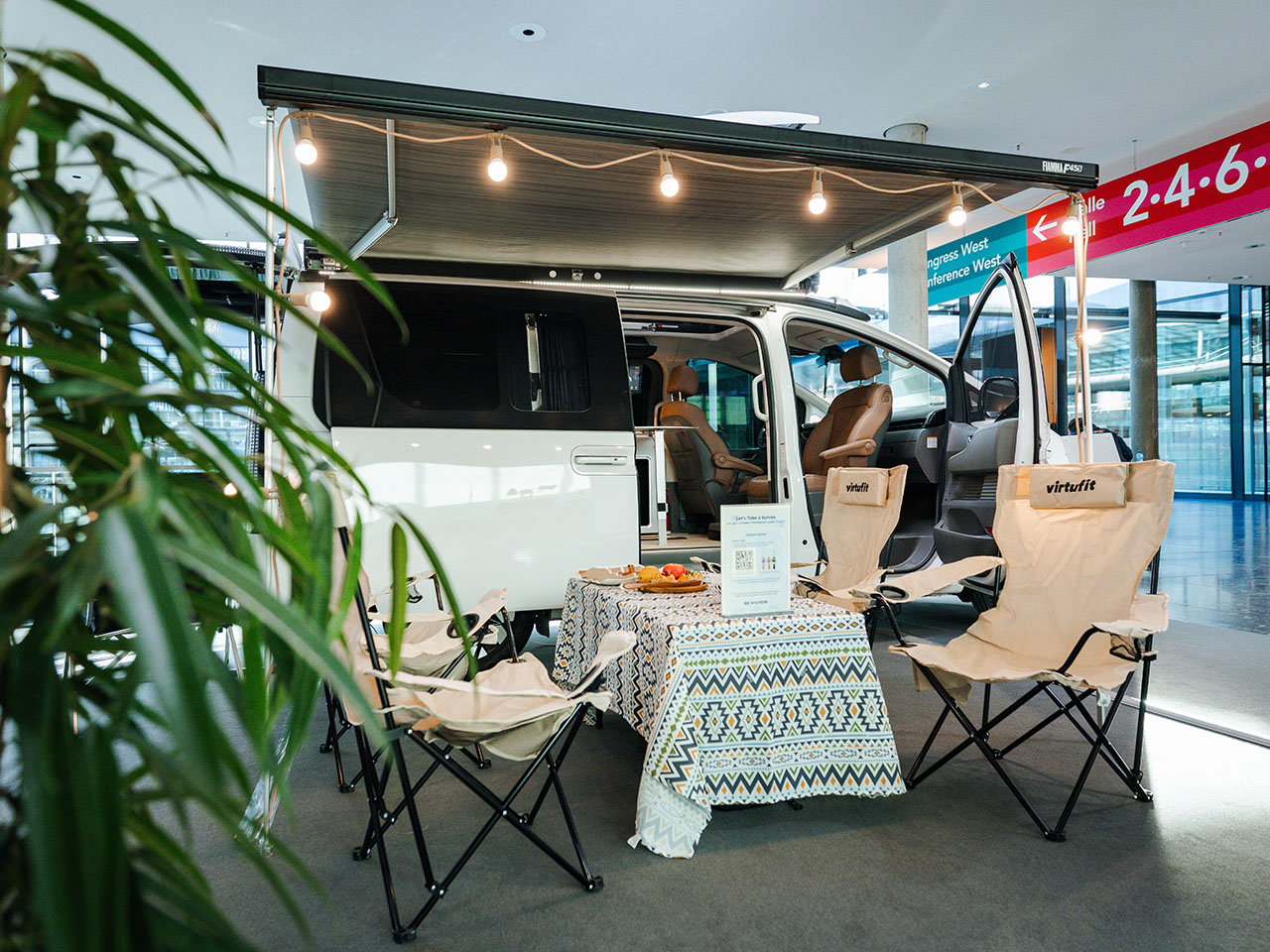
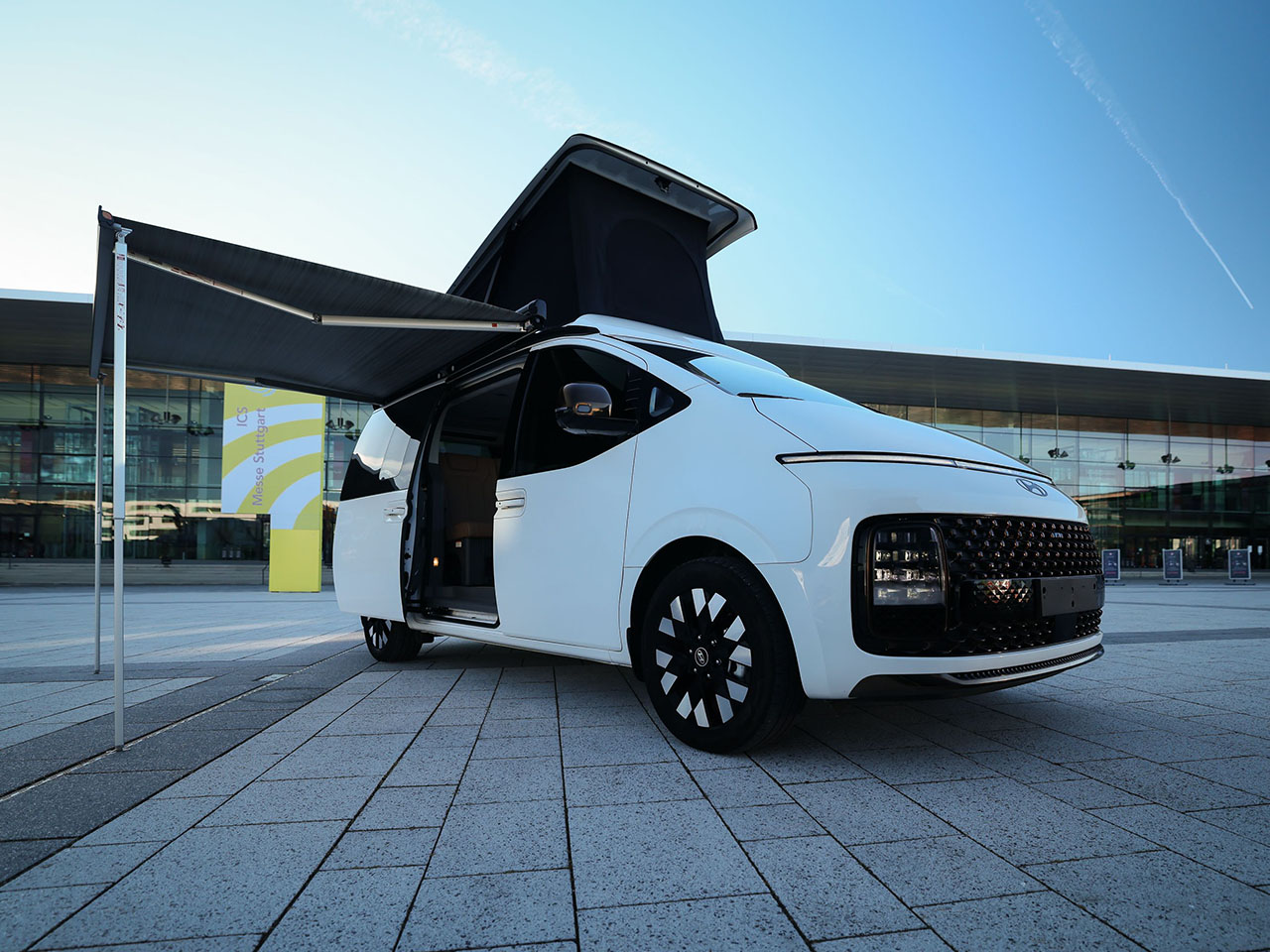
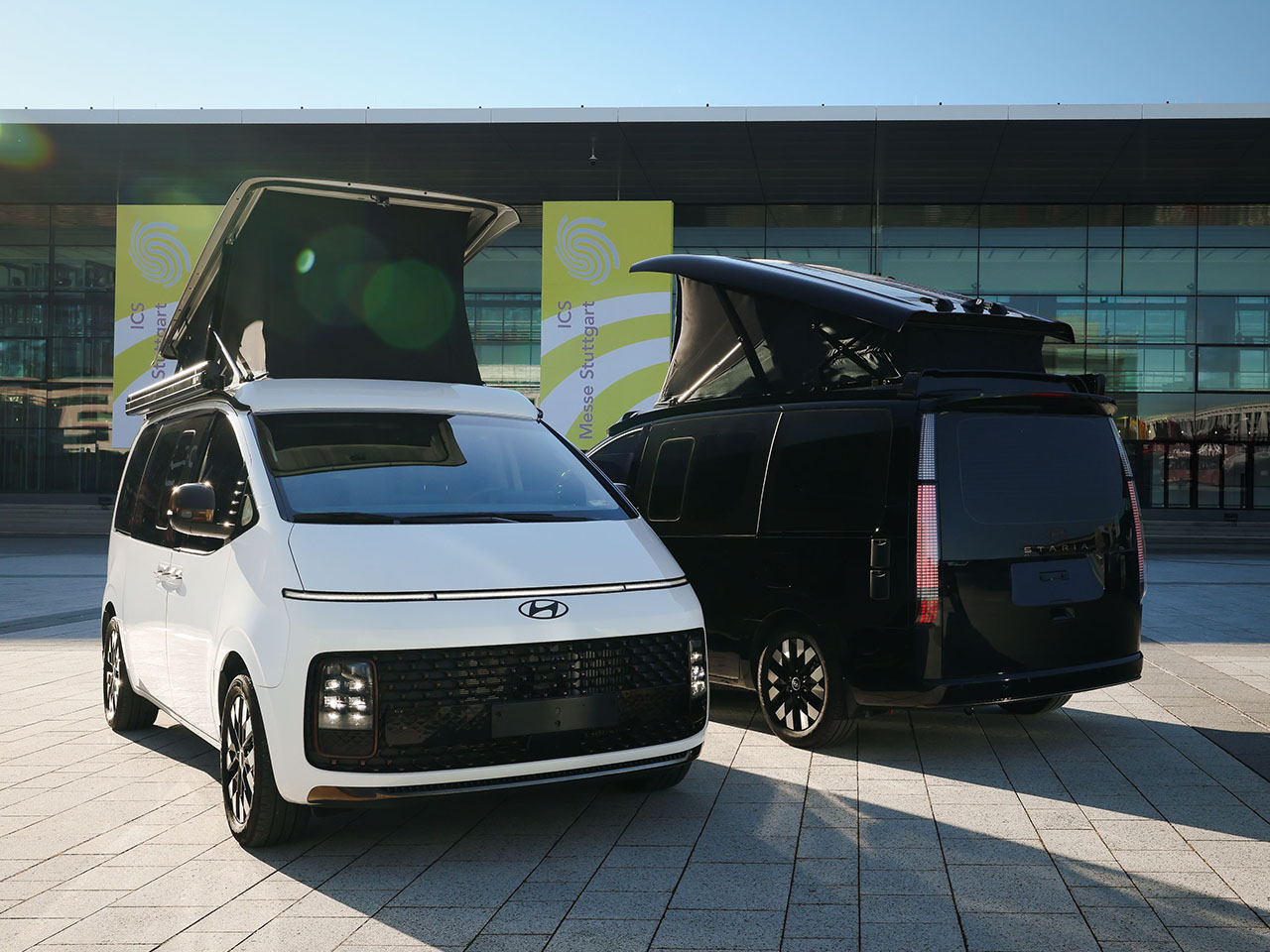
The electrically operated pop-top version of the van will trim down the capacity of the normal MUV to four people, who can comfortably make it their adventure vehicle. The South Korean giant will offer the STARIA with an extendable Fiamma awning that has built-in LED lights. The second row powered seats come with the flexibility to lie flat to make up the sleeping space. During the daytime, the hidden indoor table swings out in front of the second row seats to be used as a place to work offline or have meals.

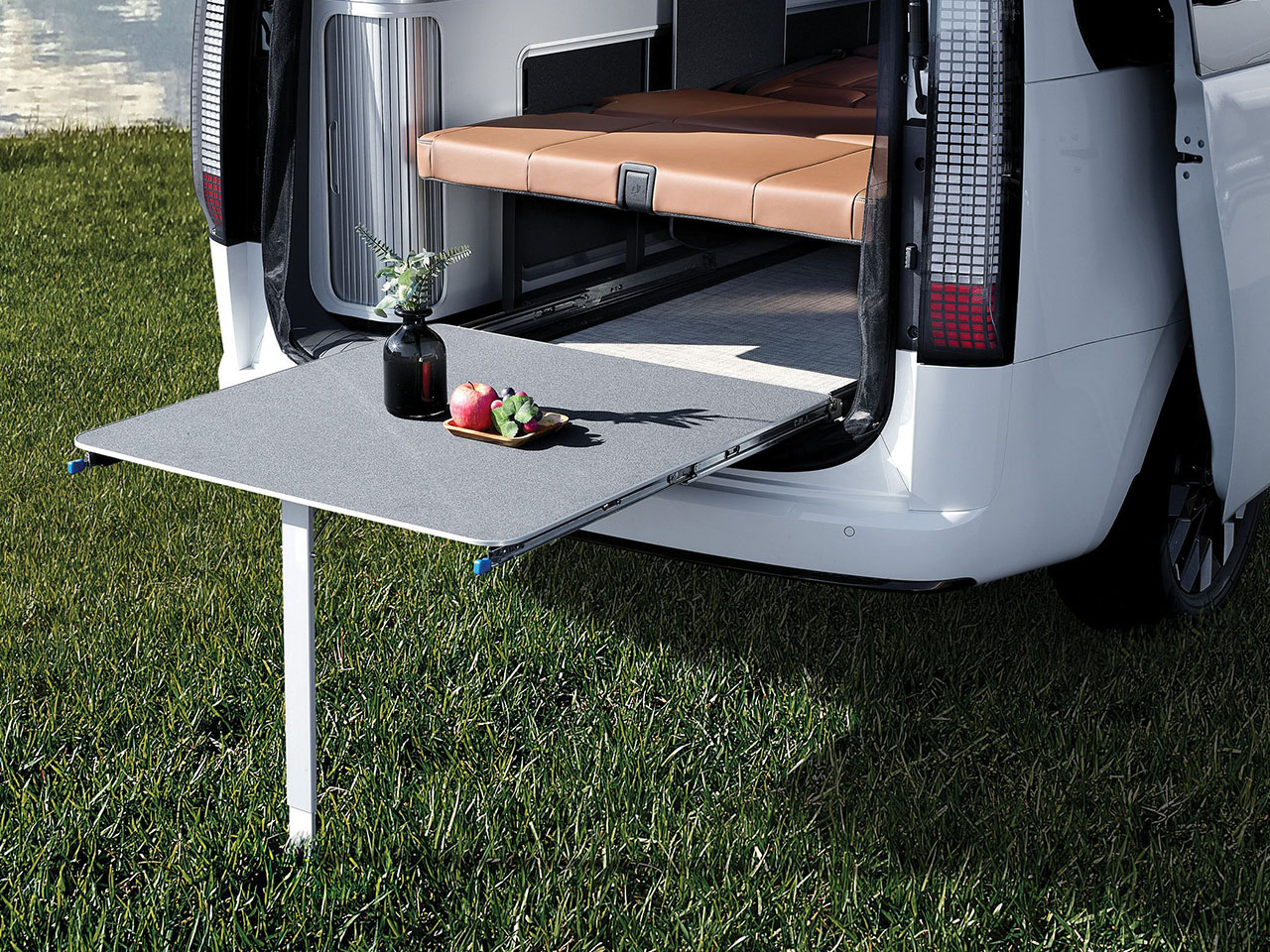
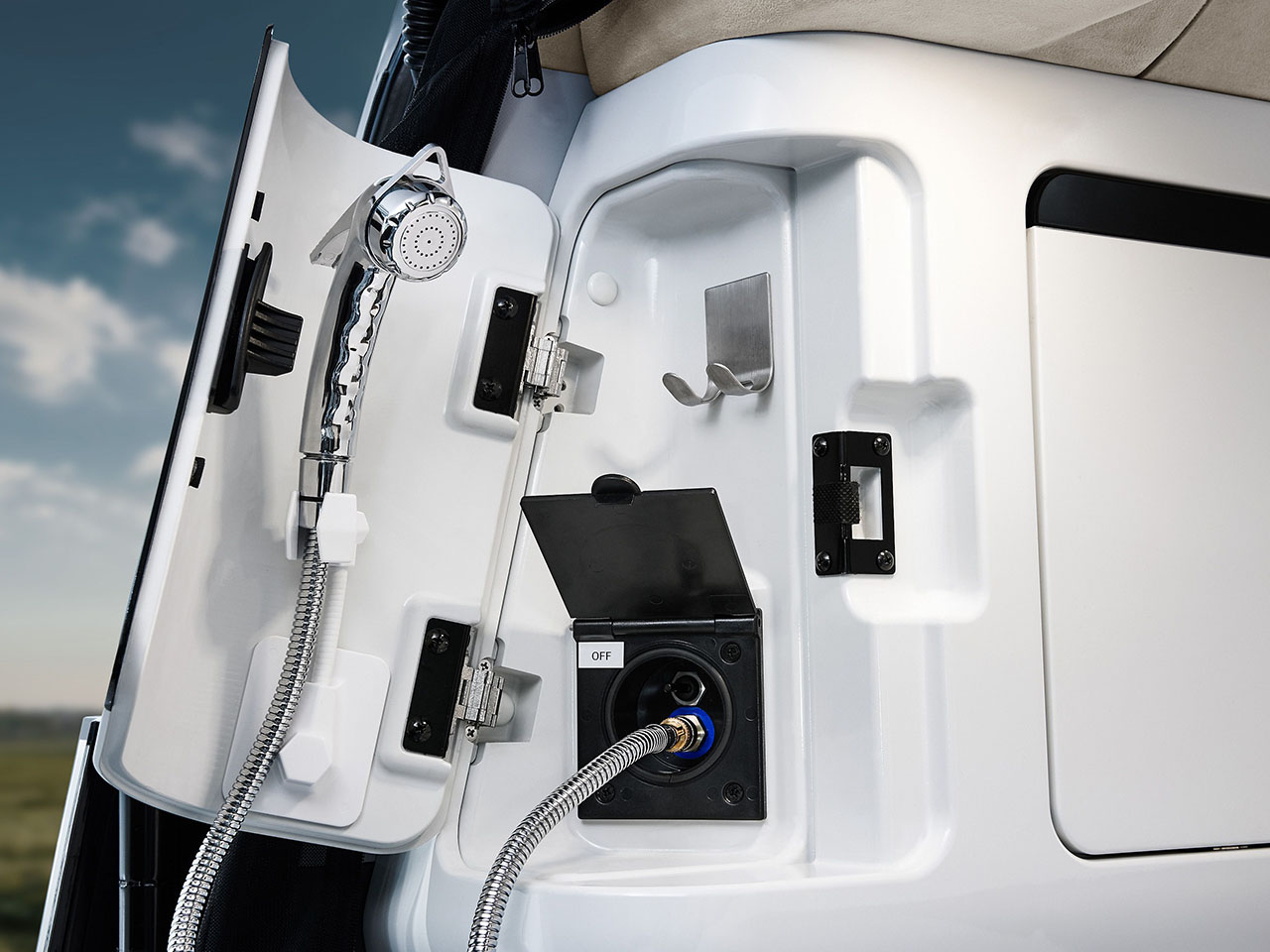
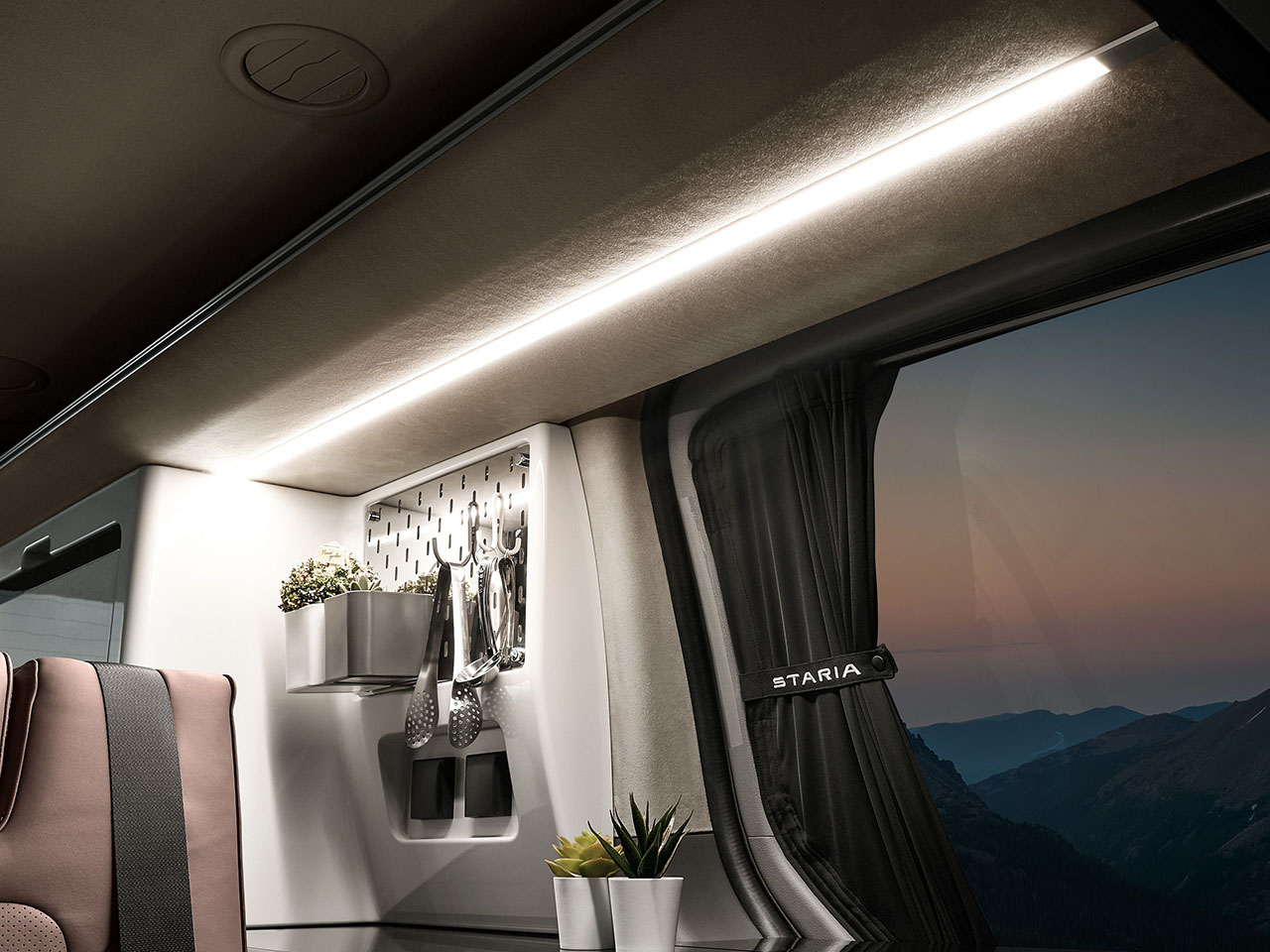
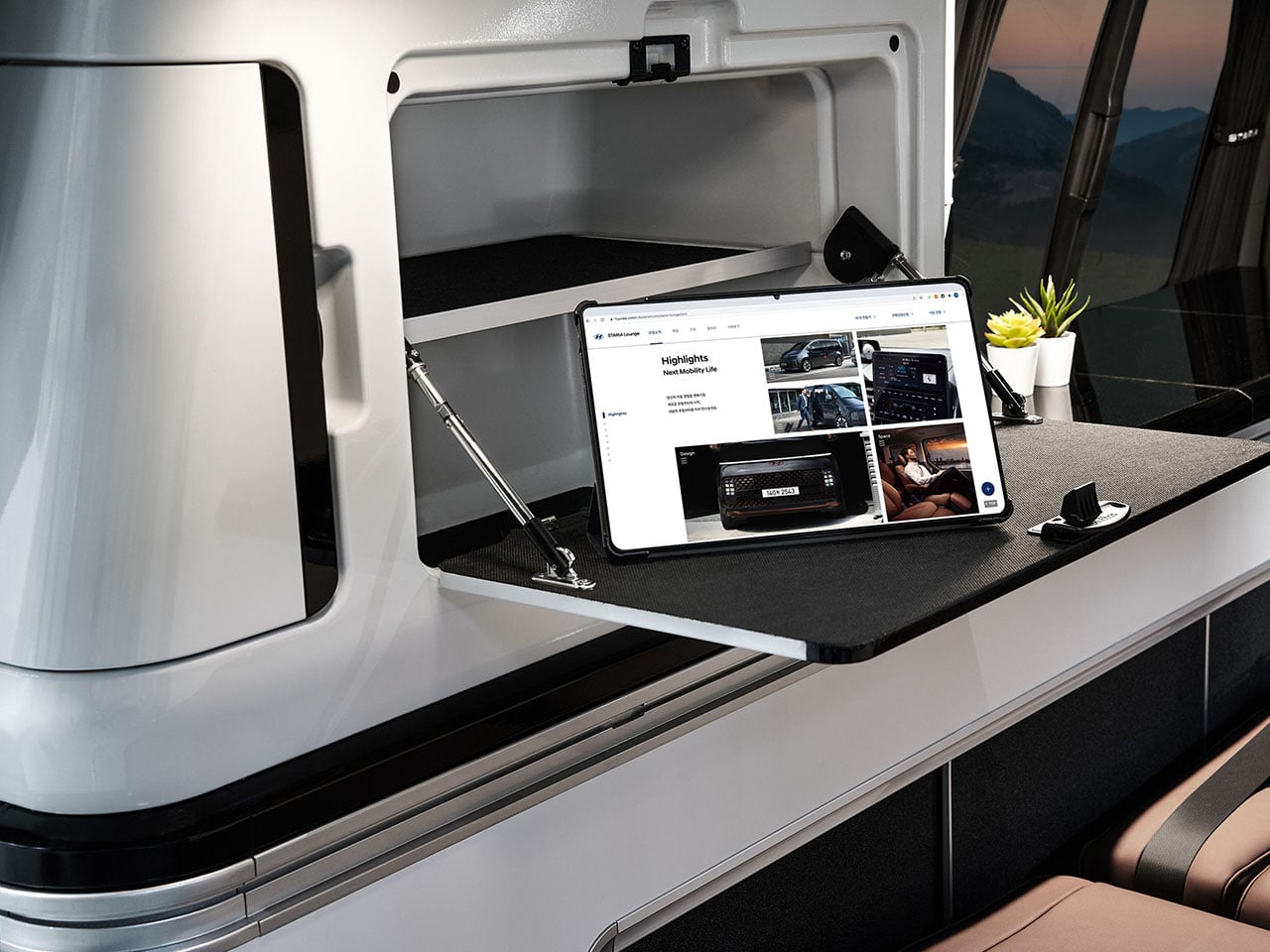
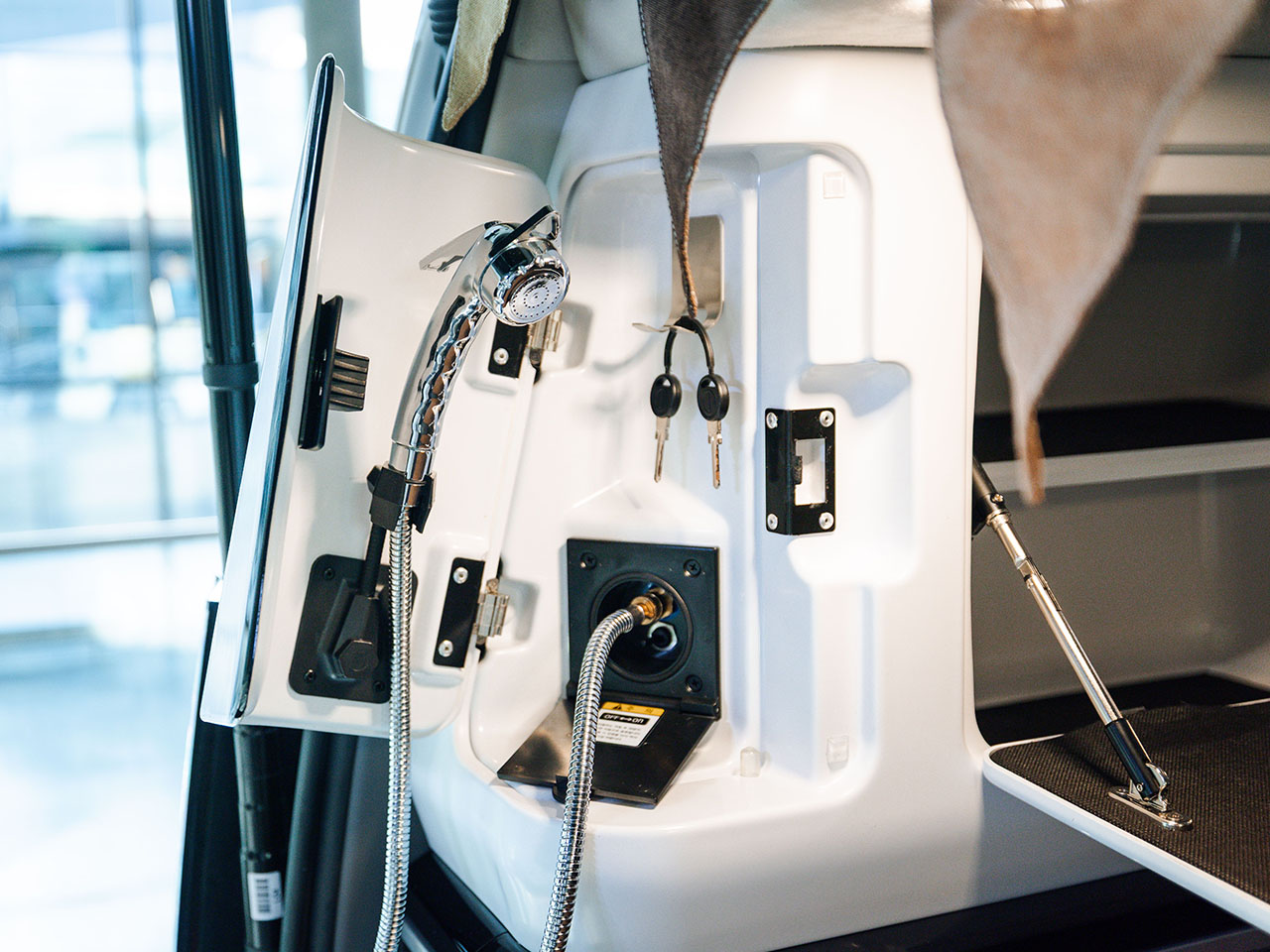
Further back to the third row, there is another table that slides out to create an outdoor dining area. It resides in the trunk area, which doubles as a storage compartment, and also aids in loading cargo and sliding it further inside. For maximum space utilization, the space behind it hides another compartment that has a detachable shower head for on-the-go showers. On the driver’s side wall holding the kitchen, along with the sink and top-loading fridge. Over this section is a single lid that closes flat to give the riders a continuous shelf to prepare meals. There’s a portable induction cooker or a stove (Hyundai hasn’t specified clearly) that runs on the electric battery, so cooking should be sorted.

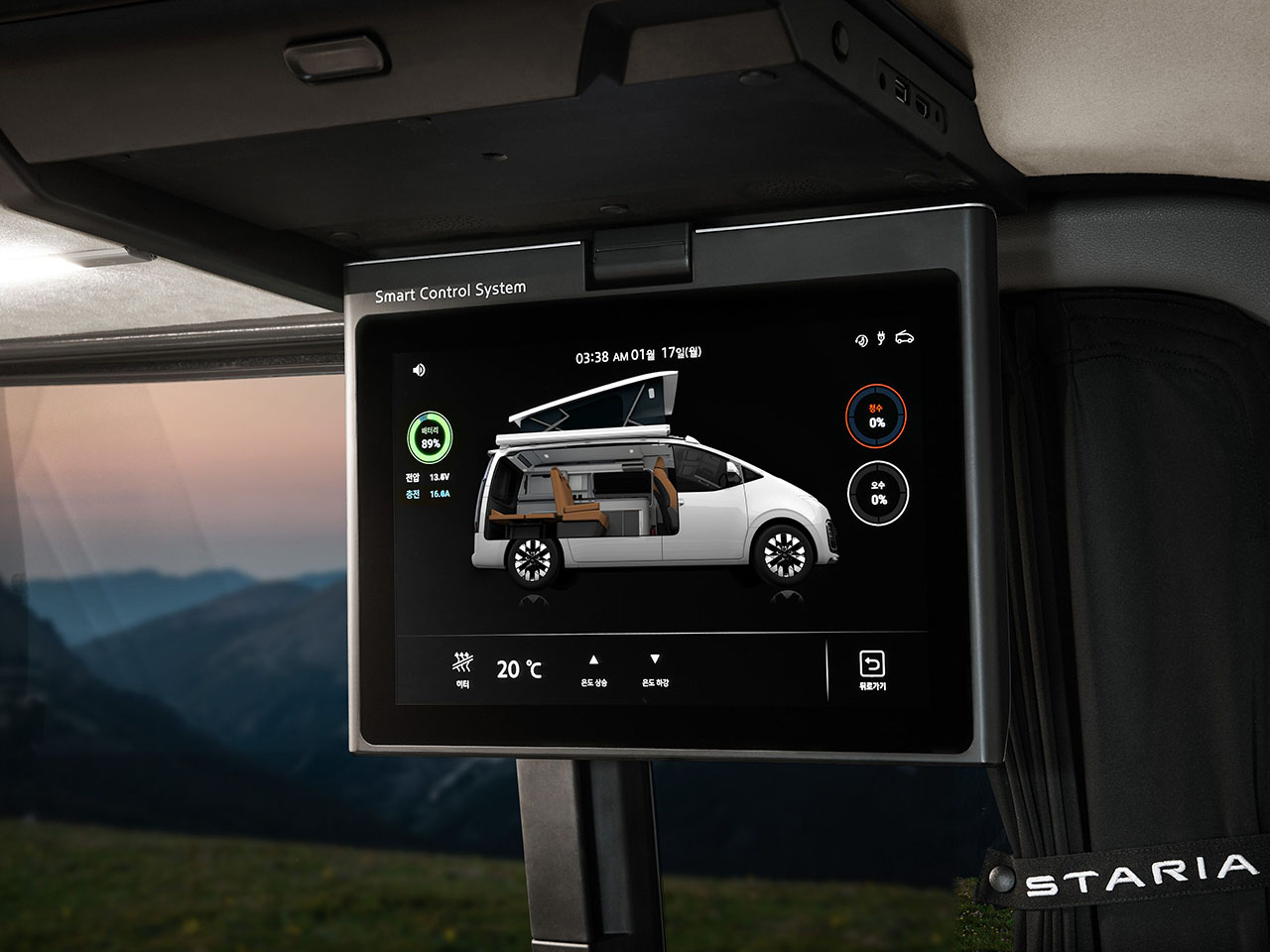
The utilitarian approach on the inside continues to the pegboard wall right above the corner section of the worktop. It is used for hanging the utensils and other everyday essentials. This section extends on the corners to make space for storing clothes and other household amenities. The additional power to run all the modern appliances comes from the 520-watt composite solar charging panel, providing 2.6 kWh of electricity. One can operate a 36-liter refrigerator, a portable shower, and the cabin temperature control system for complete autonomy for adventure seekers.

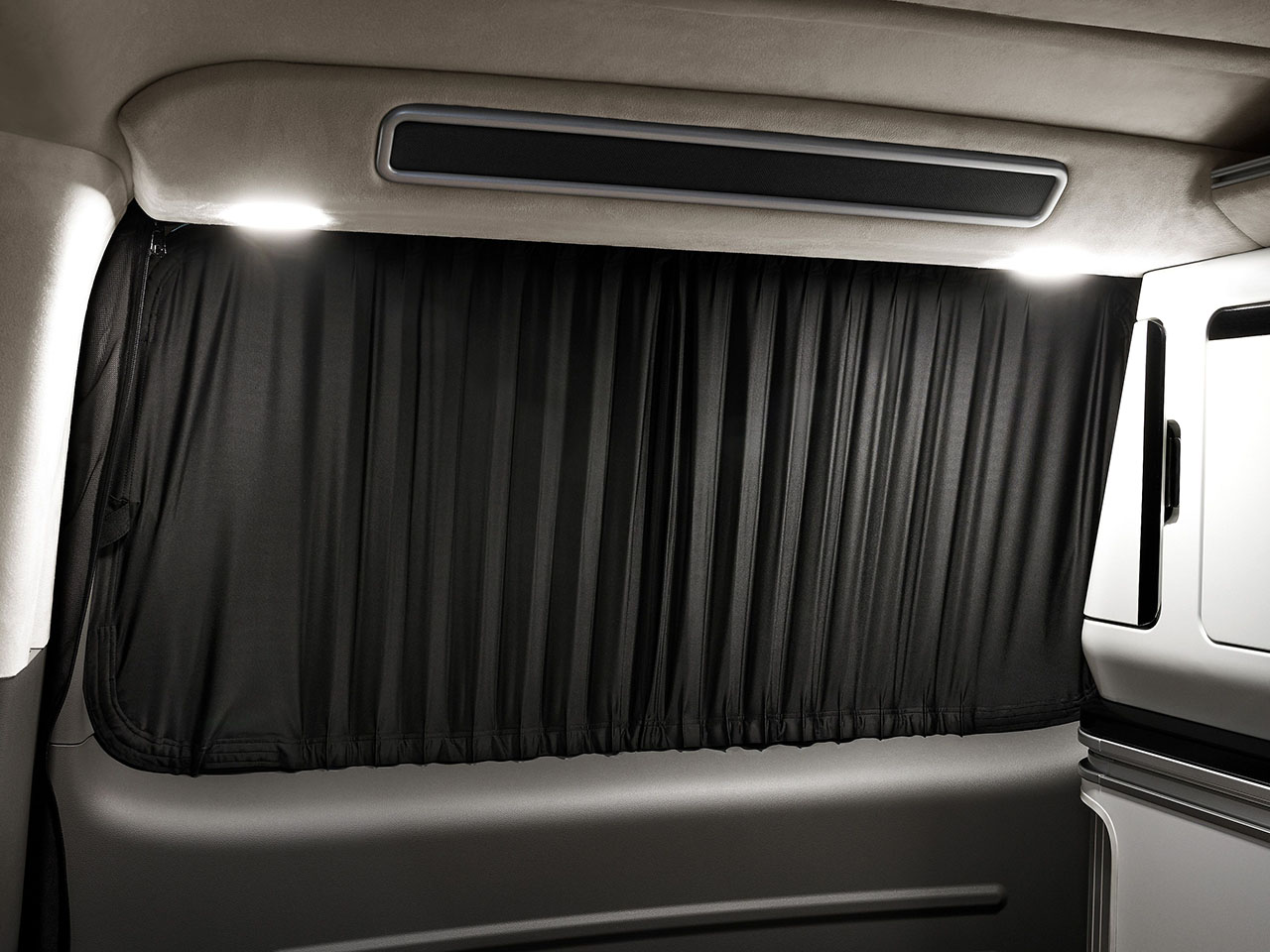
Privacy is a key feature in the STARIA Camper with electronically adjustable smart glass that’s touchscreen controlled via a module for adjusting the amount of tint. To make the vehicle more suited for heavy-duty adventure needs, it’ll have a structurally improved front and rear suspension system and sound-absorbing material. The STARIA Electric has a range of around 400 kilometers, so we can expect the camper version to hit the same numbers, given there is a solar panel that could charge the battery when not utilized by the smart electrical equipment.


The post Hyundai’s STARIA Electric Camper reimagines adventure beyond the grid first appeared on Yanko Design.
Toyota unveils Kayoibako-K micro camper van concept that can be used as self-driving mobile storefront

Daihatsu recently took to the Japan Mobility Show to showcase some of the fascinating vehicles it’s building in the small segment. Personally speaking, small cars are incredibly difficult to pull off with all the features and functionalities, let alone the idea of stuffing them with features to fit the camper segment. But that’s what Daihatsu continues to take up as a challenge for itself, which is evident in the showcase of the Toyota Daihatsu Kayoibako-K concept.

The adorable micro-transporter is showcased in various possible variants, including a camper van, a small family hauler, and as a self-driving adventurer and mobile delivery van. While the concept vehicle is not fully autonomous, the Kayoibako-K concept has been depicted in promotional videos as navigating itself to the driver’s doorsteps, driving autonomously on specific routes, or returning autonomously to its parking spot after a long day of work.

Designer: Daihatsu

Even though, for those who have been following Toyota’s vision of the micro-van, there wouldn’t be much to distinguish between the Kayoibako-K and the original Kayoibako concept the company showcased at the Japan Mobility Show, two years back in 2023, but the adorable micro-camper is skimmed down in size further to be more adaptable to city roads. Kayoibako is a name Toyota has picked from the name deriving from shipping containers in Japanese, which rely on modular interiors to haul different types of cargo. On similar lines, the Kayoibako-K is a compact concept van and mini-camper, is basically a single vehicle (a platform) that features interchangeable interiors for versatility and enhanced scope of use.

According to the press information received, Kayoibako-K van measures almost 3,395mm, 1,475 mm wide, and 1,475 mm high. It can accommodate 4 people, and is designed to pull off everything from last-mile deliveries in local communities to camping beyond the cityscapes, in of course what is the smallest mini vehicle form factor ever in the mini vehicle-sized commercial vehicles. In the camper version, this little vehicle puts on a roof tent accessible by a ladder, and off-road tires for traveling some unpaved roads on the way to the campsite.

Even though camping has its versatile functionality, the Kayoibako-K is primarily conceptualized with a large rear cabin for delivering packages. The van can work as a mobile storefront, used to carry tools, and even be used, if you may, as a cab to transport elderly passengers in an urban road setting. However, it’s the camper van feature of the Kayoibako-K that impresses me. The van is shown to feature a two-person rooftop tent, and can also be used to haul your gear, including a kayak, to the beach. There is no word on when or if the concept micro camper van will hit the market, but if and when it does, it will definitely slay the onlooker with its graphic detailing and blinky-like headlamps.

The post Toyota unveils Kayoibako-K micro camper van concept that can be used as self-driving mobile storefront first appeared on Yanko Design.
Toyota’s new Micro-camper doubles into a cargo-van, pop-up shop, or even a wheelchair-accessible van

As the name suggests, most camper vans are made for camping. However, Toyoya’s Kayoibako interprets things differently. Inspired instead by shipping containers, the adorable micro-camper is compact enough for tight city streets yet versatile enough to transform from a cozy camper into a mobile pop-up shop or even a mini delivery van. Built as a multifunctional, adaptable space, the Kayoibako explores the future of compact vehicles designed for urban explorers, small business owners, and anyone craving flexibility in a city-ready package.
Designer: Toyota

With a length of 3.99 meters (around 13 feet), the Kayoibako maximizes every inch of space. The tiny EV uses a nearly nonexistent hood and a minimalist driver-only seat setup, which frees up over 2.1 meters of usable floor length behind the driver and 3.1 meters in the seatless passenger area. Collaborating with lifestyle brand D&Department, Toyota created a cozy camper layout with a foldable double bed, ambient lighting, and simple furnishings, proving that functional design can be stylish too. The roof—standing at 186 cm (73 inches)—is accessible via a ladder and can double as a gear rack, providing easy storage solutions for adventurers looking to take advantage of every inch of this micro-camper.

What really makes the Kayoibako concept exciting is how easily it shapeshifts to meet diverse needs. Toyota envisioned it for multiple configurations, including an adaptive wheelchair-accessible design, a fully mobile retail shop with racks, and a straightforward cargo hauler. This flexibility comes from the vehicle’s customizable software. For instance, if you’re using it as a mobile shop, the Kayoibako could integrate inventory tracking, or, if it’s out on the trails, off-road navigation could be added to the suite. With all these options, Toyota has crafted a concept that feels a step ahead, blending physical versatility with digital intelligence.

Inside, the Kayoibako is as simple as it is modern. The minimalist dashboard is defined by an ultra-slim, curved infotainment screen that stretches across the windshield area, designed to give the driver a seamless interface with all key information in one place. The Kayoibako’s cockpit keeps things light, thanks to a skeletal steering wheel and minimal controls, perfect for a vehicle that aims to be as flexible as its users’ needs. This simplicity lets Toyota make the most of the interior, creating a spacious, uncluttered atmosphere that’s highly adaptable for different uses, from outdoor exploration to city delivery.

So, will the Kayoibako make it to production? Toyota’s been quiet about that, though its experimentation with flexible mini-vehicles, like the Hilux Champ mini-pickup, hints at a future where modular electric vehicles might become mainstream. If the Kayoibako—or something like it—hits the market, we’d be looking at a new category of hyper-adaptable, eco-friendly EVs. Whether for work, play, or a mix of both, it’s a concept that could be just what the tiny van scene has been waiting for.

The post Toyota’s new Micro-camper doubles into a cargo-van, pop-up shop, or even a wheelchair-accessible van first appeared on Yanko Design.