3 Danish Firms Just Built The Modern Lighthouse-Inspired Office Every Architect Will Copy

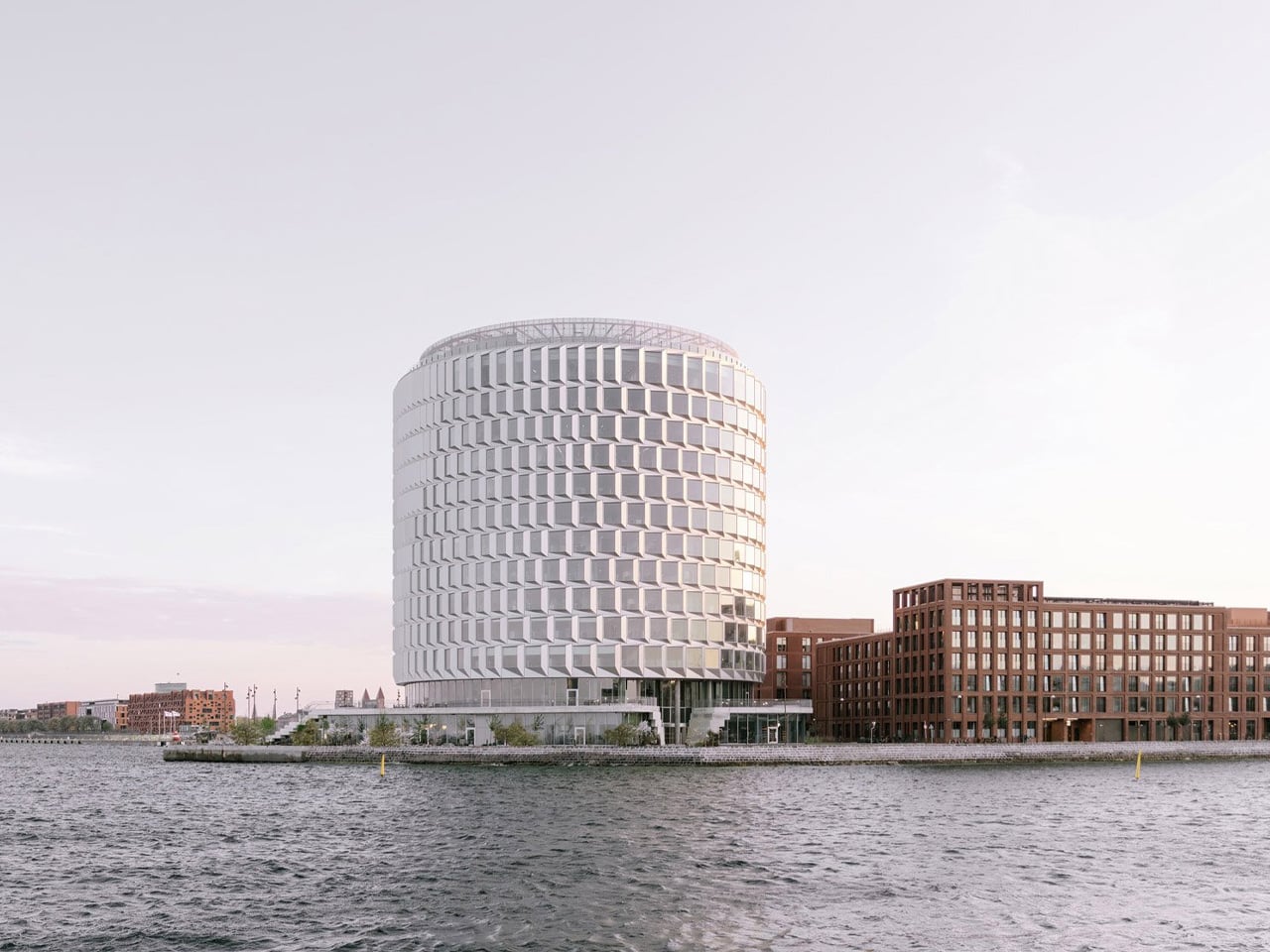
Copenhagen’s skyline has a new star. The Tip of Nordø, a sleek 60-meter cylinder of glass and steel, now dominates the Nordhavn waterfront like a modern lighthouse. This isn’t just another office building – it’s the result of a dream team collaboration between Cobe, Vilhelm Lauritzen Architects, and Third Nature, three firms that know how to make waves in Danish architecture.

The building wrapped up construction in 2024, and the accolades started rolling in almost immediately. This year, it snagged one of Copenhagen’s most coveted honors at the Copenhagen Building Award, with judges calling out its exceptional architectural quality.

Designer: CobeVilhelm Lauritzen Architects, and Third Nature
Design and Architecture

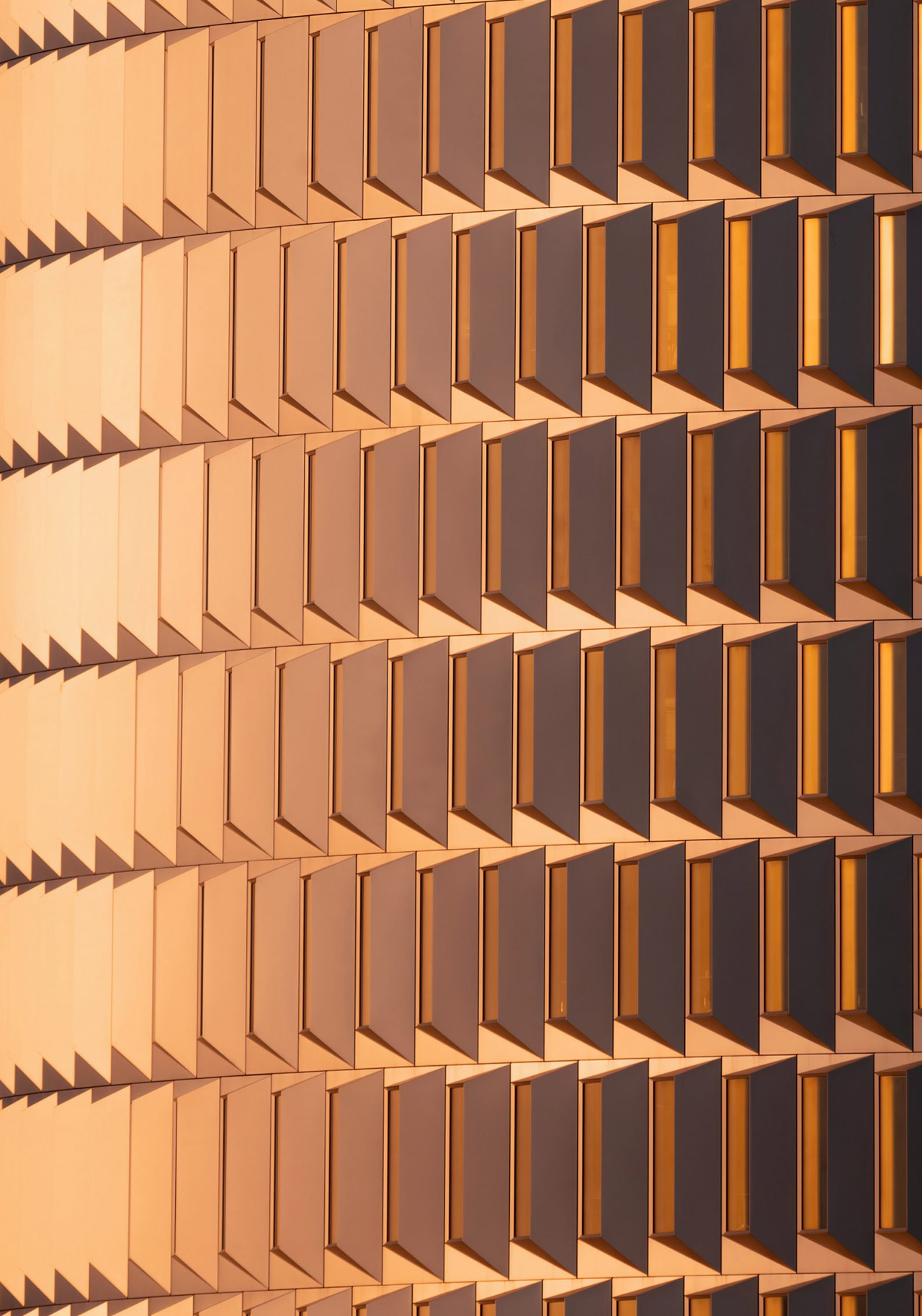
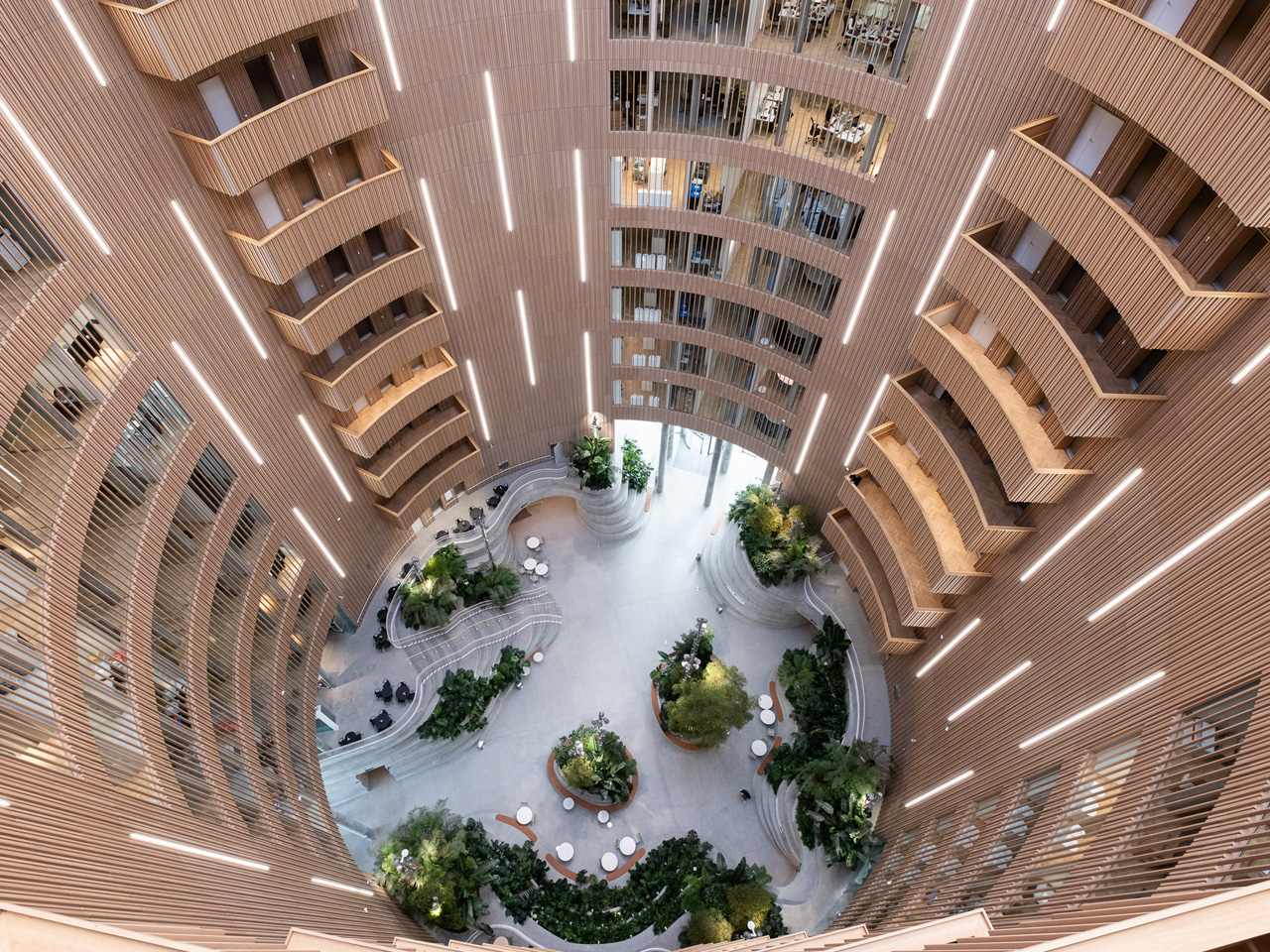
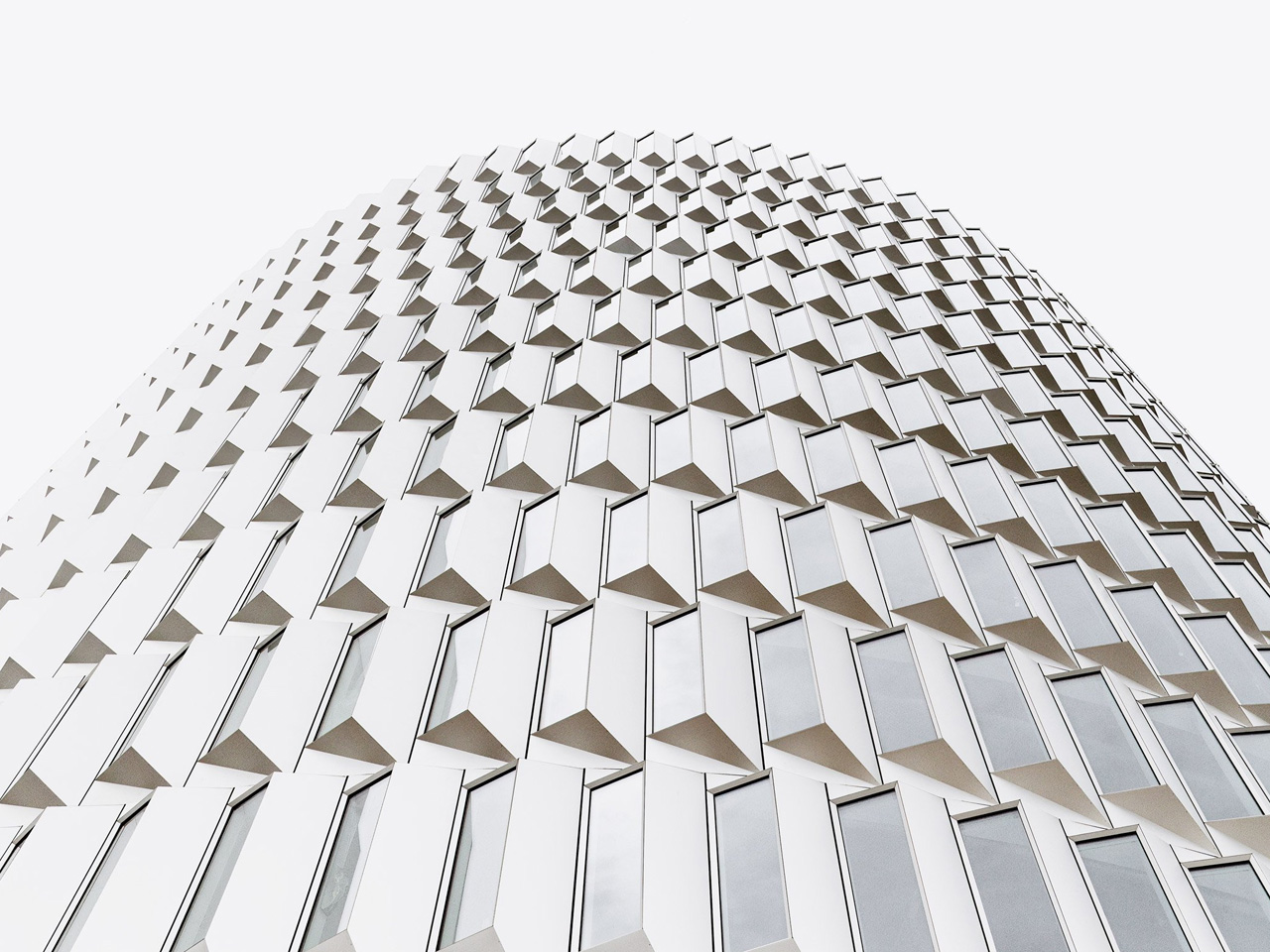
The architects didn’t just plop down a generic office tower. Instead, they looked around and saw history. The cylindrical shape deliberately echoes the old silos that used to line Copenhagen’s industrial waterfront, giving a nod to the past while racing toward the future. The facade alone is a masterpiece – 925 precisely placed elements covering 12,000 square meters, each one positioned to catch the light just right and keep the building’s energy bills in check.

What really sets this building apart is how it refuses to have a “bad side.” The circular design means gorgeous harbor views from every angle, creating that seamless indoor-outdoor connection architects love to talk about. Inside, there’s room for 1,500 workers across flexible office spaces, with law firm Bech-Bruun and energy company Copenhagen Infrastructure Partners already calling it home.
Public Integration and Impact

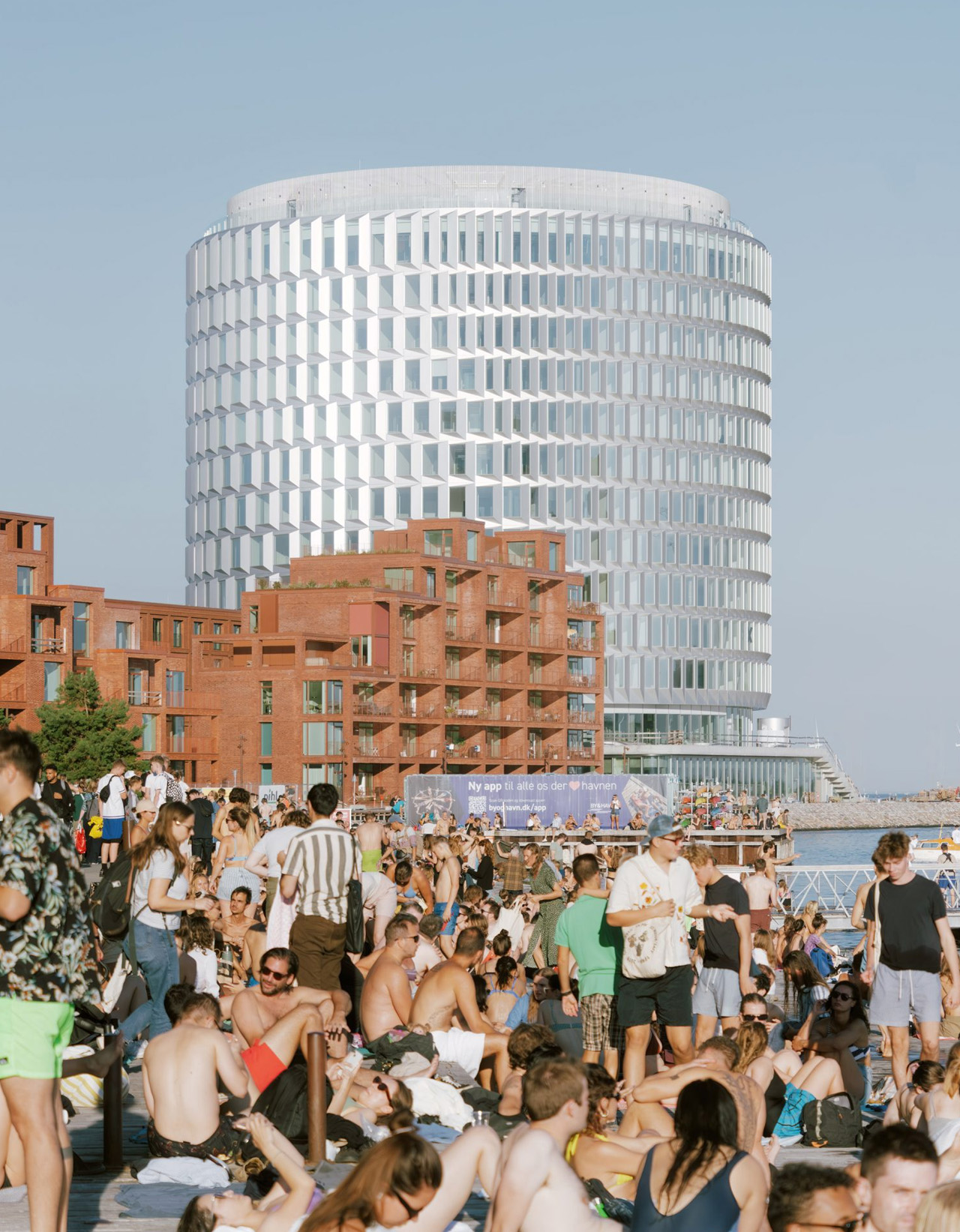
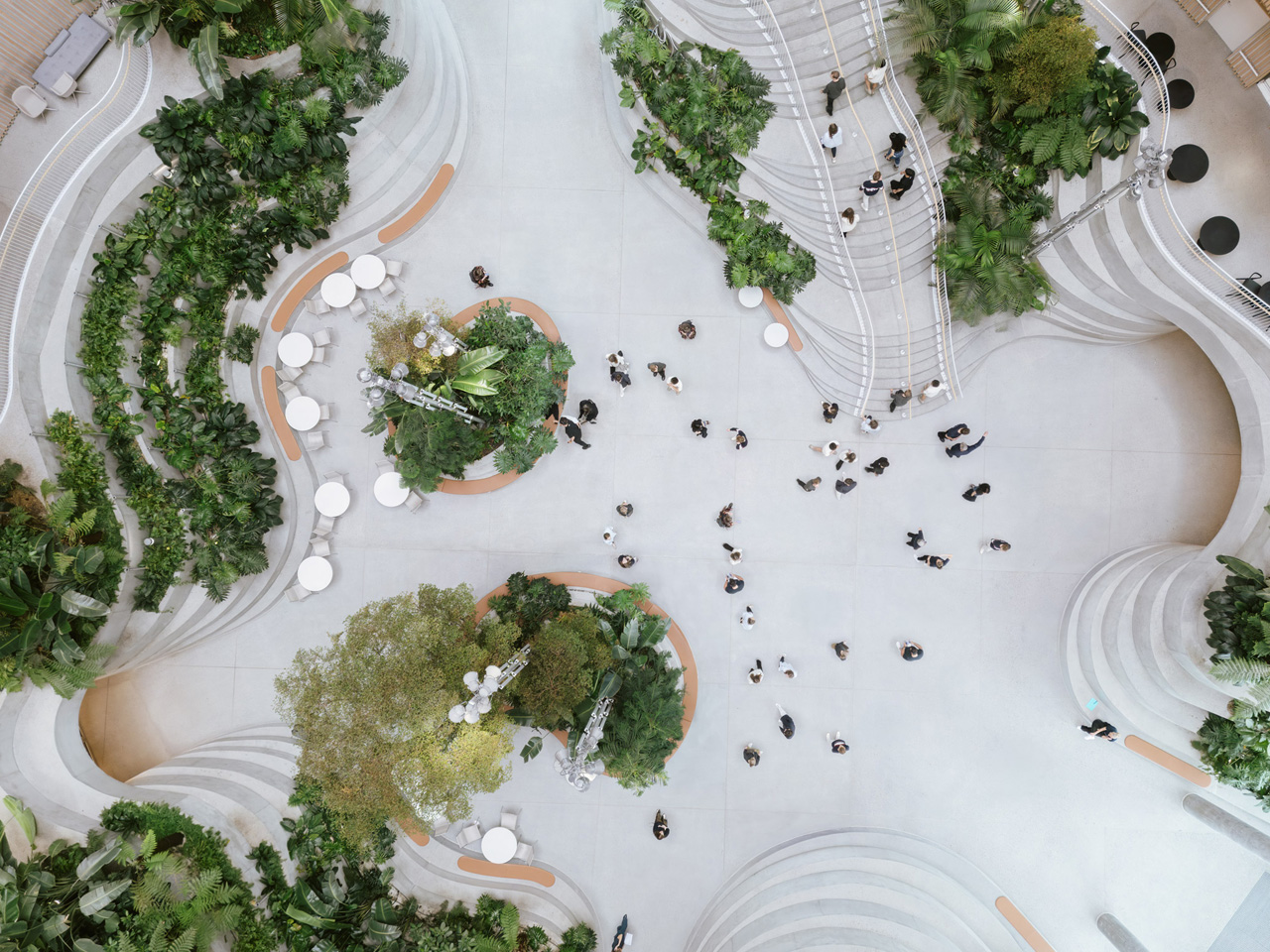
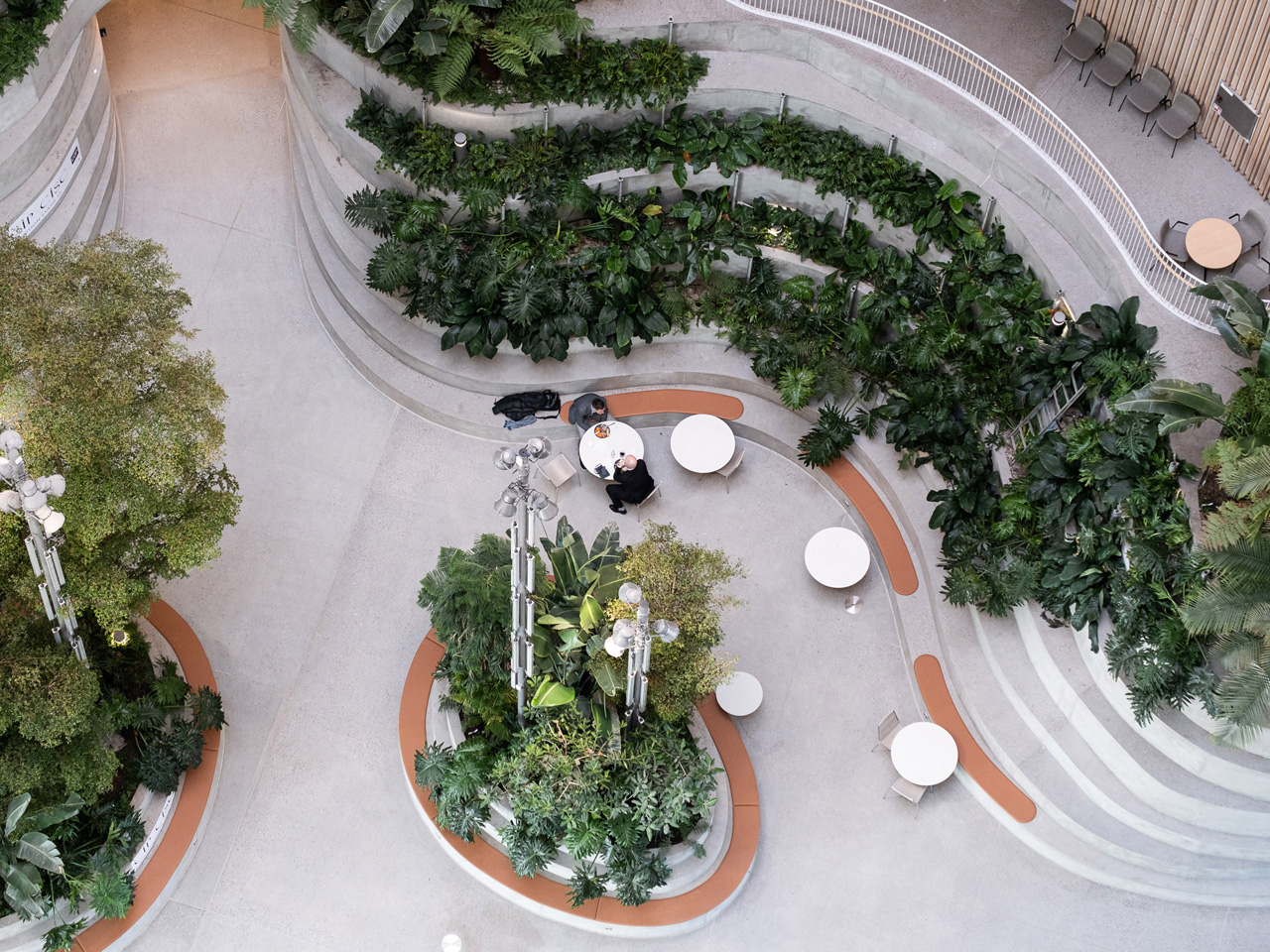
Here’s where things get interesting – this isn’t some corporate fortress. Half the ground floor stays open to the public, which means anyone can wander in and experience what the architects built. The centerpiece is a lush winter garden that doubles as a public atrium, turning what could have been just another lobby into ga enuine community space.

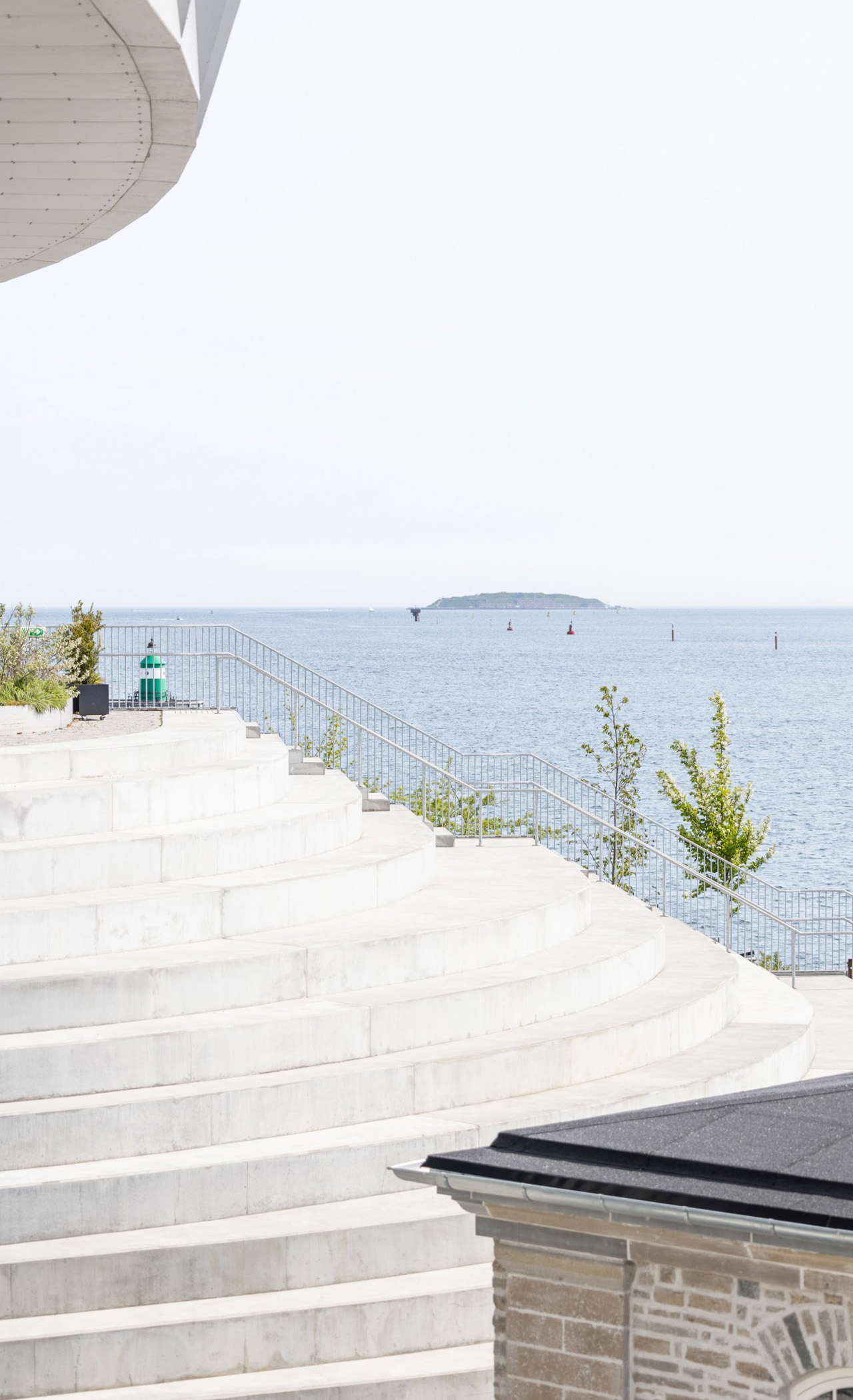
The location couldn’t be more perfect. Sitting at the tip of Redmolen Harbor, the building anchors the entire Nordhavn district, an area that’s been completely transformed from a gritty industrial port to Copenhagen’s hottest new neighborhood. The project took nearly a decade from that initial competition win in 2015 to opening day, but the wait was worth it. The surrounding public spaces stay active year-round, making this less of a building and more of a destination that happens to have really great office space upstairs.
Looking Forward

The success of Tip of Nordø represents more than just good architecture – it’s a blueprint for how cities can reimagine their waterfronts. By combining private development with public accessibility, the building shows that commercial projects don’t have to wall themselves off from their communities. The architects’ emphasis on “inclusion, transparency, and openness” has created something that brings people together while blending naturally into its context.

As Copenhagen continues to evolve, projects like this prove that thoughtful design can honor the past while building toward a more connected future. The Tip of Nordø isn’t just reshaping Nordhavn’s skyline – it’s setting the standard for what urban development can achieve when architects, developers, and communities work together. With its growing collection of awards and recognition, this modern lighthouse is already guiding the way for Copenhagen’s next chapter.
The post 3 Danish Firms Just Built The Modern Lighthouse-Inspired Office Every Architect Will Copy first appeared on Yanko Design.
Floating Above the Arctic: Vipp’s Latest Guesthouse Channels Norway’s Fishing Tradition

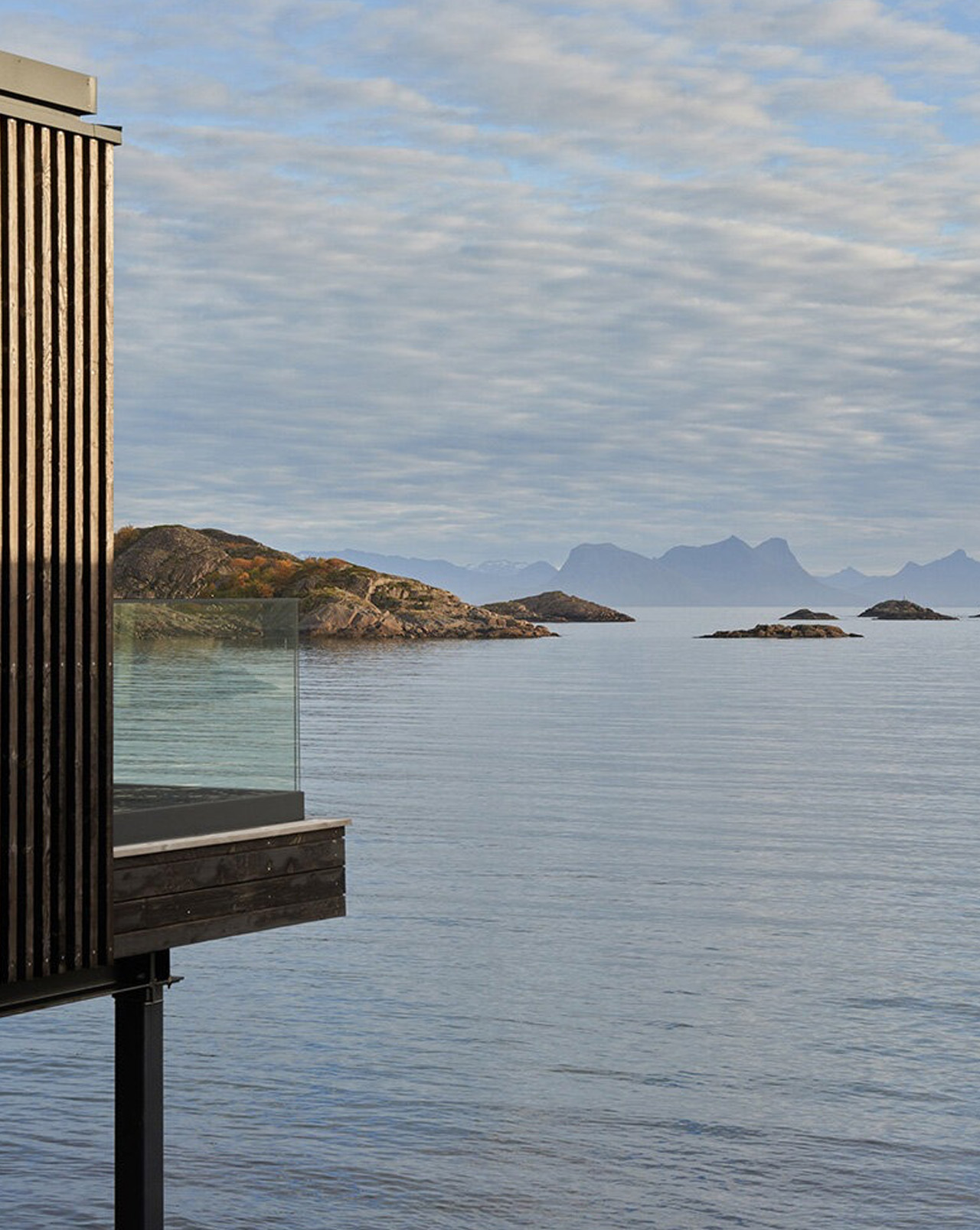
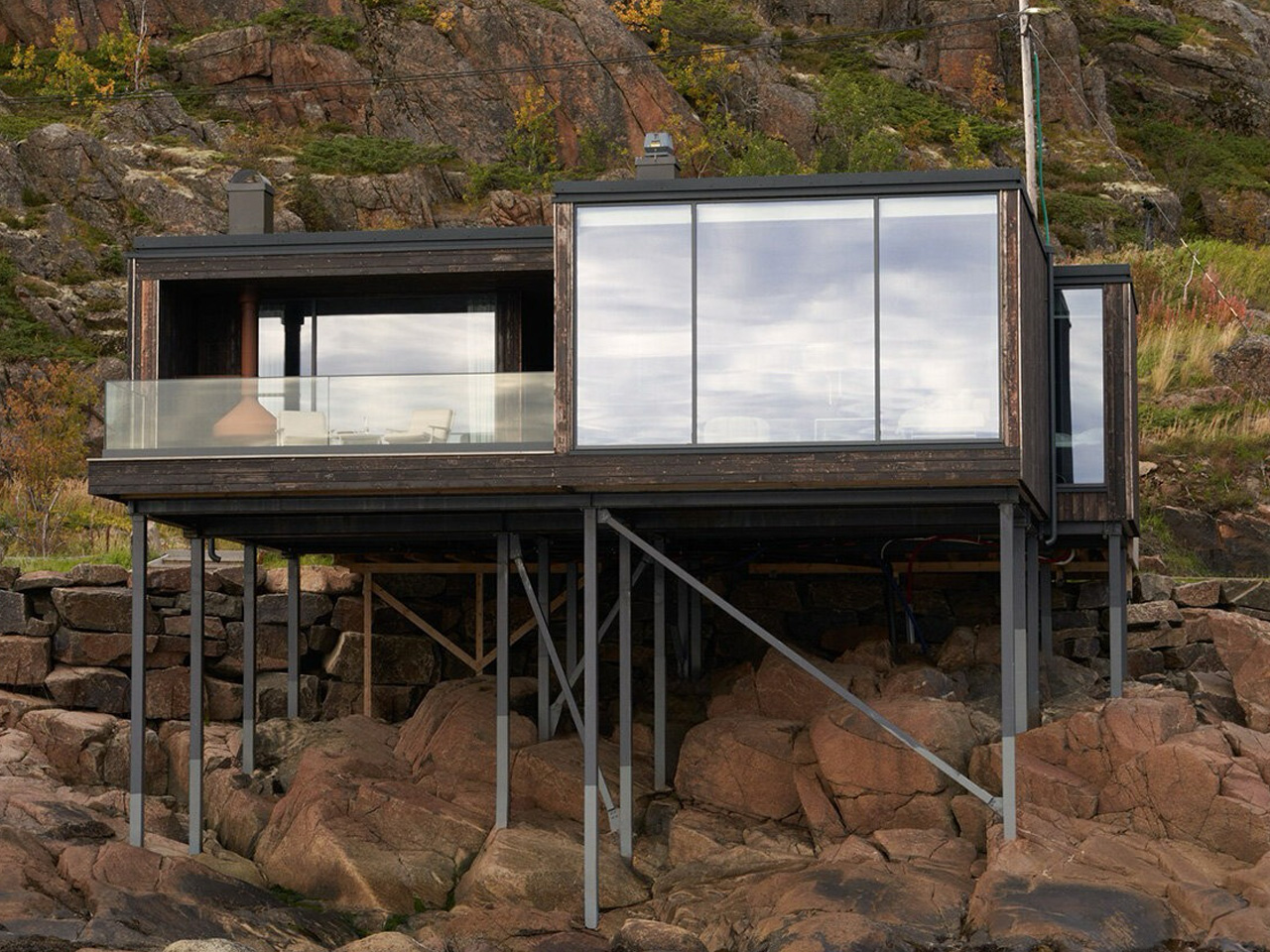
Danish design brand Vipp has just opened what might be their most spectacular guesthouse yet, tucked away on Norway’s remote Storemolla island, where jagged peaks plunge straight into the sea. The Lofoten Guesthouse sits like a modern-day fishing hut on stilts, designed by Norwegian studio LOGG ARKITEKTER to capture everything magical about this wild corner of the Arctic.

What makes this place special isn’t just the jaw-dropping location. The architects have created something that feels both completely contemporary and deeply rooted in local tradition. Those stilts aren’t just for show – they’re a direct nod to the rorbuer cottages that housed generations of fishermen who worked these waters, their boats bobbing alongside simple wooden shelters that rose and fell with the tide.

Designer: Vipp x LOGG ARKITEKTER

A Village Born from Respect

The guesthouse doesn’t stand alone. It’s part of True North Lofoten Village, a carefully planned collection of modern lodgings masterplanned by the acclaimed firm Snøhetta. Rather than dropping a resort into pristine wilderness, they’ve assembled what feels more like a small community of thoughtfully designed cabins, each by different Norwegian studios. The whole approach reflects what Snøhetta’s Kjetil Trædal Thorsen calls the challenge of “quiet integration” – creating something meaningful without overwhelming the landscape.

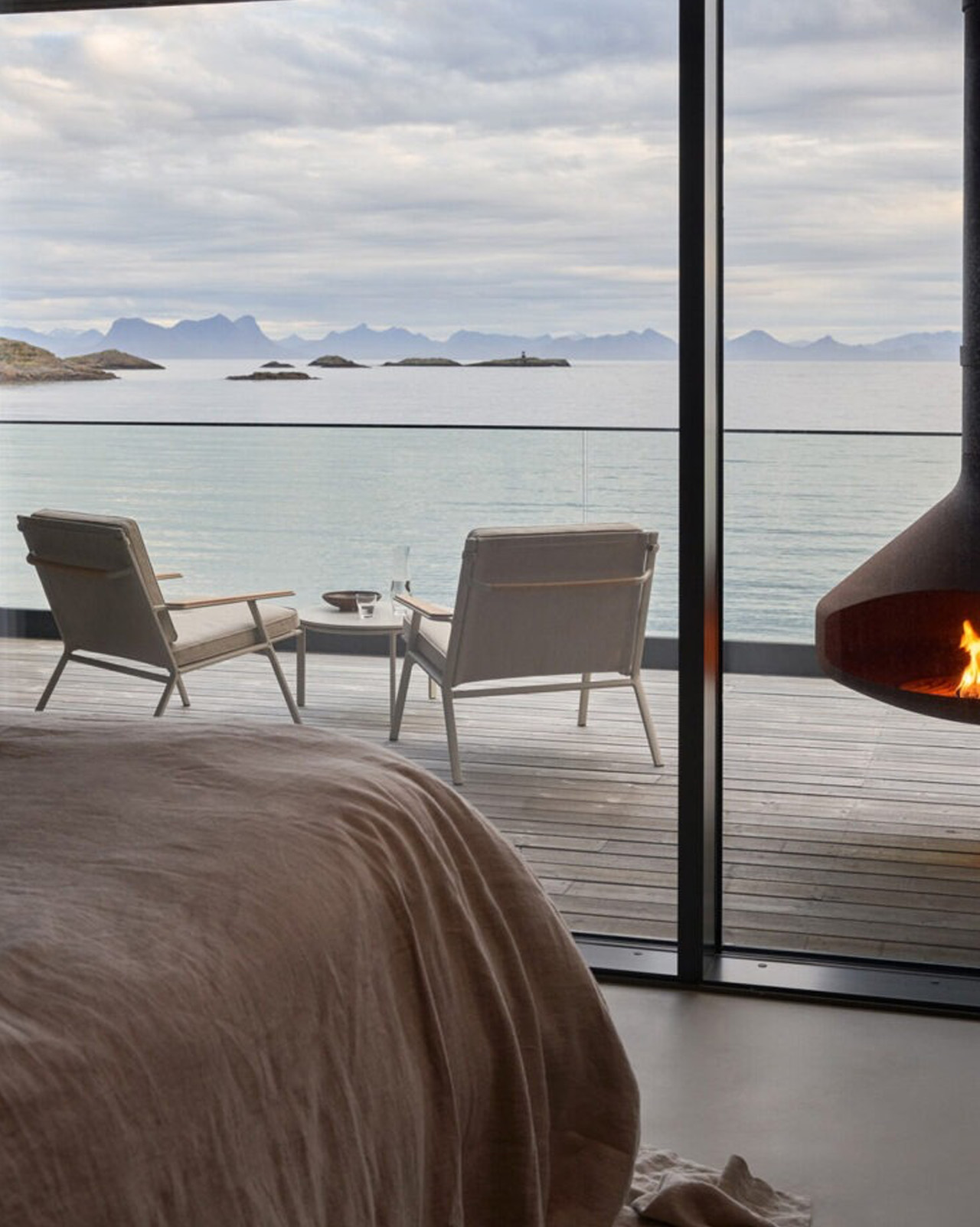
LOGG ARKITEKTER tackled this by designing what architect Diederik Advocaat Clausen describes as dissolving “the boundary between shelter and seascape.” The weathered timber exterior and sharp lines give the building a temporary appearance, as if it had grown naturally from the rocks. Large windows frame views that change constantly – from the endless daylight of Arctic summer to the otherworldly dance of Northern Lights in winter.

Inside the Nordic Hideaway

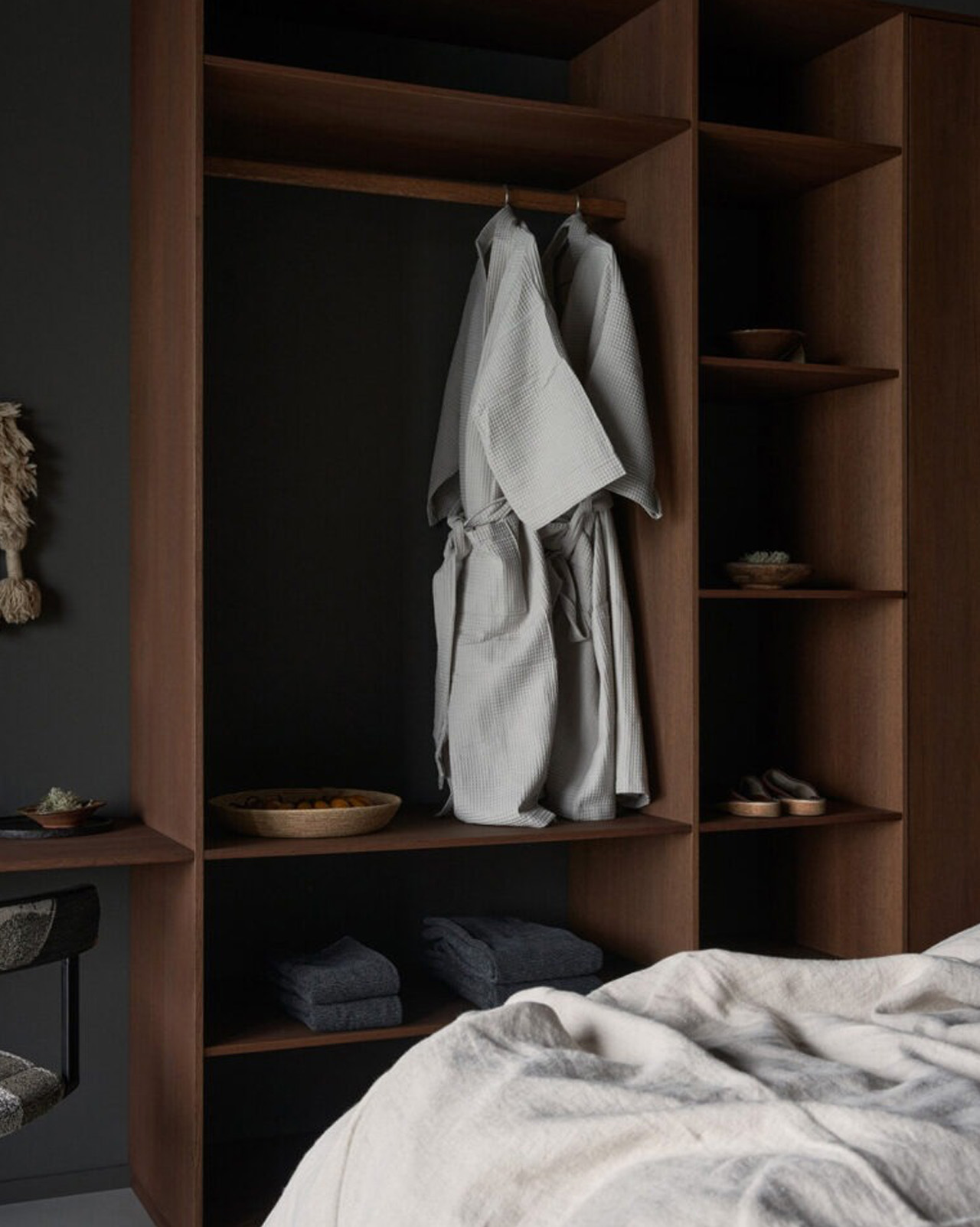
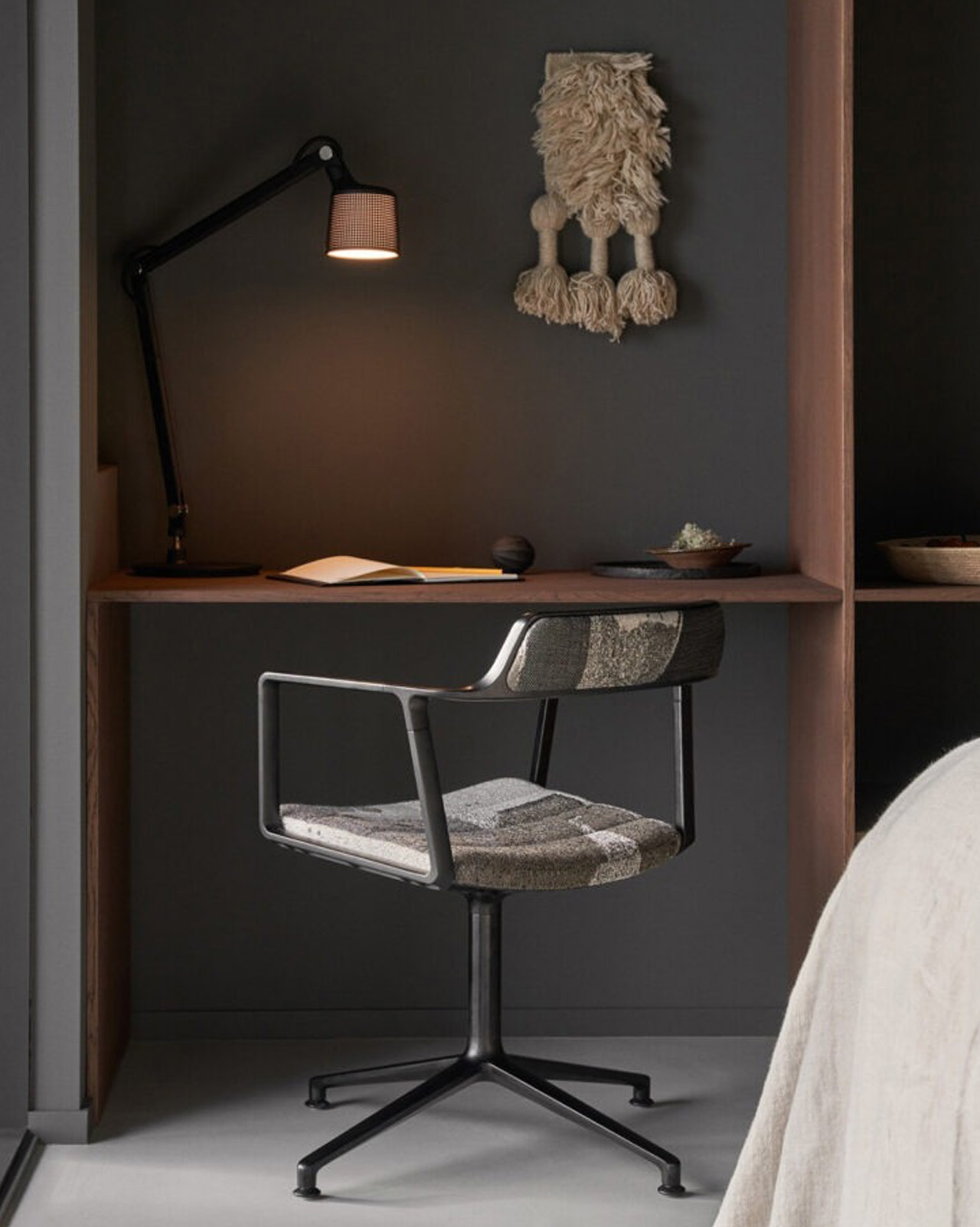
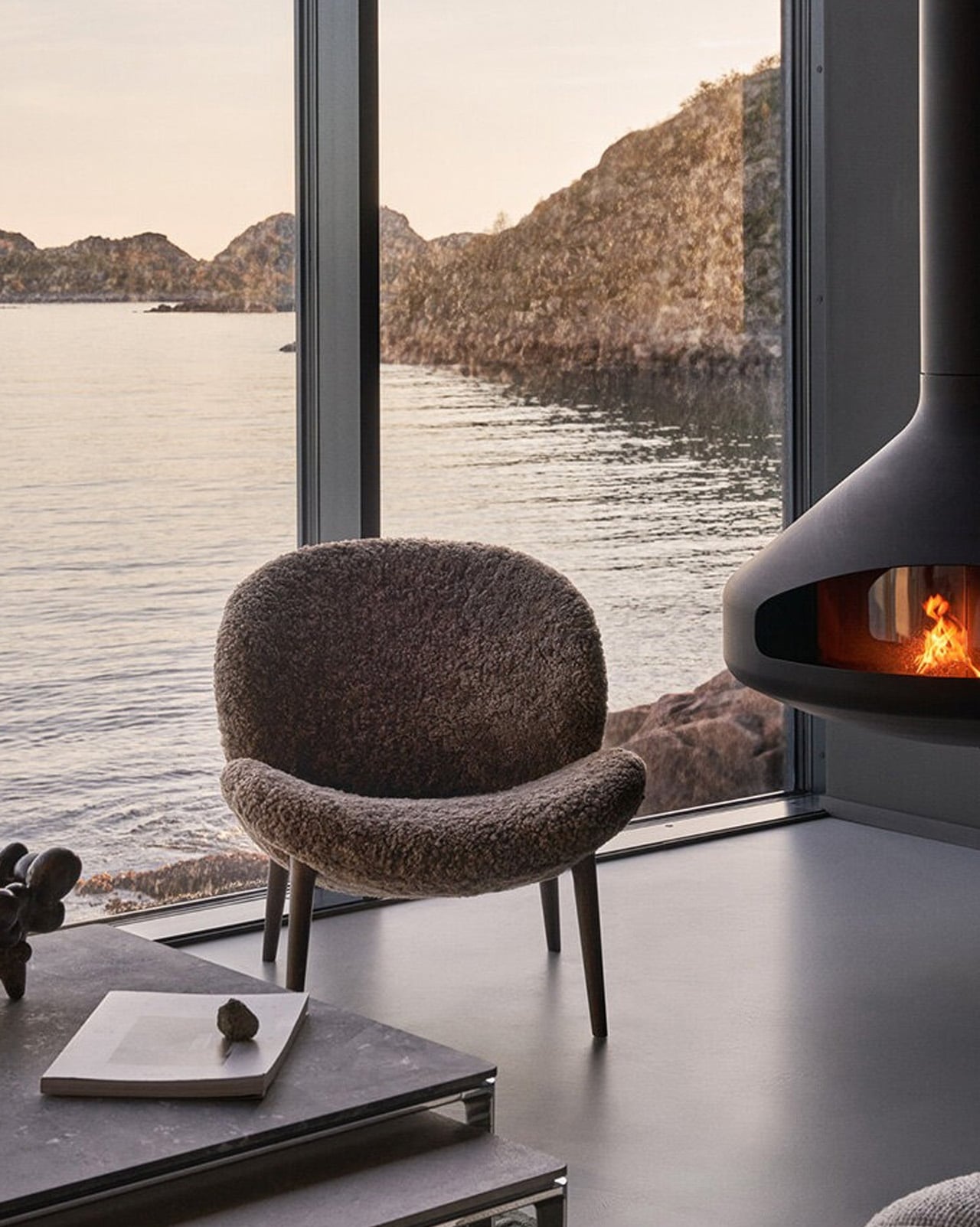
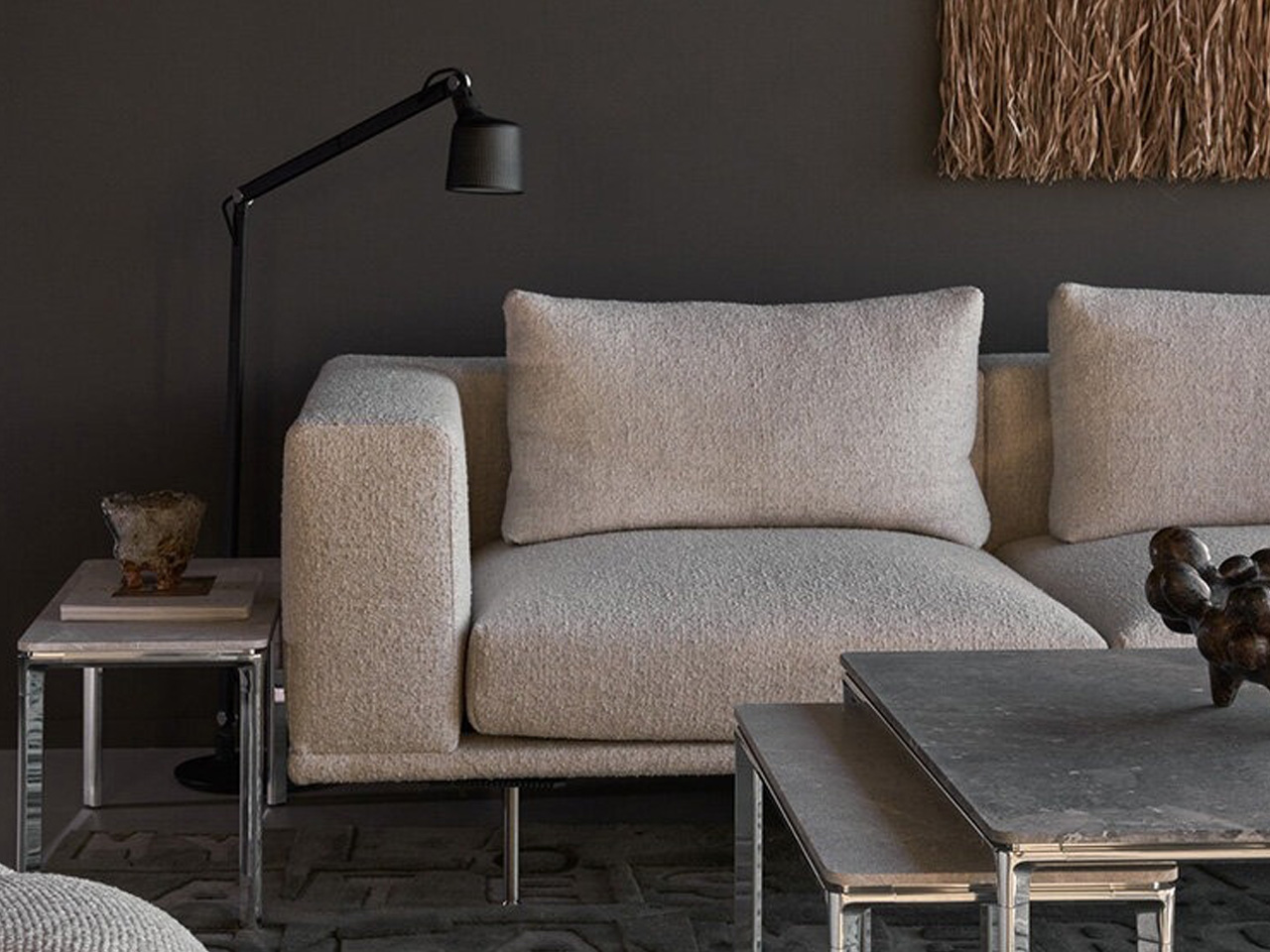
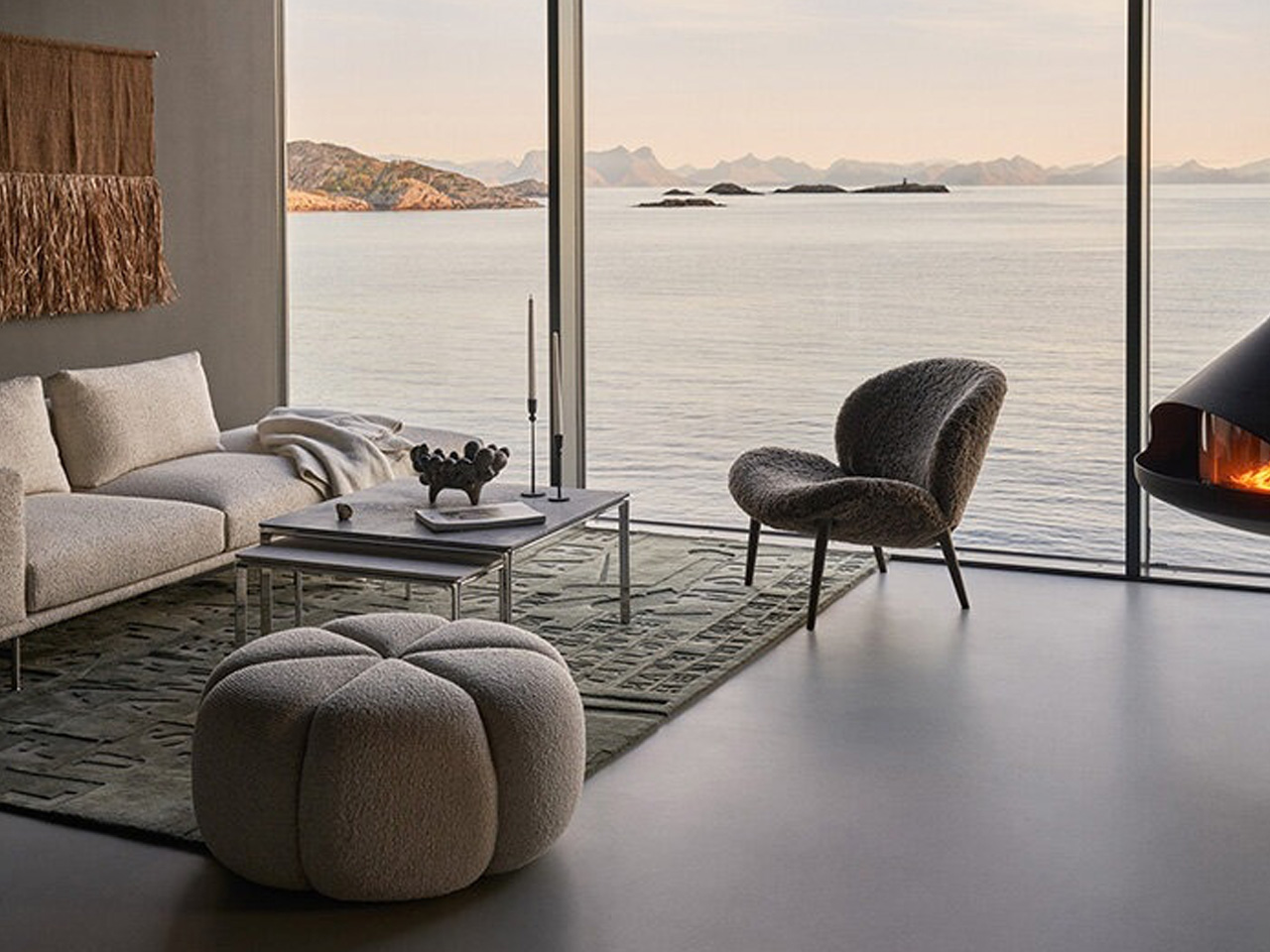
Step inside and you’ll find Vipp’s signature minimalist aesthetic perfectly suited to its surroundings. Dark grey walls and floors mirror the rocky coastline outside, while carefully chosen furnishings create cozy spots to take in the view. A ceiling-hung stove becomes the focal point for gatherings, and custom upholstery echoes the colors and textures visible just beyond the glass.

This marks Vipp’s thirteenth design retreat worldwide, with CEO Kasper Egelund noting that while their products stay consistent, each location completely transforms the experience. At roughly $ 1,942 per night for up to four guests, it’s positioned as a premium escape where the real luxury lies in the setting itself. You can venture out for whale watching or eagle safaris, but honestly, many guests find themselves perfectly content just watching the sea and sky put on their daily show through those perfectly framed windows.

The post Floating Above the Arctic: Vipp’s Latest Guesthouse Channels Norway’s Fishing Tradition first appeared on Yanko Design.
This Little Wooden Sauna Is Elevated On Stilts On The Rocky Coast Of Norway

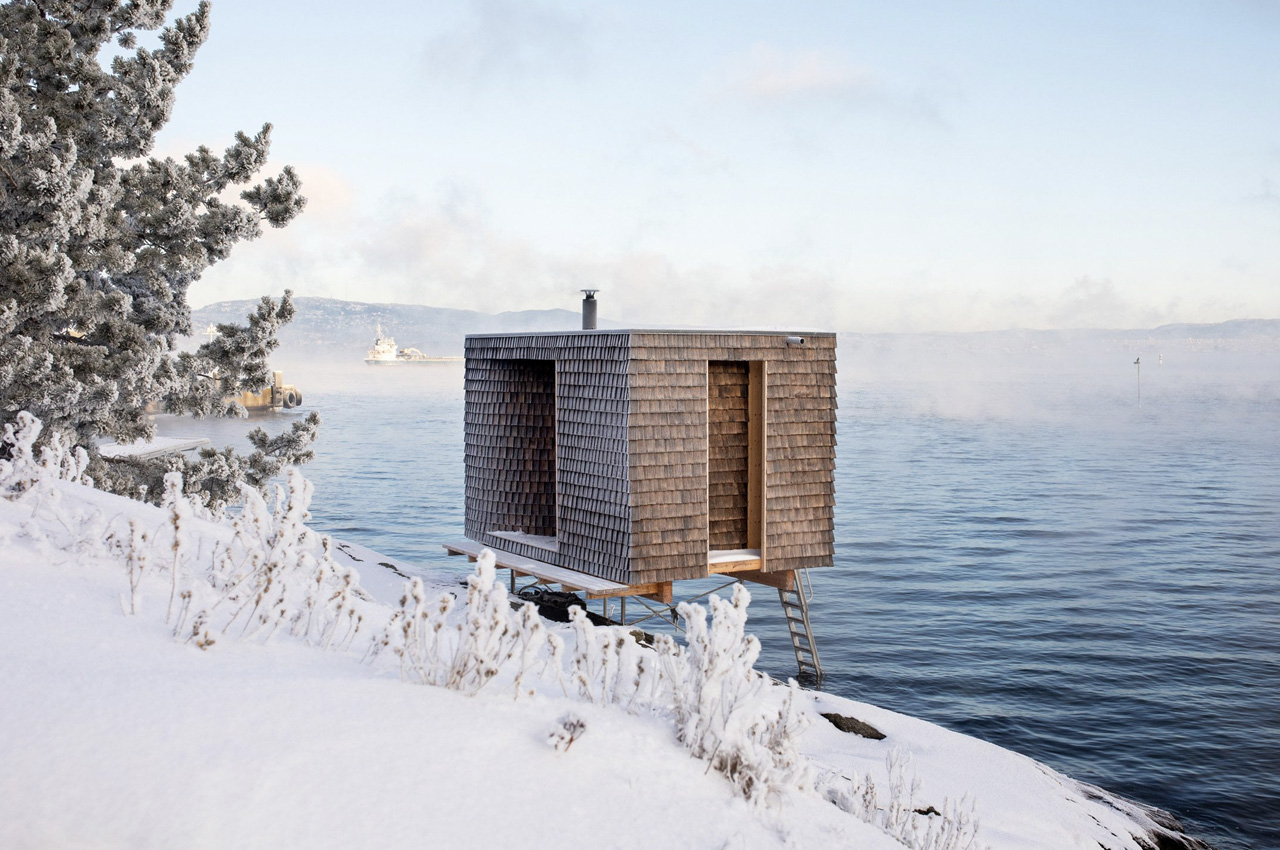
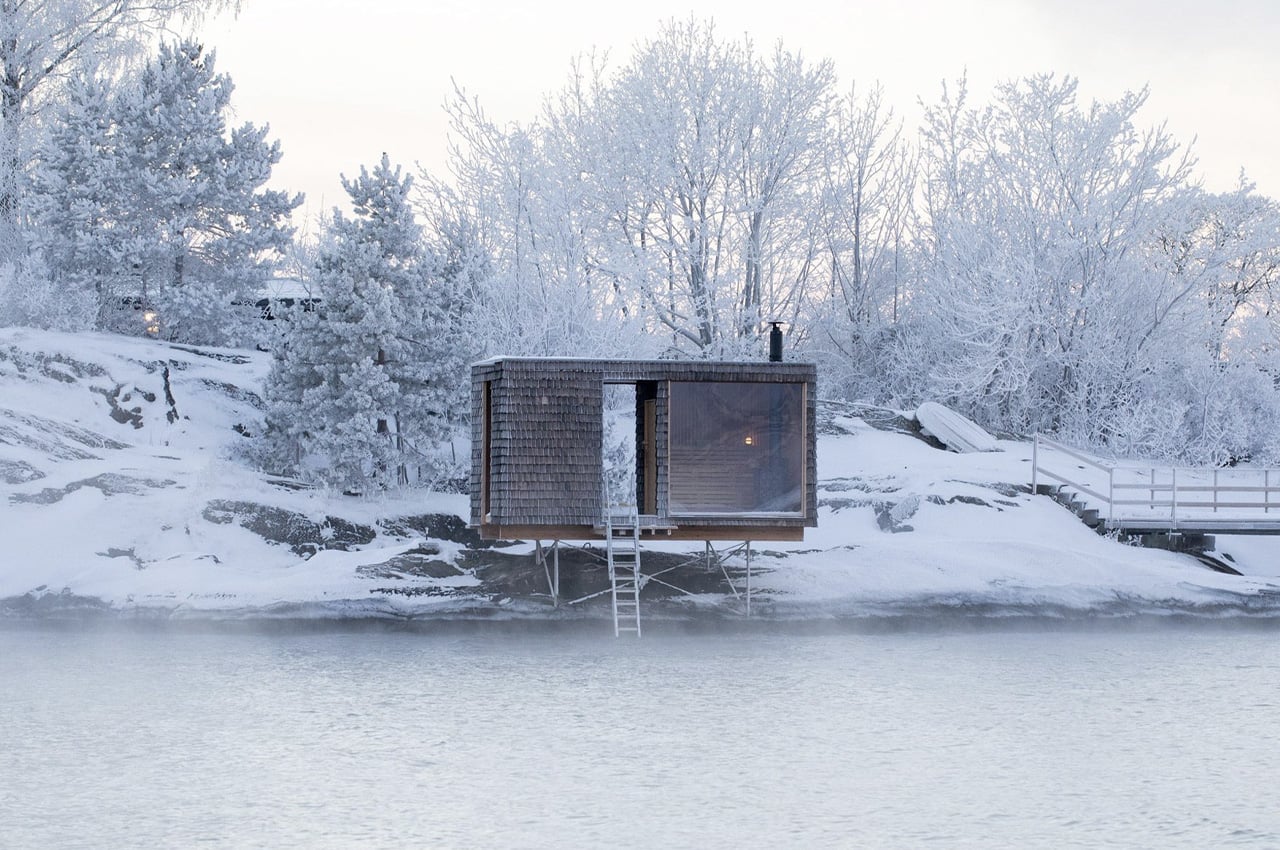
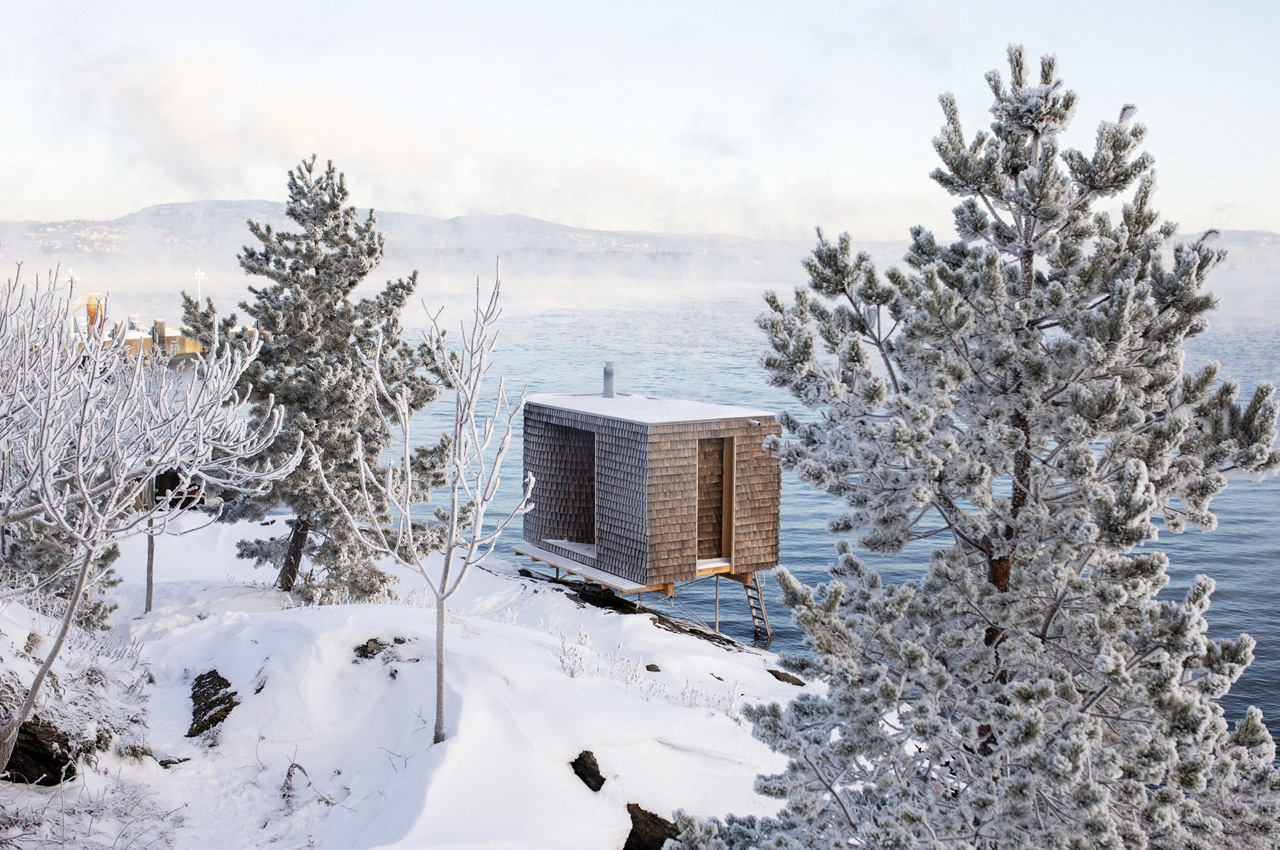
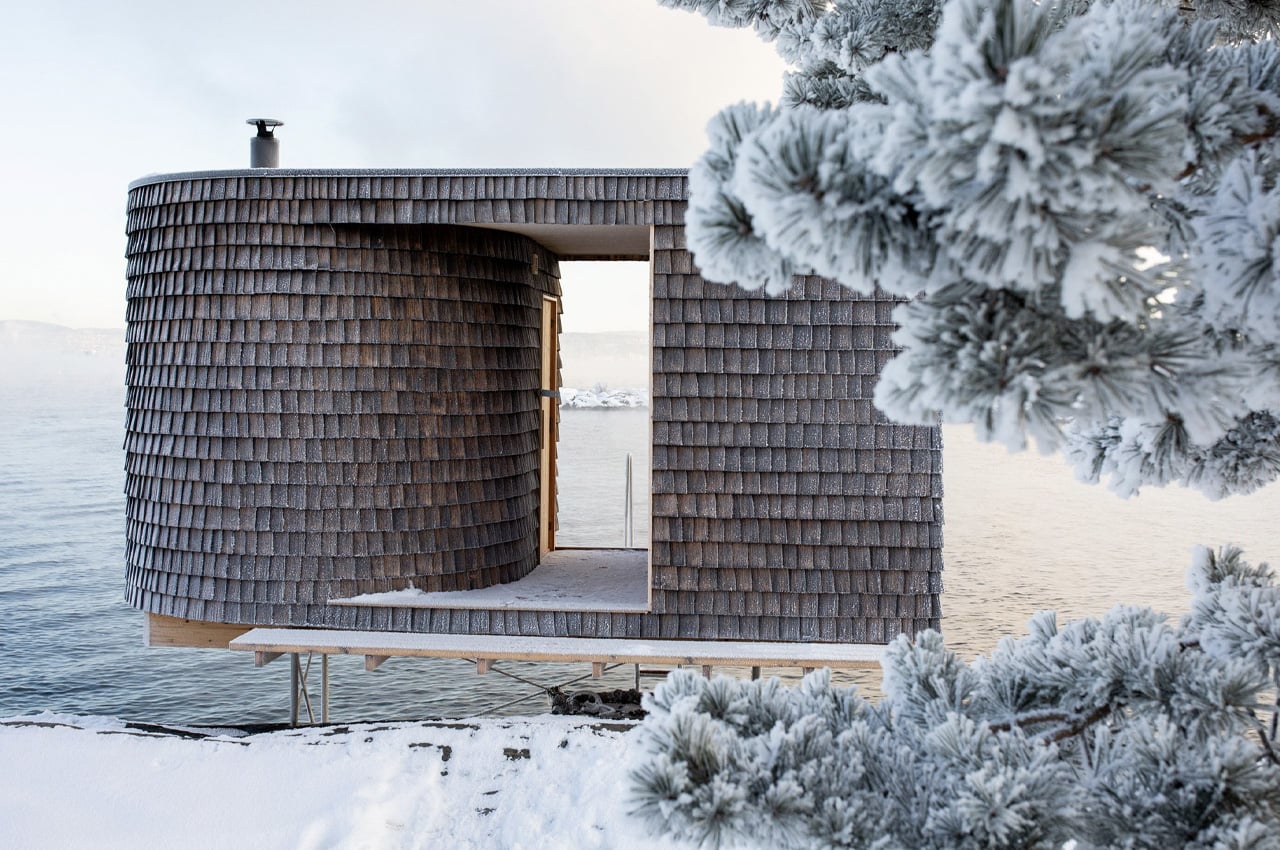
Oslo Works designed and perched a little wooden sauna over the rocky shore of Nesodden peninsula, Norway. The sauna is elevated over the shore, and finished with wooden shingles, creating a rustic yet charming persona. It is designed for the local community and named the Hotspot. It is only a short ferry ride from Oslo and is intended to be an adaptable, easy-to-maintain, and eco-friendly structure. Lately, communal saunas have been increasing in the area, as local communities are joining forces to fund and build them, and the Hotspot is another new addition!

Designer: Oslo Works

“A sauna is best enjoyed together,” said the studio. “This may be the reason why sauna community culture has been rising in Scandinavia over the last few years. People are putting their forces together in order to finance, build, and share hothouse all along the shore.”
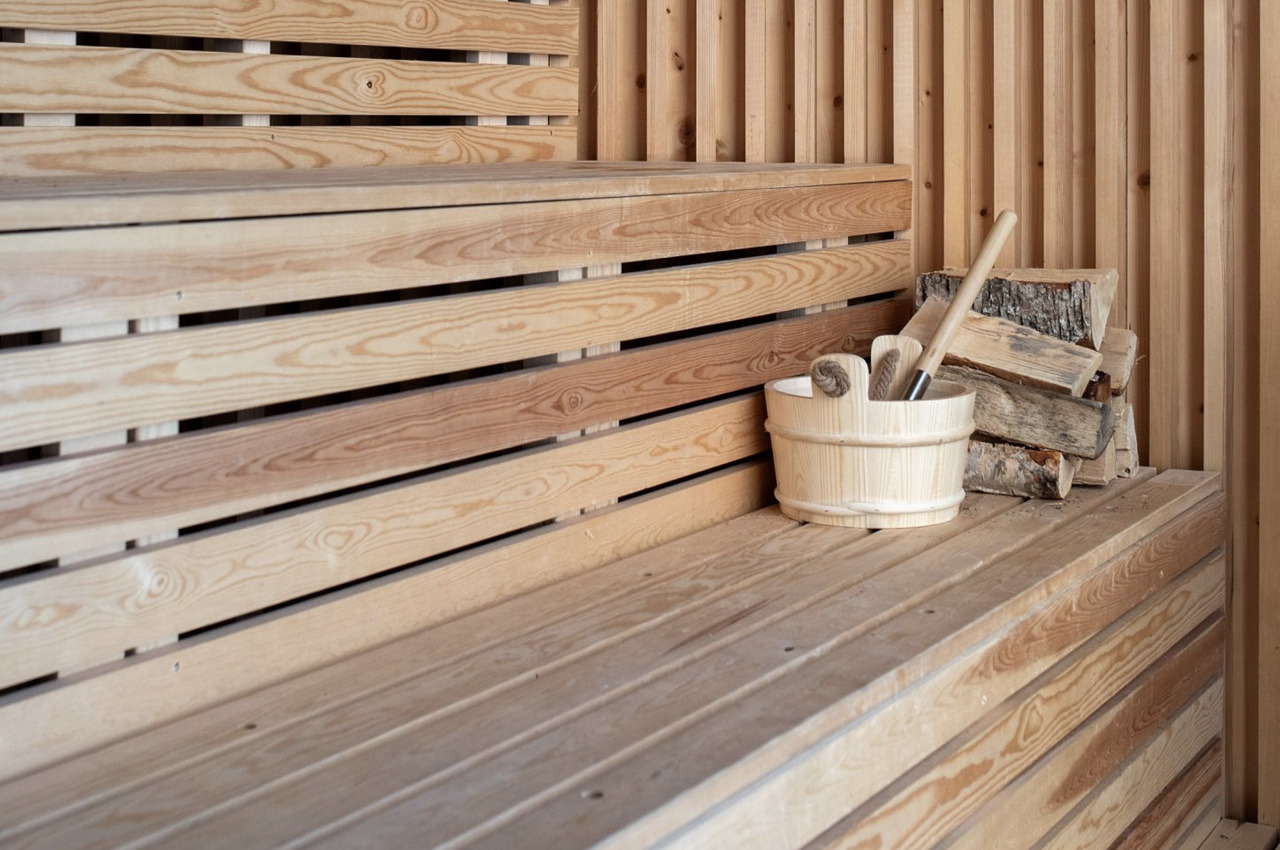
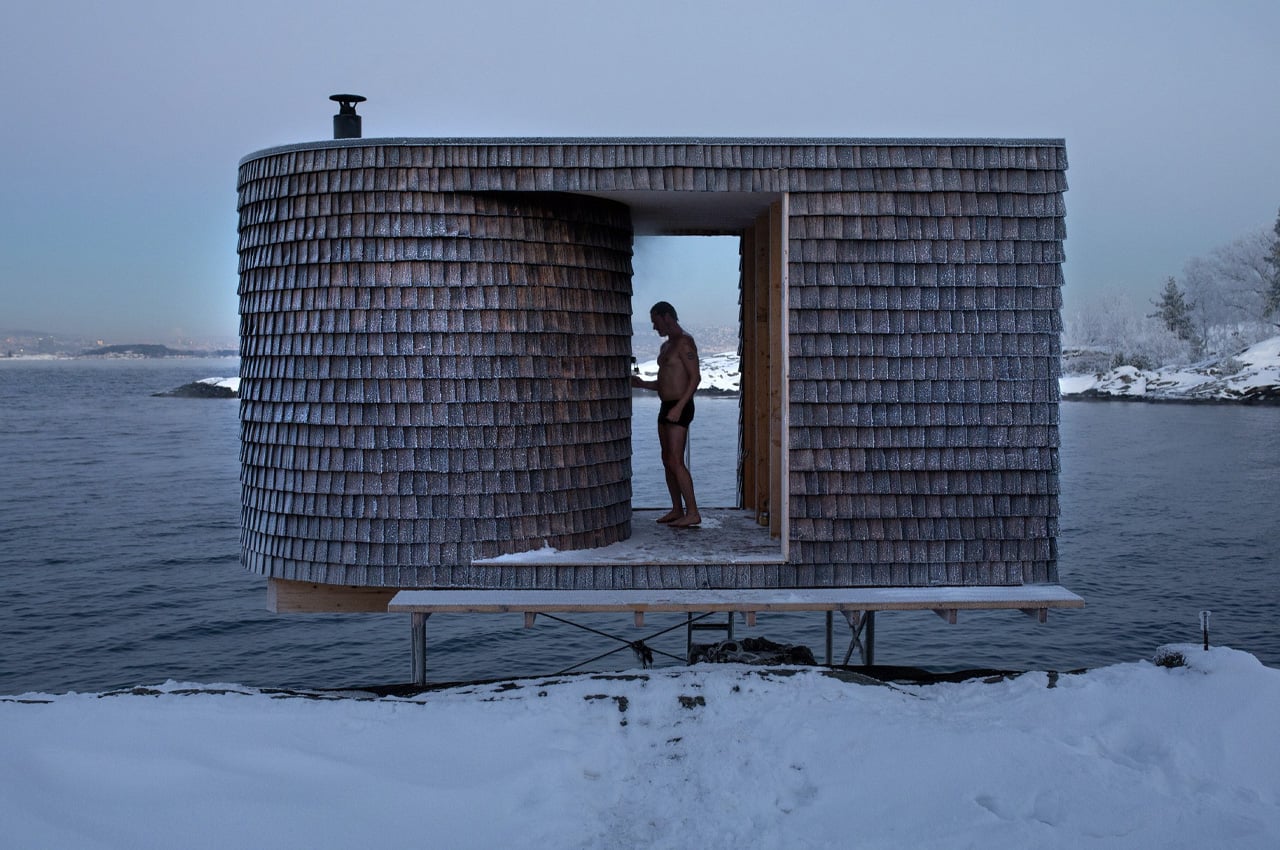
The Hotspot sauna has been segregated into two sections through a narrow open passage, which will lead visitors to the water and the bathing ladder. The main hot room is located on the left-hand side, while the storage and changing facilities are located on the right. The hot room is heated by a little woodburning stove, and visitors can take a dip in the ice-cold water, before meeting up in this room. The room has access to stunning views of Oslo’s skyline. Oslo Works picked a material palette that camouflages the home with its surroundings when viewed from the mainland.

The main room has a rounded back wall that is covered in burnt and oiled pine shingles, which allows the cabin to merge with “pine trees and grey granite shore rocks”, as said by the studio. The building is also built using wood, with massive timber modules forming the frame. This helps to reduce the embodied carbon of the site.

Since the Hotspot features a modular form, it was quite easy to transport and construct on the site, which is difficult to reach. On the site, the sauna is elevated on metal stilts. The sauna’s modularity also supports future flexibility and leaves scope for adaptations such as the inclusion of a roof terrace, and additional shower rooms.

The post This Little Wooden Sauna Is Elevated On Stilts On The Rocky Coast Of Norway first appeared on Yanko Design.