With Super Sauna, Hotels Finally Get a Sauna Without the Construction Wait

I’ve stayed at enough hotels chasing a “wellness experience” to know the disappointment routine by heart. You book a place that advertises a spa, and what you get is a lukewarm hot tub next to a gym nobody uses. Meanwhile the properties that actually nail recovery, the ones with proper saunas and cold plunges, always seem to be the ones that spent a year and a small fortune on construction to get there. That gap between what guests now expect and what most operators can realistically build is exactly the problem Nokken is trying to close with its new Super Sauna.

The company’s co-founder has been straightforward about the core tension: guests no longer treat recovery as a bonus amenity, they arrive expecting it as a baseline. The problem for operators is that delivering it properly has traditionally required a full capital project, with planning permissions, groundworks, months of construction and the disruption that comes with all of it. Most either keep pushing the project back or end up with something that doesn’t quite meet the mark. That’s the quiet frustration sitting underneath a lot of hotel wellness marketing. Everyone wants to offer contrast therapy because guests are asking for it, but almost nobody wants to shut down a section of their property for half a year to build it.

Designer: Nokken

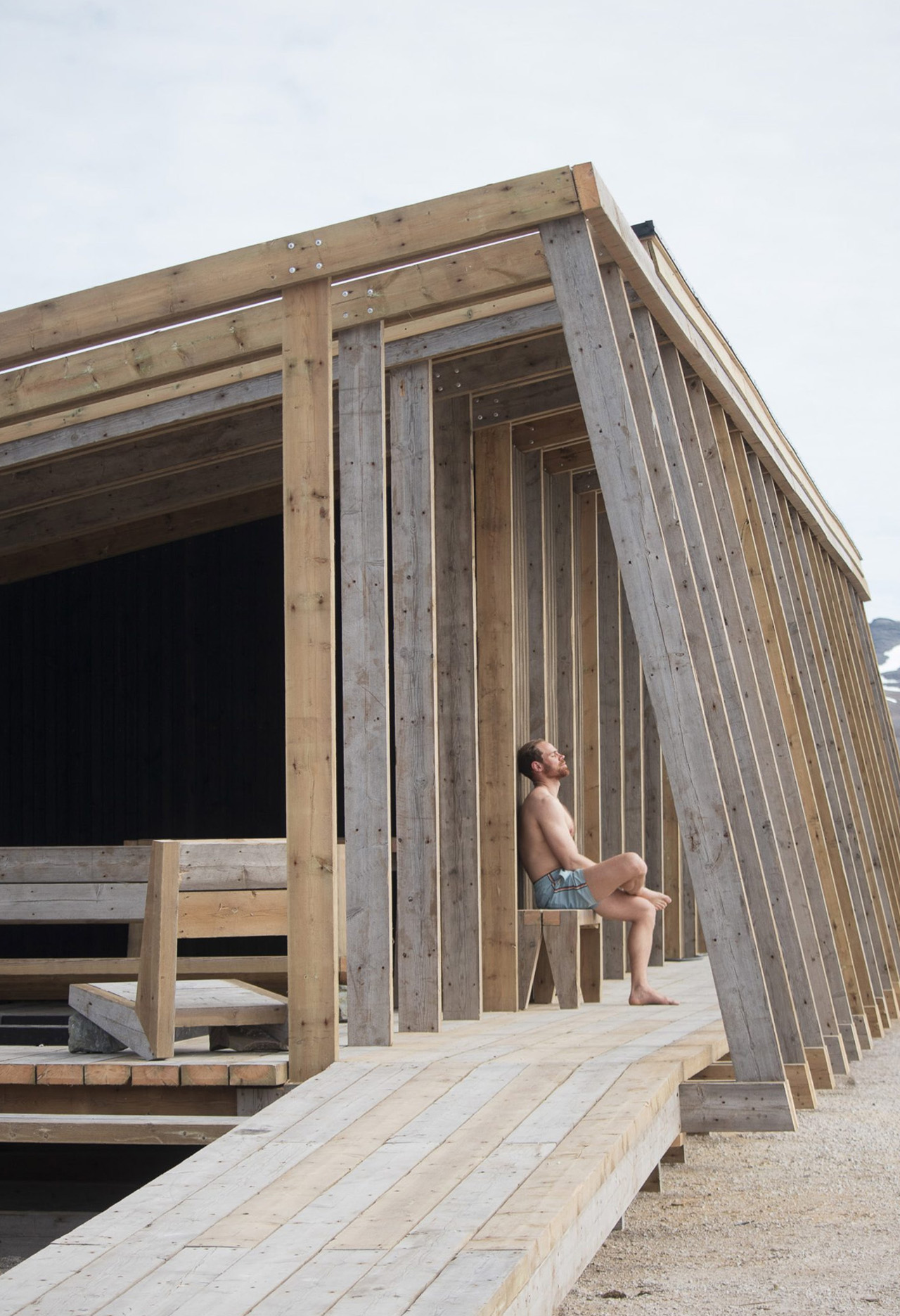
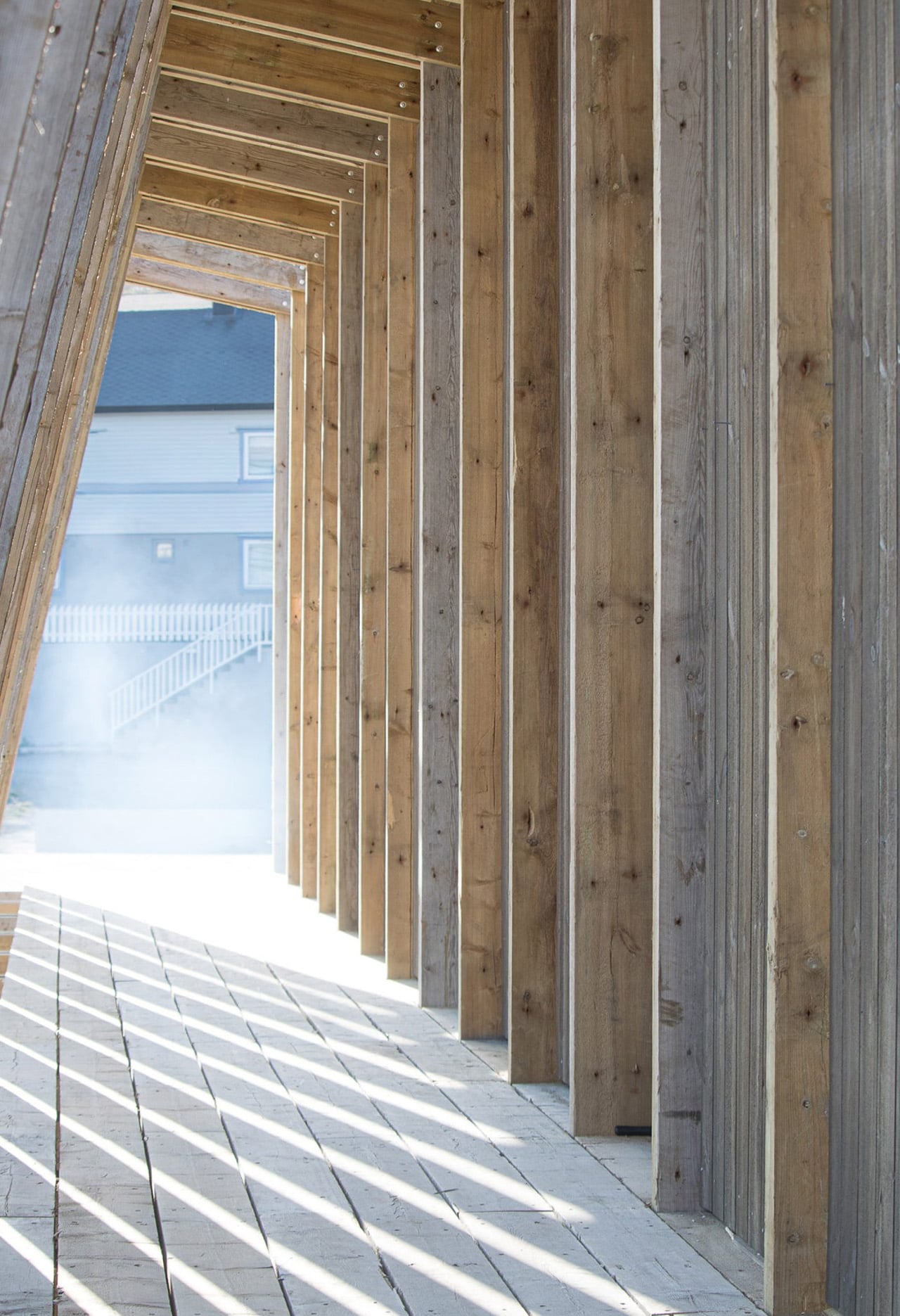
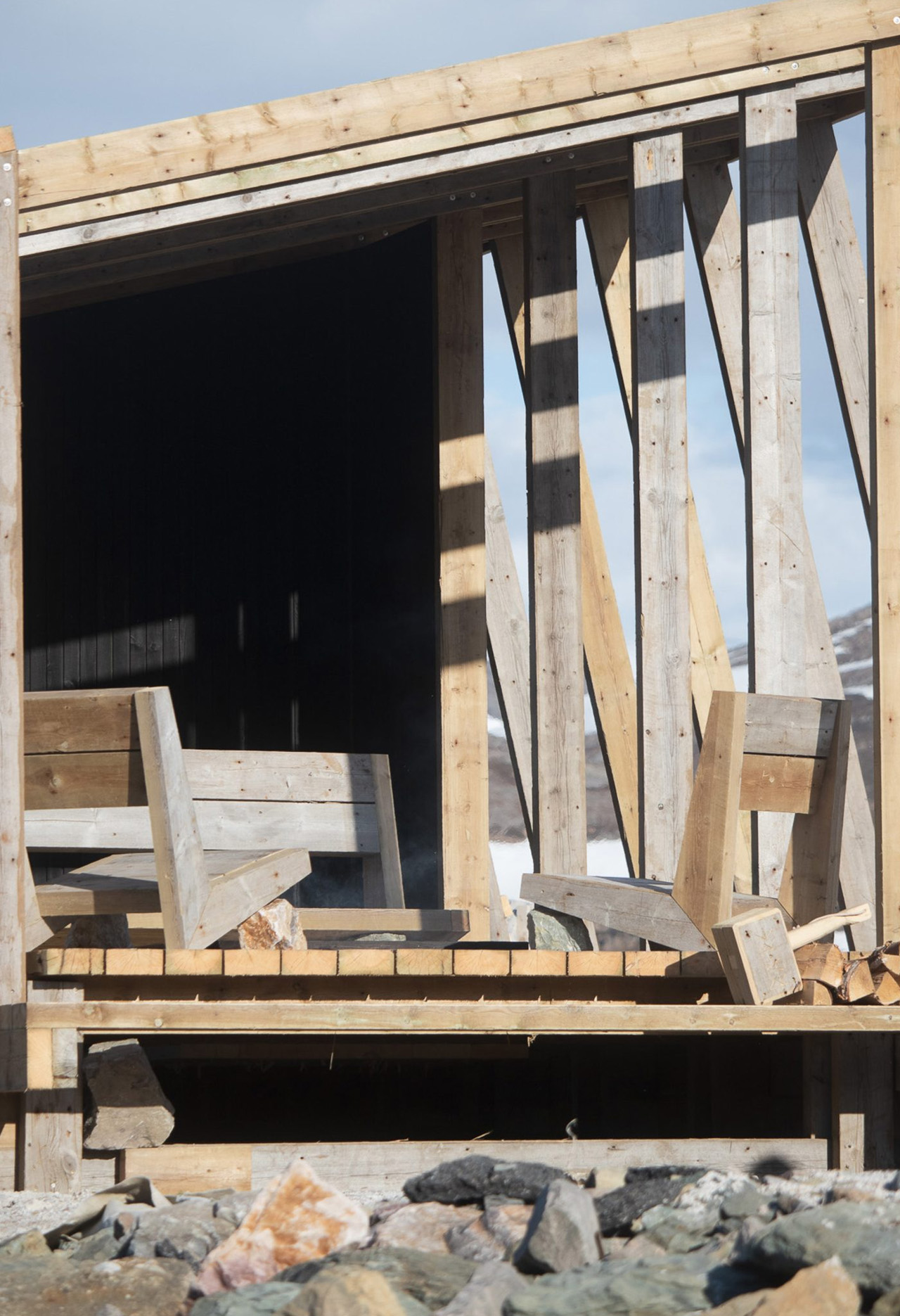
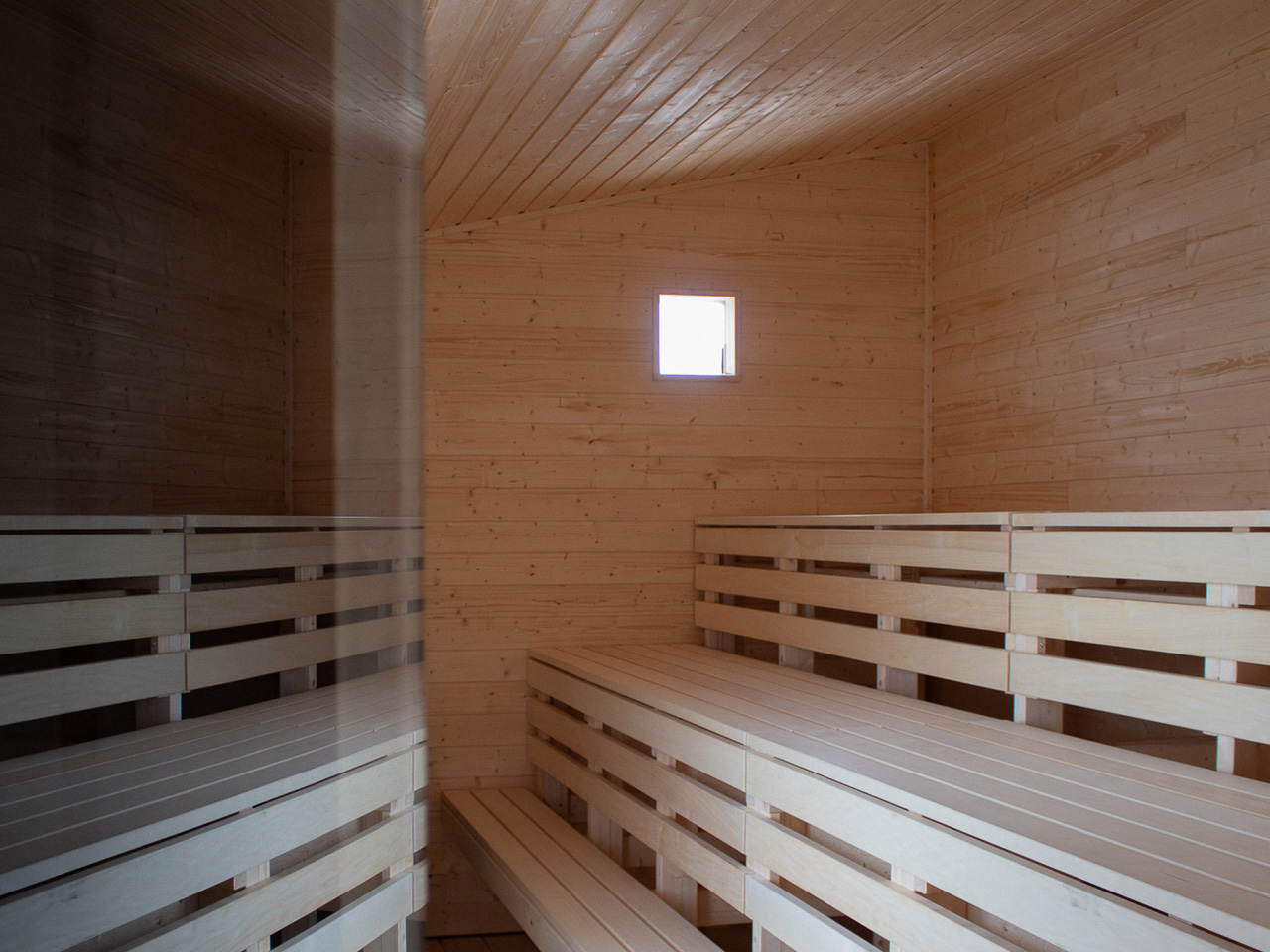
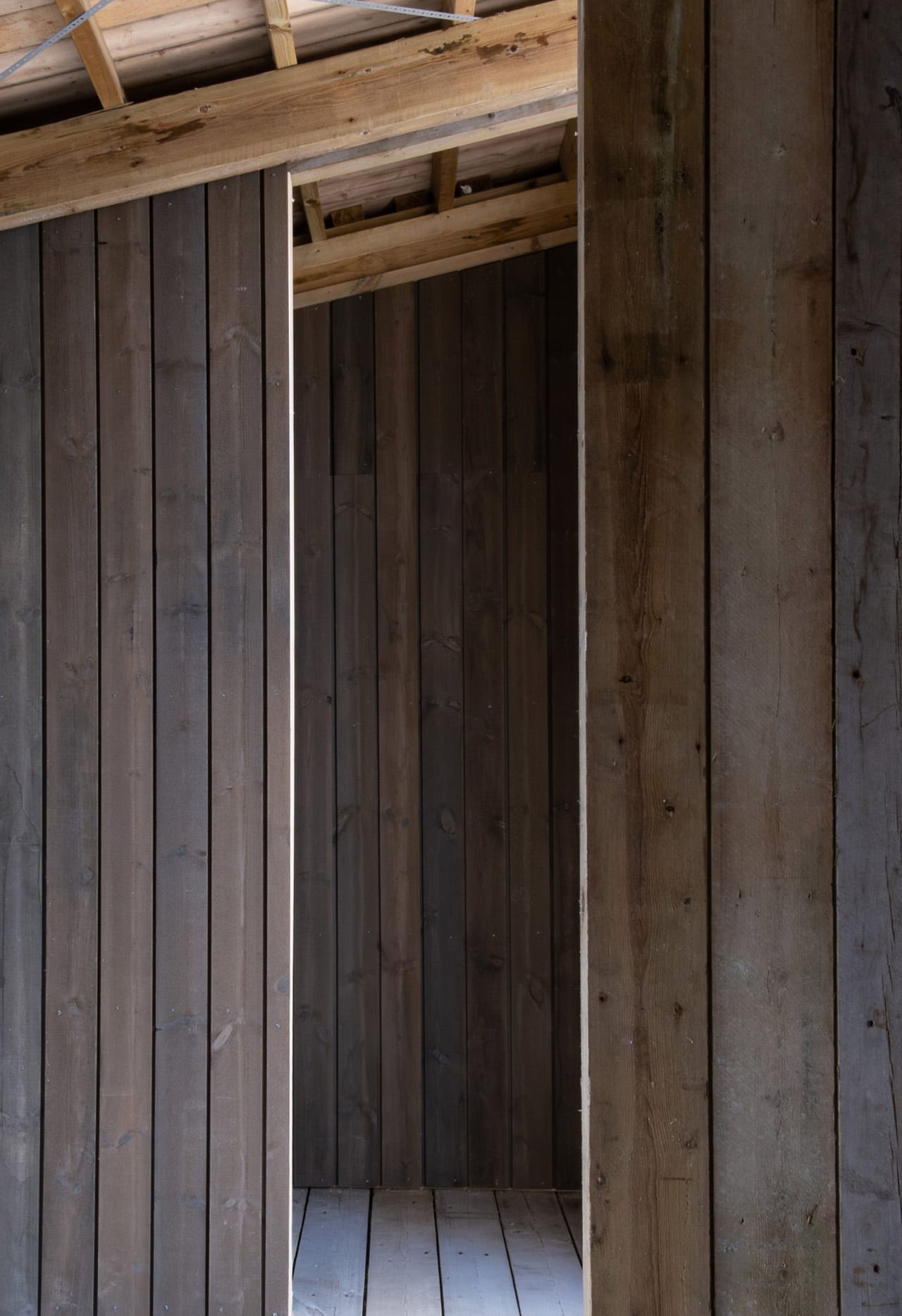
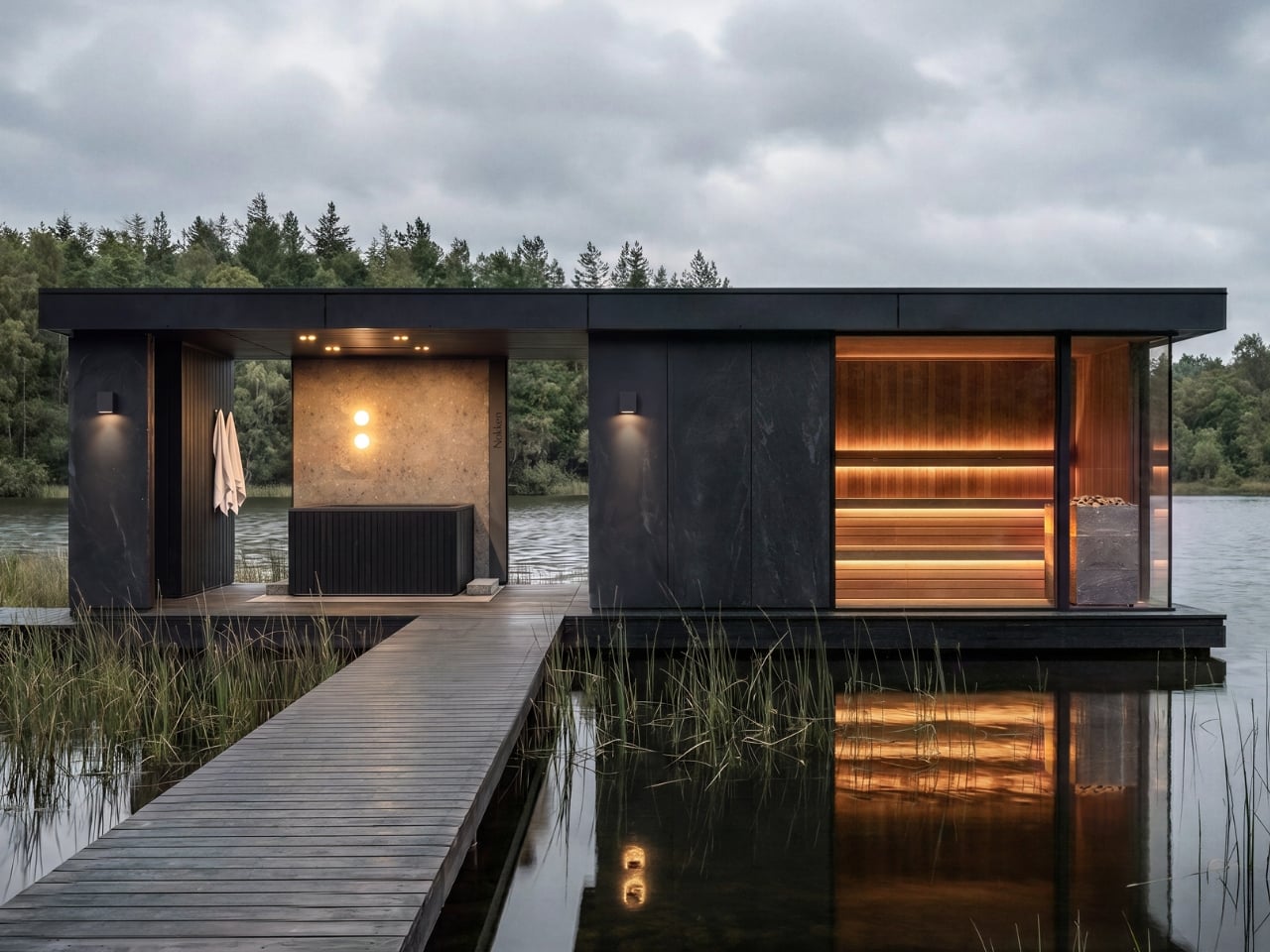
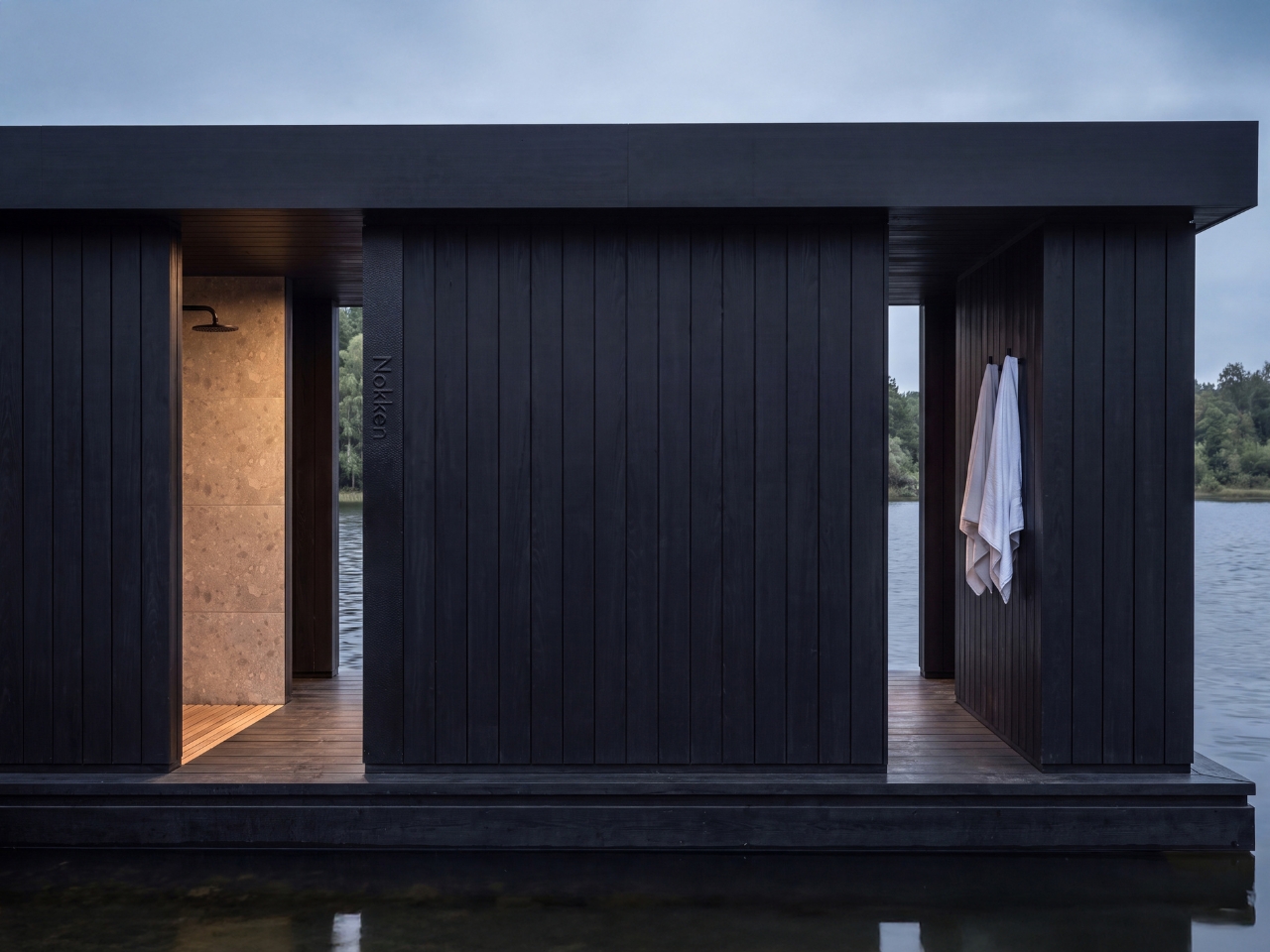
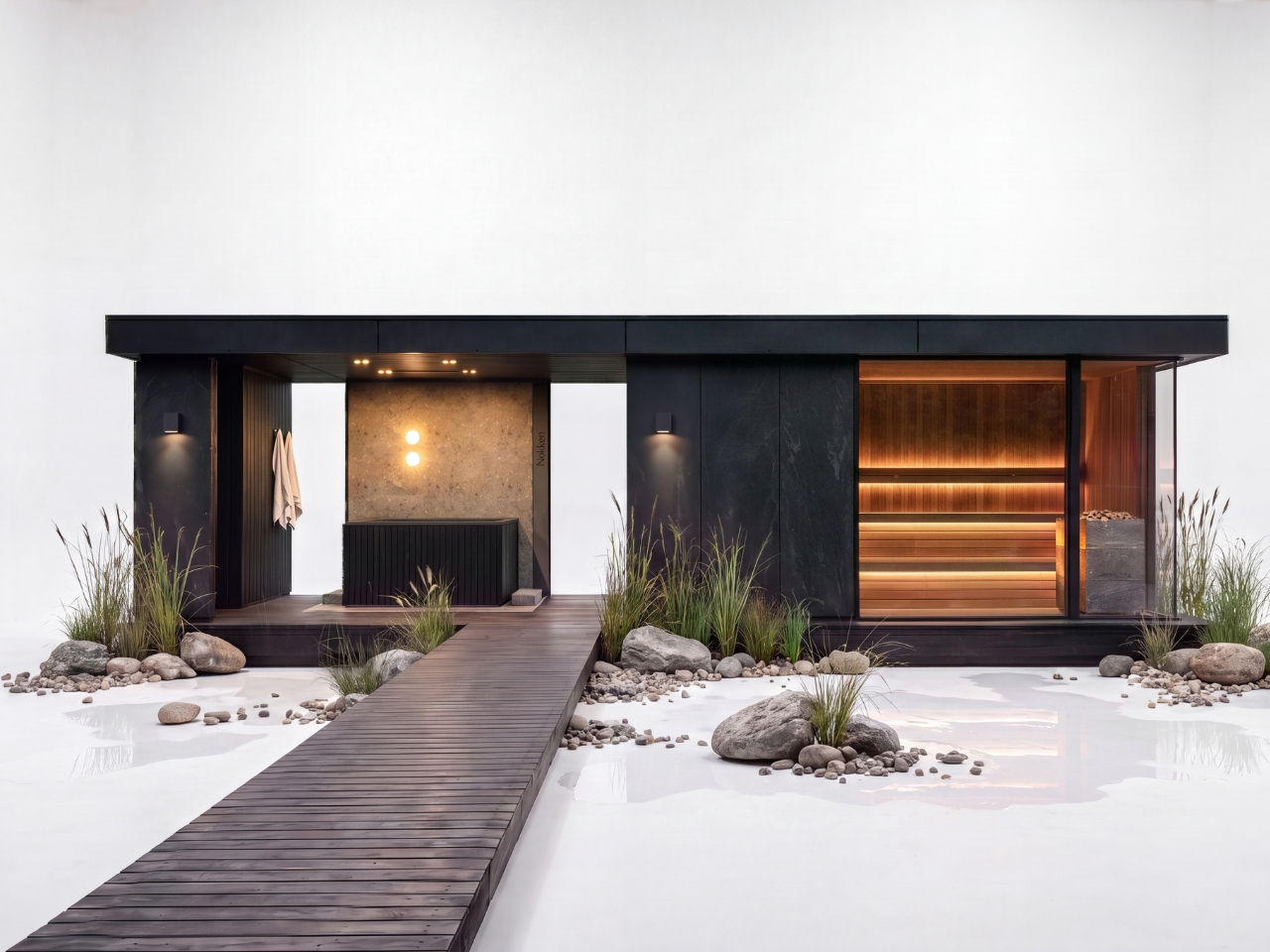
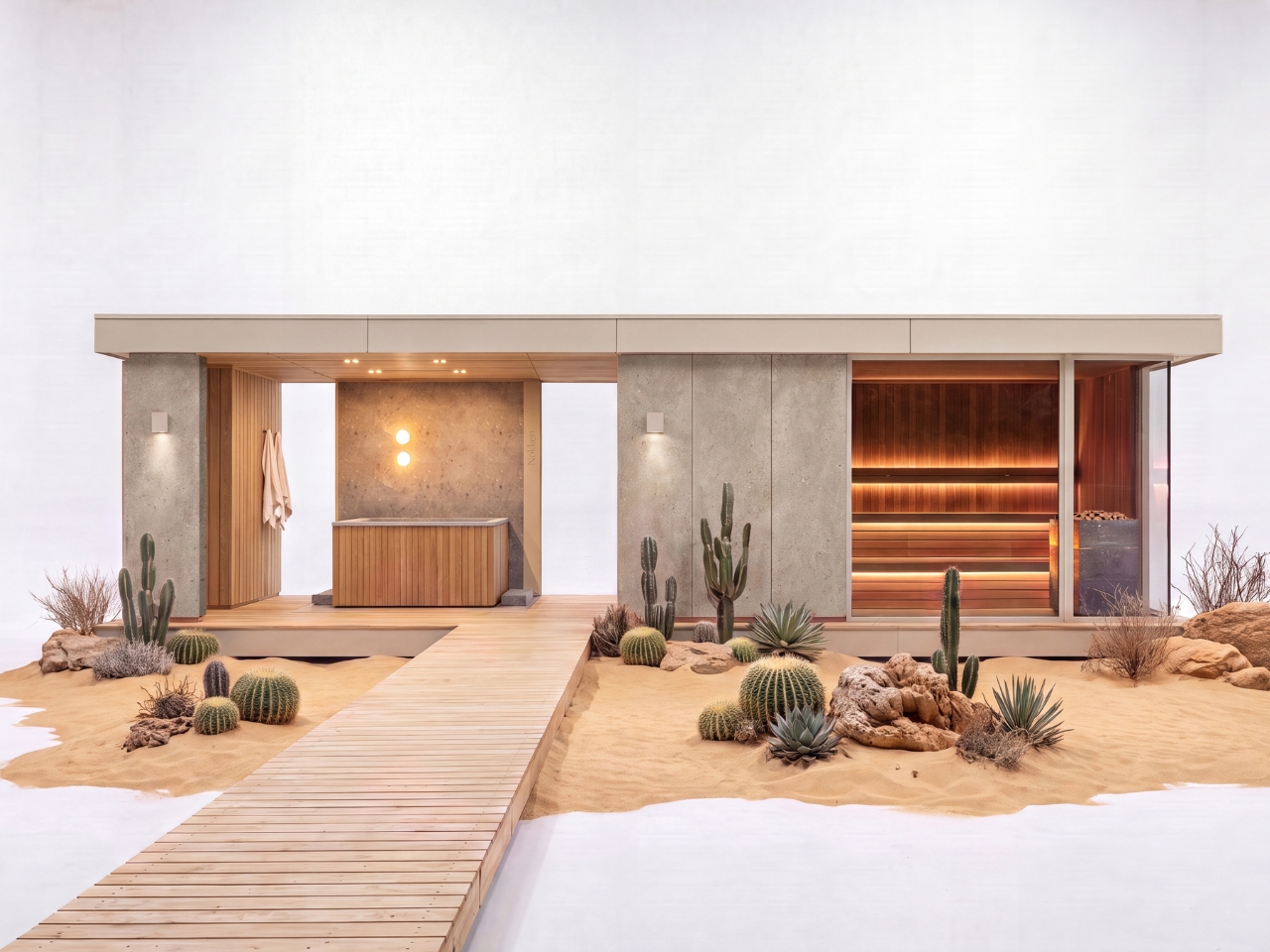
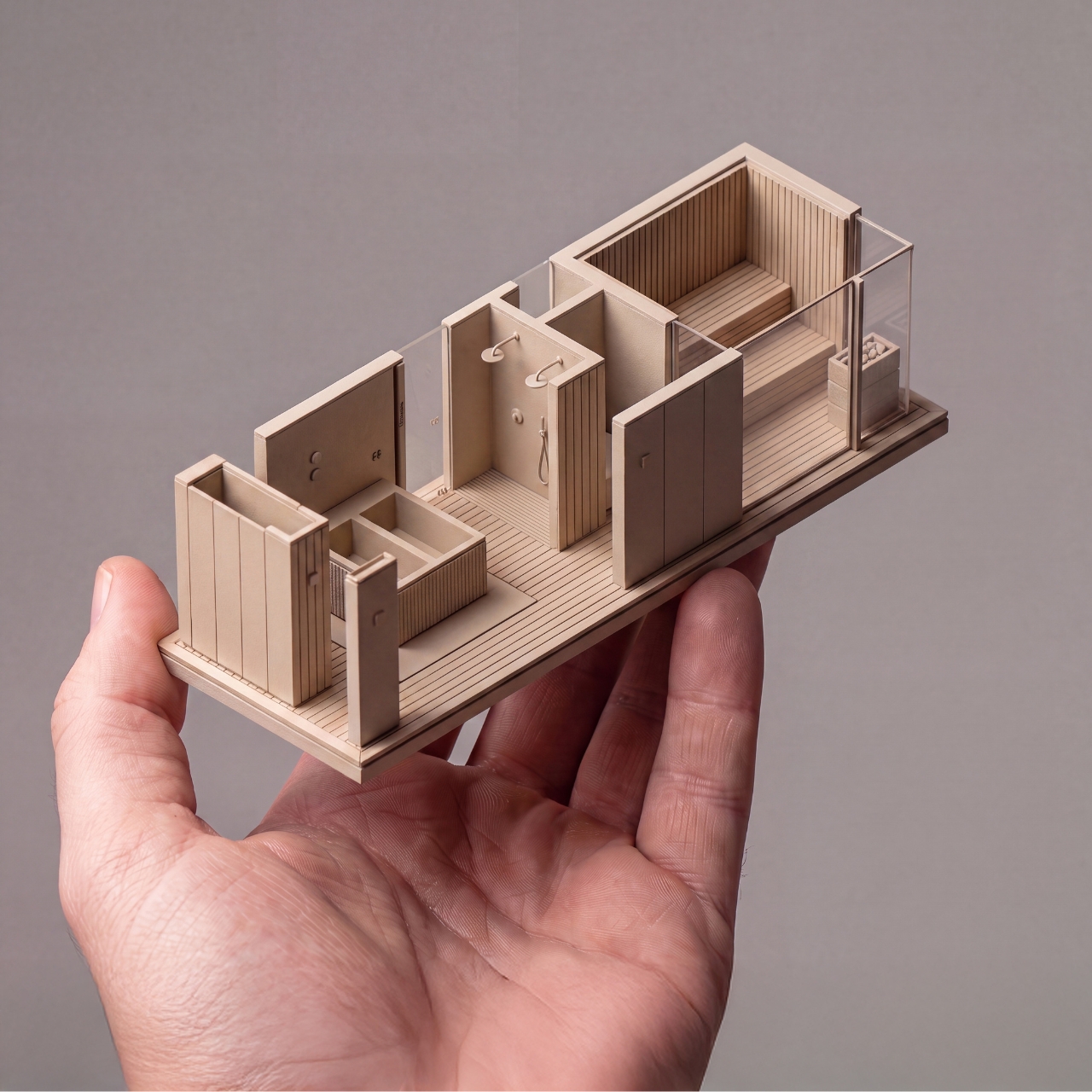
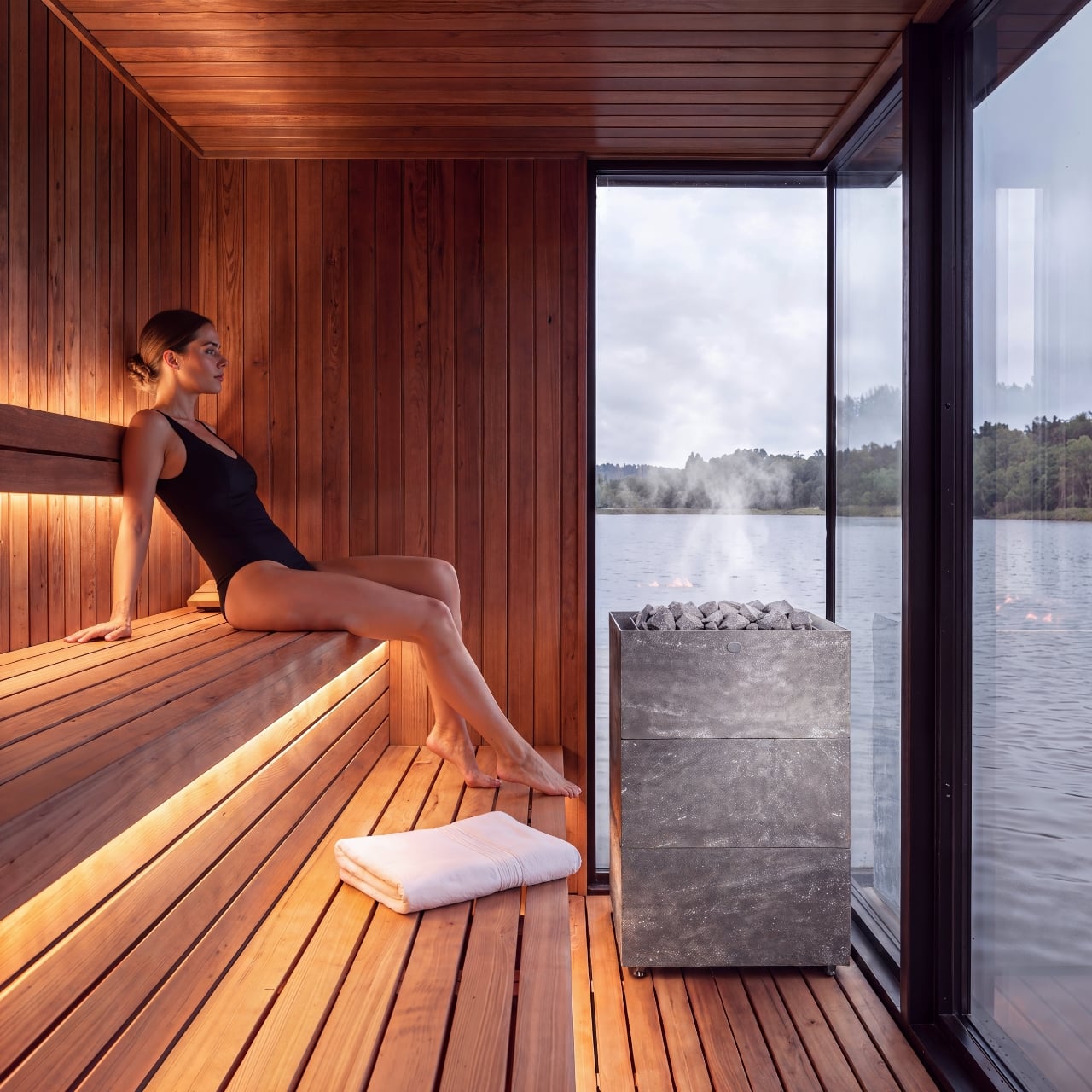
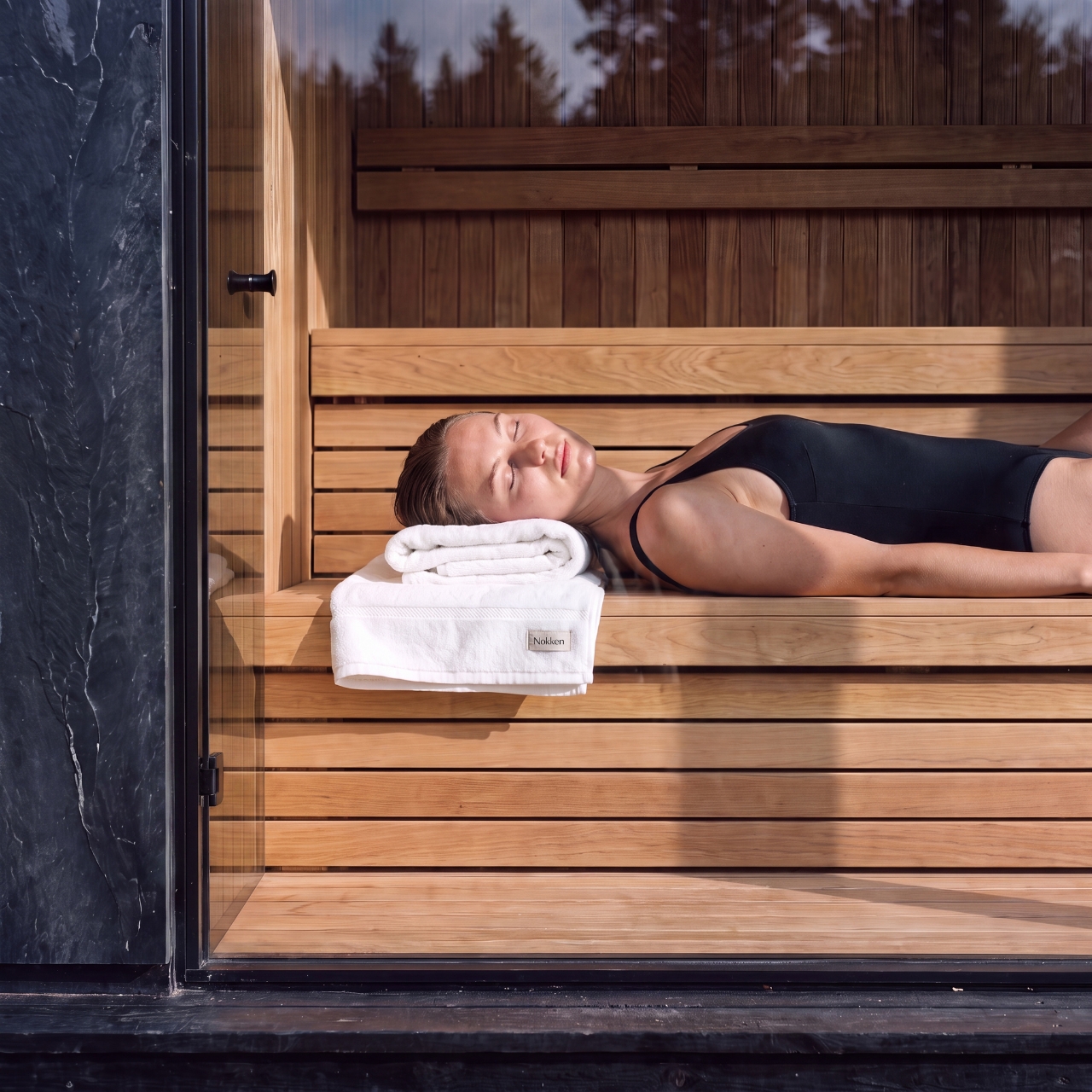
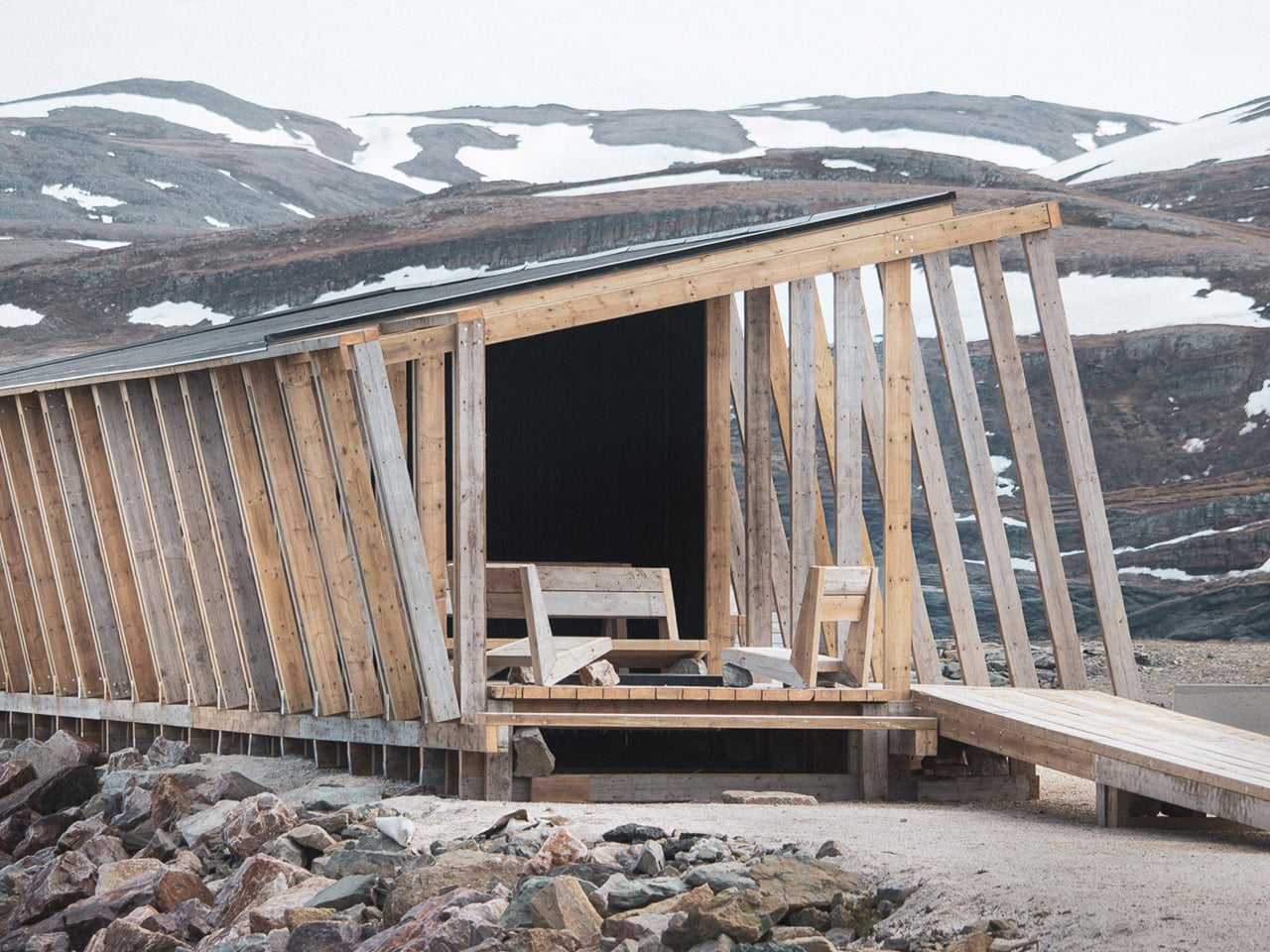
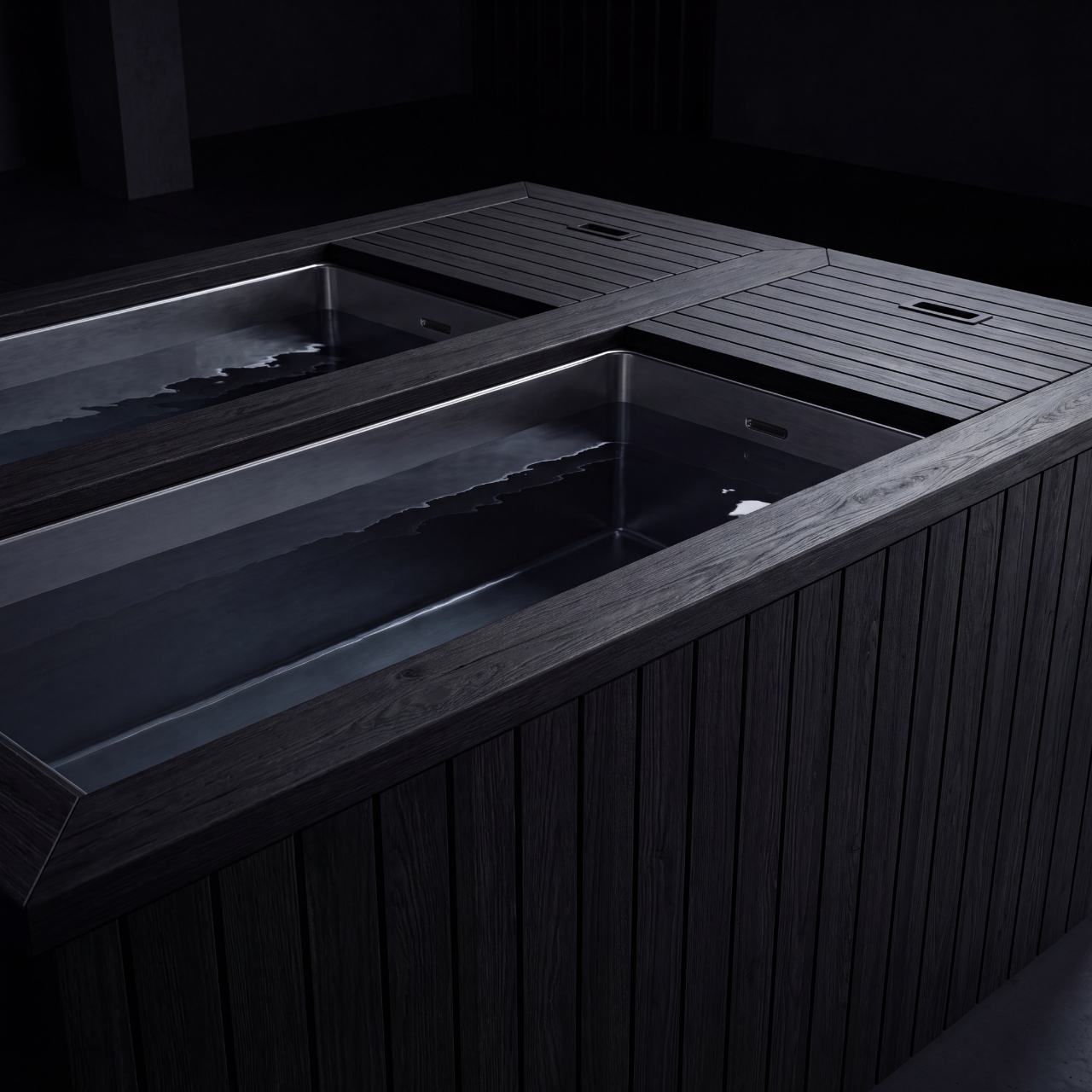
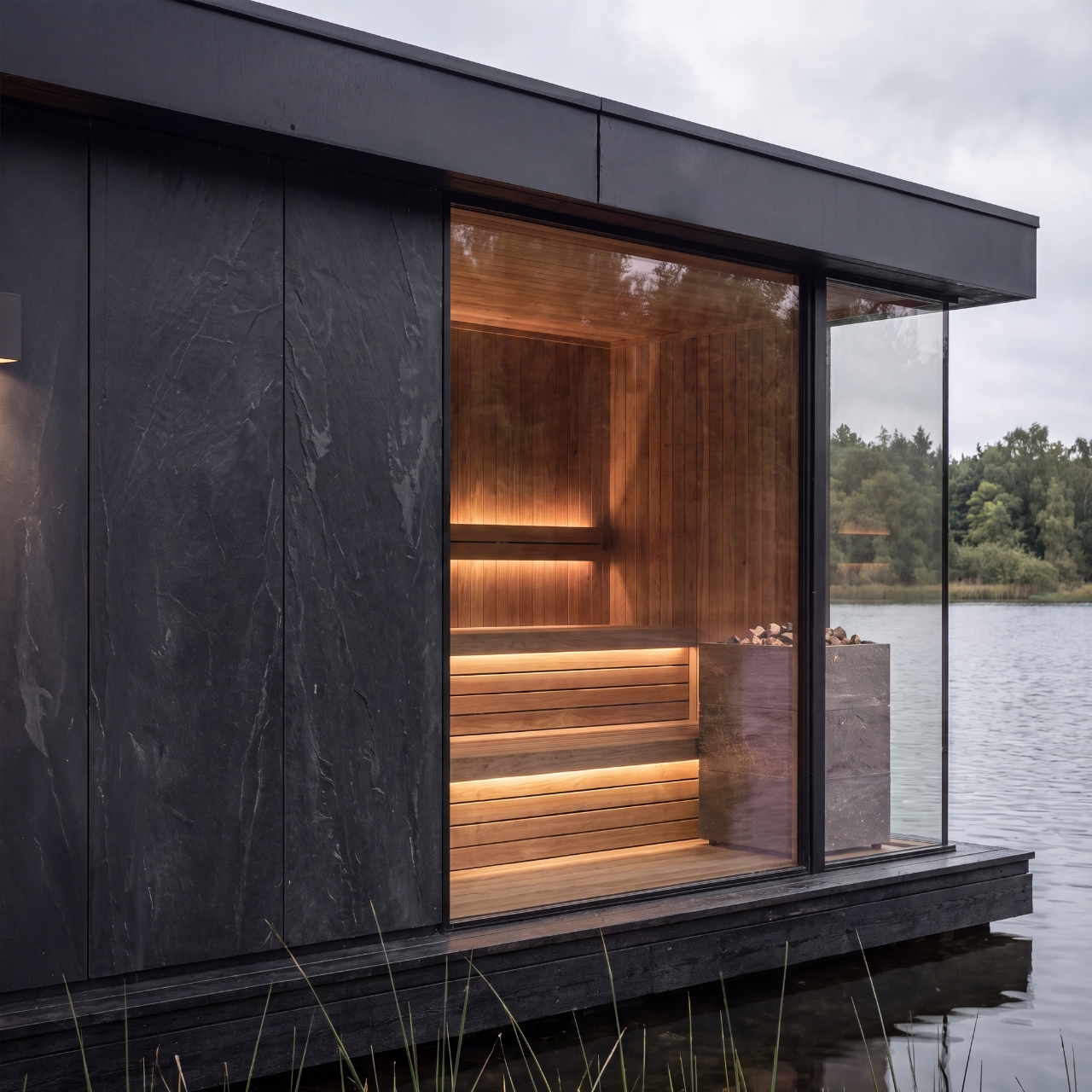
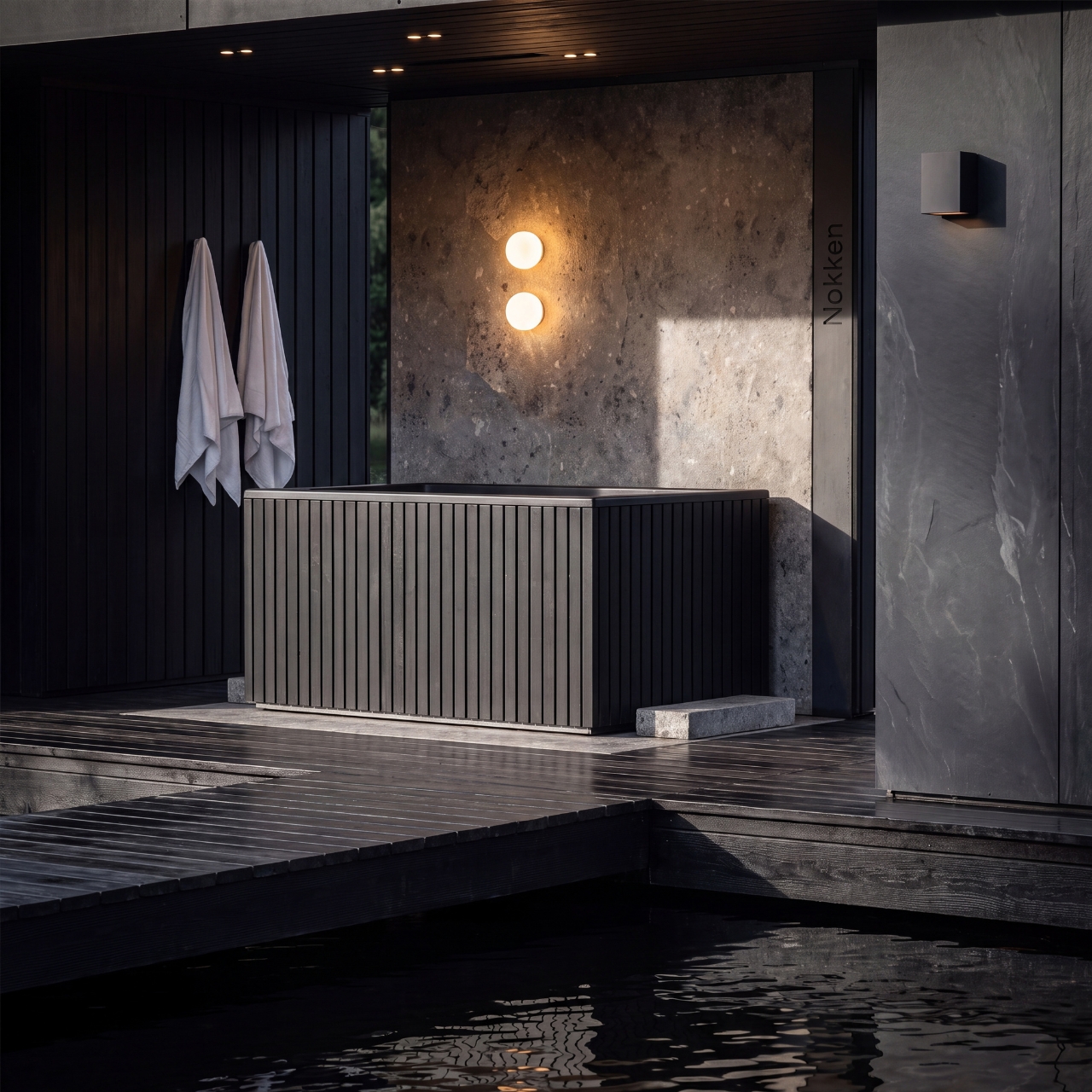
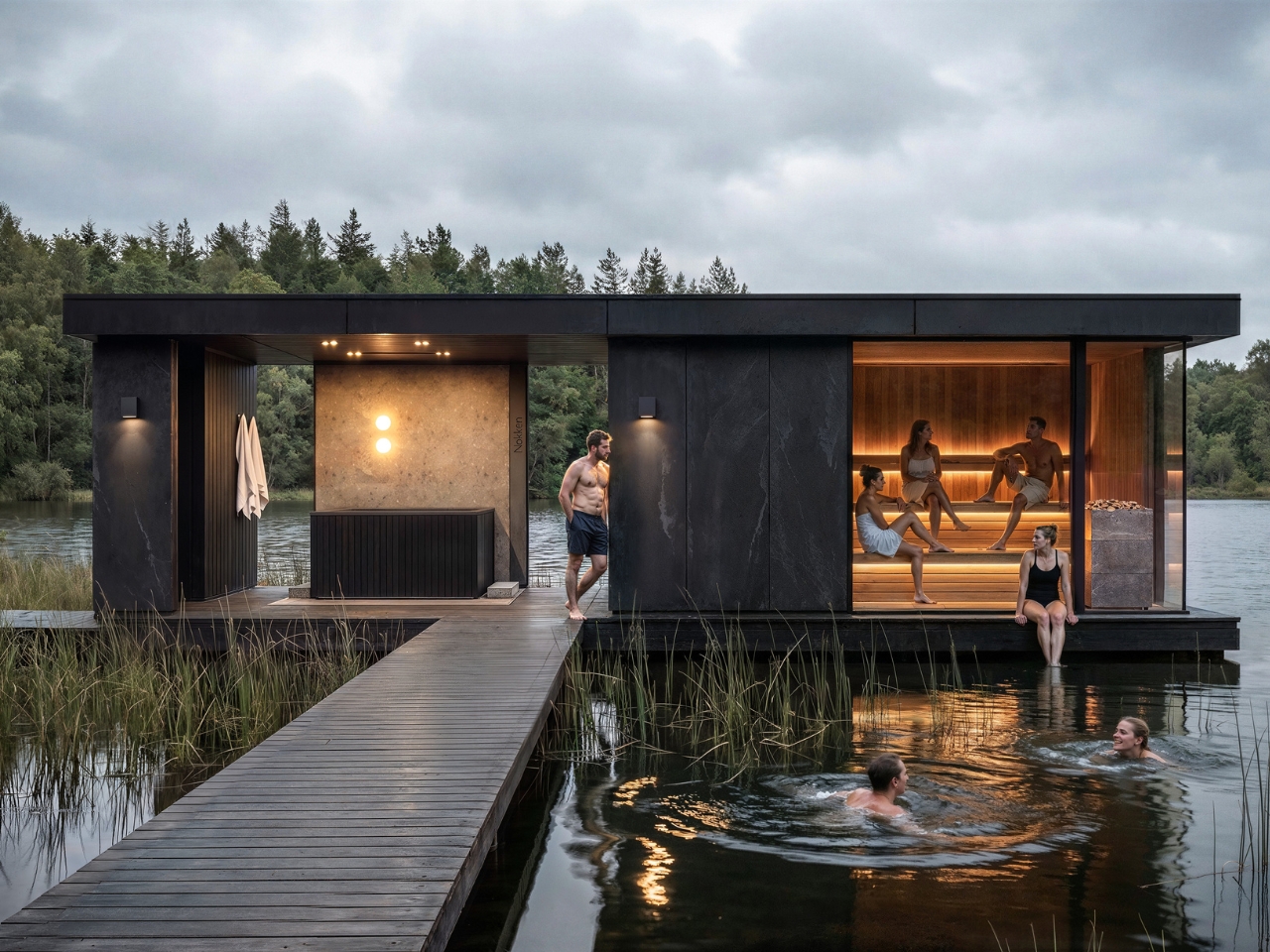
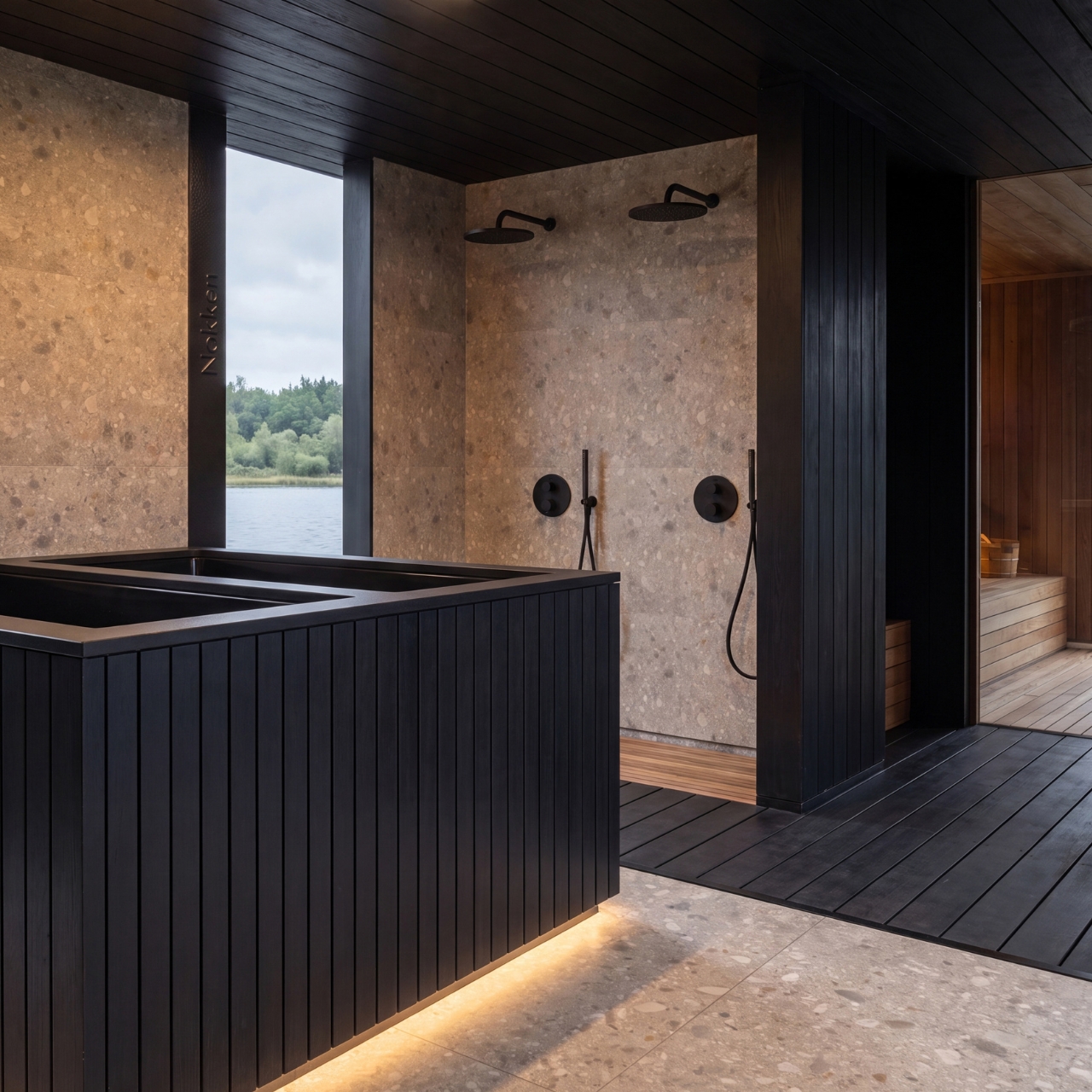
Super Sauna’s answer is refreshingly literal. It’s a hotel-grade structure combining a ten-person sauna, dual cold plunge and external showers, delivered fully assembled and operational within 24 hours. Not a kit. Not a renovation. It arrives on site as a single, fully built unit, craned onto pre-prepared foundation points, with services connected through an integrated base outlet, cutting project timelines by an estimated 25 to 50 percent against traditional construction. Operators get to add a premium amenity in days instead of months, which sounds almost too convenient until you consider how much money a shuttered pool deck actually costs a property in lost bookings.

I actually appreciate that Nokken didn’t try to overcomplicate the design choices either. The product is deliberately standardised: operators make one core specification decision, choosing between a two-tier or three-tier bench configuration, while the remaining architecture, equipment and fixed components are pre-specified as part of the complete system. There’s a confidence in that restraint. Instead of drowning a buyer in customization options, the brand is essentially saying: we’ve already solved this, just pick a bench height and get on with it.

The bigger context here matters too. Global Wellness Institute research valued the global wellness economy at $6.8 trillion in 2024, projected to reach $9.8 trillion by 2029, a scale that makes wellness a larger economy than global tourism itself. That statistic used to feel abstract to me until I started noticing how many friends now plan entire trips around a sauna schedule rather than a sightseeing one. Contrast therapy and cold-water immersion have moved from elite athlete routines into ordinary weekly habits, and increasingly guests want to share that ritual with other people rather than do it alone, which is presumably why Nokken built this thing to fit ten people instead of just two.

What sells me on this one is that it’s already living somewhere real rather than sitting in a press deck. The first Super Sauna is already installed and in use at the Silverlake Estate, a luxury, sustainable lakeside holiday home resort and nature reserve in Dorset, UK. The team behind the property described wanting to build a more complete wellness experience around it, one where guests could engage with recovery while still feeling genuinely connected to the landscape. A concept is easy to pitch. A working sauna on a working dock, with guests actually swimming past it, is a different kind of proof.

None of this makes Super Sauna cheap. It carries a recommended retail price of €98,500 or $149,000, excluding shipping and installation, which are quoted per project. But measured against the traditional alternative, a multi-month build that closes off part of a property and still might not match guest expectations, the price starts to look less like an indulgence and more like a shortcut worth paying for.

What Nokken has actually built isn’t a sauna so much as a workaround for an industry that’s been promising recovery amenities faster than it can construct them. It’s a small, specific fix, but it’s aimed at a real and growing appetite, and that’s usually where the more interesting hospitality products come from.

The post With Super Sauna, Hotels Finally Get a Sauna Without the Construction Wait first appeared on Yanko Design.
Sweden Built a Pink Crystal Sauna on a Toxic Wasteland

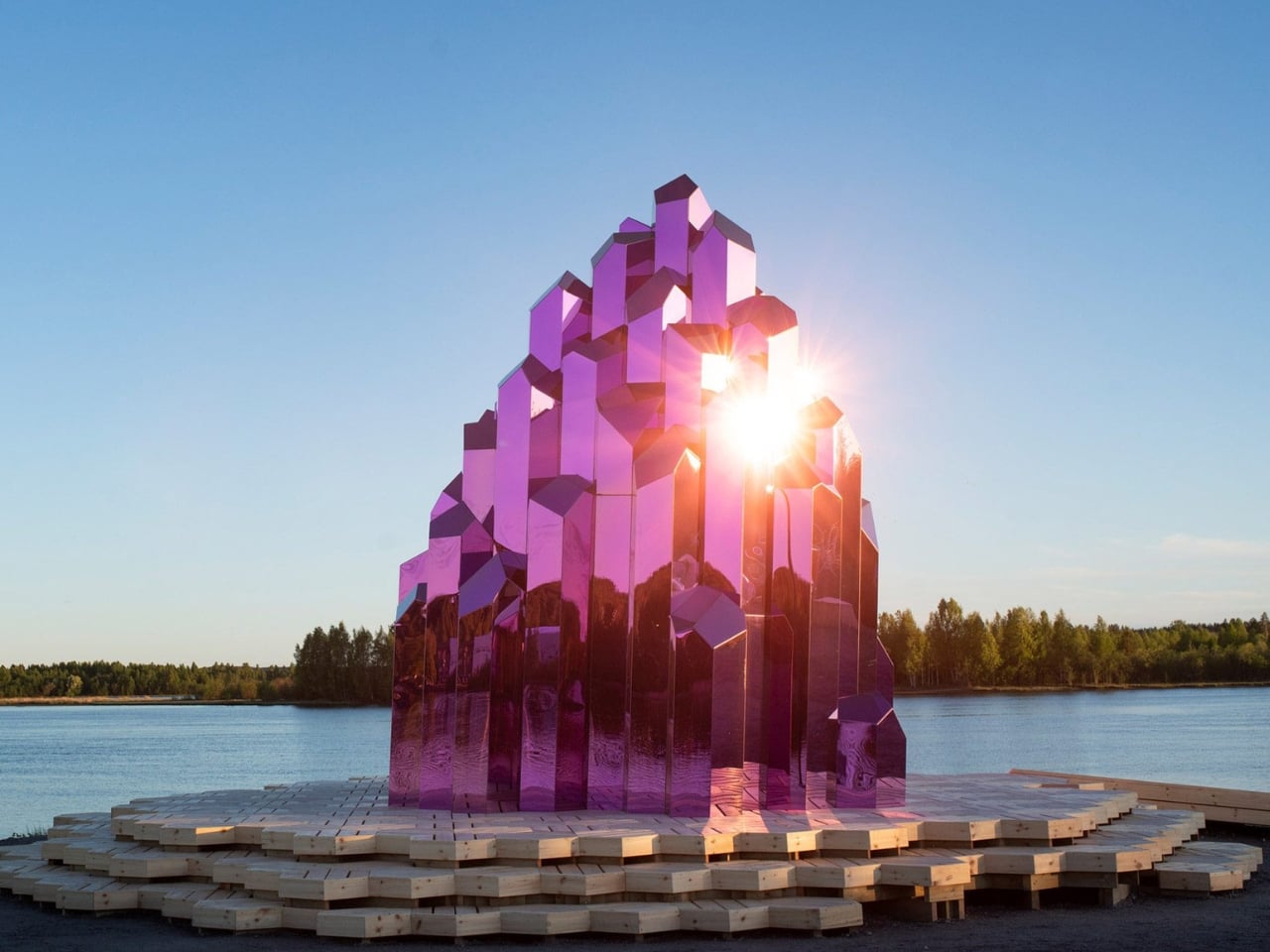
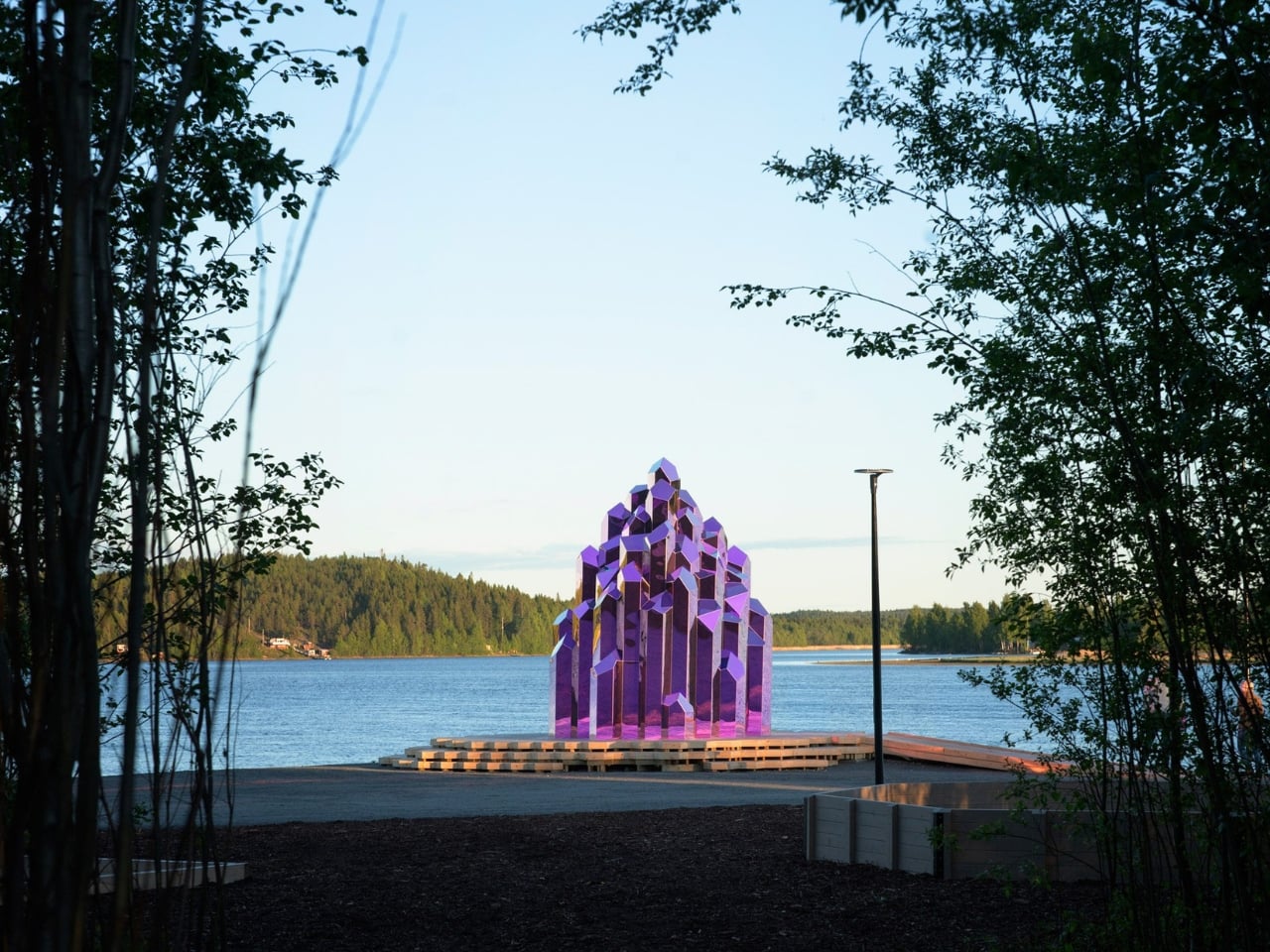
A pink, faceted sculpture sits on the edge of a former industrial wasteland in northern Sweden, catching the river and forest across its mirrored steel skin. It looks like something that fell from a fever dream. Or like a prop someone left behind after filming a sci-fi movie. Look closer and you’ll realize it’s a sauna. A fully functioning, publicly accessible sauna shaped like a giant lithium crystal. And it’s one of the most quietly radical things built in 2026.

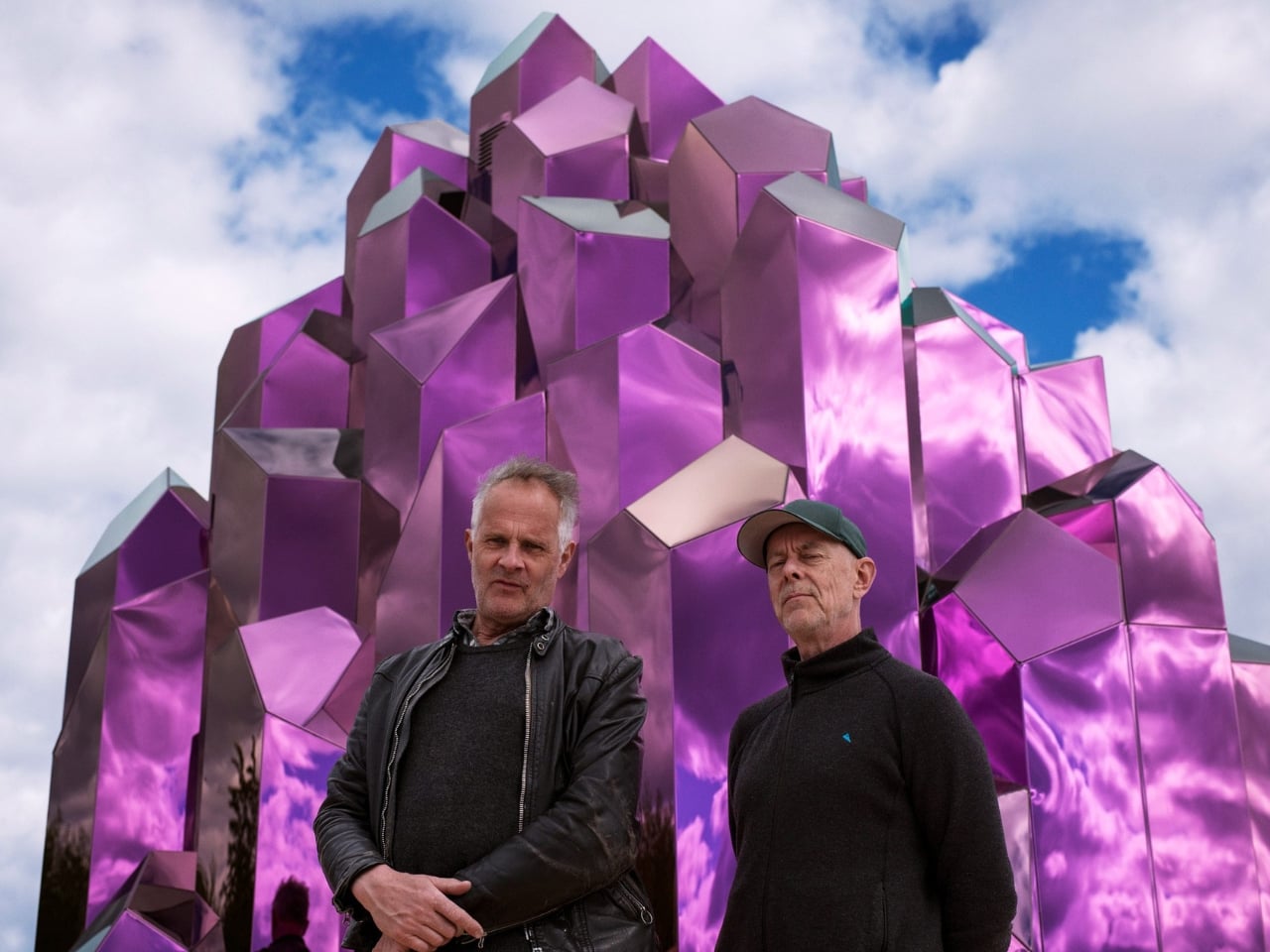
The Lithium Crystal Sauna is the work of Stockholm-based artist duo Bigert & Bergström, installed at WasteLand, a newly inaugurated climate action park in Skellefteå, Sweden. The park sits on land that was, not long ago, a polluted industrial site, a place shaped by a century of extraction, production, and environmental consequence. That context is not incidental to the work. It’s the entire point.

Designer: Bigert & Bergström

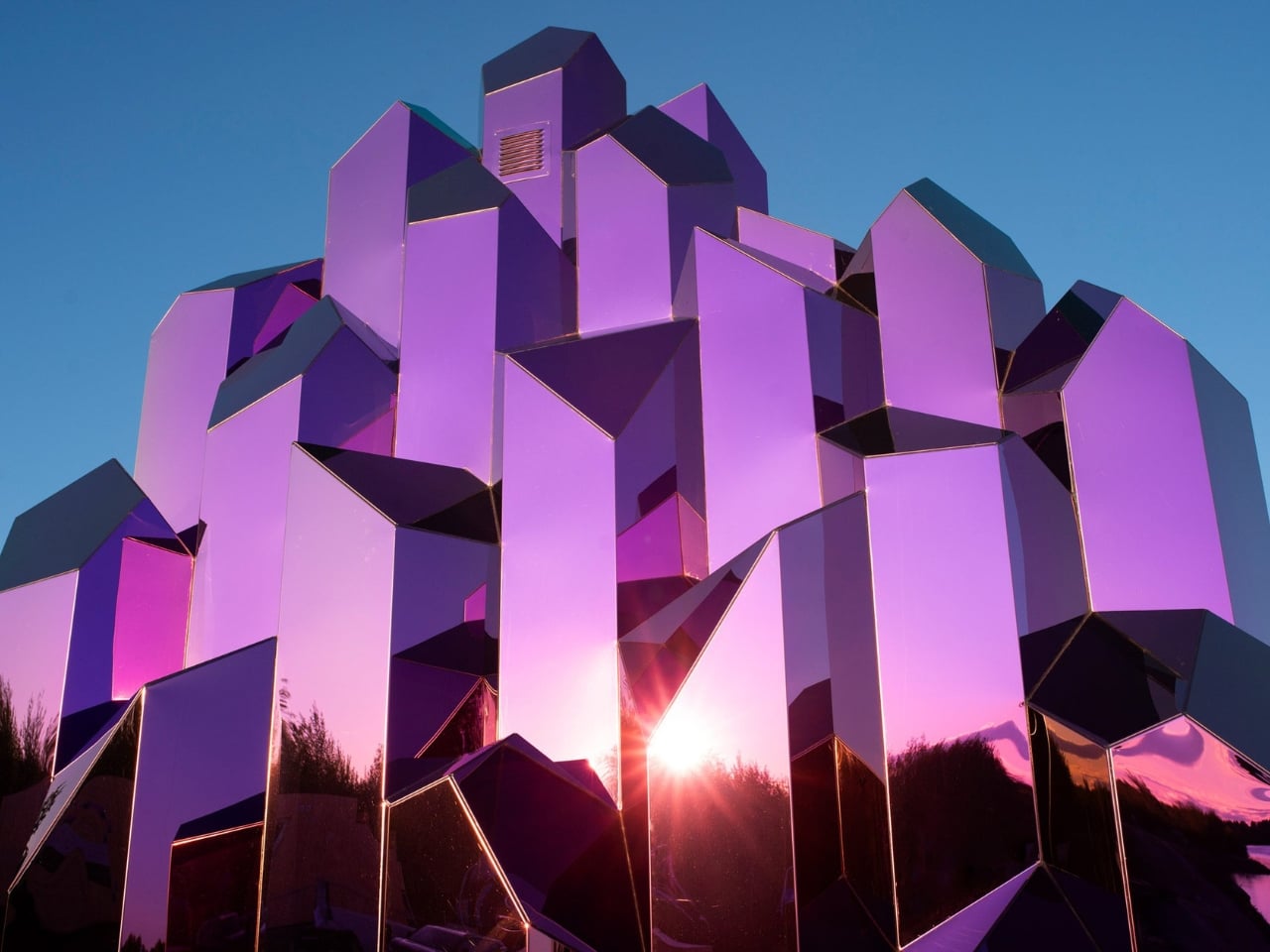
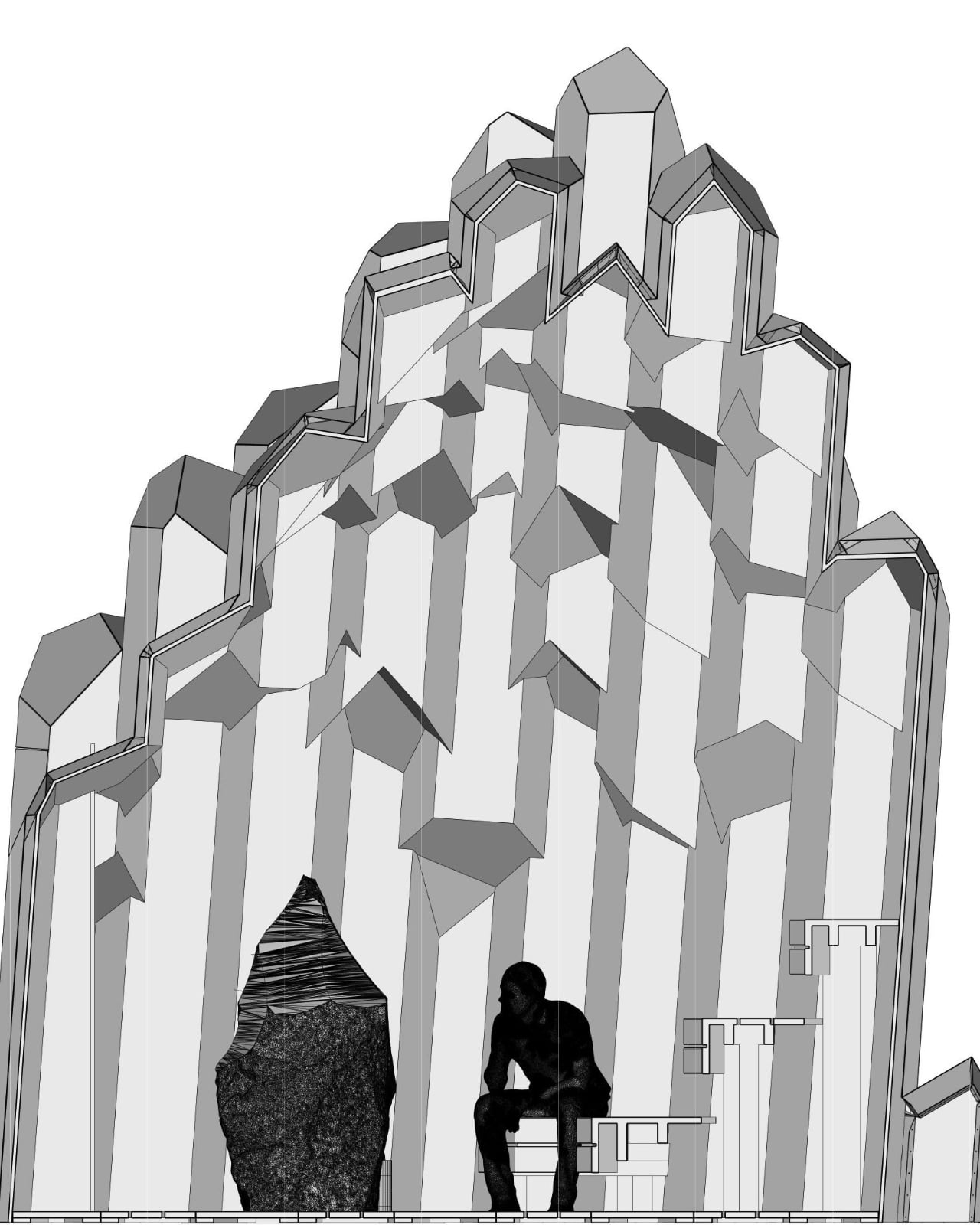
From the outside, the sauna is clad in pink titanium-coated mirror steel, its asymmetrical facets borrowing their geometry from the structure of an actual lithium crystal. It doesn’t blend into the landscape. It confronts it. The mirrored panels throw back whatever surrounds it: the recovering forest, the river, the sky, and presumably your own reflection looking slightly baffled and very impressed. As a sculptural object, it earns its place on a shortlist of the most visually arresting public art installations of recent memory.

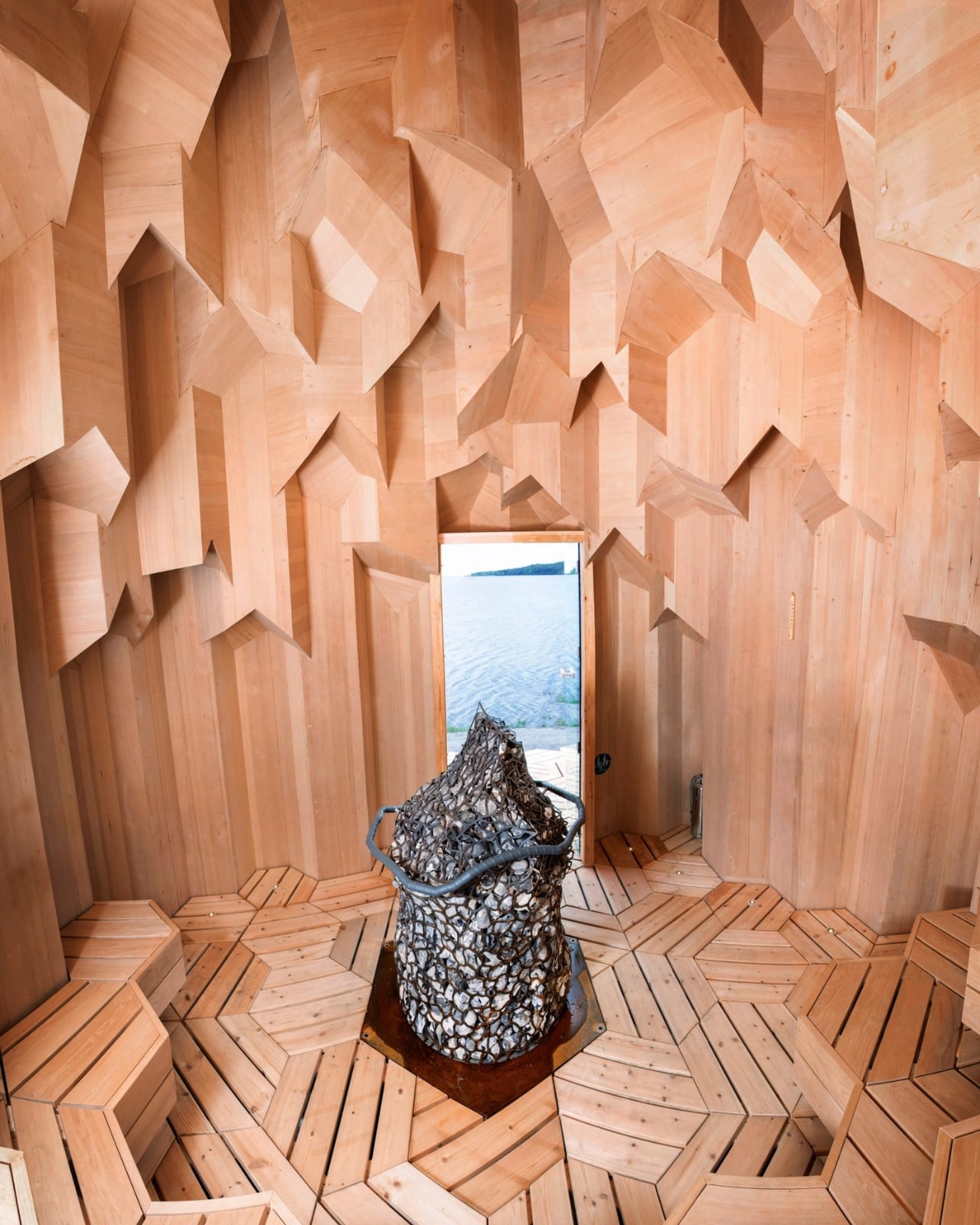
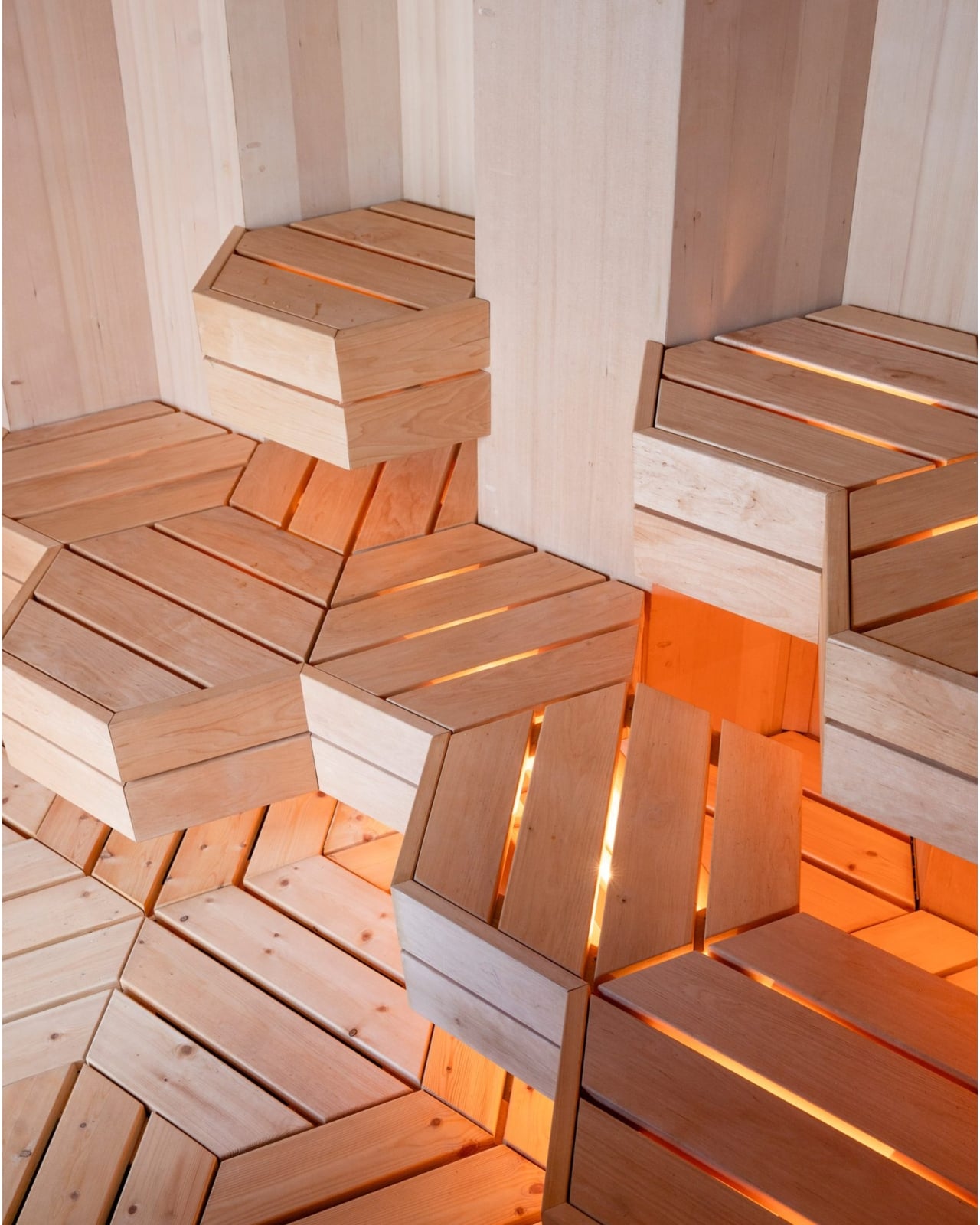
But walking through the door changes everything. Inside, the industrial exterior gives way completely to a warm wooden grotto lined with alder and heartwood pine. Flint and olivine stones sit around the heater. Copper, glass, and LEDs complete the interior. The hexagonal seating echoes the crystal geometry of the outer shell, a small detail that rewards anyone paying attention. The whole space is built to create what the designers describe as a contrasting sensory experience, and the contrast delivers. Going from a mirrored shell to a wood cave is as disorienting as it is beautiful, and I mean that as a compliment.

The material choice of lithium is pointed. Lithium is the mineral at the center of the global battery economy, the thing inside electric vehicles and renewable energy storage systems, and also the driver of a new wave of mining pressure on landscapes not unlike the one WasteLand now occupies. By building a sauna in the shape of a lithium crystal and powering it with a battery, Bigert & Bergström make an argument without saying a word. The Lithium Crystal Sauna is the world’s first battery-powered sauna, running on electricity from standalone batteries and electric vehicles. Through the “Vehicle-to-Sauna” project, Swedish energy company Skellefteå Kraft is developing technology that allows an electric vehicle battery to power both the sauna and the surrounding park. It is, depending on your disposition, either delightfully clever or almost too on-the-nose. Possibly both.

For those familiar with Bigert & Bergström’s earlier work, the Solar Egg, a golden egg-shaped sauna installed in Kiruna where mining had literally forced the city to relocate, this feels like a continuation of a practice that consistently uses warmth, community, and the ritual of the sauna to process what we do to the land we live on. Both works are beautiful. Both carry weight. The difference is that Lithium Crystal Sauna arrives at a moment when the conversation around the green transition has grown more complicated, when the environmental cost of the technologies we’re counting on to save us is harder to look away from.

That’s the tension the piece holds without resolving. It doesn’t tell you how to feel about lithium mining or energy transition or the long afterlife of industrial landscapes. It puts you inside all of that, quite literally, makes it warm, and lets you sweat. Good art makes you sit with the uncomfortable question. Great art makes that sitting feel almost pleasant. This one heats you up and lets you figure out the rest.

The post Sweden Built a Pink Crystal Sauna on a Toxic Wasteland first appeared on Yanko Design.

Japan Just Built a Pokémon Footbath and It’s Genuinely Moving

When you hear “Pokémon footbath,” your brain probably goes one of two places: either immediate delight or mild confusion. Both reactions are fair. But when you actually see what just opened in the small coastal town of Wakura Onsen in Nanao City, Japan, the response tends to land somewhere more unexpected than either. It lands in quiet, genuine warmth.

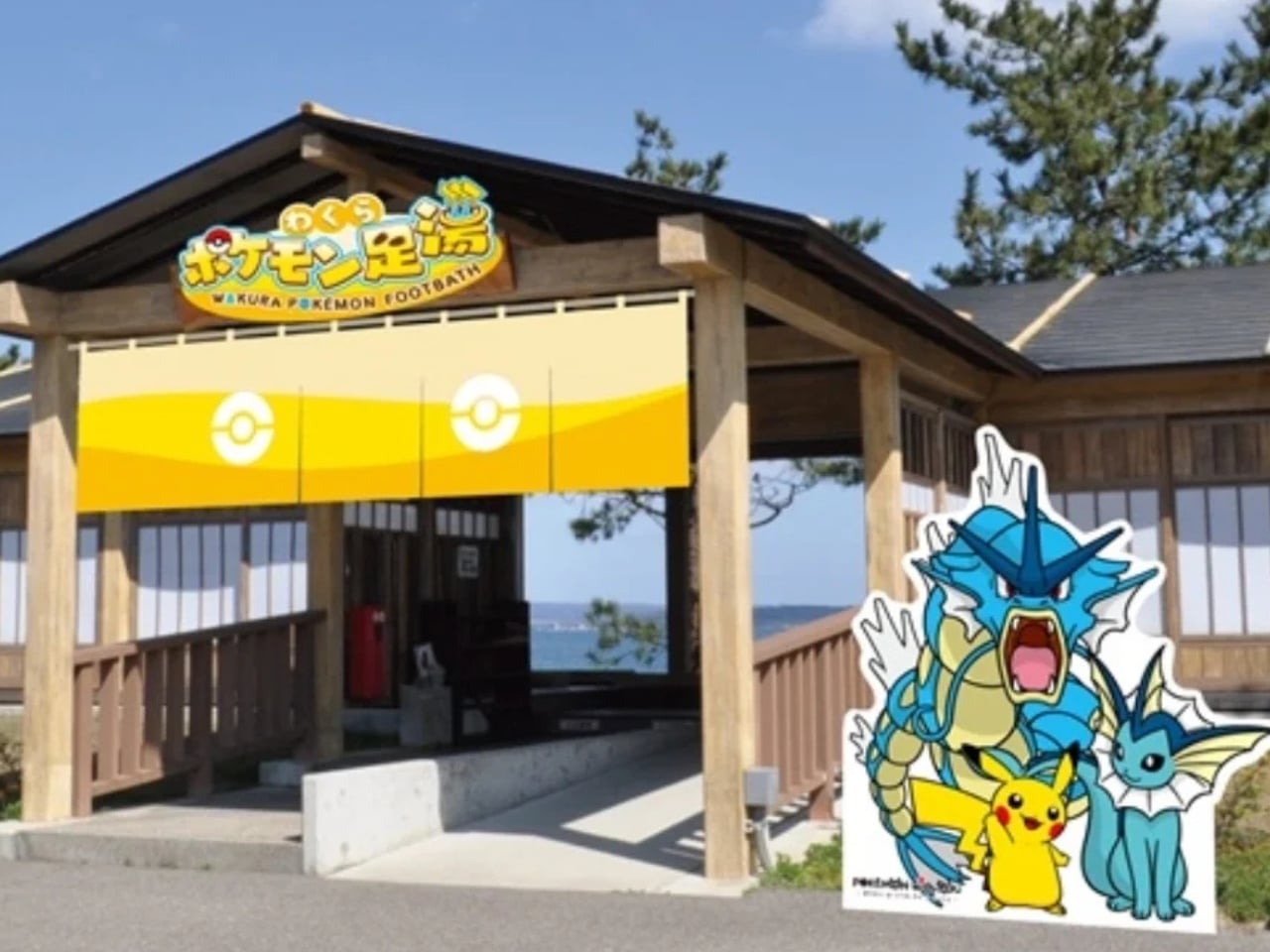
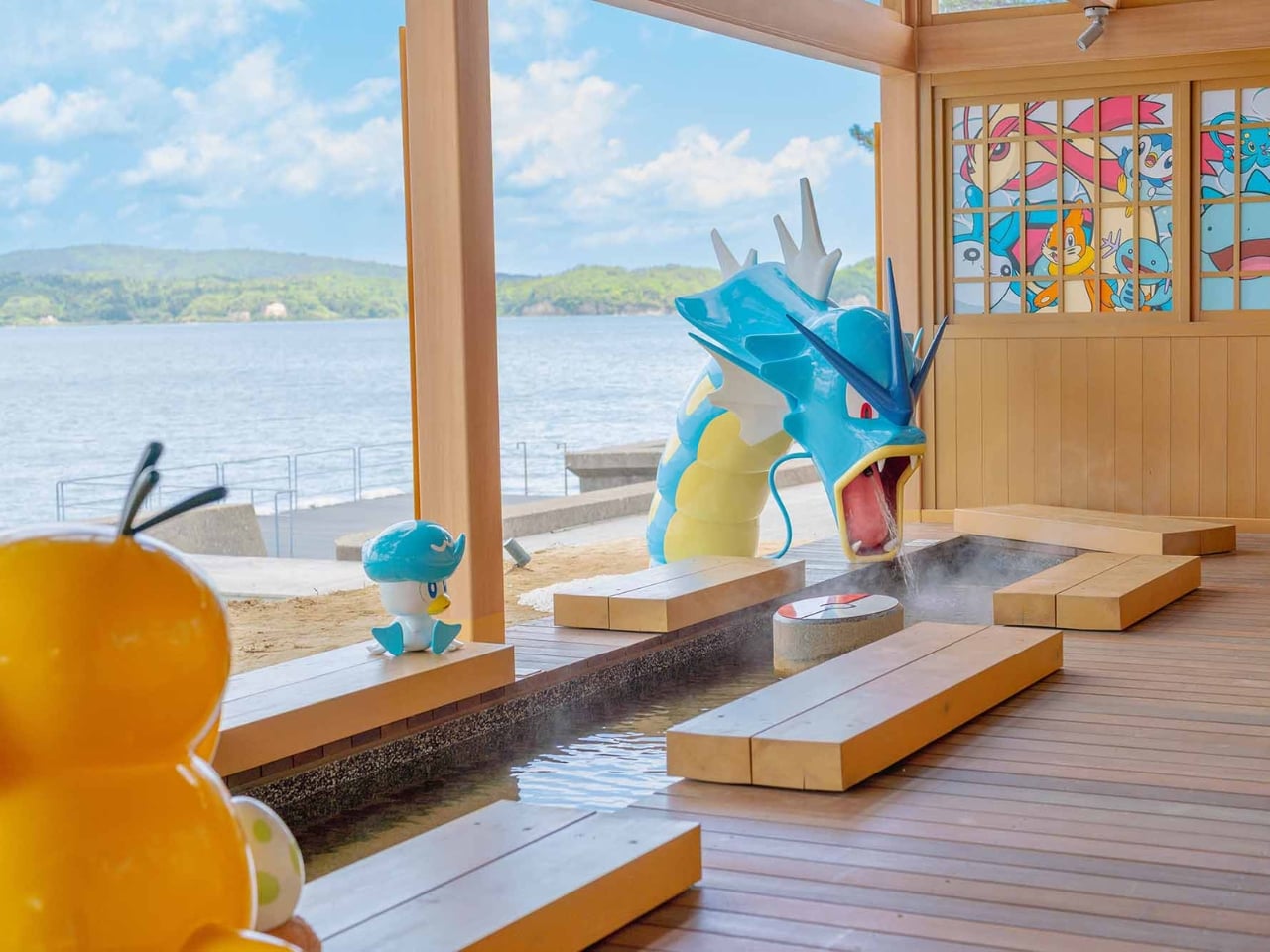
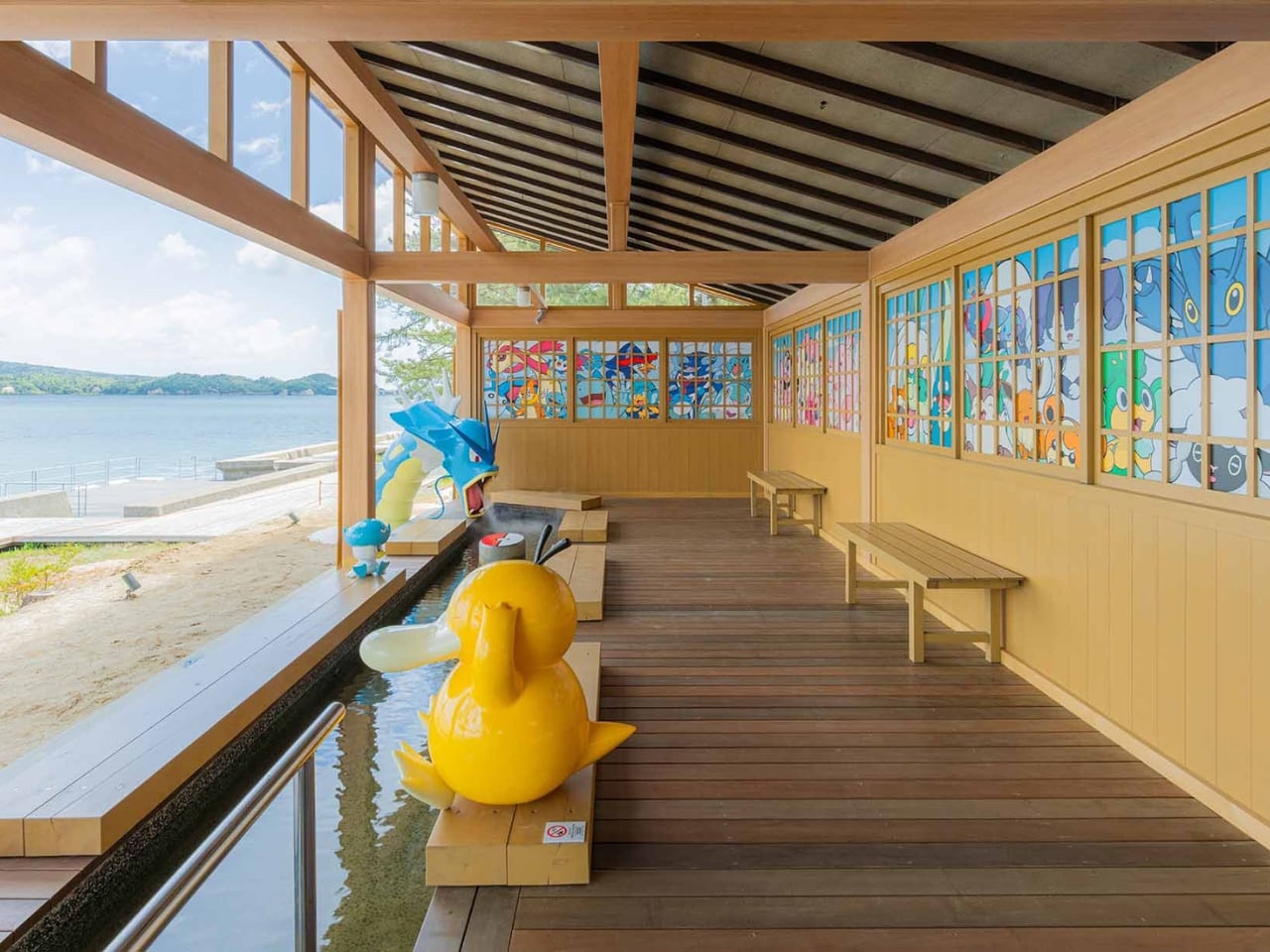
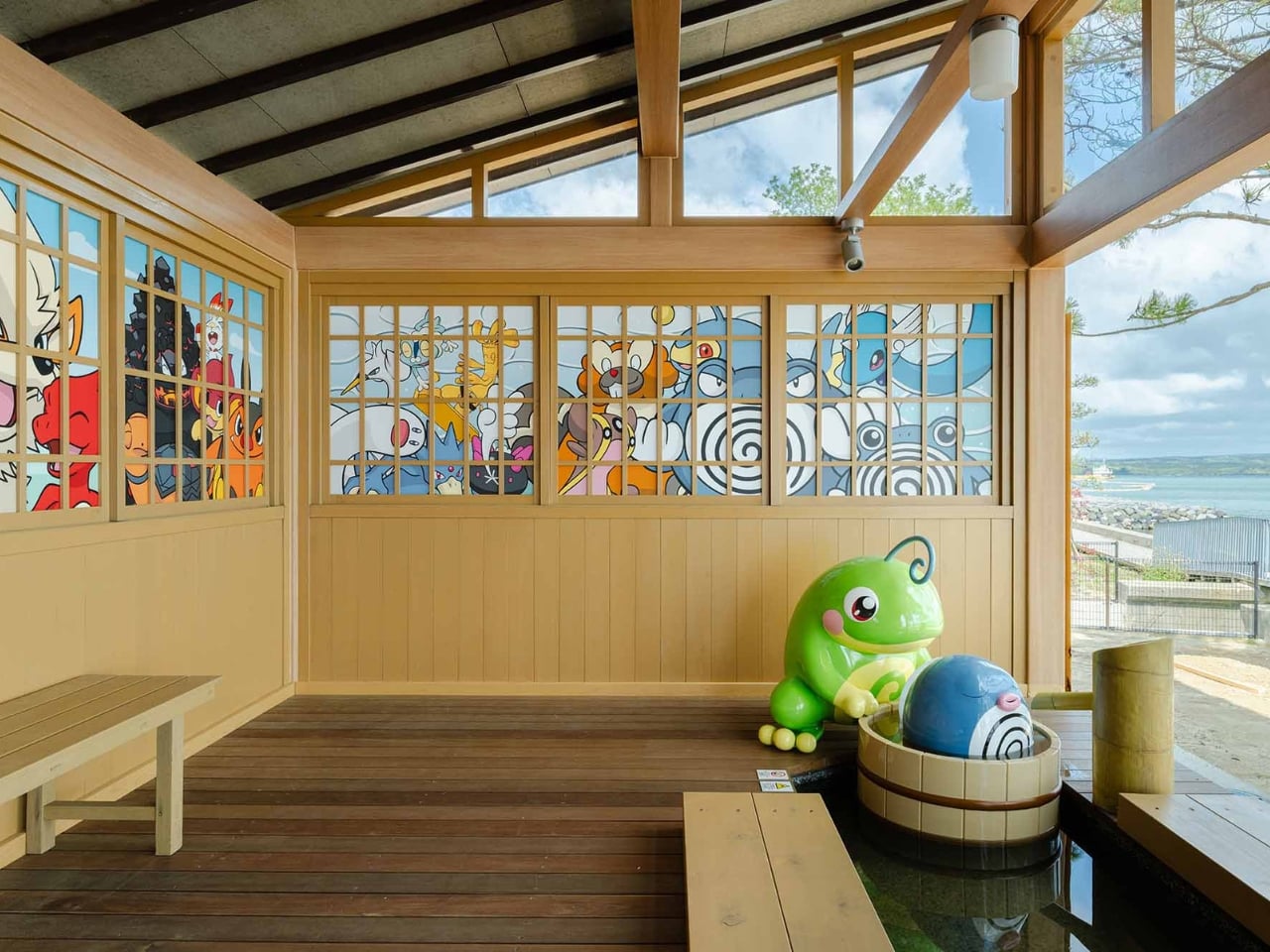
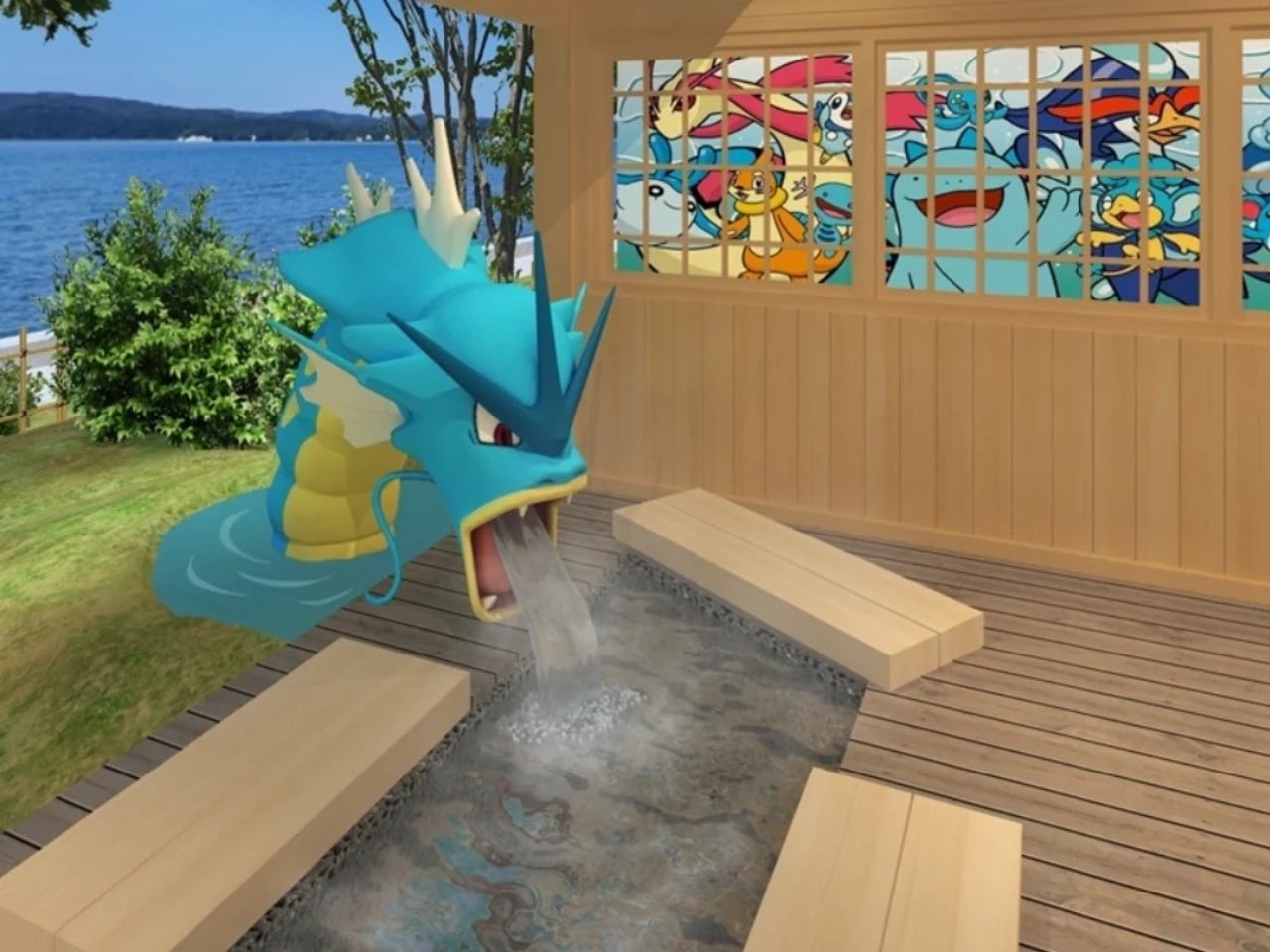
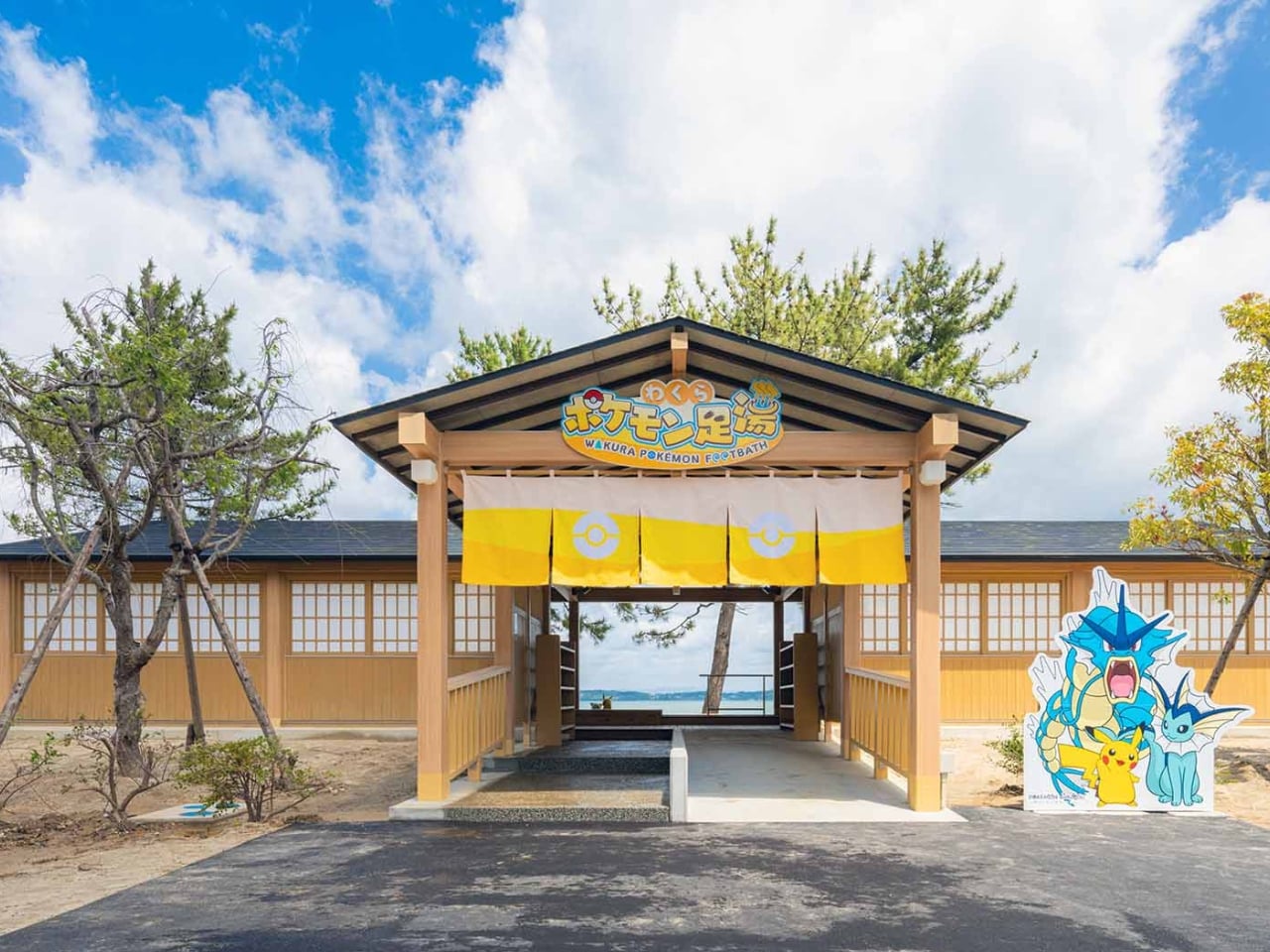
The Wakura Pokémon Footbath officially opened on May 12 inside Yuttari Park in Ishikawa Prefecture, and it is exactly what it sounds like: a public footbath surrounded by beloved Water-type Pokémon. Gyarados towers over the soaking pool, appearing to blast water in with its Hydro Pump. Psyduck perches nearby, looking stressed as always. Vaporeon, Pikachu, Poliwag, Poliwhirl, and Quaxly are scattered throughout the wooden structure, each one in character, each one impossibly charming. The facility is free to use and open daily from 7 AM to 7 PM, though it may close depending on weather conditions.

Designer: Wakura Onsen

From a pure design standpoint, it works. The Pokémon figures feel integrated into the space rather than slapped onto it as an afterthought. The Gyarados placement especially is clever: positioning a creature historically associated with destruction as the one filling a community wellness space with warm water is a quietly subversive design choice. It takes a familiar icon and gives it a new job, and the whole thing is better for it. Good character-led design usually does this. It finds the emotional logic of the IP and builds something genuinely functional around it, instead of just stamping a logo on a wall and calling it a day. The wooden structure keeping everything together also helps ground the Pokémon elements in something tactile and traditionally Japanese, which keeps it from reading as pure merchandise and more as a genuine place to be.

But the design story here is only part of the picture. What elevates the Wakura Pokémon Footbath beyond a cute novelty is the context surrounding it. Wakura Onsen is still recovering from the 2024 Noto Peninsula earthquake, which caused major damage to local tourism infrastructure. The footbath was renovated and developed through a collaboration between Nanao City and the Pokémon With You Foundation, an organization that has long used Pokémon’s reach to support communities facing hardship. Local officials are hoping the new attraction will draw visitors back to a region that urgently needs them. On opening day, a dedication ceremony was held, and children from a local nursery school were among the first to try it out.

That detail matters. It reframes the entire project. A giant Gyarados shooting water into a hot spring pool is fun in isolation. A giant Gyarados shooting water into a hot spring pool in a community rebuilding after a disaster, inaugurated by children experiencing something joyful, is a different kind of story. It is design as care. It is pop culture as infrastructure.

I think we underestimate how much deliberate playfulness can do for a place in recovery. A footbath is not a hospital. It is not a new road or a rebuilt building. But public spaces designed to give people a reason to show up, to sit down, to stay a while, do real work. They signal that a place is worth visiting again. That it has something to offer. That life, in some form, is continuing. And sometimes the difference between a place that comes back and one that does not comes down to whether people believe it is worth returning to.

The footbath also ties into the newly installed Pokémon manhole covers placed around Nanao City, part of Japan’s Pokéfuta initiative, which uses collectible Pokémon-themed covers to encourage visitors to explore lesser-known regions. It is a broader ecosystem of soft infrastructure pointing in the same direction: come here, look around, stay awhile.

Wakura Onsen may not be the first destination that comes to mind for a travel itinerary. But a free footbath where a reformed Gyarados keeps your feet warm while Psyduck quietly spirals next to you? That is a genuinely compelling reason to make the trip. And right now, Nanao City could use a few more of those.

The post Japan Just Built a Pokémon Footbath and It’s Genuinely Moving first appeared on Yanko Design.
This 2-Person Steam Room Sets Up in 5 Minutes and Packs Into a Case

Home wellness has expanded well beyond foam rollers and cold showers. Heat therapy has become one of the more serious recovery habits people are building into their routines, but the hardware has always been the obstacle. Traditional saunas require installation, dedicated space, and a budget that rules out most apartments. The gap between wanting a genuine steam experience and being able to have one at home has stayed stubbornly wide.

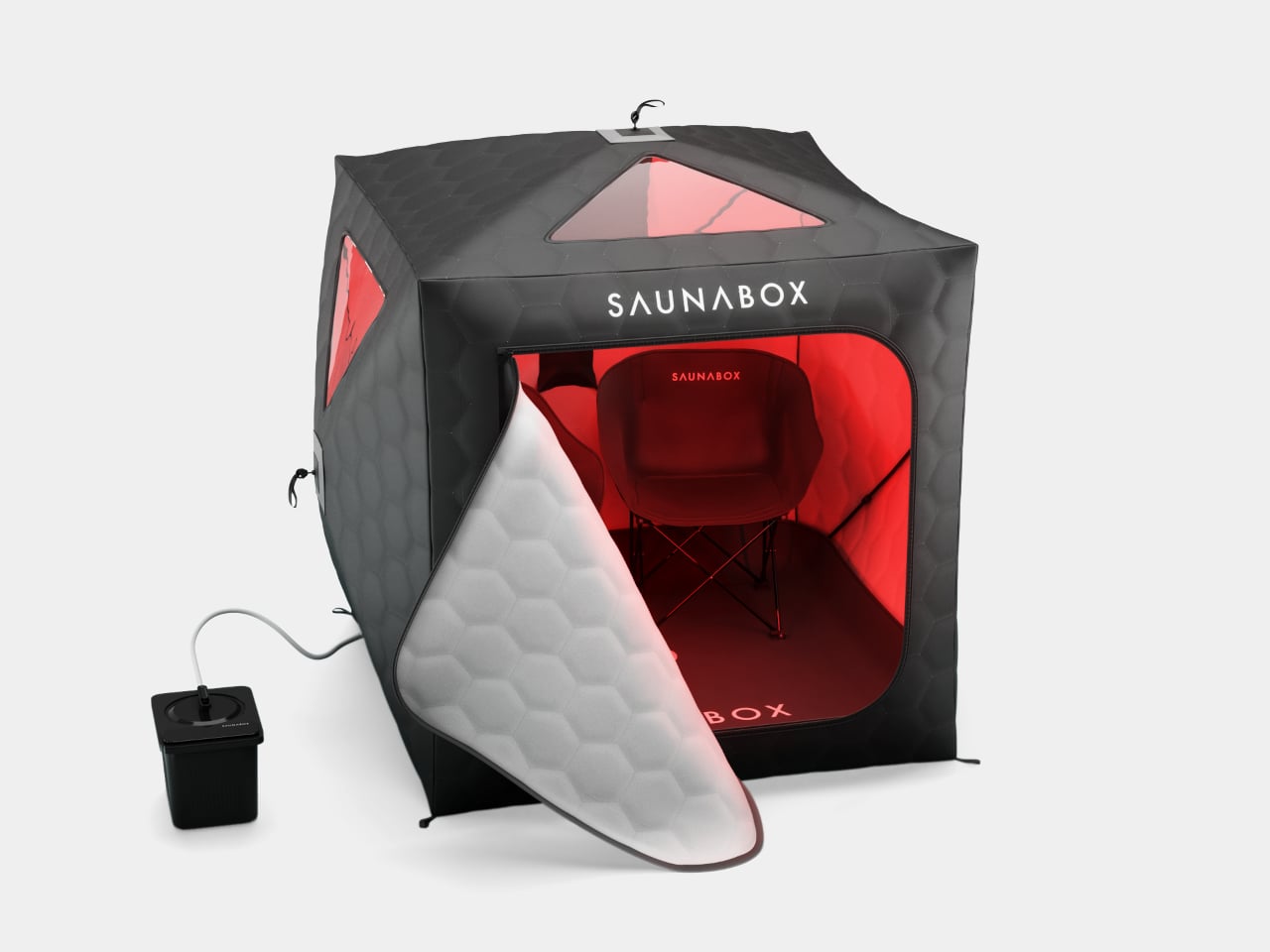
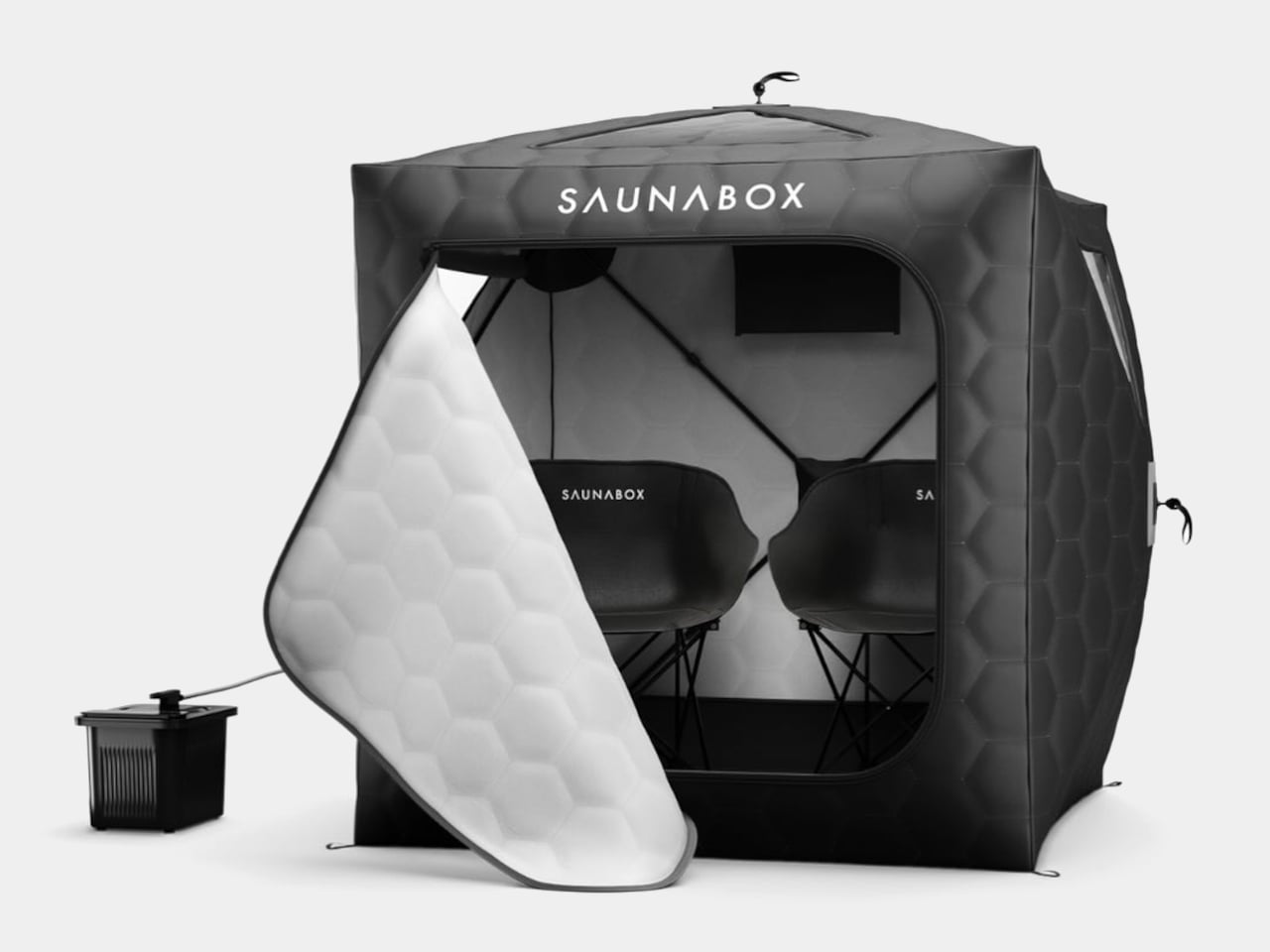
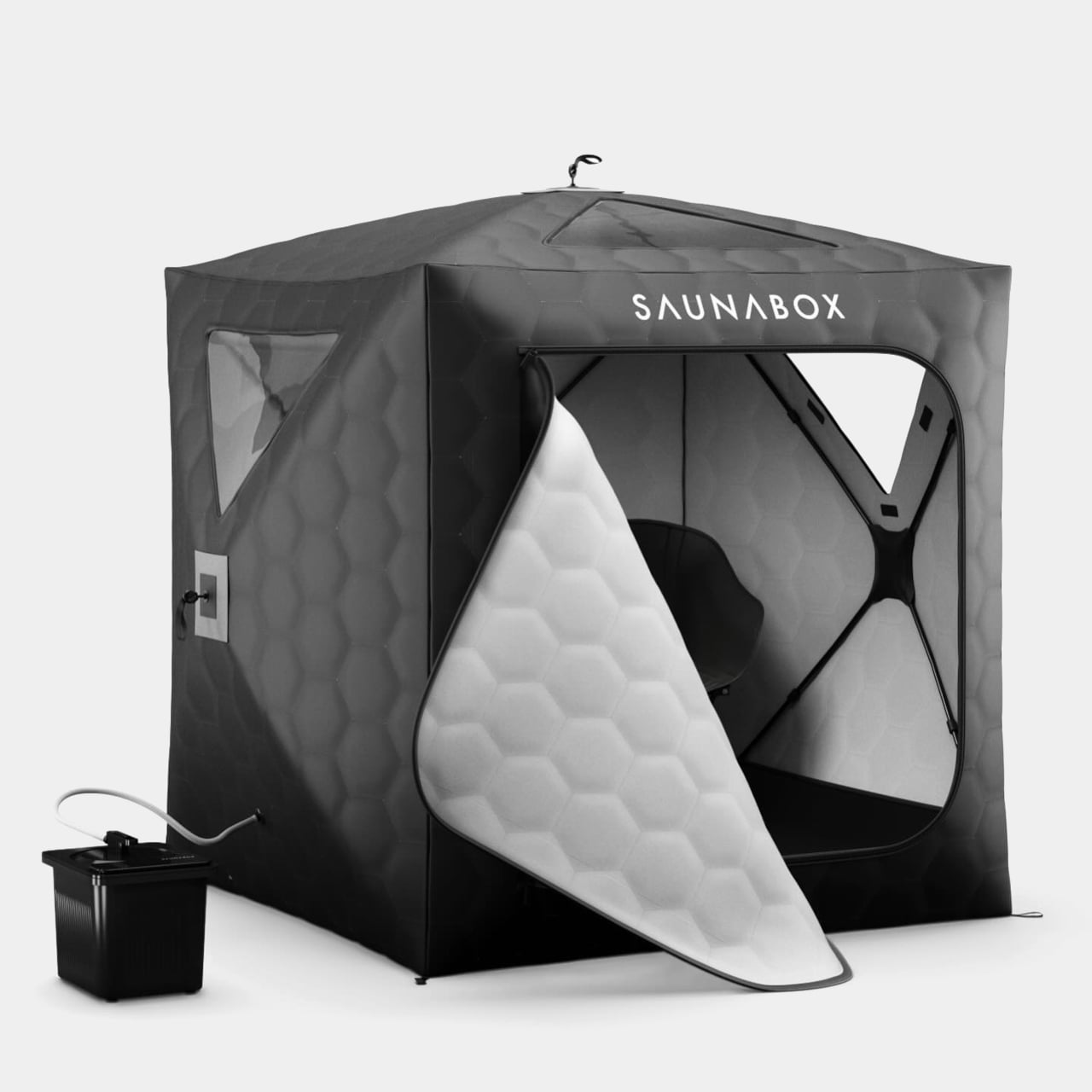
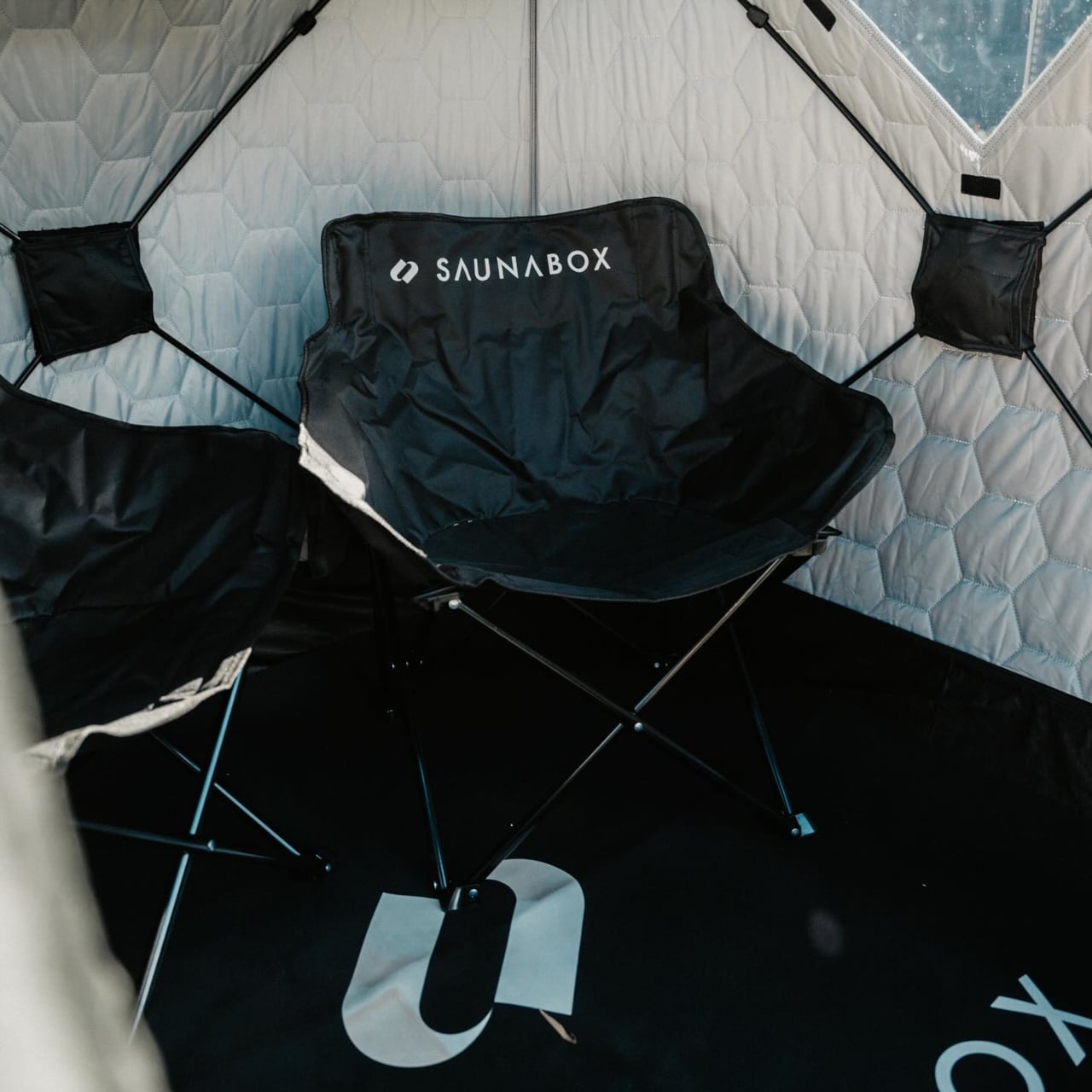
SaunaBox SmartSteam XL, formerly known as SaunaBox Go, tries to close that gap with a pop-up, two-person portable steam room that sets up in under 5 minutes and packs away into a carry case when you’re done. It sits somewhere between a camping structure and a private wellness retreat, which sounds like a strange mix until you’re sitting inside at 130°F with 100% humidity and the whole thing starts to feel more like an onsen than a tent.

Designer: SaunaBox

That steam-forward output is what shifts the experience away from the drier, more aggressive heat of traditional saunas. The SmartSteam Pro heating unit generates a deeply humid environment that envelops rather than parches, which is the difference between feeling like you’re sweating through a workout and feeling like you’re genuinely being restored. That’s not a small distinction when the goal is recovery and relaxation rather than just breaking a sweat.

The app layer is where the design thinking gets quieter, but equally important. Fifteen personalized heat levels, customizable session timers, and a choice of guided meditations or spa audio are all managed from an iOS or Android app, which means setup becomes a small ritual rather than a technical exercise. A weekly session log tracks your heat therapy over time, turning something you’d otherwise do by feel into something you can actually pay attention to and build on.

The tent fabric carries OEKO-TEX certification, meaning it’s been independently tested for harmful substances under strict global criteria. The unit is also fully REACH compliant, aligning with EU regulations on harmful chemicals in manufacturing. These aren’t headline features, but they matter when you’re sitting inside something heated and enclosed, breathing the air it’s generating, for extended periods of time.

Portability is the actual promise the design has to keep. It fits two people, sets up without tools, and takes down in roughly the same amount of time. The included carry case means it can travel to a vacation rental, move to a different room when needed, or disappear into storage without leaving a permanent footprint. That flexibility is what separates it from every wellness product that promises transformation but demands a dedicated square footage to make it happen.

SmartSteam XL works because it makes a steam room temporary and repeatable, rather than permanent and committed. The onsen feeling it delivers is less about achieving some spa ideal and more about actually having a reliable, consistent heat ritual that you can sustain because the setup doesn’t punish you every time.

The post This 2-Person Steam Room Sets Up in 5 Minutes and Packs Into a Case first appeared on Yanko Design.
This Off-Grid Sauna on Wheels Is Touring the UK’s Wildest Landscapes

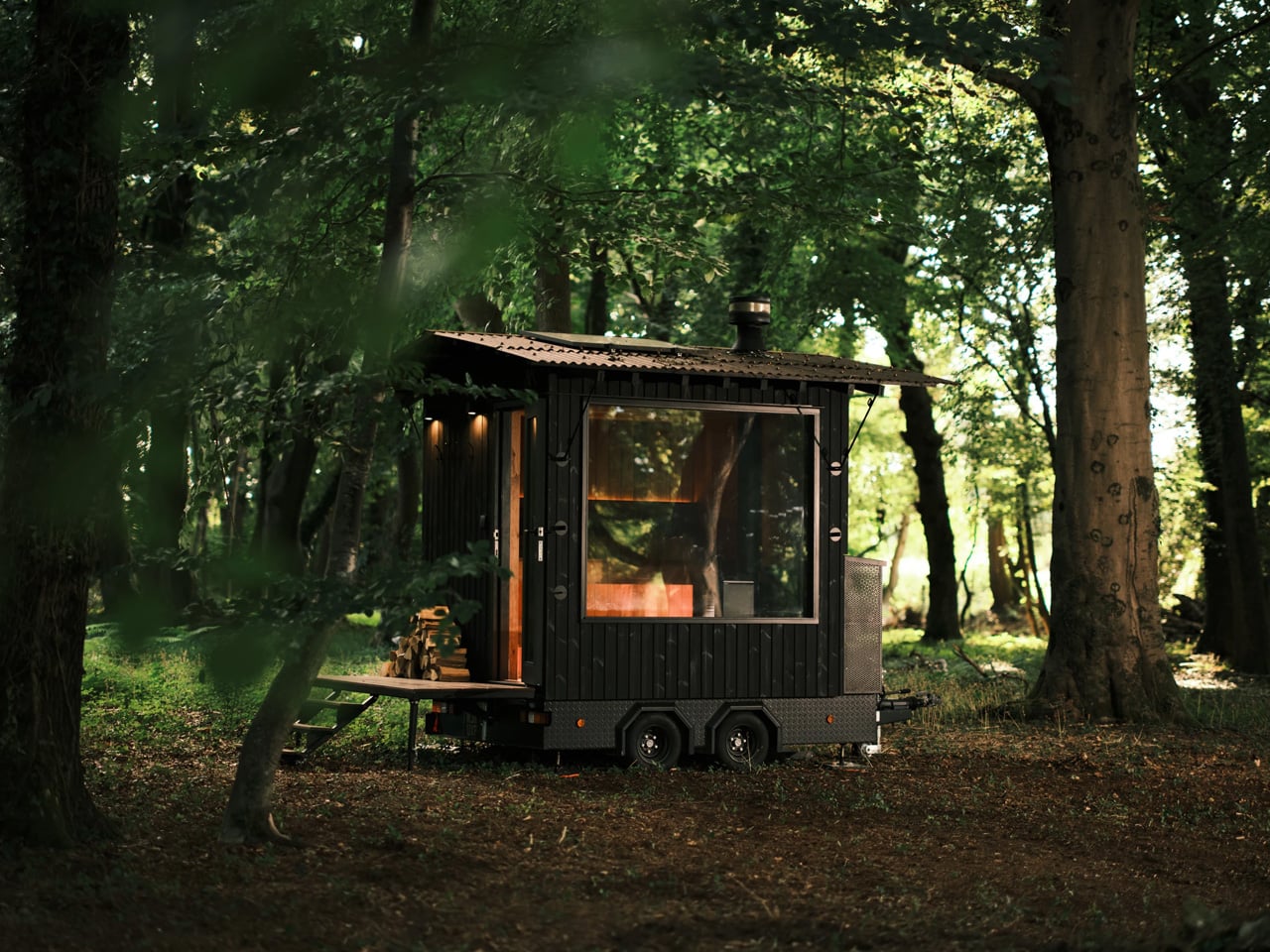
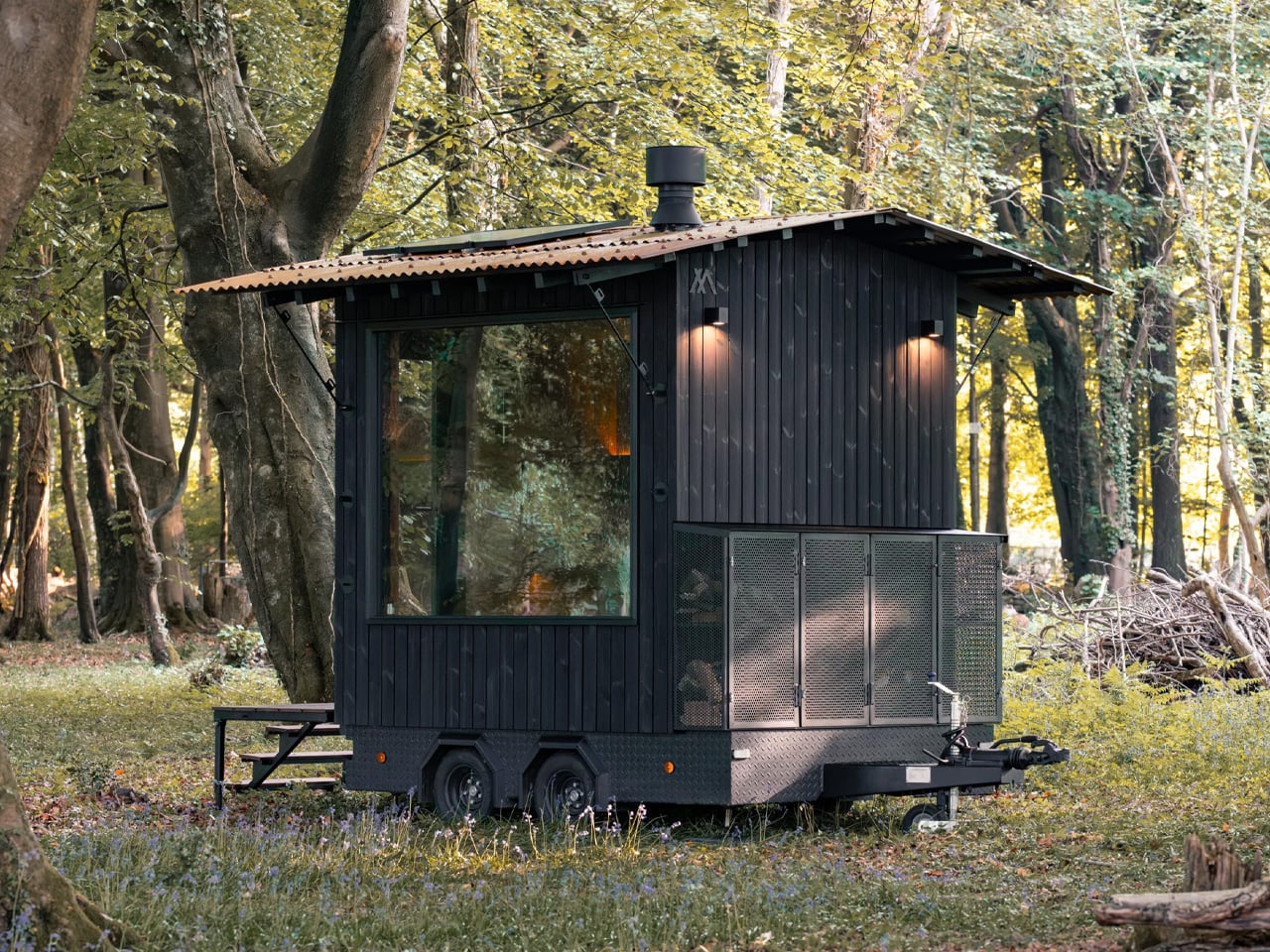
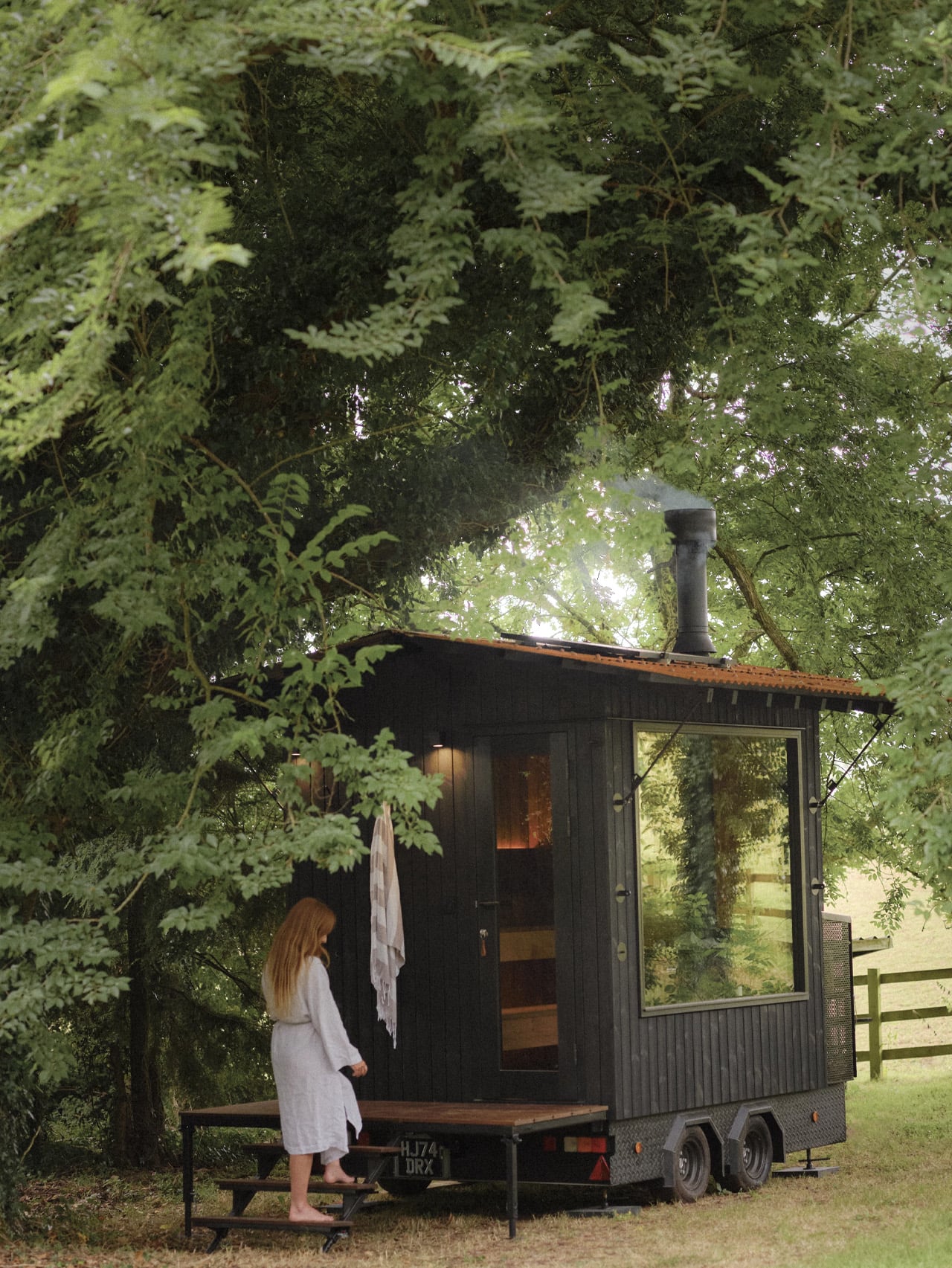
Rupert McKelvie’s latest creation sits somewhere between architectural statement and wellness refuge. The Aquila, a mobile sauna from his Devon-based studio Out of the Valley, transforms the traditional Finnish ritual into something you can tow behind a truck. It’s taking heat therapy to lakesides, coastal cliffs, and forest clearings across the United Kingdom, proving that proper bathing culture doesn’t need permanent foundations.

Built on a double-axle trailer measuring just 3.8 meters in length, this compact structure seats six people and runs entirely off-grid. Black larch cladding covers the exterior, treated using yakisugi, the Japanese charring technique that both protects the wood and creates that striking carbonized finish. The roof folds down using a mechanical system that took multiple prototypes to get right. McKelvie admits it was the hardest part of the build, requiring constant testing to ensure the mechanism could handle repeated setup and breakdown without fail.

Designer: Out of the Valley

McKelvie started Out of the Valley six years ago after building his first timber cabin as a personal escape near Dartmoor National Park. That project sparked something bigger, evolving into a full design-build practice focused on handcrafted structures that work with natural materials rather than against them. The Aquila marks the studio’s most ambitious output so far, earning recognition this year with a longlisting at the Dezeen Awards 2025 in the Product Design category for Health, Wellbeing and Wearables. It competed against over 4,300 entries from 89 countries.

Inside, thermally modified alder lines the walls, chosen specifically because it can handle extreme temperature shifts without warping or splitting. A 16-kilowatt Narvi wood-burning stove anchors the space, delivering the kind of authentic heat that electric alternatives struggle to replicate. Solar panels power subtle LED lighting throughout, keeping the unit functional wherever it gets parked. At the rear, a panel drops down to form an entrance deck, while an integrated cold shower completes the traditional contrast bathing experience that sauna purists swear by.

The design packs in clever details without feeling overworked. Perforated storage at the hitch end holds firewood for multiple sessions. The folding roof protects everything during transport and creates visual drama when deployed. The compact footprint gets into remote locations while maintaining comfortable capacity inside, which isn’t an easy balance to strike when you’re working with trailer dimensions.

Over recent months, Out of the Valley has partnered with lifestyle brands Passenger Clothing and Canopy & Stars to tour the Lake District National Park. Another unit spent a season with Unique Homestays, giving vacation rental guests an unexpected amenity. McKelvie and his team handcraft each unit in their workshops, with a current lead time sitting at four months. Pricing is available on request, reflecting the bespoke nature of every build and options for customizations, including door orientation and heating preferences.

The post This Off-Grid Sauna on Wheels Is Touring the UK’s Wildest Landscapes first appeared on Yanko Design.
Peak Saunas Pack Medical-Grade Wellness Tech Into Your Home

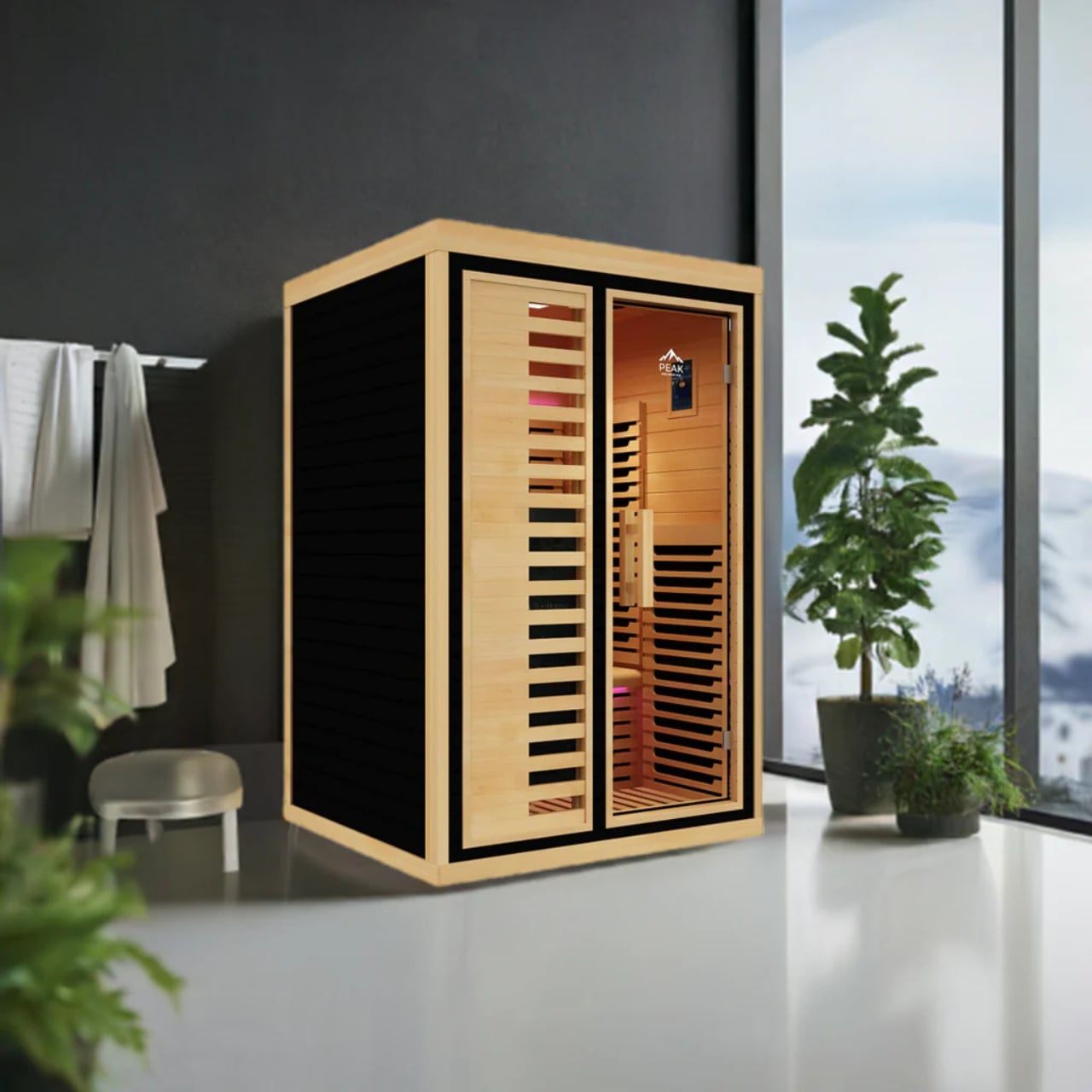
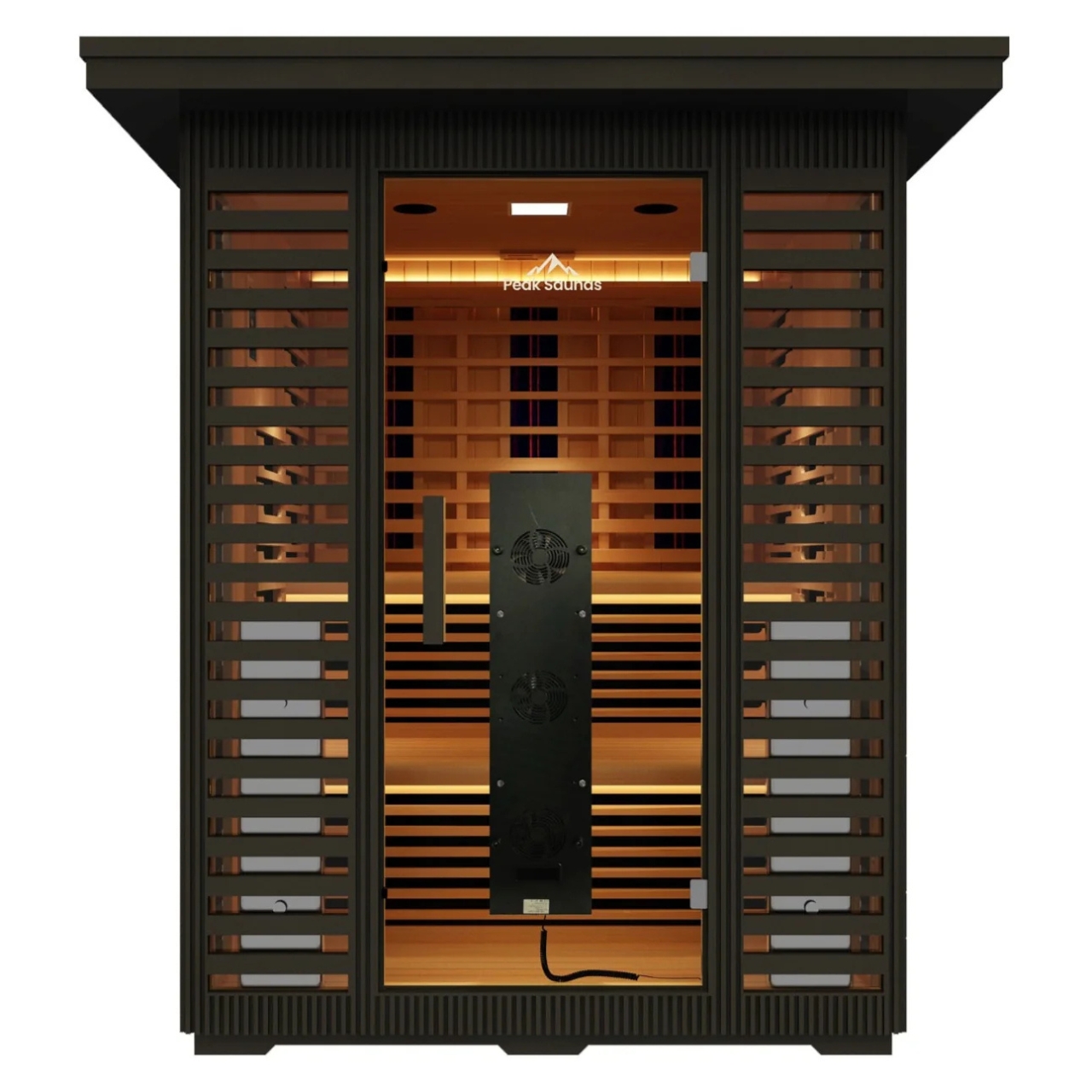
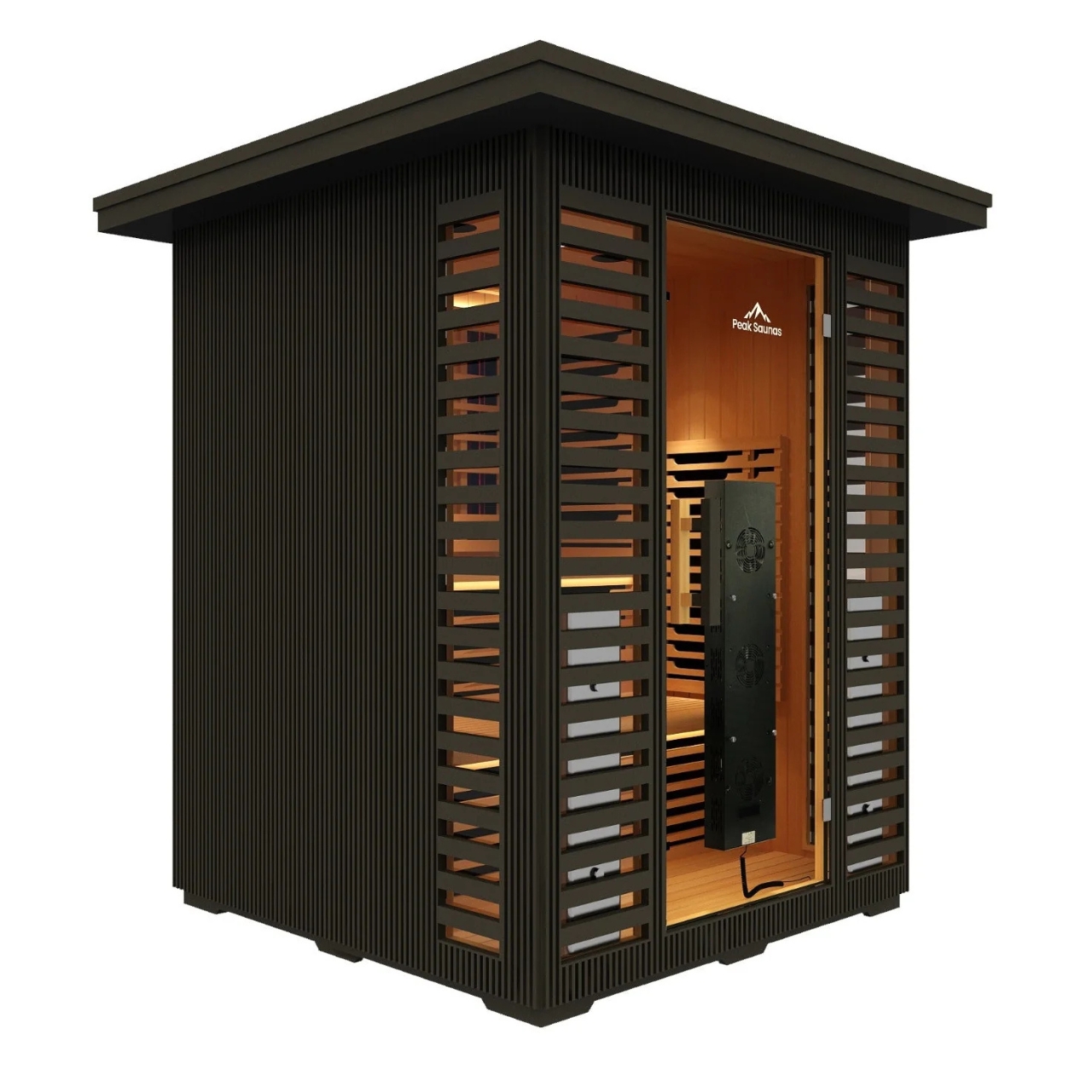
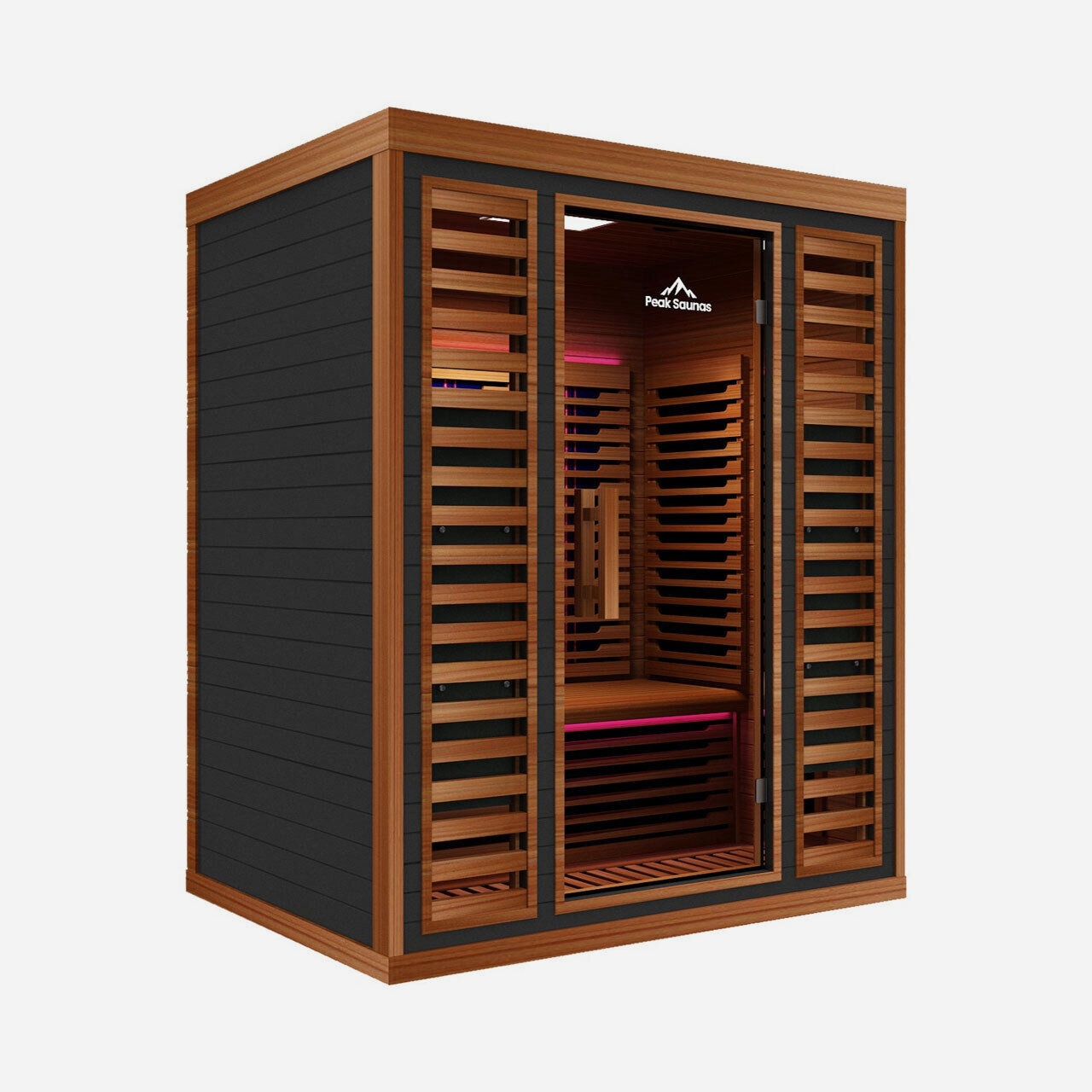
Remember when saunas were those wooden boxes at the gym that smelled faintly of eucalyptus and other people’s sweat? Yeah, those days are over. Peak Saunas is changing the game with infrared saunas that look like they belong in a luxury wellness retreat, not your basement.

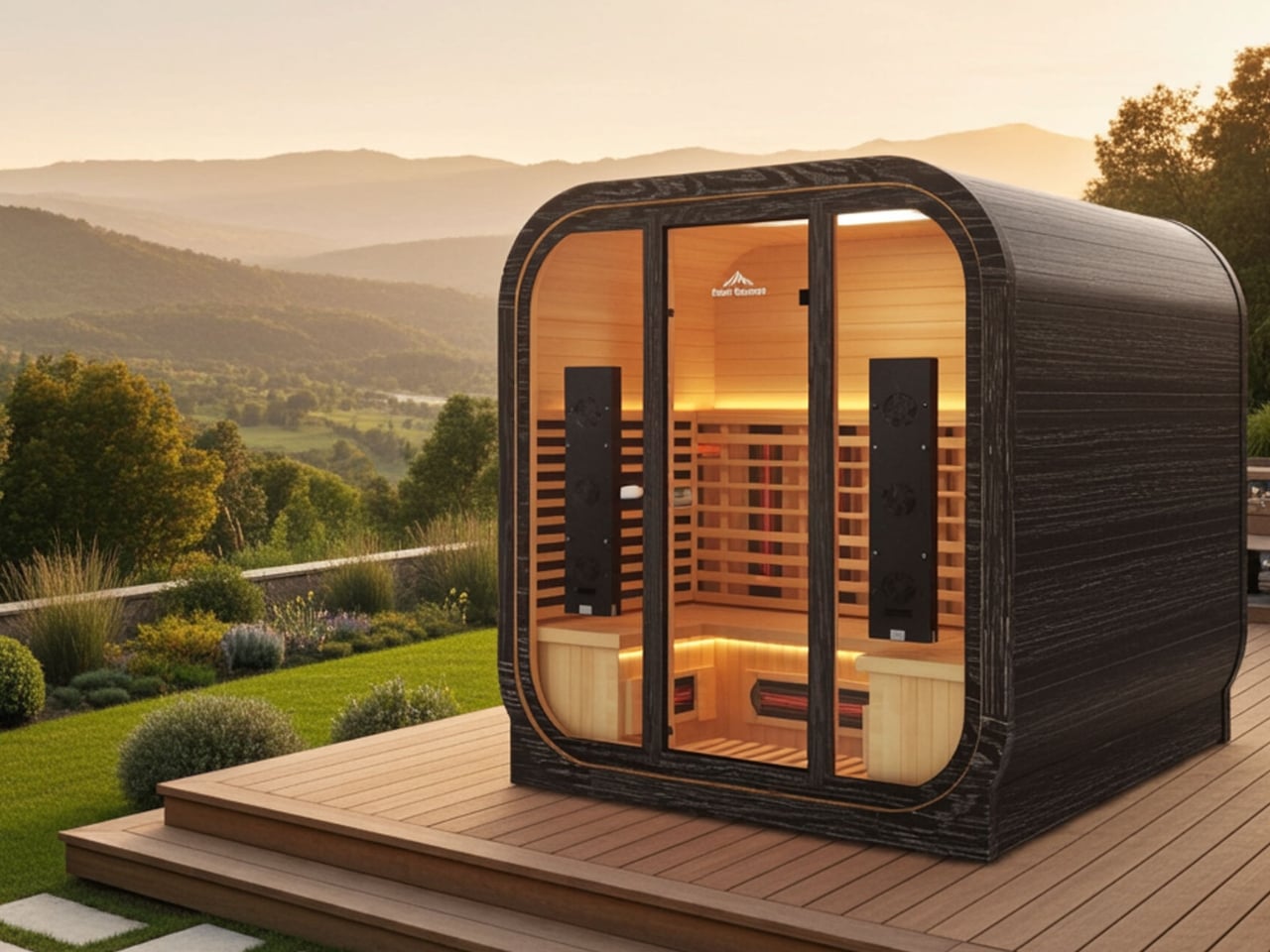
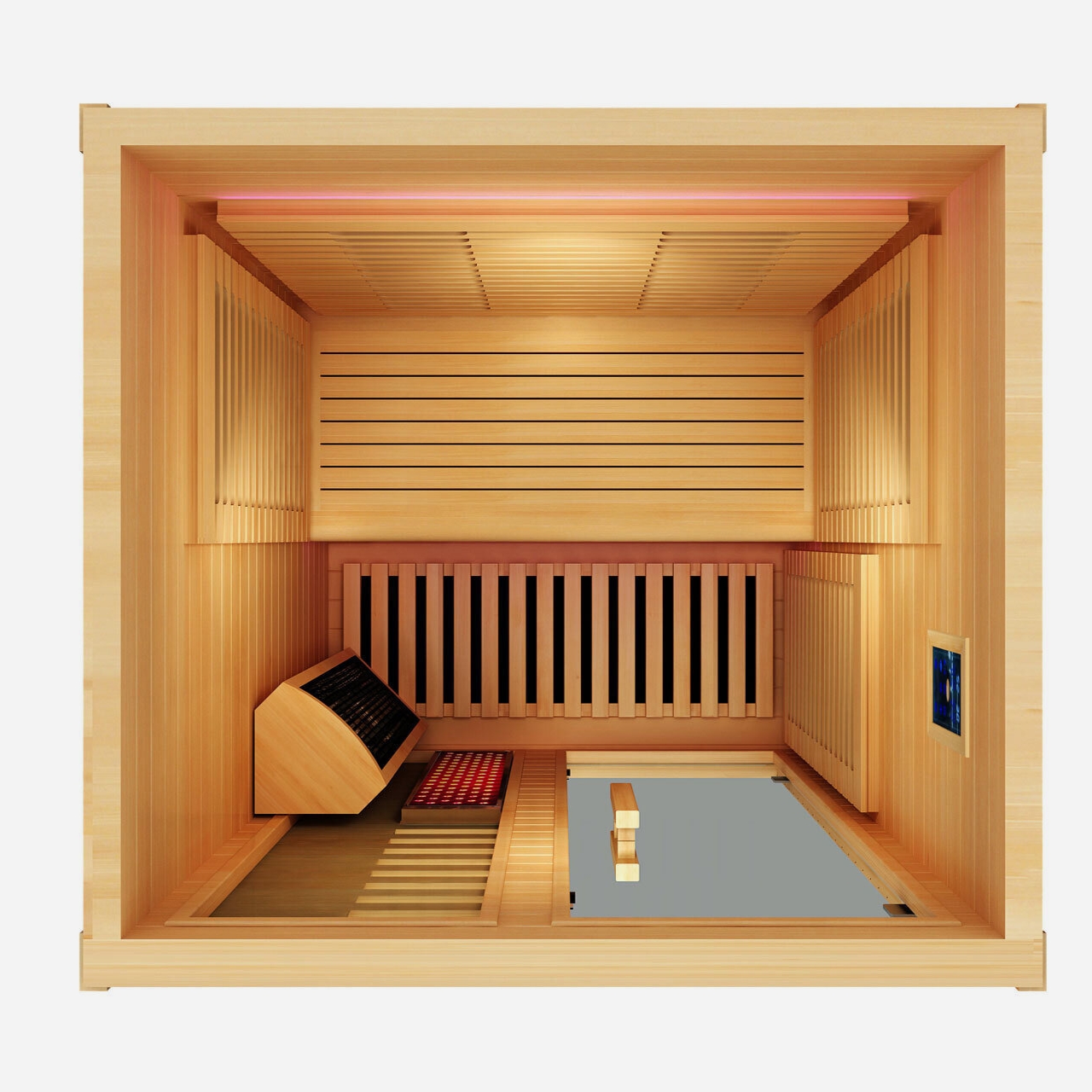
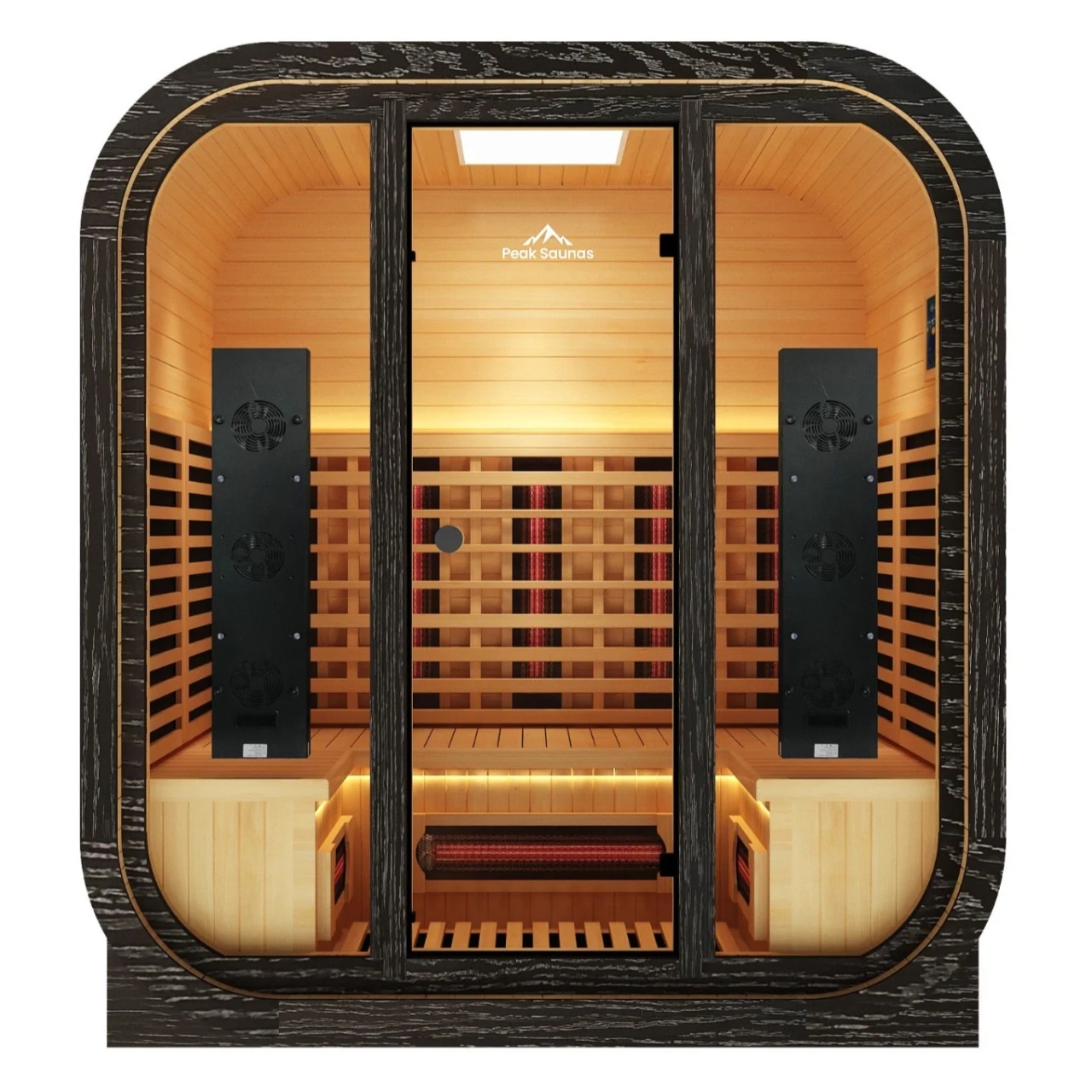
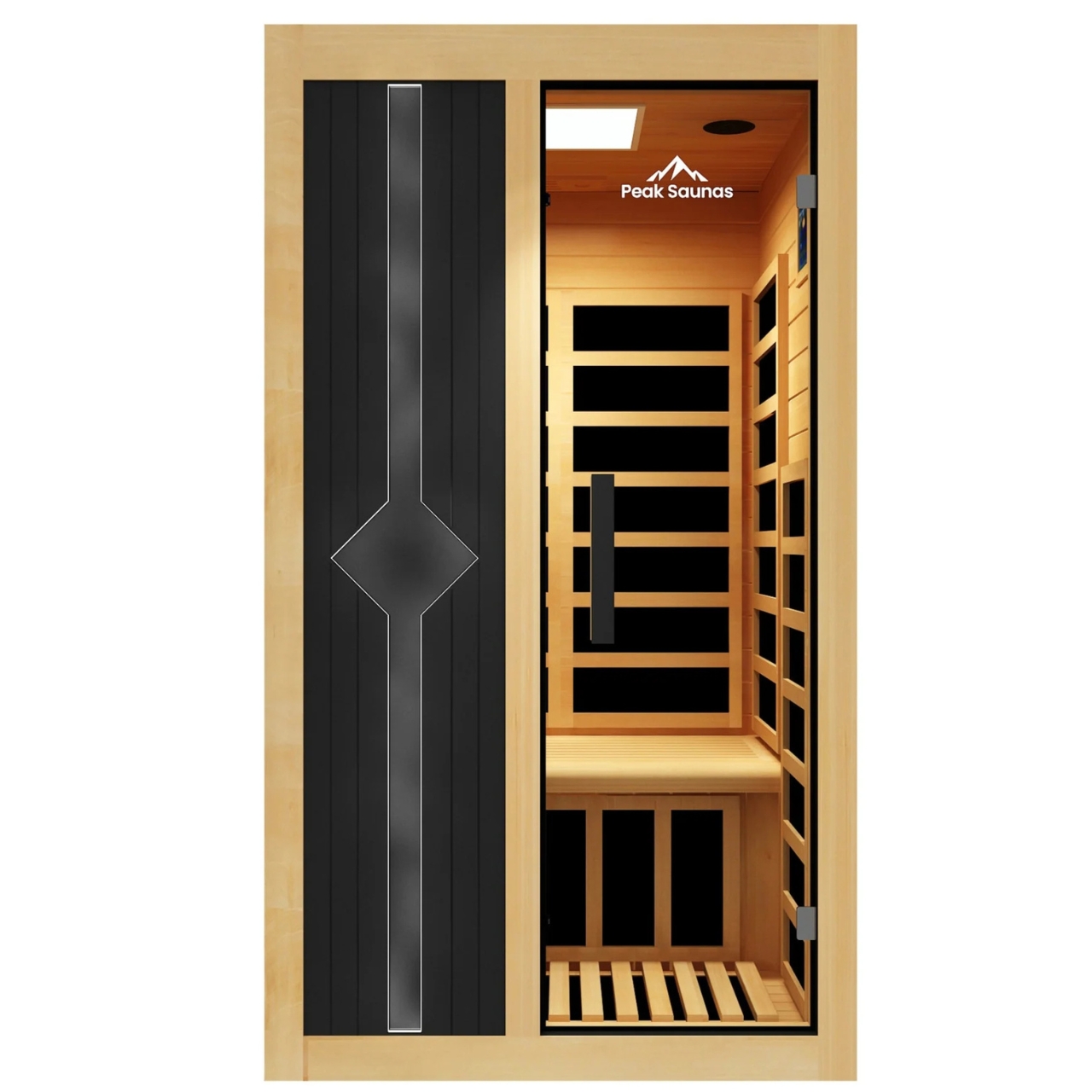
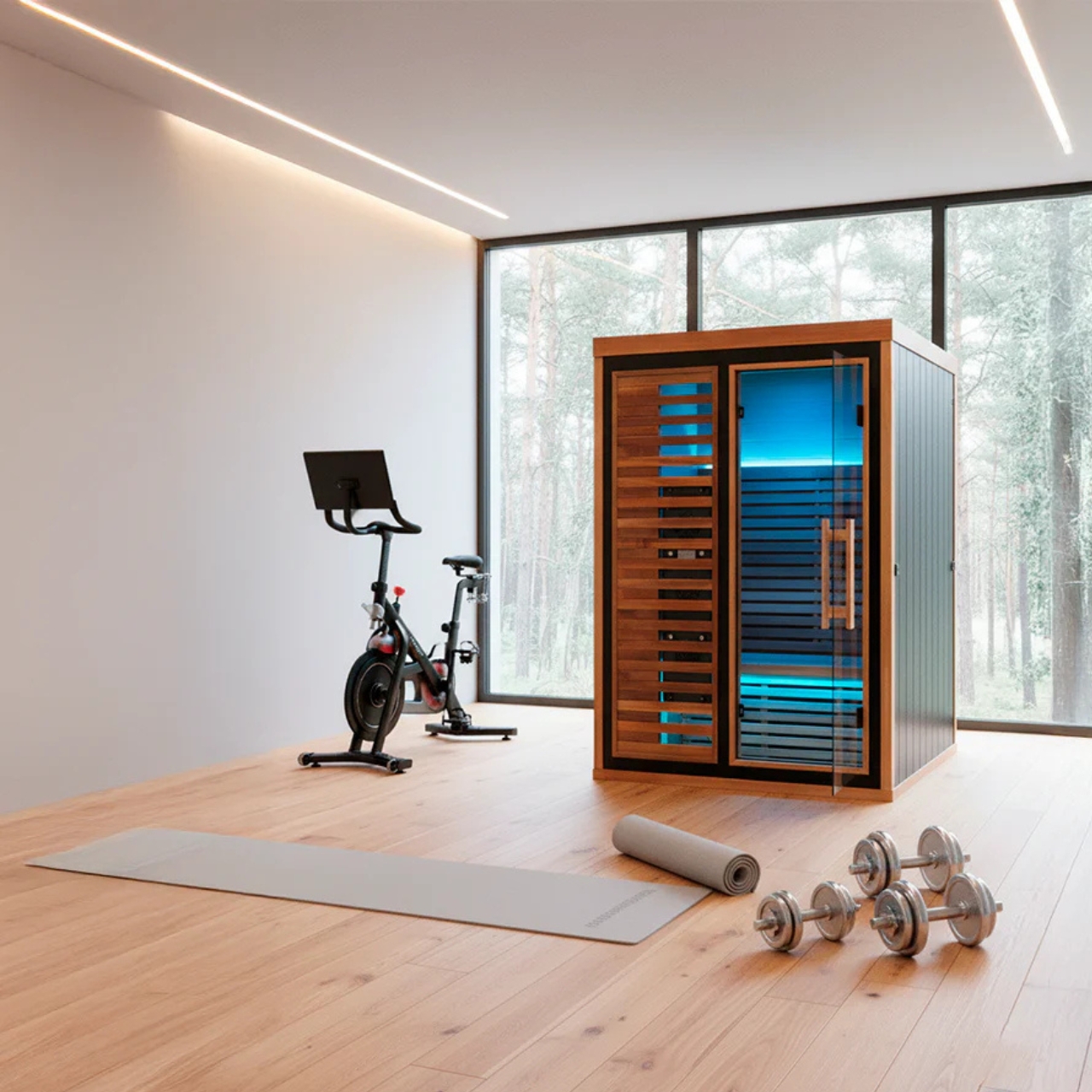
Here’s the thing about Peak Saunas: they’ve managed to pack every feature you’d expect to pay thousands extra for into sleek, minimalist designs that actually fit in modern homes. We’re talking medical-grade red light therapy, WiFi app control, oxygen ionizers, and upgraded Bluetooth speakers, all included as standard. Most premium brands would nickel and dime you for these add-ons, but Peak just builds them in from the start.

Designer: Peak Sauna

The lineup ranges from solo sanctuaries to couple-friendly spaces. The Rainier and Shasta are perfect one-person pods, while the Fuji and Everest offer two-person capacity for those who prefer company during their sweat sessions. If you’ve got the space and want to go all in, the Denali and Matterhorn models comfortably fit three people. And for the bold? There’s even the Patagonia, an outdoor model designed to handle whatever weather you throw at it.

What makes these saunas genuinely interesting from a design perspective is how they’ve solved the assembly problem. Anyone who’s ever tried to build flat-pack furniture knows the special kind of frustration that comes with cryptic instructions and missing hardware. Peak uses a modular, snap-together system with tongue-and-groove panels that apparently goes together so smoothly even non-DIY types can handle it. No special tools, no construction expertise required. Just you, the instructions, and maybe a friend to help hold things steady.

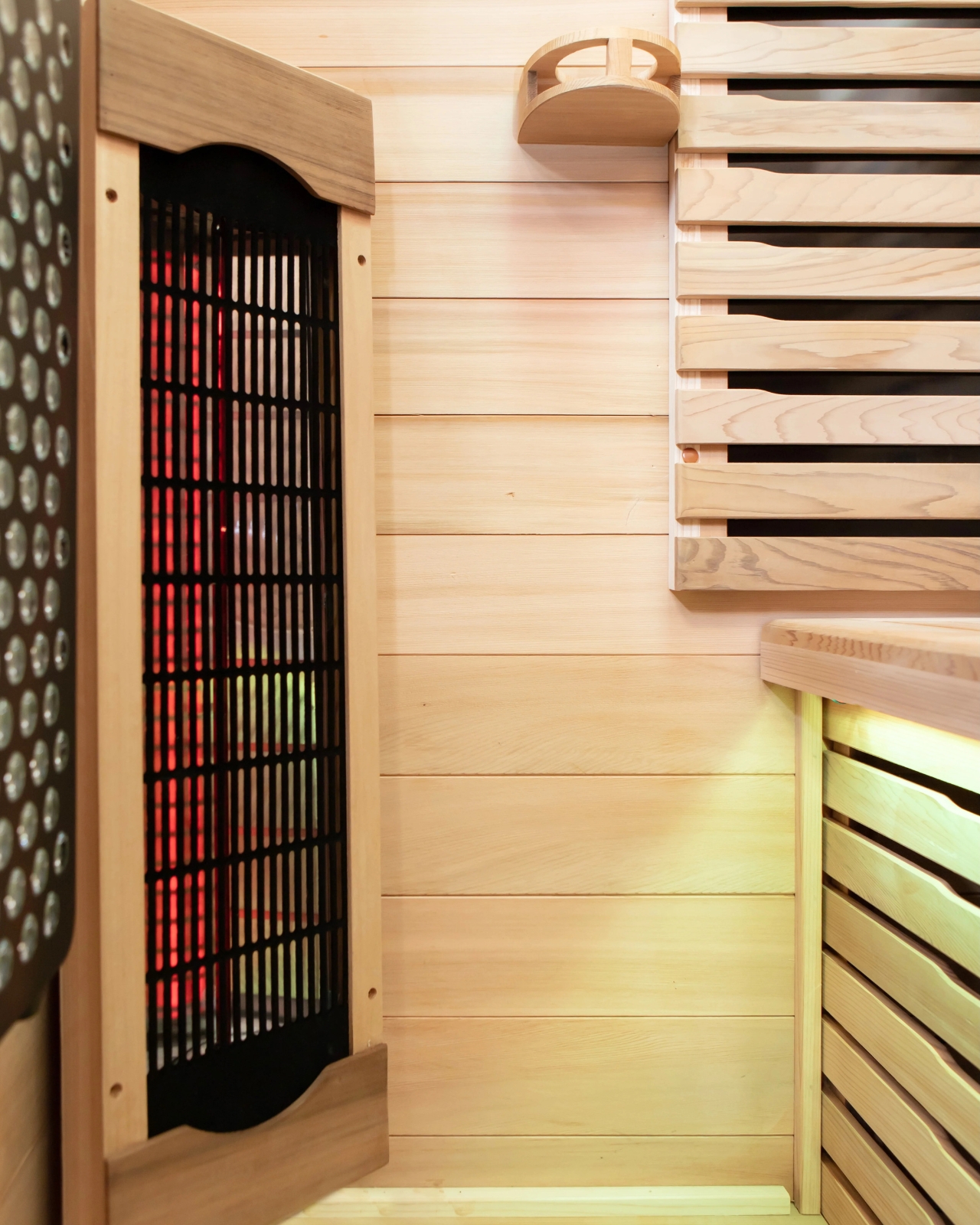
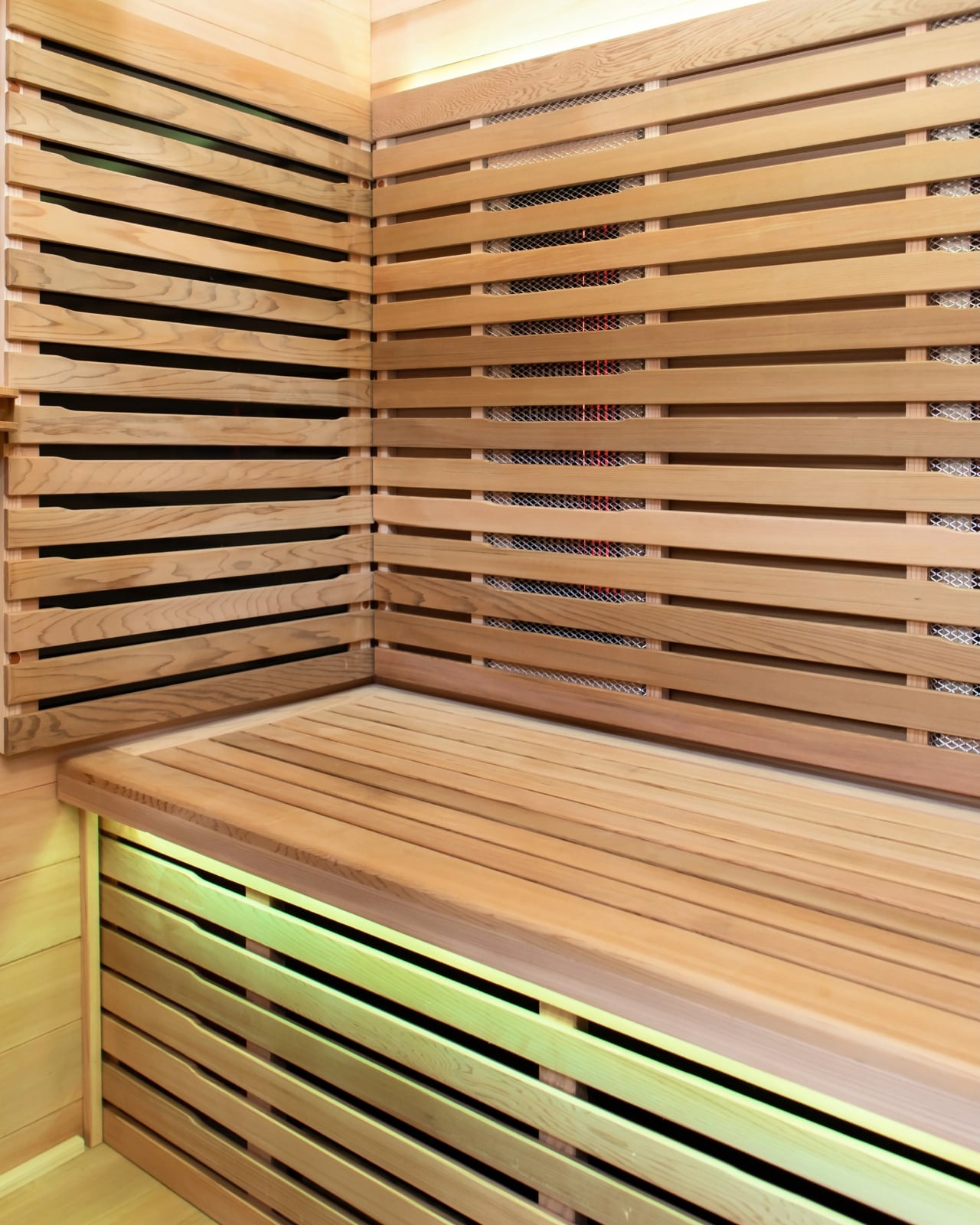
The tech integration is where Peak really shines. Each sauna connects to WiFi and comes with its own app, so you can preheat your sauna from your phone while you’re wrapping up work or finishing dinner. There’s something oddly satisfying about walking into a perfectly heated sauna instead of sitting there waiting for it to warm up. The full-spectrum infrared heating covers 360 degrees, from halogen and quartz heaters delivering near, mid, and far infrared wavelengths (700 to 25,000 nanometers, for the spec nerds out there) plus advanced carbon panels for consistent heat distribution.

Then there’s the red light therapy component, which has become increasingly popular in wellness circles. Peak includes XL medical-grade panels as standard equipment, not as an expensive upgrade. Red light therapy advocates swear by its benefits for skin health, muscle recovery, and overall wellness. Whether you’re a believer or skeptical, having the option built in gives you room to experiment without dropping extra cash.

The construction quality deserves attention too. Peak uses ethically sourced Canadian wood (either Hemlock or Red Cedar depending on the model) with no volatile organic compounds, which means cleaner air inside your sauna and better long-term durability. The wood naturally resists moisture and bacteria, making maintenance refreshingly simple. All electrical components come with EMF shielding, addressing concerns about electromagnetic field exposure during those long, relaxing sessions.

Peak hasn’t forgotten about ambiance either. Built-in chromotherapy lighting lets you bathe in whatever color suits your mood, from calming blues to energizing reds. Bluetooth speakers let you soundtrack your sessions with music, podcasts, or meditative sounds. There’s even an oxygen ionizer working quietly in the background to keep the air fresh. The company backs everything with a lifetime warranty, which speaks to their confidence in build quality and longevity. They claim these saunas are designed to last over a decade with daily home use, which is exactly what you want to hear when making this kind of investment.

What Peak Saunas really represents is the democratization of luxury wellness. The same features you’d find at high-end spas or exclusive fitness clubs are now available for your home, without the recurring membership fees or awkward small talk in the steam room. It’s wellness technology meeting thoughtful design, packaged in a way that actually makes sense for real homes and real people. Whether you’re an athlete looking for better recovery, a stressed professional seeking a daily escape, or someone who just really loves the idea of sweating in a beautiful wooden box while scrolling through your phone (no judgment), Peak has created something worth paying attention to. The sauna experience has officially gone mainstream, and it looks pretty good doing it.

The post Peak Saunas Pack Medical-Grade Wellness Tech Into Your Home first appeared on Yanko Design.
Floating sauna beside museum is accessible and sustainable

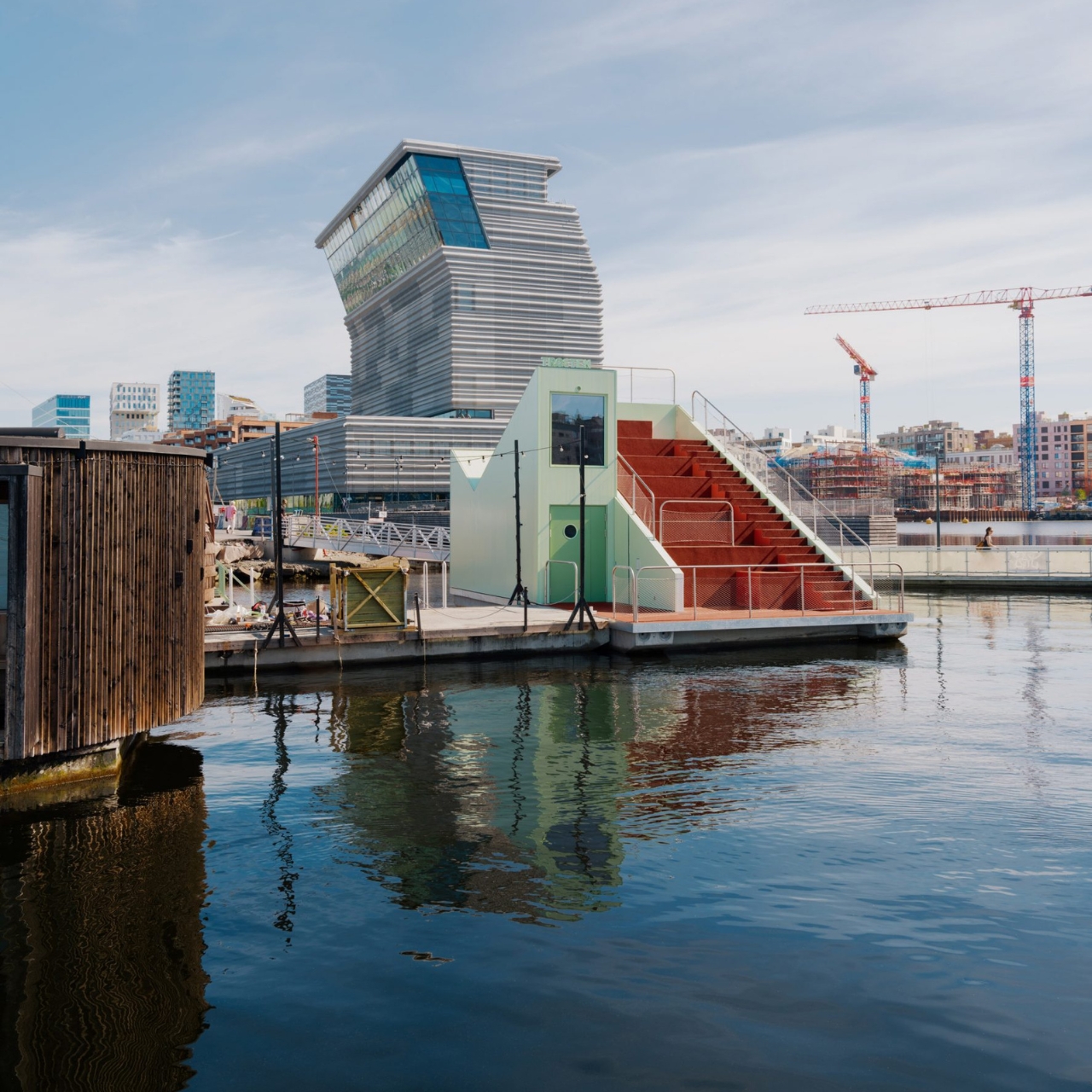
When visiting a museum that’s located next to a body of water, probably the next thing you think of after you’ve completed your tour is: “Hmmm, it would be nice to have a relaxing time at a sauna”. Well, that’s if you’re tired after going around the museum. If you visit the Munch Museum in Oslo, Norway, you will get the chance to do just that.

Designer: Estudio Herreros

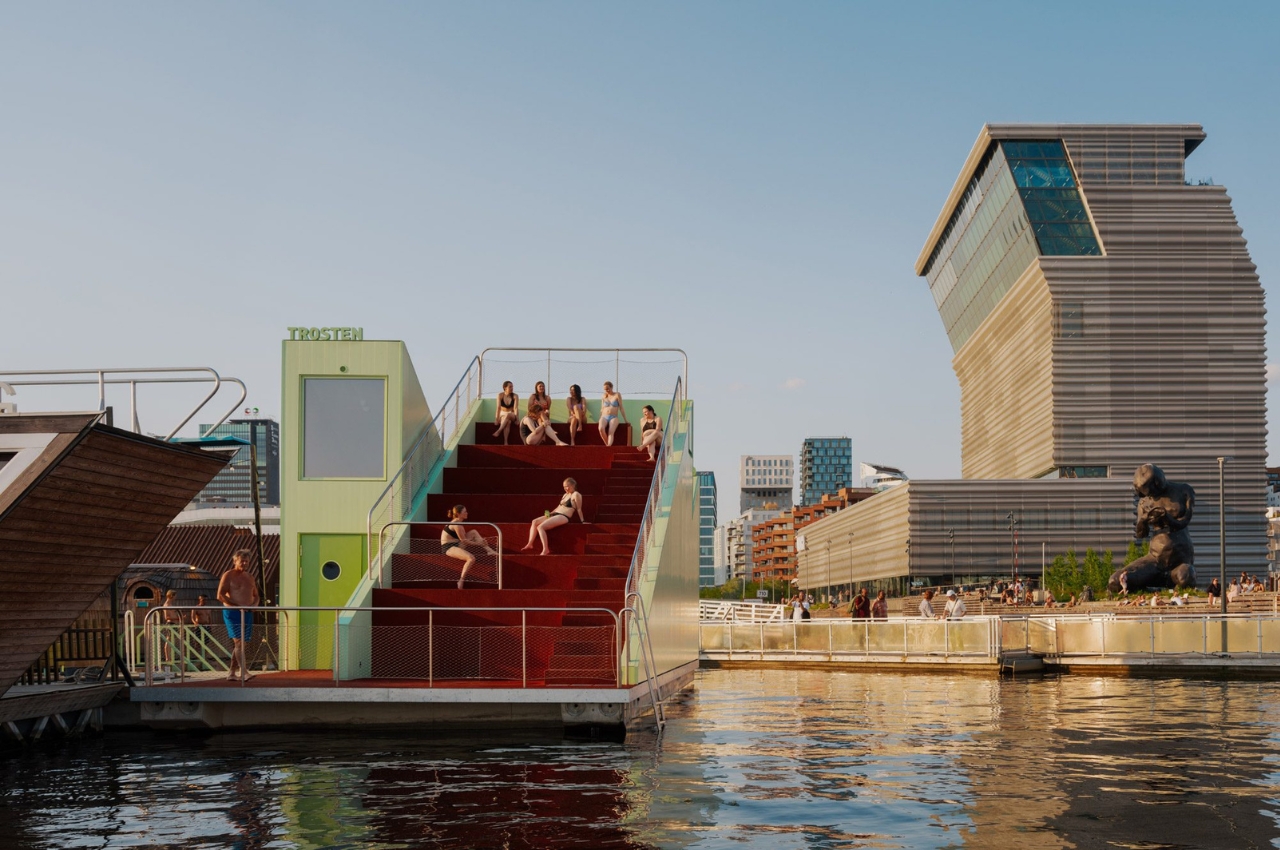
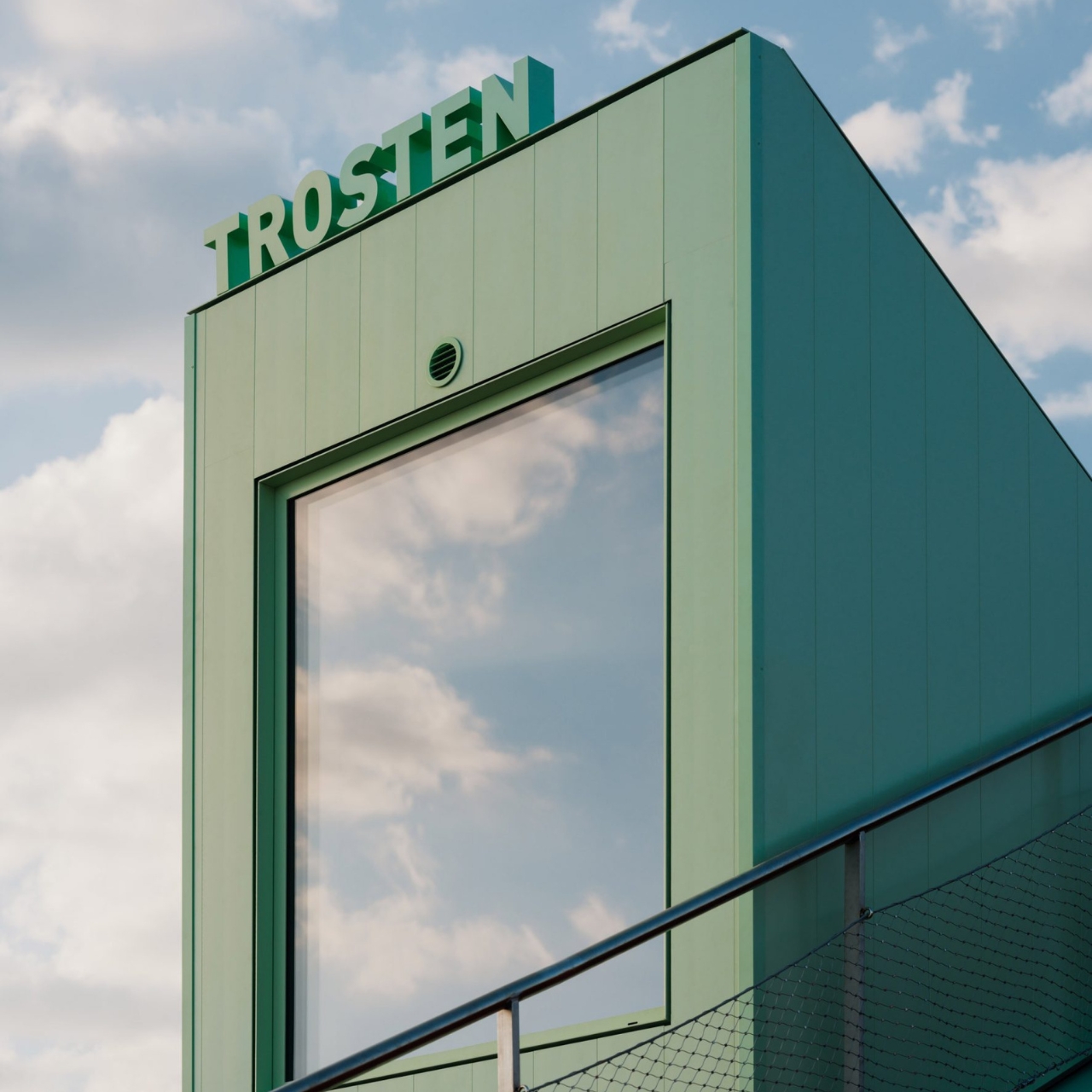
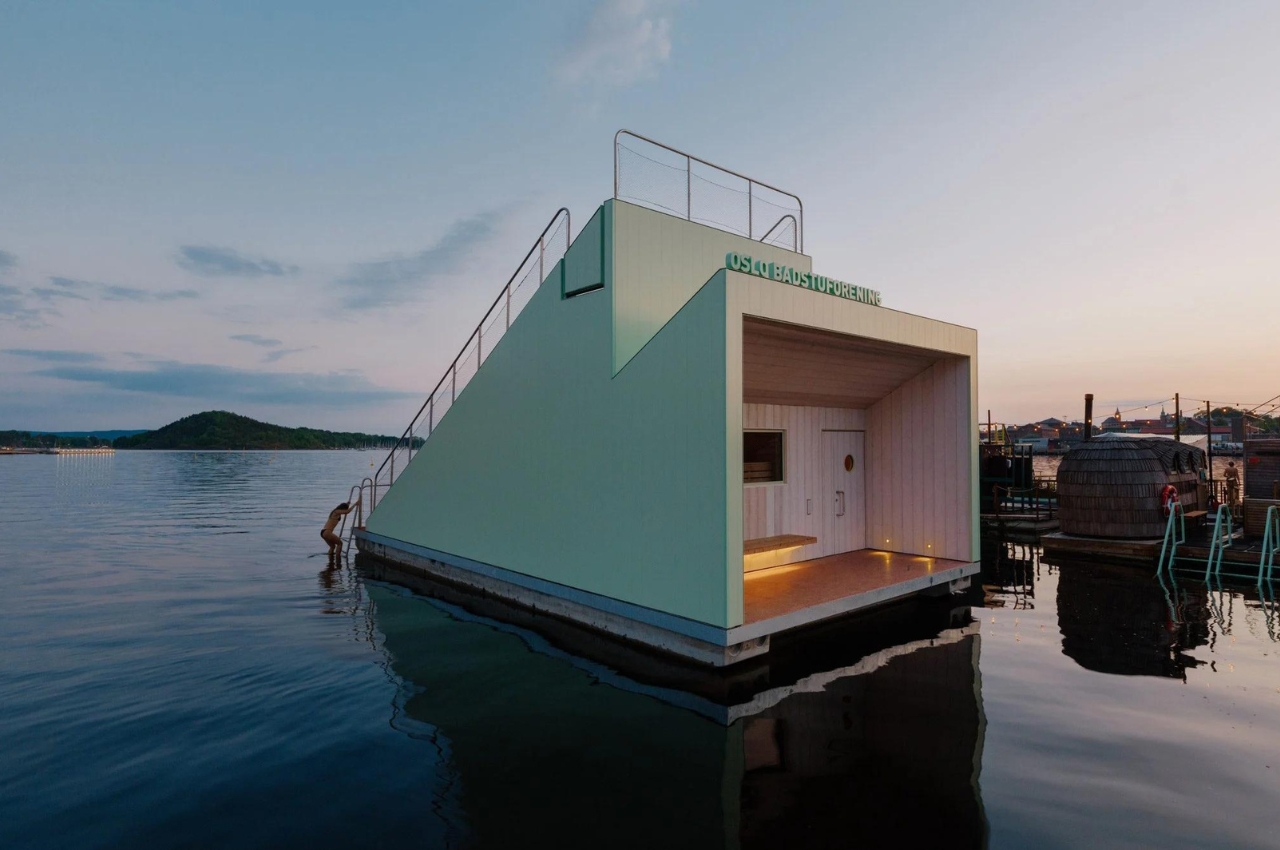
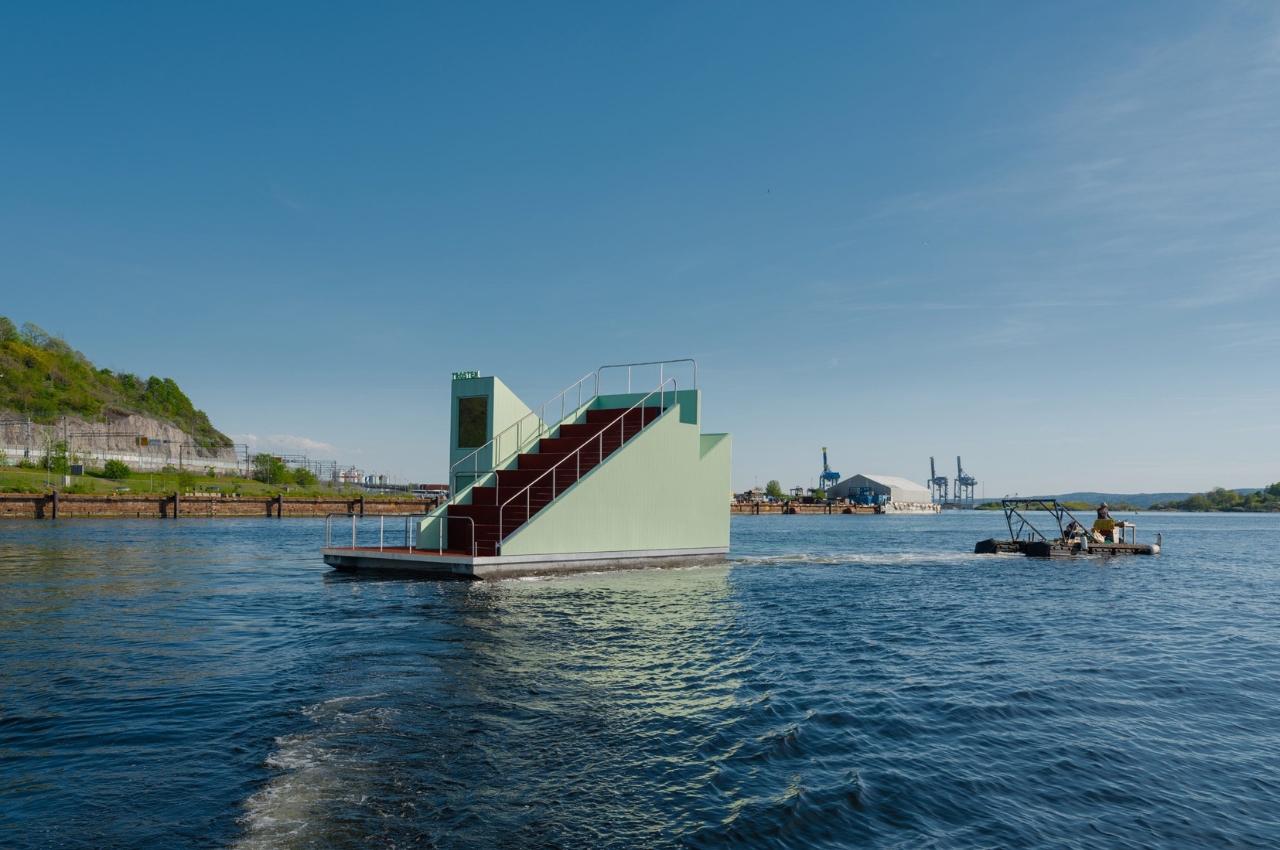
Trosten is a floating sauna that you can find in the fjord next to the museum as both are designed by Estudio Herreros. The idea is to bring saunas closer to the people and make it sustainable and accessible as well. They were inspired by architectural follies but aside from it being aesthetic, the structure is still also highly functional but with a “distinct volume and silhouette with a strong, colorful component”.

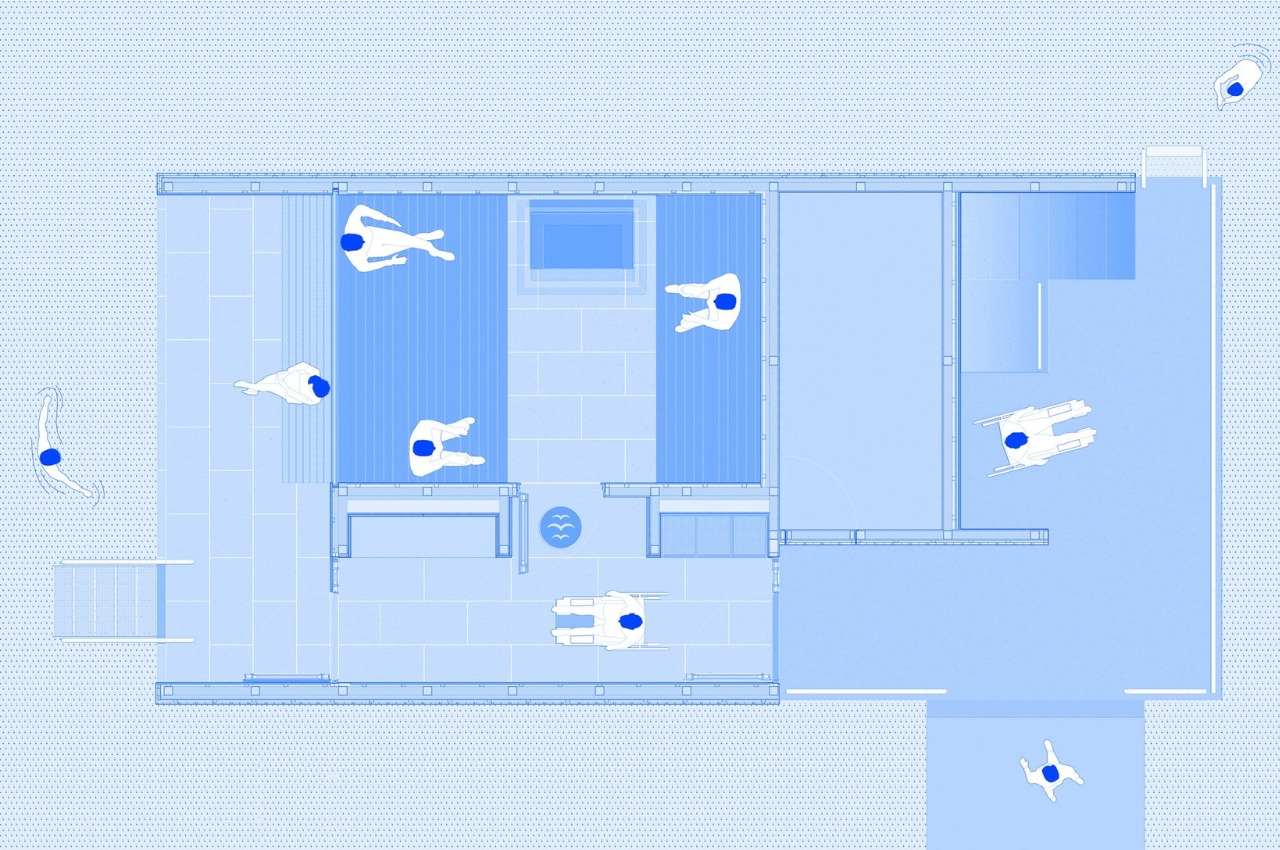
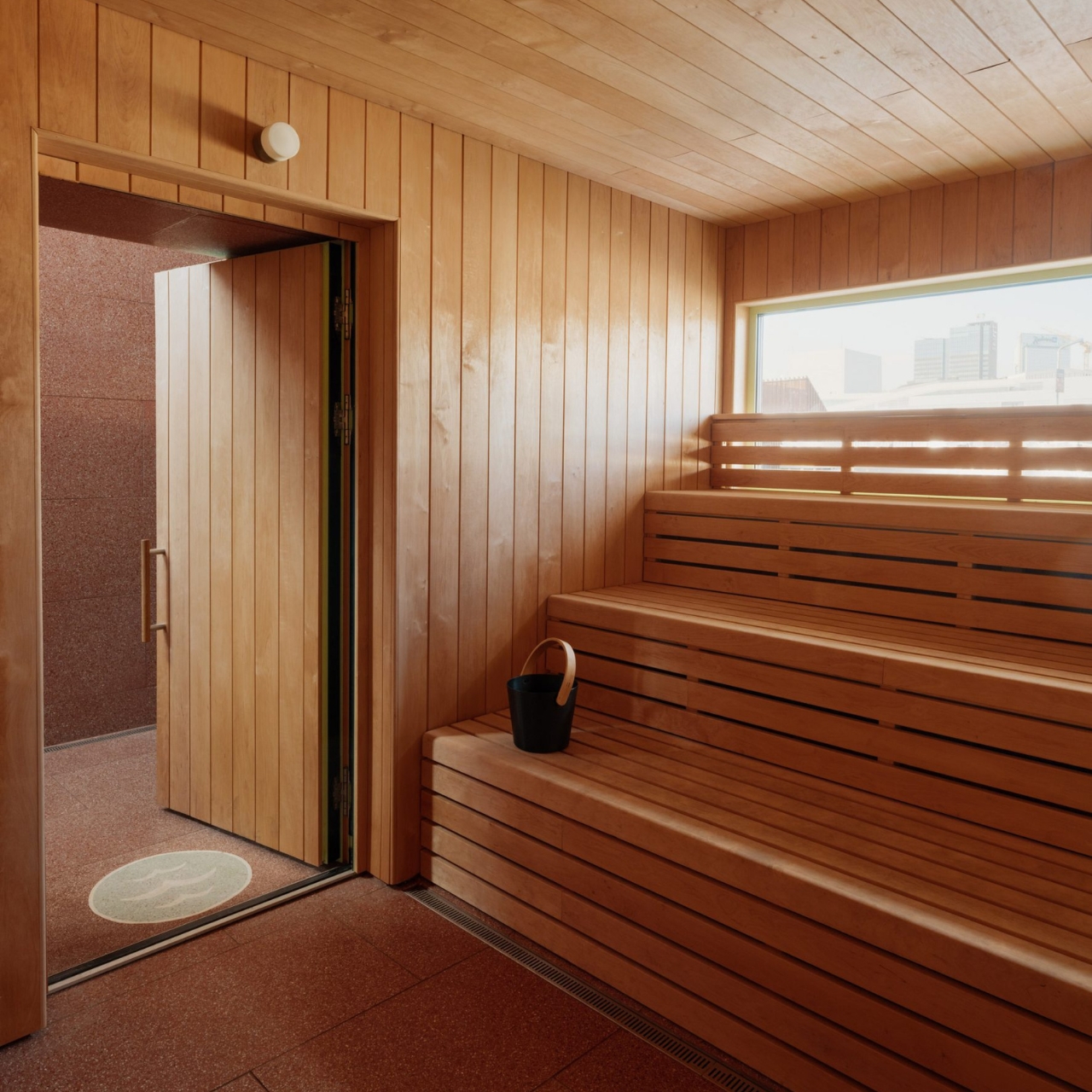
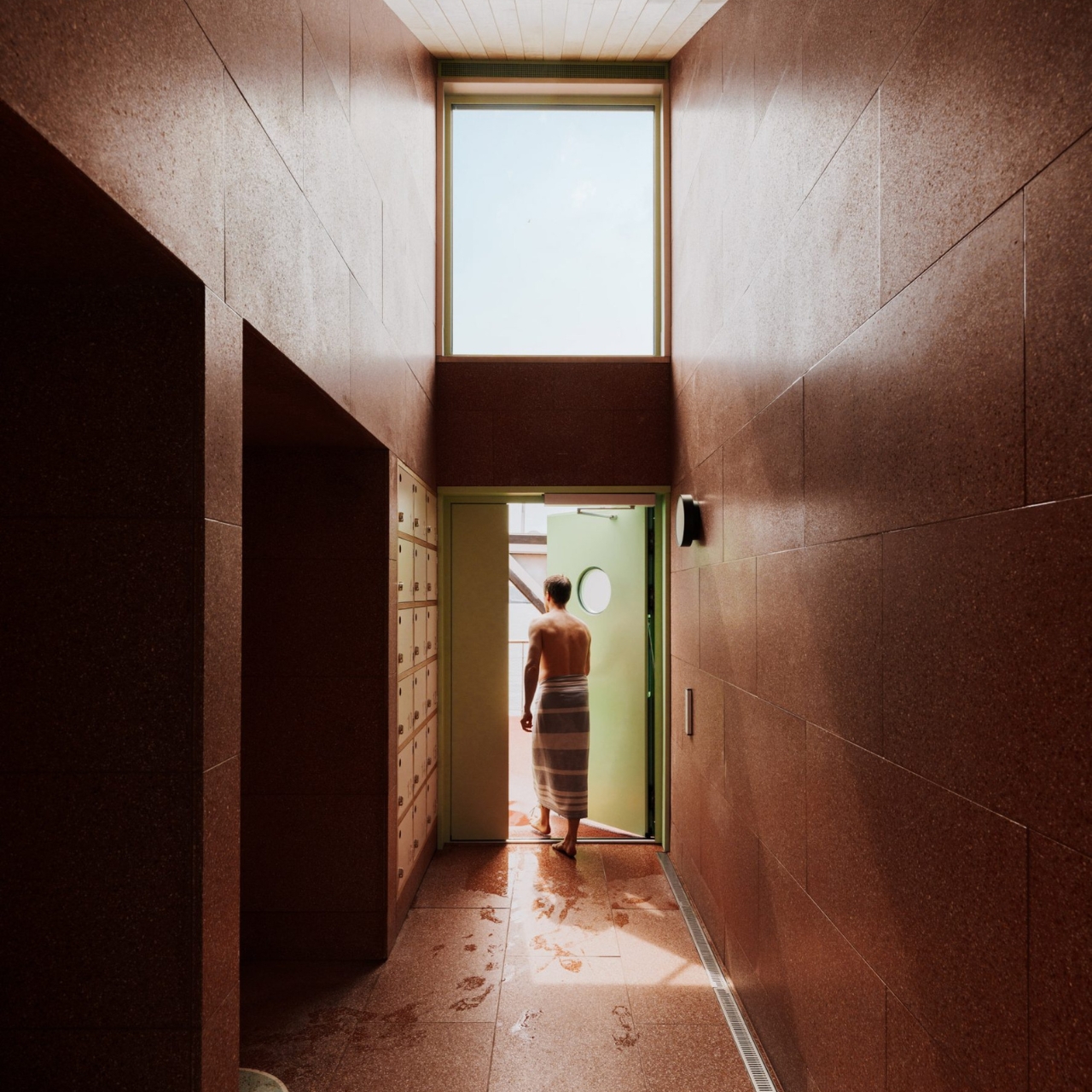
The sauna’s main structure is actually constructed offsite and then placed on the prefabricated floating concrete platform. It’s made with aluminum cladding with a green tone to give off a calm and relaxing vibe, combining it with the usual wooden decking you see on saunas with large terrazzo tiled surfaces plus steel balustrades and netting. Outside there’s stepped seating so users can also sunbathe before or after using the sauna. Inside there are lockers and seating spaces and inside the sauna itself you get stepped wooden seating.

At the back, there’s also a sheltered seating space and you can access the fjord from here if you want to cool off. Since this is a sustainable structure, you get an energy system and a steam recirculation system and use of natural and recycled materials. It would be nice to heat up and cool off at something like this after a long day of exploring the museum and nearby places.

The post Floating sauna beside museum is accessible and sustainable first appeared on Yanko Design.
This Little Wooden Sauna Is Elevated On Stilts On The Rocky Coast Of Norway

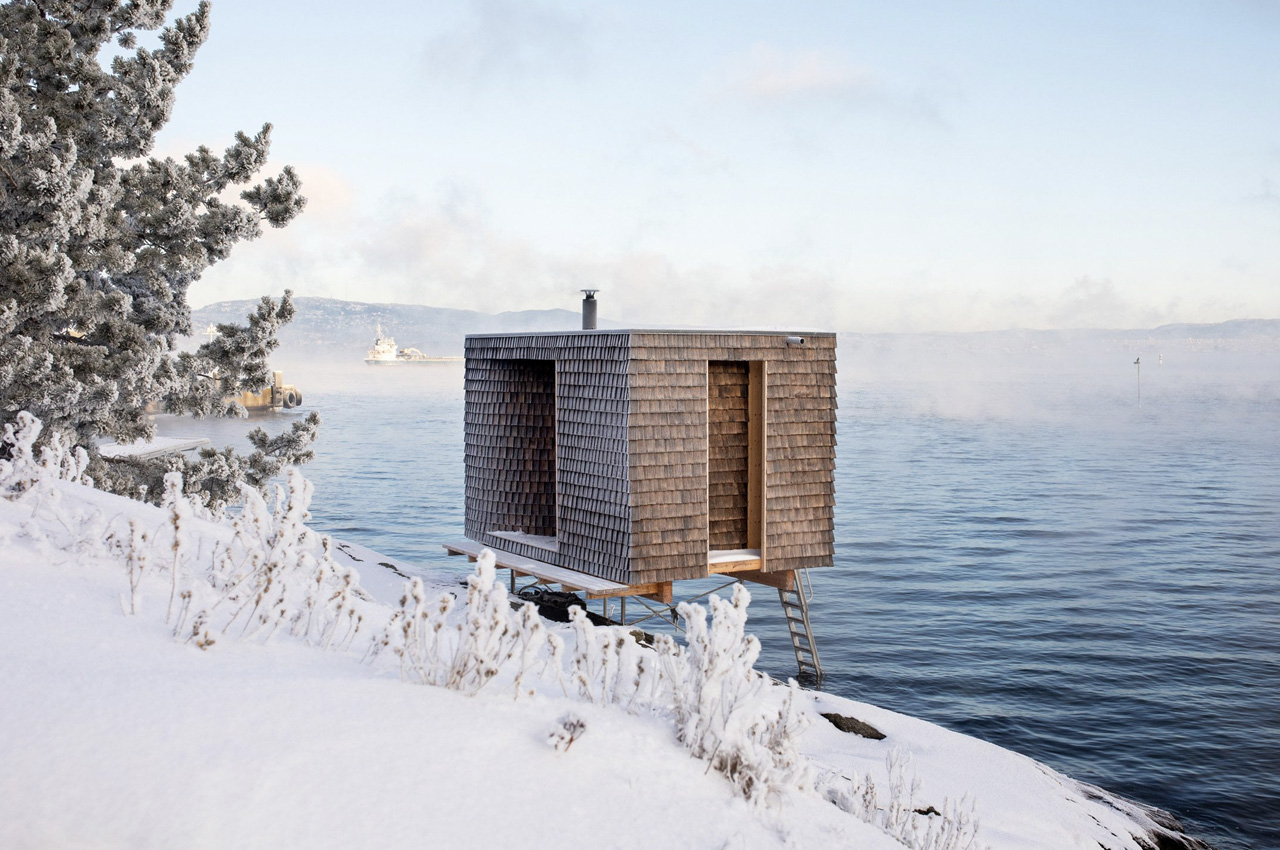
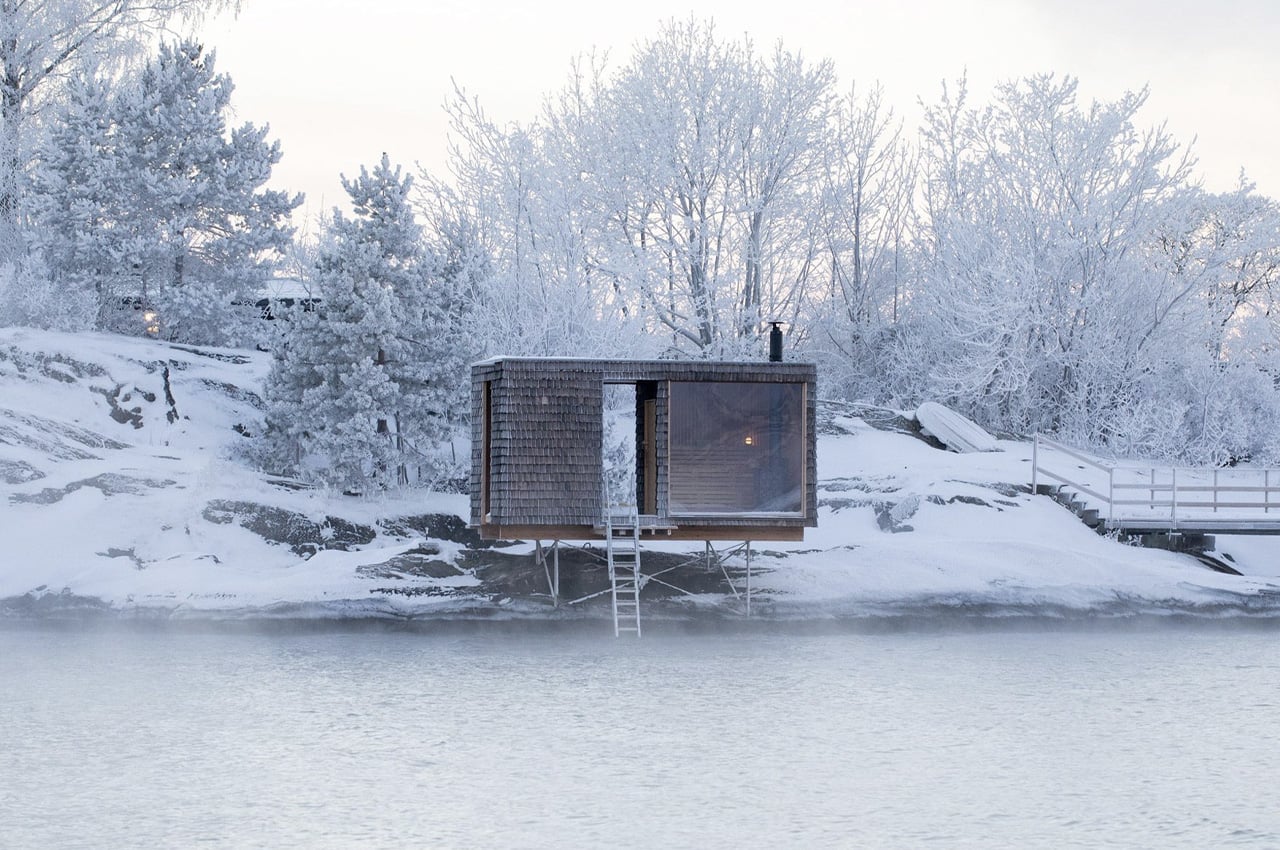
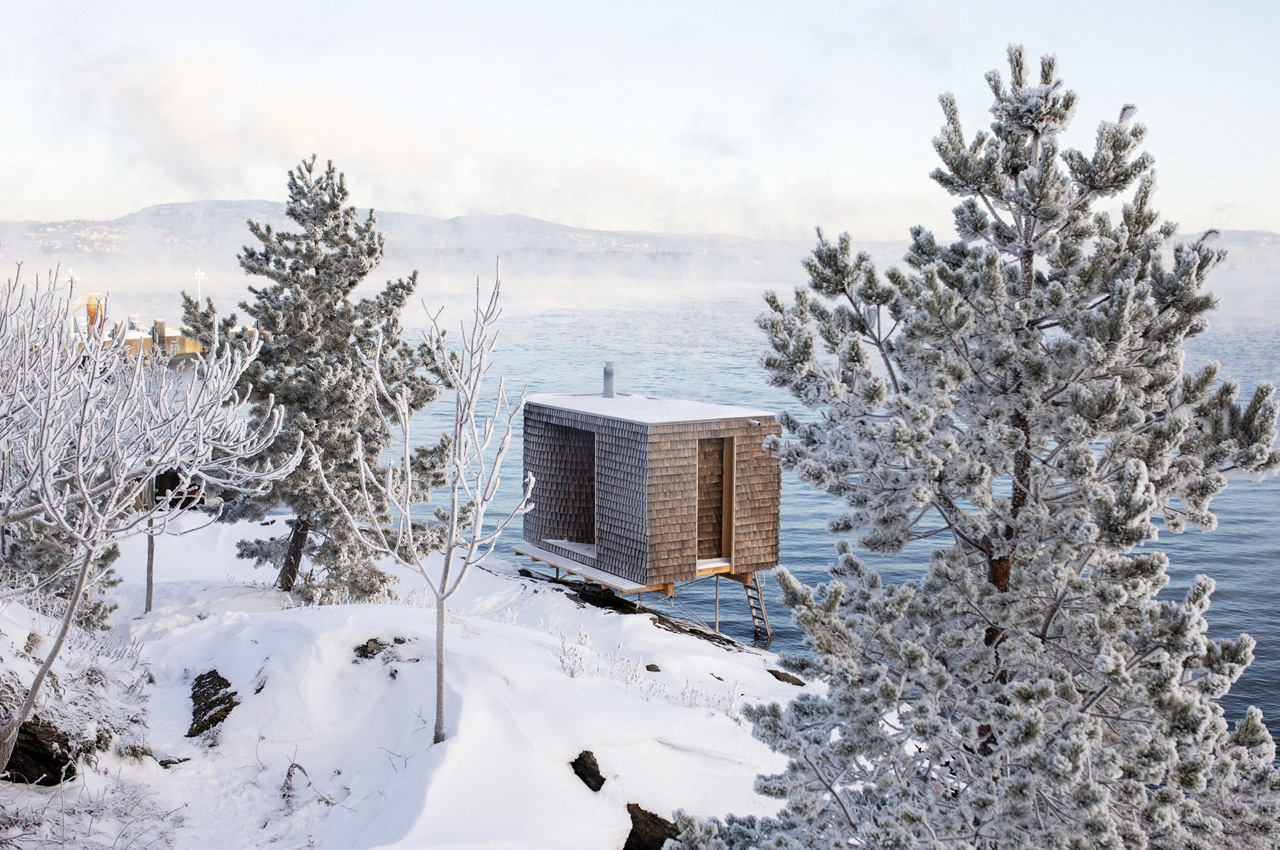
Oslo Works designed and perched a little wooden sauna over the rocky shore of Nesodden peninsula, Norway. The sauna is elevated over the shore, and finished with wooden shingles, creating a rustic yet charming persona. It is designed for the local community and named the Hotspot. It is only a short ferry ride from Oslo and is intended to be an adaptable, easy-to-maintain, and eco-friendly structure. Lately, communal saunas have been increasing in the area, as local communities are joining forces to fund and build them, and the Hotspot is another new addition!

Designer: Oslo Works

“A sauna is best enjoyed together,” said the studio. “This may be the reason why sauna community culture has been rising in Scandinavia over the last few years. People are putting their forces together in order to finance, build, and share hothouse all along the shore.”
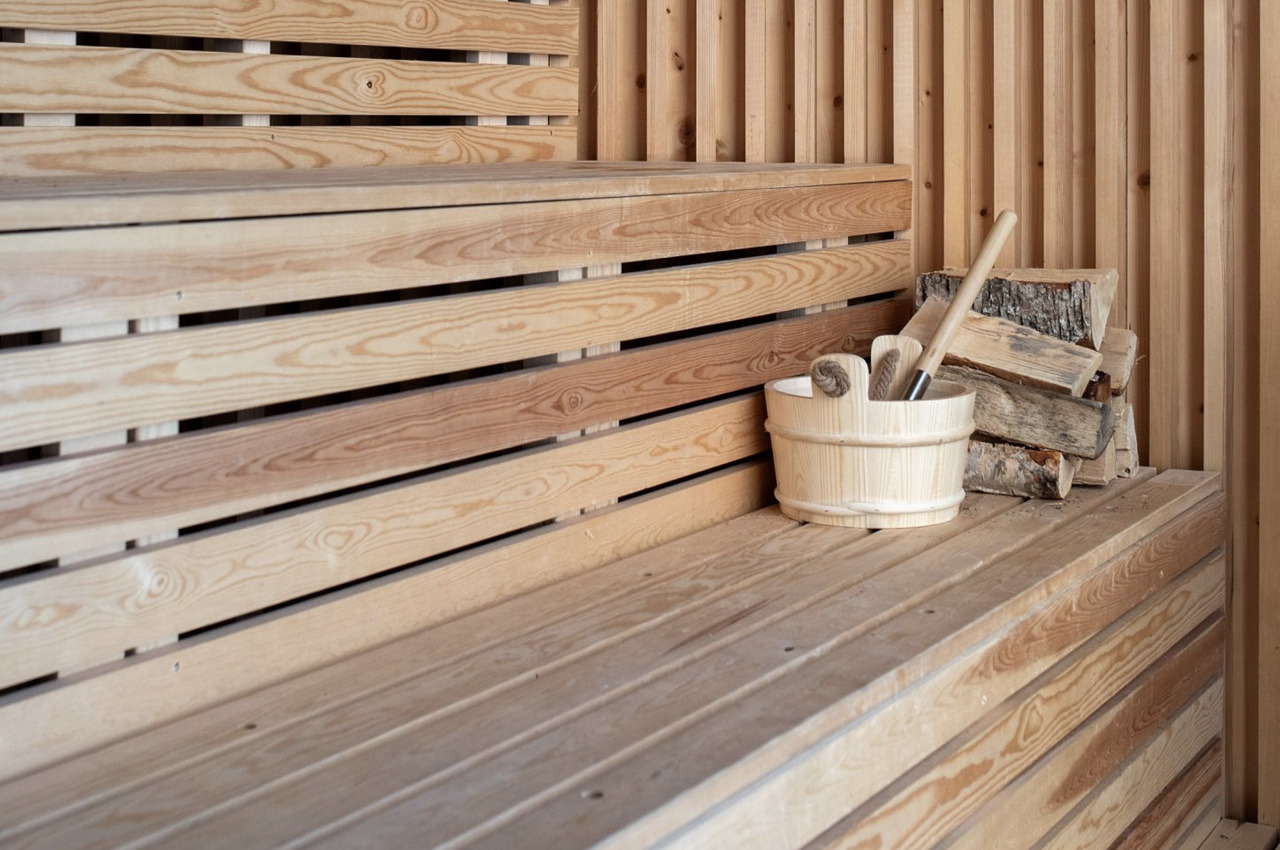
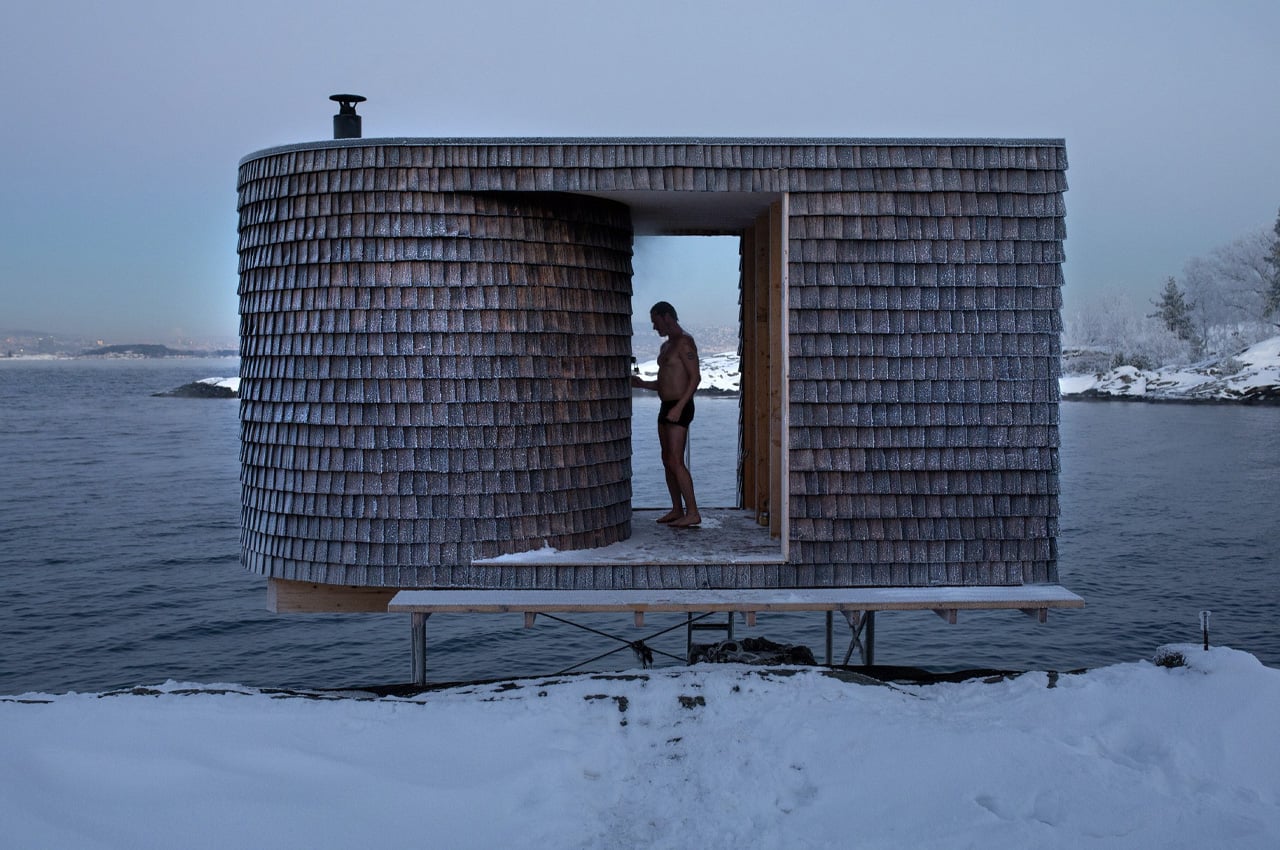
The Hotspot sauna has been segregated into two sections through a narrow open passage, which will lead visitors to the water and the bathing ladder. The main hot room is located on the left-hand side, while the storage and changing facilities are located on the right. The hot room is heated by a little woodburning stove, and visitors can take a dip in the ice-cold water, before meeting up in this room. The room has access to stunning views of Oslo’s skyline. Oslo Works picked a material palette that camouflages the home with its surroundings when viewed from the mainland.

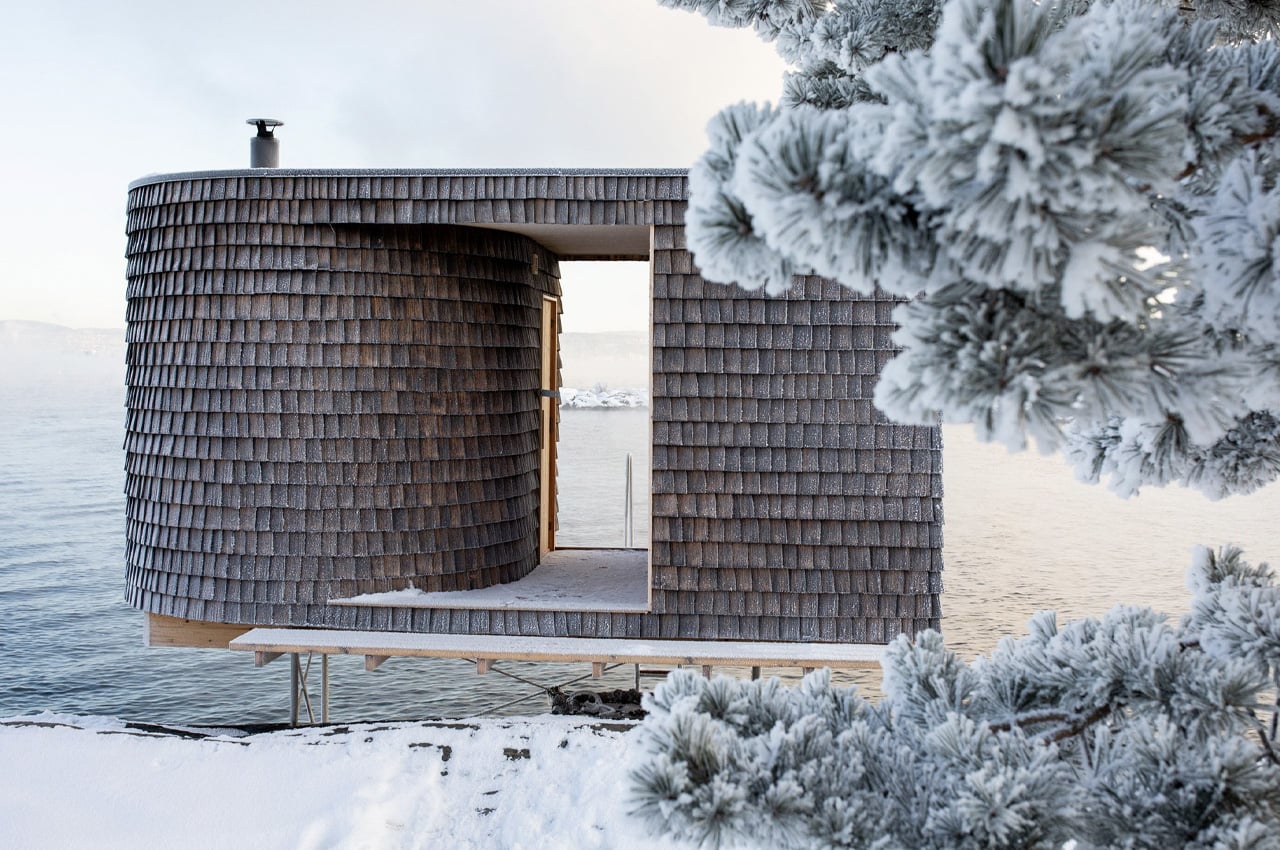
The main room has a rounded back wall that is covered in burnt and oiled pine shingles, which allows the cabin to merge with “pine trees and grey granite shore rocks”, as said by the studio. The building is also built using wood, with massive timber modules forming the frame. This helps to reduce the embodied carbon of the site.

Since the Hotspot features a modular form, it was quite easy to transport and construct on the site, which is difficult to reach. On the site, the sauna is elevated on metal stilts. The sauna’s modularity also supports future flexibility and leaves scope for adaptations such as the inclusion of a roof terrace, and additional shower rooms.

The post This Little Wooden Sauna Is Elevated On Stilts On The Rocky Coast Of Norway first appeared on Yanko Design.
The Saltsaun NW Trailer Lets You Have A Sauna Anywhere And Everywhere You Go

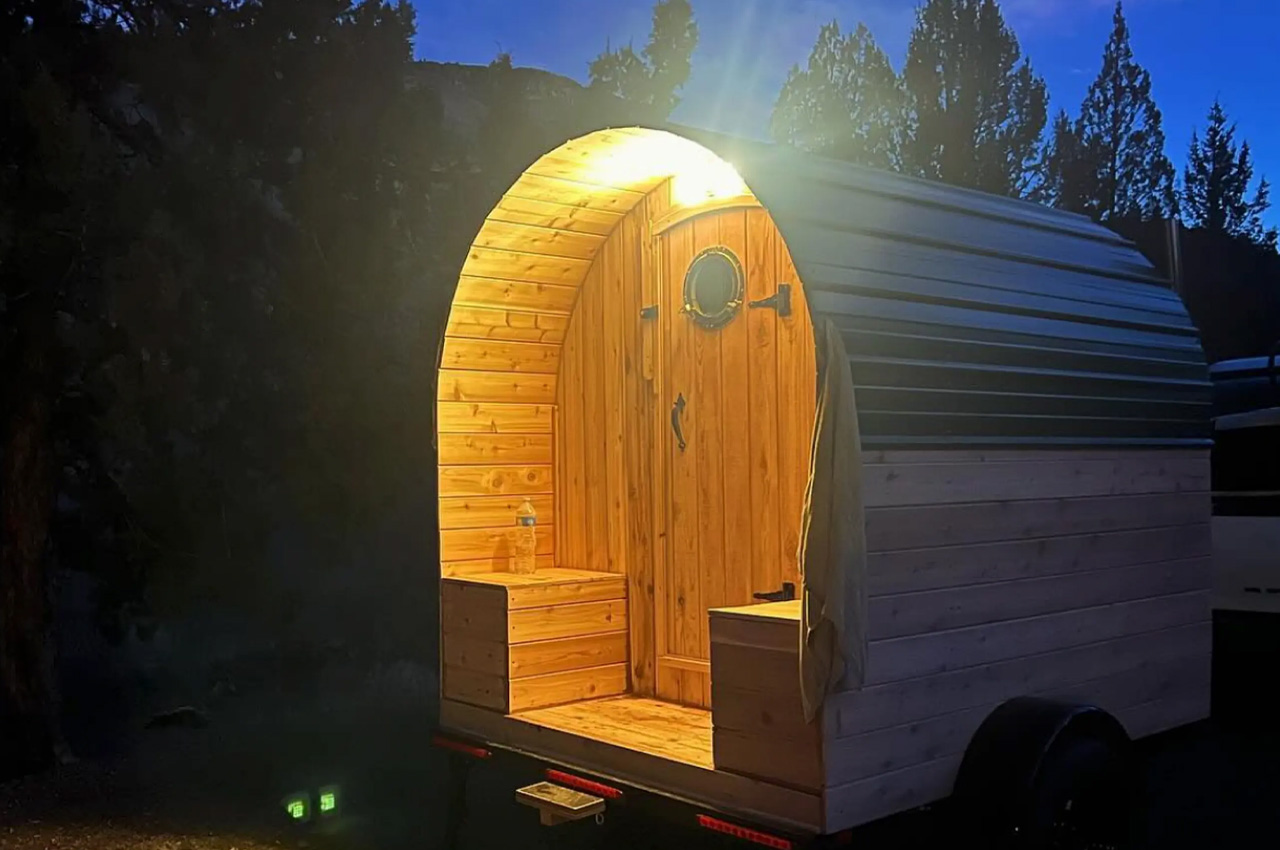
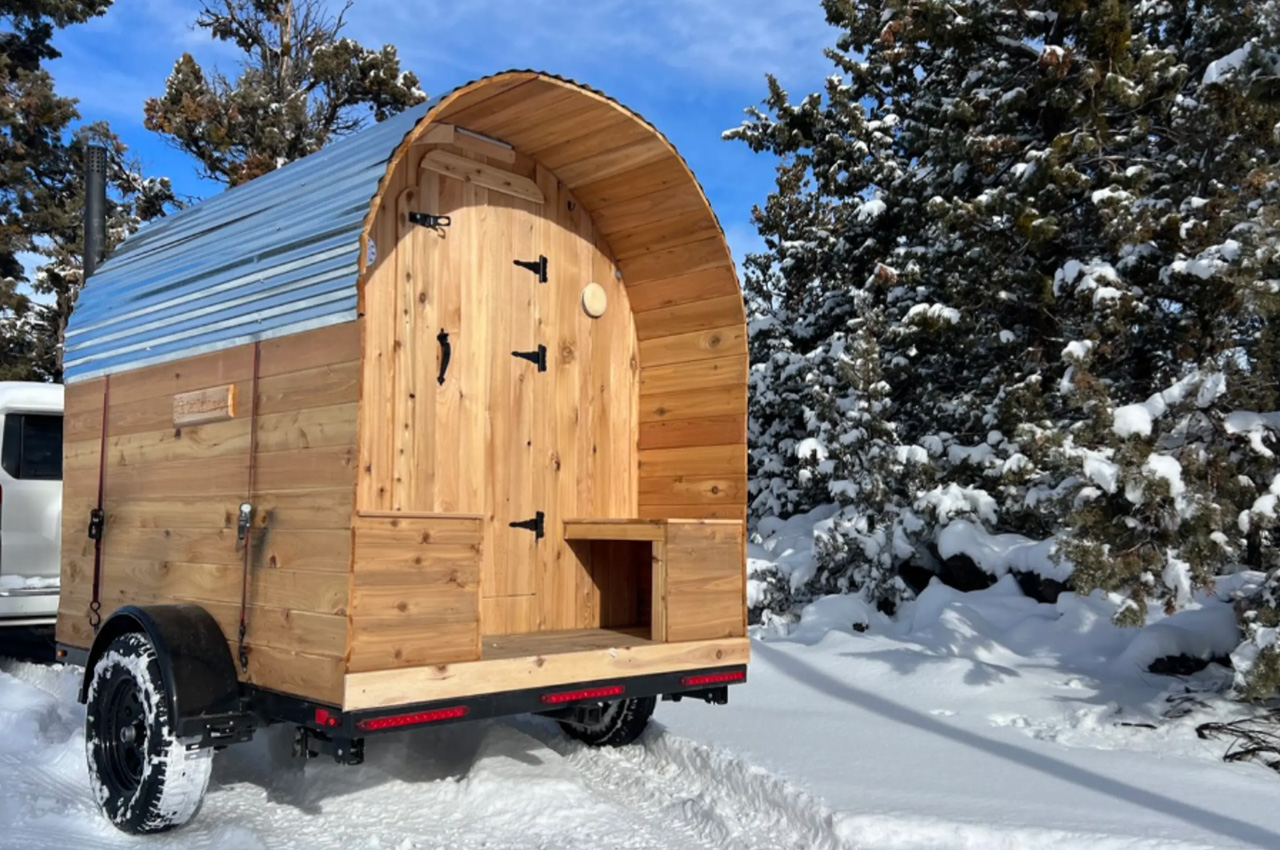
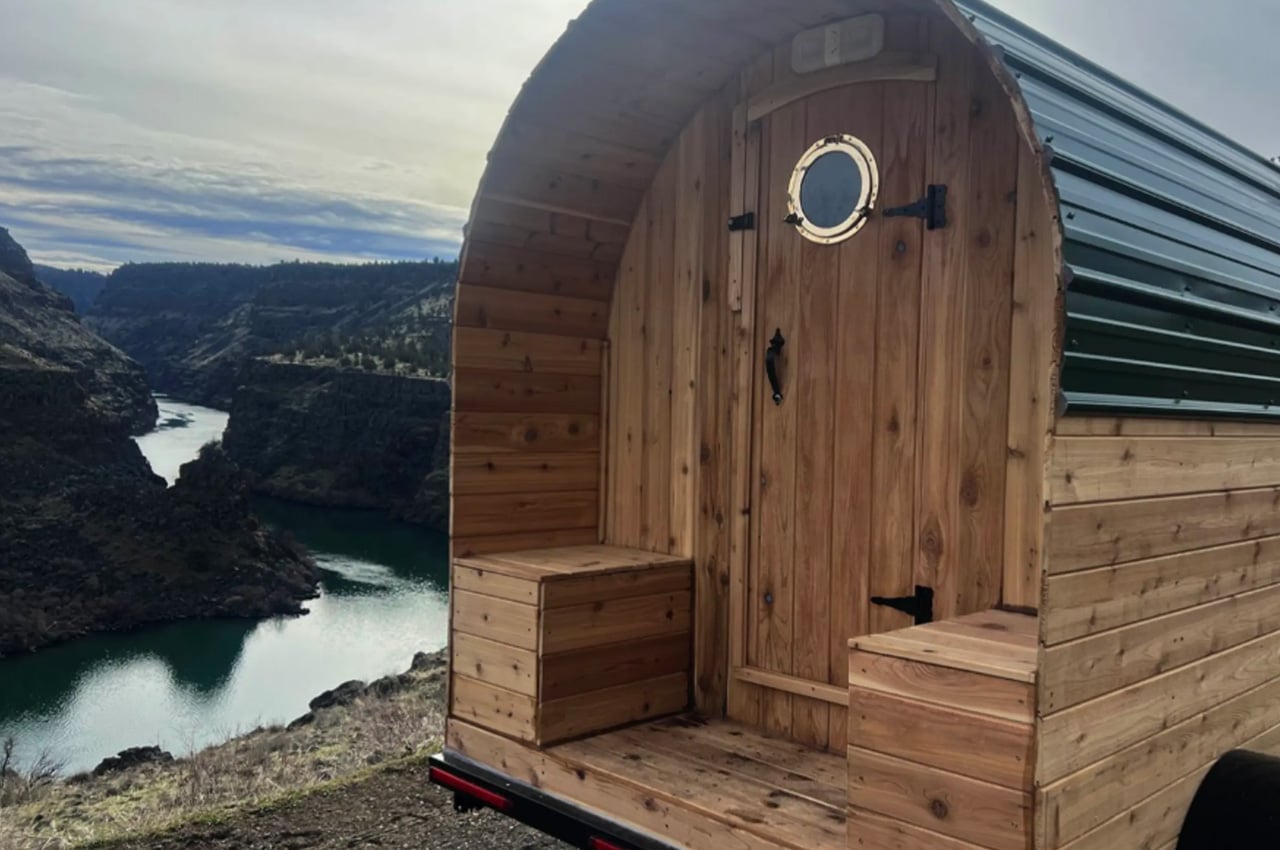
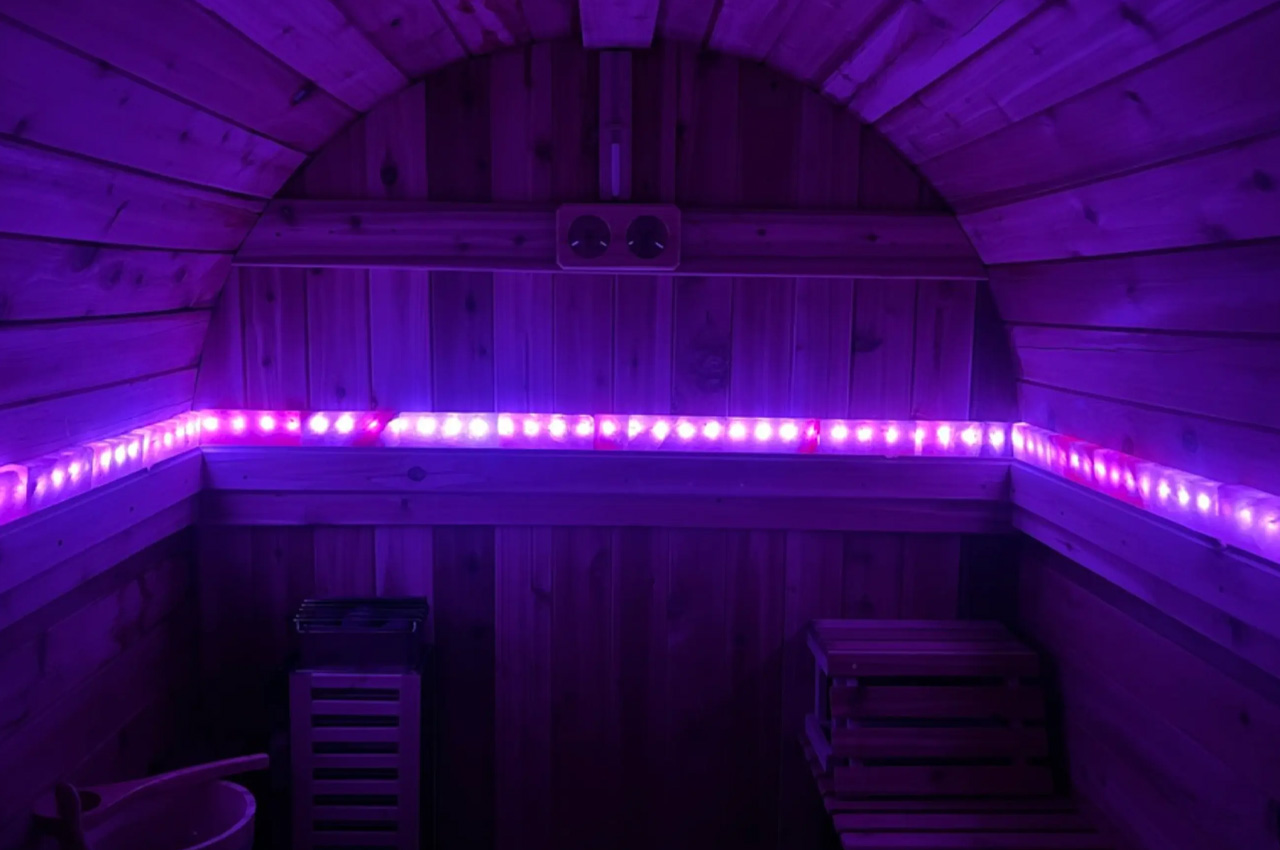
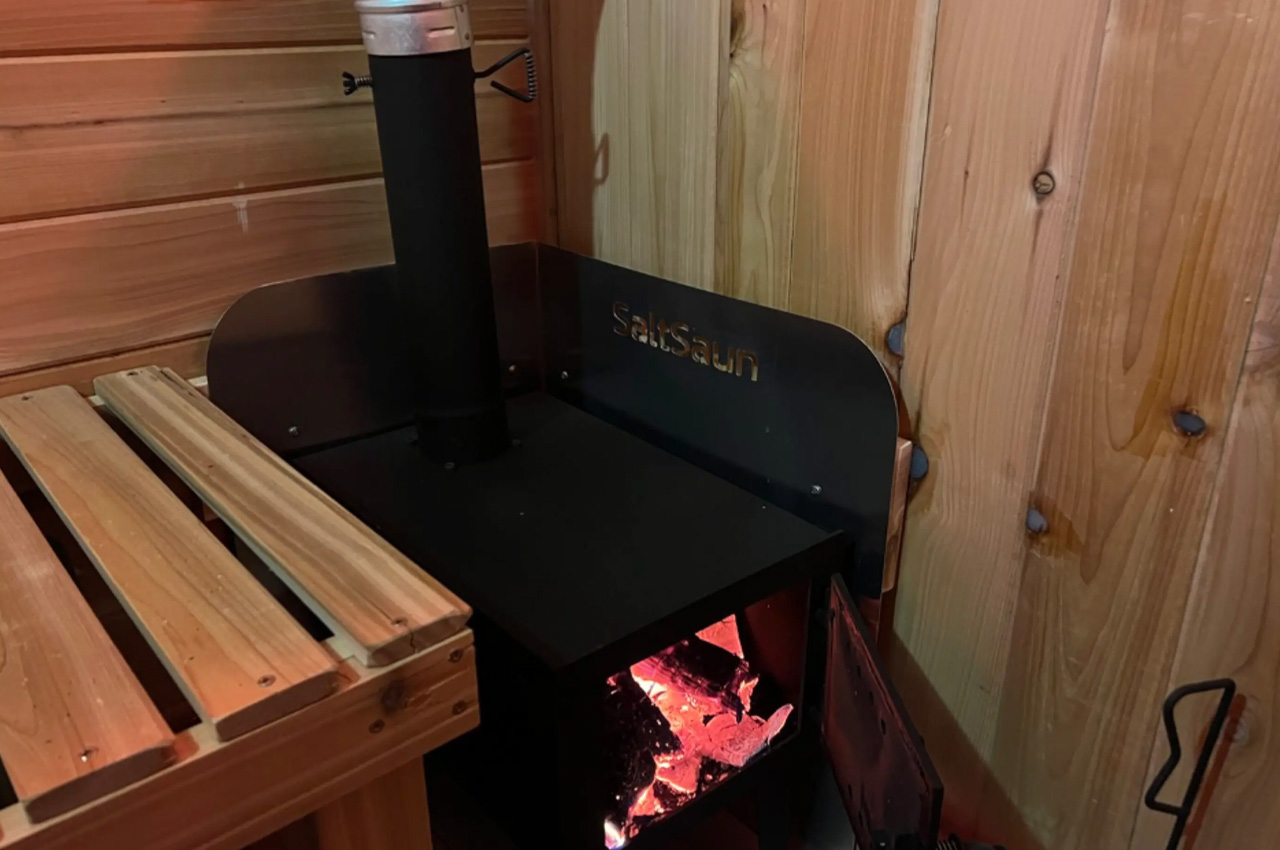
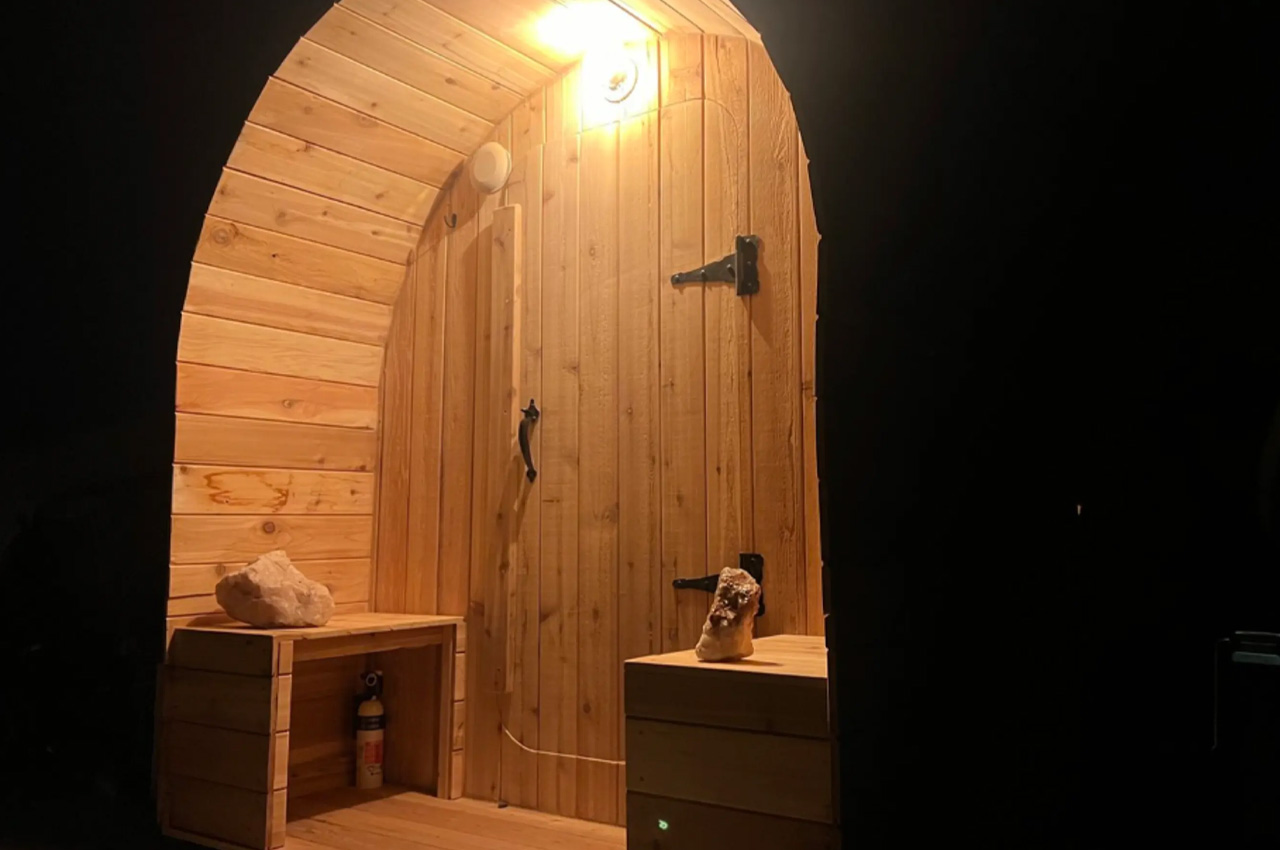
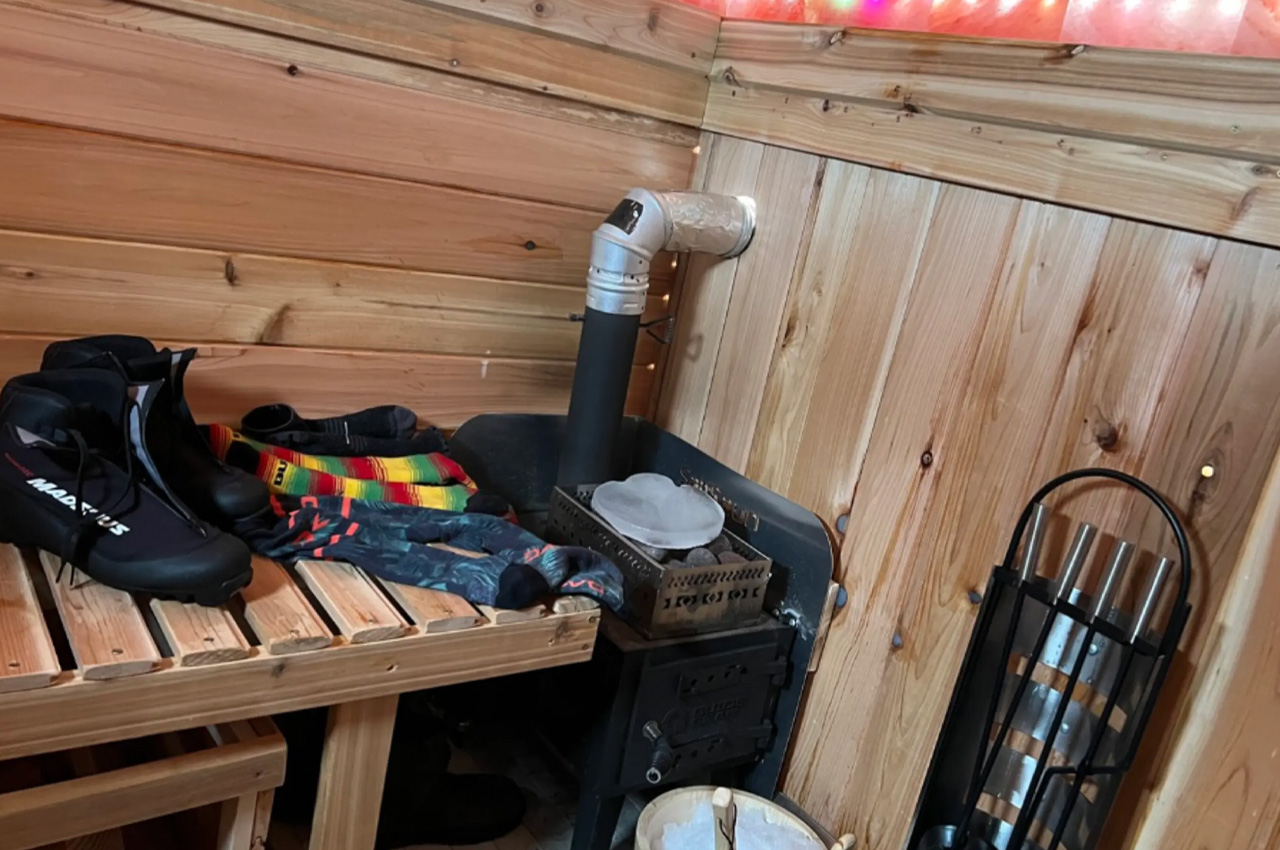
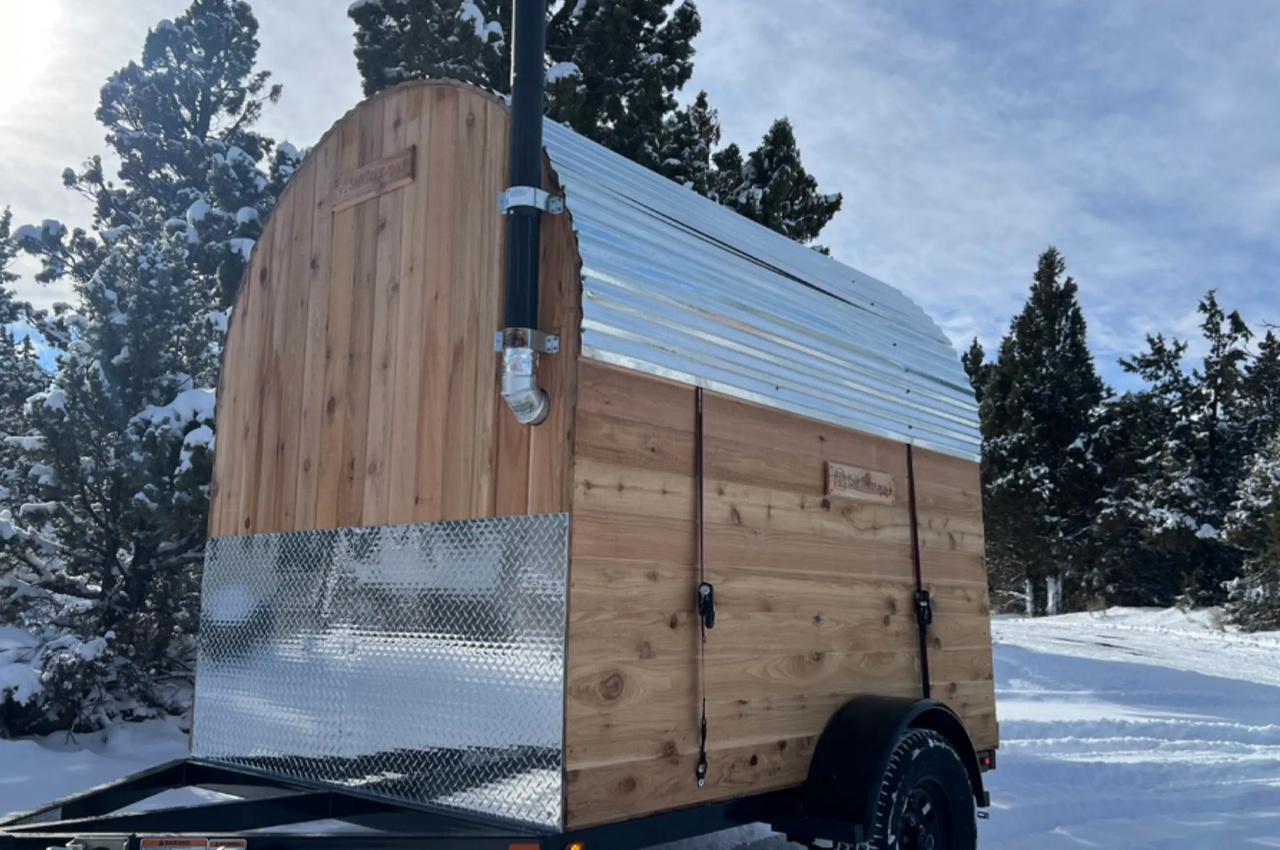
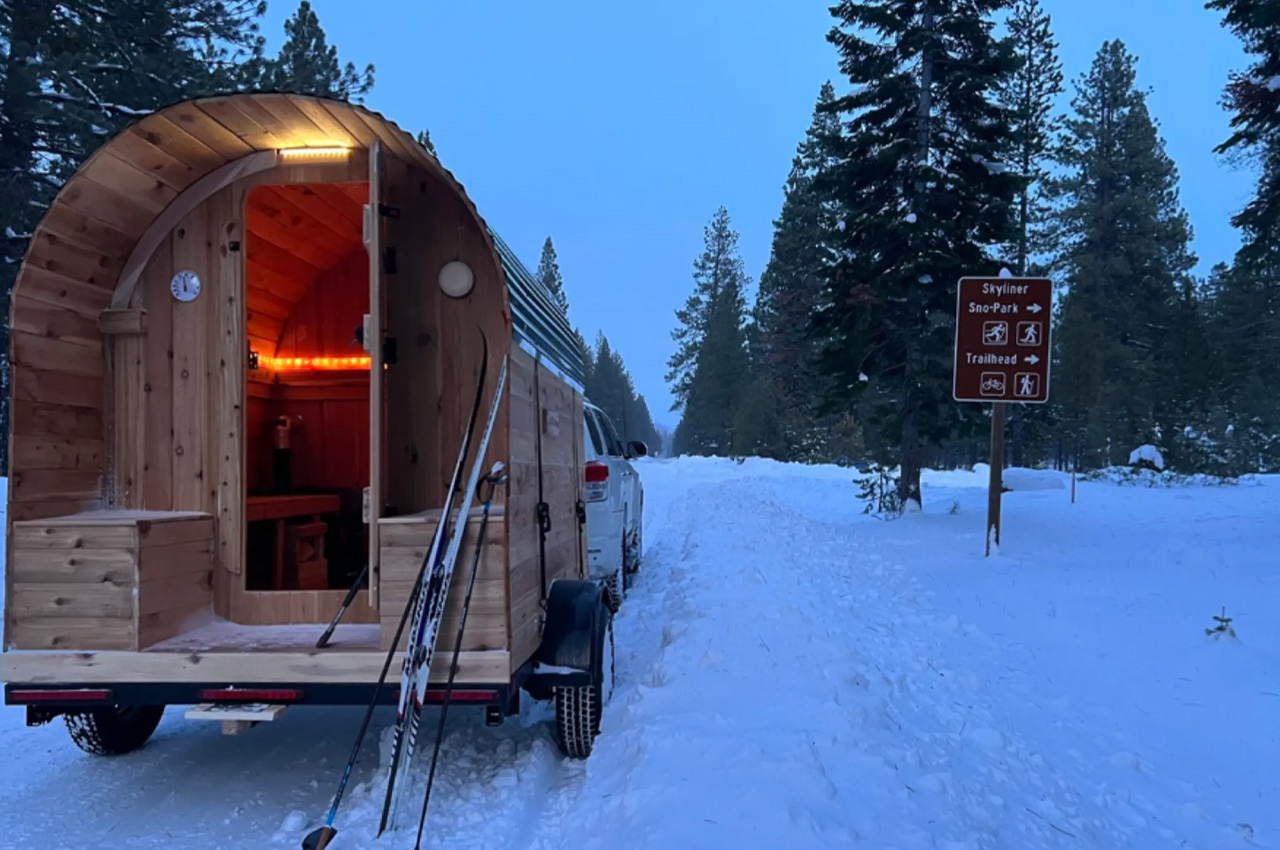
Meet the all-new Saltsaun NW trailer, a sauna that you can hitch up and tow anywhere with you. You can use the sauna in your backyard, or wherever you like. The NW trailer is influenced by the covered wagons that used to roam Oregon, and it is designed to be a versatile on-/off road trailer, allowing a Himalayan salt-lined cedar wood sauna to be attached behind any vehicle. There is an option of an electric or wood stove, for when you’re traveling on or off-grid.

Designer: Bend Teardrop

The Saltsaun NW trailer isn’t the first of its kind, but it does have a very appealing and unique design with impressive amenities and capabilities that truly set it apart. The trailer consists of a highway-speed-capable and off-road-ready square-tube chassis that measures 6×8 feet. The trailer measures 13 inches and rides on 15-inch wheels. The roof of the Saltsaun NW features the design and construction skills we saw in the teardrop trailer by Bend, which creates a rounded-roof body, quite similar to a solid-roofed covered wagon.

The trailer is made from cedar wood locally sourced in the Pacific Northwest. It features a large checker plate panel up front, with aluminum paneling below, and a corrugated metal roof scaffolding that provides protection to the wood from the hazards of road and weather. The roof also shelters a small porch with two integrated seats which are designed for cooling off.

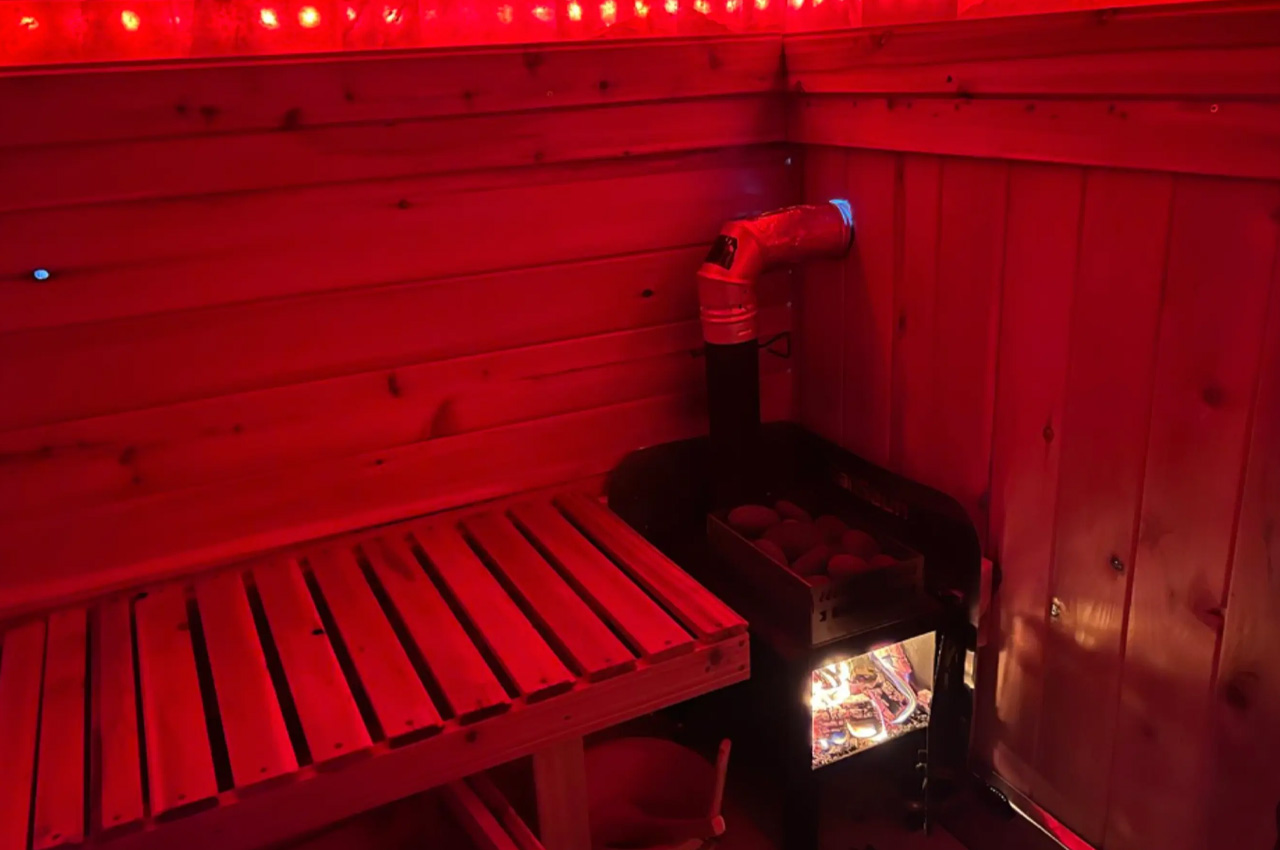
The Saltsaun NW trailer can house four to five adults on its benches. The focal point of the design is the electric or wood stove that can set the temperature between 100 and 200 °F (38 to 93 °C).  The trailer’s electric model features a 3-kW steam-ready heater that can be plugged into a 110-V outlet with a recommended 20-A+ output., whereas the wooden stove model is intended to be an off-grid solution, and it is equipped with a rock basket for steaming, as well as a deep-cycle battery, and 100-W solar panel for the interior/exterior lighting.

The post The Saltsaun NW Trailer Lets You Have A Sauna Anywhere And Everywhere You Go first appeared on Yanko Design.
Floating architecture designs to light up Copenhagen, Maldives

Water-based architecture is not about boats, yachts, or ships, or at least not just about them. We’re seeing some designers experiment with bringing all kinds of floating structures that residents and tourists can enjoy while basking in breathtaking views. A Copenhagen-based studio is teaming up with the local municipality to bring these unique concepts to life and show different possibilities for this kind of architecture.

Designer: MAST

The first of three projects is a floating sauna and harbor bath where up to fifteen people will be able to have a relaxing time while looking at an aquatic view. They can even plunge directly into the harbor bath after sweating it up in the sauna. It uses eco-friendly materials like cross-laminated timber and wood fiber insulation. This floating sauna is also “portable” in a sense that it can be moved to different locations through a towboat. There is also a small changing room as well as storage facilities and a wooden deck with access to the harbor bath.
The Harbour Cliff is the first free-floating open bouldering gym in the world where visitors can swim to it and then try the different climbing routes within the structure. There are three slightly inverted ledges to do the different challenges, including a 14.8 foot climb where you need to do a particularly hard jump to be able to reach the final spot. It looks like something straight out of an alien invasion movie and I keep expecting a monster to emerge from the structure.

Lastly, if you don’t want to sweat it out in the sauna or do bouldering, you can head over to the Maldives to visit a floating villa. These villas are anchored in protected lagoon areas and have two bedrooms, bathrooms, a loving room, and even a courtyard garden and a roof terrace. As part of their eco-friendly design, they use solar cells, battery packs, on-board sewage treatment and watermakers.

The post Floating architecture designs to light up Copenhagen, Maldives first appeared on Yanko Design.