Keeping houseplants alive has become something of a modern ambition, especially for those living in smaller spaces where a bit of greenery goes a long way. The problem is that most people have a complicated relationship with plant care. Forgetting to water on time, struggling with repotting, and watching plants suffer because the pot can’t keep pace can make the whole experience feel more discouraging than rewarding.
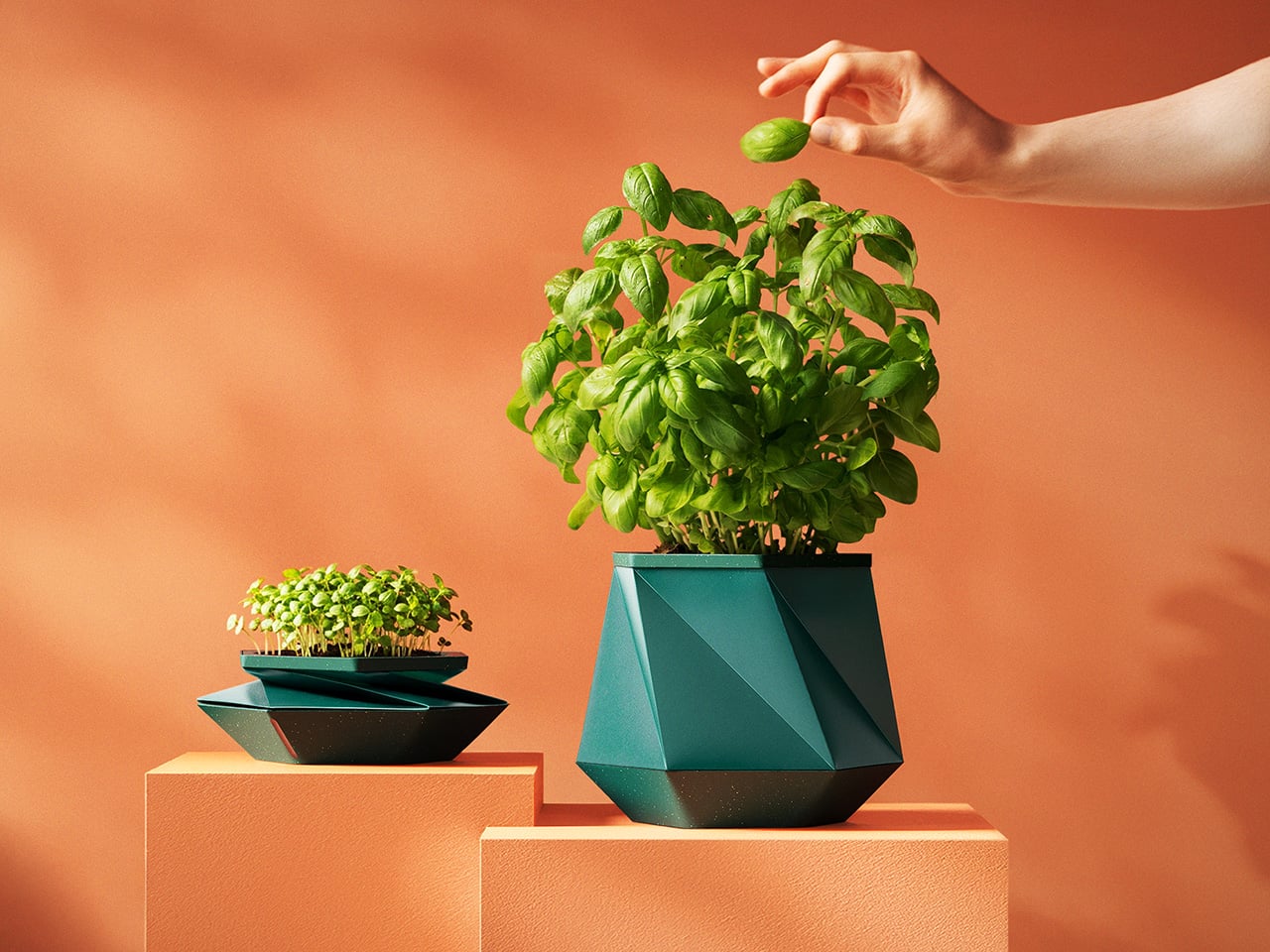
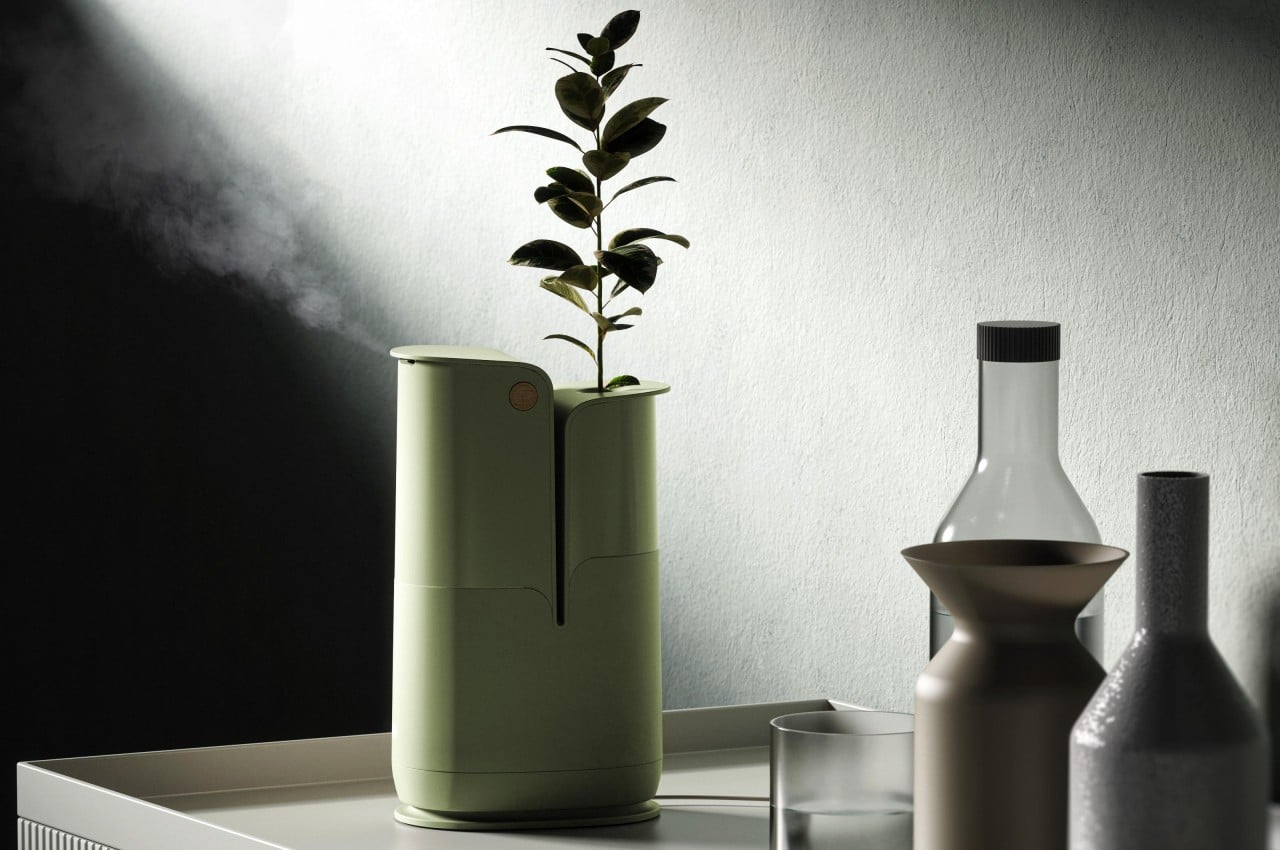
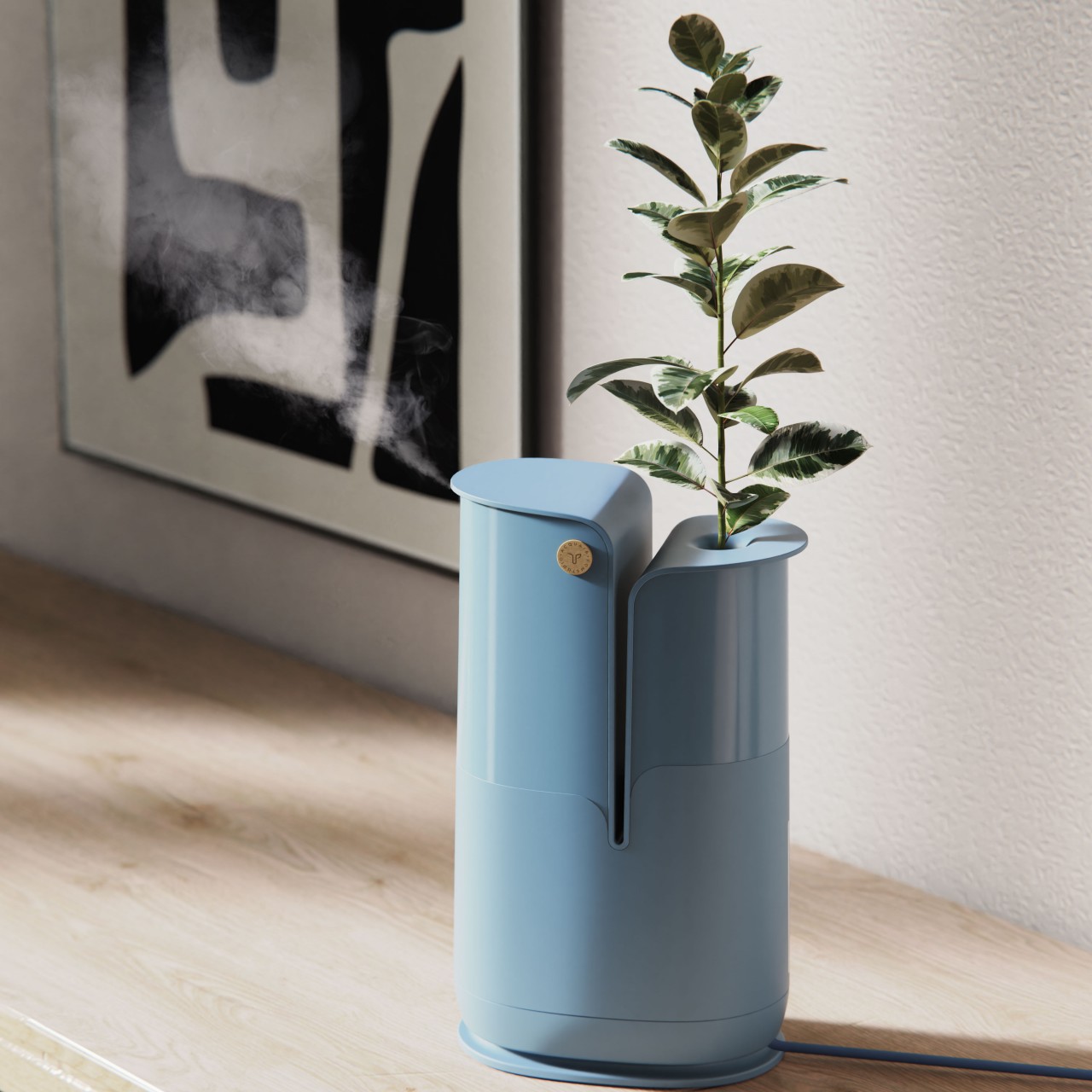
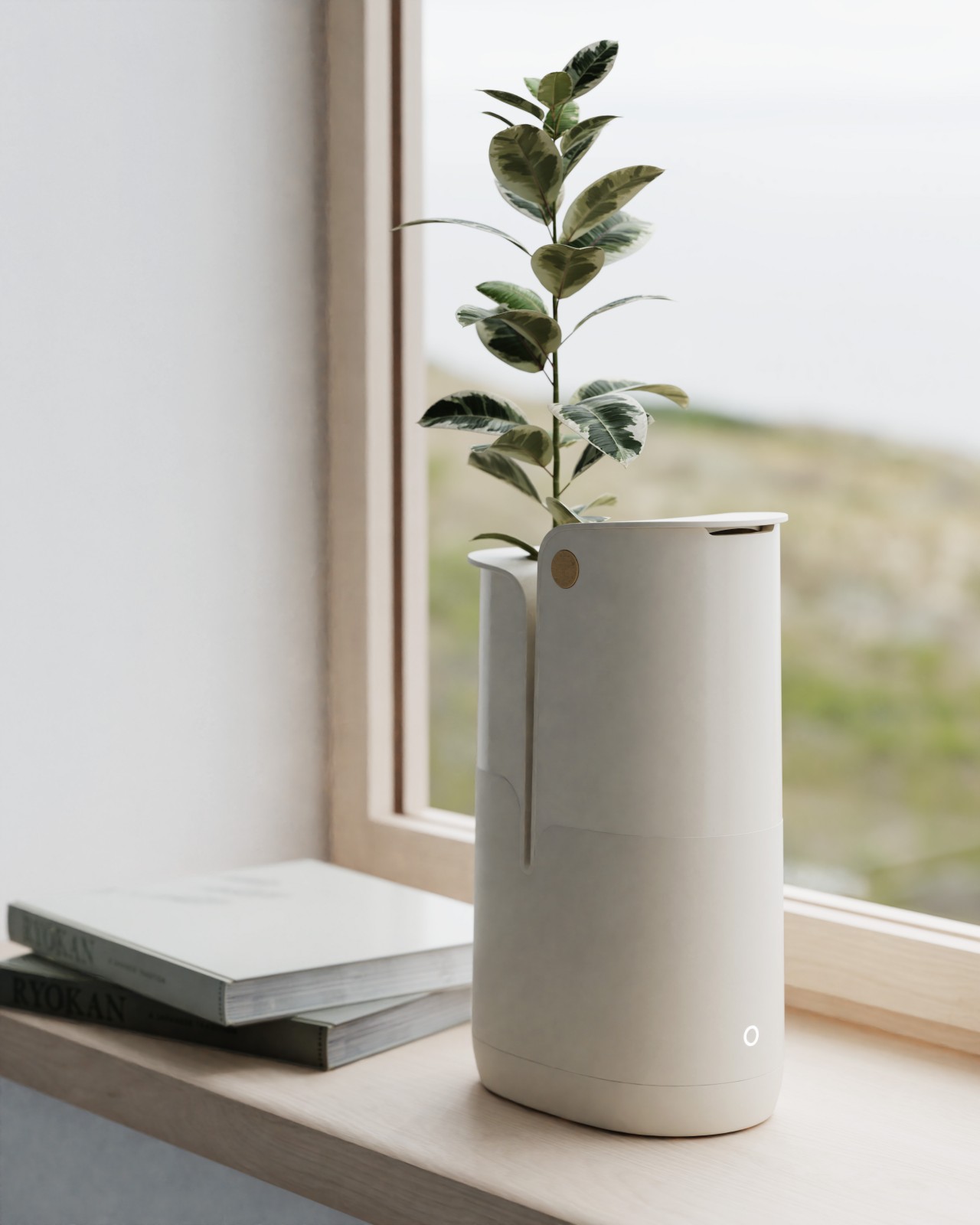
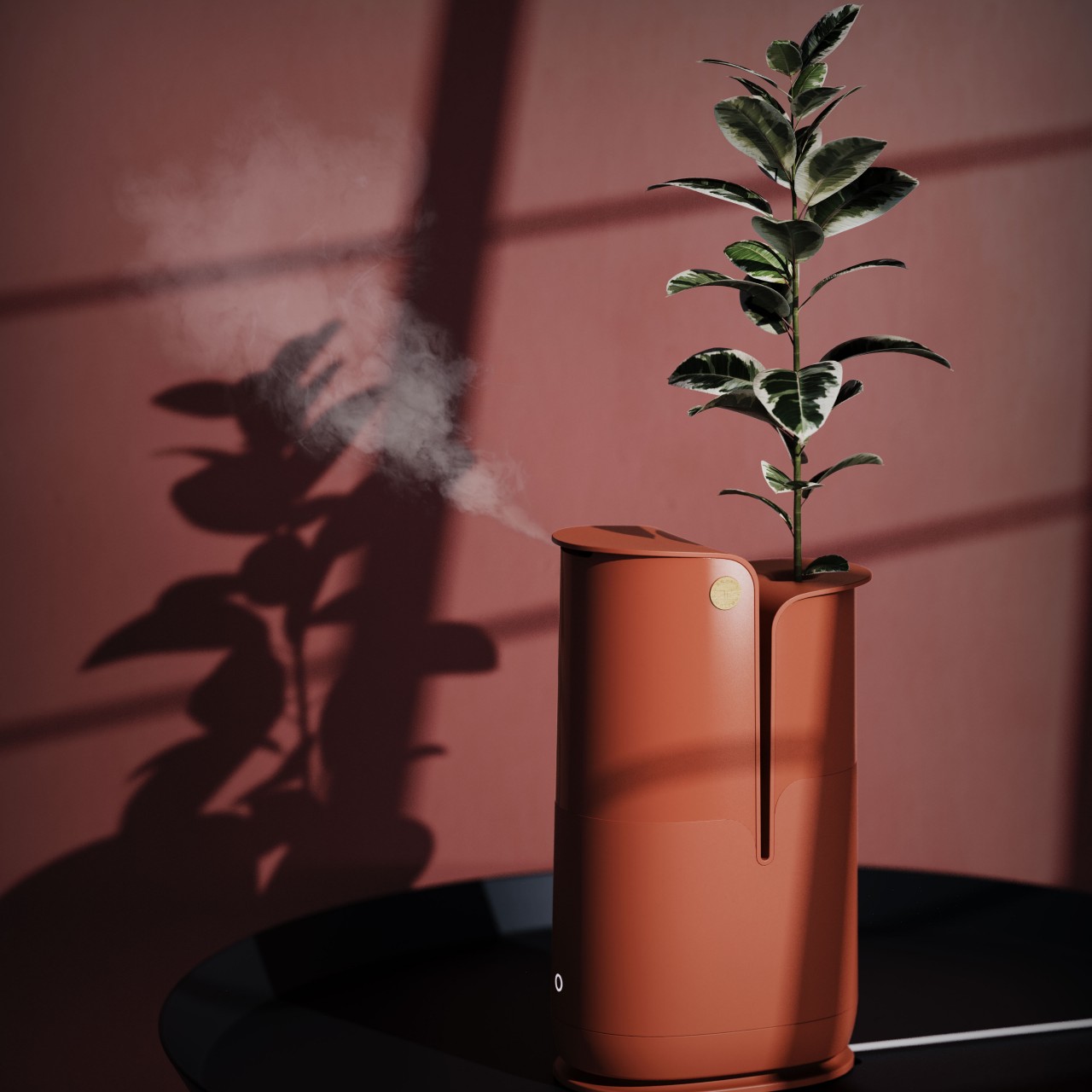
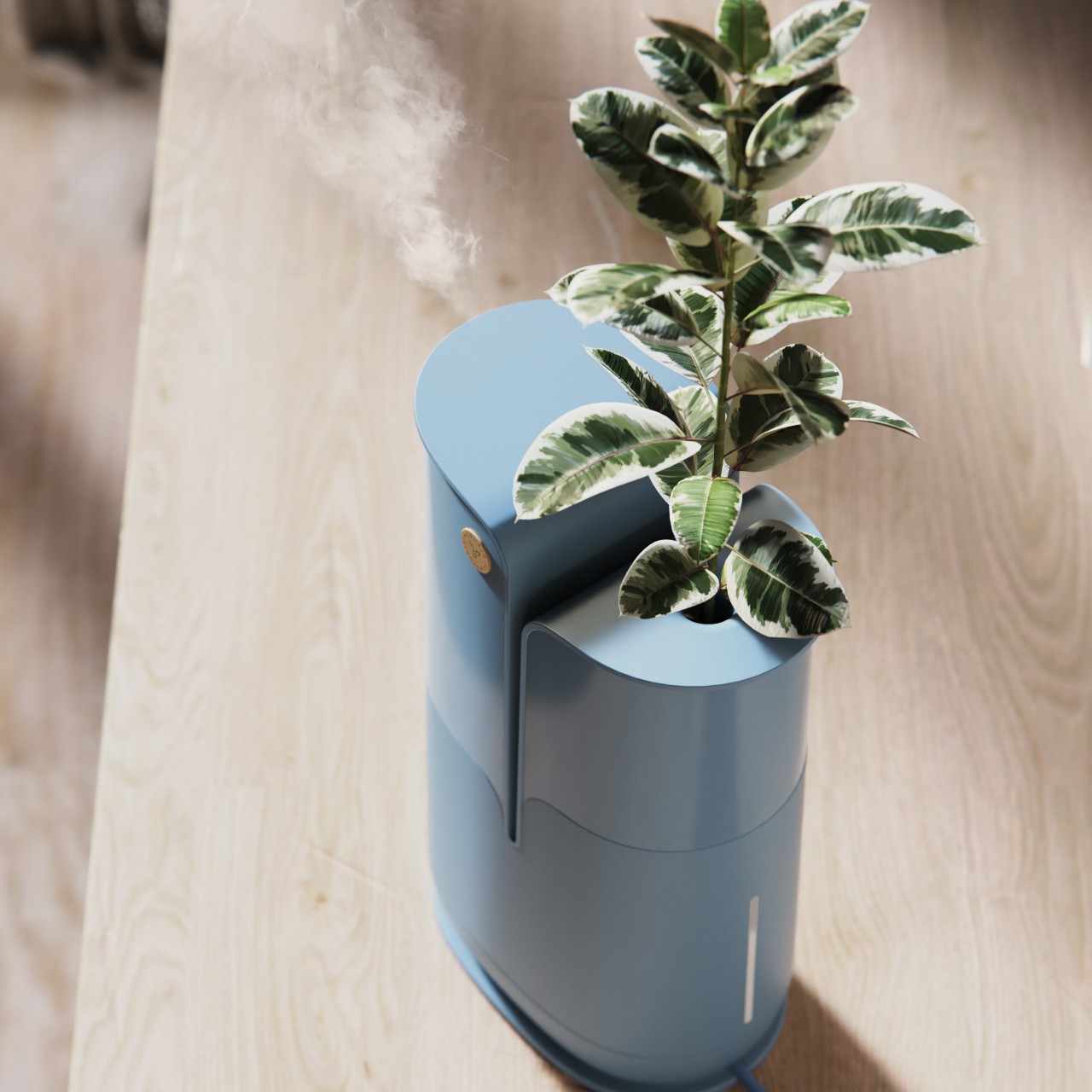
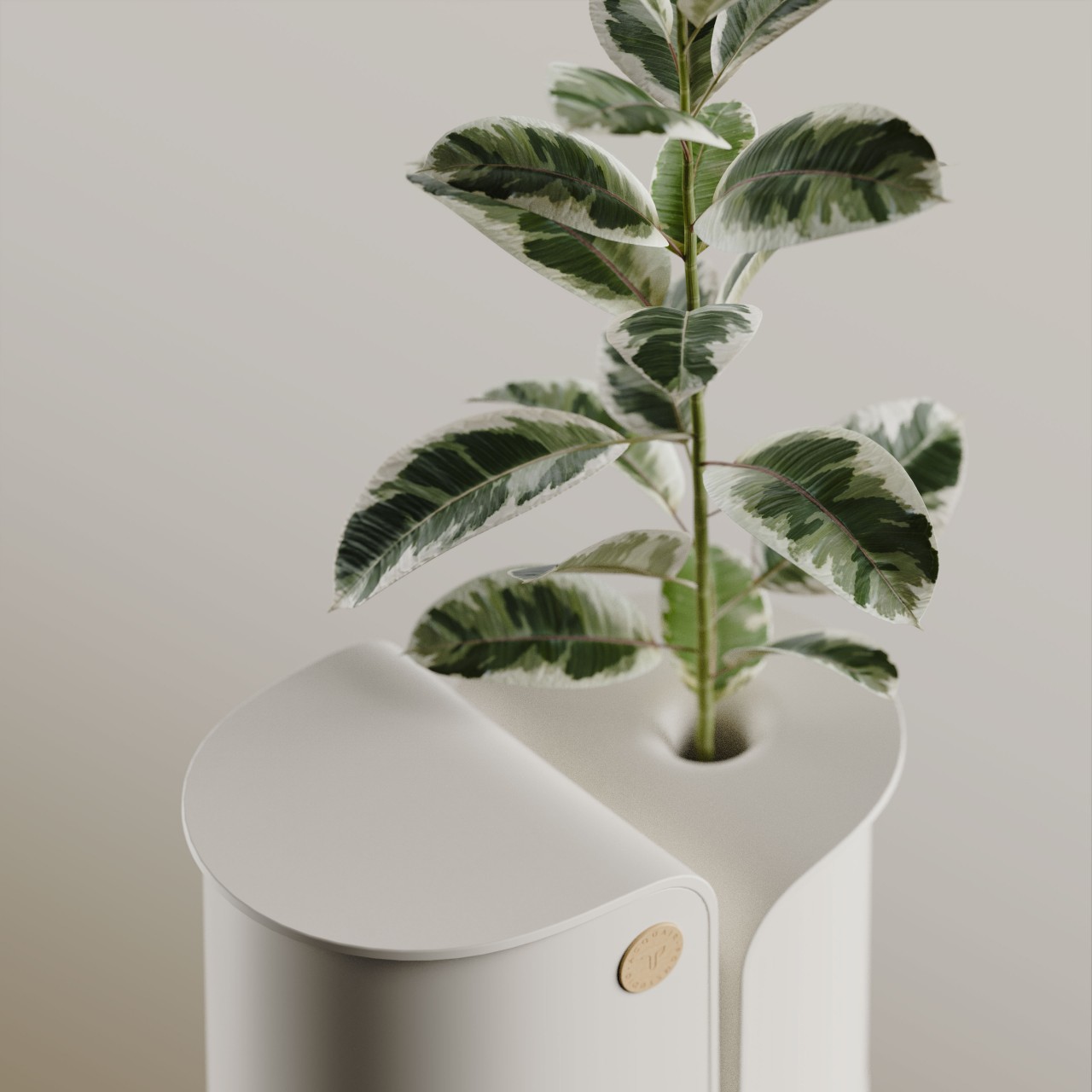
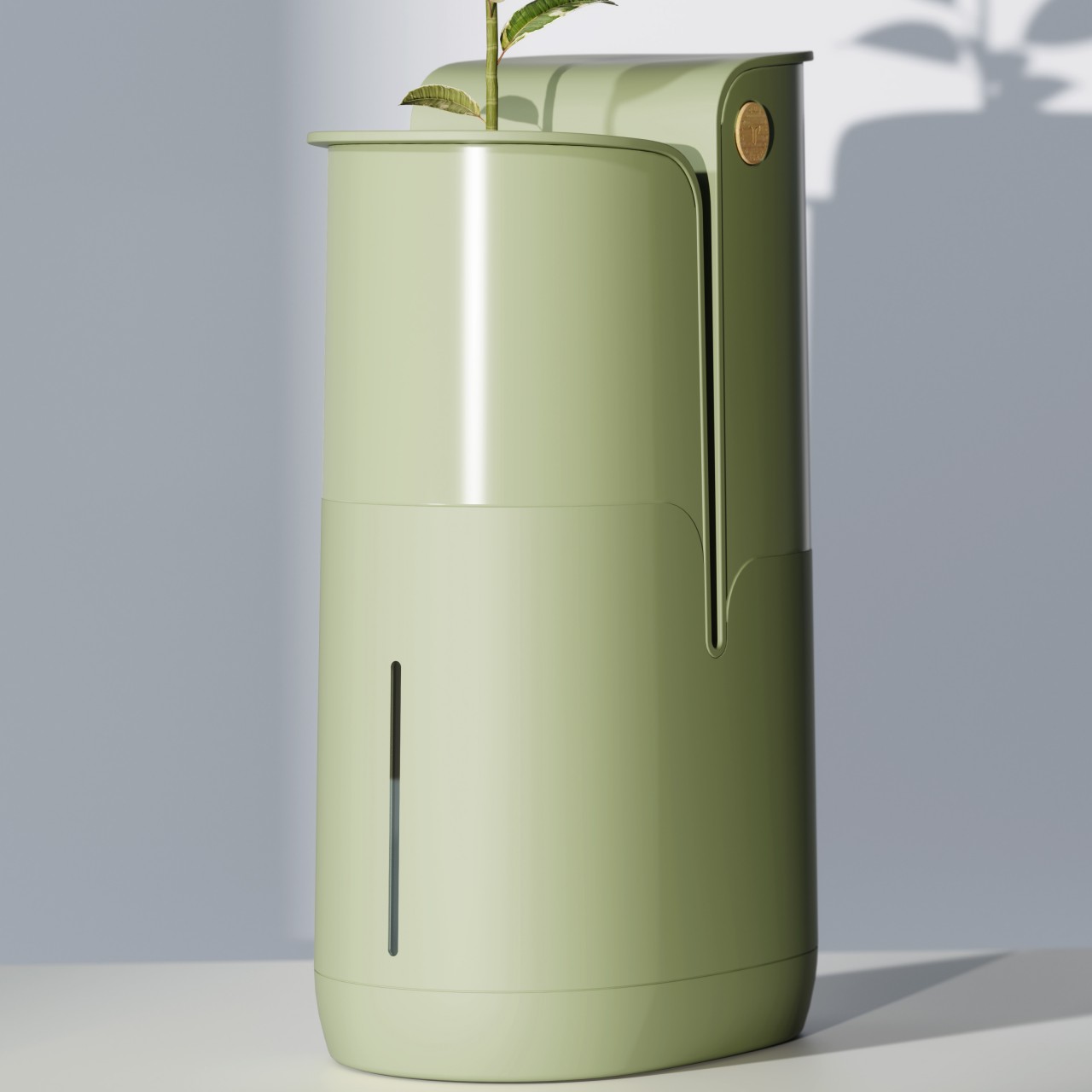
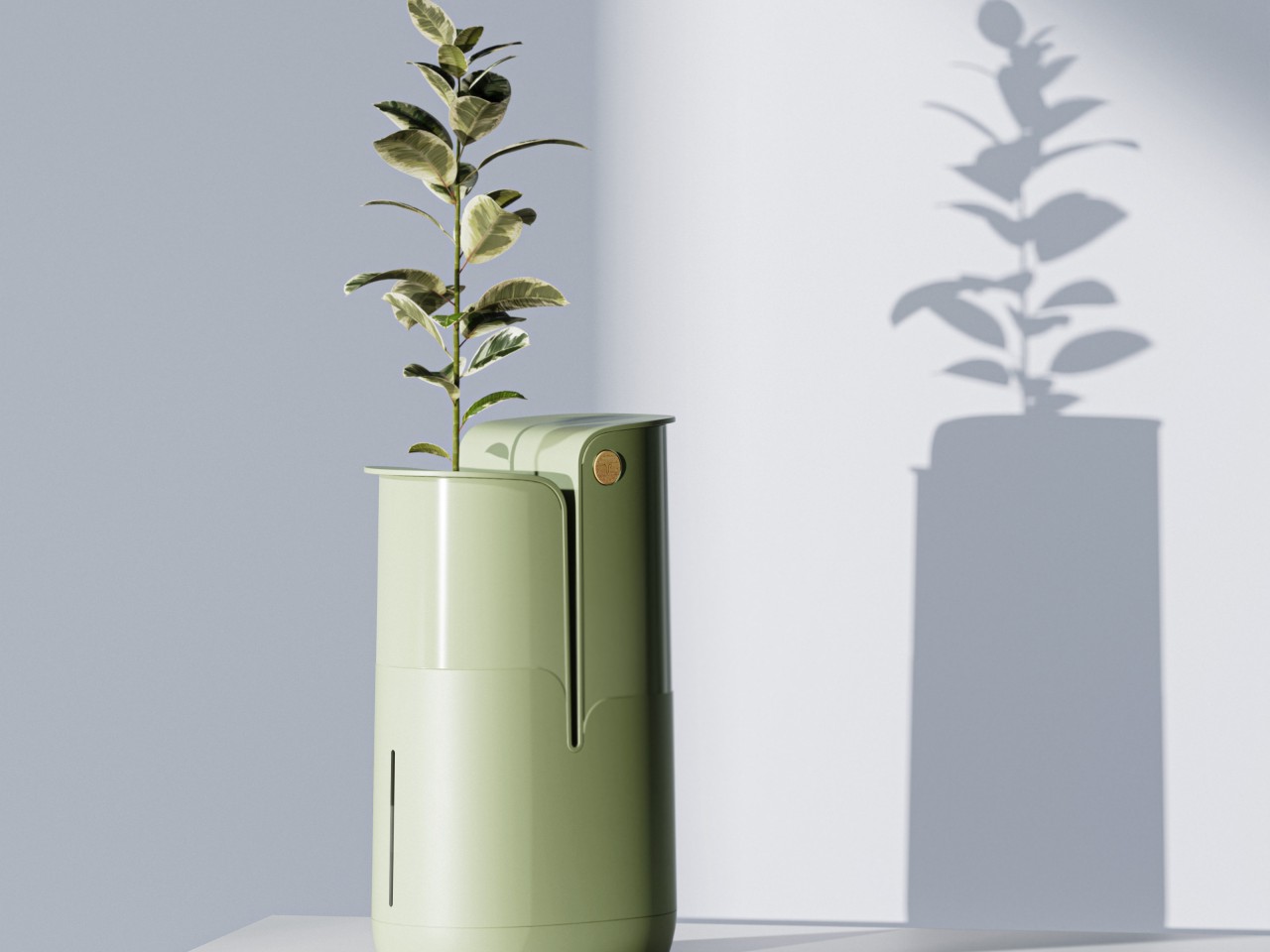
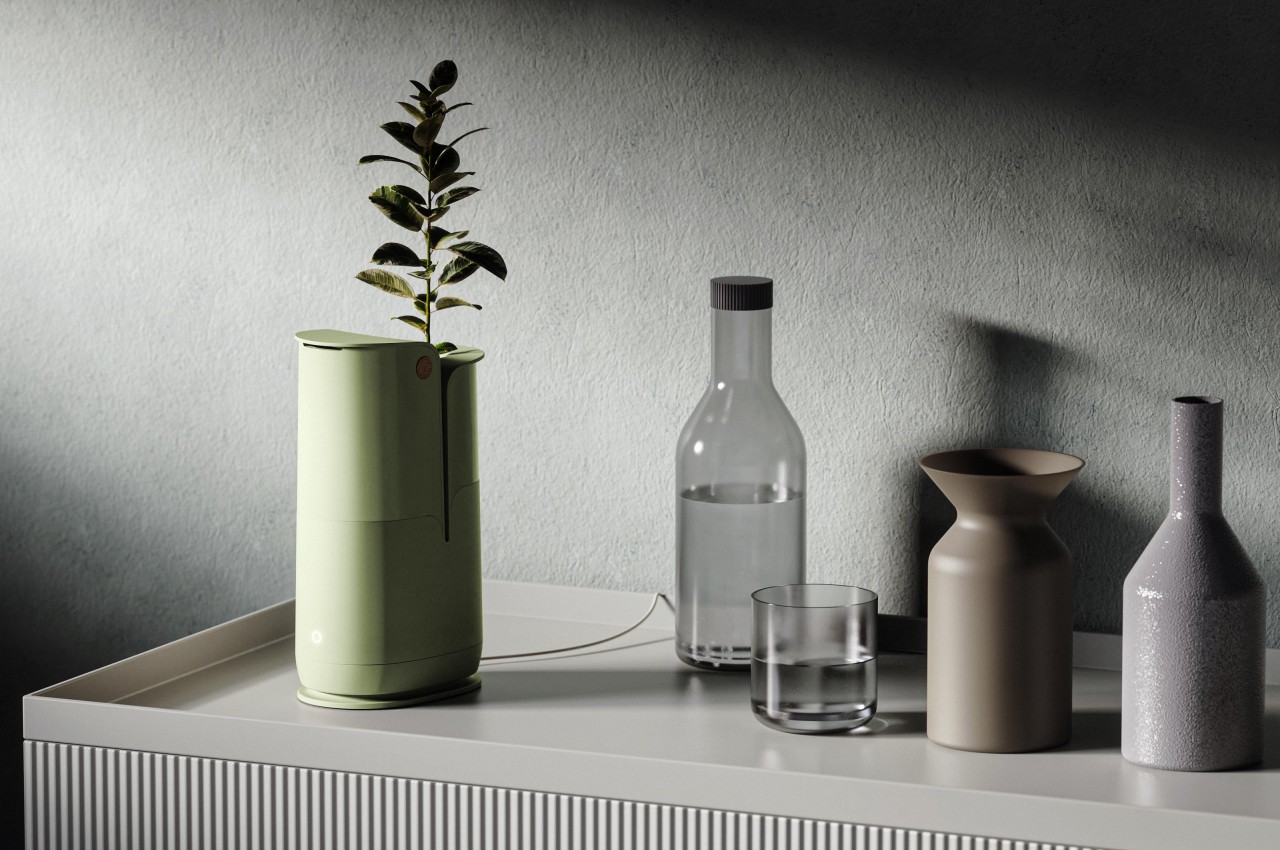
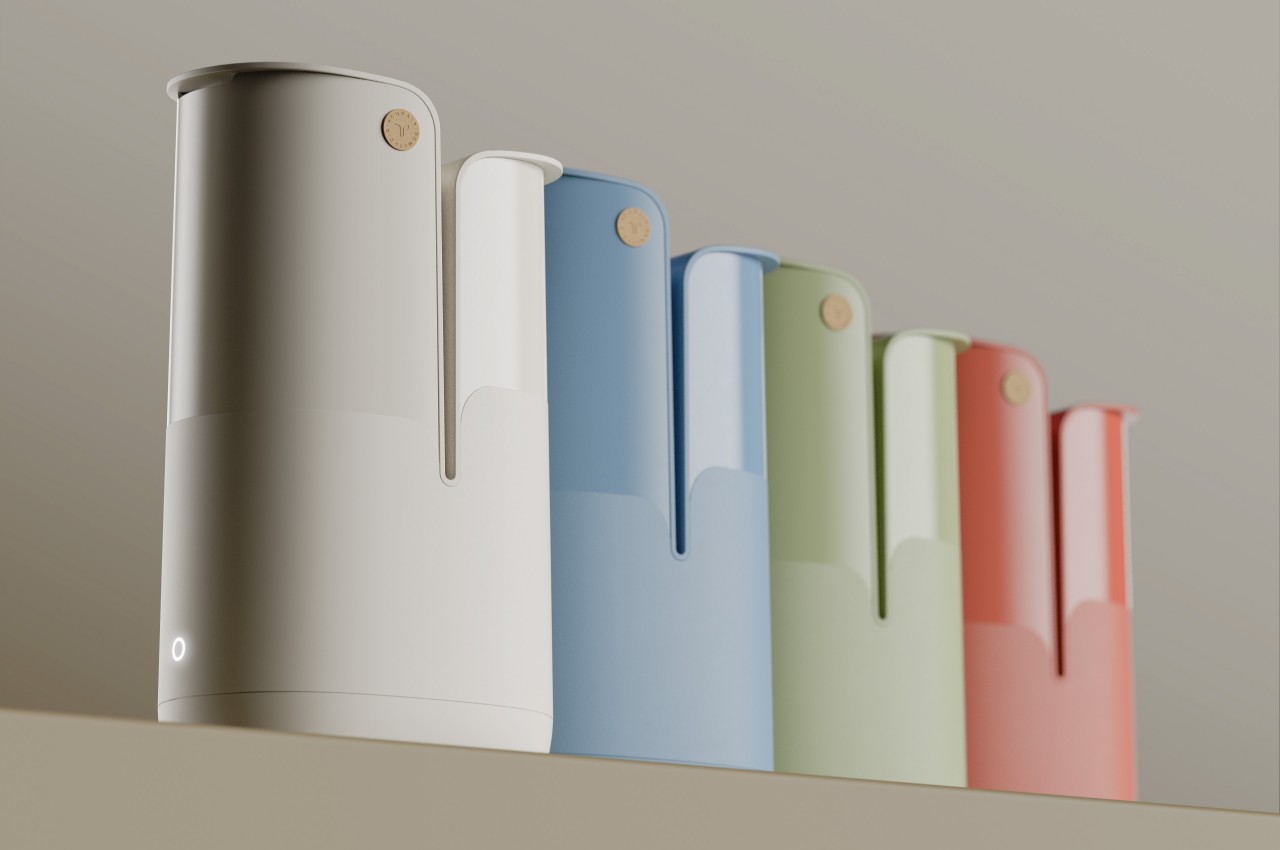
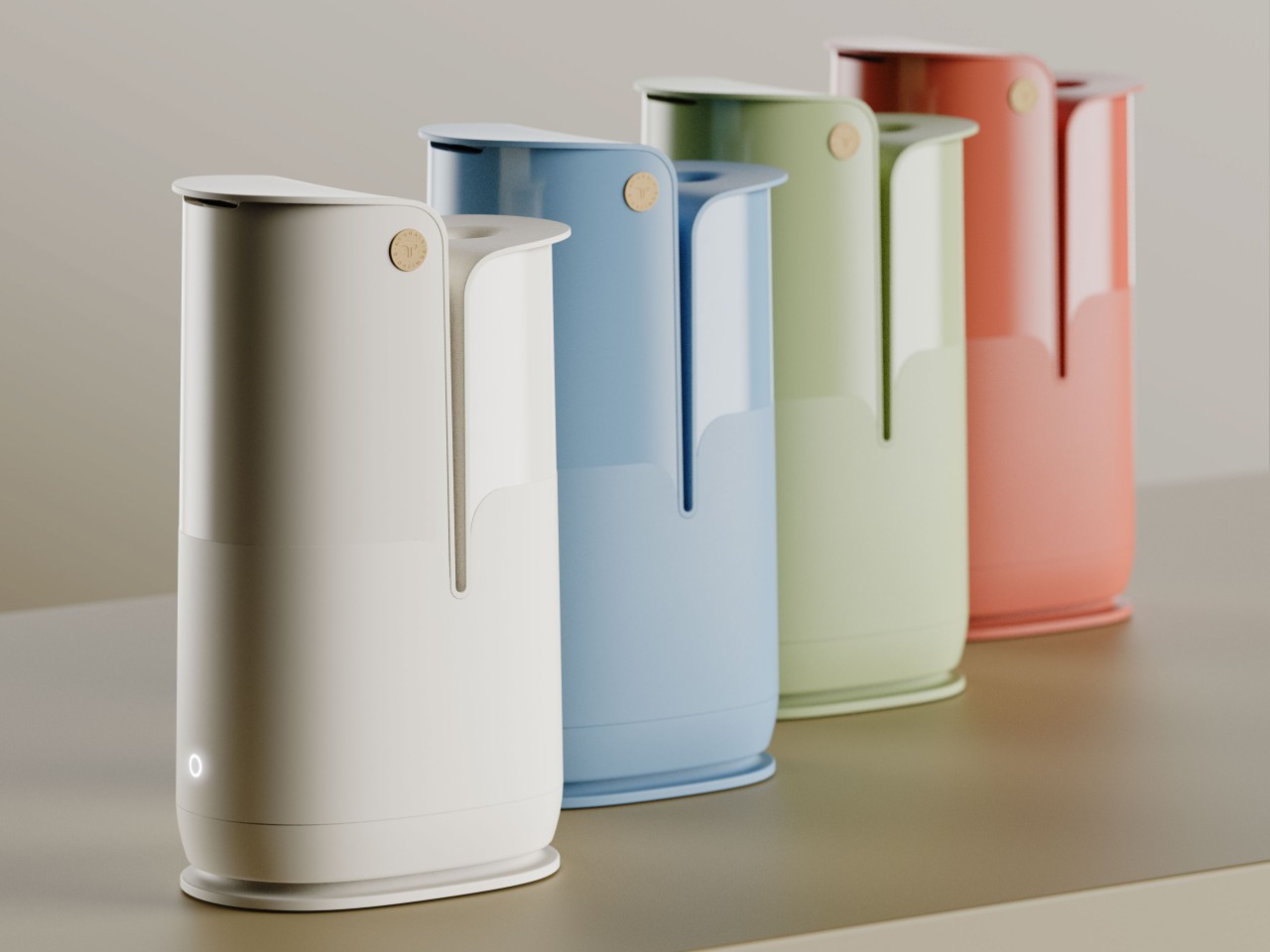
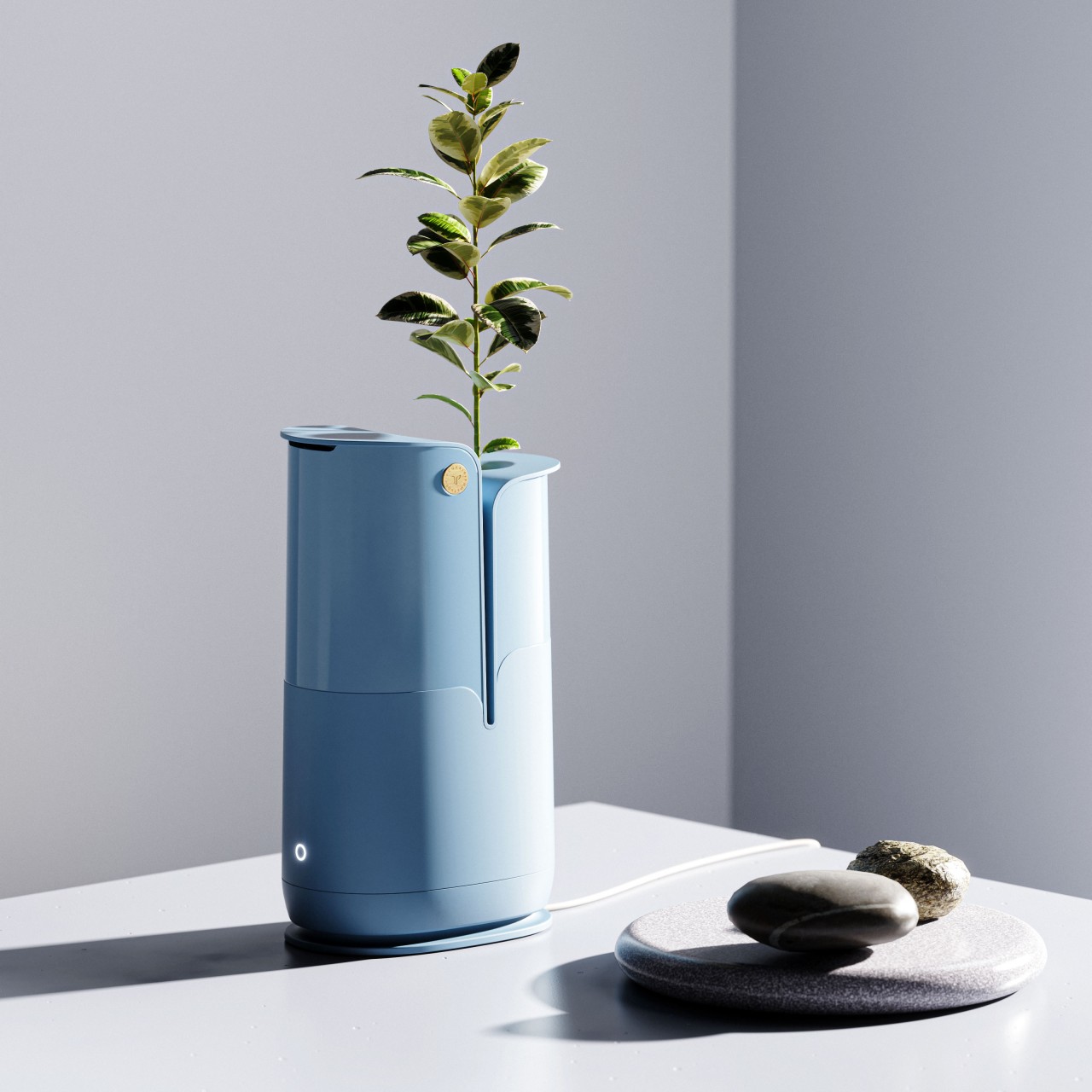
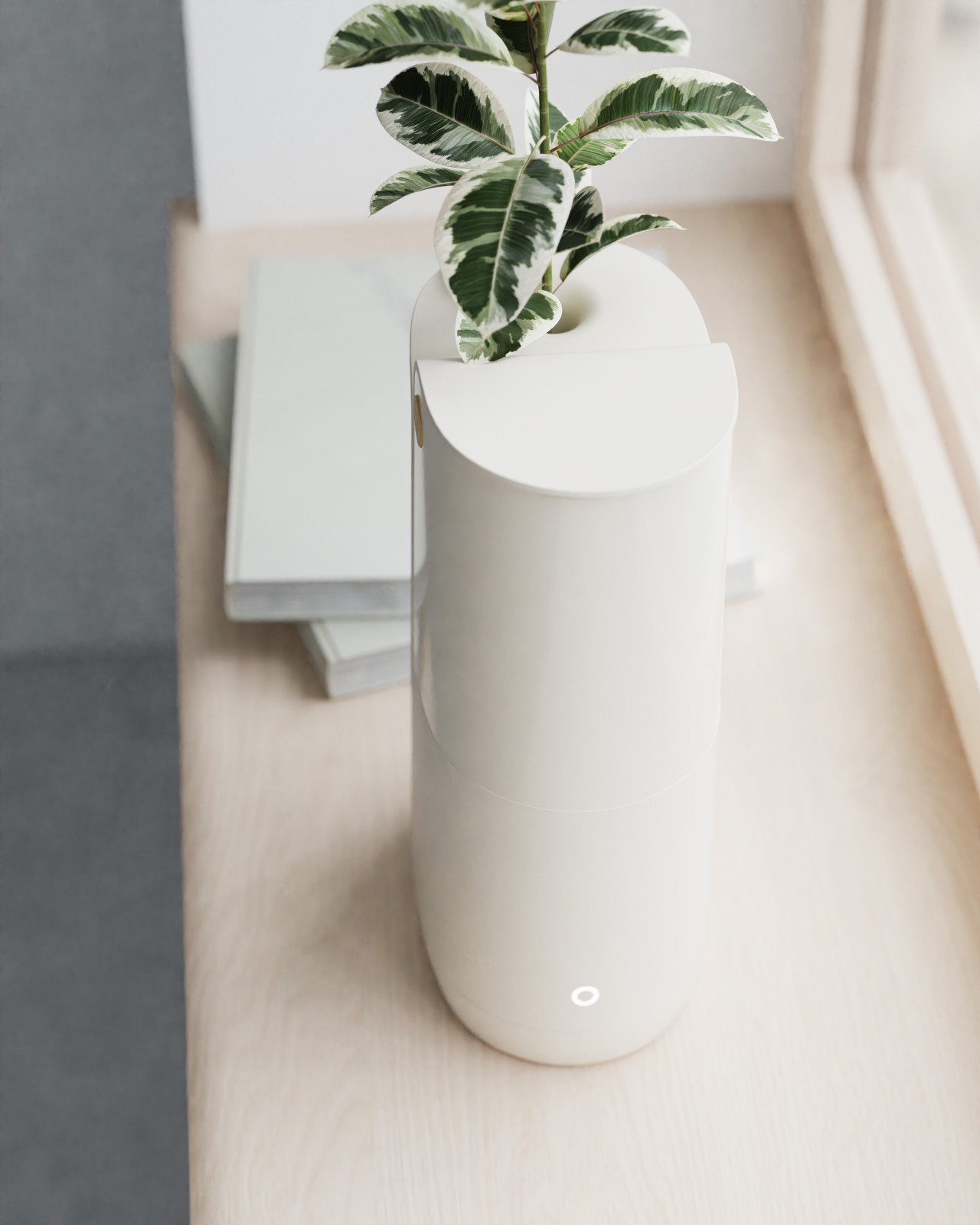
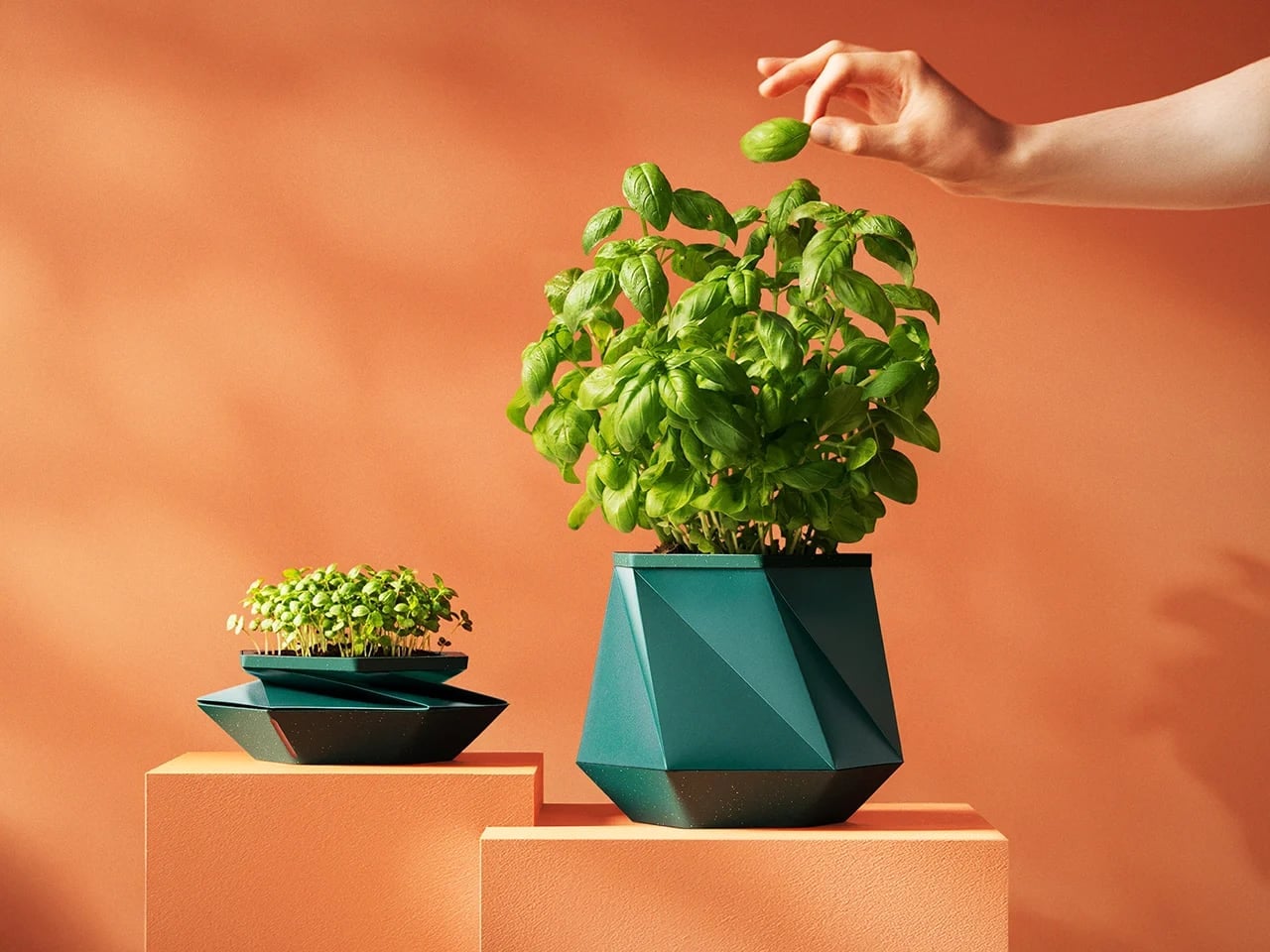
That’s what HELIX was designed to address. Created by Andrew Flynn, former industrial design lead at Dyson and the mind behind the Airwrap, Corrale, and Airstraight, HELIX is what POTR describes as the world’s first self-watering pot that physically grows alongside your plant. Its origami-inspired form isn’t purely decorative; the folds are the functional mechanism that lets the pot expand as roots develop.
Designer: POTR
Click Here to Buy Now: $29 $39 (27% off). Hurry, only a few left! Raised over $124,000.
At the heart of HELIX is a capillary wicking system tucked into the base. Fill the 300 ml reservoir, and a wick draws moisture steadily upward into the soil, letting the plant absorb exactly what it needs. The result is consistent hydration for up to two weeks between refills, meaning you’re no longer guessing whether you’ve overwatered, underwatered, or simply forgot entirely.
What really sets HELIX apart is what happens when a plant outgrows its space. Rather than pulling it out, cleaning up the mess, and starting over in a bigger container, you simply twist the pot open and add fresh compost around the root ball. The structure expands from 7cm to 16cm tall, accommodating up to 2 litres of soil without disturbing the roots.
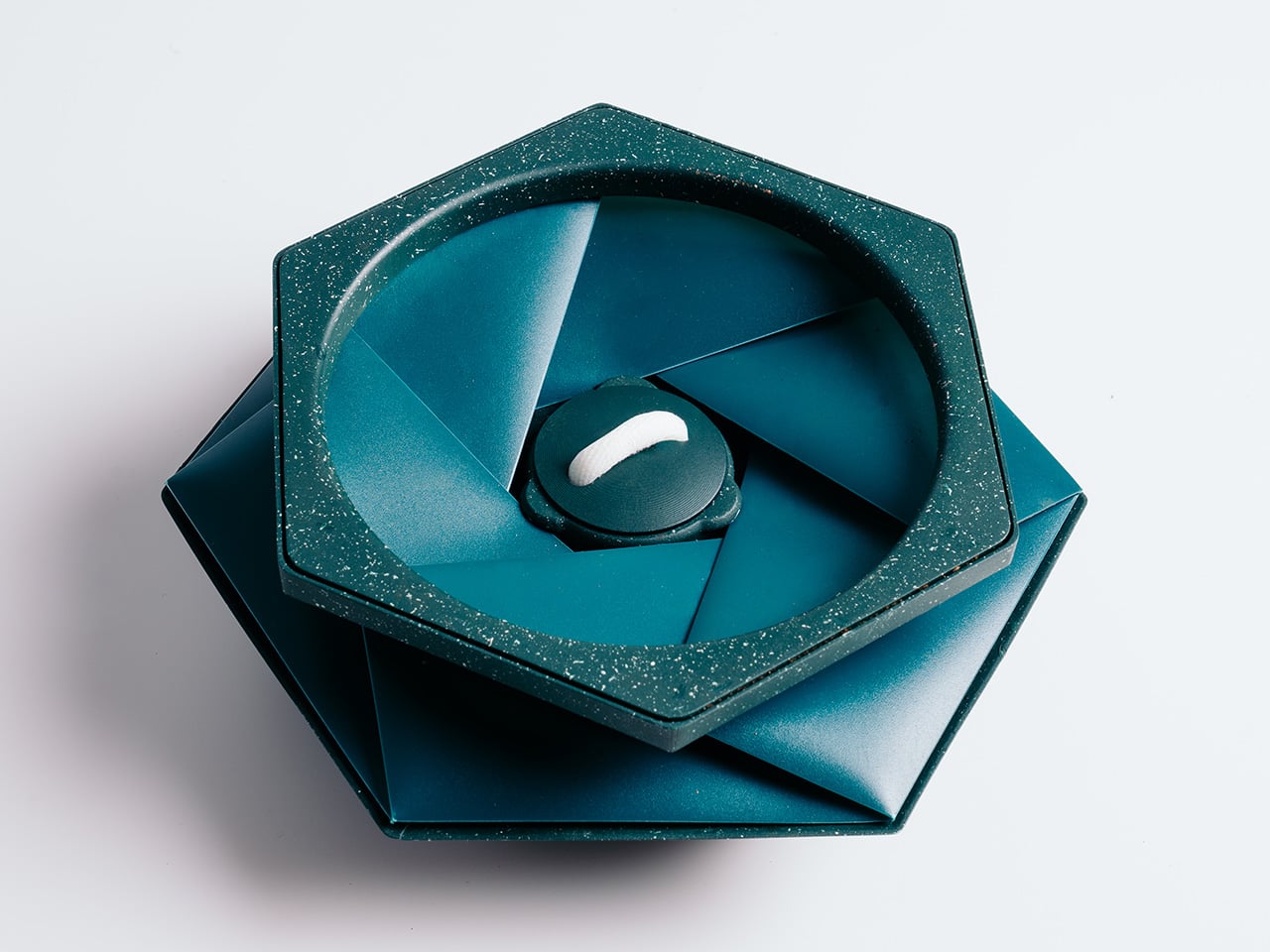
For those who want to start from scratch, the Sprout Plate turns HELIX into a seed-starting setup. It sits inside the pot and works with the self-watering reservoir to keep seeds consistently moist, which is exactly what herbs like basil, mint, coriander, and parsley need to get going. As the seedlings grow taller, the pot simply expands around them, no transplanting required.
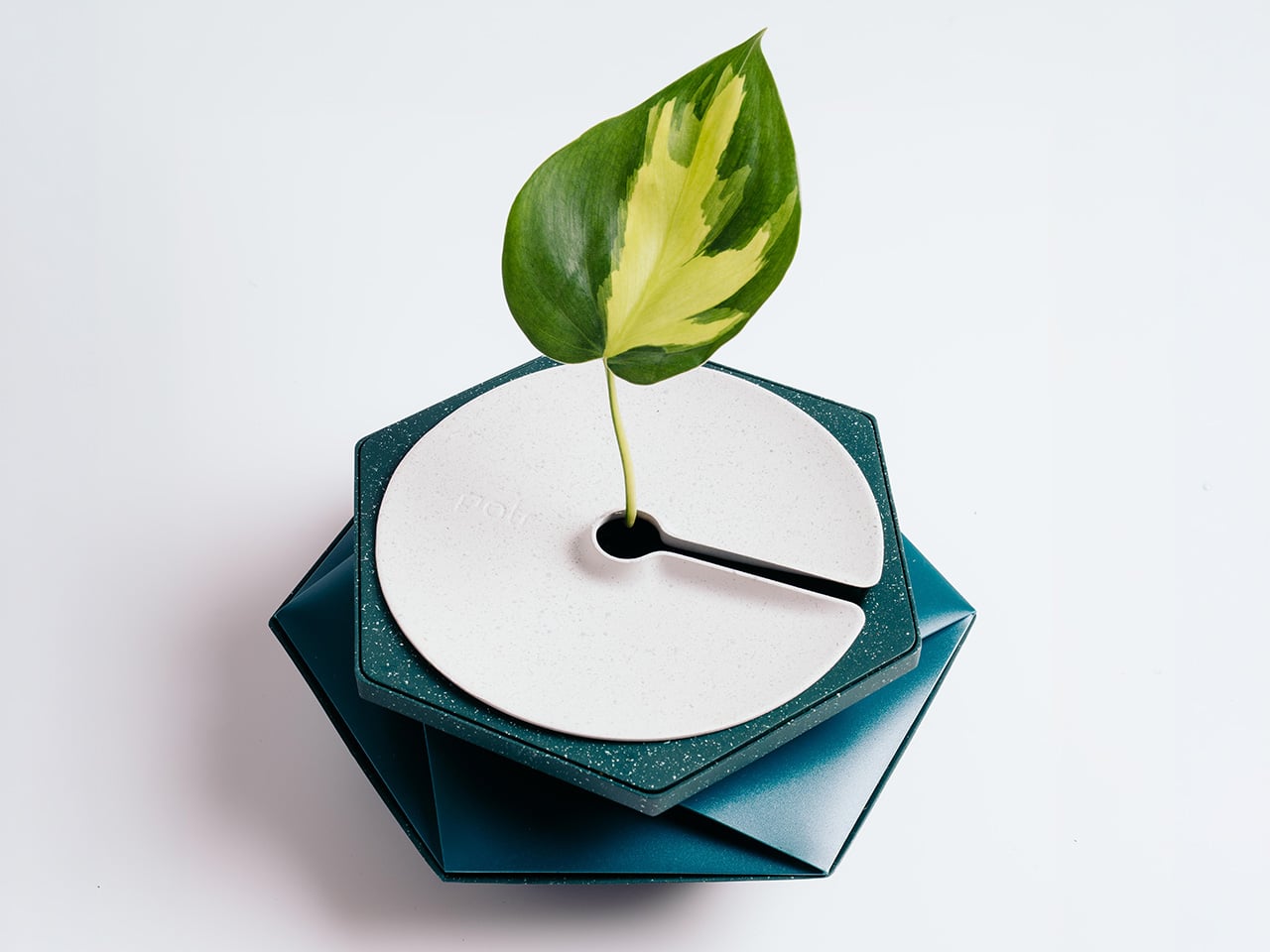
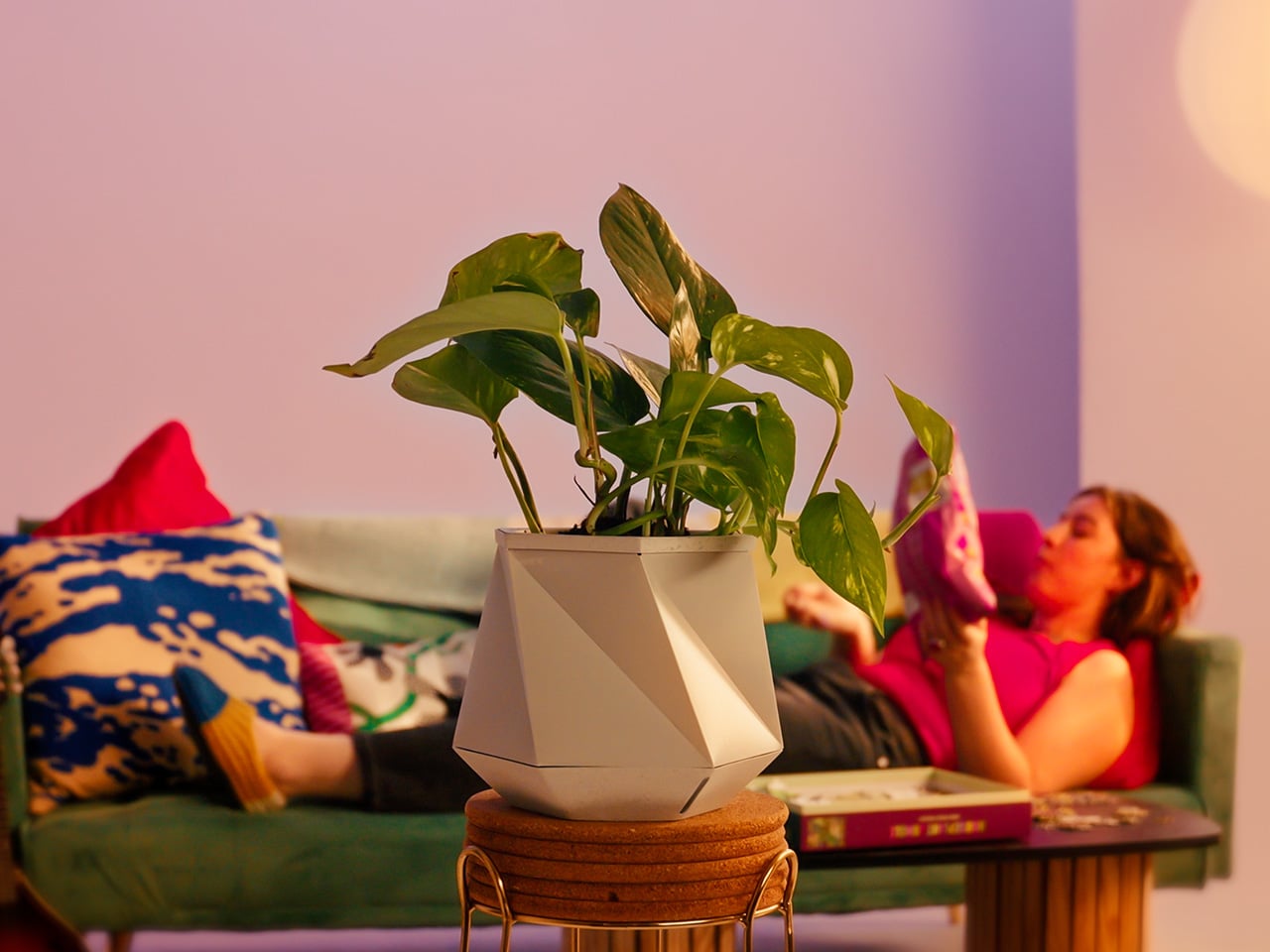
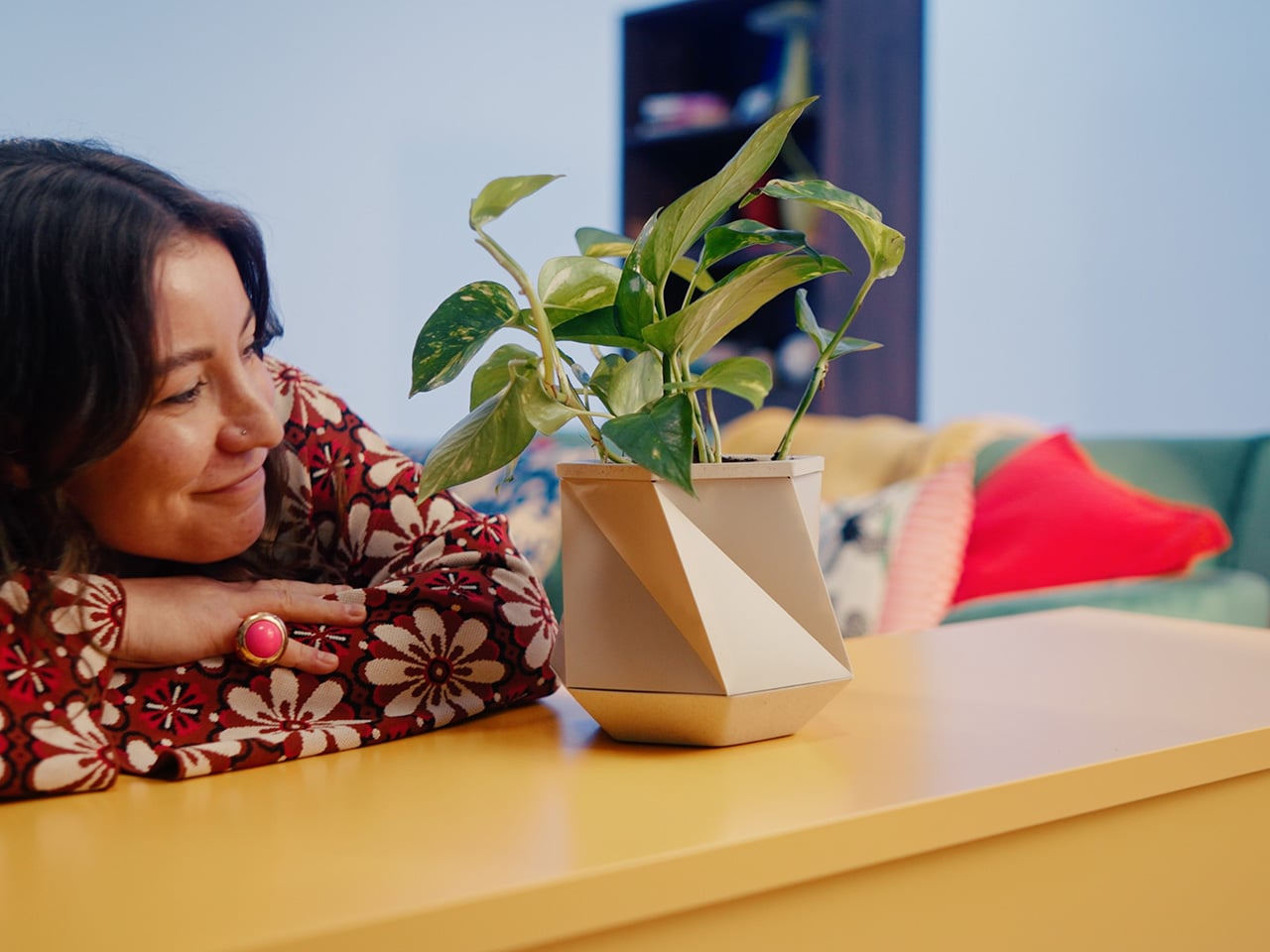
The Sprig Plate handles something slightly different. It’s designed for propagating cuttings, holding them above the water reservoir so stems can develop roots before being moved into soil. It works well for popular houseplants like pothos, monstera, and Chinese money plants, and the smart part is that once those roots have taken hold, the same HELIX pot expands to become their permanent home.
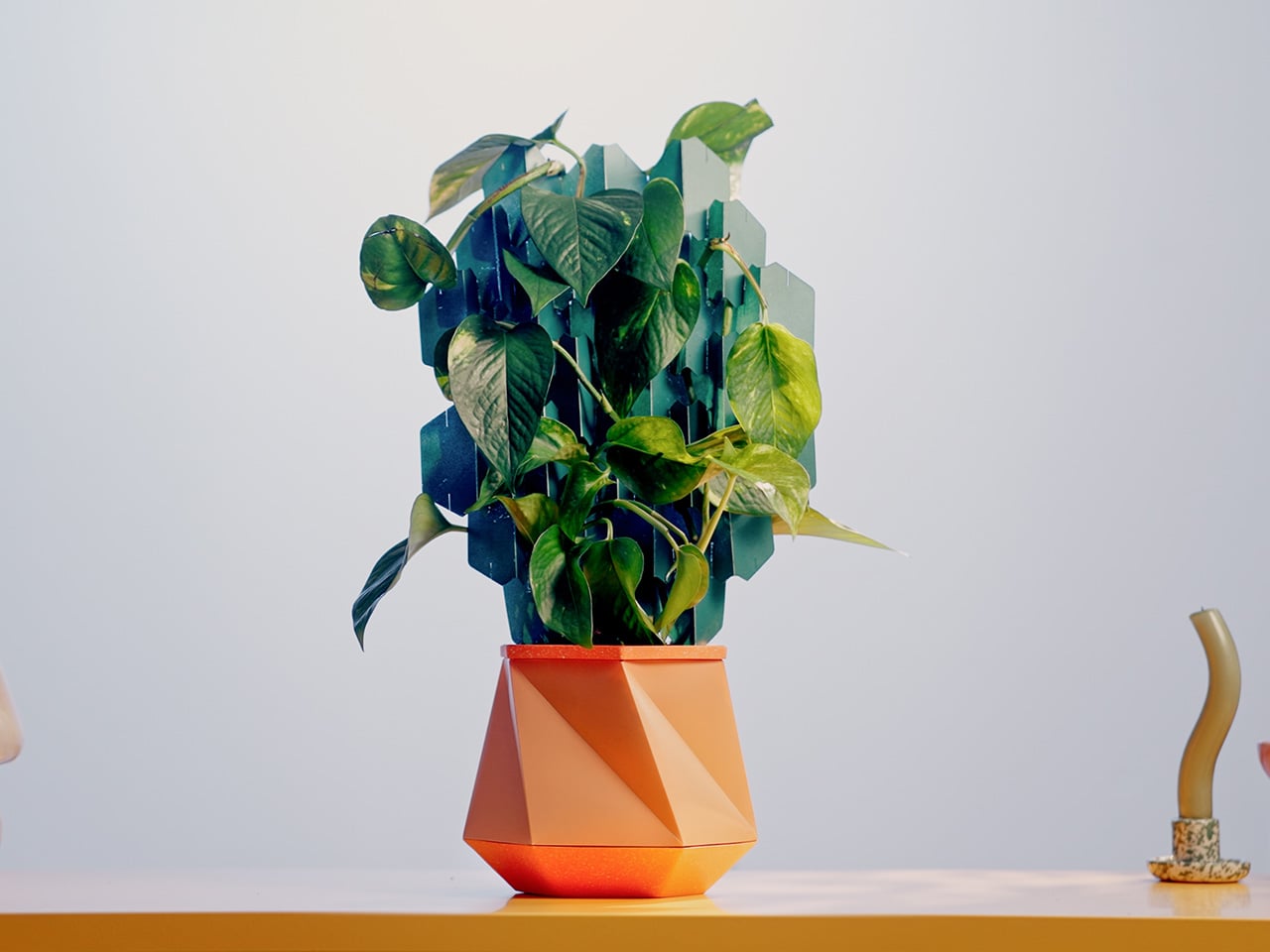
Then there are climbing plants, which have their own needs entirely. The Expanding Trellis plugs into the soil and can be extended upward in layers as the plant grows, with stems clipped into the folded origami structure for support. It borrows from the same geometric design language as the pot, turning something aesthetic into a functional vertical guide for climbers like pothos, hoya, or jasmine.
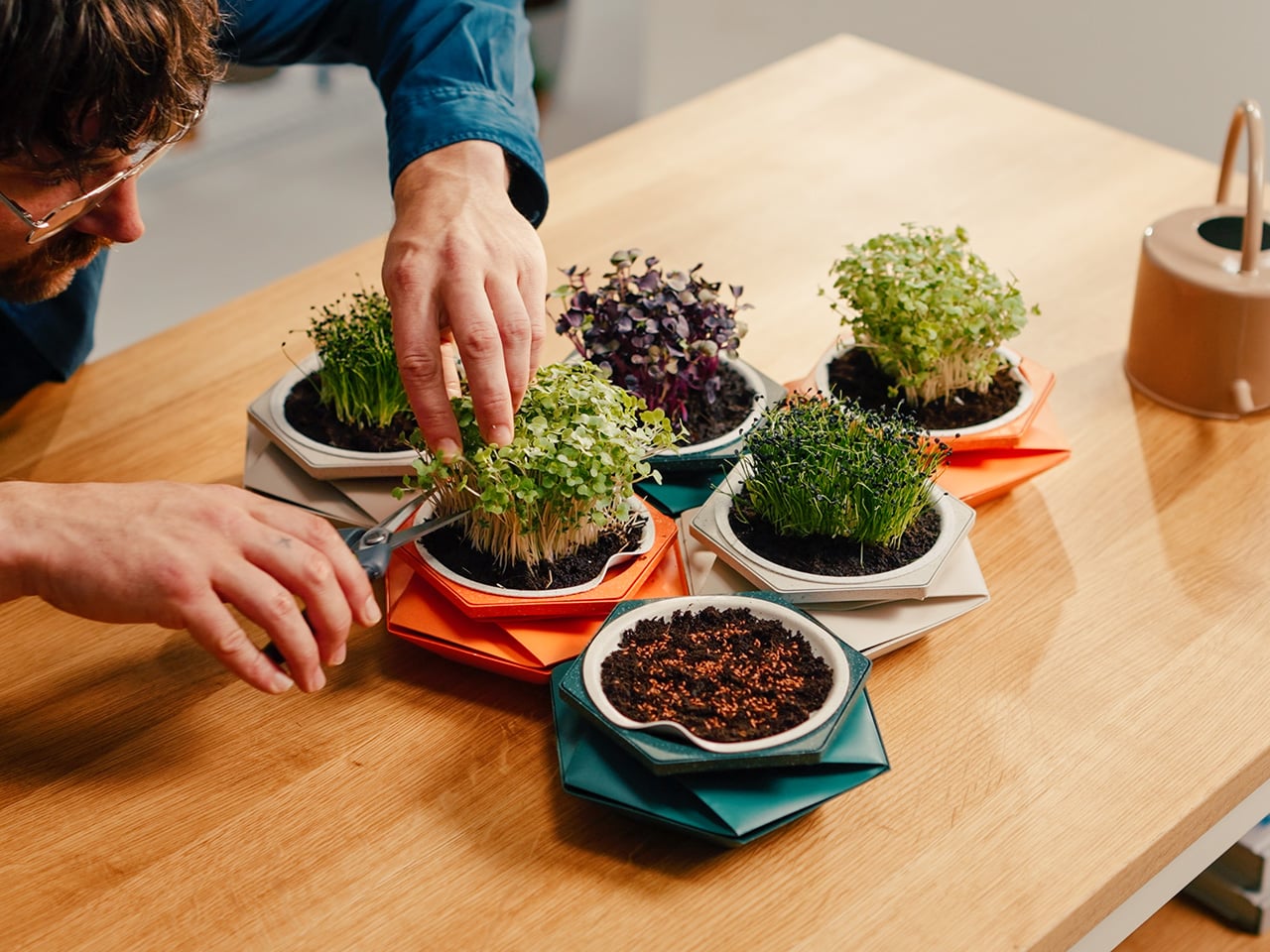
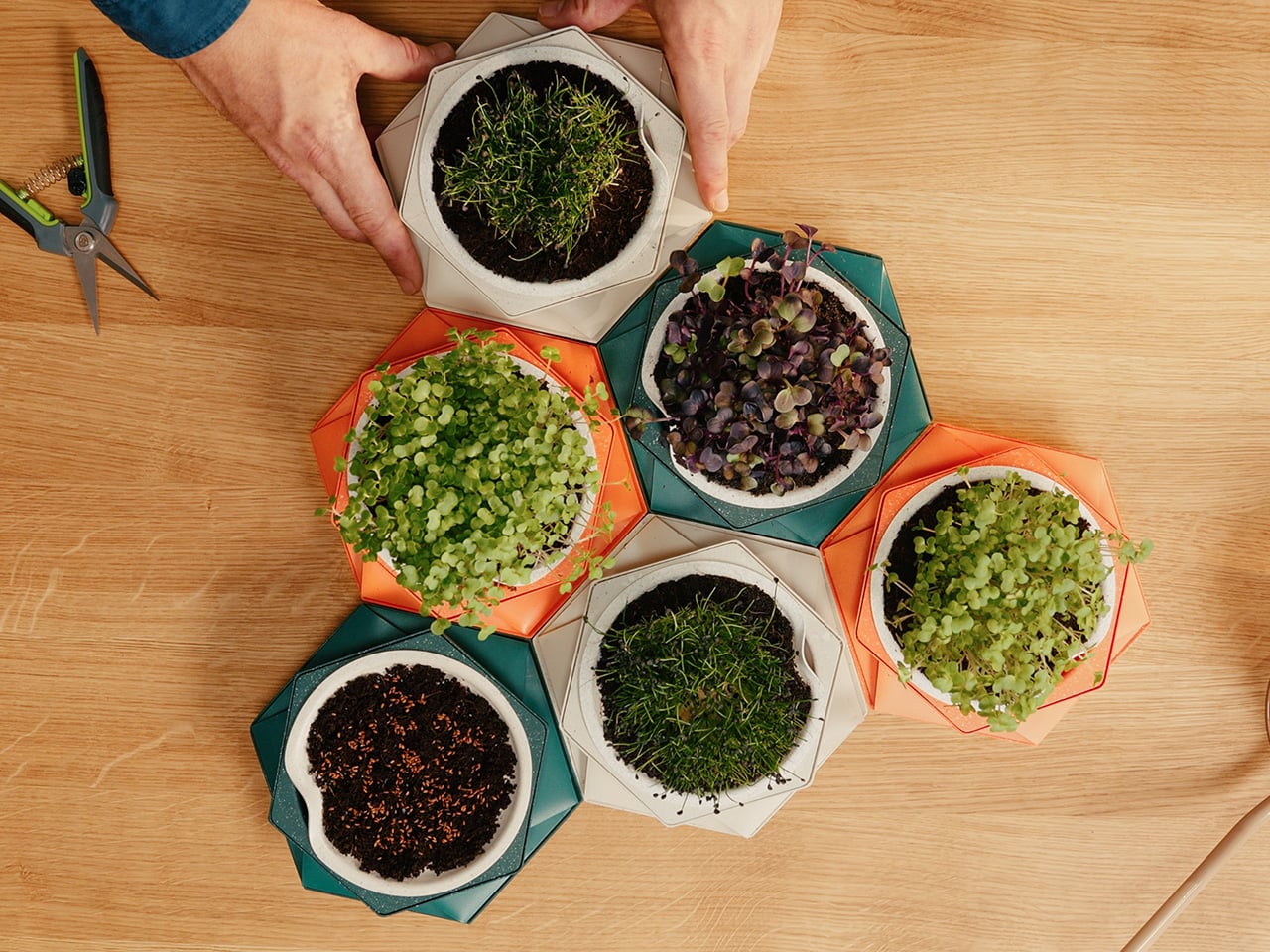
What makes HELIX even more interesting is that its hexagonal footprint lets multiple pots sit flush against each other without awkward gaps. Line up several on a counter or windowsill, each growing a different herb or microgreen, and you end up with a surprisingly coherent indoor herb garden that you can keep adding to. It’s a modular setup that scales with your appetite for growing.
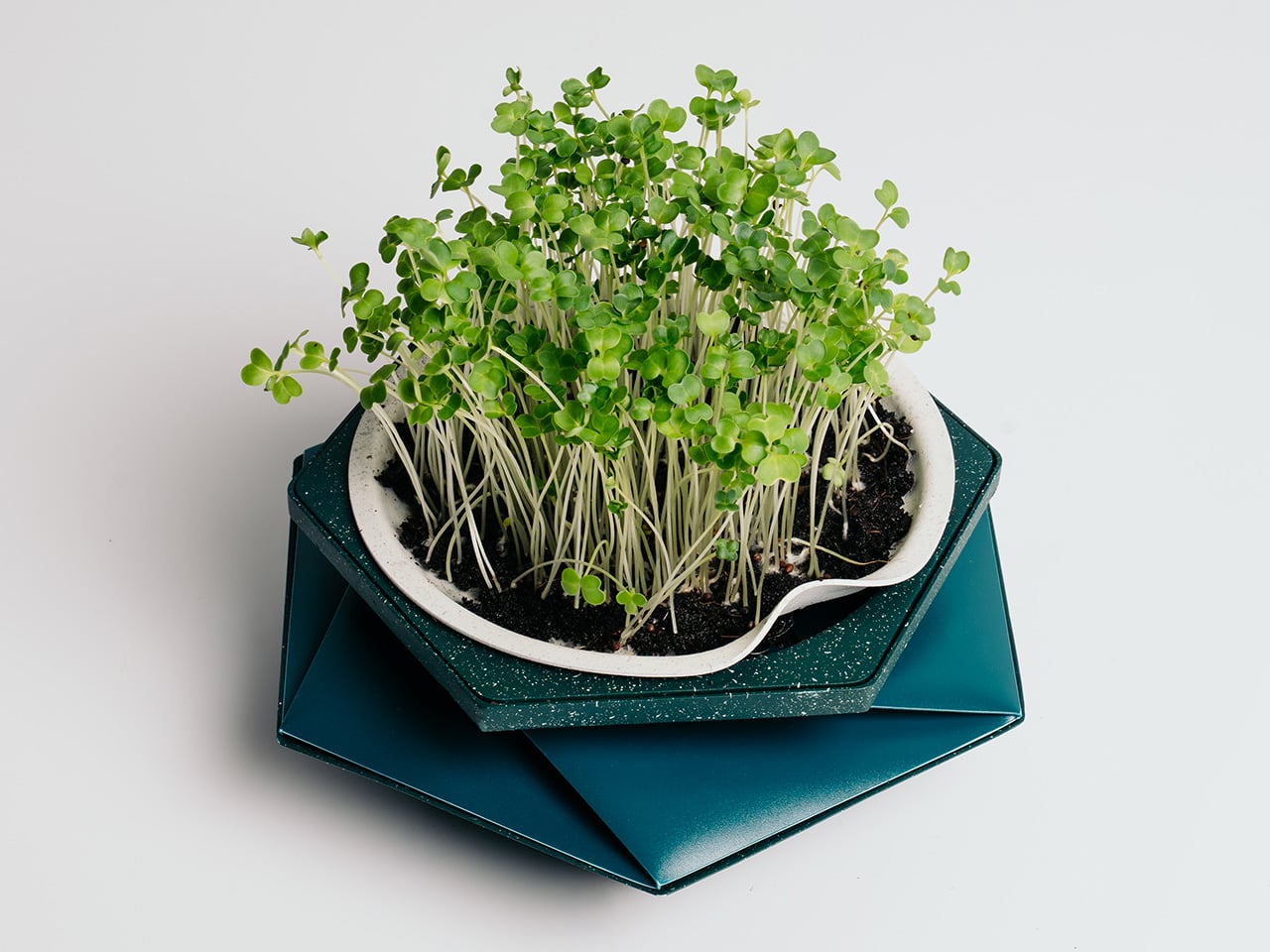
The sustainability angle is woven into the design rather than tacked on as an afterthought. HELIX ships completely flat, which cuts both packaging volume and transport emissions compared to conventional rigid planters. It’s made entirely from recycled polypropylene, a waste plastic that often ends up in landfill, and uses roughly 70% less material than a comparable concrete or ceramic pot, making the eco credentials feel genuinely earned.
Plant care has always been about patience and attention, but it’s rarely been about the pot itself. HELIX shifts that dynamic by asking what a container could look like if it were as invested in a plant’s progress as the person tending to it. Whether you’re growing something you plan to eat, something to look at, or something you simply don’t want to kill, that’s a compelling thought.
Click Here to Buy Now: $29 $39 (27% off). Hurry, only a few left! Raised over $124,000.
The post This Origami Pot Just Solved the 2 Things That Kill Most Houseplants first appeared on Yanko Design.