Blueair Mini Restful(™) Sunrise Clock Air Purifier Review: The Only Air Purifier with a Sunrise Alarm Clock

PROS:


  • Soft, bedroom-friendly aesthetics

  • Multi-function bedside consolidation, including USB-C charger

  • Circadian-friendly lighting system

  • QuietMark certified for sleep

  • Simple maintenance with long filter life

CONS:


  • Single color temperature range might not fit some preferences

  • Premium price for small coverage area

RATINGS:

AESTHETICS
ERGONOMICS
PERFORMANCE
SUSTAINABILITY / REPAIRABILITY
VALUE FOR MONEY

EDITOR'S QUOTE:

The Blueair Mini Restful Sunrise Clock Air Purifier quietly merges clean air with gentle dawn into one compact, sleep-focused design object.
award-icon

Nightstands have quietly become cluttered charging stations over the past decade, with phones serving as alarms, small purifiers humming in corners, and separate wake-up lights trying to undo the damage of jarring ringtones at six in the morning. Sleep has turned into a wellness habit people track and optimize, but the tools meant to support it often feel scattered and visually chaotic.

The Blueair Mini Restful(™) Sunrise Clock Air Purifier is a compact attempt to pull some of those tools into one object. It is a small bedside cylinder that cleans the air, glows like a sunrise to wake you gently, plays soft sounds, shows the time, and charges your phone, all while looking more like a design piece than some cold, drab piece of appliance. But does this striking appliance work as advertised? We put it beside our comfy bed to find out.

Designer: Blueair x Samuel Thoumieux

Click Here to Buy Now: $150 $199.99 (25% off, use coupon code “SAVE25”). Hurry, deal ends in 48-hours!

Aesthetics

The Mini Restful is a short cylinder about eleven inches tall, wrapped in premium fabric with a smooth top disc. It looks closer to a smart speaker or a small bedside lamp than a traditional purifier, which makes it feel natural sitting on a nightstand. The proportions are deliberately compact and soft, with rounded edges and no visible vents.

Two color options are available: Coastal Beige and Midnight Blue. Coastal Beige has a light oatmeal fabric with a warm off white top, which reads well in rooms with light wood furniture and neutral bedding. Midnight Blue uses a deep navy fabric, making it comfortable in darker, moodier bedrooms with richer tones.

The top surface is where the aesthetic gets interesting. A circular user interface houses a dot matrix clock and touch controls, surrounded by a ring that glows when the wake-up light or mood lighting is active. When the sunrise alarm is running, the top looks like a tiny dawn, casting a warm halo onto the bedside table and wall.

It is much more pleasant than the blinking LEDs most appliances default to, and it doubles the device’s role as both a functional purifier and a kind of ambient light. The glow feels intentional, like a small lamp designed to support sleep rather than disrupt it, which is a significant shift from typical purifier status lights.

The fabric wrap is a key design choice. It softens the entire object and makes it read as part of the room’s soft furnishings rather than a hard plastic box. The textile has a fine woven texture that feels closer to upholstery than speaker mesh, and it helps the Mini Restful blend into spaces where you want calm rather than tech on display. The overall look avoids the glossy plastics and aggressive styling that make a lot of gadgets feel cheap or temporary.

Ergonomics

At around two and a half pounds out of the box, the Mini Restful is genuinely portable. You can pick it up with one hand and move it between rooms or reposition it without any strain. The small footprint, roughly six and a half inches in diameter, means it takes up about as much space as a medium-sized speaker or a chunky candle.

The cylindrical shape means you can place it close to the bed without worrying about sharp corners poking you if you brush against it in the dark. The air intake and outlet are all around the body, so it does not need a lot of clearance to work effectively, which is helpful in tight bedrooms or smaller apartments where every inch of surface area counts.

The top controls and clock are designed for quick, low-effort interaction. The dot matrix display is readable without being glaring, and the surrounding touch icons handle basic tasks like setting alarms, adjusting light brightness, and likely fan speed. You can do the essentials without grabbing your phone, which is helpful if you are trying to reduce screen time before bed.

Filter access is straightforward. The fabric sleeve slips off, and the inner filter is a wraparound design with a simple closure, so replacing it does not require tools or wrestling with complicated cartridges. This kind of maintenance design makes it more likely that people will actually change the filter when it is due rather than giving up and buying a new device.

Performance

Inside the cylinder is a HEPASilent filter system that pulls in air from around the base, traps fine particles like dust, pollen, and smoke, and pushes cleaner air back out. The filtration is sized for small spaces, specifically bedrooms up to around one hundred forty square feet, which aligns with typical master bedrooms or nurseries. It is meant to clean the zone where you actually sleep.

The idea of a fresh air dome around the bed is central to how Blueair frames this product. Placing the Mini Restful on a nightstand or dresser top helps keep the immediate breathing zone cleaner, which can be especially helpful for people who deal with nighttime congestion, seasonal allergies, or asthma. The device cycles the air in a small bedroom multiple times per hour.

Noise performance is critical for a sleep device, and the Mini Restful is designed to be quiet. On its lowest settings, it is softer than most fans, more like a gentle whoosh than a mechanical hum. Higher speeds are audibly stronger when the device is working harder to clear the air, but the ability to drop back into whisper-quiet operation at night keeps it compatible with light sleepers.

The QuietMark certification adds third-party validation that the noise level is genuinely sleep-friendly, tested and approved by independent acoustic consultants. This matters because many purifiers claim to be quiet but still produce enough mechanical sound to disturb rest, while the Mini Restful can fade into the background entirely on low settings.

The wake-up light is where the Mini Restful starts to feel different from a standard purifier. You can set a time in the Blueair app, and then, in the fifteen to thirty minutes leading up to that time, the top light slowly brightens from a very dim glow to a warm, room-filling light. The color temperature stays in the warm range, mimicking the quality of a natural sunrise.

This gradual brightening is designed to help your body wake up more naturally than a sudden alarm. The light acts as a cue that morning is approaching, which can make the transition from sleep to wakefulness feel gentler and less abrupt, especially during darker winter months when natural light comes late or not at all.

If you want more than light, you can add sound. The app includes a library of gentle wake-up tones and nature sounds, and you can choose one to start playing after the light has reached full brightness. The combination of light and sound is meant to guide you from deep sleep to wakefulness in a calmer way than a phone alarm blaring suddenly at full volume.

The same light that wakes you up can also help you wind down. In the evening, you can set the top to a very low amber glow as a night light or turn it up to a comfortable reading level, all in warm color temperatures that are gentler on melatonin production than bright white overhead lights or blue light-heavy phone screens.

The ability to adjust brightness on the device or in the app means it can match different routines, whether you are reading before bed or just want a soft ambient glow while you settle in. This dual role, supporting both wind down and wake up, makes the light feel integrated into the full sleep cycle rather than just a morning feature.

The Blueair app lets you fine-tune alarm times, choose how long the sunrise light takes to reach full brightness, select wake-up sounds, and create schedules so the device behaves differently on weekdays and weekends. The app also shows air quality and lets you adjust fan speed remotely, though most people will set a preference once. For people who like to see what is happening, the data is there, but the device does not force you into constant app interaction.

The integrated USB-C charging port on the back is a small but practical touch. It lets you plug in a phone or wearable directly into the Mini Restful, reducing the number of separate chargers and cables cluttering the nightstand. For people who currently use their phone as an alarm, this makes it easier to transition to the Mini Restful without losing charging convenience.

Sustainability

The Mini Restful uses a filter designed to last many months before needing replacement, which reduces how often you need to buy and discard new filters compared to some smaller purifiers with shorter lifecycles. The wraparound filter design with simple closure encourages full use of the filter’s lifespan and makes replacement straightforward, supporting longer ownership.

The device is relatively low power and Energy Star certified, which matters for something that might run many hours every day. At its lowest settings, the energy draw is modest, and even at higher speeds, it stays well within the range of efficient bedside appliances. Blueair, as a brand, positions itself with higher environmental standards as a Certified B Corp.

Value

The Mini Restful costs more than a basic purifier or a simple alarm clock. But that price starts to make sense when you consider the roles it plays at once: purifier, sunrise light, sound machine, clock, and phone charger, all in a single compact object designed for the nightstand. If you were to buy those devices separately, you would likely spend a similar amount while ending up with more clutter. The Mini Restful consolidates that into one cylinder that is easy to set up, easy to maintain, and designed to look intentional rather than accidental.

Space and visual calm are real forms of value, especially in small bedrooms or apartments where every object on a nightstand matters. Having one well-designed cylinder instead of multiple mismatched gadgets reduces the sense of clutter and makes the room feel more deliberate. For design-conscious consumers, that reduction in visual noise is worth something tangible, not just aesthetic preference alone.

The sleep focus is also part of the value story. For people who are already treating sleep as a wellness habit, investing in better mattresses, bedding, or blackout curtains, and adding a device that supports circadian rhythms and keeps the breathing zone cleaner is a logical next step. The fact that it is optimized for bedrooms makes it feel like a targeted tool.

The Mini Restful makes the most sense for people who care about both design and sleep quality, who want their nightstand to feel calm rather than cluttered, and who appreciate when technology quietly supports routines instead of dominating them. For users trying to break phone dependence at bedtime, or parents setting up nurseries, or anyone in a small space, it fits naturally.

Verdict

The Blueair Mini Restful Sunrise Clock Air Purifier is a compact, carefully designed object that manages to be a purifier, a sunrise light, a sound machine, and a clock without looking or feeling like four gadgets taped together. It blends into bedrooms with the kind of visual ease that makes you forget it is technology, and the combination of quiet air cleaning, warm light, and gentle sounds makes it feel integrated into sleep rituals.

As sleep continues to be treated as a key part of wellness, devices that treat air, light, and sound as one integrated experience will likely become more common. For homeowners who want their bedroom tech to be as considered as their furniture and as gentle as their nighttime routine, the Mini Restful feels like a thoughtful step in that direction, turning the nightstand into a quieter, calmer place where everything works together.

Click Here to Buy Now: $150 $199.99 (25% off, use coupon code “SAVE25”). Hurry, deal ends in 48-hours!

The post Blueair Mini Restful(™) Sunrise Clock Air Purifier Review: The Only Air Purifier with a Sunrise Alarm Clock first appeared on Yanko Design.

COMODO Entryway Stool Dries and Deodorizes Shoes While You Sit

Taking off your shoes after a long day often means being greeted by damp insoles and stale smells. Rain, sweat, and dust turn footwear into something you tolerate rather than enjoy wearing, and most people either ignore it or resort to stuffing newspaper inside them and hoping for the best. Drying racks clutter the hallway, and washing shoes every time they get wet is too much work for something you’ll just wear again tomorrow.

COMODO is a concept that treats shoe care as part of the entryway routine rather than an afterthought. It combines a small upholstered stool with a compact shoe care system inside, so the same object you sit on to put on your shoes also quietly dries, deodorizes, and refreshes them between outings. The name comes from the Spanish word for “comfortable” or “pleasant,” which pretty much sums up the whole idea.

Designer: Hyeona Cho

The form is a soft, rounded cube on four slender legs, available in muted colors like charcoal gray, mustard yellow, and sage green. The matte, slightly textured body and cushioned top make it read more like a piece of furniture than an appliance, allowing it to sit next to a shoe cabinet or mirror without looking out of place. It’s the kind of thing you could leave in the hallway without feeling like you’re displaying a gadget.

Open the small front door, and you find an interior chamber with what the designer calls an “air shoetree” and vents. Shoes can be placed on angled posts or directly on the floor of the chamber, where warm air circulates to dry them. A HEPA filter and scent filter work together to remove damp odors and add a gentle fragrance, while a UV lamp at the top targets germs on the surfaces.

The air shoetree offers some flexibility. Because you can either insert shoes onto the posts or rest them inside the chamber, COMODO can handle different shapes, from sneakers to ankle boots. The base plate slides forward like a shallow drawer, bringing the shoes closer to you and making it easier to place them or even use the raised platform while putting them on.

Of course, COMODO also doubles as a proper seat. Many people still sit on the floor to tie laces or wrestle with boots, which is uncomfortable and hard on the knees. The padded top gives you a seat at just the right height, so you can sit, open the door, pull out the sliding base, and deal with your shoes without crouching or balancing awkwardly.

COMODO imagines an entryway where shoes are not just stored but actively cared for, and where the object that helps you put them on also makes sure they’re dry, fresh, and ready for the next day. It’s a small but thoughtful intervention in the daily routine of leaving and returning home, a gentle reminder that even the most ordinary corners can benefit from a bit of design attention.

The post COMODO Entryway Stool Dries and Deodorizes Shoes While You Sit first appeared on Yanko Design.

This Air Fryer Flips 180° To Transform Into An Electric Cooktop

I’m telling you, a bachelor probably designed the Aouball because it’s giving such ‘MacGyvering a kitchen appliance’ energy that I absolutely love it! To be absolutely frank, an air fryer is nothing more than an electric heating coil and a fan… so what if you just flipped the coil upwards and shut the fan down? You’d have an electric cooktop! The Aouball might just be the first ever product to actually implement this genius idea and I can’t wait for it to become the new kitchen standard.

It’s simple – if a product serves multiple purposes it should be allowed to serve both purposes. A toaster can easily work as a quick pizza-maker too, but nobody makes vertical pizzas, which is why the toaster feels so incredibly limiting – apart from the fact that it warms up pop tarts too. Aouball breaks the air fryer’s format by allowing the main unit to flip 180°. This simple flip lets you cook normally, without frying, making the Aouball perfect for tiny apartments, dorms, or even the kitchenette in your hotel room.

Designer: Zhongshan Aouball Electric Appliances

“To offer a comprehensive and efficient one stop solution, the design team has created this compact device that supports multiple cooking methods like air frying, roasting, baking, shallow frying, stir frying, steaming and boiling, able to meet diverse cooking needs,” says maker Zhongshan Aouball Electric Appliances. “Such a device avoids the purchase of several devices with only a single function to ease the economic burden on users and save kitchen space,” they add.

After all, just manipulating a few parameters allows the air fryer to do so much more than ‘air fry’. Turn the fan off and it’s perfect for roasting or baking. Flip the coils over and add a shallow pan and you can stir-fry, saute, or griddle. Make the container deeper and you can shallow or deep fry, boil, steam, etc. The heat just gets applied in a different way and the cooking transforms entirely.

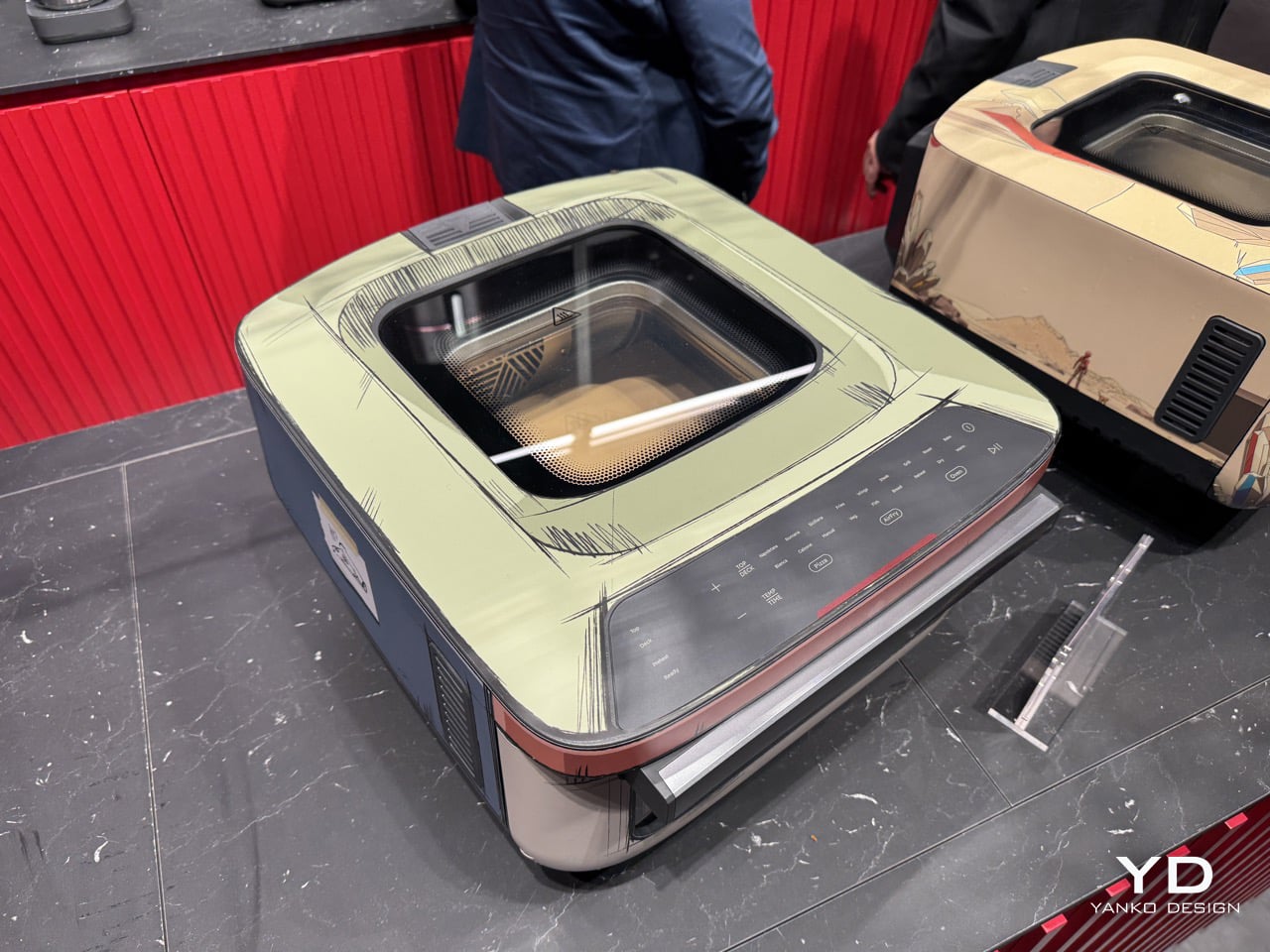
The Aouball is designed slightly differently compared to your average air fryer. The main unit (with the electricals) sits on a rotating element that allows it to flip downwards or upwards. When flipped down, the thing works as an oven or broiler. Turn the fans on and you now have a convection oven or air fryer. This is accompanied by a clear glass basket that slots into the gap in the base, with a metal grille for aiding in air circulation.

Flip the entire thing upwards and the vents on the side for the air get blocked (for good reason, they’re not in use anymore). Lock the unit in its new position and you’ve got yourself a cooktop (with storage space at the bottom!) The Aouball comes with its own cooktop vessel too, a 3″ deep rectangular tray with a non-stick coatin, a glass lid, and handles. A control panel on the side gives you complete control over the Aouball’s functionality, allowing you to access all the different cooking modes, temperatures, fan speeds, etc.

This simple trick is frankly genius. I love my air fryer, but I barely use it. It literally only gets used for intense work like roasting veggies, frying wedges, crisping up things, or just some basic baking. The air fryer, given that it uses a heating coil that heats up super fast, is capable of so much more, and the Aouball harnesses that. A winner of the A’ Design Award, the game-changing air-fryer is currently even available in China, although Alibaba lists its wholesale price at roughly $36. Perfect for small homes and smaller budgets!

The post This Air Fryer Flips 180° To Transform Into An Electric Cooktop first appeared on Yanko Design.

Honor’s $84 projector supports stylus input and turns any wall into a giant touchscreen

Why sketch on a 15″ tablet when you could draw on a 150″ virtual screen? Honor just announced the Choice AI Projector Air, and it wants to turn your living room wall into the world’s cheapest interactive whiteboard. For 599 yuan (roughly 84 dollars), you get a compact 1080p LCD projector with stylus input, gesture controls, and enough quirks to make it feel less like a home theater device and more like a tablet that escaped its bezels. It ships in China starting December 8 in white and purple, and the spec sheet suggests Honor is betting that interaction matters more than raw brightness at this price.

The basics are straightforward: 1080p resolution, 280 CVIA lumens, Wi-Fi 6, Bluetooth 5.0, HDMI 2.0, and a 5W speaker. The interesting part is what happens when you pair it with the stylus. You can tap UI elements, sketch on the wall, play pen-driven games, or just draw terrible stick figures during game night while your friends yell out Pictionary guesses. The projector also supports gesture controls and can tilt up to 160 degrees, so ceiling projection is on the table. Honor hasn’t said much about tracking accuracy or the software ecosystem yet, but the concept is clear: instead of just throwing pixels at a surface, this thing wants you to interact with them. Whether it pulls that off or just ends up as a novelty feature depends entirely on execution.

Designer: HONOR

This approach is a clever way to sidestep the usual budget projector arms race. Instead of trying to compete in the crowded market of generic streaming boxes that just happen to have a lens, Honor is creating a new niche. The “AI” in the name likely refers to the practical computer vision tasks handled by its Hisilicon chip, powering features like gesture recognition and intelligent image correction for things like obstacle avoidance and keystone adjustments. It is not about generative art, but about making the device smarter and more intuitive to use, which feels like a more honest application of the term in a device this affordable.

Of course, the experience will live or die by its responsiveness. A laggy stylus on a giant screen would be an exercise in frustration, and finicky gesture controls are often more trouble than they are worth. The 280 CVIA lumens rating also means this is strictly a lights-off device, destined for dim bedrooms and movie nights, not sunlit living rooms. But these are acceptable trade-offs for the price. Honor isn’t trying to build a perfect projector; it’s trying to build an interesting one. For about 84 dollars, the company is not just selling a piece of hardware, it is selling a clever, interactive experiment, and that is far more compelling than another anonymous black box.

The post Honor’s $84 projector supports stylus input and turns any wall into a giant touchscreen first appeared on Yanko Design.

This Cordless Leaf Blower Looks Like A Sci-Fi Weapon, But Does The Job Effortlessly

Most yard tools look like they were designed in 1987 and never got the memo that aesthetics matter. Bosch green, DeWalt yellow, Milwaukee red, all shaped like someone welded a tube to a motor and called it done. Then Hoto shows up with a 20V leaf blower that looks like it fell out of a District 9 prop truck, all sleek curves and matte surfaces, the kind of thing you’d expect to see mounted on a space marine’s hip rather than hanging in a suburban garage. It’s aggressively not a traditional leaf blower, and that’s either going to appeal to you immediately or make you wonder if form just murdered function.

Here’s the thing, though: weird-looking tools only get a pass if they actually work. A beautifully designed blower that can’t move wet leaves is just expensive wall art. Hoto’s betting that 720 CFM and 120 MPH in a 7-pound package will back up the sci-fi vibes, aiming squarely at people with small yards, patios, or garages who want something that doesn’t scream “big box store clearance aisle” every time they pull it out. Whether that gamble pays off depends on what you’re actually trying to blow and how much you care that your tools look like they belong in a Dyson showroom.

Designer: Shanghai HOTO Technology Co., Ltd.

Click Here to Buy Now

At around seven pounds with the battery, it’s not feather-light, but the weight is distributed in a way that makes it feel more like a wand than a cumbersome piece of equipment. It’s a one-handed affair, easily maneuverable around patio furniture or into tight corners. Firing it up is a simple affair with three distinct power levels. On the lower two settings, it’s perfect for sweeping out the garage, clearing sawdust from a workbench, or herding dry leaves across a driveway. It handles these everyday tasks with a quiet confidence, making quick cleanups feel genuinely effortless. The real surprise is how much air it moves without the high-pitched whine that makes your neighbors hate you.

Crank it up to its turbo mode, however, and you get a glimpse of both its power and its limitations. That 720 CFM figure feels legitimate for a few glorious, deafening moments as it blasts stubborn debris and even light, fluffy snow off a car. But this is a 20V tool, not a 56V monster, and that burst of power comes at a cost. The battery, a 4,000 mAh pack, will give you a solid 20-30 minutes of runtime on the lower settings, but leaning on the turbo button drains it in about four minutes. This isn’t the tool for clearing a quarter-acre of wet, matted-down leaves. It simply doesn’t have the endurance.

But that’s the point. The Hoto 20V blower isn’t trying to compete with the gas-guzzling beasts used by professional landscapers. It’s for the person who values design, convenience, and having the right amount of power for modern living spaces. The battery even charges via USB-C, a welcome touch that means one less proprietary charging dock cluttering up your life. It’s a tool designed for the 90% of jobs that don’t require overwhelming force, and it does them exceptionally well while looking cooler than any other blower on the block.

Click Here to Buy Now

The post This Cordless Leaf Blower Looks Like A Sci-Fi Weapon, But Does The Job Effortlessly first appeared on Yanko Design.

Midea Flexify French Door Air Fryer: 10-in-1 Oven, 1 Black Friday Deal

Small kitchen counters have a way of accumulating appliances. You start with a toaster, then add an air fryer for crispy fries without the oil. A countertop pizza oven shows up because takeout is expensive, and before you know it, there’s a slow cooker tucked in the corner. Pretty soon, you’re playing appliance Tetris just to clear enough space to chop vegetables, and half the devices spend most of their time unplugged and shoved into cabinets.

The Midea Flexify™ French Door Air Fryer Oven tries to solve this by replacing that entire lineup with one countertop oven. It’s a BEST OF KBIS 2024 winner built around a simple idea: combine ten cooking modes into one appliance without making it too complicated or too big. The oven handles air frying, baking, broiling, roasting, toasting, pizza, reheating, slow cooking, dehydrating, and warming. Midea is running a Black Friday and Cyber Monday promotion on it, which makes it worth considering if you’ve been thinking about clearing out your countertop.

Designer: Midea

Click Here to Buy Now: $139.87 $169.99 (17% off). Hurry, deal ends in 48-hours!

The first thing you notice is the French doors. Instead of a single drop-down door that forces you to lean over a hot cavity, the Flexify uses dual doors that swing open with one pull. They’re made from stainless steel with wide glass windows, so you can check on your food without letting heat escape. There’s an anti-scald handle to keep your fingers safe, and the doors save space in front of the oven.

Inside sits a 26.4-quart cavity with generous vertical space. You can fit a whole chicken or turkey breast on one rack and vegetables on another, or stack a multi-layer lasagna without worrying about clearance. The oven also handles a twelve-inch pizza, six slices of toast, or fourteen chicken wings comfortably. Four rack positions let you adjust the height depending on what you’re cooking.

The Cyclone Air Fry system is what lets the Flexify work as both an air fryer and a conventional oven. It uses a convection fan and six heating tubes to circulate air quickly and evenly, cooking up to 25 percent faster than traditional frying while using up to 90 percent less oil. The oven heats up fast enough that you can skip preheating when air frying, so you just toss frozen food into the basket and start.

What sets the Flexify apart from most countertop ovens is the VDE-certified evenness. That certification means the oven’s heat distribution has been independently tested and proven consistent, so your toast browns evenly and cookies on different racks bake at the same rate. It’s the kind of reliability that matters when you’re making dinner for a family or hosting a gathering and can’t afford uneven results.

The oven settles into daily routines naturally. In the morning, it toasts bread and reheats pastries. At lunch, it warms leftovers without drying them out. In the afternoon, it dehydrates fruit snacks or slow-cooks a stew that finishes by dinnertime. At night, it air-fries vegetables or broils salmon. The digital LED display makes it easy to adjust temperature and time precisely without navigating complicated menus.

What makes the Flexify feel like a smart upgrade is how it cleans up both the physical and mental clutter of a crowded kitchen. Instead of remembering which appliance does what and where you stored it, you just open the French doors and pick a mode. The stainless body and clean lines also look better than a collection of mismatched plastic gadgets.

The Midea Flexify™ French Door Air Fryer Oven fits the category of appliances that earn their counter space by doing more than one job well. For anyone tired of juggling multiple devices, it consolidates without sacrificing functionality. The Black Friday and Cyber Monday window brings it down 18 percent from November 20 to December 1, which is worth considering if you’ve been eyeing a countertop upgrade.

Click Here to Buy Now: $139.87 $169.99 (17% off). Hurry, deal ends in 48-hours!

The post Midea Flexify French Door Air Fryer: 10-in-1 Oven, 1 Black Friday Deal first appeared on Yanko Design.

Waterdrop Filter Black Friday: 5 Ways to Fix Your Tap Water

Black Friday shoppers typically hunt for televisions and gadgets, but the smartest deals often hide in less flashy categories. Water filtration doesn’t generate the same excitement as a new laptop, yet it’s something your household uses dozens of times daily. The difference between adequate and excellent water quality affects everything from morning coffee to how your appliances age. Waterdrop Filter’s Black Friday lineup shifts the conversation from discount hunting to genuine value, offering filtration systems that pay dividends long after the sale ends.

Treating home water filtration as a health investment rather than an impulse purchase changes how you evaluate these deals. The right system doesn’t just filter contaminants; it simplifies routines, protects expensive appliances, and delivers convenience that compounds over months and years. Waterdrop’s range covers every scenario, from renters needing plug-and-play solutions to families wanting comprehensive whole-home protection. This limited-time sale makes premium technology accessible without compromising on the features that actually matter for daily use.

Designer: Waterdrop Filter

Waterdrop Filter’s X12 RO System

The X12 handles serious filtration work without taking over your kitchen. This under-sink system churns out 1200 gallons daily through 11 stages of precision reverse osmosis filtering, tackling everything from chlorine to heavy metals. The tankless design means you’ll actually have storage space under your sink, while the smart faucet displays real-time water quality so you’ll know exactly what you’re drinking. That 3:1 pure-to-drain ratio keeps water waste minimal, which matters when you’re running this thing constantly for a busy household.

Families who go through water quickly will appreciate how this system keeps up without lag. You can fill pots for cooking, water bottles for the kids, and still have plenty left for evening tea. The mineral-rich water it produces tastes noticeably better than tap, which makes a difference when you’re trying to get everyone to drink more water instead of reaching for sugary drinks. Installation takes a few hours if you’re handy, or you can hire someone to handle it.

Click Here to Buy Now: $854 $1299 (34% off, use coupon code “YANKOBF25”). Hurry, deal ends in 48-hours.

Waterdrop Filter’s K6 RO System

The K6 takes the under-sink concept and adds instant hot water, which sounds like a small feature until you’re standing in a dark kitchen at 3 AM mixing baby formula. Multiple temperature settings let you dial in exactly what you need, from lukewarm for formula to steaming for tea, without waiting for a kettle. The 5-stage RO filtration runs quietly in the background, while safety features like overheat protection keep things worry-free even when you’re running on two hours of sleep.

Families with elderly members find this system particularly useful for afternoon tea routines or instant soup preparation. The precise temperature control takes guesswork out of brewing, and the touch interface makes adjustments simple, even for less tech-savvy users. It fits seamlessly into existing kitchen setups without requiring major modifications, and the filtered water comes out ready to use for cooking or drinking. You’ll forget how much time you used to spend waiting for water to heat or cool to the right temperature.

Click Here to Buy Now: $474 $799 (40% off, use coupon code “YANKOK6BF”). Hurry, deal ends in 48-hours.

Waterdrop Filter’s A2 Instant Hot Cold Water RO System

Renters get the short end of the stick when it comes to home improvements, which makes the A2’s plug-and-play design particularly appealing. This countertop unit requires zero installation beyond plugging it in and filling the reservoir. Six temperature options cover everything from ice-cold refreshment to boiling hot for instant coffee, all filtered through a 5-stage reverse osmosis system. The compact design fits on any counter without dominating the space, comes with a 40 oz water pitcher, and you can take it with you when you move.

Office workers tired of lukewarm water coolers will appreciate having control over their hydration station. The sleek exterior looks intentional rather than utilitarian, and the touch screen interface feels more like a kitchen appliance than a filter. Small households benefit from not having to commit to permanent installation, while the instant hot and cold options eliminate the need for separate kettles or ice cube trays. It’s the kind of convenience you didn’t know you needed until you have it.

Click Here to Buy Now: $331 $499 (33% off, use coupon code “YANKOBF25”). Hurry, deal ends in 48-hours.

Waterdrop Filter’s TSA 8 Layer Under Sink Water Filter System

Budget-conscious shoppers often assume they need to choose between affordability and effectiveness, but the TSA system offers both. Eight stages of filtration remove chlorine, lead, and other common contaminants without the complexity or cost of a full RO system. The compact design fits under most sinks, and the high-pressure resistance means no leaks or cracking worries down the line. Installation connects directly to your existing faucet, making setup straightforward even for renters who need something less permanent.

The anti-clog design keeps water flowing steadily without the pressure drops that plague cheaper filters. You’ll notice the difference immediately in taste and clarity, particularly if your tap water tends toward the metallic or chemical side. Replacement filters last longer than expected, which keeps ongoing costs reasonable. For mobile living situations or anyone who wants better water without breaking the bank, this hits the sweet spot between performance and practicality.

Click Here to Buy Now: $113.99 $124.99 (5% off, use coupon code “YANKOBF25”). Hurry, deal ends in 48-hours.

Waterdrop Whole House Water Filter System

Most people think about drinking water first, but what comes out of your shower and washing machine matters too. The Whole House system protects every tap in your home by catching sediment and particles before they reach your plumbing. Five stages of filtration reduce rust, scale buildup, and the large particles that damage water heaters and dishwashers. The high flow rate means no pressure loss even when multiple taps run simultaneously, which keeps showers comfortable and appliances working efficiently.

Homeowners using well water particularly benefit from this kind of whole-home protection. Hard water leaves deposits that shorten appliance lifespans and make cleaning harder, but proper filtration at the entry point solves both problems. Installation typically happens before your RO system or other point-of-use filters, creating layers of protection throughout your home. The long filter lifespan and stable performance make this the kind of upgrade you install once and appreciate for years, especially when your water heater keeps running past its expected replacement date.

Click Here to Buy Now: $108.29 $165.99 (34% off, use coupon code “YANKOBF25”). Hurry, deal ends in 48-hours.

Black Friday deals come and go, but upgrading your home’s water quality delivers benefits that outlast any temporary discount. Waterdrop Filter’s lineup offers smart solutions tailored to real households, whether you’re protecting a growing family, simplifying a busy routine, or safeguarding appliances from hard water damage. These limited-time prices make it easier to commit to the filtration level your home actually needs rather than settling for whatever fits the usual budget. The sale window closes fast, but the decision to prioritize cleaner, healthier water is one you’ll appreciate every time someone reaches for the tap.

The post Waterdrop Filter Black Friday: 5 Ways to Fix Your Tap Water first appeared on Yanko Design.

The best robot vacuum for 2025

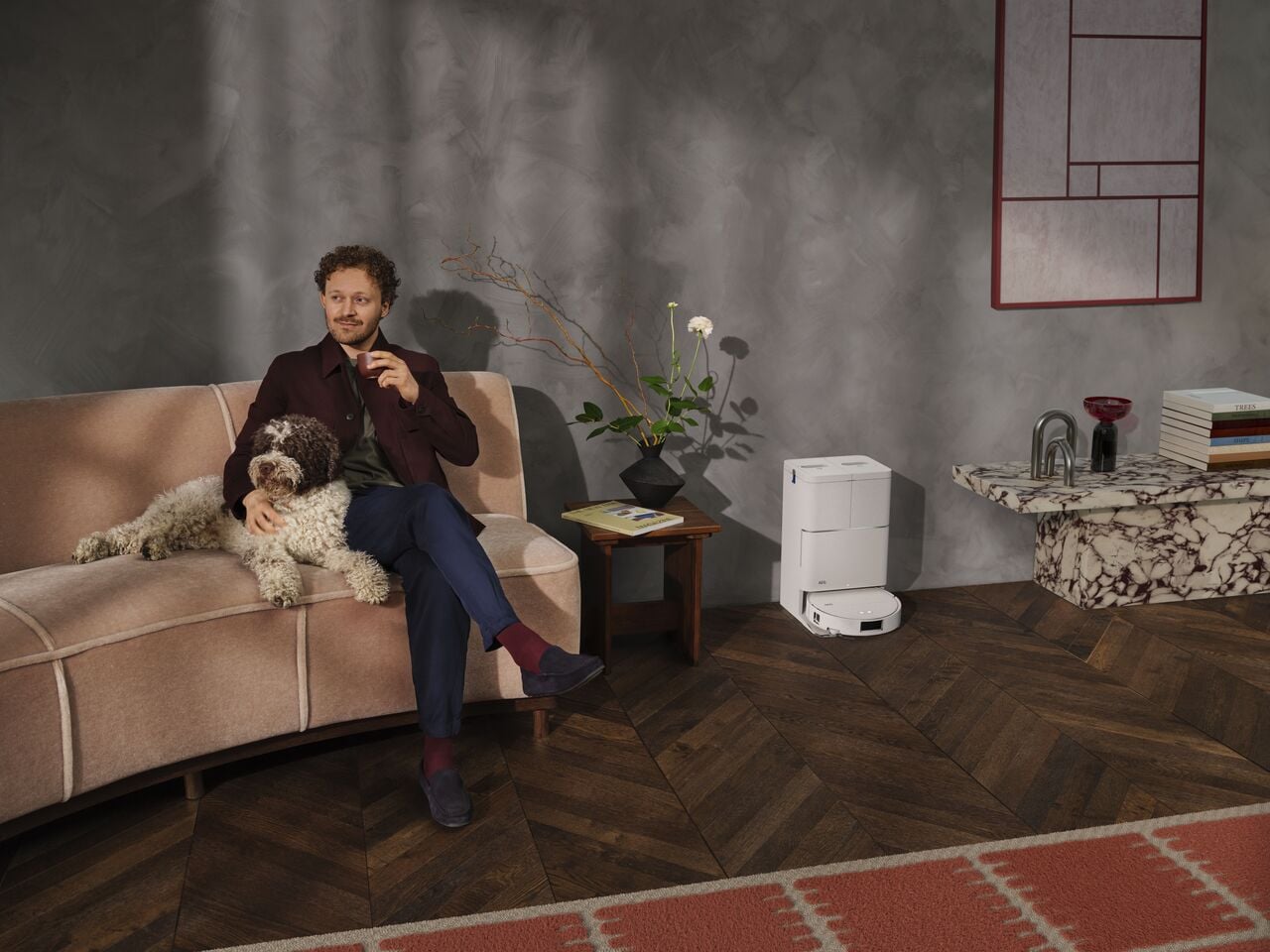
Looking to keep your home clean without having to vacuum and mop every day, pick up dirt, the dinner your child threw on the floor or your furry friend’s endless pet hair? Join the club. Smart home gadgets have come a long way over the years, and that includes robot vacuums. With newer technology including voice controls, object detection and more automation features, investing in a robot vacuum cleaner makes more sense now than ever before. Some of the best robot vacuum cleaners even have mopping capabilities, roller brush options and self-emptying bases, too, and there are plenty that don't cost a fortune either. If you’re ready to adopt a less hands-on approach and let a robot vacuum cleaner do the hard work for you, consider our recommendations below.

We recommend thinking first about the floors in your home: Do you have carpet throughout, or tile and hardwood floors, or a mix? Robots with stronger suction power will do a better job picking up dirt on carpets as they can get into the nooks and crannies more easily. Some machines have “max” modes as well, which ups suction power but also typically eats battery life faster than the “normal” floor cleaning mode.

Suction power is an important factor to consider. Unfortunately, there isn’t a standard power scale that all robo-vacs adhere to, so it’s difficult to compare among a bunch of devices. Some companies provide Pascal (Pa) levels and generally the higher the Pa, the stronger the vacuum cleaner will be. But other companies don’t rely on Pa and simply say their robots have X-times more suction than other robots. If you’re looking for the best vacuum for your needs, it’s helpful to pay attention to real-world testing and how well the vac can pick up fine dust, crumbs and pet hair in an environment similar to that of your home.

As we explained in our budget guide, Wi-Fi connectivity is a key feature for most robot vacuums. Some of the affordable devices aren’t Wi-Fi connected, though, so it’s best to double check before you buy cheap. Wi-Fi lets a robot vacuum cleaner do things like communicate with a mobile app, which then allows you to control the device from your phone.

Past a certain price threshold, you’ll find advanced perks like home mapping features, improved object detection and automatic dustbin disposal. Home mapping is exactly what it sounds like: The vacuum uses sensors to map your home’s layout as it cleans, allowing you to send it to particular rooms or avoid no-go zones where you don’t want it to roam.

Most robo-vacs have object detection, but some will be better than others at actually avoiding things like chair legs and children’s toys. High-end models even go so far as to promise obstacle avoidance to steer clear of things like pet poop that can potentially ruin your machine.

Finally, for peak convenience, consider a self-empty robot vacuum that comes with a self-empty station. These are basically garbage bins attached to the machine’s docking station. At the end of each job, the robo-vac automatically empties its small dustbin into the large clean base – that means you won’t have to empty the dustbin yourself and you’ll only have to tend to the base once every few weeks.

Just keep in mind that most self-emptying bins require proprietary garbage bags – another long-term expense you’ll have to factor in. Also, any vac-and-mop robot with a water tank will not dump its dirty water into the clean base, so you’ll still have to clean up that yourself.

Mopping capabilities are much more common now in robot vacuums than they were just five years ago. Machines with this feature have a water tank either built into the robot’s chassis, the auto-empty bin or as a separate piece that you swap in for the dustbin when you want to mop your floors. It makes the robo-vac more useful if you have hard floors in your home that you like to keep squeaky clean, but it does require more work on your part.

Filling and emptying the reservoir remains a human’s job for the most part (except on the most expensive machines), as does adding cleaning solutions if the mopping robot comes with this feature to ensure it uses clean water for every cycle.

First and foremost, always empty your robot vacuum’s dustbin after every cleaning job. If you have a model with a self-emptying base, there’s less work for you to do yourself. If not, simply detach and empty the dustbin as soon as the robot is done cleaning. It’s also a good idea to take a dry cloth to the inside of the dustbin every once in a while to remove any small dust and dirt particles clinging to its insides.

In addition, you’ll want to regularly examine the machine’s brush roll to see if any hair has wrapped around them, or if any large debris is preventing them from working properly. Some brushes are better than others at not succumbing to tangled hair, but it’s a good idea to check your robot’s brushes regardless — both their main brush and any smaller roller brushes or corner brushes they have. These parts are often easy to pop off of the machine (because they do require replacements eventually) so we recommend removing each brush entirely, getting rid of any tangled hair or other debris attached to them and reinstalling them afterwards.

Robot vacuums also have filters that need replacing every couple of months. Check your machine’s user manual or the manufacturer’s website to see how long they recommend going in between filter replacements. Most of the time, these filters cannot be washed, so you will need to buy new ones either directly from the manufacturer or from other retailers like Amazon or Walmart.

We primarily test robot vacuums by using them as they are intended to be used: in a home, across different types of flooring and in the face of all sorts of messes including pet hair, spilt coffee grounds and other food debris, dust bunnies and more. We set up all robot vacuums according to their provided instructions and run multiple cleaning jobs during a testing period of at least one to two weeks per machine.

If the robot has mopping capabilities, we also test those as well on hardwood and tile flooring. For models with self-emptying bases, we rely on those built-in trash cans for all post-job cleaning, and we make sure to test the robot vacuum's mobile app for usability and convenience. As we're testing, we make note of things like how loud the robot and its components are, how much human attention the robot needs on a regular basis, how the robot handles large messes and big dust bunnies, if the robot gets stuck on rugs, doormats or other furniture and more.

We tackled this question when we reviewed budget robot vacuums and the answer is yes, especially if vacuuming is one of your least favorite chores. Robots take the hard work out of cleaning your floors – just turn the thing on and watch it go. Any robot vacuum cleaner worth buying is semi-autonomous in that it will suck up dirt around your home until its battery is low and then make its way back to its charging dock. Unlike a regular vacuum, you should only have to interact with it to turn it on, empty its dustbin and untangle it if it were to get stuck somewhere.

That’s not to say robot vacuums are perfect. They’re almost always less powerful and less flexible than traditional vacuums. Since most robo-vacs are much smaller than traditional models, they often don’t have the same level of suction you’ll get in an upright machine. Plus, their dustbins are smaller, so they will need to be emptied more frequently. While Wi-Fi-connected robot vacuums give you the flexibility to start a cleaning job from anywhere using an app, targeting a small area of your home can be more complicated. Some robo-vacs have spot-cleaning features that focus the machine’s attention on a specific area, which almost – but not quite – mimics the spot-cleaning you’d be able to do yourself with a regular or cordless vacuum.

Robot vacuums can last many years, if you take care of them properly. Check out our recommendations for robot vacuum maintenance above, but in a nutshell, you should make sure that you're emptying the machine's bin after every job and periodically cleaning the interior of the bin and the brushes. It's also a good idea to check the user manual to see how often your robot vacuum's filter needs changing.

There's no straight answer to this question. Robot vacuums offer more convenience than handheld vacuums, so for those who are looking to automate a chore, that could mean one of these devices works better for them than a standard vacuum. However, handheld vacuum cleaners often have stronger suction power, and they give the user a bit more control. It ultimately depends on how you intend to use your main vacuum cleaner and what you want to prioritize most.

Cleaning a robot vacuum isn’t too much of a chore, but you’ll want to give it a little TLC every few weeks or so, depending on how often you’re running it and how much dirt it’s picking up. The dustbin usually needs to be emptied after each cleaning run, especially if you have pets or lots of carpet where dirt can hide. Many newer models have self-emptying docks, which means you won’t have to empty the dustbin yourself after every use, but the main bin will still need a good clean once a month or so. Also, it’s a good idea to check the side brushes and main brush for any hair tangles or debris every couple of weeks to keep things running smoothly.

Robot vacuums won’t work for everyone. One of the biggest drawbacks is that they usually don’t have the same suction power as a full-sized upright vacuum or even a cordless stick vacuum, so they might struggle with deep-cleaning thick carpets. They’re also designed for floors only, so if you’re looking to clean furniture, stairs or other tricky spots, you’ll still need a traditional vacuum to do that. Plus, they can sometimes get stuck or miss spots, especially if you’ve got a lot of furniture or obstacles in the way. While their sensors help, they might still bump into things or need a little help getting out of tight spots. And while most have decent dirt detection features, they’re best for keeping things tidy rather than doing heavy-duty cleaning.

Check out more from our spring cleaning guide.

This article originally appeared on Engadget at https://www.engadget.com/home/smart-home/best-robot-vacuums-130010426.html?src=rss

Samsung Movingstyle Screens Roll From Room to Room on Wheels

TVs stay bolted to walls where they were installed years ago. Monitors sit on desks connected to power outlets and computers through cables that limit how far they can go. Tablets work anywhere, but shrink everything down to sizes that feel cramped during longer sessions. Most screens plant themselves in one spot and expect you to come to them instead of moving to where you actually need them.

Samsung’s Movingstyle lineup builds screens meant to follow you around instead of staying put. The twenty-seven-inch touchscreen and thirty-two-inch M7 monitor both roll on stands with wheels hidden underneath, so moving them between rooms takes minimal effort. The smaller version also detaches from its stand completely and runs on battery for three hours when you carry it by the handle built into the kickstand.

Designer: Samsung

The touchscreen model weighs enough to feel substantial but not so much that carrying it around feels like a workout. The white finish and slim bezels keep it looking clean rather than gadget-heavy. The kickstand holds the battery and all the internal components in one integrated module, which means fewer parts that could fail over time compared to designs that scatter everything separately.

Touch response works smoothly for tapping through menus, swiping between apps, or sketching directly on screen when ideas need capturing quickly. The same screen works just as well from across the room when you’re using the remote to browse shows. This dual approach handles both close-up work and relaxed viewing without requiring different devices for different situations.

The M7 grows to thirty-two inches with 4K resolution, positioning itself more as a rolling workstation. The stand adjusts height and tilts the screen to whatever angle works best. Wheels roll quietly across floors, whether you’re moving over hardwood or carpet. The power cable runs through the stand’s column to keep everything tidy instead of trailing along the floor waiting to get tripped over.

Both screens run Tizen OS with access to Samsung TV Plus for streaming without subscriptions, Gaming Hub for playing console games through cloud services, and the Art Store displaying museum-quality pieces when the screen sits idle. User profiles keep recommendations separated, so everyone in the house gets content matched to what they actually watch instead of a jumbled mix.

The smaller Movingstyle might start in the kitchen, showing recipes during breakfast prep, roll to the living room for afternoon video calls, then end up in the bedroom for late-night shows. The M7 could sit in the home office all week for work, then roll out to the patio for weekend movie nights or into the workout space for following along with fitness videos.

Ports sit centered on the back panel instead of scattered along edges, which keeps cables organized and the rear view clean when the screen sits visible from multiple angles. Both models switch between landscape and portrait orientation smoothly, useful for vertical content or using the Movingstyle as a presentation tool during meetings.

The Movingstyle lineup treats screens as objects that should follow your routines instead of forcing you to build schedules around where they happen to be installed permanently. The combination of touchscreen interaction, battery-powered portability, and rolling mobility brings genuine flexibility to spaces where fixed installations would limit how and when you actually use them. Samsung’s approach feels overdue for technology meant to serve daily life.

The post Samsung Movingstyle Screens Roll From Room to Room on Wheels first appeared on Yanko Design.

Award-Winning Sculptural Device Makes Water From Air, Not Your Tap

Water quality and sustainability are growing concerns for modern households, but most purifiers still rely on tap water with inconsistent quality, bulky filter systems, and plastic jugs that clutter up the kitchen and generate waste. For anyone who wants pure hydration without the hassle, plastic waste, or aesthetic compromises, traditional systems can feel like choosing between wellness, the planet’s well-being, and the visual harmony of your carefully curated space.

Kara Pure 2 offers a new vision for home hydration that eliminates these trade-offs entirely. By pulling water straight from the air, mineralizing it with essential nutrients, and presenting it in a sculptural stainless steel form, it changes the simple act of pouring a glass of water into a daily wellness ritual that’s as beautiful as it is sustainable and convenient.

Designer: Cody Soodeen

Click Here to Buy Now: $3899 $5999 ($2100 off). Hurry, only 10/20 left! Raised over $260,000.

Kara Pure 2’s tall, brushed steel silhouette and oval pouring window bring a sculptural presence to any kitchen or office space. The sleek, minimalist design, with clean lines and premium materials, fits seamlessly into modern interiors without dominating valuable counter space. The 7-inch touchscreen is 40 percent larger than the original model, offering intuitive control over water temperature, filter status, and system settings with smooth, responsive interaction.
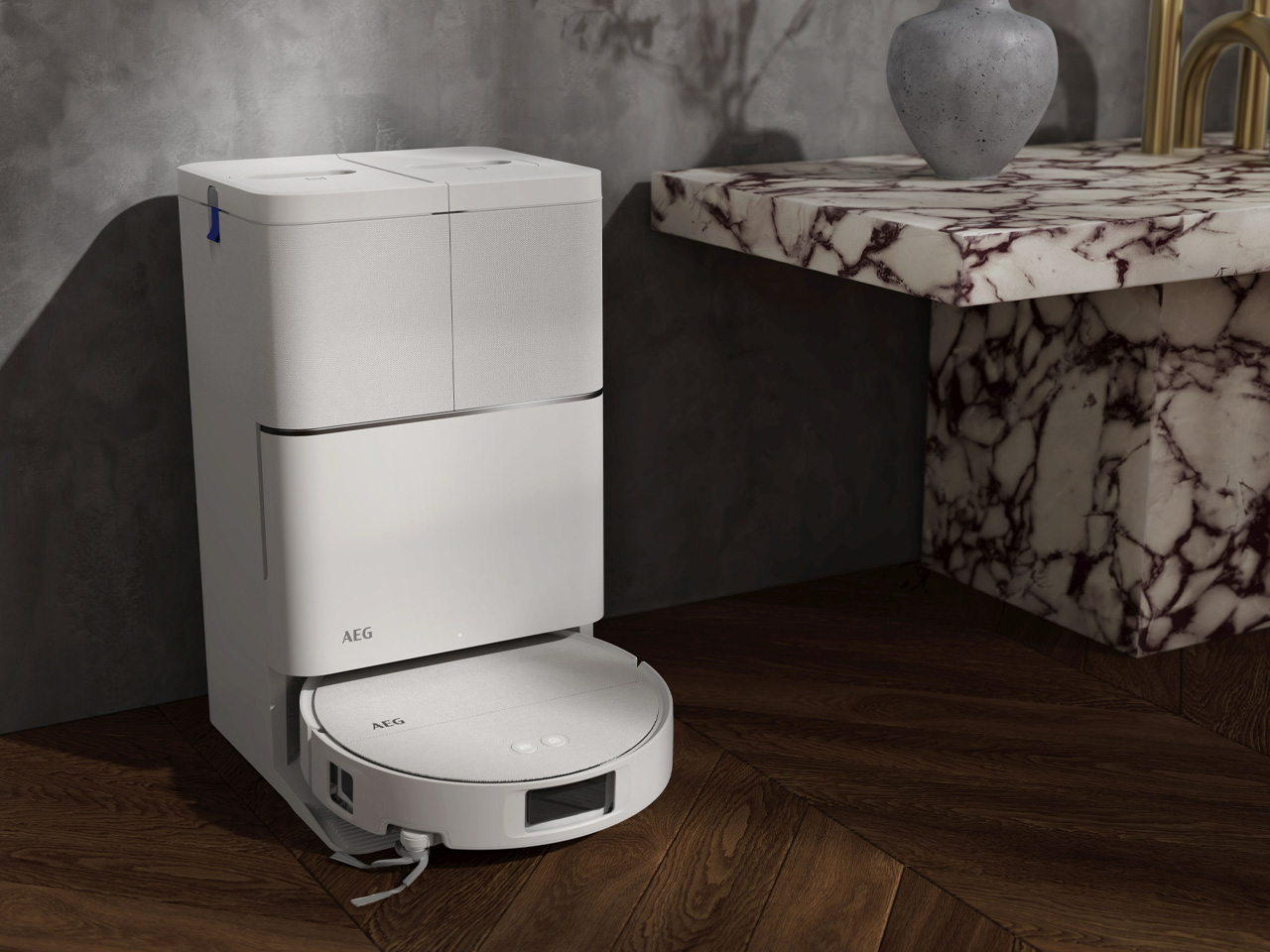
Inspired by the Stenocara beetle from the Namib Desert, which harvests water from air using specialized shell structures, Kara Pure 2 uses advanced desiccant technology to extract up to 10 liters of water from ambient air each day. Every drop is filtered through a new ultrafiltration system that removes 99.99 percent of impurities, microplastics, and bacteria before being enriched with essential minerals for optimal health.
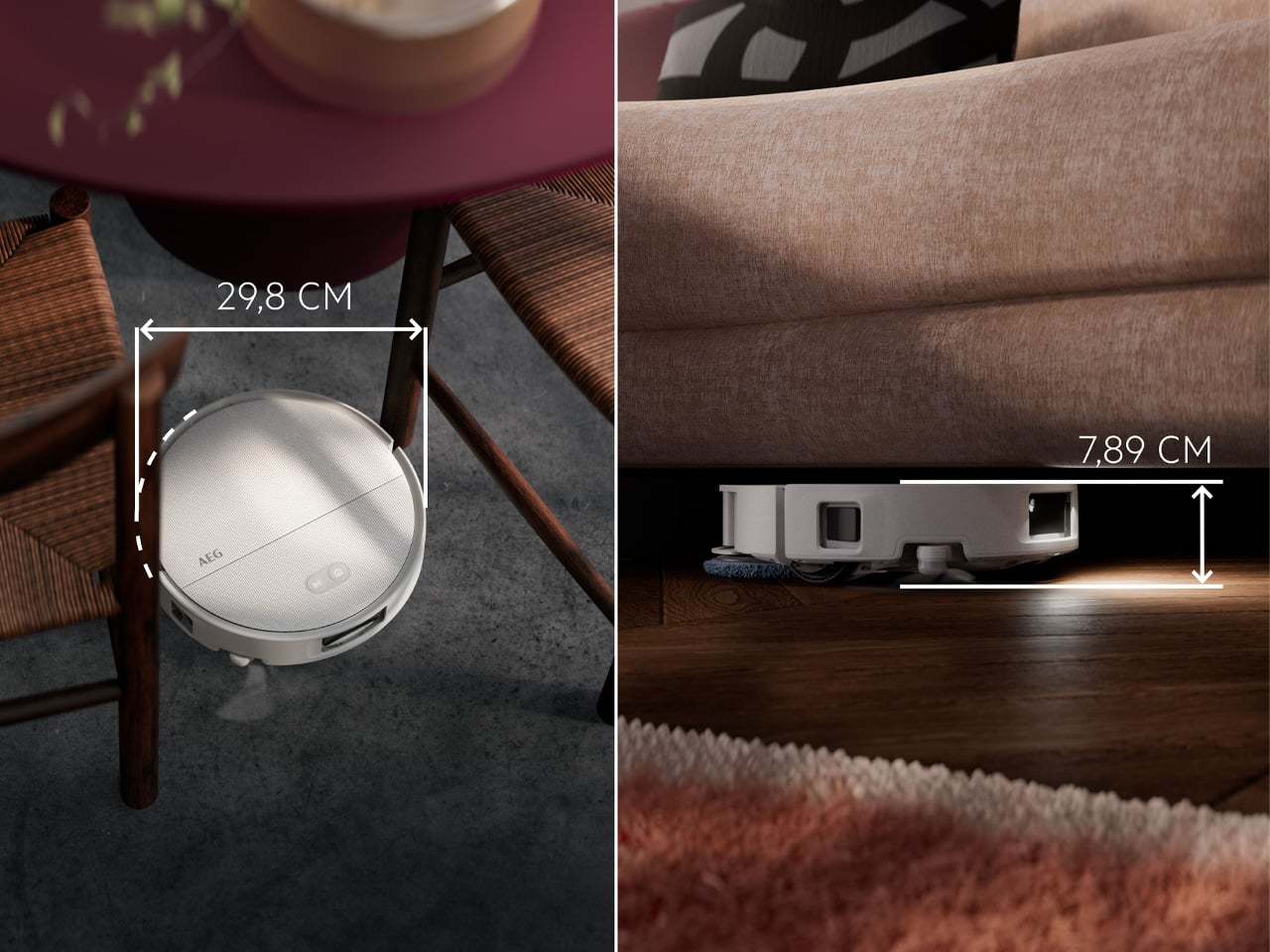
The water is balanced to a 9.2 pH alkaline level and enriched with calcium, magnesium, potassium, zinc, sodium, and silica for smooth, great-tasting hydration that supports overall wellness and proper body function. The commercial-grade EPA air filter purifies intake air before it becomes water, offering dual benefits by improving both your drinking water quality and indoor air quality simultaneously.
Kara Water’s air-to-water innovation has earned recognition that few companies achieve: two TIME “Best Inventions” awards and two CES Innovation Awards, placing it alongside just 14 other companies in history like Apple, Tesla, and Samsung. The technology has already found homes in prestigious venues including House of Sound NYC, the luxury Gotham Hotel, and Hilton’s Conrad Hotel, proving that design-conscious hospitality and wellness spaces trust Kara Pure for both performance and presence.

There’s no plumbing installation, no refilling large tanks, and no waiting for delivery trucks to bring heavy bottled water to your door every week. Just plug in Kara Pure 2 and enjoy bottleless hydration on demand without lifting heavy jugs, storing bulky containers, or dealing with the environmental impact of single-use plastics piling up in recycling bins, or worse.

The 20 percent larger pouring area accommodates pitchers and bottles up to 64 ounces, making it easy to fill larger containers for family meals, workout sessions, or office meetings. Adjustable temperature settings provide instant hot water for morning coffee and tea or refreshing cold water down to 45 degrees Fahrenheit for afternoon hydration, all controlled through the intuitive touchscreen interface.

Kara Pure 2’s thermoelectric cooling technology is significantly more energy-efficient than traditional compressor systems and uses no harmful refrigerants, reducing both electricity bills and environmental impact for eco-conscious households. The upgraded recirculating system eliminates quarterly descaling maintenance, while the easier filter change design and single removable tank make upkeep straightforward and quick without requiring professional service.

The whisper-quiet 32 decibel operation means Kara Pure 2 can sit comfortably in bedrooms, home offices, or open-plan living spaces without disrupting conversations, sleep, or focused work throughout the day. Families with young children appreciate the instant access to clean, mineralized water for bottles and snacks, while busy professionals enjoy having both hot and cold hydration ready throughout long workdays.

Kara Pure 2 reimagines hydration as a centerpiece of modern living, combining air-to-water innovation, health-conscious mineralization, and sustainable design in a device that makes drinking water feel intentional, satisfying, and effortless. For homes that value both performance and presentation equally, it offers a refreshing alternative to the hidden appliances and plastic-dependent systems most people simply accept as unavoidable compromises in daily life.

Click Here to Buy Now: $3899 $5999 ($2100 off). Hurry, only 10/20 left! Raised over $260,000.

The post Award-Winning Sculptural Device Makes Water From Air, Not Your Tap first appeared on Yanko Design.