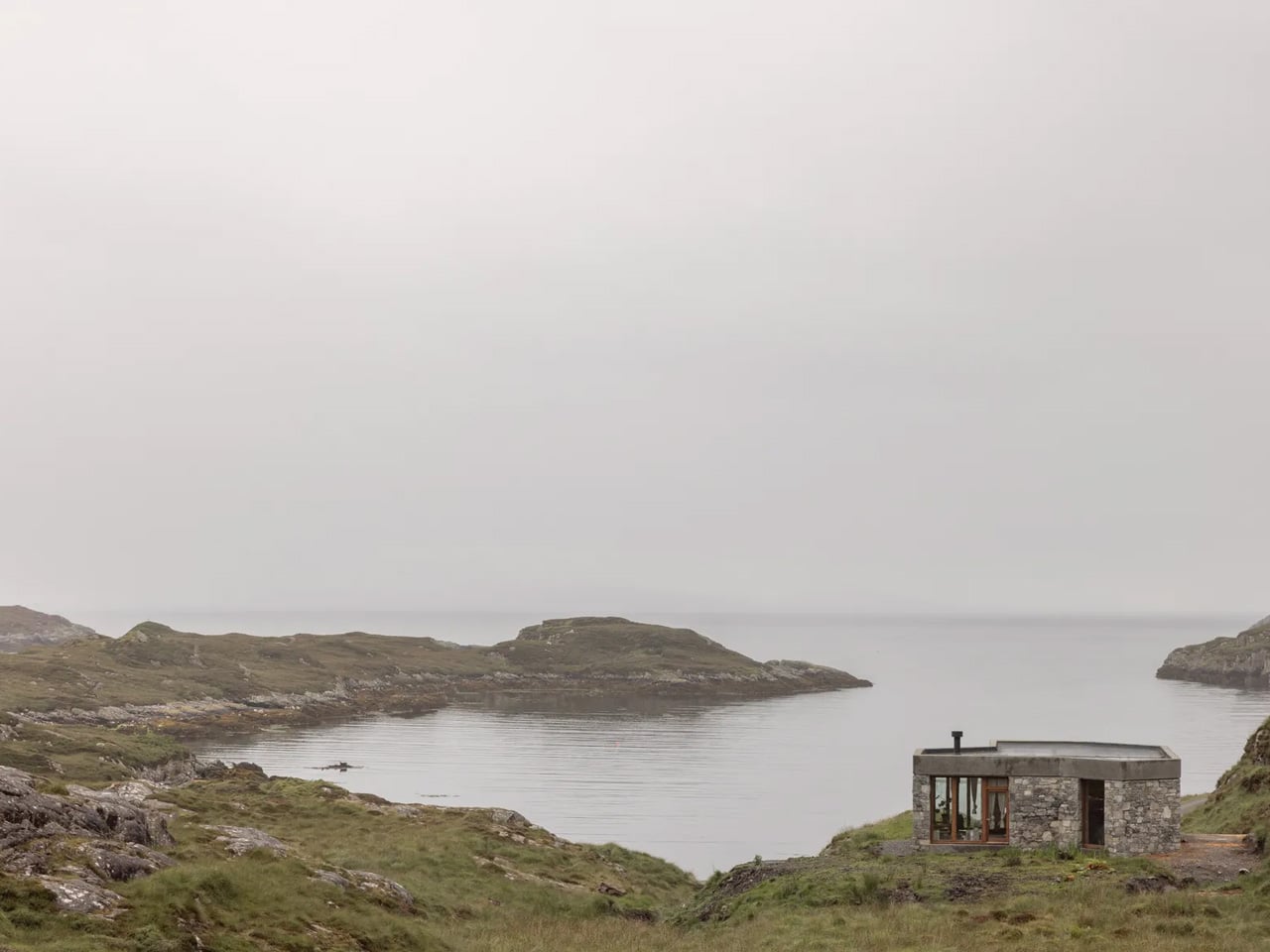
On a rocky outcrop in Scotland’s Outer Hebrides, where Atlantic winds batter the coastline and ancient Lewisian Gneiss stone shapes the landscape, sits Caochan na Creige. This modest one-bedroom home has just been crowned RIBA House of the Year 2025, Britain’s most prestigious residential architecture award. Perched in a sheltered inlet in the Bay of Harris with panoramic views across the Minch to Skye, the house represents a remarkable achievement in contemporary residential design, celebrated for its sensitivity to place, exceptional craftsmanship, and resilience in one of Europe’s most challenging environments.
The name translates as “little quiet one by the rock,” a poetic description developed with landscape architect John Murray, author of ‘Reading The Gaelic Landscape.’ It’s a fitting moniker for a house that seems to grow organically from its surroundings. The house’s irregular, angled plan emerged from a philosophy of “working with the landscape rather than against it.” The foundations carefully avoided areas of incredibly hard rock, allowing the building to settle naturally into its site. This approach created a sculptural form that appears to be part of the landscape itself, with an enigmatic presence that recalls defensive structures and castles while maintaining an intimate scale.
Designer: Izat Arundell
Eilidh Izat and Jack Arundell, co-founders of architectural practice Izat Arundell, designed and built their own home entirely by hand. Working alongside Eilidh’s brother Alasdair Izat, a furniture maker, and their friend Dan Macaulay, a stonemason, they broke ground in January 2022. The build took 18 months, during which the small team battled through nine named storms in one of Europe’s most unforgiving environments. This extraordinary feat of ambition and resilience transformed a tight budget and challenging conditions into opportunities for innovation and craftsmanship.
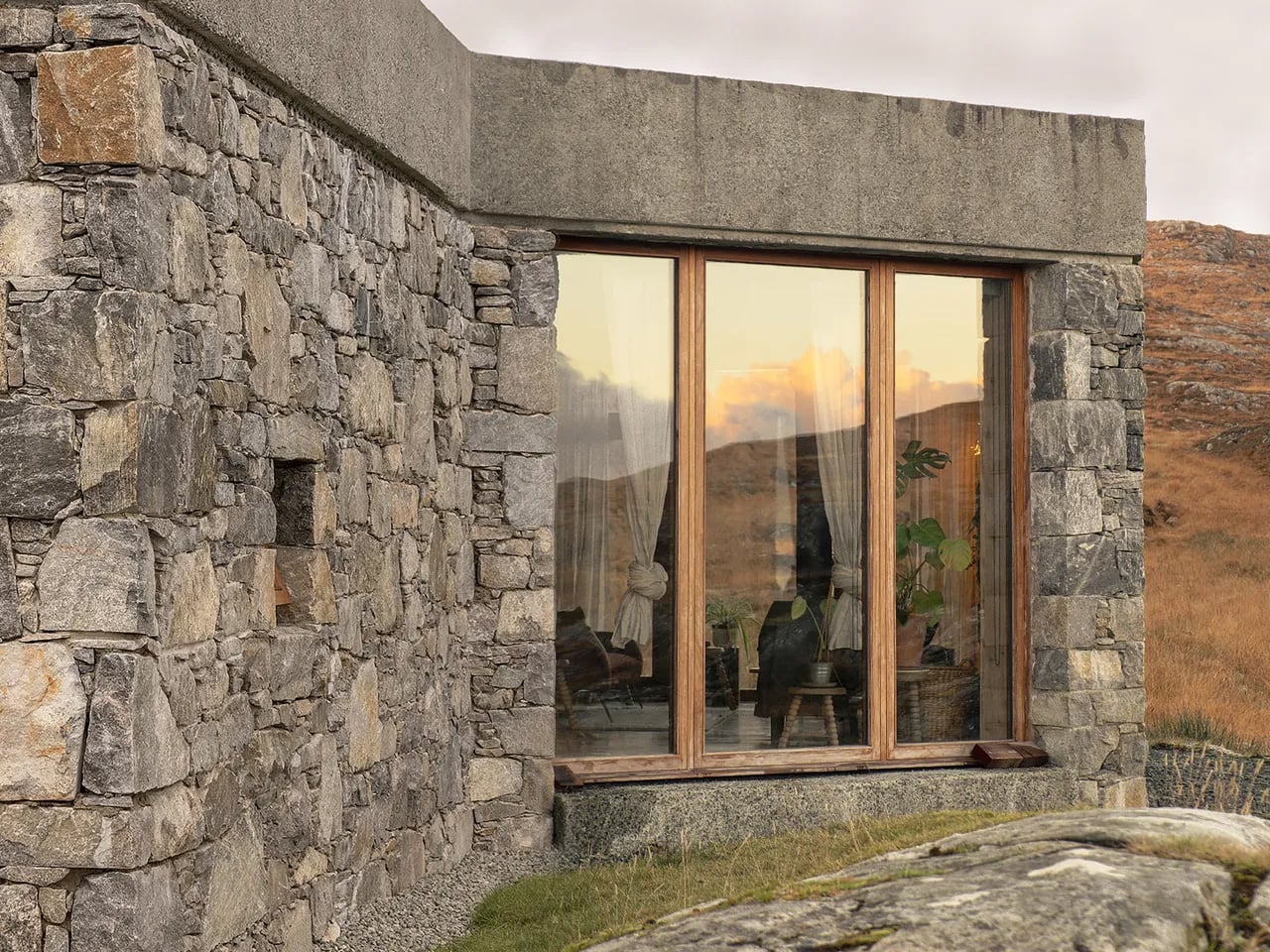
The sculptural form is clad in the same Lewisian Gneiss rock on which it sits, sourced from a quarry less than five miles away. This ancient stone, billions of years old, gives the house a timeless quality that connects it deeply to its surroundings. A concrete parapet with exposed Lewisian Gneiss aggregate caps the stone walls, creating a contemporary counterpoint to the traditional material. The stone is used full thickness as exterior cladding, demonstrating a commitment to authenticity and durability. Together with hardwood windows, these material choices create a contemporary air to the design while respecting the vernacular traditions of the island.
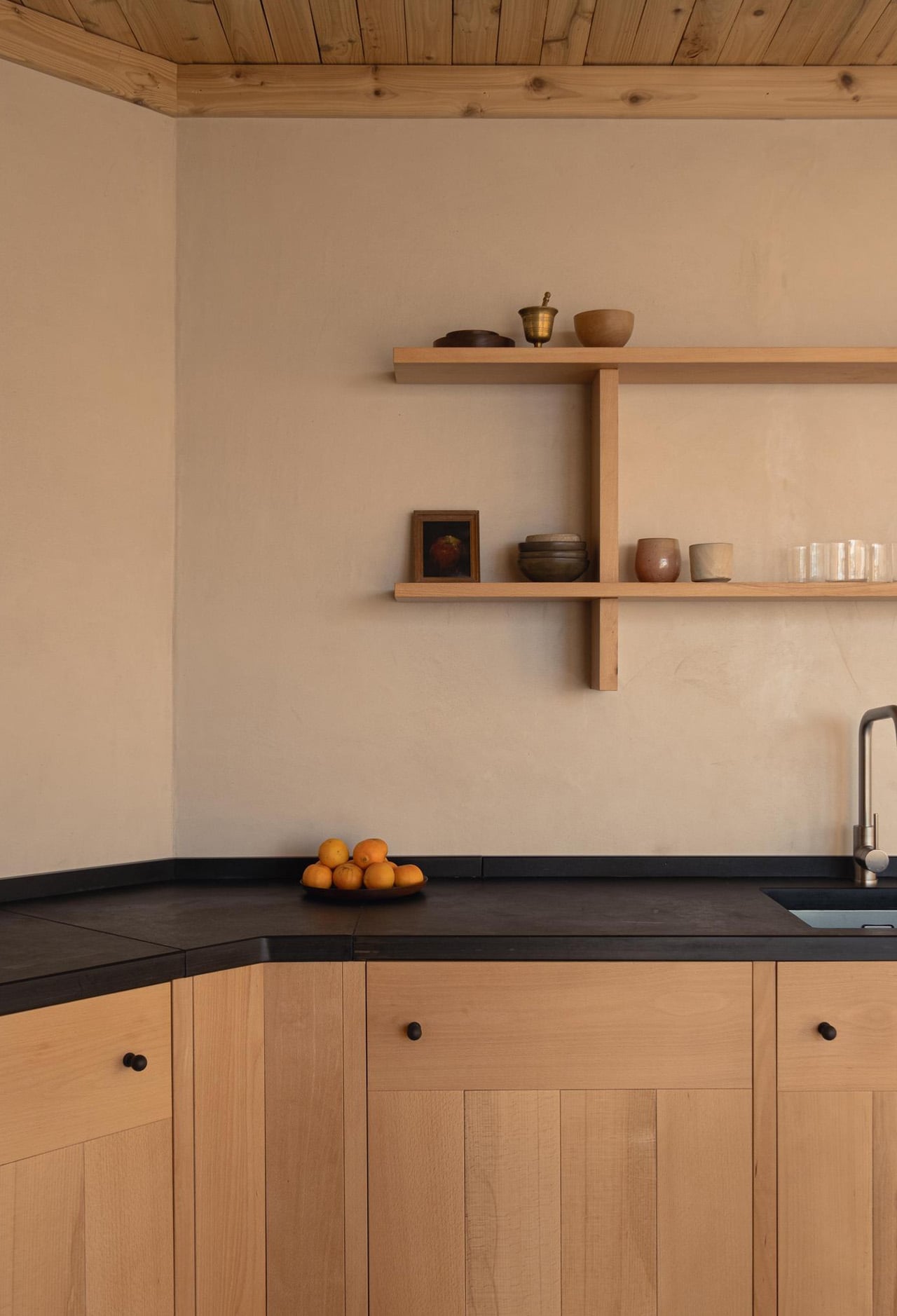
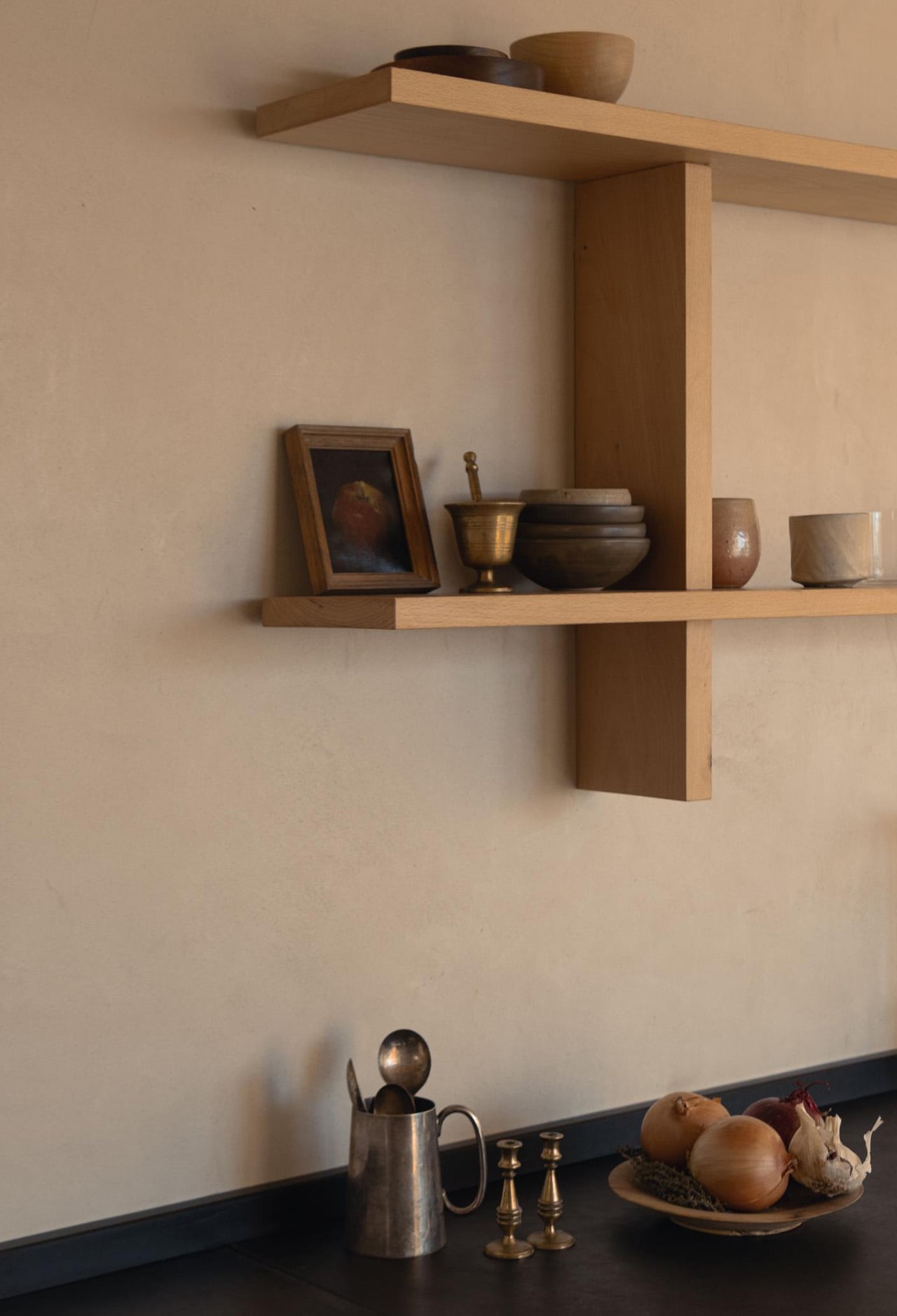
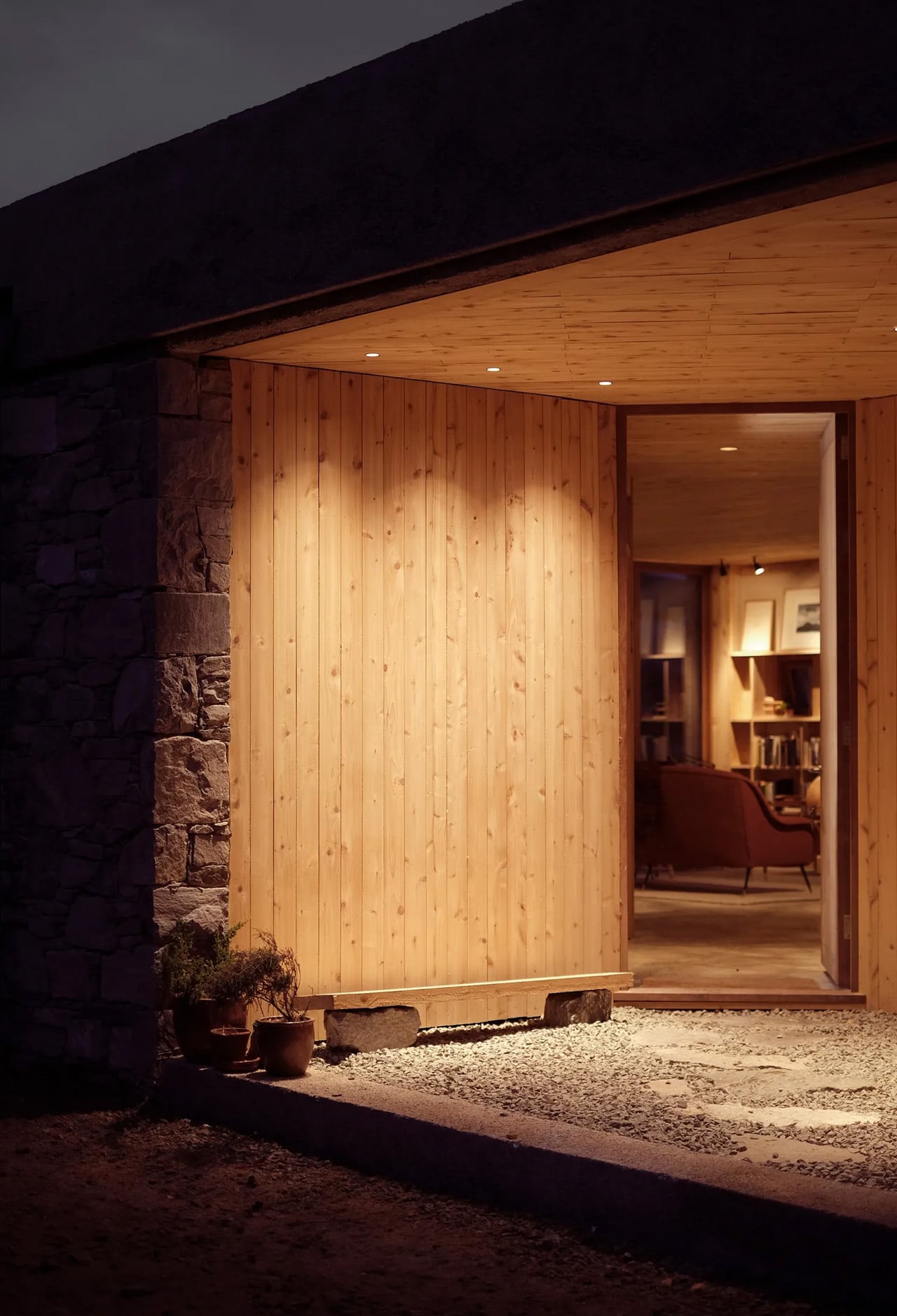
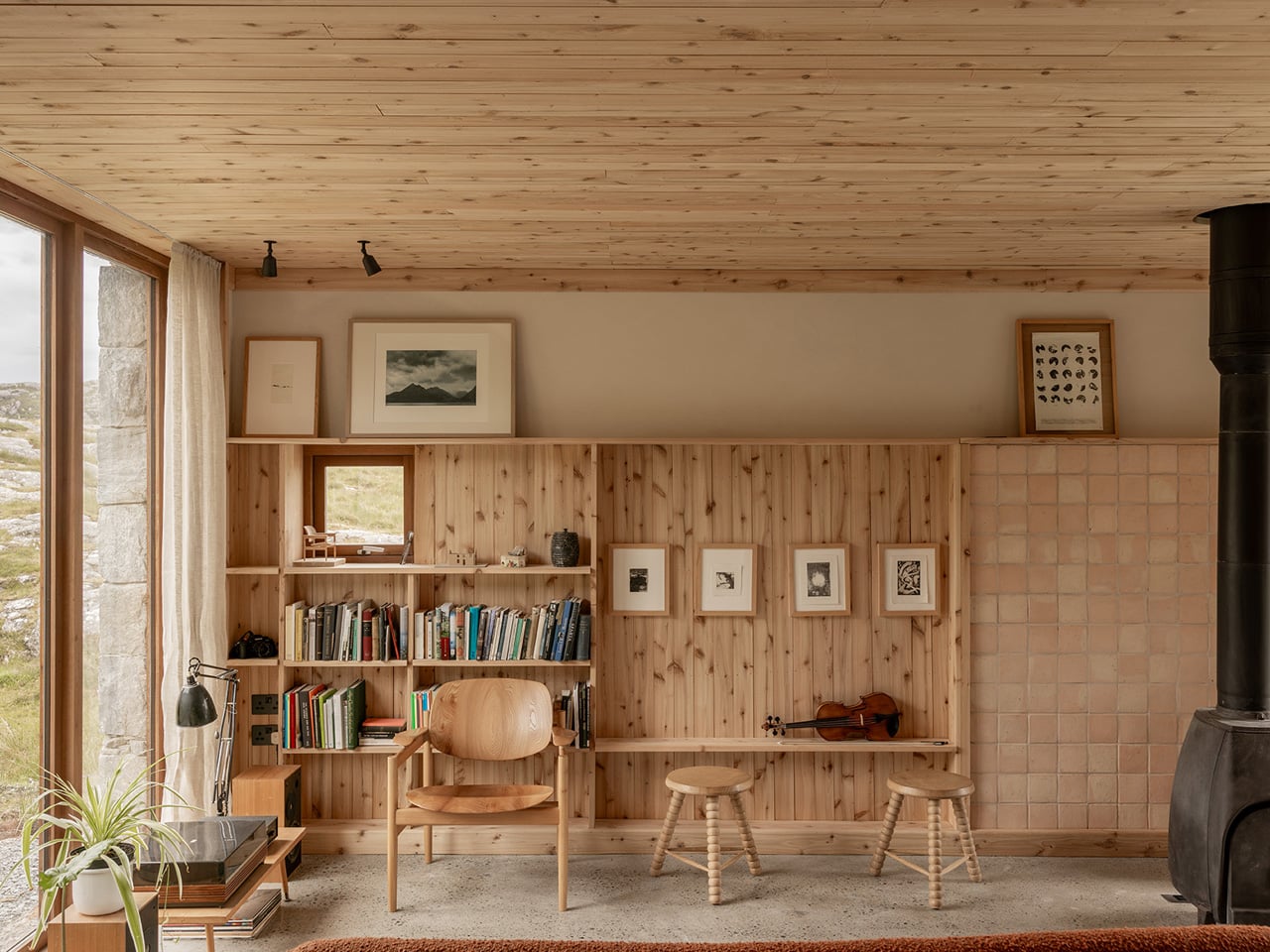
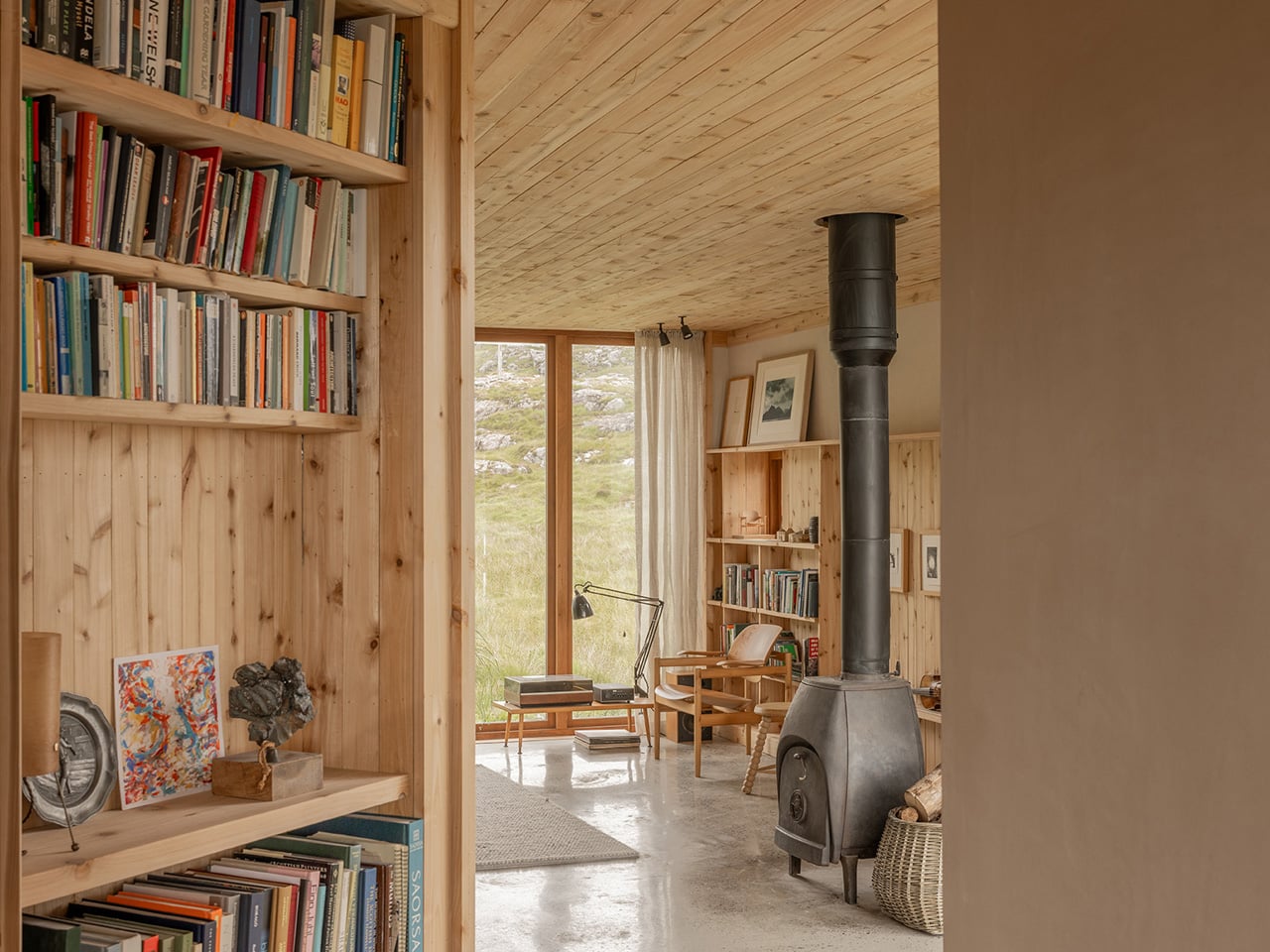
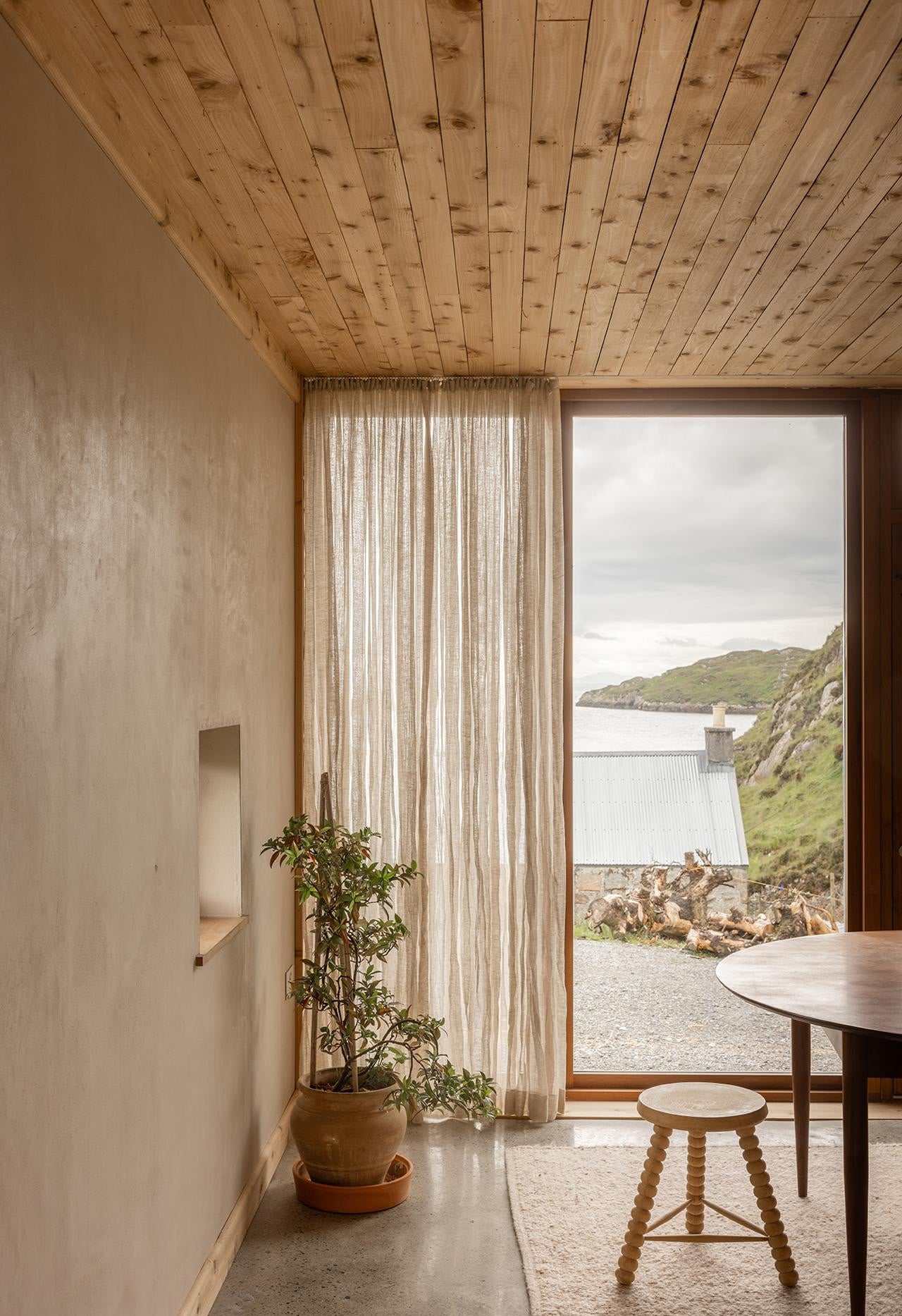
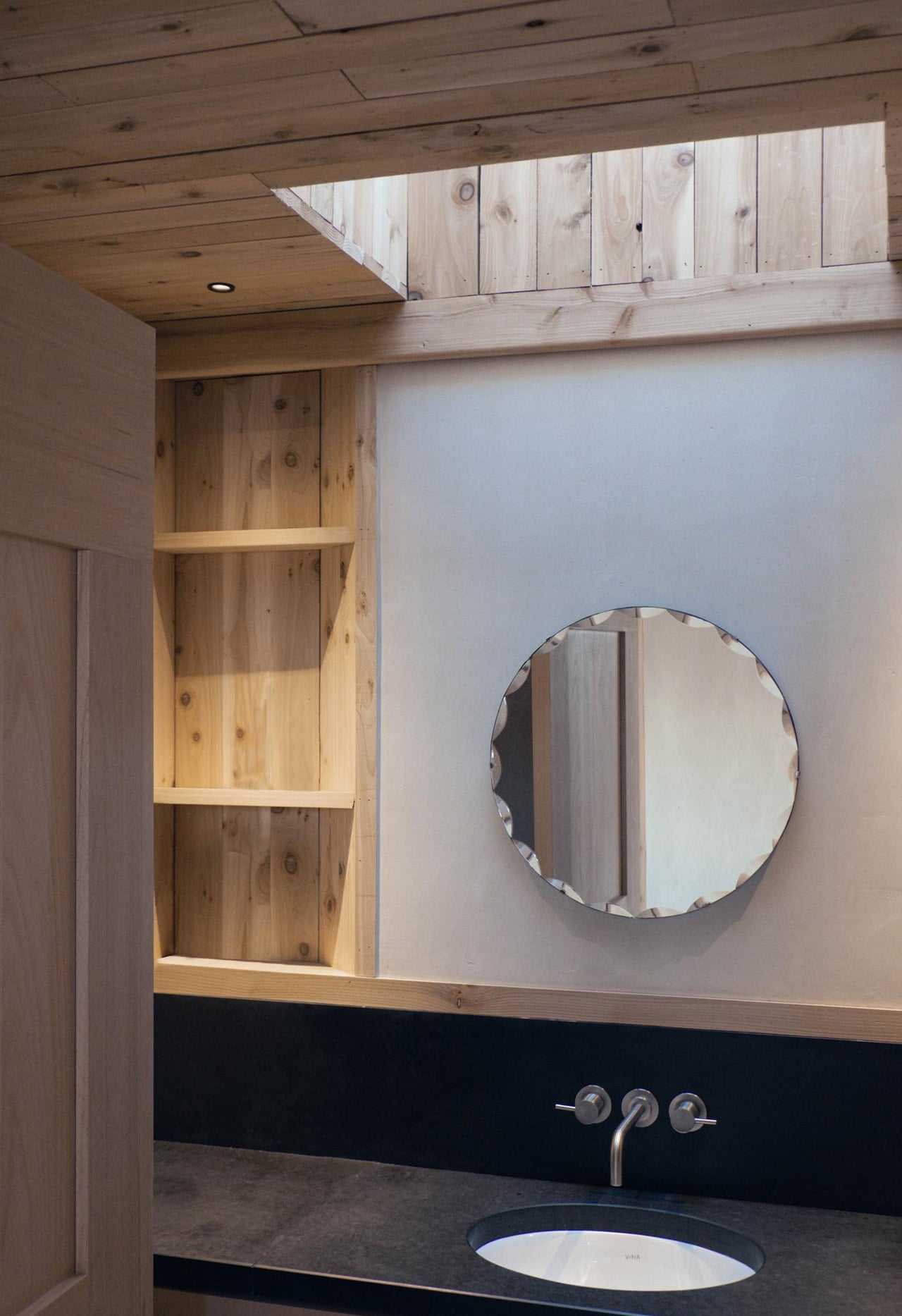
Inside, soft angles weave throughout the home, creating spaces that flow into one another while remaining defined, inspired by the gently shaped blackhouses’ vernacular to the island. An entrance porch, utility area, and skylit bathroom occupy the center of the plan, with a bedroom protruding to the northwest and a living room and kitchen filling the eastern half, maximizing those dramatic sea views. Despite its modest size, the house feels luxurious in its connection to the surrounding landscape, with every spatial decision carefully considered to enhance the experience of living in this remote and spectacular location.
The project represents a growing movement of ultra-contemporary homes in Scotland’s remote landscapes, following RIBA House of the Year 2018 winner Lochside House and the RIAS Andrew Doolan Best Building in Scotland Award winner Cuddymoss. David Kohn, chair of the RIBA House of the Year Award 2025 jury, praised the unanimous decision: “It addressed every issue – challenging climatic conditions, the relationship to vernacular architecture and a tight budget – with a rare mixture of sensitivity and boldness.” Caochan na Creige has also won the Laurence McIntosh Interior Design Award at the 2025 RIAS ceremony and features on the cover of ‘New Scottish Houses: Contemporary Architecture and Living in the Landscape’ by Isabelle Priest. It proves that exceptional architecture doesn’t require vast resources, just vision, determination, and a deep respect for place.
The post Hand-Built Through Nine Storms: Remote Scottish Home Wins RIBA House of the Year 2025 first appeared on Yanko Design.