A $57 Stand Finally Solves the Vinyl Storage Problem

The vinyl revival has been going on long enough now that nobody’s surprised by it anymore. What started as audiophile nostalgia quietly became a full-blown lifestyle choice, and record players are back in living rooms, bedrooms, and studio apartments everywhere. But while turntable manufacturers spent years perfecting their hardware, the furniture side of the equation mostly got left behind. A lot of collectors are still balancing their record player on a spare shelf, stacking their albums in milk crates, or worse, just leaving them on the floor in some optimistic pile that says “I’ll organize this eventually.” Tewinko’s Record Player Stand feels like a direct response to that gap.

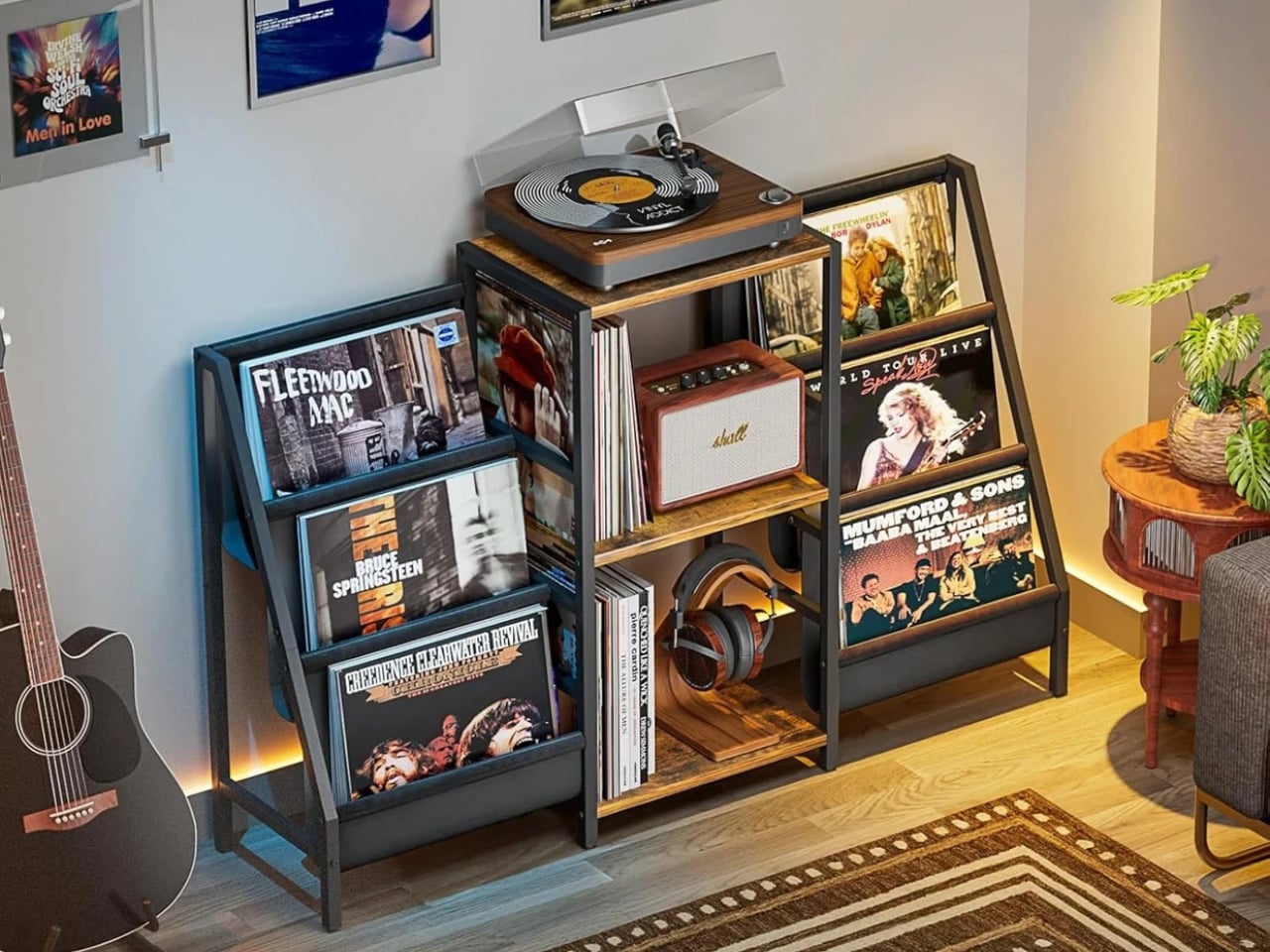
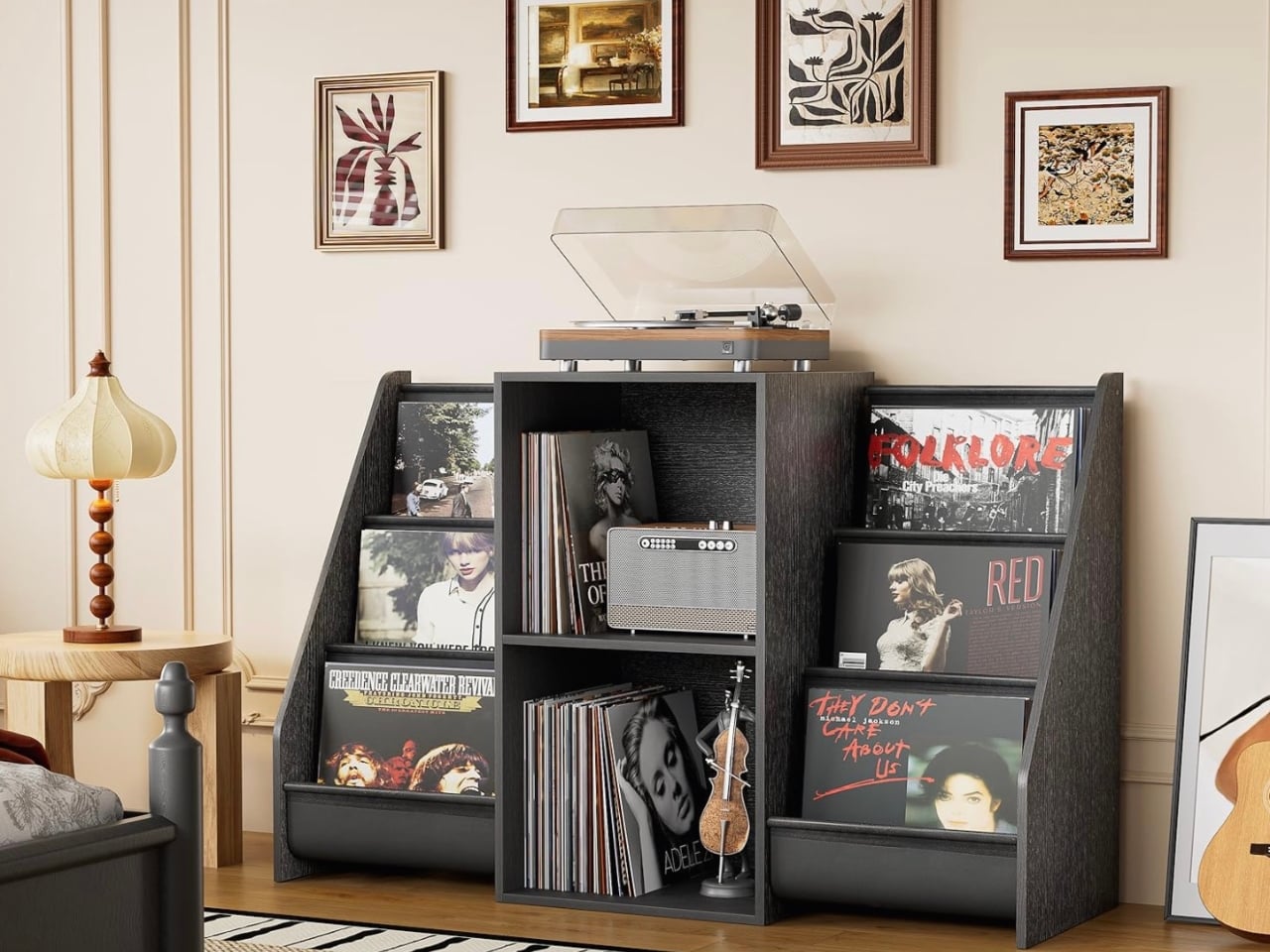
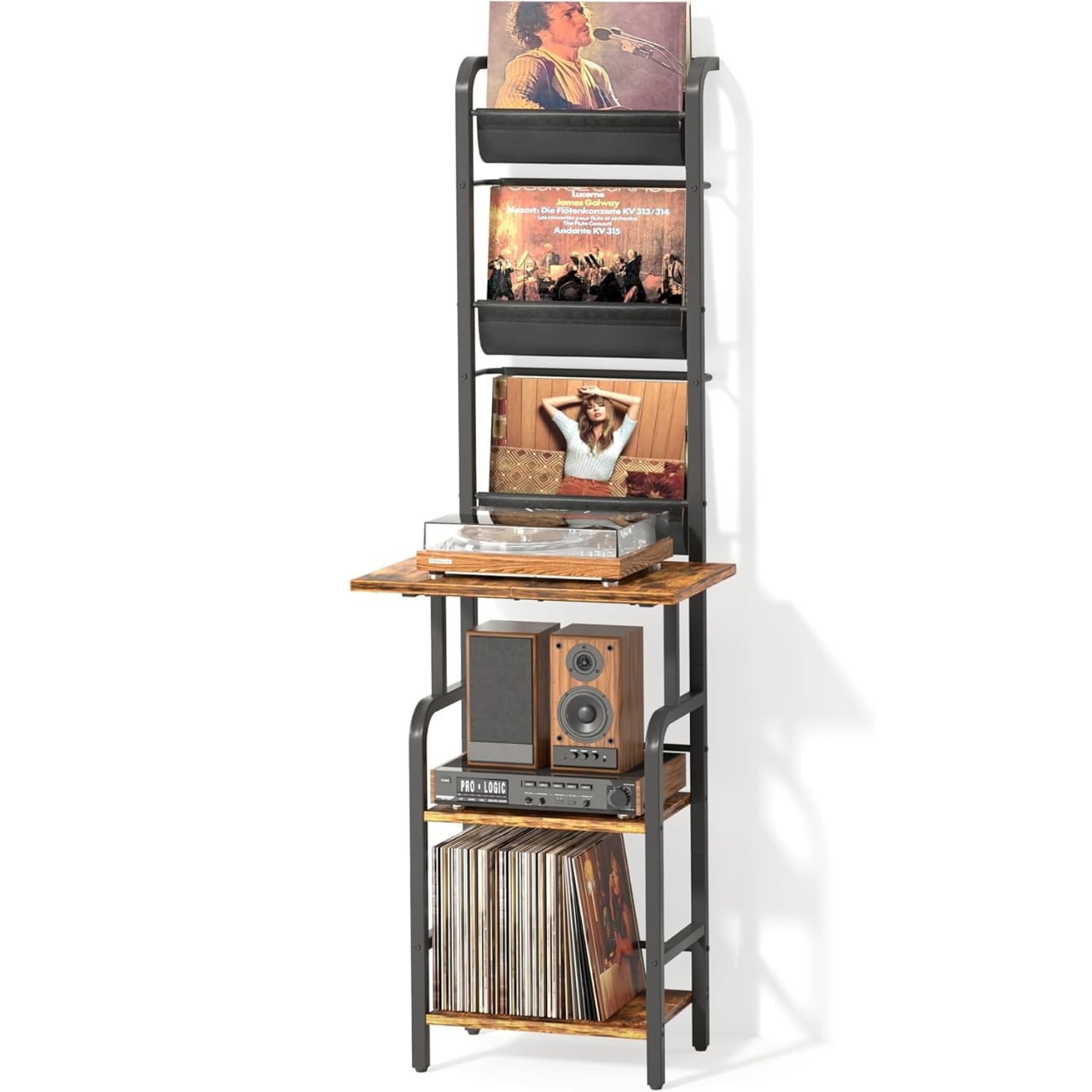
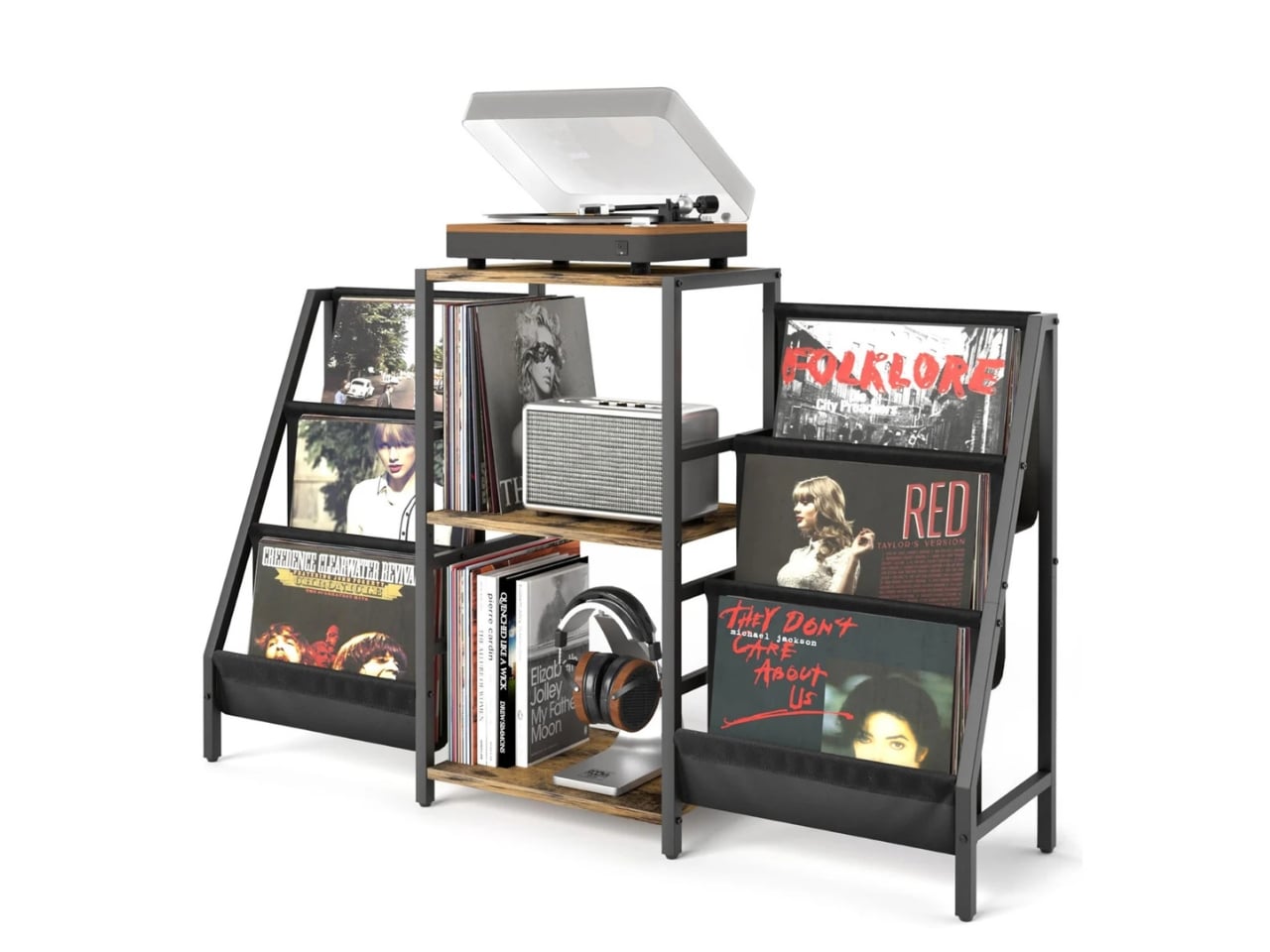
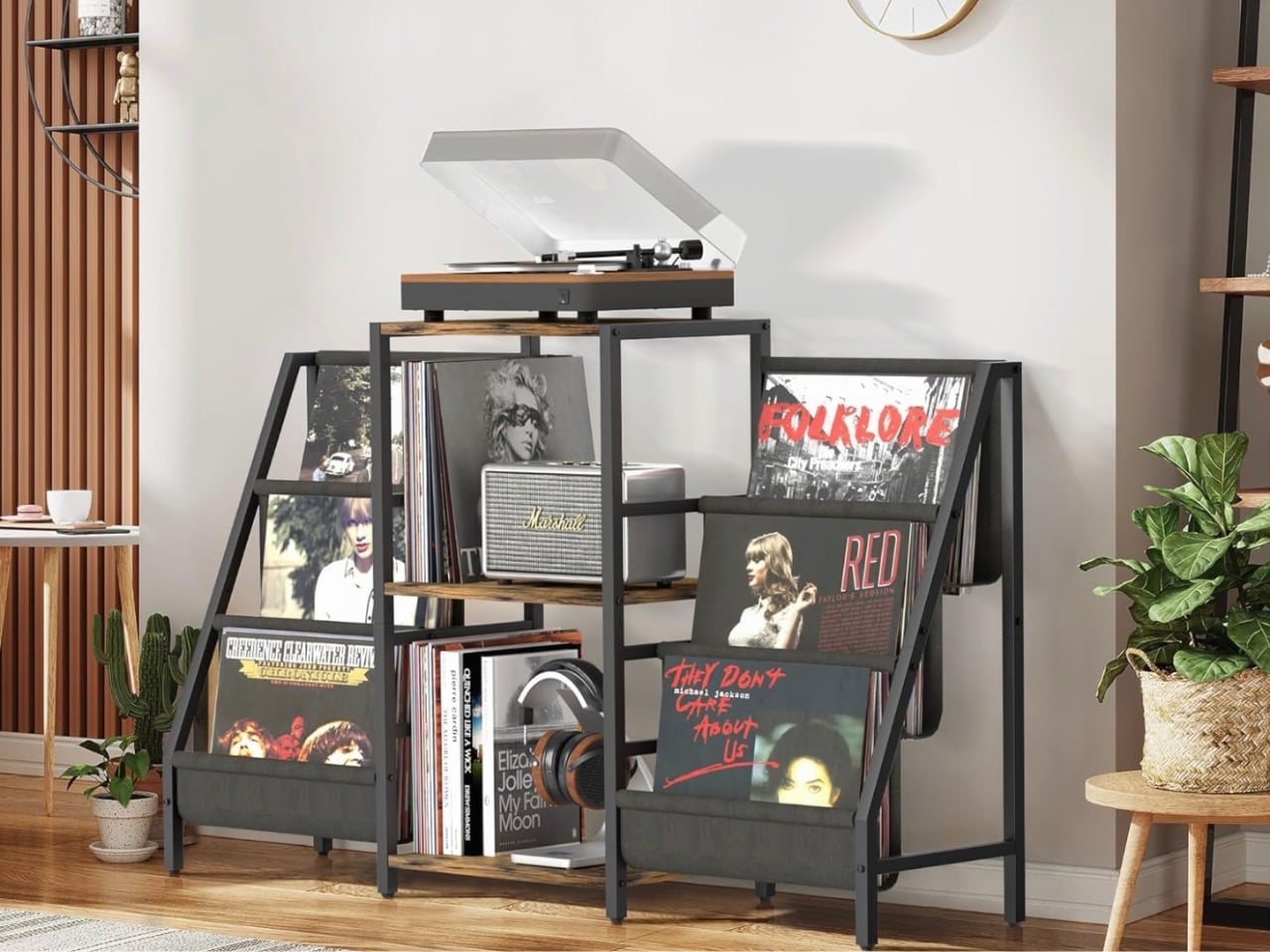
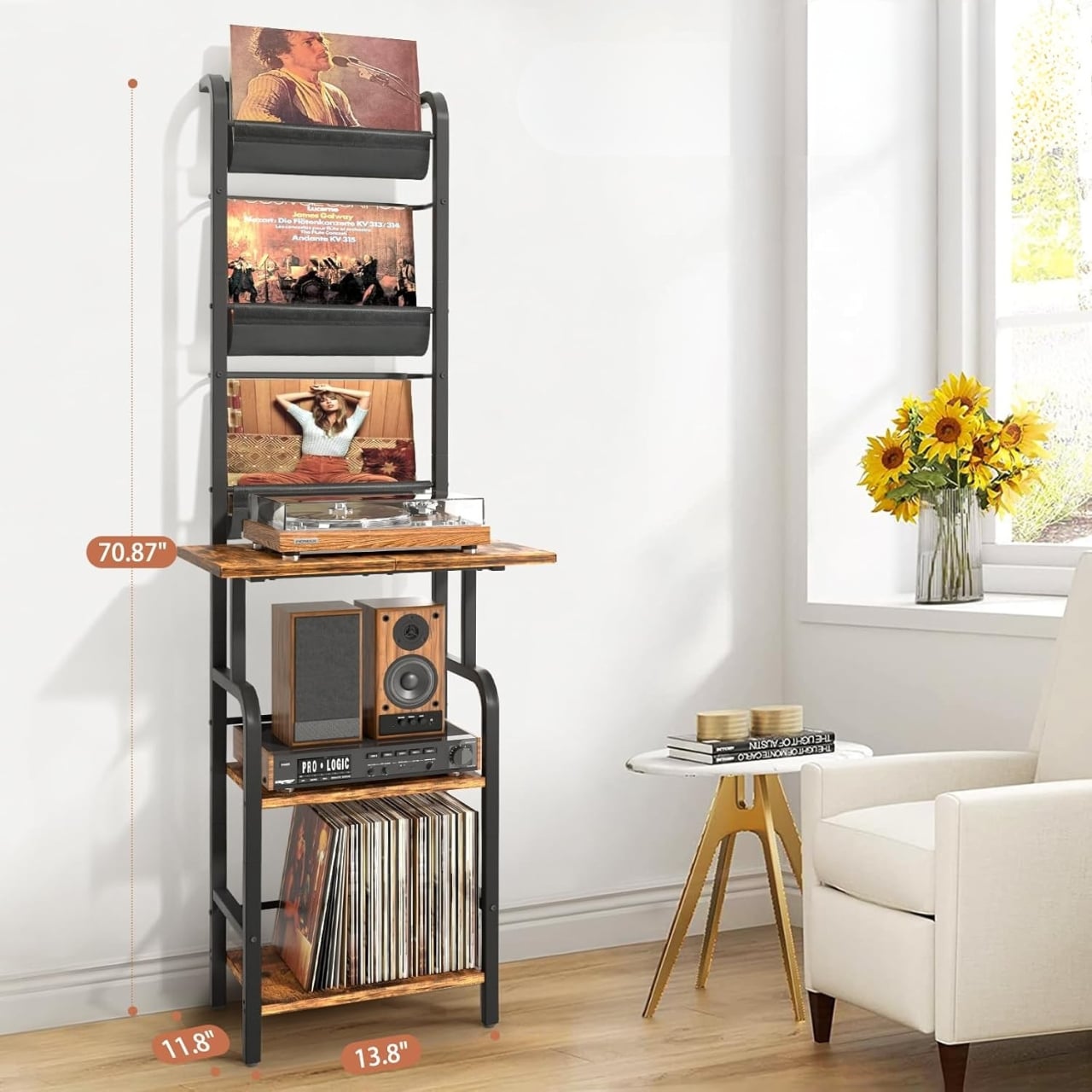
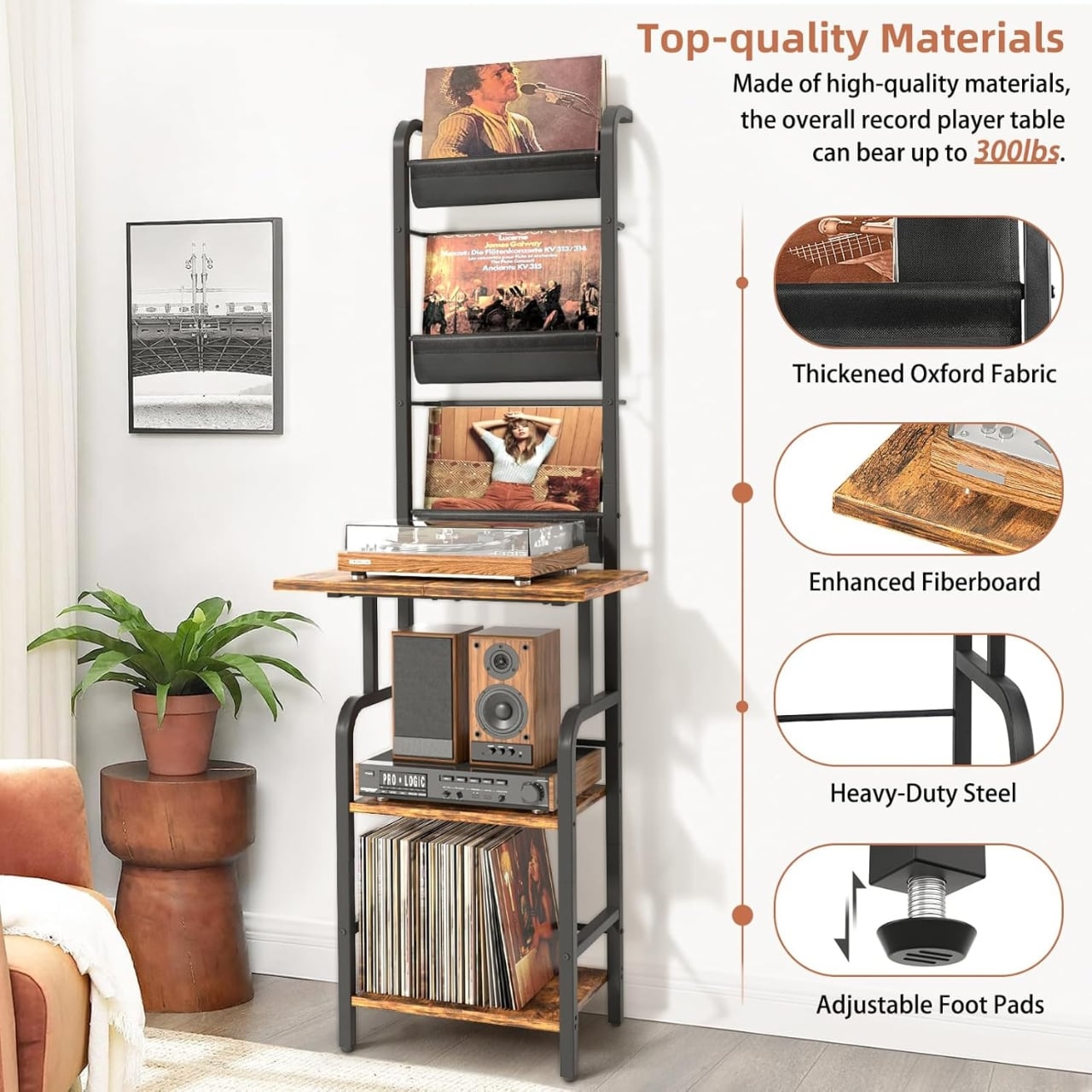
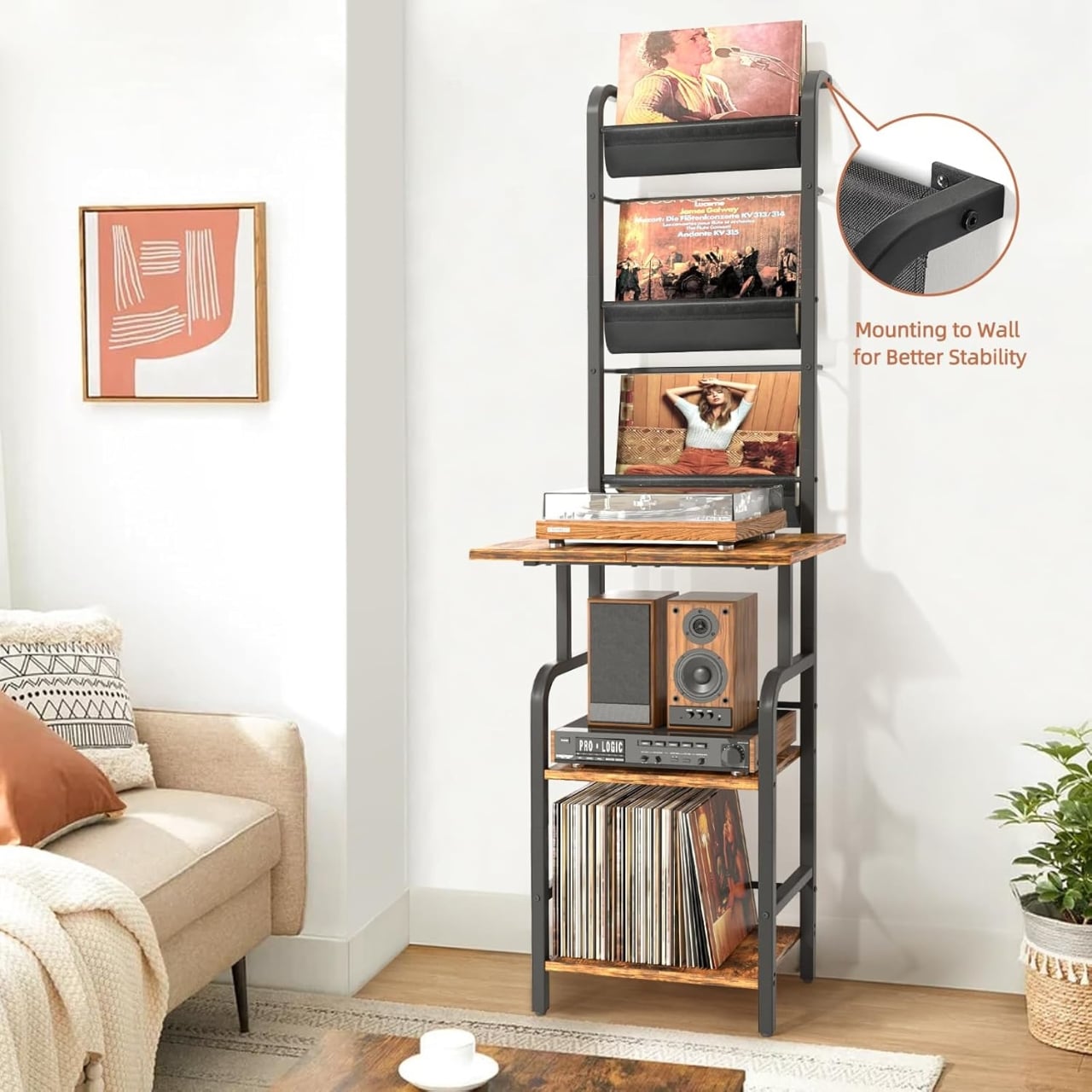
At first glance, the design reads as industrial meets mid-century, the kind of aesthetic combination that tends to age well and works in almost any room. It uses a black metal frame as its backbone, with wooden shelves sitting inside it for the actual weight-bearing surfaces. That alone would make for a decent stand. But the detail that sets this piece apart is the six fabric slings positioned along the middle section of the unit. Each one is made from high-grade Oxford fabric and designed to hold records facing outward, so your collection isn’t just stored, it’s displayed. That distinction matters more than it might sound. Displaying your records is an invitation for conversation. Storing them is just an obligation.

Designer: Tewinko

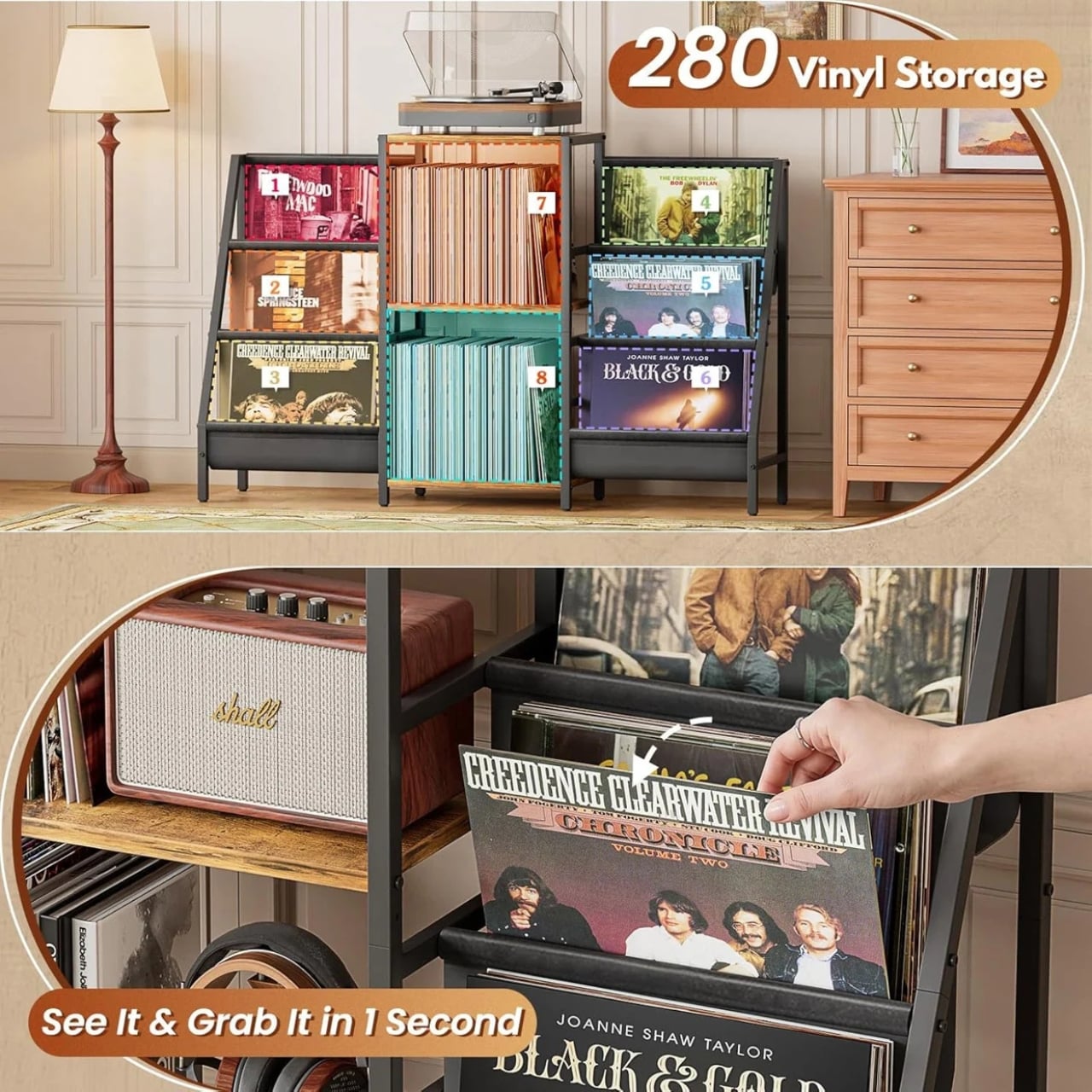
The whole unit holds up to 280 records when you’re also using the bottom two shelves for vinyl, which is a genuinely impressive number for something this compact. The design leans vertical rather than wide, which is a smart call for anyone living in a smaller space. You get your full setup, the turntable on top, albums front and center, and room for speakers or accessories on the lower shelf, without sacrificing a significant portion of your floor plan to do it. Vertical record storage has been a slow-growing trend precisely because it asks designers to solve a more complex spatial problem, and this stand seems to take that challenge seriously.

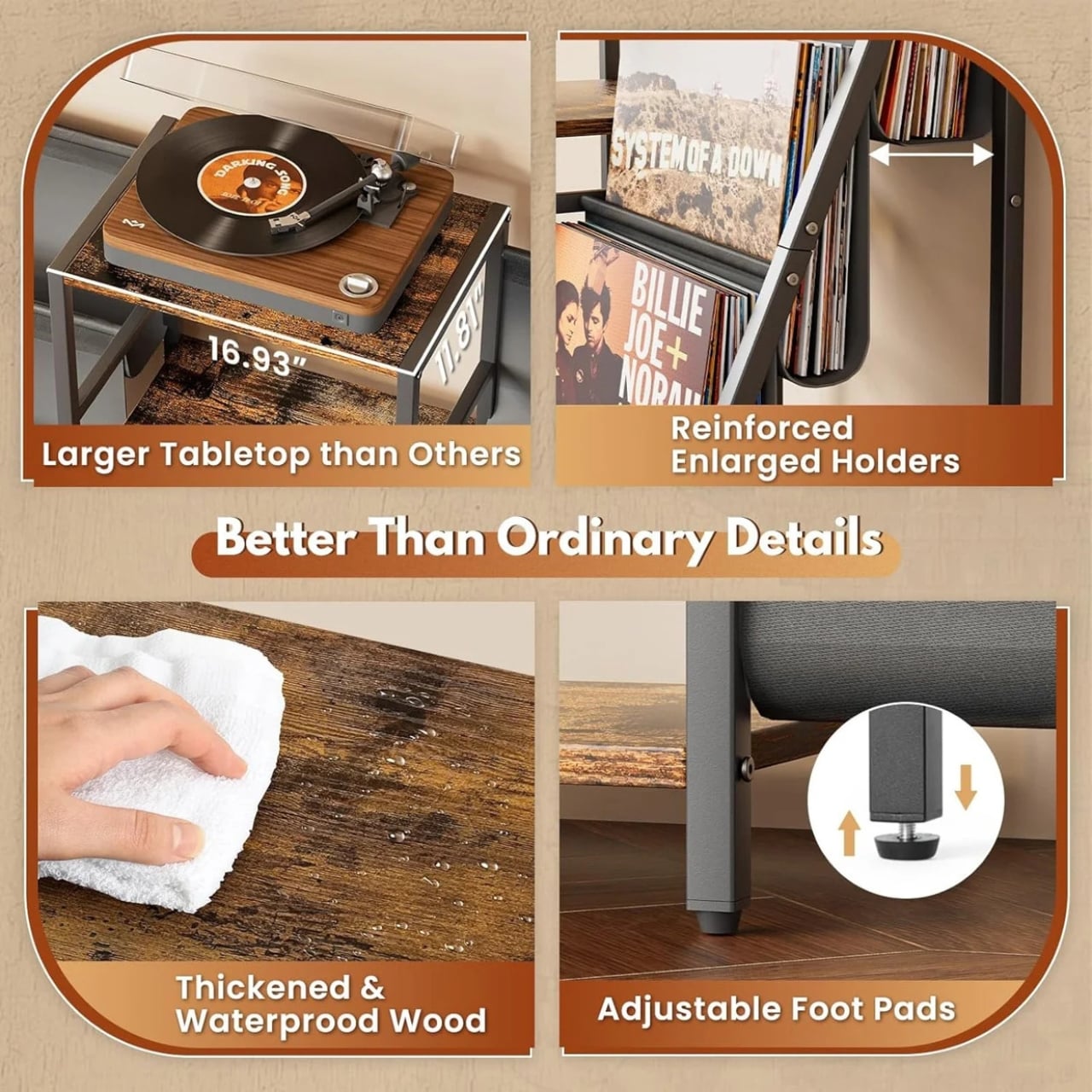
Functionally, the large countertop is sized to fit most standard turntables, and the materials, thickened metal frame, solid wooden board, and Oxford fabric, suggest it was built to carry real weight without wobbling. The assembly reportedly takes somewhere between 20 and 30 minutes and can be done without help, which is a small thing but worth appreciating. Nobody wants to spend their Saturday afternoon wrestling furniture instructions while their records sit in a pile waiting.

The price point is where this gets interesting. At $56.99 and up, the stand sits comfortably below most comparable furniture pieces that lean into the same aesthetic territory. Mid-century record storage tends to get expensive fast, especially when it flirts with any kind of design intentionality. Tewinko’s stand manages to feel considered without charging a premium for the privilege of looking that way. Whether that’s a function of the material choices or the brand’s positioning, the result is a piece that doesn’t ask you to make any real trade-offs between how it looks and what it costs.

It also comes in two other versions: a white metal frame option and an all-wood version. The white frame works well in brighter, more minimal spaces, while the all-wood version suits anyone who prefers warmth over contrast. Having those variations is a genuinely useful design decision because it means the aesthetic stays consistent while the piece adapts to different interiors. That kind of range is rare at this price point, and it changes the conversation about who this stand is actually for.

Most record player furniture occupies one of two extremes. Either it’s purely utilitarian, just a flat surface that holds your gear, or it’s an expensive statement piece priced for serious collectors. The Tewinko stand sits comfortably in between. It has a visual point of view, it’s practical, it can handle a real collection, and it doesn’t cost more than a few records to get there. For anyone who’s been putting off the storage question while their vinyl pile quietly grows, this feels like a reasonably good moment to stop waiting.

The post A $57 Stand Finally Solves the Vinyl Storage Problem first appeared on Yanko Design.

Ripple Shelf’s Wavy Wooden Sides Are Actually a Tool-Free Height System

Most adjustable shelving systems make a quiet trade-off. To offer flexibility, they rely on rail channels, pin holes, or brackets that work well enough but bring a decidedly utilitarian look to any room. The result is a shelf that adapts to your needs but rarely looks like it was designed with much intention beyond storage. Hiding the hardware means losing flexibility; keeping it means living with it.

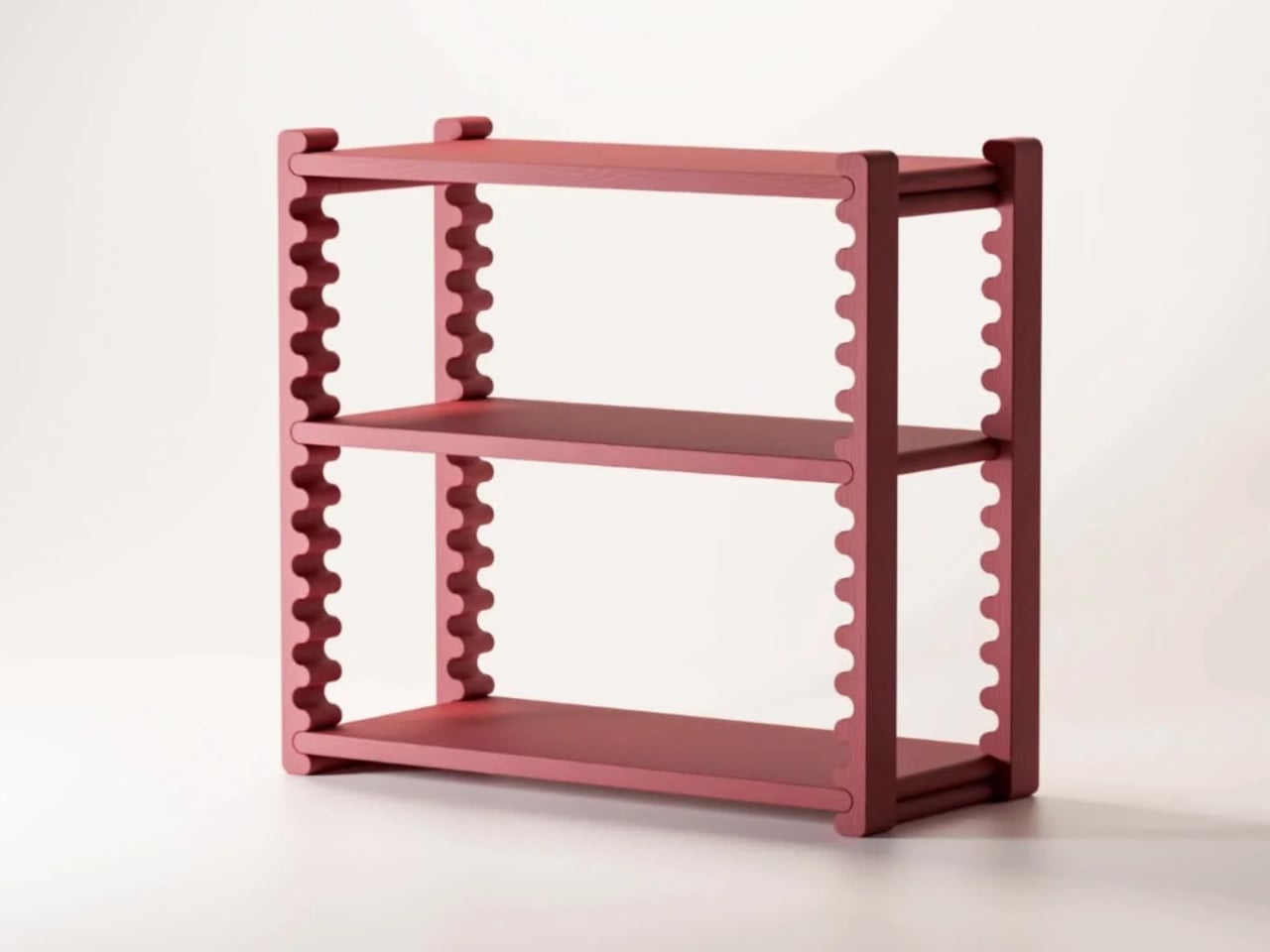
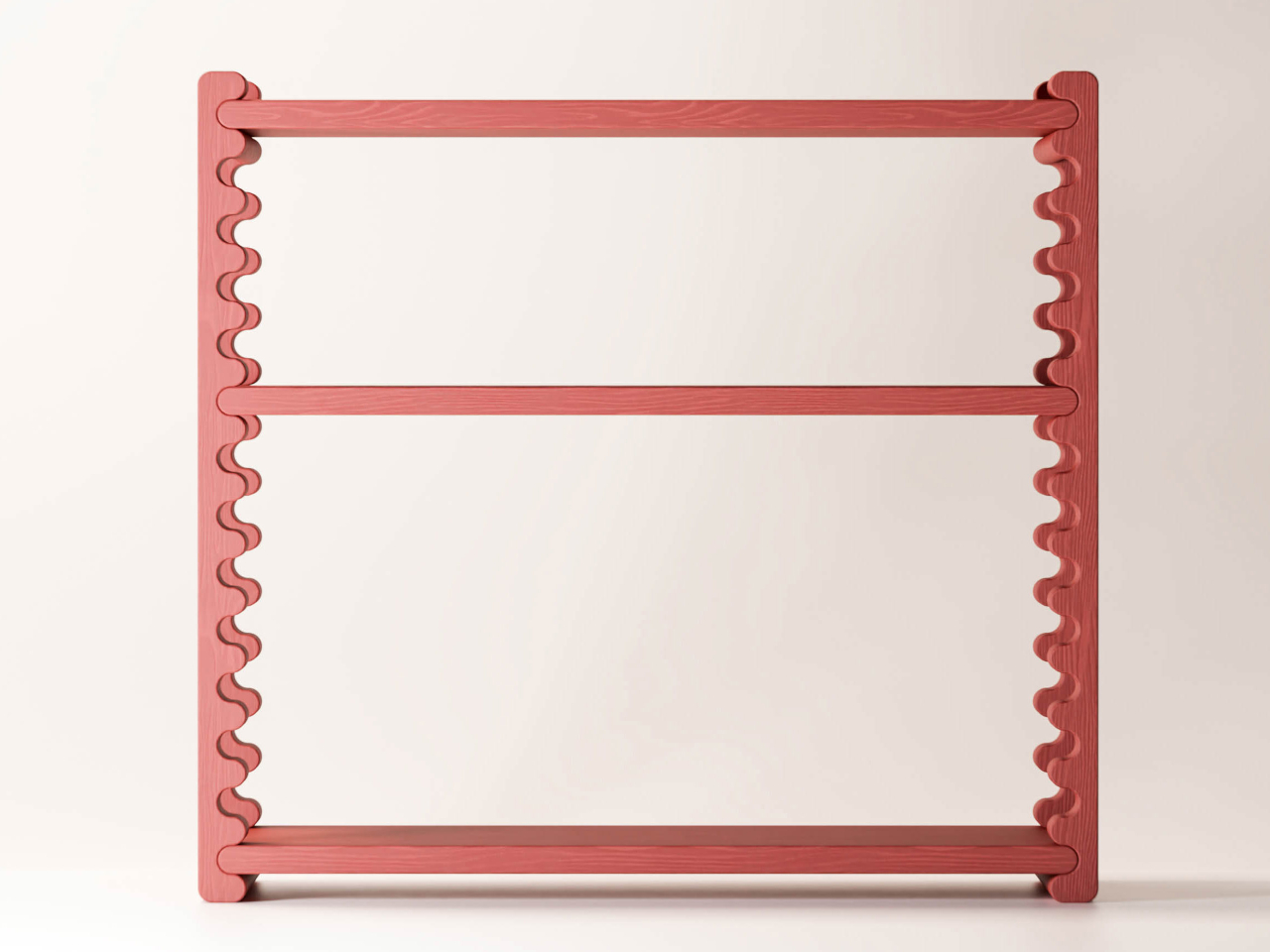
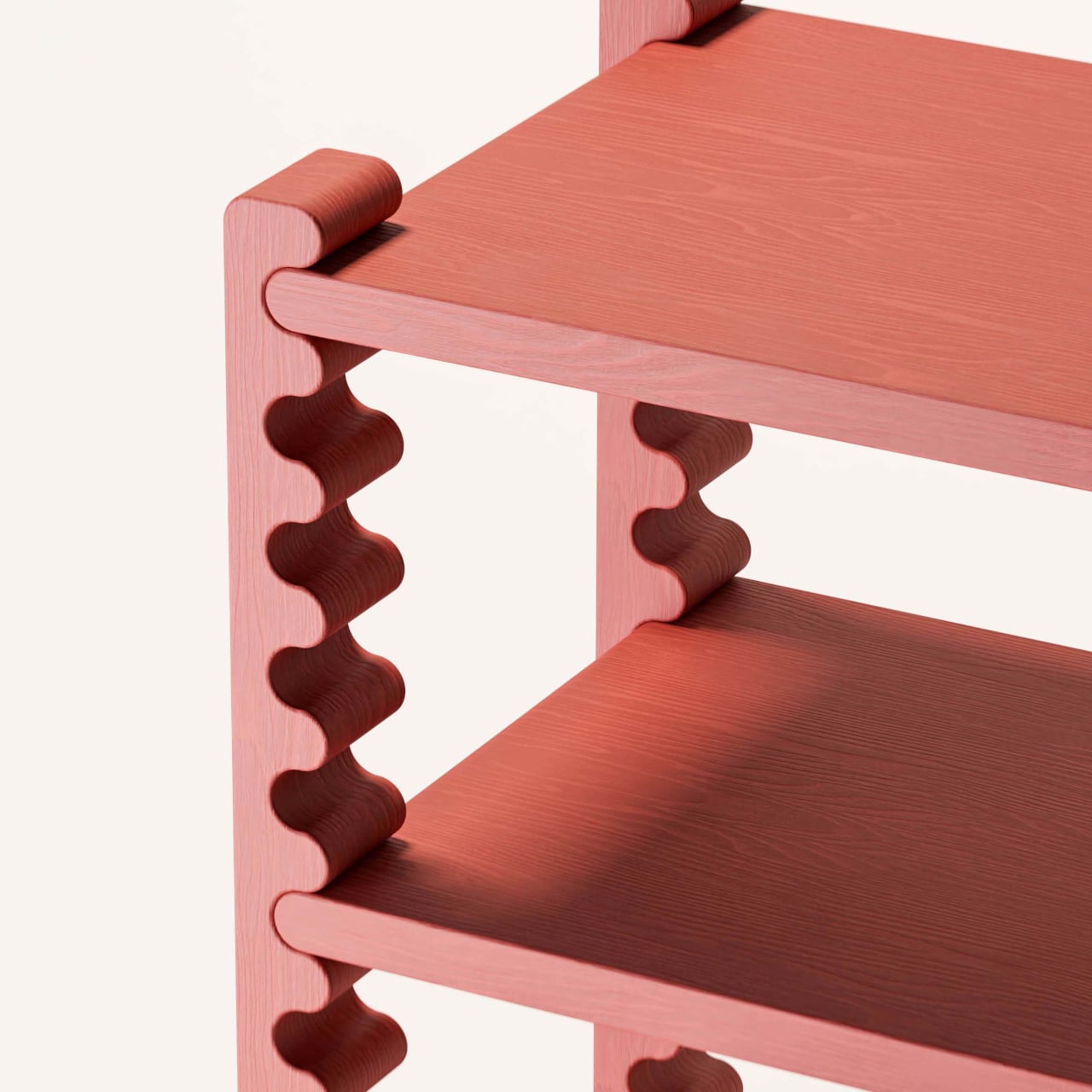
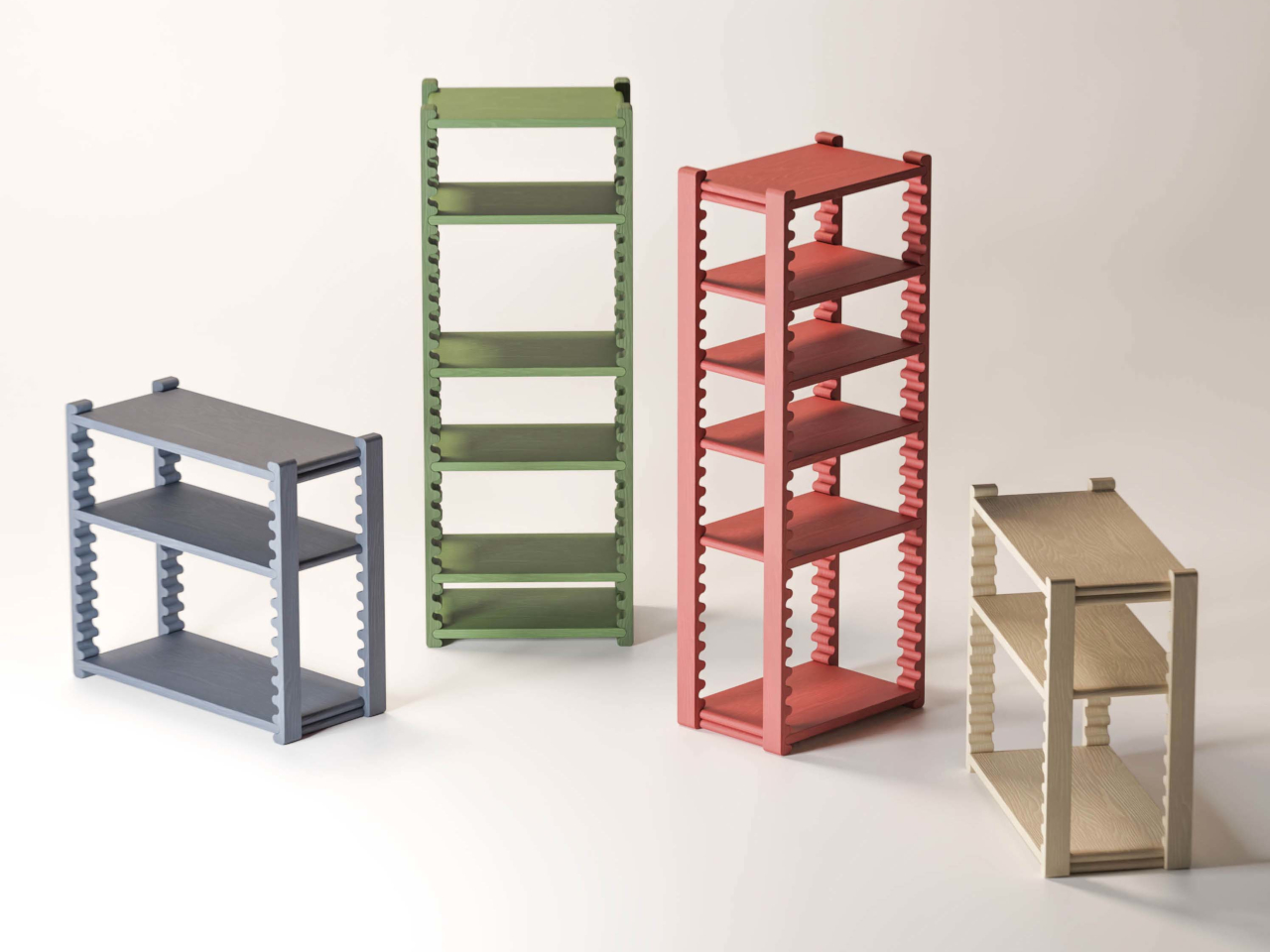
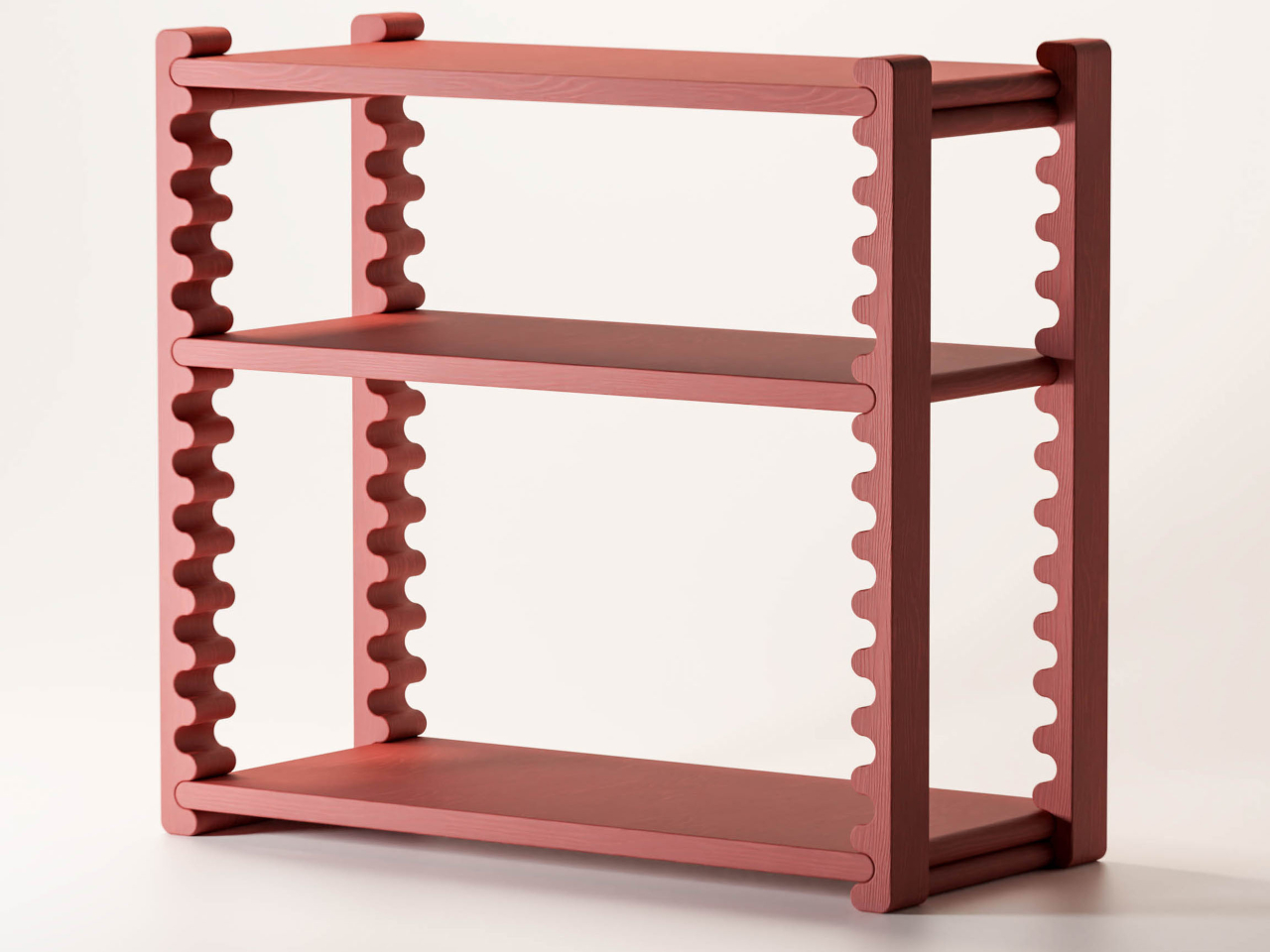
The Ripple Shelf from Sarajevo-based Dilema Studio takes a different approach, one where the shelf’s most visually distinctive element is also its adjustment mechanism. The vertical supports on each side run the full height of the frame in an undulating rippled profile. Those waves aren’t decorative flourishes; they’re guides. The middle shelves slot into them and can be repositioned to different heights without any tools or additional hardware.

Designer: Ermin Alić (Studio Dilema)

The logic here is pretty satisfying. Instead of adding a separate tracking or pinning system, Dilema embedded the mechanism directly into the form. The rippled surface of each support creates natural stopping points along the length of the frame, so positioning a shelf is as intuitive as sliding it into place. There’s nothing to install, nothing to adjust, and nothing to lose at the back of a drawer.

That practicality matters more than it might seem. Someone styling a home office one season and reorganizing it as their book collection doubles doesn’t need to buy a new shelf; they just move the existing ones. A family using the same unit to hold kids’ toys and, later, a collection of records and plants has one piece that grows with the space. The shelf changes; the shelf unit doesn’t.

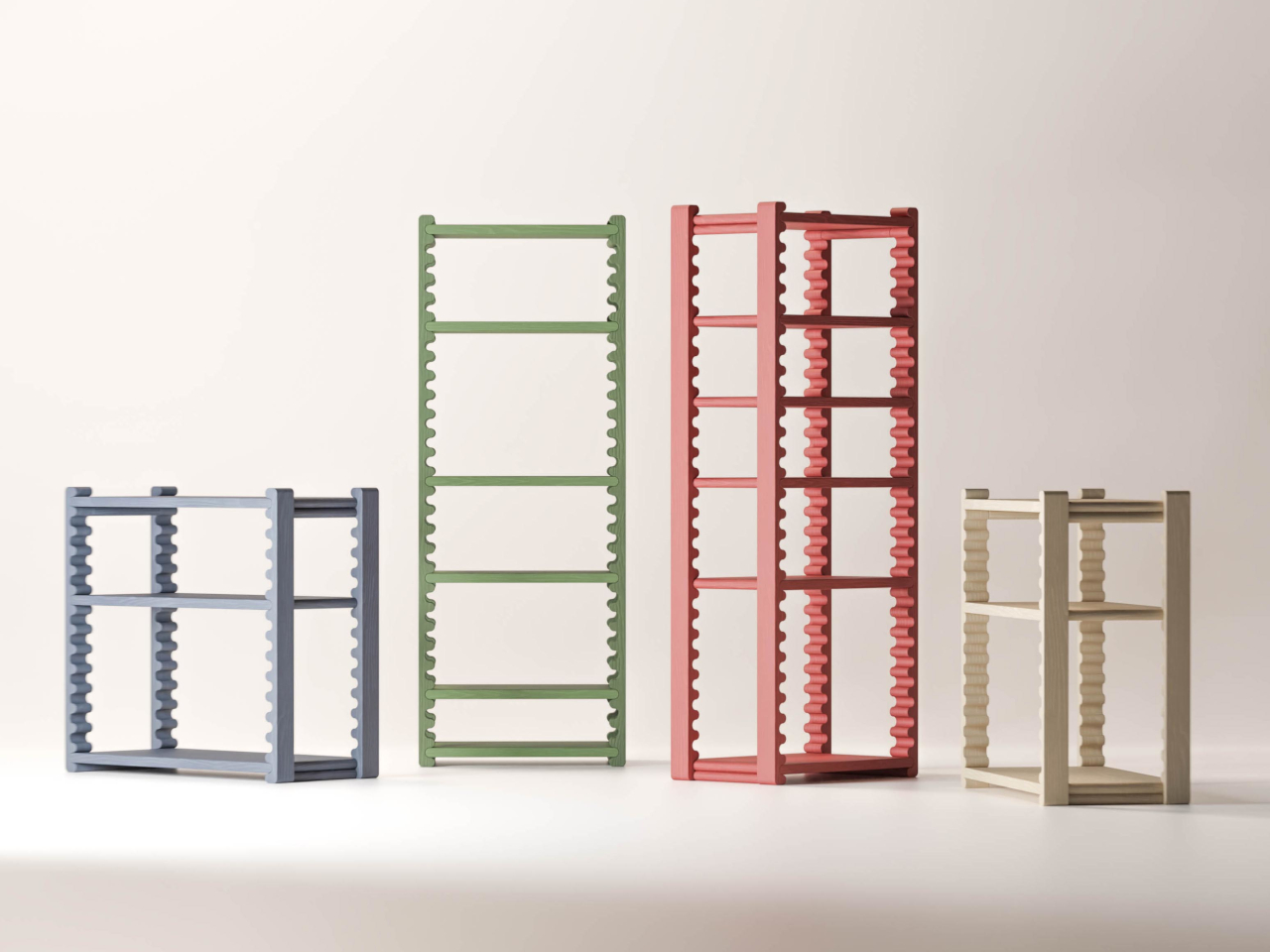
The frame’s fixed top and bottom shelves keep everything stable while the interior remains open to change. Made from beech wood and measuring 750 × 350 × 800 mm, it comes in several color options, including terracotta, sage green, slate blue, and a natural off-white, each with a solid stain that lets the grain show through. The compact footprint makes it workable in tighter rooms without sacrificing capacity.

The system shows up in multiple size configurations, from compact low units to taller multi-shelf towers, giving it range across different rooms and storage needs. That versatility suits living rooms particularly well, where displaying and organizing things often need to share the same piece of furniture. A shelf for ceramics, a lower one for books, a bottom slot for a basket; the spacing adjusts to whatever the situation asks for.

What keeps the Ripple Shelf from being just another clever-but-impractical furniture concept is that it’s genuinely usable. The ripple mechanism doesn’t require any special technique or learning curve; you move a shelf, and it sits where you put it. It’s the kind of furniture that gets better over time, not because it wears in any particular way, but because it stays genuinely useful as what you put on it changes.

The post Ripple Shelf’s Wavy Wooden Sides Are Actually a Tool-Free Height System first appeared on Yanko Design.

This Swedish Designer Just Turned Childhood Puzzles Into Furniture

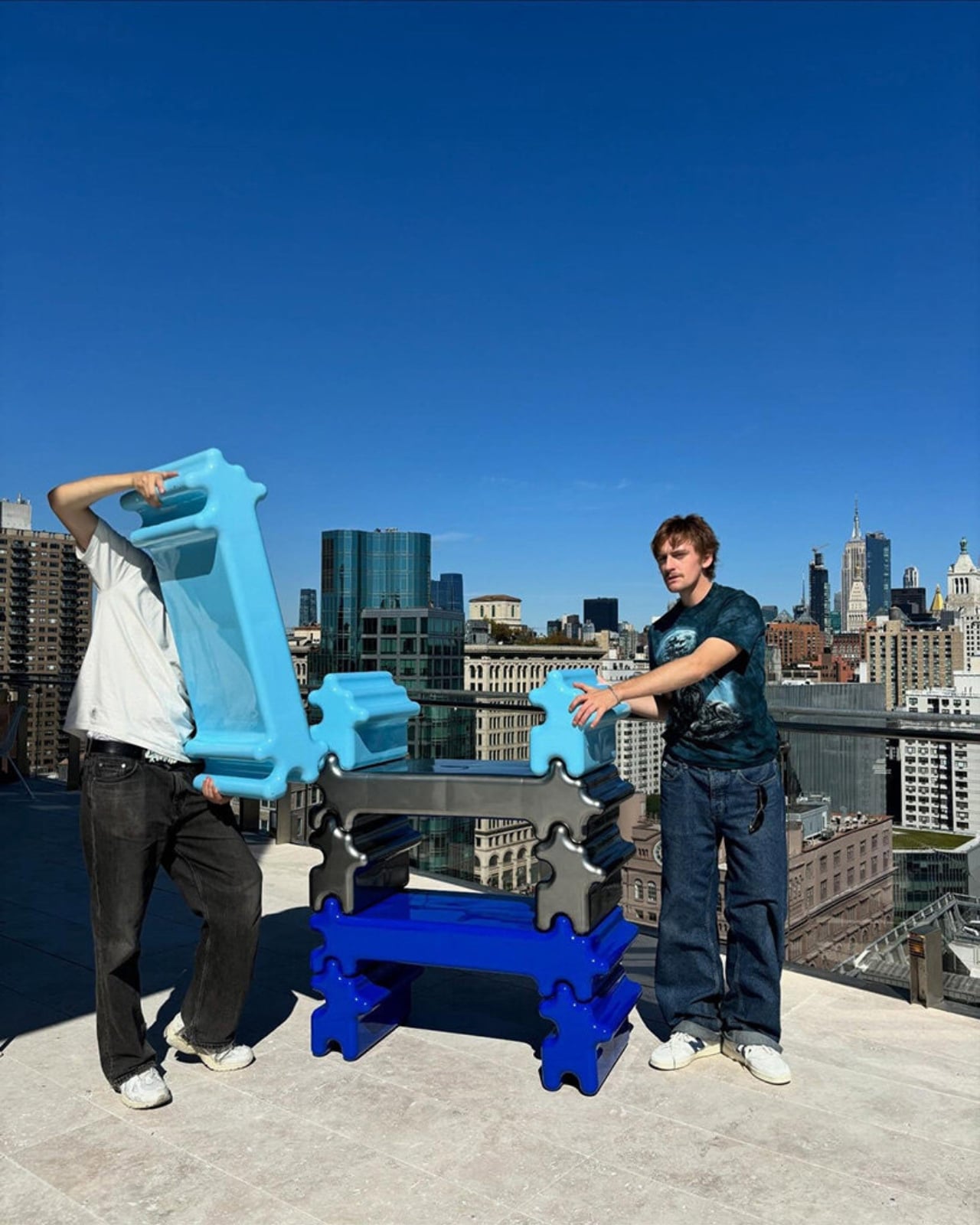
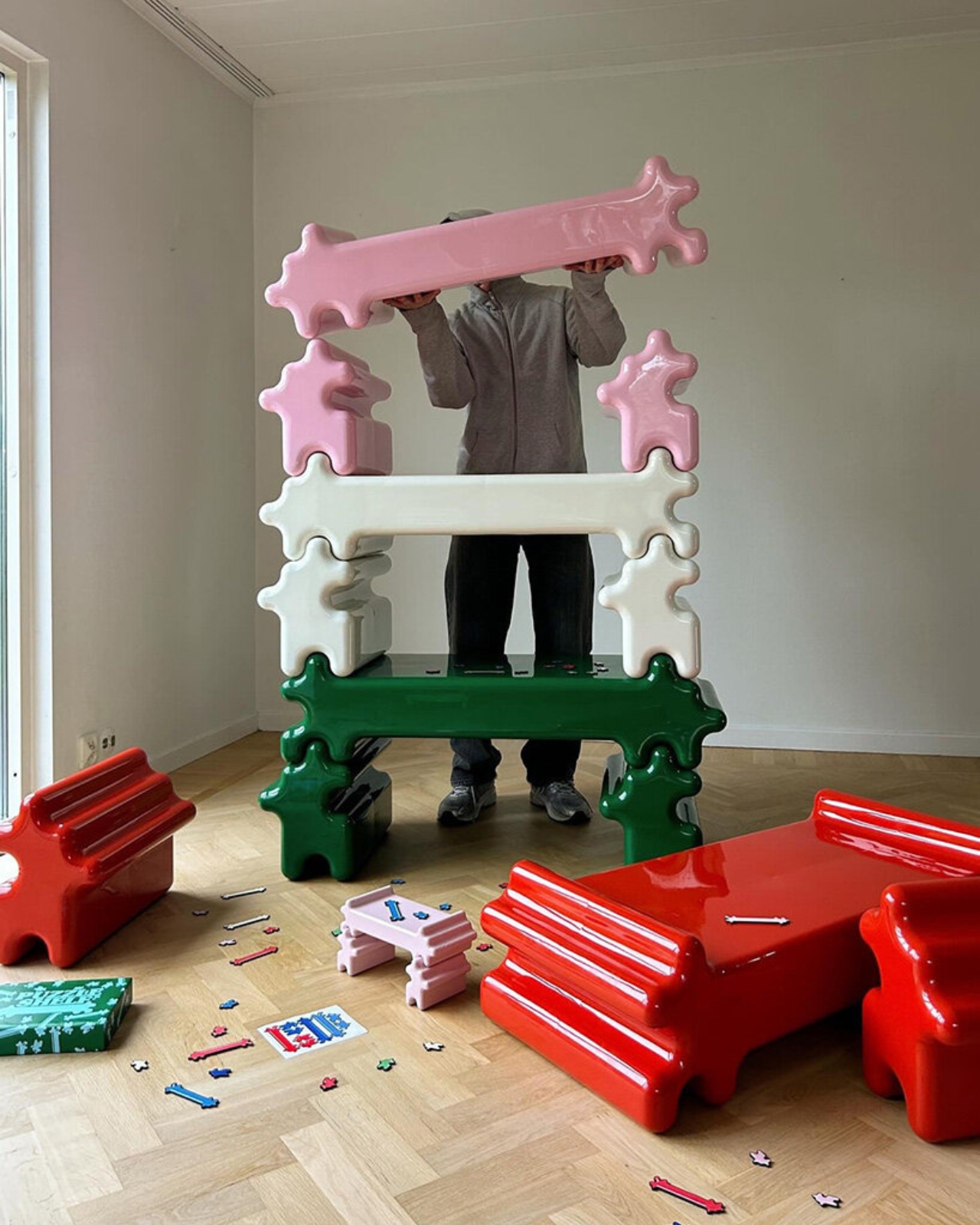
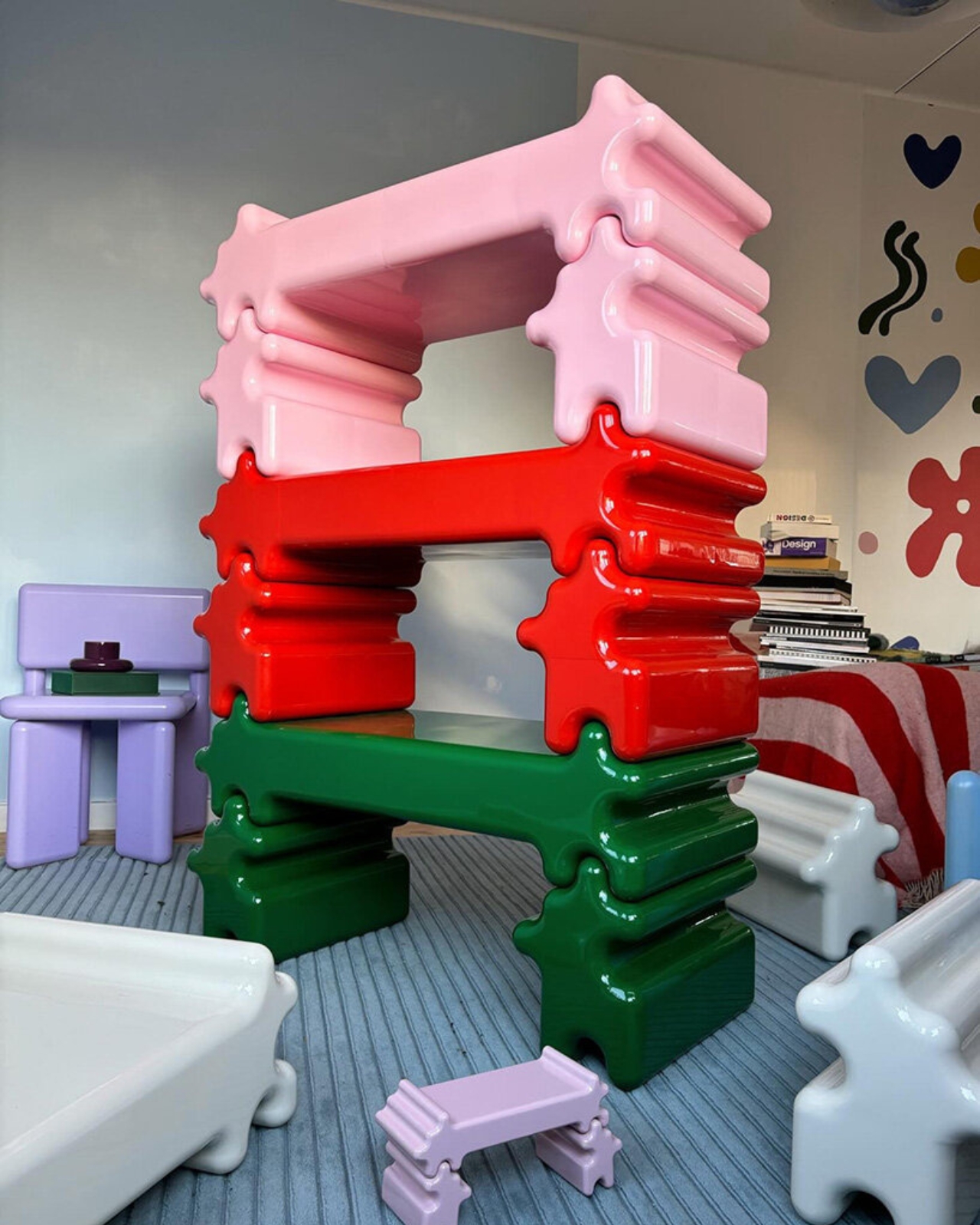
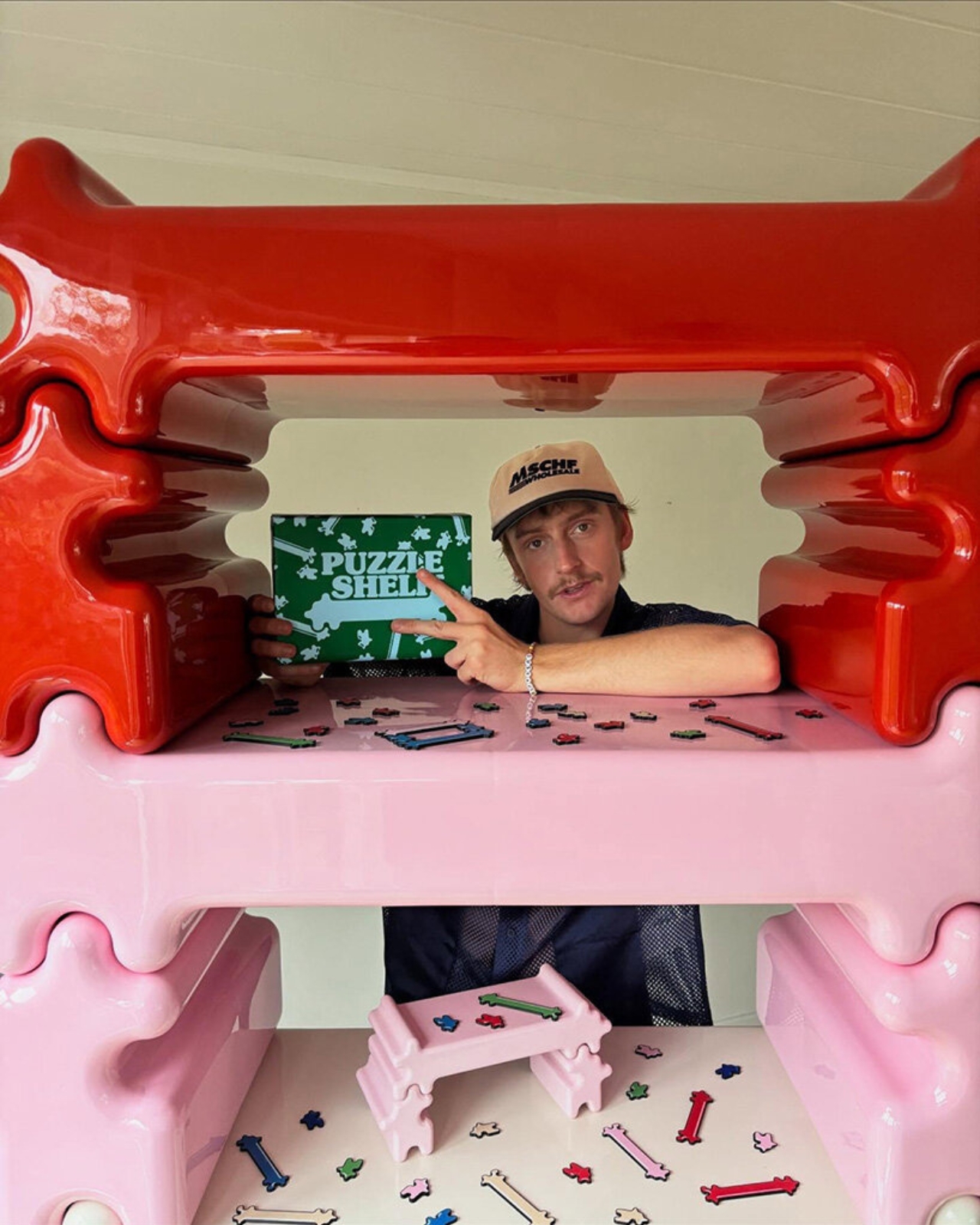
You know that satisfying click when two puzzle pieces finally snap together? Swedish designer Gustaf Westman has blown that feeling up to furniture-size with his latest creation, the Puzzle Shelf, and honestly, it’s the kind of playful design we didn’t know we needed.

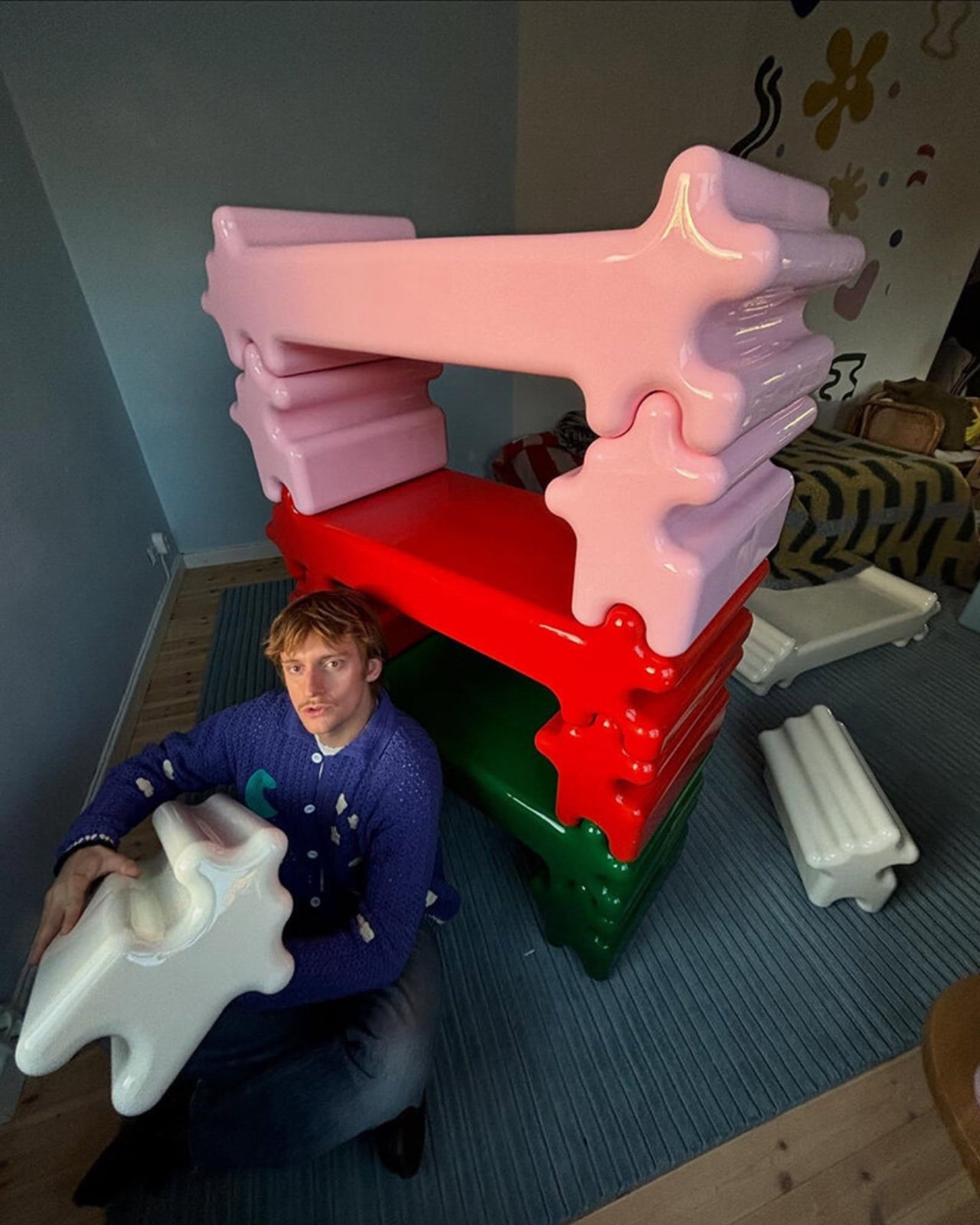
If you’ve been following Westman on Instagram (and you really should be), you’ve probably already fallen for his signature aesthetic: chunky, glossy objects in candy-bright colors that somehow manage to feel both nostalgic and completely modern. Think rounded edges, inflated geometry, and a sense of humor that most furniture seriously lacks. The Puzzle Shelf fits right into this universe while marking something new for the designer. It’s his first venture into modular shelving, and it’s exactly as delightful as you’d expect.

Designer: Gustaf Westman

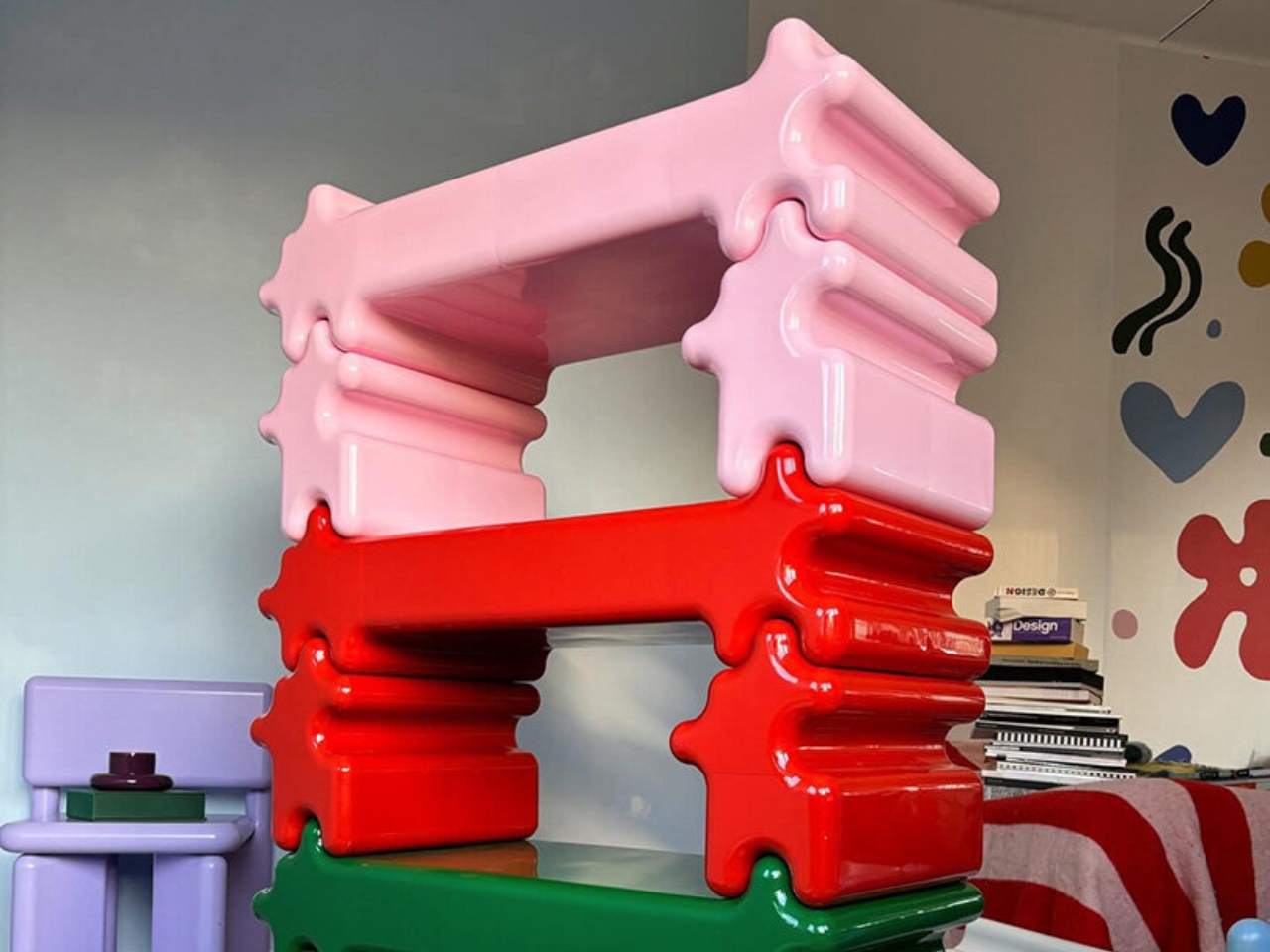
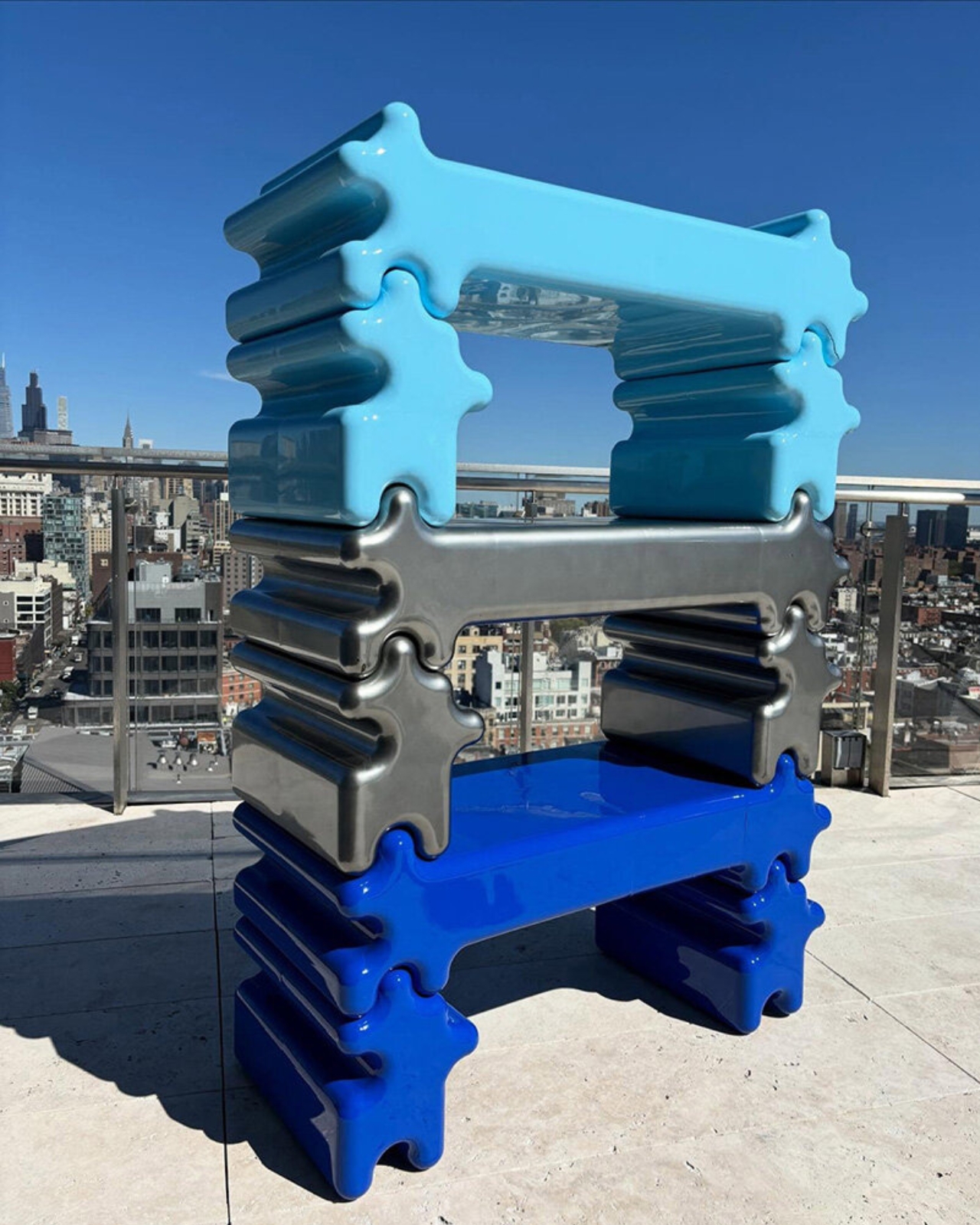
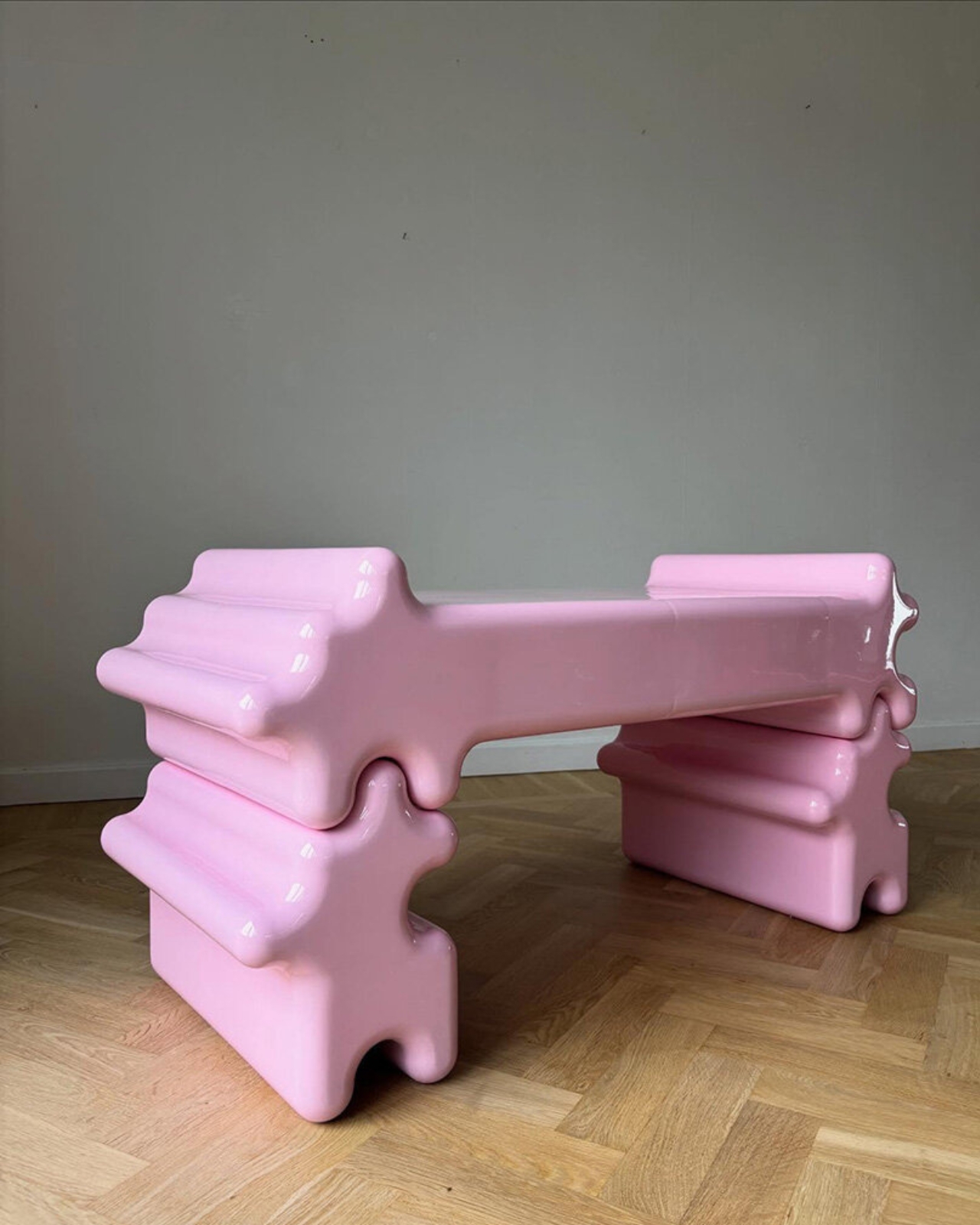
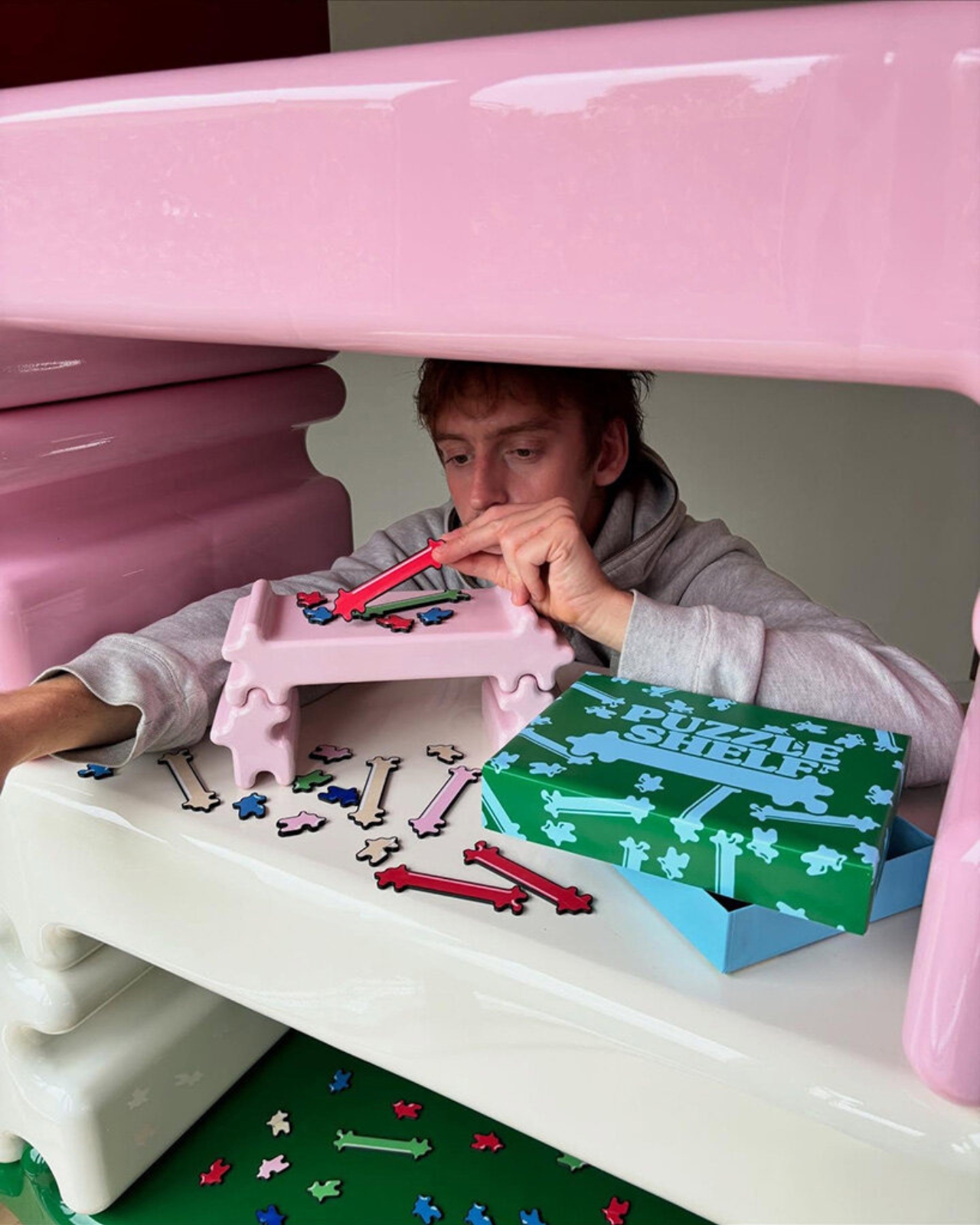
The concept is brilliantly simple. Westman took inspiration from, well, puzzles. Actual jigsaw puzzles. “I usually get inspired by the most random things, and in this case, puzzles,” he explains in a recent Instagram Reel. Each shelf unit features those familiar protruding tabs and recessed slots that slide and lock together without any visible hardware. No screws, no Allen keys, no confusing instruction manuals with cryptic diagrams. Just pure, friction-based satisfaction.

What makes the Puzzle Shelf so compelling is how it transforms something functional into something sculptural. These aren’t just storage units. They’re bone-shaped, oversized blocks that you can stack, rearrange, and play with to create whatever configuration your space needs. Want a tall tower of shelves? Go for it. Prefer something low and horizontal? That works too. The system is completely flexible, giving you the kind of creative control that makes arranging your space feel more like art than organization.

Westman’s design process is also pretty fascinating. Before committing to full-scale production, he tests everything through 3D printed miniatures that mirror the final product almost exactly. It’s a smart approach that lets him work out all the kinks while keeping that essential puzzle functionality intact. The result is a system that actually works the way it promises to, which in the world of trendy furniture, is refreshingly rare.

And can we talk about how these pieces look? The glossy finish and those signature candy hues make the Puzzle Shelf feel like an oversized toy that somehow grew up without losing its sense of fun. It’s the kind of design that makes you smile when you walk past it, which is exactly what good furniture should do. Plus, the generous spacing between levels means you actually have room for your books, plants, ceramics, or whatever else you want to display.

This latest piece comes on the heels of Westman’s collaboration with IKEA earlier this year, a 12-piece collection that brought his playful aesthetic to a wider audience. That partnership showed how his rounded forms and informal approach to design could translate across different price points and product types. The Puzzle Shelf feels like the next logical step, proving that Westman’s chunky universe has plenty of room to grow.

What’s refreshing about Westman’s work is that it never takes itself too seriously. There’s a lightness to his designs, a sense that furniture doesn’t have to be stuffy or precious. The Puzzle Shelf embodies this philosophy perfectly. It’s functional without being boring, sculptural without being impractical, and playful without being juvenile. It invites you to interact with it, to rearrange it, to make it your own. It isn’t trying to revolutionize how we think about storage. It’s just making the everyday act of organizing your stuff a little more joyful, a little more tactile, and a lot more fun. And isn’t that what good design should do?

The post This Swedish Designer Just Turned Childhood Puzzles Into Furniture first appeared on Yanko Design.

Top 10 Styles of Open Shelving for Maximizing Storage

Open shelves and storage solutions not only tidy up your possessions but also incorporate them into your home’s decorative scheme. Open shelves come in various styles and configurations, each offering unique advantages and aesthetic appeal. Here are ten different types of open shelves to choose from.

Designer: João Teixeira
1. Floating Shelves
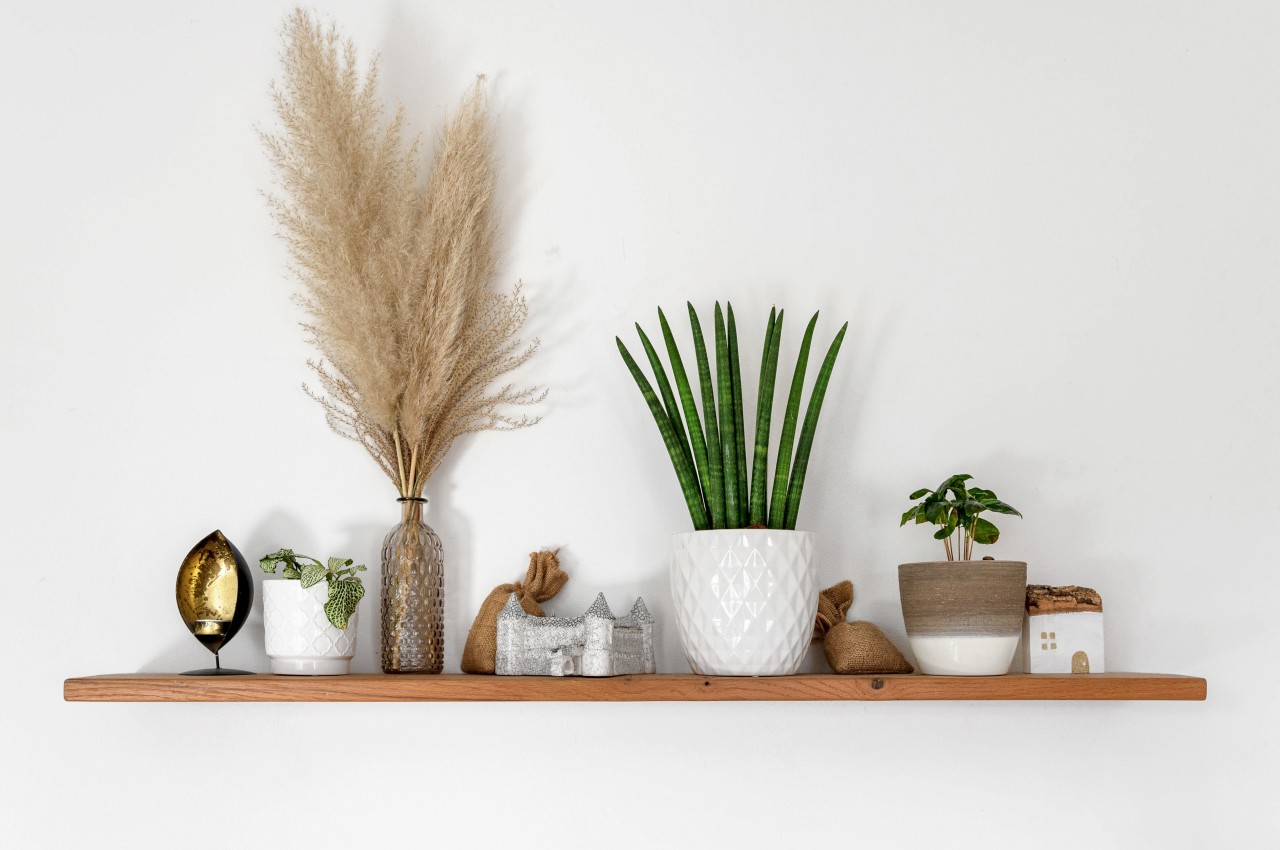
Image courtesy of: 9_fingers_

These are the most common types of open shelves that are mounted directly onto the wall to impart a floating effect as the brackets are concealed. It is best suited for modern homes and is perfect for displaying decorative items, storage containers, or toys in children’s bedrooms.

2. Wall-Mounted Shelves
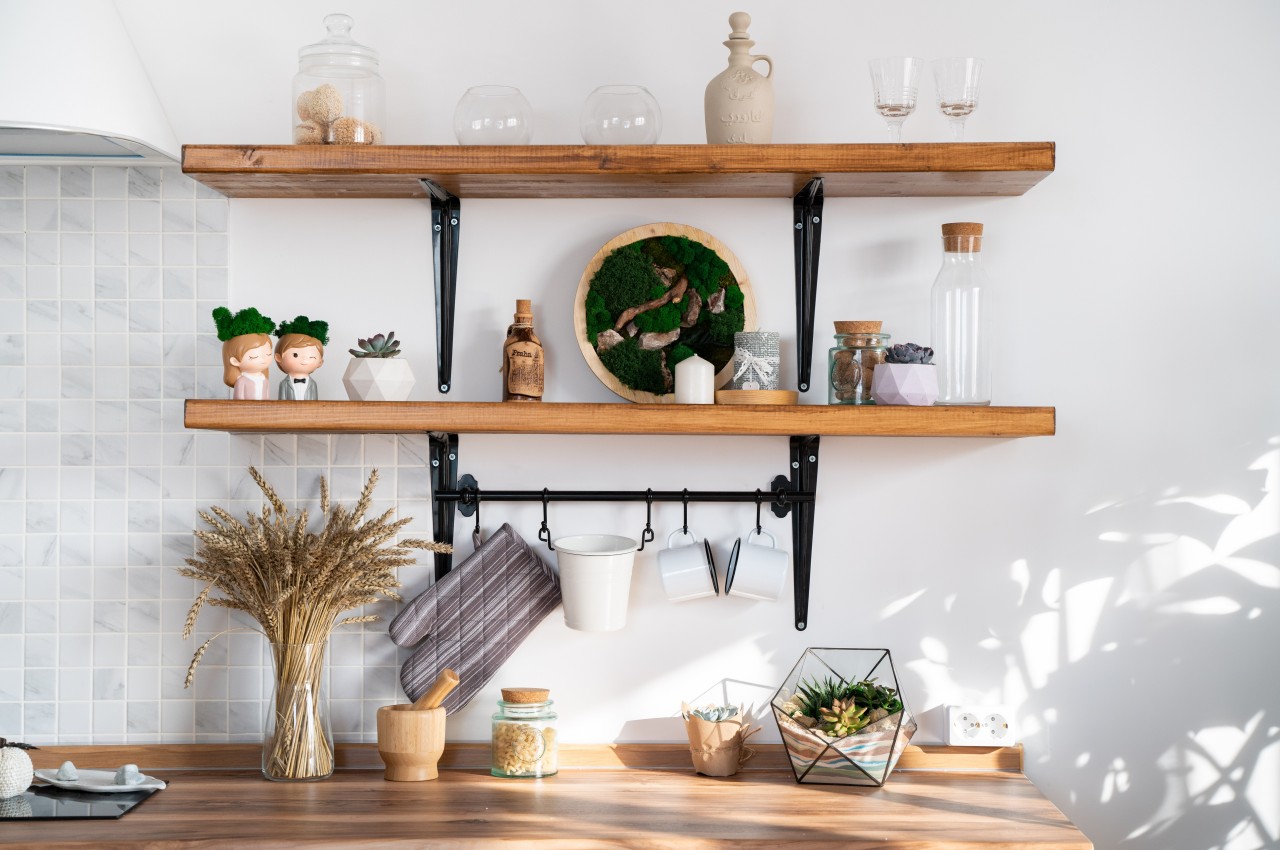
Image courtesy of: katrinasid

As the name suggests, these shelves are mounted on the wall supported by visible brackets and are available in multiple materials and designs.
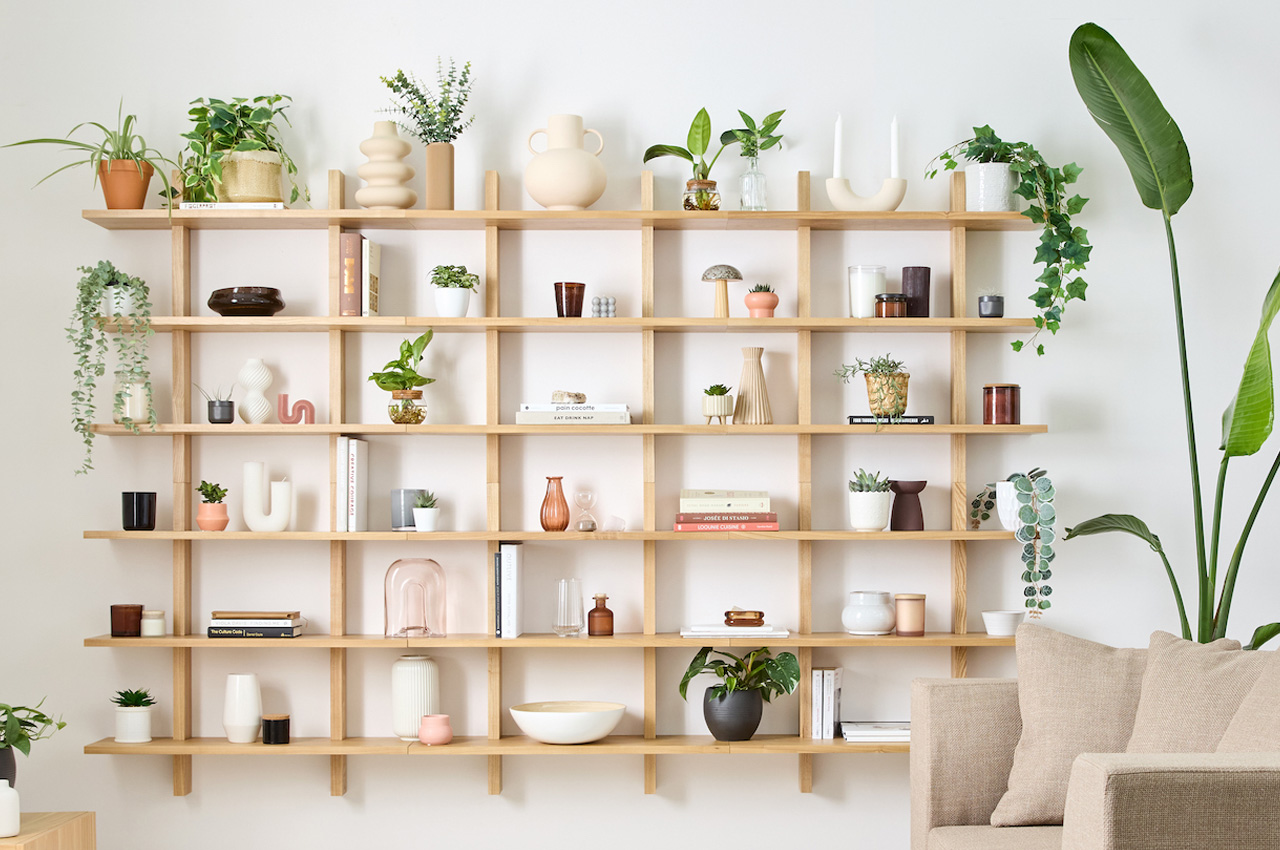
Designer: Evan Clabots for Cozey

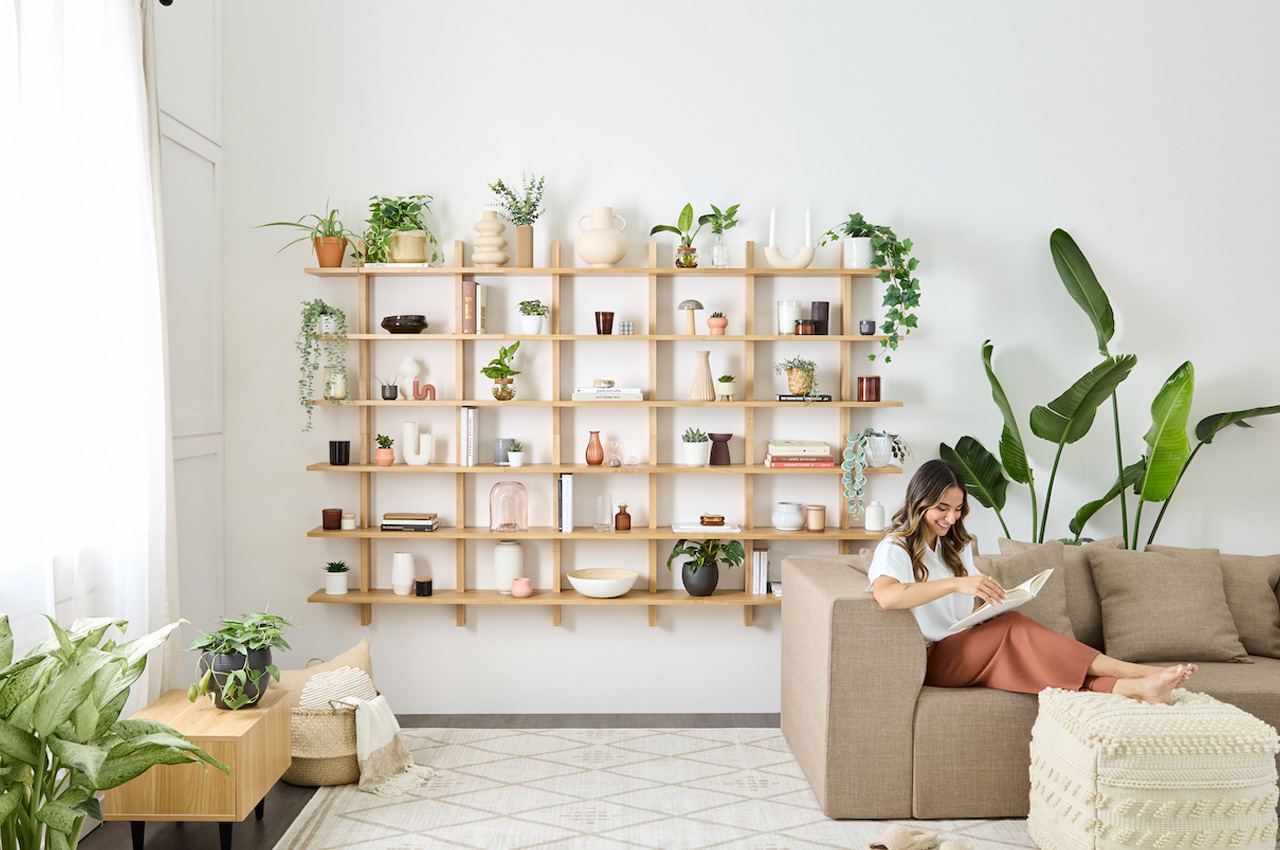
The Altitude Shelf, designed by Evan Clabots for Cozey, draws inspiration from Japanese and Danish woodworking traditions, boasting clean lines and a minimalist aesthetic. Easy to assemble with included hardware and a placement guide, this versatile shelf seamlessly integrates into any room, offering both functionality and style.
Designer: Markus Hofko of Von Morgen

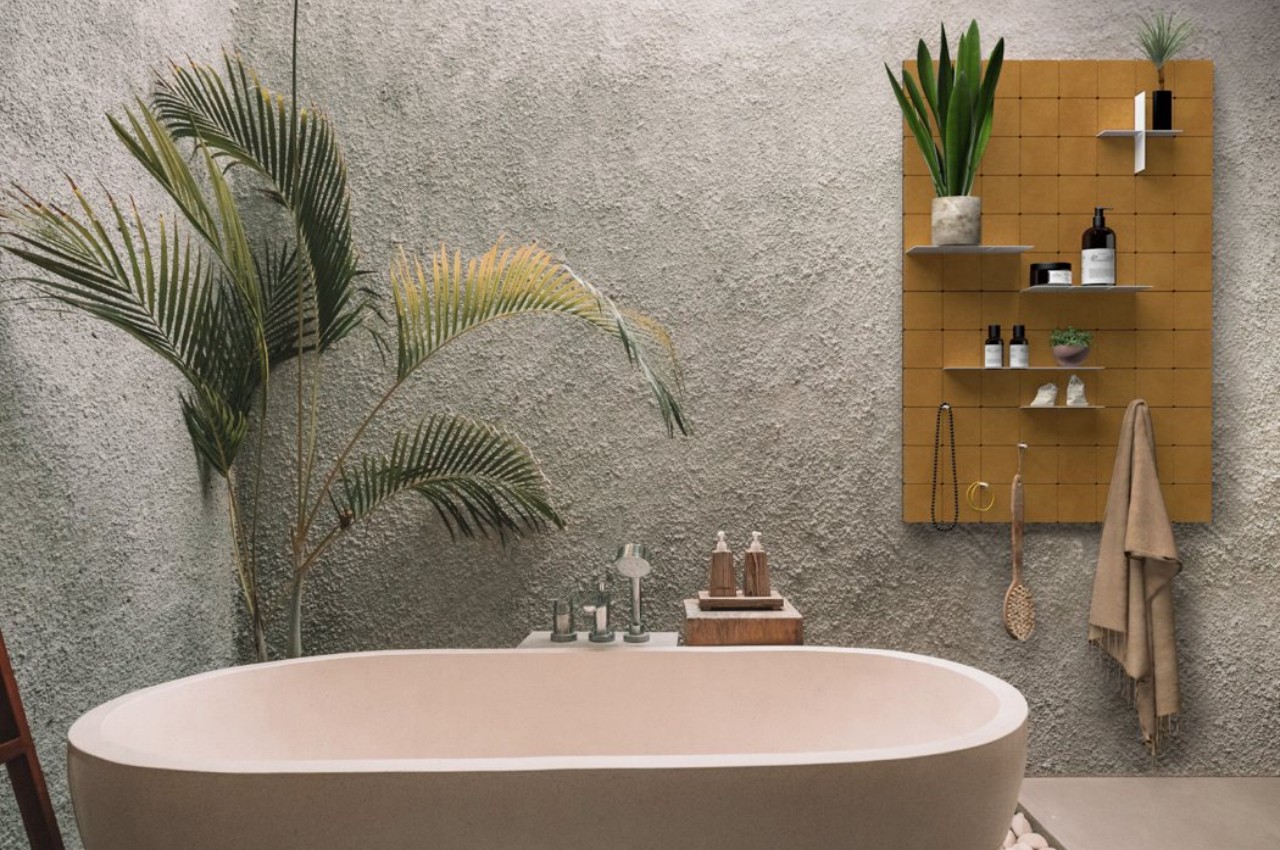
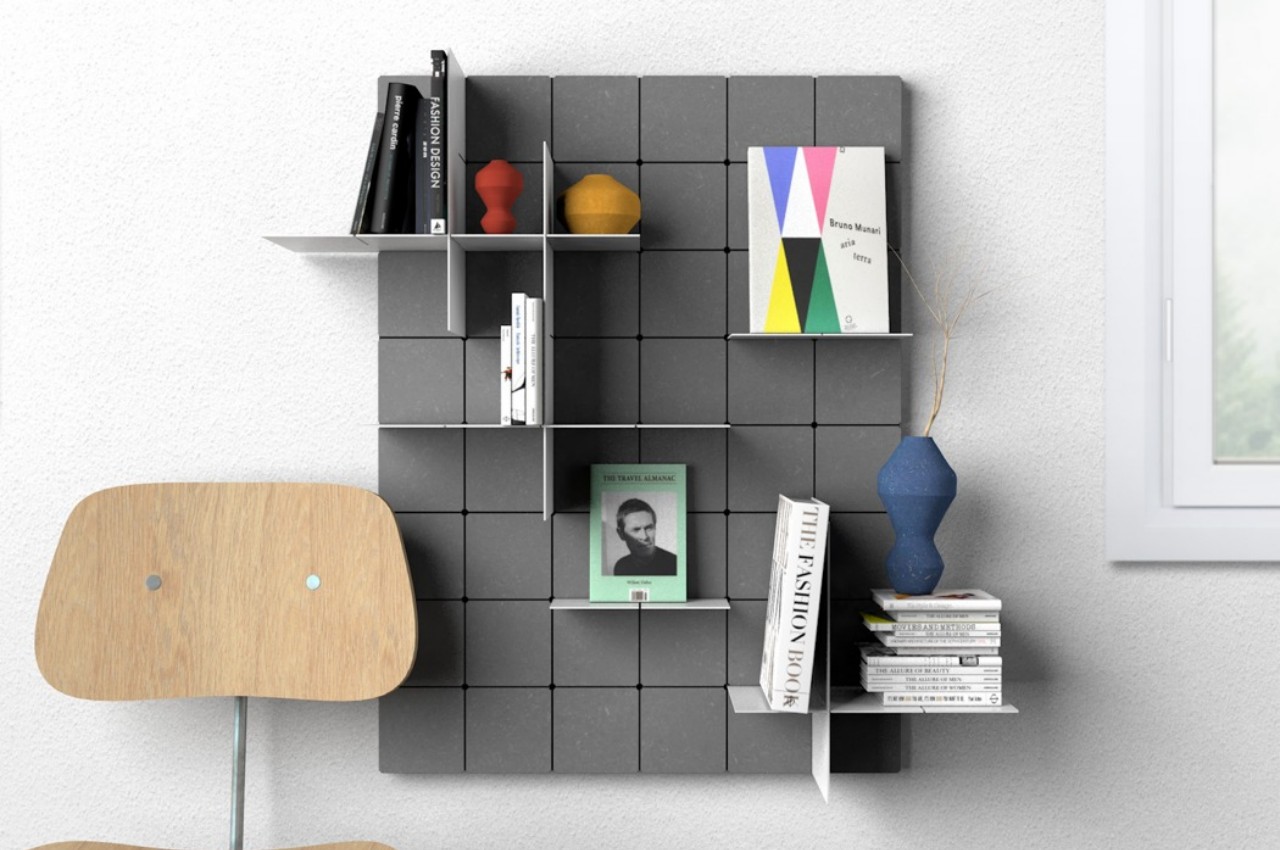
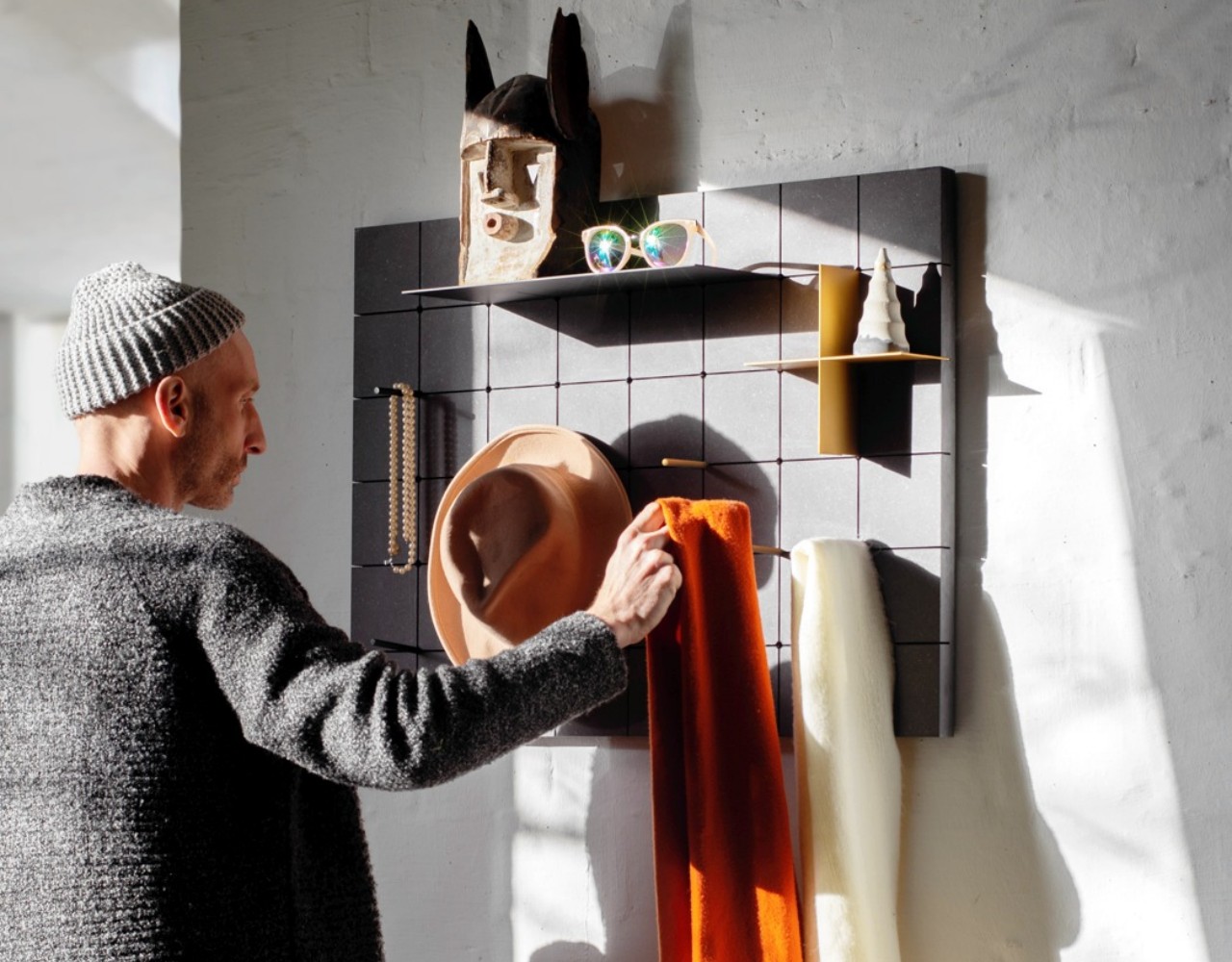
KUR!O’s innovative shelving unit offers customizable storage solutions with its grid base and interlocking shelving plates. It has evolved into a consumer-ready product featuring durable construction and additional features like dowels for hanging items. The base grid, made from wood-fiber boards, supports powder-coated steel panels, available in various colors for structural integrity and aesthetic appeal. With a modular design and playful color scheme, KUR!O adds contemporary flair to any space.

3. Cube Shelves

Available as rectangular or square-shaped shelves, these units can be used for storage and display. They can be used as individual units or can be combined to create an interesting display.
Designers: Calvin Middel & Bencekommt

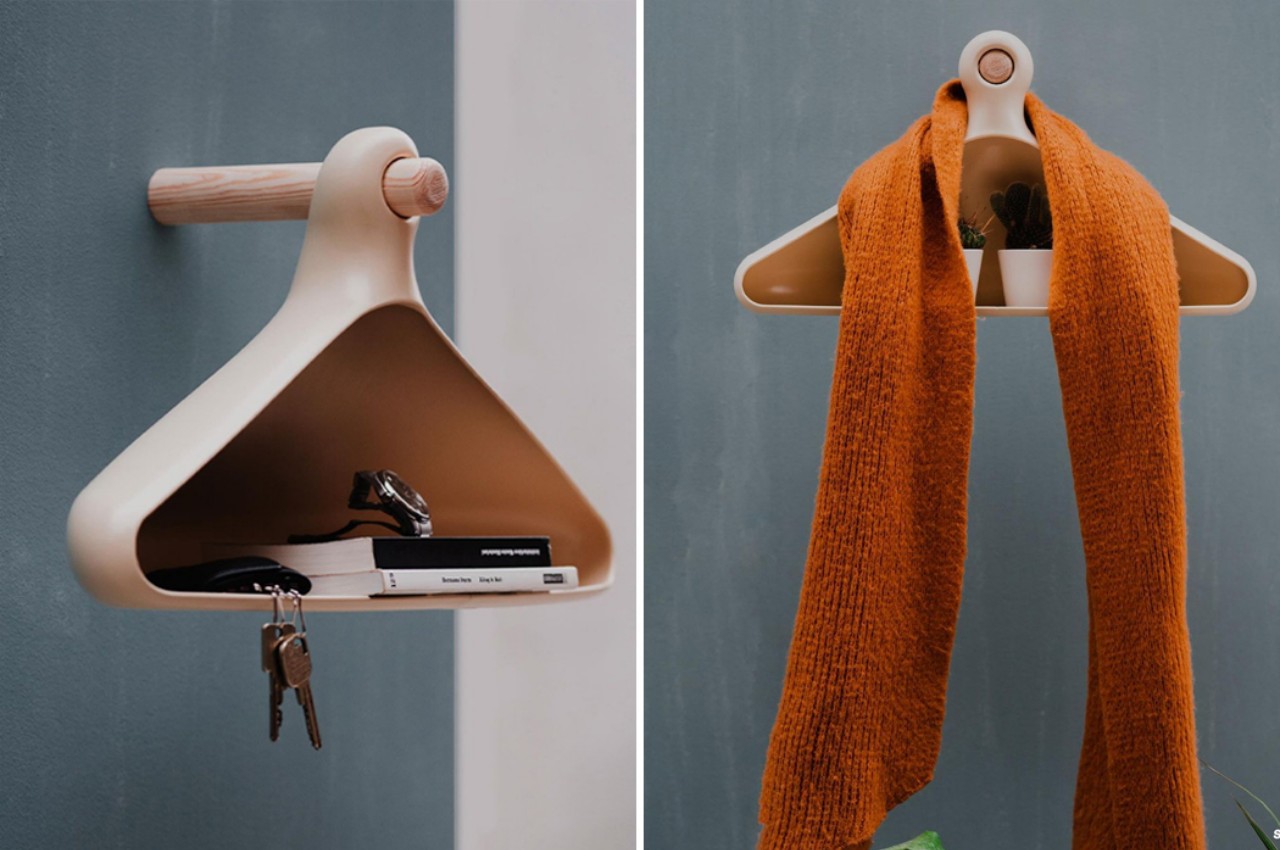
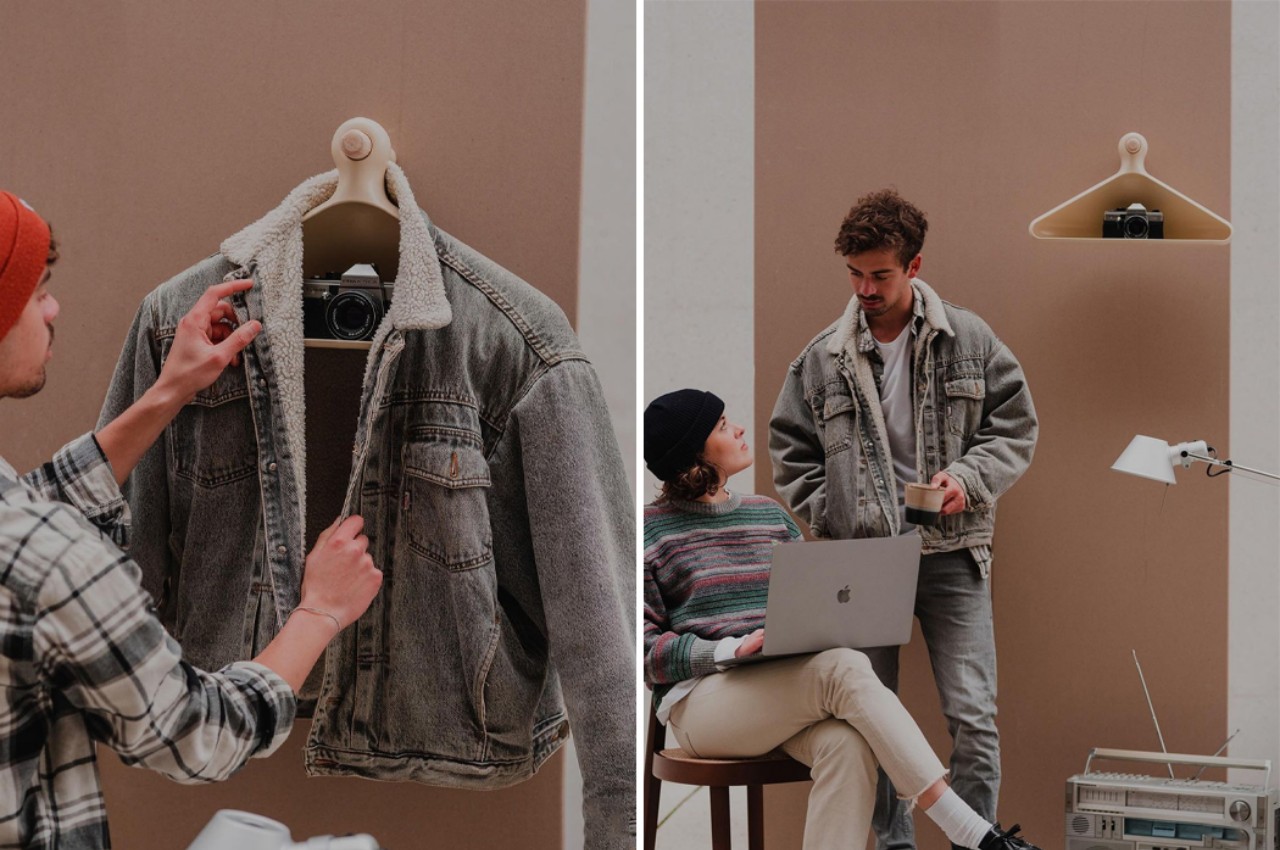
Every foyer needs a storage solution for keys, jackets, and daily essentials. Student designers Calvin and Bence crafted Bügal designed a fusion piece blending a coat rack with a shelf system. Utilizing 3D printing, they molded Bügal’s body, achieving a sleek, semi-matte silicone finish. Bügal hangs securely from a wooden peg, accommodating multiple garments and bulky items like cameras or plants. Its deep pocket provides space for keys and phones, offering practical storage without sacrificing style.

Designer: Jean Couvreur for Kabata

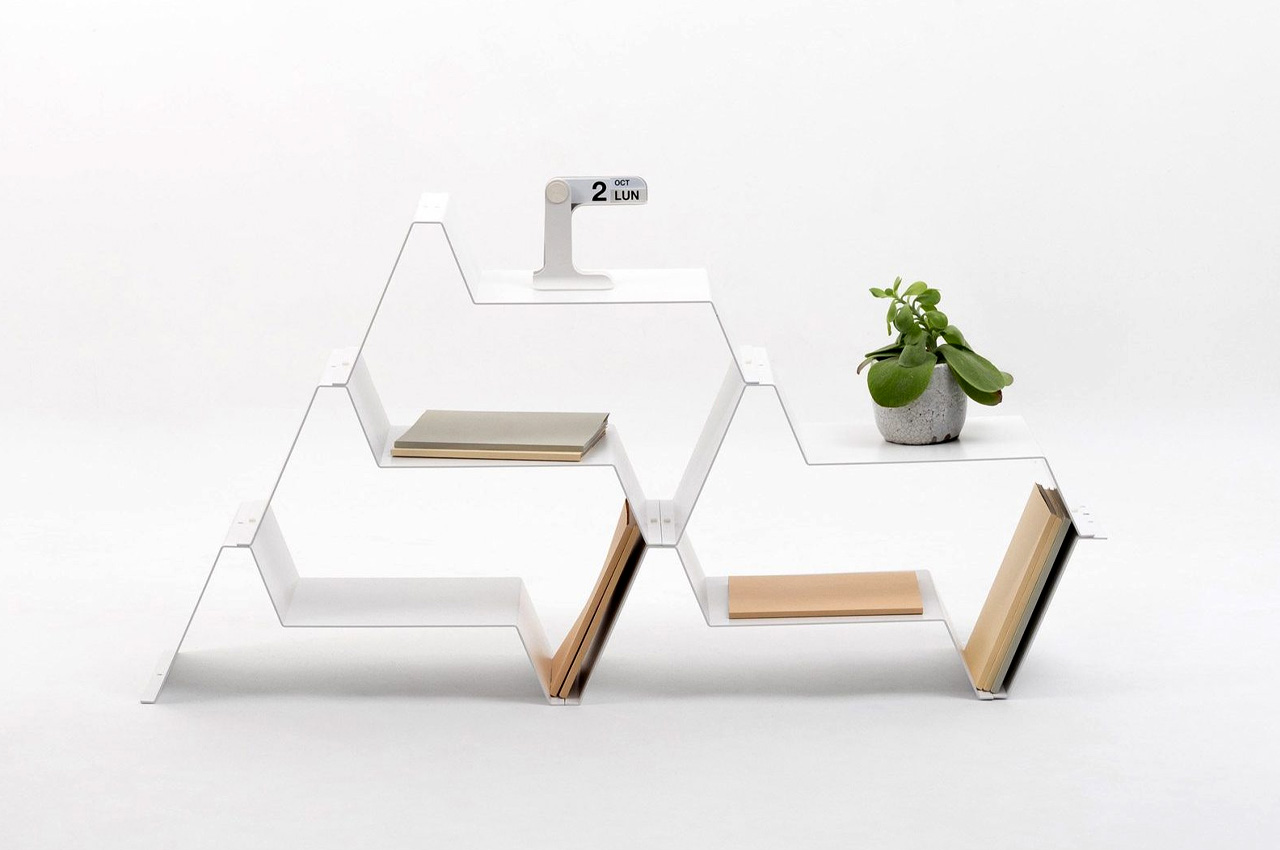
The Fréquence shelf by Jean Couvreur, designed for Kabata, offers a versatile storage solution for compact living spaces. It features minimalist aesthetics with clean lines and a sleek white finish. This modular shelving system allows for various configurations, serving as a bookcase, base unit, or room divider. Its geometrically shaped modules, crafted from durable aluminum, enable creative arrangements while minimizing material wastage during manufacturing. With its sturdy construction and modern design, Fréquence adds functionality and elegance to any home environment.

Designer: Deniz Aktay

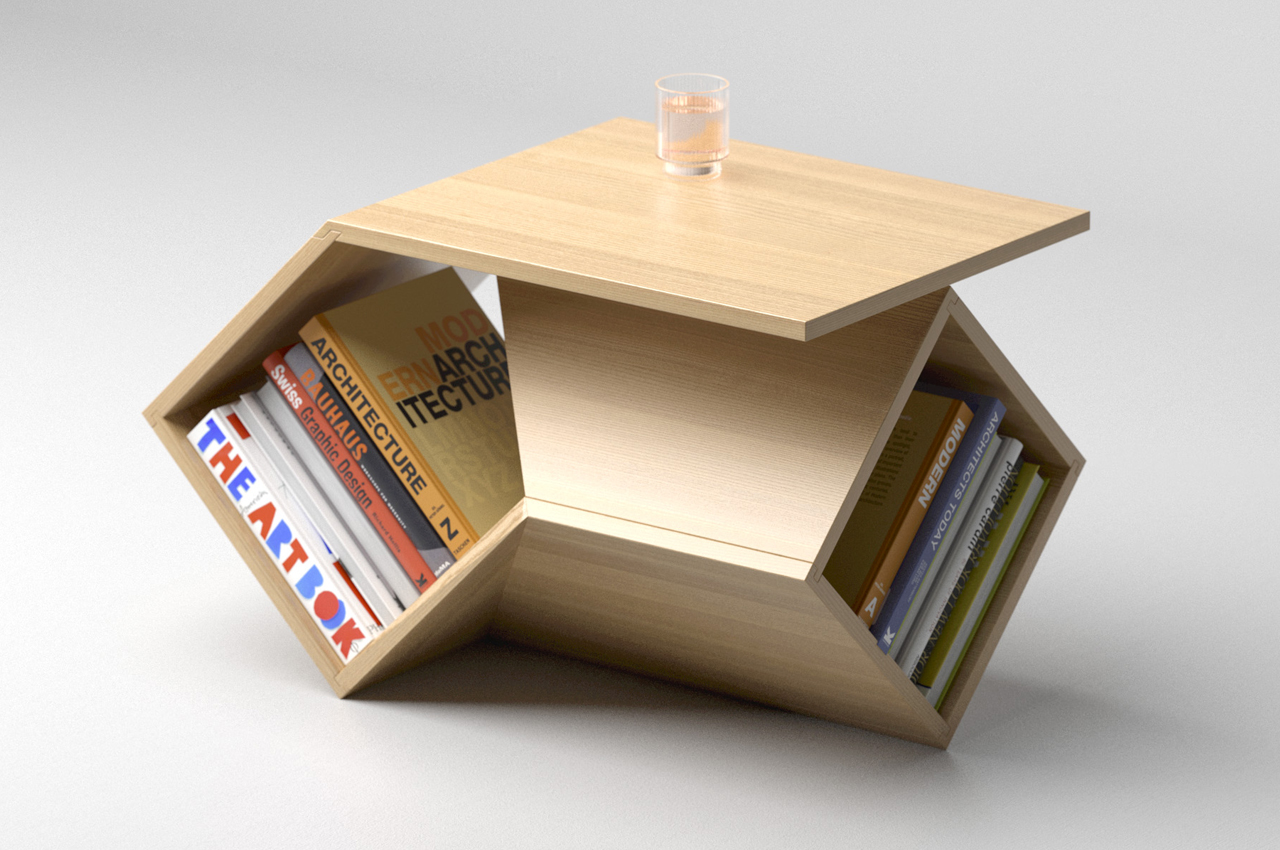
Deniz Aktay’s ‘Overlap’ table is a versatile and functional piece of furniture designed for modern living spaces. It features two rotated wooden boxes ingeniously joined to create a sturdy tabletop and storage unit. This compact yet stylish design prioritizes both form and function, offering ample storage while occupying minimal space. Its geometrically intriguing form adds a touch of sophistication to any room, making it a perfect fit for small corners or as a centerpiece in a living room.

4. Corner Shelves
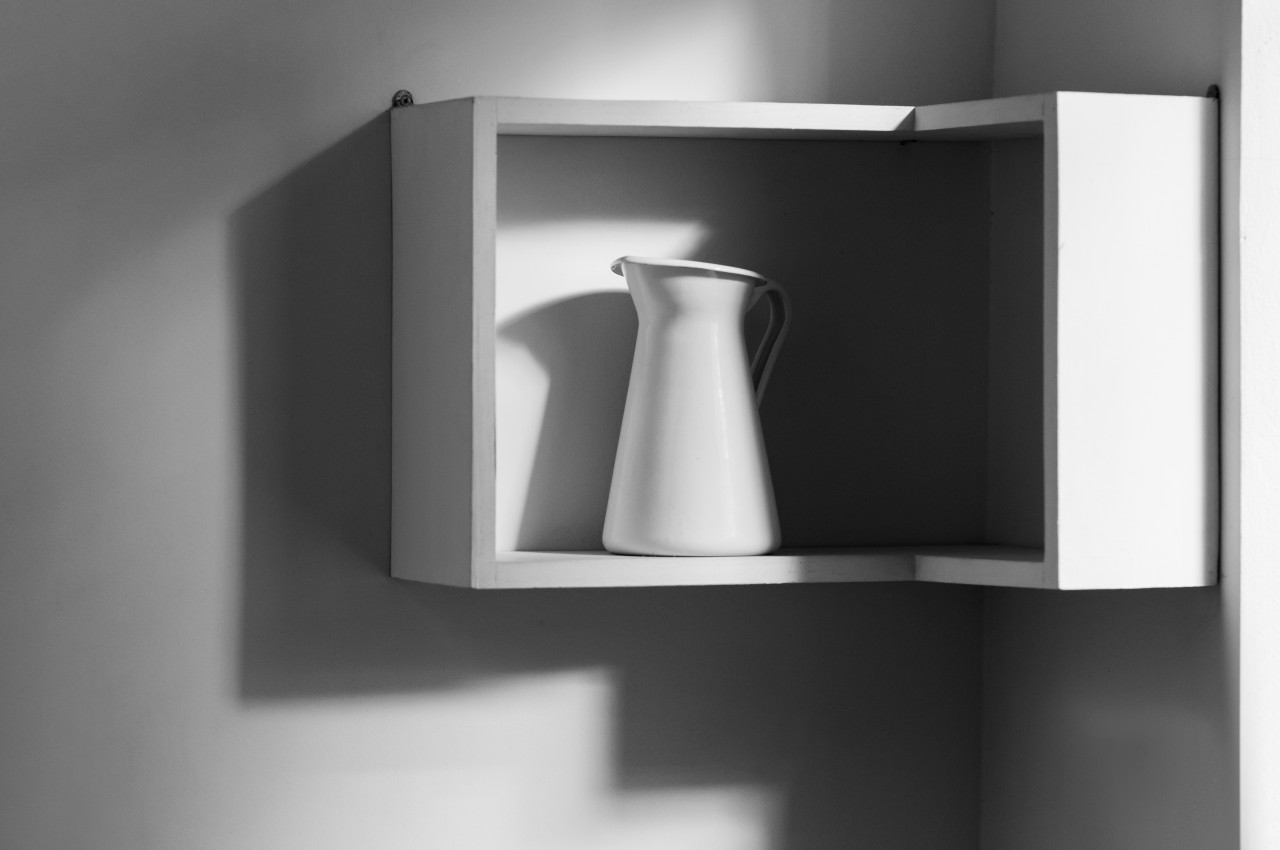
Image courtesy of: olegbreslavtsev

Make optimum use of the corners and maximize storage with corner shelves. These shelves are available in triangular and curved designs and are ideal for enhancing the utility of vacant corners.

5. Ladder Shelves
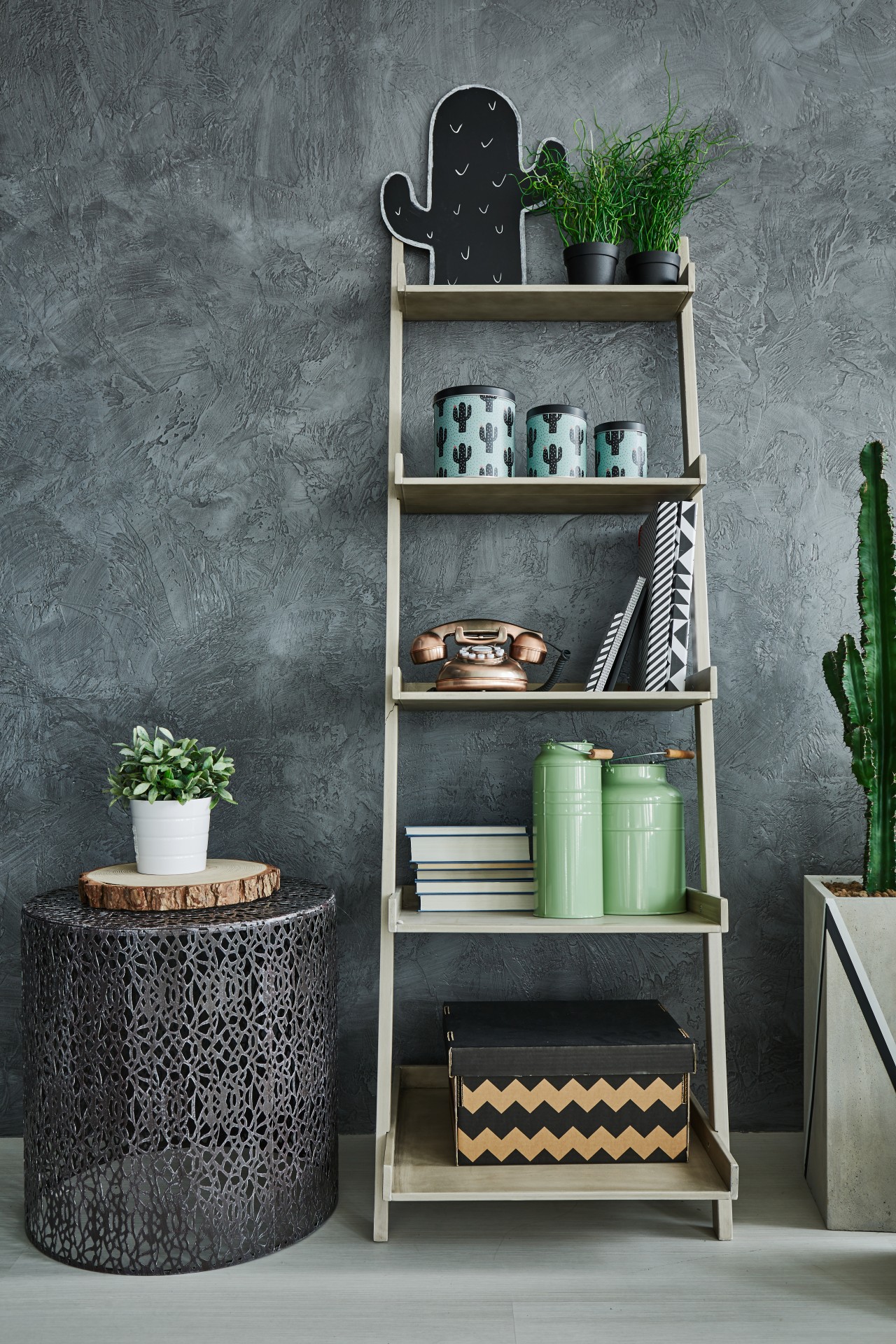
Image courtesy of: bialasiewicz

These shelves resemble a ladder, lean against the wall, and are perfect for displaying books, plants, and decorative accents. Note that these shelves are wide at the base and narrow at the top.

6. Pipe Shelves
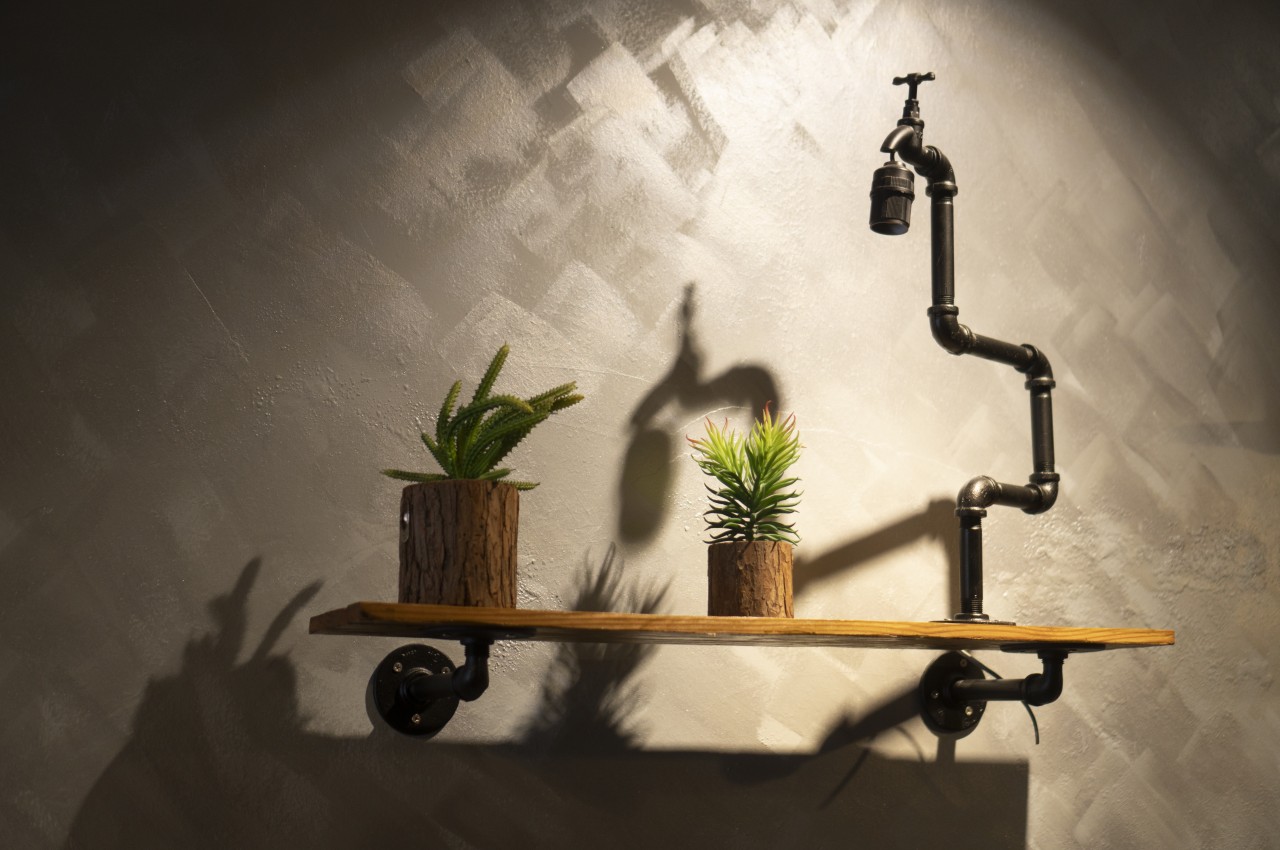
Image courtesy of: ckstockphoto

If you love the modern, rustic, or industrial look then go use metal pipes as the support brackets for holding wooden or glass shelves. These are perfect for a modern or rustic décor.

7. Cubby Shelves

These are open compartments of various sizes that provide flexible storage solutions and are very popular in offices and children’s bedrooms. These are perfect for storing books, baskets, and decorative objects.
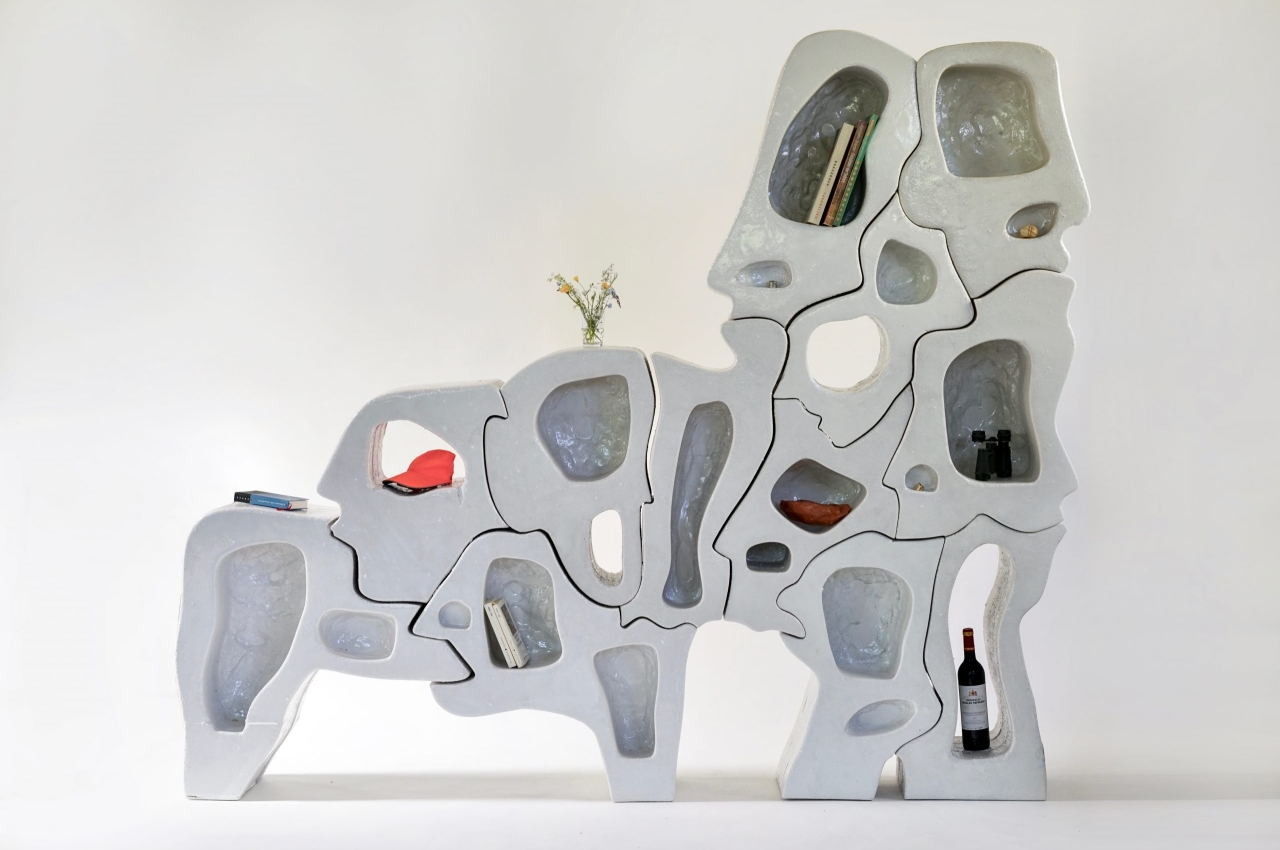
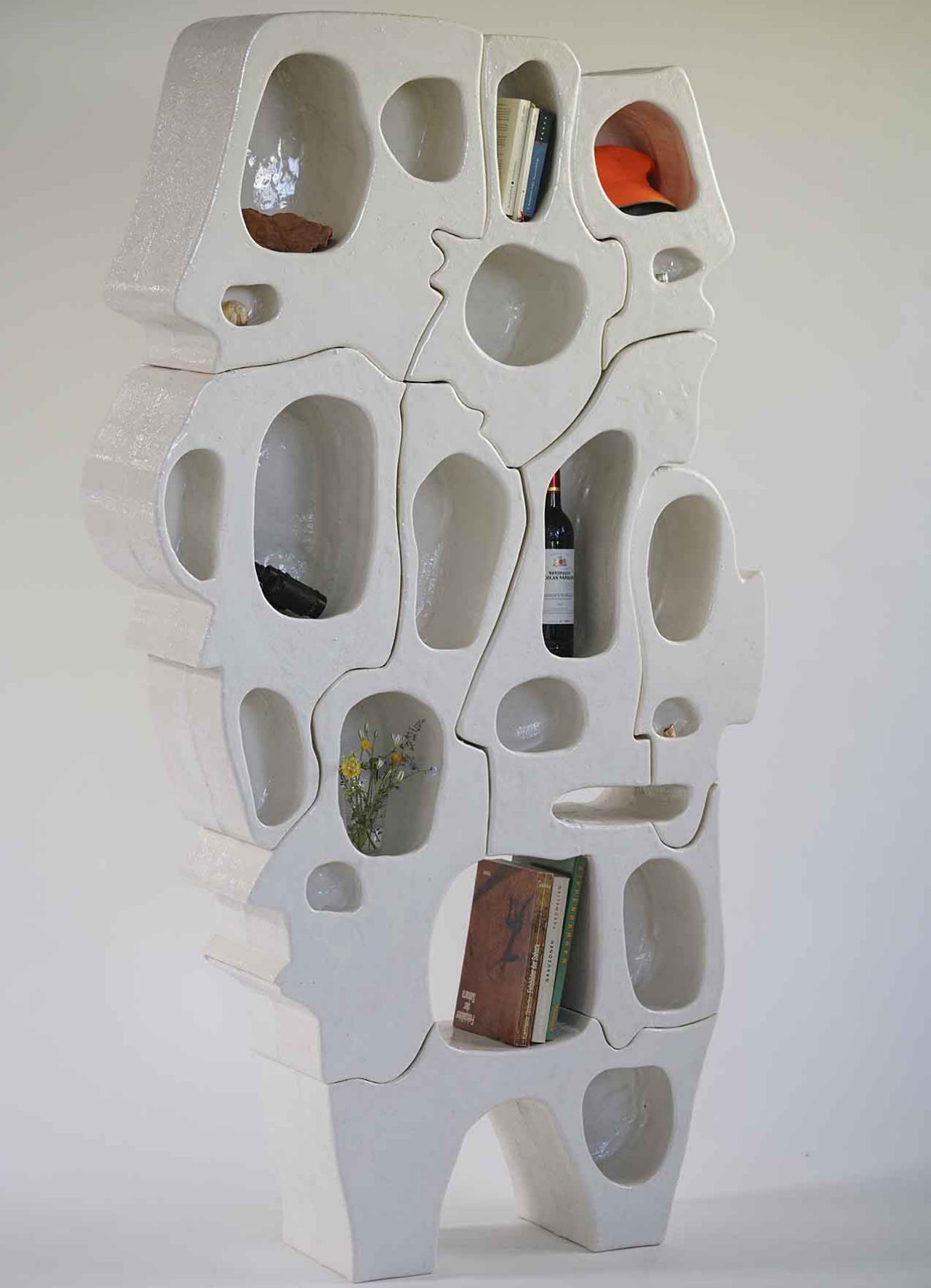
Designer: Freia Achenbach

A shelf named “Spectator” captivates with interlocking puzzle piece design, subtly resembling distorted human faces. Hand-painted resin pieces create a glossy finish reminiscent of ivory and bone. While minimalist, it challenges observer roles, blurring lines between viewer and viewed. Despite its unconventional appearance, it seamlessly interlocks, symbolizing the mental space objects occupy. Though not the most functional, it offers a unique perspective, prompting contemplation on perception and cognition in a compact, artistic package.
Designer: Narbutas

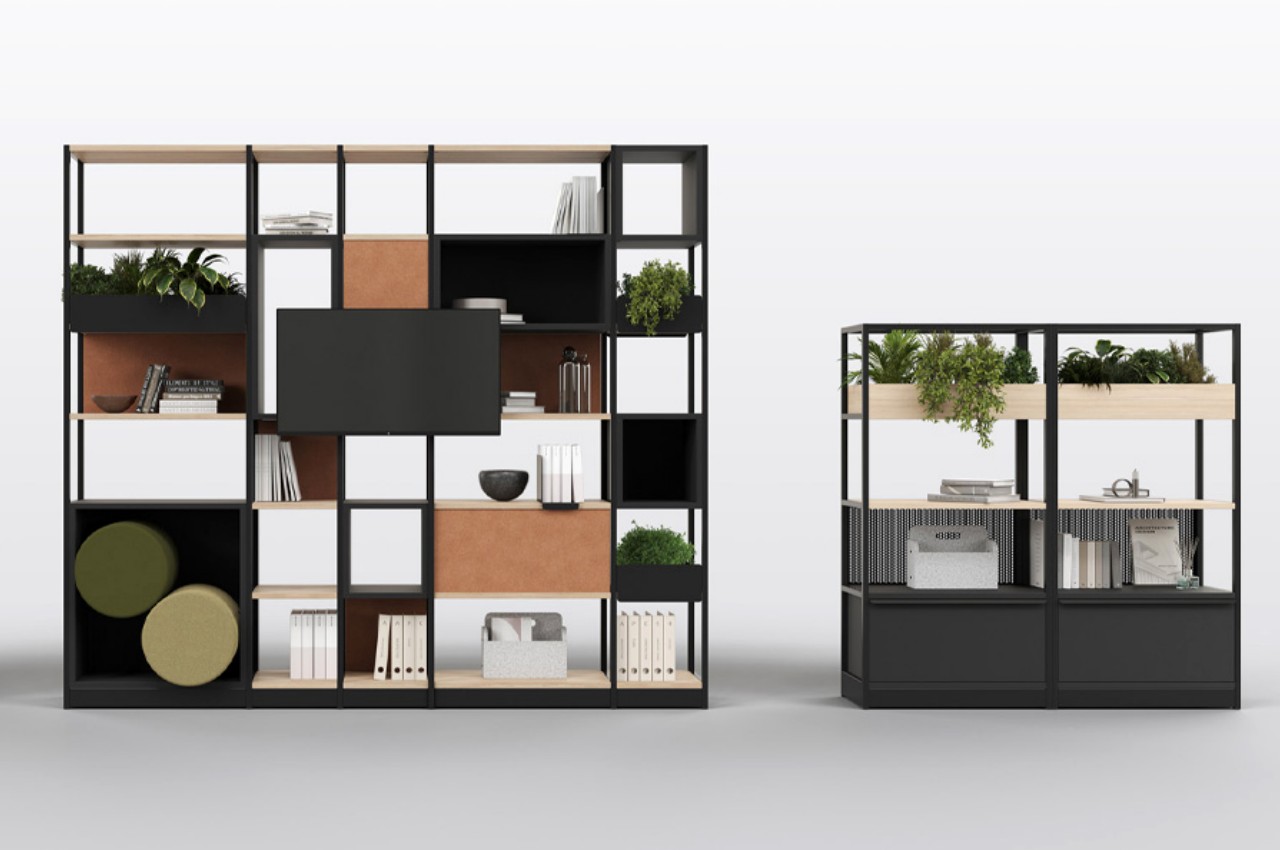
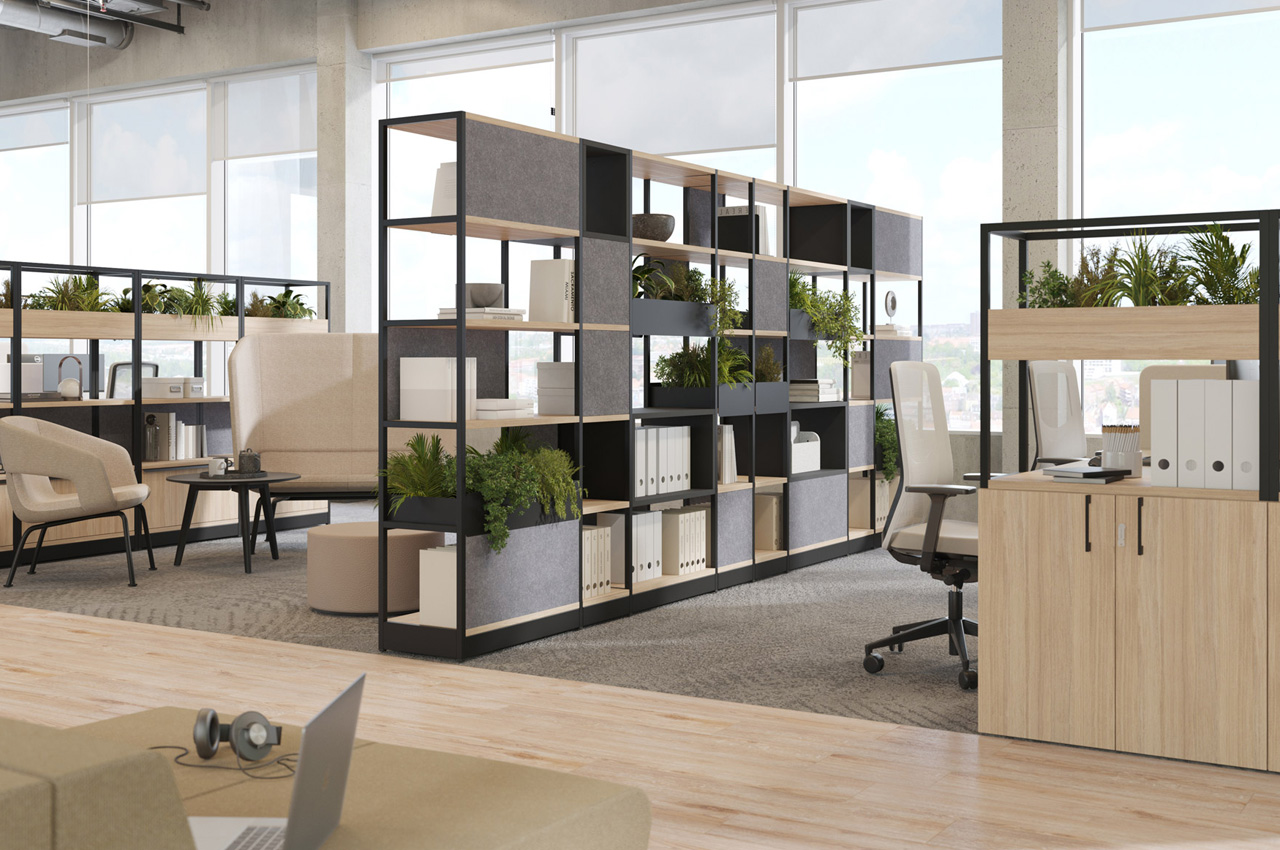
In major cities, space scarcity persists, particularly for independent millennials transitioning to their own homes. Office environments face similar challenges, necessitating efficient storage solutions. Narbutas’ Combus Shelving System addresses this need, offering versatile storage and space partitioning with customizable shelving types and heights. Its innovative configurations facilitate dynamic office layouts, while optional accessories enhance functionality. Made from recycled materials, it promotes sustainability and can be easily disassembled for reuse.

8. Wire Shelves
SSUCv3H4sIAAAAAAAACpxSy27DIBC8V+o/WJxjyQYb4/5K1MMakxgVgwU4bRTl34sfRKRqL72xszP7Gm6vL1mGOnCSo7fstkQhlkrNzlvw0ugAF4cdt0L3wqbIxRJapIDopTdWgkrBDjwfNIwigHpWaoHvaxI5D352wiXdJ/nlIcQkoXHw4hzqPhHj2MctzmJiTQZFSCF0SDA3dysWoa34v5Tb4z1uCGeh+XWZ7Z5MbYUSsC133Kjo49MLO65b7CSYe2mSrS6Gg3I/9p+s5FKfE5nxw2pFlHEza2+v6eRIGTNBp5azn0JNEfEBnAv0PuLpoYPxZkz6aOPXBfaqqA9OLGFJSEFoW+Oqwg2mLWE7YXN0kKHOOk4ccJ6UgV4sTR/Xfnhd0poxRknBtlR0Zjn8KL3/W9ZiXGLa7LKnn2X4h+x/+1mIsYaSqmSrnztfLi1QjwuMK1HkJ0pIXjUt5ECB5HVZtxwqVheAg+r+DQAA//8DAG5V65w5AwAA

Image courtesy of: bilanol

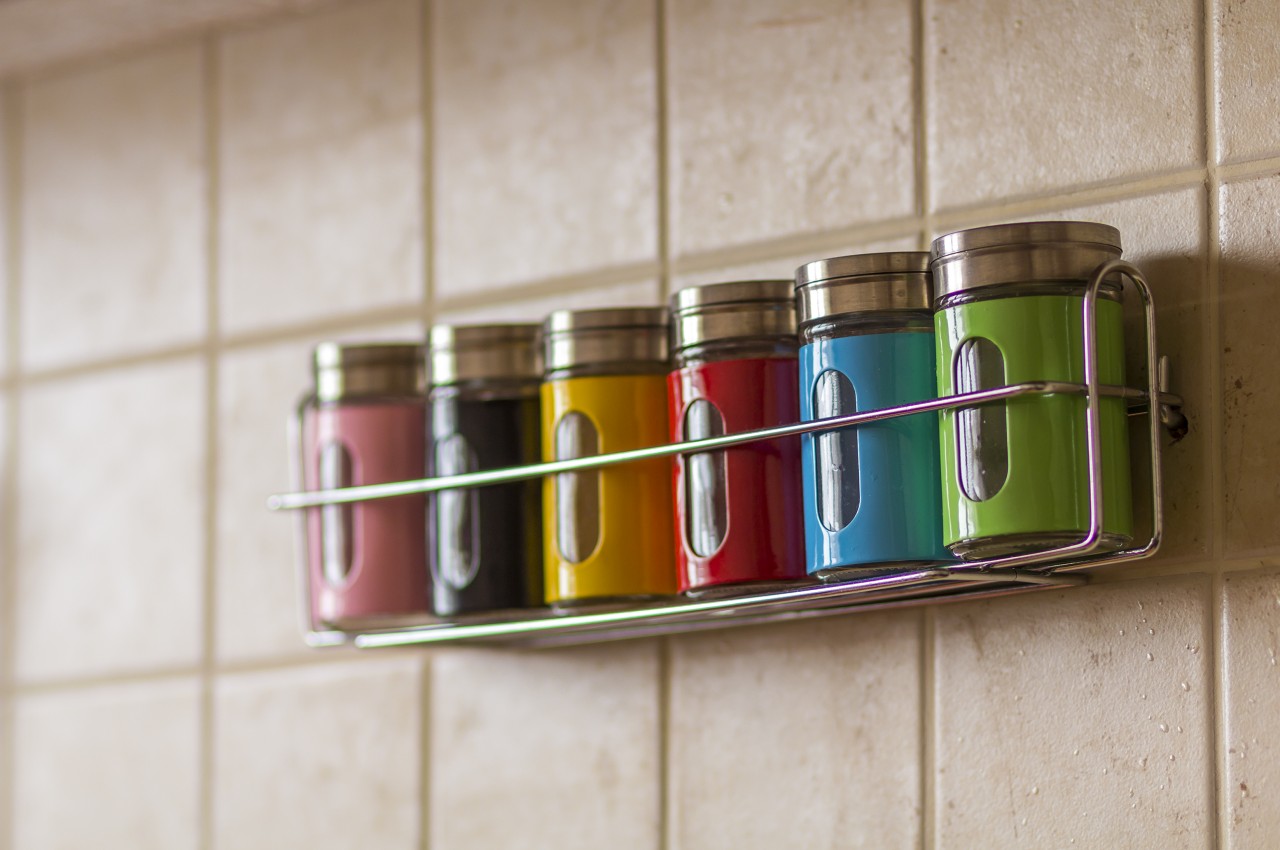
These shelves provide a lightweight appearance and are highly recommended for use in the kitchen, laundry room, or bathroom to store kitchen essentials and bathroom items.

9. Console Units

Some console units come with open shelves and are primarily used for storing books. These not only look neat but are versatile pieces of furniture that can be used in the entryway, living room, or bedroom.
Designer: Carlos Platz

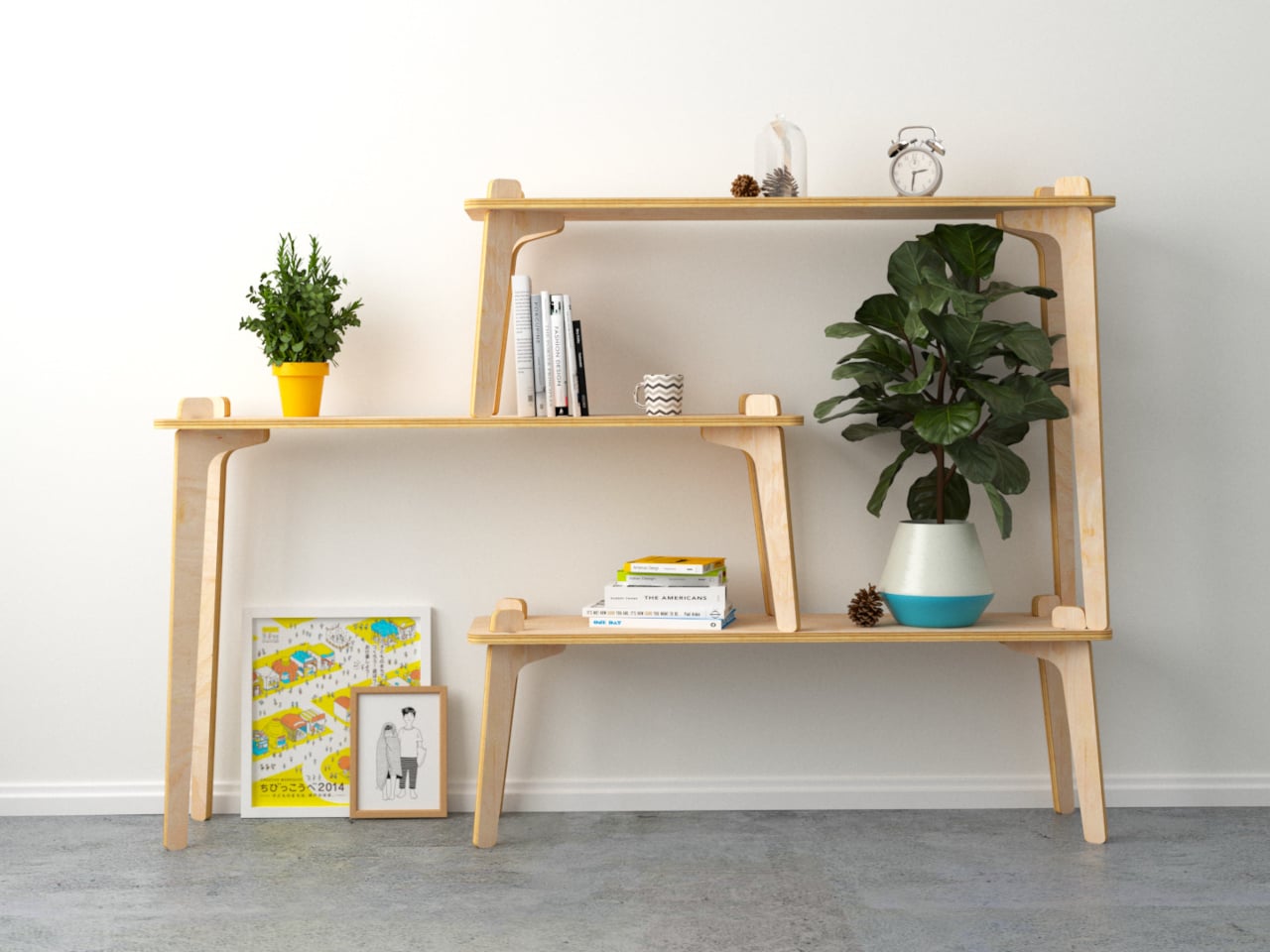
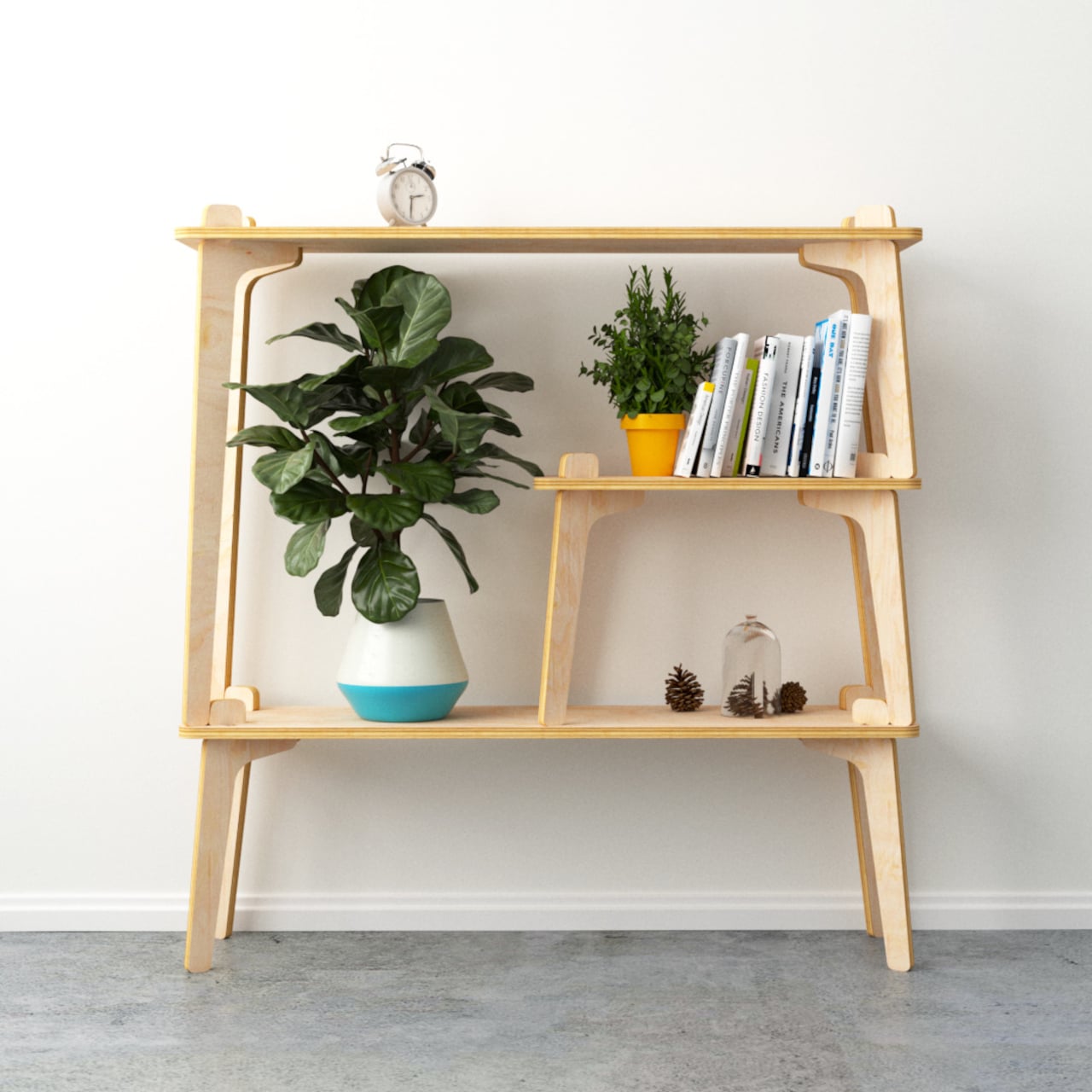
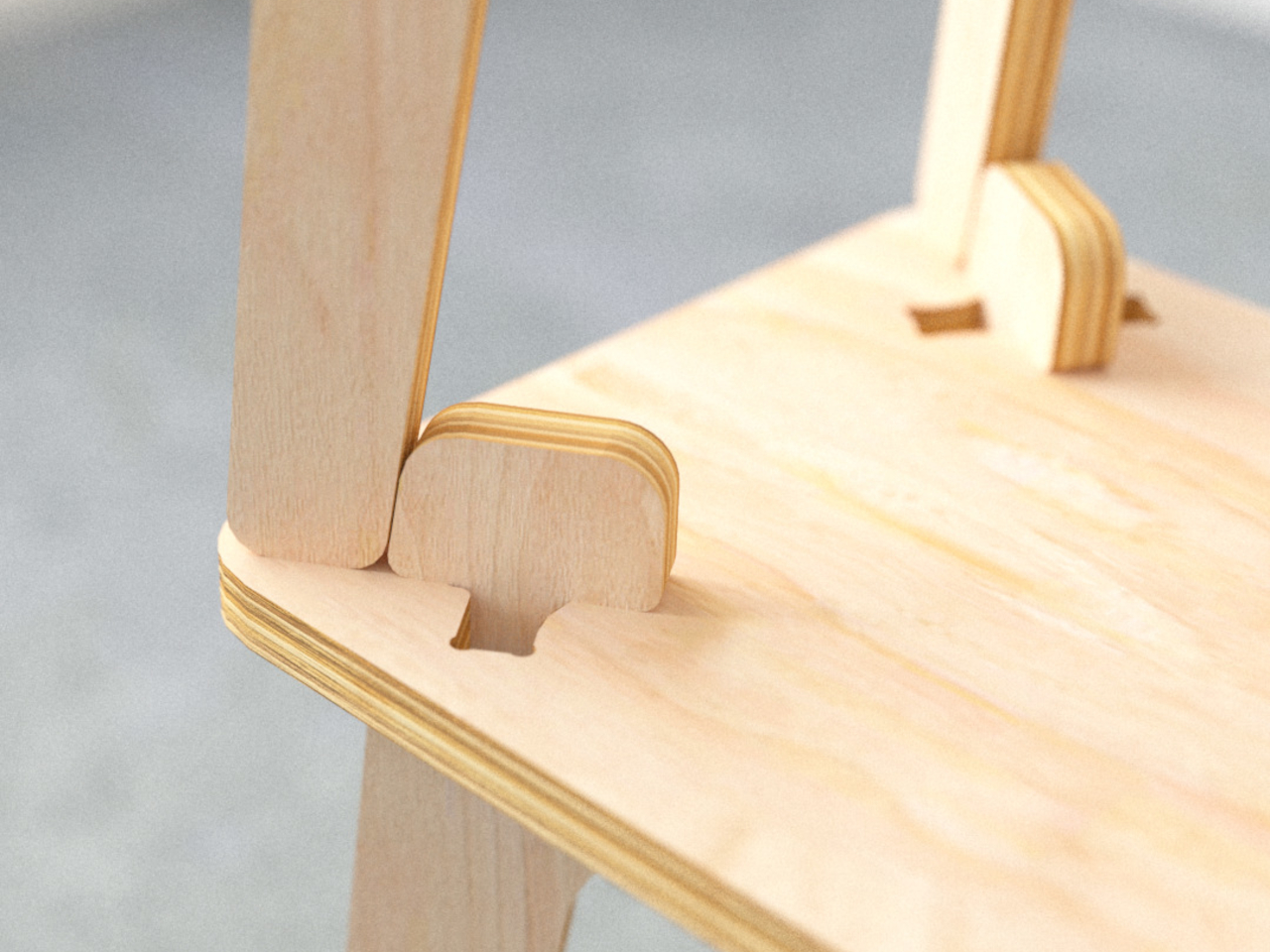
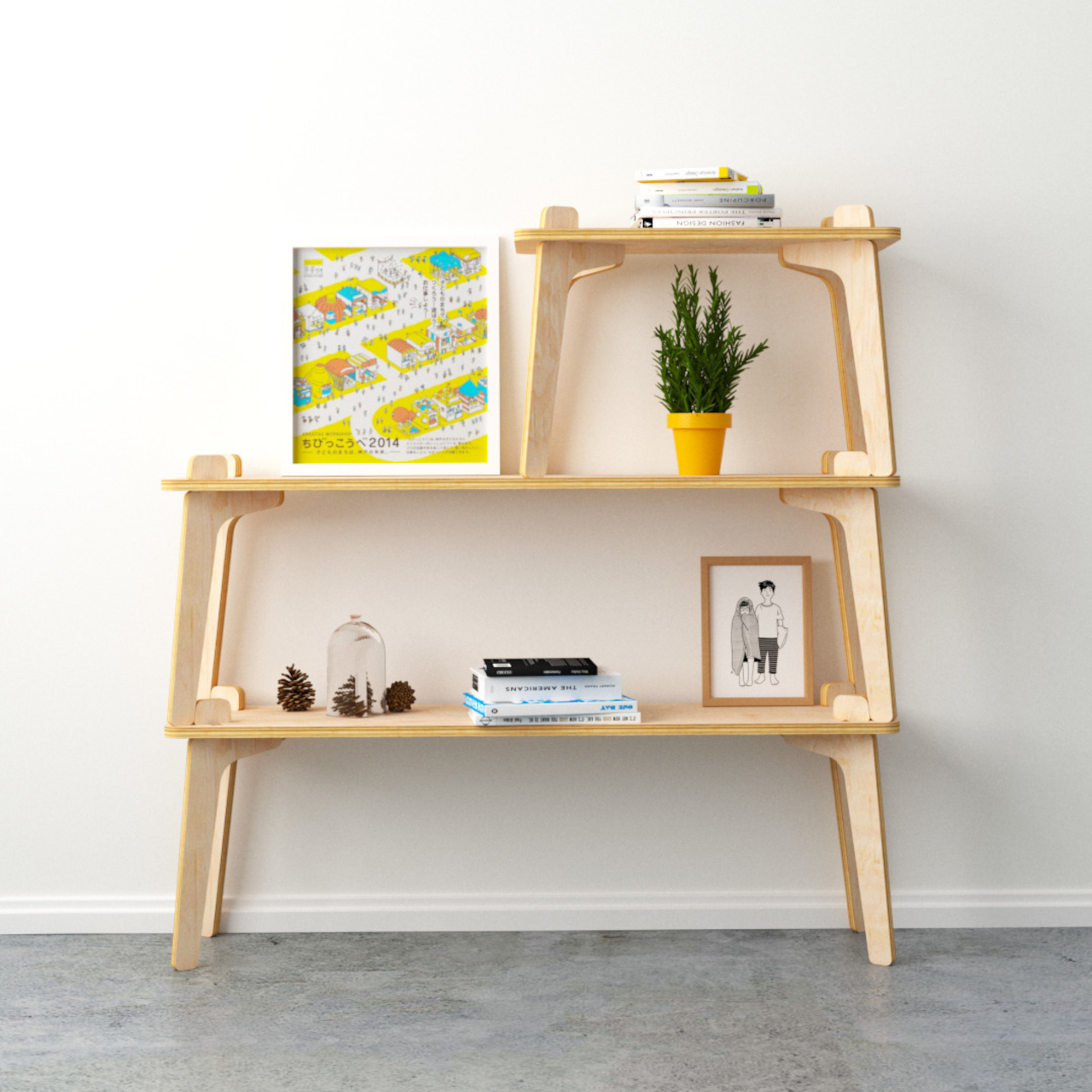
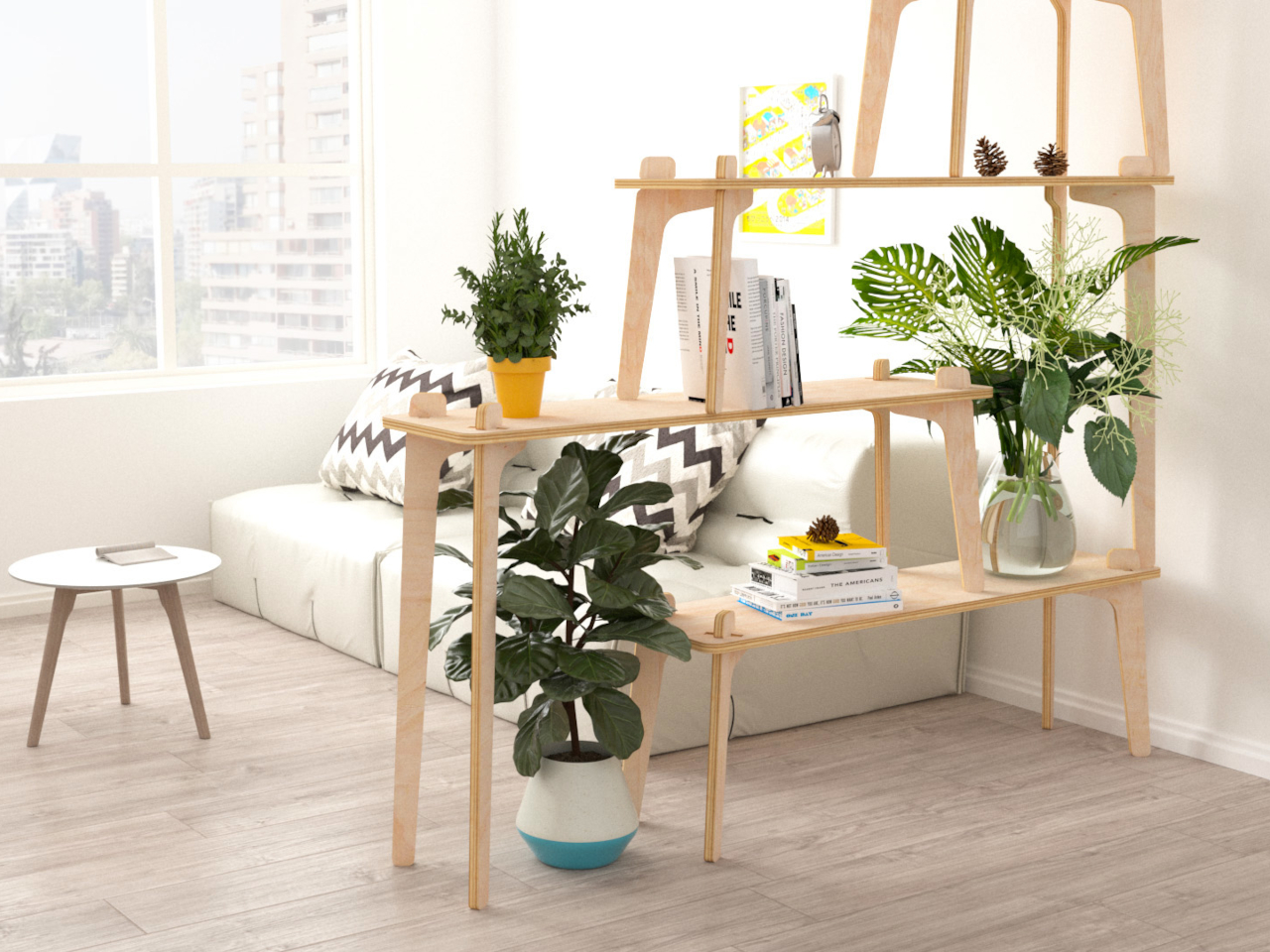
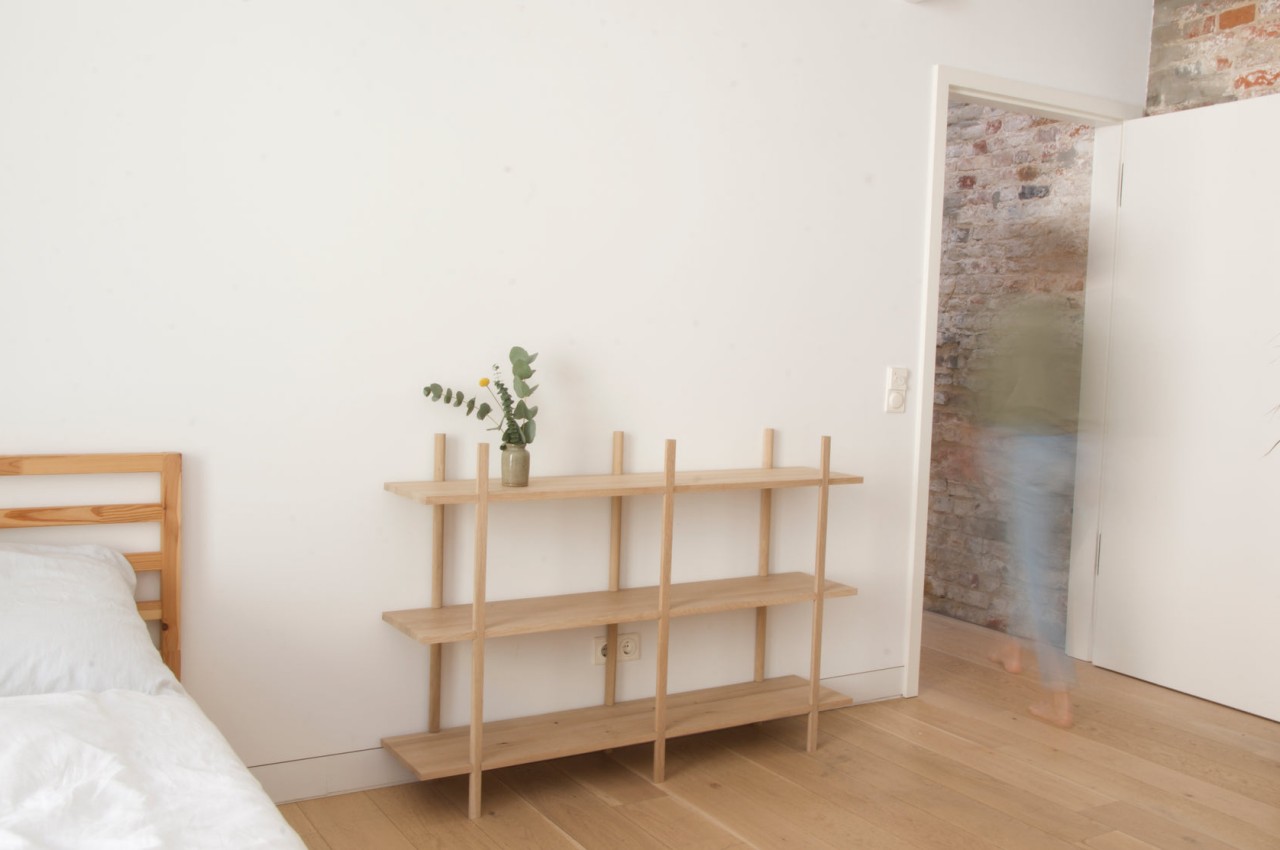
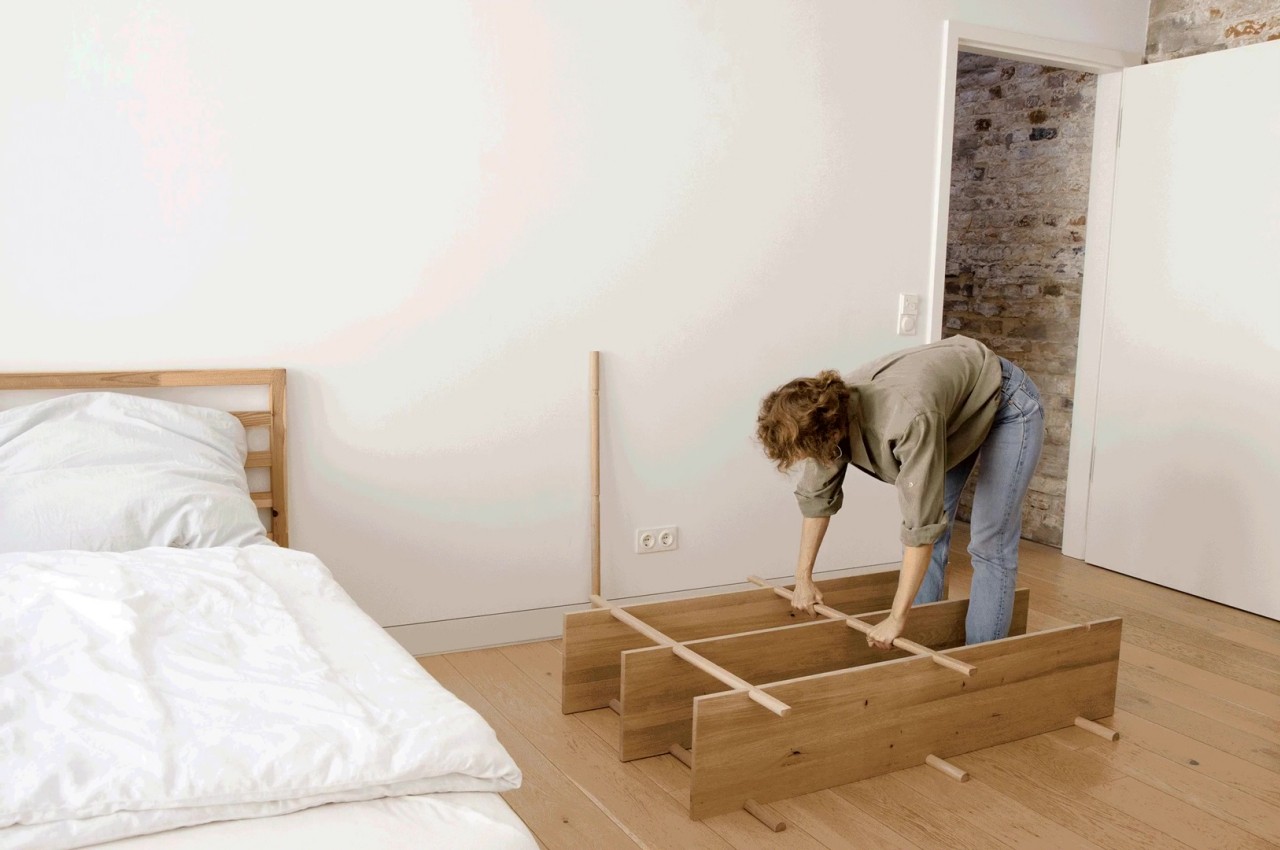
The Svolta shelving system epitomizes simplicity, with ingenious joinery inspired by alpine architecture. Using precise cutouts, it assembles effortlessly, relying solely on the shelves and legs themselves. Named after the Italian word for “rotation,” Svolta utilizes wooden pieces with fitted cutouts, allowing swift assembly. Crafted from sustainable European oak, it offers an elegant, scalable solution with minimal environmental impact.

10. Decorative Shelving

Some shelving units resemble a piece of wall art and can play a role in enhancing storage with creative shelving configurations of various colors, shapes, materials, and more.
Designer: Kengo Kuma for More Trees

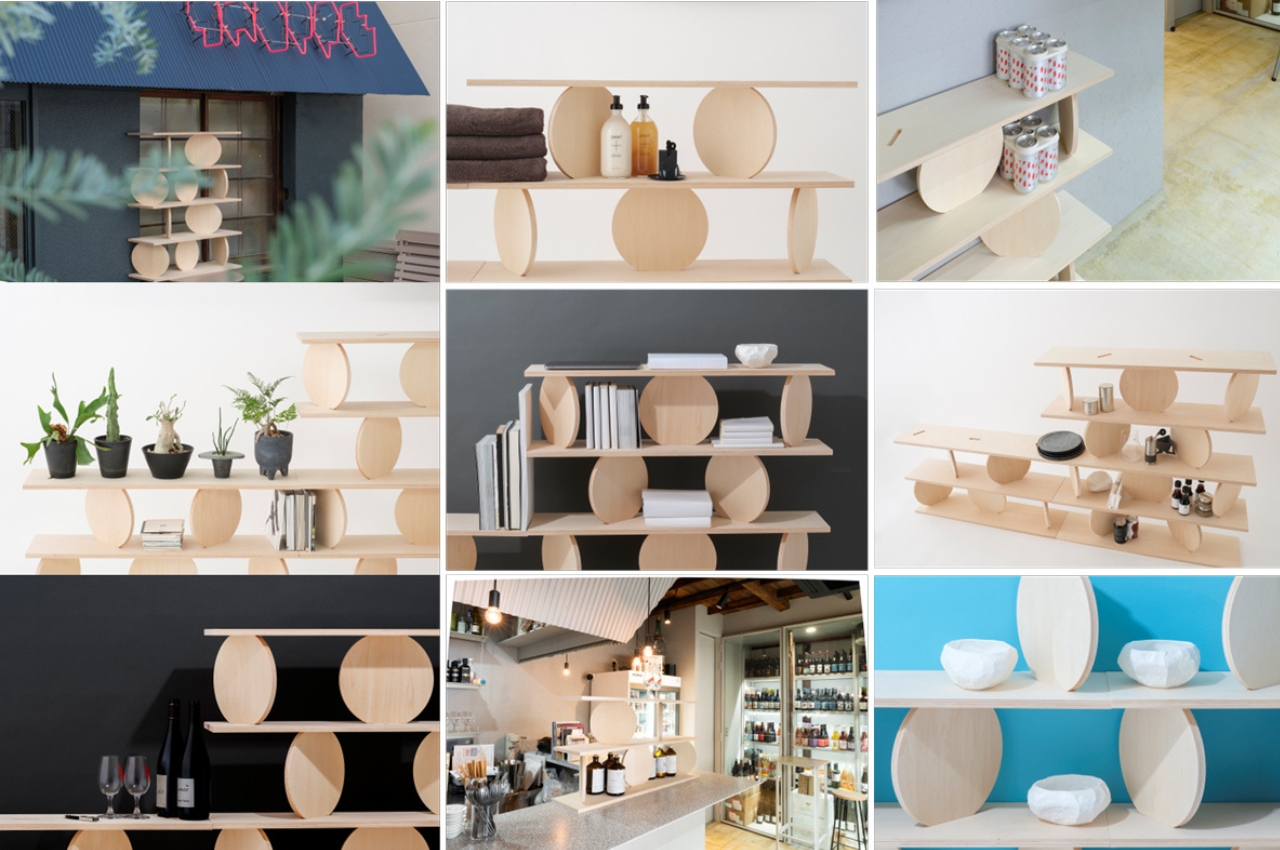
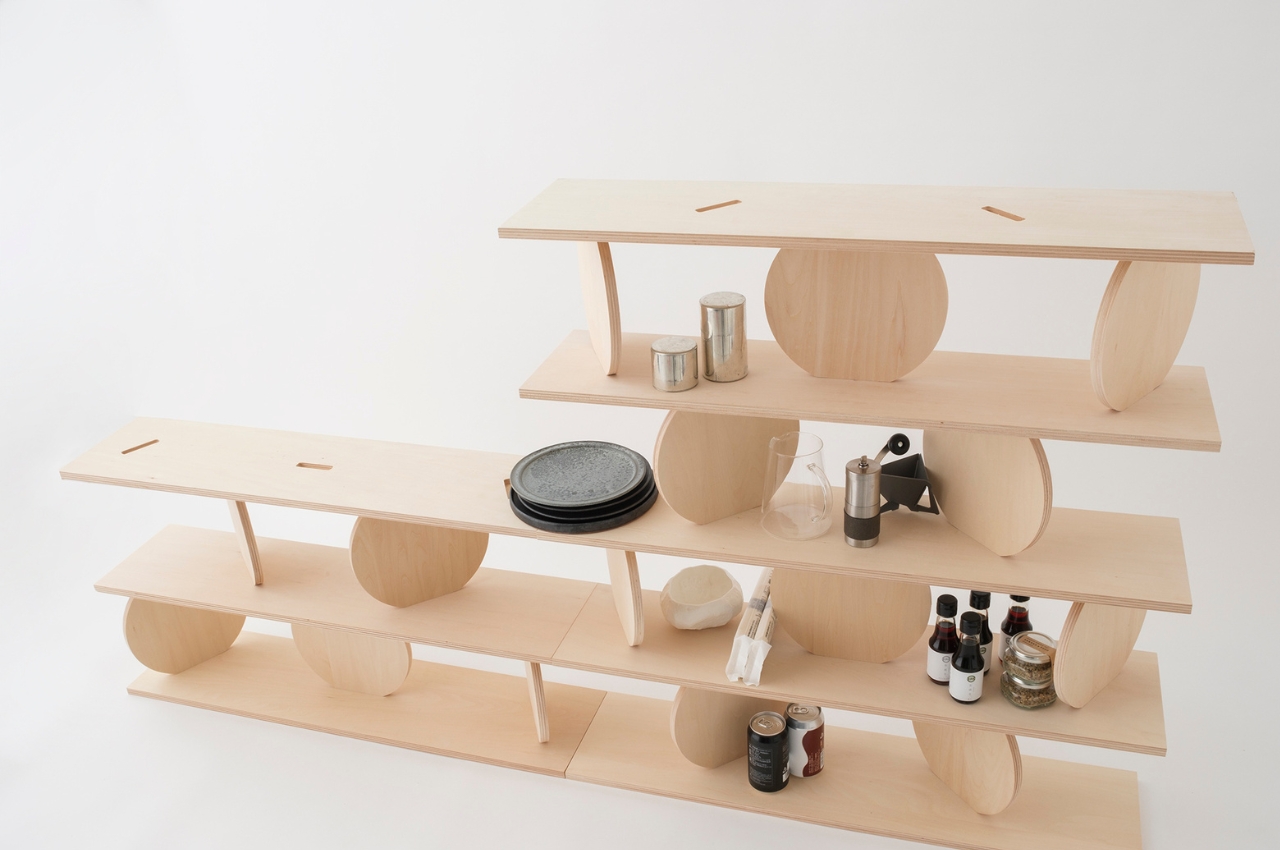
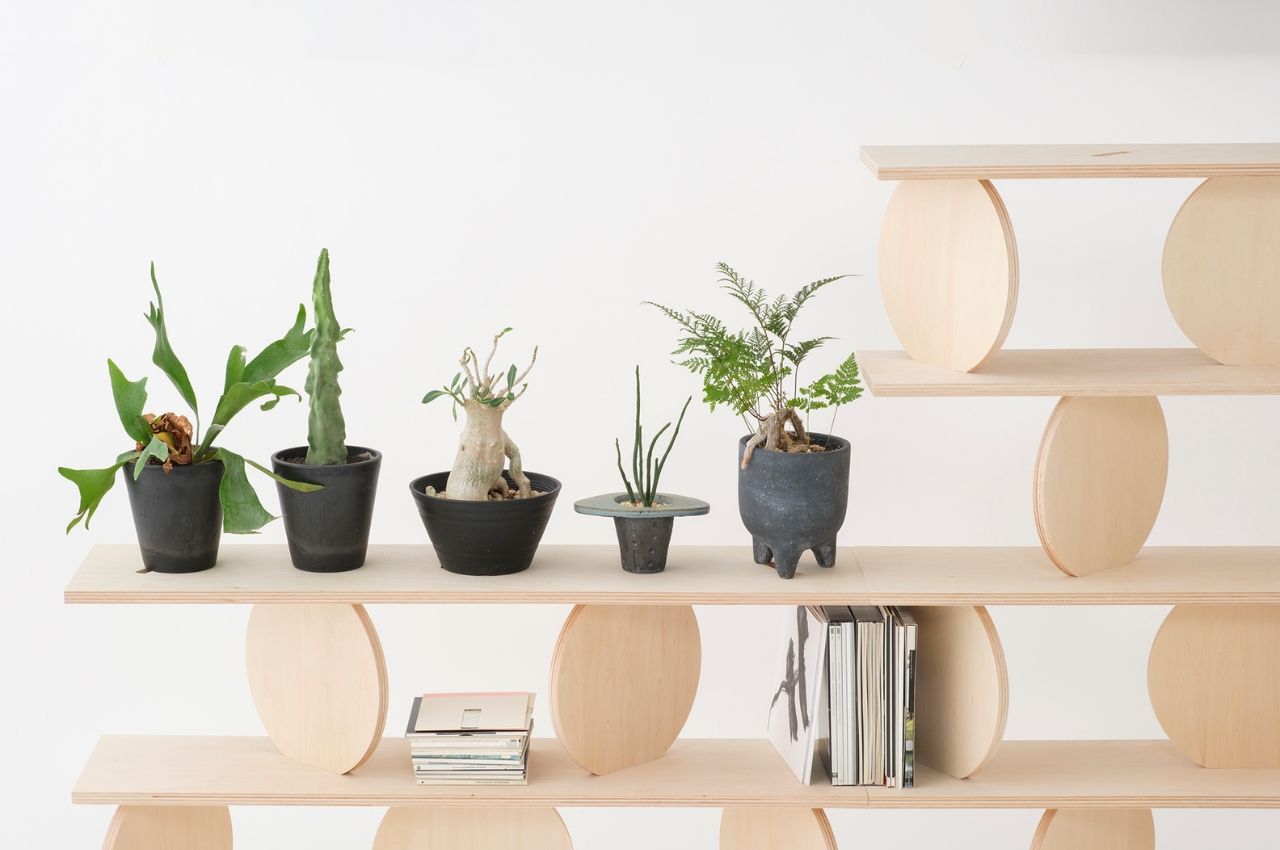
Marumarushikaku is a modular wooden shelf with assorted stacked shapes. Its unconventional design serves as both functional storage and captivating artwork. Comprising rectangular and round boards, it enables personalized arrangements. Despite its delicate appearance, it securely accommodates items like books and plants. Crafted from locally sourced wood, it adds a minimalist touch with rotating plates and is ideal for enhancing any office or living space.
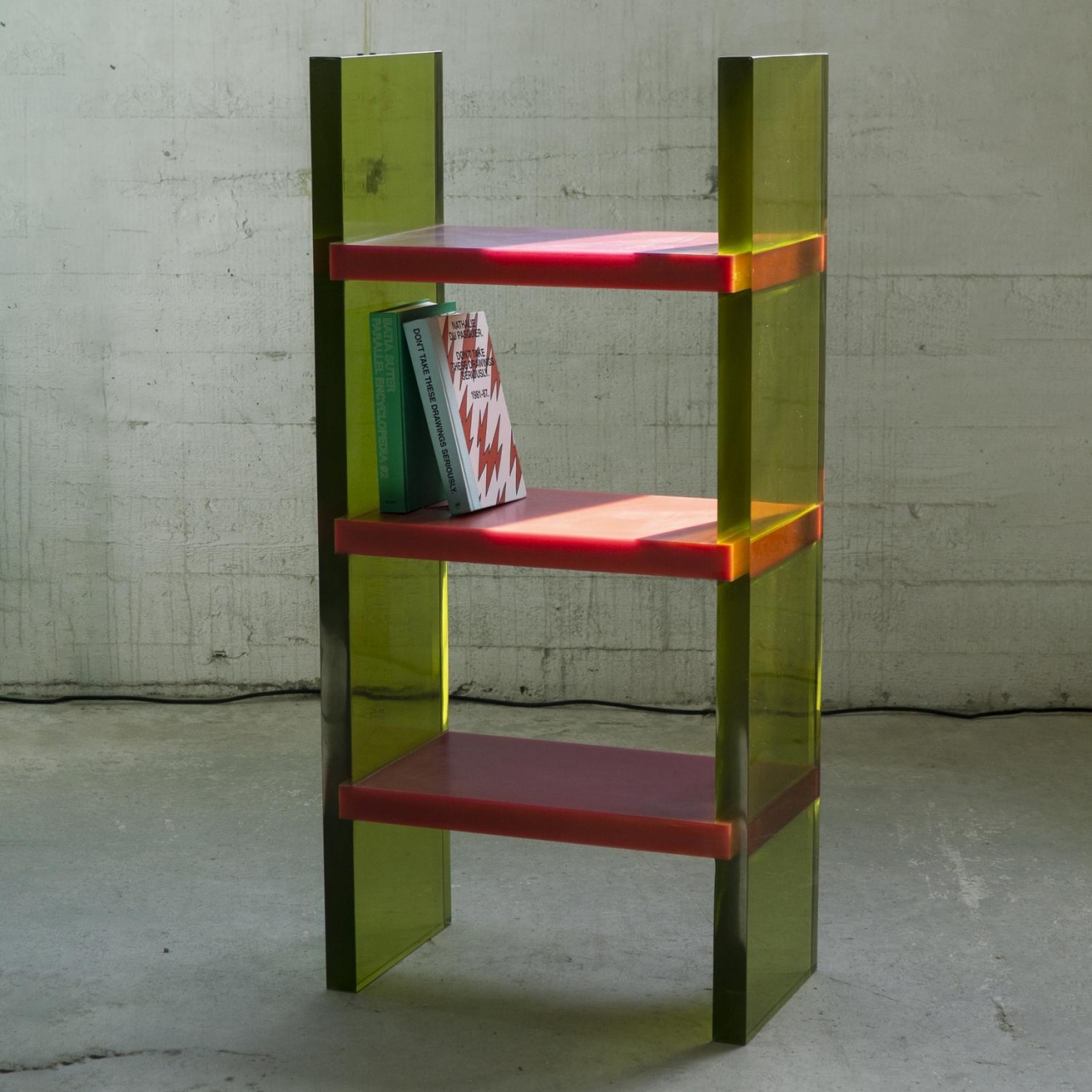
Designer: Lisa Brustolin

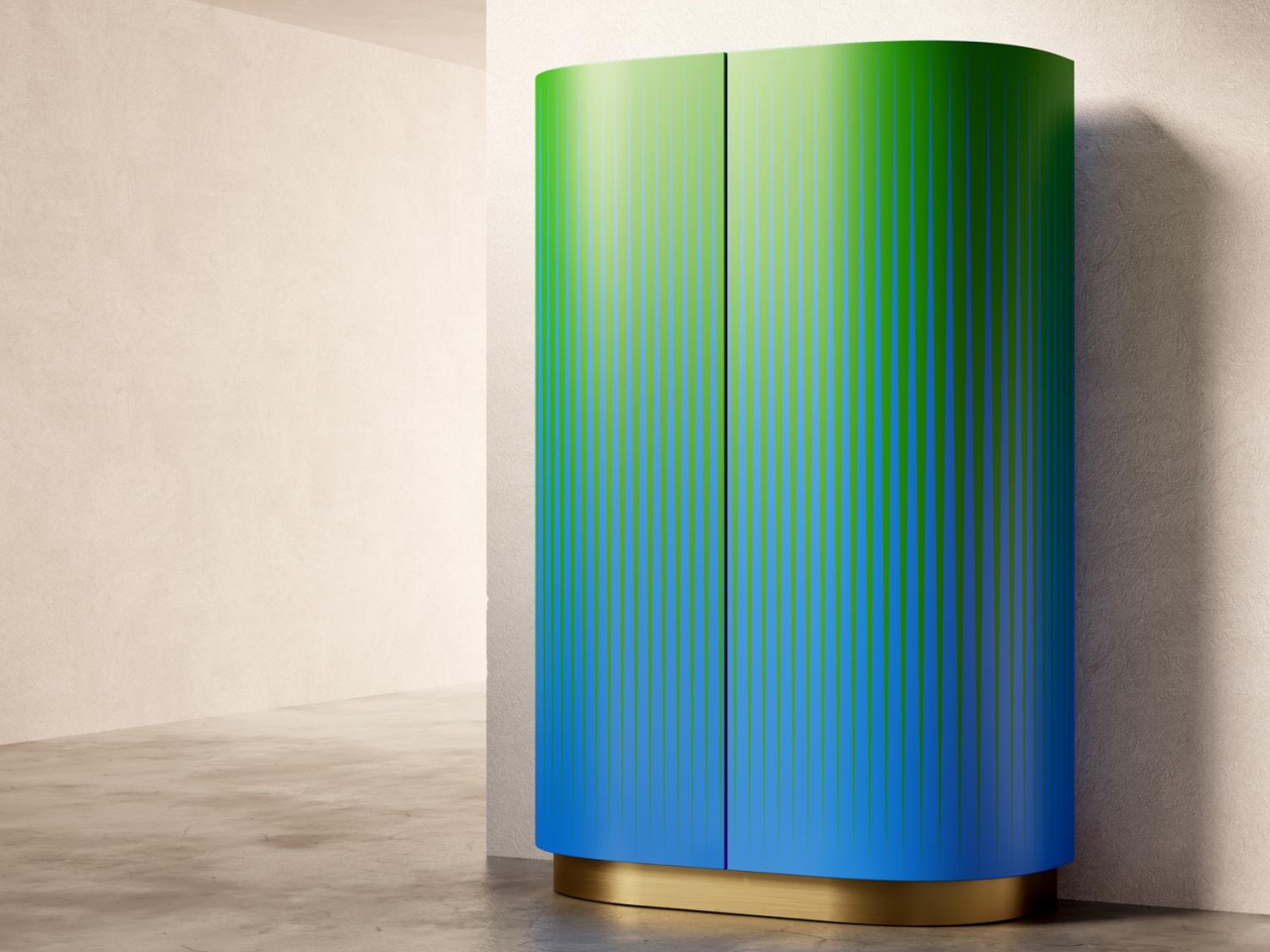
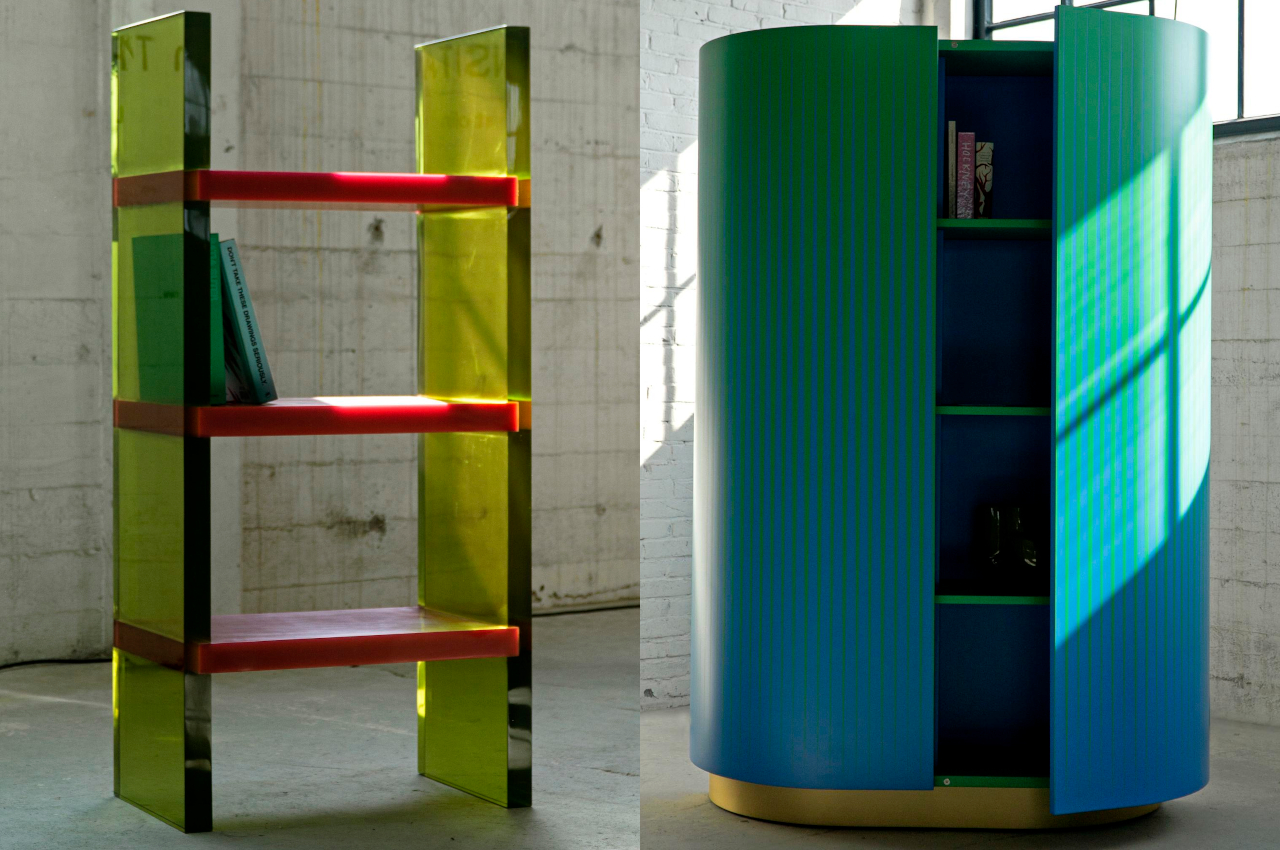
The new collection of everyday furniture challenges the prevailing minimalism trend in design by offering vibrant and visually intriguing pieces. Each item combines colors, materials, and shapes to create highlights in any room. For example, the Differ Shelf features translucent epoxy resin legs and opaque shelves, creating a captivating interplay of light. The Opticabinet, crafted by Venetian artisans, creates an optical illusion with alternating patterns of blue and green. Lastly, the Wrong Mirror offers a modern twist on a classic design, prompting reflection with its unconventional form and materials.
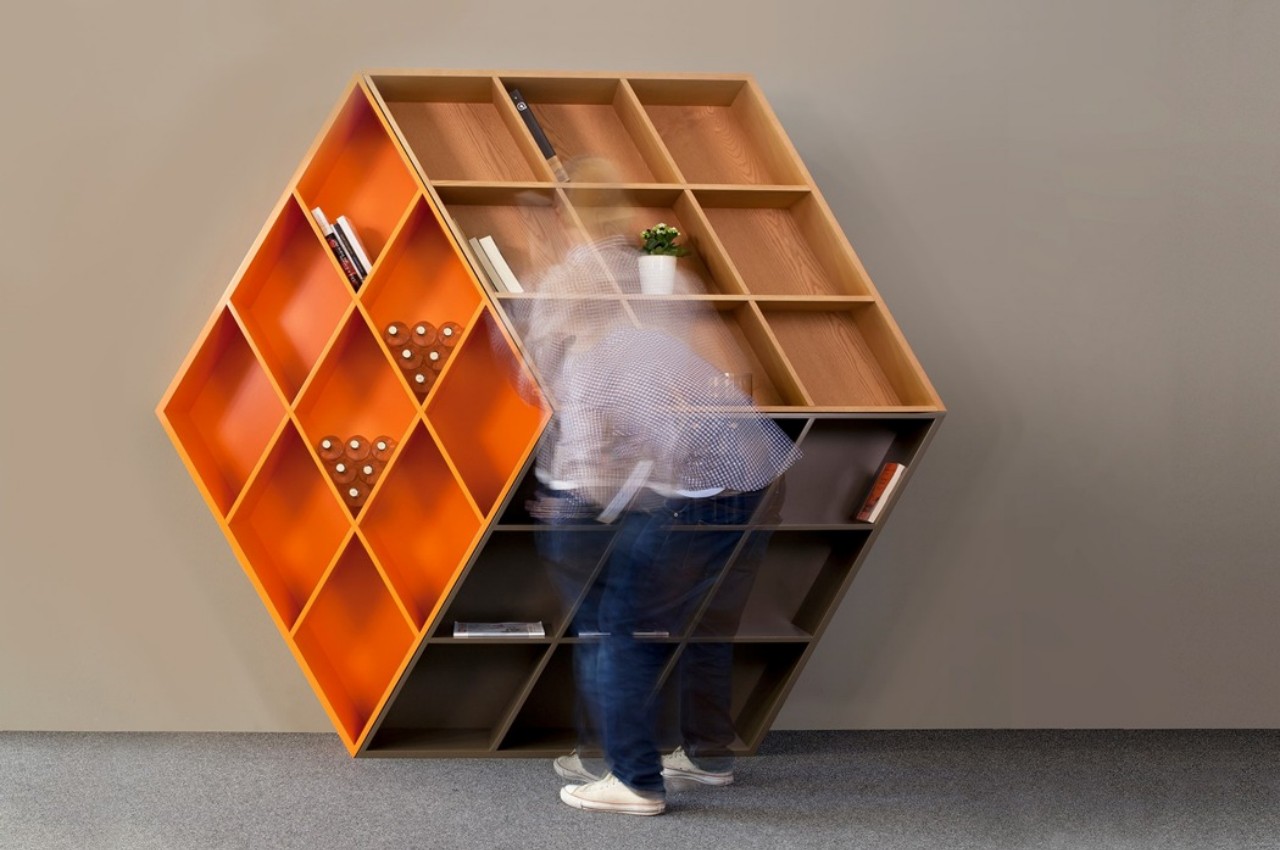
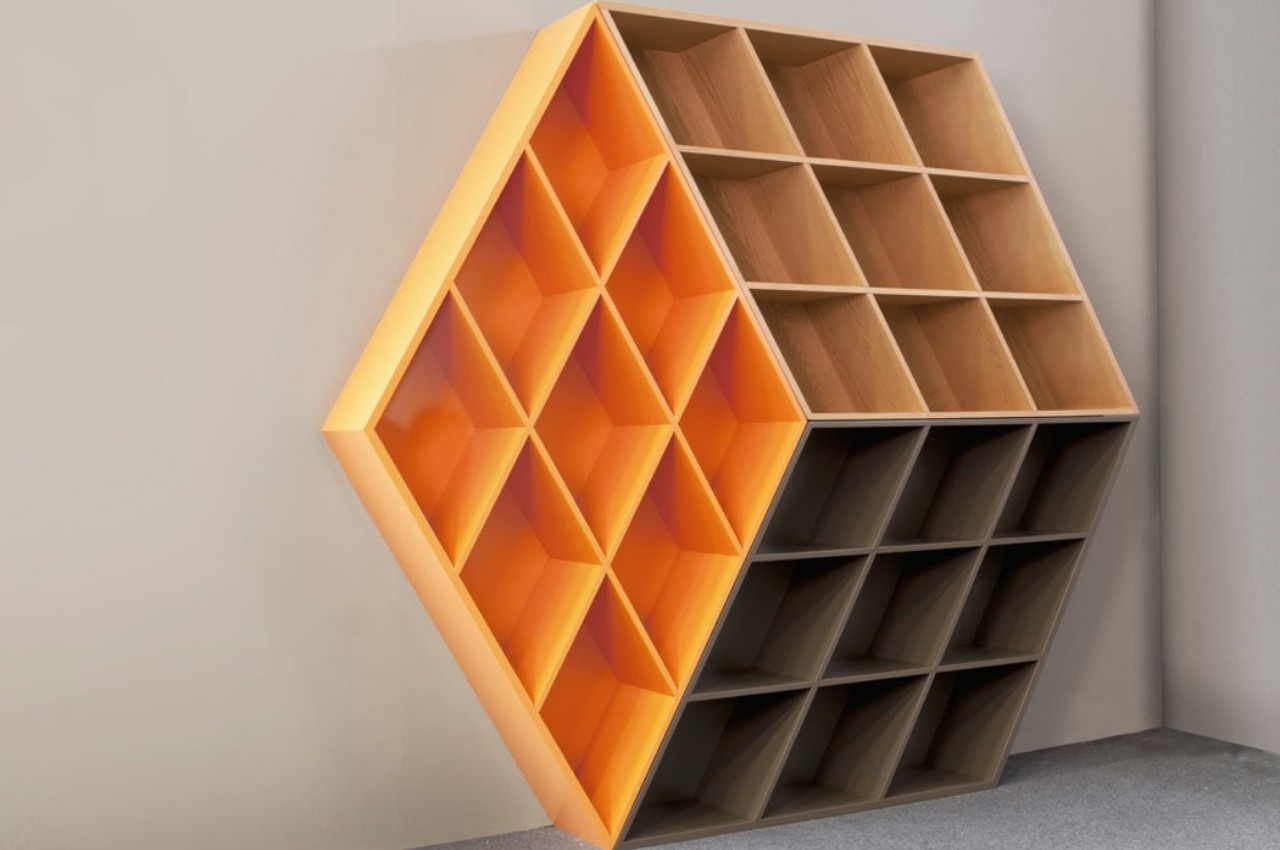
Designer: George Bosnas

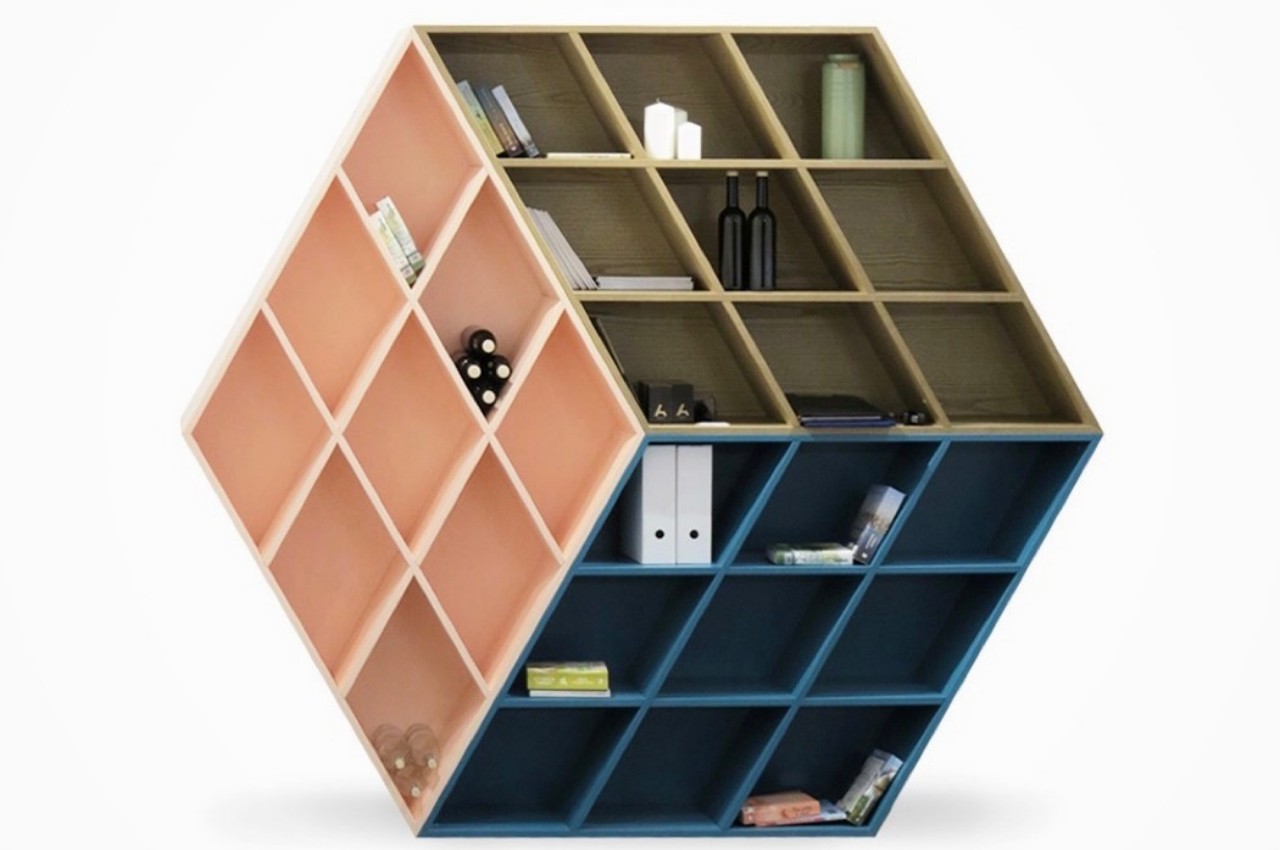
Drawing inspiration from the beloved 1980s toy, the Rubika bookcase seamlessly merges modern aesthetics with nostalgic charm. While resembling a three-dimensional cube from a distance, upon closer inspection, it reveals the dimensions of a traditional bookcase. This captivating illusion is achieved through a clever arrangement of cubby shapes and a blend of assorted woods, resulting in a visually dynamic and intriguing piece.

Each type of open-shelf design comes with different advantages, and aesthetics, and can be integrated with the decor of different rooms. However, choose the best one according to your individual preferences and space.

The post Top 10 Styles of Open Shelving for Maximizing Storage first appeared on Yanko Design.

Modular wooden bookshelf is inspired by Ryuichi Sakamoto’s vision

I’m always on the lookout for new furniture that will help me store and display all the knick knacks that I have lying around my house. Most of the time I choose those that are mostly functional and of course, affordable. But I’d also like to have some pieces that are decorative and can even look like sculptures or art pieces, even if they probably won’t hold a lot of my stuff. This modular wooden bookshelf would be a nice addition to my space, especially as it pays tribute to the late great Ryuichi Sakamoto.

Designer: Kengo Kuma for More Trees

The acclaimed Japanese composer and pianist founded design company More Trees to create products made by local craftsmen using materials found in local forests in Japan. But before he could make the dream a reality, he passed away a year ago in 2023. His long-time friend Kengo Kuma has now taken over the company and is making the dream a reality by unveiling 〇〇□ (Marumarushikaku), a modular wooden shelf made up of different shapes stacked together. It can also looks like an art piece because of its unusual look and concept so you have a decorative shelf as well.

The structure of this piece of furniture is made up of rectangular shelf boards and round pillar boards stacked on top of each other. You can arrange the round parts randomly between the shelves so you can create your own look and design. It may not look that stable at first glance but you can place things like books, plants, bottles, pots, and other knick knacks that you need to display in your living space. The boards have slots where you can place the round parts in so it becomes an actual shelf that can hold and partition your various items.
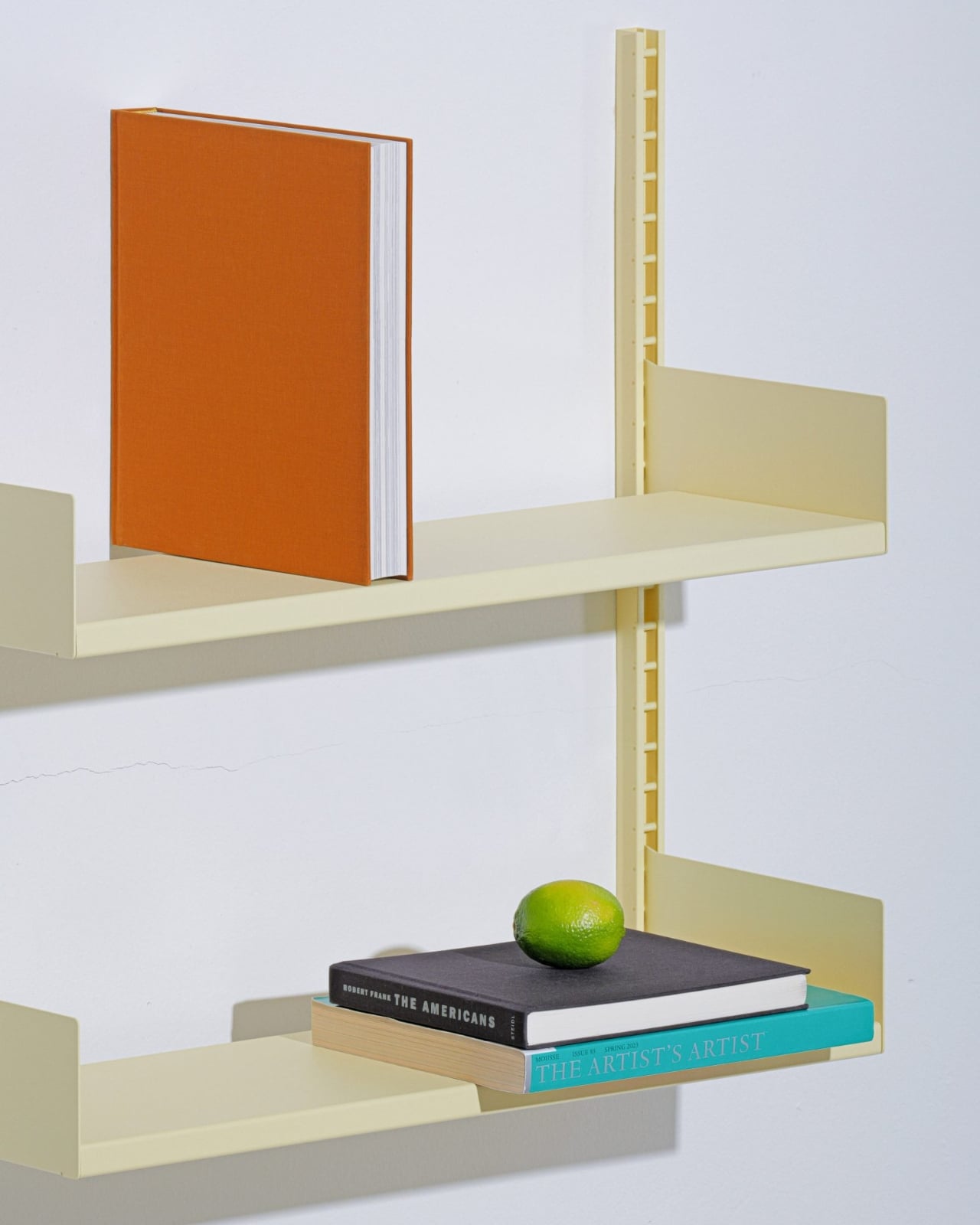
The rotating plates and multi-leveled shelves made from wooden materials from local forests can add an interesting and minimalist look to your office or living room. The modular wooden shelf will be unveiled on the anniversary of Ryuichi Sakamoto’s passing on March 28 at the Ace Hotel Kyoto. They will be stacked up to eight levels so you can see that it works despite its seemingly “fragile” appearance.

The post Modular wooden bookshelf is inspired by Ryuichi Sakamoto’s vision first appeared on Yanko Design.