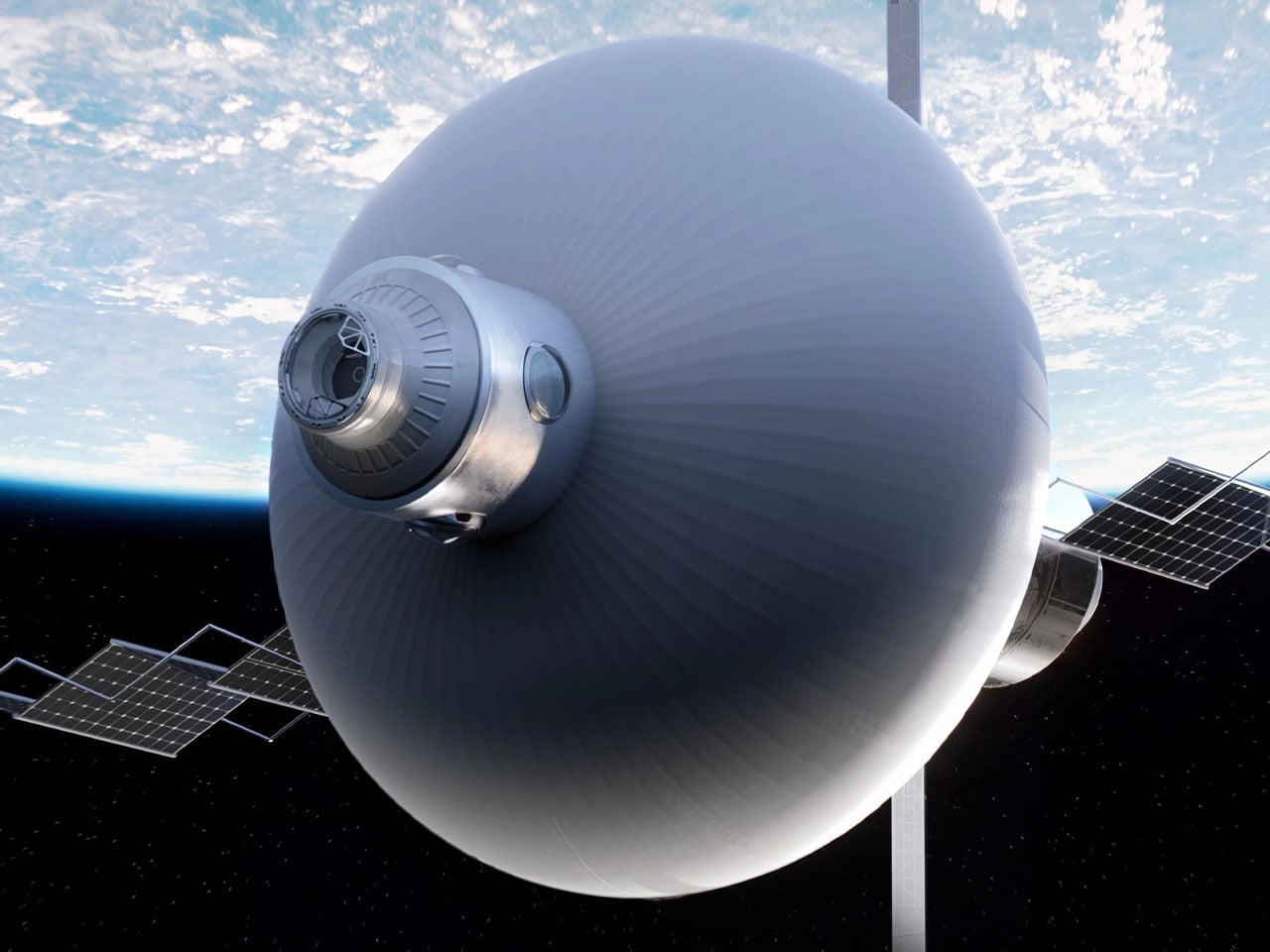
Max Space Thunderbird is an expandable space station module that could eventually replace ISS

Space is the final frontier as NASA plans to go deeper into the dark space with improved technology and lessons from past and current missions. The International Space Station is going to reach the end of its operational life by the end of the decade, and NASA plans to employ services from commercially owned space stations, rather than putting its time and efforts into building another one.

The idea is to reserve its brilliant minds and the vast resource pool for deep space exploration beyond the Earth’s orbit. This has opened up doors for next-generation private companies to get in the race to build the most efficient space station to replace NASA’s outgoing ISS. Florida-based startup Max Space, which operates in the vicinity of the Kennedy Space Center, is testing the prospect of expanding space habitats, as NASA concentrates more on outer space missions.
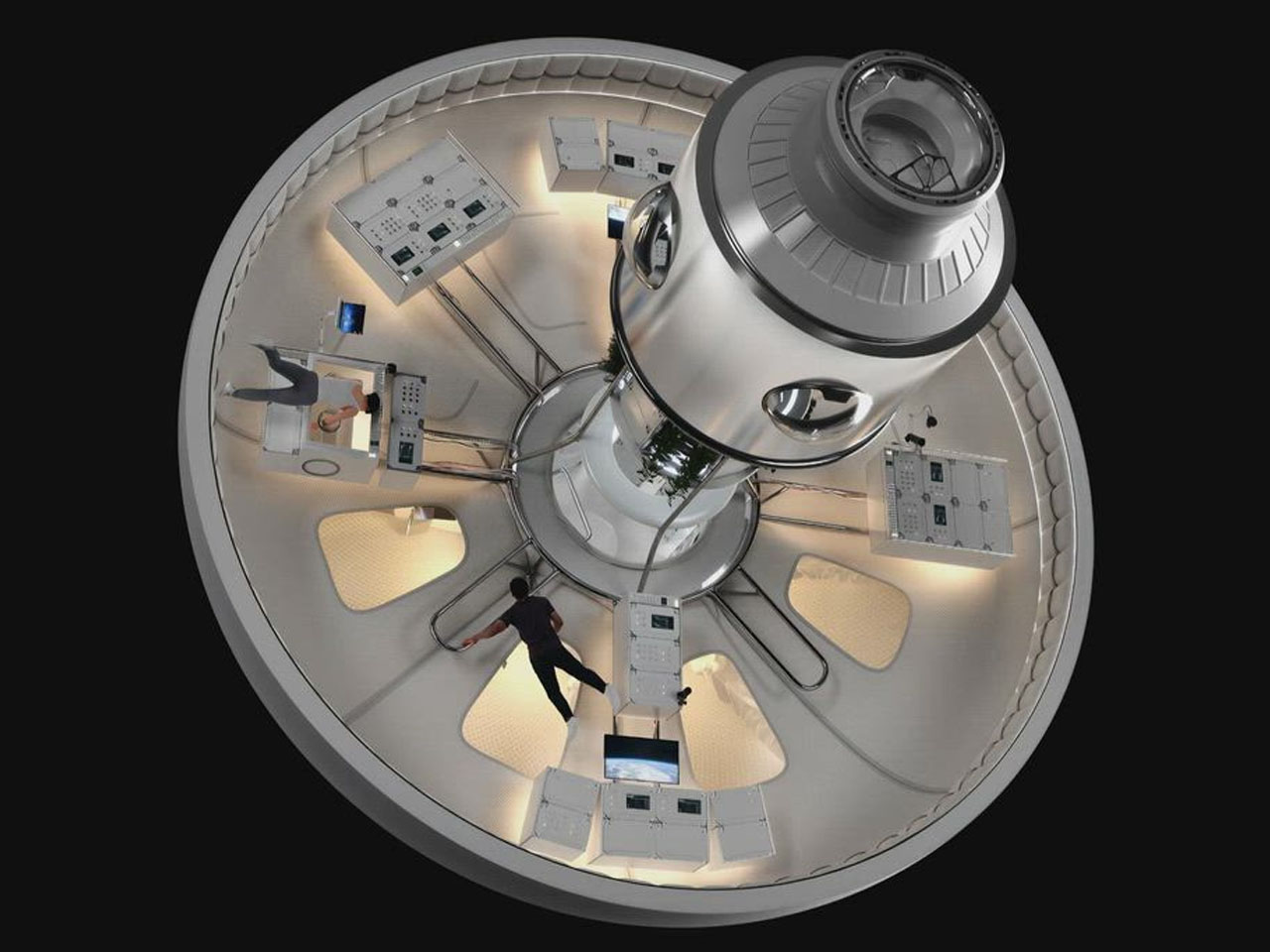
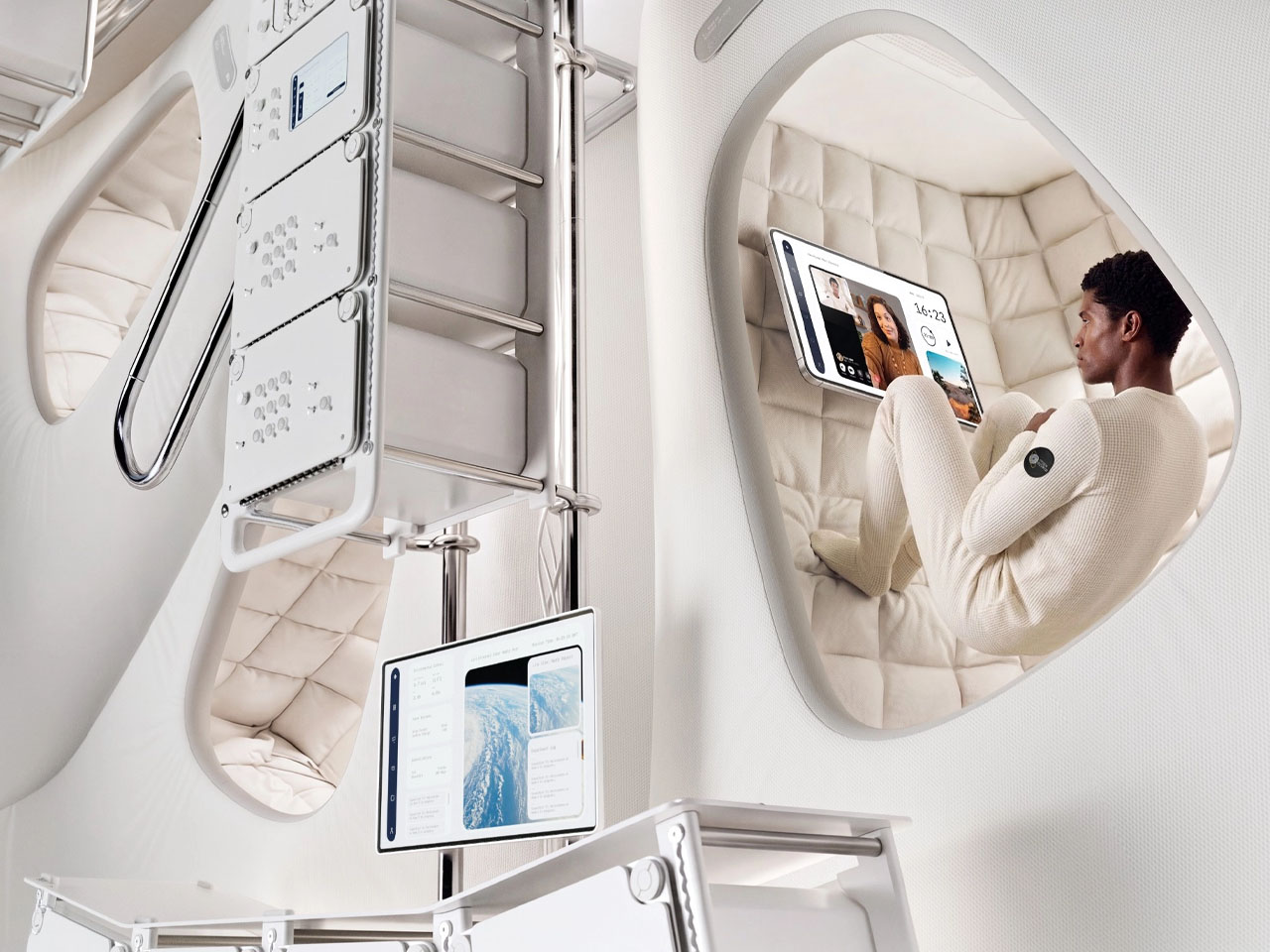
Designer: Max Space and OMI

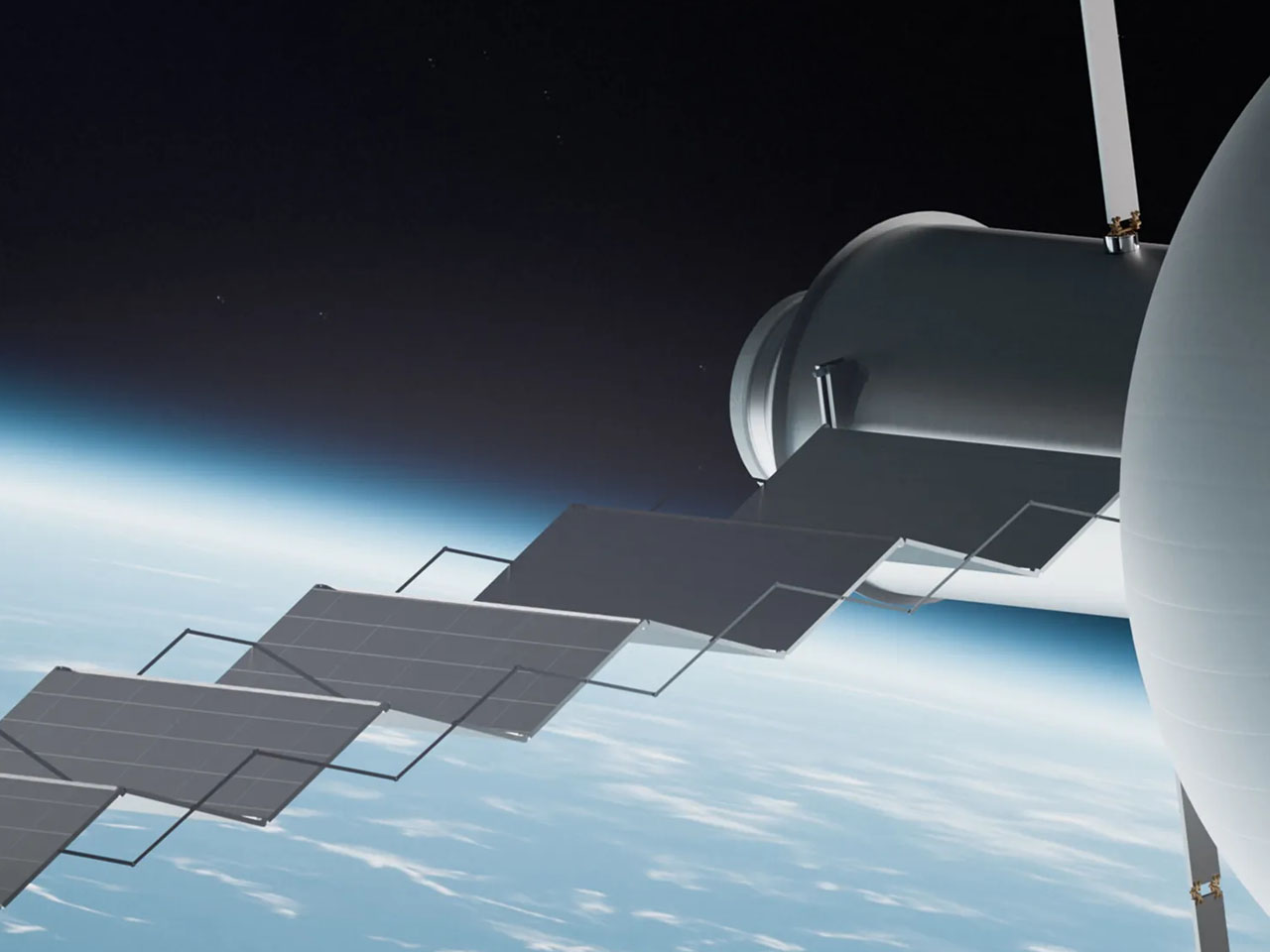
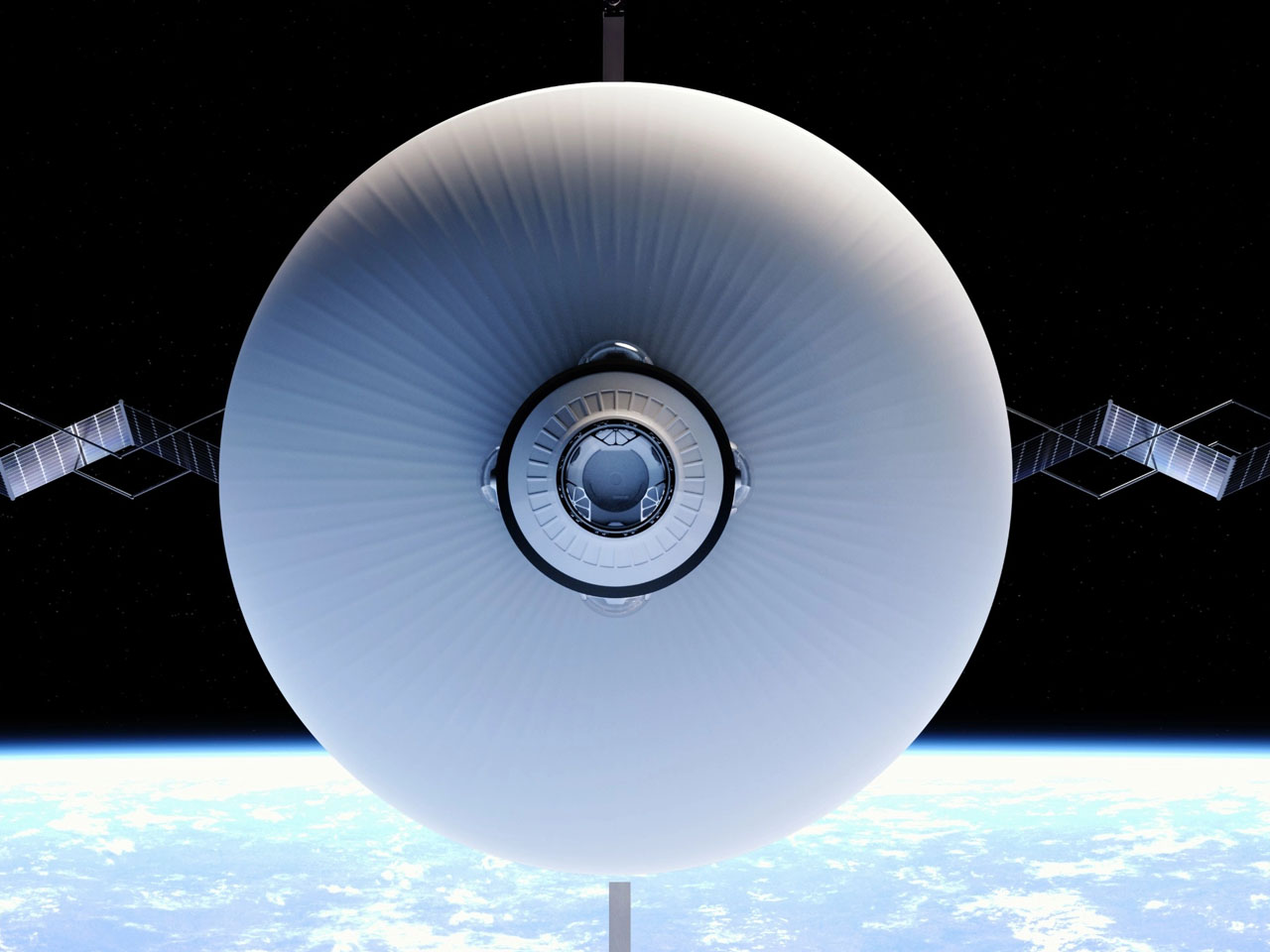
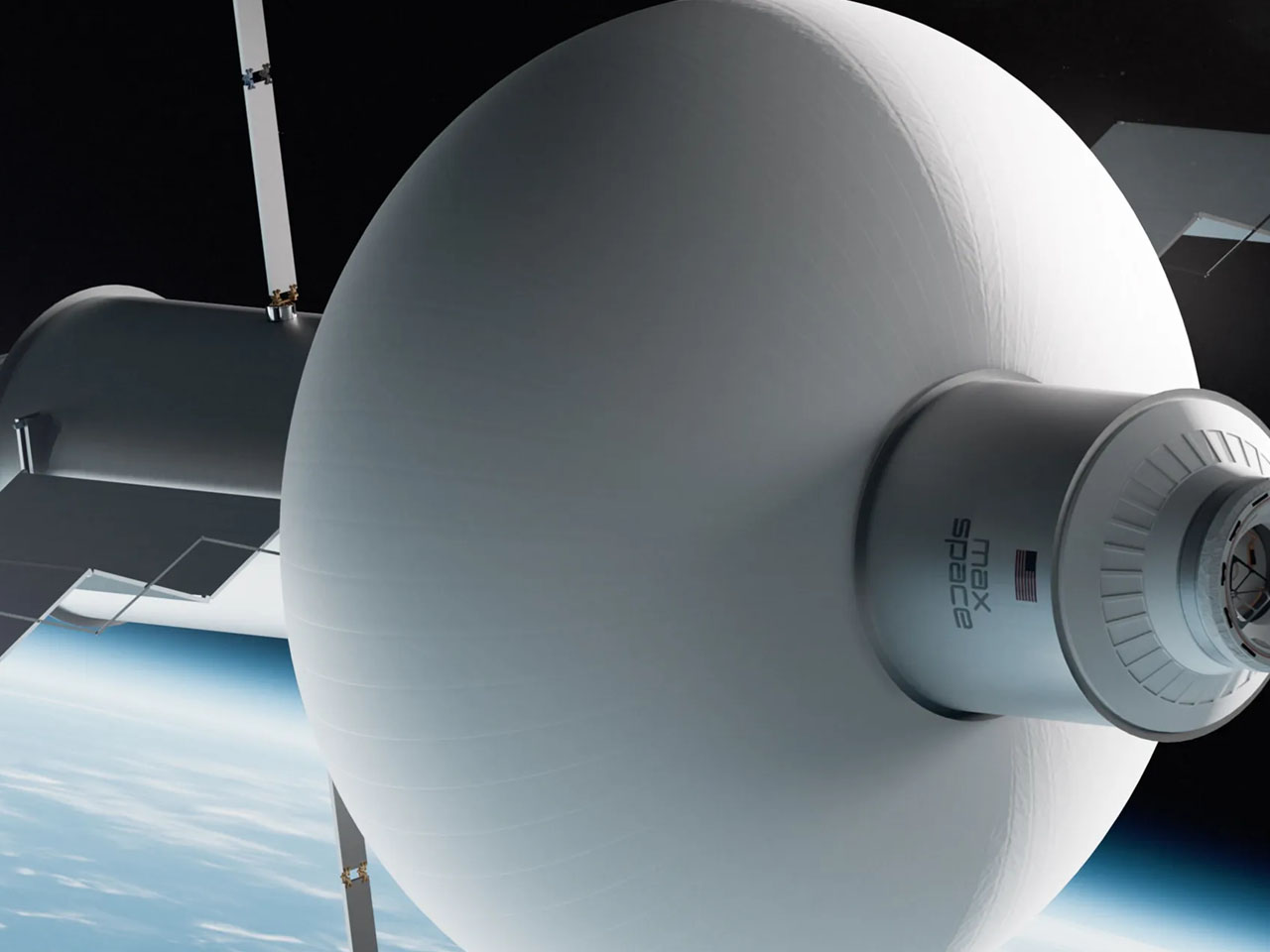
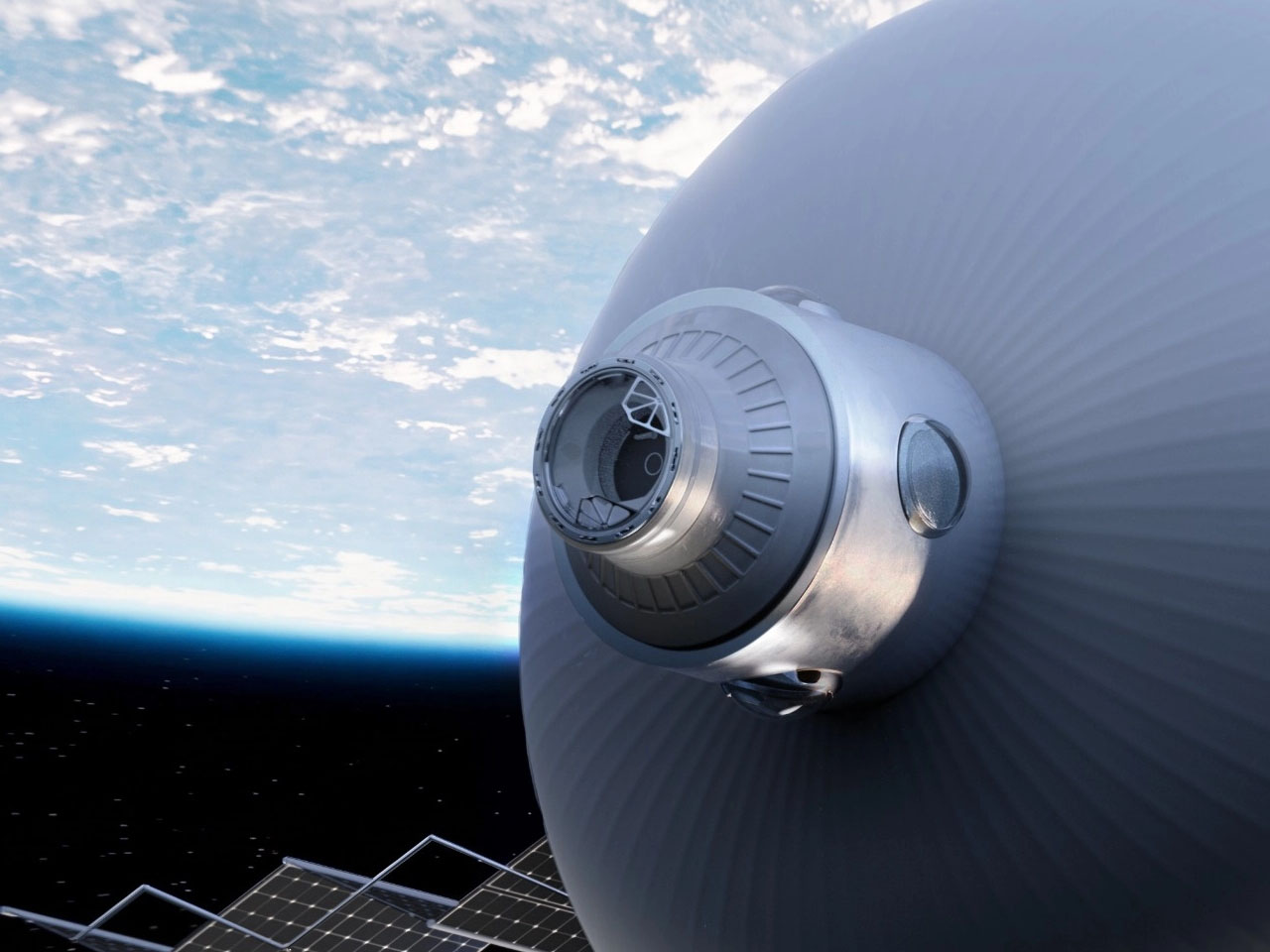
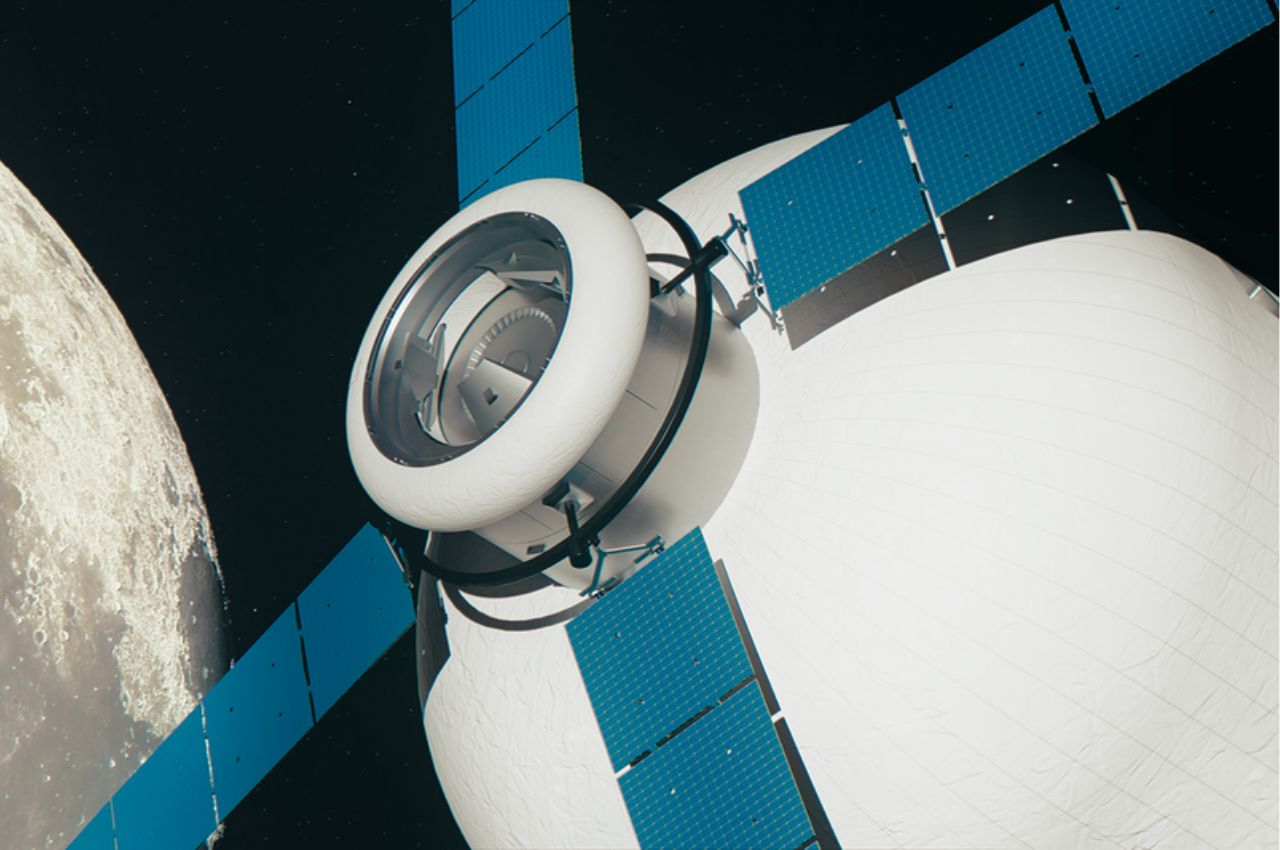
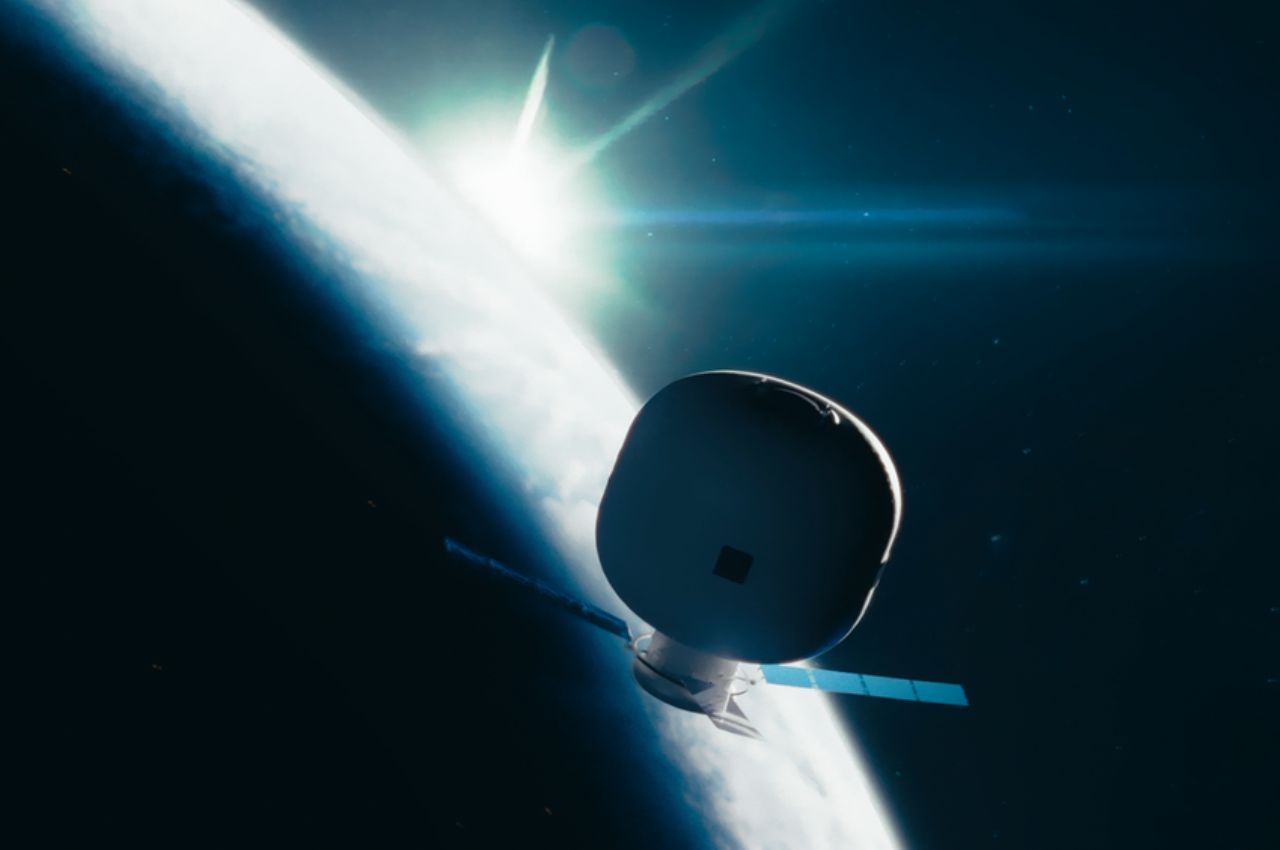
Their prime concept for the next-generation space station is Thunderbird, which can launch compactly and expand in low Earth orbit for a far more practical pressurized environment than current-generation modules. Just imagine a single-launch commercial habitat, compared to the ISS, which took years of on-orbit assembly, and rocket flights. The space station concept proposes the use of an expandable fabric-based structure to maximize the volume, while staying well within the volume and mass threshold of transporting it into orbit. NASA themselves have been experimenting with inflatable modules, and Max Space builds on that knowledge to craft one of the most complex habitat structures known to man.
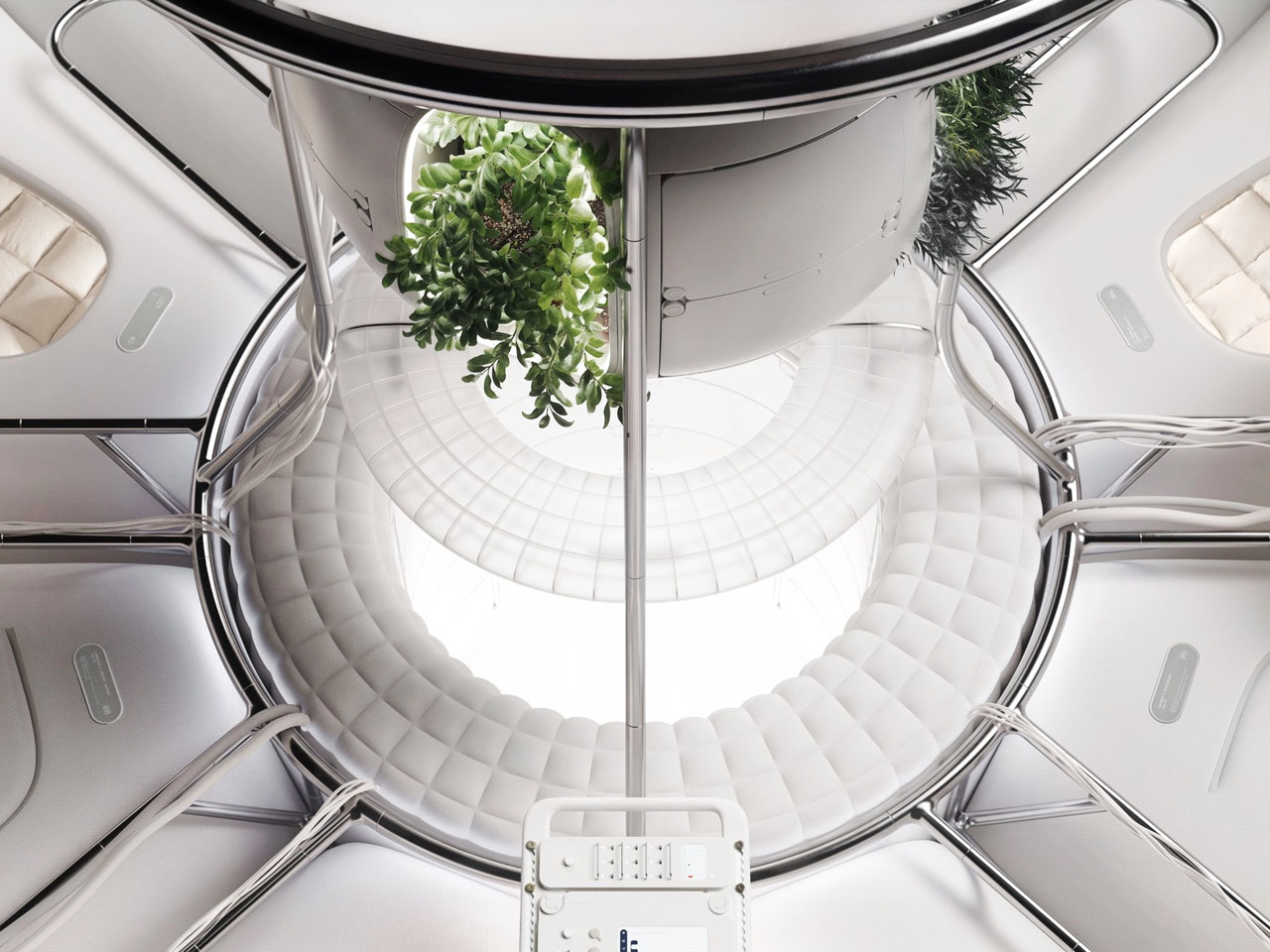
The aeronautical start-up co-founded by CEO Saleem Miyan, Chairman Aaron Kemmer, and Chief Technology Officer Maxim de Jong, is working in close association with NASA under the Space Act Agreements for technical collaboration. If all goes to plan, Thunderbird will launch into Earth’s orbit by the end of the decade on the SpaceX Falcon 9 rocket.  Before the final launch, there will be extensive test flights and demonstrations to make the mission a 100 percent success.
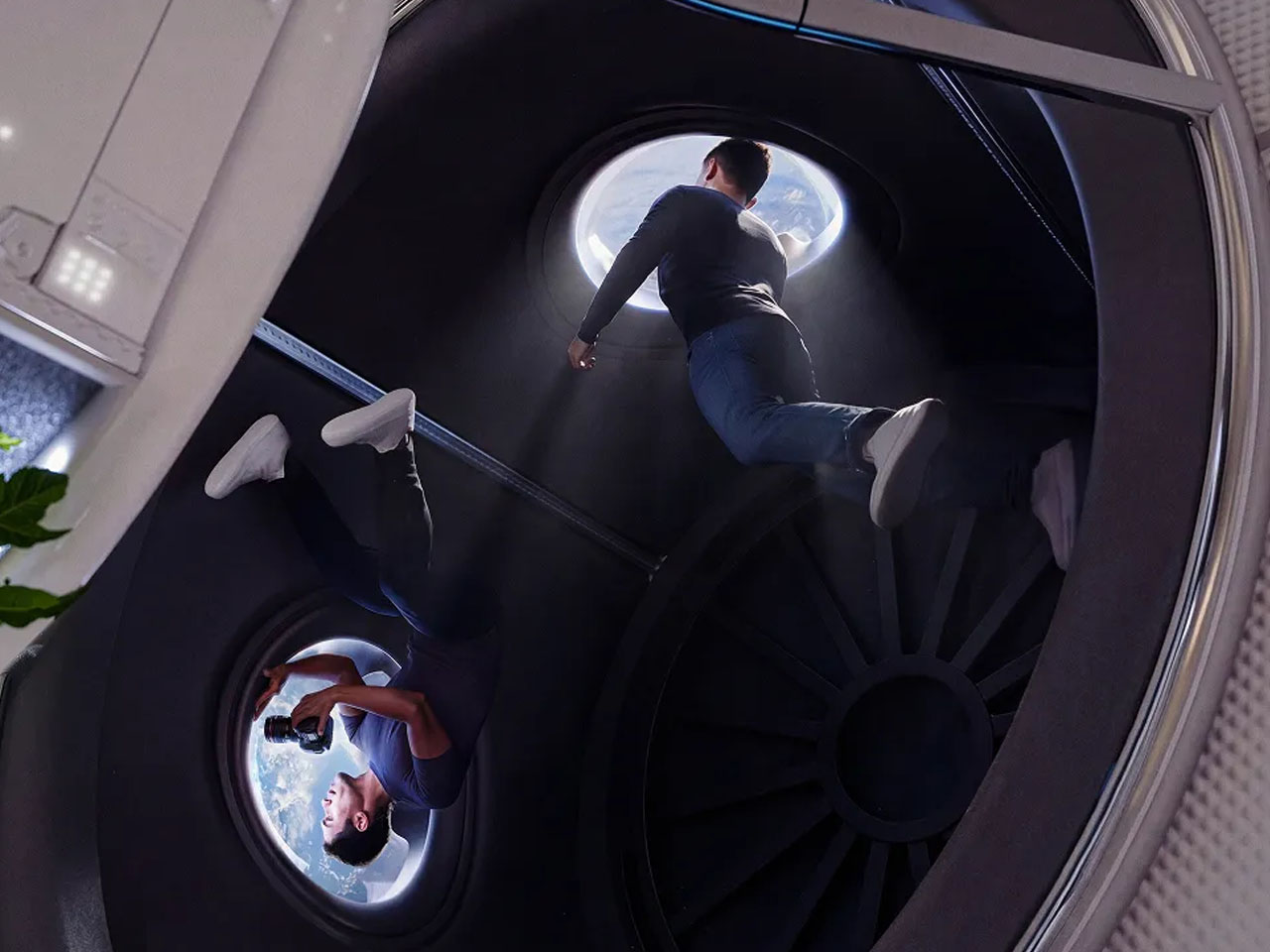
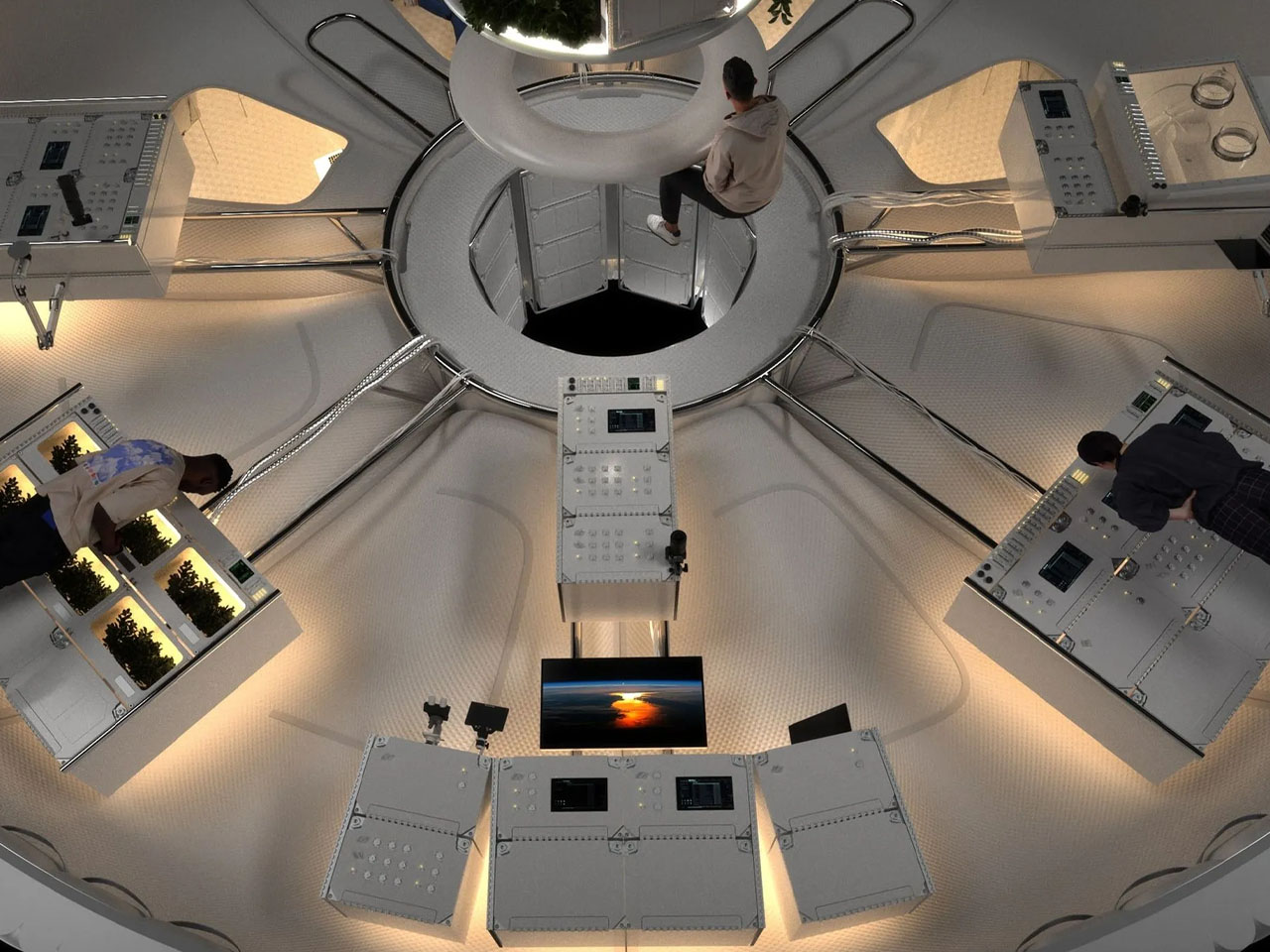
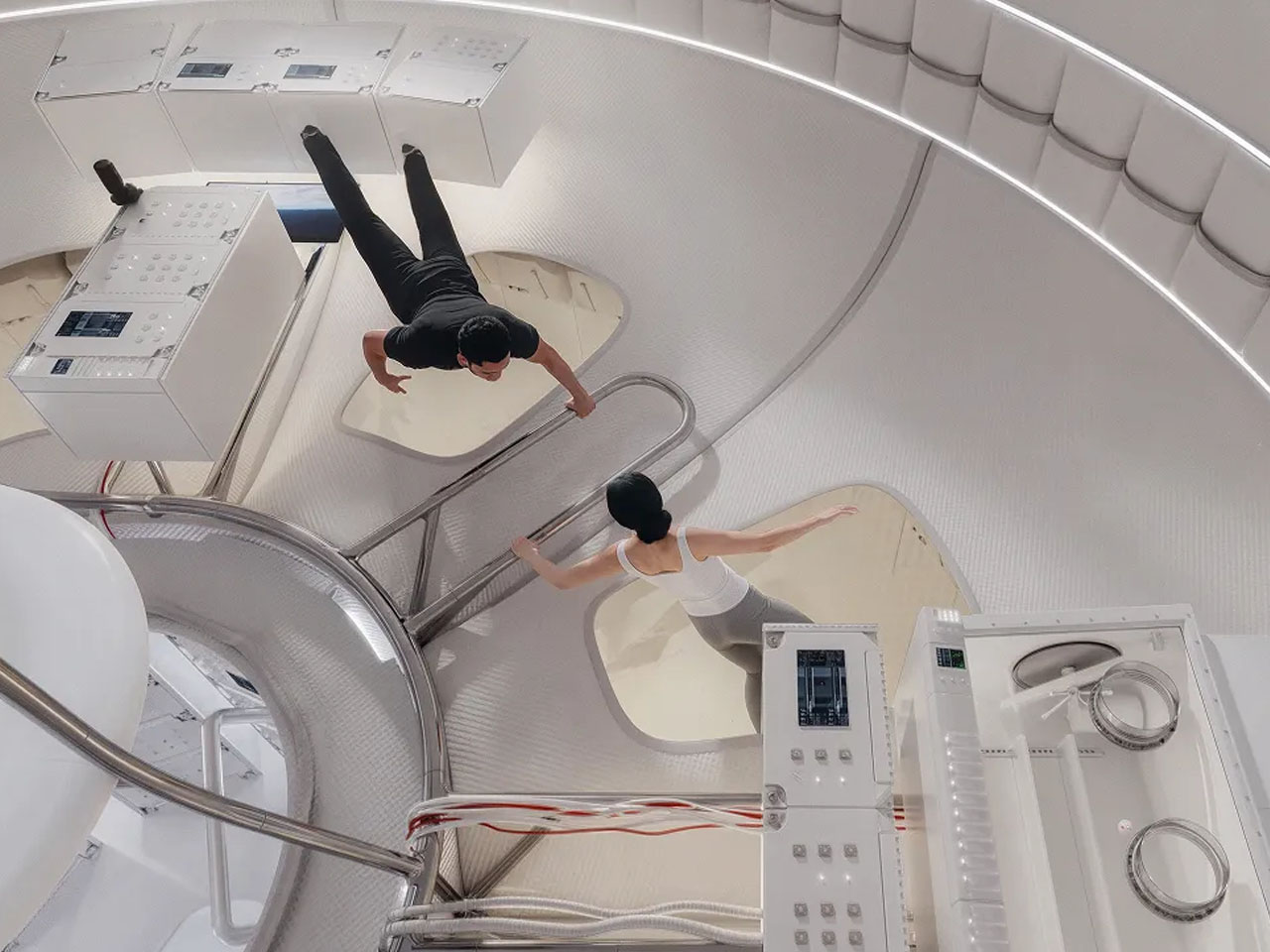
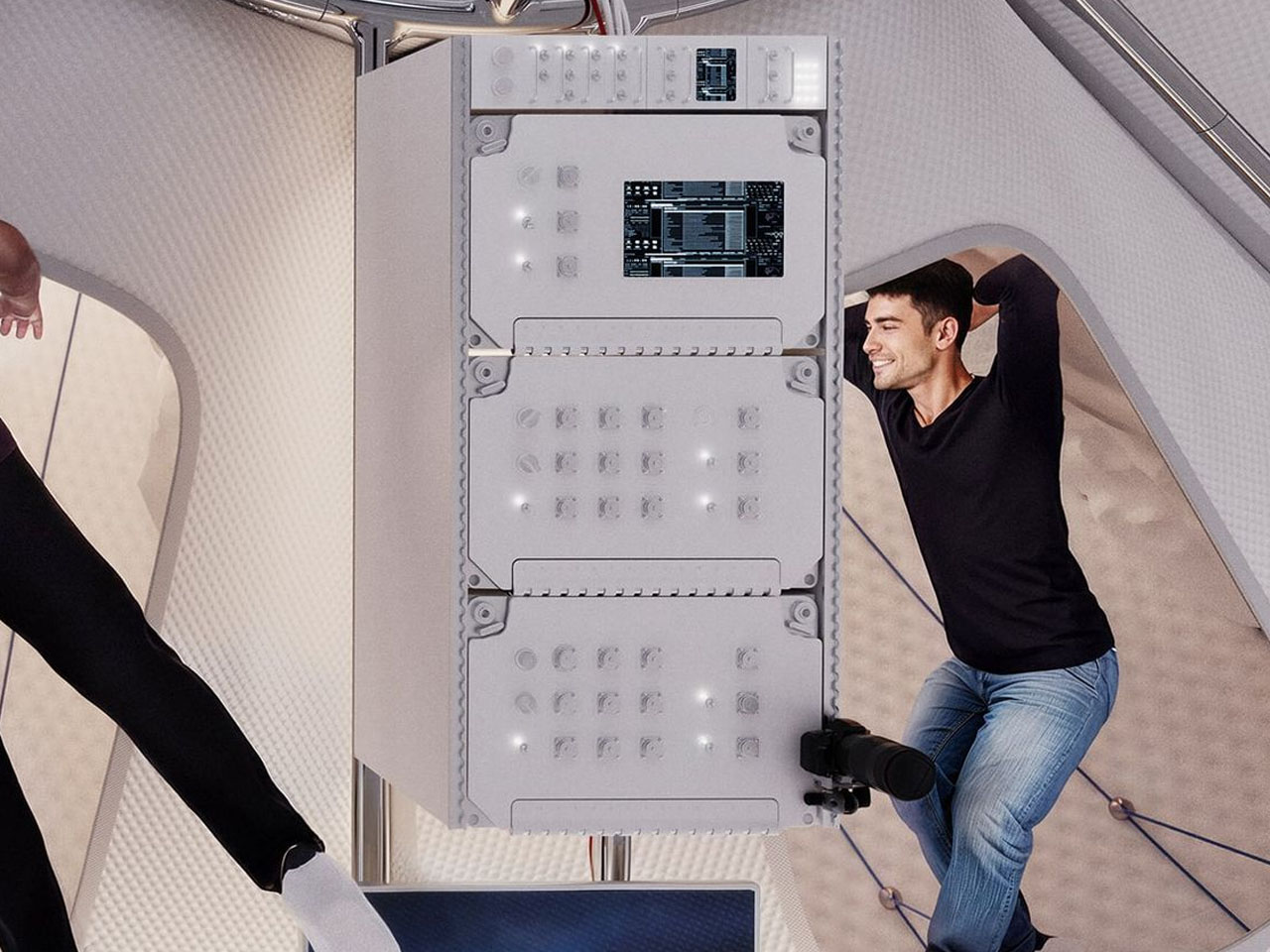
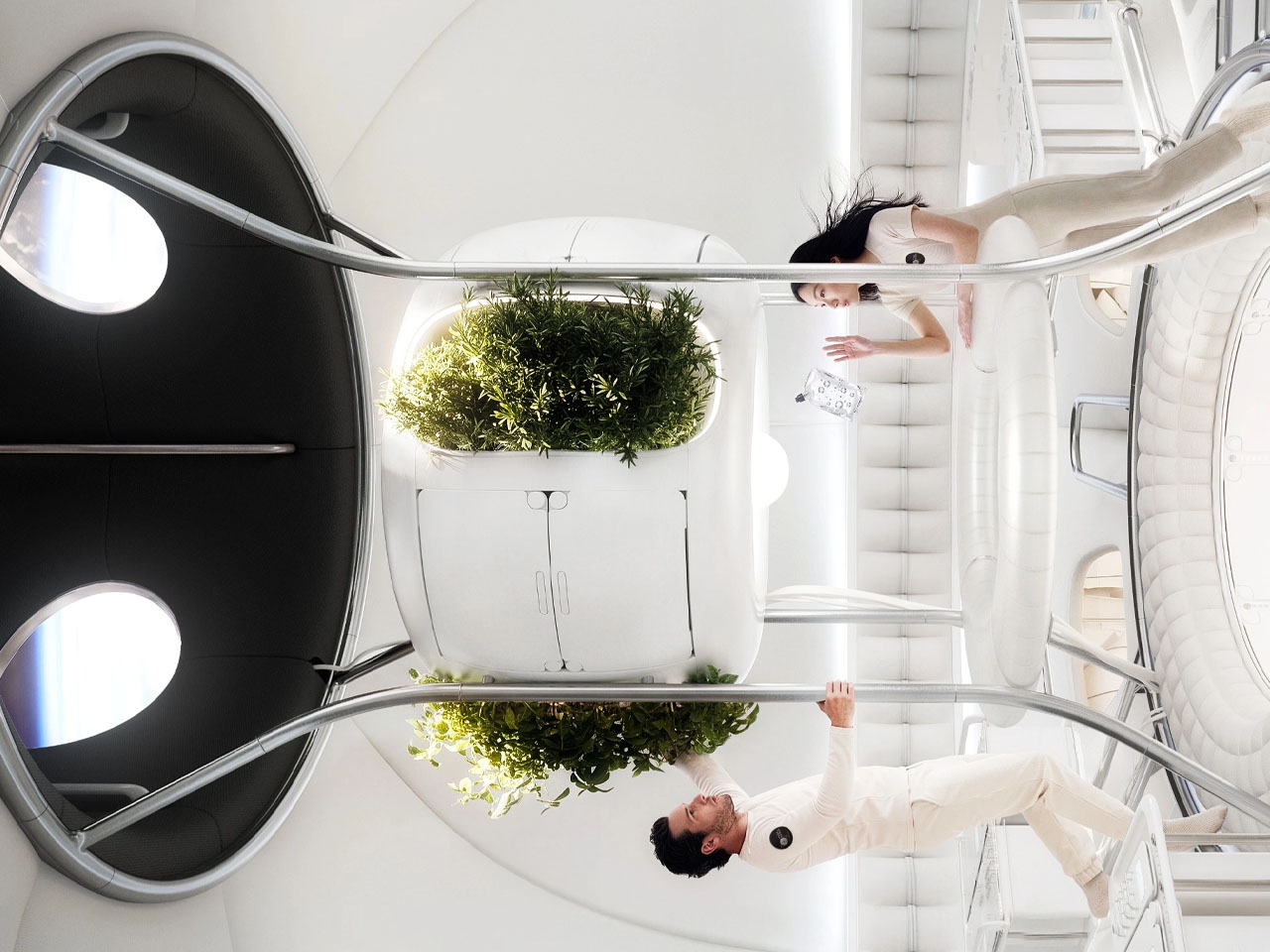
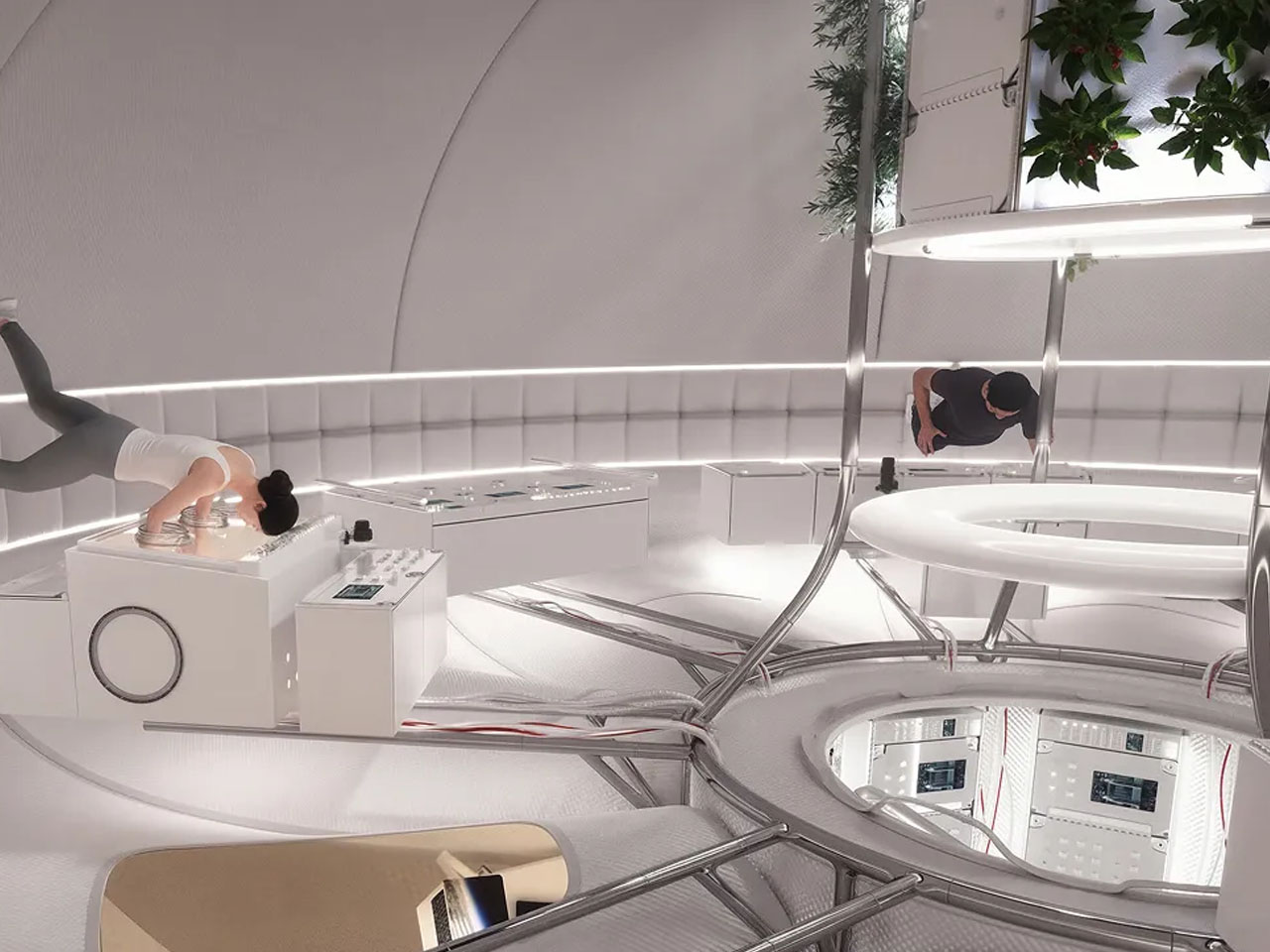
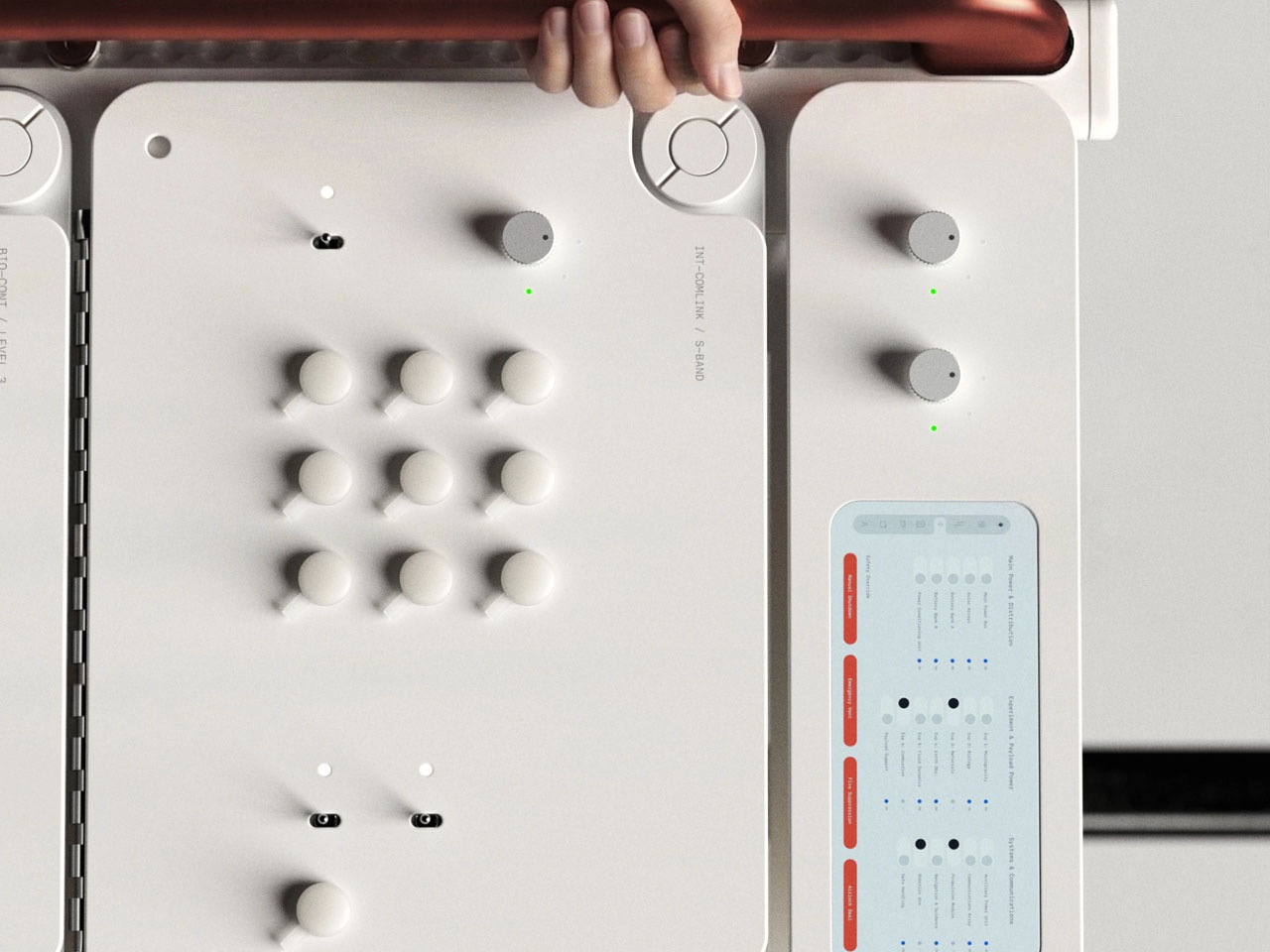
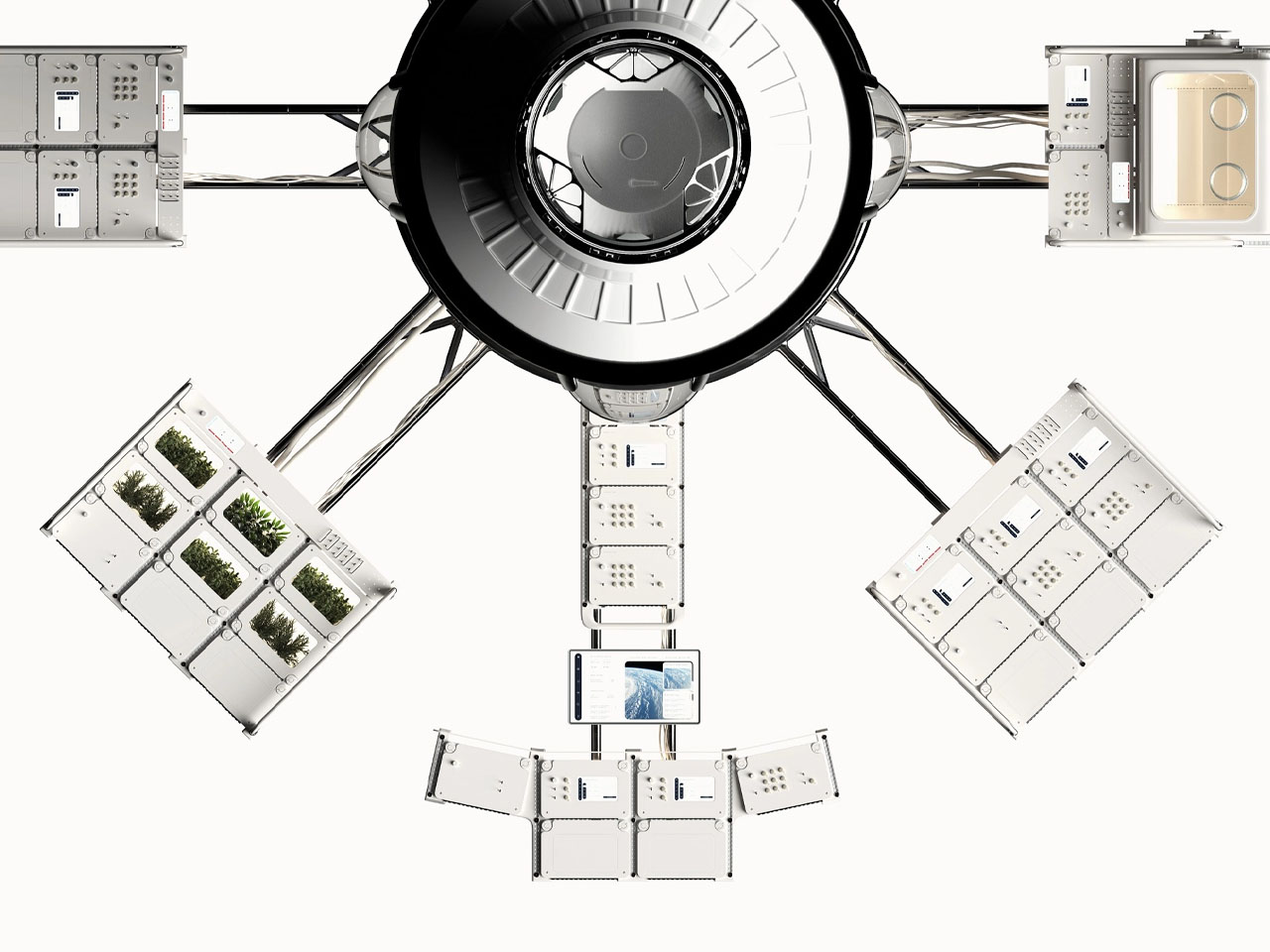
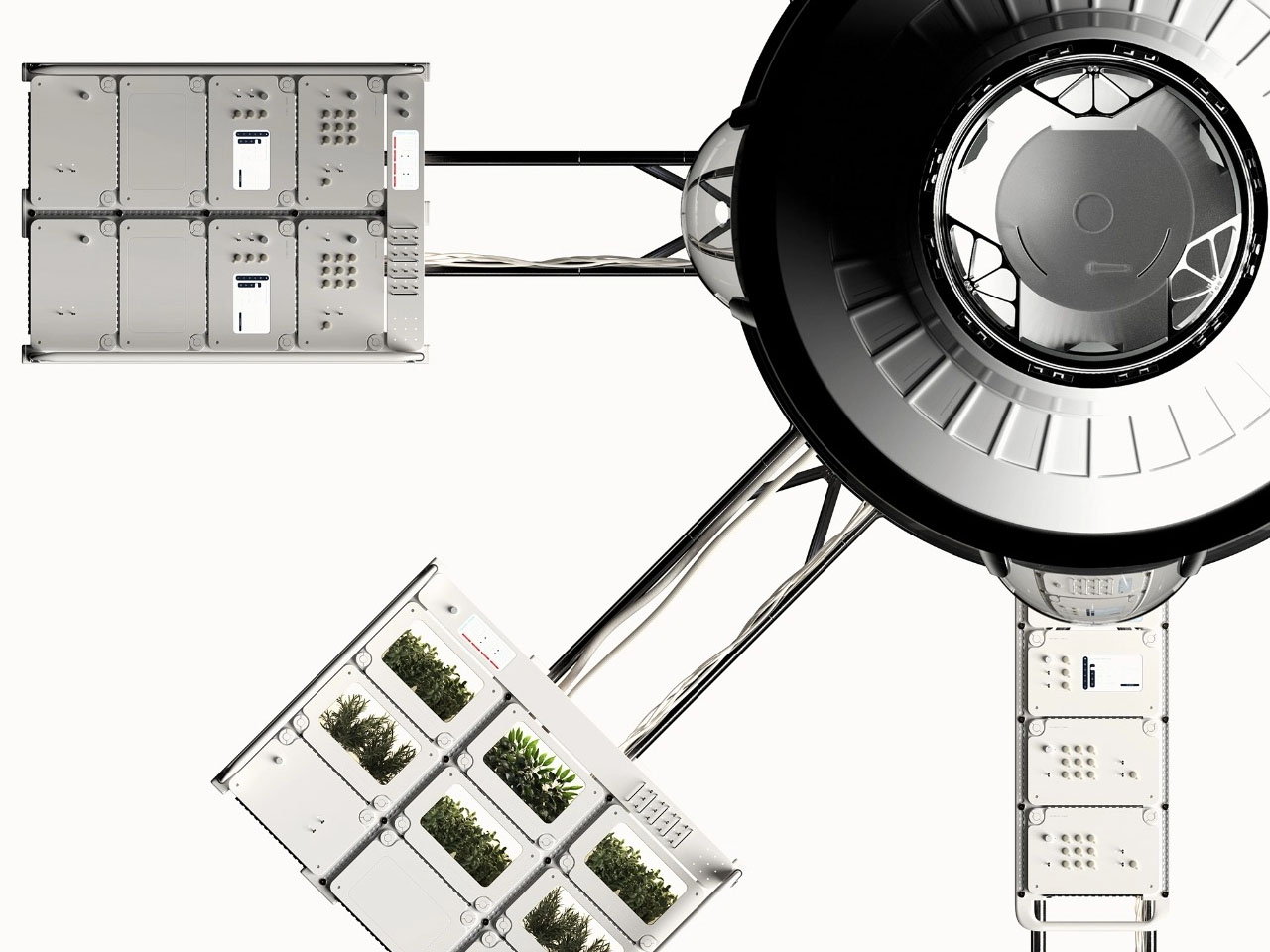
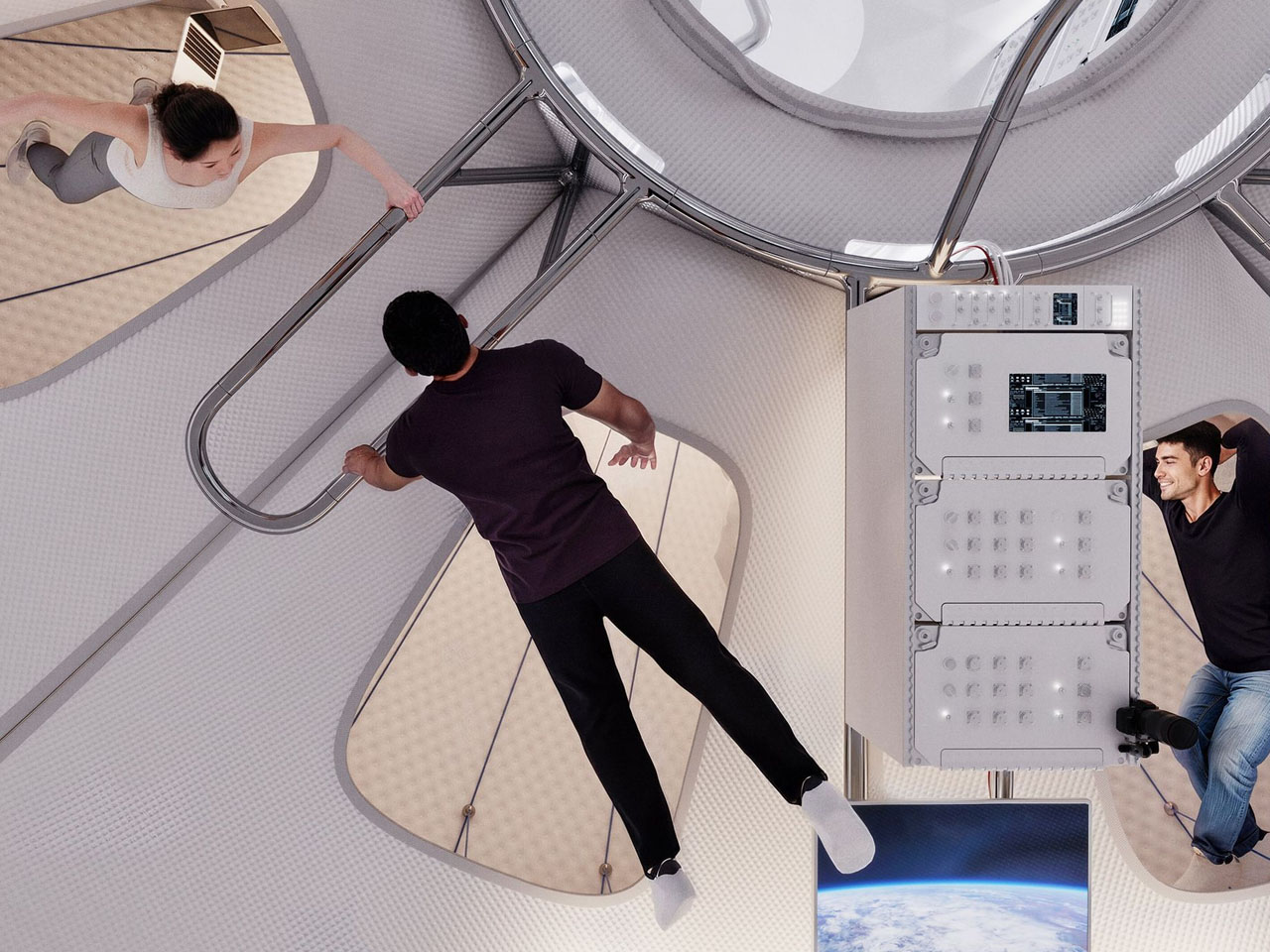
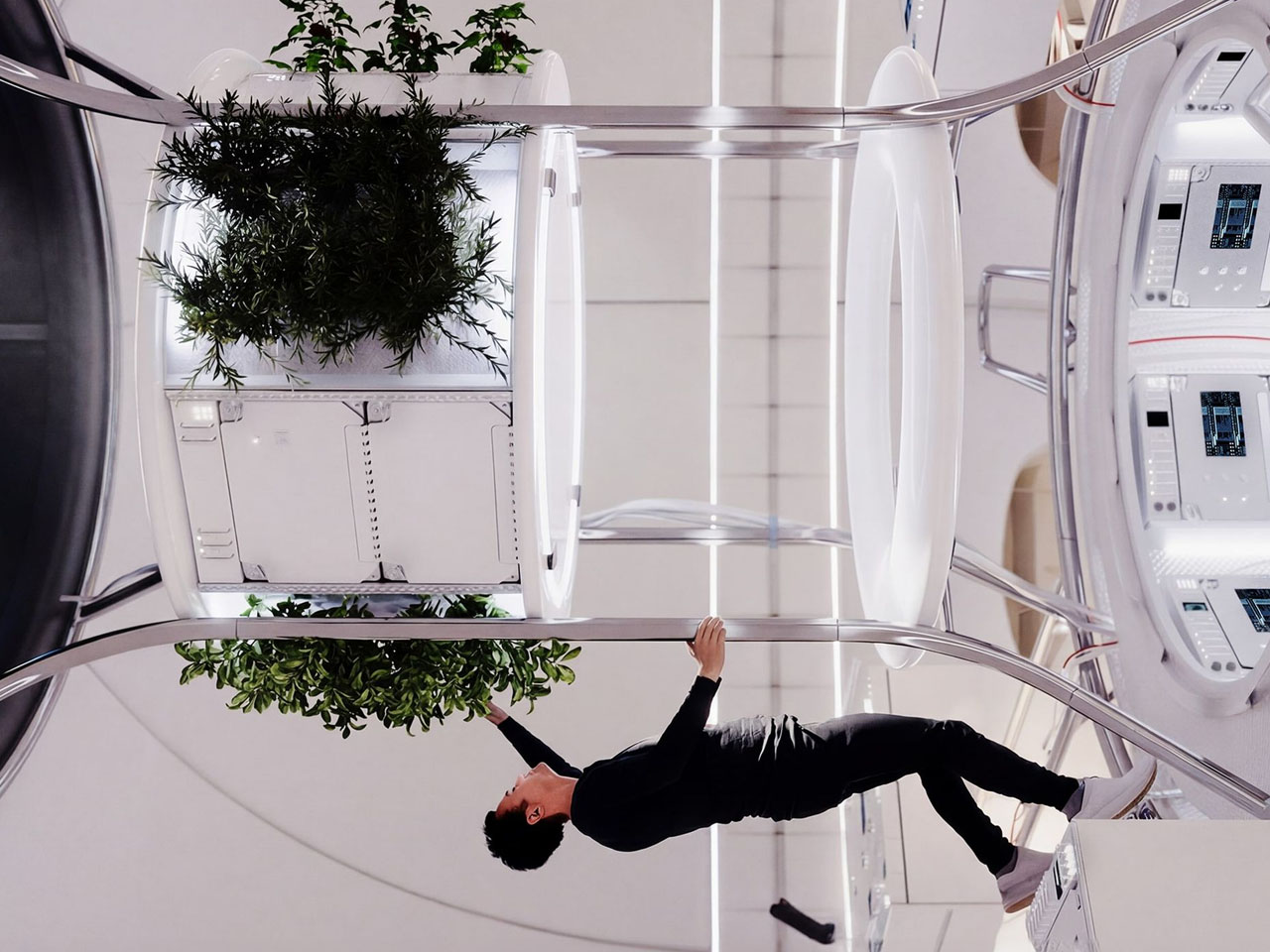
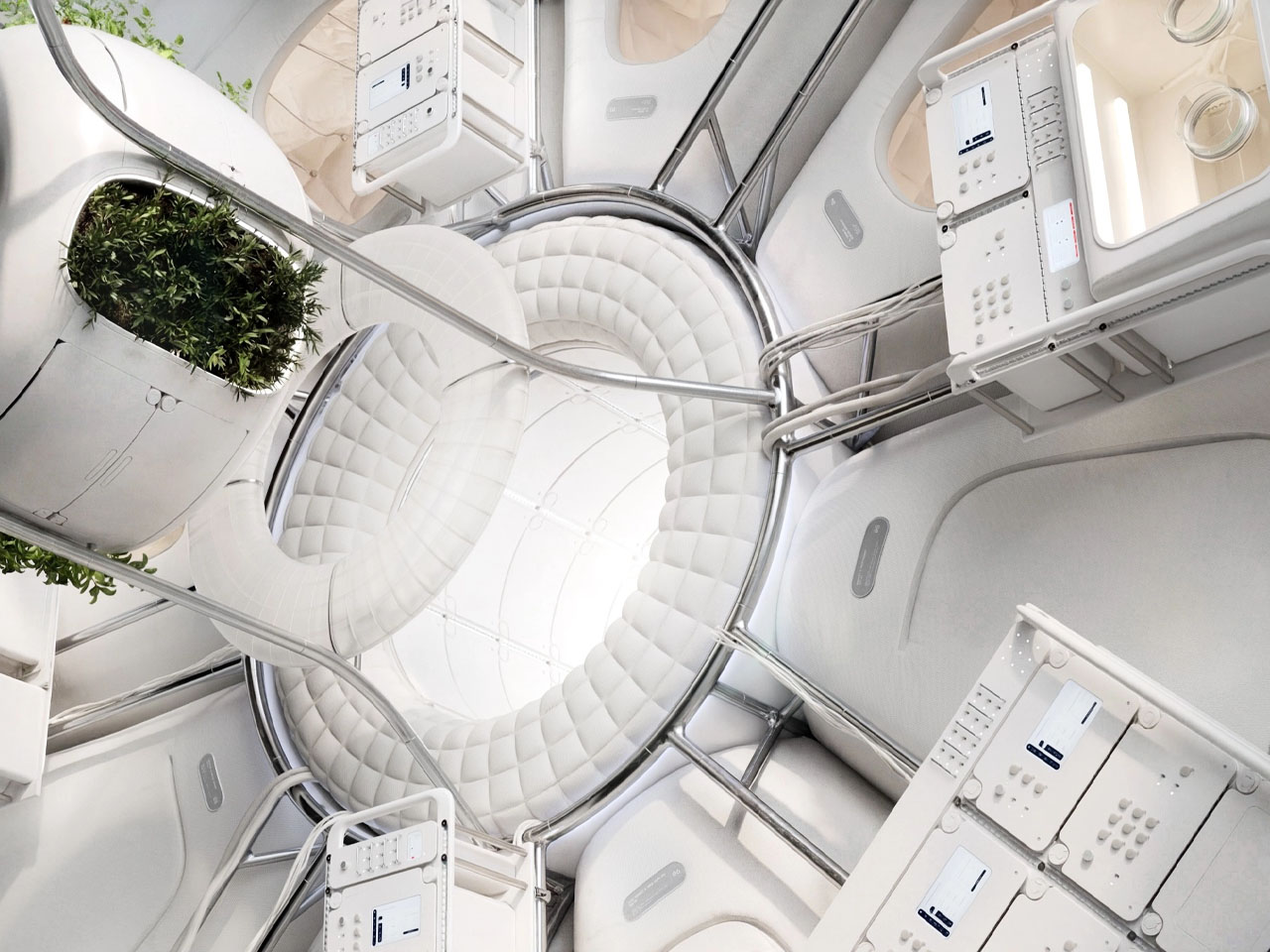
What we see in the pictures is a concept iteration of the space module designed by OMI (Of My Imagination) Studio for Max Space. Thunderbird is the orbital component of the proposed expandable habitat, which is envisioned to go well beyond the low-orbit International Space Station modules. It is going to be the basis for the more serious Lunar or Martian missions planned for the next decade. OMI is the brainchild of visionary minds who have worked in close quarters with former NASA astronauts to reimagine “space station as a human-centred environment rather than a purely functional spacecraft.”

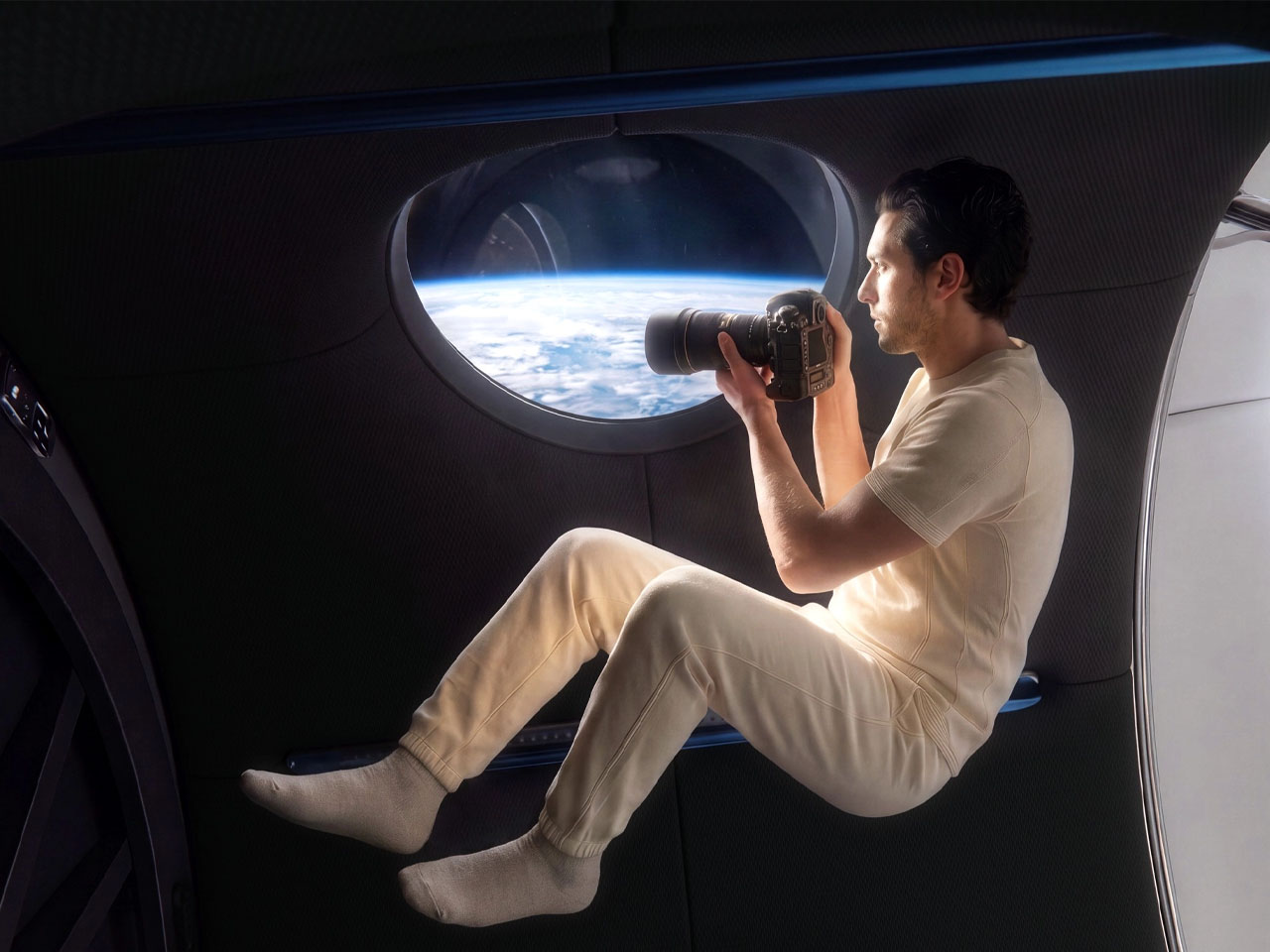
The circular structure of the module is deliberate to employ the microgravity shifts to aid navigation. The highly functional compact module can expand into a 350-cubic-meter habitat for four crew members, each having their dedicated sleeping pods and facilities, including a gym, scientific laboratories, community living space, and eight functional areas. The module has to go through the extreme temperatures of the orbit, so the agency has designed the external surfaces from multi-layered Kevlar with triple safety redundancy. This far exceeds NASA’s requirements to guard against micrometeoroids.
The post Max Space Thunderbird is an expandable space station module that could eventually replace ISS first appeared on Yanko Design.
Max Space Is Revolutionizing Balloon-Like Scalable Space Habitats for a New Era in Space Exploration

Isn’t it ironic when we say space is infinite, yet it has the same housing problem we face on Earth of not having enough room? The challenge for builders of space habitats is not the vastness of space itself but the constraints of shipping capacity. Despite the increased frequency and reduced cost of rocket launches, the amount of building material that can be sent into orbit remains limited. The International Space Station (ISS), for example, required over 40 flights and cost more than $100 billion to construct. In contrast, Max Space is giving more in less! A bargain that can never go wrong. It is a company revolutionizing space habitation by offering equivalent cubic volume to the ISS for just $200 million, including launch, slashing costs by over a hundred-fold.

Designer: Max Space

Max Space was founded by Maxim de Jong, a pioneer in “soft system space architecture.” De Jong is globally recognized as the foremost expert in utilizing expandable materials for space. His early designs, Genesis I and Genesis II, have been orbiting Earth since 2006 and 2007. Max Space’s approach is distinguished by its use of ‘isotensoid’ architecture. This innovative design ensures that every structural fiber remains unencumbered, allowing it to assume an ideal geometry for optimal load-bearing capability. This results in the lowest possible mass and cost while offering unsurpassed predictability and unlimited scalability.

A significant advantage of Max Space’s inflatable modules is their enhanced resilience against space debris. Unlike traditional hard modules made of aluminum and titanium, Max Space’s expandable modules feature a multi-layered system of fiber-based ballistic shielding. This design provides greater resilience, making the material safer and stronger.

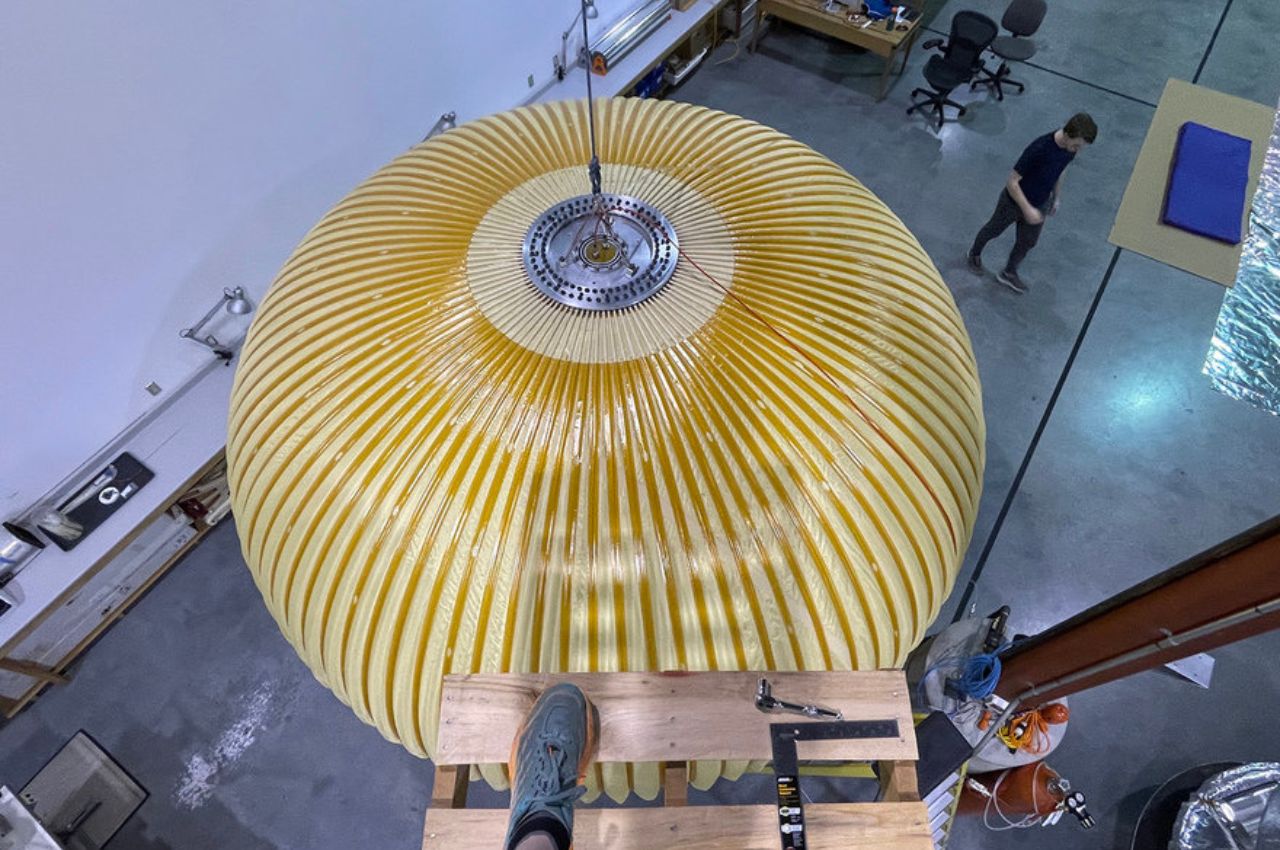
The Max Space 20, the company’s initial module, provides 20 cubic meters (706 cubic feet) of interior space. Though smaller than the ISS’s habitable volume of 388 cubic meters (13,696 cubic feet), it marks a significant step towards larger structures. The company plans to launch the Max Space 20 units in 2026, followed by the Max Space 100 and Max Space 1000 within the next four years. The Max Space 1000 will dwarf the ISS in volume, illustrating the company’s commitment to scalability.

“More volume, less cost” is Max Space’s motto. Their first expandable module, scheduled to launch on a SpaceX rideshare mission in 2025, will be compacted into two cubic meters for launch and expand to 20 cubic meters after deployment. This will make it the largest expandable module flown to date. Aaron Kemmer, co-founder and CEO of Max Space, drew on his experience at Made In Space, a company that developed 3-D printers for the ISS, to address the volume bottleneck in space habitats. His vision is to overcome the limitations of confined space, which often hinder meaningful projects.

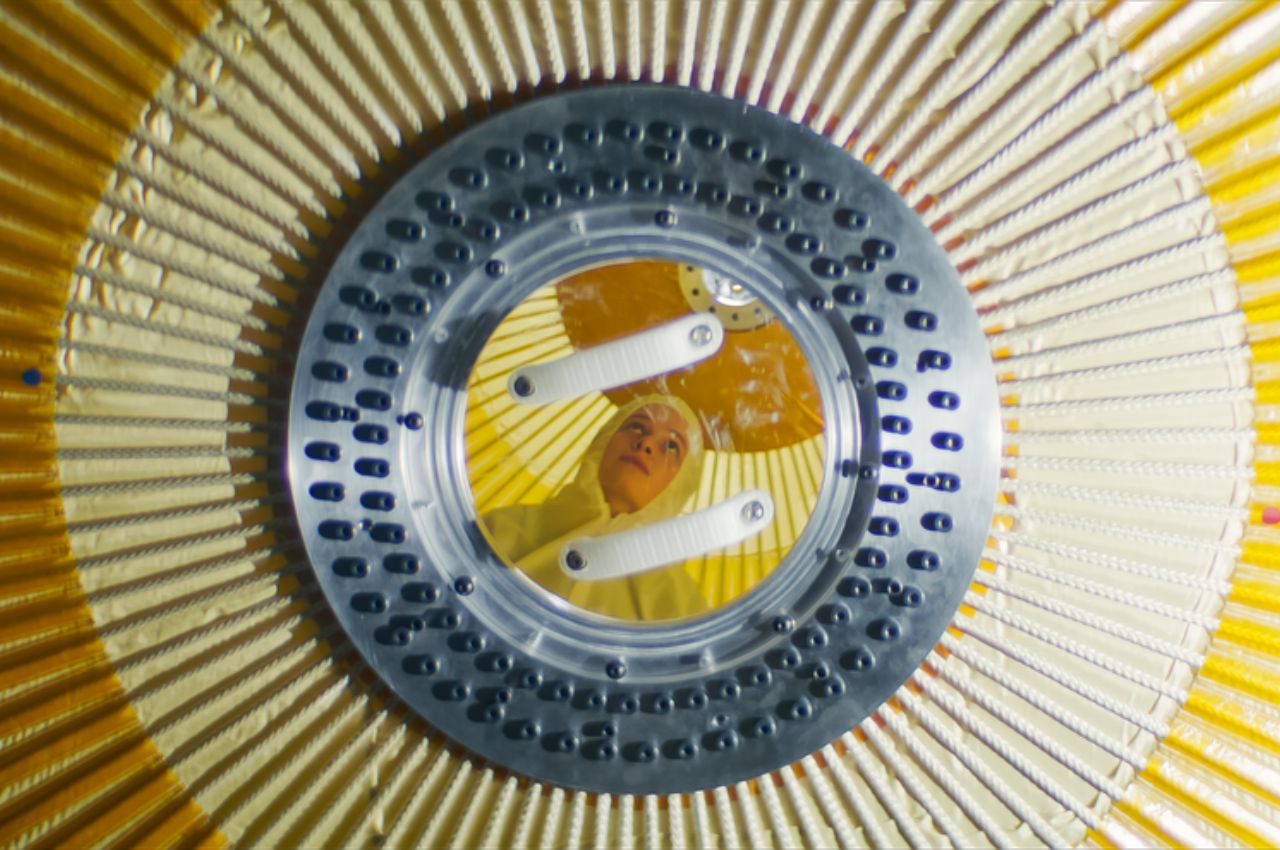
Max Space’s expandable module technology builds on the legacy of Bigelow Aerospace’s Genesis 1 and 2 and BEAM. However, Max Space’s approach differs significantly. Instead of a bi-directional “basket weave” fabric structure, which distributes load unpredictably, Max Space employs a technology that distributes loads in one direction. This ultra-high-performance vessel, a serendipitous discovery by de Jong, ensures more precise safety margins and scalability. Tests have shown that the modules can burst at pressures within 10% of predicted levels, demonstrating excellent predictability.

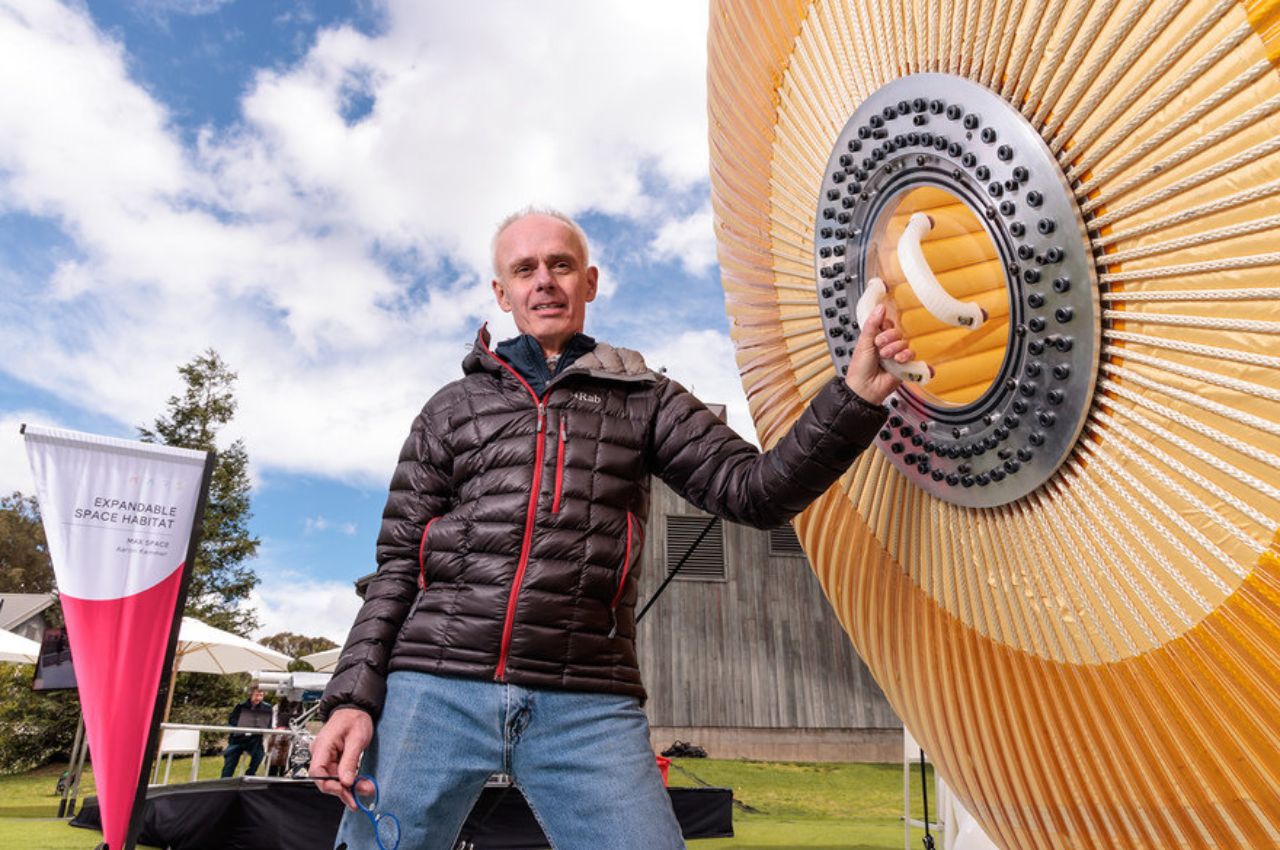
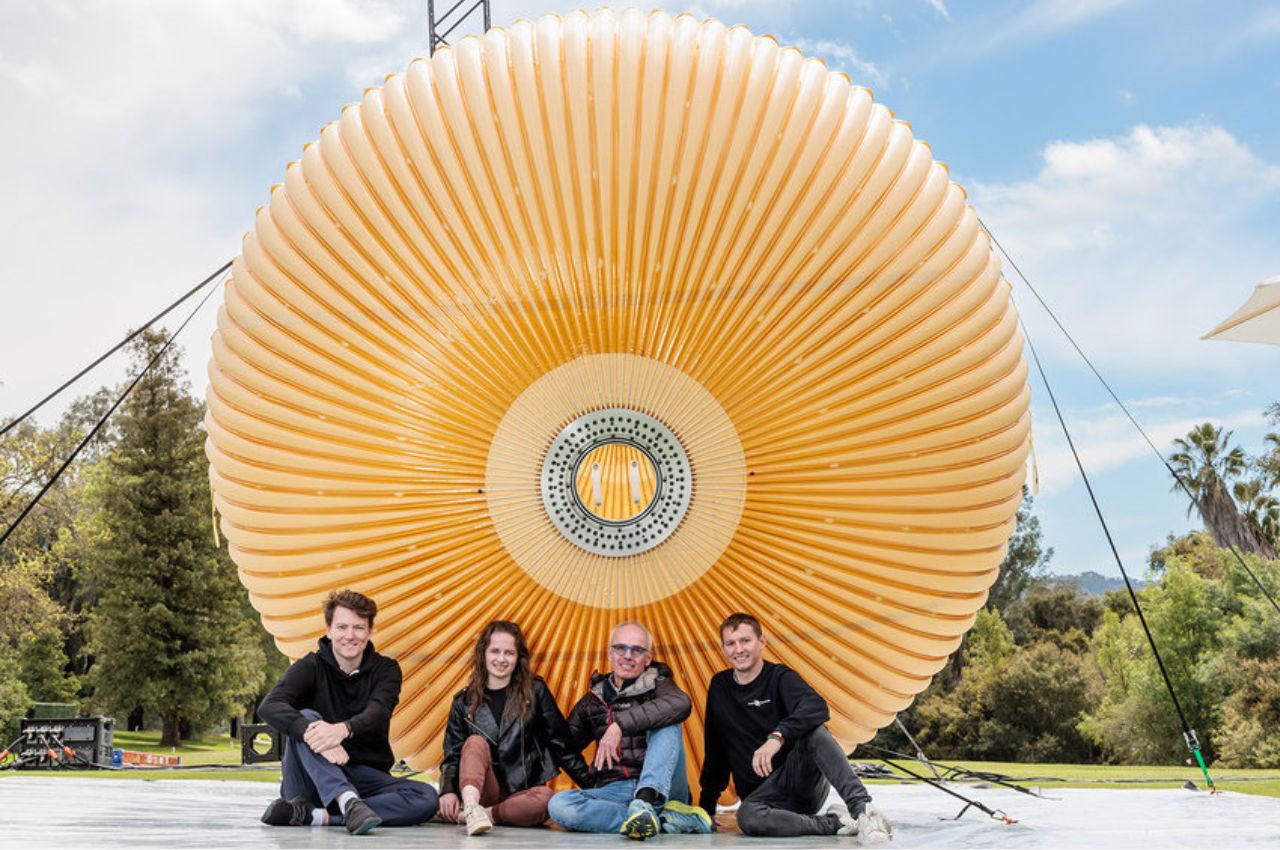
Recently, Max Space showcased a test version of the Max Space 20 module at the MARS Conference, hosted by Jeff Bezos. The company is now developing a flight version with enhanced debris shielding. The scalability of this design will enable Max Space to quickly advance to modules with volumes of 100 to 1,000 cubic meters, equivalent to the entire ISS volume, at a fraction of the cost.

Max Space does not intend to build its own space station but aims to supply modules to other commercial space station developers, including those involved in NASA’s Commercial Low Earth Orbit Development (CLD) program. The company remains focused on its core technology, contracting out other elements like power, propulsion, and life support systems.

Having raised a “sub-$10 million” seed round, Max Space is developing its first module and preparing for its rideshare launch. With a small team of less than a dozen employees, the company is committed to scaling up efficiently and cost-effectively.

Future commercial space stations are a prime application for Max Space’s modules. Aaron Kemmer emphasized the potential for these space habitats to revolutionize fields such as in-space manufacturing, biosciences, and pharmaceuticals by providing affordable and scalable solutions. Initially, the modules may serve government agencies as in-space propellant depots or storage facilities, with the company prioritizing the demonstration of safety and functionality before accommodating human habitation.

The potential applications for Max Space’s habitats are vast, ranging from orbiting research and manufacturing facilities to lunar surface installations. Imaginative possibilities include space tourism and zero-G sports. Additionally, these habitats could enable nations without a domestic space program to establish an orbital presence, significantly broadening global participation in space exploration and utilization.

The post Max Space Is Revolutionizing Balloon-Like Scalable Space Habitats for a New Era in Space Exploration first appeared on Yanko Design.