Gage Roads Just Turned a Surfboard Into a Beer Tap

The last debate you expected to find at the heart of a design story was a surfing one, but here we are. For years, the surf community has been at odds over something surprisingly technical: should surfboards be measured in volume, using litres? It sounds like a niche argument, but for shapers and surfers, the stakes are genuinely real. Leave it to an Australian brewery to turn that argument into one of the most interesting design objects of the year.

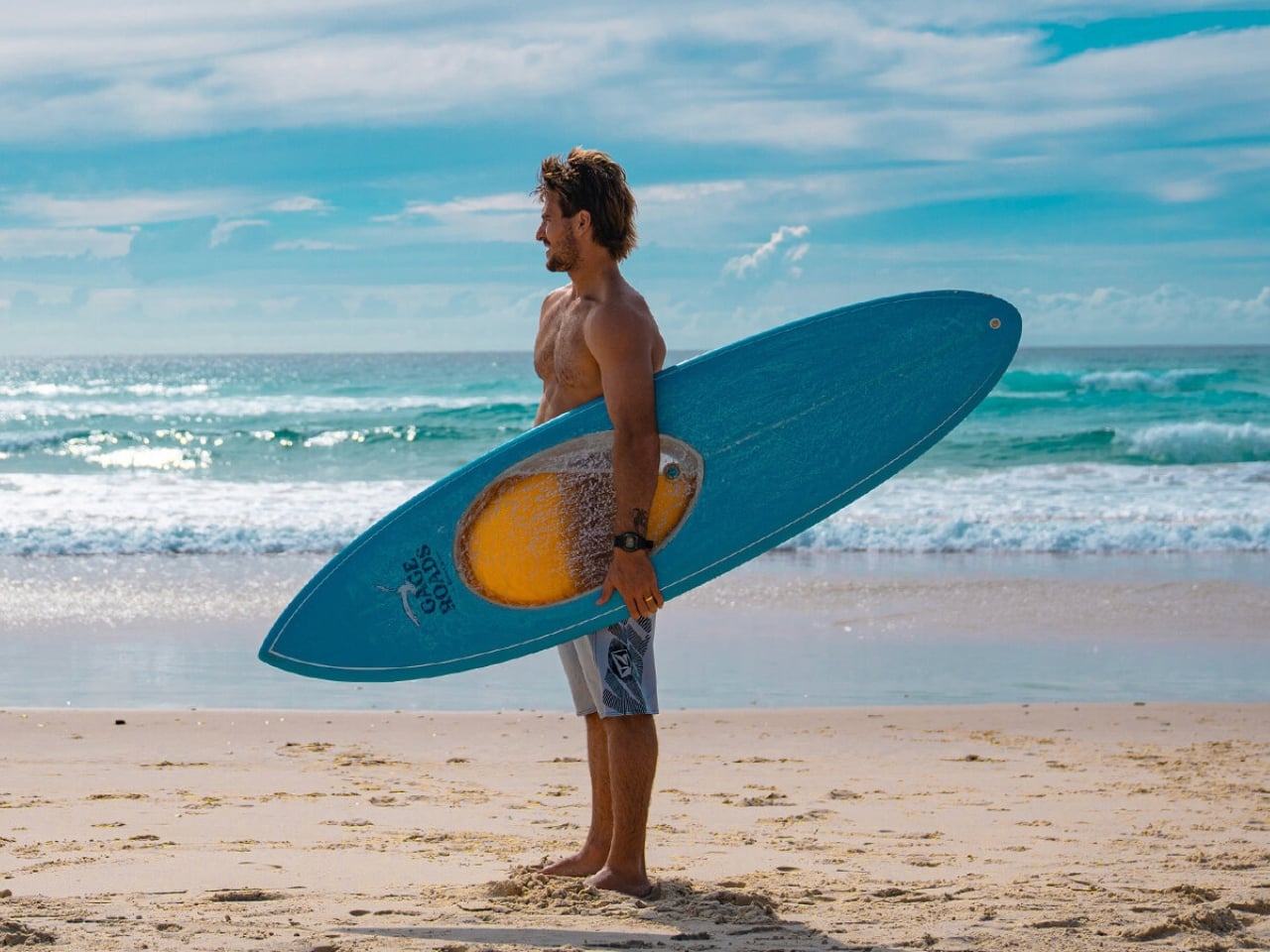
Gage Roads Brew Co. partnered with legendary board shaper Chris Garrett of Phantom Surfboards to create the Beerboard, a custom single-fin surfboard built with a sealed internal chamber capable of holding 10 litres of Gage Roads Summer Ale Single Fin. Yes, it actually surfs. And yes, it actually pours beer. That’s the whole glorious point.

Designer: Chris Garrett with Gage Roads Brew Co
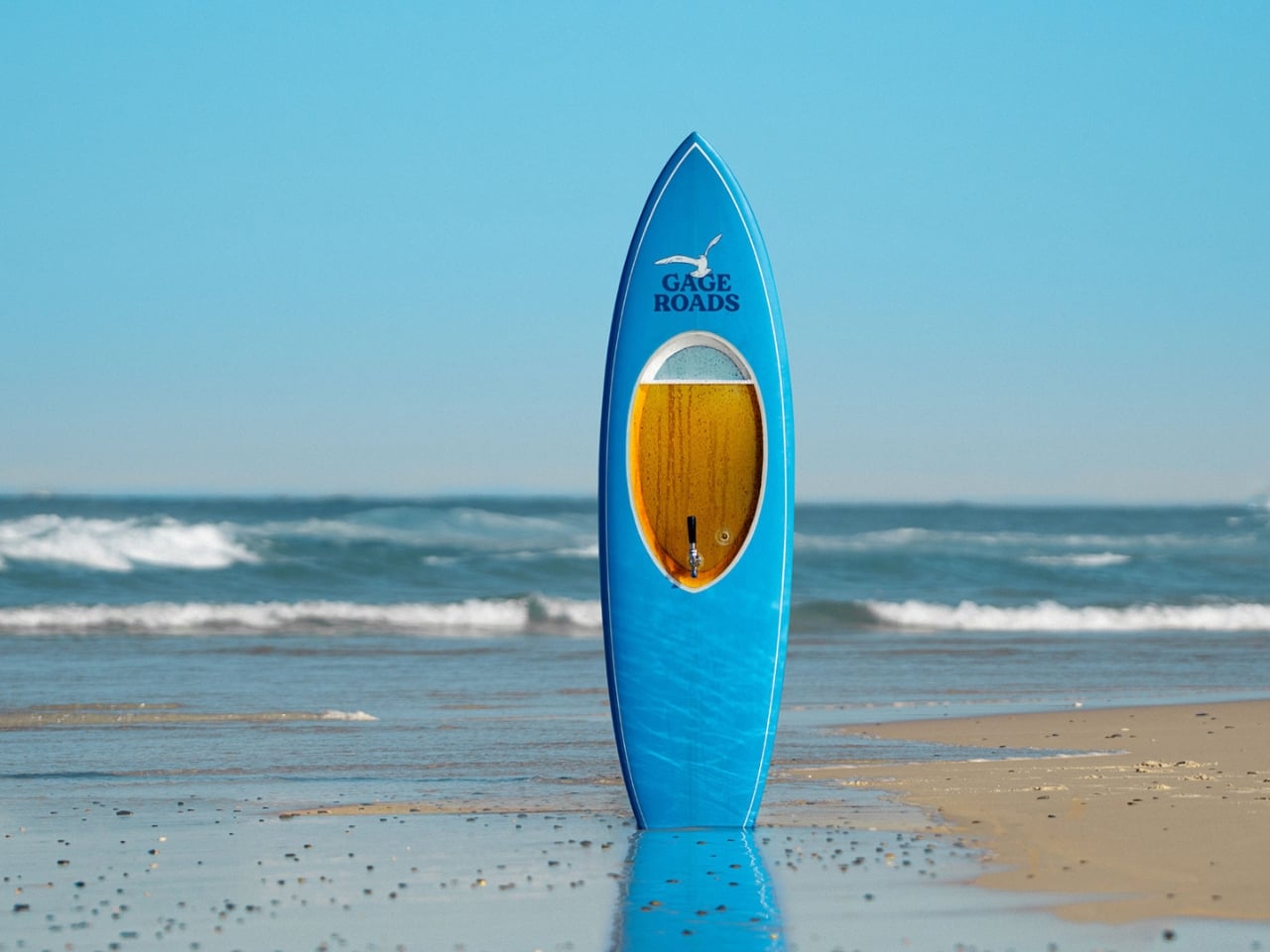
The concept itself is brilliantly simple, but the execution was anything but. The engineering challenge of making a surfboard capable of storing pressurised beer without leaking, or worse, imploding mid-session, required serious work. Garrett’s decades of experience as a shaper came into play here in ways that go well beyond surface aesthetics. He’s been crafting boards since 1979, and Phantom Surfboards has been his life’s work since 1984. Designing the Beerboard meant rethinking the interior construction entirely, embedding a food-safe chamber that could handle pressurisation while preserving the board’s hydrodynamics. The build process reportedly came with a few explosions along the way, which is either alarming or just the most Australian development story imaginable.
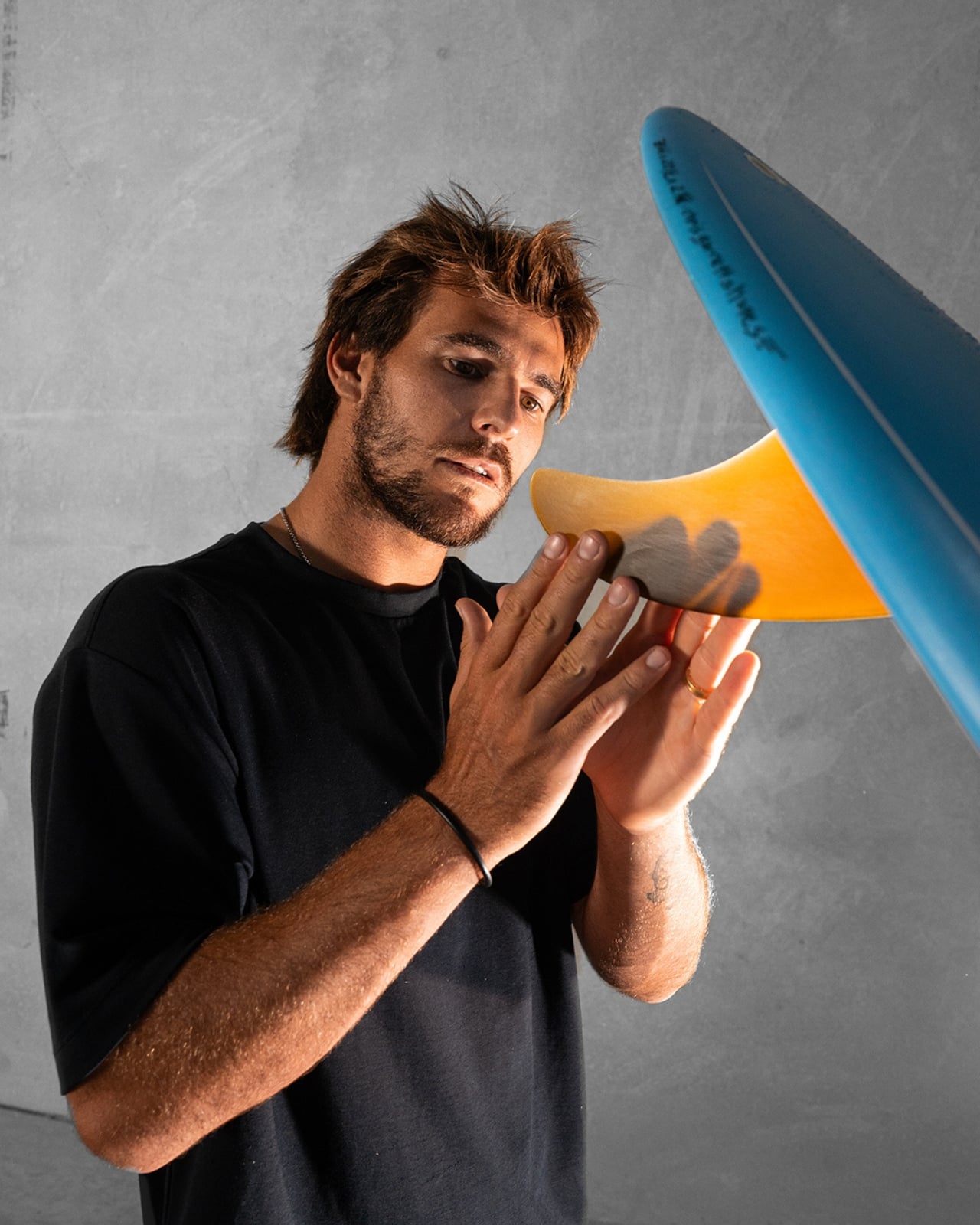
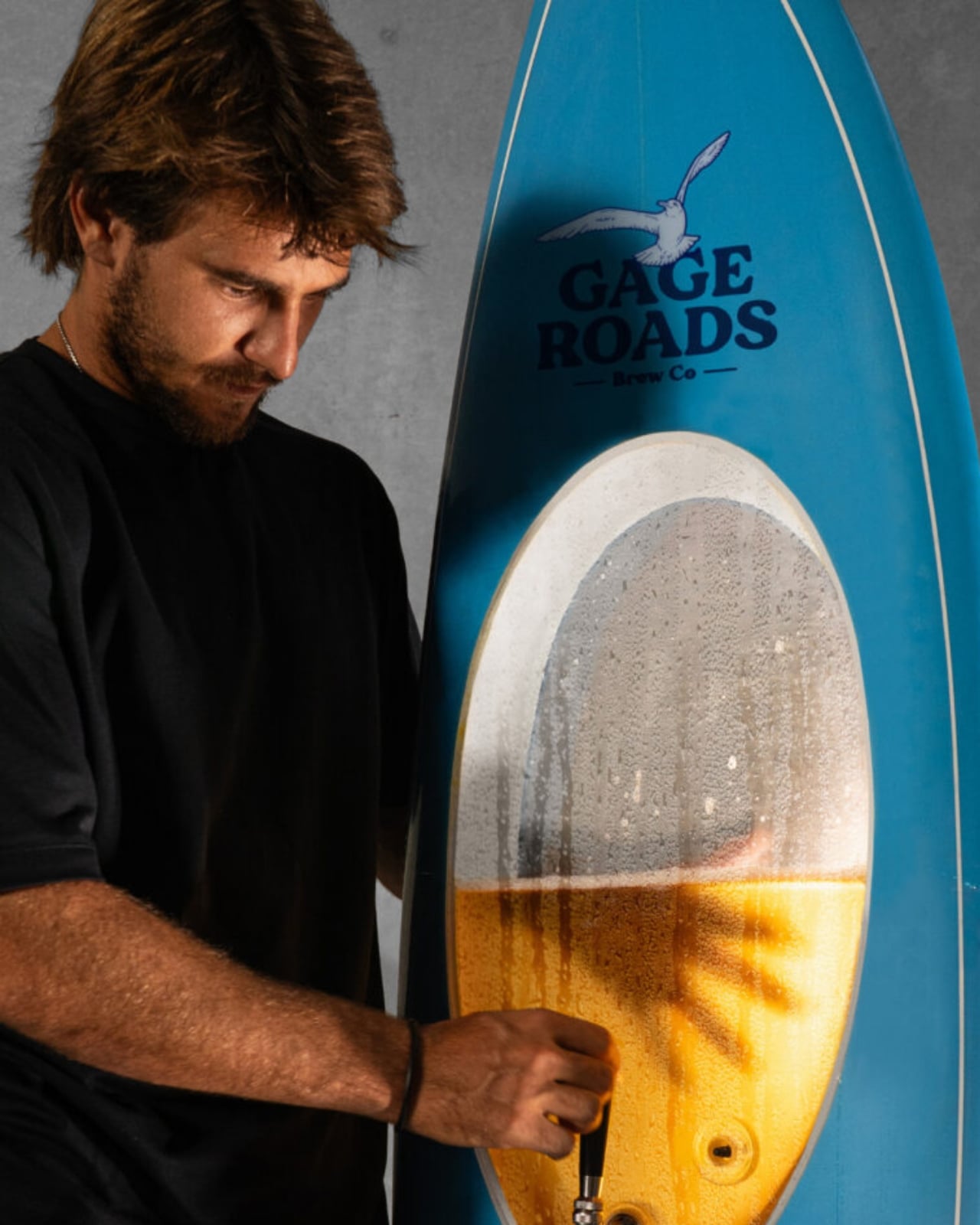
The board draws inspiration from the iconic Greenough Spoon, a shape dating back to the 1960s. Choosing that reference wasn’t accidental. The Spoon was itself a radical rethink of what a surfboard could be, and the Beerboard follows directly in that spirit. It doesn’t look like a novelty item. It looks like a real board, clean and purposeful, and that restraint is exactly where the design succeeds. A gimmick slapped together for a social media moment would have felt cheap. This doesn’t feel cheap at all.
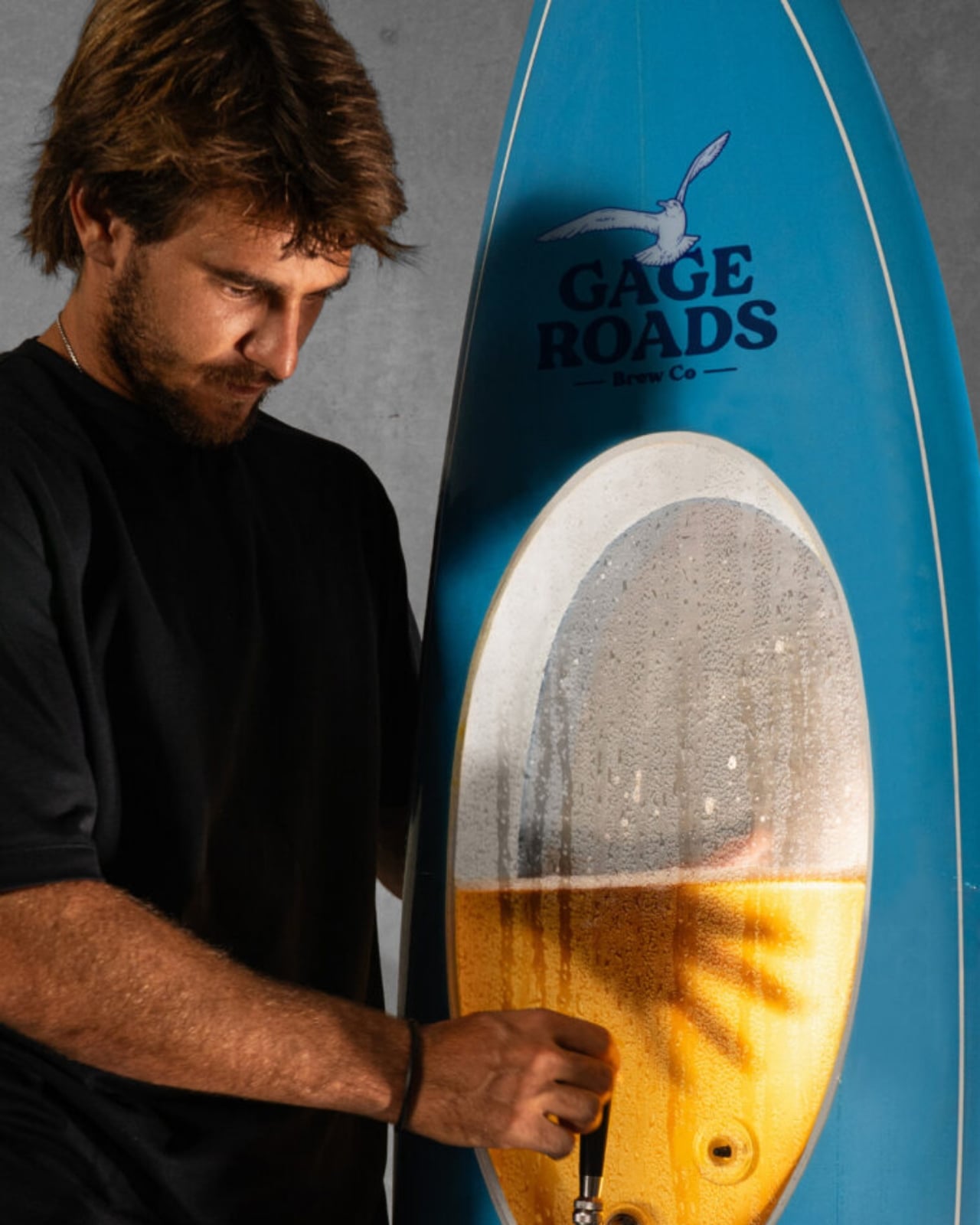
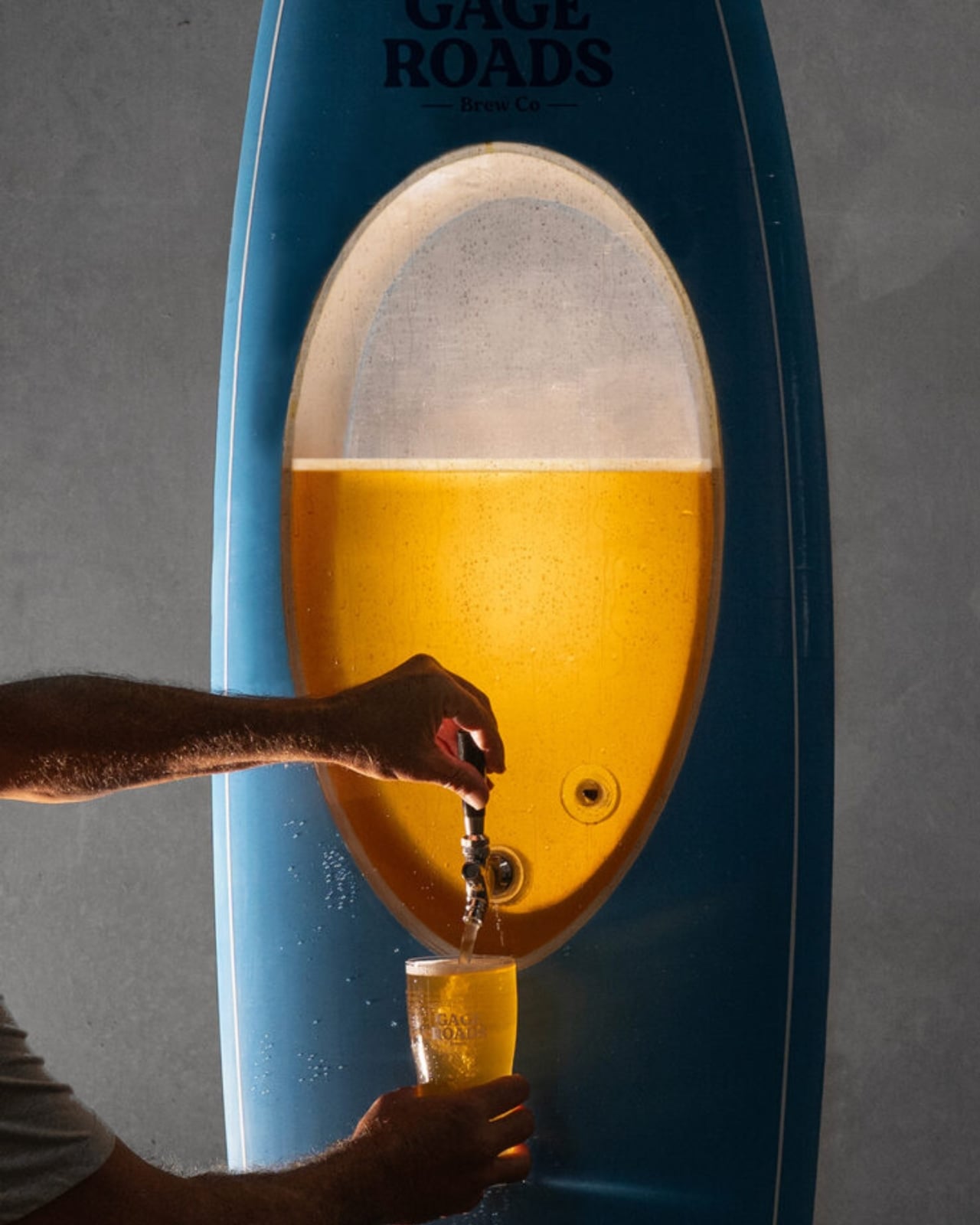
Once the board was finished, Gage Roads called in Olympic surfing medalist and part-owner Jack Robinson alongside legendary free surfer Brendan “Margo” Margieson for sea trials. The fact that professional surfers actually took it into the ocean, rode it, and then presumably poured a cold one from it afterward is a key part of why the Beerboard registers as more than a marketing stunt. It works, both as a surfboard and as a beer dispenser. That functional integrity is what elevates the whole project.
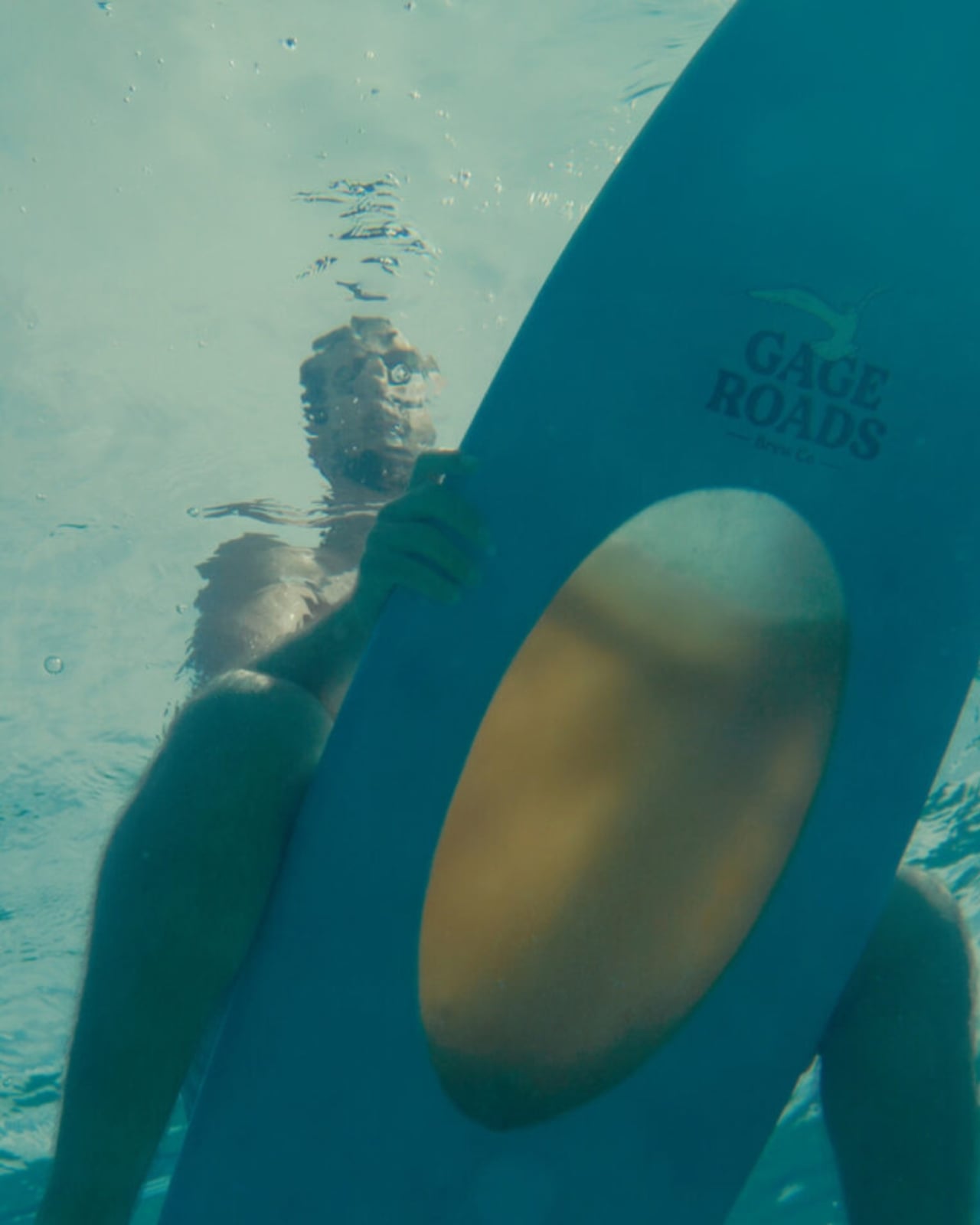
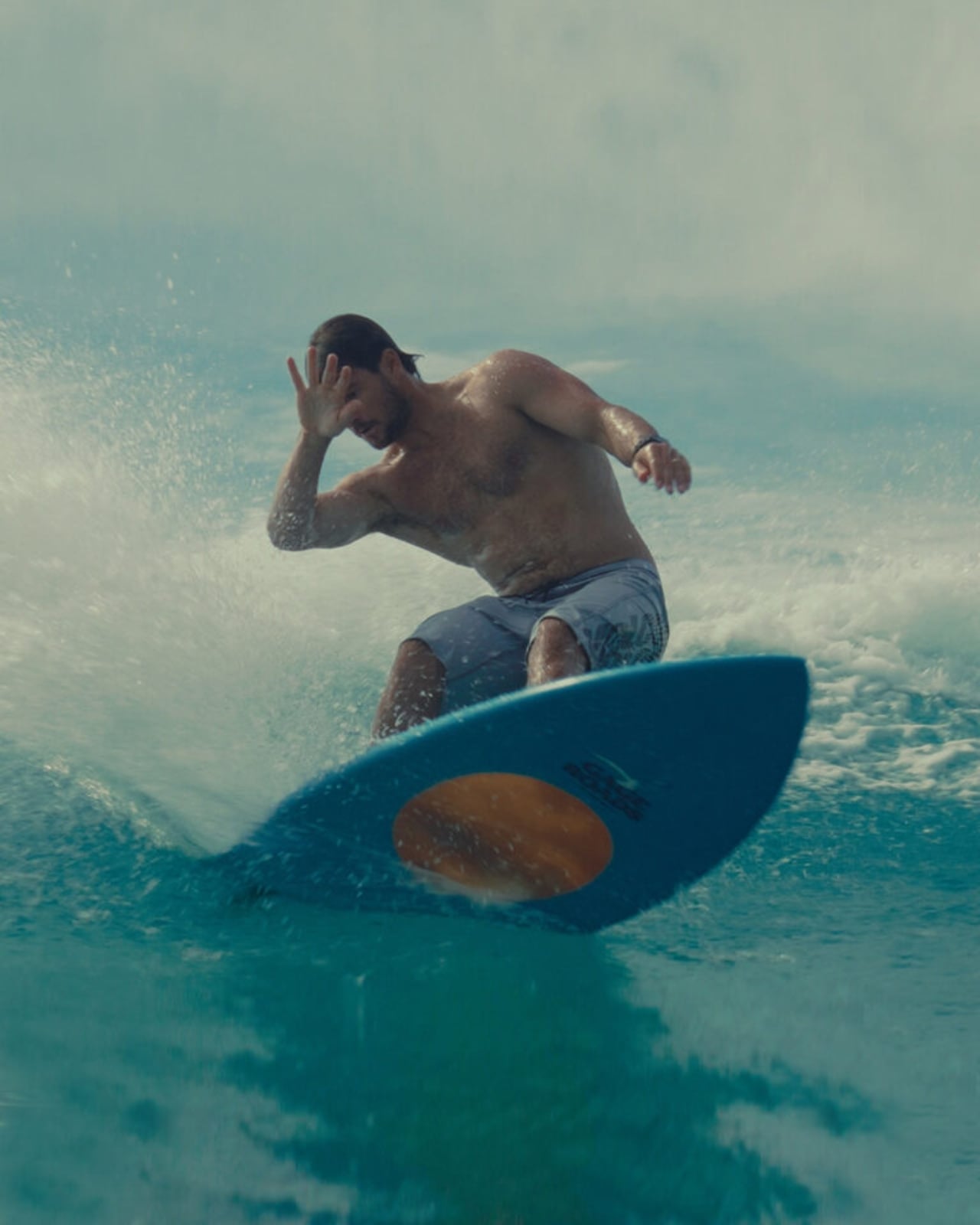
Is the Beerboard a practical product? Not remotely. You’re not about to wax this thing down and paddle out for your morning session while worrying about keeping your lager cold. But practicality is the wrong lens here entirely. The most interesting design objects rarely exist to solve a purely utilitarian problem. They exist to reframe one. The Beerboard reframes the entire surfboard volume debate by making it physical and playful, by literally filling a surfboard with the very unit of measurement causing all the fuss. It’s design as commentary, and it genuinely lands.
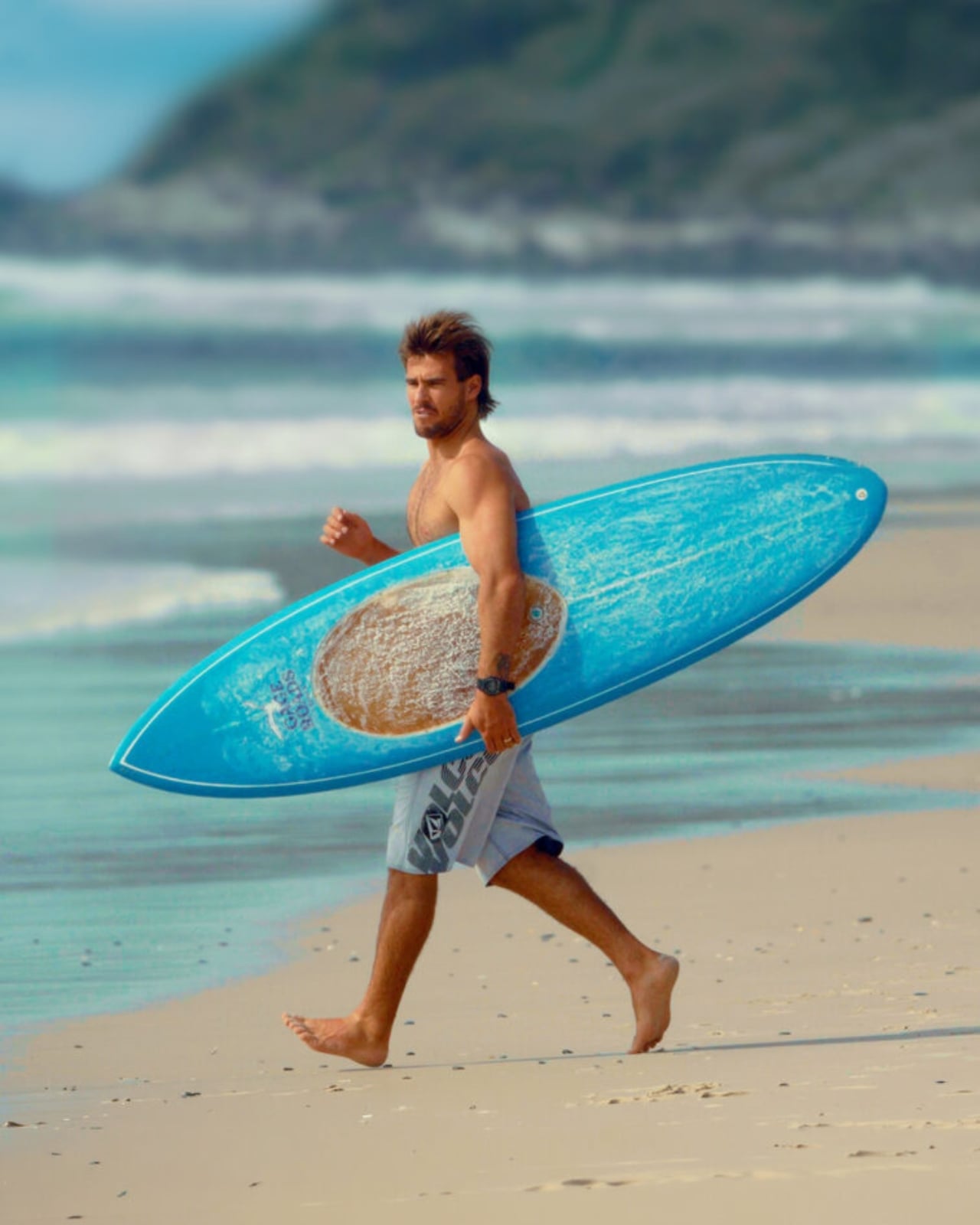
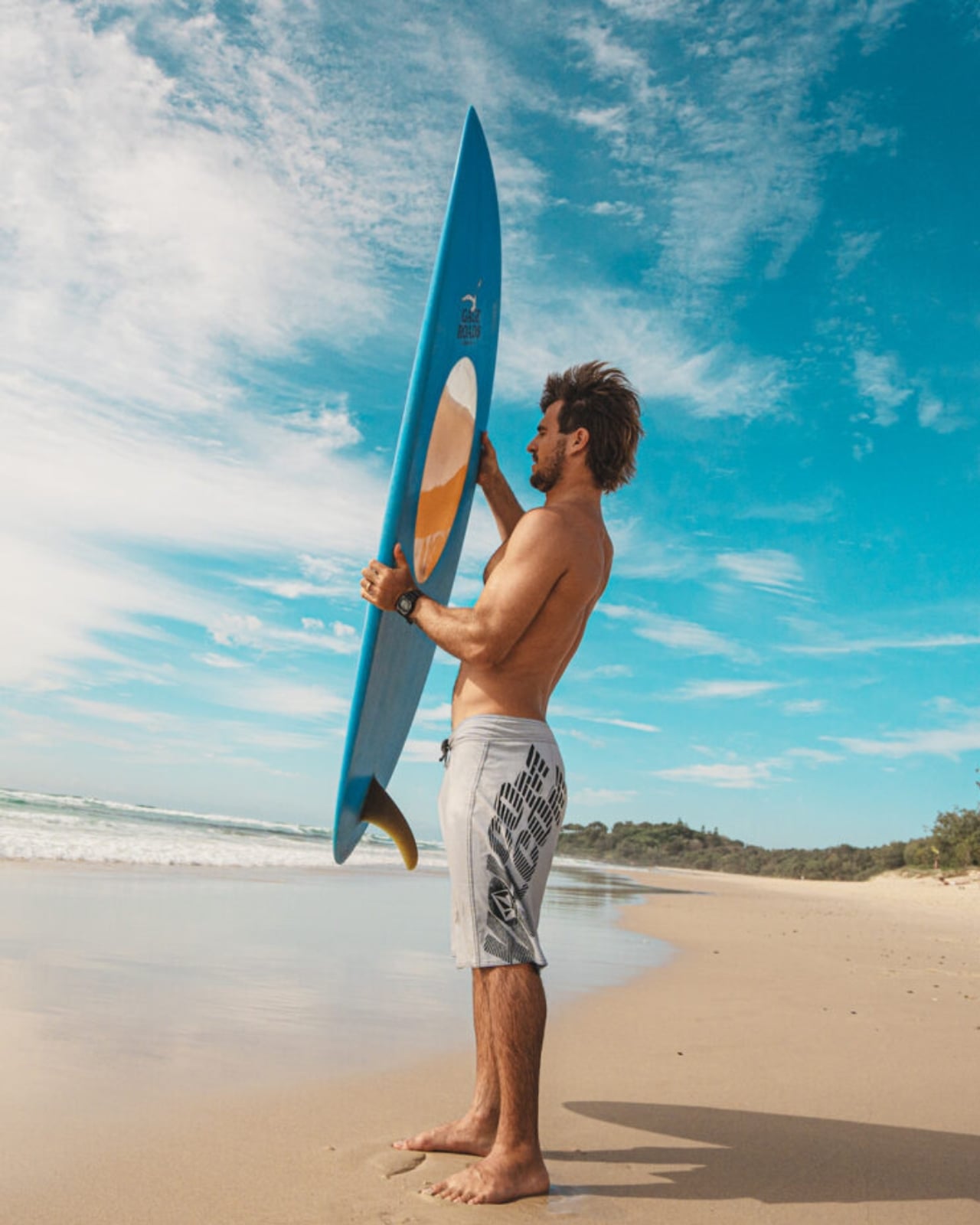
It also matters who made this. Chris Garrett isn’t an ad agency prop designer. He’s a craftsman with nearly 50 years in the industry, someone whose boards have been trusted by some of the world’s top surfers across decades. Bringing his expertise to a project like this gives the Beerboard a credibility it wouldn’t have had otherwise. It’s the difference between a concept and a creation.
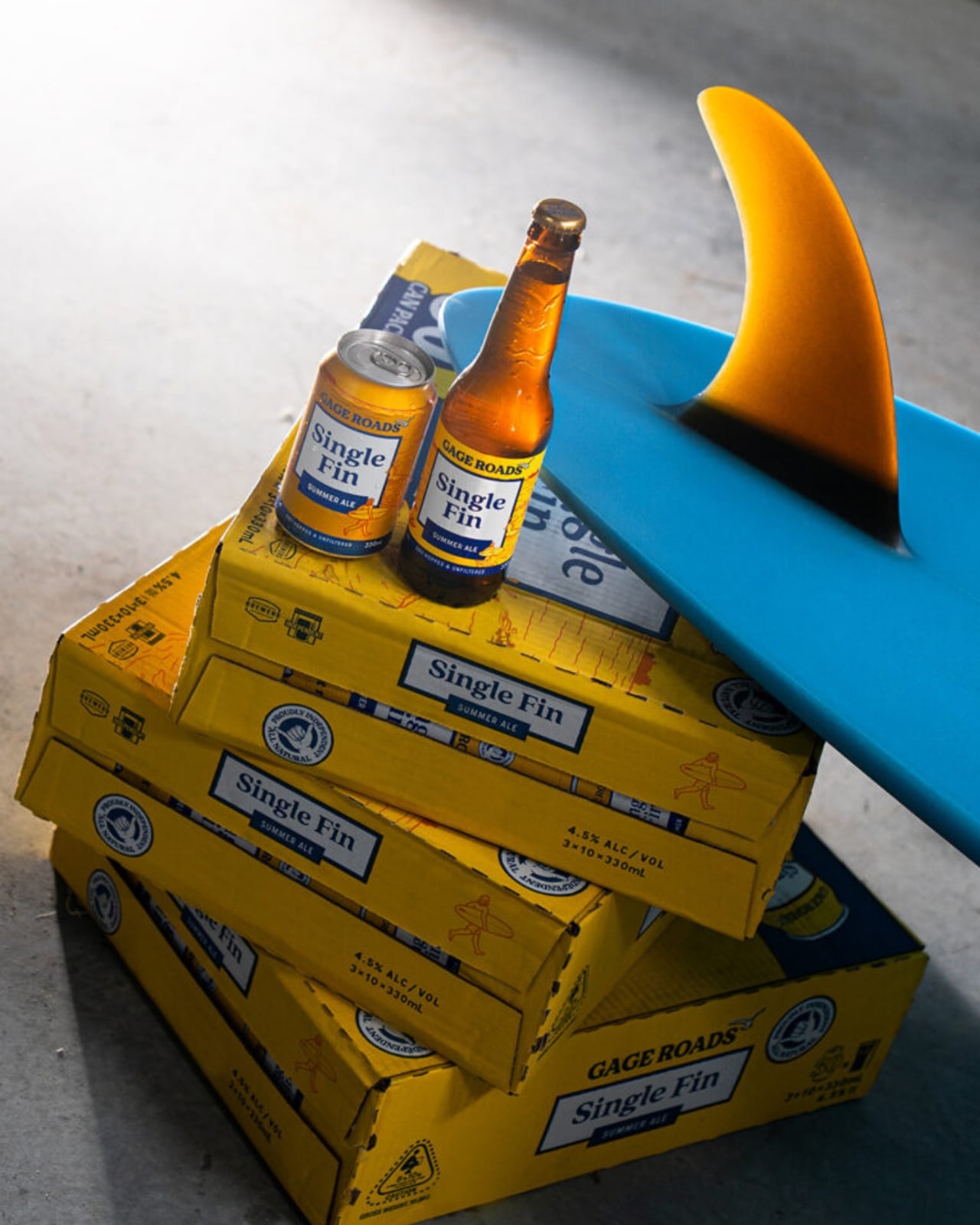
I’ve seen plenty of branded design collaborations that felt hollow or performative, where the “design” was really just a logo slapped on a limited-edition container. The Beerboard isn’t that. It required genuine engineering, real craft expertise, and the confidence to commit fully to a ridiculous idea until it became a remarkable one. That, I think, is what good design actually looks like. Sometimes it just happens to come with a tap.
The post Gage Roads Just Turned a Surfboard Into a Beer Tap first appeared on Yanko Design.
Design Meets Culture: The Porsche x Almond Surfboard Collection

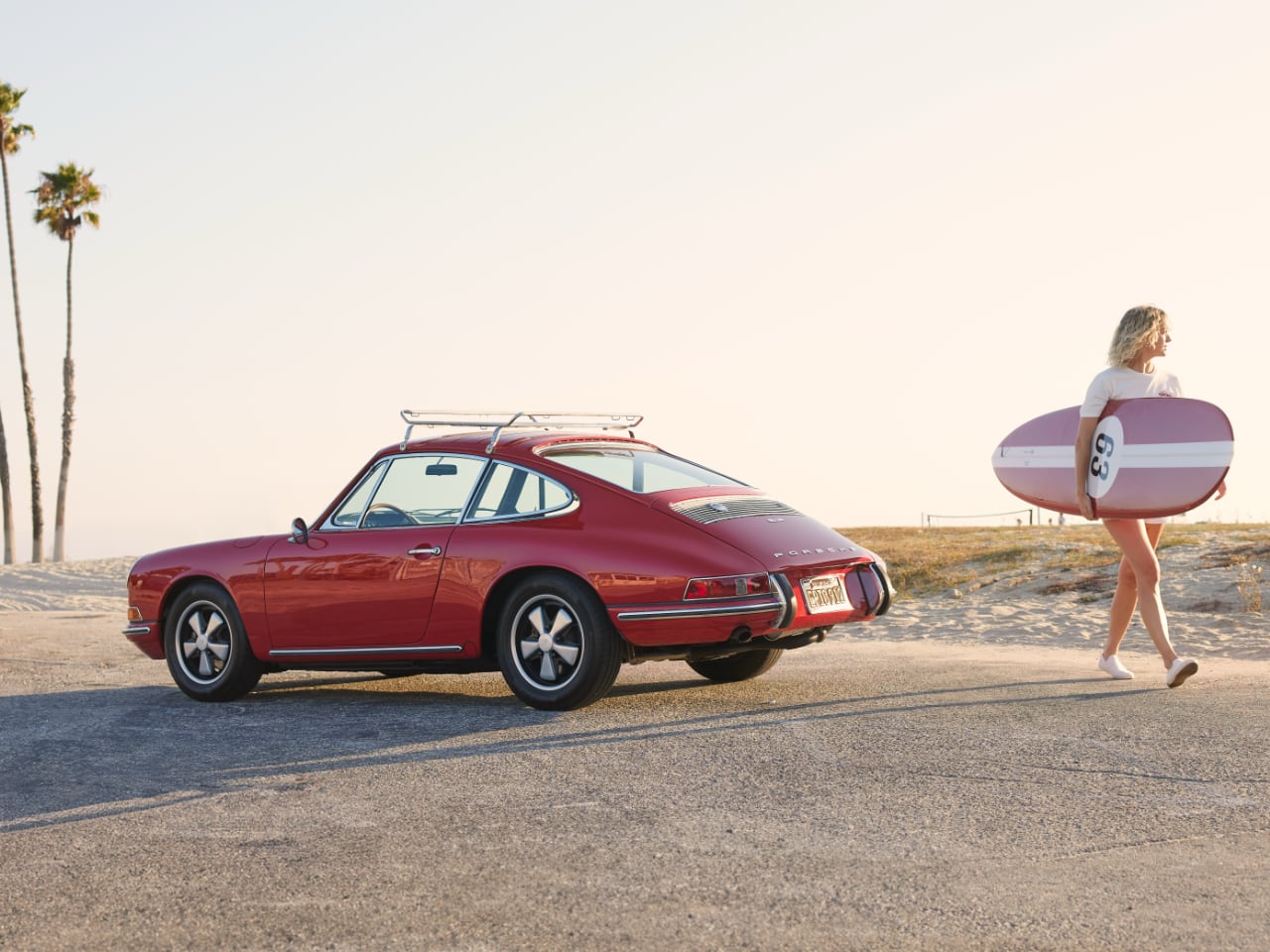
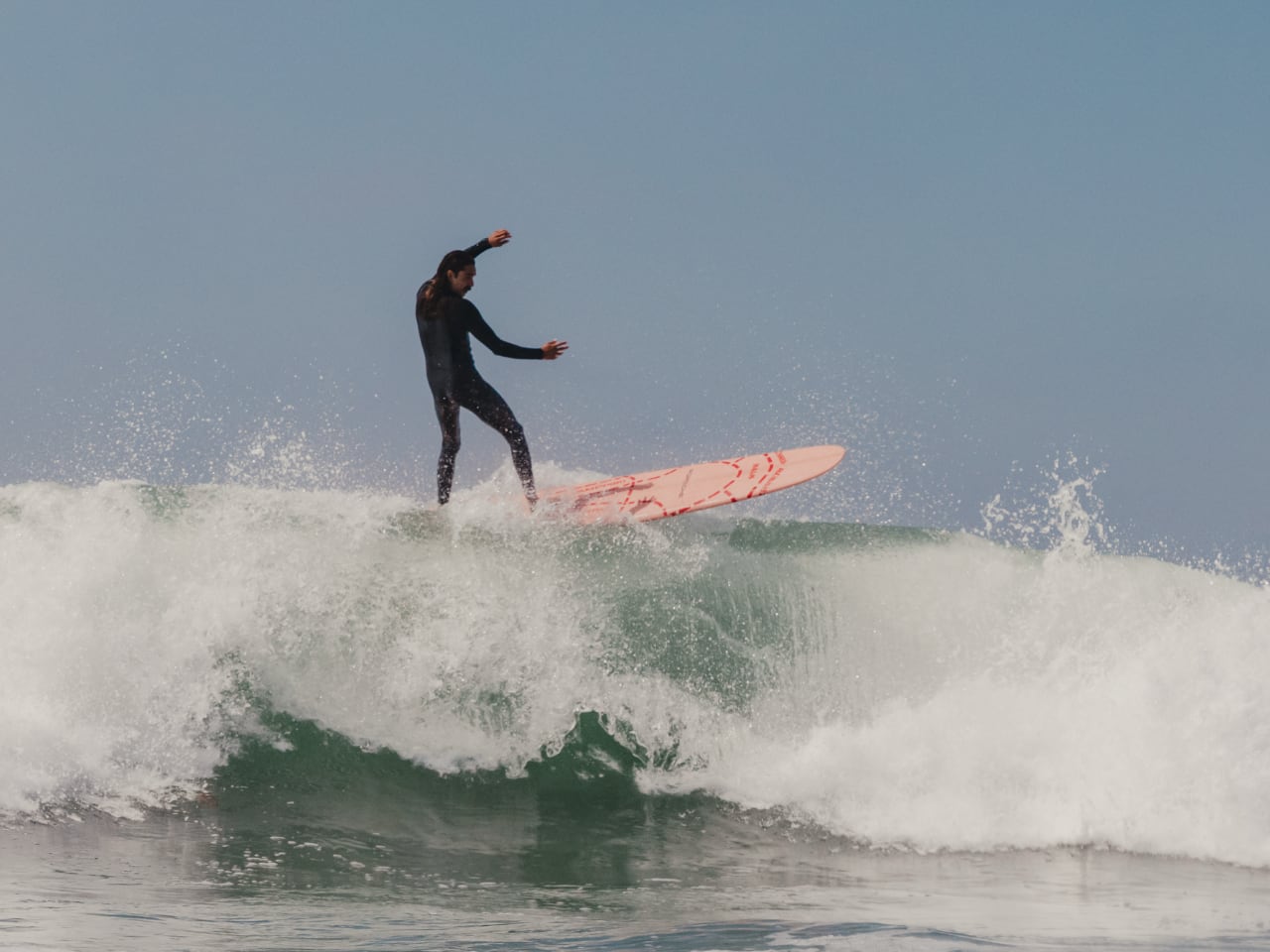
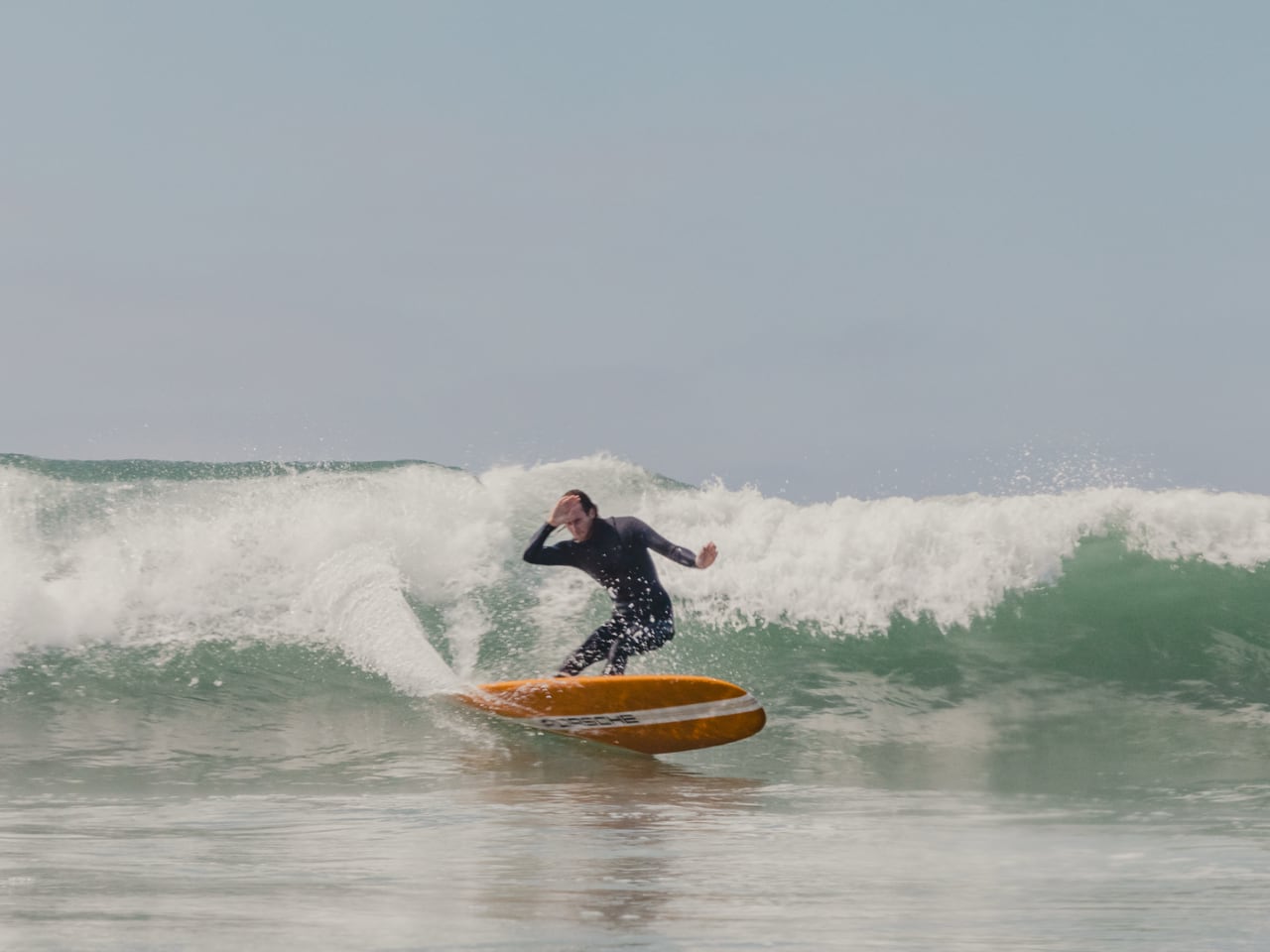
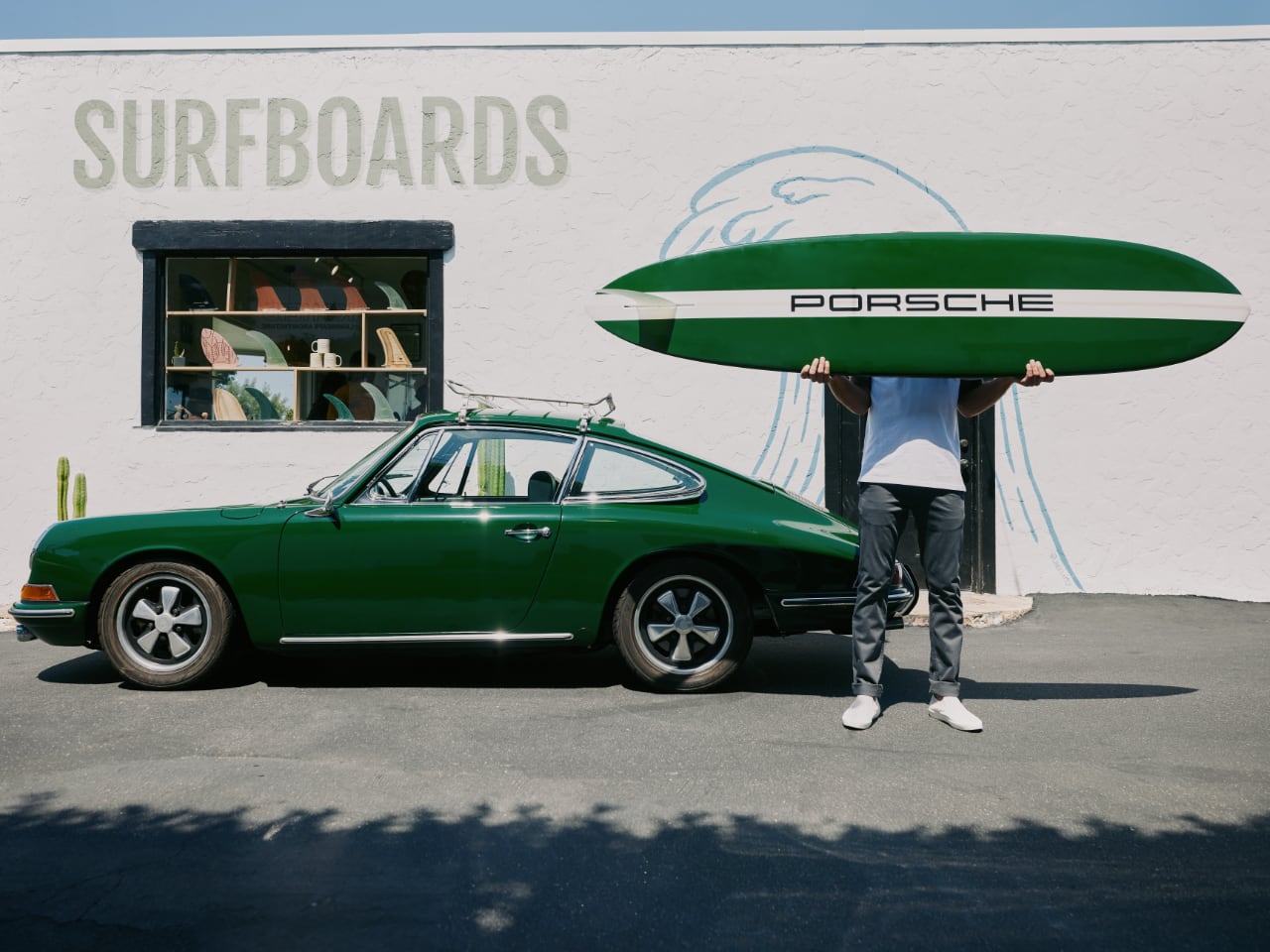
When Porsche partnered with Almond Surfboards to create a limited-edition surfboard collection, it was an inspired fusion of German engineering and California surf culture. This collaboration merges precision design and a laid-back lifestyle in a collection that balances craftsmanship with bold, iconic aesthetics.

Designers: Porsche + Almond collection

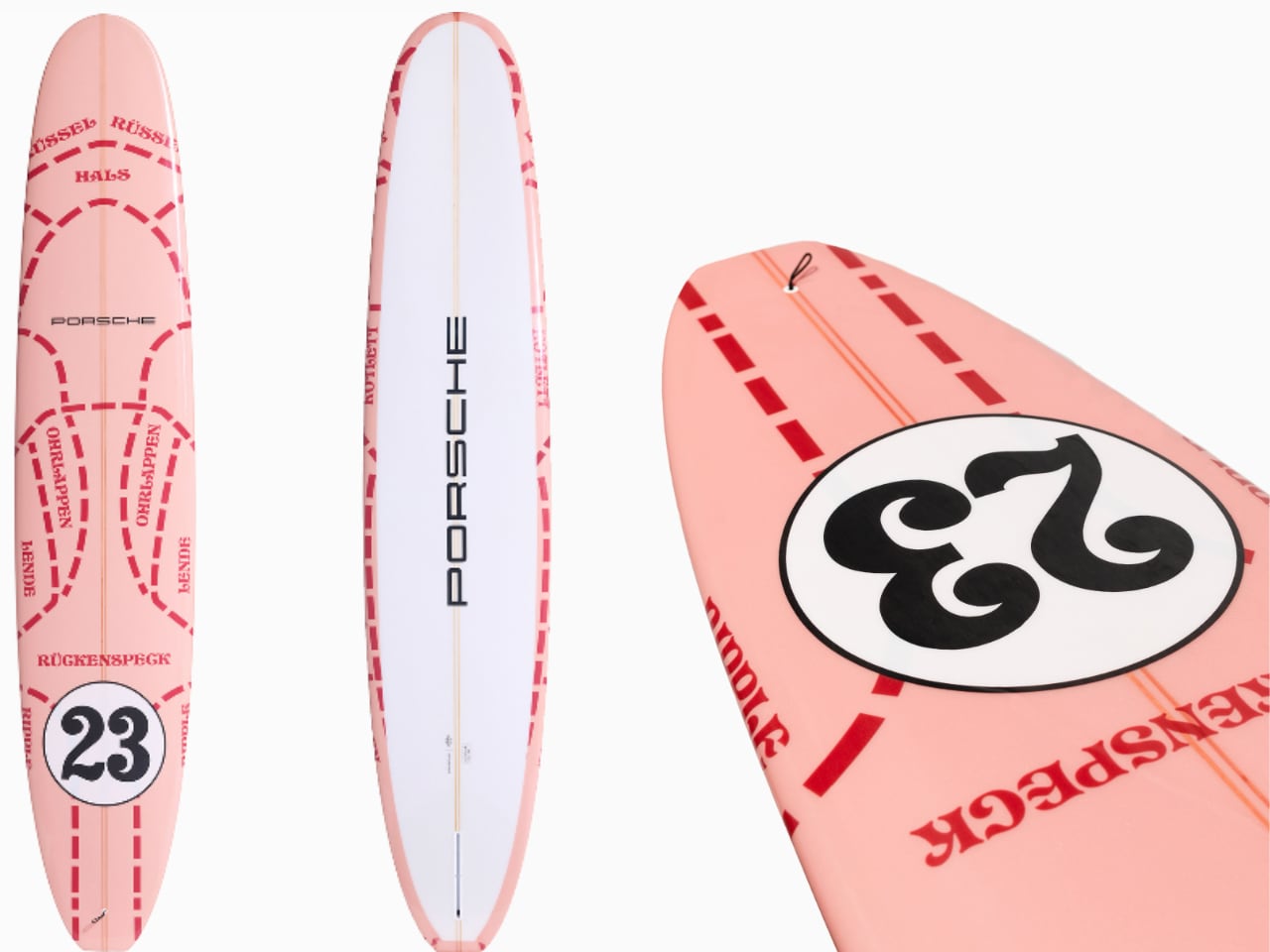
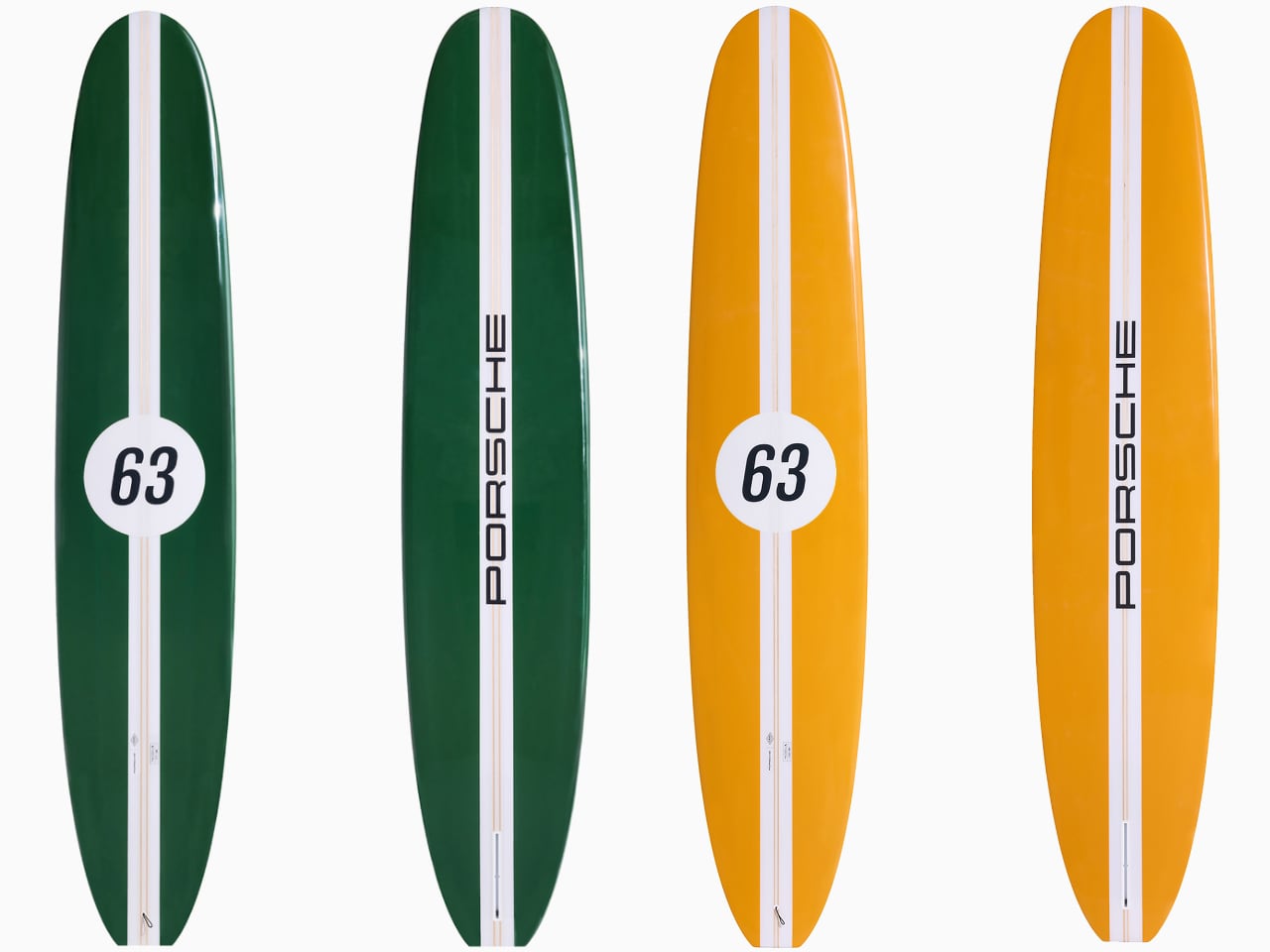
Each board is hand-shaped in Costa Mesa, California, and showcases the iconic Porsche 911 colors from the 1960s: Bahama Yellow, Irish Green, and Polo Red. These bold, classic hues evoke the timeless appeal of Porsche’s storied motorsport past. Additionally, the Pink Pig livery, famously featured on the 917/20 at Le Mans, injects a sense of playful rebellion, bridging a connection between race tracks and ocean waves.

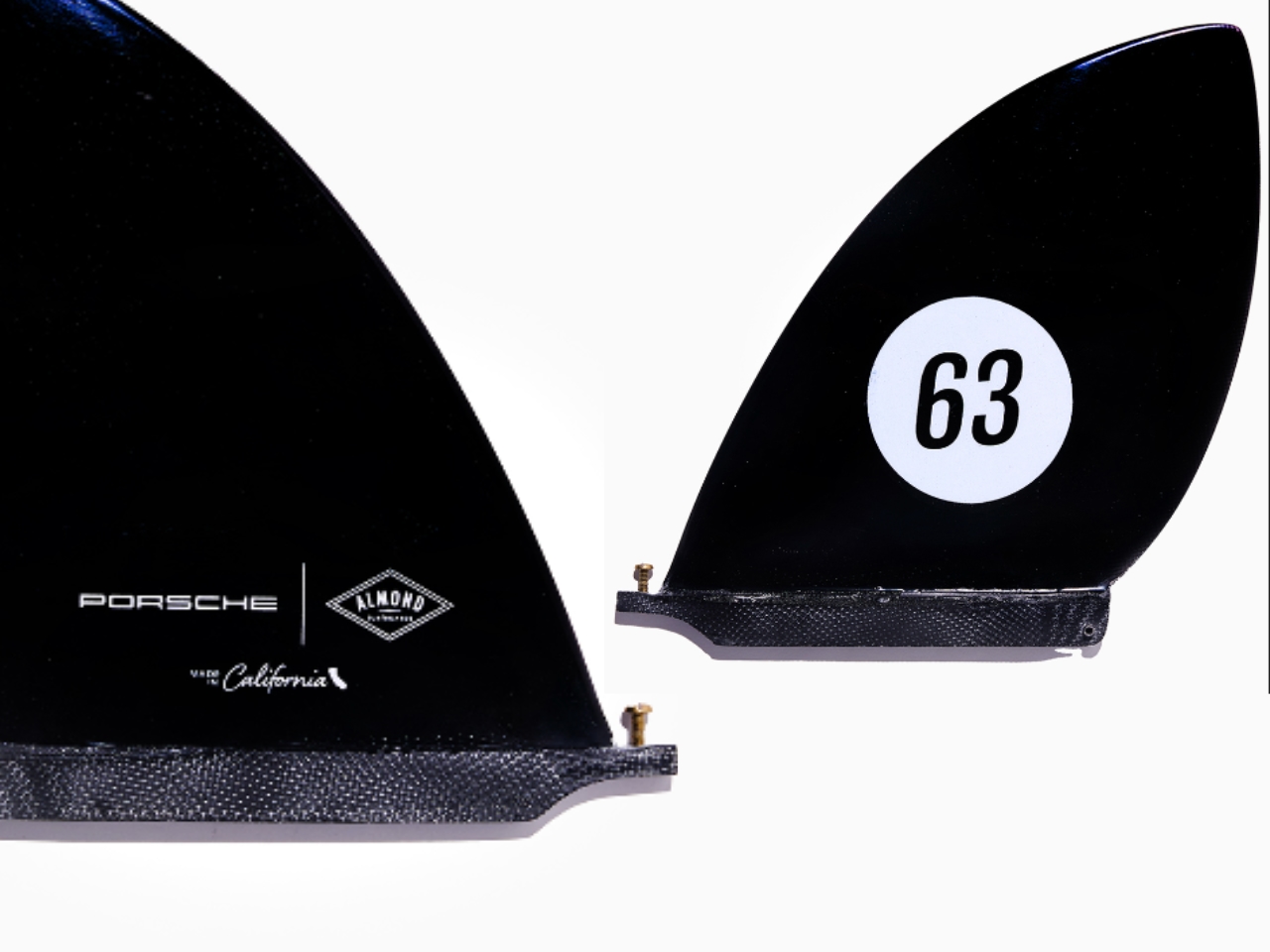
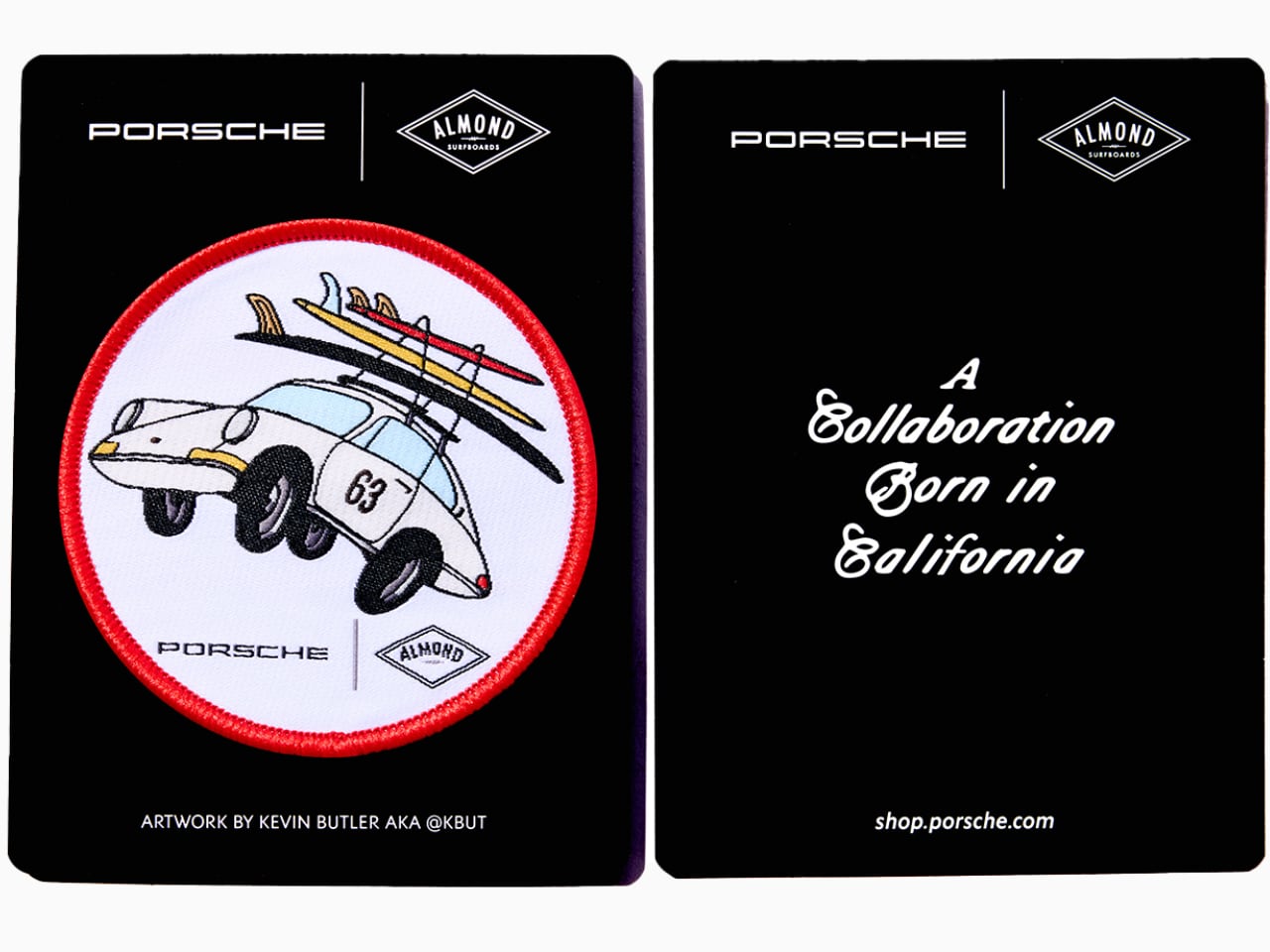
The attention to detail extends beyond color. Each board is meticulously numbered with 63, paying homage to the debut year of the first Porsche 911. These boards are designed for peak performance, crafted to carve through waves with the same finesse that a Porsche car cuts through corners.

Iconic Liveries: A Visual Legacy

Porsche’s racing liveries have left an indelible mark on motorsport culture. The Pink Pig livery, first introduced at Le Mans in 1971, caused a sensation with its butcher-style markings, a nod to fun and boldness in racing design. While it didn’t take first place, the livery remains unforgettable. Porsche’s knack for creating visual identities that speak beyond speed is part of what makes its designs iconic.

Other liveries, such as Gulf Racing and Martini Racing, tell their own stories of endurance and triumph on tracks like Le Mans and the World Endurance Championship. These designs represent Porsche’s relentless pursuit of innovation and excellence, and now, those same livery styles are reflected in the surfboard collection—offering Porsche fans a chance to connect with the brand in an entirely new way.

Numbers That Matter: The Significance of 63

The number 63 carries deep significance for Porsche, symbolizing the birth of the 911 in 1963. This number isn’t merely a historical reference—it reflects Porsche’s enduring philosophy of design and innovation. On the surfboards, the 63 serves as a reminder of Porsche’s legacy and how that spirit has been translated into everything from cars to lifestyle products.

Personally, the number 911 has long been significant in my life. Over a decade ago, I managed to score a mobile phone number that starts with 917 and ends with 911—a perfect numerical tribute to one of Porsche’s most famous models. Every time I give out my number or see it on my business card, it feels like a small but meaningful connection to Porsche’s history.

Crafting the Boards: Surf Meets Precision Engineering

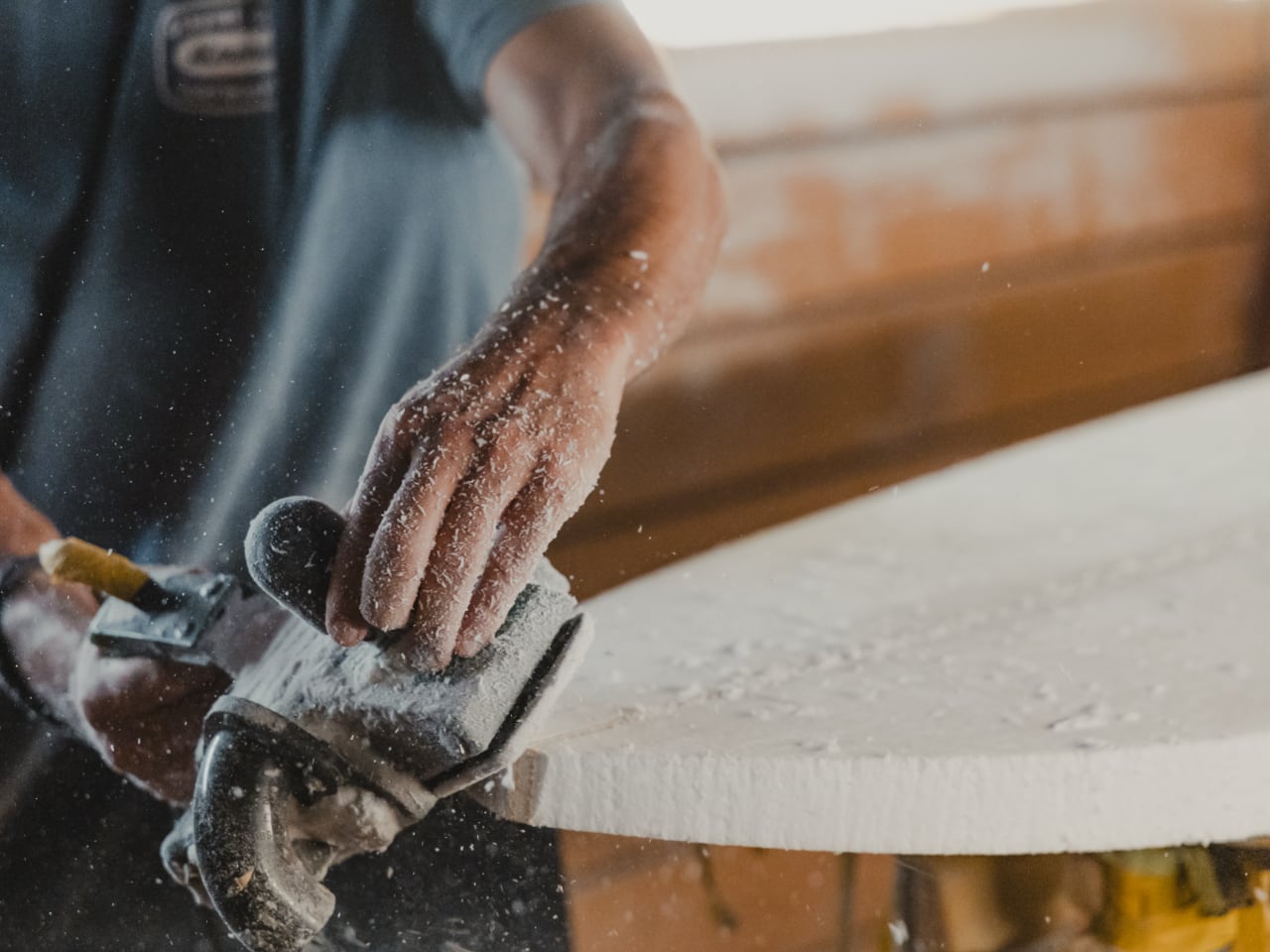
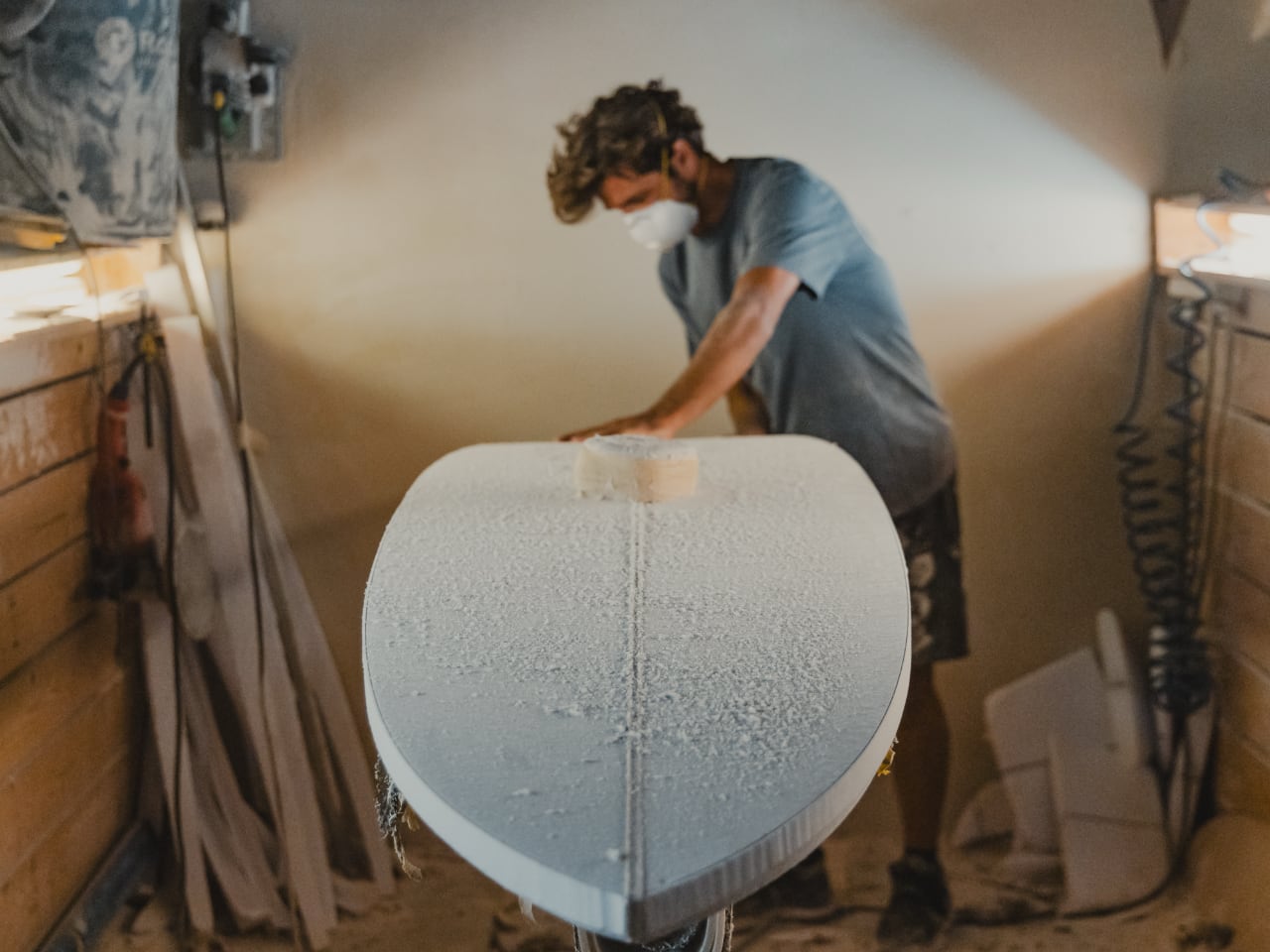
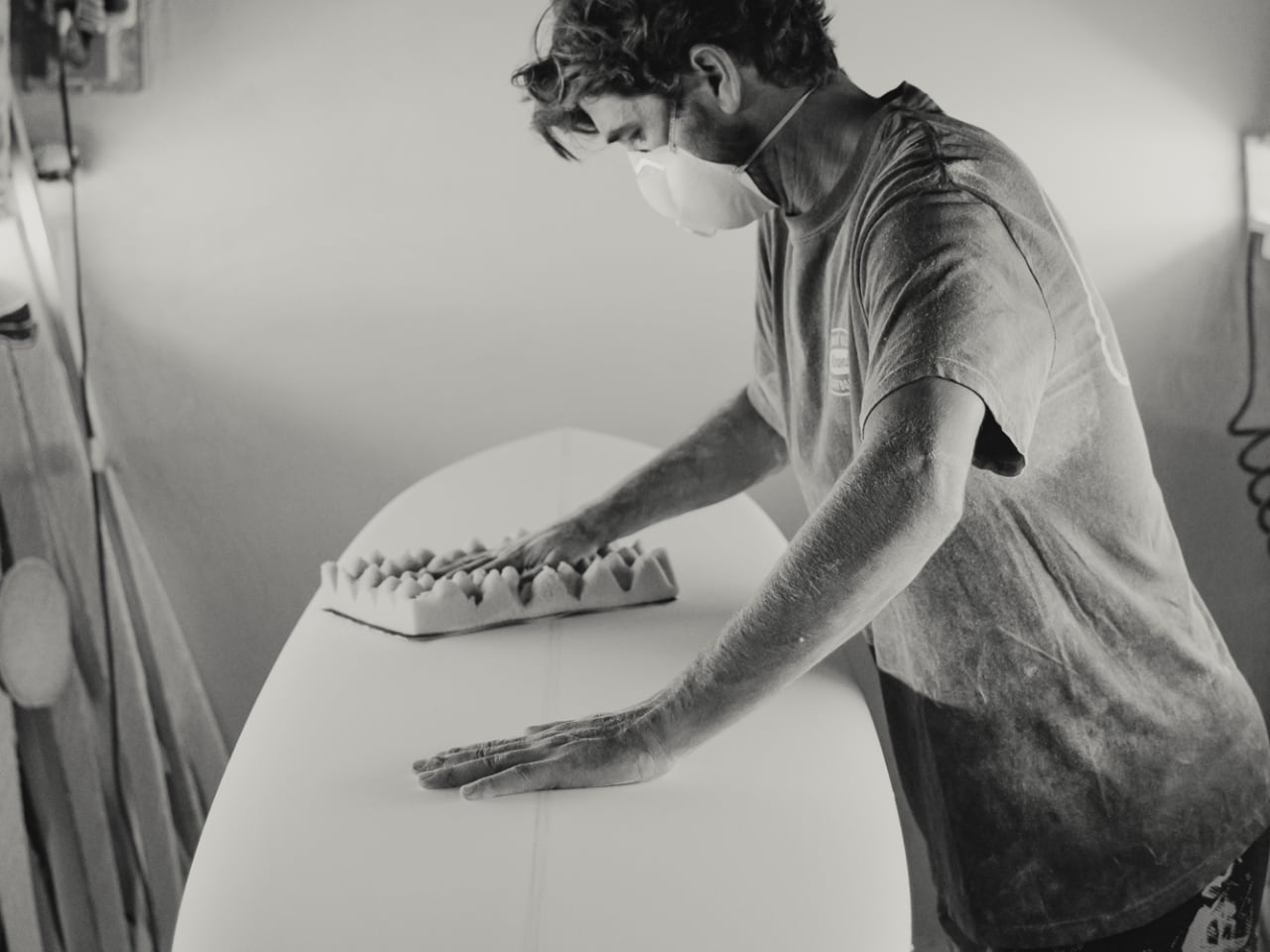
The shaping process of the surfboards in the Porsche x Almond collection mirrors the craftsmanship seen in Porsche’s cars. Each board is shaped from polyurethane foam, reinforced with basswood stringers, and wrapped in fiberglass cloth. The combination of these materials delivers durability, performance, and aesthetic beauty. Just like Porsche’s vehicles, each board is crafted with purpose, delivering on form and function.

Almond’s influence is felt deeply here, as their approach to surfboard crafting draws on the traditions of California surf culture. Known for their hand-shaped boards and commitment to craftsmanship, Almond brings a design ethos rooted in authenticity, simplicity, and a connection to the ocean. This influence transforms the boards into more than sporting equipment—they represent a lifestyle. Almond’s surf culture emphasizes longevity and timeless style, blending seamlessly with Porsche’s commitment to performance and precision.

The hand-foiled fiberglass fins are a nod to Porsche’s engineering precision. Crafted from 36 layers of fiberglass, these fins reflect a focus on fine detail, much like the assembly of a high-performance car engine. The inclusion of custom wooden wall brackets for display reminds us that these surfboards, much like Porsche’s vehicles, are as much art as they are machines for performance.

A Personal Connection: Pikes Peak and Porsche’s Racing Spirit

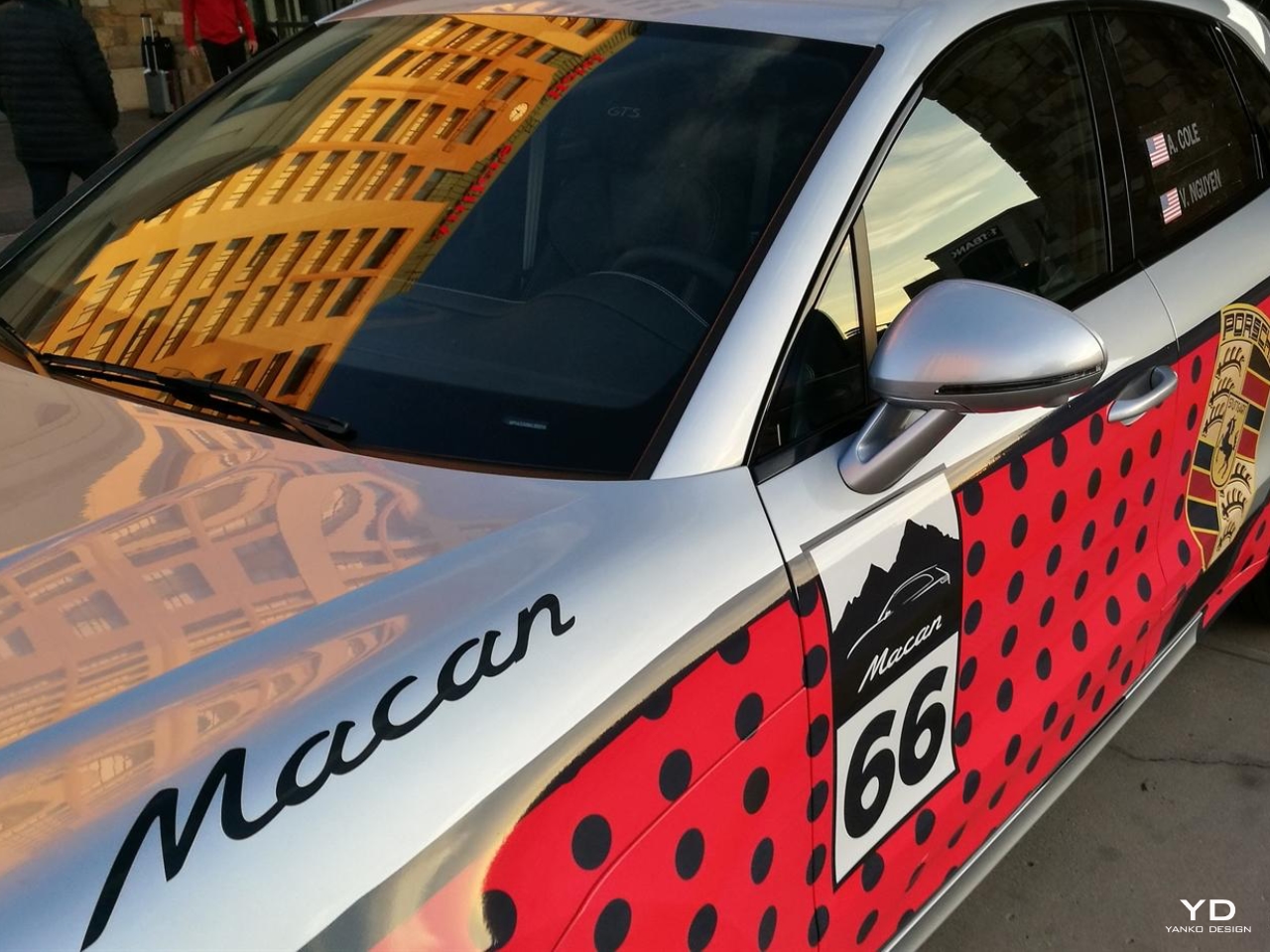
In 2016, I was fortunate to experience firsthand Porsche’s racing heritage on a drive I’ll never forget. While scaling Pikes Peak in a Macan GTS, wrapped in liveries designed to reflect Porsche’s racing history, I had the surreal honor of seeing my own name emblazoned on the car. This wasn’t just a typical drive—it was a full immersion into Porsche’s racing spirit, taking me from Pikes Peak to Mount Evans, a journey that pushed the Macan GTS and my own driving skills to their limits.

The livery on the Macan GTS was designed to reflect Porsche’s legacy at Pikes Peak. It’s a vivid reminder of how Porsche integrates its heritage into every aspect of its modern vehicles, creating a sense of continuity between the brand’s past, present, and future. Porsche’s emphasis on precision, balance, and driver engagement could be felt in every twist and turn of the climb.

Surfboards as Lifestyle: Porsche’s Expanding Design Language

What makes the Porsche x Almond surfboards special is how they expand Porsche’s design language beyond the road. These boards are an extension of Porsche’s identity. The Bahama Yellow, Irish Green, and Polo Red colors signify past 911 models and represent Porsche’s ability to merge motorsport heritage with contemporary design aesthetics.

Almond’s surf culture influences the design of these boards by bringing a sense of authenticity, simplicity, and connection to nature. The boards are shaped by hand, emphasizing craftsmanship, just as Porsche’s vehicles are assembled with precision. This collaboration showcases how Porsche’s design philosophy can transcend its automotive roots and enter new realms, like surfing, while staying true to the brand’s core values.

Porsche’s visual identity has always been about creating a lasting impression, from racing stripes to the Pink Pig motif. The Porsche x Almond collection is the next step in that journey, extending the brand’s influence from the race track to the waves of California.

The post Design Meets Culture: The Porsche x Almond Surfboard Collection first appeared on Yanko Design.