It looks like Disney wasted no time delivering on CEO Bob Iger’s promise to bring AI-generated content to Disney+. On Thursday, the company announced the start of a three-year licensing agreement with OpenAI to bring more than 200 of its beloved characters, including those from Star Wars and Pixar, to the Sora app and ChatGPT. With the deal in place, OpenAI users will be able to prompt ChatGPT to generate images that tap into Disney’s intellectual property, with costumes, props, vehicles and environments covered.
The agreement does not include voices or “talent likenesses,” meaning Sora users won’t be able prompt the app to make a video with Black Widow and get something with Scarlett Johansson in it. Instead, both Sora and ChatGPT will only have access to animated and illustrated versions of Marvel and Star Wars characters like Black Panther, Captain America, Han Solo, Darth Vader and others. Disney will stream “curated selections” of Sora-generated fan videos on Disney+. Sora and ChatGPT users will be able to start generating images and videos with Disney characters starting in early 2026.
“Disney is the global gold standard for storytelling, and we’re excited to partner to allow Sora and ChatGPT Images to expand the way people create and experience great content,” said OpenAI CEO Sam Altman. “This agreement shows how AI companies and creative leaders can work together responsibly to promote innovation that benefits society, respect the importance of creativity, and help works reach vast new audiences.”
Disney has also agreed to become an OpenAI customer, promising to use the company’s APIs to build new products, tools and experiences. Additionally, Disney will invest $1 billion in OpenAI, with the option to purchase additional equity down the road. OpenAI recently completed a restructuring to become more of traditional profit-seeking corporation, clearing the way for a potential IPO sometime in the next year or so. Still, the pact brings together two unlikely bedfellows who have been on opposite sides of the copyright debate.
Reaction from the entertainment industry was mixed. In a statement released on Bluesky, The Writers Guild of America, which represents writers across film, television and other media, made it clear it is unhappy with the deal:
“Disney’s deal with OpenAI appears to sanction its theft of our work and cedes the value of what we create to a tech company that has built its business off our backs. We will meet with Disney to probe the terms of this deal, including the extent to which user-generated videoes will use the work of WGA members. We will continue to fight to protect our members’ creative and economic interests in the context of AI technology.”
SAG-AFTRA, the screen actors union which has around 160,000 members worldwide, was less incendiary. It posted a notice on its site saying that both Disney and OpenAI had reached out to the union to give “their assurances that they will meet their contractual and legal obligations to performers.” The union noted it would “closely monitor the deal and its implementation to ensure compliance with our contracts and with applicable laws protecting image, voice, and likeness.”
Update, December 11, 5:45PM ET: This story was updated after publish to include comment from the Writers Guild of America and SAG-AFTRA.
This article originally appeared on Engadget at https://www.engadget.com/ai/openai-signs-deal-to-bring-disney-characters-to-sora-and-chatgpt-144344820.html?src=rss
OpenAI is in a far less commanding position than it was following the public release of ChatGPT a few short years ago.
Back in 2022, the sudden popularity of ChatGPT sent Google into a panic. The company was so worried about the possibility of the upstart chatbot disrupting its Search business, executives sounded a "code red" alert inside of the company and called Sergey Brin and Larry Page out of retirement to help it formulate a response to OpenAI. It then rushed out Bard, announcing its first commercial chatbot on February 6, 2023. Google's stock tanked days later when the AI incorrectly answered a question about NASA's James Webb Space Telescope during a public demo.
But it wasn't just Google that wanted a piece of OpenAI, while the search giant sought to compete with it, others — including Microsoft and Apple — made deals with the company to bring its technology to their products and services, all the promise that AI would eventually revolutionize every facet of the economy.
Since then, OpenAI has seen its lead against Google and much of the AI industry evaporate, culminating in a series of successive blows throughout 2025. On January 20, the same day Altman was busy rubbing shoulders with other tech oligarchs at Donald Trump’s inauguration, China’s DeepSeek quietly released its R1 chain-of-thought model. A week later, the startup's chatbot surpassed ChatGPT as the most-downloaded free app on the US App Store. The overnight success of DeepSeek eliminated $1 trillion worth of stock market value, and almost certainly left OpenAI blindsided.
In response, the company showed a newfound urgency. In one week, for instance, OpenAI released both o3-mini and Deep Research. It even went so far as to announce the latter on a Sunday evening. But for all its new urgency, OpenAI's biggest, most important release of the year was a miss.
It's safe to say GPT-5 hasn't lived up to anyone's expectations, including OpenAI's own. The company touted the system as smarter, faster and better than all of its previous models, but after users got their hands on it, they complained of a chatbot that made surprisingly dumb mistakes and didn't have much of a personality. For many, GPT-5 felt like a downgrade compared to the older, simpler GPT-4o. That's a position no AI company wants to be in, let alone one that has taken on as much investment as OpenAI.
Anthropic was quick to take advantage of the weakness, signing a deal with Microsoft to bring its Claude models to Copilot 365. Previously, Microsoft depended exclusively on OpenAI for partner models in Copilot. Before the company announced the integration, reporting from The Informationsaid Microsoft made the decision based on the strength of Anthropic's Sonnet 4.0 model, judging it "perform[ed] better in subtle but important ways" relative to OpenAI's offerings.
However, what will likely go down as the defining moment occurred a few short weeks after OpenAI announced the conclusion of its restructuring. On November 18, Google released Gemini 3 Pro, and immediately the new model leap-frogged the competition, including GPT-5. As of the writing of this article, Google's new model is at the top of LMArena, the site where humans compare outputs from different AI systems and vote on the best one. GPT-5, by contrast, is currently ranked sixth overall, behind models from Anthropic and Elon Musk's xAI.
According to a December 2 report from TheWall Street Journal, Sam Altman sent a companywide memo following the release of Gemini 3 Pro. Echoing the words Google used to describe the situation it found itself against OpenAI in 2023, he called for a "code red" effort to improve ChatGPT. Altman reportedly told employees there would be temporary reassignments and that the company would delay some products, all in an effort to catch up to Google and Anthropic.
The few numbers these companies are willing to share don't paint a promising picture for OpenAI. Each month, about 800 million people use ChatGPT. On paper, that's impressive, but Google is catching up there too. In October, the company said the Gemini app had 650 million users, up from 450 million just a few months earlier in July, thanks to the popularity of its Nano Banana Pro image generator.
More importantly, OpenAI has an inherent disadvantage against Google. For the search giant, AI may touch everything the company does now, but Gemini is just one product in an extensive portfolio that includes many other popular services. Google can fund its AI advancements with money it makes elsewhere. OpenAI cannot say the same. The company is constantly raising money to stay afloat, and according to a financial roadmap obtained by The Journal, it will need its revenue to grow to about $200 billion annually to become profitable by 2030. In November, Altman said on X the company was on track to hit above $20 billion in annualized revenue this year.
In an effort to grow revenue, Altman and company have adopted an incredibly risky strategy. In recent months, OpenAI has signed more than $1.4 trillion worth of infrastructure deals in a bid to outscale the competition that is already beating it. Many of those agreements can only be described as circular, and I think the fears about a financial bubble are real. In the first half of 2025, investment in data centers accounted for nearly all of US GDP growth. Even if there's not a repeat of the 2008 housing market crisis or the dot-com crash, the AI boom is at the very least poised to make everyday electronics (and utilities) more expensive for regular people in the short term.
Since late October, demand for server-grade computer components, including memory and storage, has sent the price of consumer PC parts skyrocketing as manufacturers devote more of their production capacity and wafers to high-margin customers like OpenAI and Google. Since late October, the cost of most RAM kits has doubled and tripled. In November, the price of some SSDs went up by as much as 60 percent. Next year, the cost of LPDDR5X memory, which is used in both smartphones and NVIDIA servers, is expected to climb as well.
"Be it carmakers, smartphones or consumer electronics, everyone that uses memory is facing pressure from price hikes and supply constraints in the coming year," Zhao Haijun, the co-CEO of memory manufacturer SMIC told analysts, per Bloomberg.
Gita Gopinath, former chief economist for the International Monetary Fund, recently estimated that if the AI bubble were to burst, it would wipe out $20 trillion in wealth held by American households. The Great Recession, considered the worst financial meltdown since the Great Depression, reduced US household net worth by $11.5 trillion, and it took years before for American families to rebuild their wealth to pre-recession levels.
The modern AI bubble may have been started by ChatGPT, but given the crowded field of chatbots and LLMs, it won't necessarily pop should OpenAI go bust. With novelty and technical prowess no longer on its side though, it's now on Altman to prove in short order why his company still deserves such unprecedented levels of investment.
This article originally appeared on Engadget at https://www.engadget.com/ai/openais-house-of-cards-seems-primed-to-collapse-170000900.html?src=rss
Back in October, OpenAI announced apps like Spotify and Canva would be accessible in ChatGPT. At the time, the company said more software was on the way, and now one of the most popular professional applications is available through the chatbot.
Starting today, you can access Photoshop, Acrobat and Adobe Express inside of ChatGPT. All the apps are free to use through OpenAI’s website, though before you can begin generating PDFs and illustrations using Acrobat and Adobe Express, you'll need to sign into your Adobe account. To use any of the apps in ChatGPT, either name them in your prompt or select them from the plus menu.
Of the three apps, the way OpenAI's chatbot connects to Photoshop is probably the most interesting. Depending on the prompt, the interface will change to display the sliders most relevant to your request. For example, if you want to brighten an image, you'll see one slider allowing you to adjust the exposure, alongside other ones for the shadows and highlights. By comparison, if you want to add an effect to an image, ChatGPT might display options related to dithering and tri-tone, among others.
What's interesting about all this is the way ChatGPT is interacting with Adobe's tools, through an MCP server, to offer a slice of the company's apps. I don't know about you, but I’ve always found Adobe software to be far too complicated, with often one too many ways to accomplish the same task. Granted, what I saw was a hands-off demo, but the routing Adobe created worked well.
A ChatGPT user asks the chatbot to create a dance party invitation.
Adobe
"We build the Lego blocks, which are the MCP tools, and we create detailed instructions, and then ChatGPT figures out what it wants to do," Aubrey Cattell, vice-president of developer platform and partner ecosystem at Adobe, explains. "Sometimes it does what we want it, and sometimes it doesn't. That's the nature of it being non-deterministic, and we're continuing to hone as much as we can from users' intent and natural language to give them the result that they're looking for."
Of course, if you ever want more control, the web versions of Photoshop, Acrobat and Adobe Express are a click away.
For OpenAI, this is easily the biggest coup to date of its push to reshape ChatGPT into an operating system for all the apps its more than 800 million users depend on daily. For Adobe, it feels like the company is partnering with an entity out to eat its lunch. After all, OpenAI offers its own image generation. However, Cattell said Adobe doesn't see it that way.
"A couple weeks back, OpenAI dropped Apps SDK as a new paradigm for accessing ChatGPT, we saw there was a natural fit in the work we were doing with our applications," he said. "Essentially, they gave us an operating system we were able to leverage to bring our applications to their surface. There's a lot of natural affinity there between the workflows OpenAI is trying to enable and Adobe's best in class capabilities."
Cattell promised Adobe would continue to explore what it could offer inside of ChatGPT, but added the company's apps will continue to be the place users can go if they want more power, precision and control.
This article originally appeared on Engadget at https://www.engadget.com/ai/adobe-brings-photoshop-acrobat-and-adobe-express-to-chatgpt-130000389.html?src=rss
When someone asks me for gadget buying advice, I normally tell them to stick with their current device. In 2025, most new tech products aren't a worthwhile upgrade over even something that was released a few years ago — and with the price of everything going up, that new iPhone can wait. But things aren't normal right now.
On December 3, The Wall Street Journal reported memory manufacturer Micron would wind down Crucial, its consumer business, to focus on components for the AI industry. The PC I'm writing this article on has an SSD and RAM from Crucial. Overnight, Micron decided to end a business it spent decades building, and from a certain perspective, I guess it makes sense. In recent months, OpenAI has signed more than $1.4 trillion worth of infrastructure deals, creating unprecedented demand for server-grade solid-state storage and RAM.
To meet the moment, manufacturers have been allocating more of their production capacity and wafers to high-margin commercial customers. For consumers, the result has been skyrocketing RAM prices, with some DDR5 kits now costing as much as two or three times as much as they did a couple of months ago. Recent analysis from TrendForce shows the price of some consumer-grade SSDs increased between 20 and 60 percent in November for the same reason. Then there's LPDDR5X memory, which is used in both smartphones and NVIDIA's Grace Blackwell and Vera Rubin platforms. In 2026, it's expected to increase in price as well. The demand for AI infrastructure is such that all consumer electronics may cost more in the coming months.
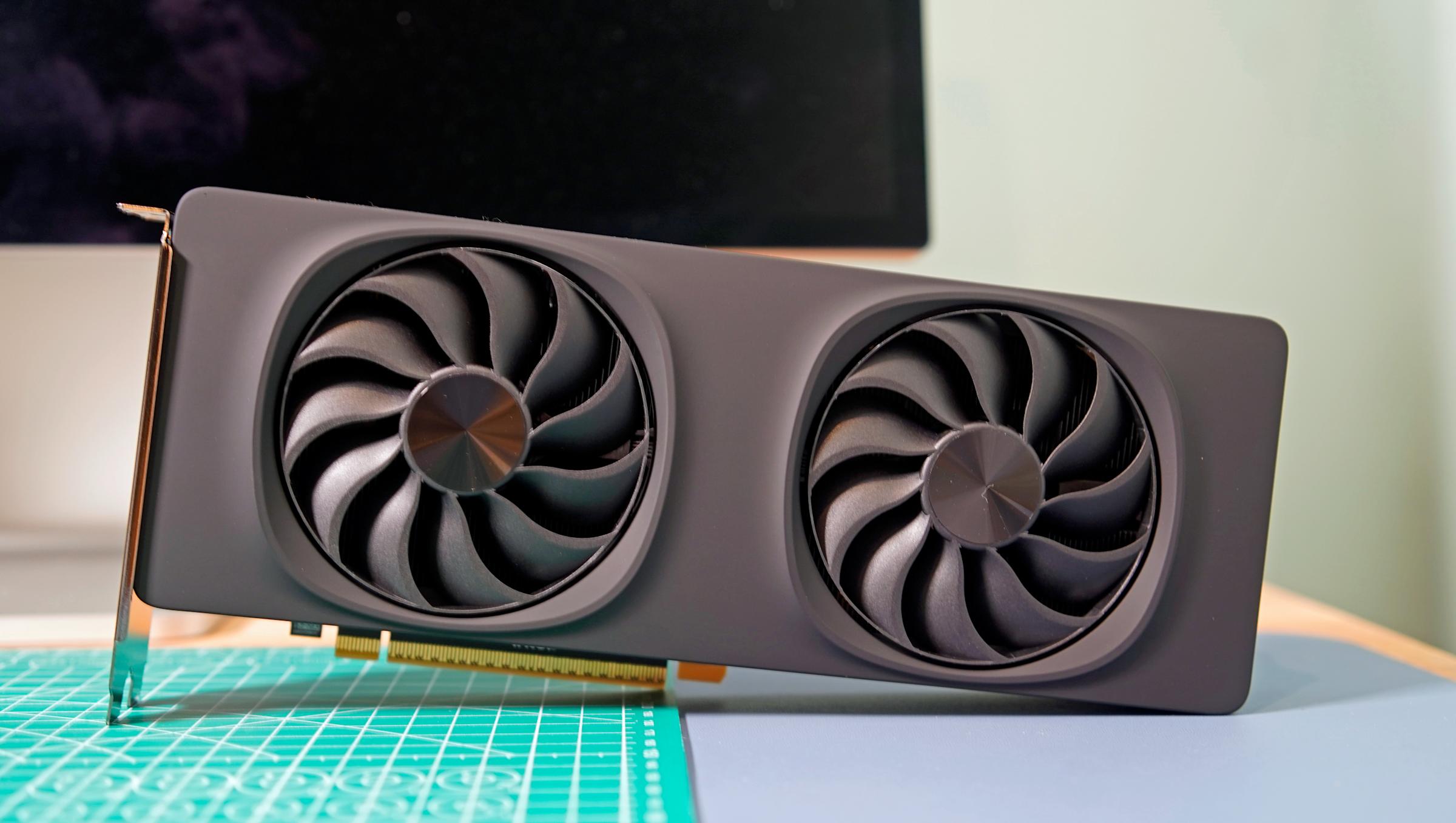
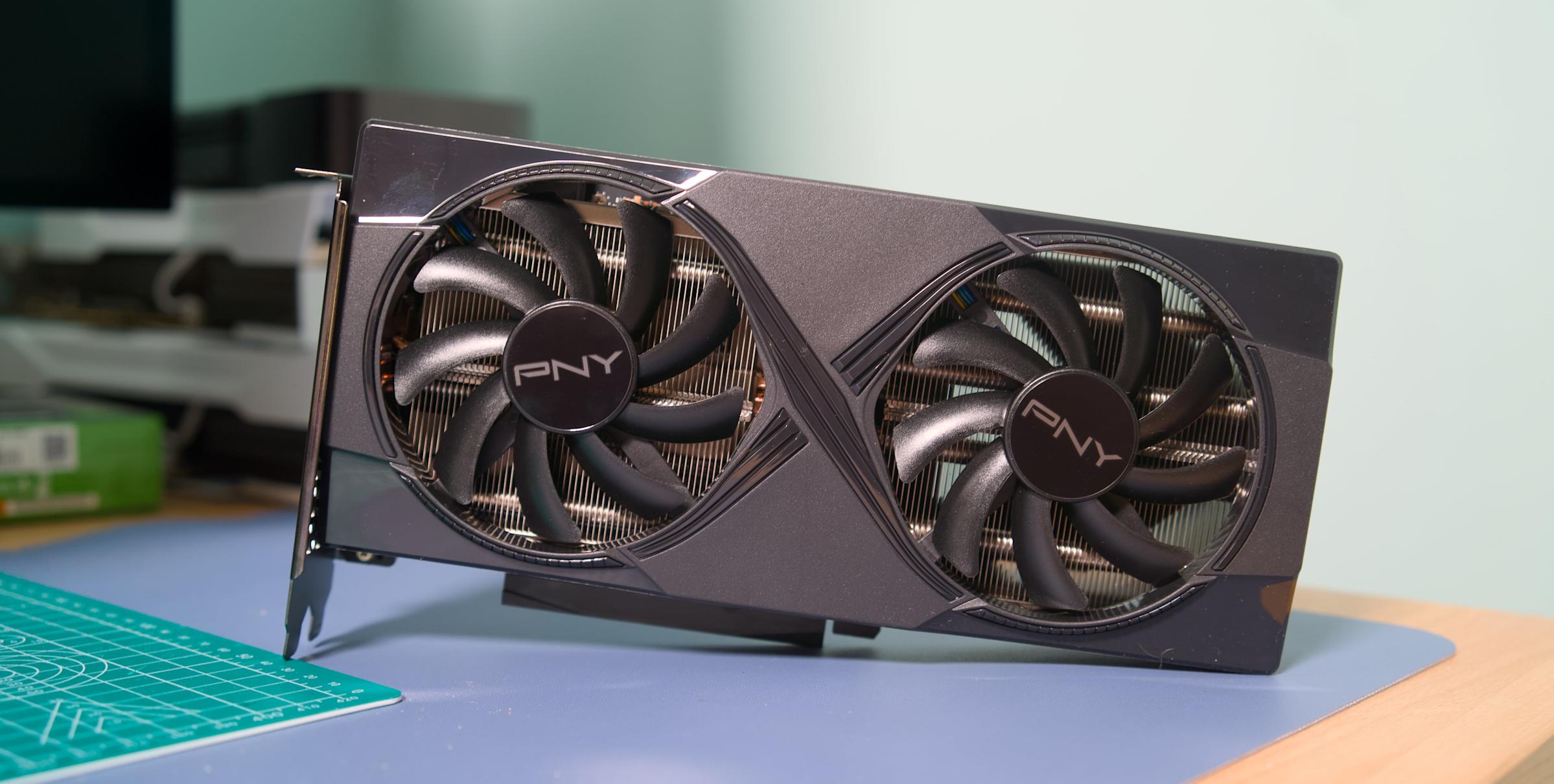
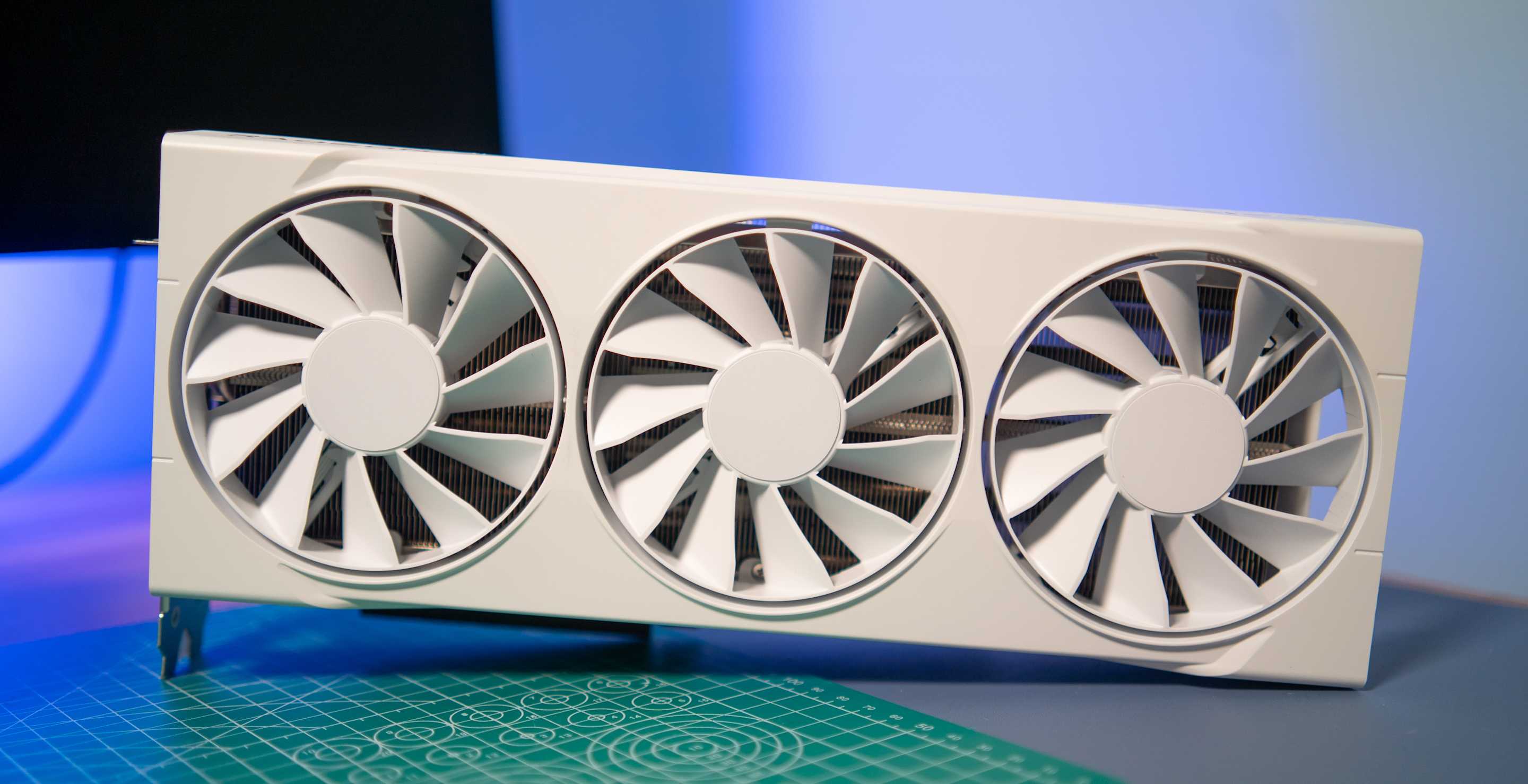
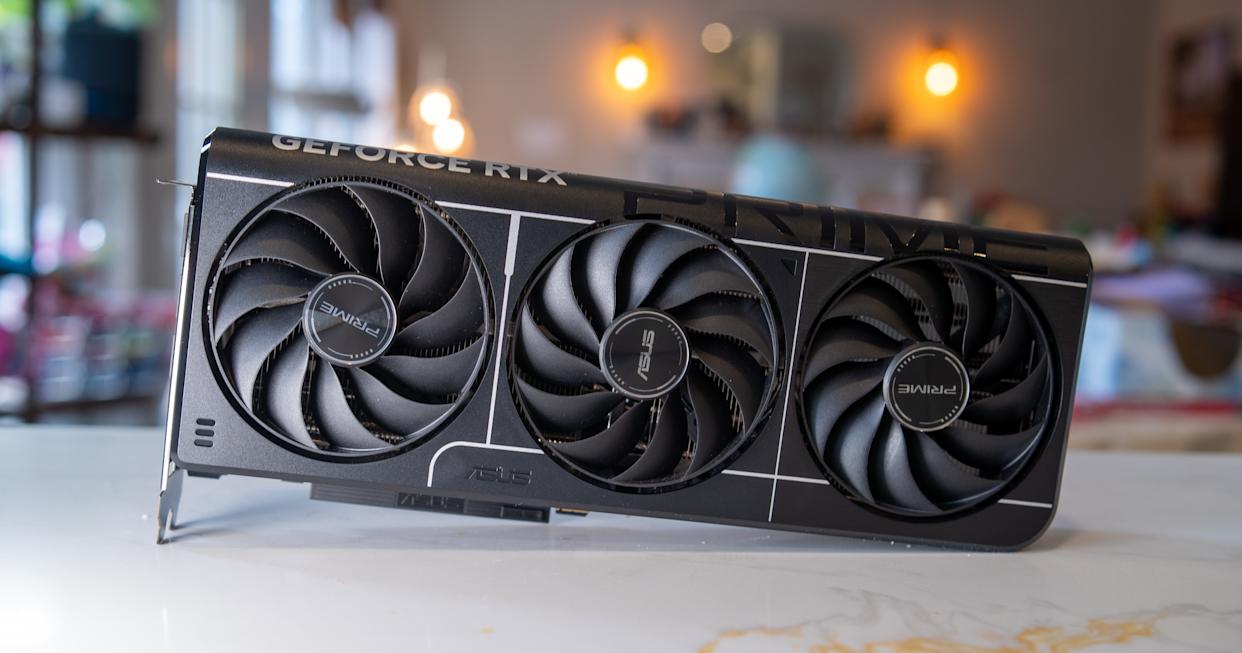
That gets me to the purpose of this article. If you've been thinking about upgrading to a new graphics card, I would recommend you buy one sooner rather than later. The AI boom came for RAM first, and there are already signs it will come for GPU pricing next. A recent report suggests AMD is considering raising the MSRP of its 8GB models by $20 and 16GB models by $40 due to the price of GDDR6 memory. NVIDIA, meanwhile, is rumored to have recently told its board partners it would no longer supply them with VRAM for their cards.
Neither NVIDIA nor AMD responded to comment requests from Engadget requesting they share how they plan to work with their board partners to ensure GPU prices remain stable. NVIDIA also did not comment on reports the company will stop providing VRAM to its board partners.
Separate from the memory shortage, neither NVIDIA nor AMD are expected to release new GPUs soon. According to recent rumors, the earliest a Super refresh of the Blackwell line could arrive is sometime in the middle of 2026 — not at CES in January as the 40-series Super cards did in 2024. The memory crunch could complicate things there too, since the company has typically relied on more and faster VRAM to offer better performance on its Super cards. With 50-series Super GPUs, it might not be the case that NVIDIA announces them at the same MSRP as their non-Super predecessors, which was the case with the 40-series.
As for AMD, the company debuted its RDNA 4 cards at the start of the year. We know it's already working on RDNA 5, and if a recent chat with Sony's Mark Cerny is any indication, the new architecture will be a major step change for AMD. However, right now rumors indicate the earliest RDNA 5 could arrive is sometime in 2027.
In other words, with nothing new on the horizon and pricing of existing stock likely to increase, there might be only a short window where you can get a new GPU at a reasonable price. It's impossible to predict the future, but if you're in need of an upgrade and have the means to purchase, there might not be a better opportunity before the end of 2026.
Recommendations
The recommendations in Engadget's recent GPU guide are still as relevant today as they were a few months ago. Once again, the best advice I can give is to buy a card with at least 12GB of VRAM, and preferably 16GB if your budget allows for it. Unless you mostly plan to play older games on a 1080p monitor, it's not worth considering a model with 8GB of VRAM — it won't last you long enough to warrant the purchase price.
Our recommendations are grouped from most affordable to most expensive. Where possible, I've tried to find options from both Newegg and Amazon. You won't find any high-end picks like the RTX 5080 since if you can afford that card, this guide isn't for you.
Intel Arc B580
Intel's Arc B580 is a great budget option, as long as you can put up with some driver issues.
Devindra Hardawar for Engadget
For those on a tight budget, I would start and end my search with the Intel Arc B580. Newegg has models from ASRock and Onix at or under the card's $250 MSRP. I can't speak to the quality of ONIX cards, but ASRock is well-regarded. Over on Amazon, you can find the B580 for $300. With Intel cards you sometimes need to put up with odd driver issues, but as far as budget options go, the B580 offers value that's hard to beat. The one thing about budget cards like the B580 is they’re likely to face the most pricing pressure from the memory crunch due to the smaller margins manufacturers are making on them.
NVIDIA RTX 5060 Ti 16GB
If you decide to go with the RTX 5060 Ti, be sure to buy the 16GB model.
Devindra Hardawar for Engadget
If you have more than $250 to spend on a GPU, the RTX 5060 Ti is the GPU to buy. Avoid the 8GB model and go straight for the 16GB variant. NVIDIA announced the 5060 Ti at an MSRP of $429, and luckily as of the writing of this article, you can still find one close to that price.
Newegg, for instance, is selling the MSI Ventus Black Plus version of the card for $440. Amazon has the silver colorway of that same GPU listed for $460 currently. The retailer also has models from Gigabyte and Zotac in and around that same price.
If I had to pick between the 5060 Ti and 5070, which NVIDIA only offers with 12GB of VRAM, I would pick the former. The 5060 Ti is a safer bet, and offers nearly as much performance, particularly in games that include ray tracing as an option.
AMD Radeon RX 9070 and RX 9070 XT
If you're a fan of Team Red, the Radeon RX 9070 and 9070 XT are among the best cards of this generation.
Devindra Hardawar for Engadget
For a mid-range option, the Radeon RX 9070 and 9070 XT offer excellent value. Of the two cards, the 9070 is the better purchase for most people due to its less demanding power requirements, but if you got a PSU that can handle the 9070 XT, go for it.
Right now, Newegg has a few 9070 models from ASRock and Sapphire just under the card's $549 MSRP. My friend recently bought the Sapphire card linked above, and has had nothing but good things to say about it. You'll pay more going through Amazon, but the company has a couple of options around $600 from XFX and Gigabyte.
When it comes to the 9070 XT, Newegg has an ASRock model priced right at the card's $599 MSRP. Many of the other options from Sapphire and XFX are unfortunately priced between $650 and $700. The same is true on Amazon, where the cheapest model I could find was $630.
NVIDIA RTX 5070 Ti
If you have more money to spend, the RTX 5070 Ti is a performance beast.
Devindra Hardawar for Engadget
For our final recommendation, consider the RTX 5070 Ti. It's a great option if you want to play games at 4K for less than what the 5080 and 5090 cost. Newegg has MSI and Zotac models on sale for $750, the card's recommended price. There are also a handful of other options from ASUS and Gigabyte that are just over $800. Amazon, meanwhile, is selling one Gigabyte variant for $749.
This article originally appeared on Engadget at https://www.engadget.com/gaming/pc/the-ai-boom-could-soon-send-gpu-prices-soaring-so-nows-a-good-time-to-buy-one-153000063.html?src=rss
I sat down to write this story hoping to point people to deals on RAM kits for their gaming PC builds, but after an extensive search, I'm sorry to say there aren't any promotions worth even considering. Sure, if you visit Newegg or Amazon, you'll find plenty of bundles listed as Black Friday specials, but following a quick visit to PCPartPicker or CamelCamelCamel, you'll find many of those aren't deals at all.
Take this 32GB kit of 6,000MHz DDR5 RAM from G.Skill I found on Newegg. It's one of the few "good" deals I found, but there's a catch. It's listed at $20 off its current $400 MSRP, with an additional $30 off if you use a promo code. To sweeten the deal, Newegg is even throwing in a NZXT all-in-one liquid cooler valued at $160. But here's the thing, according to PCPartPicker, that same kit cost $155 a couple of months ago. Unless you can make use of the free cooler, you don't need me to tell you $50 off a RAM kit that used to cost less than half of what it costs now is not a great buy.
And it's not just that one set of sticks from G.Skill — nearly every kit of DDR5 RAM I could find has increased in price in recent months. For instance, Amazon has listed this 32GB bundle from Crucial at $322. A little more than a month ago, you could get that same kit for $175.
If it feels like the pandemic all over again, when it was impossible to buy a GPU at MSRP, you're not far off the mark. Once again, there's a component shortage, but this time around, it's not cryptomining causing an insatiable demand for parts. Instead, it's the booming AI industry buying up every RAM stick it can for their data center builds. Unless you've been living under a rock, it's been hard to ignore the amount of money that's been thrown around by NVIDIA, Microsoft and others. recently. Much of it has been of a seemingly circular nature, but that hasn't done anything to dent demand for both short and long-term memory.
The problem is that many of the companies that produce consumer-grade memory, including heavyweights like SK Hynix and Samsung, also make memory for AI servers, and most of the RAM coming off those production lines is going straight to high-volume clients like OpenAI and Anthropic. In fact, demand for RAM has been so strong that even the price of some DDR4 memory kits has gone up — if you can even find the older format in stock.
A statement CyberPowerPC posted earlier this week gives a sense of just how dire the situation is right now. "Recently, global memory (RAM) prices have surged by 500 percent and SSD prices have risen by 100 percent," the company said on X, adding it would be forced to increase the price of its pre-built PCs.
As a consumer, there's little you can do at the moment. You can either buy now and pay extra, or wait in hopes the price of RAM will stabilize sooner rather than later. Unfortunately, with no signs of the AI boom cooling down in the immediate future, it's hard to know when things might change. Save a bubble pop, the price of RAM is likely to remain high into early 2026, with the possibility of a trickle effect to SSD and GPU pricing.
This article originally appeared on Engadget at https://www.engadget.com/ai/there-arent-any-black-friday-deals-on-ram-this-year-and-you-can-thank-ai-for-that-130000335.html?src=rss
If you were hoping to create some silly images this long holiday weekend with Google's new Nano Banana Pro model, I have some bad news: the company is restricting free usage of the AI system. In a support document spotted by 9to5Google, Google notes free users can currently generate two images daily, down from three per day previously. "Image generation and editing is in high demand," the company writes. "Limits may change frequently and will reset daily."
It would appear Google is also limiting free Gemini 3 Pro usage, with the document stating non-paying users will get “basic access — daily limits may change frequently" as well. When the company first began rolling out Gemini 3 Pro on November 18, it guaranteed five free prompts per day. That was in line with Gemini 2.5 Pro. If you pay for either Google AI Pro or AI Ultra plan, your usage limits have not changed. They remain at 100 and 500 prompts per day, respectively.
Google isn't the first company to enforce stricter usage following a popular release. You may recall OpenAI delayed rolling out ChatGPT's built-in image generator to free users after the feature turned out to be more popular than anticipated. However, OpenAI eventually brought image generation to free users.
This article originally appeared on Engadget at https://www.engadget.com/ai/google-limits-free-nano-banana-pro-image-generation-usage-due-to-high-demand-223442929.html?src=rss
Cameo, the app that allows people to buy short videos from celebrities, has won an important victory in its legal battle against OpenAI. On Monday, a federal judge granted the company a temporary restraining order against OpenAI, CNBC reports. Until December 22, the startup is not allowed to use the word “cameo” in relation to any features inside of Sora, its TikTok-like app for creating AI-generated videos. The order covers similar words like “Kameo” and “CameoVideo.”
“We are gratified by the court’s decision, which recognizes the need to protect consumers from the confusion that OpenAI has created by using the Cameo trademark,” Cameo CEO Steven Galanis told CNBC. “While the court’s order is temporary, we hope that OpenAI will agree to stop using our mark permanently to avoid any further harm to the public or Cameo.”
An OpenAI spokesperson told Engadget: “We disagree with the complaint’s assertion that anyone can claim exclusive ownership over the word ‘cameo’, and we look forward to continuing to make our case to the court.”
Cameo sued OpenAI in October, claiming the company’s use of the term was likely to confuse consumers and dilute its brand. Before filing the suit, Galanis said Cameo tried to resolve the dispute “amicably,” but claims OpenAI refused to stop using the name. Sora’s cameo feature allows users to upload their likeness to the app, which other people can then use in their own videos. US District Judge Eumi K. Lee, who granted Cameo the temporary junction, has scheduled a hearing for December 19 to determine if the order should be made permanent.
Update, November 24, 7:25PM ET: This article was updated after publish to include comment from an OpenAI spokesperson.
This article originally appeared on Engadget at https://www.engadget.com/ai/openai-cant-use-the-term-cameo-in-sora-following-temporary-injunction-213431626.html?src=rss
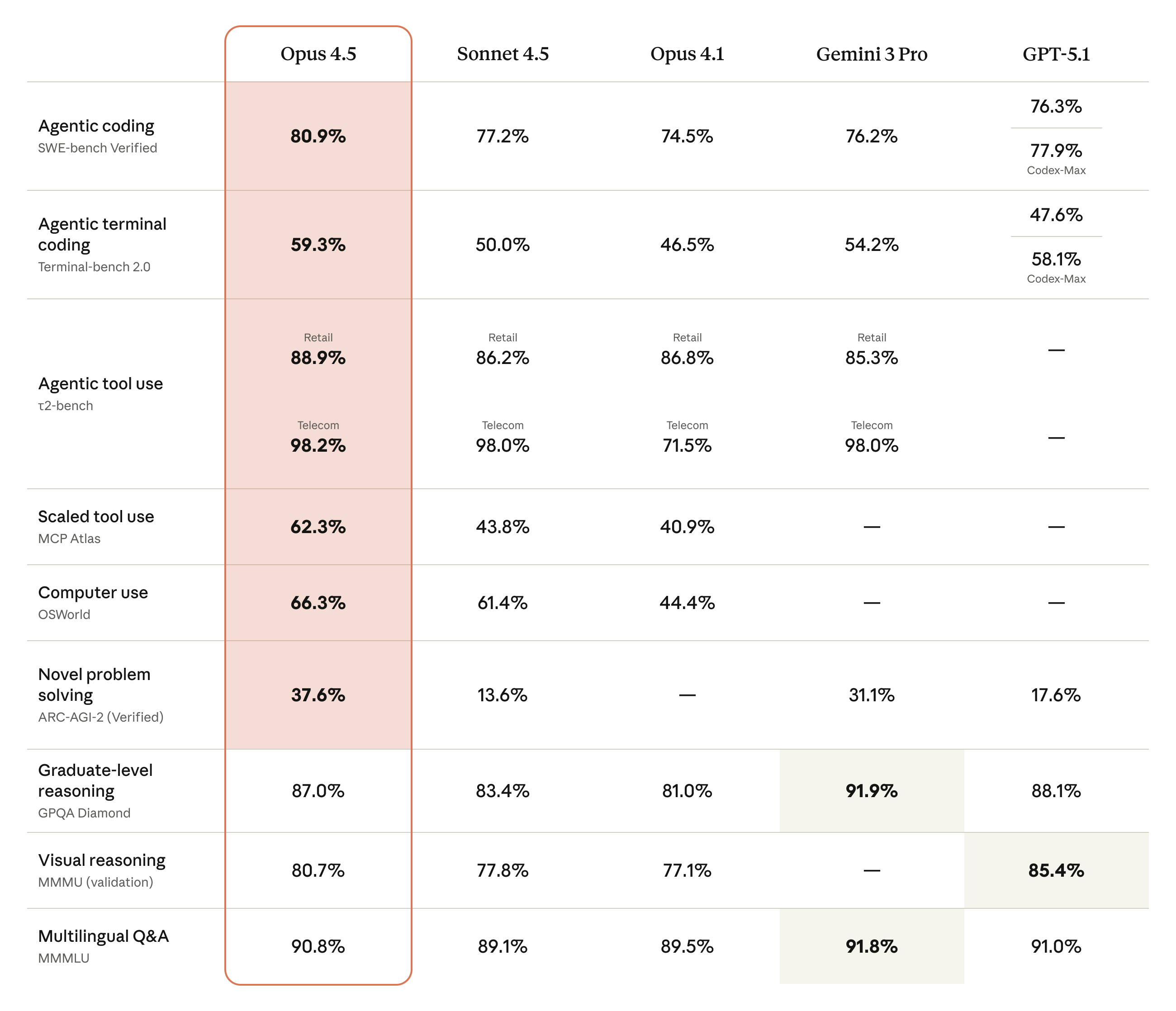
Hot on the heels of Google's Gemini 3 Pro release, Anthropic has announced an update for its flagship Opus model. Now at version 4.5, the new system offers state-of-the-art performance in coding, computer use and office tasks. No surprise there, those have been some of Claude's greatest strengths for a while. The good news is Anthropic is rolling out a handful of existing tools more broadly alongside Opus 4.5. It's also releasing one new feature.
To start, the company's Chrome extension, Claude for Chrome, is now available to all Max users. Anthropic is also introducing a feature called infinite chat. Provided you pay to use Claude, the chatbot won't fall to context window errors, allowing it to maintain consistency across files and chats. According to Anthropic, infinite chat was one of the most requested features from its users. Then there's Claude for Excel, which brings the chatbot to a sidebar inside of Microsoft's app. The tool is now broadly available to all Max, Team and Enterprise users, with support for pivot tables, charts and file uploads built-in.
A table comparing Opus 4.5's efforts in various benchmarks.
Anthropic
On the subject of Excel, Anthropic says early testers saw a 20 percent accuracy improvement on their internal evaluations and a 15 percent improvement in efficiency gains. As a complete Excel noob, I'm excited to for the company to trickle down that expertise to its more consumer-oriented models, Claude Sonnet and Haiku.
Elsewhere, Opus 4.5 also delivers improvements in agentic workflows, with the new model excelling at refining its own processes. More importantly, Anthropic is calling Opus 4.5 its safest model yet. It’s better at rejecting prompt injection style attacks, outpacing even Gemini 3 Pro, according to Anthropic’s own evaluations.
If you want to try Opus 4.5 for yourself, it’s available today through all of Anthropic’s apps and the company’s API. For developers, pricing for the new model starts at $5 per million tokens.
This article originally appeared on Engadget at https://www.engadget.com/ai/anthropics-opus-45-model-is-here-to-conquer-microsoft-excel-190000905.html?src=rss
A few weeks short of Gemini 2's first birthday, Google has announced Gemini 3 Pro. Naturally, the company claims the new system is its most intelligent AI model yet, offering state-of-the-art reasoning, class-leading vibe coding performance and more. The good news is you can put those claims to the test today, with Google making Gemini 3 Pro available across many of its products and services.
Google is highlighting a couple of benchmarks to tout Gemini 3 Pro's performance. In Humanity's Last Exam, widely considered one of the toughest tests AI labs can put their systems through, the model delivered a new top accuracy score of 37.5 percent, beating the previous leader, Grok 4, by an impressive 12.1 percentage points. Notably, it achieved its score without turning to tools like web search. On LMArena, meanwhile, Gemini 3 Pro is now on top of the site's leaderboards with a score of 1,501 points.
Okay, but what about the practical benefits of Gemini 3 Pro? In the Gemini app, the new model will translate to answers that are more concise and better formatted. It also enables a new feature Google calls Gemini Agent. The tool builds on Project Mariner, the web-surfing Chrome AI the company debuted at the end of last year. It allows users to ask Gemini to complete tasks for them. For example, say you want help managing your email inbox. In the past, Gemini would have offered some general tips. Now, it can do that work for you.
To try Gemini 3 Pro inside of the Gemini app, select "Thinking" from the model picker. The new model is available to everyone, though AI Plus, Pro and Ultra subscribers can use it more often before hitting their rate limit. To make the most of Gemini Agent, you'll need to grant the tool access to your Google apps.
In Search, meanwhile, Gemini 3 Pro will debut inside of AI Mode, with availability of the new model first rolling out to AI Pro and Ultra subscribers. Google will also bring the model to AI Overviews, where it will be used to answer the most difficult questions people ask of its search engine. In the coming weeks, Google plans to roll out a new routing algorithm for both AI Mode and AI Overviews that will know when to put questions through Gemini 3 Pro. In the meantime, subscribers can try the new model inside of AI Mode by selecting "Thinking" from the dropdown menu.
Google
In practice, Google says Gemini 3 Pro will result in AI Mode finding more credible and relevant content related to your questions. This is thanks to how the new model augments the fan-out technique that powers AI Mode. The tool will perform even more searches than before and with its new intelligence, Google suggests it may even uncover content previous models may have missed. At the same time, Gemini 3's better multi-modal understanding will translate to AI Mode generating more dynamic and interactive interfaces to answer your questions. For example, if you're researching mortgage loans, the tool can create a loan calculator directly inside of its response.
For developers and its enterprise customers, Google is bringing Gemini 3 to all the usual places one can find its models, including inside of the Gemini API, AI Studio and Vertex AI. The company is also releasing a new agentic coding app called Antigravity. It can autonomously program while creating tasks for itself and providing progress reports. Alongside Gemini 3 Pro, Google is introducing Gemini 3 Deep Think. The enhanced reasoning mode will be available to safety testers before it rolls out to AI Ultra subscribers.
This article originally appeared on Engadget at https://www.engadget.com/ai/googles-new-gemini-3-model-arrives-in-ai-mode-and-the-gemini-app-160054273.html?src=rss
Well, I suppose it was only a matter of time, but Google is making AI Mode harder to avoid. In the US, the company has begun rolling out an update for Chrome on Android and iOS that adds an AI Mode shortcut to the browser's new tab page. It's predominantly featured, appearing right below the browser's signature search bar.
"This will let you ask more complex, multi-part questions, and then dive even deeper into a topic with follow-up questions and relevant links," the company said of the update. In the near future, Google plans to bring the shortcut to 160 additional countries, with support for other languages — including Hindi, Indonesian, Japanese, Korean, Portuguese — on the way as well.
Google introduced AI Mode at the start of March when it previewed the feature through its Labs program. Since then, it has been aggressively rolling out AI Mode in nearly every market it operates, beginning this past May at I/O 2025 May when the company made the chatbot available to all US users.
This article originally appeared on Engadget at https://www.engadget.com/ai/google-adds-an-ai-mode-shortcut-to-chrome-on-mobile-170042622.html?src=rss