Google has gone from being the go-to search engine to something people are paying to avoid entirely. This week, Cherlynn and Devindra chat with 404 Media co-founder Jason Koebler about his experience moving away from Google and towards Kagi, a $10 a month search engine without ads or data tracking. Funny enough, Kagi is still relying on Google’s index, so it’s a lot like using that site before the onslaught of ads, sponsored posts and AI results. Also, we discuss the company’s lies around Chrome’s incognito mode, as well as the news that it would be deleting user data collected in that mode. (Be sure to check out the 404 Media podcast too!)
Listen below or subscribe on your podcast app of choice. If you've got suggestions or topics you'd like covered on the show, be sure to email us or drop a note in the comments! And be sure to check out our other podcast, Engadget News!
Topics
Why Jason Koebler moved from Google to Kagi's paid search engine – 0:45
Google says it will destroy data collected from users using Incognito mode – 15:01
Gurman report: Apple is working on personal home robots – 24:55
Amazon just walked out on its self check-out tech – 30:43
FCC set to vote to restore Net Neutrality – 43:00
Apple adds Spatial Personas to make the Vision Pro experience less lonely – 45:09
Proposed California state law would give tech workers the “right to disconnect” – 47:17
Tekken director responds to fighting game fans’ request for a Waffle House stage – 49:57
Google has gone from being the go-to search engine to something people are paying to avoid entirely. This week, Cherlynn and Devindra chat with 404 Media co-founder Jason Koebler about his experience moving away from Google and towards Kagi, a $10 a month search engine without ads or data tracking. Funny enough, Kagi is still relying on Google’s index, so it’s a lot like using that site before the onslaught of ads, sponsored posts and AI results. Also, we discuss the company’s lies around Chrome’s incognito mode, as well as the news that it would be deleting user data collected in that mode. (Be sure to check out the 404 Media podcast too!)
Listen below or subscribe on your podcast app of choice. If you've got suggestions or topics you'd like covered on the show, be sure to email us or drop a note in the comments! And be sure to check out our other podcast, Engadget News!
Topics
Why Jason Koebler moved from Google to Kagi's paid search engine – 0:45
Google says it will destroy data collected from users using Incognito mode – 15:01
Gurman report: Apple is working on personal home robots – 24:55
Amazon just walked out on its self check-out tech – 30:43
FCC set to vote to restore Net Neutrality – 43:00
Apple adds Spatial Personas to make the Vision Pro experience less lonely – 45:09
Proposed California state law would give tech workers the “right to disconnect” – 47:17
Tekken director responds to fighting game fans’ request for a Waffle House stage – 49:57
AI models using individual's work without permission (or compensation) is nothing new, with entities like The New York Times and Getty Images initiating lawsuits against AI creators alongside artists and writers. In March, OpenAI CTO Mira Murati contributed to the ongoing uncertainty, telling The Wall Street Journal she wasn't sure if Sora, the company's new text-to-video AI tool, takes data from YouTube, Instagram or Facebook posts. Now, YouTube's CEO Neal Mohan has responded with a clear warning to OpenAI that using its videos to teach Sora would be a "clear violation" of the platform's terms of use.
In an interview with Bloomberg Originals host Emily Chang, Mohan stated, "From a creator's perspective, when a creator uploads their hard work to our platform, they have certain expectations. One of those expectations is that the terms of service is going to be abided by. It does not allow for things like transcripts or video bits to be downloaded, and that is a clear violation of our terms of service. Those are the rules of the road in terms of content on our platform."
A lot of uncertainty and controversy still surrounds how OpenAI trains Sora, along with ChatGPT and DALL-E, with The Wall Street Journal recently reporting the company plans to use YouTube video transcriptions to train GPT-5. On the other hand, OpenAI competitor Google is apparently respecting the rules — at least when it comes to YouTube (which it owns). Google's AI model Gemini requires similar data to learn but Mohan claims it only uses certain videos, depending on permissions are given in each creator's licensing contract.
This article originally appeared on Engadget at https://www.engadget.com/youtube-ceo-warns-openai-that-training-models-on-its-videos-is-against-the-rules-121547513.html?src=rss
AI models using individual's work without permission (or compensation) is nothing new, with entities like The New York Times and Getty Images initiating lawsuits against AI creators alongside artists and writers. In March, OpenAI CTO Mira Murati contributed to the ongoing uncertainty, telling The Wall Street Journal she wasn't sure if Sora, the company's new text-to-video AI tool, takes data from YouTube, Instagram or Facebook posts. Now, YouTube's CEO Neal Mohan has responded with a clear warning to OpenAI that using its videos to teach Sora would be a "clear violation" of the platform's terms of use.
In an interview with Bloomberg Originals host Emily Chang, Mohan stated, "From a creator's perspective, when a creator uploads their hard work to our platform, they have certain expectations. One of those expectations is that the terms of service is going to be abided by. It does not allow for things like transcripts or video bits to be downloaded, and that is a clear violation of our terms of service. Those are the rules of the road in terms of content on our platform."
A lot of uncertainty and controversy still surrounds how OpenAI trains Sora, along with ChatGPT and DALL-E, with The Wall Street Journal recently reporting the company plans to use YouTube video transcriptions to train GPT-5. On the other hand, OpenAI competitor Google is apparently respecting the rules — at least when it comes to YouTube (which it owns). Google's AI model Gemini requires similar data to learn but Mohan claims it only uses certain videos, depending on permissions are given in each creator's licensing contract.
This article originally appeared on Engadget at https://www.engadget.com/youtube-ceo-warns-openai-that-training-models-on-its-videos-is-against-the-rules-121547513.html?src=rss
Roku already serves ads through its platform, but it's also apparently exploring the idea of showing you ads while you're using third-party devices connected to its TVs. Based on a recent patent filing unearthed by Lowpass, the company is looking to develop a system or a method "for ad insertion by a display device coupled to a media device via a high-definition media interface (HDMI) connection." That means if you've connected another streaming device or console — say, an Apple TV, a Chromecast or a PlayStation — to a Roku TV via HDMI, the company would still be able to serve you advertisements.
In particular, Roku is hoping to show you commercials while whatever you're watching or playing on the third-party device attached to it is on pause. In its patent, it described several methods on how it can detect whether the show or game on screen is paused, such as receiving a pause signal from the remote control, detecting a pause icon, looking at several video frames and determining that the image on screen hasn't changed for some time and getting a silent audio signal from the HDMI connection.
If it works as intended, those ads wouldn't impact your viewing or playing experience (much), assuming you're truly stepping away or doing something else in the meantime. While you'd probably prefer those experiences to be free of ads altogether, Roku is at least looking to make sure that it's serving you relevant ads. It could analyze frozen video or audio frames and use automatic content recognition (ACR) technology to identify what's on screen. Or it could analyze metadata to show ads connected to what you're playing or watching. It could also serve commercials based on what third-party device is attached to your TV.
As Lowpass notes, the company could have conjured the idea because manufacturers typically don't make a lot of money from hardware sales. For the fiscal year of 2023, Roku lost $44 million on smart TVs. Similarly, Samsung's visual display and digital appliances division posted $37.5 million in operating losses for last year's fourth quarter. Meanwhile, ads and services generated $1.6 billion in profit for Roku. This idea could potentially make it more money... if the prospect of watching commercials while your show or game is paused doesn't turn you off buying Roku TV, of course. This is just a patent at this point in time, though, and Roku may very well end up scrapping it and not implementing it at all.
This article originally appeared on Engadget at https://www.engadget.com/roku-looks-into-serving-you-ads-on-whatever-you-plug-into-its-tvs-120016754.html?src=rss
Roku already serves ads through its platform, but it's also apparently exploring the idea of showing you ads while you're using third-party devices connected to its TVs. Based on a recent patent filing unearthed by Lowpass, the company is looking to develop a system or a method "for ad insertion by a display device coupled to a media device via a high-definition media interface (HDMI) connection." That means if you've connected another streaming device or console — say, an Apple TV, a Chromecast or a PlayStation — to a Roku TV via HDMI, the company would still be able to serve you advertisements.
In particular, Roku is hoping to show you commercials while whatever you're watching or playing on the third-party device attached to it is on pause. In its patent, it described several methods on how it can detect whether the show or game on screen is paused, such as receiving a pause signal from the remote control, detecting a pause icon, looking at several video frames and determining that the image on screen hasn't changed for some time and getting a silent audio signal from the HDMI connection.
If it works as intended, those ads wouldn't impact your viewing or playing experience (much), assuming you're truly stepping away or doing something else in the meantime. While you'd probably prefer those experiences to be free of ads altogether, Roku is at least looking to make sure that it's serving you relevant ads. It could analyze frozen video or audio frames and use automatic content recognition (ACR) technology to identify what's on screen. Or it could analyze metadata to show ads connected to what you're playing or watching. It could also serve commercials based on what third-party device is attached to your TV.
As Lowpass notes, the company could have conjured the idea because manufacturers typically don't make a lot of money from hardware sales. For the fiscal year of 2023, Roku lost $44 million on smart TVs. Similarly, Samsung's visual display and digital appliances division posted $37.5 million in operating losses for last year's fourth quarter. Meanwhile, ads and services generated $1.6 billion in profit for Roku. This idea could potentially make it more money... if the prospect of watching commercials while your show or game is paused doesn't turn you off buying Roku TV, of course. This is just a patent at this point in time, though, and Roku may very well end up scrapping it and not implementing it at all.
This article originally appeared on Engadget at https://www.engadget.com/roku-looks-into-serving-you-ads-on-whatever-you-plug-into-its-tvs-120016754.html?src=rss
Sensory design in architecture considers all human experiences within a building, including sounds, textures, aromas, and flavors. Architects create environments fostering emotional connection, cognitive engagement, and well-being. Core principles prioritize immersive experiences, human comfort, emotional resonance, and cultural relevance of sensory stimuli. Here’s how architecture integrates the built and unbuilt environment to engage the senses.
Visual components are pivotal in architectural planning. Incorporating light, color, shape, and texture can evoke distinct feelings and enrich spatial awareness. Architects manipulate visual elements like light, shadow, and contrasting hues to navigate occupants through environments and establish focal points. Our perception of space, light, color, and texture relies on our visual senses.
The Gardens by the Bay Sound and Light Show is a mesmerizing multimedia event at Gardens by the Bay in Singapore. The Supertrees, iconic vertical gardens, dazzle with synchronized lights and music, creating an immersive experience. These Supertrees also feature integrated solar panels, enhancing their futuristic design as they illuminate the night sky during the show.
Check out the aerial view of the rockery backyard garden that immerses you in a tactile experience, where lush greens contrast against a backdrop of textured rocky terrain.
2. Sound
Sound greatly influences our perception of space. Architects carefully consider acoustics to create environments suitable for different activities. Whether it’s using sound-absorbing materials in libraries or incorporating natural sounds outdoors, the goal is to enhance the auditory experience and establish harmony. Elements like water features, wind chimes, or musical instruments contribute to a soundscape that enriches the atmosphere.
Experience the mesmerizing Magic of Light through a VFX Projection Mapping Show on a building!
The presence of sound in a water fountain not only creates delight but also adds a sensory dimension, while visually enhancing the relaxing vibe it offers.
In high winds, the wind chime’s music harmonizes with the natural sounds of the wind, resulting in a captivating sensory experience. Whether placed in gardens or at entrances, these chimes emit sweet, melodic notes that enhance the ambiance.
3. Touch
The tactile aspect of architecture involves the physical interaction between people and their surroundings. Architects select materials based on their texture, temperature, and tactile qualities to create immersive environments. Whether it’s marble’s sleekness or wood’s warmth, each surface contributes to the overall tactile experience. Architectural design can also engage the sense of touch through textures, inviting individuals to interact with surfaces. Material selection can influence the temperature and atmosphere, offering comfort or stimulation. Well-designed elements like gloss finish tiles or travertine stone finish on walls pleasant tactile experiences, enhancing the overall impression of a space.
Indus is a tile-based, modular bioreactor wall system designed by architect Shneel Malik to address water pollution in India’s artisan and textile industry. Inspired by leaf architecture, the system utilizes algae in a symbiotic relationship to extract pollutants from wastewater through bioremediation. Locally fabricated using traditional methods and materials, Indus empowers rural artisan communities to regenerate water for reuse in their manufacturing processes. Compact and naturalistic, it offers a sustainable solution to water pollution, recognized internationally for its innovative design.
The rough, coarse walls evoke a sense of ruggedness and solidity, offering both tactile and visual stimulation. The variety of colors, patterns, and textures in the stones creates an intriguing environment, enriched further by the play of light and shadow on the uneven surface.
The Jacqueline tap by Gessi is a sensory masterpiece for your bathroom. Crafted from bamboo as part of the Gessi Spa Collection, it offers a blend of sustainability and elegance. Meticulously shaped using hot bending techniques, the bamboo roots provide a tactile and visually appealing experience. This tap not only adds style but also engages the senses with its attention to detail and eco-friendly design.
4. Smell
Smell, often underestimated in architecture, greatly influences a space’s atmosphere. Natural materials and greenery can bring in subtle scents, linking to nature and providing refreshment. Strategically placed essential oils or aromatic plants can establish a calming or invigorating environment. Architects can incorporate natural ventilation, fragrant plants, and scented materials to enhance the design’s sensory aspects. Whether it’s the aroma of baked goods in a bakery, the scent of wet earth after rain, or the woody fragrance of a forest, smells enrich the ambiance.
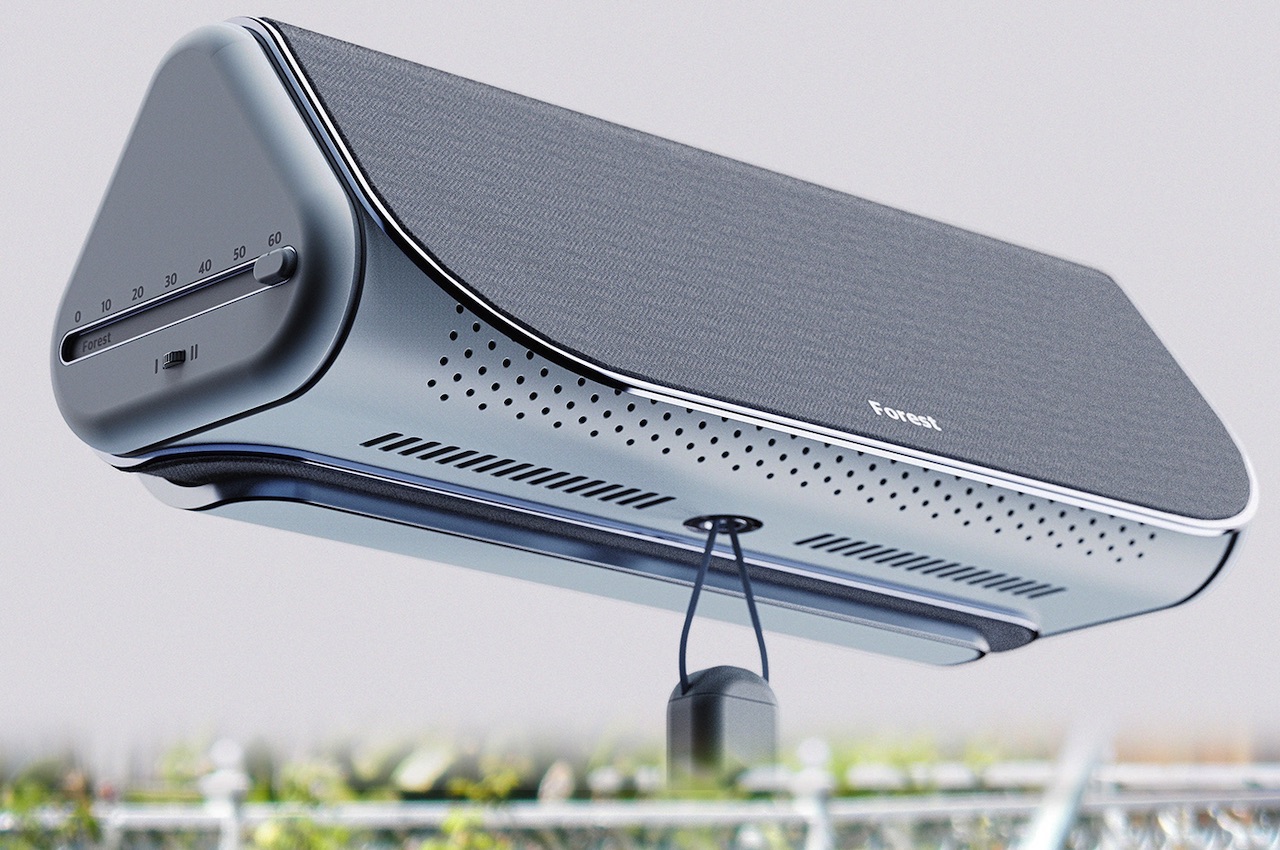
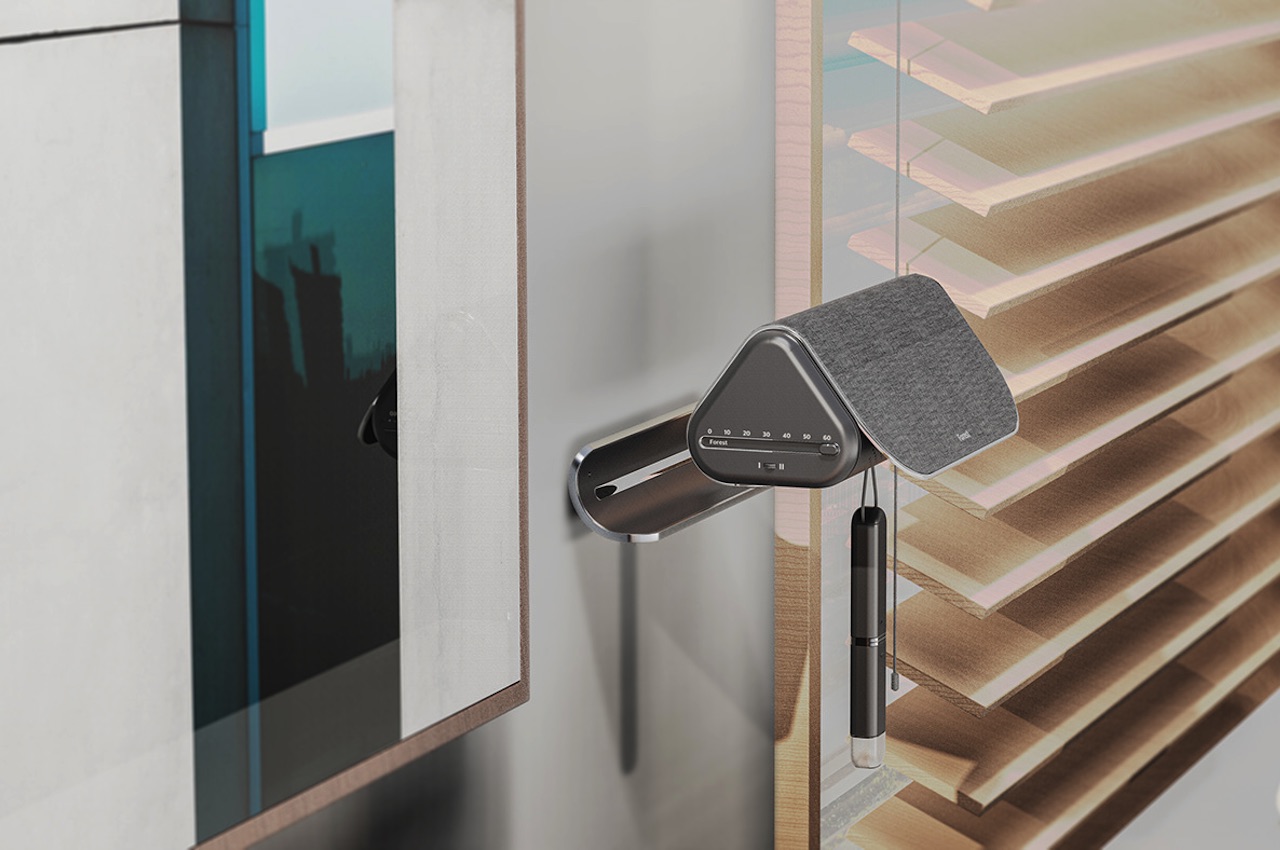
Elevate your indoor environment effortlessly with the compact Forest Scent Diffuser, infusing your space with the invigorating scent of the forest or the soothing aroma of the sea all day long. Inspired by the simplicity of a mailbox, this eco-friendly device utilizes tea bags or coffee scraps to emit your desired fragrance, promoting relaxation and focus wherever you place it in your home. Crafted from fabric and metal, its sleek design resembles a wireless speaker, discreetly enhancing your surroundings with the essence of nature while reducing stress and fatigue.
5. Taste
While taste isn’t commonly linked to architectural design, it can indirectly influence experiences, especially in restaurants and cafes. These spaces demonstrate how design can enhance culinary experiences by complementing the food with layout and aesthetics. Material choices also impact taste perception; for example, natural materials promote a more mindful connection with food. Architects in hospitality settings consider factors like dining area layout and food presentation to create a multisensory dining experience, where the smell of freshly brewed coffee further enhances the ambiance.
The aroma of freshly brewed coffee enhances the dining experience in cafes and restaurants, adding to the sensory delight of enjoying the space within the establishment.
6. Perception
Perception is pivotal, involving manipulation of space, height, color psychology, and light to shape interaction with surroundings. Architects use techniques like mirrors, patterns, and colors for optical illusions of space and depth. Strategic window placement and perforated screens regulate natural light, resulting in dynamic interplays of shadow, pattern, and light.
Singapore’s Jewel Changi Airport offers a unique sensory experience, with its expansive skylight flooding the interior with natural light and creating a tranquil atmosphere. The centerpiece is the mesmerizing indoor waterfall, the Rain Vortex, which cascades down several stories amidst lush greenery, evoking wonder and awe. The scent of foliage fills the air, enhancing the immersive experience, while a silent train glides through the indoor forest, providing a unique perspective for travelers within this bustling terminal. Jewel Changi Airport is not just a transportation hub; it’s a destination where visitors can escape into a world of light, water, and nature.
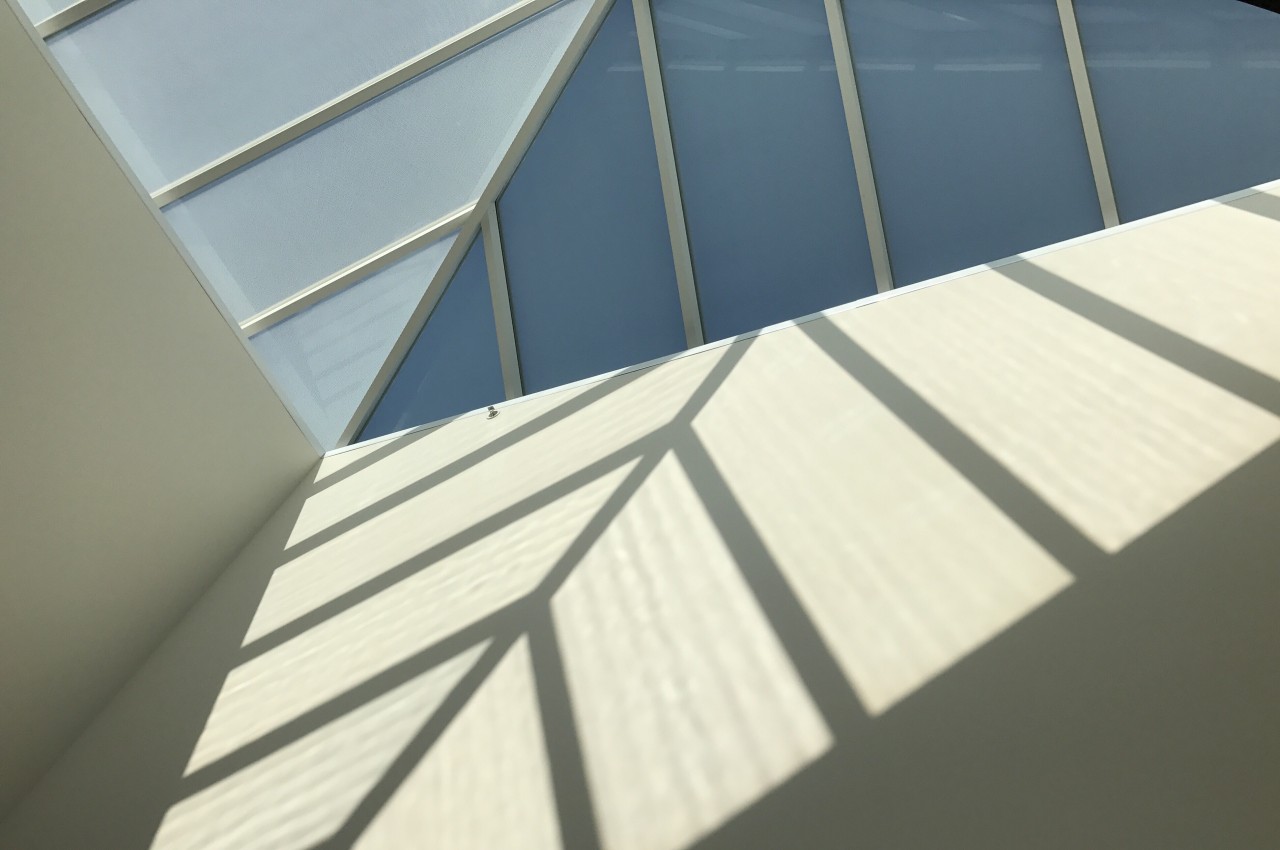
Square cutouts allow natural light to enter, casting shadows on the floor. The patterns shift with the sun’s orientation, creating a spacious and dynamic atmosphere within the all-white space.
Geometric patterns and shadows form an abstract design.
In architecture, sensory design seamlessly integrates all senses, engaging occupants holistically and nurturing their well-being while fostering a profound connection to the environment. By integrating sight, sound, touch, smell, and taste, architects create spaces that deeply resonate with occupants, fostering connection and enriching the overall human experience.
If your business is looking to upgrade its virtual reality (VR) headsets you might be interested in the new PNY PICO Enterprise VR headsets launch this week. PNY Technologies has forged a strategic alliance with PICO, a specialist in the VR industry. To transform PNY’s enterprise VR offerings, enabling them to deliver unparalleled immersive experiences […]
A new Carbon Majors Database report, which examines carbon dioxide emissions, found that just 57 companies were responsible for 80 percent of the global carbon dioxide emissions between 2016 and 2022. ExxonMobil, which topped the list of United States companies, contributed 1.4 percent of all global carbon dioxide emissions. It has net zero emissions targets.
Nearly 200 parties adopted the 2015 Paris Agreement, committing to reduce greenhouse gas emissions. However, 58 of the 100 state- and investor-owned companies in the Carbon Majors Database have since increased their production.
The International Energy Agency found coal consumption increased by eight percent over the seven years to 8.3 billion tons — a record high. State-owned Coal India is one of the top three carbon dioxide producers. Russia’s state-owned energy company Gazprom and state-owned oil firm Saudi Aramco rounded out the group.
YouTube is hyping its exclusive Coachella streaming coverage, which starts next week. The headlining feature is the platform’s multiview experience (already familiar to sports fans) — but who wants to watch up to four stages simultaneously, with audio for one of them. It’s… a music festival. Coachella runs from April 12 to 14 and April 19 to 21.
Finally, after a reveal at CES, the 2024 edition of the Razor Blade 18 arrives for $3,099. The base system has an i9-14900HX processor, 32GB of RAM, 1TB of SSD storage, Wi-Fi 7, a triple-fan cooling system and a six-speaker array with THX spatial audio support. You can equip the laptop with up to an NVIDIA GeForce RTX 4090 (the base model has a 4070 graphics card). In what Razer claims is a first for a laptop, there’s Thunderbolt 5 connectivity, but only if you opt for a 4080 or 4090 GPU.
Eight offices in Santa Clara, California were affected by the layoffs.
Over 700 people at Apple have recently lost their jobs, mostly from offices in Santa Clara. The location that dealt with the company’s electric vehicle projects has lost 371 people. There may not be enough space at that new home robot project.
This article originally appeared on Engadget at https://www.engadget.com/the-morning-after-80-percent-of-global-carbon-dioxide-emissions-comes-from-just-57-companies-111514748.html?src=rss
A new Carbon Majors Database report, which examines carbon dioxide emissions, found that just 57 companies were responsible for 80 percent of the global carbon dioxide emissions between 2016 and 2022. ExxonMobil, which topped the list of United States companies, contributed 1.4 percent of all global carbon dioxide emissions. It has net zero emissions targets.
Nearly 200 parties adopted the 2015 Paris Agreement, committing to reduce greenhouse gas emissions. However, 58 of the 100 state- and investor-owned companies in the Carbon Majors Database have since increased their production.
The International Energy Agency found coal consumption increased by eight percent over the seven years to 8.3 billion tons — a record high. State-owned Coal India is one of the top three carbon dioxide producers. Russia’s state-owned energy company Gazprom and state-owned oil firm Saudi Aramco rounded out the group.
YouTube is hyping its exclusive Coachella streaming coverage, which starts next week. The headlining feature is the platform’s multiview experience (already familiar to sports fans) — but who wants to watch up to four stages simultaneously, with audio for one of them. It’s… a music festival. Coachella runs from April 12 to 14 and April 19 to 21.
Finally, after a reveal at CES, the 2024 edition of the Razor Blade 18 arrives for $3,099. The base system has an i9-14900HX processor, 32GB of RAM, 1TB of SSD storage, Wi-Fi 7, a triple-fan cooling system and a six-speaker array with THX spatial audio support. You can equip the laptop with up to an NVIDIA GeForce RTX 4090 (the base model has a 4070 graphics card). In what Razer claims is a first for a laptop, there’s Thunderbolt 5 connectivity, but only if you opt for a 4080 or 4090 GPU.
Eight offices in Santa Clara, California were affected by the layoffs.
Over 700 people at Apple have recently lost their jobs, mostly from offices in Santa Clara. The location that dealt with the company’s electric vehicle projects has lost 371 people. There may not be enough space at that new home robot project.
This article originally appeared on Engadget at https://www.engadget.com/the-morning-after-80-percent-of-global-carbon-dioxide-emissions-comes-from-just-57-companies-111514748.html?src=rss