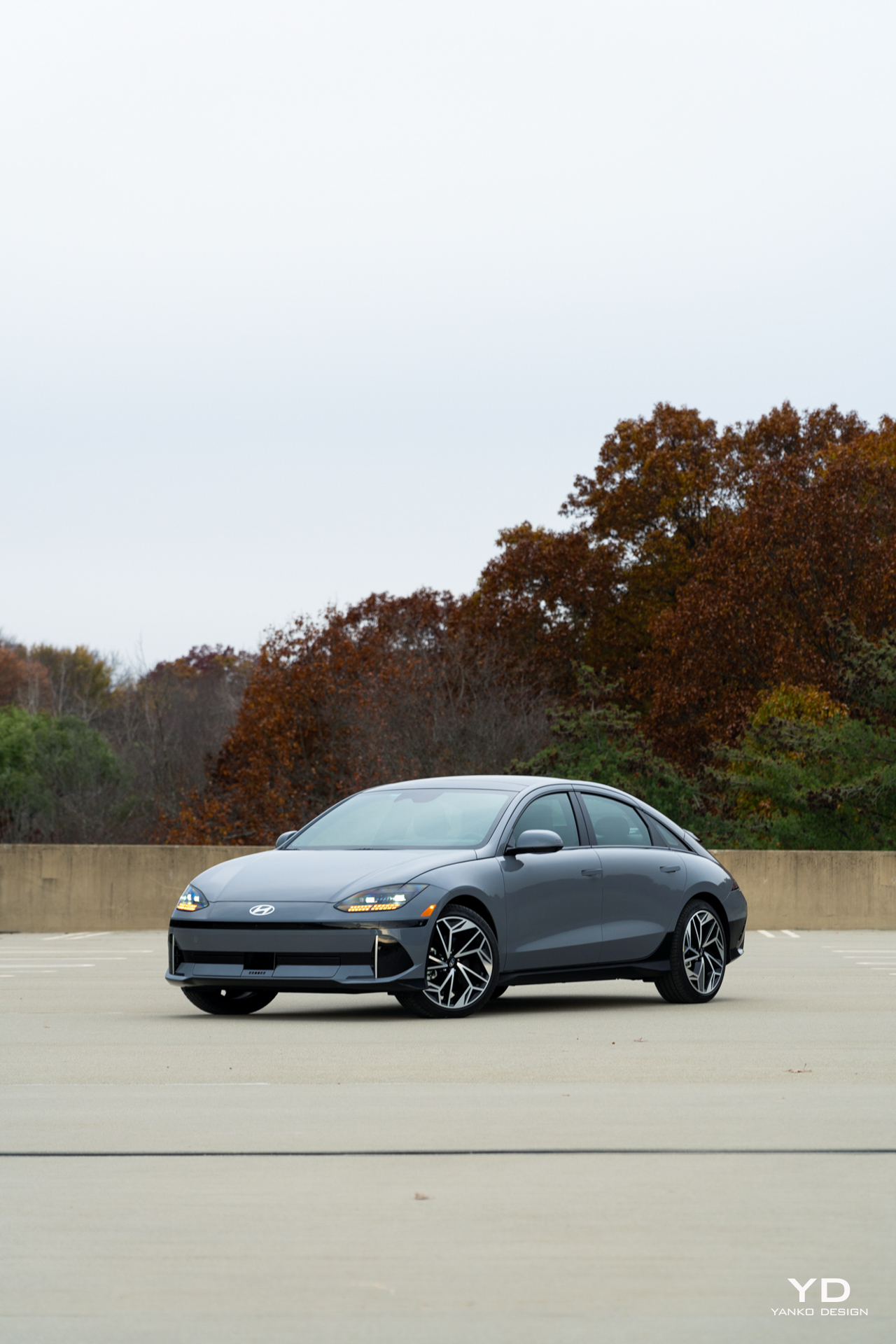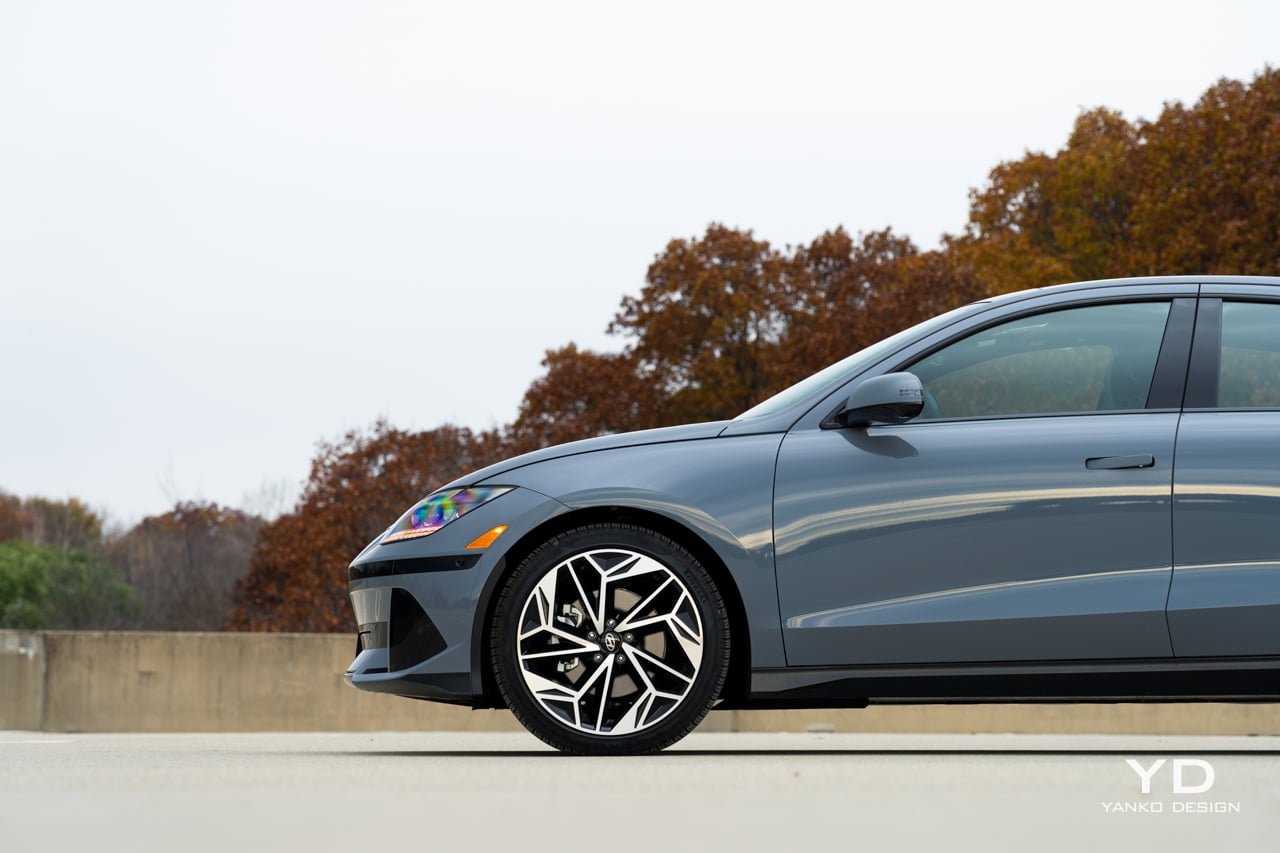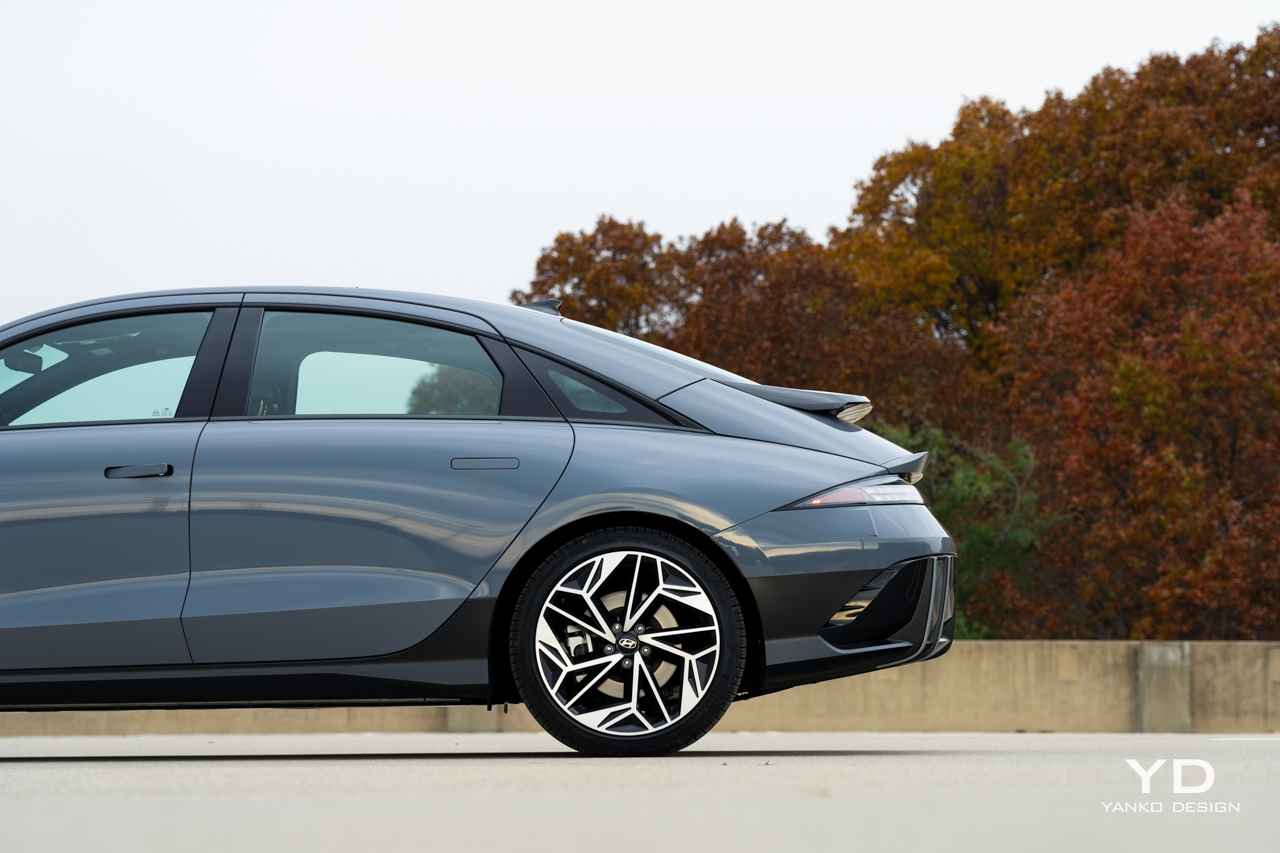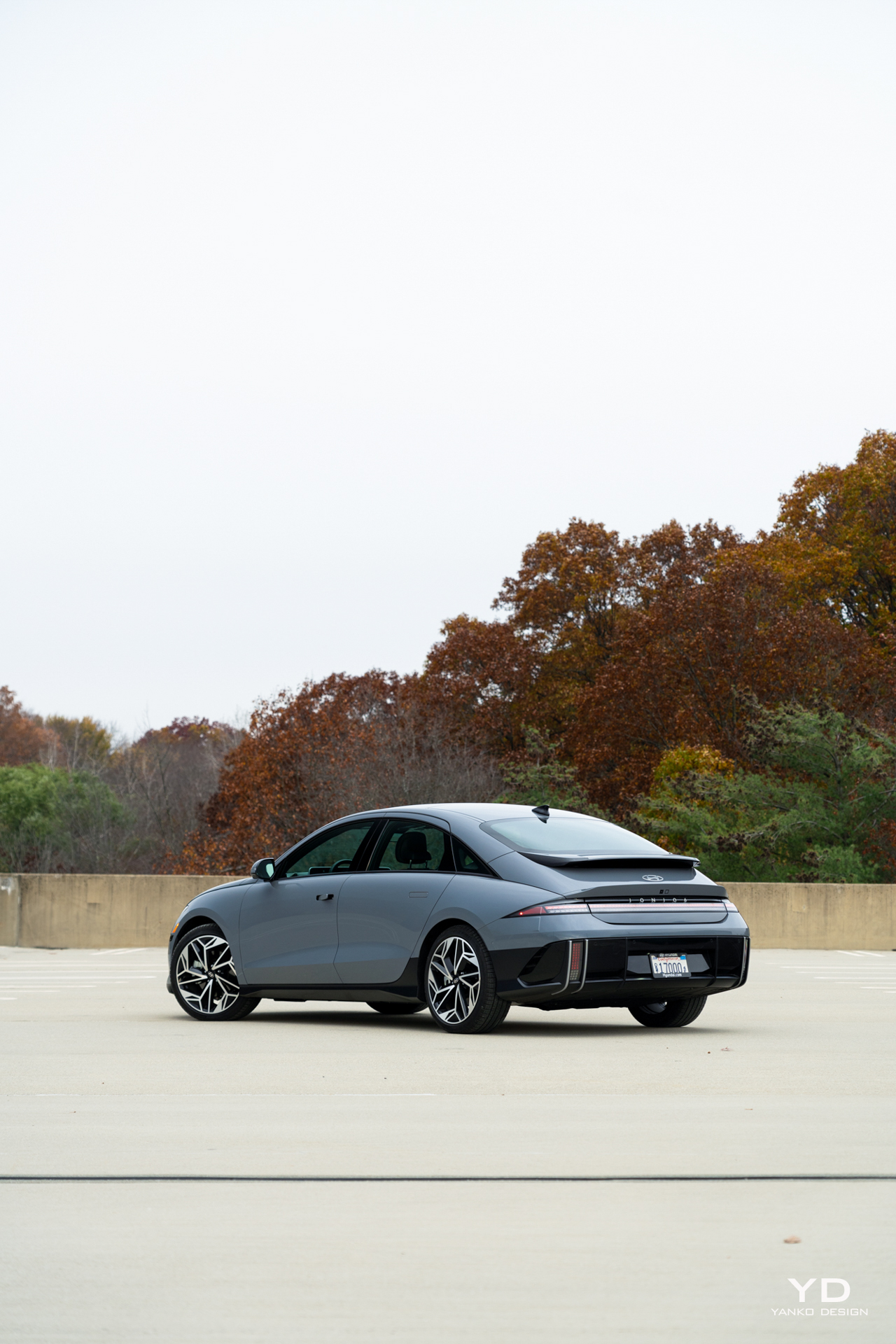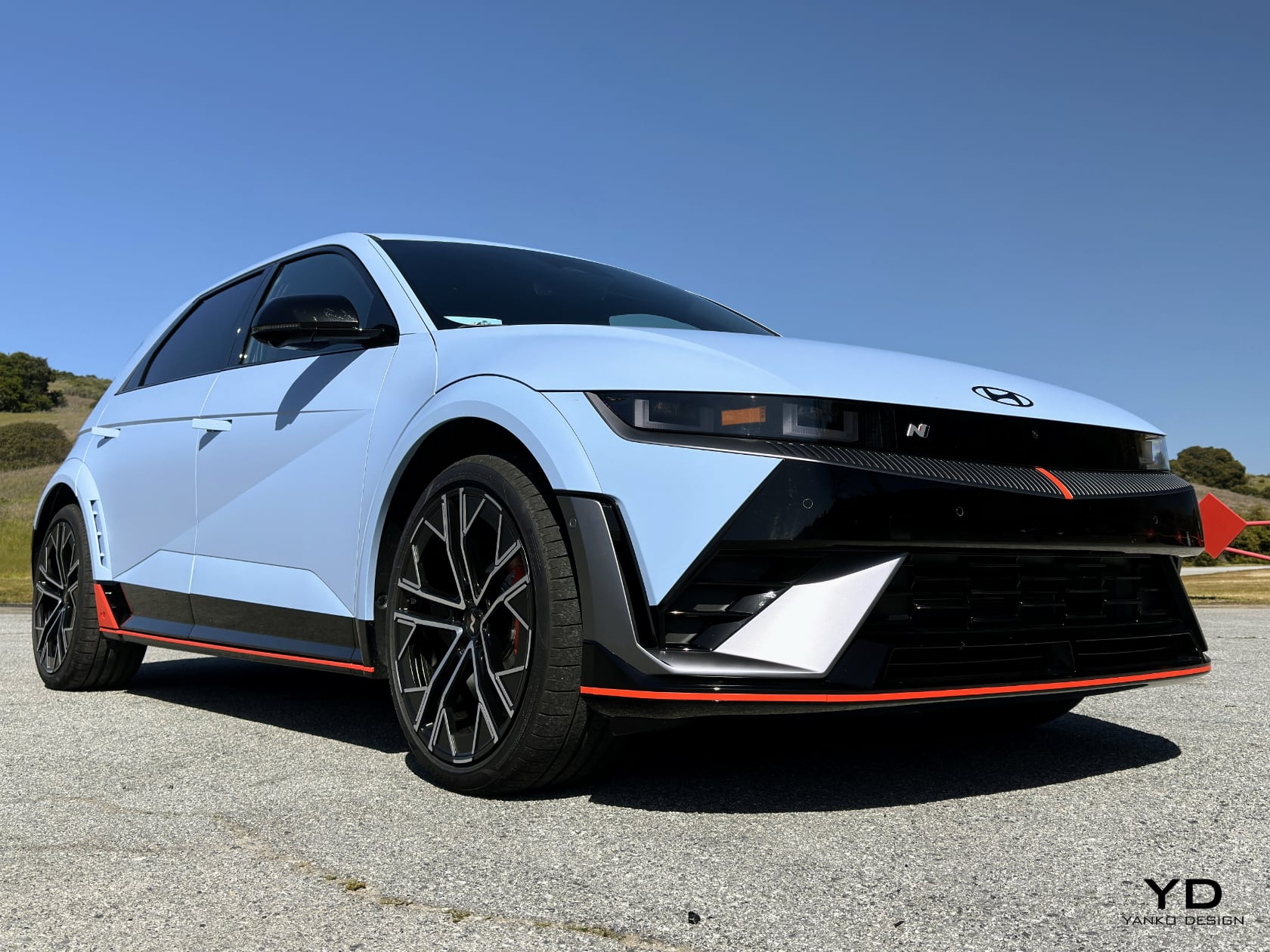
Welcome to Mobile Monday! Today, we’re shifting gears to explore a larger “mobile” experience—one on the road rather than in our hands. We’re diving into the world of high-performance electric vehicles with Hyundai’s Ioniq 5 N. This car seamlessly merges high performance with everyday practicality, setting a new benchmark for electric vehicles. It shines on the racetrack and excels in daily use, making it a standout in the electric vehicle market. Its design reflects a bold, forward-thinking approach, combining cutting-edge technology with sleek, modern aesthetics. Integrating advanced driver-assistance systems and customizable driving modes ensures that the Ioniq 5 N can adapt to various driving conditions, offering a versatile experience. Moreover, Hyundai’s commitment to sustainability and performance is evident in every aspect of this vehicle, from its powerful electric motors to its aerodynamic design features.
Designer: Hyundai
Exterior and Interior Design
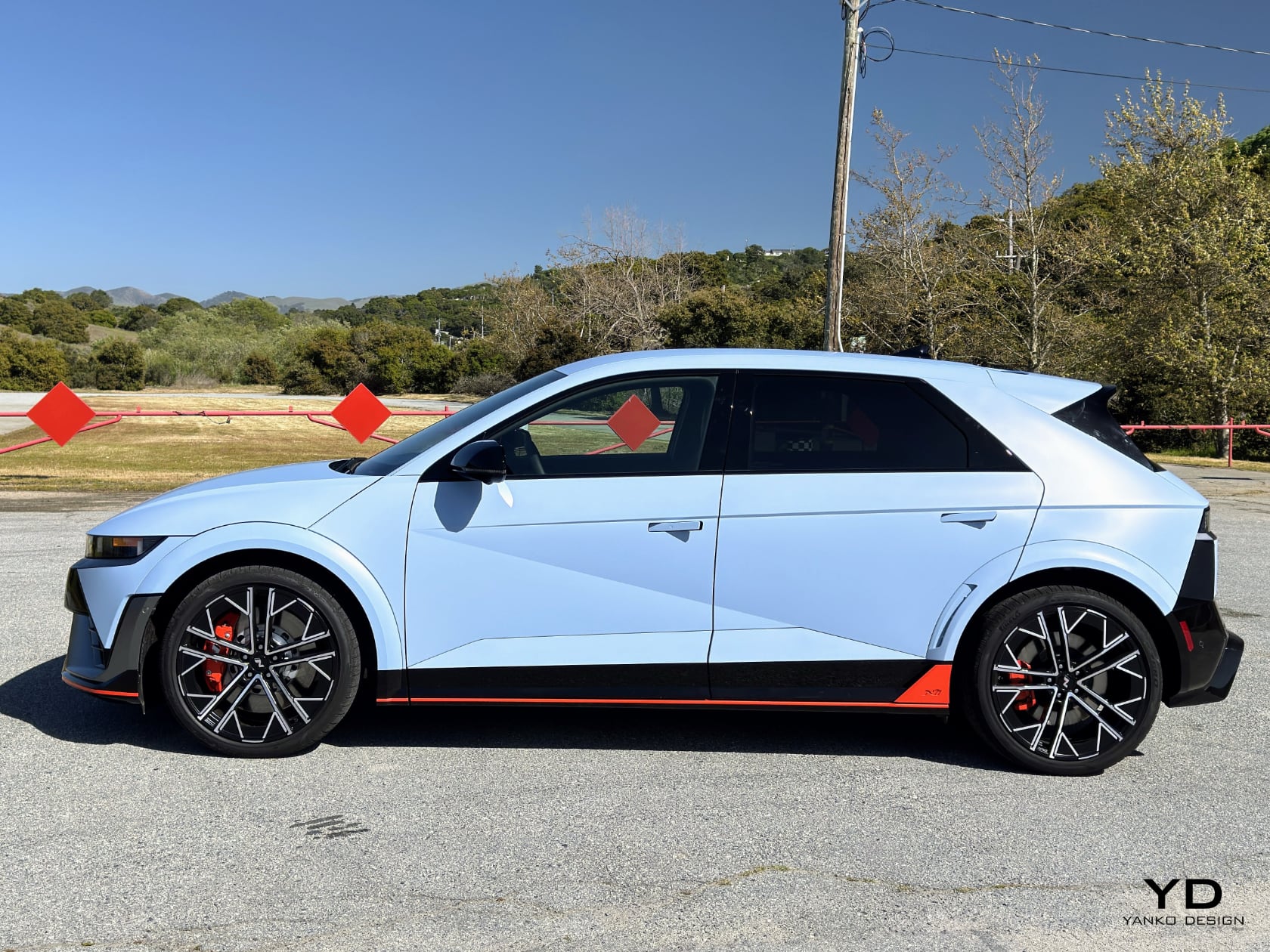
Hyundai IONIQ 5 N
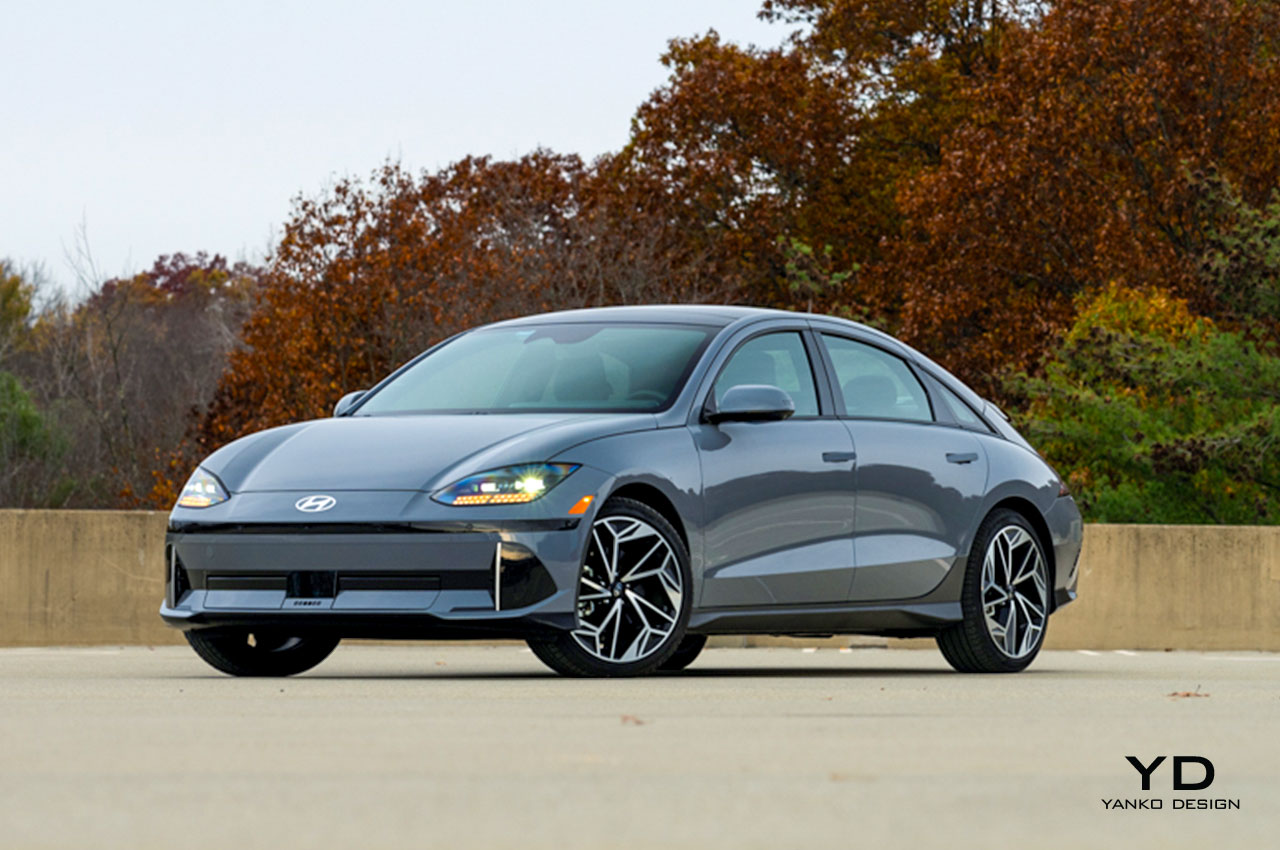
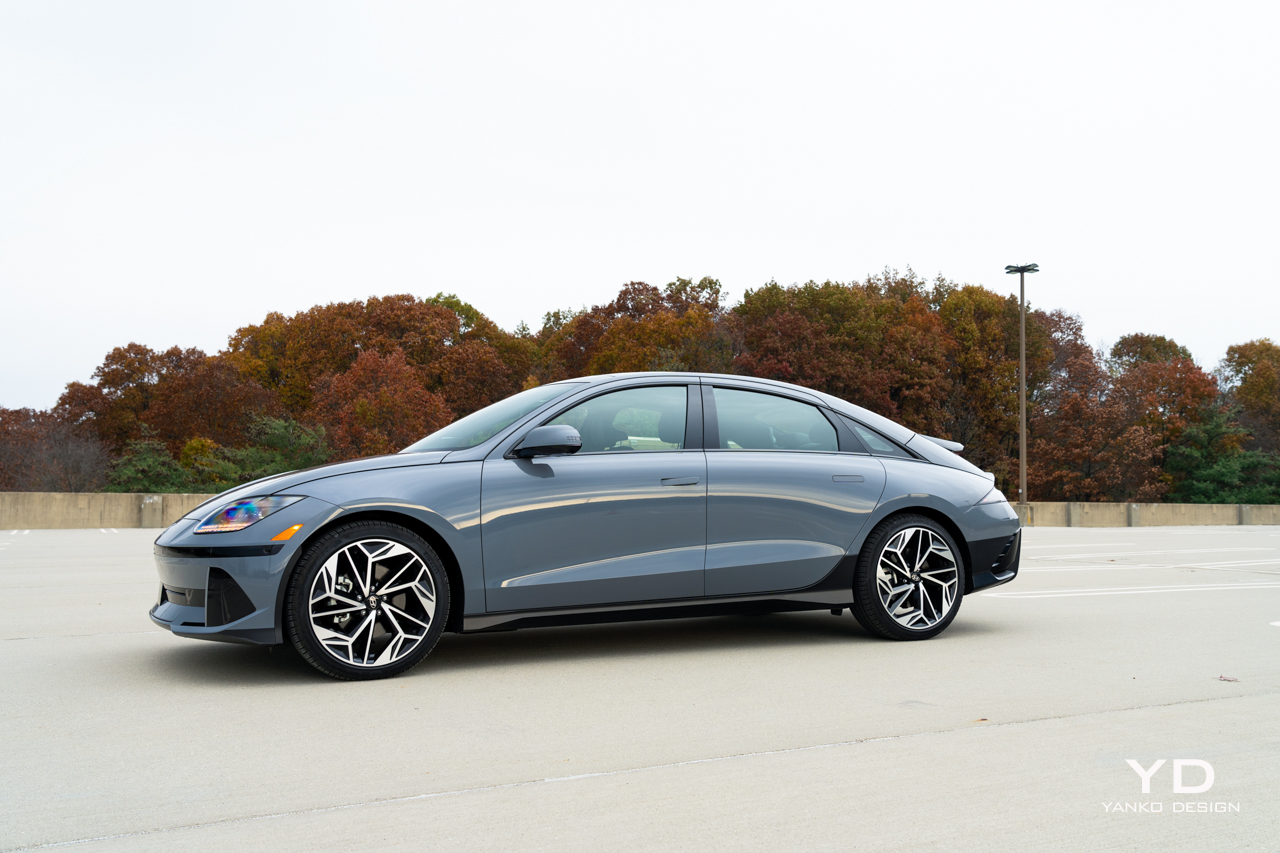
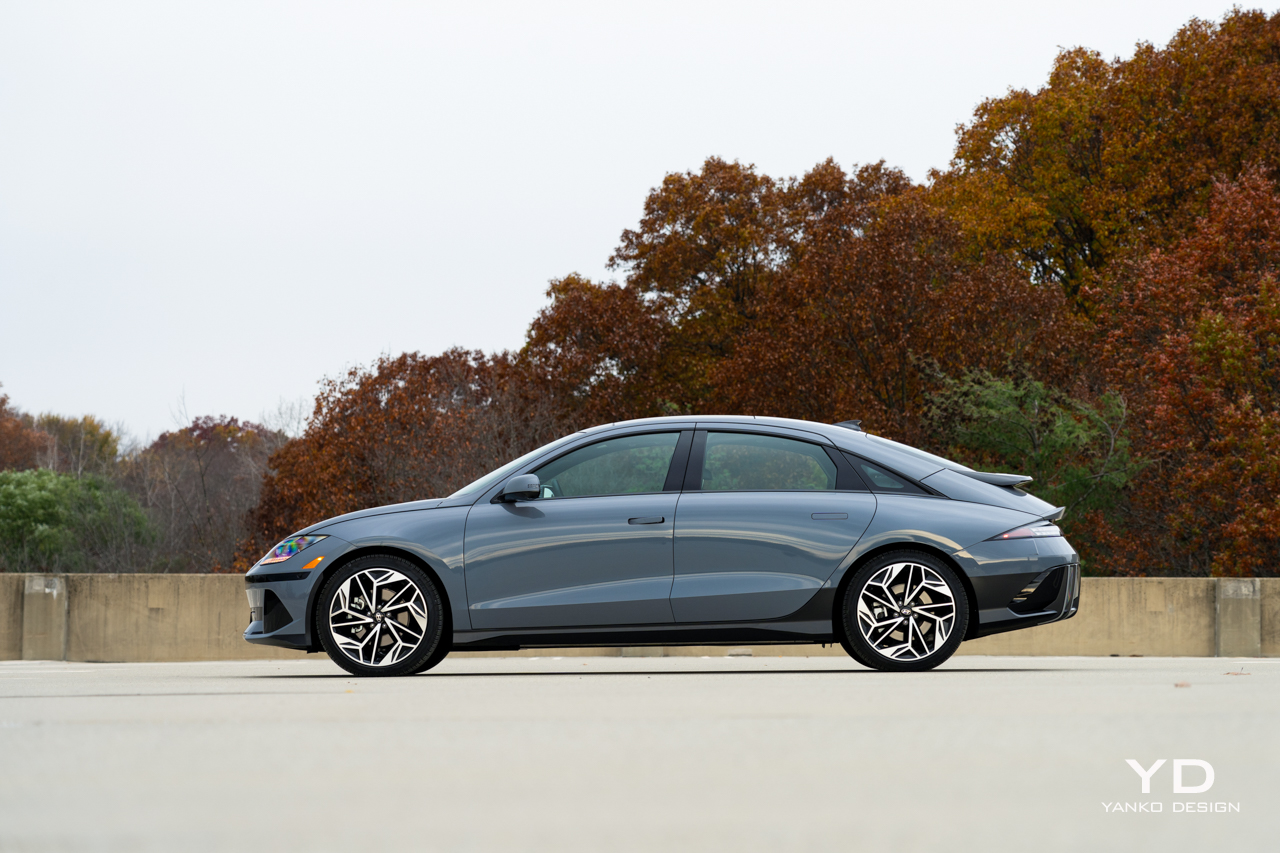
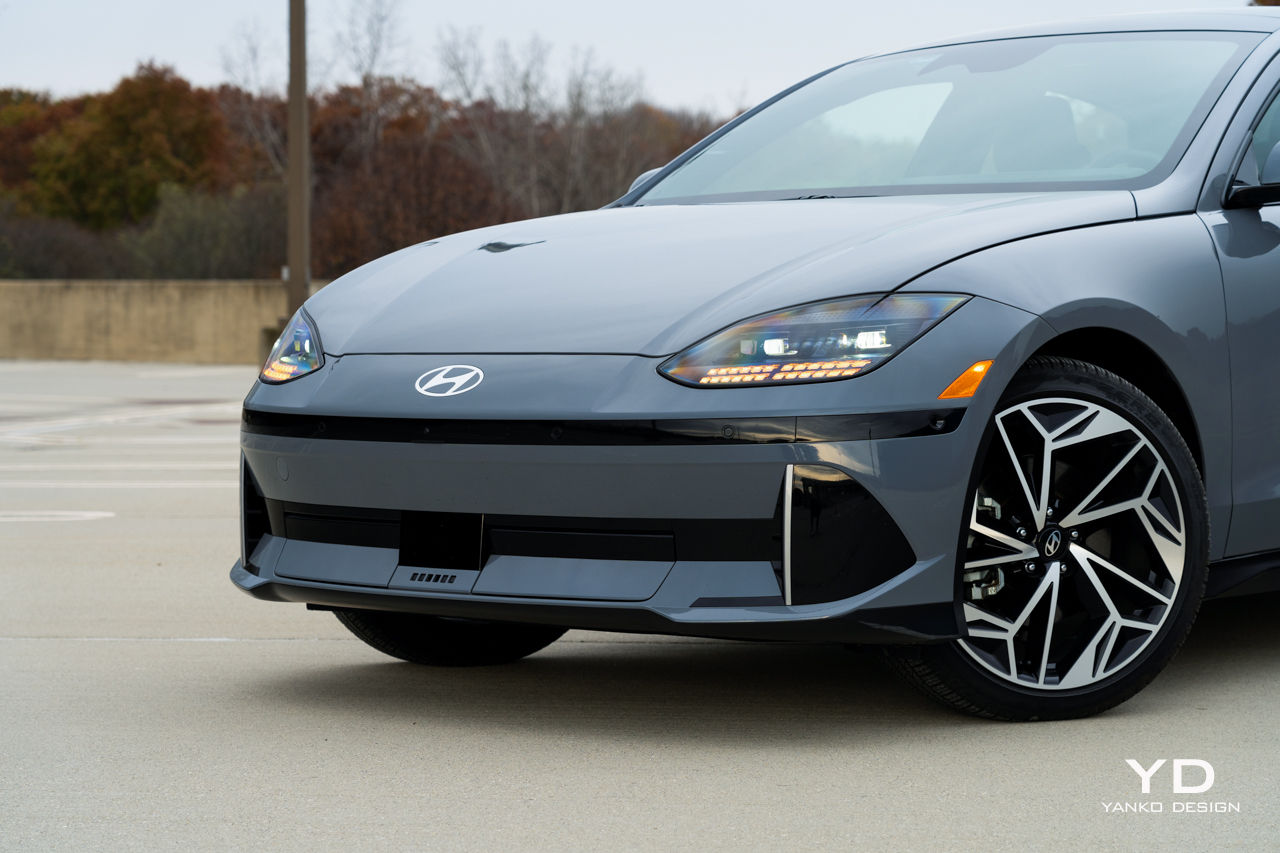
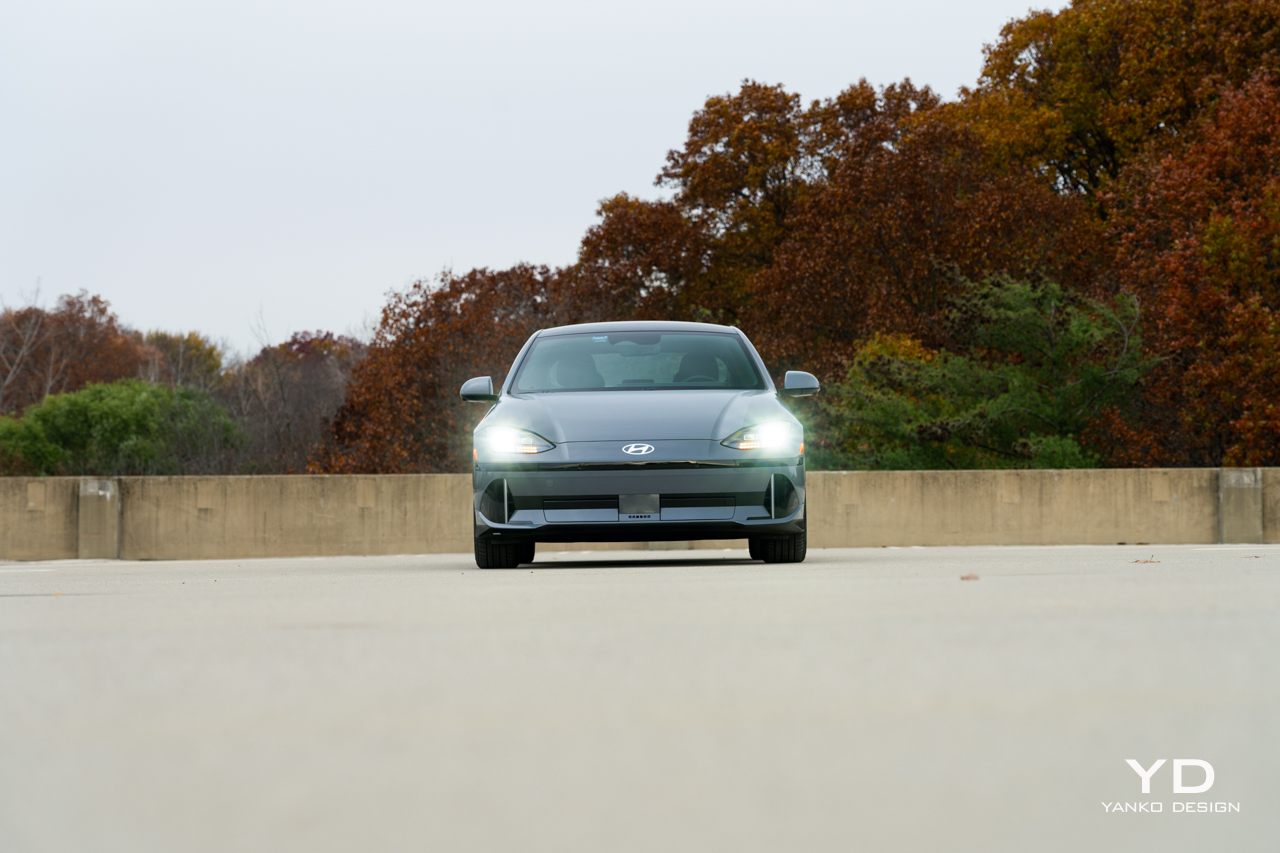
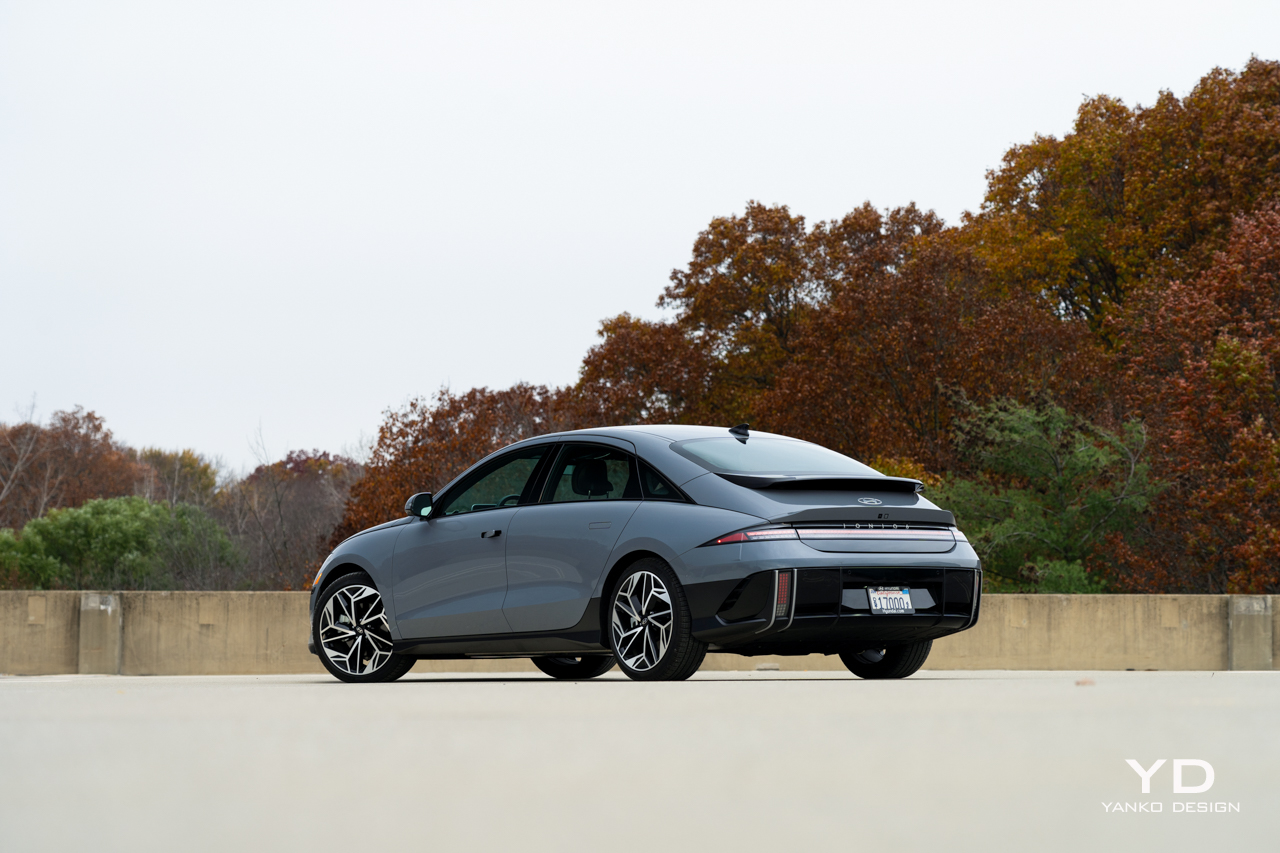
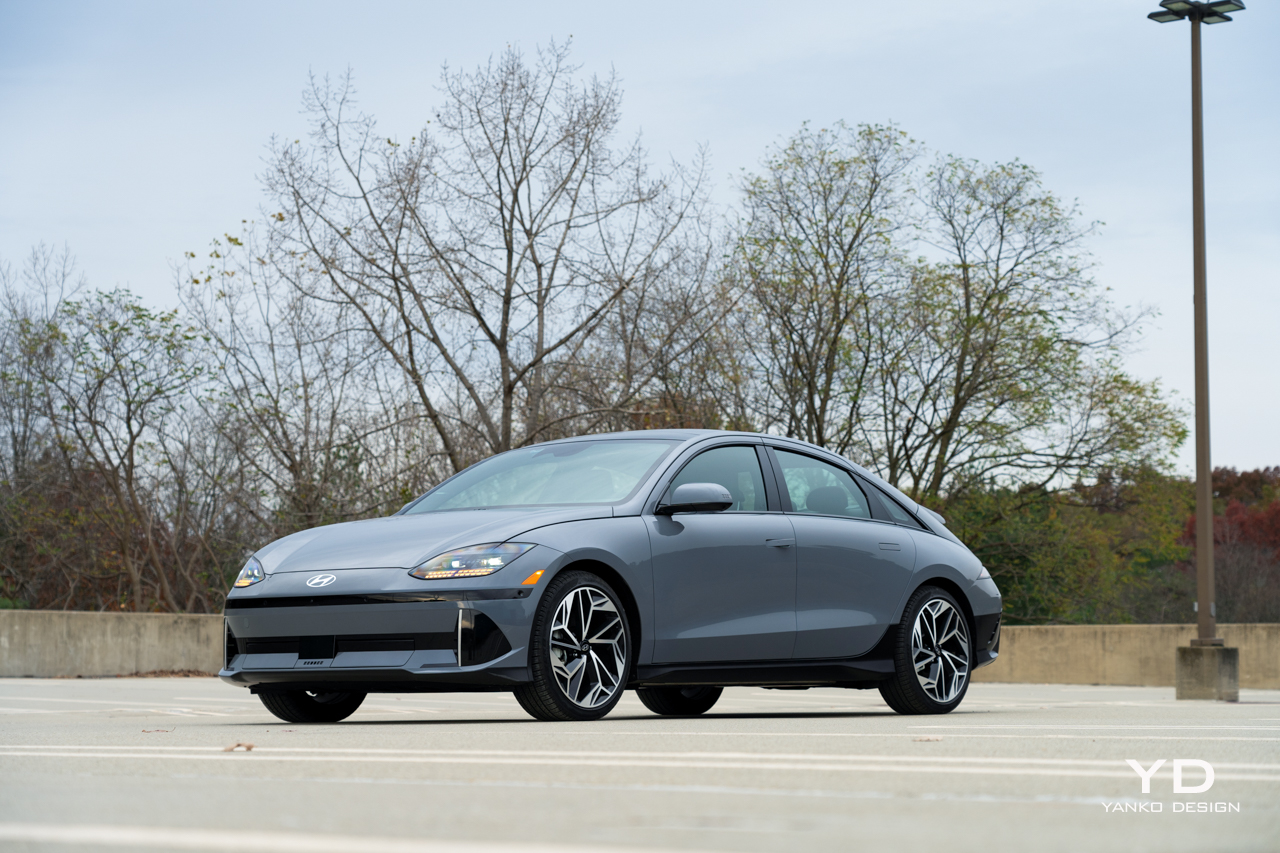
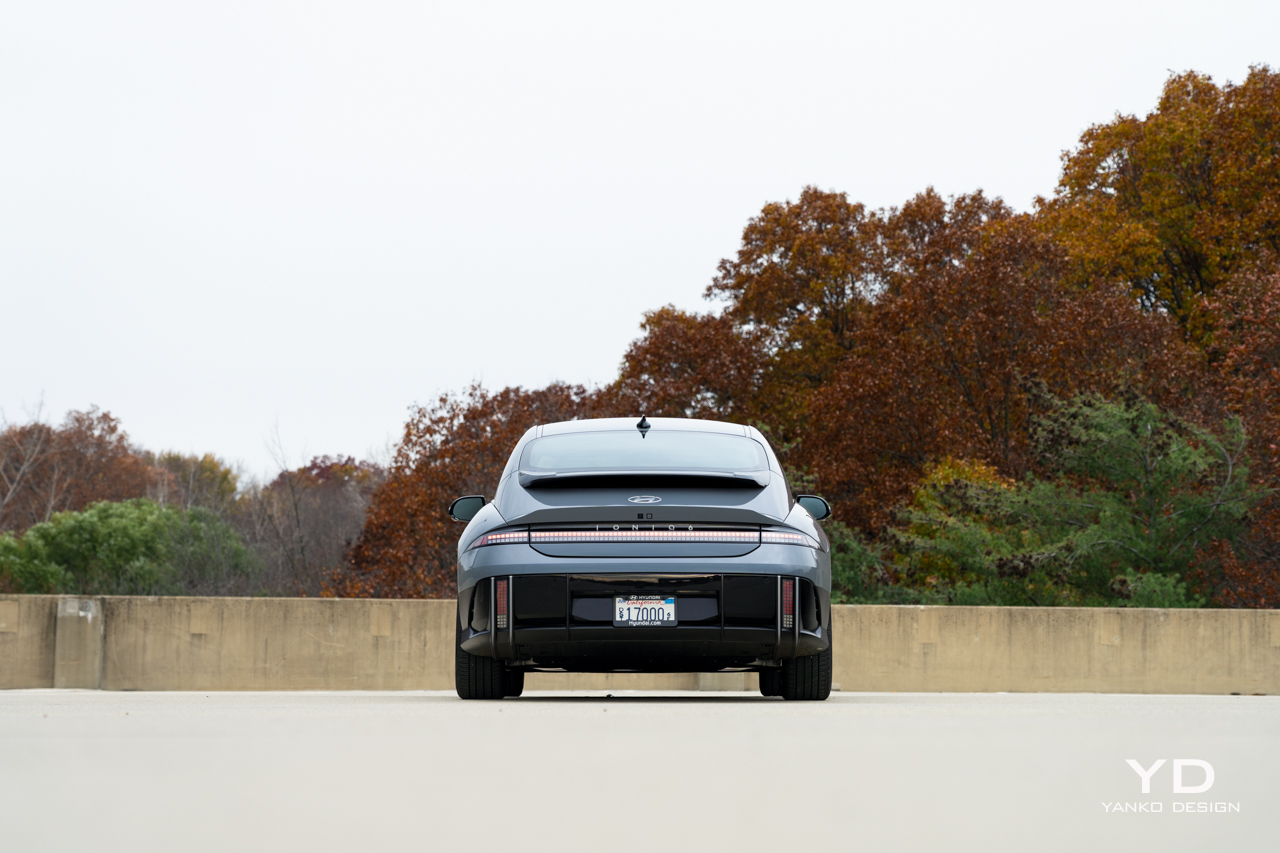
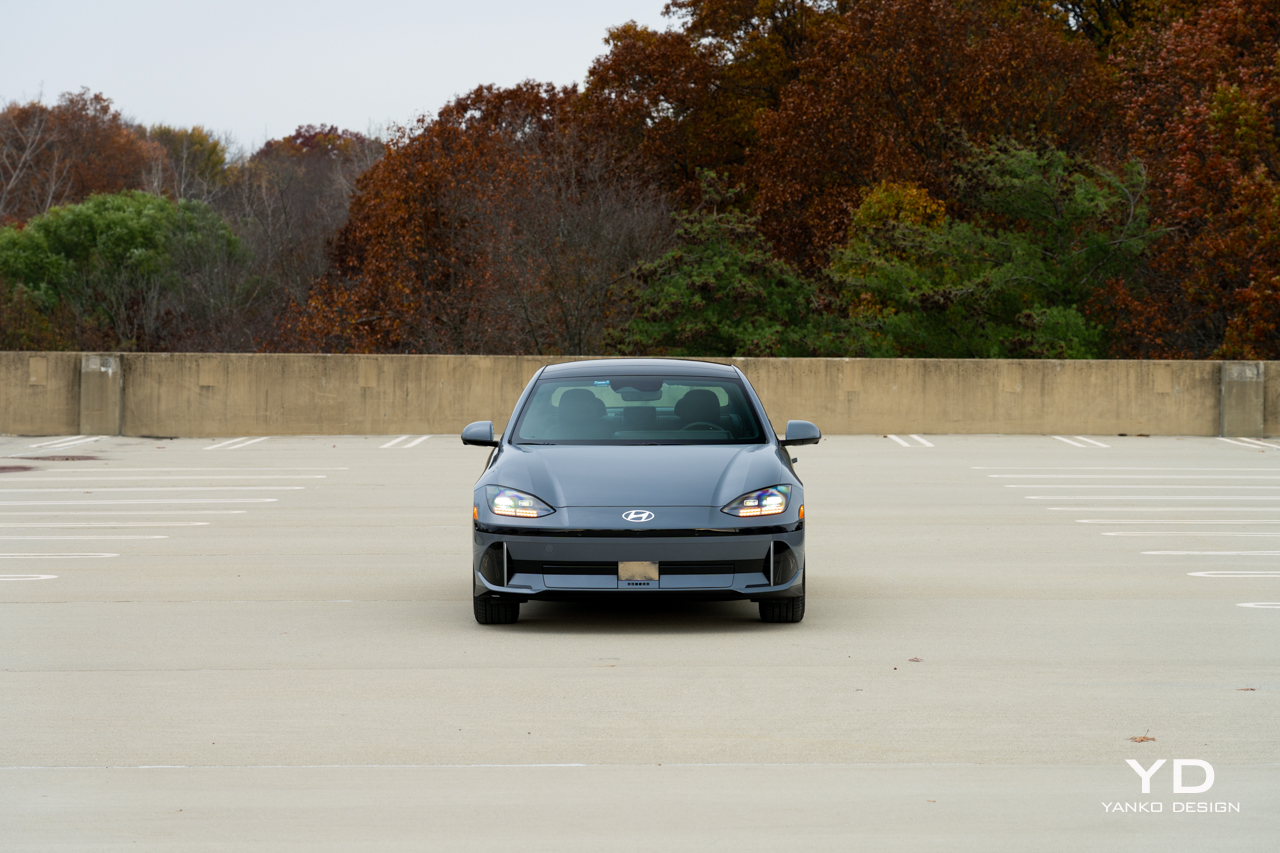
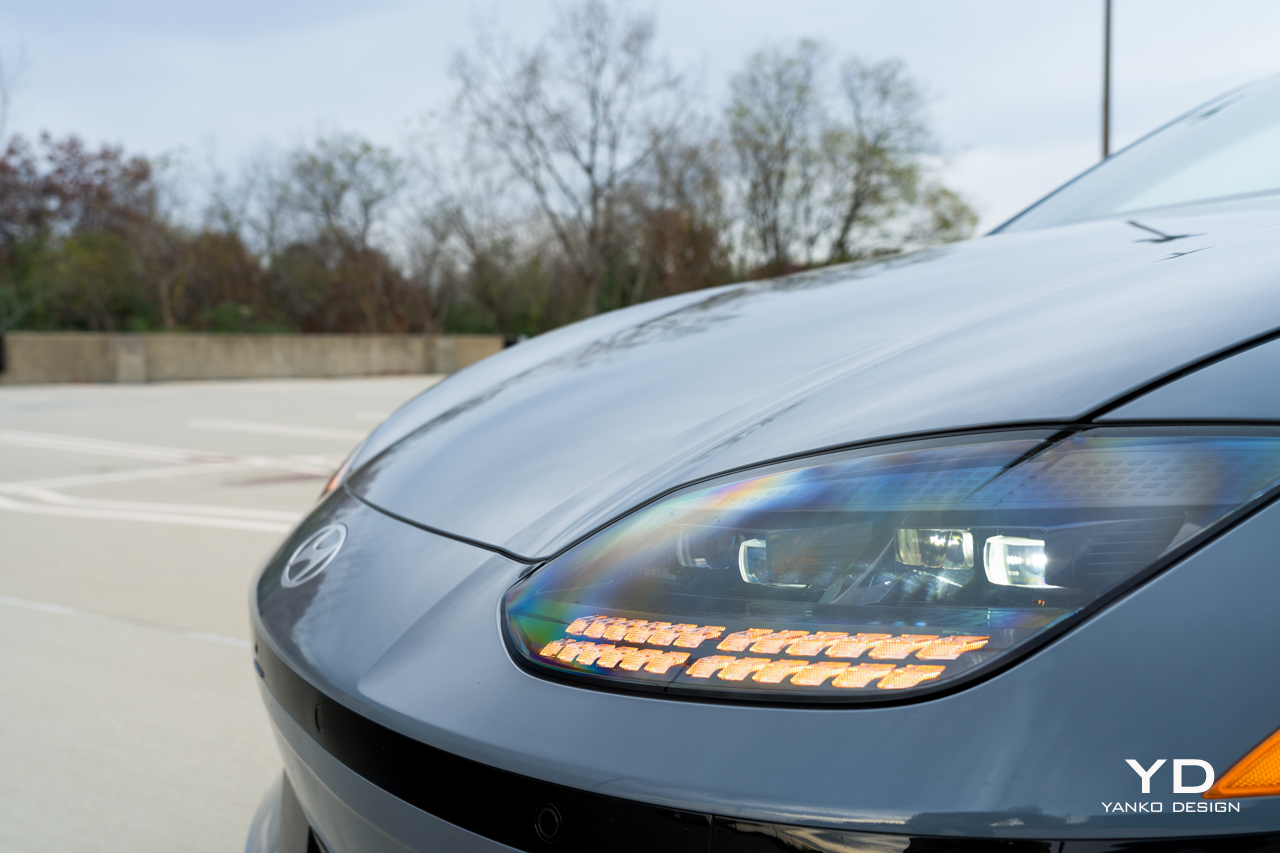
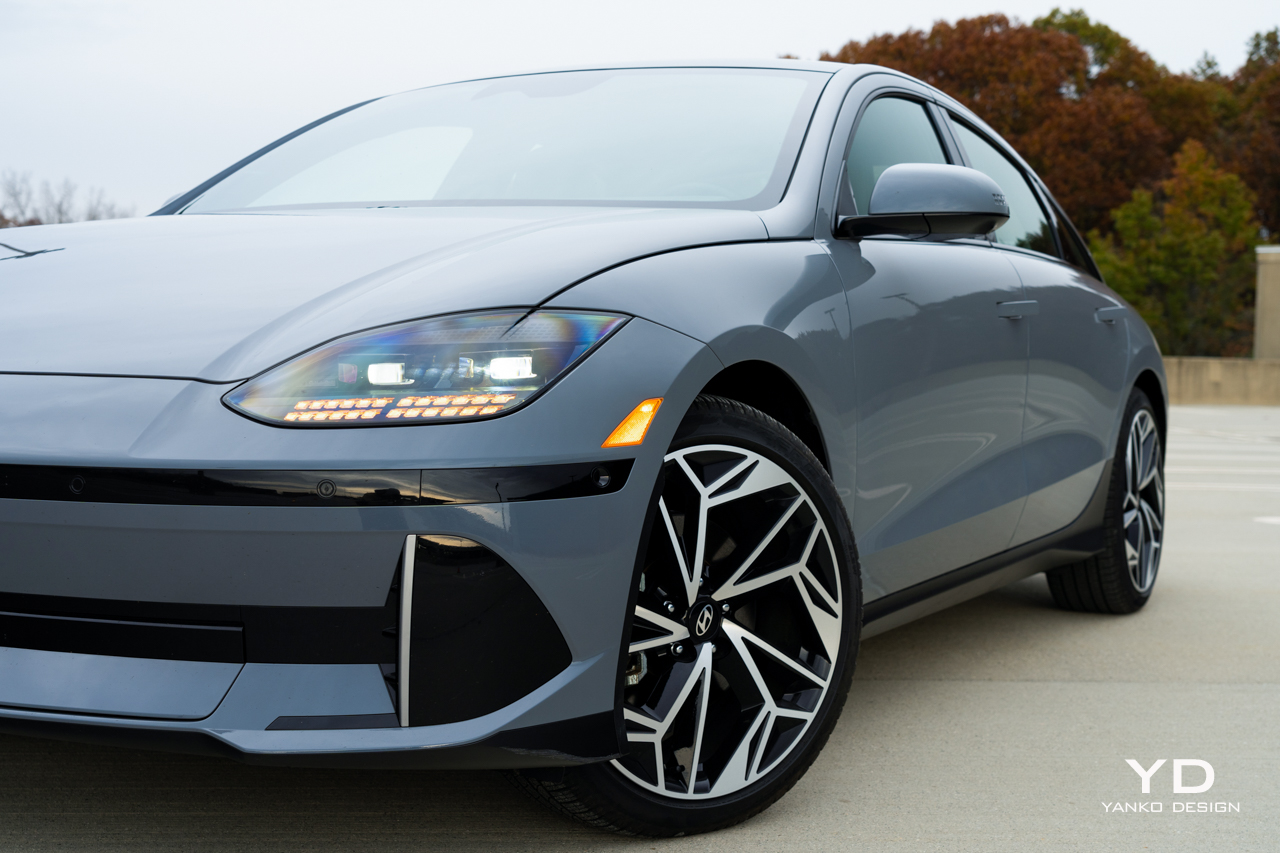
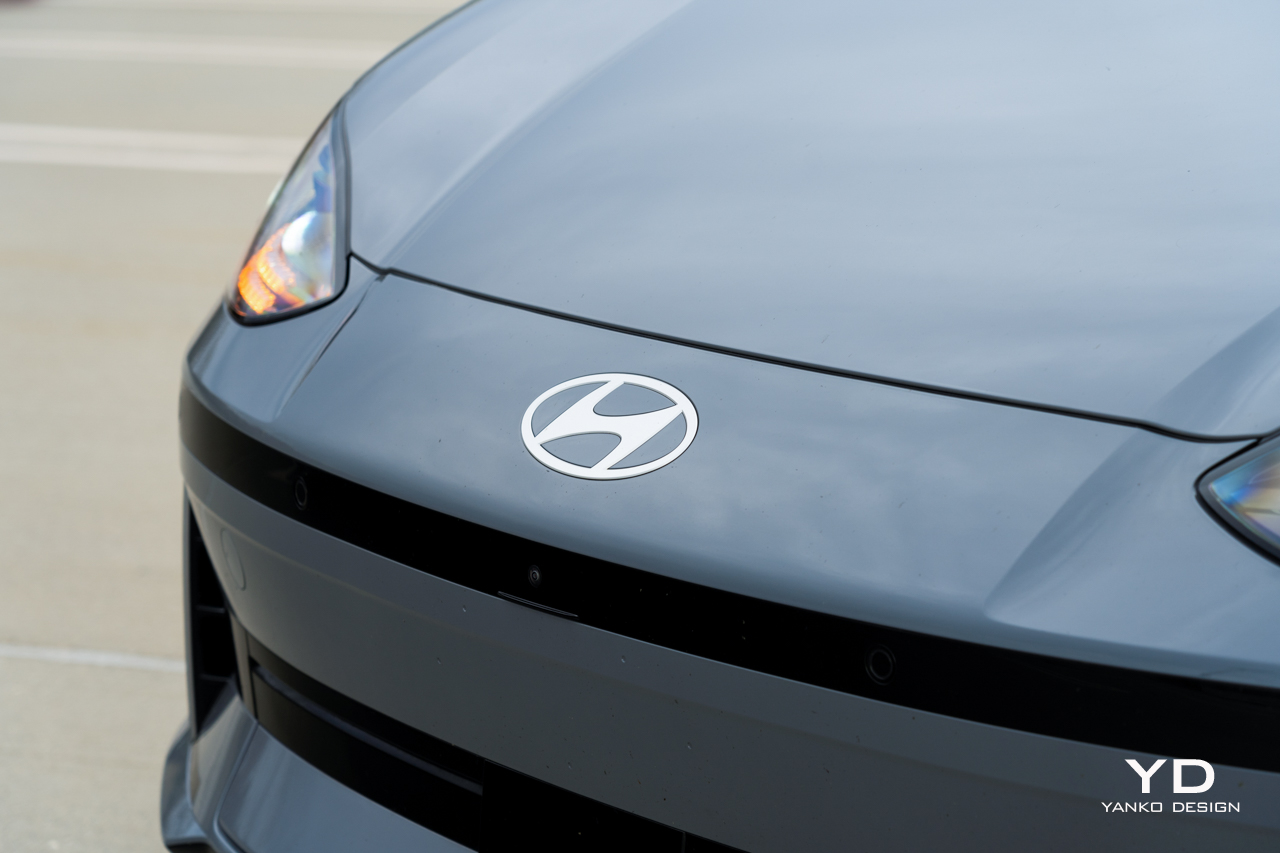
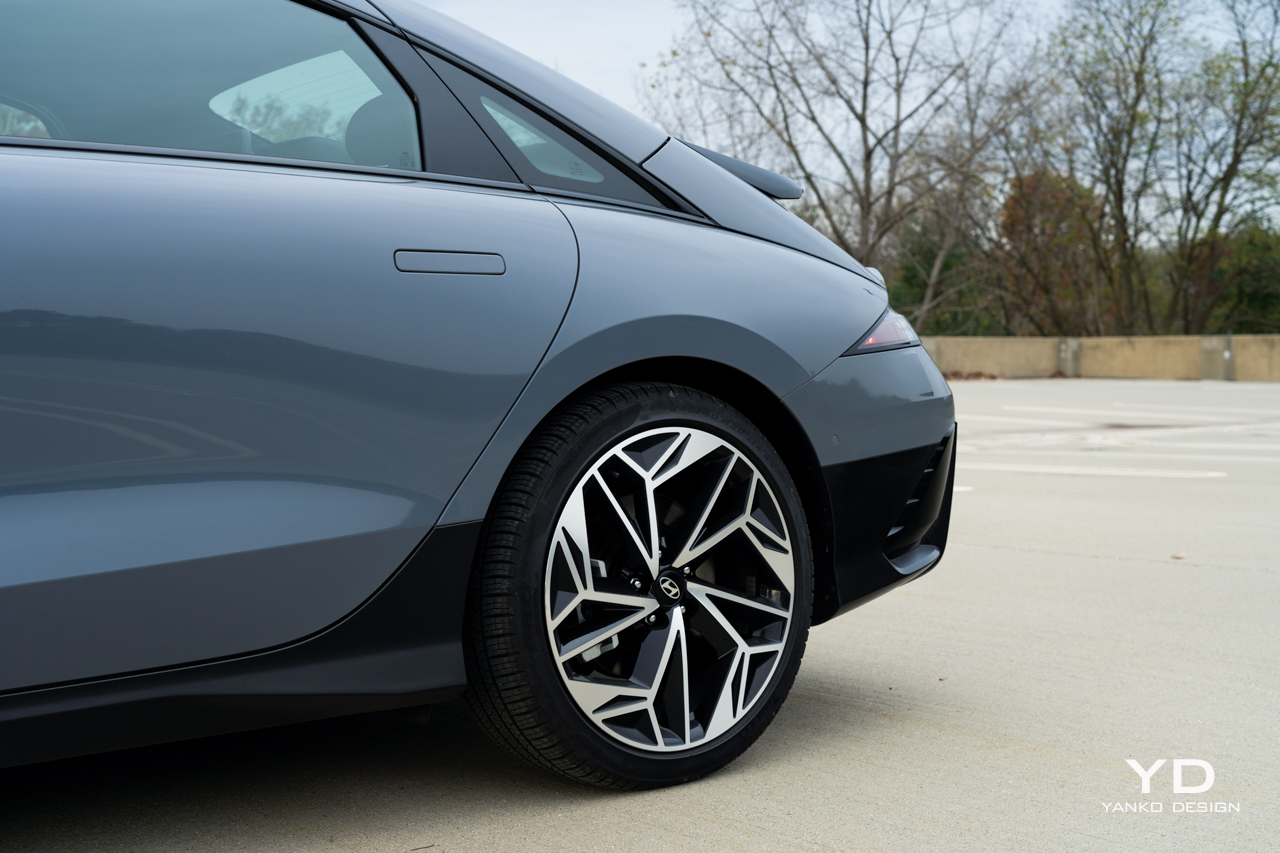
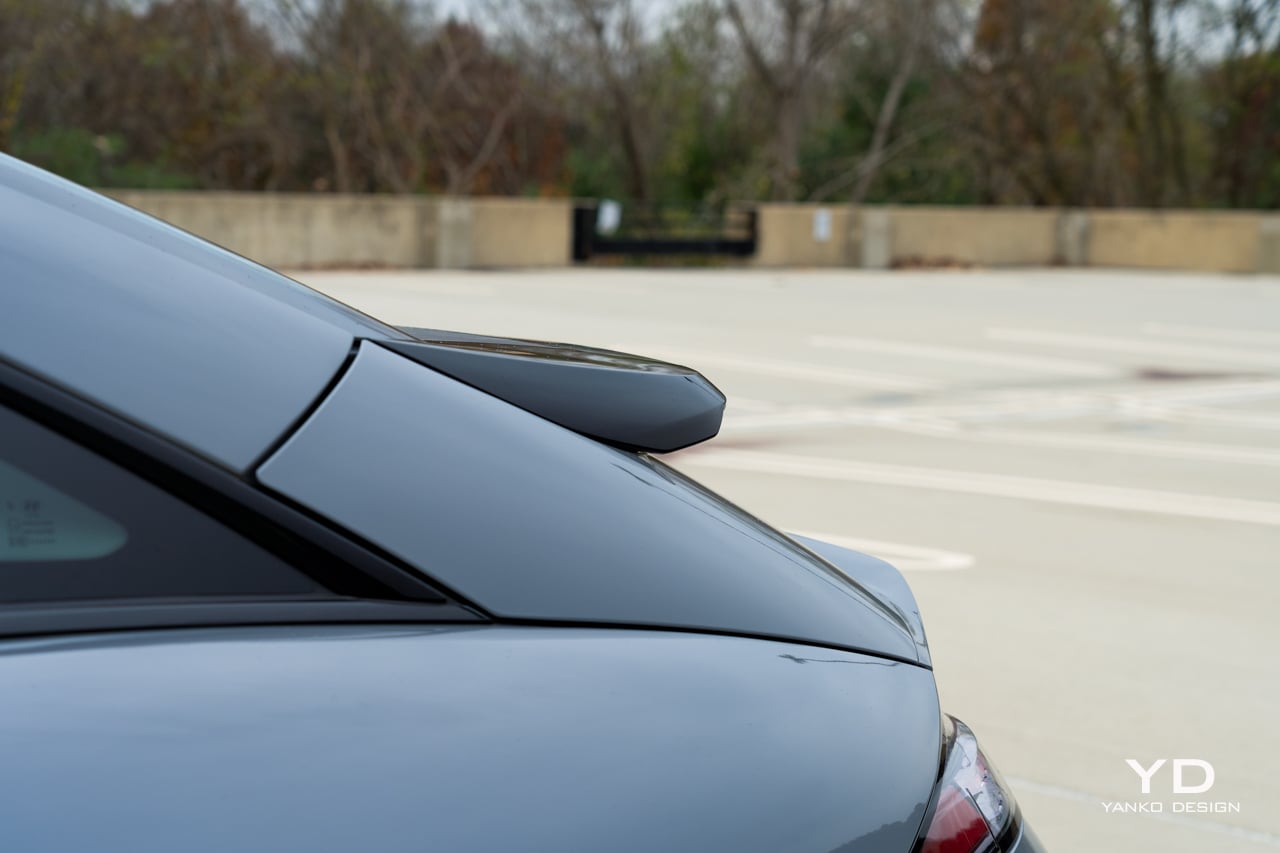
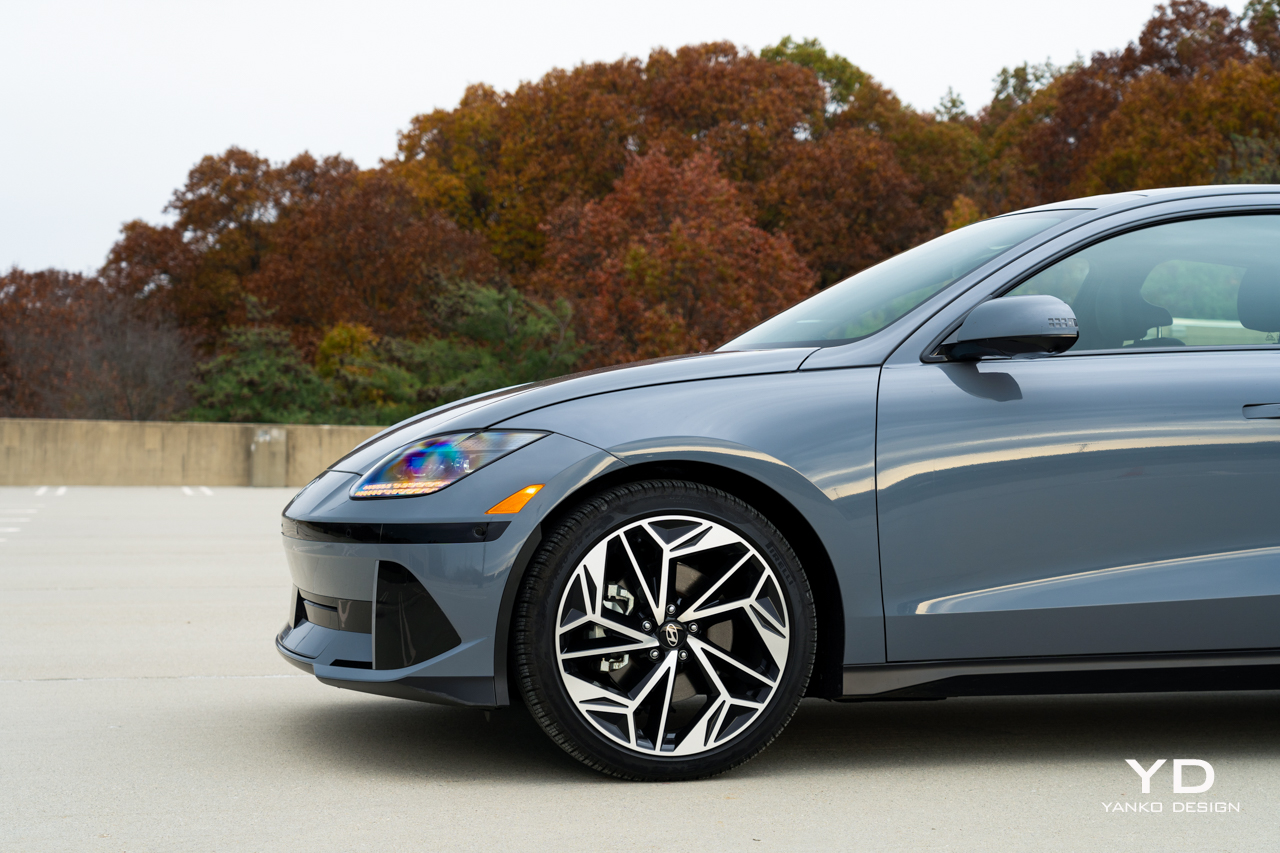
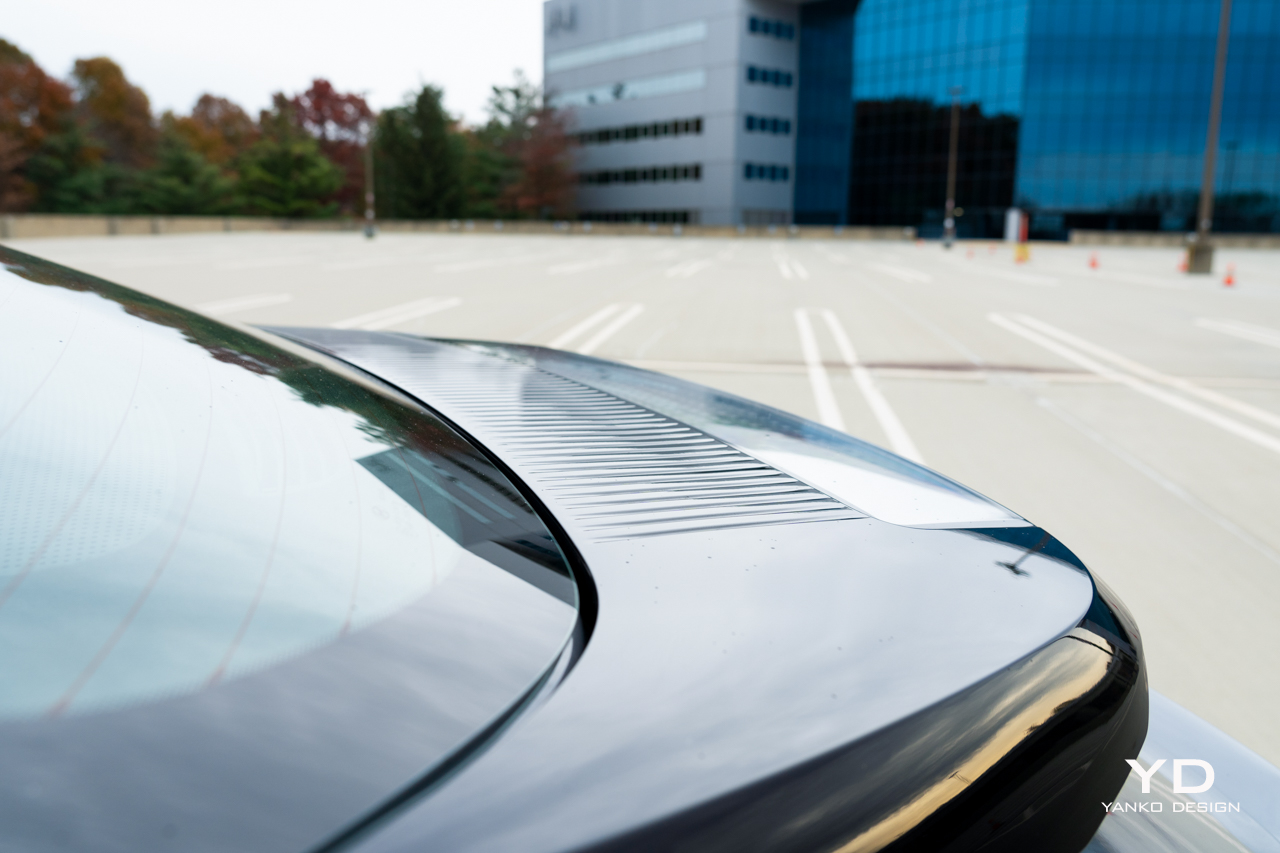
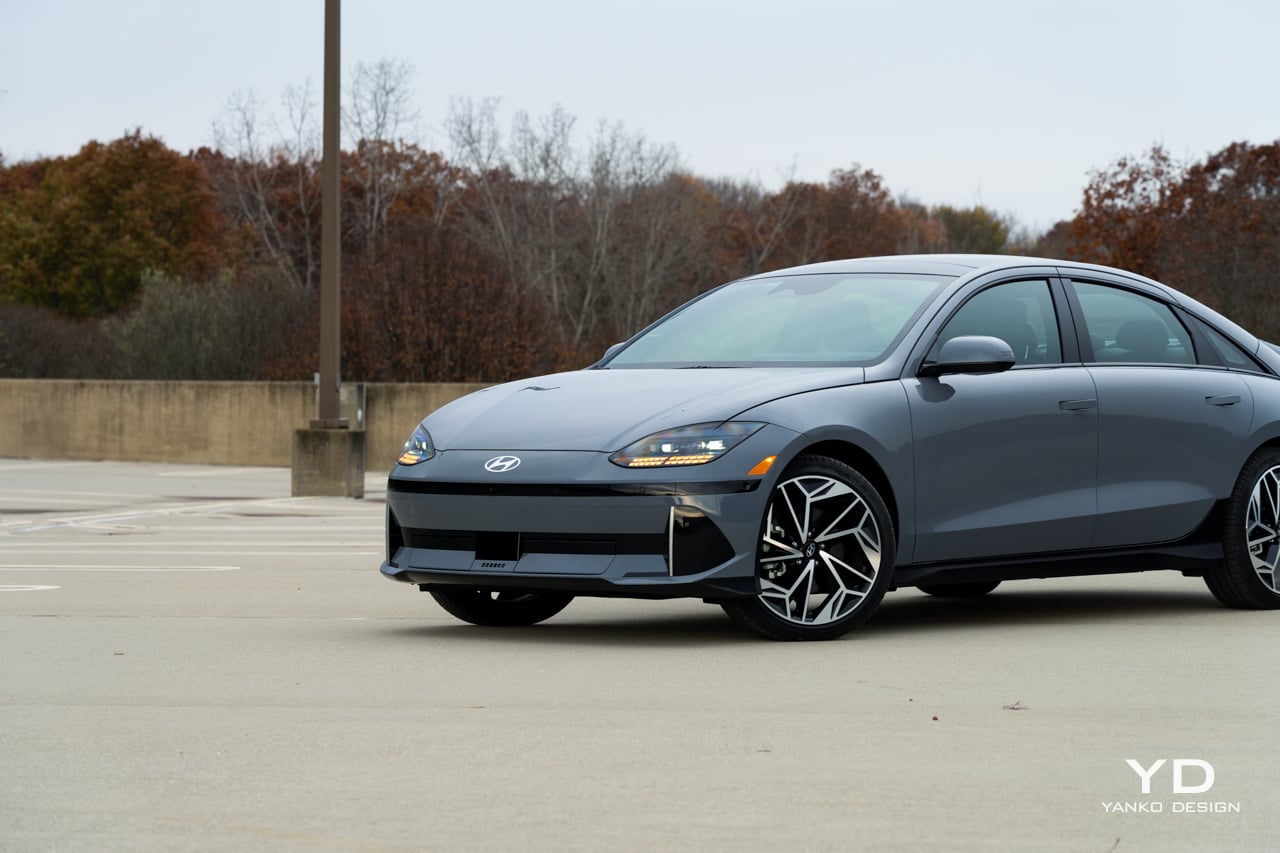
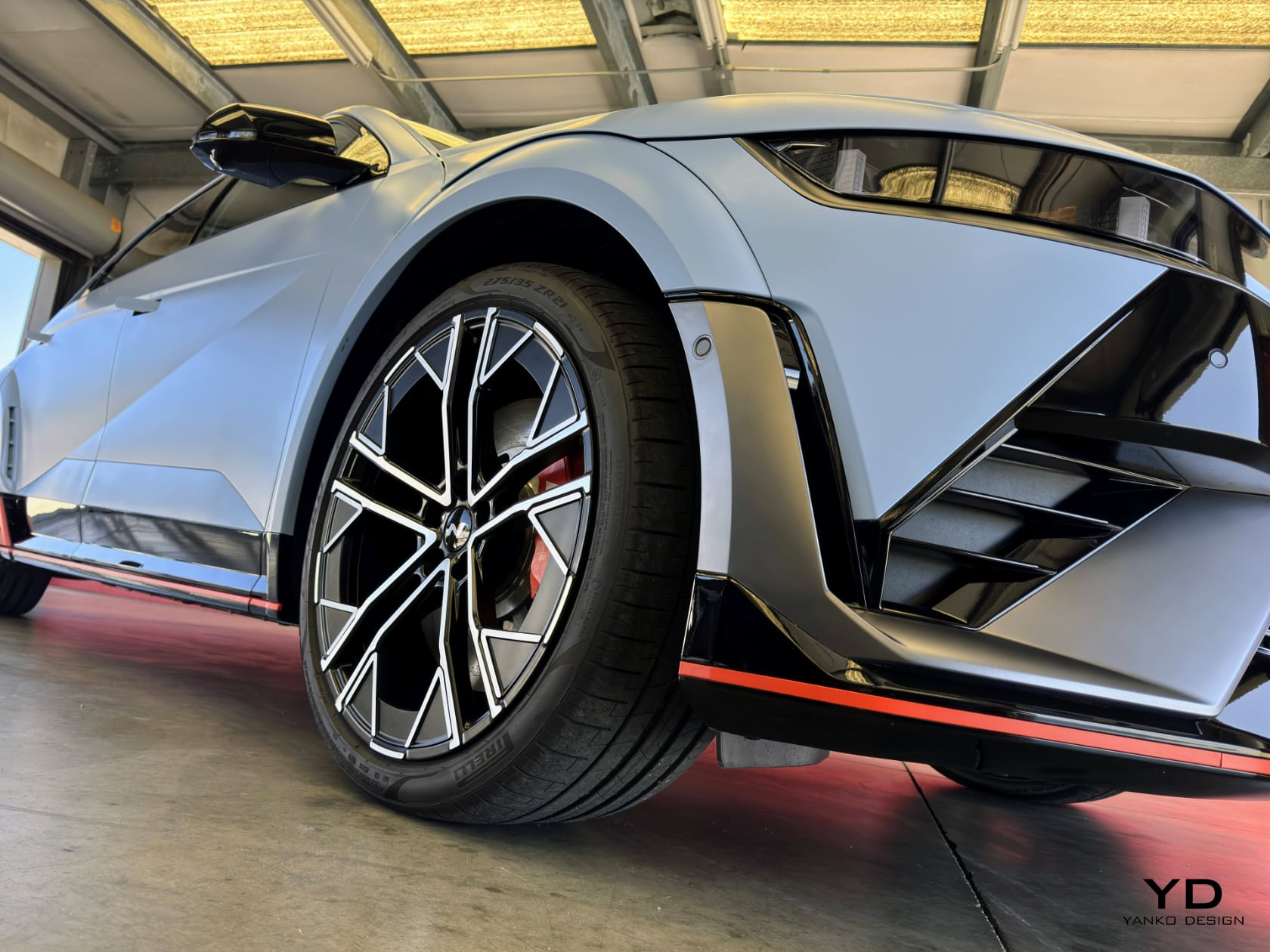
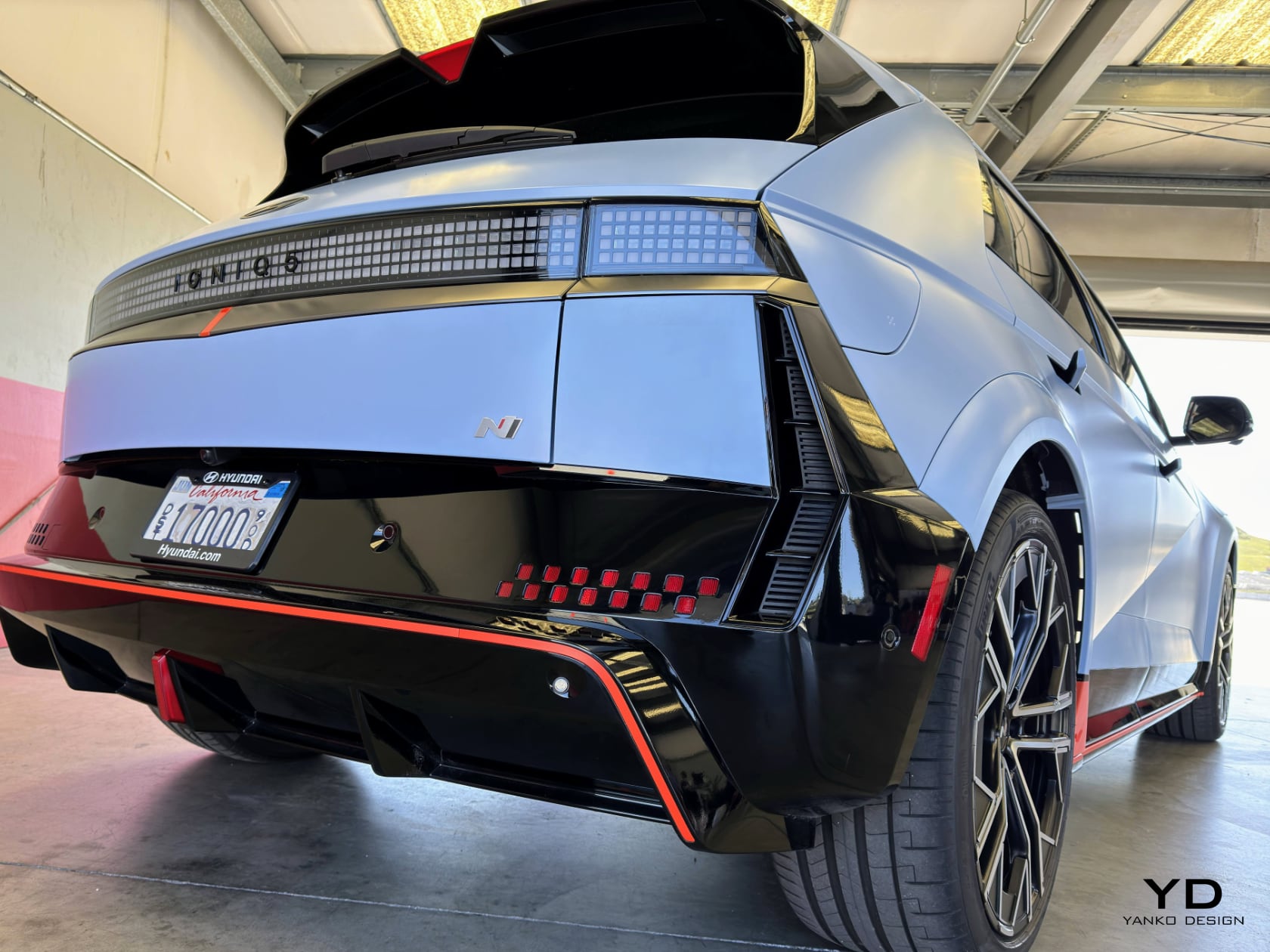
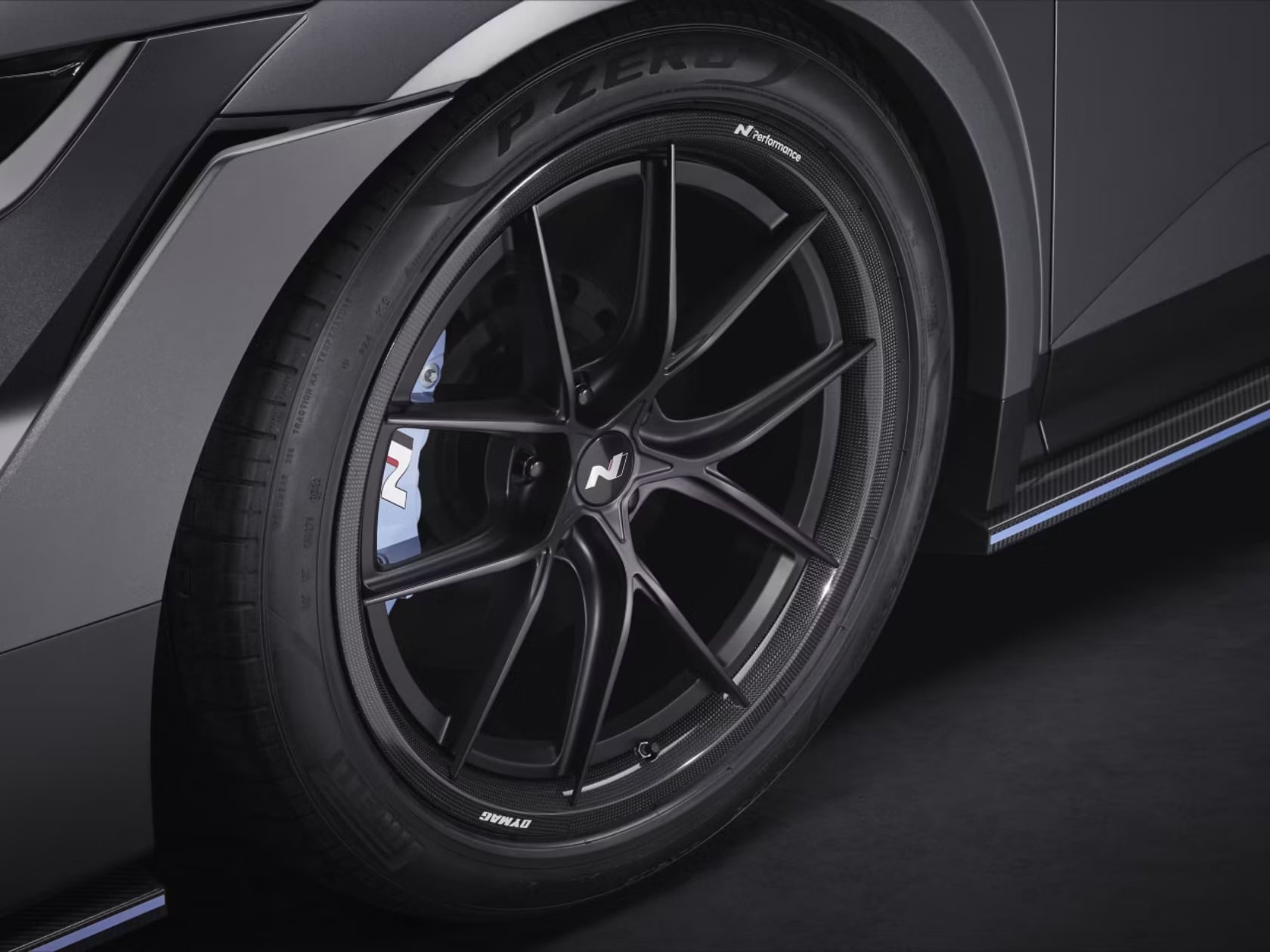
The Ioniq 5 N boasts a sleek, aggressive design that combines style and functionality. Its bold, open front grille enhances cooling, while active air flaps and air curtains improve aerodynamics. The car’s wider stance, complemented by pronounced fender flares, houses larger 21-inch forged wheels with 275mm tires, offering superior grip and stability. A larger rear spoiler and rear diffuser enhance the vehicle’s sporty look and contribute to its aerodynamic efficiency. Small touches like dark emblems and a luminous orange strip add to its striking appearance.
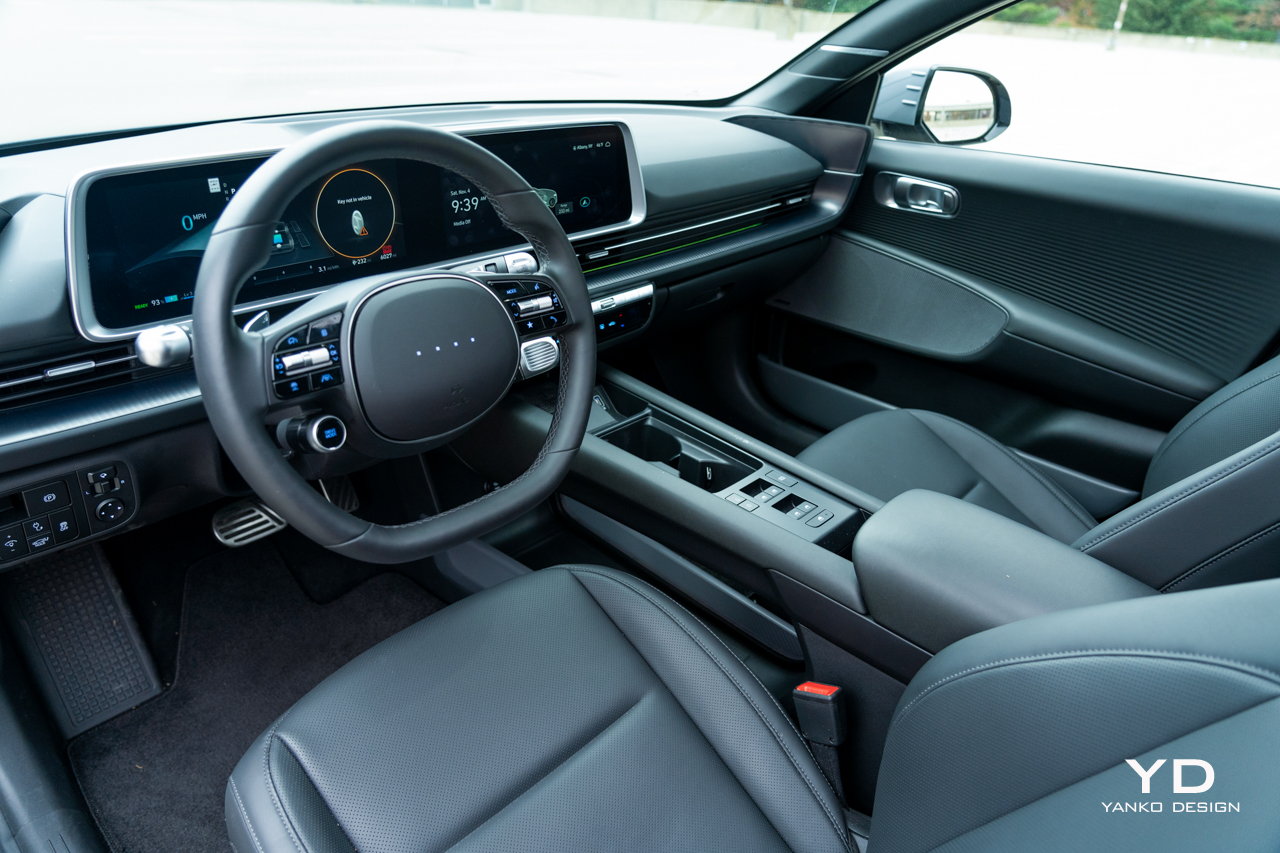
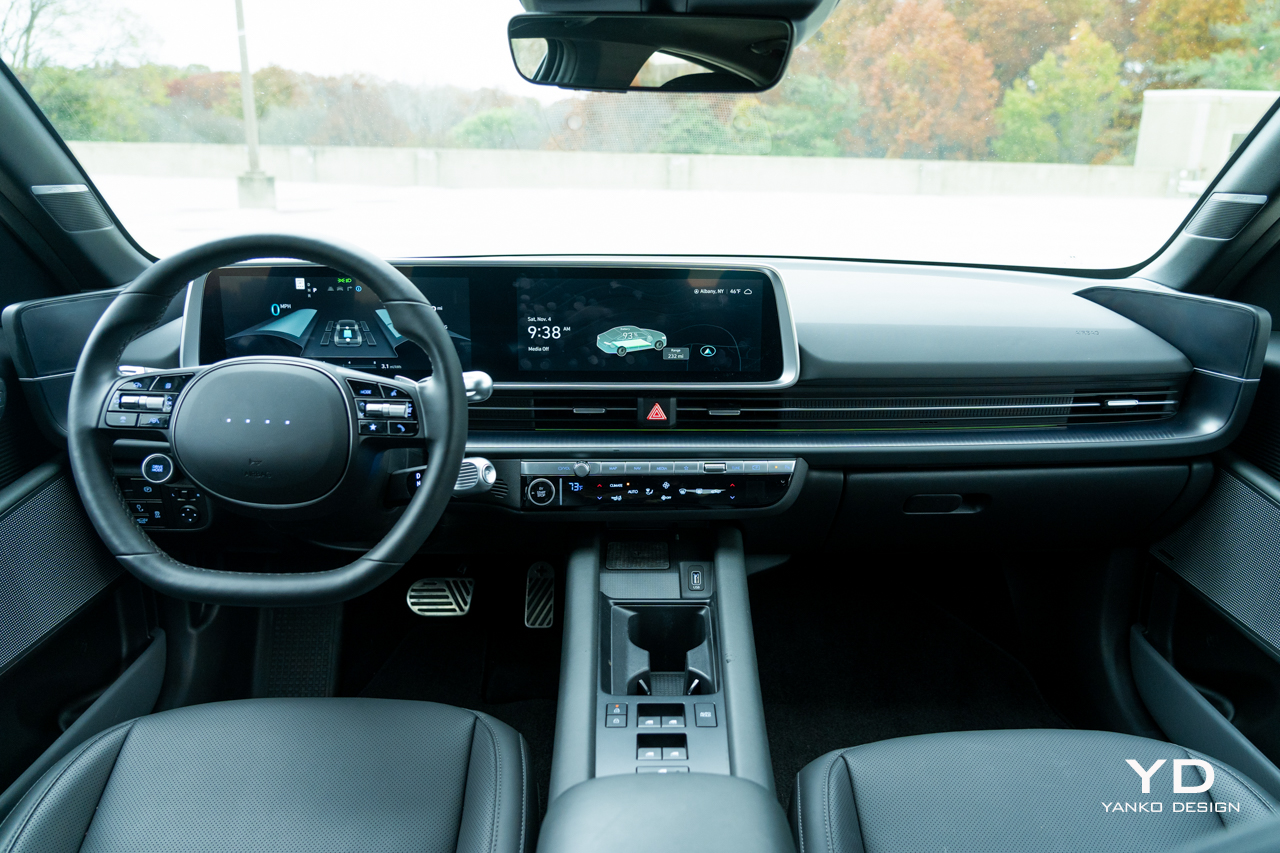
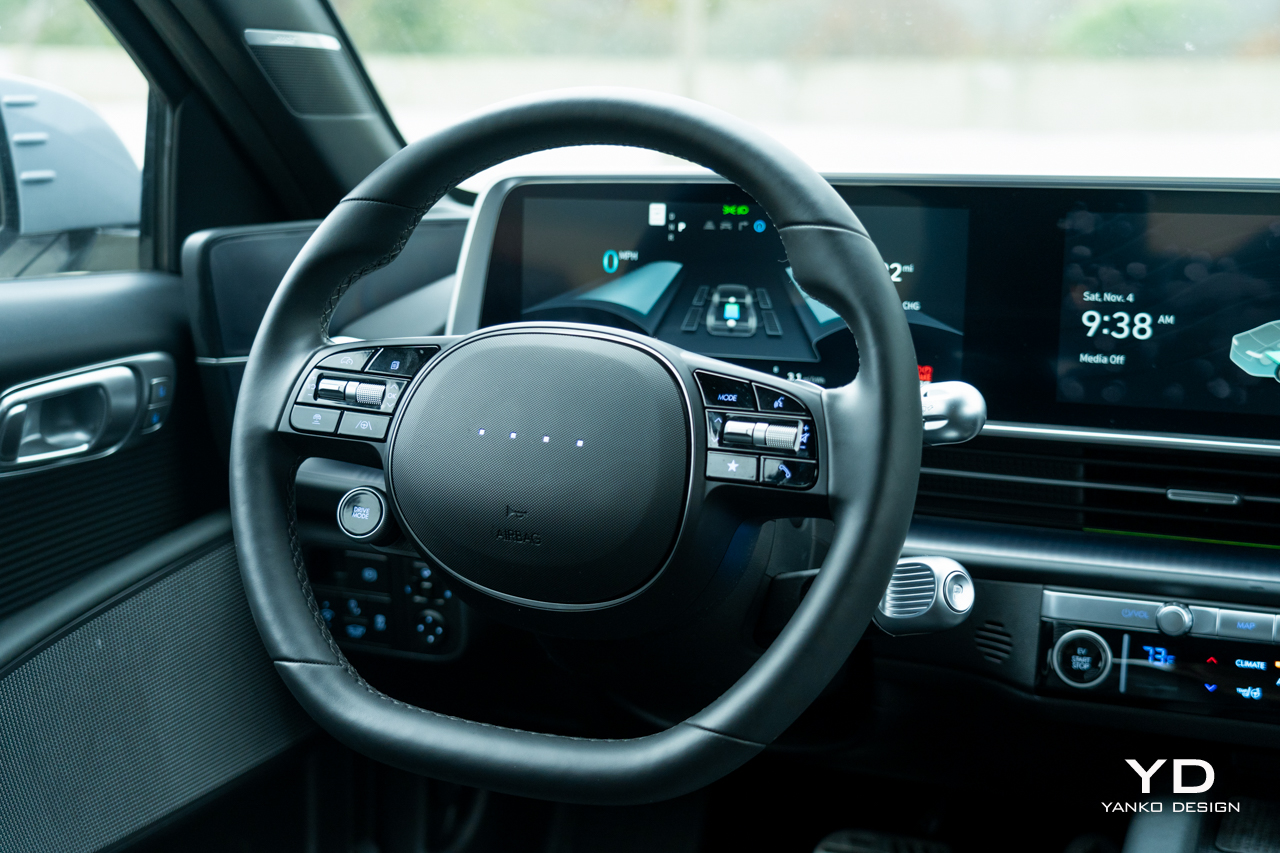
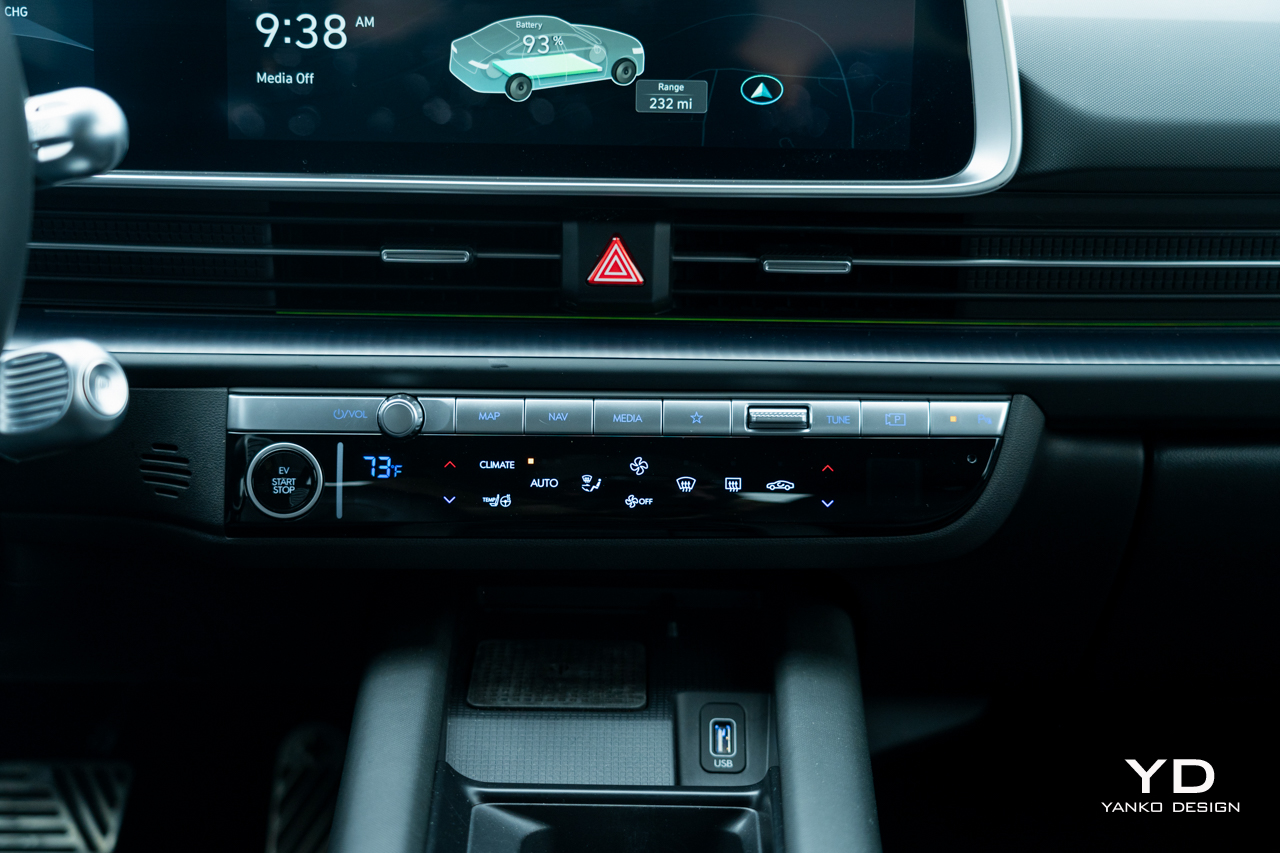
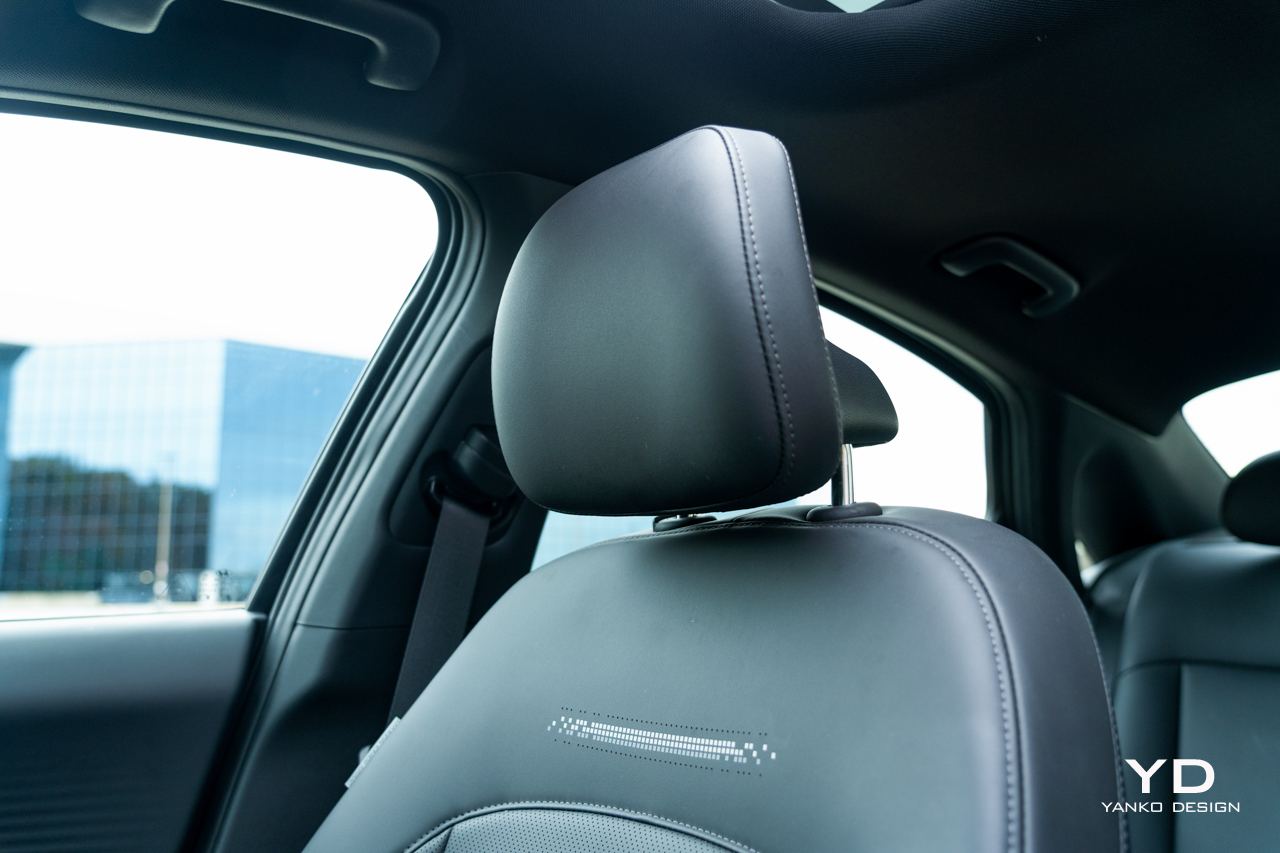
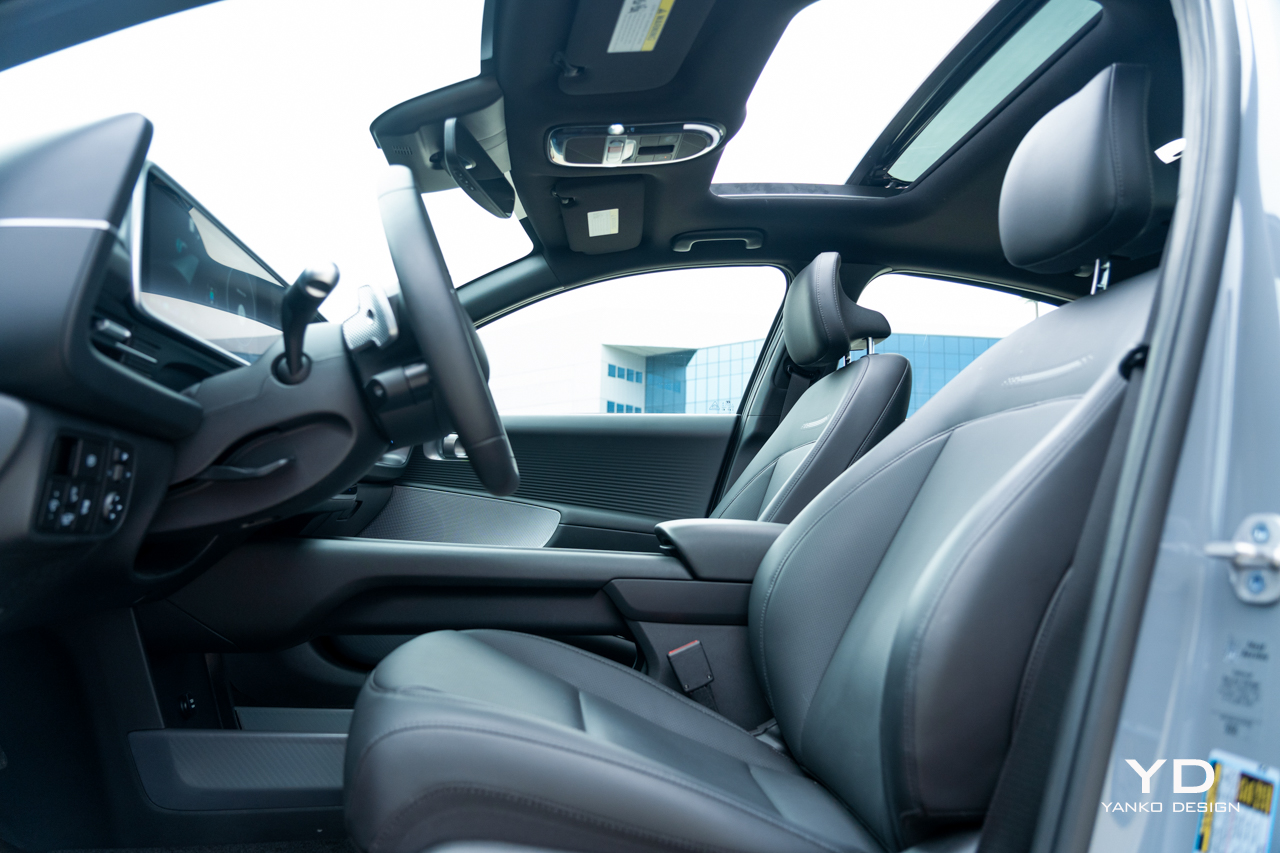
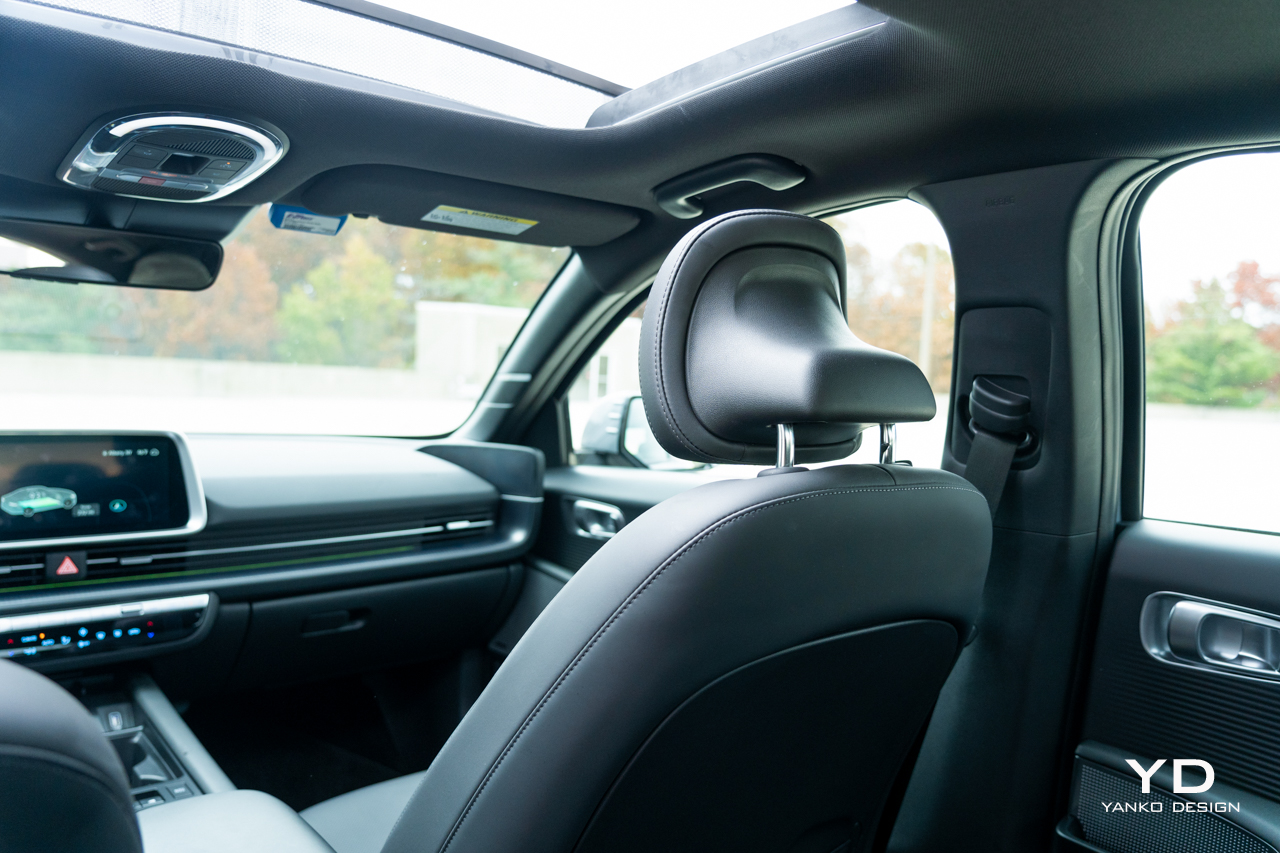
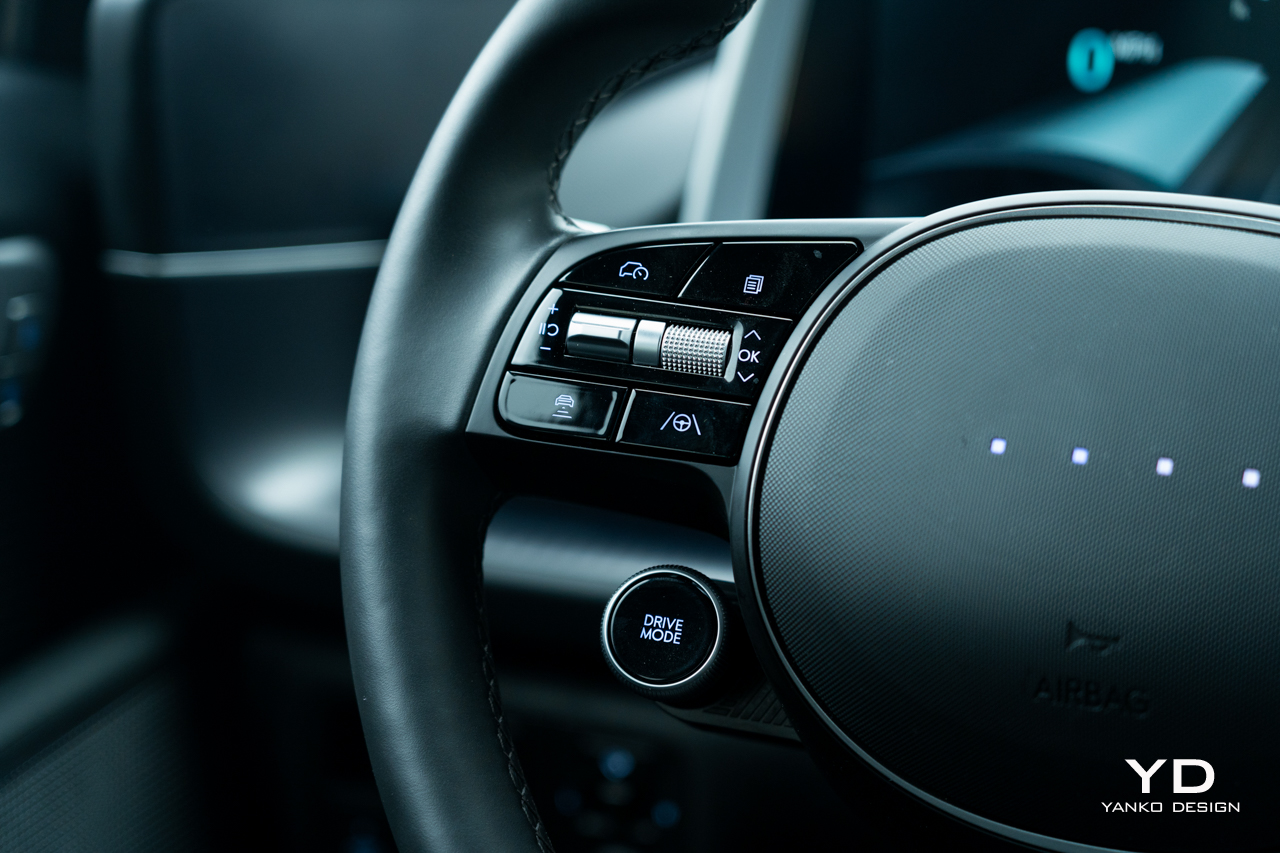
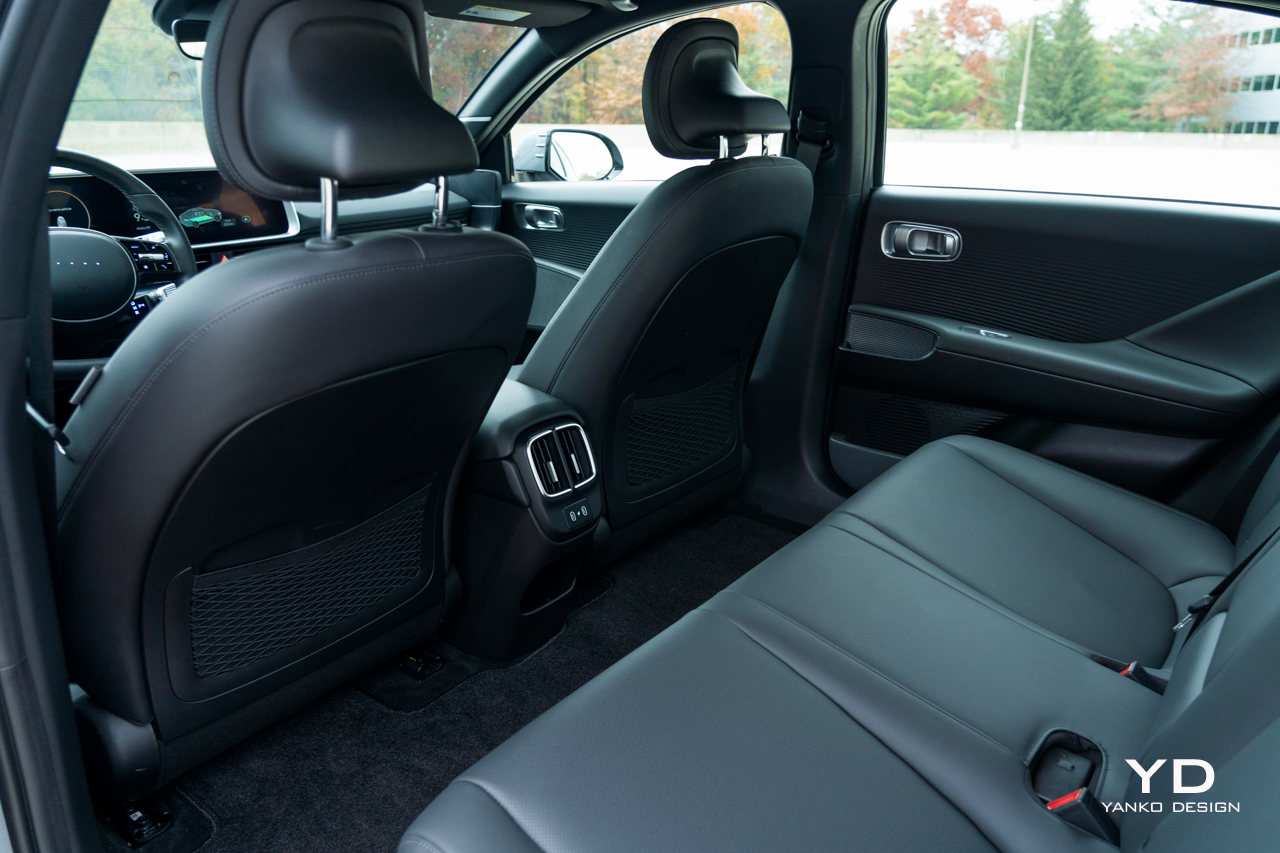
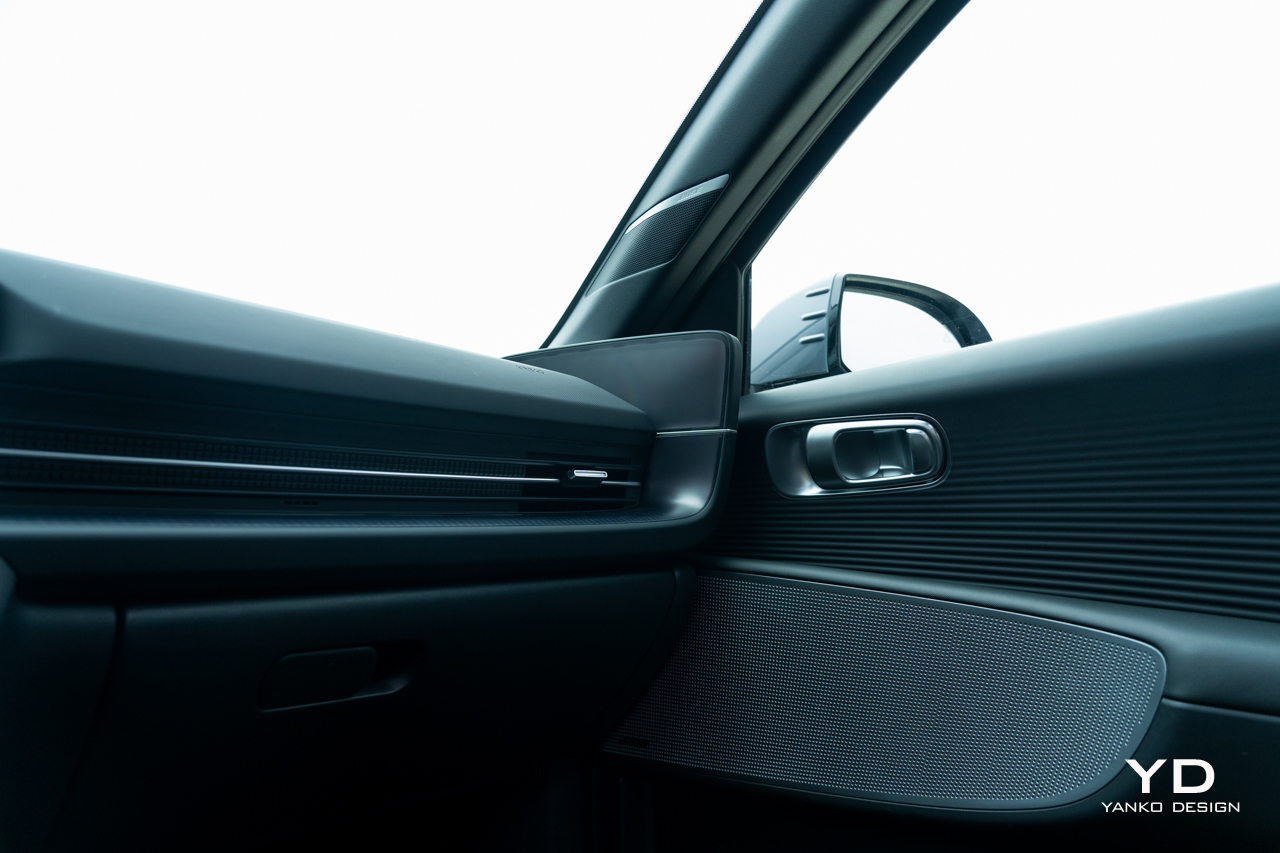
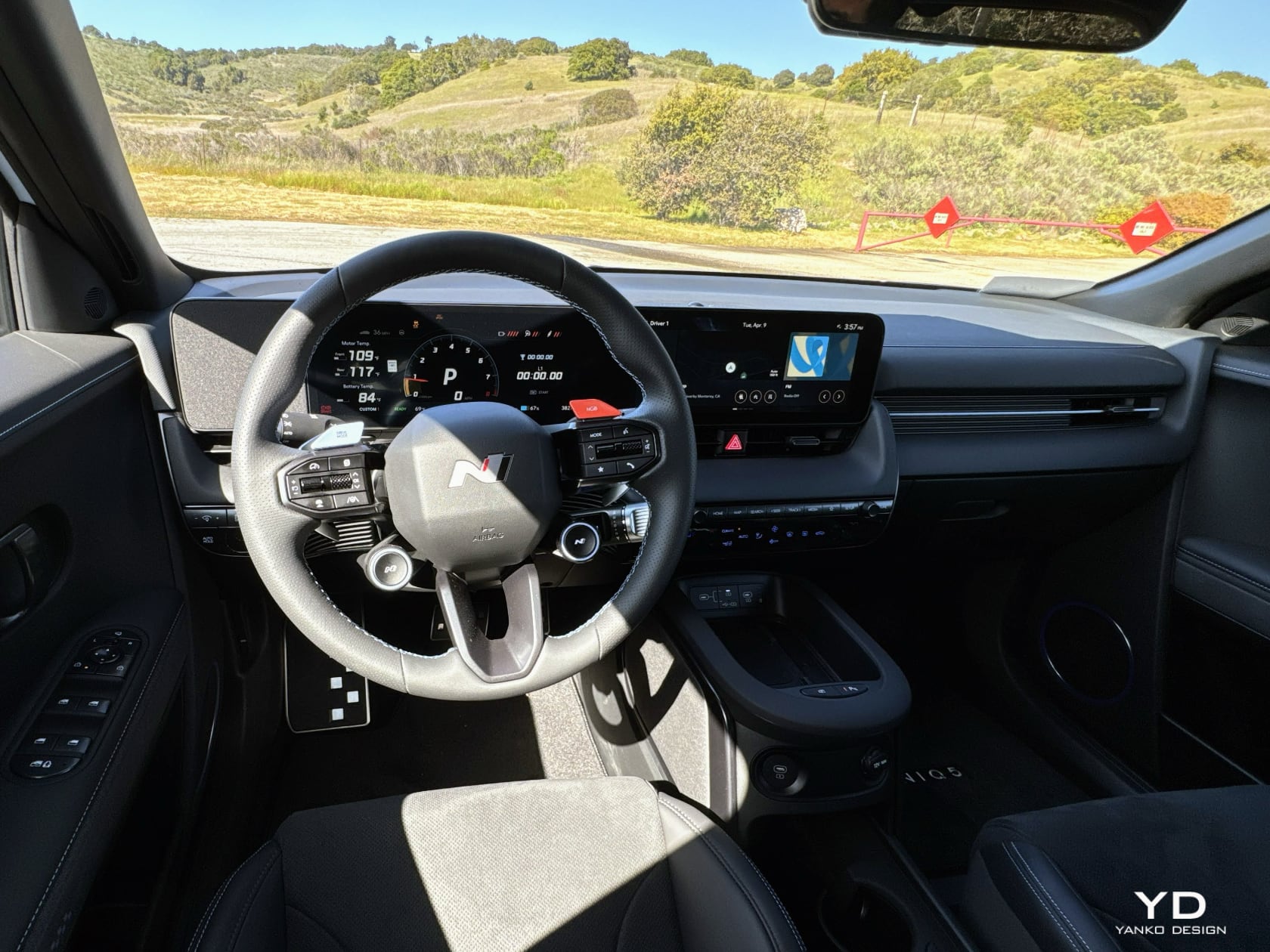
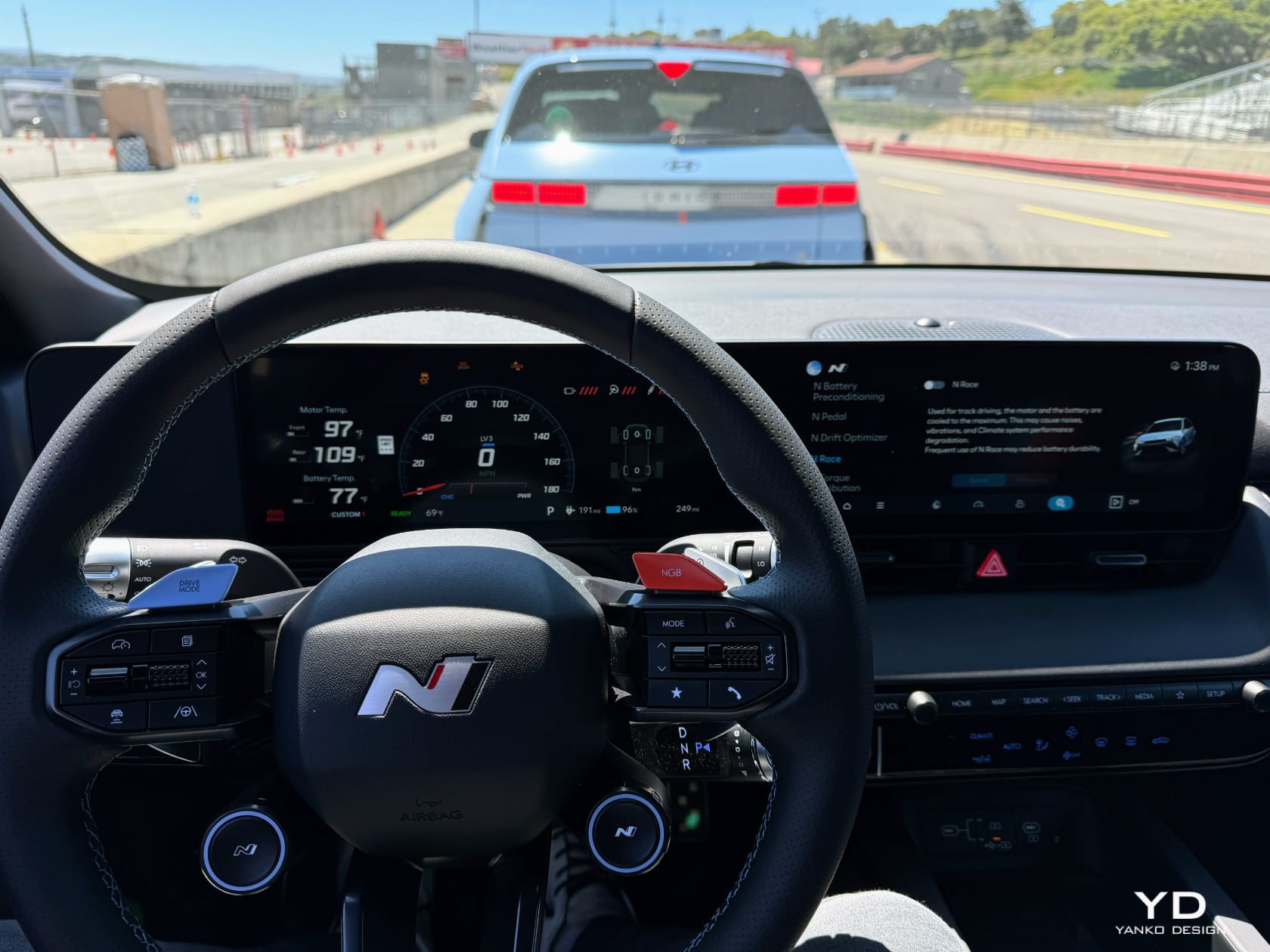
Inside, the Ioniq 5 N features a driver-focused layout with high-quality materials. The specially designed steering wheel includes four focused buttons, such as a boost button and customizable settings, allowing drivers to tailor the vehicle’s performance. The bucket seats provide excellent support and sit lower than the standard Ioniq, bringing the driver closer to the road for a more immersive experience. The pedal layout is optimized for performance, with larger brake and footrest pedals for better control.
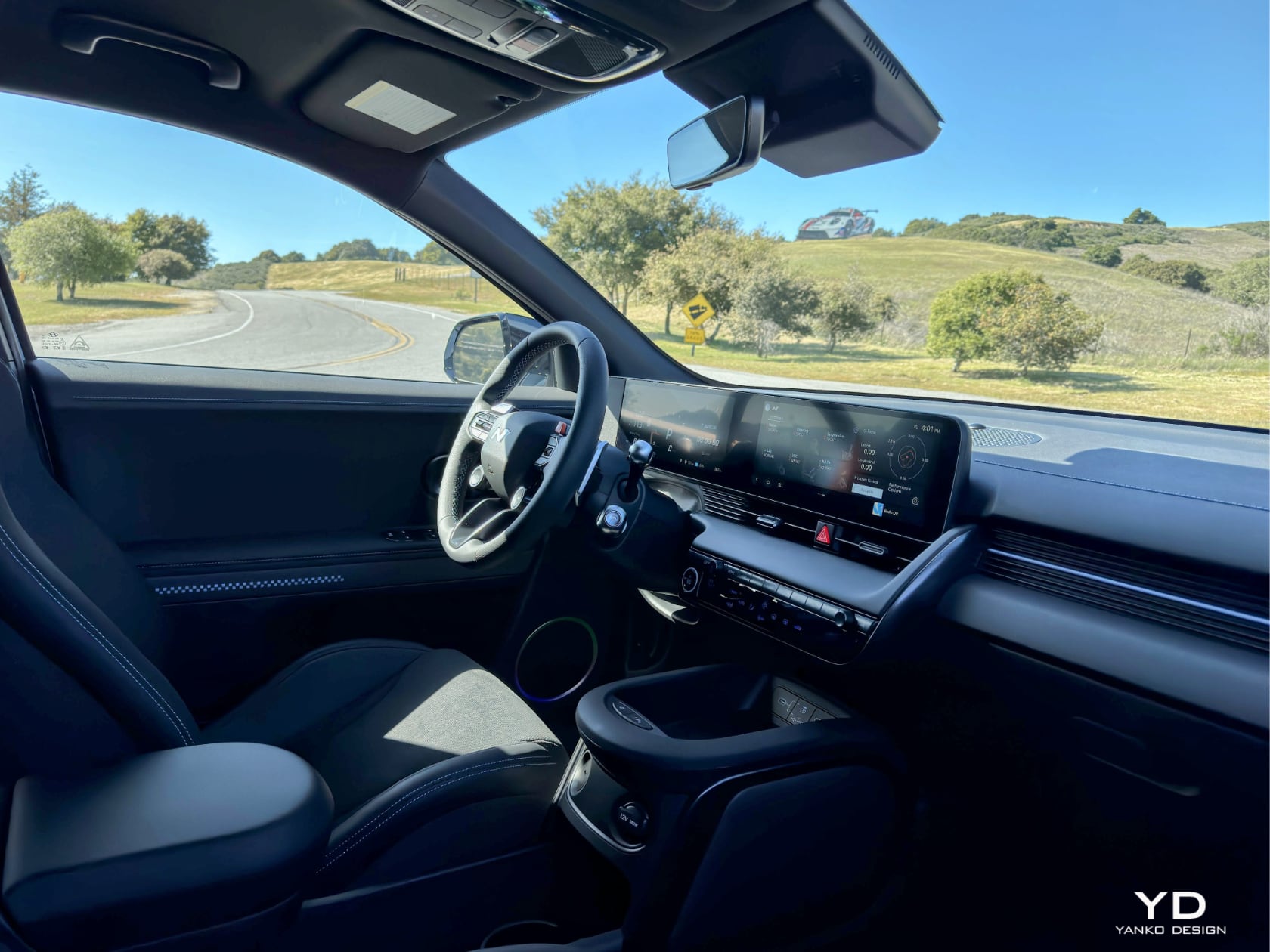
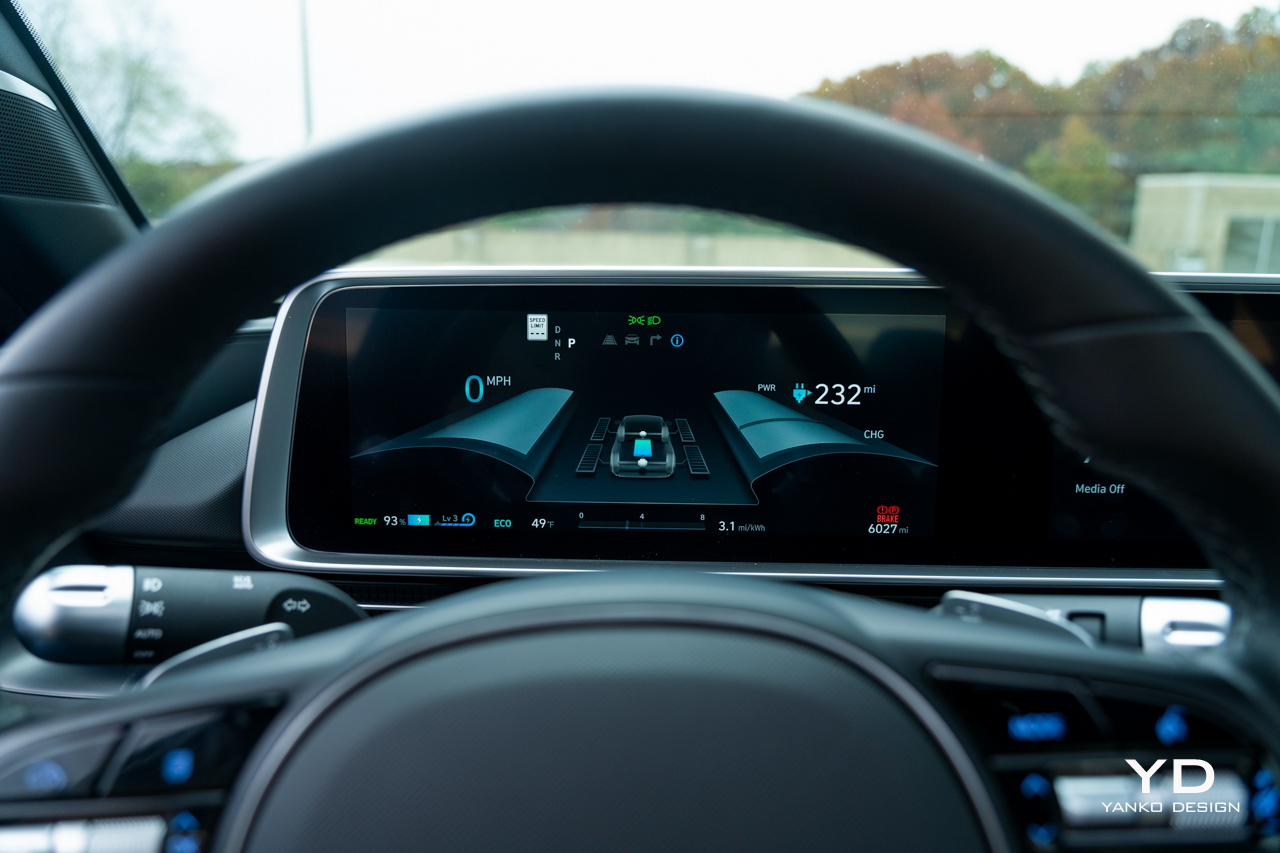
The interior also includes a fixed center console with ample padding for added support during dynamic driving. This layout combines practicality and comfort, featuring advanced technology with a sporty feel. The digital cockpit provides all necessary information at a glance, ensuring the driver remains focused on the road.
Performance and Customization
Customization is a key feature of the Ioniq 5 N. The vehicle offers various driving modes, allowing drivers to adjust settings like torque distribution and regenerative braking and even simulate gear shifts with the N e-shift feature. These modes enhance the driving experience, providing a tailored feel for different driving conditions. The N e-shift, in particular, mimics the sensation of gear shifting, adding a visceral element to the electric driving experience.
The integration of motorsports DNA into production cars is emphasized, bringing the excitement of motorsports to everyday driving. The Ioniq 5 N exemplifies this synergy, bringing the excitement of motorsports to everyday driving. The electrification of the N models introduces the Ioniq 5 N as the first electrified N model designed to set new standards for high-performance EVs. The three pillars of the N brand—cornering ability, racetrack capability, and everyday sports car usability—are embodied in the Ioniq 5 N, offering an exhilarating driving experience while maintaining practicality and efficiency.
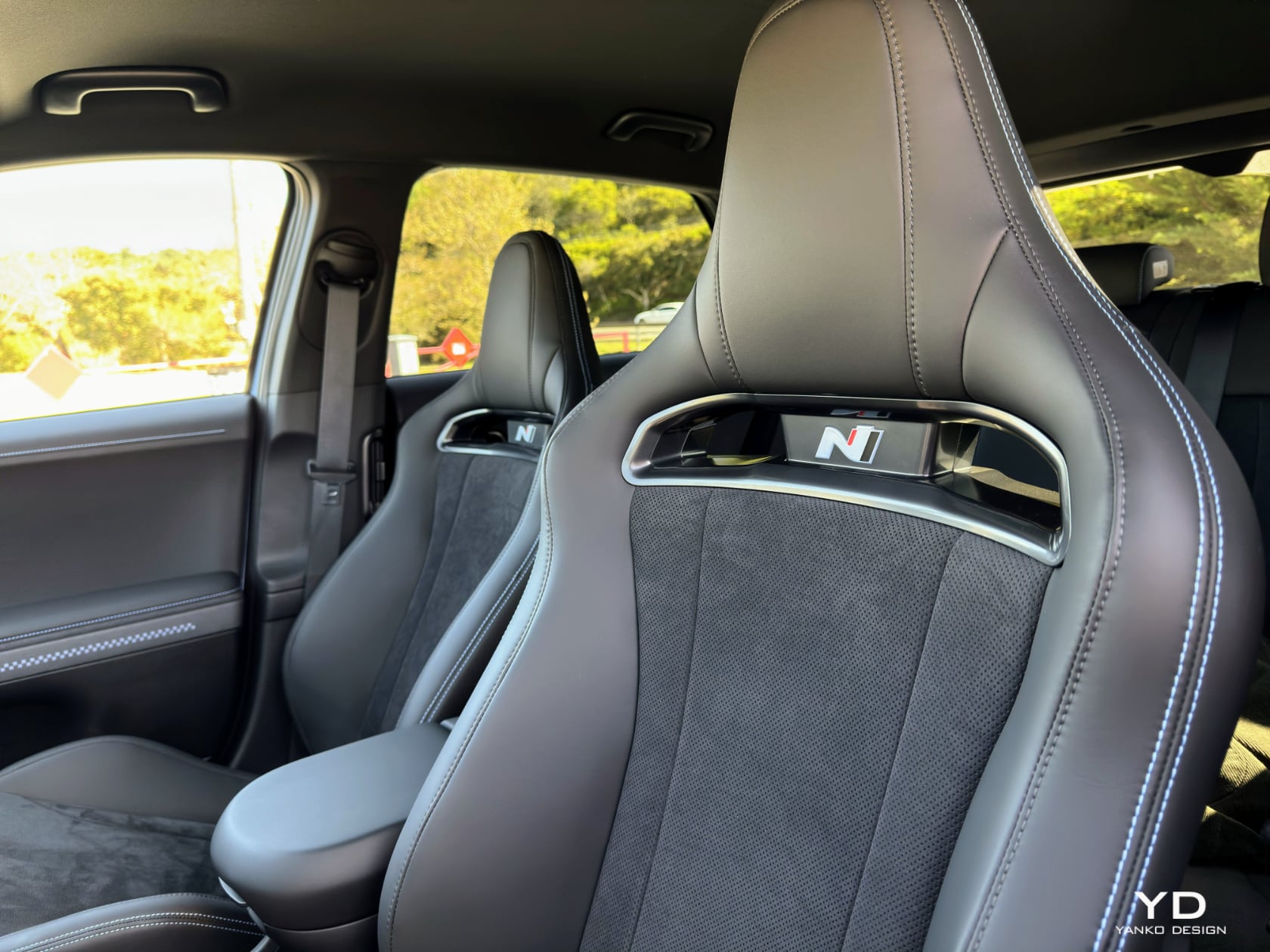
With 601 horsepower and an additional boost mode, the Ioniq 5 N is the most powerful Hyundai ever produced. Extensive design and engineering efforts emphasize precision and optimization for everyday driving and track performance. Design elements such as the steering wheel with dedicated mode buttons, bucket seats, and enhanced pedal layout are all designed to provide a thrilling driving experience.
Comparing the Ioniq 5 N and Ioniq 5 N NPX1
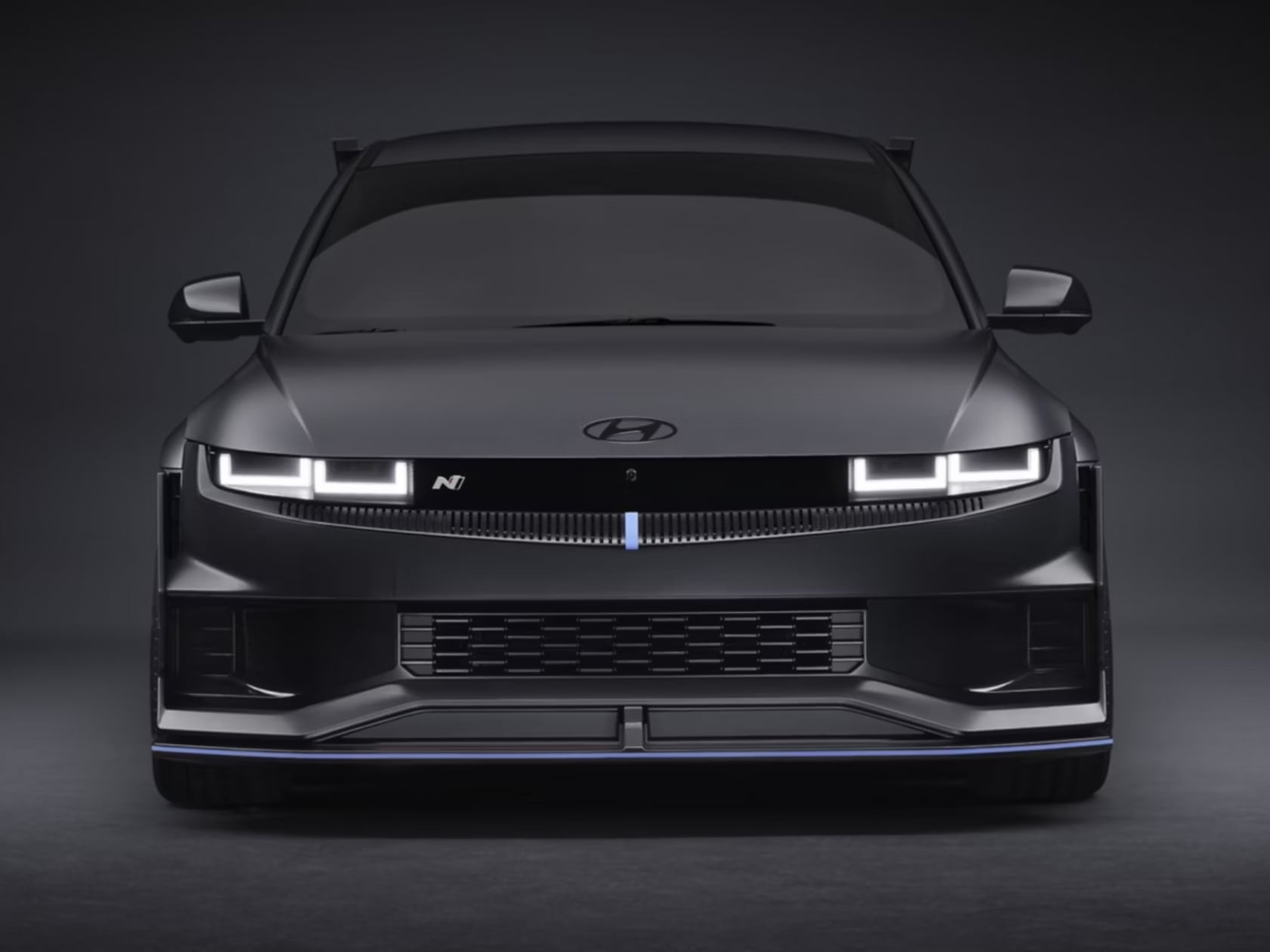
The unveiling of Hyundai’s Ioniq 5 N NPX1 concept at the Tokyo Auto Salon 2024 marks another significant leap in the evolution of high-performance electric vehicles. Based on the Ioniq 5 N, this concept showcases an array of N-specific enhancements designed to push the boundaries of performance and design.
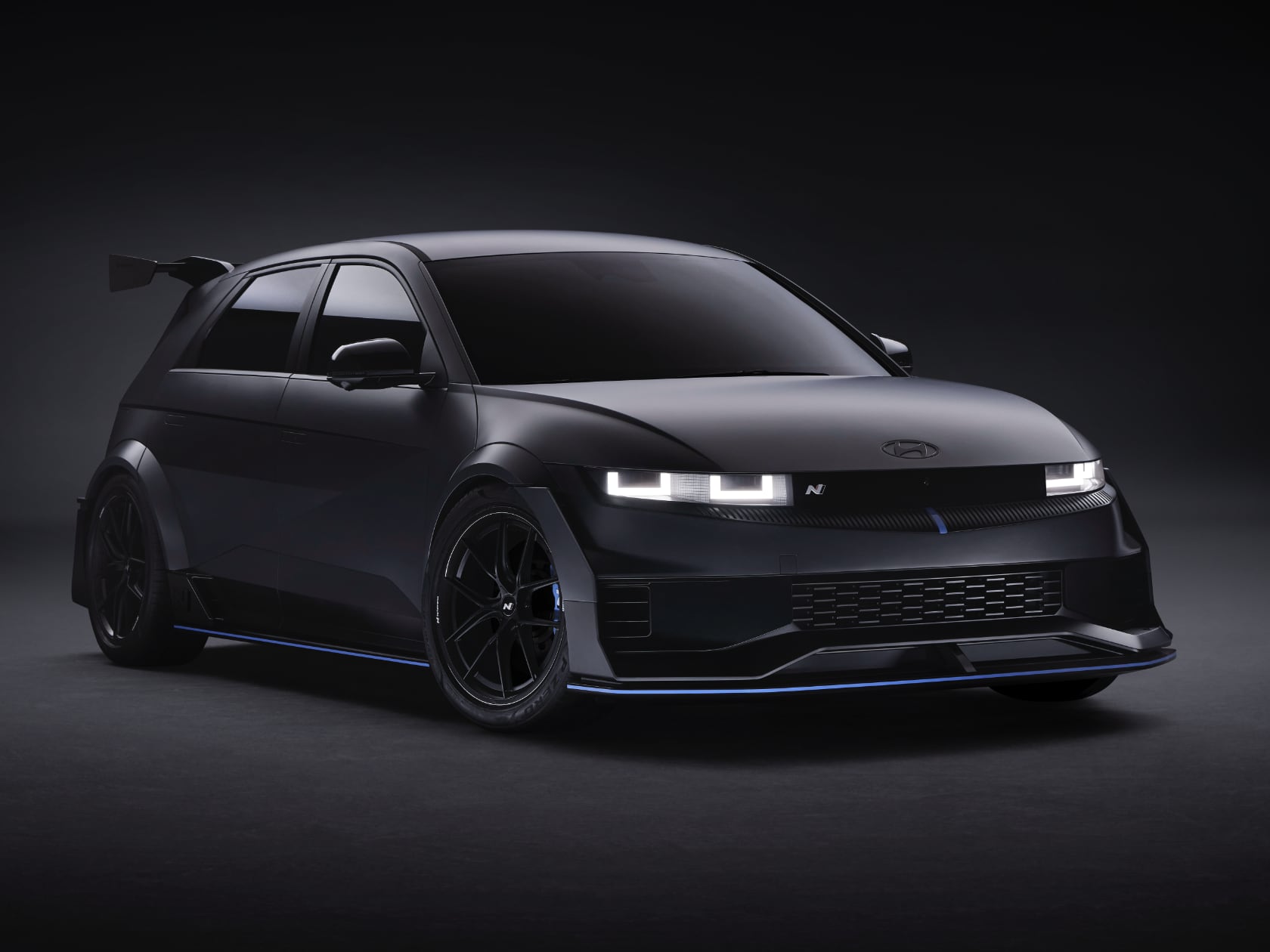
IONIQ 5 N NPX1
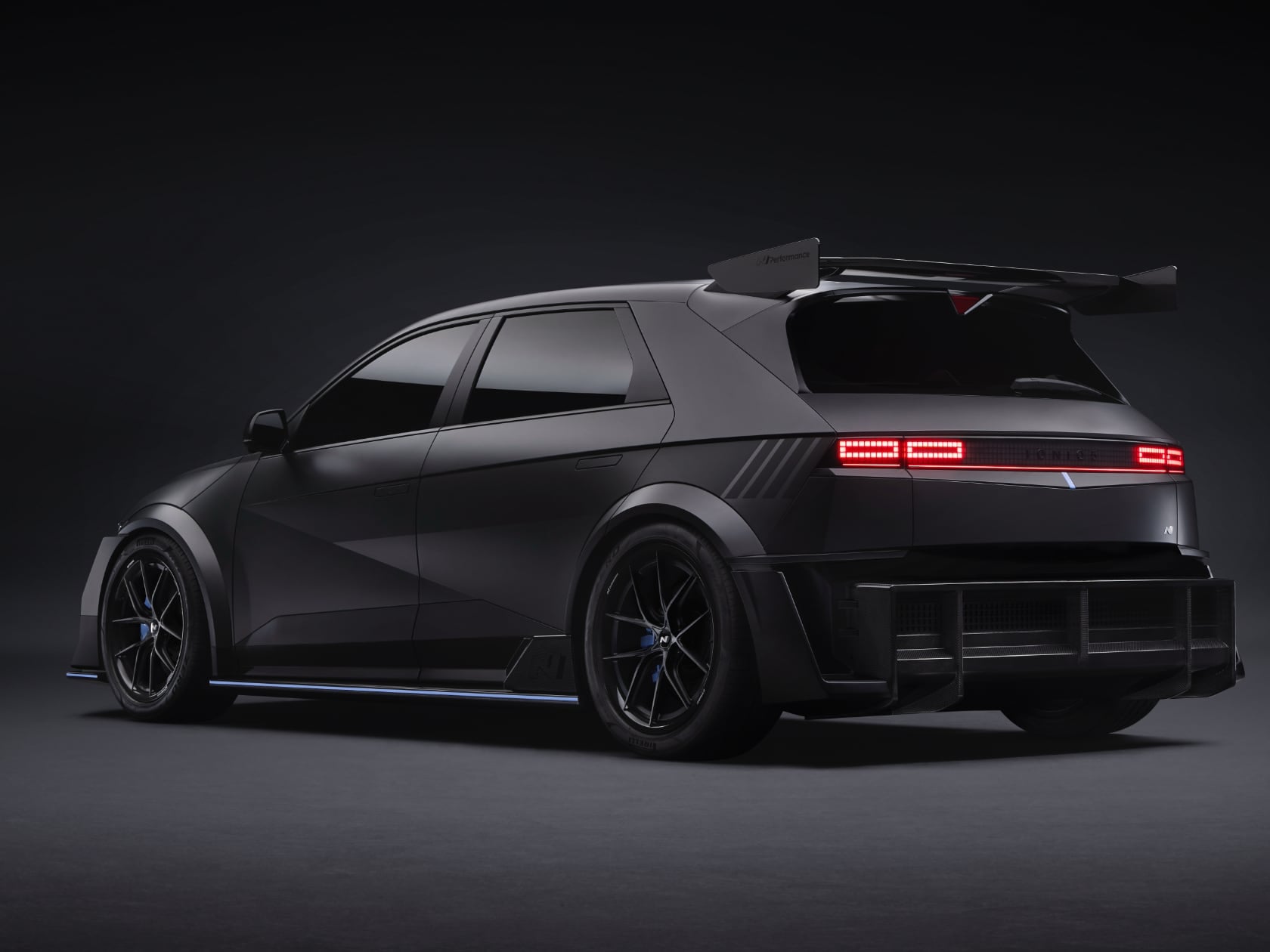
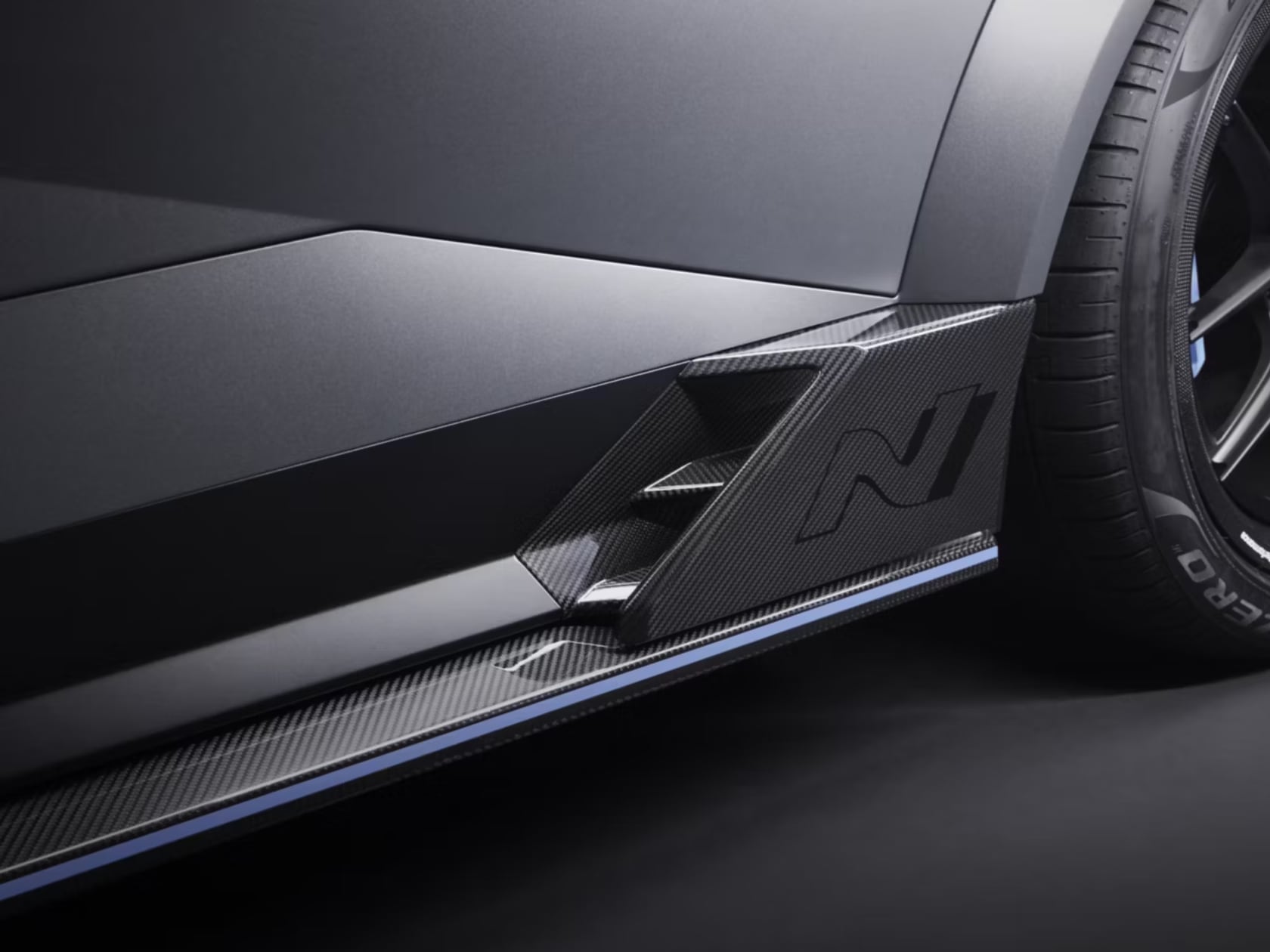
Externally, the Ioniq 5 N NPX1 features carbon fiber components, including a front splitter, side skirts, rear diffuser, and a prominent rear wing spoiler. These elements enhance the vehicle’s aggressive aesthetics and contribute to improved aerodynamics and reduced weight. The concept’s lightweight hybrid carbon wheels further reduce unsprung mass, improving handling and acceleration. The high-performance brake pads and down springs enhance braking efficiency and driving dynamics.
Inside, the NPX1 concept continues its high-performance theme with luxurious Alcantara material, providing a premium feel and improved grip for the driver. The steering wheel, a central control hub, features dedicated buttons for customized performance settings, allowing drivers to tailor their driving experience.
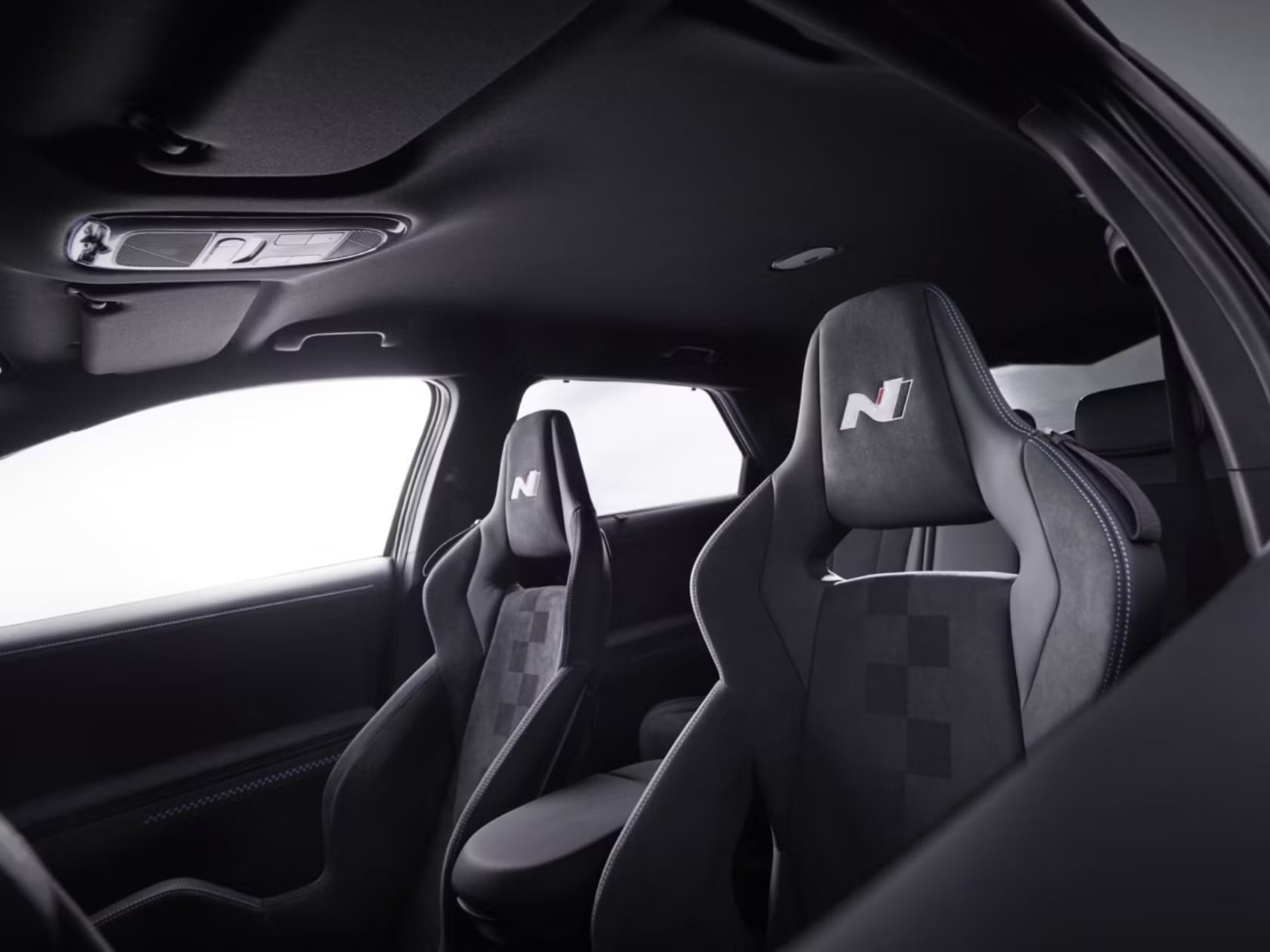
IONIQ 5 N NPX1 Interior
Comparing the Ioniq 5 N and the Ioniq 5 N NPX1 reveals striking similarities and notable advancements. Both models share the same underlying platform and high-performance ethos. However, the NPX1 elevates this foundation with exclusive N Performance Parts that will soon be available for purchase. Using real carbon fiber and hybrid materials in the NPX1 emphasizes Hyundai’s commitment to innovation and performance.
While already a high-performance vehicle, the Ioniq 5 N is designed for everyday usability. It offers a refined interior with practical features like advanced driver-assistance systems and Hyundai Pay for seamless transactions. The NPX1, however, is a more focused iteration designed to showcase the future of N Performance enhancements. It incorporates race-inspired components that not only improve performance but also offer a preview of what customers can expect from Hyundai’s tuning parts in the near future.
Both vehicles emphasize a balance between performance and practicality. The Ioniq 5 N provides the thrill of a sports car while remaining practical for daily use. Its adjustable driving modes and high-performance features make it versatile for different driving conditions. The NPX1, on the other hand, is a showcase of potential, pushing the envelope of what an electric vehicle can achieve with the right enhancements.

The NPX1’s carbon fiber additions are more than just aesthetic. The front splitter, side skirts, rear diffuser, and rear wing spoiler all play crucial roles in improving the car’s aerodynamic profile and reducing weight. These enhancements ensure that the NPX1 looks the part and performs at the highest level. The lightweight hybrid carbon wheels are a significant upgrade, offering better performance and efficiency.
The NPX1’s interior enhancements, with its use of Alcantara and metal accents, provide a more immersive and luxurious driving experience. These materials are not just about looks; they also contribute to the overall driving dynamics by offering better grip and comfort. The metal door scuffs add a layer of durability, ensuring that the interior can withstand the rigors of high-performance driving.
Ioniq 5 N eN1 Cup Car
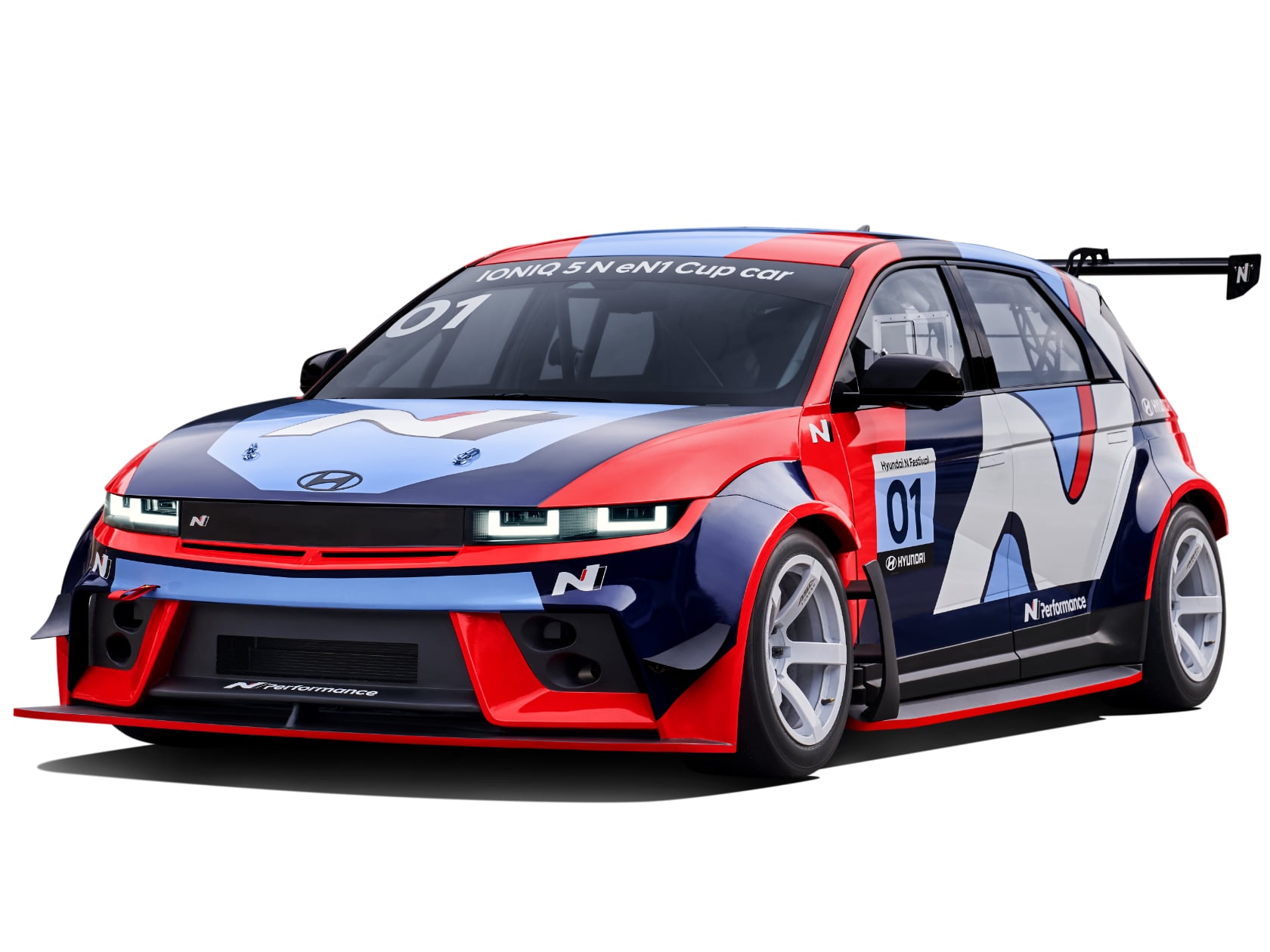
Ioniq 5 N eN1 Cup Car
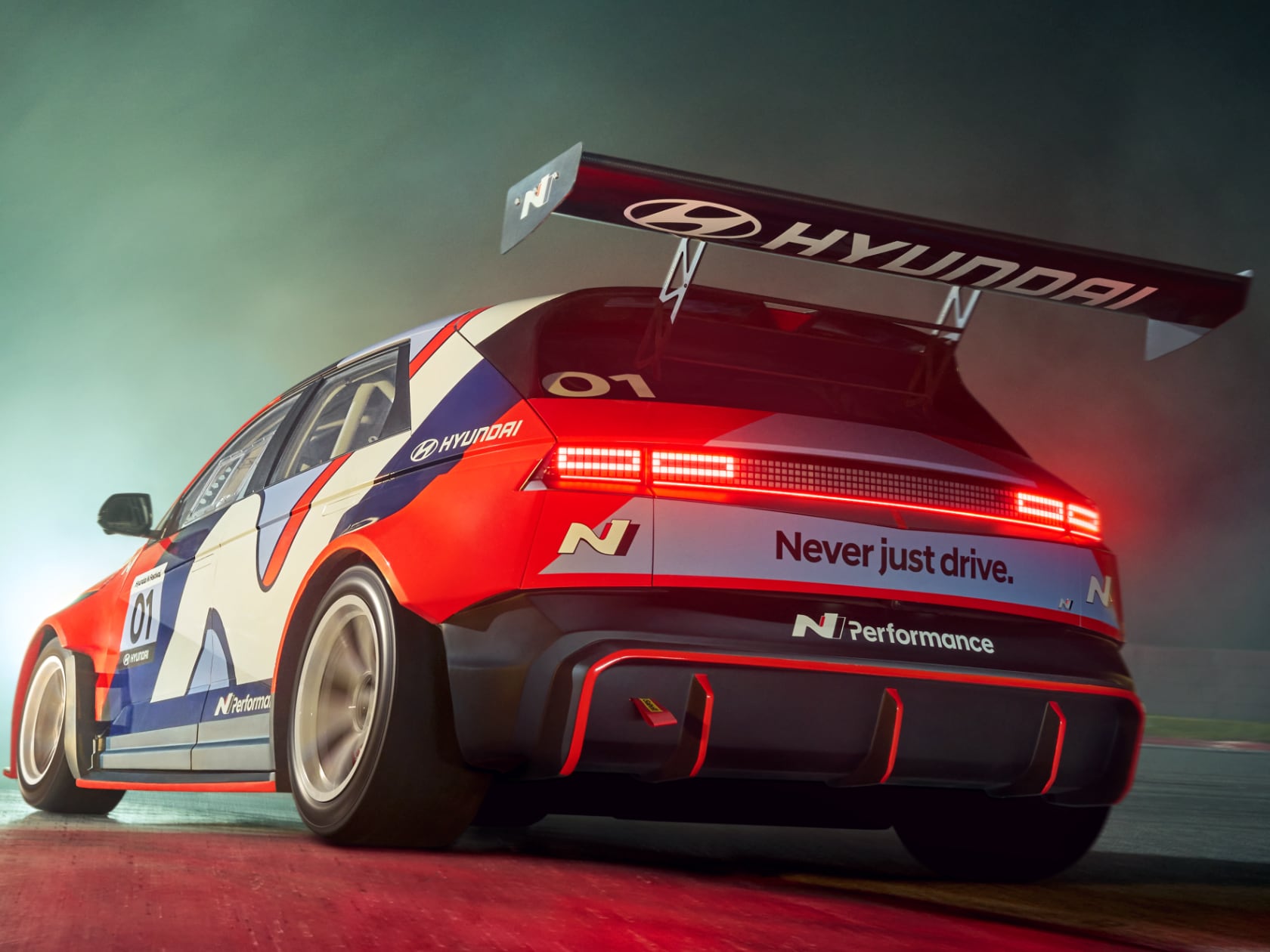
The introduction of the Ioniq 5 N eN1 Cup car marked a significant milestone. This dedicated race car, developed for the eN1 Cup series, demonstrates Hyundai’s commitment to pushing the boundaries of electric motorsports. The car features numerous technical enhancements and modifications for racing, maintaining the core EV system while optimizing for performance. This connection between motorsports and production vehicles underscores the N brand’s focus on delivering youthful excitement and high performance.
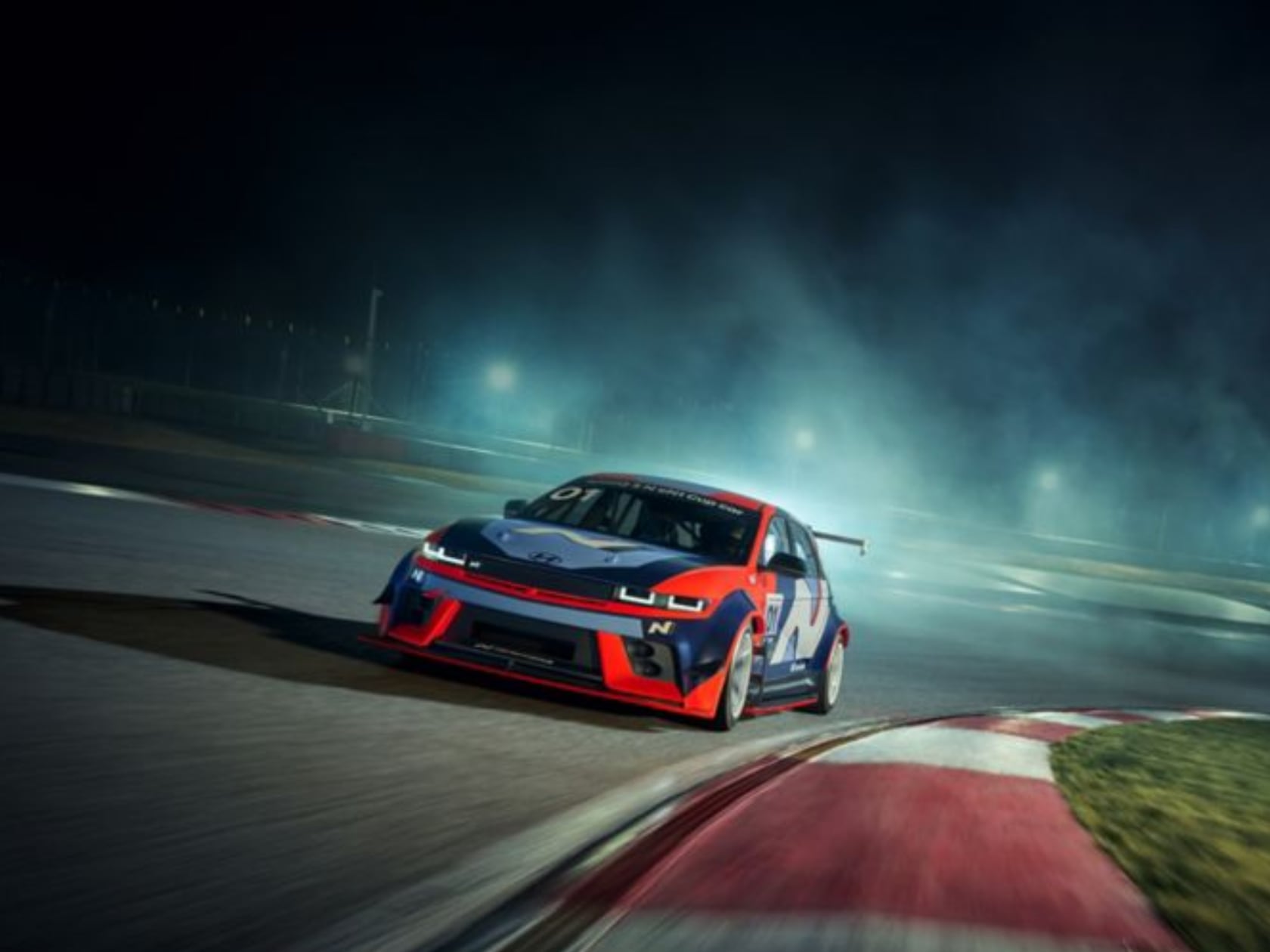
Ioniq 5 N eN1 Cup Car
Externally, the Ioniq 5 N eN1 Cup car includes a wide-body kit and a prominent rear wing to improve aerodynamics and downforce on the track. The interior has essential racing components such as a multi-point roll cage, a bucket seat, and a six-point safety harness for maximum driver safety.
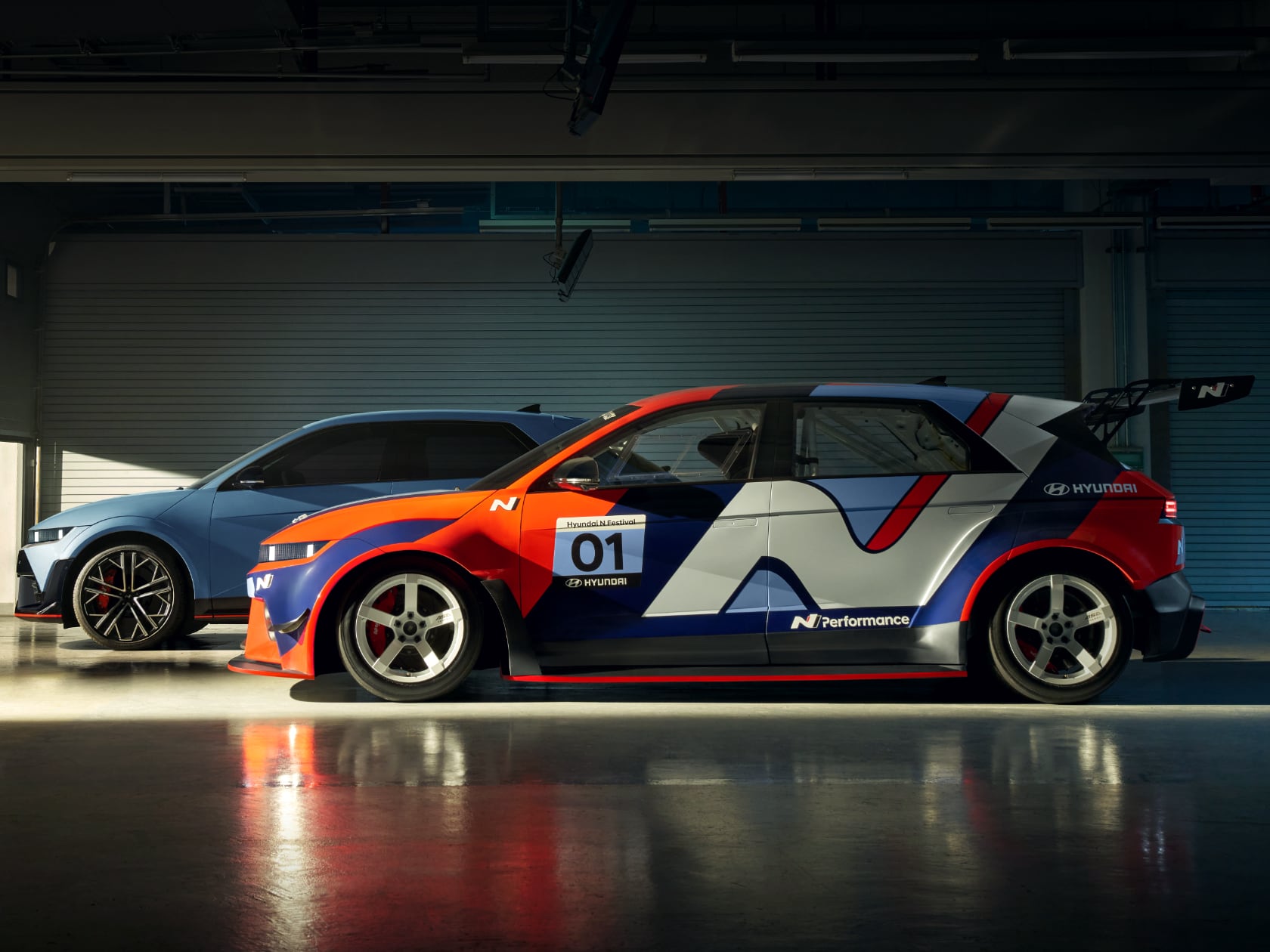
Ioniq 5 N eN1 Cup Car and 5 N
The Ioniq 5 N and the Ioniq 5 N eN1 Cup car offer high-performance driving experiences but cater to different driving aspects. The Ioniq 5 N is perfect for those who want a powerful, sporty car that they can drive daily, featuring a luxurious interior and advanced technology. However, the Ioniq 5 N eN1 Cup car is tailored for the racetrack, offering uncompromising performance and safety features designed to meet the demands of competitive racing.
Driving Experience
Driving the Hyundai Ioniq 5 N is a thrilling experience that seamlessly blends high performance with everyday usability. Whether carving through corners on a racetrack, enjoying the dynamic handling on a winding road, or simply commuting to work, the Ioniq 5 N delivers an engaging and versatile driving experience that sets a new standard for electric vehicles.
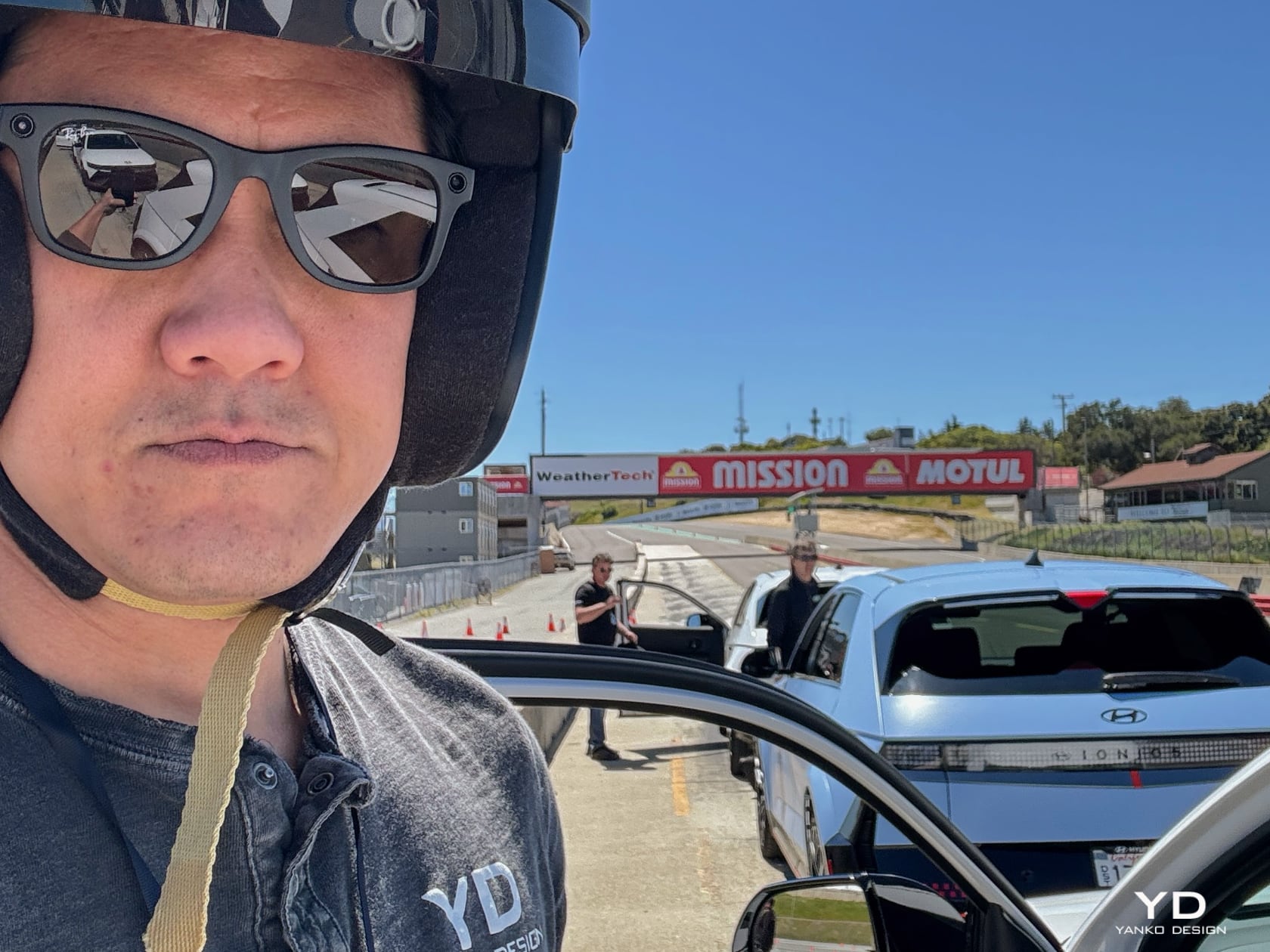
Driving the Ioniq 5 N at WeatherTech Raceway Laguna Seca
The opportunity to drive it at WeatherTech Raceway Laguna Seca highlighted its capabilities and left a lasting impression. On the track, the Ioniq 5 N proved to be a formidable contender. The moment you hit the accelerator, the 601 horsepower and the additional boost mode propel you forward with an astonishing burst of speed. The electric motors deliver instant torque, making acceleration seamless and thrilling. With its two-way adjustable dampers, the vehicle’s advanced suspension system ensures that it remains planted even at high speeds. The larger 21-inch wheels with 275mm tires provide exceptional grip, allowing you to tackle the track’s notorious turns confidently.
Driving the Ioniq 5 N at WeatherTech Raceway Laguna Seca, I was impressed by its stability and precision. The car’s braking system truly shined on the track. The 4-piston 400 mm front brakes and 1-piston 360 mm rear brakes offered powerful stopping power, essential for high-speed driving. The regenerative braking system recovered energy and provided deceleration that enhanced control during aggressive driving. The N e-shift feature added an extra layer of engagement, simulating gear shifts and giving a visceral feel that is often missing in electric vehicles.
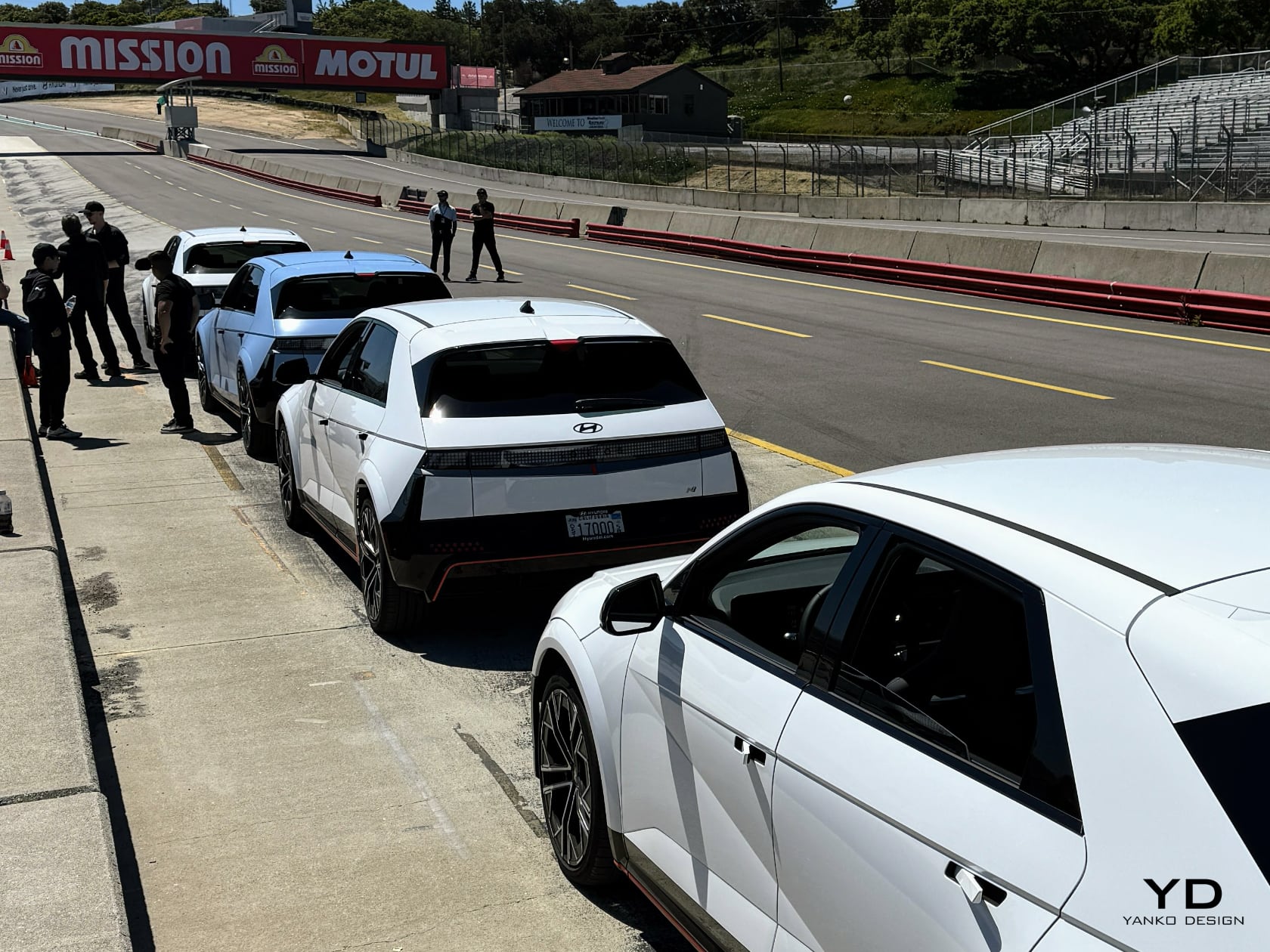
The Ioniq 5 N truly earns its “corner rascal” nickname. The all-wheel-drive system can be adjusted to distribute torque almost entirely to the rear wheels, making the car feel nimble and agile. The electronic limited-slip differential and the precise steering response allow you to navigate tight corners easily. The car feels incredibly balanced, and the weight distribution is optimized to enhance cornering stability.
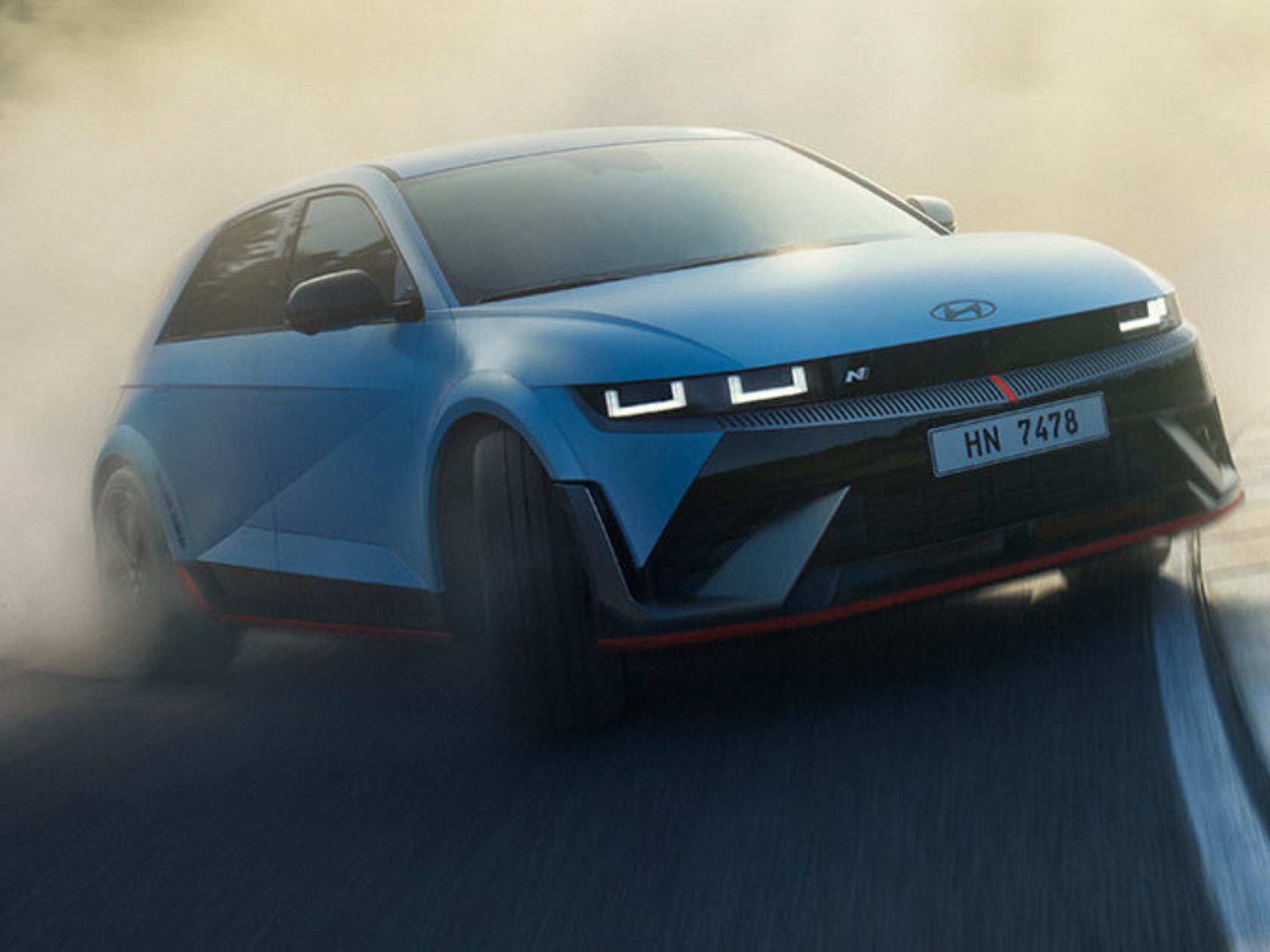
Pedal response is another highlight. The car’s three-level adjustable regenerative braking allows for fine-tuning off-throttle behavior, enhancing weight transfer and improving turn-in. Whether on a winding mountain road or a technical racetrack, the Ioniq 5 N delivers a dynamic and engaging driving experience that makes every twist and turn a joy to navigate. On the legendary Corkscrew at Laguna Seca, the Ioniq 5 N maintained its composure, demonstrating exceptional handling and balance.
Despite its high-performance capabilities, the Ioniq 5 N remains practical and comfortable for daily driving. The interior blends sporty and luxurious elements, featuring high-quality materials and advanced technology. The bucket seats provide excellent support for spirited driving while remaining comfortable for longer journeys. The adjustable driving modes allow you to switch from a sporty setup to a more relaxed one, perfect for city commuting or highway cruising.
Advanced driver-assistance systems ensure safety and convenience, while features like Hyundai Pay and wireless Apple CarPlay enhance the user experience. The Ioniq 5 N’s fast-charging capability, which allows the battery to go from 10% to 80% in just 18 minutes, makes it practical for daily use, minimizing downtime and keeping you on the move.
Driving the Hyundai Ioniq 5 N is a thrilling experience that seamlessly blends high performance with everyday usability. Whether carving through corners on a racetrack, enjoying the dynamic handling on a winding road, or simply commuting to work, the Ioniq 5 N delivers an engaging and versatile driving experience that sets a new standard for electric vehicles. The opportunity to drive it at WeatherTech Raceway Laguna Seca highlighted its capabilities and left a lasting impression, showcasing Hyundai’s dedication to innovation and performance.
The post Hyundai Ioniq 5 N First Drive Review: The Ultimate Blend of Performance and Style first appeared on Yanko Design.