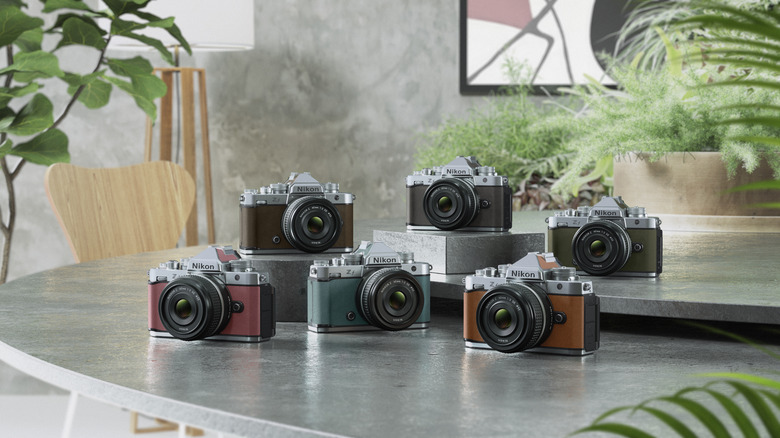
Are digital cameras still worth buying in 2026?
Yes, so long as you're willing to put in the work (and money) for better photos.

It has been a long time since I last reviewed a Huawei phone. The last one was the Huawei P50 Pocket Premium Edition. I still remember that phone well because it was genuinely beautiful. It had the kind of design that instantly felt premium, and it reminded me how good Huawei can be when it wants to make a phone stand out.
A lot has changed since then. The P series is now called Pura, but Huawei’s approach to hardware and design still feels very familiar. The company still knows how to make a flagship look different, and in a market where so many phones are starting to blend together, that still matters.
Designer: Huawei
This time around, Huawei is offering the Pura 90s Pro and the Pura 90s Pro Max. What is interesting is that there is no Ultra model in the lineup, unlike before. That means the Pura 90s Pro Max now sits at the top of the range. It also brings back 5G, which makes this release feel a bit more important than just another yearly update.
The Pura 90s Pro Max has all the right flagship ingredients at first glance. Big screen, ambitious cameras, premium build, and fast charging are all here. The question is whether that is enough to make it a great phone overall.
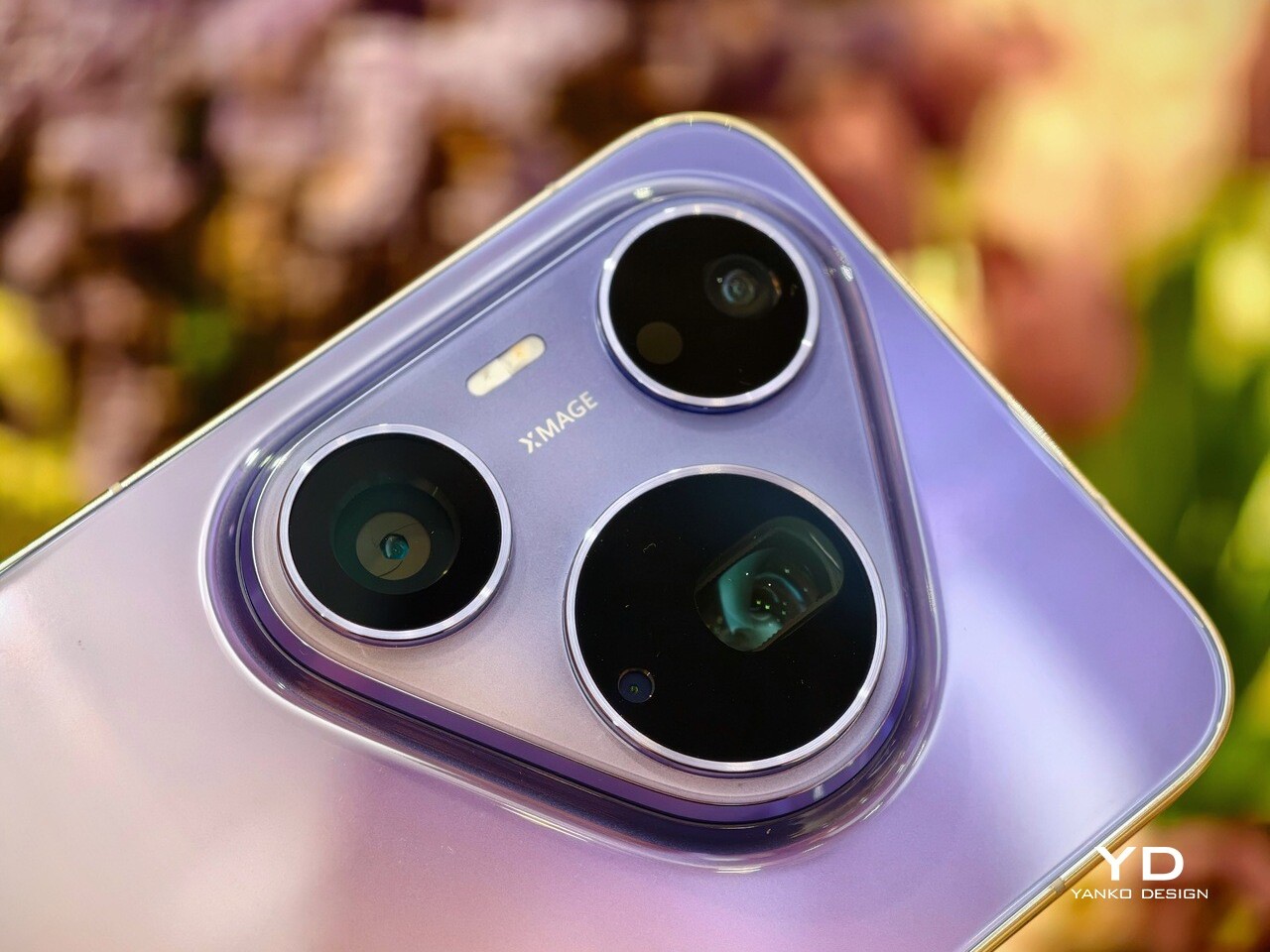
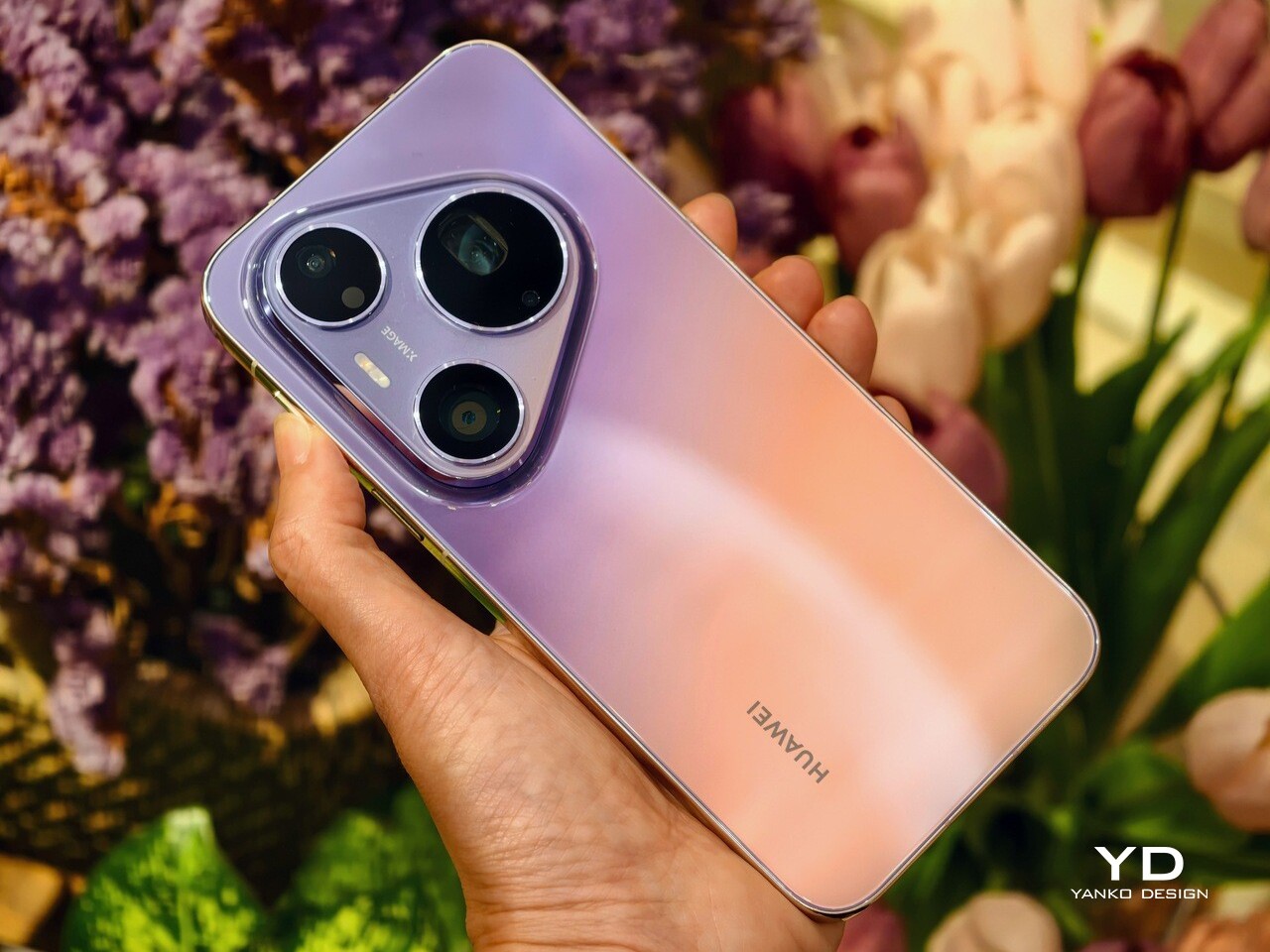
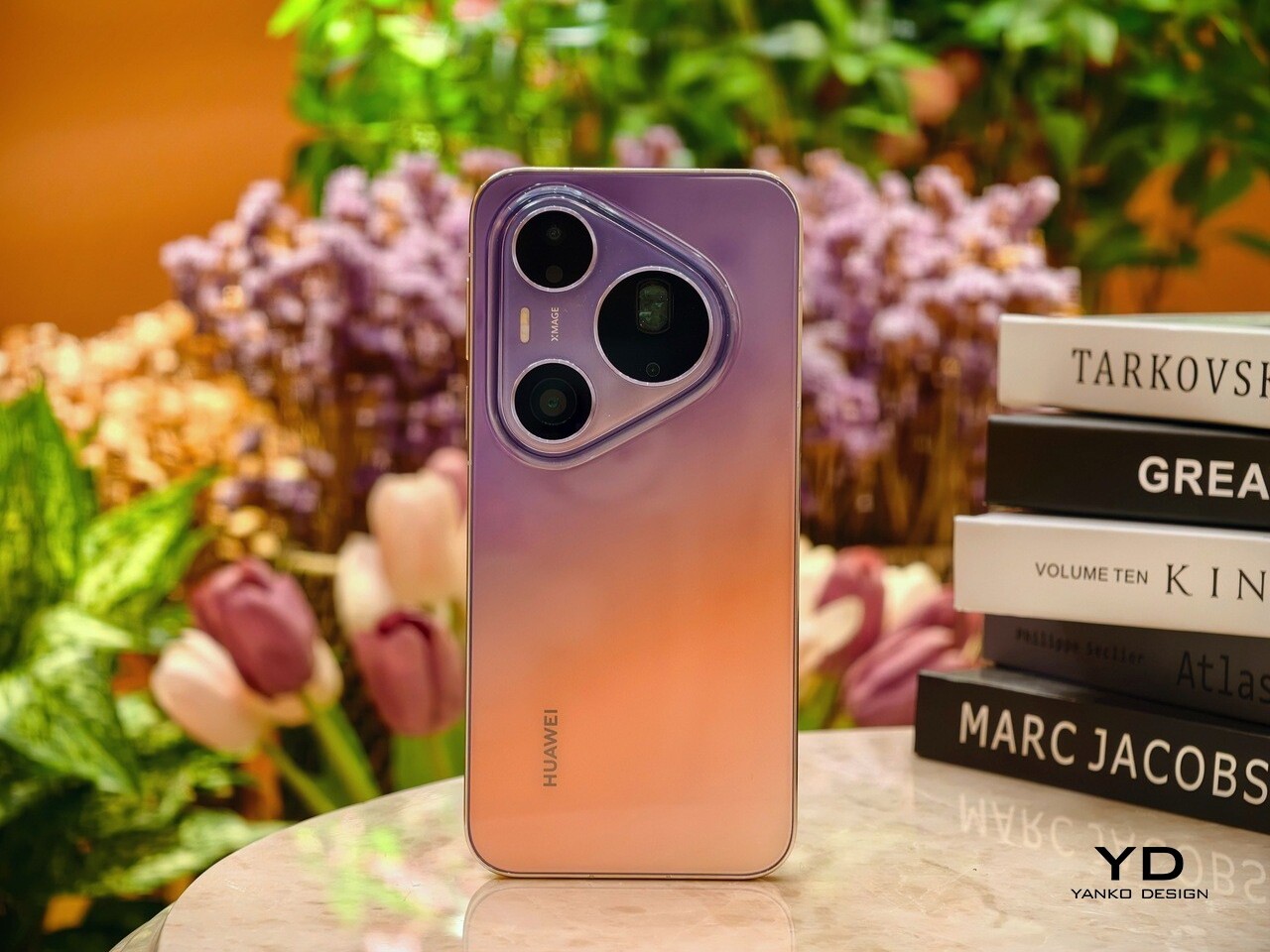
The Huawei Pura 90s Pro Max carries the now-familiar triangular camera island that has become a signature since Pura 70. It features two black circular cutouts for the ultra-wide and main cameras, along with a larger black circle for the telephoto camera. A pill-shaped LED flash also sits within the module, completing the layout. It is the kind of design detail that makes the phone instantly recognizable from across a table.
Huawei has also put real effort into the color finishes this year. The Pura 90s Pro Max comes in four colors, and two of them stand out immediately because of their dual-tone gradient treatment. The Blaze Purple unit I received pairs a purple upper half with an orangish-pink lower section, matched with a glossy gold frame that adds even more flair. It is bold, but it never tips into looking gaudy. Instead, it still feels polished and premium.
The other standout is Orange Ocean, which arguably takes the two-tone concept even further. It combines light blue at the top with orange at the bottom, while the center transitions smoothly between the two shades. Even the side frame follows the same color story, which makes the overall design feel more cohesive and more intentional. It is the kind of finish that feels playful at first glance, yet refined enough to belong on a flagship.
For those who prefer something safer, Huawei also offers Blush Gold and Graphite Black. These are more traditional options, but that is not necessarily a drawback. Not everyone wants their flagship phone to double as a statement piece. Still, if you are buying a Huawei at this level, the more expressive finishes are where the personality really comes through.
In hand, the Pura 90s Pro Max feels better balanced than its bold design might suggest. I was unsure at first whether the large triangular camera island would make the phone feel awkward, but in daily use it never really did. If anything, when I held it one-handed in my right hand, the raised module gave my index finger a natural place to rest.
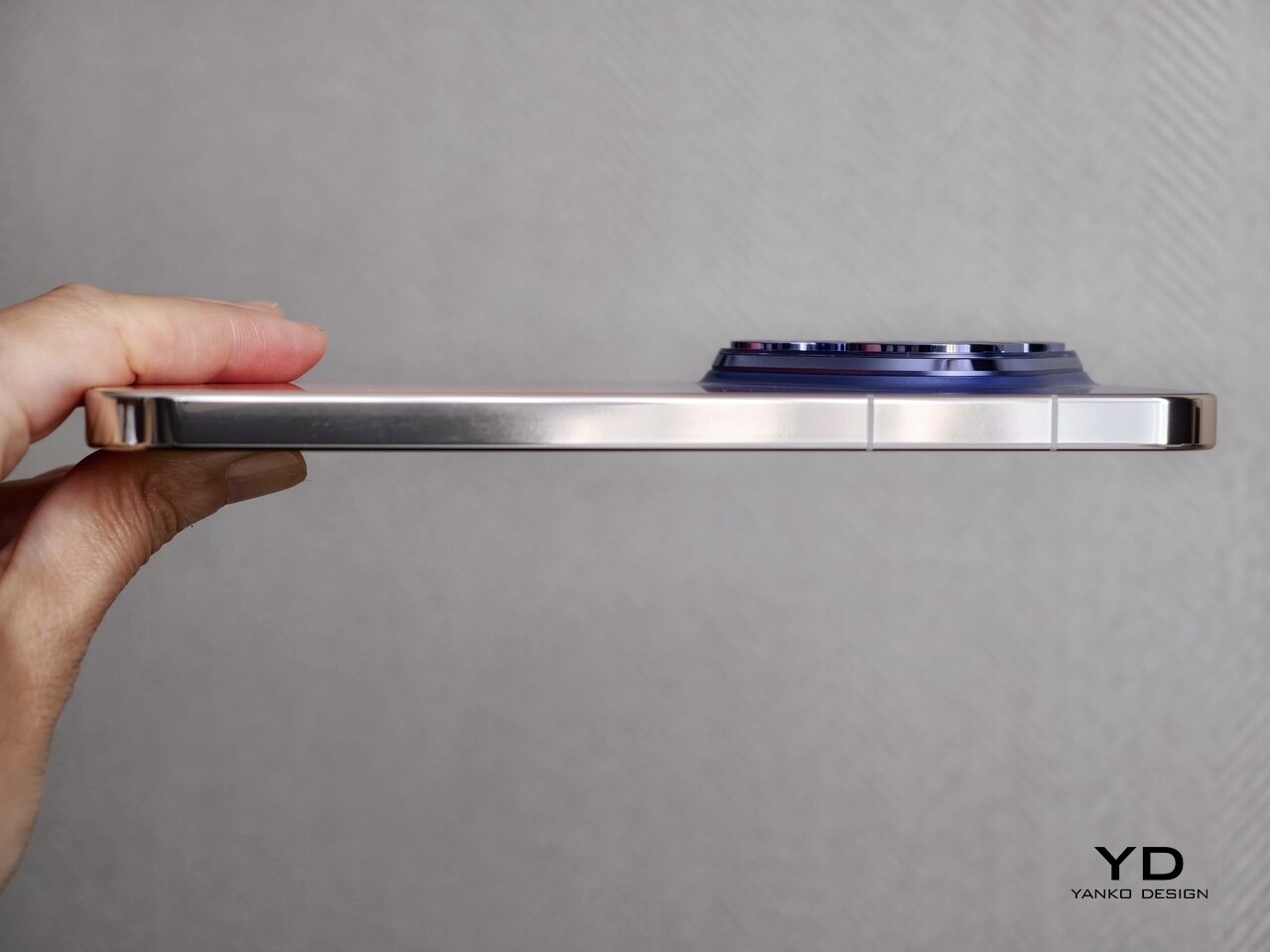
There is a tradeoff, though. When holding the phone horizontally for gaming, the camera island becomes more noticeable and can get in the way a bit. It is not a huge problem, but it stands out more in landscape use than it does during normal day-to-day handling.
The finish also looks better from a distance than it does up close. Both the glossy back panel and the glossy side frame tend to pick up fingerprints and smudges quite easily, so the phone does need regular wiping if you want it to stay looking clean. That is a little disappointing for a device that puts so much emphasis on design.
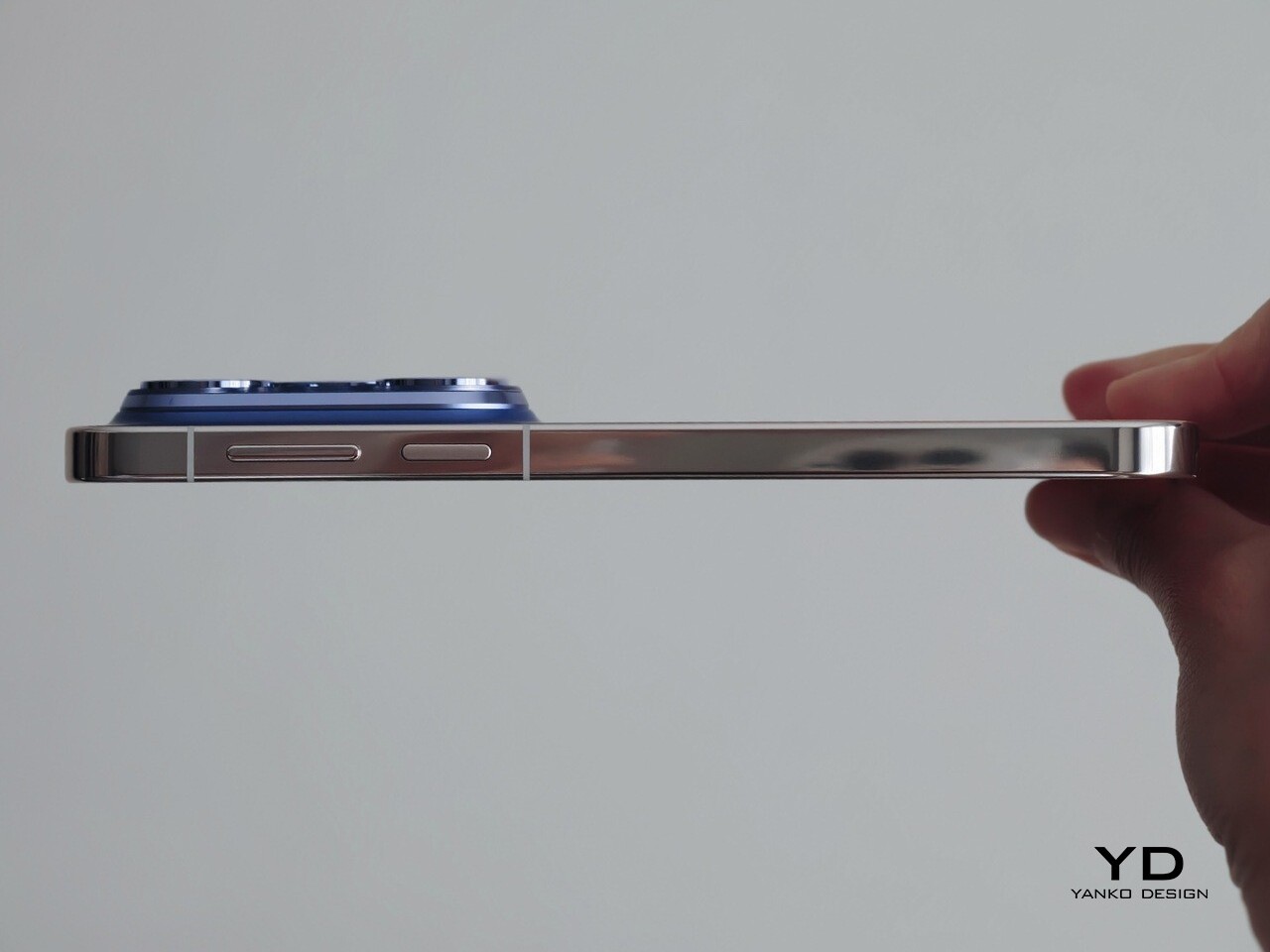
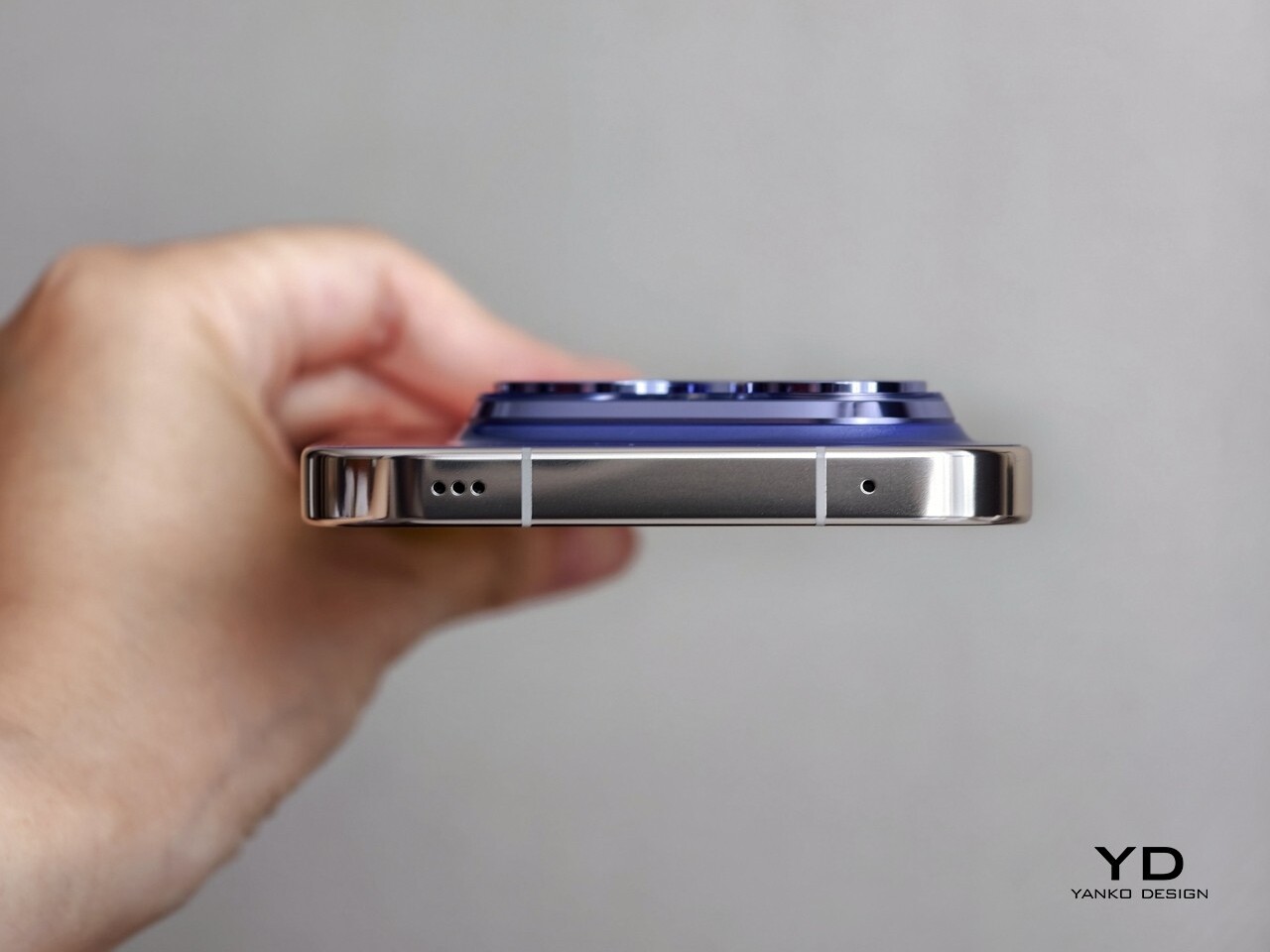
Huawei has also gone with a side-mounted fingerprint scanner rather than an in-display one. The power button on the right side doubles as the fingerprint reader, and in practice it feels intuitive enough. It is a small detail, but one that fits naturally with the overall handling experience.
The Pura 90s Pro Max is powered by Huawei’s Kirin 9030S, paired with 12GB of RAM and either 256GB or 512GB of storage. It also supports 5G, which makes it feel more competitive than some of Huawei’s recent flagships. In daily use, the phone feels fast enough. Scrolling is smooth, apps open quickly, and multitasking is handled well. For things like web browsing, social media, messaging, navigation, and streaming, it behaves like a proper flagship.
The bigger question is whether that is enough at this price. Huawei is not really chasing benchmark dominance here, and that may matter more to enthusiasts than to casual users. If all you want is a phone that feels quick and responsive day to day, the Pura 90s Pro Max delivers. If you expect class-leading performance, though, it is less convincing.
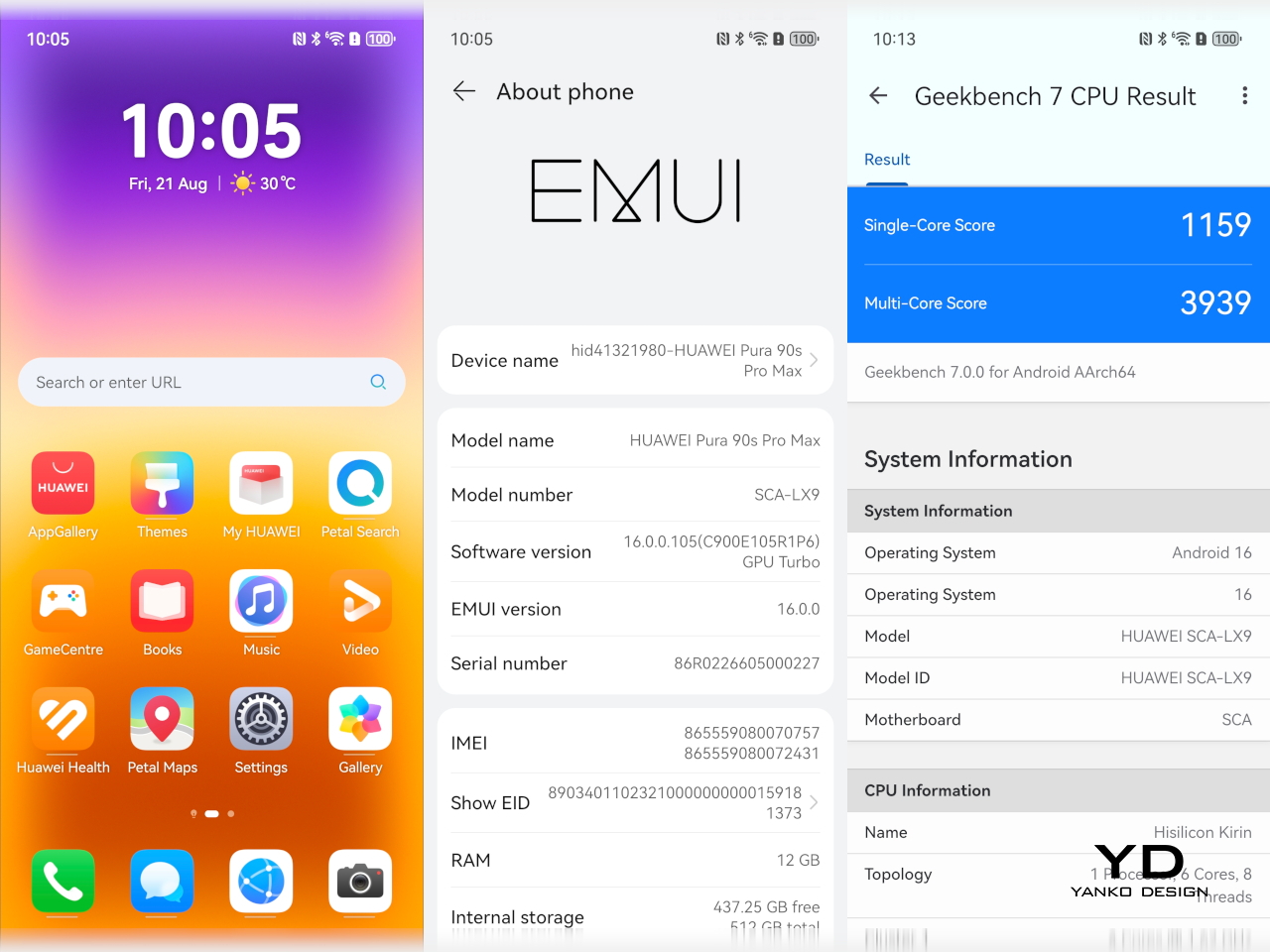
The phone runs EMUI 16, and Huawei has spent years building a more workable ecosystem around its devices. The experience today feels much less daunting than it used to, and most of the apps people need can be downloaded easily through GBox, which is now available via Huawei AppGallery.
For me, one of the biggest remaining inconveniences is file sharing across different phone ecosystems. Huawei does offer solutions such as Huawei Share for transferring files to other devices, but the experience still does not feel as seamless or as universal as what you get with iPhones or across the wider Android ecosystem. That becomes especially noticeable if you regularly share photos and videos between phones from different manufacturers.
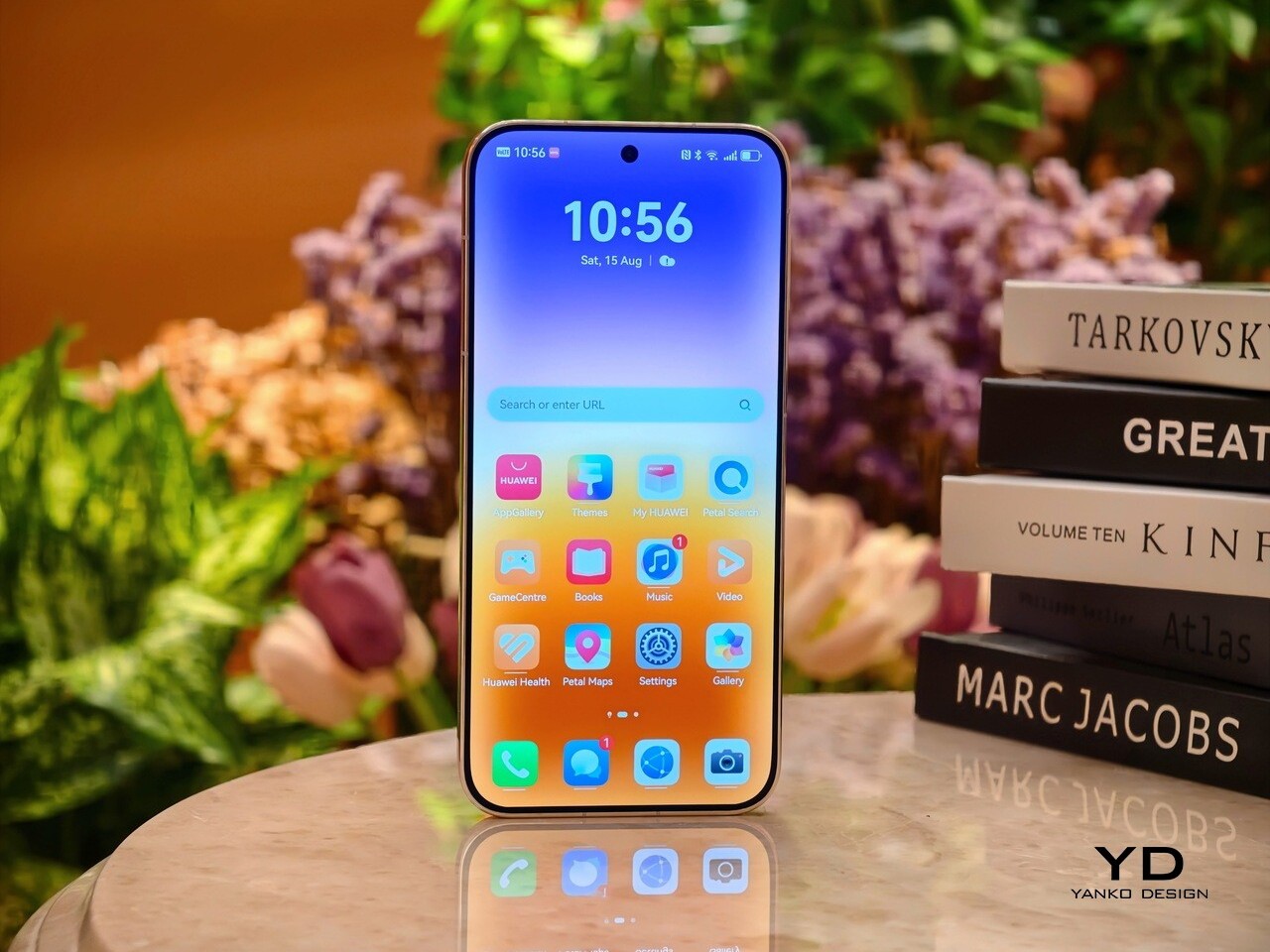
The display is one of the easiest things to like about the Pura 90s Pro Max. It is a 6.9-inch panel with a resolution of 2880 x 1308 and a refresh rate that scales from 1Hz to 120Hz. It is large, sharp, and well suited to a phone of this size and price.
Huawei says the anti-reflective screen reduces reflections by up to 70 percent compared with conventional glass. It is not as effective as the matte-style display treatment Huawei uses on some of its tablets, but it still makes the screen easier to view outdoors under bright sunlight.
The speaker setup is solid too. The stereo speakers are good enough for videos, games, and casual listening, with enough volume to avoid sounding weak in everyday use. They do not deliver especially rich or powerful sound, but they do the job well and help round out the phone’s media experience.

Main Camera, 1x
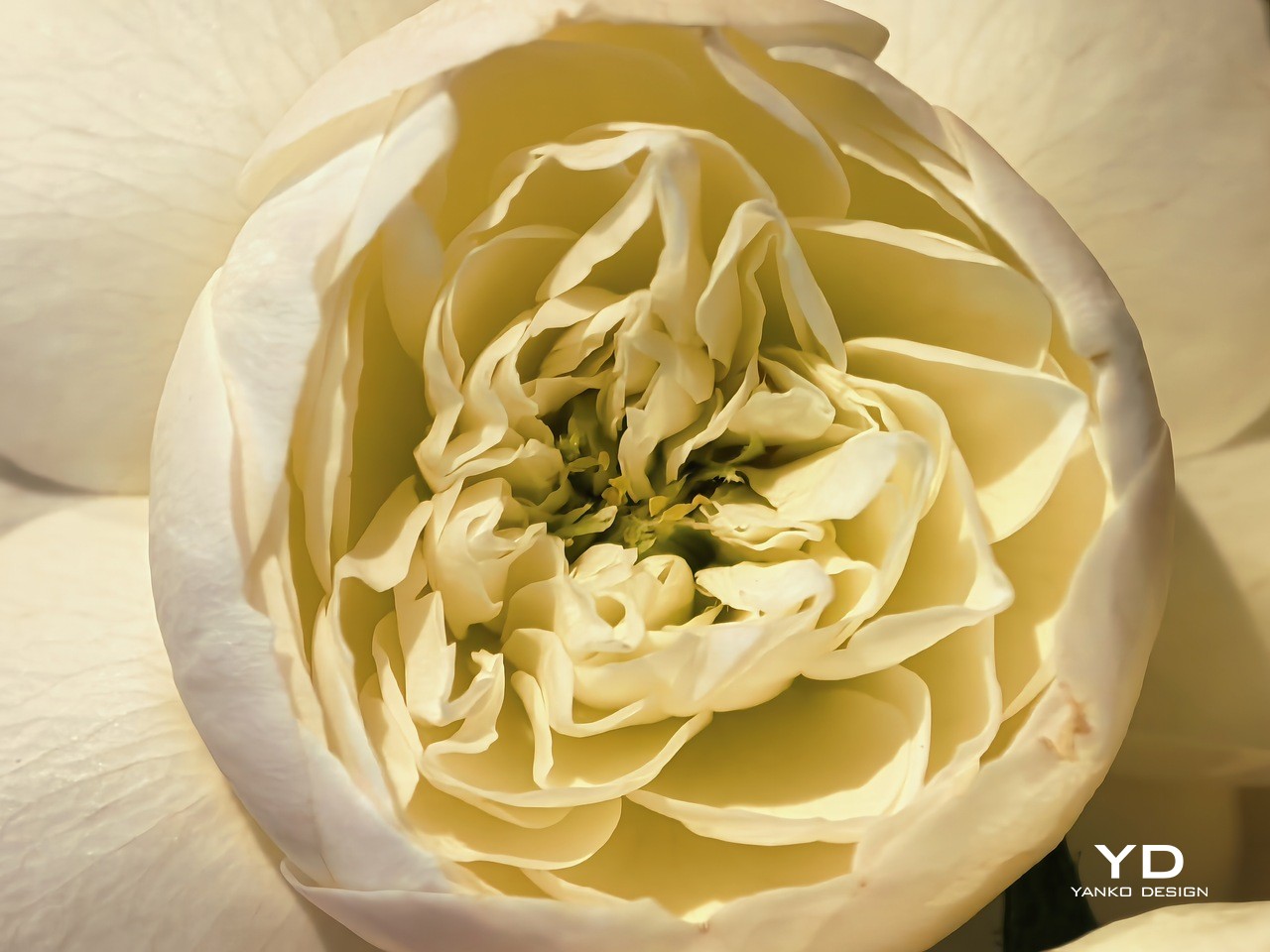
Telephoto Camera, 10x
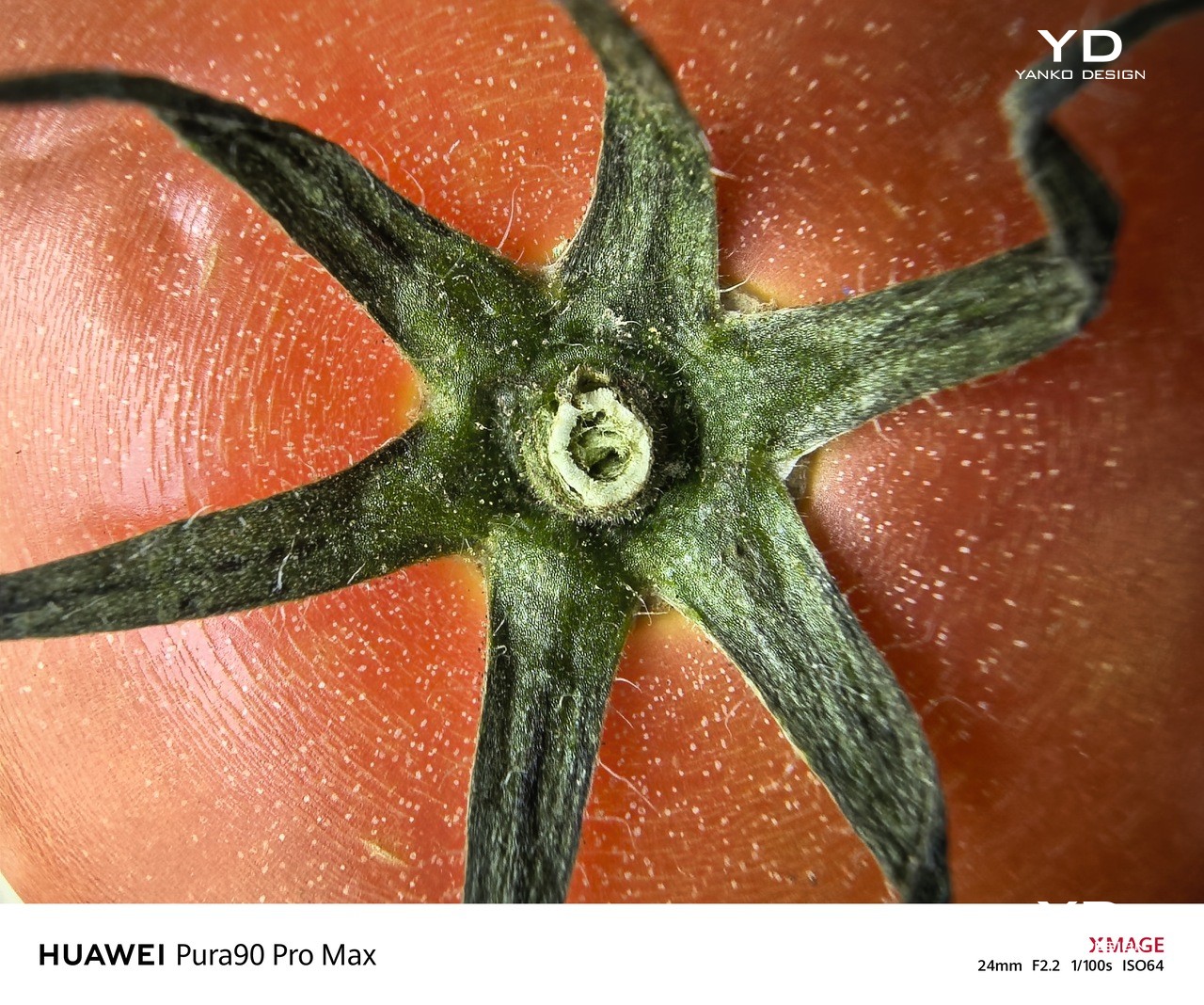
Main Camera, Macro Mode
Cameras remain one of the main reasons to pay attention to Huawei’s flagship phones, and that is still true here. The Pura 90s Pro Max has an ambitious camera setup, even if some of Huawei’s decisions this time feel a little unusual. On paper, it is a system that feels both impressive and slightly puzzling at the same time.

Telephoto, 4x, Portrait Mode
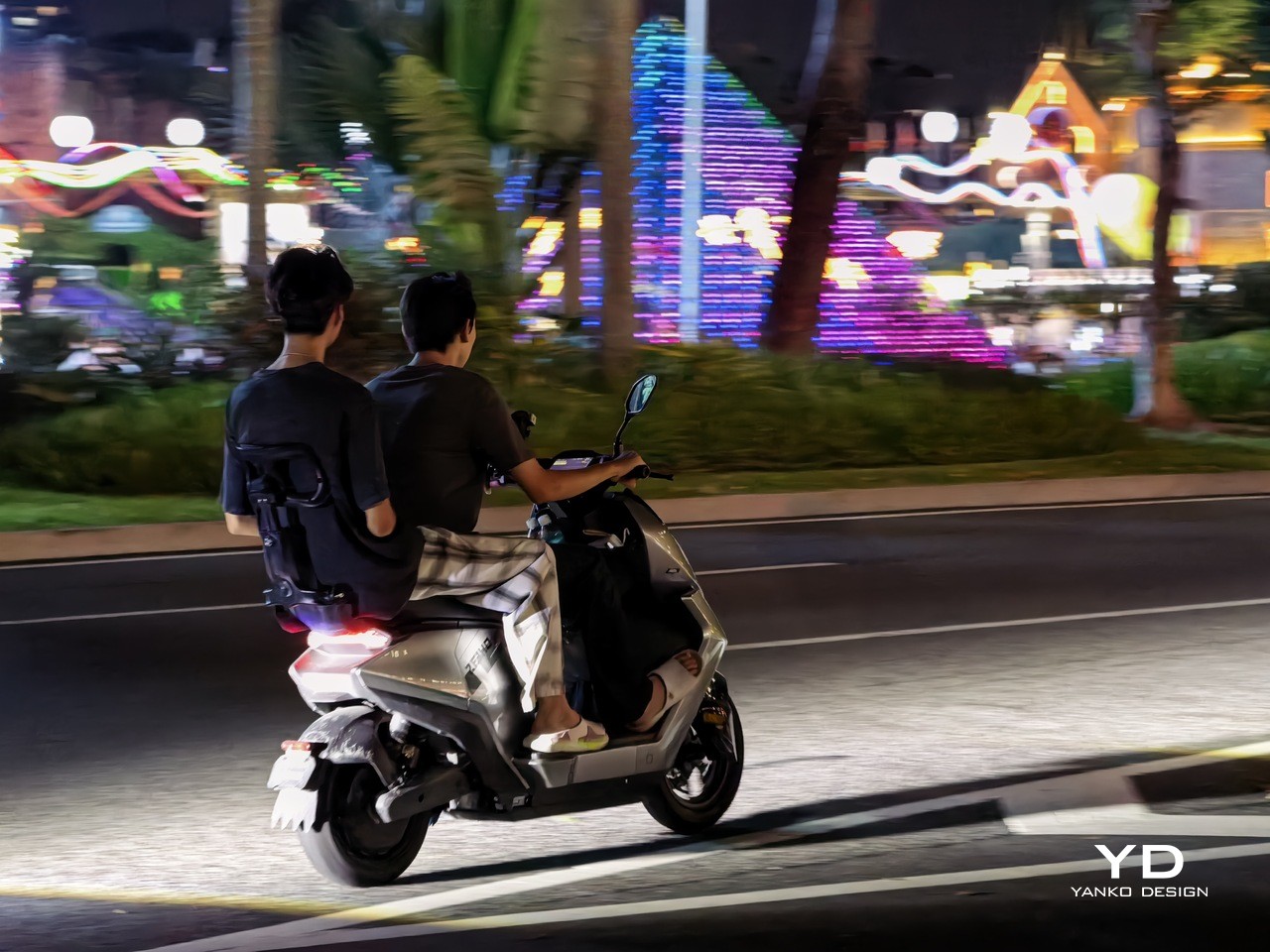
Telephoto camera, 4x, Snapshot mode
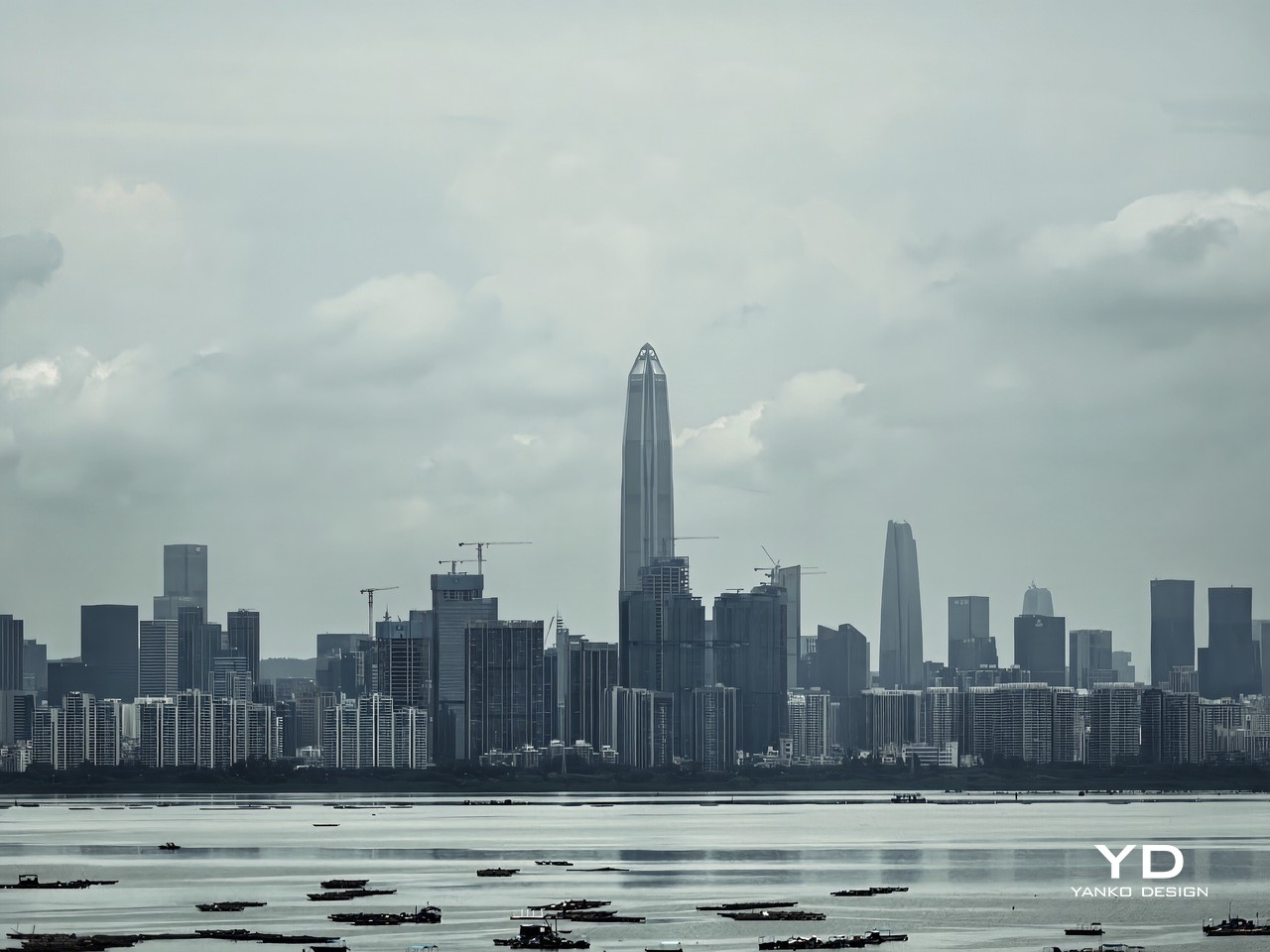
Telephoto Camera, 10x, shot from a moving car
Most notably, Huawei has moved from a 1-inch main sensor to a smaller 1/1.28-inch sensor. That is not entirely unprecedented, and other brands have made similar moves before, but it still feels surprising at this level. The new 50MP main camera uses an RYYB sensor with LOFIC technology, OIS, and a 10-step physical aperture from f/1.4 to f/4.0, though aperture control is limited to Pro mode.
Huawei has also dropped the dual telephoto setup with sensor-shift technology. In its place is a 200MP 4x telephoto camera with a 1/1.28-inch RYYB sensor, an f/2.6 aperture, and OIS. The rear setup is completed by a 40MP ultra-wide camera with an f/2.2 aperture, while the front camera is a 13MP unit.
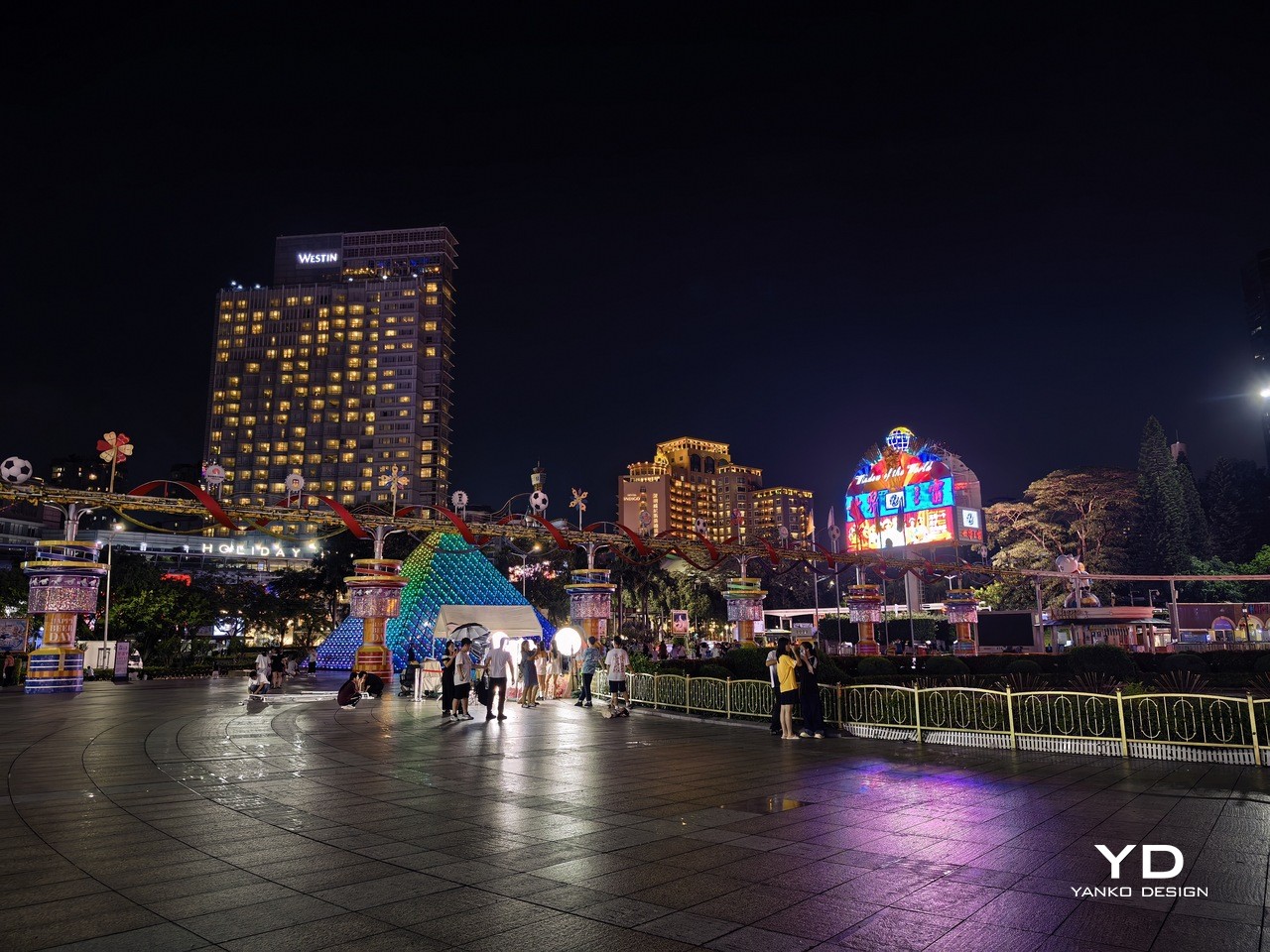
Main Camera, 1x, Night

Telephoto Camera, 4x, Night
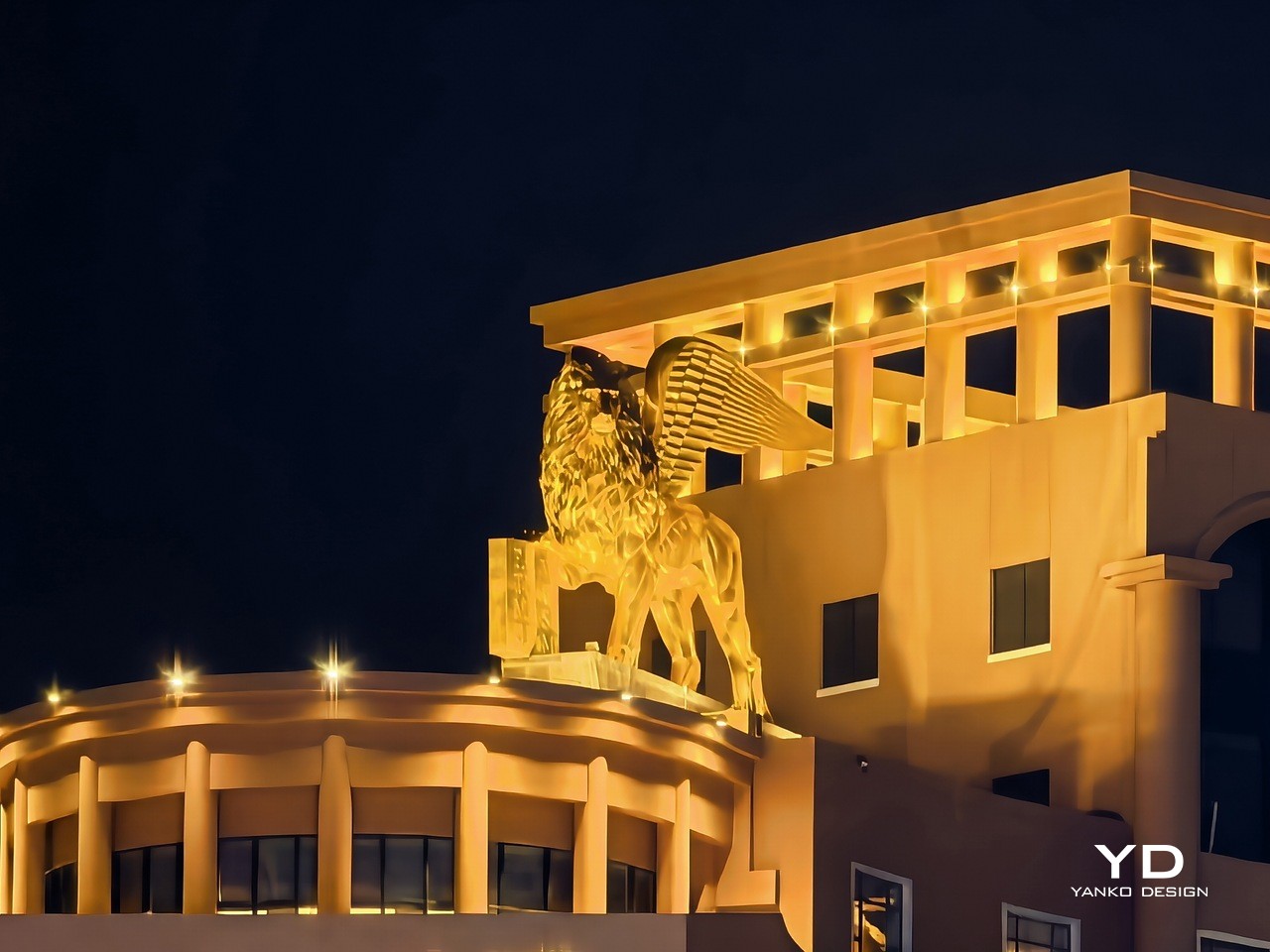
Telephoto Camera, 20x, Night
In actual use, though, the cameras are excellent. The main and telephoto cameras are the standouts, but the ultra-wide and front cameras are also very good. Colors are generally accurate thanks to Huawei’s True-to-Color Camera system, although the XMAGE Vivid profile can look a little oversaturated in some scenes.
Switching to XMAGE Original gives images a more natural look. Photos also tend to be slightly bright and a touch over-sharpened. Even so, the overall image quality is consistently strong and easy to like.
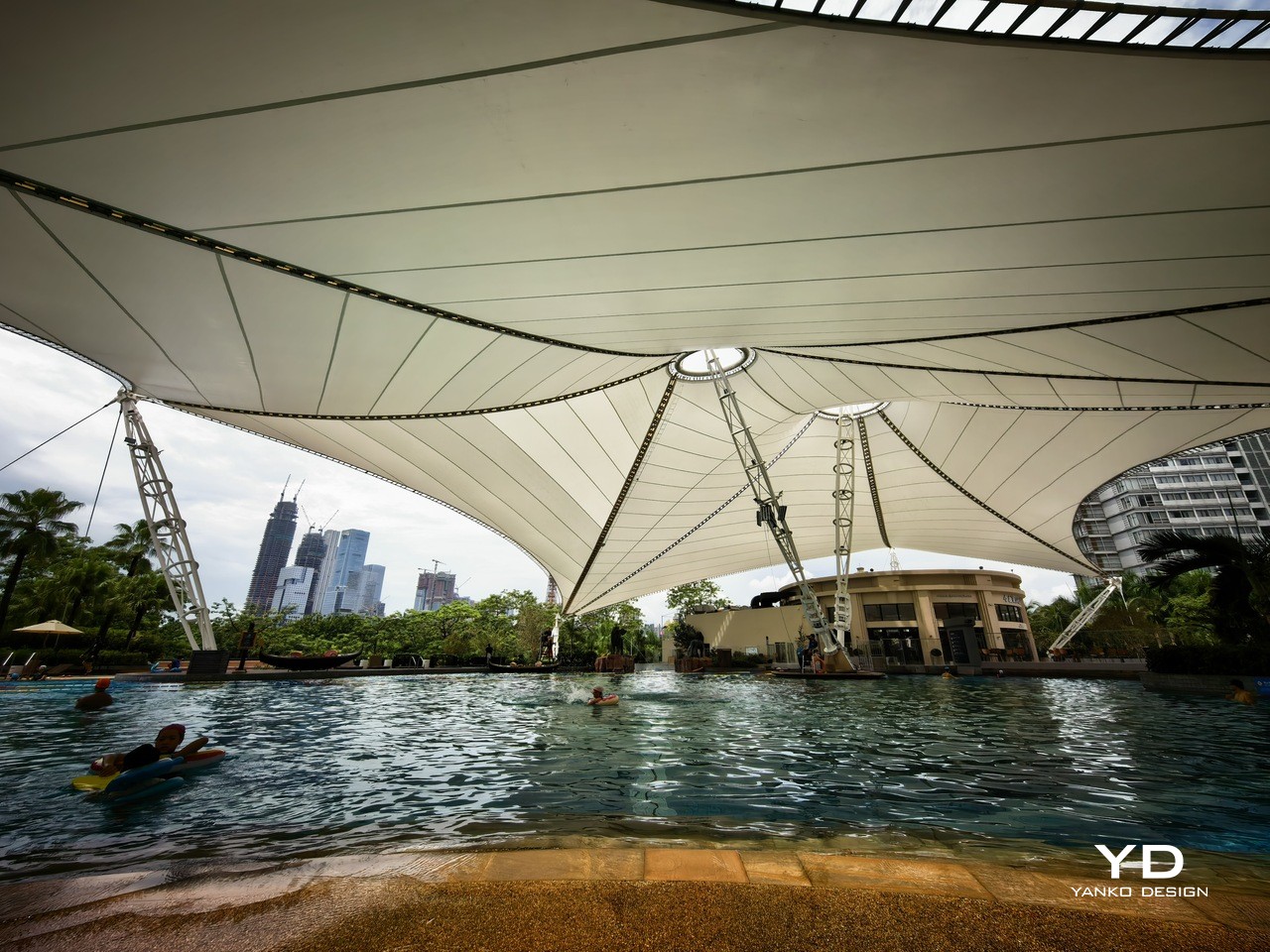
Ultra-wide Camera, 0.6x
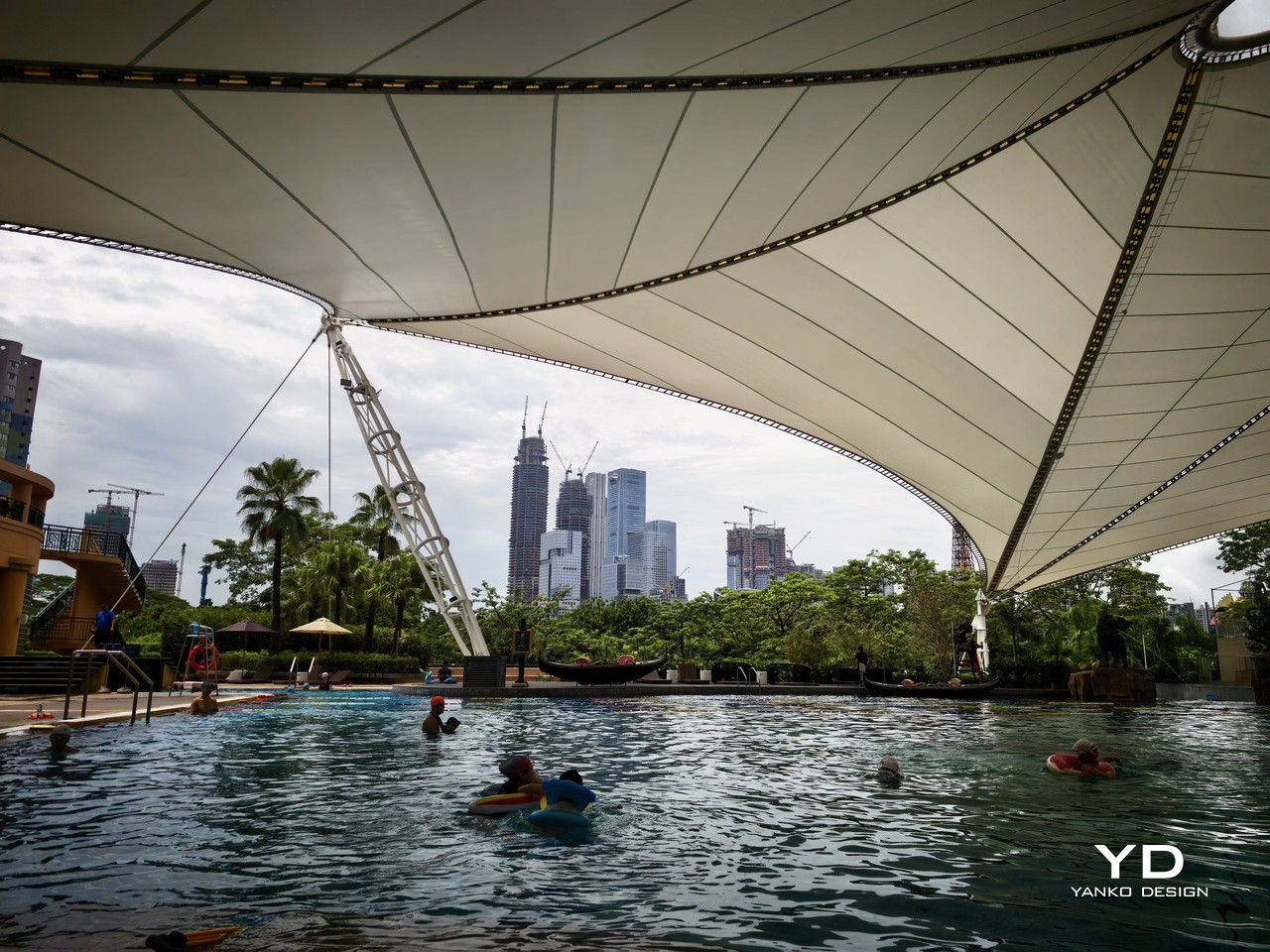
Main Camera, 1x
Video is strong too. All four cameras can record at up to 4K 60fps, and the footage is crisp, sharp, and pleasingly colorful. The tradeoff is that there is no 8K, no 24fps option, and no Log recording, which may be down to chipset limitations.
The weaker part of the experience is usability. There is no timer shortcut in the main camera interface, so you have to dig into settings to find it. Double-tapping the preset zoom levels also does nothing, unlike on many rival phones.
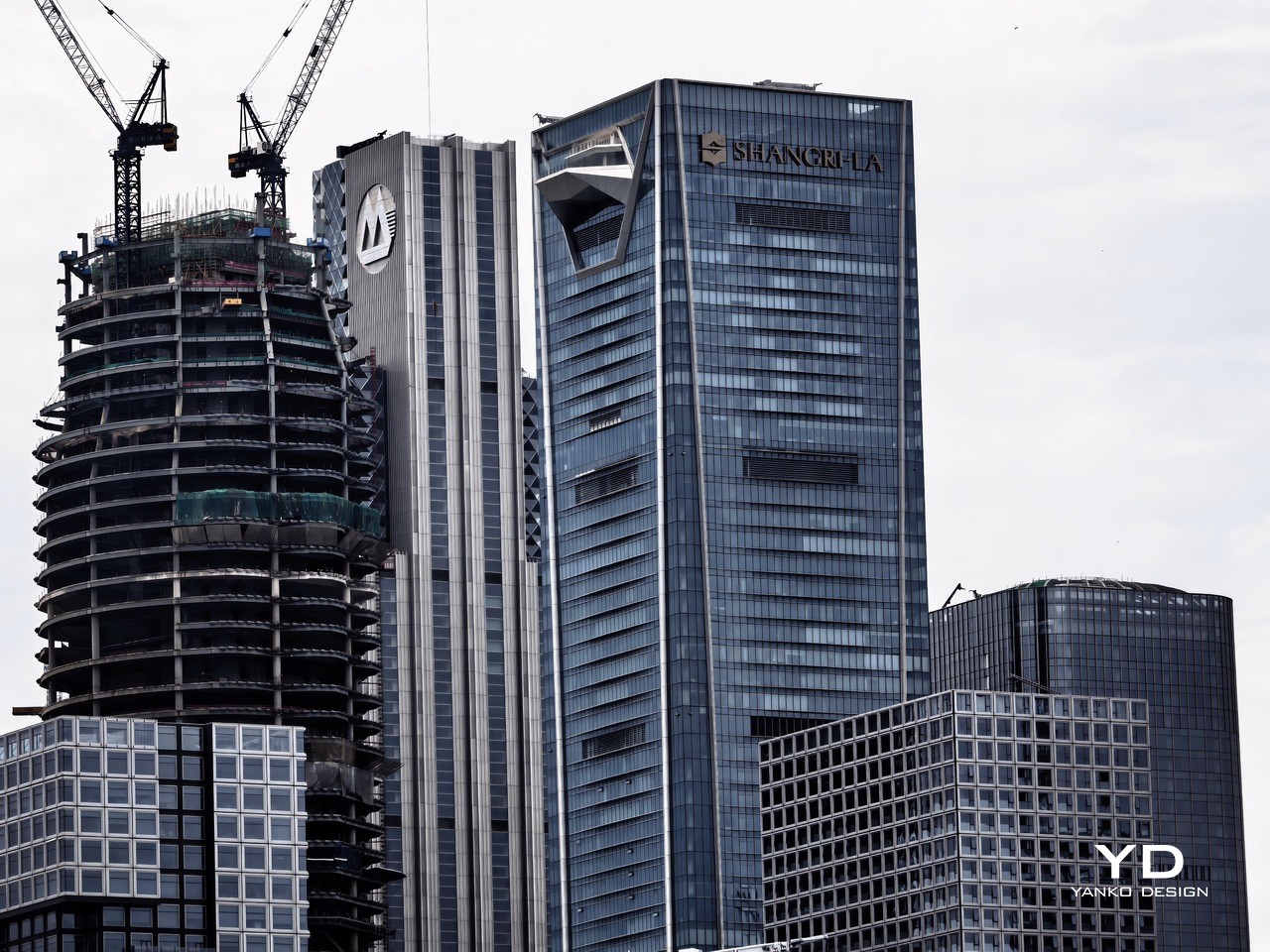
Telephoto Camera, 10x
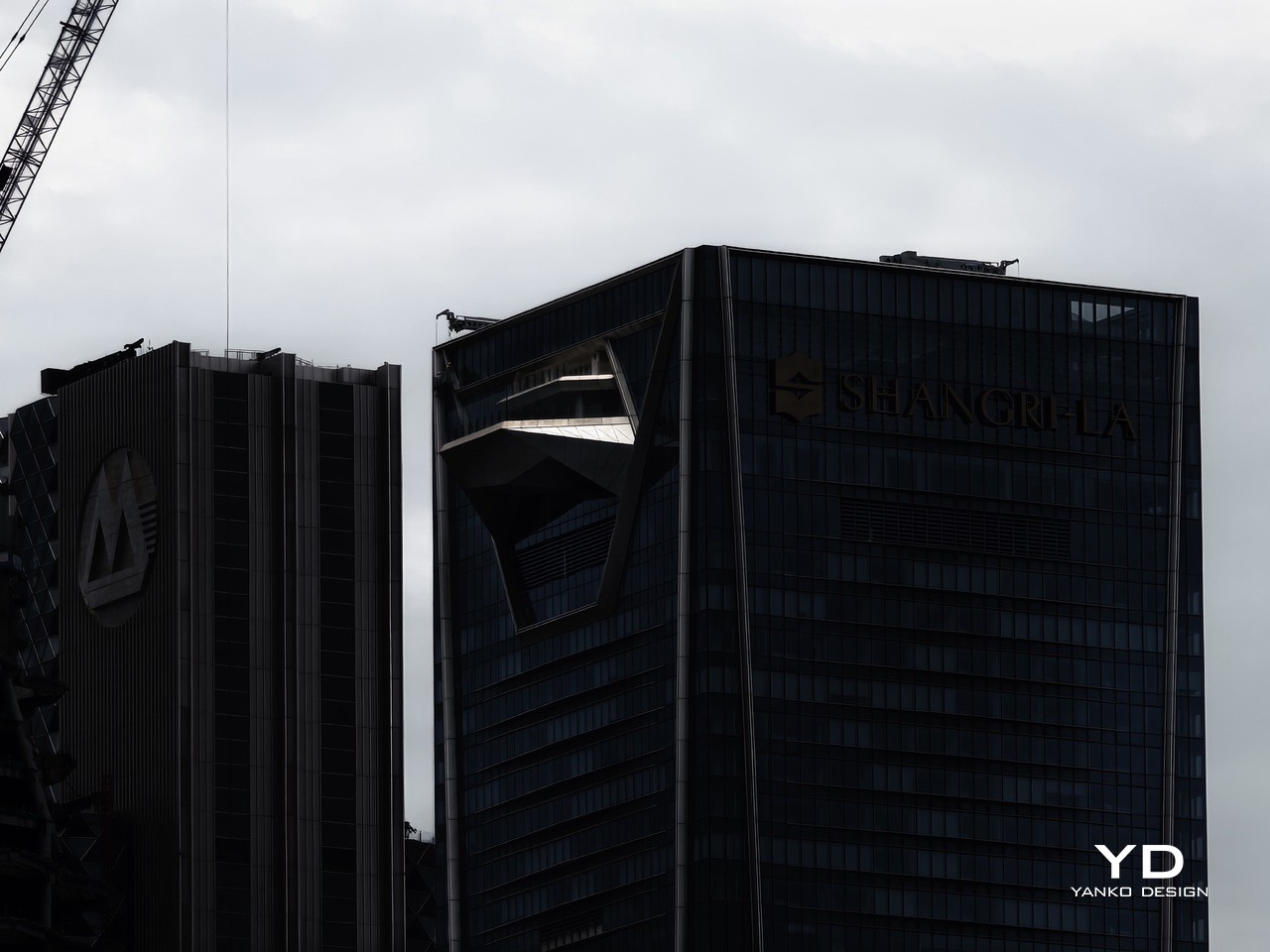
Telephoto Camera, 20x
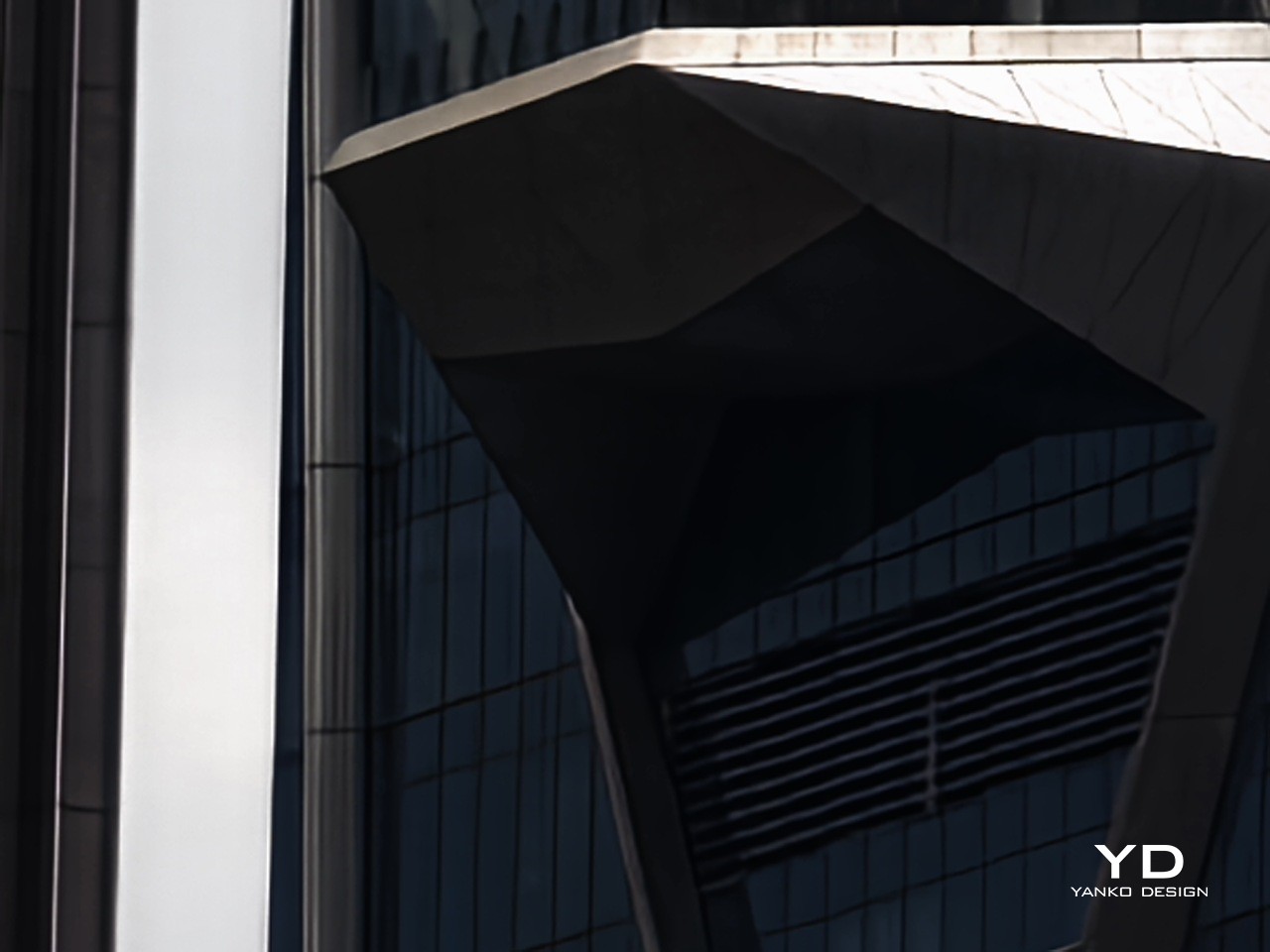
Telephoto Camera, 100x
They are small issues, but they make the camera app feel less polished than the image quality itself. It is a little frustrating because the hardware and output are strong enough to deserve a more refined shooting experience. Huawei gets the fundamentals right, but some of the smaller interface decisions still feel oddly behind the curve.
The EU version of the Pura 90s Pro Max comes with a 5,270mAh battery, while other regions get a larger 6,000mAh cell. Even so, battery life was still solid in my use. The phone comfortably lasted a full day with a mix of camera use, browsing, and general daily tasks.

Main Camera, 2x, B&W
That said, 5,270mAh does not feel especially big by current flagship standards. The good news is that charging is very fast. The phone supports up to 100W wired charging and up to 80W wireless charging with compatible chargers.
On paper, the Pura 90s Pro Max looks well protected. It is rated IP68 and IP69 for dust and water resistance, and Huawei says its Kunlun Glass offers 25 times better drop resistance and 16 times better scratch resistance. Those are strong claims, and they help reinforce the sense that this is a phone built to handle daily wear reasonably well.
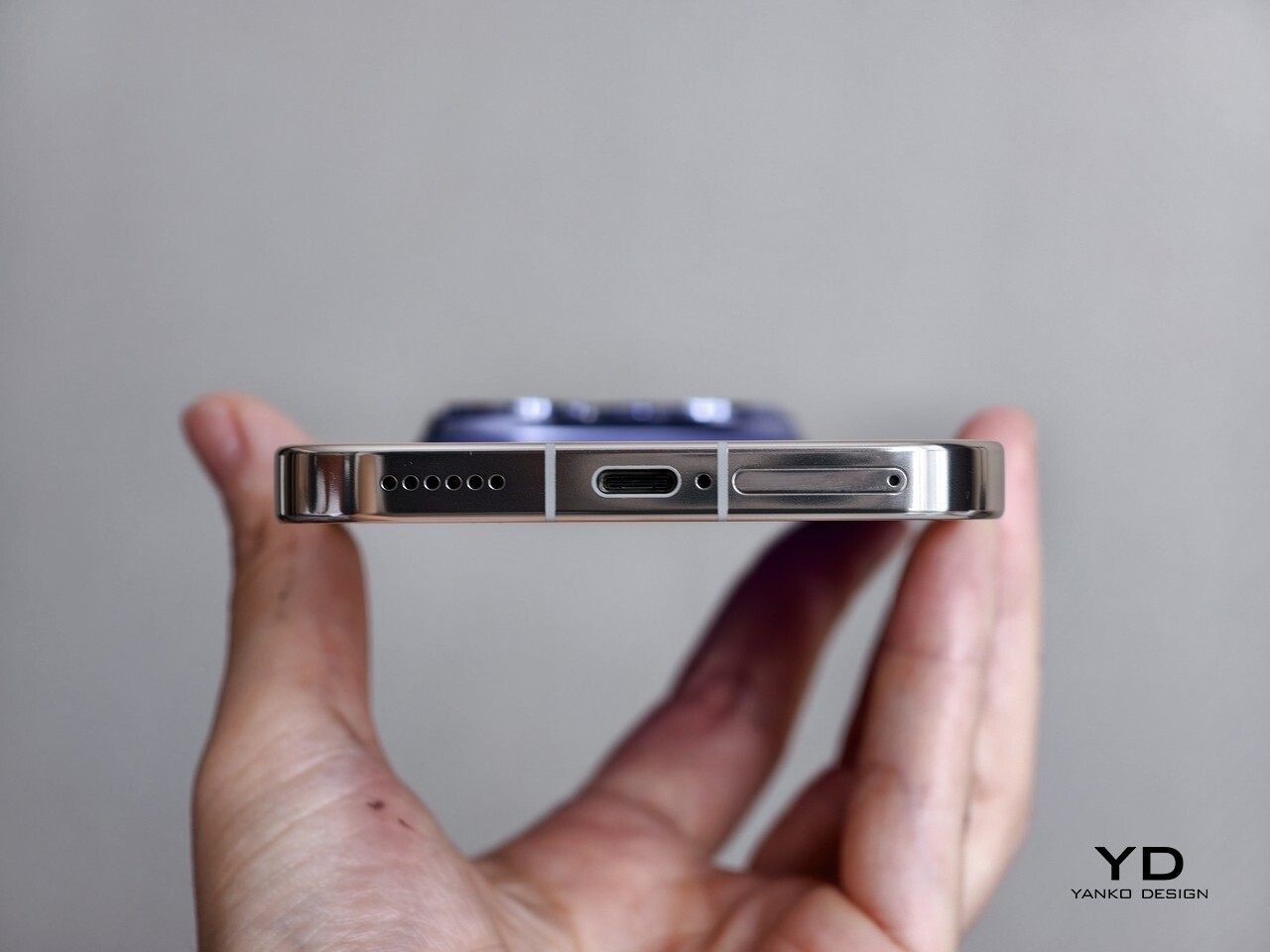
The bigger issue is what happens over time. Huawei still does not clearly say how long the phone will receive software updates or security patches, and that matters just as much for a flagship at this price. Good physical protection is important, but long-term software support is what really determines how well a phone ages.
Starting at €1,149, or roughly $1,250, the Pura 90s Pro Max sits firmly in flagship territory. That is still a lot of money, but compared with some other camera-focused flagships like the Xiaomi 17 Ultra, Vivo X300 Ultra, and Oppo X9 Ultra, it is around €500 to €800 cheaper. Huawei is also offering the kind of hardware you would expect at this level, including a standout design, strong cameras, a large high-quality display, and very fast charging.
At the same time, that price leaves less room to overlook the phone’s weaker points. Performance is solid rather than class-leading, the software ecosystem still comes with some friction, and Huawei remains unclear about long-term update support. That makes the Pura 90s Pro Max feel less convincing on value than some of its rivals, even if the hardware itself is often impressive.
The Pura 90s Pro Max is a phone I ended up liking more than I expected. It looks distinctive, feels premium, and delivers where Huawei has long been strongest, especially in camera performance. There is a lot here that feels thoughtfully done, even if some of Huawei’s decisions remain a little hard to understand.
At the same time, it is not a flawless flagship. The chipset does not feel best in class, the software ecosystem still asks for compromises, and the lack of clarity around long-term support is difficult to ignore at this price. The Pura 90s Pro Max is still a very good phone, but whether it makes sense for you depends a lot on how much you value Huawei’s design and camera strengths over a more complete all-round flagship experience.
The post Huawei Pura 90s Pro Max Review: A Beautiful Comeback With Caveats first appeared on Yanko Design.
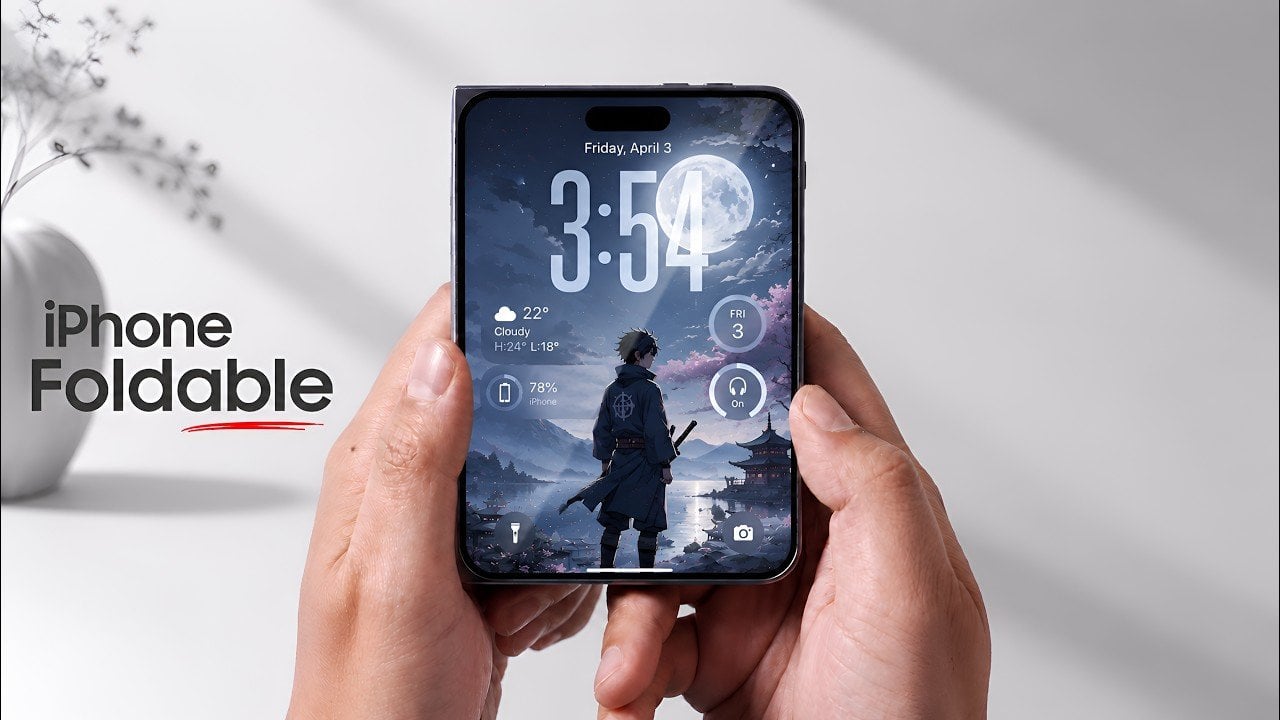
Apple’s rumored entry into the foldable smartphone market has generated significant excitement among tech enthusiasts and industry watchers alike. Reports suggest that the company could unveil its first foldable iPhone as early as September, signaling a potential shift in the smartphone landscape. While this device is expected to feature innovative technology and Apple’s signature design […]
The post Apple’s iPhone Fold Ultra Might Be Hard to Buy At Launch appeared first on Geeky Gadgets.