Fully-electric CityAirbus NextGen eVTOL makes pilotless take-off debut in Germany

On the road to a future of aircrafts that consume lesser fuel, are low maintenance, and have no carbon emissions; electric vertical take-off and landing vehicles will play a significant role. Such aircrafts are in their infancy as of now, so the news of an eVTOL making its take-off debut in Germany is a big milestone.

The CityAirbus NextGen eVTOL which has begun its official flight test campaign in Donauwörth, Germany, made the first remarkable unmanned lift-off around November 6, 2024, at the said Airbus facility. Unveiled in March 2024, this fully-electric eVTOL is part of Airbus Helicopters Advanced Air Mobility mission to produce eVTOL personal air vehicles alongside, UTM services, and vertiports.

Desginer: Airbus CityAirbus

The news about the flight test and the debut take-off of the NextGen eVTOL was announced via X by Airbus Helicopters’ Bruno Even. In his post, the CEO wrote, “I’m happy to share that the #CityAirbus NextGen flight test campaign in Donauwörth, Germany has started with a first lift-off. A big thank you to all our teams who have contributed to this important step in the marathon that is Advanced Air Mobility.”

The eVTOL features a large 12-meter wingspan, the wings are fixed and its tail has a distinct V shape. The four-seater electric vertical take-off and landing vehicle prototype – with the seating capacity of one pilot and three passengers with their luggage – can cruise 80 km on a single charge at the speed of 120 kmph.

The aircraft is made from carbon fiber composite material that makes it robust and lightweight. It is propelled by eight electric-powered propellers as part of its distributed propulsion system, which along with other features would ensure it is not only used for private and commercial flying (as a heli taxi) but would also assist in medical use cases and the promotion of eco-tourism. Airbus suggests this is the first eVTOL in a series of prototype aircrafts the company intends to produce. With the advancement of battery density, such aircrafts would surely have a longer range and become a common sight over sprawling cities.

The post Fully-electric CityAirbus NextGen eVTOL makes pilotless take-off debut in Germany first appeared on Yanko Design.

Apple and Georgia Tech Team Up to Design the Future of Chip Engineering

Apple’s efforts to shape the future of technology go well beyond the devices we use every day. The company’s New Silicon Initiative (NSI), started in 2019, aims to nurture talent in chip design, computer architecture, and integrated systems. With Georgia Tech now joining as the eighth university in this initiative, it helps bridge the gap between academic theory and industry practice, setting up future innovators for success in hardware engineering.

The partnership between Apple and Georgia Tech’s School of Electrical and Computer Engineering (ECE) builds upon a collaboration that introduced a digital circuit design course in 2022. This expanded initiative gives ECE students valuable access to Apple’s expertise in multiple ways. Students will have expanded coursework in integrated circuit (IC) design and the tapeout-to-silicon process, along with mentorship from Apple engineers, guest lectures by industry experts, networking events, and direct project reviews.

The final chip designed by ECE 4804 student groups embedded in a PCB.

A great example is the ECE 4804 VLSI Design: Theory to Tapeout course, created in partnership with Apple. This two-semester course takes undergraduates through the complete VLSI design cycle. In the first semester, students design a digital System on Chip (SoC) using industry-standard Electronic Design Automation (EDA) tools. The second semester focuses on testing the fabricated chips manufactured using Taiwan Semiconductor Manufacturing Company (TSMC)’s 65nm CMOS process. This hands-on experience gives students practical insights into chip design and manufacturing.

On October 3, 2024, a kick-off event at Georgia Tech attracted over 600 students, showing a strong interest in this collaboration. The initiative provides students with hands-on experience in integrated systems and silicon chip design, skills that are fundamental to the development of modern technology. The NSI program at Georgia Tech offers several benefits to students. These include scholarship and fellowship opportunities, such as a Ph.D. Fellowship in Integrated Circuits and Systems announced in October. The curriculum has been enhanced to focus on circuit technology, electronic devices, computing hardware, and emerging architectures. Students will receive direct feedback from Apple engineers on IC design course projects, giving them invaluable industry insights. Moreover, they will gain exposure to new technologies and industry practices, preparing them for an evolving tech landscape. These elements give students a valuable view of industry practices, preparing them for the tech landscape.

More than 600 Georgia Tech students joined the Apple NSI kick-off event at the Clough Undergraduate Learning Commons in early October, highlighting the excitement around this partnership.

Apple engineers will collaborate with ECE faculty to present guest lectures in various integrated system design courses. The engineers will also participate in project reviews in several IC design courses and offer practical feedback to help students refine their designs during the tape-out process. In the inaugural run of the VLSI Design course, every student design was validated as fully functional—a success that highlights the value of direct industry involvement.

ECE Professor Visvesh Sathe teaching the first VLSI Design: Theory to Tapeout cohort in Spring 2023.

“Working with Apple as part of its New Silicon Initiative allows us to bridge the skills gap for a workforce in IC design and computer architecture by preparing students with the technical abilities and skills to enter a rapidly evolving, always in-demand industry,” said Arijit Raychowdhury, professor and Steve W. Chaddick School Chair of ECE.

This collaboration represents an important investment in the future of hardware engineering and chip design. By bringing real-world challenges and professional feedback directly into the academic setting, Apple is helping to accelerate the growth of the next generation of talent. This initiative impacts Georgia Tech students and the broader future of technology development and innovation.

Looking ahead, there are plans to expand this course and explore new courses in other chip development areas, like analog and packaging. As technology advances, initiatives like NSI are crucial in preparing tomorrow’s workforce to meet the industry’s challenges.

The post Apple and Georgia Tech Team Up to Design the Future of Chip Engineering first appeared on Yanko Design.

LG Unveils World’s First Stretchable Display that can Twist, Expand, and Stretch Up To 50% Like Elastic

Did that display just stretch or is it happy to see me??

We’ve seen folding displays for a decade now, but it seems like LG’s unlocked a magical new display capability – stretchable displays. Their prototype, revealed in Seoul, transforms how we think of screens: it stretches up to 50% more than its original size—quite literally expanding our vision of what displays can do. This achievement puts LG at the forefront of a unique new tech innovation, showcasing a level of versatility previously limited to science fiction.

Imagine a display that can expand from 12 inches to 18 inches, all while maintaining sharp, full-color clarity at 100 pixels per inch. It’s like having a screen that adapts to your needs, flexing and stretching without compromising quality. The potential uses are mind-boggling: think screens integrated seamlessly into irregular surfaces like clothing, or even medical wearables that conform to the human body. It could render folding displays obsolete too – why fold a phone when you can simply stretch it?!

Designer: LG Display

The screen’s specs are impressive for a prototype. It features a 100ppi resolution with full-color RGB, combining durability with flexibility. It stretches up to 20%—much like a rubber band—thanks to a unique silicon substrate, similar to what’s used in contact lenses. This substrate, paired with micro-LED tech, ensures that the display maintains sharp visuals and endures real-world wear and tear. Not only can the display handle heavy impacts, but its structure also preserves picture quality even under the stress of stretching and bending, setting a new standard for resilient, adaptable tech.

The tech under the hood is pretty impressive. Using a unique silicon substrate (the same material often used in contact lenses) LG has managed to significantly improve the display’s flexibility and durability. Coupled with a micro-LED light source capable of surviving extreme environments, this display can withstand up to 10,000 stretches without a dip in image quality. This durability sets it apart from conventional screens, which can be fragile and ill-suited for rugged conditions.

There’s also a unique blend of design and practicality here, particularly in how LG Display envisions the Stretchable screen fitting into various environments. For instance, it could be integrated into a paramedic’s uniform, delivering critical information in real-time during emergencies. Or think of a screen that shifts from a flat display to one with tactile feedback, potentially supporting accessibility features like Braille. By rethinking what displays can do, LG Display’s Stretchable technology points toward a future where screens become embedded into our surroundings and daily routines, merging seamlessly with the objects and clothing we use.

Aside from being able to flex, warp, and stretch, the screen is engineered to handle the elements too, from extreme temperatures to physical impacts. This resilience is vital for potential applications in fields like safety, where wearables could provide critical real-time information. For instance, firefighters could wear uniforms with built-in screens, delivering crucial updates directly on their clothing. Similarly, the automotive sector could see stretchable panels that mold to dashboards, changing shape to offer an intuitive interface for drivers.

Collaborating with 19 other industry and research bodies, LG Display has been working on this project since 2020, advancing not just in product design but in creating a sustainable ecosystem for future technologies. This collaboration with South Korea’s Ministry of Trade, Industry, and Energy speaks to the broader impact of this display technology—beyond products, it’s about leading the charge in next-generation materials and designs.

The display wing of LG debuted this unique piece of innovation at the Seoul Fashion Week by integrating the displays into clothing and fashion accessories like bags. Although just a proof of concept for now, commercialization is on the horizon, with LG Display targeting a more refined prototype by the end of 2024. The implications for industries like gaming, healthcare, and fashion are significant. This technology could turn any surface into an interactive display, from a jacket sleeve to a car dashboard. I just wish LG’s mobile division were around to put this magical screen to use!

Images via LG Display Newsroom

The post LG Unveils World’s First Stretchable Display that can Twist, Expand, and Stretch Up To 50% Like Elastic first appeared on Yanko Design.

Discover Pro-Level Features with the Saramonic Ultra Wireless Mic—Built for Creators

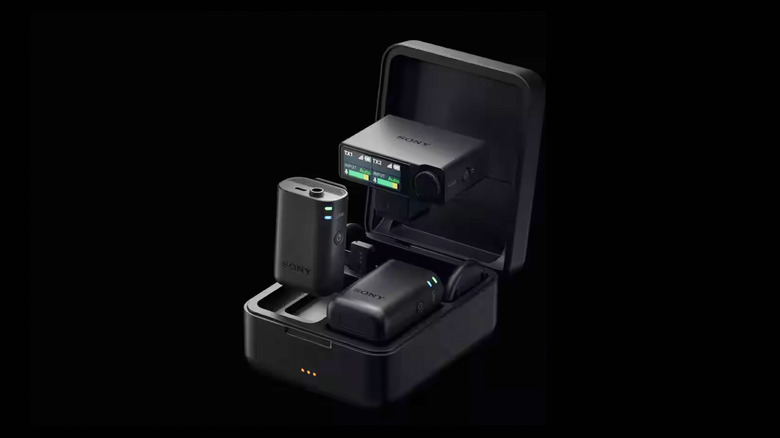
Saramonic is setting a new benchmark in professional audio gear with the launch of its latest wireless mic system, the Ultra 2-Channel. Built specifically for filmmakers, content creators, and anyone needing professional-quality audio on the go, the Saramonic Ultra wireless mic combines cutting-edge technology and convenience with a thoughtful design approach. It offers the reliability and seamless integration that today’s creatives need.

Designer: Saramonic

Packed with advanced features such as Timecode synchronization, 32-bit float onboard recording, and rugged IPX5 waterproofing, the Saramonic Ultra wireless mic aims to meet the real challenges professionals face. Below, we explore what makes the Ultra an essential tool in the hands of audio professionals and how it holds up under different use cases.

Saramonic’s Dedication to Audio Excellence

Since 2012, Saramonic has shown a clear dedication to delivering quality audio solutions. The company’s mission has always been to create tools that meet professional demands while remaining accessible to independent creators. Over the years, they’ve developed numerous patented technologies that have played a significant role in advancing modern audio recording. The Saramonic Ultra wireless mic continues this legacy, blending ease of use with robust performance in a portable form factor.

Saramonic has spent over a decade fine-tuning its approach to professional audio equipment. Known for producing products that work intuitively while delivering high-quality output, Saramonic’s vision centers on innovation that serves real-world needs. The Ultra 2-Channel Wireless Microphone System focuses on understanding the nuances of professional audio work and making those processes more efficient.

Throughout its journey, Saramonic has gathered more than 400 patents, an impressive milestone for a young company. With a focus on innovation that truly makes a difference, Saramonic’s products have become trusted tools for content creators and filmmakers worldwide. This product showcases their drive to innovate, pushing what’s possible in a lightweight, wireless microphone system.

Precision at the Core of the Saramonic Ultra

The heart of the Saramonic Ultra wireless mic is accuracy and reliability in audio capture. Every feature has been designed to help creators achieve flawless results without the usual hassles associated with professional audio setups. 

Timecode synchronization in the Saramonic Ultra wireless mic is designed to solve a common pain point for filmmakers and videographers—matching audio with video footage across multiple devices. This feature ensures frame-perfect alignment, which is a lifesaver during post-production. Whether managing a complex multi-camera shoot or working with a single unit, Timecode ensures the output stays synchronized, cutting down on editing headaches.

This synchronization streamlines workflows and improves the quality of the final product. Eliminating sync errors means fewer retakes and less time spent aligning clips, freeing creators to focus more on their projects’ narrative or creative elements.

Audio environments can be unpredictable—one moment might require capturing a whisper, and the next, a sudden loud cheer. The Saramonic Ultra wireless mic addresses this with 32-bit float recording, which preserves a wide dynamic range, ensuring that all the subtle details are retained. Unlike traditional recording methods where audio can clip and distort, 32-bit float technology provides a clean recording by covering a broader range of sound levels.

The 8 GB onboard storage further complements this functionality, allowing users to focus on capturing content without the constant need to worry about connectivity to other devices. For field journalists or outdoor filmmakers, this feature is particularly handy, allowing greater flexibility while on location.

Noise Control and Enhanced Audio Quality

High-quality audio means capturing the right sound, free from interference and distortion. The Saramonic Ultra wireless mic has been engineered with a host of features to manage noise and enhance vocal clarity, ensuring audio quality that meets professional standards.

ClearVoice™ is designed to help you capture what matters most—the subject’s voice. In any recording environment, unwanted background noise can interfere with capturing high-quality sound. ClearVoice™ technology acts to minimize this interference, focusing specifically on vocal frequencies. From recording an interview in a busy city to capturing dialogue during a crowded event, this feature helps bring vocal clarity to the forefront.

In addition to ClearVoice™, the Saramonic Ultra wireless mic also features Low-Cut modes and Vocal Boost options that cater to more specialized needs. The Low-Cut mode eliminates low-frequency noises, such as hums from air conditioners, while the Vocal Boost enhances the primary vocal frequencies, ensuring clarity.

Automatic Gain Control (AGC) is another vital feature for maintaining high-quality sound. Recording conditions can change quickly, and audio levels can shift from quiet to loud without much warning. AGC automatically adjusts the recording levels in real-time, preventing over-modulation and maintaining a balanced output. This means users can focus on capturing the event rather than constantly adjusting audio levels to accommodate the surroundings.

Engineered for Versatile Recording Conditions

Recording environments are diverse, and audio gear must be versatile enough to handle it all. The Saramonic Ultra wireless mic is built to thrive in challenging environments, whether on a film set, at a live concert, or outdoors in unpredictable weather.

The Saramonic Ultra wireless mic is engineered to handle high-noise environments, capturing clear audio without distortion or clipping, whether it’s a concert or an interview in a crowded venue. Many systems struggle with high sound levels, but this is where the Ultra shines, allowing for greater versatility in where and how you choose to use it.

The Saramonic Ultra wireless mic also has an IPX5 waterproof rating, making it ideal for outdoor shoots where unexpected rain or humidity might compromise your gear. From documenting nature to covering live outdoor events or filming in unpredictable conditions, the Ultra’s waterproof design ensures reliability, allowing creators to focus on the content without worrying about their equipment.

User-Friendly Design That Prioritizes Comfort and Efficiency

The Saramonic Ultra wireless mic has been designed to be as intuitive as possible, reducing friction in the creative process. Its physical design, interface, and connectivity features are all aligned to enhance the user experience, making it a versatile choice for professionals.

The Saramonic Ultra’s 1.1-inch AMOLED touchscreen provides real-time information such as battery life, audio levels, and signal strength, making it easy for users to monitor and adjust settings on the go, even in low light or direct sunlight.

A convenient physical knob complements the touchscreen, offering tactile control over key settings. This combination allows for easy setting adjustments, whether fine-tuning audio levels or navigating the interface, ensuring the system is incredibly user-friendly.

The Saramonic Ultra also features an external antenna, ensuring reliable wireless transmission even at distances up to 300 meters, which makes it a dependable choice for larger sets or outdoor environments.

Designed with versatility in mind, the Saramonic Ultra wireless mic features interchangeable Lightning and USB-C connectors. This ensures compatibility with a wide range of devices, from professional cameras to smartphones. Be it in a studio setting or shooting on location, the connectors make it easy to integrate the microphone into different workflows seamlessly.

The fixed 3.5mm female jack also adds to the connectivity options, ensuring that older equipment or specific setups requiring traditional connections can still be used without fuss. It’s all about providing flexibility without sacrificing simplicity.

Real-World Applications—Where the Saramonic Ultra Shines

A good microphone system adapts to a variety of settings and demands. The Saramonic Ultra wireless mic is suited to a wide range of applications, making it a versatile tool for creators across different industries.

The Saramonic Ultra wireless mic is a natural fit for film production and content creation, where capturing synchronized, high-quality audio is non-negotiable. The Timecode synchronization and 32-bit float recording make post-production much smoother, reducing the need for manual sync corrections and ensuring clean, detailed sound.

For live event coverage, the Saramonic Ultra wireless mic’s ability to handle high SPL, combined with intelligent noise management, makes it invaluable. It captures crisp, clear sound even when faced with fluctuating volume levels, ensuring consistent audio quality from the stage to the soundboard.

The rugged IPX5 waterproof rating means that the Saramonic Ultra wireless mic can operate reliably in harsh outdoor environments. From journalism to wildlife documentary work or adventurous travel vlogging, this microphone system is built to endure tough conditions, giving creators one less thing to worry about.

The included charging case further enhances usability, featuring dimensions of 117 × 48.5 × 62.4 mm and a weight of 210.5 g, making it highly portable. The case offers more than one full charging cycle for two transmitters and one receiver, ensuring the system remains powered for longer shoots. With a 2900 mAh battery capacity, the charging case provides up to 24 hours of operating time, making it invaluable during extended sessions or on-location shoots without power access.

Pricing and Availability

Saramonic understands that creators have different needs, which is why they offer two configurations for the Ultra: the standard version at $269 and a dual Lavalier setup at $299. The Saramonic Ultra is available in two color options: Black and White, giving creators the freedom to choose a style that best suits their preferences and setup.

The Ultra will be available for pre-order from November 7th and will officially launch on November 21st. Available through Saramonic’s website and a network of global retail partners, the Ultra is accessible to professionals worldwide who are ready to enhance their audio recording capabilities.

The Saramonic Ultra 2-Channel Wireless Microphone System delivers versatility, high-quality audio capture, intuitive design, and reliability on all fronts. Whether for film production, live event recording, or rugged outdoor environments, this system adapts seamlessly, ensuring that the technical aspects of sound don’t interfere with creativity.

The post Discover Pro-Level Features with the Saramonic Ultra Wireless Mic—Built for Creators first appeared on Yanko Design.

The World’s Largest Building Is All Set To Be Built In Saudi Arabia By 2030

Saudi Arabia is currently constructing a spectacular skyscraper called the Mukaab! The impressive build will adopt the form of a tall cube. It will stand tall at a height of 1,312 feet in the capital of Riyadh. It will also be as long and wide as it is tall and could fit around 20 Empire State Buildings inside of it, according to the Saudi Government’s Public Investment Fund. Bloomberg says it will be the world’s largest building! How incredible!

Designer: AtkinsRéalis & New Murabba

The exterior will be decorative and intricate, drawing inspiration from traditional Islamic architecture. The interior will occupy a floor space of 2 million square meters. The center will include a massive twisting tower, imagine a large box with another large twisting structure within it. It will also feature a holographic system that will showcase underwater and otherworldly scenes within the cuboidal structure. Currently, there aren’t too many details about this feature, but it does sound quite exciting.

“New Murabba will also construct a temporary bridge that will serve as a critical enabler, connecting the construction site by crossing King Khalid Road,” said developer New Murabba’s press release. “This connection will facilitate ongoing development and pave the way for the initiation of Mukaab piling in the coming months. The bridge is expected to reduce approximately 800,000 truck movements on public roads for earthworks alone, showcasing a positive impact on the surrounding infrastructure. With around 900 workers on-site daily, work is advancing rapidly, bringing the destination closer.”

The excavation work for the Mukaab is almost over, and nearly 350 million cubic feet of earth have been removed. This work needed the usage of 250 excavators every day, and around 400 pieces of equipment to handle all the soil. The construction workers devoted nearly 3 million hours of labor. A bridge is also being built to ensure smooth operation and processes. The Mukaab will complete construction in 2030.

The post The World’s Largest Building Is All Set To Be Built In Saudi Arabia By 2030 first appeared on Yanko Design.

OpenAI is building their own AI Chips to take on Nvidia’s Chip Dominance

In a strategic move that feels like it’s straight from an Aaron Sorkin movie, OpenAI has started crafting its own AI chip, a custom creation designed to tackle the heavy demands of running its advanced models. The company, known for developing ChatGPT, has partnered with Broadcom and Taiwan Semiconductor Manufacturing Company (TSMC) to roll out its first in-house chip by 2026, Reuters reports. While many giants might build factories to keep all chip manufacturing in-house, OpenAI opted to shelve that multi-billion-dollar venture. It’s instead using industry muscle in a way that’s both practical and quietly rebellious.

Why bother with the usual suppliers? OpenAI is already a massive buyer of Nvidia’s GPUs, essential for training and inference—the magic that turns data into meaningful responses. But here’s the twist: Nvidia’s prices are soaring, and OpenAI wants to diversify. AMD’s new MI300X chips add to the mix, showing OpenAI’s resourcefulness in navigating a GPU market often plagued by shortages. Adding AMD into this lineup might look like a mere “supply chain insurance,” but it’s more than that—this move exhibits OpenAI’s reluctance to put all its eggs in one pricey basket. Sort of like Apple developing its own Apple Intelligence while leaning on ChatGPT whenever necessary.

Broadcom is helping OpenAI shape the chip, along with a data transfer capability that’s critical for OpenAI’s needs, where endless rows of chips work in synchrony. Securing TSMC, the world’s largest contract chipmaker, to produce these chips highlights OpenAI’s knack for creative problem-solving. TSMC brings a powerhouse reputation to the table, which gives OpenAI’s experimental chip a significant production edge—key to scaling its infrastructure to meet ever-growing AI workloads.

OpenAI’s venture into custom chips isn’t just about technical specs or saving money; it’s a tactical play to gain full control over its tech (something we’ve seen with Apple before). By tailoring chips specifically for inference—the part of AI that applies what’s learned to make decisions—OpenAI aims for real-time processing at a speed essential for tools like ChatGPT. This quest for optimization is about more than efficiency; it’s the kind of forward-thinking move that positions OpenAI as an innovator who wants to carve its own path in an industry where Google and Meta have already done so.

The strategy here is fascinating because it doesn’t pit OpenAI against its big suppliers. Even as it pursues its custom chip, OpenAI remains close to Nvidia, preserving access to Nvidia’s newest, most advanced Blackwell GPUs while avoiding potential friction. It’s like staying friendly with the popular kid even while building your own brand. This partnership-heavy approach provides access to top-tier hardware without burning any bridges—a balancing act that OpenAI is managing with surprising finesse.

(Representational images generated using AI)

The post OpenAI is building their own AI Chips to take on Nvidia’s Chip Dominance first appeared on Yanko Design.

Apple Just Gave Us 10 Reasons to Upgrade to the Ultimate MacBook Pro Powered by M4 Chips

Apple has launched its most advanced MacBook Pro lineup yet, setting a new standard for what professionals can expect from a laptop. Powered by the new M4 chips, these laptops mark significant strides in performance, efficiency, and AI capabilities while maintaining the sleek, dependable design Apple is known for. Designed with creatives, developers, and power users in mind, the new MacBook Pro is built to handle resource-heavy tasks effortlessly. The integration of AI throughout macOS Sequoia makes workflows faster and more intuitive, adapting smoothly to modern professional demands.

Image: Apple

Designer: Apple

M4 Chips: The Pinnacle of Silicon Innovation

Apple’s M4 chips are the latest evolution of Apple Silicon, built on second-generation 3nm technology. They deliver the fastest single-threaded CPU performance in a MacBook, with substantial gains in multi-threaded workloads. Whether editing high-resolution images or rendering complex 3D models, the M4 provides a smooth experience.

Image: Apple

Apple’s enhanced Neural Engine is over three times faster than its predecessor, making AI-powered tasks more responsive than ever. Apple’s M4 chip integrates machine learning accelerators directly within the CPU, complemented by an advanced GPU for heavy computational tasks. These improvements help creative professionals work more fluidly without the bottlenecks often found in traditional laptops when modeling in AI, rendering animations, or analyzing large datasets.

Base M4: Featuring a 10-core CPU with four high-performance cores and six efficiency cores, alongside a 10-core GPU, the base M4 delivers up to 1.8x faster performance for tasks like editing gigapixel photos or rendering graphics compared to the M1. With 120GB/s of memory bandwidth and up to 32GB of unified memory, the M4 base is versatile for various uses.

M4 Pro: This version of the M4 steps up with a 14-core CPU and up to a 20-core GPU. With increased memory bandwidth and more processing power, it’s ideal for professionals tackling workflows like geomapping or data modeling.

M4 Max: Designed for those who demand the most power, the M4 Max packs a 16-core CPU and a 40-core GPU, capable of handling half a terabyte per second of memory bandwidth. It’s a portable powerhouse meant for advanced simulations, large language models, and heavy 3D animation work—bringing desktop-level power to a portable form.

Display Technology for Precision and Comfort

The MacBook Pro’s Liquid Retina XDR display is a treat for those who demand precision and clarity. Adding an innovative nano-texture glass option significantly reduces glare, making it practical for working outdoors or under bright lights without compromising the screen’s color accuracy. With brightness levels reaching 1000 nits in SDR and up to 1600 nits in HDR, the display is perfect for media production, providing vibrant and true-to-life colors.

Image: Apple

Apple’s attention to display quality ensures that graphic designers, filmmakers, and photographers get reliable color consistency across projects. This helps make the MacBook Pro as comfortable for fieldwork as it is for studio editing, minimizing the need to recalibrate across different environments.

Enhanced Connectivity with Thunderbolt 5

The M4 and M4 Max models now support Thunderbolt 5, providing data transfer rates of up to 120 Gb/s. This kind of connectivity is transformative for professionals who juggle multiple high-resolution monitors or work with enormous external drives. Thunderbolt 5 ensures that moving files or efficient workflows with docking stations is as fast as possible. Additionally, the HDMI port now supports up to 8K resolution, allowing for presentation flexibility and extended work setups.

Image: Apple

MagSafe 3 is back, offering a fast and reliable charging option—enabling up to 50% charge in 30 minutes. With Wi-Fi 6E and Bluetooth 5.3, the new MacBook Pro models are ready for seamless high-speed connections in any environment.

Apple Intelligence: AI Integration for Enhanced Productivity

Apple’s M4 chip brings AI closer to macOS Sequoia’s core experience with Apple Intelligence, a suite of smart tools for system assistance. Apple Intelligence aims to make every interaction, whether rewriting text, summarizing documents, or generating visuals, more productive. For example, the upcoming Image Playground can generate visuals for quick mock-ups. At the same time, Genmoji lets users create personalized emojis in real-time—with Apple’s promise of on-device privacy.

Image: Apple

Developers also benefit from the enhanced AI, using tools like integrated ChatGPT for prototyping or code suggestions. Researchers can streamline their workflows with instant dataset summaries, while professionals in other fields might appreciate AI-generated responses to routine communications. AI’s practicality and direct usefulness across professions make macOS Sequoia powerful and contextually intelligent.

Performance Across Creative Workflows

Apple’s M4 lineup makes a real impact across creative workflows. With Affinity Photo, users can see processing times up to seven times faster than Intel-based models and nearly double the speed of the M1. Blender users will notice significant reductions in rendering times—up to 10.9 times faster than older Intel Macs. For filmmakers, Adobe Premiere Pro’s scene detection is almost ten times faster, helping ensure seamless edits and productivity aren’t held back by hardware.

Image: Apple

This version of the M4 performs exceptionally well in heavy rendering tasks like those in Maxon Redshift, showing up to a fourfold increase in speed over Intel models. Meanwhile, the M4 Max provides incredible gains—with video processing performance enhanced over 30 times, offering near-instant previews for even the most complex projects.

Image: Apple

Advanced Camera, Audio, and Battery Life

Apple has upgraded the MacBook Pro’s camera to a 12MP unit with Center Stage, keeping users perfectly framed during video calls if they are presenting or moving about. The six-speaker sound system is another leap, delivering balanced, rich audio perfect for editing or simply enjoying media. The force-canceling woofers reduce distortion, ensuring that what you hear is always precise.

Image: Apple

Even with all these features, battery life stretches up to 24 hours, allowing for extended productivity without needing to recharge constantly. This balance of power and portability makes the new MacBook Pro perfect for professionals on the go.

Sustainability, Design, Pricing and Availability

Apple continues its commitment to sustainability by incorporating 100% recycled materials—aluminum, rare earth elements, tin, and copper—in the construction of the new MacBook Pro. The sleek new space black finish reduces visible fingerprints, keeping the device looking clean. Moreover, Apple’s ongoing focus on fiber-based packaging reflects its push to eliminate plastics by 2025 and achieve full carbon neutrality by 2030.

Image: Apple

The new MacBook Pro lineup starts at $1,599 for the base 14-inch M4 model, with special pricing for students at $1,499. The 16-inch model starts at $2,499, with pre-orders opening on October 30 and general availability beginning on November 8.

Image: Apple

Apple’s M4 MacBook Pro lineup meets today’s demanding workflows with unmatched performance, thoughtful AI integration, and a sustainable design.

The post Apple Just Gave Us 10 Reasons to Upgrade to the Ultimate MacBook Pro Powered by M4 Chips first appeared on Yanko Design.

The Samsung Galaxy Z Fold 6 Special Edition You Desire is Here — But You Can’t Buy It!

Samsung has finally made the right changes with the Galaxy Z Fold 6 Special Edition (SE), refining their approach to foldable smartphone innovation. Building on the Z Fold 6, this new edition introduces practical upgrades that raise the bar for foldable technology. While South Korean tech enthusiasts are celebrating, the rest of the world can only wait, wondering when or if they’ll get access to this exclusive release. Let’s take a closer look at why the Galaxy Z Fold 6 Special Edition is such a pivotal step for Samsung and why it’s leaving global consumers wanting more.

Designer: Samsung

Advancements in Design

Samsung continues to lead in foldable technology, and the Galaxy Z Fold 6 SE redefines design expectations. It’s thinner and lighter than its predecessor, measuring just 10.6mm when folded and 4.9mm when unfolded, showcasing Samsung’s commitment to refining foldable devices. This sleek profile enhances usability and addresses long-standing demands for a more elegant foldable design.

Image Samsung: Z Fold 6 Special Edition

The Galaxy Z Fold 6 SE features larger displays, with an 8-inch foldable screen and a 6.5-inch cover screen, offering a larger canvas for productivity and entertainment. The internal screen’s 20:18 aspect ratio and the external screen’s 21:9 ratio provide a traditional smartphone experience when closed, addressing complaints about cramped outer screens on previous models.

Camera Enhancements

The camera system on the Galaxy Z Fold 6 SE has been upgraded with a 200MP primary camera, aligning it with Samsung’s flagship Galaxy S24 Ultra and closing the gap with competitors like Google and Apple. This high-resolution sensor promises superior detail and dynamic range, appealing to photography enthusiasts. While other cameras remain unchanged from the Fold 6, the main sensor’s improvement is significant.

Image Samsung: Z Fold 6 Special Edition

However, these advancements come with a high price. The Galaxy Z Fold 6 SE starts at around $2,000, a substantial increase from the Fold 6’s price. This reflects the high-end materials and engineering required for its slim profile and large screens, raising questions about its value compared to the more affordable Fold 6.

Market Availability Challenges

The Galaxy Z Fold 6 SE is initially exclusive to the South Korean market. This strategy may be a nod to Samsung’s home market, where foldables are popular, but it leaves potential buyers in other regions, such as North America and Europe, feeling excluded.

Image Samsung: Z Fold 6 Special Edition

Limiting the launch to South Korea could be a strategic test of market response before a wider rollout or a move to cater to domestic preferences. This approach is not unprecedented; Apple has also introduced products exclusively in certain markets before global availability.

Comparing the Z Fold 6 and Z Fold 6 Special Edition

Several key differences emerge between the Galaxy Z Fold 6 and the SE:

  • Design: The SE is thinner and features a unique striped design and rectangular camera bump, appealing to those seeking a distinctive look. The Fold 6 maintains a more conservative design.
  • Display: The SE’s larger screens provide an immersive experience. However, it lacks S Pen functionality due to the absence of a digitizer layer for a slimmer profile, a feature retained by the Fold 6 that may appeal to productivity-focused users.
  • Camera: The SE’s 200MP main sensor enhances imaging capabilities. While the Fold 6’s camera is commendable, the SE’s upgrade could attract photography enthusiasts despite the price difference.
  • Performance: Both models use the Snapdragon 8 Gen 3 for Galaxy, ensuring top performance. The SE’s 16GB of RAM is an improvement over the Fold 6’s 12GB, offering smoother multitasking.
  • Pricing and Availability: The Fold 6 is more accessible globally at a lower price, making it a more viable choice for many consumers.

Samsung Galaxy Fold6

Samsung Galaxy Fold6

Final Thoughts

The Galaxy Z Fold 6 Special Edition is a significant step for Samsung, showcasing foldable design and technology advancements. It responds to critics and competitors with a thinner, lighter design and superior camera. Yet, its limited availability means this technological leap remains out of reach for many consumers. While it’s an exciting upgrade for South Korea, it’s a missed opportunity for the rest of the world.

Image Samsung: Z Fold 6 Special Edition

This situation reflects a broader trend in tech, where exclusivity can create desire and alienate many consumers. As Samsung continues to innovate, there is hope that future foldables will be more accessible worldwide, bridging the gap between innovation and availability. Until then, the Galaxy Z Fold 6 Special Edition symbolizes Samsung’s capabilities, but not necessarily what consumers can experience.

The post The Samsung Galaxy Z Fold 6 Special Edition You Desire is Here — But You Can’t Buy It! first appeared on Yanko Design.

The Mighty All-New Mac mini 2024 powered by M4: Smaller, Faster, and Now Carbon Neutral

Apple has introduced its all-new Mac mini, focusing on speed, power, and a radical redesign. This Mac mini, powered by the M4 and M4 Pro chips, is a more capable machine under the hood. It’s smaller, more efficient, and built with a focus on sustainability. Let’s dig into how Apple redefined the look and feel of their mini desktop computer.

Designer: Apple

A Compact Powerhouse

The Mac mini has always been a compact machine, but this new version takes that concept to another level. Apple managed to shrink it down to a 5 by 5-inch footprint—a considerable reduction in size compared to the previous design. This makes the new Mac mini less than half the size of its predecessor, offering all the power of the M4 chips in a package that’s much easier to fit into any workspace.

Image: Apple Mac Mini 2024 powered M4

This compact size makes the Mac mini a great option for users who need performance without the bulk. Whether it’s a small home office, a minimalist desk setup, or even a portable workspace that you take from one place to another, this new Mac mini is perfect for squeezing into the tightest spots while still delivering serious computing power. Apple focused on reducing the physical footprint while retaining control and performance.

Image: Apple Mac mini (2023) 7.75 by 7.75 inches vs Mac mini (2024) 5 by 5 inches

Improved Accessibility and Design Tweaks

One of the most noticeable changes to the new Mac mini is its connectivity. Apple has included front-facing ports for the first time, making it easier than ever to plug in devices. The front features two USB-C ports and a standard audio jack. This makes a big difference in everyday usability, especially for those who regularly need to plug in external drives, cameras, or headphones. No more reaching around to the back of the device—just plug and play.

Image: Apple Mac Mini 2024 powered M4

The rear panel, however, hasn’t been left out. It comes packed with the essentials: the M4 version has three Thunderbolt 4 ports, while the M4 Pro version gets a major boost with Thunderbolt 5. This upgraded Thunderbolt port allows for much faster data transfer, which is ideal for users working with high-resolution video or massive files. There’s also an Ethernet port (configurable up to 10Gb for those needing ultra-fast networking) and an HDMI port, which makes connecting to displays straightforward without requiring adapters.

Apple’s revision of port locations and connectivity options aims to deliver a user-friendly experience. By moving critical ports to the front, they make the Mac mini far easier to use without the hassle of managing cables blindly at the back—an issue that frustrated many users of the earlier models.

Innovative Thermal Design

Maintaining cool temperatures while delivering high performance could be a challenge for a smaller desktop, but Apple introduced a new approach with the thermal architecture. The cooling system now guides airflow to various levels of the Mac mini while all of the venting is directed through the bottom of the device. This innovative method allows for efficient cooling without increasing noise, even during high-demand tasks.

Image: Apple Mac Mini 2024 powered M4

The redesign means users can push their Mac mini to its limits—like editing 4K video or running complex programs—without worrying about overheating. The revised venting and airflow management help make the system nearly silent, which is great news for those who work in quiet environments or want their workspace free from noise pollution.

Image: Apple Mac Mini 2024 powered M4

The First Carbon Neutral Mac

A major highlight of this new Mac mini is that it’s Apple’s first carbon-neutral Mac. This is a big step in Apple’s effort to achieve its sustainability goals by 2030. The compact size is part of a larger push towards efficiency, reducing the materials and energy needed to make and run the machine. Over 50% of the materials used in this Mac mini are recycled—including 100% recycled aluminum for the casing and recycled gold and rare earth elements in the internal components.

Image: Apple Mac Mini 2024 powered M4 – Carbon Neutral

Apple also shifted its shipping methods to prioritize lower-carbon modes, such as ocean freight. The packaging is now entirely fiber-based, helping the company move closer to its goal of eliminating plastic from all packaging by 2025. All these changes reduced the Mac mini’s carbon footprint by over 80%, and for any emissions that can’t be eliminated, Apple uses high-quality carbon credits.

Minimalistic, Functional, and Practical

Overall, the new Mac mini retains Apple’s signature minimalistic aesthetic. Its sleek, brushed aluminum enclosure is modern and unassuming, with rounded corners and clean lines. The smaller size and inclusion of front-facing ports give it a more streamlined and accessible look. Apple designed the Mac mini to be both visually appealing and highly practical, fitting seamlessly into any workspace without drawing unnecessary attention.

Image: Apple Mac Mini 2024 powered M4

The new design focuses on making the Mac mini practical and easy to use. Front-facing ports make connecting devices convenient, and the compact size allows it to fit just about anywhere. Despite its simplicity, it offers a wide range of connectivity options suitable for demanding setups—whether it’s multiple displays, external drives, or high-resolution accessories.

Image: Apple Mac Mini 2024 powered M4 accessories

With cutting-edge technology in the M4 and M4 Pro chips, thoughtful design elements like front ports, innovative cooling, and a reduced size, the new Mac mini is more versatile than ever. As the first carbon-neutral Mac, it represents a balance of performance, design efficiency, and sustainability, making it an excellent choice for a wide range of users.

The post The Mighty All-New Mac mini 2024 powered by M4: Smaller, Faster, and Now Carbon Neutral first appeared on Yanko Design.

Apple Intelligence’s AI Update: Unlock These 6 Features Today

Starting today, the first Apple Intelligence features are available through a free software update, helping users write, express themselves, and get things done effortlessly. iPhone, iPad, and Mac users can now access features like Writing Tools, which help users feel more confident in their writing, a redesigned Siri with a more natural and conversational design, and Clean Up in Photos to remove distracting objects in the background of photos. These features are available when devices are set to U.S. English and running iOS 18.1, iPadOS 18.1, or macOS Sequoia 15.1.

Designer: Apple

With Apple Intelligence, powerful Apple-built generative models enhance the personal capabilities of the iPhone, iPad, and Mac. This easy-to-use personal intelligence system understands context to deliver helpful and relevant support, all while prioritizing user privacy and making strides for privacy in AI.

Getting Started with Apple Intelligence

To get started with Apple Intelligence, users need to update their devices to the latest software—iOS 18.1, iPadOS 18.1, or macOS Sequoia 15.1. This ensures compatibility with the new features and improvements that Apple Intelligence offers. The update process is simple: navigate to Settings, select General, and then Software Update.

Once the software is updated, adjusting Siri language settings to U.S. English is crucial. This setting allows Apple Intelligence to function correctly, as many new features are optimized for this language configuration. After making these adjustments, users can go to Settings, select Apple Intelligence & Siri, and opt-in to activate these new capabilities.

After opting in, users will receive a notification when Apple Intelligence is ready. This seamless onboarding process ensures that all necessary settings are in place to fully experience Apple Intelligence. By following these steps, users can unlock a more personalized and intuitive device experience, making their everyday tasks more accessible and efficient.

Writing Tools

Writing Tools are designed to boost confidence and productivity in communication. By allowing users to rewrite, proofread, and summarize content across various apps, these tools make it easier to convey messages effectively. Users can access Writing Tools in applications like Mail, Messages, Notes, and even third-party apps, making them versatile for different communication needs.

The rewrite feature allows users to adjust the tone of their messages to suit different situations. For instance, they can choose a professional tone for work emails, a friendly tone for personal messages, or a concise tone when brevity is key. This flexibility helps ensure that each message is appropriate for its audience, improving clarity and impact.

The Proofread feature provides more than just basic grammar corrections. It helps users enhance their writing by suggesting word choice and sentence structure improvements. Along with corrections, Proofread provides explanations, making it an educational tool that users can learn from over time. This is particularly useful for anyone looking to refine their writing skills while ensuring their communication is polished and error-free.

Another key feature of Writing Tools is the summarizing tool. It condenses long texts into digestible summaries, which can be key points or lists. This is ideal for quickly breaking down lengthy emails, meeting notes, or articles. By providing a concise overview, the summarizing feature helps users save time while still understanding the content’s core message. Writing Tools work seamlessly across Apple devices, ensuring users have support wherever needed.

The Proofread feature improves grammar, word choice, and sentence structure while providing explanations for the suggested edits, making it easier for users to learn from the changes. The summarizing tool condenses content into more manageable key points or lists, perfect for breaking down long emails or meeting notes. These tools work consistently across Apple devices, making everyday communication easier and more effective.

Siri Upgrade

Siri has received a significant upgrade that enhances both its usability and aesthetics. The new design features an elegant glowing animation that appears across devices, including iPhone, iPad, CarPlay, and Mac. This visual upgrade makes Siri more engaging and provides a clear indicator of when Siri is active and listening, adding a layer of user interaction that feels intuitive.

One of the key improvements is the ability to place Siri anywhere on a Mac desktop. This makes Siri more accessible when multitasking, allowing users to issue commands quickly without interrupting their workflow. The upgraded Siri can seamlessly switch between text and voice commands, which means users can interact with Siri in a way that suits their environment—whether they’re typing quietly in a meeting or speaking commands while driving.

The enhanced product knowledge has also made Siri a more capable assistant. Users can now get detailed answers about their Apple devices, like learning to take a screen recording or reset an AirTag. This support helps users navigate their devices more effectively without searching through settings or manuals. Overall, the new Siri is not just a voice assistant—it’s a smarter, more deeply integrated tool that elevates the Apple experience.

Apple Mail Enhancements

Apple Mail has been significantly enhanced with Apple Intelligence, bringing a new level of efficiency to email management. High-priority messages now automatically surface at the top of the inbox, helping users quickly focus on what matters most. This prioritization ensures that important communications are never missed, even during the busiest times of the day.

Email threads are also summarized, making it easy to get an overview of a long conversation without reading every single message. This is particularly helpful for users who receive large volumes of email and need to stay informed without spending excessive time scrolling through long threads. By providing concise summaries, Apple Mail allows users to keep track of ongoing conversations at a glance.

The Smart Reply feature offers suggested contextually relevant responses, making it faster to reply to messages. Whether users are responding to a work email or confirming an appointment, Smart Reply saves time and helps maintain momentum in communication. These enhancements make Apple Mail an indispensable tool for staying organized and ensuring email management is as efficient as possible.

Notification Summaries

Apple Intelligence has also improved how notifications are handled, making them less intrusive and more informative. Users now receive notification summaries that collect key information from apps like Mail and Messages. These summaries appear directly on the Lock Screen, allowing users to quickly scan the most important updates without unlocking their devices.

Instead of facing a barrage of individual notifications, users can view a streamlined summary that highlights the most relevant details. This feature is handy on busy days, helping users stay on top of multiple conversations and updates without feeling overwhelmed. By condensing notifications into a simple summary, Apple Intelligence reduces distractions while ensuring that users remain informed about what’s most important.

This summary system is ideal for people who want to focus on tasks without constant interruptions. The ability to see everything at a glance helps maintain productivity while still staying connected, providing the perfect balance between information and focus.

Photos Upgrade

The Photos app has received a significant upgrade with the Clean Up feature, designed to make photo editing more manageable and effective. With Clean Up, users can effortlessly remove unwanted elements from their pictures. Whether a stranger in the background or an object that detracts from the main focus, Clean Up ensures photos look how users want them to. This feature works on all images in the Photos library, including those taken with other devices like DSLRs.

Another exciting improvement is the natural language search capability in Photos. This feature makes finding specific images much more intuitive. Users can describe the content they’re looking for—such as “Maya skateboarding in a tie-dye shirt”—and Photos will locate the relevant images. This eliminates the need to scroll endlessly through the photo library, saving time and making the entire experience more user-friendly.

In addition to editing and search features, the Photos app now allows users to create customizable Memory Movies. Users can generate a personalized slideshow that includes photos and videos from their library by simply typing a description. This feature is perfect for capturing special moments and sharing them with friends and family, adding a creative dimension to how users interact with their photo collections.

Additionally, natural language search makes finding specific photos easier. Users can simply describe what they are looking for—like “Maya skateboarding in a tie-dye shirt,” for example—and the app will locate the relevant images. This intuitive search helps keep photo collections organized and easy to navigate.

Call and Notes Transcription

Apple Intelligence has also introduced powerful new features for recording and transcribing phone calls. This capability is especially useful for capturing important details from business calls or personal conversations. Once recorded, Apple Intelligence provides a summary of the conversation, making it easy to refer back to key points without having to listen to the entire call again.

Similarly, the Notes app now supports audio recording with automatic transcription. Users can record meetings, lectures, or personal notes and have them transcribed into text. This feature benefits students or professionals who need to document information without taking manual notes in real-time. It ensures that all important details are captured and can be quickly reviewed or organized later.

These transcription tools efficiently track important information, making it simpler to stay organized in both personal and professional contexts. By integrating these features into everyday apps, Apple Intelligence offers a practical solution for managing and retaining information.

Future Updates

Looking ahead, Apple Intelligence is set to expand its capabilities even further. In December, users will see Siri integrated with ChatGPT, enhancing Siri’s ability to handle more complex queries and conversations. This integration will make Siri more interactive, offering a richer, more engaging user experience. Whether answering in-depth questions or providing more nuanced assistance, Siri will become a more capable virtual assistant.

Another exciting feature coming soon is Visual Intelligence with Camera Control, which will be available on the iPhone 16. This tool will allow users to point their camera at objects and instantly get information about them. Whether identifying a plant, translating a sign, or learning about a landmark, this feature brings augmented reality-style information into everyday life, enhancing the iPhone’s utility in real-world situations.

Additionally, Apple Intelligence will introduce Genmoji, allowing users to create custom emojis for a more personalized messaging experience. Expanded language support will also roll out in December, including localized English for several countries, with additional languages coming in 2024. These updates will make Apple Intelligence more inclusive and versatile, catering to a worldwide audience.

Apple Intelligence will expand its language support in December, adding localized English for Australia, Canada, Ireland, New Zealand, South Africa, and the U.K. More languages are expected to be introduced in 2024. This ongoing expansion will enhance Apple Intelligence’s accessibility and usefulness for a wider audience.

The post Apple Intelligence’s AI Update: Unlock These 6 Features Today first appeared on Yanko Design.