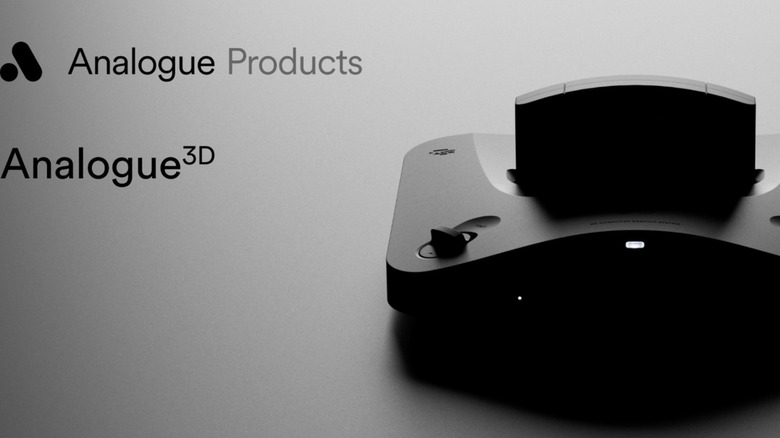
Does Analogue 3D really make retro games 4K? Here’s what you should know
The Analogue 3D does a great job at upscaling old N64 games, with a few caveats.

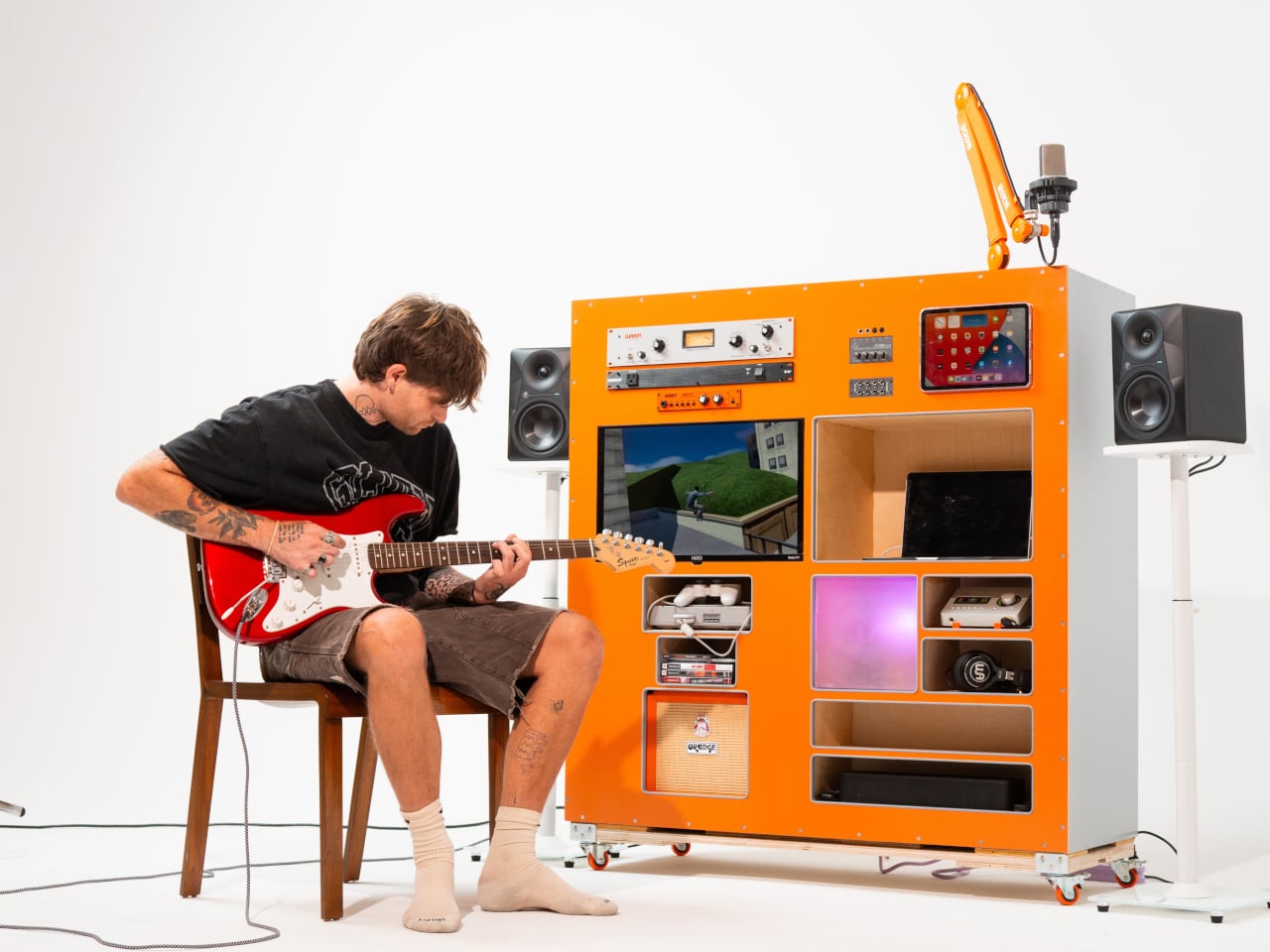
The studio setup has always been a deeply personal thing. Two producers with identical gear can arrange it in completely different ways, because the physical organization of creative tools shapes how ideas flow from head to hands. Most solutions involve buying a desk, then a rack, then stands and cables and panels until the accumulated sum starts to resemble something cohesive. The ToyBox starts from the opposite direction entirely.
Weird Kid Engineering builds the ToyBox as a single, integrated physical object that collapses a full creative ecosystem into one custom-made enclosure. Music production gear, gaming systems, multiple displays, and storage all live inside the same structure, designed from the start to fit the specific workflow of whoever orders it. No two units are identical. Every ToyBox is hand-built to spec based on what each client actually does and needs.
Designer: Ellis Faulk (Weird Kid Engineering)
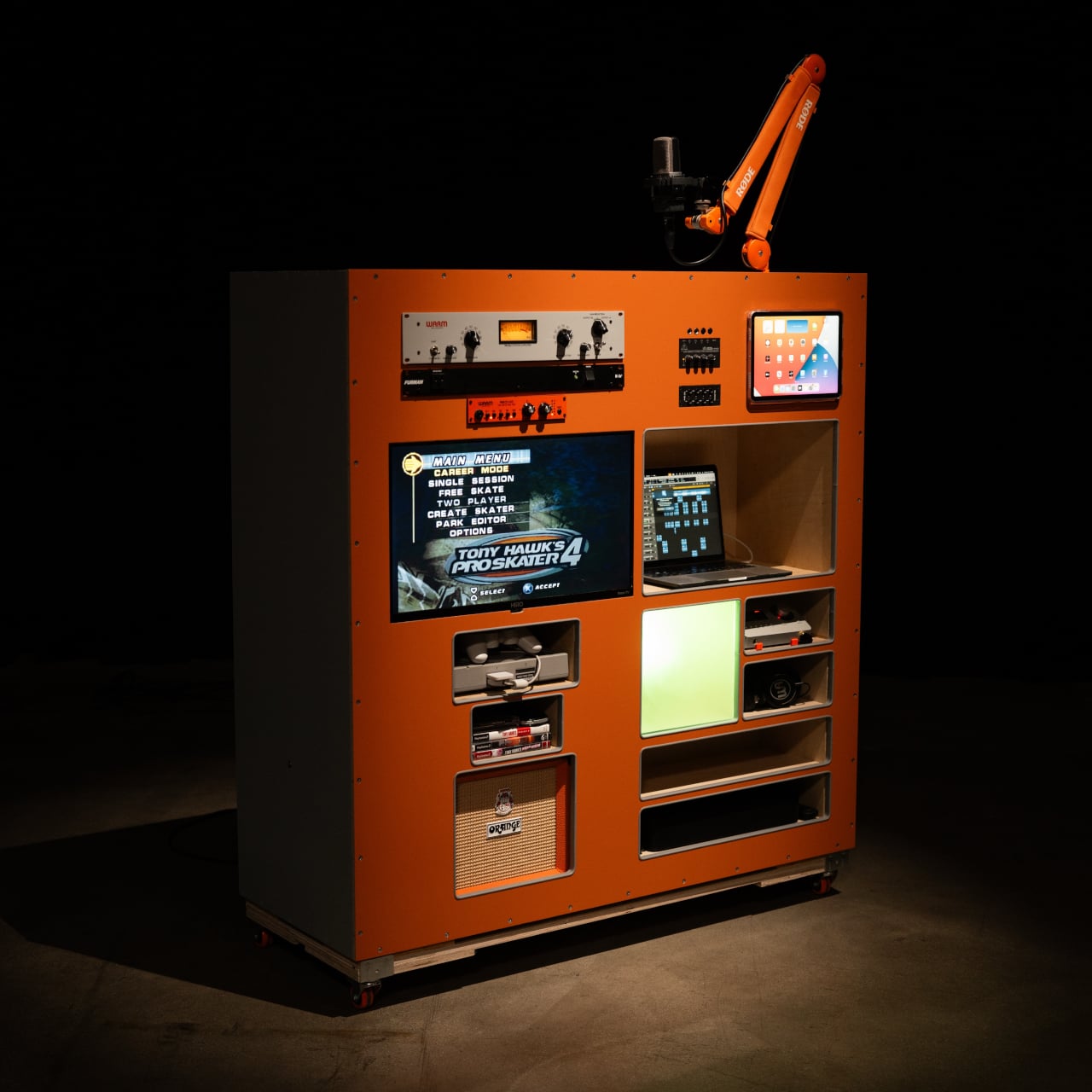
The hardware varies with each build, but a fully loaded configuration includes synthesizers, samplers, sequencers, effects pedals, gaming consoles, and displays, all integrated into the structure rather than resting on top of it. These aren’t tools that happen to share a surface; they’re components of a system designed around how they relate to each other and to the person using them. That relationship is what the build process is actually engineering.
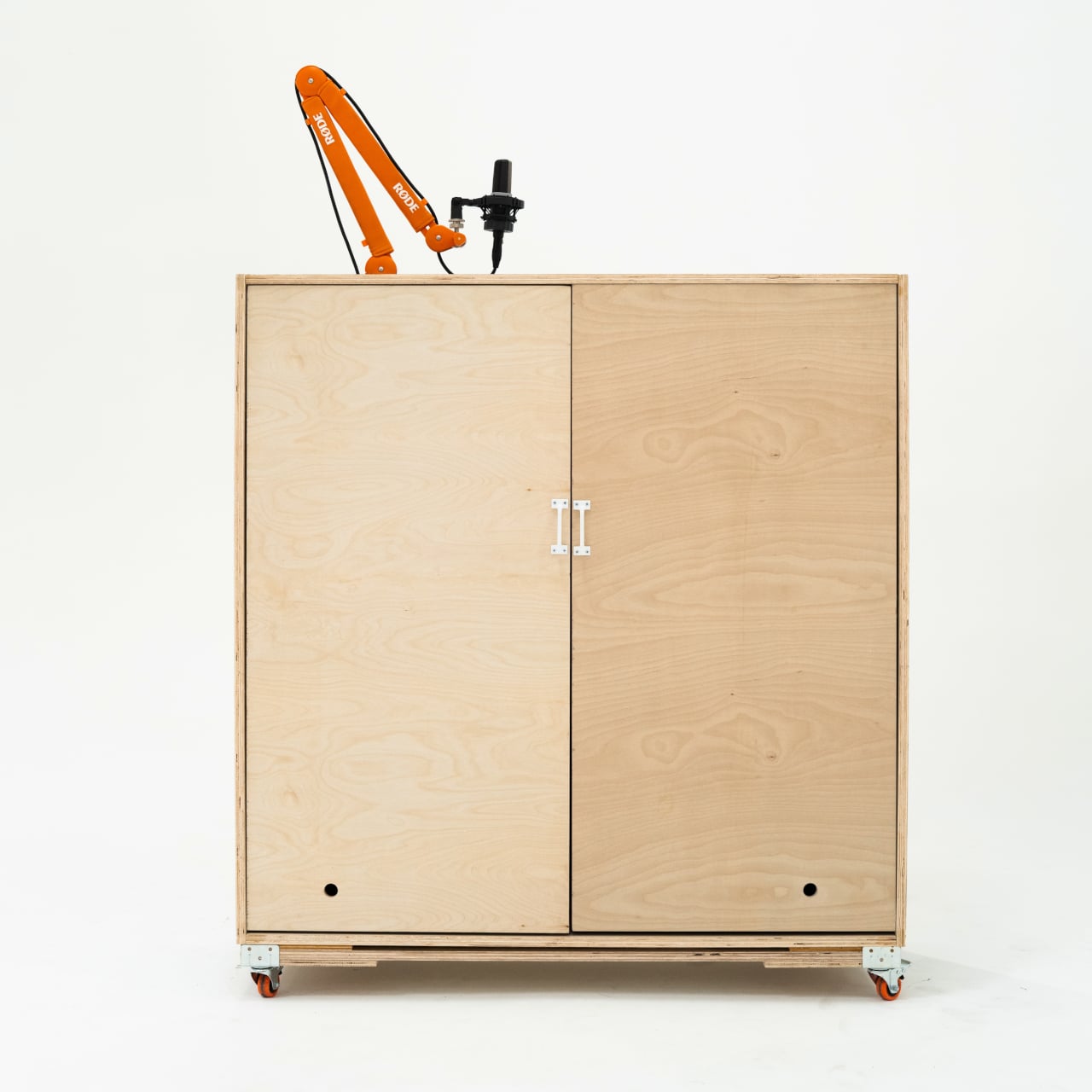
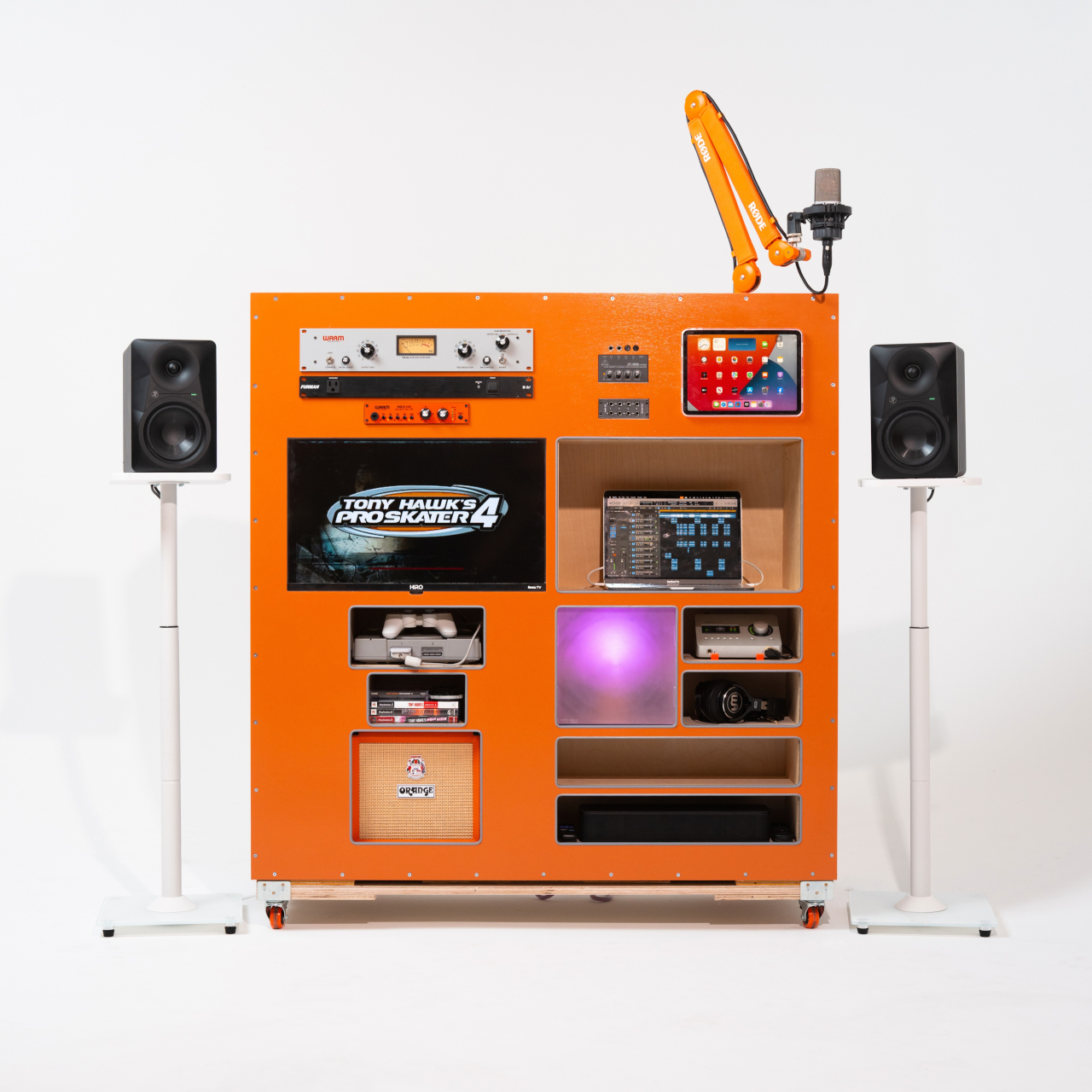
The appeal to anyone who has stared down a cluttered studio is immediate. Instruments, screens, and gaming consoles physically consolidated into one object changes the spatial and psychological experience of the room. You stop navigating a spread of disconnected surfaces and start working within a contained system. The friction of reaching across two desks or hunting for a buried cable doesn’t exist when everything is designed to coexist from the start.
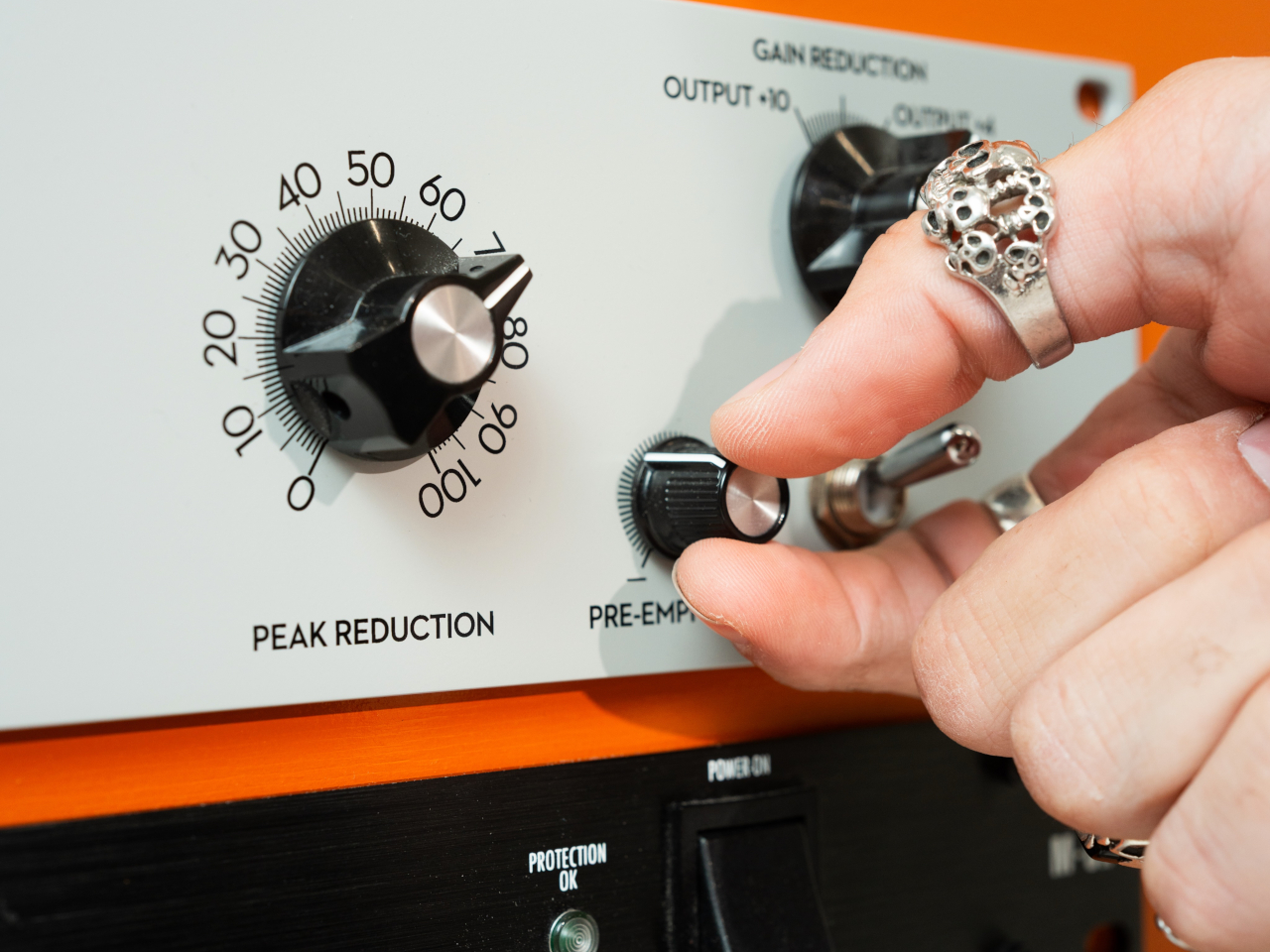
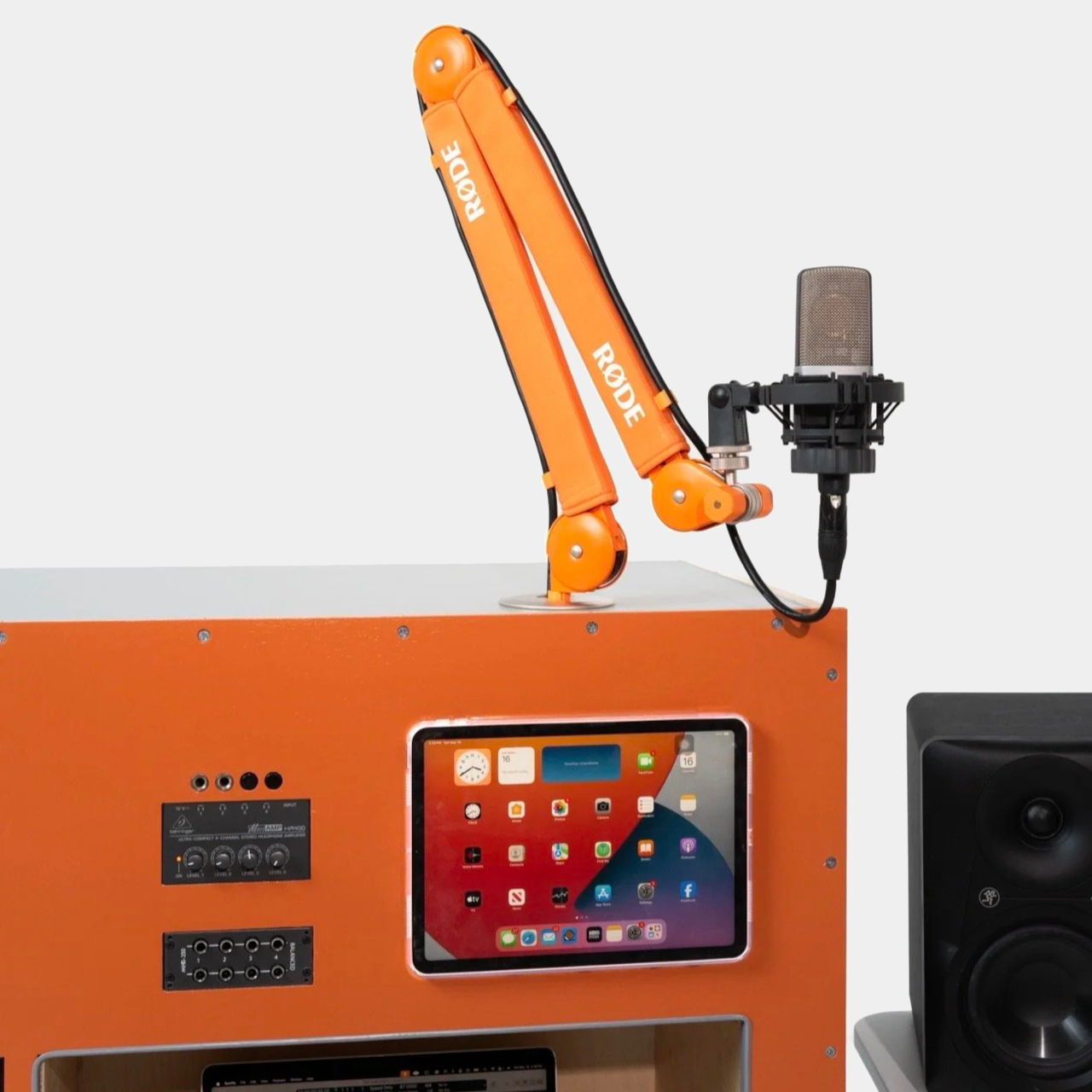
The flagship version, fully loaded with audio gear, screens, consoles, and equipment curated to the owner, costs $12,500. Base builds start at $3,500. That range reflects how deeply each order is customized and how extensively the hardware is selected to suit a specific creative workflow. It’s not the cost of a desk with gear on it; it’s the cost of a single integrated object designed around how a particular person works and creates.
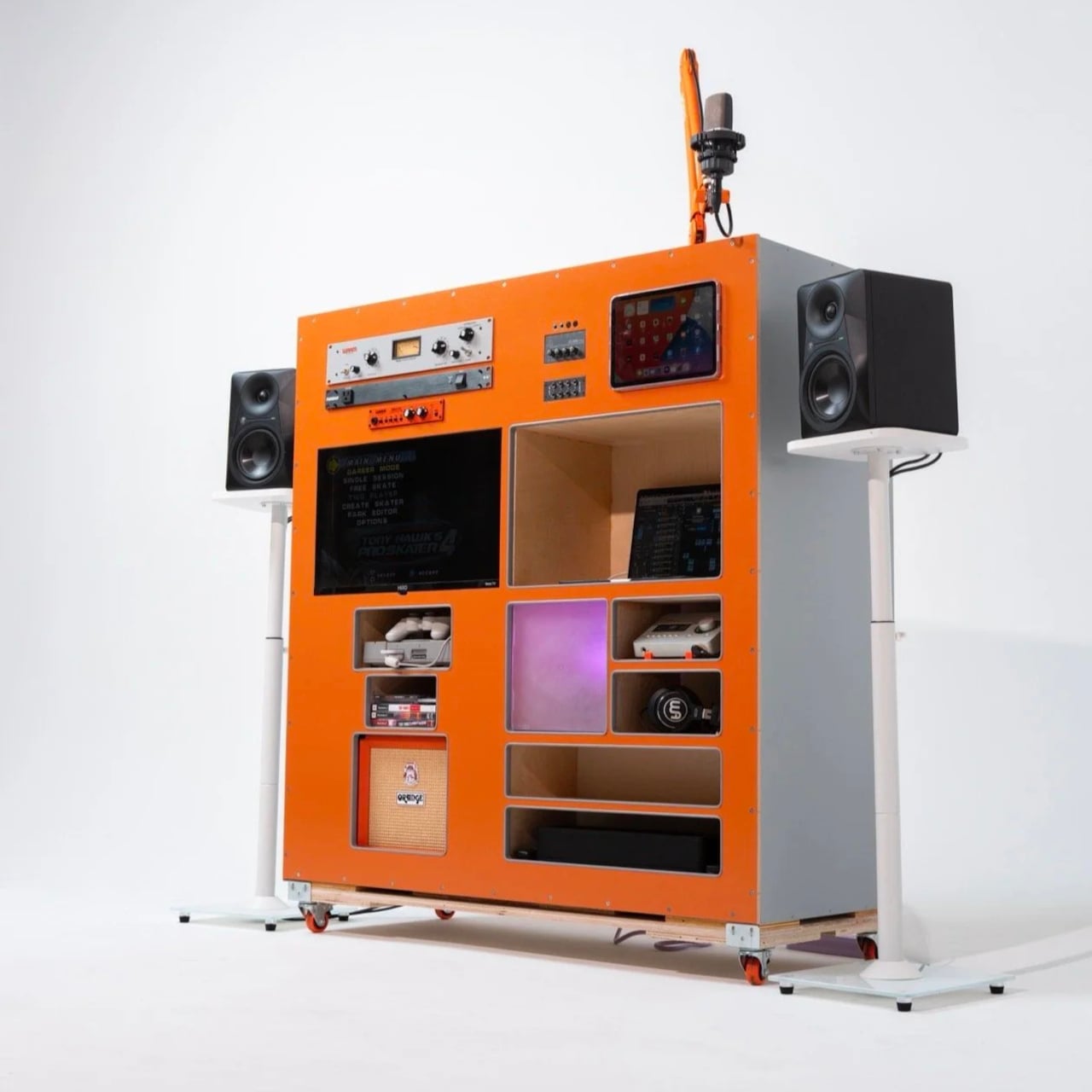
There’s something about the ToyBox’s form that most studio furniture doesn’t attempt. It reads as an object rather than as furniture that happens to hold other things. The visual coherence that comes from designing everything together, rather than assembling incrementally over years, is a genuine design quality. That totality separates it from a better desk or a more organized cable management solution, and it’s a distinction that most studios never even think to make.
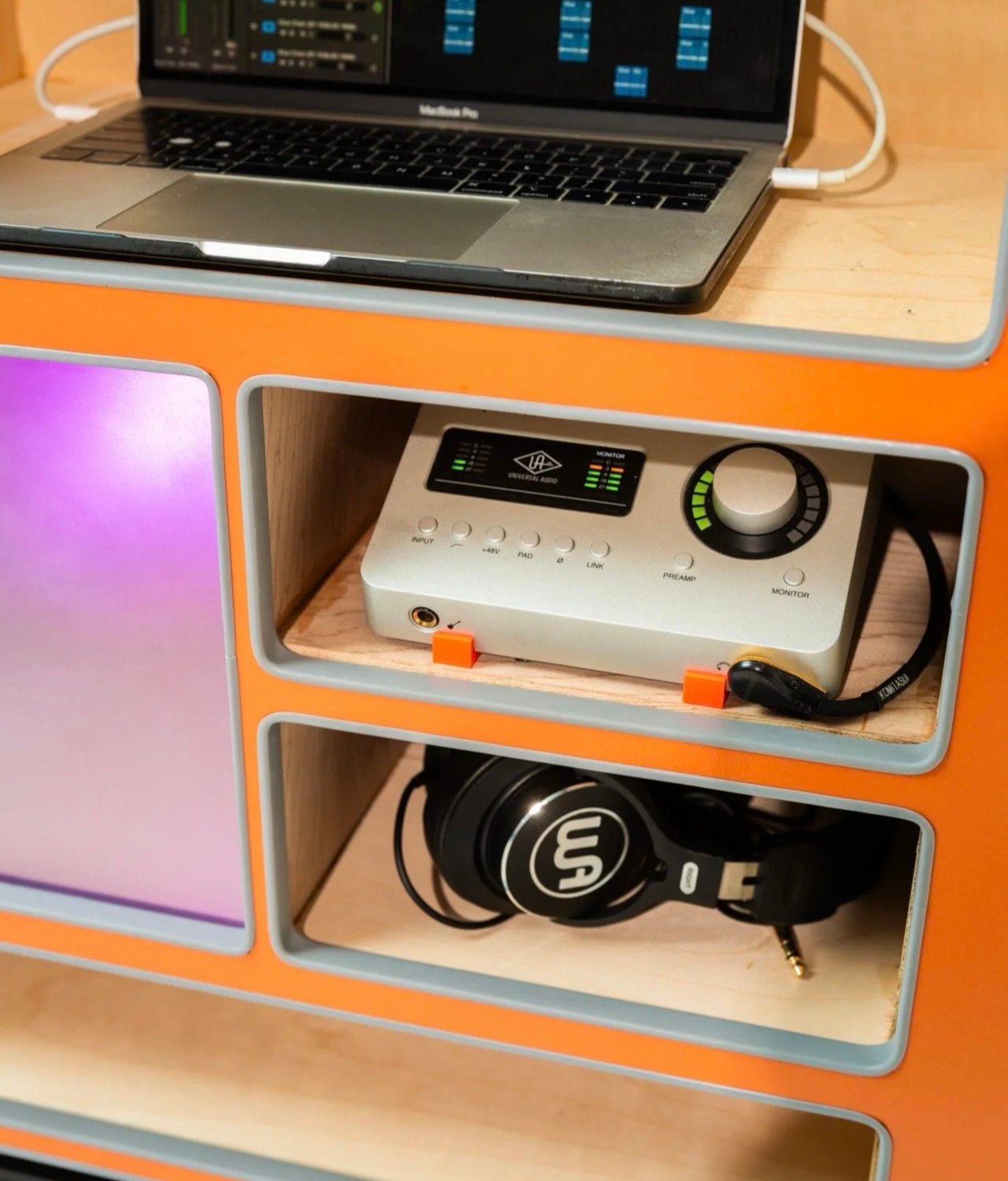
The post Someone Built a $3,500 Studio That Starts With You, Not the Gear first appeared on Yanko Design.


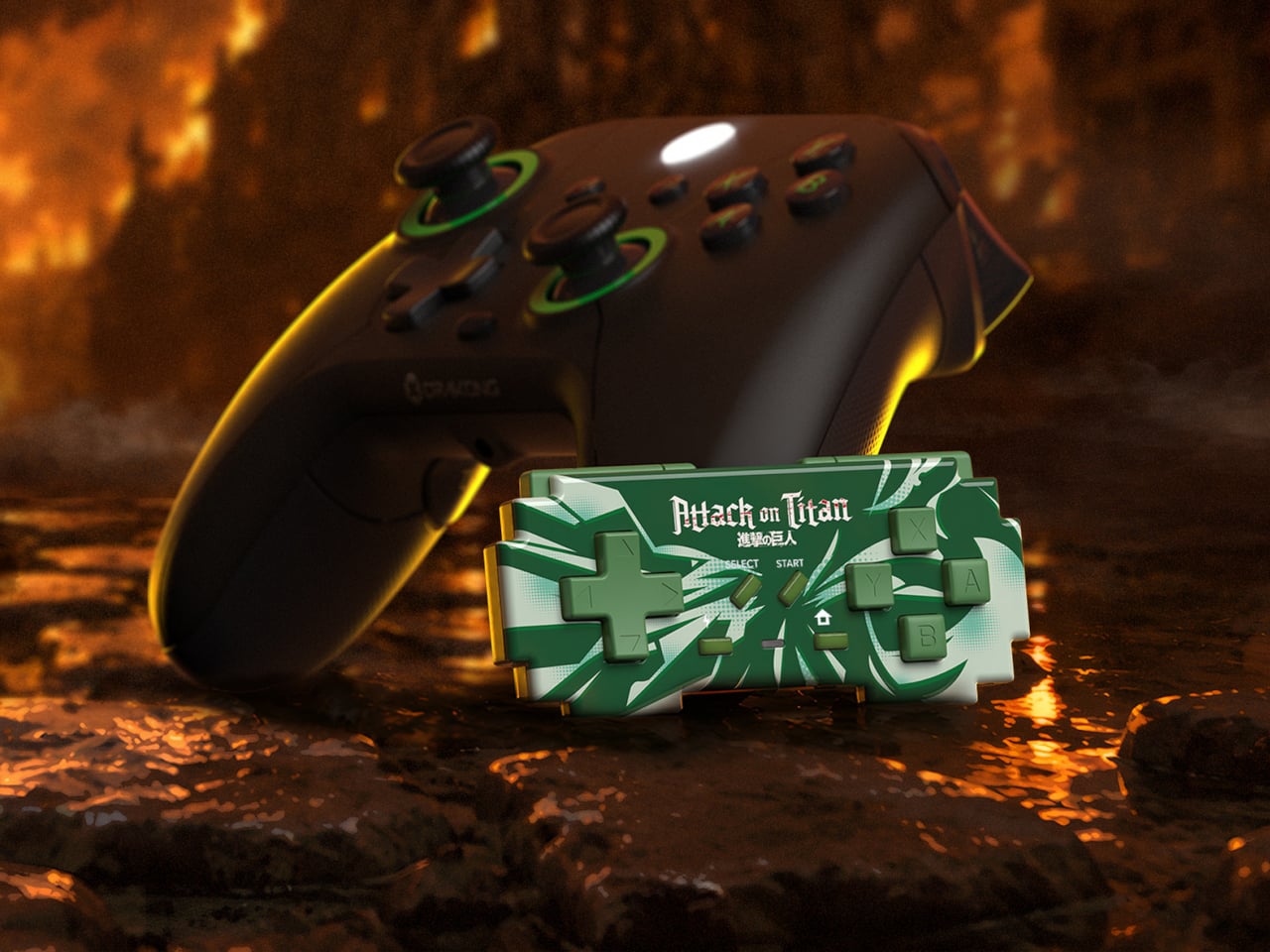
Blind box collecting has always run on a specific tension: you hand over money, you get a sealed package, and you don’t know what’s inside until it’s open. The appeal isn’t just the object, it’s the ritual, the anticipation, and the drive to complete the full set. That formula has worked for figures, keychains, and accessories for years. The Drakong PixelByte applies it to a gamepad.
The PixelByte Controller is a keychain-sized Bluetooth gamepad from Drakong, a gaming hardware brand under the Hyperkin umbrella. Each unit comes sealed in a blind box with no external indication of which character design is inside. Alongside the controller, every box includes a matching Chibi character charm and a collectible card. The first series is fully licensed around Attack on Titan, covering seven distinct designs across the lineup.
Designer: Drakong by Hyperkin

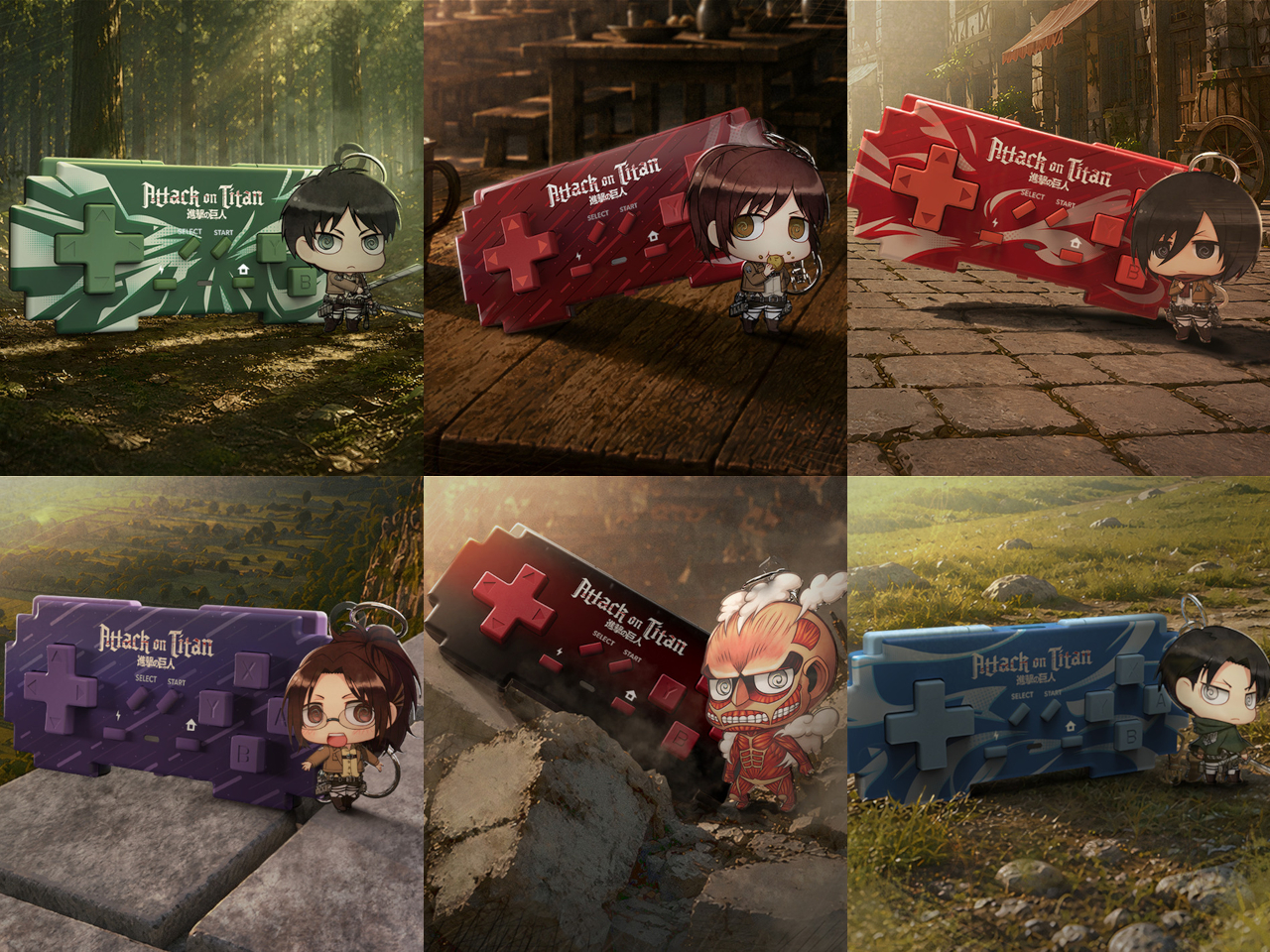
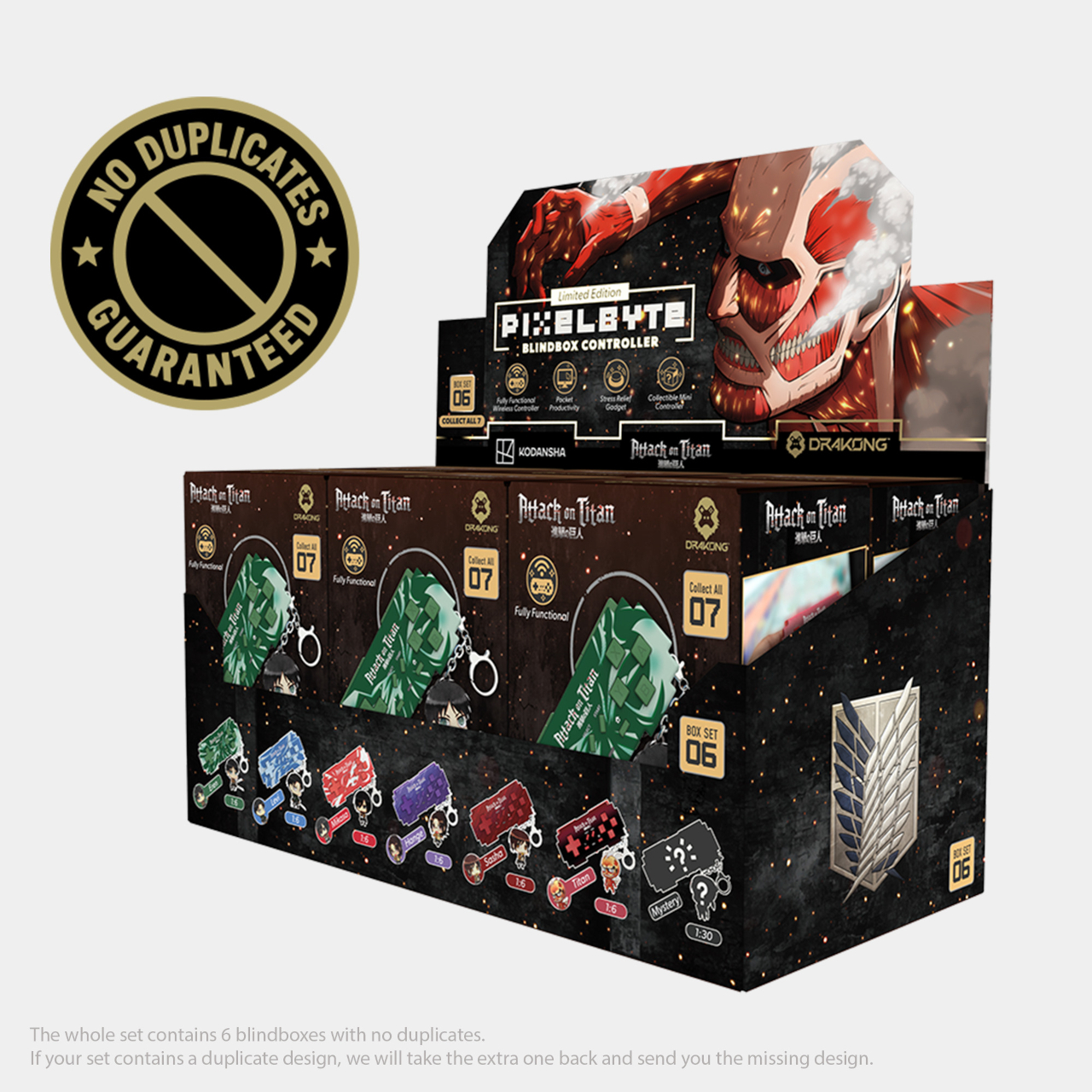
Those seven designs include Eren, Mikasa, Levi, Hange, Sasha, and Titan, plus an ultra-rare variant that appears in only one of every 30 boxes. Standard designs arrive at 1:6 odds per box, and a full case of six comes with no repeats across the common lineup. The ultra-rare replaces the common counterpart in those boxes, which means completing the set involves genuine unpredictability even when buying in bulk.
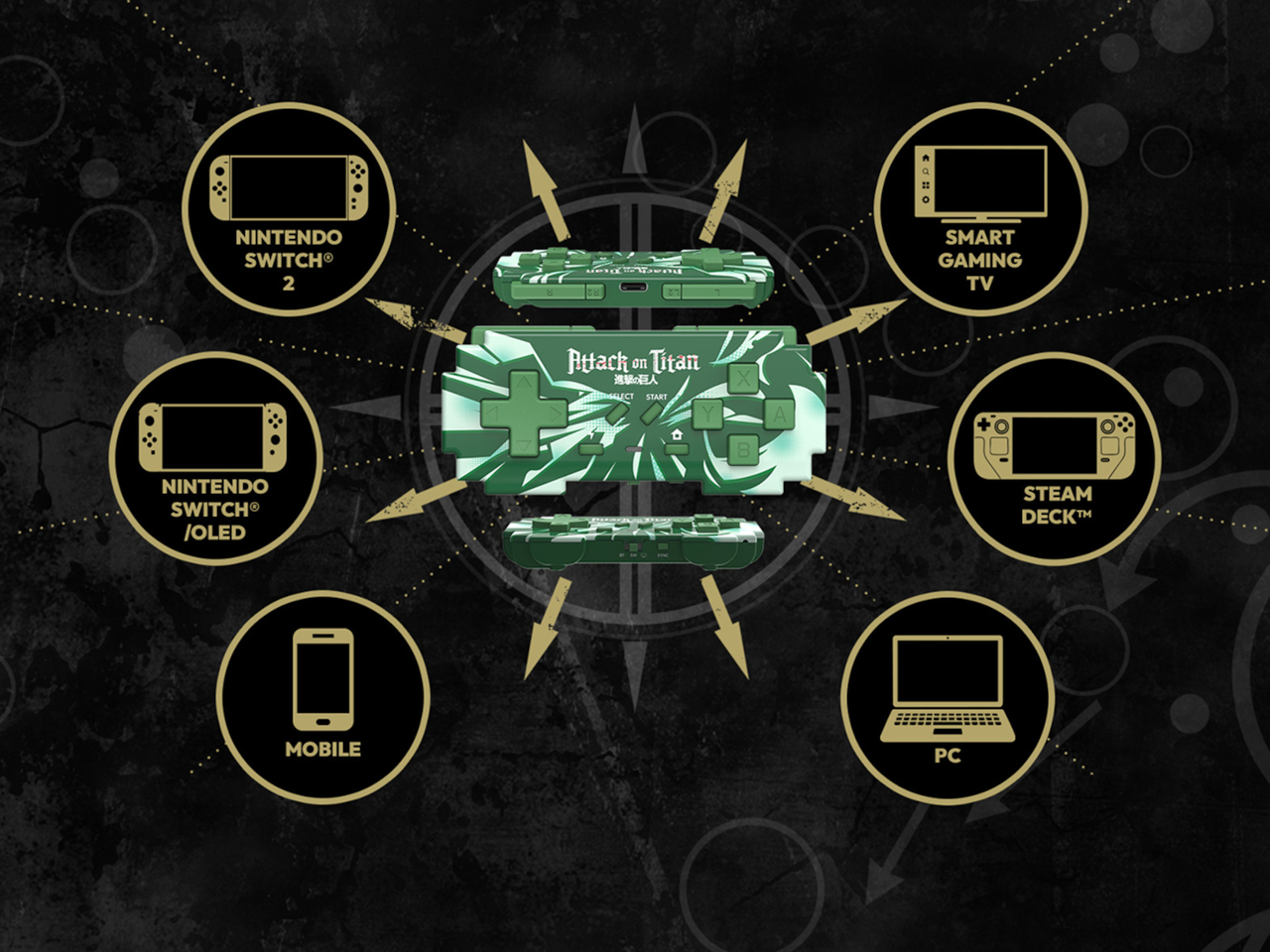
The controller works across iOS, Android, PC, Nintendo Switch 1 and 2, Mac, Steam, Linux, and Raspberry Pi via Bluetooth. Three switchable modes let it function as a gaming controller, a hybrid mouse-keyboard for productivity tasks like advancing slides or triggering PC hot keys, or simply as a fidget device between sessions. The D-pad can be remapped to replicate a thumbstick, and Turbo Mode is built in for rapid-fire inputs.
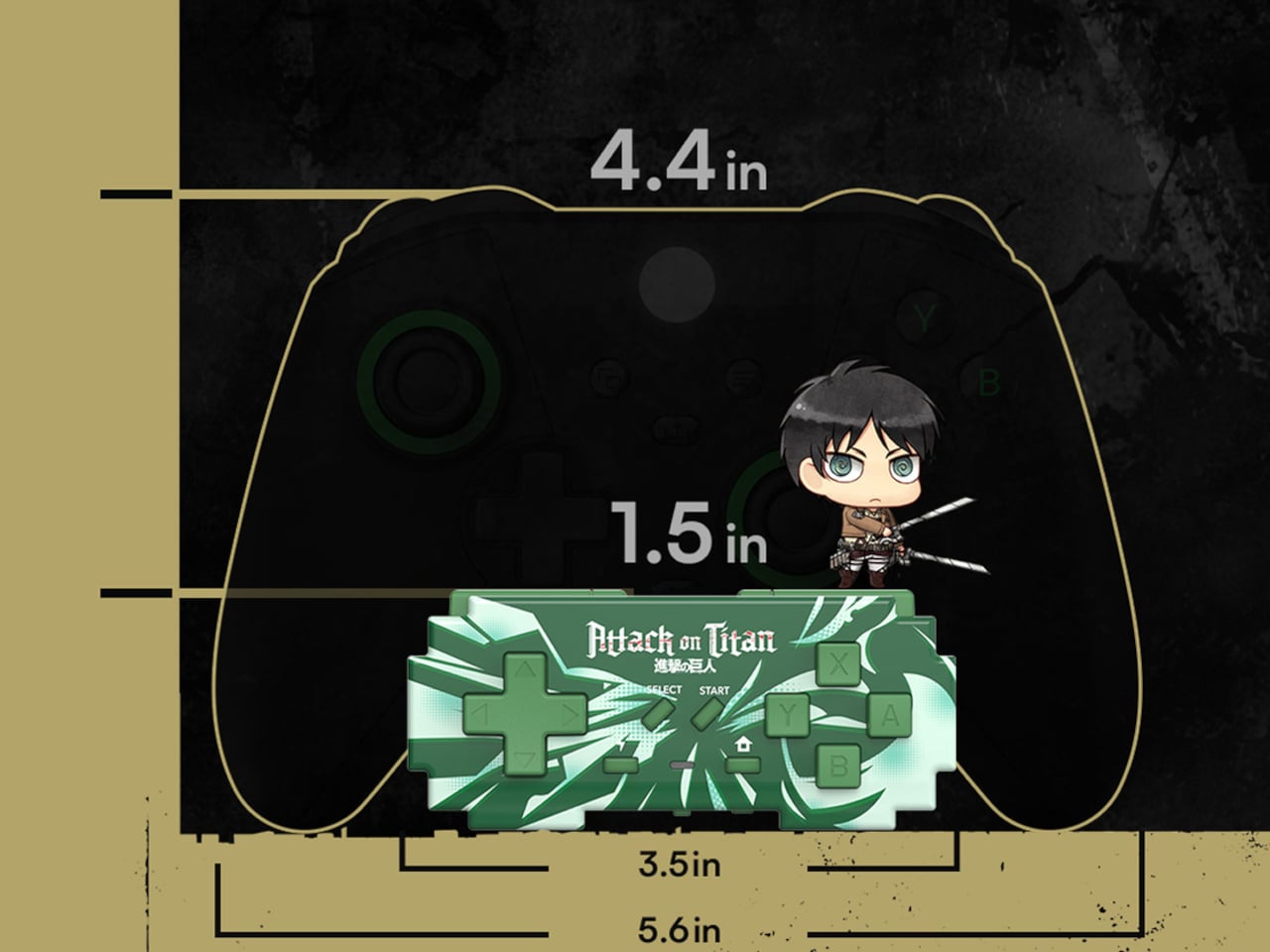
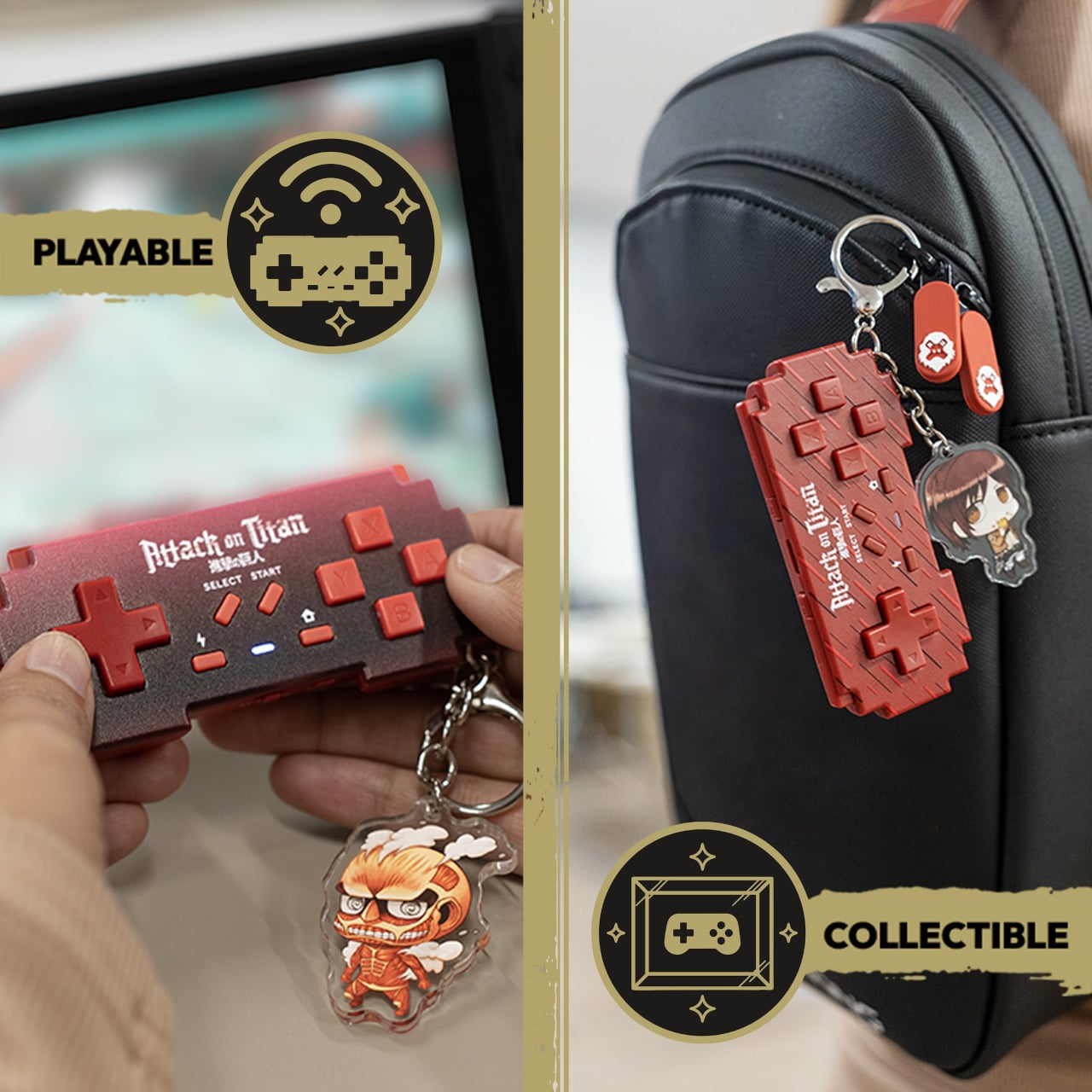
Battery life runs to approximately 12 hours per charge via USB-C. The integrated keychain loop clips onto bags, belt loops, console cases, or a set of keys, making it as carry-friendly as it is functional. The Chibi charm included in every box extends the collecting experience beyond the controller itself, giving fans two separate pieces to display alongside or separately from the hardware.
Drakong has confirmed additional series beyond Attack on Titan, spanning anime, games, and TV shows, without revealing which licenses come next. That open-ended roadmap is as central to the product’s long-term appeal as any single series. The blind box format was designed for repeat buying, and each new theme brings fresh character designs, new pull odds, and a fresh reason to try your luck again.
The Attack on Titan PixelByte Controller is priced at $24.99, or €24.99 and £19.99, and is available for pre-order through Drakong’s website, the Hyperkin store, and Amazon. That price point sits well within impulse-buy territory, which is almost certainly the point. For a collectible that clips to your bag and plays your games, the only downside is not knowing which character you’re taking home.
The post This Attack on Titan Blind Box Has a $25 Gamepad You Won’t See Coming first appeared on Yanko Design.