Control Resonant steps into a larger world that’s inspired by Neon Genesis Evangelion

Remedy Entertainment's Control is a bizarre yet totally captivating action game that feels like Die Hard by way of David Lynch. InControl: Resonant, players step into the role of the original game's most enigmatic and unsettling characters for their own jaunt through a 'new-weird' world outside The Oldest House.

Just ahead of the reveal at The Game Awards, we got an early look at Control: Resonant, the next game in the Remedy Connected Universe. Along with learning why the developers wanted a new protagonist, they also explain why this Neon Genesis Evangelion-inspired sequel is the most expansive game they have made to date.

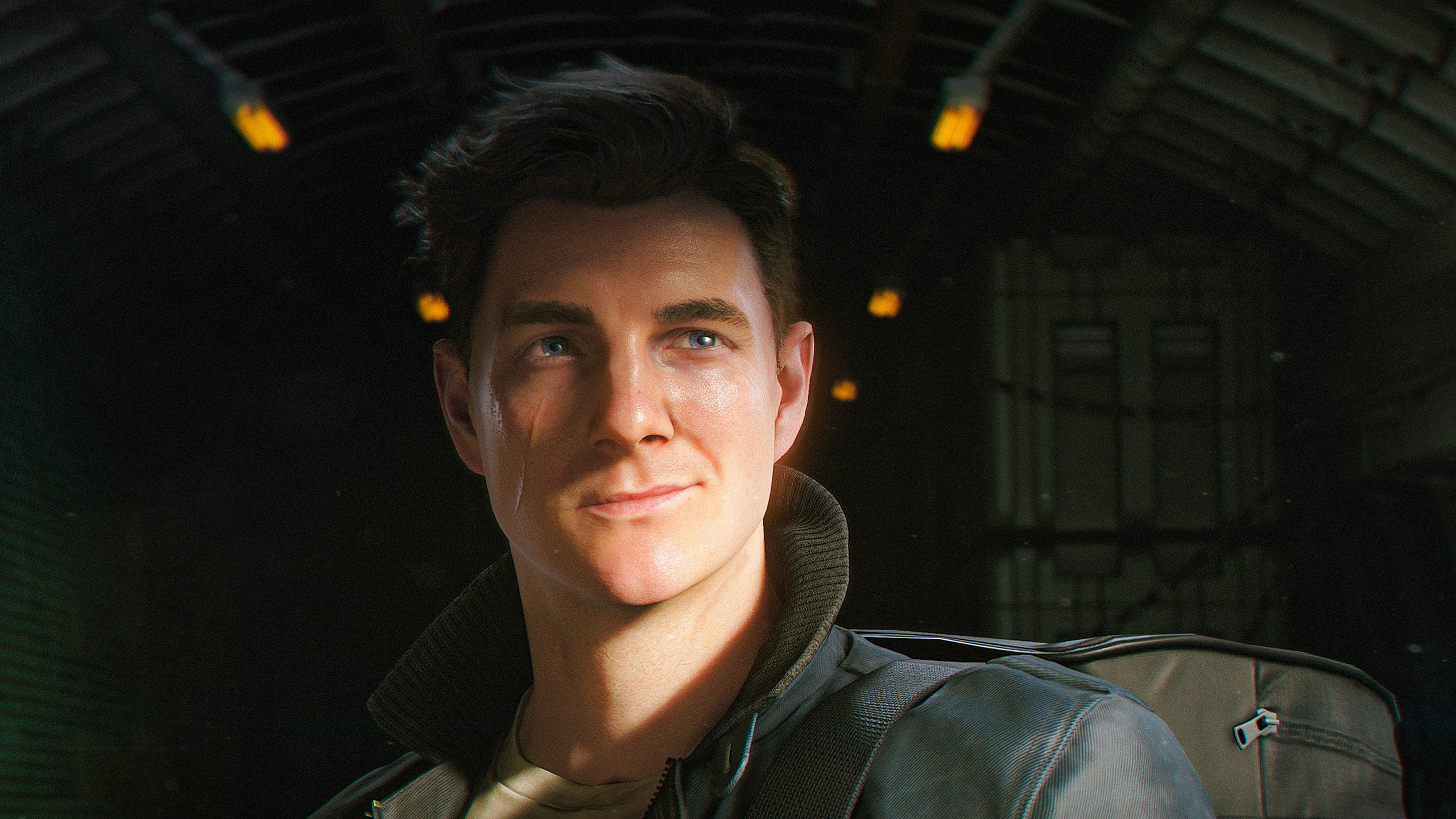
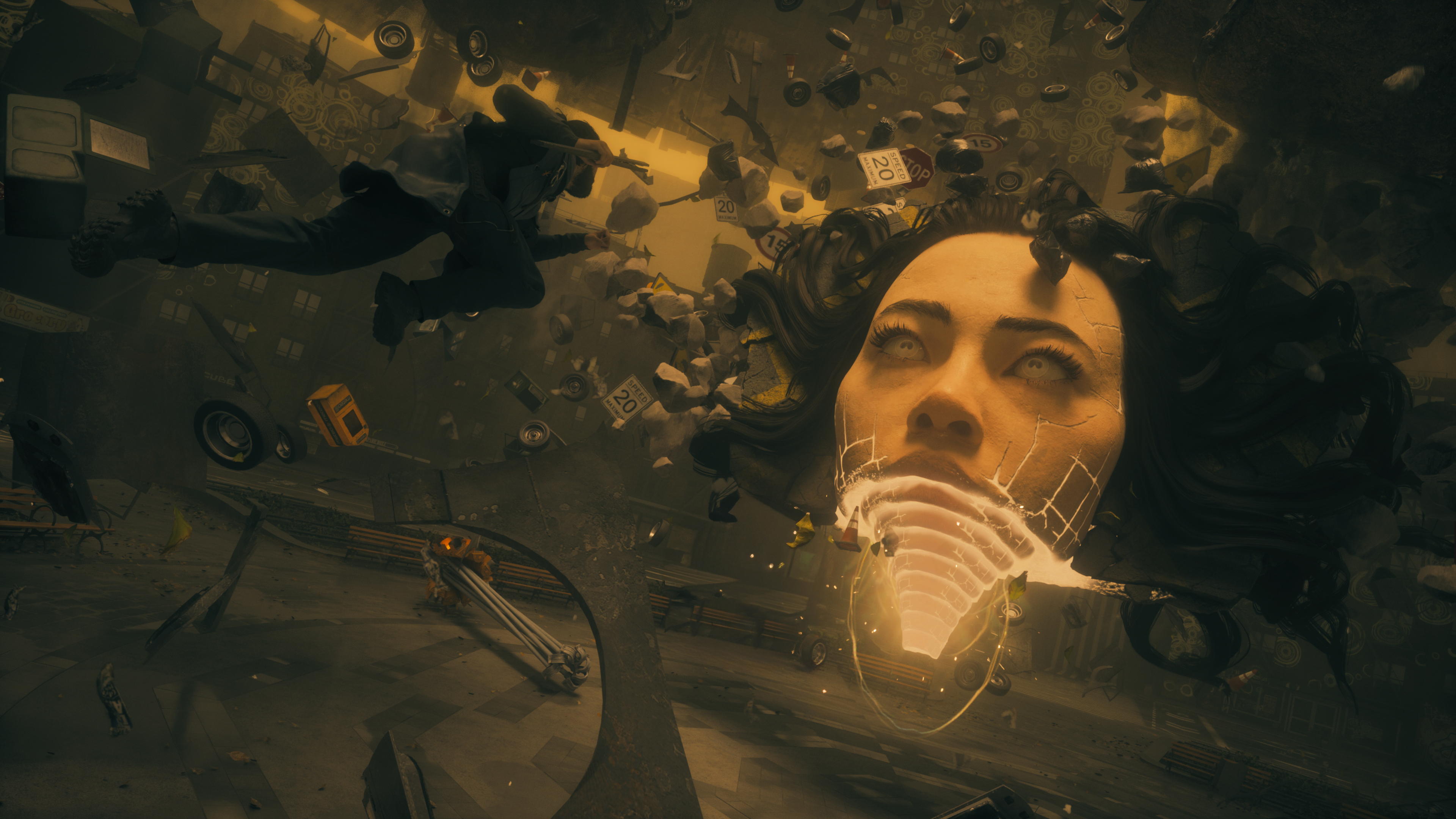
Seven years after the events of Control, the hostile supernatural force that plagued The Oldest House has invaded Manhattan. As the massive urban landscape morphs into an otherworldly nightmare and the Federal Bureau of Control director, Jesse Faden, goes missing, the remaining FBC sends her brother, the notorious supernatural entity Dylan Faden, into the city to stop the invasion. To find his sister and stop the devastation from spreading beyond New York City, Dylan will have to embrace his powers, and some occasional guidance from The Board, to take on the malevolent forces looking to reshape the world.

In the years since Control's release, developer Remedy has expanded the story into a larger, connected universe spanning multiple games, including the Alan Wake series and the co-op spin-off FBC: Firebreak. Control: Resonant picks up on many threads left by recent games including Alan Wake 2, which saw the FBC investigate the supernatural events following the titular character. 

However, the sequel is going with a bit of a different direction, this time embracing melee-driven combat and a more "open-ended" approach to exploration within the Inception-style landscape of Manhattan. Though the developers were clear that it is not an open-world game, they stated during the presentation that it is embracing a more action-RPG approach and that it's also the most expansive game they have ever made.

It's an interesting premise for a sequel, especially considering the focus on the original game's most unnerving characters. But according to creative director Mikael Kasurinen, the concept ties into showing parallels between the Faden siblings and how they navigate this new-weird world.

"Each game represents one of the siblings and their respective journeys through this world. Because of this, you can play these games in any order; they stand on their own feet like two independent siblings," Kasurinen said. "When Dylan wakes up, he's the only one who can fight back against the Hiss and try to contain the disaster. He has lived his whole life inside The Oldest House, so the door leading outside to Manhattan might as well be a portal to an alien world. To him, this leads to a discovery of a new reality, just like what The Oldest House was to Jesse."

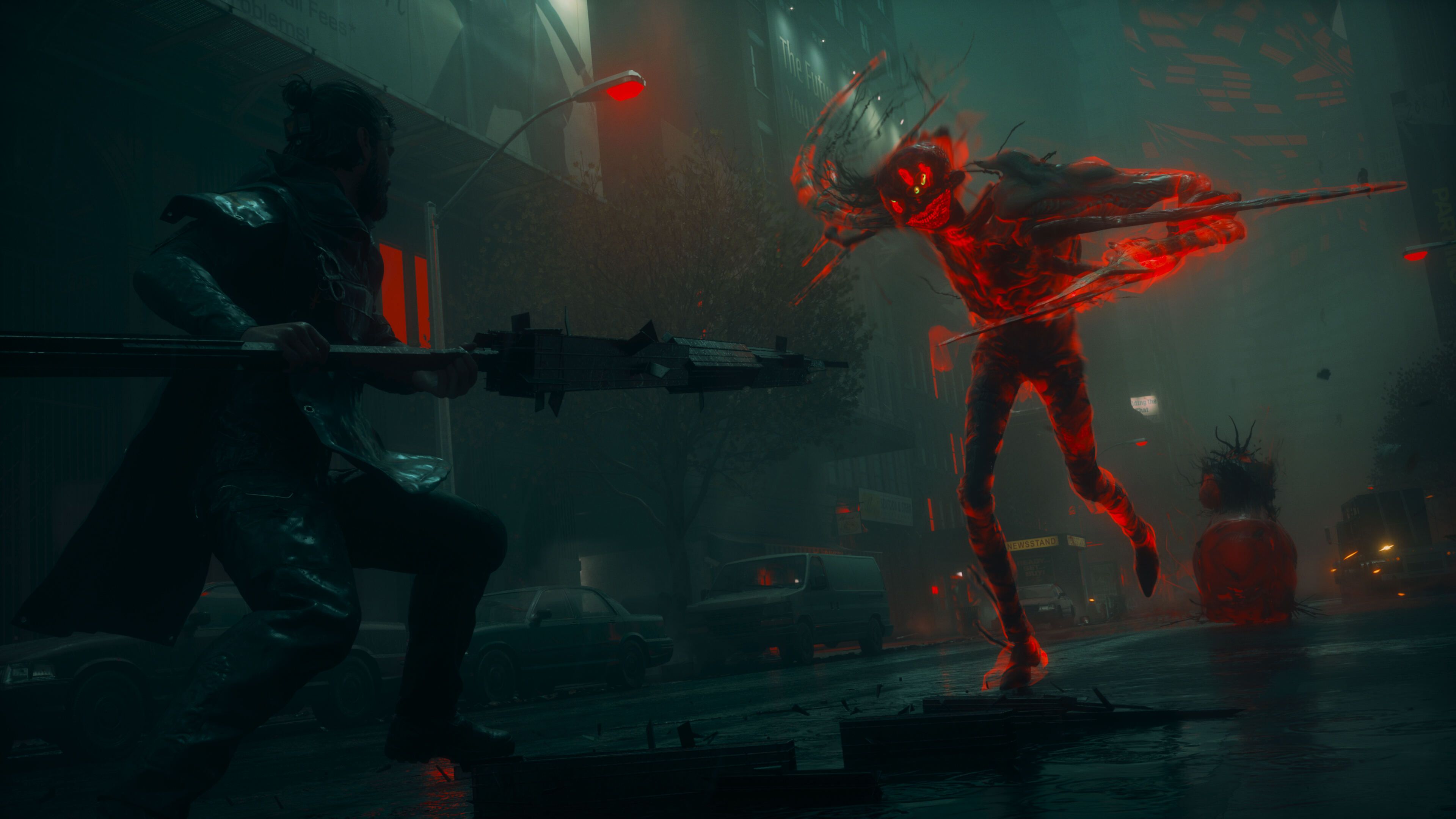
Much like the original game, Control: Resonant maintains that balance of exploration, discovery, and over-the-top action beats to overcome. The sequel leans a bit further into the latter, with Dylan adopting a more aggressive, brawler combat style with his shapeshifting melee weapon. We got to see Dylan switch between short-bladed weapons and a massive hammer, which opened some cool looking combo attacks. It's very much in the vein of Jesse's Service Weapon, but now designed for getting up close to deal heavy melee damage.

Control Resonant screenshot
Remedy Entertainment

From what we saw in the footage, the core combat feels equal parts Nier: Automata and DmC: Devil May Cry, showing Dylan dodging attacks and slipping through blind spots to unleash ground and aerial combo strikes. It's a notable shift away from the third-person shooting gameplay from the original, but it still captures the same weird, otherworldly feel. 

According to the creative director, the core inspiration for making a sequel with a new character was to contrast storytelling perspectives and gameplay styles — as he puts it, both characters represent two sides of the same coin.

"When we looked at the siblings [as characters], it was almost like turning to the other side of a coin – Jesse uses a gun, but Dylan chooses a melee weapon. When we created the large environments, compared to the original, it was a challenge to incorporate shooting combat, as we didn't want people to have to keep finding cover to avoid fire. But with melee weapons, the combat instantly became more aggressive and intimate, where you're really going for the enemies. It really changed the dynamic of the Control combat experience. So it felt right, and it's also refreshing for us to create something a bit new for us."

So far, Control: Resonant looks like a sequel that ups the weirdness of the series and takes it into the twisting, inverted streets of Manhattan. It's a stunning-looking game, and one particular source of inspiration for the creative direction was the seminal 1990s anime series Neon Genesis Evangelion. Having seen the game's corrupted world and enigmatic protagonist in motion, that totally tracks. I can't wait to see what other oddities are to come in Remedy's new-weird sequel.

Control: Resonant will arrive in 2026 for PC/Mac, PS5, and Xbox Series X/S.

Control Resonant screenshot
Remedy Entertainment


This article originally appeared on Engadget at https://www.engadget.com/gaming/control-resonant-steps-into-a-larger-world-thats-inspired-by-neon-genesis-evangelion-021310781.html?src=rss

Dragon Quest 7 Reimagined is all about enhancing the game’s greatest strengths

Square Enix has been on a tear in recent years remastering and outright remaking many of its landmark role-playing games. Along with Final Fantasy, the developer has given the Dragon Quest series such attention as well, and the next game on deck is a remake of the PlayStation 1's Dragon Quest VII. Commonly regarded by fans as one of the most challenging and lengthy games of the series, the developers building Dragon Quest VII: Reimagined — the second remake of the game following the 3DS release in 2013 — are aiming to reshape DQVII with a striking new visual style and a refocused adventure.

I recently got to spend a couple of hours with Dragon Quest VII: Reimagined, seeing its new interpretation of the 2000 classic JRPG and some of the more noteworthy updates to its combat. So far, the remake is making some intriguing choices that not only aim to give the sprawling time-travel plot a better sense of direction but also streamline some of the original's more exhaustive and challenging beats.

The original Dragon Quest VII carried the familiar conceit of earlier entries, focusing on a party of high-fantasy adventurers embarking on an epic adventure filled with dungeons to explore and powerful monsters to fight. But DQVII deviated from the traditional Dragon Quest storyline by focusing on the party's adventures through time. As the Hero and his friends uncover the lost history of their world, they'll step back into previous eras to explore bygone kingdoms and continents that will reveal a larger conspiracy in the present. Along the way, they'll build their bonds of friendship that will stretch across time.

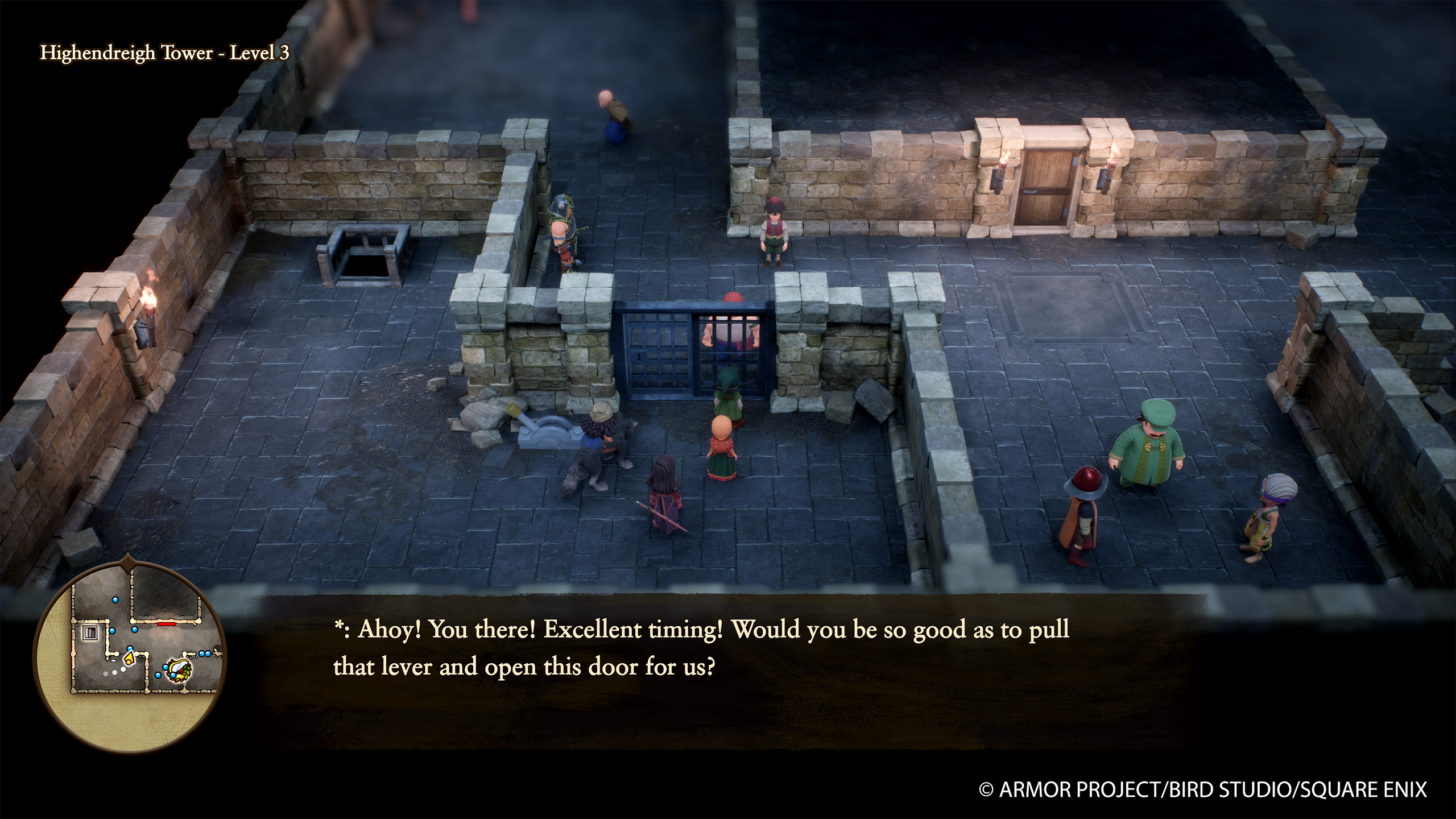
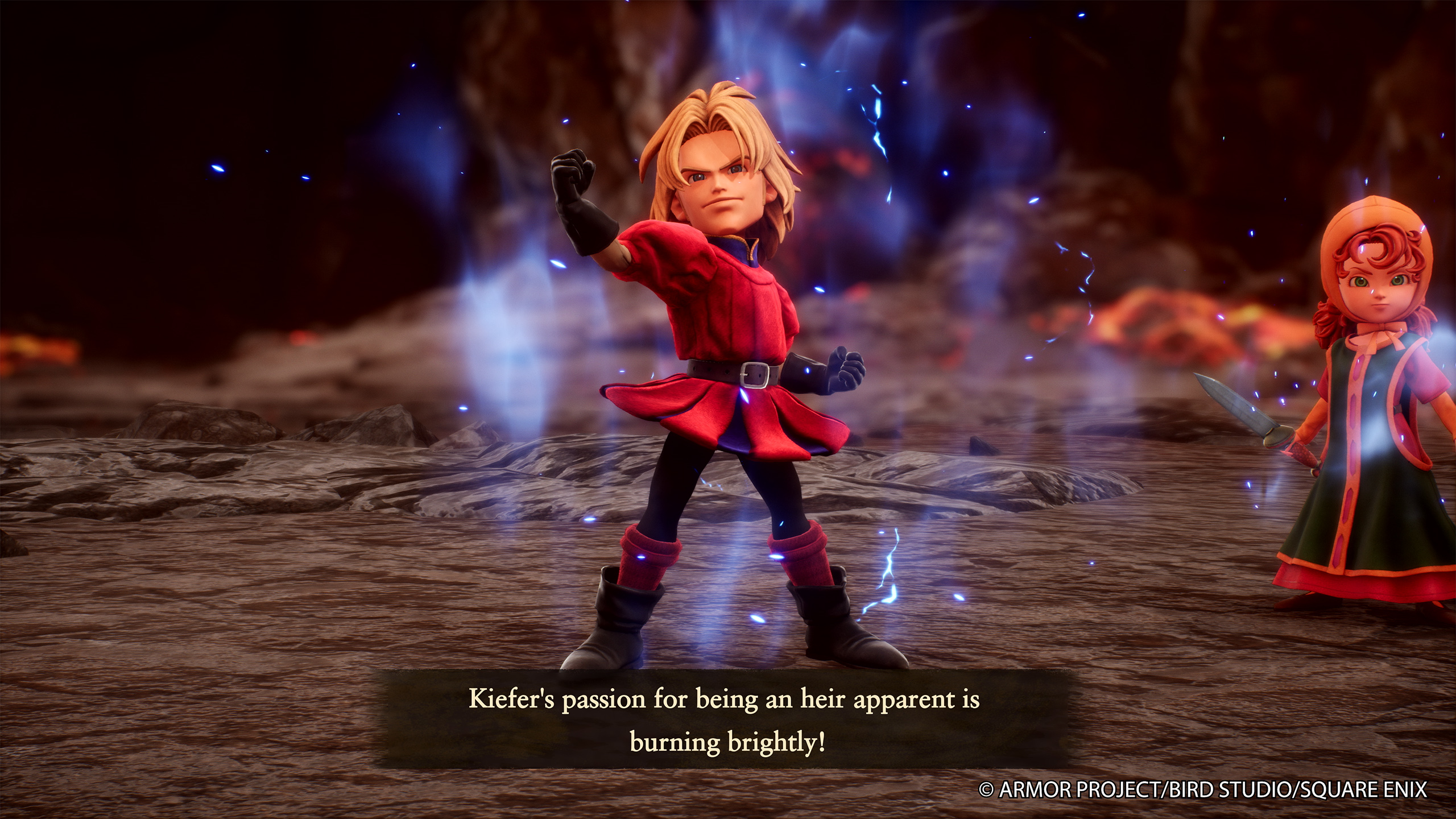
Reimagined does well to capture that sense of adventure that the series does so well. Even as the series has evolved with new entries, it still strikes a balance between old-school, turn-based JRPG gameplay and modern storytelling flair. What's especially novel about the remake of Dragon Quest VII is its sharper, visually expressive 3D art style. Using diorama models and real doll versions of the party as reference material for the look of the game, the new 3D visuals really capture the whimsical and emotive style of the late Akira Toriyama's distinctive art, which has given the series its unique look. But with the move to a new 3D style, Reimagined sets itself apart from the previous games by feeling more like an animated adventure film.

Dragon Quest 7 Reimagined
Armor Project/Bird Studio/Square Enix

Along with the visual style, the developers also focused on reshaping sections and the overall storytelling of DQVII to offer a more satisfying experience. According to game producer Takeshi Ichikawa, one of the larger goals of remaking Dragon Quest VII was to improve the flow of the game, which ultimately made for a more satisfying sense of adventure.

"The 'reimagined' elements of the narrative allude to improvements in the game's overall framework, which offers a much deeper and more compelling experience," Ichikawa said. "In our effort to streamline the overall story progression and provide a more engaging narrative, we decided to cut subplots that have little or no direct relevance to the main scenario. While some content has been removed, entirely new scenarios have also been introduced. Our goal was to build upon the strengths of the original game while striving to deliver a deeper, more immersive story experience for modern players."

During my hands-on time, I got to explore two separate sections of the game. These focused on the early-game Emberdale dungeon, where townsfolk committed themselves to a volcano ritual to pacify a fire demon within. The other section focused on the Wetlock scenario, which had the party confront a mysterious magic user who whisked away townsfolk to a mysterious tower in a flooded land. 

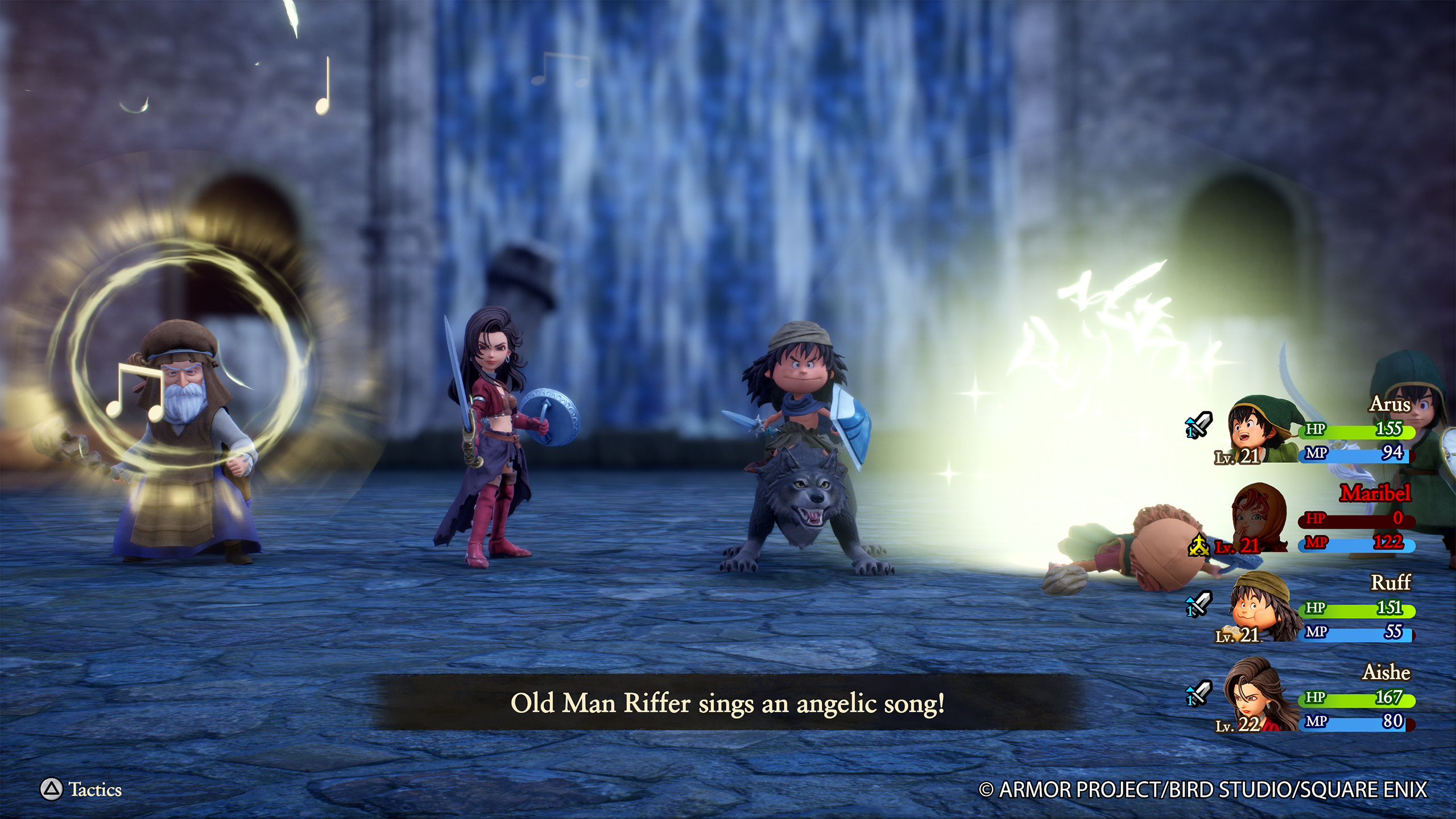
My memories of the original and 3DS remake came back while playing Reimagined, which made it easy to slide back into that dungeon-crawling flow. Much like the original, Reimagined still sticks with traditional turn-based combat, and the new visual style really helps emphasize the sense of impact and tactics at work in battle — more so than in other games in the series. I especially liked how unique each character felt, particularly the wolf-riding bandit Ruff, who is  fun to use in battle. 

Dragon Quest 7 Reimagined
Armor Project/Bird Studio/Square Enix

During the Wetlock section, I generally found the challenge to be fair, and I even discovered a good leveling spot fighting golems and Metal Slimes that popped up on occasions. But things can easily kick into high gear when taking on the elite enemies and the end boss of the questline. I had to carefully assess the available skills and employ a range of offensive and defensive abilities to survive. The remake is not so much about removing the sense of challenge from the original, but rather about maintaining it while offering more options to help with battles.

One of the larger innovations to Reimagined combat is the Moonlighting system, which allows each party member to equip two vocations at once. The original game allowed each character to only have one vocation at a time, and switching classes reset your level. This created a lot of busywork in the original game, so with this new two-class approach, it cuts down on grinding significantly and keeps you feeling empowered. But on a more strategic level, it also adds a lot more utility and variety to each character's loadout. It also does well to make a party with more diverse skills, which adds a lot more charm to the group.

Dragon Quest 7 Reimagined
Armor Project/Bird Studio/Square Enix

There's so much thought put into the top-down rework of the original game for Dragon Quest VII: Reimagined, and I found the changes to be a very charming and personable  approach to remaking it. Even back in 2000, the original game was a very ambitious take on the series. Not just being the first 3D entry, but also in how it actually utilized many of the different locations and characters from across the sprawling story in a more meaningful way. The original is still a great entry in the series, but it's one that feels a bit tough to revisit. That makes the developer's intent on streamlining and refocusing to feel quite appropriate, and I quite dug the changes I saw during my hands-on time.

So far, Dragon Quest VII: Reimagined looks to maintain the ambition and scope of the original, but hone it into a more focused and satisfying JRPG. It adds a seriously impressive visual style that brings it to life. According to the remake's producer, Reimagined and its new approach to remaking Dragon Quest is about adding a new sense of energy to the series, and it's so far doing just that.

"We believe that existing fans will find the game satisfying. At the same time, since this title has been reimagined from the ground up as a modern release, we're also excited for many new players to enjoy it as their first Dragon Quest experience," Ichikawa said. 

Dragon Quest VII: Reimagined will be released on February 5, 2026 for PC, PS5, Xbox Series X|S and Nintendo Switch 1 & 2.


This article originally appeared on Engadget at https://www.engadget.com/gaming/dragon-quest-7-reimagined-is-all-about-enhancing-the-games-greatest-strengths-130000125.html?src=rss