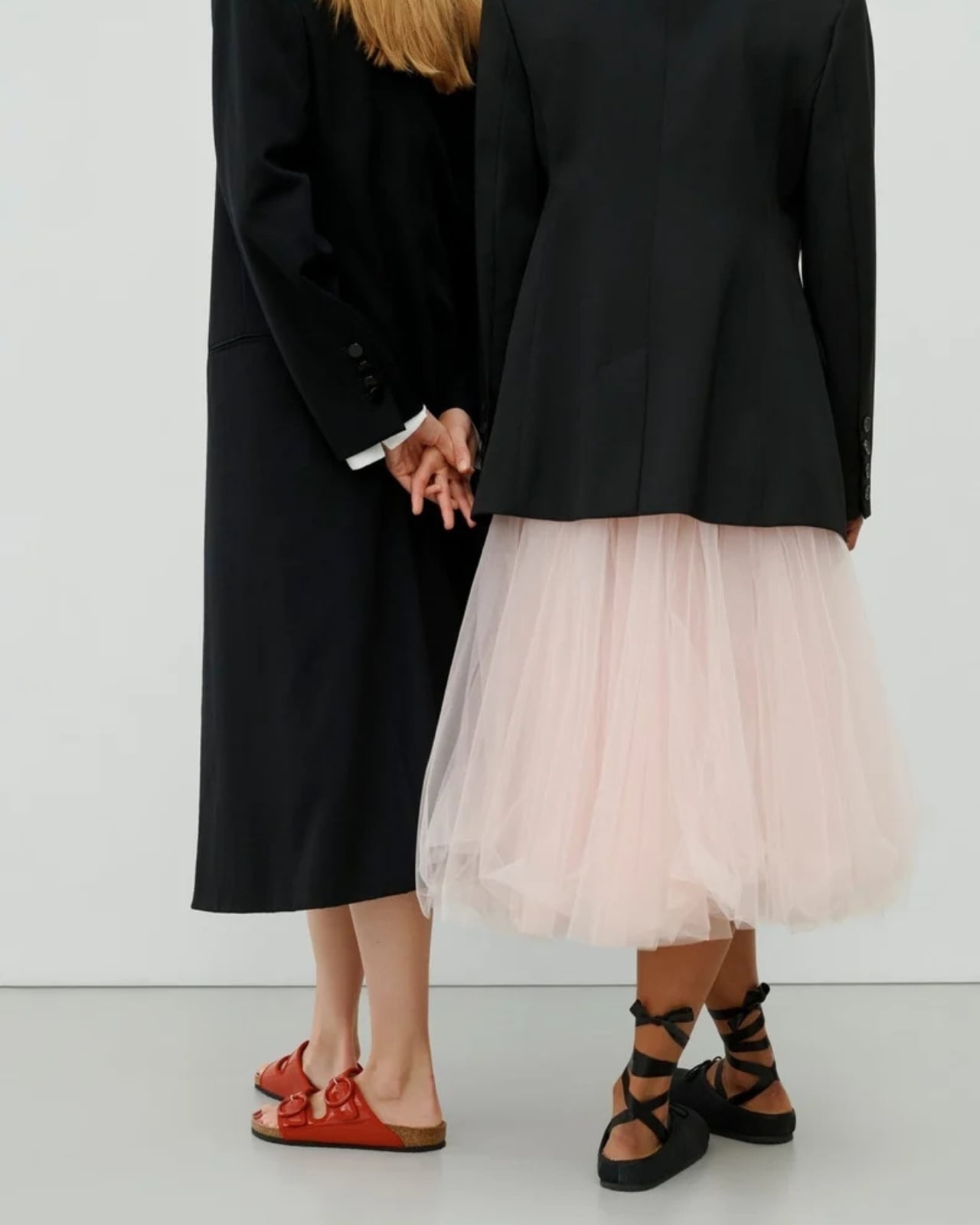
One of the biggest trends in sneakers and footwear in general over the past few years has been big brands rolling out their own take on “balletcore.” Personally, it’s a trend I hope sticks around, since the designs we’ve seen so far give me serious sneaker envy. They tend to strike the perfect blend between fashion and comfort, and for anyone who’s on their feet all day but still wants to look stylish, this aesthetic is one of the better options out there.
If you’re a fan of adidas and K-pop, specifically Blackpink, this latest collaboration with Jennie (who’s also a successful soloist in her own right) will be right up your soles. The adidas Superstar SQ Ballet marks the first pair of shoes Jennie has ever co-designed for any brand, which makes it a genuine collector’s item. But even if you’re not a K-pop fan, this is still worth a look if you’re after ballet-inspired shoes built for comfortable, everyday wear rather than actual dancing.
Designer: Jennie x adidas Originals
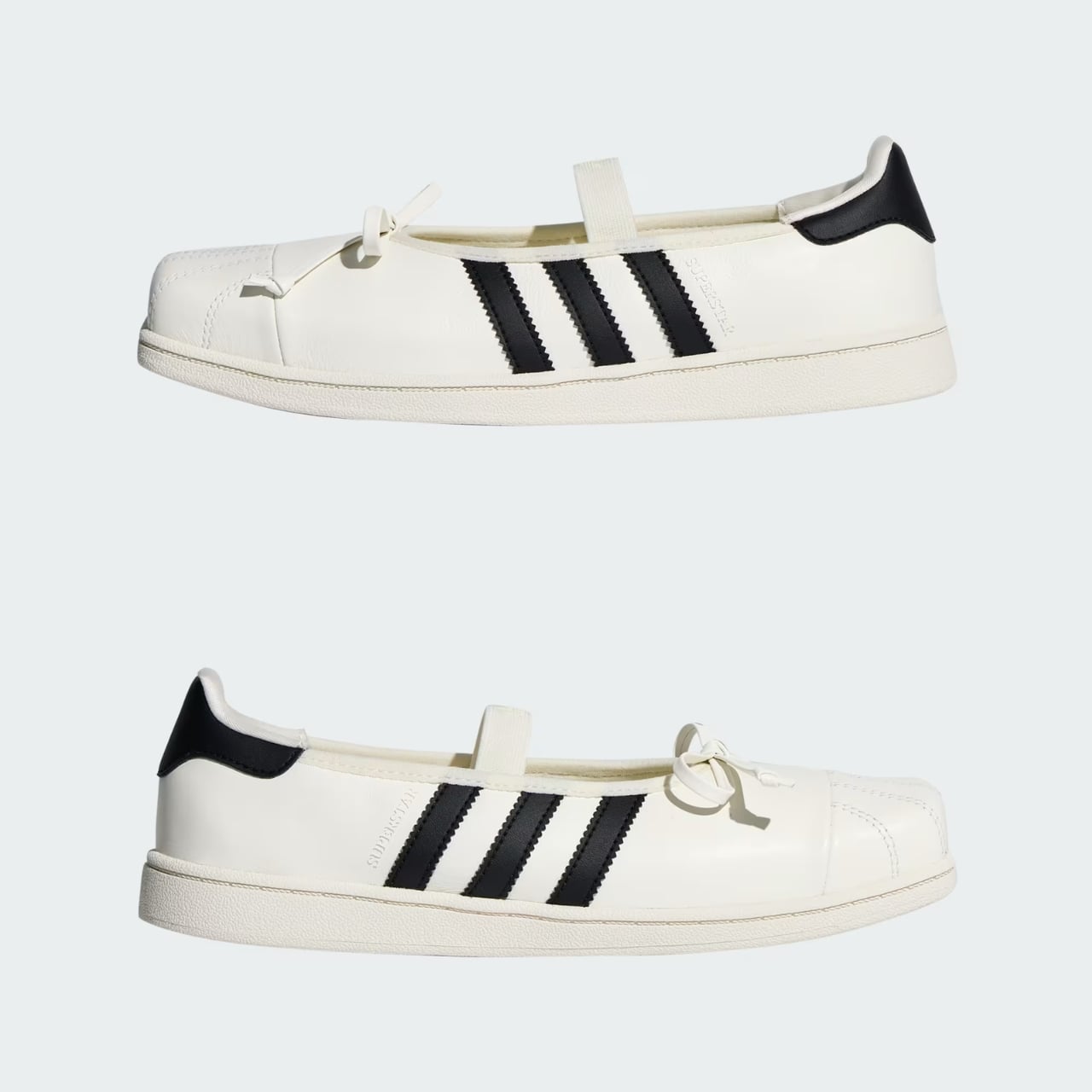
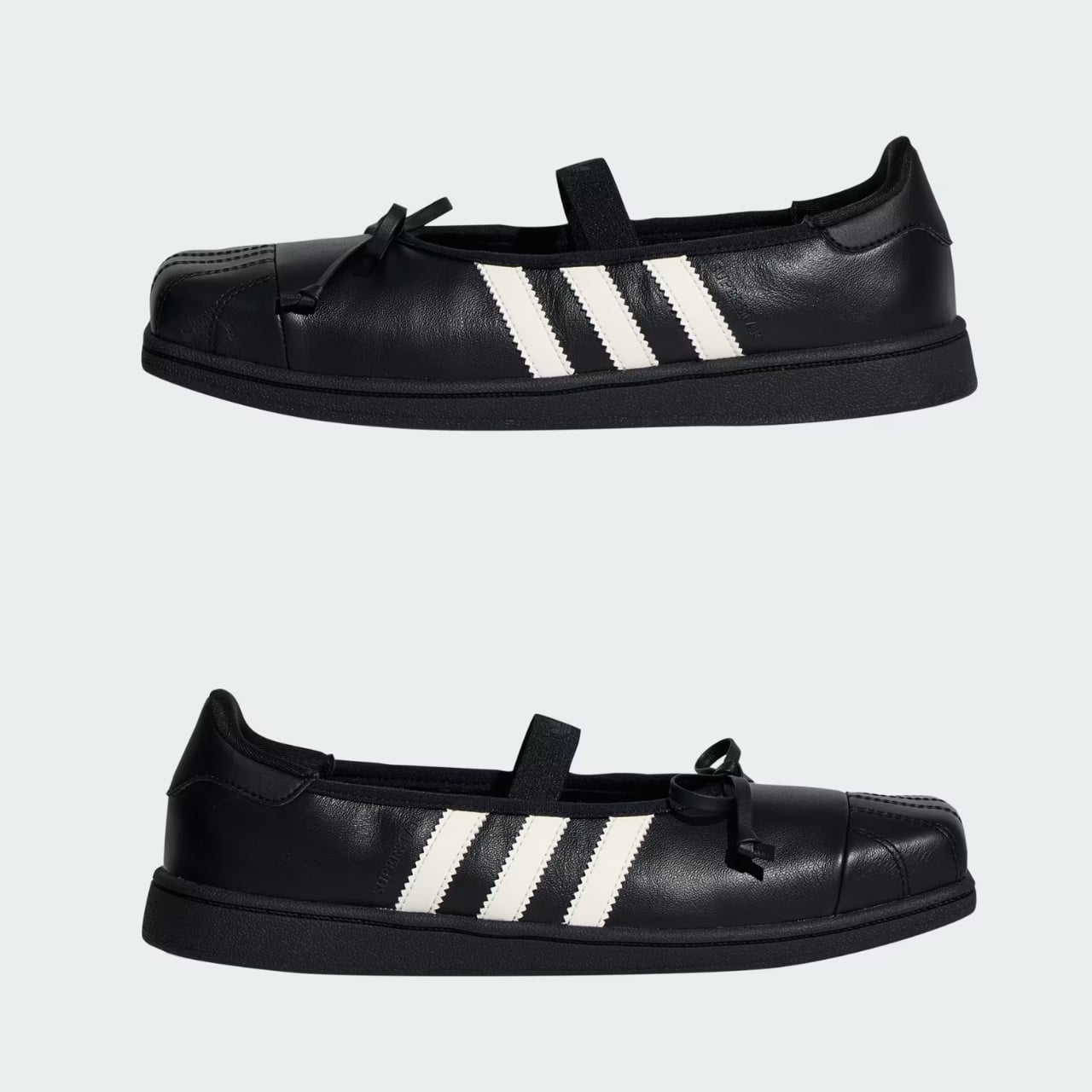
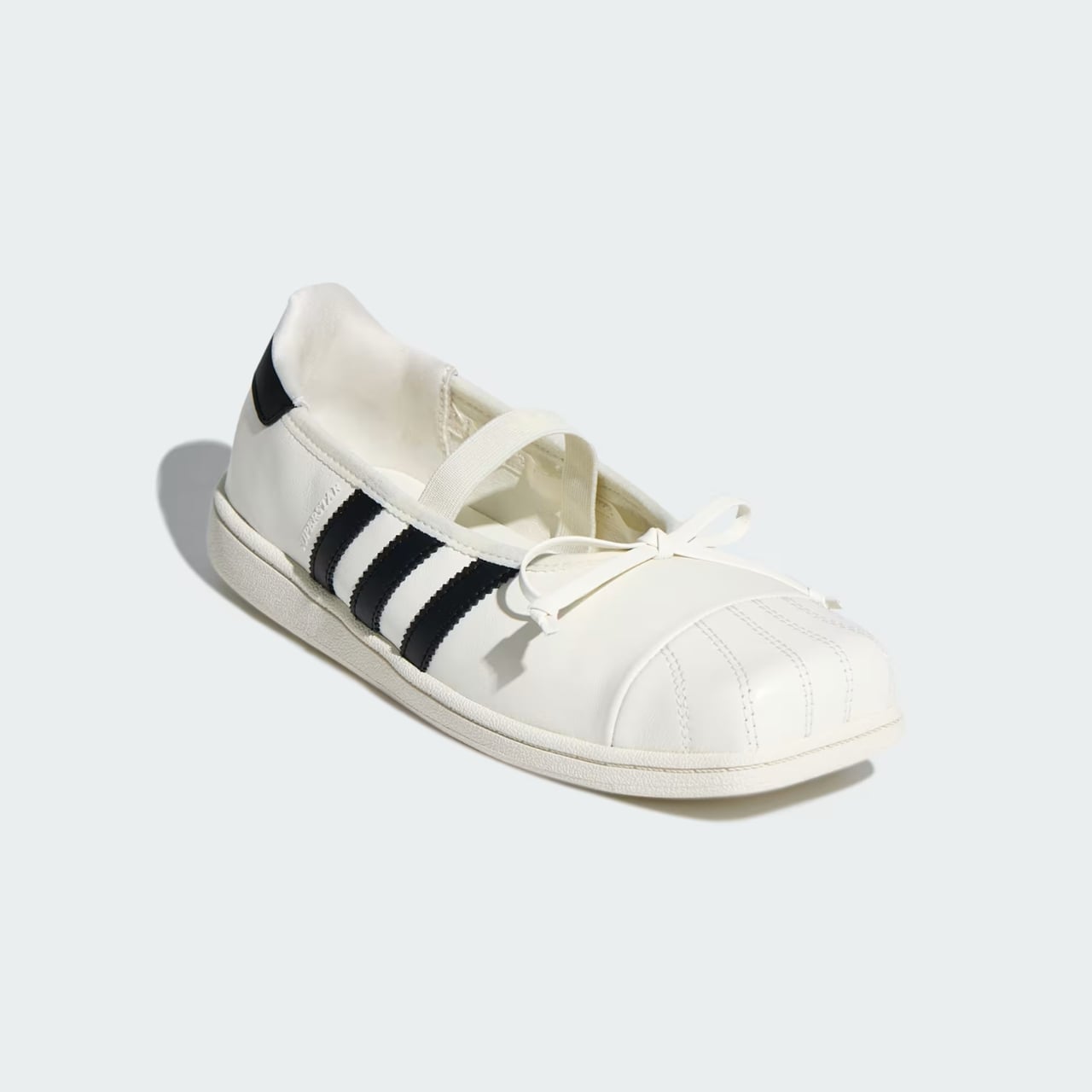
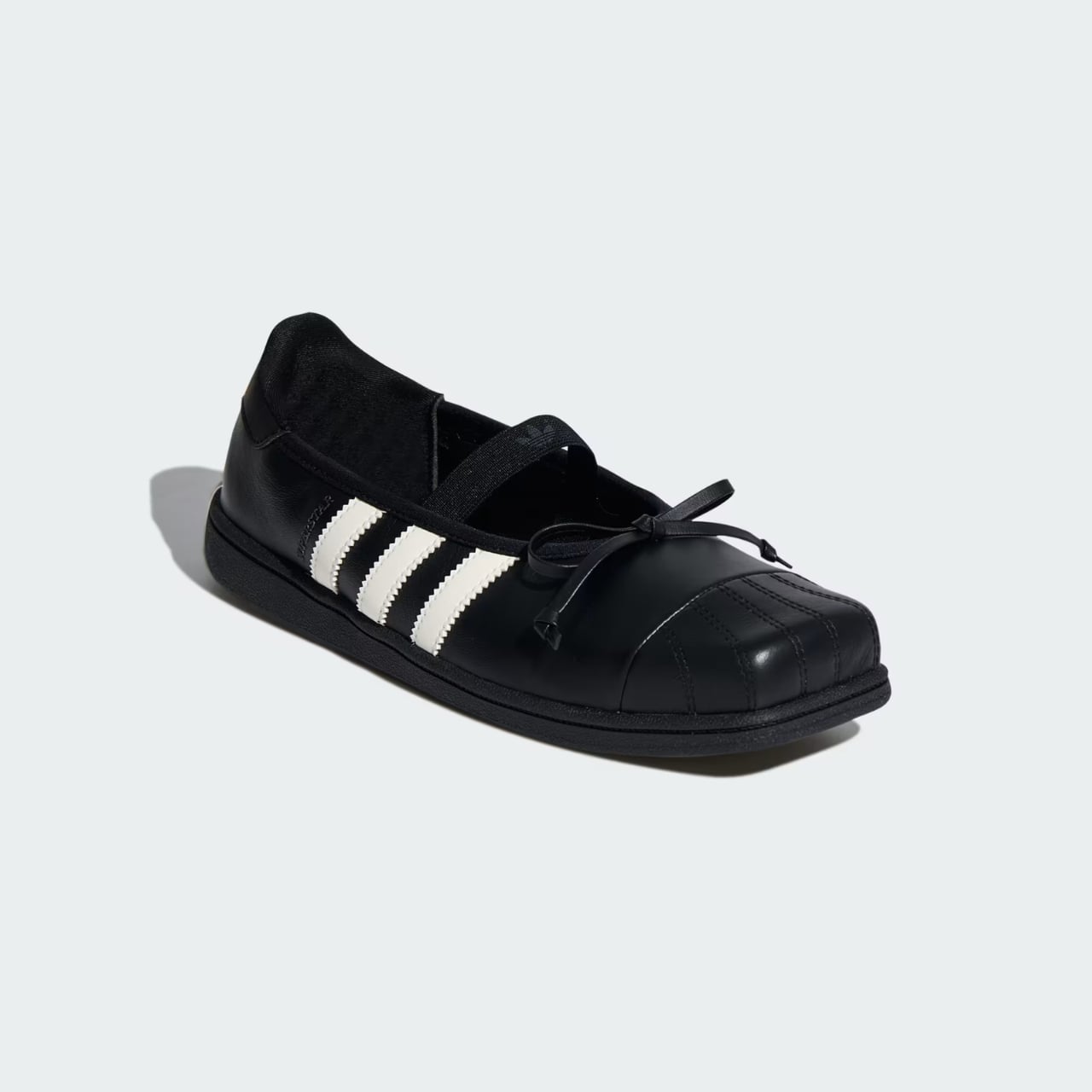
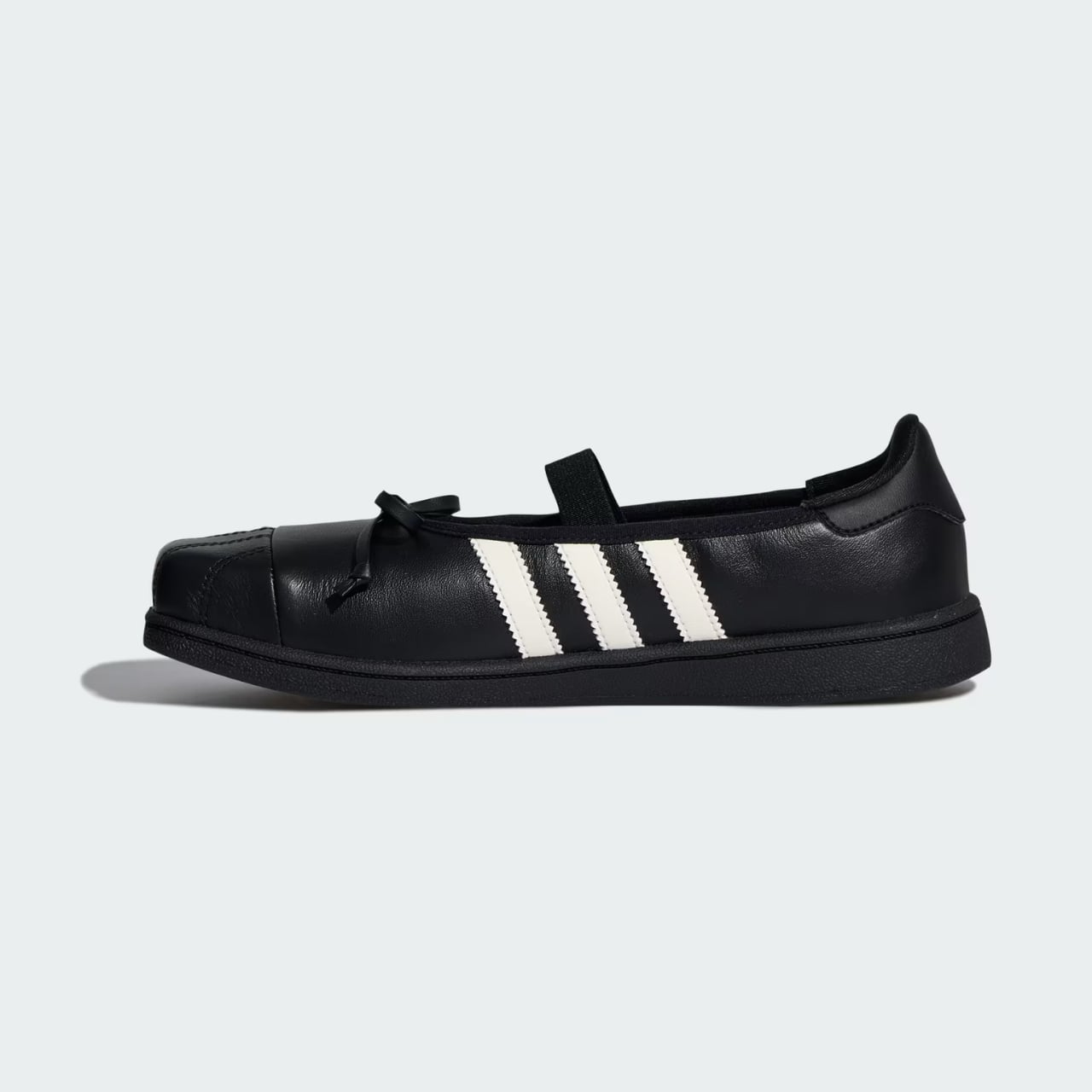
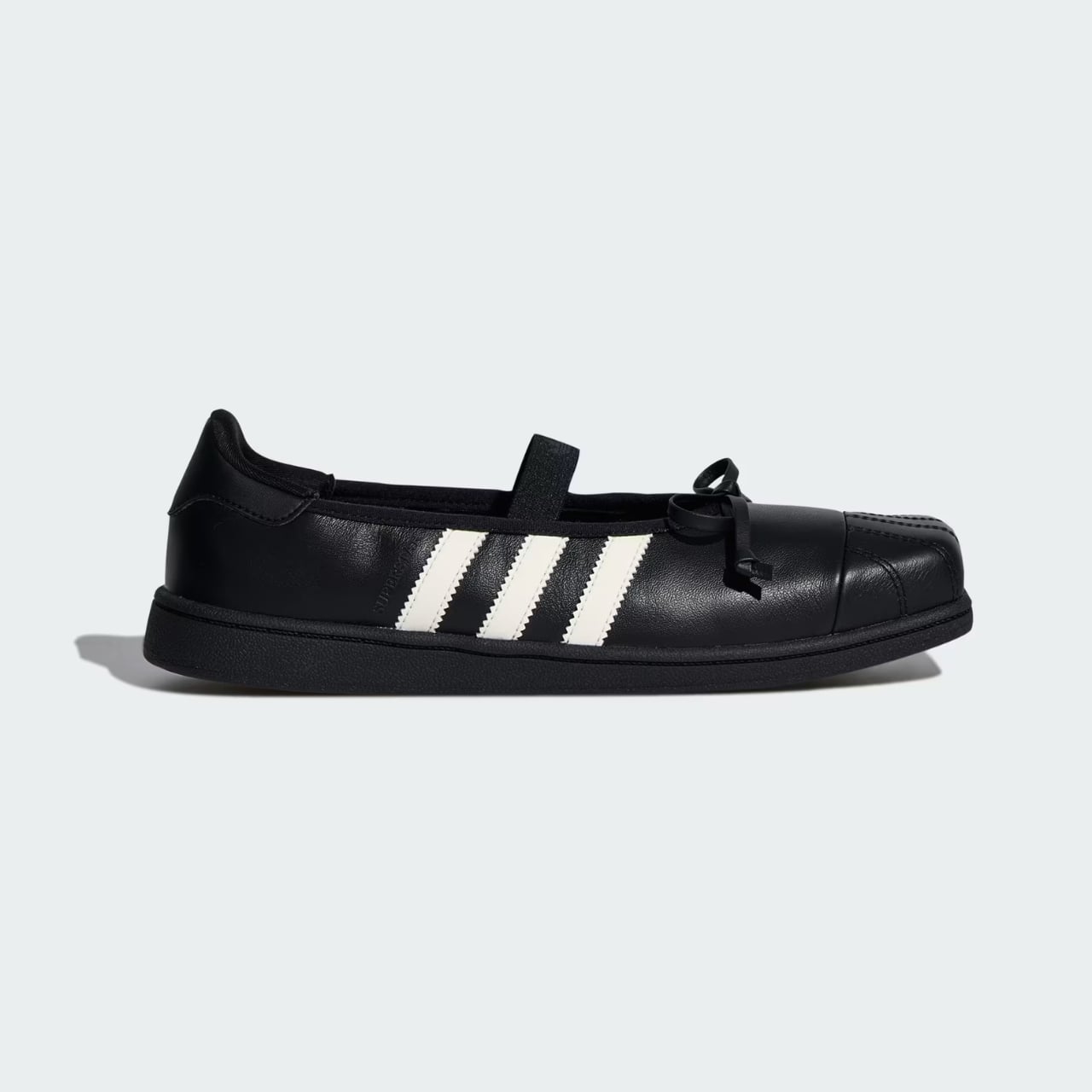
The Superstar has long been one of adidas’ most recognizable sneakers, but this version trades in the brand’s signature rounded shell toe for a square, ballet-flat-like toe box. Standard laces are gone too, replaced by an elastic closure that lets you slip into the shoes effortlessly. To complete the ballet look, a leather ribbon with a delicate bow accent runs across the vamp, giving the sneaker a softer, more feminine touch.
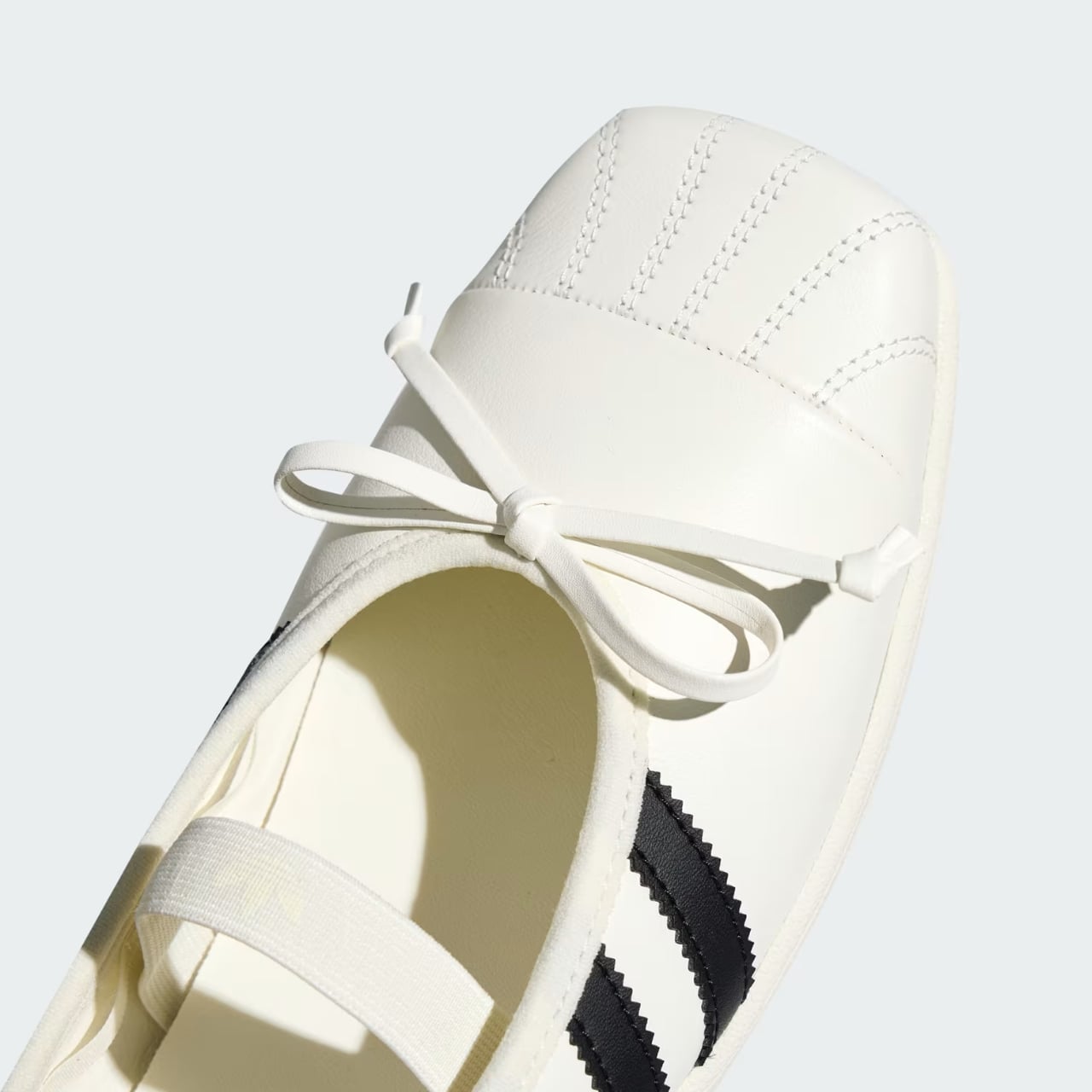
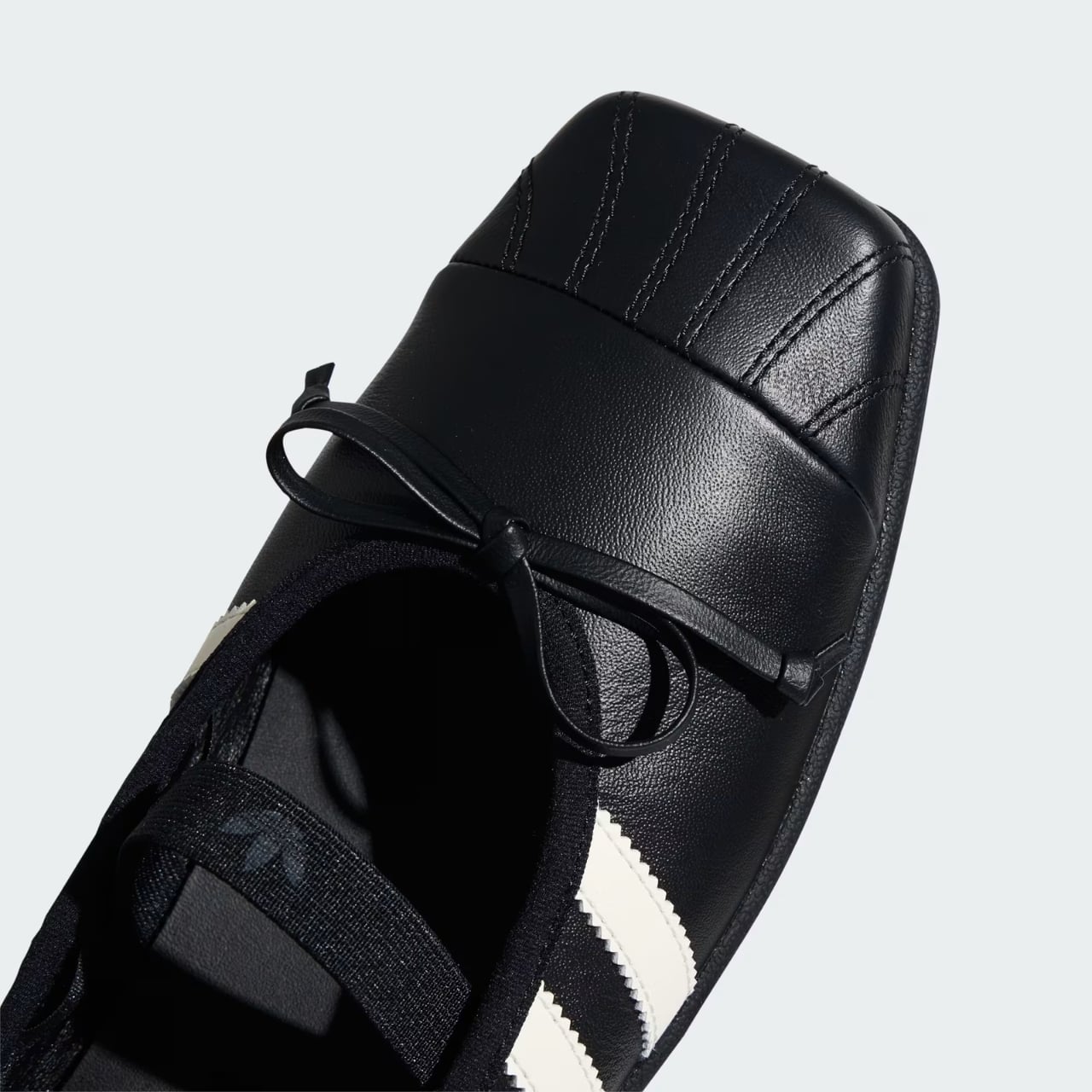
Don’t let the delicate detailing fool you, though. The upper is crafted from premium leather, built for durability and everyday comfort as much as style. An ultra-light EVA foam sole keeps it wearable from morning to night, and both colorways, off-white/black and black/off-white, lean into the “quiet luxury meets streetwear” mood dominating fashion now.
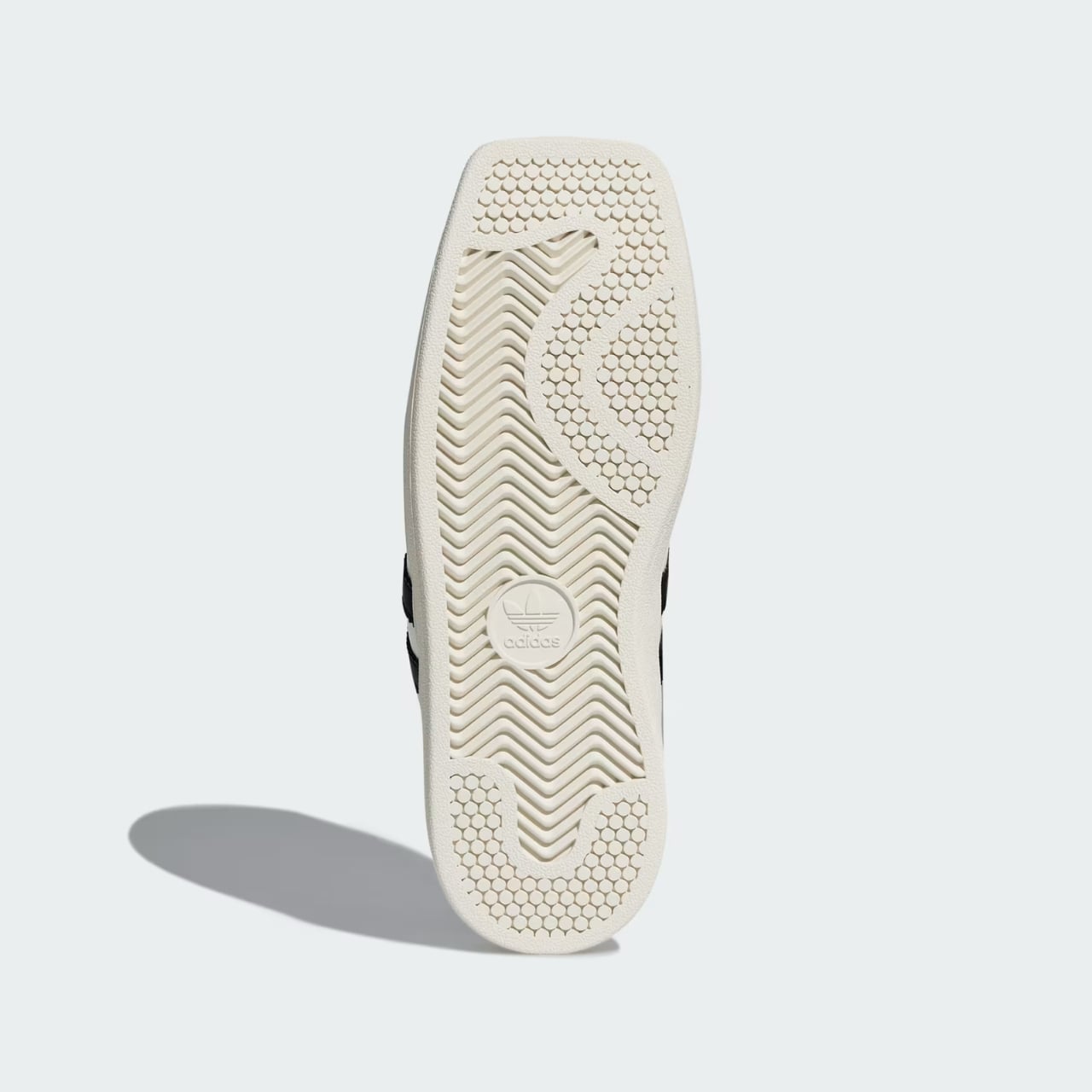
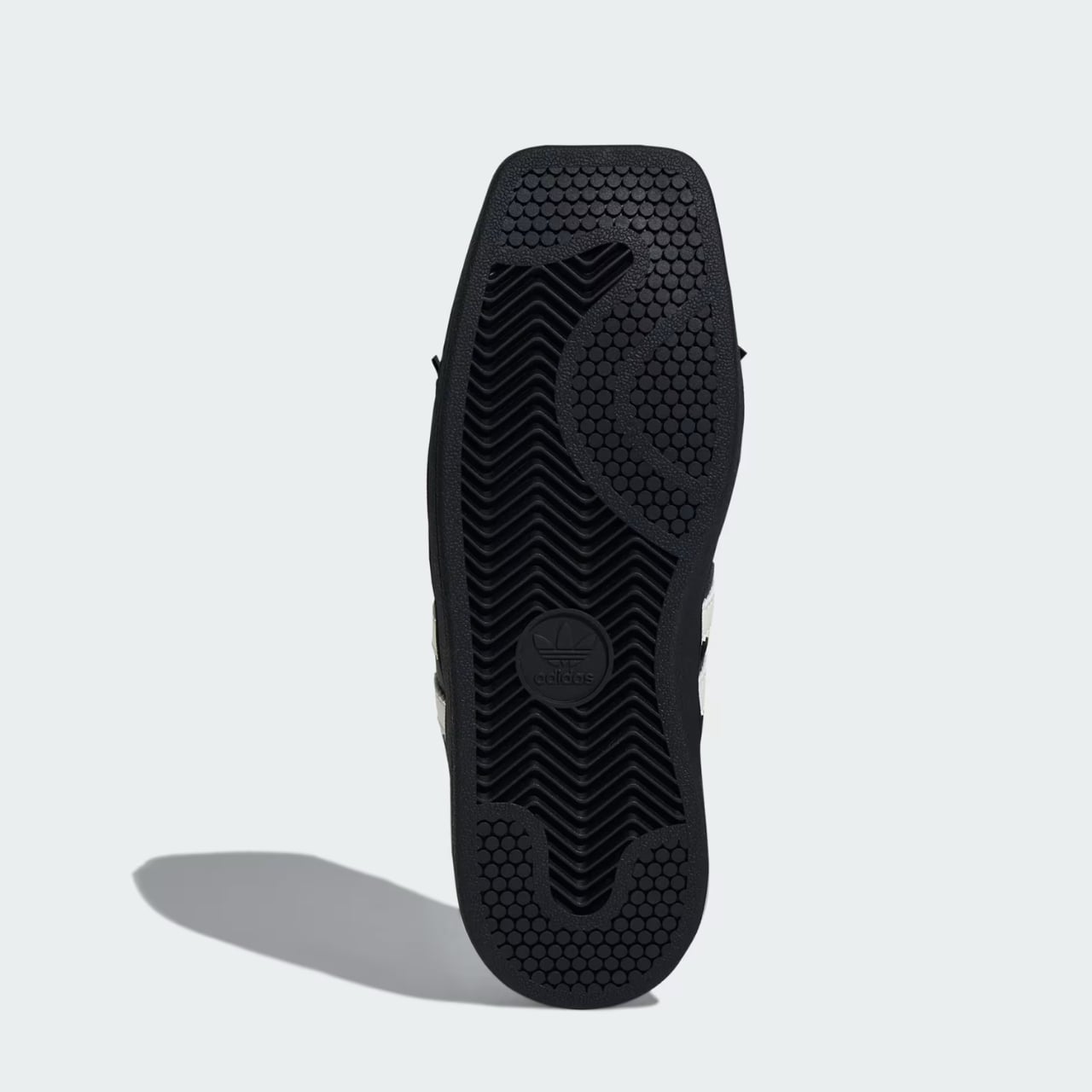
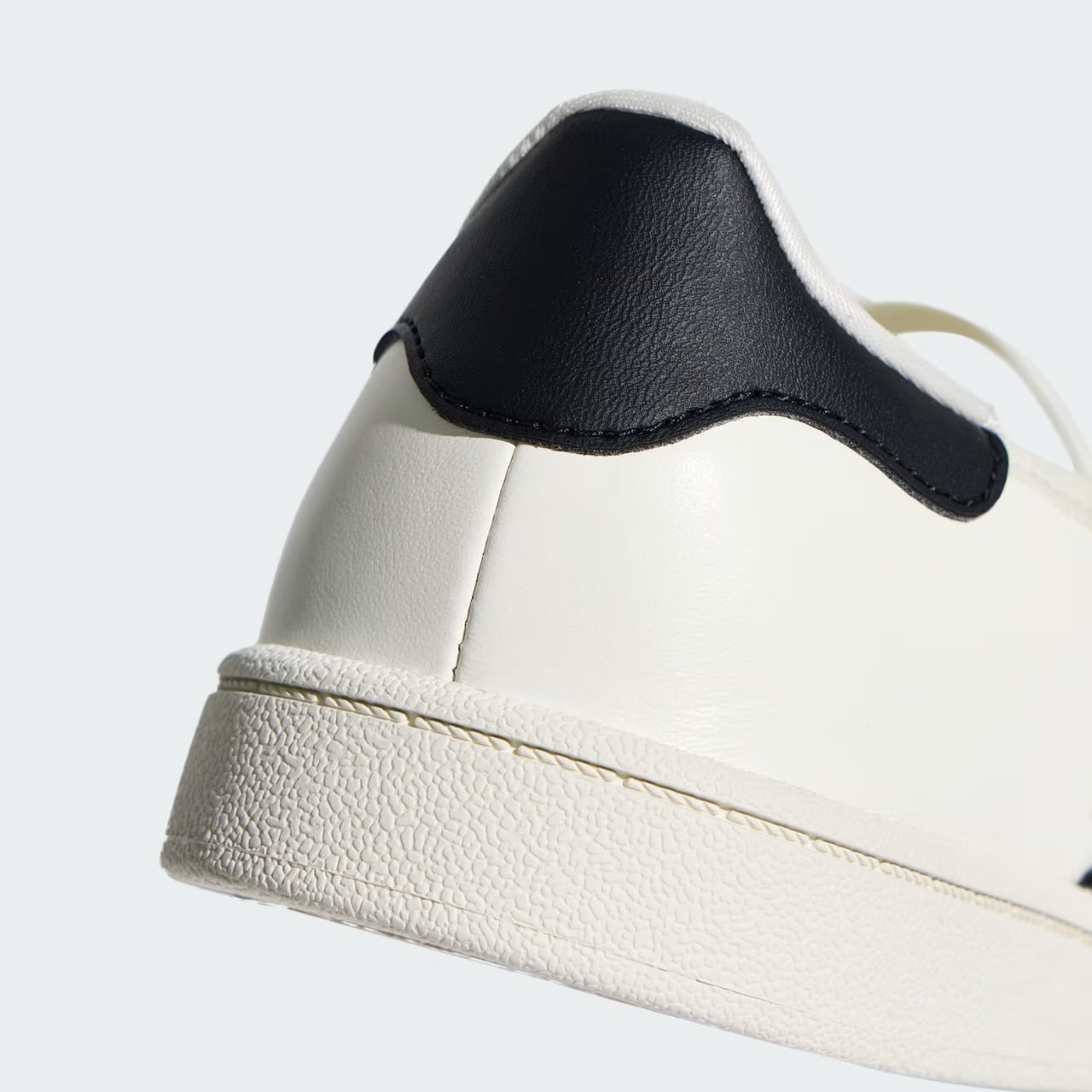
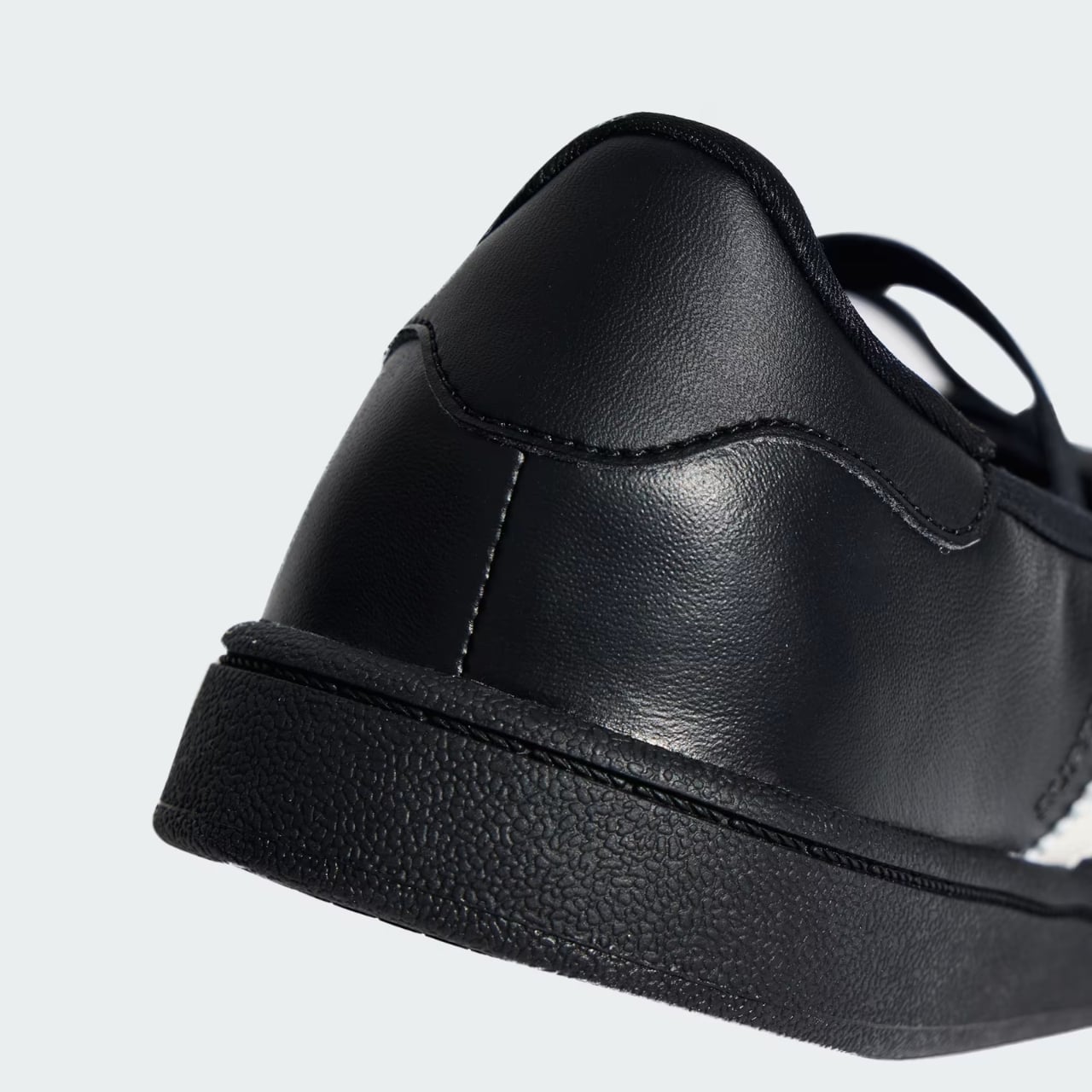
The Superstar SQ Ballet drops in two colorways, listed under style codes LB3786 (Off White/Core Black/Core White) and LB3787 (Core Black/Core Black/Off White), priced at $130 on adidas.com. It anchors a bigger capsule called adidas Originals by JENNIE, built around a concept she’s dubbed “Functional Grace,” which also includes reworked trackwear, wrap skirts, sheer layers, and knitwear.
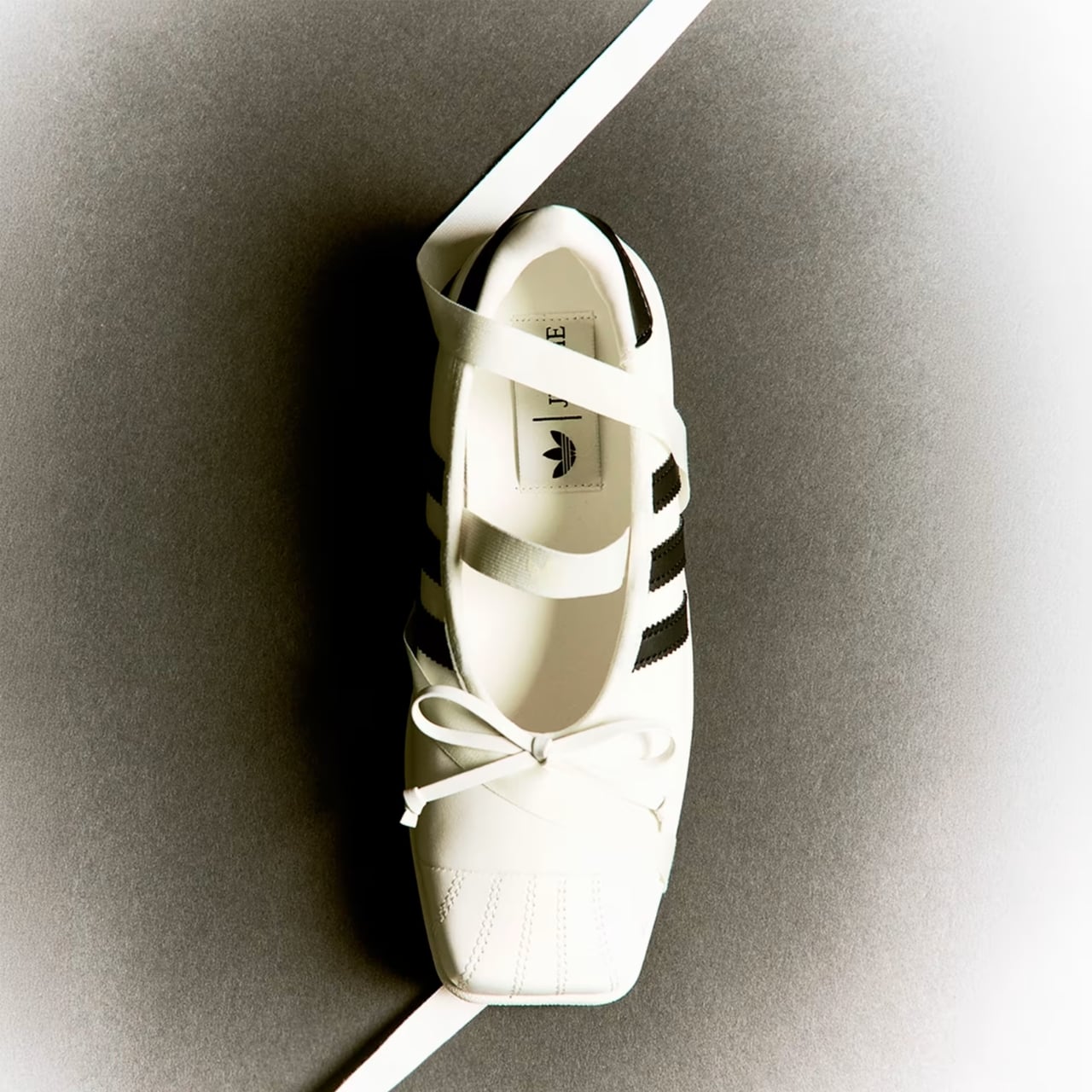
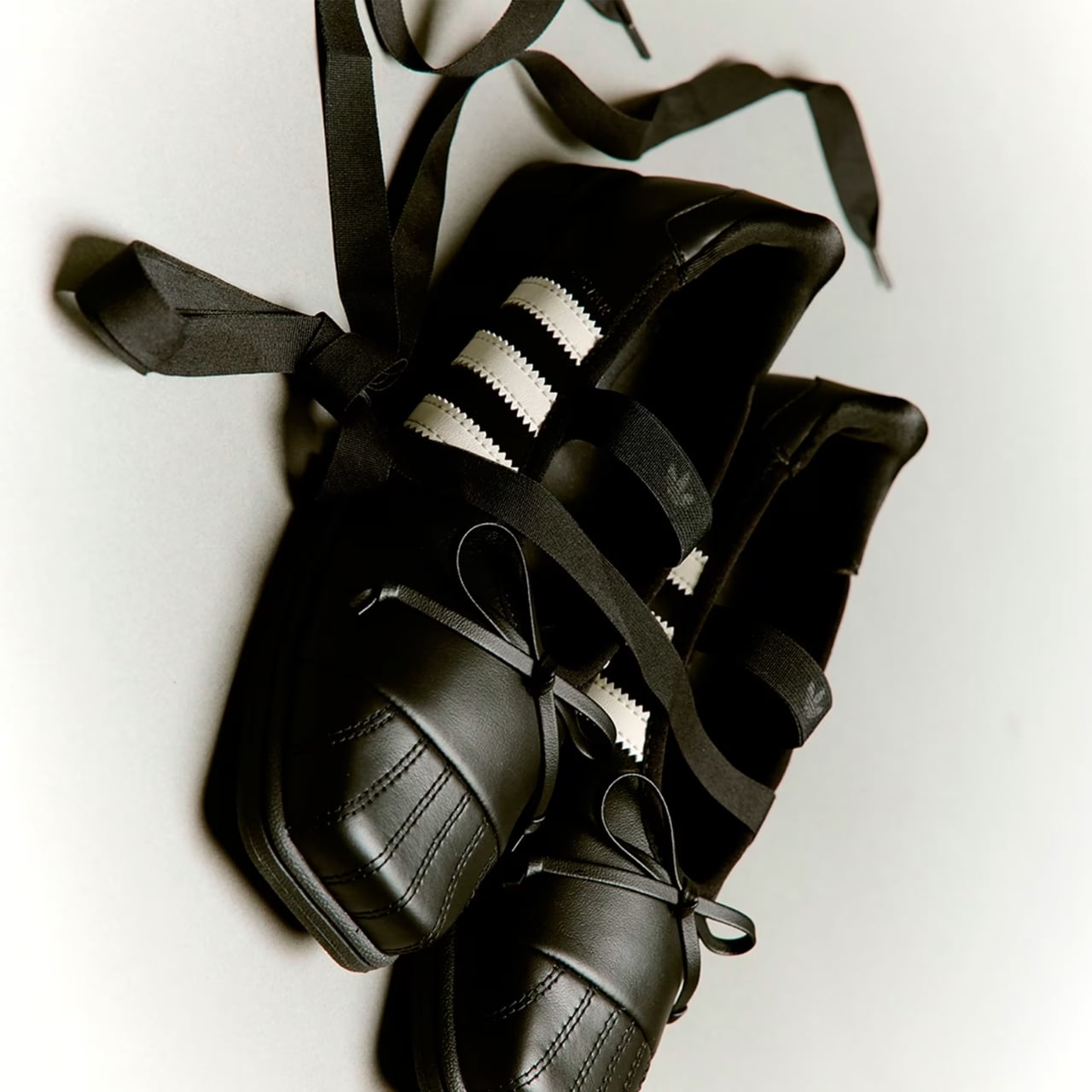
On her vision for the line, Jennie said she wanted to bring together the elegance of ballet and the freedom of space as concepts for “softness and strength.” She added that reworking the Superstar was about bringing “the softness and restraint found in ballet, as well as the strength behind it,” to a shoe that still feels unmistakably adidas. Reportedly, the design took a full year to complete, which explains why every detail feels intentional rather than rushed.

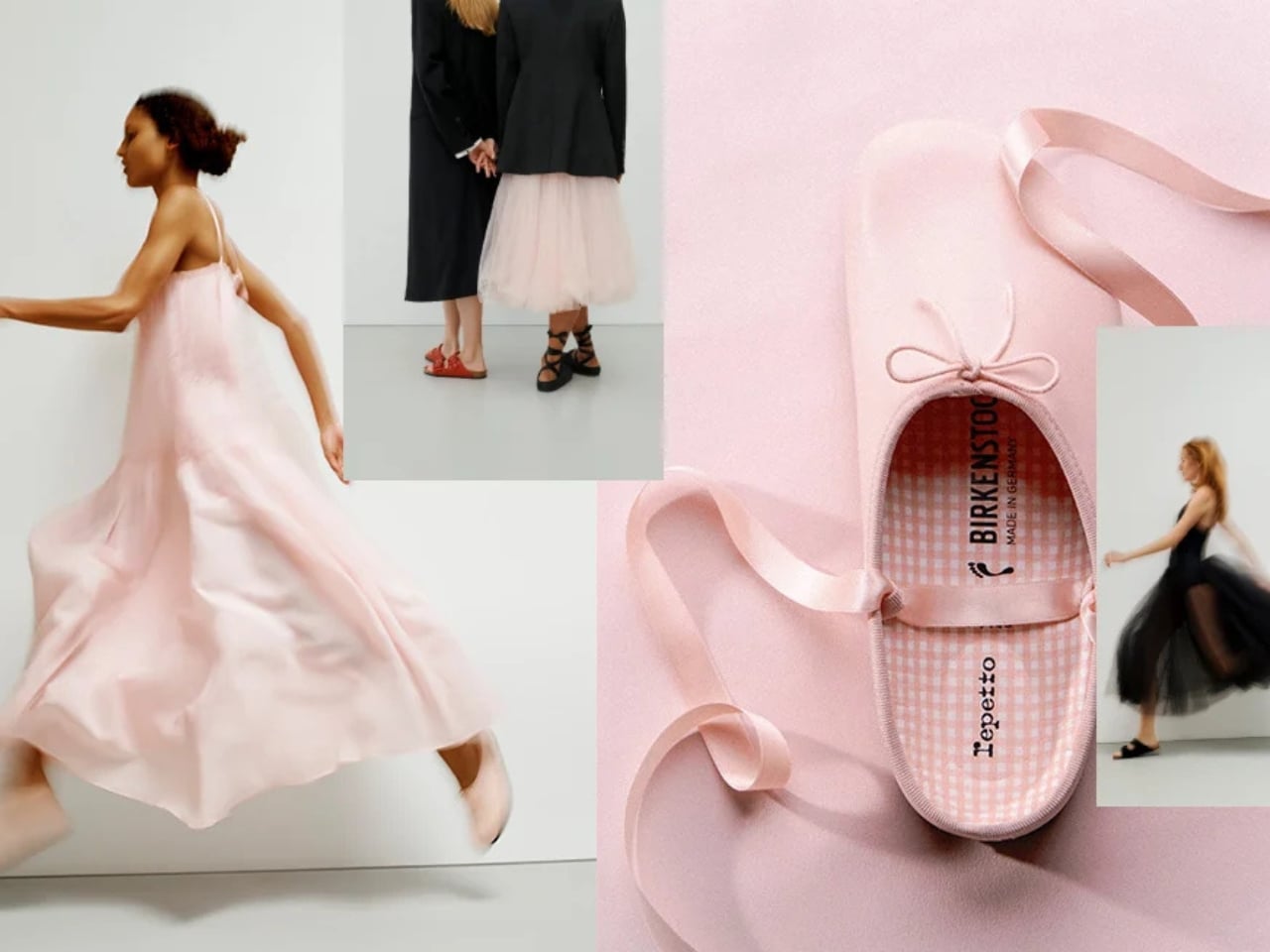
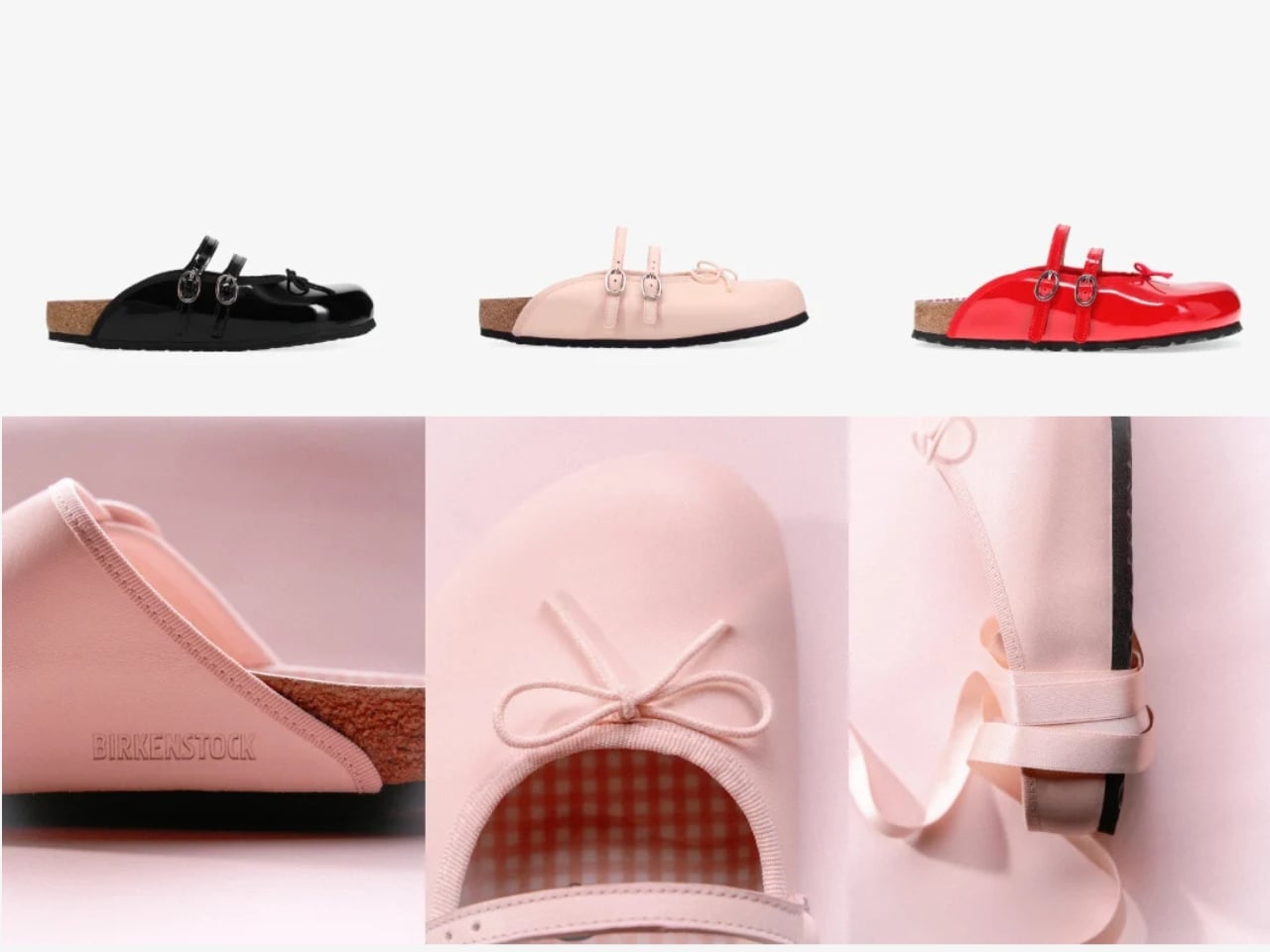
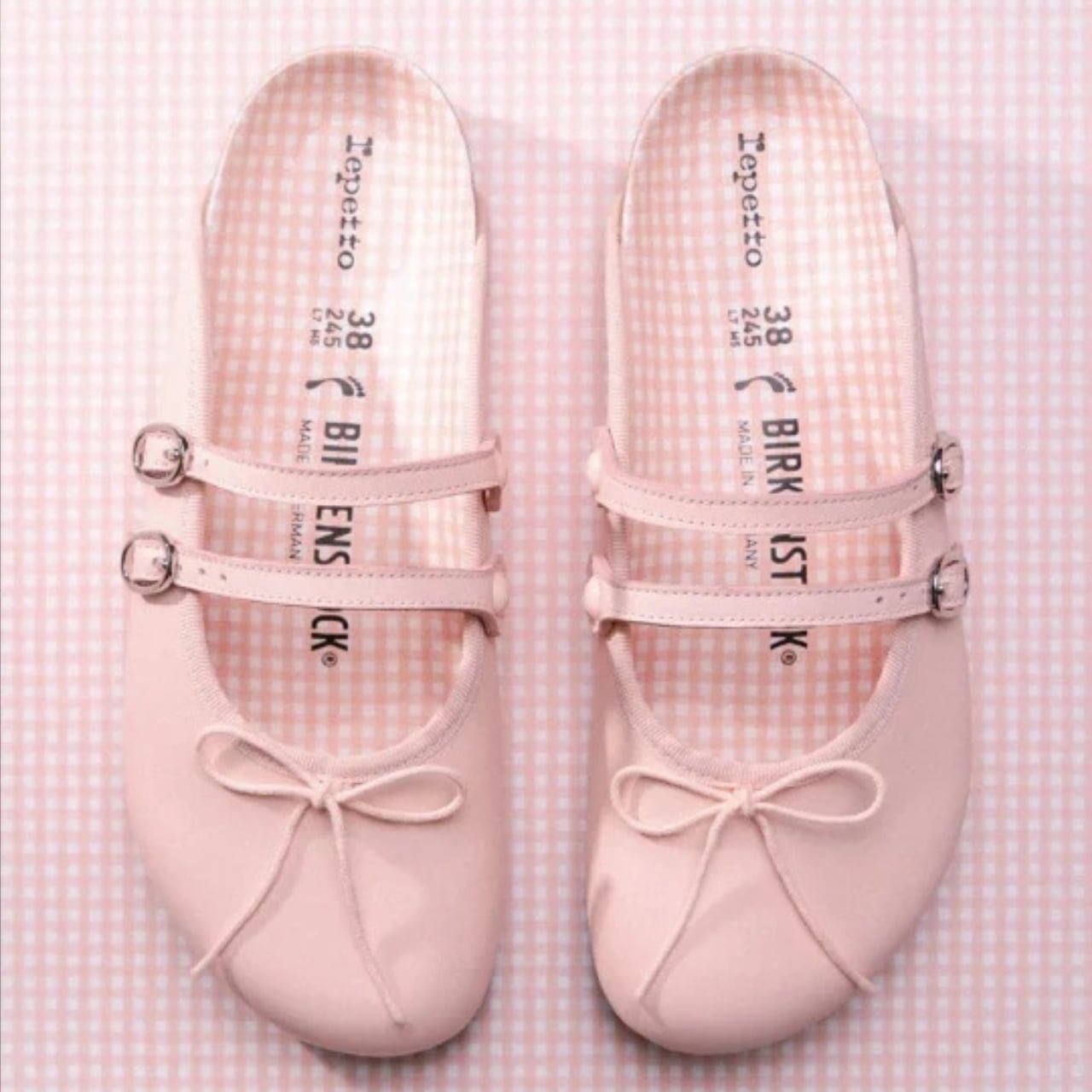
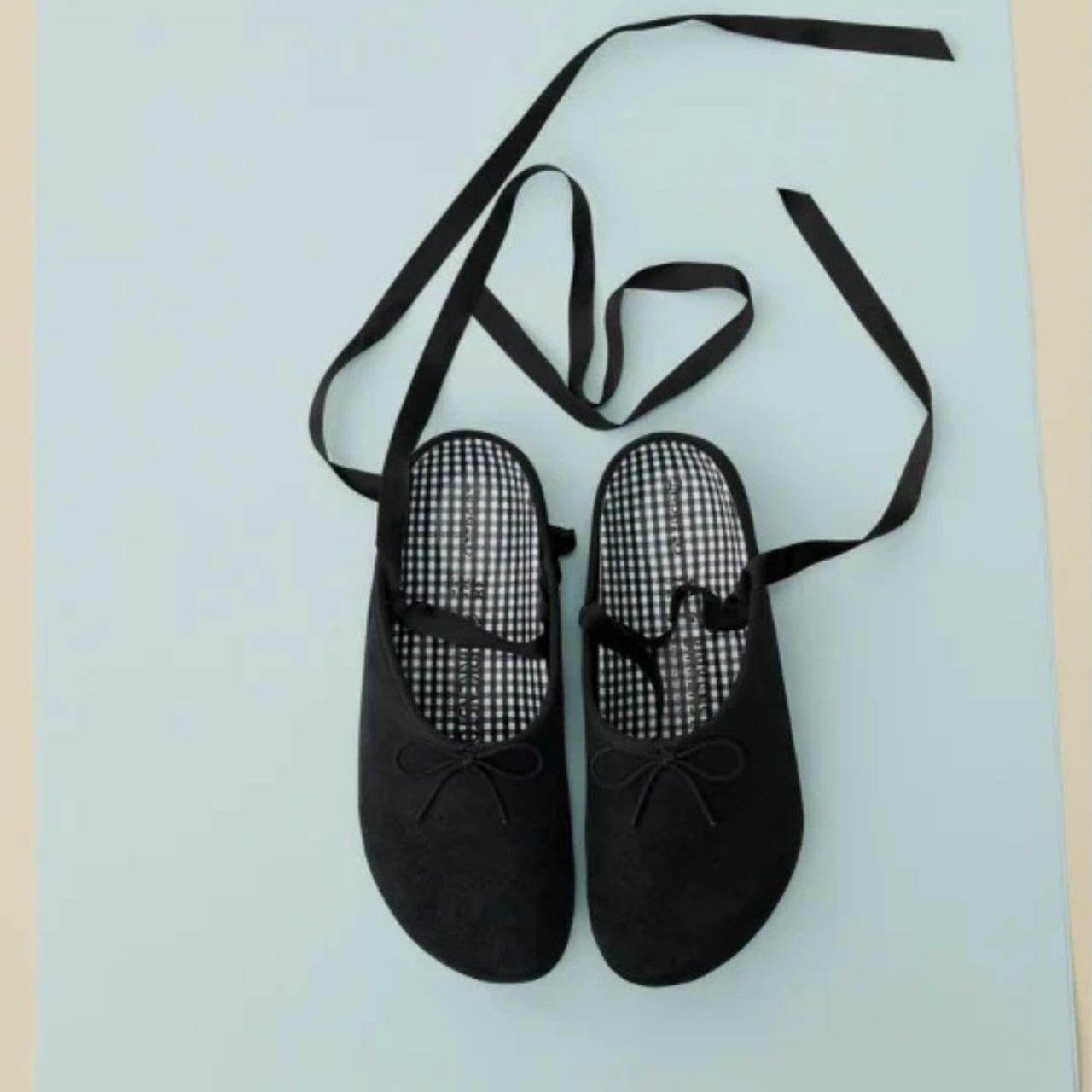
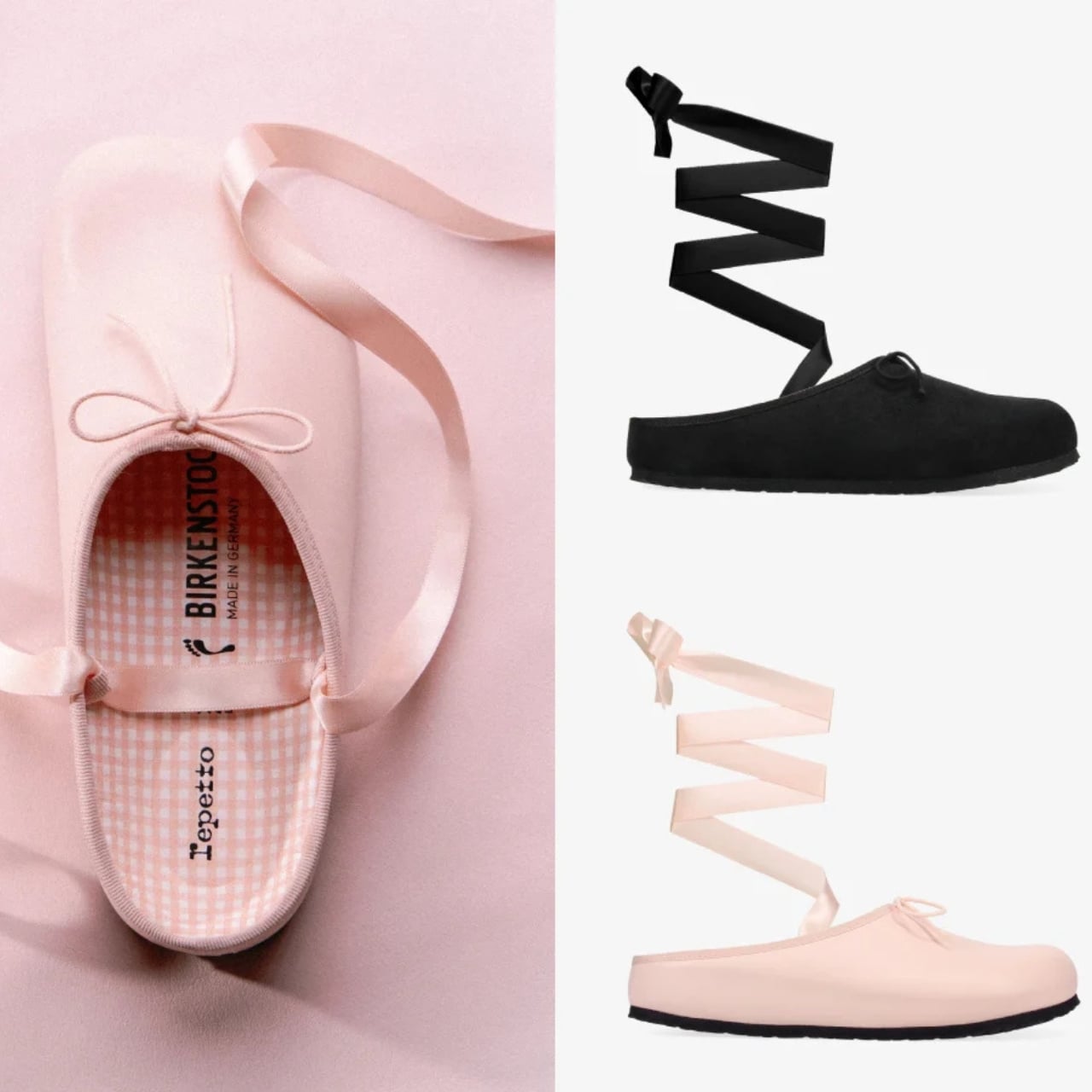
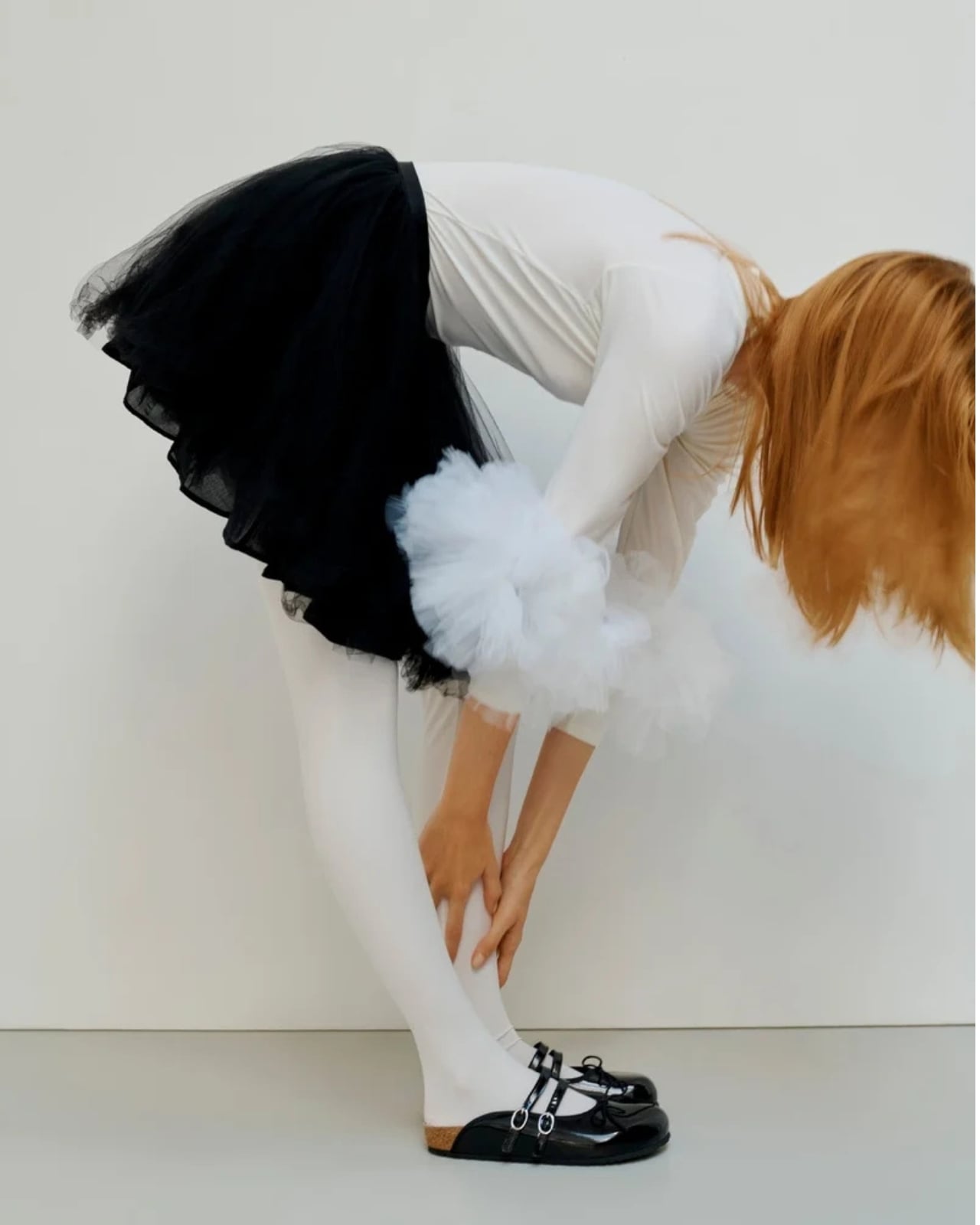
This isn’t the first time balletcore has found its way onto a sneaker, and we’ve covered plenty of these hybrid designs before. Converse Japan gave the All Star its own ballet-flat makeover with delicate straps and a softer silhouette, while Nike added satin ribbons to its Air Rift “Black Swan” that you could wrap around your ankle for a more theatrical finish. Birkenstock even teamed up with Repetto, the French ballet shoe maker, blurring the line between sandal and slipper entirely. What sets Jennie’s Superstar SQ Ballet apart is that it isn’t just a licensed nod to ballet dreamed up by a design team. It comes from someone with a genuine point of view on softness and strength, backed by a full year of development instead of a quick seasonal push.
At the end of the day, balletcore sneakers like this one prove that comfort and elegance don’t have to be mutually exclusive. Whether you’re drawn to it because you’re a die-hard Blackpink fan, an adidas collector, or simply someone who appreciates a sneaker that can go from errands to dinner without missing a beat, the Superstar SQ Ballet earns its spot in the rotation. And if this trend keeps producing shoes this thoughtful, I, for one, hope brands never let balletcore leave the building.


The post Jennie’s adidas Superstar Actually Looks Like a Ballet Flat first appeared on Yanko Design.