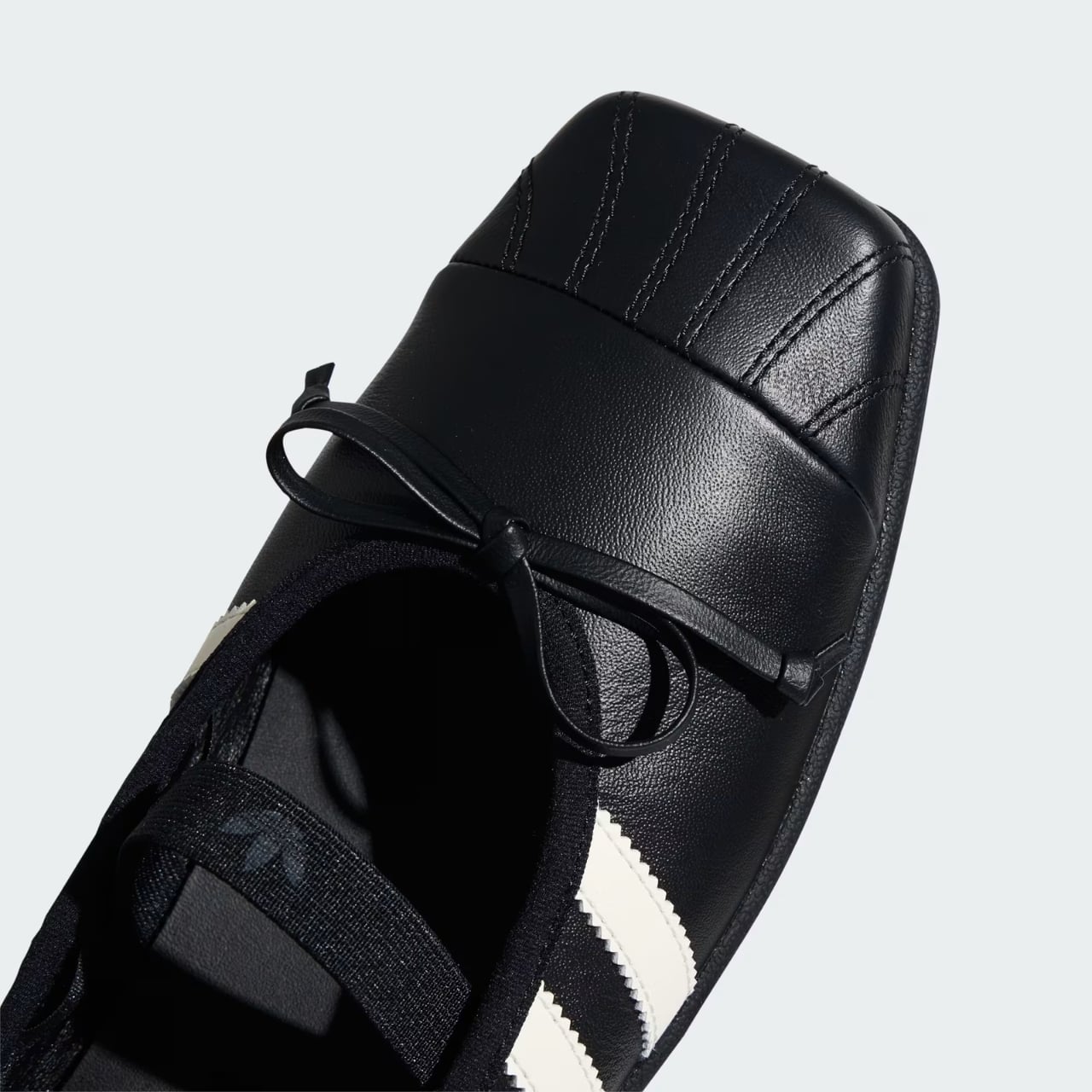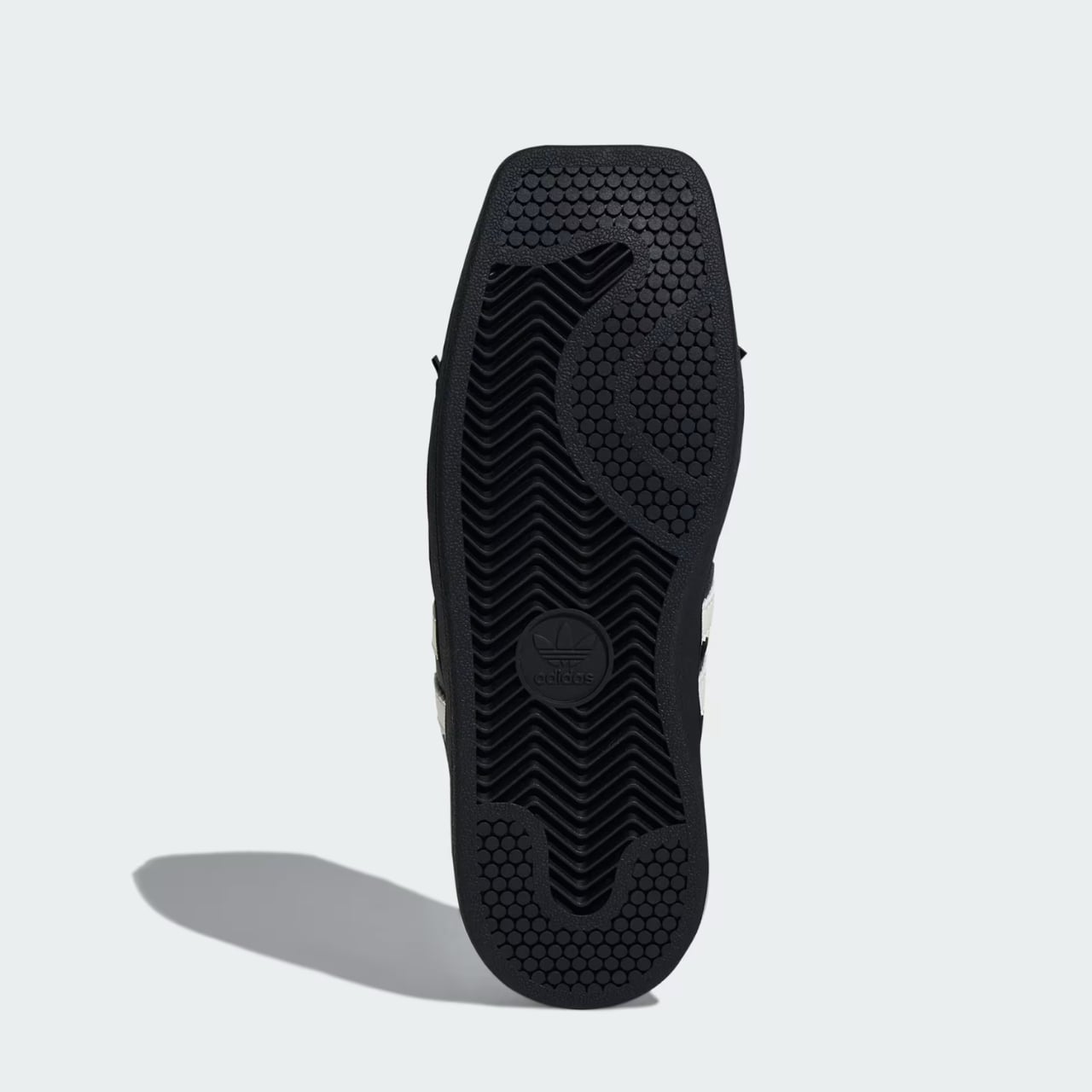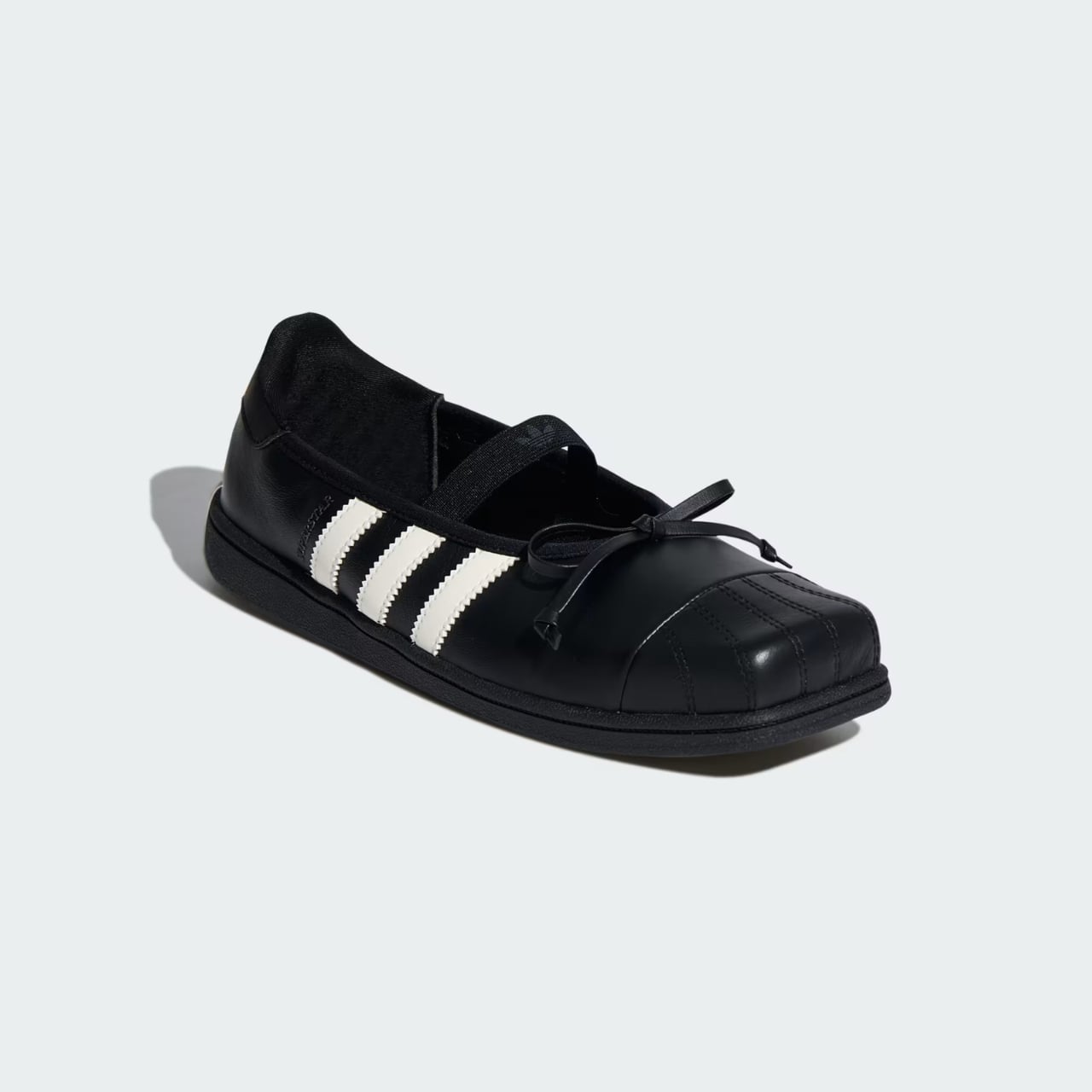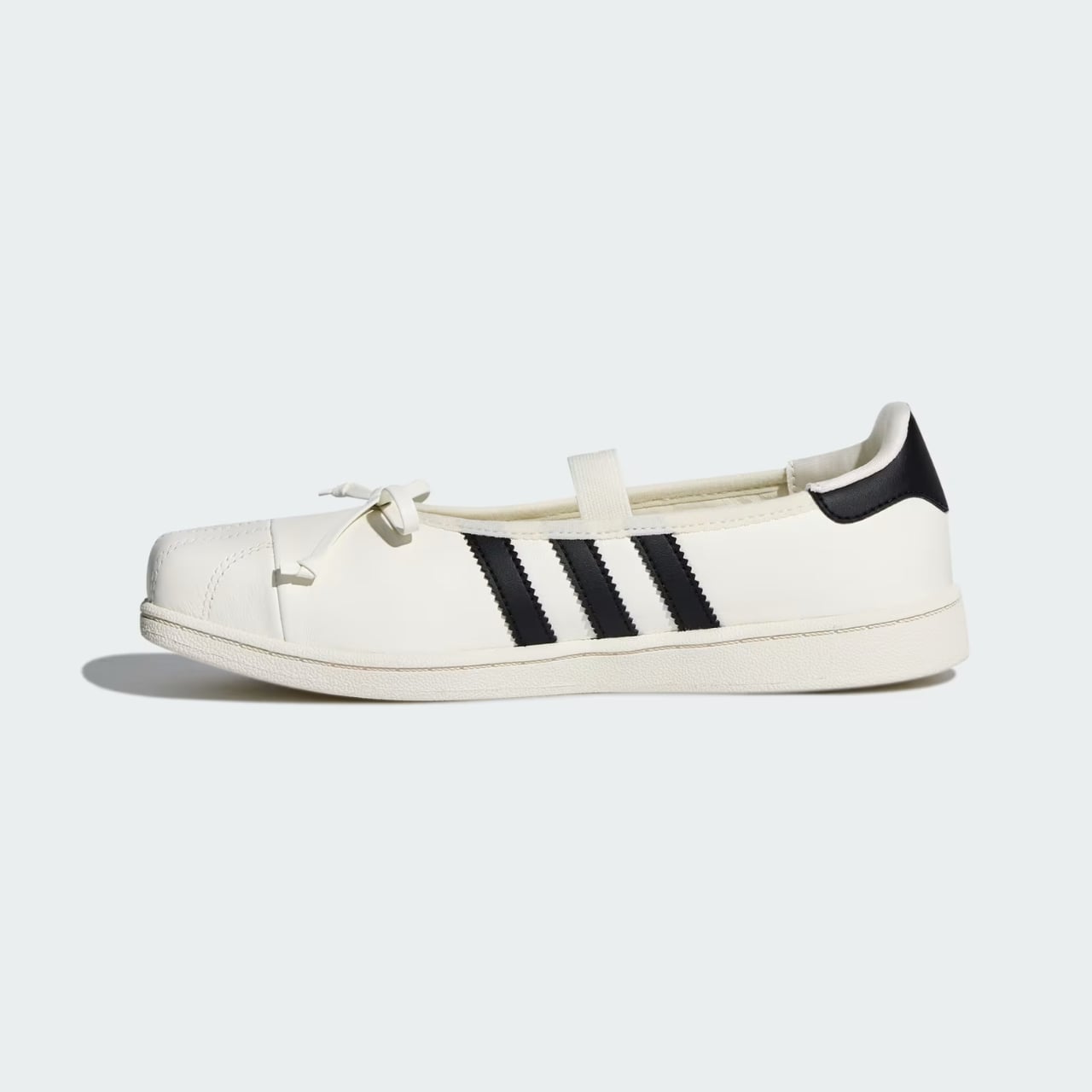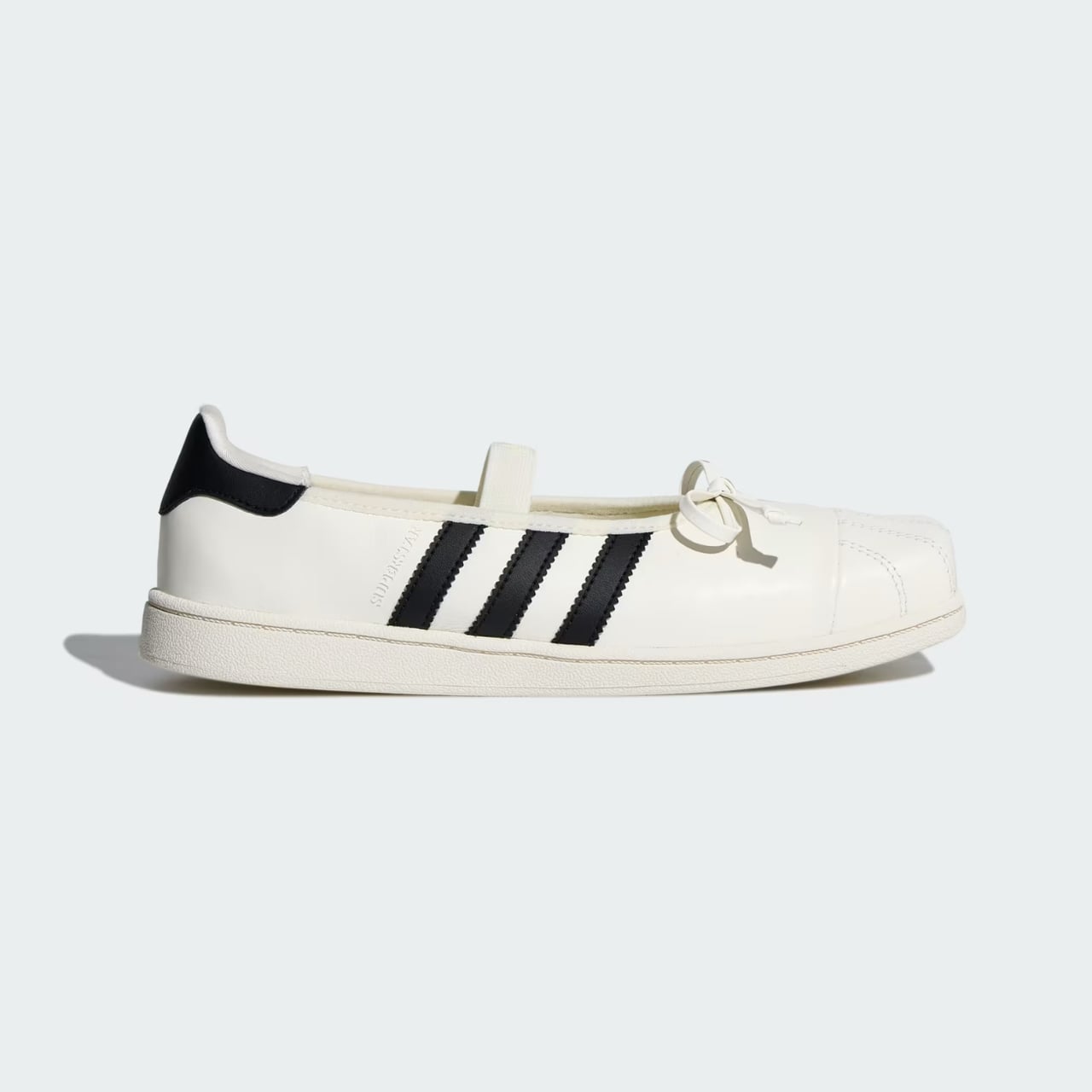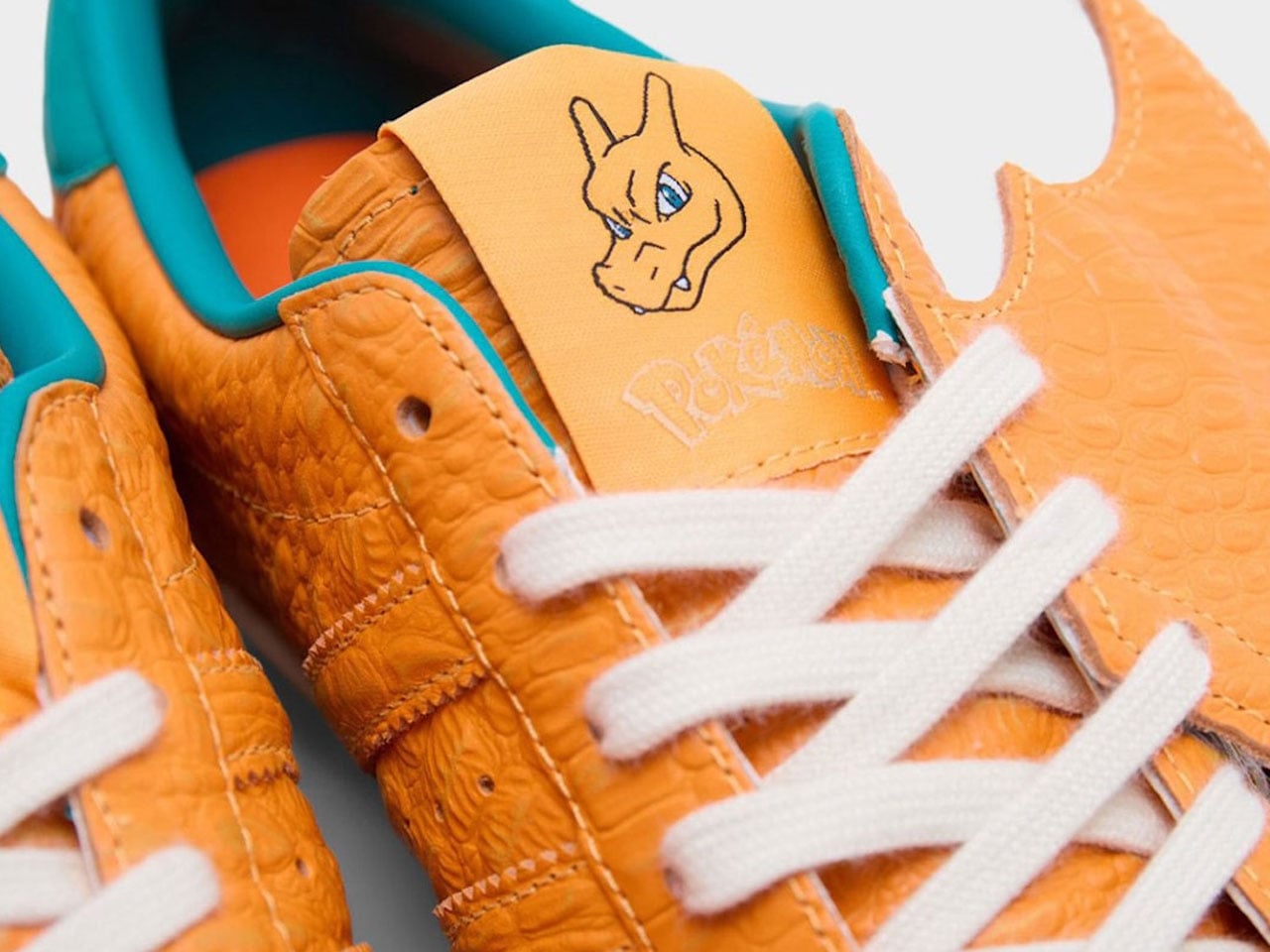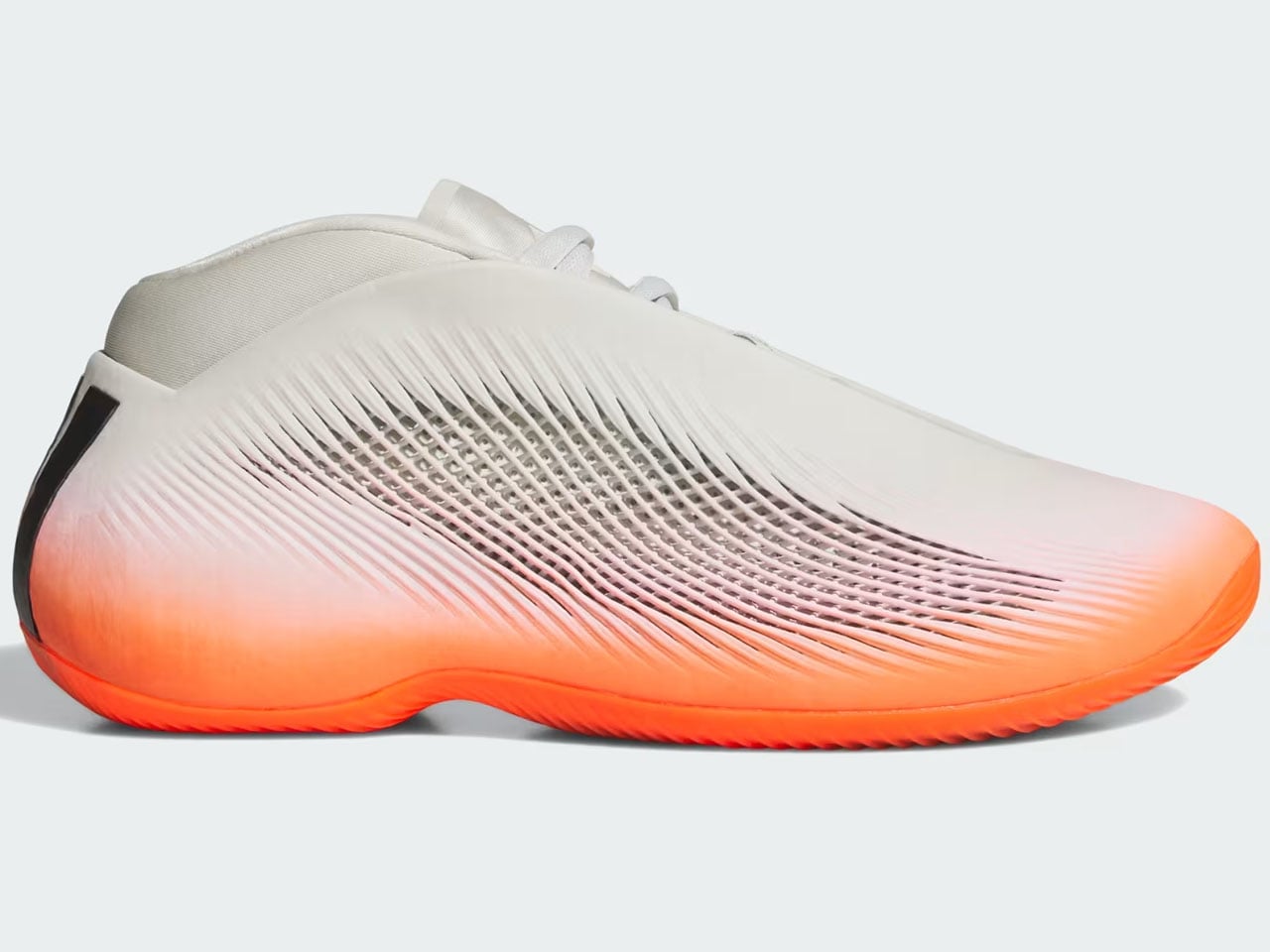
Pharrell Quietly Revives Adidas’ Weirdest Y2K Water Shoe for $140

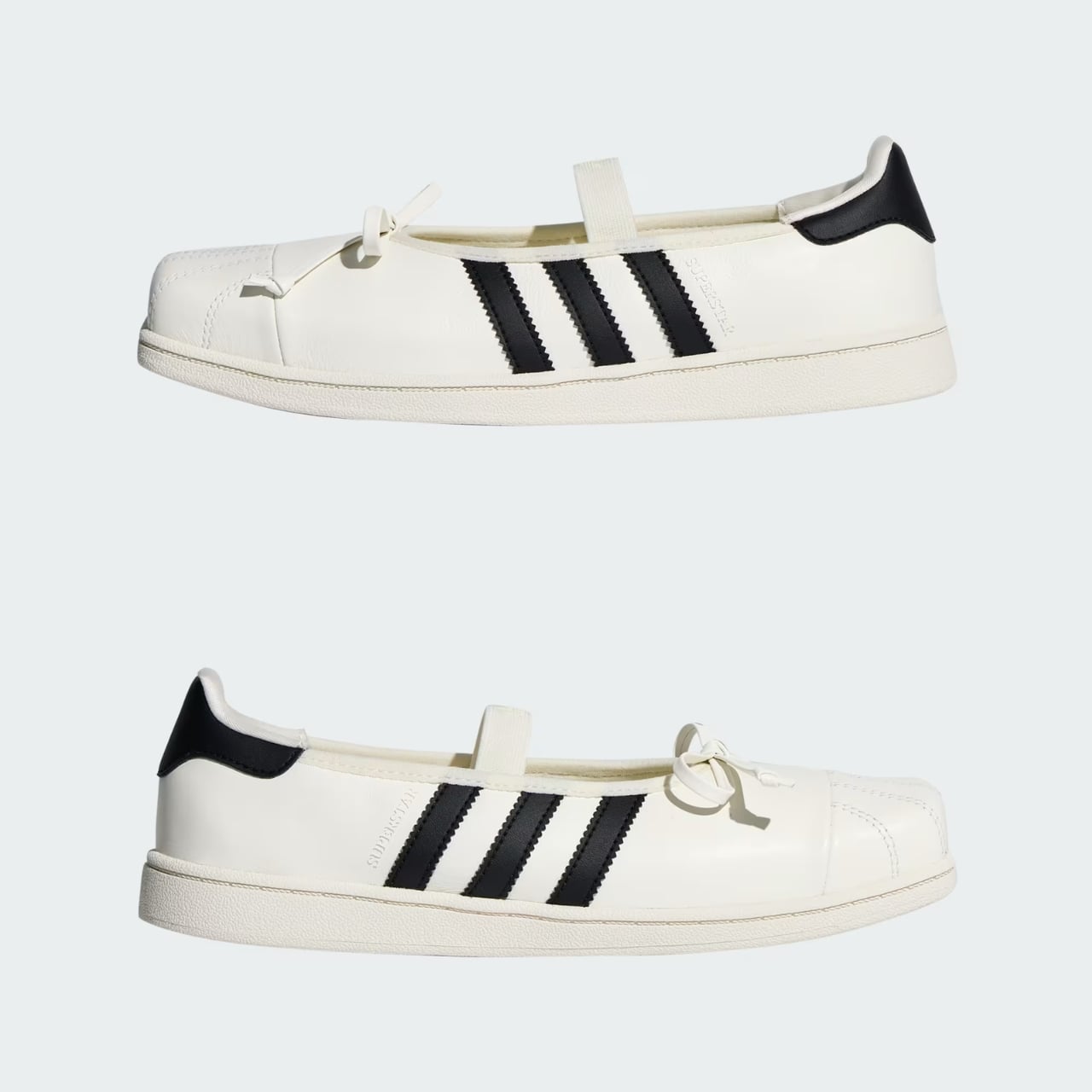
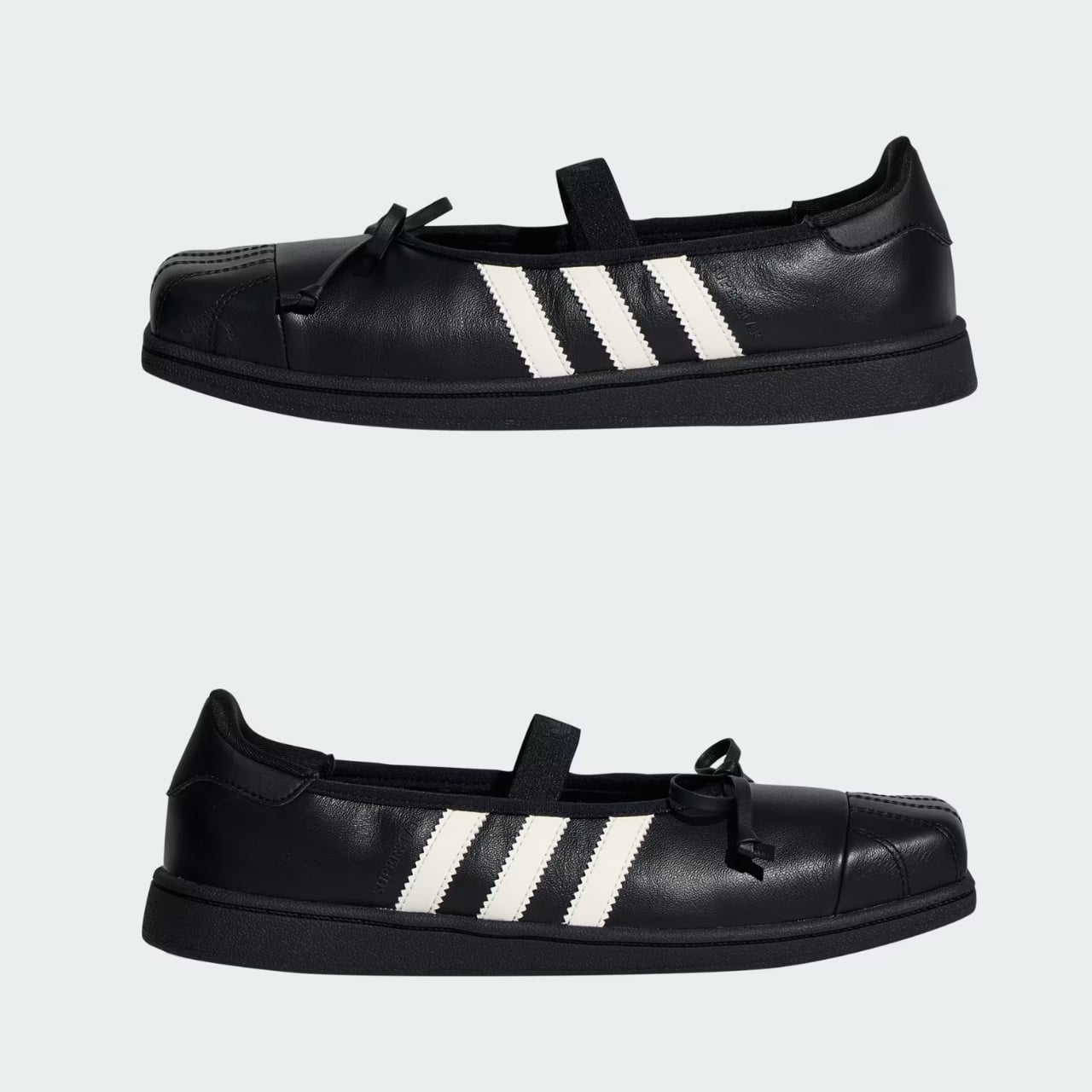
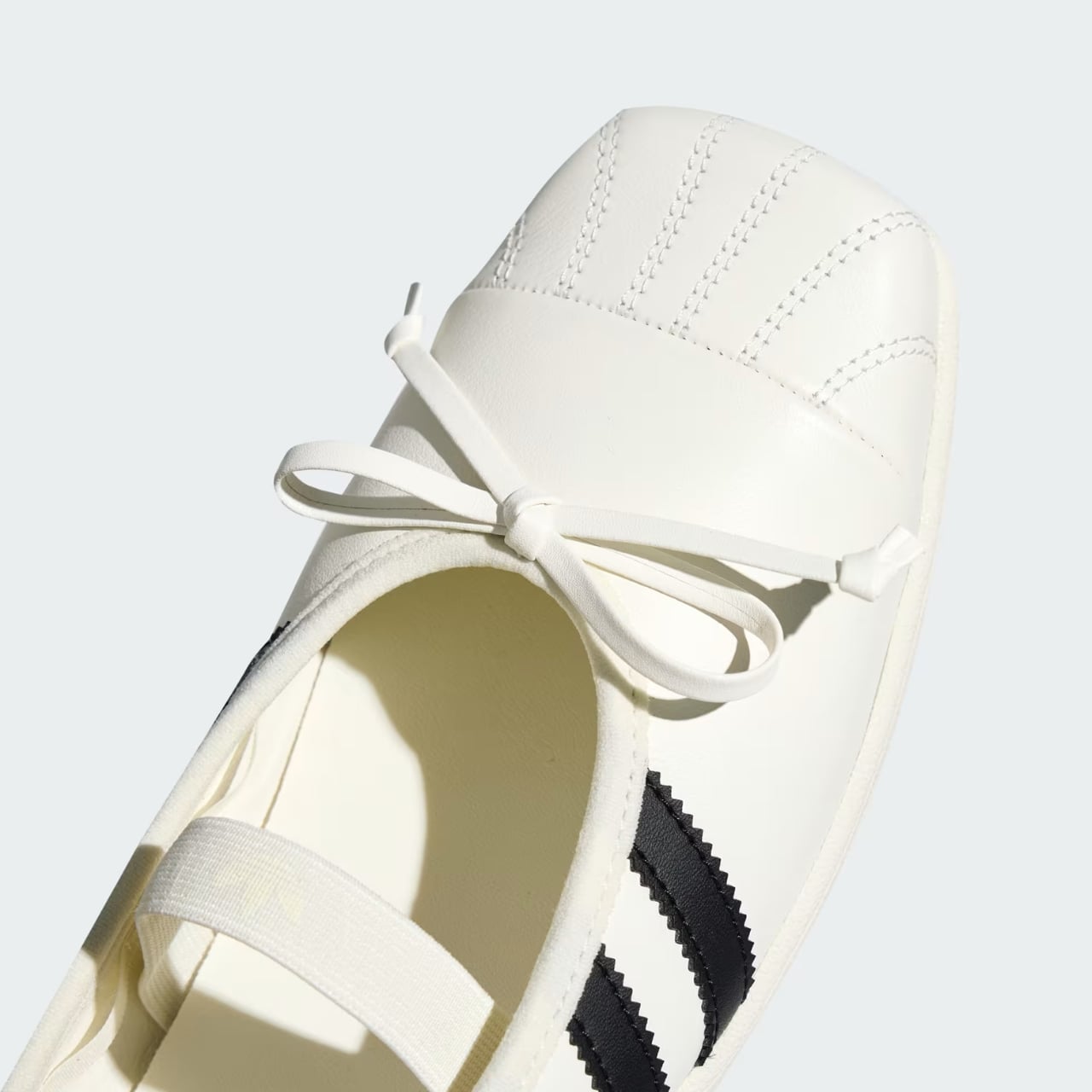
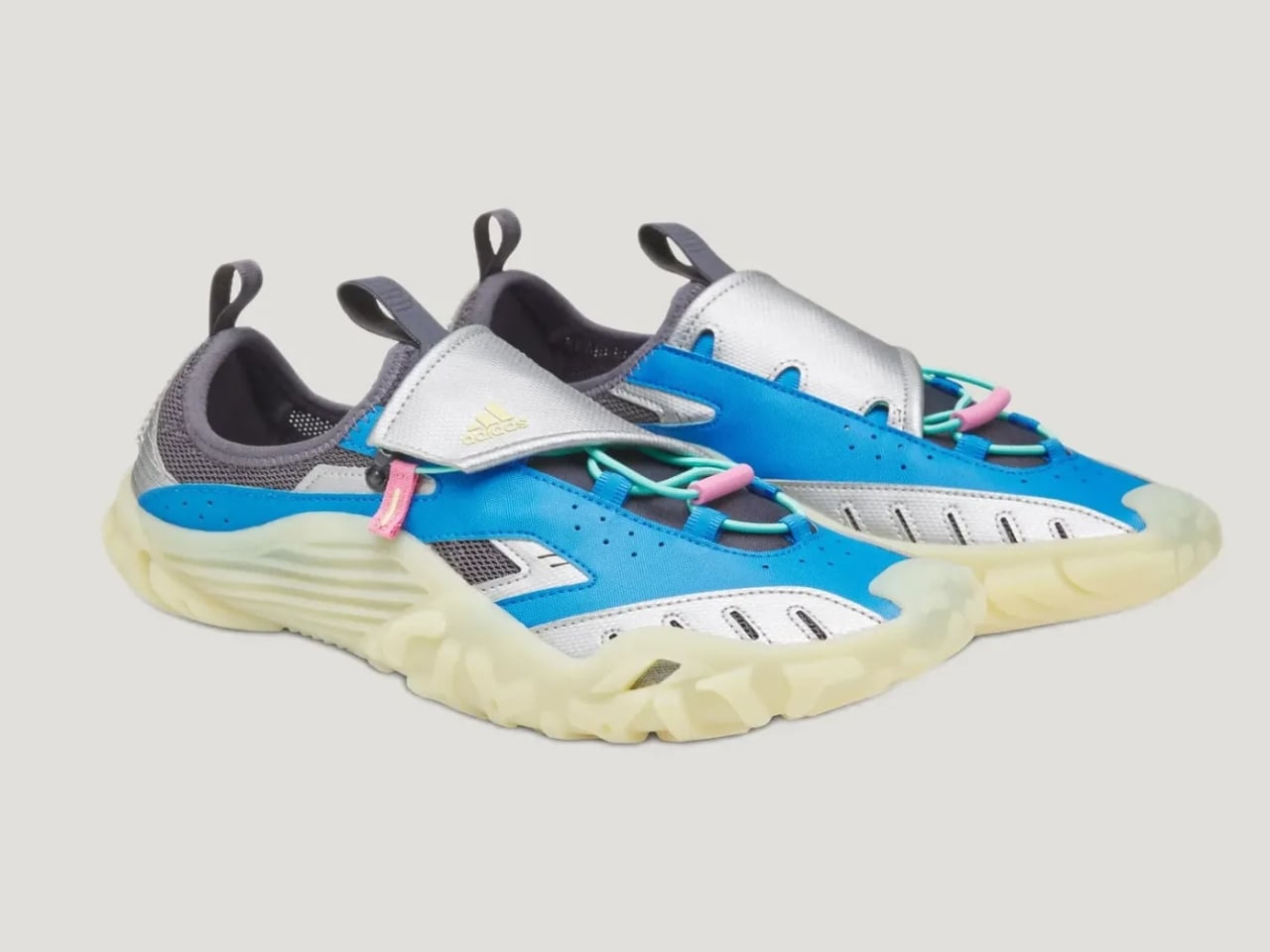
Summer never really wants to let go, and neither does my closet. Every September I face the same annoying puzzle: sandals feel done, sneakers feel too heavy, and nothing in between actually handles a wet dock, a muddy trail, and a sidewalk trip to the coffee shop without looking like safety equipment. That gap between “technical” and “wearable” has been a real problem in footwear for years, and it’s exactly the space Adidas and Pharrell Williams just walked into with the PW Water Moc.

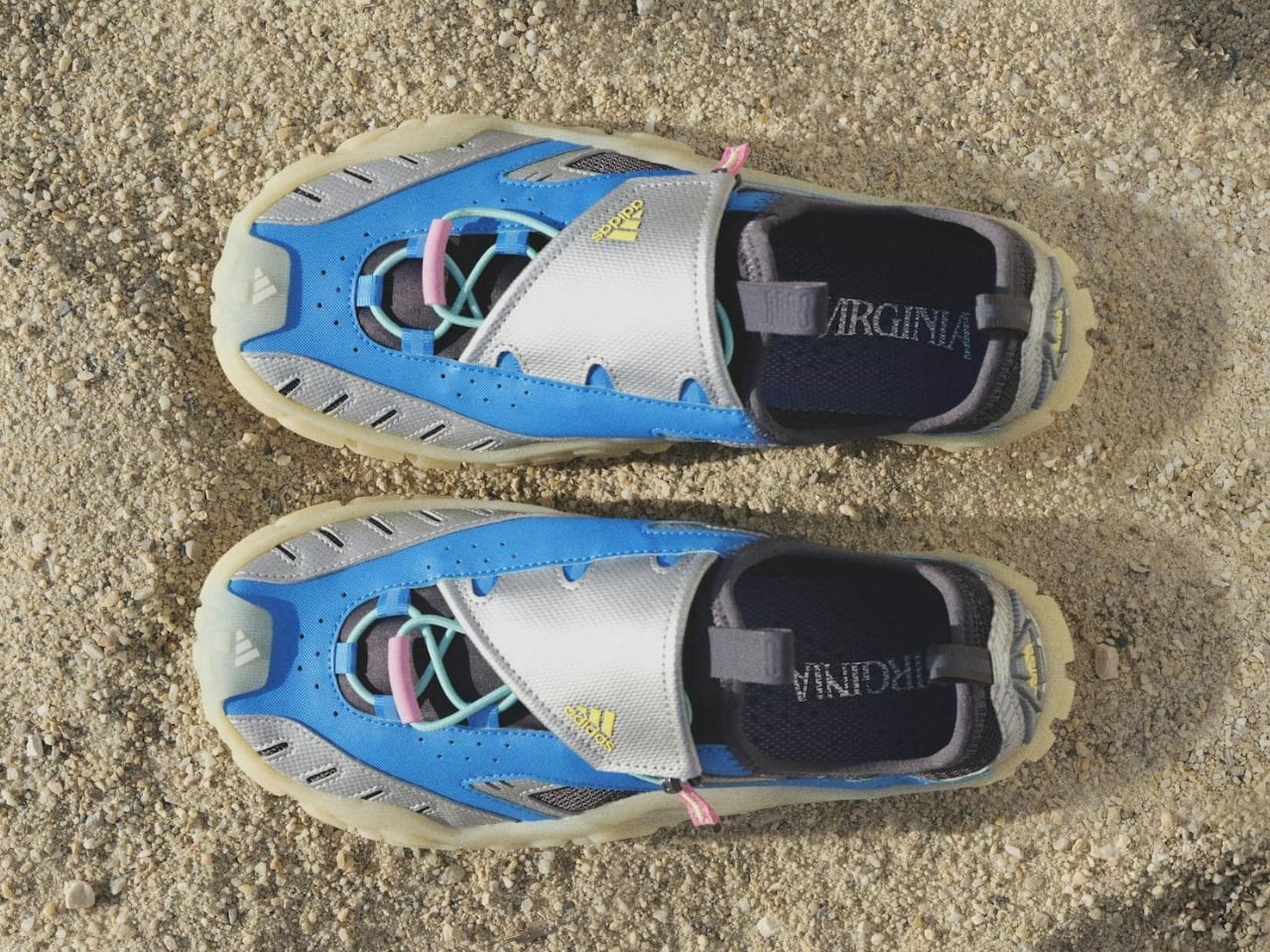
The shoe is the third release under Pharrell’s ongoing Virginia label with Adidas, and unlike the Jellyfish or the Flat Earther before it, this one isn’t chasing runway drama. It’s pulling from something a lot more obscure: the Adidas Adventure Water Moc, a shoe most people forgot existed after the early 2000s. That’s the smart move here. Instead of inventing a new gorpcore silhouette from scratch, Pharrell dug up a shoe that was already built for exactly this problem, water to land, and gave it a reason to exist again.

Designer: Pharell x Adidas

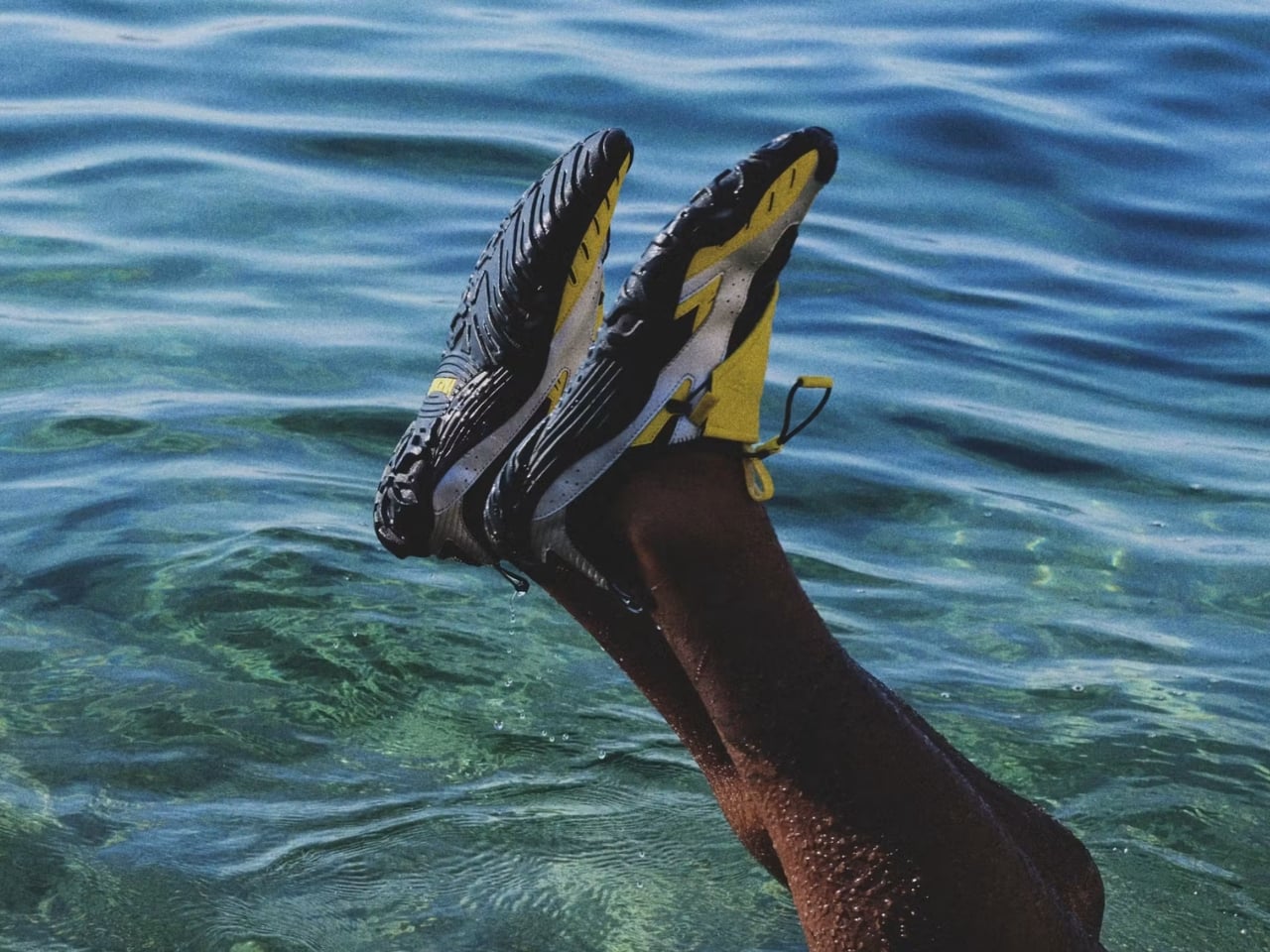
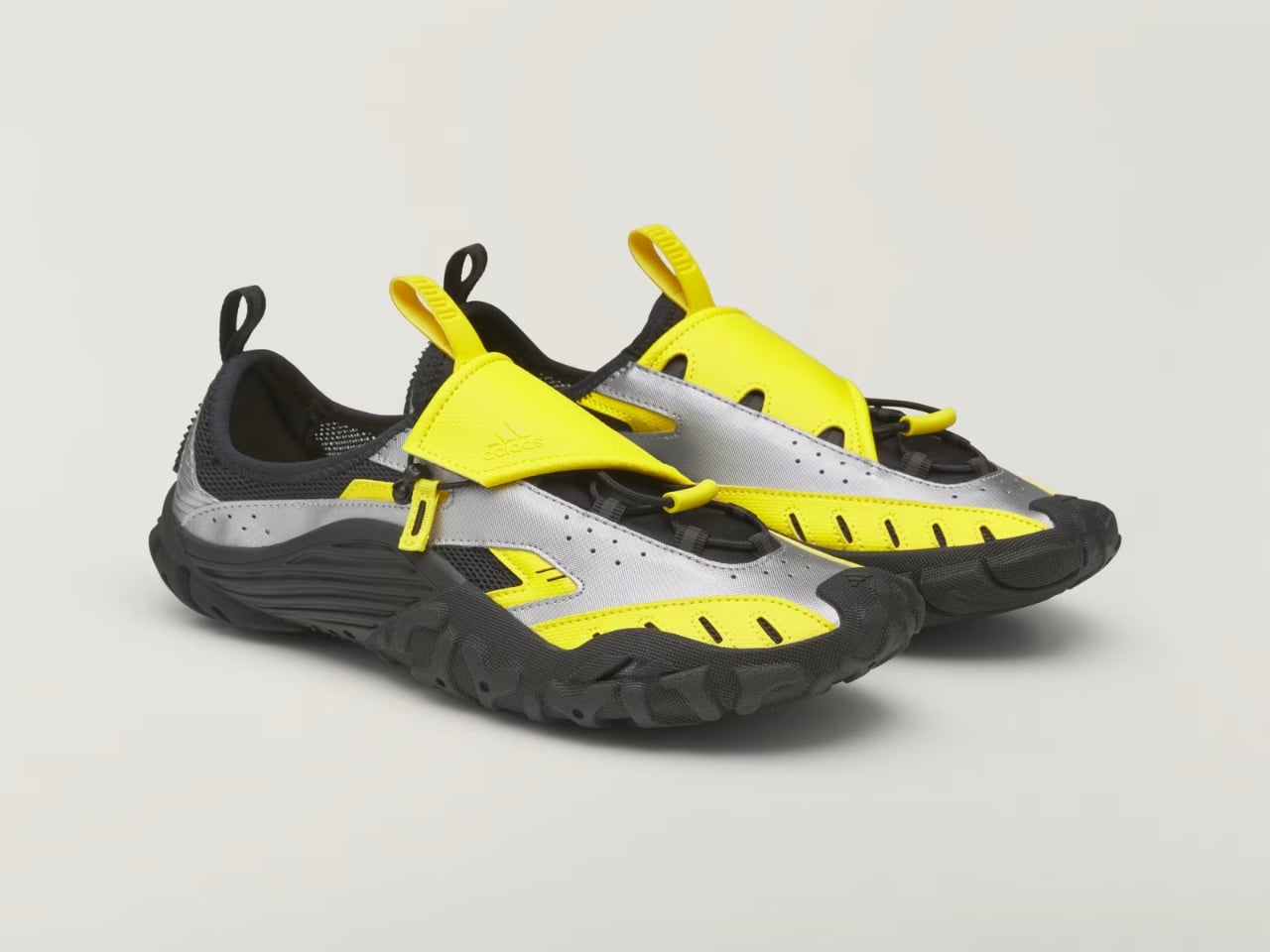
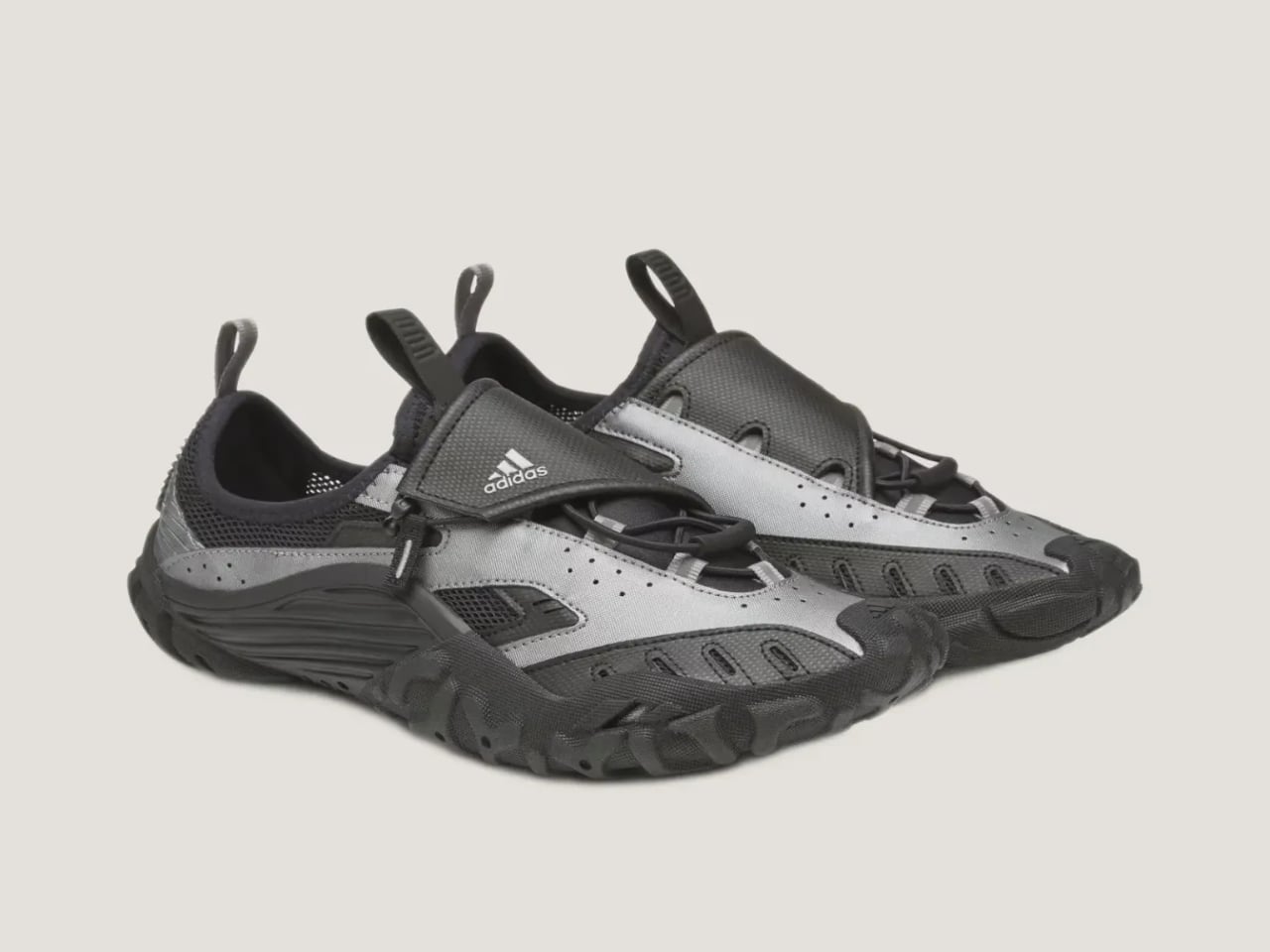
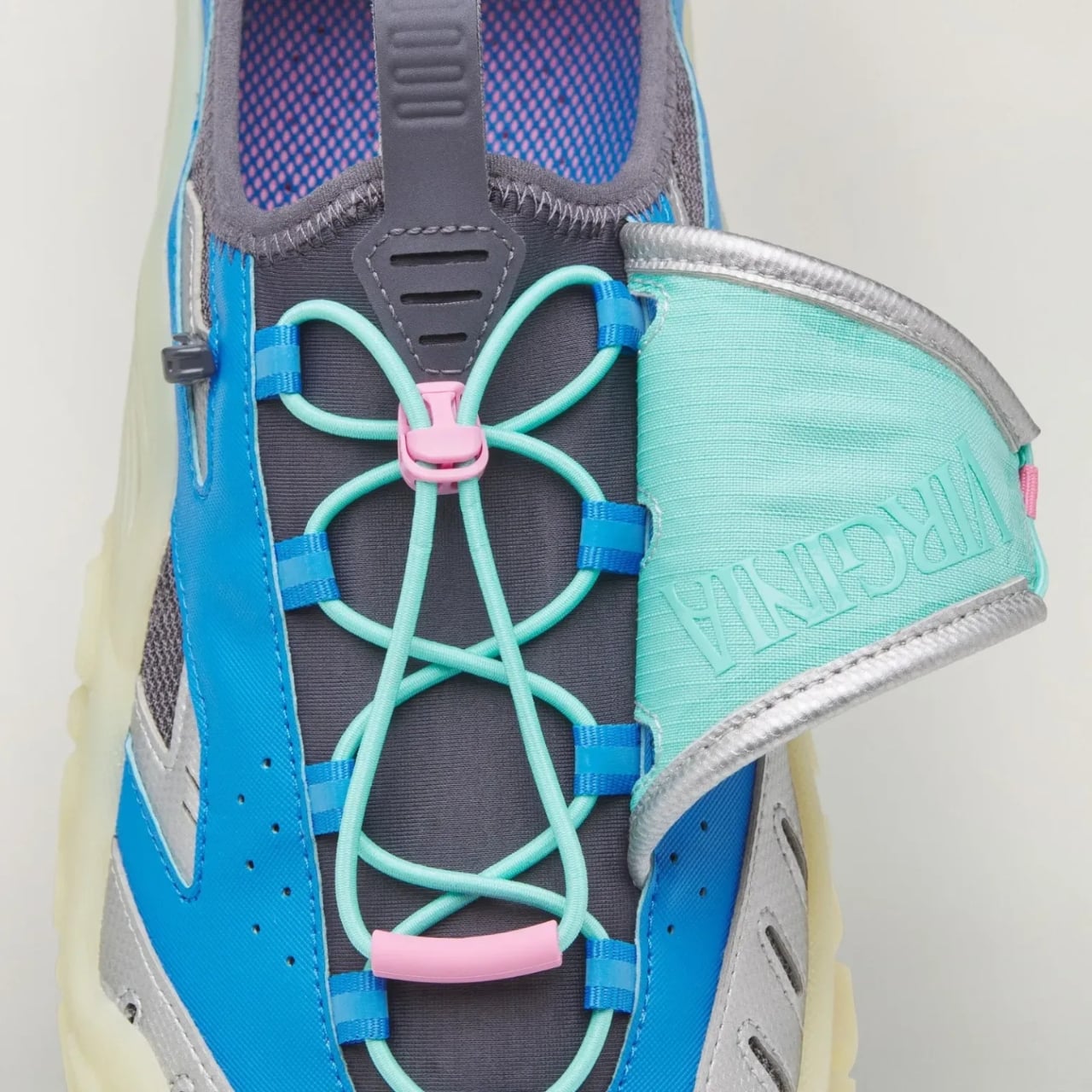
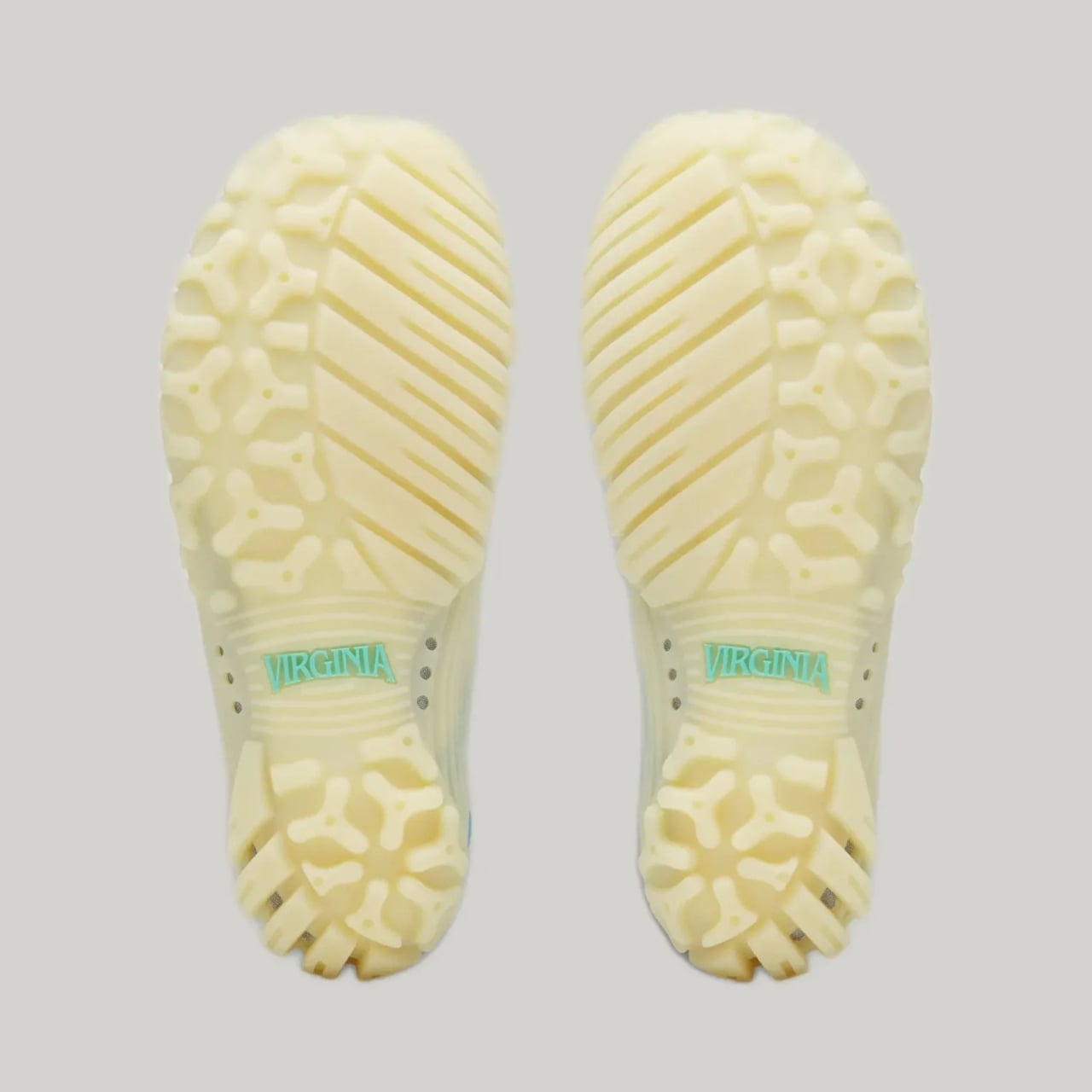
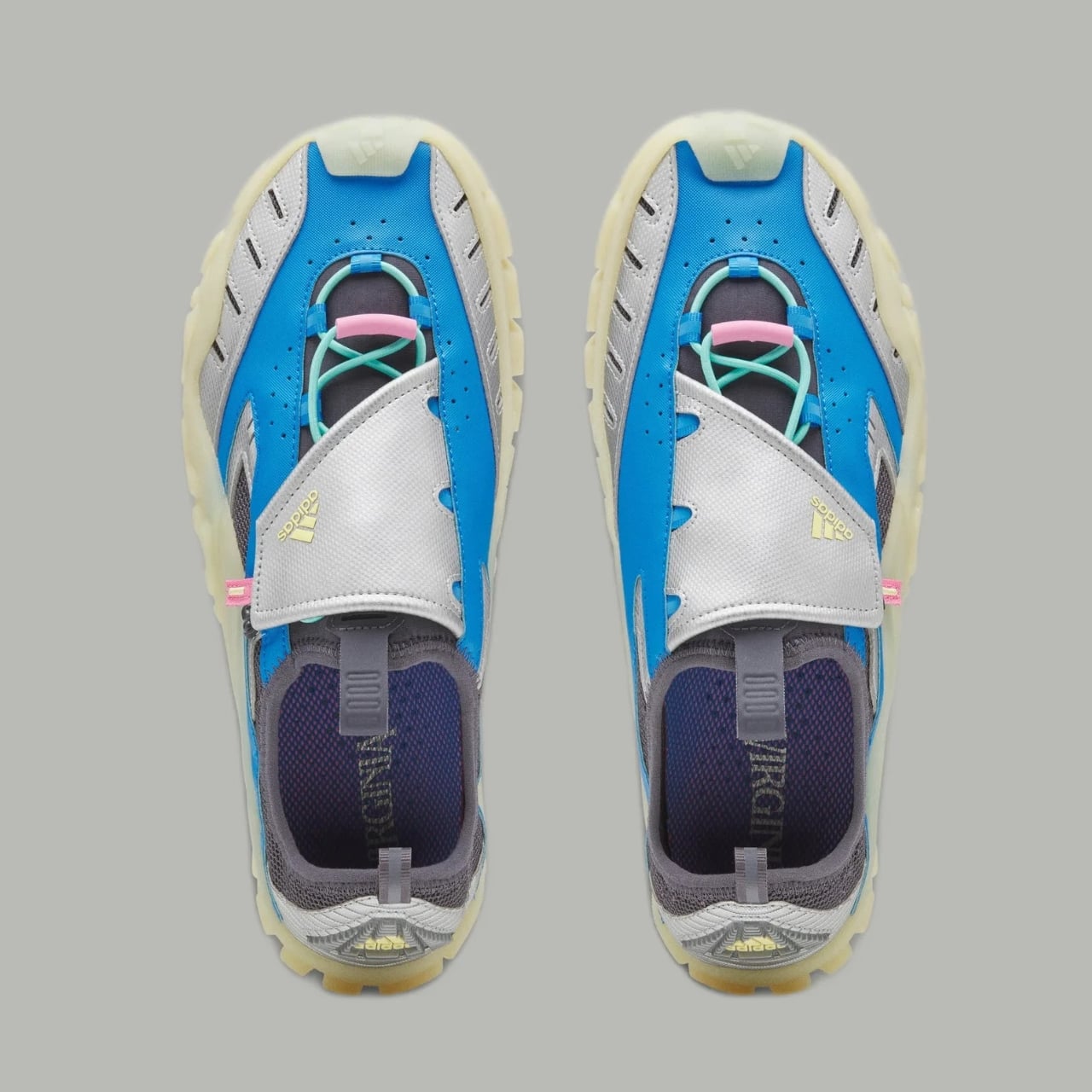
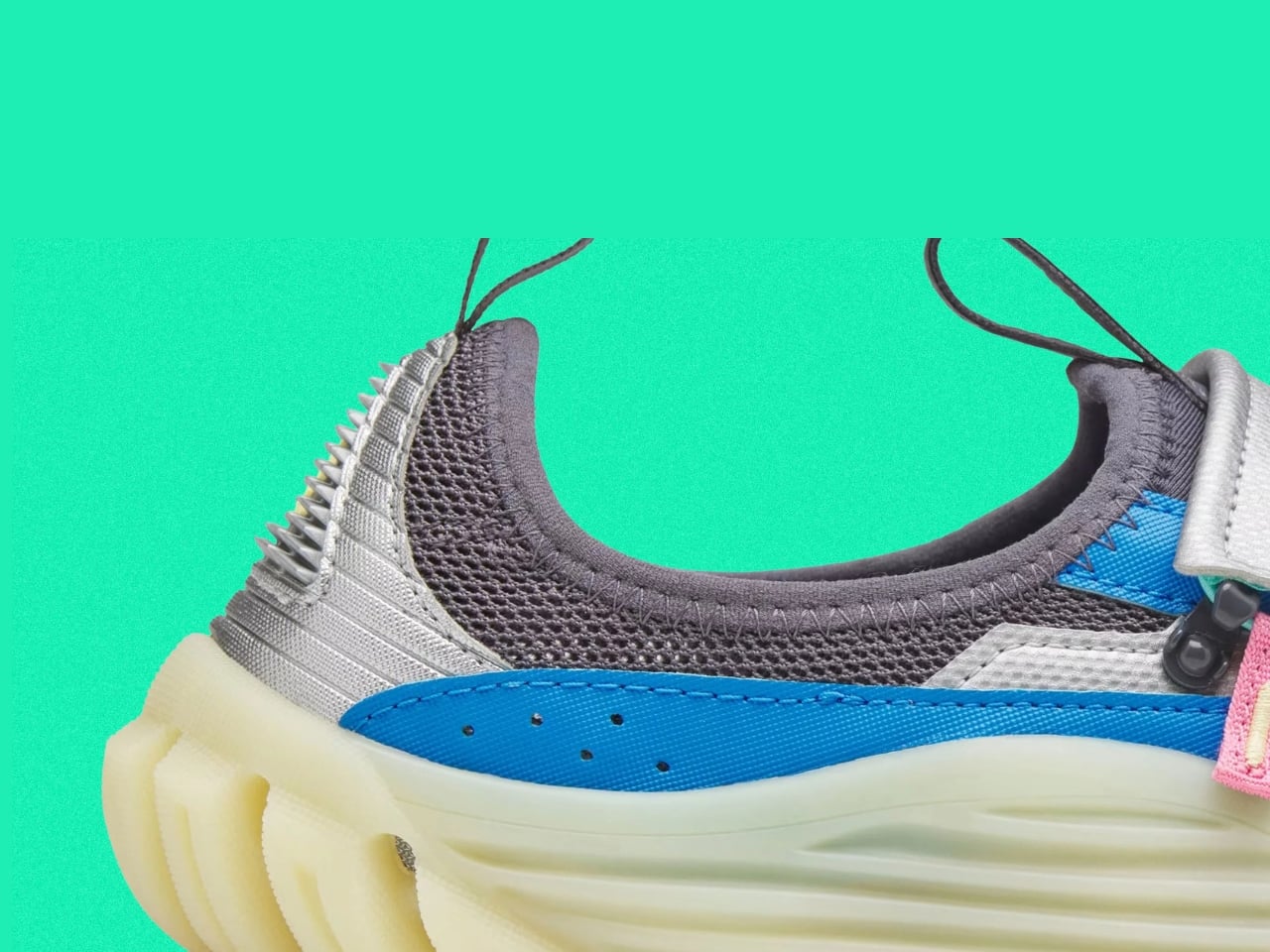
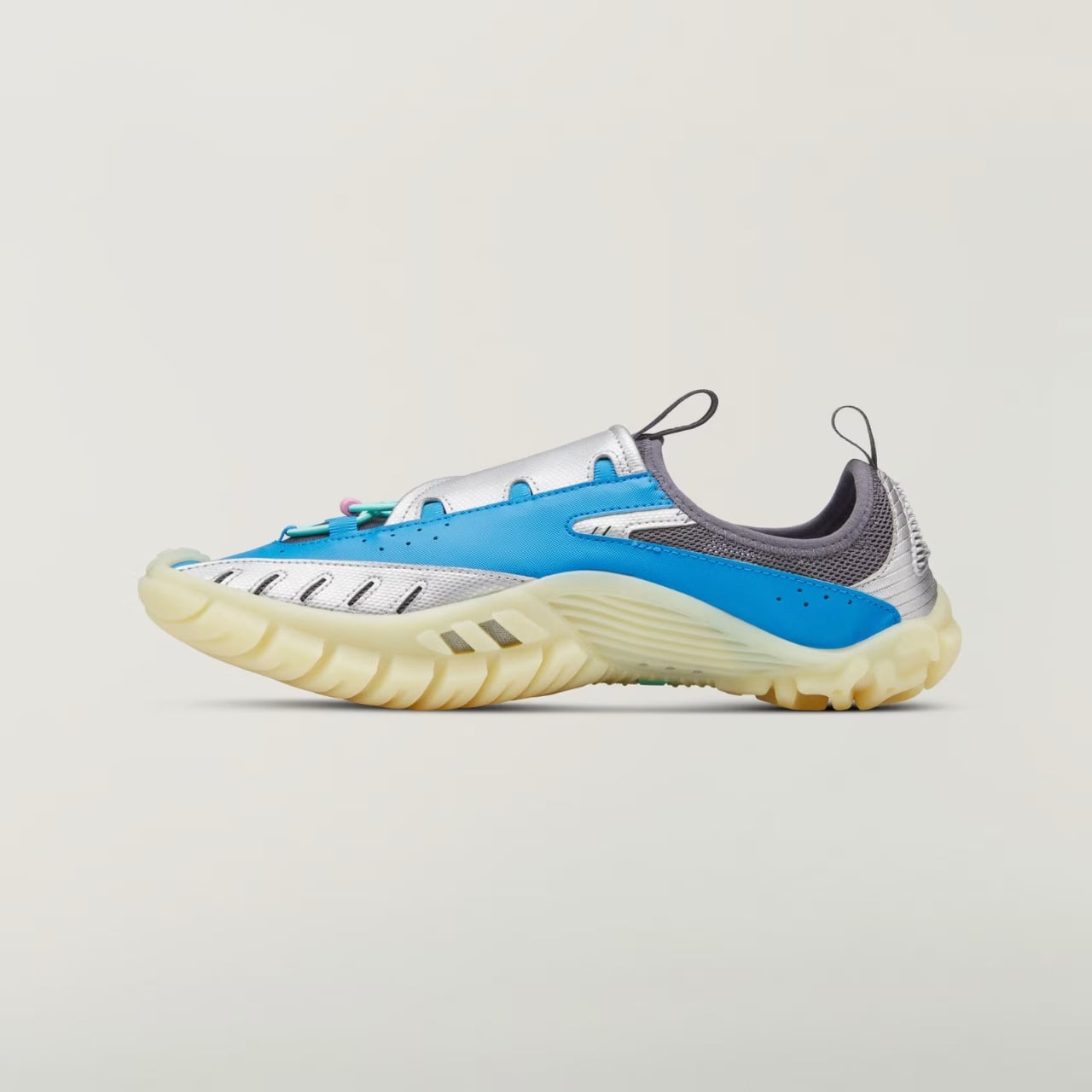
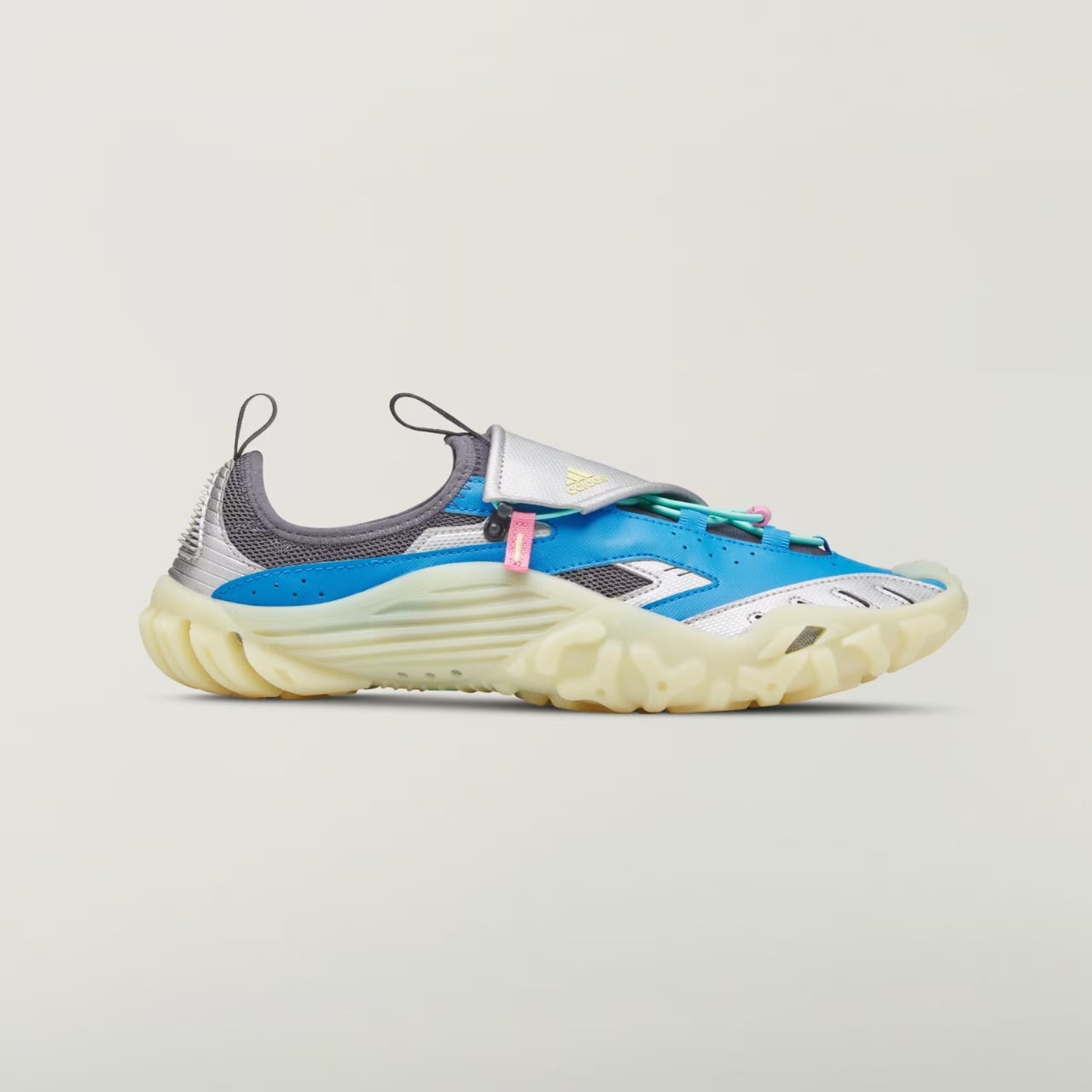
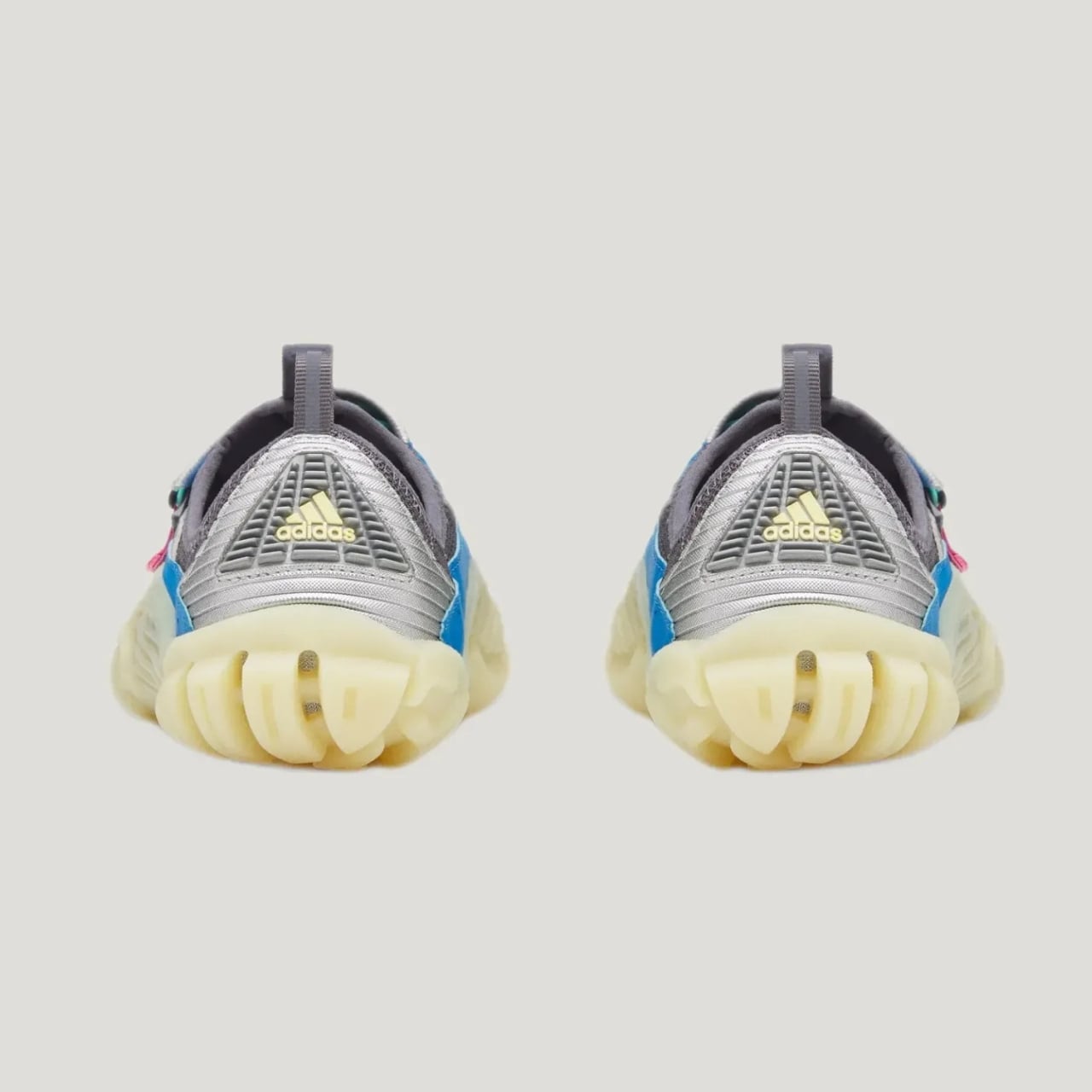
Functionally, it actually holds up. The upper mixes breathable mesh with reflective webbing, and bungee-style laces get tucked under a wide strap so you’re not fumbling with knots every time you take it off at the door. The outsole is lifted from the 2005 Carnuba Adventure Moc, which means deep, aggressive lugs instead of the flat rubber most casual slip-ons get away with. It’s a shoe that seems genuinely fine with a creek crossing, not just a shoe that photographs well near one.

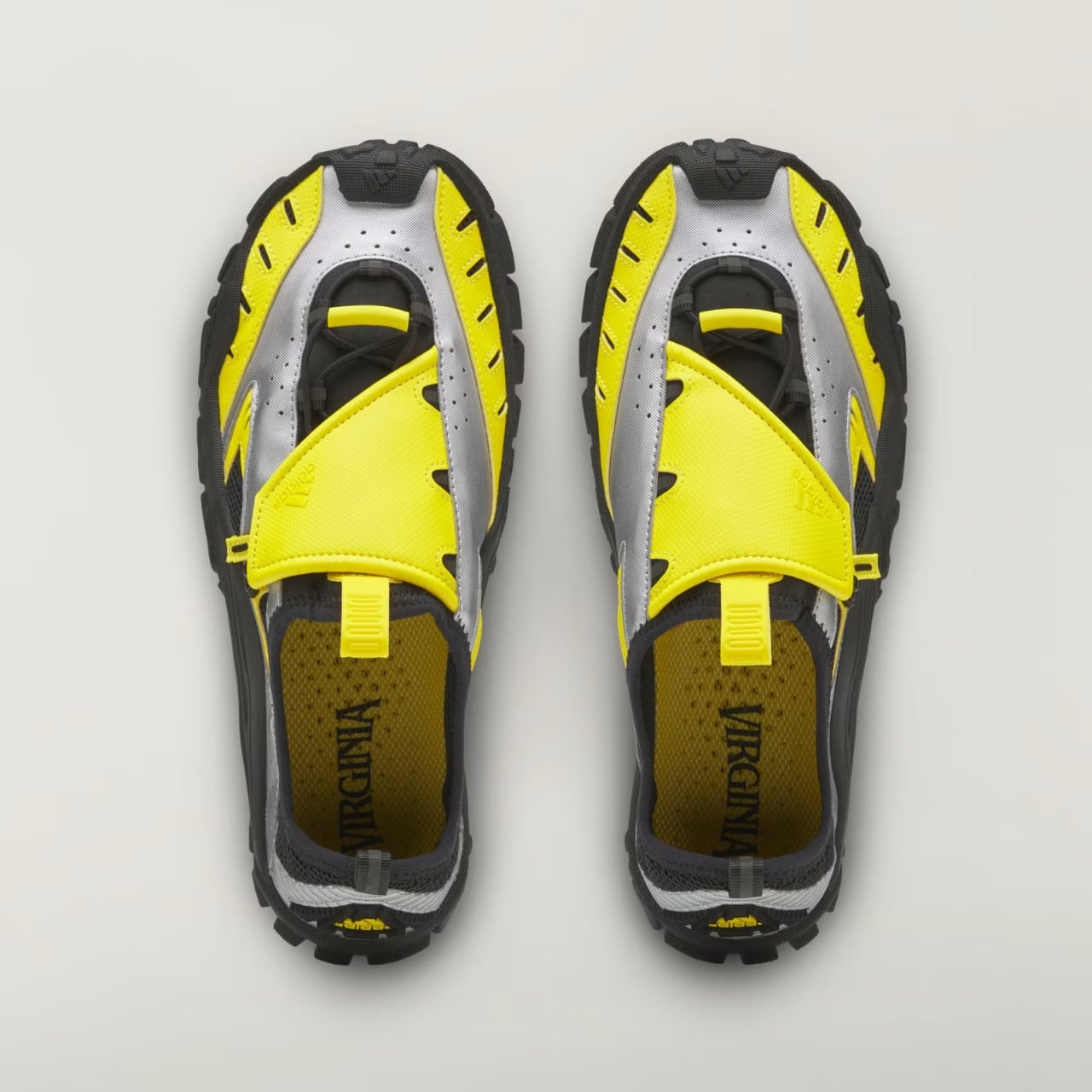
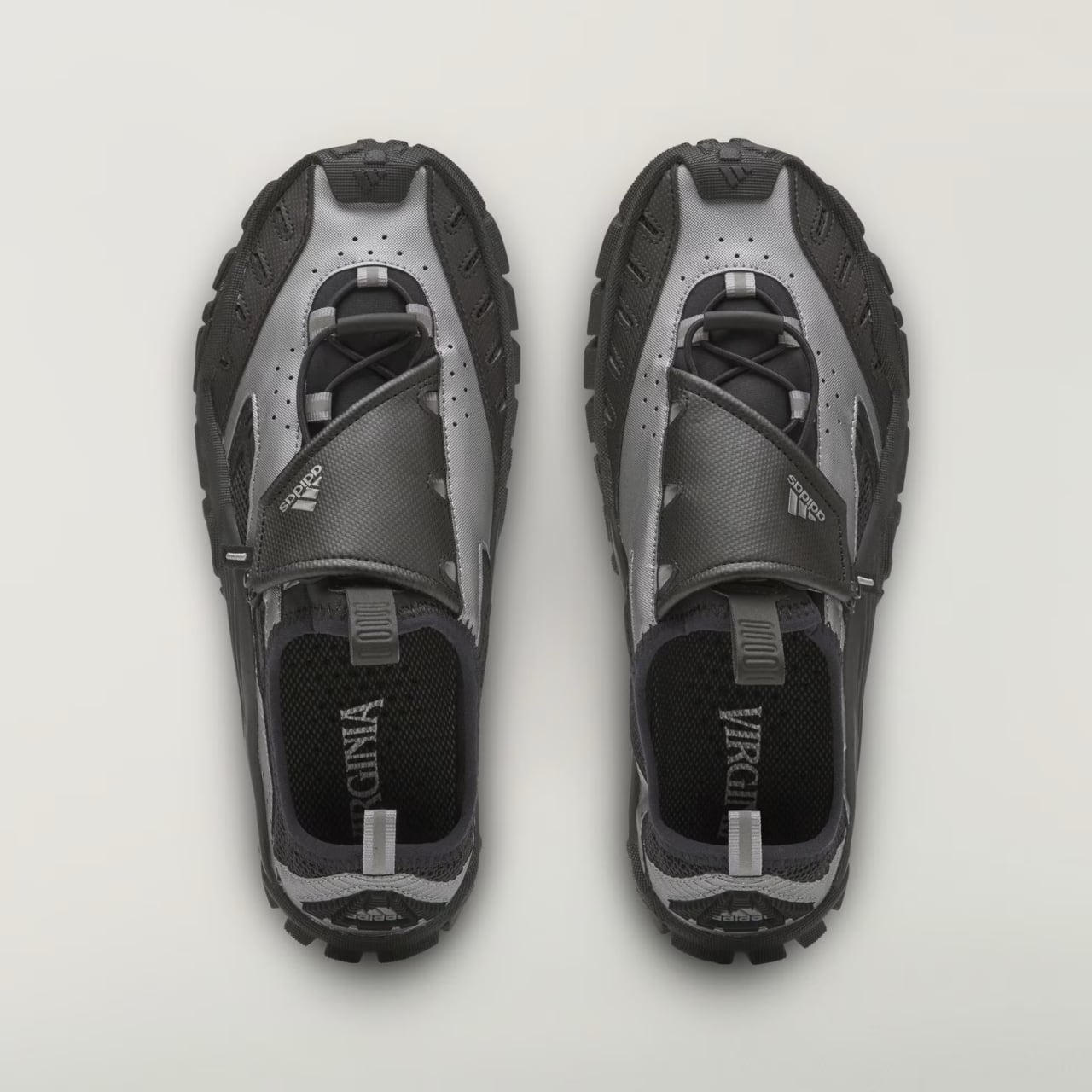
Where it gets interesting, and where I think Pharrell earns his credit, is the colorways. Adidas didn’t sand down the nostalgia to make it more palatable. The Lucid Ray Blue option comes with pink and seafoam accents that are unapologetically early-2000s, the kind of palette that would’ve looked at home on a Bratz commercial or a Limp Bizkit music video. There’s a black and silver pair for people who want the shape without the loud attitude, and a yellow colorway that splits the difference. None of them try to disguise where they came from.

I’ll admit I’m a little biased toward brands that actually go back to their own archive instead of just borrowing someone else’s aesthetic and calling it retro. Adidas has done this a few times now, quietly, and it tends to land better than the loud “vintage-inspired” drops that never point to an actual source. The Water Moc isn’t just Y2K flavored, it’s a real product from that era, rebuilt with better materials and a designer who clearly has affection for it rather than just using it as a trend hook.

At $140, it sits in a fair spot for a collaboration shoe with this much design history behind it. It’s not cheap, but it’s not asking you to pay Jellyfish-level hype pricing for something that’s essentially a reissue with upgrades. That price point also tells you who this shoe is actually for: people who want a functional water-ready shoe but refuse to wear something that looks like it belongs on a kayaking instructor.

What sneaker culture has been missing lately is a bit of goofiness that still functions. So much of the current outdoor-meets-fashion movement takes itself seriously, all muted colors and technical fabric with barely any personality. The Water Moc doesn’t ask to be taken that seriously, and that’s honestly refreshing. It’s a shoe that remembers being weird was part of the appeal the first time around.

Whether it becomes a genuine wardrobe staple or just a fun seasonal pickup probably depends on how much you already like the era it’s pulling from. But as a piece of design thinking, going back into the brand’s own closet instead of reinventing the wheel, it’s one of the more honest moves Adidas has made in a while. Sometimes the best new shoe isn’t new at all. It’s just finally getting its second summer.

The post Pharrell Quietly Revives Adidas’ Weirdest Y2K Water Shoe for $140 first appeared on Yanko Design.

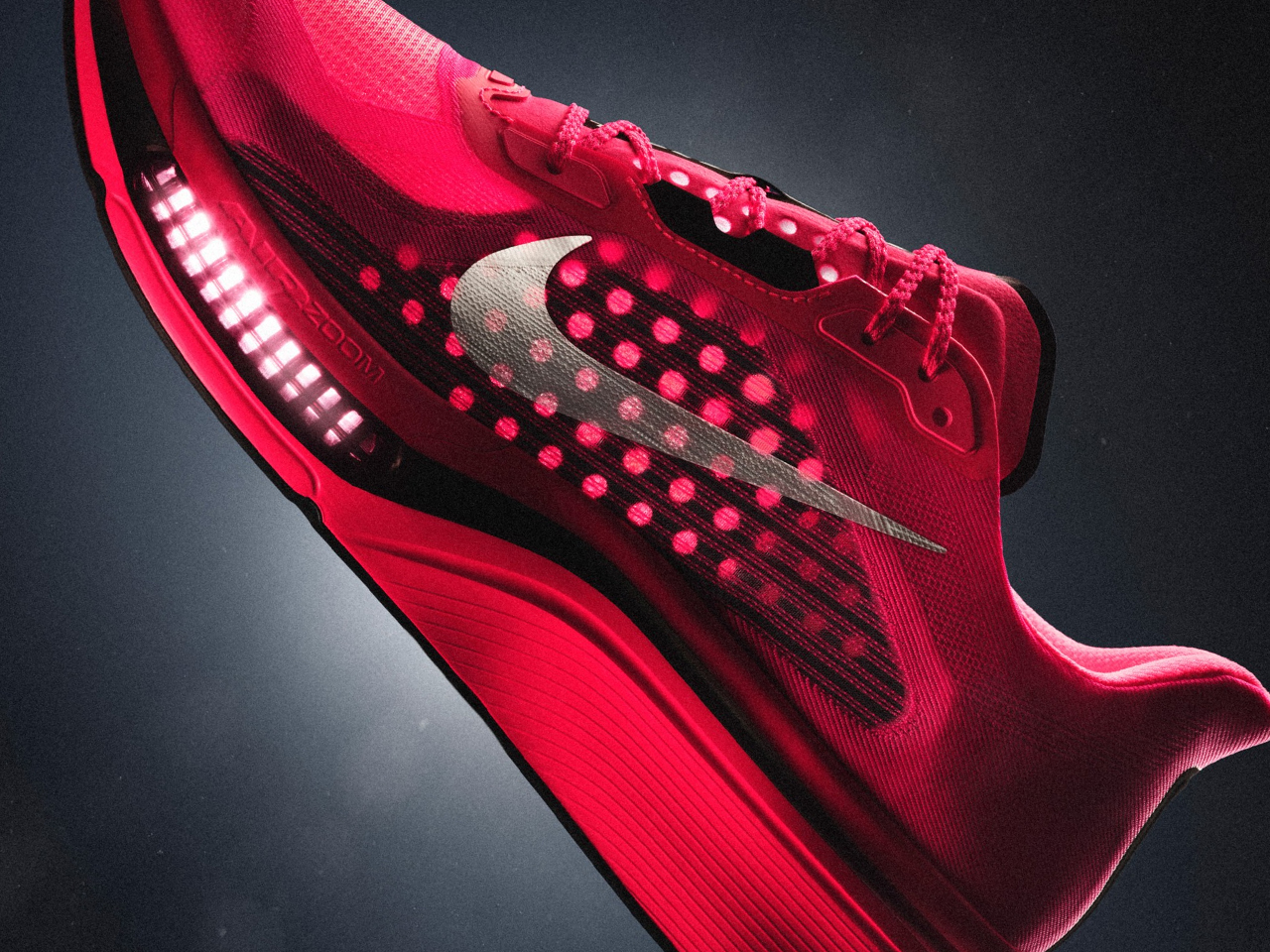
Nike’s most responsive running shoe with visible Air Zoom and ZoomX Foam sole is arriving August 30

If you haven’t trained in a Nike Pegasus, you haven’t experienced a running shoe as it should be. My first outing with the silhouette was the Pegasus 42. The journey was short-lived as I developed grade three osteoporosis and was ruled out of track for good, but the memories of that shoe, which I later wore for walking for a long time, have lived on with me ever since. The feel and cushioning, and now even the basic sole unit technology, have changed a great deal, and the newly launched Nike Pegasus Plus 2 is an embodiment of that.

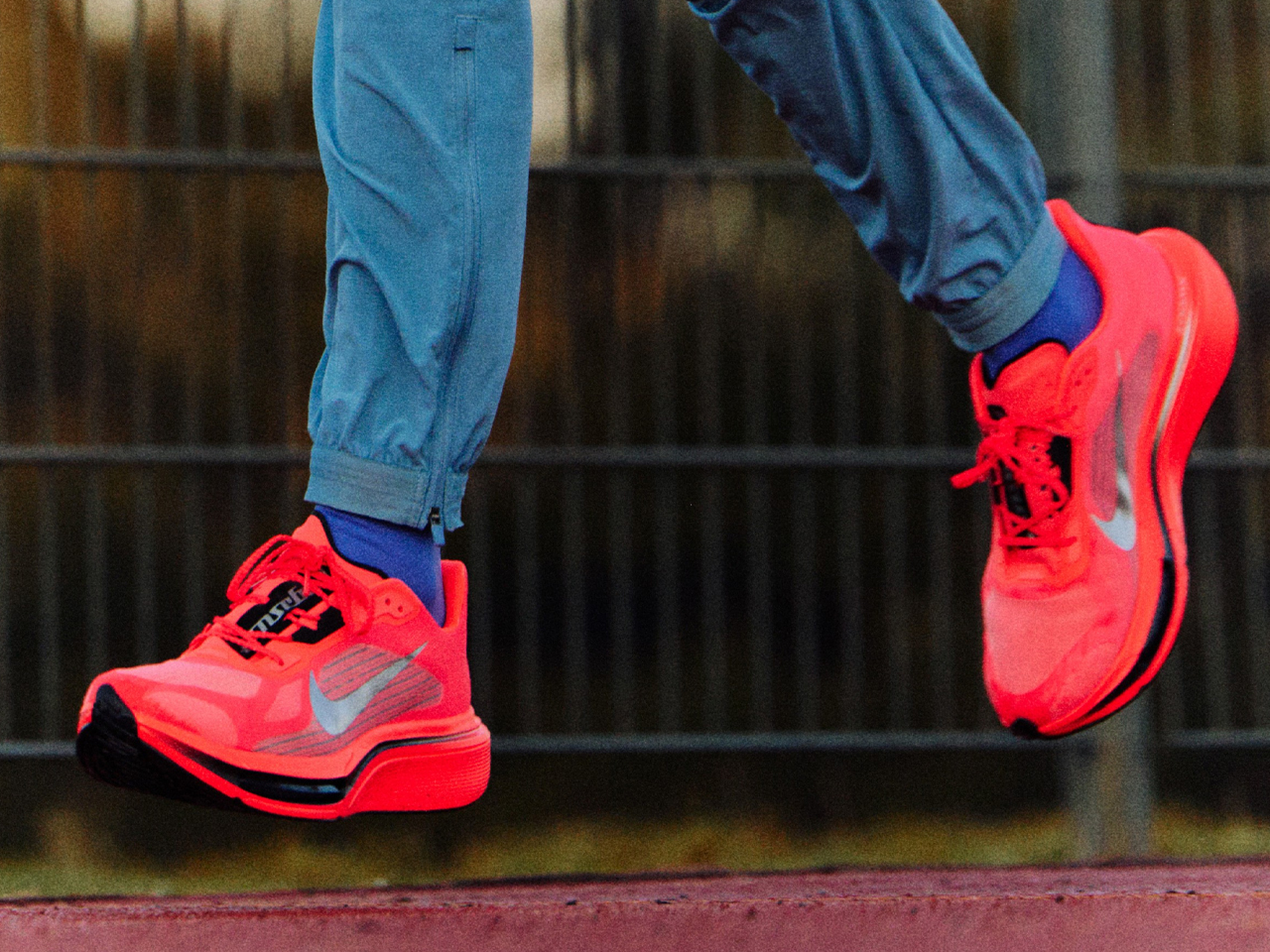
The latest evolution of Nike’s best-selling running shoe is designed for speed training like no other shoe has ever tried. If you’re a runner and you have been looking for a fast-paced training shoe, Nike’s new Pegasus is perhaps the most exciting non-plated option you should consider. It gives you a bouncier experience in every stride without the rigid carbon plate, making running easier on your feet and legs.

Designer: Nike

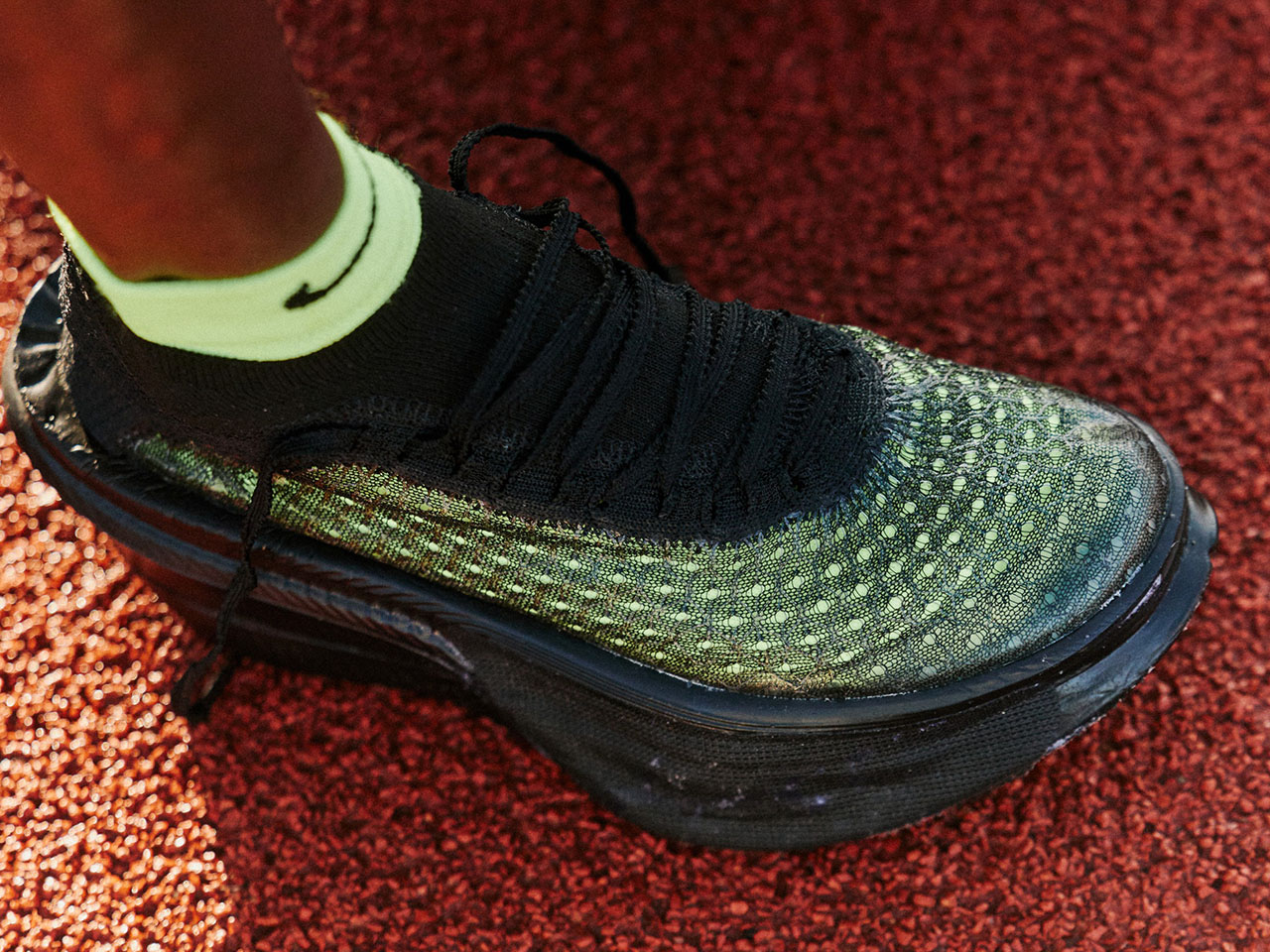
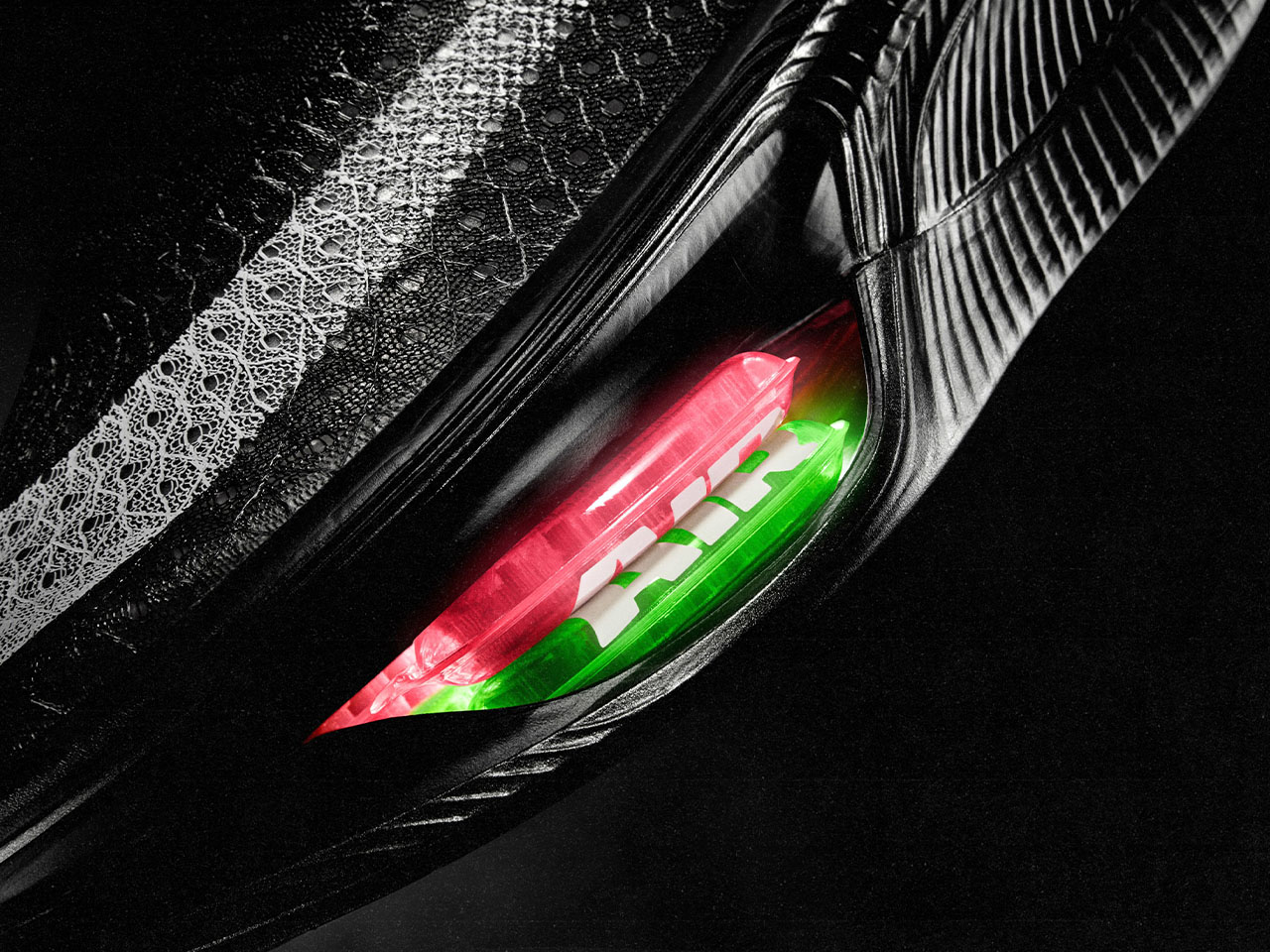
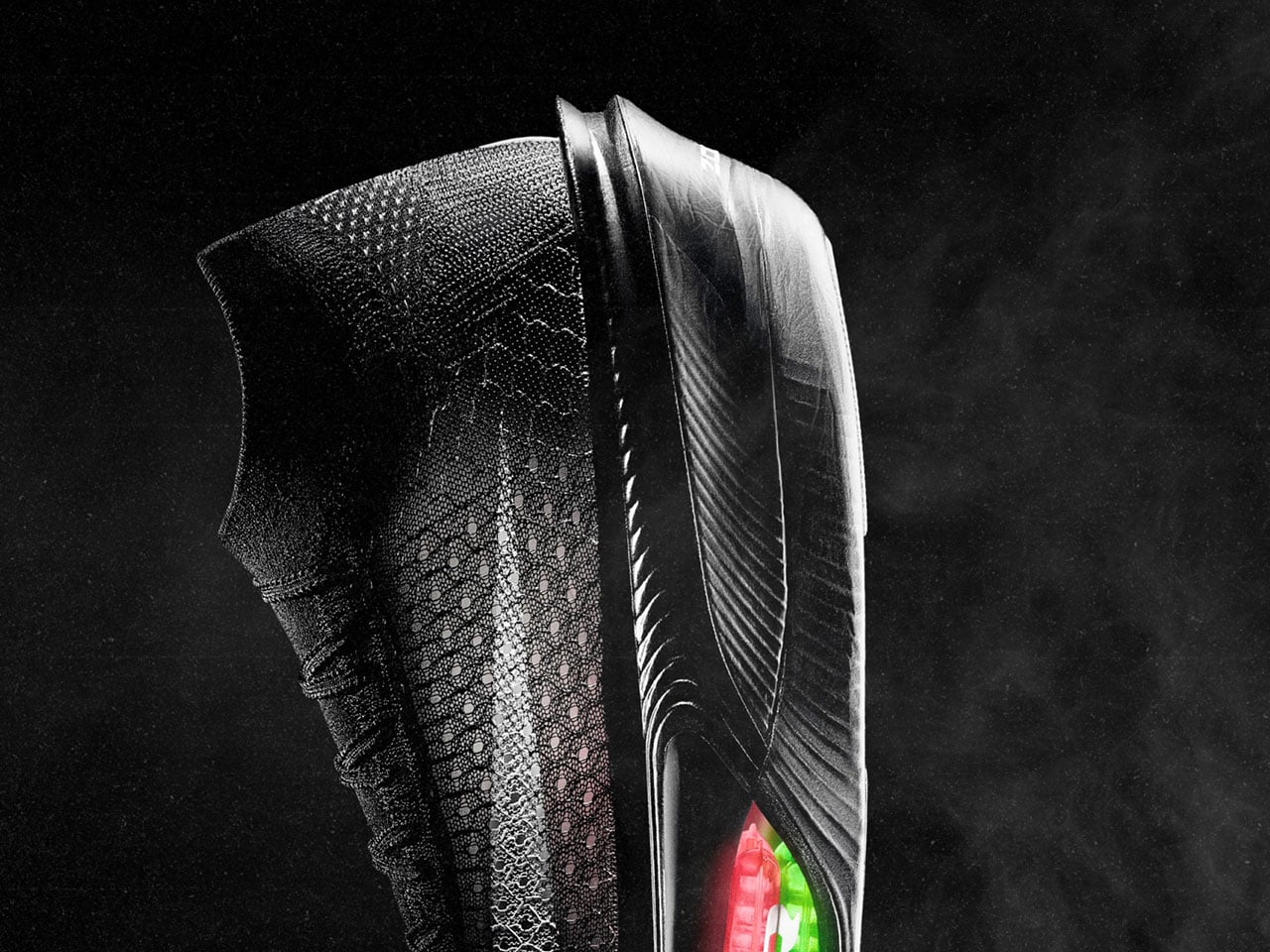
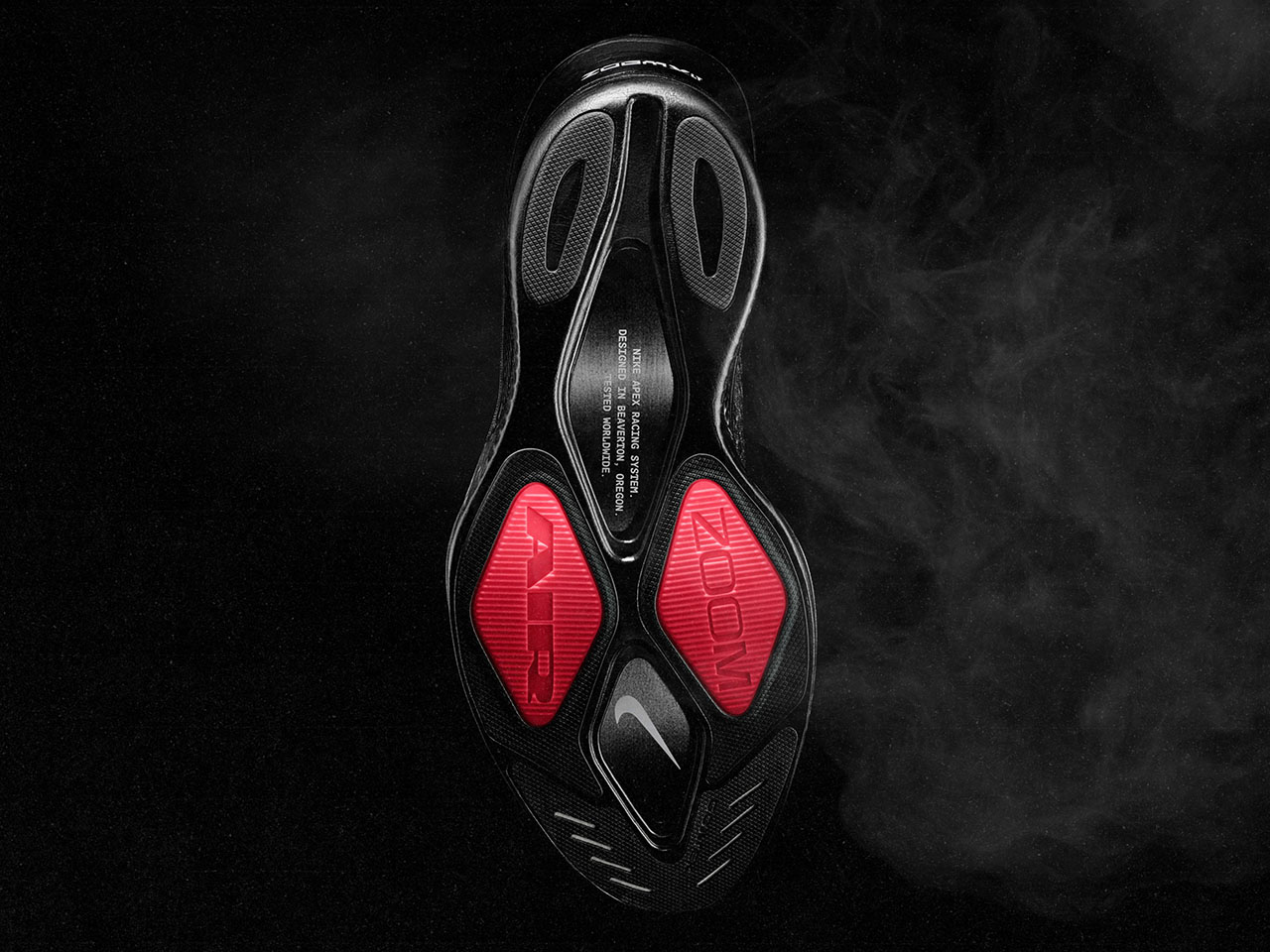
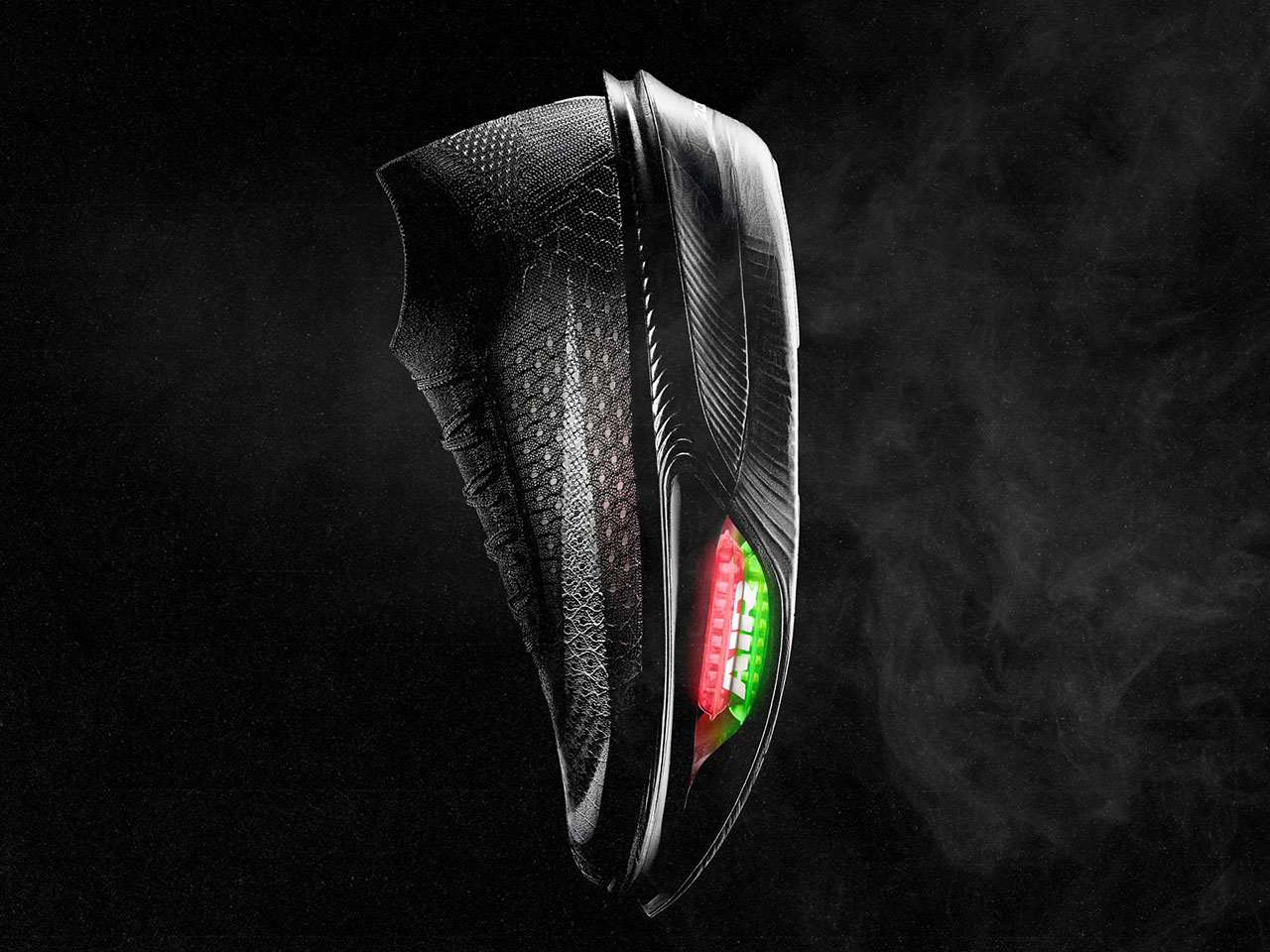
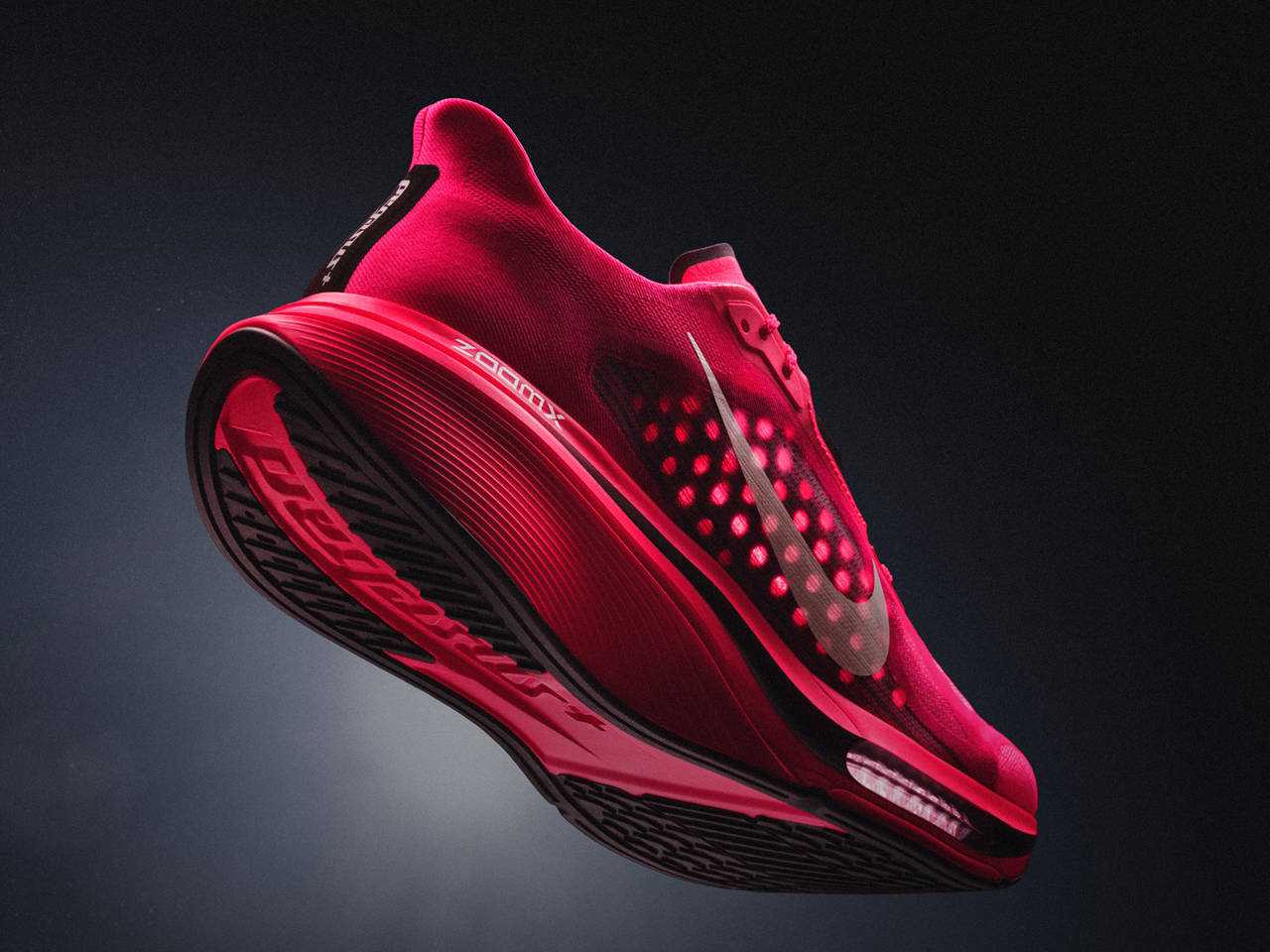
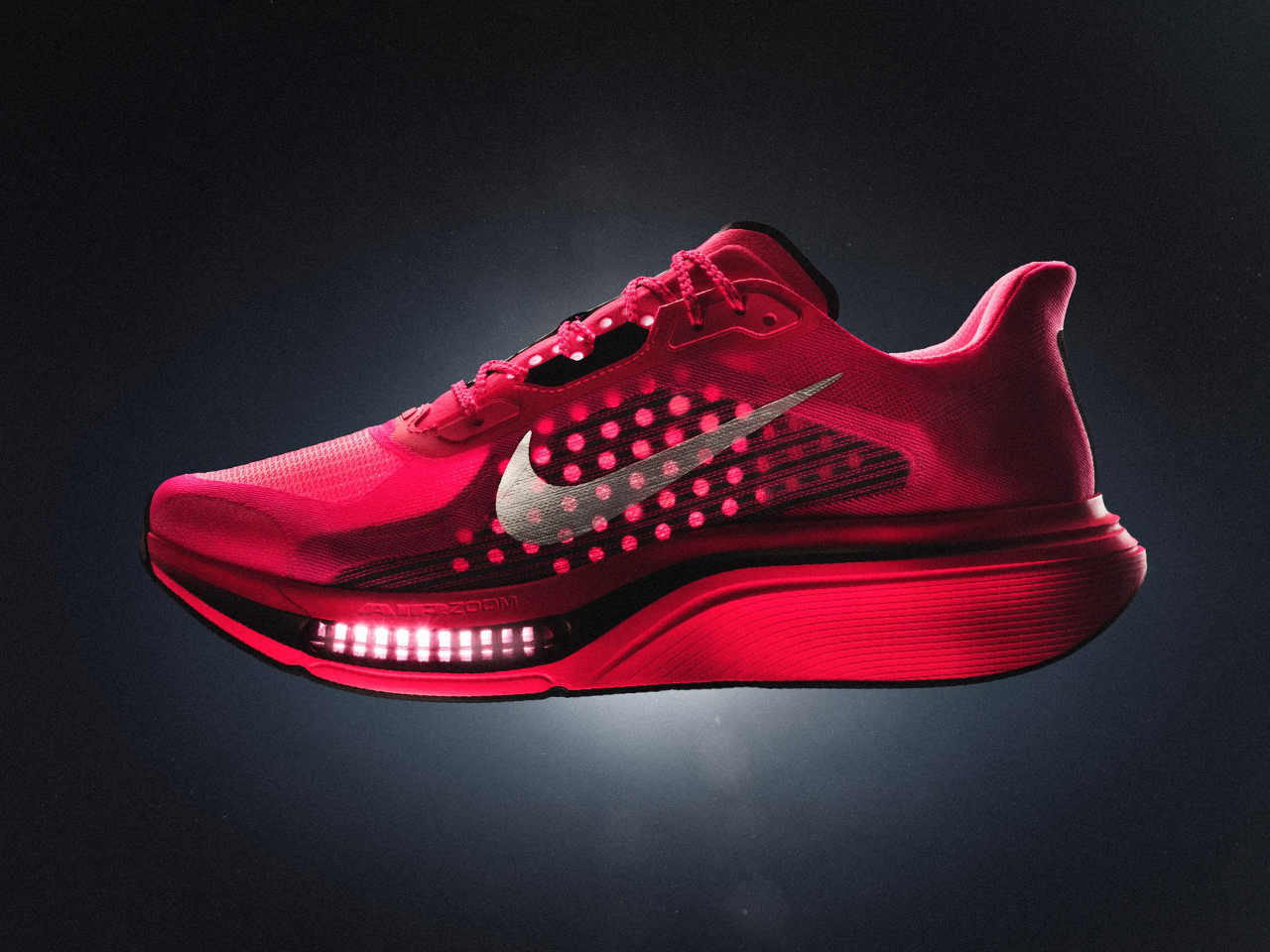
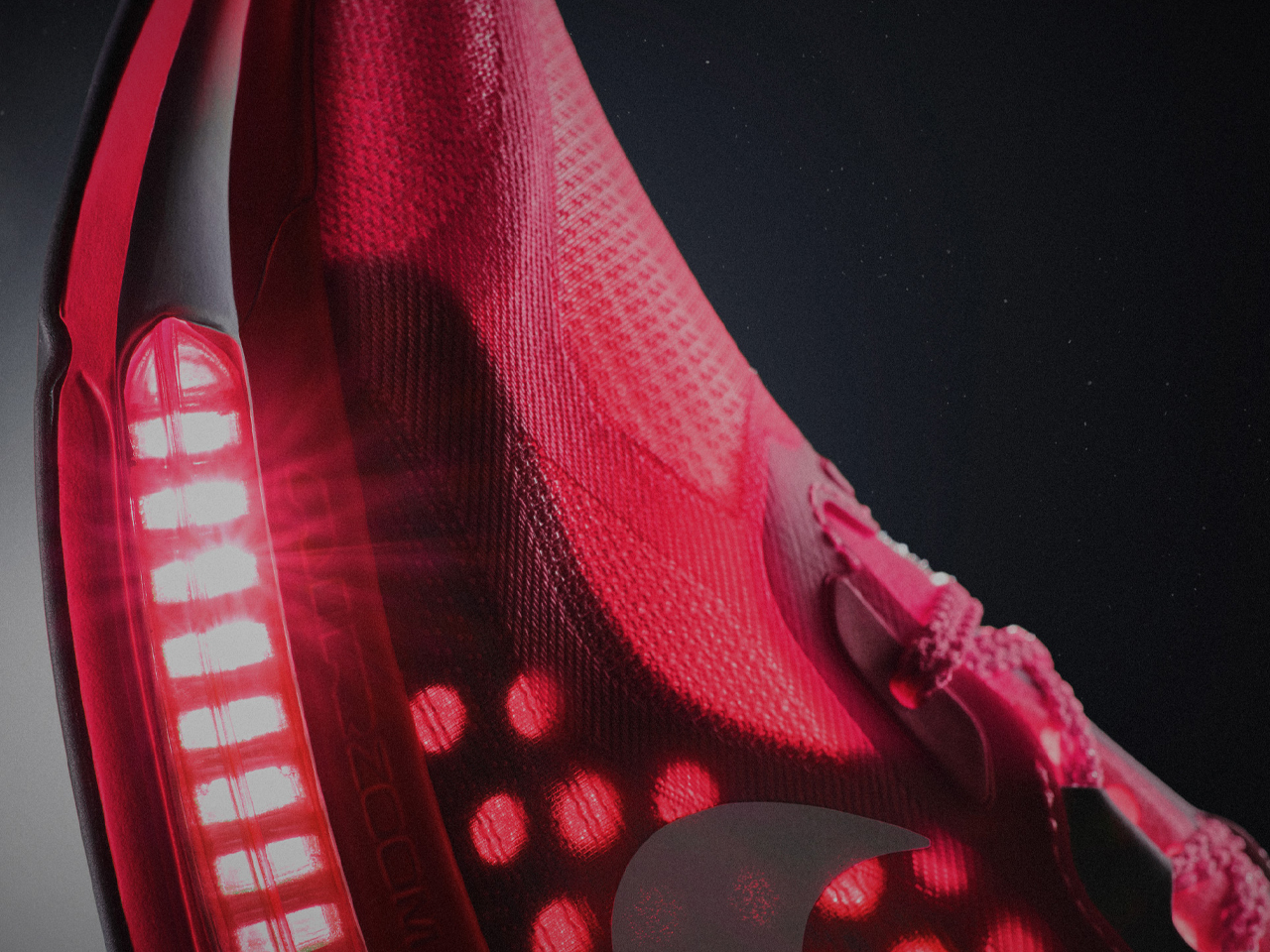
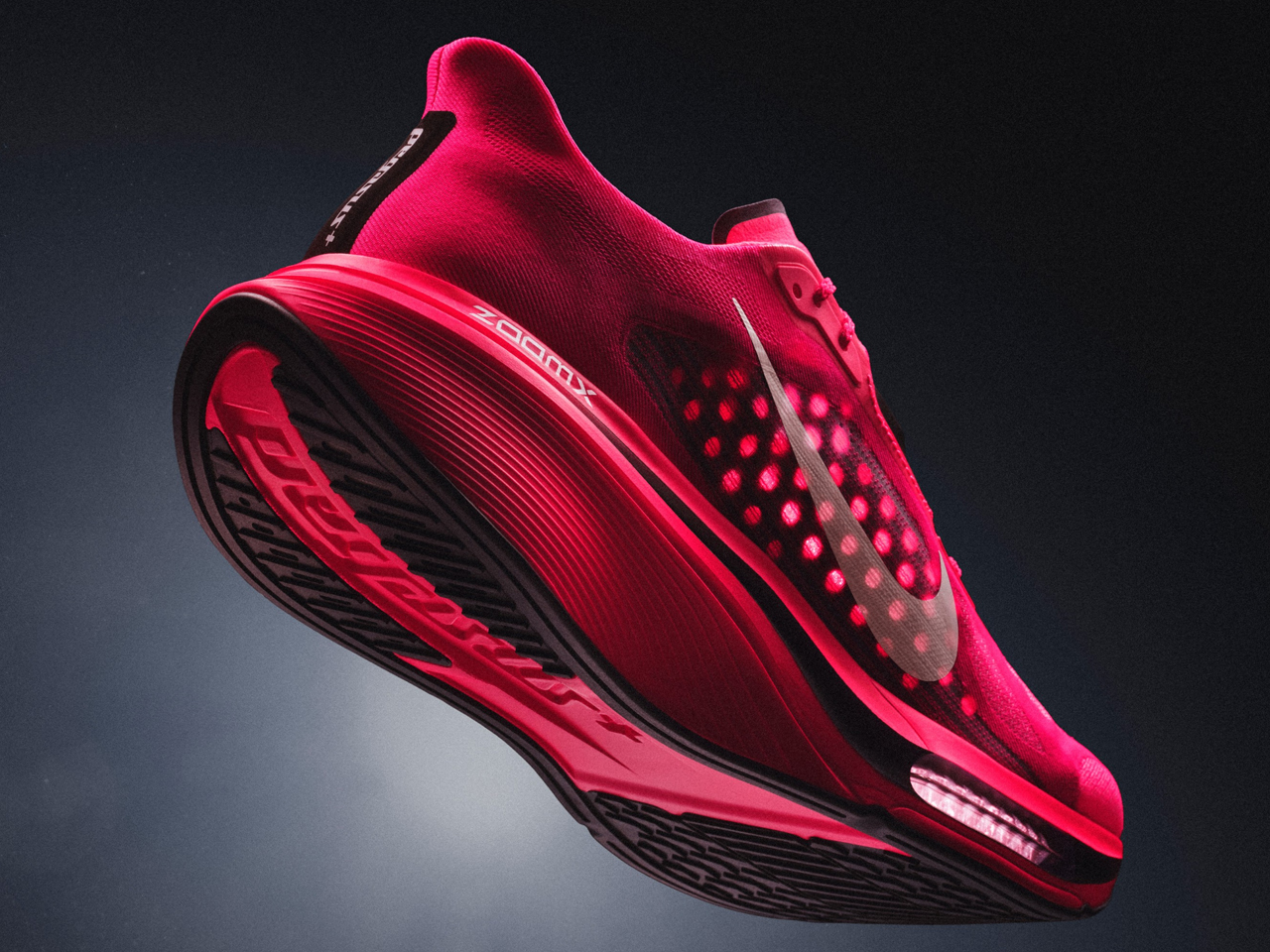
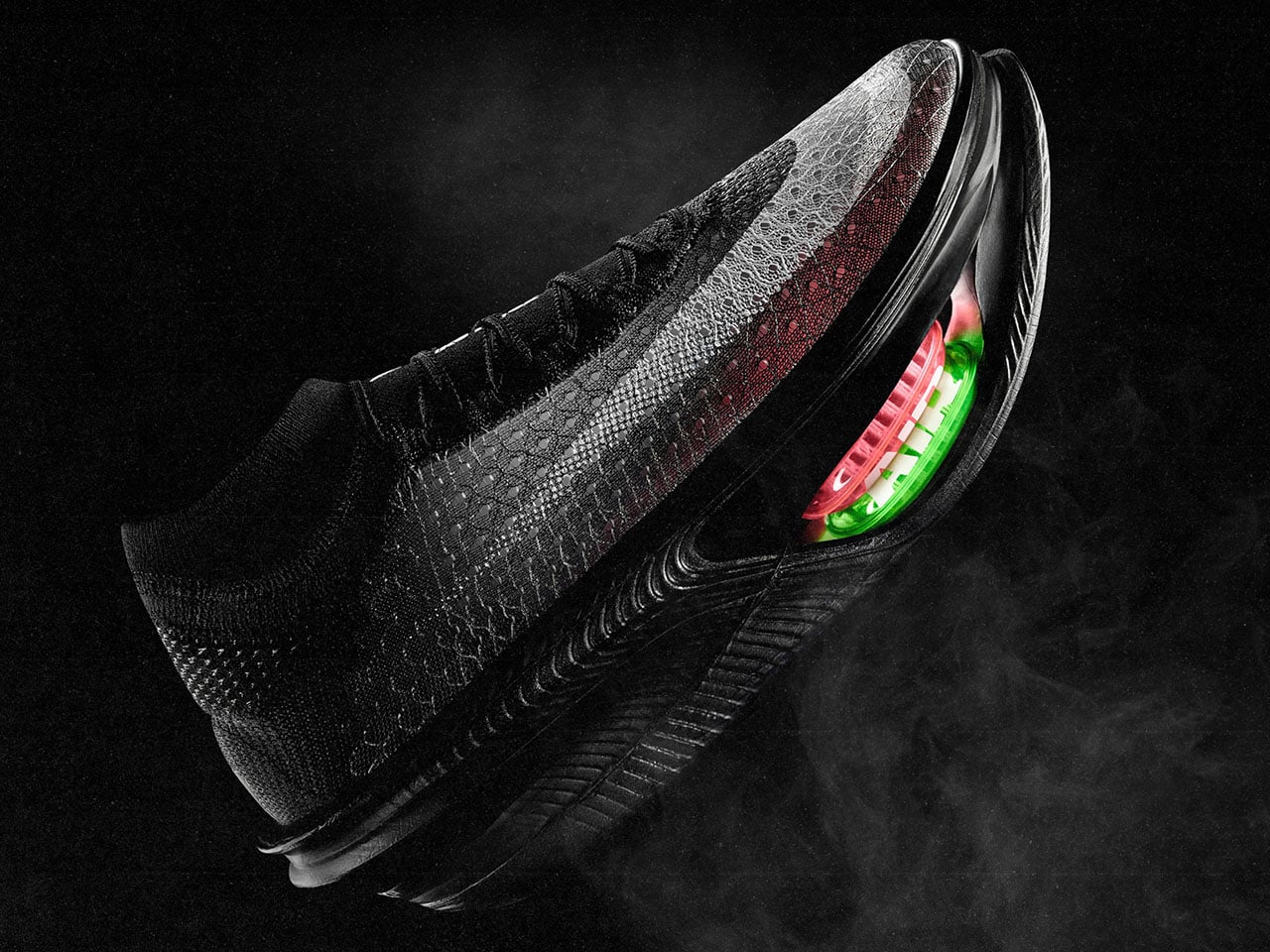
What really sets the new Nike Pegasus Plus 2, engineered as a “tempo trainer,” apart from any other silhouette in its own lineup, or outside in the competition, is the curved Air Zoom and full-length ZoomX foam forming its sole unit. According to the press information, Nike says the combination of the tech makes this running shoe 18 percent springier in comparison to the Pegasus Plus, which featured the ZoomX foam without the Air unit.

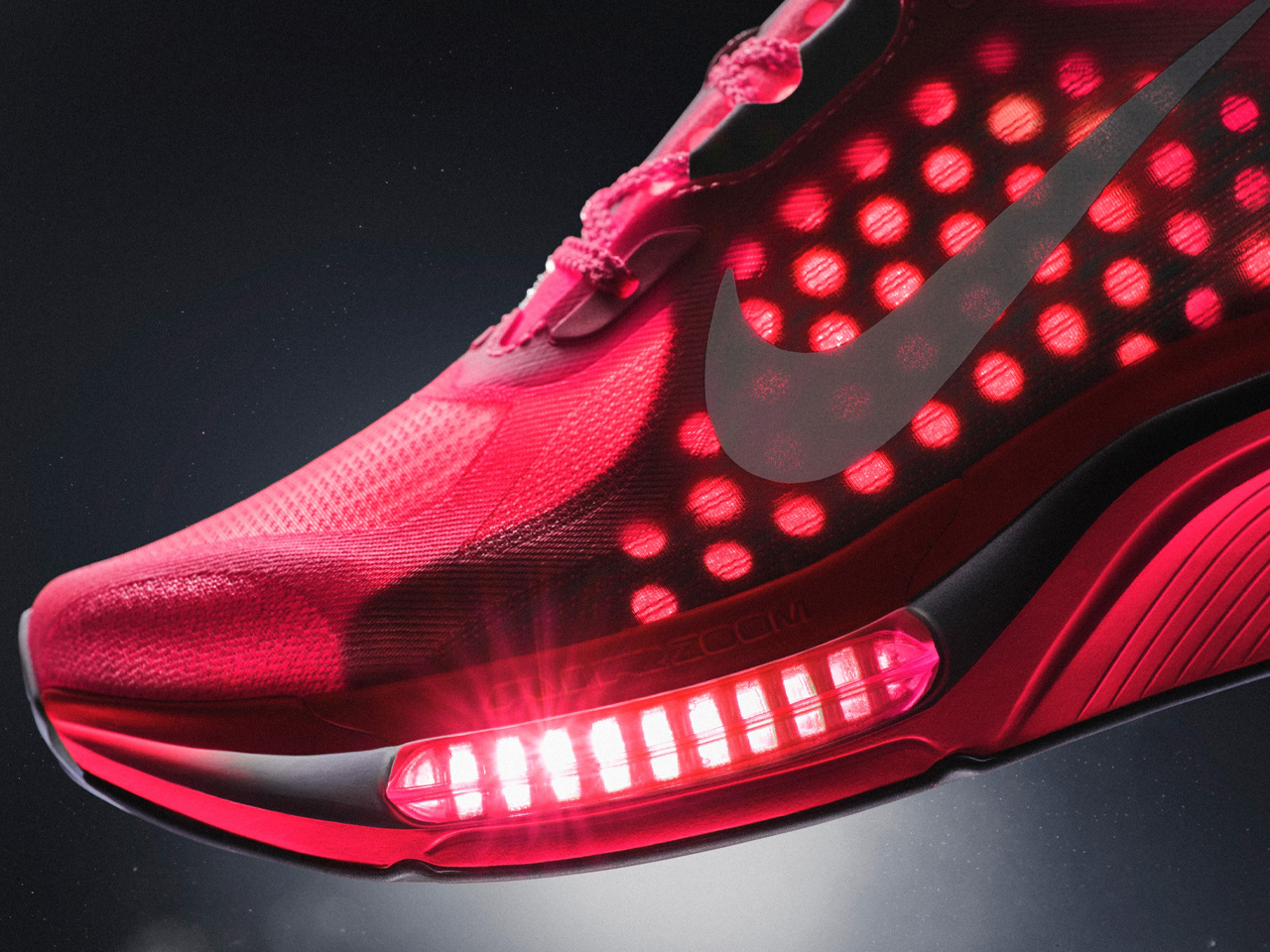
Therefore, the Pegasus Plus 2 is a lightweight and effective pair for runners who want speed but with consistency. Designed for “speed without sacrifice,” as the company puts it, the shoe comes with the curved, visible Air Zoom unit in the forefoot for additional propulsion, and a bouncy ZoomX midsole making each stride light and quicker. The Air unit underfoot has been left completely visible to make more room for it to expand and contract so it can absorb and return energy in each step during speed and tempo training.

With the combination of a novel sole unit and precision-engineered Flyknit material upper, which ensures breathability and comfort, Nike intends to market the Pegasus Plus 2 as one of its most responsive speed trainers ever made. Interestingly, the Pegasus Plus 2 features a fine-tuned MD10 2.0 last, which was introduced in the Pegasus 42, with a more accommodating forefoot and toe box. On the opposite side, the elevated materials around the ankle and a modern waffle outsole make the cushiony and supportive shoe more attractive. Nike is slated to make the Pegasus Plus 2 available for purchase starting August 30. The speed trainer will be priced at $165, which is cheaper than its predecessor, the Pegasus Plus.

The post Nike’s most responsive running shoe with visible Air Zoom and ZoomX Foam sole is arriving August 30 first appeared on Yanko Design.

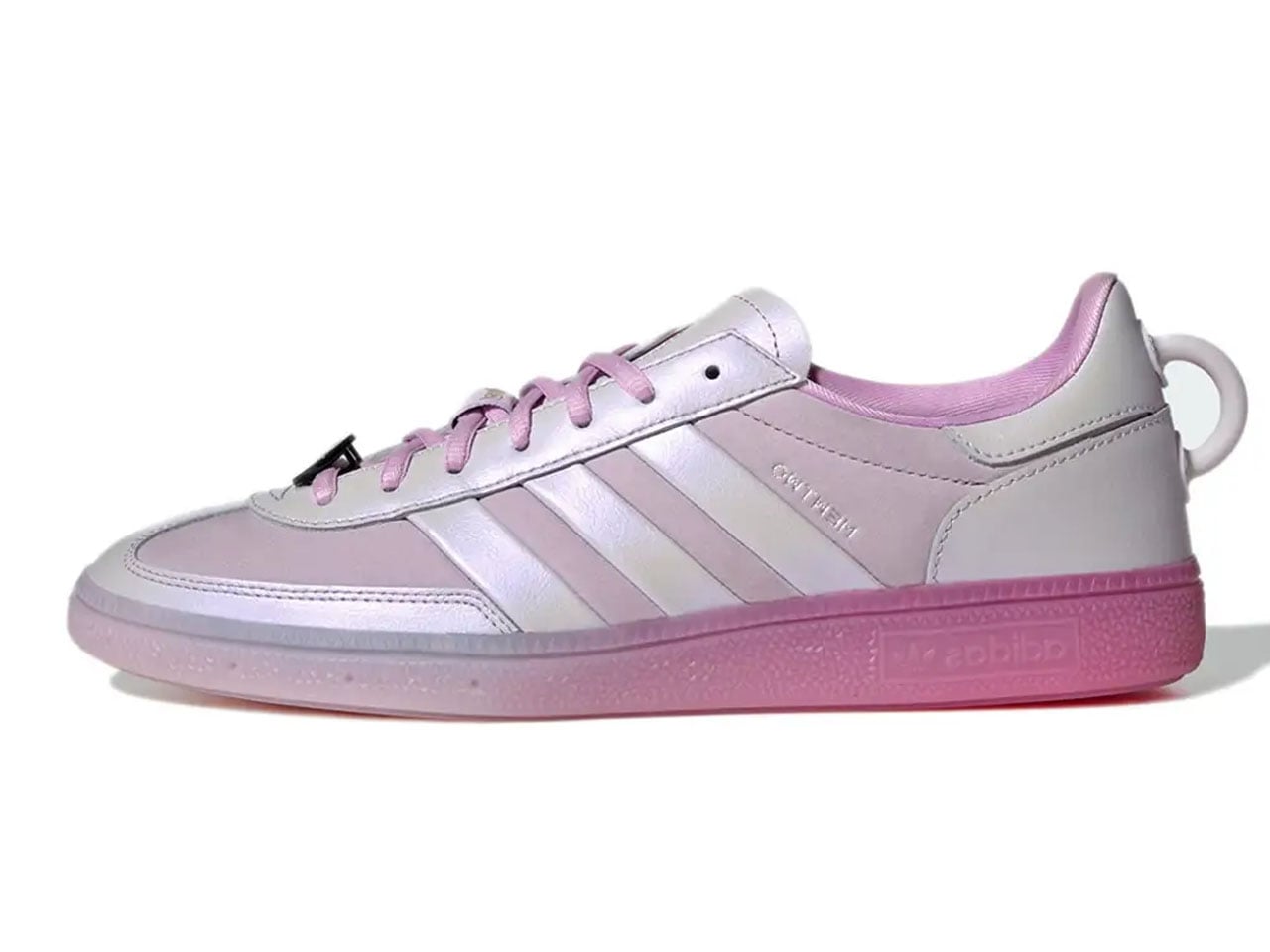
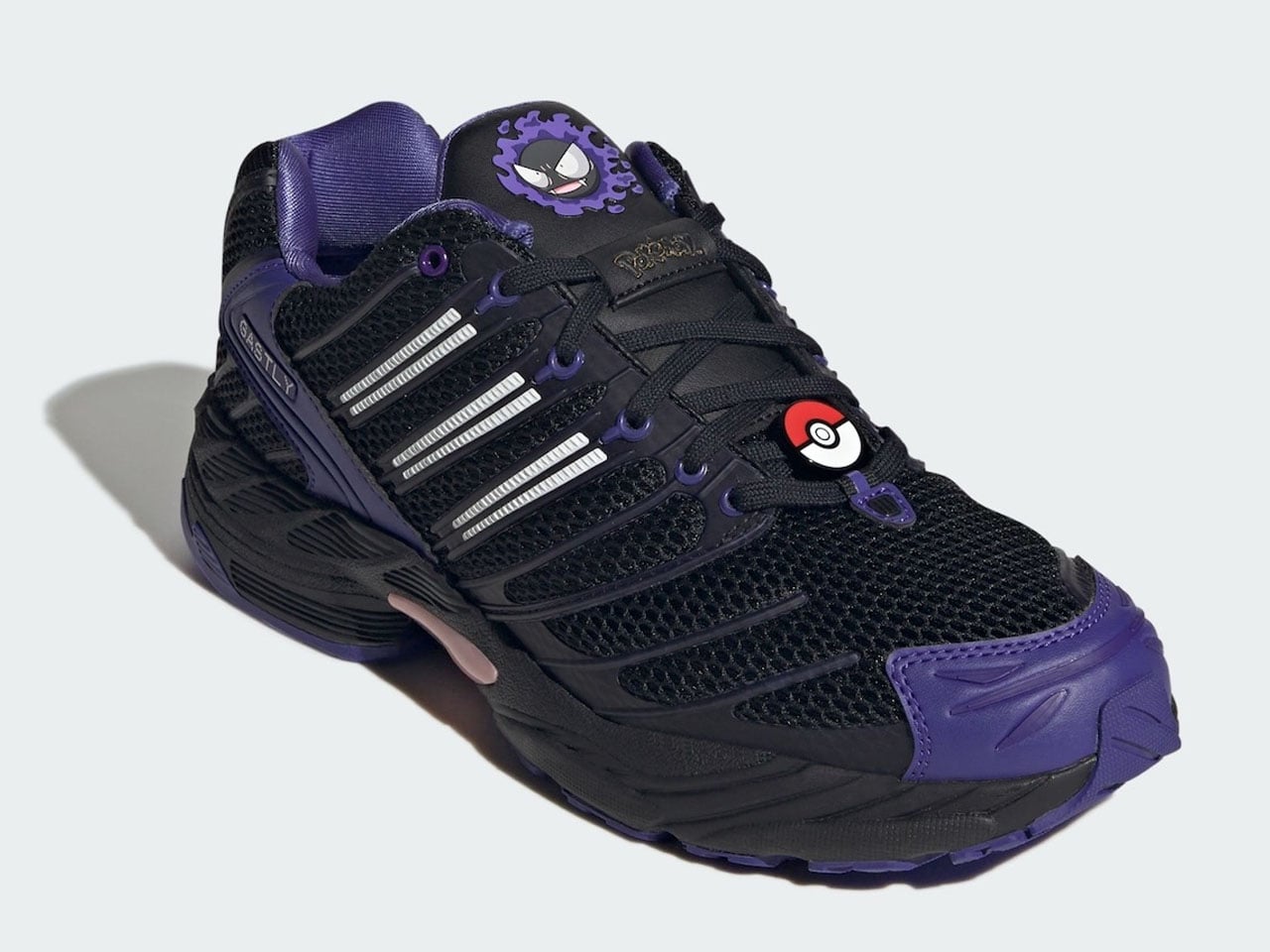
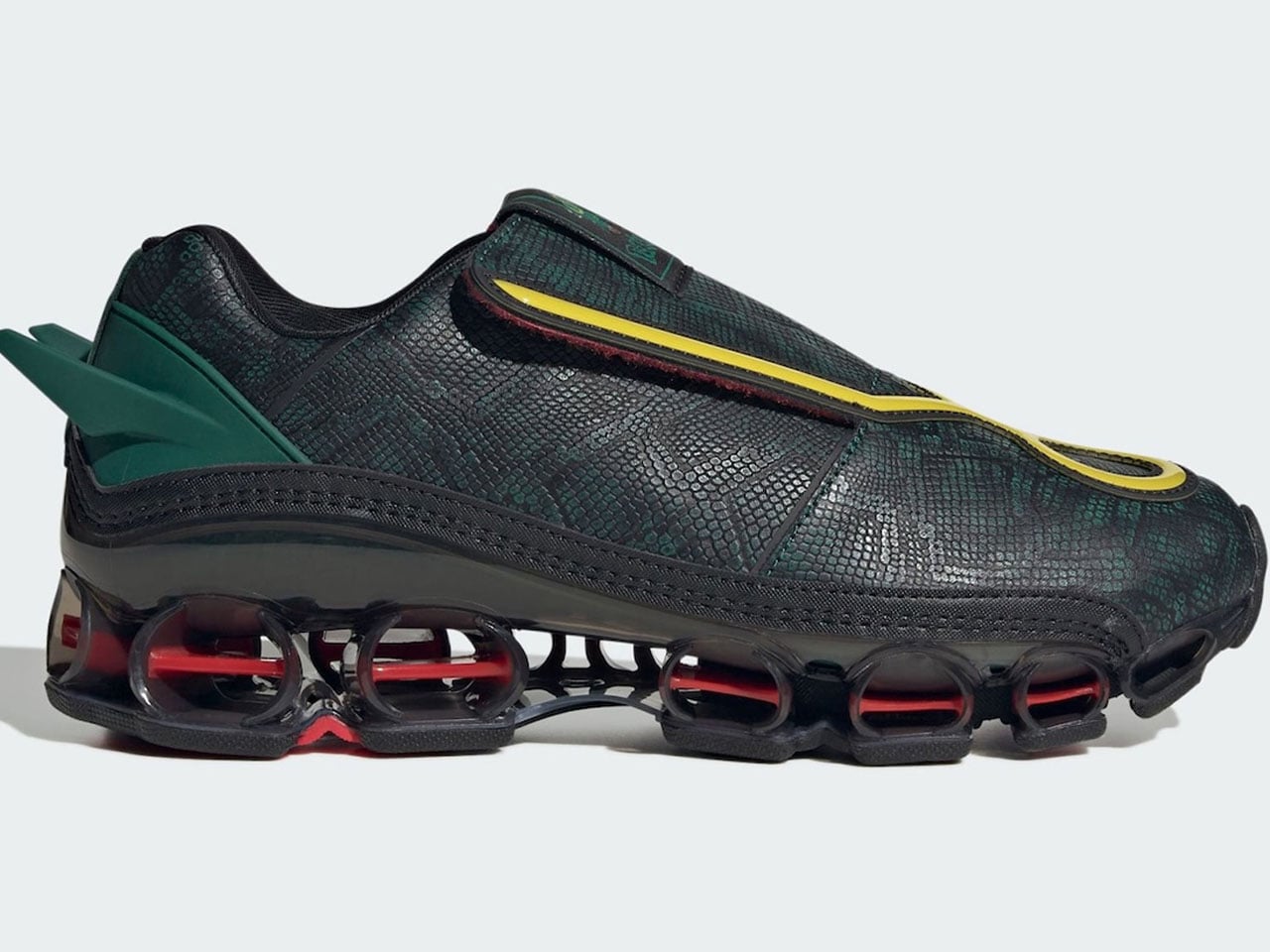
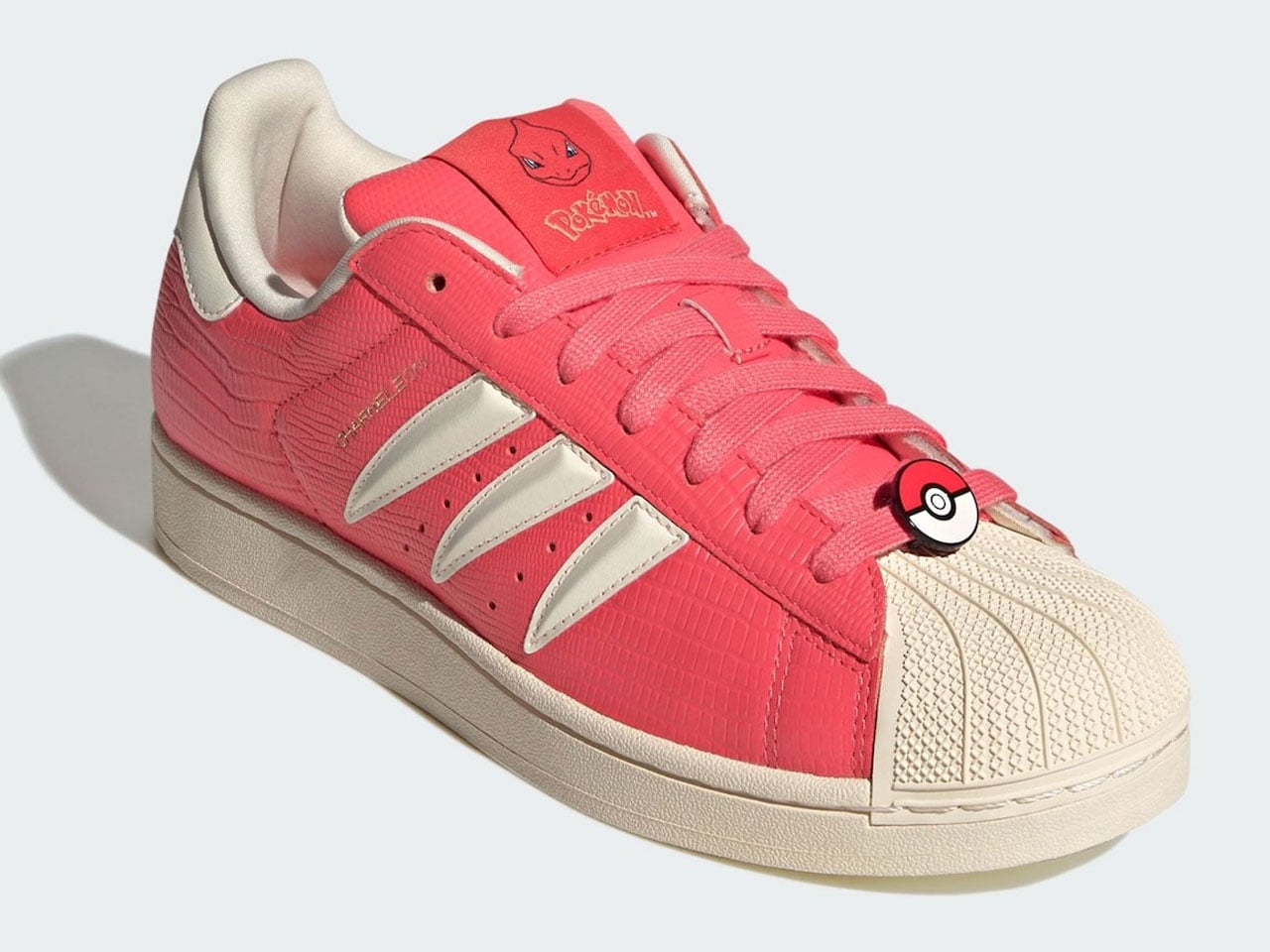
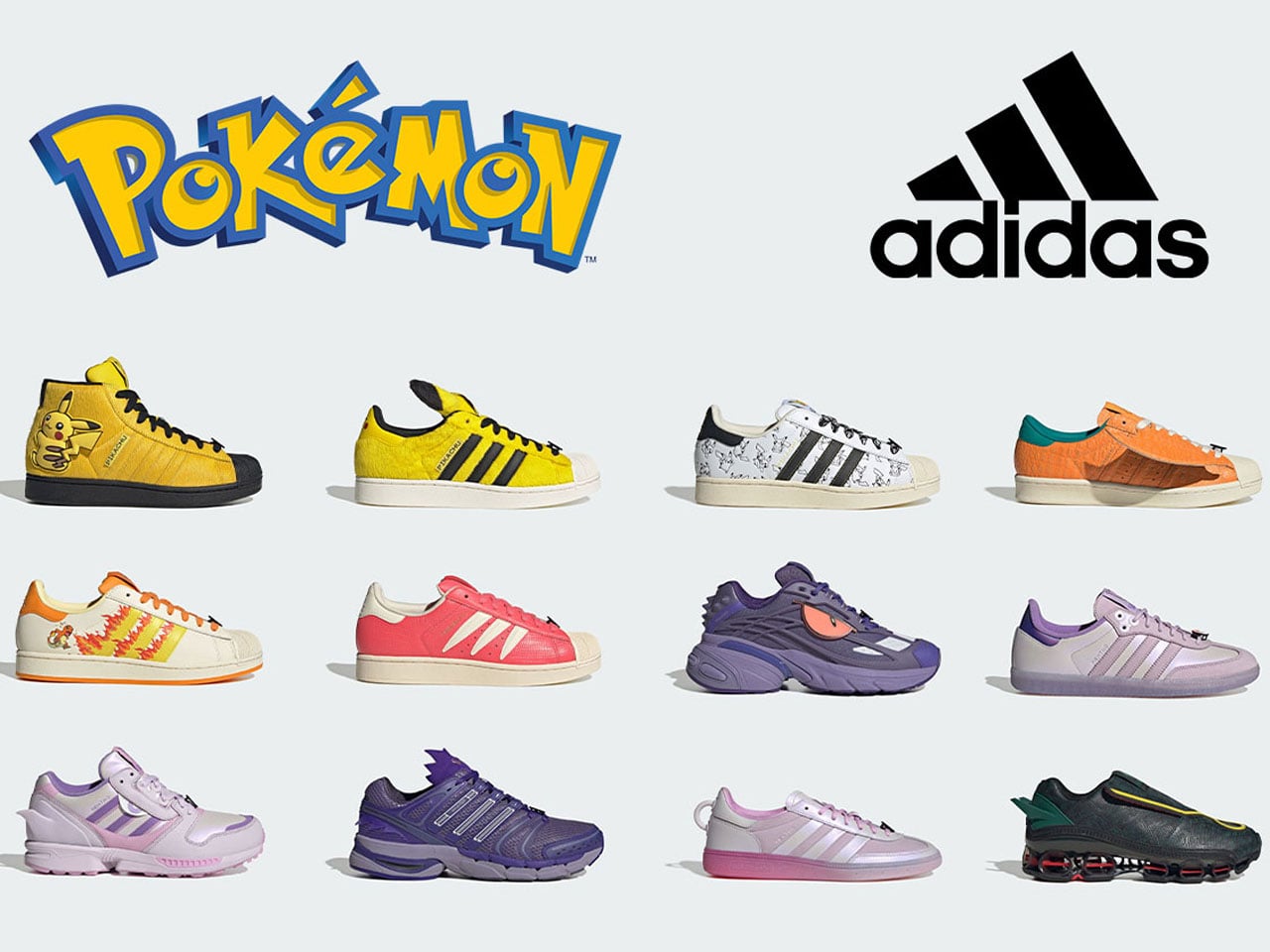
Pokémon and adidas partner for 12 nostalgic sneakers fans will want to wear, landing in September

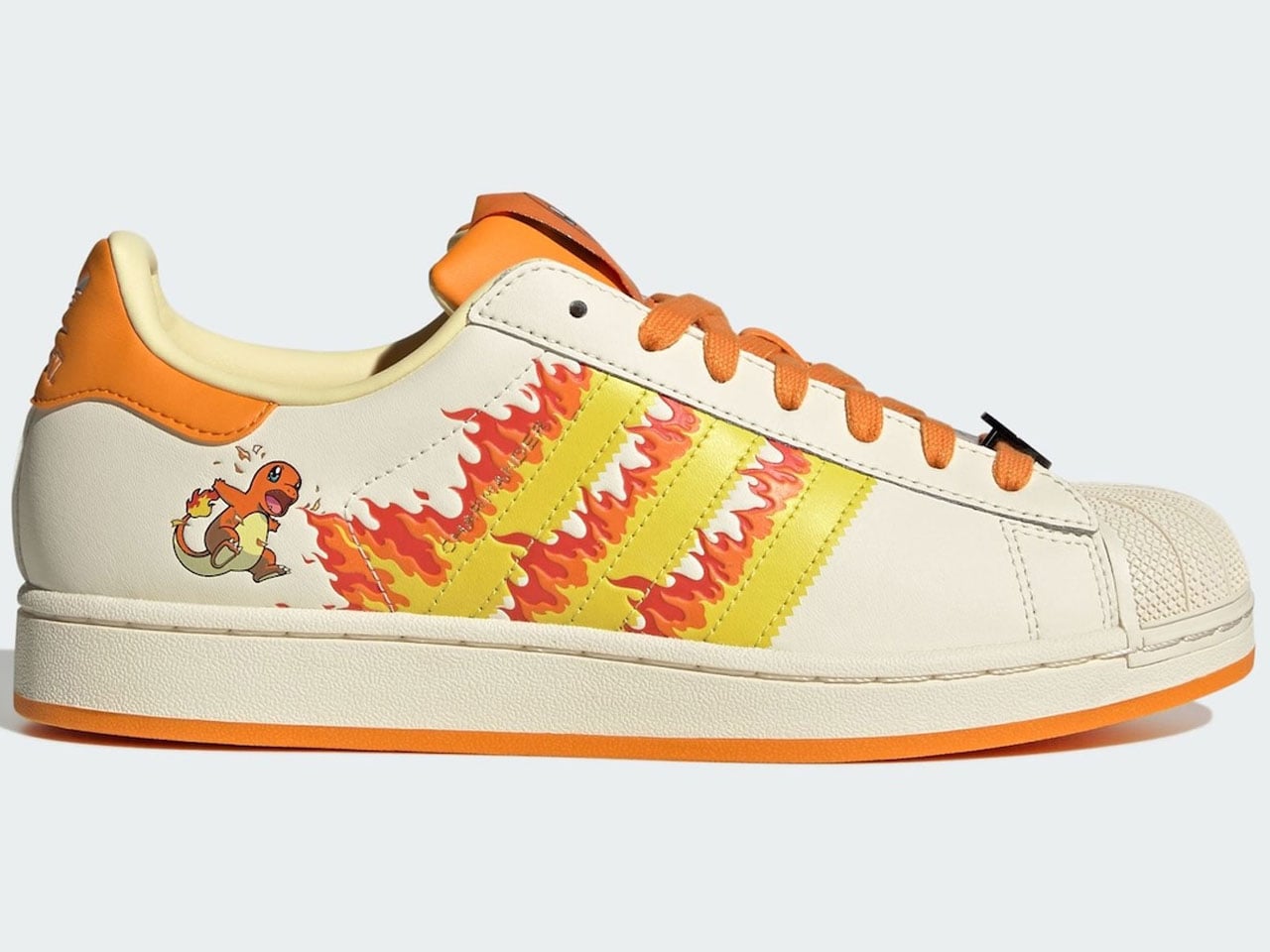
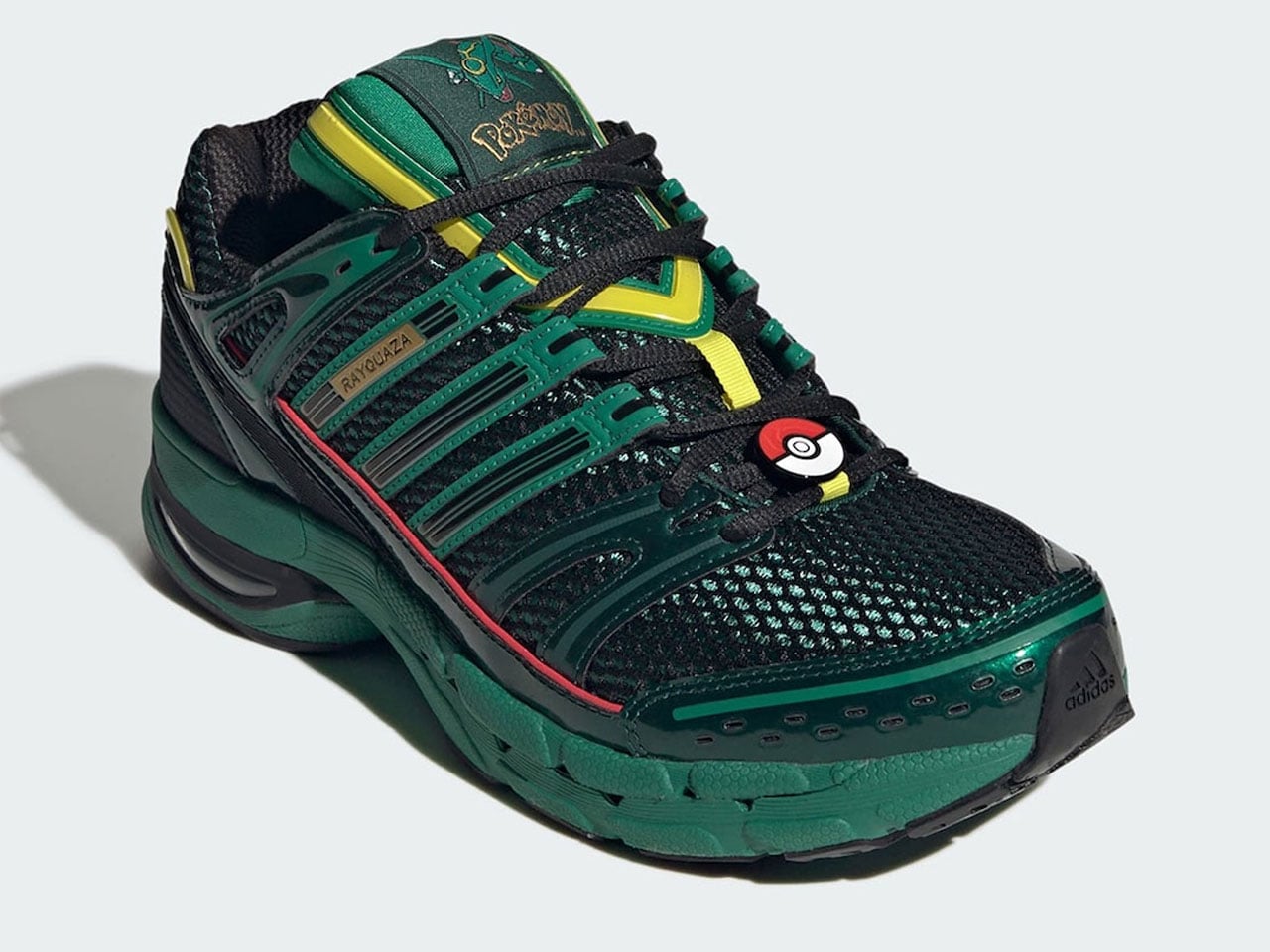
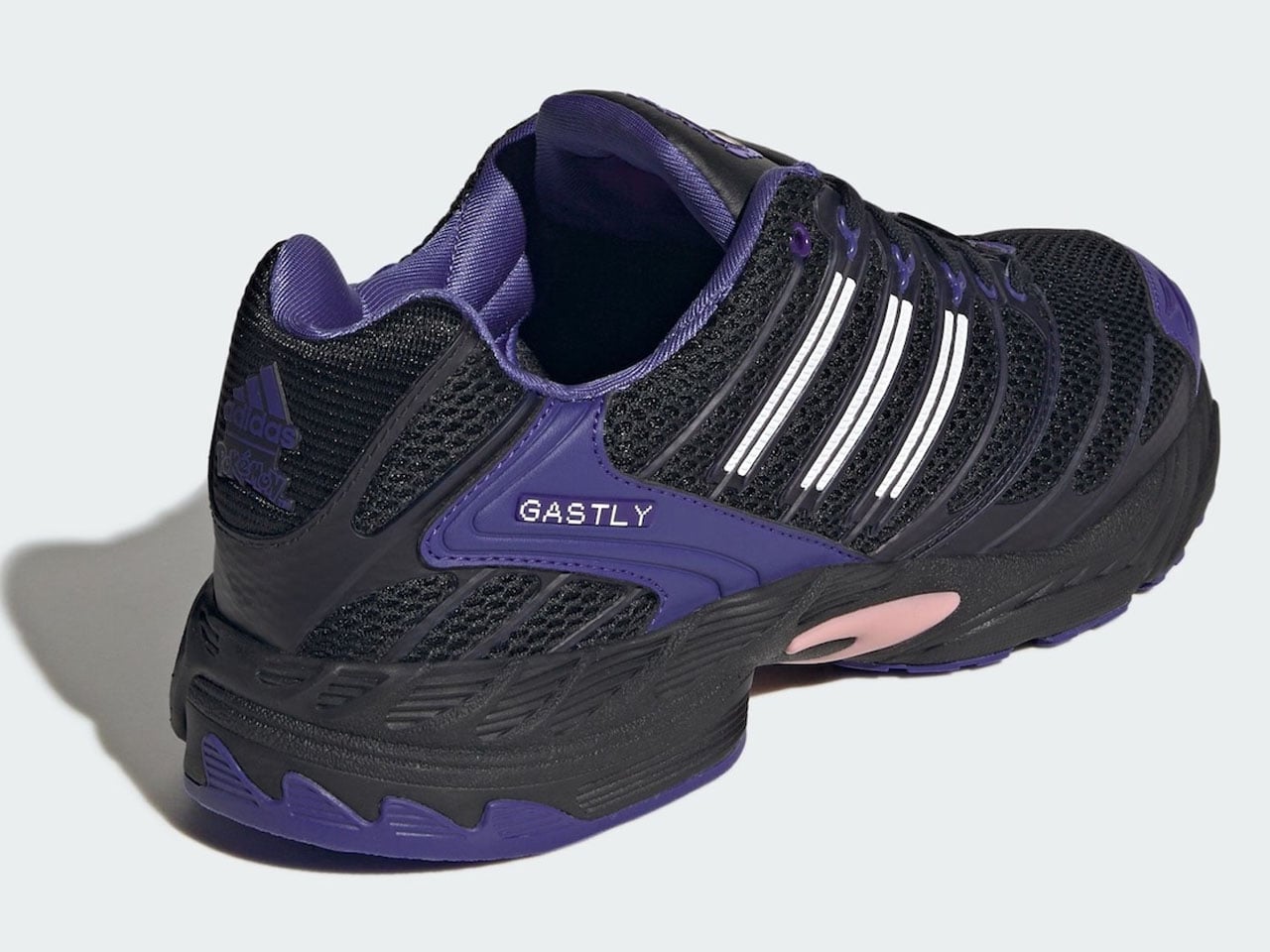
Pop Culture brands often turn to sneaker fanfare from time to time. This time around, it’s Pokémon that’s treading the collaboration route. For its 30th anniversary celebration, Pokémon is joining forces with adidas Originals for a comprehensive collection of 12 Pokémon x adidas Originals 30th Anniversary Sneakers.

As you’d expect from the names involved, the collaborative silhouettes blend the ‘90s nostalgia with modern streetwear style, giving those who have grown up playing Red and Blue on Nintendo Game Boy a reason to rekindle their memories.

Designer: Pokémon x adidasPokémon x adidas

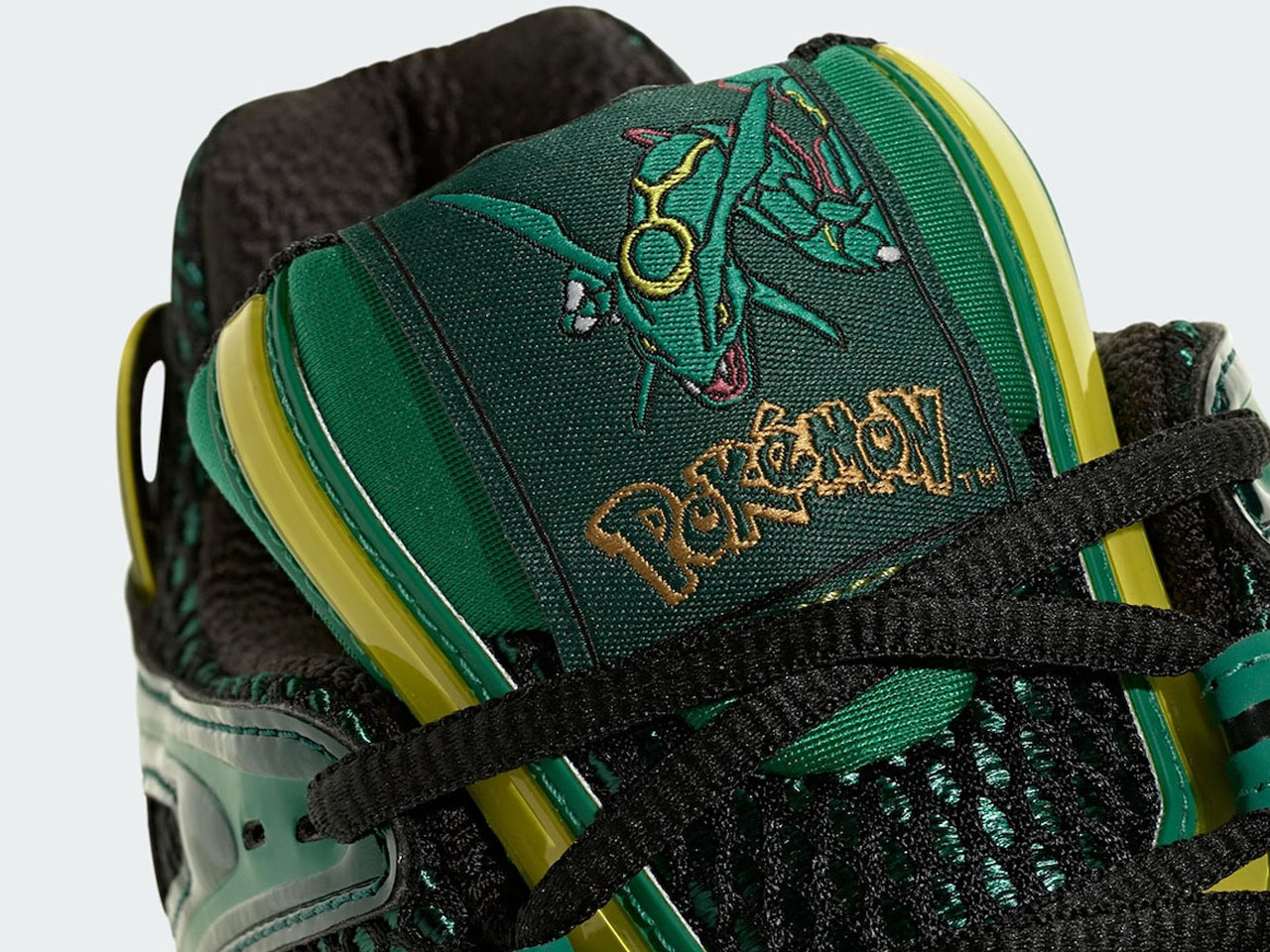
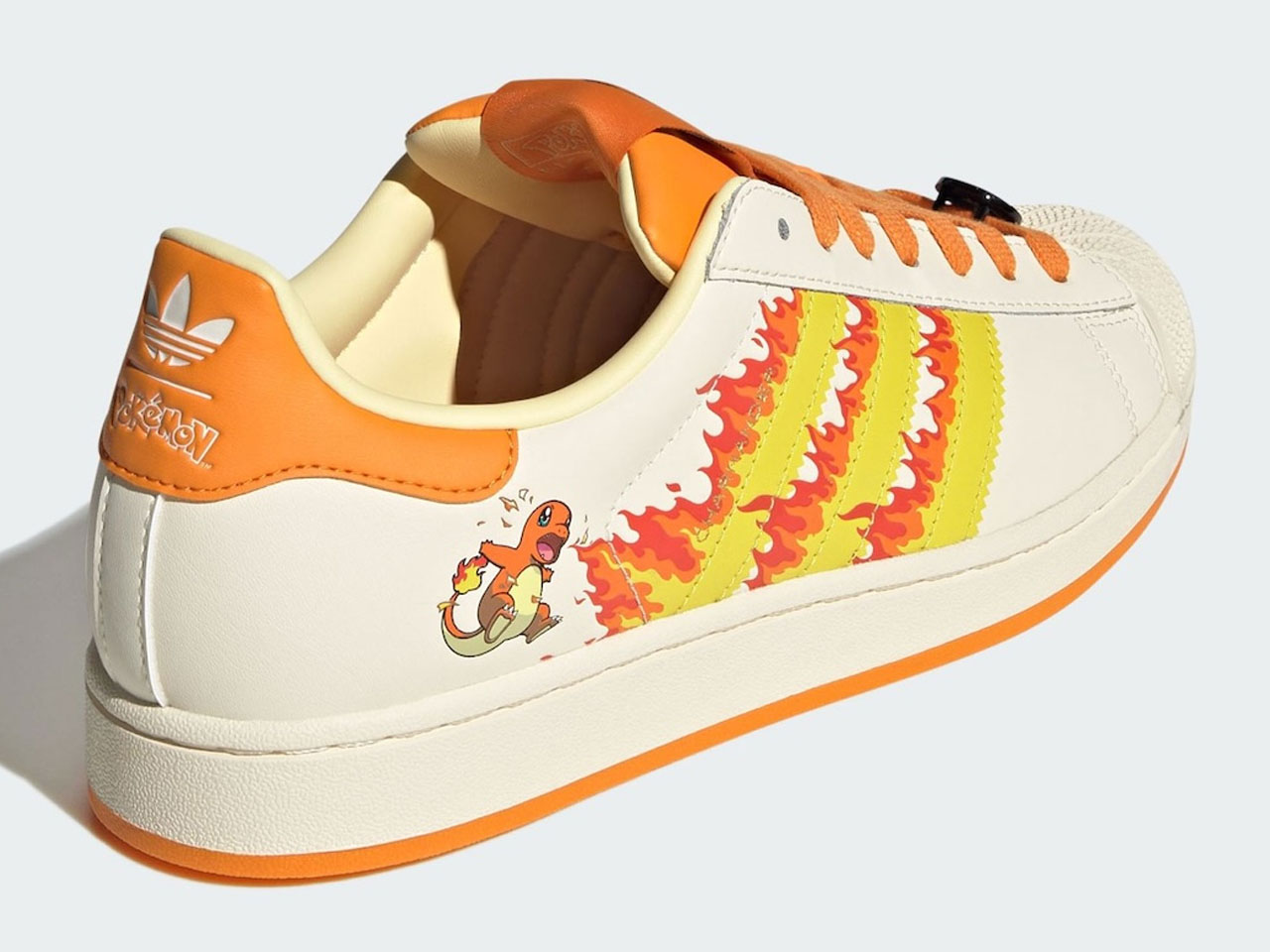
Since its inception in 1996, Pokémon has evolved from the screens of the Game Boy to become one of the highest-grossing media franchises. The incredible journey is reflected through the signifying colors, textures, and unique structural add-ons that show up on the sneakers to portray the distinctive antics of various Pokémon.

The global release of the Pokémon-inspired sneaker collection is scheduled for September 2026. The sneakers that we are looking at include the adidas charms like the Samba, Superstar, and the Gazelle. These have been reimagined for Pokémon fans with colors and motifs to celebrate their beloved characters.

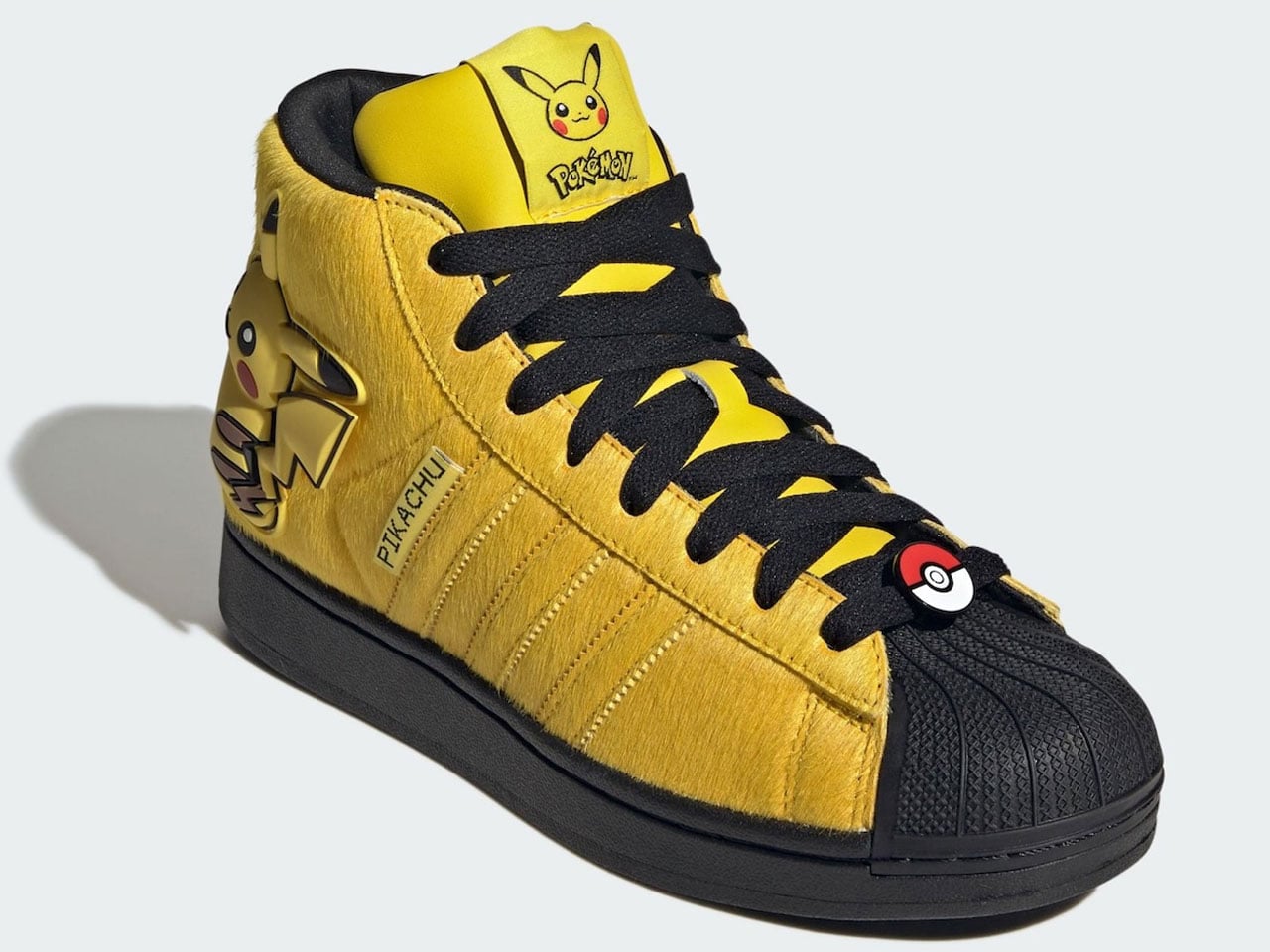
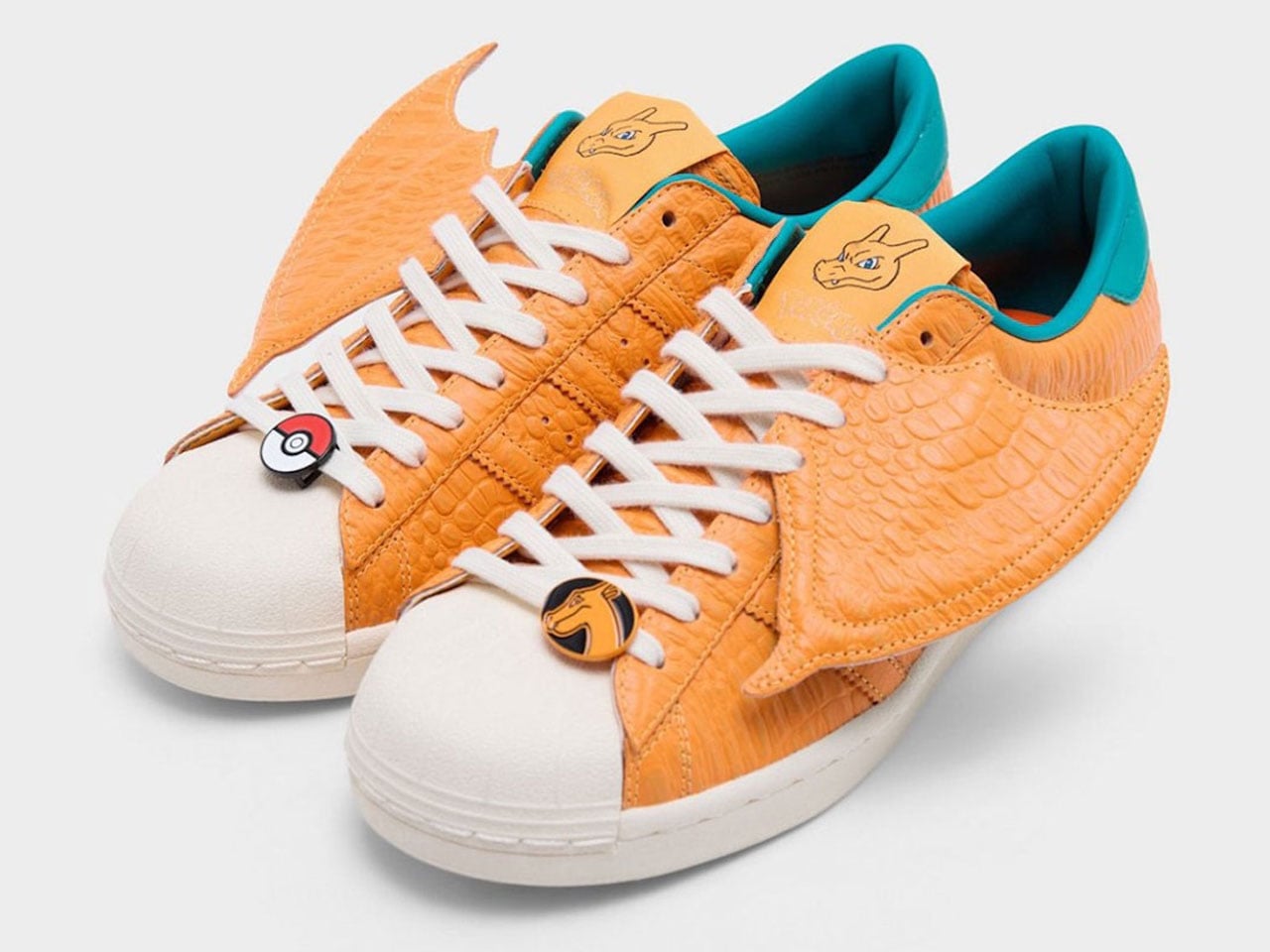
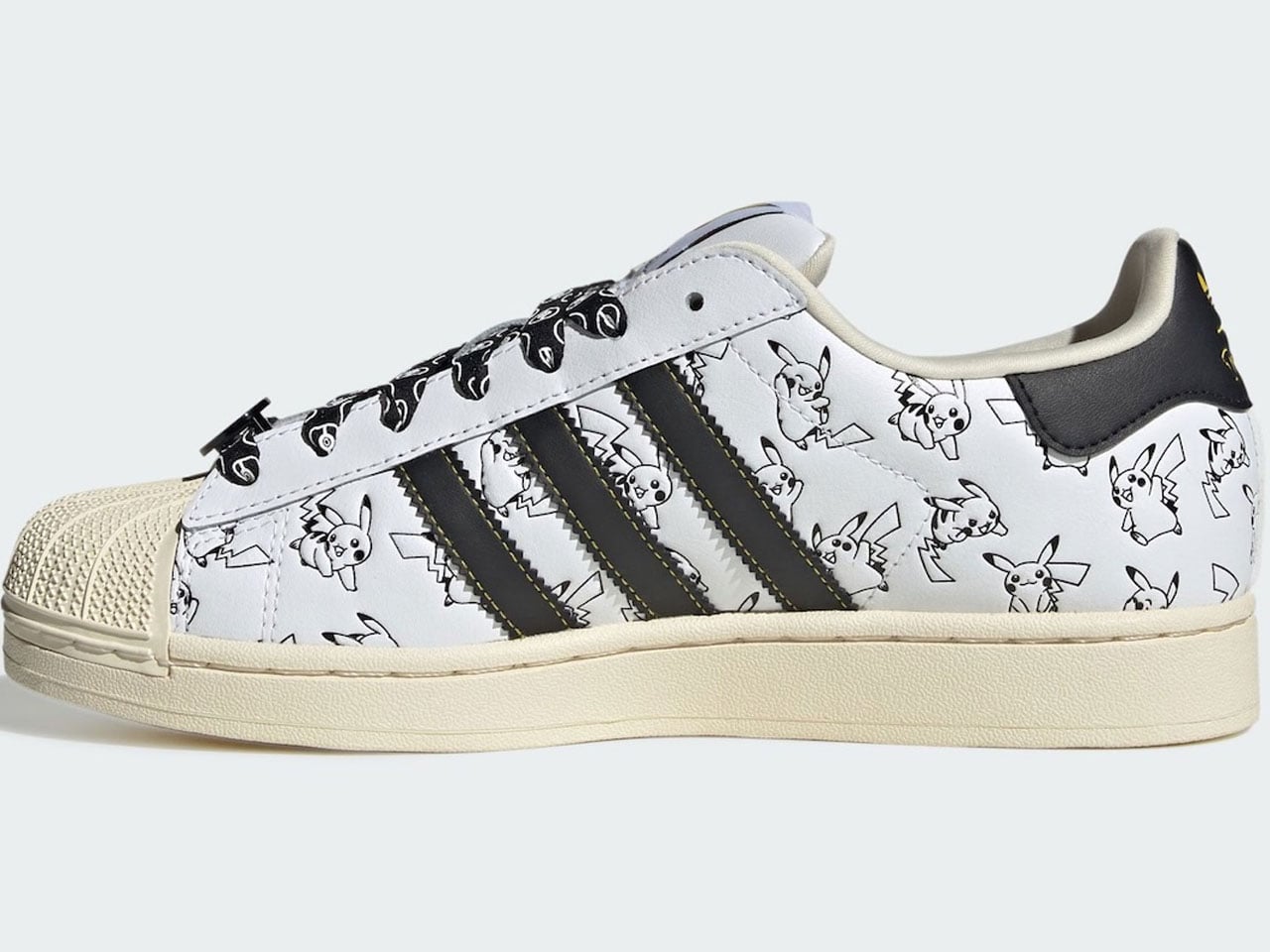
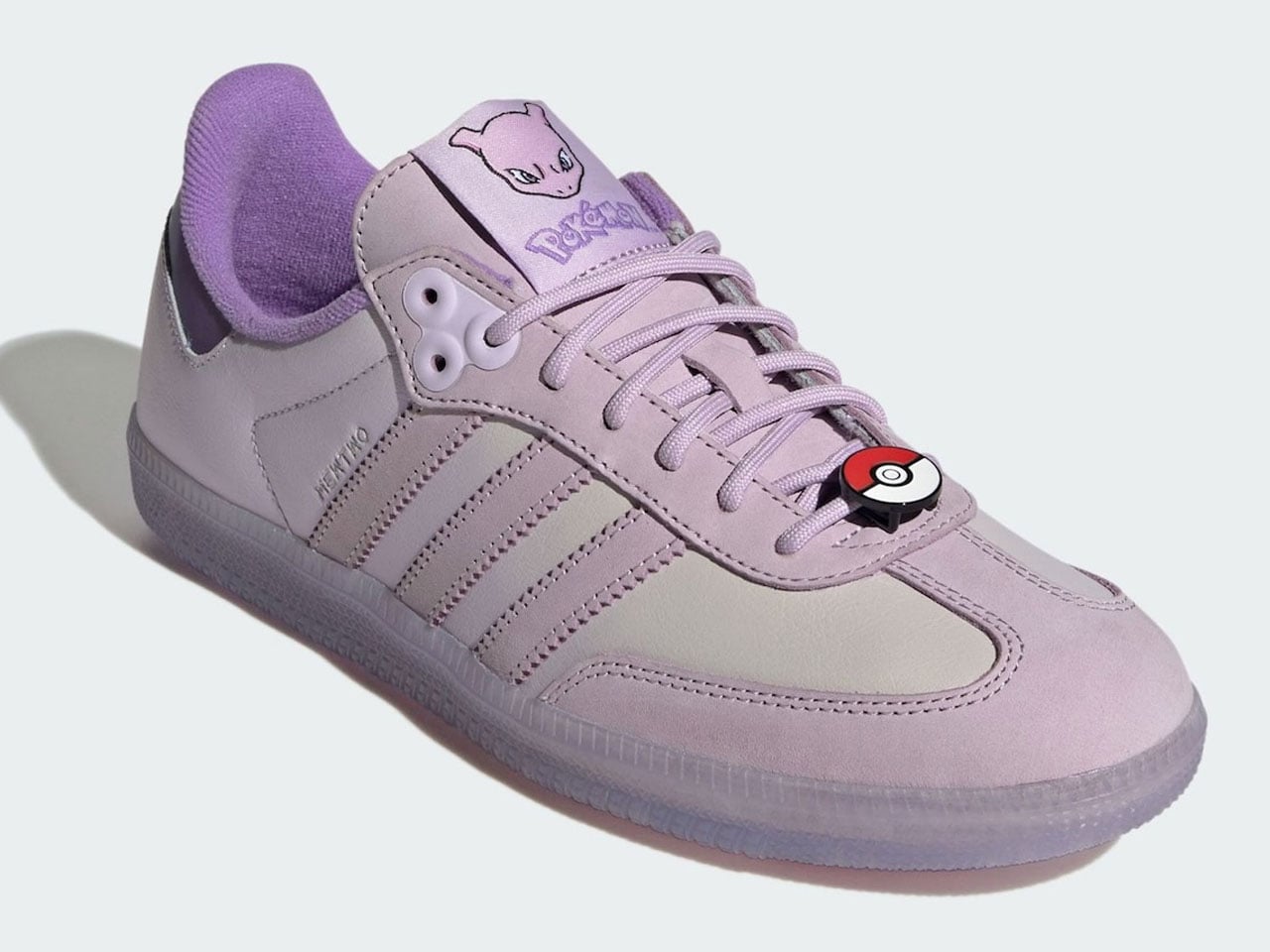
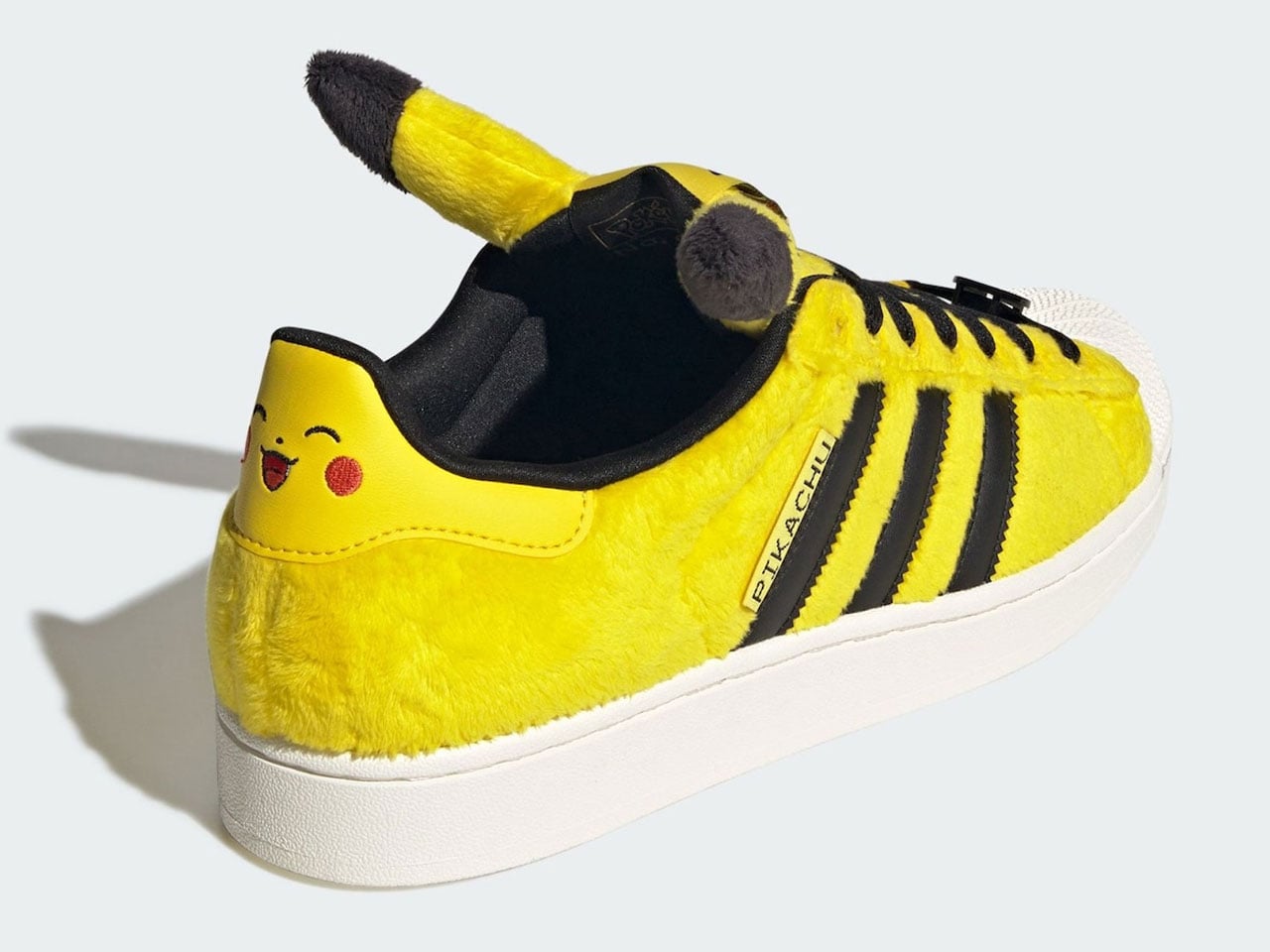
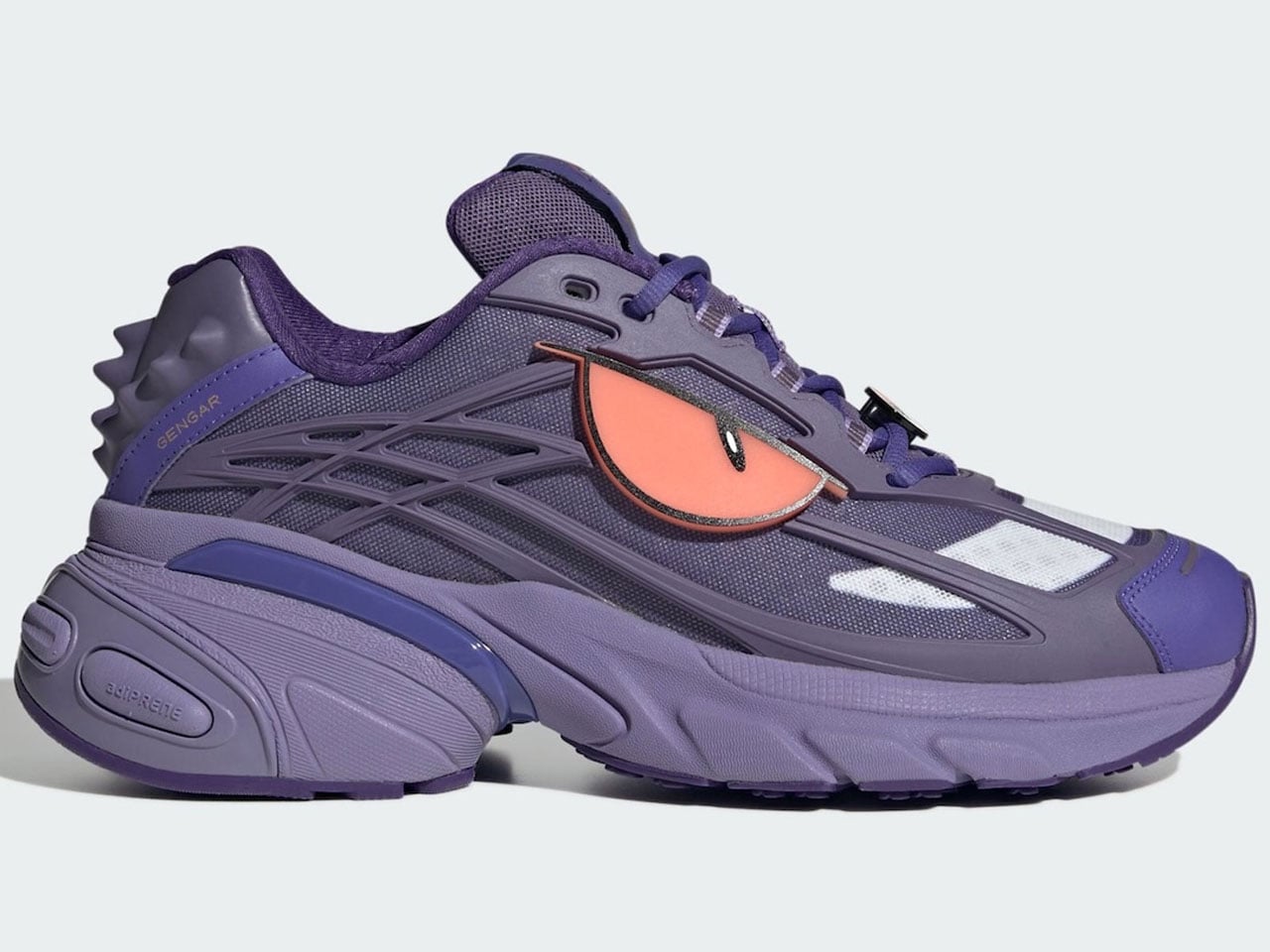
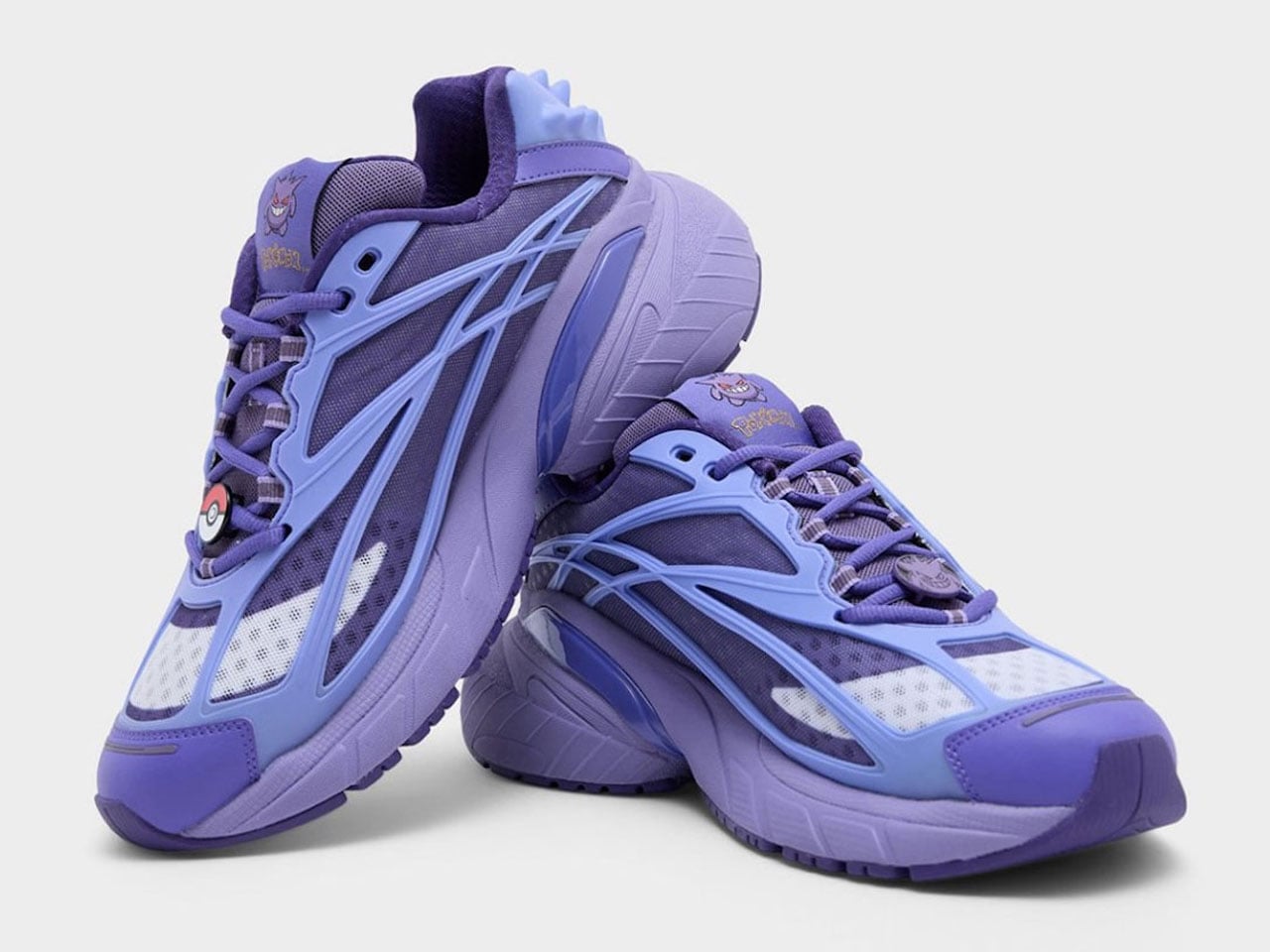
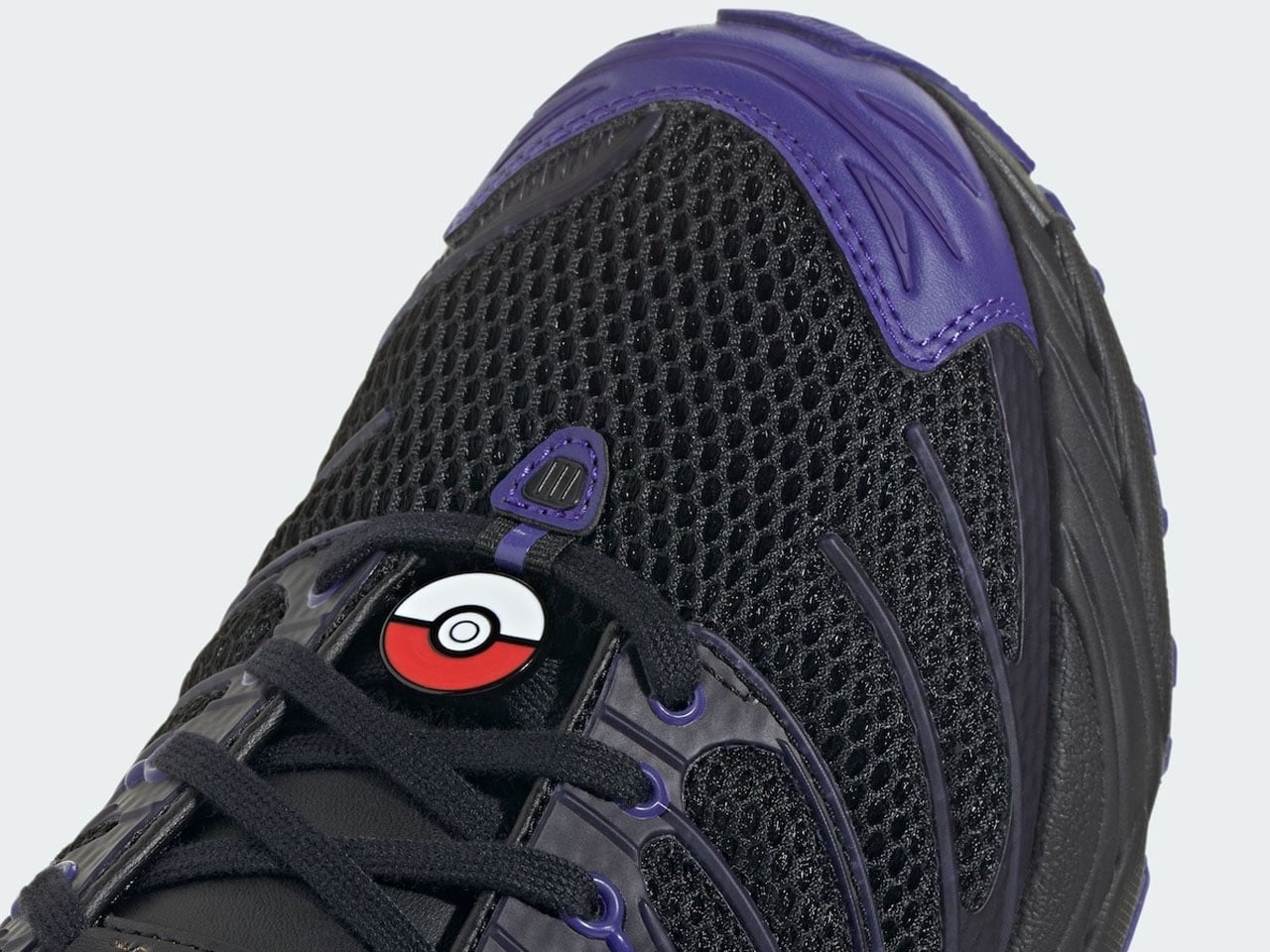
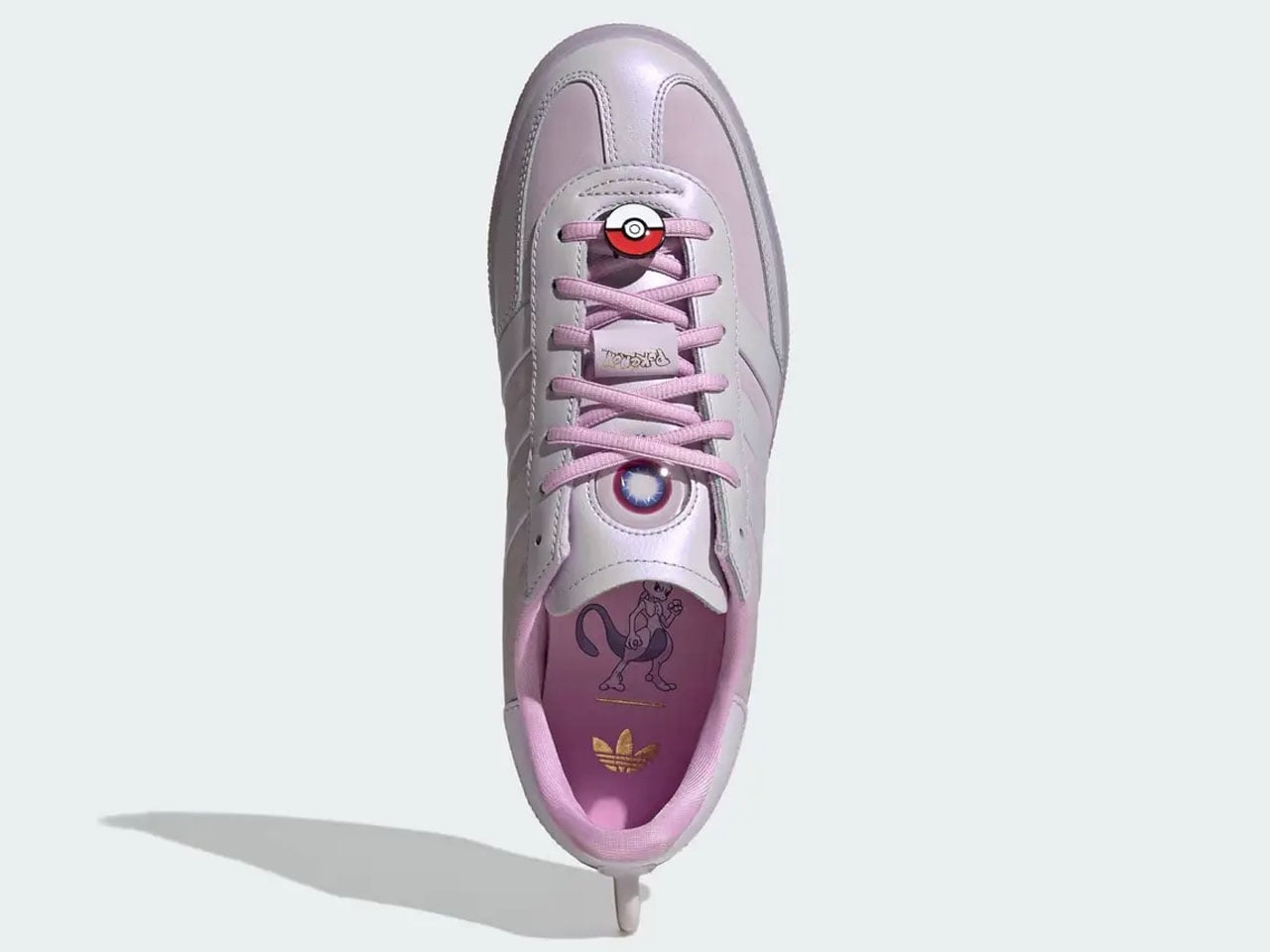
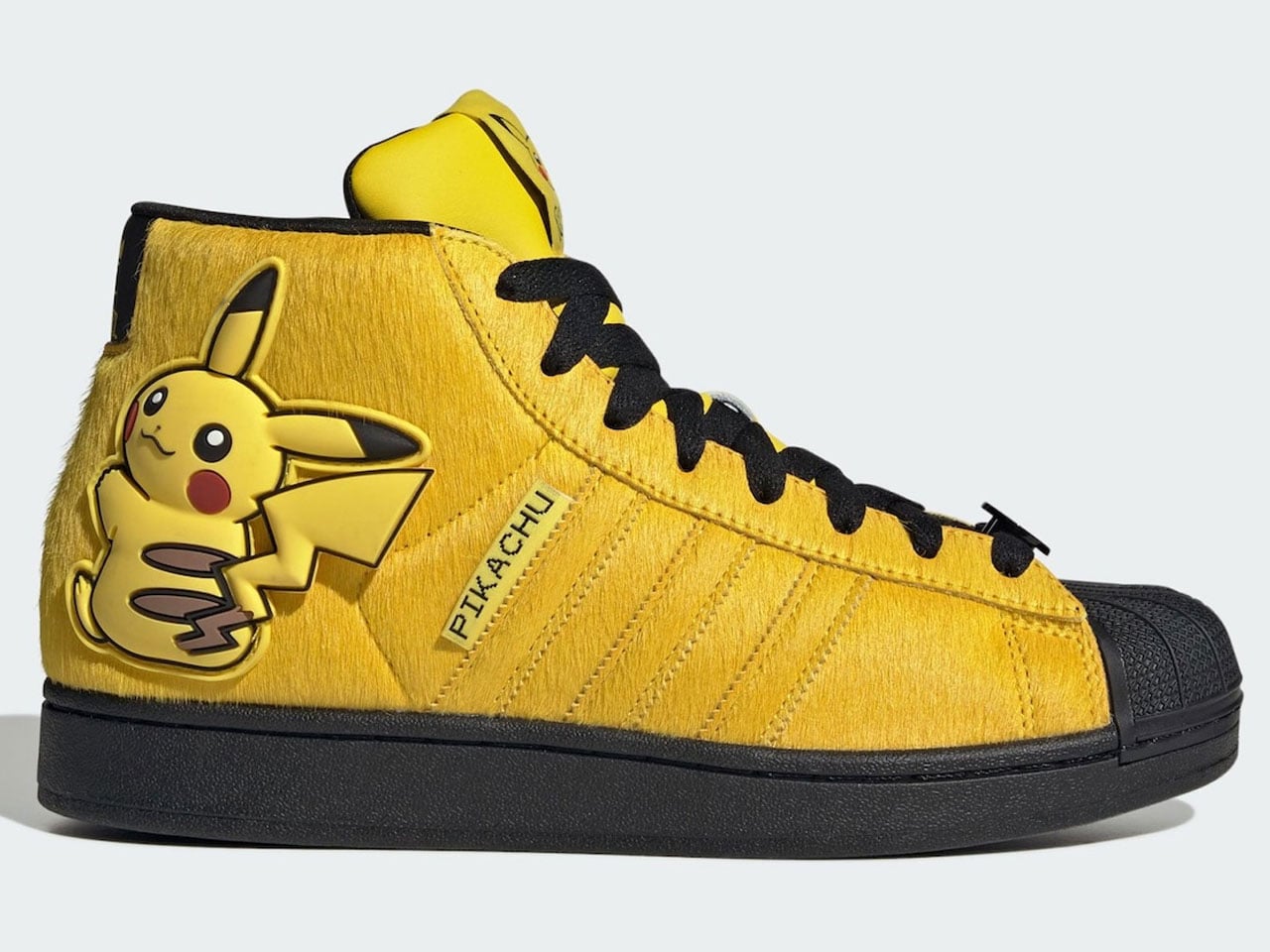
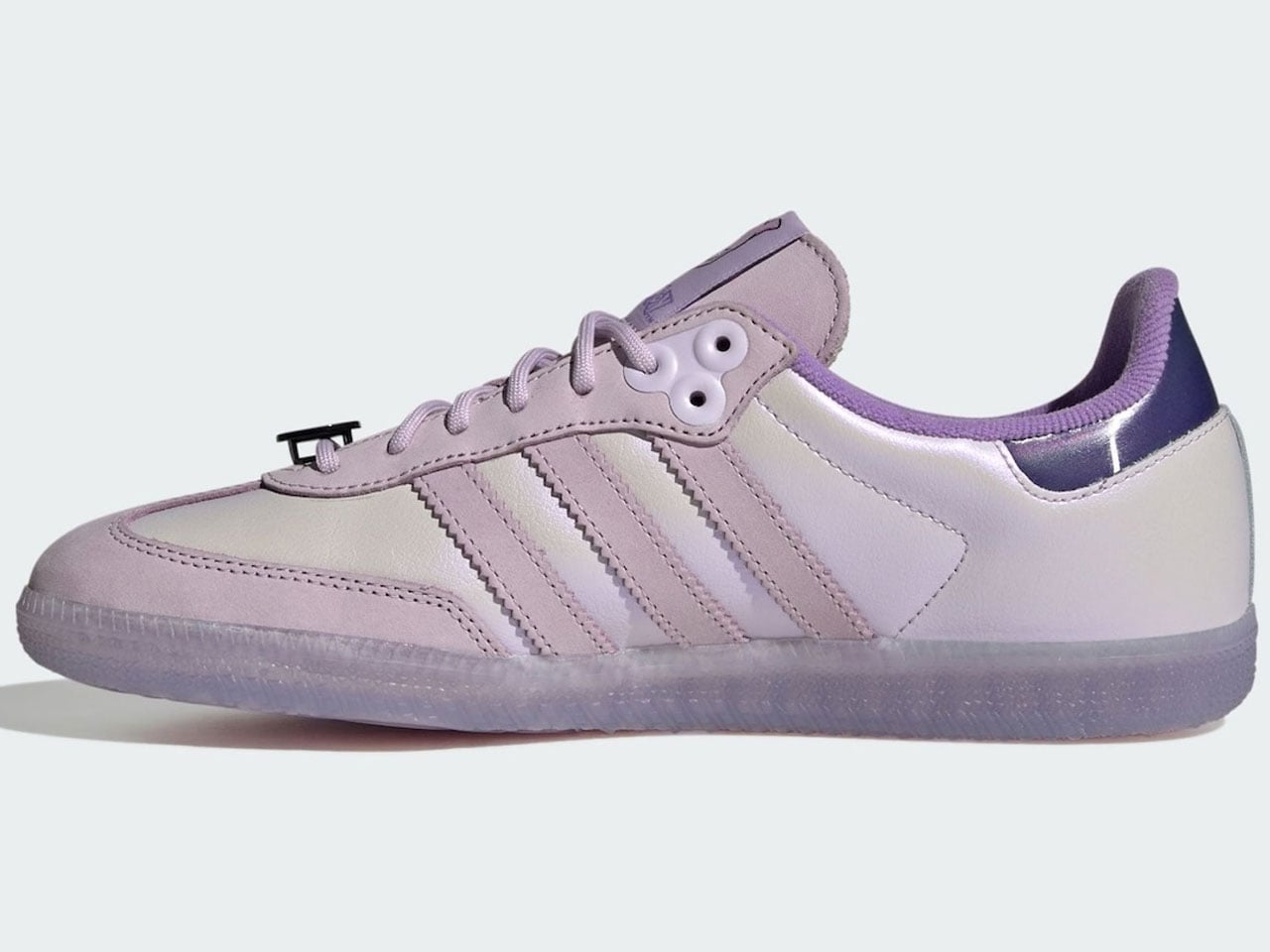
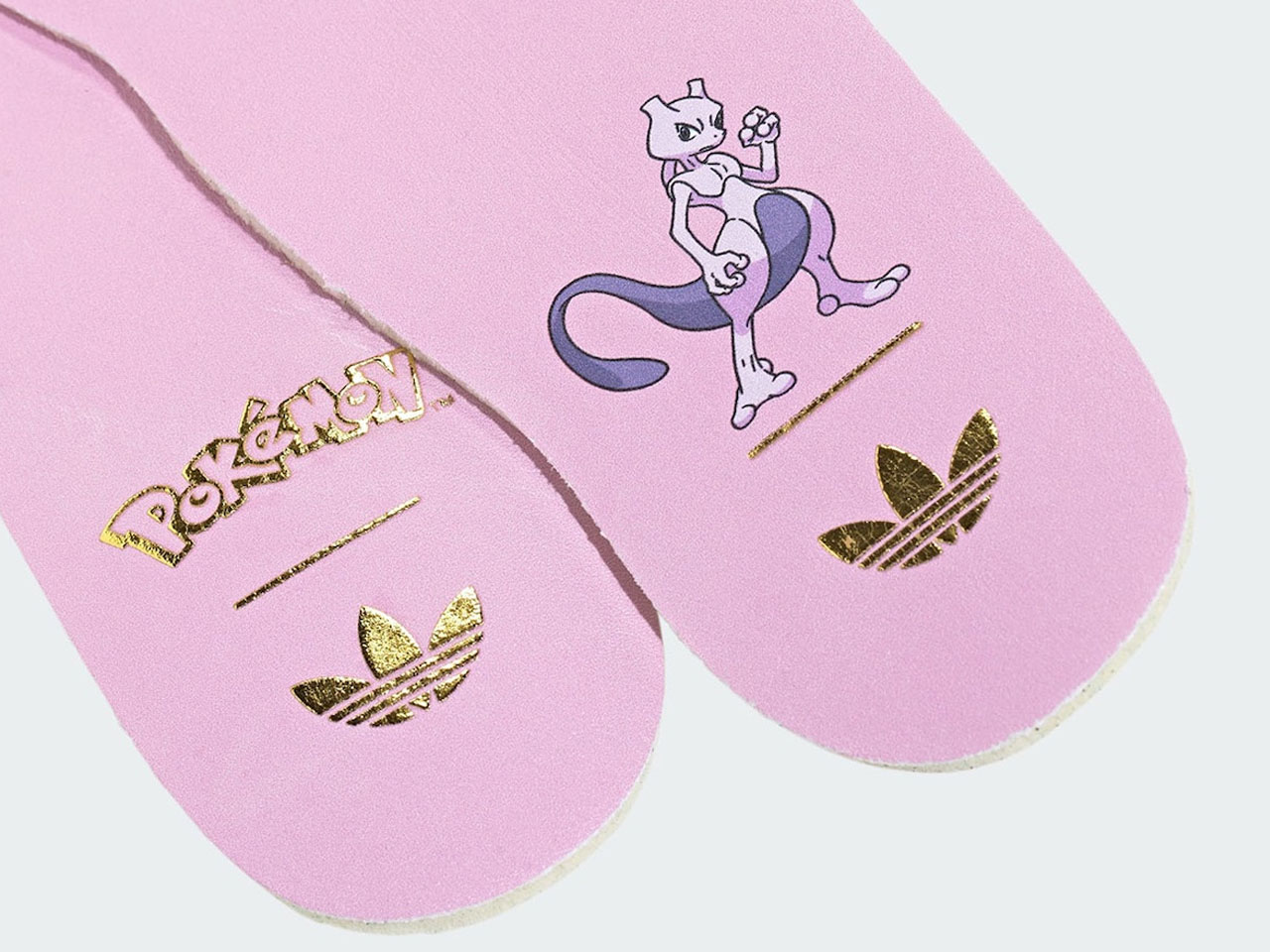
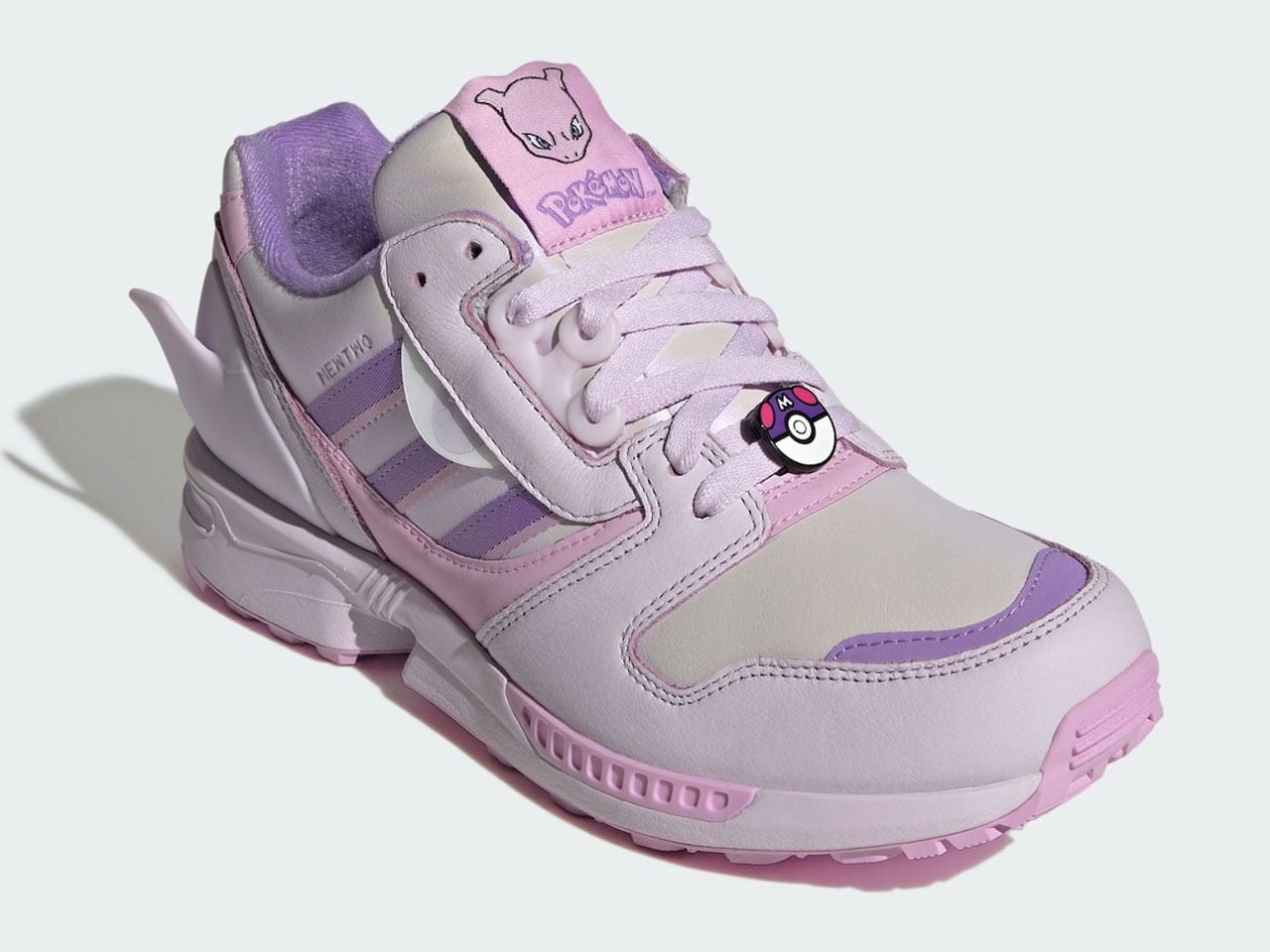
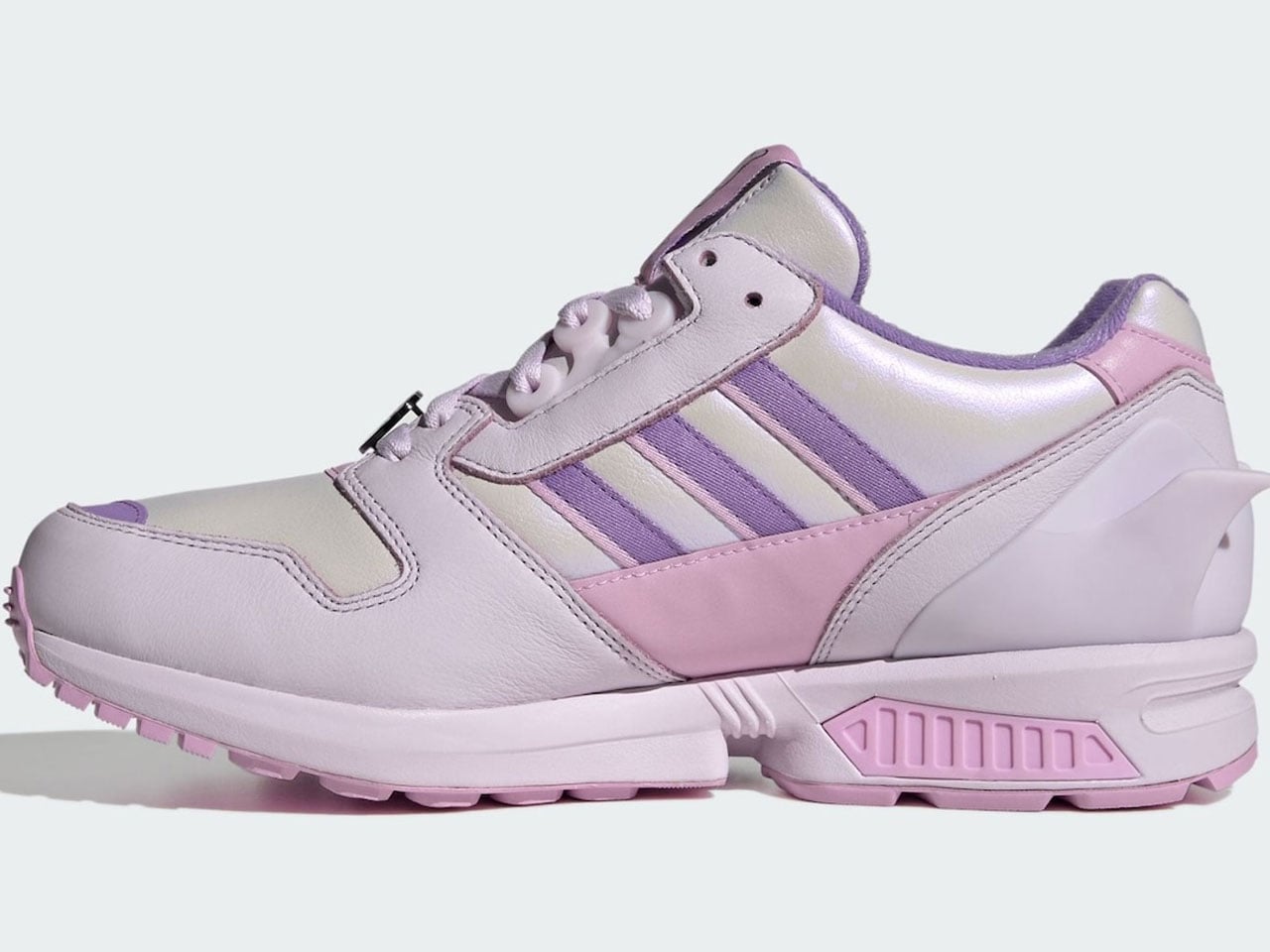
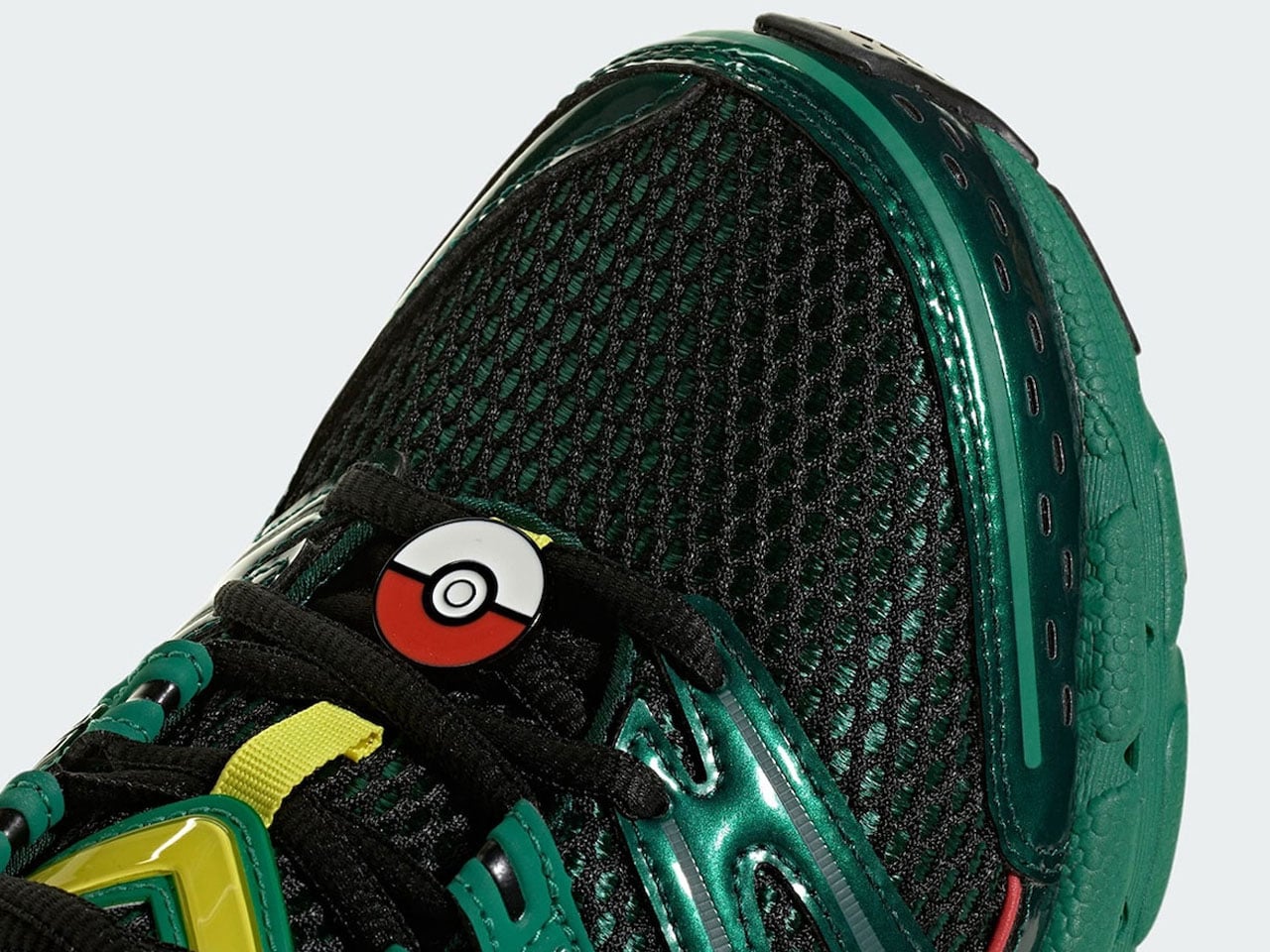
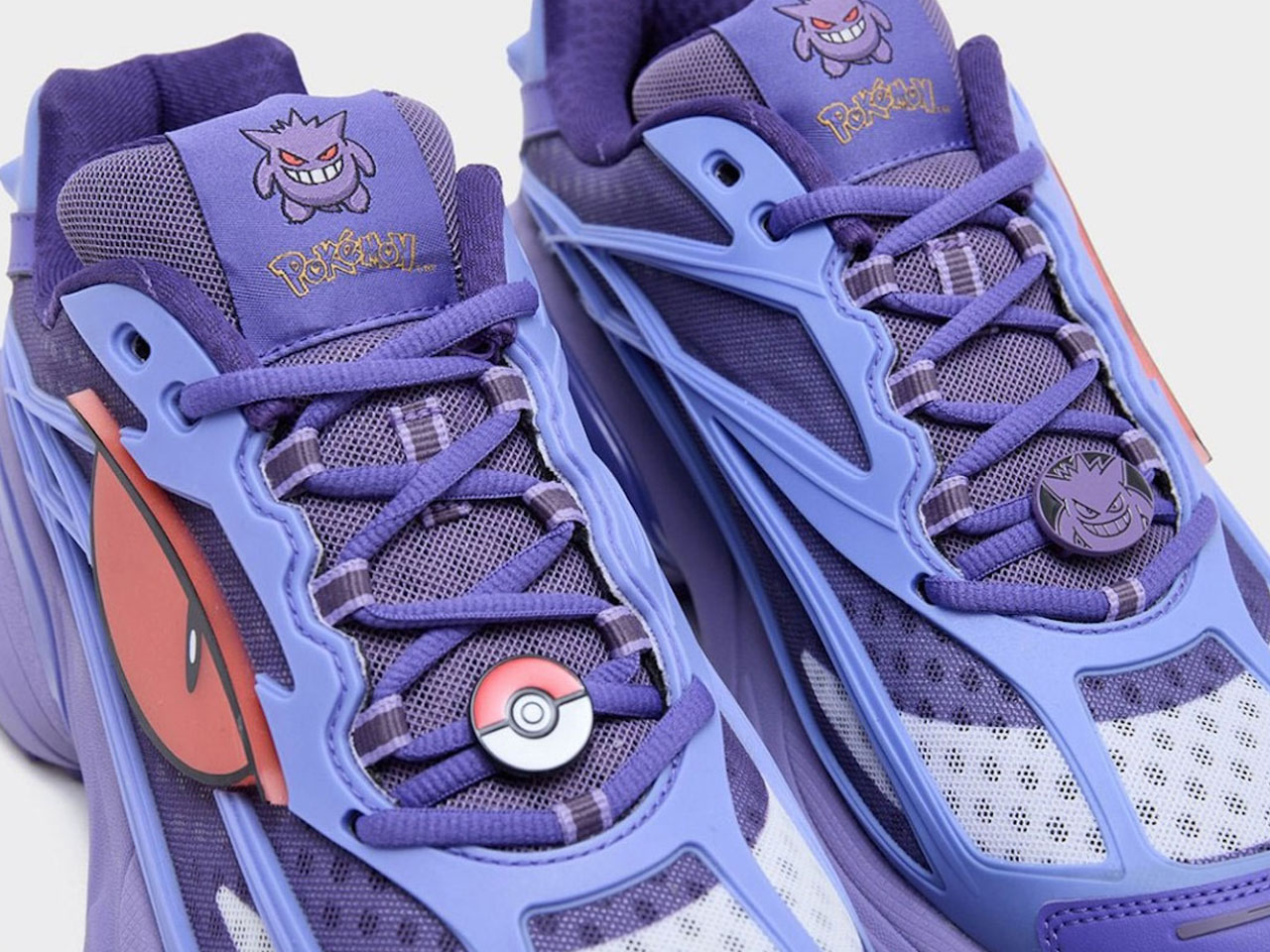
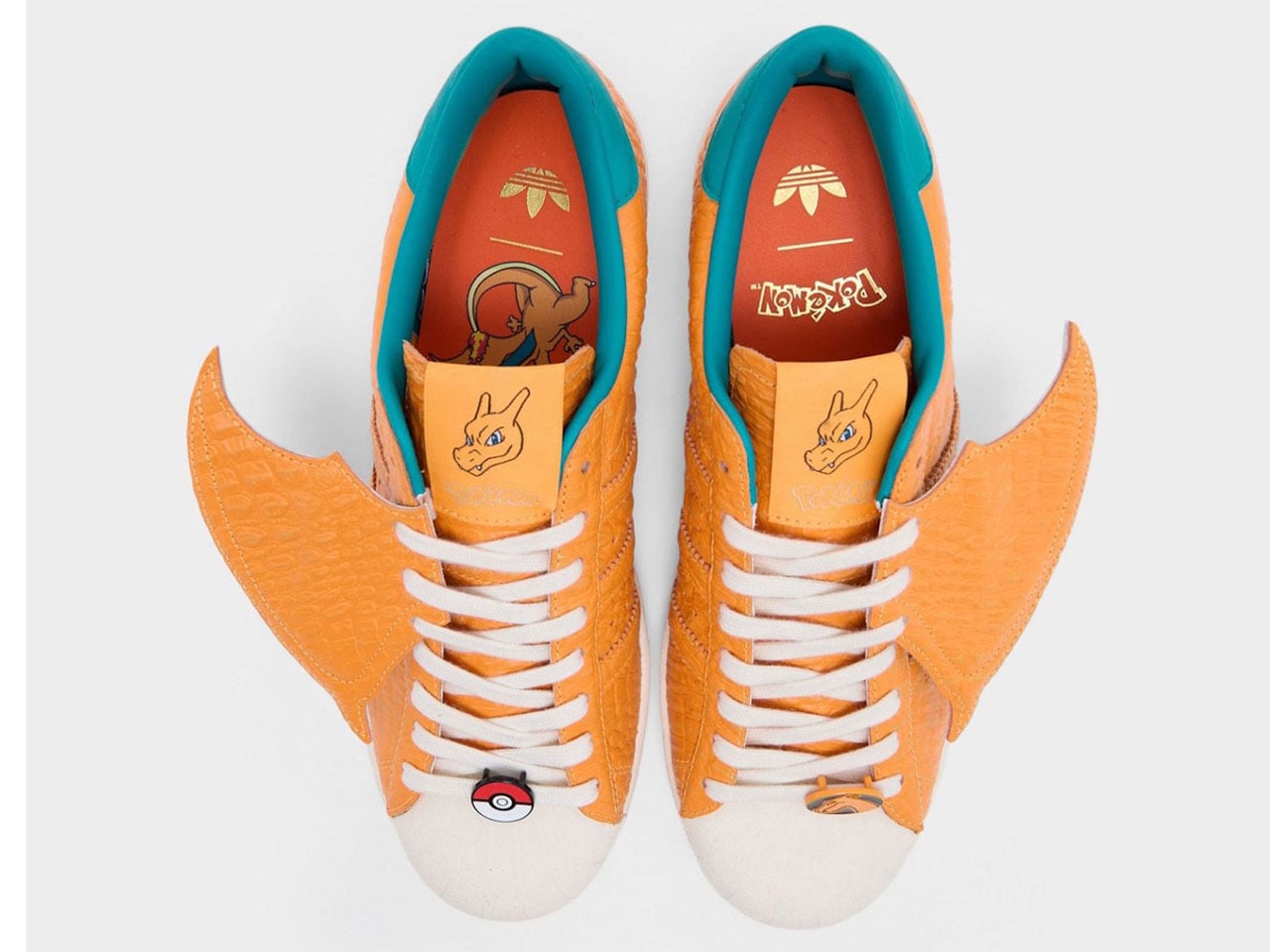
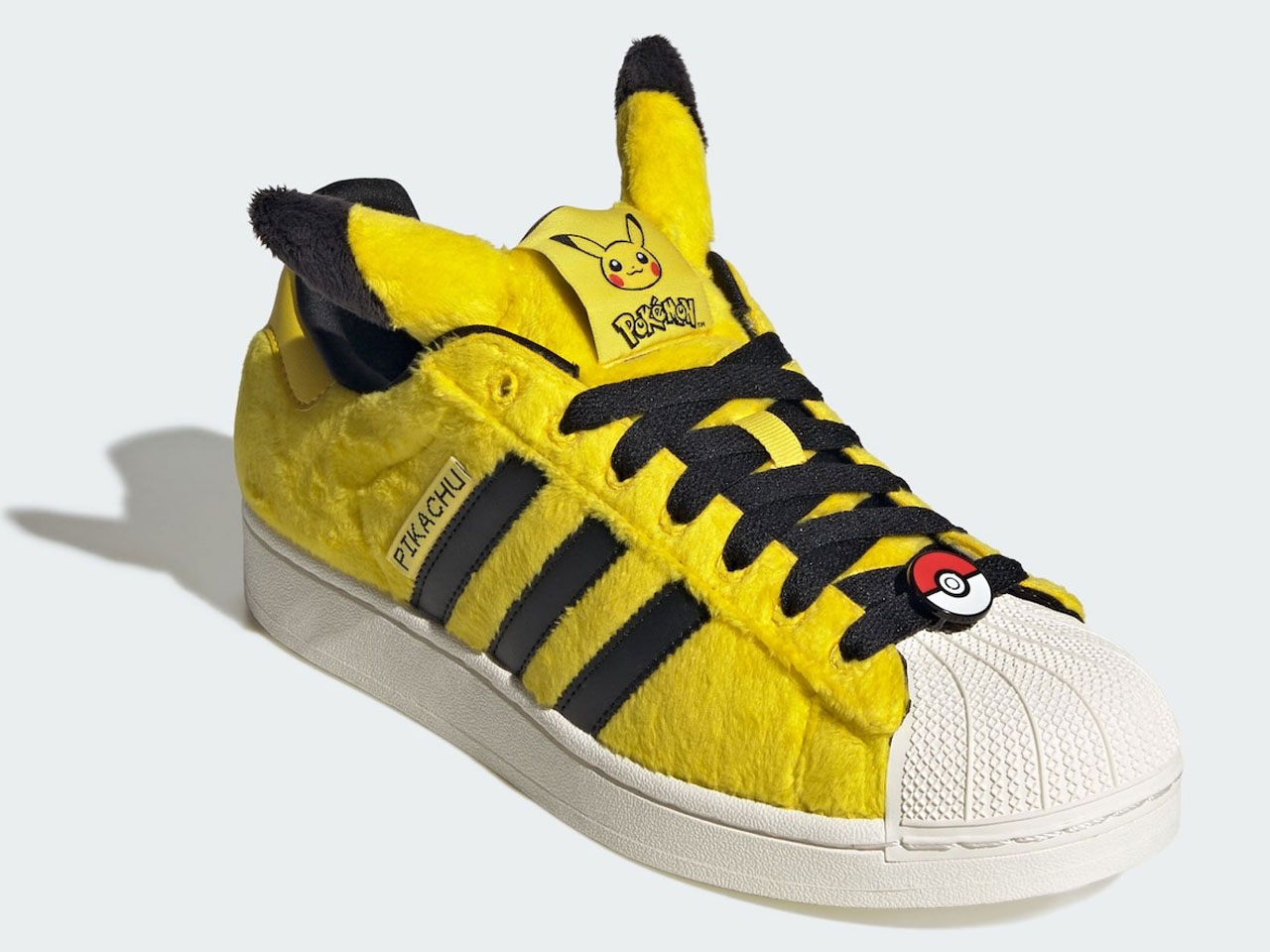
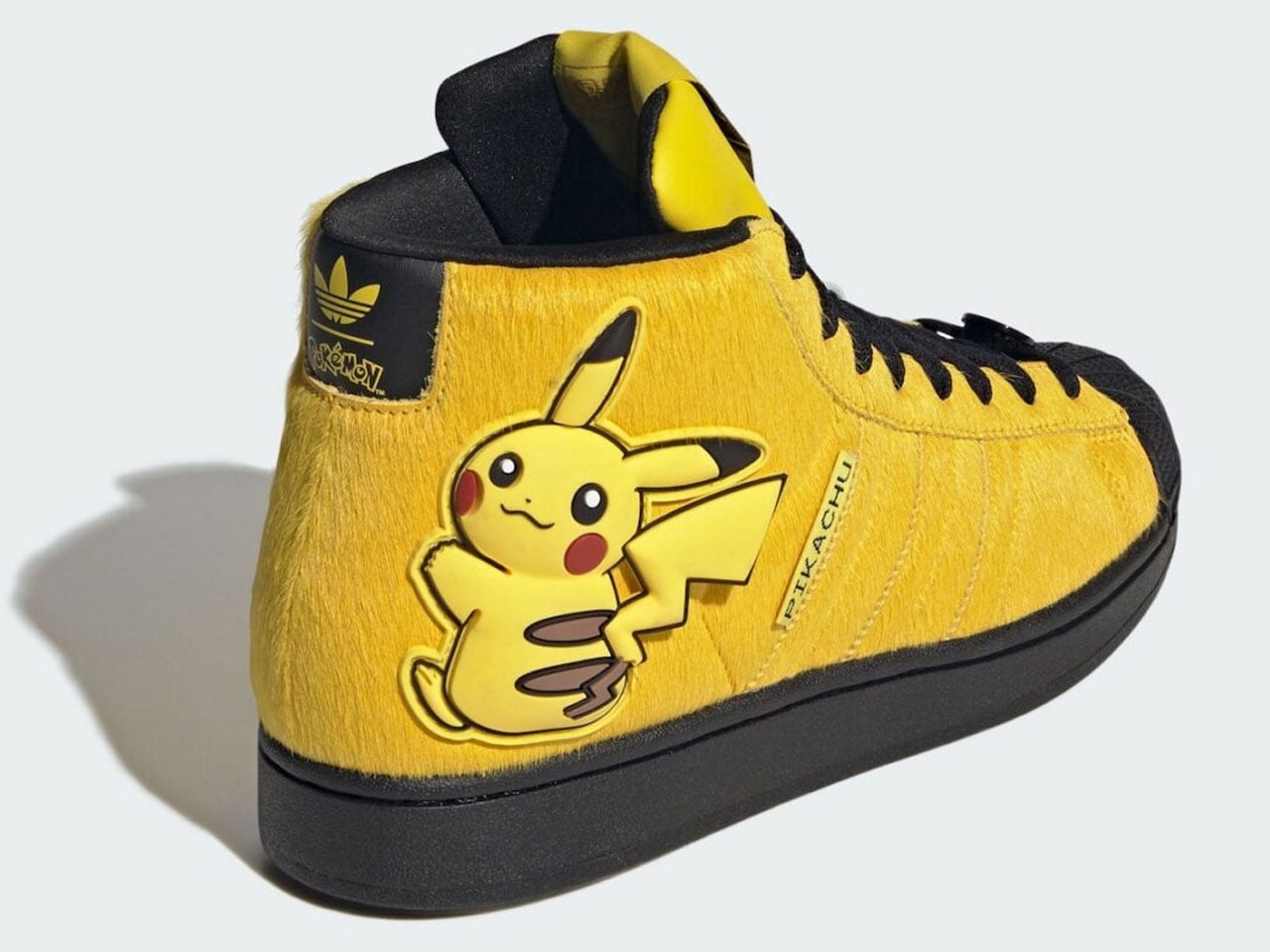
The highlight of the collaboration is three models designed after the lavender tones of Mewtwo. Other motifs embracing the collection include the wing-shaped overlays of Charizard and the textured yellow sneaker uppers drawn from Pikachu. A Pro Model and one Superstar iteration use fuzzy yellow uppers mimicking the Pikachu fur texture and are completed with Poké Ball lace dubraes.

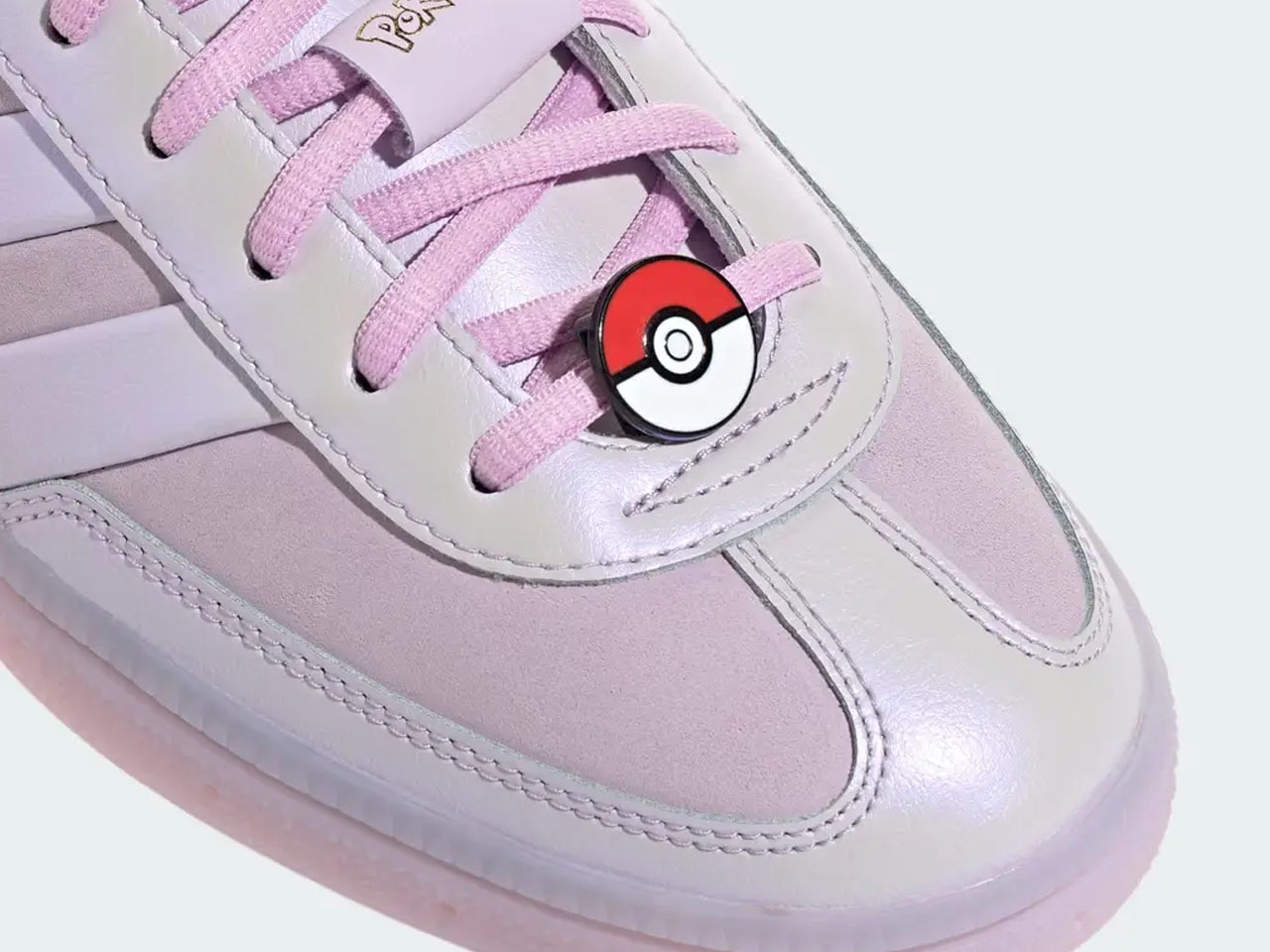
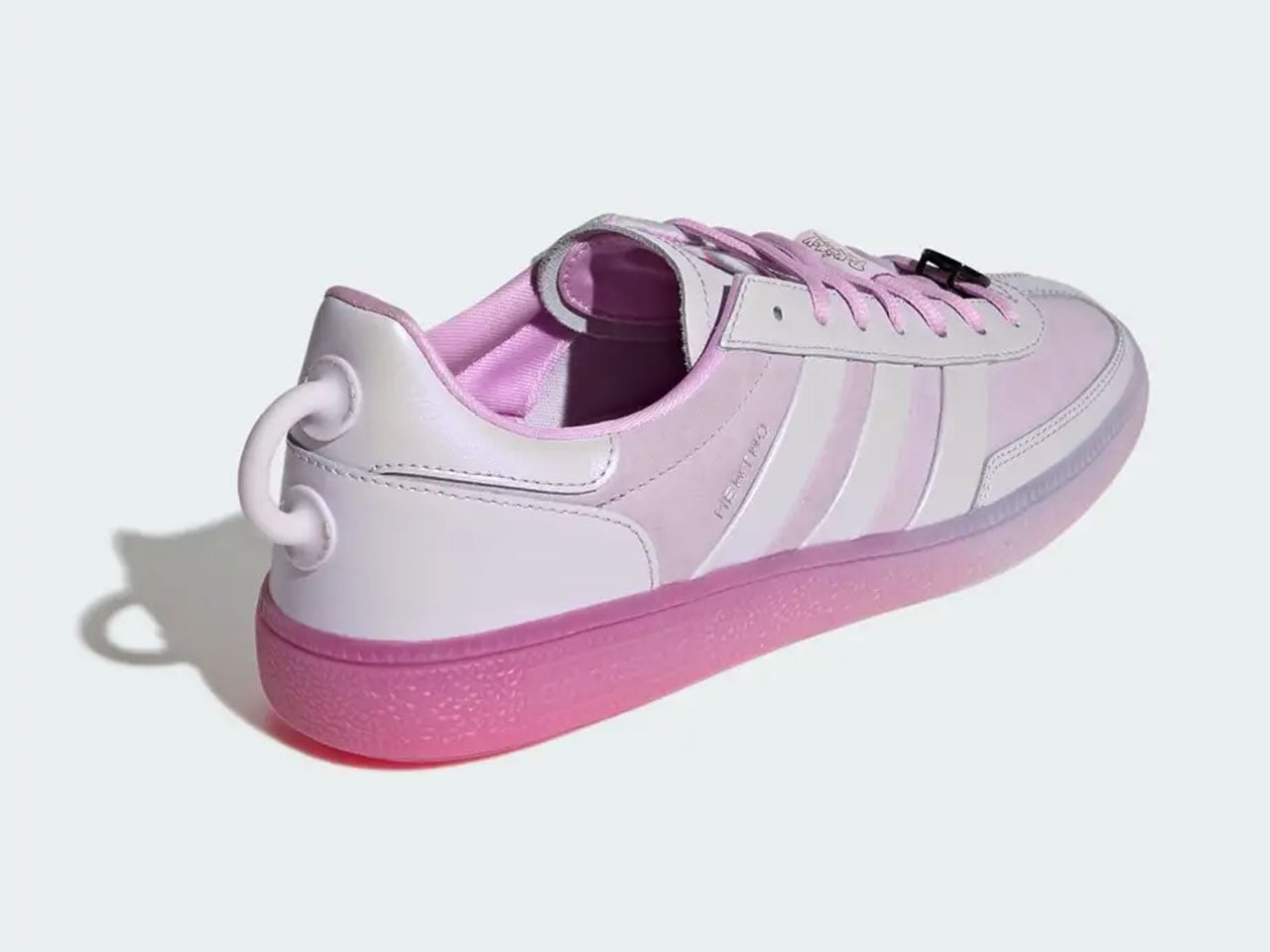
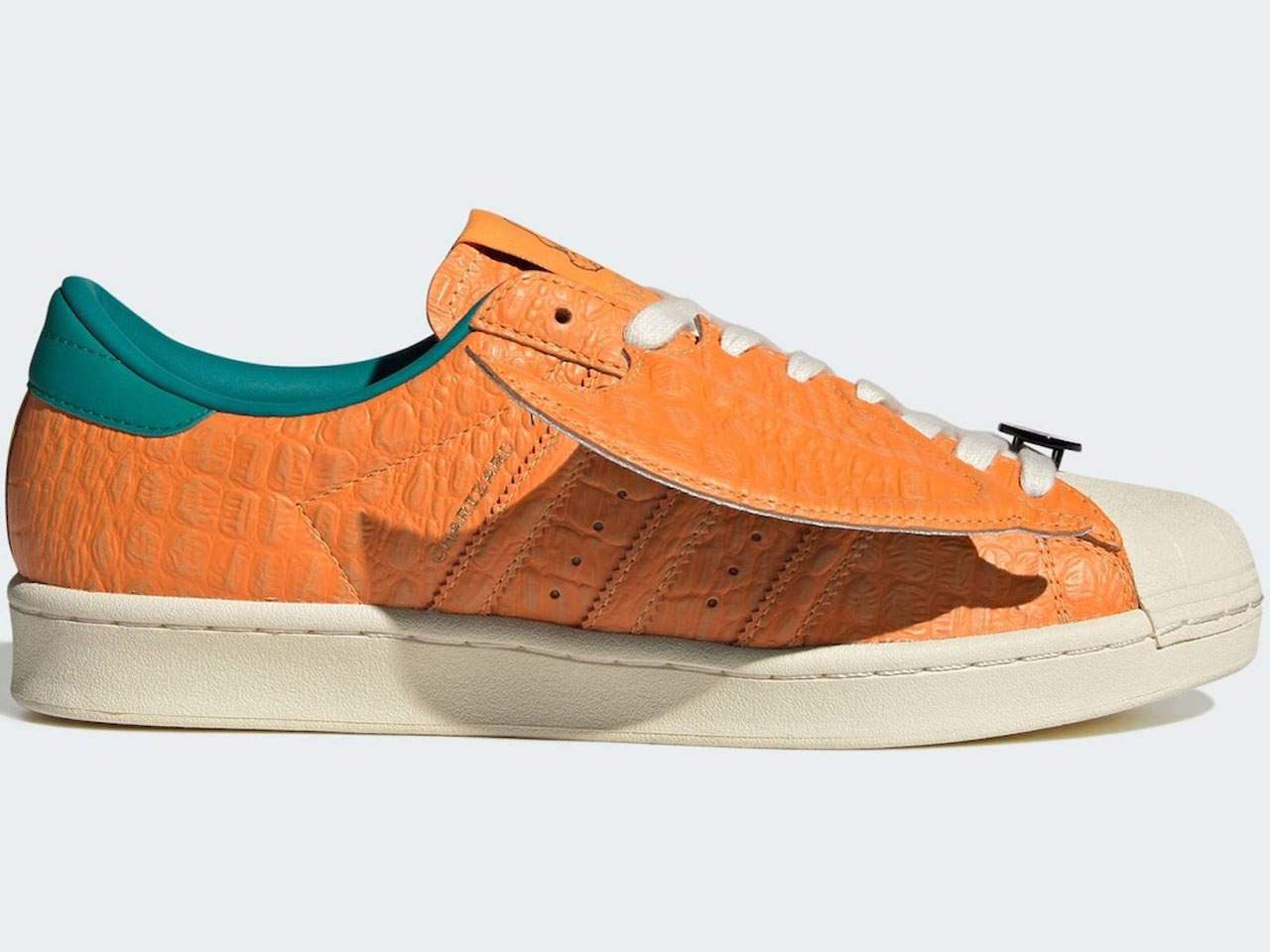
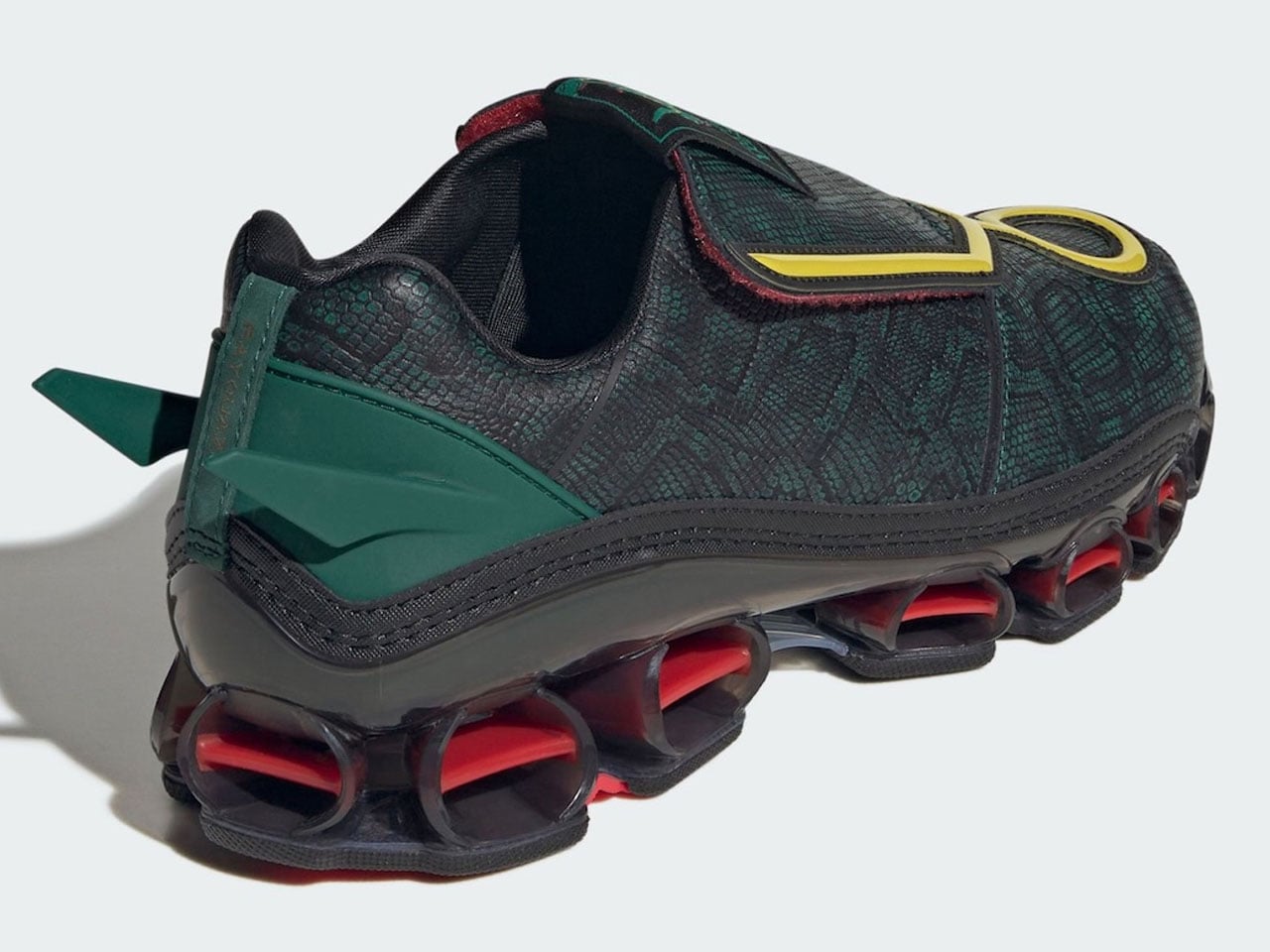
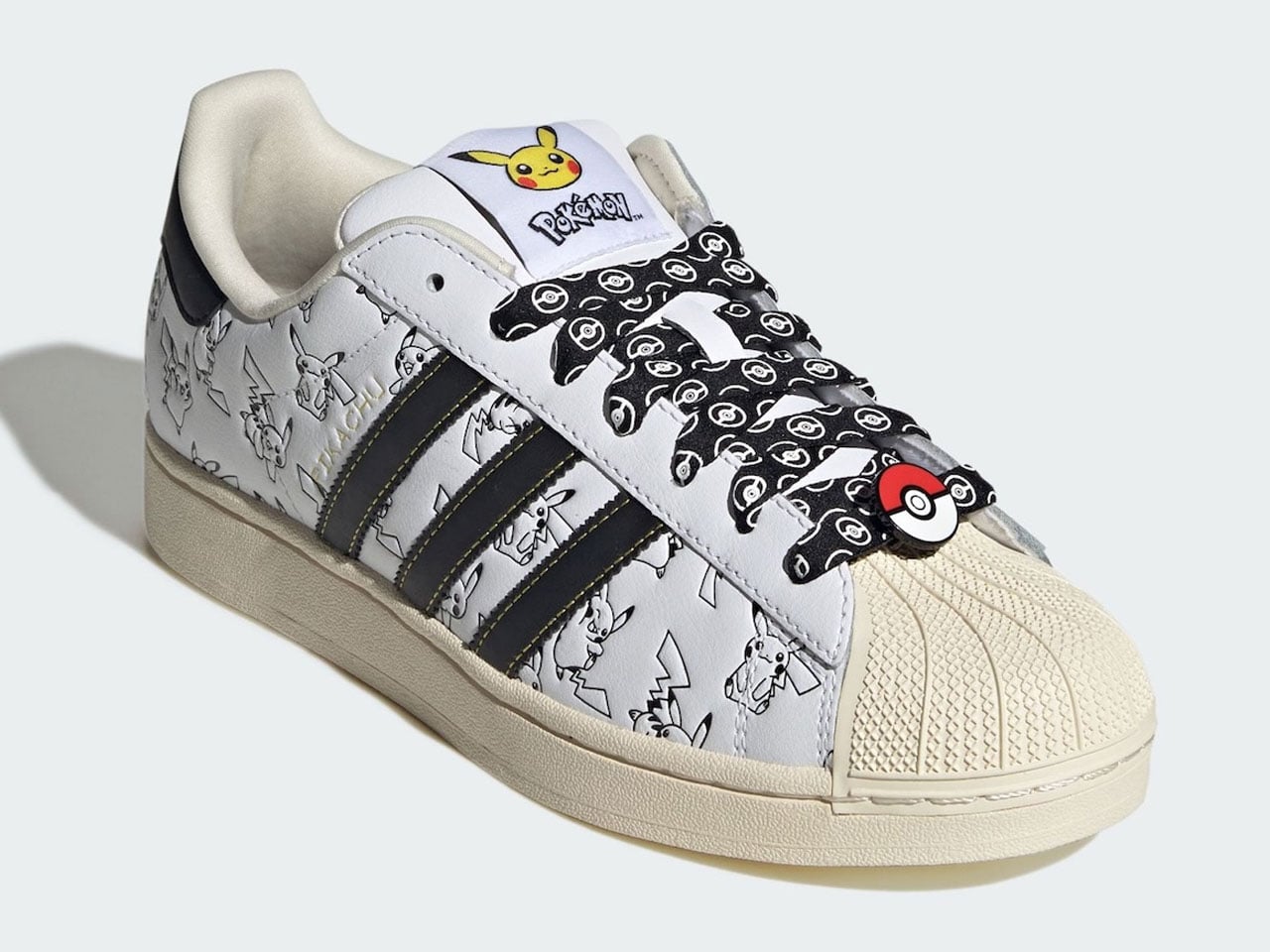
The other Superstar silhouette is presented with a clean white base. The base is covered in an all-over graphic Pikachu print. A Charizard-inspired Superstar sneaker features a wing-shaped flap overlaying the eyelets, a nod to the character’s draconic form. As mentioned earlier, it’s Mewtwo that adidas and Pokémon have given the most attention. Mewtwo ZX 8000 sneaker design features a Master Ball lace charm with lavender and violet tones and horn-like ears to complement the character. The other two models are an original Samba and Handball Spezial. The latter has a heel loop inspired by the cord-like add-on extending from the back of Mewtwo’s neck.

Every pair of sneakers in the collection is a sublime blend of both brands. While adidas has gone ahead and presented its best models, Pokémon has left no stone unturned to ensure they are a true symbolic representation of what it represents. For the fans willing to open their wallets for a pair of adidas footwear with Pokémon branding, the commemorative sneakers are likely to retail between $110 and $180.

30th Anniversary Collection of Pokémon x adidas Originals will make a global debut in September this year and will be available via the adidas online store and select retailers.


The post Pokémon and adidas partner for 12 nostalgic sneakers fans will want to wear, landing in September first appeared on Yanko Design.
This 3D-printed modular sneaker ditches glue for repairable design inspired by Asian craftsmanship

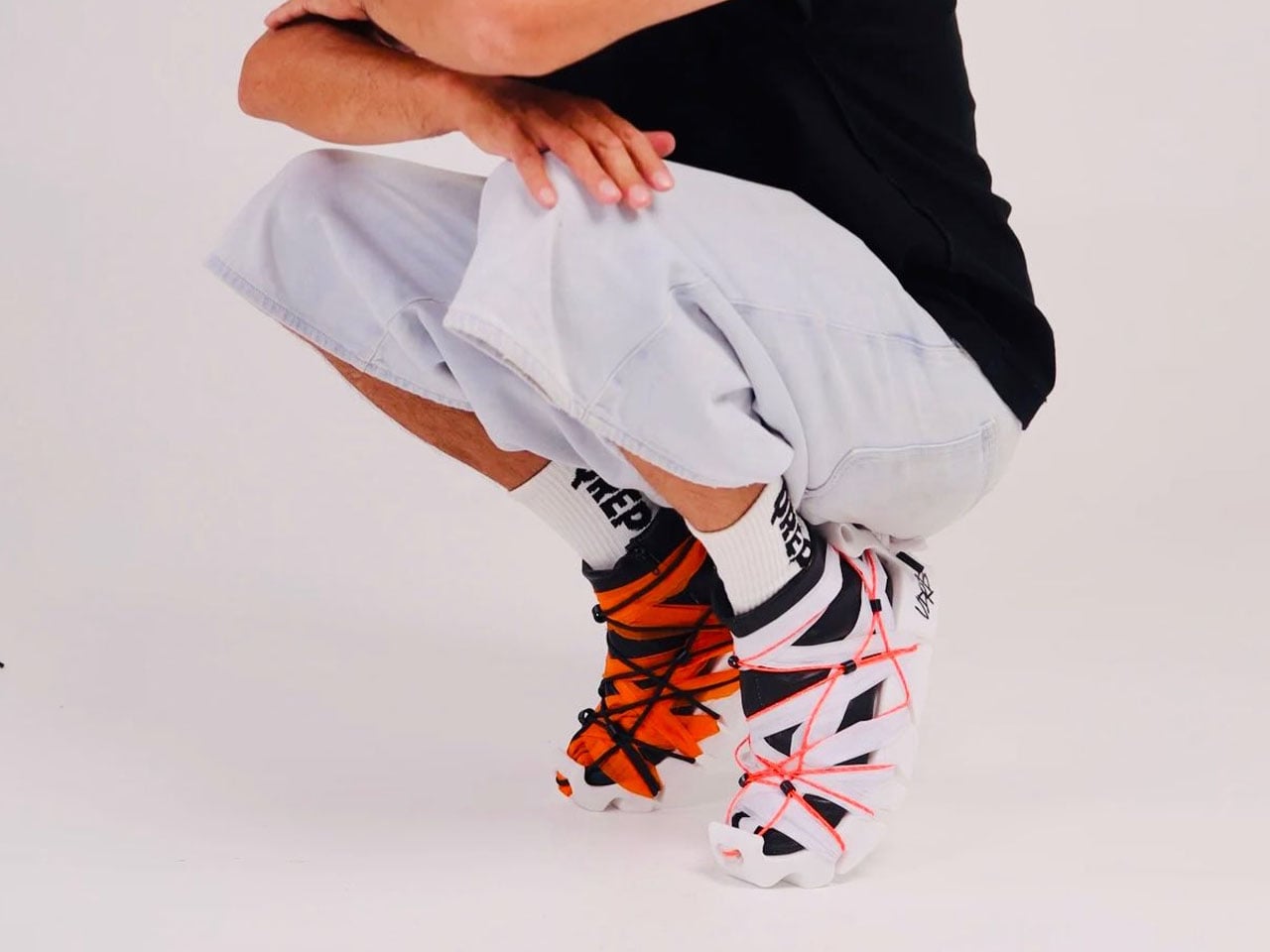
Sneakers have become more advanced than ever in terms of performance and comfort, yet their construction has barely changed. Most are assembled with permanent adhesives that bind together layers of fabric, foam, rubber, and plastic into a single unit. While this creates durable footwear, it also makes repairs nearly impossible. A worn-out sole or damaged upper often signals the end of a shoe’s life, regardless of the condition of its remaining parts. Designer Daniyar Uderbekov believes there is a better way, creating a pair of sneakers that embraces repairability from the very beginning instead of treating it as an afterthought.

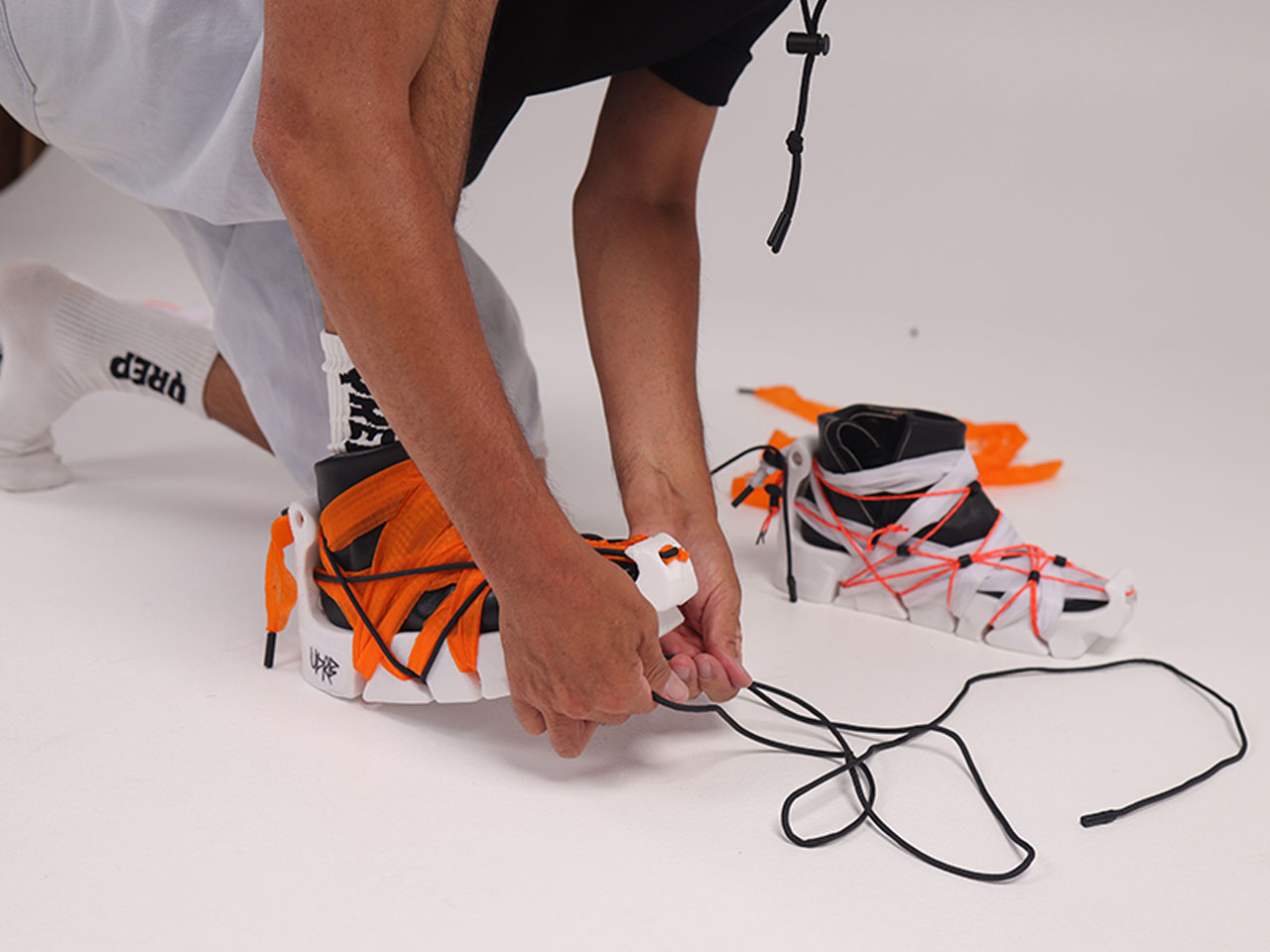
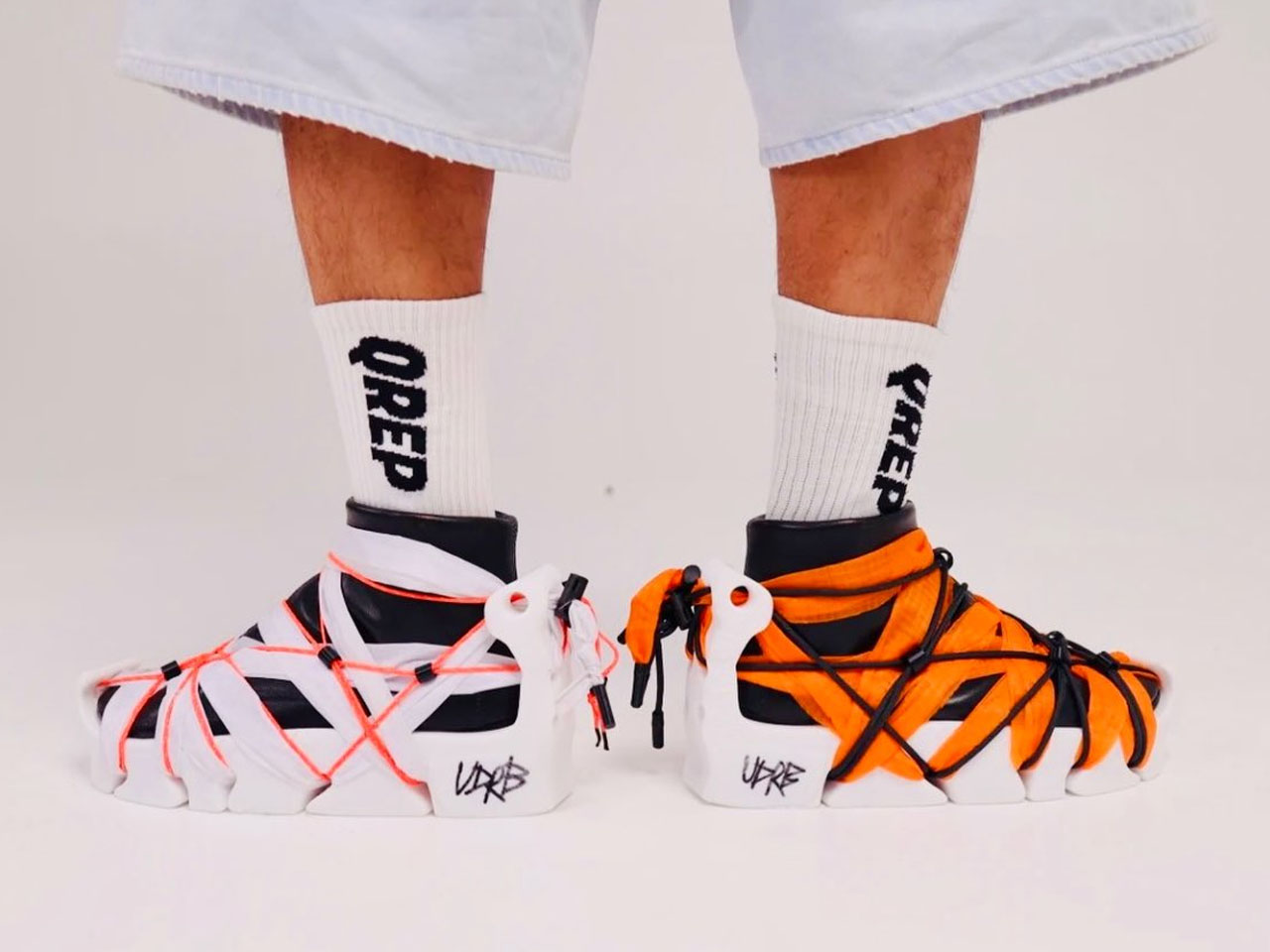
Called UDBR, the modular footwear improves on the earlier sneaker concept by the designer. Rather than relying on glue to hold everything together, the design borrows assembly techniques from traditional Central Asian footwear, specifically the Makhsi and Ichigi. These handcrafted shoes were designed around individual components that could be assembled, maintained, and replaced with relative ease. The idea feels surprisingly relevant in an era increasingly focused on sustainability and product longevity.

Designer: Daniyar Uderbekov

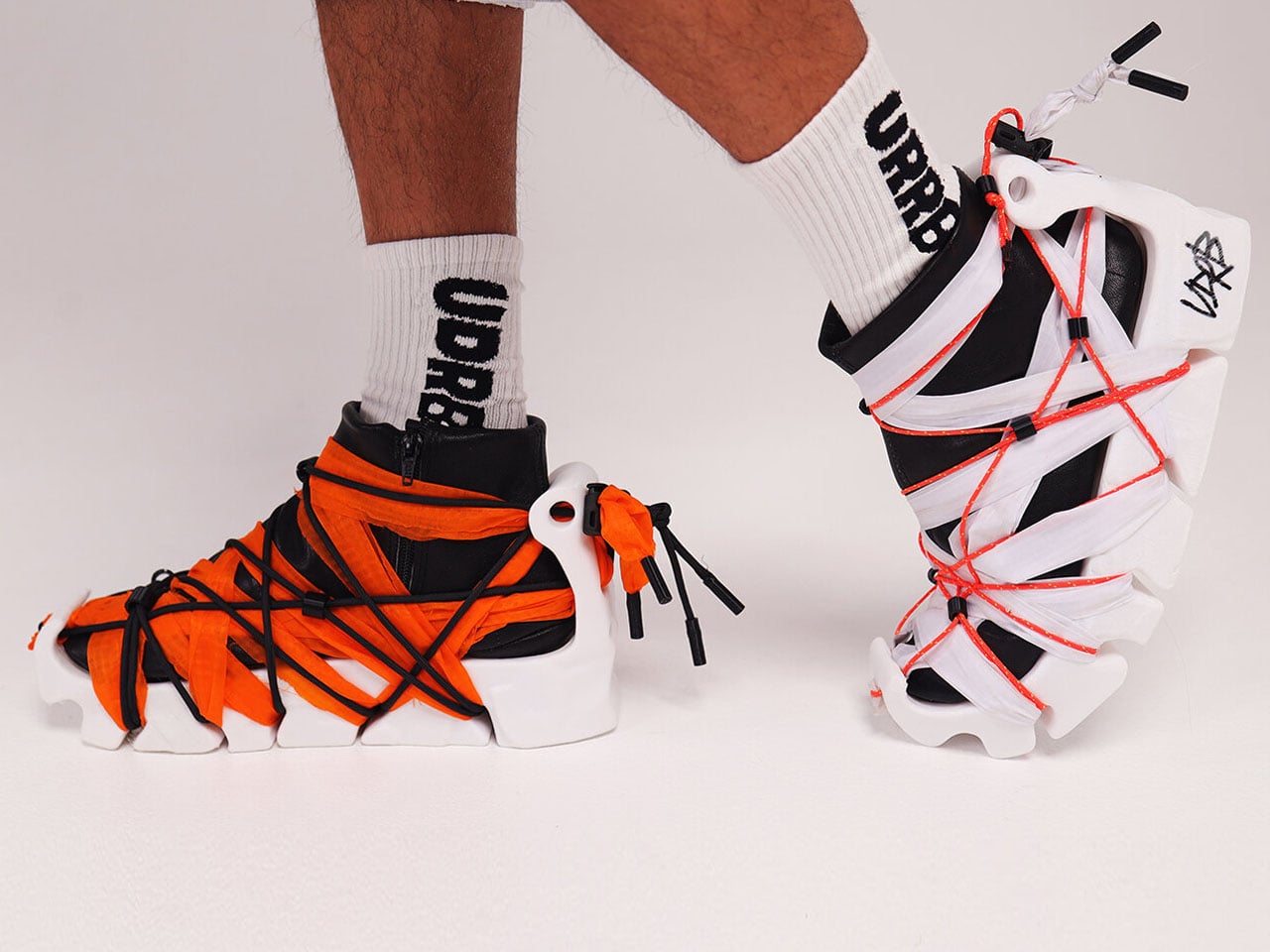
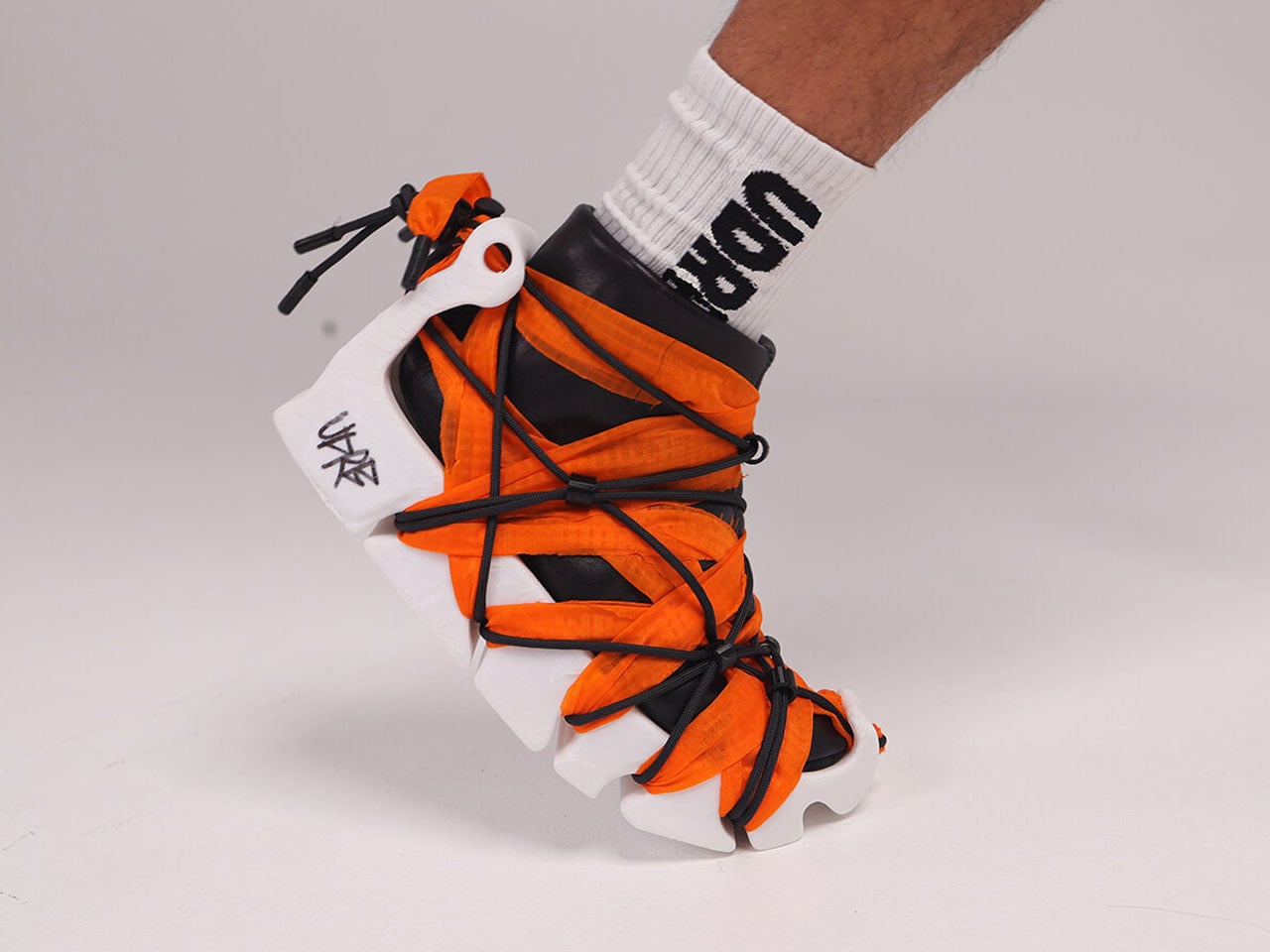
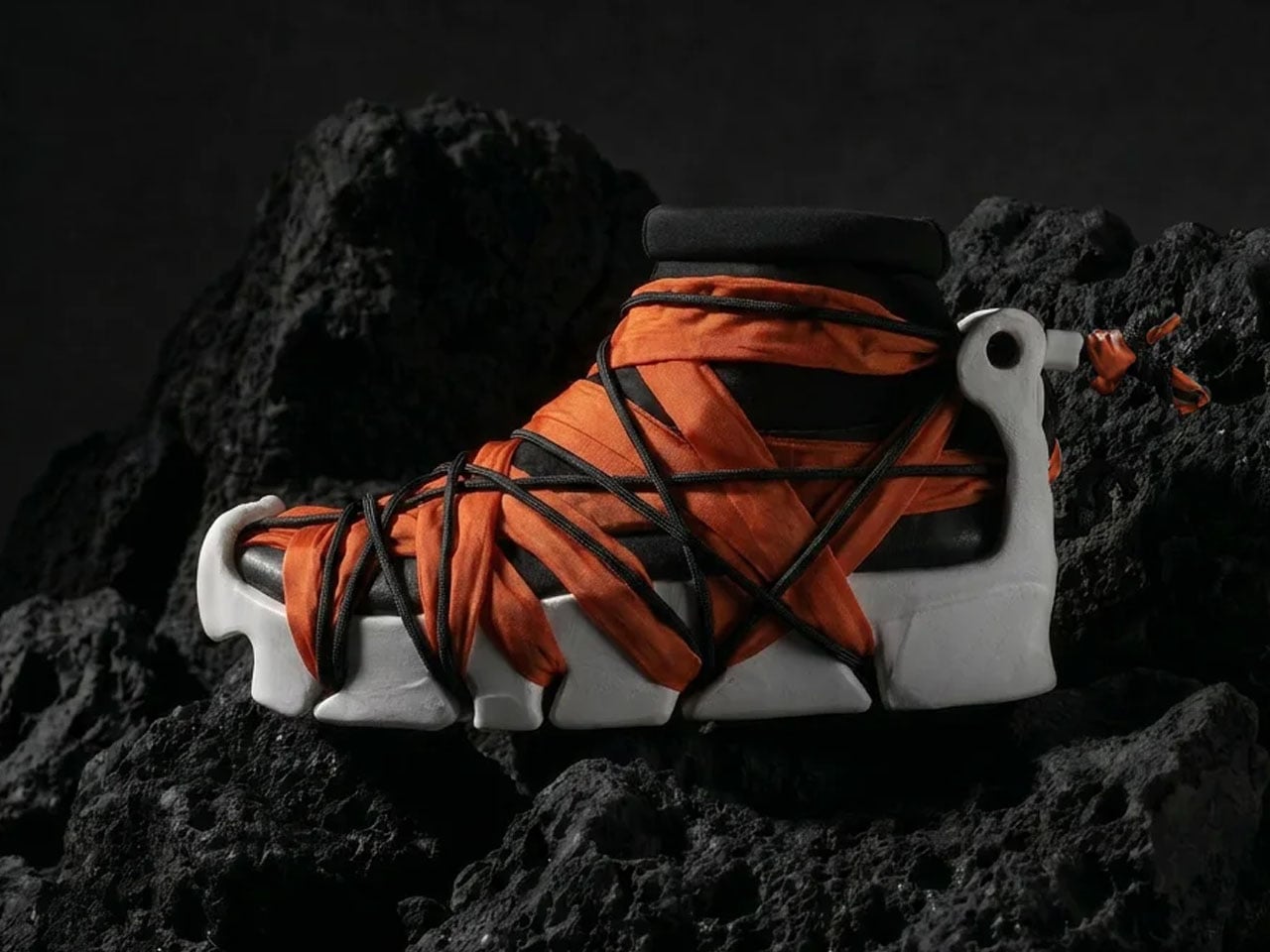
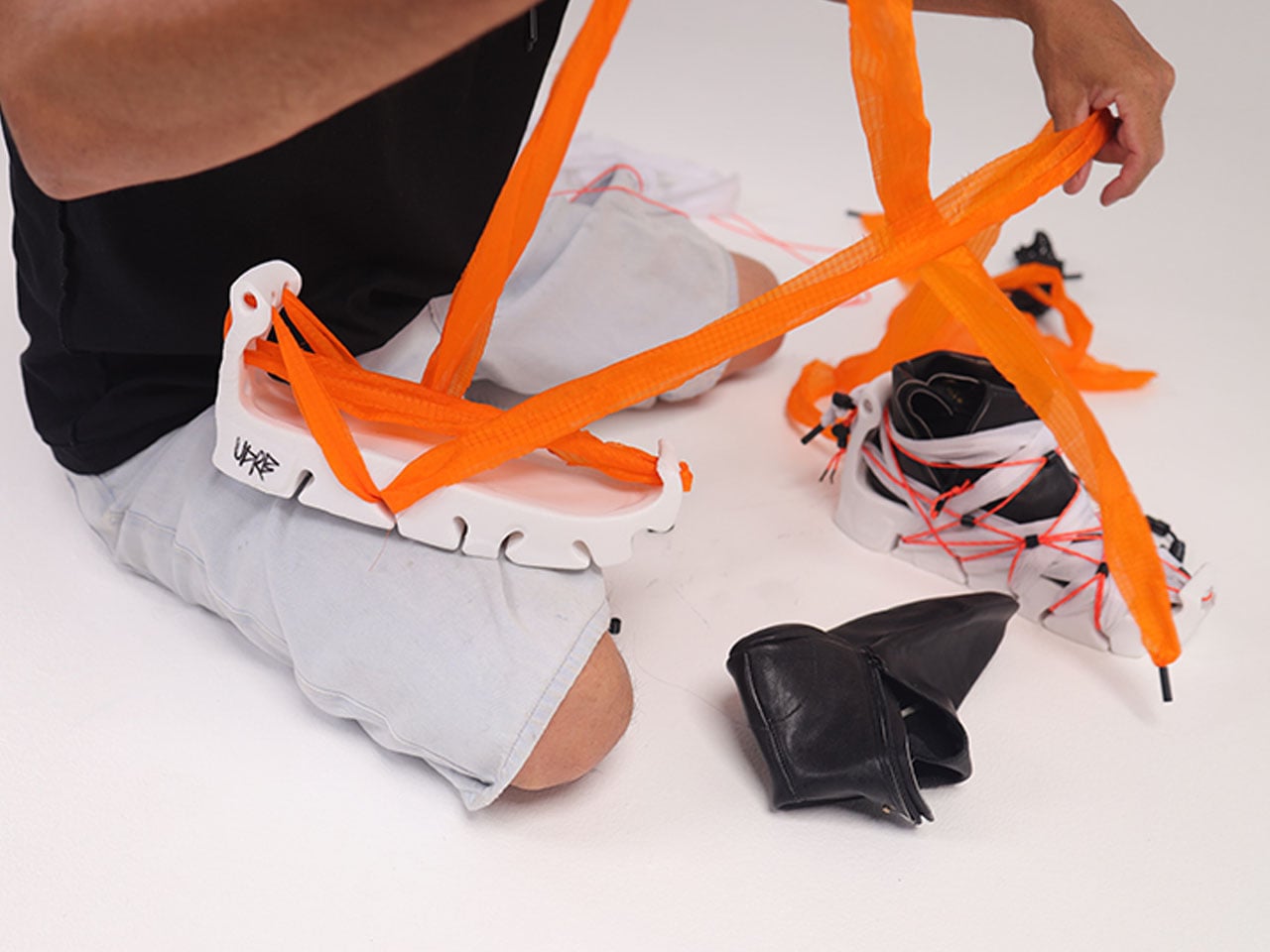
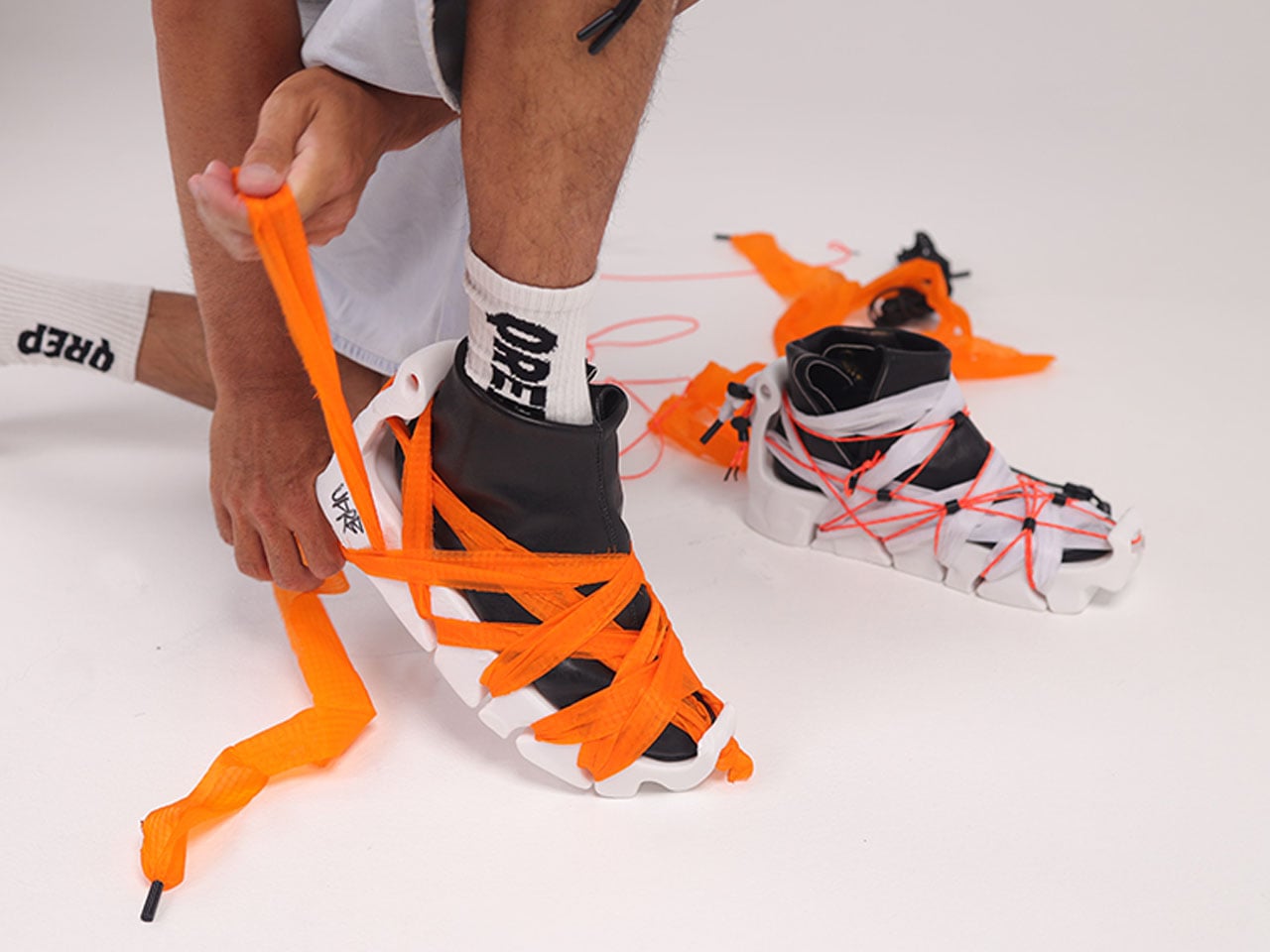
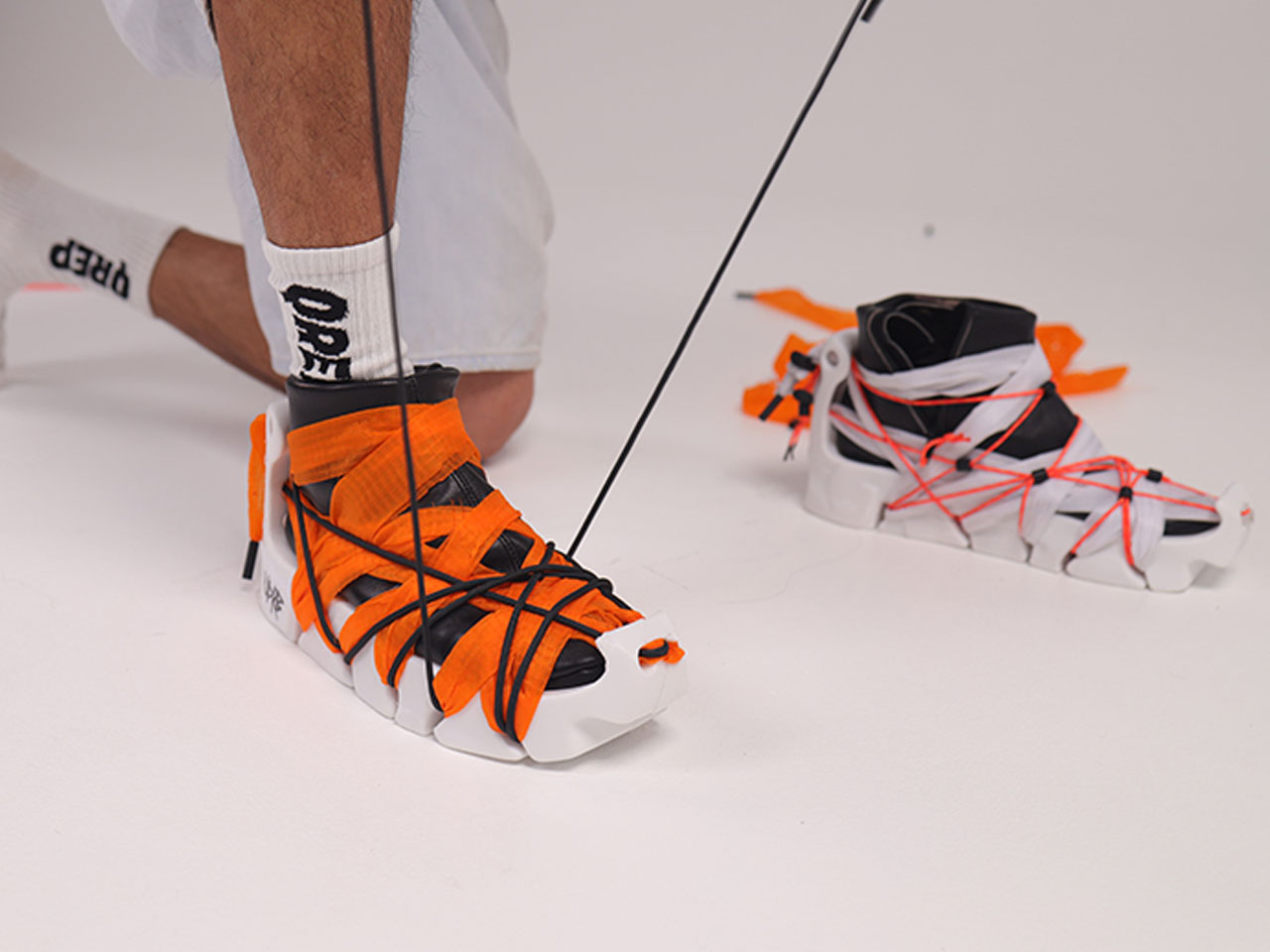
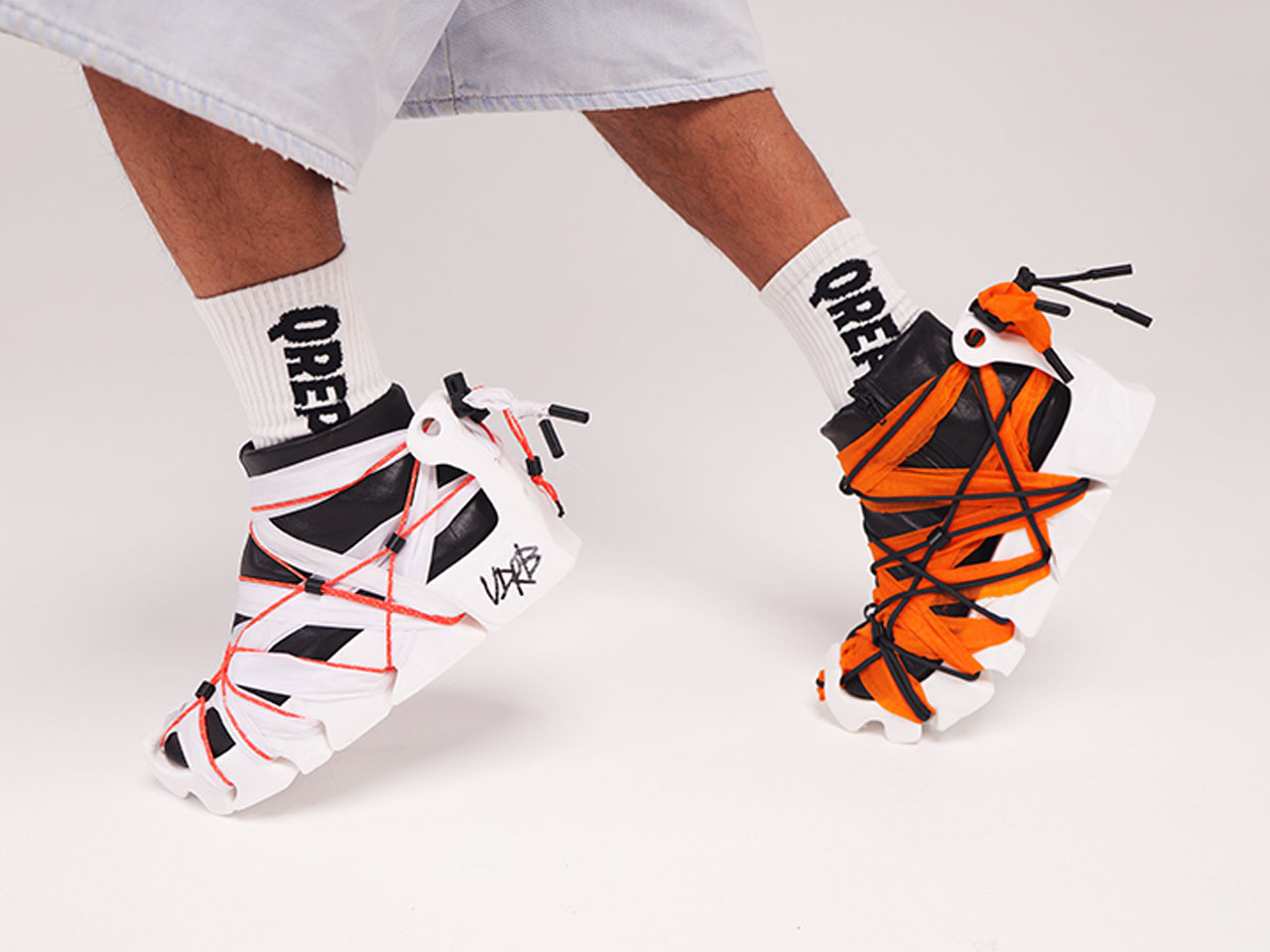
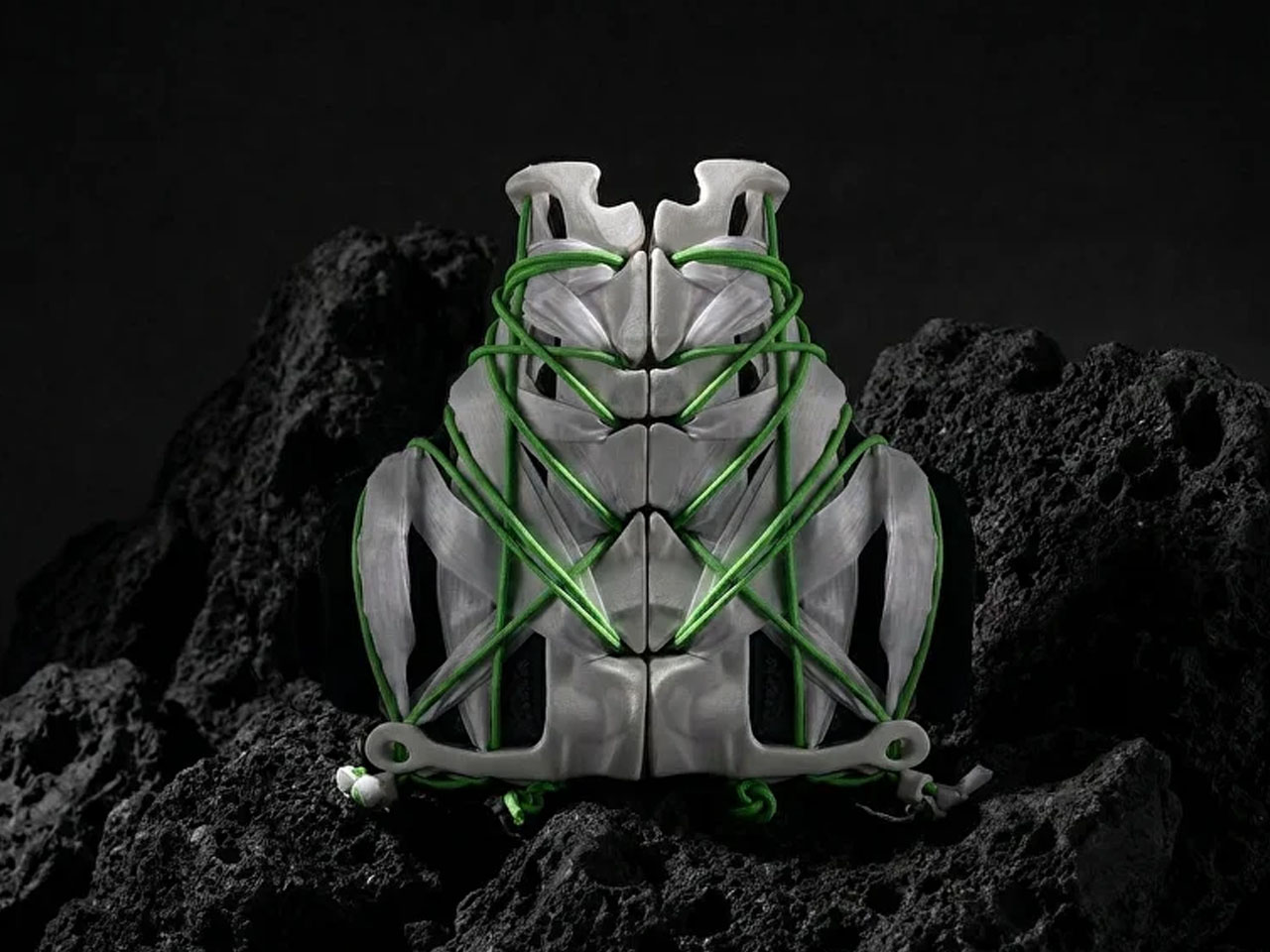
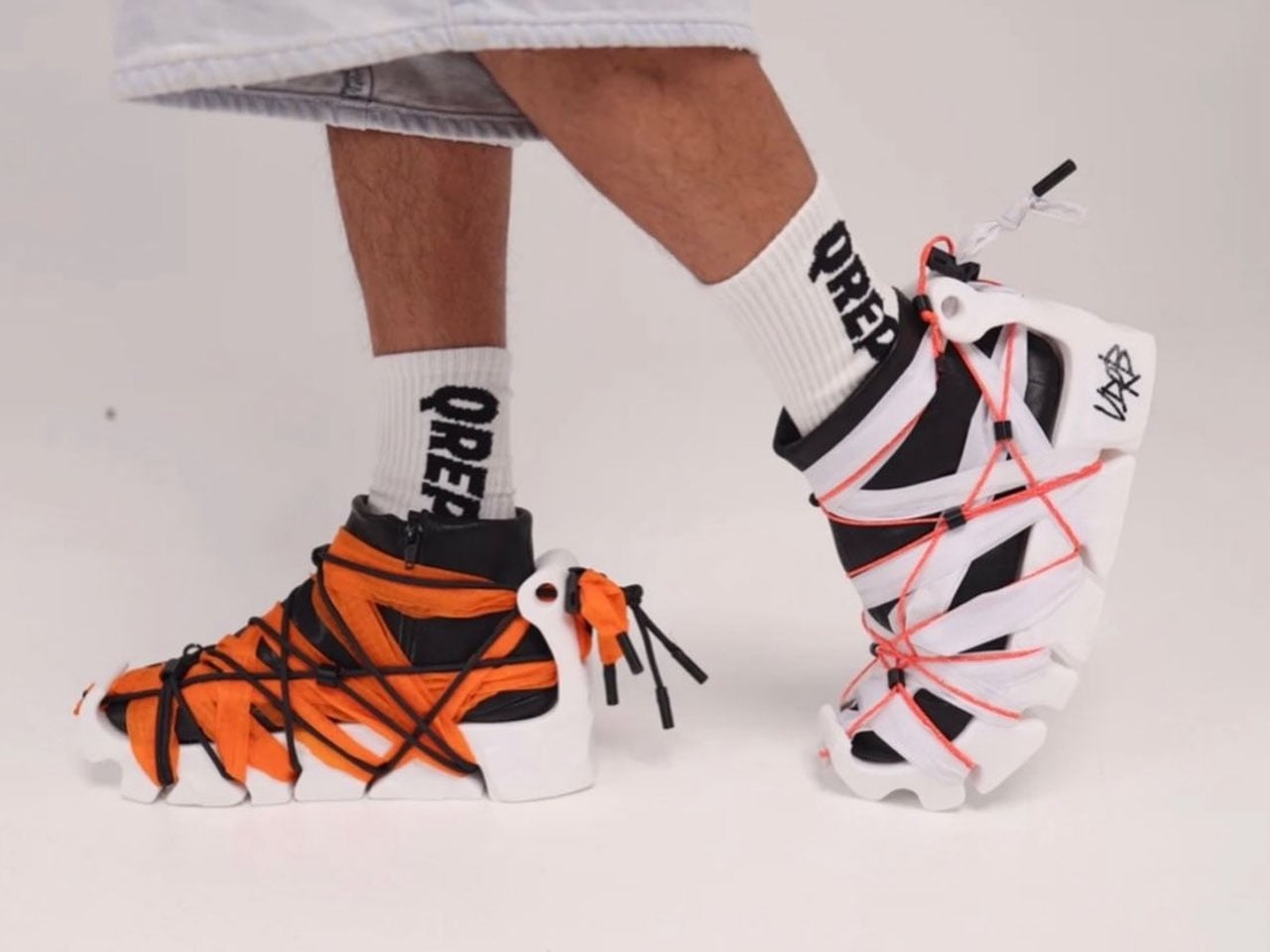
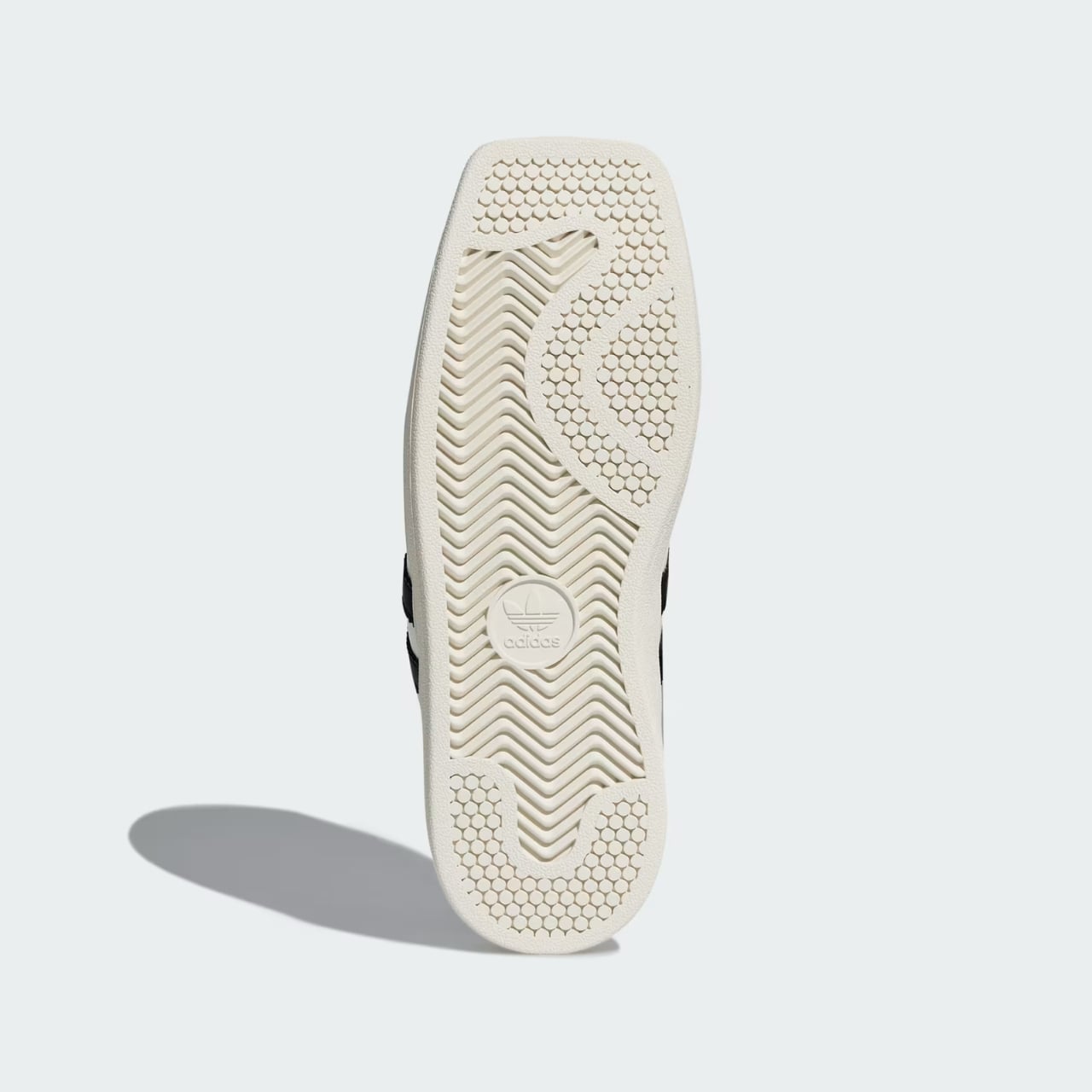
The sneaker is built around just three primary elements: a 3D-printed TPU sole, a leather sock-like inner boot, and a rope-based fastening system that locks the entire structure together. Every component has a defined purpose and can be separated without damaging the others, allowing the shoe to be fully disassembled whenever maintenance is required. Instead of discarding an entire pair because of a single worn component, users can simply replace the part that has reached the end of its lifespan.

At the core of the idea is the updated 3D-printed thermoplastic polyurethane sole, designed to deliver cushioning and flexibility comparable to conventional sneaker soles. If years of use eventually cause the sole to lose its resilience or develop cracks, it can be reproduced using recyclable TPU through 3D printing, extending the product’s usable life while reducing unnecessary waste. The approach shifts the focus from replacement to renewal, offering a practical example of circular product design.

Complementing the sole is a leather inner boot inspired by traditional footwear, wrapping the foot in a soft, sock-like structure that prioritizes comfort while maintaining a handcrafted character. Holding everything together is an intricate rope lacing system that does more than create visual appeal. It eliminates the need for adhesives entirely while allowing the wearer to tighten, loosen, or completely separate the components with minimal effort. The exposed fastening becomes both a functional engineering solution and a defining aesthetic feature.

What makes UDBR particularly compelling is how naturally it blends old and new. Advanced 3D printing supplies precision, customization, and recyclable materials, while traditional construction principles provide a blueprint for repairability that modern sneakers have largely abandoned.

The post This 3D-printed modular sneaker ditches glue for repairable design inspired by Asian craftsmanship first appeared on Yanko Design.
400M Tennis Balls End Up in Landfills. One Designer Made Shoes.

Pick up a used tennis ball and you’re holding an object that had a lifespan shorter than most houseplants. In professional matches, tennis balls get swapped out every seven to nine games, roughly thirty minutes of play, then they’re gone. For the recreational player, they last a few sessions before losing pressure, turning soft, and finding their way to a bin. From there, it’s a one-way trip to a landfill, where they’ll spend the next 400 years doing nothing useful except releasing methane. Around 400 million of them are produced every year, and only about 1% ever get recycled. That number sits with you after a while.

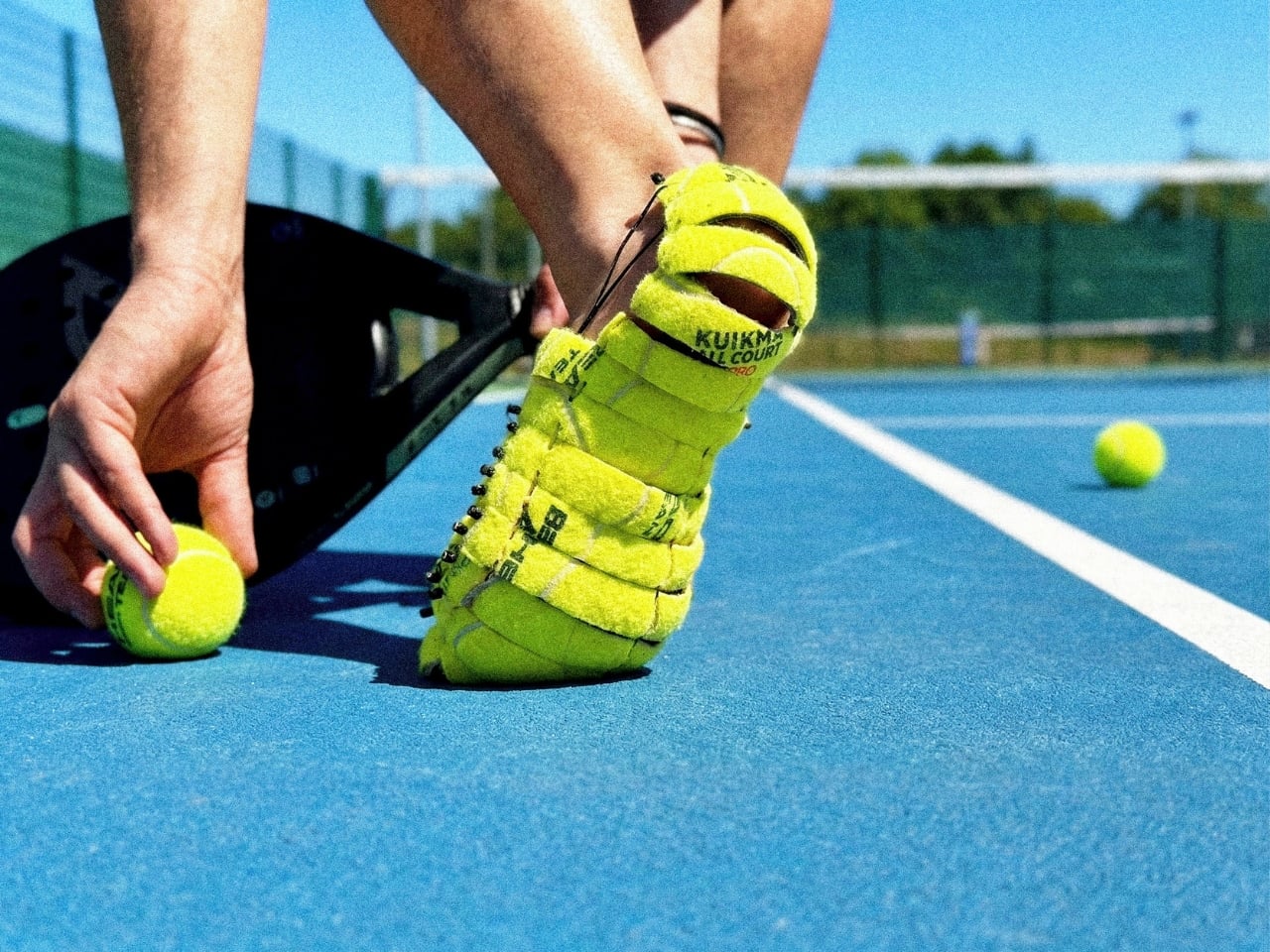
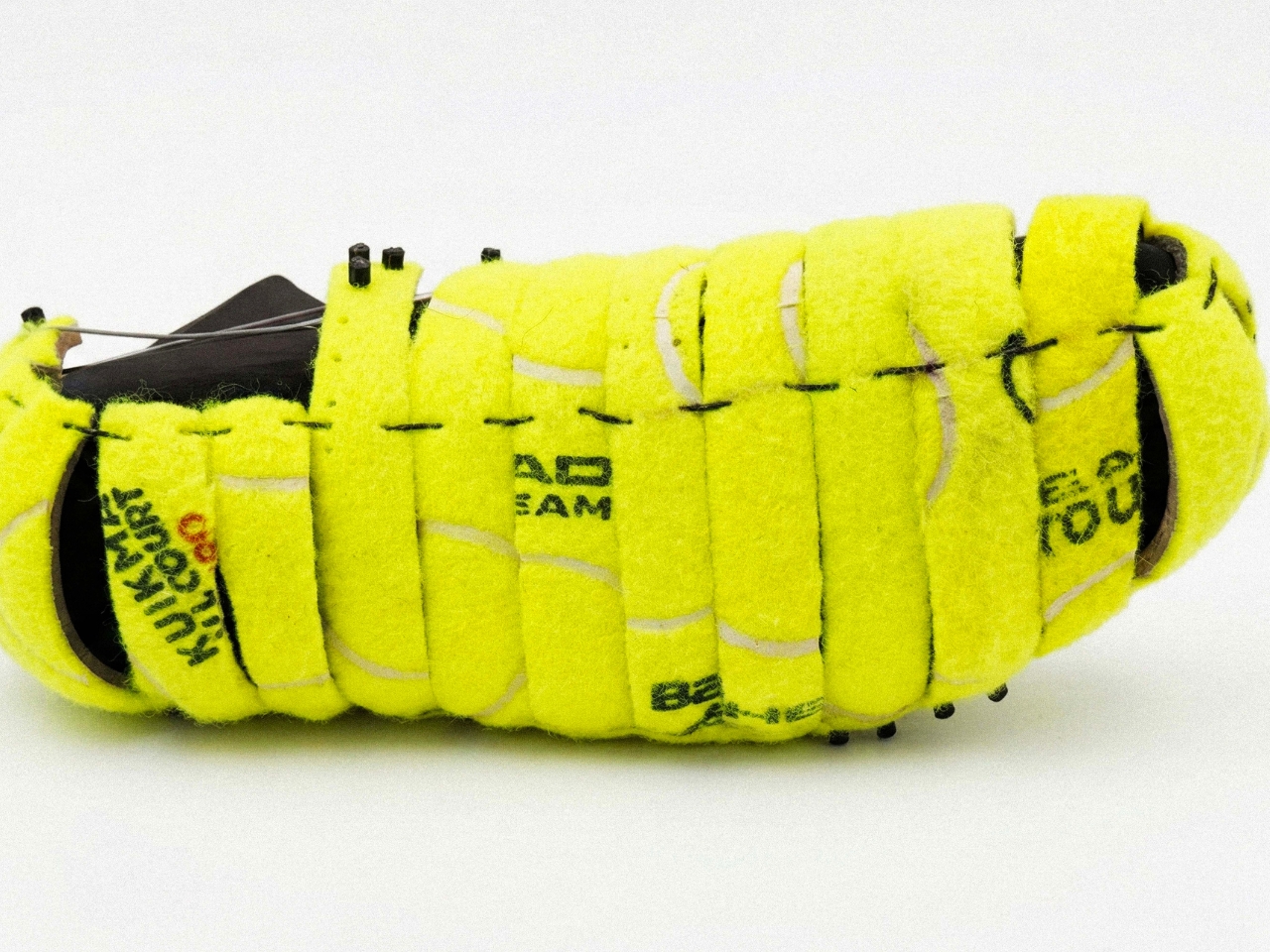
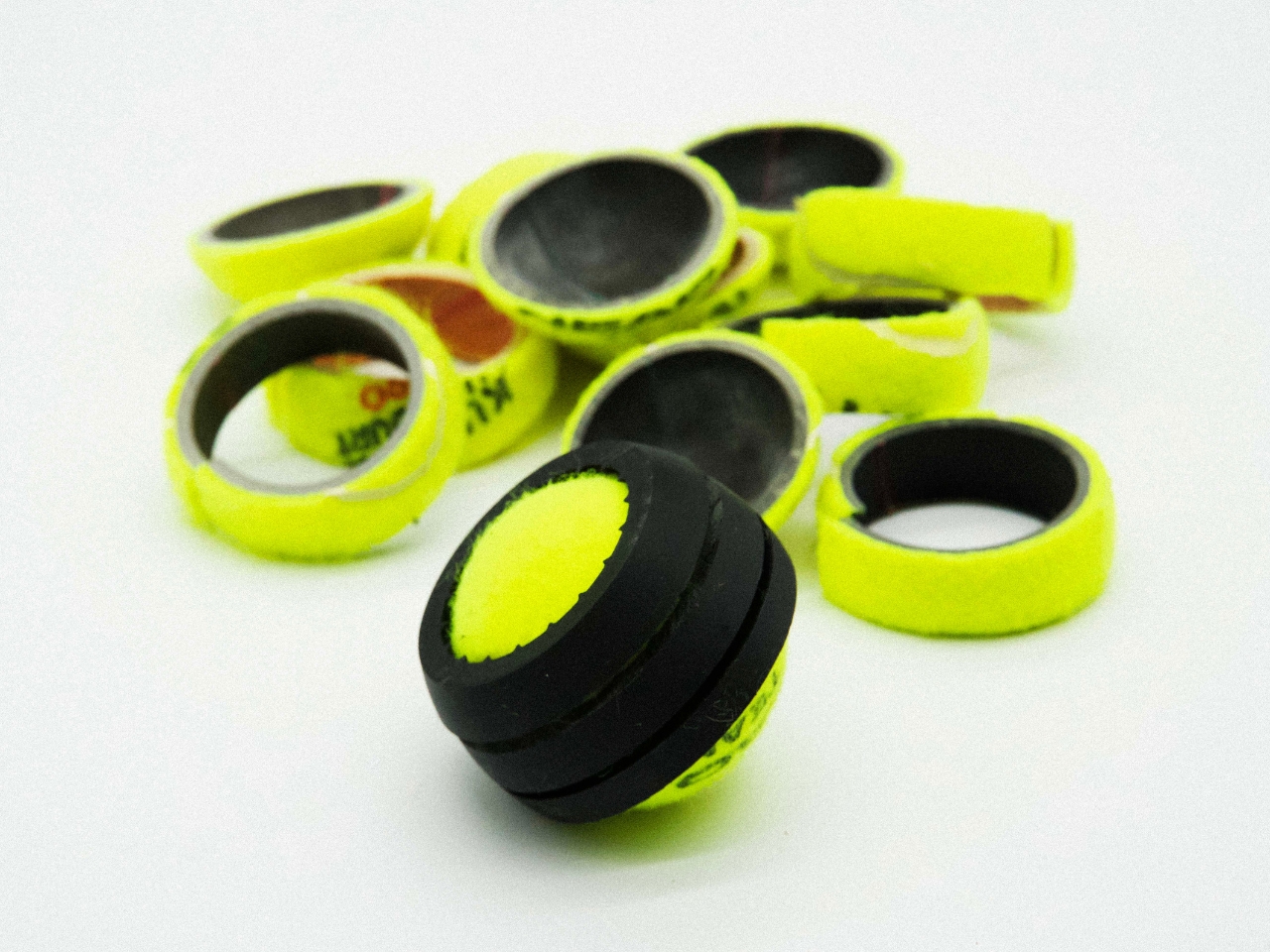
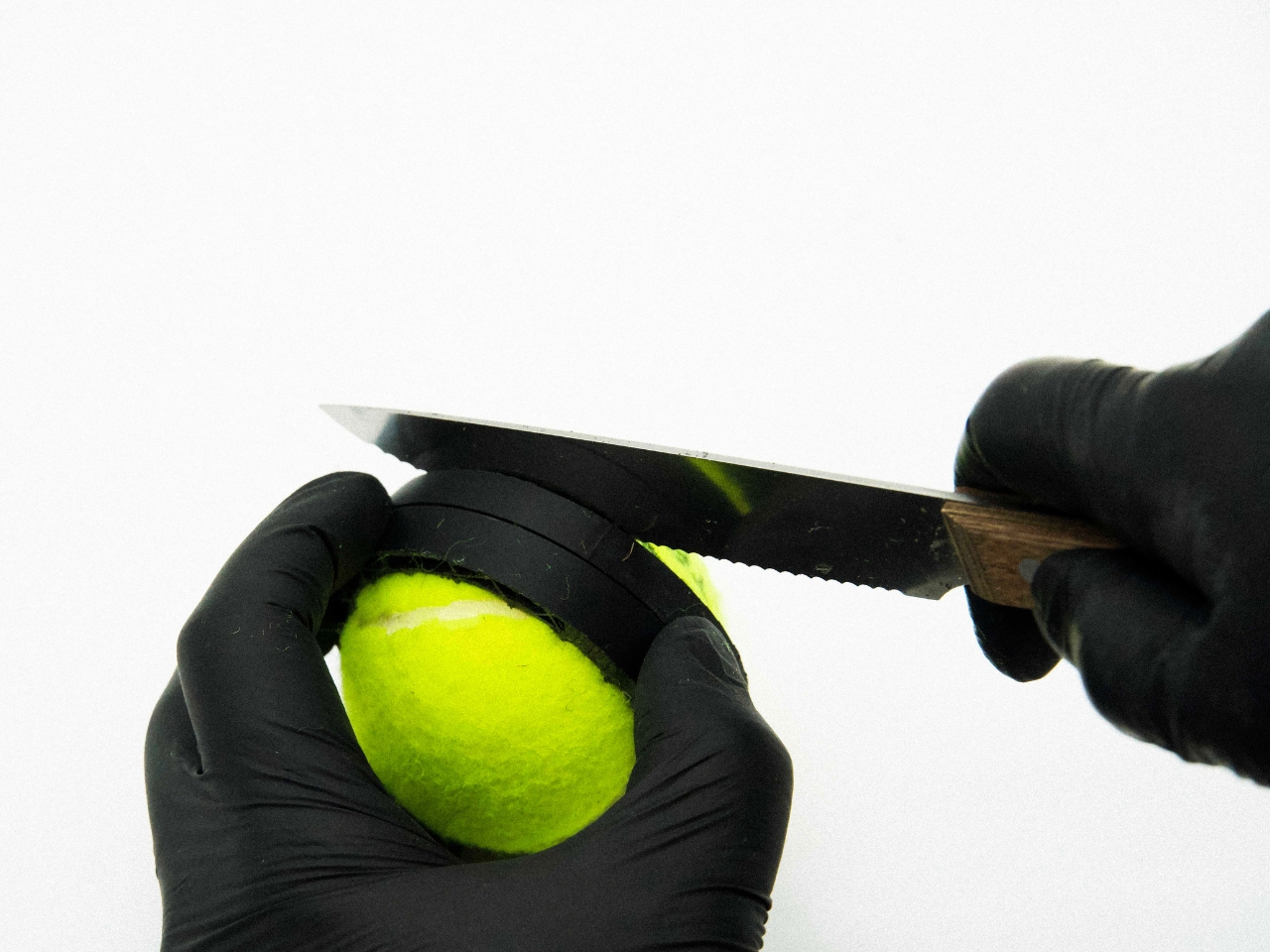
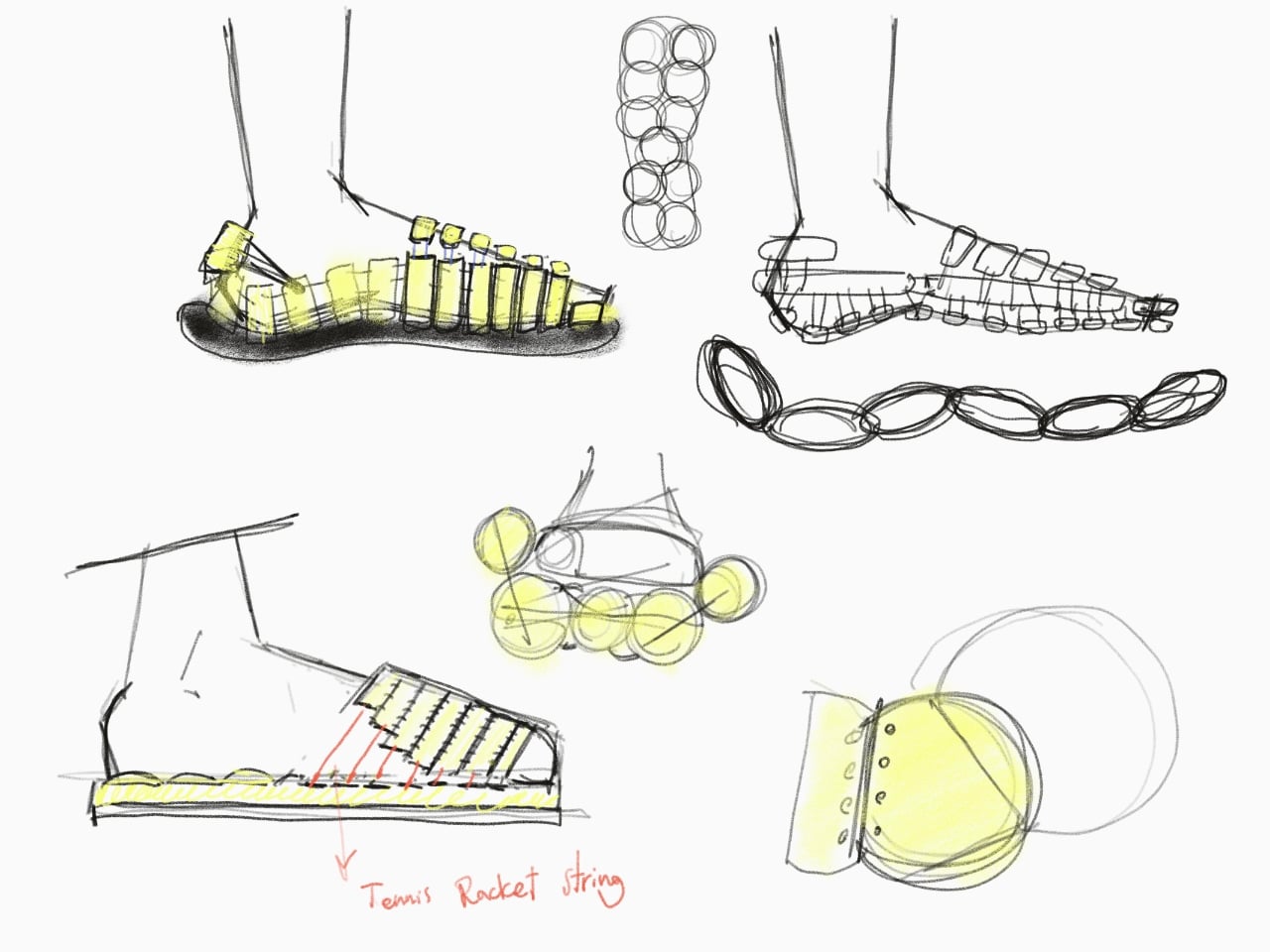
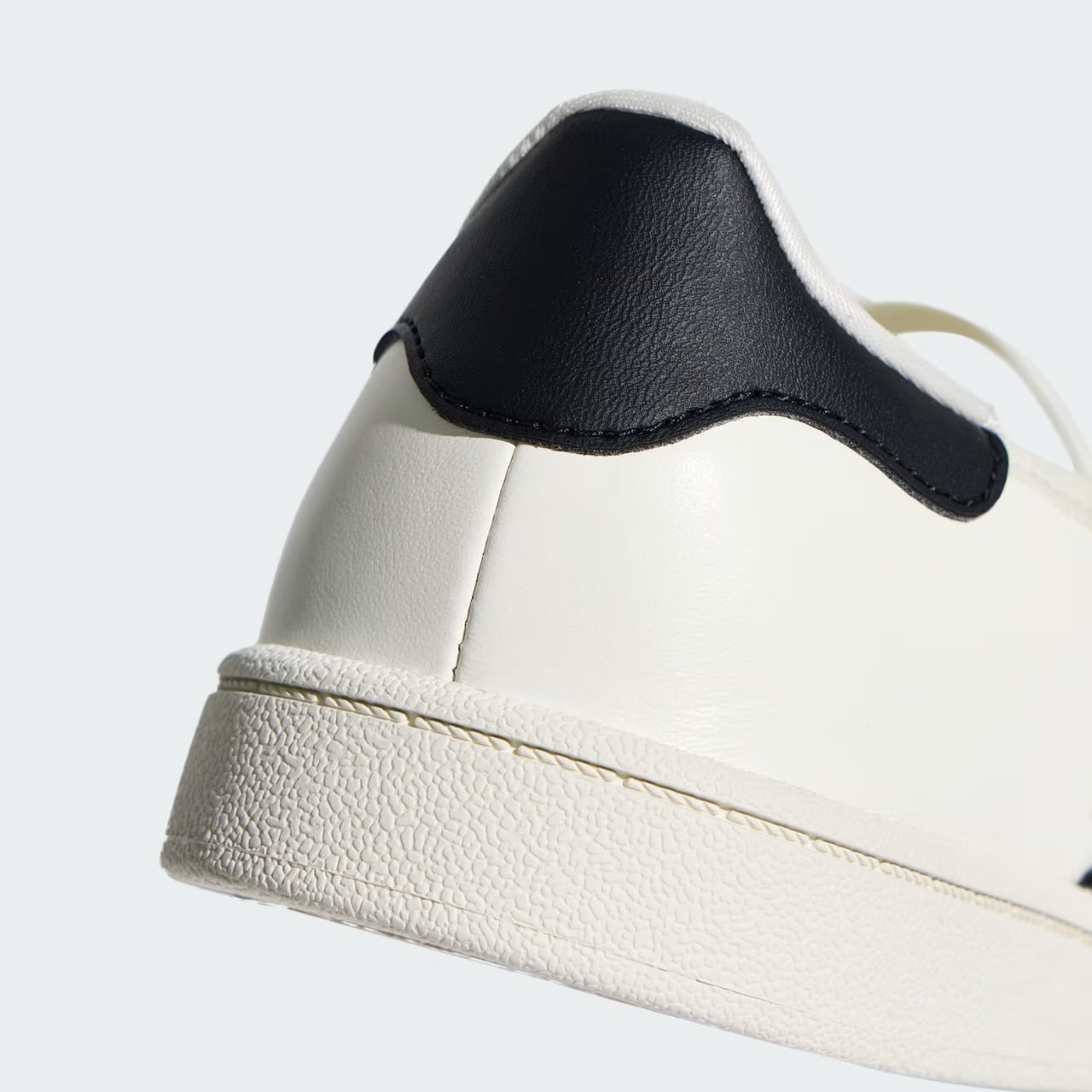
Soroosh Riazi Isfahani, a designer from the Royal College of Art and Imperial College London, has been sitting with it too, and his response is SLICE, a project currently entered into the James Dyson Award 2026. The concept: take used tennis balls and turn them into footwear. Not by grinding them down or melting them into something unrecognizable, but by actually cutting the ball into sections, using a custom guide to ensure precision, and then working those pieces into a shoe. The rubber and the felt stay intact. The material keeps its identity.

Designer: Soroosh Riazi Isfahani

That distinction matters more than it might seem. Most sustainable design approaches rely on breaking materials down into raw components before rebuilding them. It works, but it also requires energy, processing, and usually some loss of material quality along the way. SLICE skips that step entirely. The ball is sliced, shaped, and reassembled into something wearable. It’s a different kind of thinking, one that asks not “how do we recycle this?” but “what is this material already capable of being?”

Isfahani actually started in the more conventional place. His early process involved shredding used tennis balls and blending the material with natural rubber to create an outsole. It’s a reasonable approach and one plenty of designers have explored in the sustainability space. But he moved away from it, and understanding why he moved away from it is the more interesting part of the project. Shredding destroys what makes the ball structurally interesting: the layers, the bounce, the felt surface that has its own tactile quality. Cutting preserves all of that. The final shoe doesn’t just use the material; it respects it.

I’ll be honest that upcycling in fashion and footwear can sometimes feel performative. The “made from recycled materials” label has become so ubiquitous that it barely registers anymore. Brands slap it on shoes made from shredded ocean plastic and call it a day, and most of us accept it without looking too hard at what that actually means or whether the product will last. SLICE feels different because the sustainability logic is baked into the design method itself. You can’t separate the concept from the material. The tennis ball isn’t a marketing footnote; it’s the whole point.

The James Dyson Award has a history of surfacing ideas that sit at the intersection of elegant problem-solving and real-world urgency. What makes SLICE a compelling entry isn’t just that it finds a use for waste, it’s that it finds a use that genuinely fits. Tennis ball rubber is durable. The felt is grippy. These are properties that belong in a shoe, and yet for decades we’ve been throwing them into the ground and waiting four centuries for them to disappear.

The footwear industry is one of the more difficult spaces to make sustainable at scale, partly because shoes are complex objects and partly because the systems for recovering and reprocessing them are still underdeveloped. A project like SLICE doesn’t solve all of that. But it demonstrates a design logic that could scale if the right people decide to take it seriously. One custom cutting guide, one used tennis ball, one pair of shoes that didn’t have to extract anything new from the planet. For a ball that gets thirty minutes of professional play, that feels like a more fitting ending.

The post 400M Tennis Balls End Up in Landfills. One Designer Made Shoes. first appeared on Yanko Design.
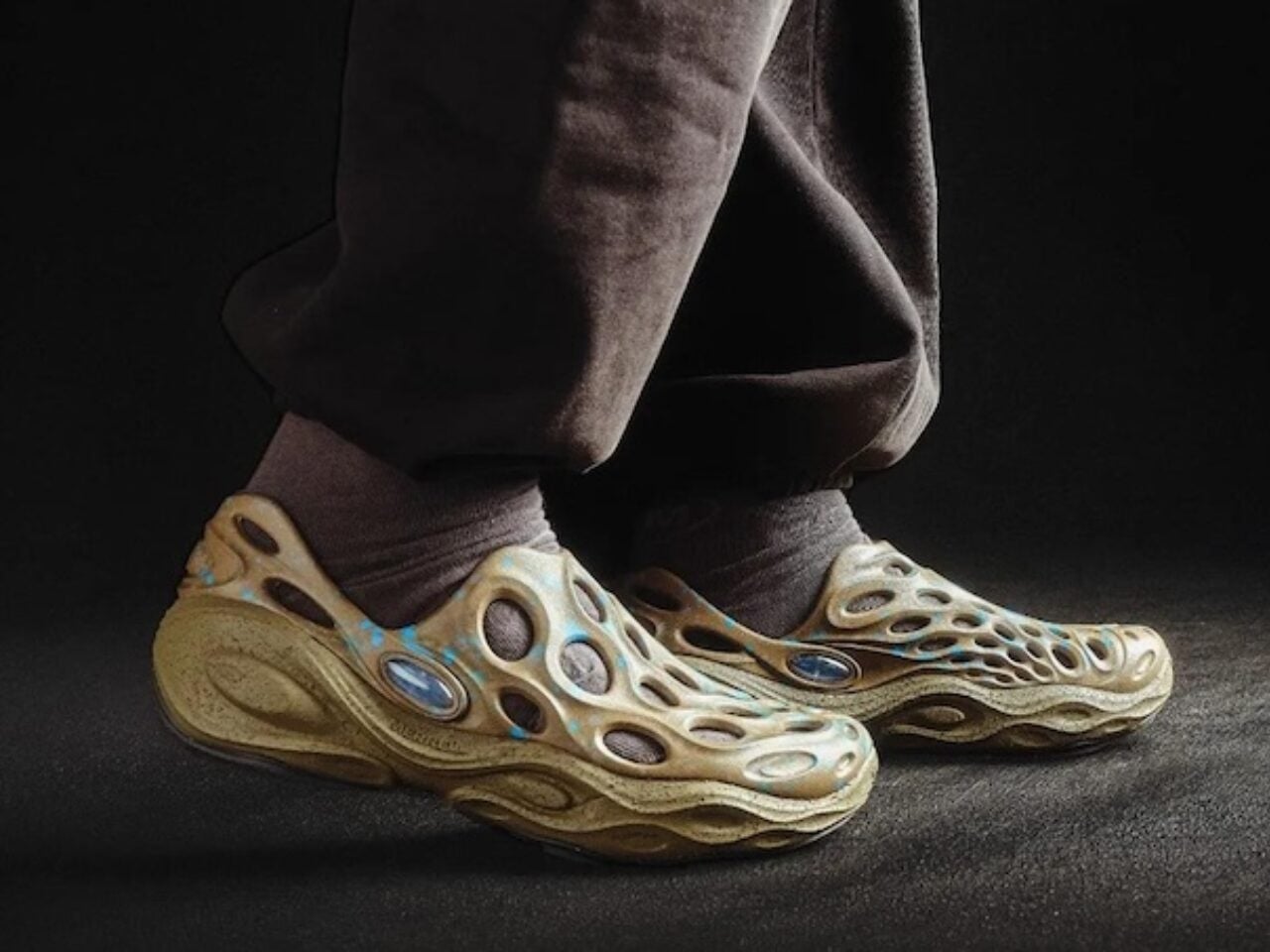
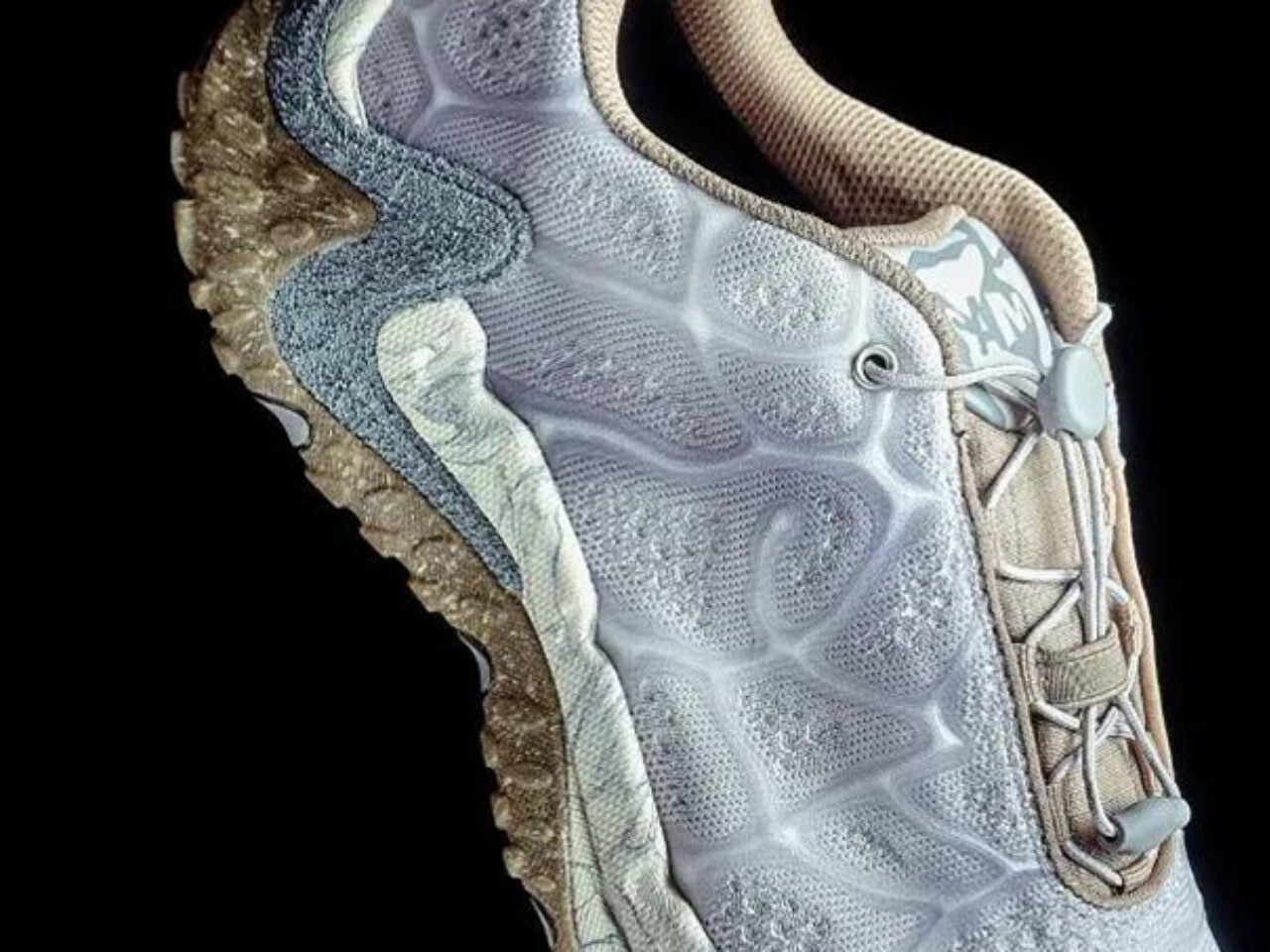
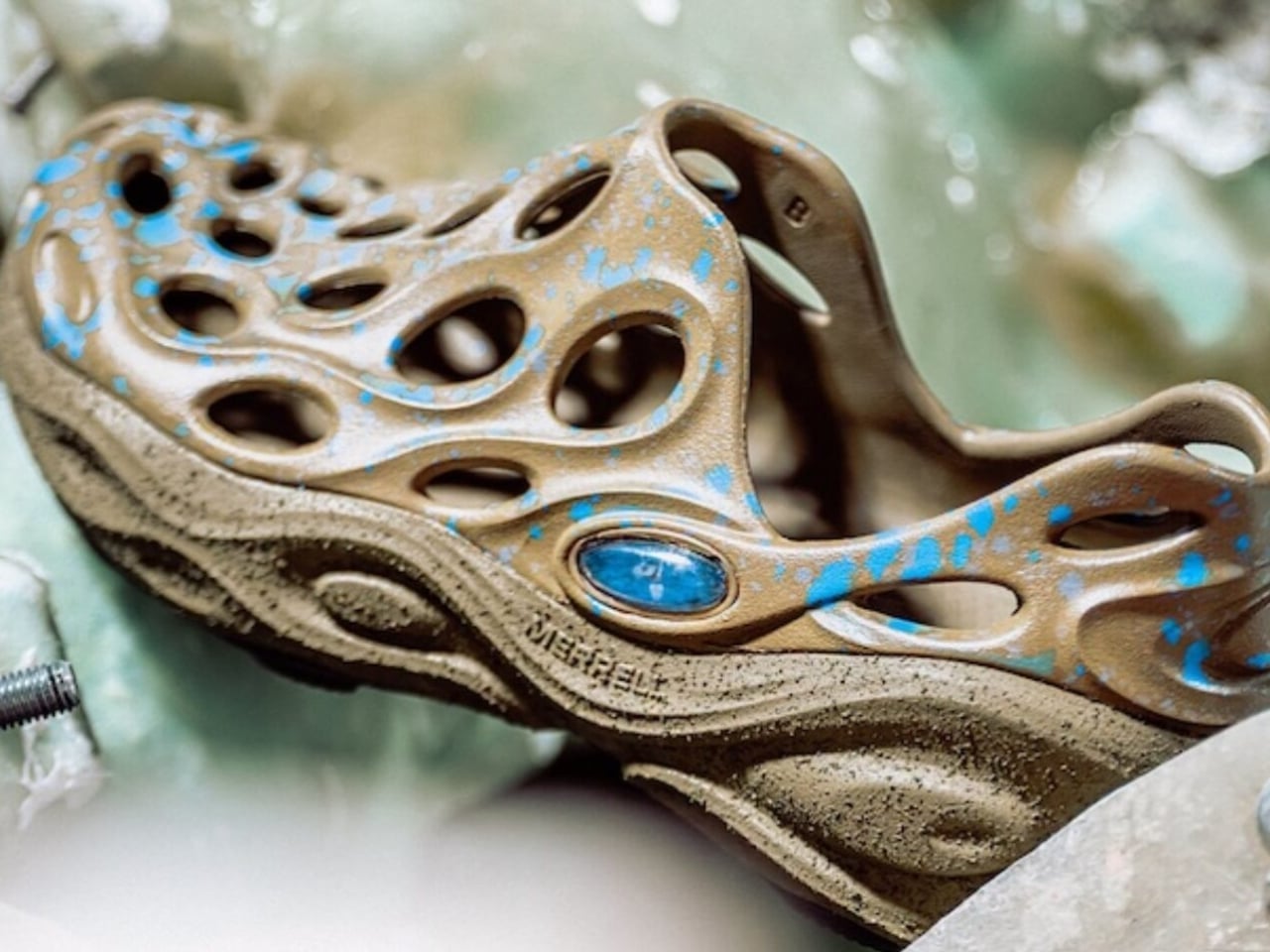
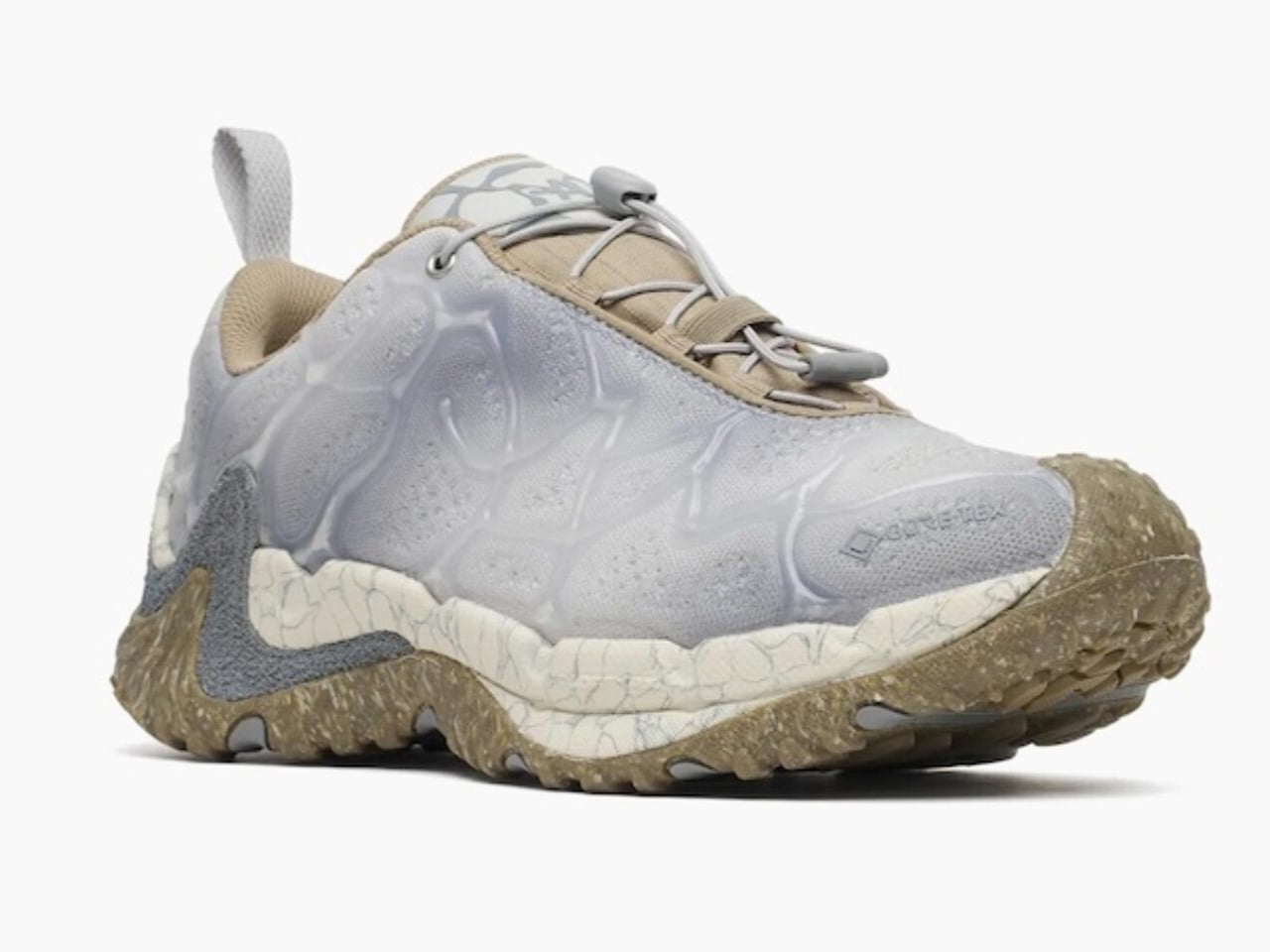
Merrell Just Made Hiking Shoes That Look Like They’re Alive

The shoes that make you look twice usually have a story behind them. The Merrell x P.A.M. (Perks and Mini) collaboration is that kind of story, and it starts, surprisingly, in a swamp.

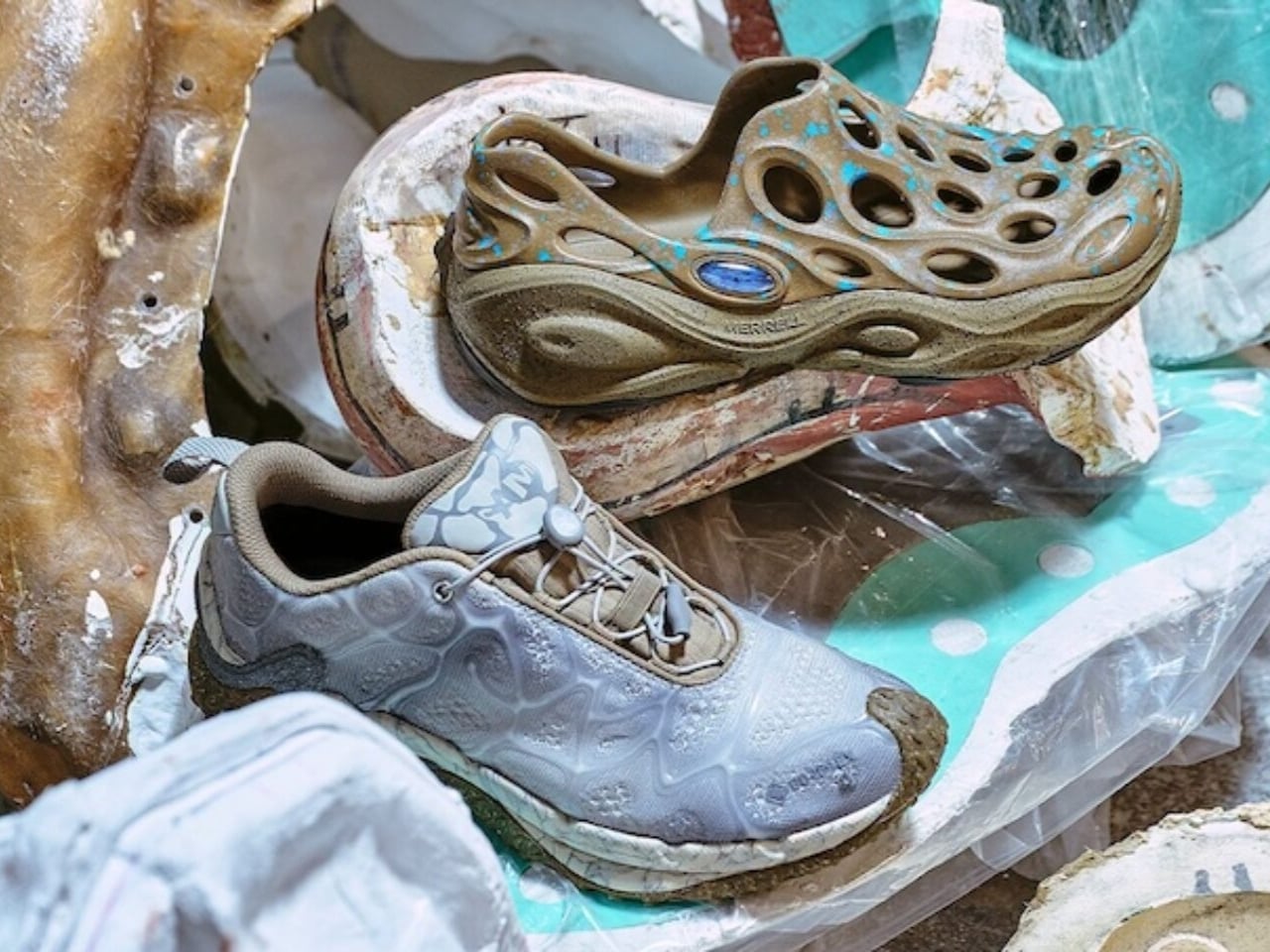
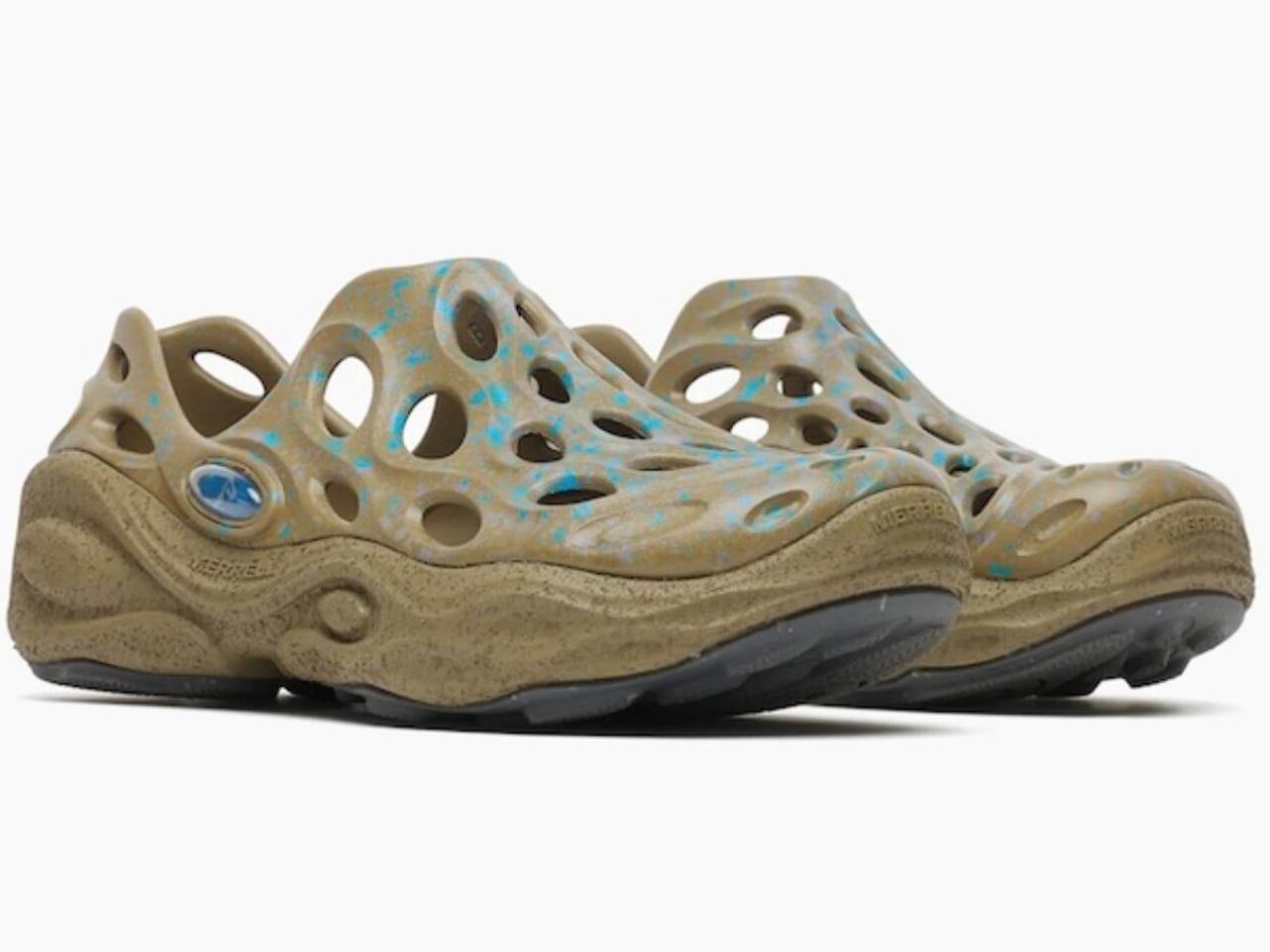
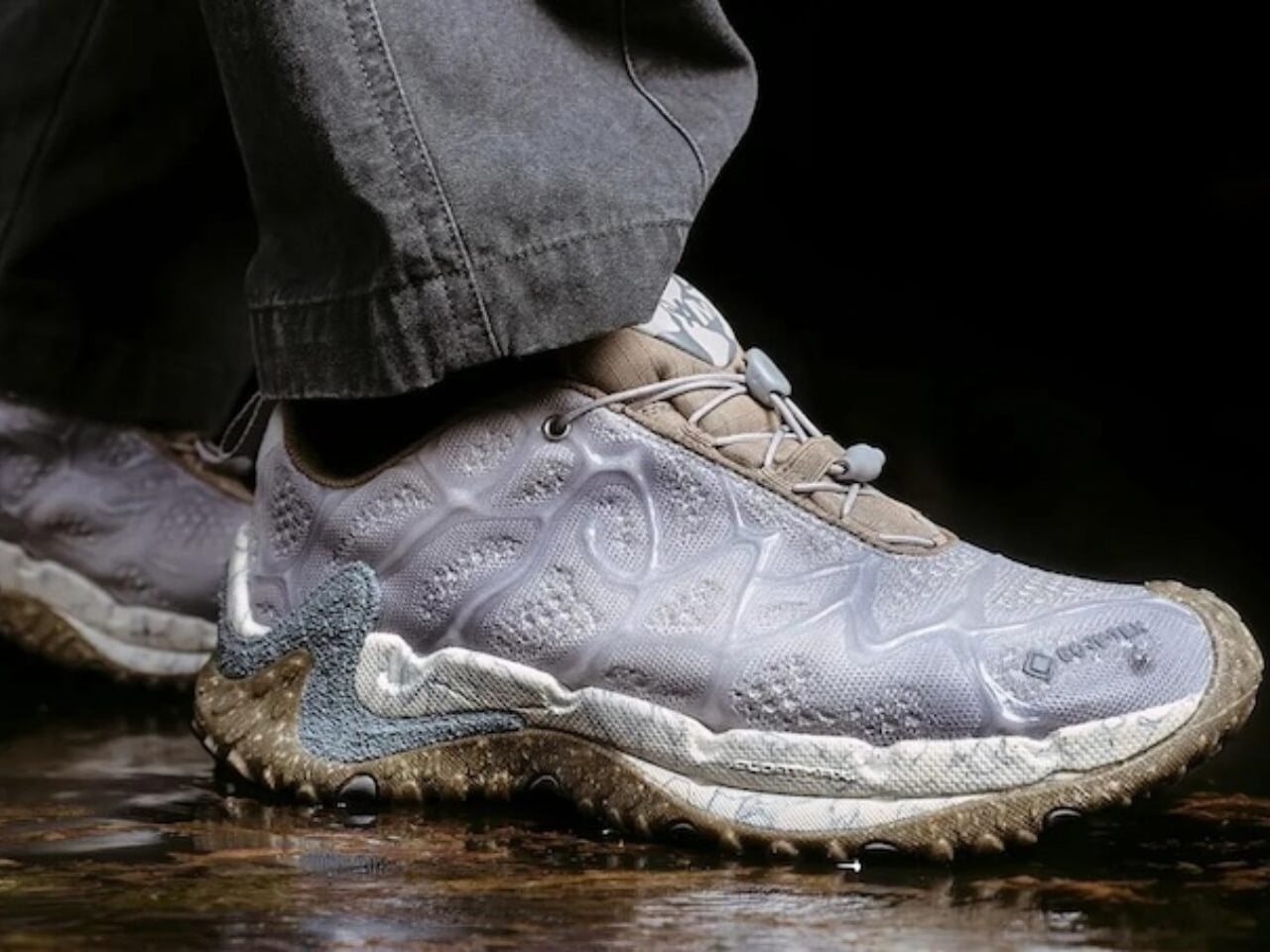
The Australian creative label Perks and Mini teamed up with Merrell to explore two silhouettes you already know: the Chameleon and the Hydro Moc. But the brief wasn’t to simply freshen them up with new colorways or slap a logo on the tongue. The directive was weirder and much more interesting than that: explore amphibian life through form, texture, and function. The result is the Cham Storm GTX and the Hydro Next Gen Moc, two shoes that feel like they were designed at the intersection of a nature documentary and a design school thesis.

Designers: Merrell x P.A.M. (Perks and Mini)

I’ll start with the Cham Storm GTX because it’s the one I keep staring at. The engineered mesh upper gets a custom 3D silicone treatment that reads, unmistakably, as reptile skin. Not in a costume-y way, but in a way that feels considered and intentional, like the design team spent real time studying scale patterns before drawing a single line. A rough sand spray finish adds another layer of texture, and the molded TPU heel counter keeps the whole thing structurally anchored. Underneath all that visual storytelling is a FloatMax foam midsole and Gore-Tex waterproof technology, which means this shoe isn’t just doing aesthetic work. It can handle rain, trails, and whatever else you decide to put it through. The toggle quick-lace system makes getting in and out effortless, which is a small detail but one that matters when you’re moving quickly between environments.

The Hydro Next Gen Moc takes a softer approach. Where the Cham Storm is textured and almost aggressive in its visual language, the Hydro Moc leans into speckle. The EVA foam upper carries a speckled pattern with flecked sidewalls that reads less like armor and more like a frog’s underbelly, in the most complimentary possible way. It’s still loaded with FloatMax foam cushioning, and the easy on/off design makes it the kind of shoe you’ll reach for on days when you need to move from the house to the street to somewhere else without thinking too hard about your feet. The weight barely registers.

What makes this collaboration feel different from the usual outdoor-brand-meets-streetwear-label formula is the conceptual rigor behind it. P.A.M. didn’t just bring an aesthetic direction; they brought a worldview. Amphibious creatures exist in a perpetual in-between state, equally at home on land and in water, which is exactly the kind of cultural positioning that resonates right now. The boundaries between outdoor gear and everyday style have been dissolving for years, and the Merrell x P.A.M. shoes lean into that rather than apologizing for it.

Merrell has always been a brand that lives and dies by its performance credibility. Adding Gore-Tex to a shoe that could easily have coasted on aesthetics alone is a deliberate statement. It’s saying the design and the function are non-negotiable, and that you shouldn’t have to choose between looking interesting and being properly equipped for the day.

The broader conversation this drop enters is about what outdoor footwear is allowed to be. For a long time, “technical” meant beige, and “style-forward” meant sacrificing waterproofing. The Merrell x P.A.M. collaboration doesn’t accept that trade-off. It asks whether a shoe can be inspired by a chameleon, built for wet conditions, carry the creative vision of an independent Australian label, and still be worth wearing on a Tuesday afternoon when nothing remotely swamp-like is happening. The answer, based on what Merrell and P.A.M. put together, is yes.

The Cham Storm GTX and Hydro Next Gen Moc are both available now. Whether you’re buying them for the design, the function, or just the sheer novelty of wearing something that nods to a salamander, they’re worth a closer look.

The post Merrell Just Made Hiking Shoes That Look Like They’re Alive first appeared on Yanko Design.
Birkenstock Just Went to Ballet Class With Repetto

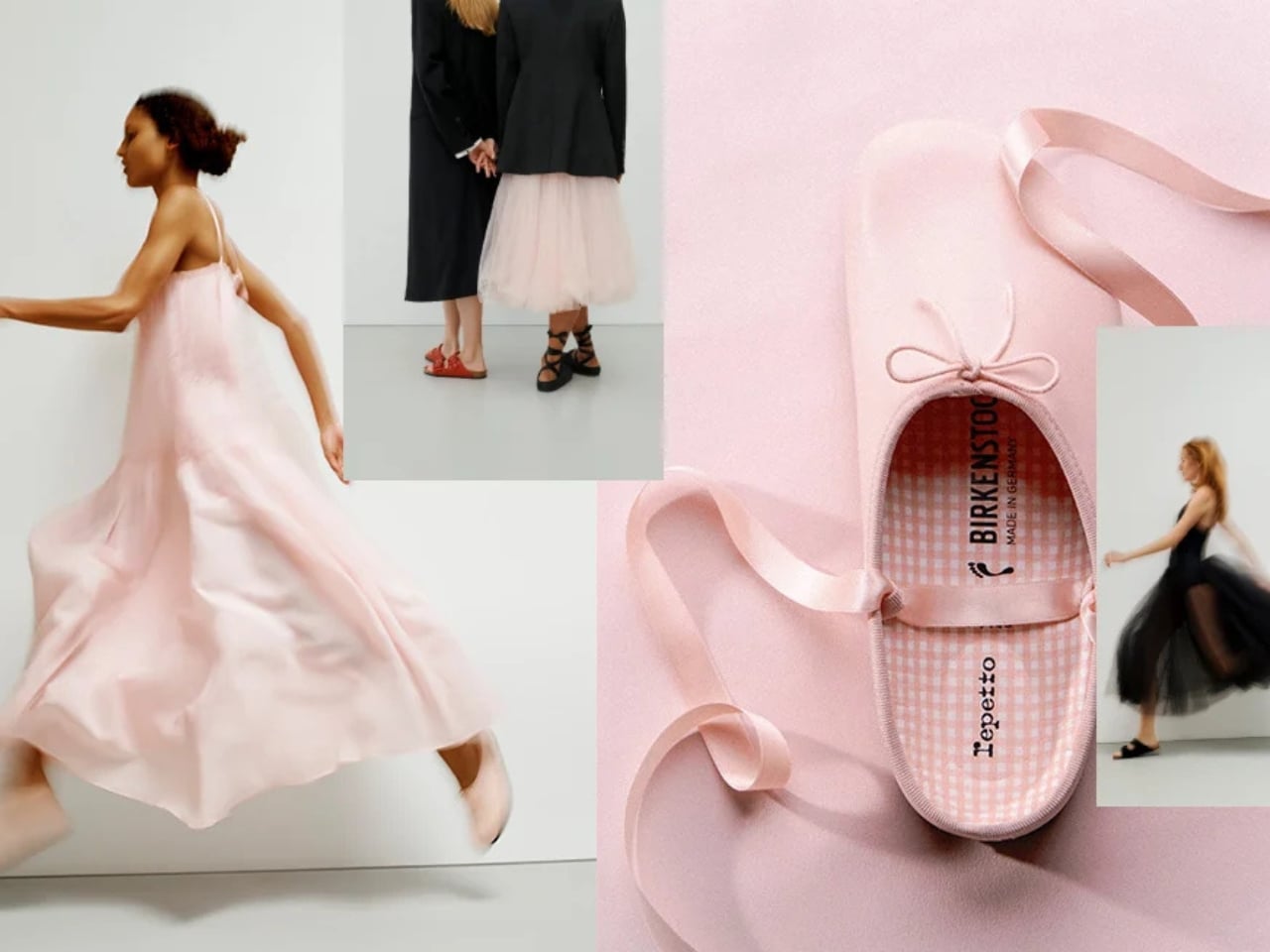
If you had told me a year ago that two of the most culturally distinct footwear brands in the world would join forces for a collection, I would have been skeptical. A German orthopedic sandal brand and a Parisian ballet institution? On paper, it reads like the setup to a joke. In practice, it might just be one of the most thoughtfully designed collaborations of 2026.

Birkenstock’s 1774 line, the brand’s Paris-based special projects and collaborations unit, has been steadily building a portfolio that makes you reconsider what a sandal can be. Past partnerships with Rick Owens, Valentino, and Dior cemented the label on fashion’s most coveted list. The Repetto chapter, though, feels different. It feels like two brands that genuinely needed to meet, and the design bears that out at every level.

Designers: Birkenstock x Repetto

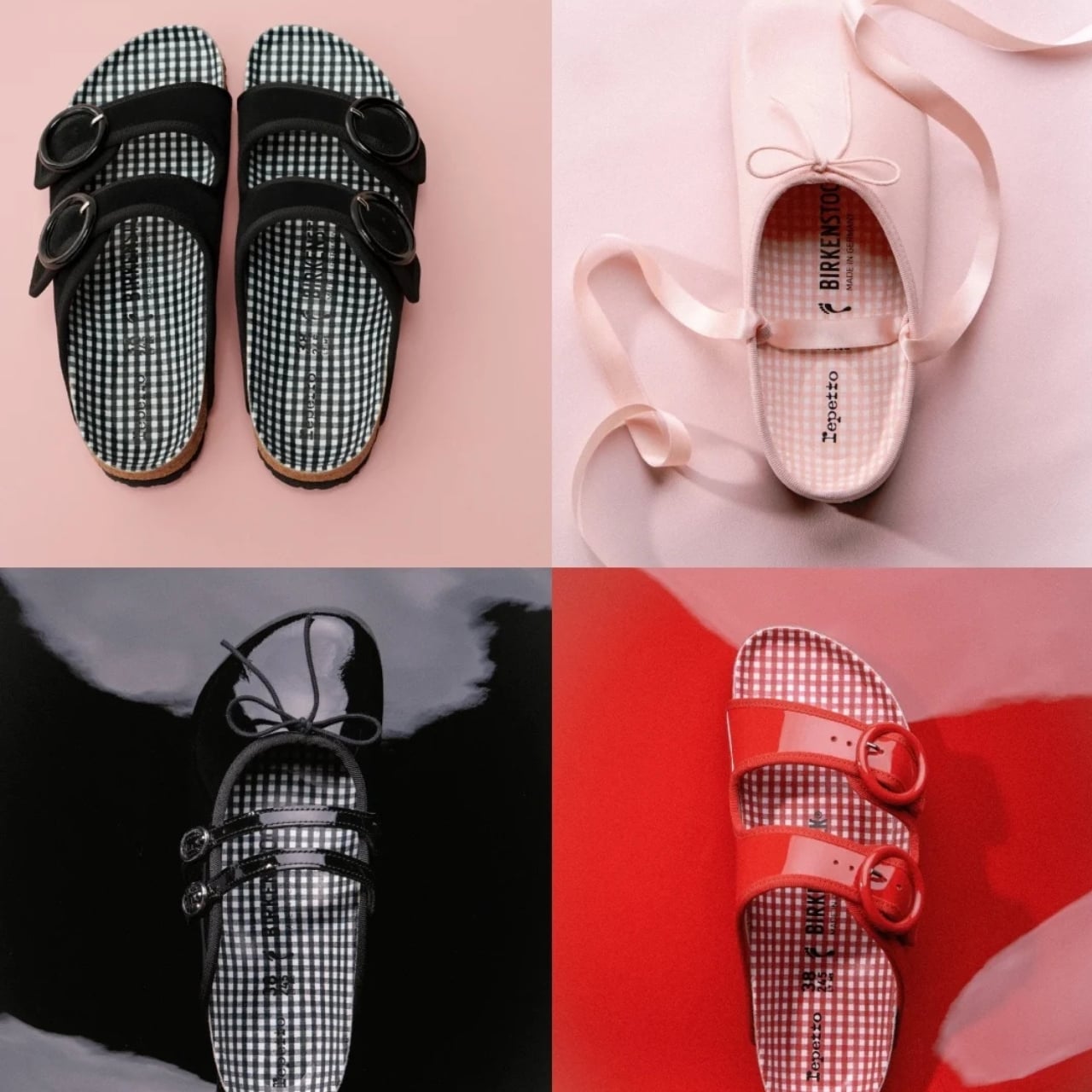
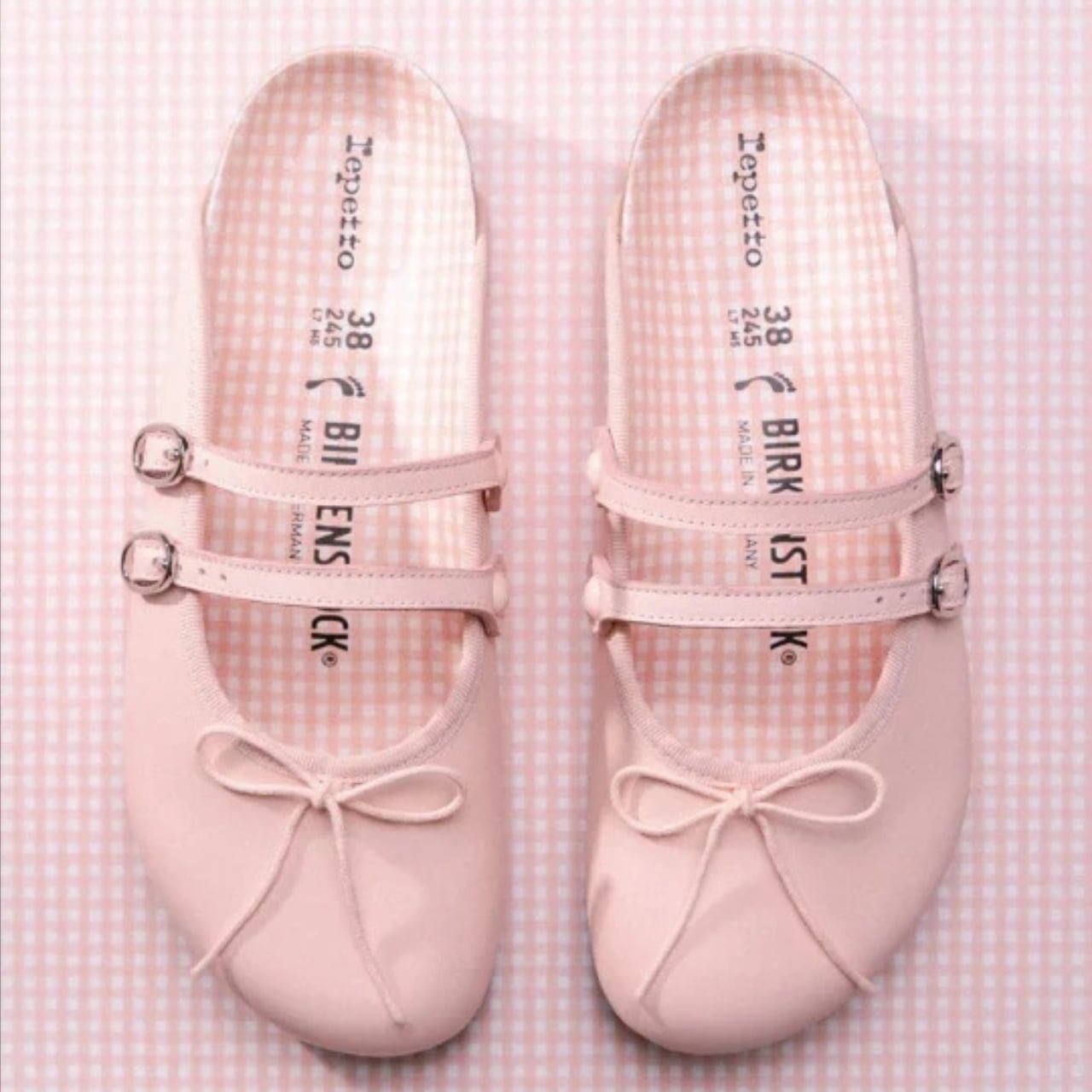
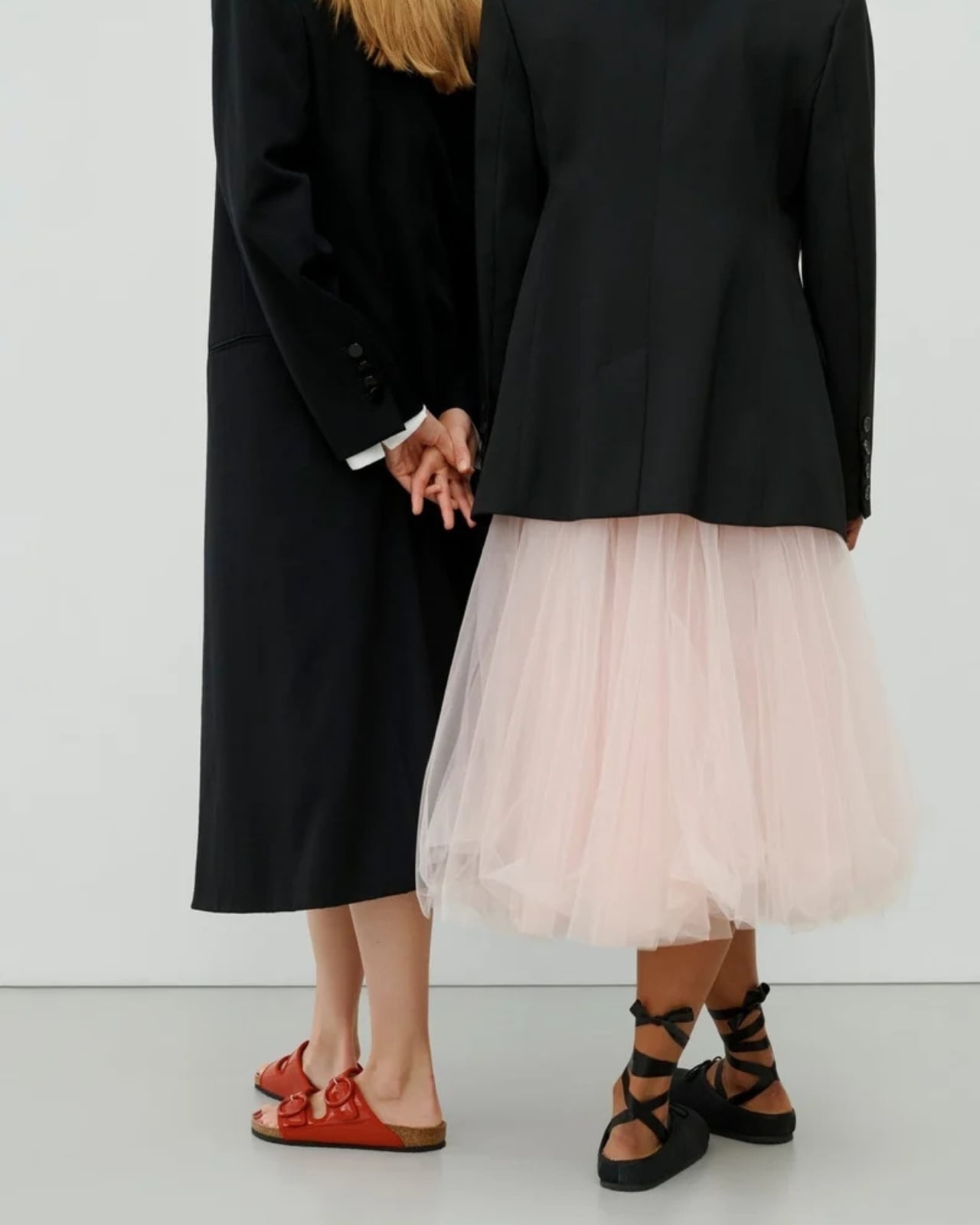
The collection spans three pieces, and each one tells a slightly different version of the same story. The Arizona sandal comes first, and it’s the most familiar entry point. Birkenstock kept the silhouette exactly as it is, which was the right call, but swapped the standard hardware for exclusive oversized round buckles. The scale shift is subtle but meaningful. The buckles read more sculptural than functional, borrowing the rounded, almost jewelry-like geometry that runs through Repetto’s aesthetic. It’s still unmistakably an Arizona. It just carries itself differently.

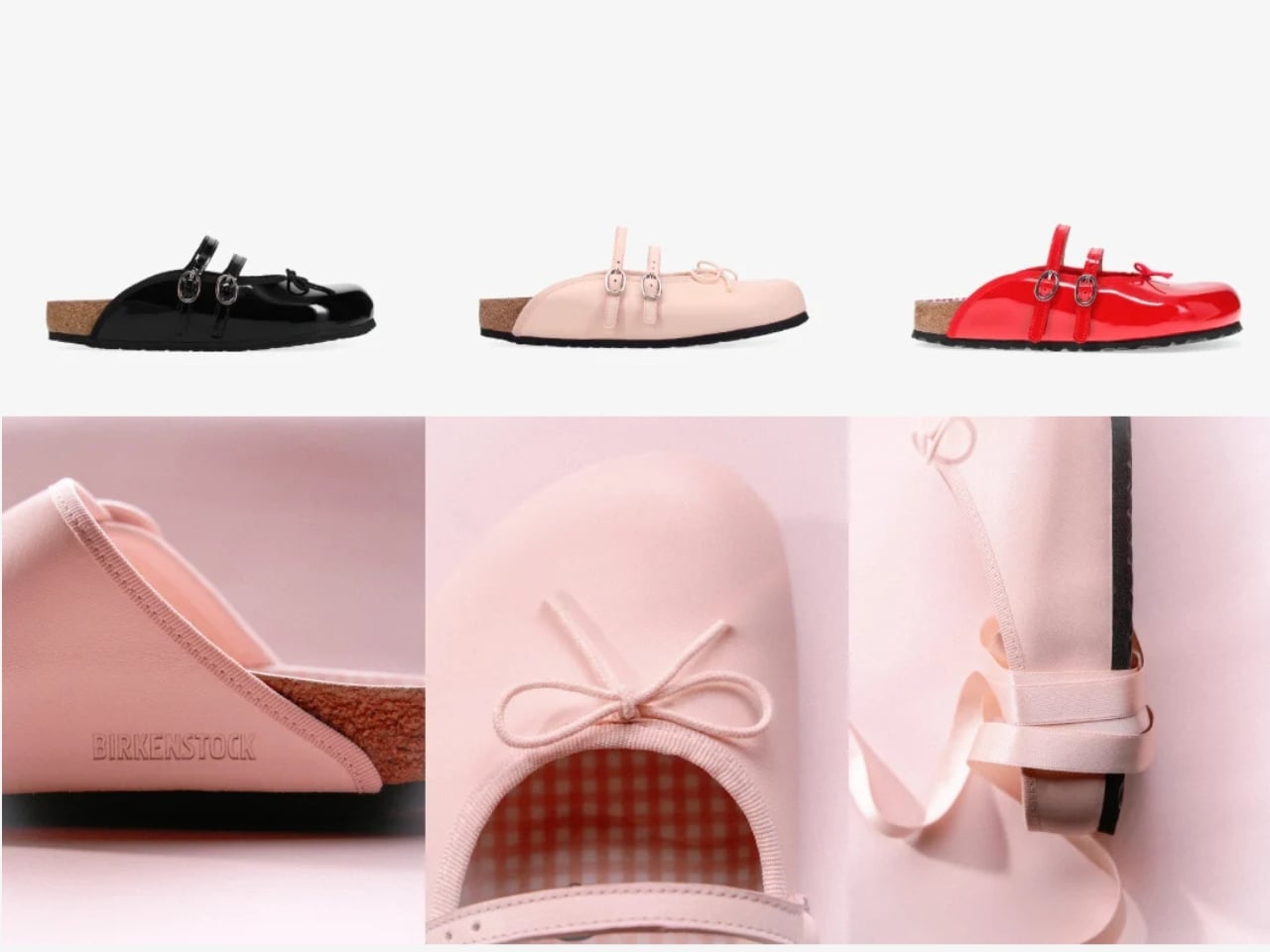
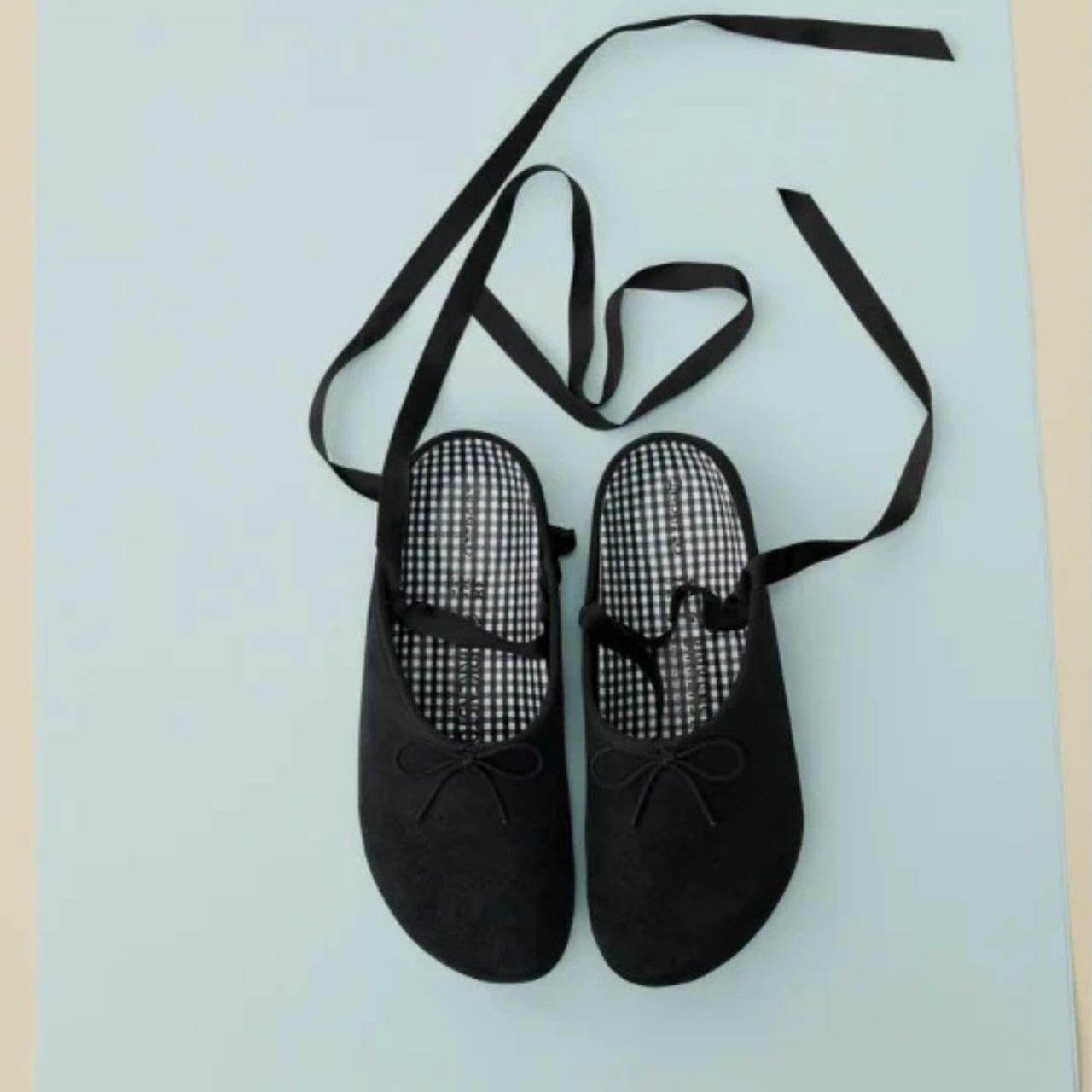
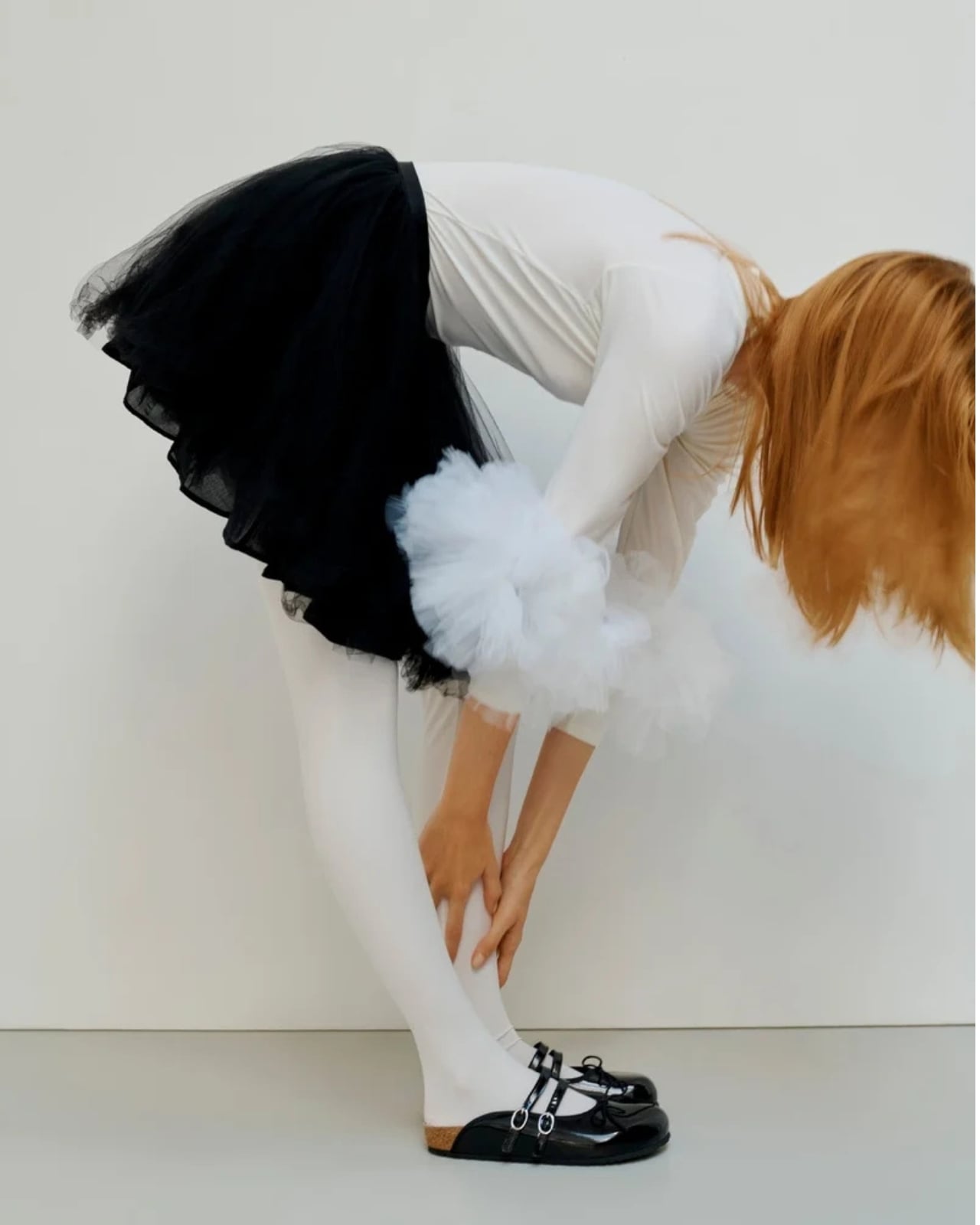
The Scala is where the ballet influence becomes most direct. Built on a round-toe base with two top straps and a laced bow at the front, it sits somewhere between a sandal and a ballet flat without fully committing to either. The bow is the kind of detail that could have easily felt costume-y or overdone, but the proportions keep it grounded. It’s small enough to feel considered rather than decorative, which is a harder balance to strike than it looks.

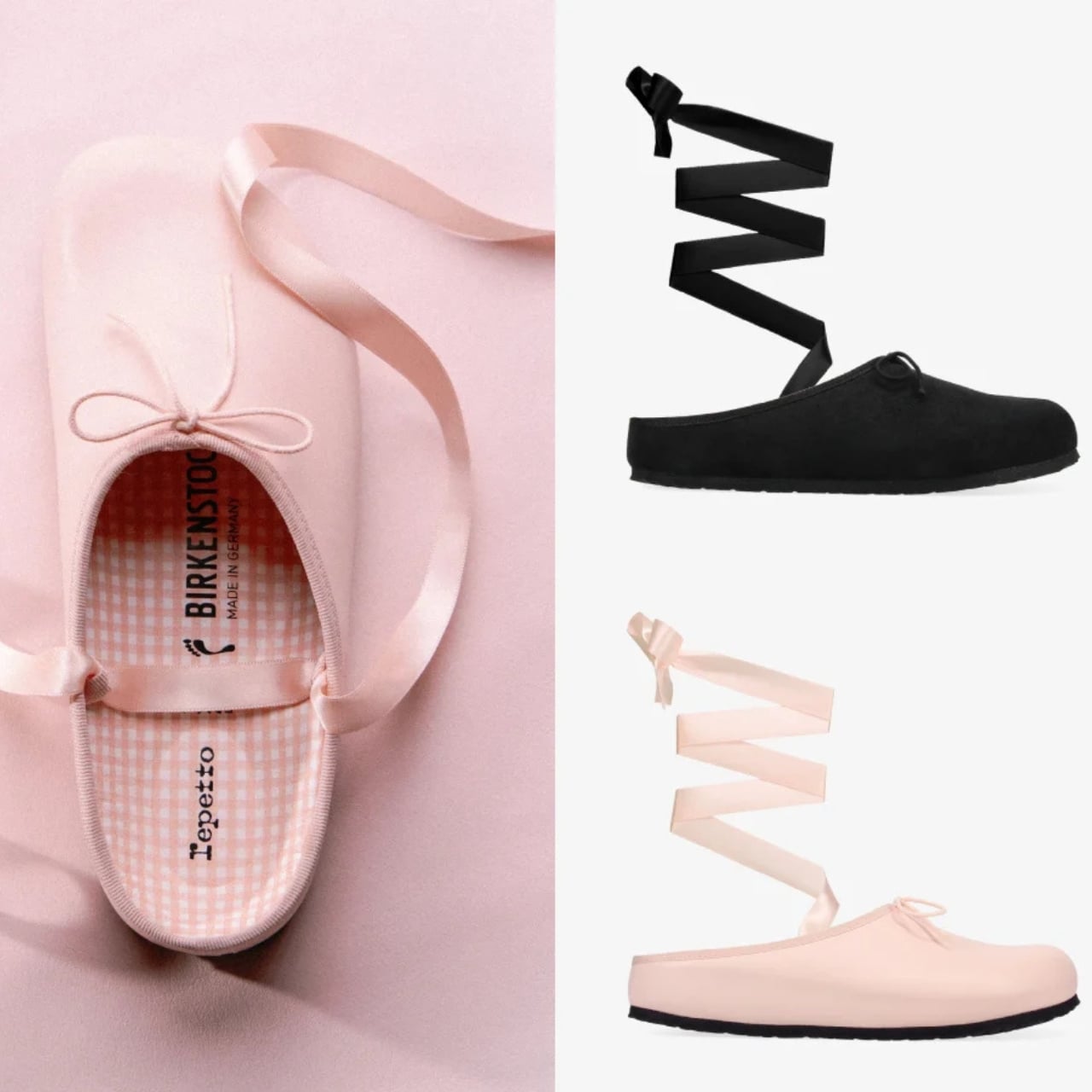
The Opéra sabot is the most adventurous piece of the three. It takes Birkenstock’s clog silhouette, one of the brand’s most architectural forms, and finishes it with long laces that wrap around the ankle the way a dancer’s ribbon would. The contrast between the solid, structured base of the clog and the softness of the wrapping lace is genuinely interesting from a design standpoint. It’s the piece that most clearly shows what happens when you treat a Birkenstock as a canvas rather than a finished object.

That framing came directly from Repetto CEO Charlotte Gaucher-Holmann, who described approaching Birkenstock’s silhouettes as a “blank canvas.” The result is a collection where neither brand disappears into the other. Birkenstock’s construction logic stays intact, the cork footbed, the contoured sole, the characteristic weight and proportion of each silhouette. Repetto layers its visual language on top without disrupting the architecture underneath.

That visual language is specific and consistent across all three pieces. The color palette draws from Repetto’s signature shades: Iconic Pink, Flame Red, and Profound Black. These are not trend colors. They’re house colors, the kind that have been associated with the brand long enough to carry their own meaning. The pink in particular has that very specific quality of being both soft and confident, which is harder to achieve in pigment than it sounds.

The Vichy-check gingham footbed lining is another detail worth pausing on. Hidden inside the shoe, it only reveals itself when worn. It’s a Repetto signature motif, and placing it at the footbed rather than on any visible exterior surface feels like a deliberate act of restraint. You know it’s there. It just doesn’t announce itself.

Grosgrain ribbon trim finishes the edges on key pieces, and again, the choice of material matters. Grosgrain has weight and structure. It doesn’t drape or flutter. For a collaboration rooted in dance, that tension between movement and structure runs all the way through the design decisions, from the buckle scale on the Arizona to the lace wrap on the Opéra.

The collection launches July 16 through 1774.com, Repetto’s own channels, and select retailers worldwide. Given how quickly 1774 collaborations have sold out historically, hesitating is probably not the strategy here. Iconic Pink alone is going to move fast.

The post Birkenstock Just Went to Ballet Class With Repetto first appeared on Yanko Design.
adidas BB.01 is first 3D-printed basketball shoe built to improve stability and flexibility on court

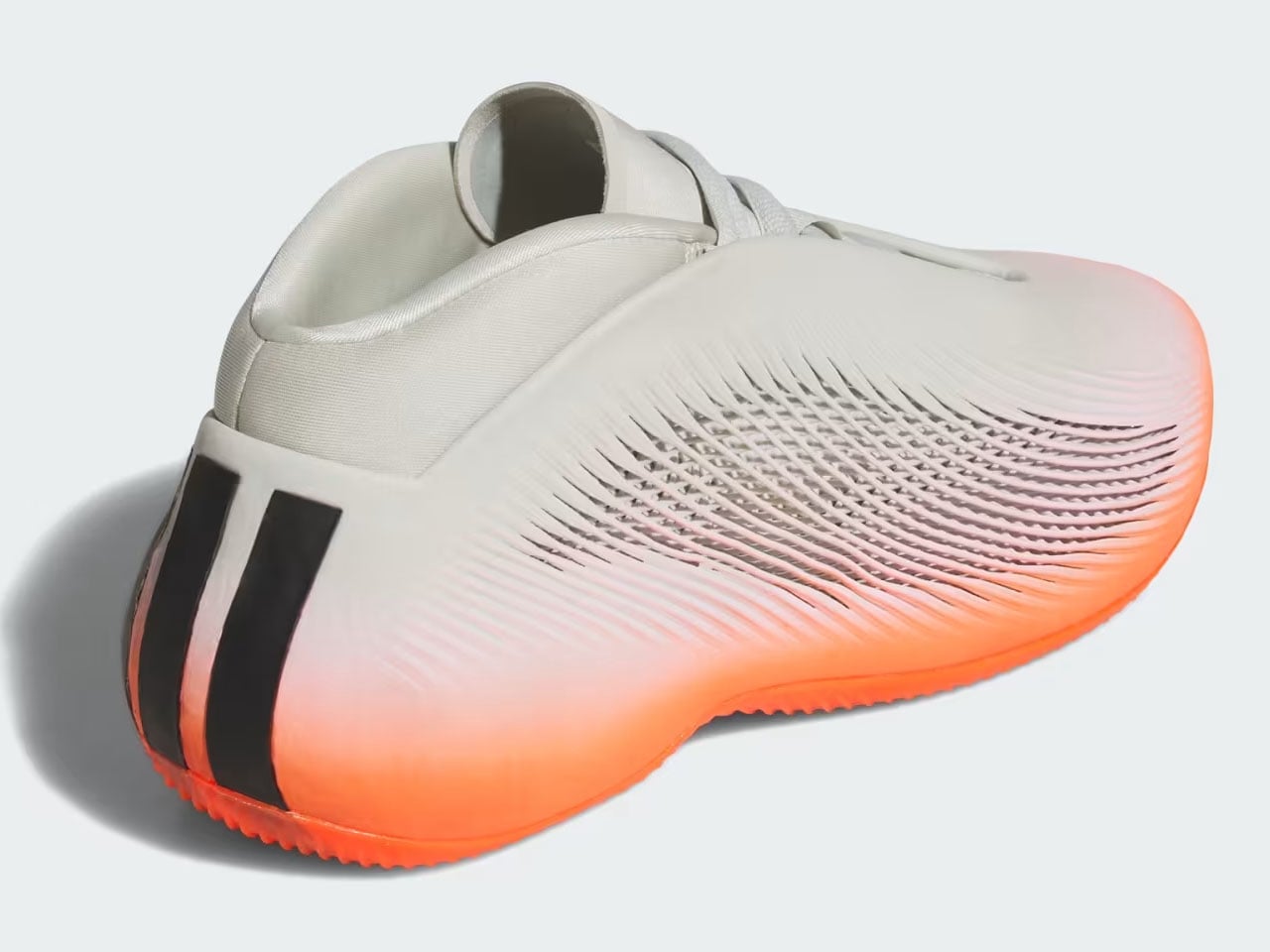
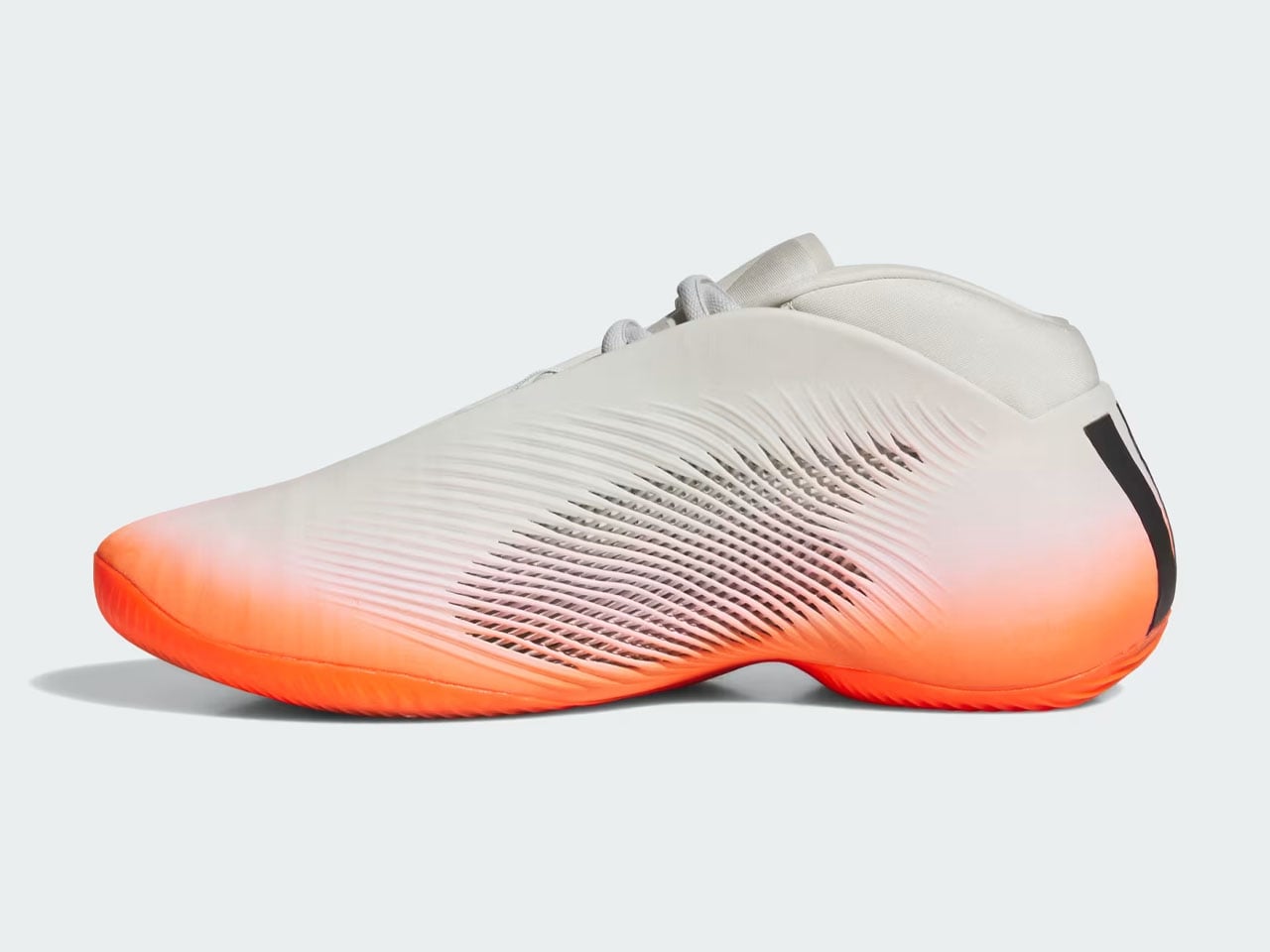
While the world is fixated on who’s making it to the quarterfinals of the FIFA World Cup. adidas thinks it’s done enough for the love of the game with the Trionda, and now it’s time to shift focus to basketball. To do that, the sportswear giant is bringing 3D-printed footwear innovation to the hardwood with the launch of adidas BB.01. It is the first 3D-printed basketball shoe to hit the market, in an eye-catching combination of Solar Red and Orbit Grey.

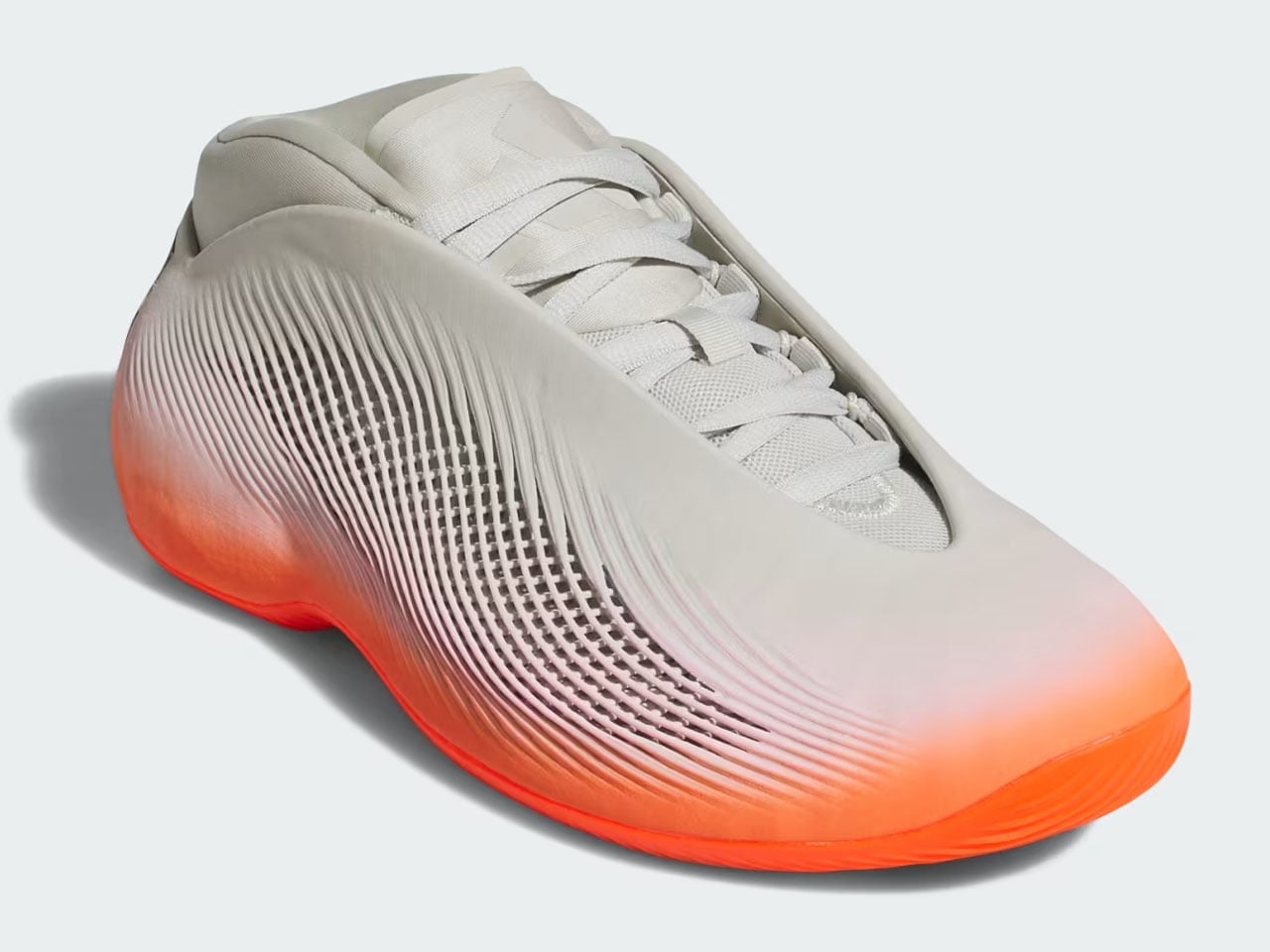
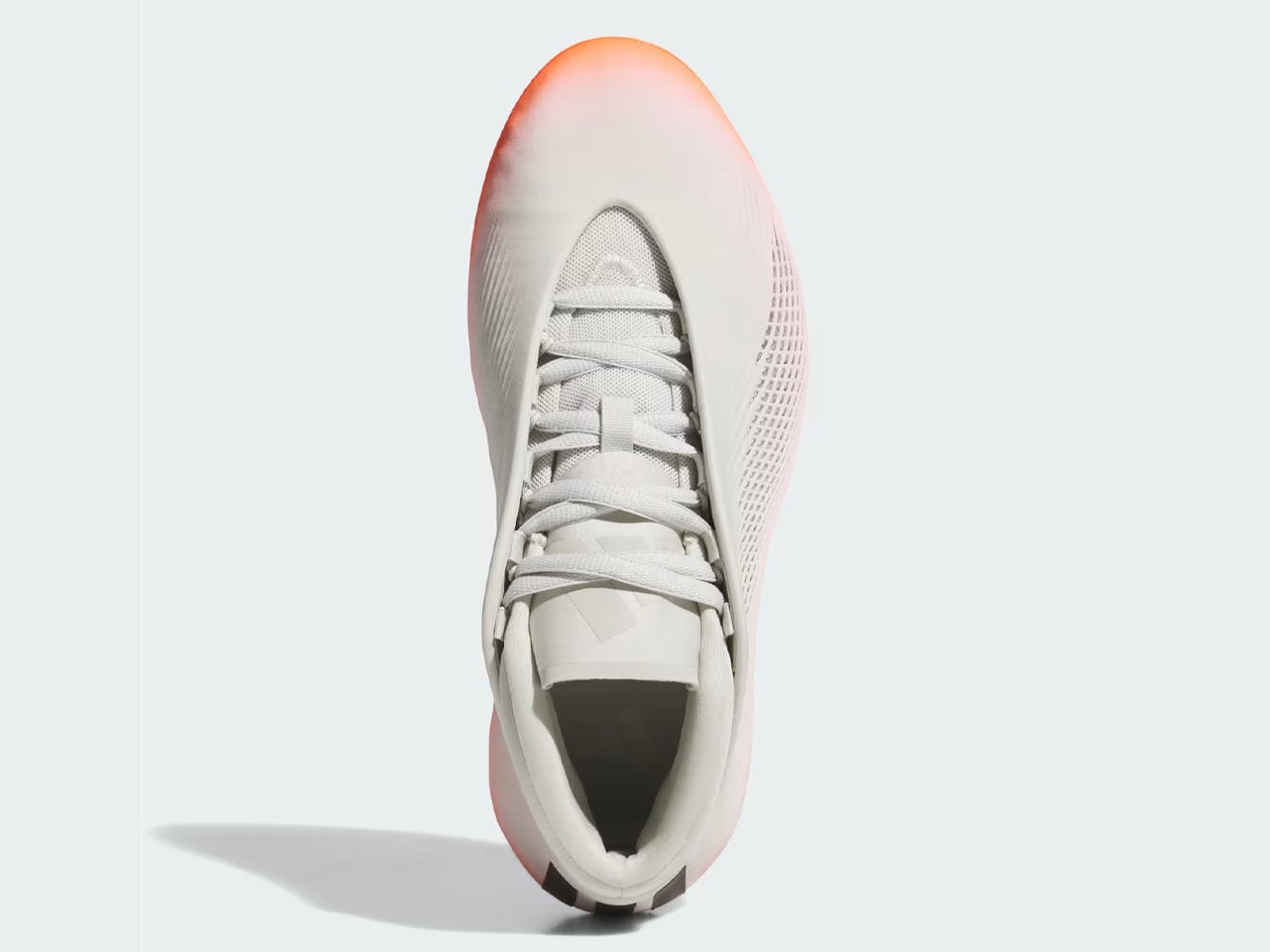
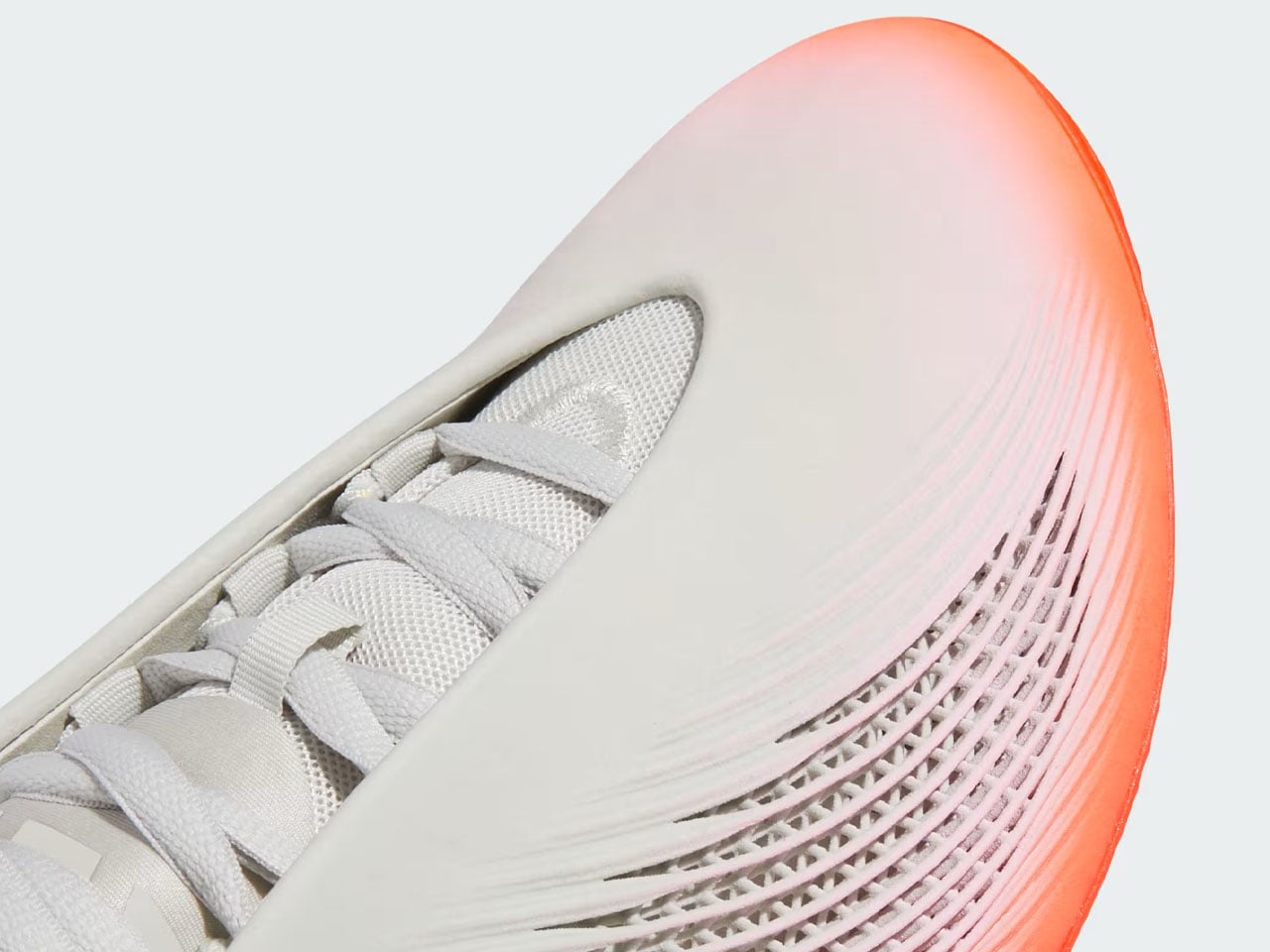
The 3D printed basketball shoe from adidas is a definite head-turner. It’s called the adidas BB.01 “Solar Red/Orbit Grey,” and it’s nothing like the traditional canvas, textile, and foam silhouettes. While most shoe midsoles are molded in factories, the BB.01 is printed entirely from resin in layers instead.

Designer: adidas

The basketball shoe is part of adidas’ Project R.A.P (Radical Athlete Perception). The program ensures that adaptive manufacturing is not just an experimental category but an actual way to create functional, court-worthy footwear. Based on this ideology, adidas BB.01 has been a long time coming.

The much-anticipated footwear finally has a release date and a price. Fans should be able to get their feet into the 3D-printed marvel starting July 14, when it will be available through the adidas Confirmed app for $250. Meticulously combining “cutting-edge digital manufacturing with elite on-court performance,” the shoe features Orbit Grey in the base, which, in contrast, is highlighted by the Solar Red upper cage. The Three Stripes logo is present on the heel, from where it extends upward toward the collar.

Since the footwear is designed to complement the wearer’s performance on the court, its 3D printed midsole is designed to handle the impact and keep the player “stable through cuts and landings.” The footwear weighs only 15.13 oz (428 g) and comes with its most striking resin outer shell on top of the engineered midsole, which utilizes a lattice design across the sidewalls. This form factor allows the shoe to flex with the twisting nature of the foot. Higher-density printing is also carried out around the toes and heels for stability.

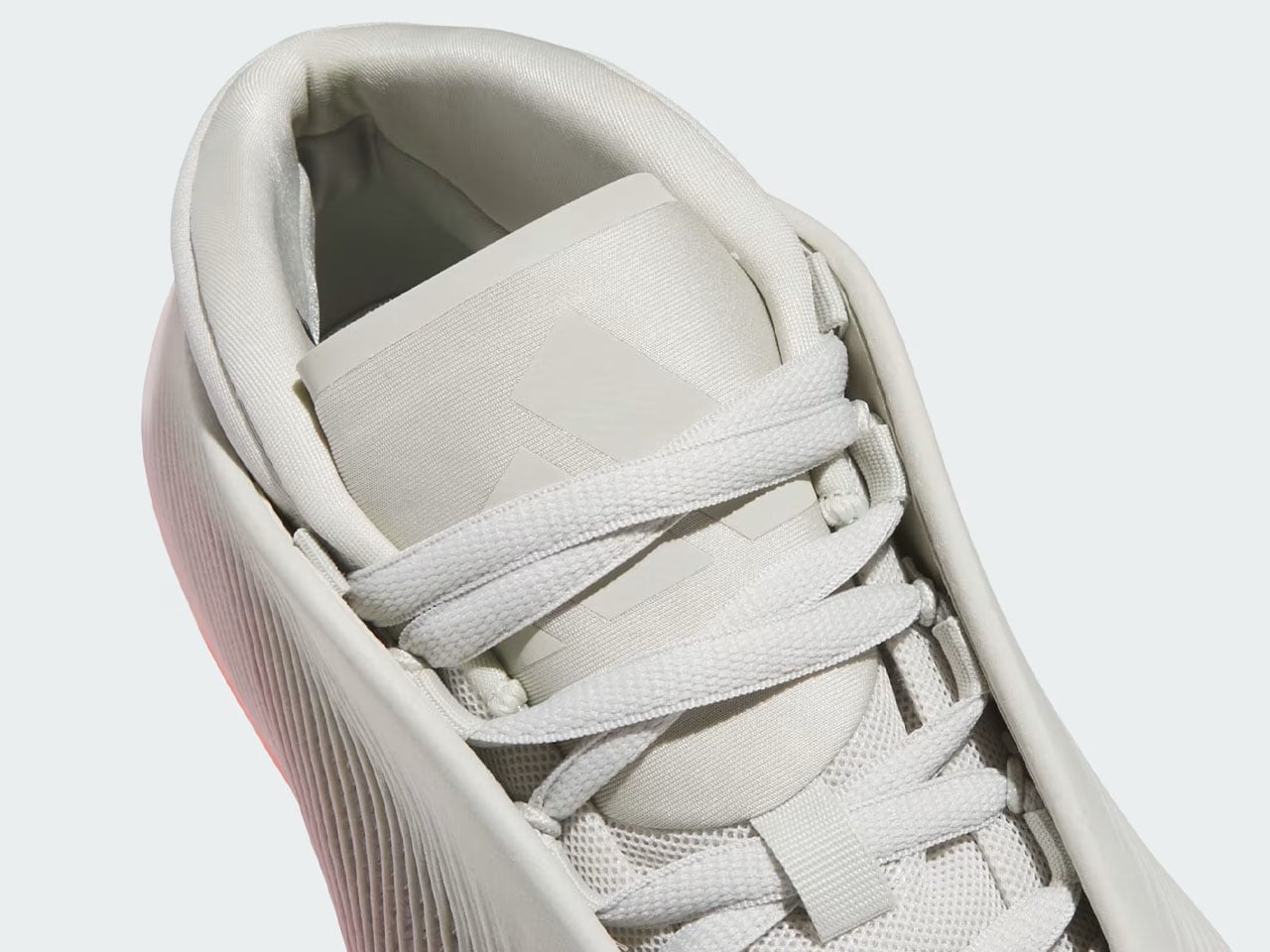
adidas BB.01 is not an attractive shoe on the outside alone. On the inside, it also features a soft textile bootie that locks the foot in place, ensuring support and comfort. A flagbearer of the future of 3D printing in the footwear industry, adidas BB.01 will release on July 14, but you can start registering for it as early as July 9 through the company website.

The post adidas BB.01 is first 3D-printed basketball shoe built to improve stability and flexibility on court first appeared on Yanko Design.
New Balance’s 3-in-1 modular shoe transforms from waterproof boot to camp slipper, so you pack less

Many of us would remember the New Balance Niobium Concept 1. Launched back in 2020, the modular silhouette really reformed outdoor footwear with its multi-functional design, which allowed it to be used in more than one way. Of course, many brands have been approaching modular footwear design with the idea of a circular economy in mind, where the shoe can be taken apart for recycling convenience. However, New Balance’s approach is different.

It is working on a pair of shoes that can actually pull off not two but at least three different purposes. This was substantiated by the Niobium Concept 1, which is now flowing as inspiration into the newly launched New Balance TDS MSNB1, which offers similar capabilities but in a new form and colors.

Designer: New Balance

A bold intersection of craftsmanship, innovation, and functionality, the TDS MSNB1 is a revival of the Niobium Concept 1, pulled off in partnership by New Balance and Tokyo Design Studio Revive. The remarkable New Balance adaptability of the silhouette is retained with the addition of Tokyo Design Studio’s signature lifestyle aesthetics to form this shoe that changes shape in “three distinct stages of wear.” It can be worn as a rugged waterproof boot and become a functional outdoor mule when required. When you finally retire to the cozy comforts of the camp, it can also be used as a comfortable indoor slipper.

The modular nature of the TDS MSNB1 is ensured by the use of a specialized system of zippers that run down the tongue and around the heel. These zippers allow the wearer to easily assemble or disassemble the shoe’s components according to the activity or the time of day.

New Balance TDS MSNB1 modular silhouette is available in two colorways. While the TDS MSNB1 Zinc Blue is somewhere close to the tested territories, the Pistachio Butter colorway – in a muted yellow-green – is more enticing and distinct. Both the versatile shoes share the same design language. They comprise a stretch rip-stop upper, a neoprene collar, and welded PU overlays. The tongue is devoid of usual laces and features bungee elastic laces inside, while a zipper runs down the side of the tongue and around the heel.

For its durability as a camping boot, it features an eVent waterproof membrane and a rubber outsole for comfort. Since the design and functionality remain the same, your choice of color is what can make the difference between the two new offerings. You can make up your mind now. The New Balance TDS MSNB1 in both colorways is available starting today, July 2, with each costing $300.

The post New Balance’s 3-in-1 modular shoe transforms from waterproof boot to camp slipper, so you pack less first appeared on Yanko Design.
This Concept Shoe Looks Like a Sports Car Melted Onto Your Foot

Car brands dabble in lifestyle merchandise all the time, and most of it follows a predictable formula: slap a logo on a jacket, maybe a watch, and call it brand extension. Footwear collaborations exist, too, but they rarely go further than embroidering a grille badge onto an existing sneaker. This Alfa Romeo-inspired concept shoe takes a different approach, asking what happens when automotive design is treated not as decoration but as a structural principle.
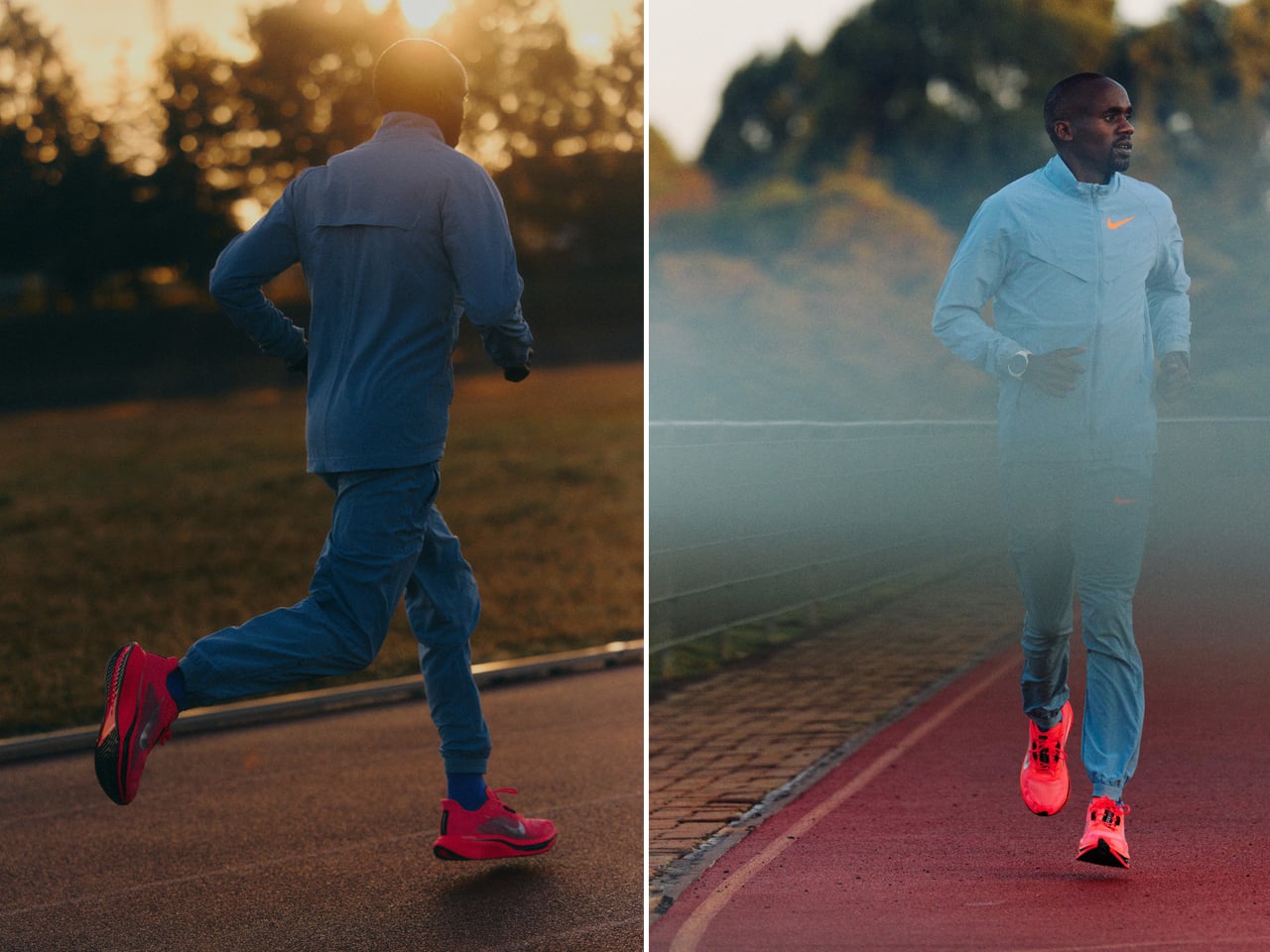
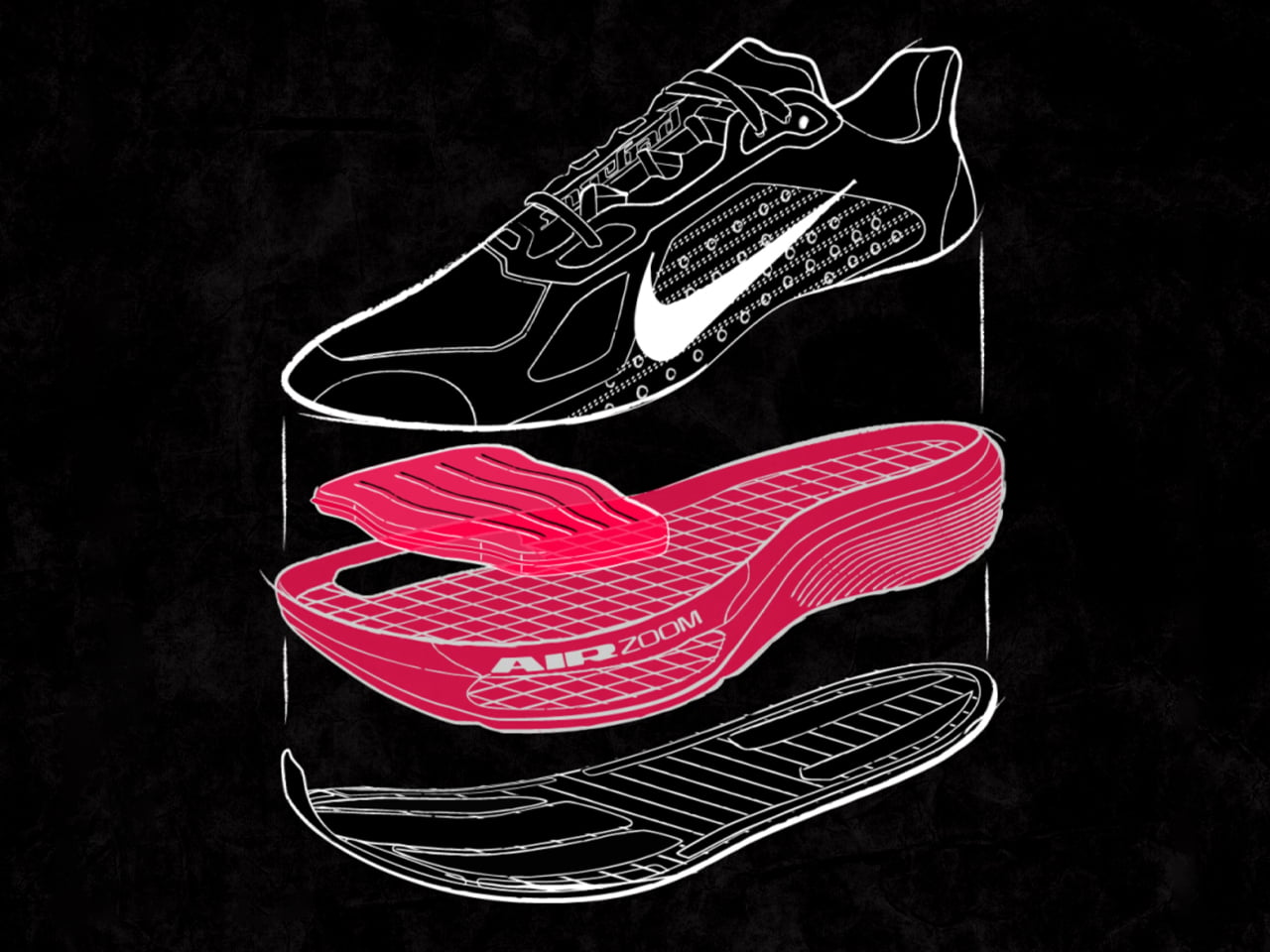
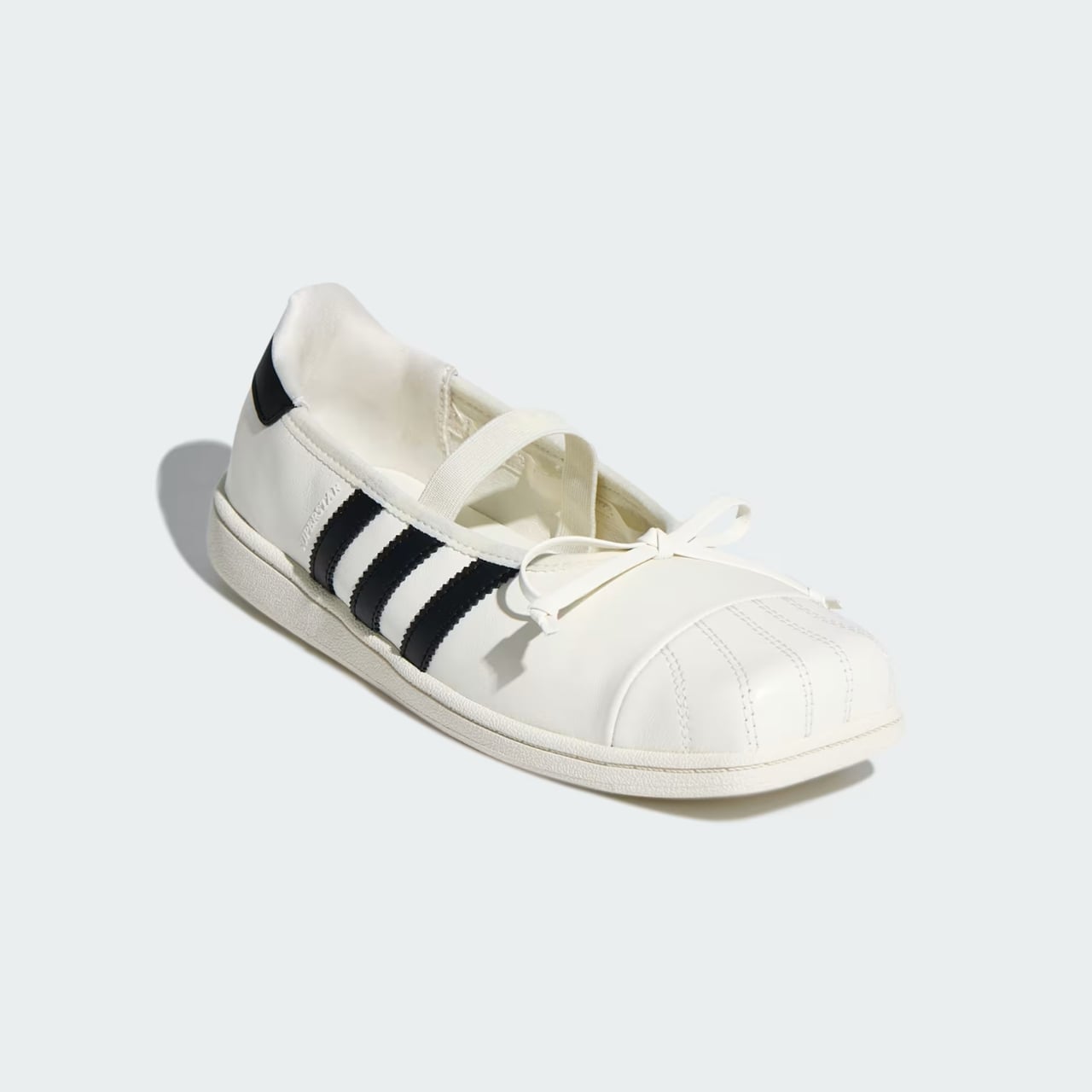
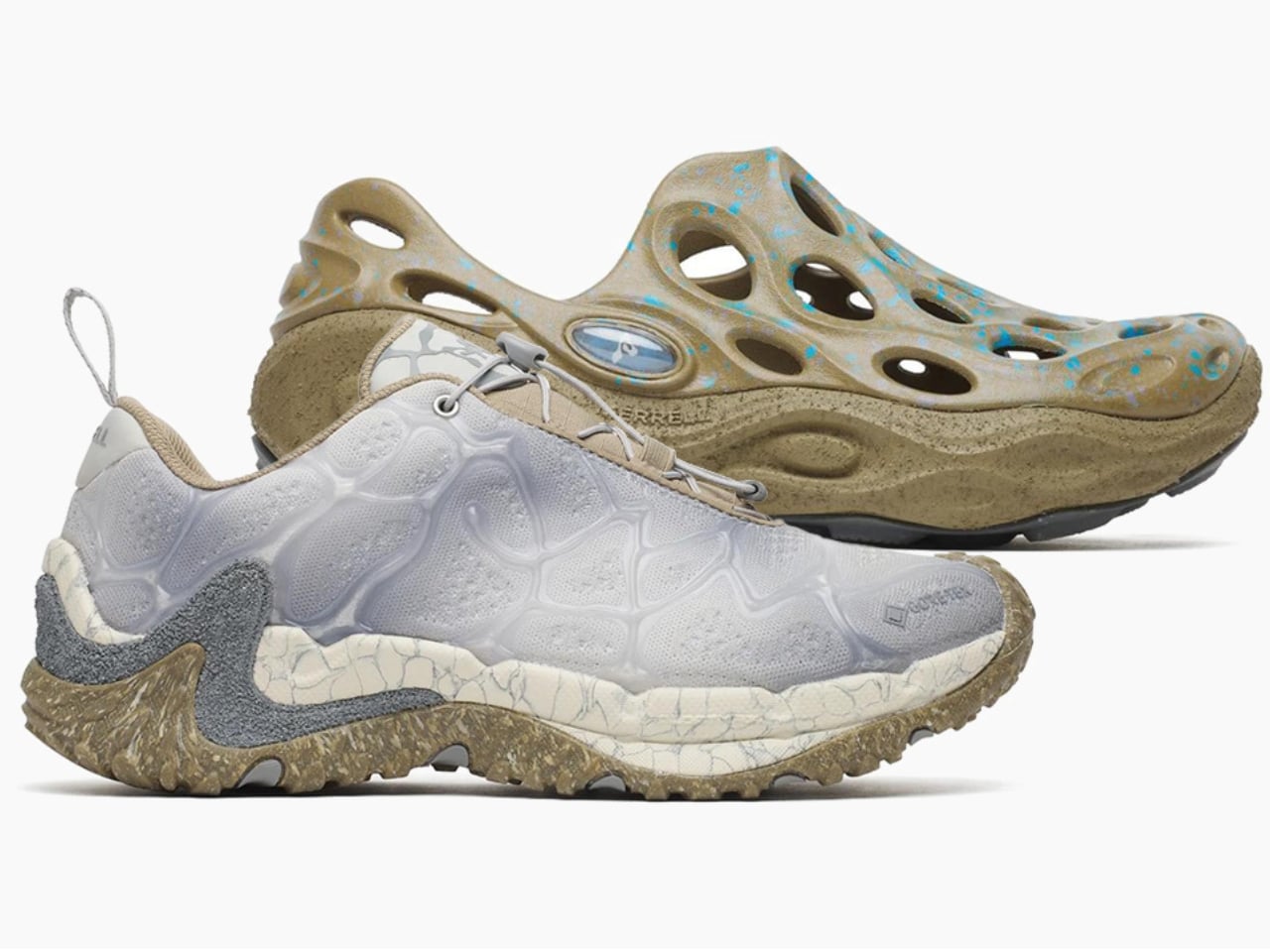
The answer turns out to look a bit like a futuristic slipper, which is either its most interesting quality or its most confounding one, depending on your expectations. The upper is a soft, seamless white shell that pulls over the foot more like a sock than a traditional shoe, with almost no visible fastenings, stitching, or hardware. That minimal surface exists to let the midsole do all the work visually, and the midsole is doing quite a lot.

Designer: Haamed Ansari

That red base is the conceptual core of the whole project. Rendered in high-gloss red, it wraps from heel to toe in a continuous form that borrows the surface logic of automotive body panels, where lines are load-bearing transitions between volumes, not decorative additions. A single glossy band sweeps diagonally across the lateral side before tapering into the toe, much like a racing stripe that has been folded into three-dimensional geometry.

Where the red midsole meets the white upper, a narrow grey seam line functions almost like a panel gap. Car designers use exactly this kind of negative space to separate body sections and give each component its own visual weight. Without it, the shoe would read as a simple two-tone colorblock. With it, the shoe looks assembled from distinct parts that happen to meet with precision, which is a different thing entirely and a far more considered one.

Seen head-on, the silhouette edges surprisingly close to a Japanese tabi shoe, the way the upper pulls cleanly away from a defined sole structure and wraps the foot rather than lacing or strapping around it. The proportions are quite different, but the underlying logic feels shared. Where the tabi’s separation is rooted in traditional craft and function, this concept’s version is purely formal, a visual argument about soft material against rigid geometry.

The ideation sketches make clear that the final form is a significant restraint from where the concept began. Earlier iterations pushed into armored, aggressive territory with angular protrusions and forms that read more like racing boots from a science fiction film. The decision to pare that down into something closer to a loafer-boot hybrid is either a maturation of the idea or a softening of it, and whether that calm reads as confidence or compromise is the question the final render quietly leaves open.
The post This Concept Shoe Looks Like a Sports Car Melted Onto Your Foot first appeared on Yanko Design.