Woven by Hand in the Philippines, Sold in Milan

Most lamps just sit there. They do their job, emit their light, and fade into the background of a room. Mirei Monticelli’s lamps are the kind you keep looking at.

The Milan-based Filipina designer has built her practice around a single material: banaca, a woven textile made from the fibers of the banana-abaca plant, harvested by hand on the island of Catanduanes in the Bicol region of the Philippines. It’s not exactly the kind of material you’d expect to find at the center of a glossy Milanese design studio, and that’s exactly the point.

Designer: Mirei Monticelli
Monticelli studied at Politecnico di Milano, earning her Masters in Design and Engineering, but her roots have always pulled her back to the Philippines. Her mother, celebrated fashion designer Ditta Sandico, actually pioneered the banaca textile itself, a blend of banana and abaca fibers that is both remarkably durable and incredibly malleable. Working with renowned rattan designer Kenneth Cobonpue also shaped her early understanding of how natural, traditional materials can carry enormous aesthetic power. In 2019, she founded Studiomirei, and by the end of that same year, her Nebula lamp had already won the Salone Satellite Award at Milan Design Week.
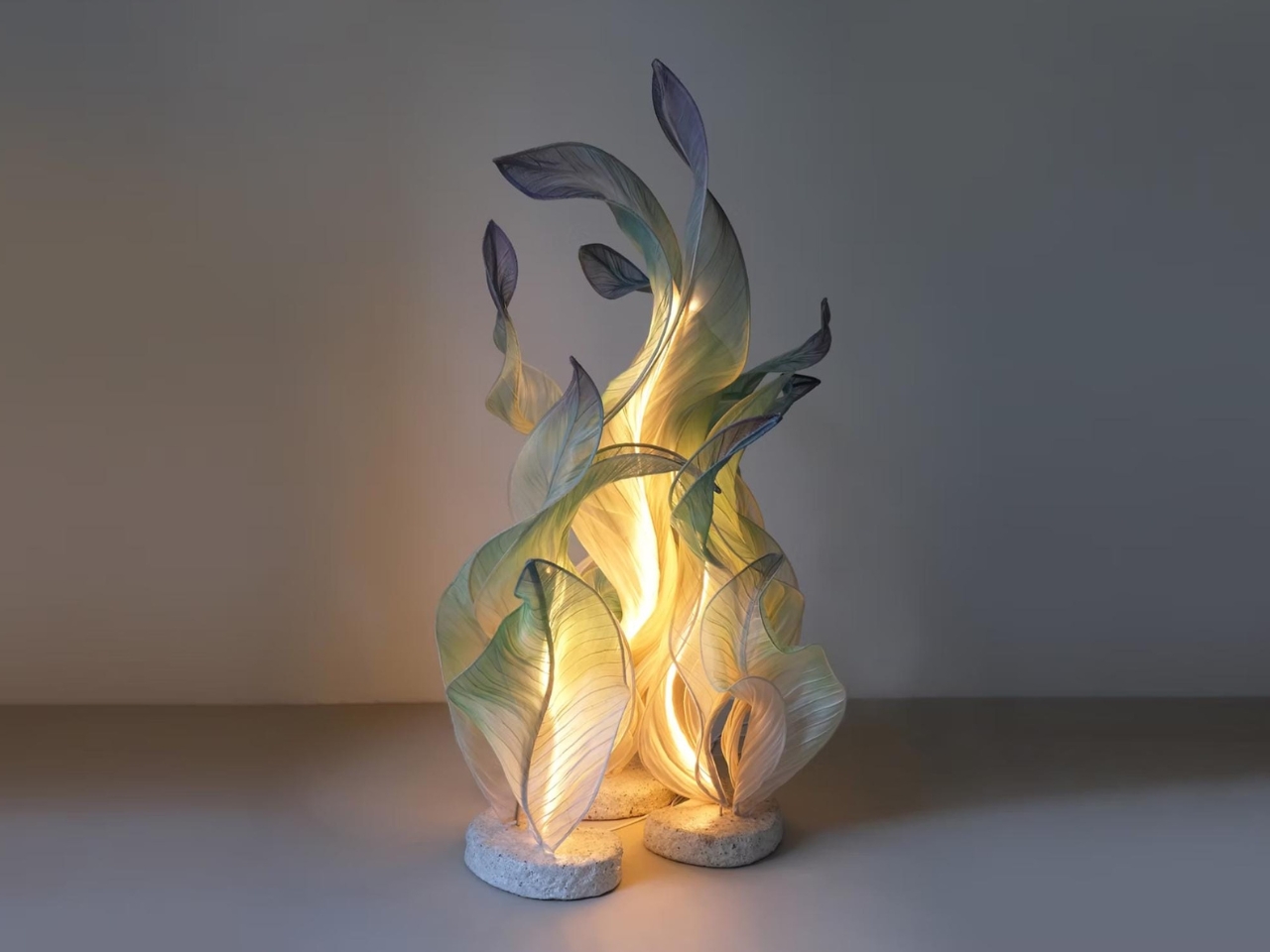
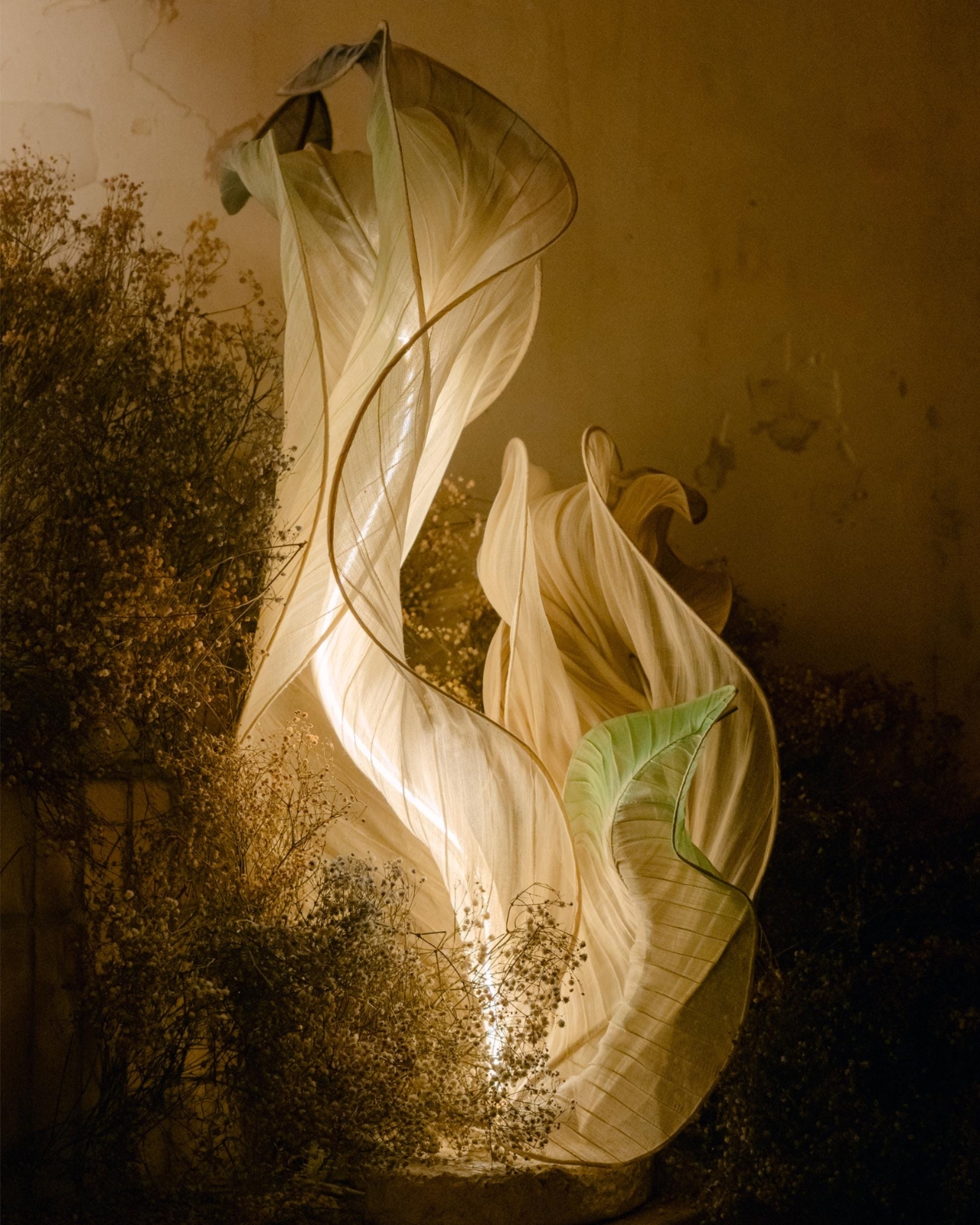
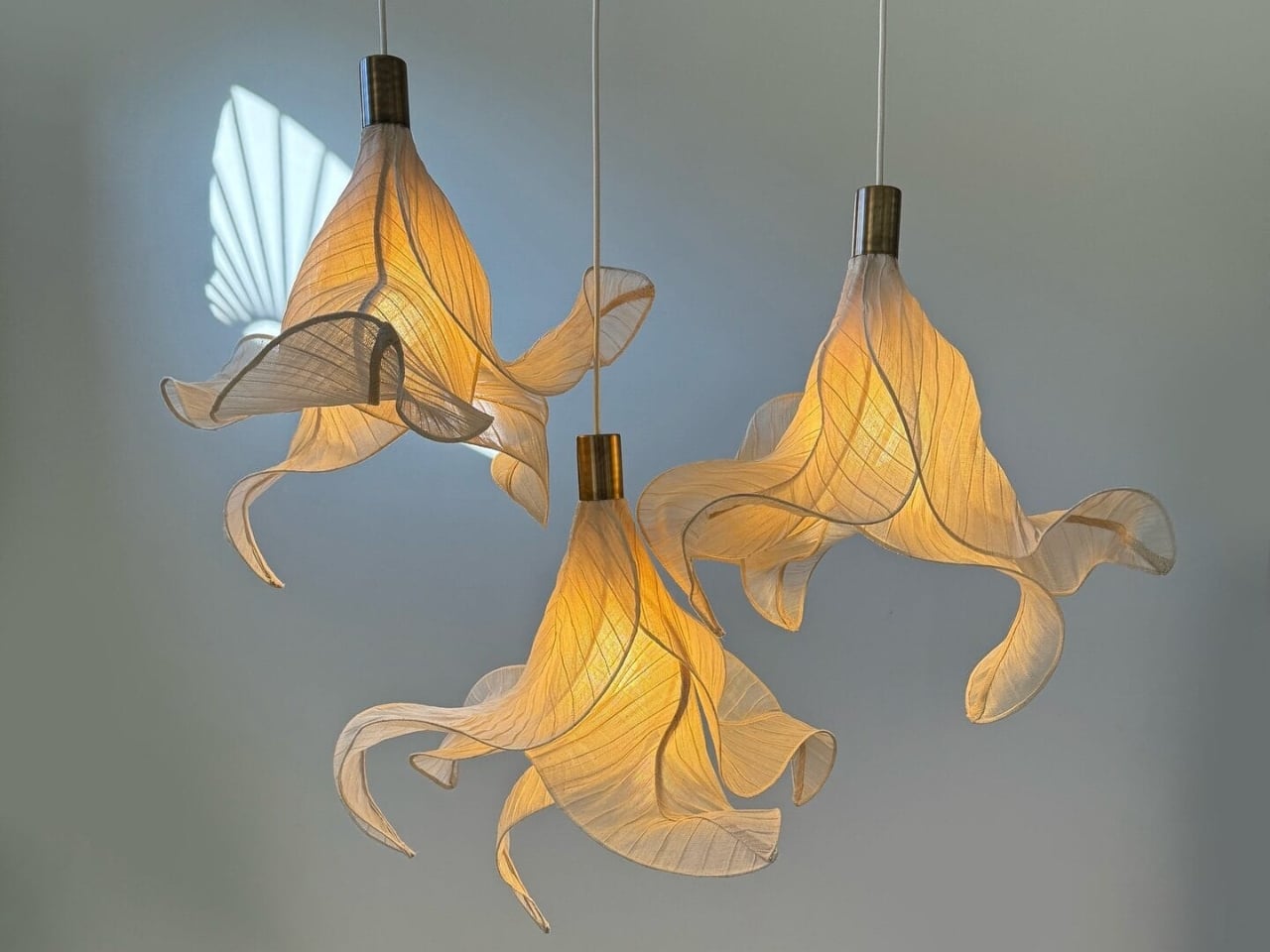
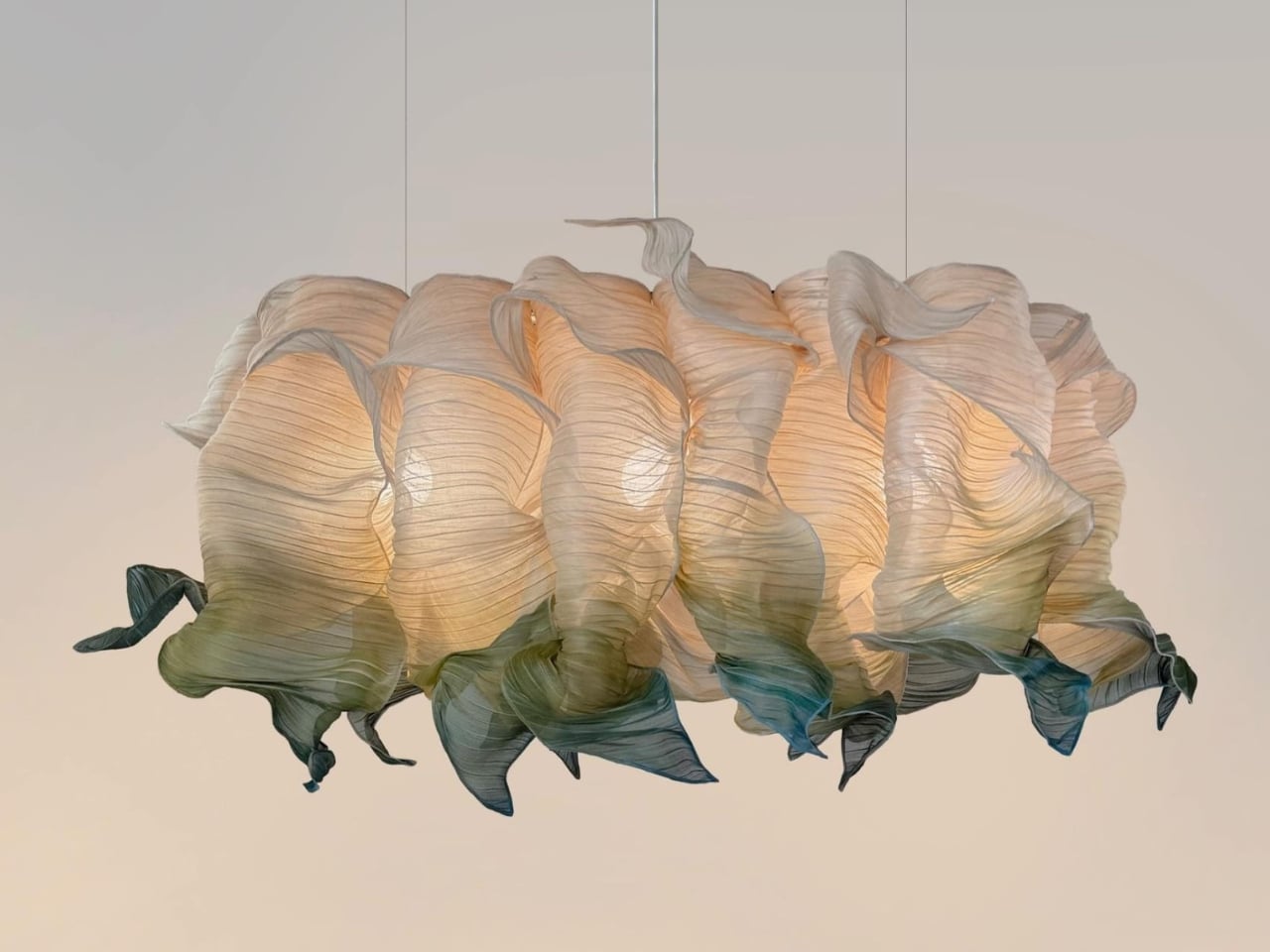
Since then, she has used banaca almost exclusively for her lighting pieces, and the results are genuinely hard to categorize. They hover somewhere between sculpture and utility, between craft object and fine art. When light passes through the woven fibers, the pieces seem to breathe. The way the material catches and filters illumination gives each lamp a softness you don’t usually expect from a functional object. The forms manage to feel both ancient and completely contemporary.
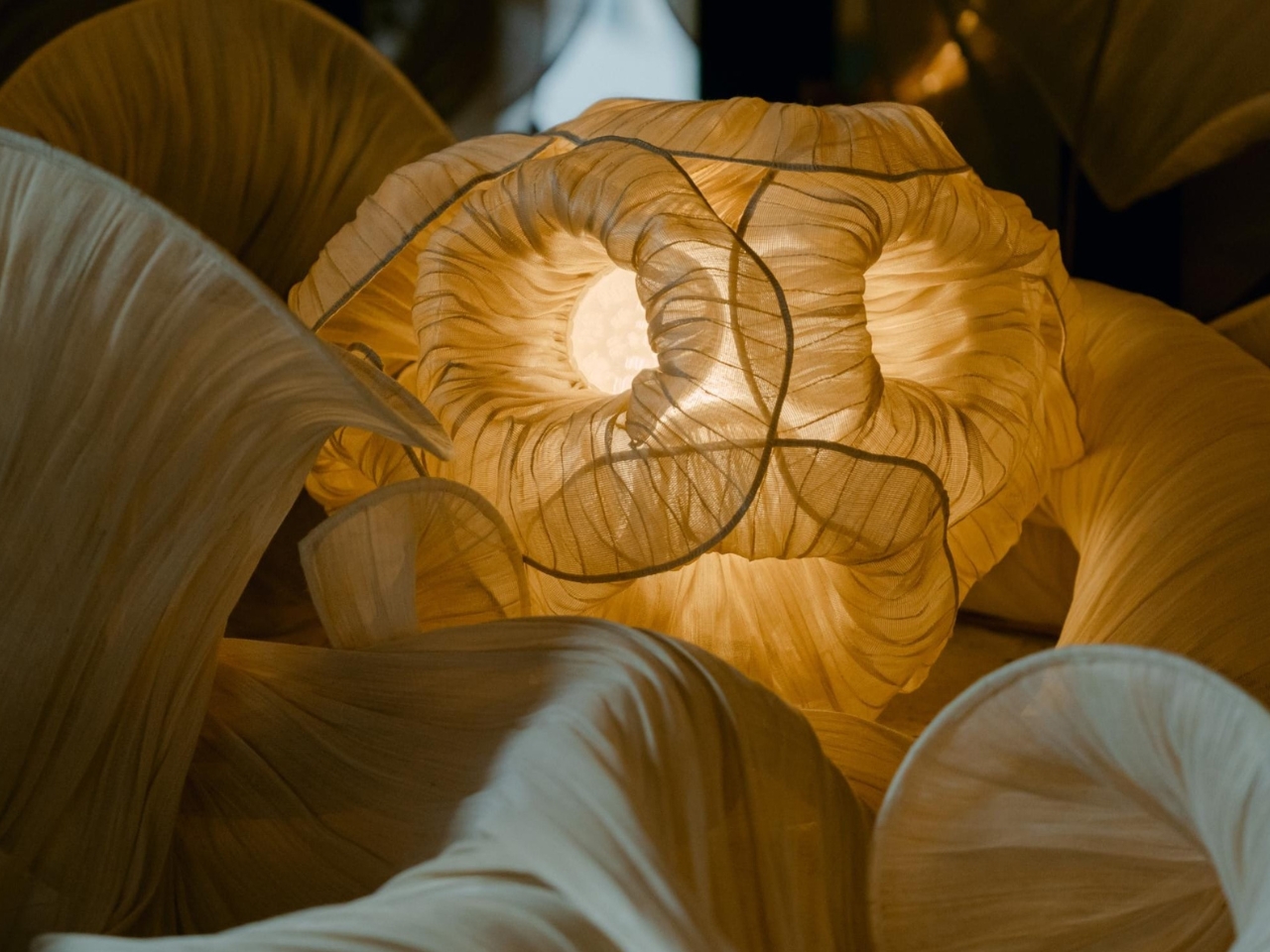
The newest work carries that same visual language forward. Biomorphic shapes, swells and folds that recall sea creatures, coral reefs, and natural formations, seem to suspend mid-motion. The organic quality of banaca lends itself to this perfectly. Unlike glass or metal, the material doesn’t impose rigidity; it holds form while still suggesting movement. Looking at them, you get the sense that if you turned the light off, the shape might slowly release and unfold.
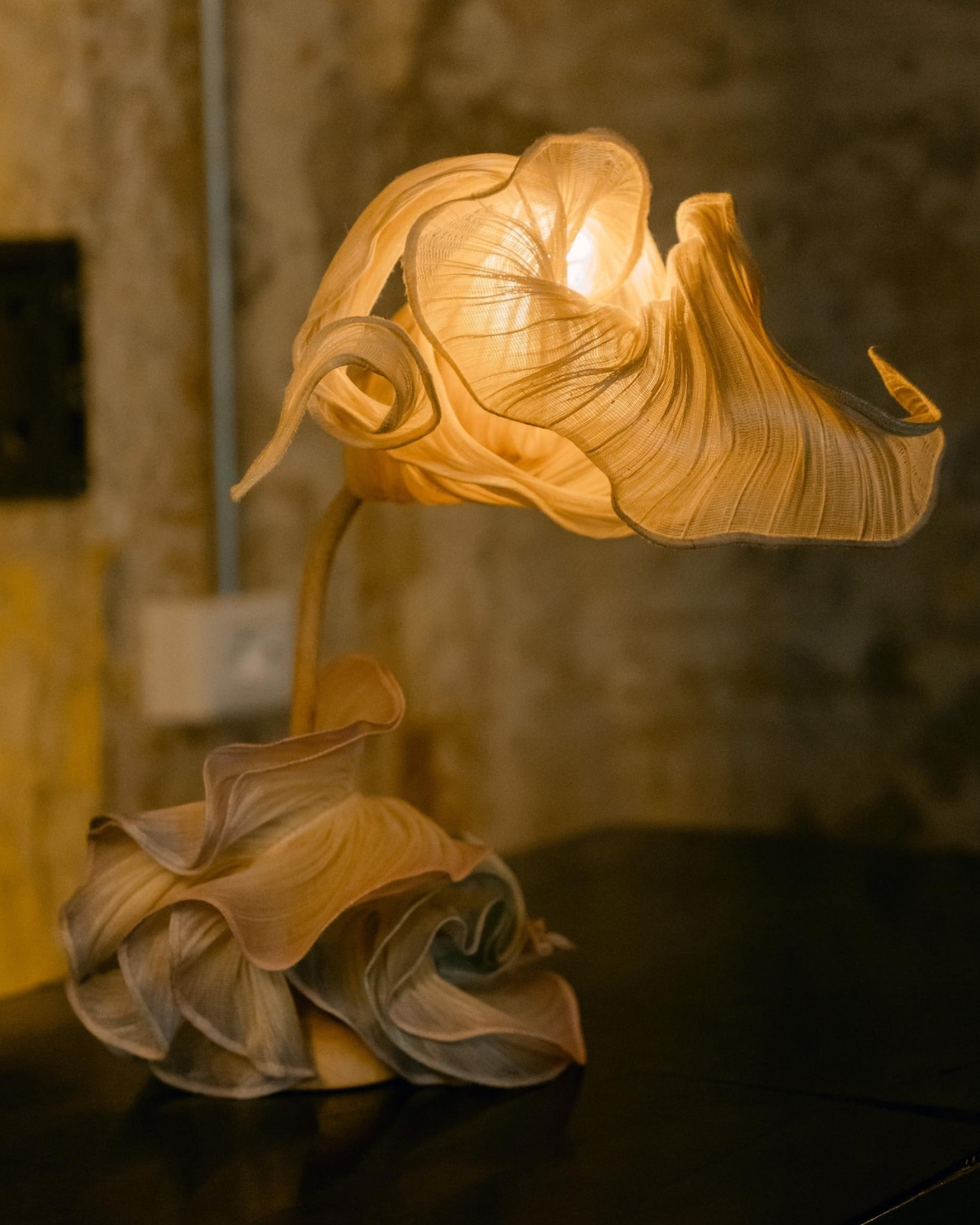
The material story goes deeper than aesthetics, and it’s the part that tends to get overlooked in design coverage. Each lamp is the result of an entire chain of human hands. Farmers in Bicol harvest the banana-abaca trunks by hand when the plants reach maturity. The fibers are extracted, brought to the community, and woven by artisans using techniques passed down through generations. By the time a finished lamp reaches a room in Milan, it carries the labor and heritage of an entire province in the Philippines.
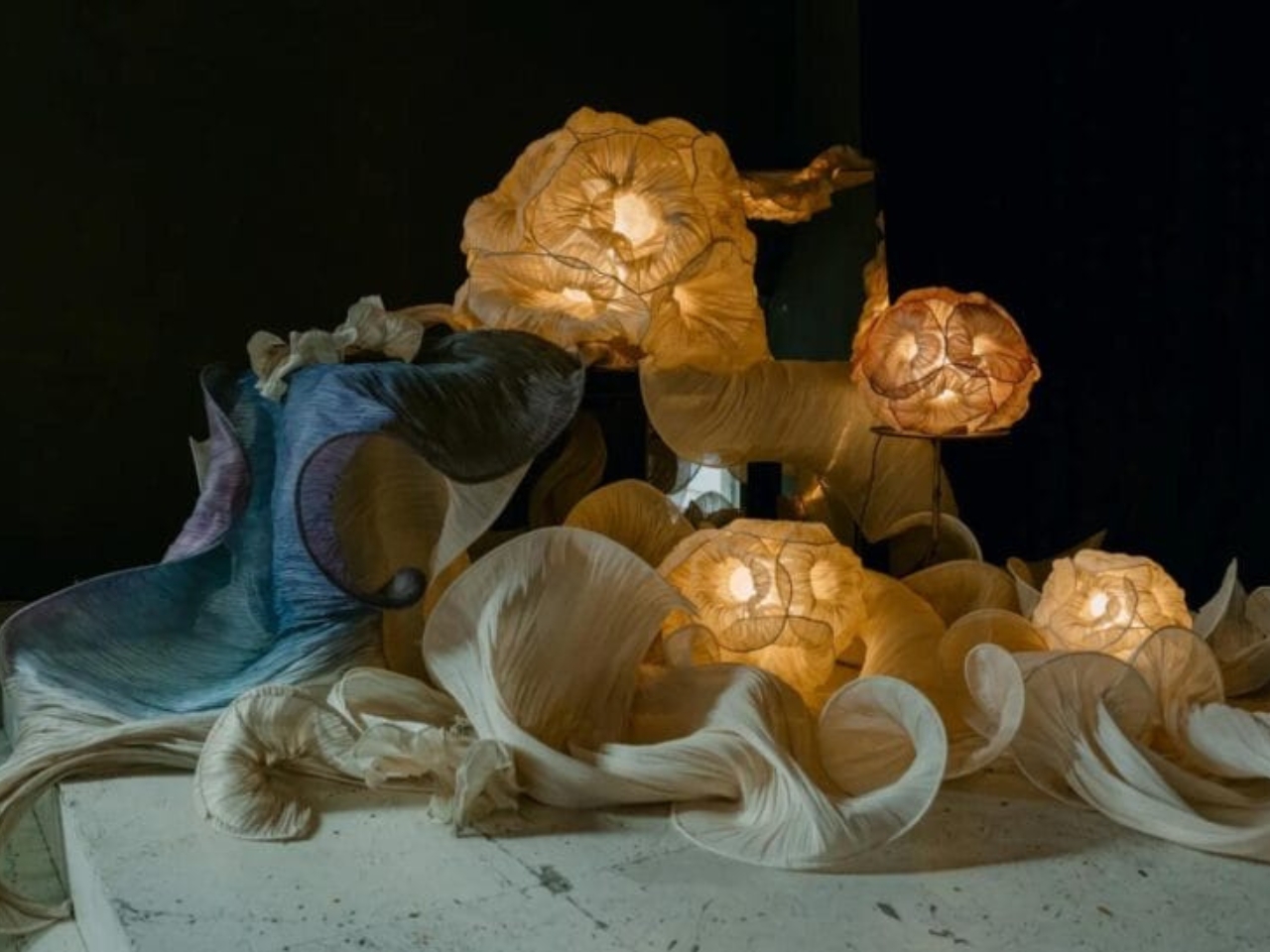
Monticelli has said explicitly that her studio works at the intersection of sustainable materials, craft, technology, and community empowerment. It sounds like a mission statement, and maybe it is, but the work itself proves it isn’t just positioning. The banaca lamps are not mass-produced. They are made to order, with lead times that reflect the reality of handcraft. Customizable in size and color, they are objects you commission with intention rather than objects you add to a cart.
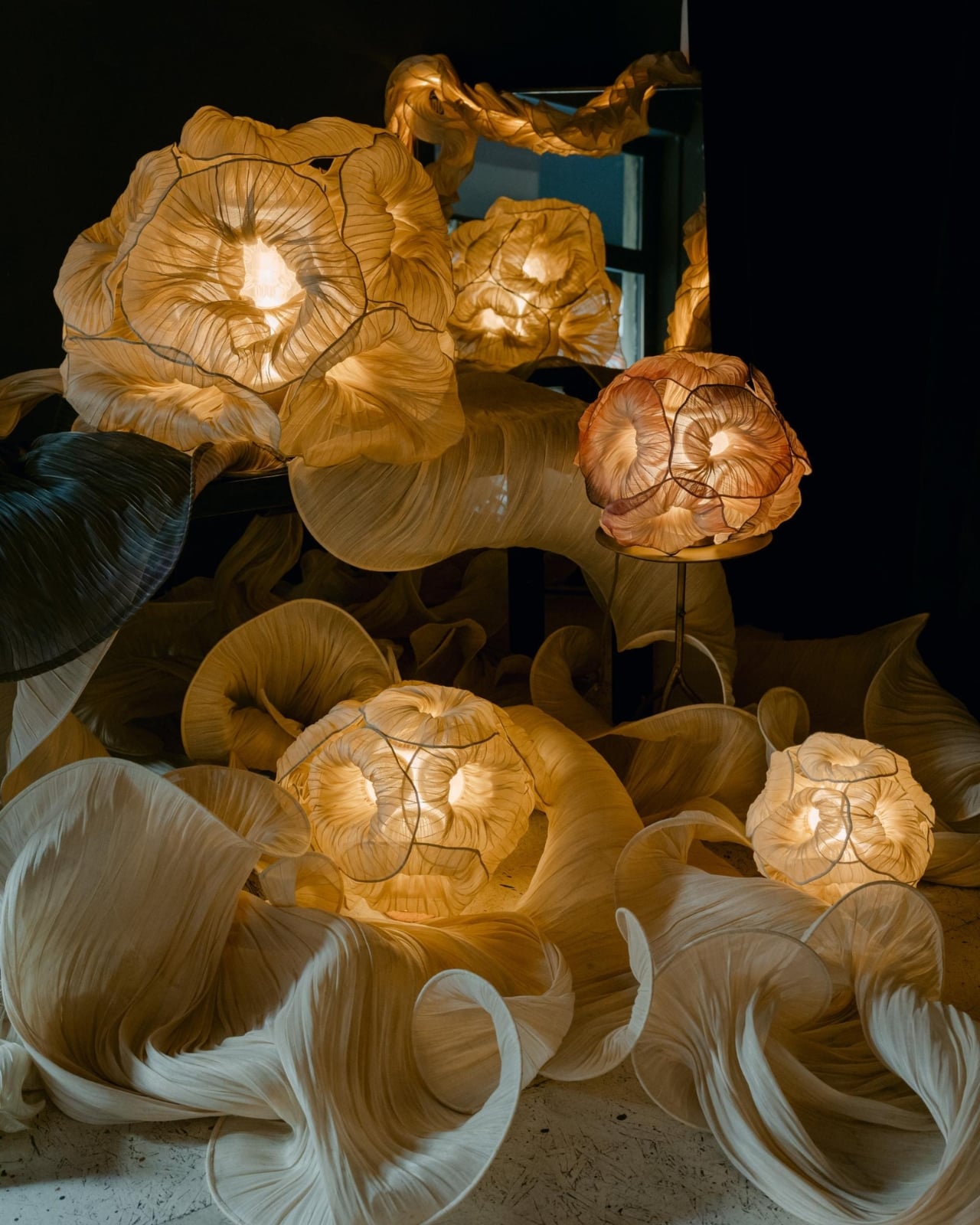
A real tension exists in sustainable luxury design between the genuine and the performative, and it’s worth naming. Many brands talk about ethical sourcing while scaling in ways that hollow out what made the material meaningful in the first place. Monticelli’s studio, still rooted in direct relationships with the farmers and weavers of Bicol, has navigated that tension well. The limited production isn’t a constraint; it’s the whole point.
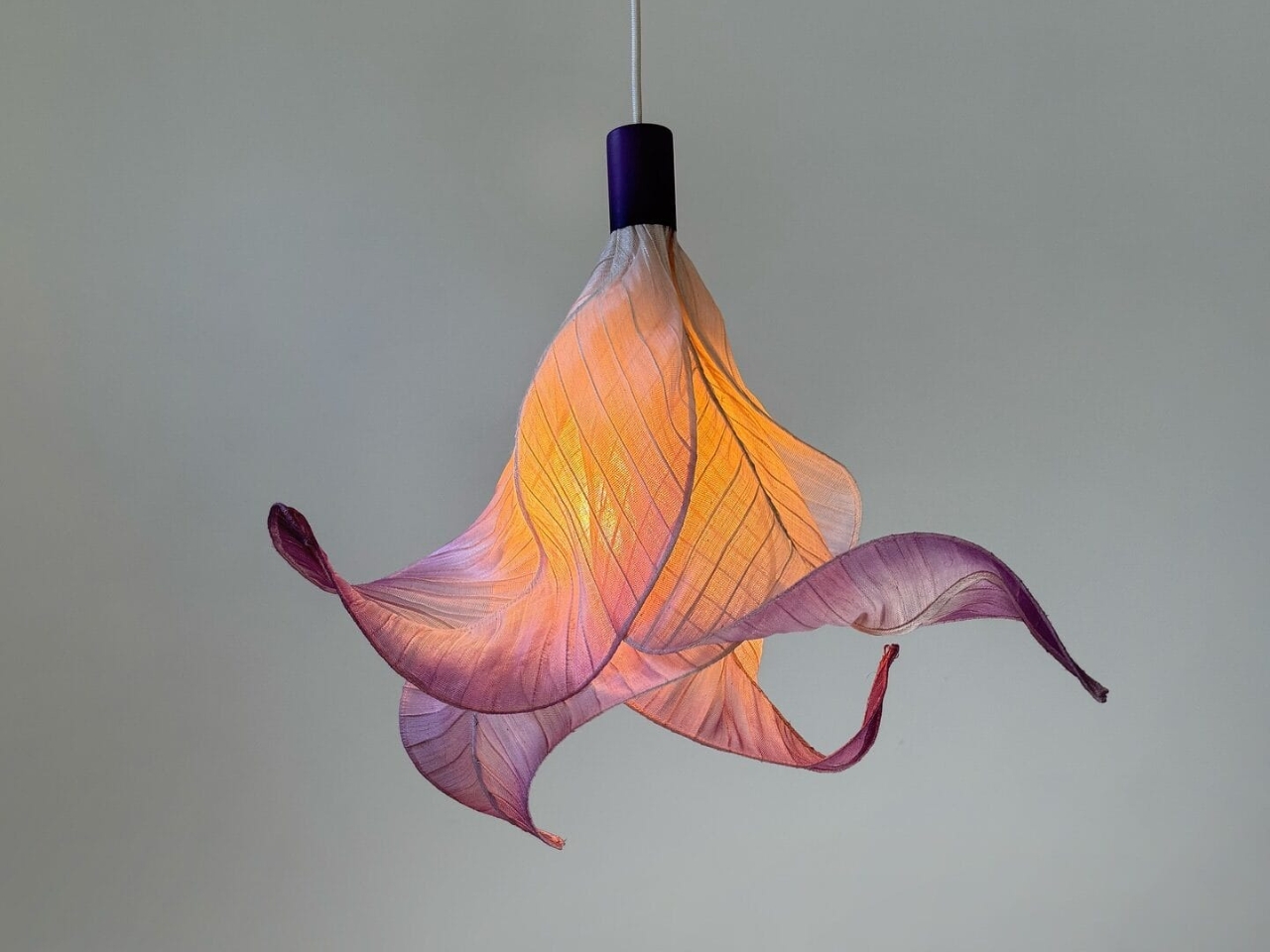
The design world loves a good material story, and banaca has a genuinely good one. A plant grown on a remote Philippine island, harvested by hand, woven by a community of artisans, shaped by a designer navigating two cultures, and ultimately glowing softly in rooms that could not be further from the landscape that produced it. That kind of distance, traveled with integrity, is what turns a lamp into something worth writing about.
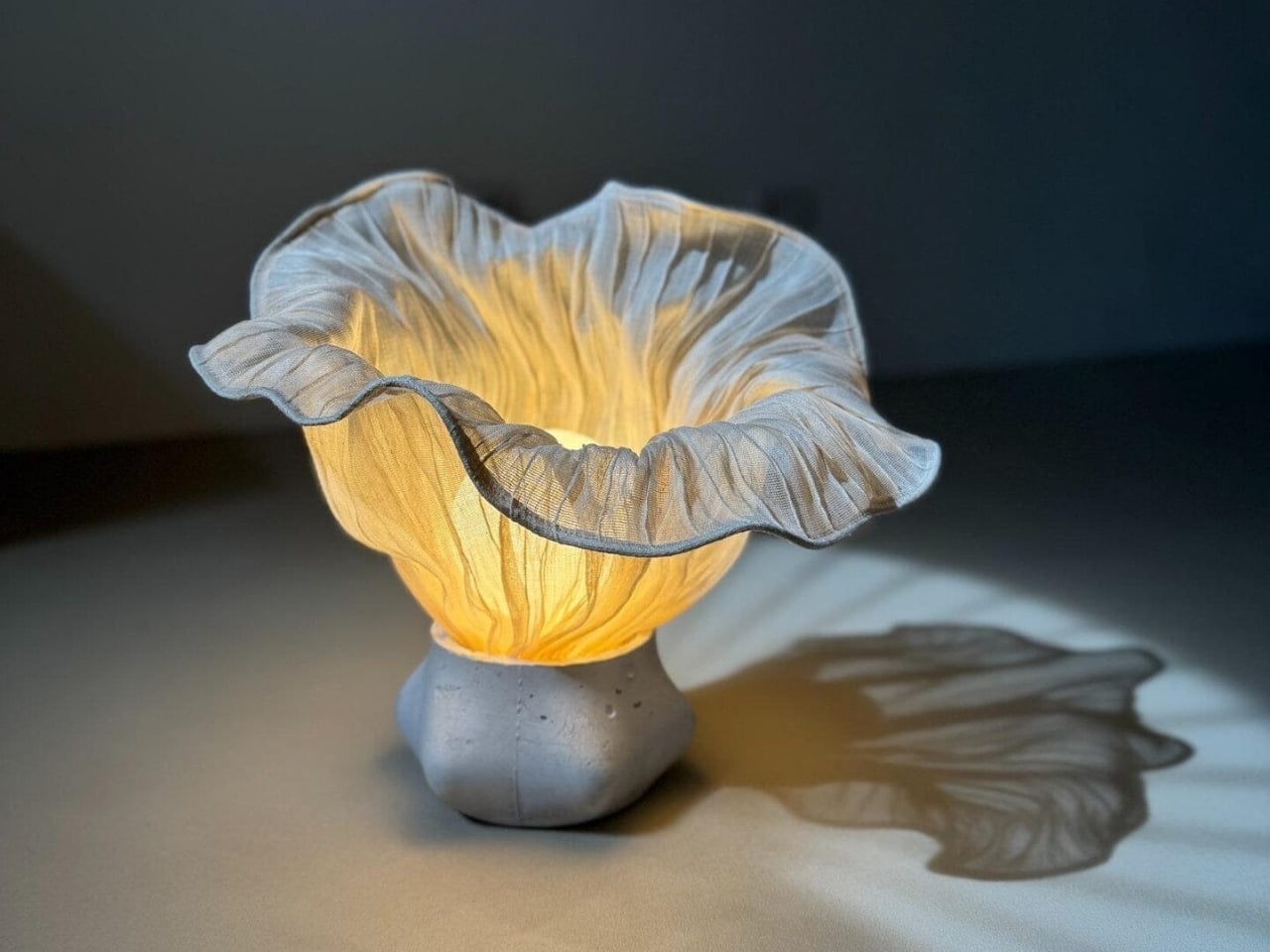
The post Woven by Hand in the Philippines, Sold in Milan first appeared on Yanko Design.
3D-Printed Banana Lamp is a Cheeky Nod to Maurizio Cattelan’s Most Iconic Artwork

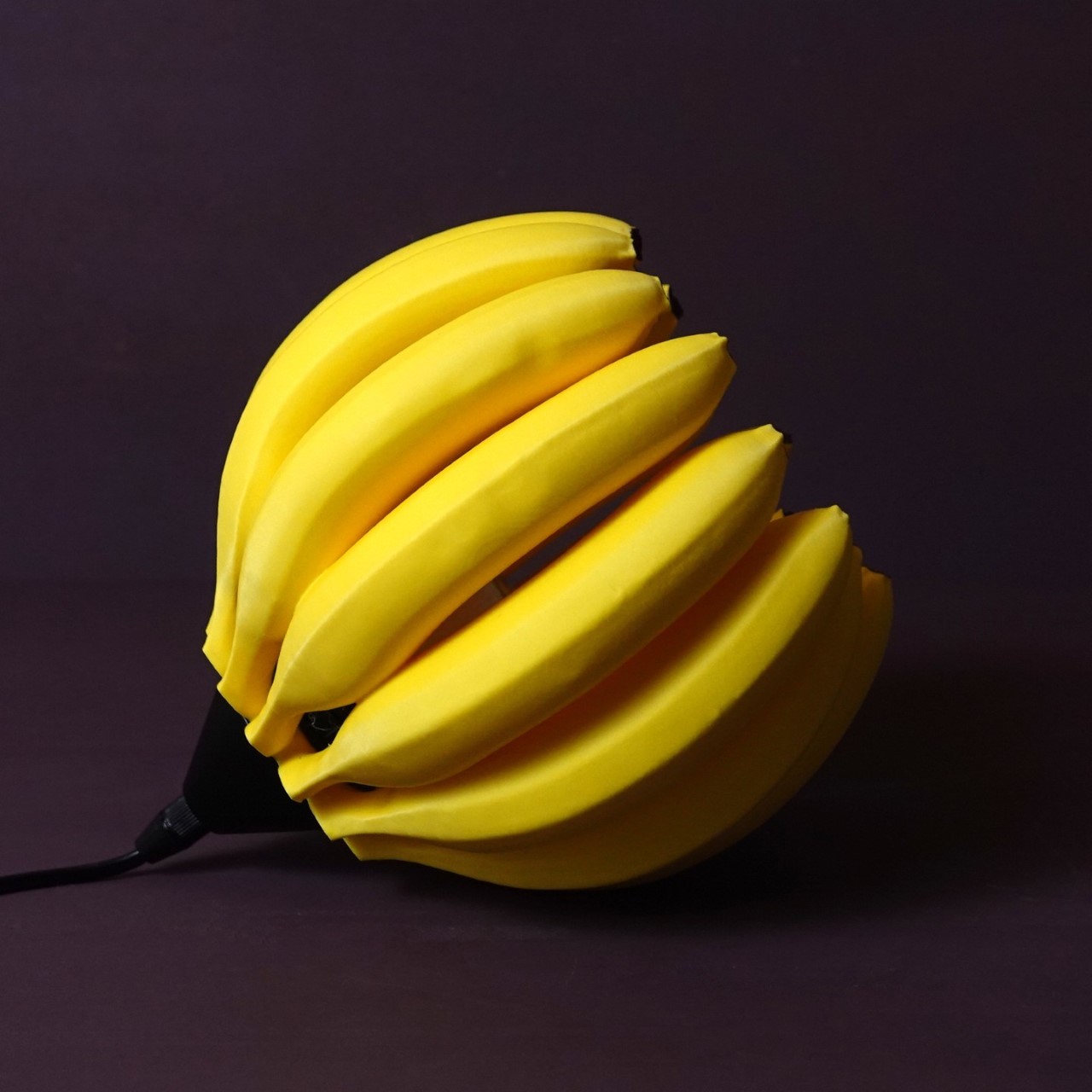
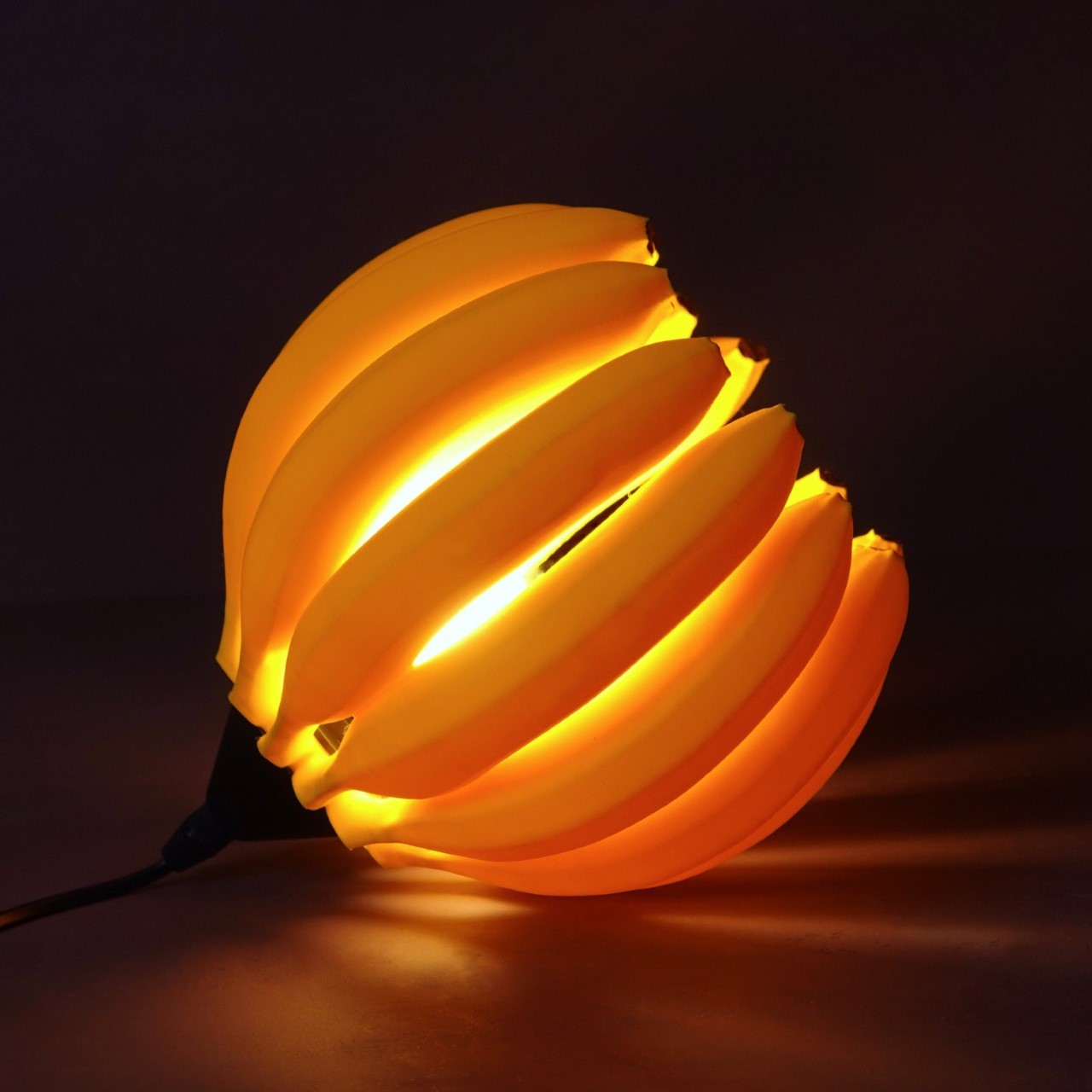
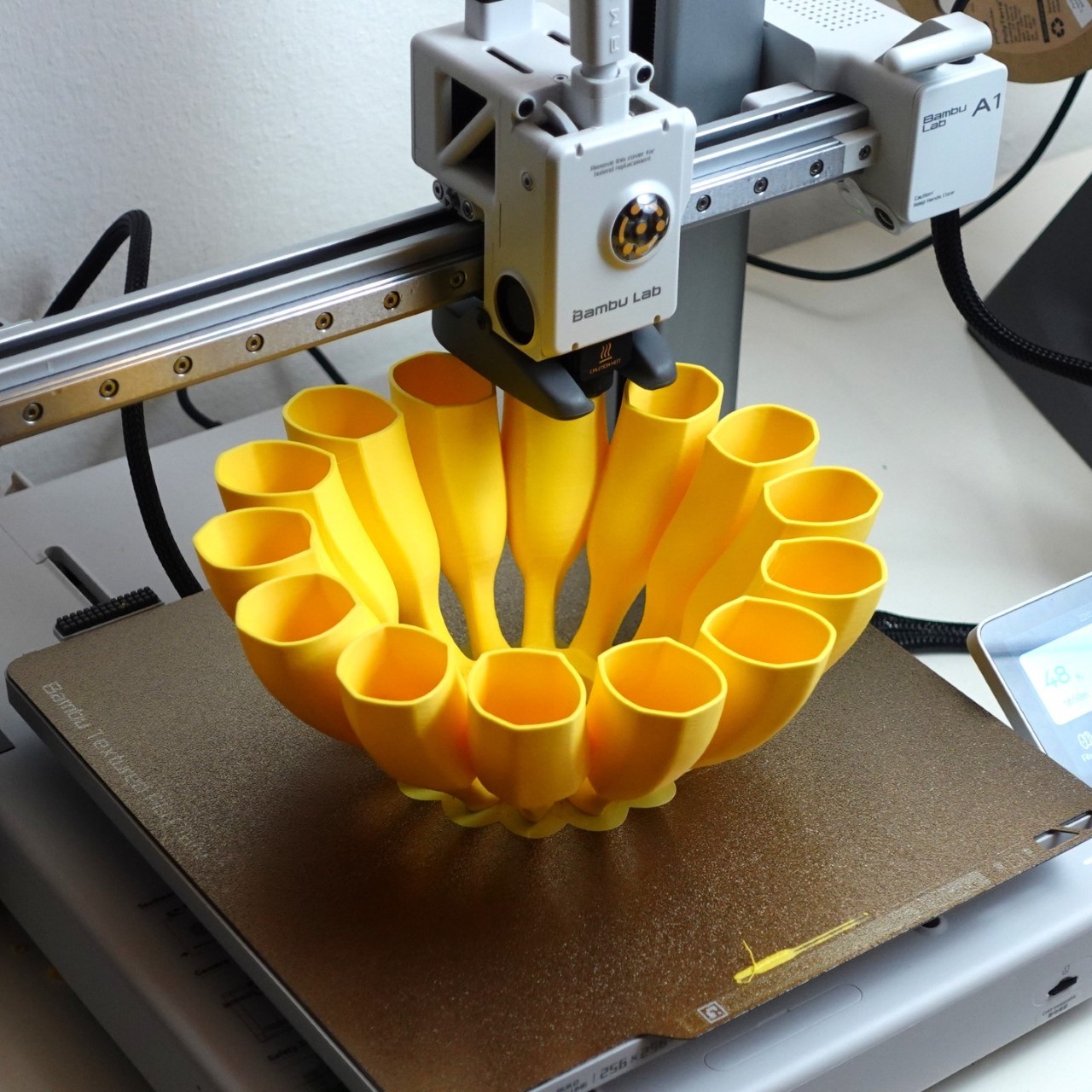
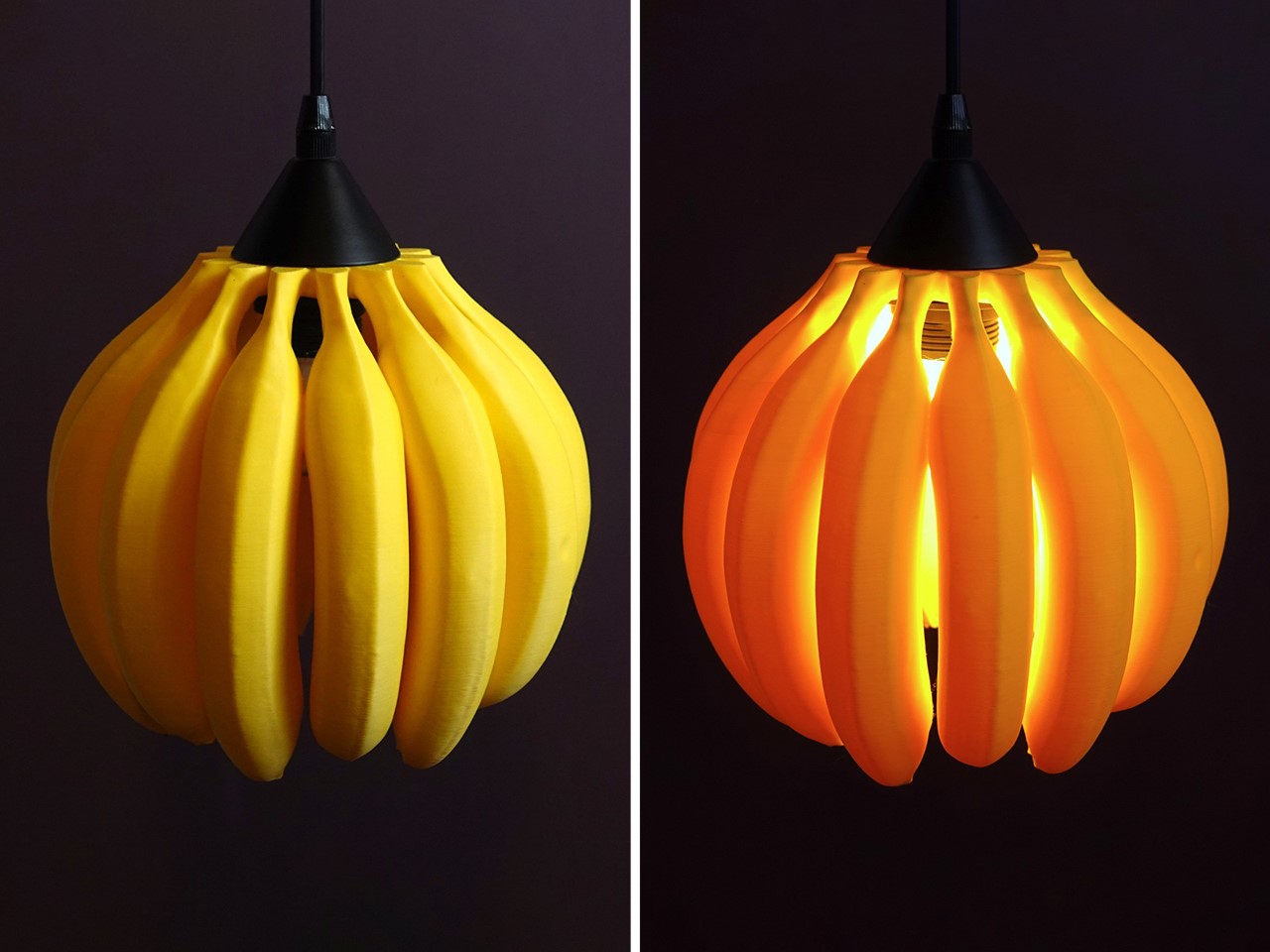
A glowing bunch of bananas might sound like a quirky Maurizio Cattelan artpiece that comments on society, but the Banana Lamp by Gazzaladra is a serious nod to creativity and clever design. Crafted using precise 3D scans of real bananas, this lamp leans into nature’s whimsy, turning an everyday fruit into an arresting piece of functional art. It’s not just about illumination—it’s about sparking conversations, turning heads, and challenging the mundane with a cheeky twist.

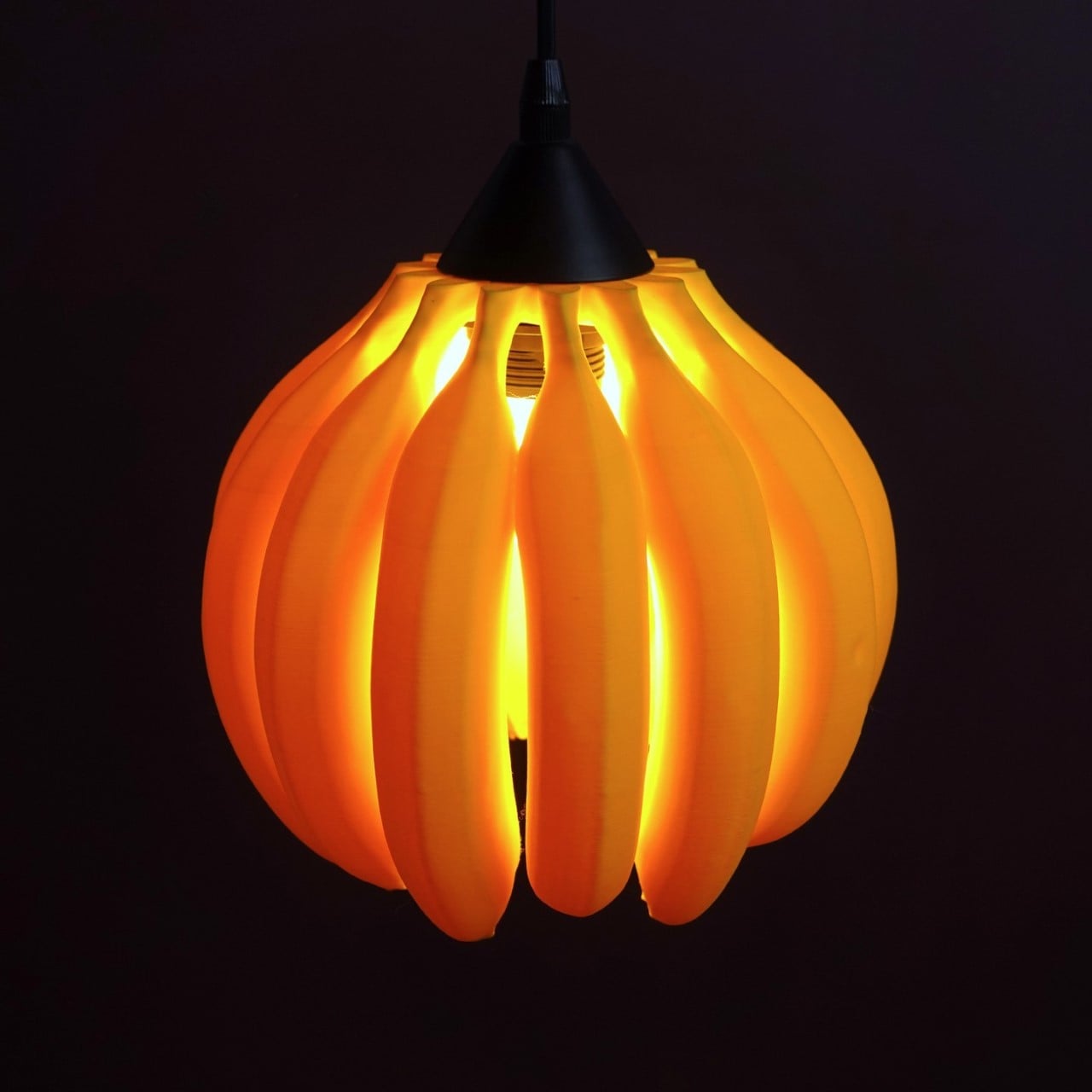
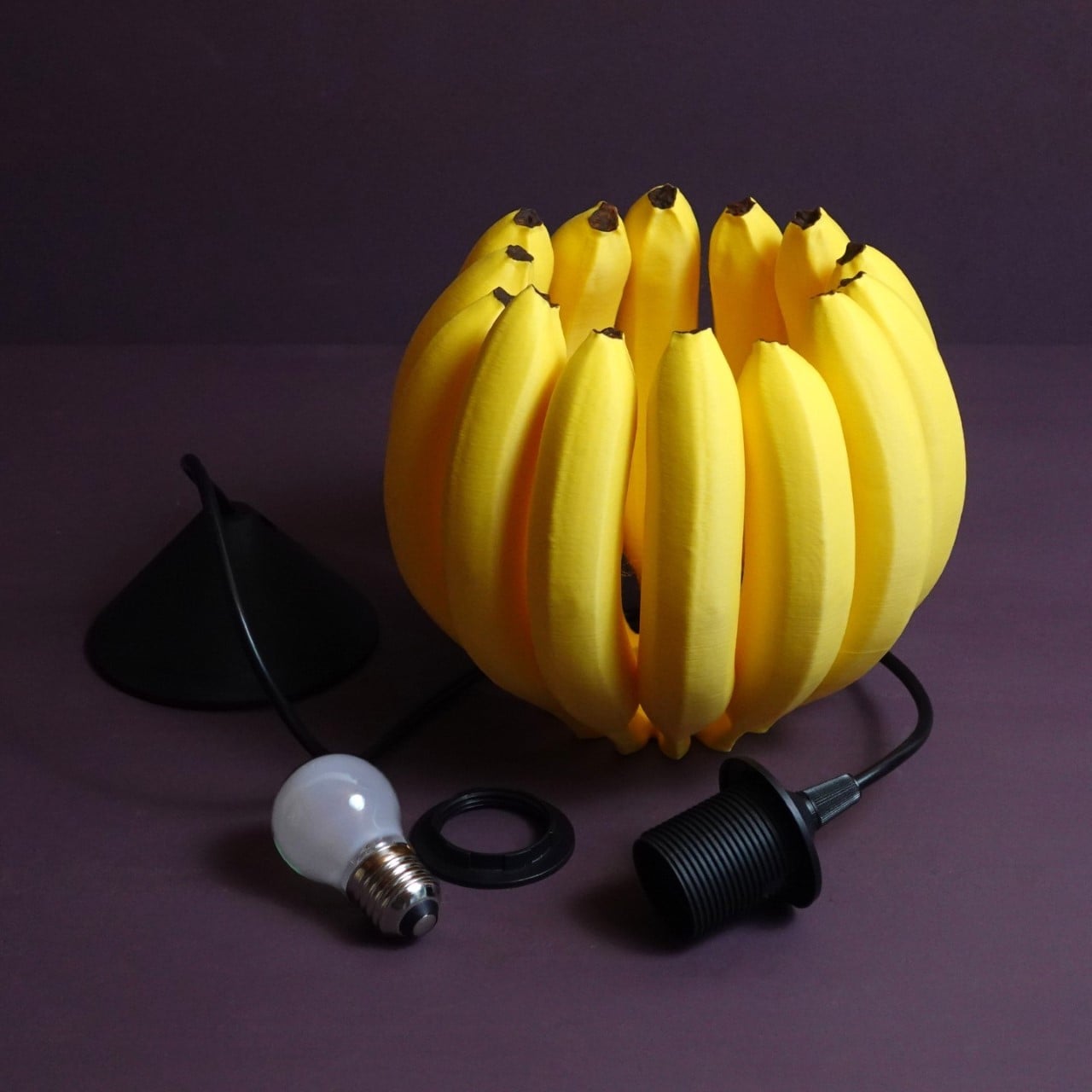
Each lamp in the collection captures the organic details of a banana bunch with startling authenticity. From the subtle ridges on the peel to the delicate curve of each fruit, it’s evident that this isn’t just a cartoonish attempt at mimicking nature. Gazzaladra’s design merges the accuracy of high-resolution 3D modeling with a sense of humor, resulting in a lamp that feels both oddly lifelike and undeniably modern. Whether perched on a desk or suspended from the ceiling, its playful design ensures it’s more than just a light source—it’s an experience.

Designer: Gazzaladra

The Banana Lamp’s charm lies in the marriage of form and function. It’s easy to dismiss a banana-shaped lamp as a novelty, but closer inspection reveals a thoughtful balance of aesthetics and utility. The design speaks to a broader audience—not just design enthusiasts but anyone with a sense of fun and a love for standout décor. The lamp doesn’t just sit quietly in the background; it demands to be noticed, celebrated, and even laughed about. It’s a rare example of how everyday objects, when reimagined creatively, can transcend their usual roles and become something extraordinary.

Available as a 3D model on the thangs.com 3D model marketplace, the Banana Lamp is designed to be tinkered with. The hollow bananas feature a 1.6mm wall thickness, making them ideal for translucent filaments that create a glowing effect. Want a more dramatic look? Play around with painting techniques to replicate anything from green, unripe bananas to the golden hue of perfectly ripened fruit. The lamp essentially invites you to collaborate with the design, making it a unique, hands-on experience for users.

Obviously it goes without saying, but the lamp’s designed only to be used with LED bulbs. Given that plastic (especially materials like PLA or ABS) melt fairly quickly under sustained heat, the Banana Lamp isn’t made for being used with incandescent bulbs. In fact, maker ‘gazzaladra’ even recommends trying out a bulb with a sample 3D print before installing one in your house. In fact, if your printer supports PET-G or Nylon filaments, opt for those over traditional PLA filaments that are very prone to warping or melting.

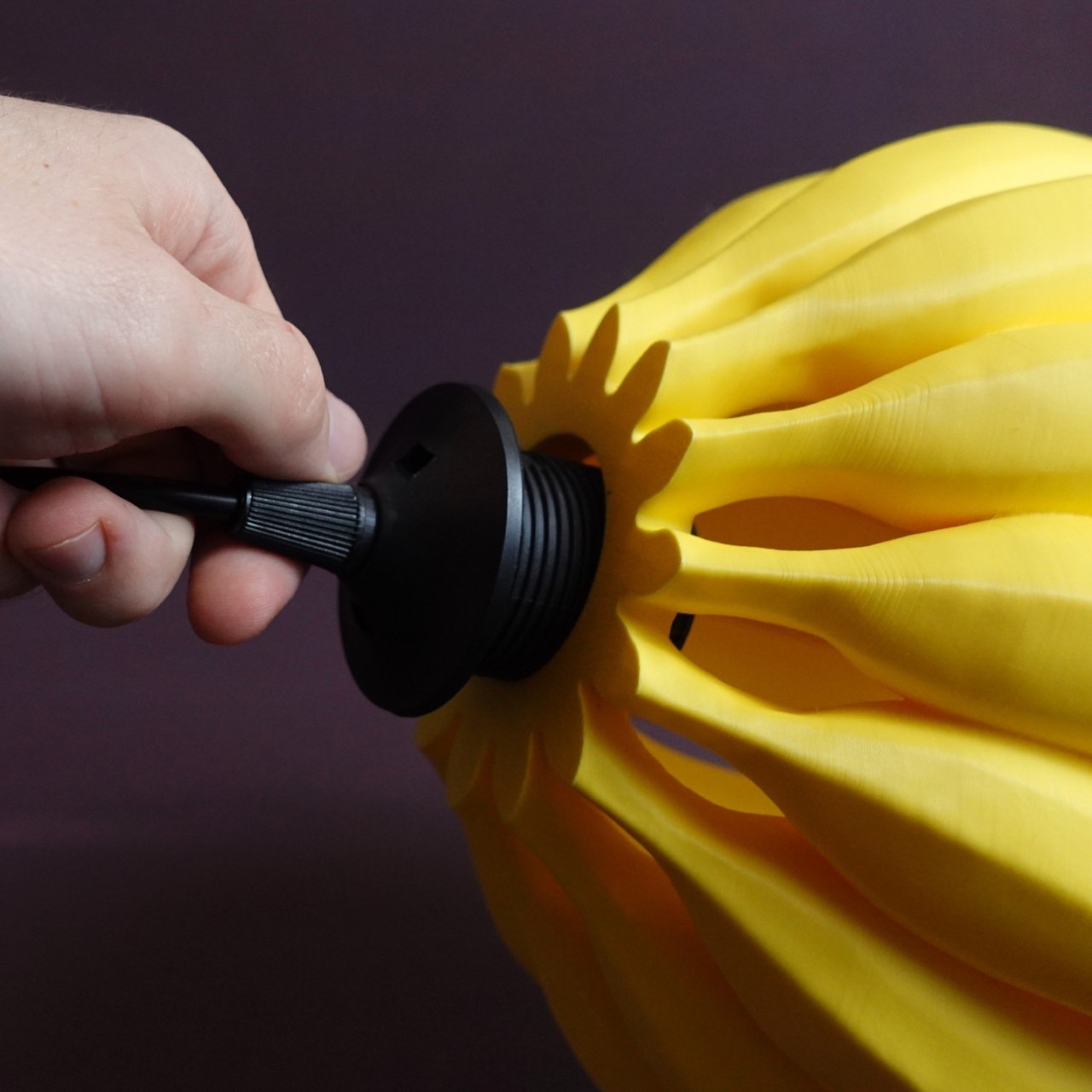
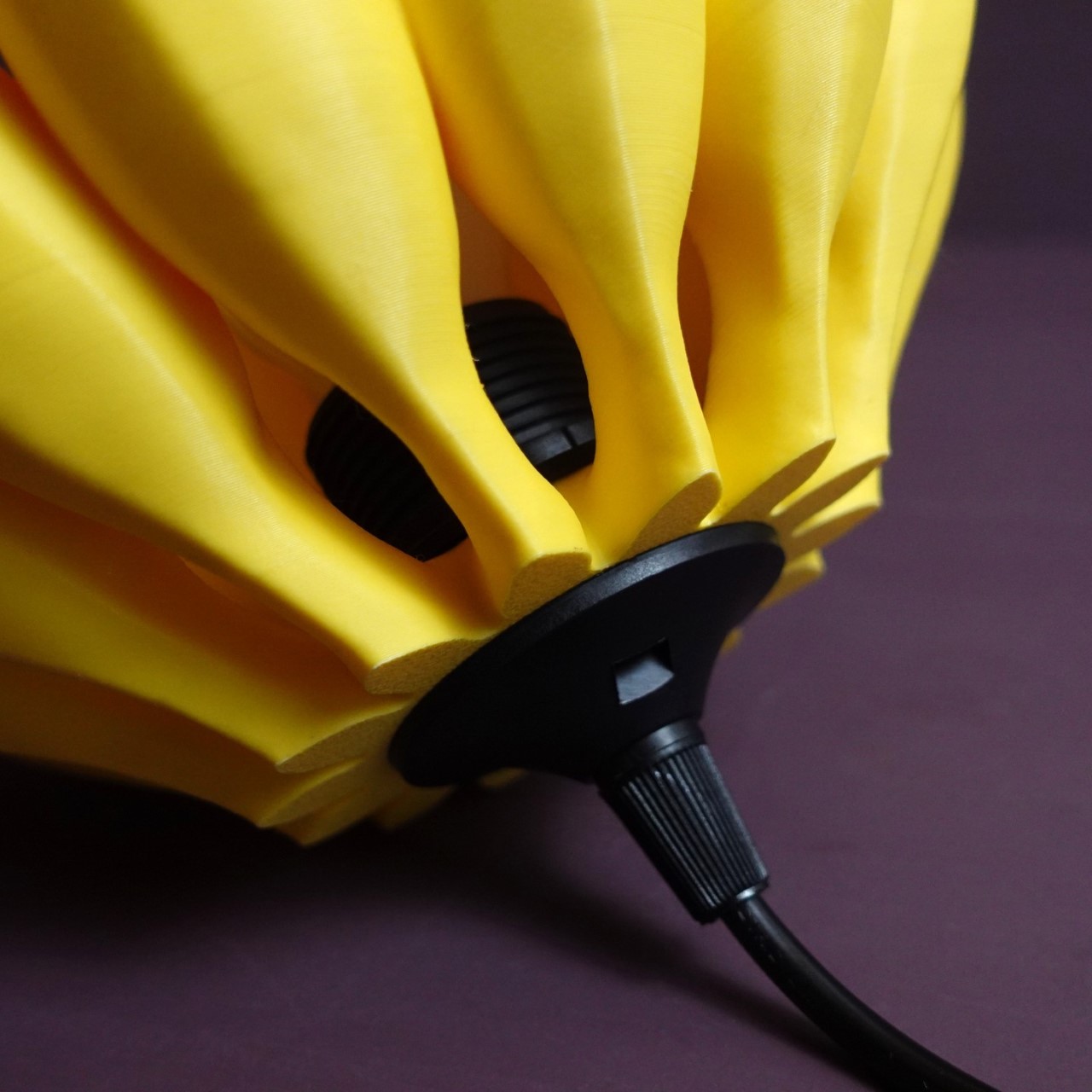
The Banana Lamp is available in four distinct versions, tailored to suit different needs and aesthetic preferences. Whether you’re looking for a pendant lamp to crown your kitchen or a desk version to brighten up your workspace, there’s a banana—or a bunch—for you. Each variant is compatible with common socket kits, such as the Ikea Strala, ensuring that even the technical side of this lamp remains approachable. A thoughtful design element allows for single or multicolor printing, so you can either keep it minimal or let your imagination run wild with custom-painted ripeness levels.

Gazzaladra’s Banana Lamp feels like an art exhibit brought into the home, a nod to the idea that even the most mundane objects can inspire joy. It’s a reminder to take design less seriously sometimes—to embrace the quirky and unexpected. Whether it’s lighting up a dinner party with its cheeky charm or simply sitting as a silent conversation starter in your living room, the Banana Lamp is an invitation to look at the world through a more playful lens.

The post 3D-Printed Banana Lamp is a Cheeky Nod to Maurizio Cattelan’s Most Iconic Artwork first appeared on Yanko Design.
Adorable banana-shaped hanger encourages kids to organize their wardrobes

Every parent understands the importance of instilling good habits in their children from a young age. Whether it’s tidying up after themselves or learning to organize their belongings, these habits lay the foundation for a disciplined and organized life. However, getting kids to adopt these habits can sometimes be a challenge, especially when it comes to something as mundane as hanging clothes. That’s where Banannang steps in.

Designer: Minje Park and ROUSEED STUDIO

Banannang is not just any ordinary hanger; it’s a cleverly designed tool that makes the process of hanging clothes fun and engaging for young children. Developed by a team passionate about fostering good habits in children, Banannang aims to revolutionize the way kids interact with their clothing and their environment.

One of the most common grievances of parents is the sight of clothes strewn across the floor or piled up on chairs – the infamous “chair of used clothes” in many households. These are clothes that aren’t necessarily dirty enough to be thrown in the laundry but still need to be tidied up. Banannang addresses this issue by turning clothes-hanging into a playful activity that children enjoy.

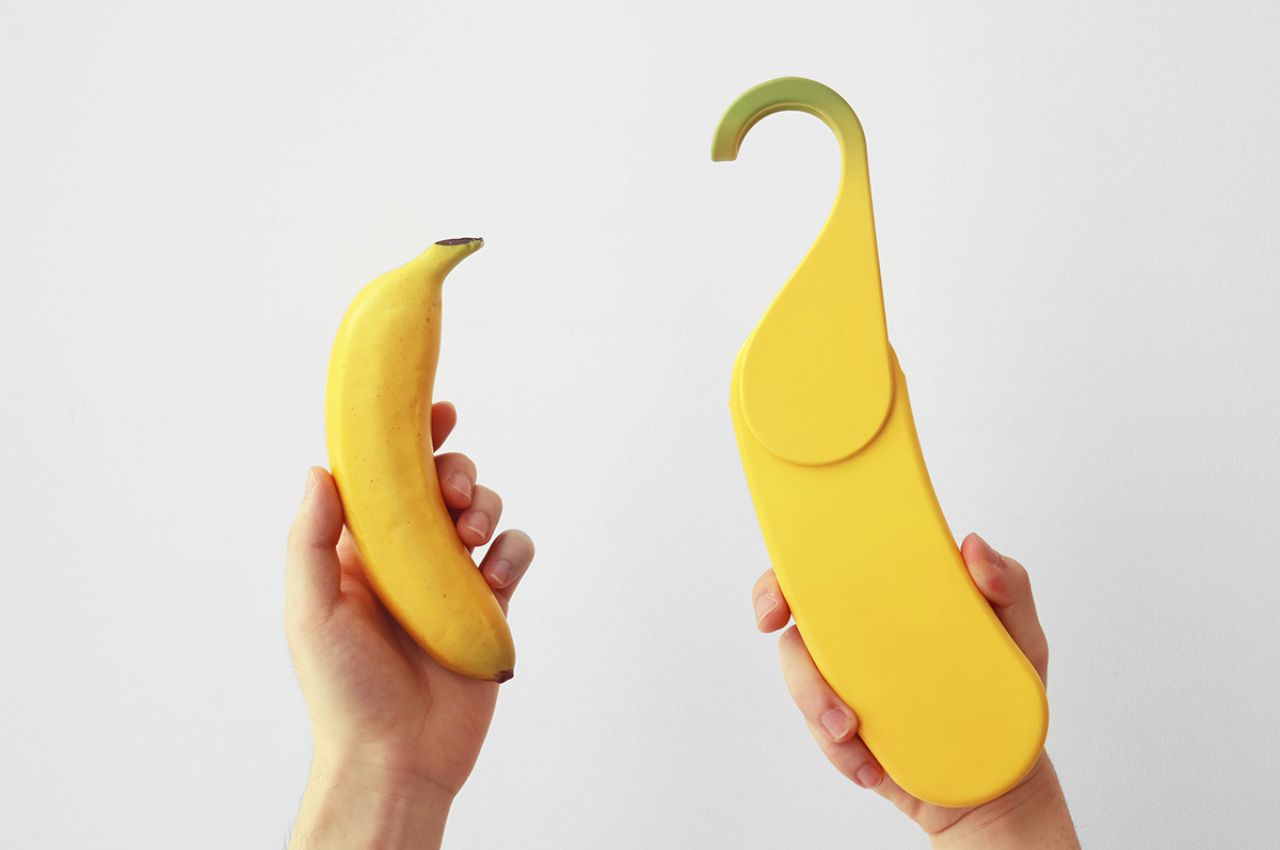
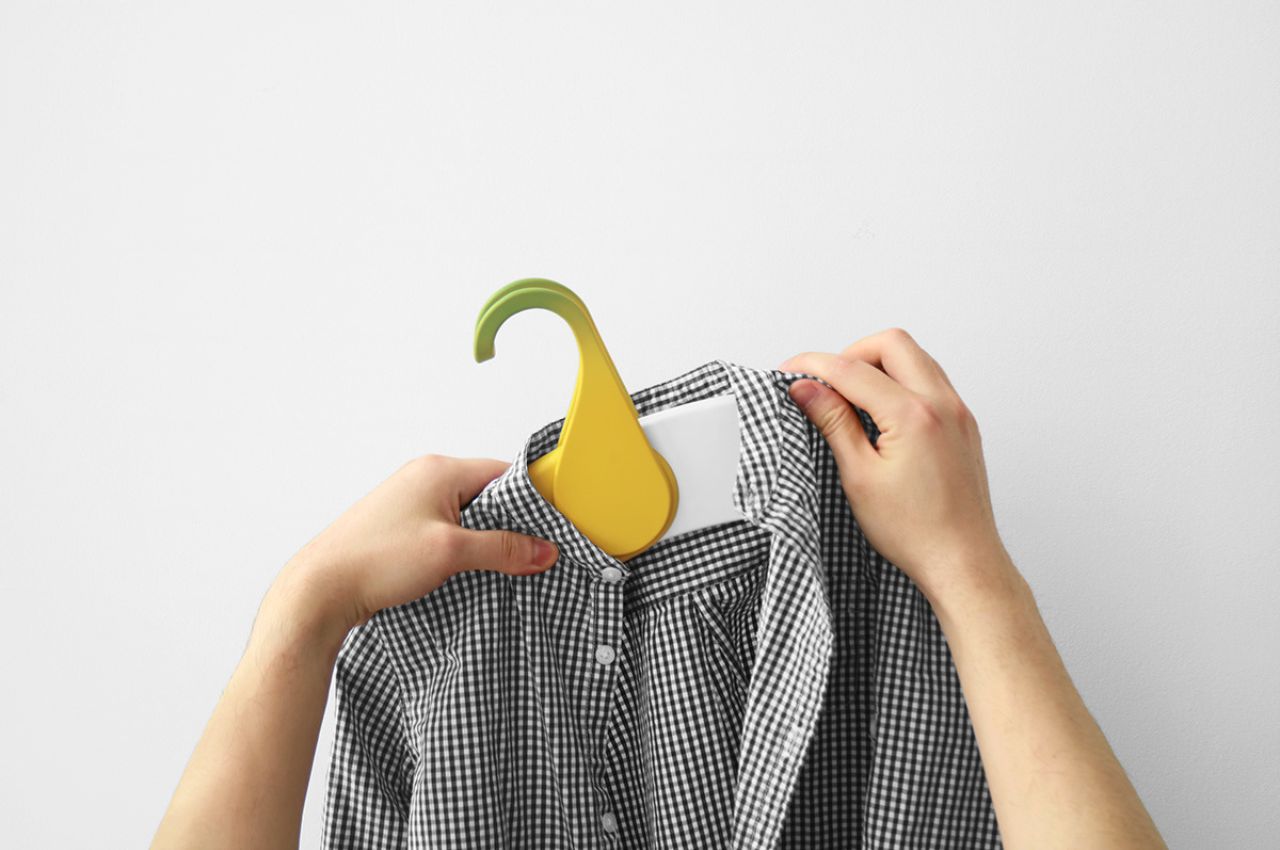
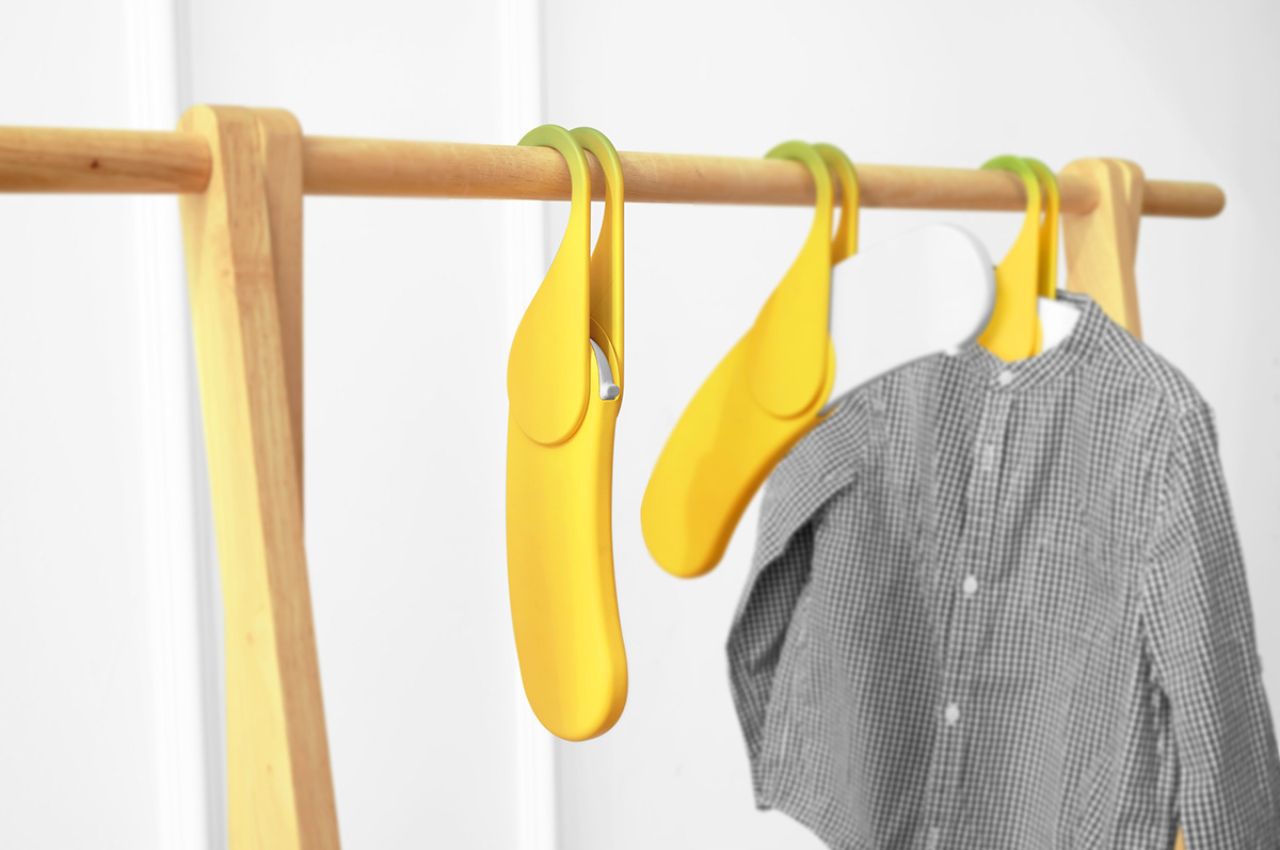
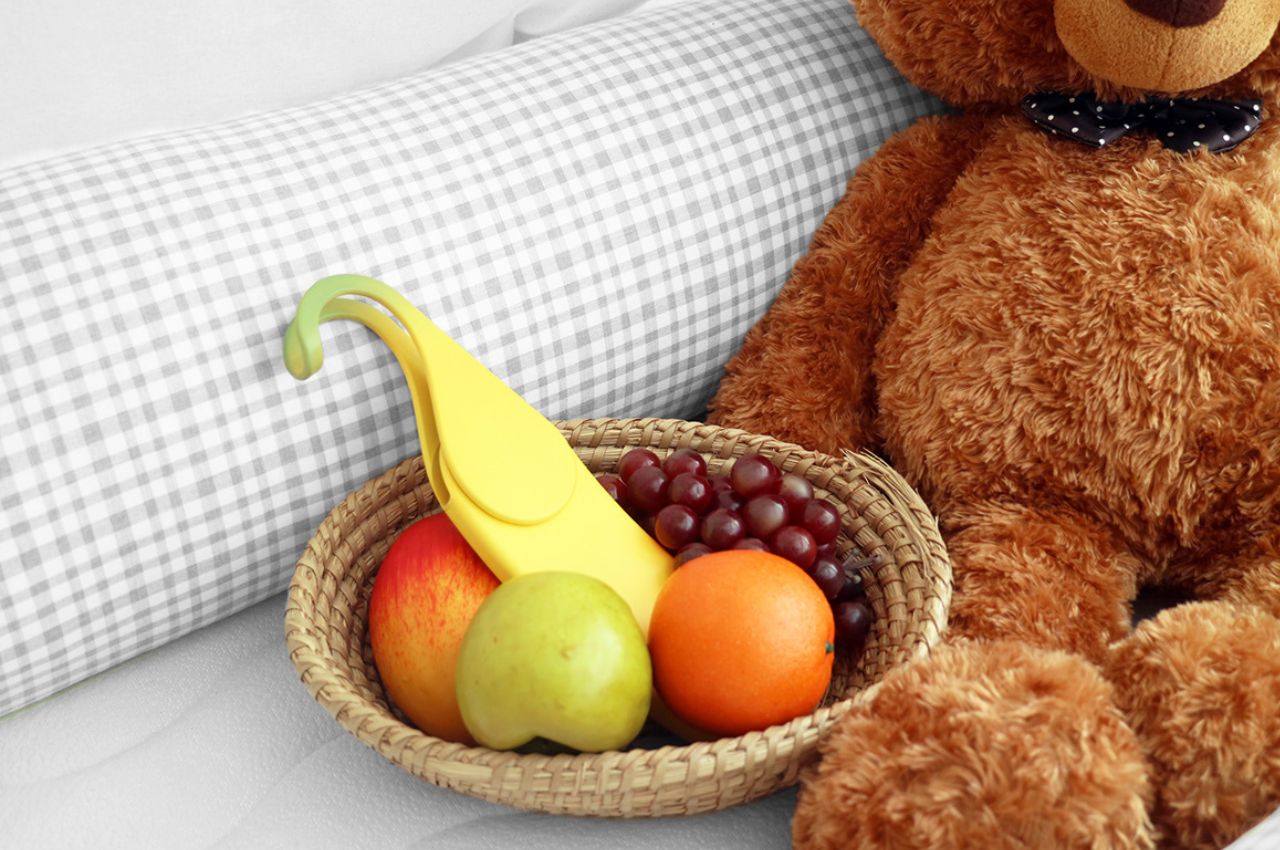
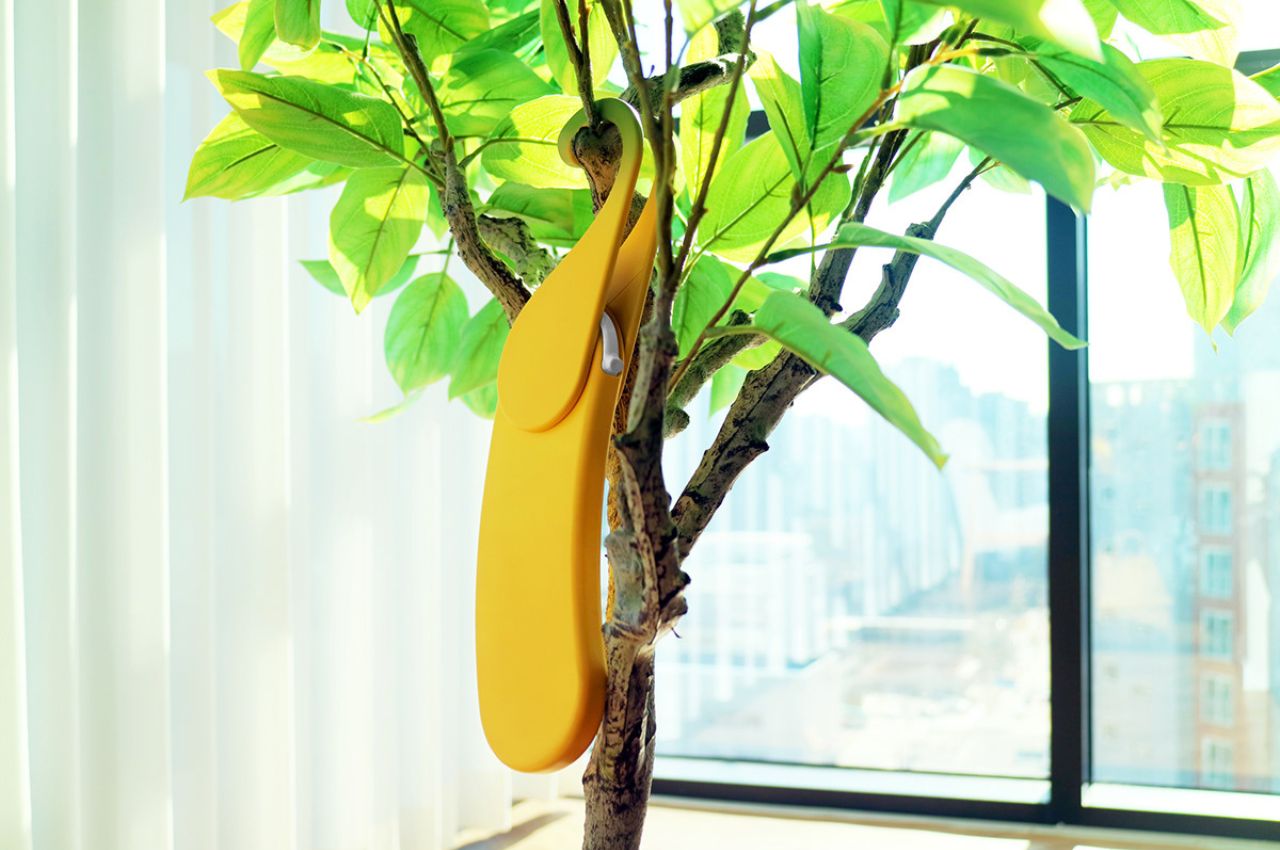
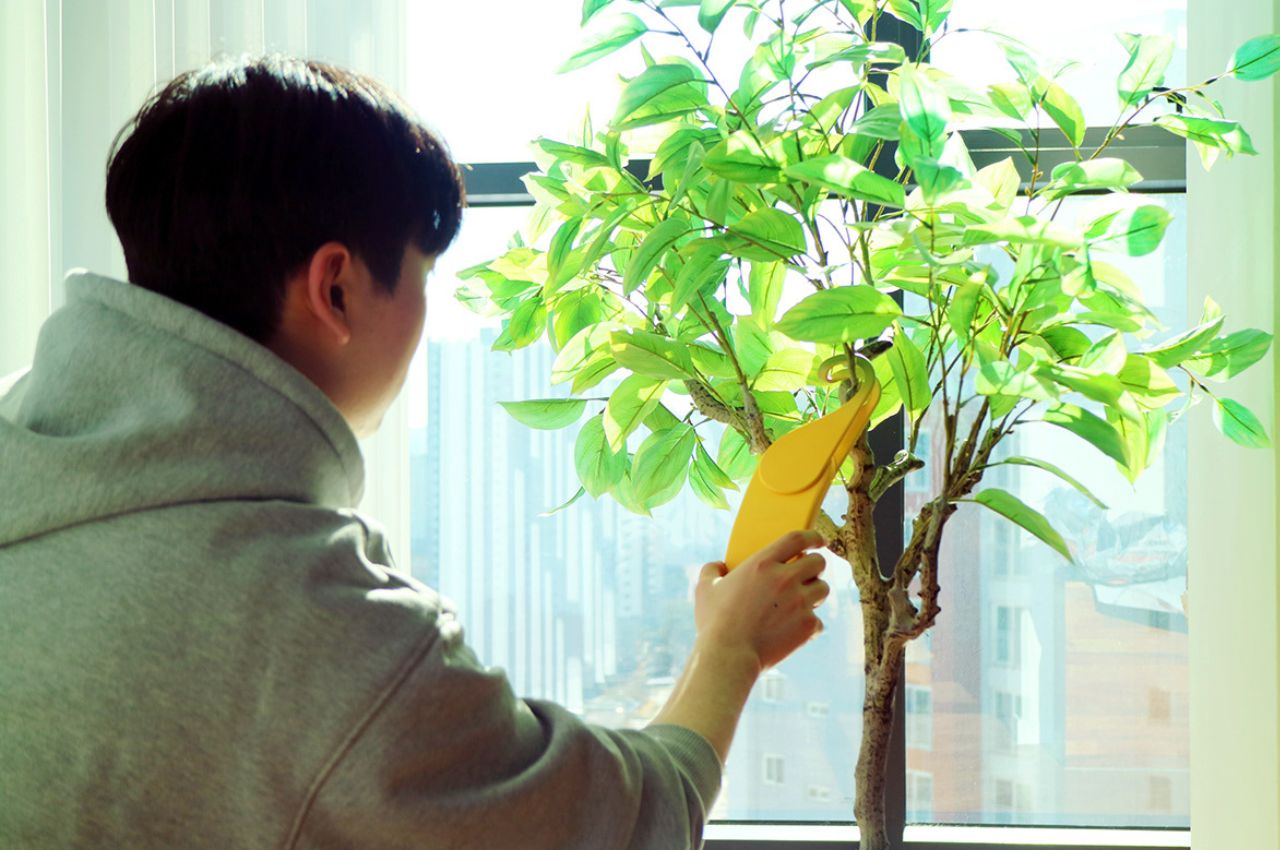
At first glance, Banannang resembles a banana, with its round, soft curved shape and bright color. This design isn’t just for aesthetics; it’s specifically tailored to fit the size, usability, and convenience of children’s hands. The hanger’s playful banana shape instantly captures the attention of young minds, inviting them to explore and engage with it.

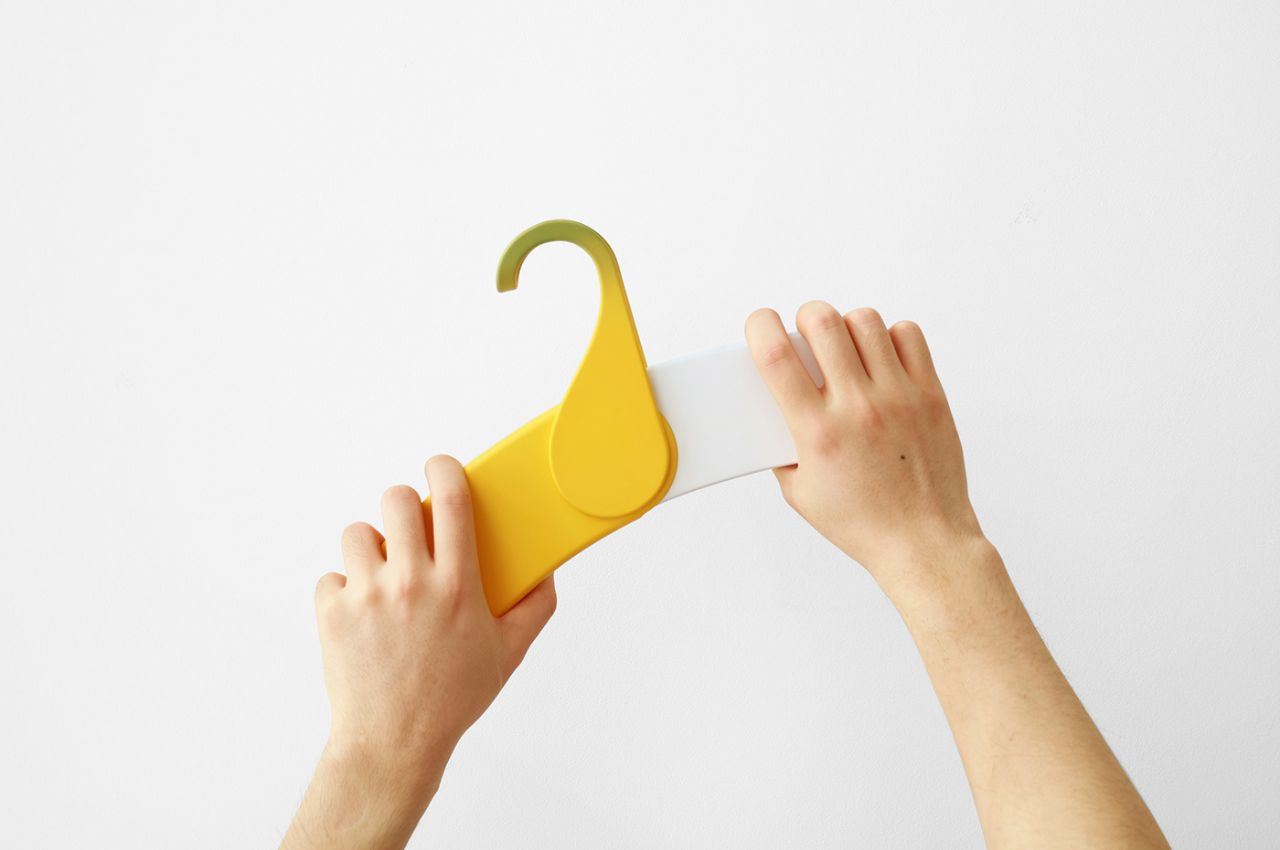
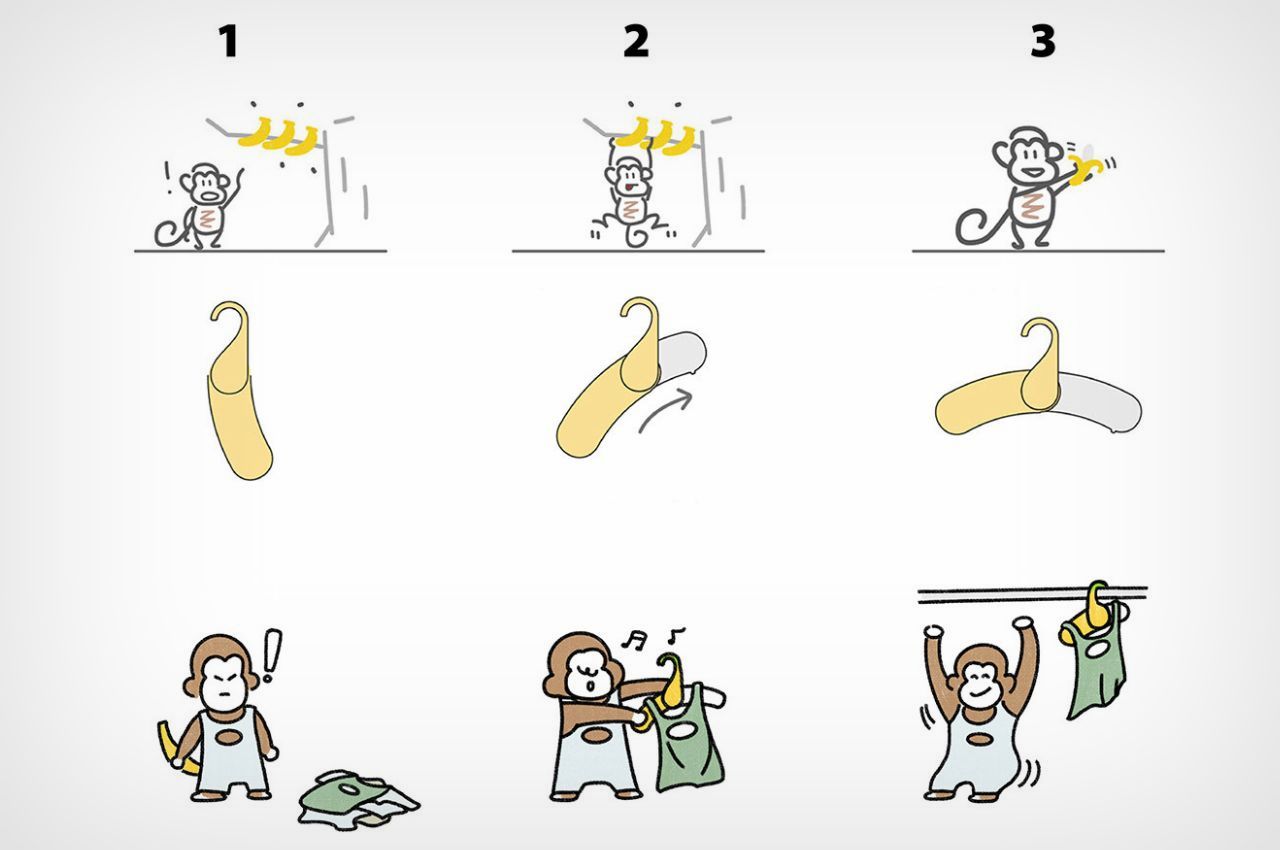
But Banannang is more than just a cute hanger – it’s a tool for learning and development. For children who are unfamiliar with hanging clothes or who simply haven’t formed the habit yet, Banannang provides a fun and natural way to learn. Modeled after the behavior of monkeys peeling bananas, Banannang teaches children how to use hangers through imitation and practice.

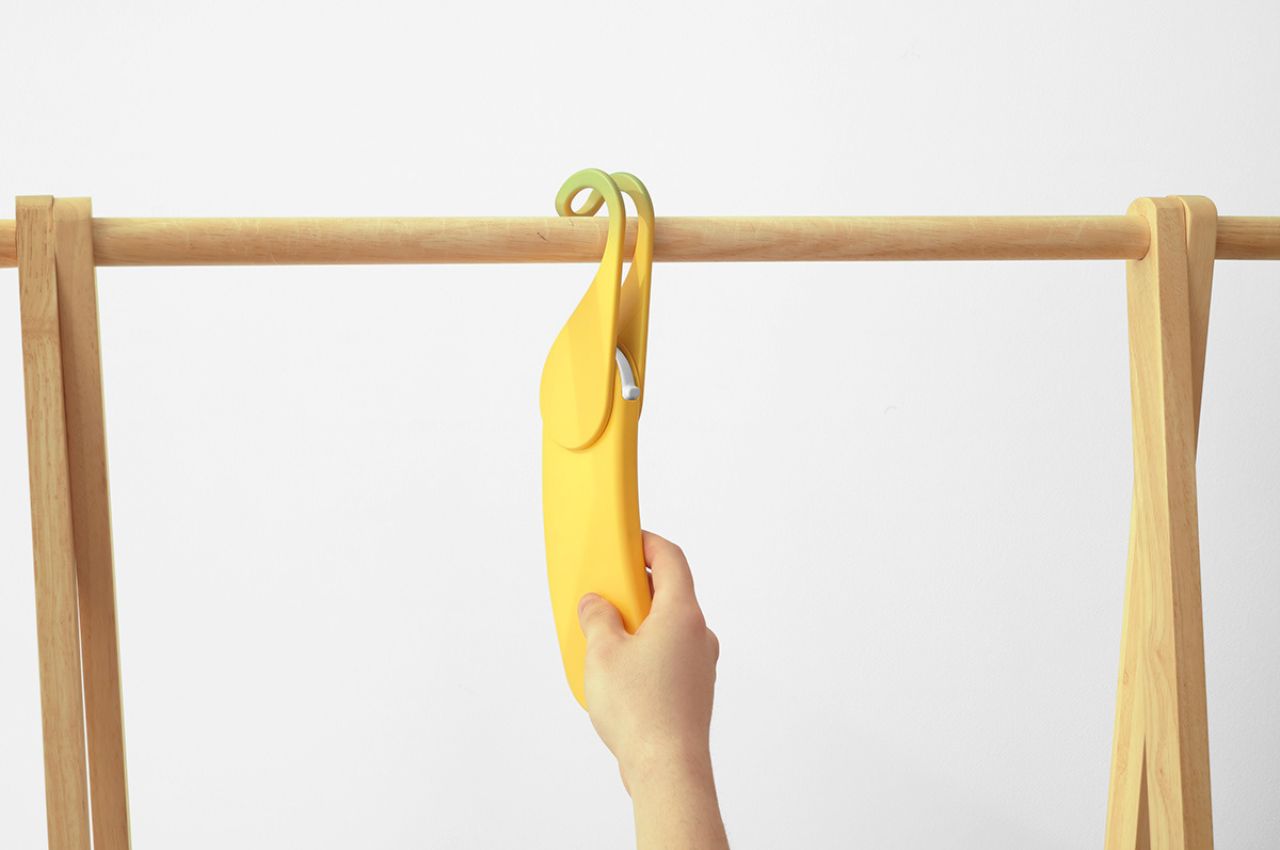
The process is simple and intuitive, making it easy for children to grasp. Step by step, they learn to bring out the banana-shaped hanger, hold it, hang their clothes on it, and organize them neatly. By associating the act of hanging clothes with something as familiar and enjoyable as peeling a banana, Banannang makes the learning process both educational and enjoyable.

Moreover, Banannang’s branding reinforces its mission of promoting free and diverse personalities in children. The pattern of freely laid bananas on the hanger represents the idea of children expressing themselves without being confined by rigid molds. It sends a message that forming good habits doesn’t have to be boring or restrictive; it can be a fun and liberating experience.

By combining innovative design with educational principles, Banannang empowers children to take ownership of their belongings and develop essential life skills from a young age. So, the next time you’re struggling to get your child to hang up their clothes, why not give Banannang a try? After all, who can resist the allure of a banana-shaped hanger?

The post Adorable banana-shaped hanger encourages kids to organize their wardrobes first appeared on Yanko Design.