New 2 World Trade Center Will Rise 1,226 Feet Over Manhattan, Finally Completing the Post-9/11 Rebuild

It has been almost 25 years since the September 11 attacks forever changed the skyline of Lower Manhattan, and now the rebuilding of the World Trade Center campus is entering its final stretch. The last major commercial tower on the site, 2 World Trade Center, is expected to break ground in spring 2026 and wrap up construction by 2031. American Express has committed to making the building its new corporate headquarters.

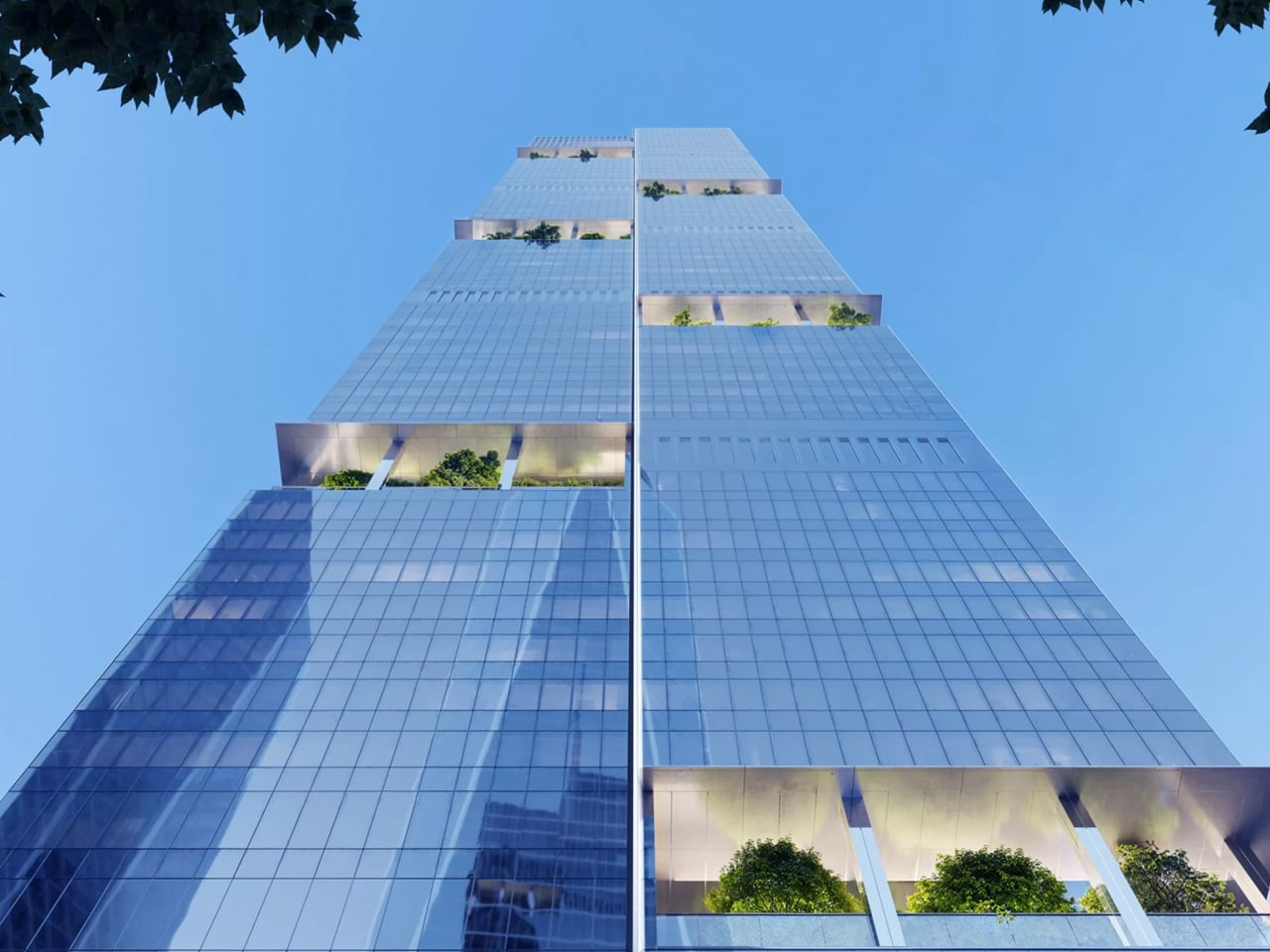
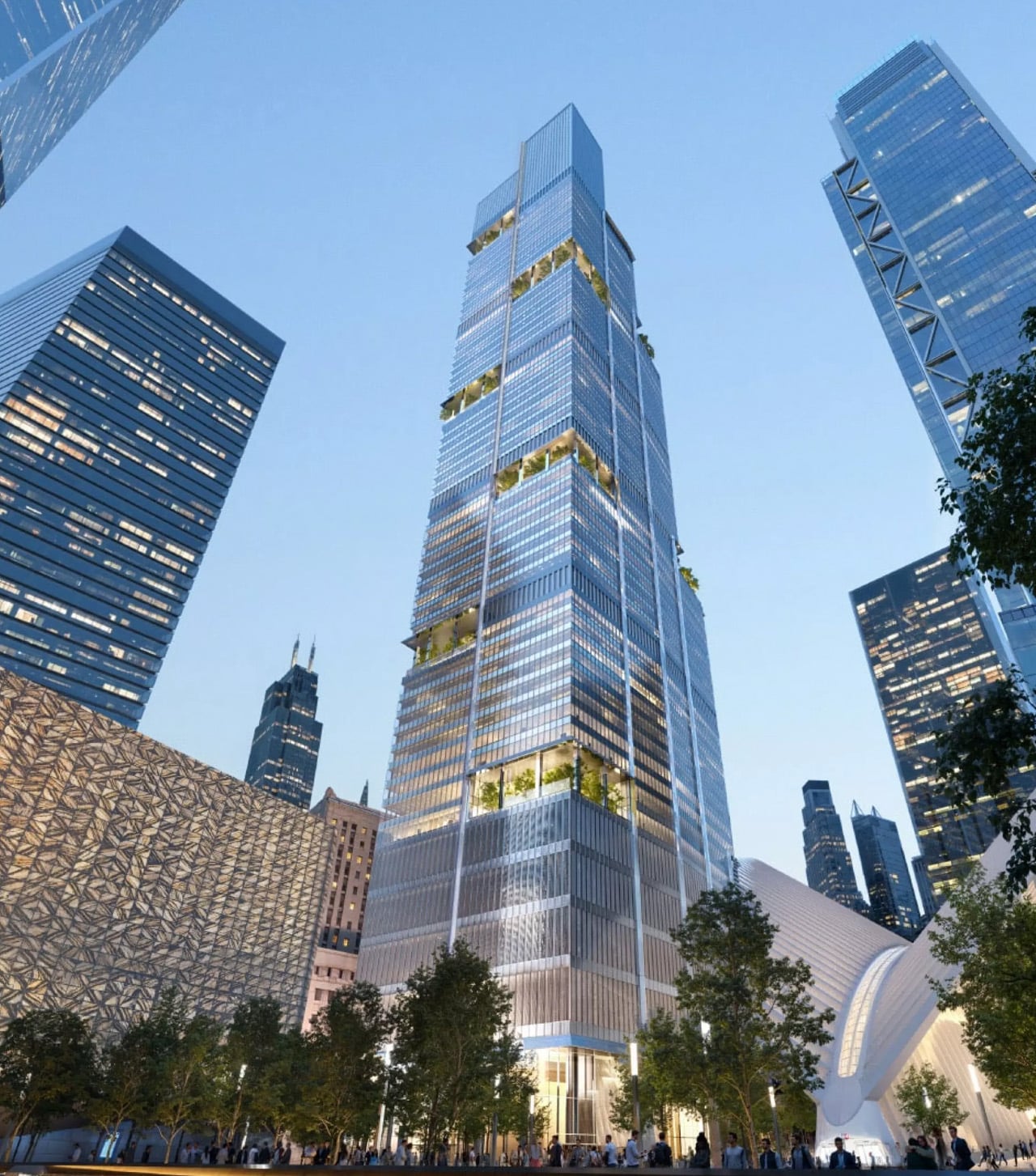
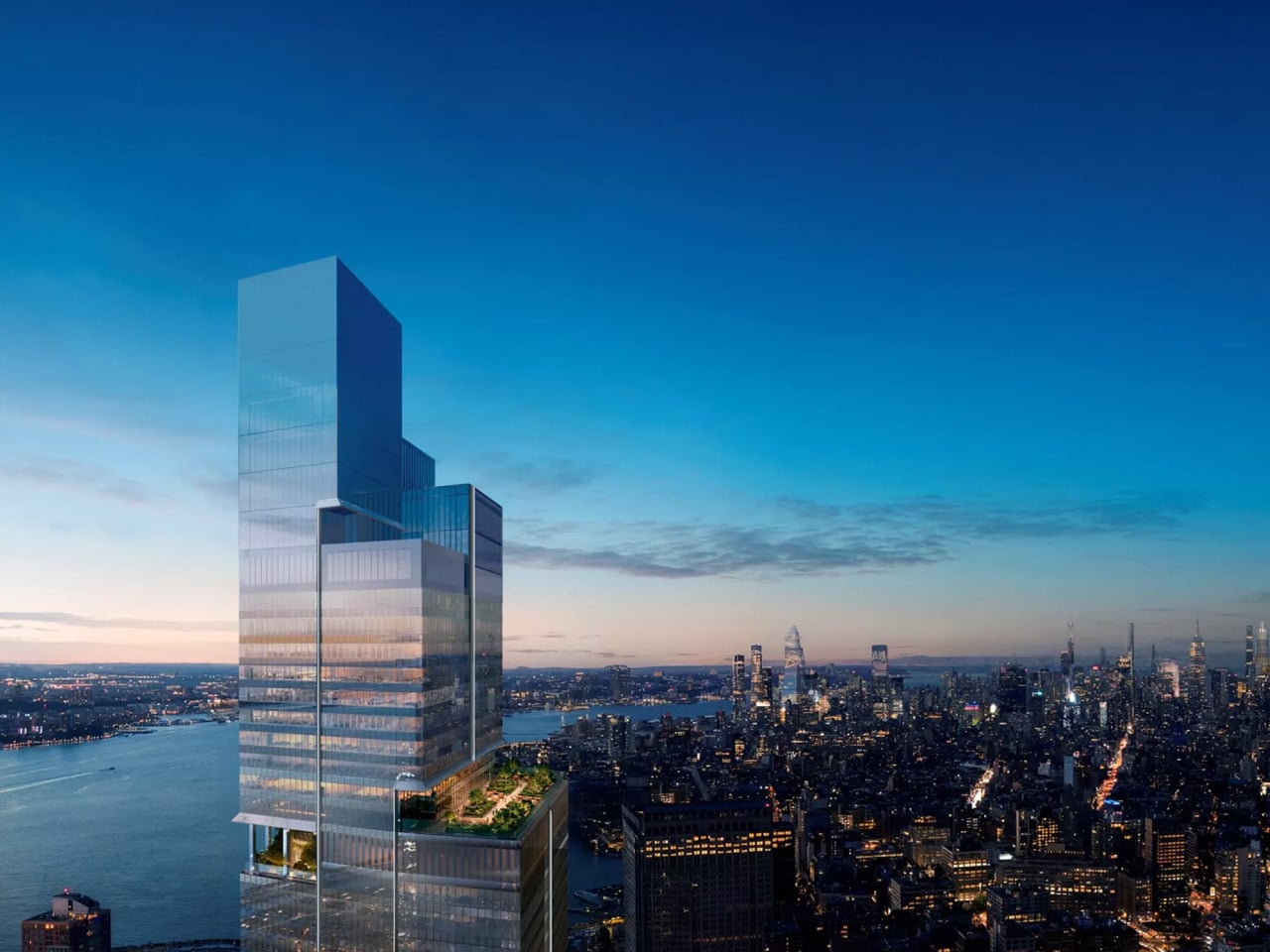
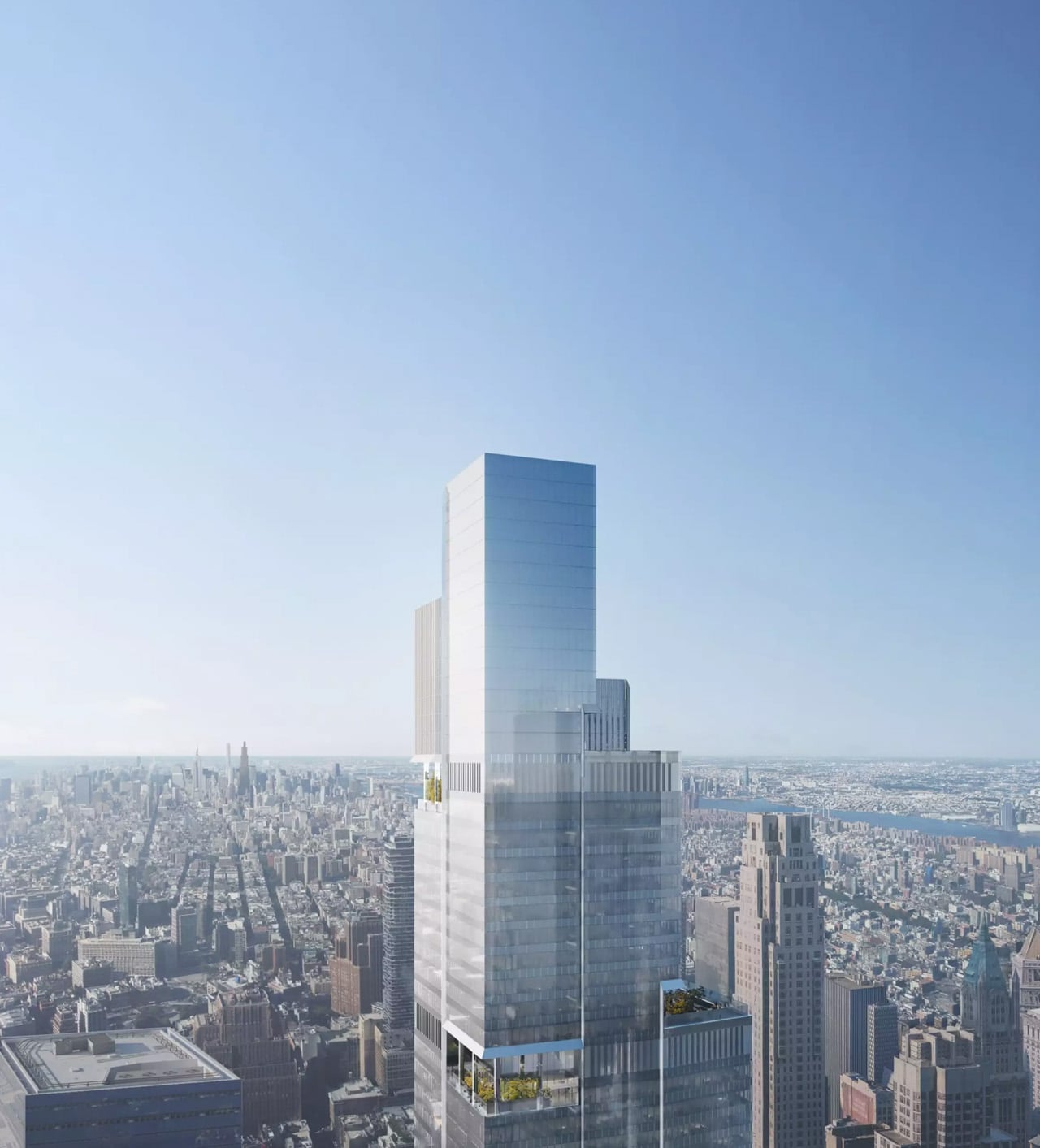
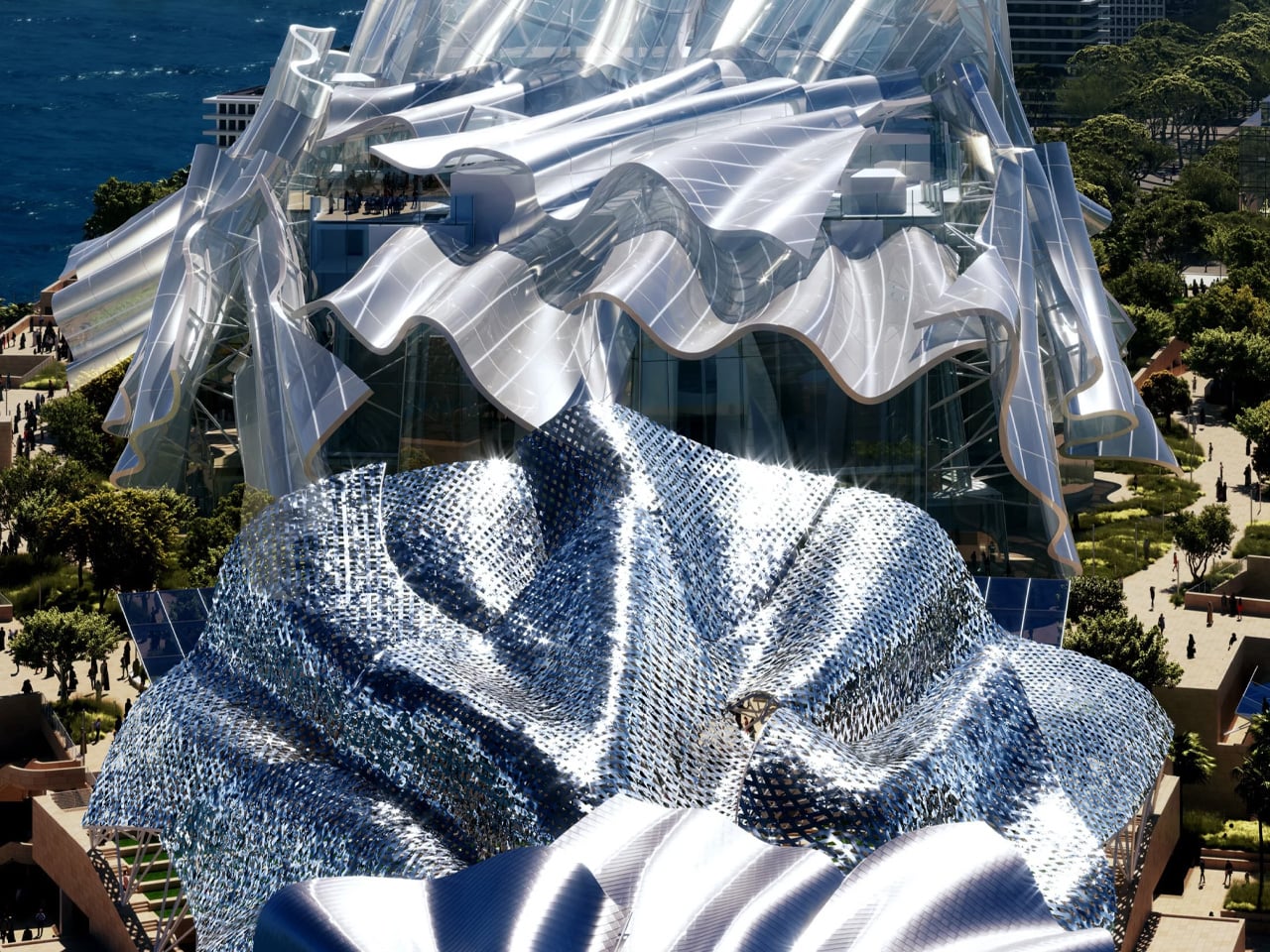
Getting to this point hasn’t been simple. British firm Foster + Partners was originally hired to design the tower, only to be replaced by Bjarke Ingels Group, which put forward a striking terraced concept. That plan was eventually scrapped, and Foster + Partners was brought back to start fresh. The result, based on recently released renderings, is a broad rectangular tower sheathed in glass, with three open-air terraces and six landscaped corner gardens woven into the facade to bring some greenery to an otherwise sleek profile.

Designer: Foster + Partners

The tower will rise to 1,226 feet, comfortably placing it in the supertall category and making it roughly the 11th-tallest building in the United States. It won’t overtake its famous neighbor, though. One World Trade Center still holds the title of the country’s tallest at a symbolically chosen 1,776 feet. Inside, the building will offer close to two million square feet of usable space across 55 stories, with the bulk of that dedicated to offices. When fully occupied, it could house around 10,000 workers.

Specifics are still thin at this early stage, but American Express has said the tower will incorporate smart building technology and energy-efficient systems. The project is also targeting LEED certification, which has become something of a baseline expectation for major commercial developments in recent years.

Kevin O’Toole, Chairman of the Port Authority of New York and New Jersey, called the project a meaningful milestone, both for the campus and for the surrounding region. He pointed to the tower’s role in reinforcing the World Trade Center as one of the country’s most important centers of commerce and transportation, and acknowledged just how much sustained effort it takes to deliver projects on this scale.

Silverstein Properties, the development firm that has overseen much of the site’s post 9/11 transformation, is once again at the helm. When the building finally opens its doors in 2031, it will effectively close the book on one of the most ambitious and emotionally significant urban rebuilding efforts in modern history. More than anything, it will stand as a reminder of what New York City is capable of when it commits to moving forward.

The post New 2 World Trade Center Will Rise 1,226 Feet Over Manhattan, Finally Completing the Post-9/11 Rebuild first appeared on Yanko Design.
ZHA’s Dramatic Canyon-Cut Tower Tops Out In Shenzhen’s Cultural District

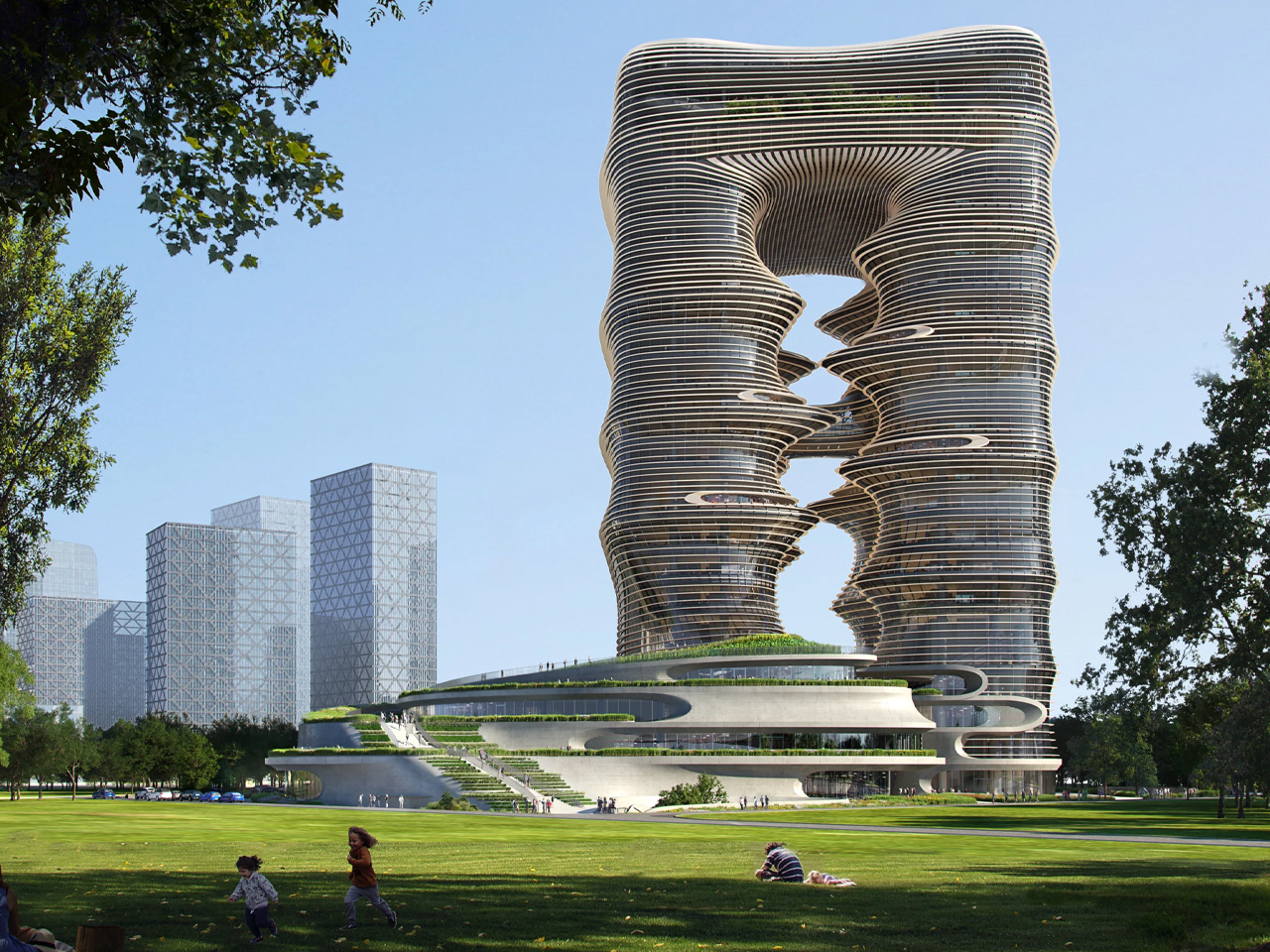
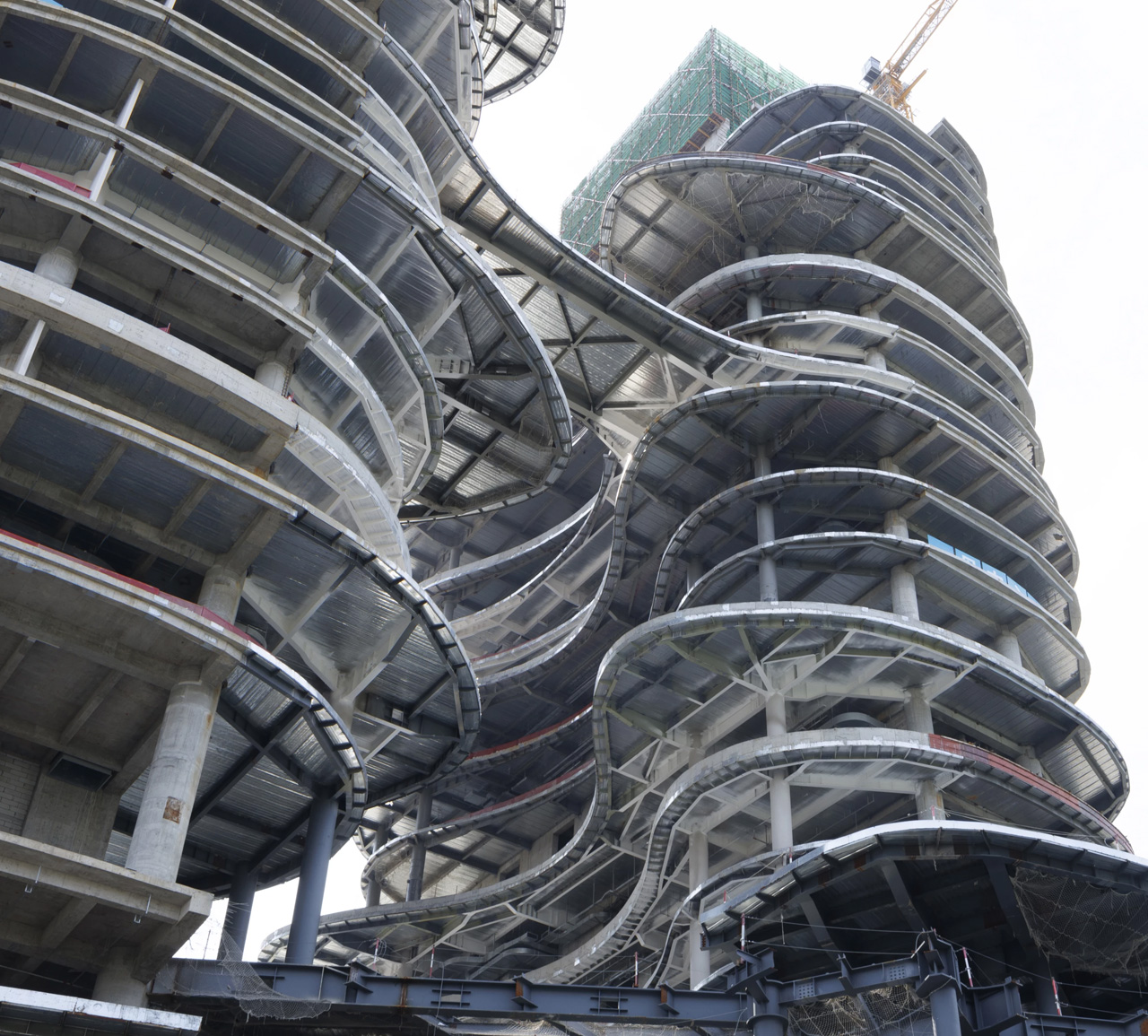
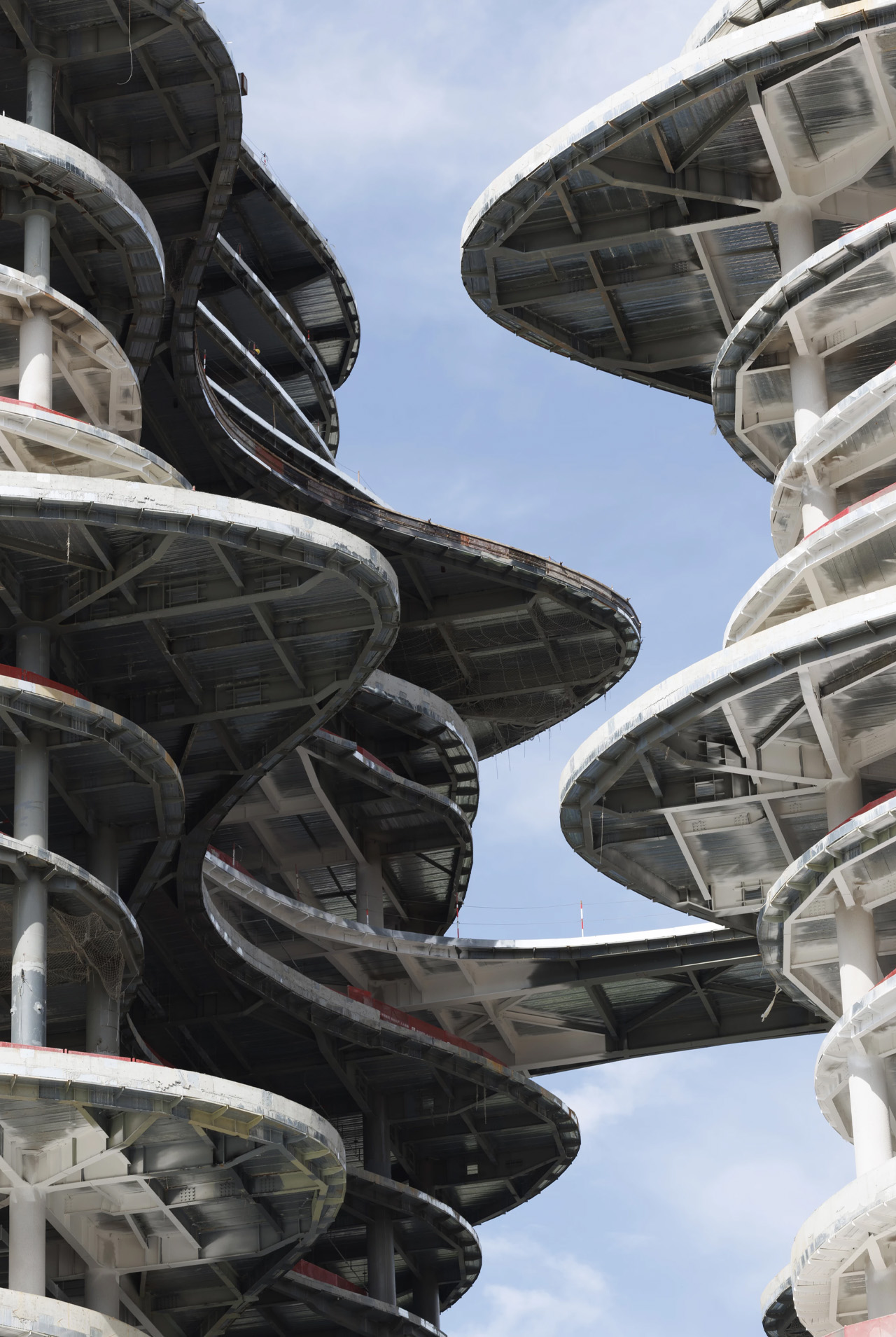
The latest Zaha Hadid Architects project to rise in Shenzhen looks like it belongs in another world entirely. The Yidan Center, which just topped out this month, cuts a dramatic figure against the city skyline with its rippled, canyon-like form that seems to defy conventional building logic.

This isn’t just another flashy tower, though. The 165,815-square-meter complex will serve as headquarters for the Yidan Prize and the Chen Yidan Foundation, both the brainchild of Tencent co-founder Dr. Charles Chen Yidan. The building sits at the heart of Shenzhen’s emerging cultural district, right next to the new Qianhai Museum, positioning itself as a serious player in the city’s cultural landscape.

Designer: Zaha Hadid Architects

Nature Meets Architecture

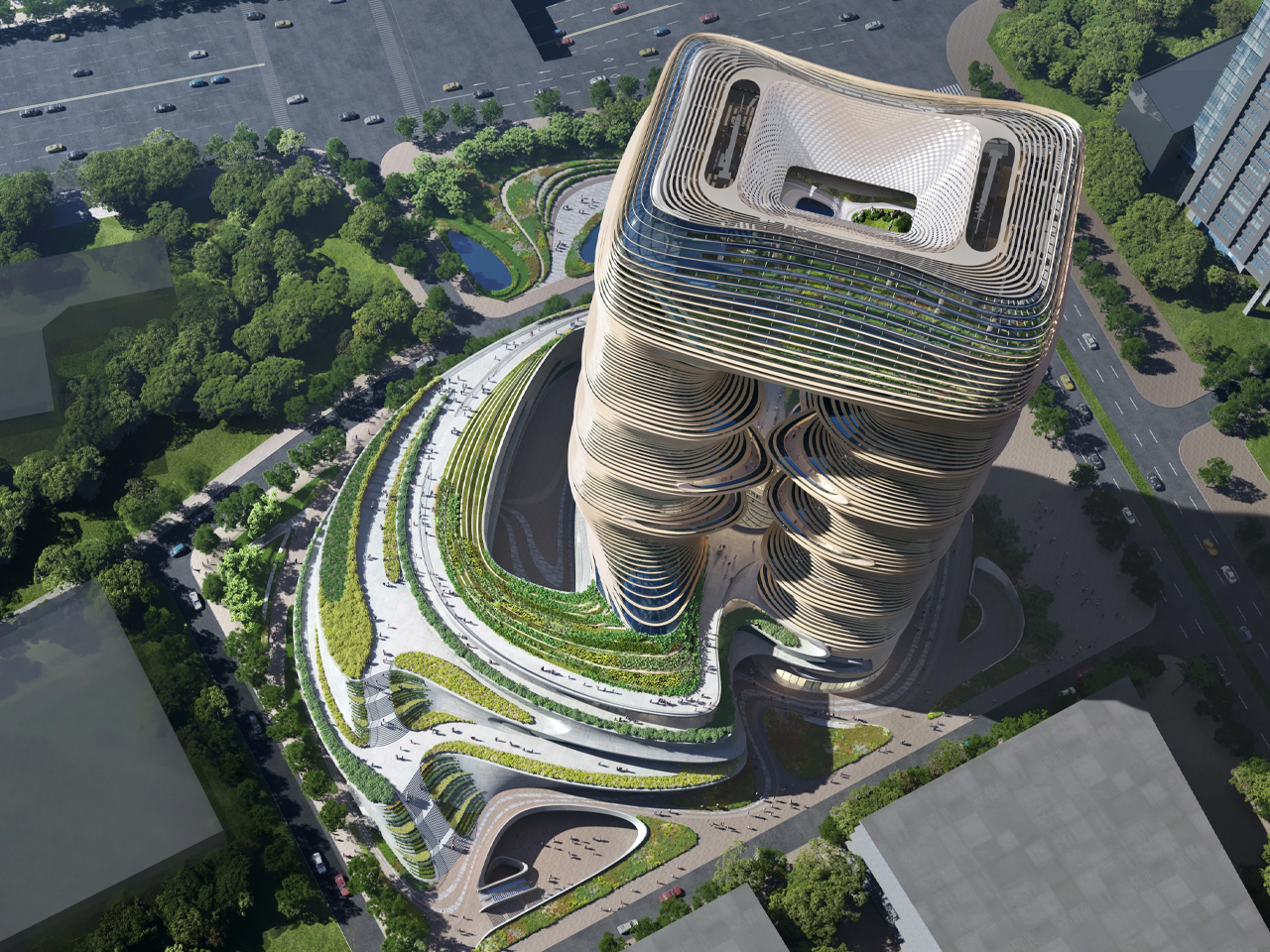
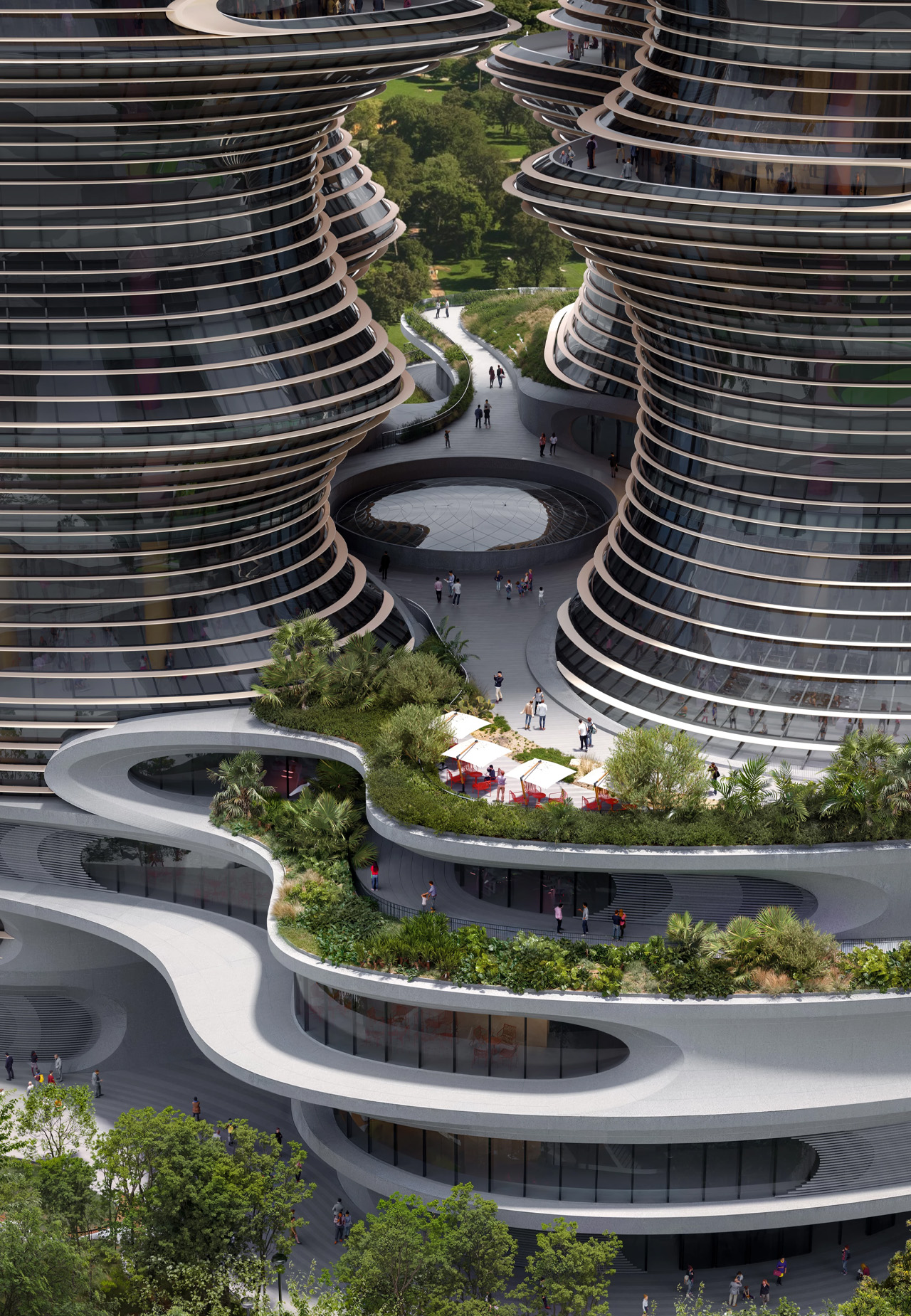
What makes this building truly striking is the massive outdoor void carved right through its center. ZHA calls it a “canyon,” and the comparison isn’t hyperbole. The architects drew inspiration from the natural valleys and gorges that crisscross the region, creating a central space that feels both dramatic and purposeful. Terraces and balconies wrap around this central void, turning what could have been a simple courtyard into something far more dynamic.

The idea is to get people moving between levels, encouraging the kind of spontaneous encounters that spark collaboration. It’s a bold move that transforms circulation into an architectural event. The building’s skin tells its own story through layers of external louvers that create deep shadows and changing patterns throughout the day. These aren’t just for show – they block harsh sunlight while preserving views out to Qianhai Bay, a practical solution wrapped in compelling form.

Green Ambitions

For all its sculptural drama, the Yidan Center takes sustainability seriously. The project targets China’s top-tier three-star green building certification plus LEED Gold, no small feat for a building this complex. The design incorporates hybrid ventilation systems and smart glazing to handle Shenzhen’s notoriously humid climate without relying entirely on mechanical systems. Principal Patrik Schumacher and Project Director Manuela Gatto led a team that had to balance the building’s artistic ambitions with its practical requirements.

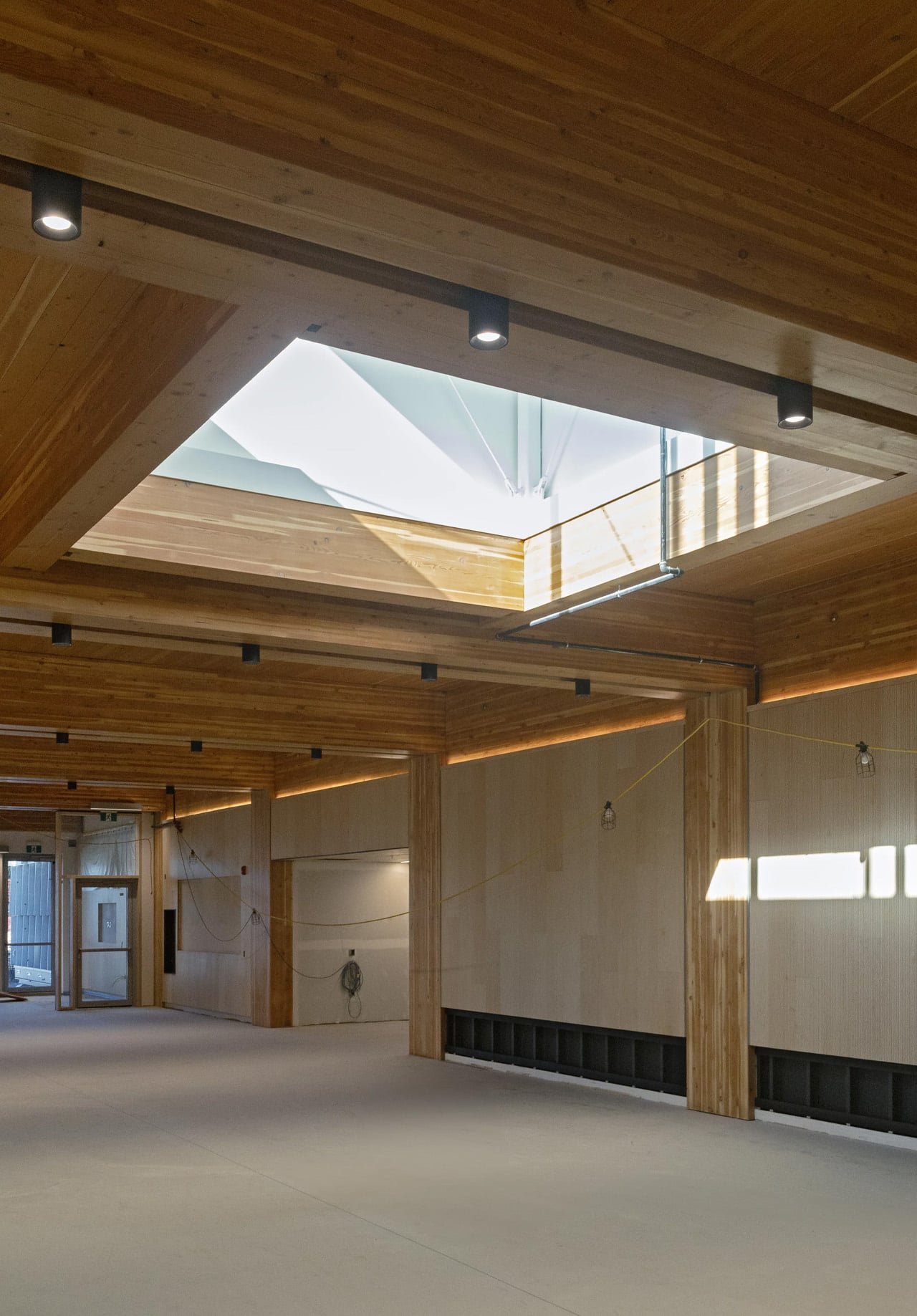
The result feels both otherworldly and grounded in real-world constraints. The building’s mission centers on education and innovation, housing research facilities and exhibition spaces that will support the foundation’s work in educational reform. Visitors will enter through landscaped gardens that slope down to the canyon floor, where a large skylight floods the interior with natural light. The lower levels will house YiPai, a community-focused learning initiative designed to welcome people of all ages. It’s an ambitious social program that uses architecture as a catalyst for broader educational goals.

The post ZHA’s Dramatic Canyon-Cut Tower Tops Out In Shenzhen’s Cultural District first appeared on Yanko Design.