New 2 World Trade Center Will Rise 1,226 Feet Over Manhattan, Finally Completing the Post-9/11 Rebuild

It has been almost 25 years since the September 11 attacks forever changed the skyline of Lower Manhattan, and now the rebuilding of the World Trade Center campus is entering its final stretch. The last major commercial tower on the site, 2 World Trade Center, is expected to break ground in spring 2026 and wrap up construction by 2031. American Express has committed to making the building its new corporate headquarters.

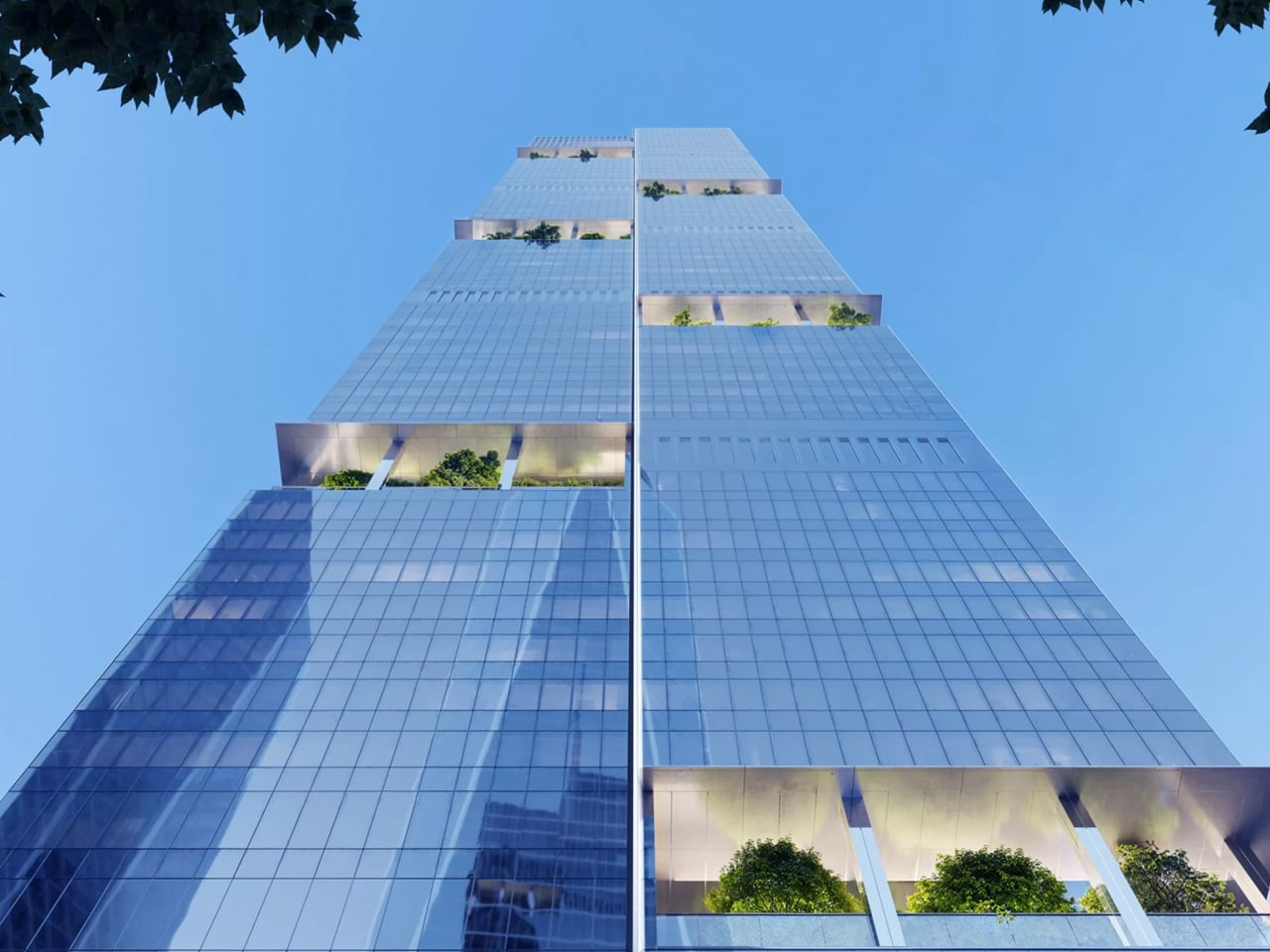
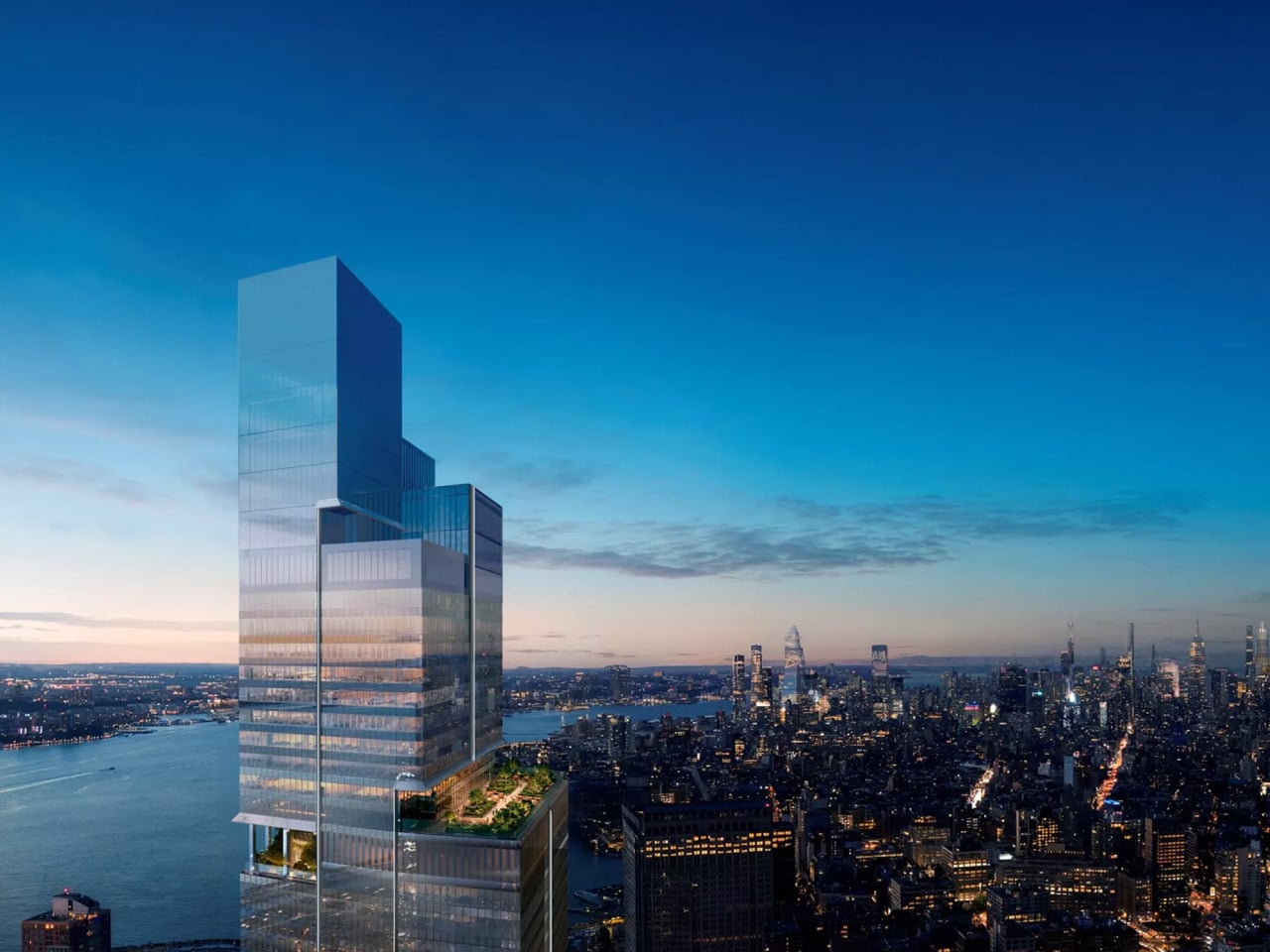
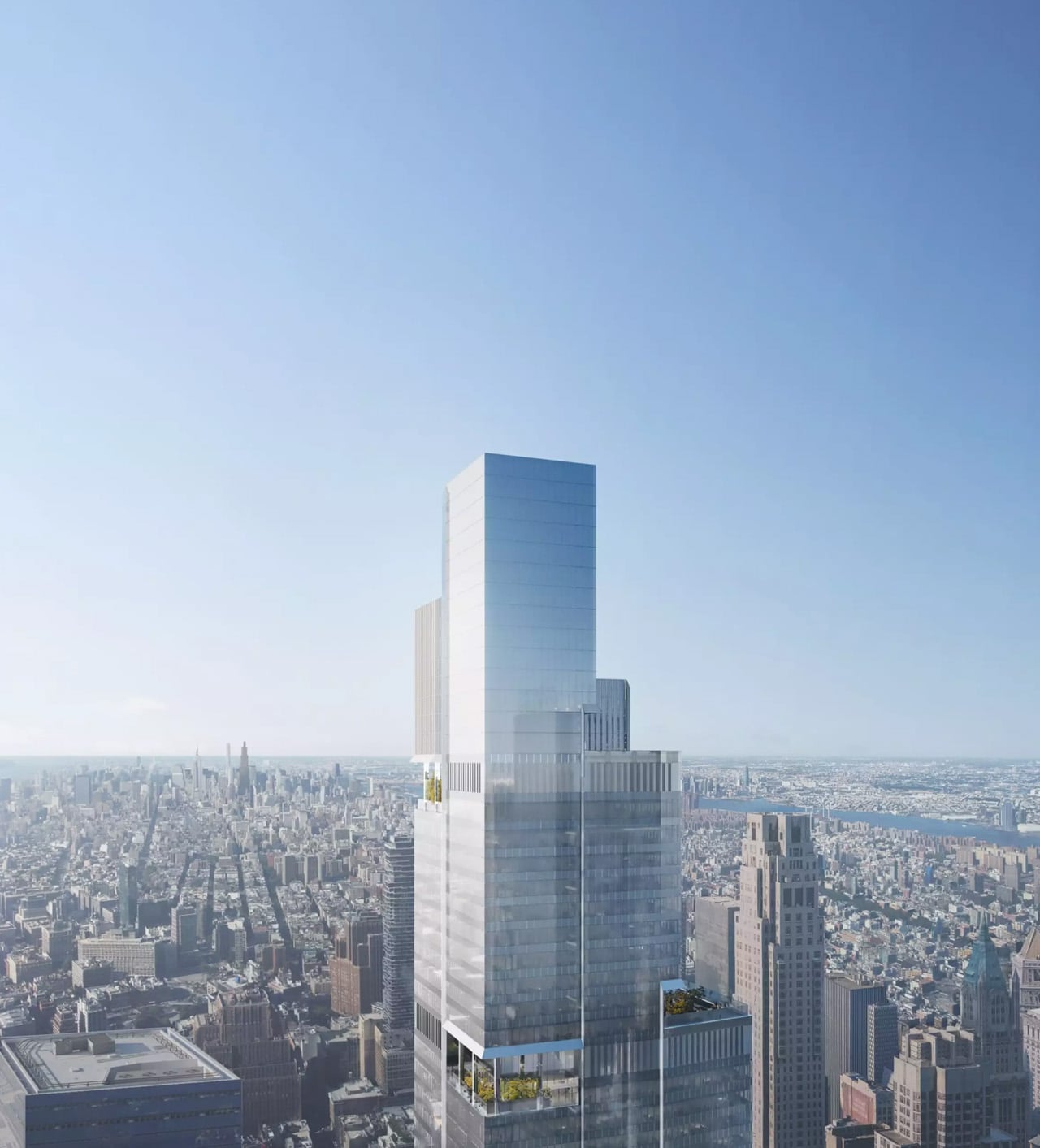
Getting to this point hasn’t been simple. British firm Foster + Partners was originally hired to design the tower, only to be replaced by Bjarke Ingels Group, which put forward a striking terraced concept. That plan was eventually scrapped, and Foster + Partners was brought back to start fresh. The result, based on recently released renderings, is a broad rectangular tower sheathed in glass, with three open-air terraces and six landscaped corner gardens woven into the facade to bring some greenery to an otherwise sleek profile.

Designer: Foster + Partners
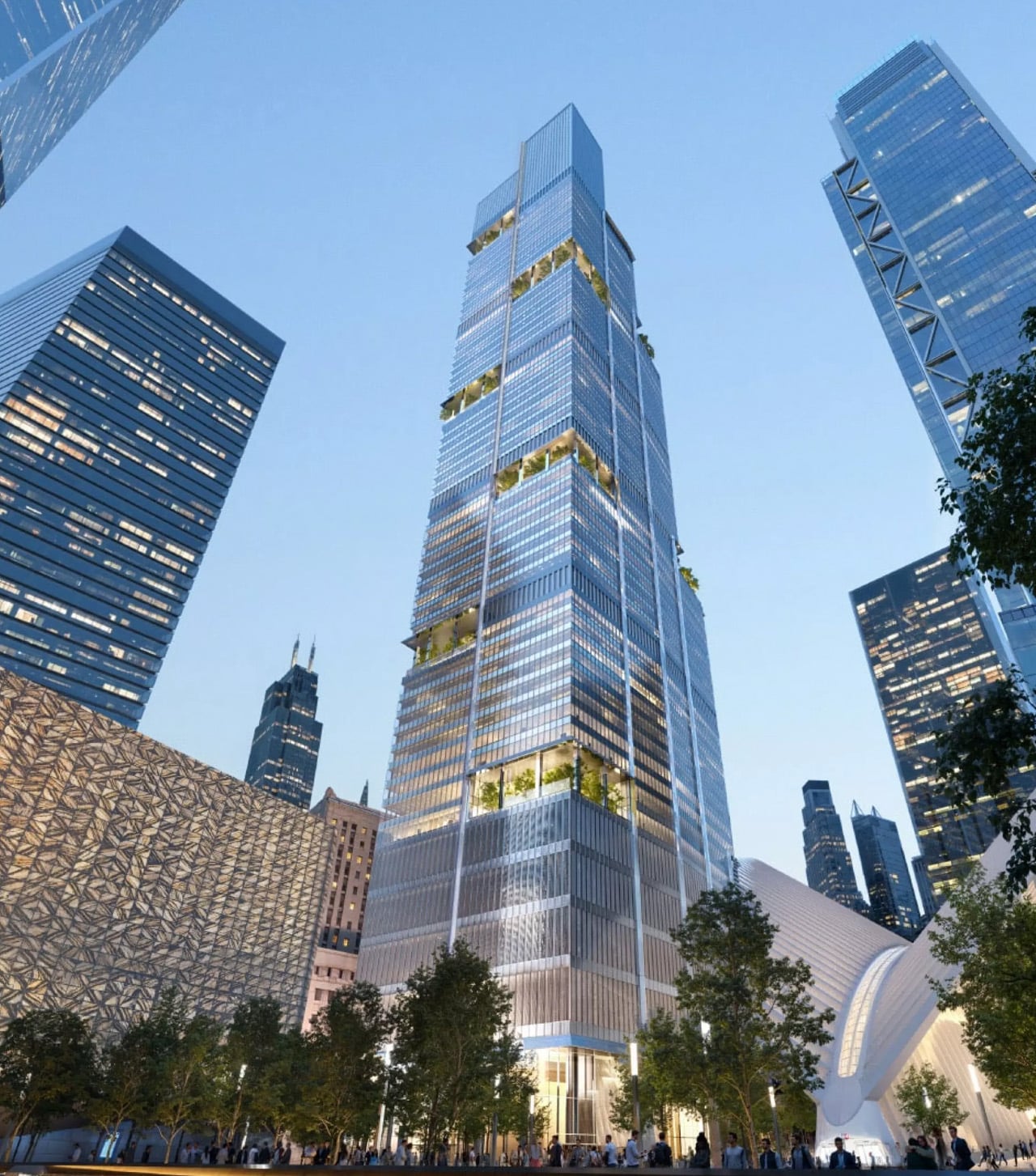
The tower will rise to 1,226 feet, comfortably placing it in the supertall category and making it roughly the 11th-tallest building in the United States. It won’t overtake its famous neighbor, though. One World Trade Center still holds the title of the country’s tallest at a symbolically chosen 1,776 feet. Inside, the building will offer close to two million square feet of usable space across 55 stories, with the bulk of that dedicated to offices. When fully occupied, it could house around 10,000 workers.

Specifics are still thin at this early stage, but American Express has said the tower will incorporate smart building technology and energy-efficient systems. The project is also targeting LEED certification, which has become something of a baseline expectation for major commercial developments in recent years.
Kevin O’Toole, Chairman of the Port Authority of New York and New Jersey, called the project a meaningful milestone, both for the campus and for the surrounding region. He pointed to the tower’s role in reinforcing the World Trade Center as one of the country’s most important centers of commerce and transportation, and acknowledged just how much sustained effort it takes to deliver projects on this scale.

Silverstein Properties, the development firm that has overseen much of the site’s post 9/11 transformation, is once again at the helm. When the building finally opens its doors in 2031, it will effectively close the book on one of the most ambitious and emotionally significant urban rebuilding efforts in modern history. More than anything, it will stand as a reminder of what New York City is capable of when it commits to moving forward.
The post New 2 World Trade Center Will Rise 1,226 Feet Over Manhattan, Finally Completing the Post-9/11 Rebuild first appeared on Yanko Design.
This 1,388-Foot Tower Is NYC’s First Net-Zero Supertall Skyscraper

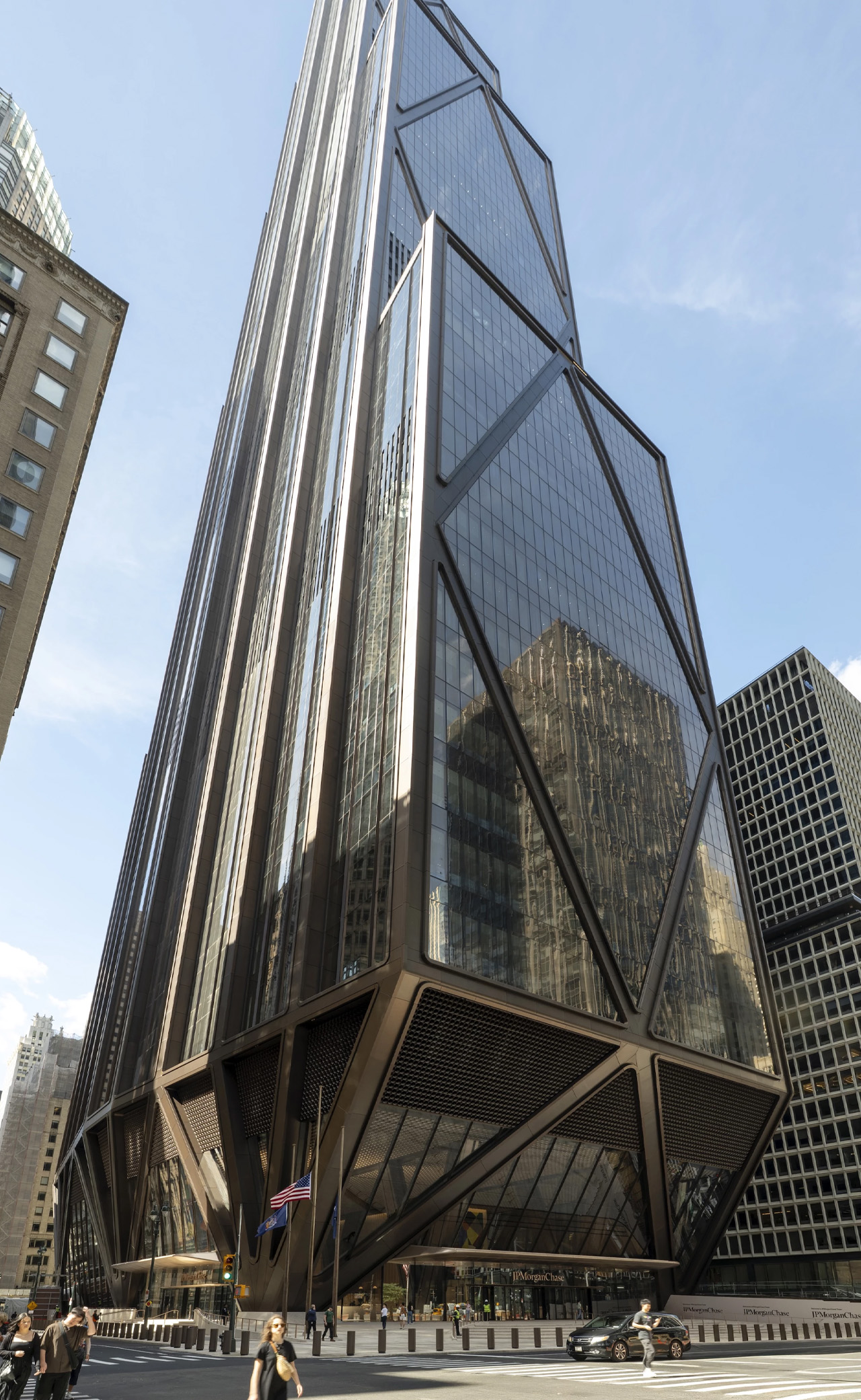
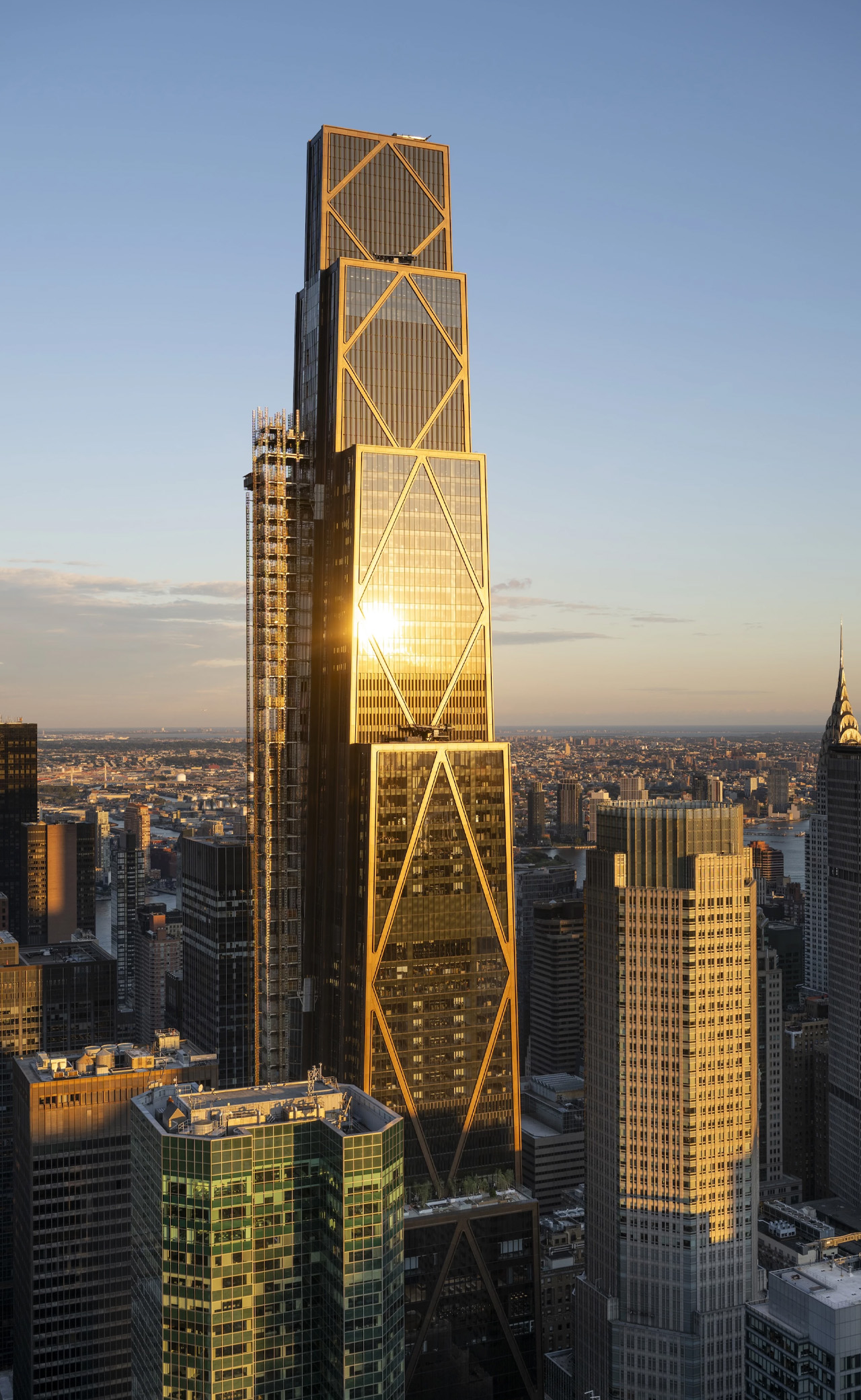
As Midtown Manhattan continues to evolve, 270 Park Avenue rises as a new titan of the New York skyline—a 1,388-foot, 60-story headquarters for JPMorgan Chase designed by Foster + Partners. Not just another addition to the city’s collection of supertalls, 270 Park Avenue redefines what a modern workplace can be, setting new benchmarks for sustainability, urban connectivity, and architectural innovation.

Located on the site of the former Union Carbide Building, the tower’s completion in 2025 marks a significant milestone. The previous SOM-designed structure, once a hallmark of midcentury modernism, was demolished to make way for a building capable of hosting 10,000 JPMorgan Chase employees and meeting the demands of a flexible, future-oriented workforce. What stands in its place is more than just a corporate headquarters; it is a city within a city, conceived to foster collaboration, wellness, and environmental responsibility.

Designer: Foster + Partners

Striking Architecture and Urban Connectivity

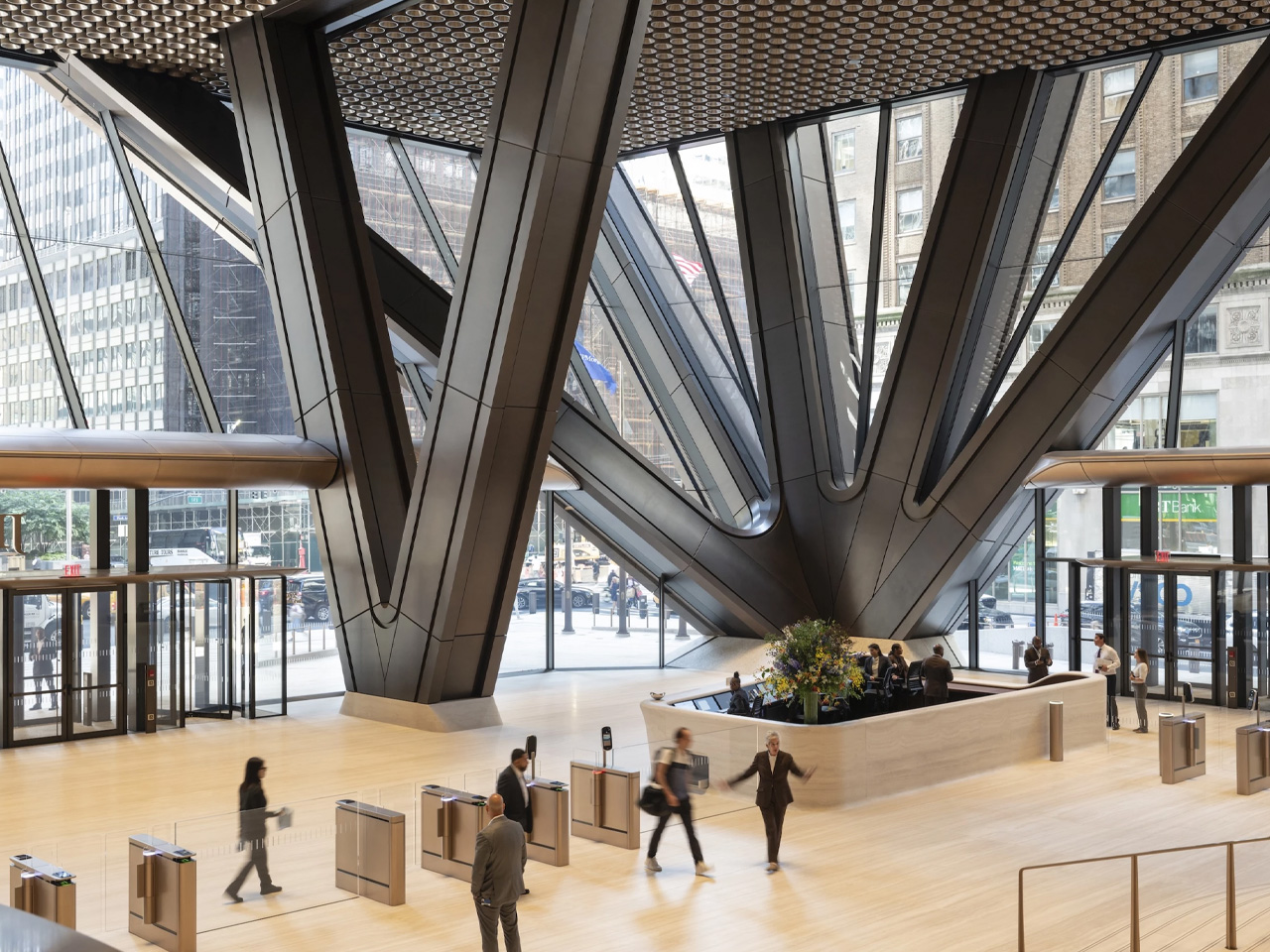
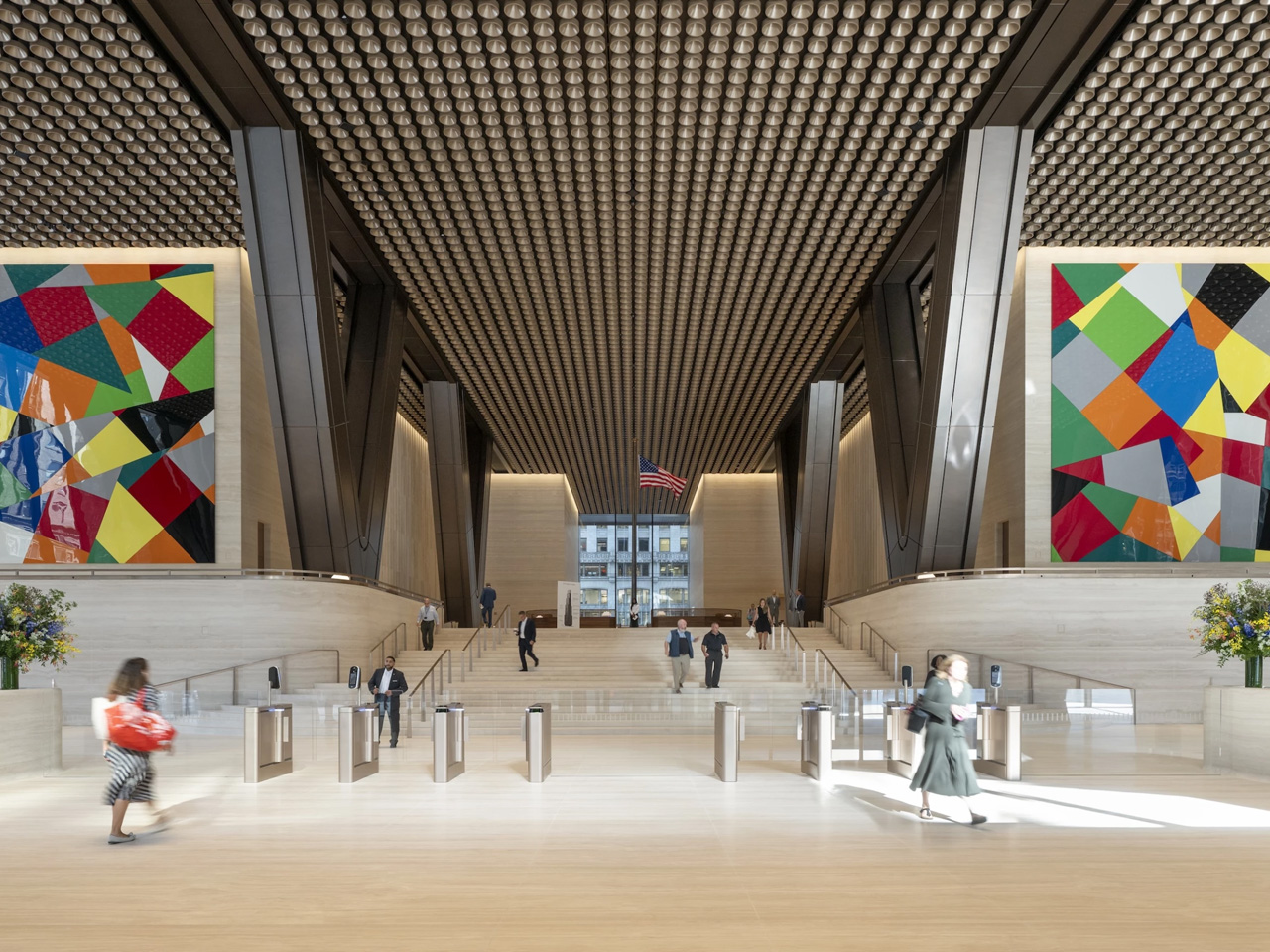
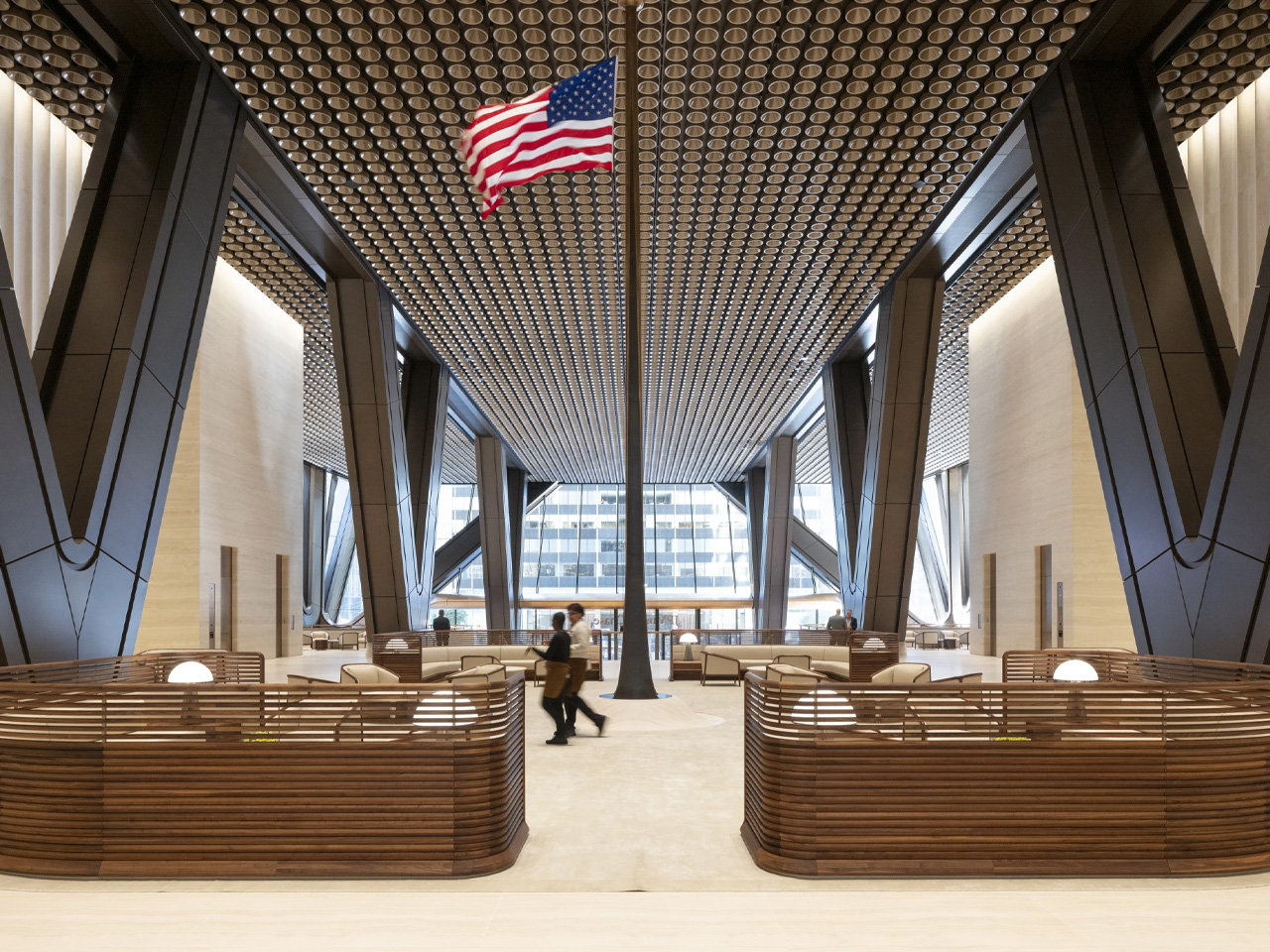
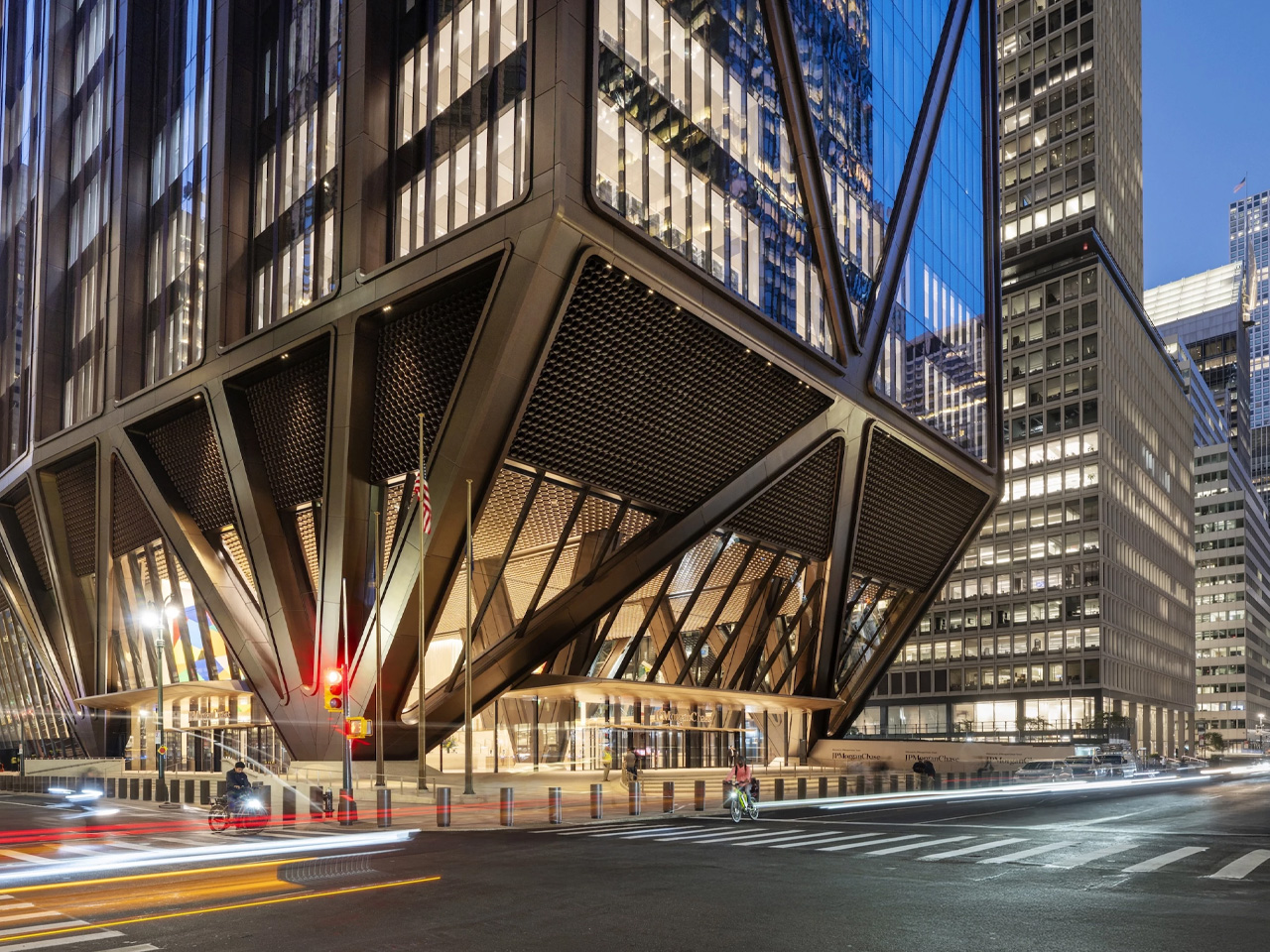
At first glance, 270 Park Avenue is instantly recognizable by its dramatic, stepped silhouette and bronze diagrid crown. The architects at Foster + Partners engineered the tower to be visually striking yet structurally daring: the main building mass is elevated nearly 80 feet above street level, supported by colossal fan-shaped columns that give the base a sense of lightness and openness. This not only creates a grand, welcoming entrance but also expands the public realm.

The project delivers 2.5 times more outdoor space at ground level than its predecessor, with a landscaped public plaza, widened sidewalks, and green terraces that encourage community interaction.

Interior Innovation for Human Wellbeing

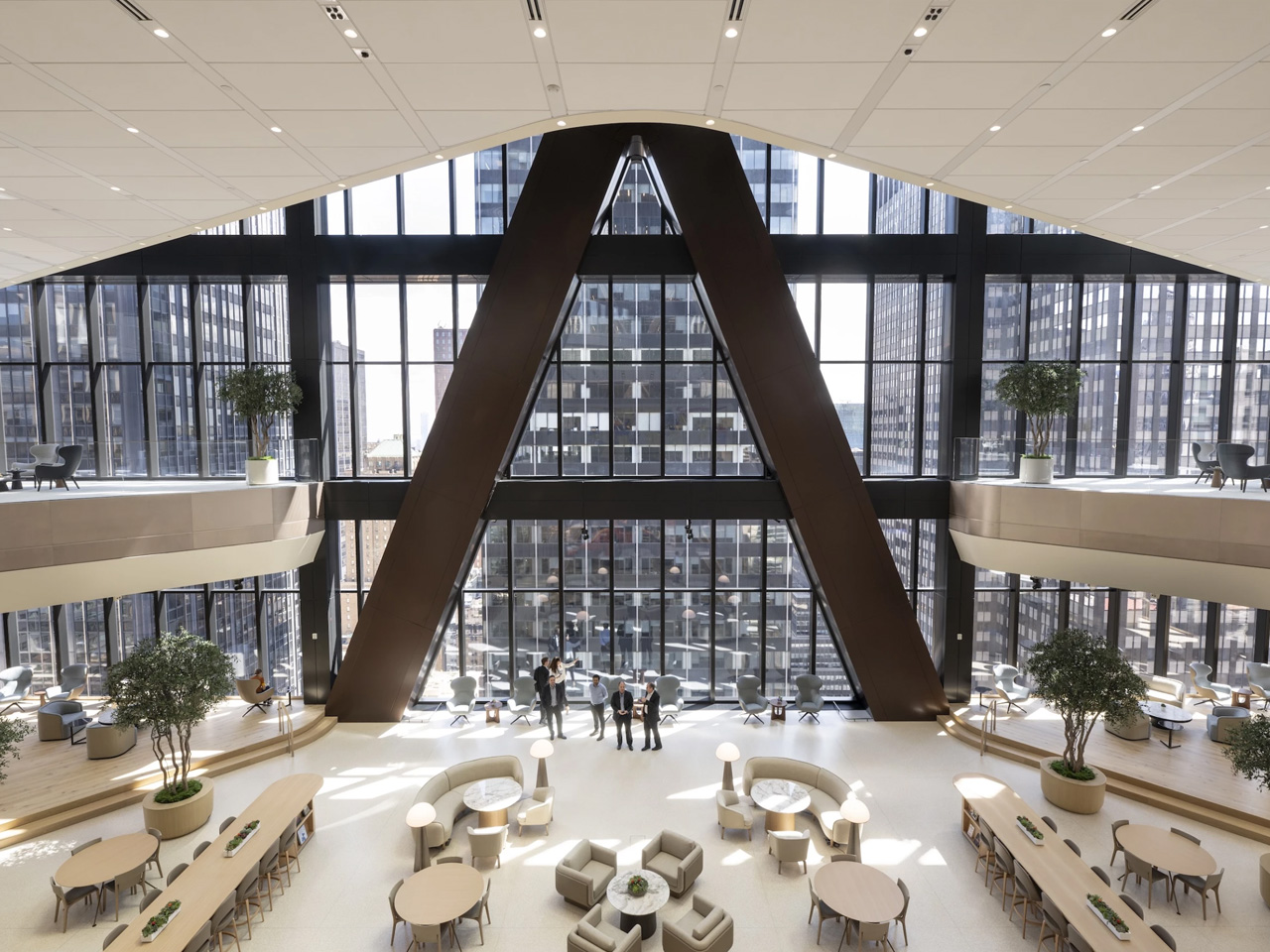
Inside, the building is designed for adaptability. Large, open floorplates and a split elevator core maximize permeability and flexibility, while extensive use of glass floods the interior with daylight. Gensler, responsible for over 1.7 million square feet of interior space, has created environments focused on human wellbeing, with amenities like gyms, client centers, and communal terraces. Circadian lighting, advanced air filtration, and terrace gardens further support employee health and productivity.

Sustainability as a Defining Principle

Sustainability is a defining feature of 270 Park Avenue. As New York’s largest all-electric tower, it is powered entirely by renewable energy and is designed to achieve net-zero operational emissions. The building targets LEED Platinum and WELL Health-Safety certifications, with 97% of demolition materials from the old structure recycled or upcycled.

Triple-pane glazing, hydro-powered energy systems, and low-emission materials are all part of an integrated strategy to minimize environmental impact. Air ventilation rates are twice the city code, directly responding to research linking air quality to cognitive function, making the tower not just green but genuinely health-centric.

A Blueprint for Future Skyscrapers

The project is a collaboration between Foster + Partners, structural engineers Severud Associates, and Tishman Construction. Its completion signals an ambitious new chapter for both JPMorgan Chase and the city itself. 270 Park Avenue is not only a workplace for thousands; it’s a bold statement about the possibilities of skyscraper architecture in the 21st century, where technology, sustainability, and human experience are inextricably linked. In a city renowned for its architectural icons, 270 Park Avenue stands out—not just for its height, but for its vision of a healthier, more connected, and more sustainable urban future.

The post This 1,388-Foot Tower Is NYC’s First Net-Zero Supertall Skyscraper first appeared on Yanko Design.