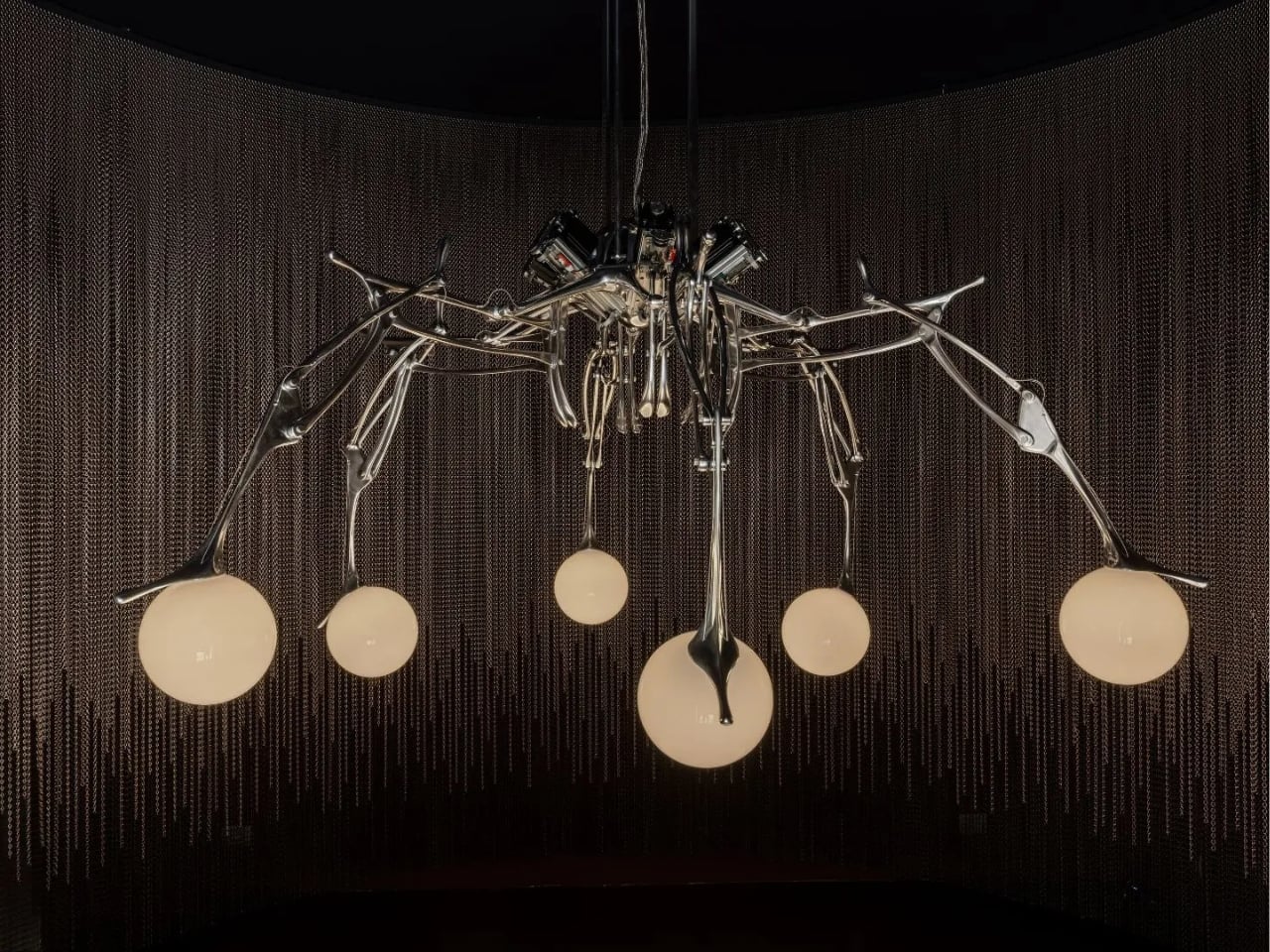
Milan 2026’s Most Interesting Chandelier Is Named After a Computer

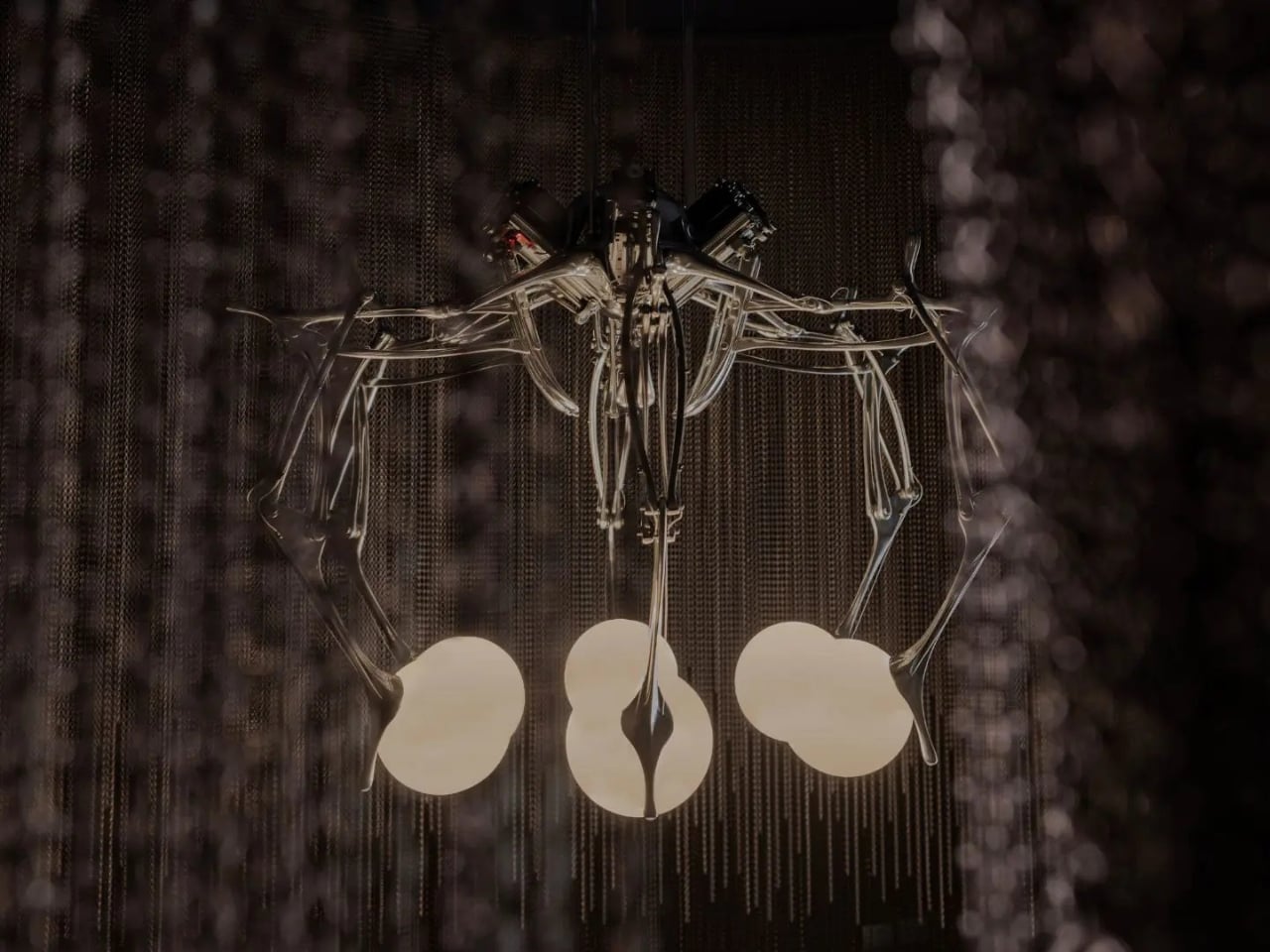
Milan Design Week 2026 was, by most accounts, a fair deeply in love with the handmade. Craft, texture, labour, and the visible trace of human effort were the recurring themes that season. So it felt like a deliberate and well-timed provocation when, inside Nilufar’s historic gallery on Via della Spiga, Andrea Mancuso unveiled LUMIAC: a chandelier that moves on its own, generates its own choreography of light, and takes its name from a 1950s computer.

The name is no accident. LUMIAC stands for Light Unit Mechanized Intelligence Apparatus Computer, a direct nod to MANIAC, one of the earliest autonomous computers built in the 1950s and one of the machines that essentially launched the age of computation. Mancuso chose this reference deliberately, grounding the piece in the origins of electronic thinking rather than in the shinier, more marketable language of today’s AI conversation.

Designer: Andrea Mancuso
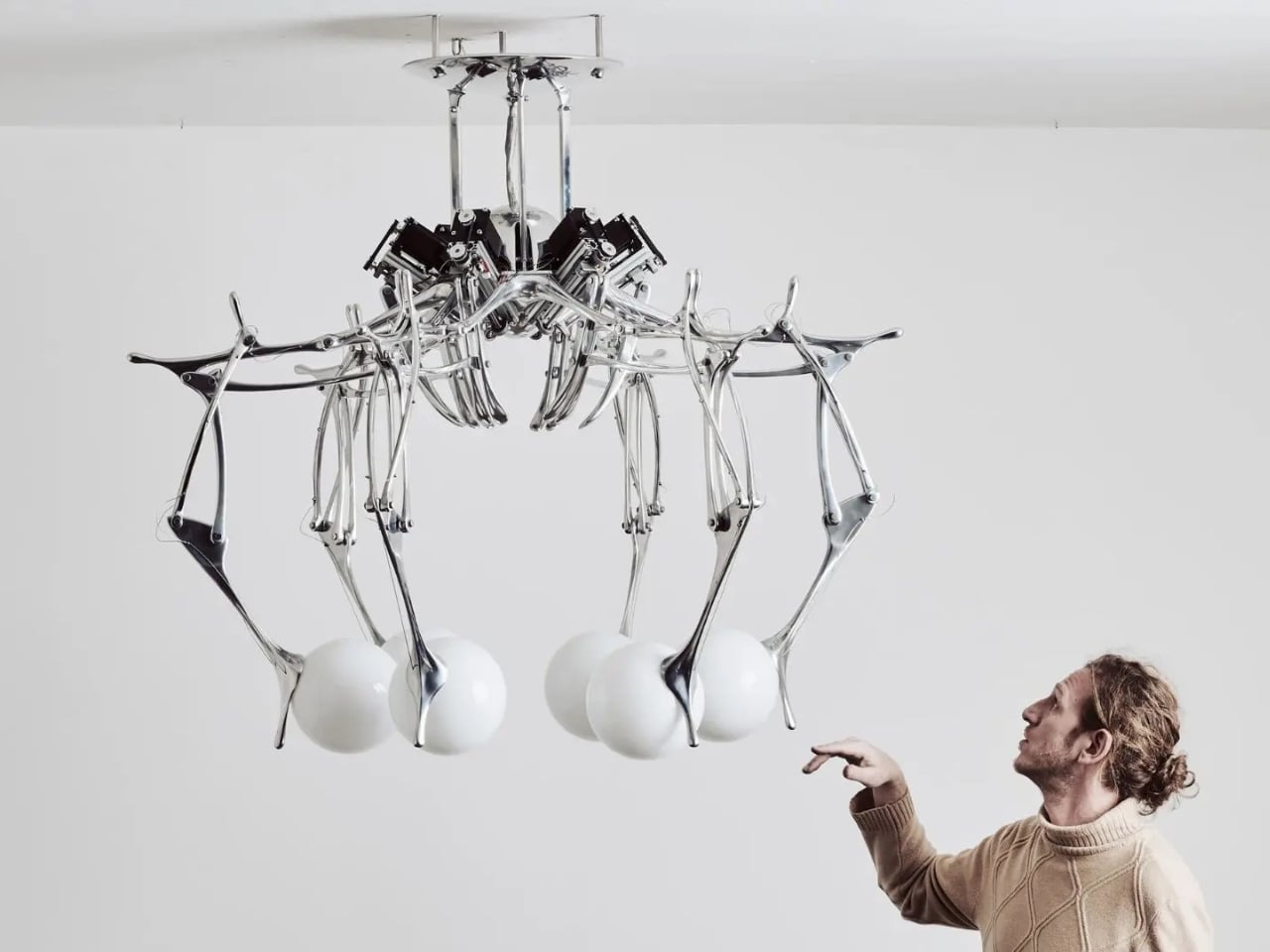
That distinction matters more than it might seem at first. Anyone can slap the word “intelligent” on a product in 2026 and call it a day. Mancuso went further back, to a time when the boundary between human logic and machine logic was first being tested, and asked what it would look like to translate that early electronic reasoning into light and movement.
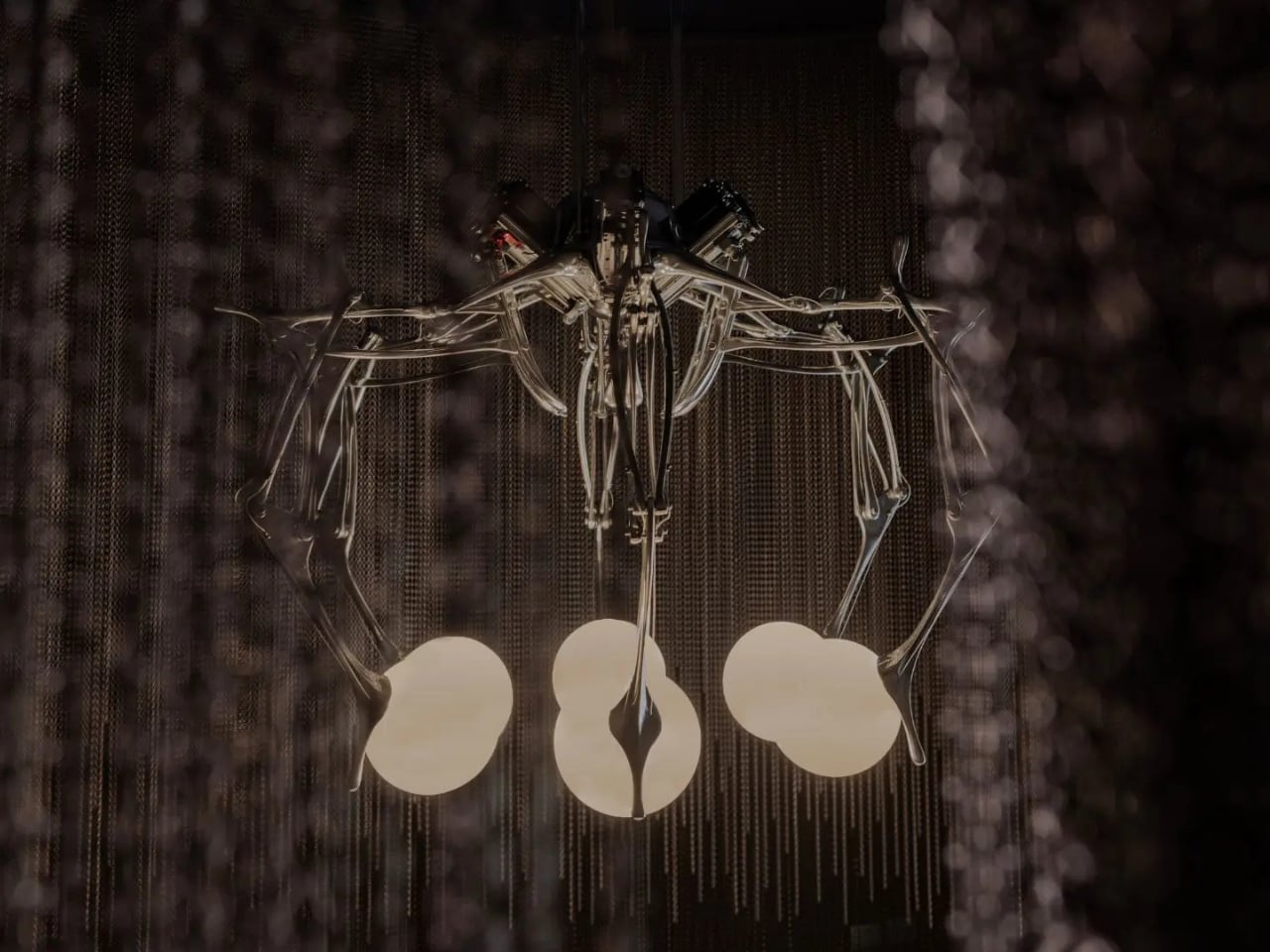
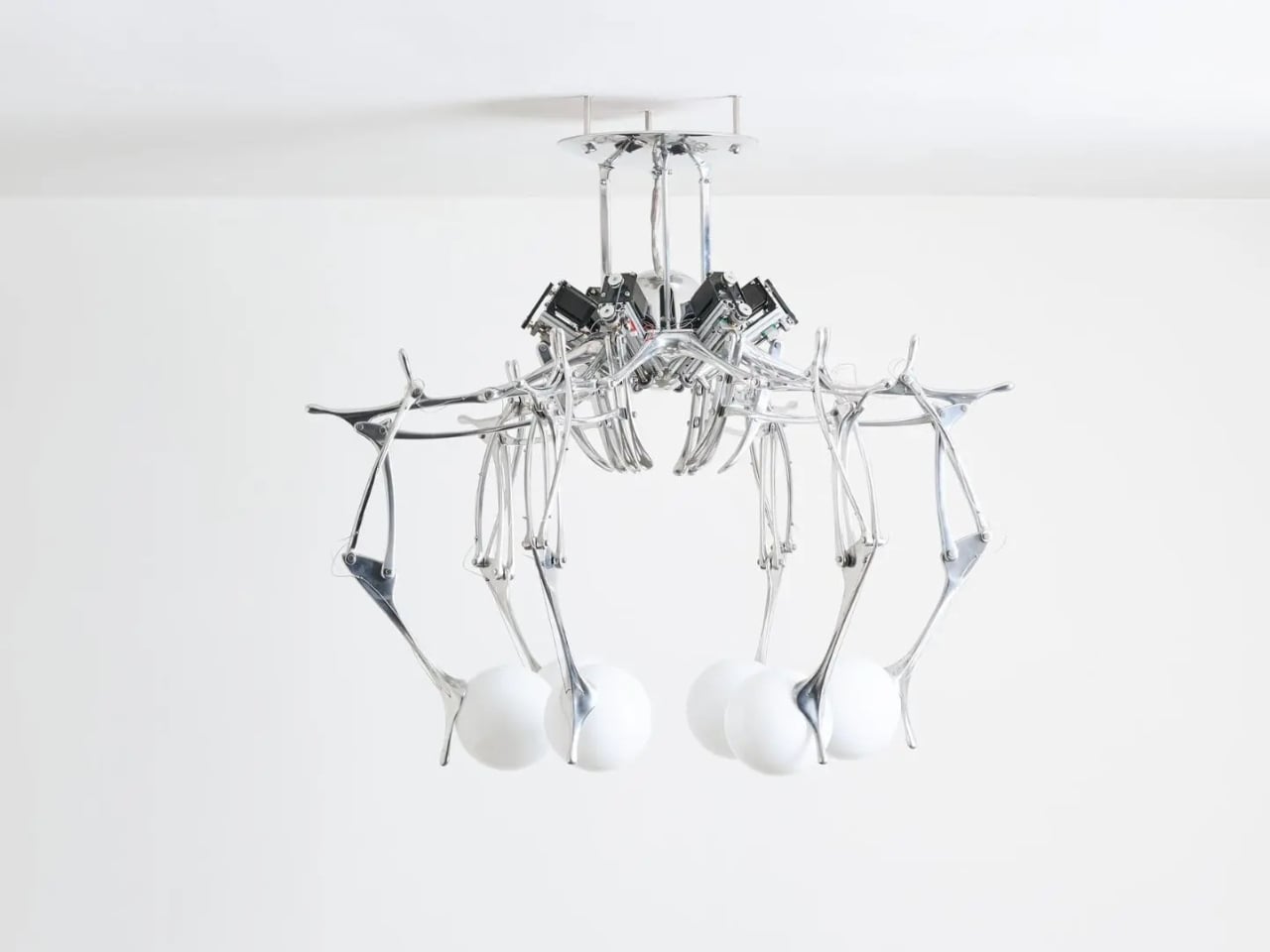
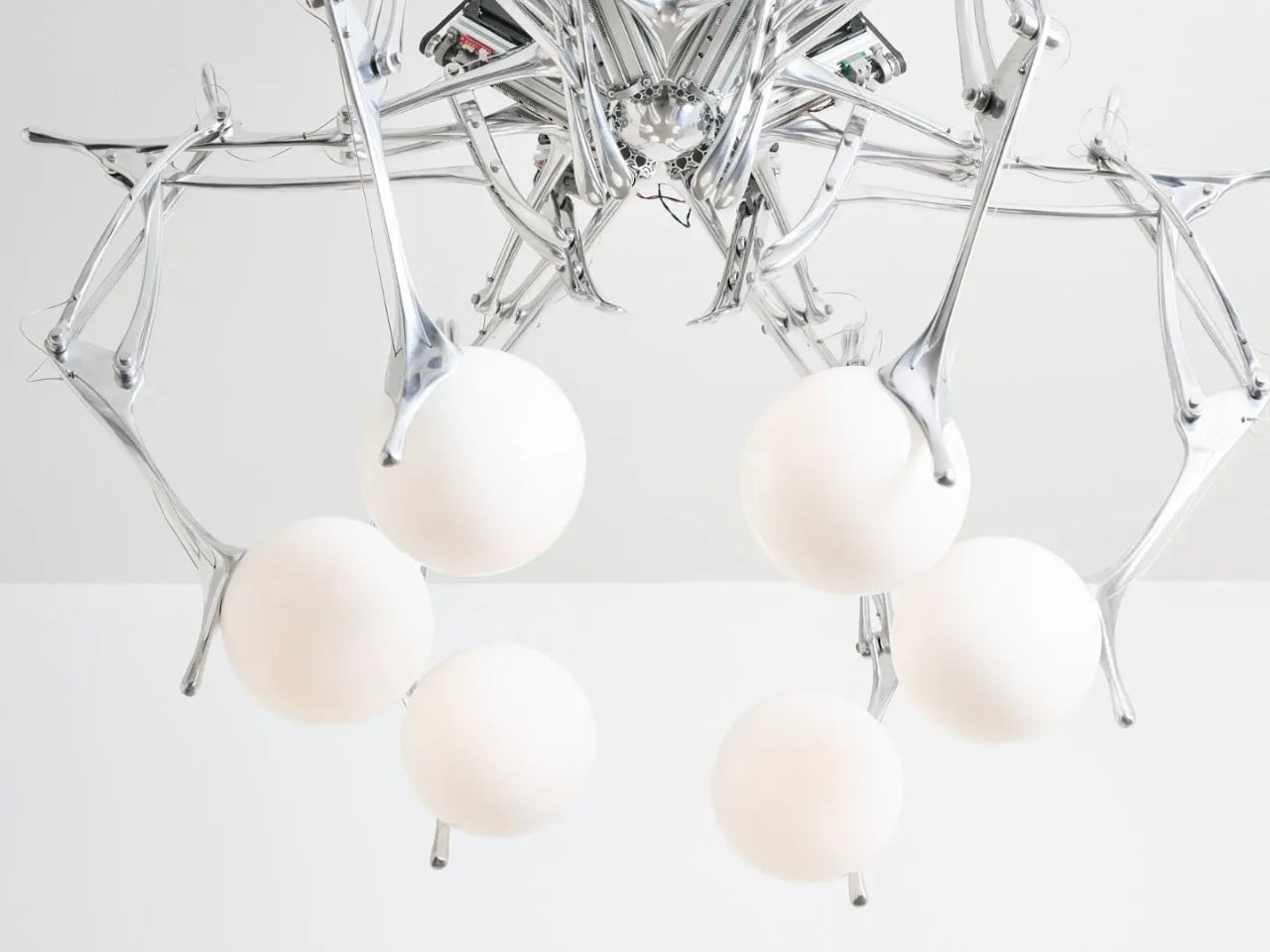
What you actually see at Nilufar is a cast aluminium and glass ceiling lamp that generates what the designer calls a choreography of light and movement. It does not sit still, and it does not simply illuminate. It behaves. That single word does a lot of work here. Not “performs,” not “functions,” but behaves. The shift in language reframes the entire object, placing it in a category of things that act rather than simply exist, and once you see it that way, it is very hard to unsee.
Surrounding the chandelier is a spatial installation developed in collaboration with Kriskadecor, a Spanish company that has spent a century, since 1926, transforming aluminium chains into architectural and expressive surfaces. At the gallery, two superimposed curtains of chains enclose LUMIAC in a kind of ceremonial cocoon. The outer layer is coffee-toned, anchoring the perimeter of the space. The inner curtain is amethyst, softer and more translucent. At the base, the two blend into one another in a gradient that feels less like a decorative choice and more like a gradual change in atmosphere.
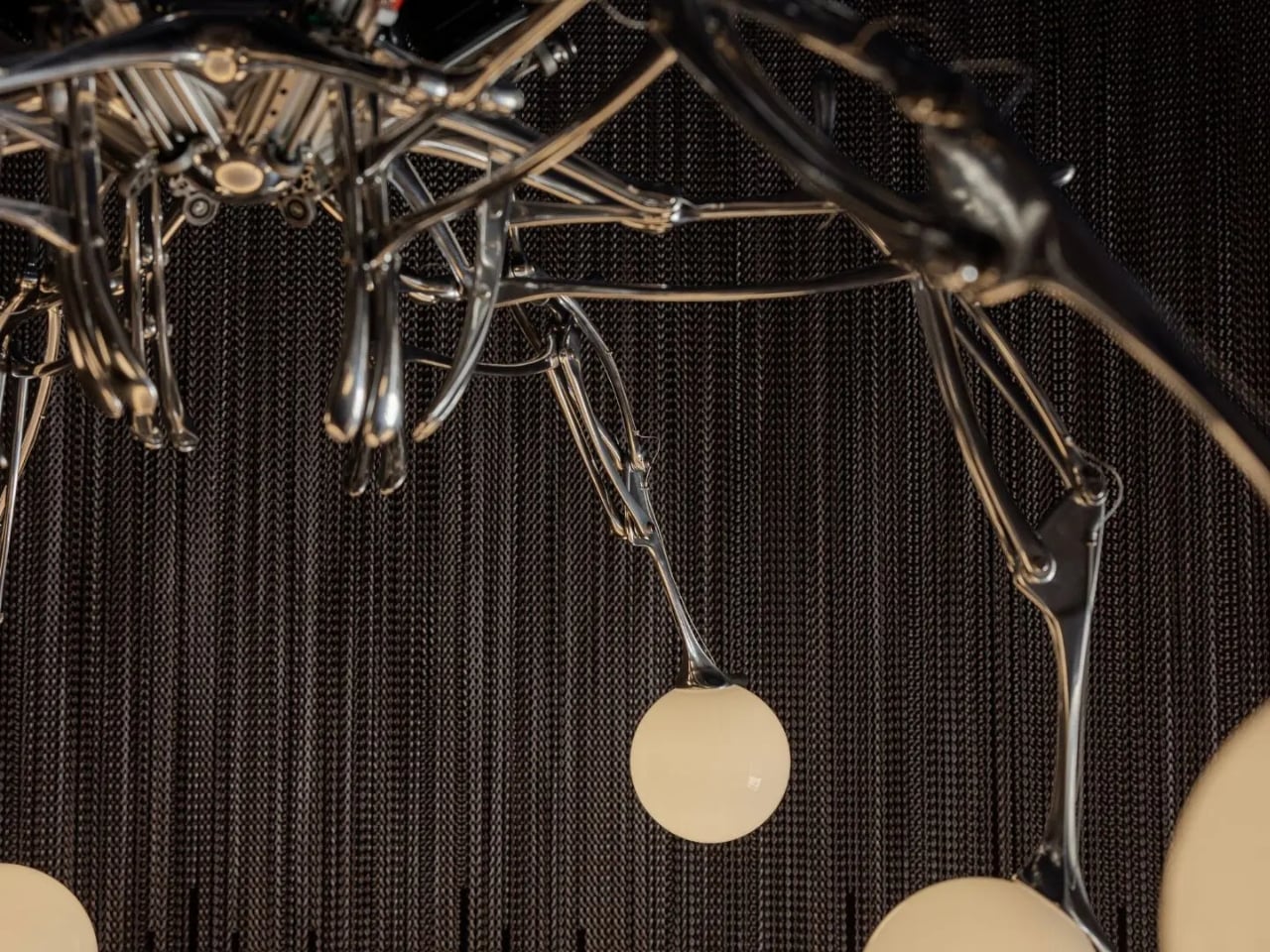
The collaboration works because neither element competes for dominance. The chains frame LUMIAC without trying to match its presence, which is harder to pull off than it sounds. Too often, spatial installations feel like a product surrounded by visual noise. Here, the room has a mood. The closest word for it is quietly unsettling, though that sounds like a criticism and it is not. It is unsettling in the way that a genuinely good question is.
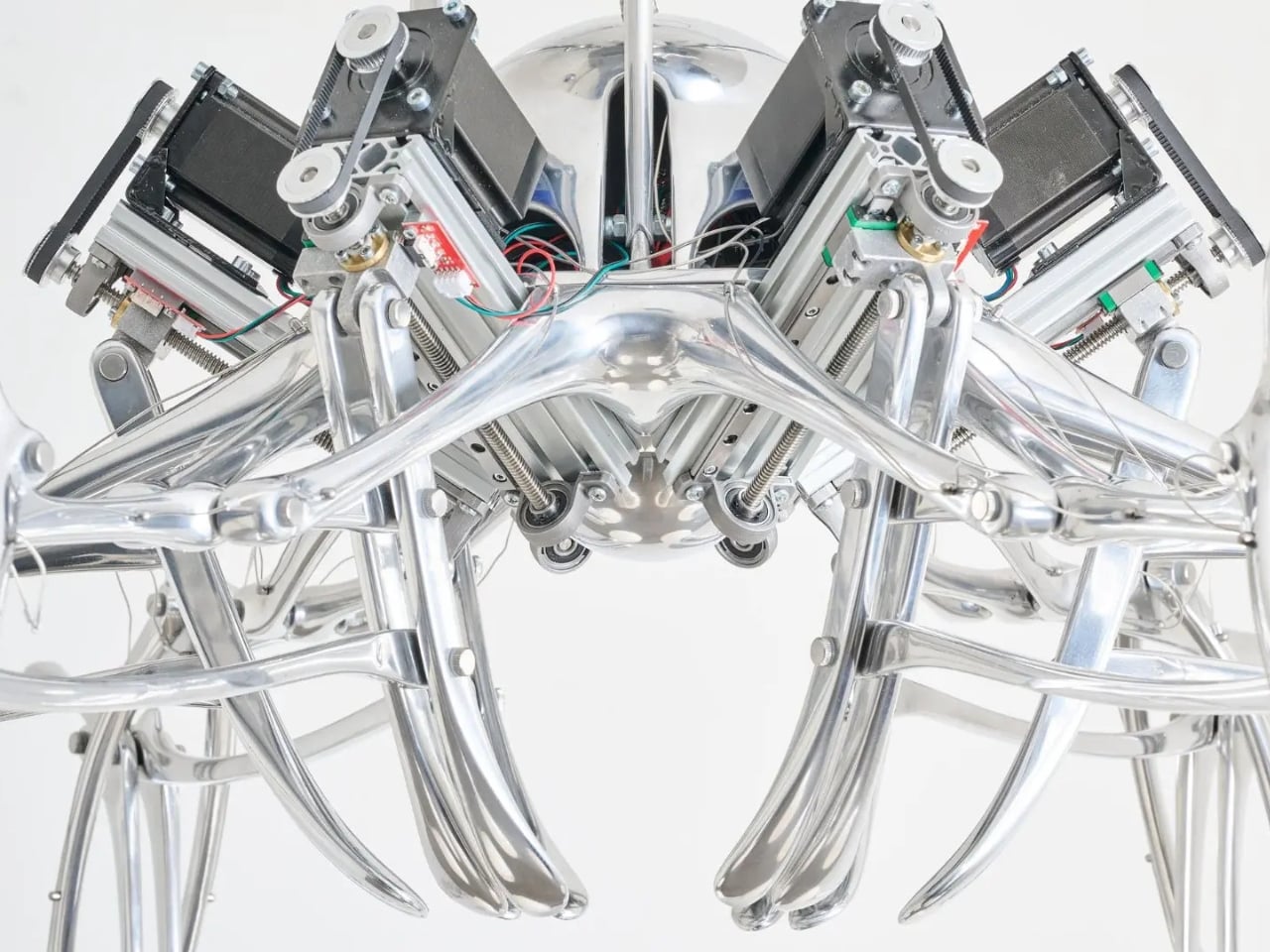
Mancuso’s earlier work pulled from deep time: geology, cave paintings, the slow logic of the natural world. LUMIAC is a turn in direction but not in spirit. The same designer who once looked at rock formations and asked how they got there is now looking at a moving machine and asking where this all ends up. That kind of long-view thinking is genuinely rare when the pressure to be current and commercially relevant is so relentless in the design world.
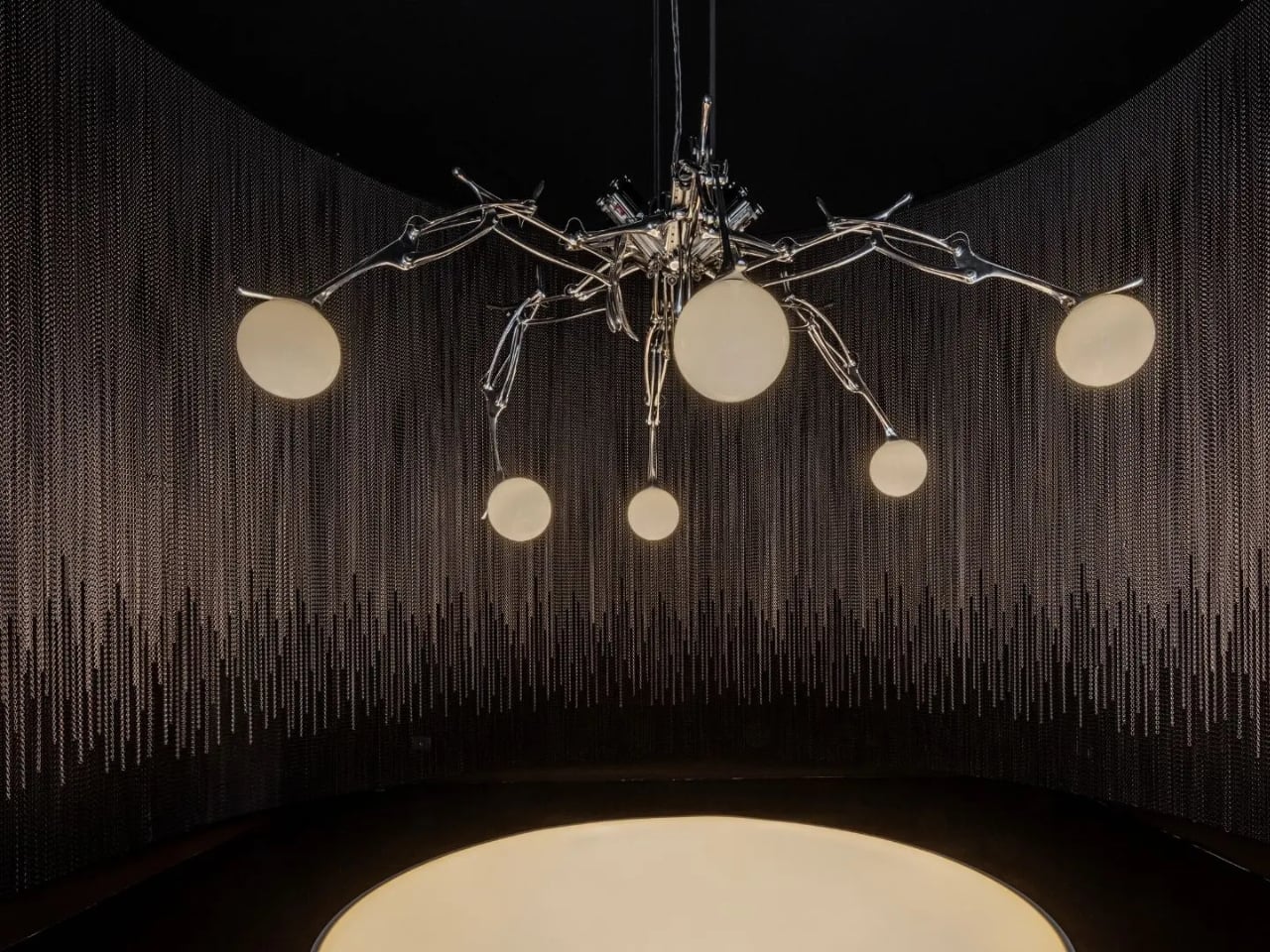
The piece also lands with particular weight given the broader cultural moment. Conversations about AI in 2026 tend to swing between uncritical enthusiasm and existential alarm, and design is not immune to either extreme. LUMIAC does something more interesting by stepping back to the very beginning of the machine-human conversation and holding that origin point up to the light, literally. It is a reminder that these questions are not new, even if the technology is.
The post Milan 2026’s Most Interesting Chandelier Is Named After a Computer first appeared on Yanko Design.
The Pearl Chandelier puts pearl-shaped bulbs within metal sconce ‘oysters’ for a grand lighting aesthetic

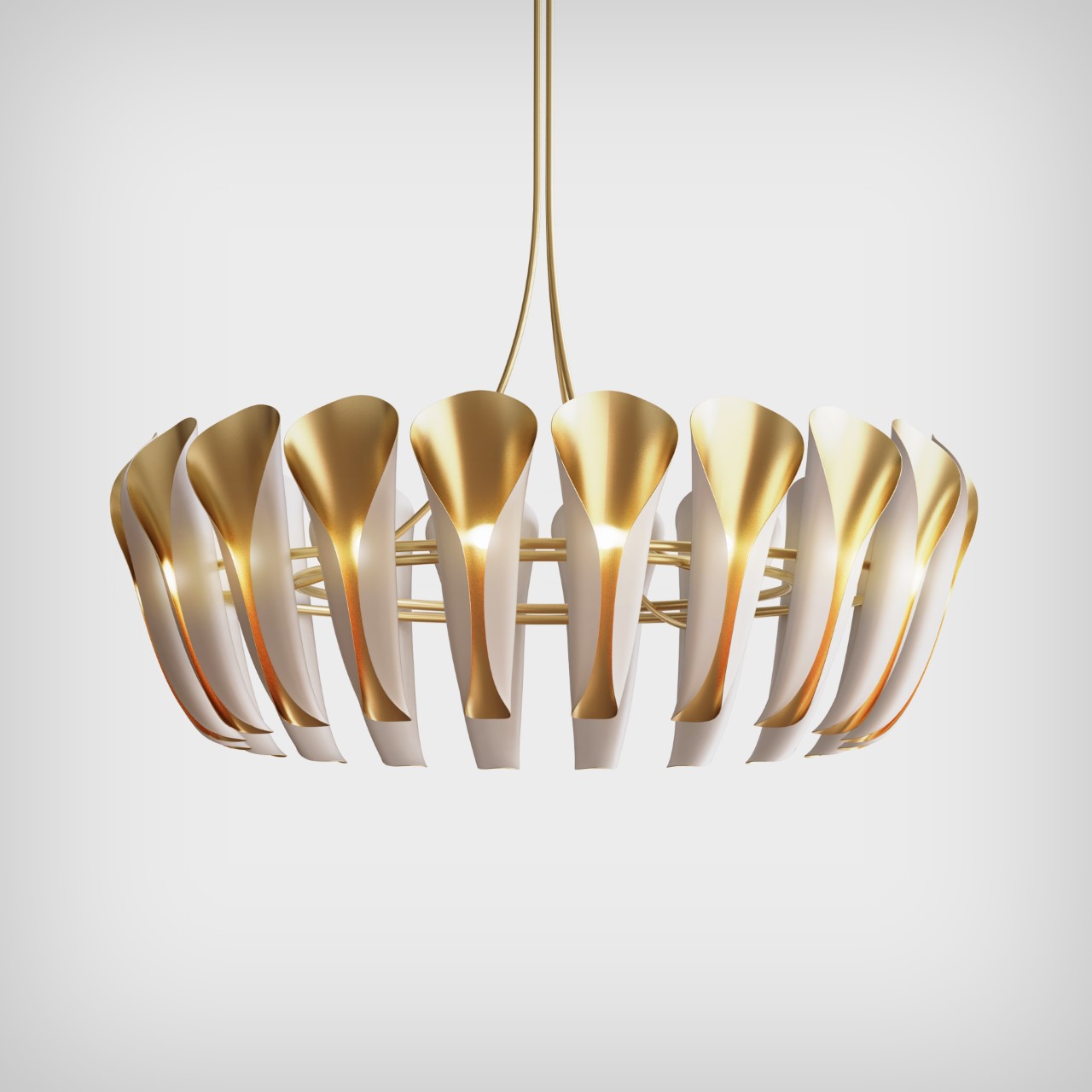
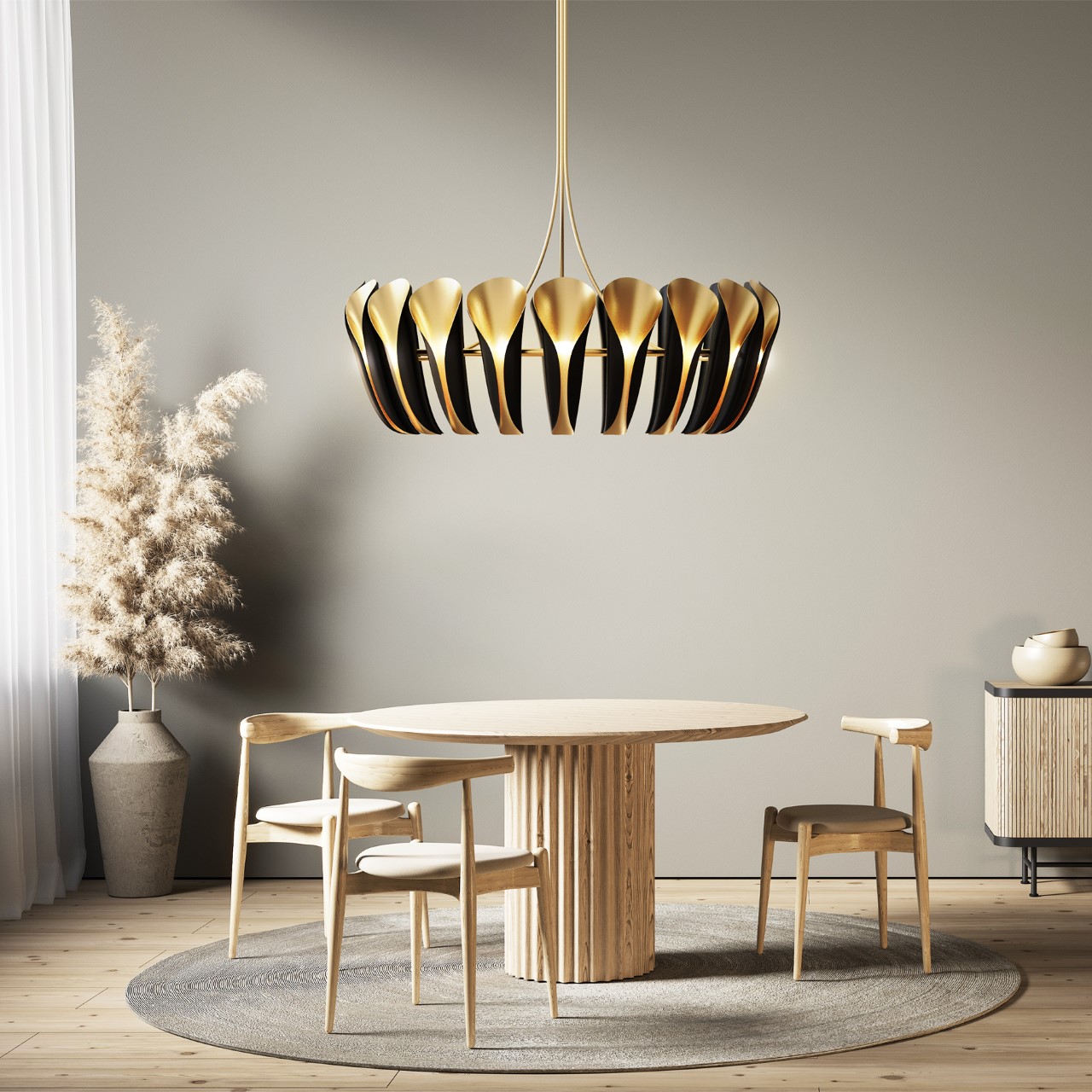
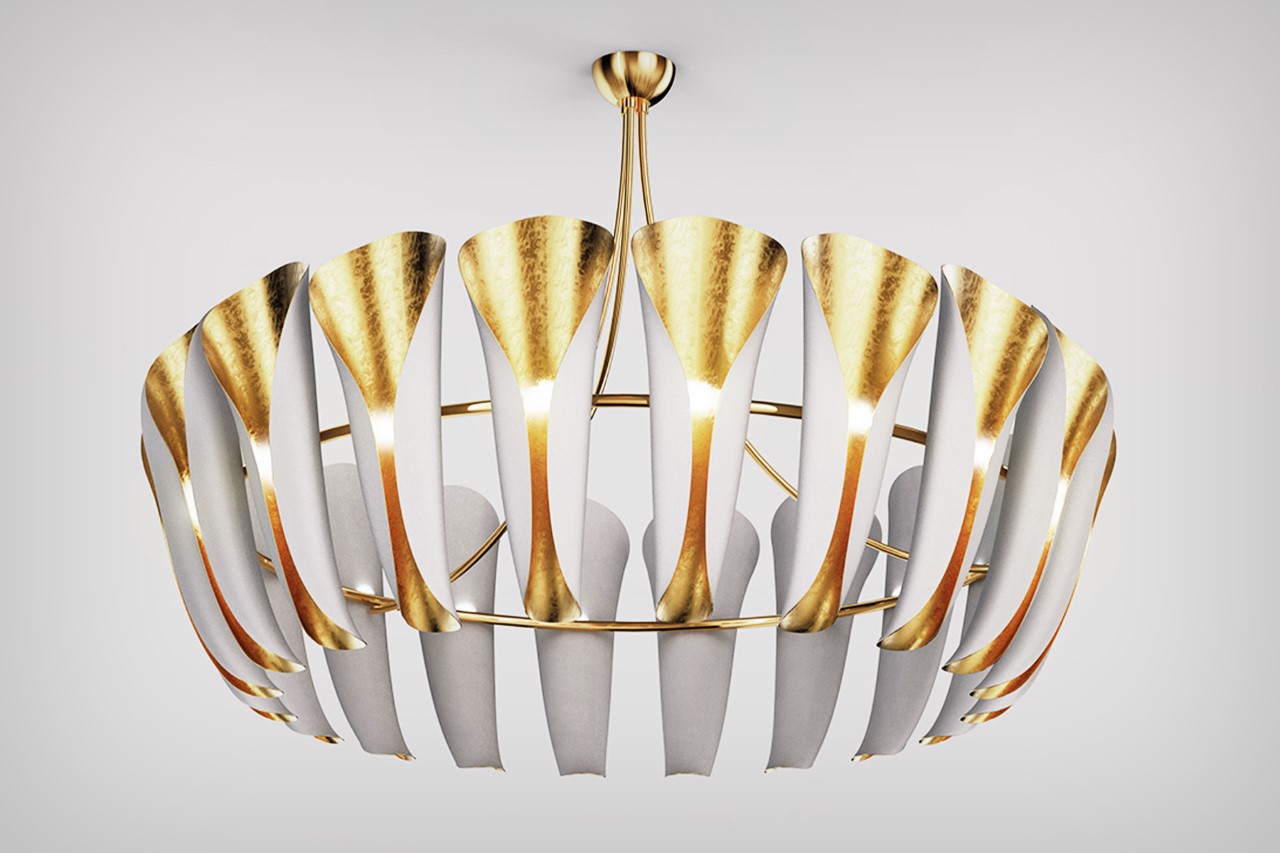
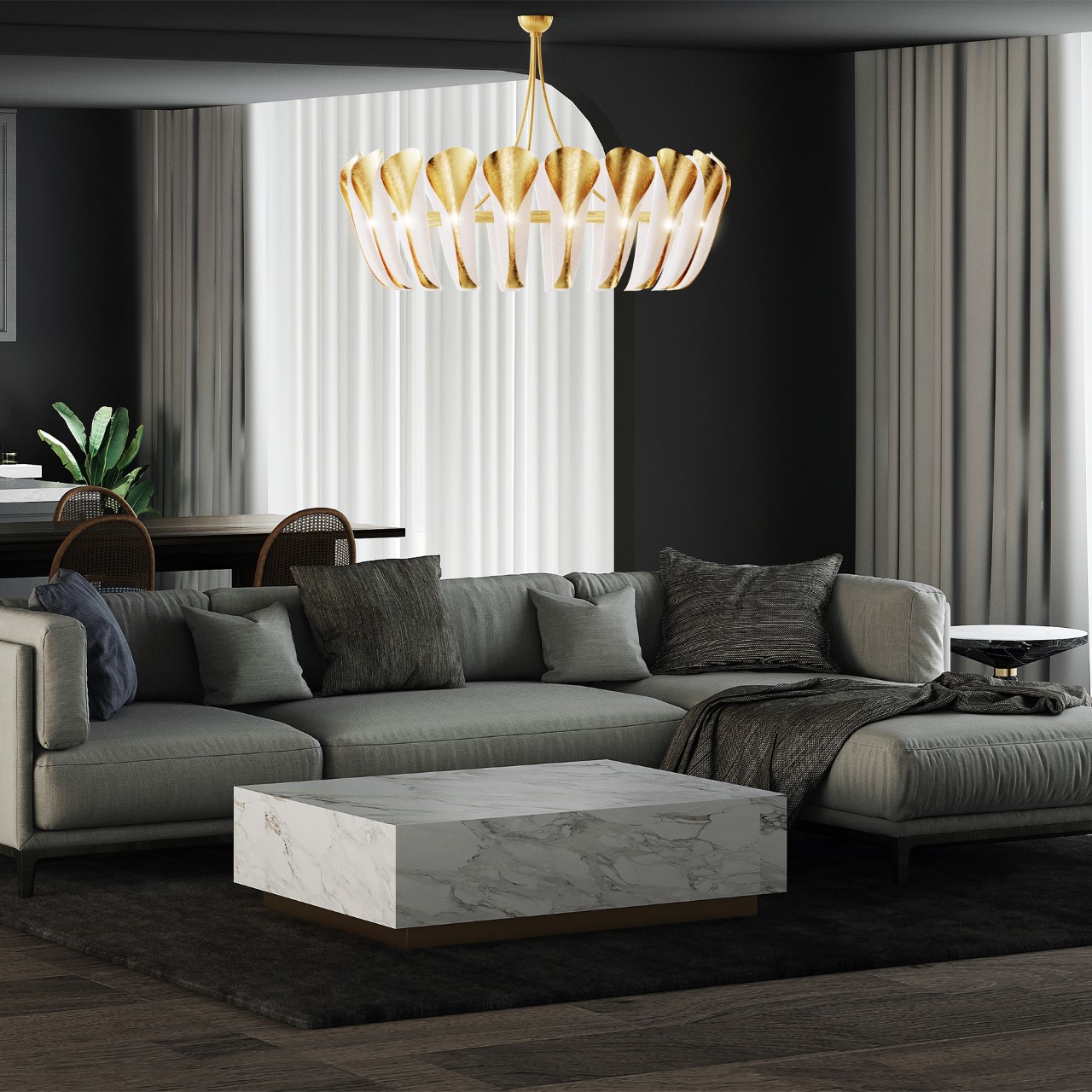
Although pearls aren’t the first thing that come to your mind when you look at this chandelier, Waxy Design Studio’s Pearl Chandelier manages to weave a unique aesthetic out of its original starting point. The chandelier comes with multiple lighting elements mounted around it in a ring, creating an almost jewel-like experience. Each individual metal cone or sconce has a pearl-shaped lightbulb inside it, turning the chandelier into a necklace for your ceiling, and making the metal sconces have the concealing appeal of an oyster that just lets you peek in to see the pearl.

Designer: Waxy Design Studio

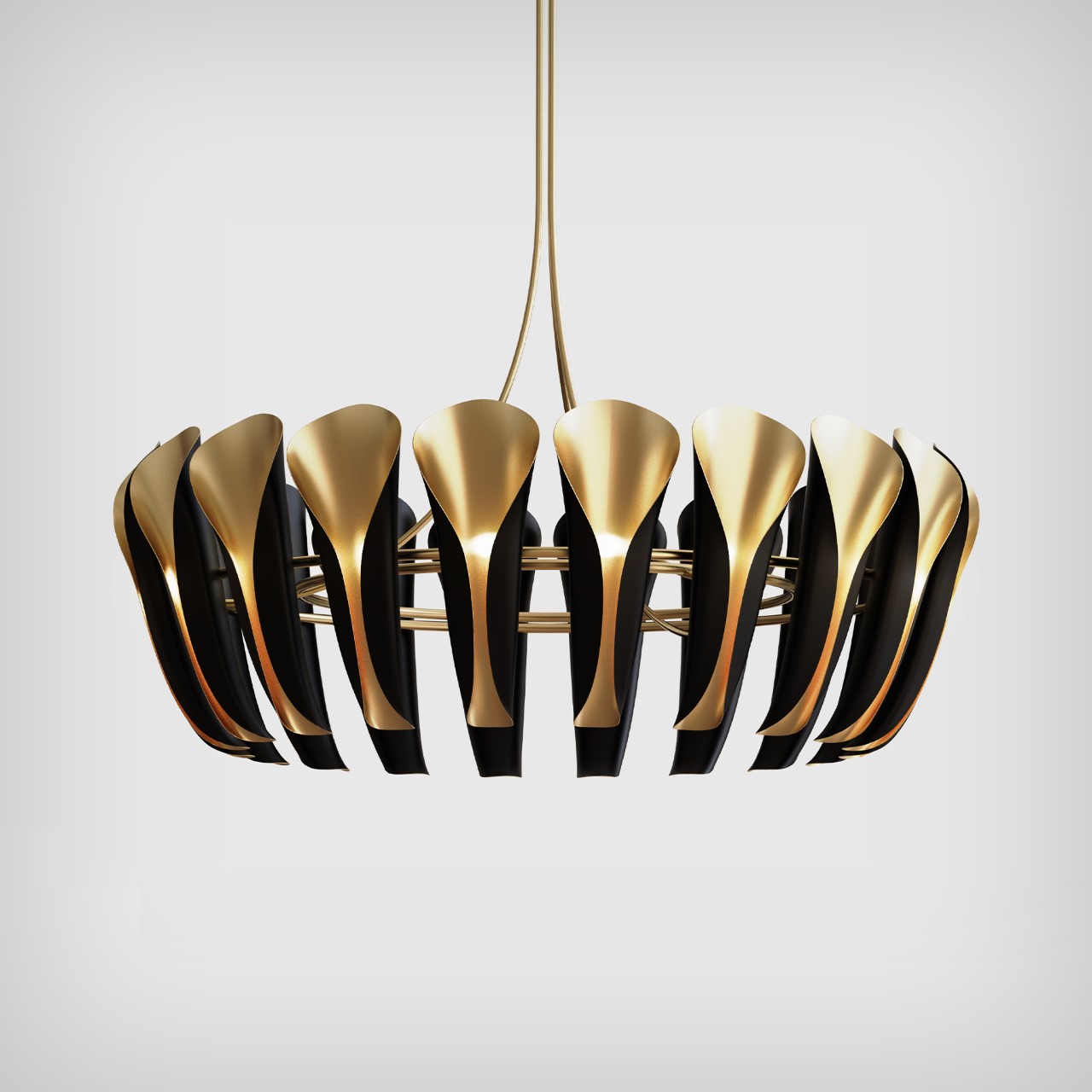
The chandelier comes in two styles – white or black, with an interplay against the golden metal color on the inside and the golden frame itself. Each chandelier has precisely 20 sconces or lighting elements, made of curved metal sheets. The light sits within the sheet, shining through the opening in the folds. It’s perhaps a very liberally abstract way to represent an oyster, but then again, the chandelier does focus the light both downwards as well as upwards, helping scatter the light in a meaningful and functional way. It does have a stunning appeal too, with the 20 sconces coming together almost like a necklace.

“Each Pearl Light unit encapsulates a delicate balance between the luminosity of the pearl and the protective embrace of metal, mirroring the relationship between an oyster and its precious gem,” says Waxy Design Studio. “This juxtaposition creates a visually striking and emotionally resonant lighting fixture that enhances any space with its unique charm.”

Meticulous attention to detail is evident in the seamless integration of the ‘pearls’ and metal components. Advanced production techniques ensure both the structural integrity of the piece and the delicate diffusion of light through the pearl. The result is a captivating play of light and shadow, inviting viewers to appreciate the fixture from various perspectives.

The post The Pearl Chandelier puts pearl-shaped bulbs within metal sconce ‘oysters’ for a grand lighting aesthetic first appeared on Yanko Design.
Sandblasted Pendant Lights That Represent Artistry And Freedom And Elevate Any Room

British lighting specialists at Curiousa have once again captivated the design world with the release of their latest masterpiece – the Wave II collection. This innovative series serves as a sequel to their earlier pendant lights, seamlessly marrying glass craftsmanship with an explosion of colors and shapes.

Designer: Curiousa

Renowned for their eclectic blown-glass designs, Curiousa’s creations are a testament to the age-old technique of glass blowing. For those unfamiliar with the process, it involves skillfully inflating molten glass into a bubble using a blowpipe, resulting in beautiful forms that give off both elegance and charm.

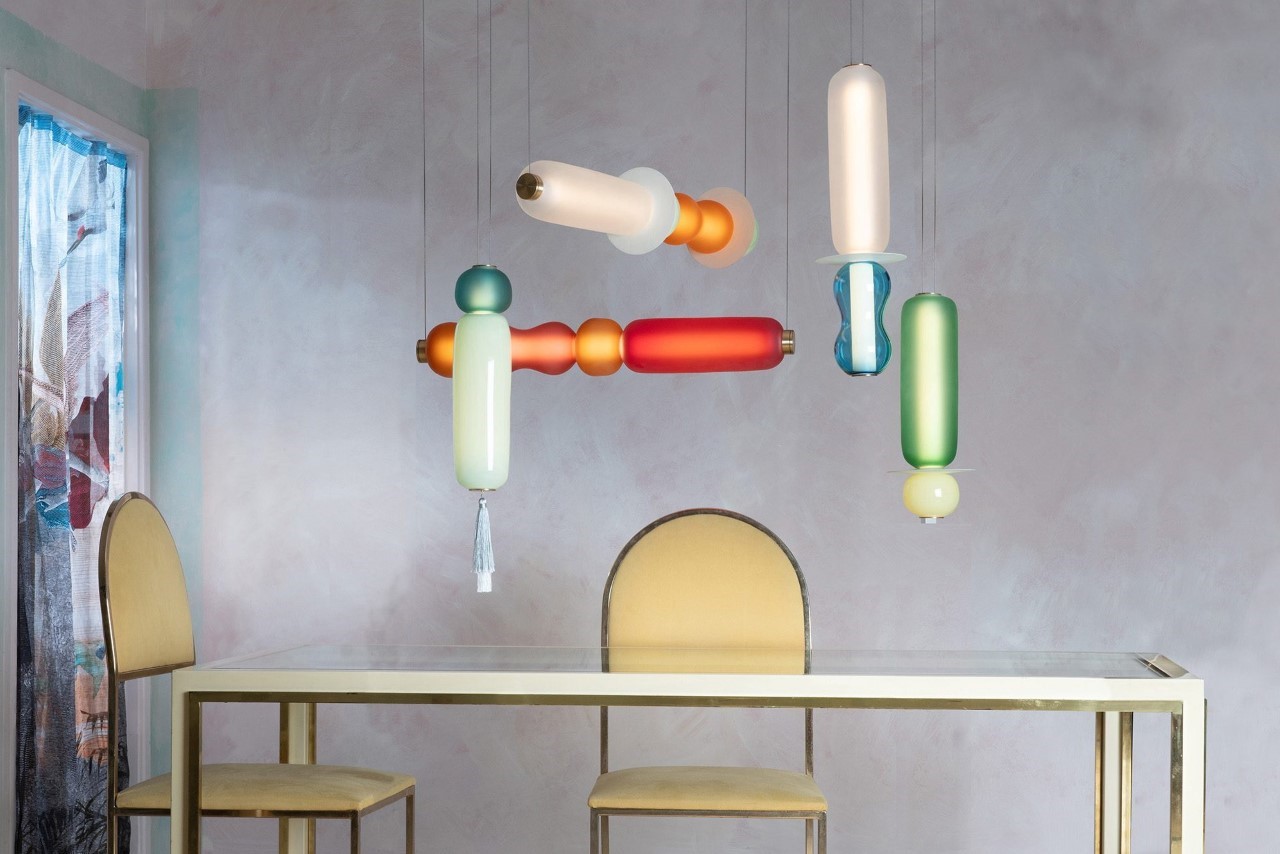
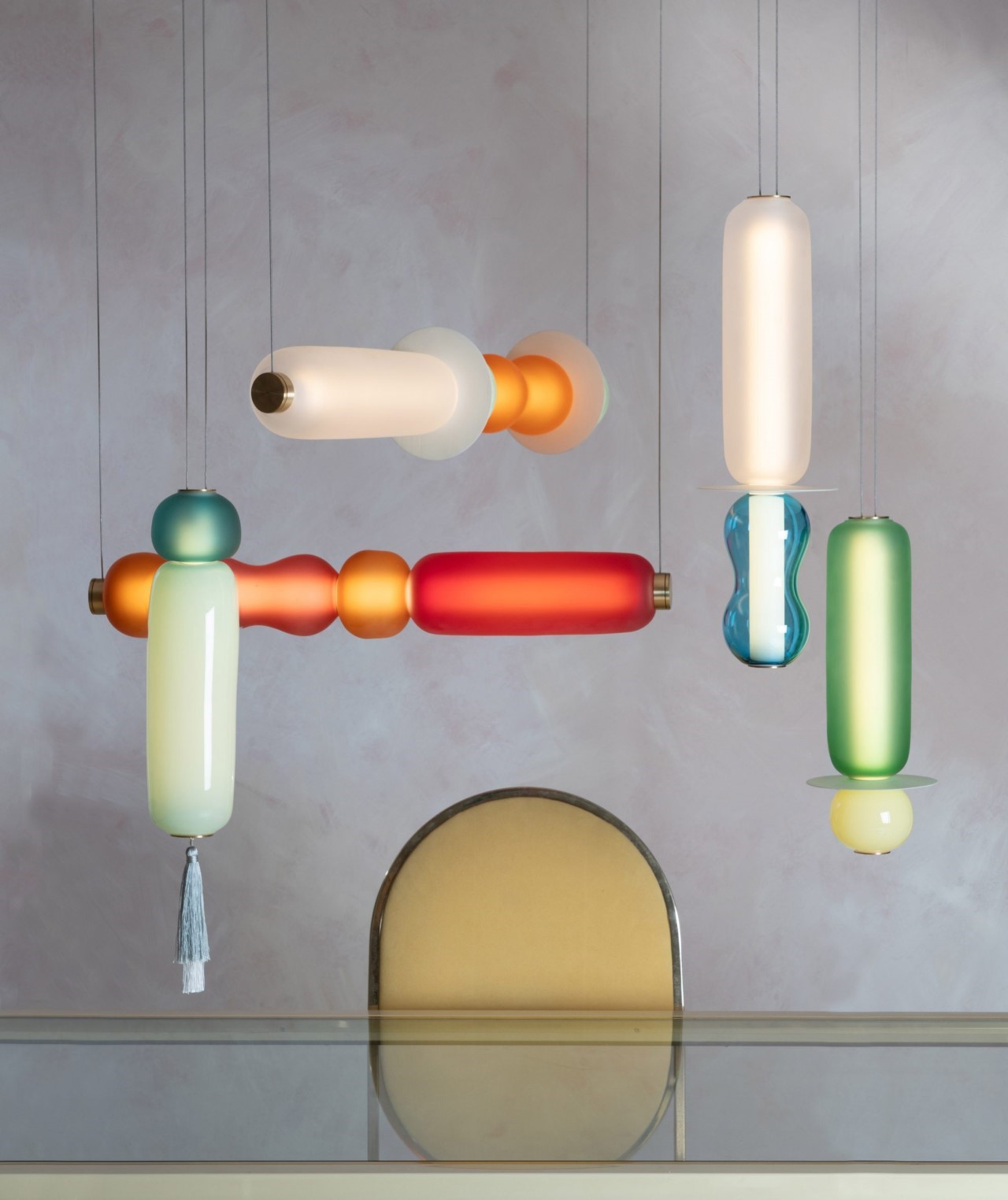
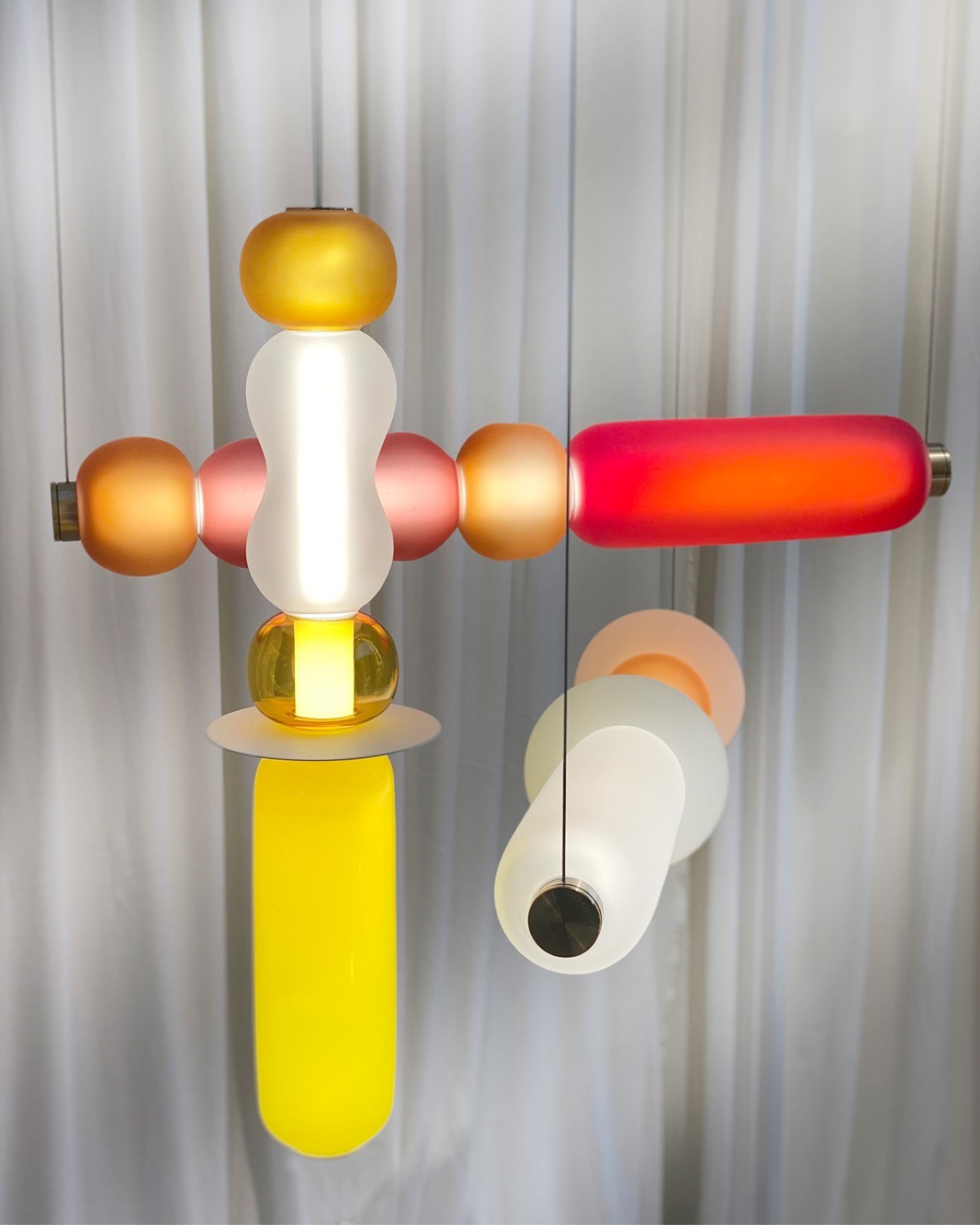
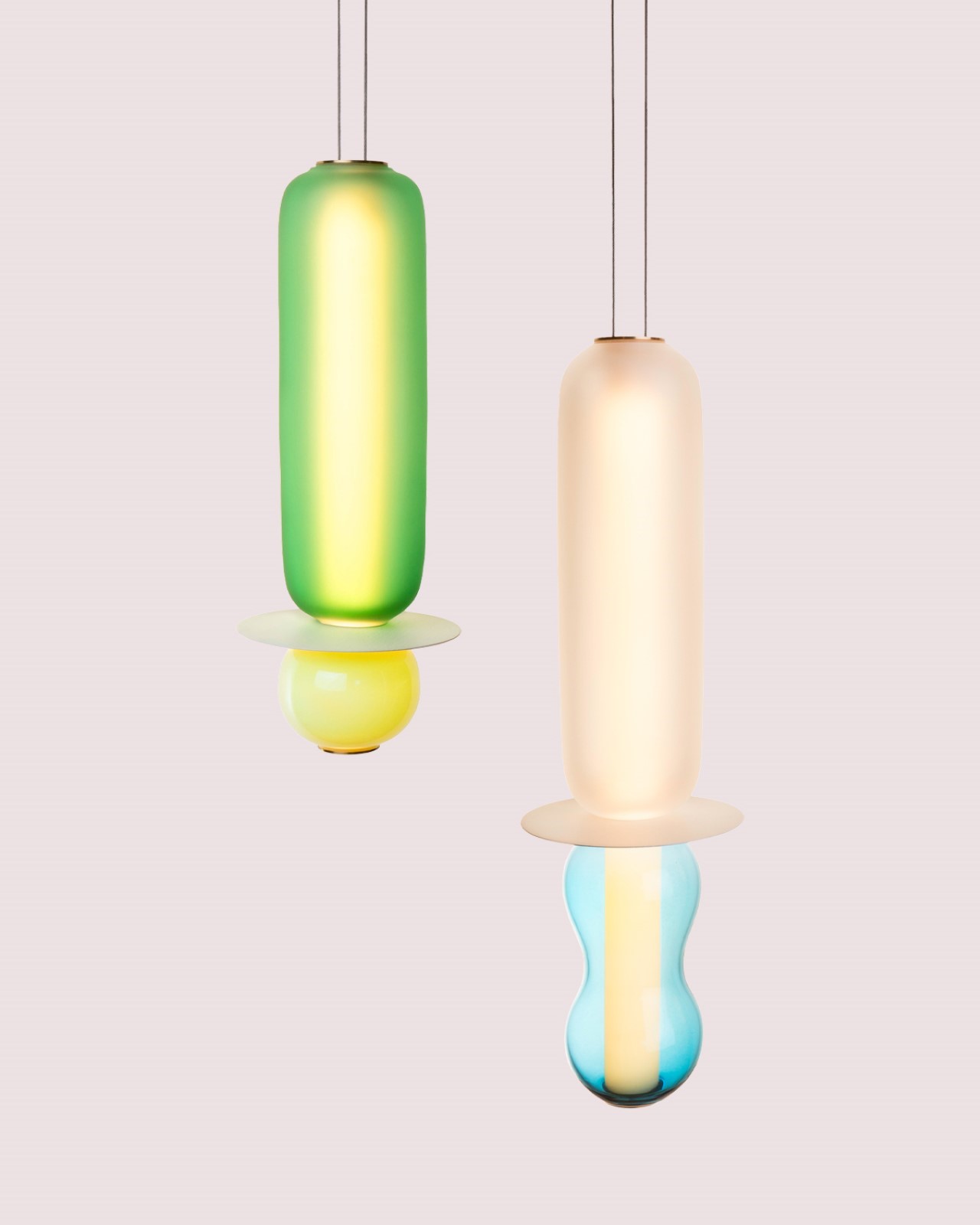
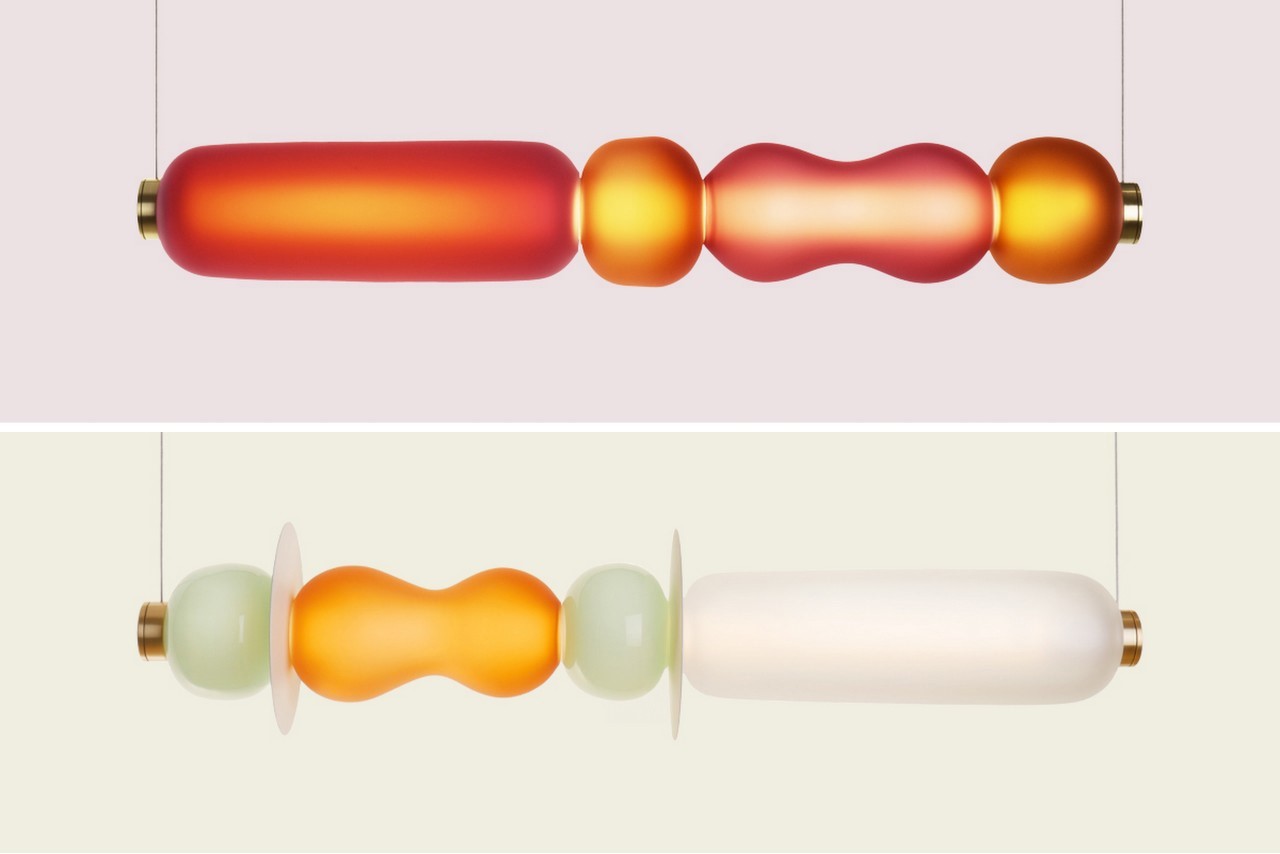
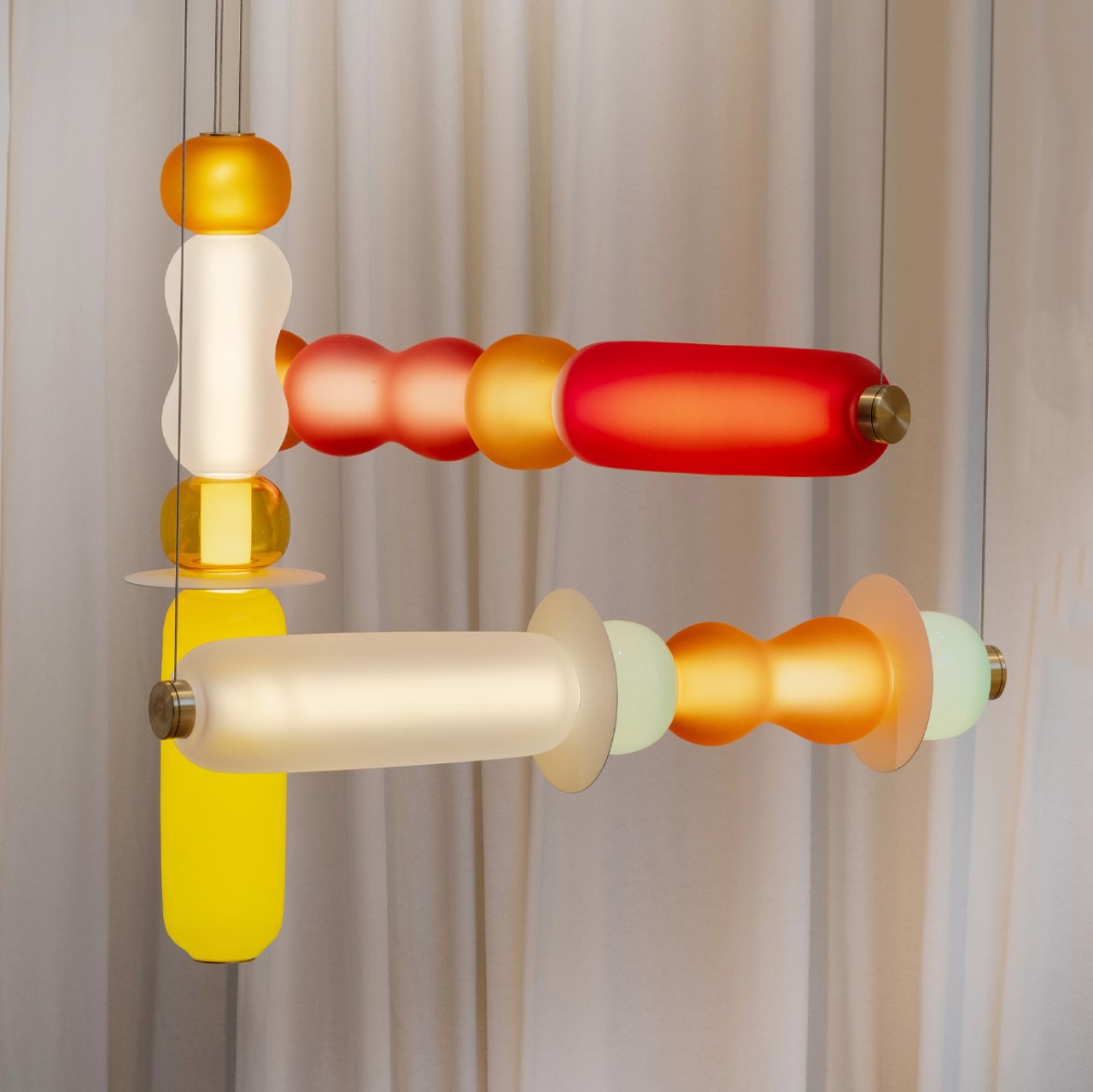
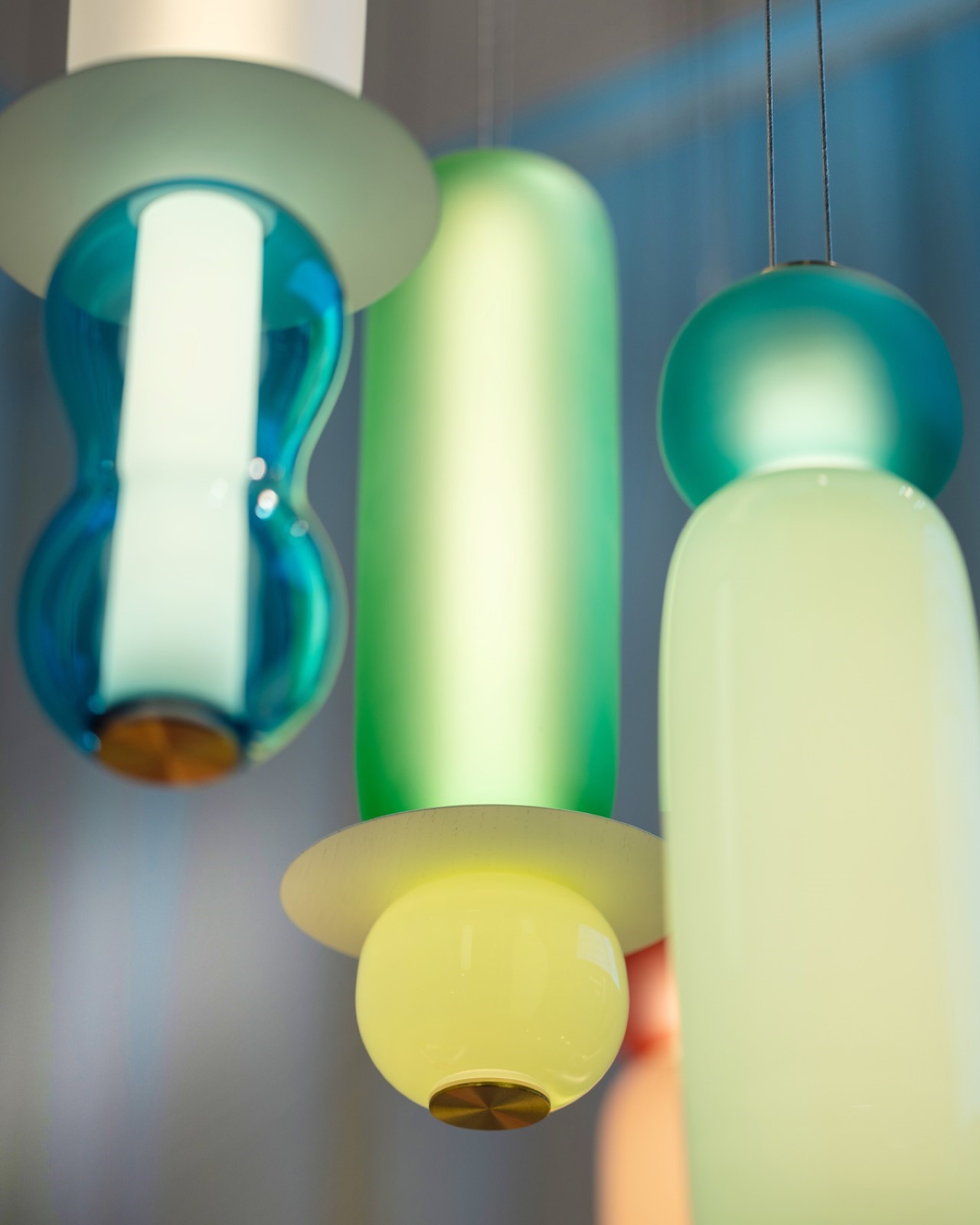
The Wave II collection takes this tradition to new heights, featuring candy-colored glass elements meticulously arranged along cords, reminiscent of beads on a string. Some of these elements are sandblasted, imparting a semi-opaque finish that imbues the lights with a soft, ethereal quality, adding to their allure.

Wonder what’s special about these? It is not only their visual appeal but also their textural richness. Wooden and silk elements intermingle with the glass, creating a symphony of materials that elevate the designs to a whole new level. The tubular light source, cleverly framed and diffused by the surrounding elements, further enhances the play of light and shadow, casting mesmerizing patterns in any space.

The Wave II collection comprises seven distinct designs, each a masterpiece in its own right. Among the new additions are the Lozenge Squircle and Lozenge Wave, which boast sculptural forms that push the boundaries of traditional lighting design. Meanwhile, favorites from the previous series, such as the horizontal Ripple Beam and vertical Crest lights, have been reimagined, breathing new life into timeless classics.

Lozenge Squircle from the Wave II Collection

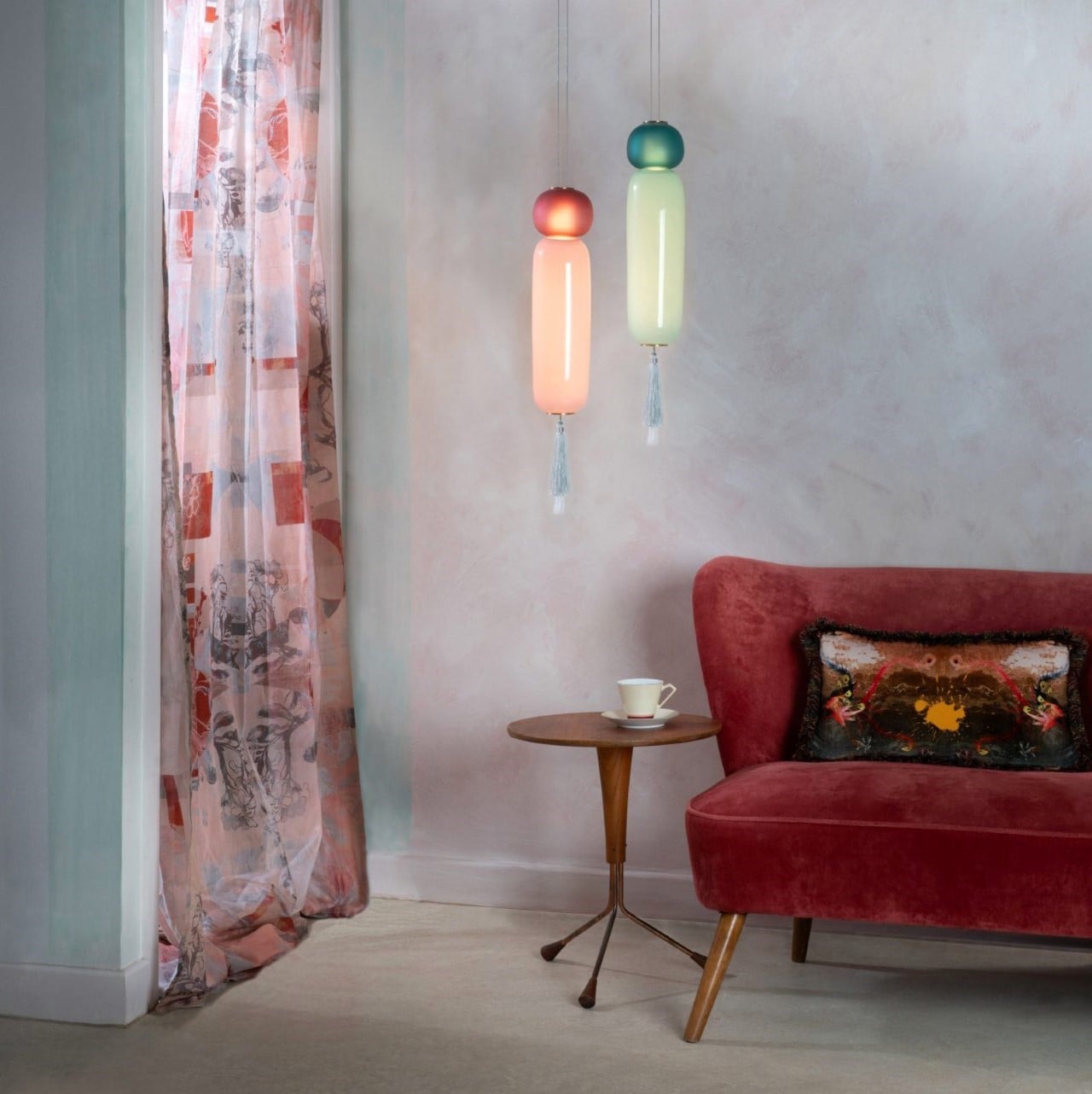
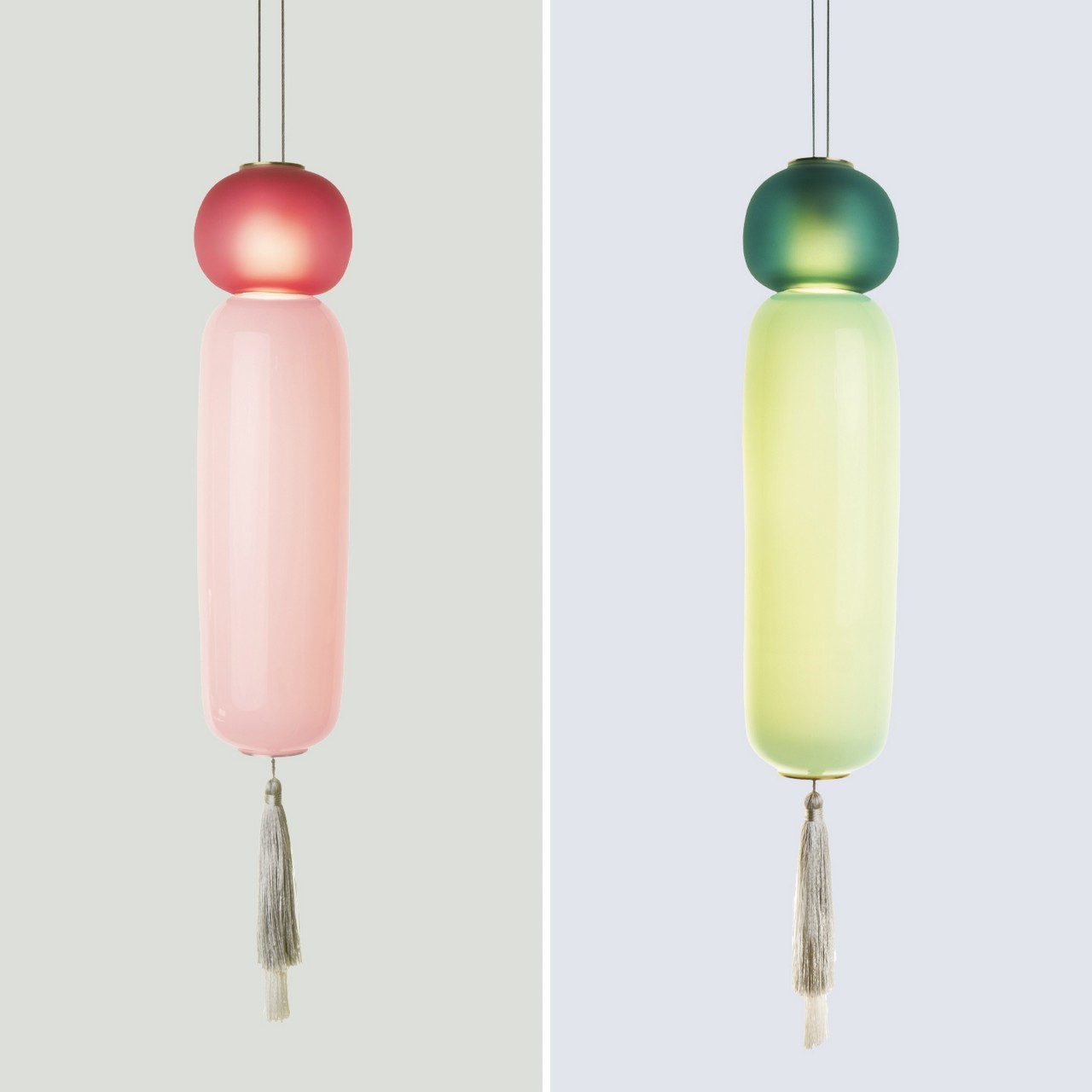
In a nod to traditional craftsmanship, the Crest Tassel pendant features a silk textile element crafted by London-based artist Jessica Light, drawing inspiration from Asian lanterns. Additionally, wooden discs in walnut or white finish add a touch of contrast, further enriching the visual narrative of the collection. All of these are available as single pendants or even chandeliers.

Designed by Curiousa’s visionary founder, Esther Patterson, the Wave II collection is a labor of love, meticulously crafted by hand in the brand’s studio in Derbyshire, UK. Patterson’s philosophy shines through in every piece, as she strives to create designs that are not only visually striking but also imbued with a sense of vitality and freedom.

Ripple Corona & Ripple Mezzo from the Wave II Collection

“It’s important the pieces feel alive and even tactile,” says Patterson. “Even though I’ve designed a certain uniformity – they needed to feel instinctive, sculptural, and free of constraint.”

In a world where mass production often reigns supreme, the Wave II collection is a testament to artisanal craftsmanship’s enduring allure. With its vibrant colors, intricate textures, and timeless elegance, it is sure to illuminate any space with its radiant charm, leaving admirers in awe of its beauty and ingenuity.

Crest Tassel from the Wave II Collection

The post Sandblasted Pendant Lights That Represent Artistry And Freedom And Elevate Any Room first appeared on Yanko Design.
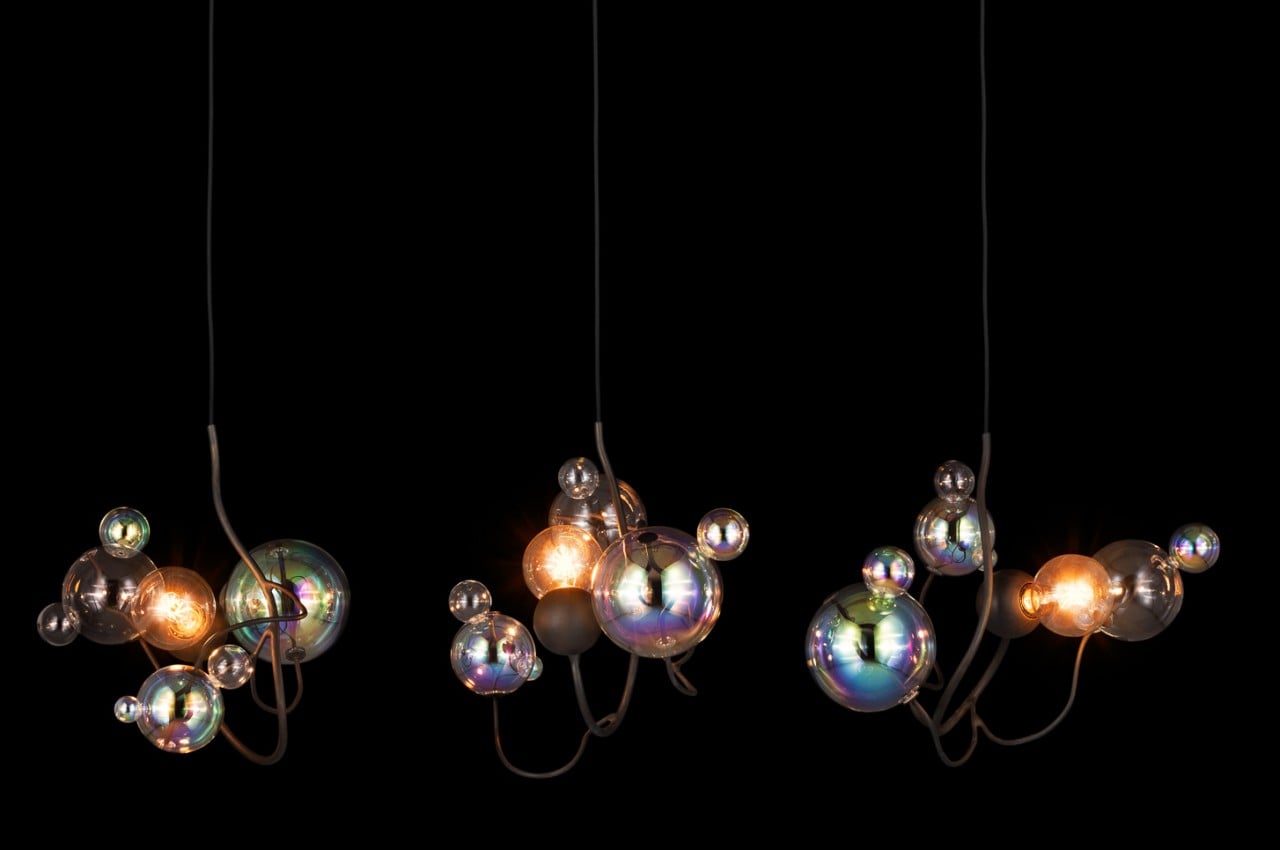
Bubbles chandeliers create an atmosphere of playful wonder in any space

As kids, we would often find joy and fun in some of the simplest things. Bubbles, for example, would send children into a fit of giggles as they try to chase and maybe pop these ephemeral spheres. As such, bubbles and similar shapes have always been used to portray such a childlike sense of wonder and bliss, employed in media, art installations, and even interior designs. The gentle yet mesmerizing play of light on a bubble’s reflective surface, however, is a seemingly perfect metaphor for artistic lighting. And that is exactly what this collection of hanging lights tries to offer, bringing the innocence and beauty of childhood memories to elevate the mood in any room or space.

Designer: Brand van Egmond

It’s both a tragedy as well as a deep message that some of the most beautiful things in nature are short-lived, from rainbows to butterflies to bubbles. Whether occurring naturally or made through soapy machinations, bubbles have always delighted the eyes and hearts of all ages. Recreating those blissful feelings indoors has become the mission of many bubble-inspired designs that mostly hang from the ceiling. But if you’ll be dangling something from that height, why not turn it into a chandelier or pendant lamp as well?

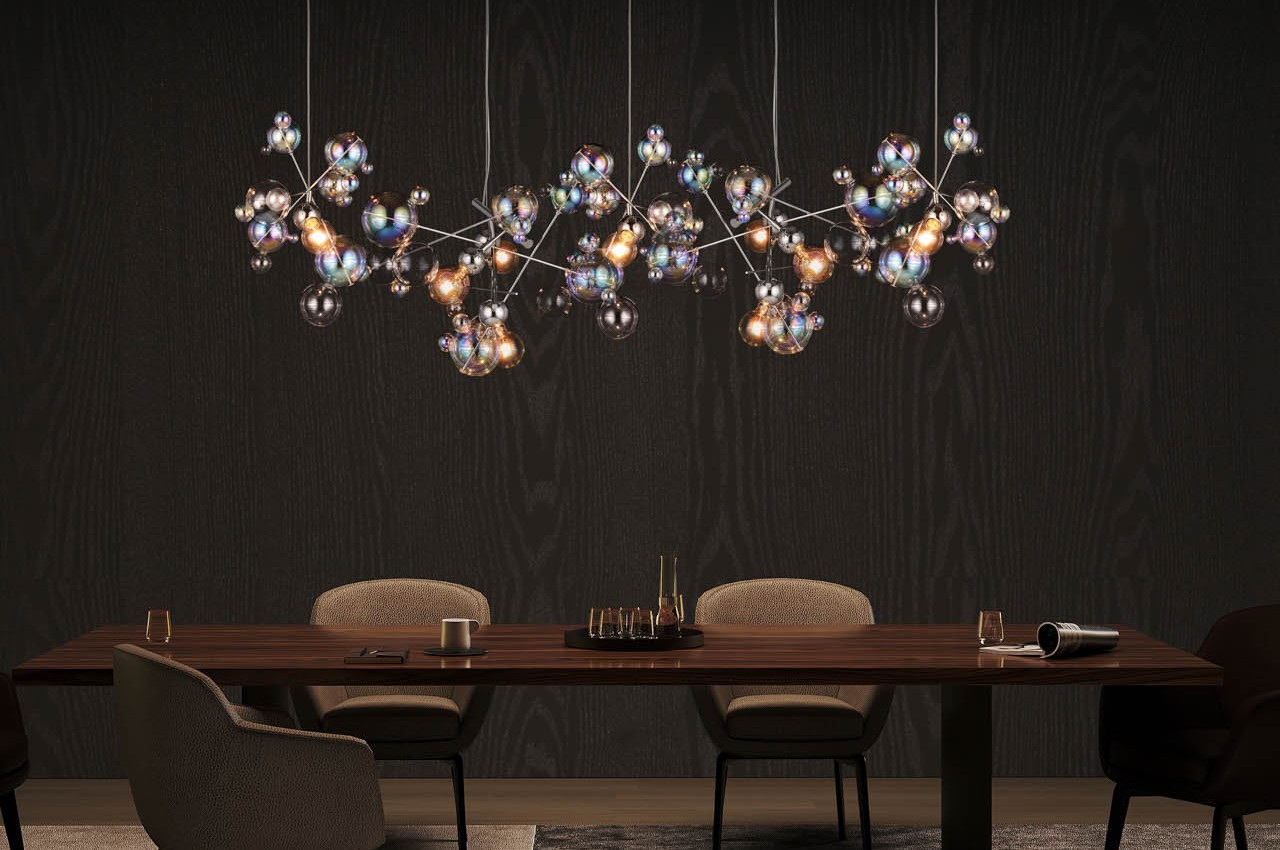
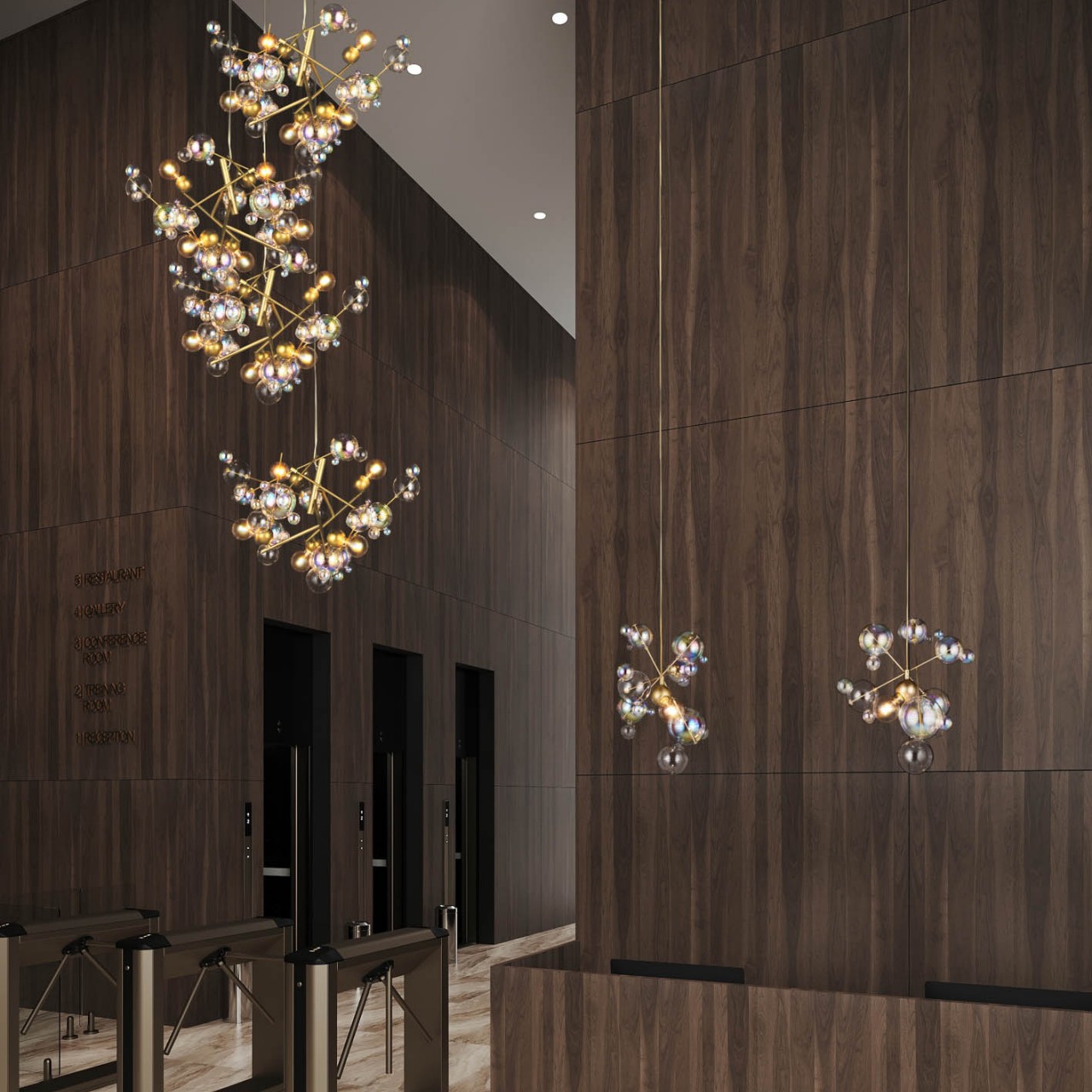
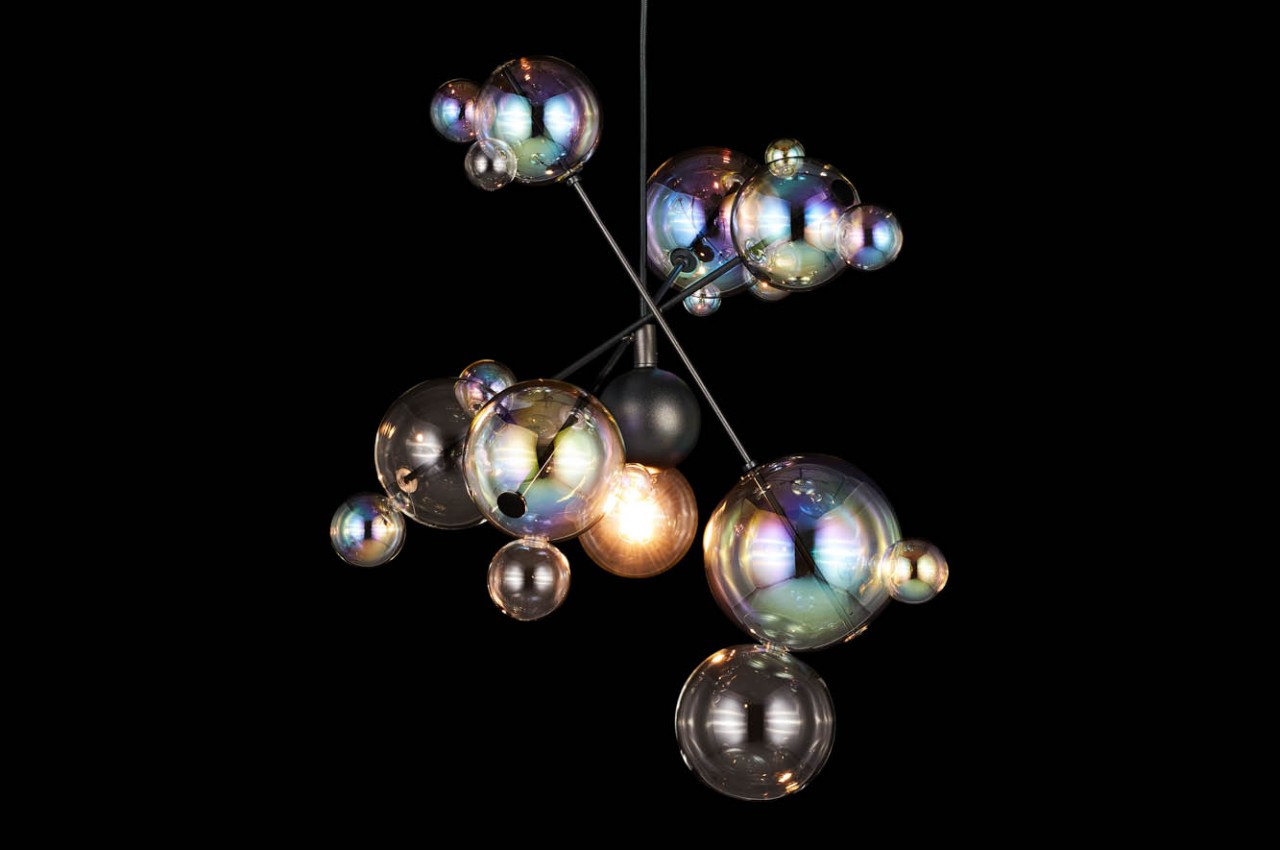
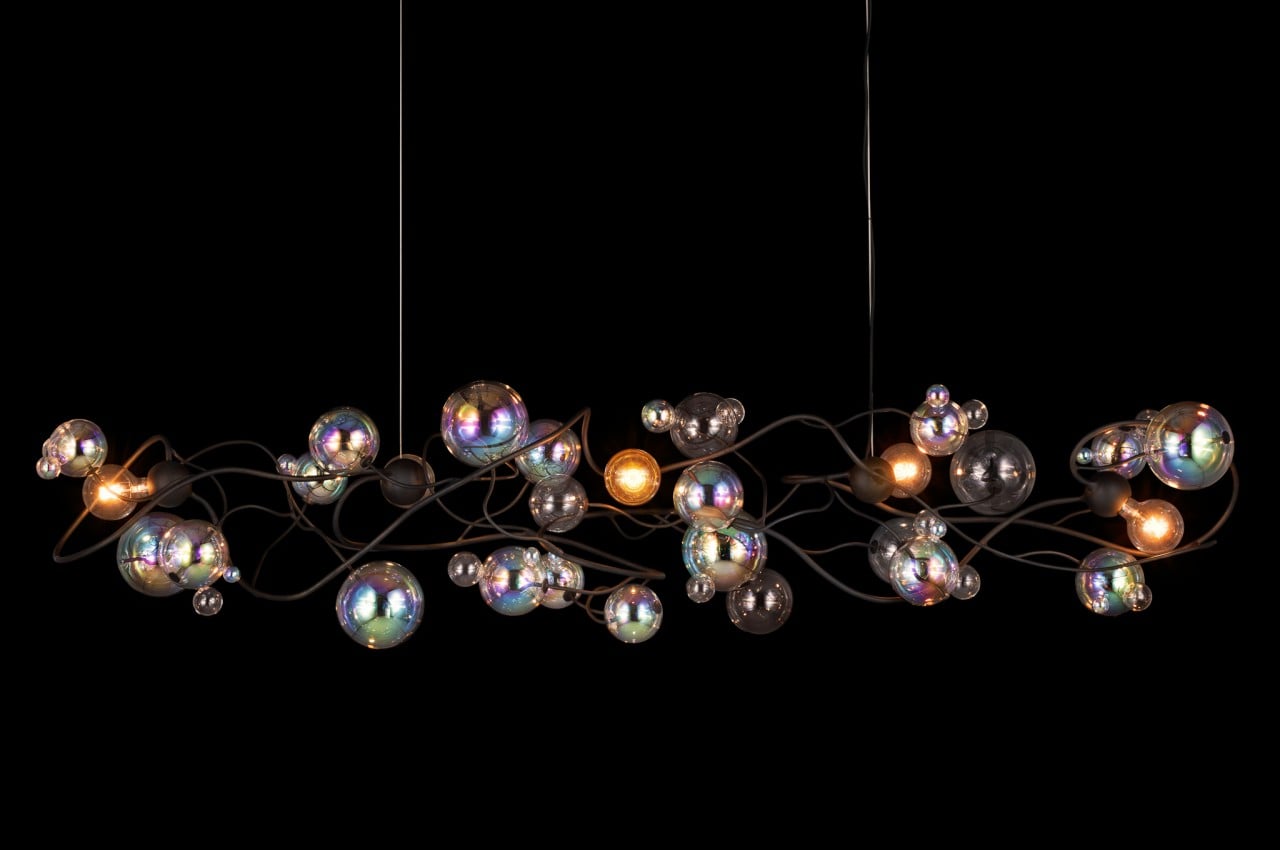
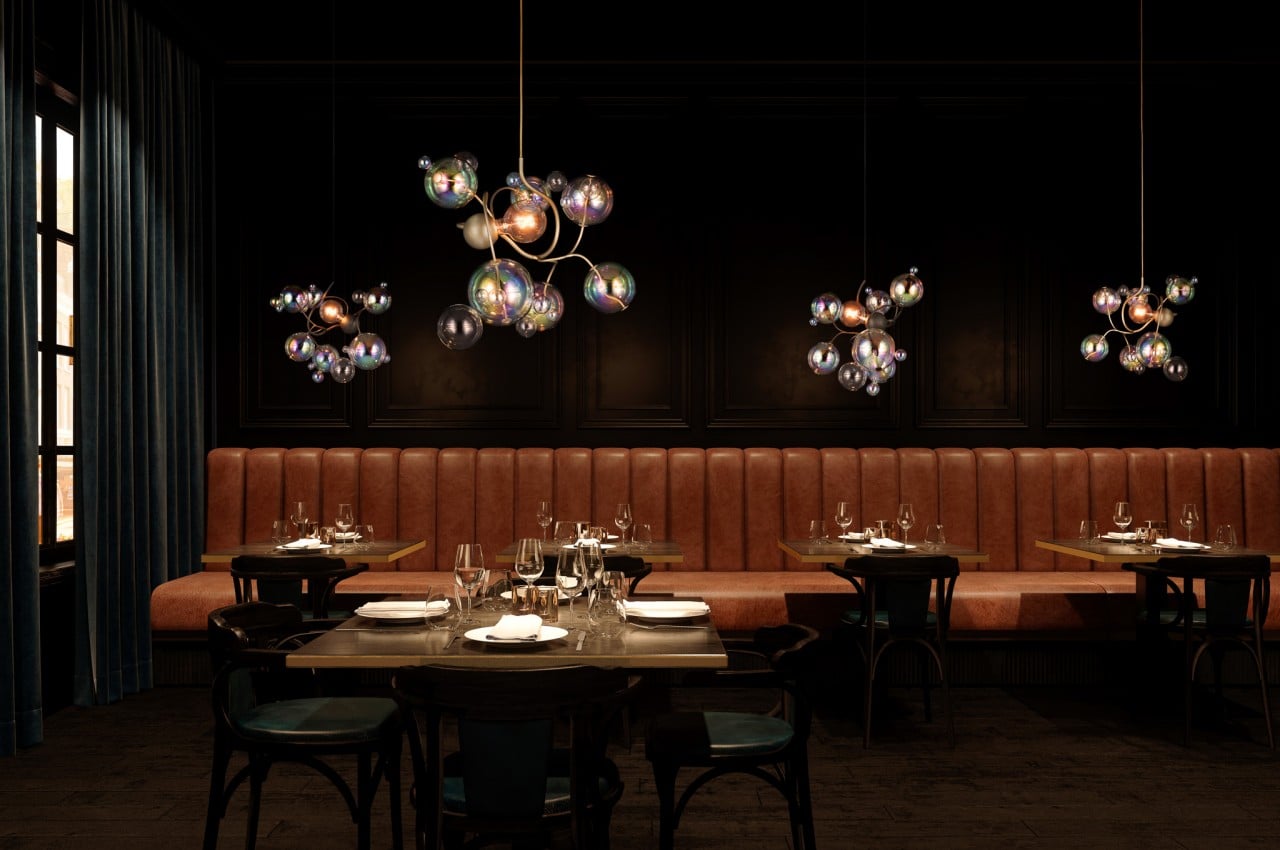
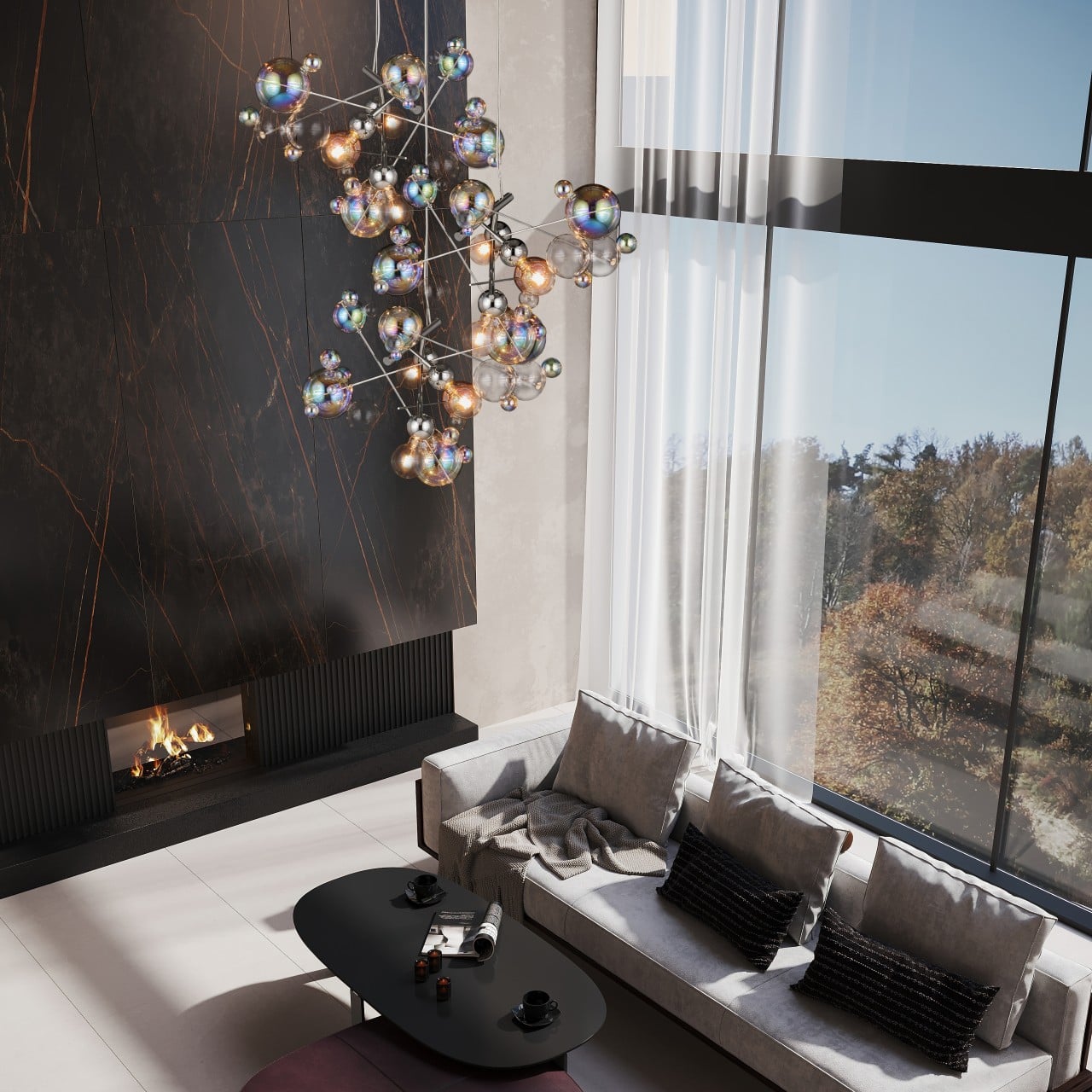
That’s precisely what the Bubbles lighting collection brings to the table, or rather to your room. As if floating in the air, the chandeliers and hanging lamps attach orbs of varying sizes to a metal frame of twisting and bending rods that give the fixture a more natural form, almost like branches of a tree. Even with this design alone, the piece of structural art is already ornamental and eye-catching, adding accents that will undoubtedly be a conversation starter for your visitors.

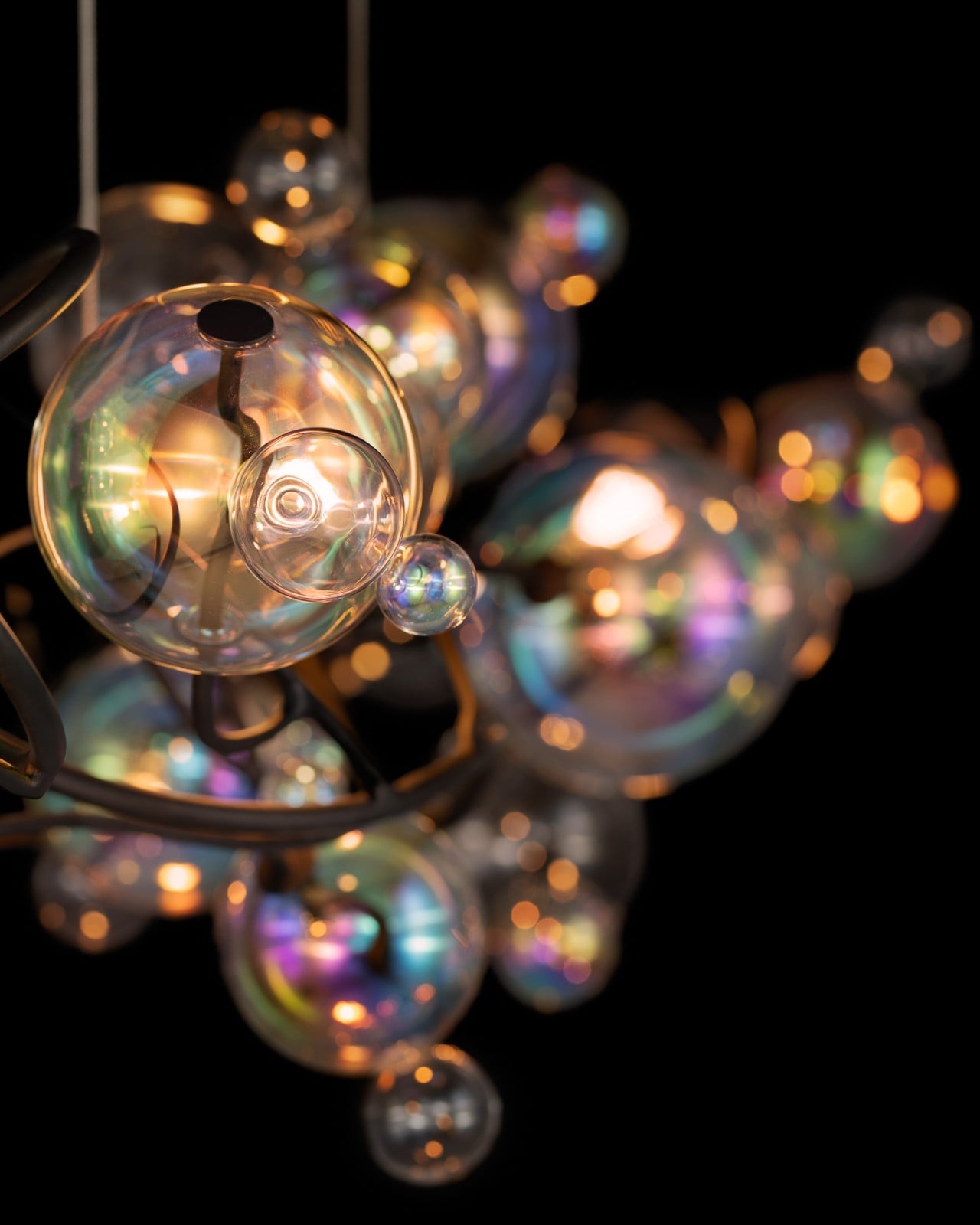
Once the lights are turned on, however, the entire space transforms into an almost magical atmosphere. The lamps cast a warm glow on the area, and the lights bounce against each other, creating a symphony of reflections that truly mesmerize the eyes. Not all the spheres contain lighting elements, so there is a bit of variation and randomness in each group. After all, not all bubbles are created equal even in real life.

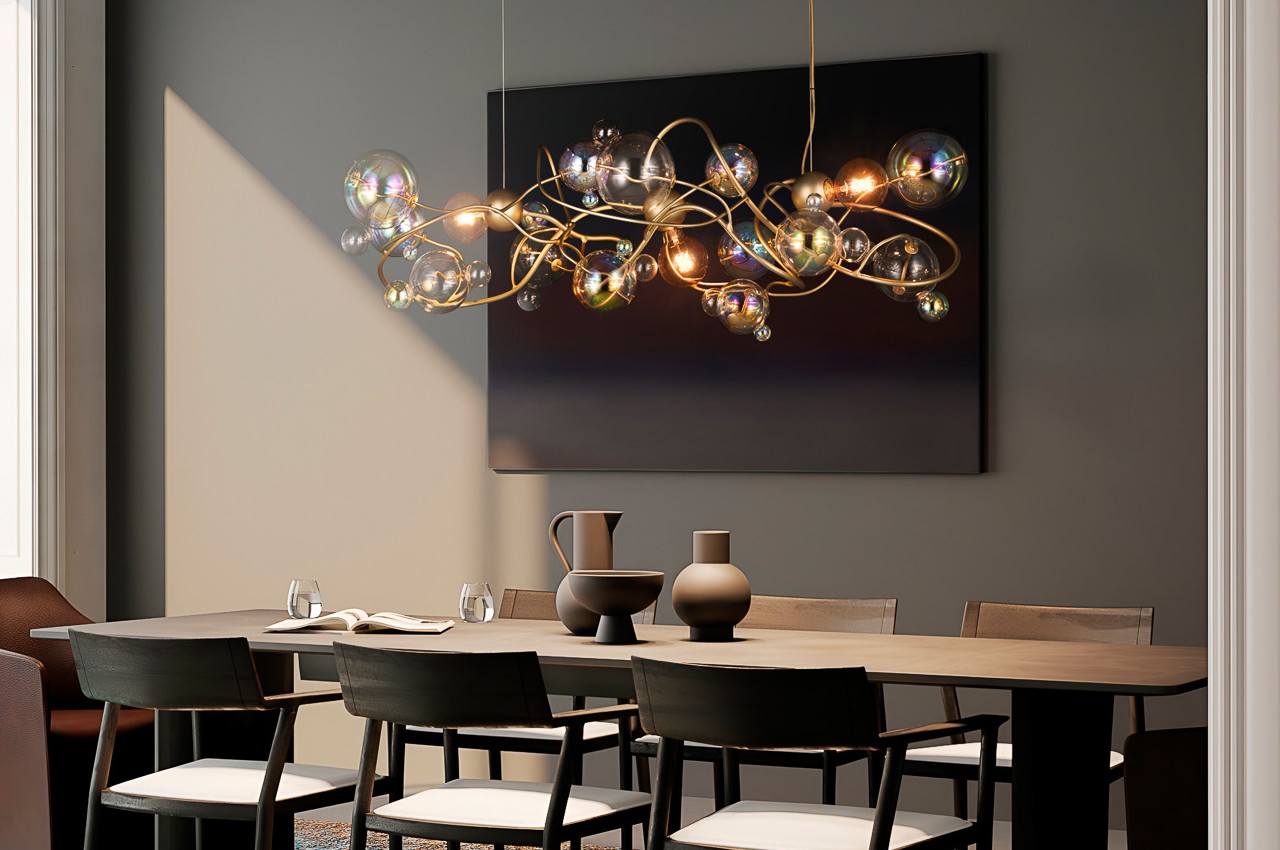
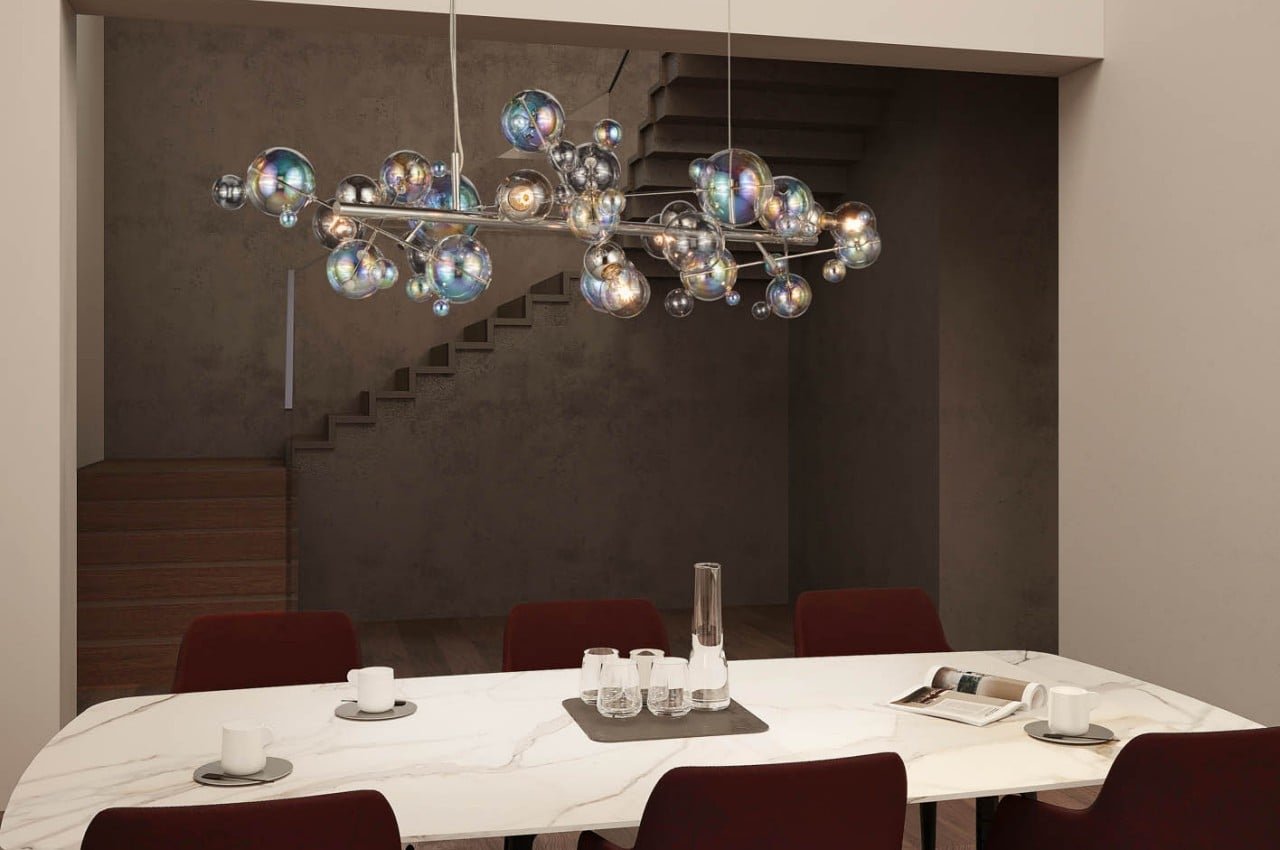
The Bubbles collection also comes in different forms, with Swirl offering a more compact arrangement that you can use in smaller spaces or as a group. Flow, as the name implies, takes a longer horizontal form, as if the bubbles were flowing across the air. Whether used in a living room, above a dining space, or as mood lighting for restaurants, these bubble-inspired hanging lights will make you daydream and long for those happy, innocent moments of childhood when every little thing inspired awe, wonder, and joy.

The post Bubbles chandeliers create an atmosphere of playful wonder in any space first appeared on Yanko Design.