Audi Concept C Hands-On: When Athletic Minimalism Becomes Tangible Reality

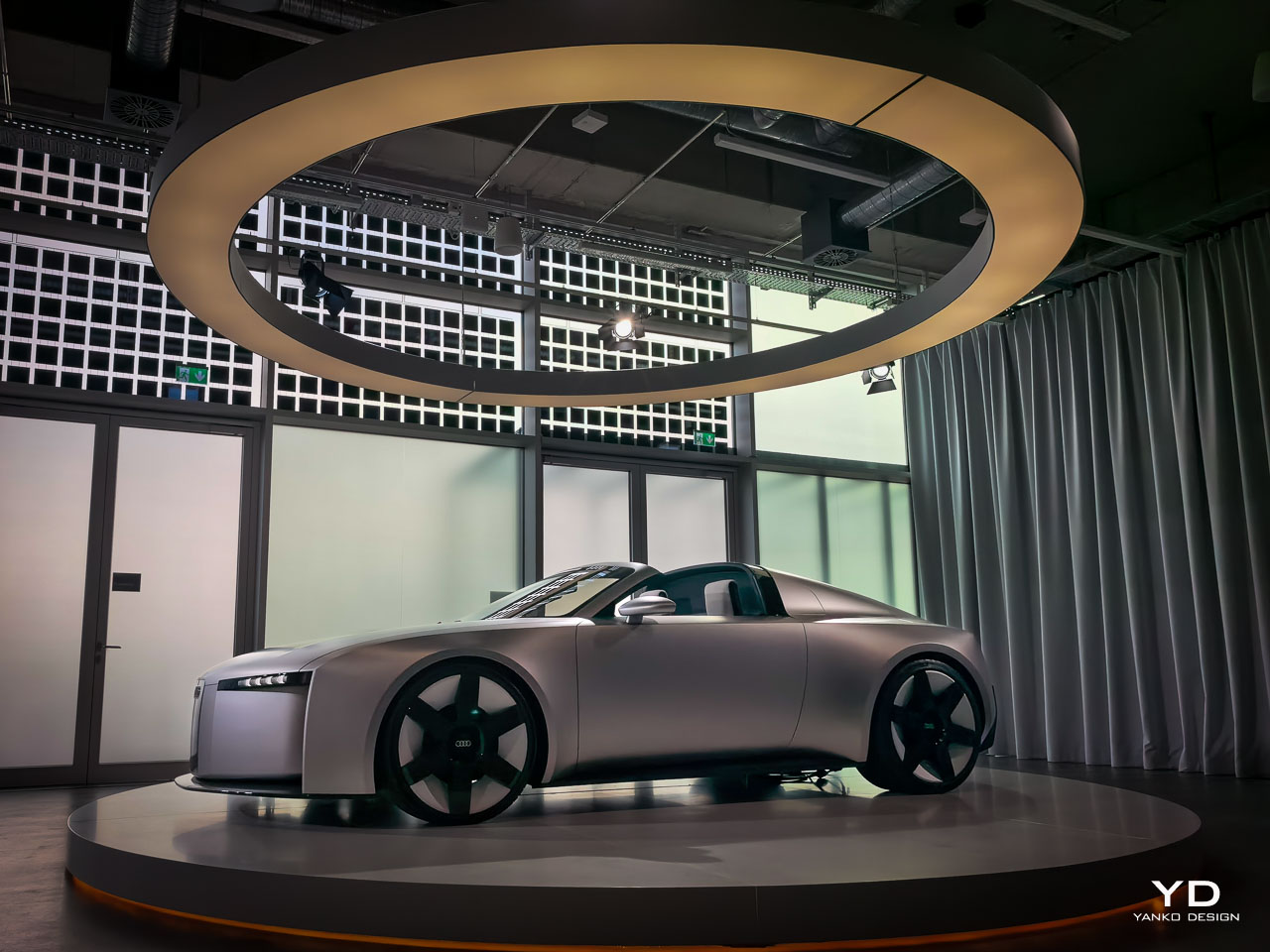
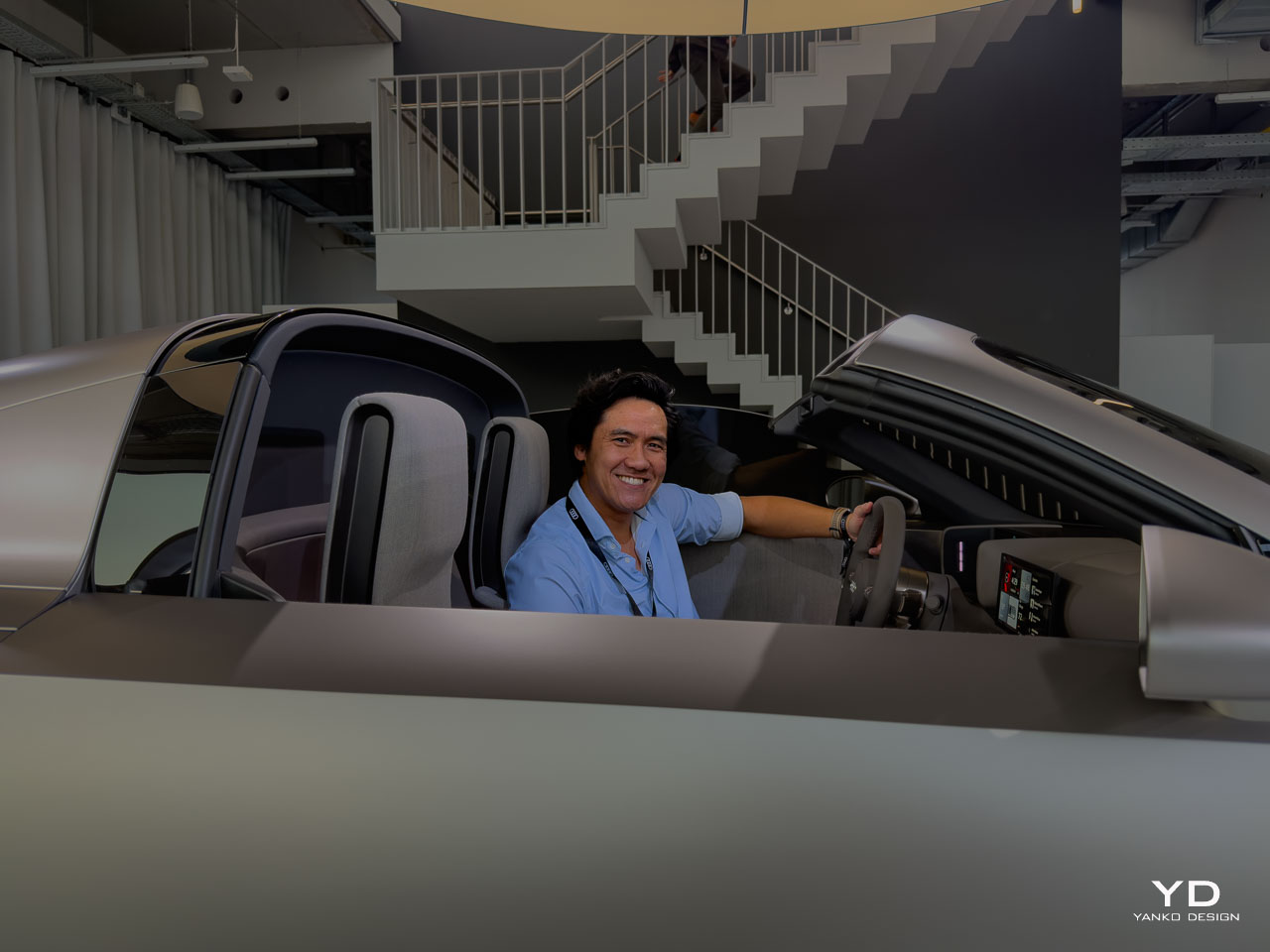
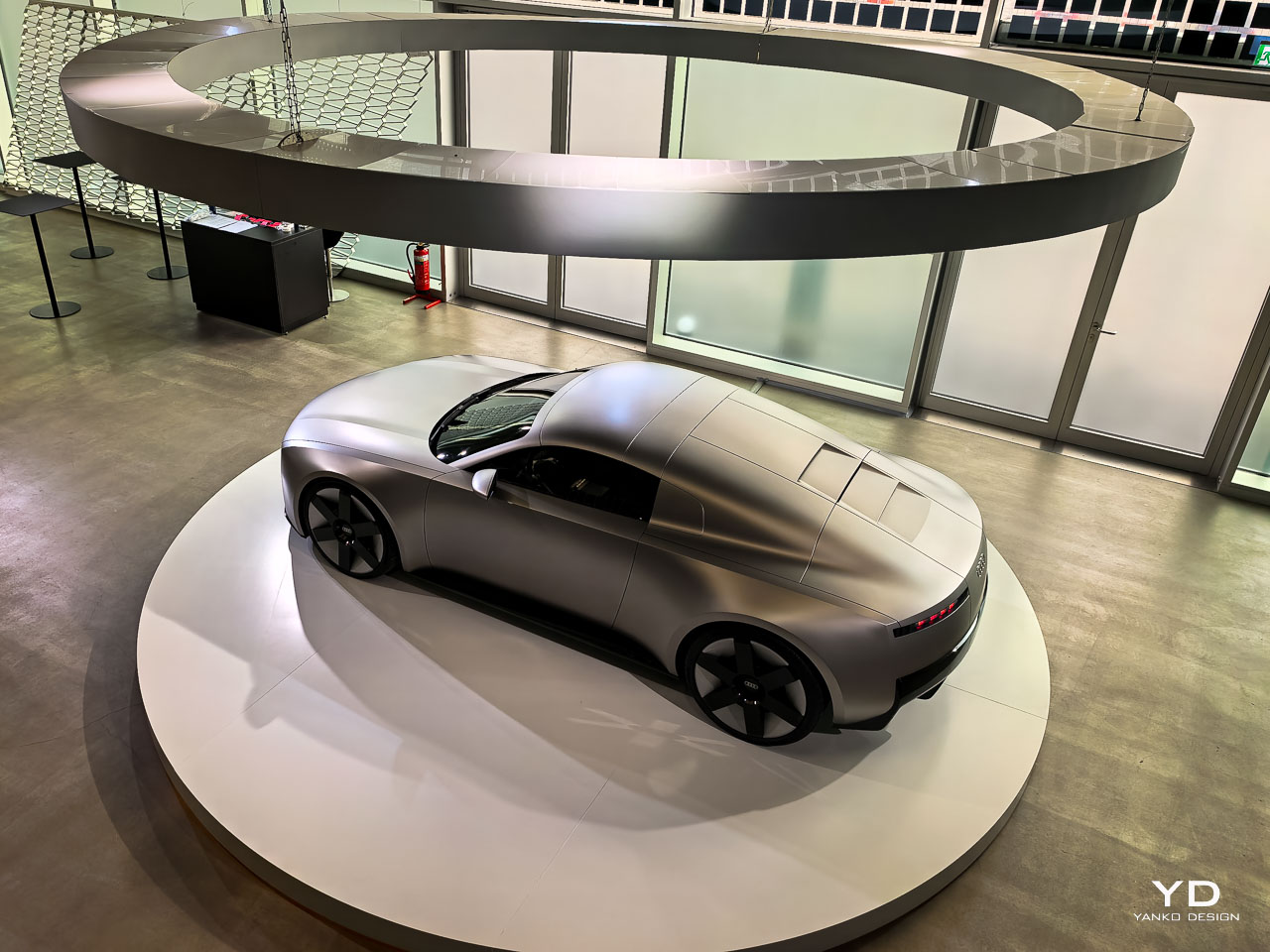
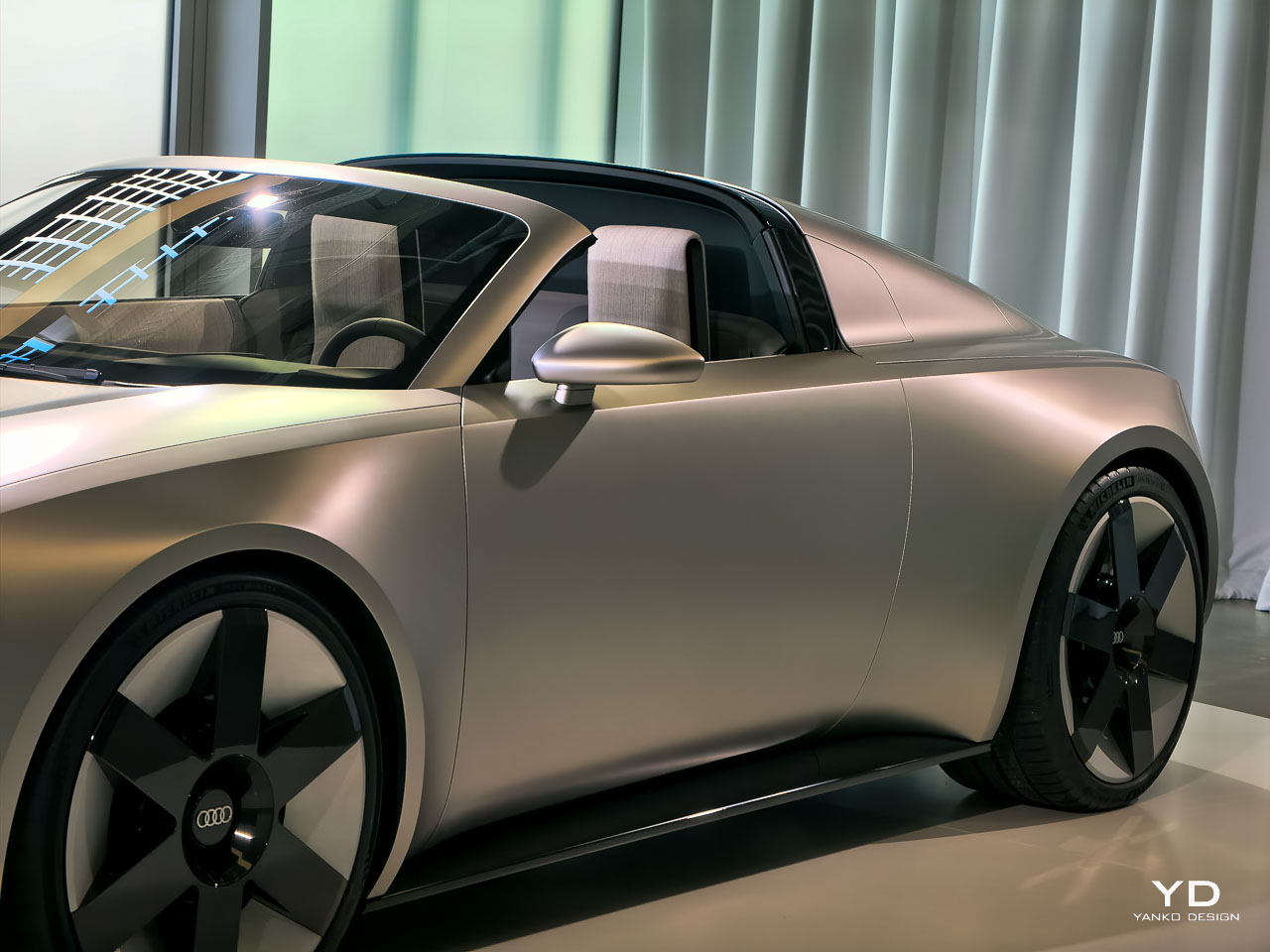
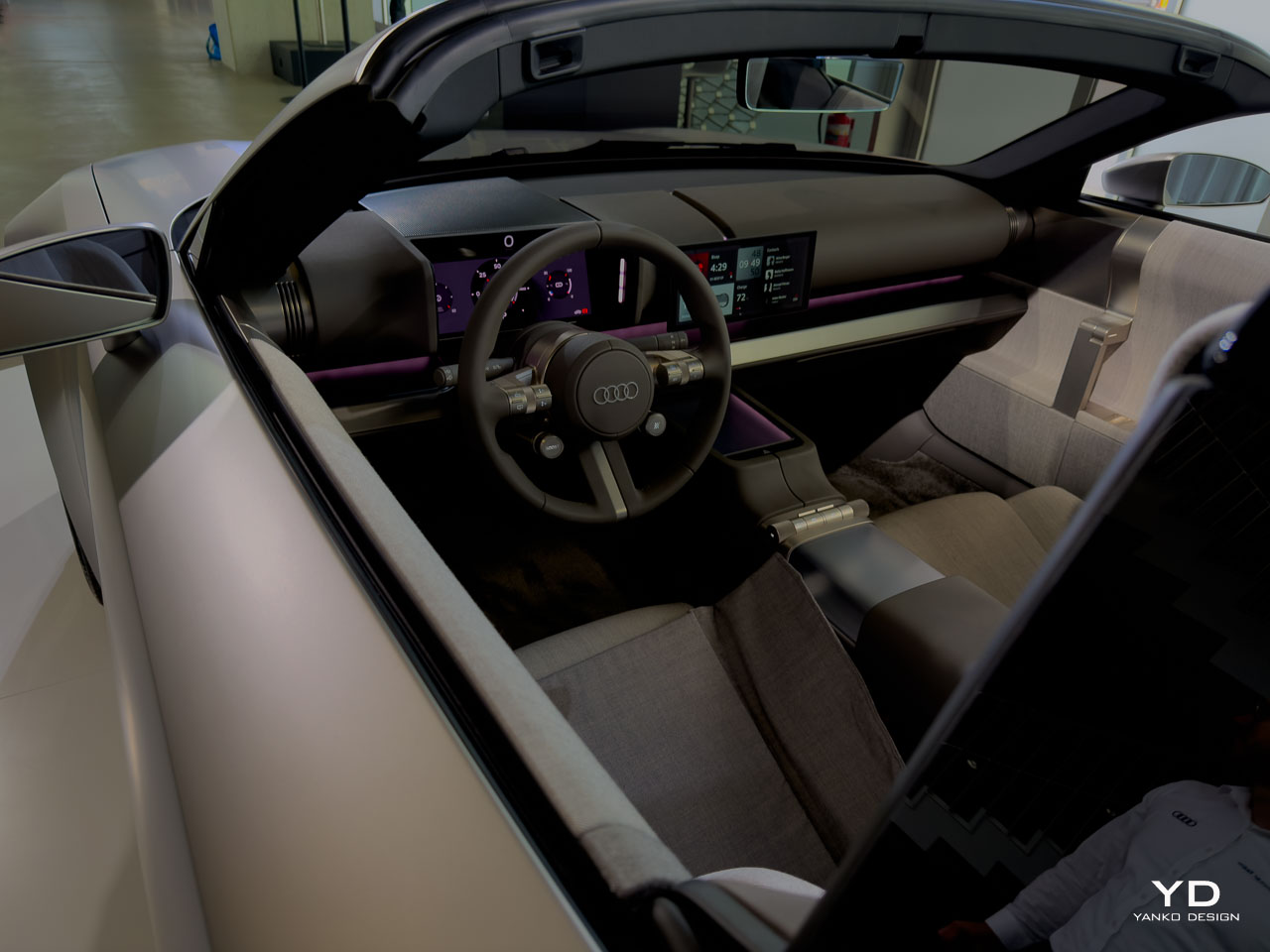
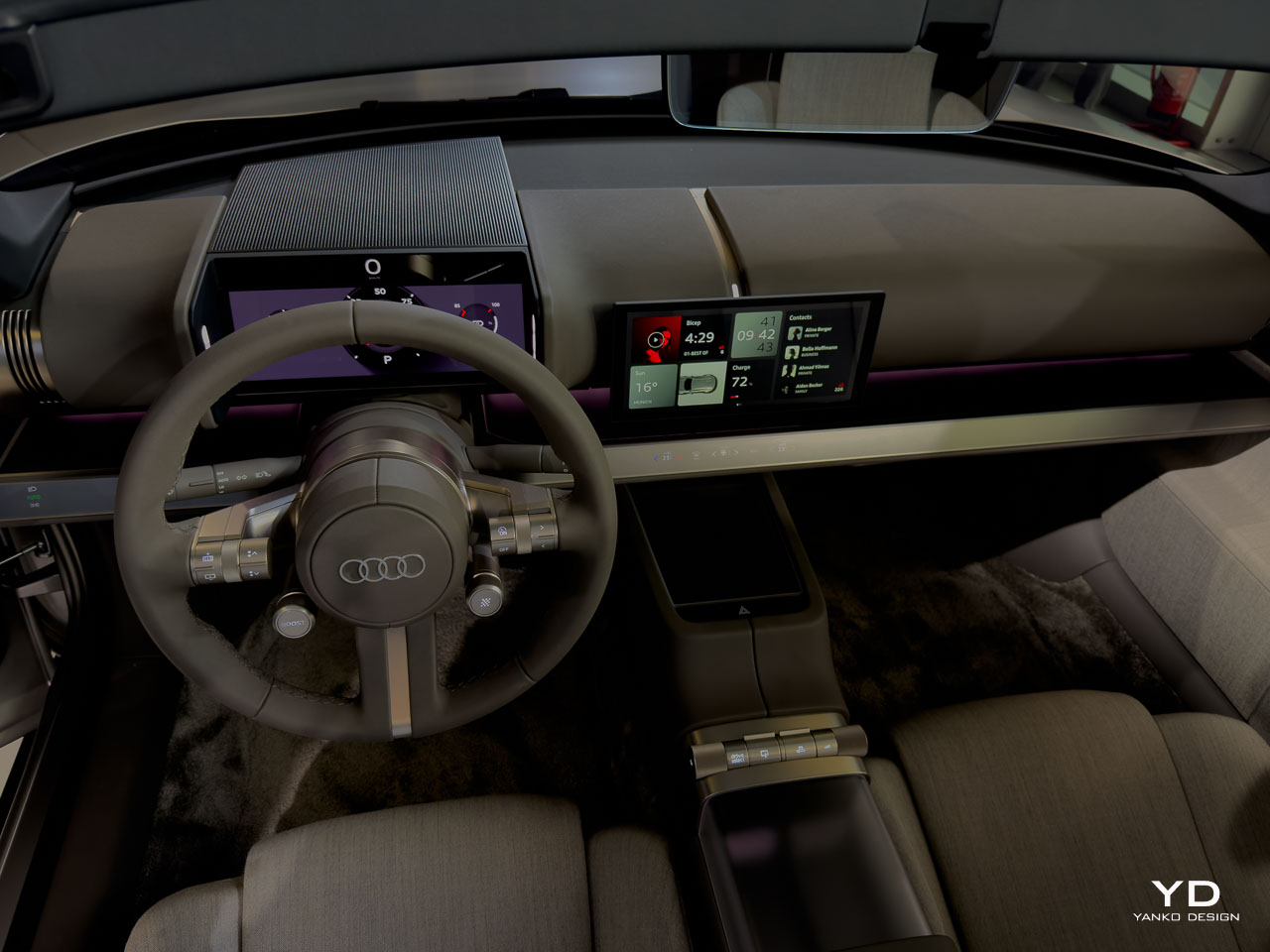
At Audi’s Formula 1 event in Munich, I finally got hands-on time with the Concept C that sat on display. Between interviews, roundtable and briefings on F1 operations and facility tours, I had uninterrupted access to experience every surface, control, and detail I’d only theorized about in my September analysis of the Concept C’s athletic minimalism philosophy. This wasn’t a drive review. This was the kind of access that lets you understand whether a design philosophy actually translates from renderings and press materials into physical reality.

Designer: Audi

What I found validated nearly everything I wrote three months ago while also revealing gaps that photographs and specifications simply cannot capture. Some design elements photograph better than they feel. Others hide their sophistication until your hands confirm what your eyes suspected. The Concept C falls decisively into the latter category.

The Vertical Frame Confronts You Differently in Person

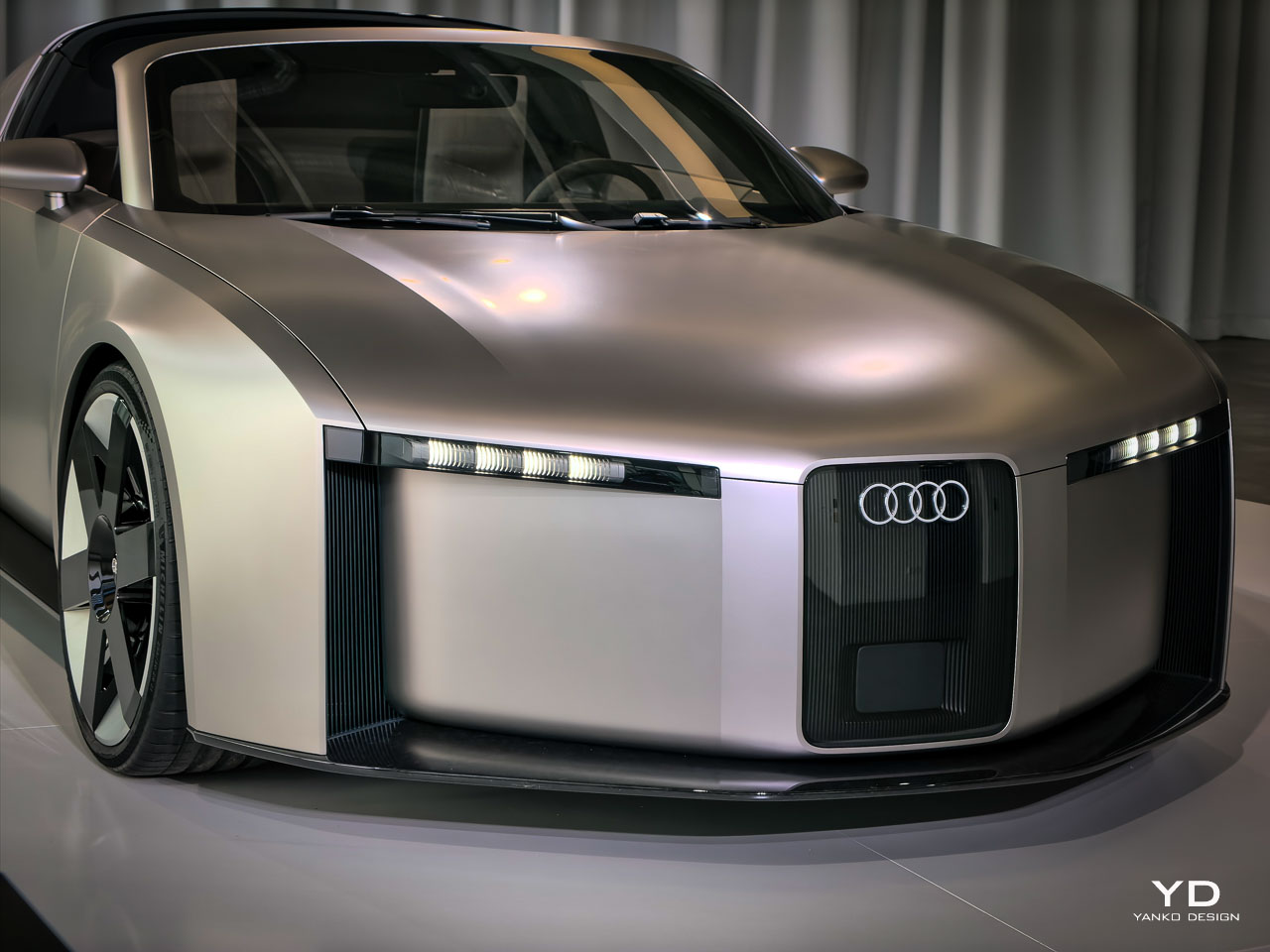
Photographs suggested authority. Physical presence delivers something closer to architectural permanence. The vertical frame that defines the Concept C’s face doesn’t just command attention when you approach. It fundamentally alters your spatial relationship with the car.

Most sports cars crouch. The Concept C stands. This creates an unexpected psychological effect. You don’t feel like you’re approaching a predatory machine that wants to intimidate you. You feel like you’re approaching a piece of industrial sculpture that happens to be engineered for motion. The distinction matters more than I anticipated when writing about this design from press images.

The vertical orientation creates visual weight without aggression, exactly as Audi’s design team intended. But the physical execution elevates this from interesting design choice to genuinely novel automotive presence.

That Cylindrical Center Console Element Exceeds Expectations

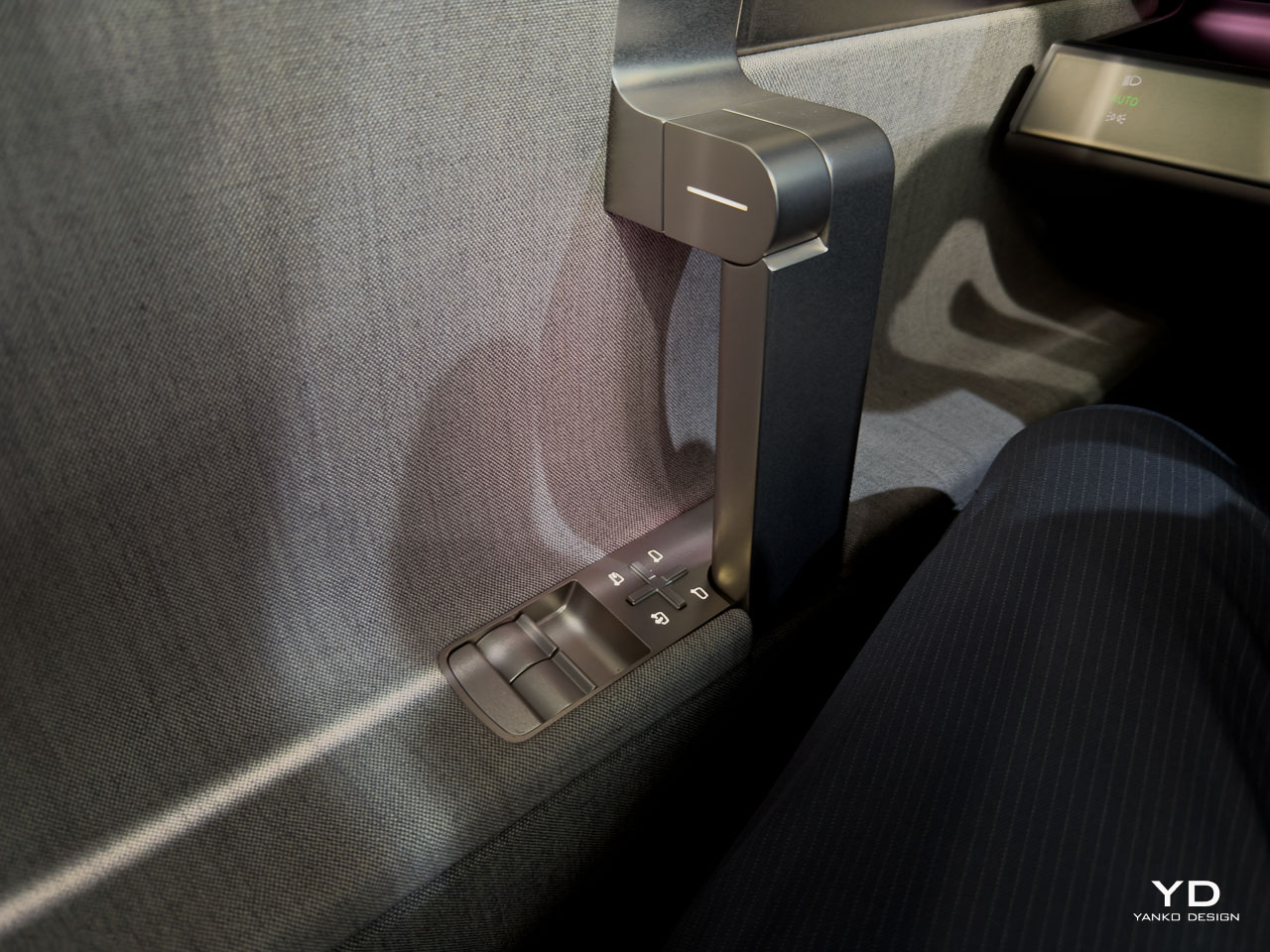
I wrote in September that this single component made me “giddy as a designer” based on photographs. Seeing it in person, feeling the machined surfaces, rotating it through its detent positions: I underestimated its impact.

This isn’t automotive jewelry. This is mechanical watchmaking philosophy applied to interior controls. The tolerances are absurd. When you rotate the cylinder, each detent click communicates precision through sound, resistance, and tactile feedback simultaneously. The aluminum surface treatment creates visual depth through subtle anodizing variations that photographs flatten into uniform gray.

Under Munich’s overcast afternoon light, the cylinder surface revealed micro-textures that shift as your viewing angle changes. This component alone justifies the athletic minimalism philosophy because it demonstrates how eliminating visual complexity forces every remaining element to achieve perfection.

I spent probably three minutes just rotating this control and feeling the mechanical quality. Each click produces the same resistance. Each detent holds position with identical firmness. This is the kind of obsessive engineering refinement that luxury brands promise but rarely deliver. The Concept C delivers it in a component most drivers will interact with dozens of times per drive.

That consistency between philosophy and execution separates serious design work from concept car theatrics.

The Steering Wheel Fulfills Its Round Promise

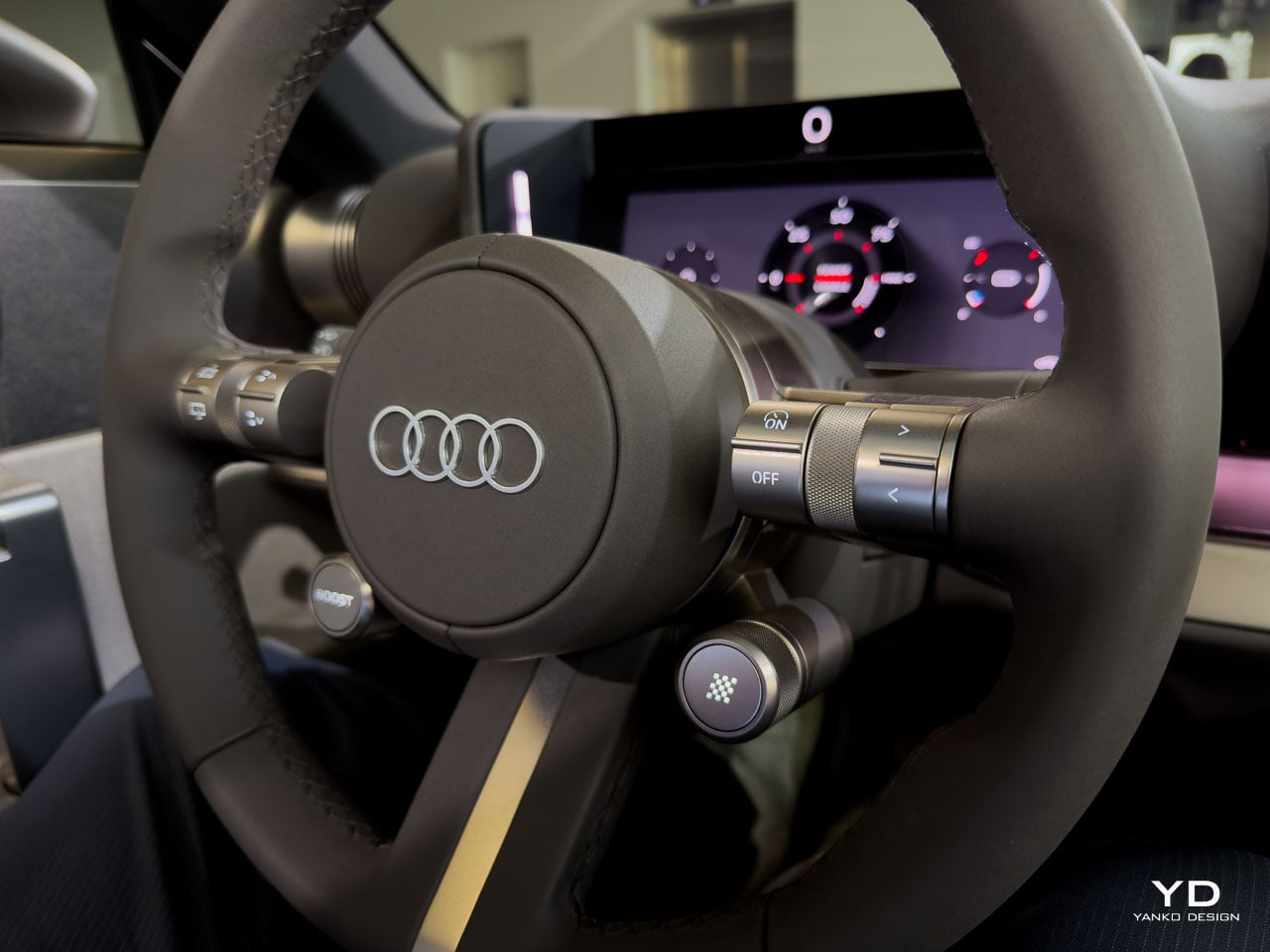
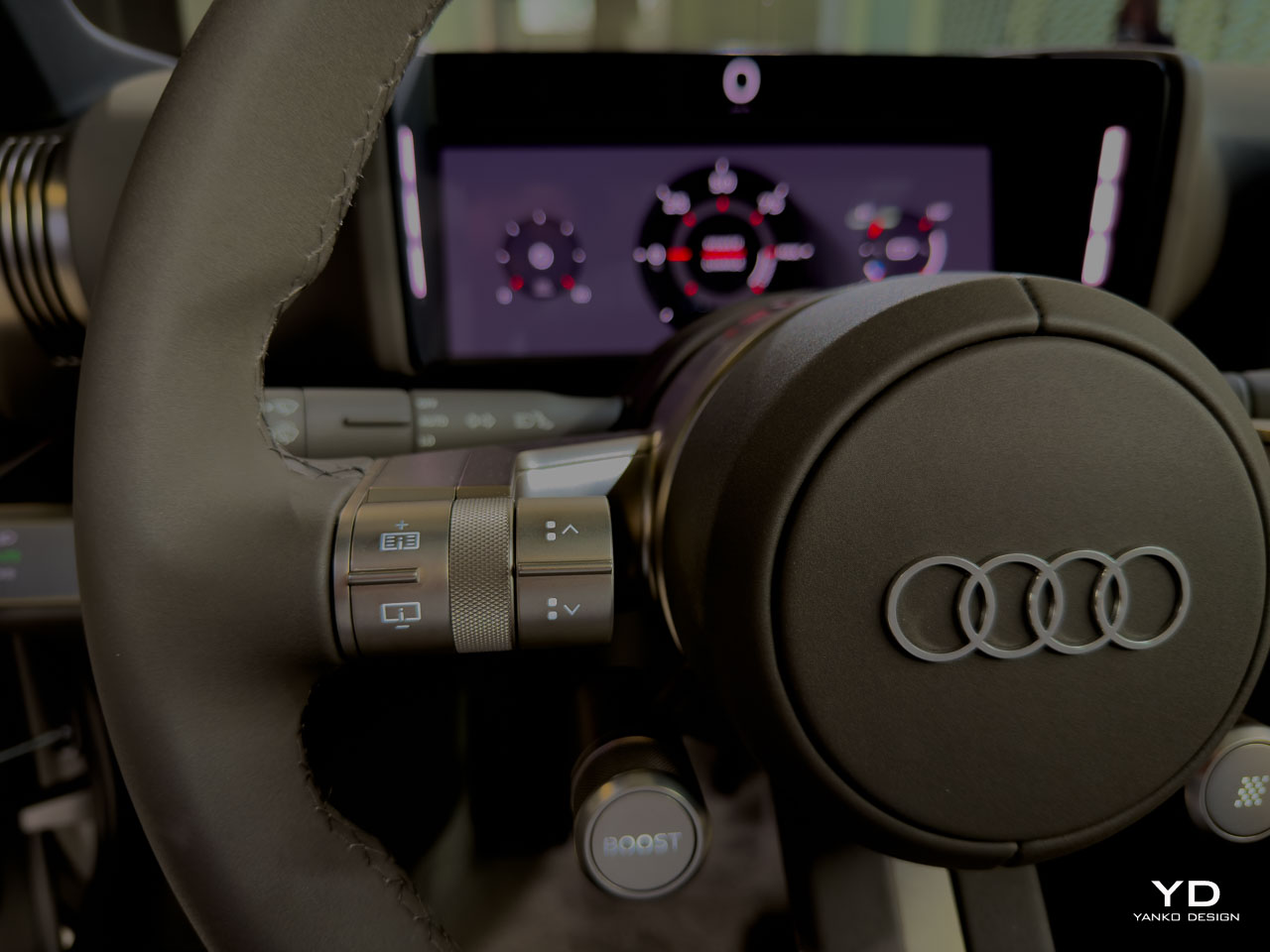
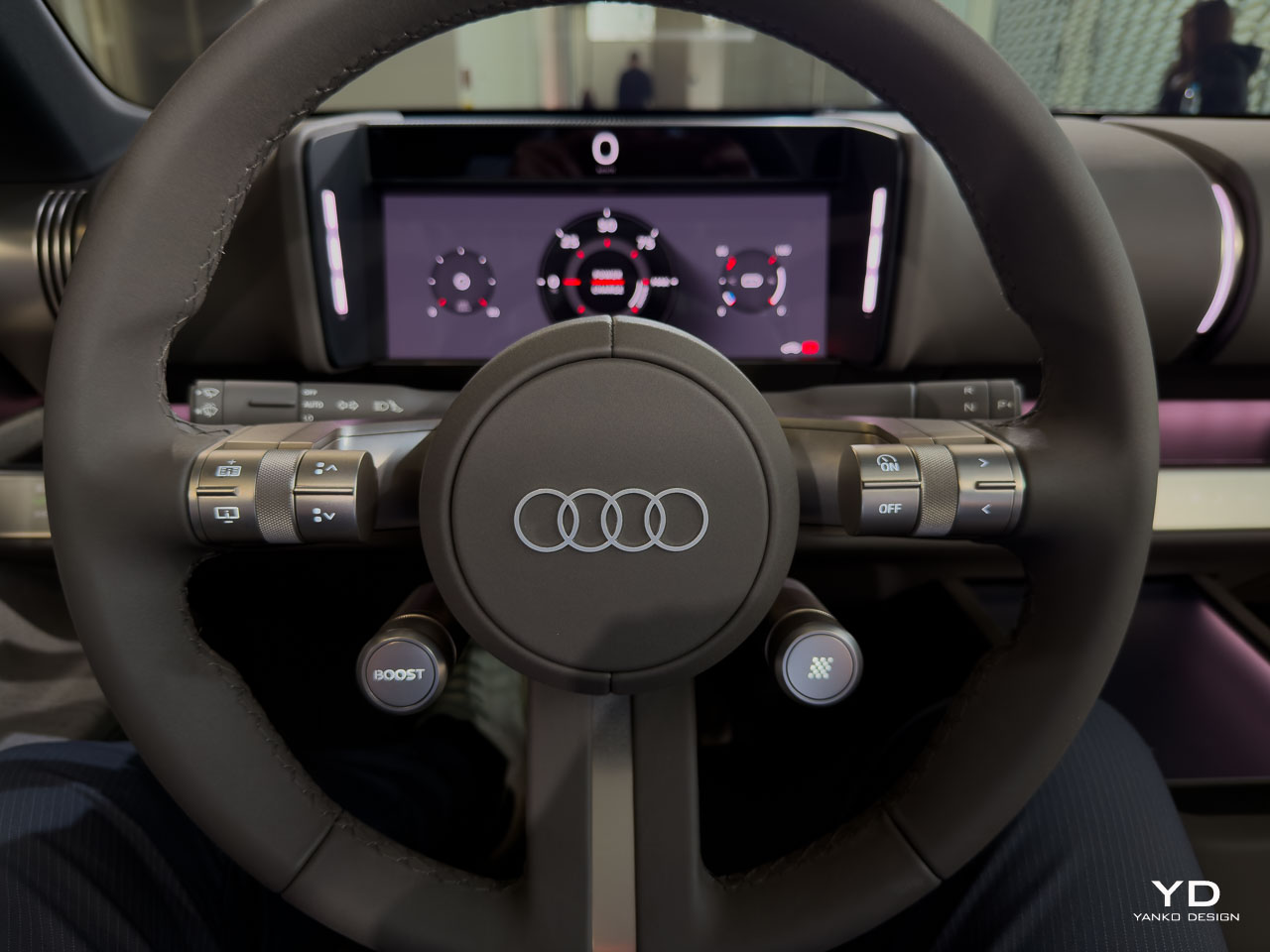
My September analysis praised the steering wheel’s return to pure circular form after years of flat-bottom, button-laden steering wheels became industry standard. Holding it confirms the decision’s wisdom.

Your hands find natural positions immediately. The rim diameter feels slightly larger than typical sports car wheels, which initially seems counterintuitive until you realize the extra circumference distributes grip pressure more evenly during spirited driving. The machined aluminum spokes telegraph structural purpose without decorative pretense.

When you grip the wheel and apply rotational force (not enough to actually turn the stationary wheels, just enough to test structural rigidity): zero flex. Zero creaking. Zero anything except the sensation of holding something engineered to communicate road surface information without filtration or interpretation.

Modern steering wheels often feel like they’re designed to protect you from feedback. This wheel feels designed to deliver it. The absence of buttons, paddles, and switches reinforces the minimalist commitment. In an era when steering wheels increasingly resemble game controllers, this wheel returns to its core purpose: connecting human inputs to mechanical outputs with maximum fidelity and zero distraction.

Every other function lives in its proper place, leaving the steering wheel to focus on steering.

The Retractable Hardtop Mechanism Reveals Sophisticated Engineering

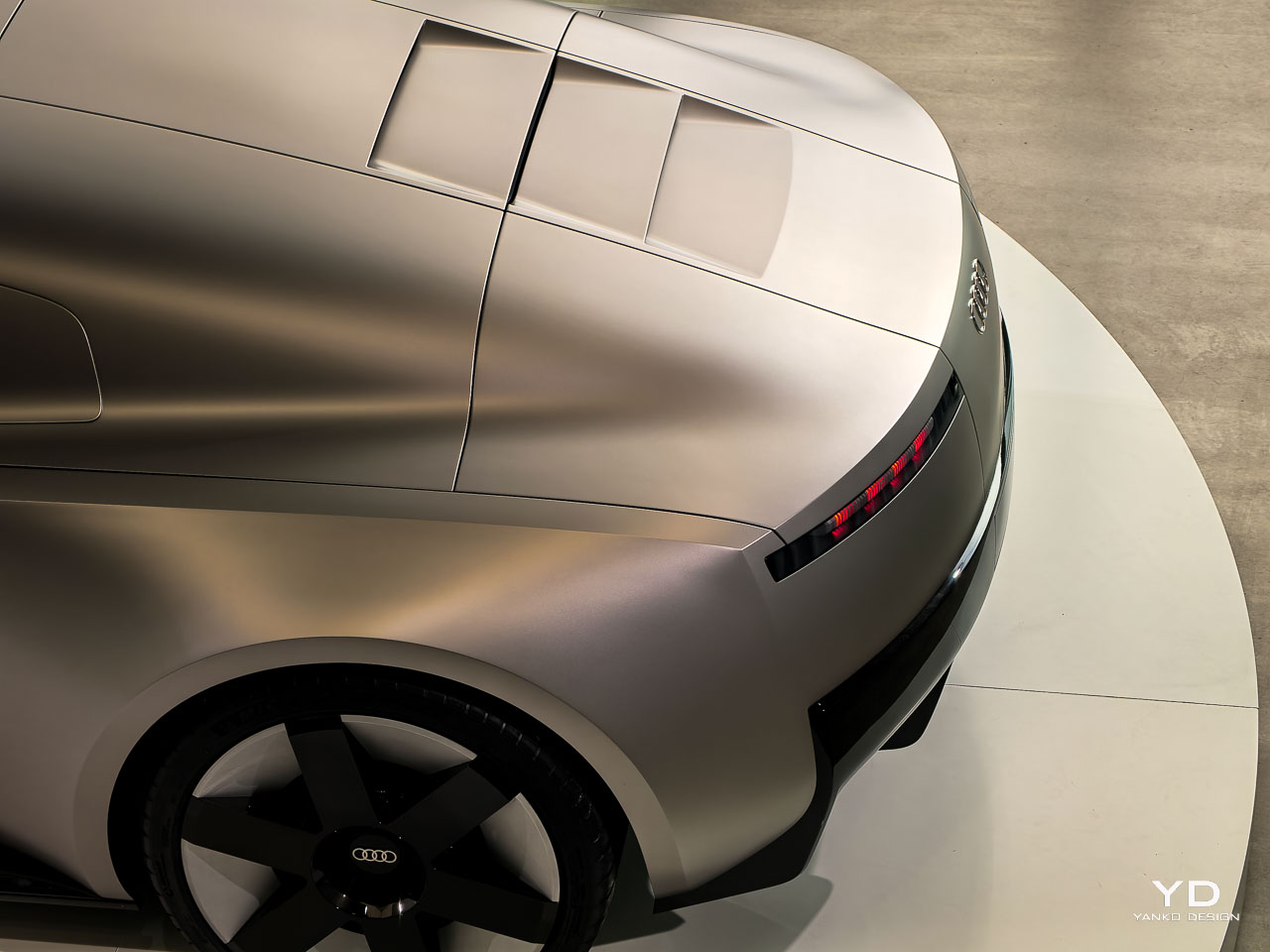
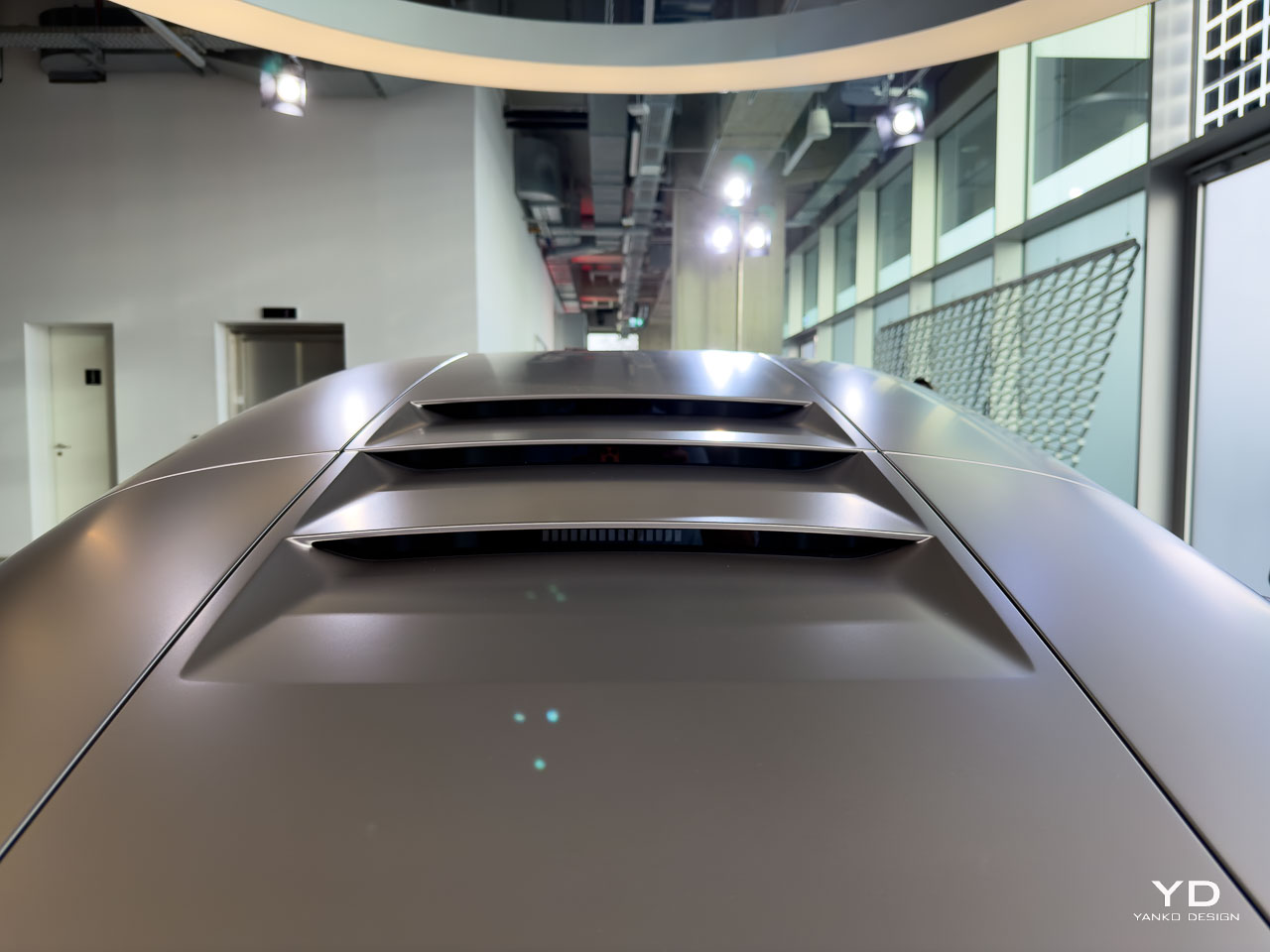
I watched the roof cycle through its transformation sequence twice. The two-element system maintains the monolithic silhouette exactly as promised in official descriptions. What those descriptions don’t communicate: the mechanical choreography’s absolute precision.

The roof elements move in coordinated sequence with zero hesitation, zero adjustment, zero apparent searching for alignment points. Most retractable hardtops reveal their compromise through visible gaps, adjustment pauses, or mechanical complexity that dominates the aesthetic when deployed. The Concept C’s system disappears completely when lowered.


The rear deck maintains clean surfacing without visible storage bulges or panel interruptions. When raised, the roofline integrates so seamlessly that you’d never suspect it retracts. This achievement separates competent engineering from obsessive refinement.

What Static Observation Cannot Reveal (And What It Can)

Twenty minutes of hands-on time creates different understanding than twenty minutes of driving would provide. I cannot tell you how the Concept C handles mountain roads or how the electric powertrain delivers power through corner exits. Those experiences require the motion I didn’t get.

But I can tell you that athletic minimalism creates manufacturing challenges that traditional design approaches avoid. The center console cylinder alone probably costs more to manufacture than entire interior control assemblies in volume-market vehicles. The steering wheel’s machined aluminum components require precision manufacturing that doesn’t scale easily. The hardtop mechanism’s sophisticated engineering demands expensive components and careful assembly.

Athletic minimalism creates cost pressures that traditional design approaches avoid by hiding cheaper materials behind visual complexity.

I left my Munich appointment with the Concept C convinced of two things: First, this design philosophy works in physical reality as effectively as it promised on paper. Second, production versions will necessarily compromise somewhere between current concept execution and market realities.

The question that matters: which compromises will Audi accept, and will the production car maintain enough of this concept’s essence to justify the bold philosophical claims.

What Hands-On Time Confirms

Three months ago I analyzed the Concept C from photographs, specifications, and official descriptions. I concluded that athletic minimalism represented genuine design evolution rather than momentary styling exercise. Forty minutes of physical interaction with surfaces, mechanisms, and materials confirms that assessment while deepening appreciation for execution quality.

The Concept C demonstrates that radical simplicity creates more challenges than traditional complexity because every remaining element must achieve excellence. Audi met those challenges in this concept. Whether production versions maintain this standard determines if athletic minimalism becomes genuine brand direction or remains concept car philosophy that reality couldn’t sustain.

But today, standing in Munich with the vertical frame commanding presence in front of me and that perfect cylindrical control under my fingertips, I experienced design philosophy transformed into tangible reality. The question isn’t whether this approach works. The question is whether the automotive industry possesses sufficient courage to follow where Audi leads.

The post Audi Concept C Hands-On: When Athletic Minimalism Becomes Tangible Reality first appeared on Yanko Design.

Lexus LS Goes Bold: Three Radical Concepts Redefine Luxury Space

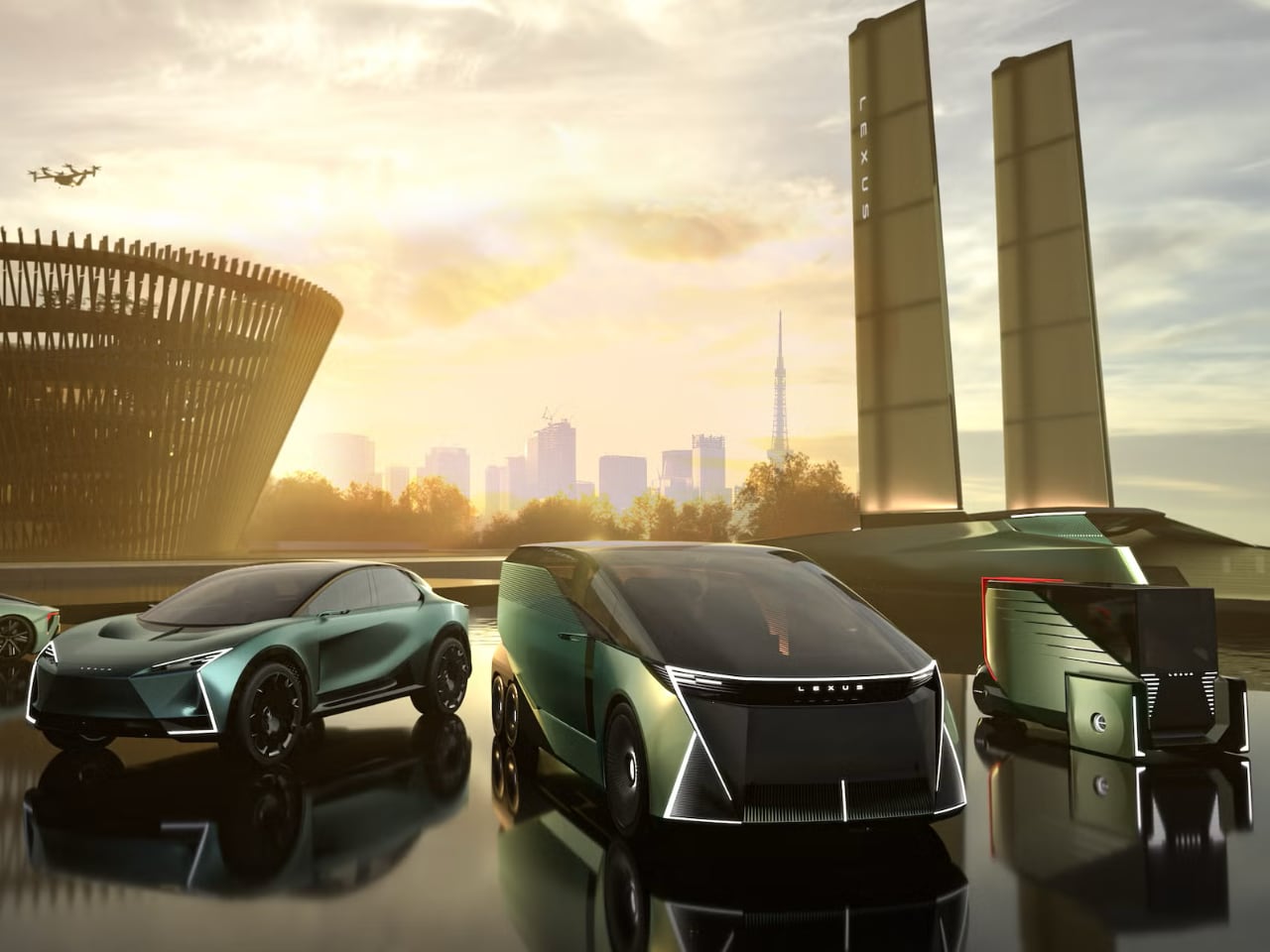
When Lexus rolled three radically different concepts onto the floor of the 2025 Japan Mobility Show, each wearing the LS badge, the message was clear: the future of luxury isn’t about four doors and a trunk anymore. A six-wheeled van with a convertible day bed in the third row. A single-seat autonomous pod that looks like it escaped from Minority Report. An SUV coupe that might actually see production. These are Lexus’s answers to a market that no longer wants what the LS was built to be.

Designer: Lexus

The context makes the radical pivot necessary. Much like Taylor Swift, the Lexus LS was born in 1989 and went on to redefine its category, but unlike the pop icon, the luxury sedan’s star has dimmed considerably in recent years. The brand sold fewer than 3,000 units annually in the US for the past three years, losing market share even against rivals facing the same headwinds. In September, Lexus announced a “final year tribute” for the existing fifth-generation car, effectively confirming what industry watchers already knew. The sedan era is ending, but the LS name still carries tremendous cachet and brand value as the badge that launched Lexus itself.

Rather than let that heritage fade, Lexus chose to reimagine what “LS” could mean. The three concepts presented in Tokyo replace “Luxury Sedan” with “Luxury Space,” each interpreting that brief in dramatically different ways.

The Six-Wheeled Van That Dares to Dream

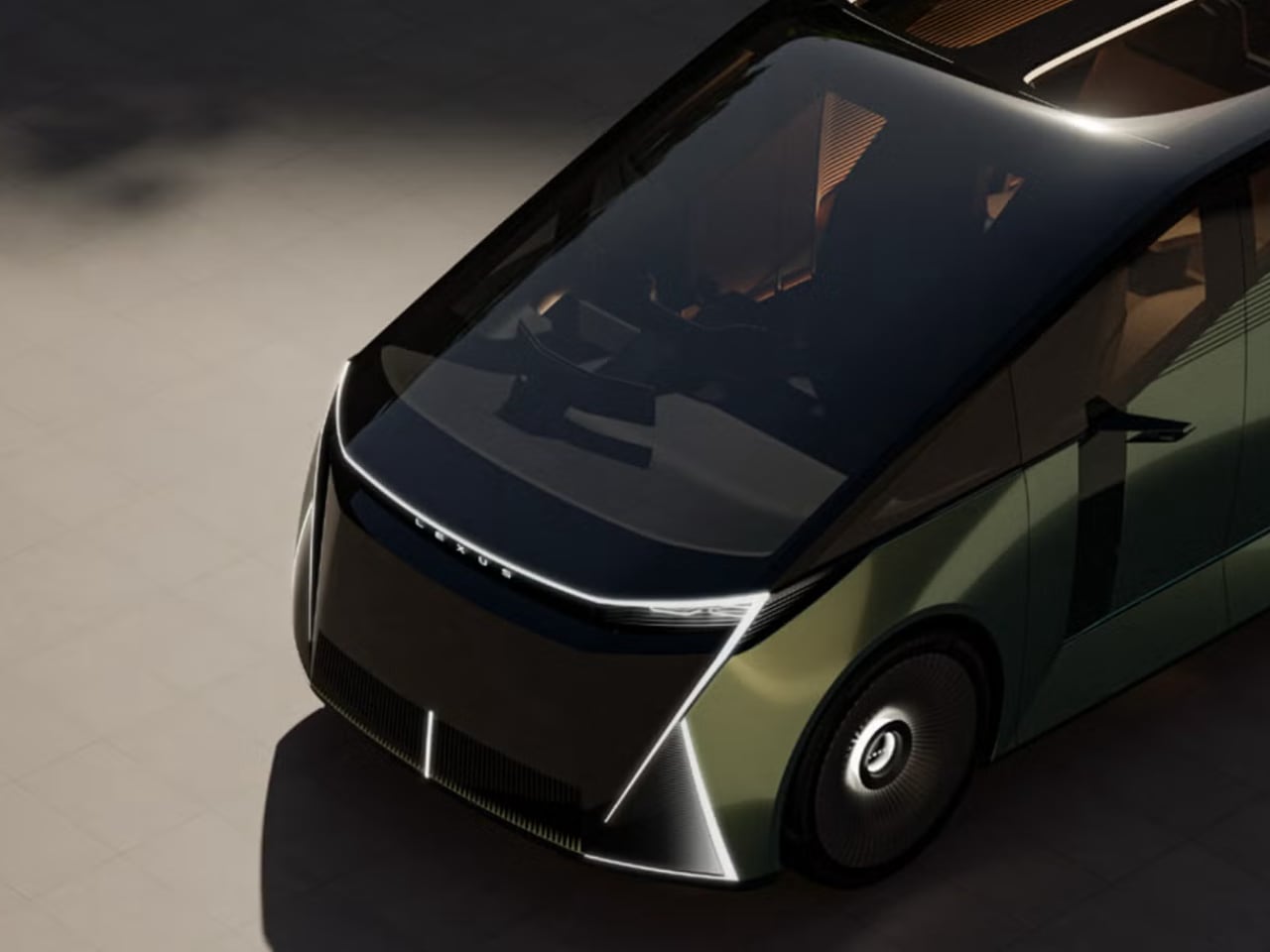
The LS Concept, revealed via teaser images a couple weeks before the show, represents the most audacious reinvention of the luxury minivan formula yet attempted. This isn’t a tarted-up people mover with captain’s chairs and a nicer badge. This is a six-wheeled statement piece that looks more like a land yacht than a family hauler, with proportions that dwarf the luxury minivans currently popular in markets like China.
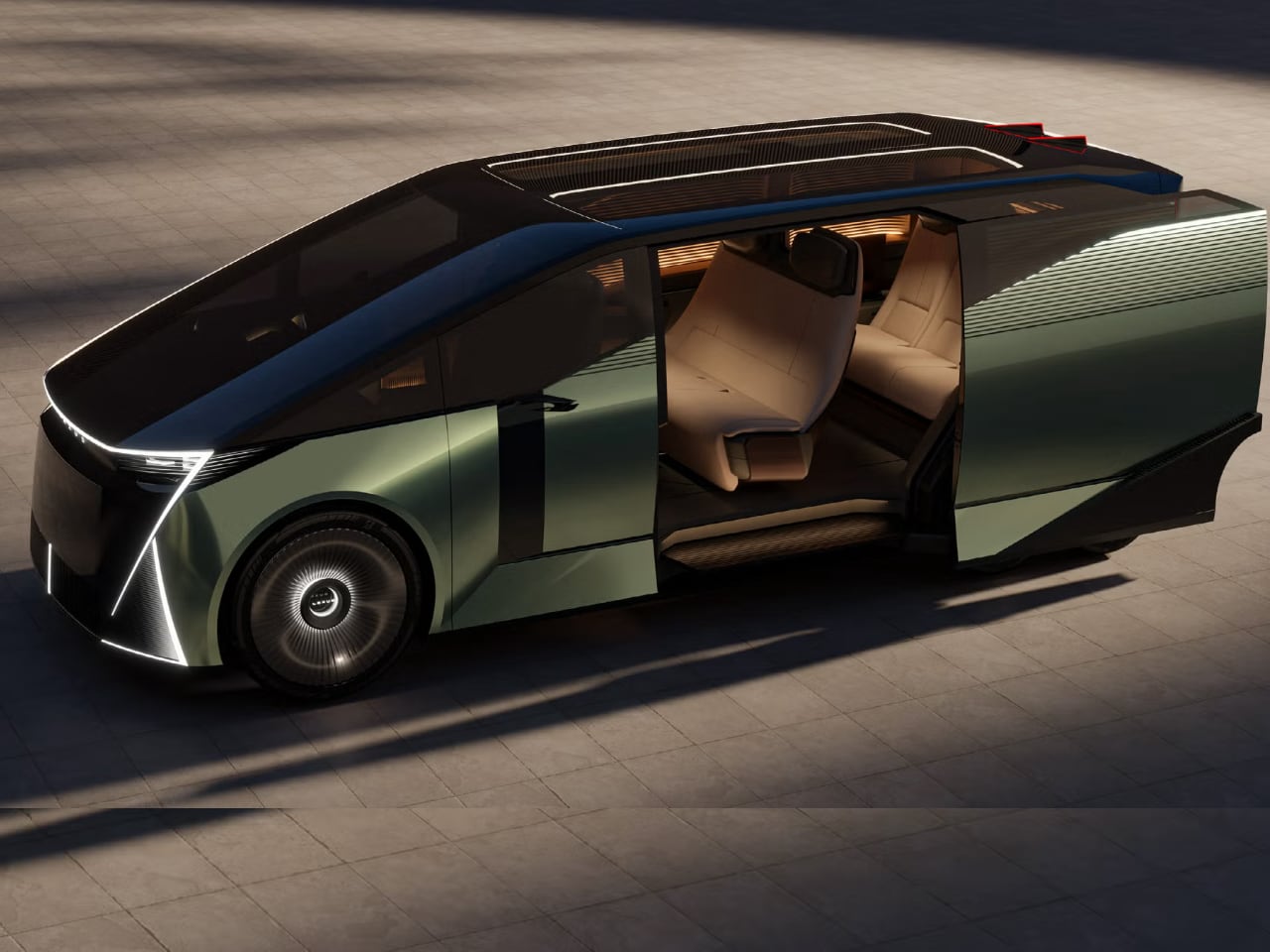
Much of that impact comes from the wheel configuration itself. Four smaller wheels cluster at the rear while two larger ones handle steering duties up front, creating what observers have called a “backwards Tyrell P34 look.” It’s probably the only time a Lexus van will be compared to a 1970s Formula 1 car, but the reference fits. The wheel arrangement does more than look interesting. The additional rear wheels potentially distribute weight more effectively across the long wheelbase required for three comfortable rows, while the larger front wheels maintain steering precision and road presence.
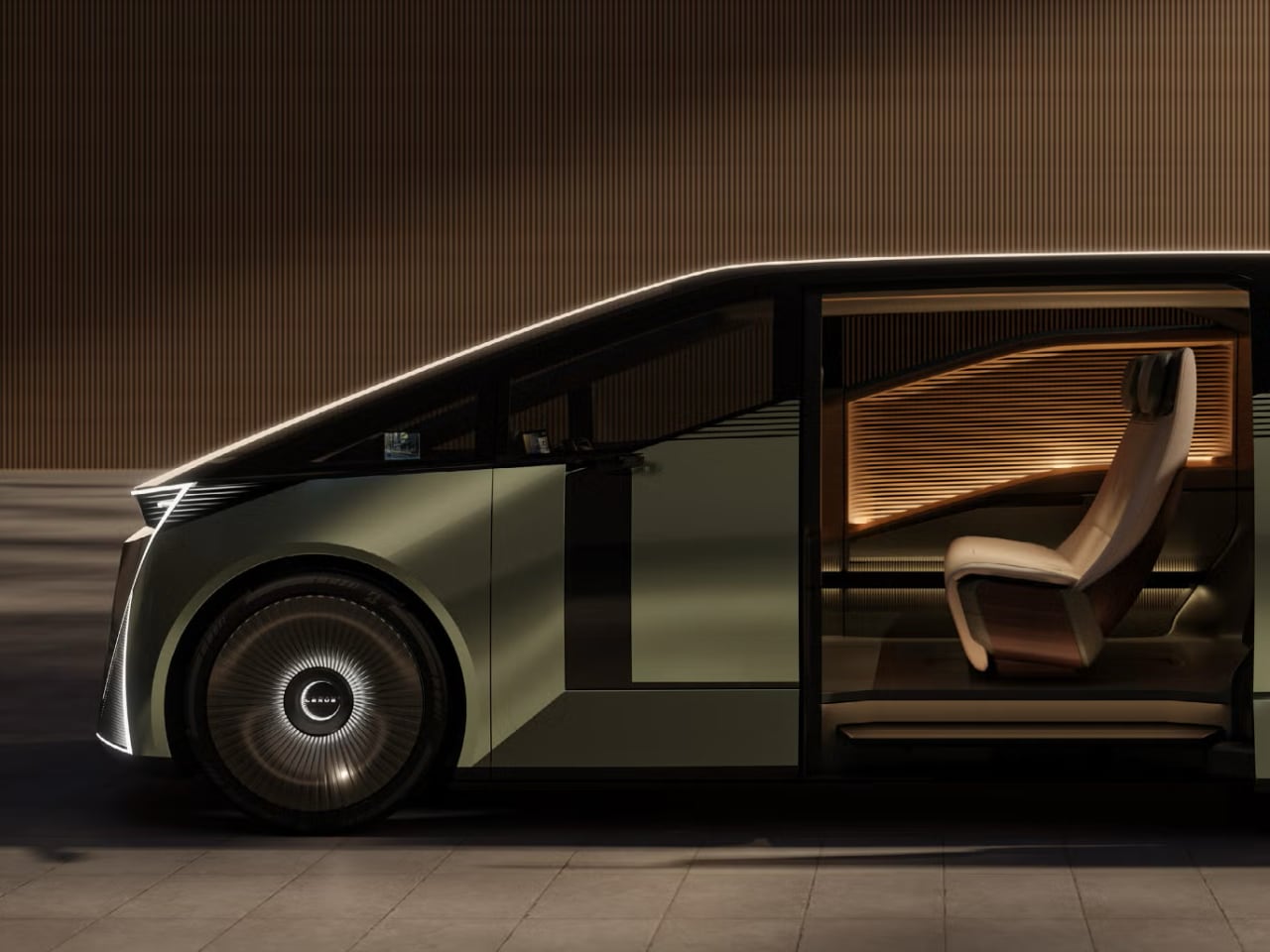
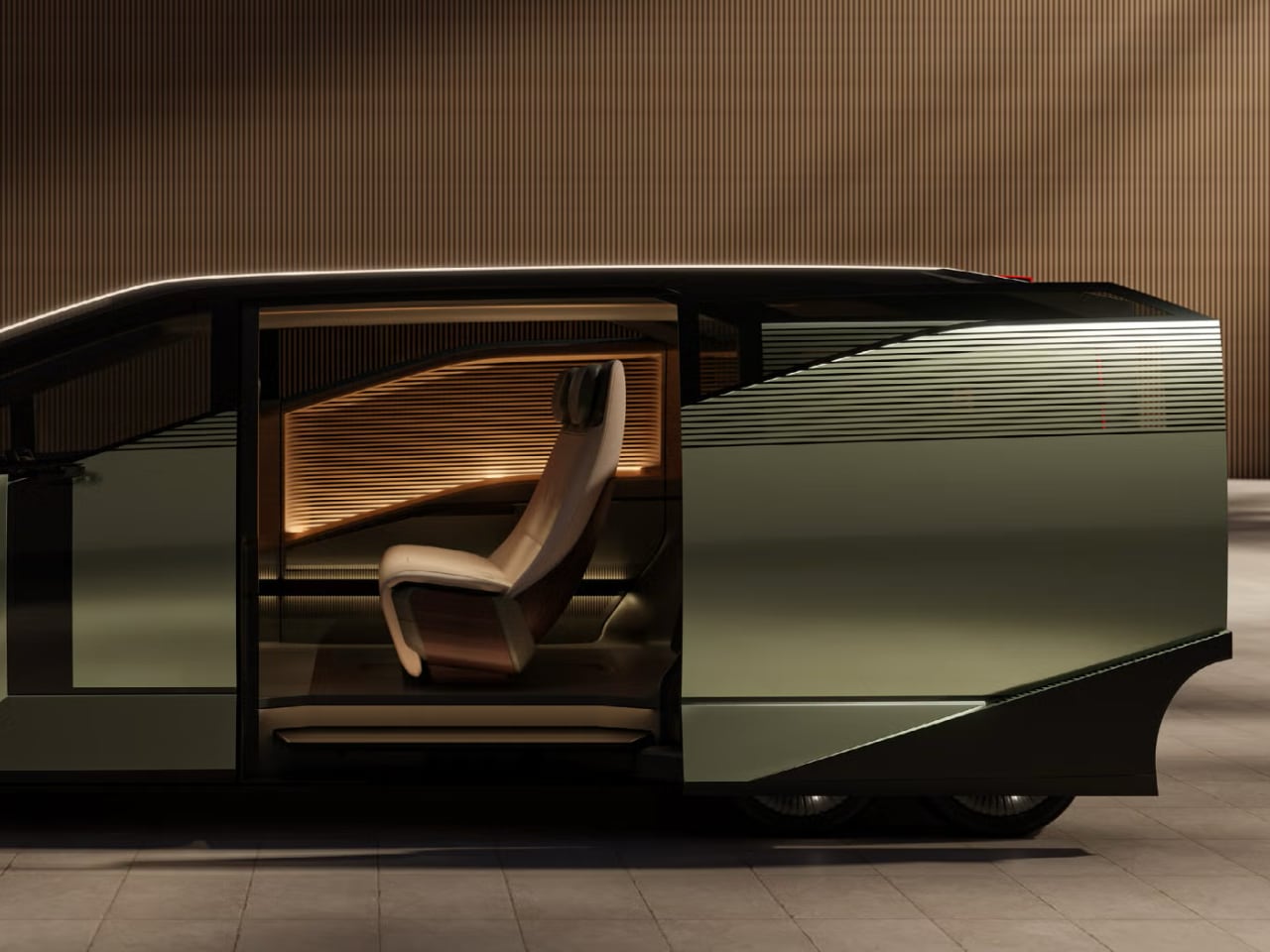
The exposed wheel arches feature chrome or polished metal trim that catches light and emphasizes the mechanical complexity underneath, celebrating the engineering rather than hiding it behind body panels. Sharp character lines run the length of the vehicle’s flanks, creating distinct upper and lower volumes. The greenhouse sits atop a substantial lower body, with blacked-out pillars creating a floating roof effect that’s become common in luxury vehicles but feels fresher here thanks to the unconventional proportions. The front fascia maintains Lexus’s spindle grille signature but stretches it horizontally rather than vertically, creating a wider, more planted stance that suits the van’s substantial dimensions. LED lighting elements integrate into the bodywork with minimal interruption, suggesting a future where lighting becomes part of the surface rather than discrete components bolted to the structure.
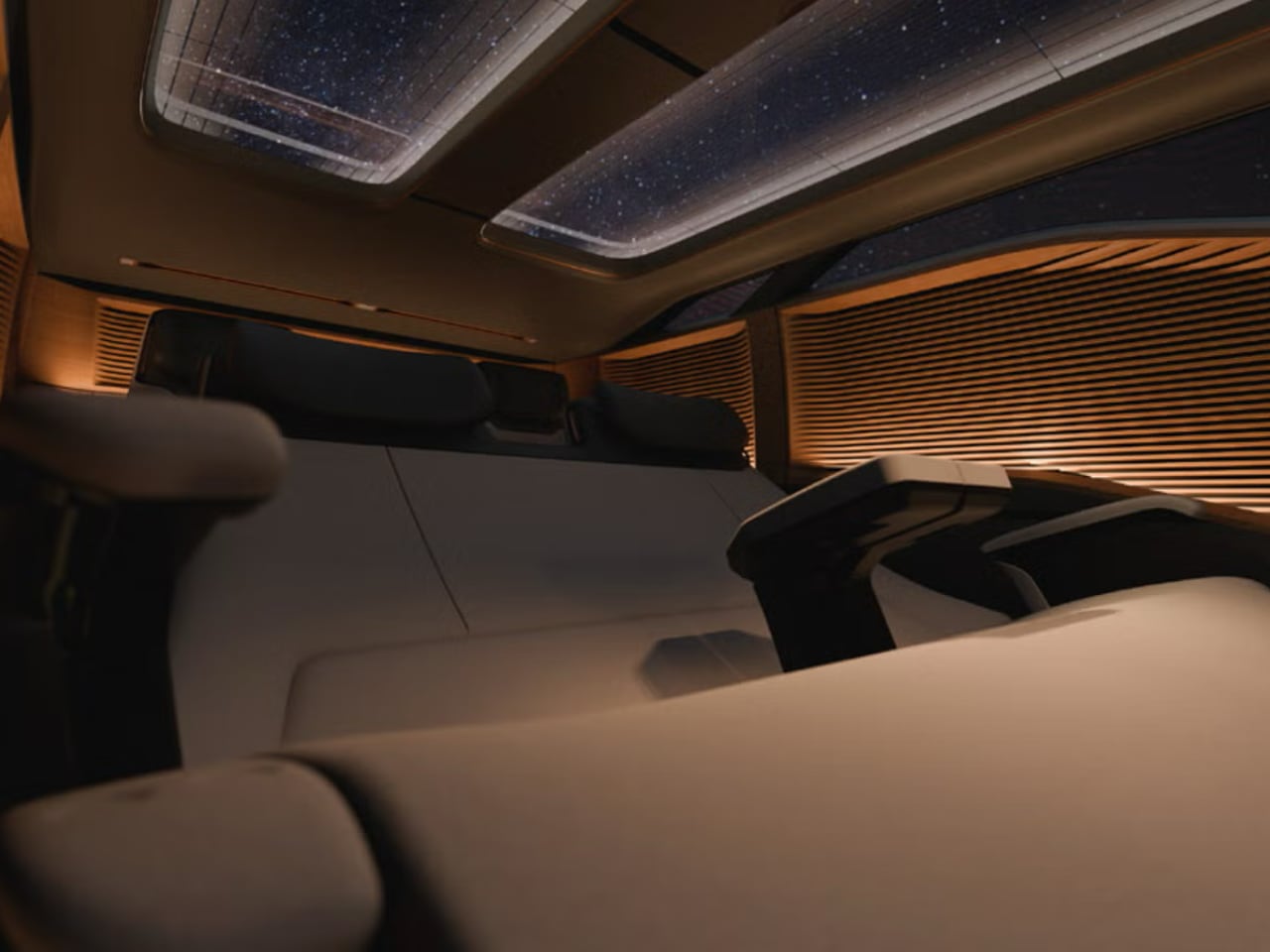
Inside, the LS Concept seats six across three rows, with the first row offering a somewhat bench-like layout while the second and third rows feature individual thrones upholstered in what appears to be premium materials. The interior demonstrates a deliberate progression from functional to luxurious as passengers move rearward, with the driver zone maintaining traditional automotive ergonomics while the rear rows transition into lounge-style seating that prioritizes comfort over conventional automotive packaging. The material palette appears to blend warm earth tones in the seating surfaces with cooler metallic accents on structural elements, creating separation between soft touch points and hard architecture.
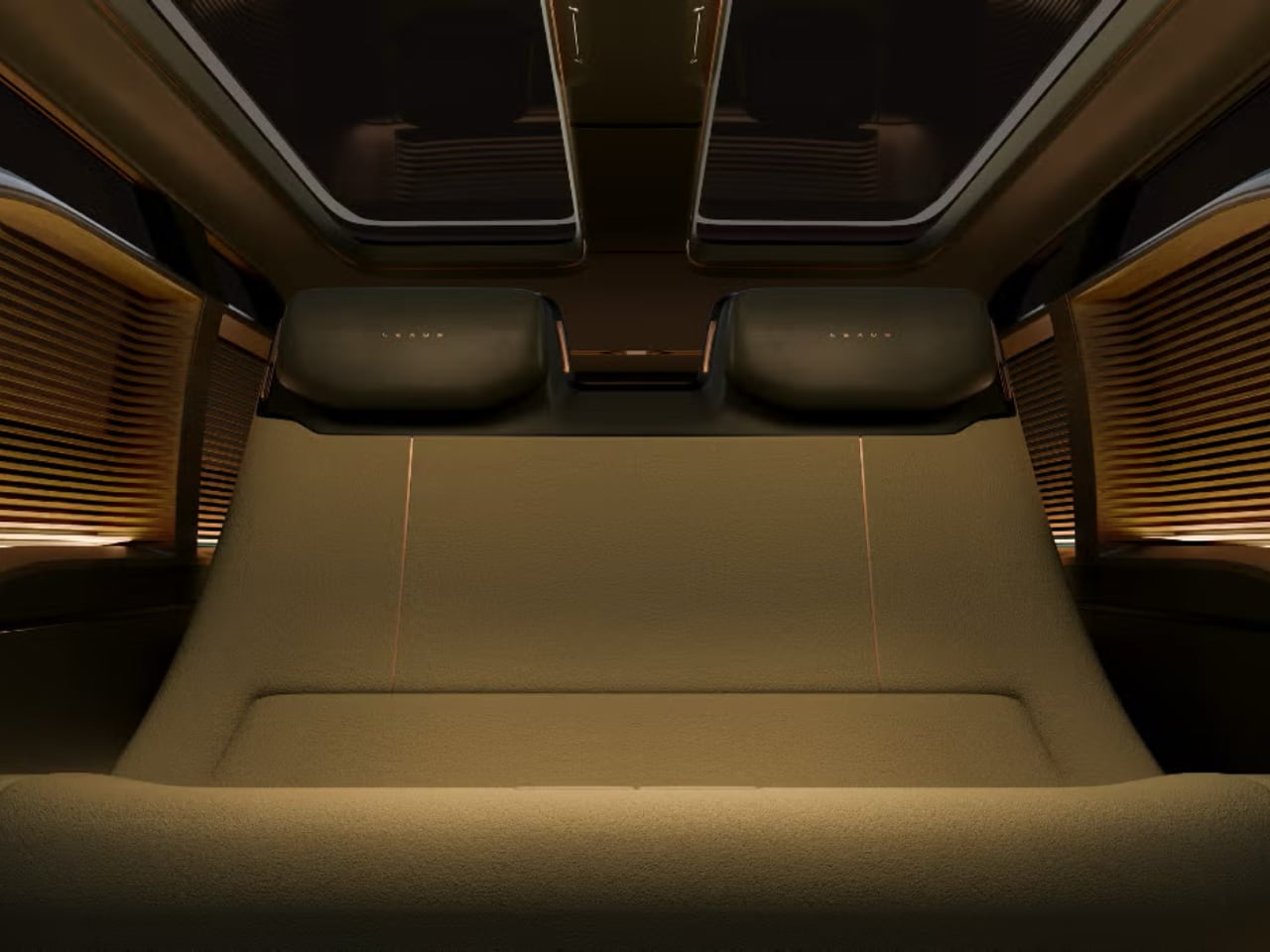
The third row takes the concept furthest, with armrests that detach to allow the seats to convert into a reclining day bed configuration. The leg rest extends while the seat backs transition closer to flat, creating a genuine rest space rather than the token reclining function found in conventional three-row vehicles. This transformation suggests Lexus studied yacht interiors and private aviation more than automotive precedents, prioritizing the ability to fully relax during extended travel over maximizing passenger count.
 

The lighting design throughout the cabin uses vertical striping patterns that echo traditional Japanese shoji screens, with illuminated surfaces creating ambient glow rather than point-source lighting. These vertical elements repeat on the exterior as well, establishing a consistent design language that bridges interior and exterior spaces. The dashboard features nested screens in a layered configuration that suggests depth rather than the typical flat panel array, with physical controls integrated around the displays rather than banished to capacitive touch zones. Despite the futuristic styling, this isn’t an autonomous fantasy. The LS Concept features a proper steering wheel flanked by a pair of screens and a pleasing number of actual physical buttons, suggesting Lexus envisions this as something a human would actually drive.

The Micro: When Personal Mobility Gets Absurdly Personal

If the six-wheeled van represents luxury maximalism, the LS Micro swings to the opposite extreme. This single-seat autonomous vehicle exists as pure concept exploration, the kind of mobility solution that automakers love to sketch but rarely build.
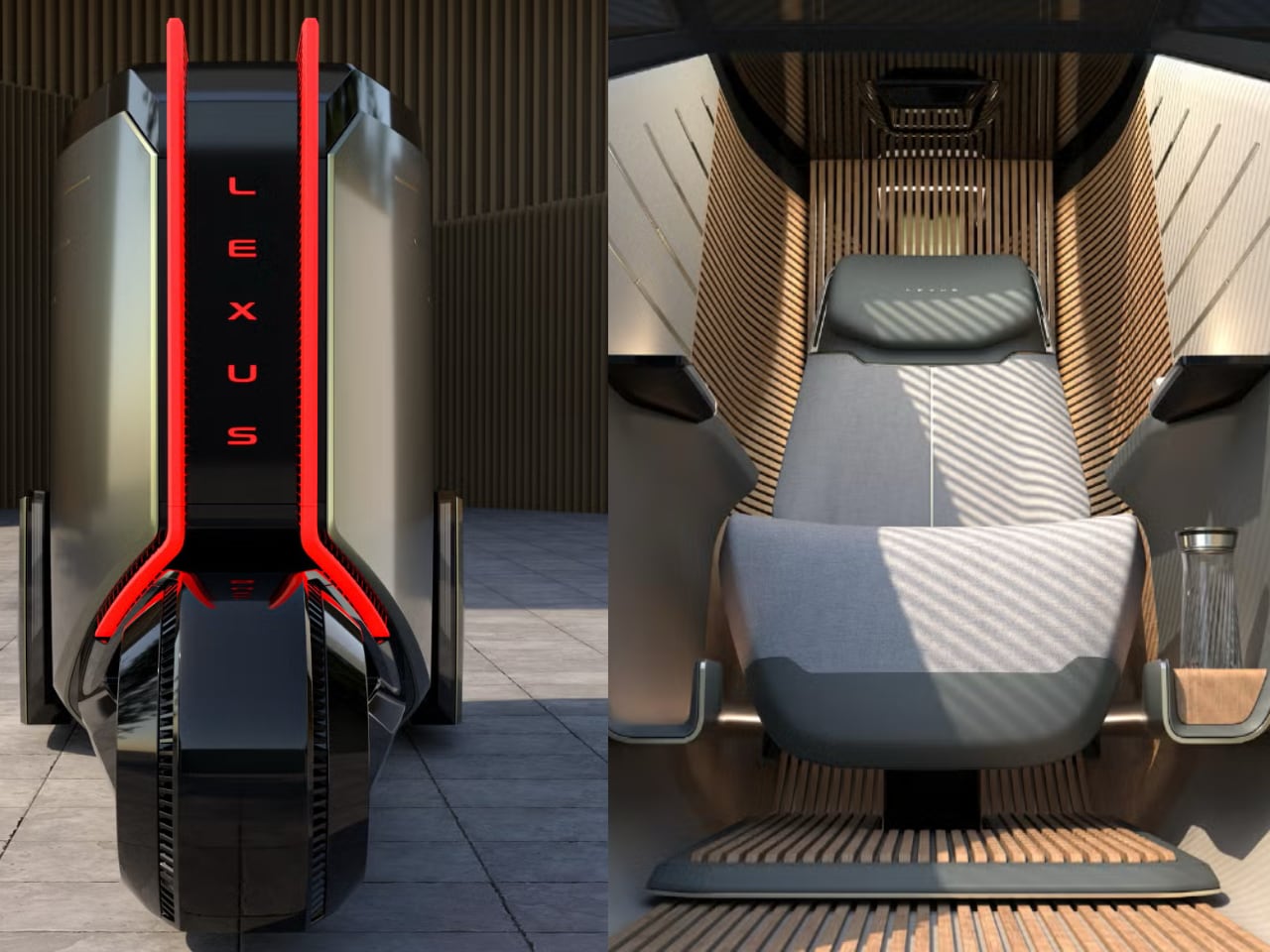
The Micro appears to run on three wheels based on the revealed images, with a vertically oriented battery pack or cargo compartment mounted along its spine that can slide out for easy access. This central spine element serves as both functional storage and visual anchor, creating a clear organizational logic for the compact vehicle’s interior packaging. The exterior surfaces flow in continuous curves broken only by minimal character lines, with the transparent canopy creating an almost bubble-like greenhouse that maximizes interior volume perception while maintaining a compact exterior footprint.
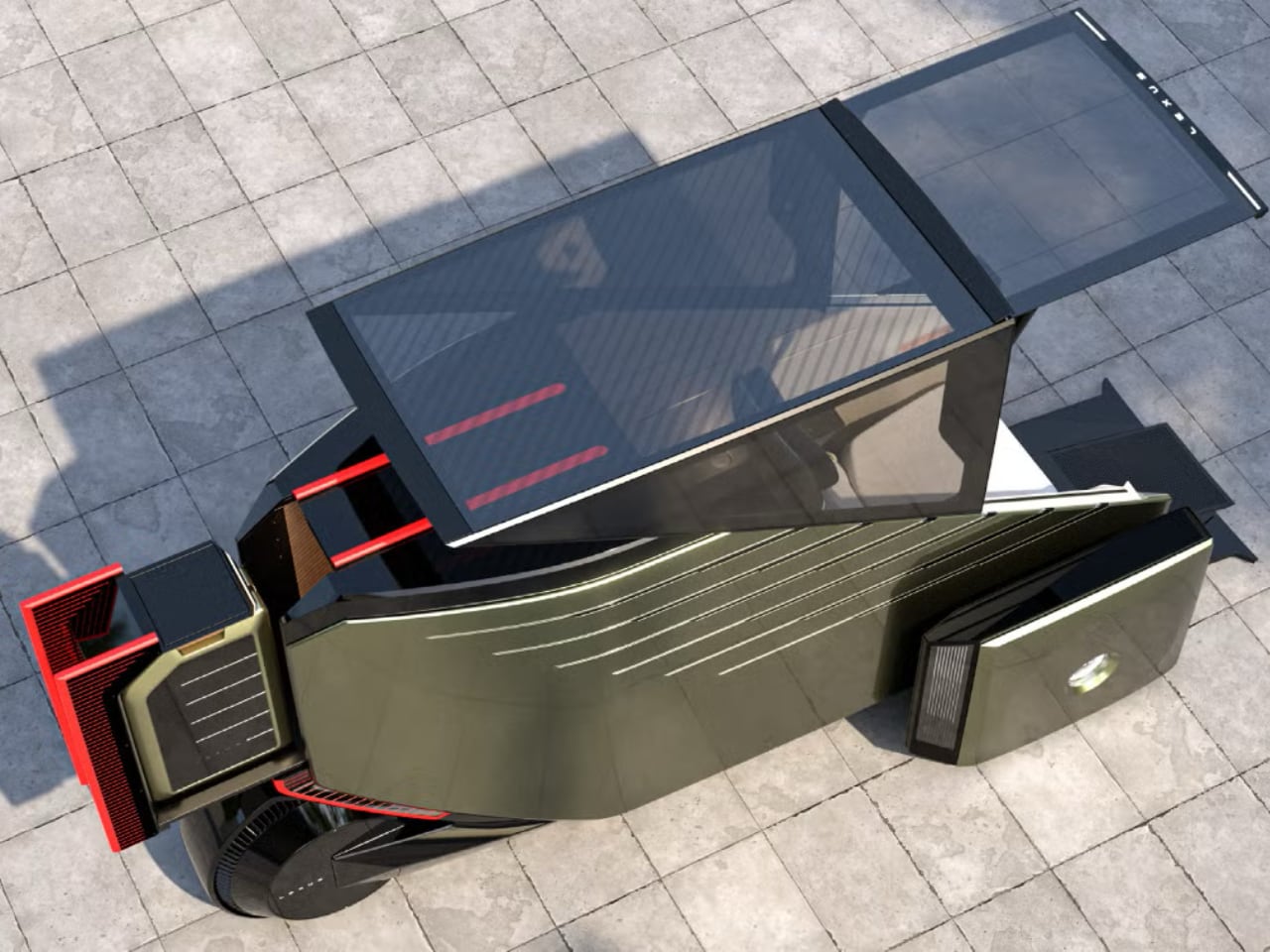
The seating position looks genuinely comfortable rather than compromised, with a warm cocoon-like environment and touchpad controls integrated into both armrests in a configuration that recalls Captain Picard’s chair on the bridge of the Enterprise. The seat itself appears to wrap around the occupant in a 270-degree embrace, with padding that extends beyond typical automotive bolstering to create a genuine relaxation space rather than just transportation seating. Lexus even managed to fit multiple cupholders into the compact package, a luxury amenity not afforded to Galaxy-Class starship captains. The material treatment suggests a mix of technical fabrics and soft leather, with the touchpad controls finished in what appears to be brushed metal or high-quality plastic that maintains tactile feedback despite the digital interface underneath.
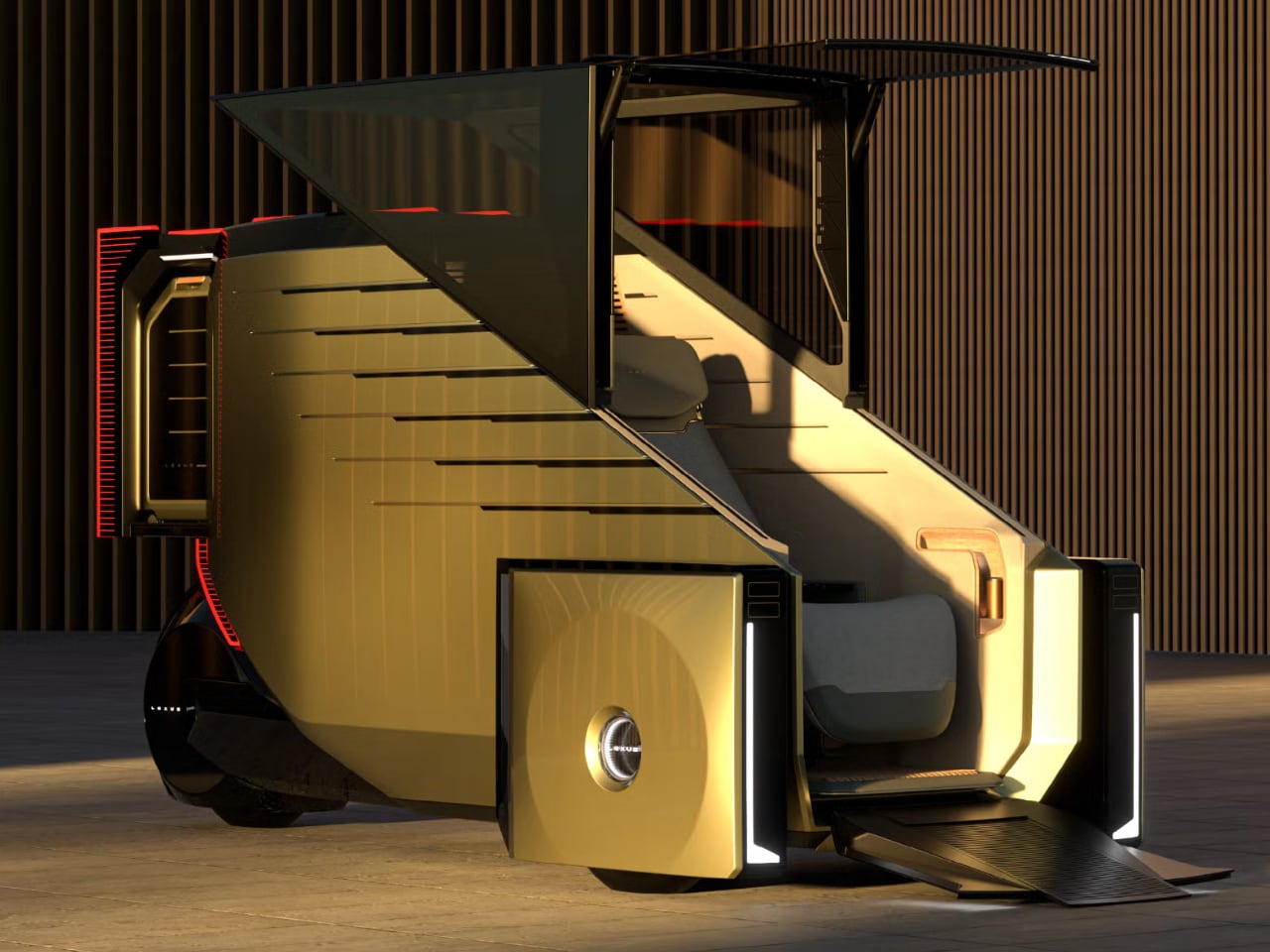
The color palette inside the Micro stays deliberately neutral, with warm beiges and soft grays dominating to create a calming environment rather than the typical concept car explosion of saturated hues. Ambient lighting appears integrated into the structural ribs of the canopy, washing the interior with indirect illumination that changes the space’s mood without creating harsh shadows or glare. The exterior styling leans heavily into sci-fi territory, with smooth surfaces and minimal details that wouldn’t look out of place in Minority Report, though given that film is now set just 29 years in the future, perhaps that’s less of a compliment than it once was.

Lexus describes the Micro as “micro-mobility that allows you to move freely in small streets and alleys of cities” and “a relaxing space for a new value of private travel experience.” That use case suggests ride-hailing services in dense urban environments rather than personal ownership. Given the autonomous technology requirements and the narrow market appeal, both scenarios remain theoretical for the foreseeable future. The Micro’s compact dimensions and autonomous capabilities could theoretically allow it to access areas traditional vehicles cannot, from pedestrian-friendly zones to narrow historic district streets. The single-seat configuration eliminates the social dynamics and scheduling compromises inherent in shared mobility, offering a middle ground between private car ownership and riding in someone else’s vehicle.

The Coupe: The One That Might Actually Happen

Of the three concepts, the LS Coupe stands the best chance of reaching production. Industry watchers have speculated for more than half a decade that the fifth-generation LS’s successor would take the form of a high-end crossover rather than another traditional sedan, and this concept bears all the hallmarks of that rumored vehicle.
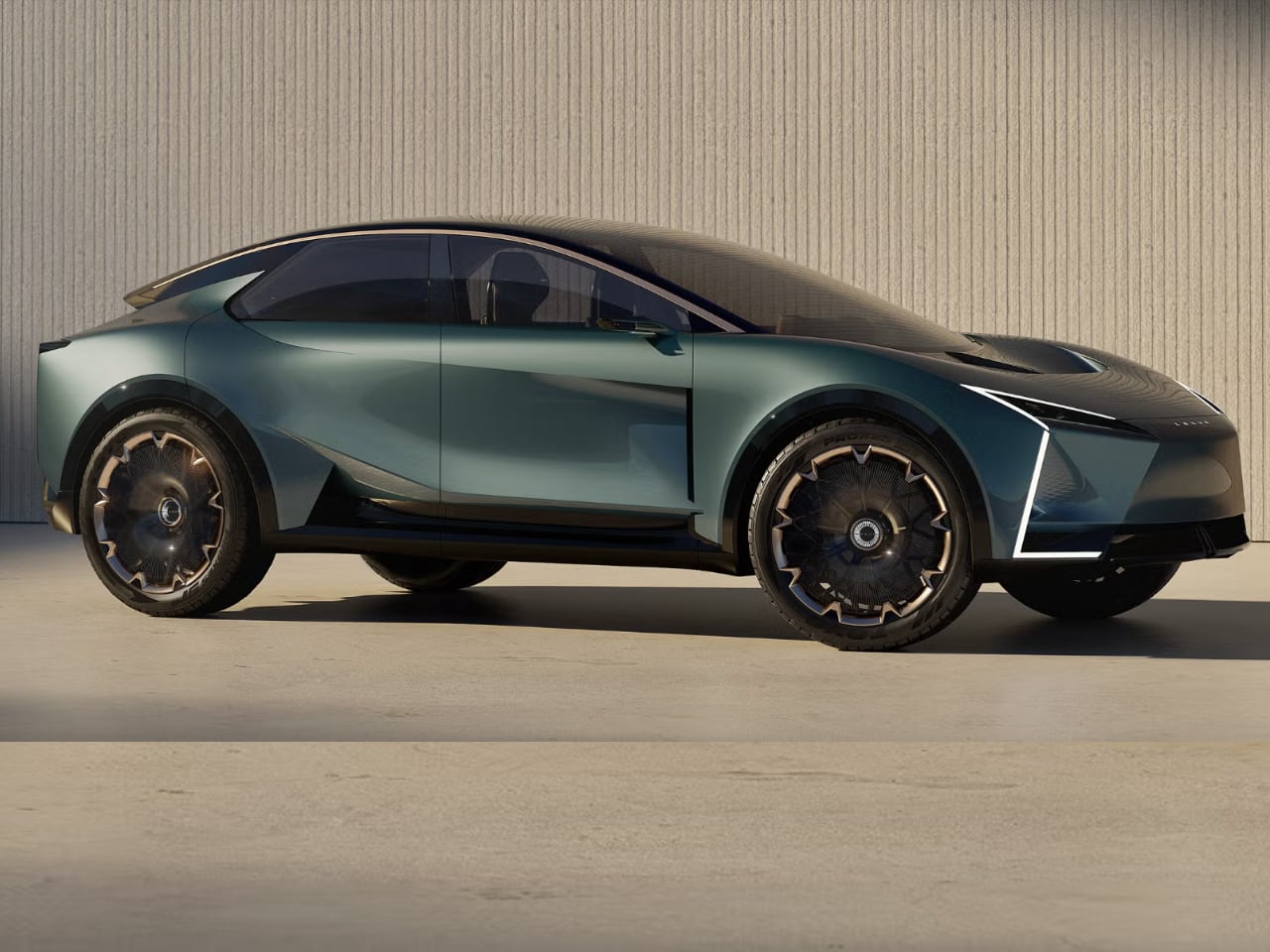
The design melds the elevated seating position and easy entry of an SUV with the flowing roofline and proportions of a sedan, complete with a trunk rather than a hatchback opening, though Lexus describes it more as an extending shelf than a conventional cargo area. Four doors provide access to what appears configured as a four-seat interior, though the rear bench looks like it could accommodate a third passenger without much compromise. In a premium touch reminiscent of Rolls-Royce, the rear doors open backwards for easier entry and exit.
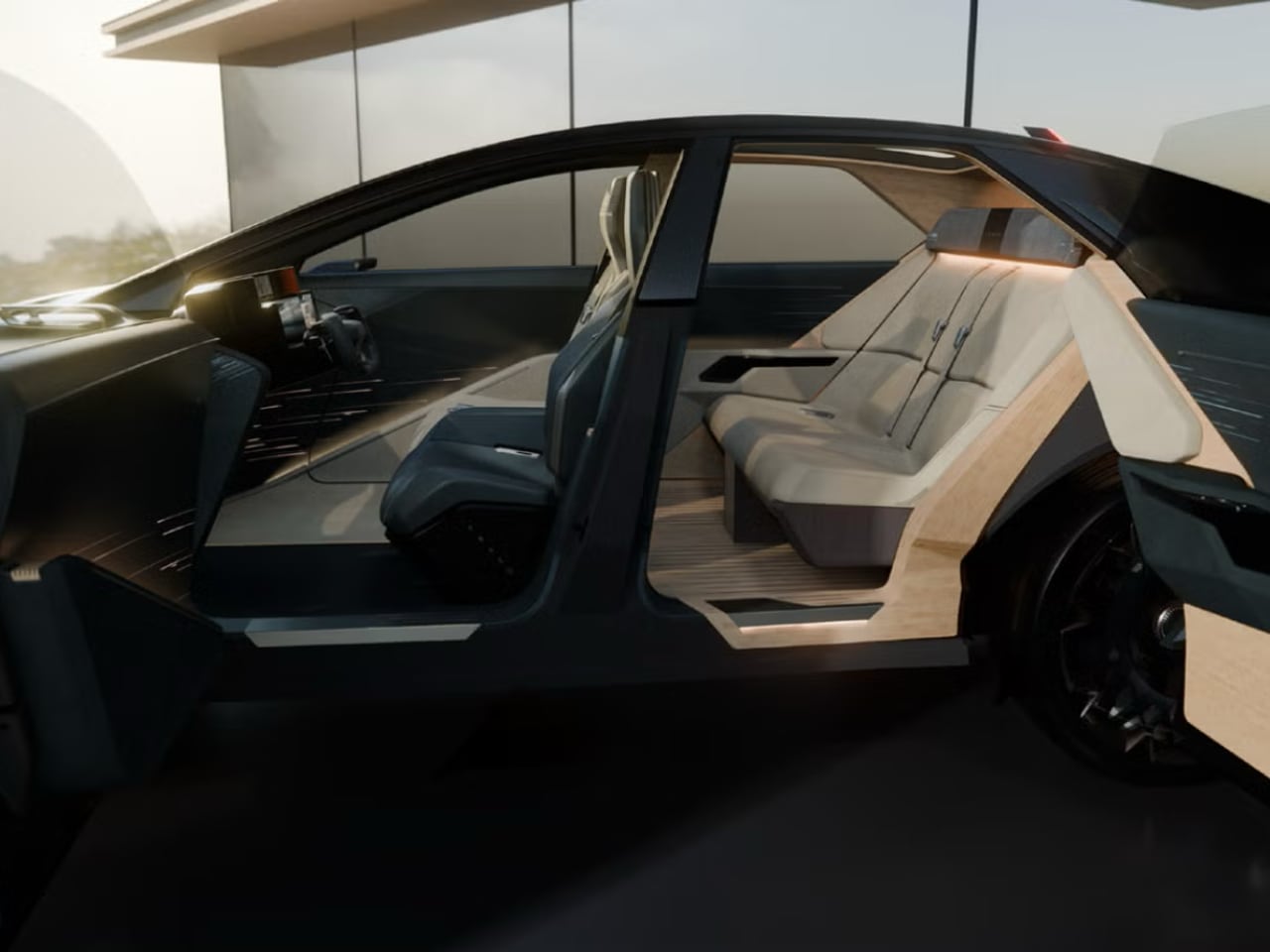
The interior continues design themes Lexus explored in the Sport Concept coupe revealed the same day, with a colorway divided between the driver and passenger areas to create distinct zones within the cabin. The driver side appears finished in darker, more focused tones that emphasize the task of driving, while the passenger side transitions to lighter, more relaxed materials that signal the leisure aspect of luxury travel. This asymmetric approach represents a departure from the typical automotive interior that treats both front occupants identically, acknowledging that driver and passenger have fundamentally different relationships with the vehicle.

The seating surfaces showcase what appears to be a combination of perforated leather in high-wear zones and smooth textile panels in areas that benefit from stretch and comfort. The perforation pattern isn’t just functional ventilation but creates a geometric texture that catches light differently depending on viewing angle, adding visual interest without relying on contrasting stitching or piping. The rear seats maintain the same material approach but appear to offer more adjustment range and cushion depth, confirming this vehicle prioritizes rear passenger comfort despite its four-seat configuration.
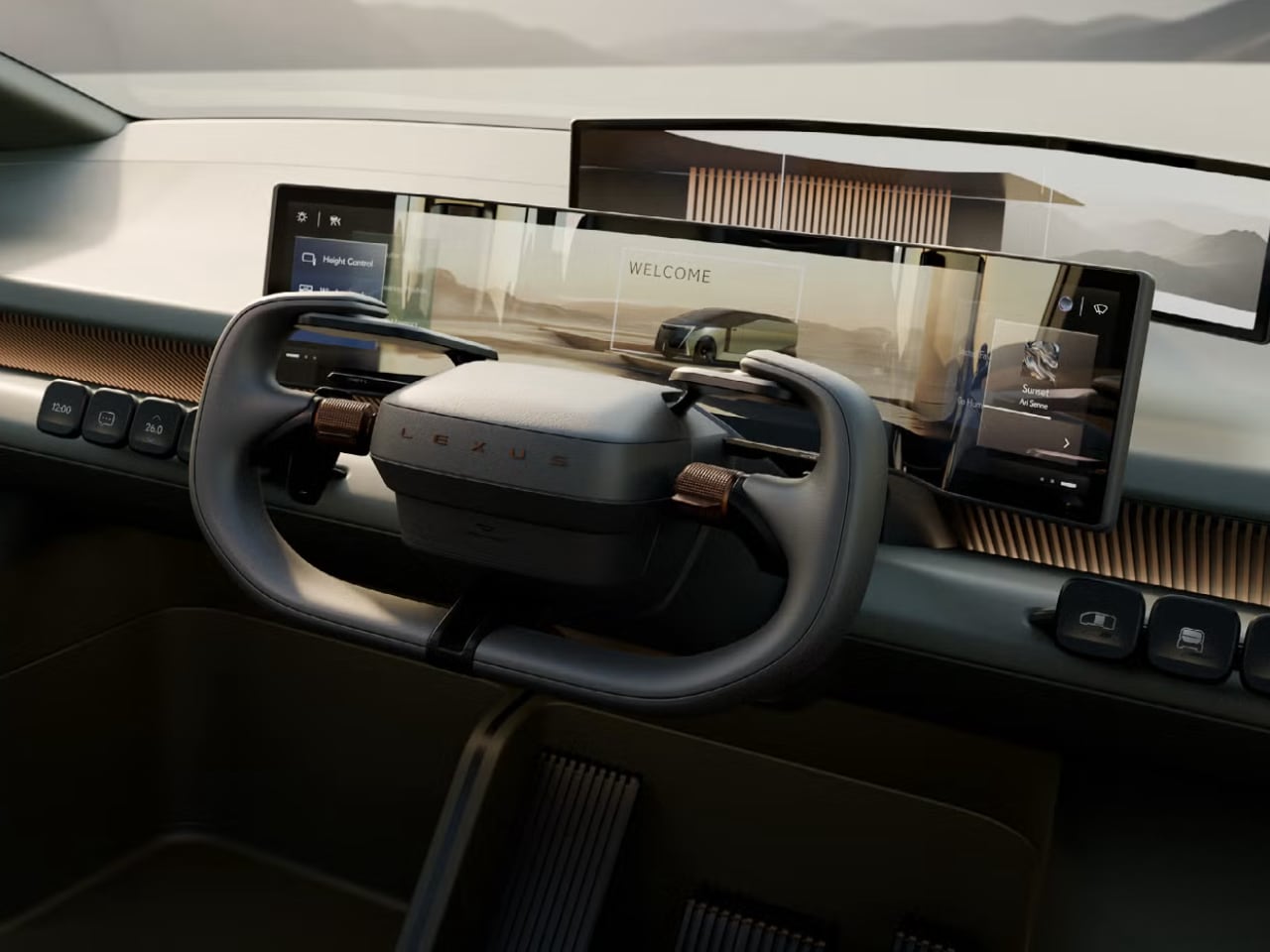
Nested instrument panel screens sit in front of a yoke-style steering control rather than a traditional wheel. The screen configuration potentially hints at a future instrument and infotainment layout designed to rival BMW’s Neue Klasse digital interface approach, though production versions typically dial back the concept car ambition. The layering of these displays creates a sense of depth behind the yoke, with primary driving information appearing to float in the foreground while navigation and vehicle status occupy background layers. Physical controls appear concentrated on the center console and steering yoke spokes, maintaining tactile interfaces for frequently used functions rather than forcing everything through touchscreen menus.

The exterior proportions demonstrate careful attention to the balance between SUV utility and sedan elegance. The roofline starts its descent behind the B-pillar, creating a fastback silhouette that maintains rear headroom while achieving a lower drag coefficient than a traditional SUV profile. The rear haunches swell slightly outward from the cabin, muscular shoulders that suggest performance capability without resorting to aggressive body cladding or fake vents. The wheel arches appear sculpted into the body rather than applied as separate elements, creating a cohesive surface that flows from front to rear without interruption. The strongest indicator of production intent comes from an observation about what the concepts include rather than what they promise. The LS Coupe features visible seatbelts in all the marketing imagery and show floor presentations, a detail neither the six-wheeled van nor the autonomous Micro show.

What Luxury Space Actually Means

These three concepts reveal Lexus’s challenge and opportunity in equal measure. The LS name carries enough brand equity to justify continuation, but the original brief no longer works in a market that has decisively moved away from large luxury sedans.
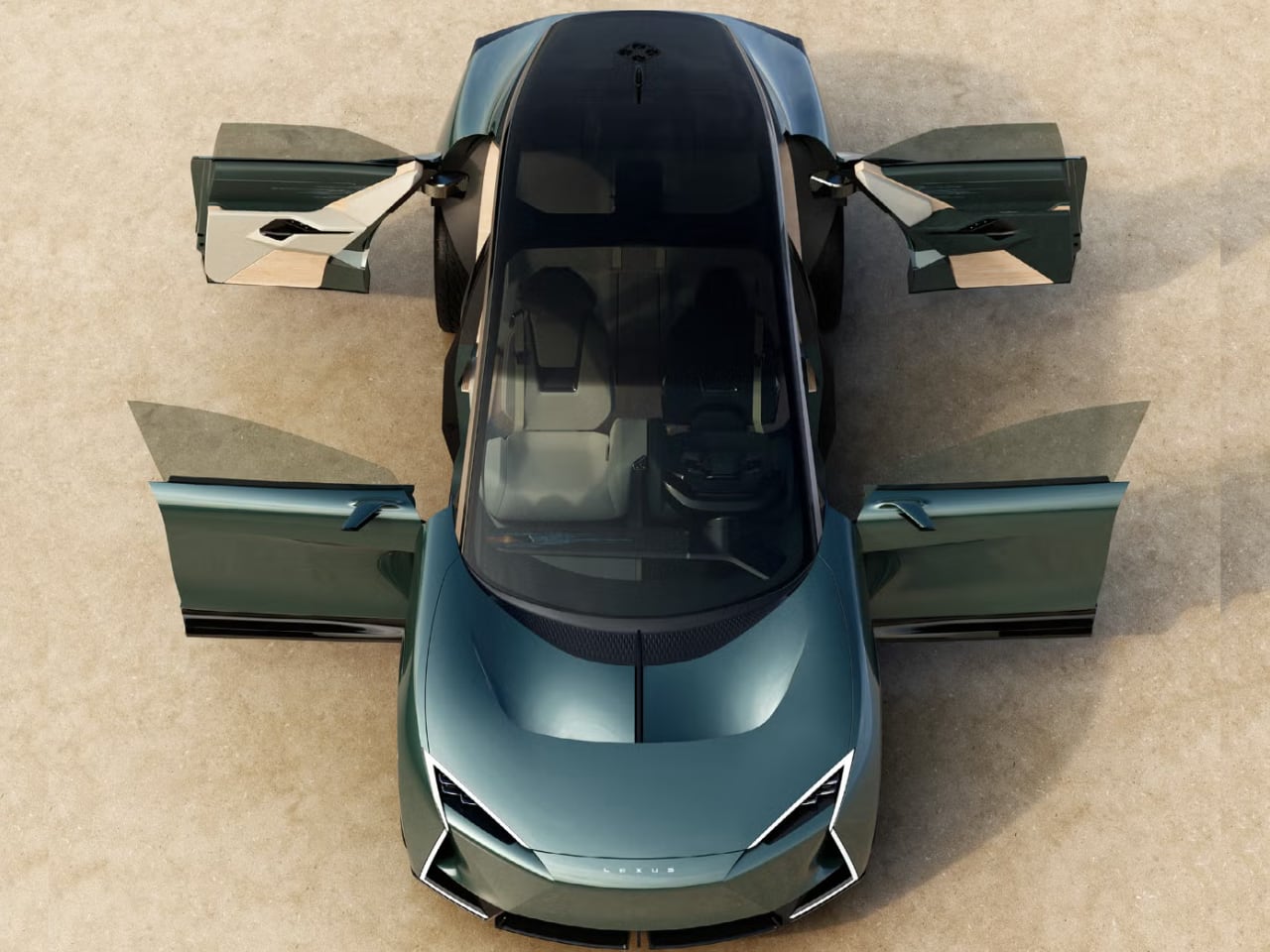
By reinterpreting the badge as “Luxury Space” rather than “Luxury Sedan,” Lexus creates room to explore what premium personal mobility could mean across multiple form factors and use cases. The six-wheeled van targets the ultra-luxury multi-passenger market that traditional minivans never quite captured, the Micro explores personal urban mobility as a premium experience, and the Coupe directly addresses the luxury crossover segment that has cannibalized sedan sales industry-wide. Whether any of these concepts reach production remains uncertain, but the LS Coupe’s seatbelts and rumors of a high-end crossover successor suggest at least one interpretation of “Luxury Space” will make it to dealerships.

Each concept also reflects different regional market priorities. The six-wheeled van speaks directly to Asian luxury markets where chauffeur-driven vehicles remain popular and rear passenger comfort takes priority over driver engagement. The Chinese market in particular has embraced luxury MPVs in ways Western markets never did, with vehicles like the Mercedes V-Class and Lexus LM commanding premium prices and generating substantial sales volumes. The Micro addresses urban mobility challenges most acute in dense Asian and European cities where parking costs remain prohibitive and congestion pricing schemes make large vehicles increasingly expensive to operate. The Coupe takes the safest bet by pursuing the luxury crossover segment that currently dominates premium vehicle sales globally.

Every luxury brand from Bentley to Rolls-Royce now offers or plans to offer a high-riding crossover, recognizing that buyers want elevated seating positions and practical cargo space more than they want low-slung driving dynamics. The LS Coupe’s sedan-influenced proportions and trunk configuration position it as a more sophisticated alternative to the increasingly common luxury SUV, offering crossover practicality without abandoning the design language that made Lexus sedans distinctive. For a nameplate that once redefined luxury sedans, this evolution from four doors to multiple futures seems fitting.

The post Lexus LS Goes Bold: Three Radical Concepts Redefine Luxury Space first appeared on Yanko Design.
Reimagining elegance through the artful design of the BMW Concept Skytop

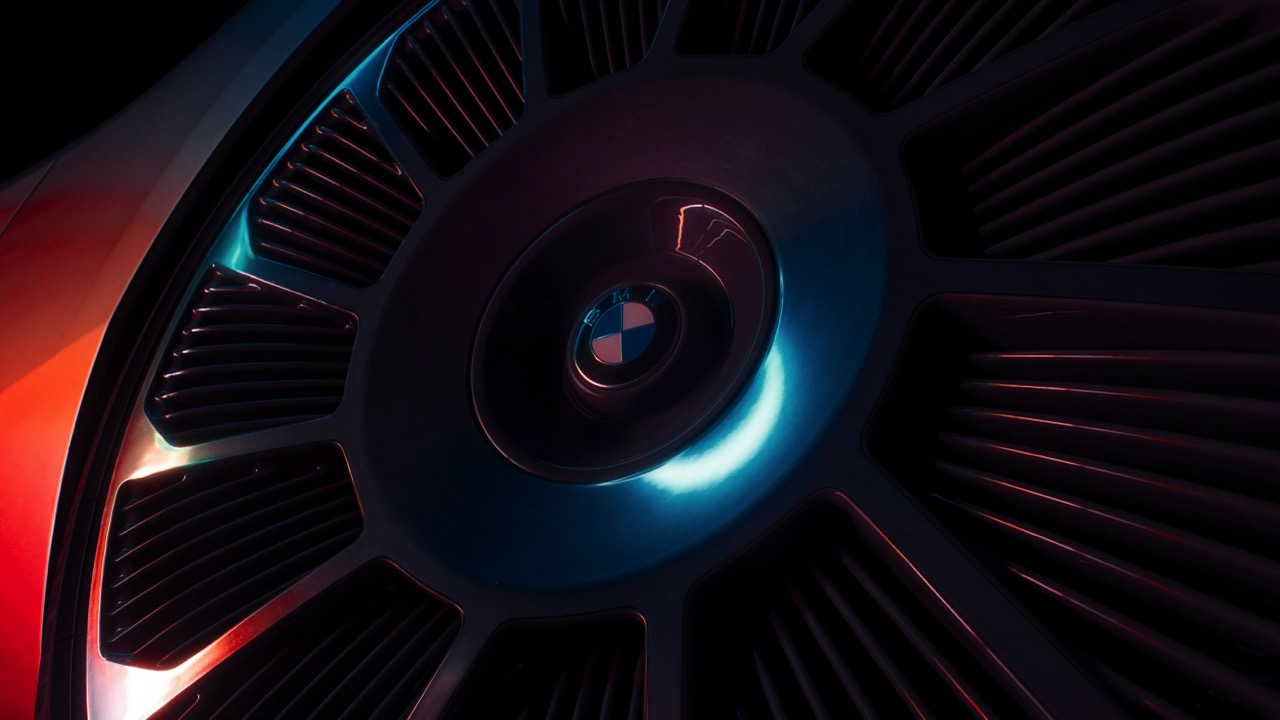
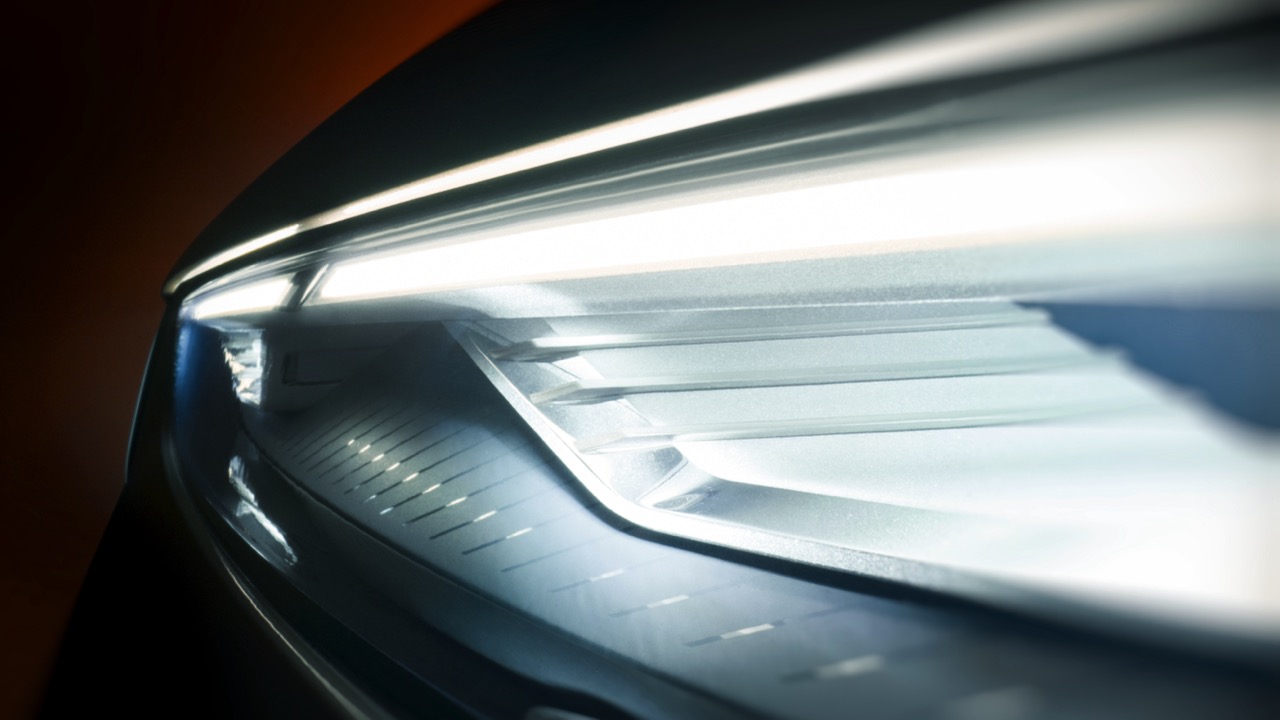
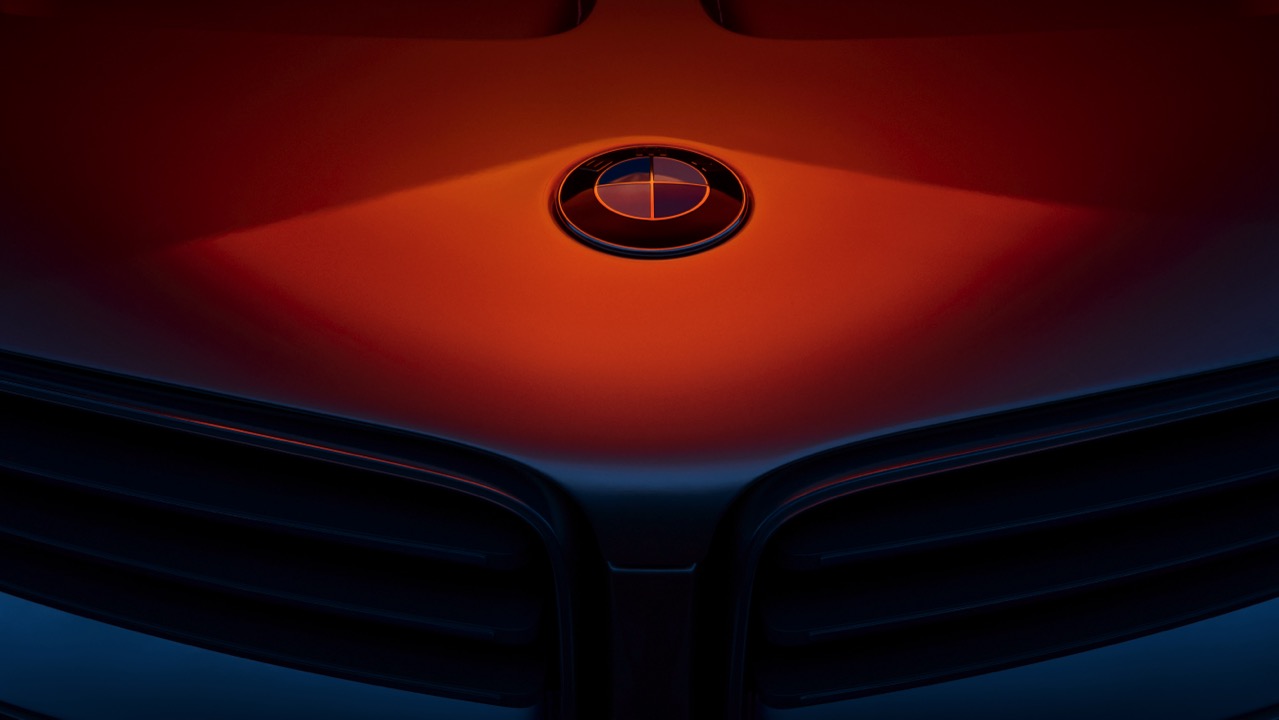
The BMW Concept Skytop highlights the blend of heritage and innovation, pushing the boundaries of contemporary automotive design. This concept vehicle features the distinctive shark-nose grille, which is illuminated to emphasize its assertive presence, and incorporates ultra-slim LED headlights mounted on milled aluminum carriers. Its side profile reveals an athletic stance with sculpted surfaces and sharp lines, further enhanced by unique gill-inspired wheels. The rear design, characterized by a prominent spline and a gradient transitioning from reddish-brown to muted silver, illustrates exceptional craftsmanship and painstaking attention to detail. Let’s explore the various aspects of this design in greater detail, focusing particularly on the interior from a top-down perspective.

Designer: BMW

Front and Side Design

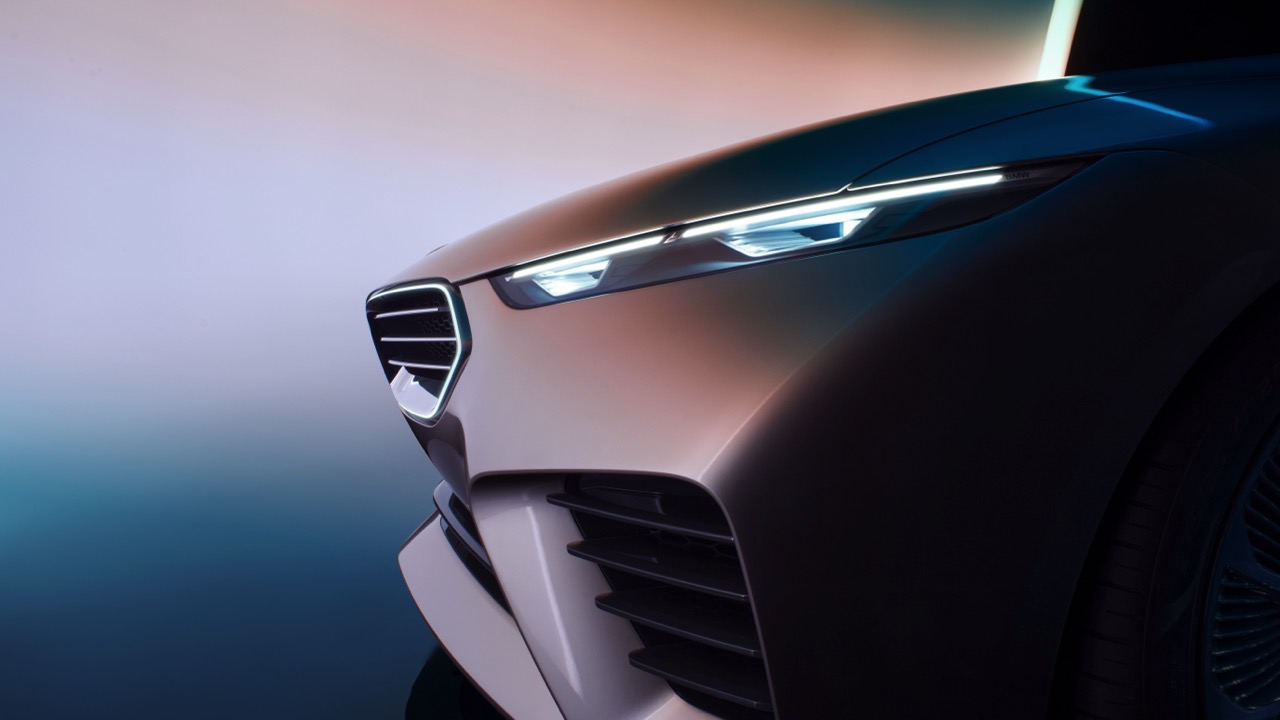
The BMW Concept Skytop’s front design is dominated by the signature shark-nose grille, illuminated to emphasize the vehicle’s sleek and aggressive stance. This design choice reflects BMW’s rich heritage while seamlessly integrating with the contemporary LED headlights on milled aluminum carriers. The headlights’ slim profile contributes to the car’s aerodynamic efficiency and modern aesthetic.

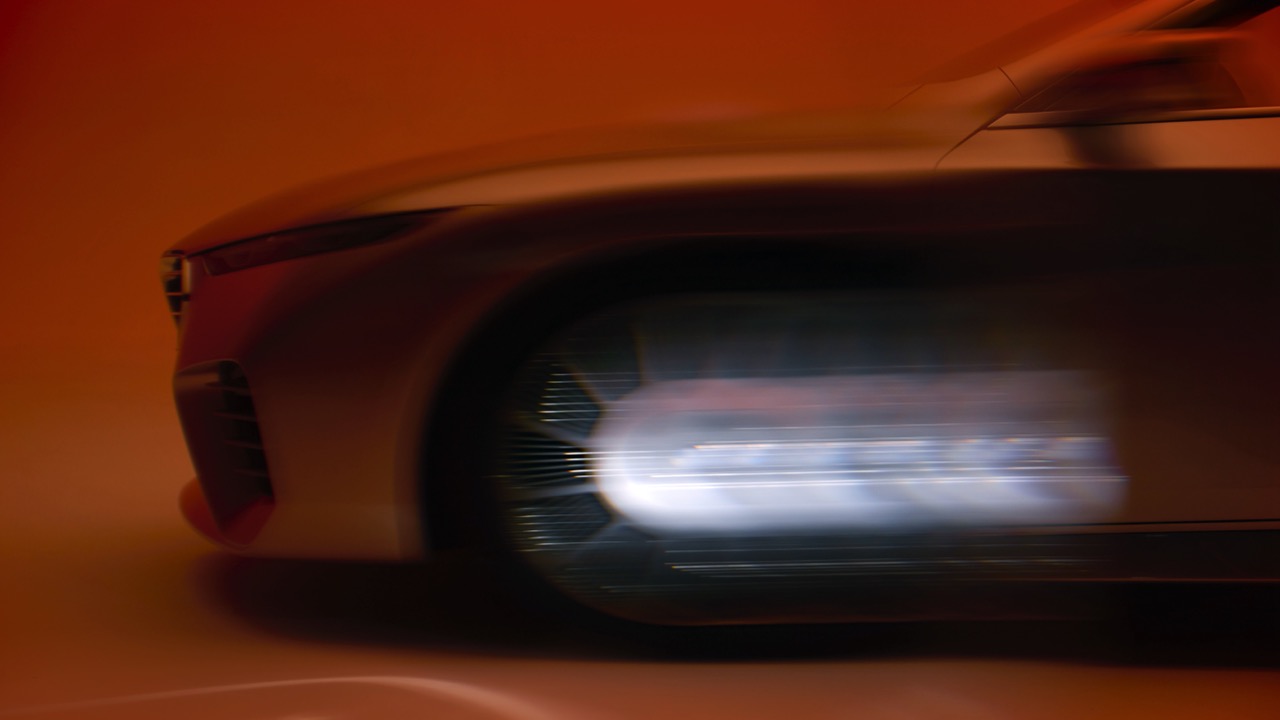
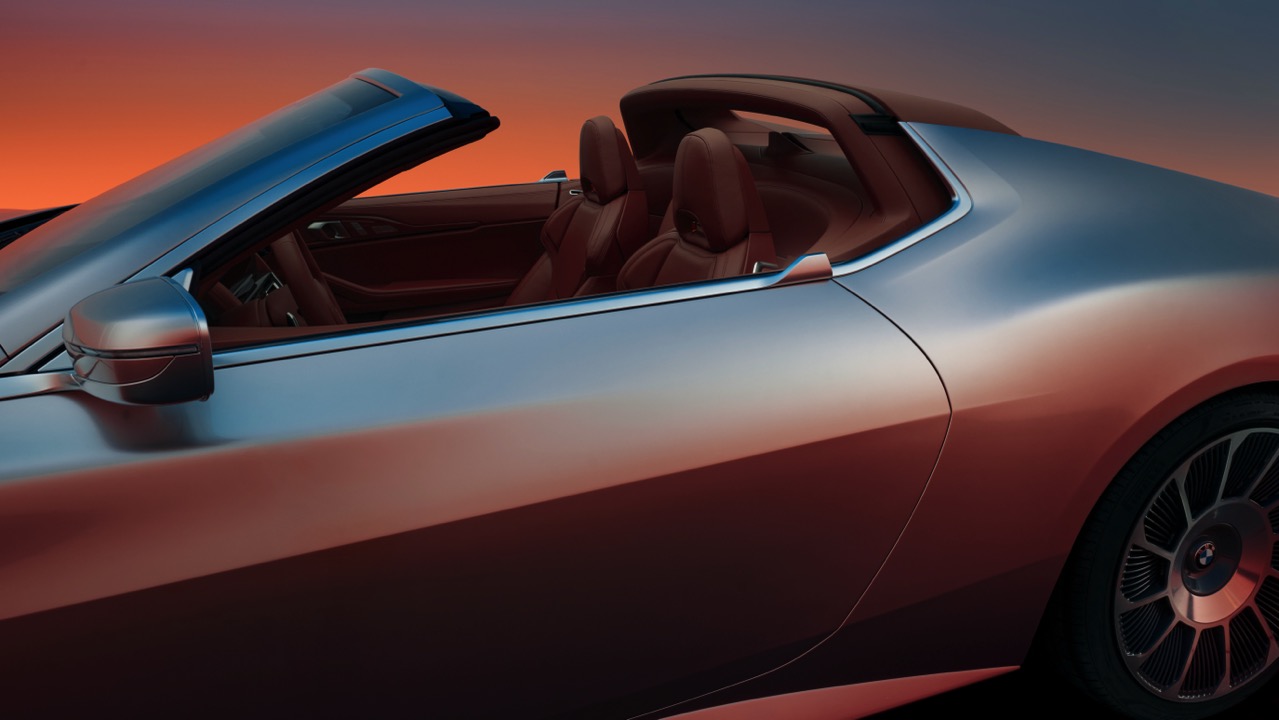
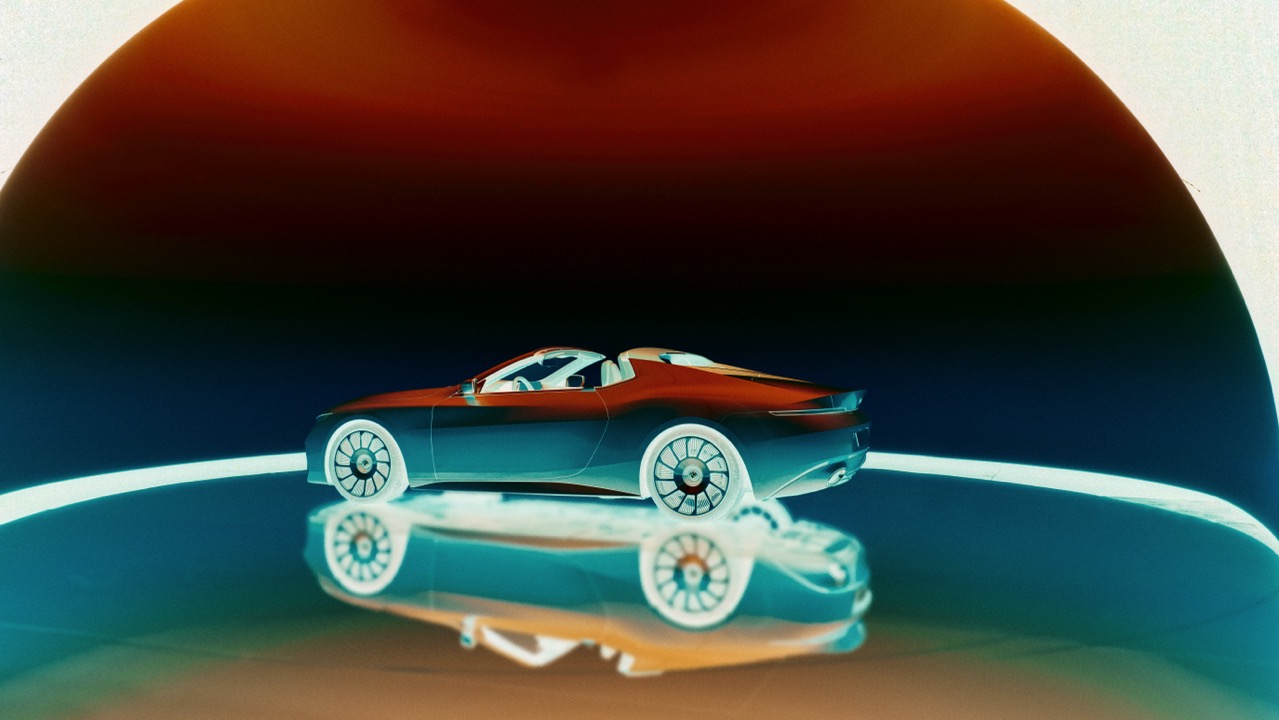
The side profile reveals an athletic and muscular form, with taut surfaces defined by precise lines that draw attention towards the rear. The absence of conventional door handles, replaced by discreet winglets integrated into the door shoulders, enhances the car’s streamlined look. With their gill-like features, the wheels add a unique touch to the car’s silhouette, further enhancing its dynamic appearance.

The shark-nose grille, a signature BMW element, evokes a sense of heritage while integrating modern technology. The illuminated grille adds a high-tech aura to the vehicle, immediately recognizable even in low-light conditions. This illumination emphasizes the grille’s contours, adding depth and enhancing the car’s aggressive stance. Flanking the shark-nose grille are the ultra-slim LED headlights, custom-developed for the BMW Concept Skytop. Featuring a sleek design with milled aluminum carriers, the slim profile of the headlights contributes to the car’s aerodynamic efficiency and gives the front end a sharp, precise look. The headlights blend seamlessly into the bodywork, highlighting the design’s clean lines and uninterrupted flow.

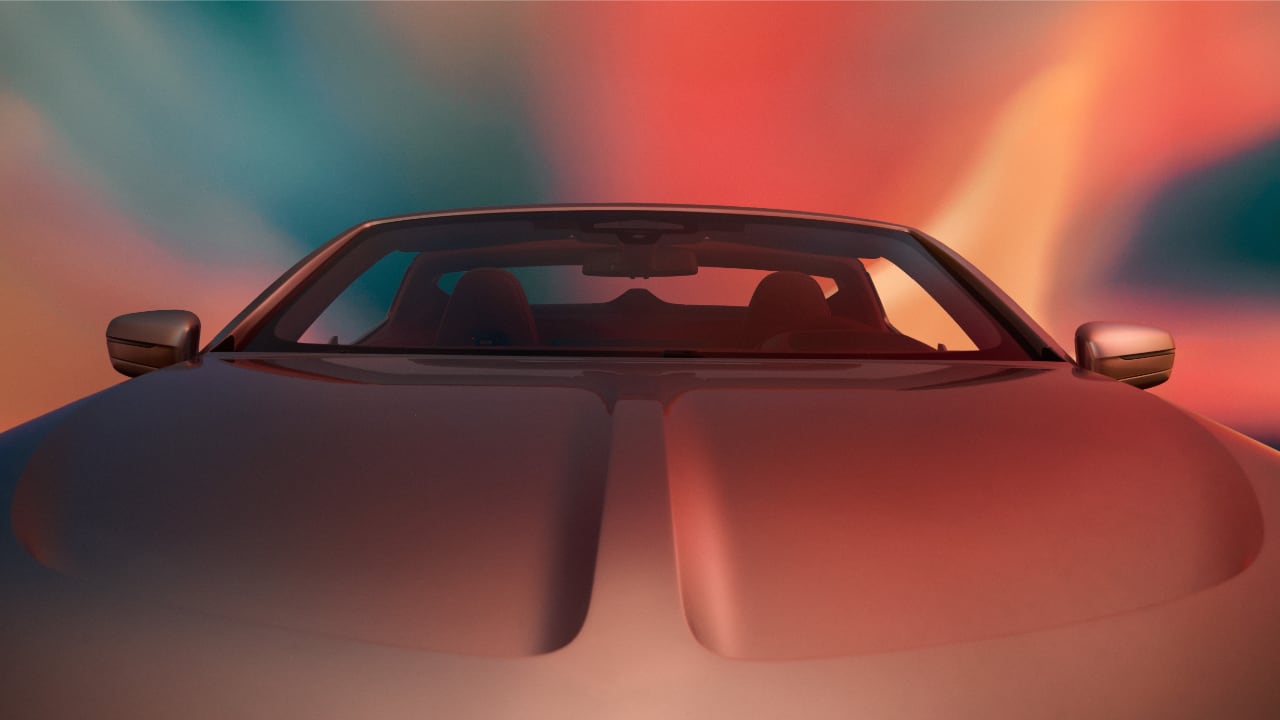
The Skytop’s hood is another key element of the front end, featuring a pronounced central spine that extends from the grille towards the windshield. This spine directs airflow over the car, enhancing its aerodynamic properties. The hood’s tight and muscular surfaces reflect the vehicle’s performance capabilities, adding to its sporty character. Below the grille, the front bumper incorporates large air intakes essential for cooling the engine and brakes. These intakes also enhance the vehicle’s aggressive look, framed by sharp lines that give the front bumper a dynamic and purposeful appearance. Complementing the prominent grille is a lower grille that spans the width of the front bumper. This lower grille balances the visual weight of the front end and integrates with the overall aerodynamic design. Its mesh pattern adds a sporty touch to the front fascia.

The front end of the BMW Concept Skytop is distinguished by the seamless integration of its various elements. The illuminated shark-nose grille, slim LED headlights, and pronounced hood spine work together to create a cohesive and harmonious design. The sharp lines and precise detailing ensure that each component enhances the others, contributing to the vehicle’s overall aesthetic and functional performance.

Rear Design

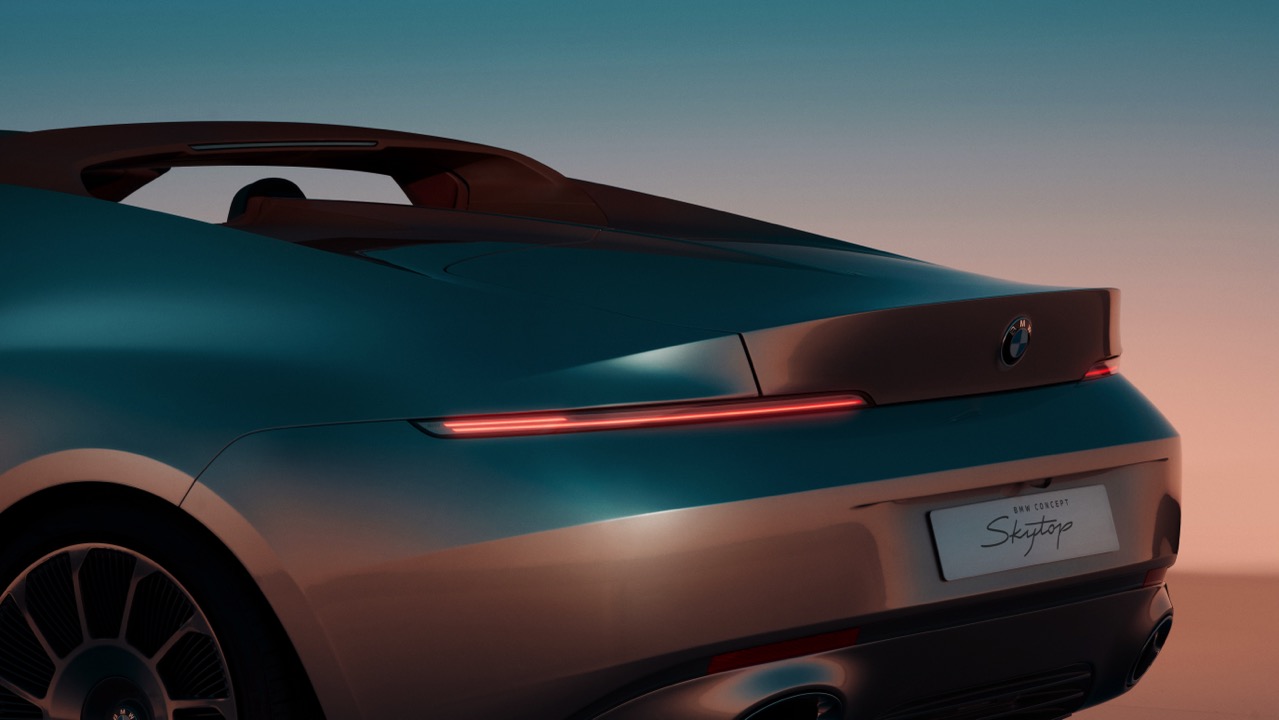
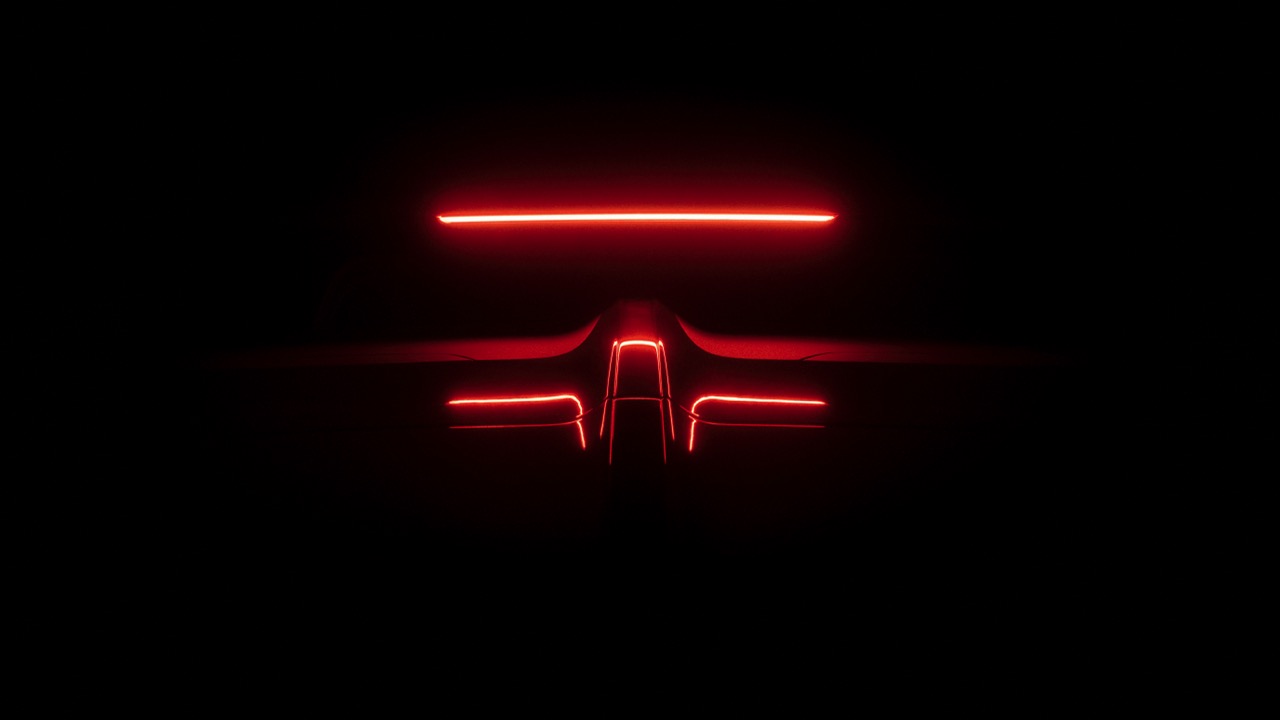
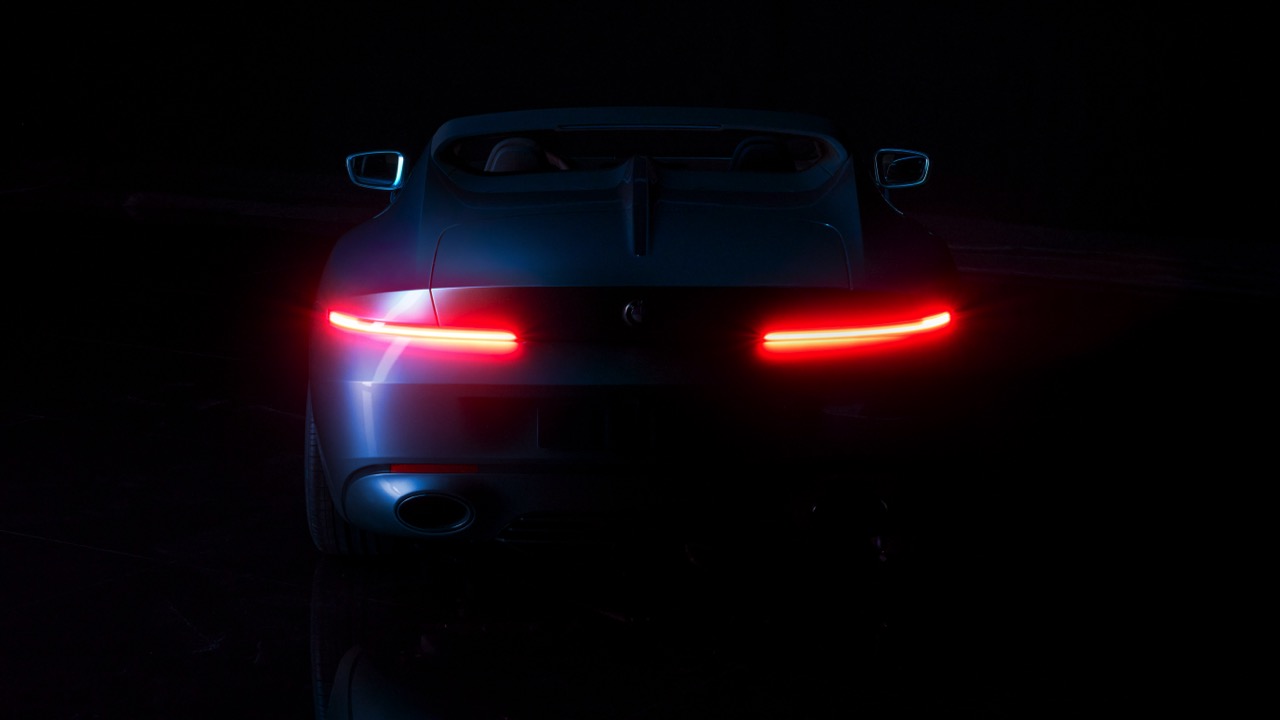
The rear of the BMW Concept Skytop continues the theme of sculpted elegance, blending form and function to define the car’s overall aesthetic. Clean, sculpted lines emphasize the car’s wide and stable stance. The slim, horizontal rear lights extend across the vehicle’s width, creating a visual connection that enhances the perception of width and stability. These lights seamlessly integrate with the bodywork, maintaining the clean, uninterrupted lines that define the car’s design.

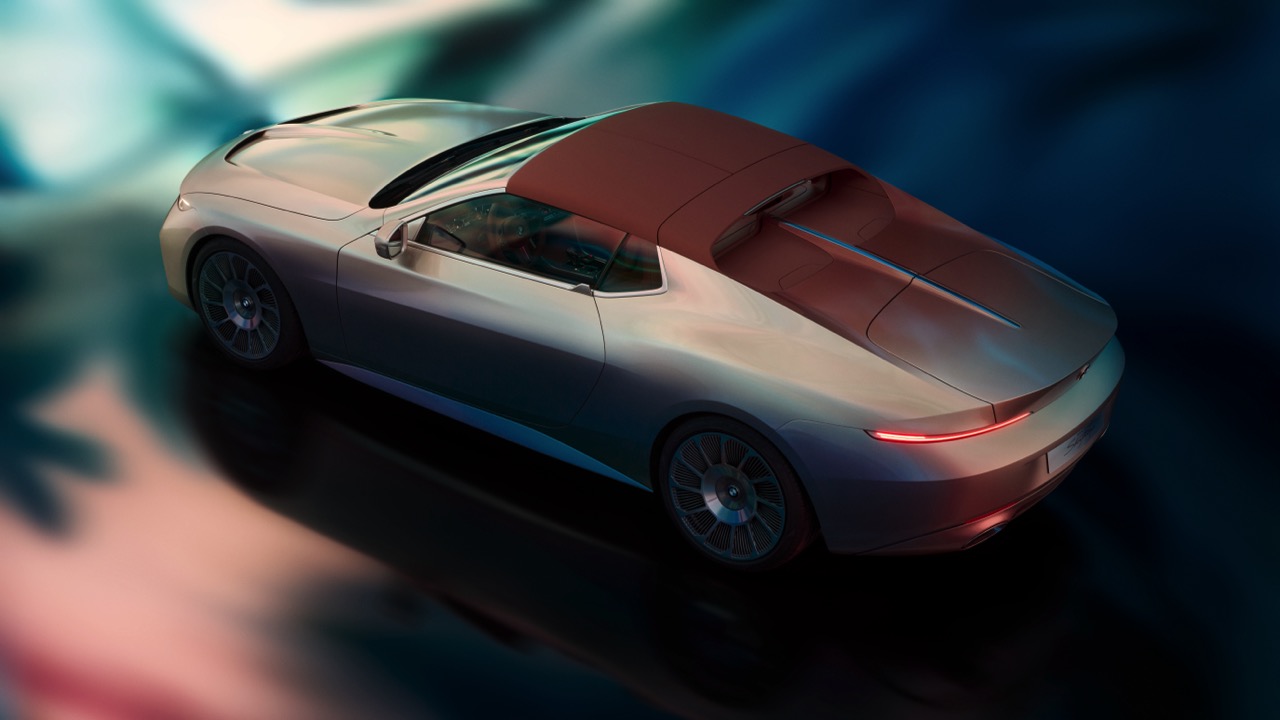
The pronounced spline running from the hood through the interior and onto the trunk lid emphasizes the car’s dynamic flow, creating visual continuity and guiding the eye smoothly along the vehicle’s length. The rear quarter panels extend the athletic and muscular form in the side profile. They flow smoothly from the front, tapering towards the rear while maintaining the car’s tight surfaces and precise lines. This continuity ensures the design remains cohesive, with the rear quarter panels contributing to the overall dynamic look.

The rear quarter panels extend the athletic and muscular form in the side profile. They flow smoothly from the front, tapering towards the rear while maintaining the car’s tight surfaces and precise lines. This continuity ensures the design remains cohesive, with the rear quarter panels contributing to the overall dynamic look. The subtle lip on the trunk lid and the integrated rear spoiler add sporty touches and improve aerodynamics, ensuring optimal performance. The color gradient from a reddish-brown roof to a muted silver exterior with a chrome shadow effect showcases meticulous craftsmanship and intricate paintwork, enhancing the car’s luxurious feel. Every detail, from the lighting elements to the color transitions, is thoughtfully executed to create a cohesive and harmonious design that complements the BMW Concept Skytop’s dynamic character.

Interior and Top-Down Perspective

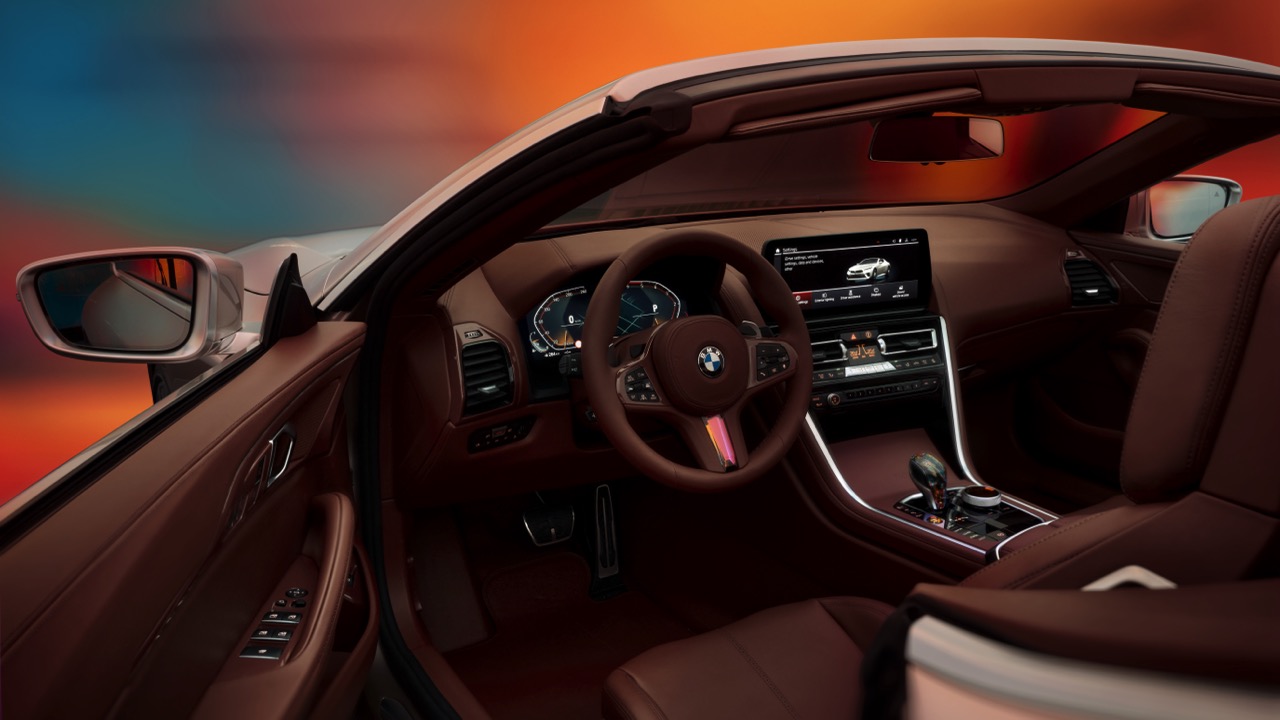
The BMW Concept Skytop’s interior meticulously combines luxury and functionality. Its reddish-brown leather surfaces, adorned with brogue-style accents, create a unified and luxurious atmosphere. The leather-finished sports bar behind the seats, the side fins on the B-pillar, and a fully retractable rear window contribute to the car’s sporty and elegant aura.

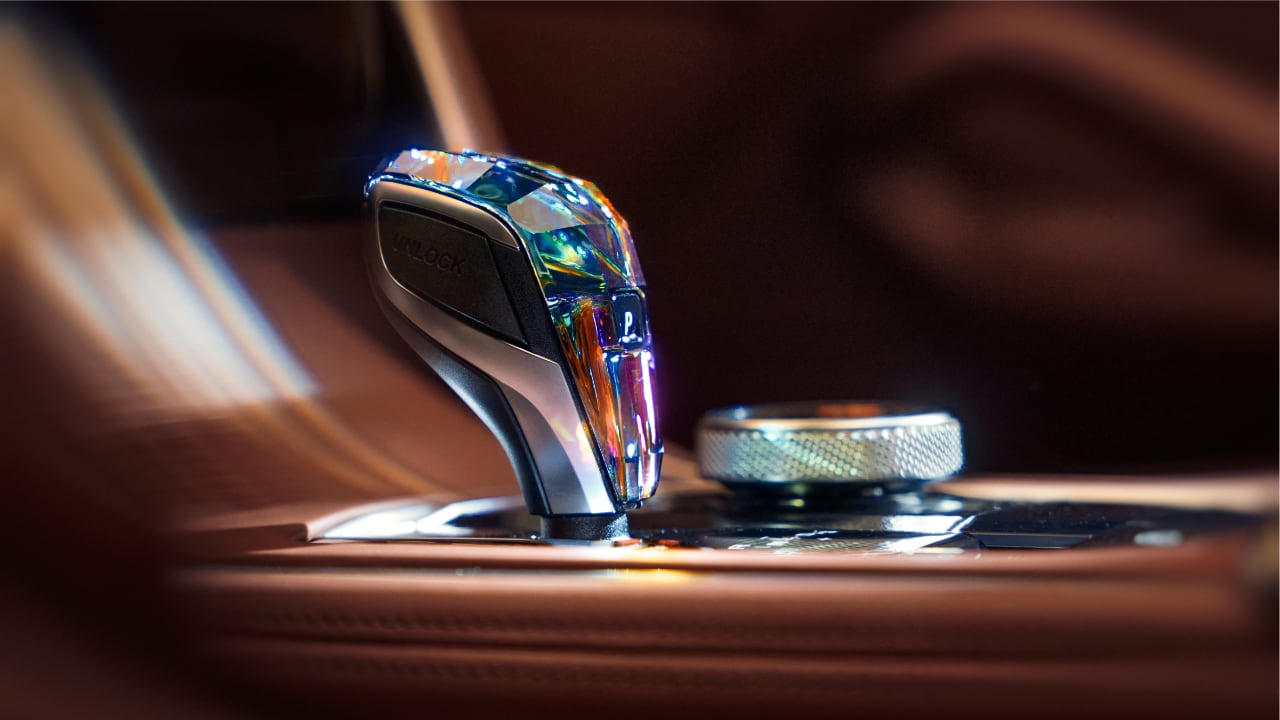
The dashboard exemplifies modern automotive design, featuring crystal applications seamlessly embedded into the cockpit. These elements enhance the overall aesthetic appeal and showcase BMW’s craftsmanship in blending contemporary design elements. The center console, with its sleek design and intuitive layout, ensures all controls are easily accessible to the driver, further enhancing the driving experience. The steering wheel, wrapped in the same reddish-brown leather as the seats, features a modern design that integrates seamlessly with the rest of the interior. The digital display behind the wheel provides the driver with all necessary information clearly and concisely, ensuring that the focus remains on the road.

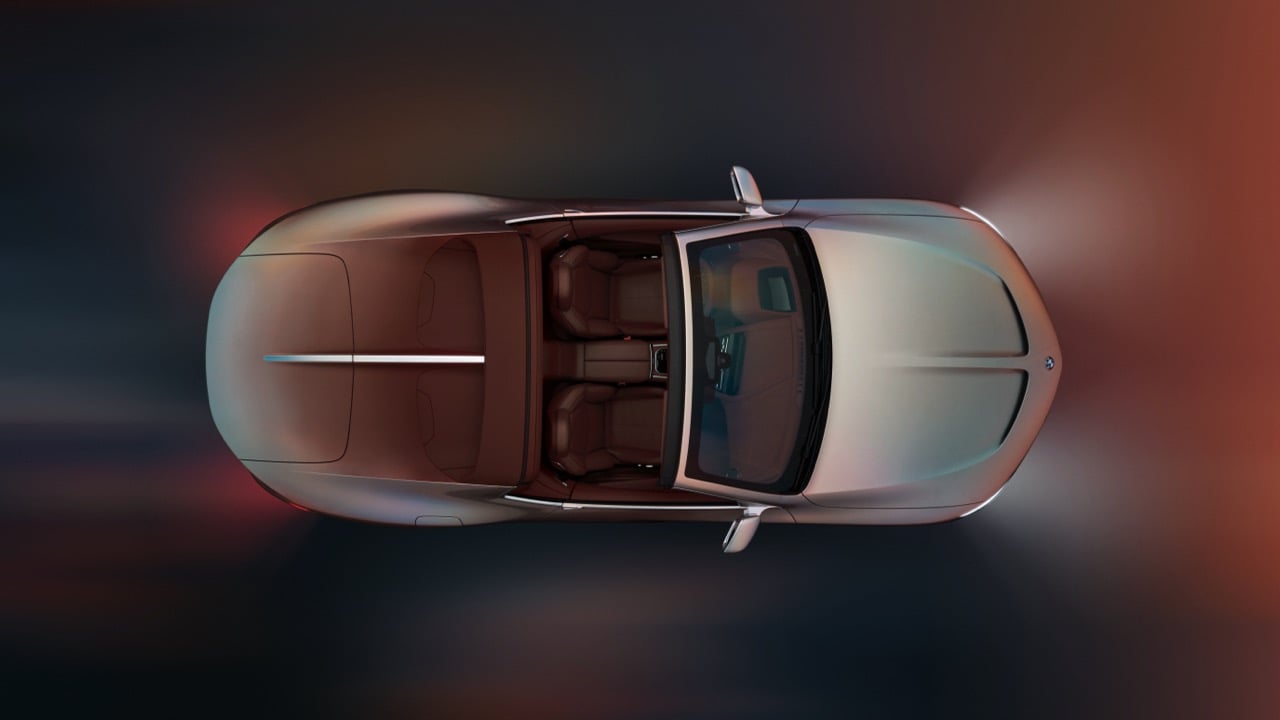
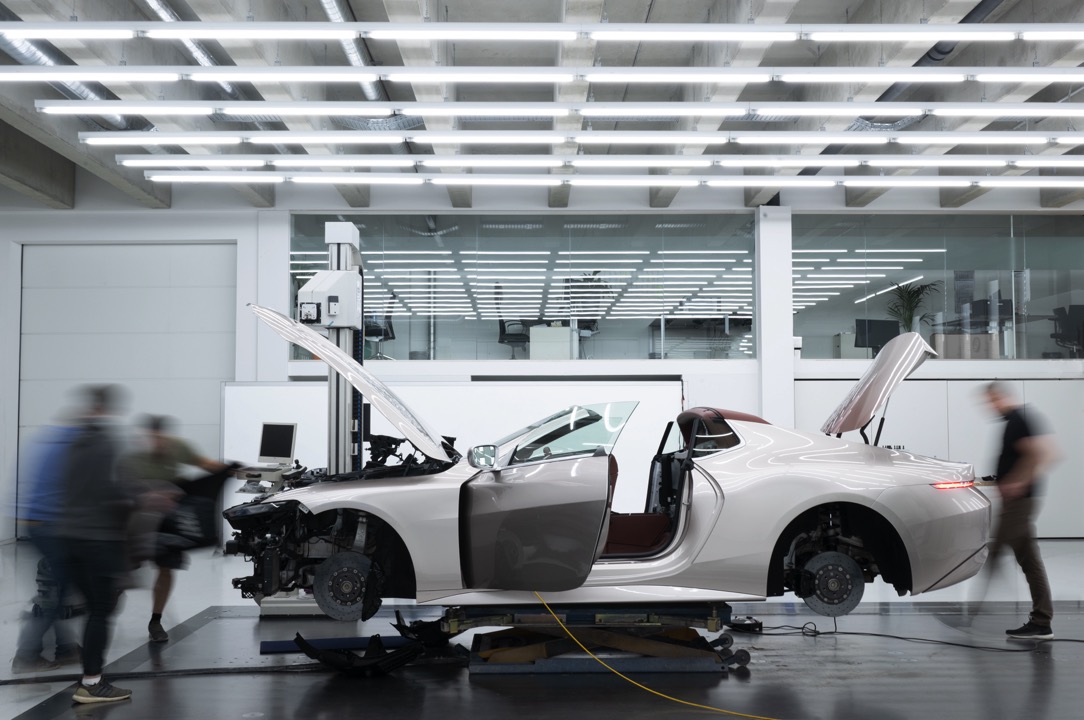
Viewing the BMW Concept Skytop from a top-down perspective offers a clear insight into the car’s cohesive design. This perspective showcases the seamless integration of exterior and interior elements, with the pronounced spline running the length of the vehicle, reinforcing the unified and continuous design language. The two removable roof parts, finished in leather, can be stored in a special compartment in the luggage space, showcasing BMW’s attention to practicality without compromising style. The retractable rear window further enhances the open-air experience, allowing for an unobstructed view of the surroundings.

Roof Design

The roof of the BMW Concept Skytop is a crucial element in its design, both when on and off. When the roof is on, it maintains the car’s sleek silhouette, with the reddish-brown tone flowing into the muted silver of the body. This color gradient, crafted by BMW’s master painters, ensures a smooth transition that enhances the vehicle’s visual appeal. The roof’s design also includes a central spine that aligns with the hood’s spine, maintaining the design’s continuity from front to back.

When the roof is off, the BMW Concept Skytop transforms into an open-top roadster, emphasizing its luxurious and sporty nature. The interior’s reddish-brown leather, visible with the roof off, complements the exterior color scheme, ensuring that the car remains visually appealing from all angles. The fully retractable rear window and the storage compartment for the roof parts are designed for practicality without compromising the car’s aesthetic.

Design Cohesion and Final Thoughts

Integrating the rear design elements with the rest of the BMW Concept Skytop is masterful. The rear lights, quarter panels, and roof design all contribute to the car’s overall aesthetic, creating a harmonious blend of traditional and modern elements. The design ensures that the Skytop maintains its elegant and dynamic appearance, whether the roof is on or off.

My final thought of the BMW Concept Skytop is that it’s a vision of the future that honors the past. With every detail precisely crafted, from the illuminated shark-nose grille to the brogue-style leather accents in the interior, BMW demonstrates its dedication to superior design and craftsmanship. The Skytop’s seamless blend of aesthetics and functionality makes it a remarkable example of automotive design. Whether admired for its innovative engineering or luxurious finishes, the BMW Concept Skytop is a realization of the brand’s enduring legacy and forward-thinking approach.


The post Reimagining elegance through the artful design of the BMW Concept Skytop first appeared on Yanko Design.
Kia EV3: The Futuristic Subcompact Crossover Set to Electrify the EV Market

Kia has unveiled the EV3, a subcompact crossover that brings a new level of sophistication and technology to the electric vehicle market. As the latest addition to Kia’s rapidly expanding EV lineup, the EV3 leverages the innovative features of the flagship EV9 SUV while introducing them to a more compact and accessible form. By combining a sleek, modern design with advanced technology and impressive range capabilities, the EV3 is poised to set new standards in the subcompact crossover segment and drive mass adoption of electric vehicles.

Designer: KIA

Exterior Design: A Bold and Progressive Statement

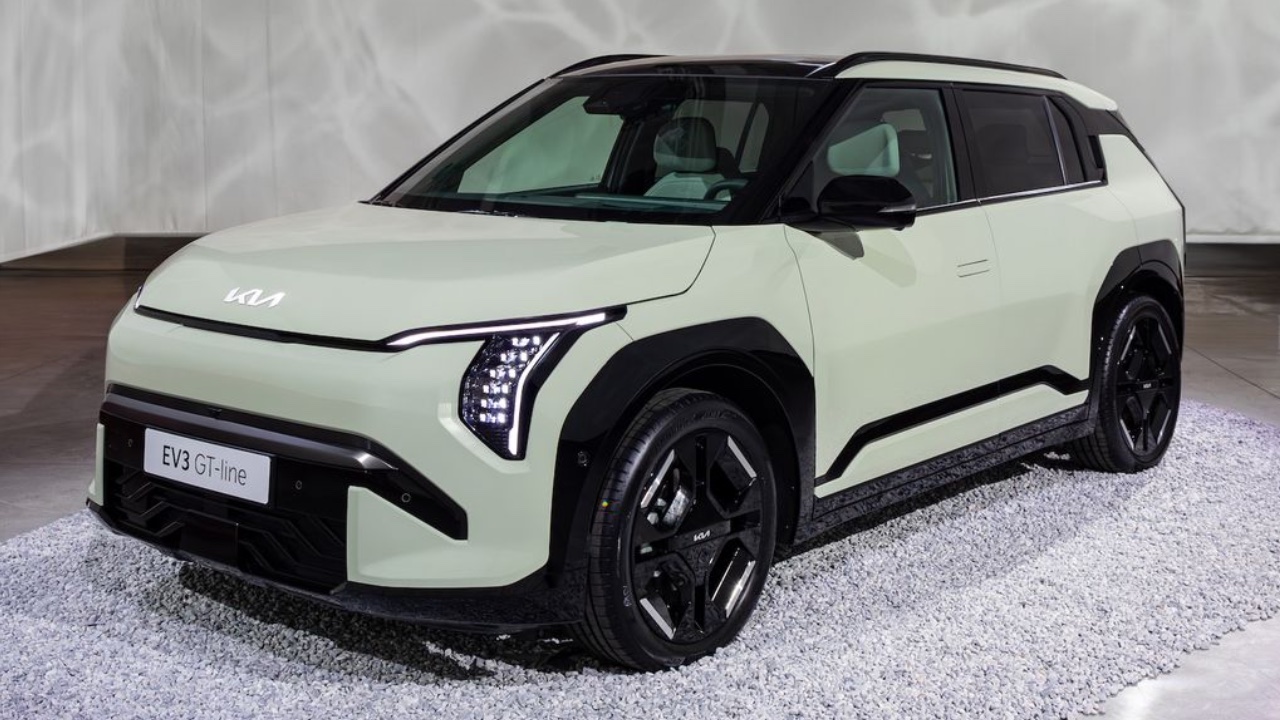
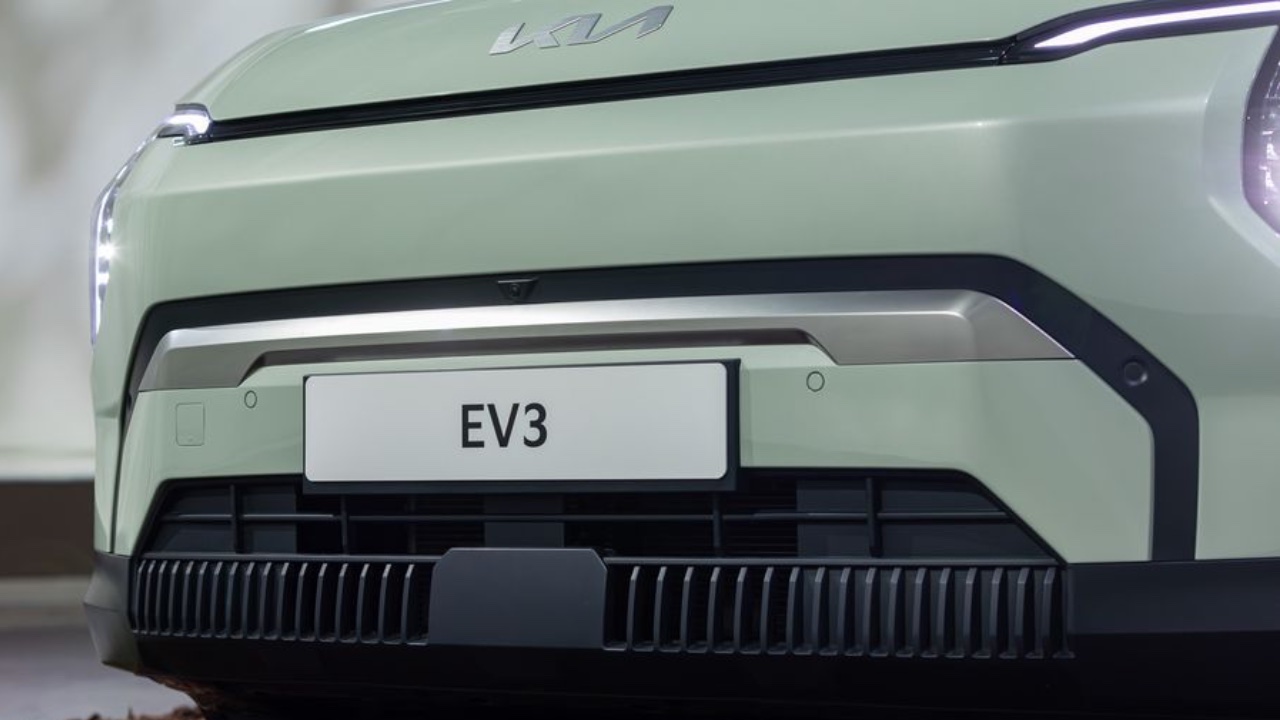
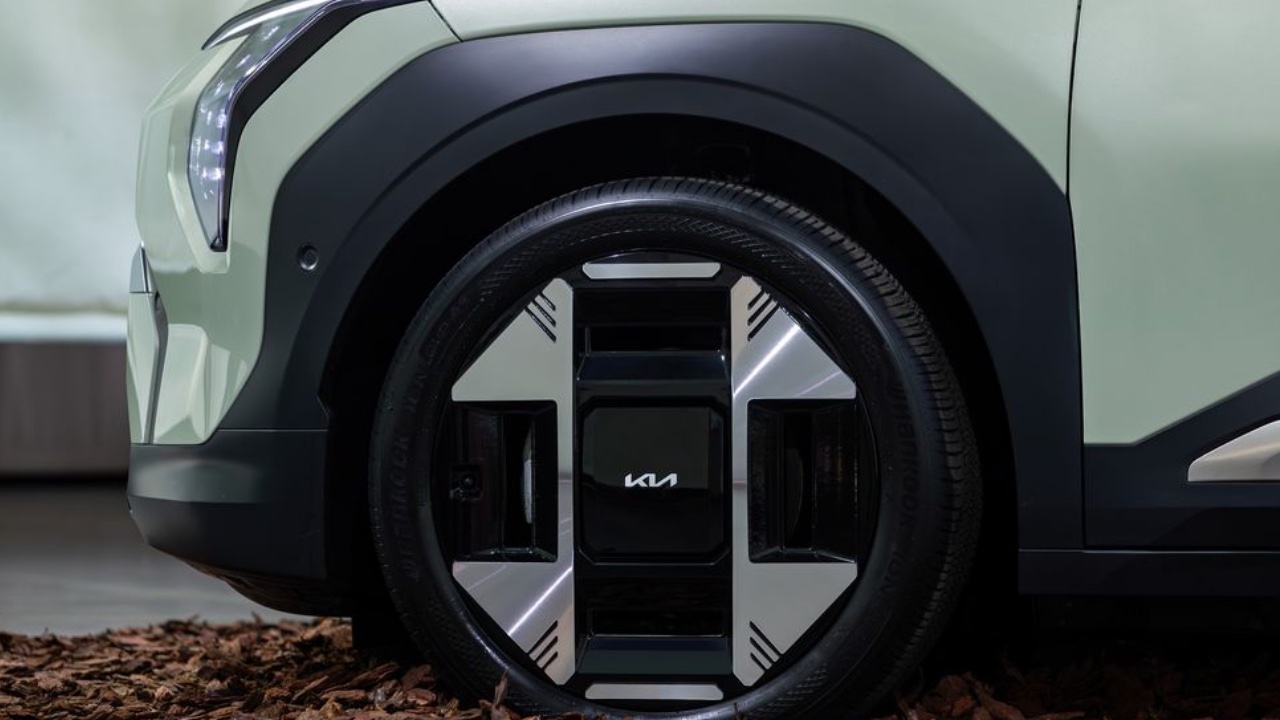
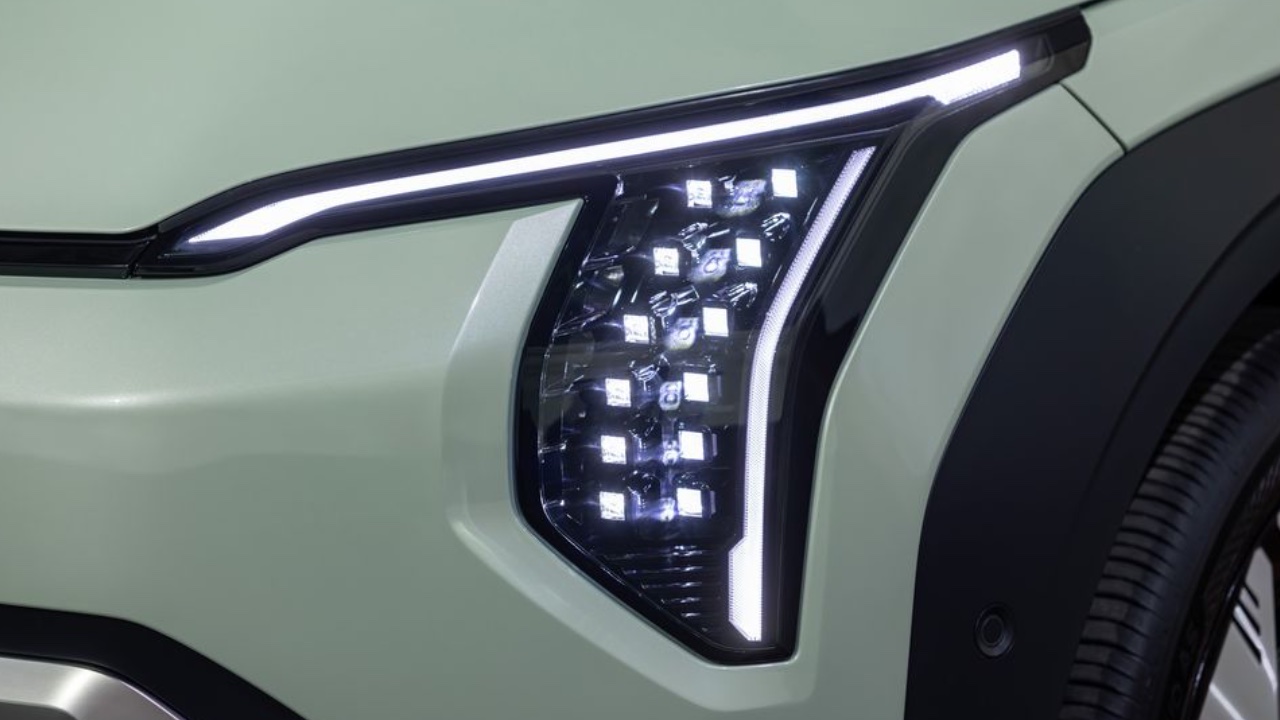
The EV3 embodies Kia’s ‘Opposites United’ design philosophy, blending the natural and the modern into a harmonious whole. This philosophy is evident in the EV3’s confident and assertive presence. The front end features vertical headlamps at the extremes, creating a wide and bold stance. The grille-less design and thin LED daytime running lights, known as Star Map, add to its futuristic appeal. This clean and uncluttered front end not only looks modern but also emphasizes the EV3’s electric nature.

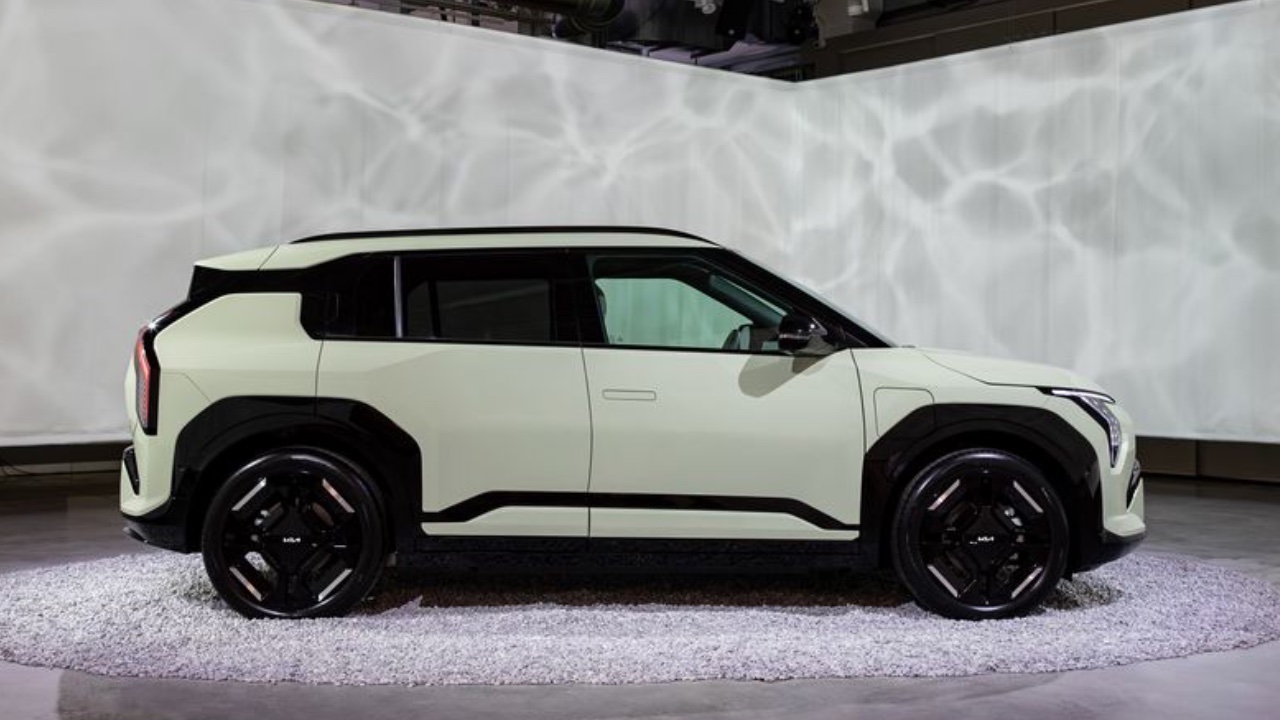
Kia’s reinterpretation of the iconic Tiger Face design incorporates the latest Star Map signature lighting concept. The vertical Daytime Running Lights (DRLs) enhance the Tiger Face design, giving the EV3 a distinctive and recognizable look. These elements, combined with the black accents around the wheel arches and blacked-out pillars, contribute to the floating roof effect, enhancing the vehicle’s modern aesthetic.

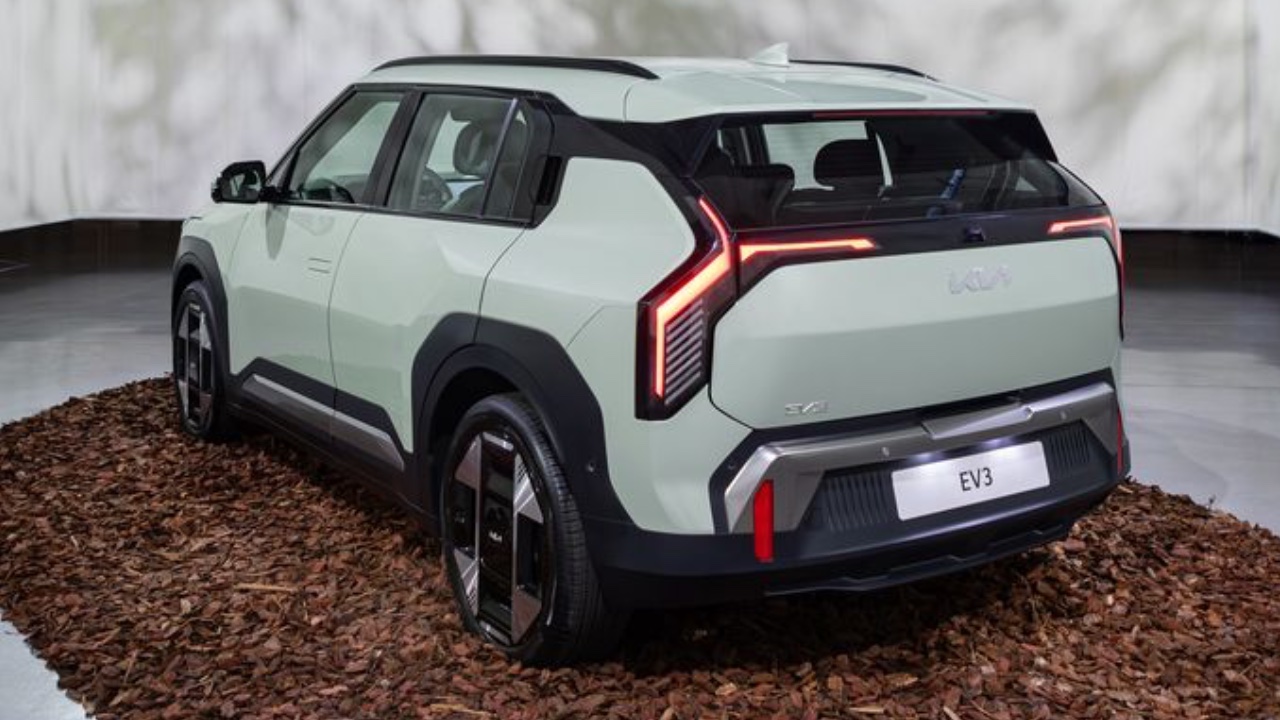
From the side, the EV3 showcases a sleek roofline that slopes gently into a hatchback-style tailgate. This design, paired with muscular wheel arches and dynamic lines, gives the EV3 a sporty and agile look. The long, smooth roofline adds to the vehicle’s aerodynamics and provides a spacious interior. The overall profile conveys strength and elegance, making the EV3 a compelling choice in the subcompact crossover segment.

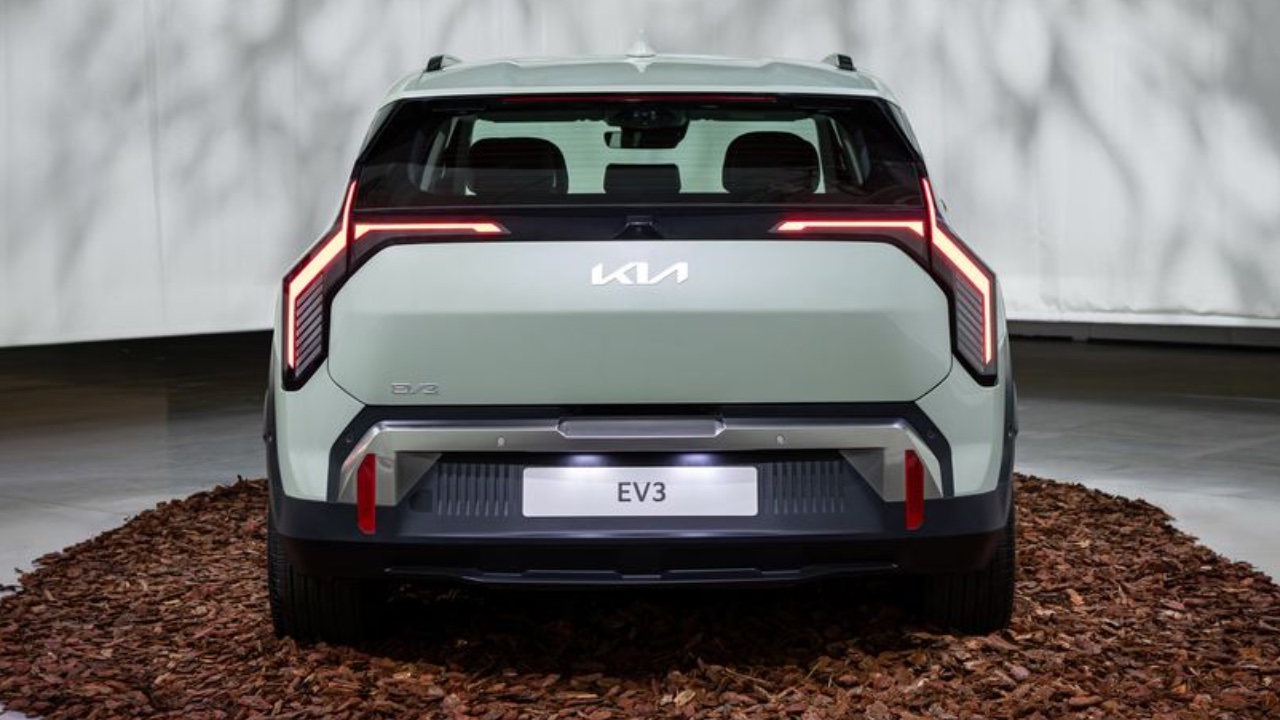
The EV3’s rear design continues this high-tech theme. Thick black trim lines emphasize the connection between the sturdy C-pillars and the dynamic roofline, adding to the vehicle’s robust appearance. The geometric rear lamps seamlessly integrate with the rear glass, creating a sleek and modern tailgate design. Inspired by the front’s Tiger Face Star Map lighting, the rear lights add a futuristic touch that ties the whole design together.

Interior Design: Comfort and Functionality

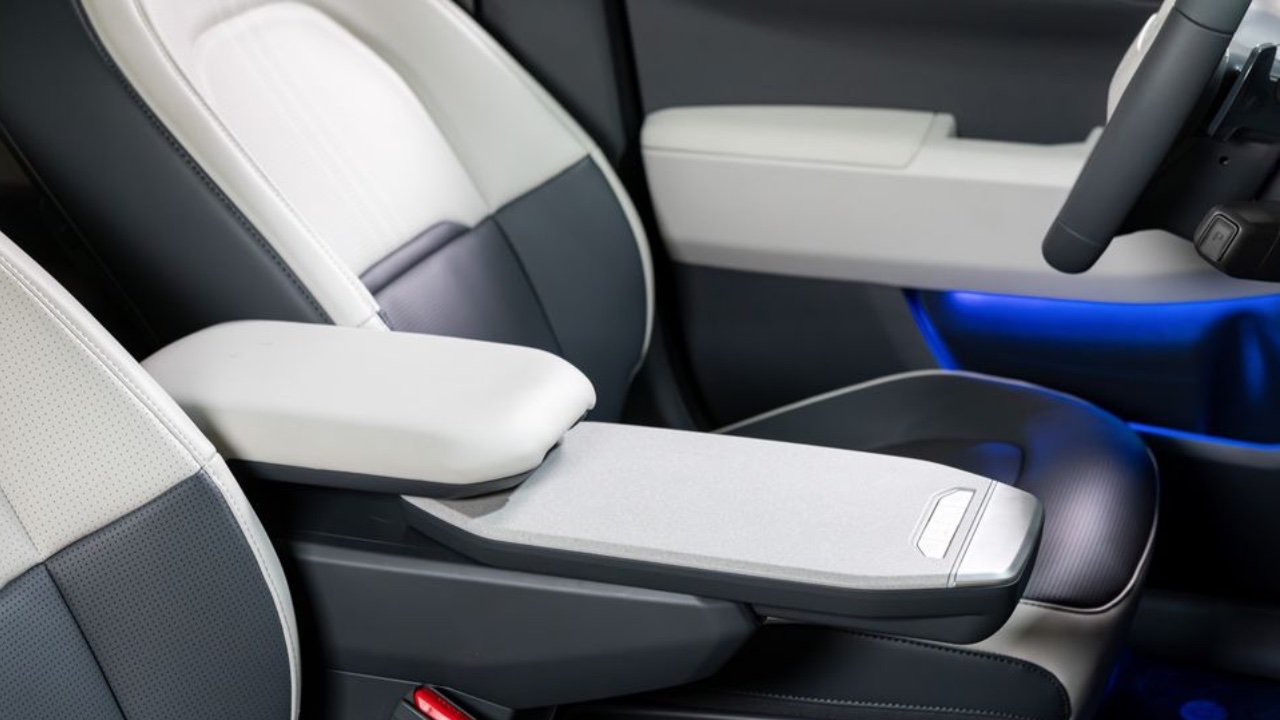
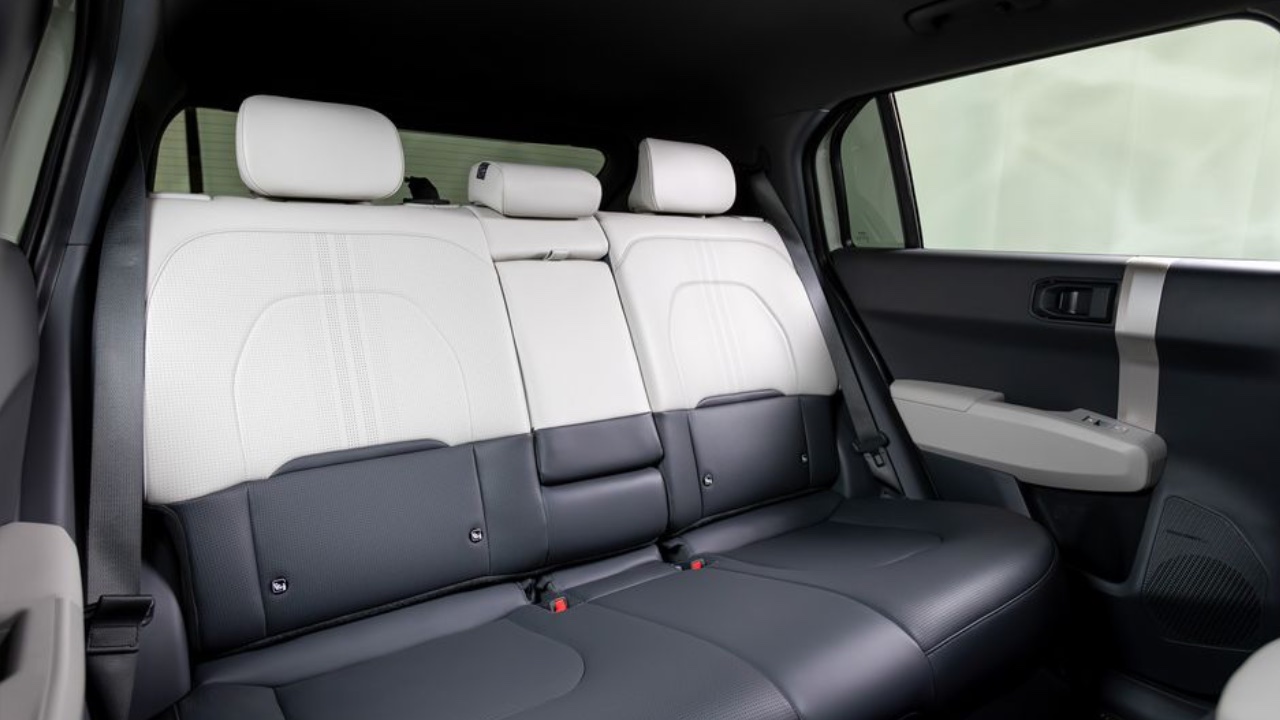
Step inside the EV3, and you’re greeted by an interior designed to maximize space and comfort. The cabin is spacious enough to comfortably accommodate five passengers, with a focus on creating a living room-like atmosphere. The elegant center console features a sliding table and storage area, perfect for drinks, snacks, and small backpacks. When parked, the table can hold personal electronics like laptops and tablets, turning the car into a mobile office or entertainment space.

Kia has emphasized comfort with multi-adjustable ambient lighting and ultra-comfortable seats in fold-back relaxation mode. These features and the spacious interior make the EV3 an ideal vehicle for long journeys or just relaxing while charging. The EV3 offers a 25-liter frunk and a 460-liter rear load capacity, the largest in its class. The adjustable two-tier luggage board provides over 140mm of load height flexibility, catering to various needs, from daily commutes to family camping trips.

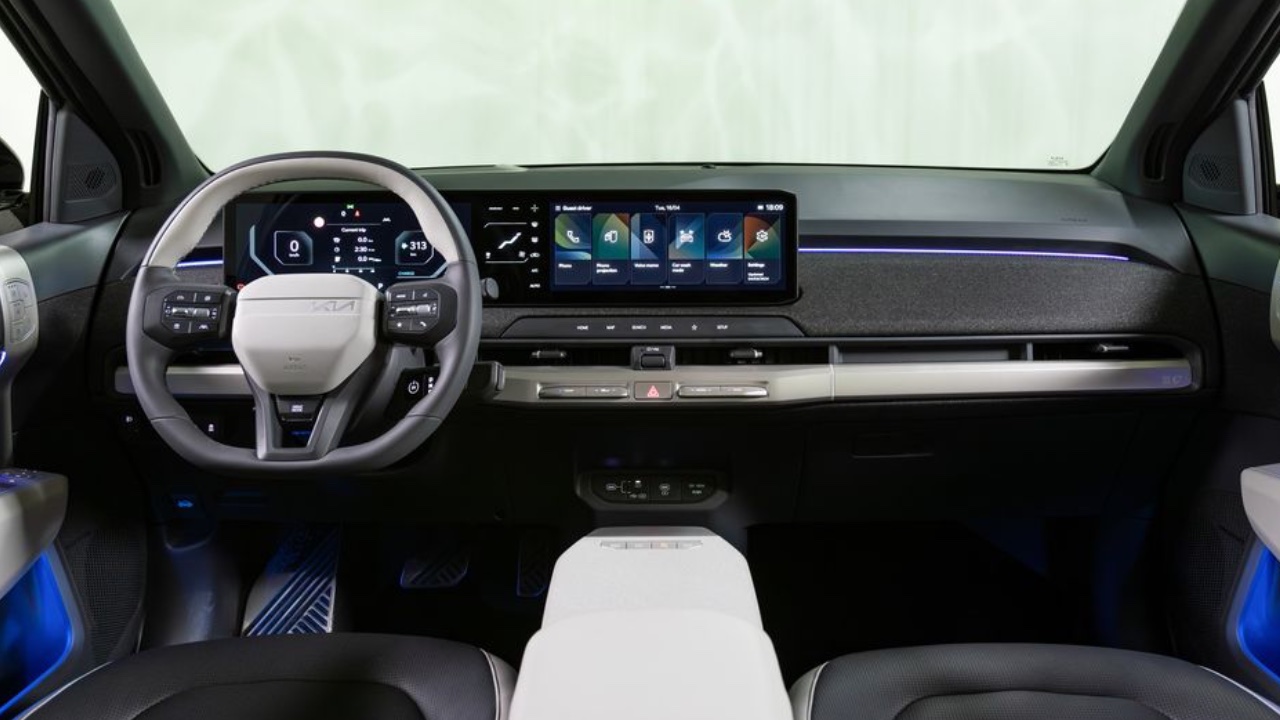
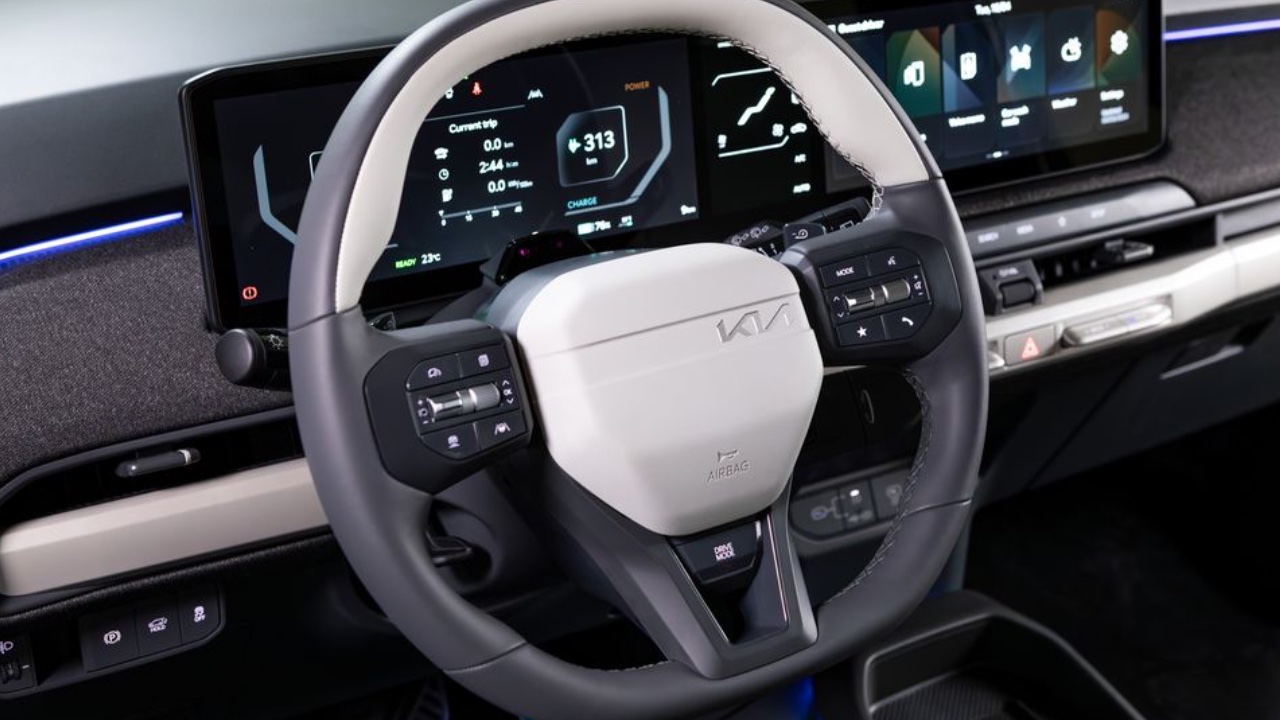
A big feature of the interior is the nearly 30-inch widescreen display, which includes a 12.3-inch digital instrument cluster, a five-inch air-conditioning panel, and another 12.3-inch AVN display. This integrated screen provides clear and intuitive information to the driver while extending to the center of the dashboard, giving the front-seat passenger access to entertainment and navigation features. Controls for drive modes, cruise control, and other functions are conveniently located on the steering wheel, ensuring ease of use.

Advanced Technology and Sustainability

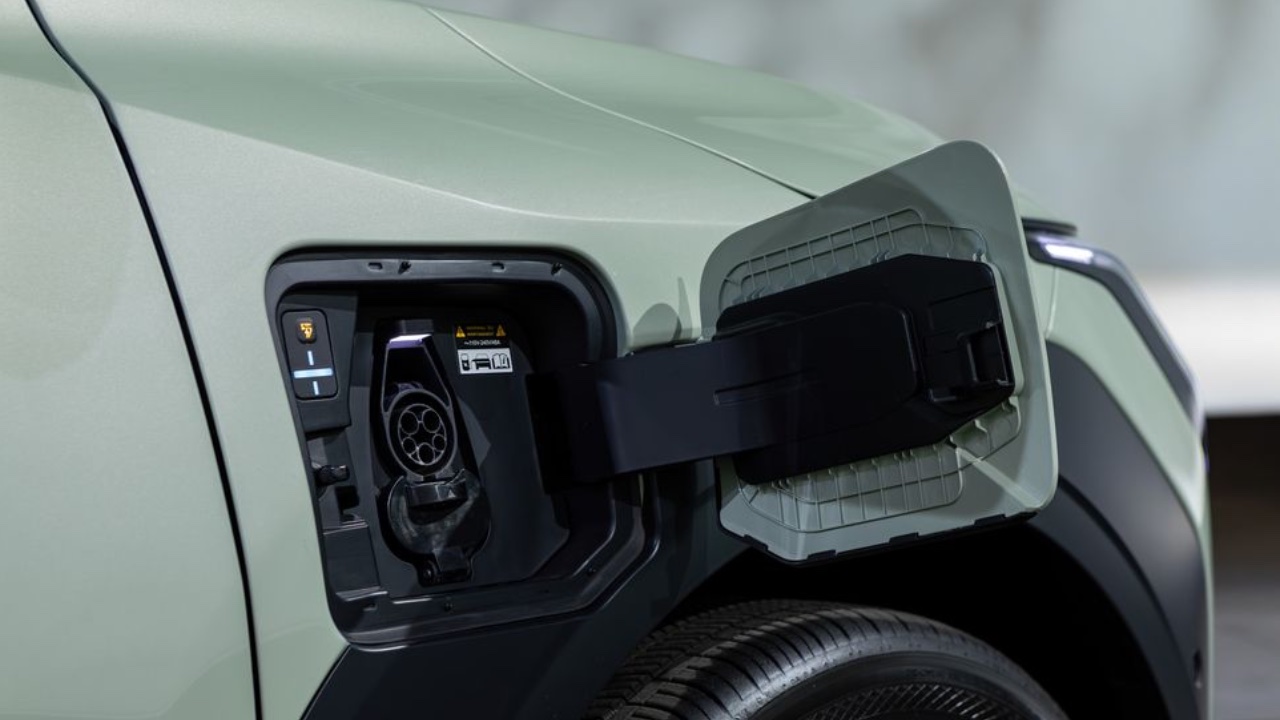
The EV3 is packed with advanced technology that enhances both functionality and sustainability. The vehicle-to-load (V2L) function allows the battery to power external devices, such as laptops, coffee machines, and small fridges. The infotainment system includes streaming services, arcade games, and Kia’s AI Assistant technology, offering a comprehensive suite of entertainment and functionality. The introduction of the new i-Pedal 3.0 system for one-pedal driving with adjustable regenerative braking further enhances the driving experience, providing more control over energy recuperation.

Sustainability is a key focus for Kia, and the EV3 incorporates various sustainable materials throughout its interior. Recycled fabric is used in the dashboard and door trims, while polyethylene terephthalate (PET), one of the most easily recycled plastics, features in areas such as the seats, headliner, door armrests, garnish, floor mats, and luggage board. This commitment to using recycled materials highlights Kia’s dedication to accelerating sustainability at scale.

The EV3 is powered by Kia’s fourth-generation battery technology, with the Standard model featuring a 58.3kWh battery and the Long Range variant equipped with an 81.4kWh battery. Both models utilize a 150kW/283Nm electric motor, enabling a 0-100km/h acceleration time of 7.5 seconds and a maximum speed of 170km/h. The Long Range model offers an impressive WLTP driving range of up to 600km, addressing common concerns about electric vehicle range.

Future Developments: The EV3 GT

Kia is also developing a high-performance version of the EV3, known as the EV3 GT. Announced by Kia CEO Ho Sung Song, this model is expected to arrive in late 2025 or early 2026 and will offer more power than the standard EV3. Song stated, “By providing groundbreaking design, an industry-leading electric drivetrain, and practical, innovative lifestyle solutions, the EV3 aims to extend Kia’s exceptional EV SUV experience to a wider audience.”

While details about the EV3 GT are limited, it will likely feature a dual-motor setup with a larger battery pack. This variant aims to provide a thrilling driving experience, further broadening the appeal of Kia’s electric vehicle lineup. It will deliver enhanced performance akin to the EV6 GT but tailored for the EV3’s smaller size.

The Kia EV3 will debut in South Korea in July 2024, followed by a European launch later in the year. Although initially, there were uncertainties about its release in the US, Kia has now confirmed that the EV3 will be available in the American market, with an expected launch as early as 2025 or 2026. Pricing is speculated to be below $35,000, potentially closer to $30,000, making the EV3 an attractive option for customers seeking an affordable yet advanced electric vehicle. As the EV3’s release approaches, more details will emerge, solidifying its place in Kia’s electric vehicle strategy. Stay tuned for further updates on this promising new entry in Kia’s expanding lineup of innovative electric vehicles.

The post Kia EV3: The Futuristic Subcompact Crossover Set to Electrify the EV Market first appeared on Yanko Design.