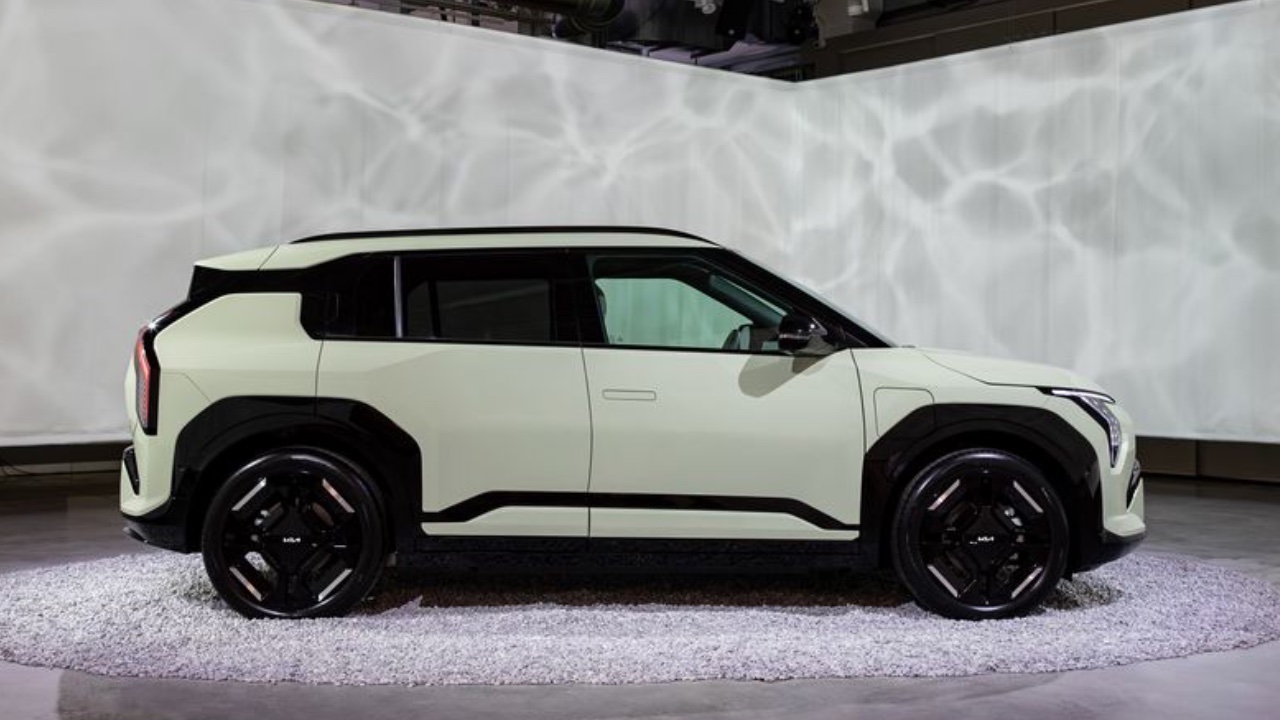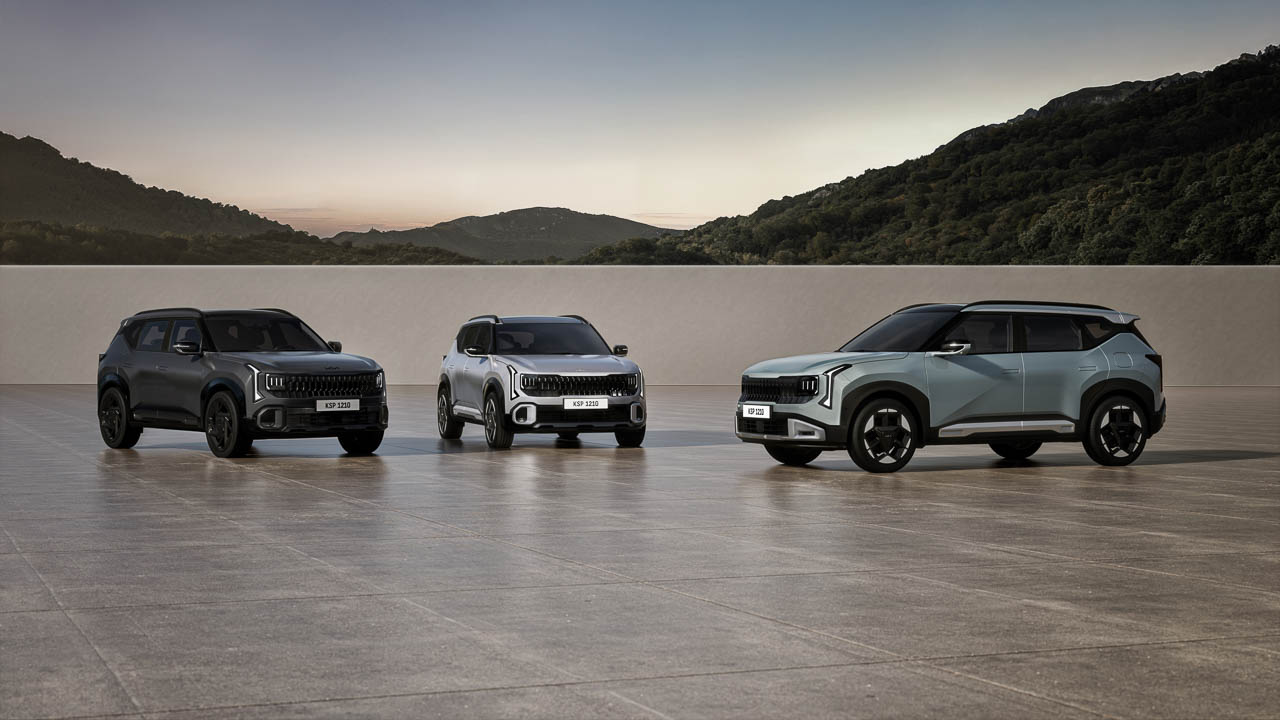
Kia’s Most Forgettable Crossover Gets a Personality Transplant and a Hybrid for 2027

Five years of anonymity ends here. The original Seltos did exactly what Kia asked of it: occupy a parking space in the subcompact crossover segment, return decent fuel economy numbers, and avoid offending anyone with strong aesthetic opinions. Mission accomplished. The problem was that avoiding offense also meant avoiding interest. While Kia’s design teams were busy making the K5 look like it wanted to fight you and turning the Sportage into something your neighbor would actually comment on, the Seltos sat in driveways across America looking like a placeholder for a vehicle that might arrive someday with actual visual presence.

Designer: Kia

The 2027 model is that vehicle. Kia has scrapped the safe approach entirely, replacing sheet metal that blended into rental car fleets with styling divisive enough to generate actual conversations. The interior no longer resembles a budget proposition from 2018. A hybrid powertrain finally joins the lineup, arriving roughly half a decade after competitors proved buyers would pay extra for efficiency in this segment. Whether the transformation justifies waiting for the 2027 model or signals that Kia finally understood what the Seltos needed all along depends on your tolerance for “better late than never” product development.

Platform Math That Actually Matters

Kia moved the Seltos onto the K3 platform. Platform migrations rarely excite anyone outside engineering departments, but this one delivers changes you’ll register without reading a spec sheet. Extensive use of ultra-high-strength and hot-stamped steel enhances body rigidity throughout the structure. Doors shut with a dampened authority the previous Seltos couldn’t manage. Road imperfections that used to send vibrations through the steering column now get absorbed somewhere between the pavement and your palms.
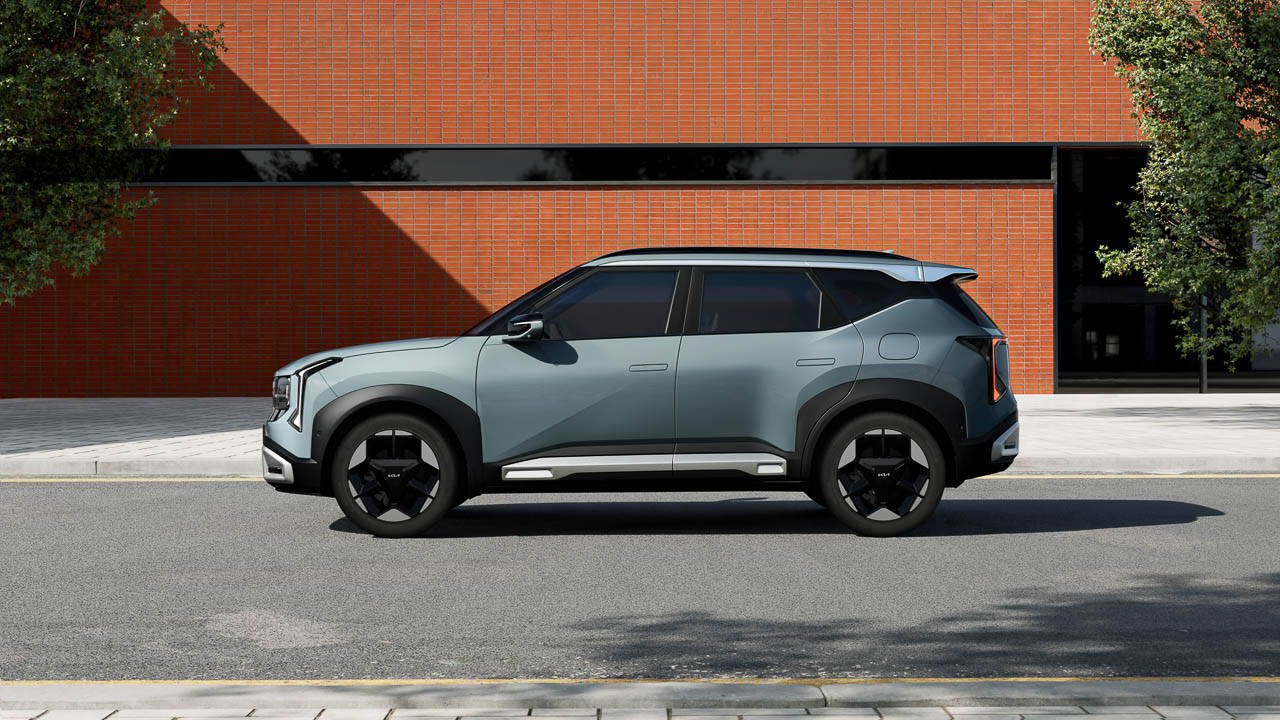
Dimensional changes favor passengers over parking. The new Seltos measures 4,430 mm long, 1,830 mm wide, and 1,600 mm tall, riding on a 2,690 mm wheelbase that redistributes interior volume where it counts. Rear seat legroom increases noticeably. The proportions trade some of the previous model’s upright greenhouse for a profile that looks like it belongs on the road rather than waiting nervously at a stop sign. The stance improvement alone suggests Kia’s designers finally got permission to make the Seltos look intentional.
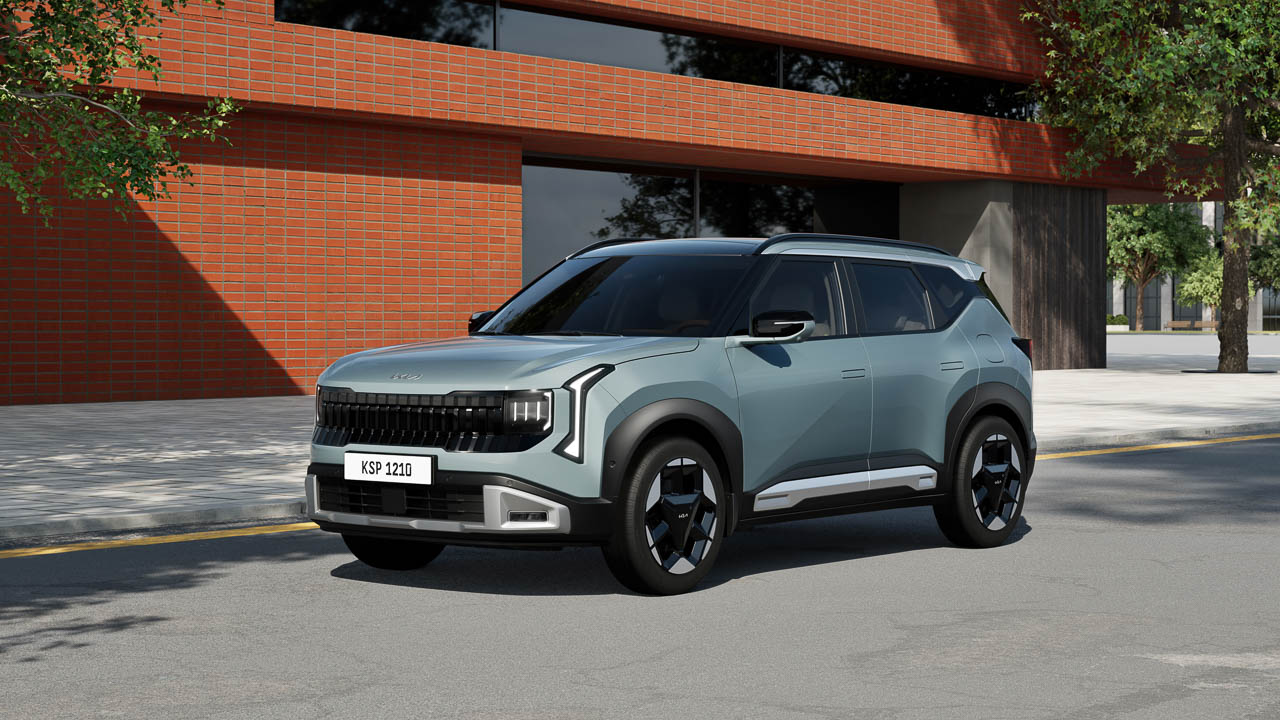
Proportions that once read as generic now communicate purpose. Lower roofline changes how the vehicle photographs and how it feels from behind the wheel. You sit in something rather than on top of something.
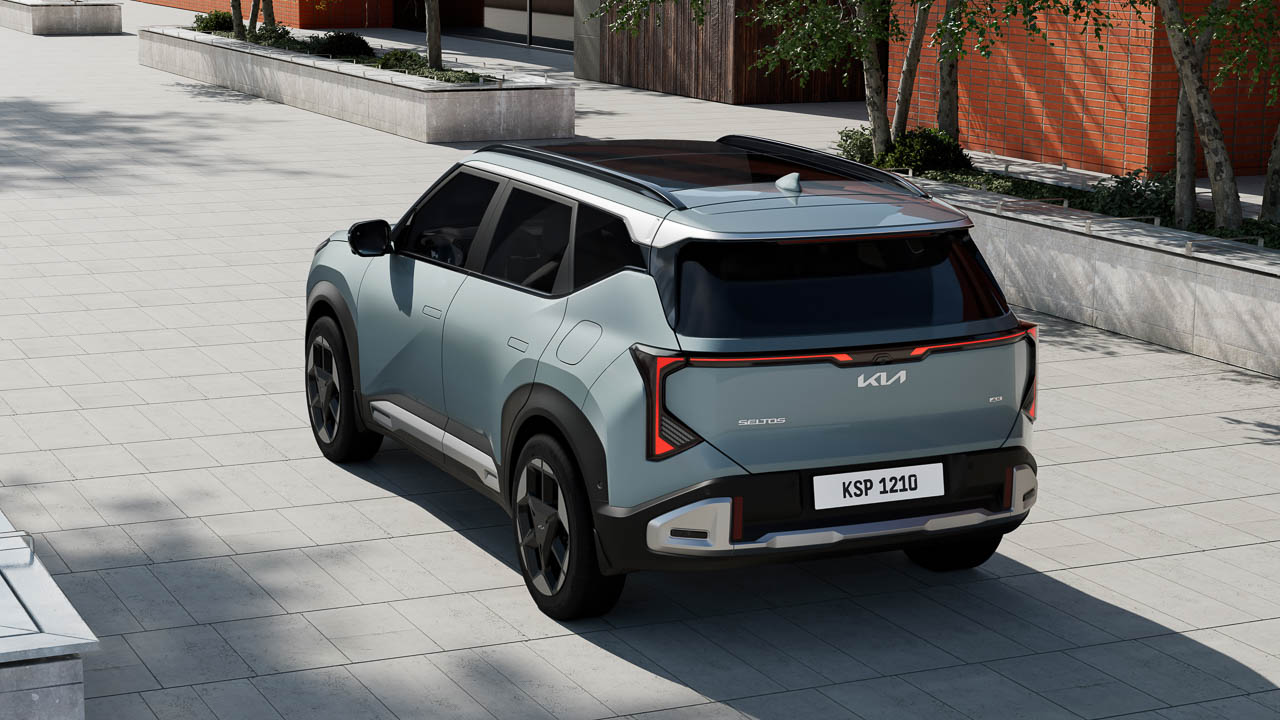
Powertrains arrive with options across the efficiency and performance spectrum. The base 2.0-liter petrol engine makes 149 PS and 179 Nm, optimized for fuel efficiency and smooth everyday driving. The turbocharged 1.6-liter T-GDI comes in two flavors: a standard output version producing 180 PS and 265 Nm with a seven-speed dual-clutch or six-speed manual, and a high-output variant delivering 193 PS and 265 Nm through an eight-speed automatic. All-wheel drive swaps the base torsion beam rear suspension for a multi-link setup and adds Terrain Mode with settings for Snow, Mud, and Sand.

Hybrid Arrives Fashionably Late

Kia will add a hybrid sometime in 2026, trailing the gas models by several months. Specific output figures haven’t been disclosed yet, though the hybrid will bring higher efficiency and expanded everyday usability to the lineup.
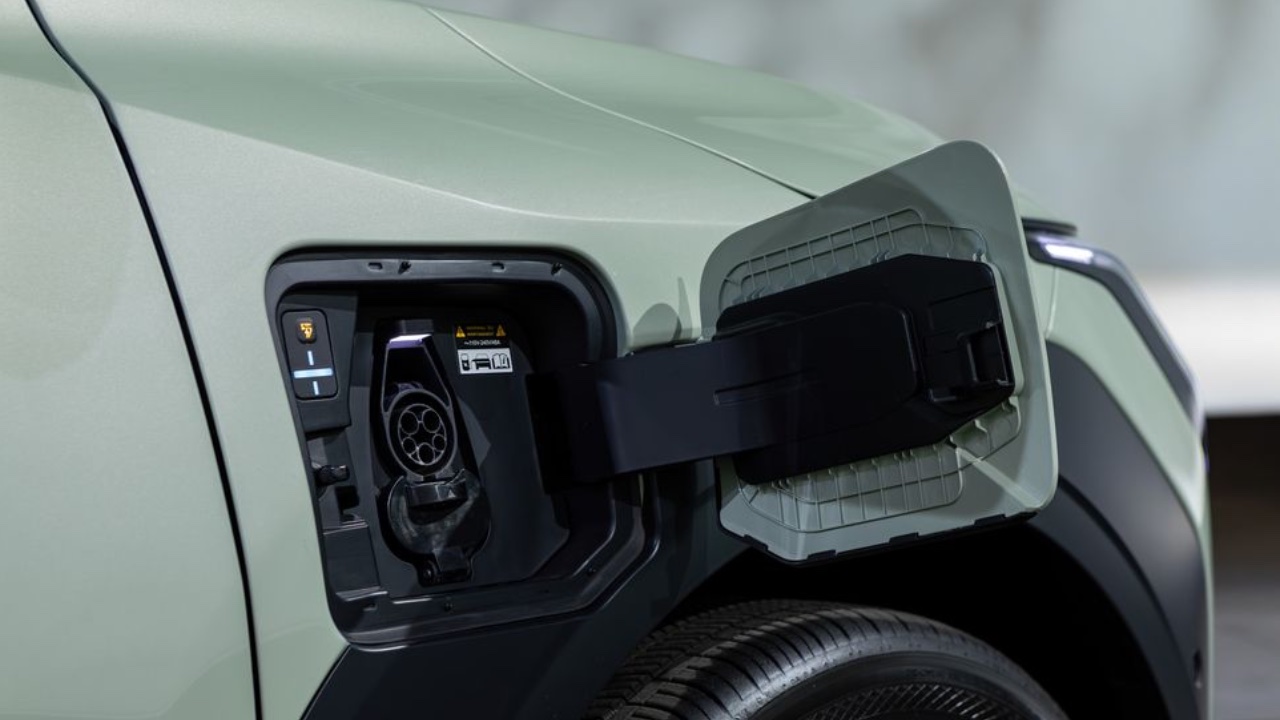
The efficiency headline matters less than the features bundled with hybridization. Vehicle-to-Load capability transforms the battery pack into a portable power source. Tailgaters can run a TV. Contractors can charge tools. Campers can keep phones alive without hunting for outlets. That practical utility separates the Seltos Hybrid from efficiency-only competitors.

Kia’s Smart Regenerative Braking System 3.0 automatically adjusts regenerative braking based on traffic flow and navigation data to optimize energy recovery. For buyers who’ve watched the hybrid crossover segment mature while the Seltos offered only gasoline options, the wait has been frustrating. At least the delay allowed Kia to include features that early hybrid adopters had to do without.

Styling That Picks Fights

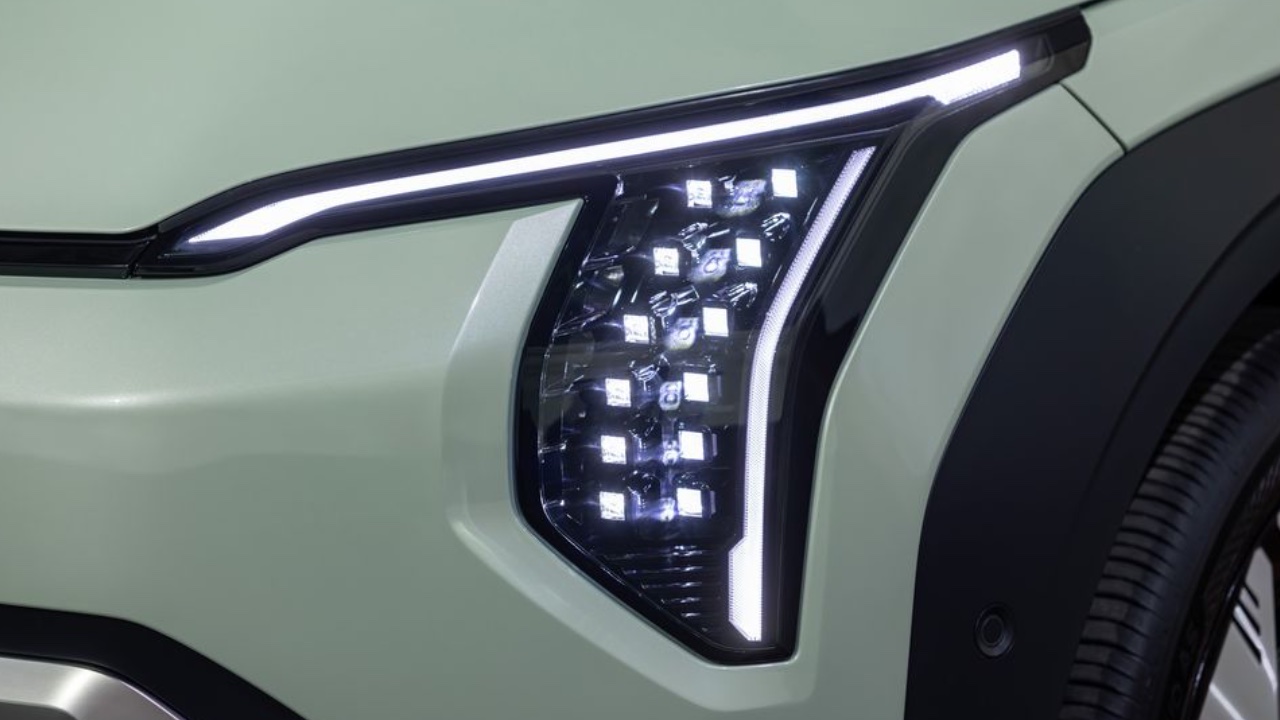
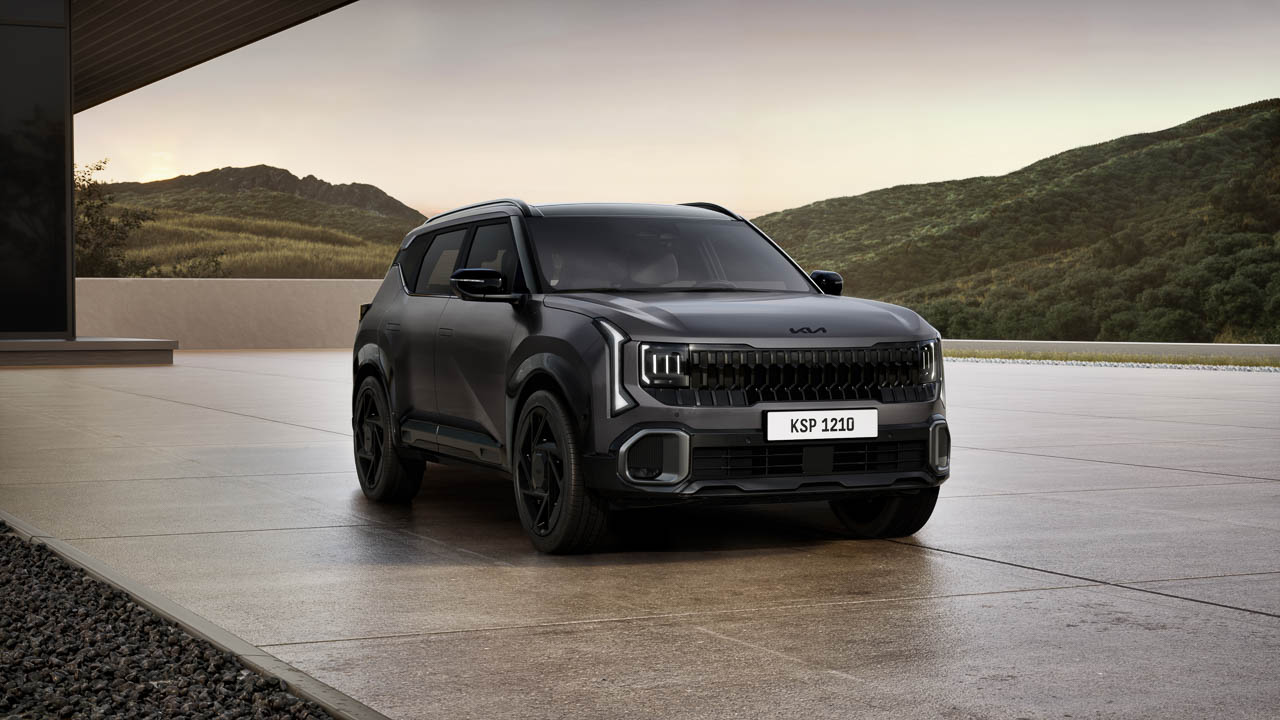
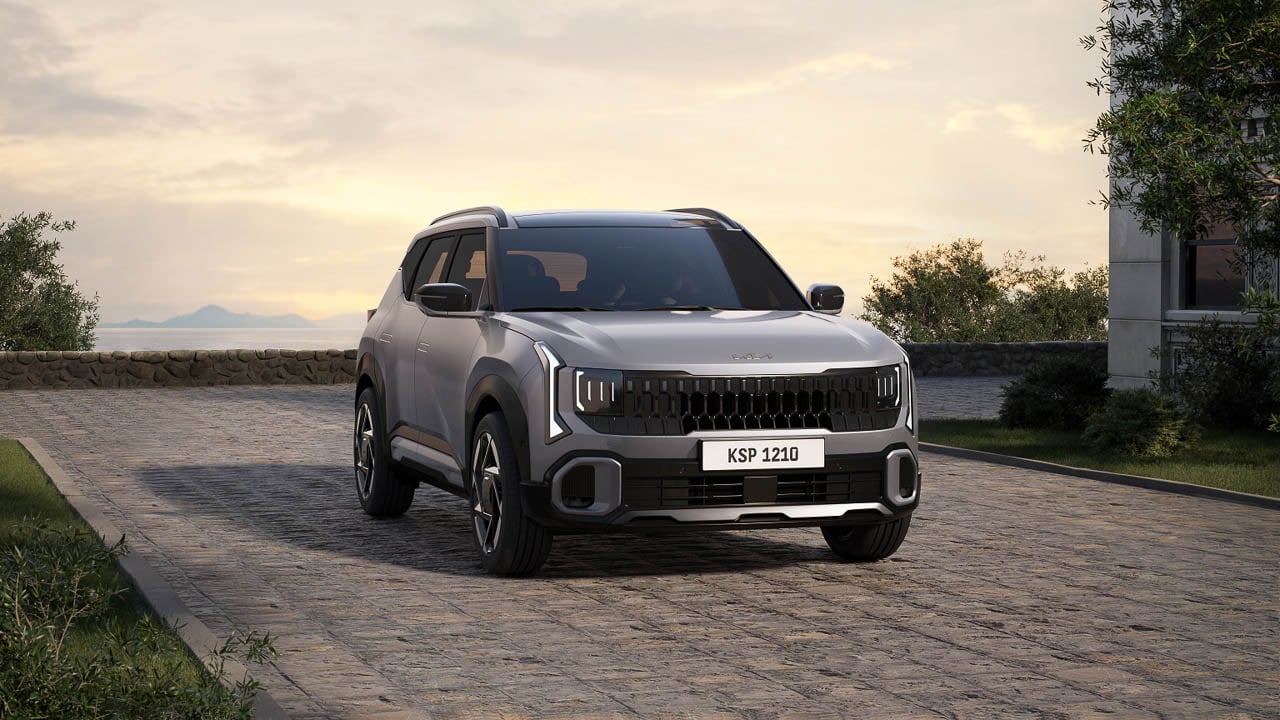
The front fascia abandons any pretense of subtlety. Kia’s star map lighting signature dominates the grille, paired with a dynamic welcome light sequence that animates on approach. Trim-dependent light signatures differentiate models. Flush door handles enhance aerodynamics and add visual sophistication.
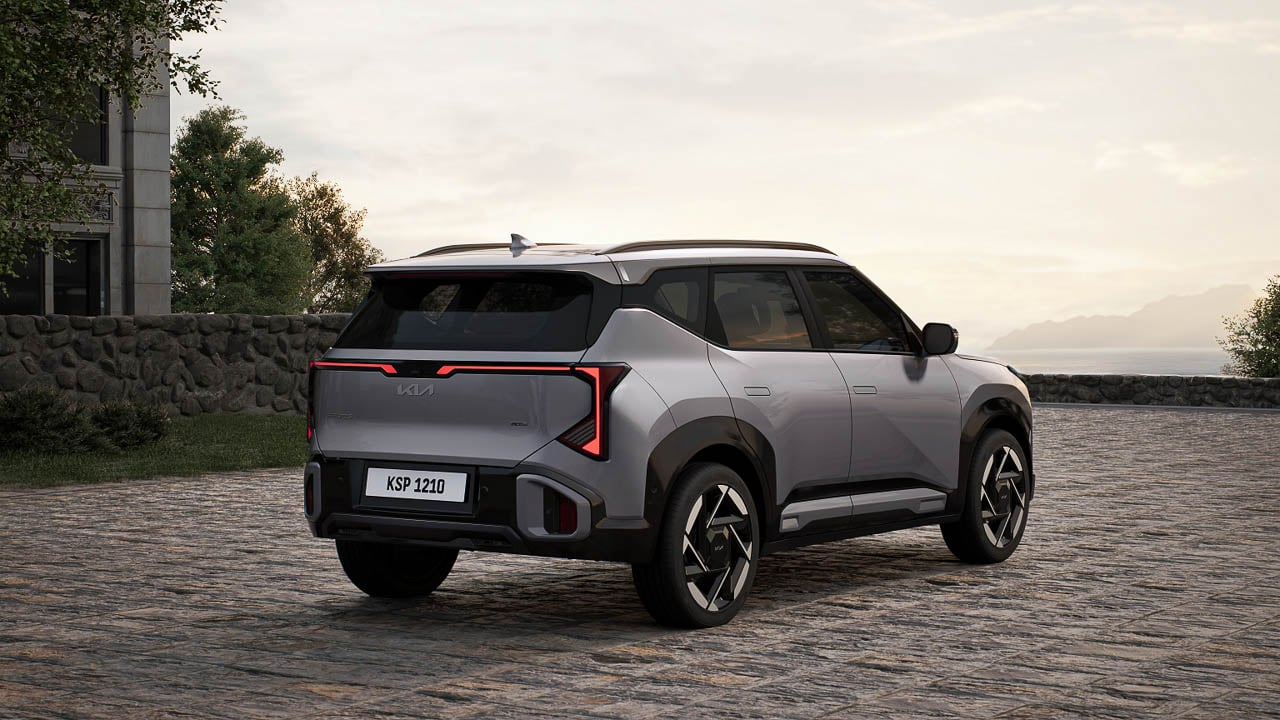
Diagonal character lines run along the profile, while a floating roofline and strong shoulder contours create a dynamic silhouette that conveys forward motion even when stationary. Contrasting cladding and satin silver accents emphasize durability and refinement. The effect demands attention in ways the previous Seltos actively avoided.

Profile proportions stay recognizable but tighten considerably. Wheel arch cladding gains sculptural depth without the aggressive plastic additions that make some crossovers look like they’re wearing protective gear.

Three standout colors debut with the new model: Iceberg Green, Gravity Gray, and a bold matte Magma Red that photographs well enough to suggest Kia invested real effort in the paint development. The overall effect is polarizing by design.

Buyers who found the previous Seltos too bland may love this. Buyers who preferred blending in may find the new face exhausting. Kia appears comfortable with that trade-off, betting that memorable beats forgettable even when memorable divides opinion.

Interior Debt Repaid

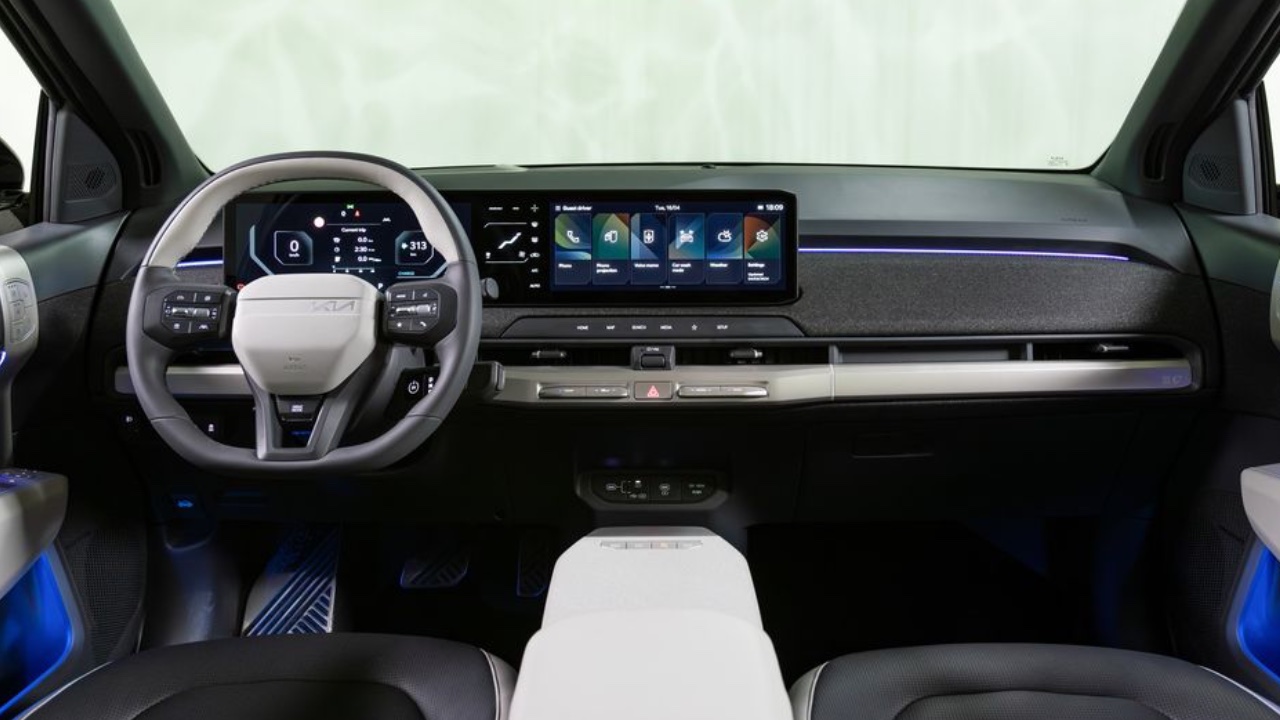
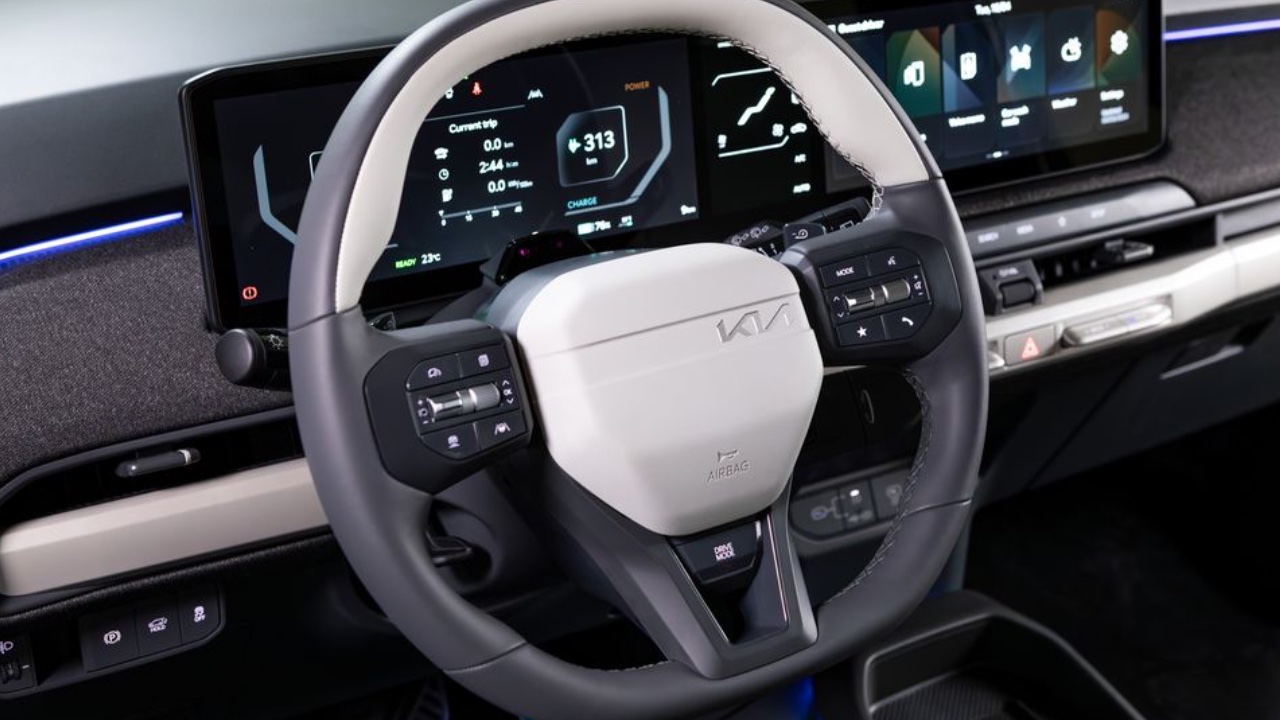
Cabin improvements run deeper than the dual 12.3-inch screens dominating the dashboard, though those screens certainly establish the generational leap immediately. A dedicated climate control panel sits between the displays with physical buttons and knobs for temperature, fan speed, and the functions drivers adjust without looking.
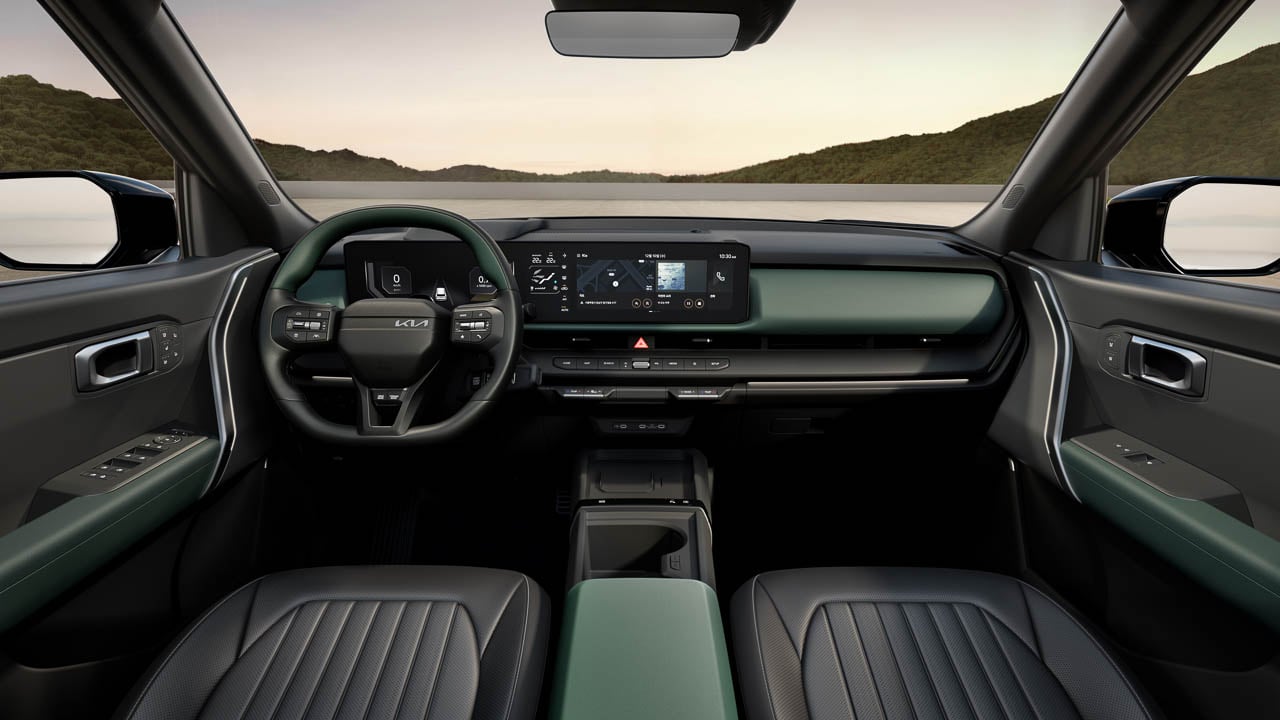
Customizable 64-color mood lighting enhances the cabin ambience, providing visual depth without the purple-and-pink nightclub aesthetic that afflicts competitors trying too hard. The effect is modern without being desperate.
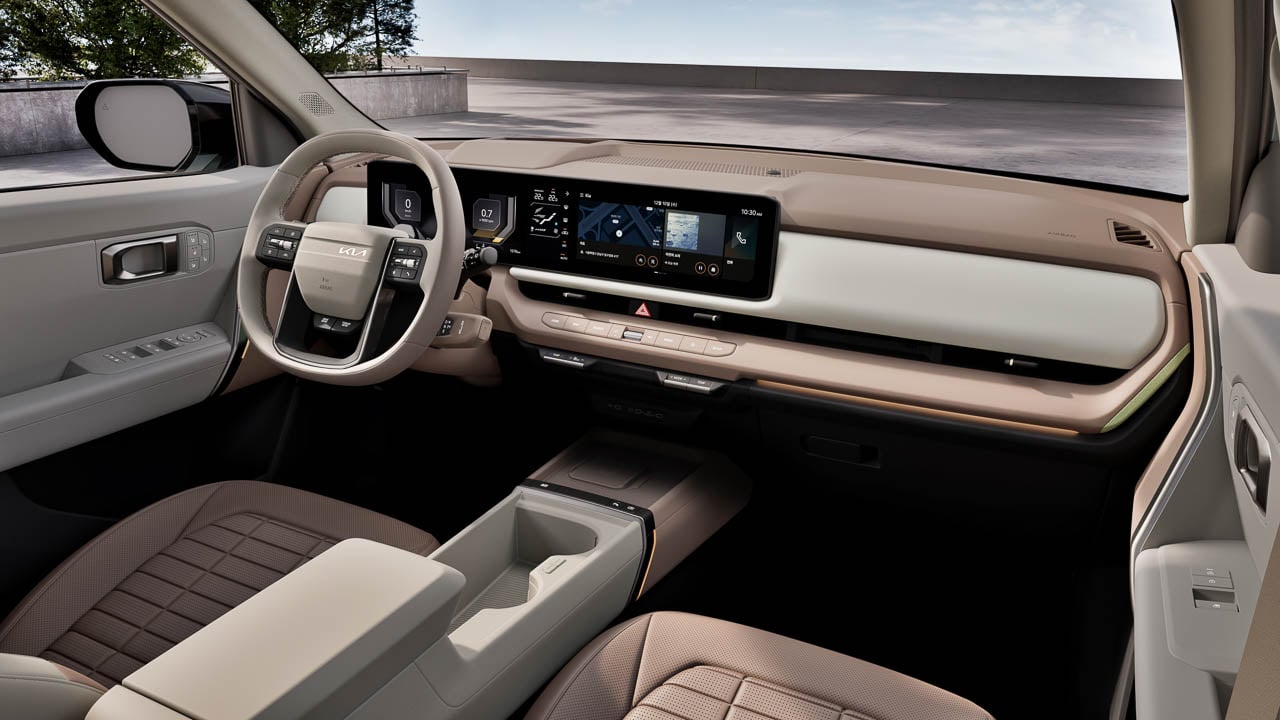
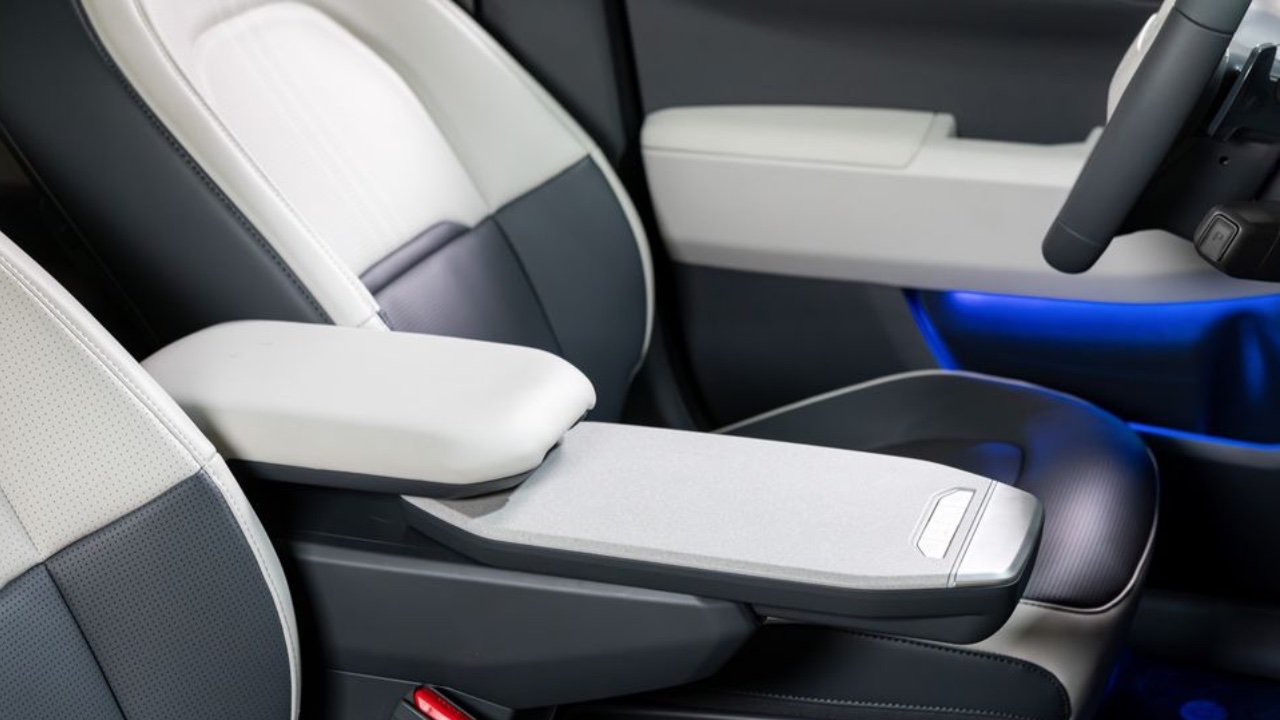
The gear shifter migrates to a column-type Shift-by-Wire system, freeing up the center console for storage bins deep enough to swallow a phone without drama and cupholders sized for actual beverages. This layout contributes to a more open cabin environment.
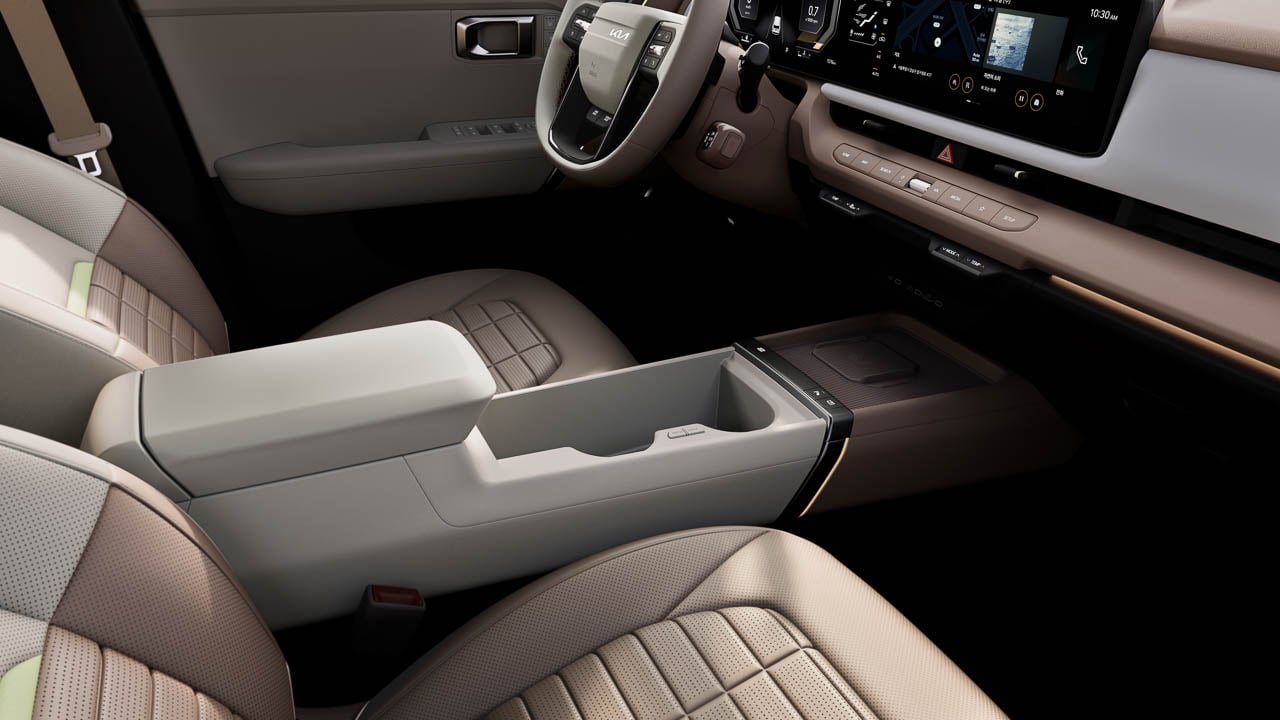
A low, horizontal dashboard enhances forward visibility and creates a sense of openness, while optimized packaging ensures generous headroom and legroom for all passengers. Second-row seats adjust by a total of 24 degrees, tilting 12 degrees forward and 12 degrees backward. Cargo volume reaches a class-leading 536 liters, with a foldable dual-level cargo board adding organizational flexibility. Passengers who suffered through the previous Seltos’s cramped quarters will notice the improvement immediately.

Premium materials convey both modernity and comfort throughout the interior. The previous Seltos interior felt perpetually compromised. This one suggests Kia finally treated the cabin as a priority rather than a cost-reduction opportunity. That shift in philosophy matters more than any individual feature upgrade.

Feature Density Matches Larger Siblings

Technology concentration reaches levels that would have seemed absurd for a subcompact crossover when the Seltos launched in 2019. Wide panoramic sunroof for an open atmosphere. A 12-inch windshield head-up display projects key driving information directly in the driver’s line of sight. USB ports delivering 100 watts rather than the trickle charging that used to pass for adequate.
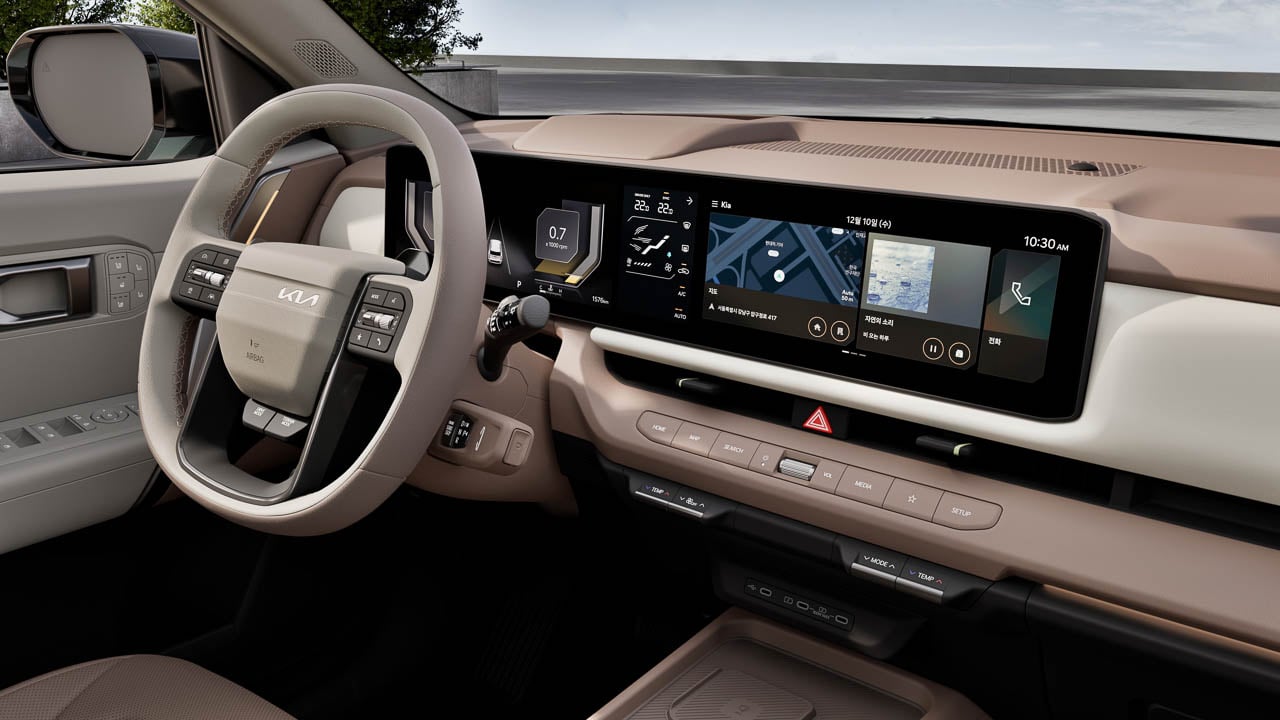
Audio options from both Harman Kardon and Bose deliver immersive, high-fidelity sound optimized for the cabin’s acoustic architecture. The Kia Connect Store enables digital personalization and entertainment options, including collaborations with Disney and NBA. Feature-on-Demand brings YouTube, Netflix, and display theme options. The Kia AI assistant, powered by ChatGPT, enables natural conversational interaction. Over-the-air updates keep systems current without dealer visits. Digital Key 2 enables secure smartphone-based vehicle access and sharing.

The driver assistance package bundles Highway Driving Assist 2, Lane Following Assist 2, Forward Collision-Avoidance Assist 2, Safe Exit Warning, Surround View Monitor, Parking Collision-Avoidance Assist-Reverse, and Parking Distance Warning covering front, side, and reverse approaches. The previous Seltos consistently trailed its platform siblings in feature availability, as though Kia assumed subcompact buyers wouldn’t notice or care about the disparity. This generation closes that gap aggressively.

Timeline and Buyer Calculus

Global production begins December 2025 starting with India. South Korea, North America, Europe, and China follow throughout 2026. U.S. specifications and pricing should emerge within months. Hybrid details will arrive later.

The marketing campaign positions Seltos drivers as “protagonists” in their own narratives, which is exactly the aspirational corporate language that invites dismissal. Ignore it. The vehicle transformation underneath that messaging is substantive. The 2027 Seltos finally looks like it belongs in Kia’s current design portfolio rather than lingering as evidence of what the brand used to settle for.
Practical considerations: buyers who need a small crossover immediately can find excellent options from Toyota, Honda, and Mazda. Buyers specifically interested in hybrid efficiency should wait for the Seltos Hybrid or consider alternatives already on the market. Buyers who want something distinctive enough to locate in a parking lot without pressing the key fob, and who can tolerate the wait, might find the 2027 Seltos worth the patience.

After five years of forgettable competence, the Seltos finally demands attention. That’s either exactly what this segment needed or more personality than subcompact crossover buyers actually want. Sales figures will arbitrate.

The post Kia’s Most Forgettable Crossover Gets a Personality Transplant and a Hybrid for 2027 first appeared on Yanko Design.
Kia Vision Meta Turismo is a sharp looking concept poised for the future

Kia always likes to celebrate its milestones with concepts that pave the way for the future of automotive design and technologies on the inside. This week is the South Korean brand’s 80th anniversary, and predictably, they’ve gone to the lengths of materializing a concept that is one of the most impressive from their design studio.
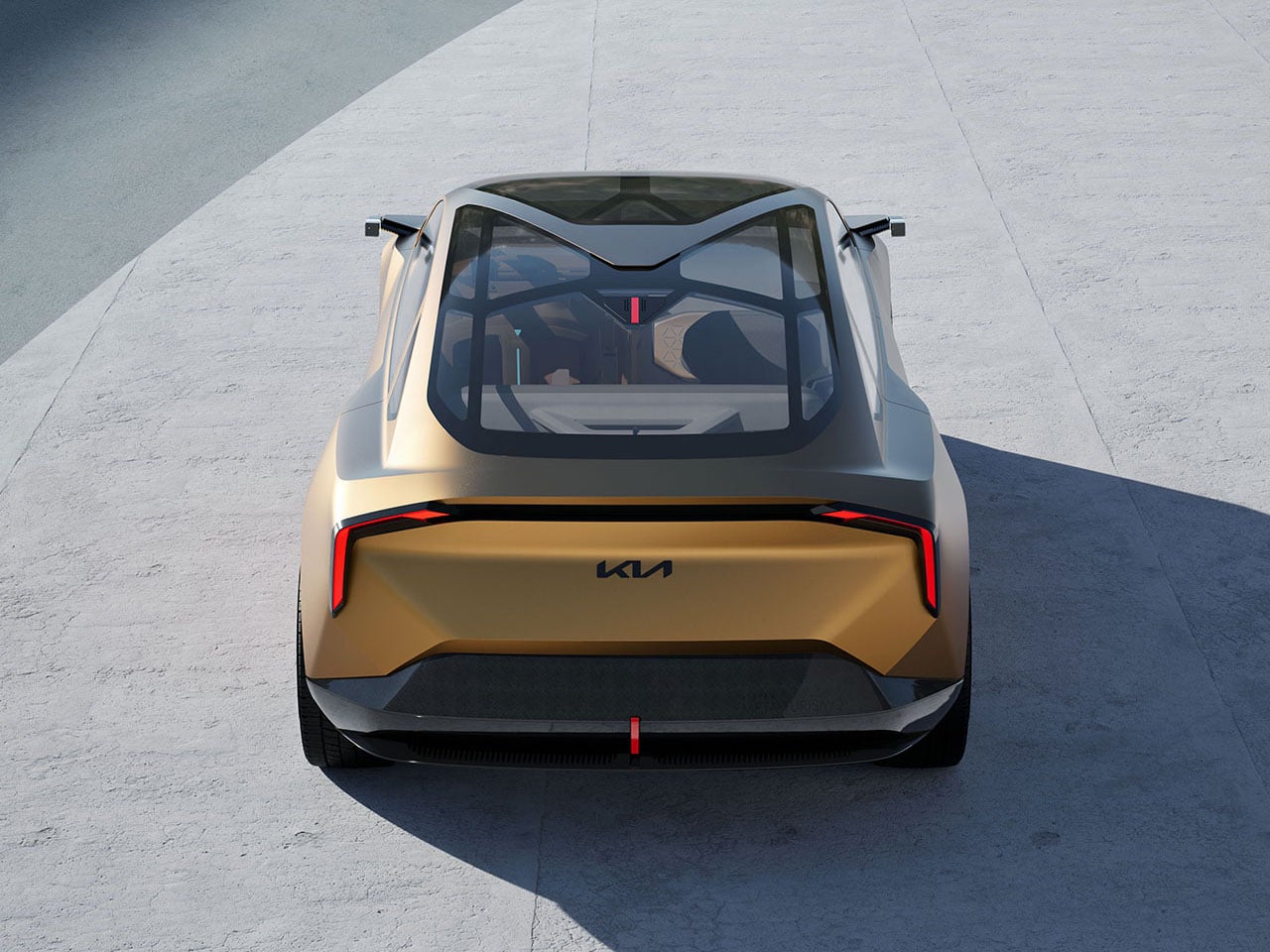
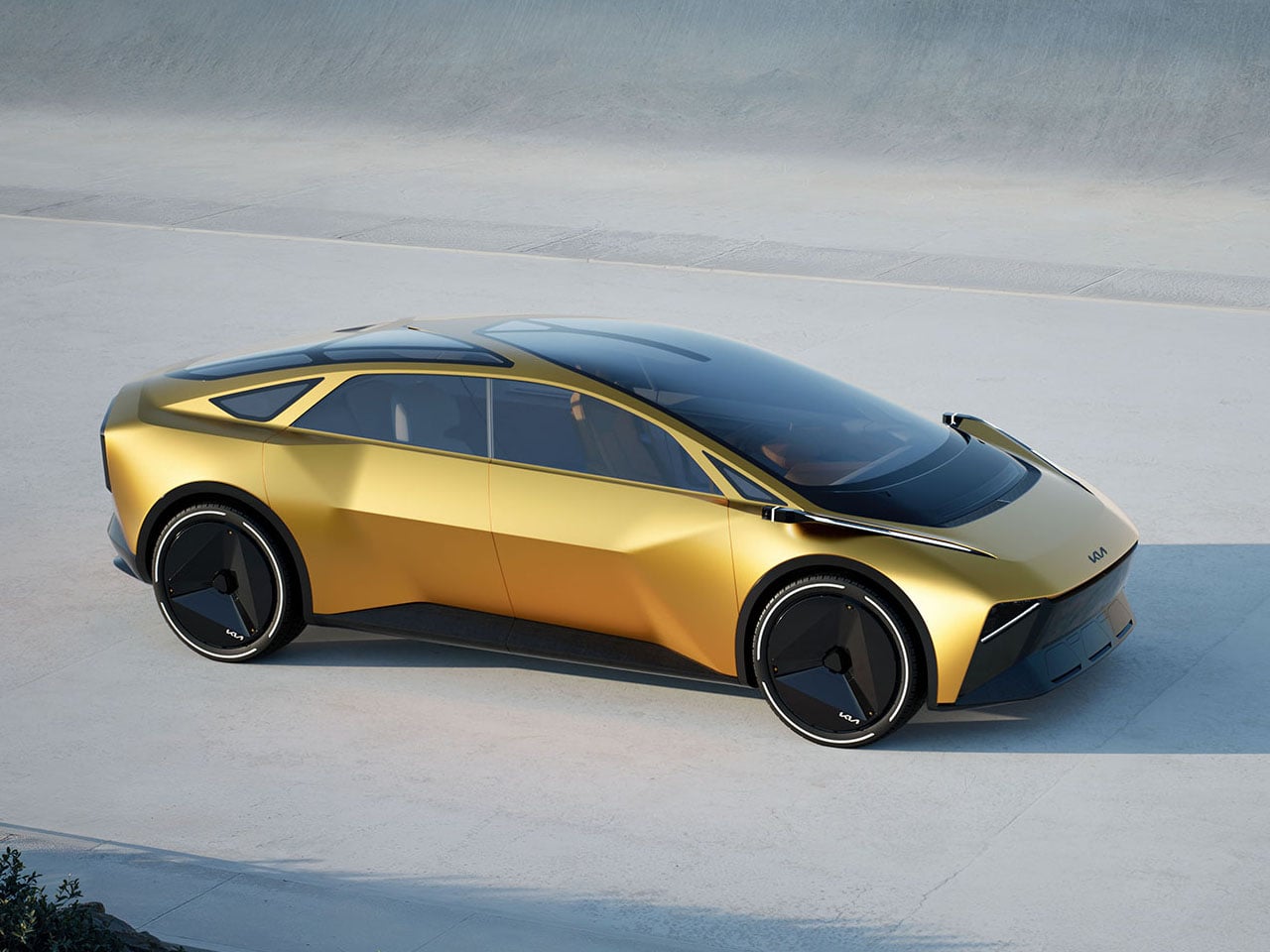
Called the Vision Meta Turismo concept, the sports sedan is not merely a design exploration; it’s their “first bold glimpse into the future of mobility.” The car was unveiled at the Kia Vision Square in Yongin, South Korea, and the future iteration of the electric vehicle (most likely it’s not going to be gasoline-powered) will be dubbed EV8. Just like the EV5 and EV6, this one is based on the Opposites United design theme, and by the look of things, is the spiritual successor to the Stinger. Vision Meta Turismo revitalizes three core experiences: performance driving, immersive driving, and spacious interiors.

Designer: Kia

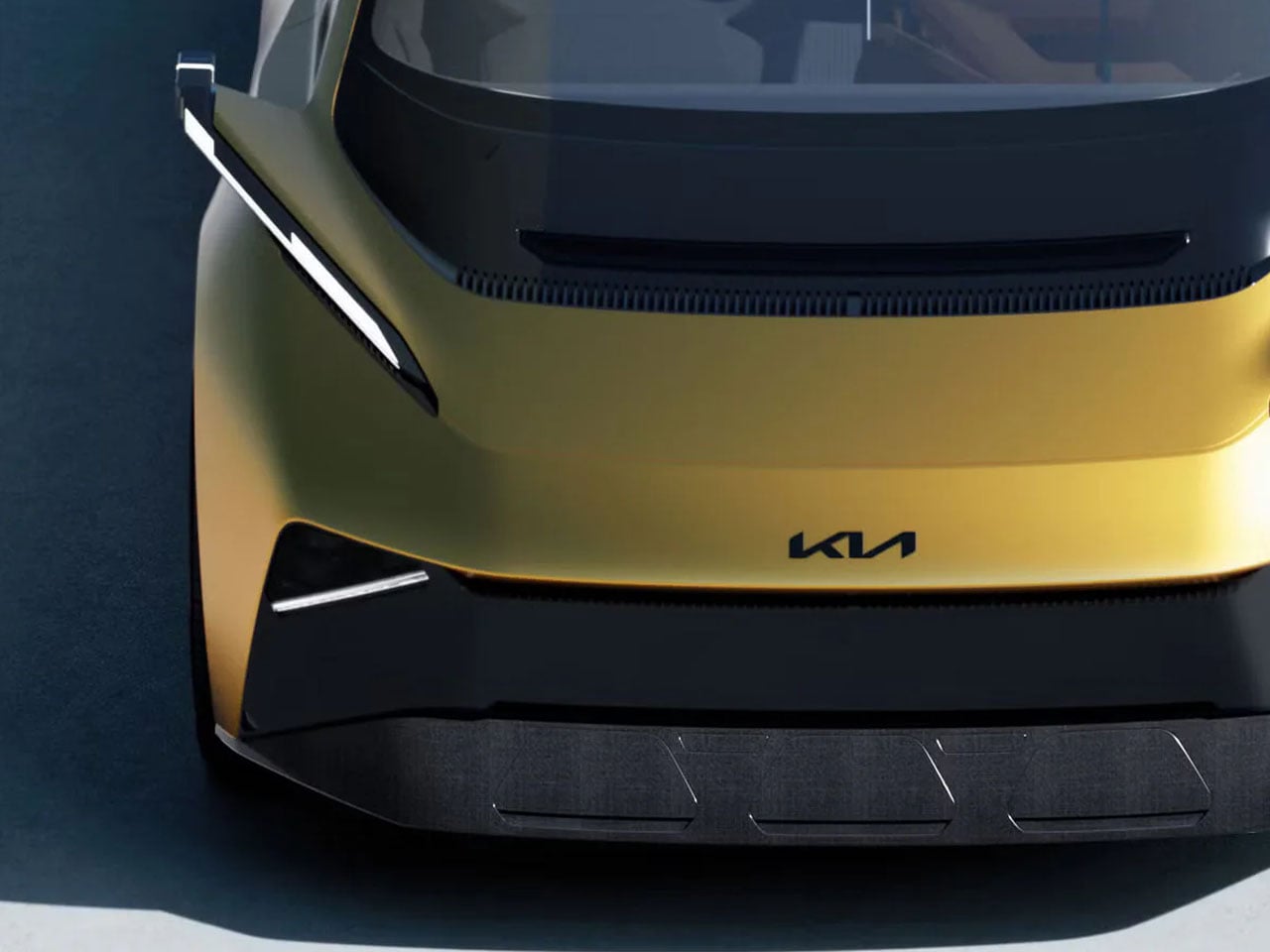
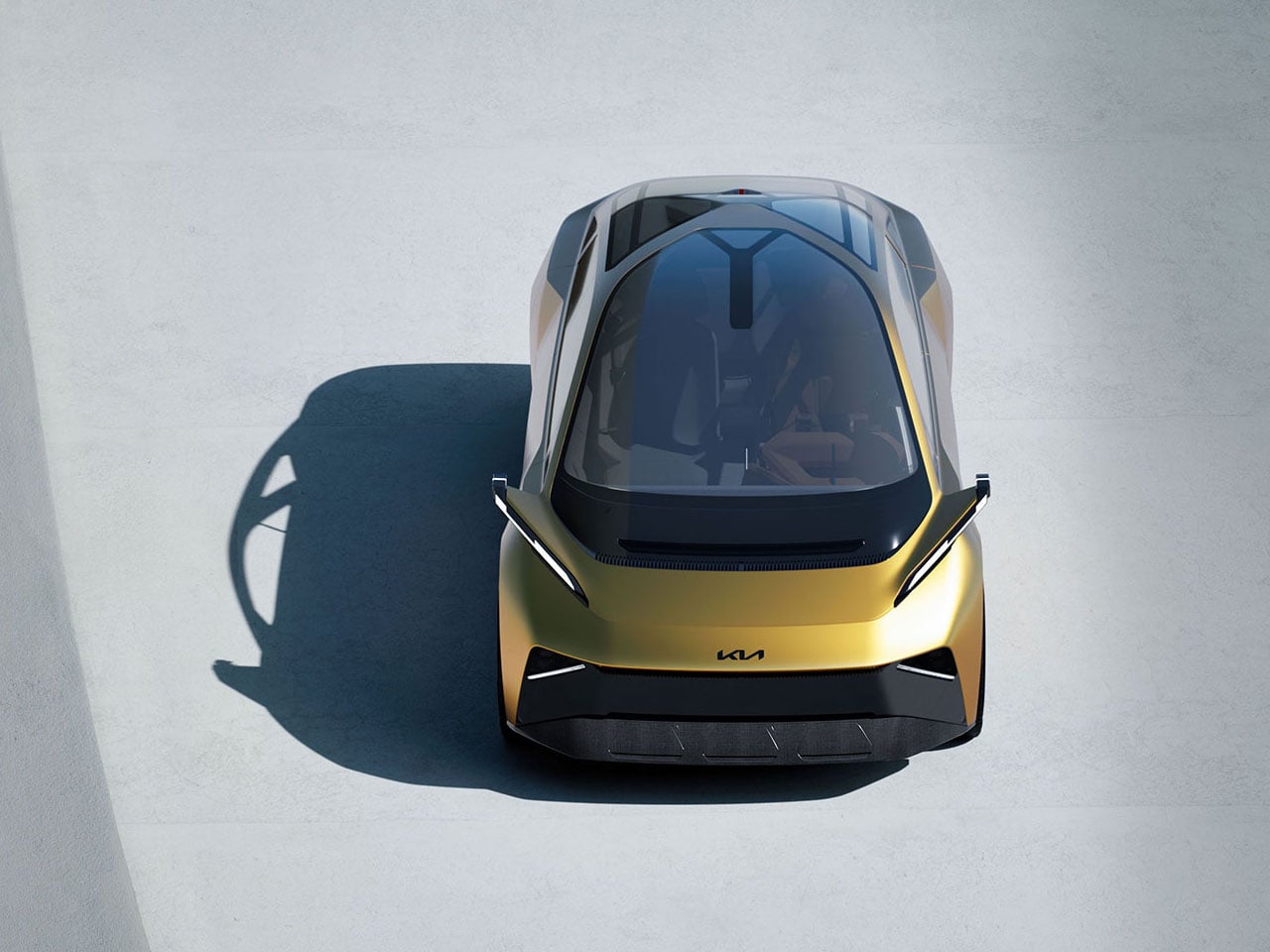
Kia is categorizing the concept as a performance driving vehicle, even though they’ve not shared many technical details, we assume it is a serious contender for their premium electric lineup sometime in the future. On the outside, the car has a very sharp silhouette with soft geometric elements on the surface and natural lines. This fuses well with the aerodynamic elements like the vertical fins and embedded air channels for optimized airflow, which are inspired by the touring cars of the 1960s. A short hood is contrasted with the long, torpedo-like, elongated shape for a spacious interior that is ultra-comfy. LED strips on the front blending into the nose section edge out of the main frame, while the taillights have a more muted setup reminiscent of the current-gen electric vehicles.

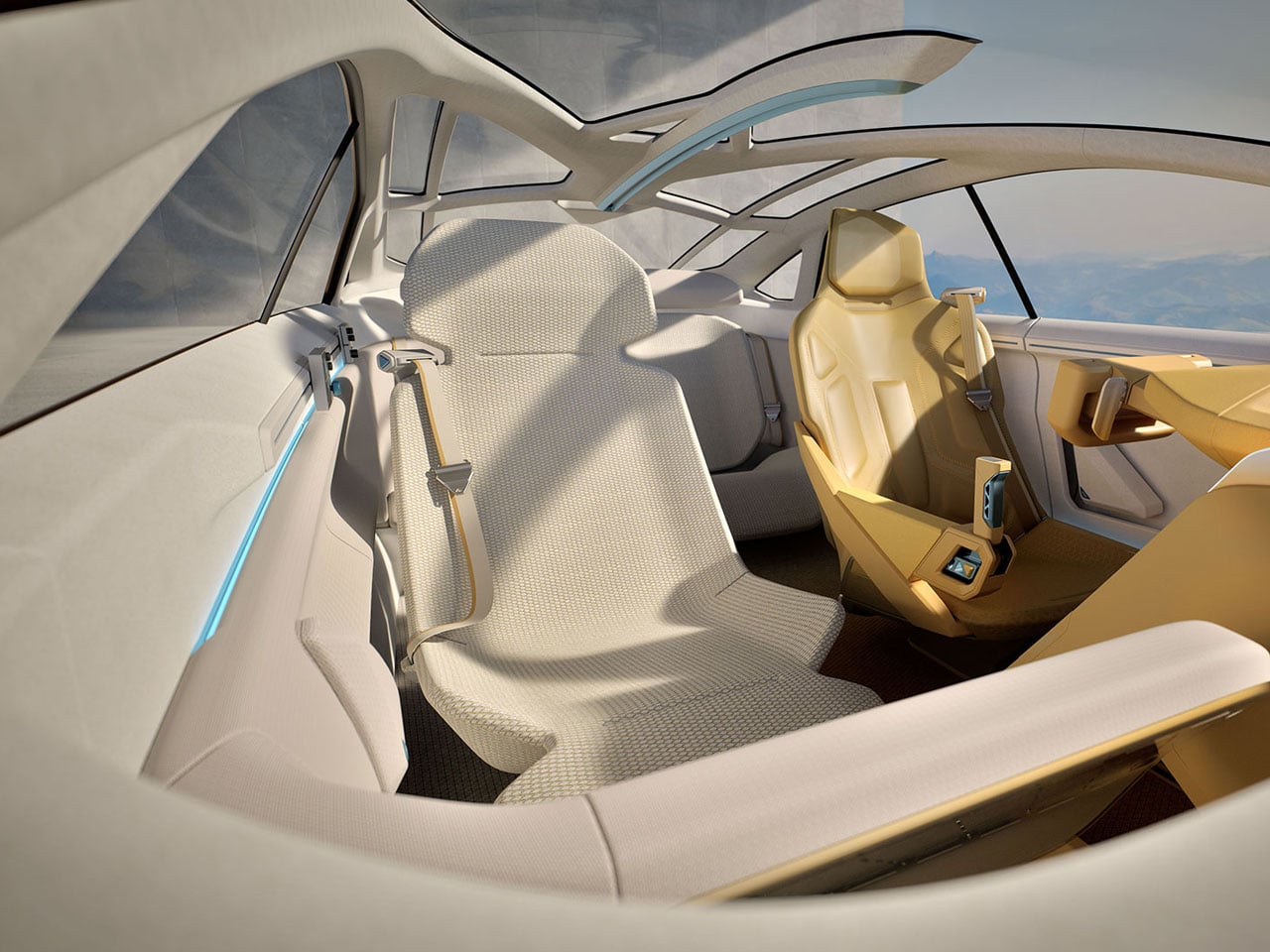
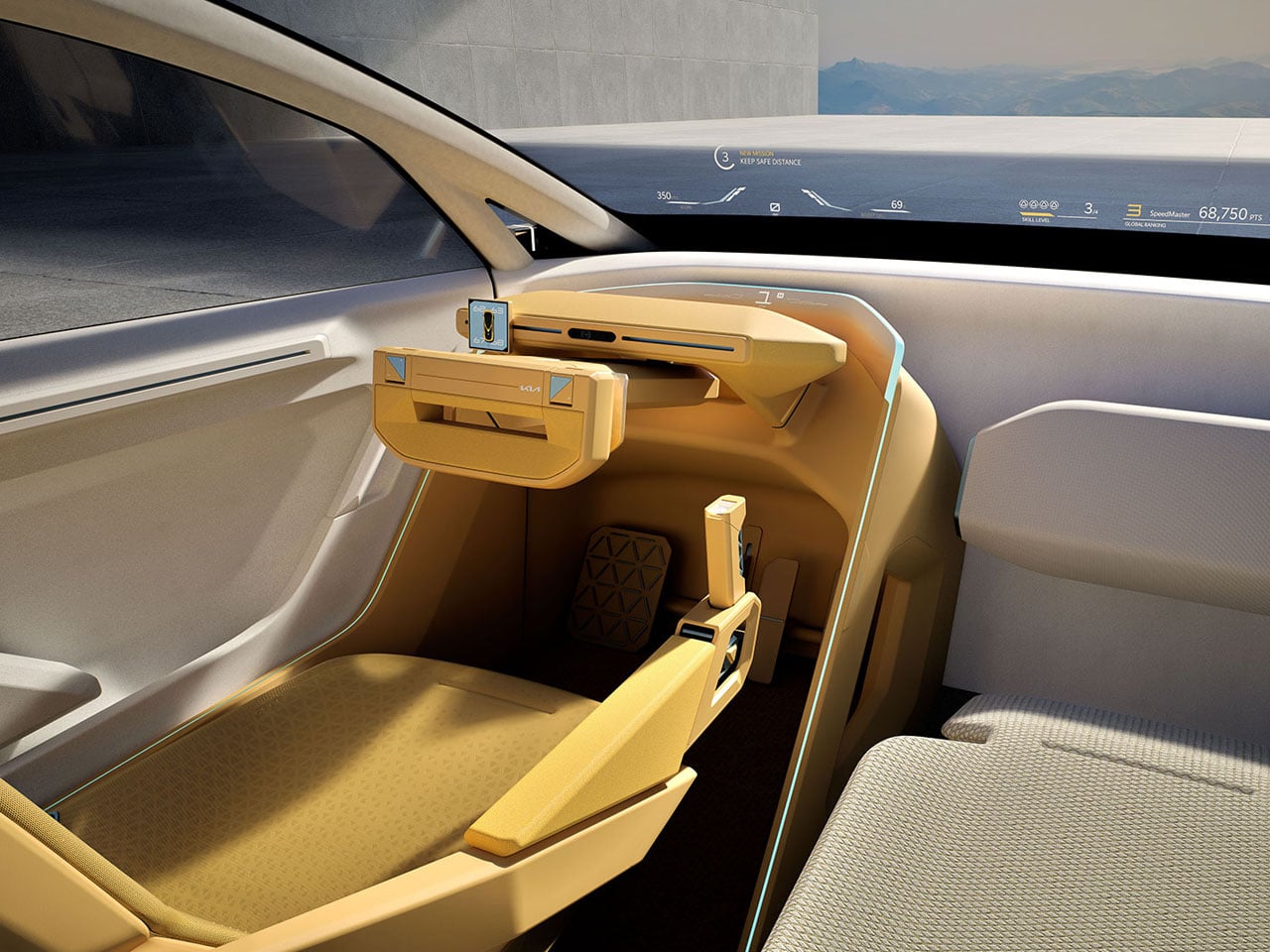
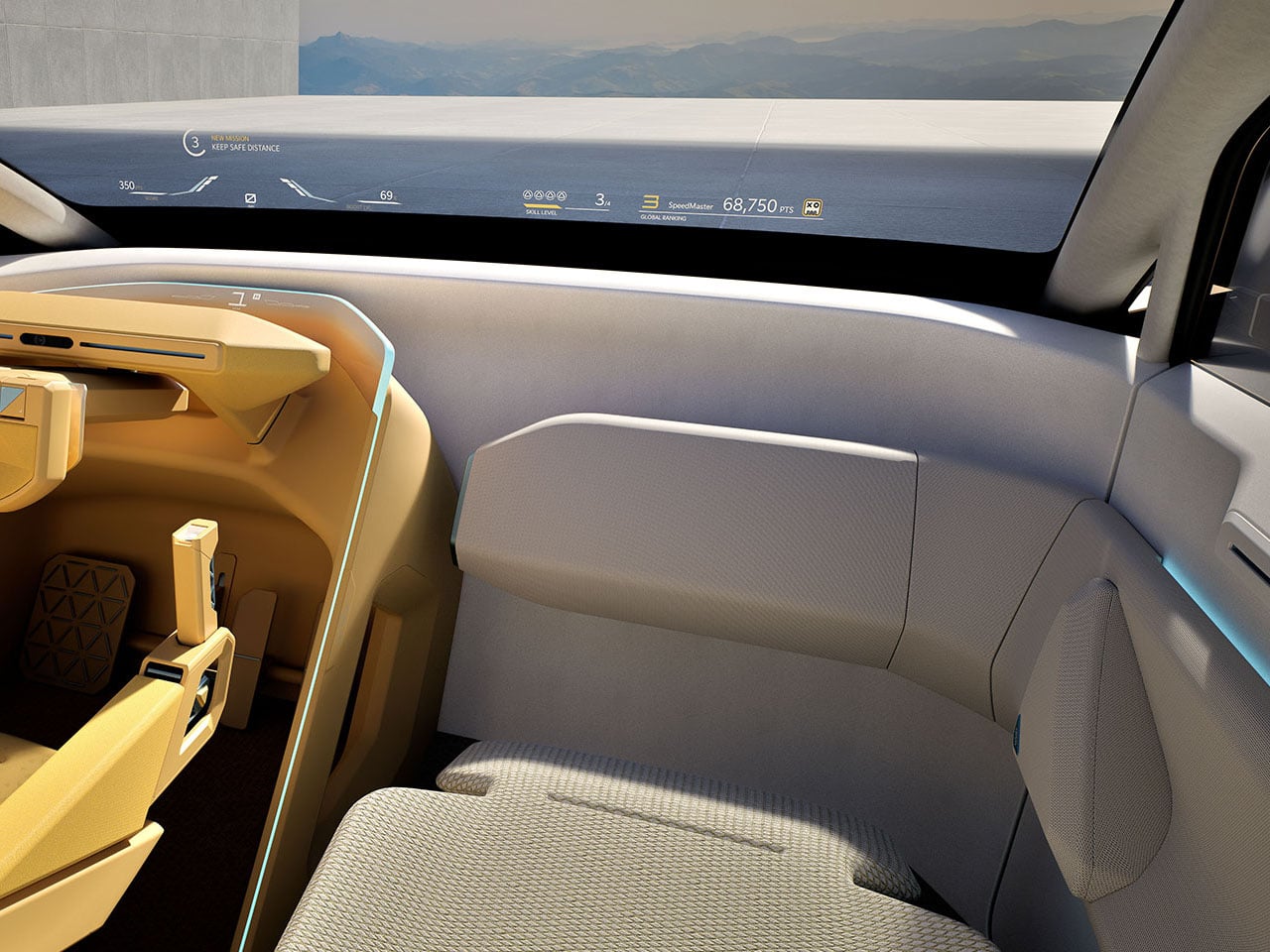
On the inside, the sports sedan concept has an airy lounge-inspired cabin encapsulated in a panoramic windshield that extends to the rear like a modern fighter plane. For a dynamic look, there is a crisscross support pillar running from the A pillars that visually segments the front and the rear sections. The concept car has an upholstered driving seat, while the other seats have an upholstered off-white cloth material skin. The driver-focused interior has a matching hexagonal yoke steering wheel with gear shifters, and the dashboard is done in the same premium leather finish. The lower section of the windshield displays all the vital driver’s information in the AR Heads-Up Display (HUD). All these elements, according to Kia, “reimagine the next-generation intuitive driving interface.”

The concept has three driving modes: Speedster, Dreamer, and Gamer, which are not detailed by Kia and, in a way, are self-explanatory. Not much has been revealed by Kia, which hints that the probable EV sedan, having a long wheelbase and low profile, is going to manifest in some way as a production-ready vehicle. We are more than eager to learn more about the Vision Meta Turismo, and are sure of the fact that Kia is future-serious about this prototype.

The post Kia Vision Meta Turismo is a sharp looking concept poised for the future first appeared on Yanko Design.
Kia unveils off-road capable EV concepts high on customization and spirit of adventure

This year’s Specialty Equipment Market Association (SEMA) show in Las Vegas saw its share of plug-in concepts, and Kia outshone them all. Known to be one of the biggest automotive ensembles when it comes to trending aftermarket modifications, the show saw the unveiling of the KIA Design Center America (KDCA) designed pair of all-electric concepts tailored for off-road adventures.

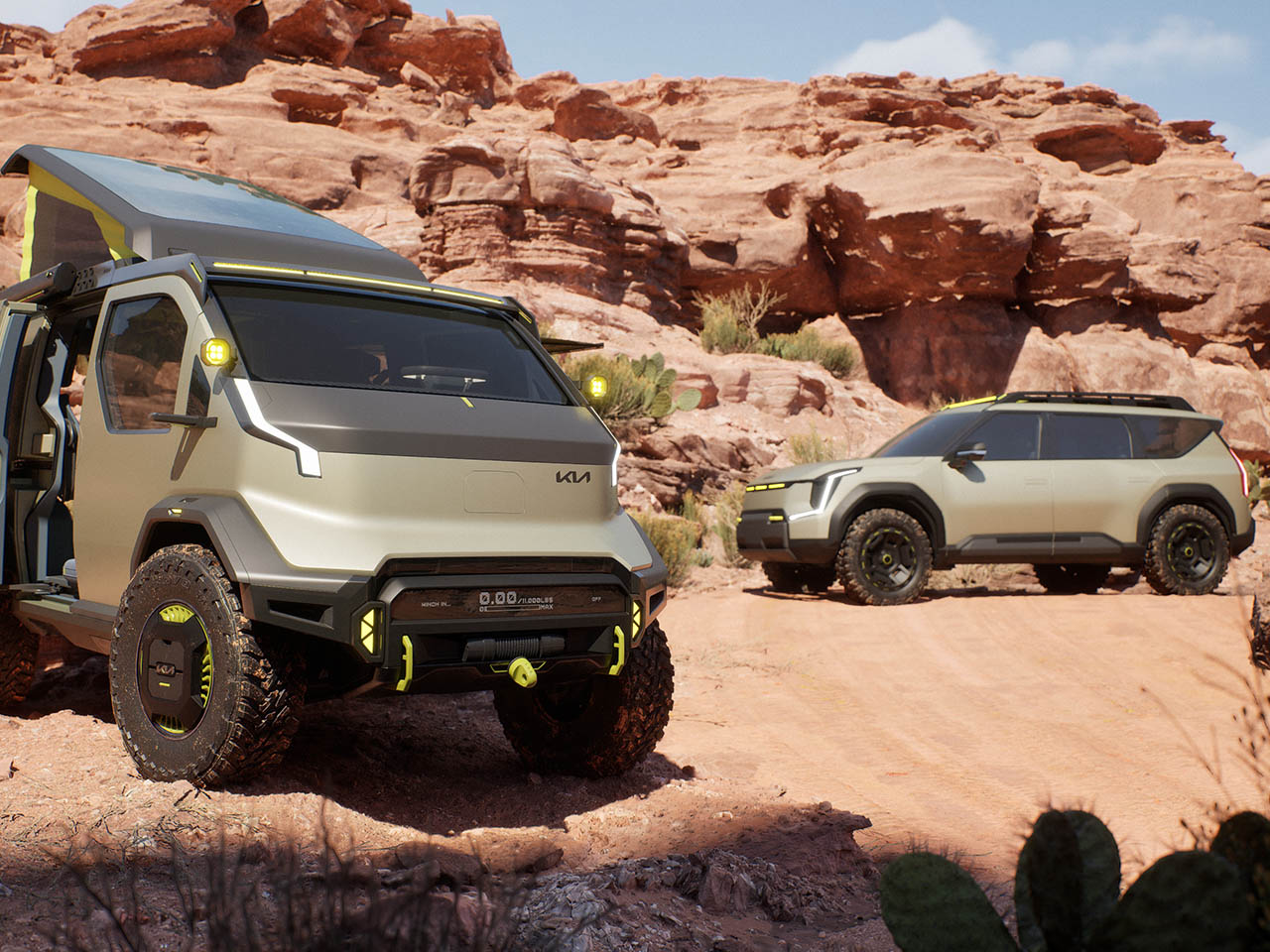
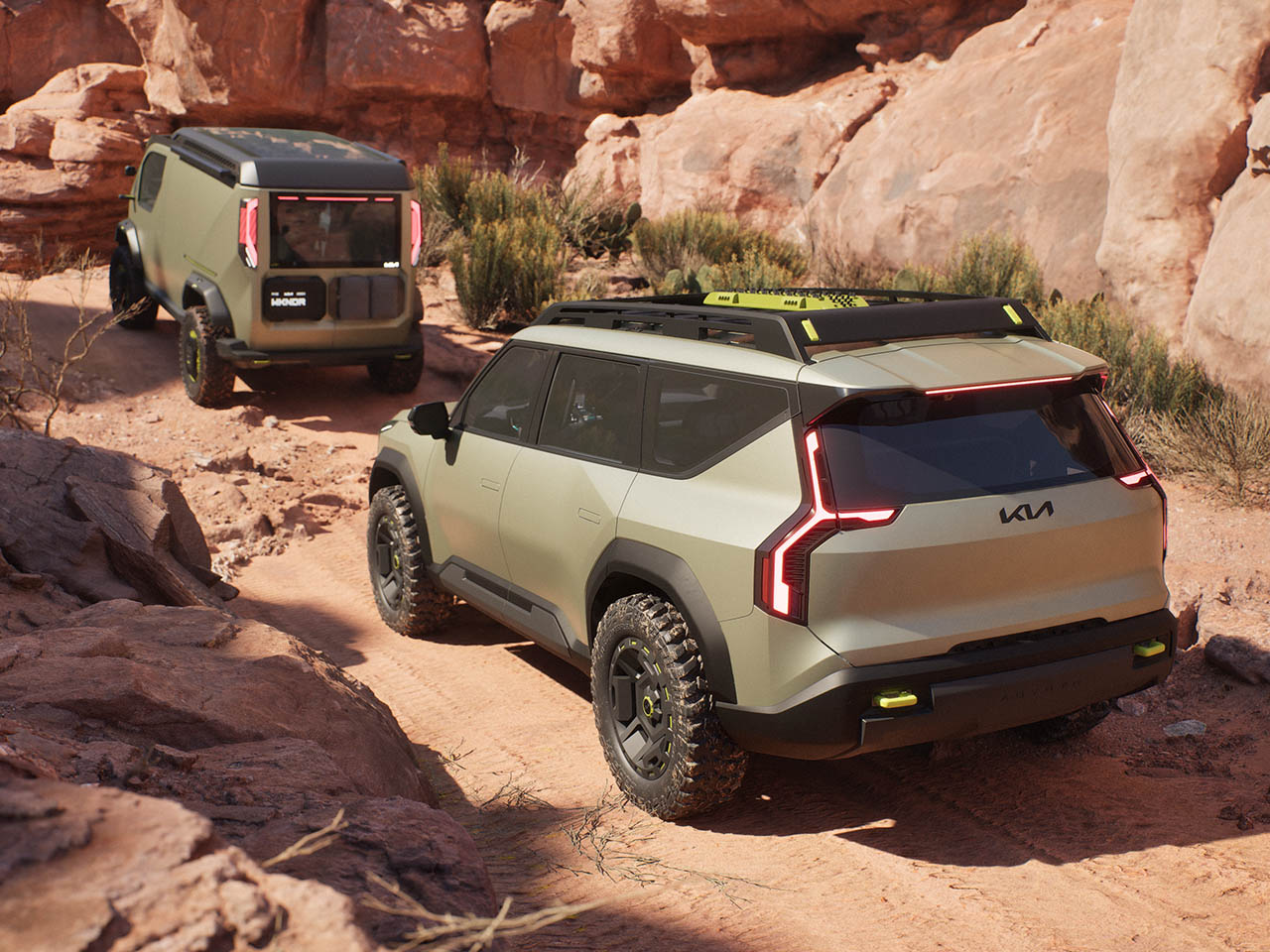
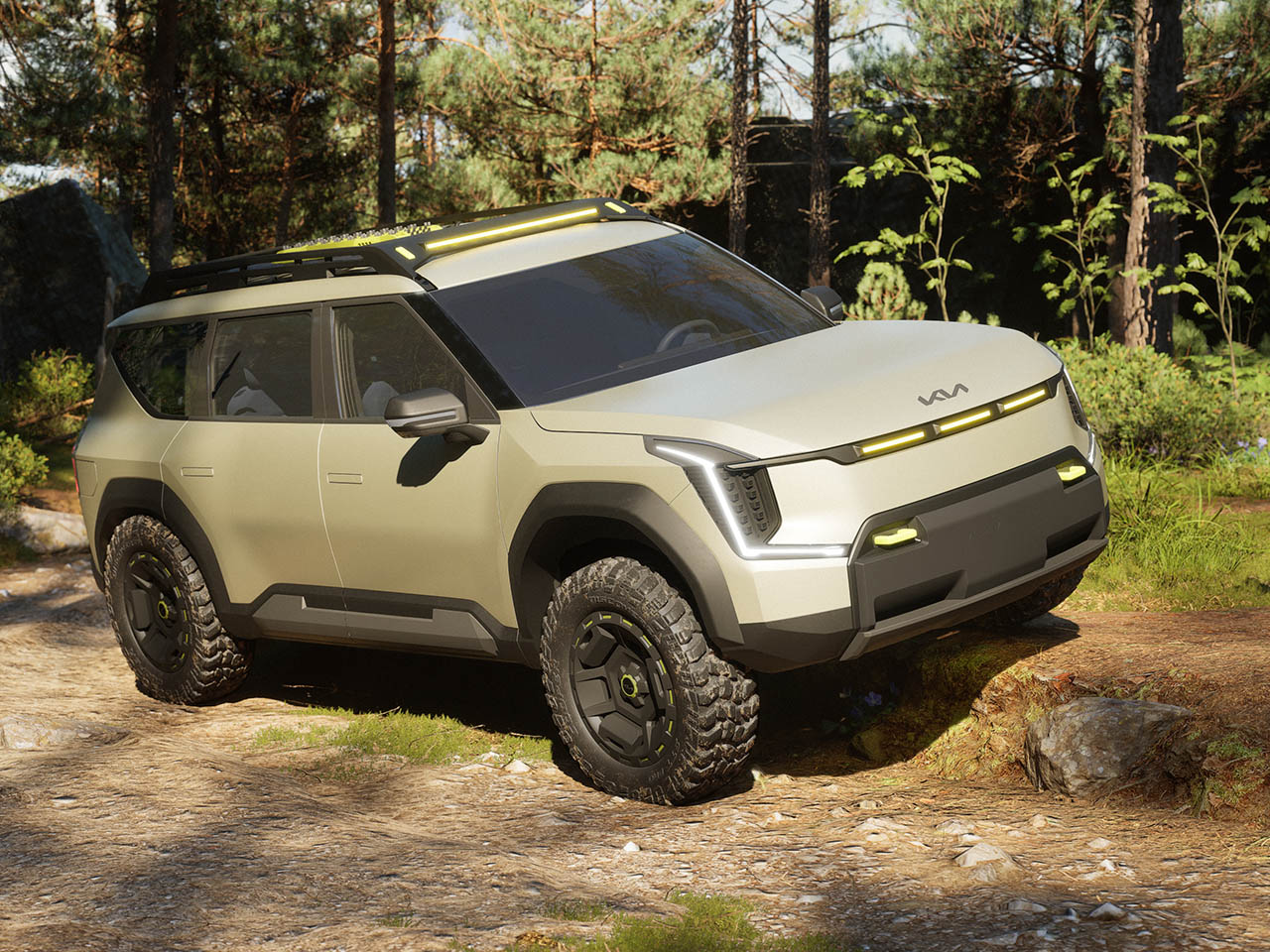
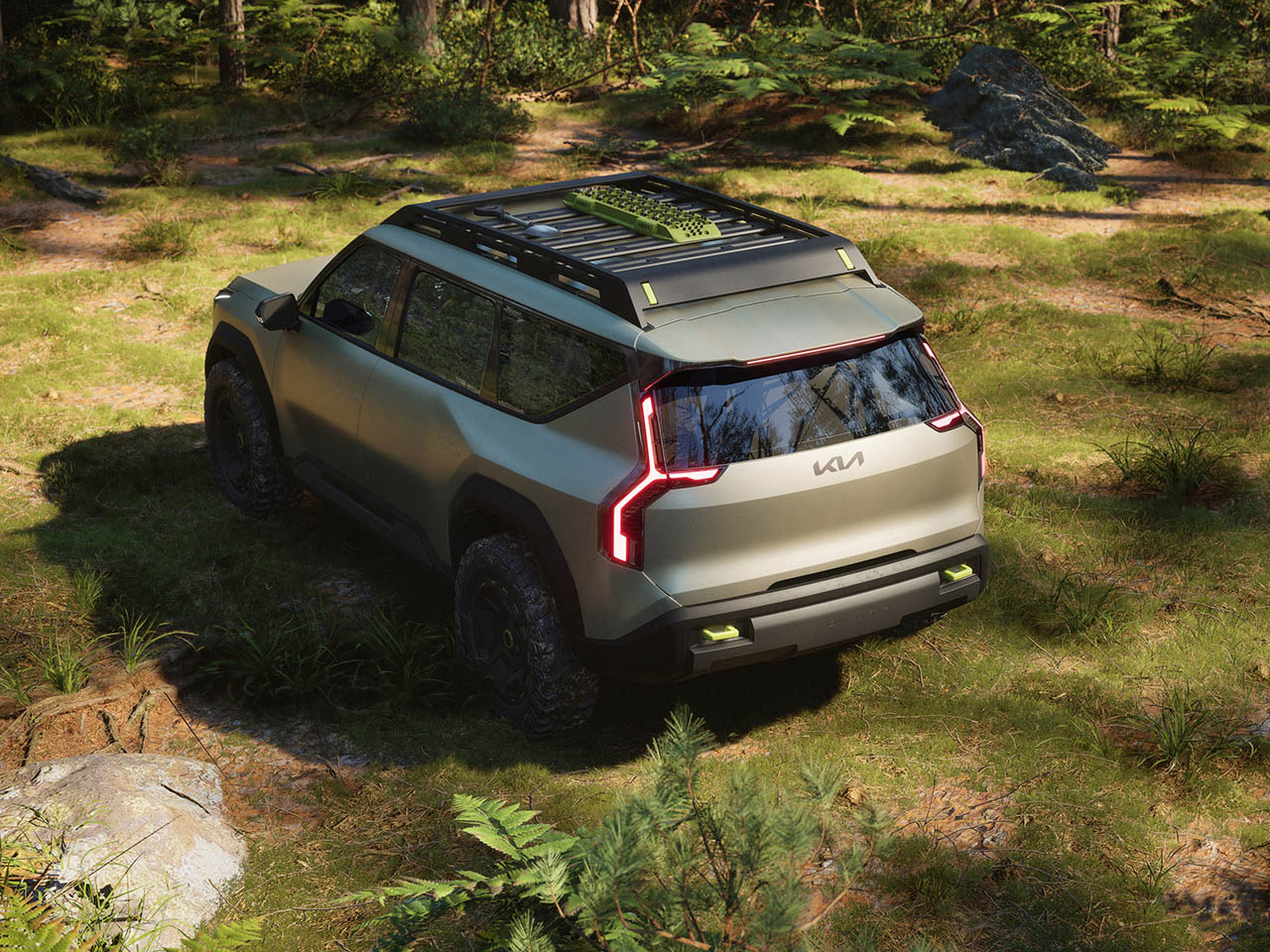
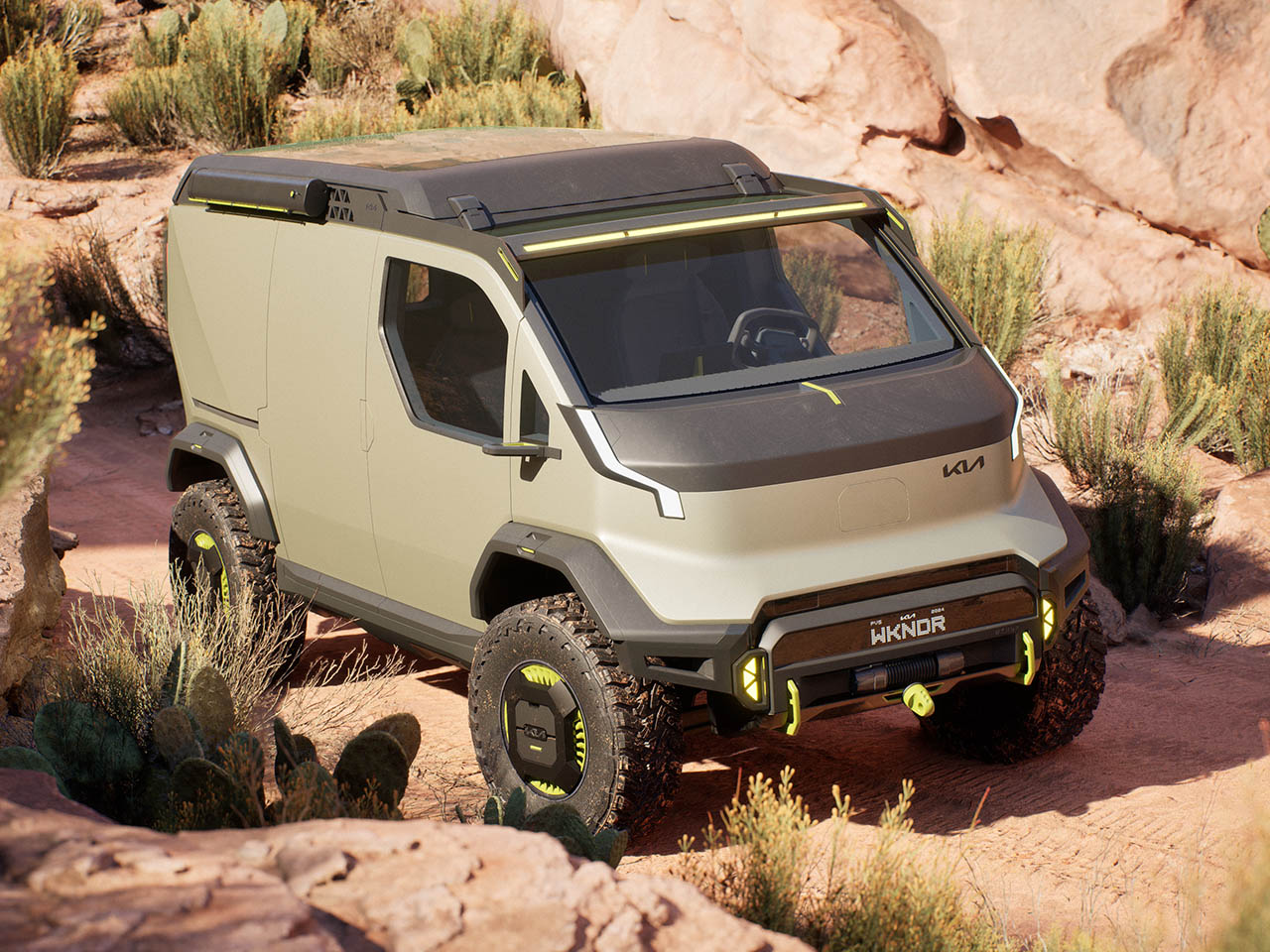
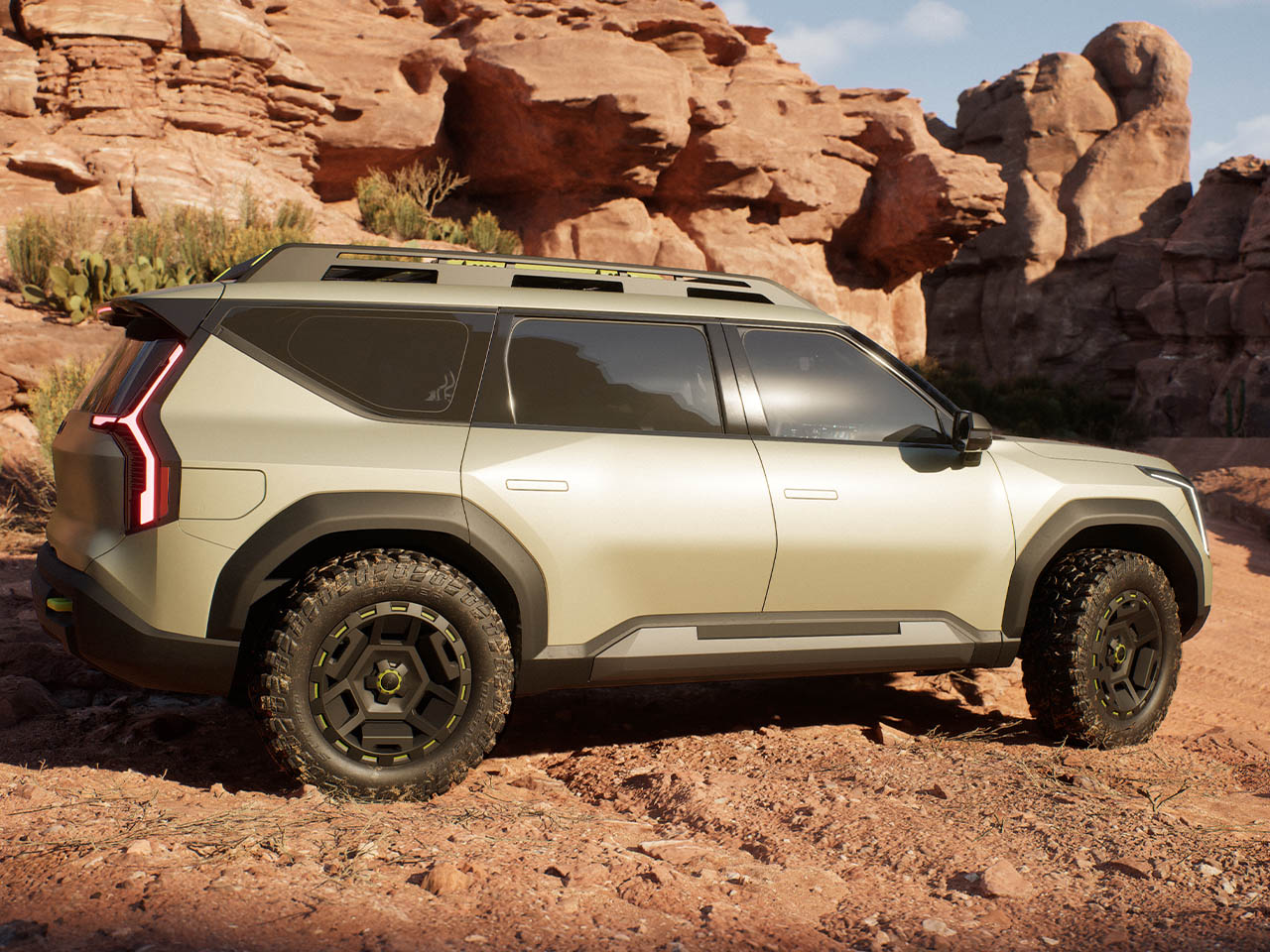
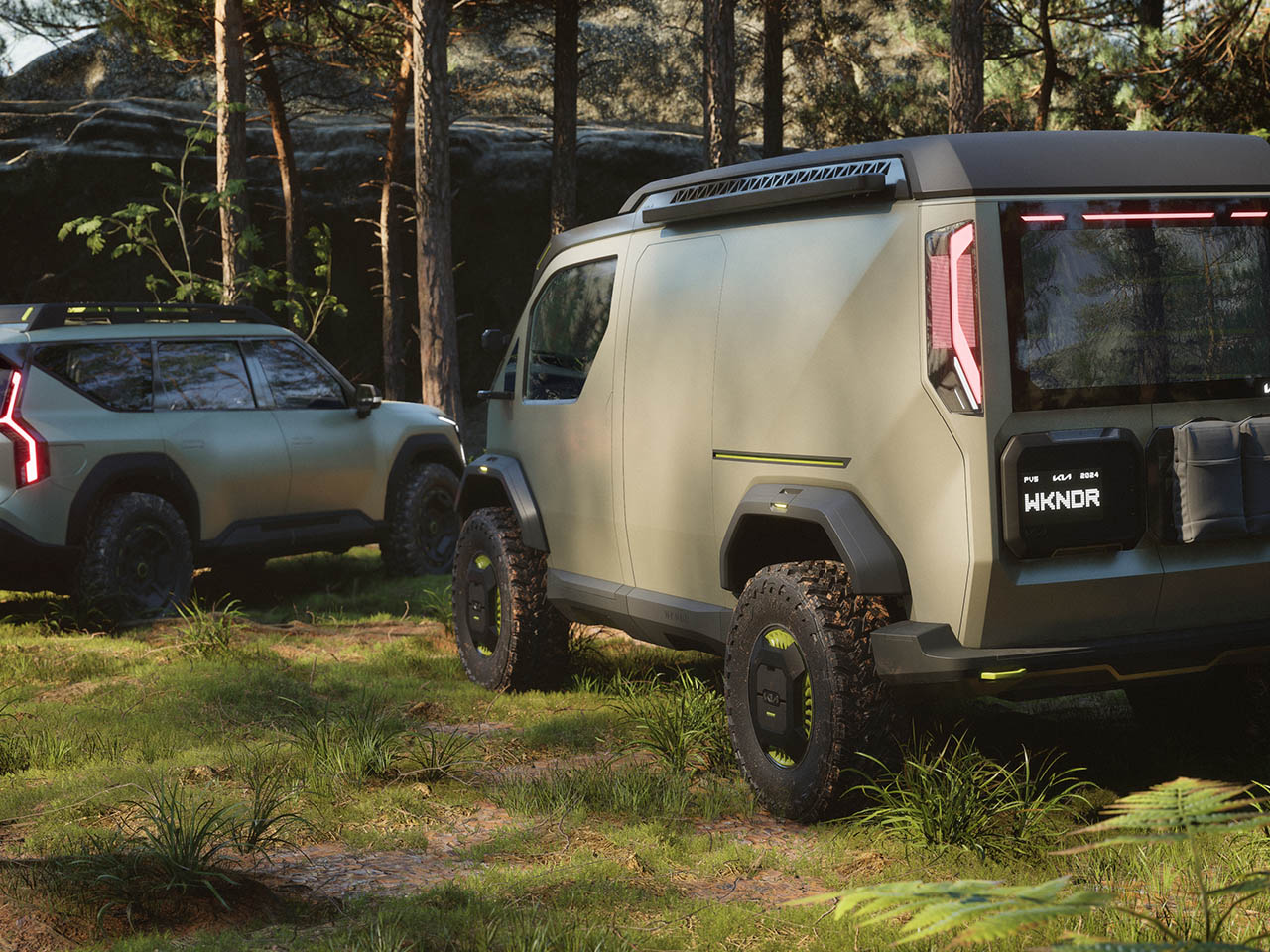
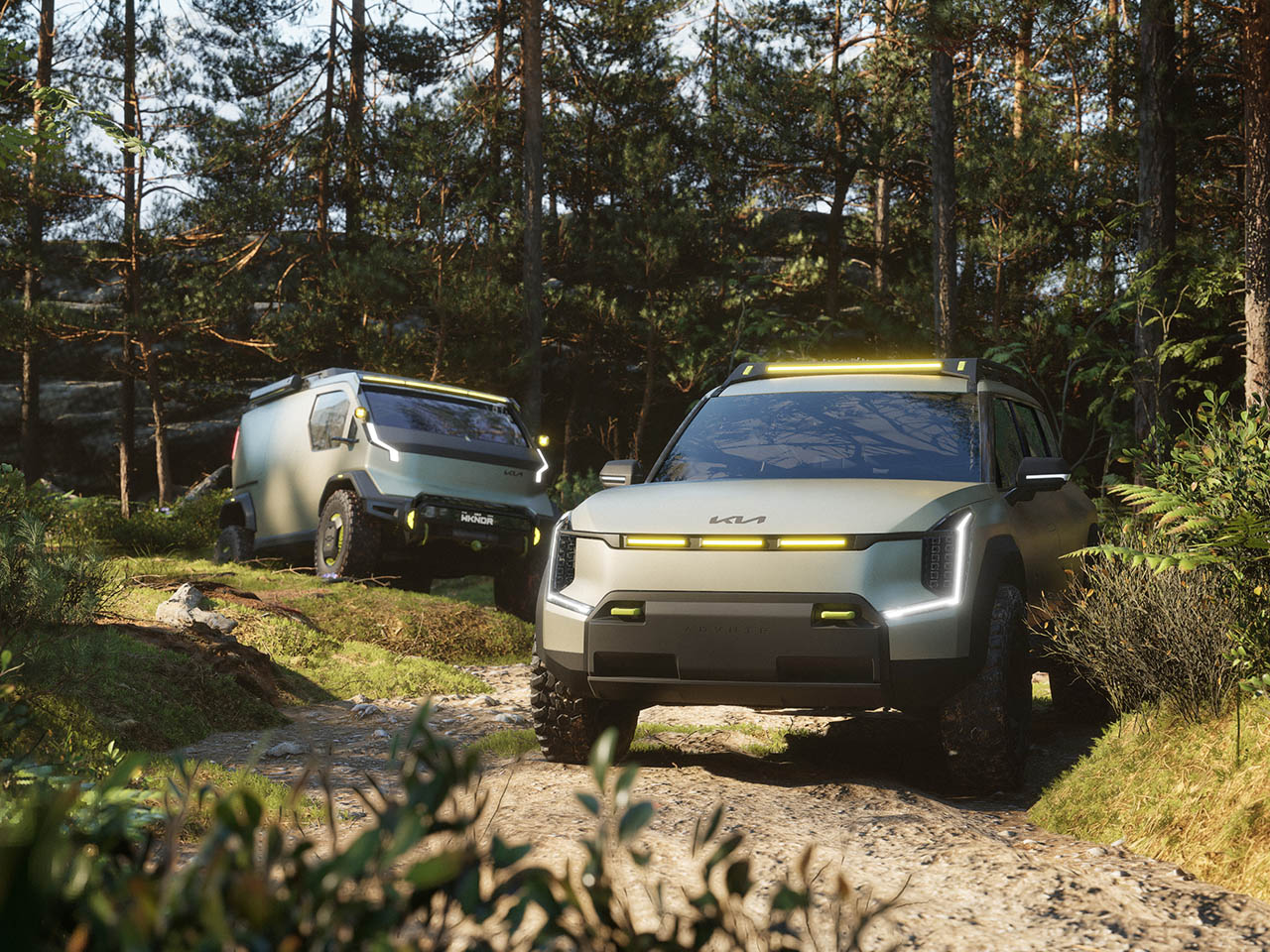
One of them is the EV9 ADVNTR Concept SUV based on Kia’s three-row electric EV9 SUV that debuted last year. This one looks much closer to a production-ready version, has to be said. The second one is the PV5 WKNDR concept EV Van built on the brand’s Purpose Beyond Vehicles more commonly known as PBVs. According to the design team, these two custom lifestyle vehicles “intrinsically blend form and function into machines designed for responsible engagement with nature.” Although none of these concepts is slated for a production run yet, we can expect more to transpire in a couple of year’s time.

Designer: Kia

The beefed-up variant of the EV9 SUV is 3 inches higher and comes with adventure and off-roading grade inclusions such as an improved roof rack for hauling adventure gear or pitching a bespoke roof-mounted tent, reinforced rocker panels for underbody protection, rugged tires for maximum traction, custom front and rear facias for assistance in approach and departure angles. When it’s time to set up camp for the night, the vehicle is your comfy mobile campsite.

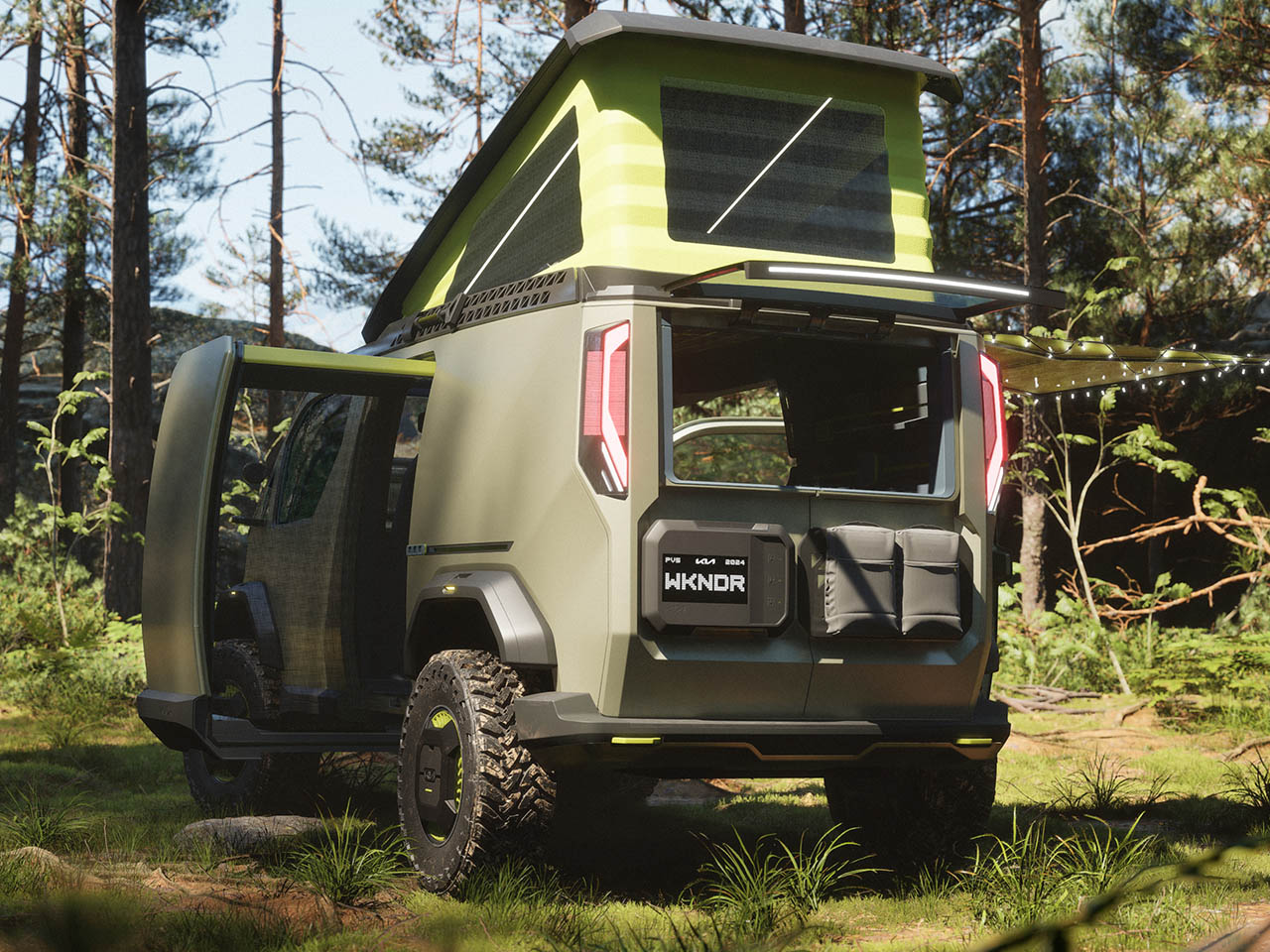
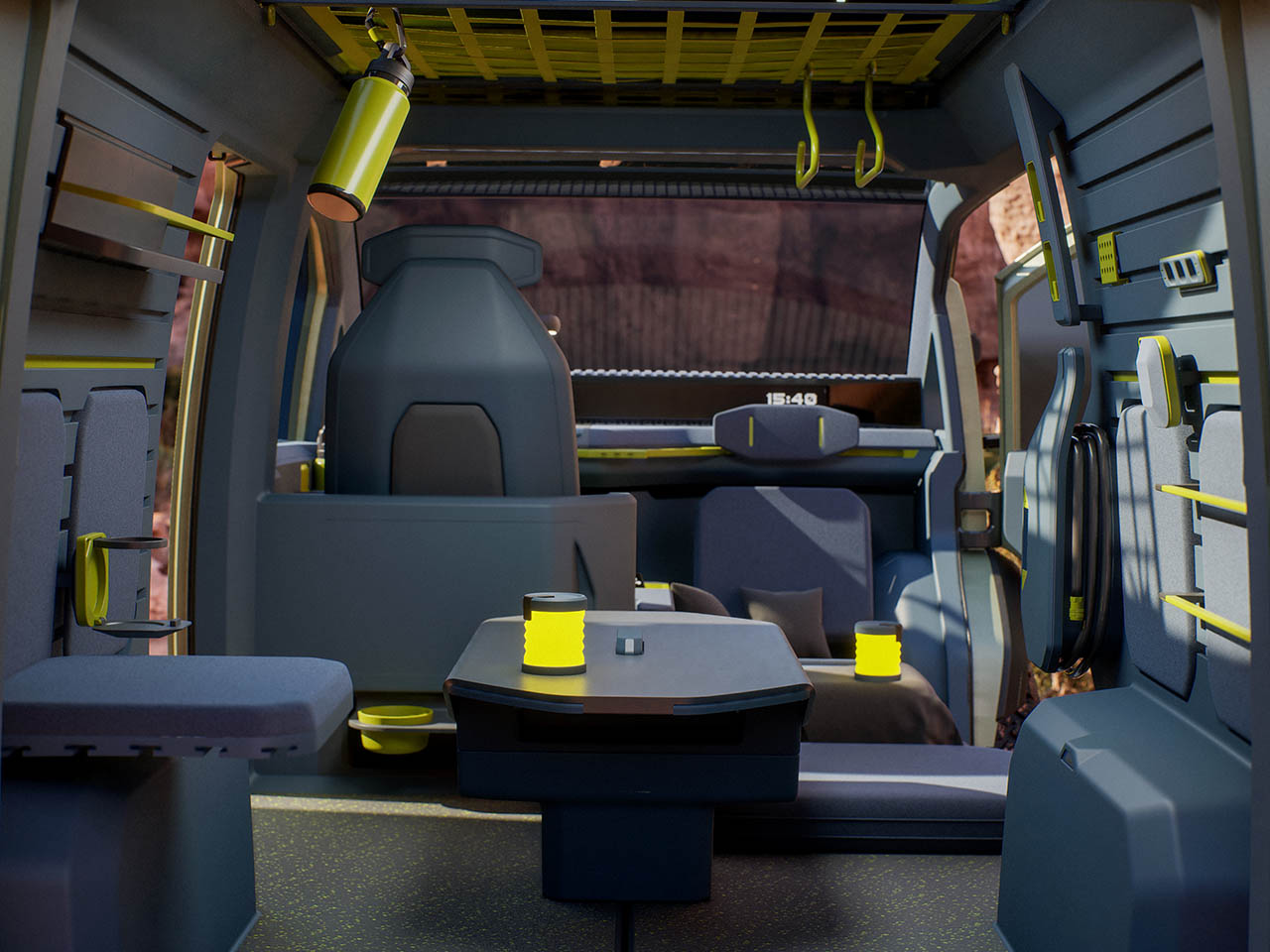
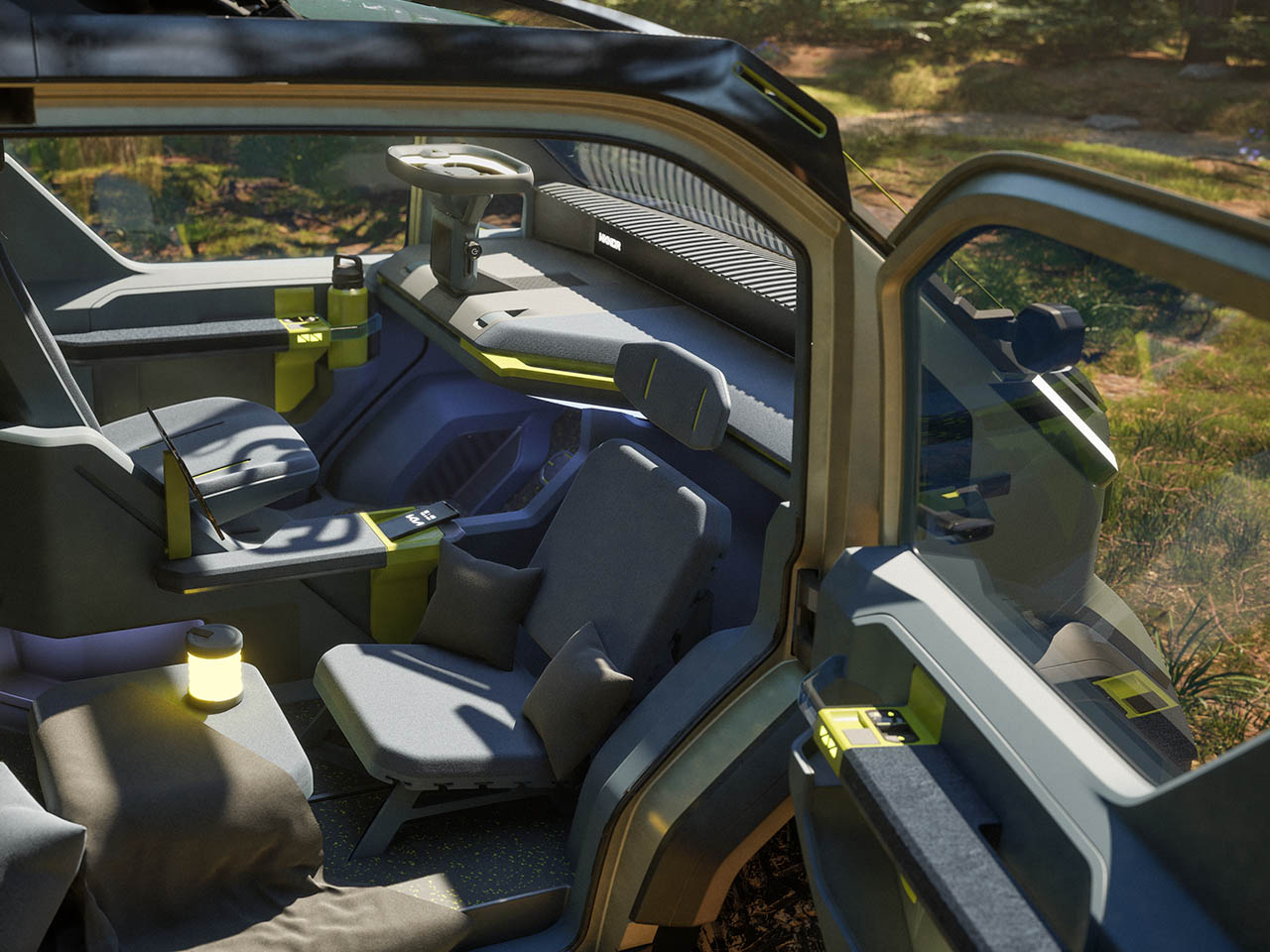
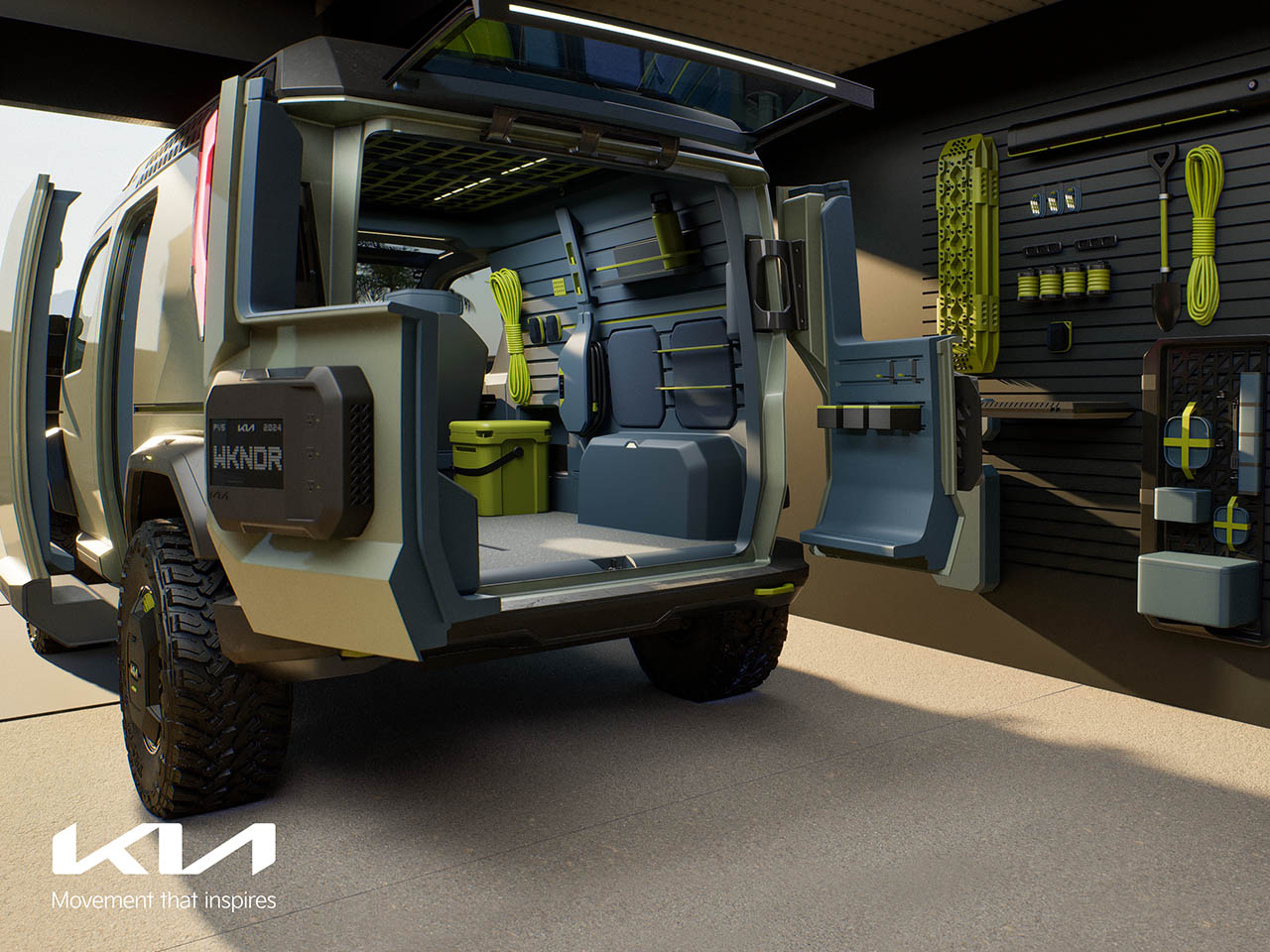
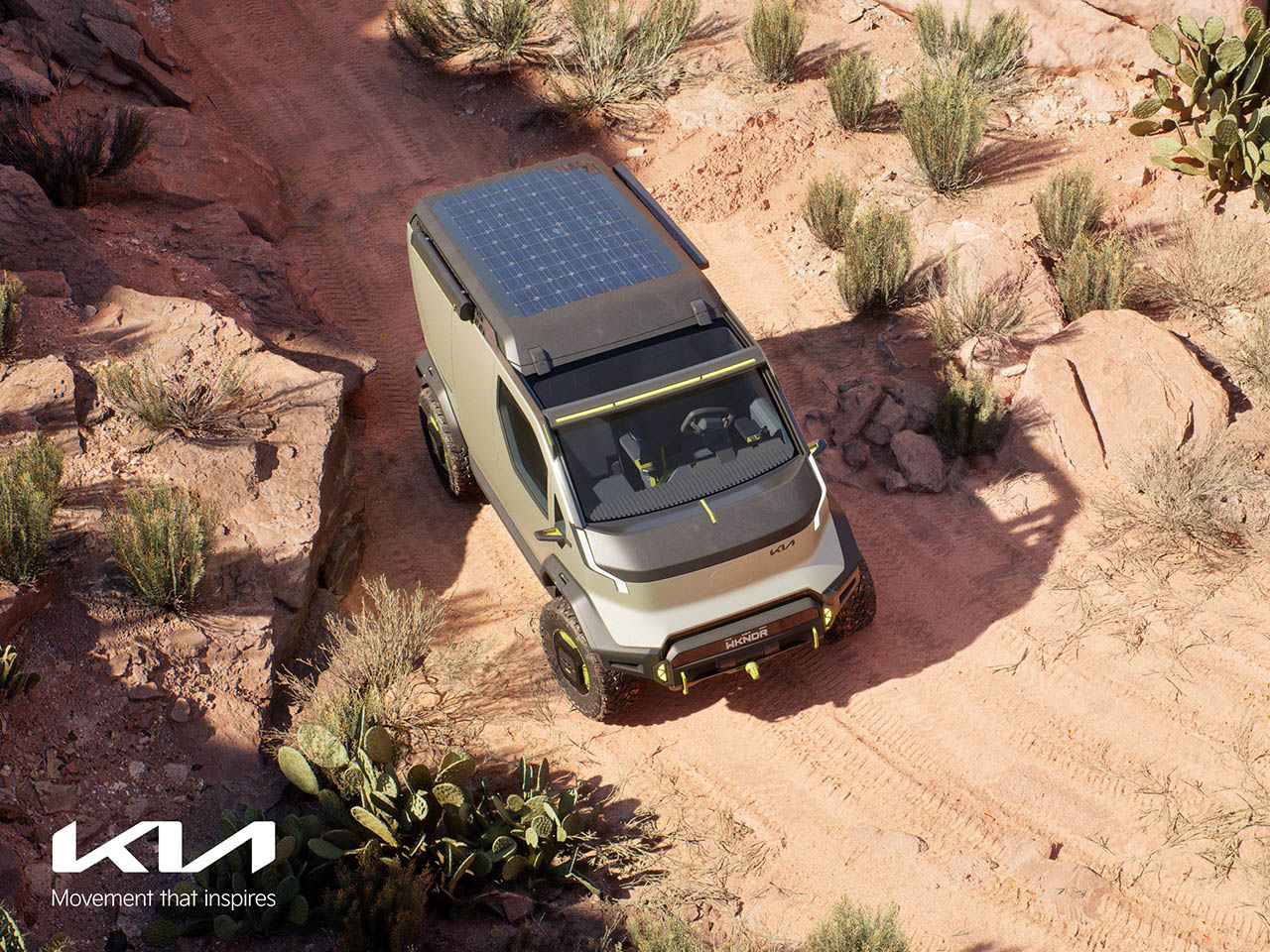
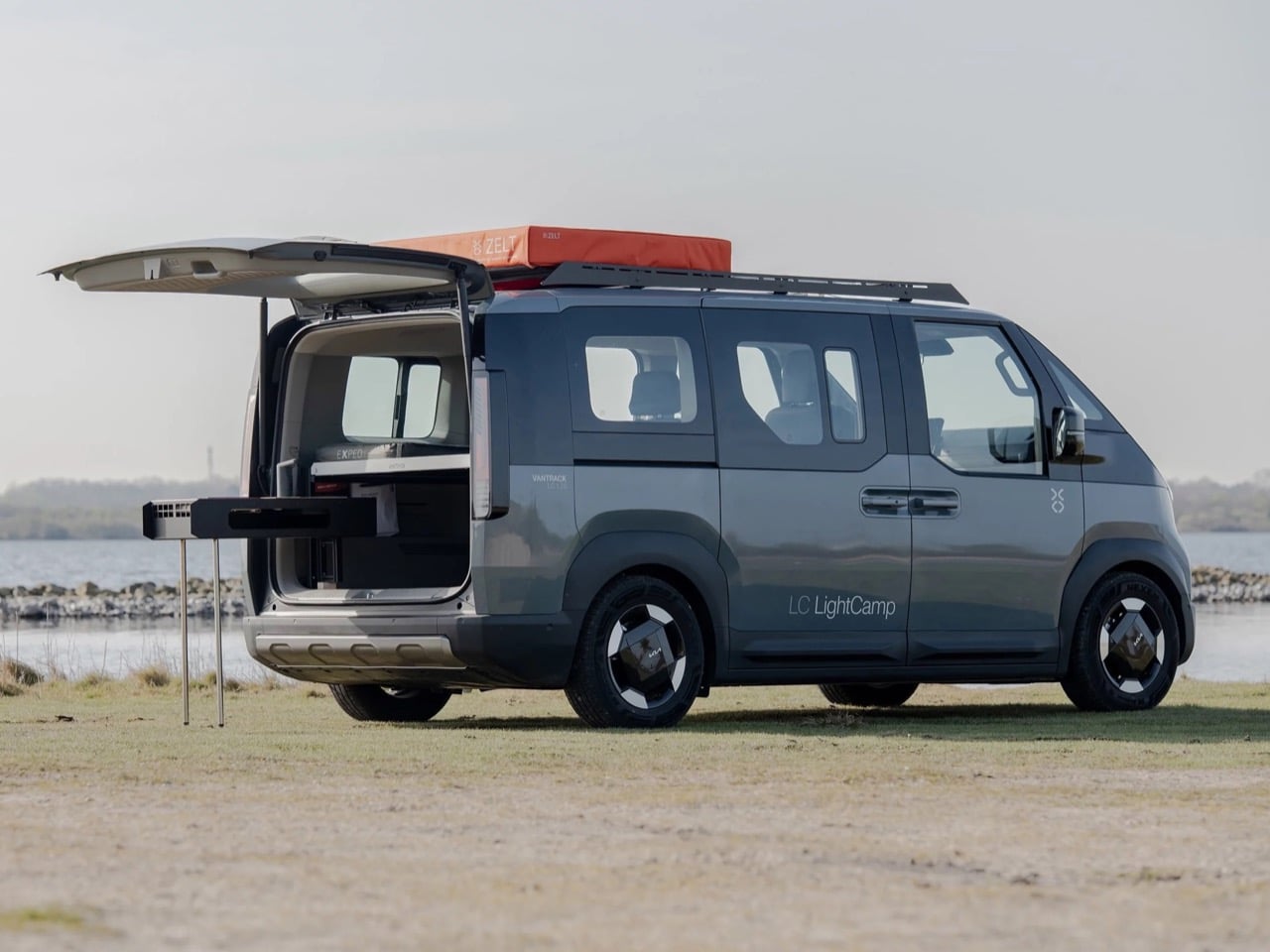
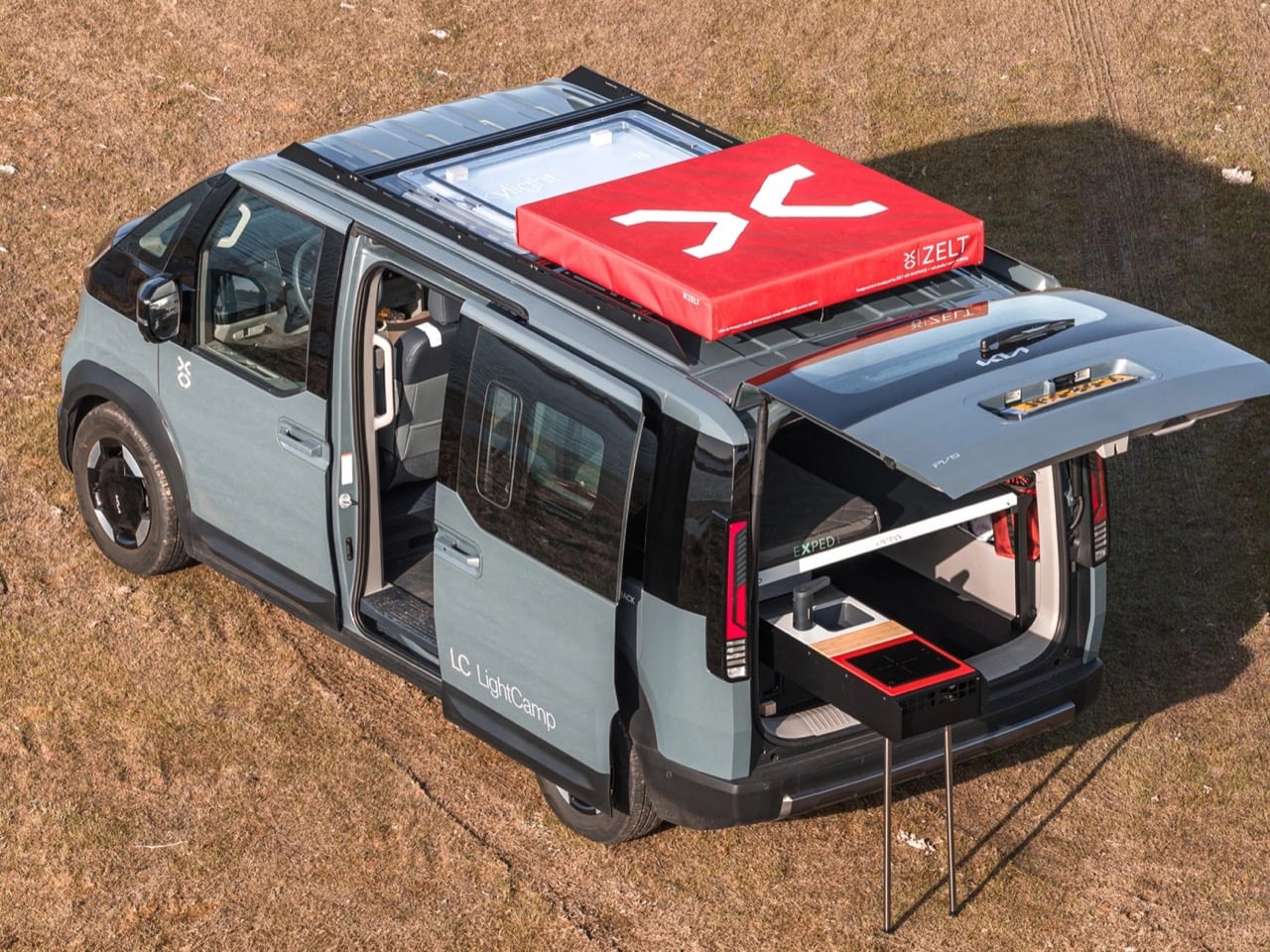
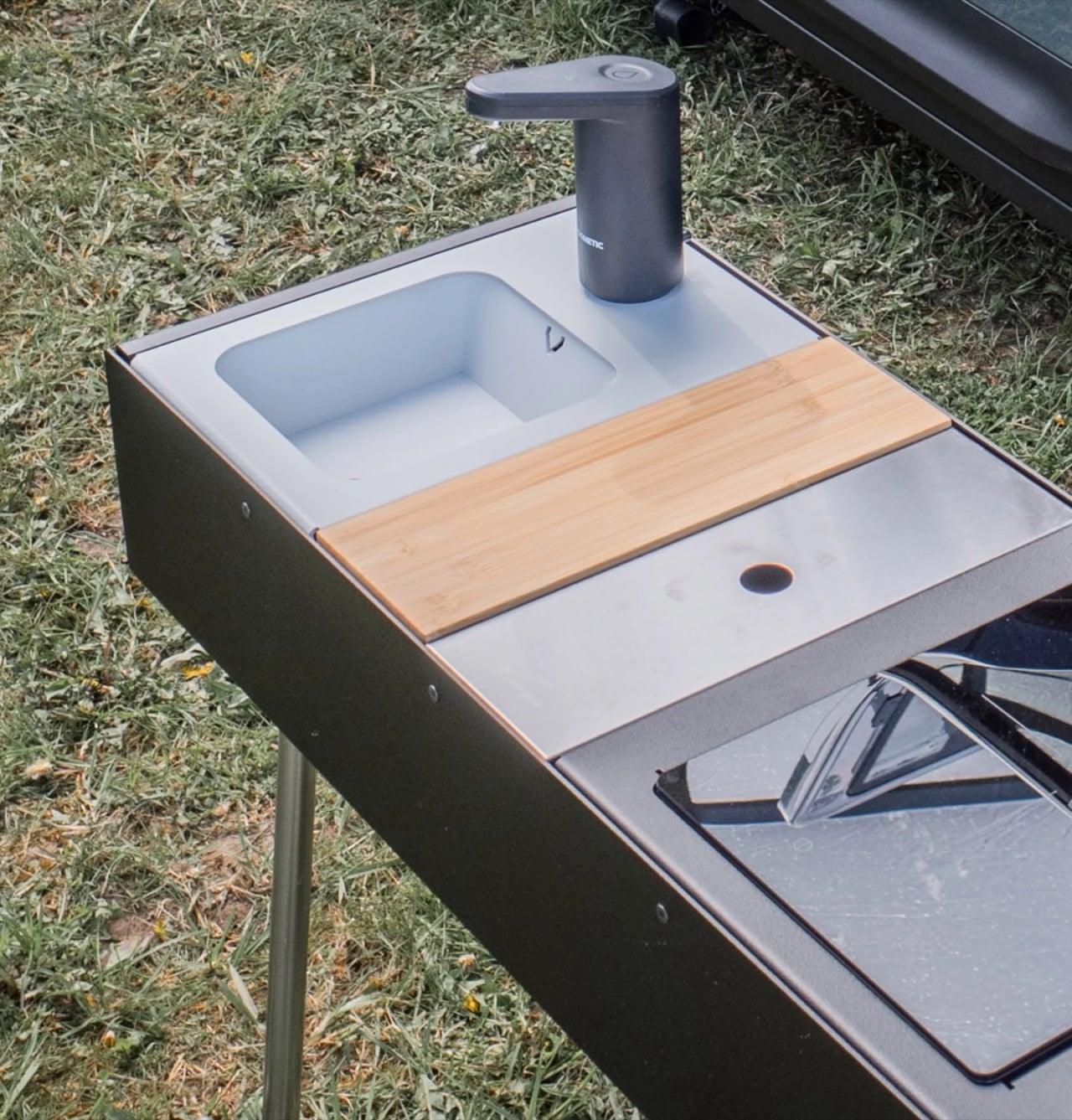
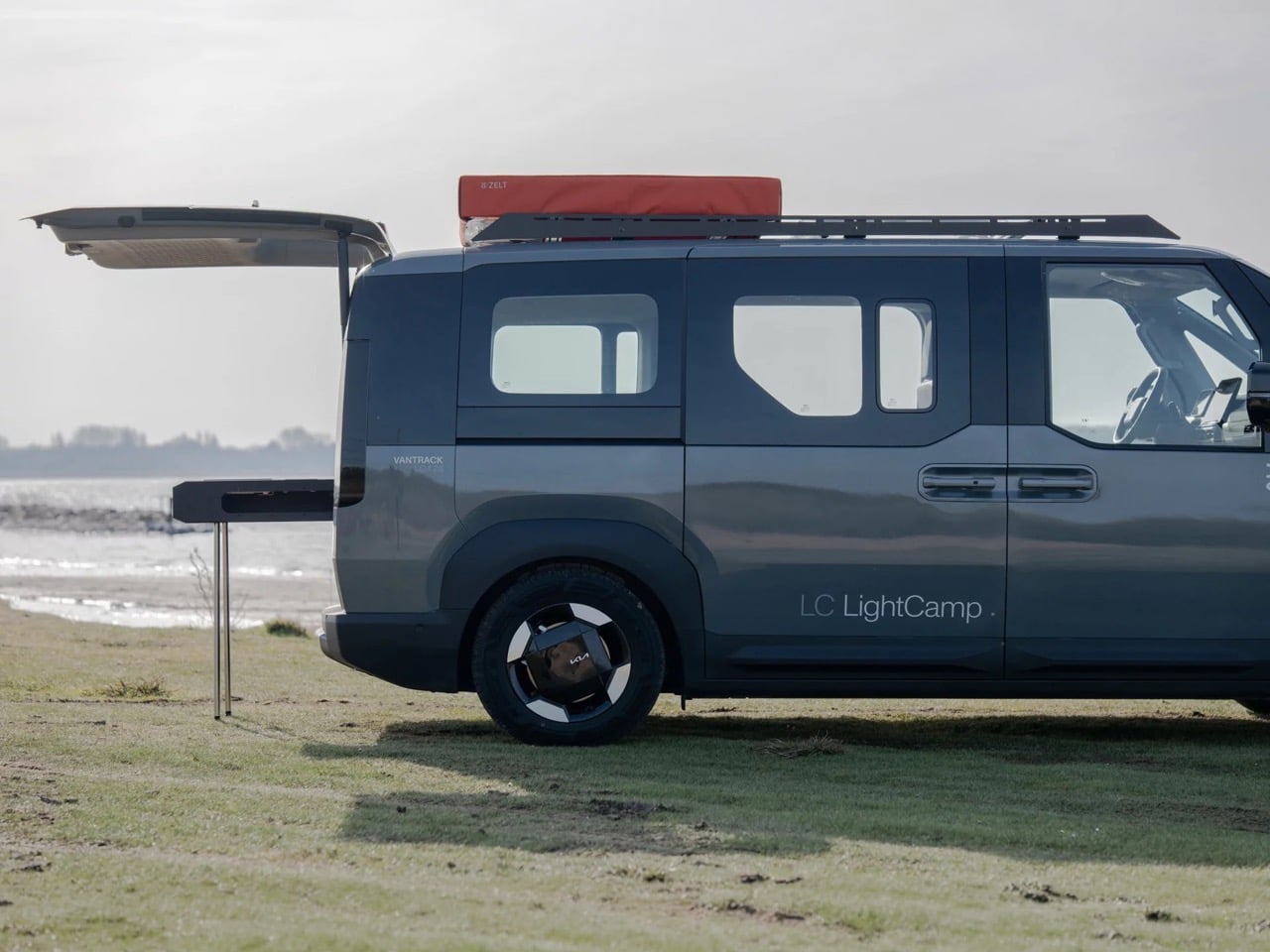
PV5 WKNDR is more oriented towards longer stays away from home. The EV is well-equipped for wild overlanding adventures away from habitation. The vehicle can make your unknown adventure possible for weeks or even months in a single go. Kia labels the modular interior of the WKNDR as a Swiss army knife on wheels. The off-road capable vehicle comes with a pop-up camper, mobile kitchen, air compressor for filling up tires or inflating mattress, front-mounted winch, and loads of innovative storage solutions to stash all your essentials. One that we like in particular is the kitchen-style slide-out system that stores loads of things without taking up any interior space. It also comes with solar panels on top and innovative hydro turbine wheels to recharge the batteries.


The post Kia unveils off-road capable EV concepts high on customization and spirit of adventure first appeared on Yanko Design.
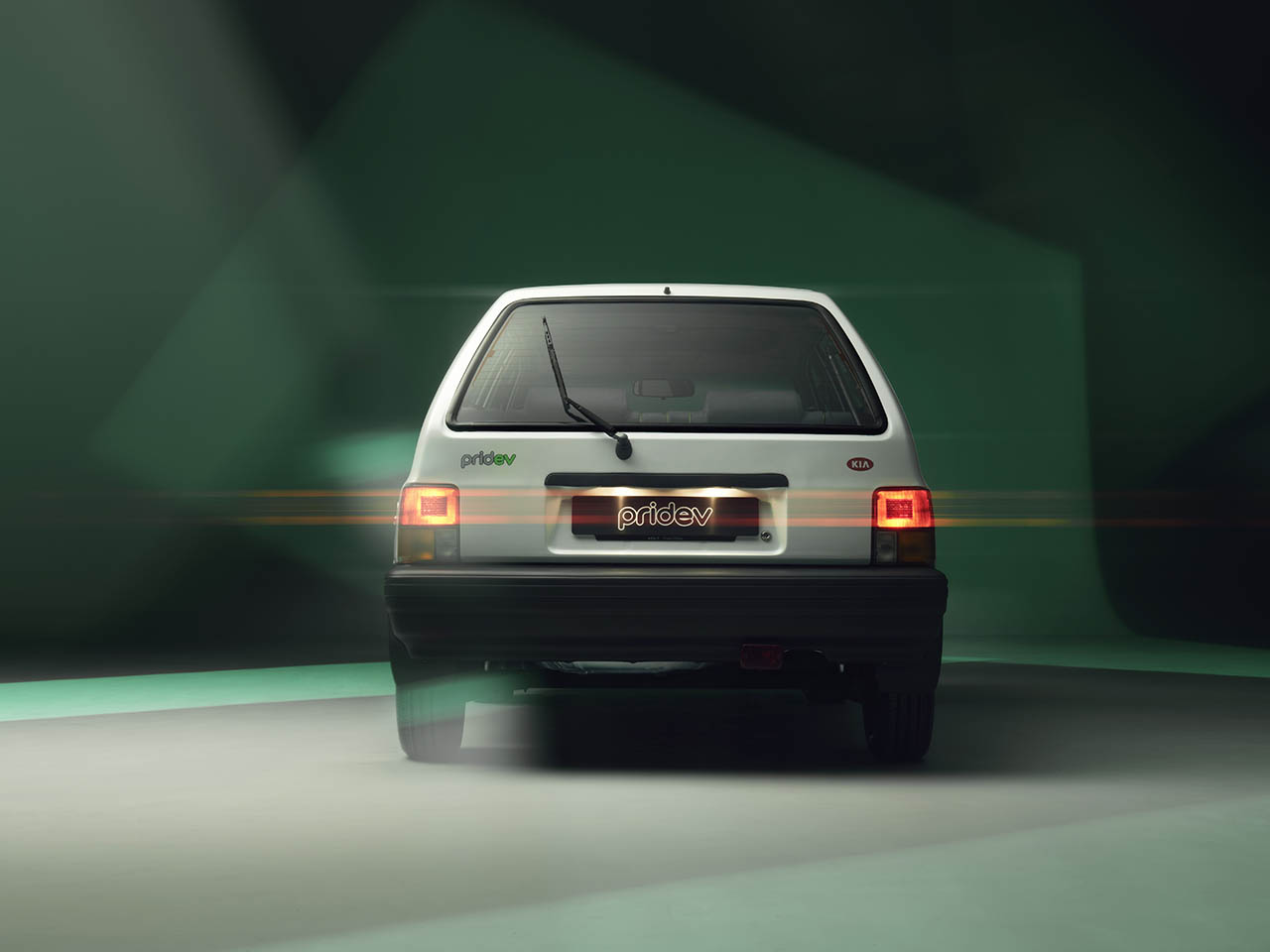
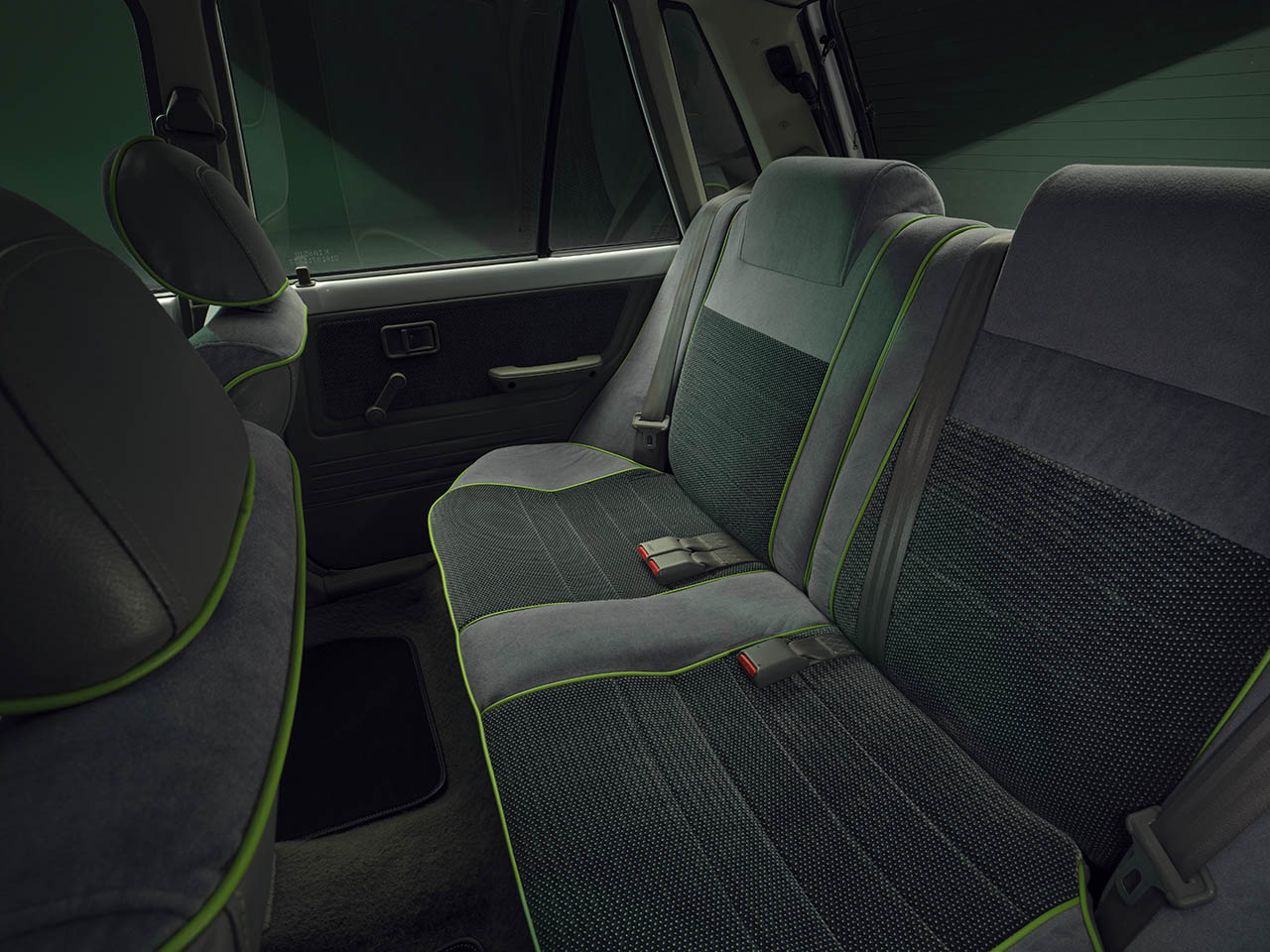
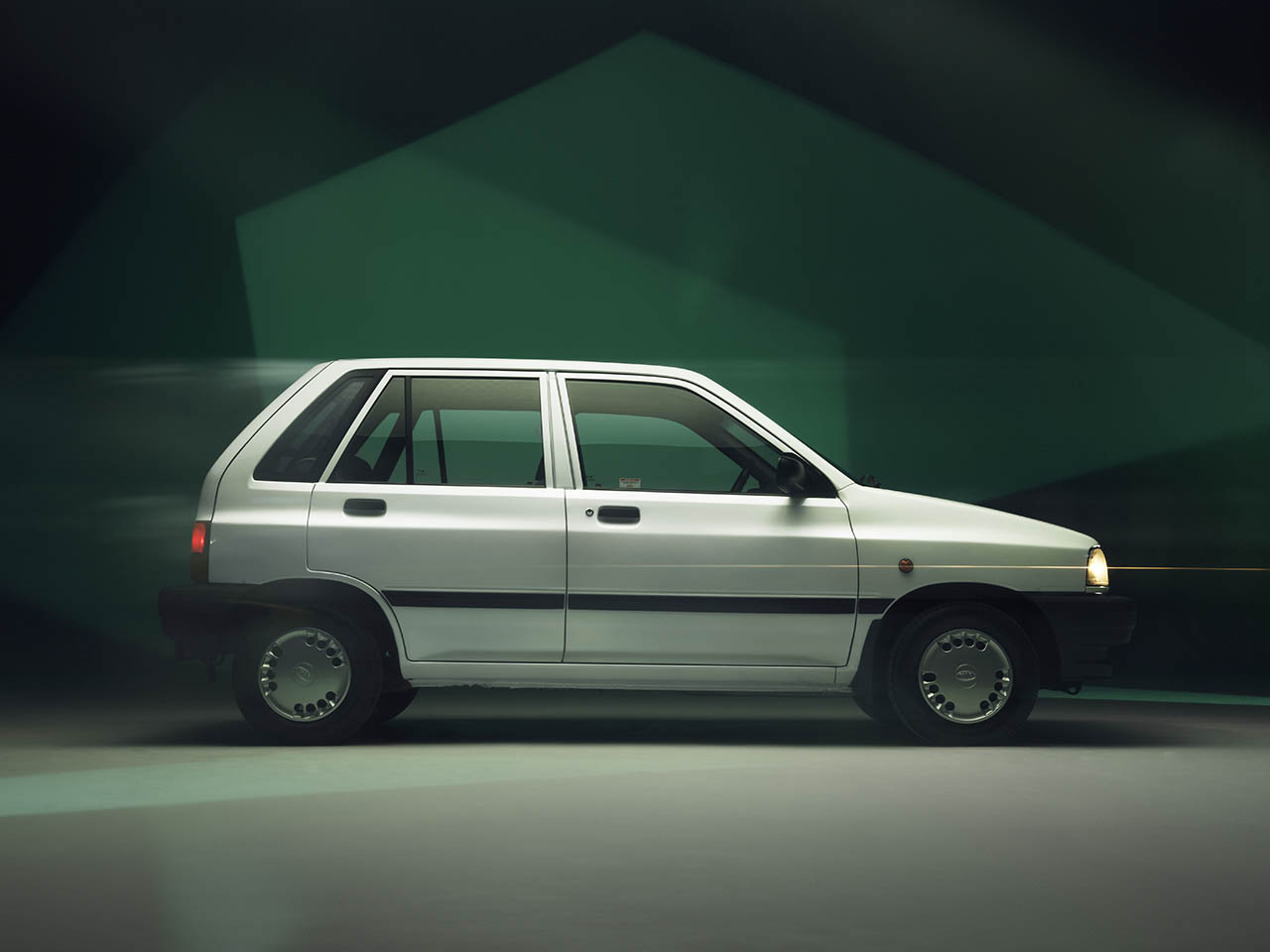
Kia reincarnates the iconic old school Pride as a powerful electric car restomod we love

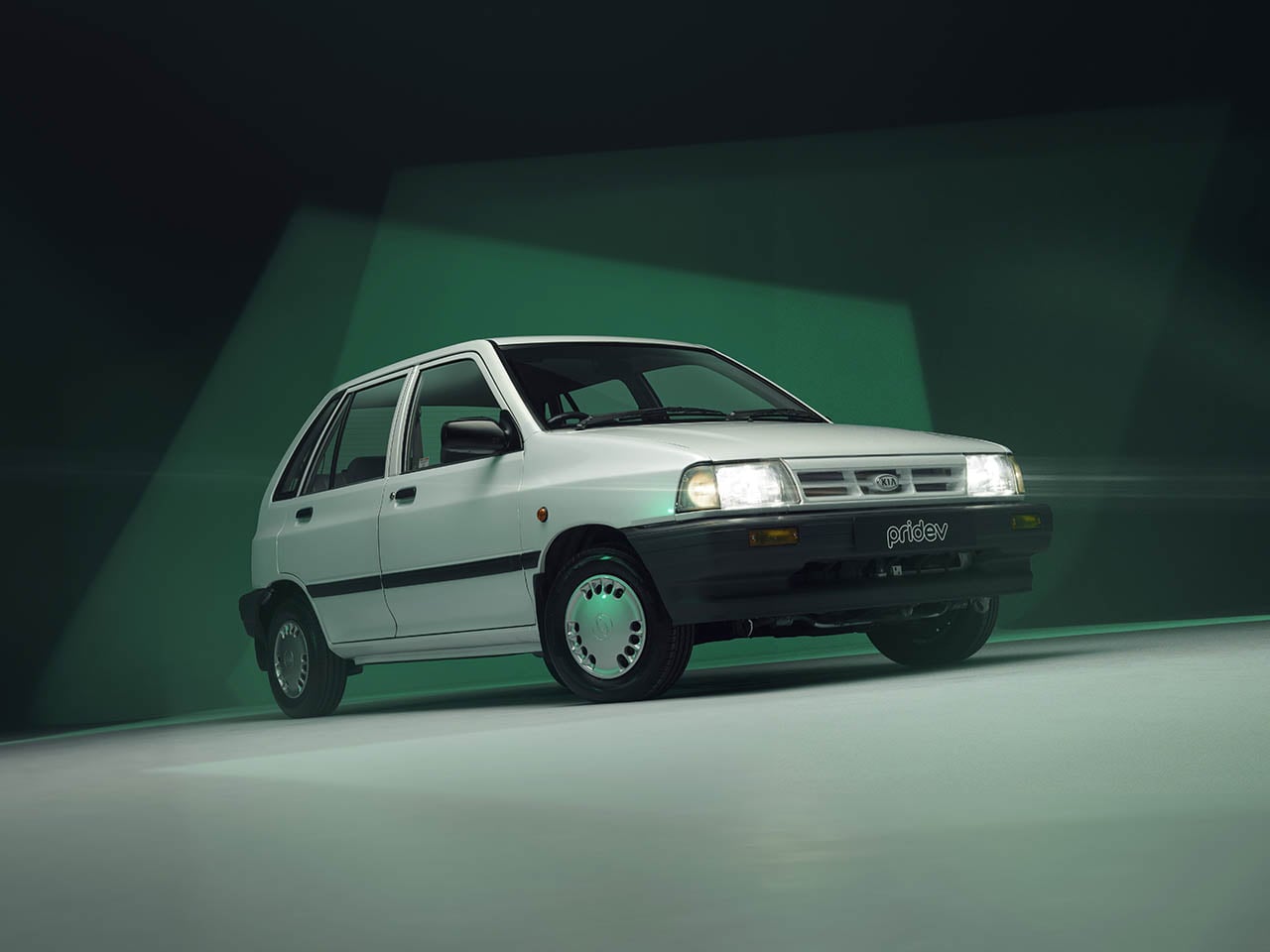
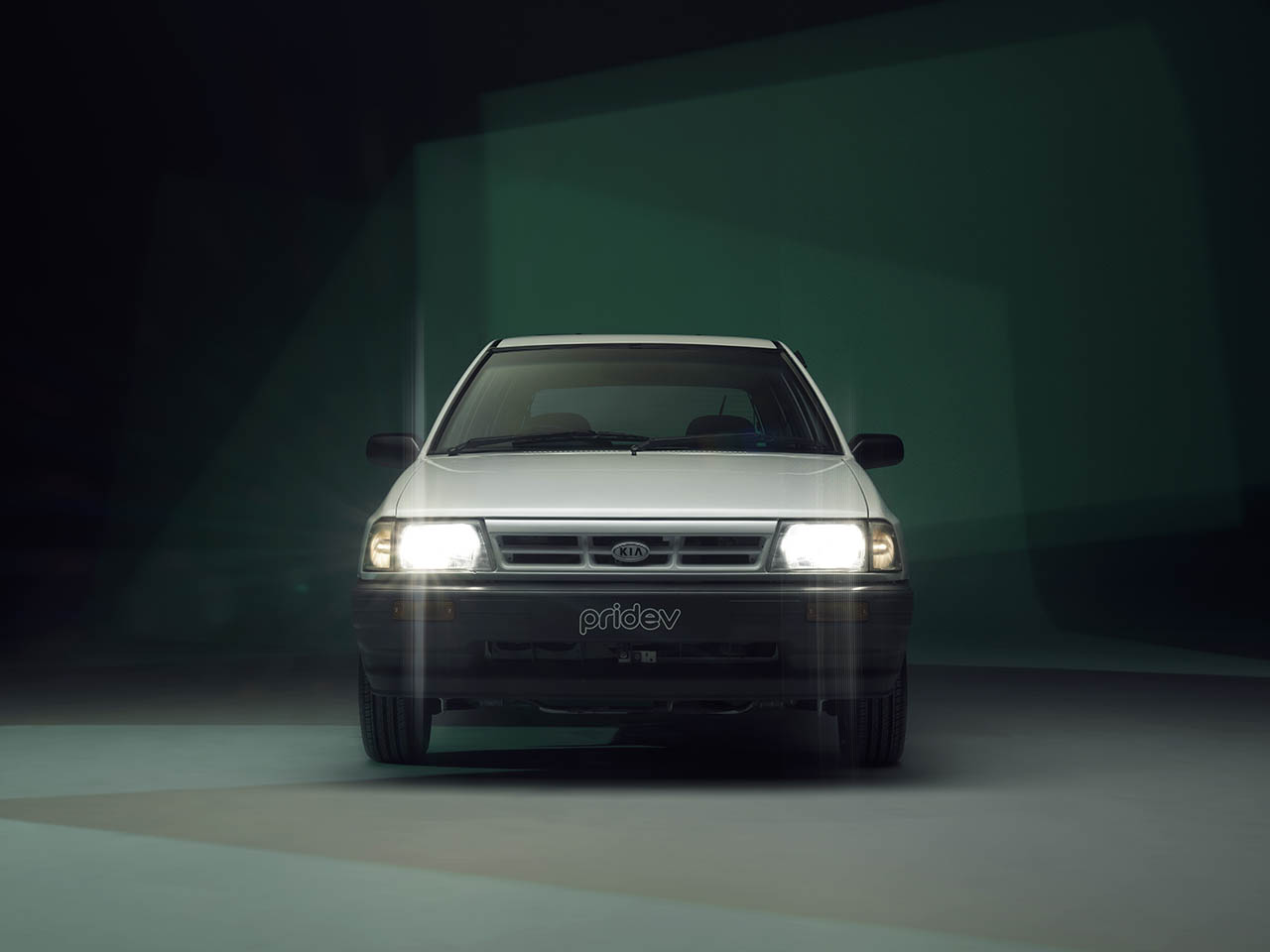
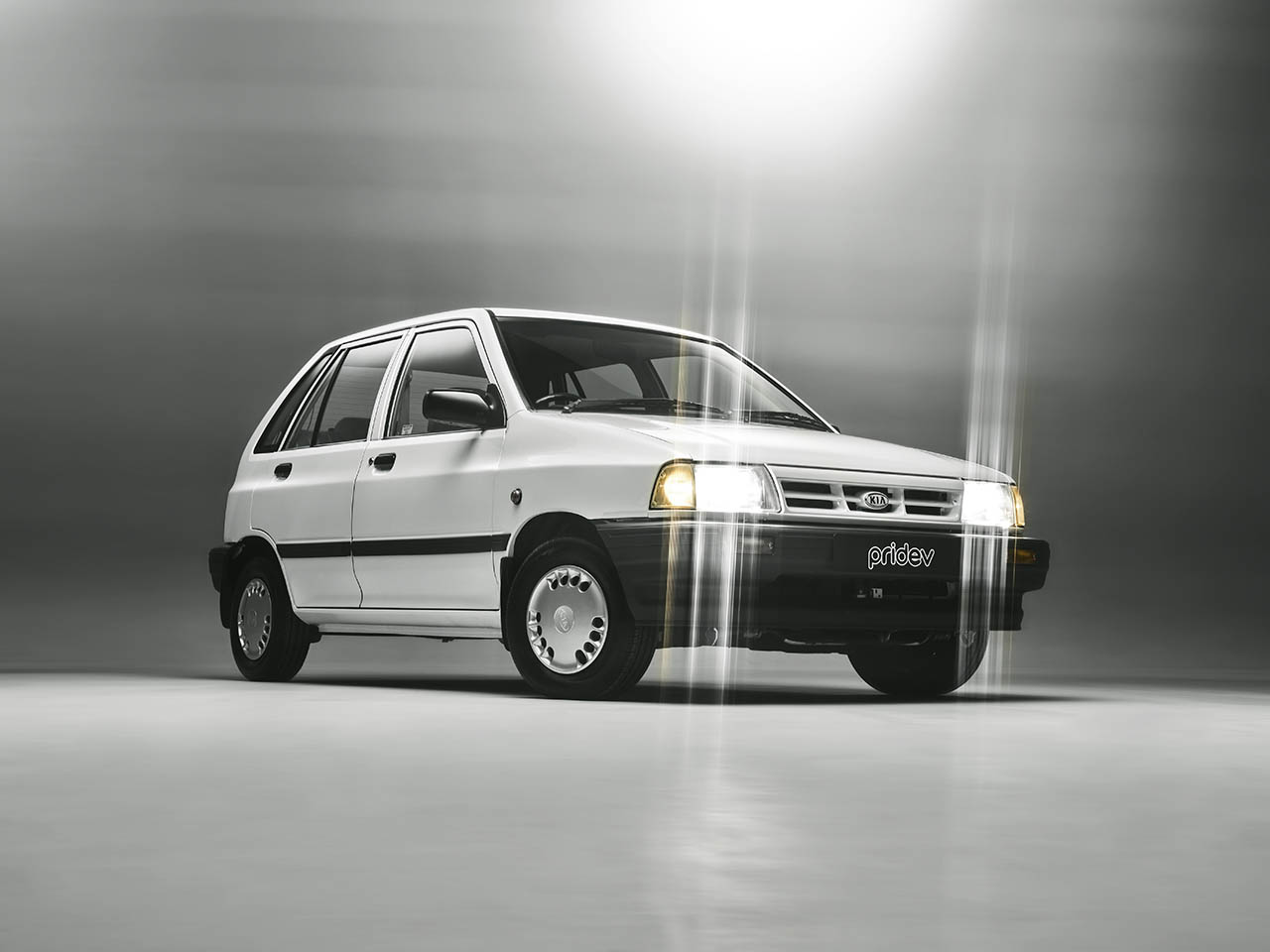
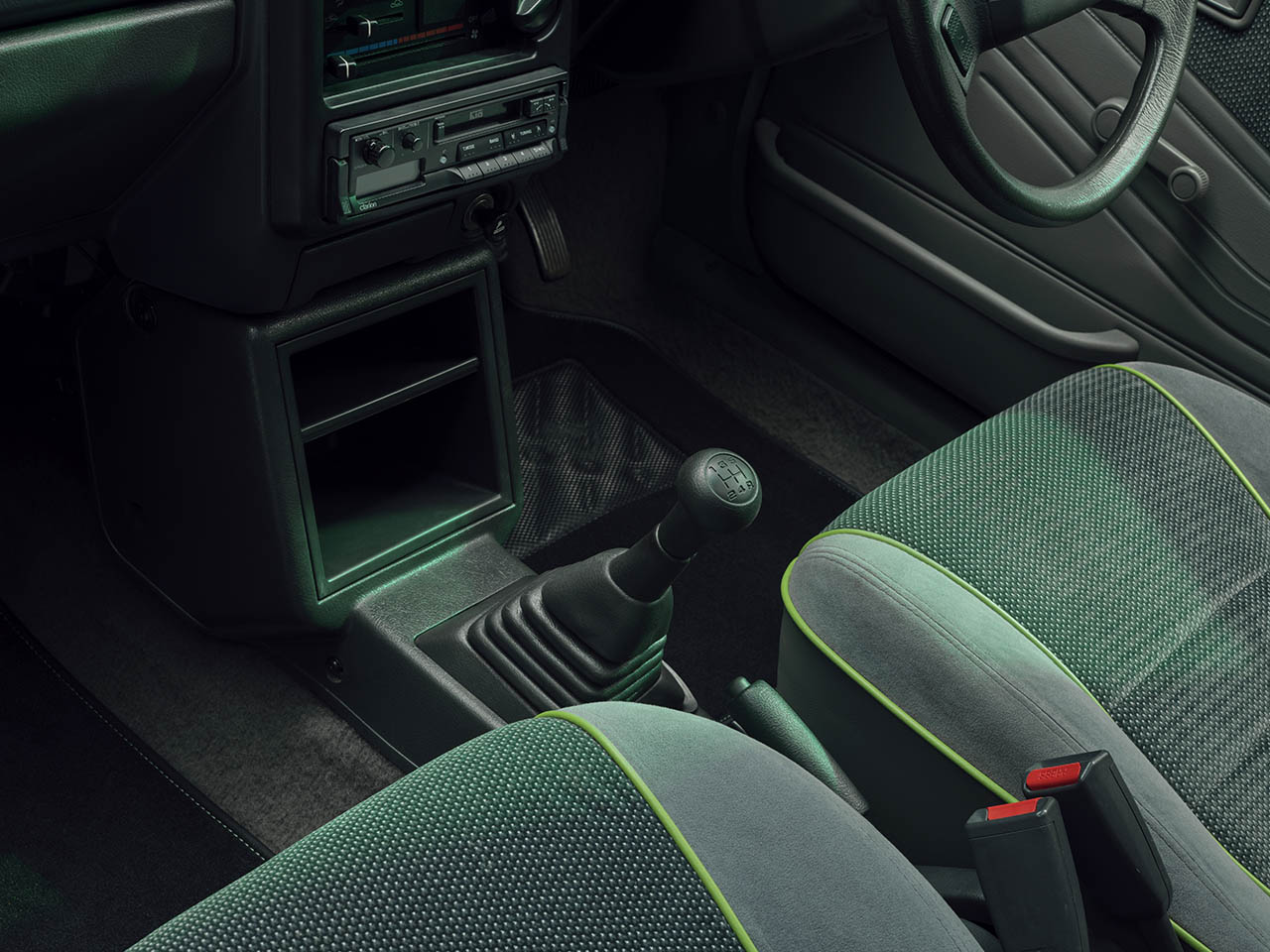
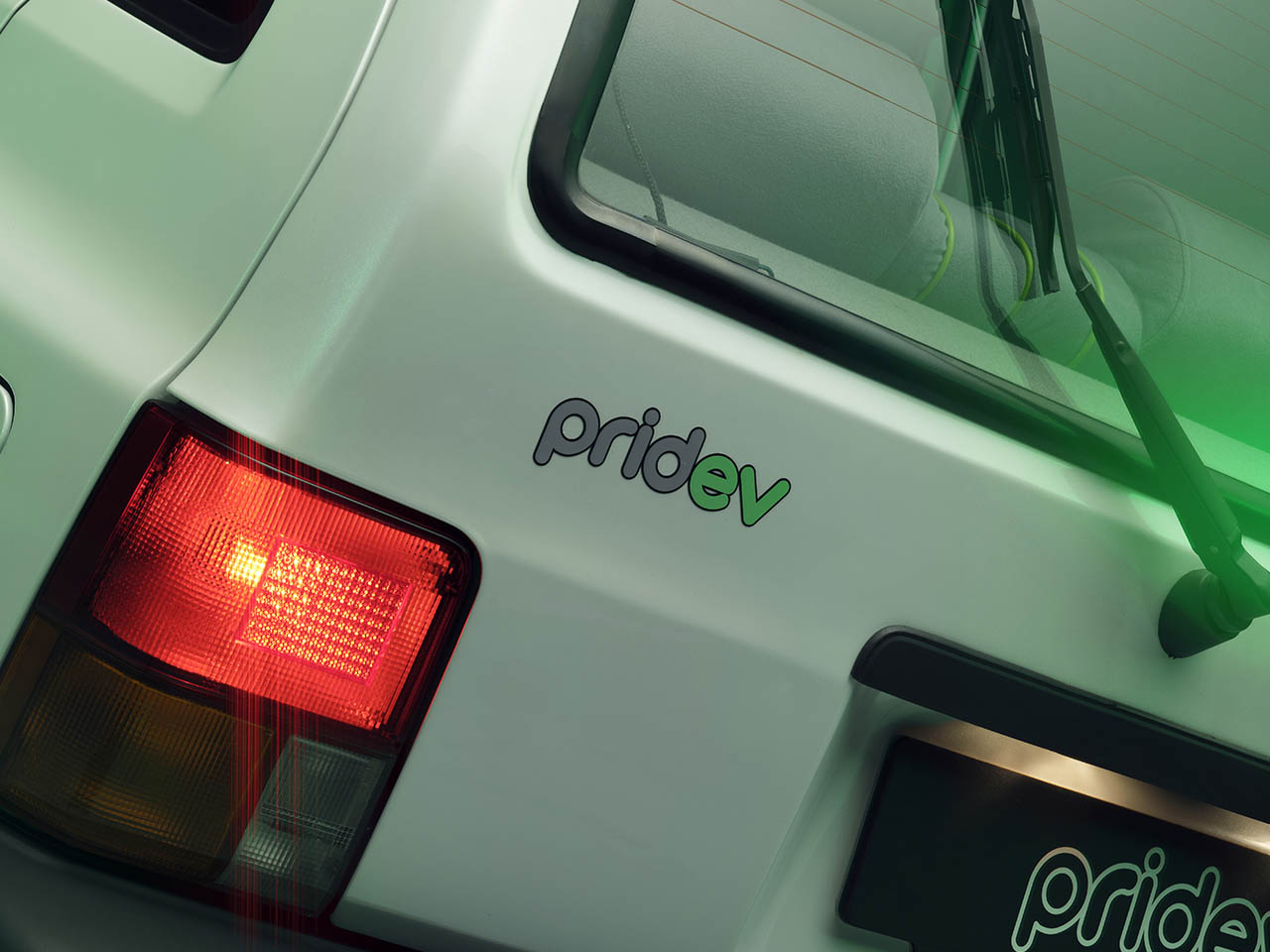
The gas-powered Kia Pride was a successful subcompact hatchback from the 90s that was a rebatched Ford Festiva. For the 80th anniversary of the brand’s business in the UK, they have restored the 1996 Pride 1.3 LX into an all-electric restomod. This one-off electrified reincarnation of the classic family car gets a stellar EV powertrain conversion courtesy of a British manufacturer.

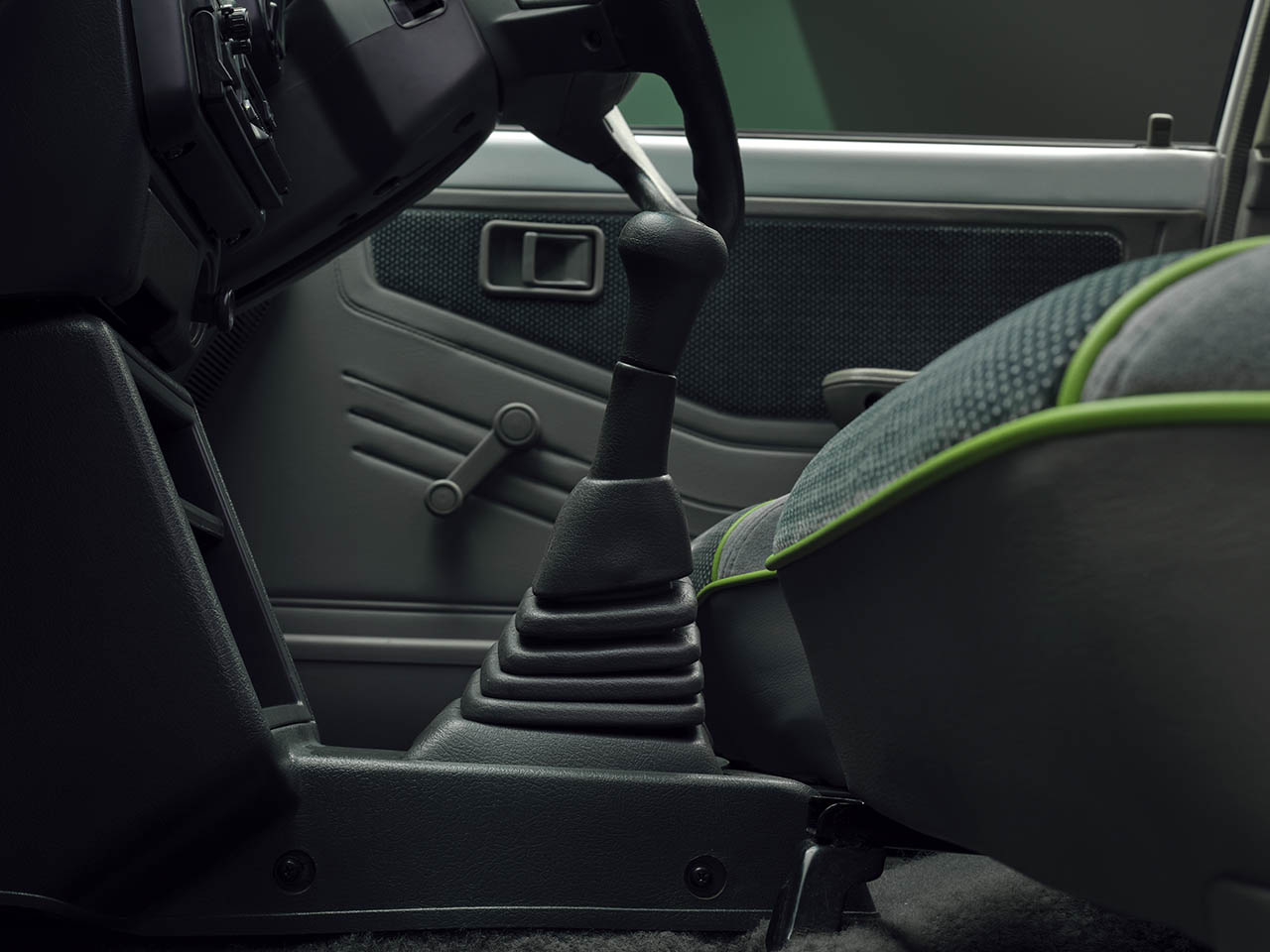
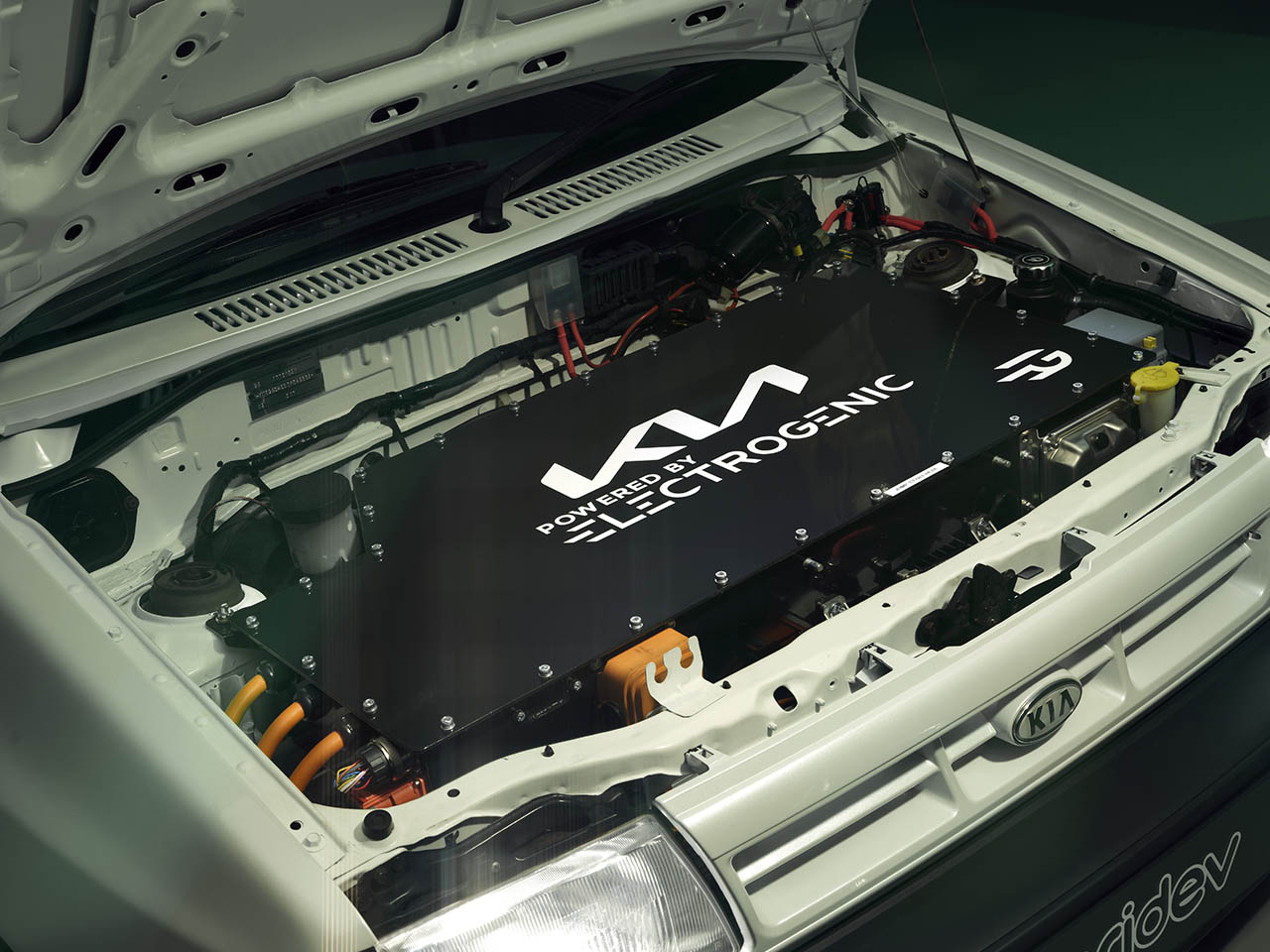
According to Kia, the electric hot hatch is one of the most powerful of its kind, and they playfully call it a “true socket rocket.”  All the combustion components have been replaced with a powerful EV powertrain and the only components retained from the original are the five-speed manual transmission and drive shafts. This brings maximum drivable engagement for motorheads who care.

Designer: Kia

The renewed avatar of the Pride boasts 107 bhp (80kW) and 173 lb-ft of torque, almost double the power of its older counterpart. On the inside, the electric motor, twin 10 kWh battery packs, and a charging port replace the older gas-powered engine, fuel tank and filler neck. All these core modifications lead to an acceleration of 0 to 62 mph in 8 seconds flat. Kia assures that the 20 kWh battery pack can stretch a total mileage of 120 miles on a single full charge in the Evo mode which is good enough for a city commuter like this one. In this drive configuration the engine shifts to producing 60 bhp with a maximum torque of 11 Nm. Talking of which, the Pride EV also has two other modes – Auto and Sport – the latter offering a max power output of 107 bhp and 173 lb-ft torque.

Sadly, this restomod version is going to be a one-off and not up for sale anytime in the future. That said Kia is launching many EVs like the latest EV3 as a part of the plan to have 15 electric vehicles by 2027. Nine of these will be available for sale in the UK.

The post Kia reincarnates the iconic old school Pride as a powerful electric car restomod we love first appeared on Yanko Design.
Unveiling Kia PV5 and PV7: The Future of Electric Urban Mobility and Logistics

Kia’s unveiling of the Concept PV5 and PV7 marks a major milestone in electric vehicle development, targeting a 2025 release. These models blend modern aesthetics with practical design, catering to diverse urban transport and logistics needs. The PV5 and PV7 are designed with both scalability and versatility in mind, making them perfect for various business applications, from passenger transportation to cargo delivery.

Designer: KIA

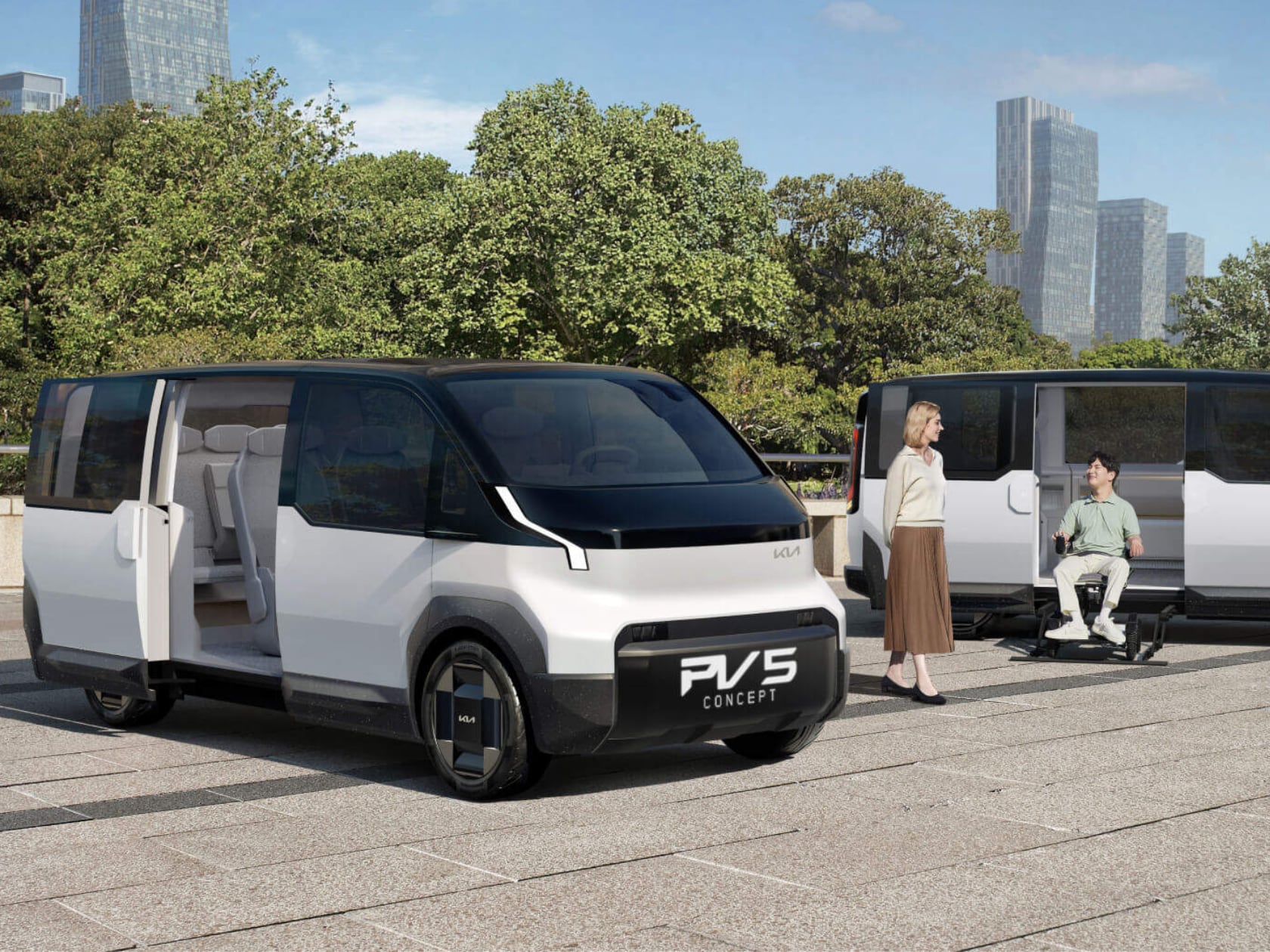
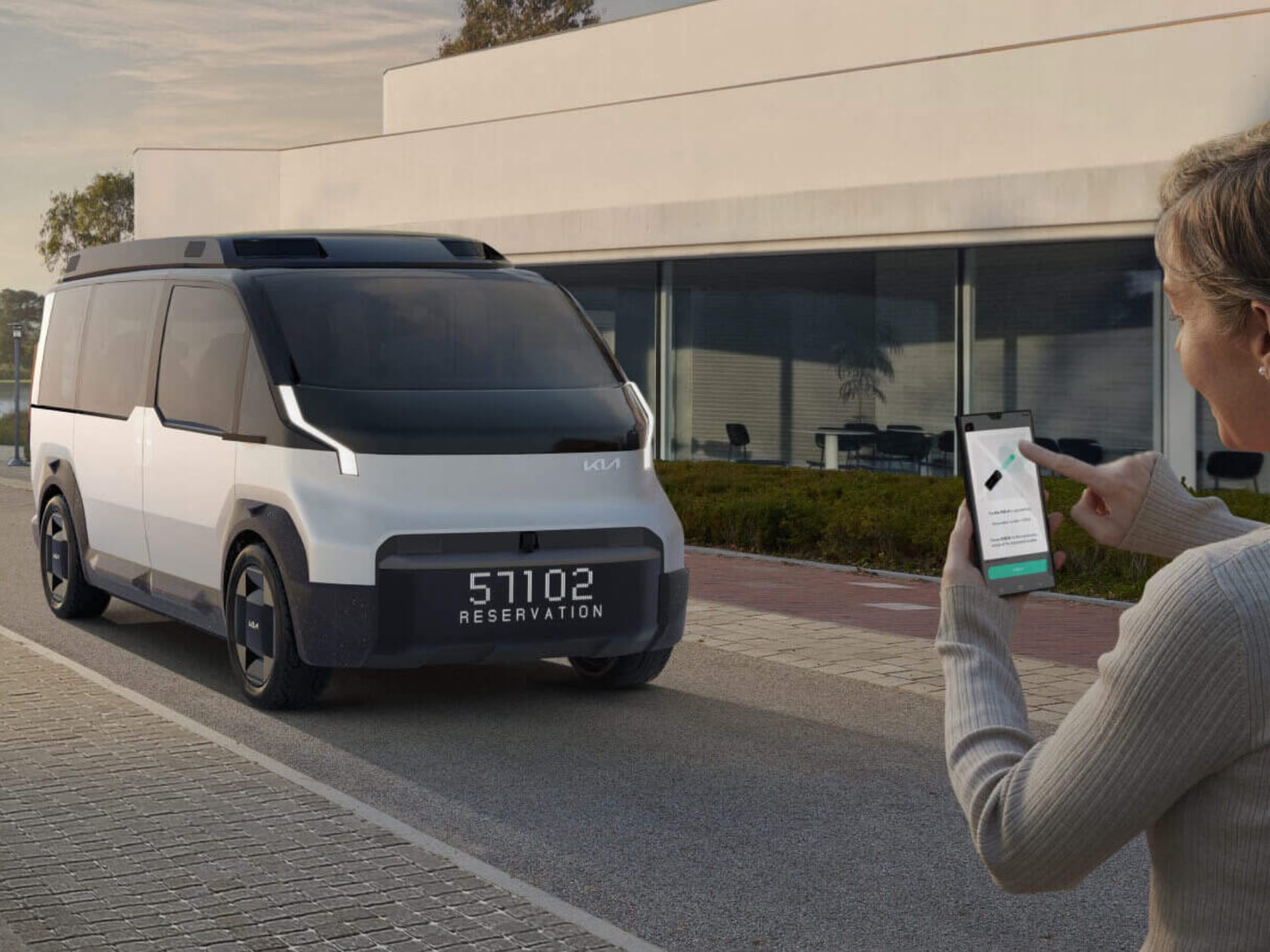
The PV5’s exterior features sleek, aerodynamic lines and a striking two-tone color scheme that conveys a futuristic and professional look. Large, seamless windows enhance visibility and contribute to the high-tech aesthetic, while the minimalist front design with integrated LED headlights adds a touch of sophistication. The vehicle is available in three body types: Basic (Passenger), Van (Delivery), and Chassis Cab, providing flexibility for businesses that require different configurations. The Basic model prioritizes comfort and space, featuring wide double doors and a flat floor to maximize interior room. It is ideal for urban passenger transport, including taxis and ride-sharing services.

KIA Concept PV5-R

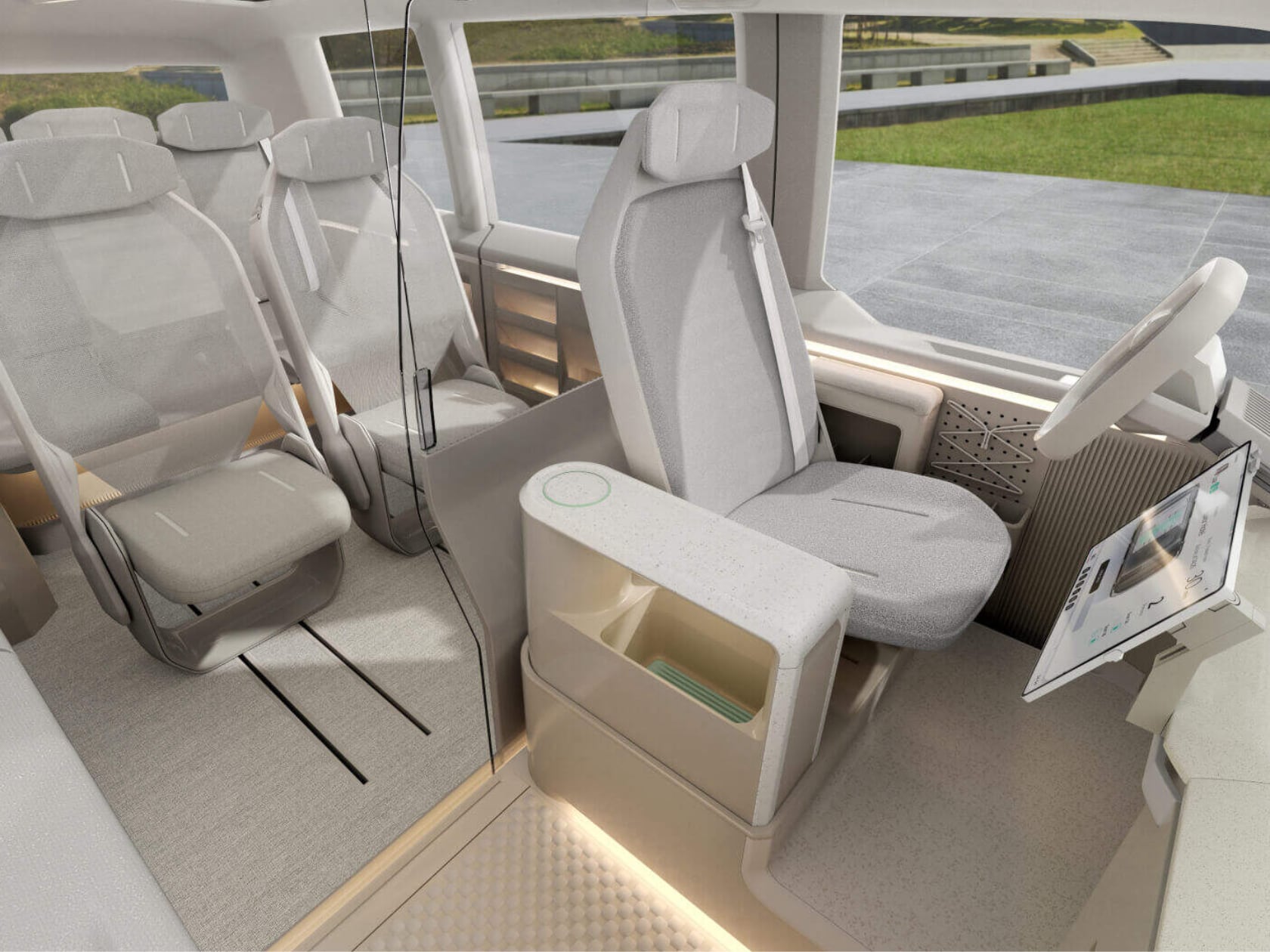
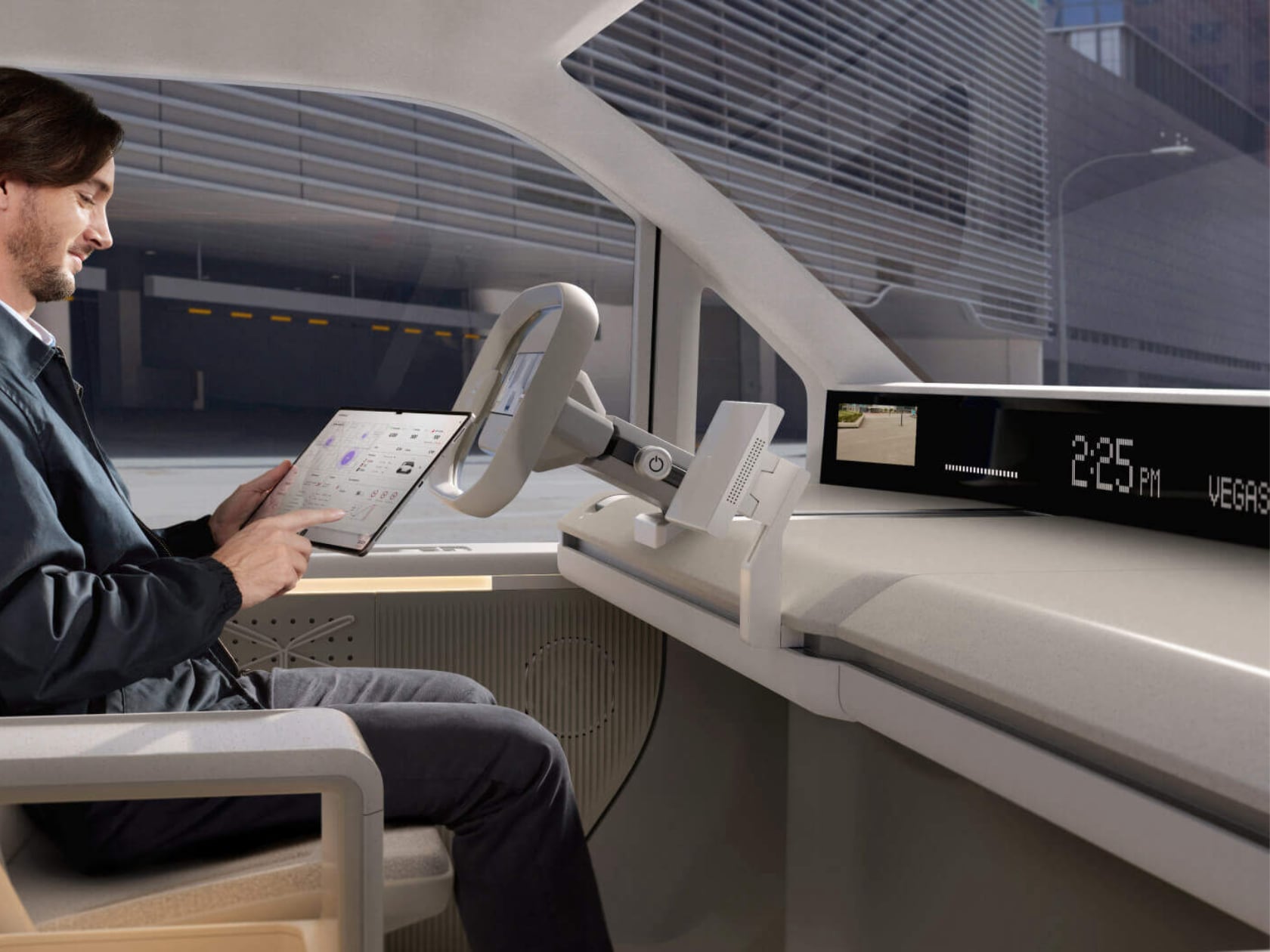
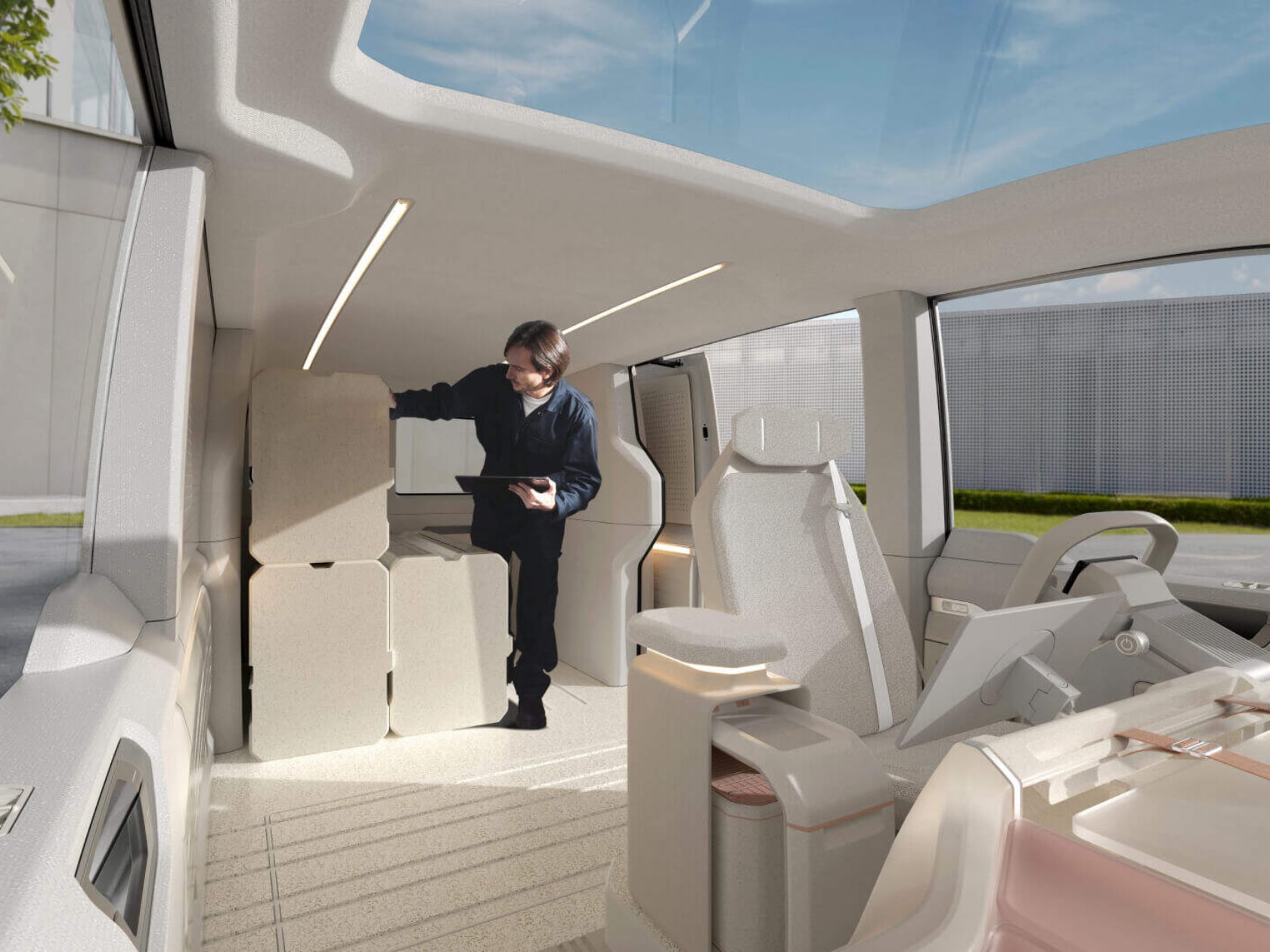
Inside, the PV5 offers a spacious and innovative environment. Ergonomic seats can be configured in multiple ways to meet various needs, and they fold flat to provide additional storage space when necessary. The minimalist dashboard has a digital display that integrates all essential functions, offering the driver a streamlined and efficient interface. Sustainable materials used throughout the interior contribute to a luxurious feel and reflect Kia’s commitment to eco-friendly design. The large touchscreen display in the center console ensures easy access to navigation, entertainment, and vehicle settings, enhancing the connected driving experience. The flat floor design of the electric platform further enhances versatility and space efficiency, making it easier for passengers with mobility issues or those carrying heavy cargo to enter and exit the vehicle.

Kia Concept PV5 Basic (Passenger)

The PV5’s Van (Delivery) model is tailored for the transportation of small and medium-sized cargo, featuring ample storage space and wide rear doors for easy access. This model is particularly suited for service industries and delivery businesses, offering a reliable and efficient solution for urban logistics. The Chassis Cab variant offers maximum flexibility, allowing businesses to customize the vehicle for specific needs, such as mobile workshops or specialized service vehicles.

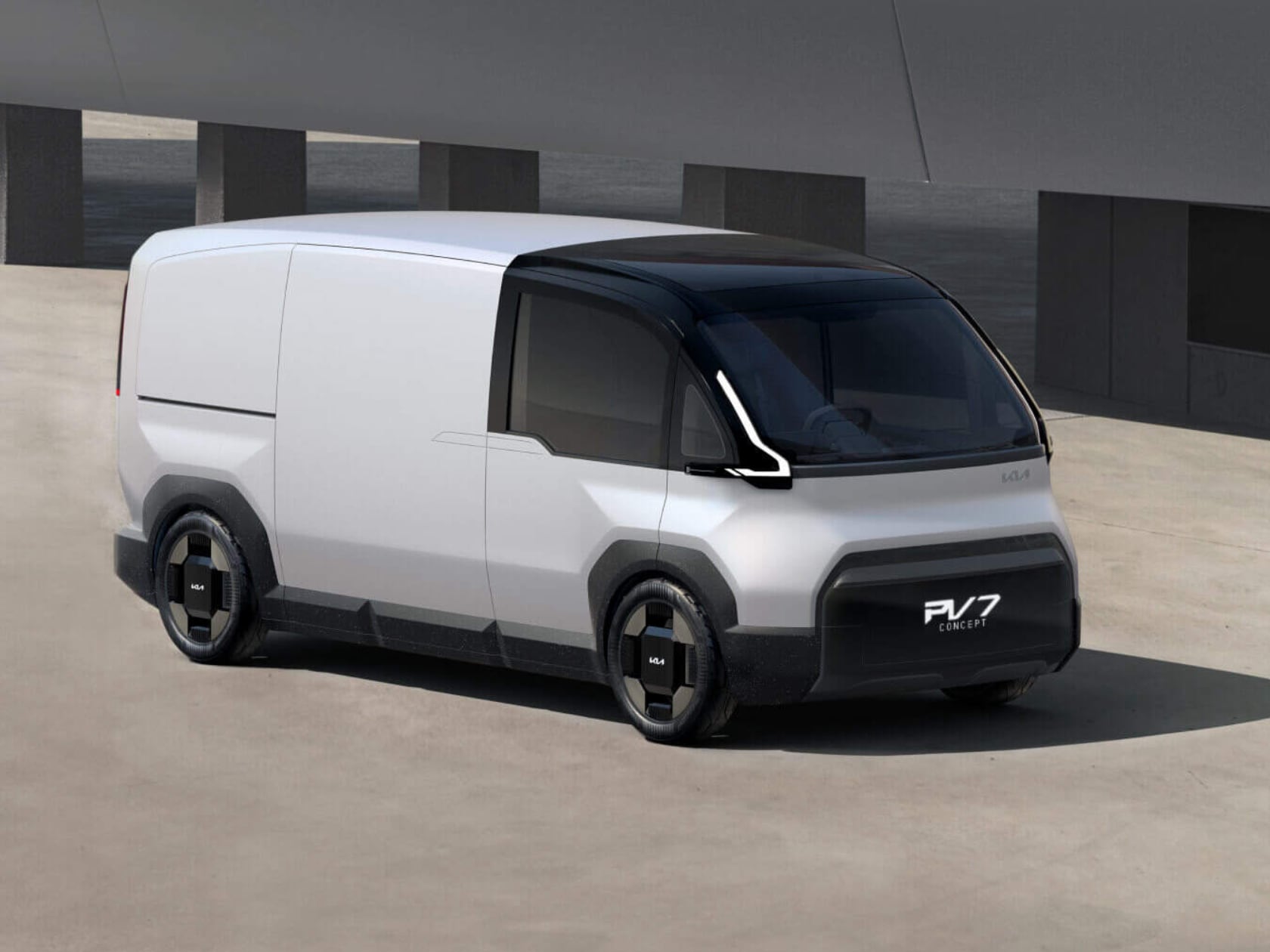
The PV7, a larger sibling in Kia’s PBV lineup, extends these innovations with greater cargo space and advanced features tailored for more extensive transport needs. Both models reflect Kia’s dedication to pushing the boundaries of electric vehicle design, offering practical solutions for various commercial uses. The PV7 builds on the versatility of the PV5, providing more room and possibly additional configurations to meet diverse business demands.

Kia Concept PV5 Van Interior

Kia Concept PV7 is Kia’s second PBV and boasts the largest cargo space in the lineup.

Kia’s PV5 and PV7 concepts also hint at future advancements with the planned PV5-R model, incorporating autonomous driving technology. This innovation promises to enhance the appeal of PV5 and PV7 across various industries, offering a modern and efficient solution for urban mobility.

Kia Concept PV5 Basic (Passenger) is a perfect solution for urban passenger transportation such as taxis, ride hailing/sharing, and vehicles for people with disabilities.

Overall, Kia’s PV5 and PV7 concepts represent a significant step forward in the electric vehicle market. Their versatile designs, scalability, and focus on passenger comfort and cargo space position them to meet the diverse needs of businesses and individuals. The anticipated 2025 release marks an exciting milestone for Kia as it continues to innovate and lead in the electric vehicle sector.

Kia Concept PV7 Cargo Delivery & Multi Van


The post Unveiling Kia PV5 and PV7: The Future of Electric Urban Mobility and Logistics first appeared on Yanko Design.
Kia EV3: The Futuristic Subcompact Crossover Set to Electrify the EV Market

Kia has unveiled the EV3, a subcompact crossover that brings a new level of sophistication and technology to the electric vehicle market. As the latest addition to Kia’s rapidly expanding EV lineup, the EV3 leverages the innovative features of the flagship EV9 SUV while introducing them to a more compact and accessible form. By combining a sleek, modern design with advanced technology and impressive range capabilities, the EV3 is poised to set new standards in the subcompact crossover segment and drive mass adoption of electric vehicles.

Designer: KIA

Exterior Design: A Bold and Progressive Statement

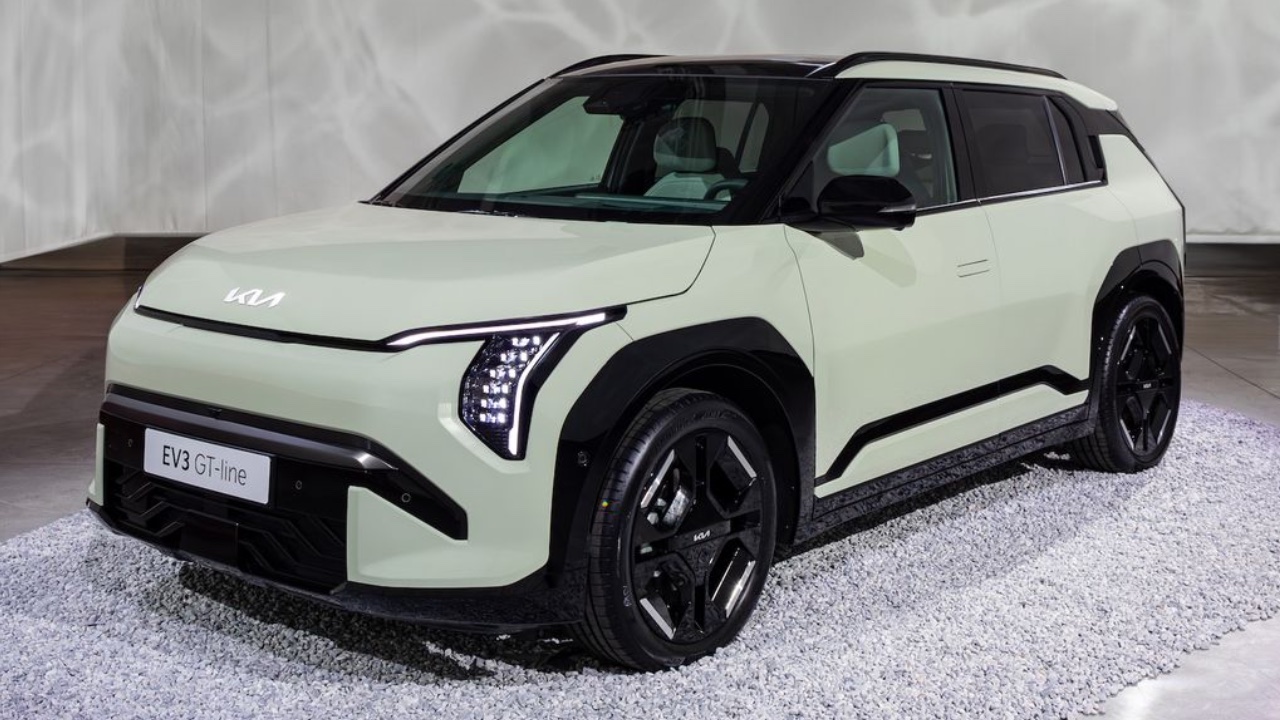
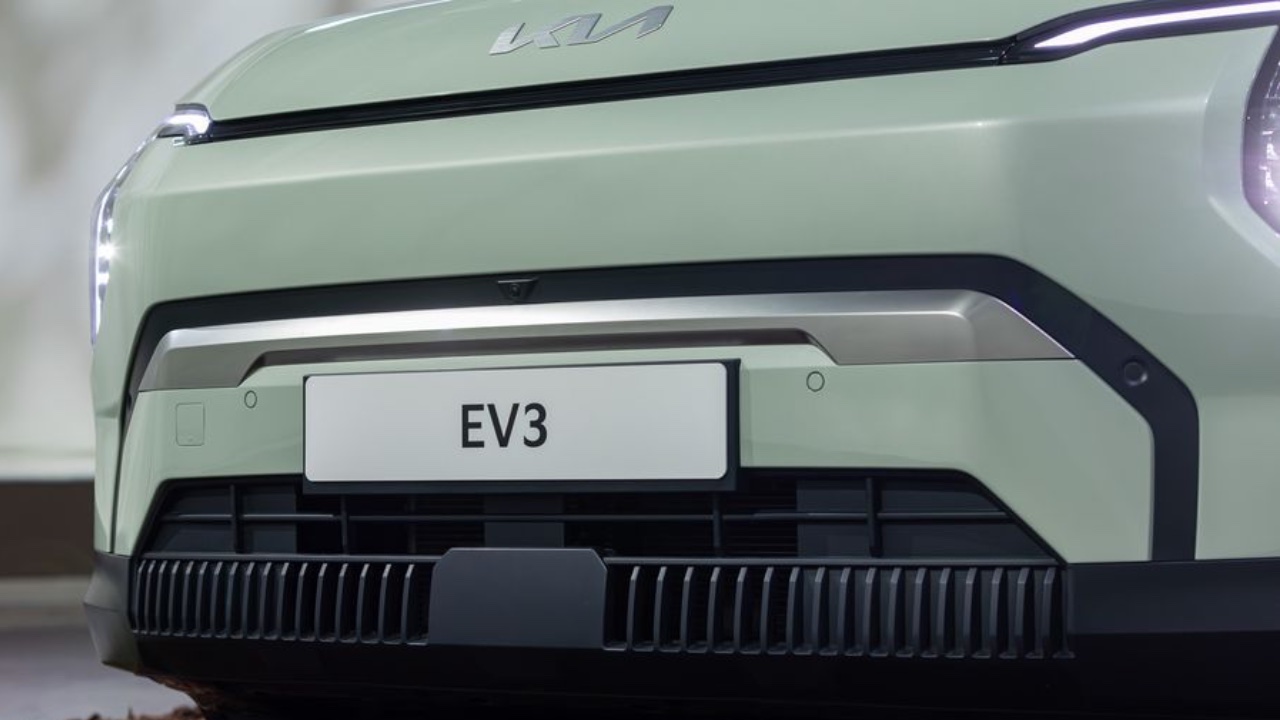
The EV3 embodies Kia’s ‘Opposites United’ design philosophy, blending the natural and the modern into a harmonious whole. This philosophy is evident in the EV3’s confident and assertive presence. The front end features vertical headlamps at the extremes, creating a wide and bold stance. The grille-less design and thin LED daytime running lights, known as Star Map, add to its futuristic appeal. This clean and uncluttered front end not only looks modern but also emphasizes the EV3’s electric nature.

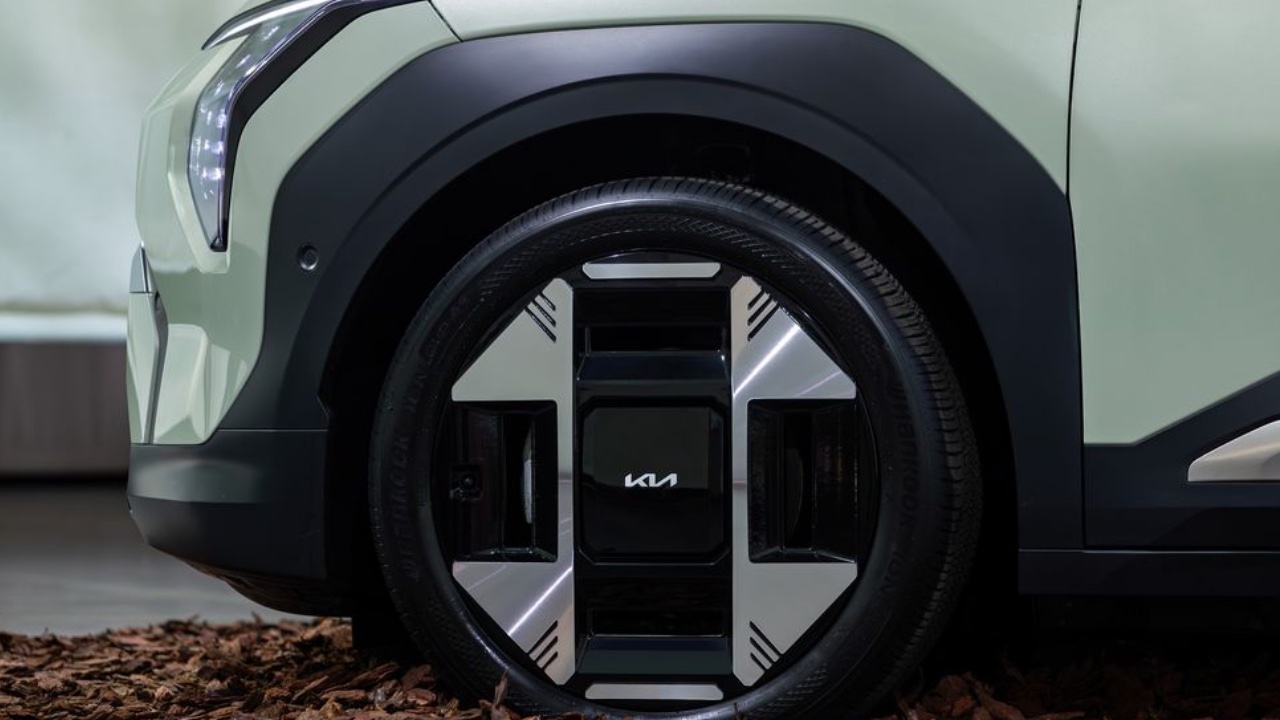
Kia’s reinterpretation of the iconic Tiger Face design incorporates the latest Star Map signature lighting concept. The vertical Daytime Running Lights (DRLs) enhance the Tiger Face design, giving the EV3 a distinctive and recognizable look. These elements, combined with the black accents around the wheel arches and blacked-out pillars, contribute to the floating roof effect, enhancing the vehicle’s modern aesthetic.

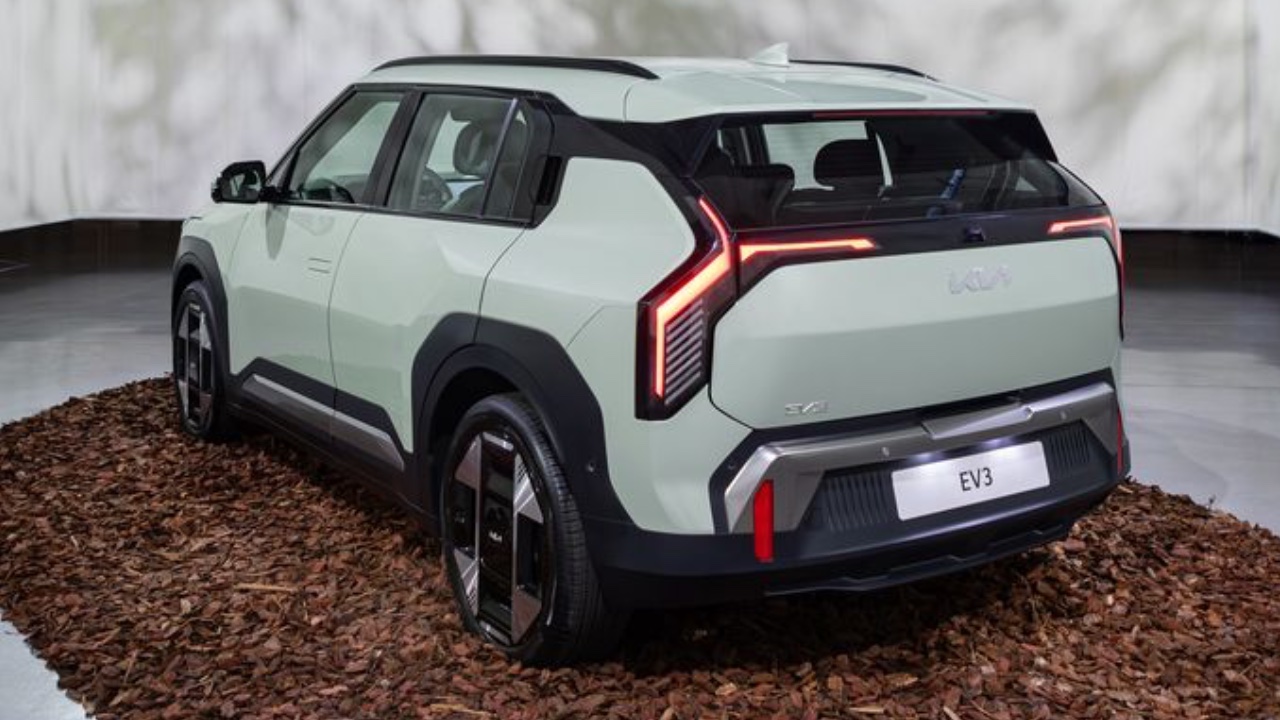
From the side, the EV3 showcases a sleek roofline that slopes gently into a hatchback-style tailgate. This design, paired with muscular wheel arches and dynamic lines, gives the EV3 a sporty and agile look. The long, smooth roofline adds to the vehicle’s aerodynamics and provides a spacious interior. The overall profile conveys strength and elegance, making the EV3 a compelling choice in the subcompact crossover segment.

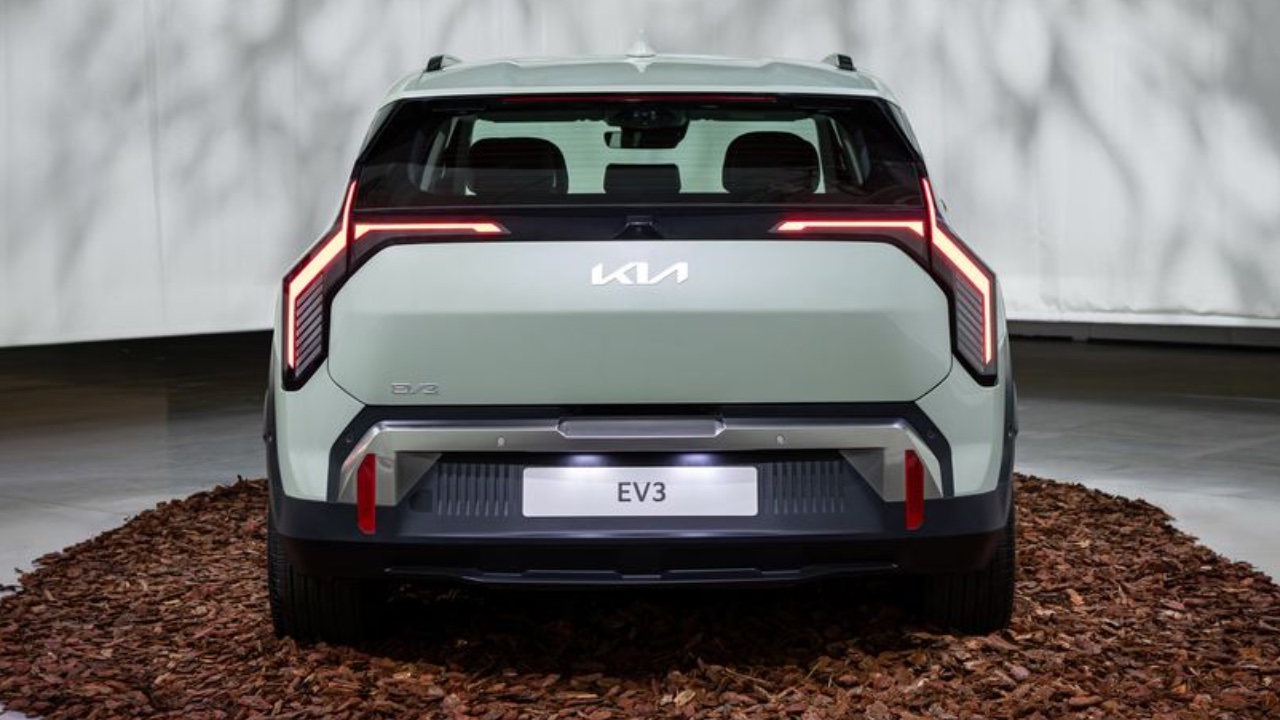
The EV3’s rear design continues this high-tech theme. Thick black trim lines emphasize the connection between the sturdy C-pillars and the dynamic roofline, adding to the vehicle’s robust appearance. The geometric rear lamps seamlessly integrate with the rear glass, creating a sleek and modern tailgate design. Inspired by the front’s Tiger Face Star Map lighting, the rear lights add a futuristic touch that ties the whole design together.
Interior Design: Comfort and Functionality

Step inside the EV3, and you’re greeted by an interior designed to maximize space and comfort. The cabin is spacious enough to comfortably accommodate five passengers, with a focus on creating a living room-like atmosphere. The elegant center console features a sliding table and storage area, perfect for drinks, snacks, and small backpacks. When parked, the table can hold personal electronics like laptops and tablets, turning the car into a mobile office or entertainment space.

Kia has emphasized comfort with multi-adjustable ambient lighting and ultra-comfortable seats in fold-back relaxation mode. These features and the spacious interior make the EV3 an ideal vehicle for long journeys or just relaxing while charging. The EV3 offers a 25-liter frunk and a 460-liter rear load capacity, the largest in its class. The adjustable two-tier luggage board provides over 140mm of load height flexibility, catering to various needs, from daily commutes to family camping trips.

A big feature of the interior is the nearly 30-inch widescreen display, which includes a 12.3-inch digital instrument cluster, a five-inch air-conditioning panel, and another 12.3-inch AVN display. This integrated screen provides clear and intuitive information to the driver while extending to the center of the dashboard, giving the front-seat passenger access to entertainment and navigation features. Controls for drive modes, cruise control, and other functions are conveniently located on the steering wheel, ensuring ease of use.

Advanced Technology and Sustainability

The EV3 is packed with advanced technology that enhances both functionality and sustainability. The vehicle-to-load (V2L) function allows the battery to power external devices, such as laptops, coffee machines, and small fridges. The infotainment system includes streaming services, arcade games, and Kia’s AI Assistant technology, offering a comprehensive suite of entertainment and functionality. The introduction of the new i-Pedal 3.0 system for one-pedal driving with adjustable regenerative braking further enhances the driving experience, providing more control over energy recuperation.
Sustainability is a key focus for Kia, and the EV3 incorporates various sustainable materials throughout its interior. Recycled fabric is used in the dashboard and door trims, while polyethylene terephthalate (PET), one of the most easily recycled plastics, features in areas such as the seats, headliner, door armrests, garnish, floor mats, and luggage board. This commitment to using recycled materials highlights Kia’s dedication to accelerating sustainability at scale.
The EV3 is powered by Kia’s fourth-generation battery technology, with the Standard model featuring a 58.3kWh battery and the Long Range variant equipped with an 81.4kWh battery. Both models utilize a 150kW/283Nm electric motor, enabling a 0-100km/h acceleration time of 7.5 seconds and a maximum speed of 170km/h. The Long Range model offers an impressive WLTP driving range of up to 600km, addressing common concerns about electric vehicle range.

Future Developments: The EV3 GT

Kia is also developing a high-performance version of the EV3, known as the EV3 GT. Announced by Kia CEO Ho Sung Song, this model is expected to arrive in late 2025 or early 2026 and will offer more power than the standard EV3. Song stated, “By providing groundbreaking design, an industry-leading electric drivetrain, and practical, innovative lifestyle solutions, the EV3 aims to extend Kia’s exceptional EV SUV experience to a wider audience.”

While details about the EV3 GT are limited, it will likely feature a dual-motor setup with a larger battery pack. This variant aims to provide a thrilling driving experience, further broadening the appeal of Kia’s electric vehicle lineup. It will deliver enhanced performance akin to the EV6 GT but tailored for the EV3’s smaller size.

The Kia EV3 will debut in South Korea in July 2024, followed by a European launch later in the year. Although initially, there were uncertainties about its release in the US, Kia has now confirmed that the EV3 will be available in the American market, with an expected launch as early as 2025 or 2026. Pricing is speculated to be below $35,000, potentially closer to $30,000, making the EV3 an attractive option for customers seeking an affordable yet advanced electric vehicle. As the EV3’s release approaches, more details will emerge, solidifying its place in Kia’s electric vehicle strategy. Stay tuned for further updates on this promising new entry in Kia’s expanding lineup of innovative electric vehicles.

The post Kia EV3: The Futuristic Subcompact Crossover Set to Electrify the EV Market first appeared on Yanko Design.