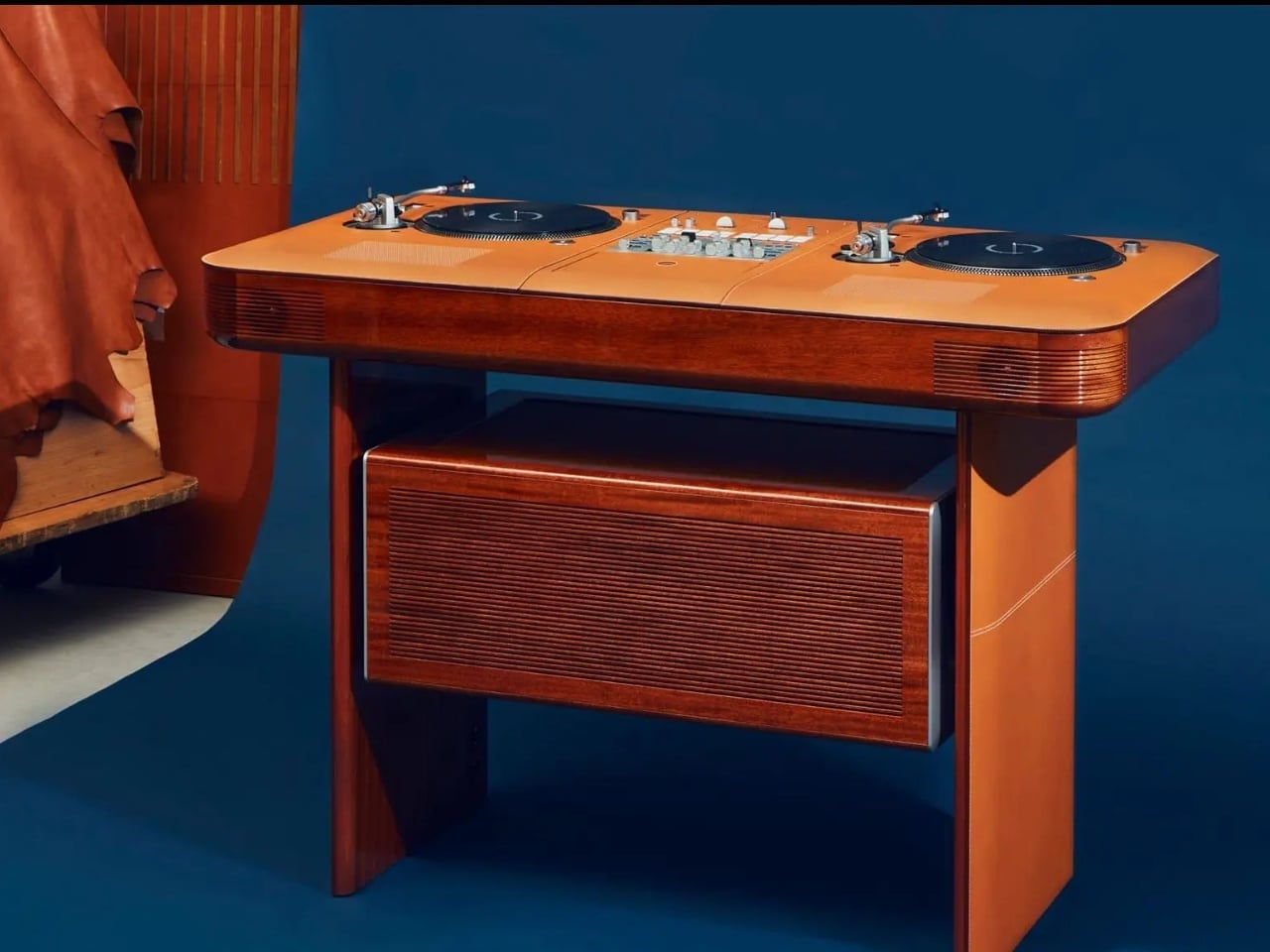
If you told me five years ago that Hermès would release a DJ table, I’d have assumed it was a joke told at a fashion party where nobody laughed. And yet here we are, looking at the Atelier Horizons Disque Jockey Club: a fully functioning DJ setup built in mahogany and wrapped in Pippa cowhide, with Japanese turntables fitted right in. It is, objectively, one of the most absurd and wonderful things I’ve seen come out of a luxury house in recent memory.
Let me back up a little. Atelier Horizons is Hermès’ bespoke workshop, run by creative director Axel de Beaufort. It exists in that rare space where the impossible meets the impeccably crafted. We’re talking leather-covered jukeboxes with Murano glass stands. Bespoke boomboxes. A birdcage bag that reportedly took three years to complete. The whole operation runs on one guiding principle: if you can imagine it and it can be made with extraordinary craft, Horizons will figure it out. What it is not, de Beaufort has made very clear, is a branding exercise. “We are not a branded company, we are craftsmen,” he’s said. And when you look at the DJ table, you believe him.
Designer: Hermès (photos from High Snobiety Design)
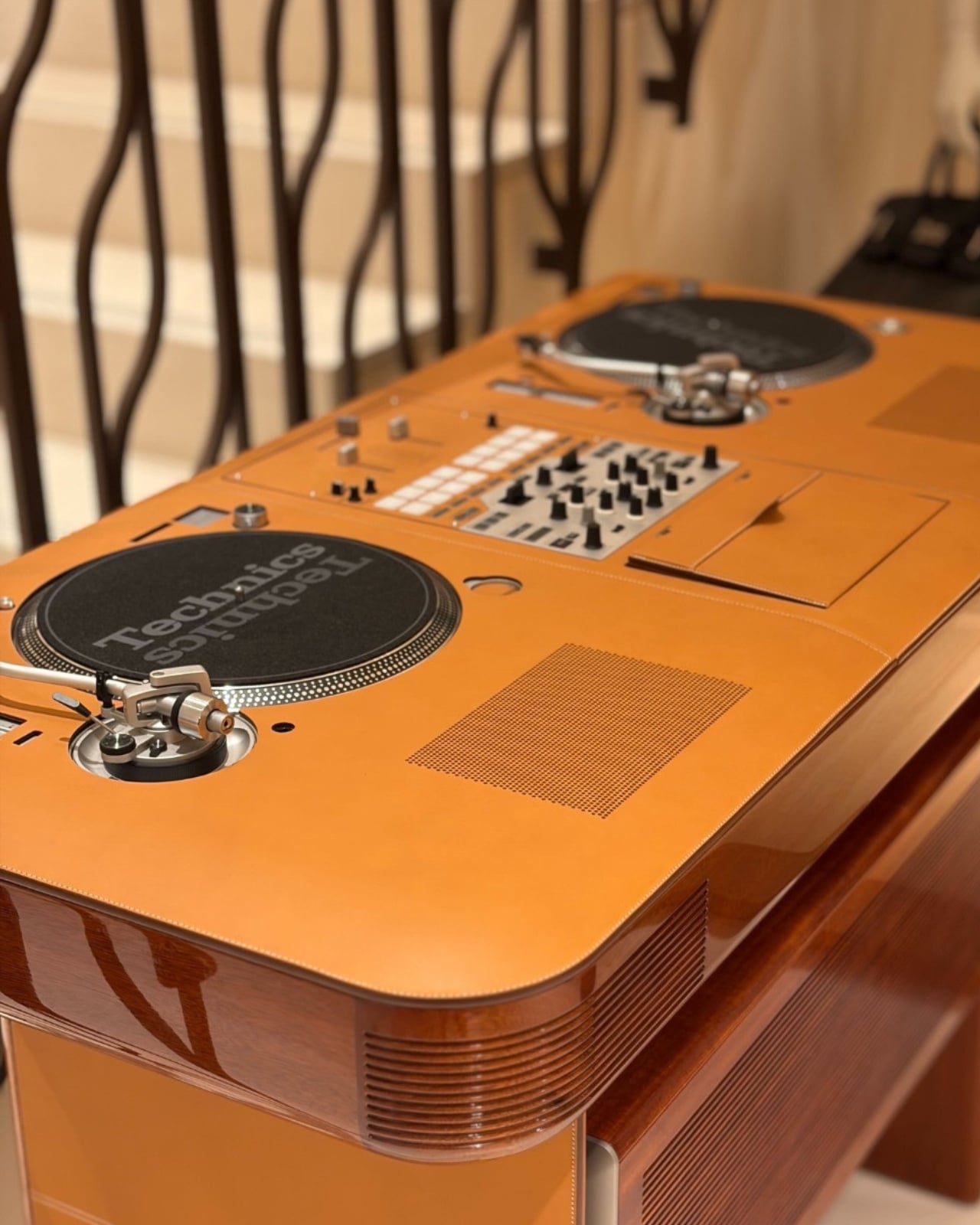
The Disque Jockey Club was developed in collaboration with British DJ Prince Charles (yes, that’s his actual name, and no, he is not a monarch). It’s fully functional, not decorative. The turntables are real, the mixer is real, and the whole setup performs exactly as a working DJ rig should. The French furniture craftsmen who built the wooden structure made sure of that. But it’s the material choices that make it so specifically Hermès: mahogany, warm and rich, paired with cowskin that has that unmistakable texture of something made to last several lifetimes. It doesn’t shout luxury. It doesn’t need to.
I’ll be the first to admit that a designer DJ table sits comfortably in the category of things very few people actually need. But I think that framing misses the point entirely. Atelier Horizons isn’t about need. It never was. It’s about the intersection of craft and desire, about what happens when a house with nearly two centuries of leather expertise decides to turn its attention toward a turntable. The result is less a product and more a provocation: what if the things we use to make music were treated with the same care and intention as the things we wear?
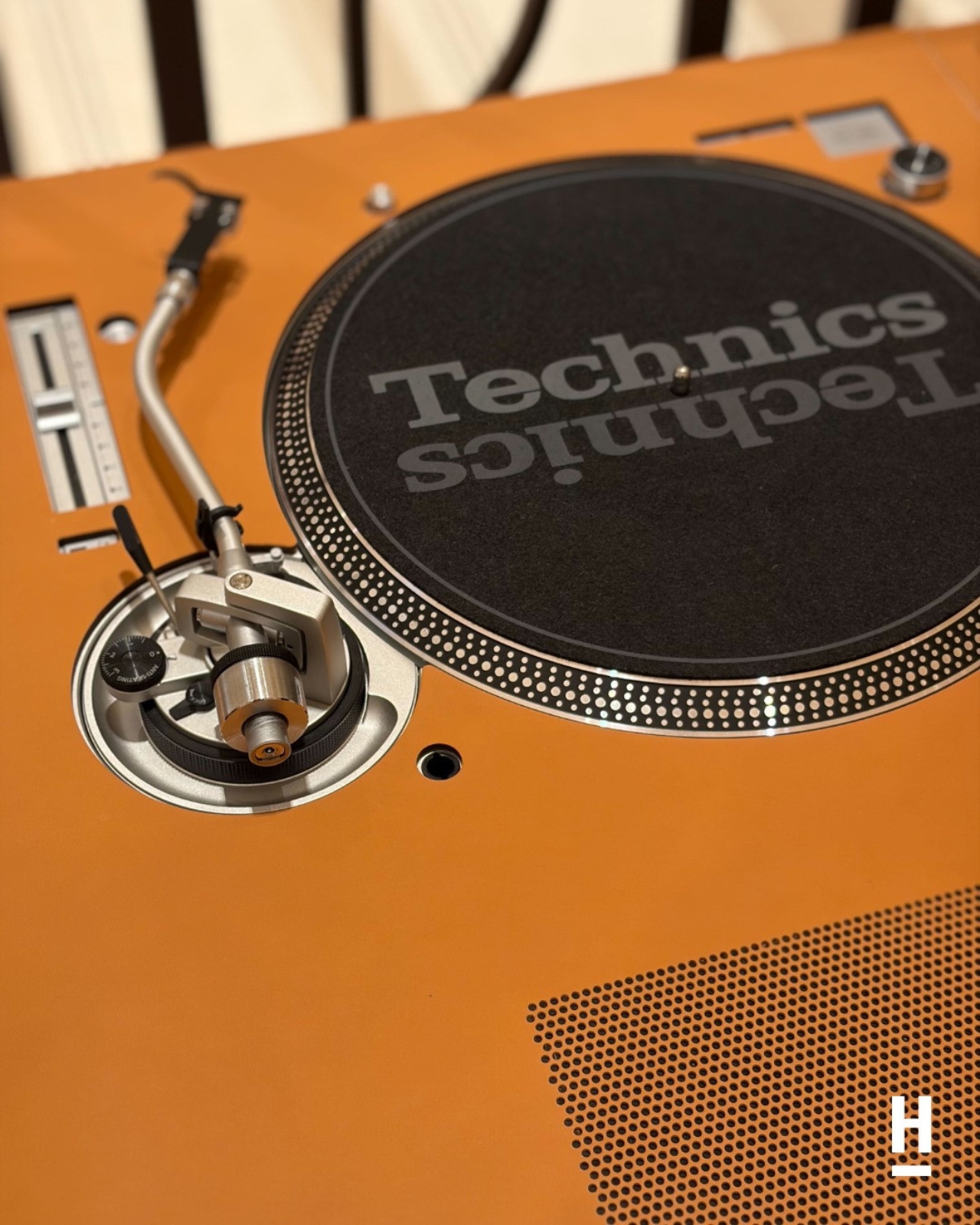
That question lands differently right now. We live in an era of disposable aesthetics, where everything from furniture to consumer electronics is designed to be replaced within a few years. The Hermès DJ table is the philosophical opposite of that. It’s an object that asks to be kept, passed down, maybe even argued over in an estate somewhere decades from now. There is something genuinely radical about that, even if the price tag ensures it lives in a very particular tax bracket.
All of this fits into a broader shift happening across luxury right now. The most interesting moves aren’t on the runway; they’re in spaces like this, where fashion houses start thinking like furniture designers, architects, and now apparently audio engineers. Hermès isn’t the only brand doing it, but they might be doing it with the most conviction. The Atelier Horizons pieces never feel like branded merchandise dressed up in leather. They feel like objects that had to exist, born from a genuine creative compulsion rather than a marketing calendar.
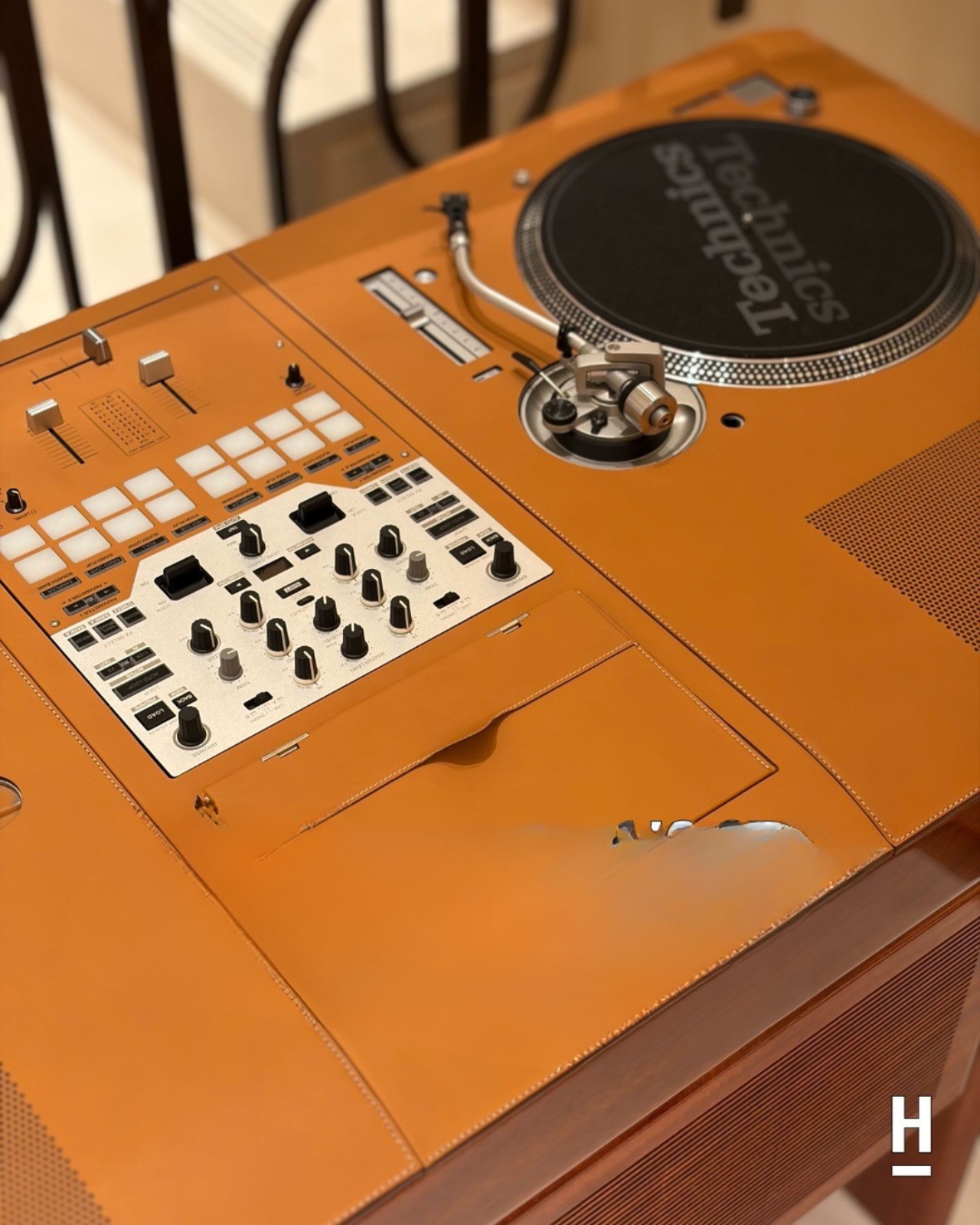
The DJ table is also, let’s be honest, wildly compelling on a purely visual level. The combination of dark mahogany and pale cowhide is exactly the kind of thing that photographs beautifully and looks even better in person. It occupies a room with quiet confidence and zero need for explanation. It’s not decorative in the way most luxury objects lean decorative. It’s still a working tool, one that just happens to look extraordinary while doing its job. You don’t have to be a DJ to want it. You don’t even have to own a record. You just have to appreciate the idea that craft, when taken seriously, can turn almost anything into art.
The post Hermès Just Built a DJ Table in Mahogany and Cowhide first appeared on Yanko Design.