Nintendo Switch-inspired DJ Console Splits Into Two So You Can Deejay With A Friend

It was pretty game-changing back in 2015 when Nintendo dropped the Switch, ushering in a wave of 2-player gaming on the same console. Two joy-cons, one console, mano-a-mano gaming. You didn’t need an extra controller – Nintendo built right one into the Switch. Designer Eunjun Jang wants to bring that same modular multiplayer culture to deejaying… because it’s an activity that is conducive to socializing.

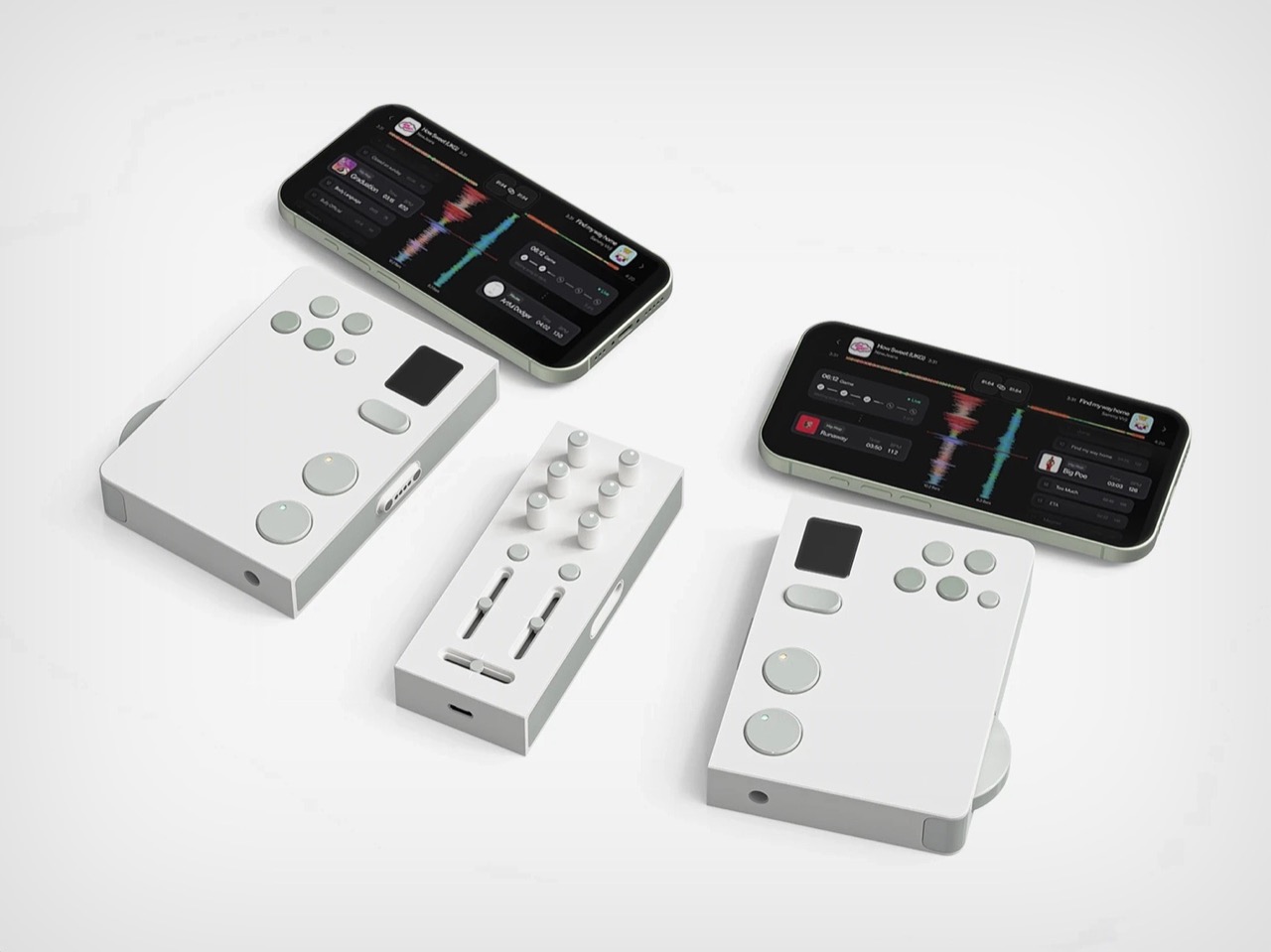
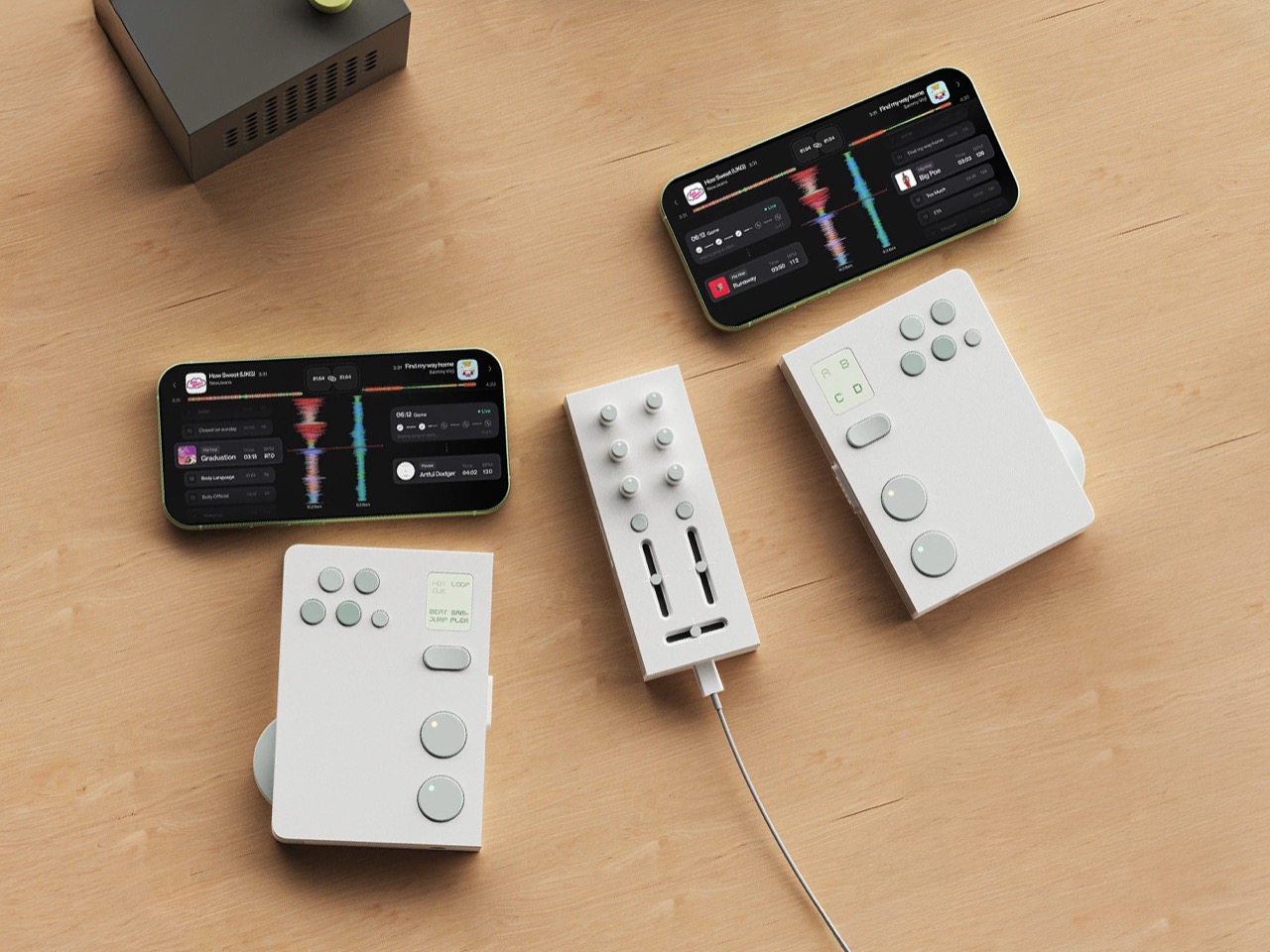
Nobody plays music alone, the act of deejaying is inherently social. Look at the Boiler Room sets, where the deejay is surrounded by sometimes a hundred or more people, absorbing the energy emanating from the console and the speakers. The ‘Twin’ DJ Console just turns that emotionally social activity into a physically social one. Two player decks, one mixer in the middle, quite like a Nintendo Switch but for music. The units snap together to create a single 2-player console, but split them apart and they’re like a mano-a-mano setup for two deejays trying to collab in real-time.

Designer: Eunjun Jang
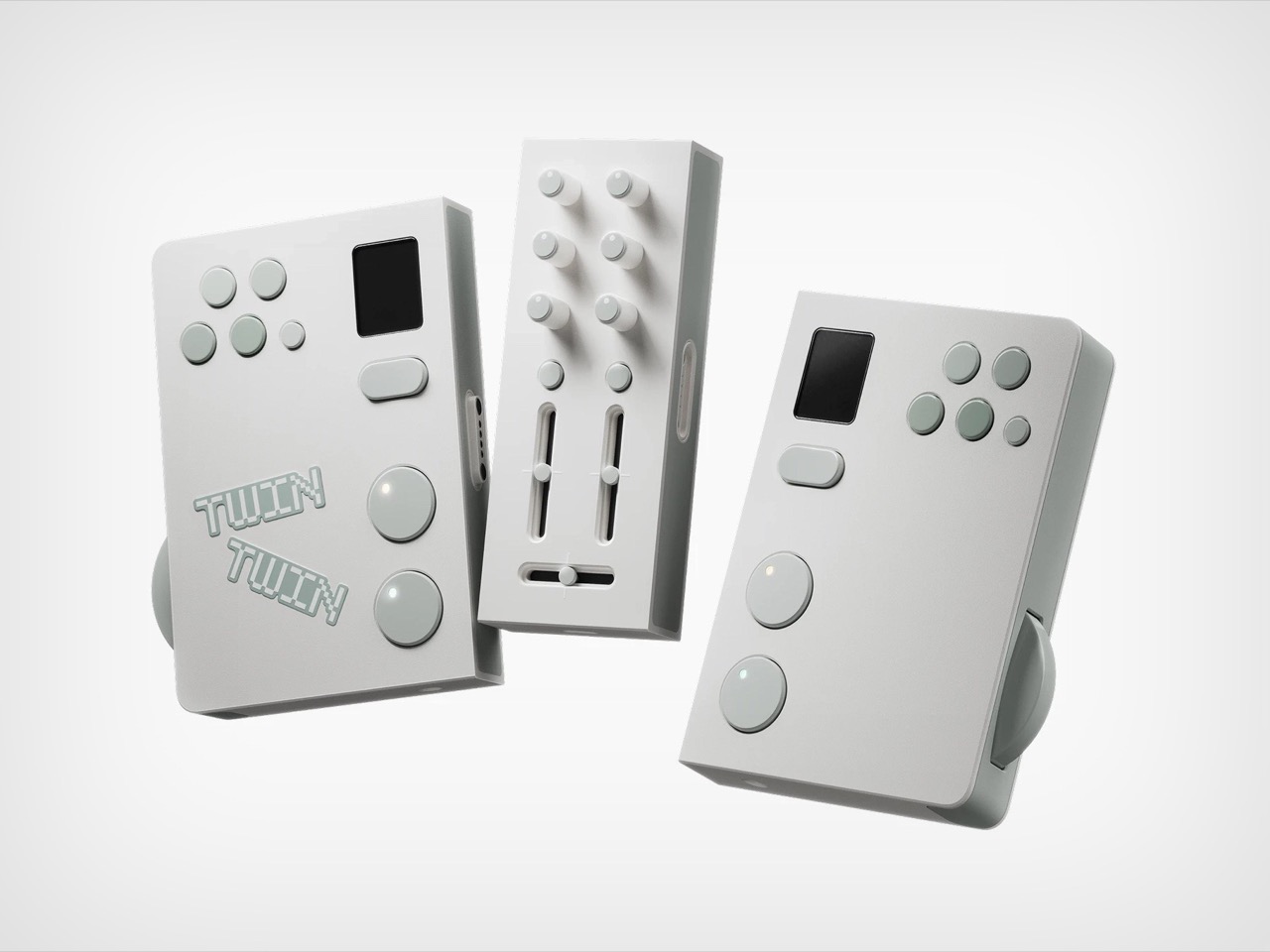
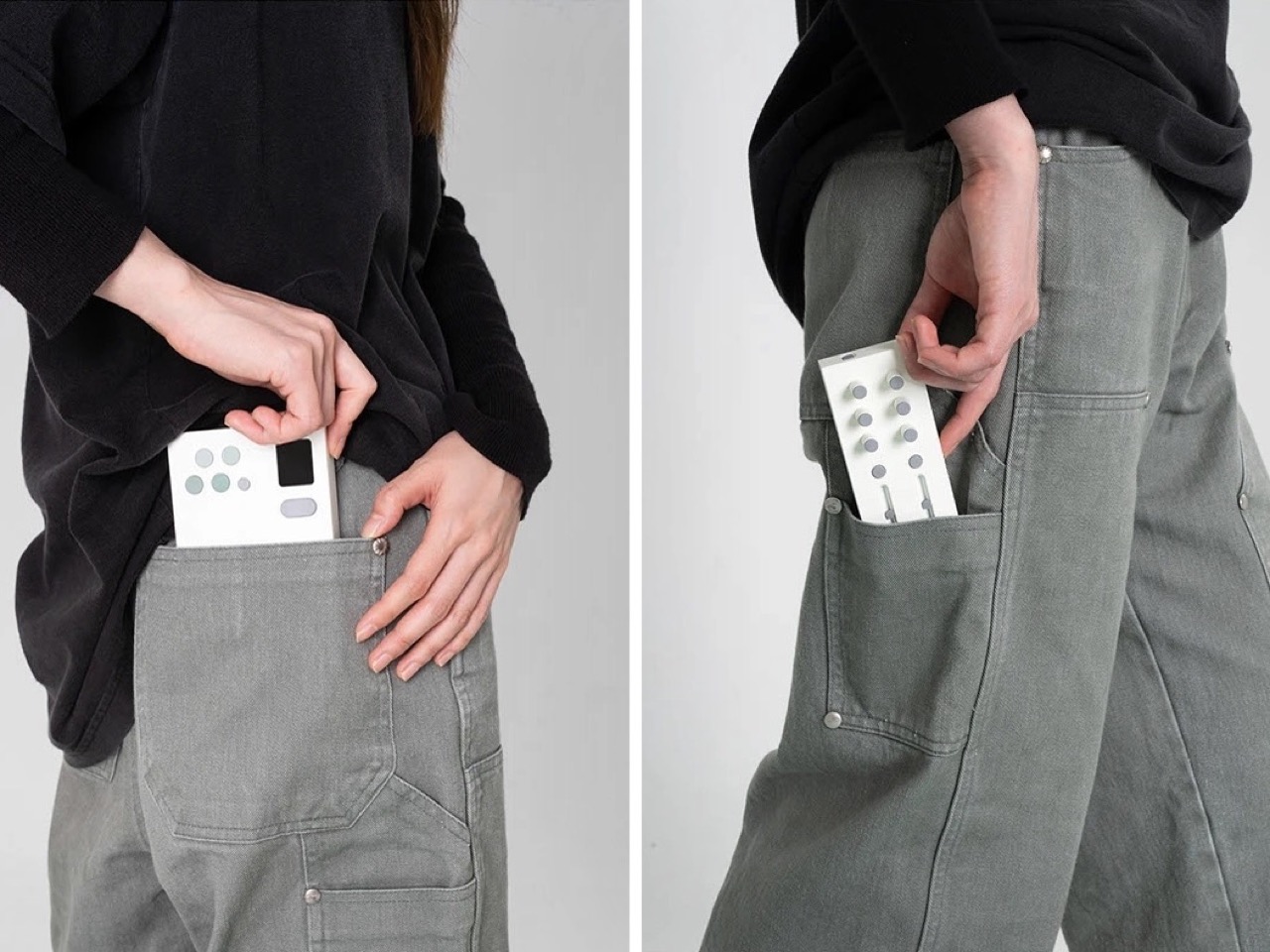
The Twin has this clean-yet-fun design, sort of like if Teenage Engineering met Braun. The console strays away from extra fluff, giving each player just a tiny screen that lets them monitor effects and whatnot. The music itself plays from smartphones which pair with each of the player units. Run the Twin app and place each phone above the player and you sort of see how the entire setup looks like a Pioneer XDJ or something. The controls are simplified, and the entire device is nearly 60-70% smaller than your average DJ console. This makes the Twin perfect for using on the go, in your bedroom, or at a café.
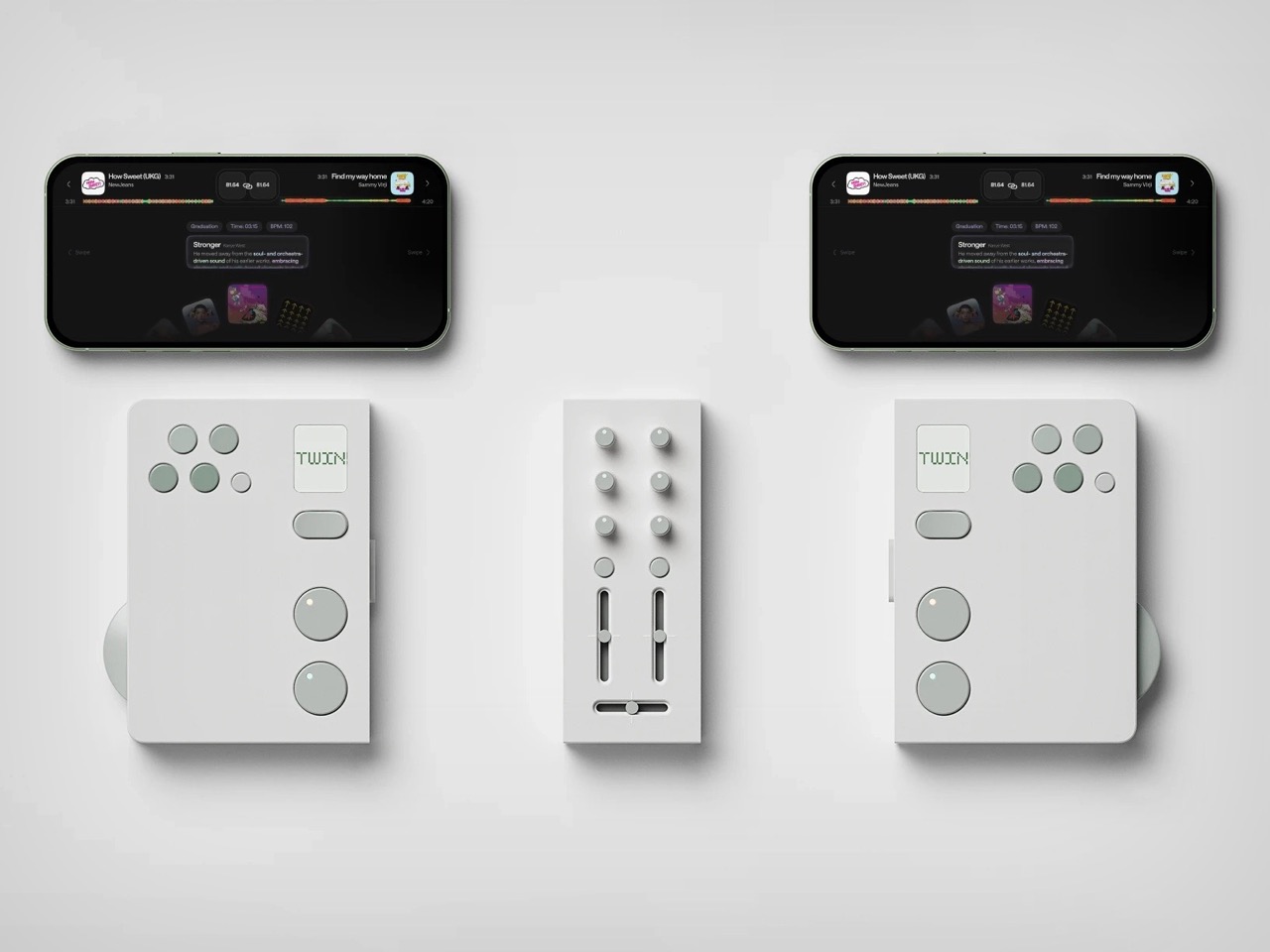
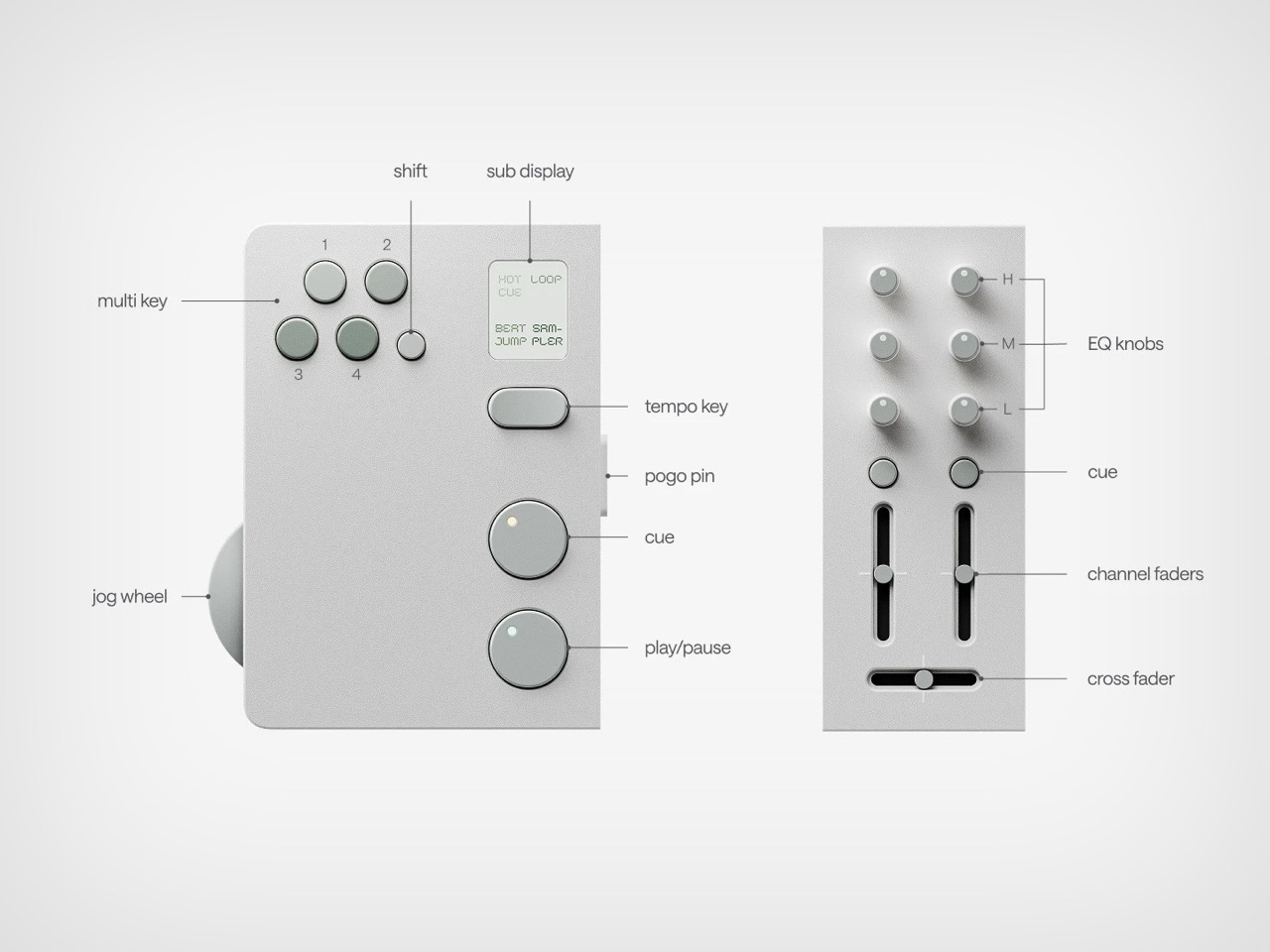
The design is truly fascinating, although it begs for some color and vibrancy. You’ve got the mixer front and center, with EQ knobs, a cue button for each deck, channel faders, and a crossfader that lets you swap between left and right decks, so you’re shifting between songs. On the player themselves, you’ve got a tempo key to let you manually sync songs, a cue key that lets you trigger a particular part of a song, and a play-pause key that form the most crucial set of controls. There are 4 extra keys on the top corner, along with a shift key, and while most DJ consoles have a disc that you spin to rewind/forward or scratch music, the Twin ditches that for an elegant jog-wheel on the side. It’s cute, and it gets the job done, although seasoned deejays may have their own hot-takes.
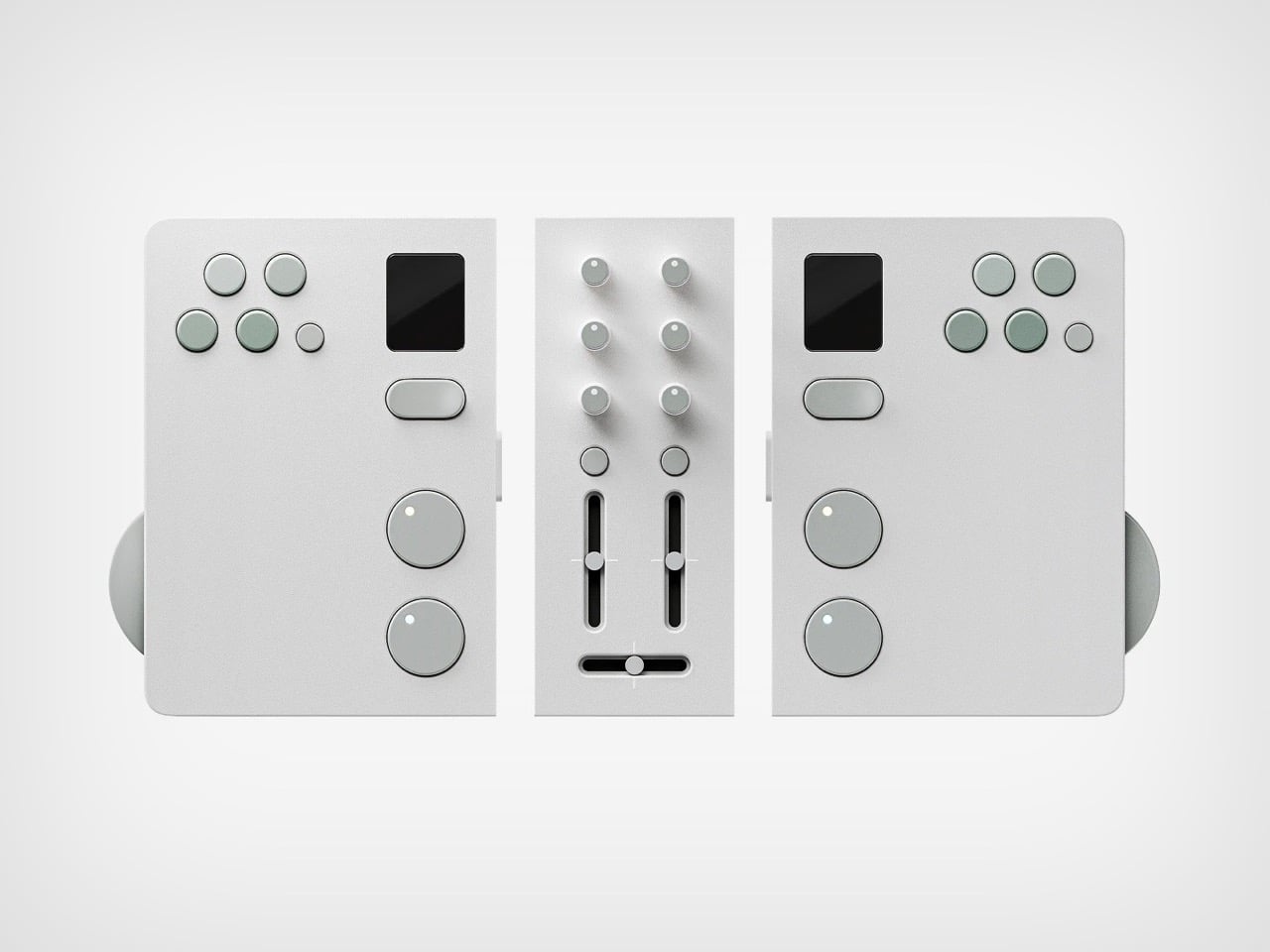
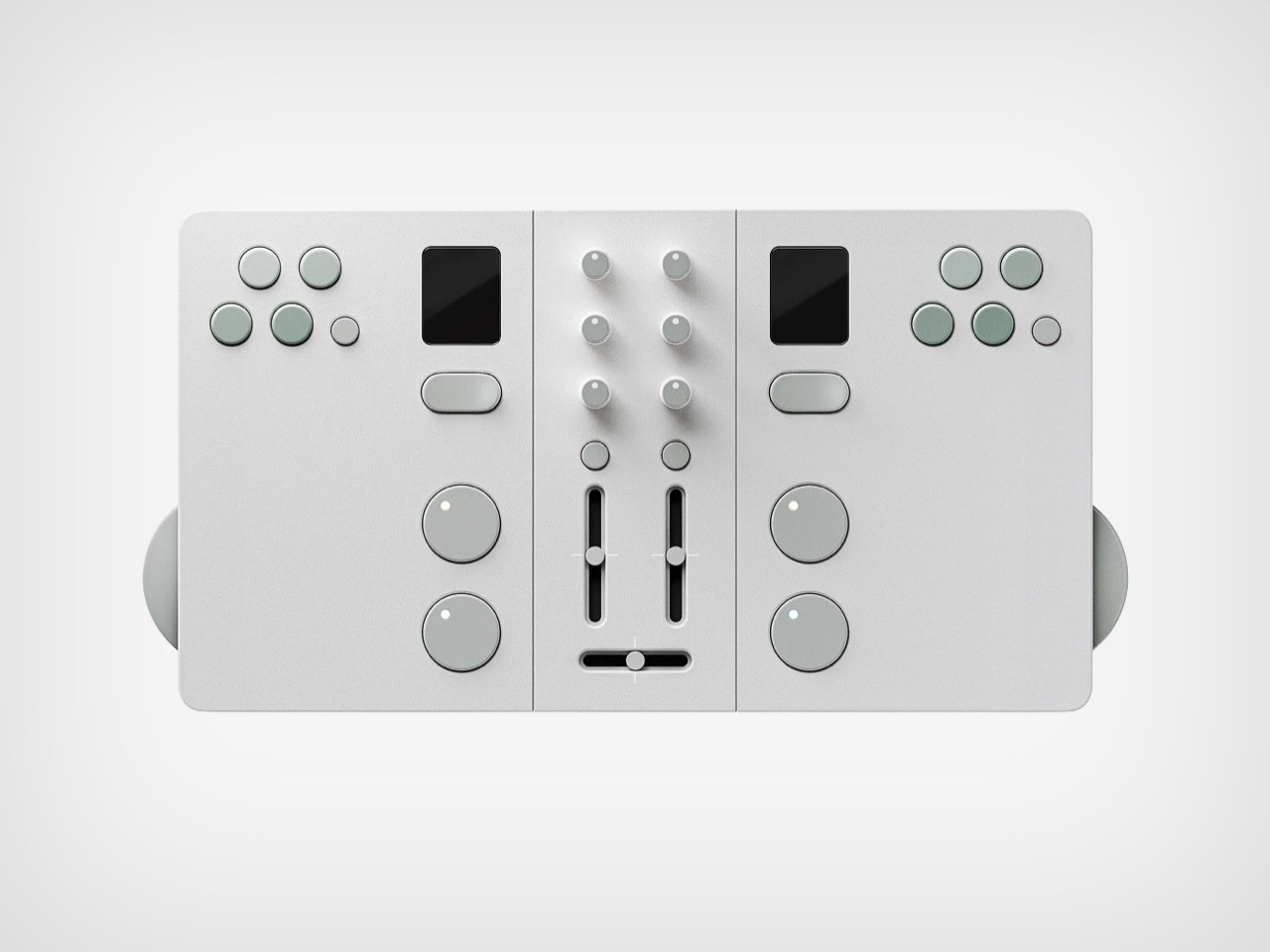
The modularity is what sets the Twin apart. You can pull the individual parts together and sit across each other, mixing music from your phones. Why build a Spotify playlist when you can literally play a deejay set in your jammies? It feels much more involved, allowing friends to bond and jam together in a way that Spotify or Apple Music just won’t let you.
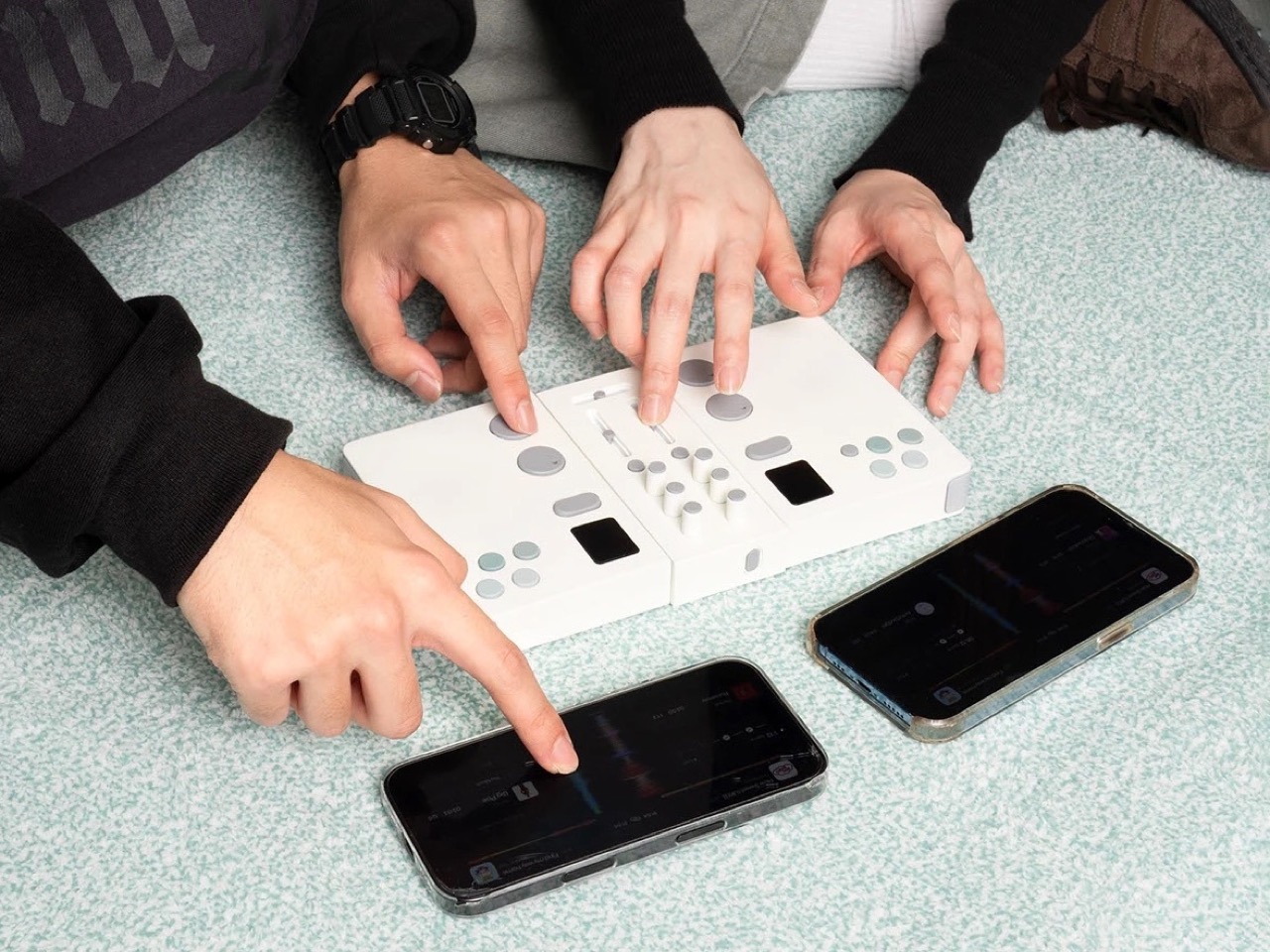
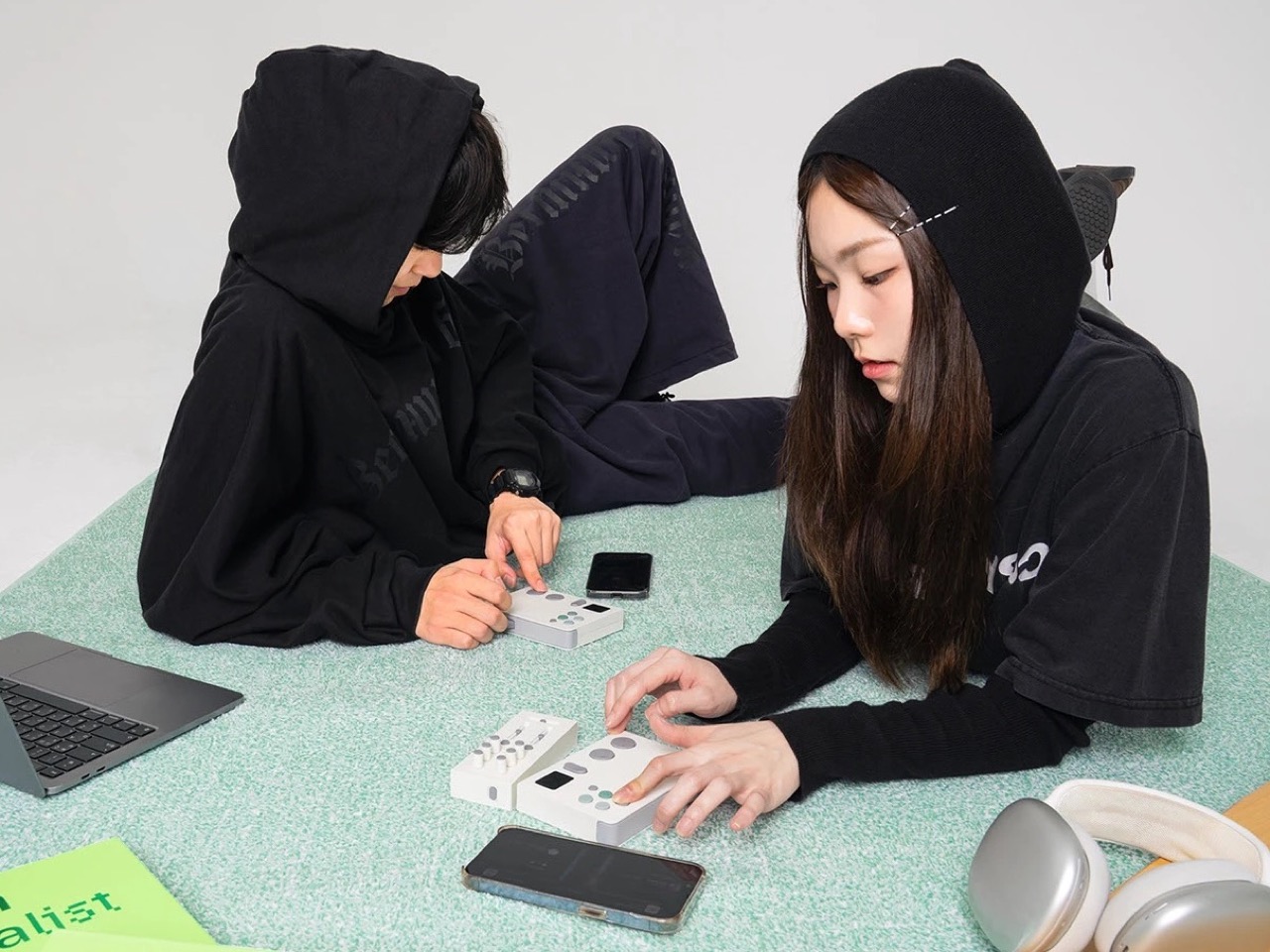
Pogo pins allow you to snap the elements together or pull them apart, quite like the Nintendo Switch. Ultimately, that’s exactly the vibe Eunjung was going for. Games are nice, but music is just *chef’s kiss*. Each player gets their own dedicated deck, but you might end up fighting for the mixer if you’re not careful! You want to vibe together like Disclosure, not call it quits like Daft Punk!
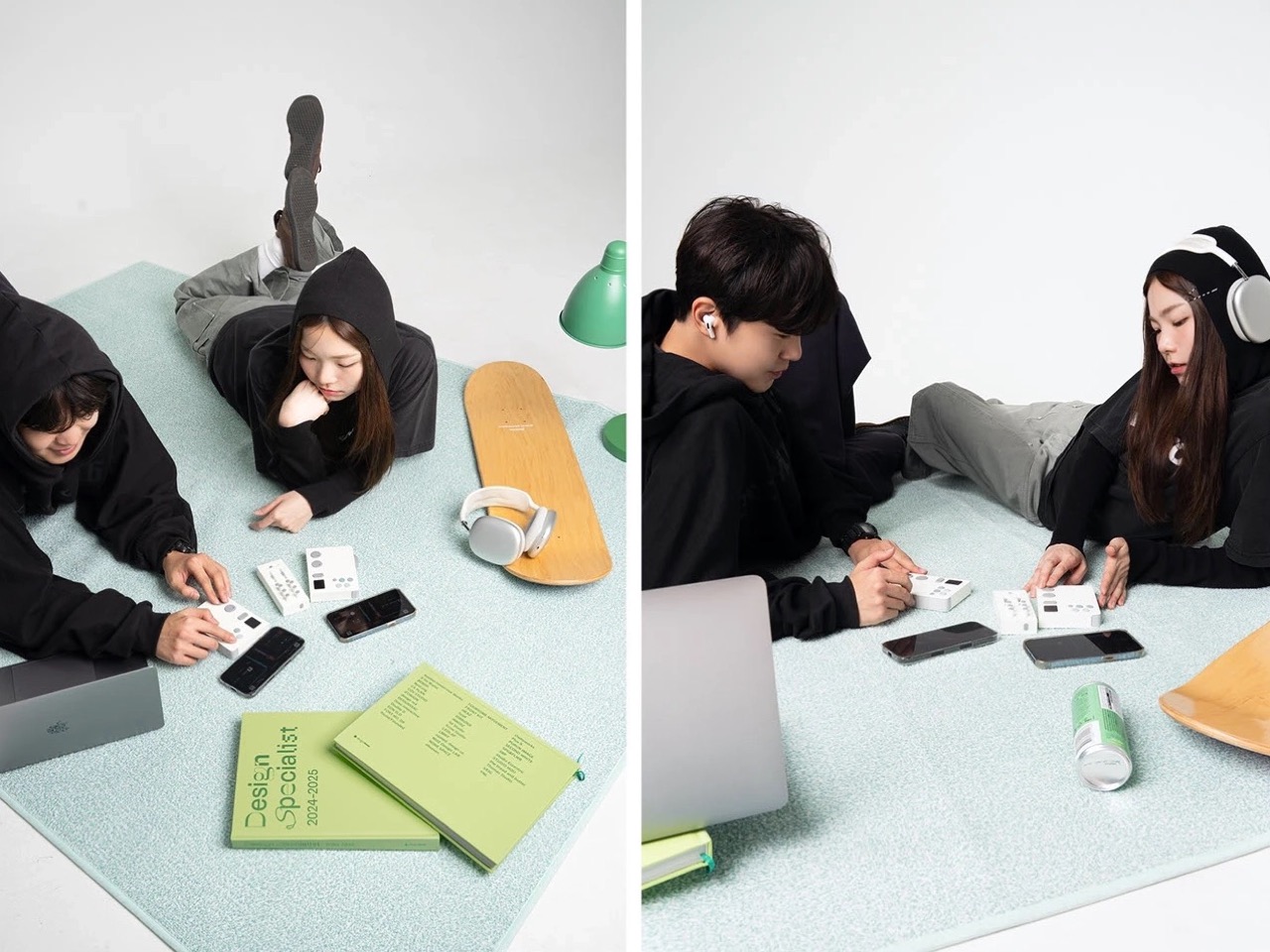
That said, the Twin still feels like just a toy right now. It lacks the extra features that most professional DJs would really need. Proper effects, looping, the ability to add separate vocal channels, or even shift pitch. Then again, most amateur-level DJ kits stick to the basics, allowing for more simple techniques so that people can master those before moving onto larger tasks. Although, that’s where Twin’s modularity does come in handy. Imagine if Eunjung just designed a set of Pro-grade players that you could snap to your mixer, turning your entry-level DJ set into something enough to sustain a bloc party!

The post Nintendo Switch-inspired DJ Console Splits Into Two So You Can Deejay With A Friend first appeared on Yanko Design.
The Humble Origata Collection Is Inspired By The Fascinating Art Of Kimono Making

A minimal and beautifully designed piece of furniture can truly make a room come full circle. It can be the final piece that completes a space, building a comfortable and cohesive haven, rather than a random area. Furniture pieces make or break a home, they add to the essence or soul of a home, hence one needs to be extremely picky while choosing a furniture design. The design should be a reflection of you, and what you want your home to be. When you place a piece of furniture in a room, it should instantly integrate with the space, creating a wholesome and organic environment. And, a minimal furniture collection that would be an amazing addition to your home is the Origata collection by Nao Tamura for Porro.

Designer: Nao Tamura for Porro

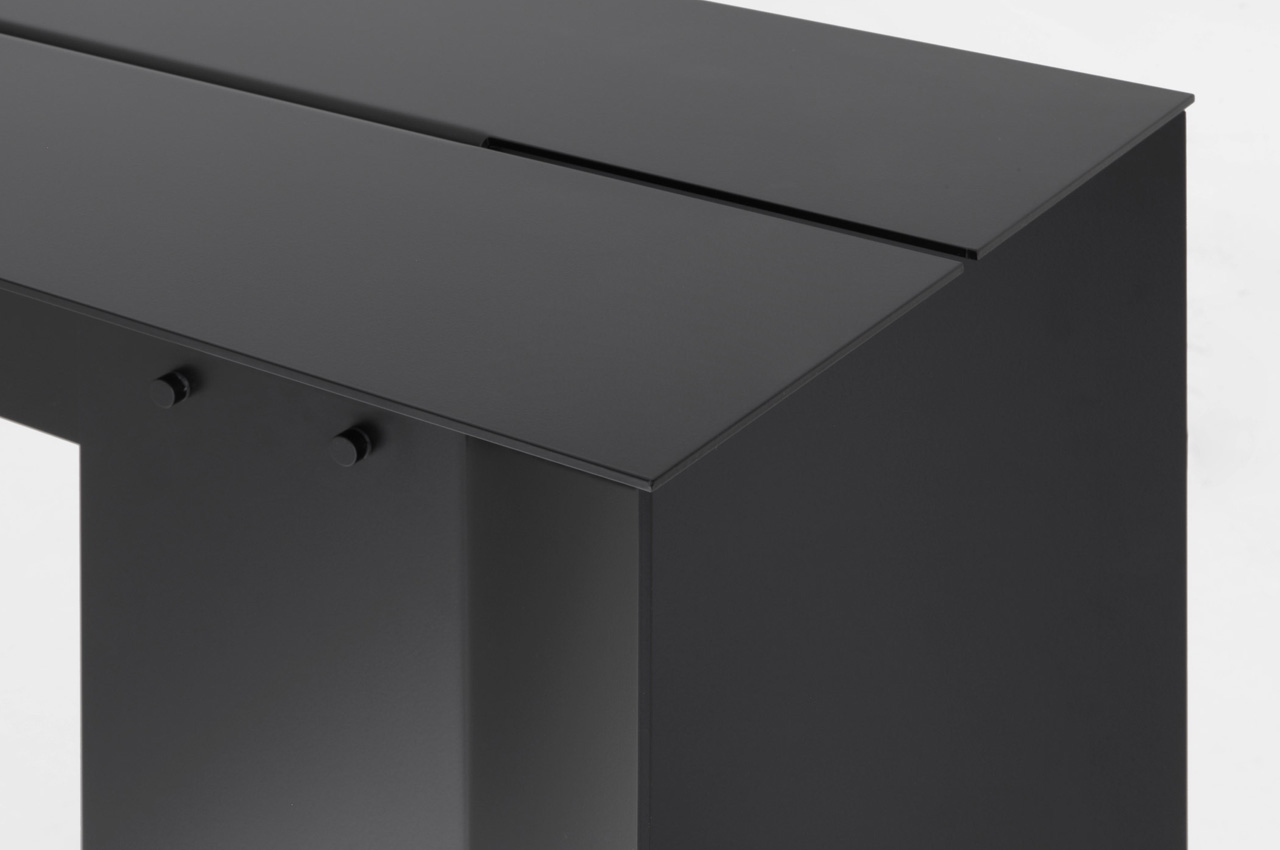
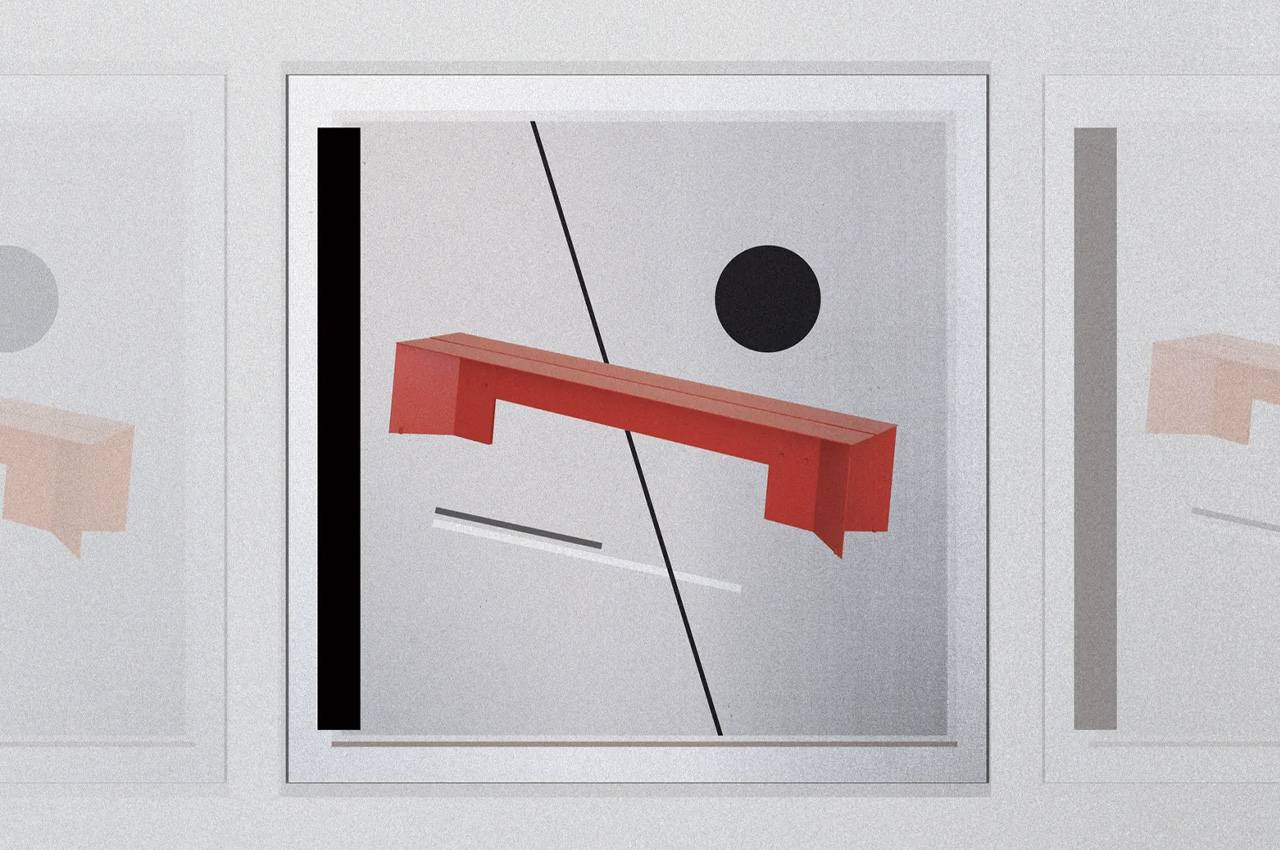
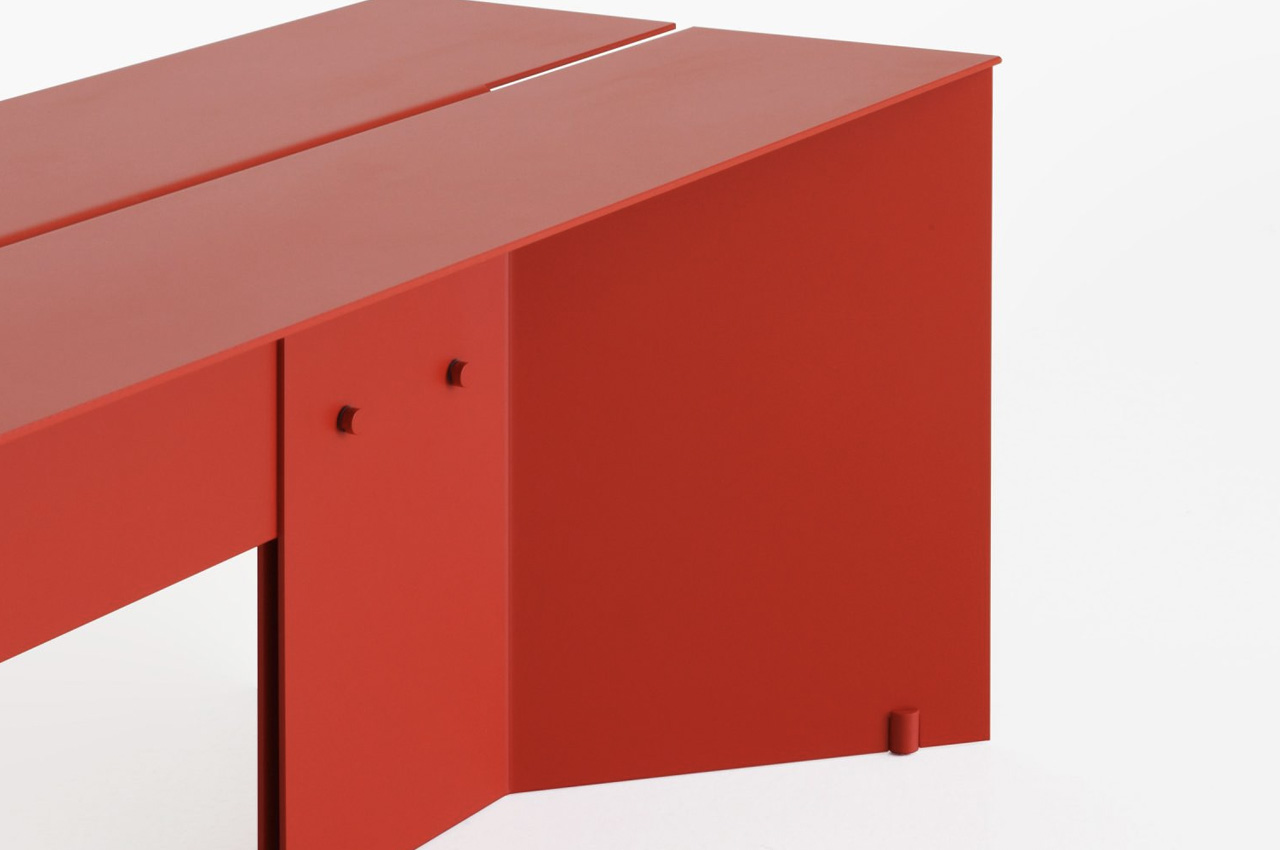
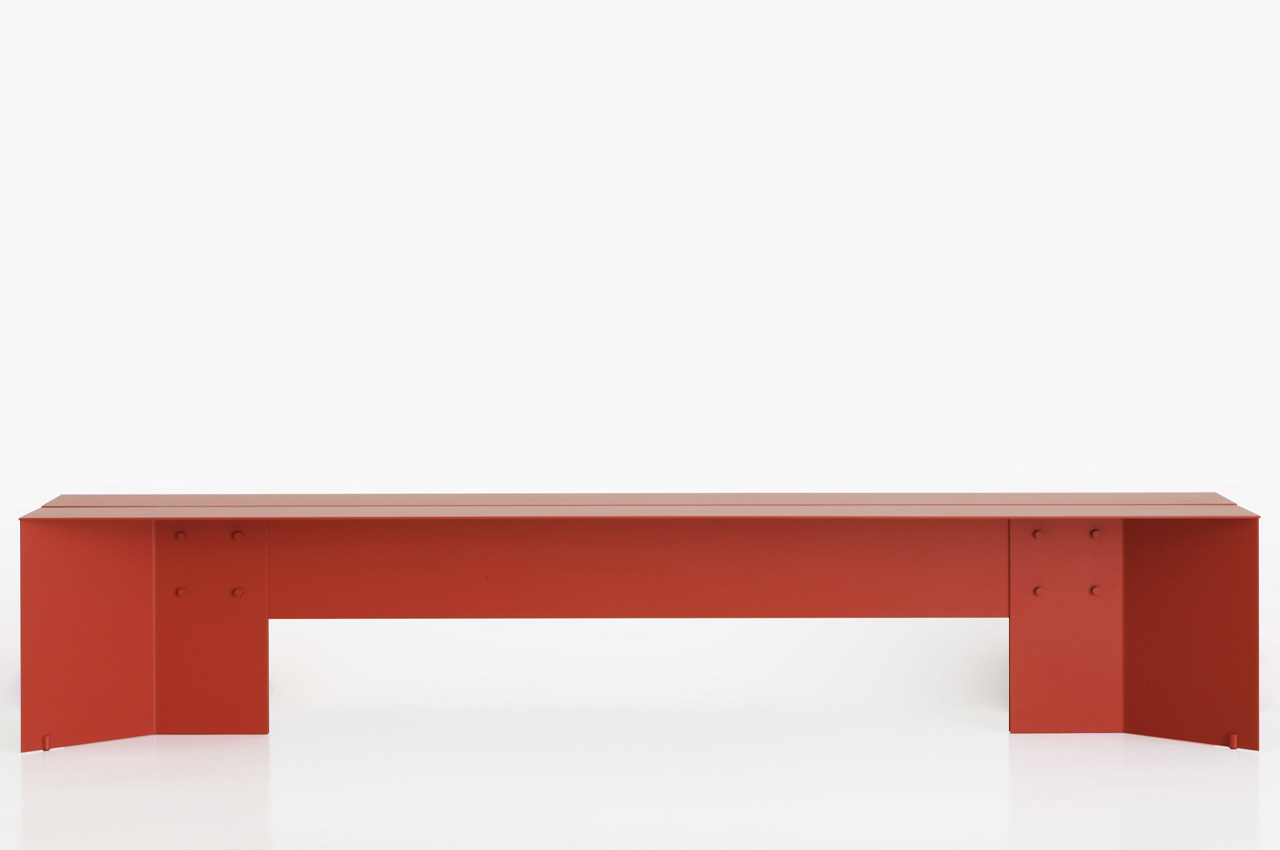
Designed by New York-based Japanese designer Nao Tamura, the Origata collection includes the Origata bench and console. They’re inspired by the intricate craft of Kimono making and were designed for the Italian furniture brand Porro. The furniture pieces are crafted from aluminum sheet material, which has been cut and assembled using techniques inspired by the art of kimono making, in which fabric is cut in straight lines, and then artfully sewn together.

This unique technique produces almost zero waste, which is why Tamura employed this clever process, since it maximizes material use, in turn boosting the production of his collection. Both the Origata bench and console feature the same essential shape – a sturdy geometric form that has a softness to it, owing to its cultural influences, and craft-related inspiration.

The beautiful pieces represent and showcase Porro and Tamura’s shared values which include cultural identity, internationality, and a genuine respect and admiration for materials. The various pieces make an excellent fit for entryways, waiting rooms, or even bedrooms. They are versatile furniture designs that can also be employed and placed in areas for work, writing, and meditation. Where would you want to place these pieces?

The post The Humble Origata Collection Is Inspired By The Fascinating Art Of Kimono Making first appeared on Yanko Design.
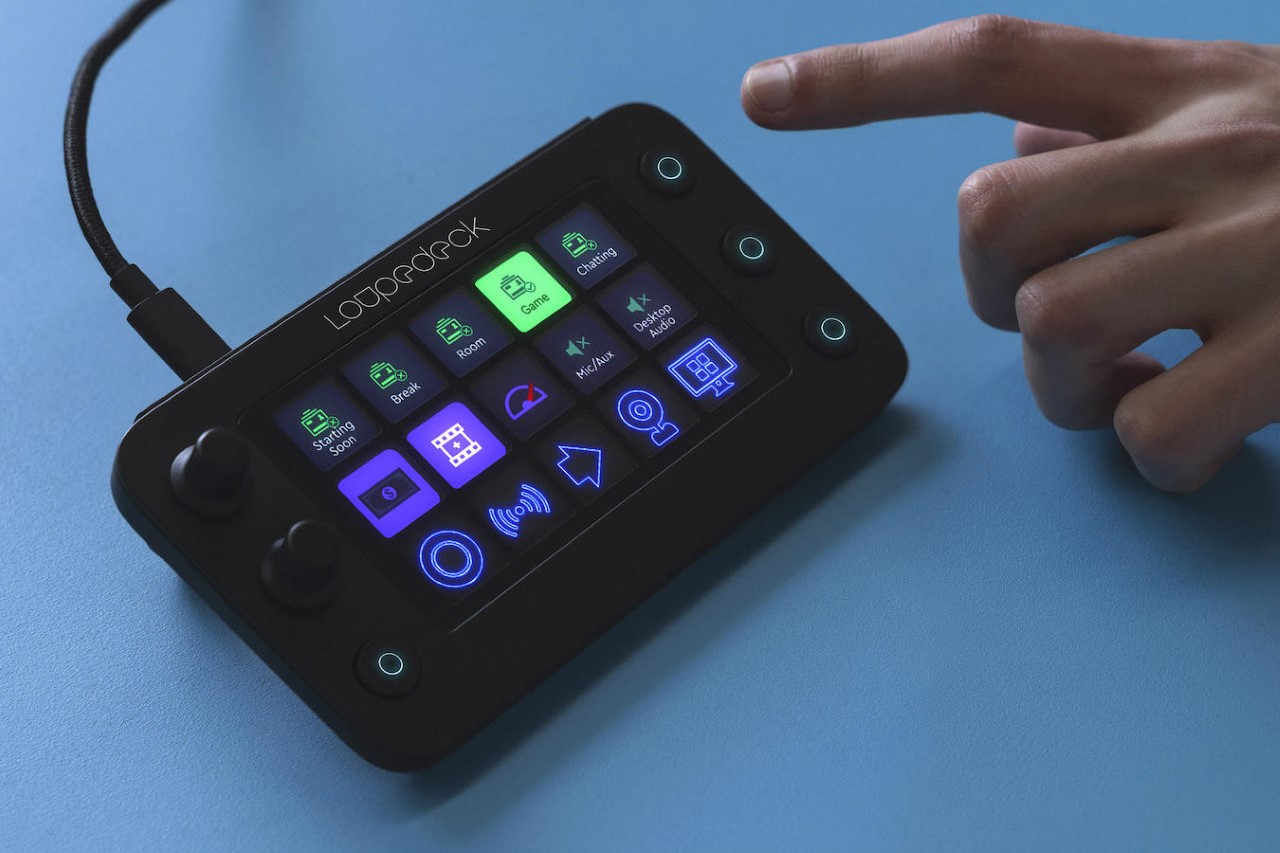
This $149 gadget is a ‘Swiss Army Knife’ for livestreamers, gamers, and designers

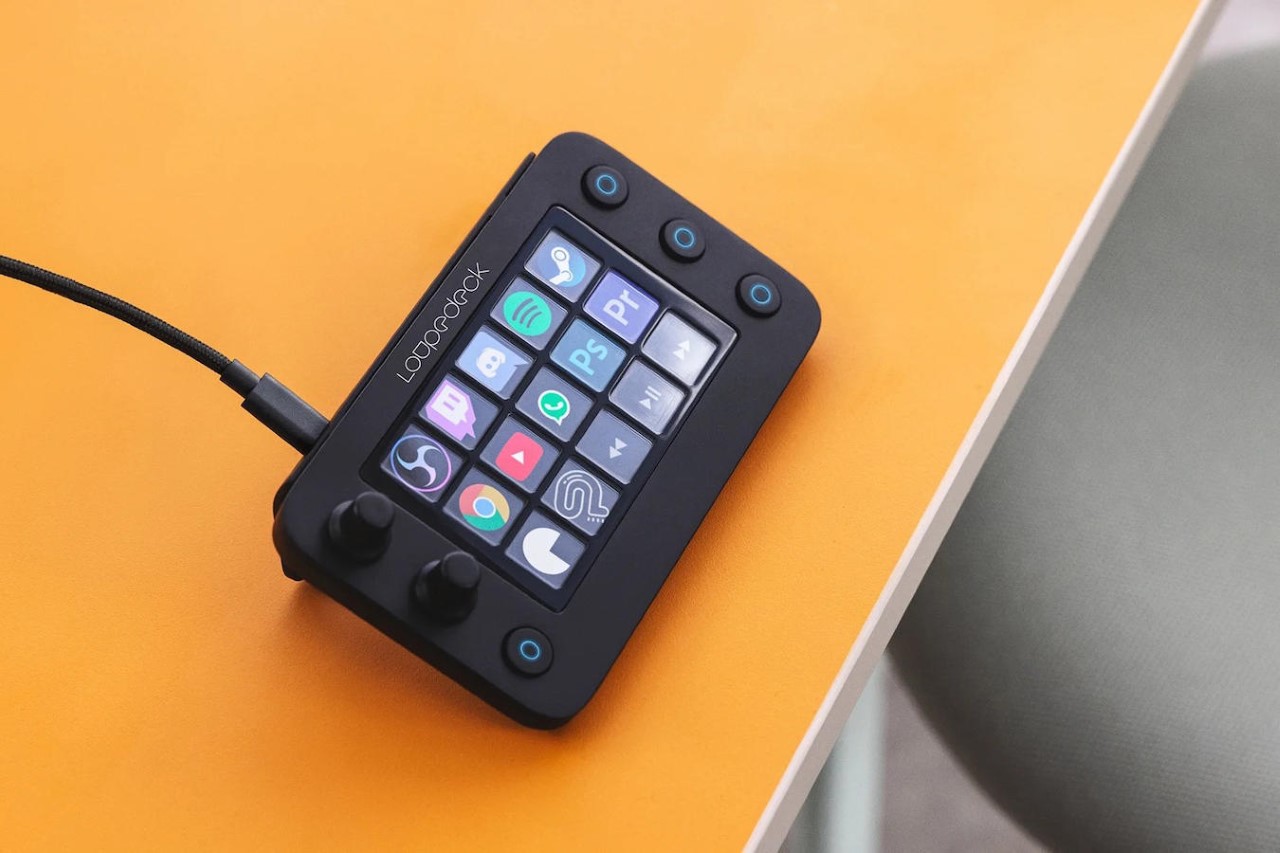
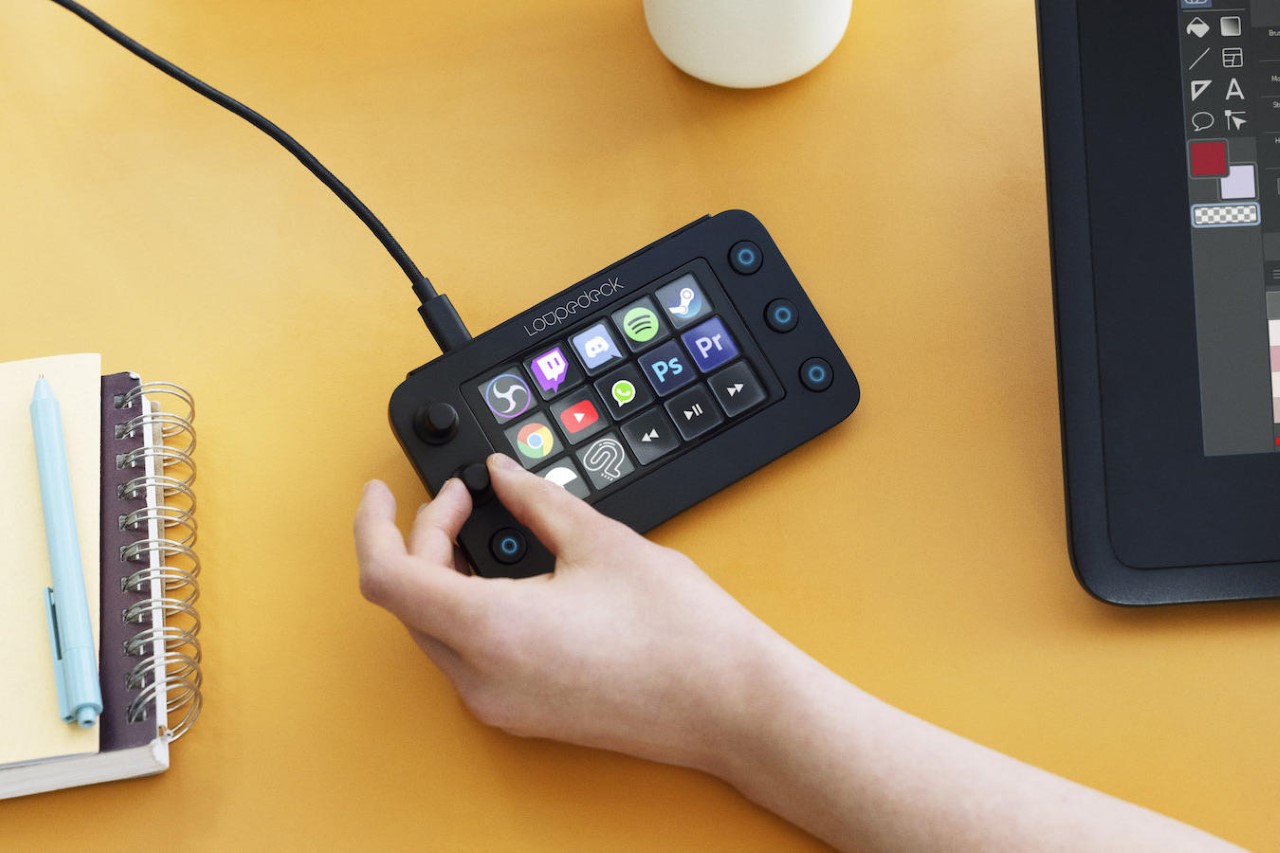
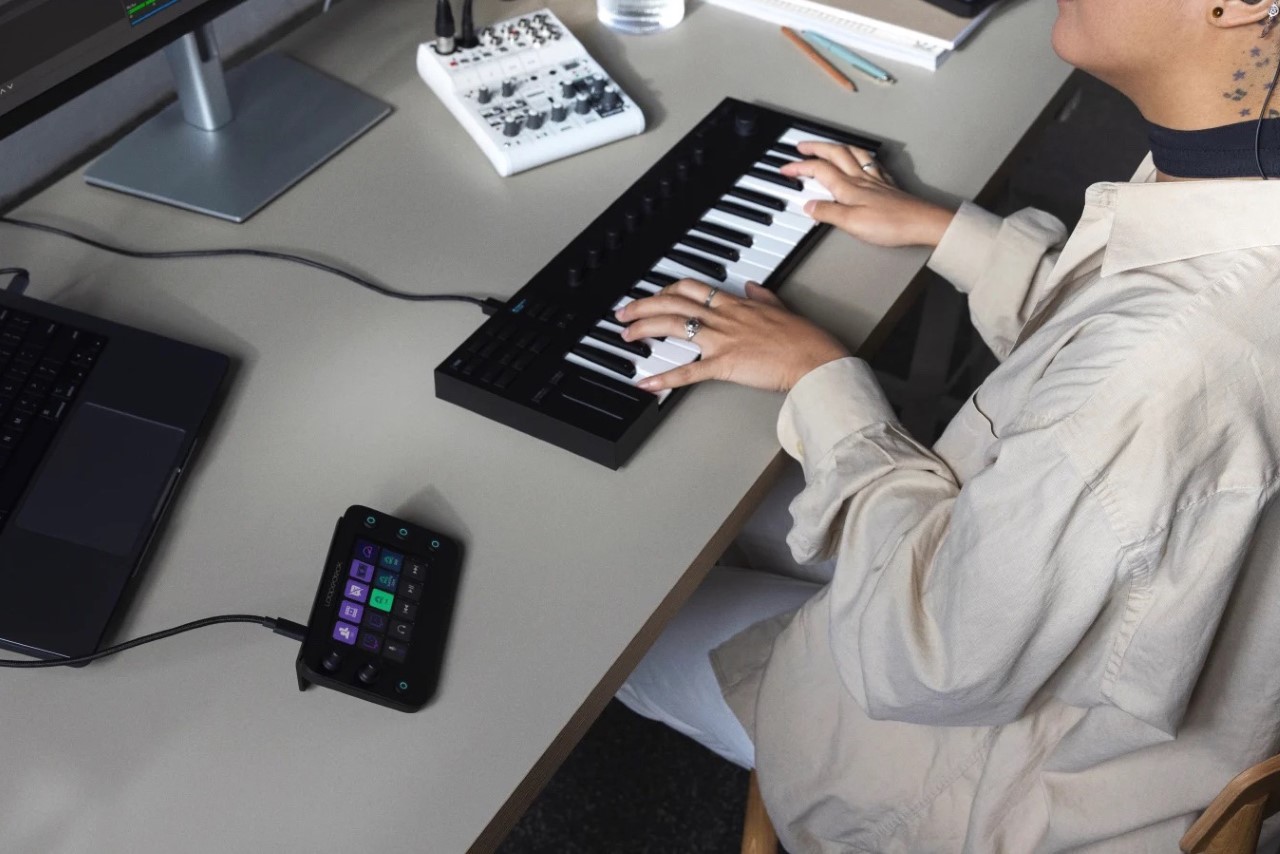
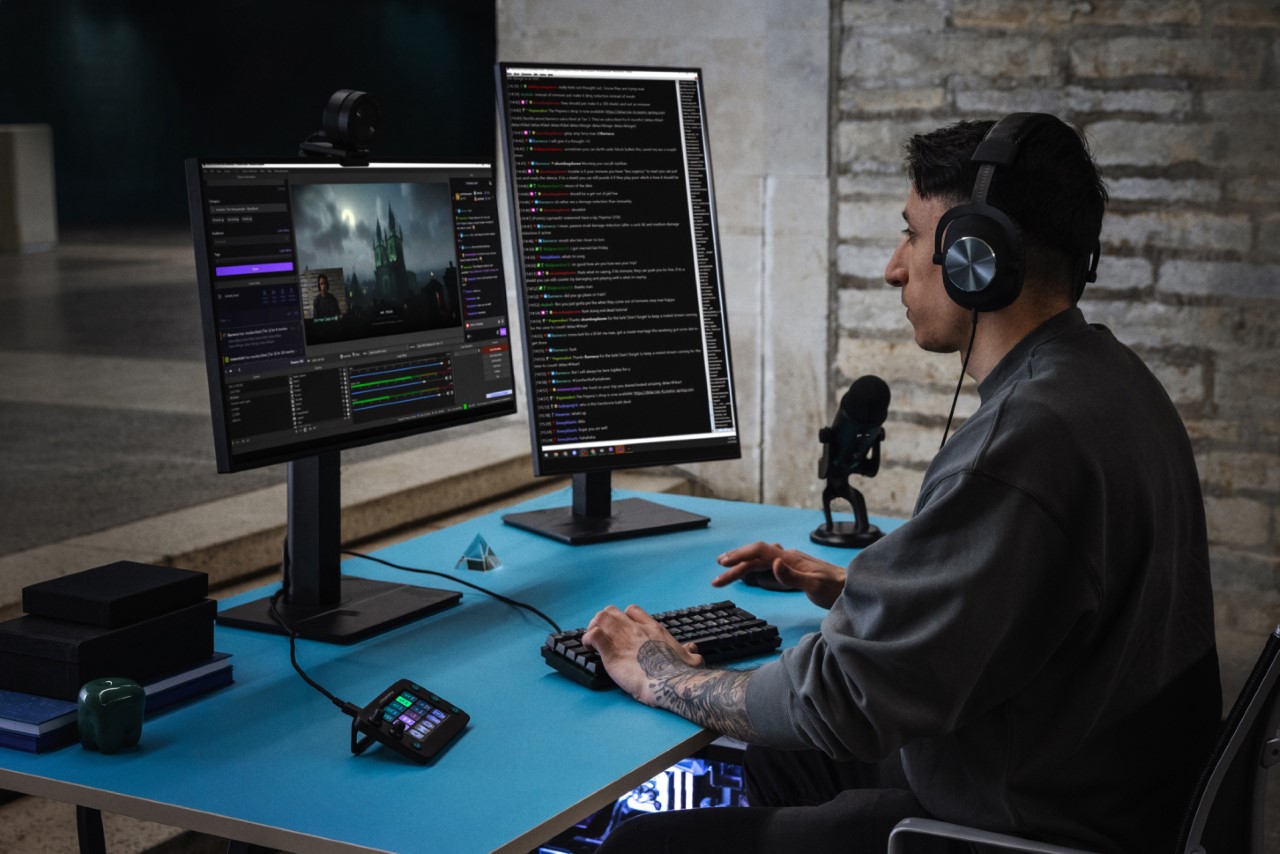
The Live S arrives as Loupedeck’s first product since its acquisition by Logitech. Designed to be the smallest of the company’s streaming consoles, the Loupedeck Live S is an affordable gadget for the on-the-go livestreamer or someone looking to dip their toe into streaming, content creation, or design. With 15 haptic display buttons, 4 RGB buttons, 2 rotary knobs, and a rather affordable $149 price tag, the customizable control center is perfect for multitaskers looking to boost their productivity, or streamers/podcasters who want everything right at their fingertips.

Designer: Loupedeck

Click Here to Buy Now

At its core, the Loupedeck Live S is a streamlined version of its predecessors, featuring two tactile analog knobs, four physical buttons, and 15 touch-sensitive LCD squares. These elements provide a tactile and responsive experience, allowing users to adjust settings like volume, switch scenes, and toggle functions with ease and precision. The touch-sensitive buttons, although lacking physical feedback, confirm every touch with haptic feedback, enhancing the user experience.

The device, slightly larger than a typical cellphone, is compact enough to fit comfortably on any desk. Its stand, snapping securely onto the back, props it up at a convenient angle for easy access. Buttons with individual displays dynamically light up to let you know which shortcut or application they’re assigned to. The display built into each button means easily being able to switch between applications, shortcuts, and environments and having the Loupedeck adapt to the moment.

Setting up the Live S is straightforward: plug in, install the software, and you’re ready to dive into its functionalities. The graphical user interface is simple yet powerful, allowing easy drag-and-drop customization. Users can set multiple profiles and workspaces, and the device seamlessly transitions between these based on the selected application. The Loupedeck Live S supports a plethora of native plugins for popular software like OBS, Twitch, Spotify, and a range of Adobe products. Beyond these, users can also create or import custom profiles and icons for virtually any application or game, making it a highly adaptable tool for a variety of tasks.

While its primary market is streamers and content creators, the Loupedeck Live S has proven its worth in other domains. It’s been lauded for its usefulness in enhancing productivity, especially in work-from-home setups, offering quick access to frequently used functions and applications. This versatility extends to gaming and other entertainment applications, with users able to tailor the device to their specific needs.

Click Here to Buy Now

The post This $149 gadget is a ‘Swiss Army Knife’ for livestreamers, gamers, and designers first appeared on Yanko Design.
Analogue Duo console revives TurboGrafx cartridges and CDs with a catch

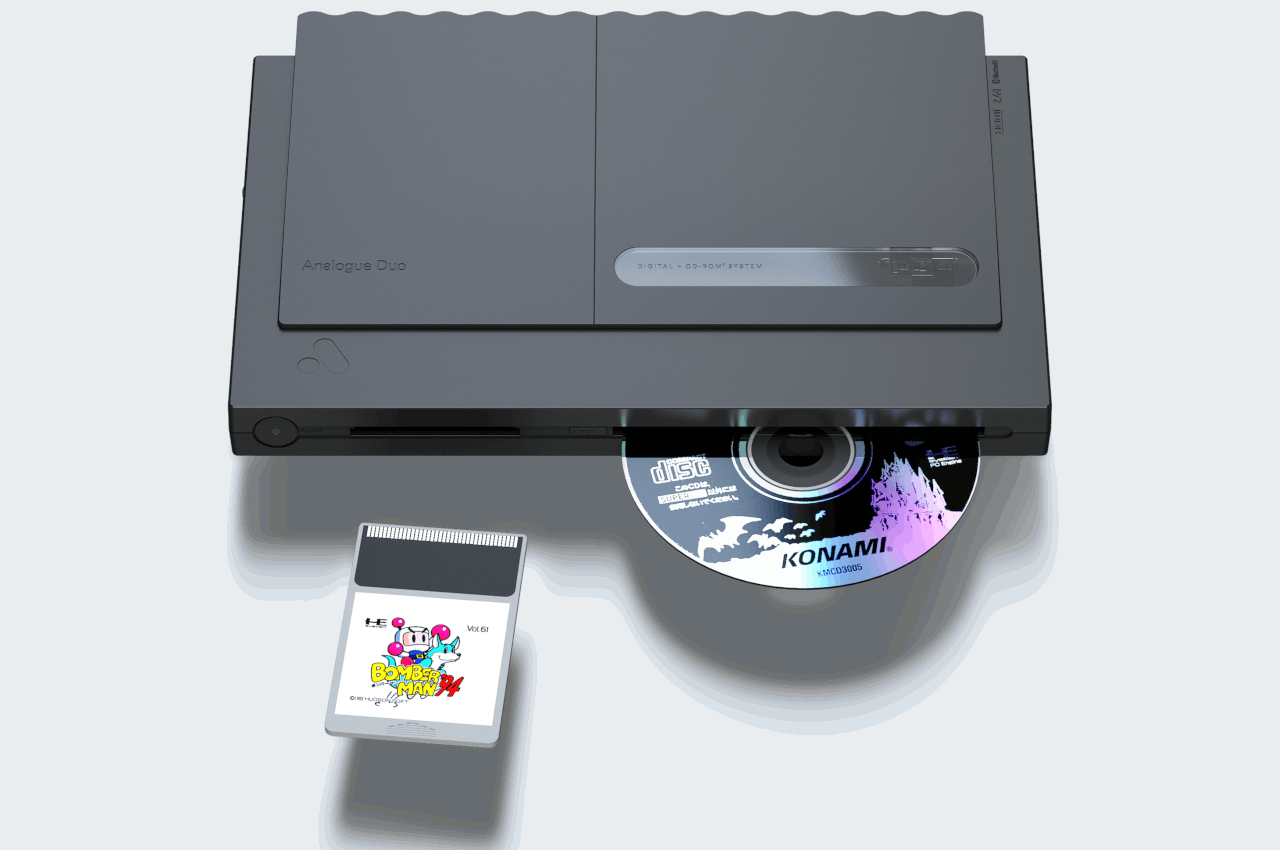
The retro gaming craze has given birth to many console revivals, but some of them are walking on legally gray areas. The officially sanctioned devices bear licensed titles but in very small numbers. Third-party recreations that use emulators, on the other hand, offer more freedom and flexibility but you’ll have to be creative in where you source your games. And then there’s the rare middle ground that puts those old games in fresh new hardware, like this curious console that pays tribute to the oft-forgotten NEC TurboGrafx. Unlike other retro consoles, however, it doesn’t come bundled with its own games and you’ll have to bring your own cartridges and discs, presuming you still have some of those around.

Designer: Analogue

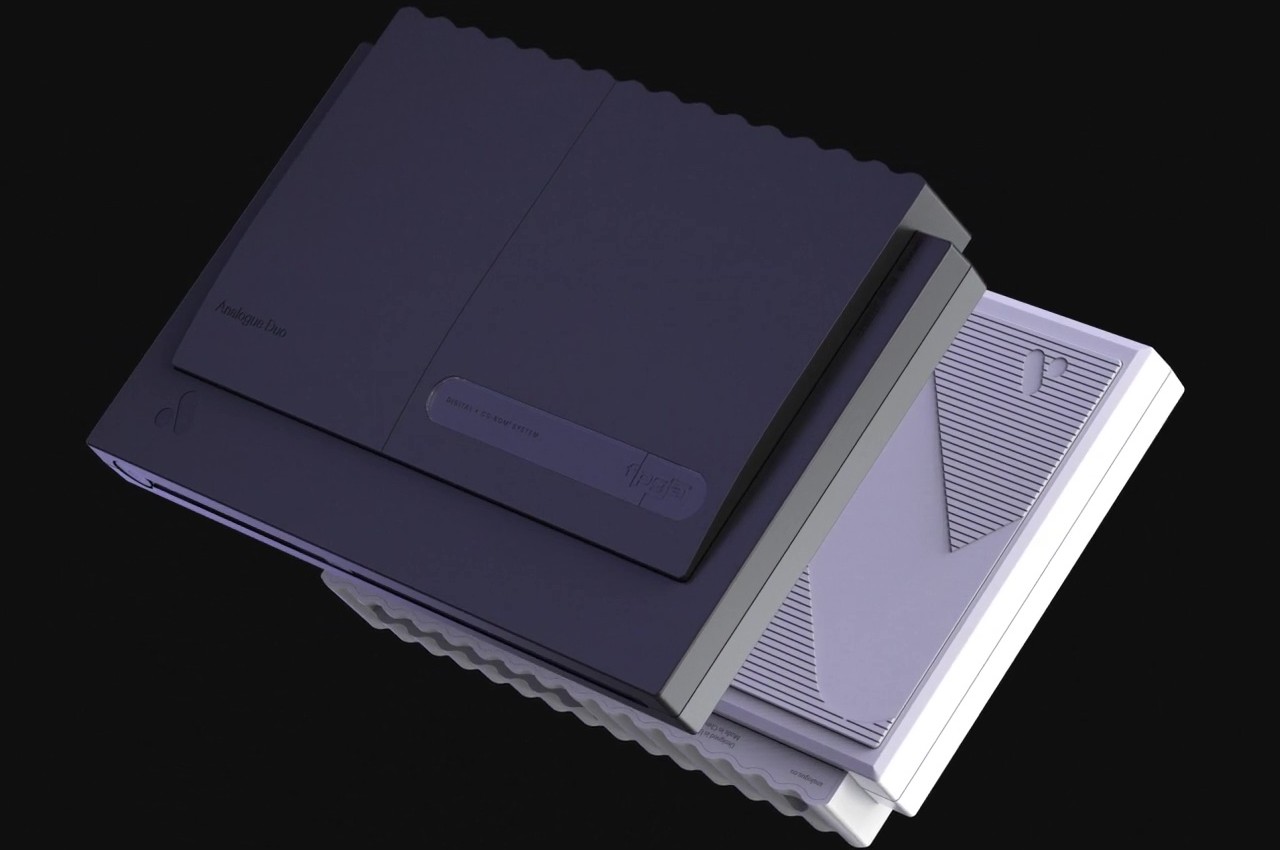
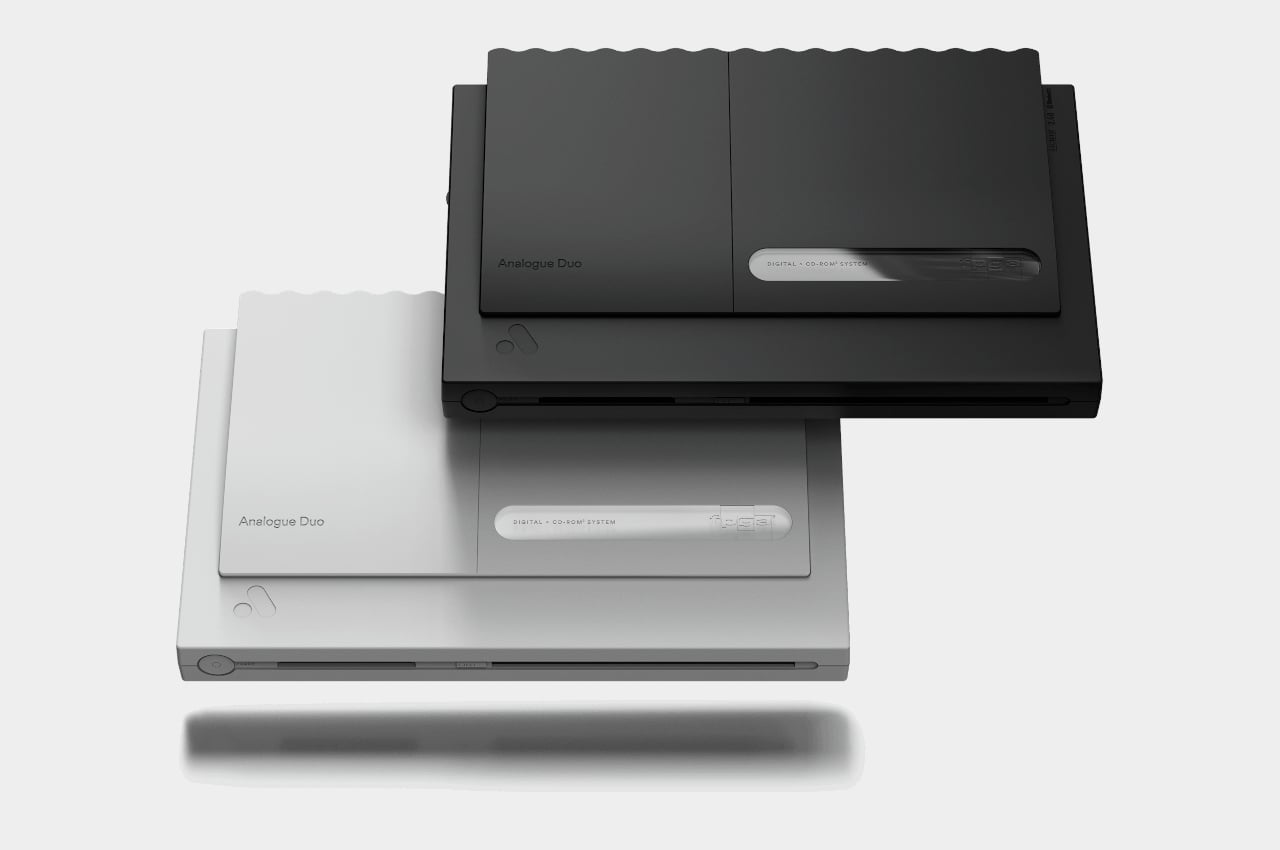
With the explosion of home gaming systems in the late 80s to early 90s, it wasn’t much of a surprise that some brands would be pushed to the background. Although it did have a faithful following, the NEC TurboGrafx system eventually faded into history, only to be remembered with retro consoles and devices such as the Analogue Duo. It’s not a simple recreation of the original console, however. In fact, it looks nothing like the TurboGrafx-16 and PC Engine consoles. What this new console brings, instead, is a way to be able to use those original game cartridges and CDs just the way they were meant to.

Retro mini consoles like the NES and SNES Classics practically use emulation software to run digital copies of games that used to exist on physical media. That’s definitely convenient but also removes the gratification of experiencing those classic titles from the cartridges or CDs they came from. Without going into technical details, the Analogue Duo claims to use no emulation at all and uses hardware engineered for thousands of hours to offer compatibility with a wide range of NEC gaming systems and media, including those for the TurboGrafx-16, PC Engine, SuperGrafx, TurboGrafx CD, PC Engine CD-ROM, and Super Arcade CD-ROM.

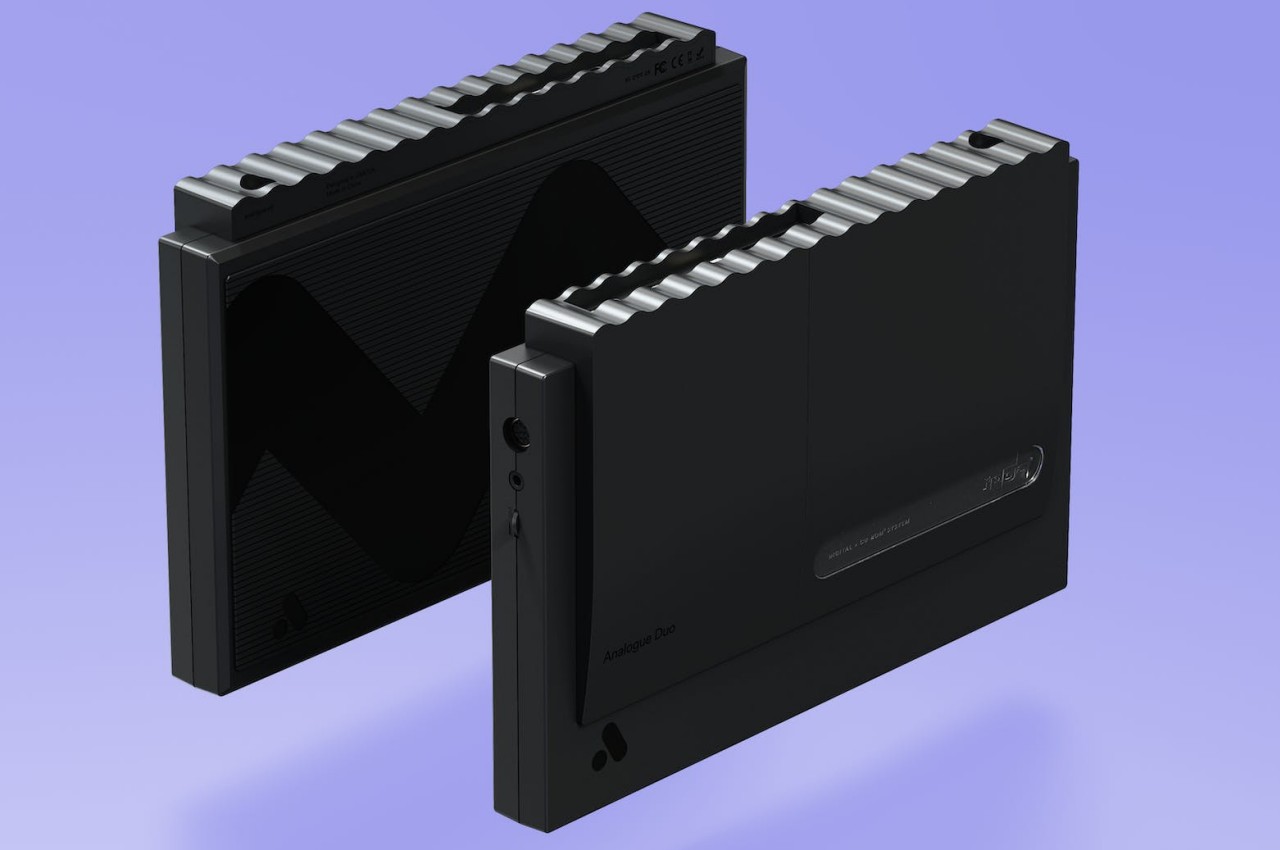
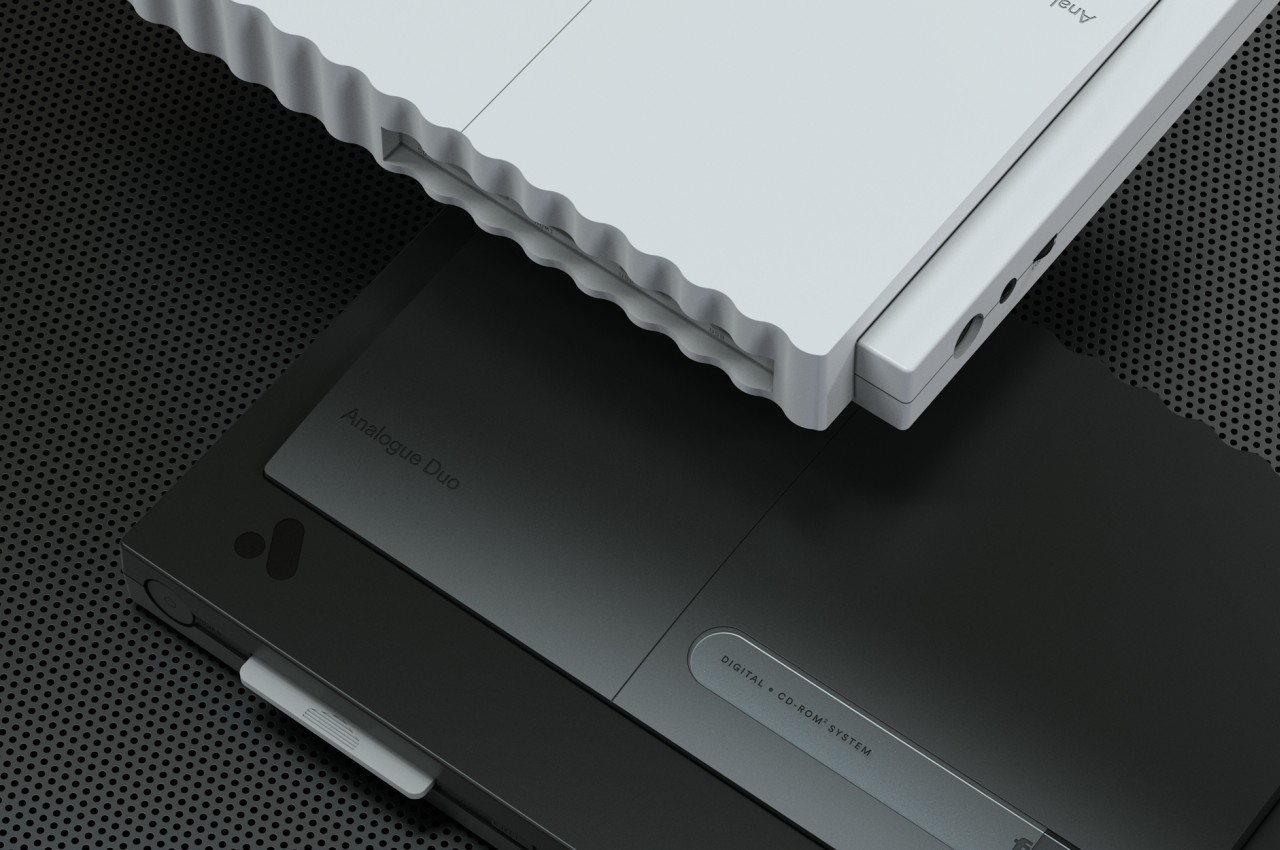
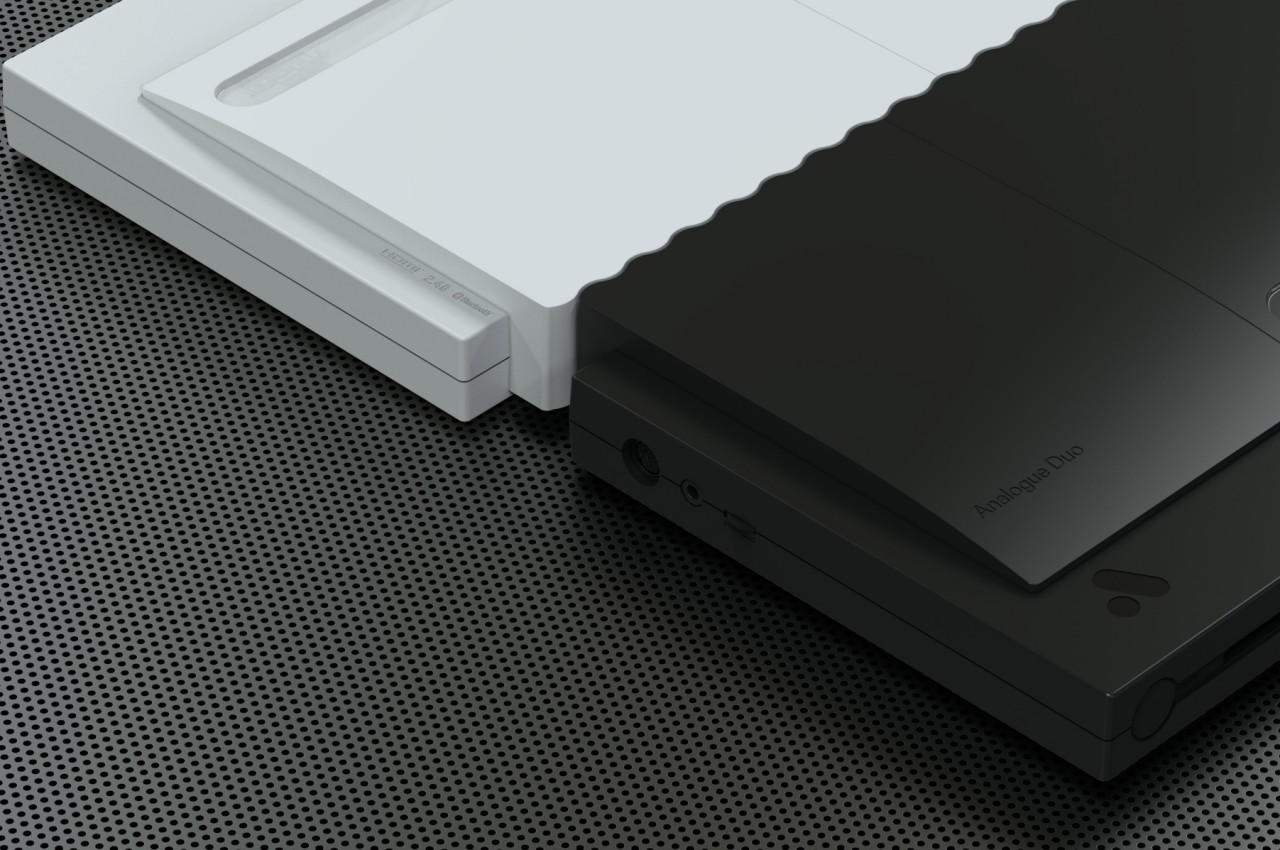
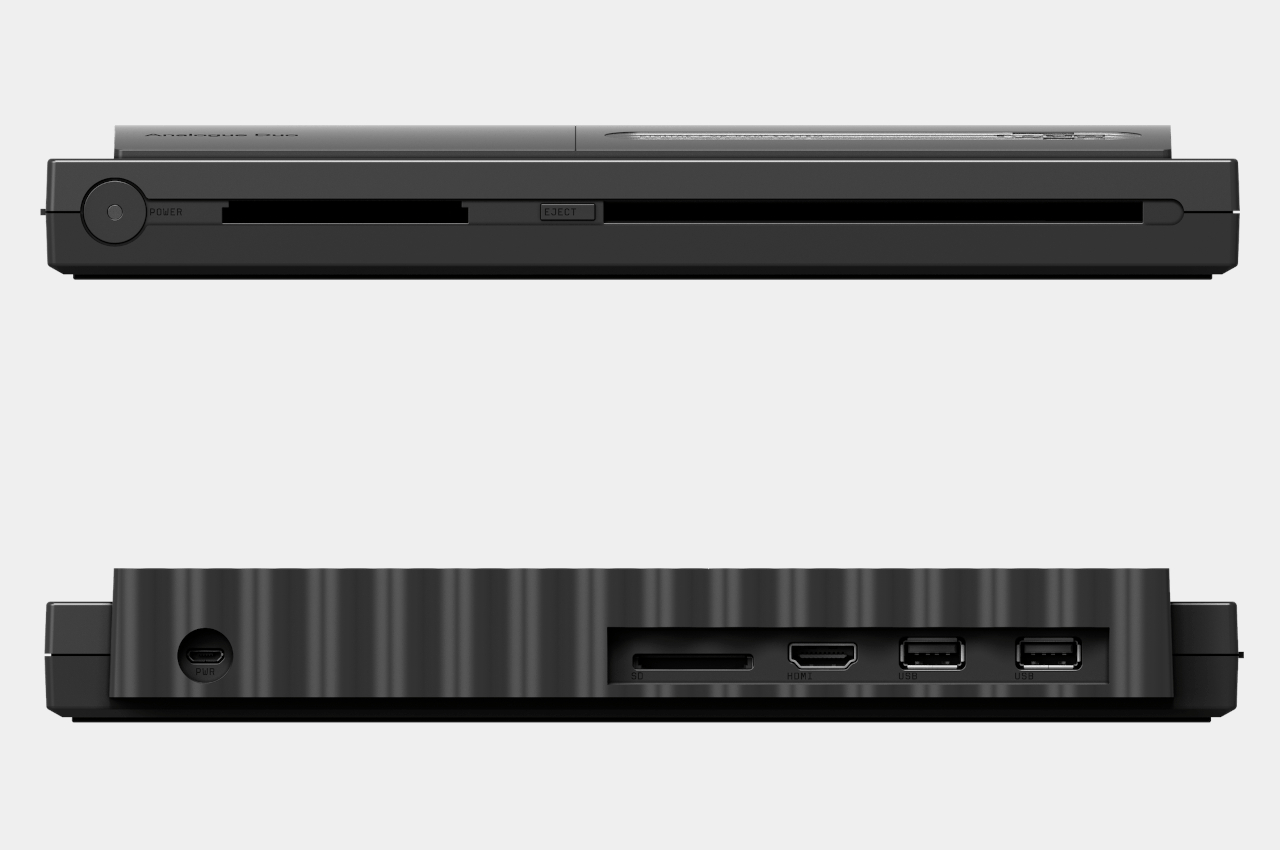
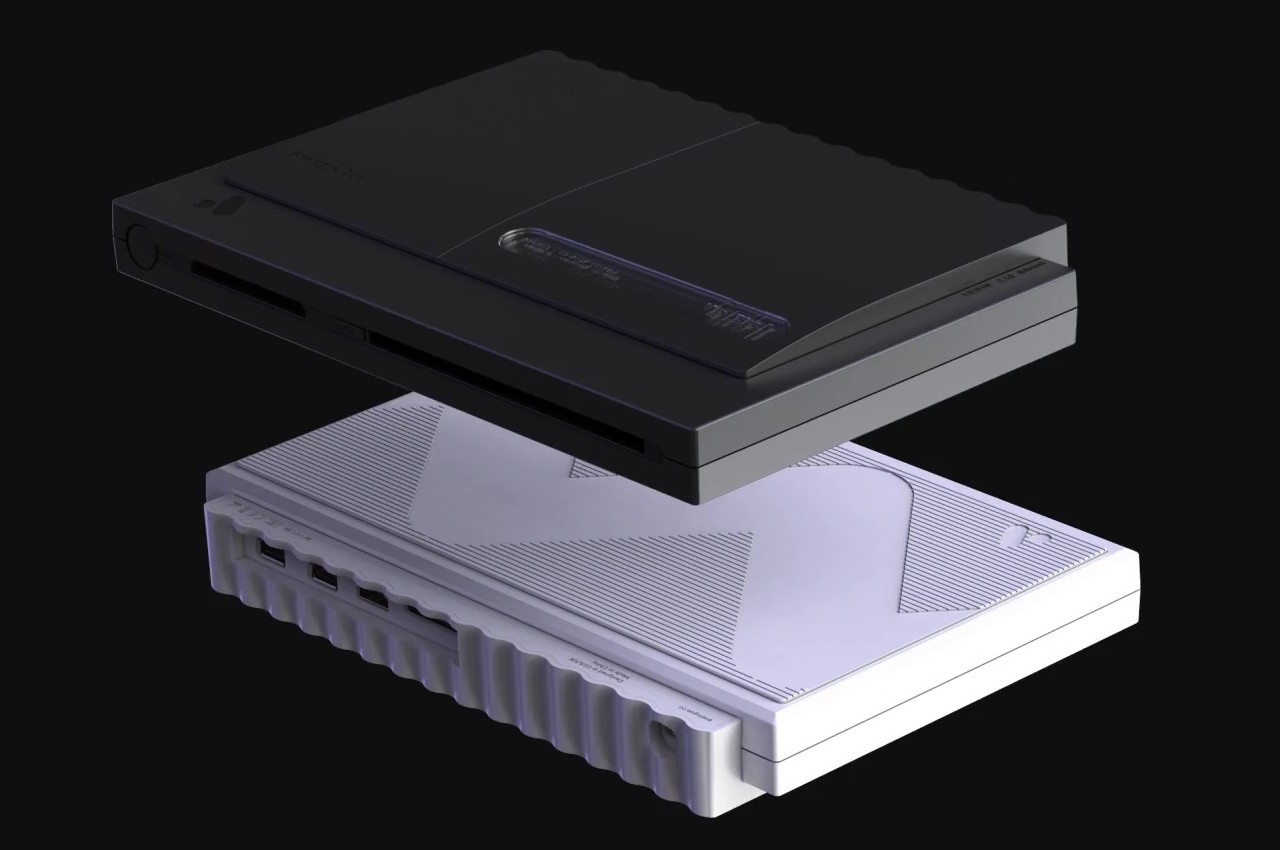
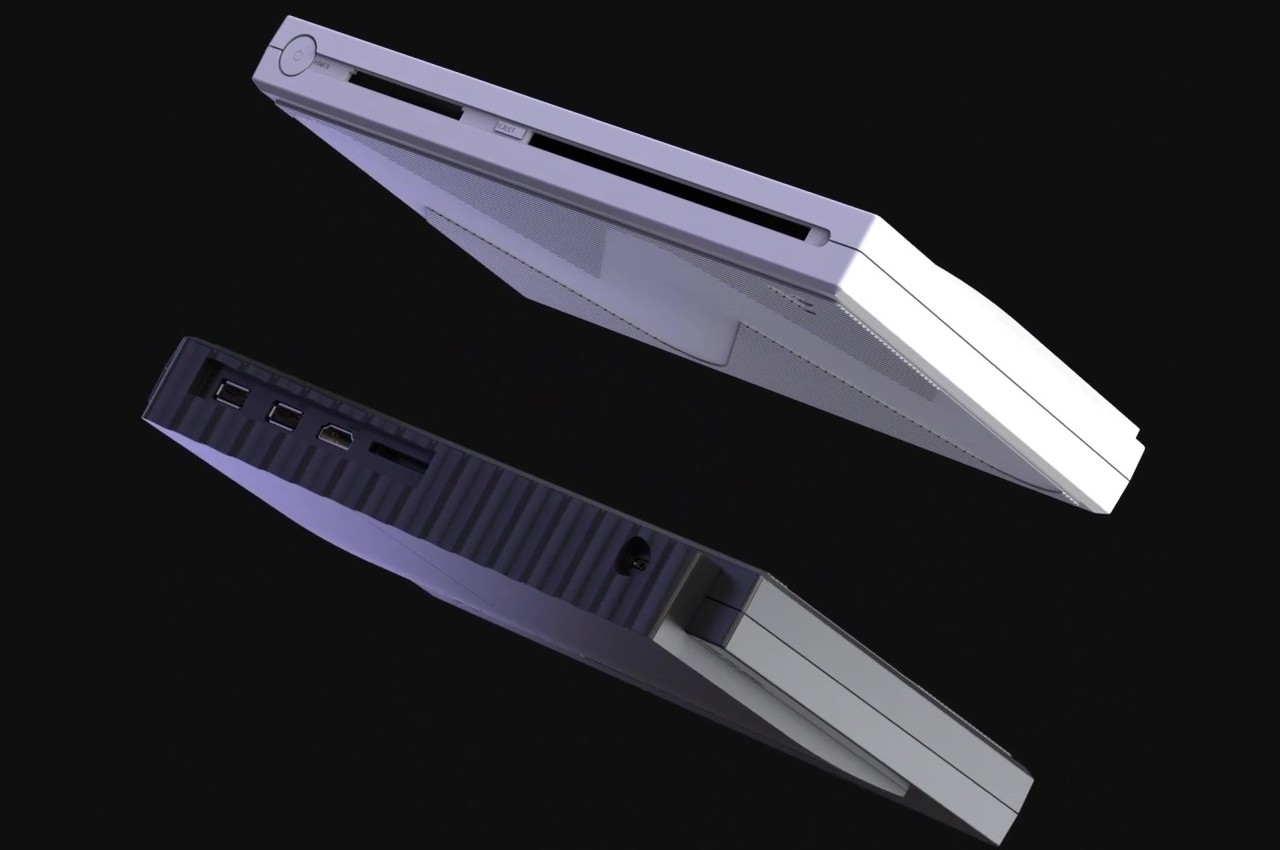
The design of the Analogue Duo itself is also quite unique, eschewing the trend of copying the appearance of the original consoles. It does lie horizontally like most consoles, but its modern and sleek appearance clearly tells which century it comes from. An odd and rather interesting detail is the wavy rear of the console, something you won’t find on any gaming hardware today. Interestingly, you can place two of these consoles back-to-back with those waves intersecting with each other.

The Analogue Duo is pretty ambitious in its goals, which is probably why it took three years for it to finally become available. Even then, it will be in extremely limited supply, available first to those who pre-ordered back in May. Perhaps it’s for the best so that TurboGrafx fans will be able to bide their time and see whether the console will be able to deliver that faithful classic experience it promised.

The post Analogue Duo console revives TurboGrafx cartridges and CDs with a catch first appeared on Yanko Design.