Someone Made The E-Ink Kindle Smartphone That Amazon Refused To Make

Amazon has spent nearly two decades perfecting the Kindle, turning it into the default eReader for millions of people, and in all that time they’ve steadfastly refused to shrink it down to pocket size or open it up to the broader Android ecosystem. They had every opportunity to merge the best parts of their Kindle line with the form factor of a smartphone, creating a distraction-free reading and productivity device that could actually fit in your jeans pocket and run the apps you already use. Instead, they kept the Kindle locked into its walled garden, kept it at 6 inches or larger, and left a gaping hole in the market for anyone willing to build what they wouldn’t. DuRoBo took that opportunity and ran with it, launching the Krono, a 6.13-inch E Ink tablet running full Android 15 that costs $279.99 and does exactly what Amazon has spent years pretending nobody wants.

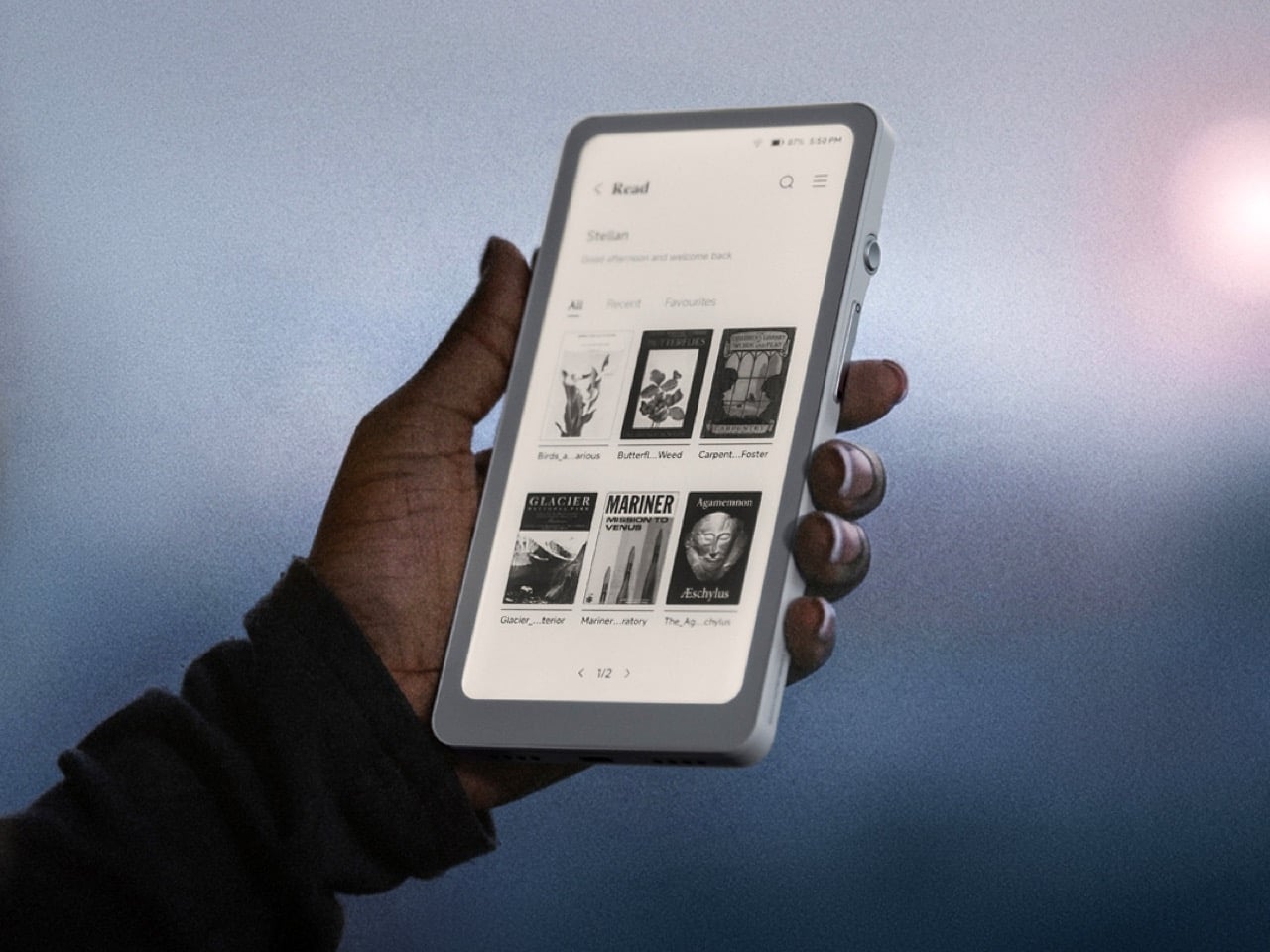
The Krono packs an E Ink Carta 1200 display at 300 PPI (matching the sharpness of a Kindle Paperwhite), an octa-core processor, 6GB of RAM, 128GB of storage, a 3,950 mAh battery, and a unique side-mounted Smart Dial that controls screen refresh, frontlight adjustment, voice recording, and web browsing through a single rotary knob. It weighs just 173 grams, measures 154 x 80 x 9 mm, and is available in black or white from DuRoBo’s site or Amazon US. The pitch is straightforward: it’s an eReader, a voice note-taker, a podcast player, and a music device all in one, built on an open platform that lets you install whatever reading app, productivity tool, or communication software you actually want to use. It launched in August 2025 and started shipping in September, quietly carving out space in the niche that BOOX’s Palma lineup has been dominating for the past year.

Designer: DuRoBo
Six gigs of RAM in an E Ink device is borderline excessive in the best possible way, especially when most eReaders ship with 2GB or less and struggle the moment you try to run anything beyond the stock reading app. The 128GB of storage means you can load an absurd library of ebooks, PDFs, audiobooks, and whatever else without ever worrying about running out of room. Running Android 15 (not some ancient fork, but the actual current OS) gives the Krono access to the full Play Store ecosystem, which is exactly what Amazon has been allergic to for years. You want Kindle, Libby, Moon+ Reader, Pocket, Instapaper, Obsidian, and Spotify all on one device? The Krono lets you do that. A Kindle will let you read Kindle books and maybe listen to Audible if you’re lucky. That’s the entire difference.
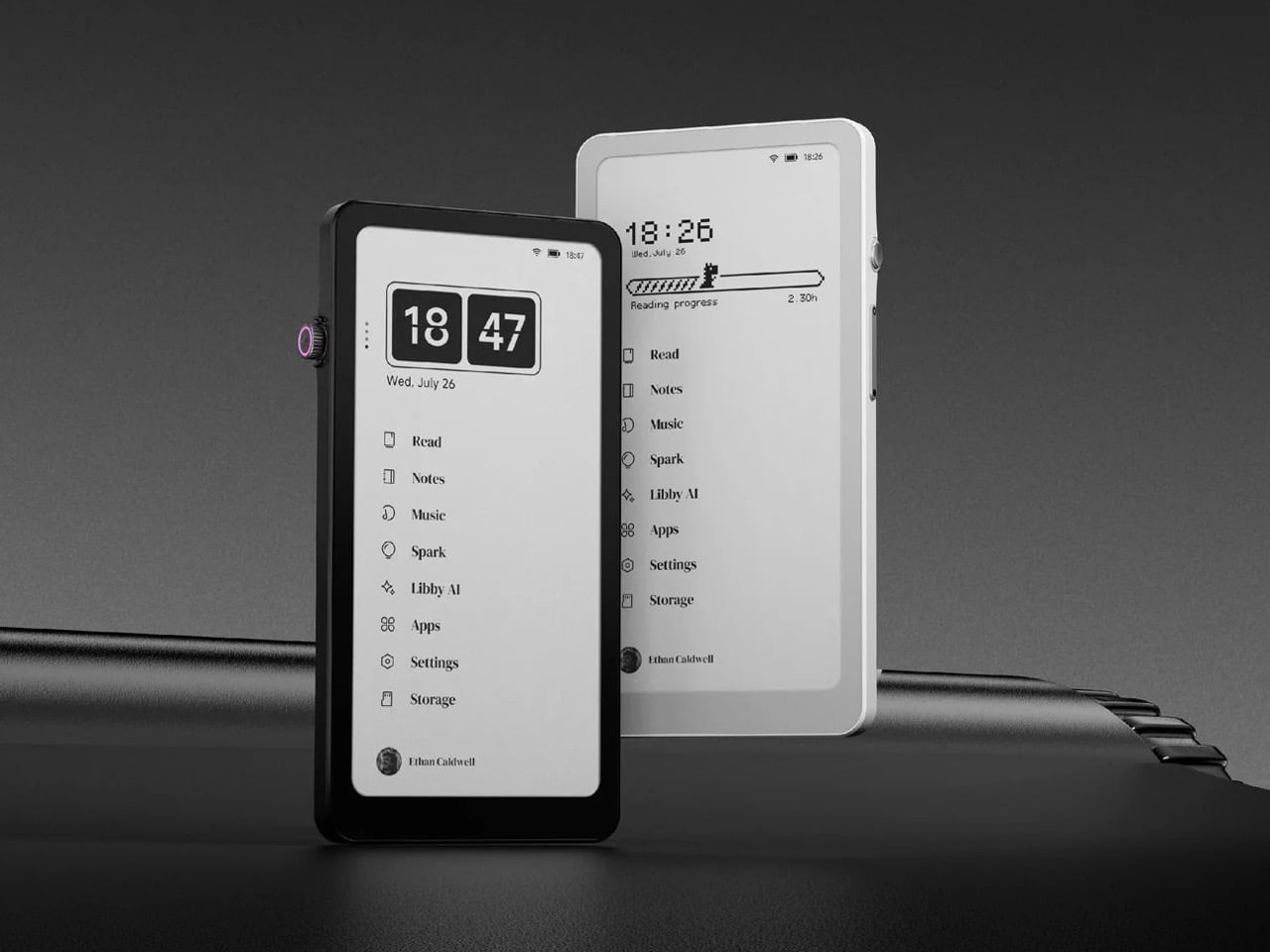
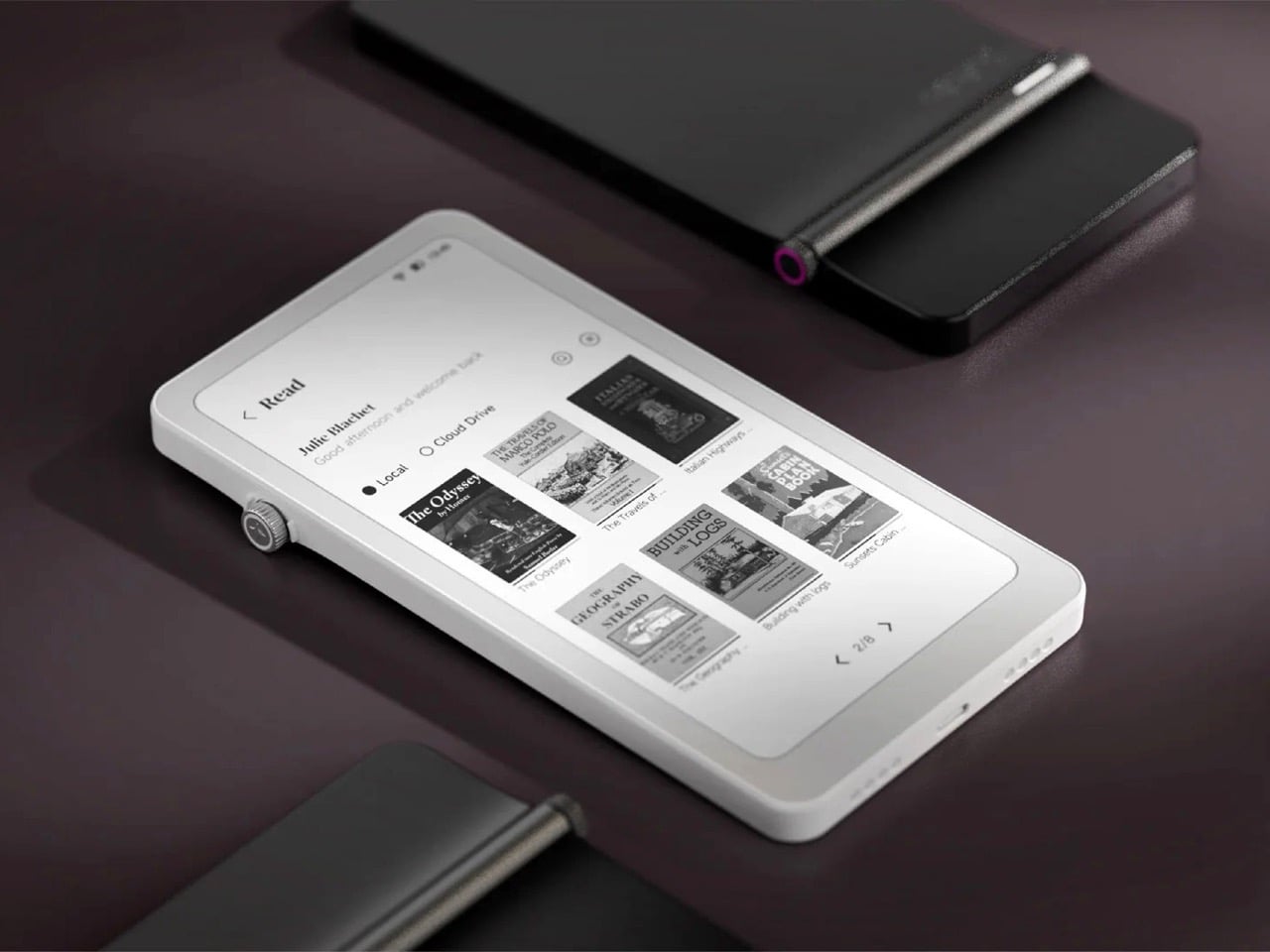
The Smart Dial highlights DuRoBo’s industrial design philosophy most clearly – instead of burying every interaction behind capacitive touch menus (which E Ink refresh rates make tedious), they mounted a physical rotary dial on the side of the device that you can press and rotate to trigger different actions depending on context. It’s a design choice borrowed more from cameras and audio gear than from tablets, and it gives the Krono a tactile, mechanical quality that most E Ink slabs completely lack. The back of the device features what DuRoBo calls the Axis, a strip housing six small breathing lights that glow softly on a schedule to gently nudge you back toward focused reading or work. It’s a wellness-adjacent UX detail that could easily feel gimmicky, but in the context of a device explicitly marketed as a “focus hub,” it at least makes thematic sense. The whole package is clearly designed to feel intentional and calm, a deliberate counterpoint to the dopamine-optimized chaos of a smartphone.
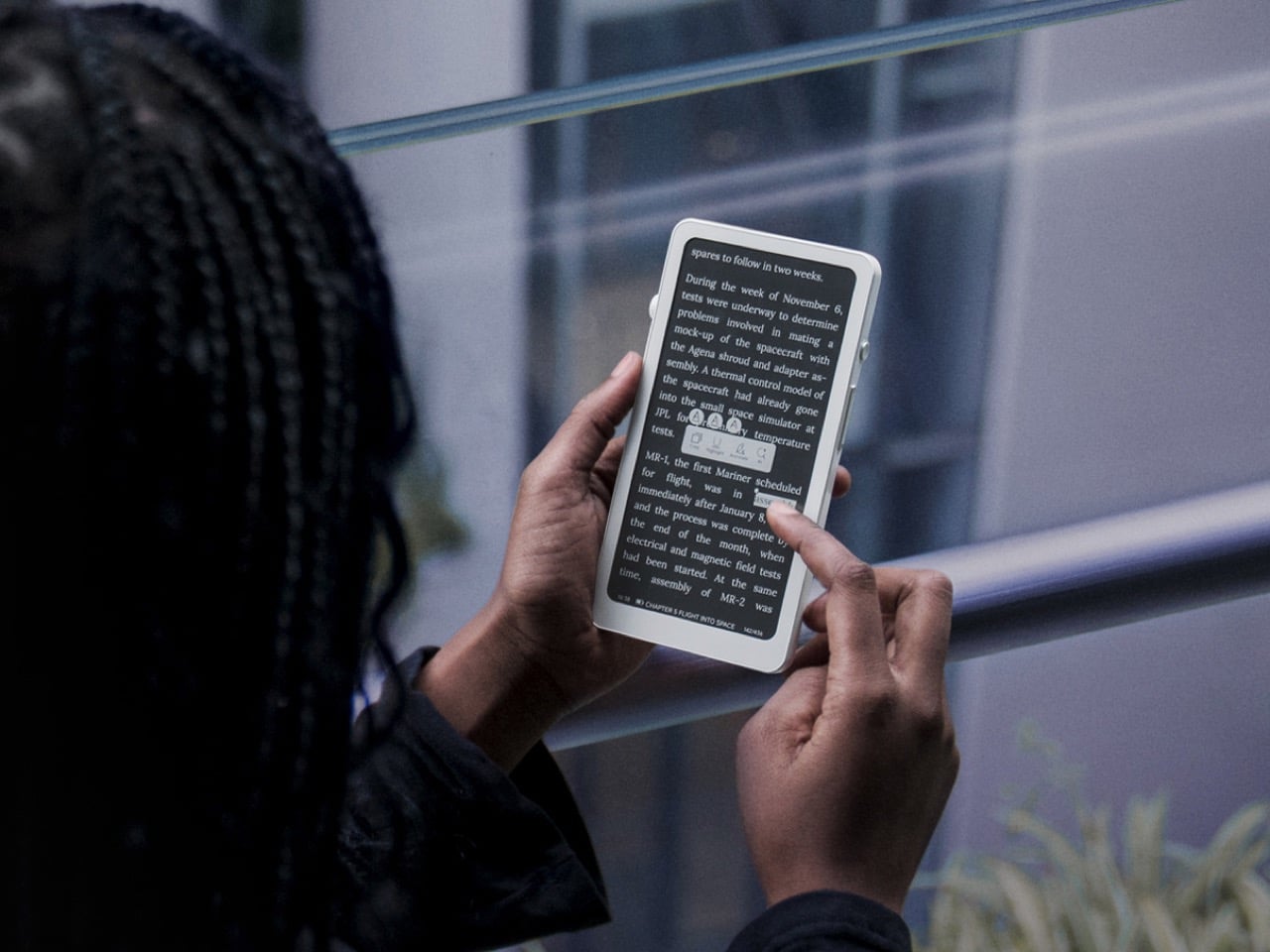
DuRoBo is positioning the Krono hard into the distraction-free productivity and mindfulness lane, framing it as the device you reach for when you want to read long-form content, capture ideas through voice notes, or listen to podcasts without getting dragged into Instagram or TikTok. The dual-tone frontlight (warm and cool adjustment) and the paper-like texture of the Carta 1200 display are meant to make extended reading sessions comfortable in a way that backlit screens never quite manage. The built-in speaker and Bluetooth support let it double as a surprisingly capable audio player for music, audiobooks, and podcasts, which gives it utility beyond just being a reading slab. The open Android platform means you can customize it to fit whatever workflow you actually need, whether that’s Notion for notes, Pocket for saved articles, or Spotify for background music while you write. Amazon would never build this, because opening the Kindle platform would undermine their entire content ecosystem lock-in strategy.
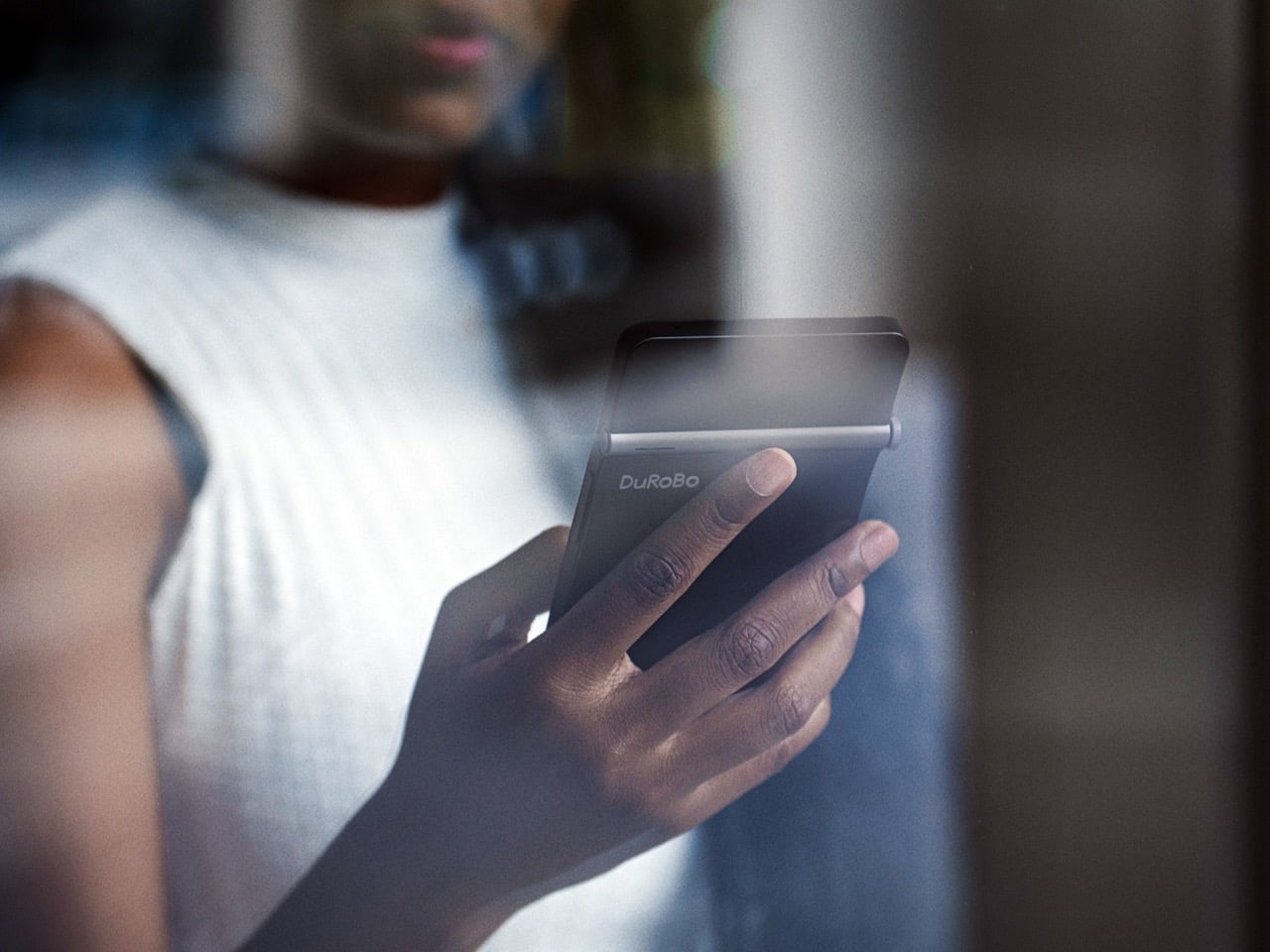
The Krono is available now for $279.99; with a fitted TPU case is sold separately, designed to accommodate both the Smart Dial and the Axis breathing lights without blocking either. At that price point, it’s competing directly with the BOOX Palma (which runs around $280 depending on configuration) and sits well above Amazon’s Kindle Paperwhite but below their Kindle Scribe. Whether the Smart Dial, the breathing lights, and DuRoBo’s focus-first branding are enough to justify choosing it over a Palma or just installing a launcher on a Kindle will depend entirely on how much you value that design identity over raw software polish.

The post Someone Made The E-Ink Kindle Smartphone That Amazon Refused To Make first appeared on Yanko Design.
The Anti-Distraction Smartphone That Still Lets You Use Uber and Strava

I pulled out my phone at the airport gate to check my boarding time, then spent the next fifteen minutes scrolling TikTok. I nearly missed my flight. The phone wasn’t lying when it said Gate 23, but somewhere between the lock screen and actually standing up, Instagram happened, then Twitter, then one more reel. We’ve all been that person. The issue is architectural: smartphones were built to be everything machines, and everything machines are terrible at being sometimes machines.

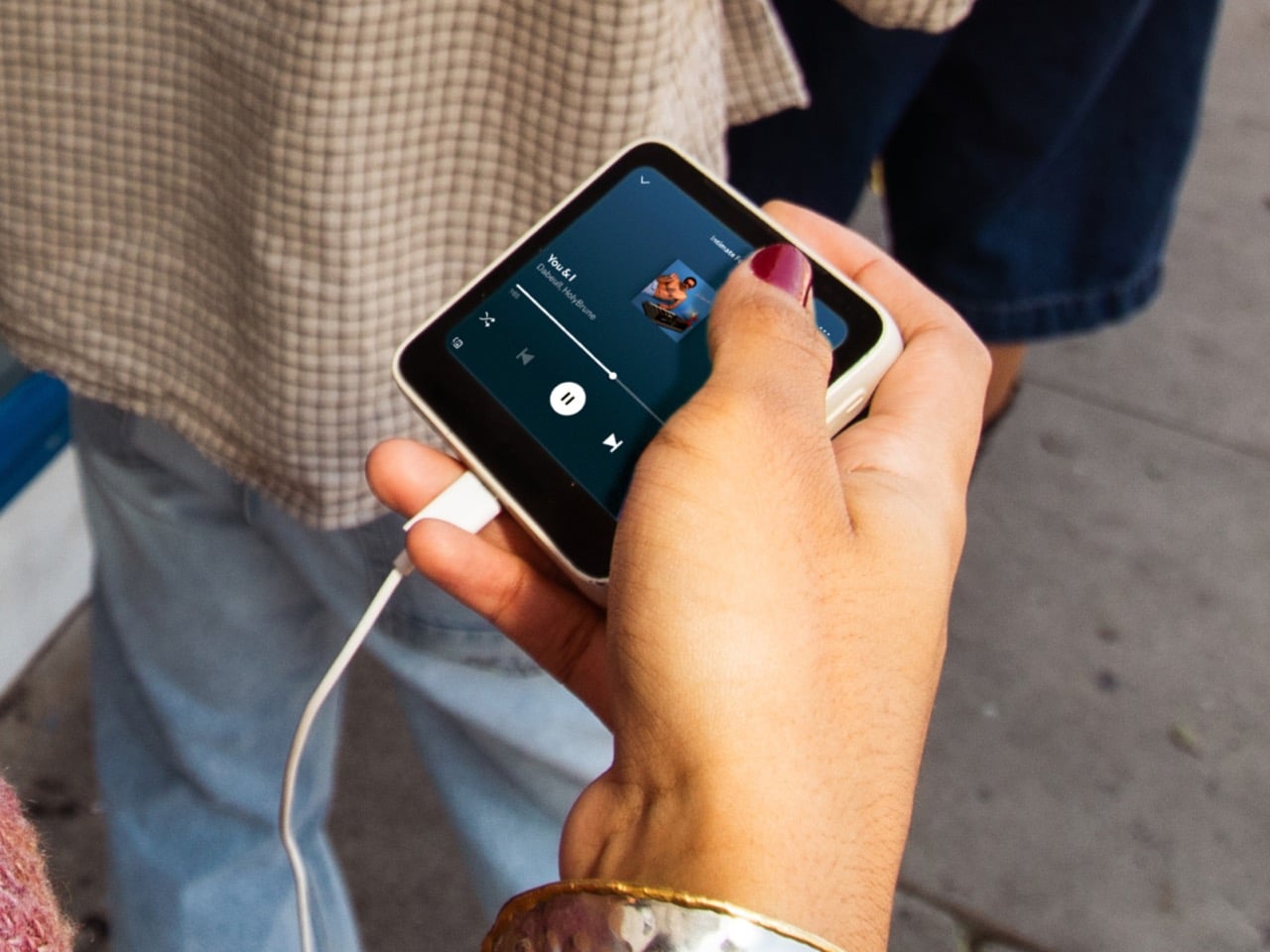
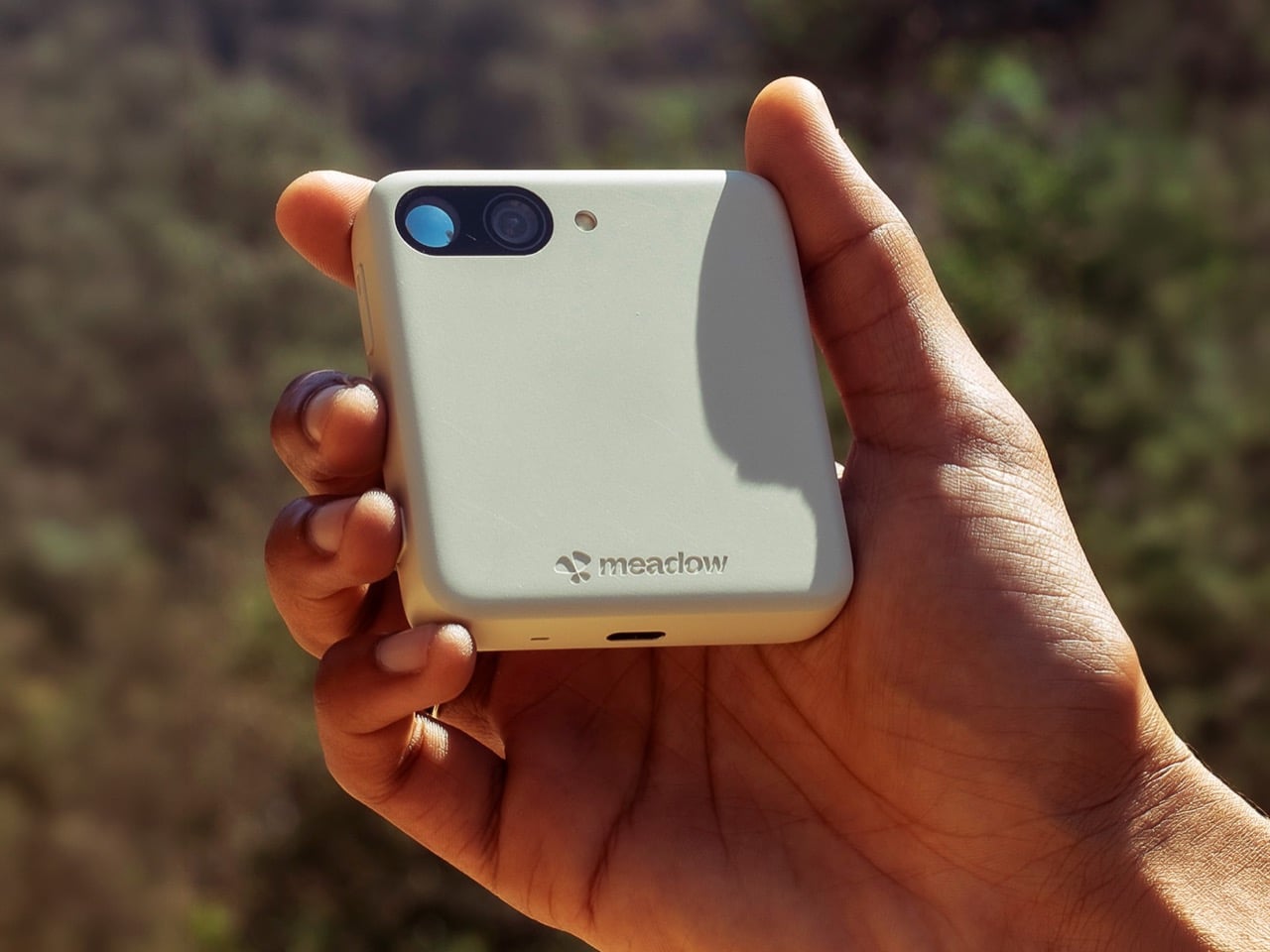
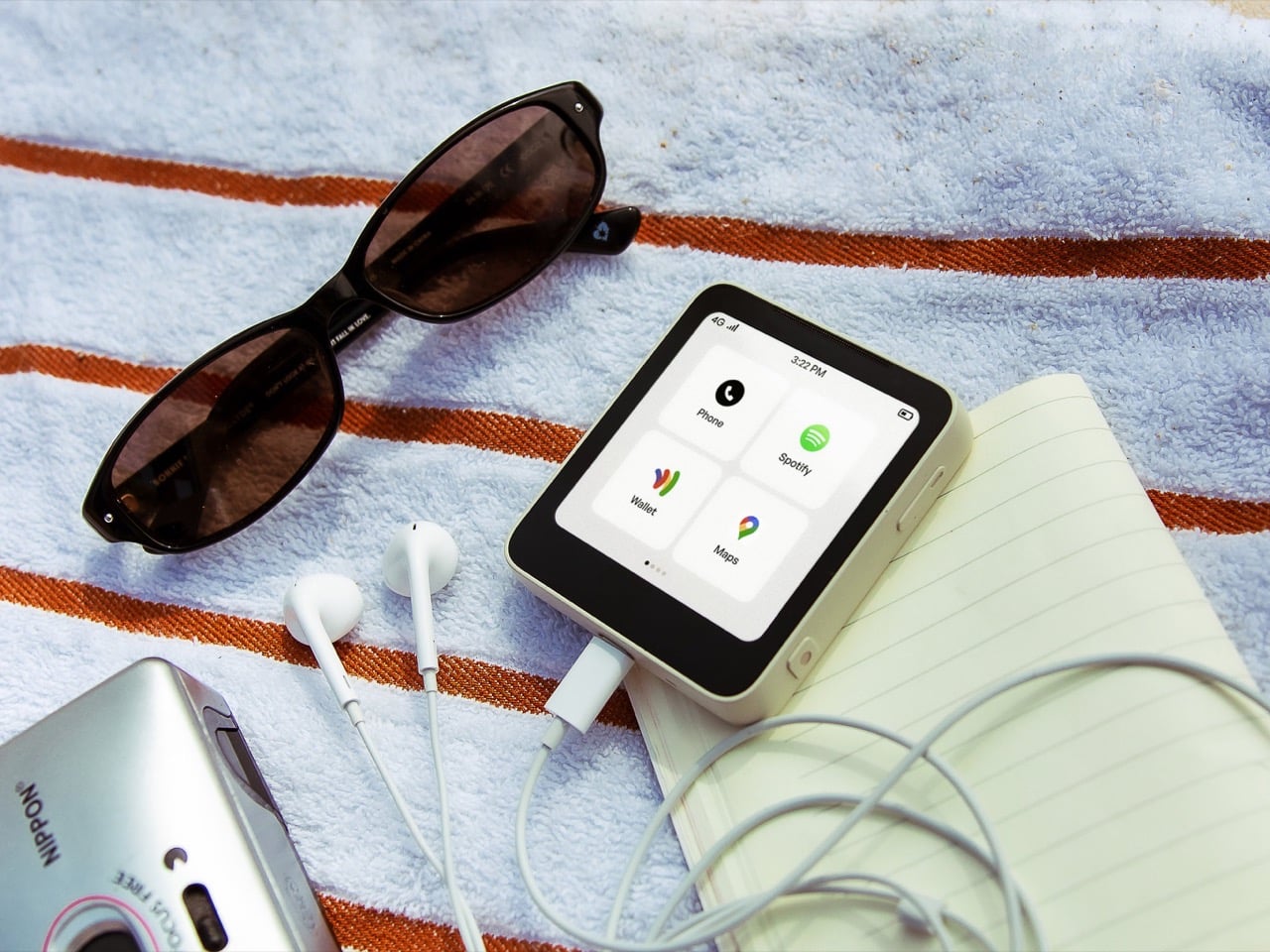
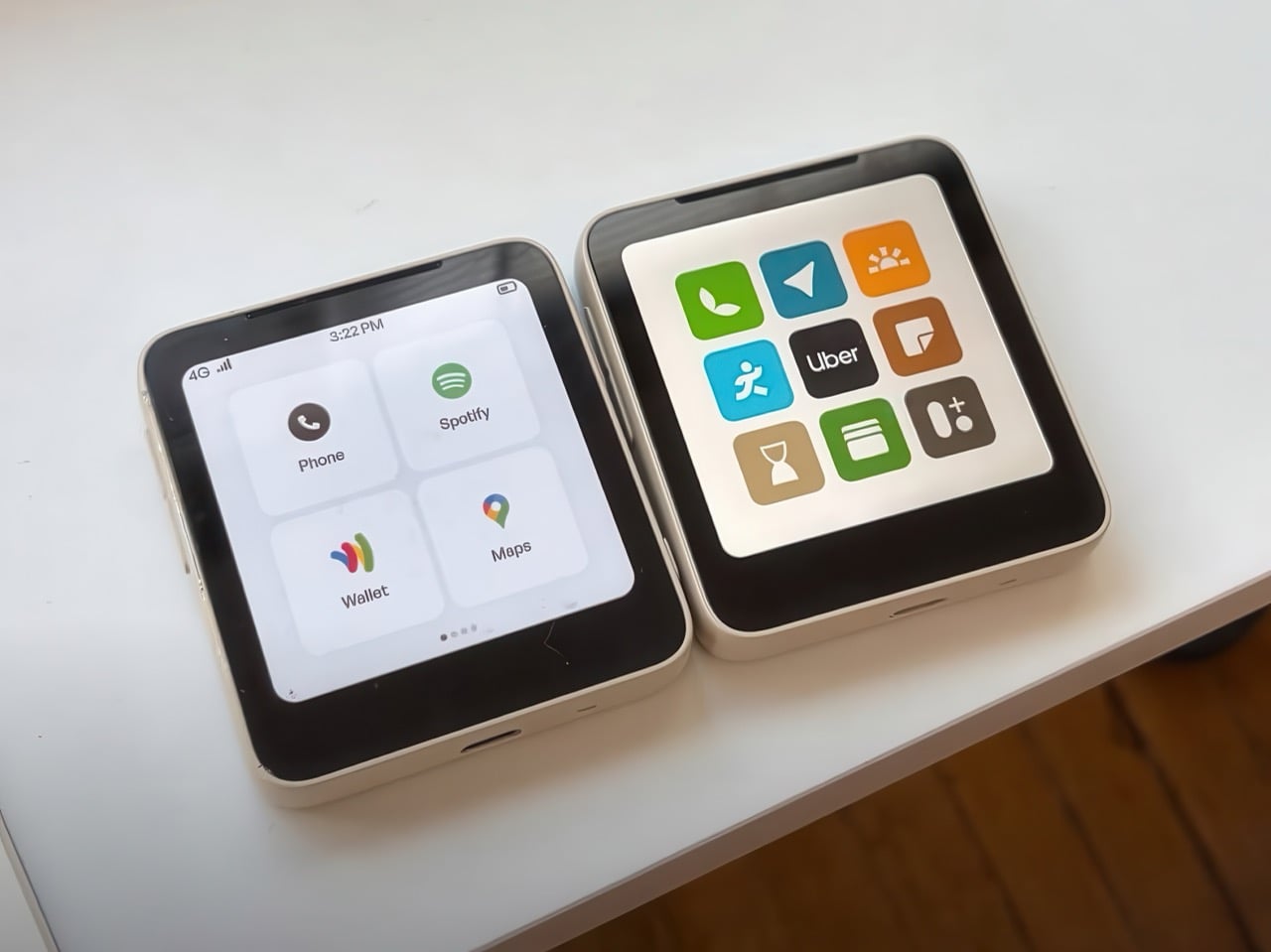
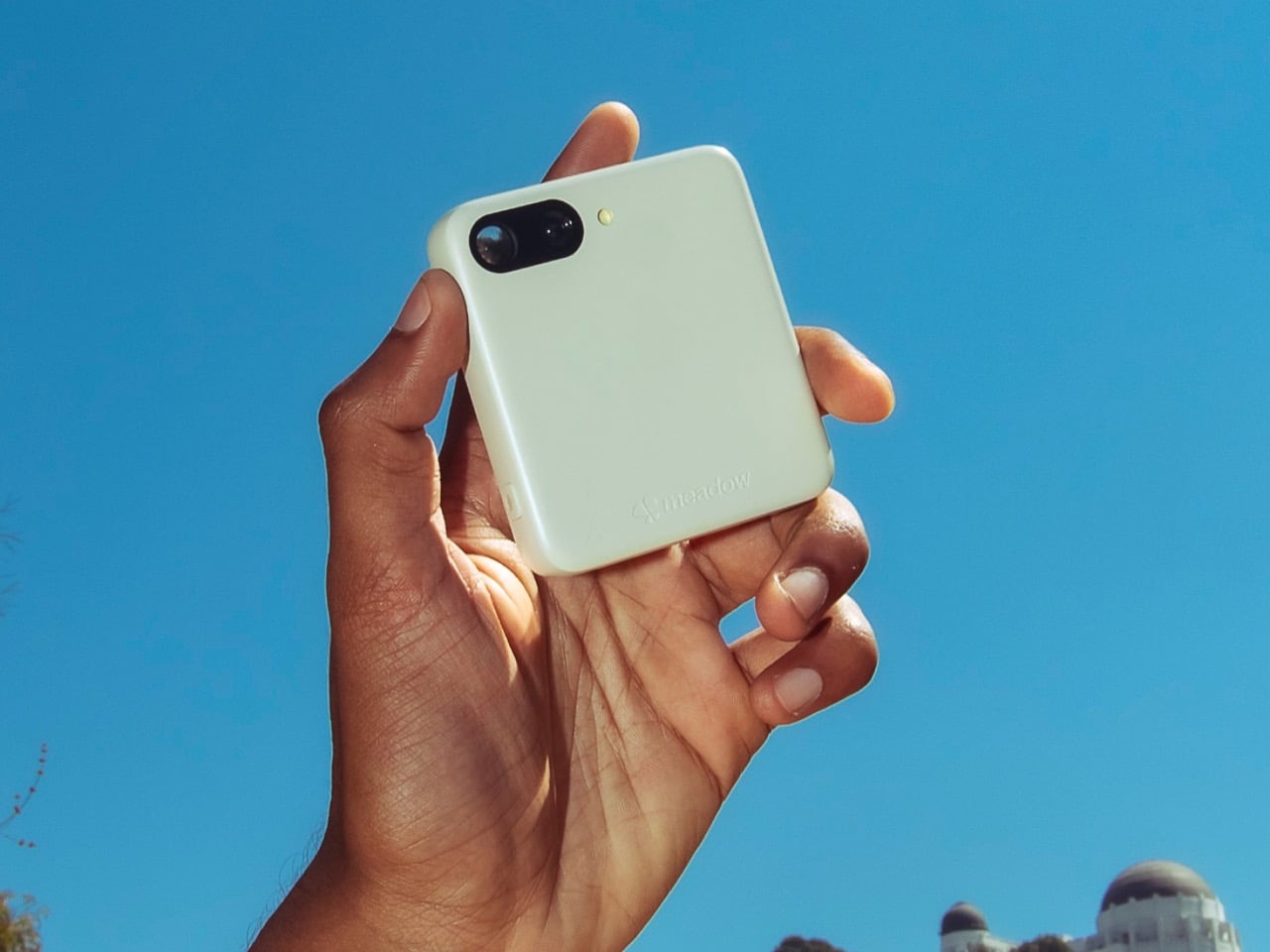
Meadow, a San Francisco startup, thinks the solution sits between the extremes. Their $399 phone launching June 2026 runs a curated set of actually useful apps (Spotify, Uber, Maps, a camera) while completely excluding the attention-draining ones (Instagram, TikTok, email, web browsers). You get a private phone number that only your contacts can reach, a 3-inch screen deliberately too small for binge-watching, and 4G connectivity without the infinite scroll tax. It’s a 4-ounce slab of recycled polycarbonate that wants to get you through your day, then get out of your way.

Designer: Meadow SF, Inc.

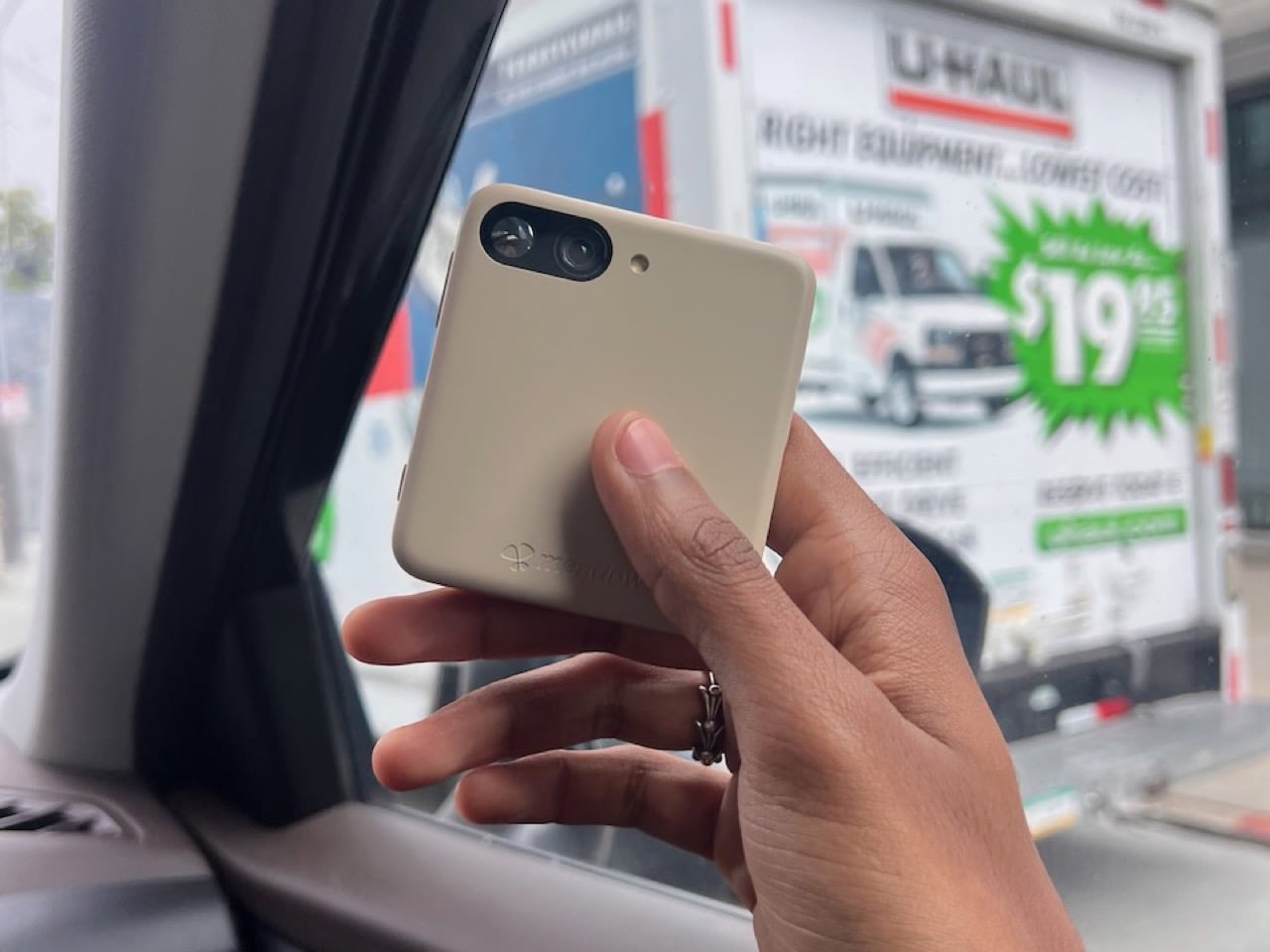
The 3-inch TFT LCD measures roughly 1.3 x 2 inches in total device footprint, making this closer to an iPod nano than a modern smartphone. The screen is big enough to read a map or control Spotify, but small enough that watching a YouTube video feels like punishment. The 13MP ultrawide camera captures memories without turning you into a content creator. The whole package weighs 4 ounces and fits in a coin pocket, which means you can actually forget you’re carrying it.

The minimalist phone market has been wrestling with this problem for years, and everyone keeps arriving at slightly different conclusions. The Unihertz Titan 2 resurrects the BlackBerry Passport form factor with a physical QWERTY keyboard and a 4.5-inch square screen, betting that tactile typing will make you more productive and less prone to mindless scrolling. It works for some people. The Clicks Communicator takes a similar approach but positions itself explicitly as a secondary device, the thing you carry when your real phone stays home. The iKKO Mind One shrinks everything down to credit card size with a rotating camera, targeting travelers who want maximum portability. Mudita’s Kompakt goes full ascetic with an E-ink screen, no app store, and a hardware kill switch that physically disconnects the microphones and camera.

Meadow splits the difference. You get real apps from real services, the ones that genuinely make modern life easier. Spotify and Apple Music mean you’re not stuck with MP3s loaded via iTunes like it’s 2008. Uber and Maps mean you can actually navigate an unfamiliar city without printing directions. Strava means your runs still sync. The camera means you can capture moments. Notes, weather, clock, fitness tracking, all present. What’s missing is the entire category of apps designed to consume your attention rather than assist your life. No browser means no falling into Wikipedia rabbit holes at 1 AM. No email client means work can’t chase you into the evening unless you’ve specifically decided to check it on another device. No social media means no feeds, no reels, no endless scroll.

When you activate Meadow, you get a number that functions like an allowlist. Only people you’ve added as contacts can call or text you. Everyone else hits a wall. No spam calls about your car’s extended warranty. No texts from political campaigns. No unknown numbers at dinner. Your main phone can be dead or turned off and you still won’t miss calls that matter, because Meadow routes them through your main number. Setup takes five minutes at home, no carrier calls required. The eSIM activation happens through the Meadow app, and you’re off to the races.

The device ships with 128GB of storage, 6GB of memory, and a battery rated for one to two days depending on usage. Fast charging helps. The included accessories (action case, beach pouch, charging cable) suggest Meadow knows exactly who this is for: people who want to go outside and do things without their phone becoming the main character of the experience. Pre-orders are open now at meadow.so for $399, with shipping starting June 2026 and a nine-month free subscription ($10 per month after that for unlimited calls, texts, and photo storage). The first units hit doorsteps in May according to the delivery schedule, which means summer 2026 could be the season a bunch of people finally stop doomscrolling at the beach.

The post The Anti-Distraction Smartphone That Still Lets You Use Uber and Strava first appeared on Yanko Design.

HMD’s Clamshell “Boring Phone” is a nightmare for productivity but lifesaver for offline social life

Smartphone usage has become a nemesis for people of all generations, and this addiction isn’t going to die anytime soon. Some try to get out of the clutches with strong willpower, others try to restrict themselves with minimalist phones, and most of us simply give in to the temptation of using the smart device. Eventually, those who can’t limit their screen time succumb to the overhyped online world and damage their mental well-being.

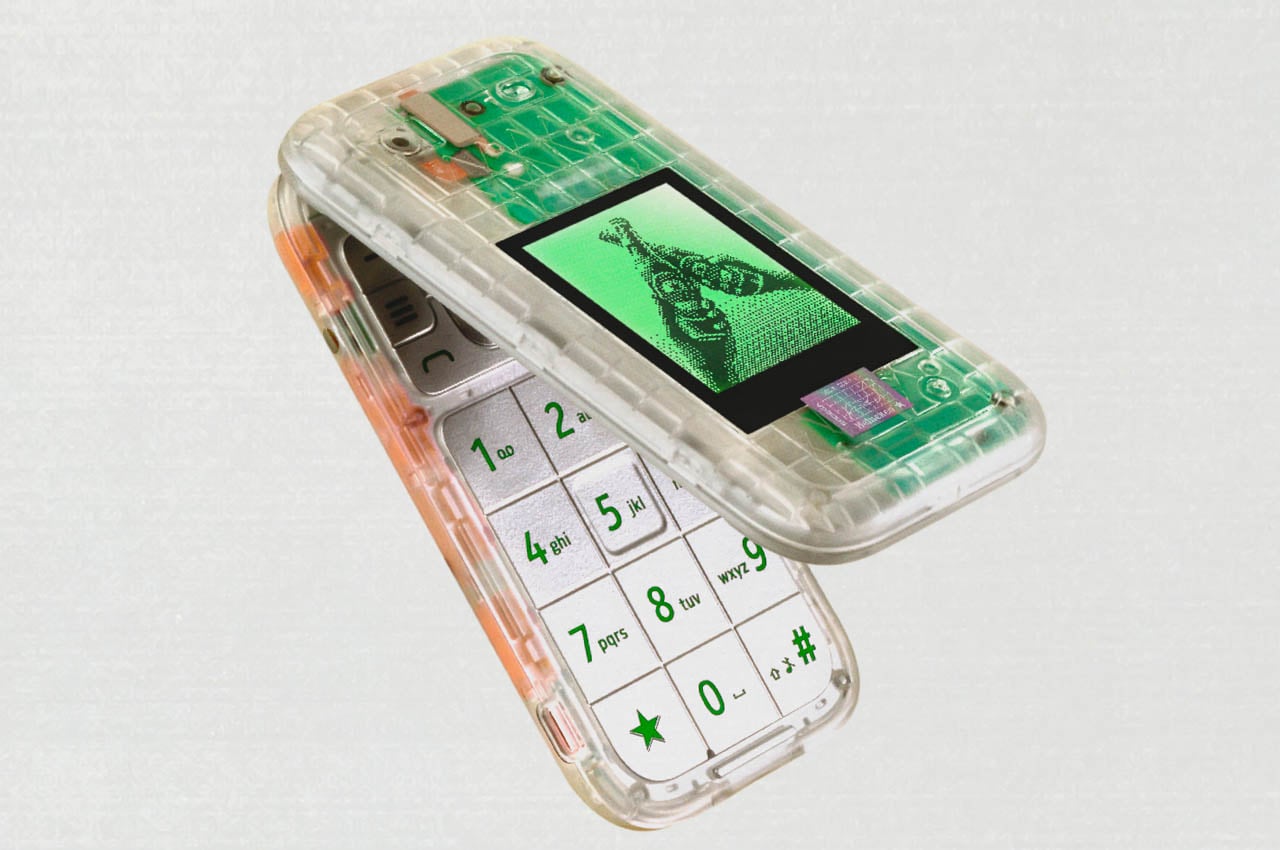
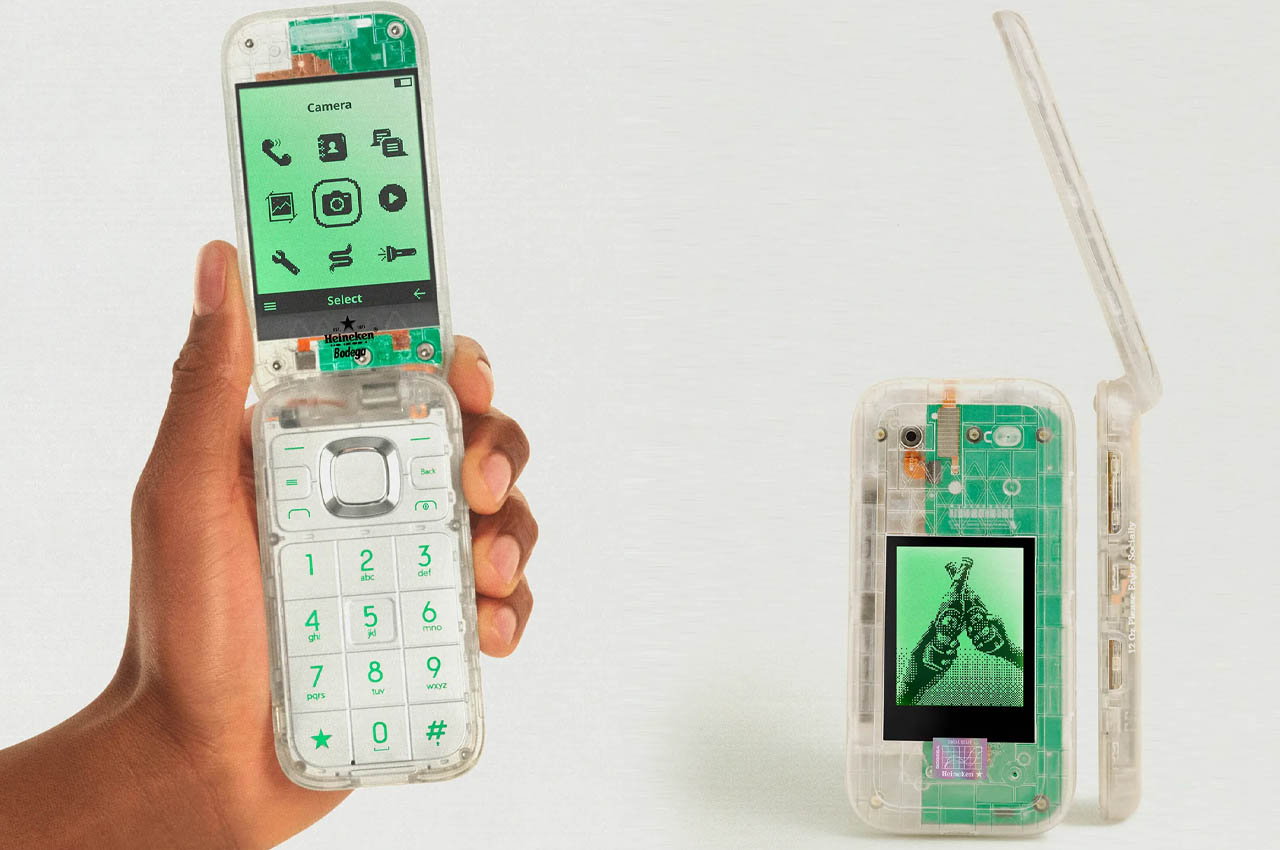
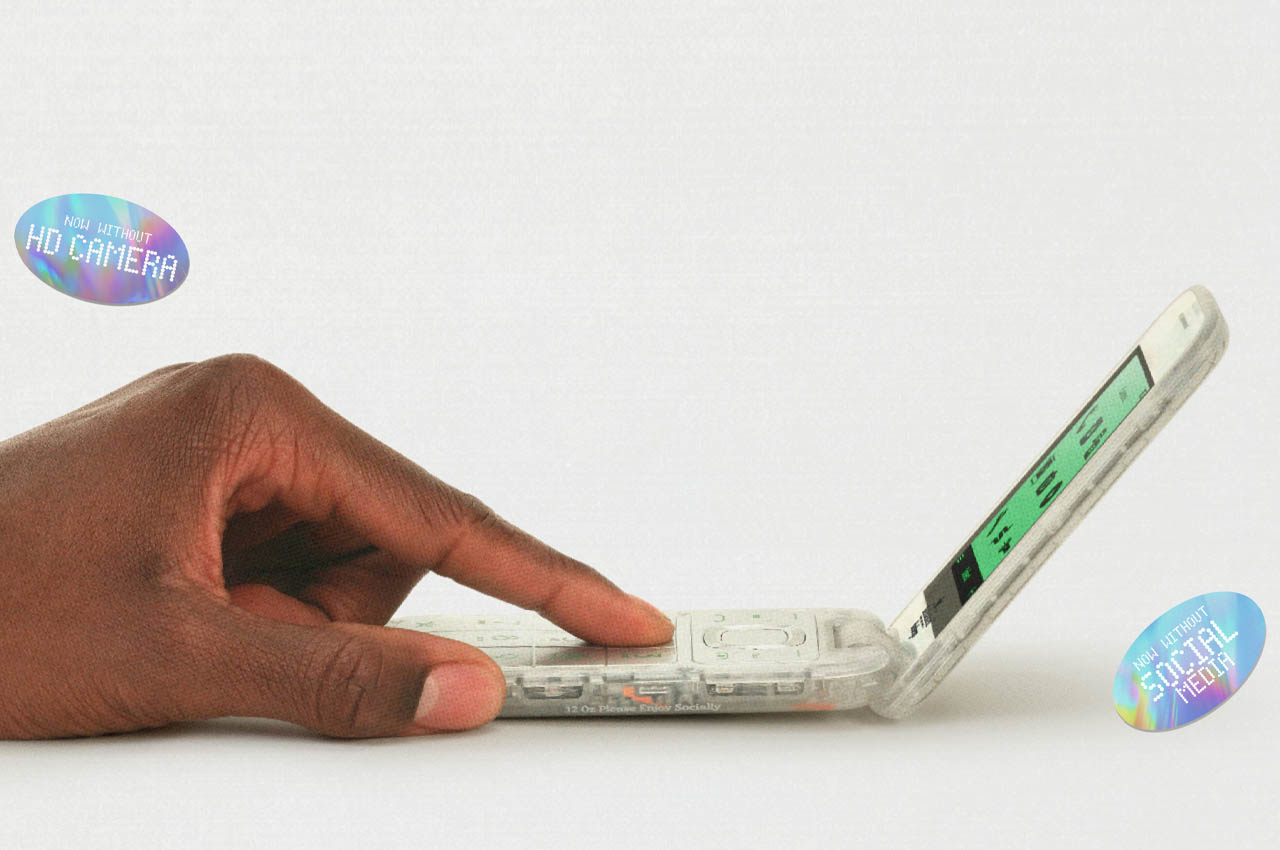
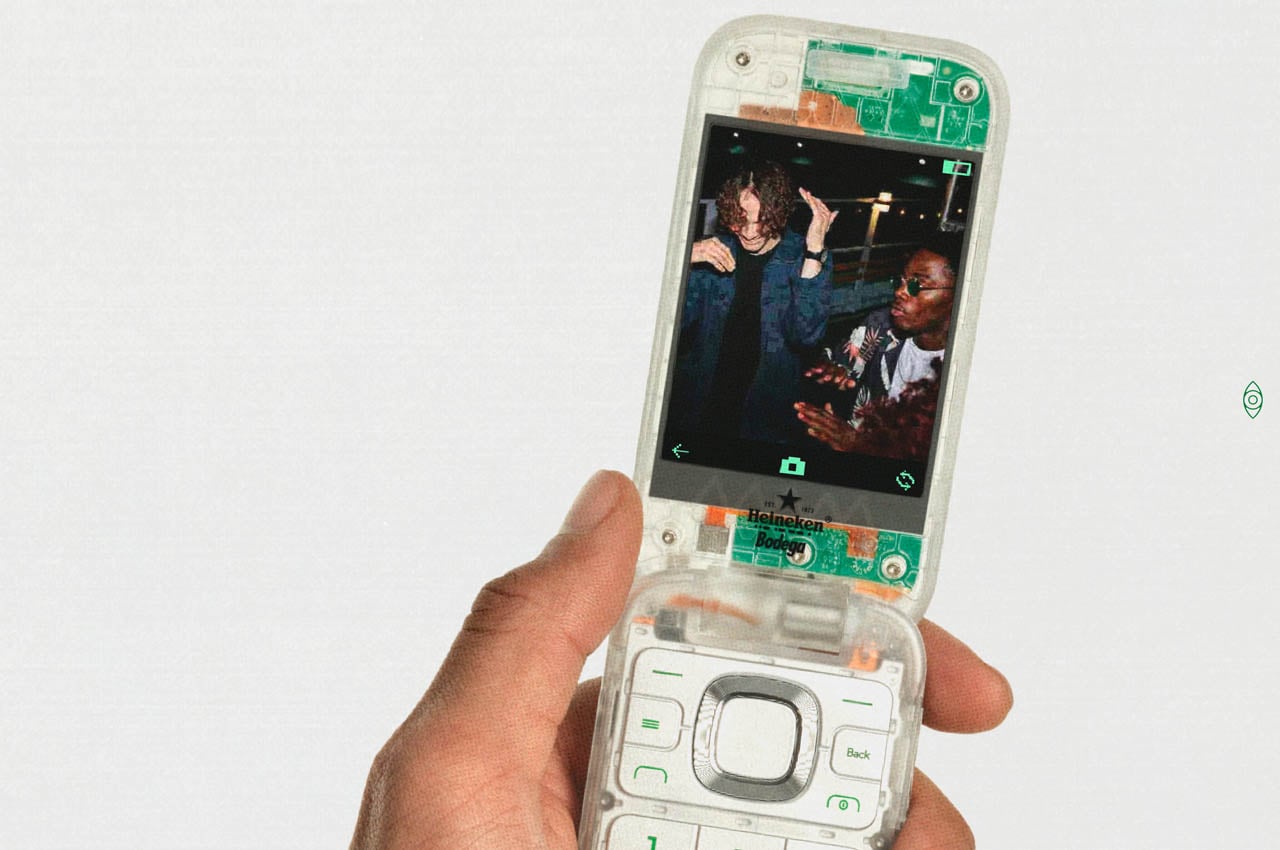
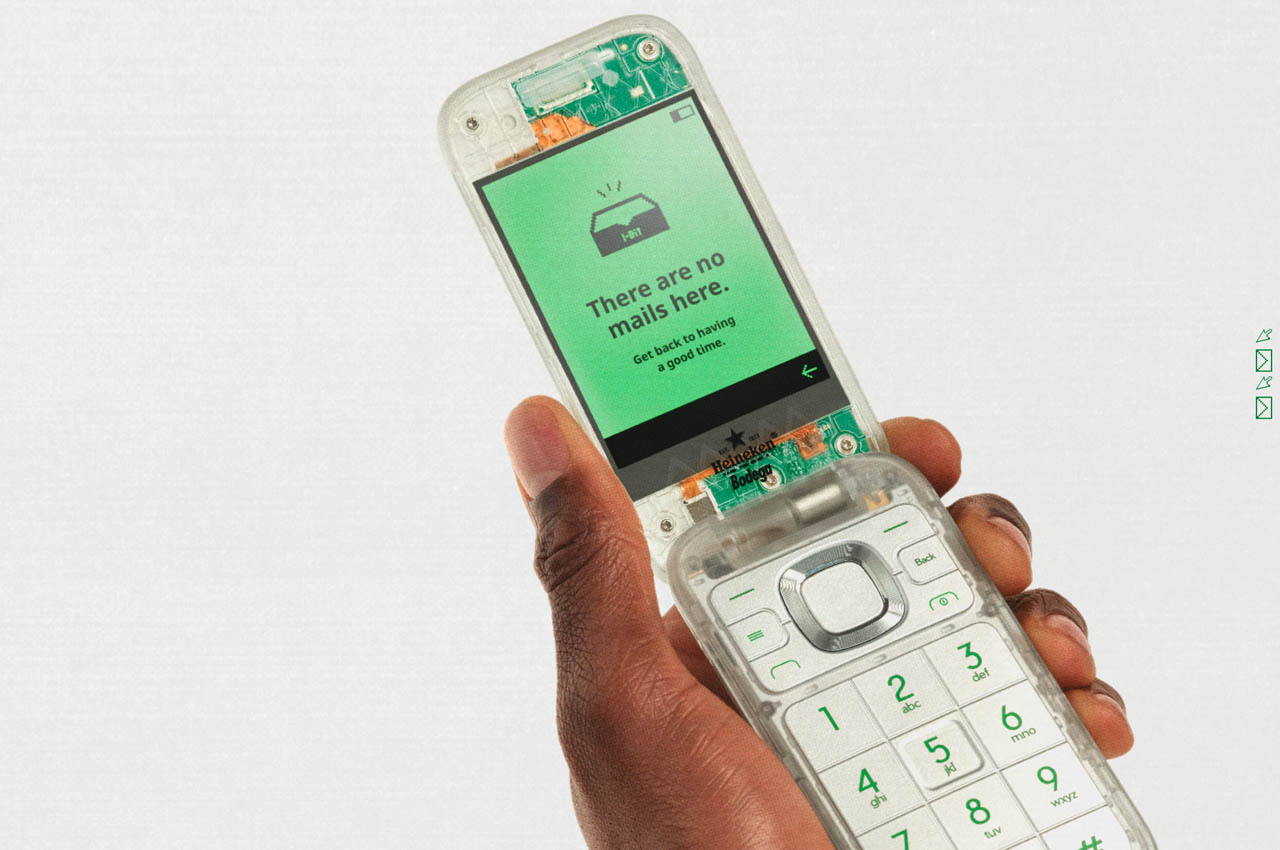
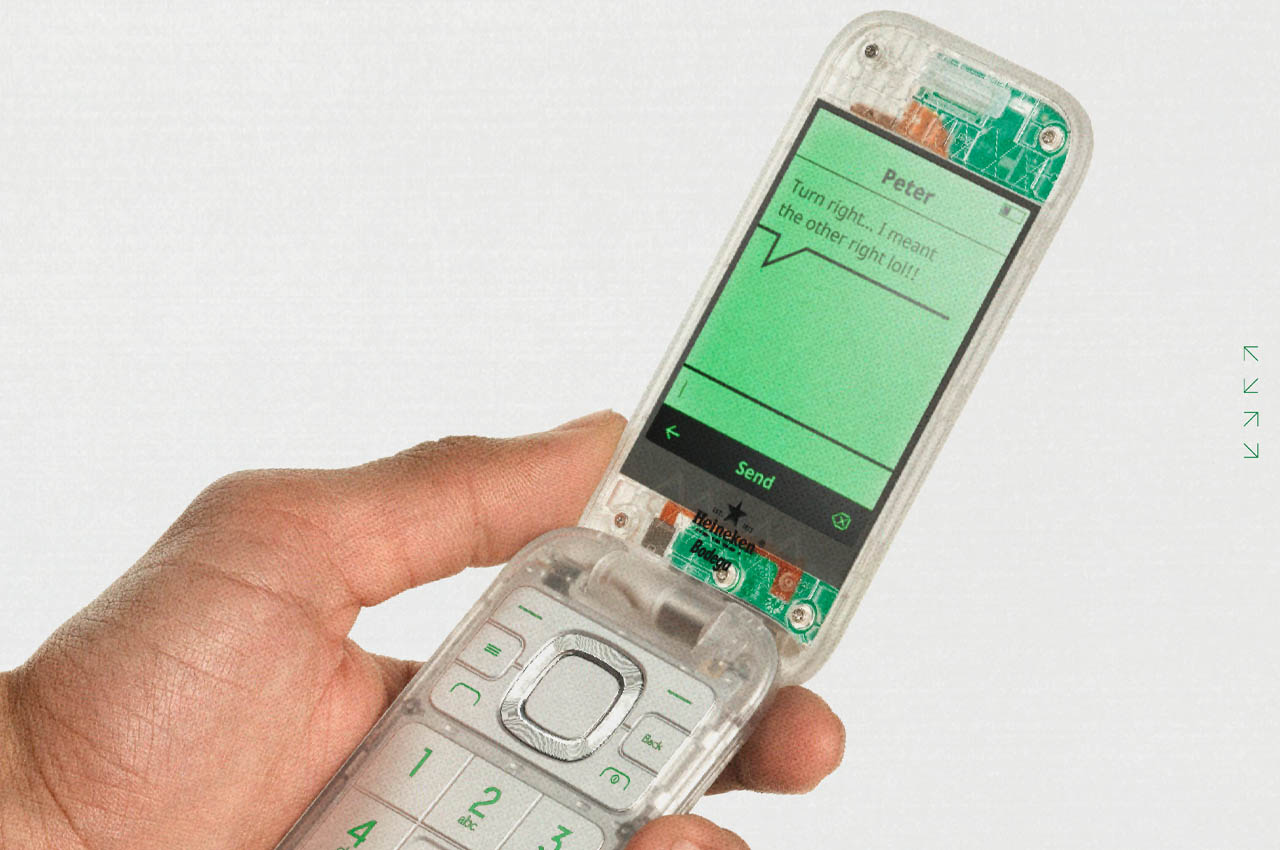
The idea here is to get super bored with your phone, so that you barely find it interesting, to concentrate on more fruitful activities. That’s what HMD Global wants to achieve with a translucent flip phone developed in collaboration with Heineken and Boston-based creative streetwear firm, Bodega. The flip device carries a retro vibe and lets you connect with friends and family via phone calls or SMS. Yes, no social media or other time churning apps on this one folks. Not even the freedom to connect at 5G speeds. Can you take that challenge up when everything around you seems ultra boring, and you have nothing to fall back on?

Designer: HMD, Heineken and Bodega

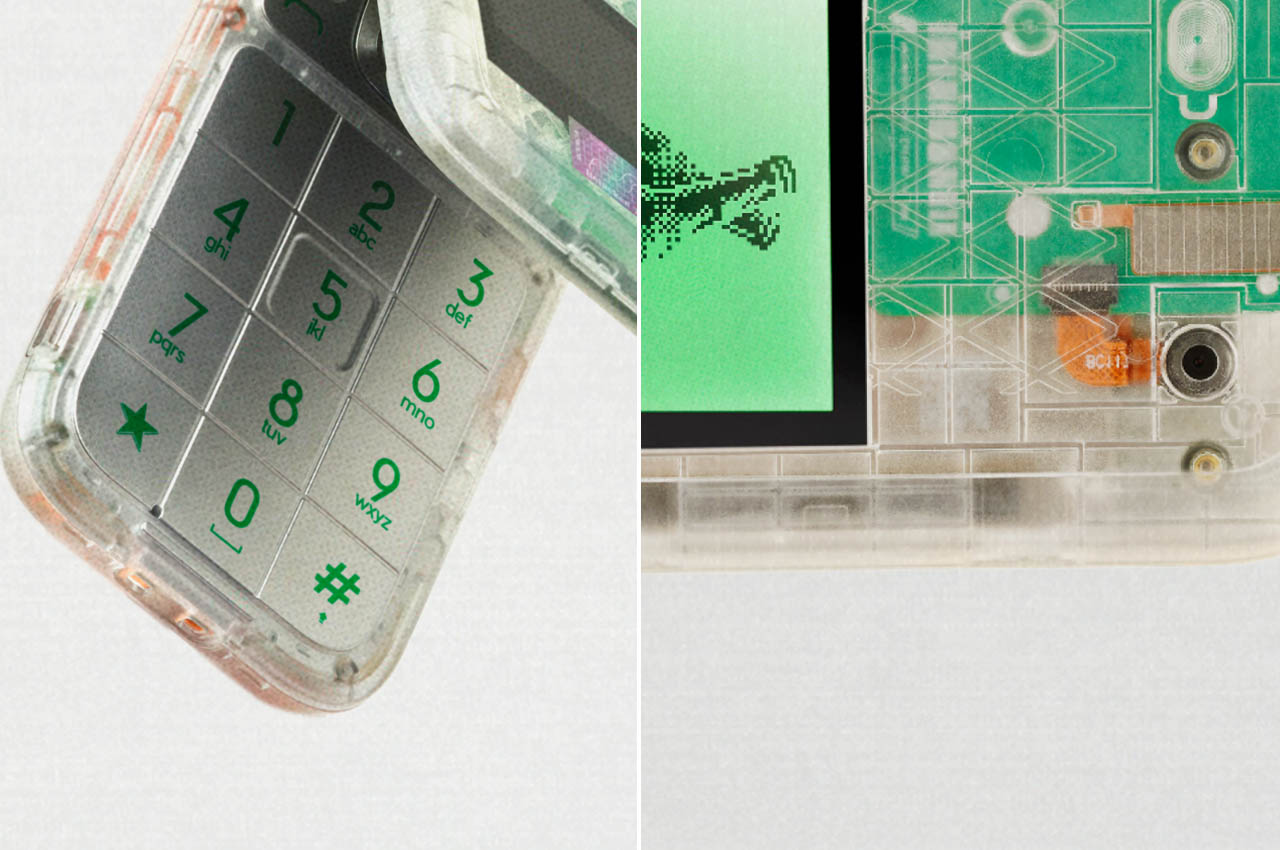
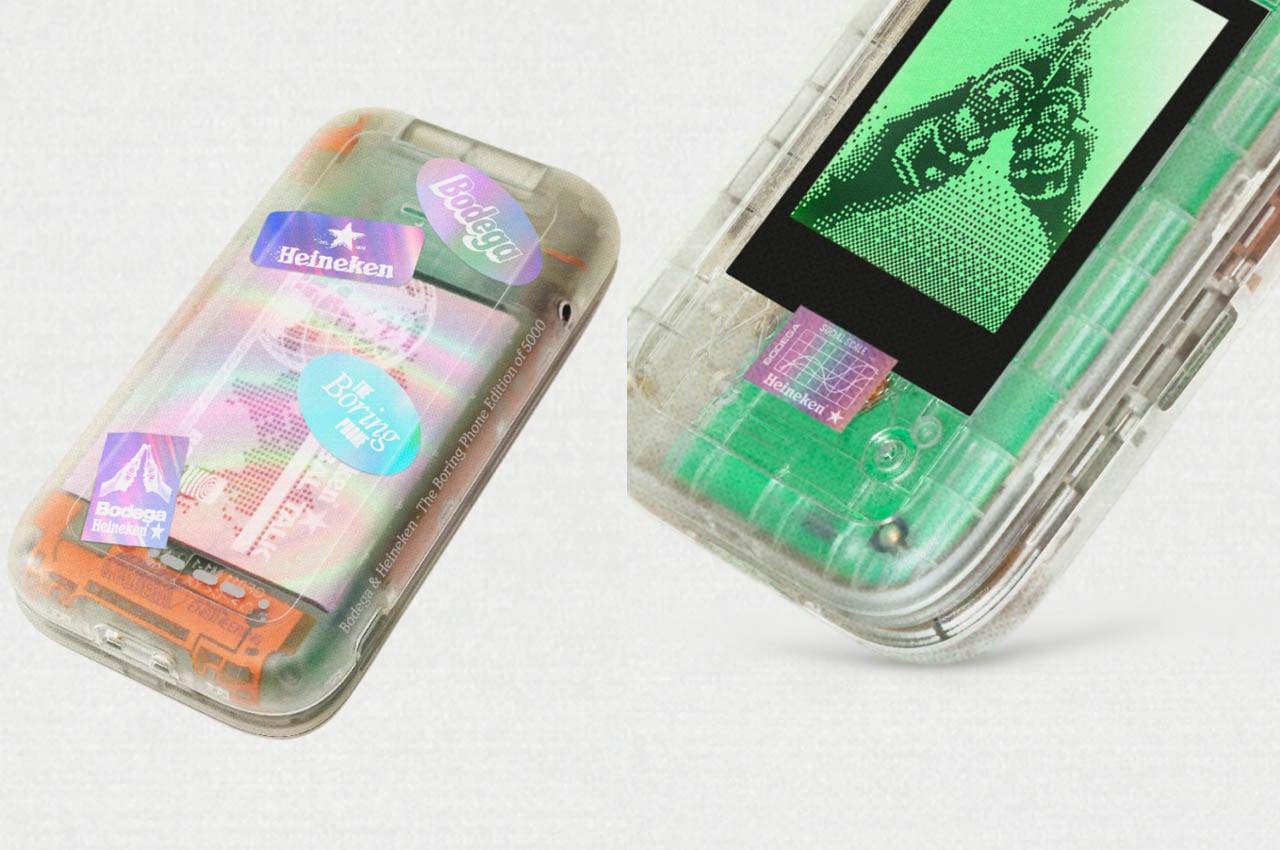
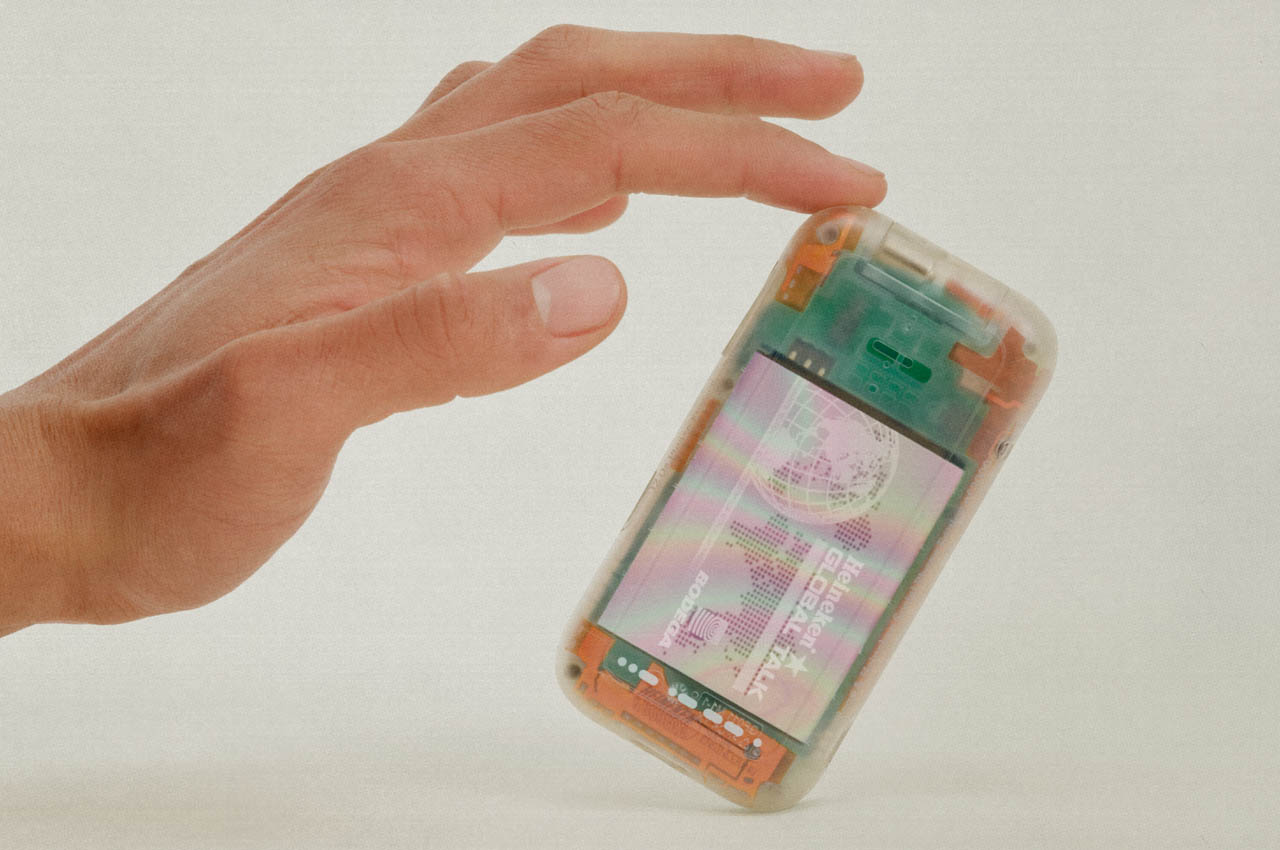
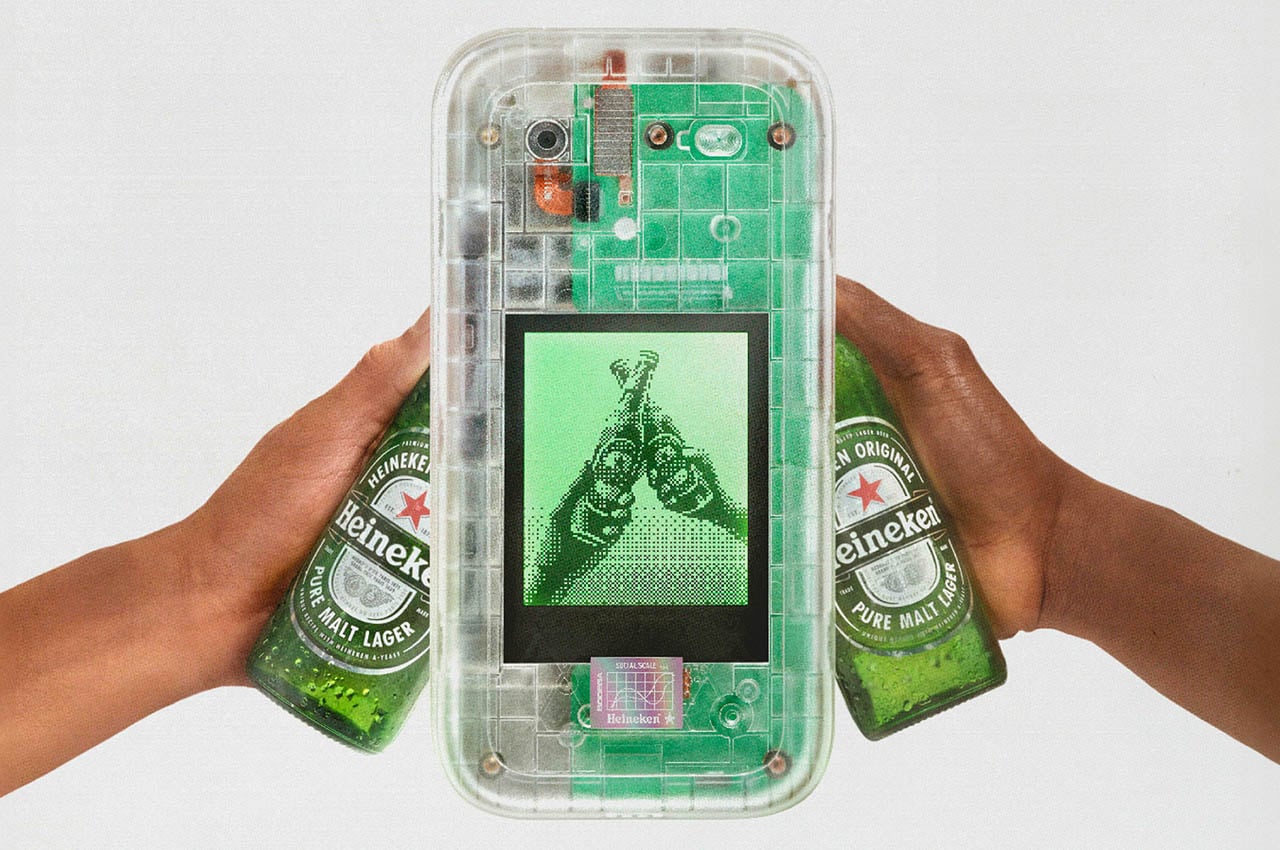
Those who have seen or owned the Nokia 2660 Flip will instantly be hit by nostalgia, as this tech-handicapped device is based on the retro flip phone. The transparent casing paired with the monochrome theme makes the Boring phone interesting, at least looks-wise. There’s holographic Bodega and Heineken branding all over the device’s rear to pep up its desirability quotient. Functionally the device is super boring but looks steal the limelight here.

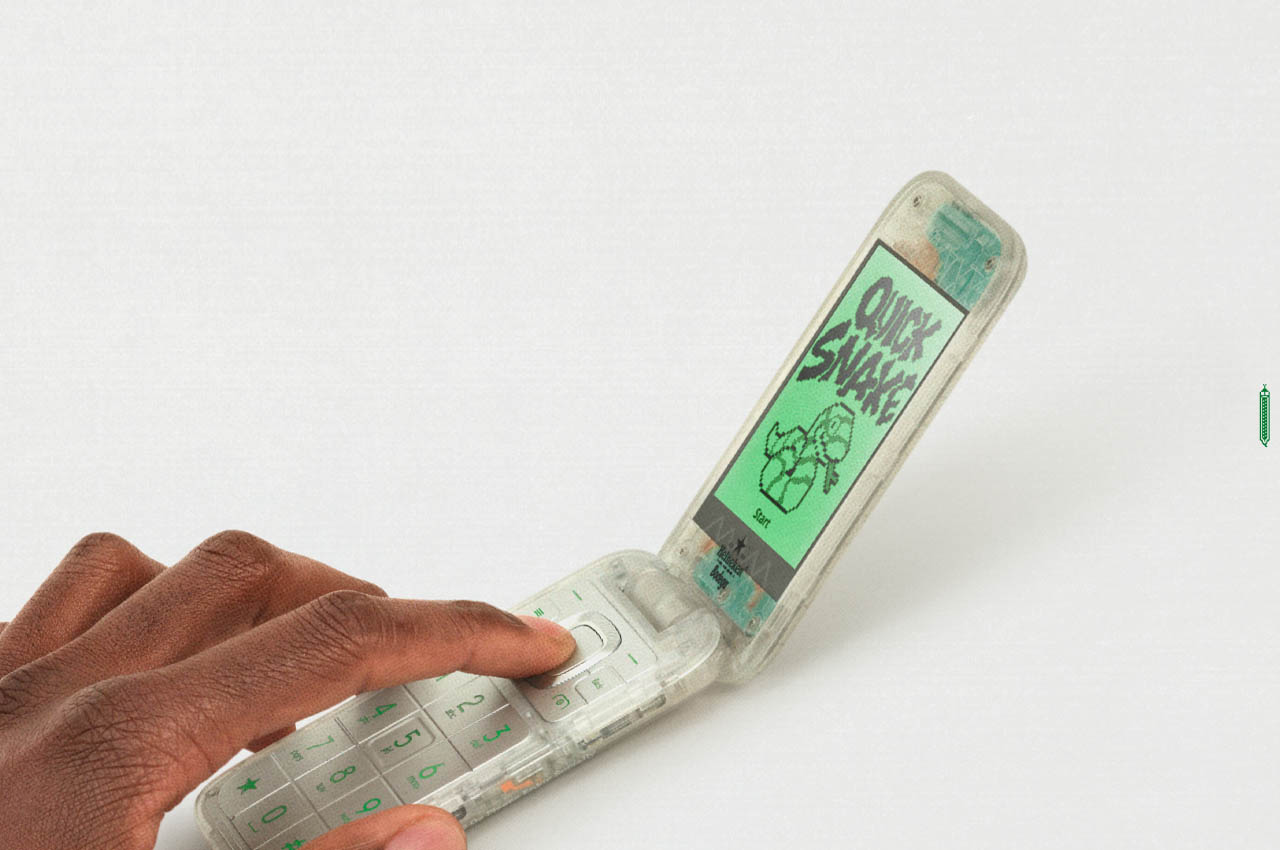
The barebones specifications will not interest nerds we are sure, as it comes with a 2.8-inch QVGA (240x320px) primary display and a 1.77-inch cover screen. On the rear, there’s a 0.3MP camera with an LED flash, but don’t bank on this to take normal photos you are used to even in broad daylight. To kill your time, there a snake game, FM radio (goodbye Spotify and Deezer), and a headphone jack to listen to your collection of songs.

128GB of storage should be more than enough to host your collection and if that isn’t enough you can expand it via a microSD card slot. The 1,450mAh battery lasts at least a week on standby and 20 hours on calls. HMD has fitted dual SIM slots and 4G connectivity, thank god for that if you ultimately buy this phone and decide to go on an adventure spree!

The Boring Phone is limited to just 5,000 units worldwide and it won’t be available to buy, spoiler alert. HMD will hand out the transparent flip phone to users via giveaways, competitions and consumer engagement events. This will start at the Milan Design Week on 18 April, and if you want to reclaim your offline social life, find a way to acquire one!

The post HMD’s Clamshell “Boring Phone” is a nightmare for productivity but lifesaver for offline social life first appeared on Yanko Design.
This Smartphone Won’t Collect Or Sell Your Personal Data… And It Has An Encrypted VPN Too

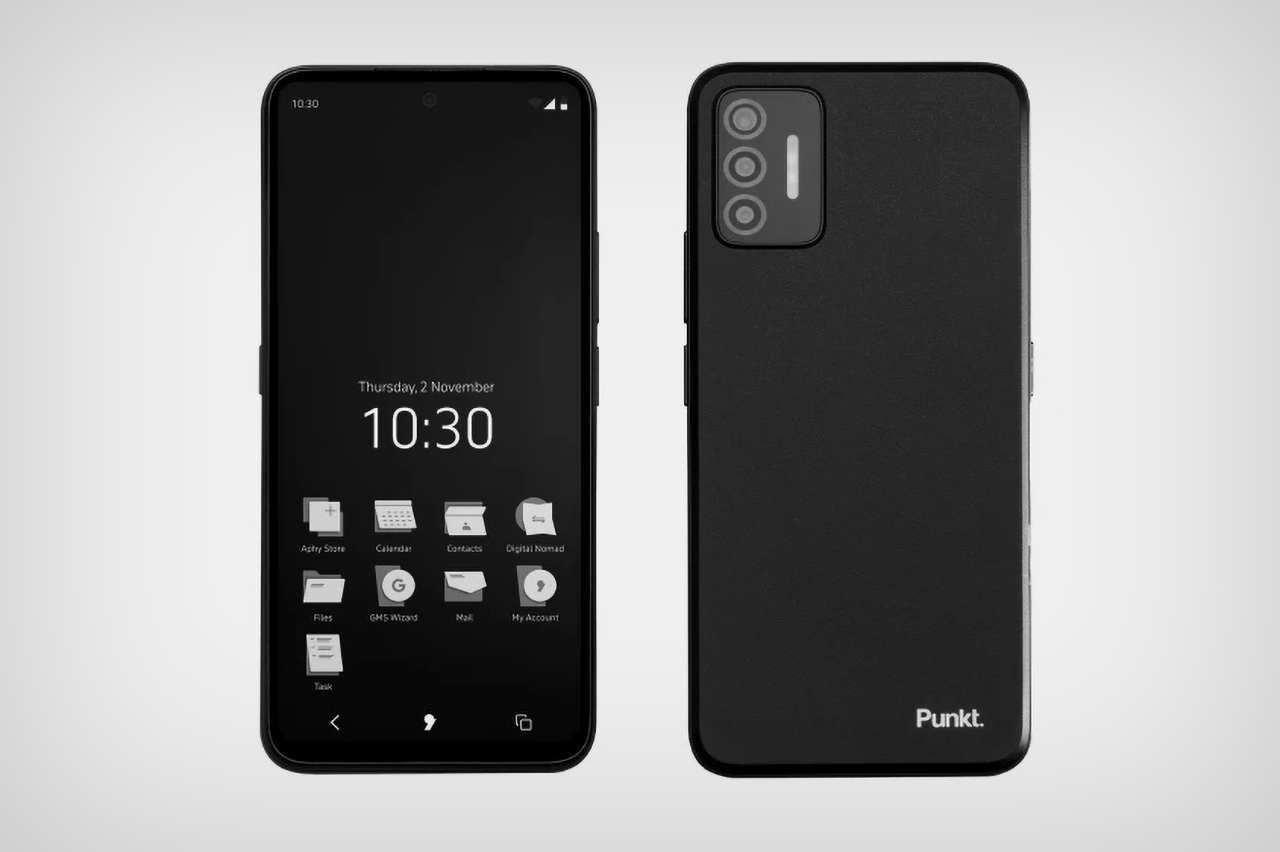
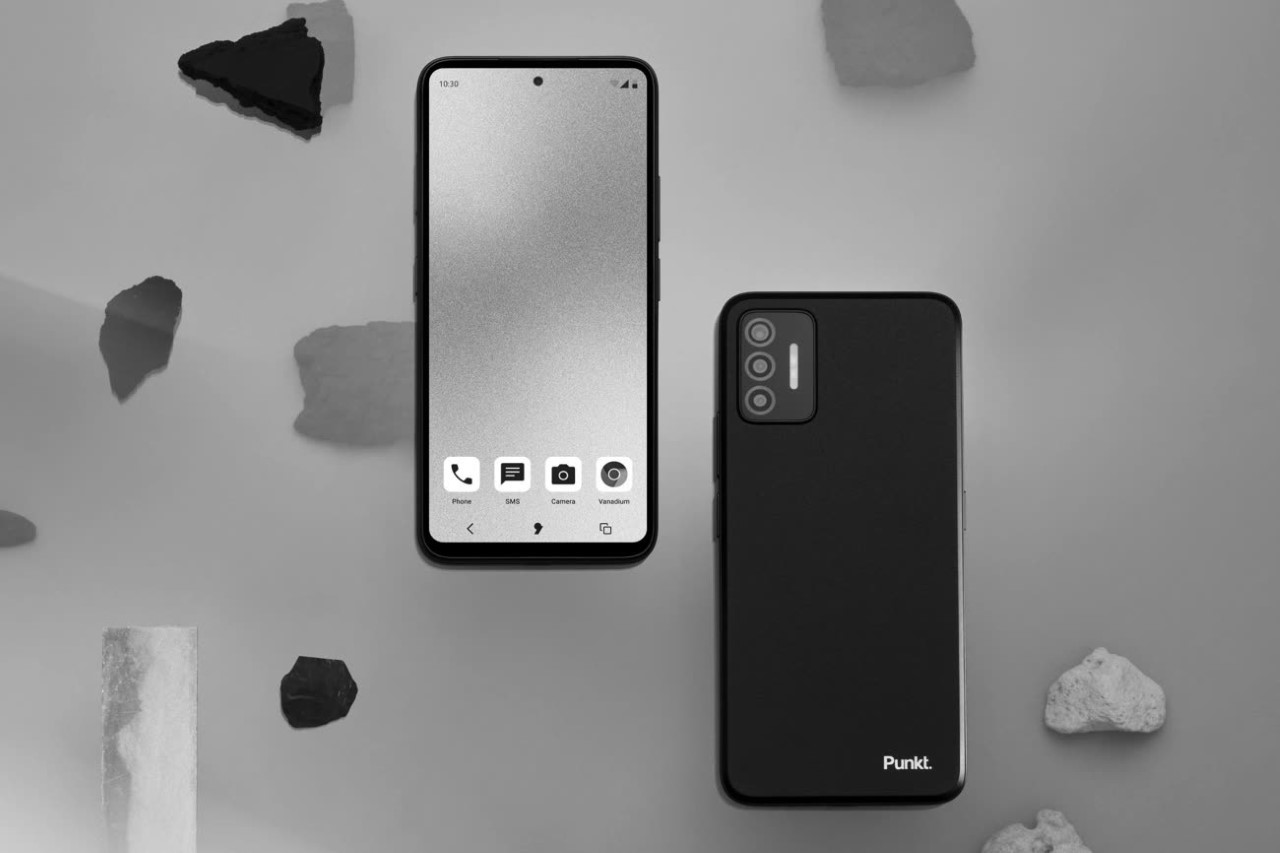
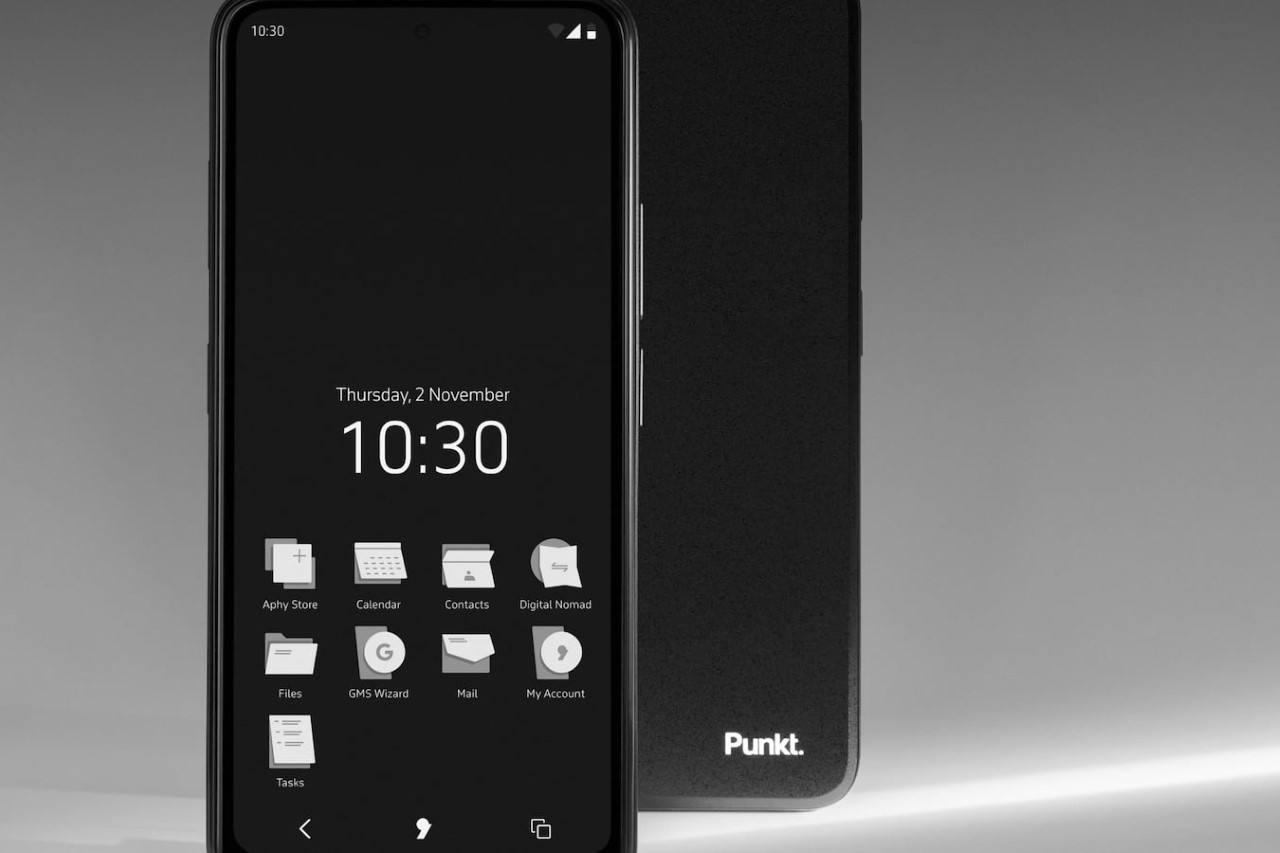
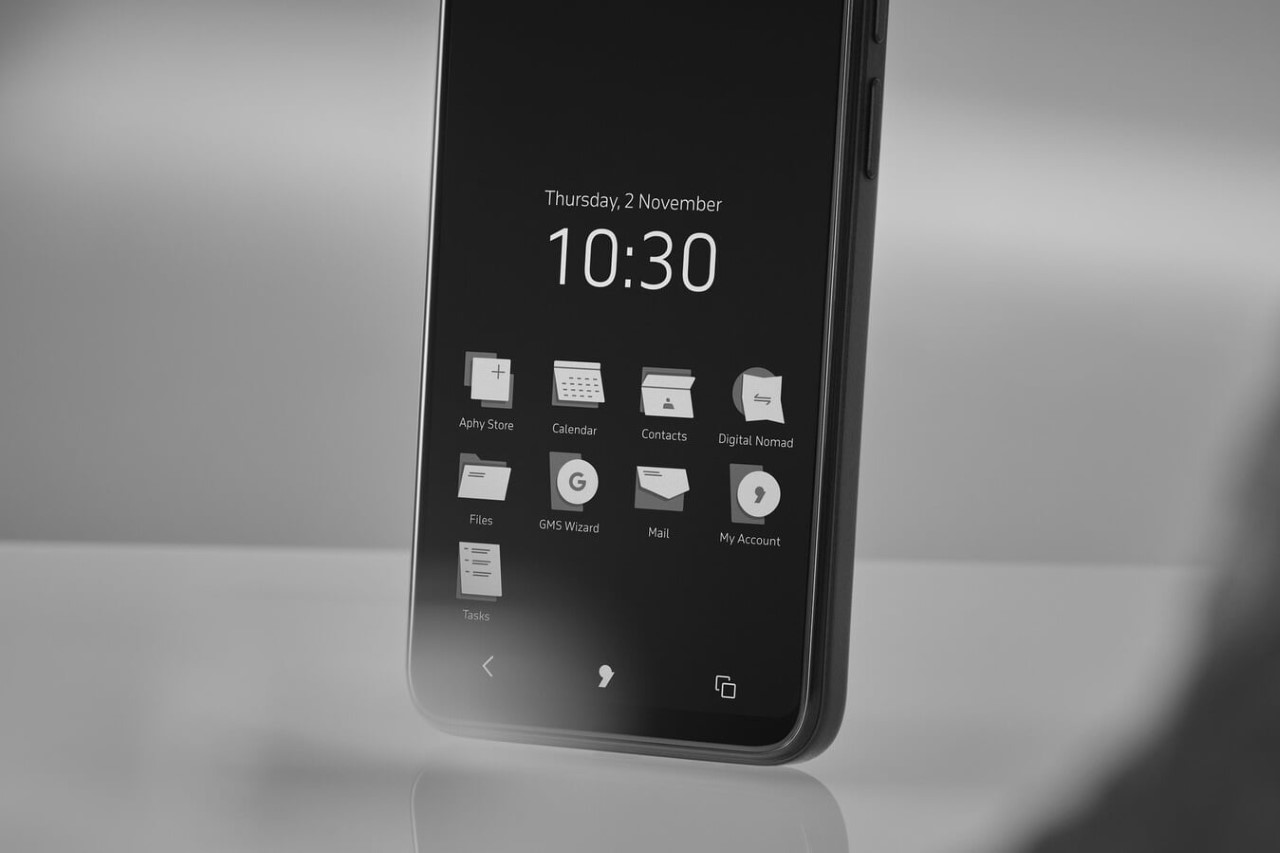
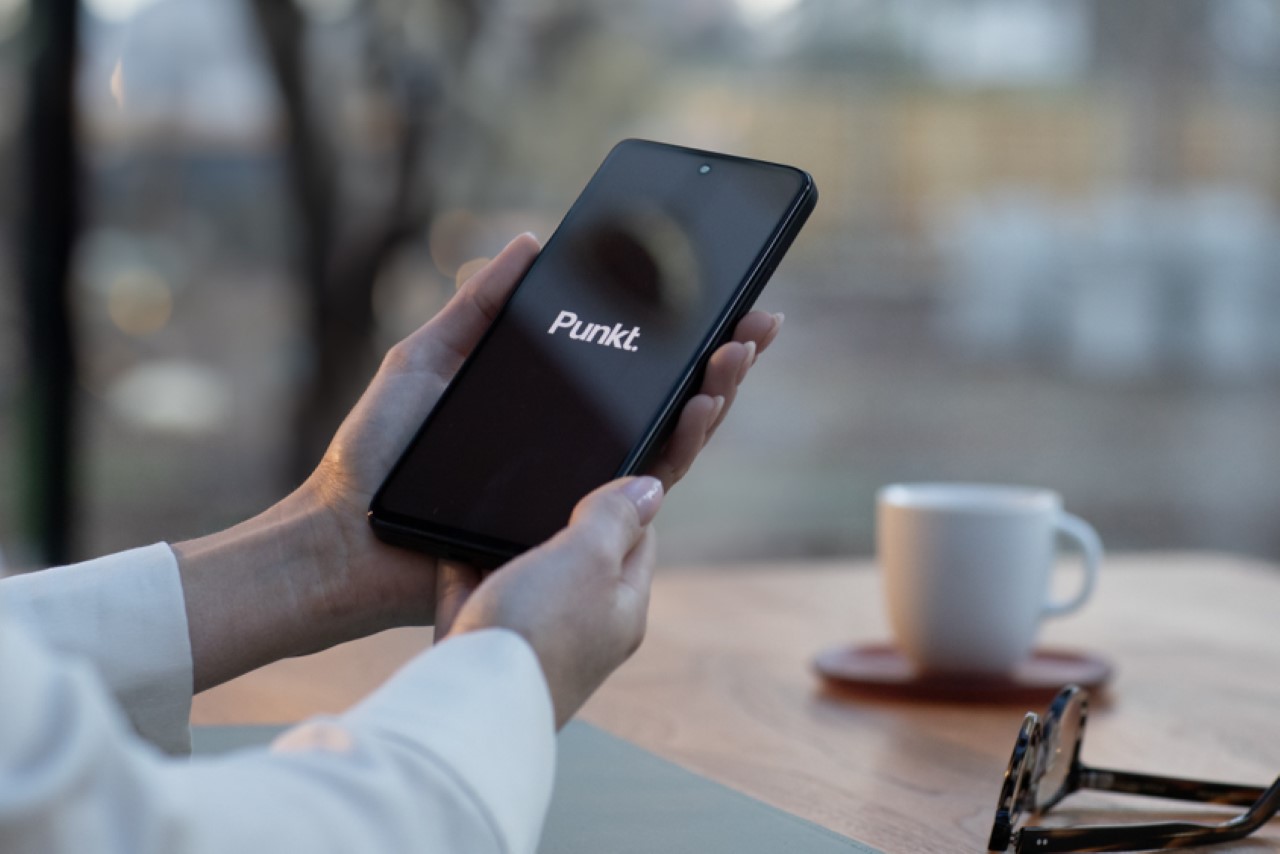
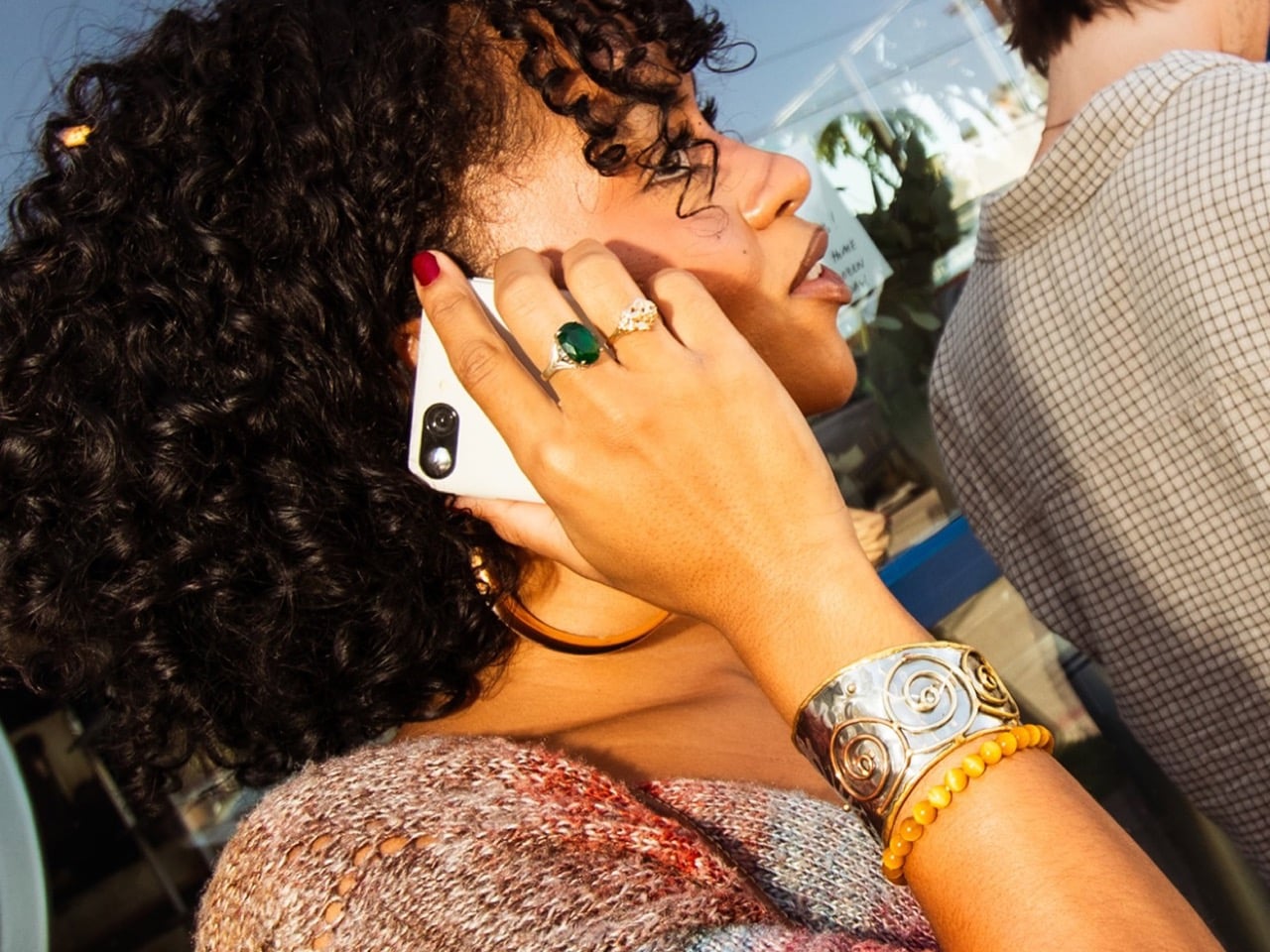
If you thought your iPhone was protecting your privacy, I have a bridge to sell you. Sure, Apple doesn’t sell your data to third-party data brokers, advertisers, and governments… but it does still collect your data. And hey, maybe Instagram and TikTok can’t track you across apps, but they can still track you on their own app. I’m not fear-mongering, although even if I did, it probably wouldn’t work because you (and I) have made peace with the fact that we’re giving away our data for convenience. There isn’t really any alternative, to be honest, aside from probably the quintessential ‘dumb-phone‘… and renowned dumb-phone makers Punkt have realized that there needs to be a better way. To that end, meet the MC02, Punkt’s first proper 5G smartphone that’s designed with data-security and privacy-protection in mind. It sports a minimal UI that tries not to inundate/addict you, has a built-in international VPN to keep your data from reaching the wrong hands (and even access geo-blocked content), and even runs Punkt’s Apostrophy OS, which individually partitions user data, restricting them to each individual application (so not even the OS can see your entire digital footprint). Your data also gets stored on a cloud server in Switzerland, far away from governments and state actors.

Designer: Punkt

The MC02 isn’t shy about its capabilities. It promises a secure, smarter way of using a mobile device, steering clear of the prying digital eyes that seek to profit from personal information. With over 90% of smartphone apps tracking users across the internet, the MC02 offers a unique choice: a digital sanctuary where user data is stored under Swiss jurisdiction, ensuring GDPR, HIPPA, and PCI compliance, and where a suite of on-device tools—email, calendar, contacts, notes, storage, and VPN—operates free from advertising-based data infiltration.

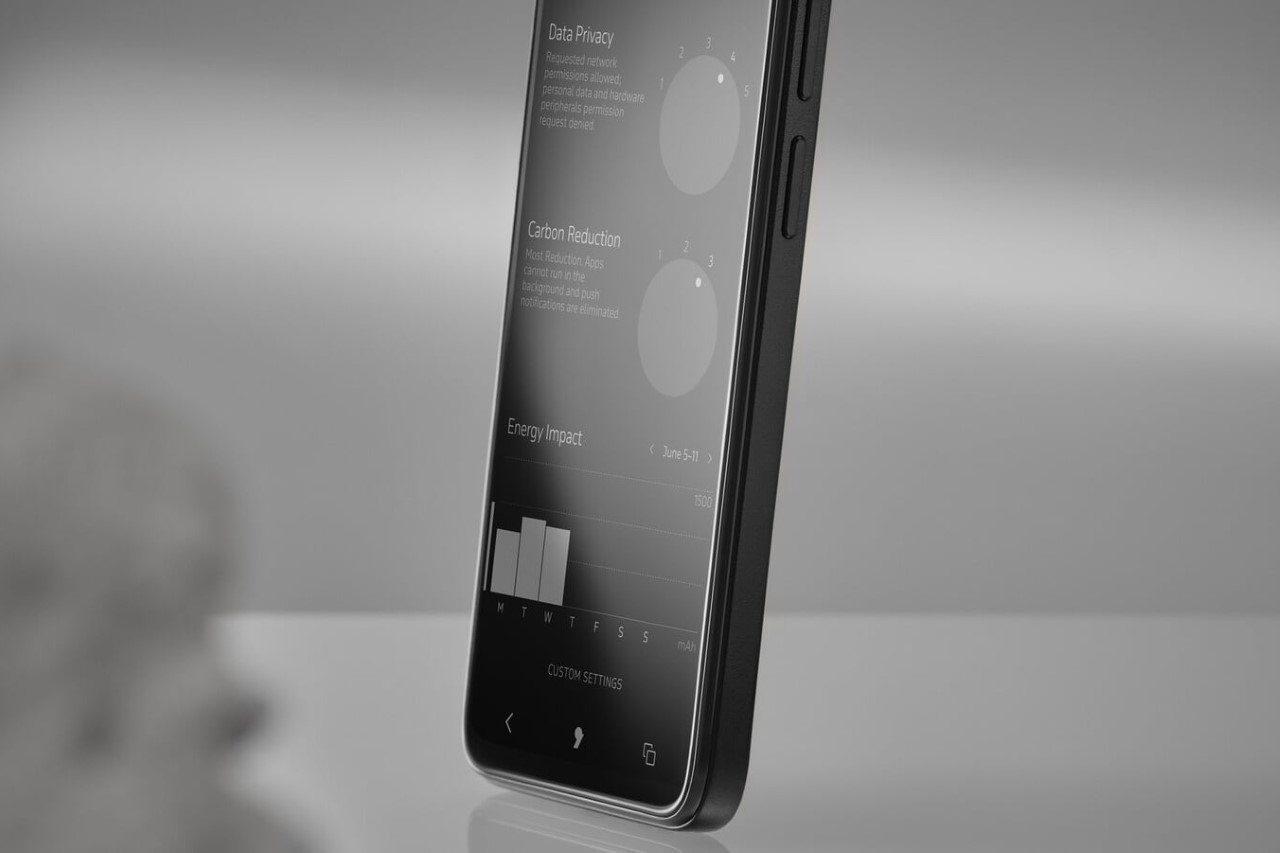
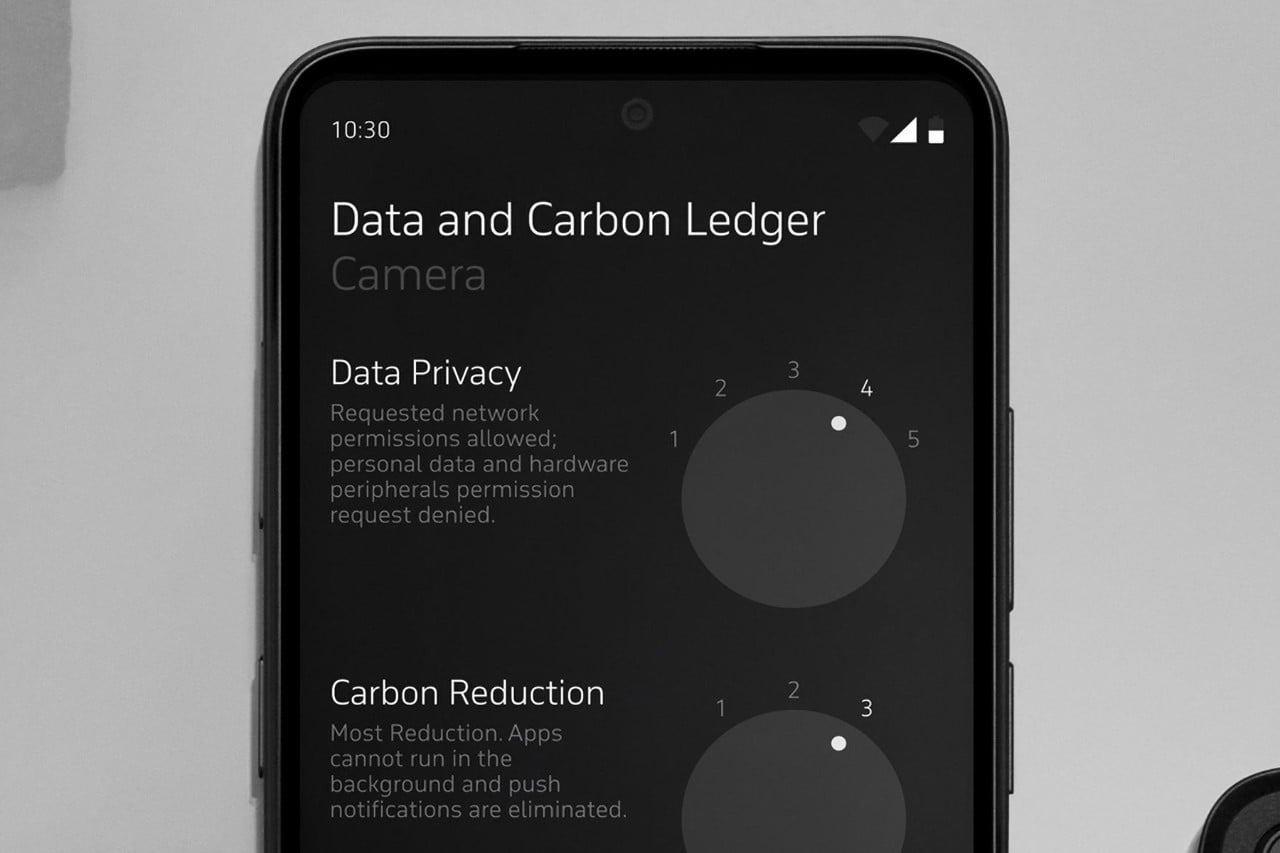
The phone itself is a marvel of minimalist design and intentional functionality, breaking the addiction cycle with tech while still being fairly modern. It features a 6.7” full HD+ screen, 64MP back and 24MP front cameras, 6GB RAM, and a long-lasting 5,500 mAh battery. But the MC02’s real allure lies in its operating system and ecosystem. Powered by Apostrophy and designed for data sovereignty, it includes a built-in VPN for secure browsing, a suite of secure communication tools, and a Carbon & Data Ledger for monitoring the privacy risk and environmental impact of individual apps.

Punkt takes a step further in personalizing the mobile experience with the MC02’s subscription model. The first 12 months of Apostrophy Services—a suite of security and privacy tools—are included in the purchase price, with a subsequent monthly tariff that ensures users know exactly what they’re paying for: privacy, not ads.

And as for the price of reclaiming your digital autonomy? The €699 ($755 USD) MC02 comes with a clear subscription model for the OS, the first 12 months of which are included in the initial purchase, followed by a $17 monthly fee for continued access to Apostrophy’s secure ecosystem. So, if you’ve ever wished to dial back the digital noise and take control of your tech life, the MC02 might just be the tech equivalent of finding that quiet corner in a bustling café—a sanctuary where your data, your choices, and your peace of mind are all part of the service.

The post This Smartphone Won’t Collect Or Sell Your Personal Data… And It Has An Encrypted VPN Too first appeared on Yanko Design.