Jolla Phone Returns with a Physical Switch to Cut Off Mics and Tracking

The mobile OS graveyard is crowded. Symbian, MeeGo, Firefox OS, Windows Phone, all killed by iOS and Android’s duopoly. Most people quietly accepted that those two won and moved on. Jolla started from Nokia’s MeeGo ashes in 2013, shipped the original Jolla Phone, and somehow kept Sailfish OS alive for twelve years in the wilderness. The new Jolla Phone feels less like a comeback and more like a refusal to die.

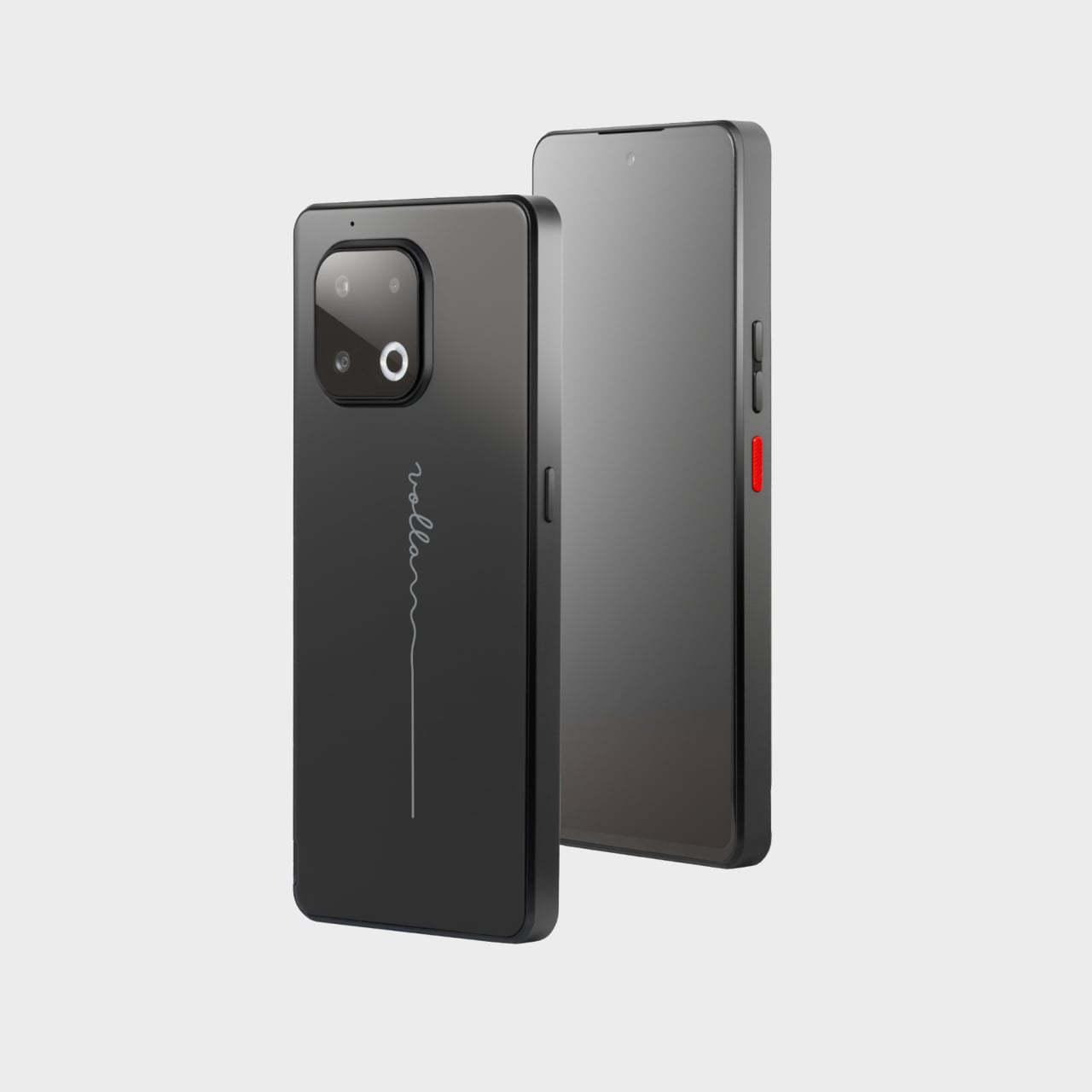
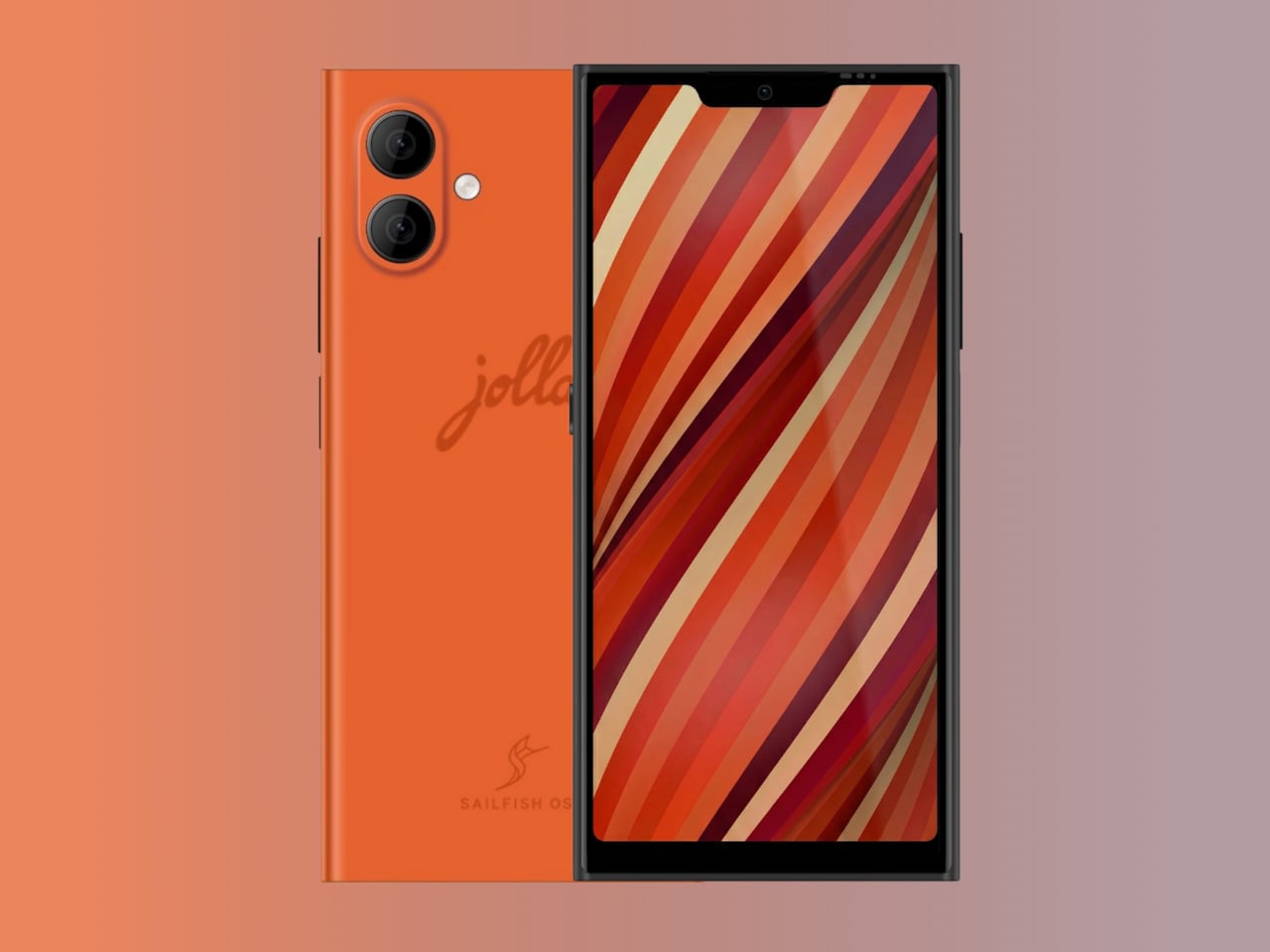
Jolla frames it as Europe’s independent smartphone, a 5G Sailfish OS 5 device built around the pitch that every Android and iPhone phones home to California. The announcement post says this is about digital sovereignty and choice rather than nationalism, but the subtext is clear: Europe needs its own mobile platform, or it stays perpetually dependent on US and China infrastructure. It is a Linux phone you are meant to daily drive, not a dev kit or novelty.

Designer: Jolla

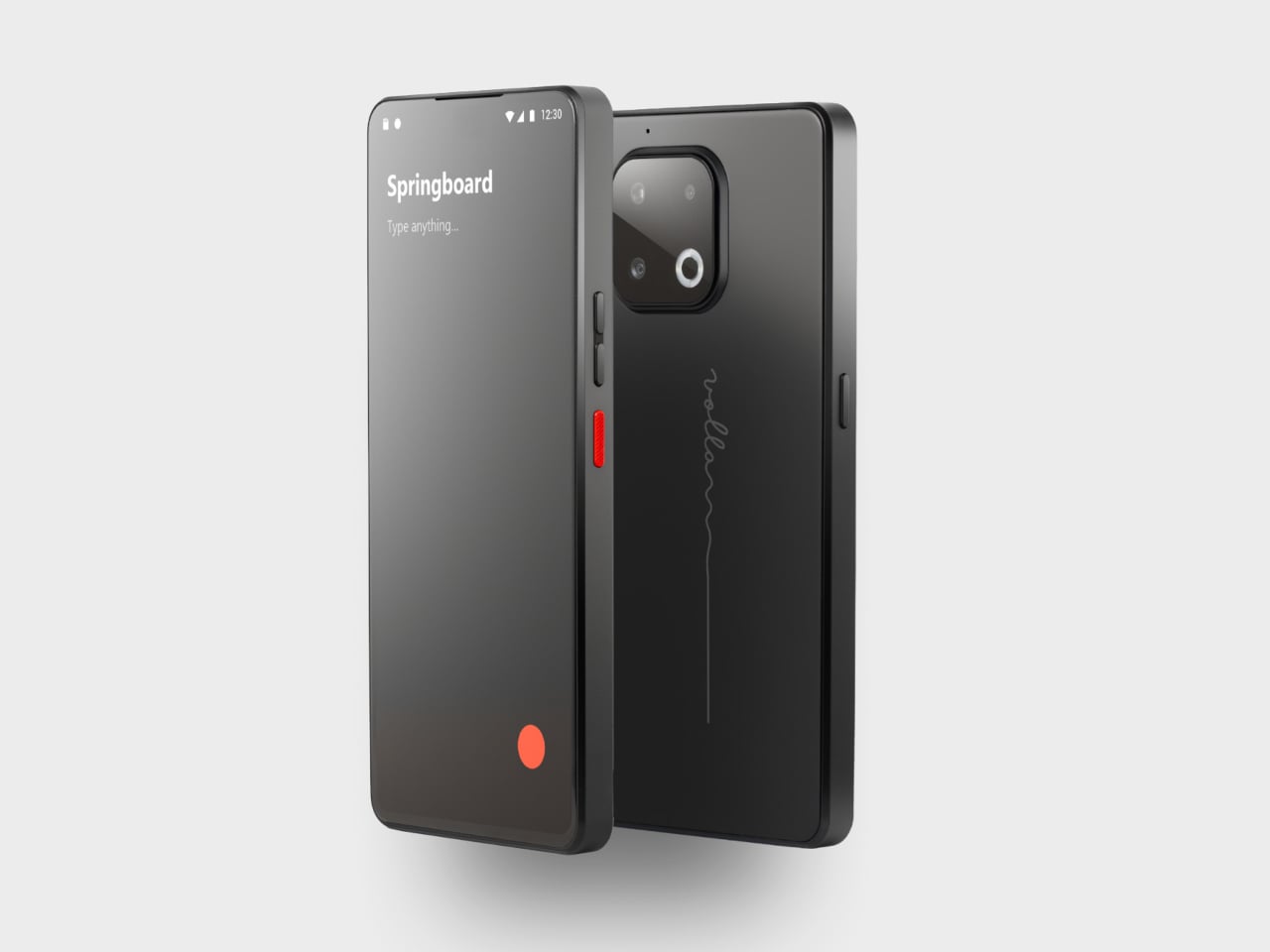
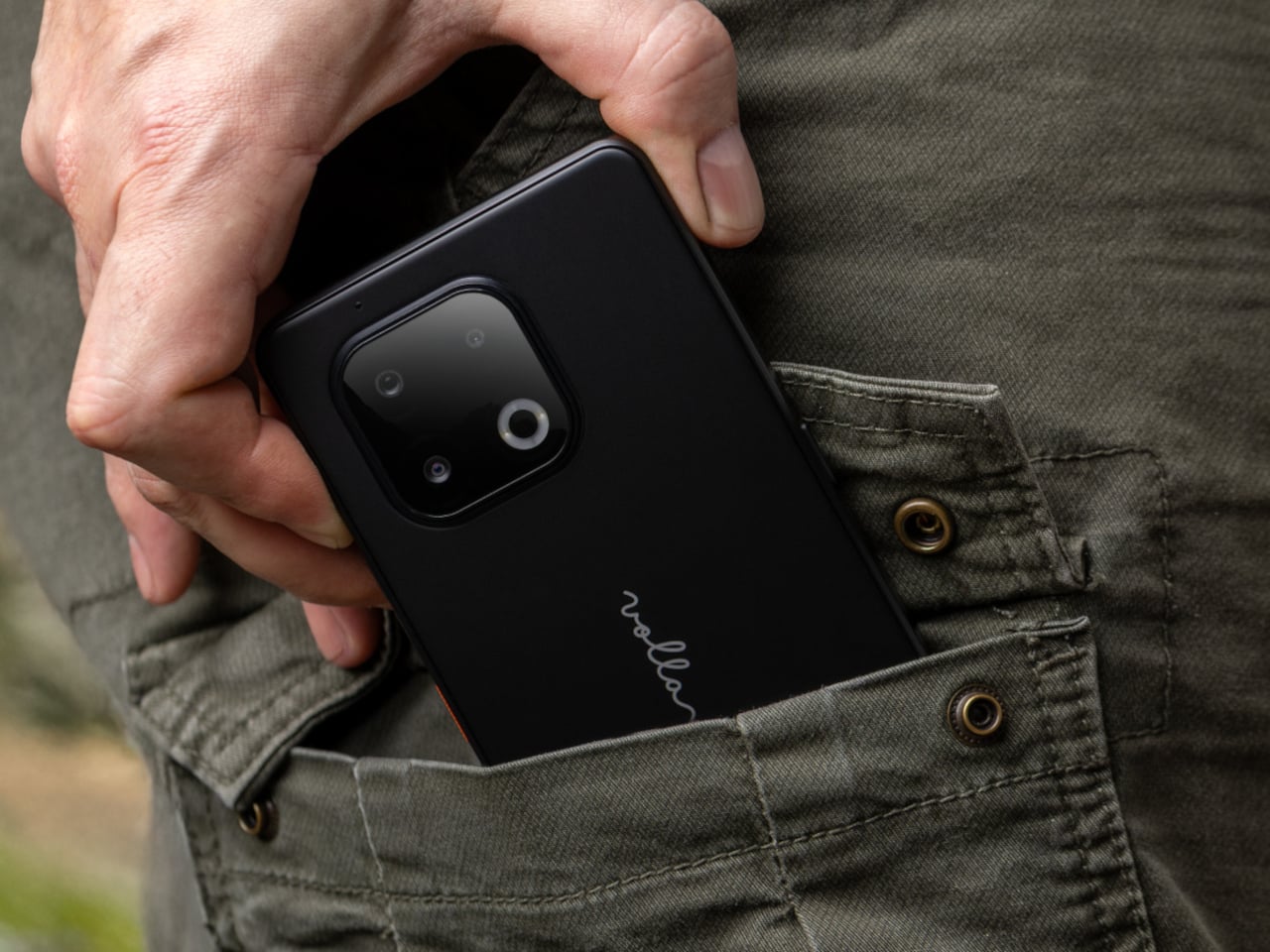
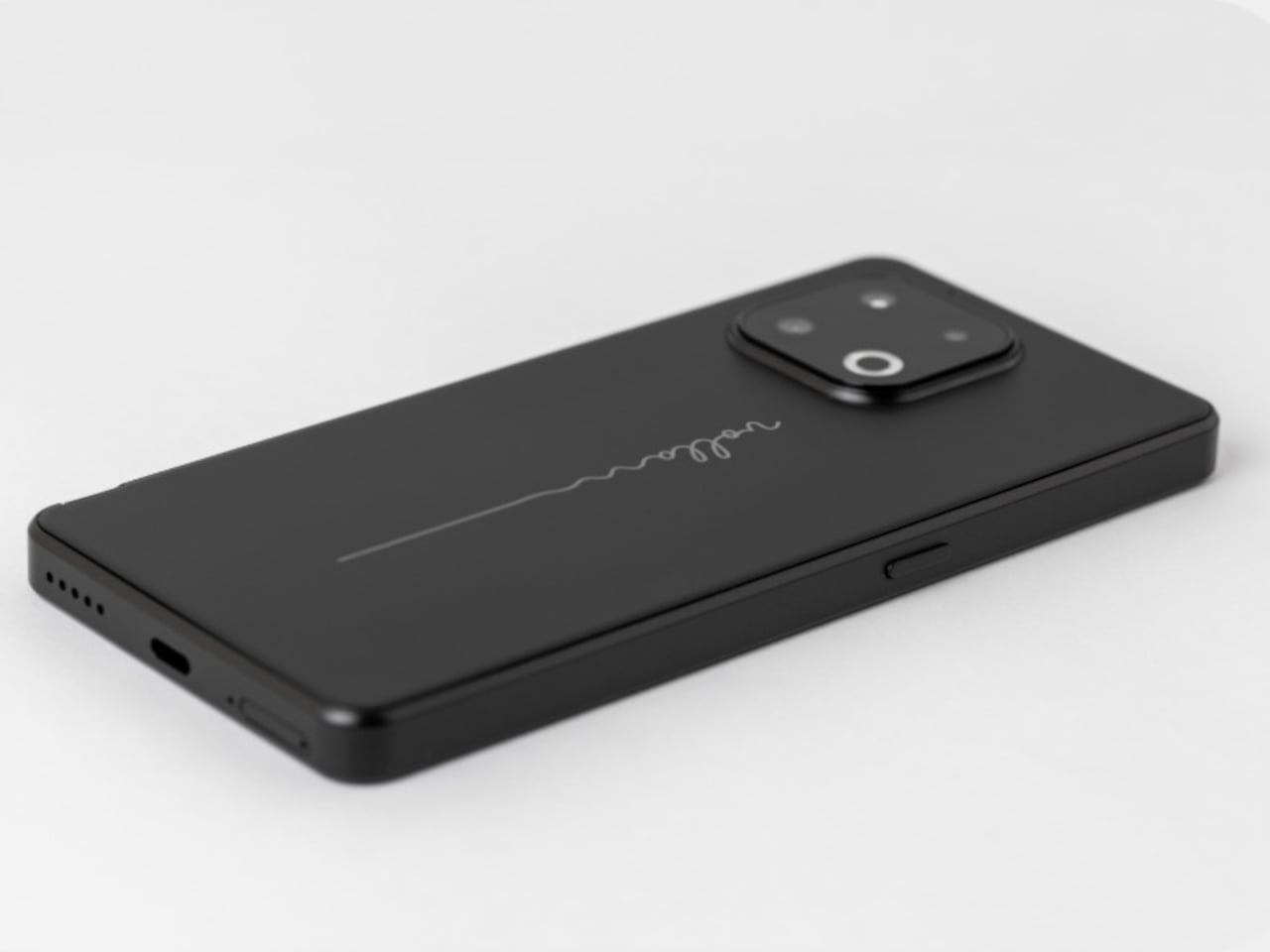
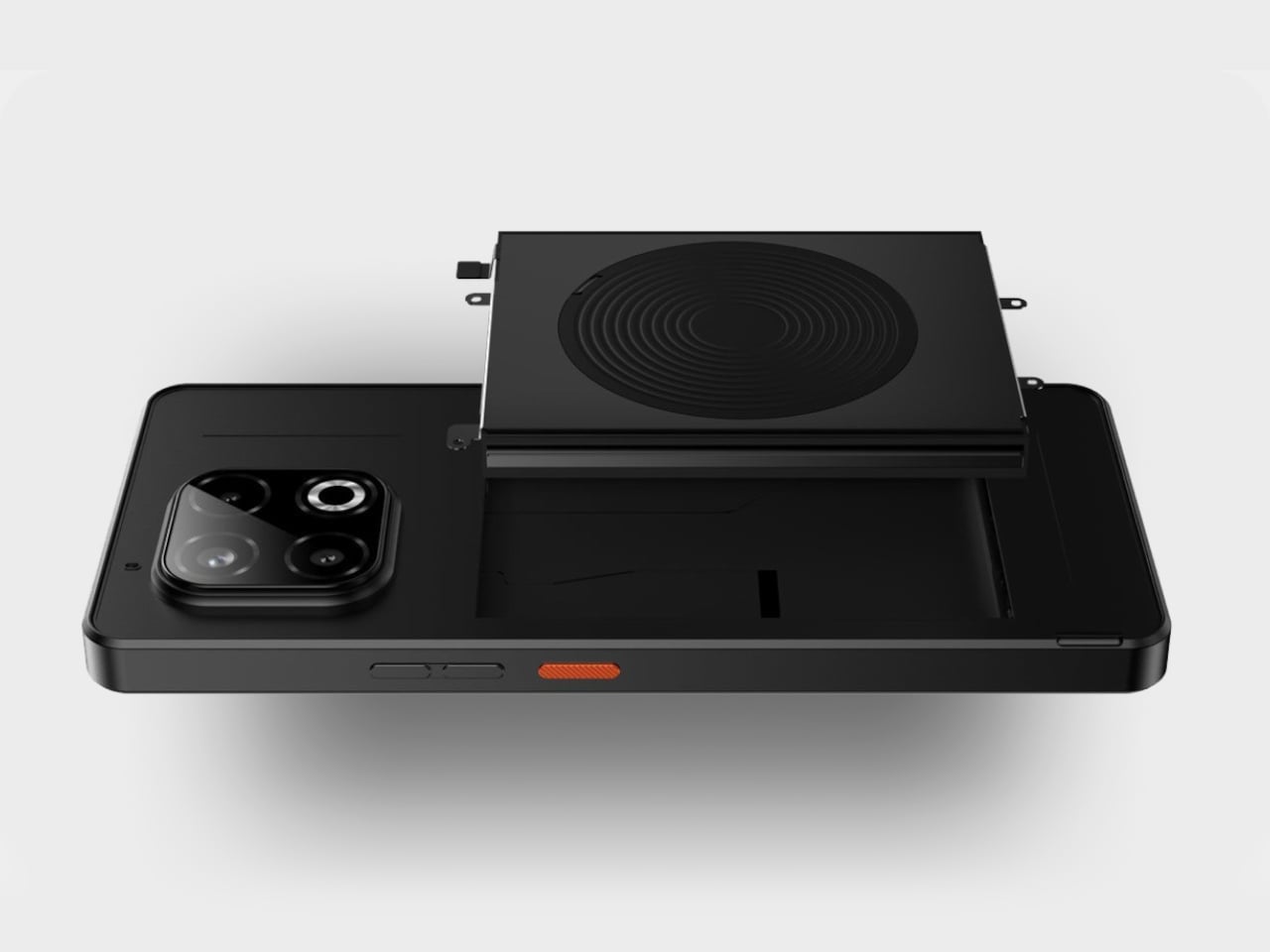
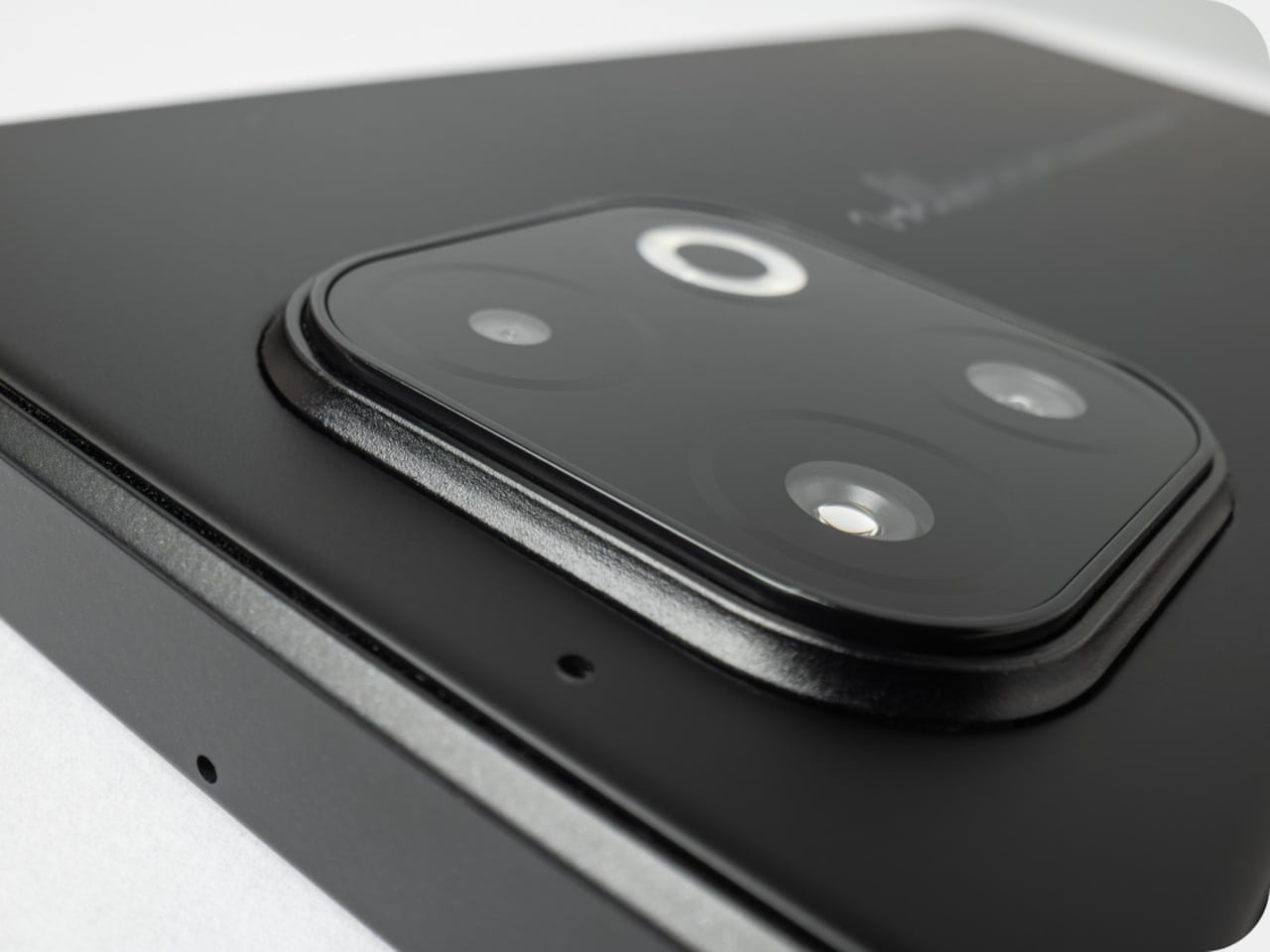
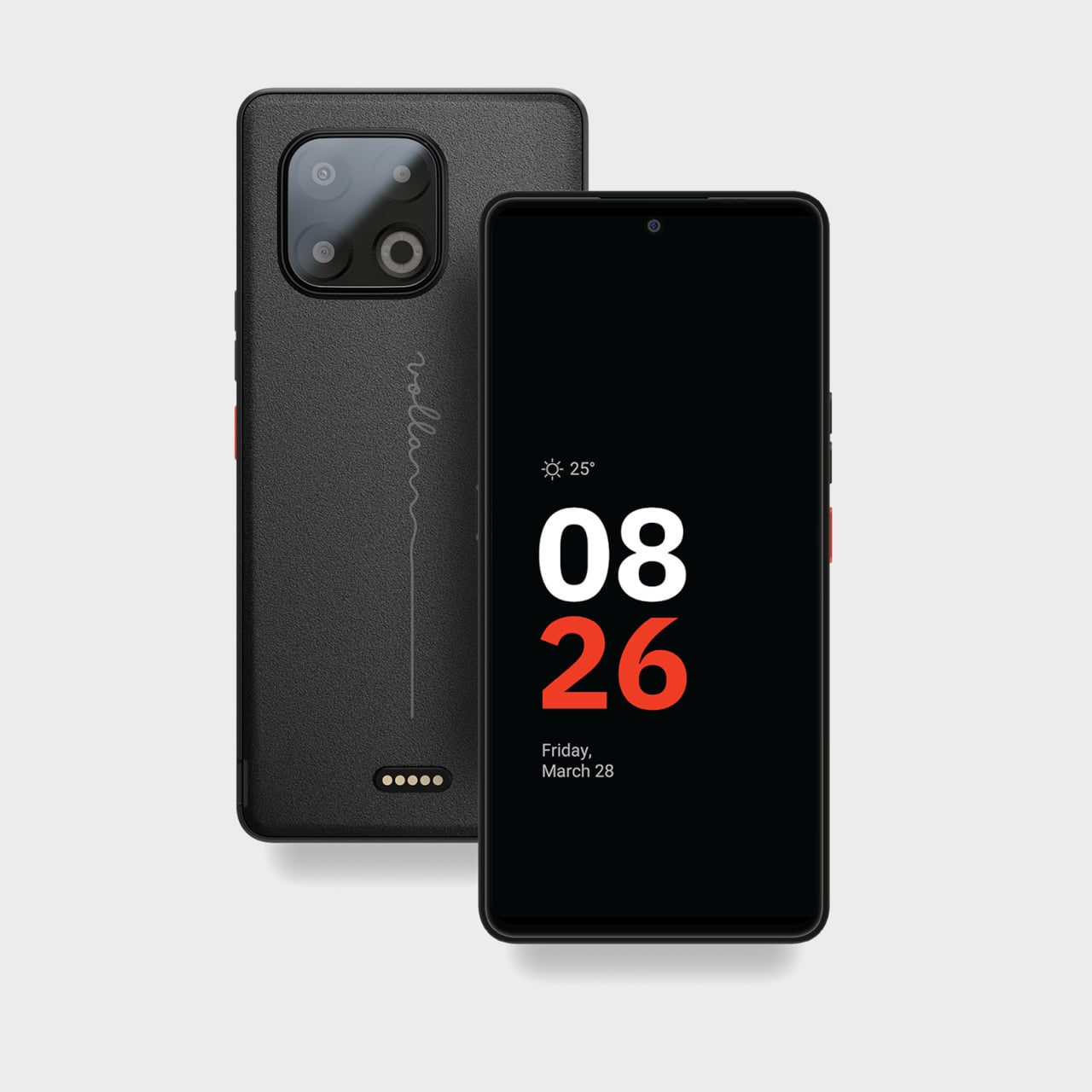
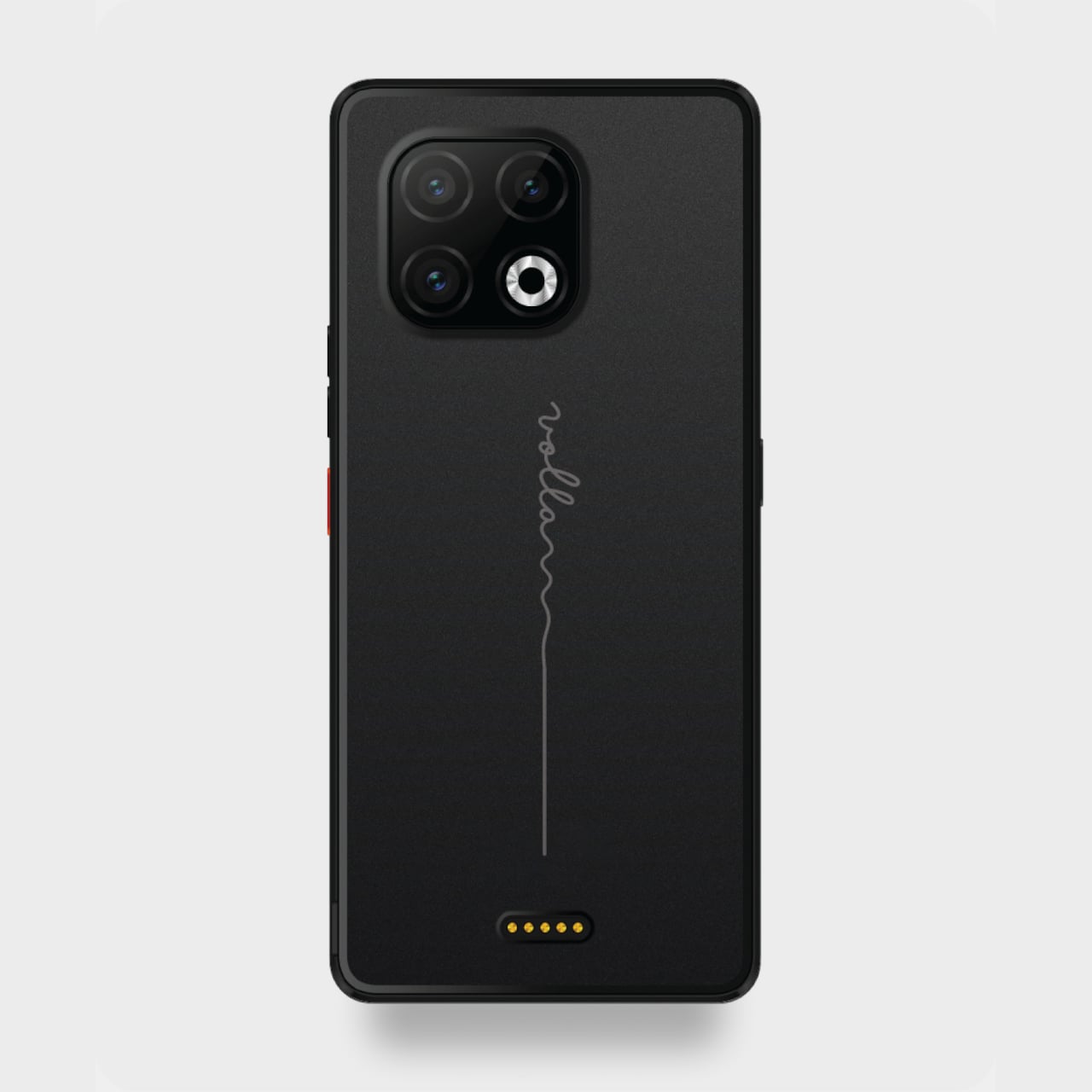
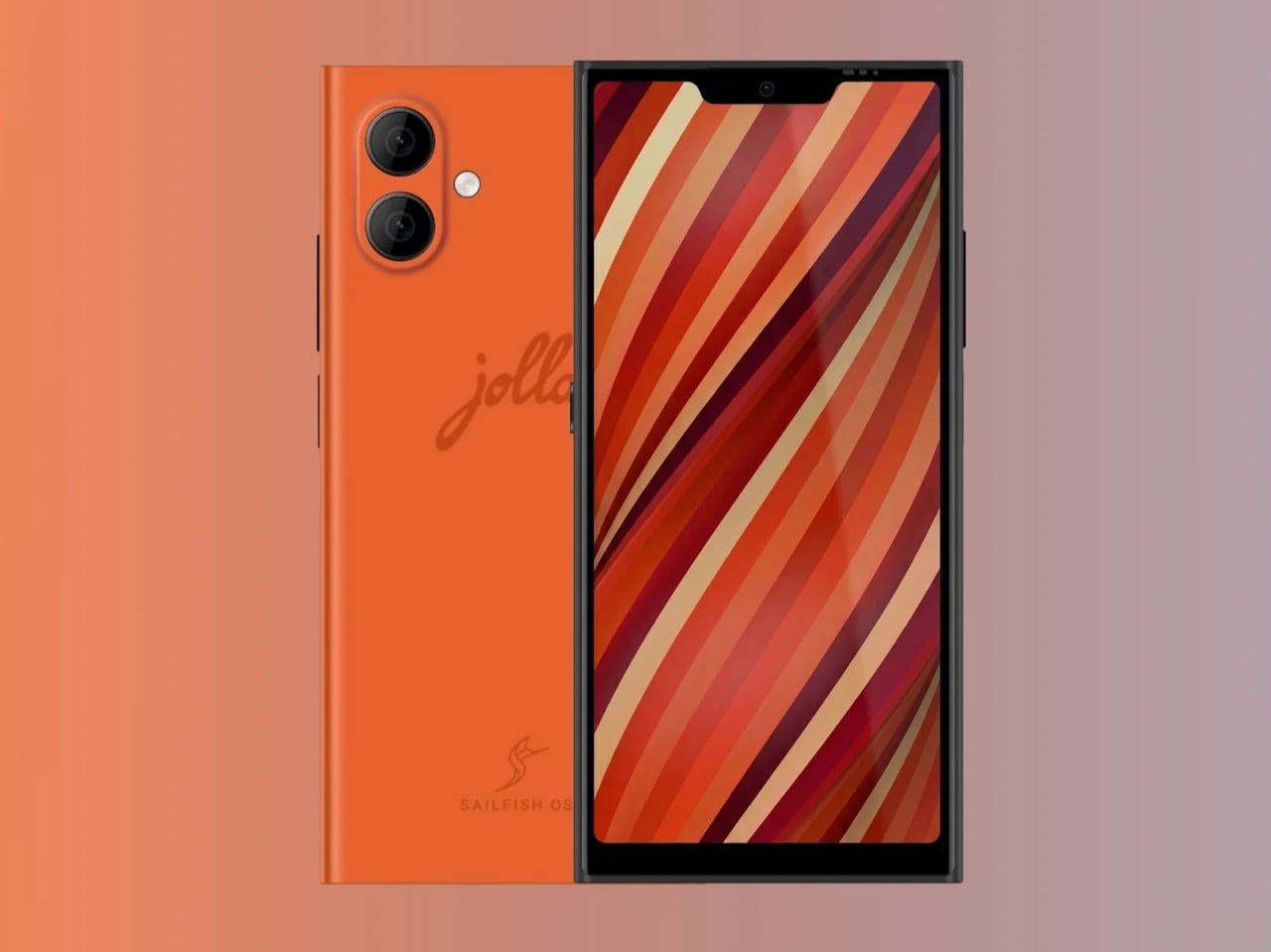
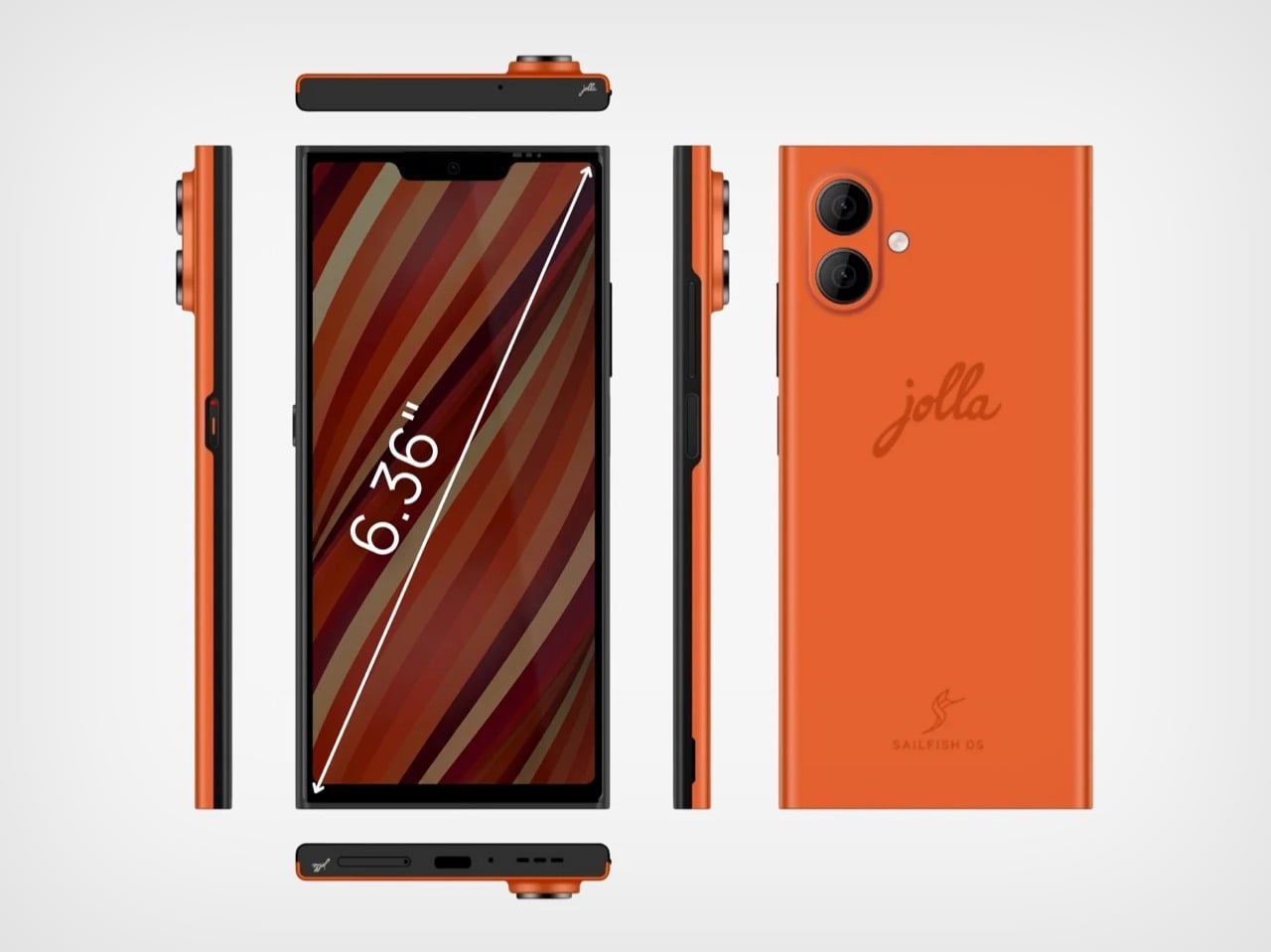
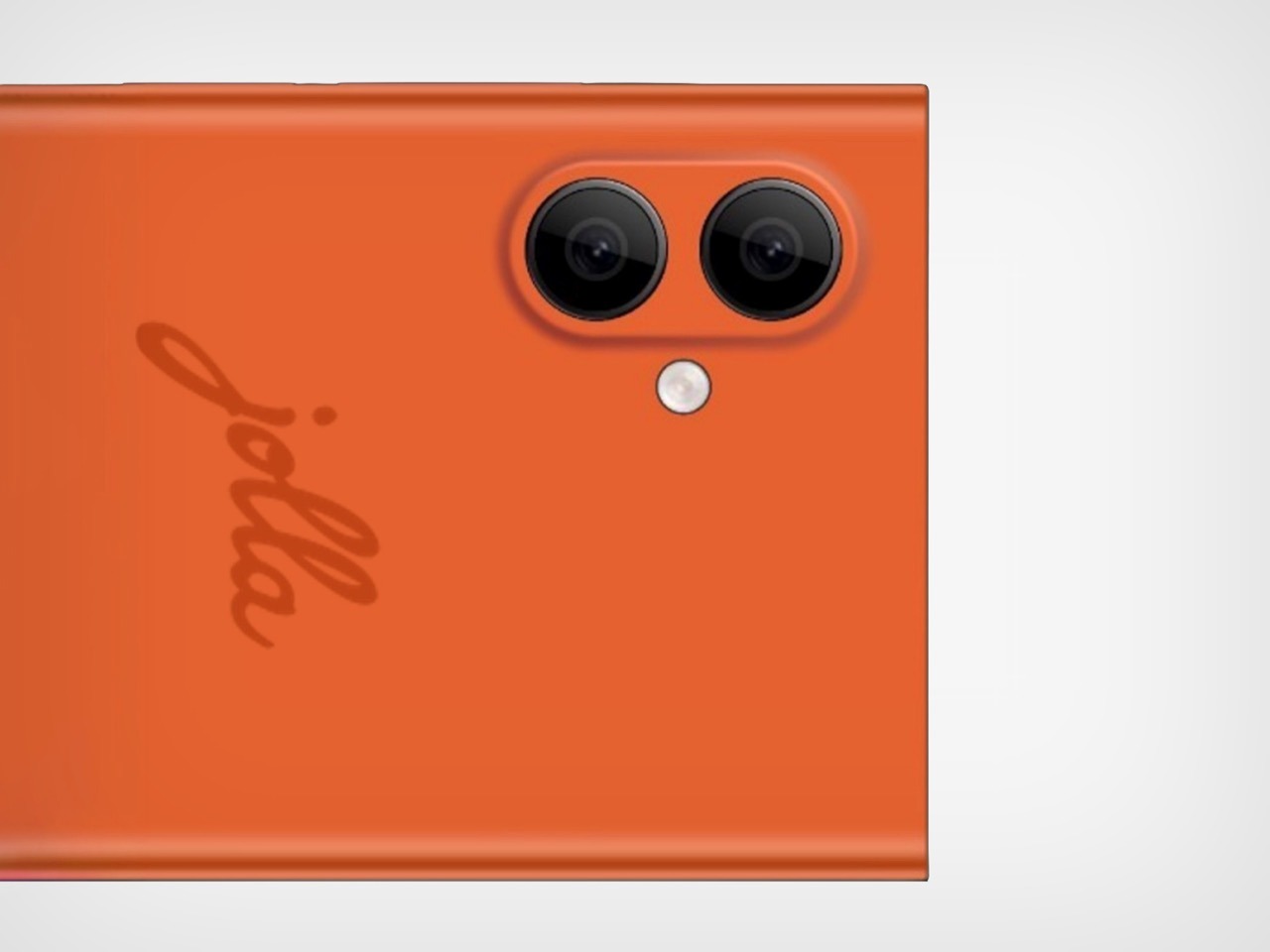
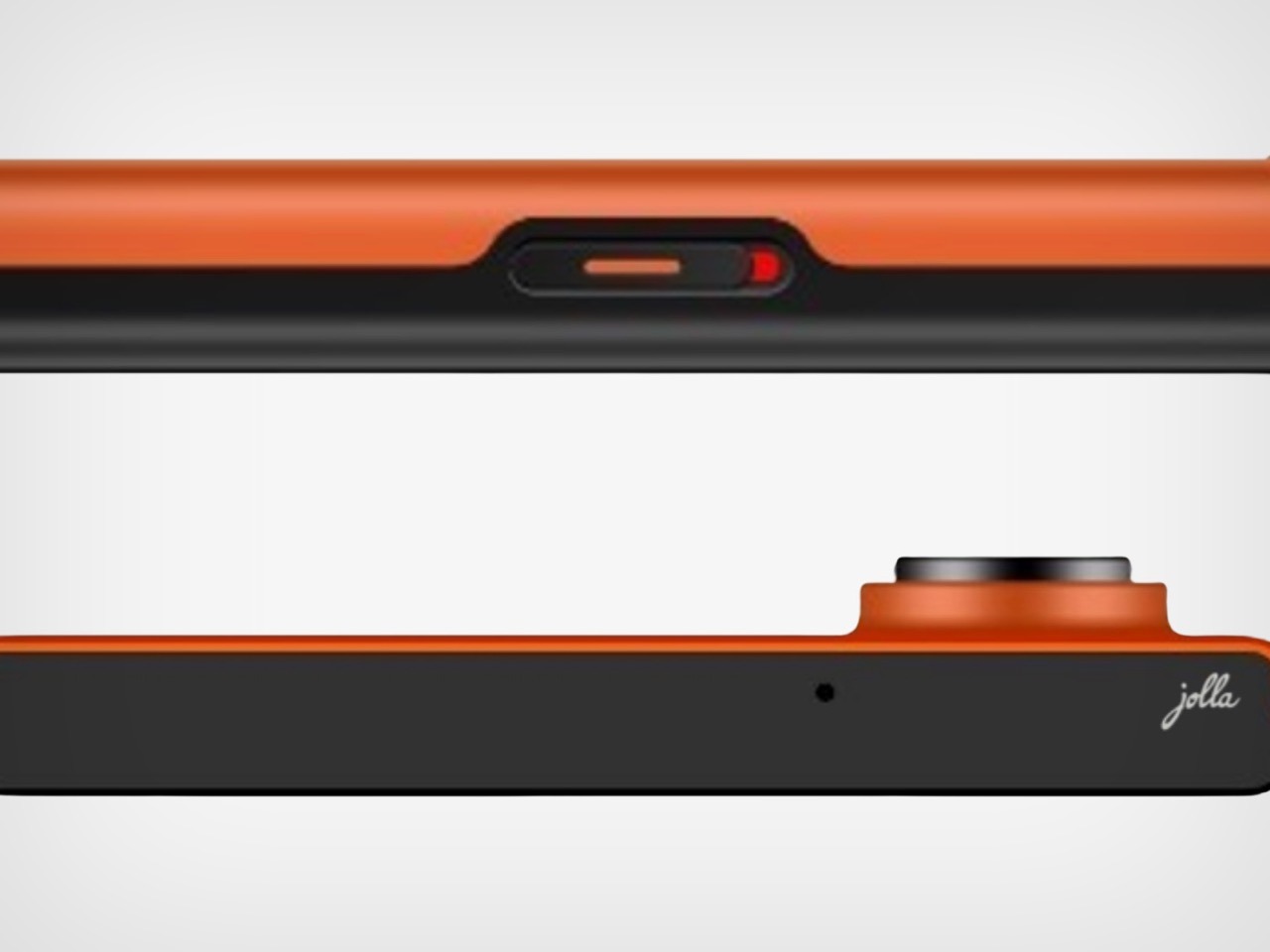
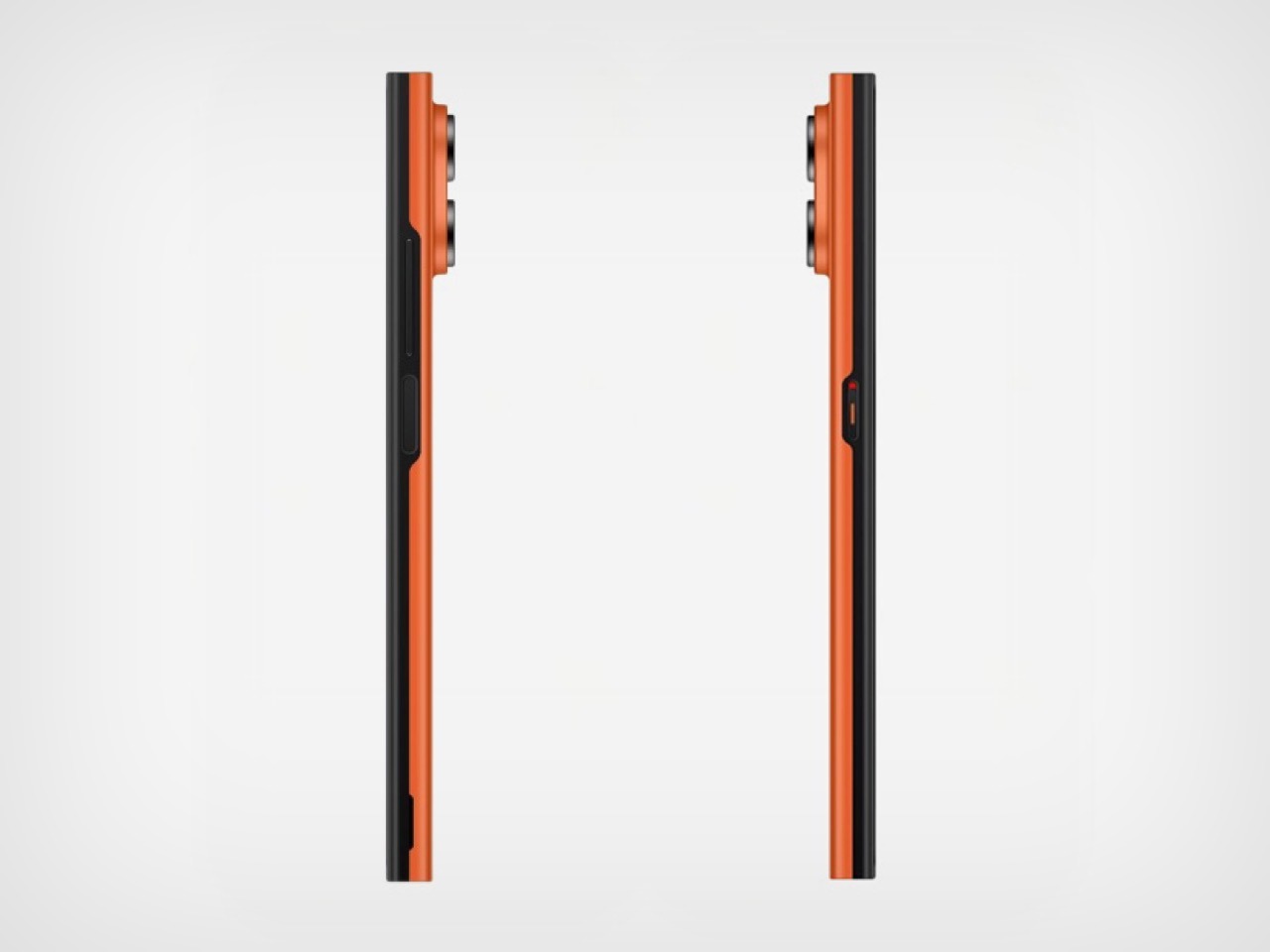
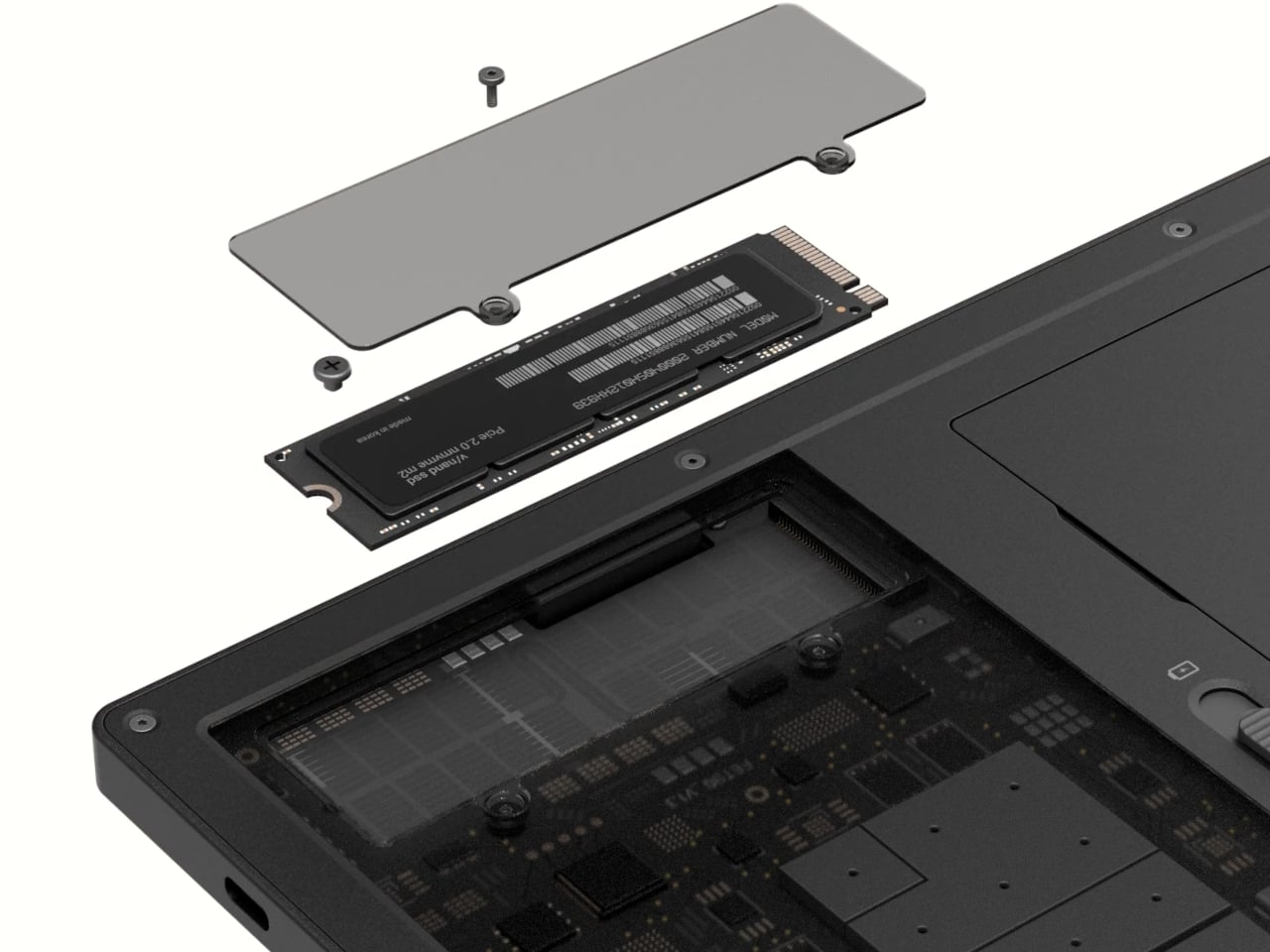
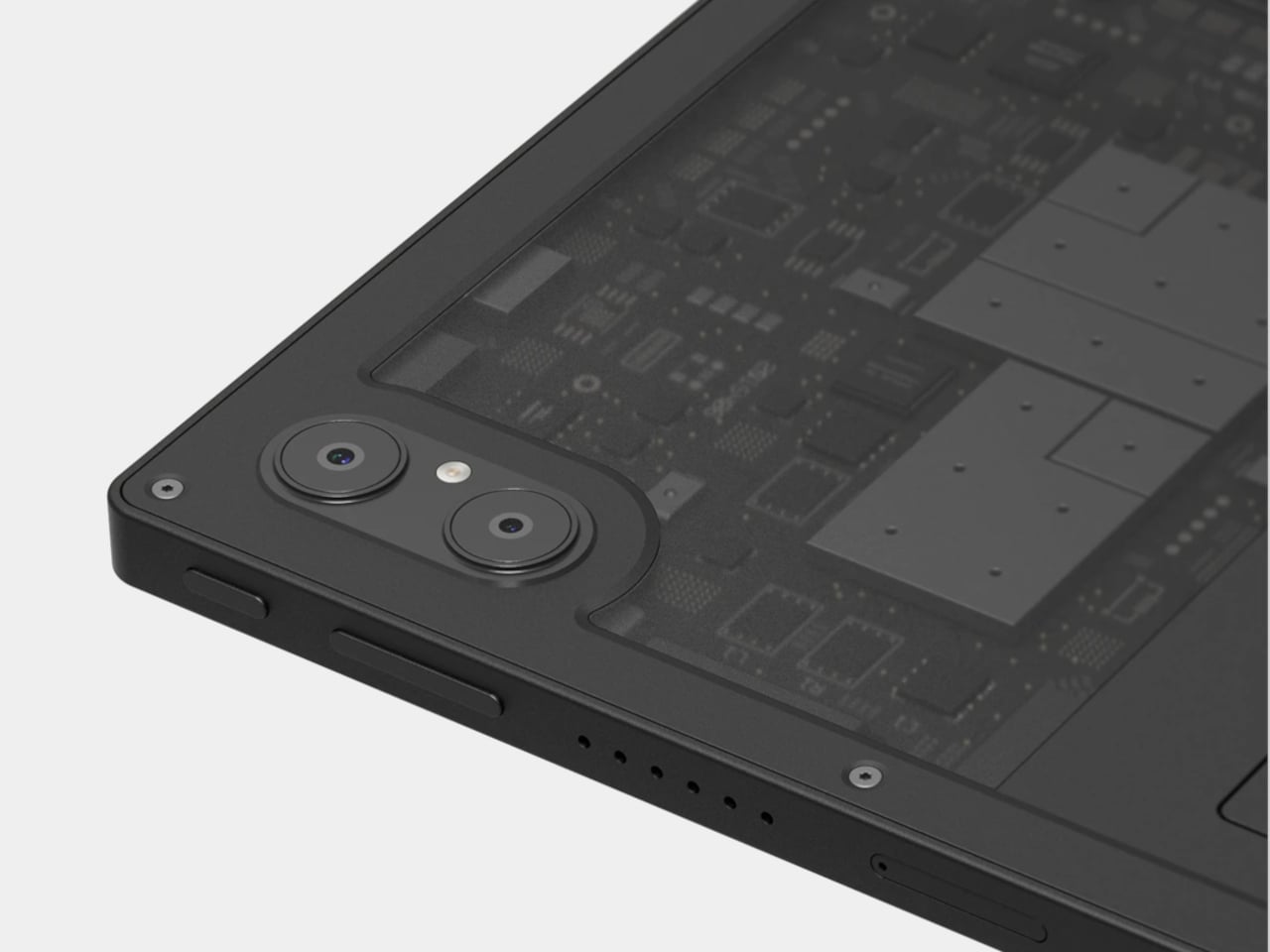
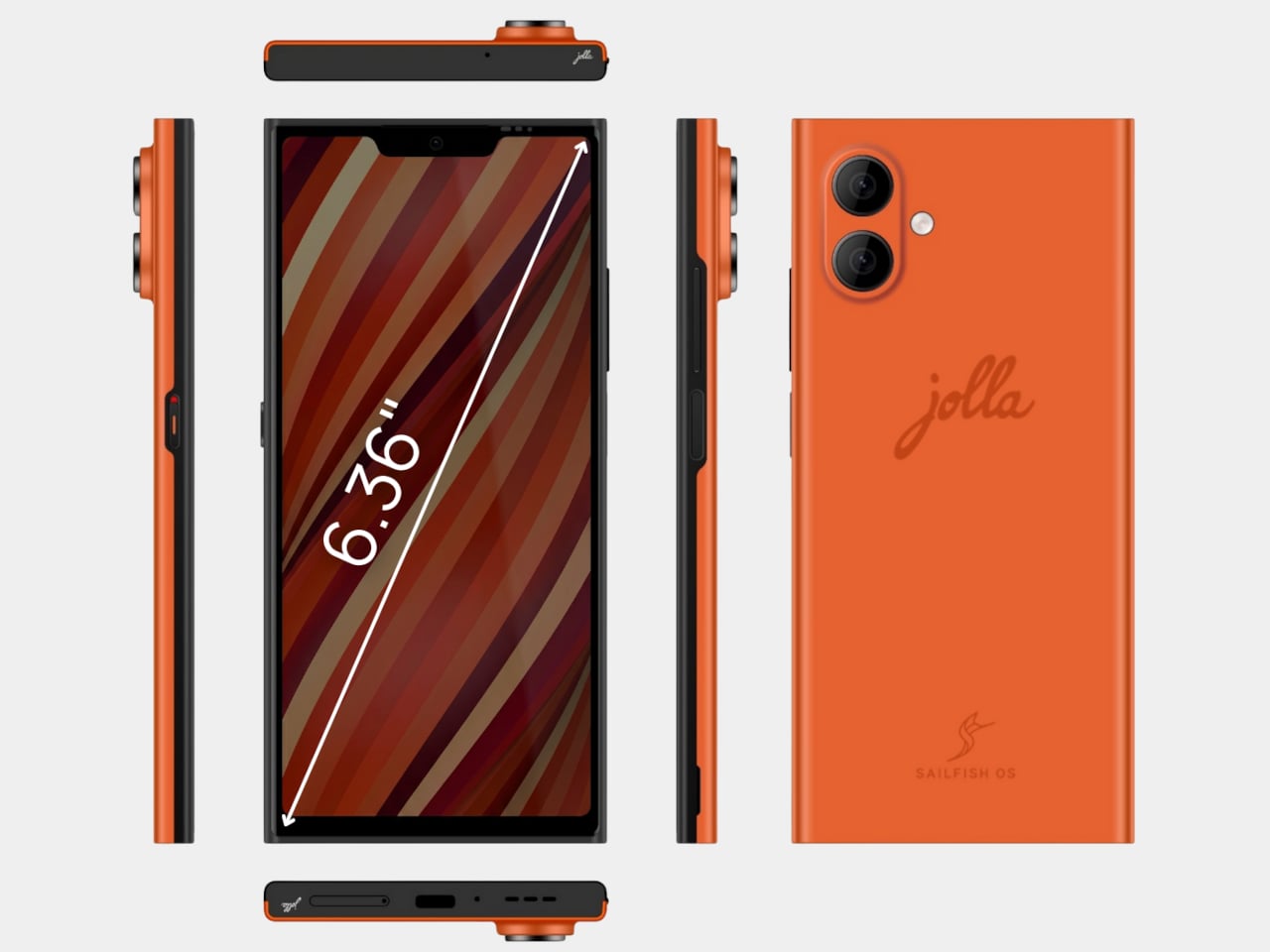
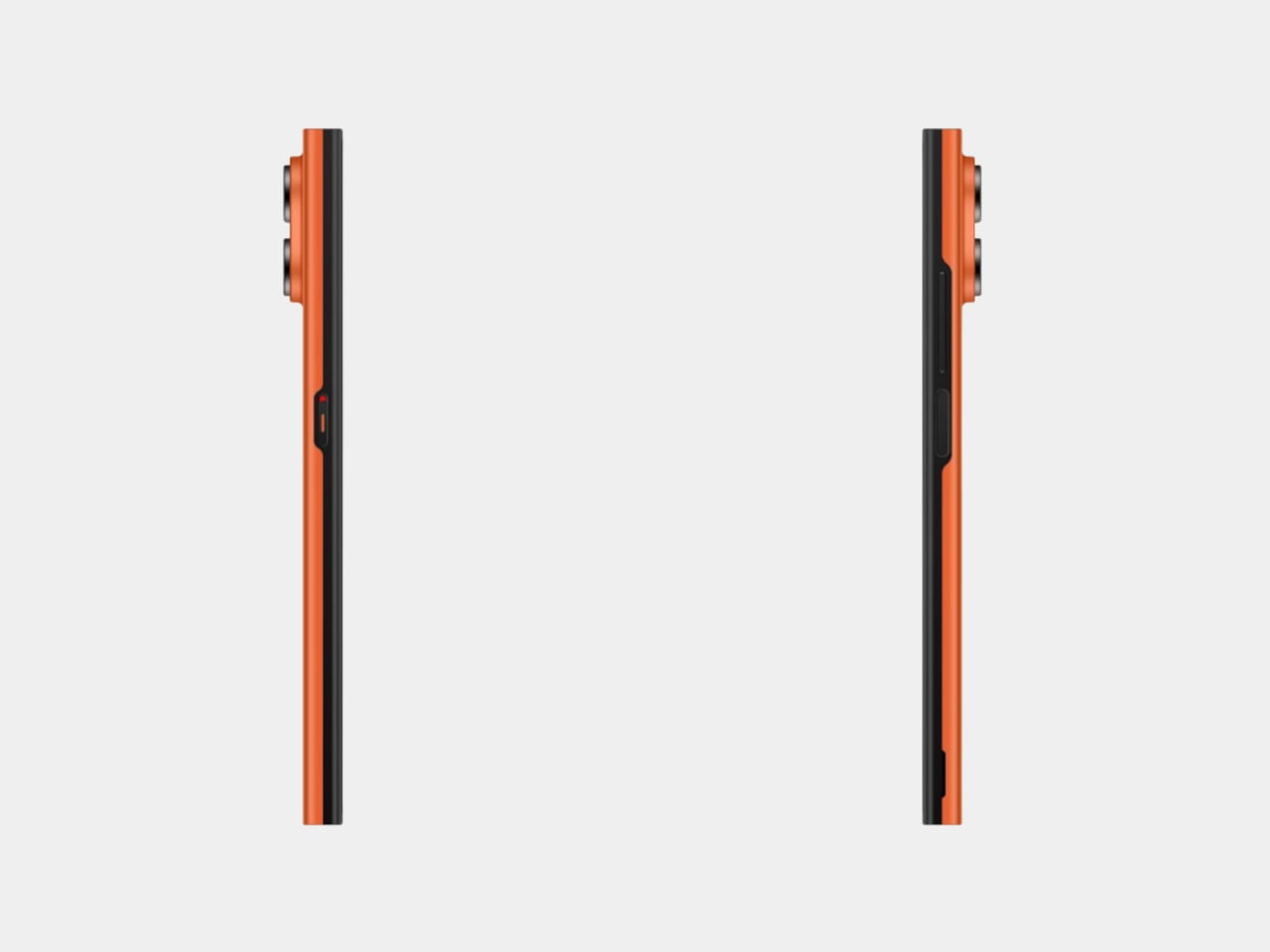
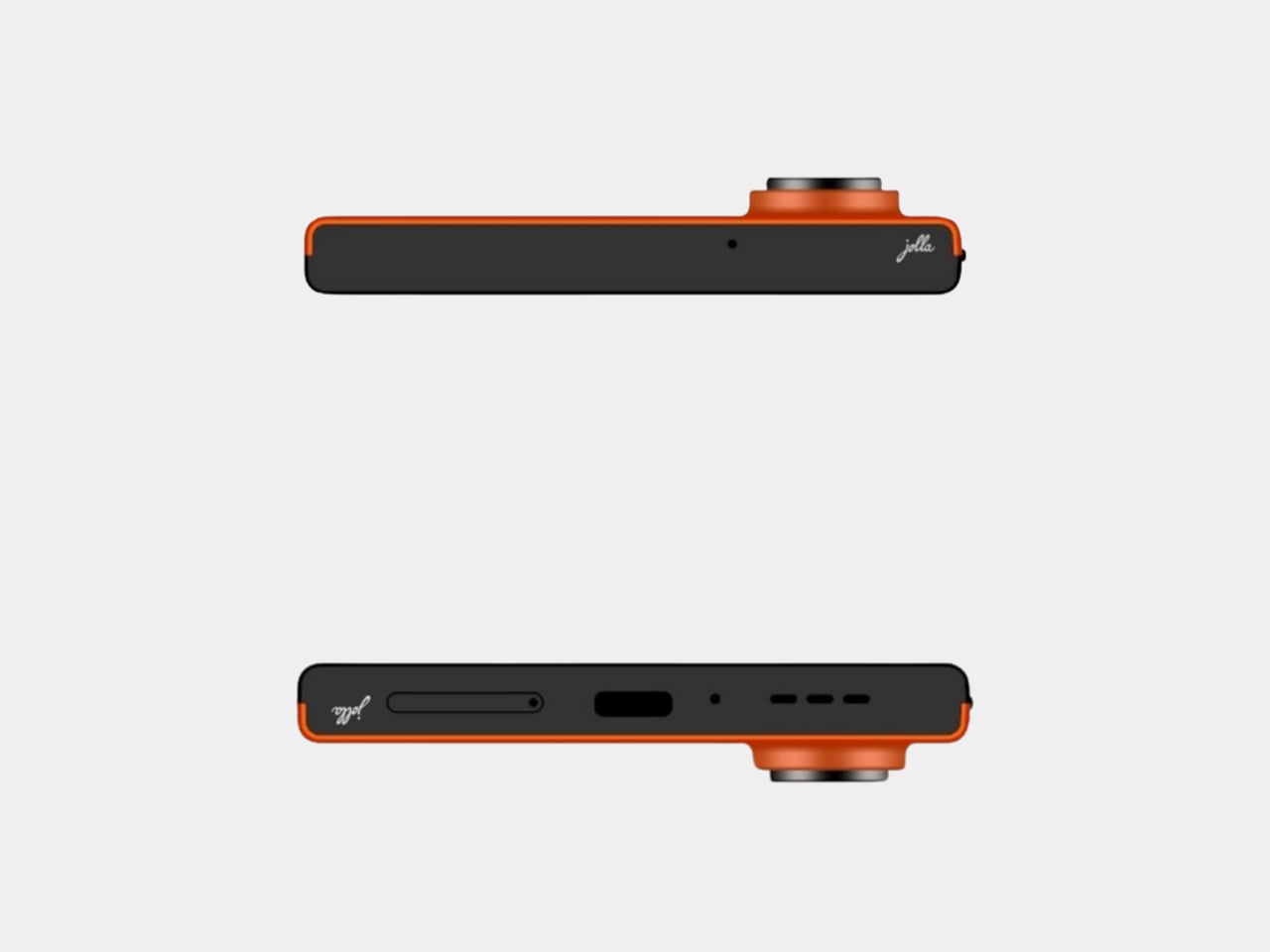
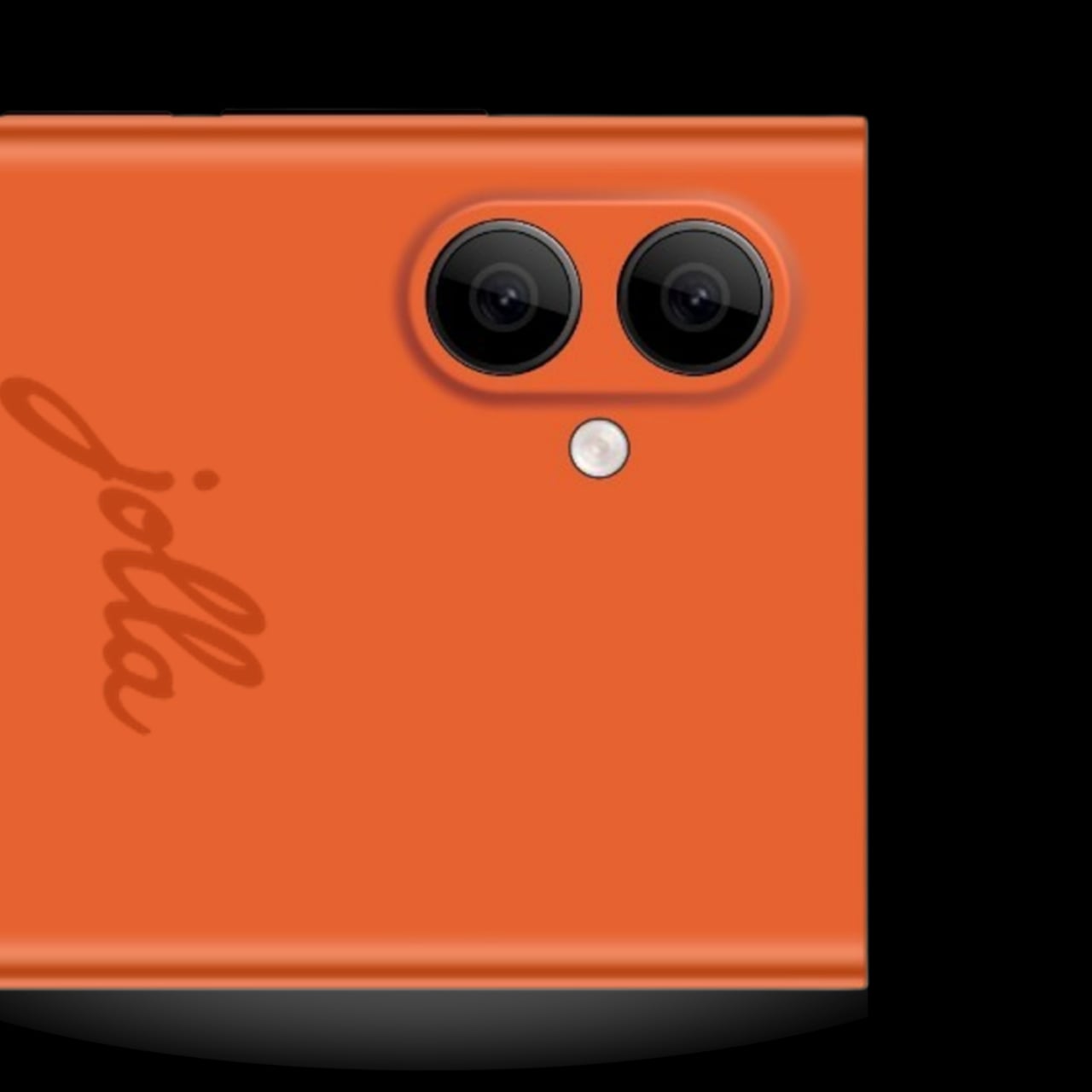
The core specs sit in upper mid-range territory. A 6.36-inch FullHD AMOLED screen, a Mediatek 5G platform, 12GB of RAM, 256GB of storage with microSD expansion up to two terabytes, dual SIM, and a 5,500 mAh battery. The flat-sided Scandinavian design offers replaceable back covers in Snow White, Kaamos Black, and The Orange, a nod to the original Jolla’s signature color. It includes a side fingerprint reader and an RGB notification LED.

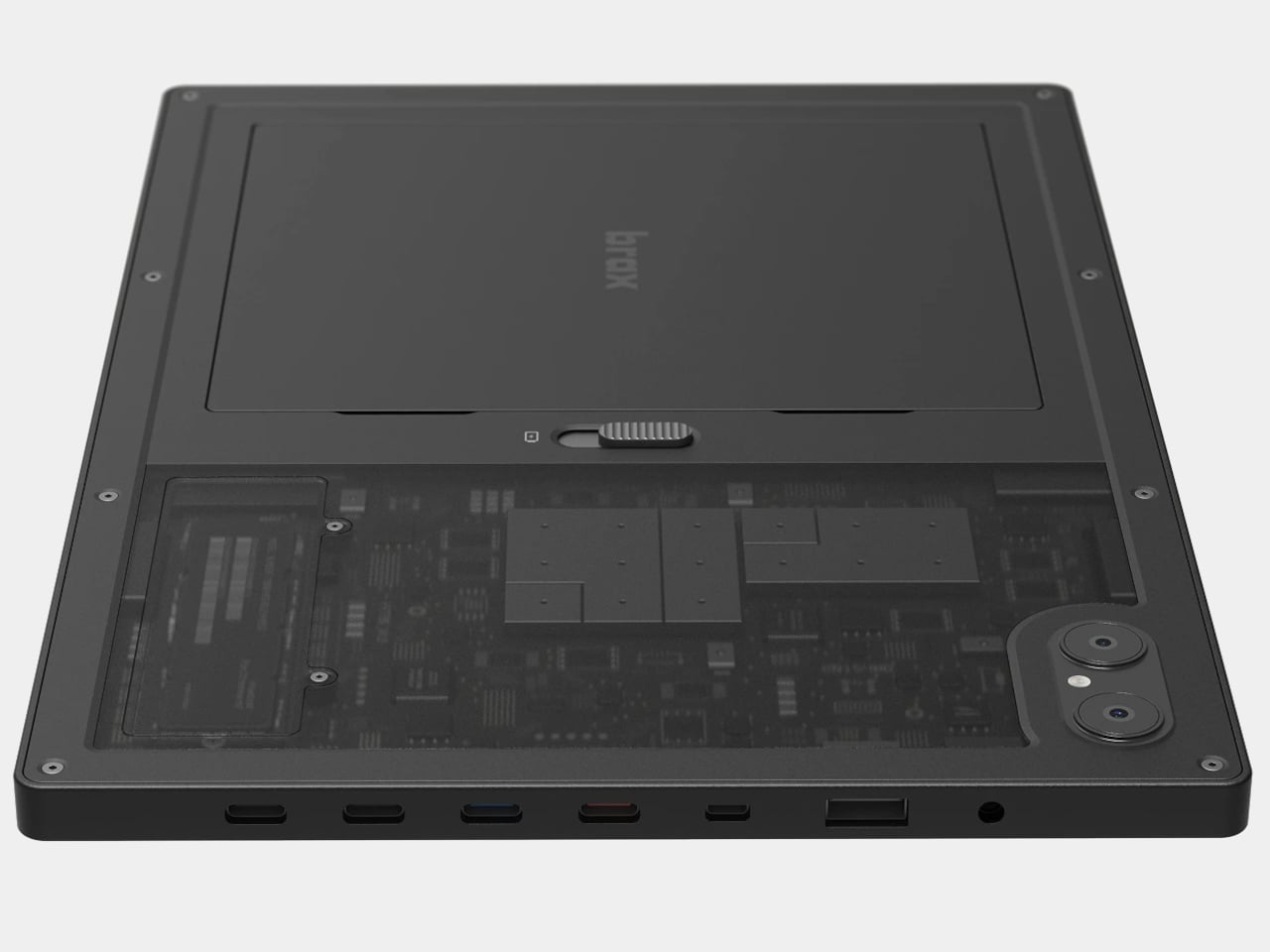
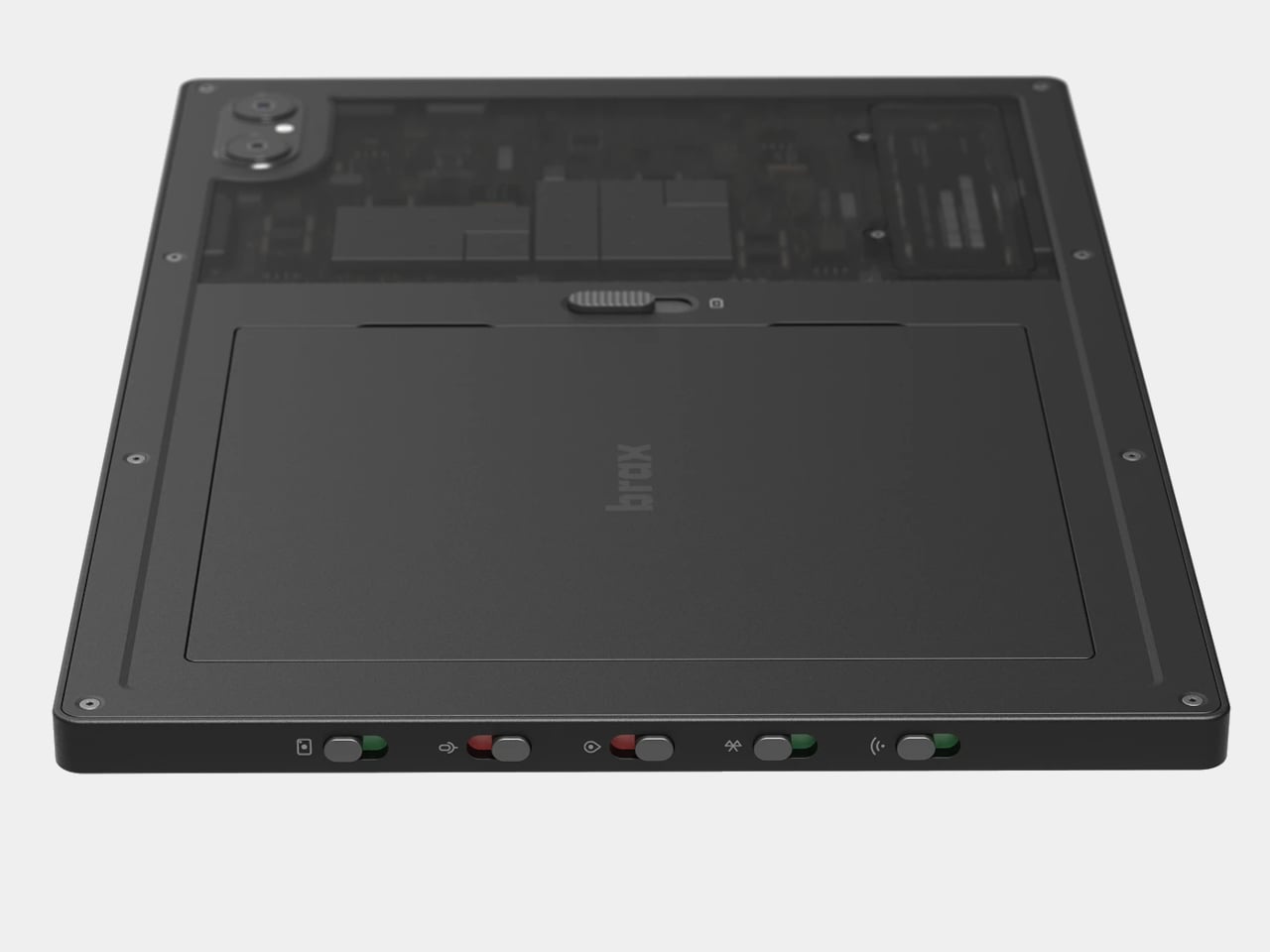
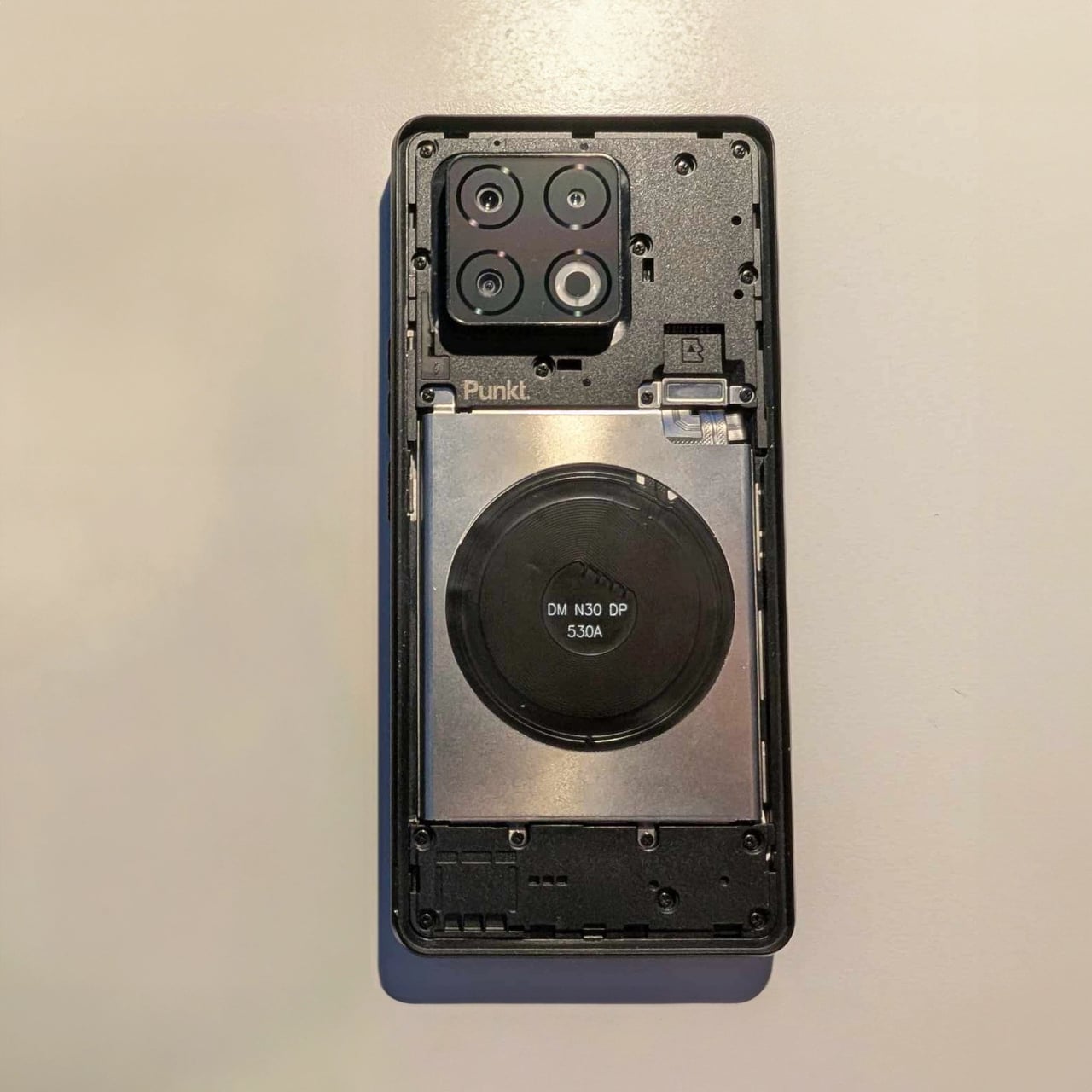
The privacy hardware choices feel almost retro. A physical privacy switch can be configured to cut off the mic, Bluetooth, Android apps, or other subsystems. The battery and back cover are user-replaceable, which feels unusual in a world of sealed slabs. Those choices align with the idea of owning your device instead of renting it, and they support Sailfish OS’s pitch as “private by design,” with no tracking or hidden analytics happening in the background.

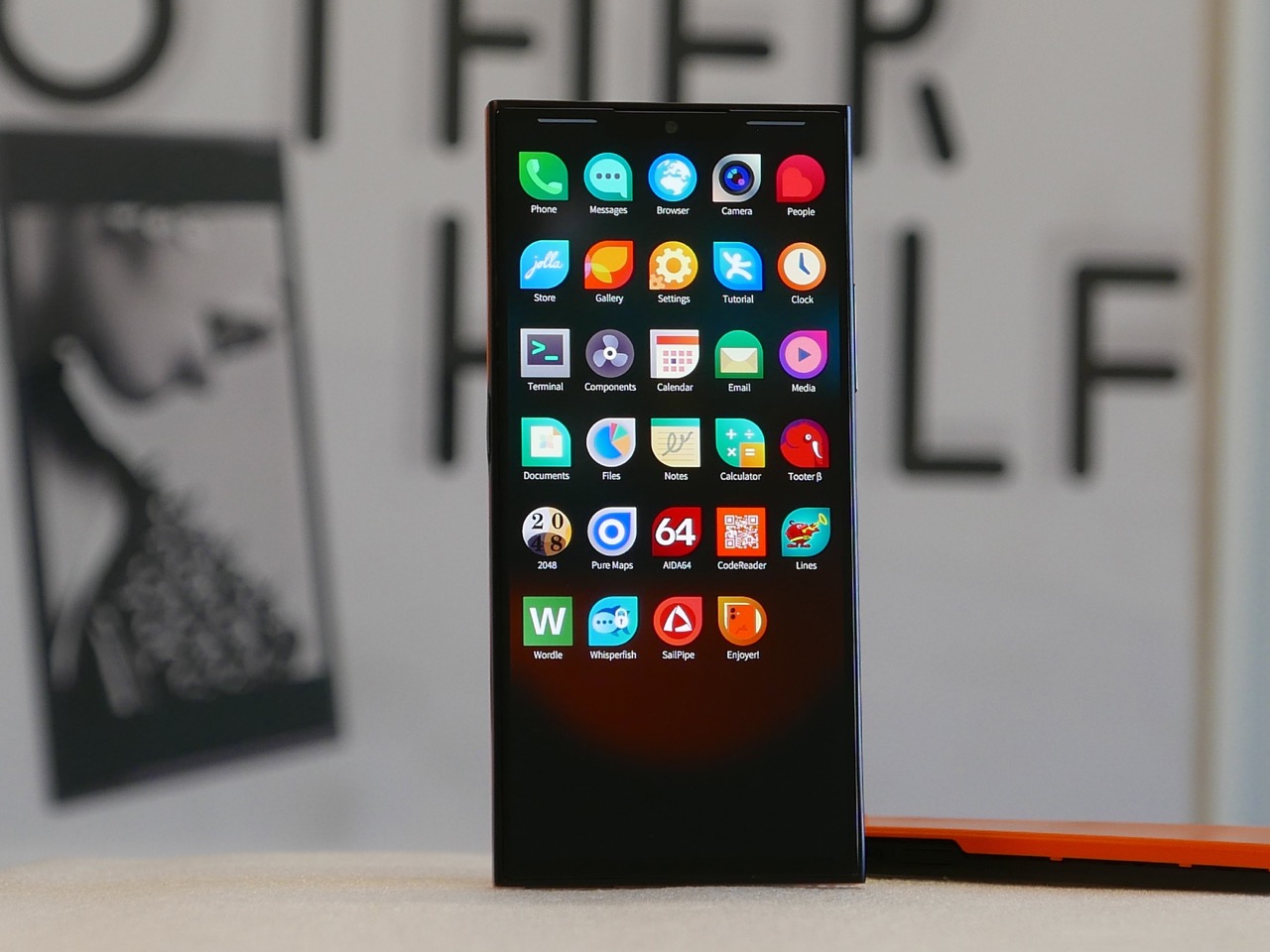
Sailfish OS 5 is a Linux-based, gesture-heavy mobile OS that Jolla promises will get at least five years of updates without forced obsolescence. App ecosystems matter, so the phone includes Android app support via Jolla AppSupport, without Google Play Services. That means many Android apps will run, but you are not feeding data into Google’s backend every time you unlock your phone or letting services siphon usage patterns while sitting idle.

The funding model is a 99 euro fully refundable pre-order voucher toward a 499 euro final price, with production only happening if at least two thousand units are reserved. The community voted on key specs and features, and the campaign already passed its goal. The phone becomes a Do It Together project where early adopters literally decide whether it exists, and pre-order customers get a special edition back cover as a thank you.

The new Jolla Phone represents a rare, stubbornly optimistic alternative in a market that settled on two platforms years ago. It will not replace iOS or Android for most people, and there are risks around timelines and app compatibility. But for anyone who wants a phone that treats privacy, longevity, and independence as design constraints instead of afterthoughts, Jolla’s return feels like proof that small, opinionated hardware can still find oxygen if the community wants it badly enough.

The post Jolla Phone Returns with a Physical Switch to Cut Off Mics and Tracking first appeared on Yanko Design.
Amazon Echo Spot returns with a fresh new look that ditches the camera

We rarely hear about new smart speakers these days. Either they have died off or that all wireless speakers are expected to be smart anyway. Even rarer, however, is news on smart speakers with displays, a.k.a. smart displays, outside of a few select devices, like the Google Pixel Tablet, and rumors, like a new Apple HomePod with a screen. Even Amazon, arguably the brand that really kicked off the smart speaker market, is pretty silent, at least until now. Seven years after it first launched, the controversial Echo Spot is making a comeback, bearing an aesthetic that is more modern, more soothing, and, more importantly, more privacy-focused.

Designer: Amazon

The first Amazon Echo Spot launched in 2017 as the smaller sibling to the Echo Show, perhaps the market’s first smart display. It had a funky circular screen and was positioned as a hi-tech bedside alarm clock rather than a general-purpose smart speaker with a display like the Echo Show. Unfortunately, two things made it less palatable even to Amazon’s loyal following: its price and the fact that it had a camera, a big no-no for something that’s supposed to stay in a very private part of your home.

After what felt like forever, the second-gen Echo Spot is finally rolling out with a design that addresses both concerns. At $79.99, it’s immediately half the launch price of its predecessor, and Prime Members can even get it for only $44.99 for Prime Day. It also no longer has a camera, but you can still make audio calls as usual. At least you won’t have to worry about people peeking at you, accidentally or otherwise.

With that functionality out of the way, there’s no longer a reason for a full display on the front, freeing Amazon to adopt a new design that is admittedly more suited for a bedroom. It still has a spherical shape that looks more like a tilted bowl, and the outer surface is still the same matte plastic material. The front, however, is now split in half, with a brighter and more vibrant screen taking up the upper portion, and a fabric-covered 1.73-inch front-facing directional speaker. The new Echo Spot also comes in a new Ocean Blue colorway in addition to the traditional Black and Glacier White.

1

1

You can still touch that screen to control some of the speaker’s smart functions, though it really shines more when giving visual feedback to queries and commands. Being Amazon, the focus is on voice control and AI smarts, including routines and the ability to control other smart devices in the house. This does mean that the Echo Spot is always listening even if it is never watching, but there’s a physical mute button on its back when you really want that privacy in the bedroom.

The post Amazon Echo Spot returns with a fresh new look that ditches the camera first appeared on Yanko Design.
This Smartphone Won’t Collect Or Sell Your Personal Data… And It Has An Encrypted VPN Too

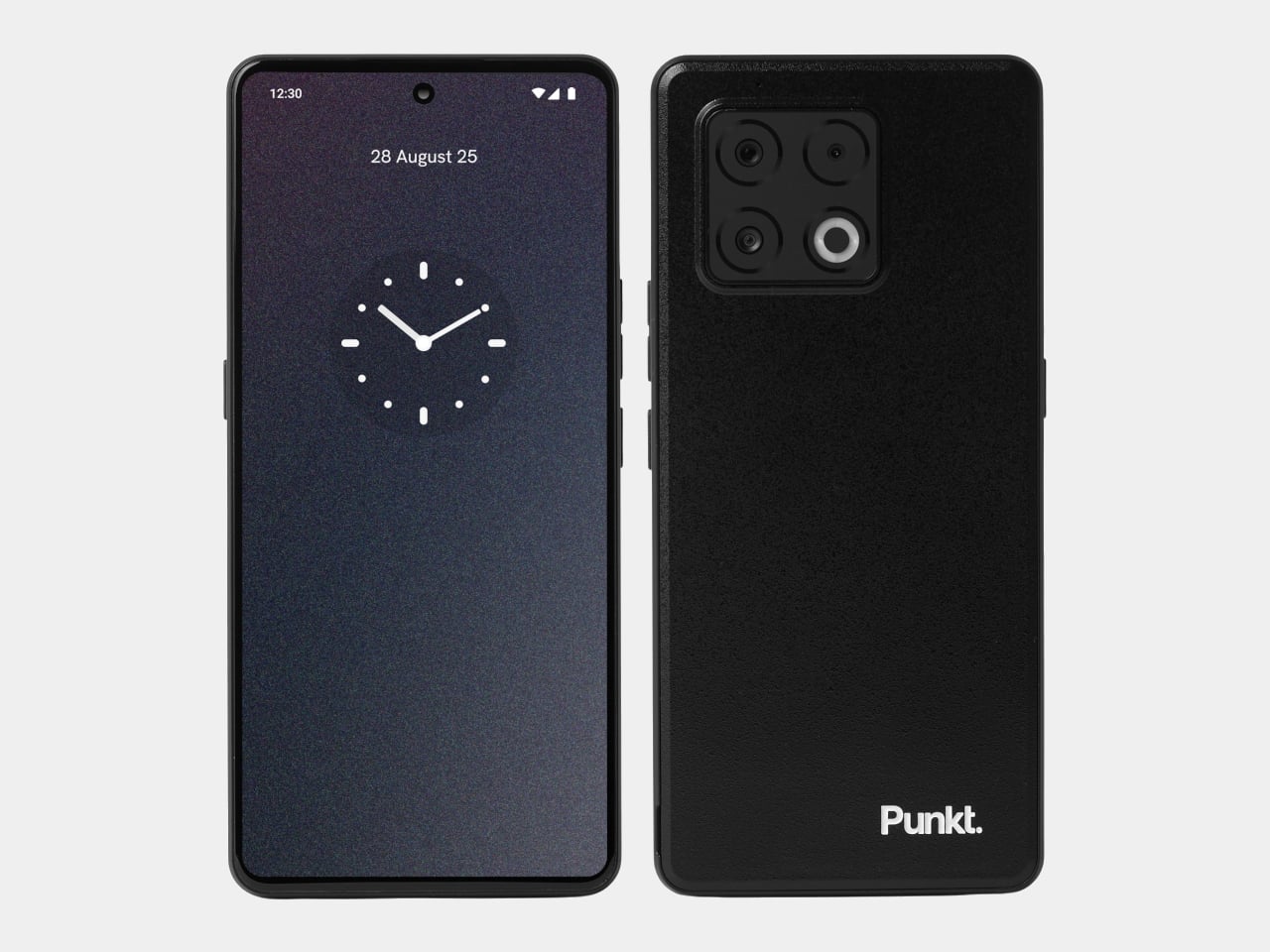
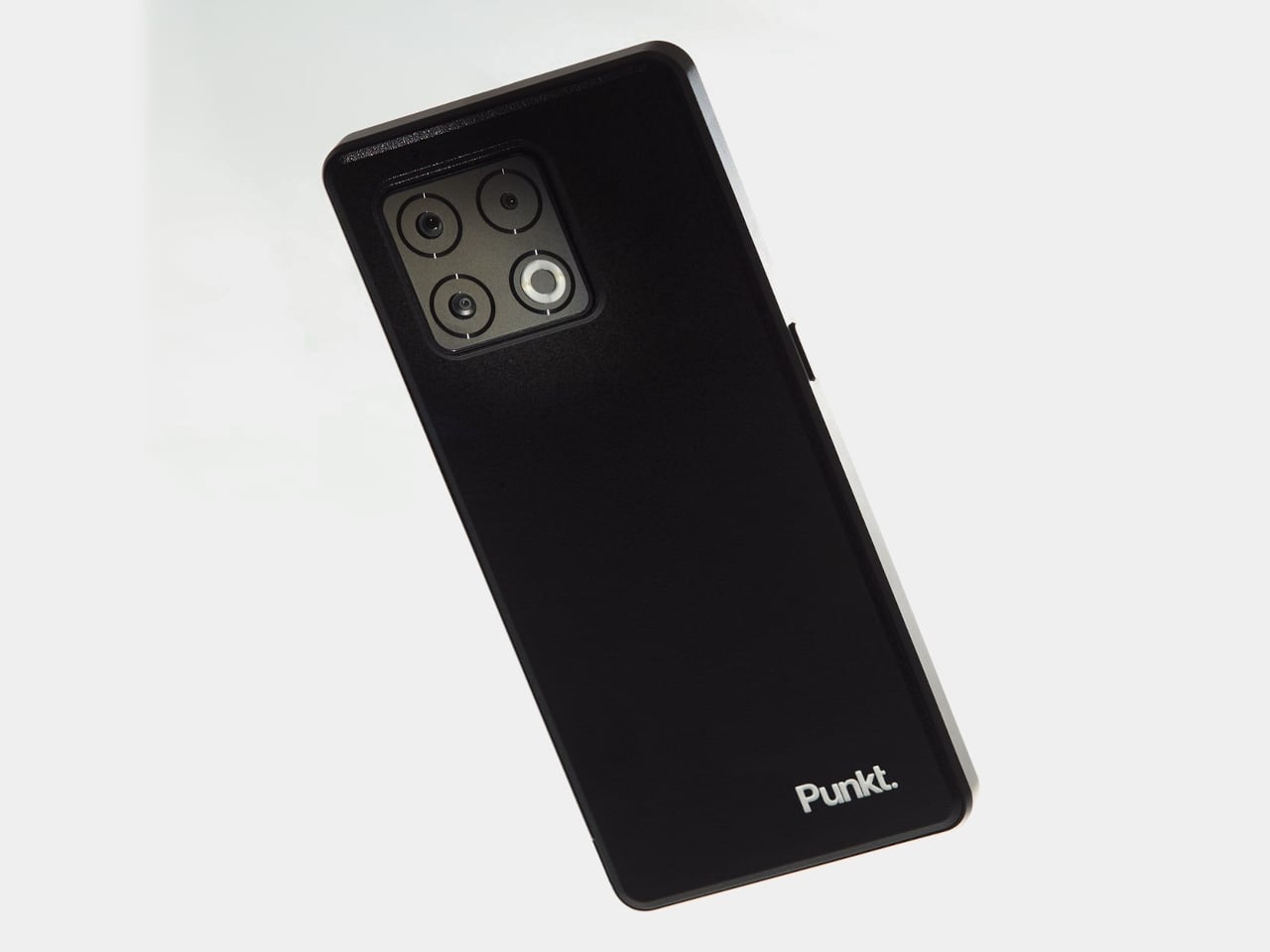
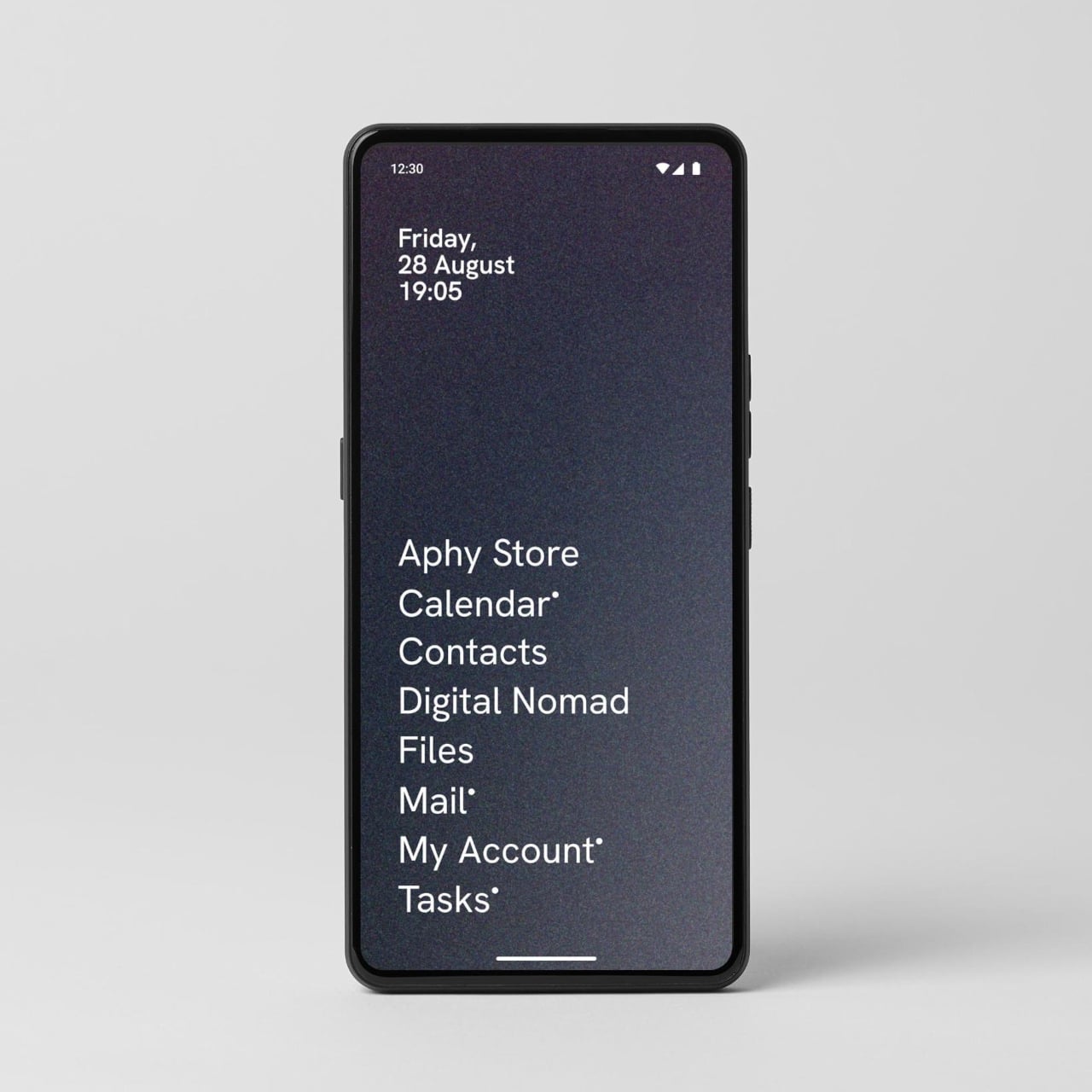
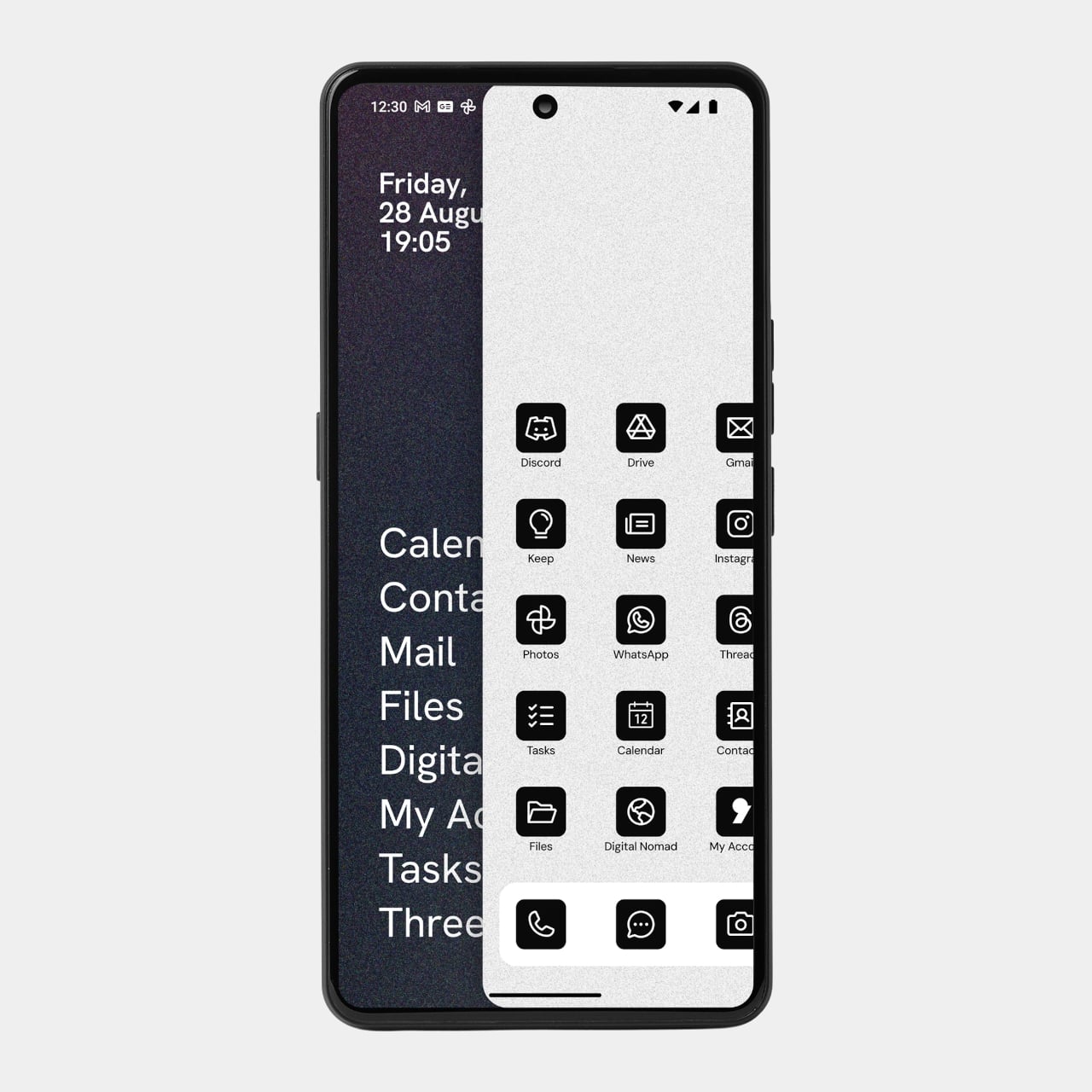
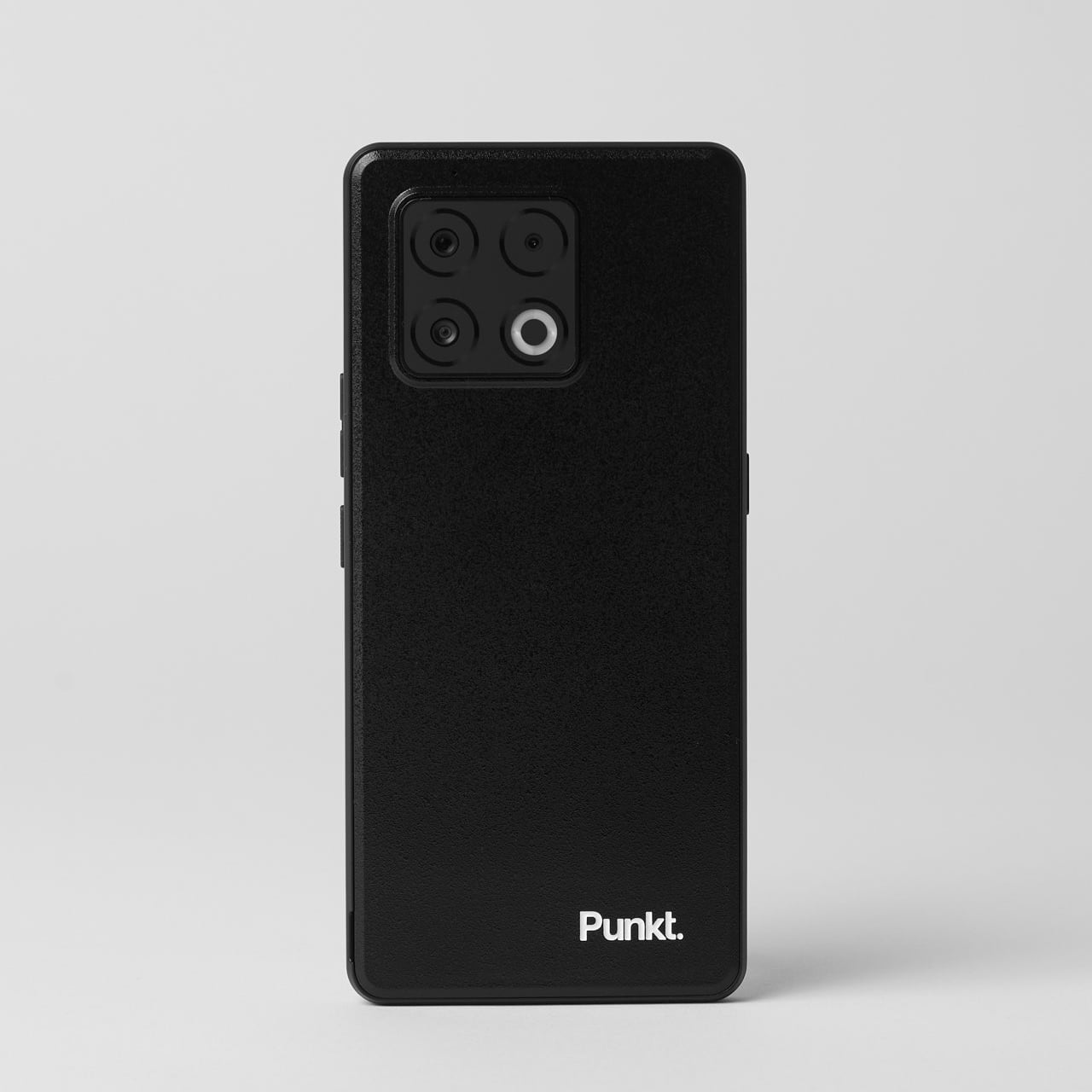
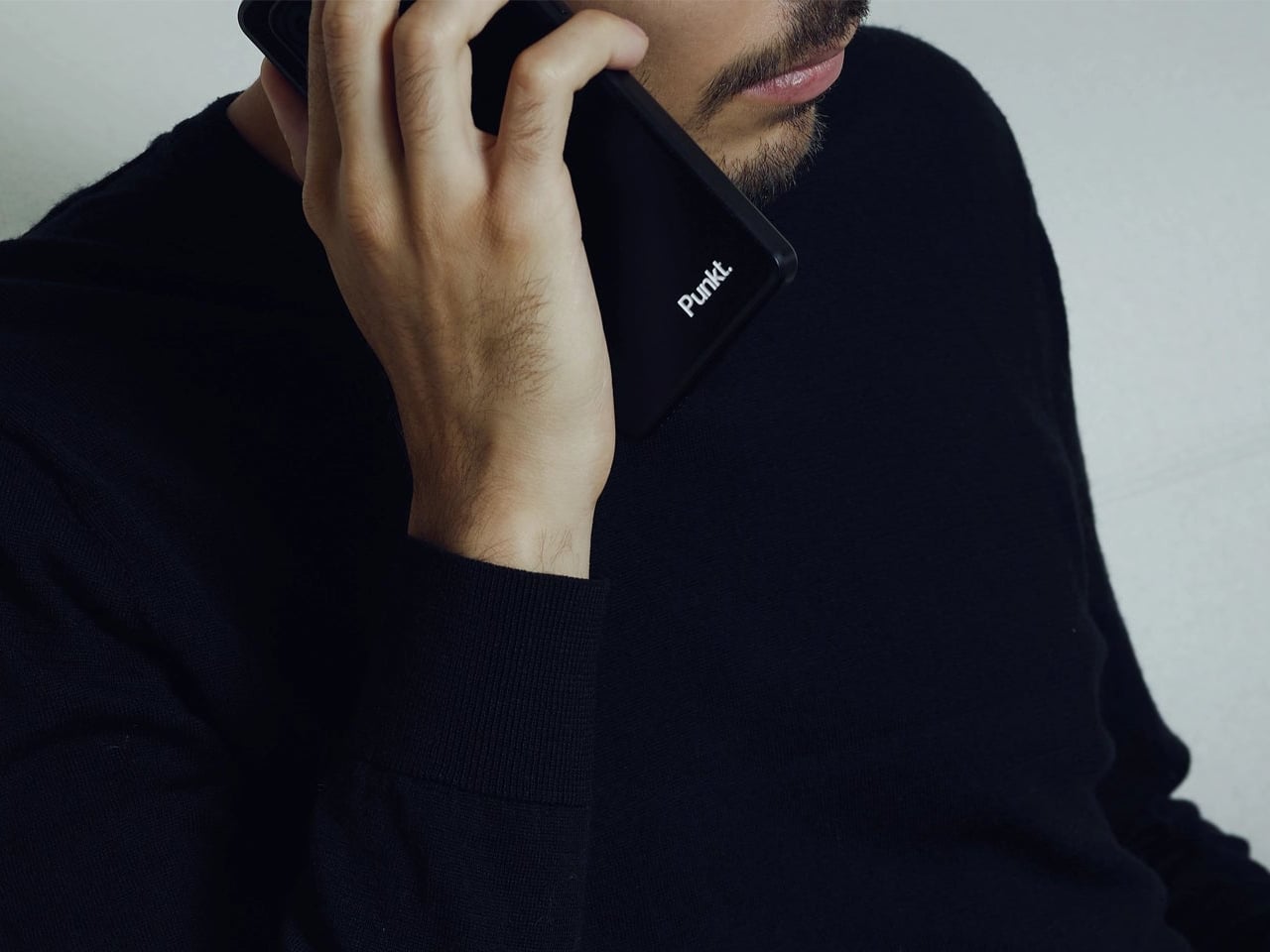
If you thought your iPhone was protecting your privacy, I have a bridge to sell you. Sure, Apple doesn’t sell your data to third-party data brokers, advertisers, and governments… but it does still collect your data. And hey, maybe Instagram and TikTok can’t track you across apps, but they can still track you on their own app. I’m not fear-mongering, although even if I did, it probably wouldn’t work because you (and I) have made peace with the fact that we’re giving away our data for convenience. There isn’t really any alternative, to be honest, aside from probably the quintessential ‘dumb-phone‘… and renowned dumb-phone makers Punkt have realized that there needs to be a better way. To that end, meet the MC02, Punkt’s first proper 5G smartphone that’s designed with data-security and privacy-protection in mind. It sports a minimal UI that tries not to inundate/addict you, has a built-in international VPN to keep your data from reaching the wrong hands (and even access geo-blocked content), and even runs Punkt’s Apostrophy OS, which individually partitions user data, restricting them to each individual application (so not even the OS can see your entire digital footprint). Your data also gets stored on a cloud server in Switzerland, far away from governments and state actors.

Designer: Punkt

The MC02 isn’t shy about its capabilities. It promises a secure, smarter way of using a mobile device, steering clear of the prying digital eyes that seek to profit from personal information. With over 90% of smartphone apps tracking users across the internet, the MC02 offers a unique choice: a digital sanctuary where user data is stored under Swiss jurisdiction, ensuring GDPR, HIPPA, and PCI compliance, and where a suite of on-device tools—email, calendar, contacts, notes, storage, and VPN—operates free from advertising-based data infiltration.
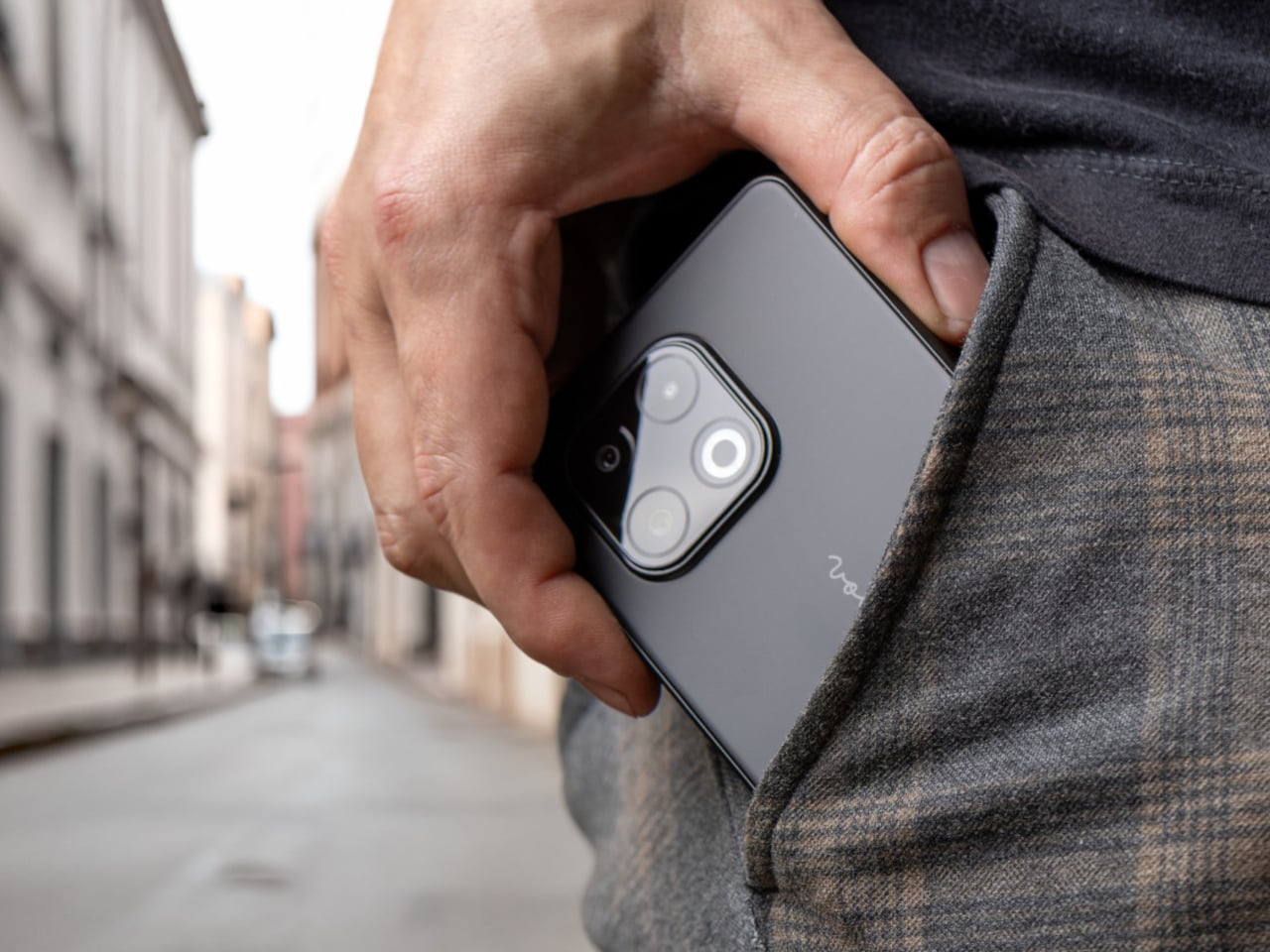
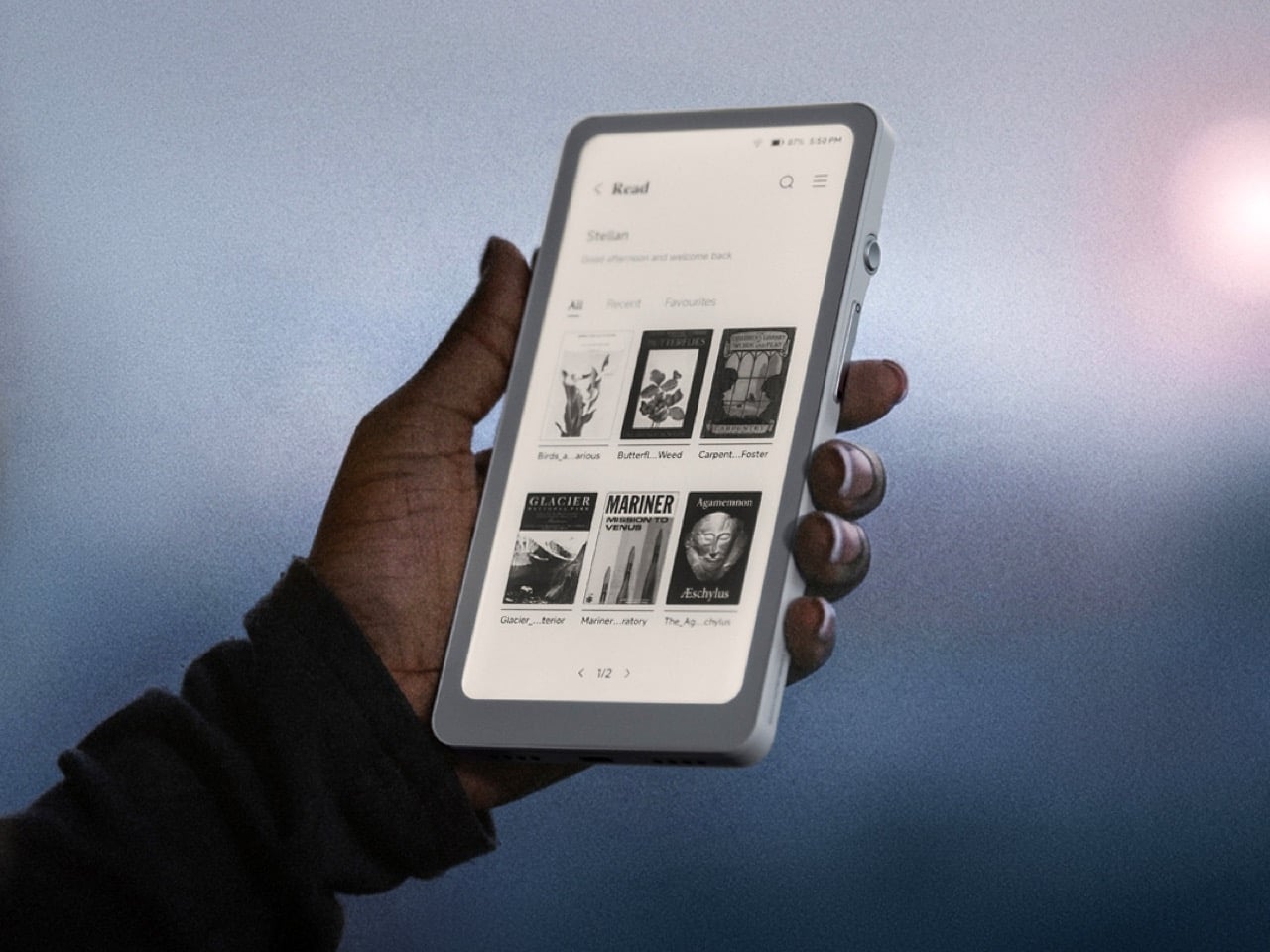
The phone itself is a marvel of minimalist design and intentional functionality, breaking the addiction cycle with tech while still being fairly modern. It features a 6.7” full HD+ screen, 64MP back and 24MP front cameras, 6GB RAM, and a long-lasting 5,500 mAh battery. But the MC02’s real allure lies in its operating system and ecosystem. Powered by Apostrophy and designed for data sovereignty, it includes a built-in VPN for secure browsing, a suite of secure communication tools, and a Carbon & Data Ledger for monitoring the privacy risk and environmental impact of individual apps.

Punkt takes a step further in personalizing the mobile experience with the MC02’s subscription model. The first 12 months of Apostrophy Services—a suite of security and privacy tools—are included in the purchase price, with a subsequent monthly tariff that ensures users know exactly what they’re paying for: privacy, not ads.

And as for the price of reclaiming your digital autonomy? The €699 ($755 USD) MC02 comes with a clear subscription model for the OS, the first 12 months of which are included in the initial purchase, followed by a $17 monthly fee for continued access to Apostrophy’s secure ecosystem. So, if you’ve ever wished to dial back the digital noise and take control of your tech life, the MC02 might just be the tech equivalent of finding that quiet corner in a bustling café—a sanctuary where your data, your choices, and your peace of mind are all part of the service.

The post This Smartphone Won’t Collect Or Sell Your Personal Data… And It Has An Encrypted VPN Too first appeared on Yanko Design.