GoPro MISSION 1 Gets New Creator Kits and Gear
GoPro expands its MISSION 1 ecosystem with new Creator Editions, Media Mod, Volta 2 battery grip, accessories, and a major firmware update.
Framework laptops let you swap the motherboard. Fairphone lets you replace the battery with a coin. Teenage Engineering builds entire product ecosystems around interoperability. Somewhere between the maker-movement idealism of the mid-2010s and the sustainability push of the pandemic years, modularity graduated from hobbyist curiosity to a legitimate consumer electronics strategy. Now GoPro has quietly joined that movement, and almost nobody has noticed because the packaging looks like a standard product launch.
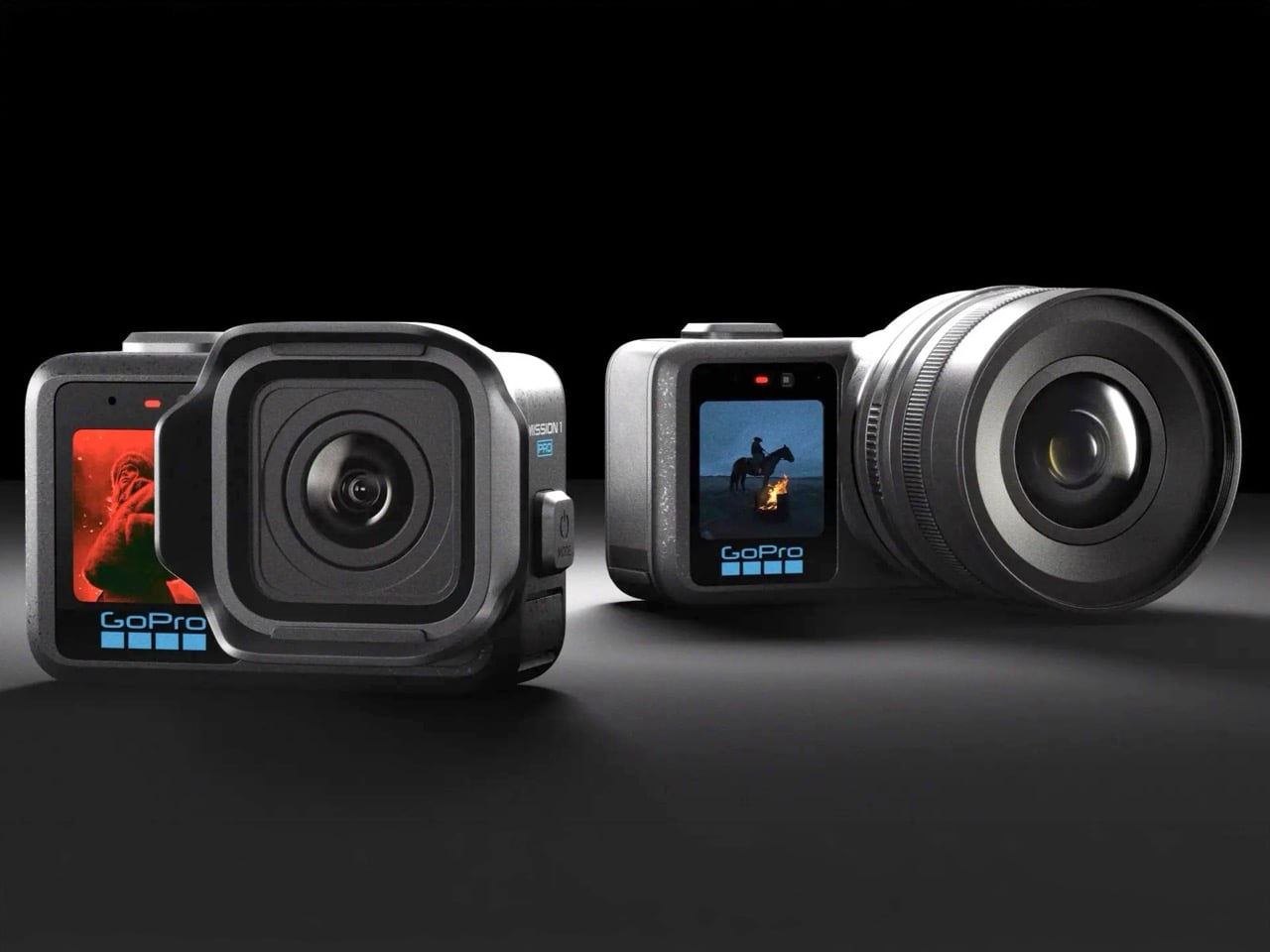
The MISSION 1 lineup contains six distinct configurations built around a single hardware core: a 50MP 1-inch sensor and GP3 processor, wrapped in a rugged compact body waterproof to 20 meters. There’s the base MISSION 1, the MISSION 1 PRO, the PRO Grip Edition, the PRO ILS with a Micro Four Thirds mount, the PRO Creator Edition, and the PRO Ultimate Creator Edition. Preorders opened May 21, 2026, with the ILS and Creator variants shipping in Q3. Pricing wasn’t announced at launch, which is its own kind of tell. What GoPro has actually built here is a hardware platform wearing the clothes of a product line.
Designer: GoPro
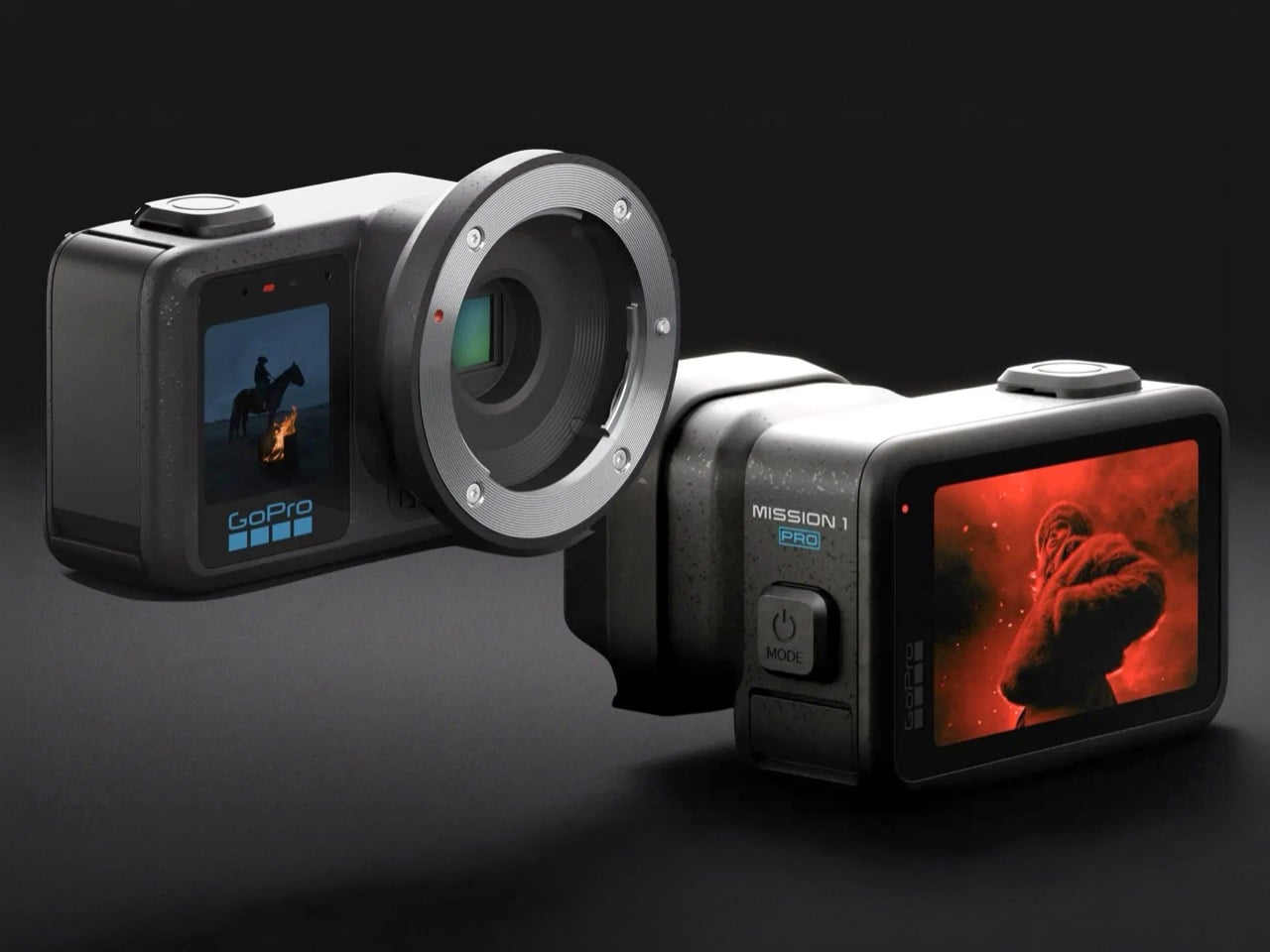
The base MISSION 1 caps at 4K120 Open Gate and 8K30 in 16:9, positioned for creators who want the new sensor without paying flagship money. The MISSION 1 PRO unlocks 8K60, 4K240, and 1080p960 slow motion, all recorded in 10-bit with the GP Log2 profile for grading headroom. The PRO Grip Edition bundles a dedicated handle for run-and-gun work. The Creator and Ultimate Creator Editions add production accessories aimed at YouTubers who want a boxed kit rather than a shopping list. Every variant shares the same 14-stop dynamic range, the same 32-bit float audio, and the same waterproofing without an external housing. Firmware caps and bundled accessories, in other words, do all the heavy lifting across five of the six SKUs.
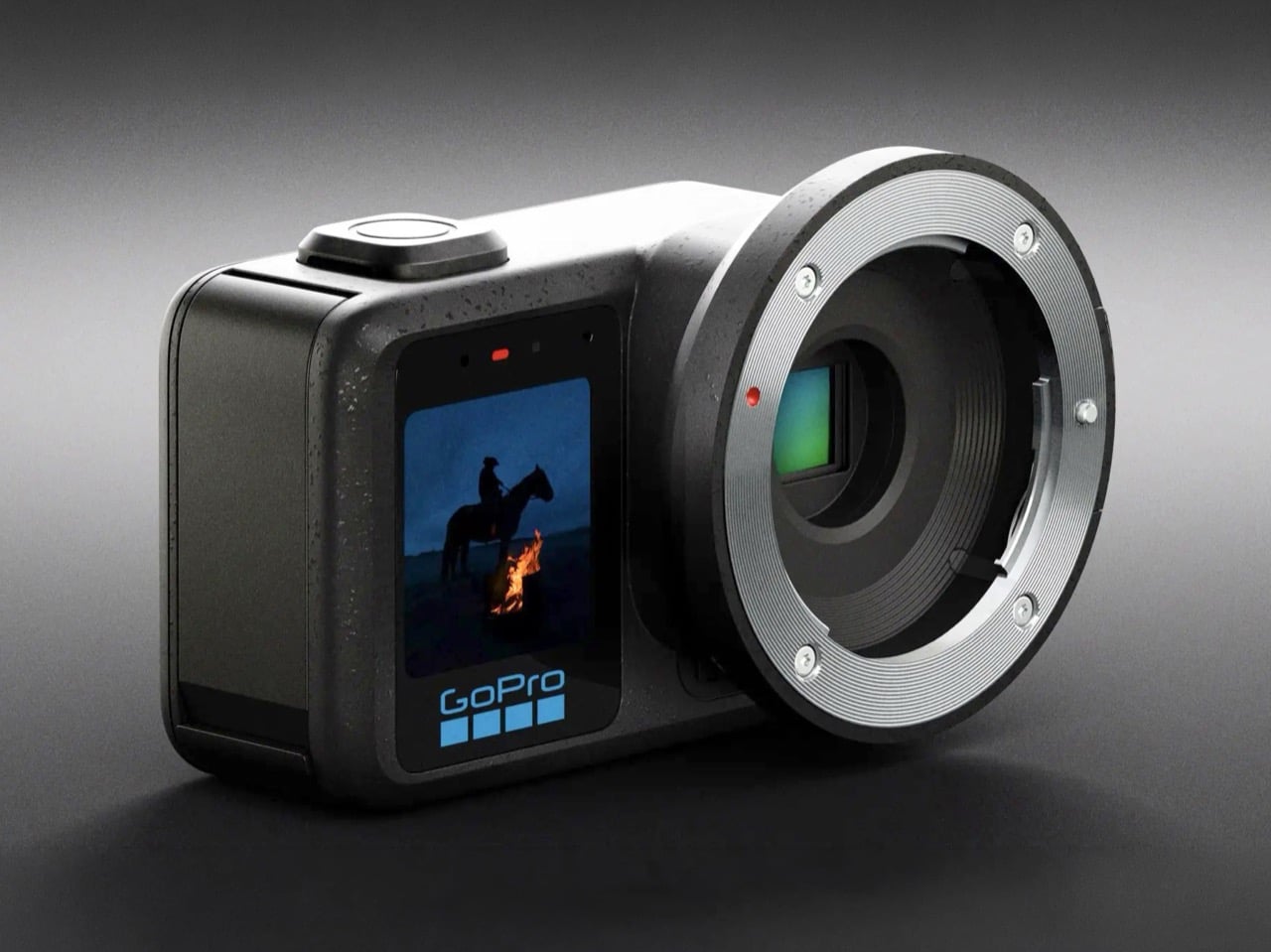
Micro Four Thirds compatibility on the PRO ILS is where the platform argument stops being subtle. The mount opens the door to hundreds of existing lenses from Panasonic, OM System, Sigma, Voigtländer, and Laowa, meaning GoPro inherits nearly two decades of glass engineering without designing a single optical element themselves. HyperSmooth stabilization keeps working with any rectilinear prime, which is genuinely wild given how stabilization algorithms usually assume a fixed lens with known distortion characteristics. The body stays waterproof despite the mechanical mount, which required custom sealing work that GoPro has been notably quiet about. This is Framework’s motherboard-swap philosophy transplanted into a category where interchangeable parts were reserved for cameras that cost five times more. MFT also carries mature adapters for Canon EF, Nikon F, and PL cinema glass, quietly extending the effective lens library into the thousands.
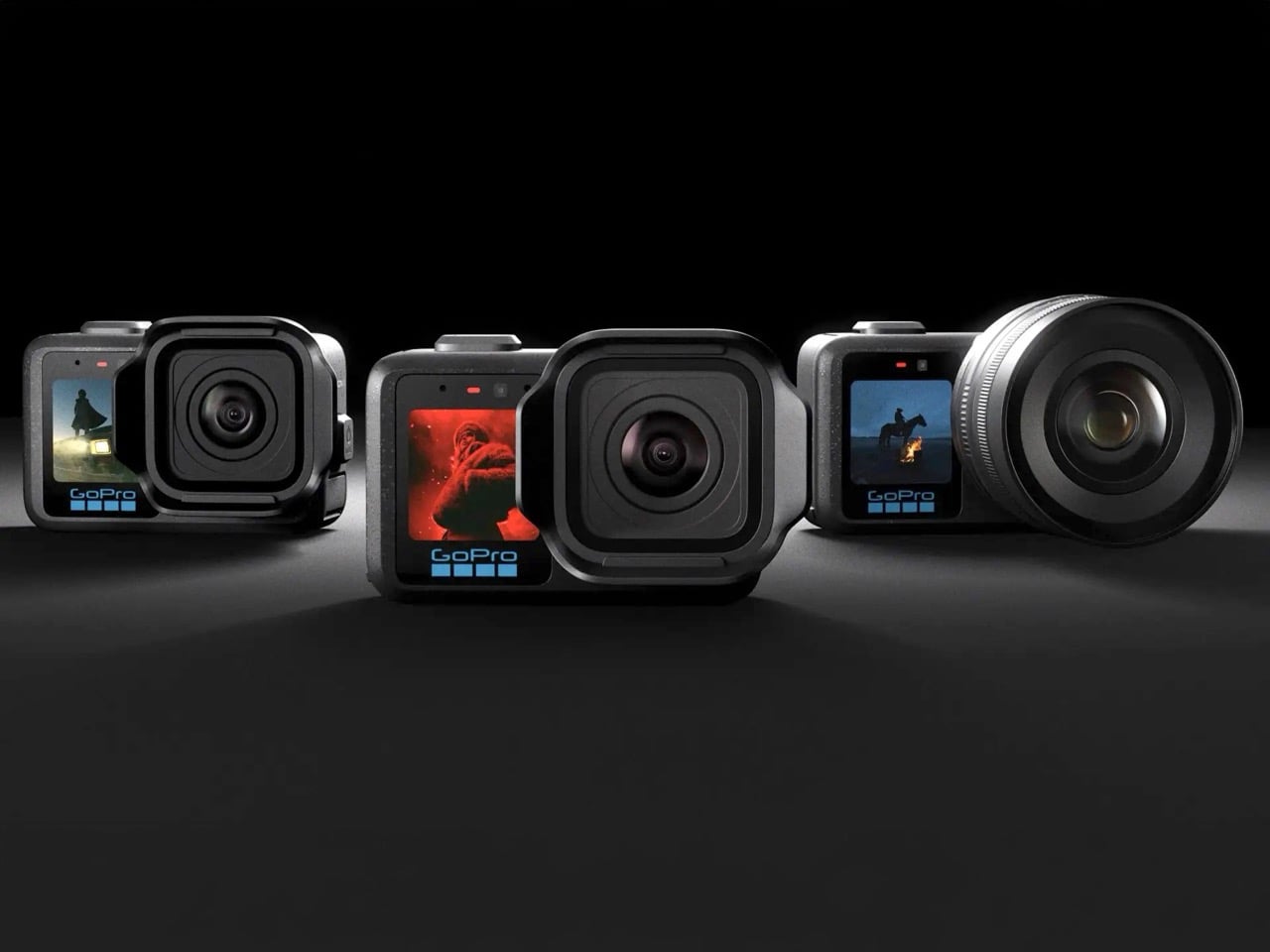
Six SKUs from a single sensor line is also a hedge, and a smart one. If the ILS flops with videographers because Blackmagic and Panasonic own that mindshare, the base MISSION 1 still sells to adventure creators on brand recognition alone. If 8K60 pricing scares off the semi-pro tier, the 4K120 base model catches the mid-market. The recent industry chatter that GoPro may be for sale following the MISSION 1 pivot reads very differently through this lens. Whether Nicholas Woodman is building for the next decade or quietly pitching to potential acquirers like DJI or Sony, a modular platform tells a far more compelling story than a single hero product ever could. The action camera market that GoPro invented has been eating itself for years, and platforms tend to survive longer than products in categories that are actively contracting.
The post GoPro Just Crammed 6 Cameras Into One 50MP Sensor, And It Starts At $499 first appeared on Yanko Design.
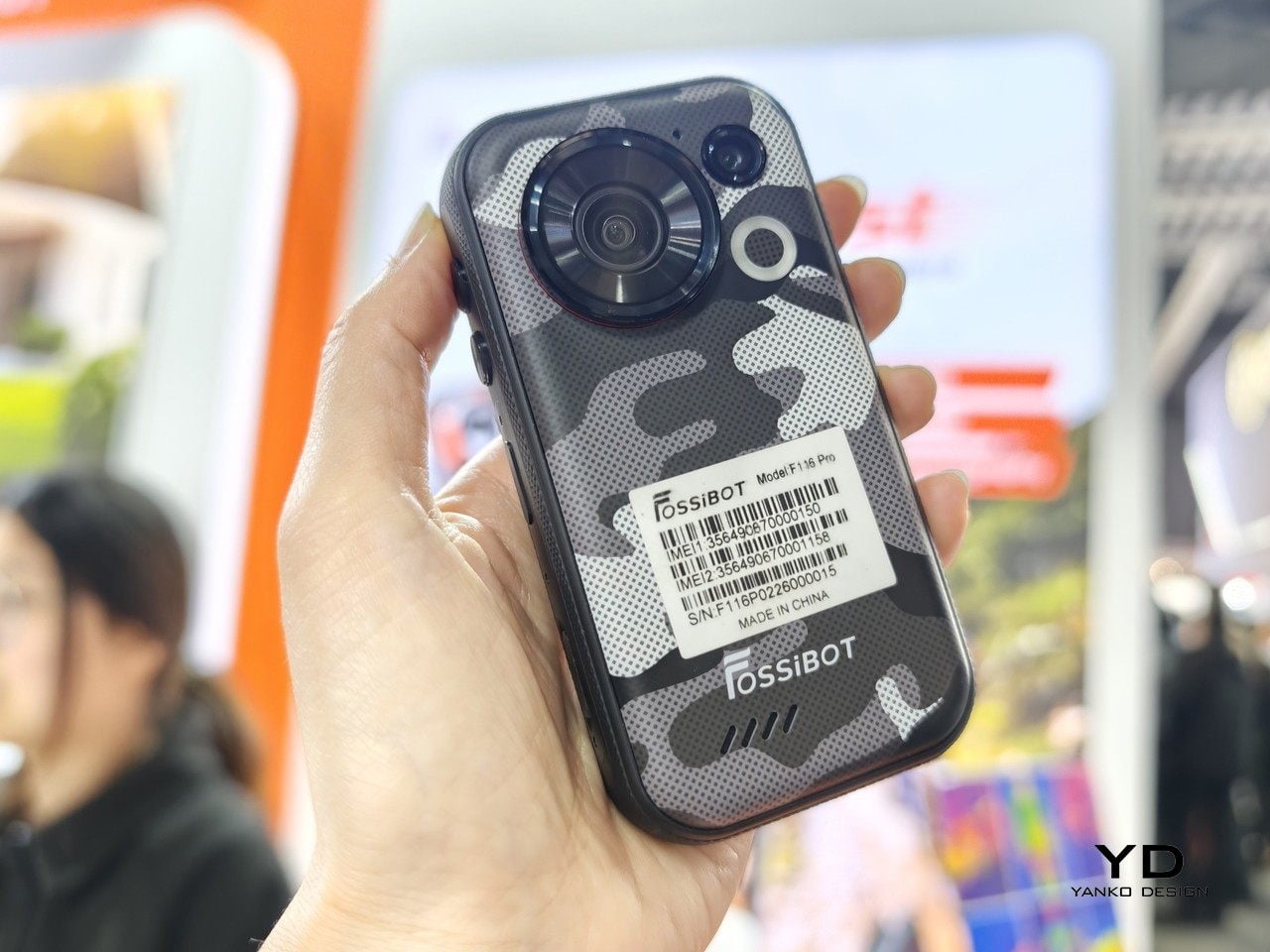
Action cameras are great until you realize you’ve left yours at home. Phones are always with you, but most of them are too big, too fragile, or too awkward to mount anywhere useful. The FOSSiBOT F116 Pro is a compact, rugged phone that tries to solve both problems at once, and the approach is specific enough to be interesting.
The F116 Pro is built around a 4.05-inch display and has a standard 1/4-inch screw socket at the bottom, the same thread you’d find on a tripod or a GoPro accessory. That means it works with the same ecosystem of mounts that action cameras already use: chest straps, suction cups, handheld grips, and neck mounts. The phone goes where the camera goes, instead of staying in your pocket while you film.
Designer: FOSSiBOT
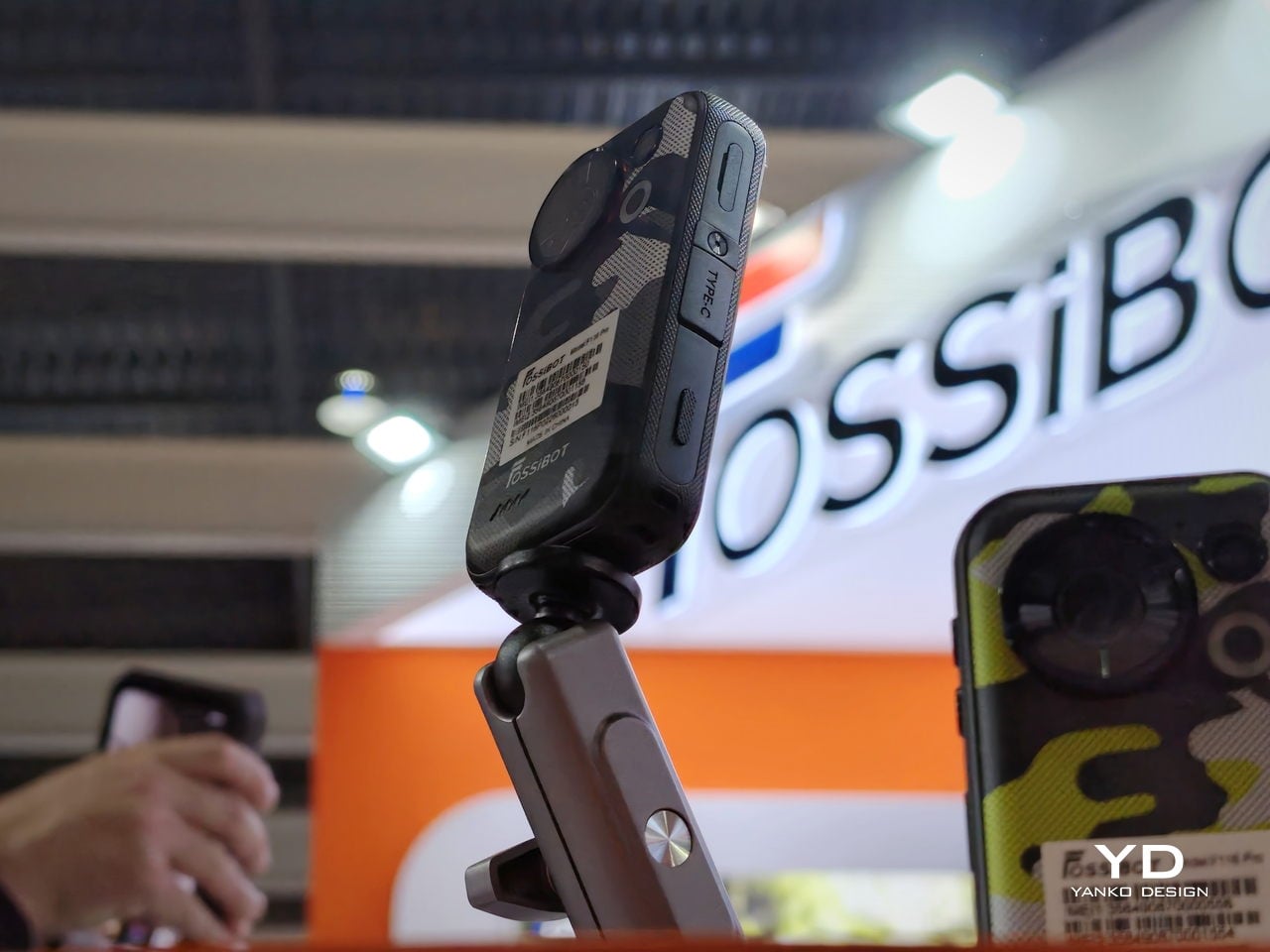
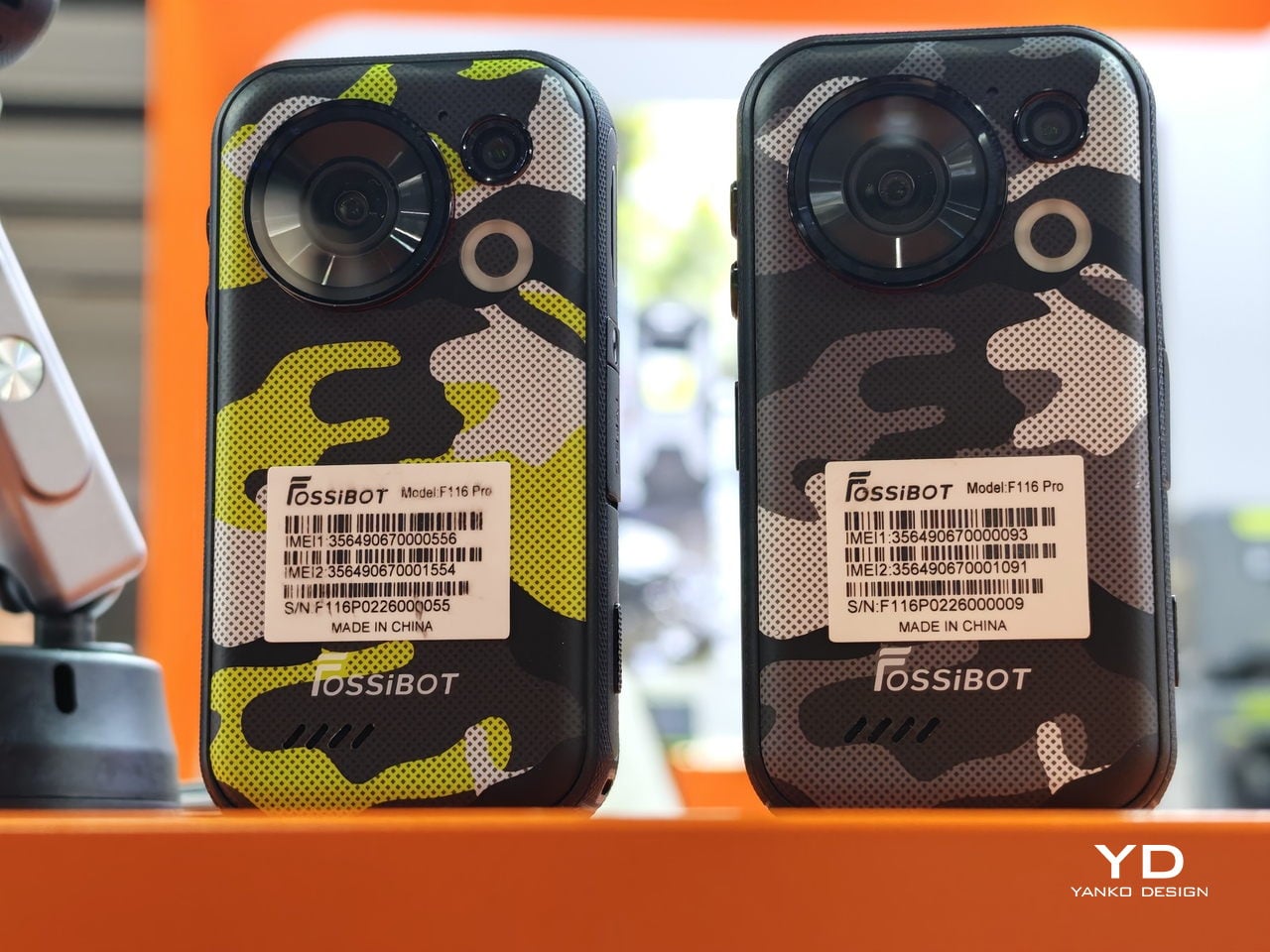
The camera is a 48 MP wide-angle unit with a 152.6-degree field of view, which is genuinely wide. Most smartphone ultrawide lenses sit somewhere between 70 and 90 degrees for comparison. Built-in stabilization smooths out footage on bumpy terrain, and a dedicated physical camera button on the body launches the camera instantly without unlocking the phone first, which matters more than it sounds when you’re actually moving.
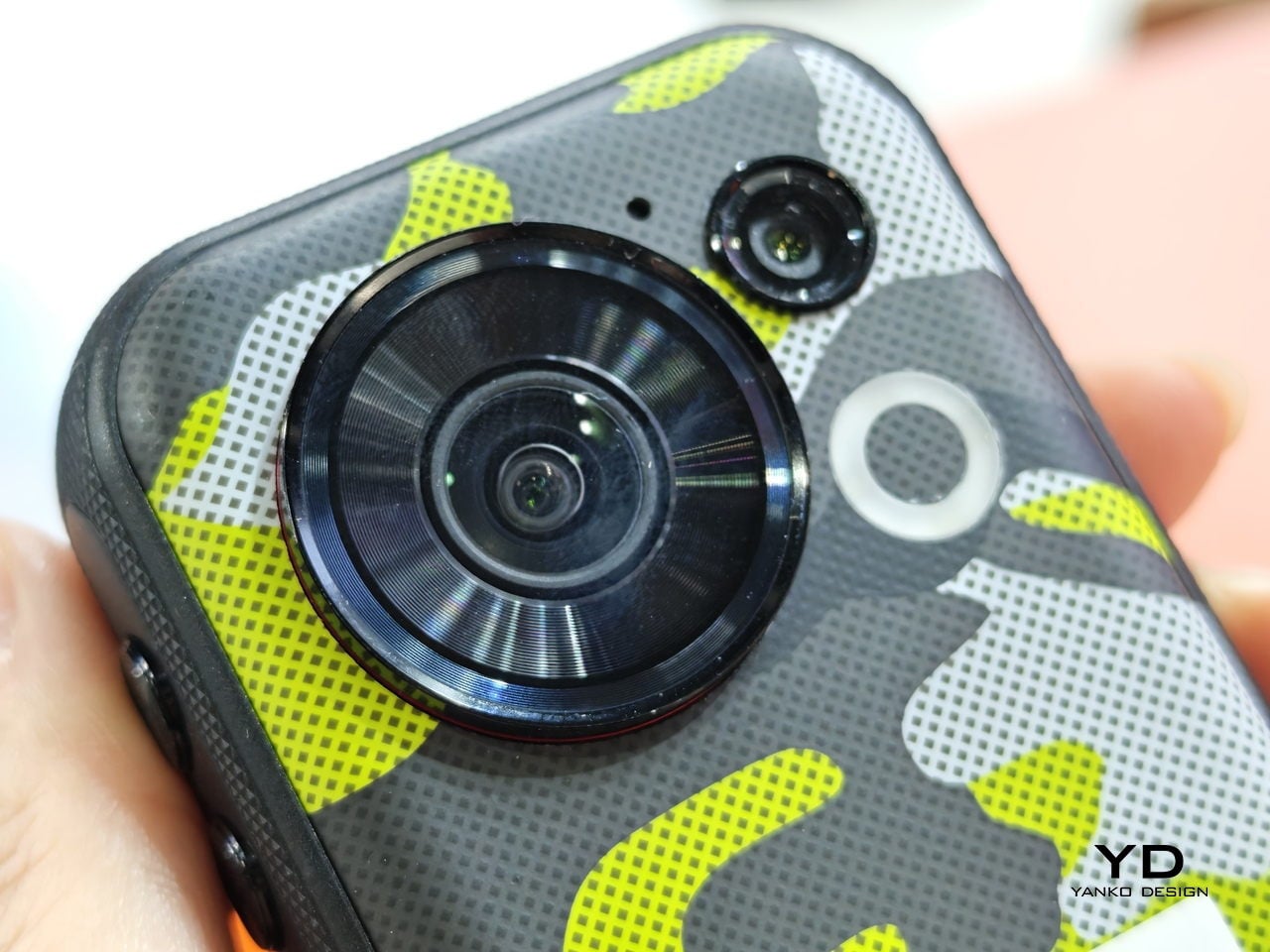
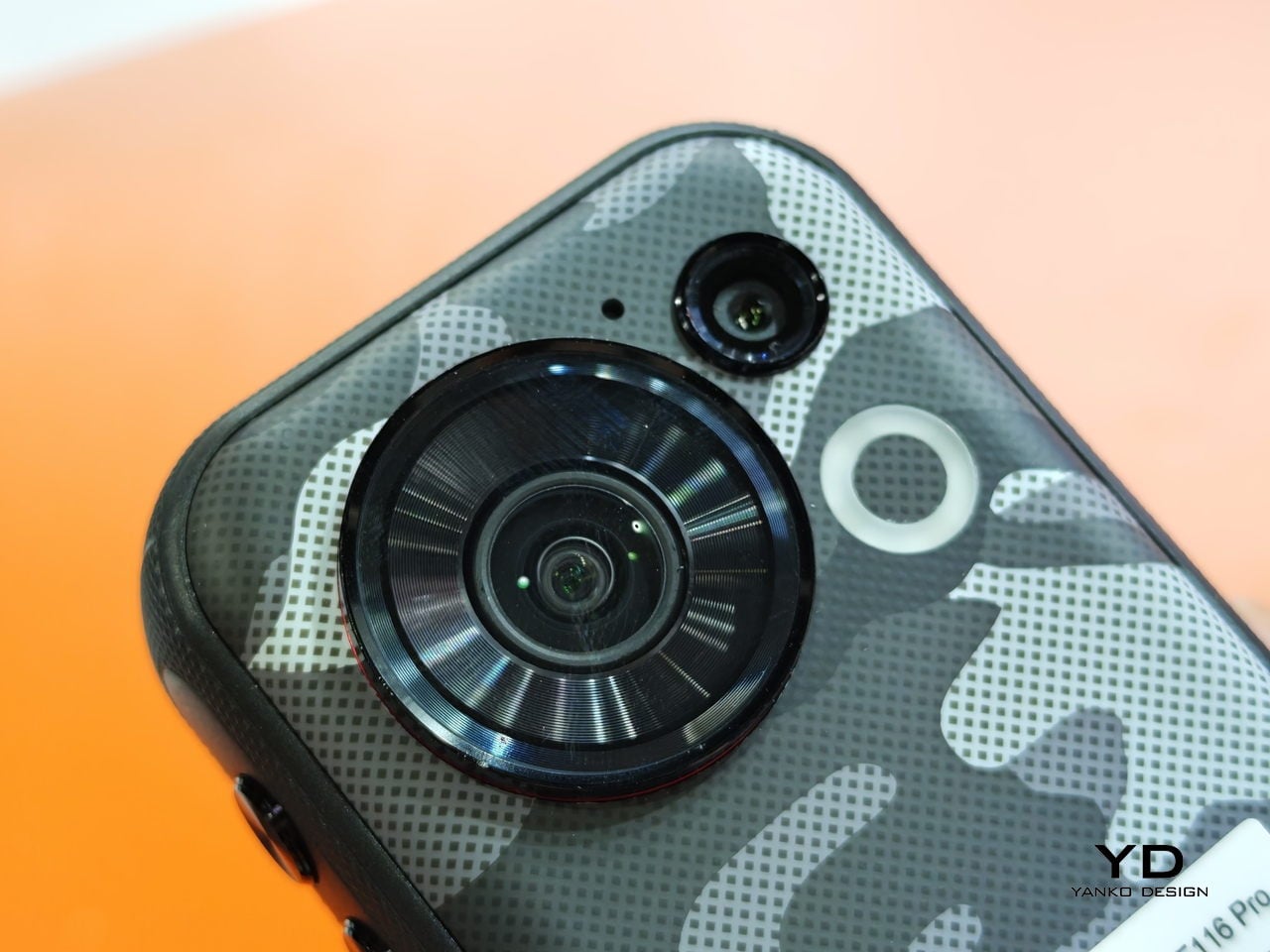
Inside, the phone runs on a MediaTek Dimensity 7300 chipset built on a 4nm process, paired with 12GB of RAM and 256GB of storage, expandable up to 1TB with a now-rare microSD card slot. The display refreshes at 120Hz, 5G connectivity means footage can leave the device without hunting for Wi-Fi, and a 3,700 mAh battery with 33W charging keeps things moving. Modest numbers, but proportionate to a 4-inch screen and mid-range specs.
There’s also a rear circular LED that FOSSiBOT calls a “Light Signal Tower,” which cycles through colors and can be set to show notifications. It reads as a feature designed more for personality than practicality, but on a device this small, glancing at the back for alerts without waking the screen has some logic to it.
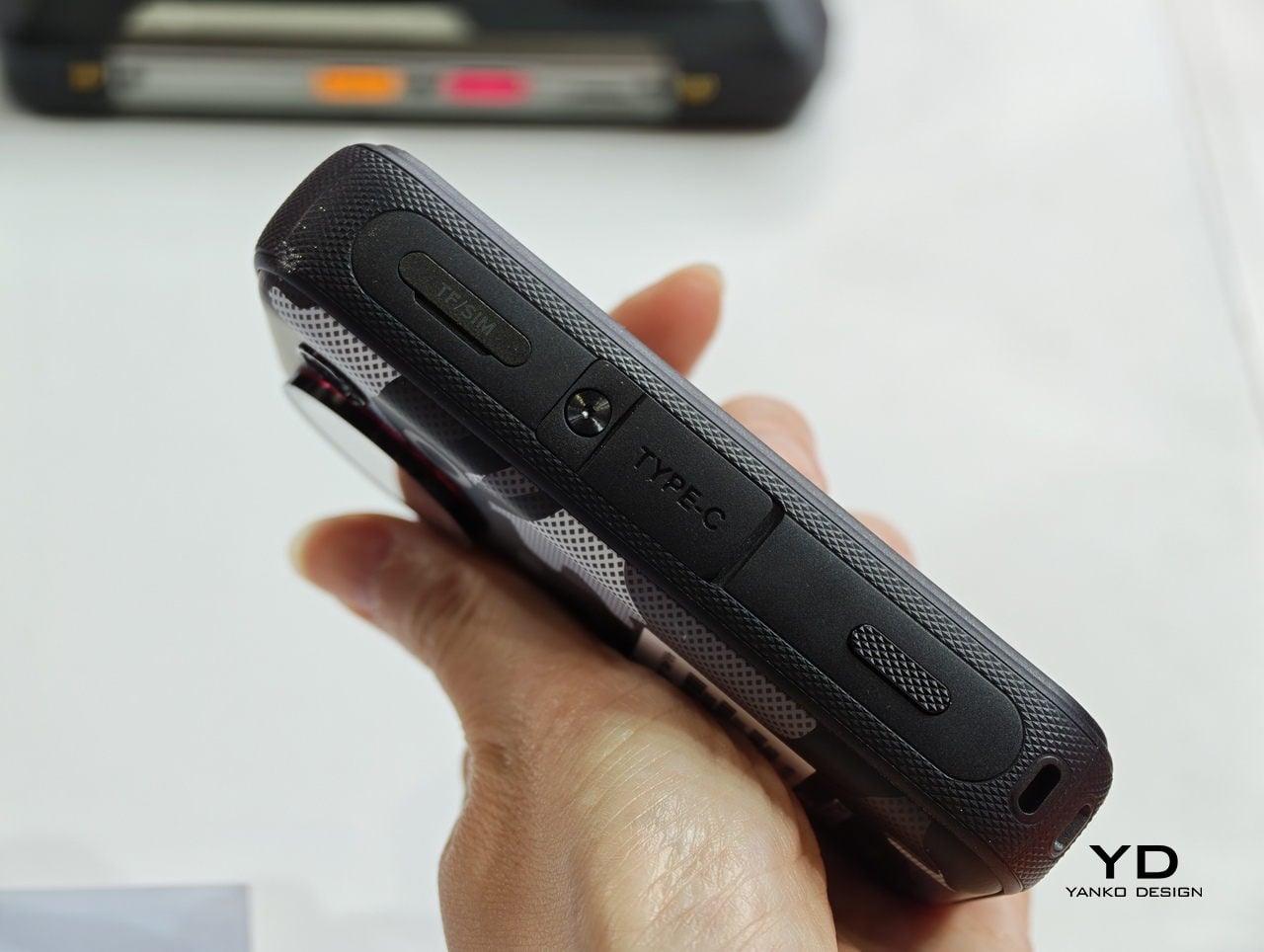
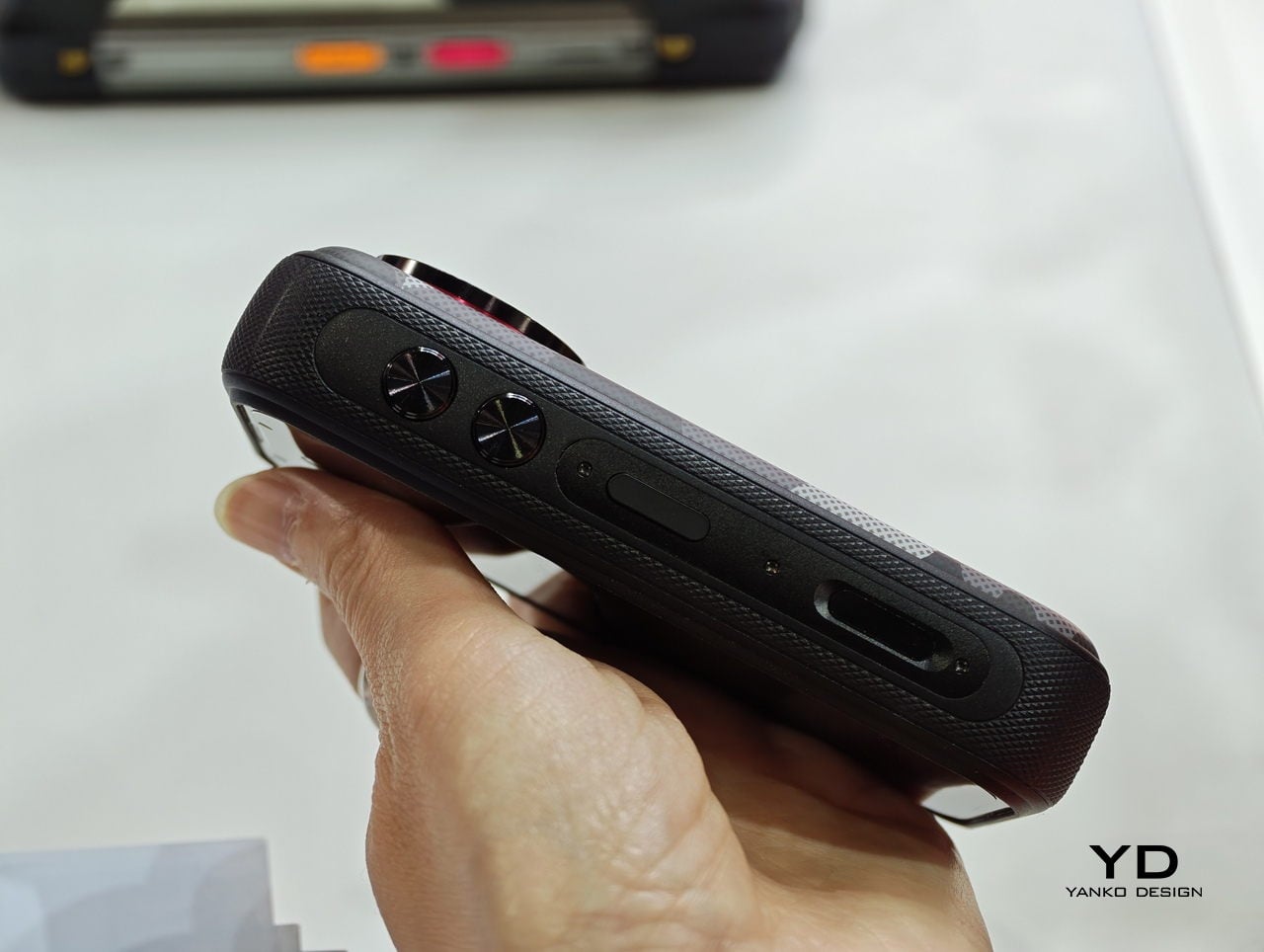
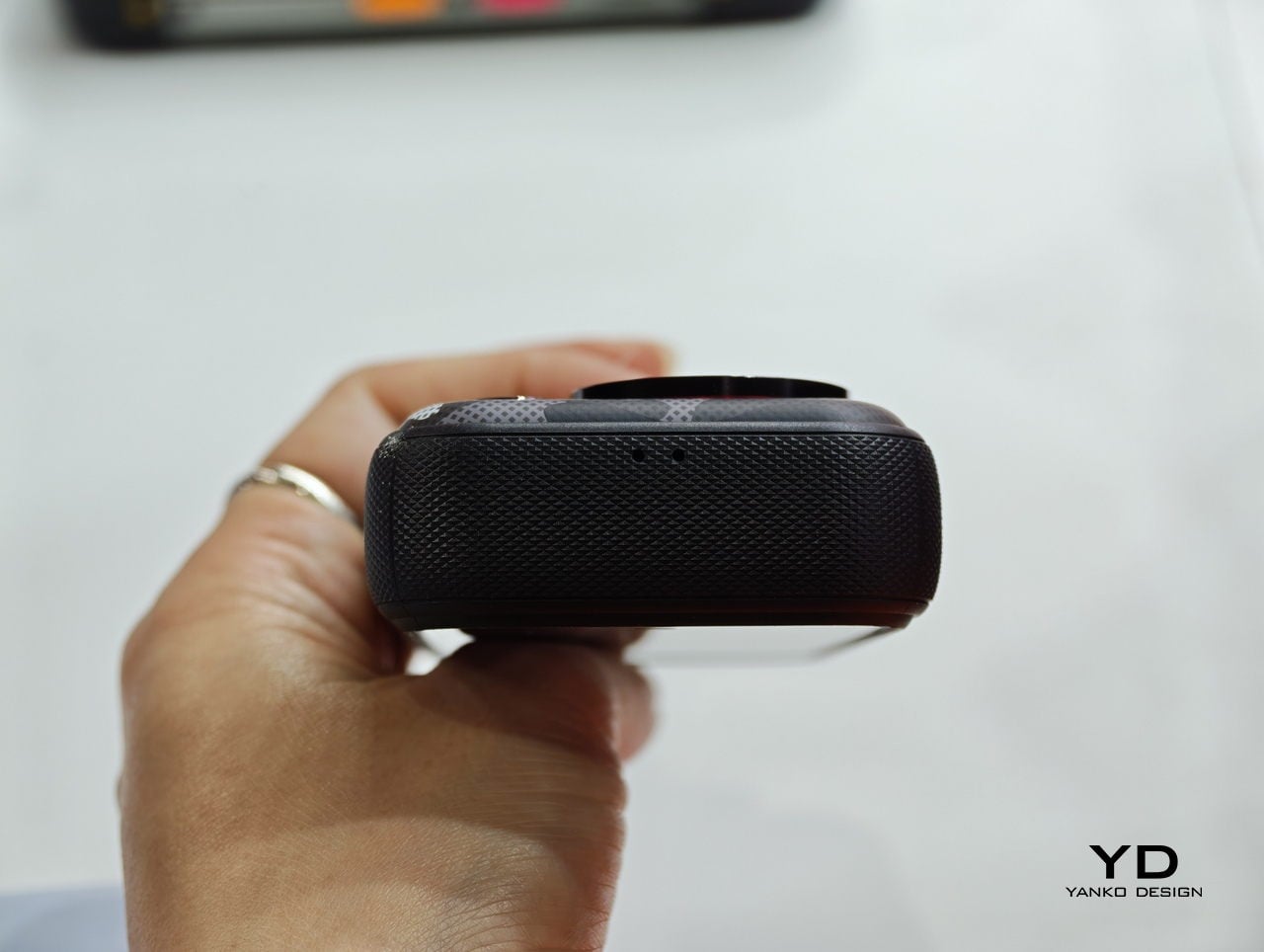
The compact body is the most interesting design choice here, and also the one that will define the experience. At 4.05 inches, the screen is smaller than almost anything else currently on the market. That’s a genuine advantage for one-handed operation and pocket carry, and a real limitation for anything that benefits from screen size: reading, navigation, video playback. The F116 Pro is betting its users want something small enough to forget they’re carrying it.
FOSSiBOT has been around since 2022 and claims more than 1.5 million users across its lineup. The F116 Pro showed up at CES earlier this year, and again at MWC 2026, which suggests the company is serious about getting it in front of people. The more honest question is whether a mountable, rugged, mini-format phone lands in a gap the market actually has, or one the market has already decided it doesn’t need.
The post This Tiny Rugged Phone Has a 152° Action Camera and GoPro Mounts first appeared on Yanko Design.

Laptops have quietly become the default creative tool for a lot of people, but the basic clamshell has not changed much in years. Copilot+ PCs, high-TOPS NPUs, and OLED panels are all becoming more common, and ASUS is using CES 2026 to ask what happens when you stop treating AI and displays as afterthoughts and start designing around them.
The updated Zenbook DUO and the ProArt GoPro Edition PX13 are the clear headliners, one stretching the laptop into a dual-screen studio, the other turning a 13-inch 2-in-1 into a mobile editing bay. Around them, the ProArt PZ14, Zenbook S16/S14, and Zenbook A16/A14 fill in different roles, from tablet-first creation to ultra-light Copilot+ travel machines, all tied together by Ceraluminum shells and Lumina OLED displays.
Designer: ASUS

Zenbook DUO is the laptop for people who always end up plugging into a second monitor. Both panels are ASUS Lumina Pro OLED, with peak brightness around 1,000 nits, 16:10 aspect ratio, and high refresh, stacked in a way that lets a main workspace live on the top screen while timelines, chat, or reference material sit on the lower one. The new hinge design reduces the gap between screens to about 8.28 mm, making the dual-screen layout feel like a single continuous surface.
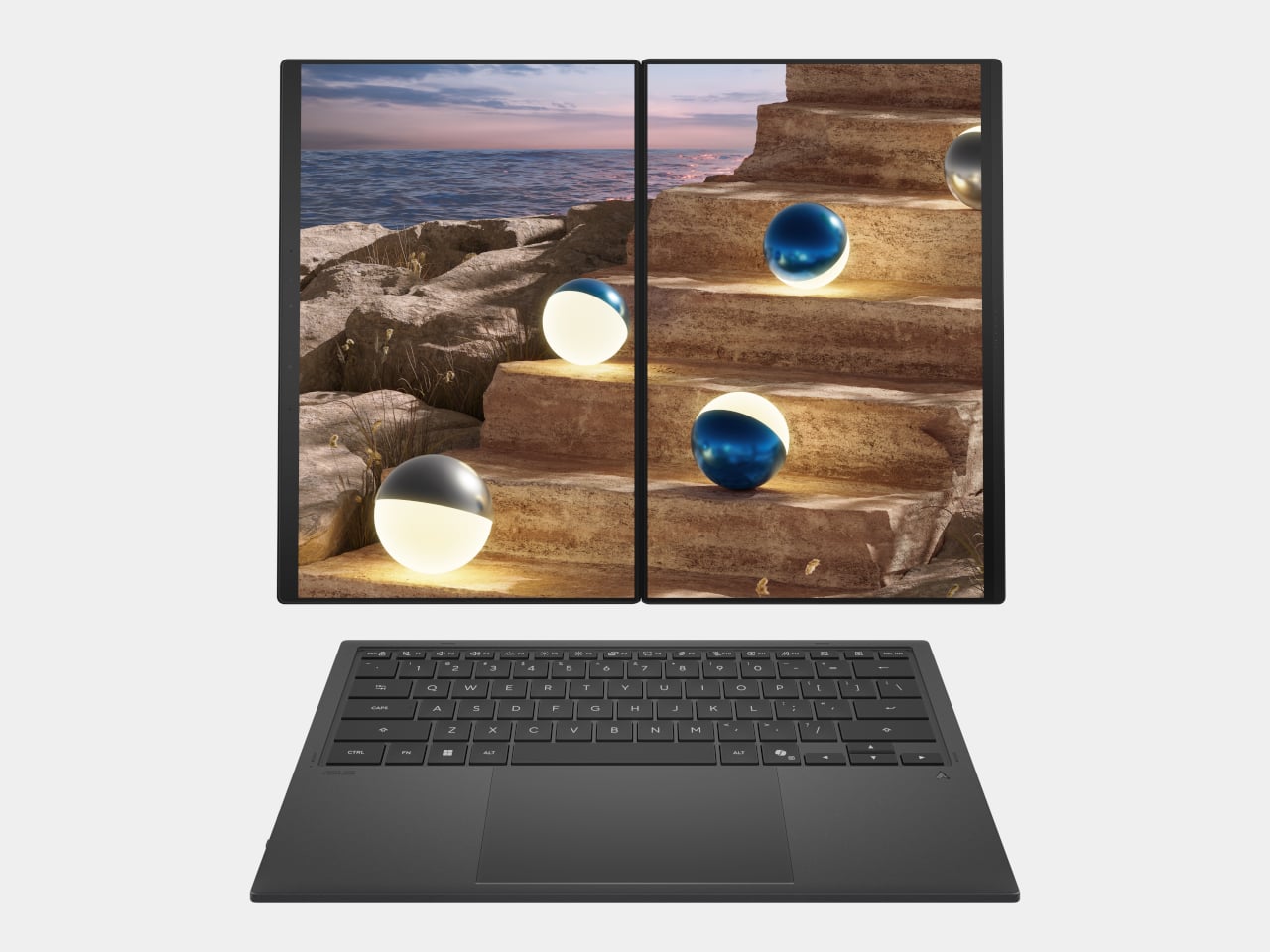
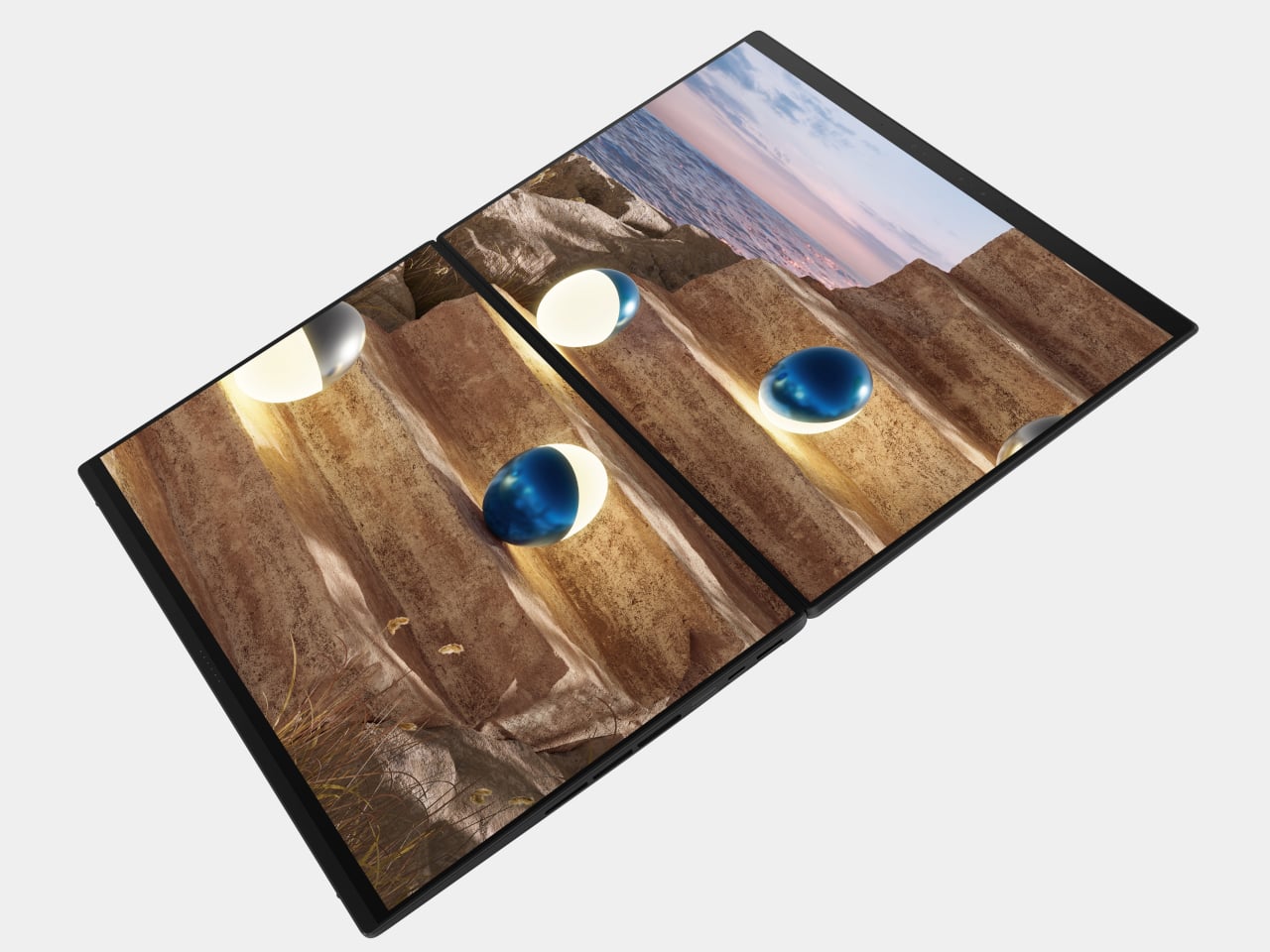
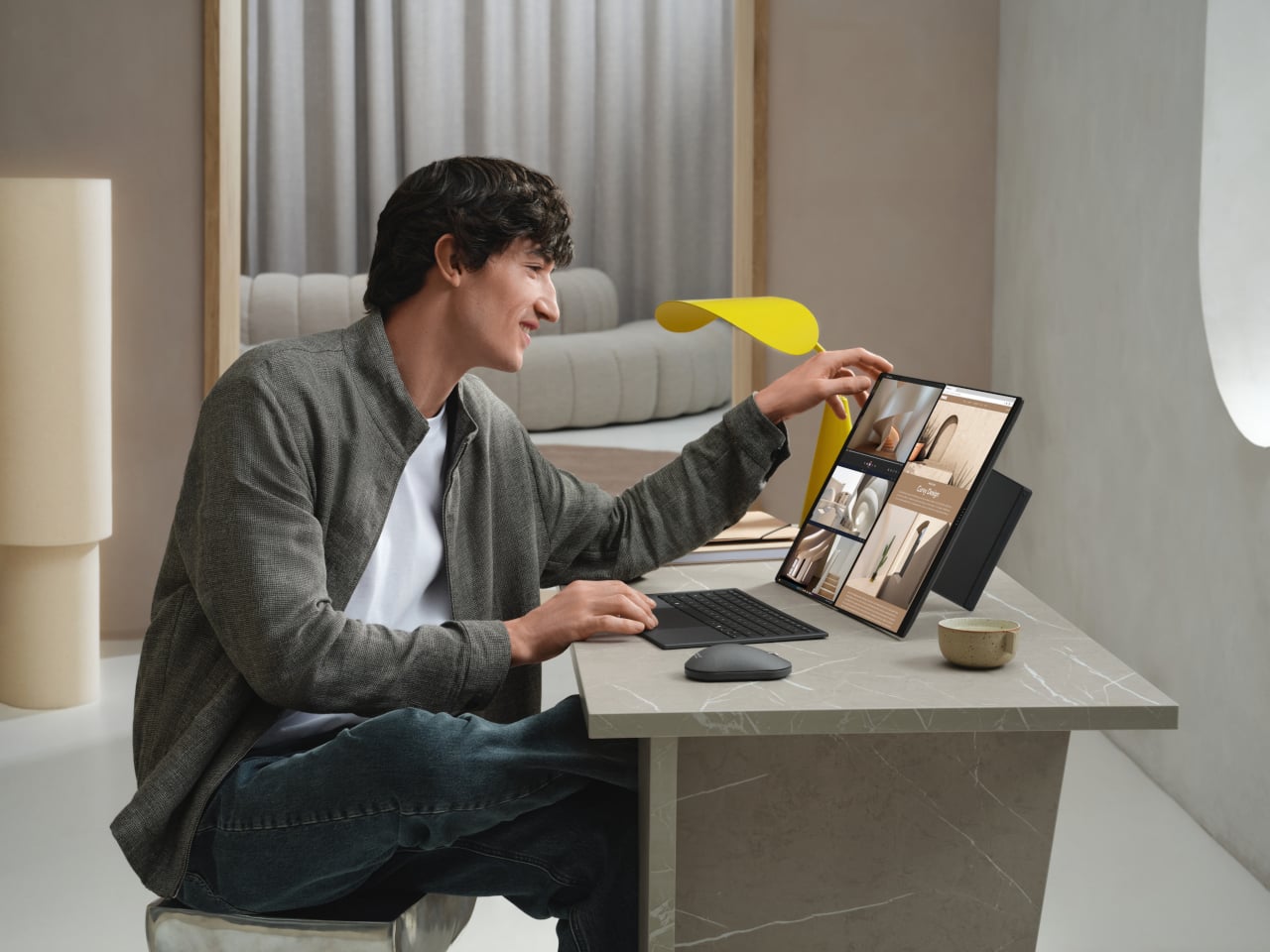
The laptop runs up to a next-gen Intel Core Ultra processor with an NPU around 50 TOPS, up to 32 GB of memory, and up to 2 TB of SSD storage, plus a dual-fan thermal solution to keep a 45 W CPU happy. A detachable keyboard connects via magnetic pogo pins or Bluetooth, so you can push it forward and treat the DUO like a tiny dual-monitor rig. Thunderbolt 4, HDMI 2.1, USB-A, and an audio jack mean you avoid living out of a dongle pouch, while six speakers with Dolby Atmos and ASUS Pen 3.0 support make it feel like a proper creator machine that just happens to fit in a 1.65 kg backpack.

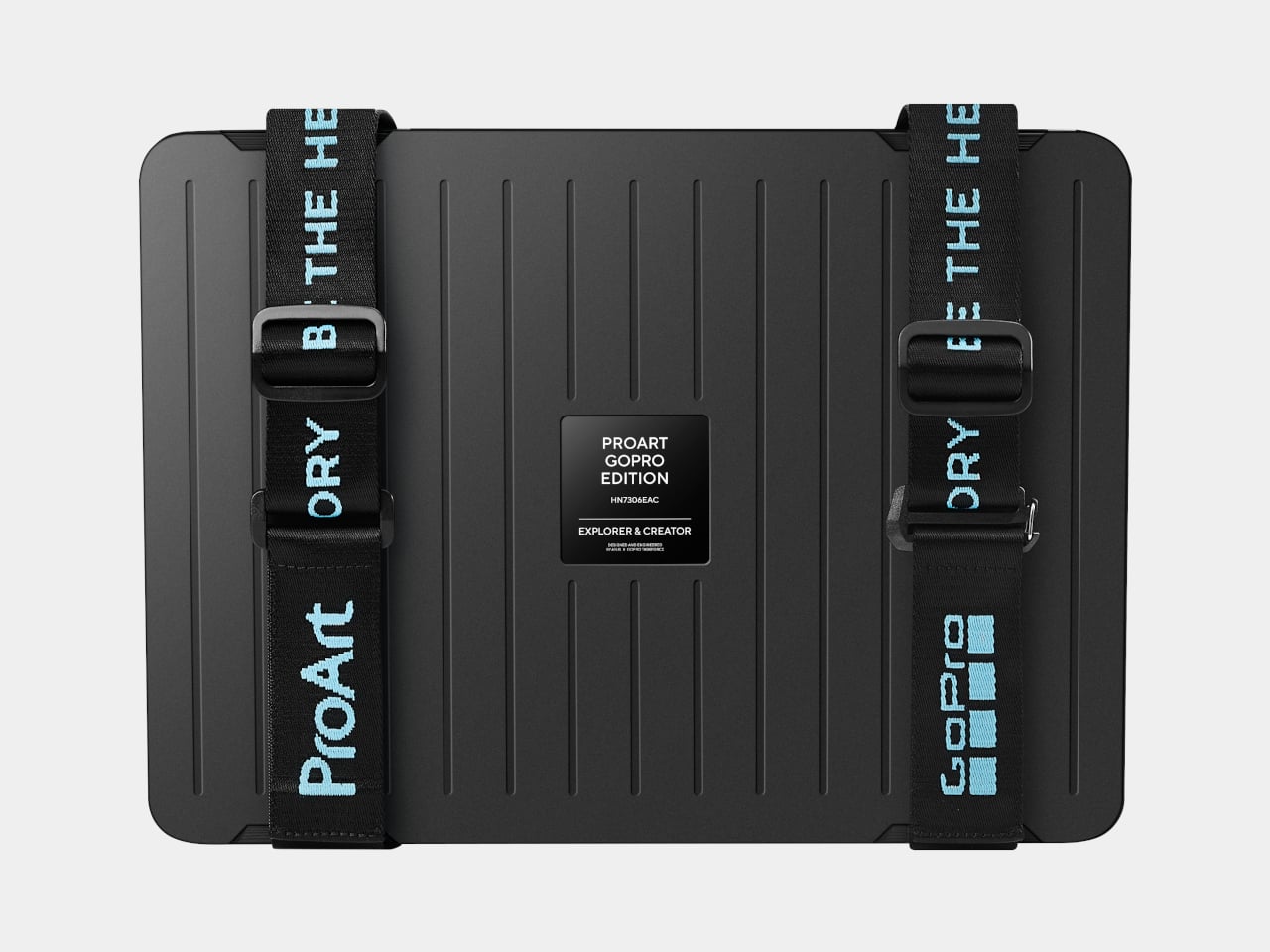
The ProArt GoPro Edition PX13 is the machine for people who think in clips and timelines. It runs up to an AMD Ryzen AI Max+ 395, with up to 128 GB of LPDDR5X onboard RAM and up to 1 TB of PCIe 4.0 SSD storage. That is a lot of headroom for 4K footage, AI-assisted editing, and background renders, and it is explicitly pitched as a “Create Anywhere” device rather than a generic 2-in-1 that dabbles in creative work.
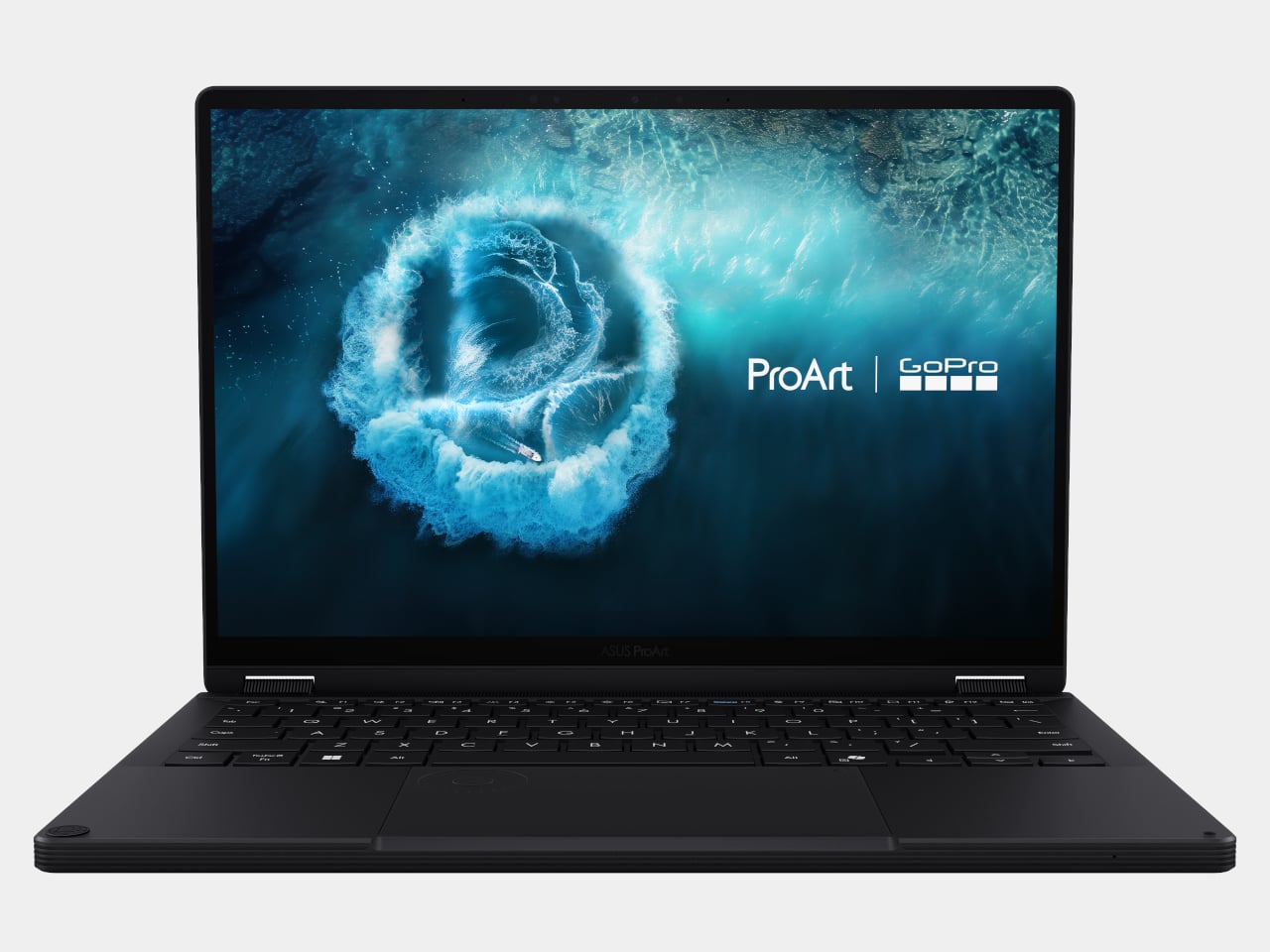
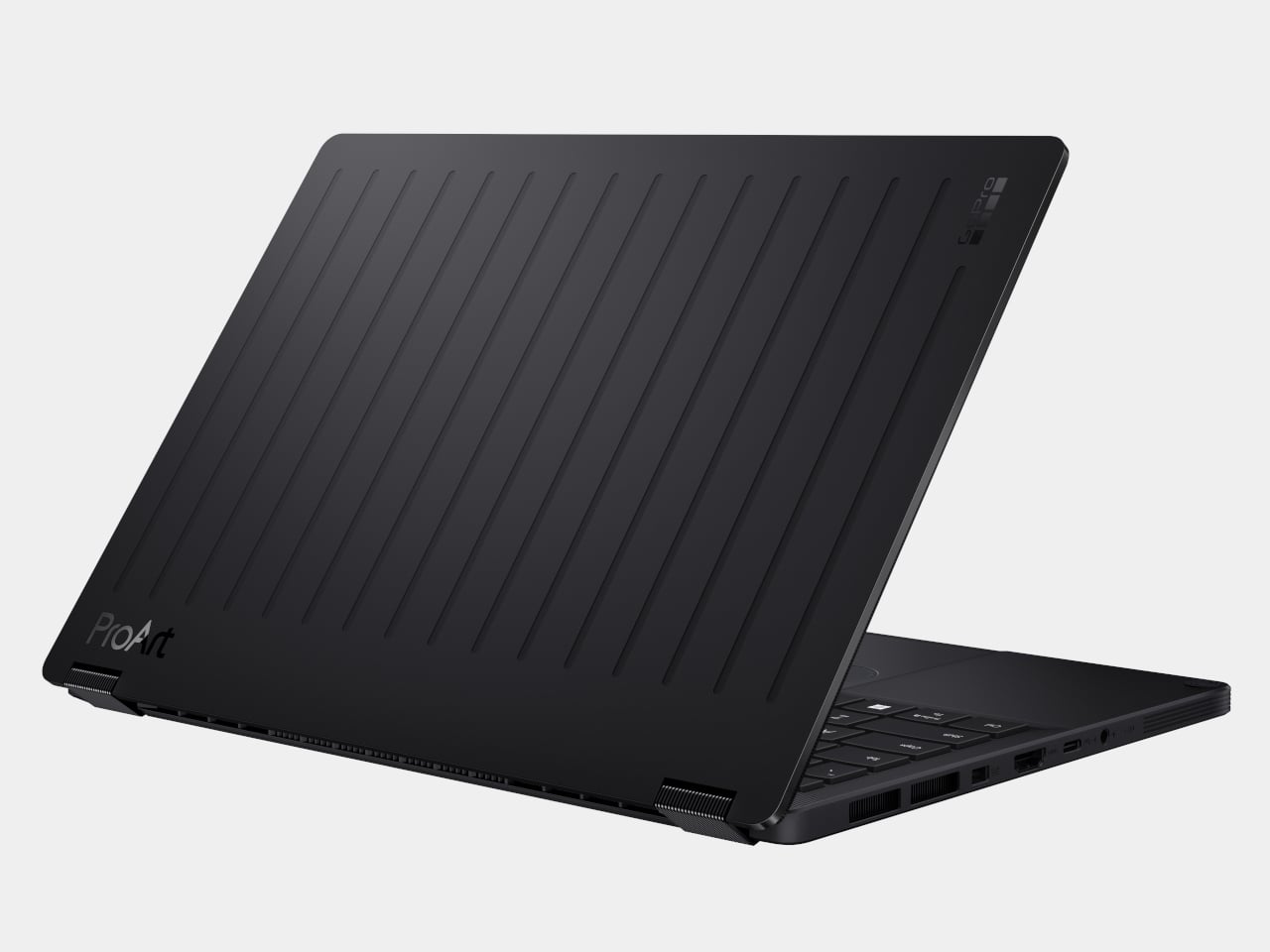
The 13.3-inch 3K HDR Lumina OLED display, with 100 % DCI-P3 and Pantone validation, gives editors and colorists a trustworthy canvas on the go. Ports include two USB 4.0 Type-C, one USB 3.2 Type-A, HDMI 2.1, a MicroSD slot with UHS II, and an audio jack, which means you can go dongle-free with cameras and drives. ASUS DialPad, StoryCube as an AI media hub, and a dedicated GoPro hotkey make it clear this is meant to sit in the middle of a creator’s workflow, bundled with 12 months of GoPro Premium+, six months of CapCut, and three months of Adobe Creative Cloud.

ProArt PZ14 is the tablet-first counterpart, running on Snapdragon X2 Elite with 18 cores and up to 80 TOPS of NPU performance, paired with up to 32 GB of LPDDR5X and 1 TB of PCIe 4.0 SSD storage. The 14-inch 3K 144 Hz Lumina Pro OLED display, with 100 % DCI-P3 and up to 1,000 nits, makes it a serious panel for drawing, grading, or reviewing work.
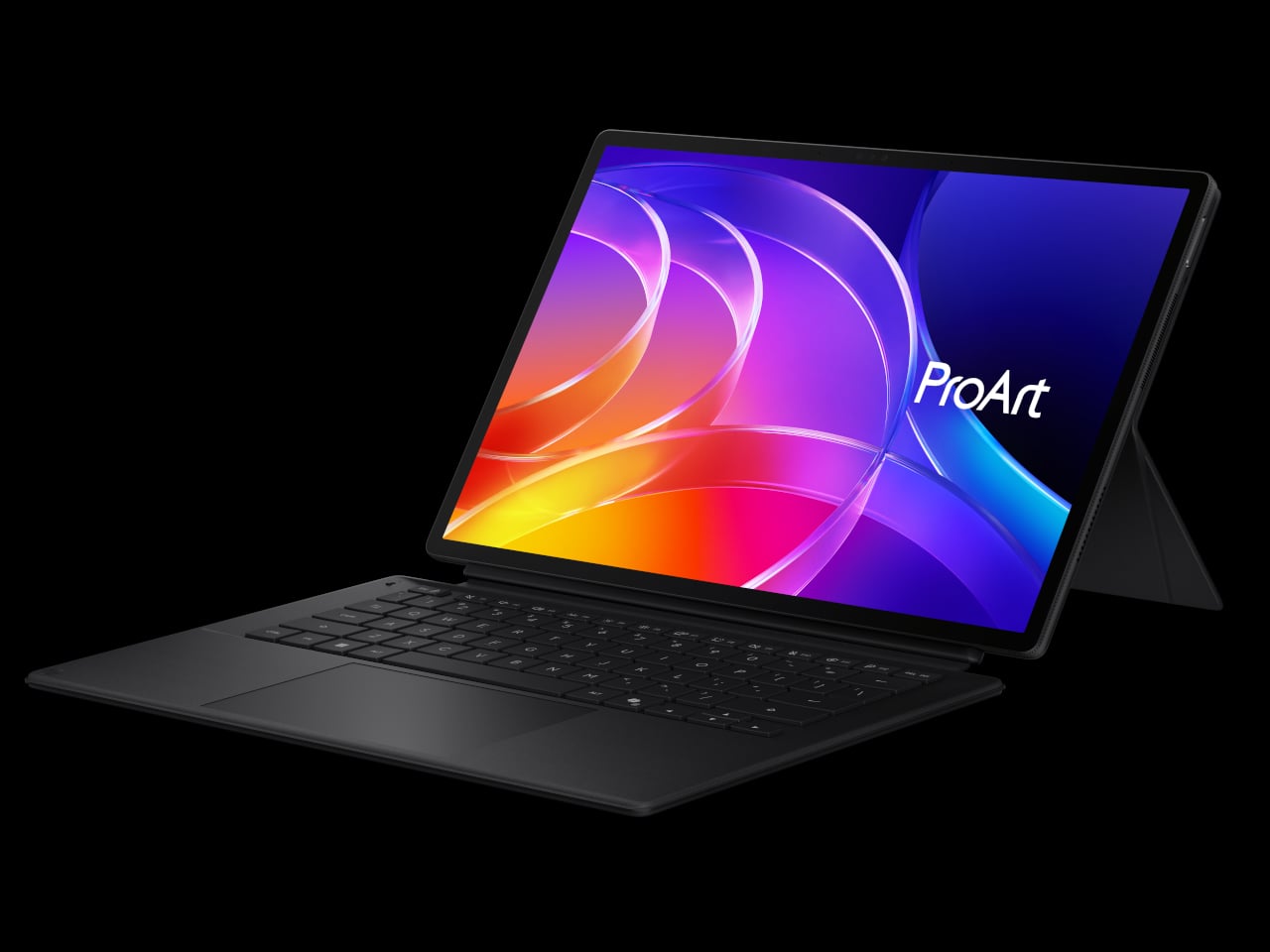


The 9 mm thickness, 0.79 kg weight, and IP52 water and dust resistance make it plausible to take the PZ14 out of the studio and onto a shoot. A Bluetooth keyboard, cover stand, ProArt mouse, and ASUS Pen 3.0 complete the kit, while dual super-linear speakers with Dolby Atmos, an 8 MP IR camera, and a 13 MP 4K rear camera round out the hardware. ProArt Creator Hub, StoryCube with GoPro integration, and MuseTree’s AI-assisted tools make it feel like a portable sketchbook and media station that can survive the field.
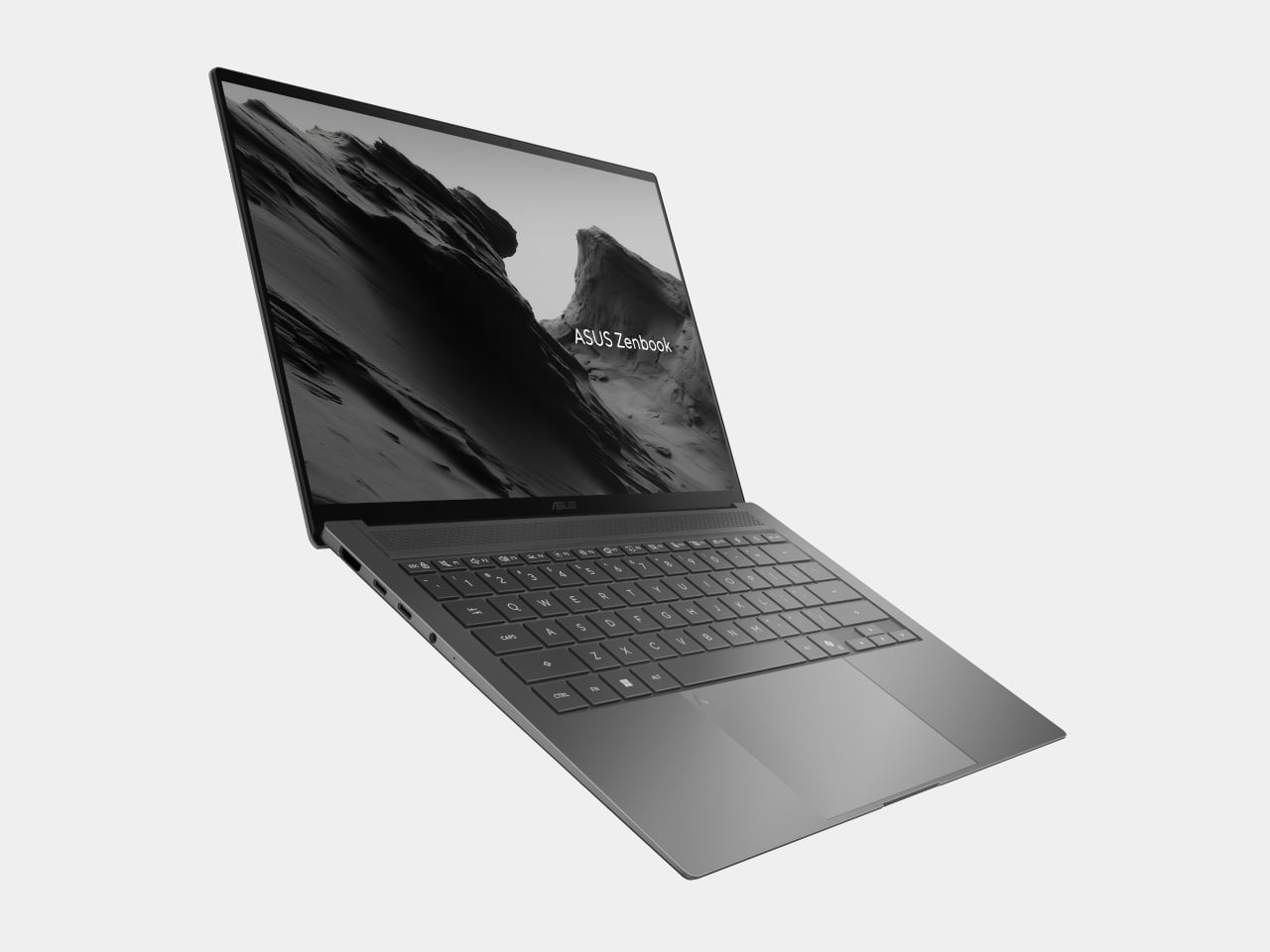

ASUS Zenbook S14
Zenbook S16 and S14 are the premium ultrabooks that bring Ceraluminum into everyday machines. The S14 runs next-gen Intel Core Ultra processors with up to 50 TOPS of NPU performance, while the S16 uses next-gen AMD Ryzen AI chips with similar NPU numbers. Both sit around 1.1 cm thick, with the S14 at about 1.2 kg and the S16 around 1.5 kg, making them thin enough to disappear into a bag.
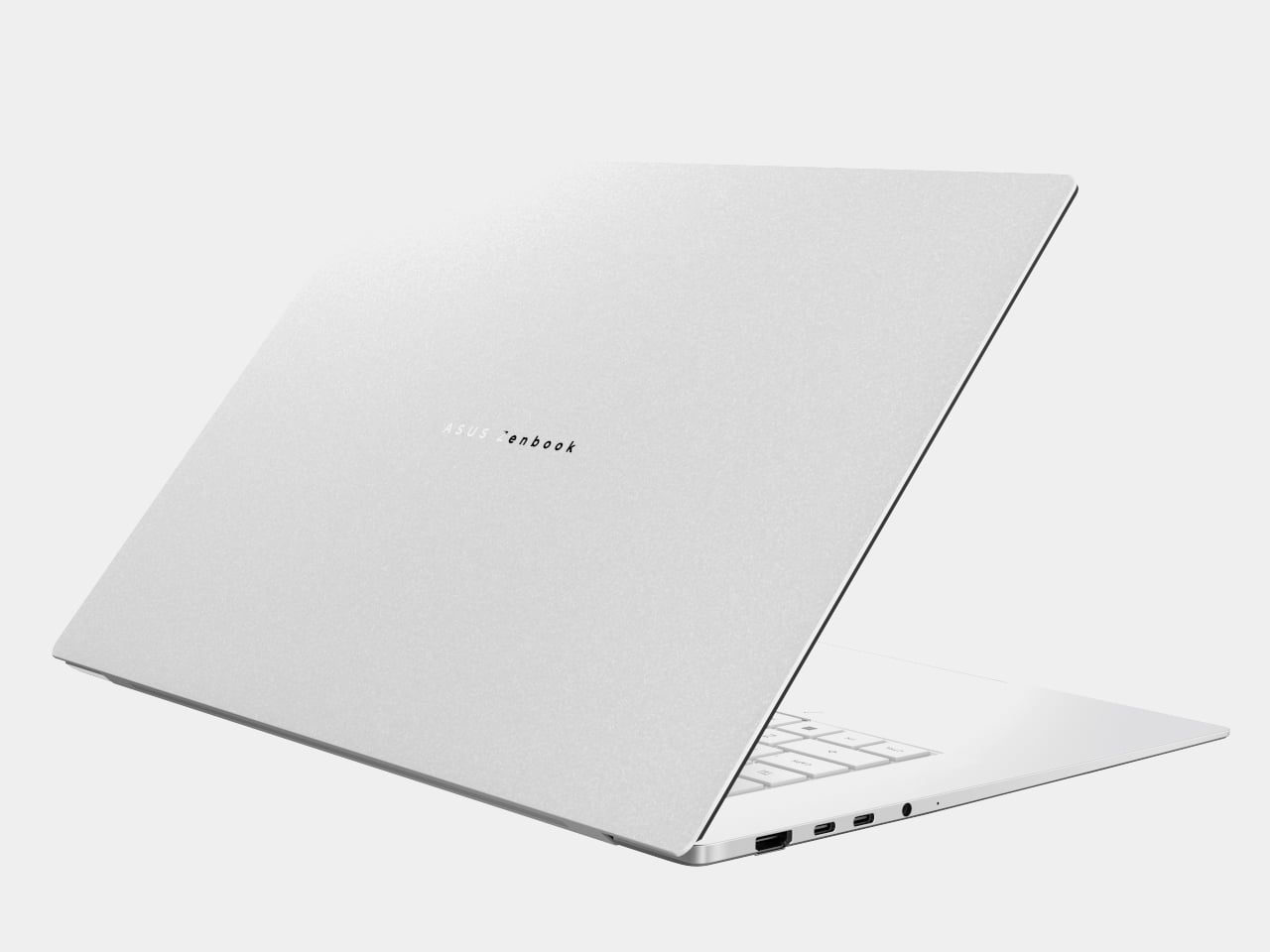

ASUS Zenbook S16
Display options include 14-inch and 16-inch 3K OLED touch panels at 120 Hz, with peak brightness up to 1,100 nits and full DCI-P3 coverage. Four-speaker audio on the S14 and six-speaker audio on the S16, both with Dolby Atmos, plus Quiet Ambient Cooling and geometric grille vents, make them feel more like design objects than generic ultrabooks. Privacy features like Windows Passkey, Microsoft Pluton, and IR webcams, along with Copilot+ PC status, round out machines aimed at people who want a bit of flair with their AI.

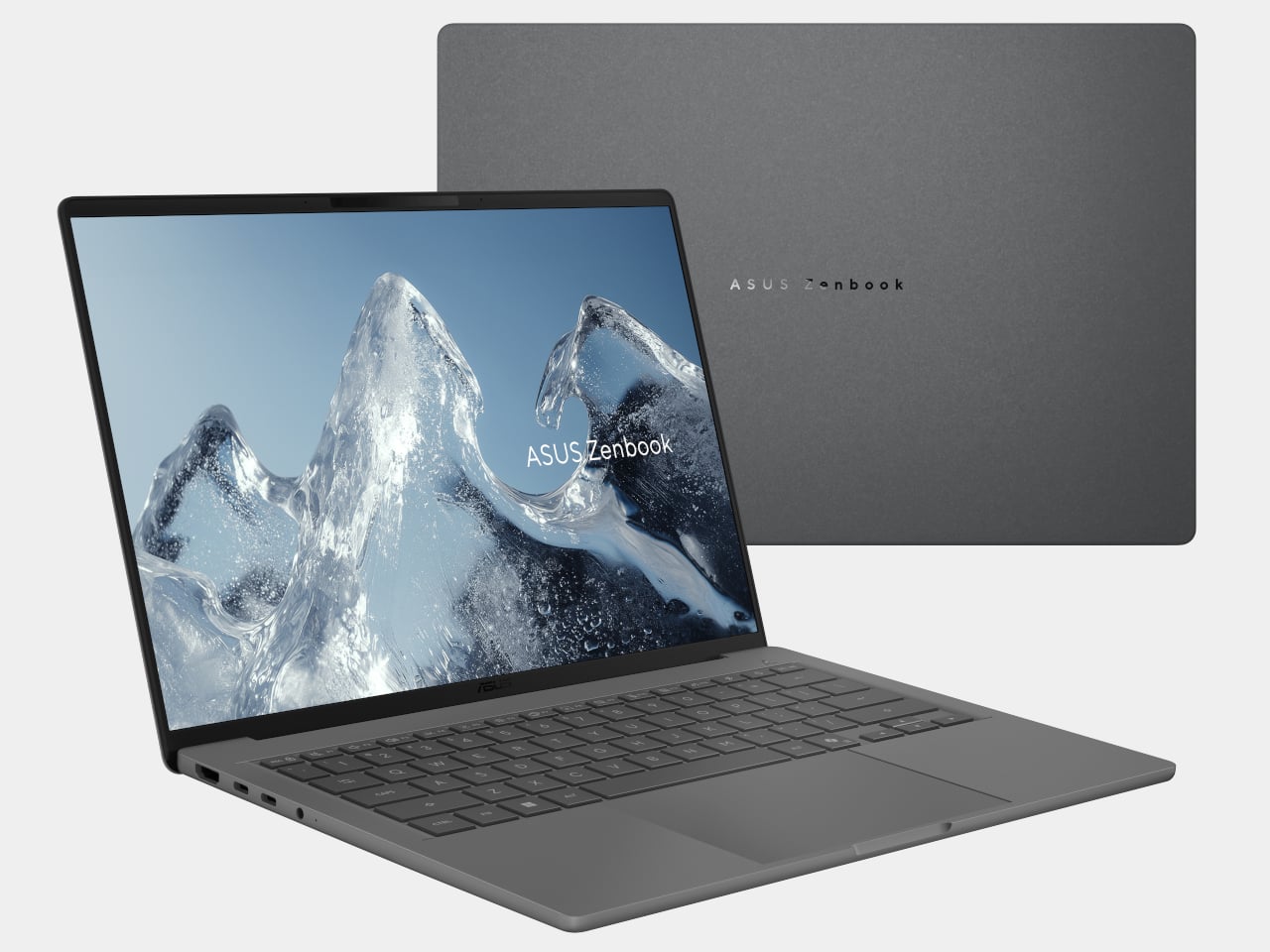
ASUS Zenbook A14
Zenbook A16 and A14 are the ultra-light Copilot+ PCs that lean hardest into battery life. The A14 weighs under 1 kg, while the A16 comes in around 1.2 kg, both using Ceraluminum for the lid, keyboard frame, and bottom case. Both pack 70 Wh batteries, with ASUS claiming multi-day life and more than 28 hours of video playback on the A14, which matters when you are away from outlets for long stretches.


ASUS Zenbook A16
The A16 steps up to a 16-inch 3K 120 Hz OLED with peak brightness around 1,100 nits, powered by Snapdragon X2 Elite Extreme running up to 5.0 GHz with a 192-bit bus and 228 GB/s of bandwidth. Lightweight dual-fan thermals, high-fidelity six-speaker audio, smudge-free keycaps, and Smart Gesture touchpads make both A-series machines feel like travel companions that just happen to be Copilot+ PCs with up to 80 TOPS of NPU performance, built for people who count grams and hours equally.
Zenbook DUO and ProArt PX13 GoPro Edition are the clear statements, one turning dual OLEDs into a portable studio, the other turning Ryzen AI and 128 GB of RAM into a mobile editing bay. Around them, ProArt PZ14, Zenbook S16/S14, and Zenbook A16/A14 show how Ceraluminum, Lumina OLED, and high-TOPS NPUs can be tuned for different days and different bags. For Yanko Design readers, the interesting part of ASUS’s CES 2026 story is not just the raw numbers, but how those numbers are being used to justify new shapes and new ways of working that feel like a genuine break from the last decade of laptop design, where every machine looked roughly the same, and only the stickers changed.

The post ASUS and GoPro Built a 128GB Laptop for Video Editors at CES 2026 first appeared on Yanko Design.
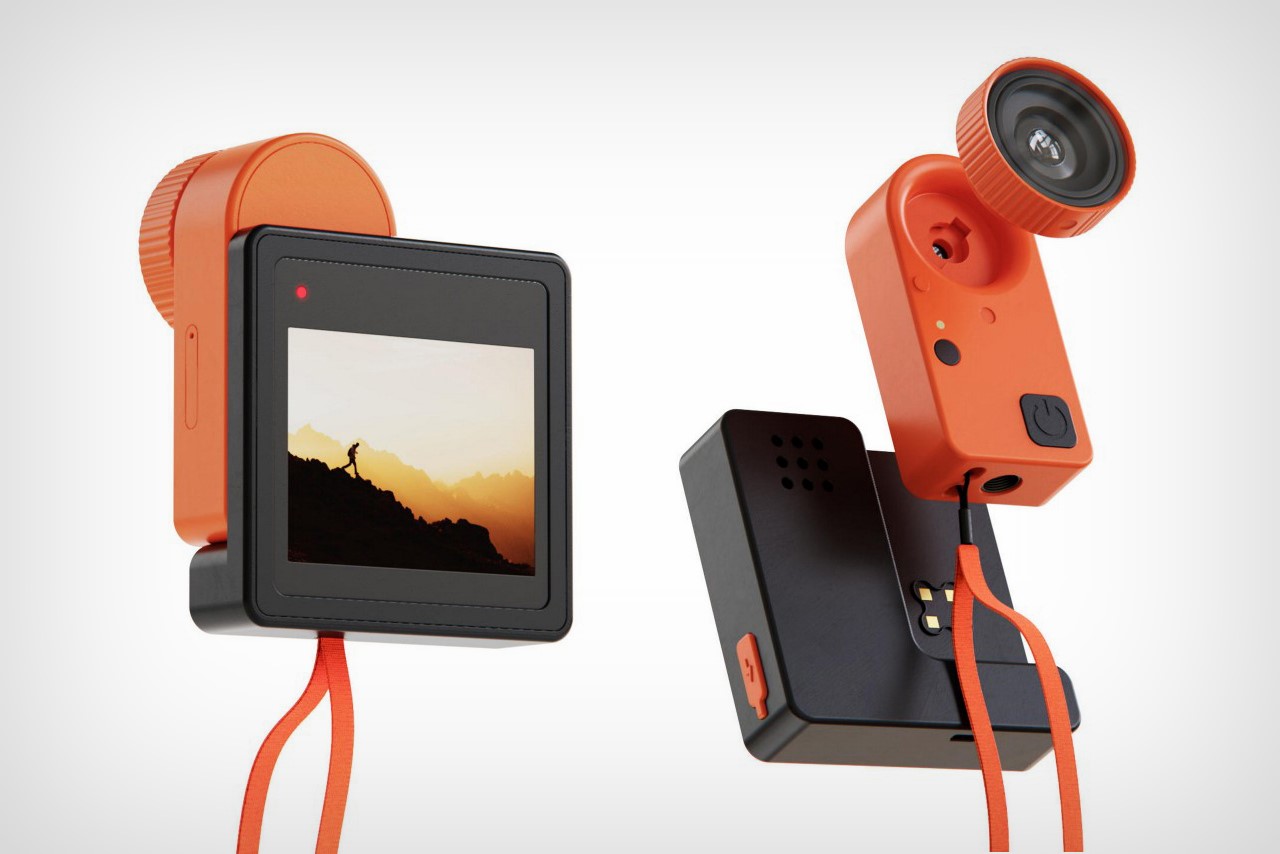
The GoPro is, on paper at least, an incredibly high-resolution camera capable of recording 4K at high speeds of up to 120fps – that’s pretty remarkable for a camera… but no photographer or videographer will ever take a GoPro seriously, because it lacks the one feature that most professionals look for – the ability to change lenses. The GoPro is perpetually stuck with its ultrawide lens, and that doesn’t appeal to most photographers. Designed to bridge this gap, Liam de la Bedoyere designed a GoPro that actually lets you remove and replace lenses, giving you the ability to choose between macro, telephoto, wide-angle, and fisheye shots… all while still retaining the GoPro’s gorgeously compact aesthetic.
Designer: Bored Eye Design
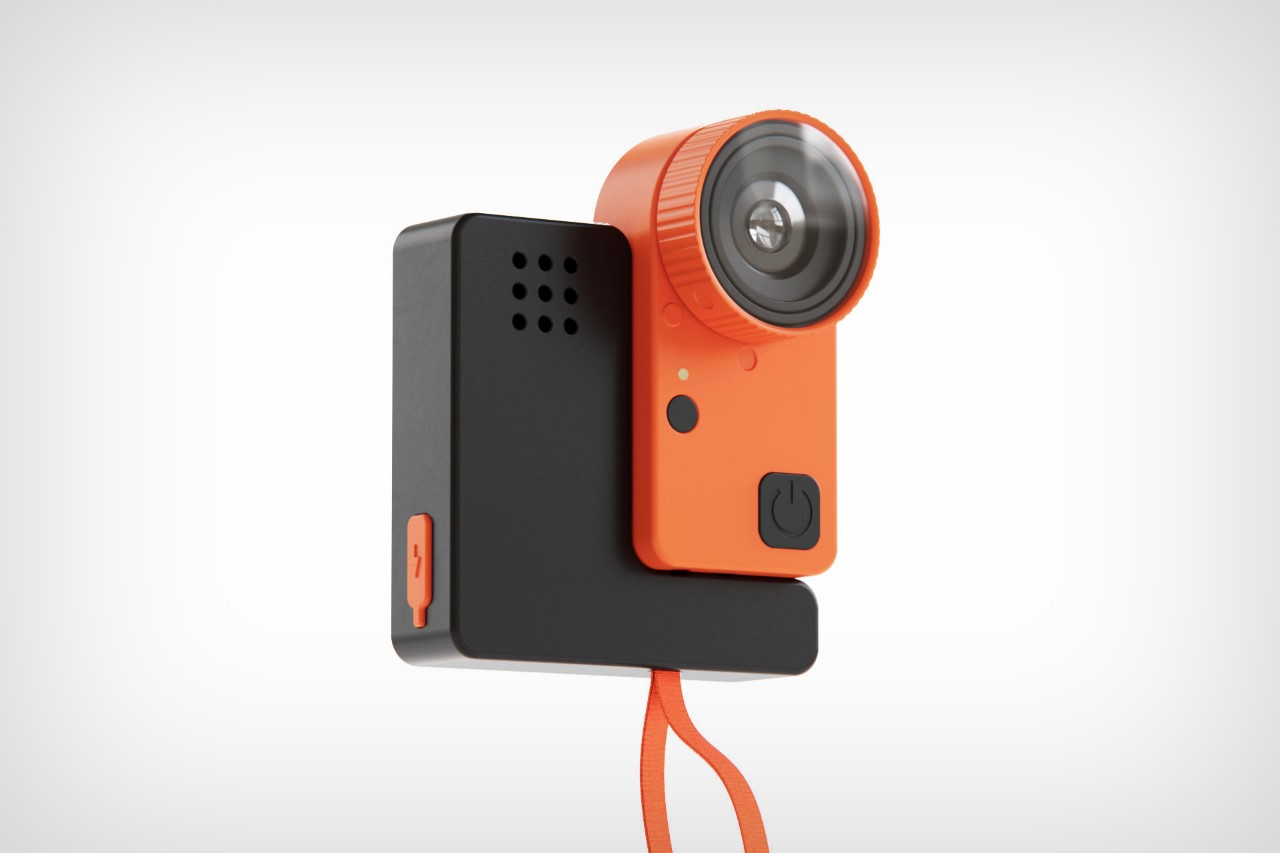
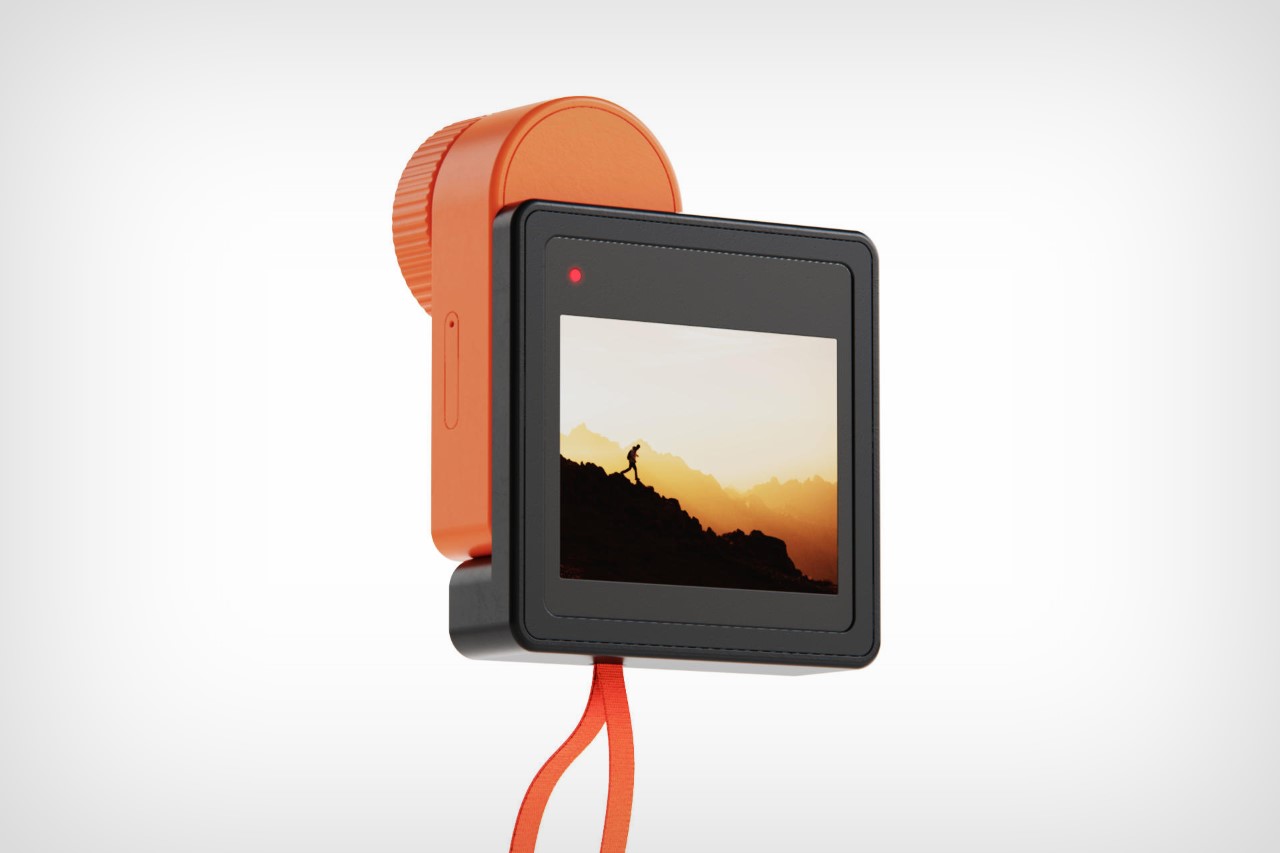
Bedoyere’s (better known by his online moniker Bored Eye Designs) concept isn’t what you’d call a traditional GoPro – its design is quite the overhaul, with a funky orange-meets-black aesthetic that sort of feels reminiscent of Rabbit, but with a more balanced color palette. The design features the GoPro’s main body, with the screen at the back, but also comes with a removable camera module, reminiscent of the recently launched Insta360 Go 3S. This removable module snaps onto the main body when it needs a battery boost, but can be removed and carried separately as a body-worn or handheld tiny cam. It also features those aforementioned removable lenses, allowing you to change your PoV on the fly.
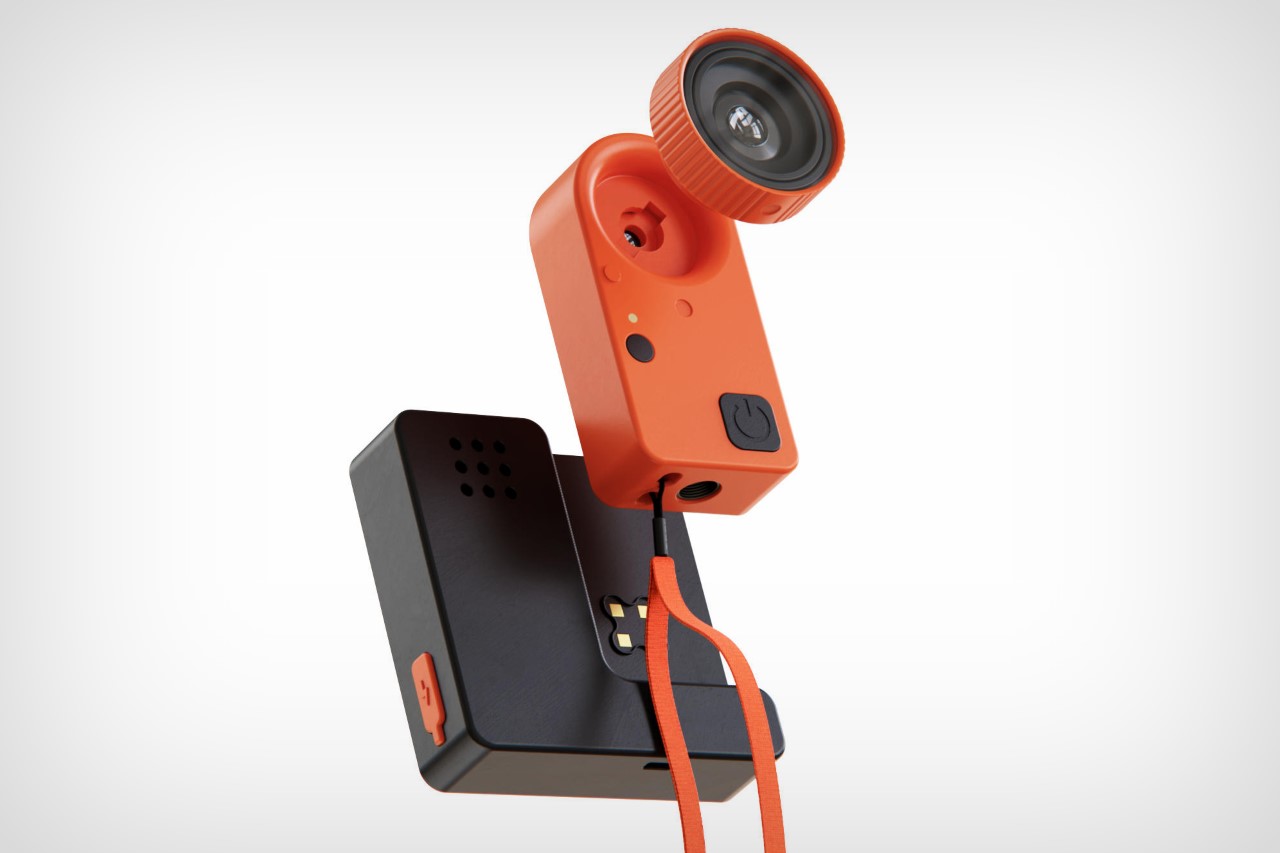

Designed as a part of a Productober sprint (with daily prompts through the month of October), Liam de la Bedoyere created a rough draft of an action camera with the ability to remove and mount different lenses. Although Bedoyere barely made the deadline for the prompt, his concept existed just as a mere sketch. Taking some more time after Productober officially ended, he decided to flesh out the design by making a proper 3D CAD model of what this shapeshifting action cam could look like.
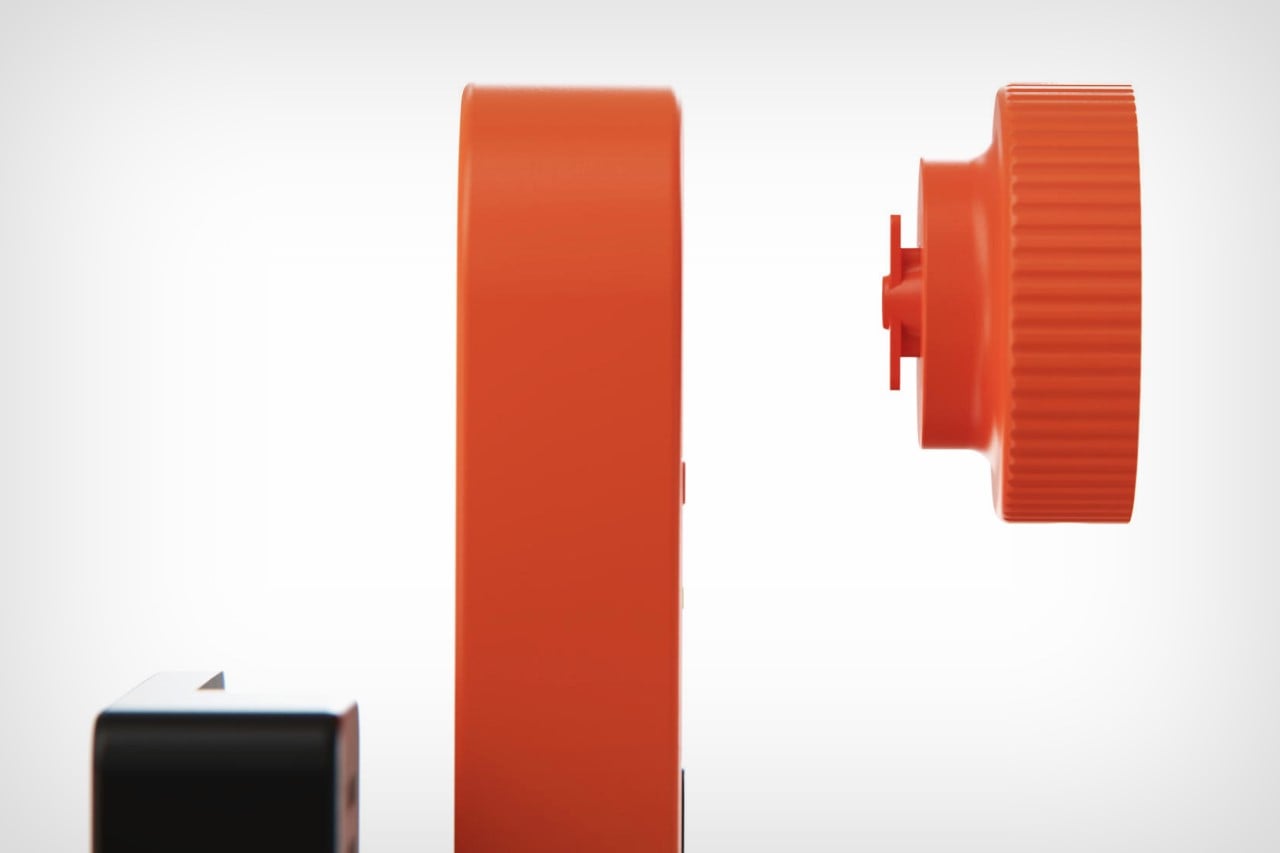
Bedoyere’s vision of a GoPro with interchangeable lenses is something that quite a few videographers have thought of. In fact, Canada-based hardware company Back-Bone also makes a modified version of the GoPro HERO12 with an armature on the front that lets you attach literal DSLR-style lenses on your action camera, with a choice between M12, CS, and C-mount styles!
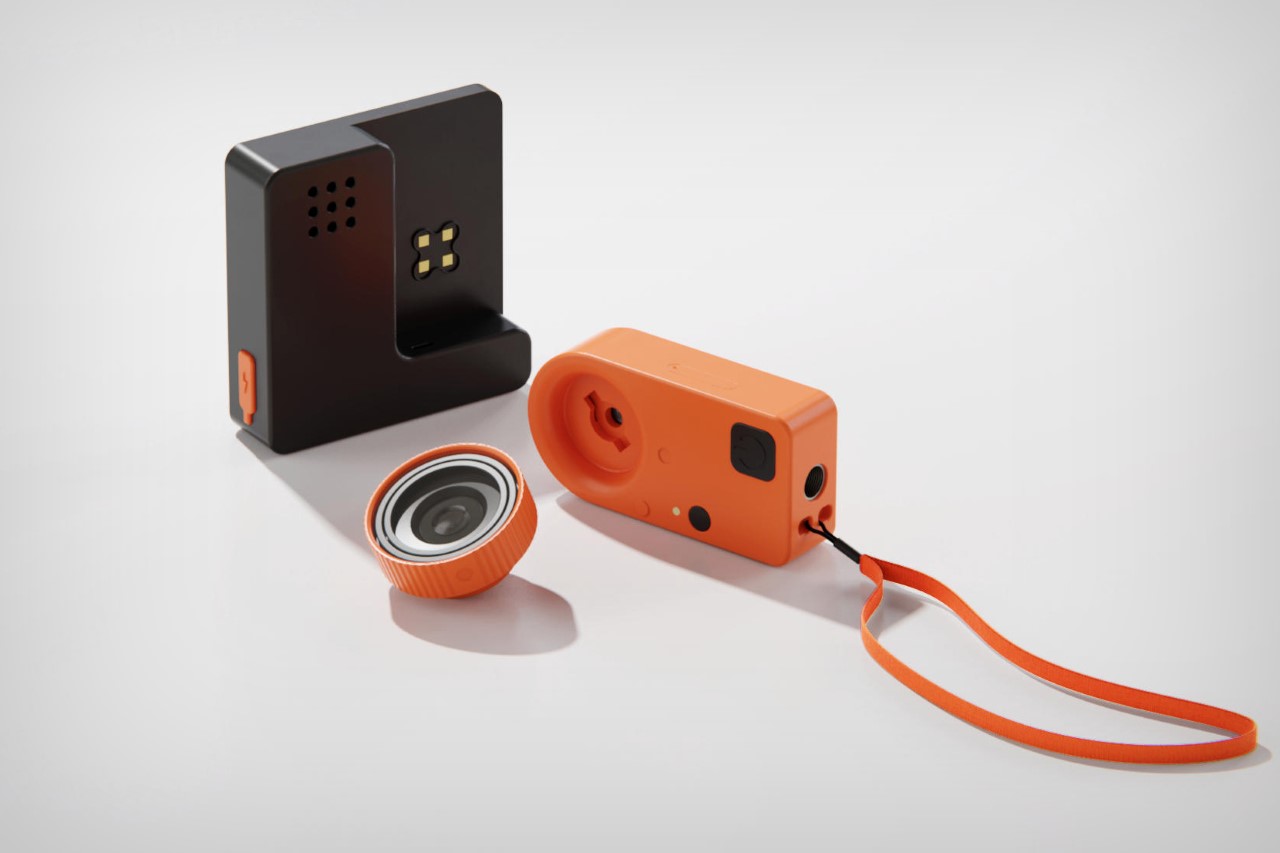
The post This GoPro concept with Interchangeable Lenses brings DSLR abilities to the Action Camera first appeared on Yanko Design.
Not many people really appreciate the GoPro for exactly how advanced it is. For a device that small, it boasts a mighty sensor and can capture media in incredibly high resolutions like 5.3K (with image stabilization no less)… but that tiny form factor has one trade-off, the fact that it doesn’t support interchangeable lenses – and, to be honest, that seems like the one thing that makes photographers and videographers not take the GoPro seriously, even though it outputs videos comparable to larger cameras like the ones from RED and Hasselblad.
So what if you could just switch out the GoPro’s fisheye lens for something much more advanced, like some serious DSLR or film camera lenses? Well, the folks at Canada-based Back-Bone managed to hack together a GoPro Hero12 to make it universally compatible with a whole range of DSLR lenses. The Back-Bone H12PRO comes with quite a few interesting tricks up its sleeve. The front features a special mounting armature to load professional camera lenses, giving your GoPro Hero12 the ability to shoot in ultrawide but also telescopic, or even macro, depending on the lenses you’ve got on hand.
Designer: Back-Bone
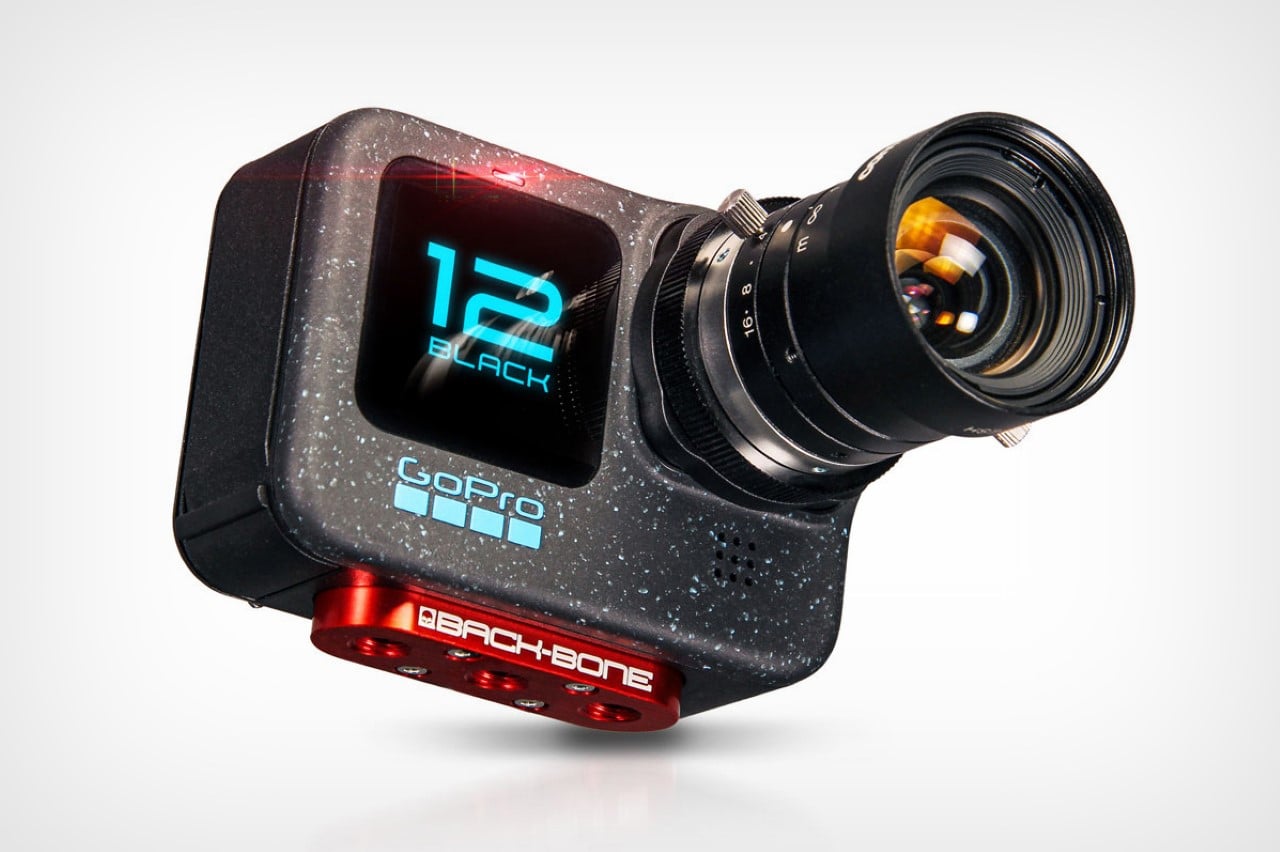
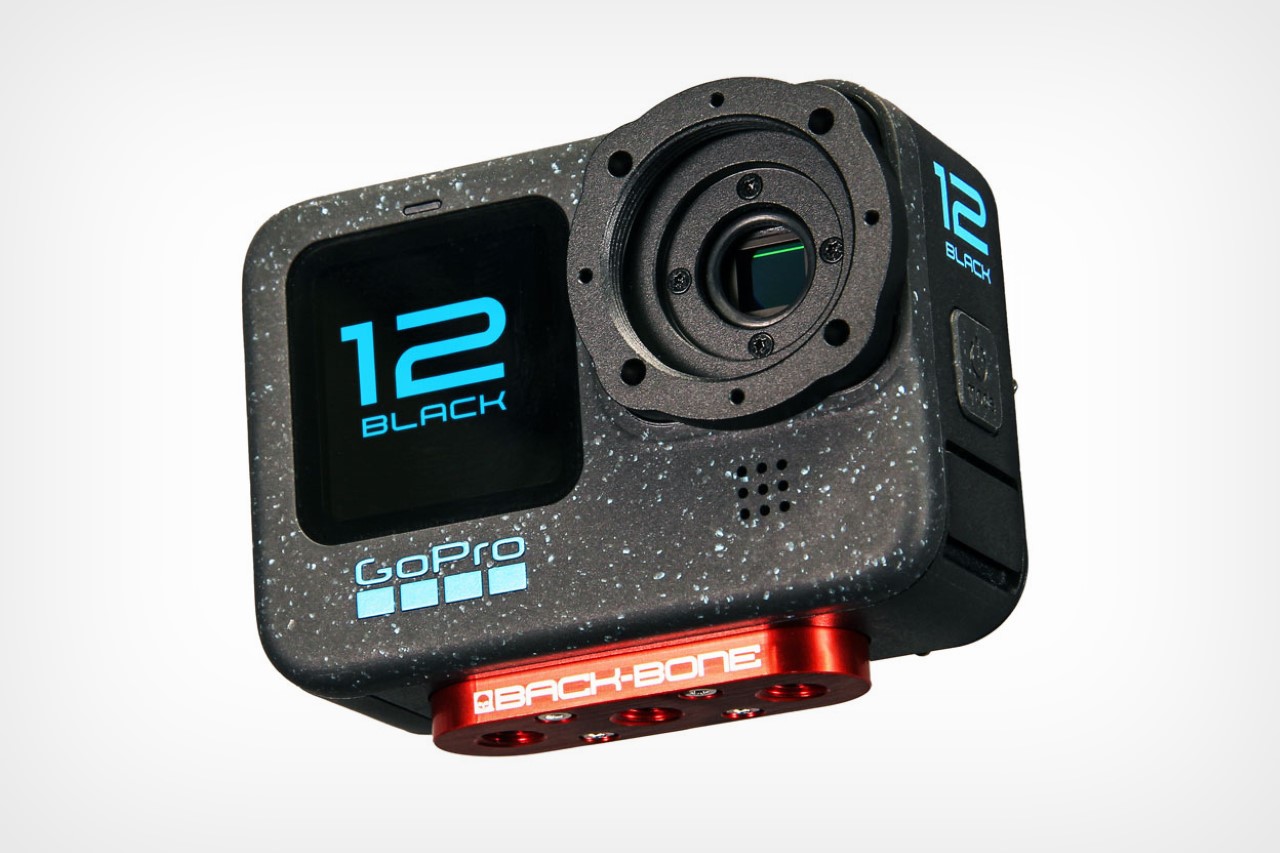
For the folks at Back-Bone, creating this modified GoPro was about allowing the action camera to achieve its full potential. The GoPro Hero12 is a multimedia beast, capable of shooting 5.3K HDR videos and even stills with its 27MP shooter. For a camera this capable, restricting it to a simple fisheye lens is quite a disservice if you ask me, which is why the modified H12PRO is so compelling.
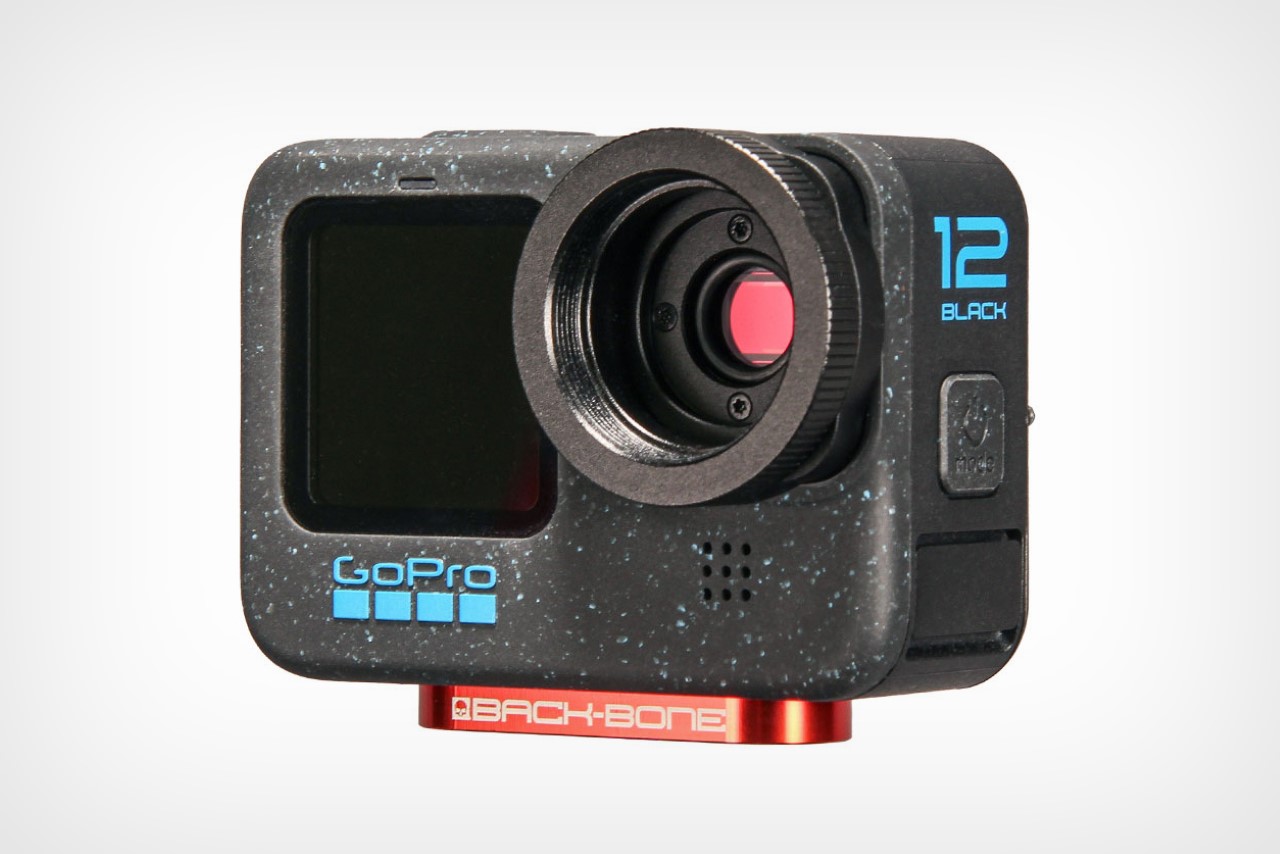
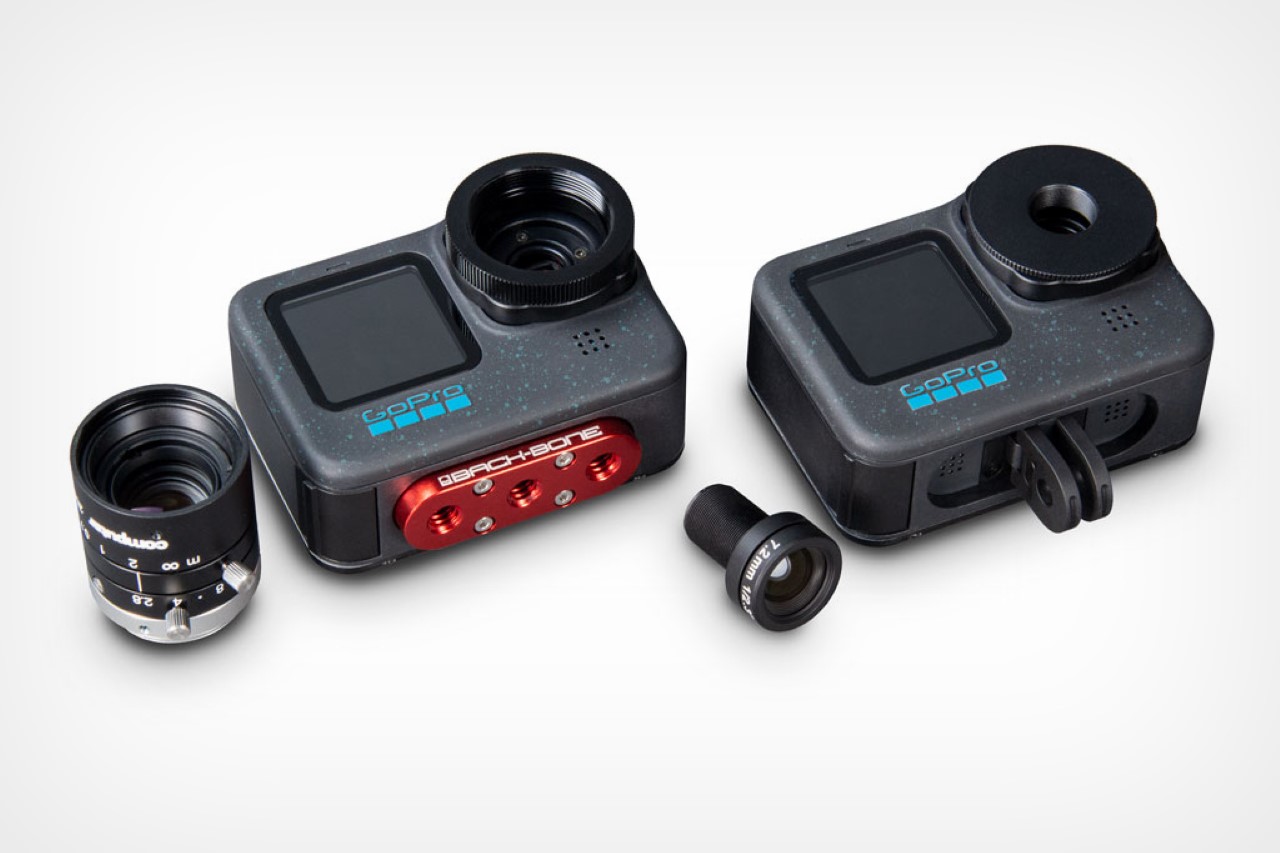
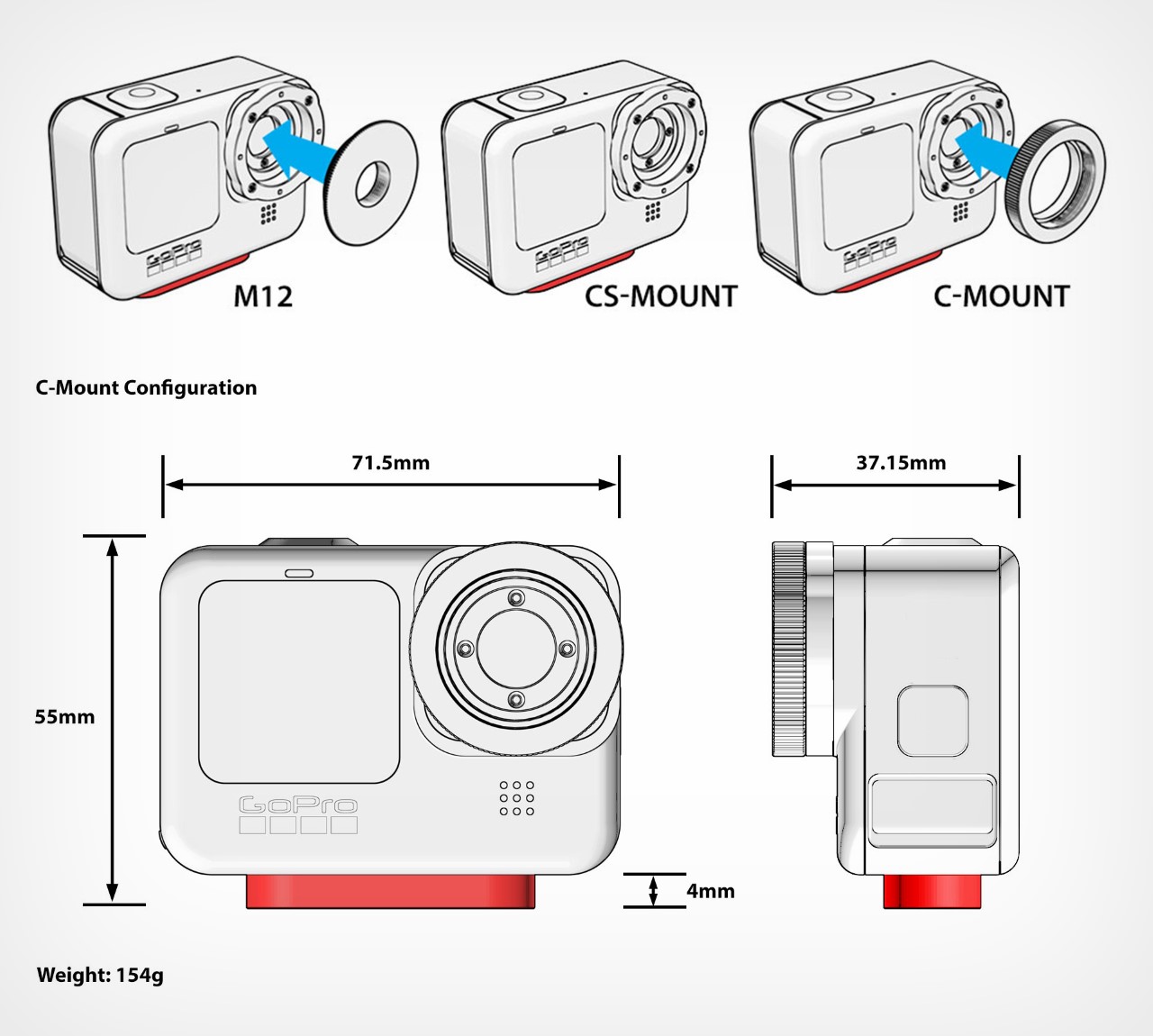
The H12PRO lets you attach a variety of mounting brackets, giving you the choice between M12, CS, and C-mount lenses. It’s pretty much the same size as the existing GoPro, which means it also supports the company’s Media Mod, allowing you to add extra accessories like directional mics, flashes, etc. The H12PRO also packs GoPro’s Enduro Battery, offering longer battery life, especially in cold conditions.
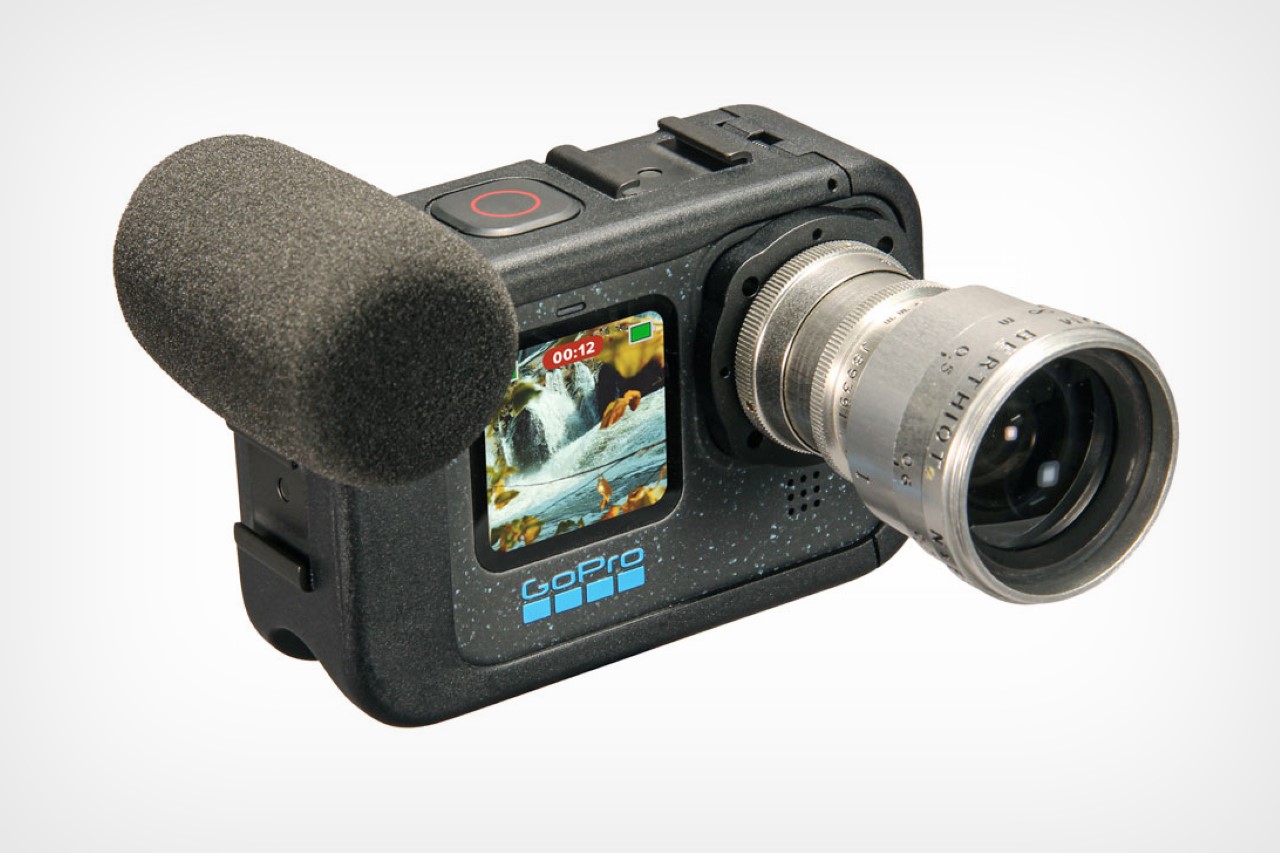
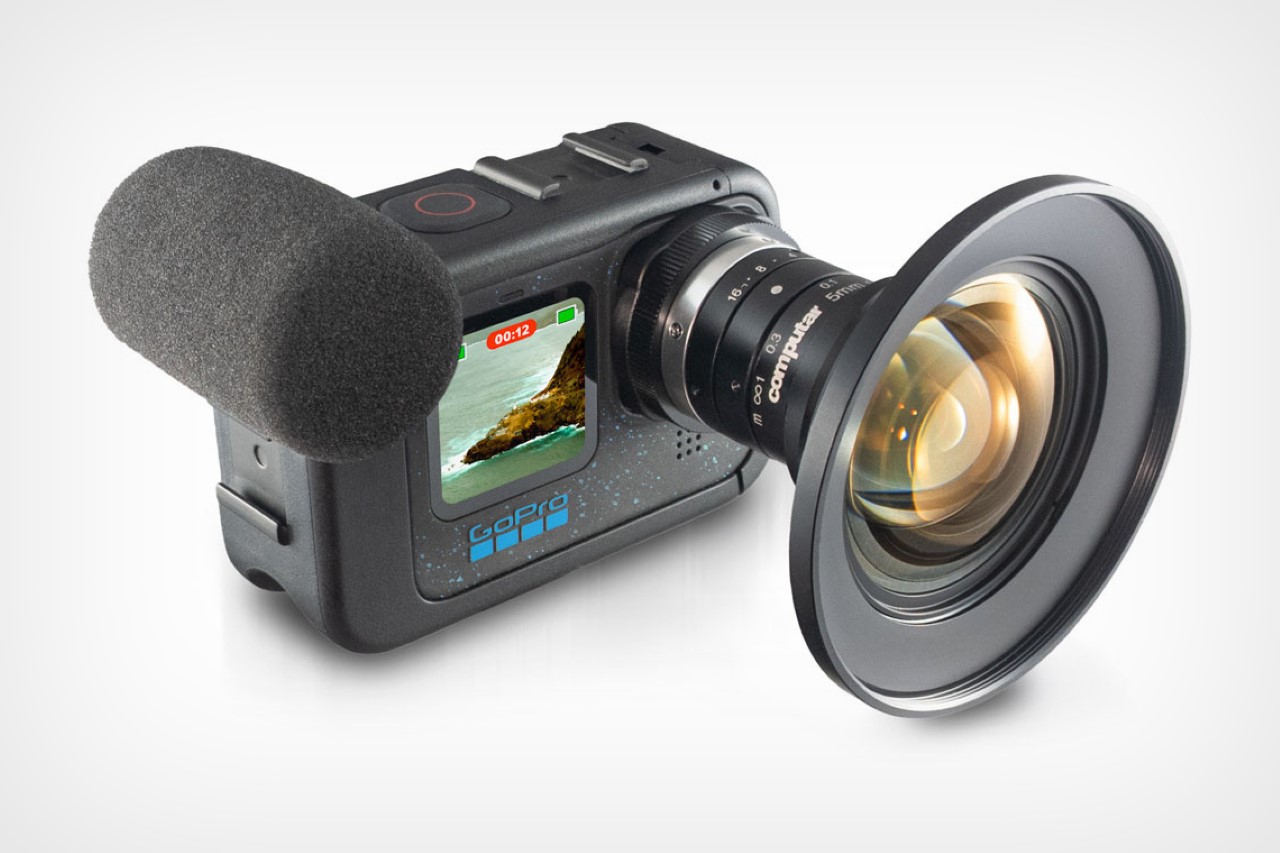
With the Media Mod and the ability to pretty much attach any kind of lens to your GoPro, the H12PRO gives you the most powerful camera setup that can fit in your pocket. It’s cheaper and smaller than a flagship phone, and shoots higher quality content than cameras twice or thrice its size. The H12PRO has a tripod mount on the bottom, allowing you to attach it to tripods, gimbals, or even small-ish drones with decent payload abilities. Heck, the folks at Back-Bone are also selling an optional Micro Four-Thirds mounting plate to let you attach MFT lenses to your GoPro. If that isn’t the wildest, most brilliant upgrade to the world’s most advanced action camera, I don’t know what is. After all, an action camera is just a camera designed to capture high quality content at a great frame rate, right? So why not exploit its abilities to the max?!
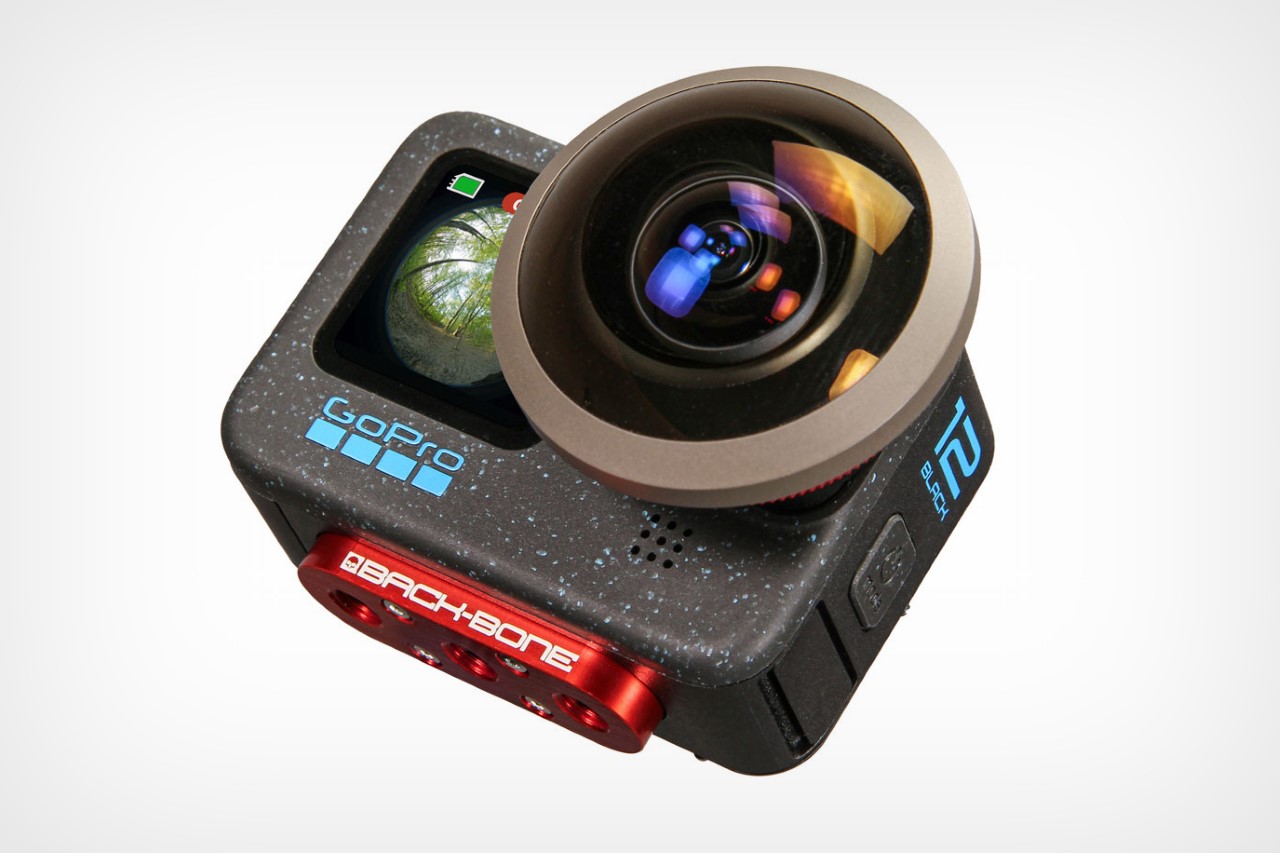
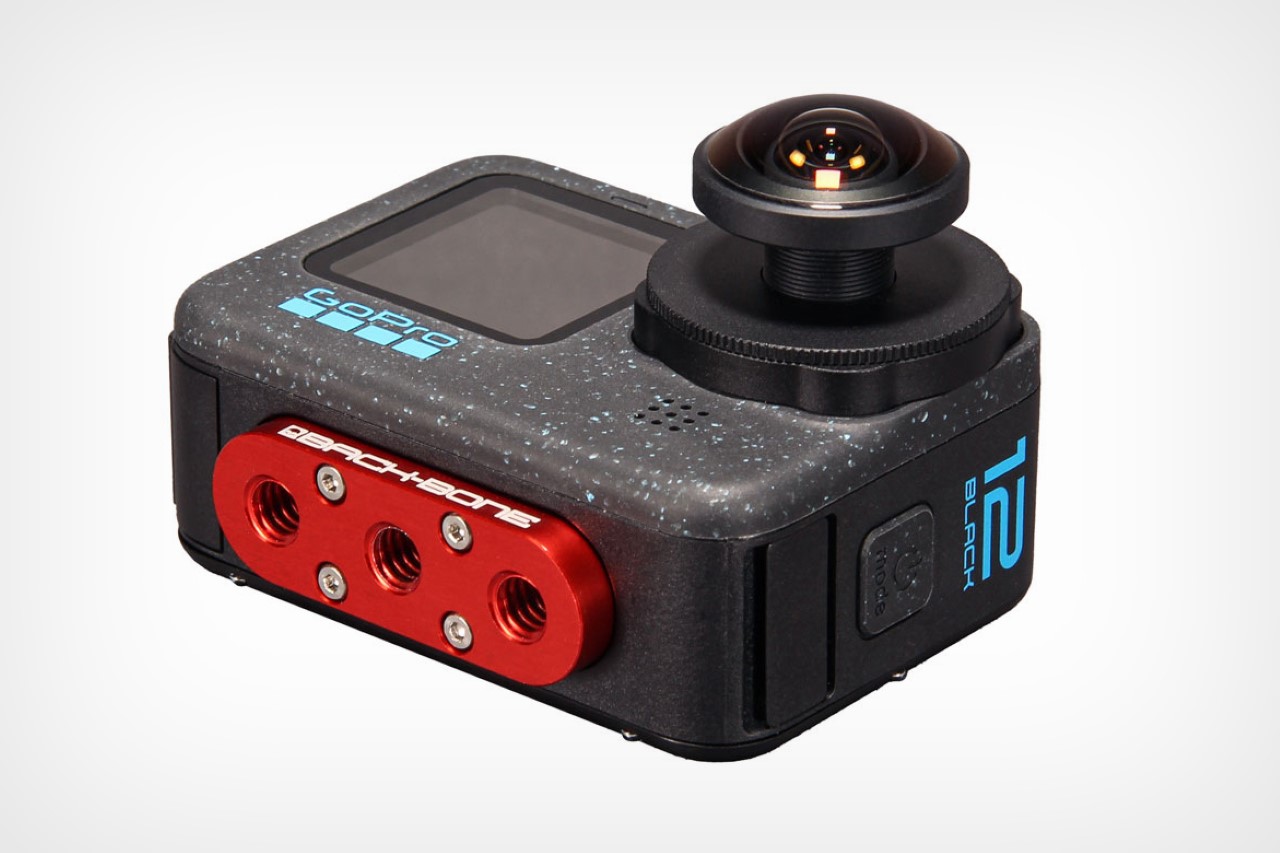
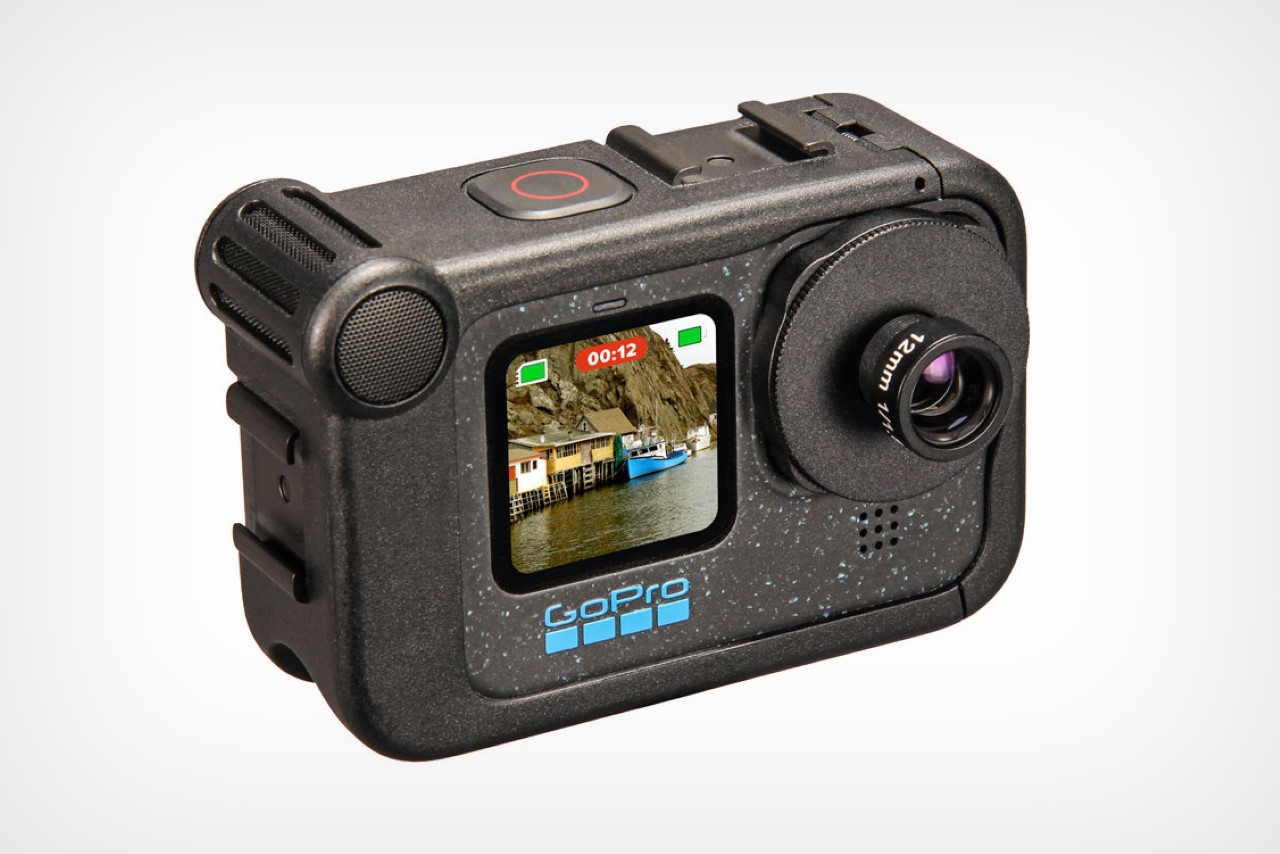
Back-Bone’s H12PRO is available on its website. The $849 kit includes the following:
Understandably, a modified HERO12 won’t be covered under GoPro’s warranty program, but Back-Bone does offer a 6-month repair guarantee against faulty parts or defects, and a zero-labor-cost repair warranty for a year (you just pay for parts and shipping).
The post Modified $849 GoPro HERO12 lets you mount Professional DSLR Lenses on your Action Camera first appeared on Yanko Design.
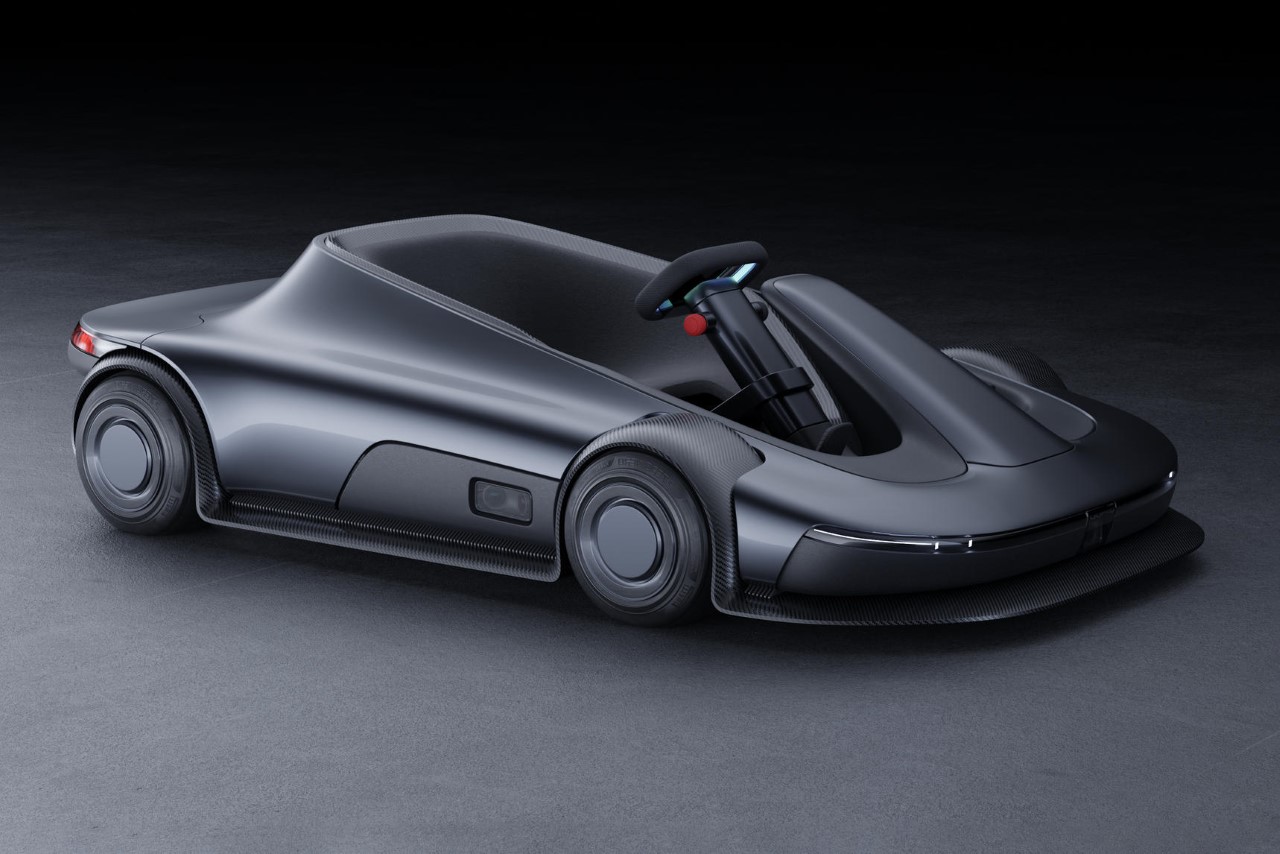
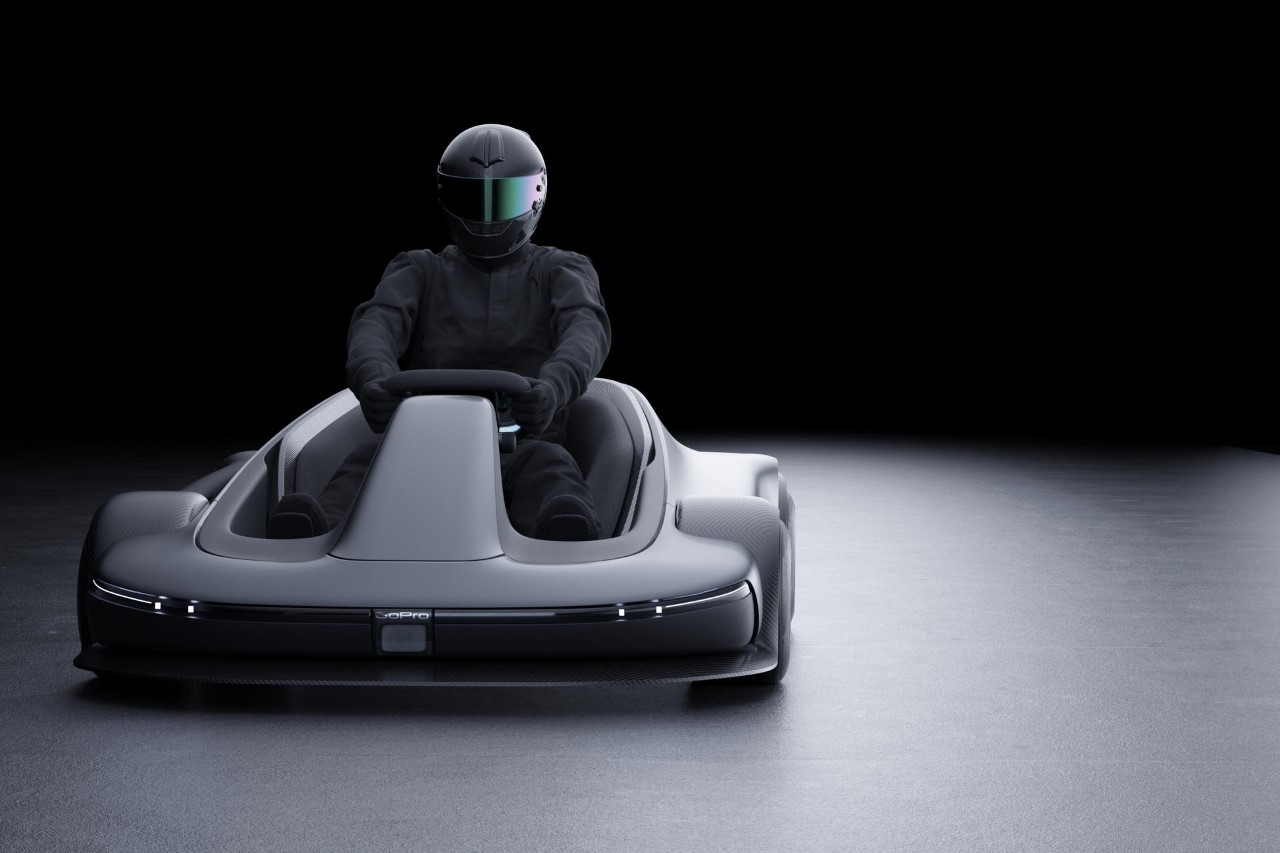
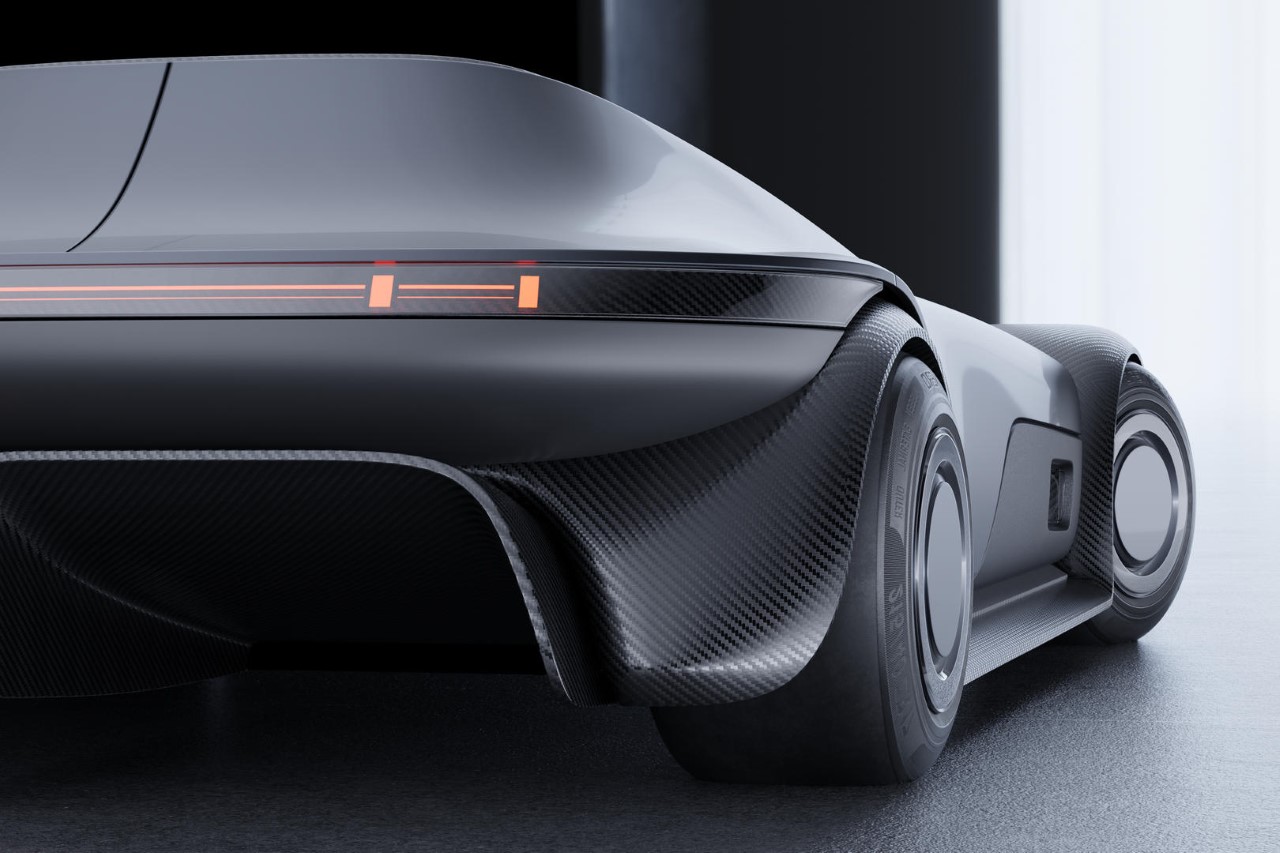
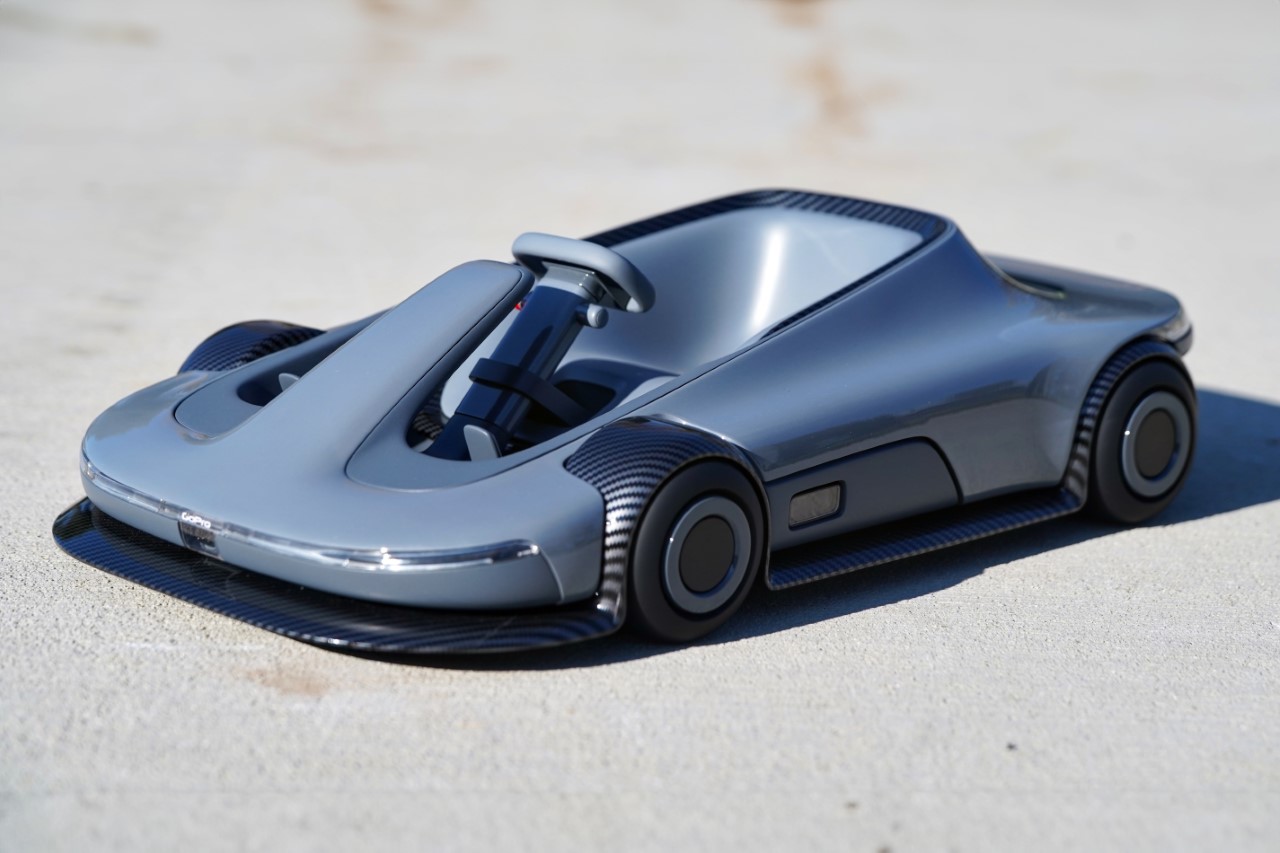
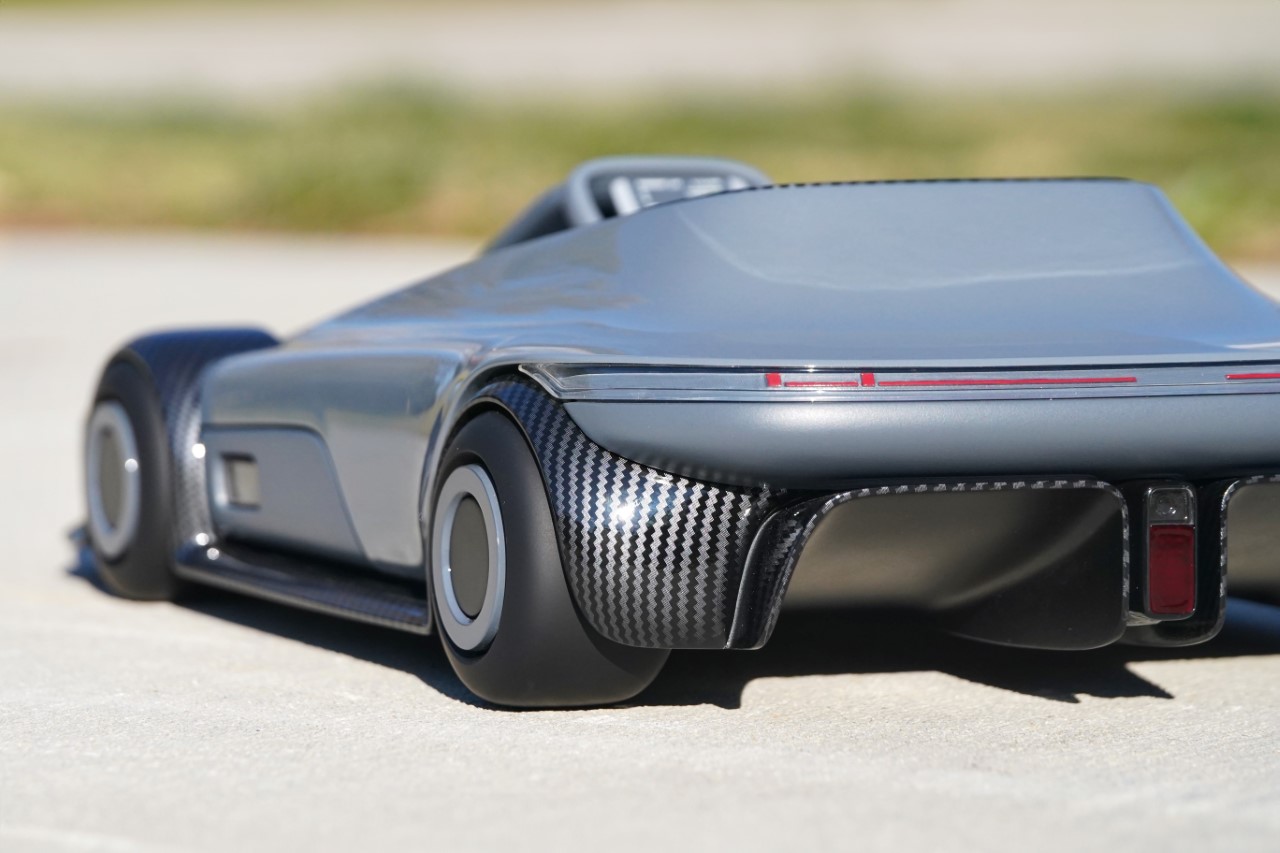
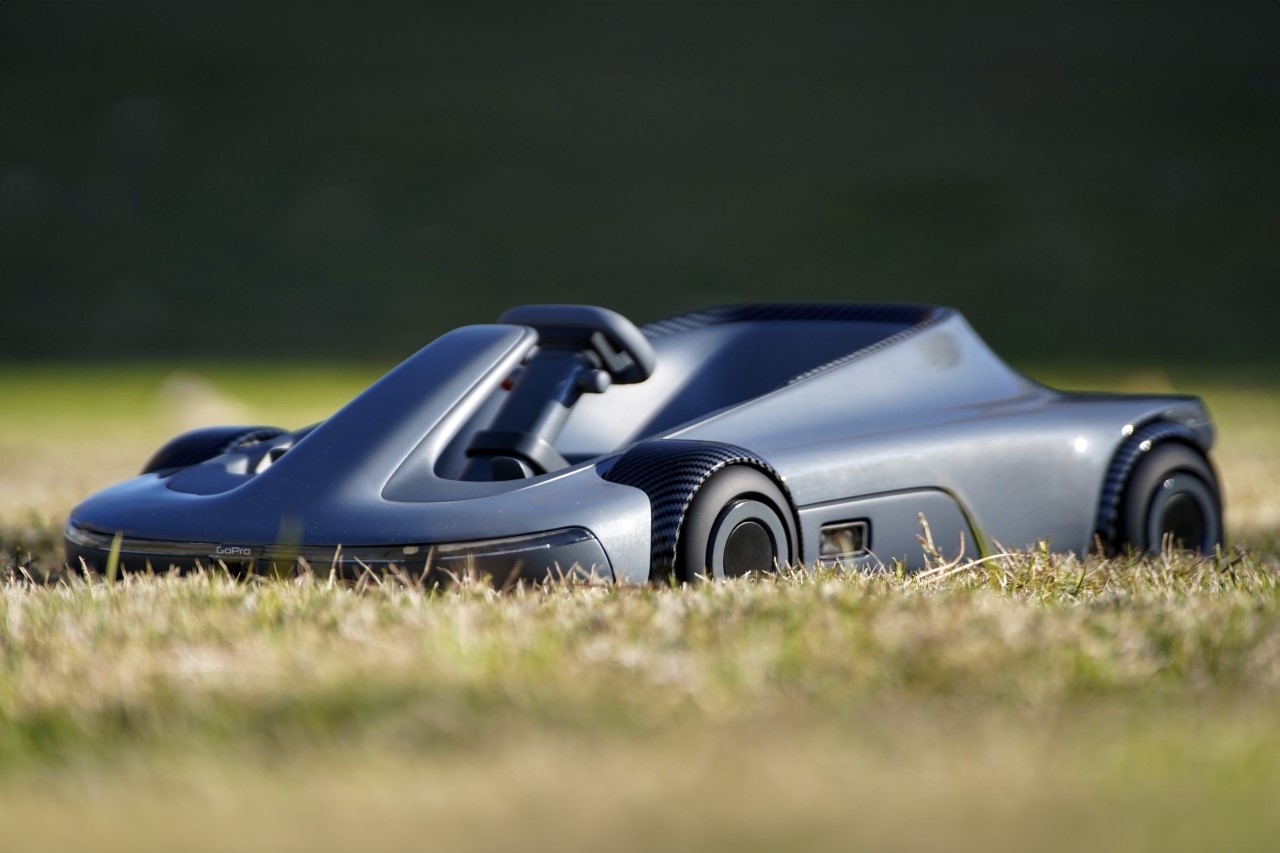
It makes absolute sense. The company that has a brand built around action and adrenaline should be in the racing business… no? After all, isn’t that exactly what Red Bull is doing? Designed by Sean Gao, the GoKart imagines a world in which GoPro goes automotive. The racing cart isn’t like anything we’ve ever seen before. It sports a gorgeously modern design with sleek surfaces that blend into each other… but the kart’s secret sauce is the fact that it has multiple action cameras integrated into its design, capturing your race from multiple PoVs. Designed for thrill but also for entertainment, the kart captures multiple streams from different angles, allowing viewers (or even the driver) to enjoy the race like never before. Easily the coolest thing to happen to karting since Mario Kart.
Designer: Sean Gao
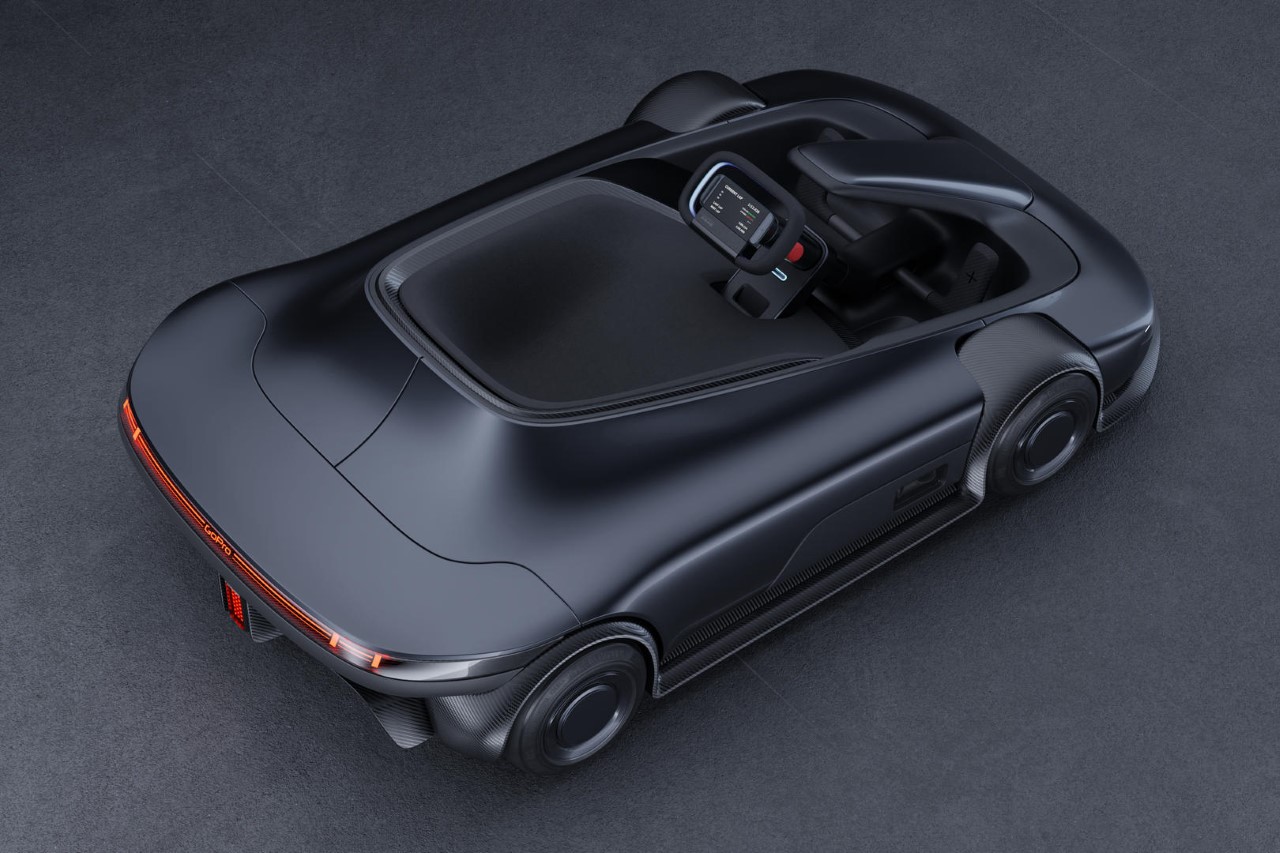
The GoPro GoKart is a modern-day racing vehicle that brings karting into the future. Sure, you could do the rounds of a track on a gasoline-guzzling hunk of metal and fiberglass… but nothing quite beats racing around in these bad-boys. The GoPro GoKart is gorgeous to look at, sporting an uber-slick design that’s just about as gorgeous as a high-end racecar. You’ve got flowing surfaces that create the kart’s beautiful silhouette, with metal and carbon-fiber paneling that reflects light with a soft matte glow that’s subtly classy. Meanwhile, the kart comes outfitted with razor-thin headlights and taillights too, so night-time won’t stop your races.
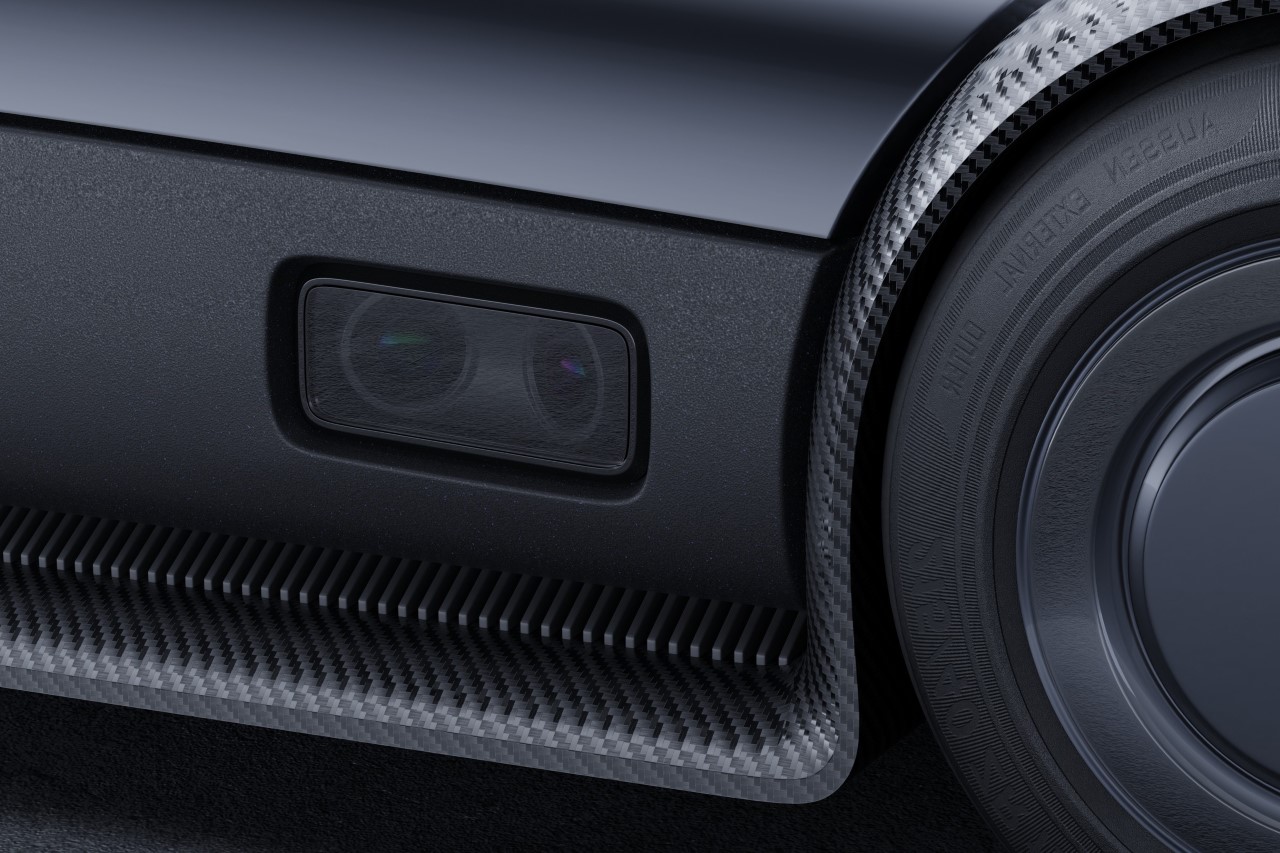
Where the GoKart functionally differs from other karts, however, is in the inclusion of multiple wide-angle action cameras a la GoPro. These cameras can be found on the front, sides, and rear of the car, capturing multiple angles during the race. The result, breathtaking moments for both riders as well as the audience to enjoy during or even after the race. Gao proposes building an entire racing track around the kart too, with a multi-level course that are studded with cameras that add to the race feed.
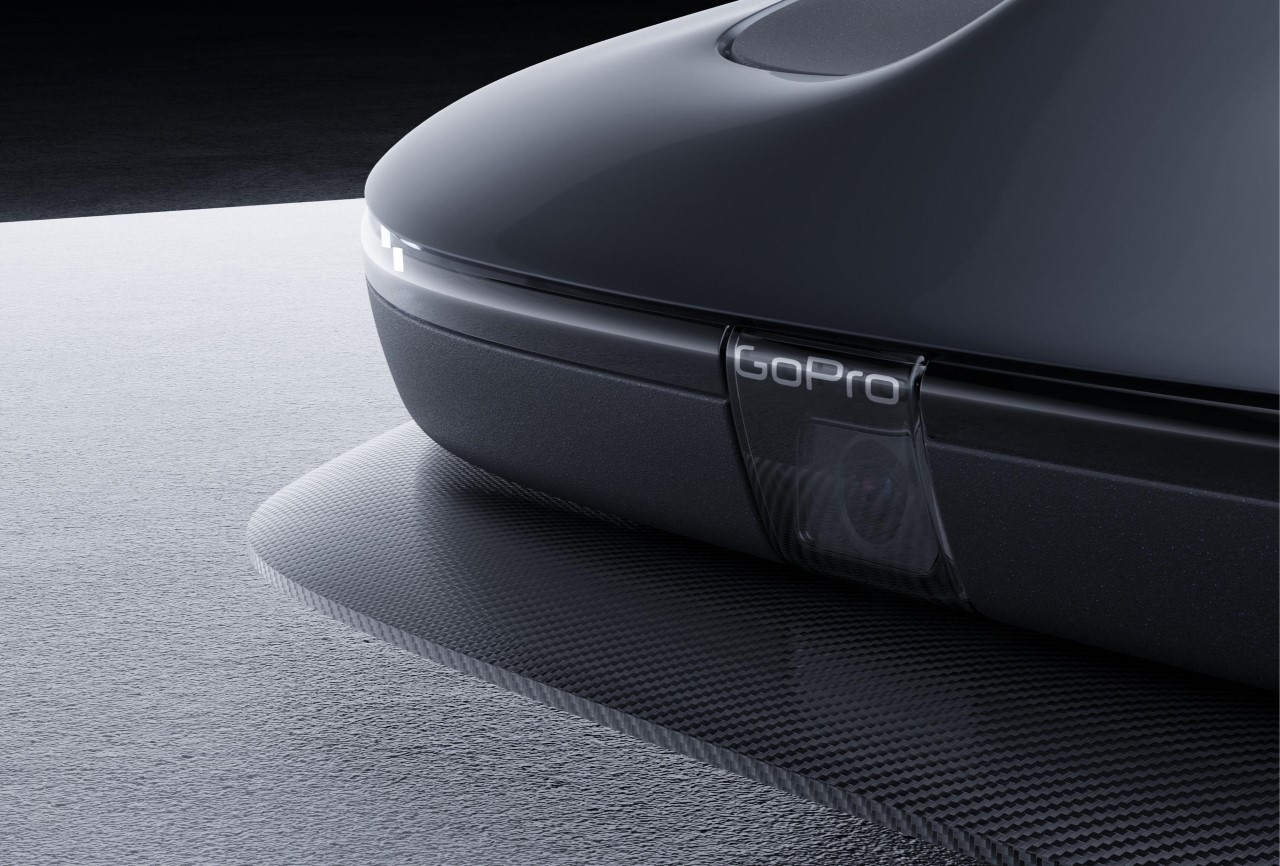
The car’s cameras help capture the action right from the driving seat. A front-facing camera documents the track ahead, while a rear camera lets you see your opponents biting the dust. Cameras on the side document a much more high-stakes experience, letting you see two cars going head-to-head side by side.
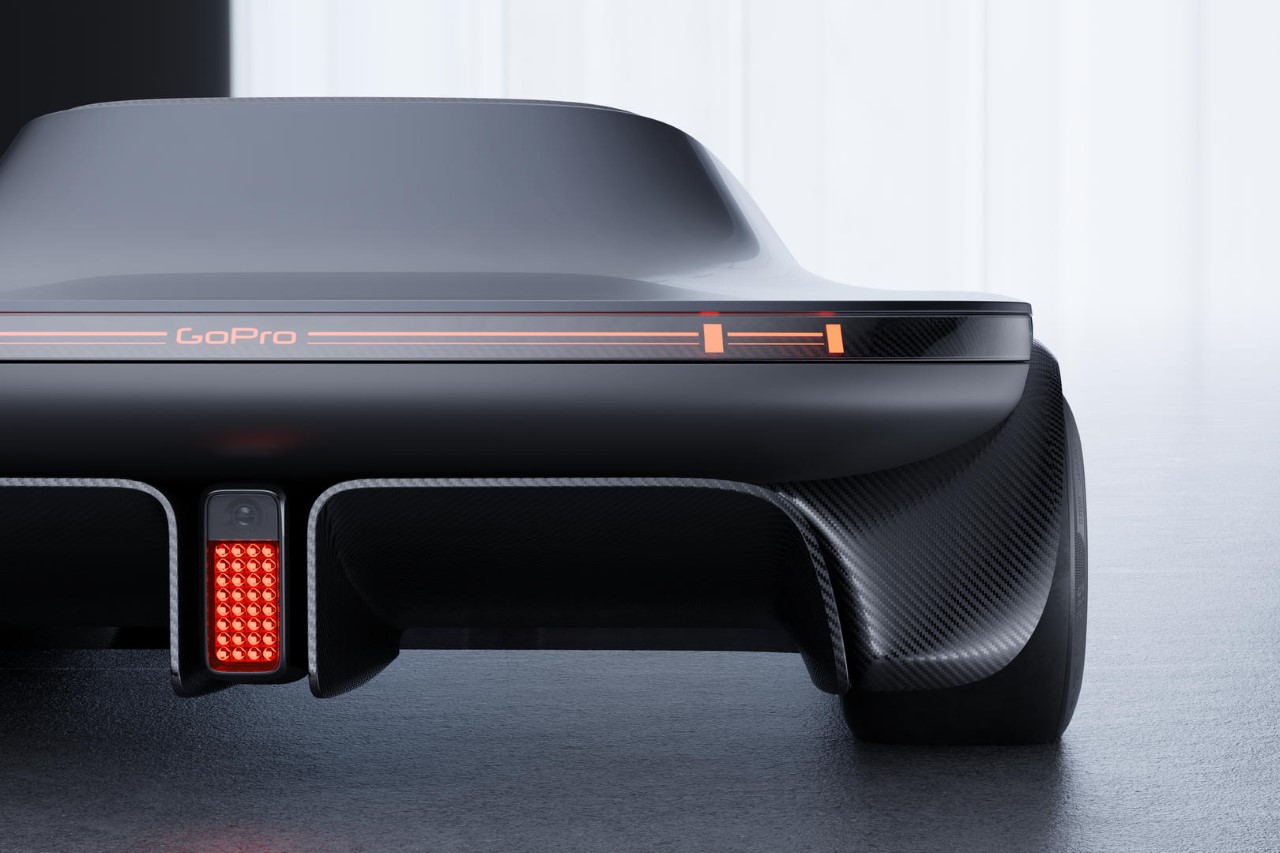
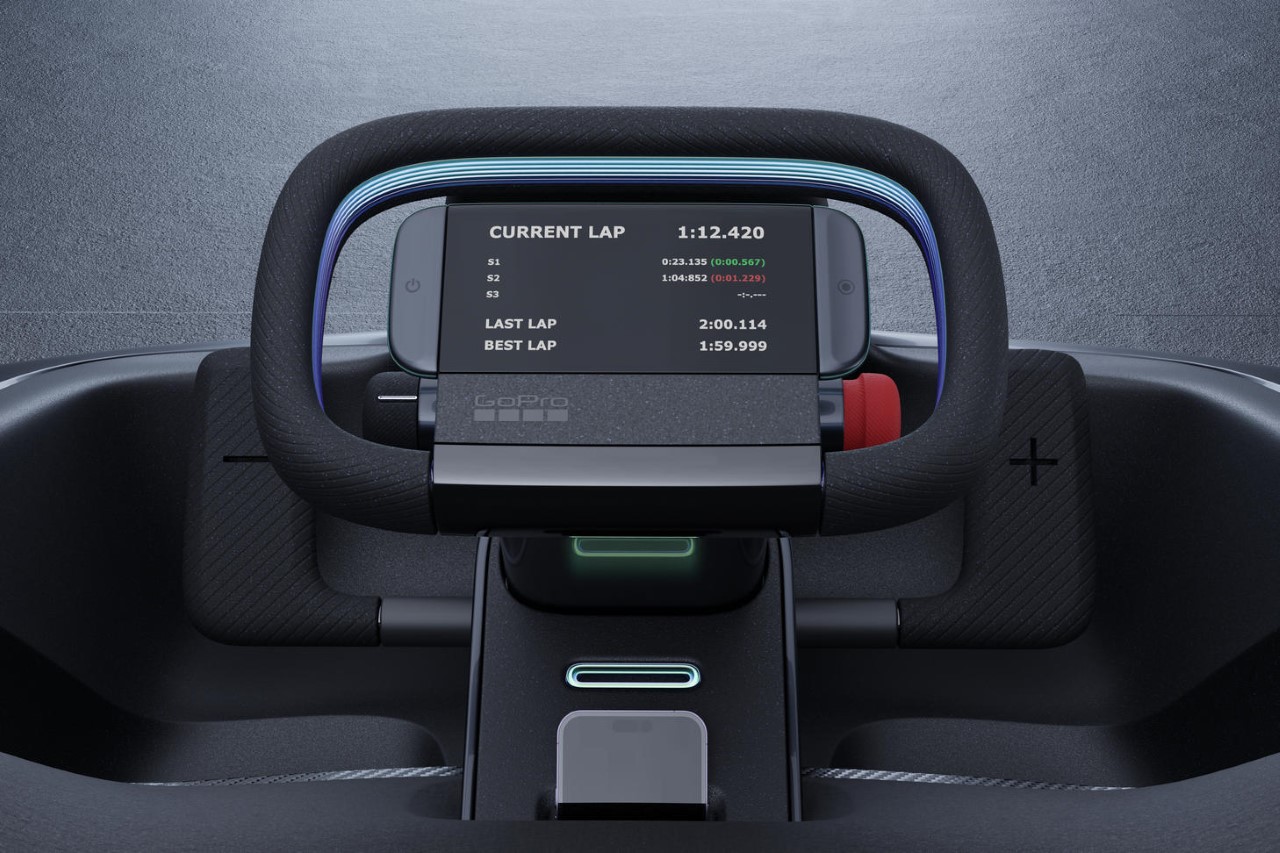
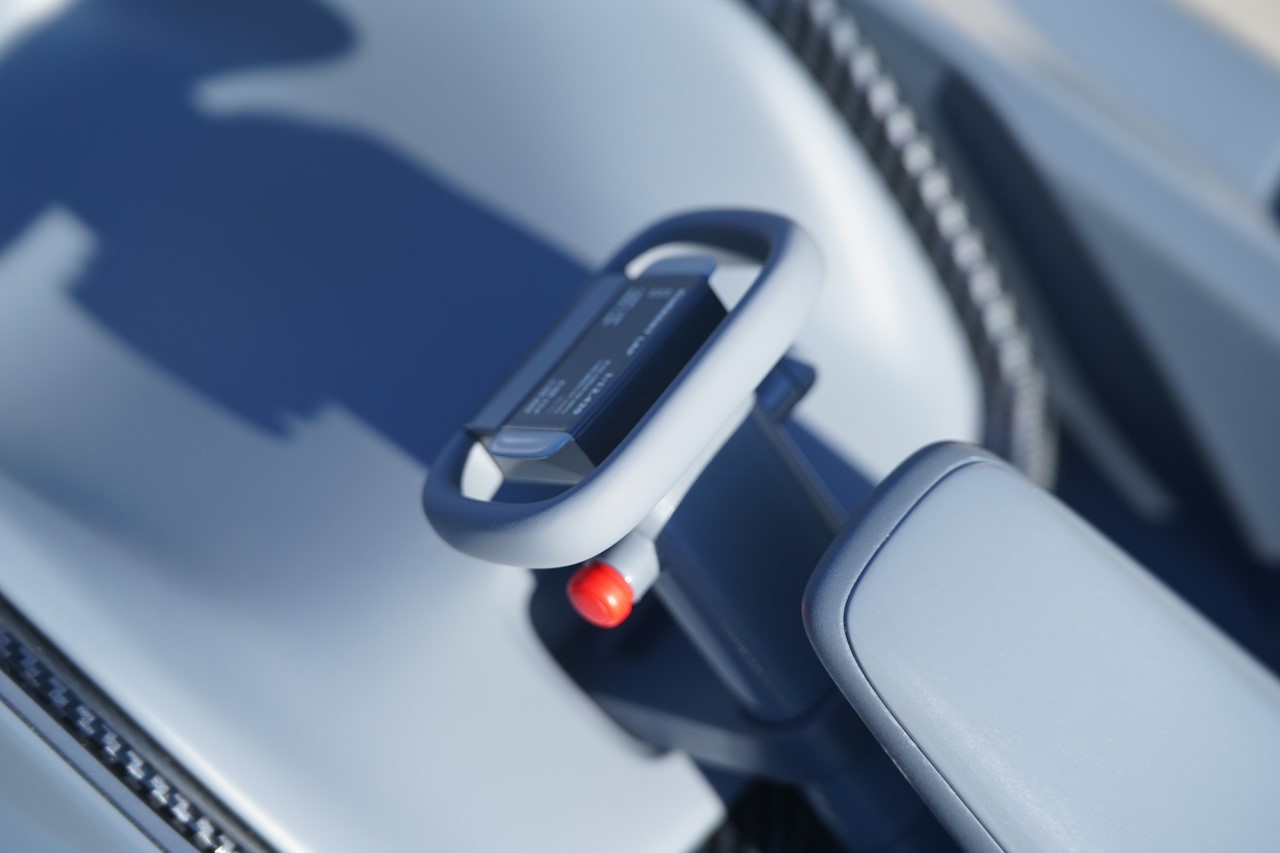
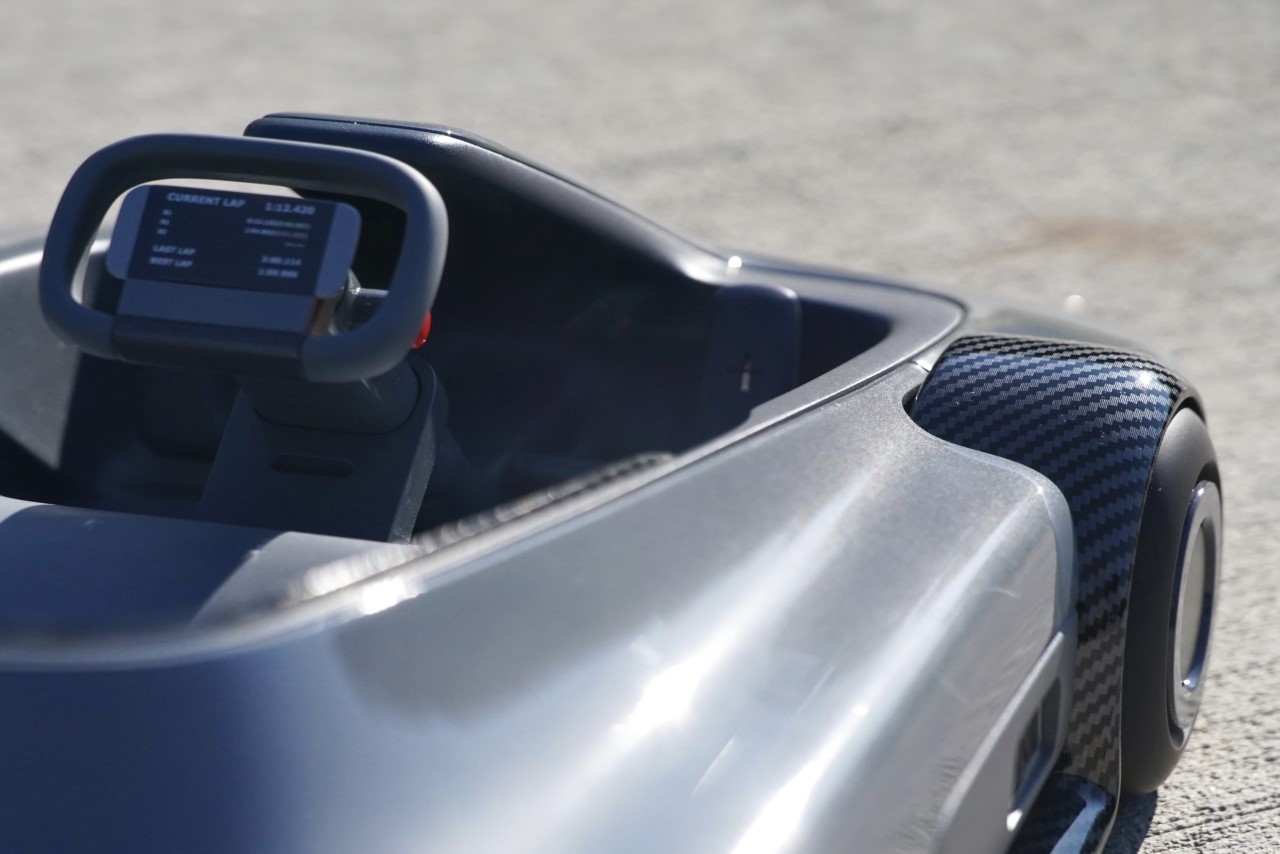
The kart seats one, but aside from just a simple cockpit with a wheel and pedals, you’ve also got a dashboard with information, controls, and settings. A space underneath the steering wheel (or yoke, rather) lets you dock your smartphone, which starts the car and lets it authenticate its driver. The yoke’s central dashboard lets you see racing stats, as well as quickly toggle camera views to see what’s happening behind you. Meanwhile, video footage also gets sent to your phone, allowing you to replay your highlights after the race and share the footage with friends and fans.
Ultimately for Gao, the GoKart is a massive branding exercise for GoPro, letting it reinforce its position as the apex action-camera company. It also creates a separate channel that exists independent of the action camera business, building a sport that can be followed by dedicated fans. This helps solidify the brand, which has seen some weakening following a few corporate scandals and the rise of other companies like Insta360 and Kandao. Moreover, the karts are pretty much billboards on wheels for GoPro’s cameras, letting people experience their brilliance in the form of high-octane kart racing. If anyone at GoPro is reading this, give Sean a call…

The post The GoPro GoKart’s built-in Action Cameras capture your race like never before first appeared on Yanko Design.
Dive into the heart of the waves! GoPro is the official camera at Vans Pipe Masters, delivering the thrill of surf's top riders. Don't miss the action!
The post GoPro Rides the Wave: Exclusive POV at Vans Pipe Masters first appeared on Trendy Gadget.