iPhone 18 Pro Max Leak: Mechanical Iris Camera, 2nm A20 Pro and Dark Cherry Finish

For the last several years, the premium smartphone camera has been a story about software eating hardware. Google’s computational photography turned mediocre sensors into benchmark toppers. Samsung’s AI processing chased detail out of dark scenes that the lens glass alone could never recover. Apple built the Photonic Engine specifically to run post-capture processing at speeds no competitor could match. The results have been genuinely impressive across the board. They have also been, at a fundamental level, a workaround.

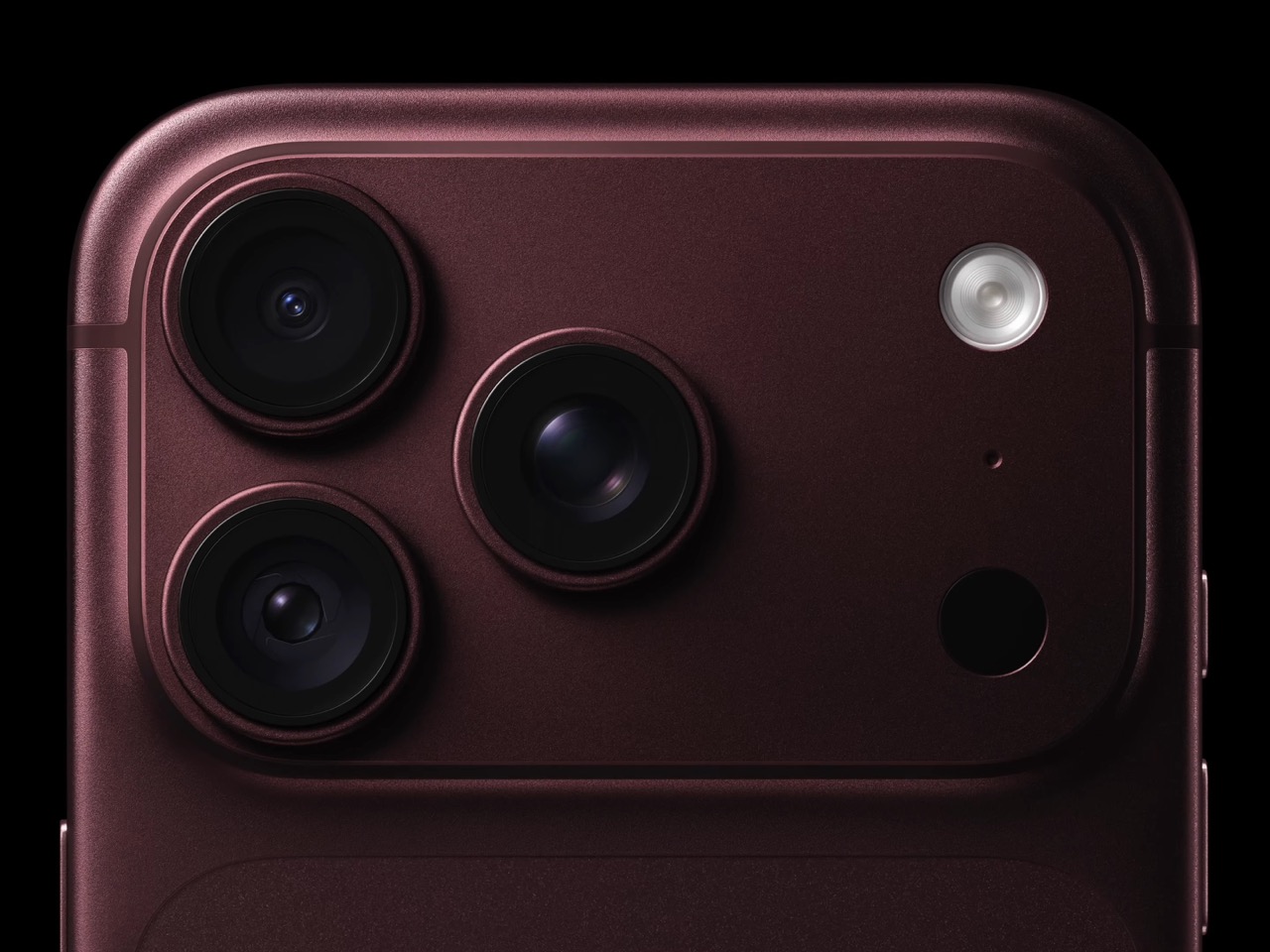
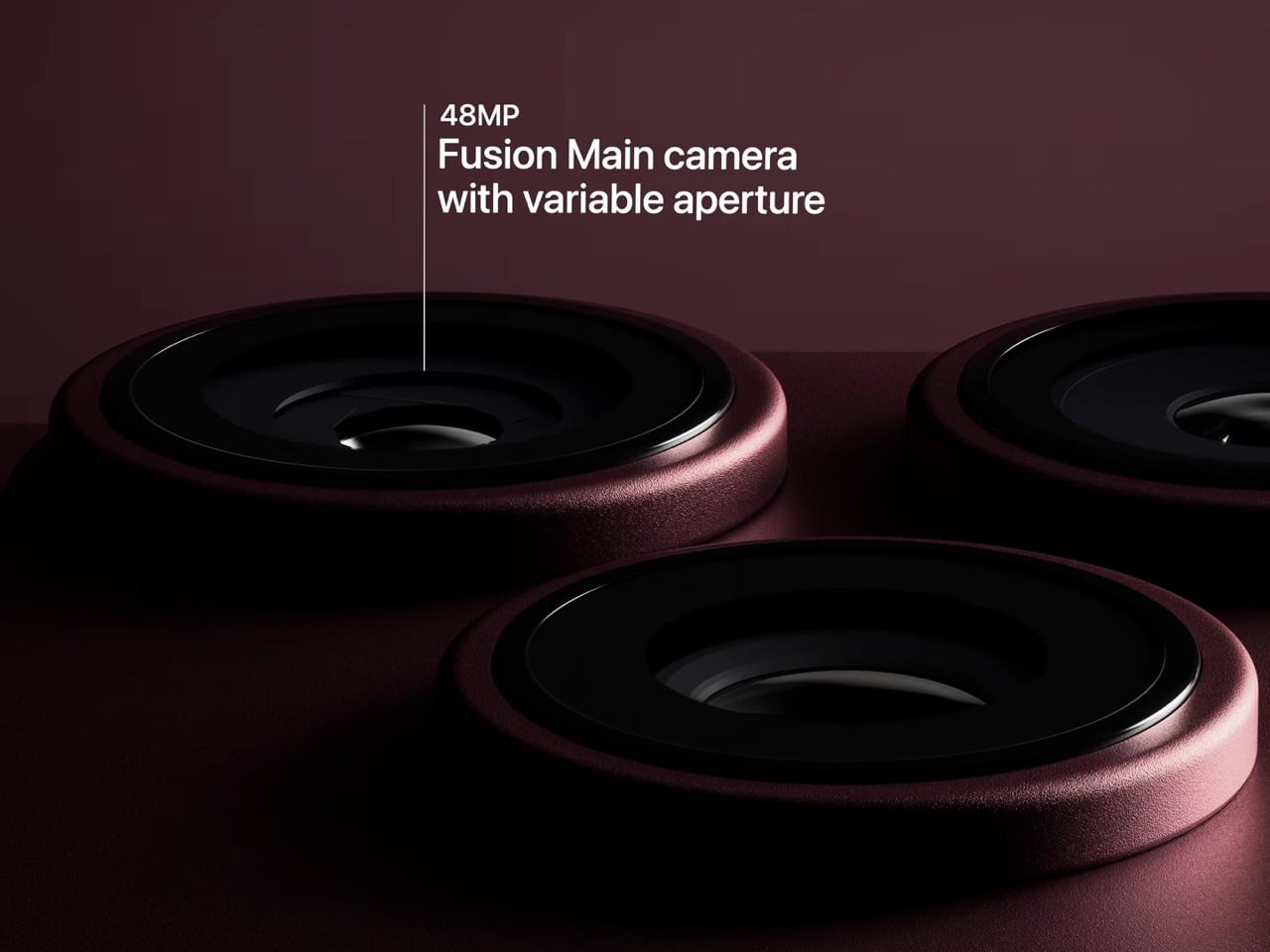
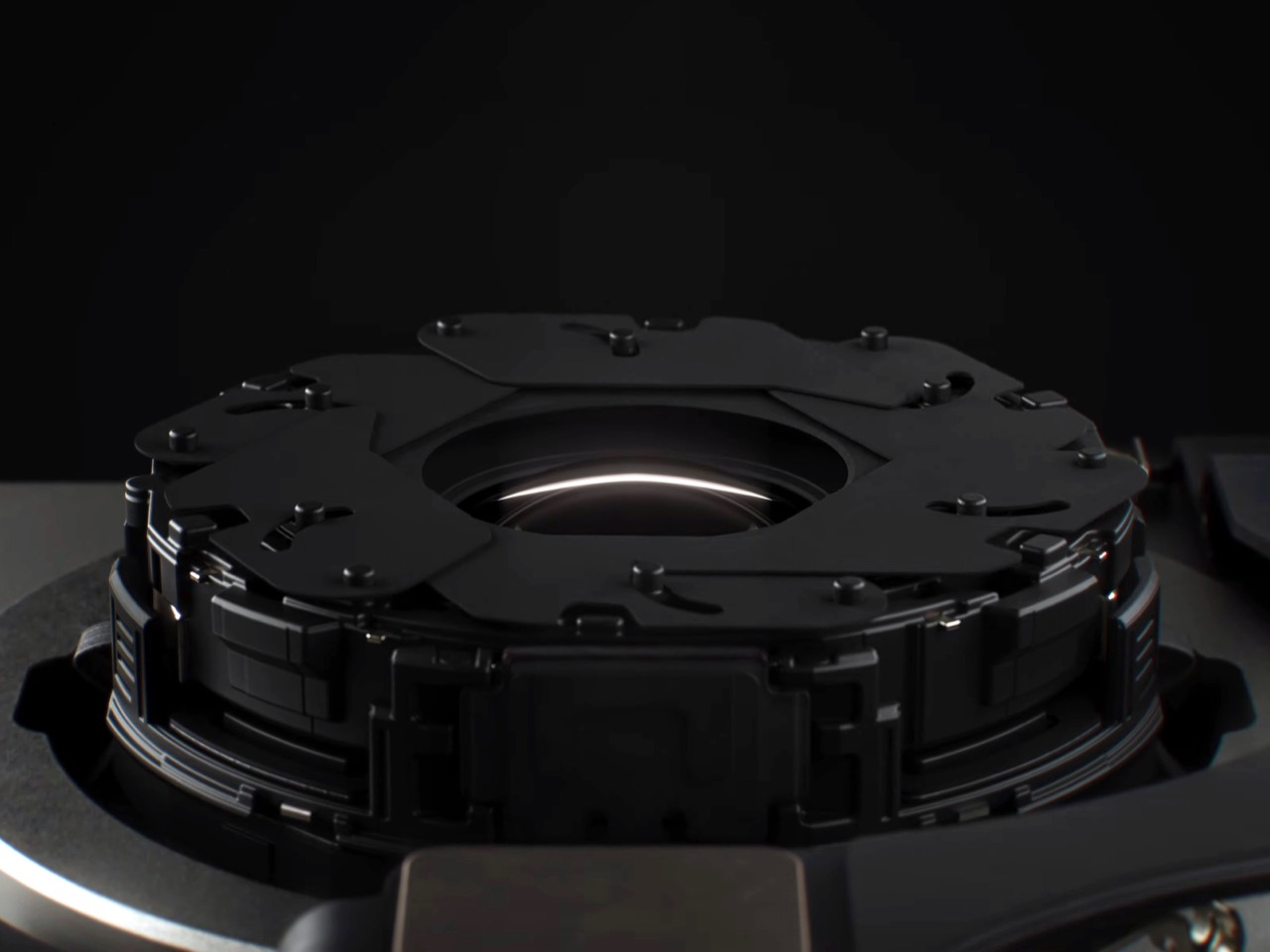
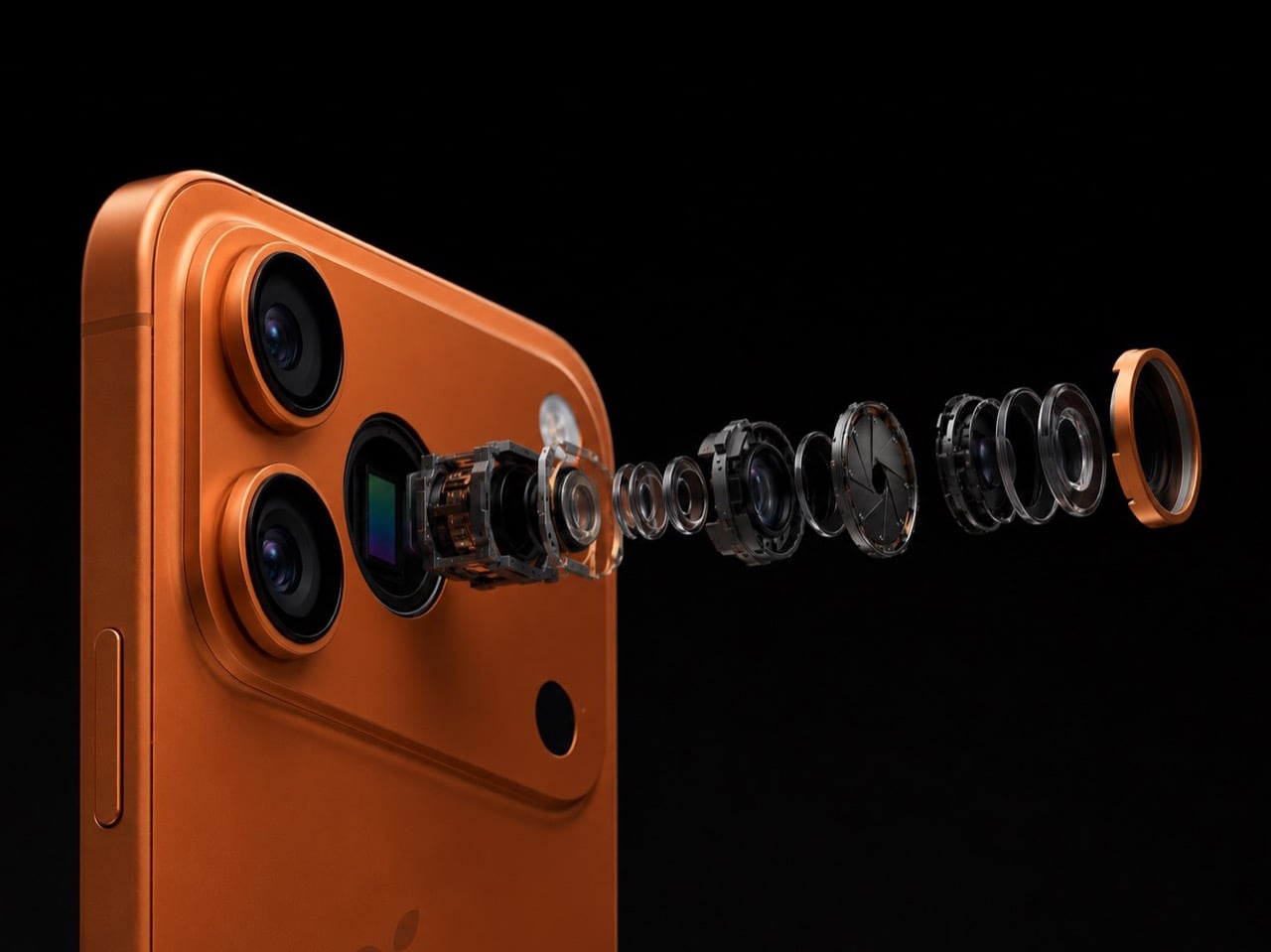
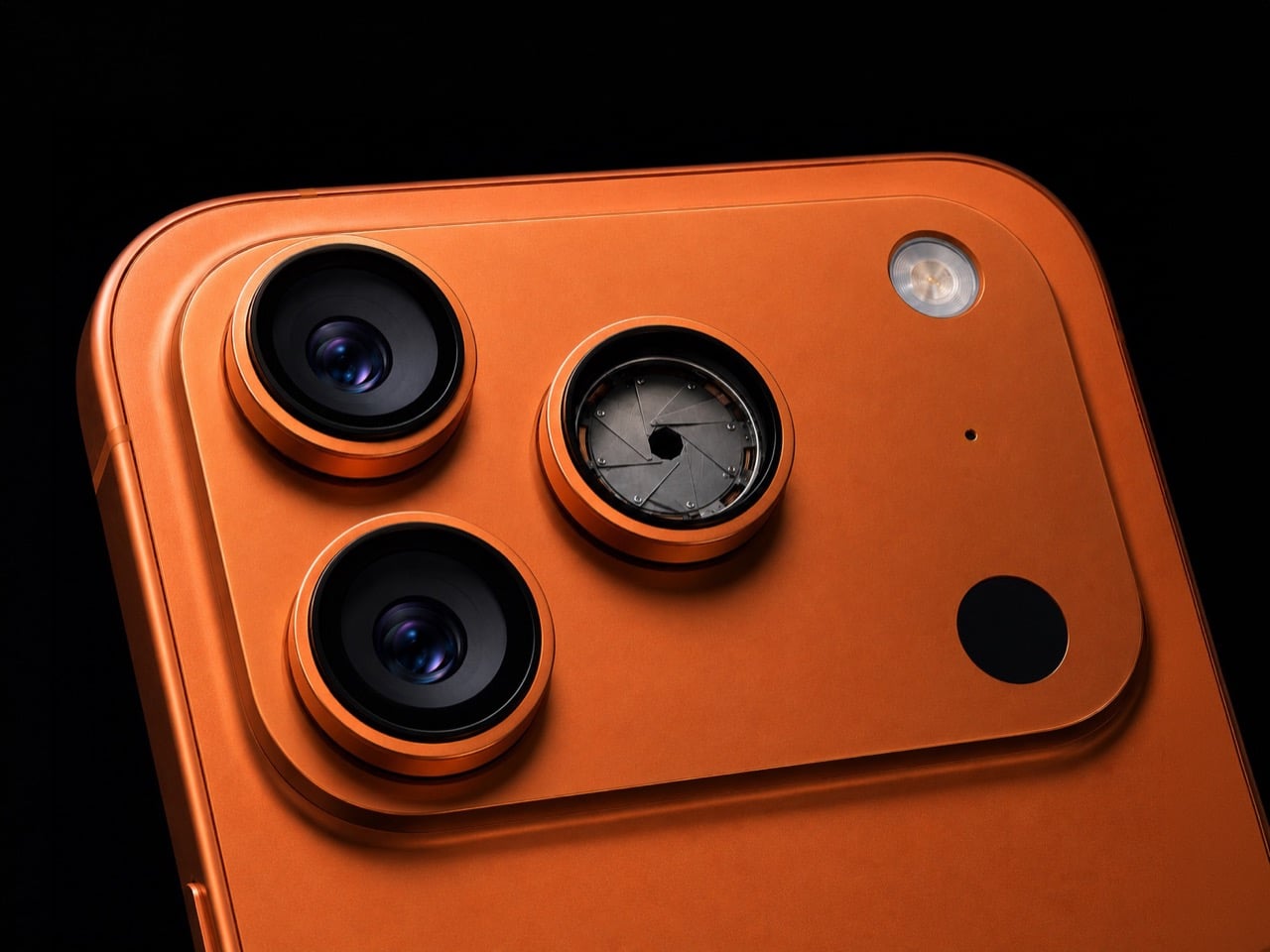
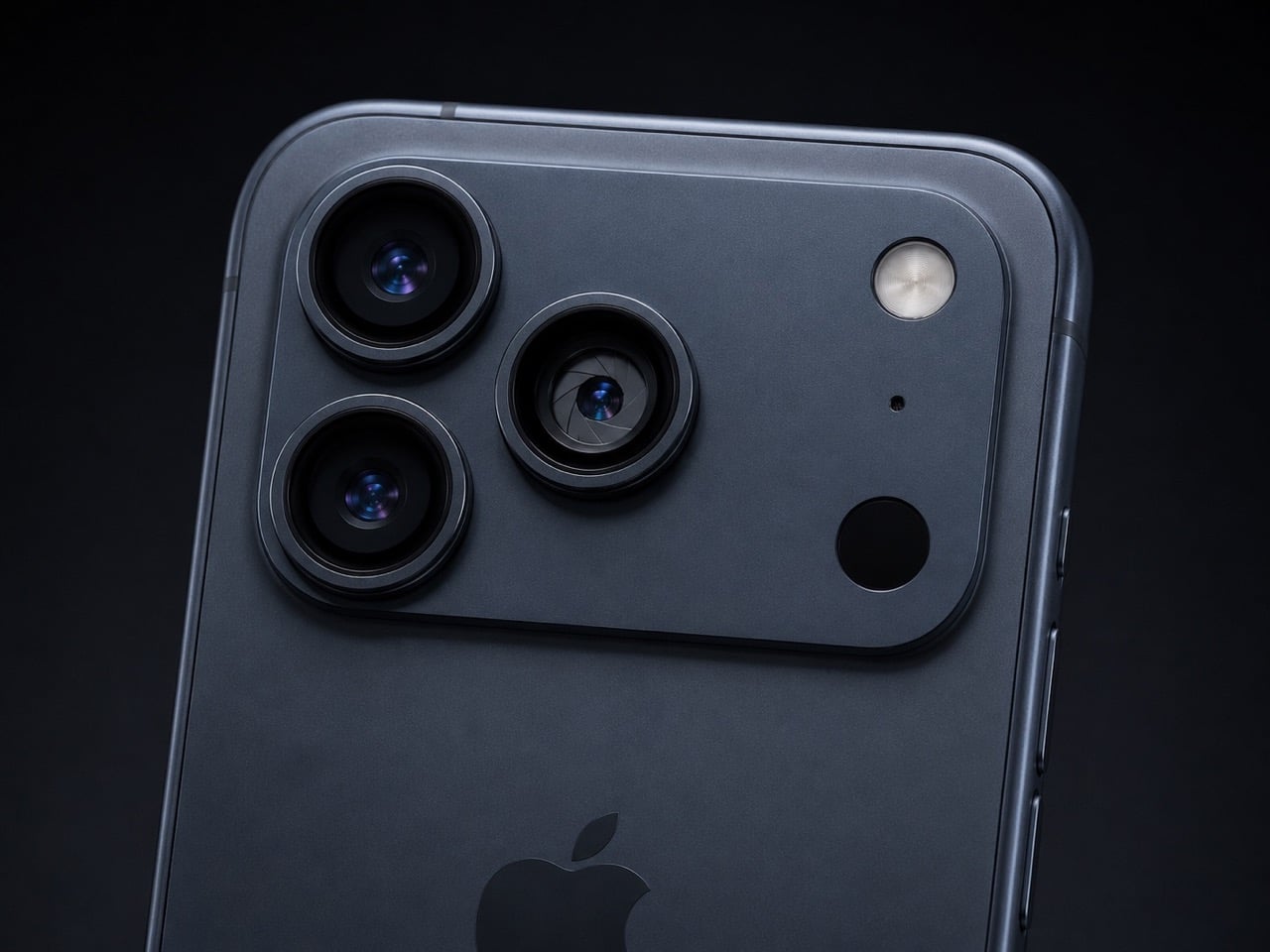
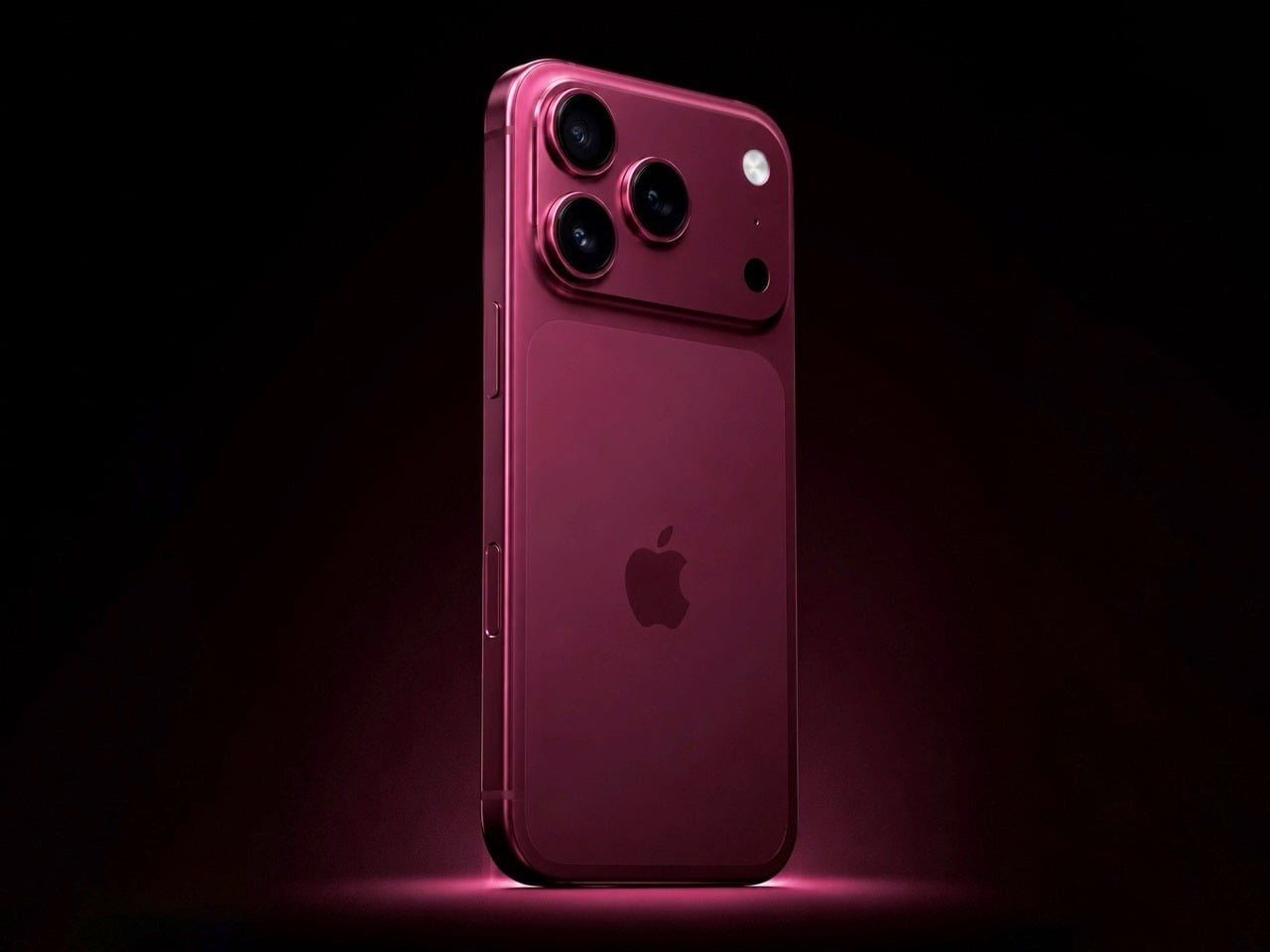
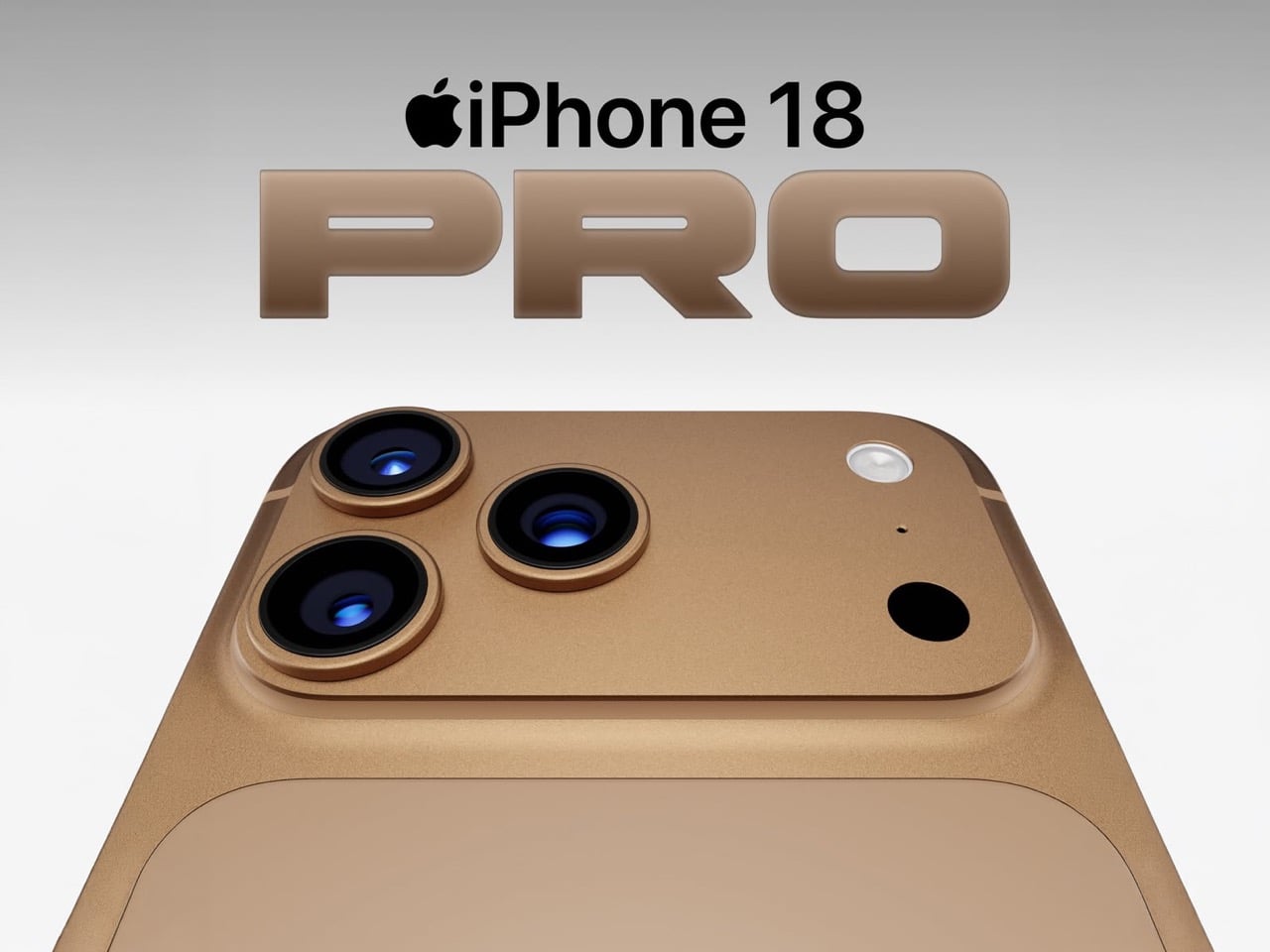
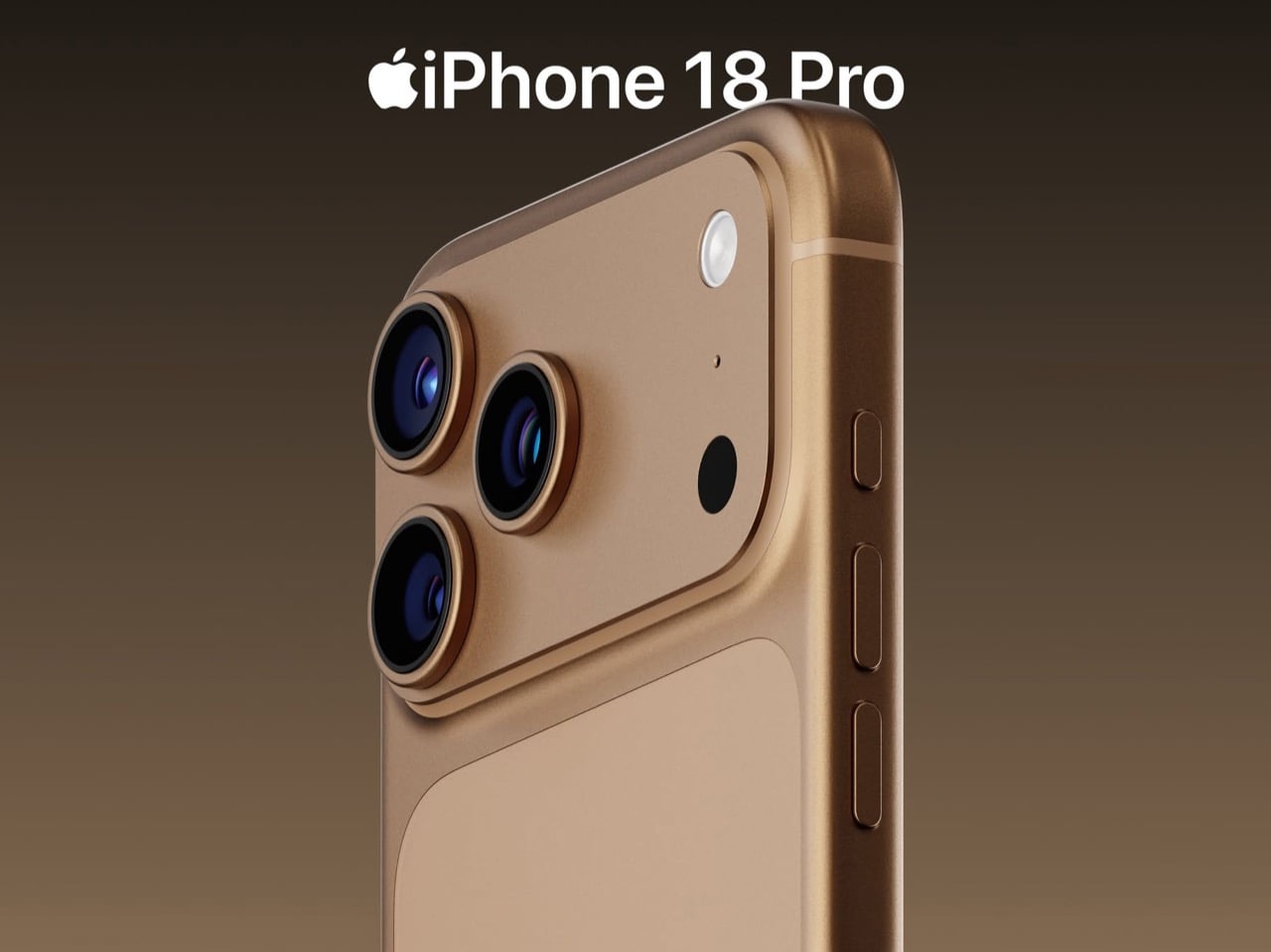
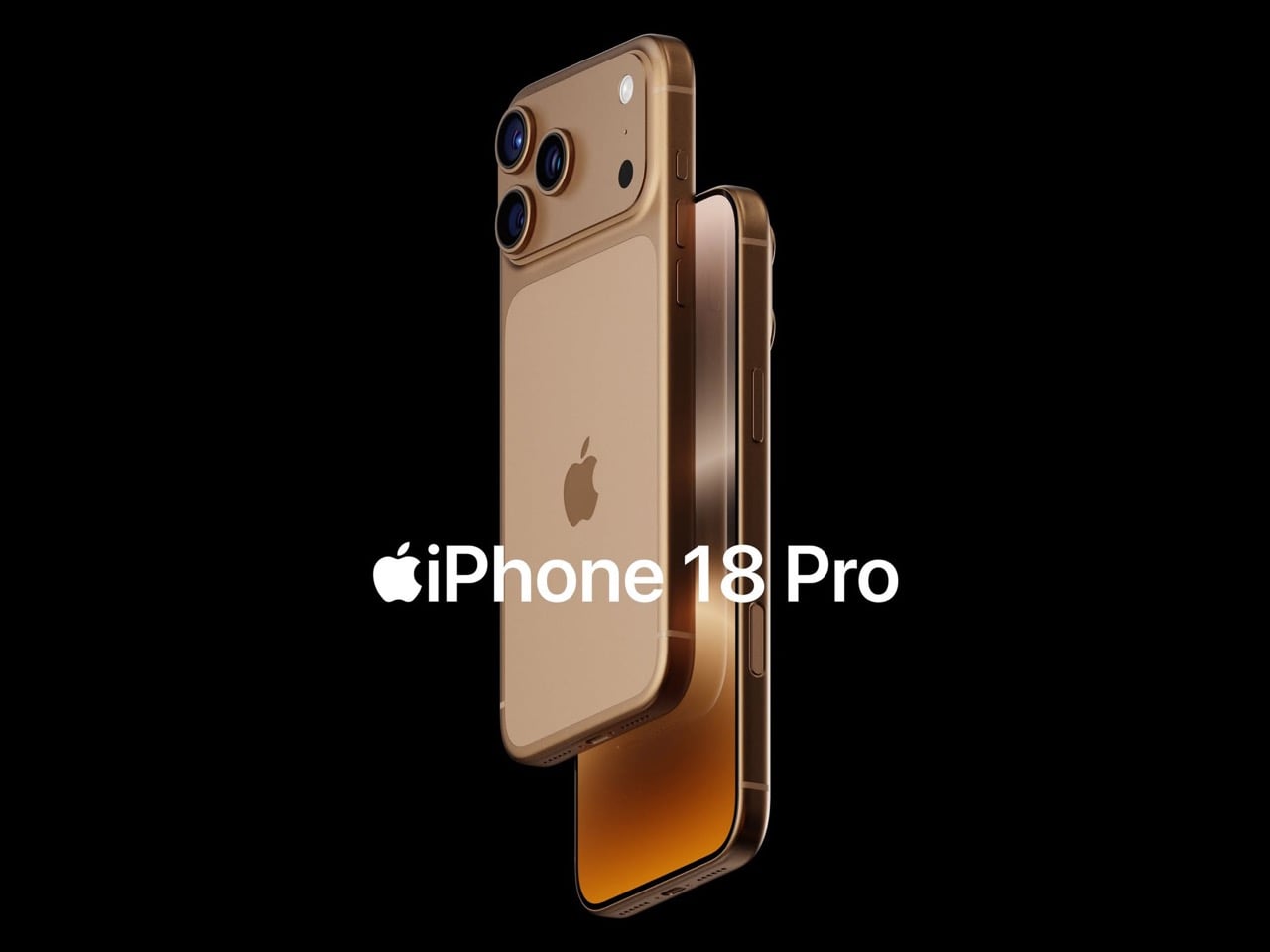
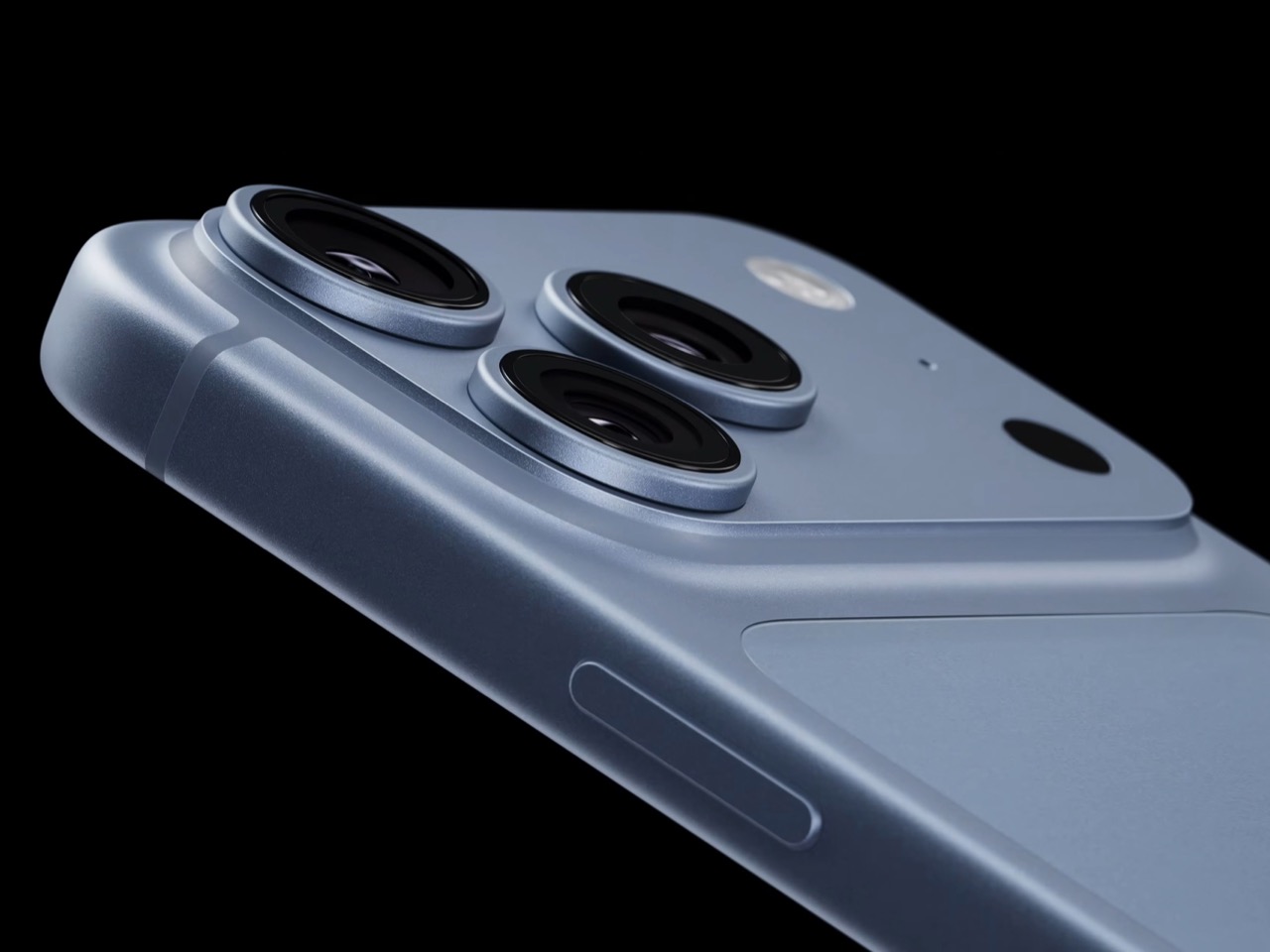
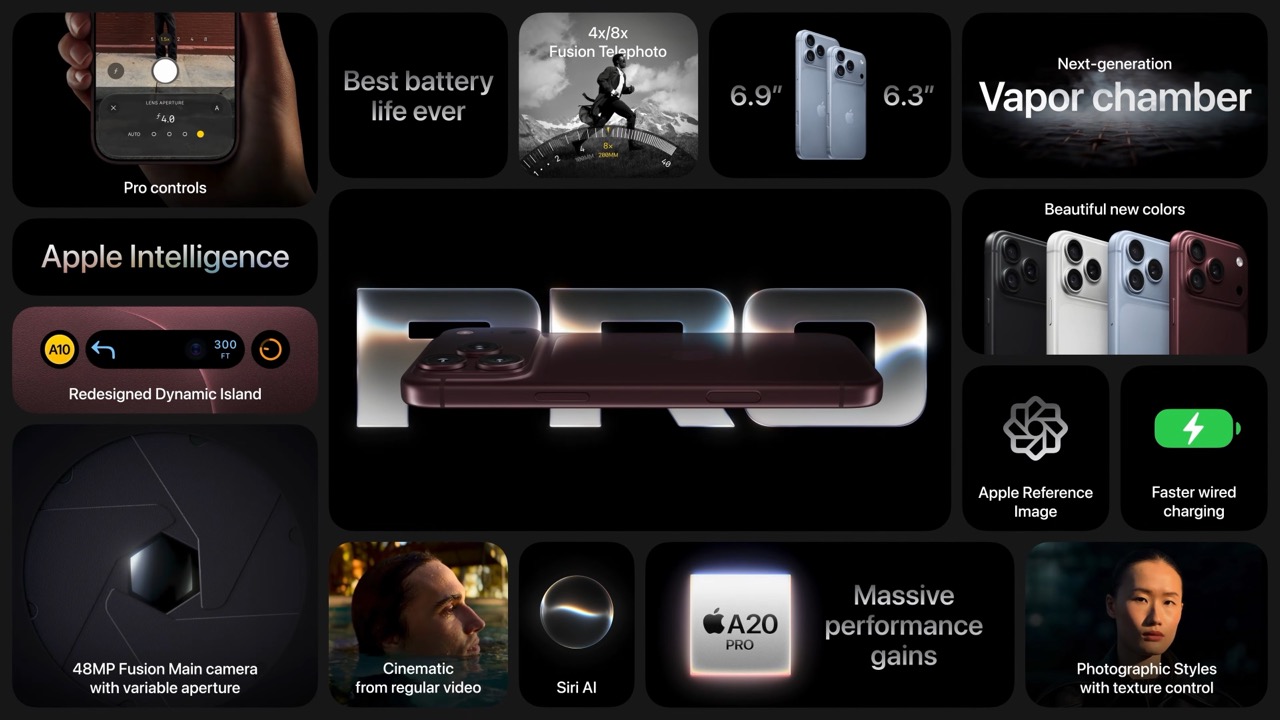
Leaked supply chain data from April points toward Apple choosing a different approach for the iPhone 18 Pro Max: a mechanical iris, physical aperture blades, the kind of variable light control that photographers have relied on since the nineteenth century. Chinese component supplier Sunny Optical has already entered production on the actuators that make the system work, turning what analyst Ming-Chi Kuo first flagged in December 2024 into a confirmed hardware reality. The rest of the 2026 leak picture, the 2nm A20 Pro chip, under-display Face ID, and the Dark Cherry colorway we detailed last week, all reads differently once you understand that Apple is building around mechanical principles, with algorithms serving the physics rather than substituting for it.

Designer: Apple

Samsung attempted this exact feature with the Galaxy S9 and S9+ in 2018, building a diaphragm that toggled between f/1.4 and f/4.0 across eight discrete steps, then dropped it entirely from the Galaxy S10 the following year without explanation. First-hand testing at the time found inconsistent results, portrait artifacts, and a setting so buried in the menus that most users shooting in auto mode never engaged it deliberately. The engineering problem is formidable: fitting moving aperture blades, their actuators, and the mechanical tolerances those blades require into a camera stack measured in single-digit millimeters is a precision manufacturing challenge of a different category than any software update can address. Apple commissioning Sunny Optical specifically for custom actuator production, with that production already underway, signals a more deliberate, supply-chain-integrated approach to the problem. Something changed between 2018 and now at the component level that makes this viable where Samsung could not make it reliable at scale.

Every iPhone Pro from the 14 through the 17 has shot at a fixed f/1.78, the lens always wide open, with software compensating for everything the hardware cannot adjust. Leaks point to a range spanning f/1.6 to f/22 on the 18 Pro Max, meaning optically controlled exposure for the first time in the Pro line’s history. Stopping down in bright conditions eliminates the overexposure that Apple’s current tonemapping corrects after capture, and a physical aperture produces depth-of-field falloff curves around hair and translucent fabric that computational bokeh gets wrong often enough to notice. The A20 Pro chip on TSMC’s 2nm process, with RAM integrated directly onto the same wafer as the CPU, GPU, and Neural Engine, delivers the projected 30% efficiency gain that makes running simultaneous mechanical and computational systems sustainable at the battery level. Apple is accepting a thicker chassis and a heavier phone, projected at around 8.8mm and 240 to 243 grams, to pay for all of it.

Several things the current leak record cannot answer will determine how much of the mechanical iris matters in real-world use. The number of aperture blades is unconfirmed, and that figure directly shapes bokeh quality, with more blades producing a rounder, optically cleaner out-of-focus shape. Repairability is a genuine concern, since moving parts inside a camera module that already carries one of Apple’s steeper service costs introduces a new failure mode into an expensive component. Blade longevity over years of daily shooting has surfaced in none of the supply chain reporting, and that is the kind of question only a full product lifecycle can answer. What September will reveal is whether Apple has resolved the reliability problem that ended Samsung’s attempt in 2018, and whether physics can now outperform the algorithms that have defined the camera conversation for a decade.


The post iPhone 18 Pro Max Leak: Mechanical Iris Camera, 2nm A20 Pro and Dark Cherry Finish first appeared on Yanko Design.
Remember When Rose Gold Took Over Everything? Apple Is Trying That Again With Dark Cherry

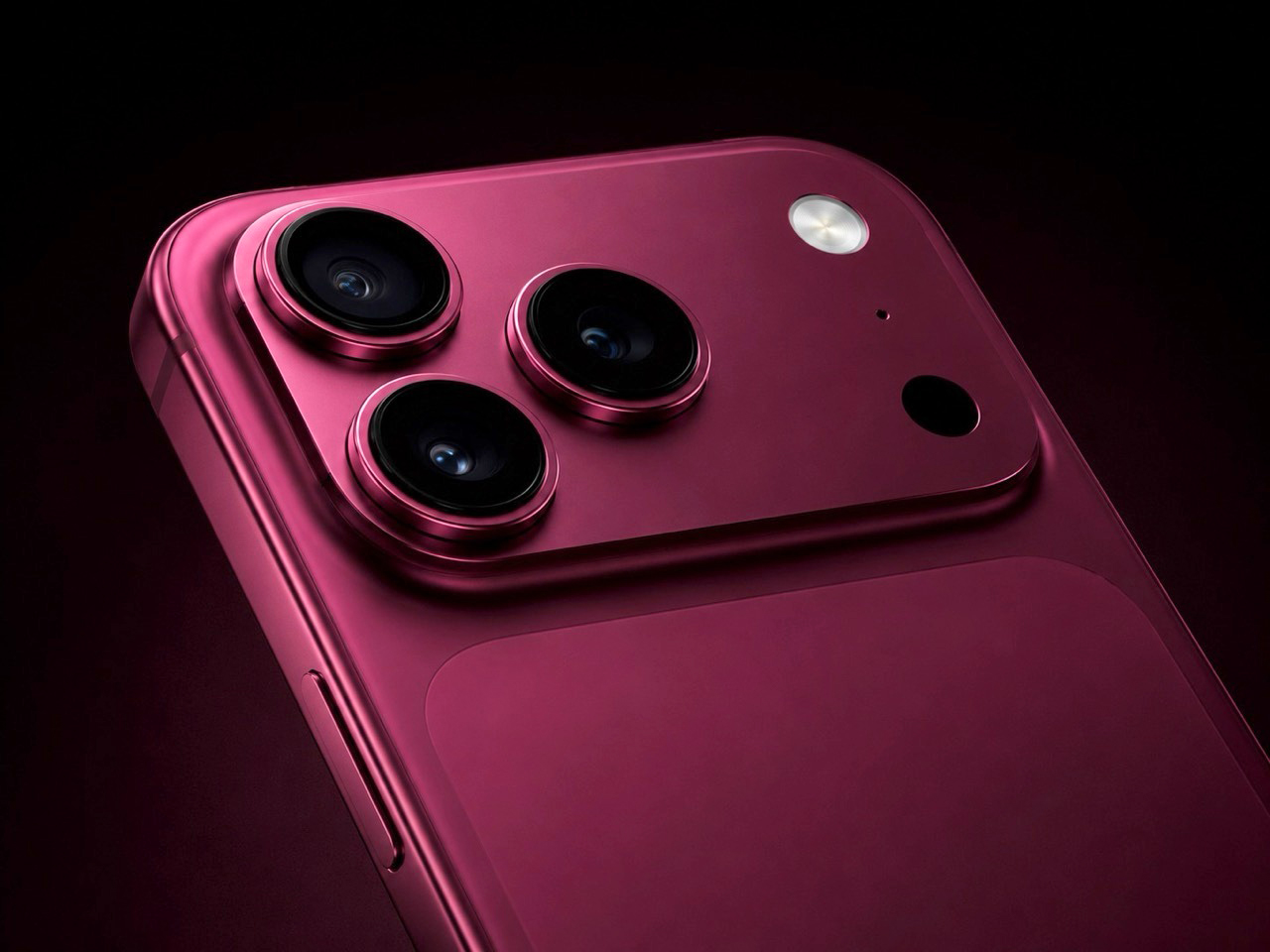
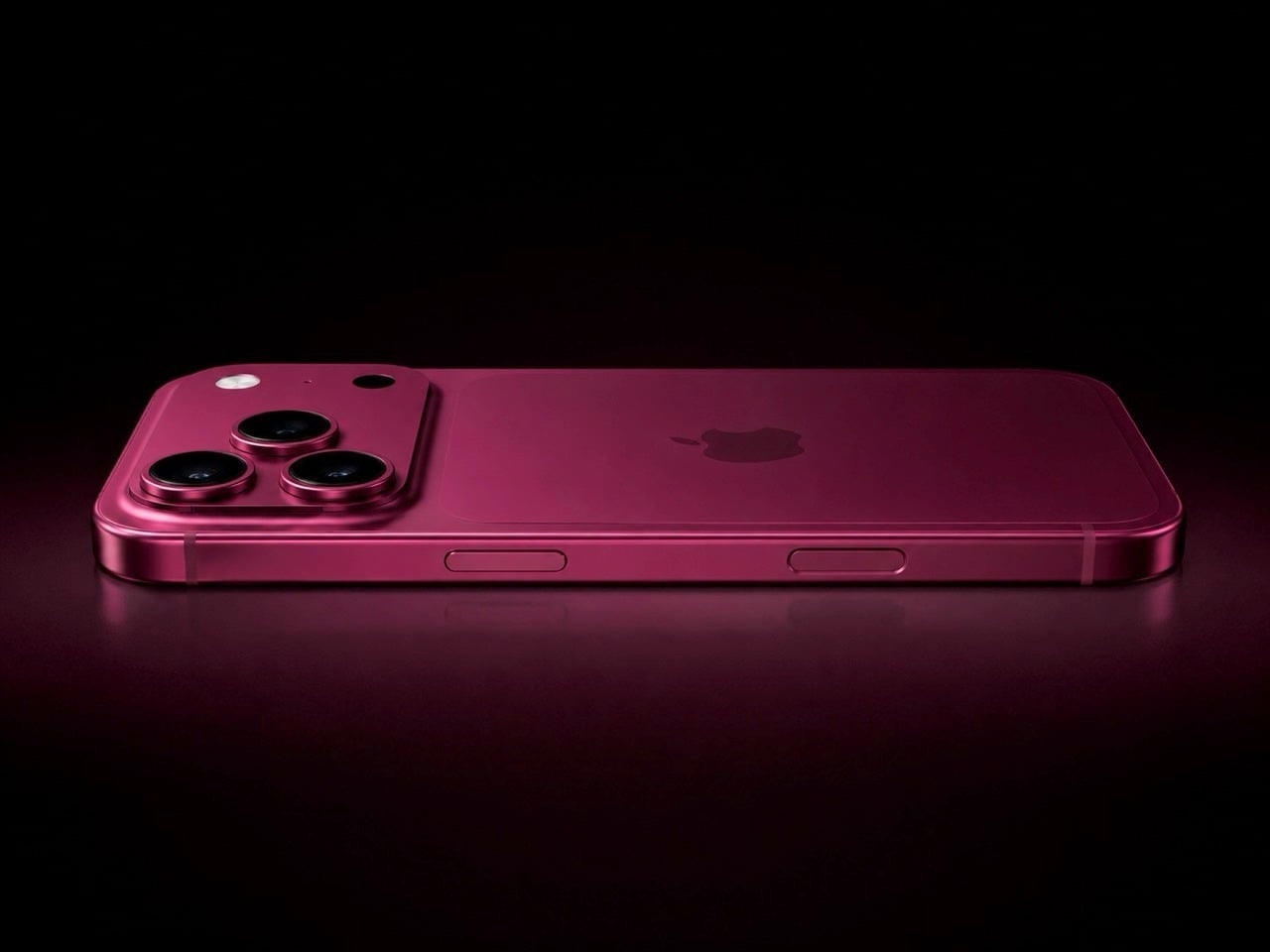
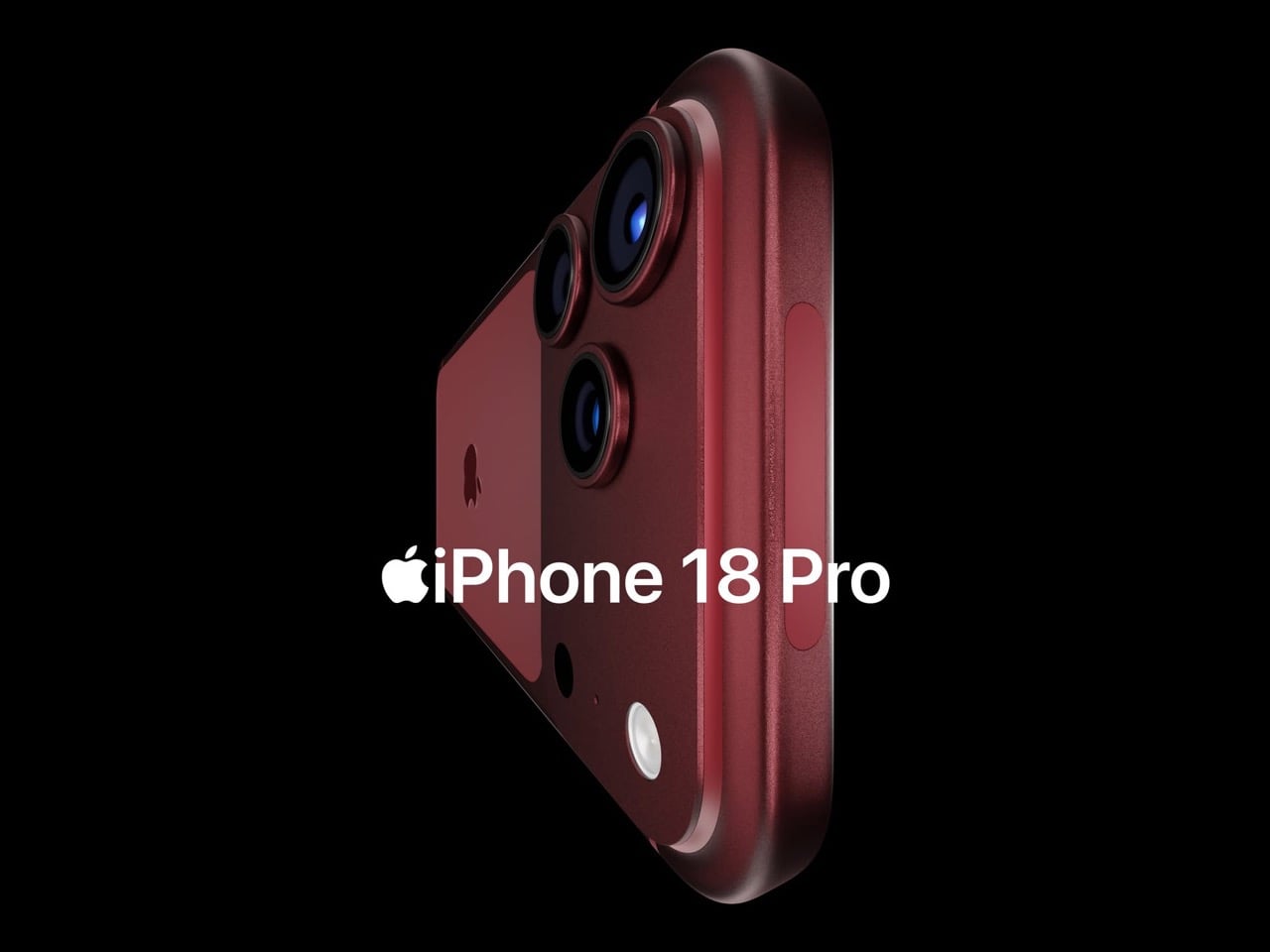
Rose Gold did not just sell iPhones. It rewired the consumer electronics industry’s entire relationship with color, spawning a decade of blush-tinted Samsung flagships, Beats headphones, Dell XPS laptops, Dyson hairdryers, and KitchenAid stand mixers that are still arriving on shelves today. Apple introduced it in 2015 with the iPhone 6s, and within eighteen months every major manufacturer had a rose-gold SKU, not because the color was revolutionary but because the sales data was undeniable. Cosmic Orange pulled off a smaller version of that trick with the iPhone 17 Pro, becoming the de facto personality colorway of the lineup and reportedly outperforming expectations at retail. Apple noticed, and for the iPhone 18 Pro, they are reaching for lightning in a bottle again with a finish called Dark Cherry.

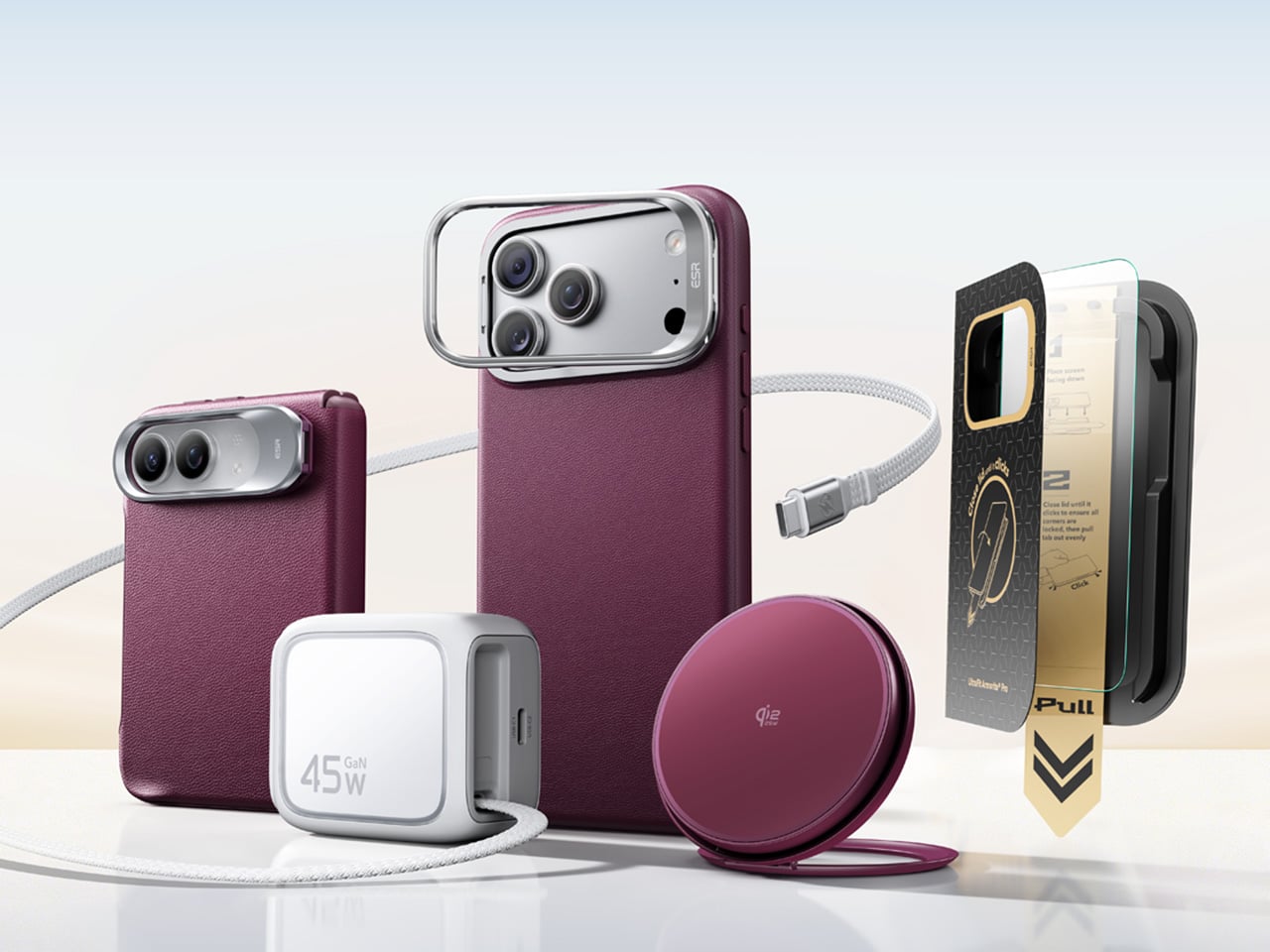
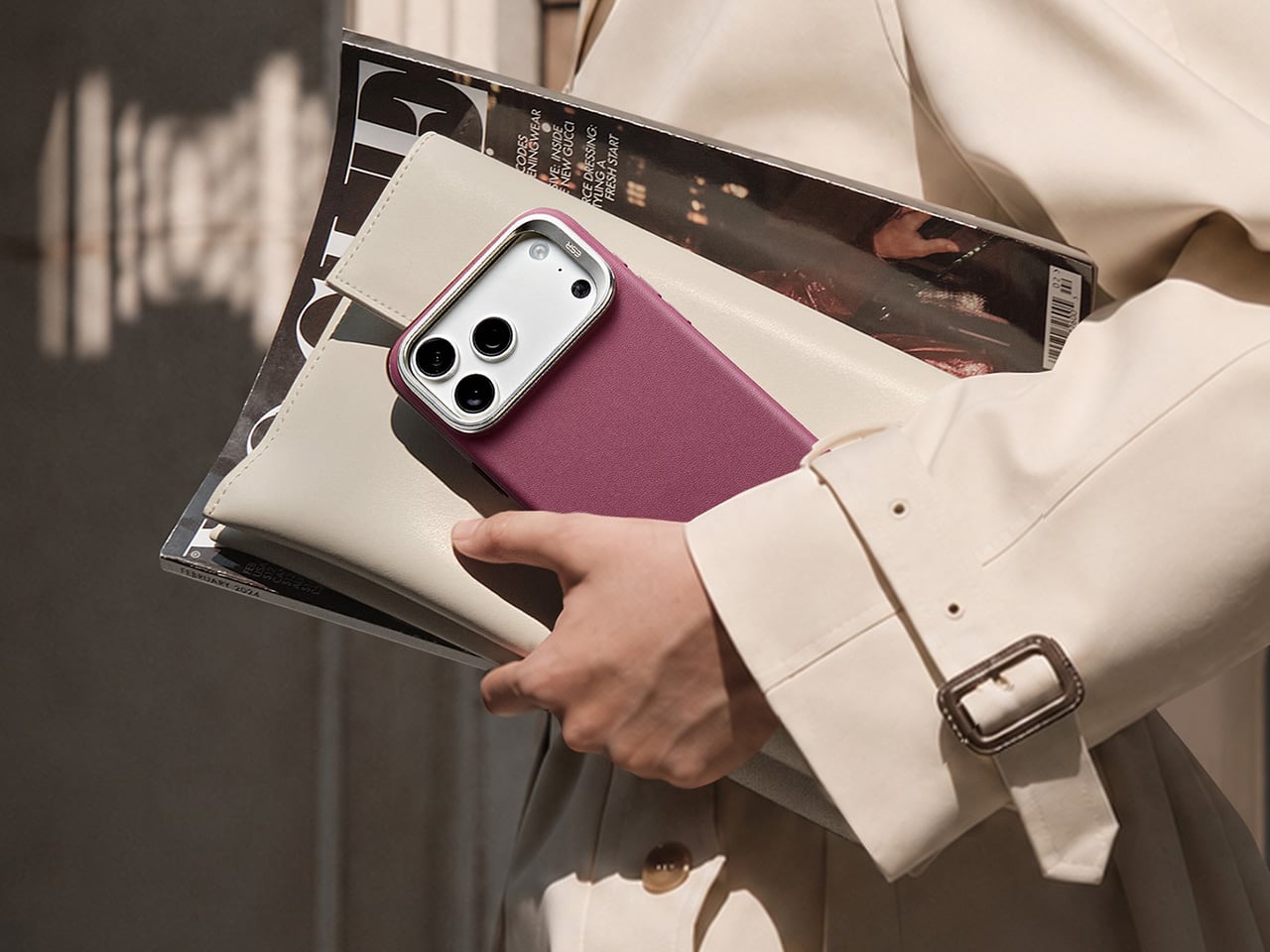
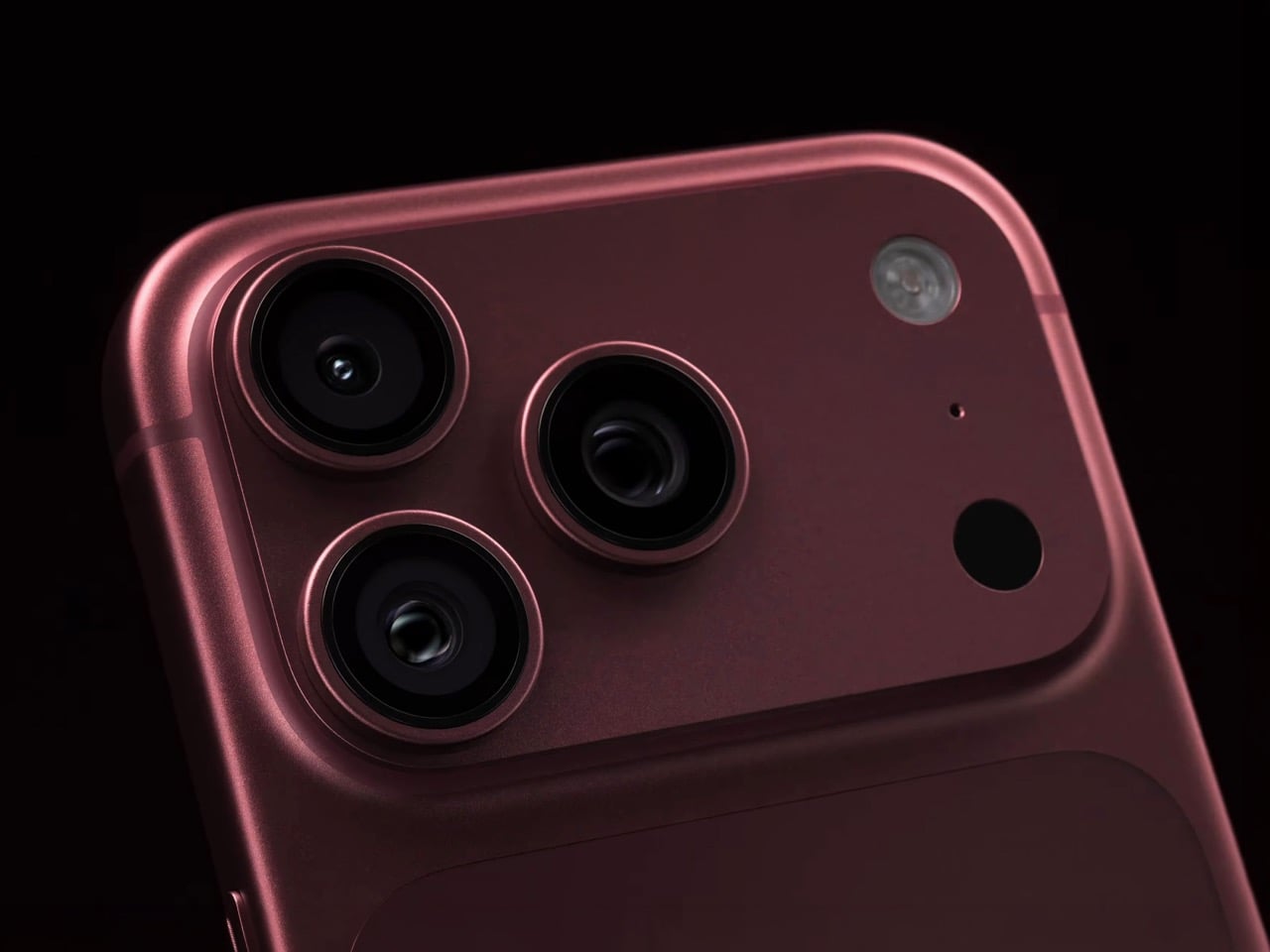
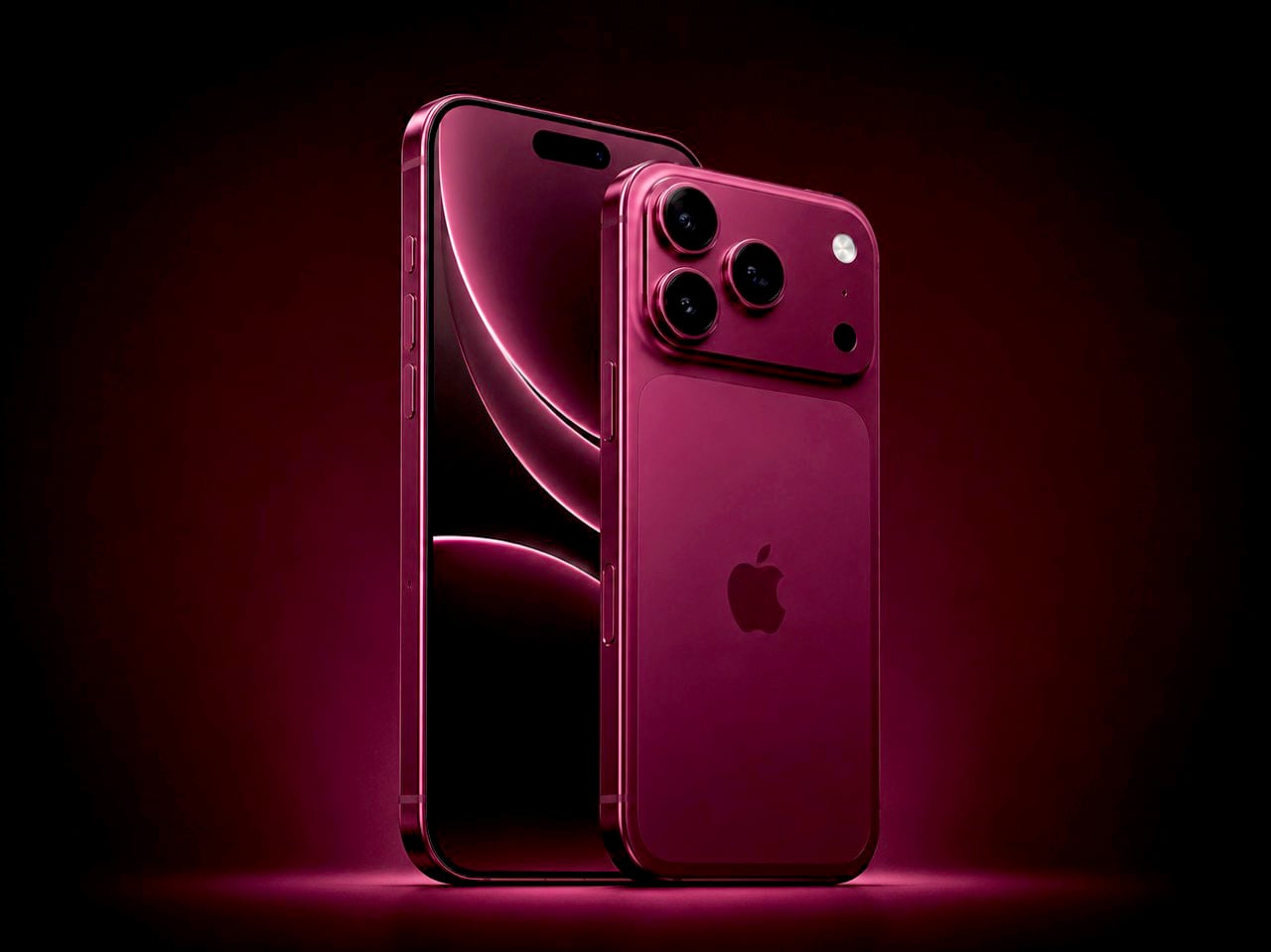
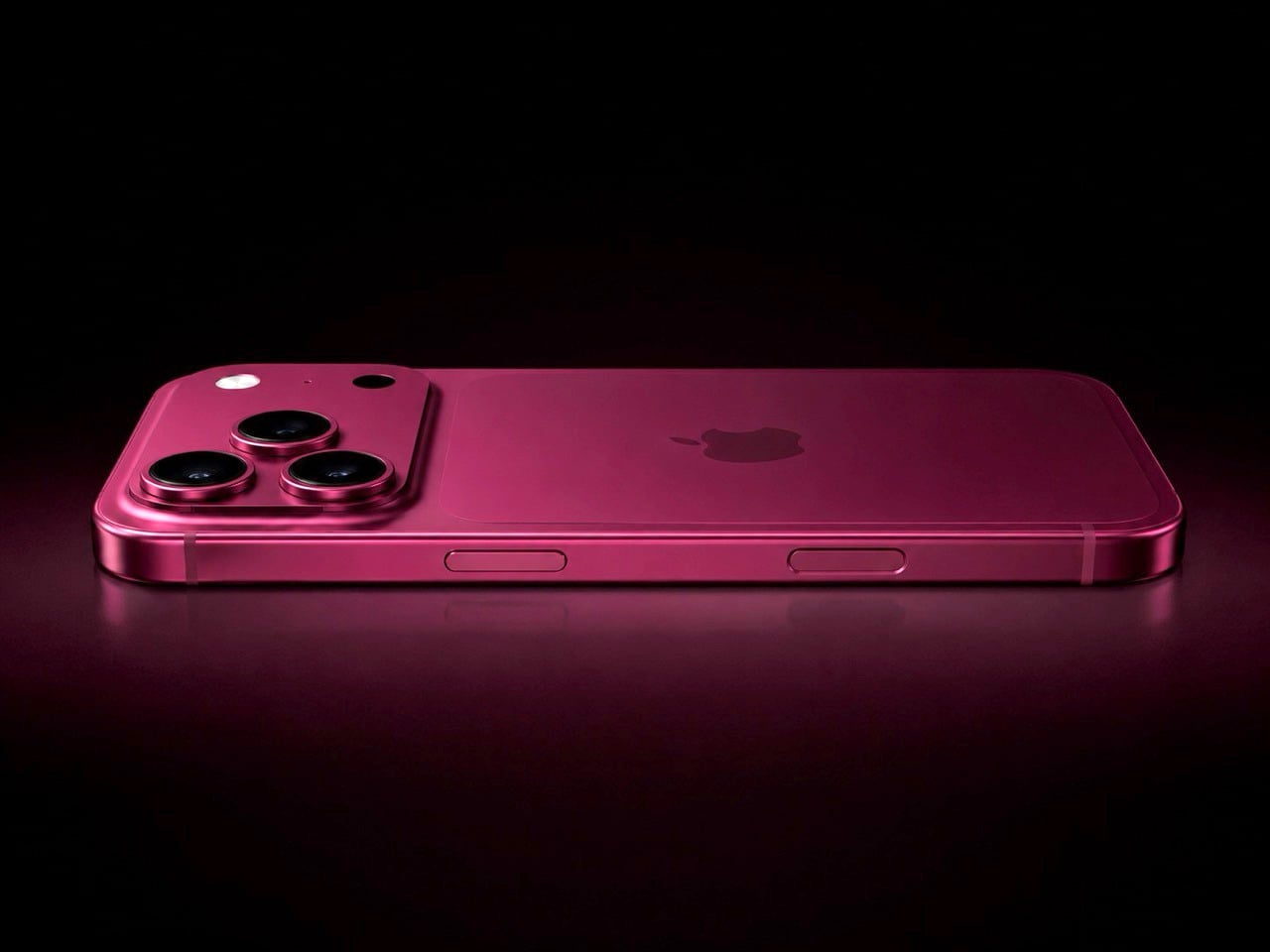
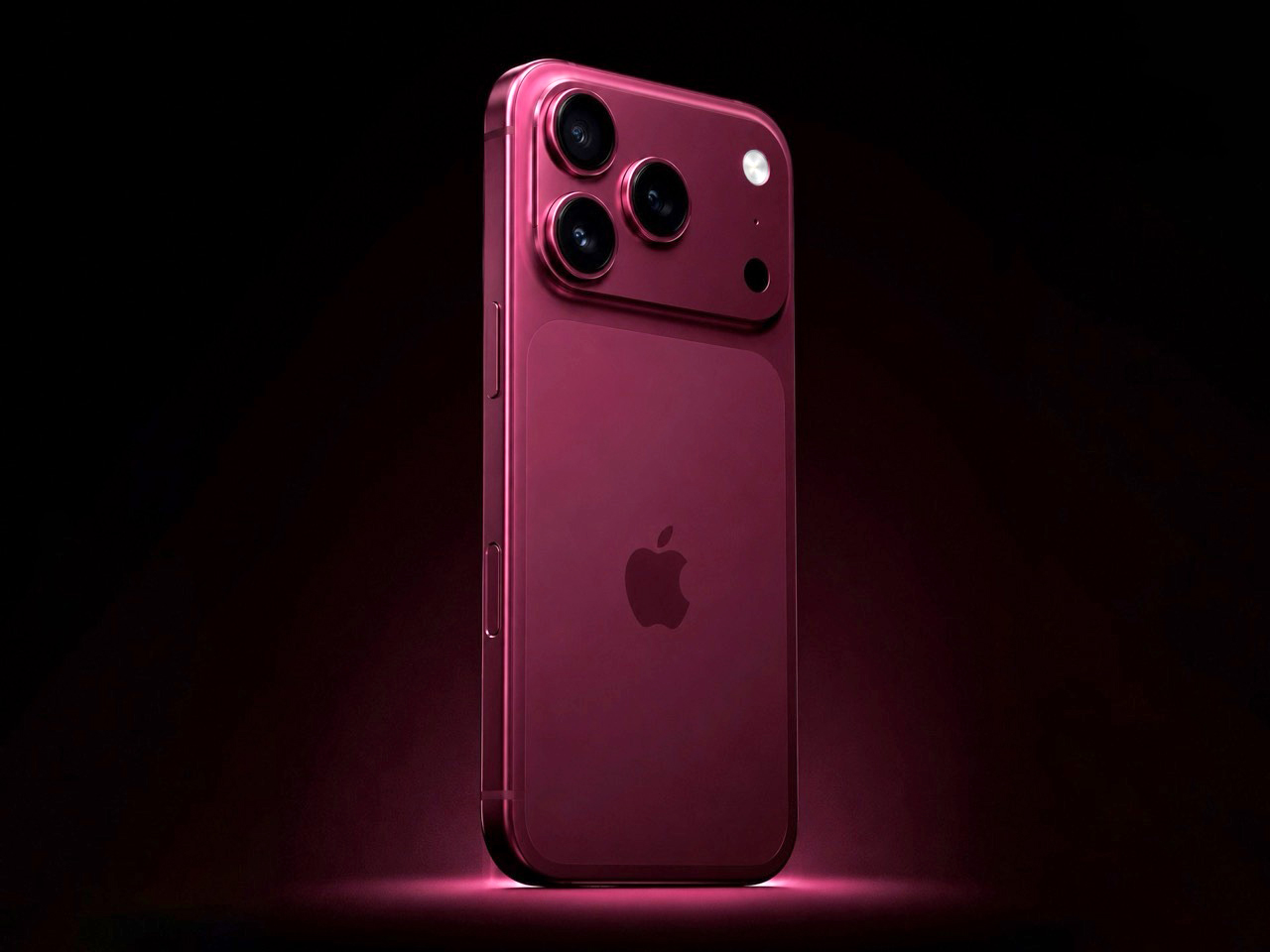
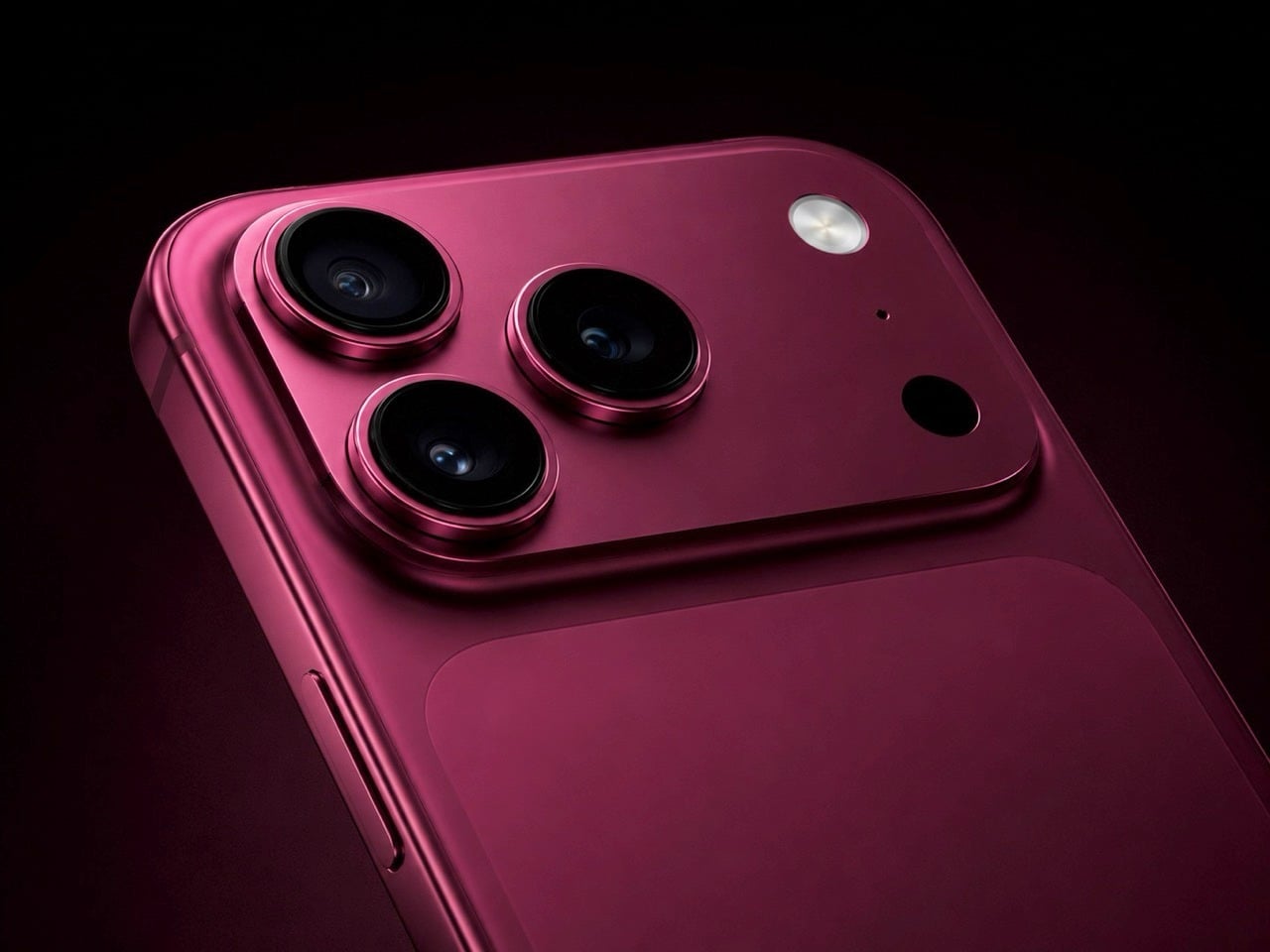
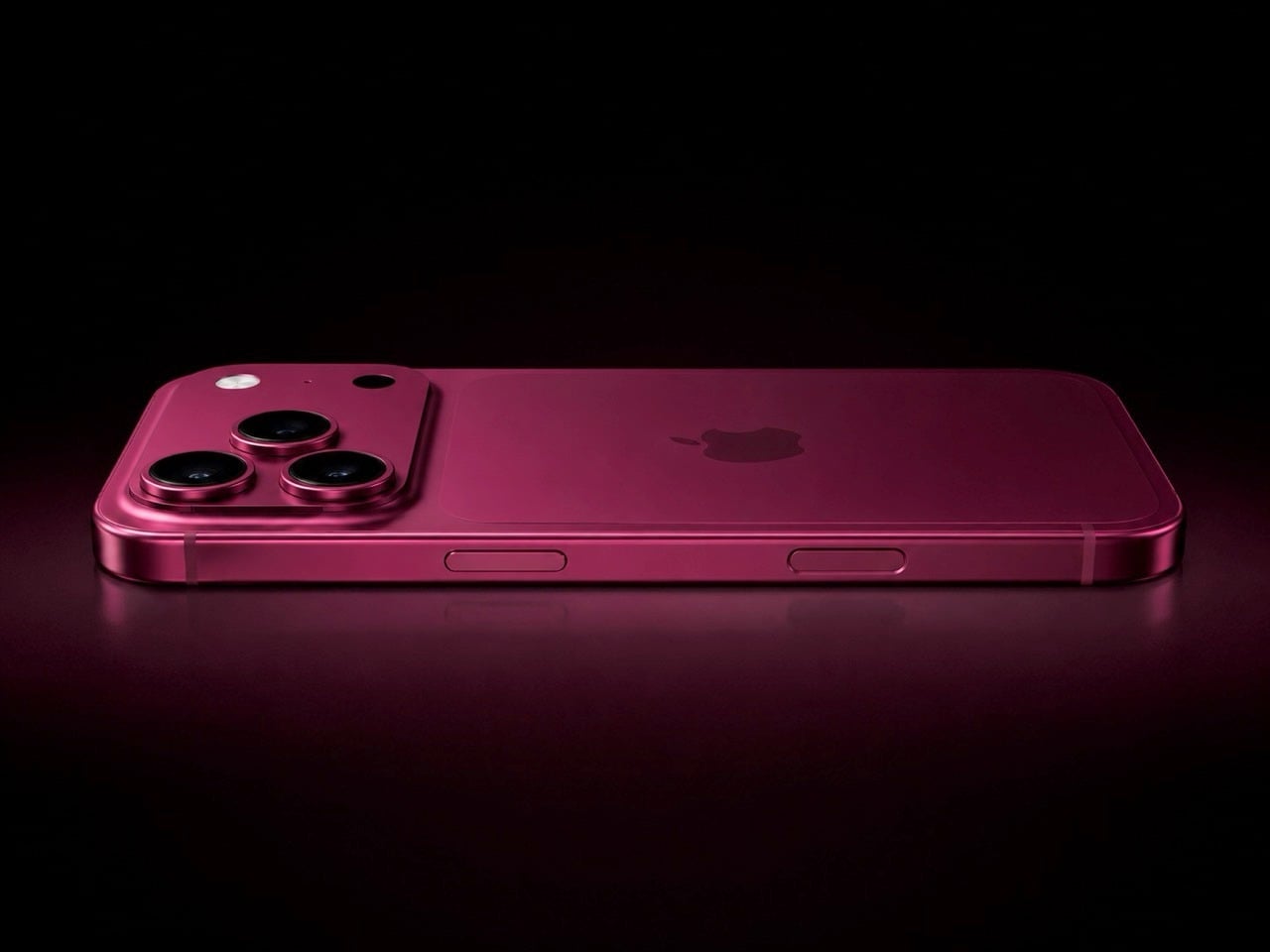
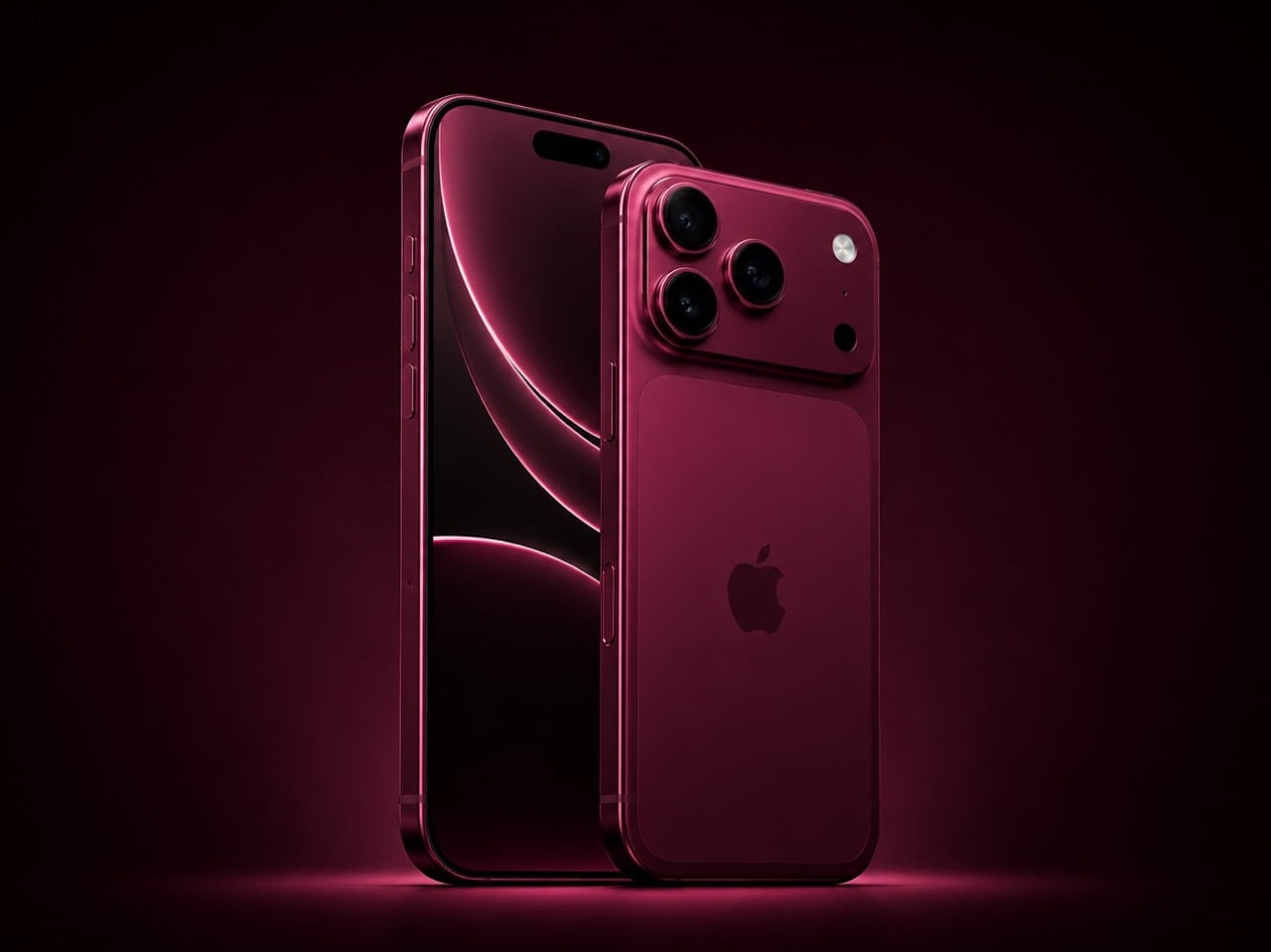
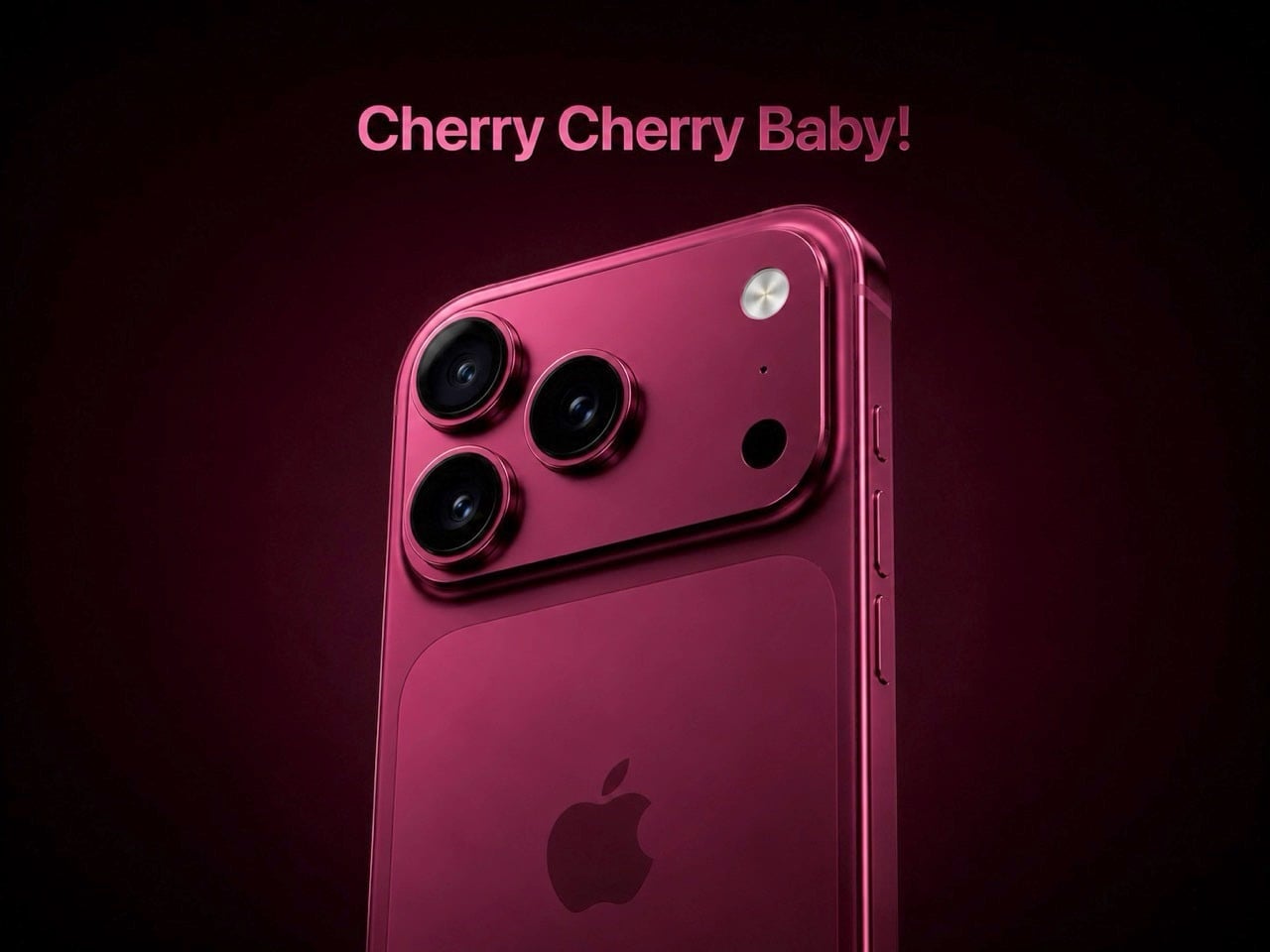
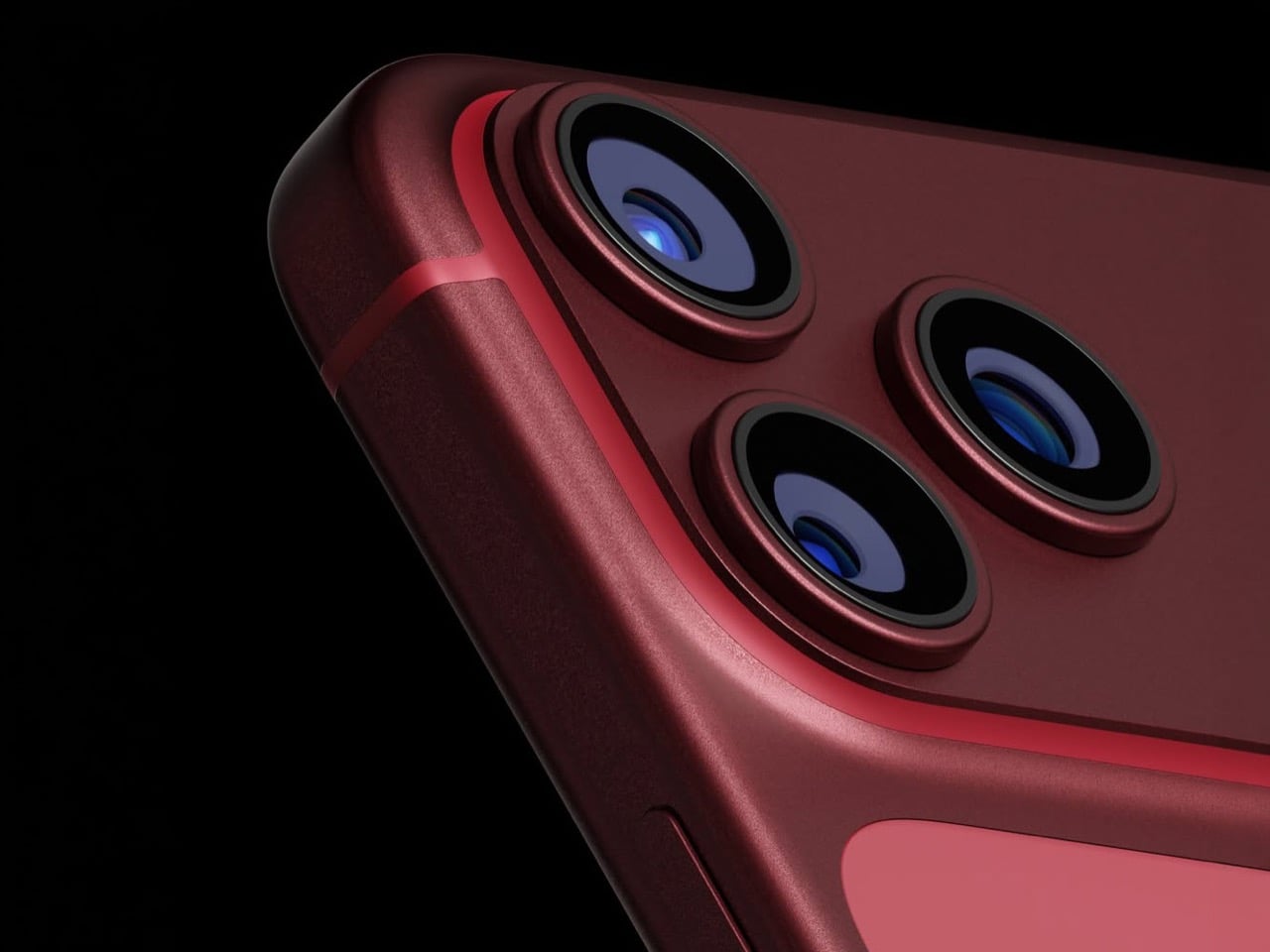
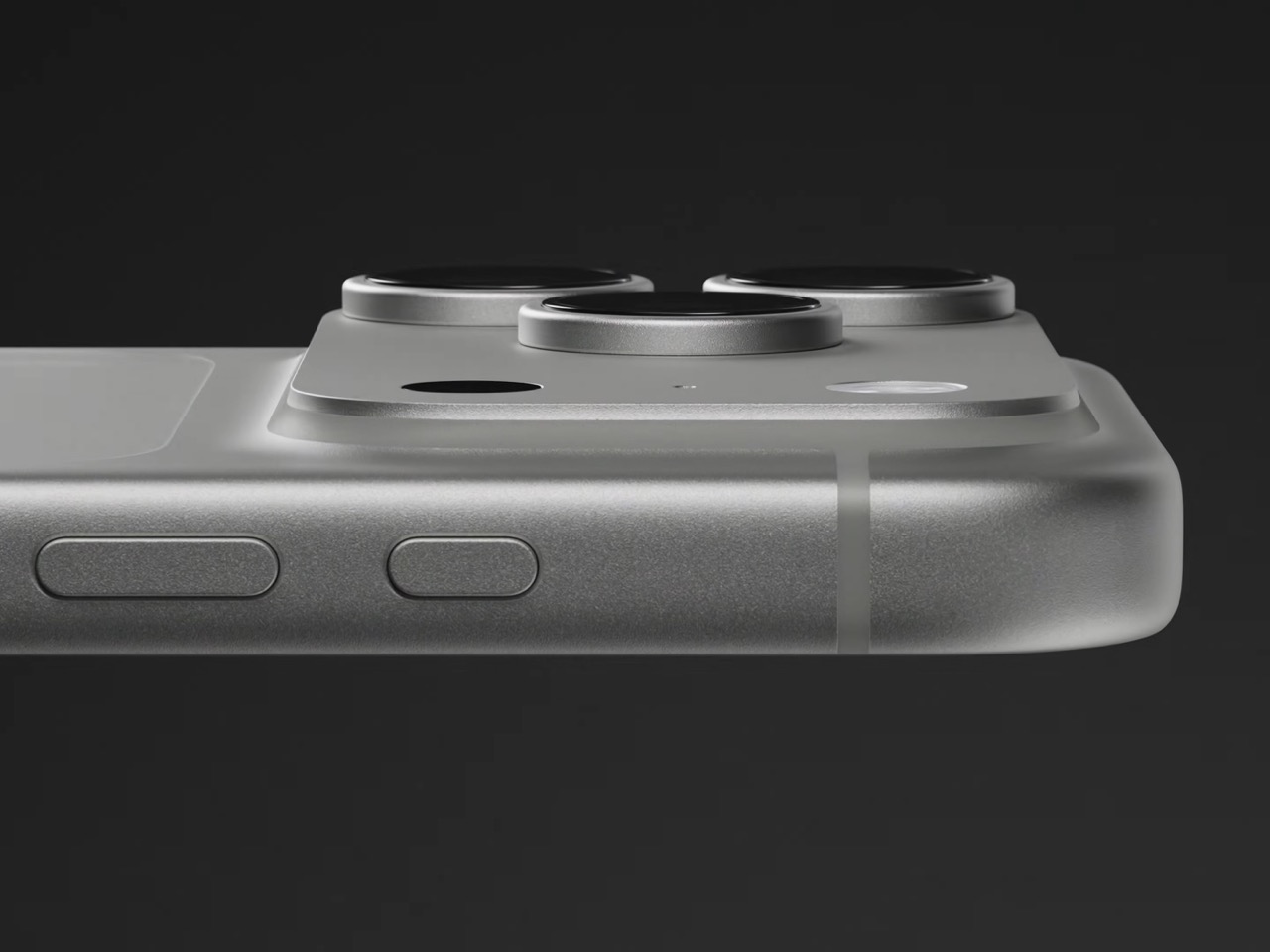
Dark Cherry is a deep, wine-red hue that leaked camera cover prototypes have now confirmed as the hero color of the 18 Pro and 18 Pro Max lineup, sitting alongside the more conservative Light Blue, Dark Gray, and Silver. The timing carries its own irony given that a segment of Cosmic Orange iPhone 17 Pro owners have been reporting their units gradually shifting toward a reddish cherry tone over time, which makes Apple’s new colorway feel less like a creative pivot and more like an accidental preview. Whether Dark Cherry becomes the next Rose Gold, something every Android manufacturer from Samsung to OnePlus rushes to clone by mid-2027, will depend entirely on how the color reads in the real world rather than in leaked silicone covers.

Designer: Apple

The same leaks that confirmed Dark Cherry also tell us that the rear camera layout holds steady from the 17 Pro generation, with a slightly thicker camera plateau accommodating the new primary sensor. That sensor is a 48MP variable aperture unit, a meaningful upgrade that gives the 18 Pro genuine optical flexibility rather than the fixed-aperture approach every iPhone before it has used. The thicker module is a reasonable trade-off for what variable aperture actually delivers in low light and in bright outdoor conditions, and the accompanying iOS 27 camera app, reportedly rebuilt from the ground up as a pro-grade tool, suggests Apple is treating the entire capture pipeline as a system rather than isolated hardware specs.

We’ve addressed the speculation around the changes on the front too. The Dynamic Island is allegedly shrinking by approximately 25 percent, a reduction that sounds modest until you factor in how much screen real estate that cutout currently consumes on the 17 Pro. Tighter bezels are also in the mix, pushing the display closer to the edges and giving the front face a density that the current generation does not quite achieve. These are the kinds of incremental refinements that read as minor in a spec comparison but register immediately when you pick the phone up.

Underneath all of it sits the 2nm A20 Pro chip, Apple’s first processor built on TSMC’s second-generation 2nm process node. The performance and efficiency gains from moving to 2nm are expected to be substantial, particularly for the on-device Apple Intelligence workloads that Siri’s expanded capabilities will demand. Apple has been positioning its silicon advantage as the reason to stay in the ecosystem, and the A20 Pro is the clearest expression of that argument yet.

The one narrative the iPhone 18 Pro cannot fully control is the company sharing a stage with the foldable iPhone Ultra at the same September event. A first-generation foldable from Apple will absorb the room’s attention regardless of what the Pro brings, which means Dark Cherry has real work to do as a visual hook. If the color lands the way Cosmic Orange did, and if the Rose Gold instinct proves correct, the 18 Pro will find its audience on color alone while the spec sheet closes the deal.

The post Remember When Rose Gold Took Over Everything? Apple Is Trying That Again With Dark Cherry first appeared on Yanko Design.
iPhone 18 Pro Leaks Reveal a 2nm A20 Pro Chip, 35% Smaller Dynamic Island, and a Deep Red Color

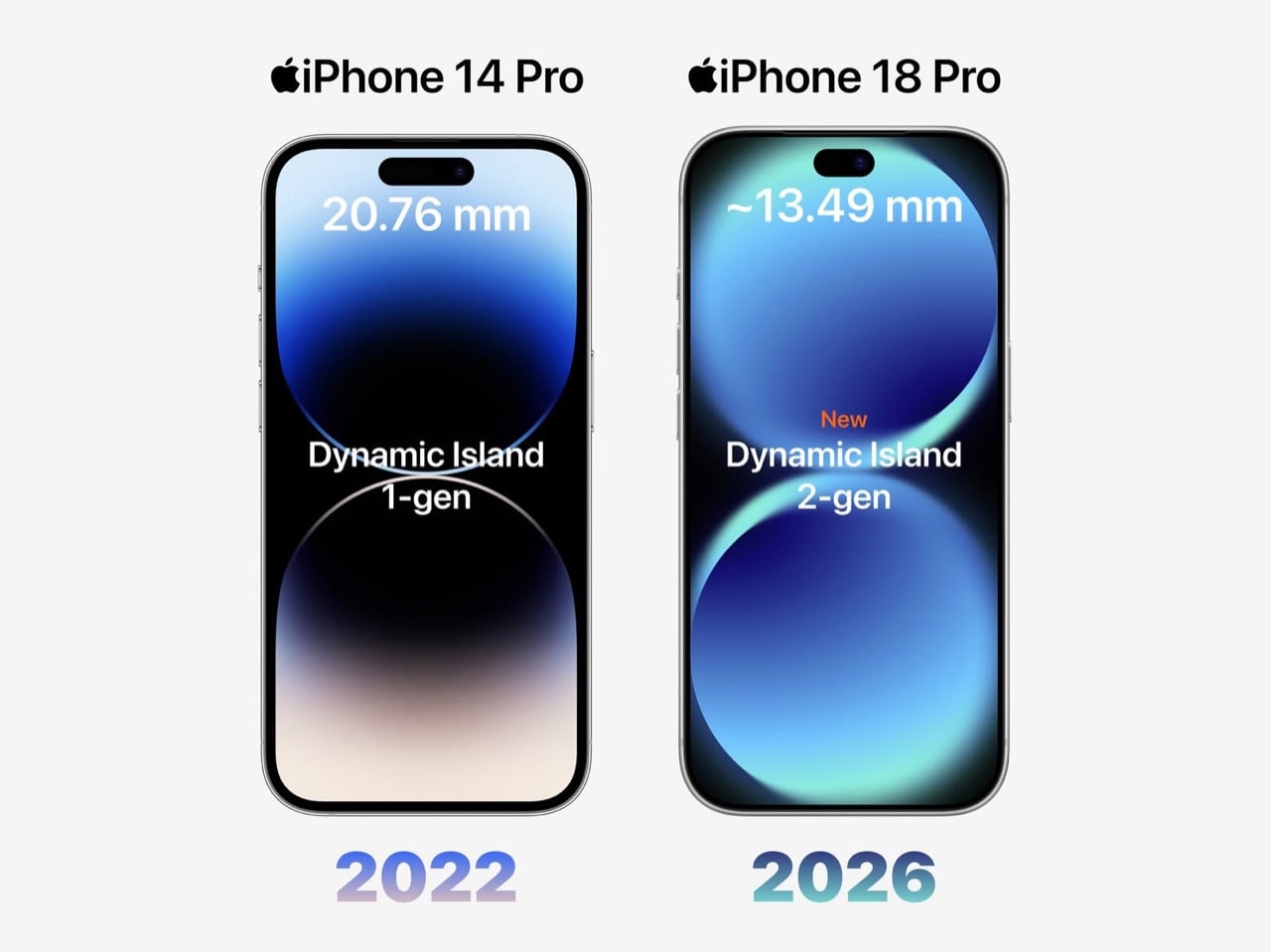
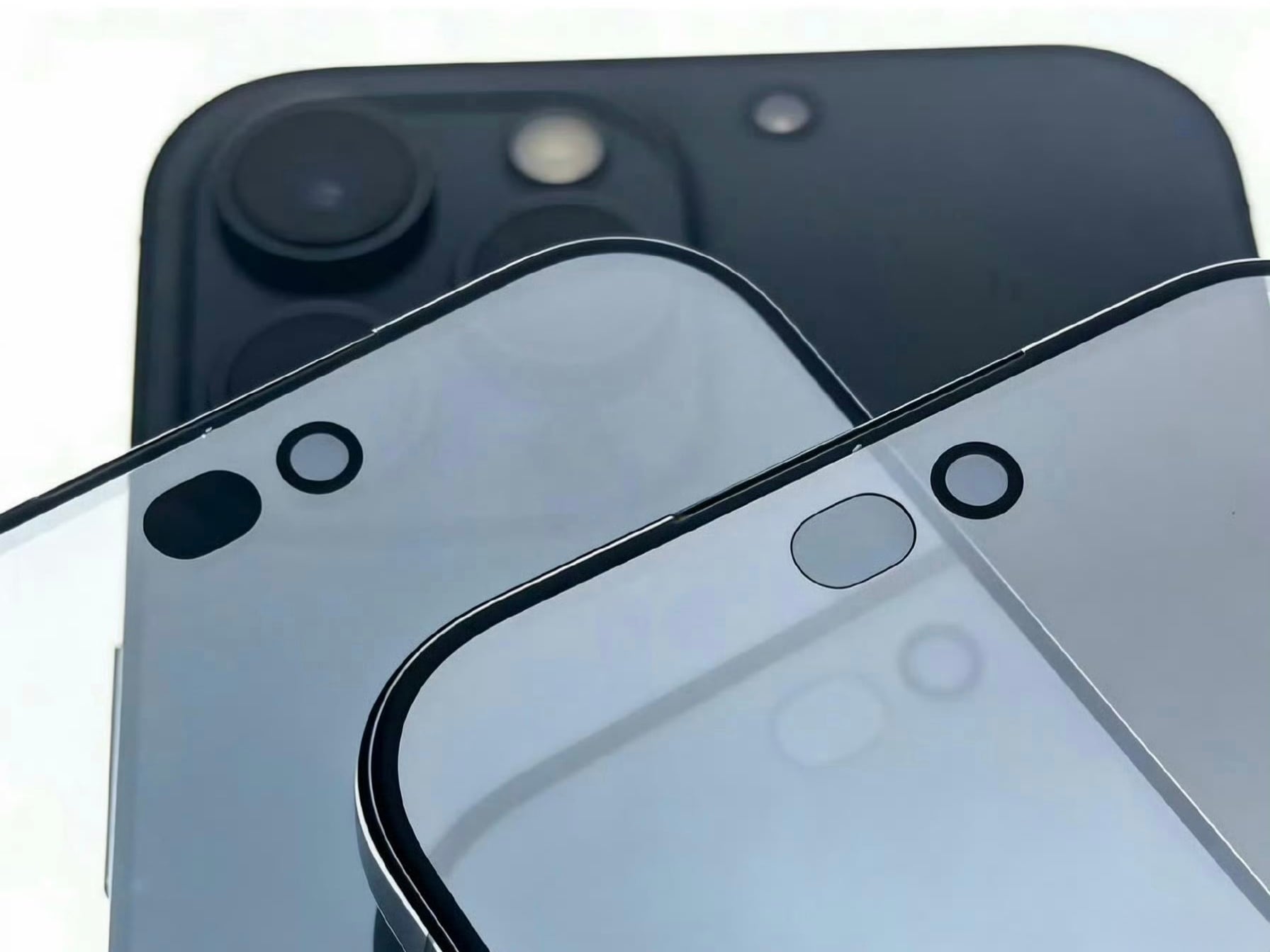
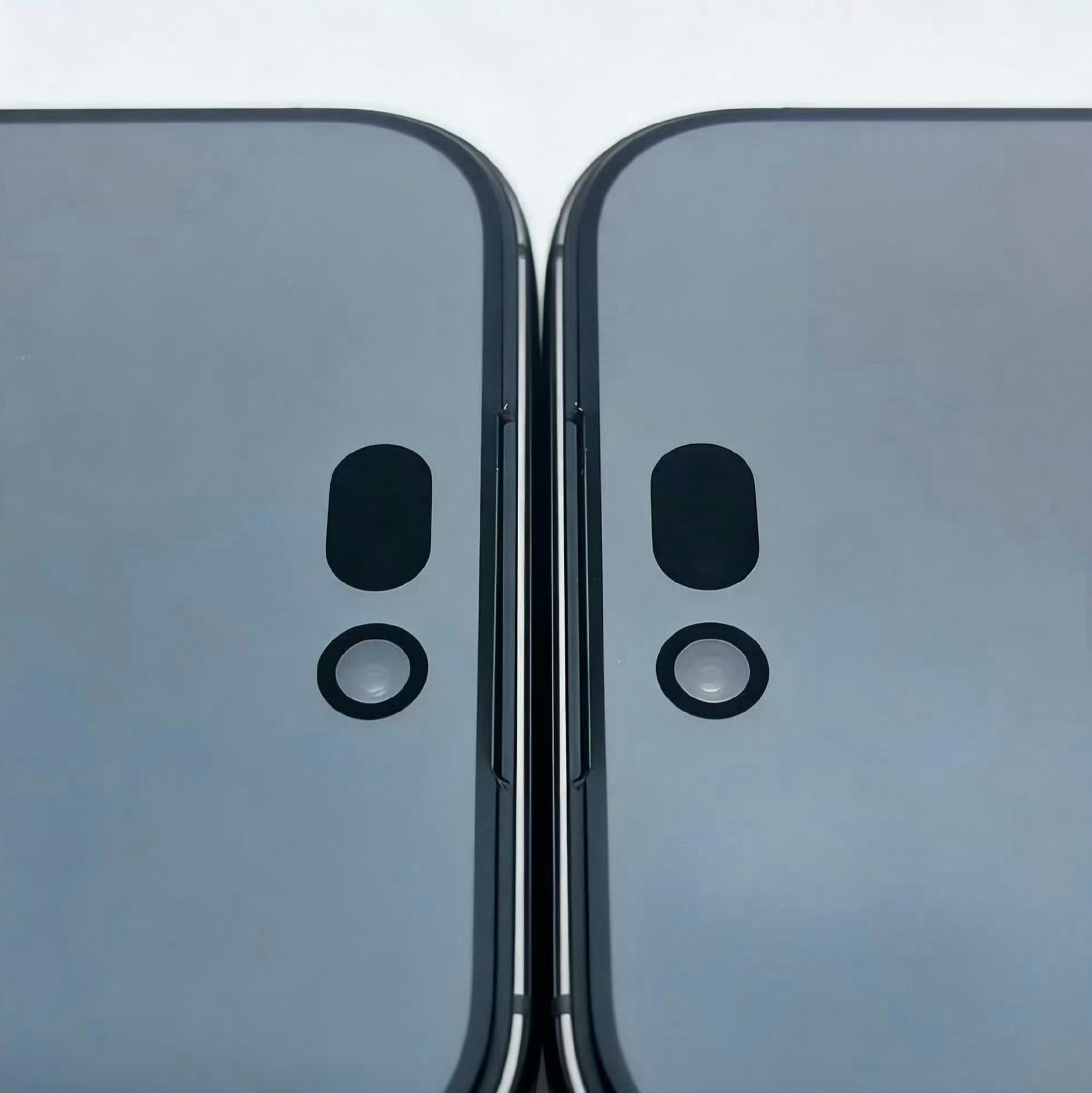
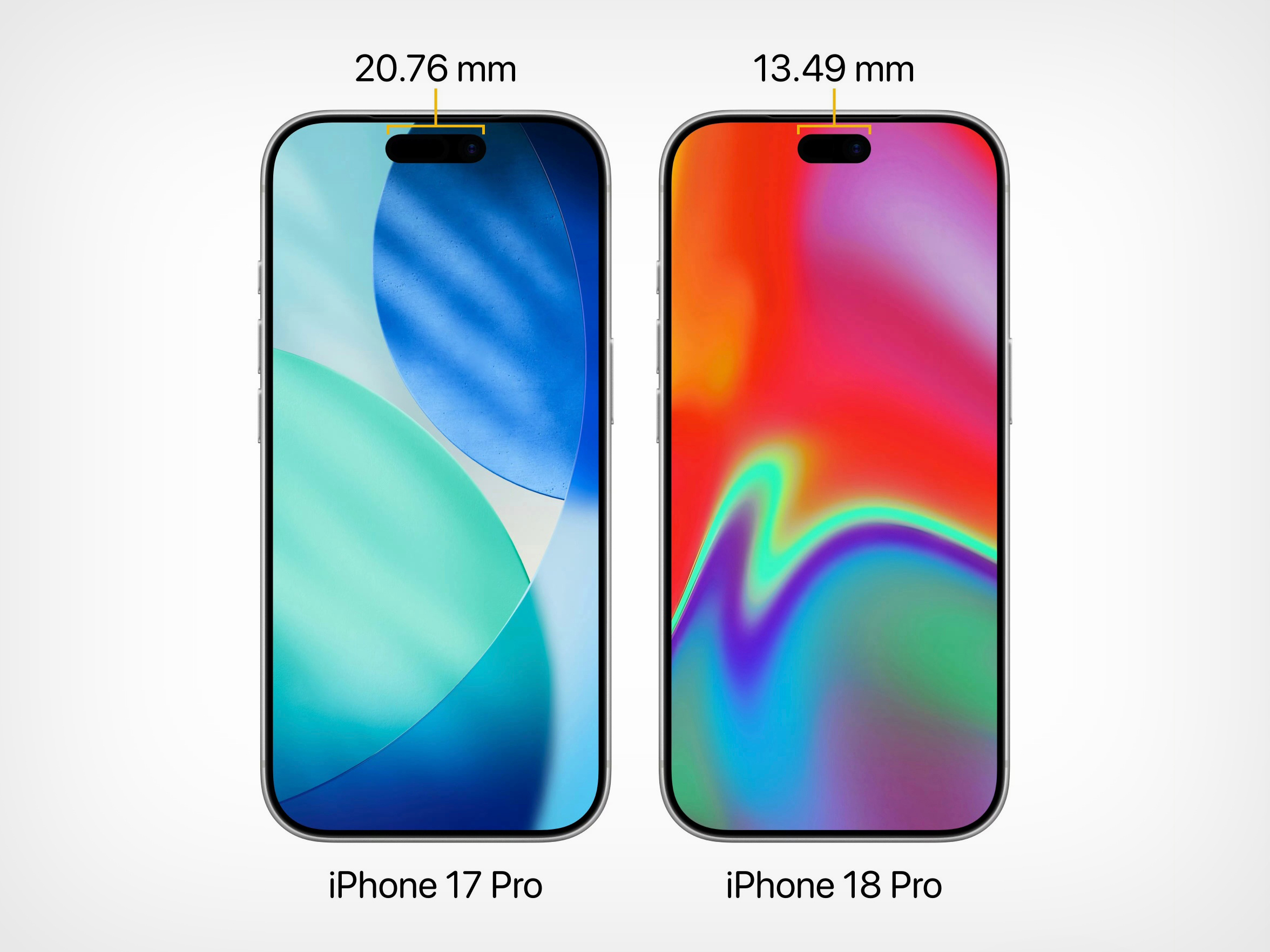
Apple has spent four years refusing to touch the Dynamic Island, treating it like some untouchable monument to software-hardware integration. Samsung cycled through three foldable generations in that time. Google rebooted the Pixel lineup twice. Nothing went from startup curiosity to legitimate competitor. And the iPhone 14 Pro’s pill-shaped cutout just sat there, exactly the same width, height, and visual footprint on the 15 Pro, 16 Pro, and 17 Pro. Leaked screen protectors sourced from Weibo now suggest Apple has finally decided four years is long enough, and the company is gearing up to shrink the Dynamic Island by roughly 35 percent on the iPhone 18 Pro. The mechanism is straightforward: move the Face ID flood illuminator under the display, leave only the infrared camera and front lens in the cutout, and suddenly that wide pill becomes a narrow sliver sitting unobtrusively at the top of the screen. The infrared flood illuminator that powers Face ID is moving under the display on the iPhone 18 Pro, leaving only the infrared camera requiring a physical cutout alongside the front-facing lens.

But the Dynamic Island shrinkage is hardly the headline here, because the iPhone 18 Pro is also the phone where Apple trades in its most iconic color for something it has never tried before on a Pro model. Bloomberg’s Mark Gurman reports that Apple is testing a deep red finish for the 18 Pro lineup, a shade closer to burgundy than the bright Product Red tones the company used on standard models years ago. Apple removed black from the Pro lineup with the iPhone 17 Pro, the first time in the series’ history that no dark option existed, and the 18 Pro appears set to continue that direction rather than course-correct. September 2026 is the expected launch window, which makes this arguably the most important incremental iPhone in years. It is widely believed to be the last model in this design language before Apple delivers a radical overhaul for the 20th anniversary iPhone in 2027, so whatever ships this fall is likely your final chance to buy an iPhone that looks like an iPhone has looked since 2017.

Designer: Volodymyr Lenard

Leaker Ice Universe claimed the Dynamic Island cutout on the iPhone 18 Pro models will be approximately 35% narrower than it is on the iPhone 17 Pro models, with a width of around 13.5mm down from around 20.7mm. That figure refers to the default on-screen Dynamic Island width including surrounding black pixels, not the physical hardware cutout itself, but the visual difference should be immediately apparent in daily use. The iPhone 17 Pro’s Island is a wide, commanding presence even at rest. The 18 Pro’s leaked cutout reads almost delicate by comparison, a narrow pill sitting unobtrusively at the top of the screen. Apple will still need to revisit four years of Live Activities design and the entire interaction vocabulary built around the existing Island’s dimensions, which is a reasonable explanation for why this transition is taking as long as it is. Android manufacturers have shipped under-display cameras for years, with visible quality tradeoffs that Apple’s user base simply would not accept on a thousand-dollar phone. Holding the line until the technology meets the standard, rather than shipping it to win a spec sheet argument, is the kind of call that frustrates people in the short term and builds loyalty over time.

Under the hood, the A20 Pro chip built on TSMC’s advanced 2nm process promises roughly 15% faster performance and up to 30% better power efficiency compared to the current 3nm A19 Pro. Paired with 12 GB of RAM across the lineup, the new silicon should power smoother Apple Intelligence features, enhanced on-device AI processing, and better multitasking. Connectivity upgrades include Apple’s first in-house C2 5G modem, replacing reliance on Qualcomm components. The modem supports improved mmWave performance and expanded satellite connectivity, potentially enabling always-connected cellular service via NR-NTN standards for emergency messaging and basic data in remote areas without traditional coverage. Battery life stands out as a major highlight, especially for the iPhone 18 Pro Max. Leakers report a capacity jump to 5,100 to 5,200 mAh, the largest ever in an iPhone, enabled by a slightly thicker chassis measuring around 8.8mm up from 8.75mm on the iPhone 17 Pro Max. The added thickness and weight would accommodate the bigger cell while the more efficient 2nm chip helps stretch usage even further. Some projections suggest up to 40 hours of mixed use on a single charge.

The deep red finish represents a significant departure for a Pro lineup that has historically favored controlled, conservative colors like graphite, silver, gold, and muted titanium shades. Rumors of purple and brown finishes have also circulated, but Gurman believes those are just variants of the same red idea. The decision to skip black for a second consecutive year has already generated polarized reactions among enthusiasts, with some welcoming the bold direction and others mourning the loss of the classic understated aesthetic. For buyers who want black, Gurman specifically noted that the foldable iPhone is being designed with conservative space gray and silver finishes, suggesting Apple is deliberately separating its color identity across product lines. The iPhone 18 Pro may read as a modest update on paper, but as the final iteration of a design language that has defined the modern iPhone for nearly a decade, it carries more symbolic weight than any spec sheet can communicate.

The post iPhone 18 Pro Leaks Reveal a 2nm A20 Pro Chip, 35% Smaller Dynamic Island, and a Deep Red Color first appeared on Yanko Design.
Leaked iPhone 18 Pro Screen Protector Shows A 35% Smaller Dynamic Island

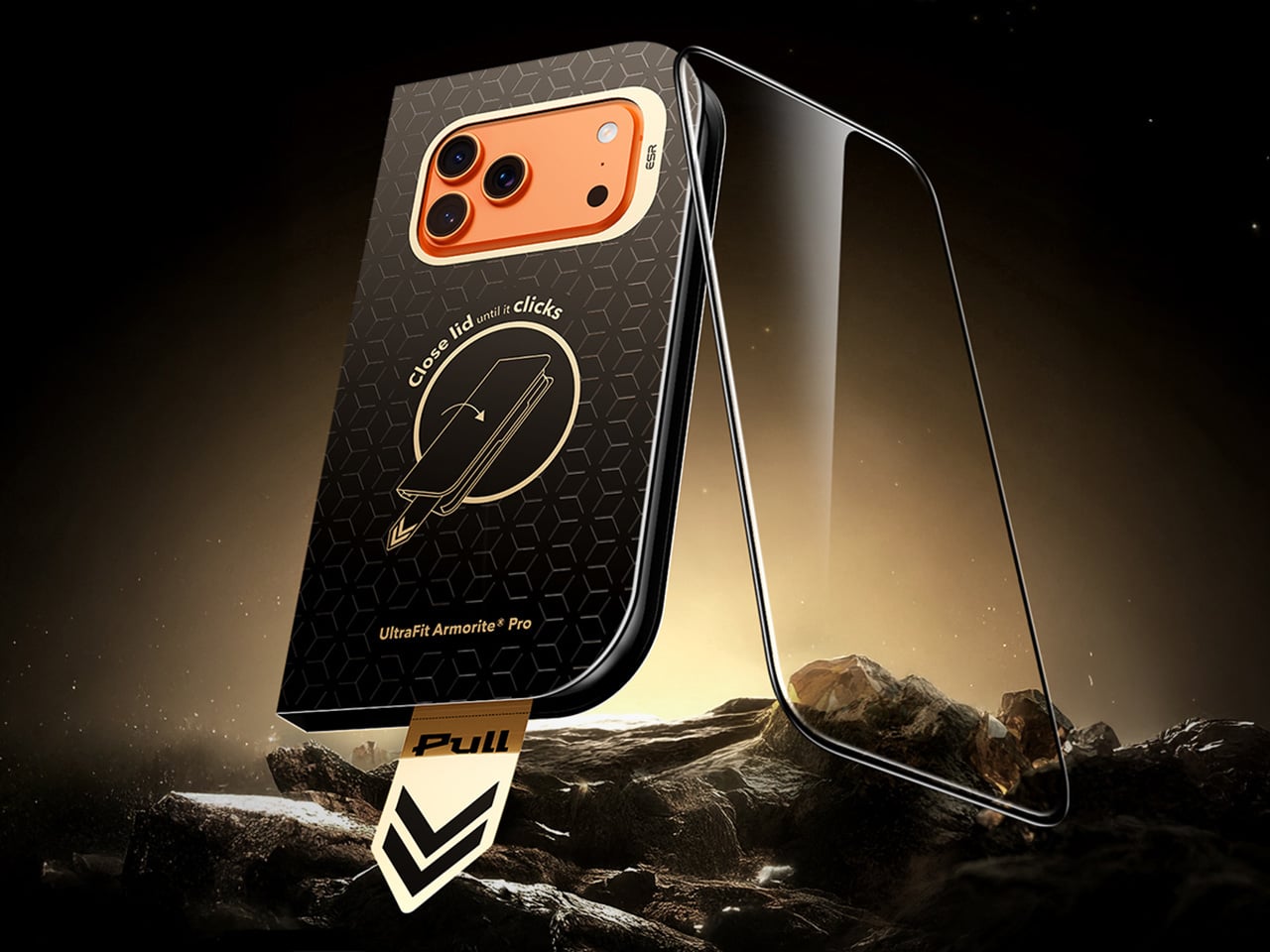
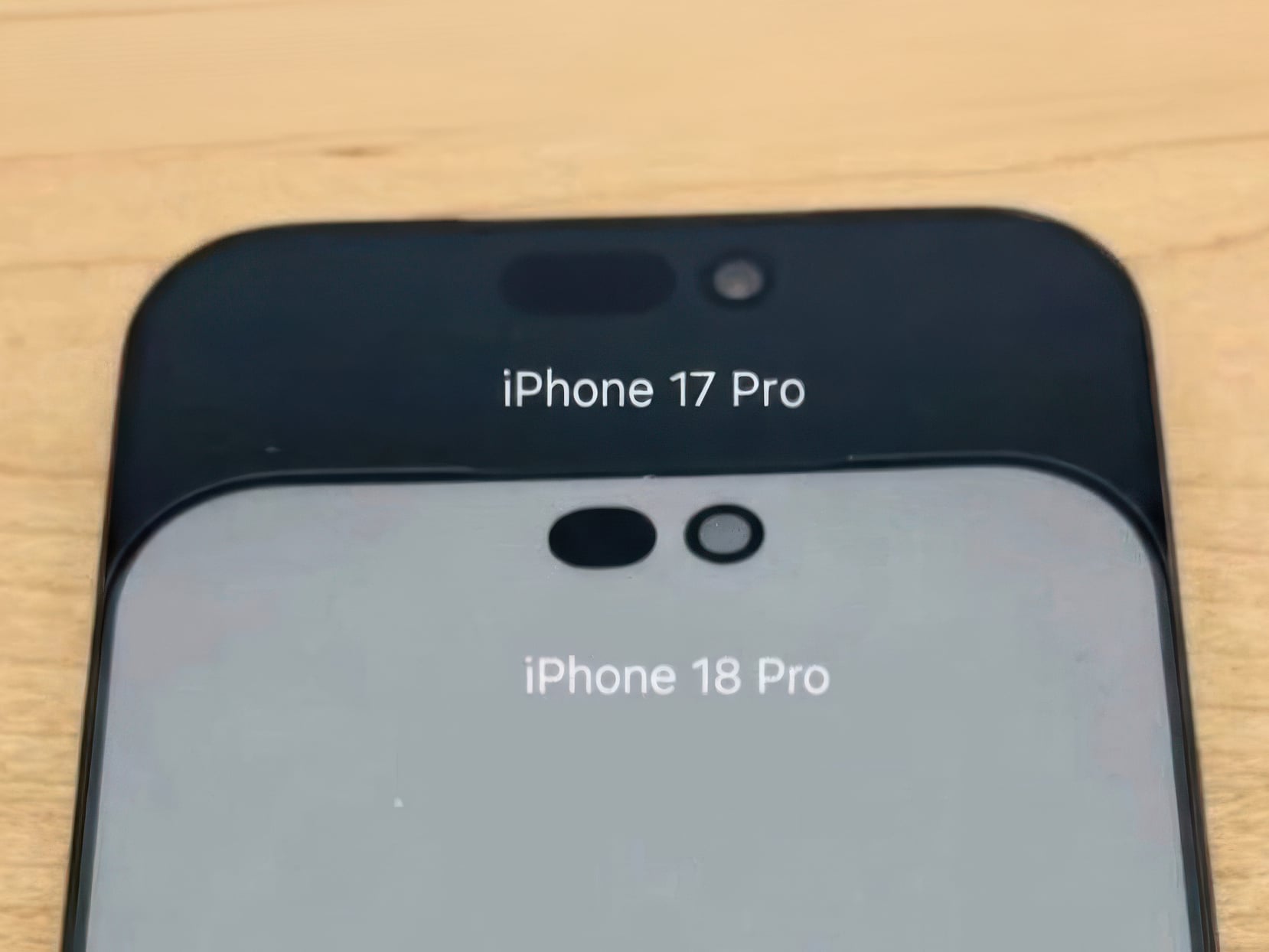
Four years is a long time in smartphone design, long enough for entire product categories to rise, peak, and fade. Samsung has cycled through multiple foldable generations. Google has rebooted its Pixel lineup twice. Nothing has gone from startup curiosity to legitimate contender. Apple, meanwhile, has kept the Dynamic Island exactly where it was when it debuted with the iPhone 14 Pro, same width, same height, same visual footprint. Leaked screen protectors for the iPhone 18 Pro, sourced from Weibo, suggest that Apple has finally decided four years is long enough.

According to the leak, the infrared flood illuminator that powers Face ID is moving under the display on the iPhone 18 Pro, leaving only the infrared camera requiring a physical cutout alongside the front-facing lens. The result is a Dynamic Island roughly 35% smaller than what ships on the iPhone 17 Pro today. Apple is also expected to pair this with its first 2nm chip, the A20 Pro, along with a variable aperture system on the main camera. The 20th anniversary iPhone in 2027 is widely expected to go further with a fully clean display, but the 18 Pro represents the clearest signal yet that Apple is working its way there on a deliberate schedule.

Image Credits: Weibo

The size reduction is more significant than the percentage suggests when you look at the two side by side. The iPhone 17 Pro’s Island is a wide, commanding presence even at rest. The 18 Pro’s leaked cutout reads almost delicate by comparison, a narrow pill sitting unobtrusively at the top of the screen. Apple will still need to revisit four years of Live Activities design and the entire interaction vocabulary built around the existing Island’s dimensions, which is a reasonable explanation for why this transition is taking as long as it is.

Android manufacturers have shipped under-display cameras for years, with visible quality tradeoffs that Apple’s user base simply would not accept on a thousand-dollar phone. Holding the line until the technology meets the standard, rather than shipping it to win a spec sheet argument, is the kind of call that frustrates people in the short term and builds loyalty over time. The iPhone 18 Pro may read as a modest update on paper. That smaller pill tells a different story.

The post Leaked iPhone 18 Pro Screen Protector Shows A 35% Smaller Dynamic Island first appeared on Yanko Design.