Cloud AI Means Someone Else Has Your Data, MINISFORUM Fixes That

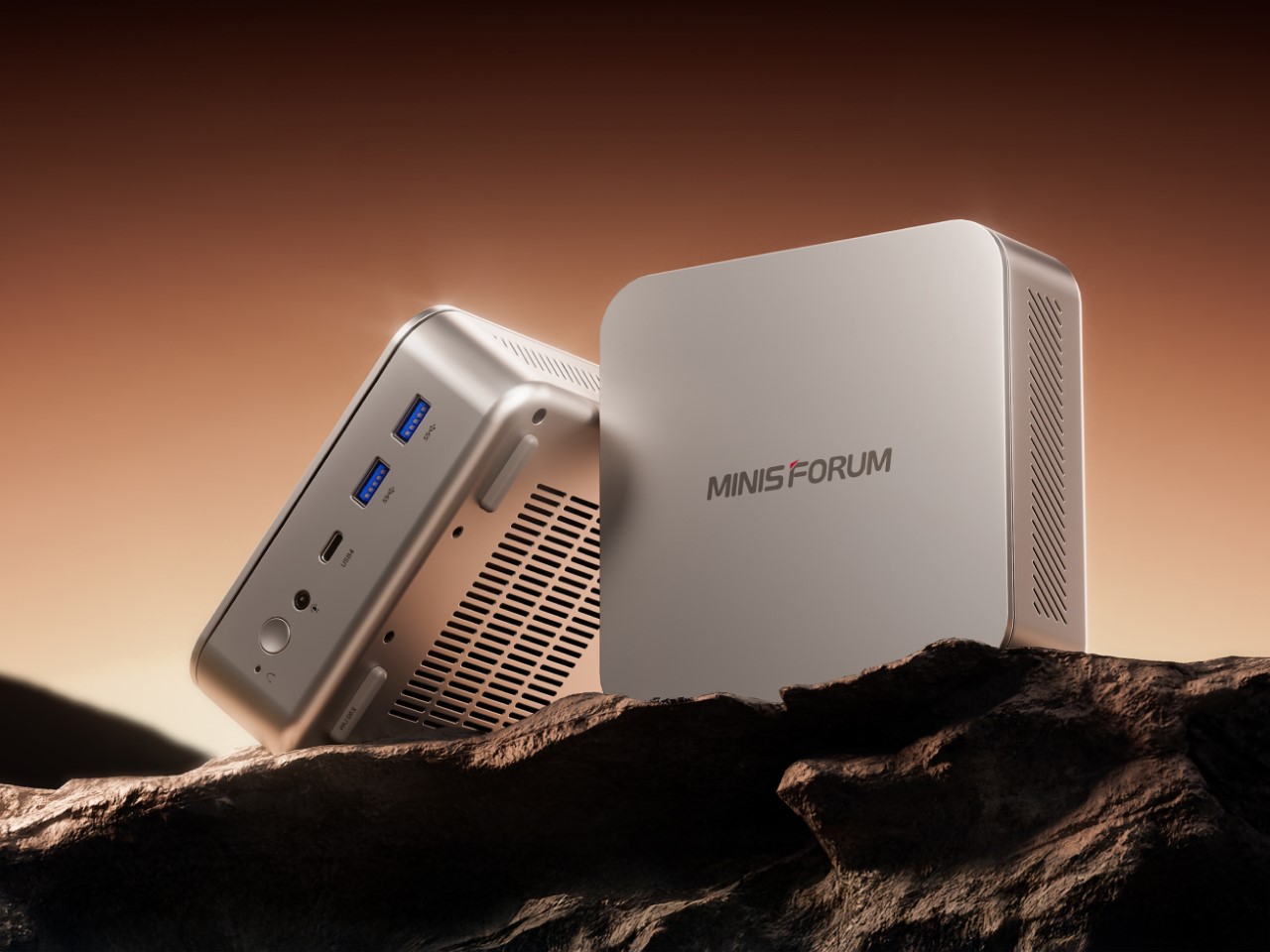
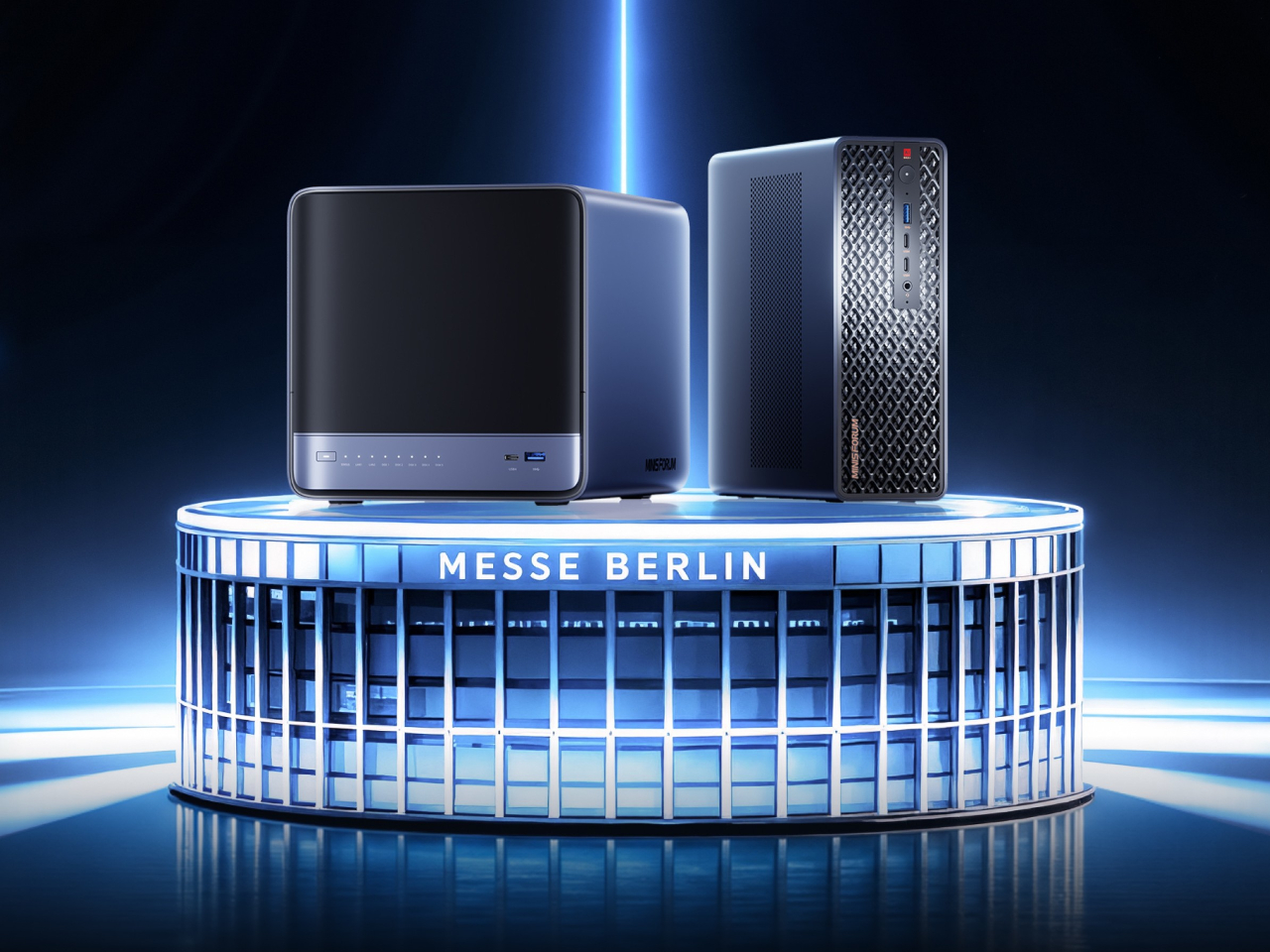
Running a serious AI model at home usually means renting someone else’s cloud server and hoping your data stays private along the way. MINISFORUM built its newest pairing to remove that trade-off entirely. The AI Agent NAS N5 MAX-P495 and AI Mini Workstation MS-S1 MAX-P495 combine for up to 131 TOPS of AI compute performance, 192GB of memory at 8533 MT/s, and up to 160GB of graphics memory, enough headroom to keep the heavy lifting on a desk instead of in a data center.

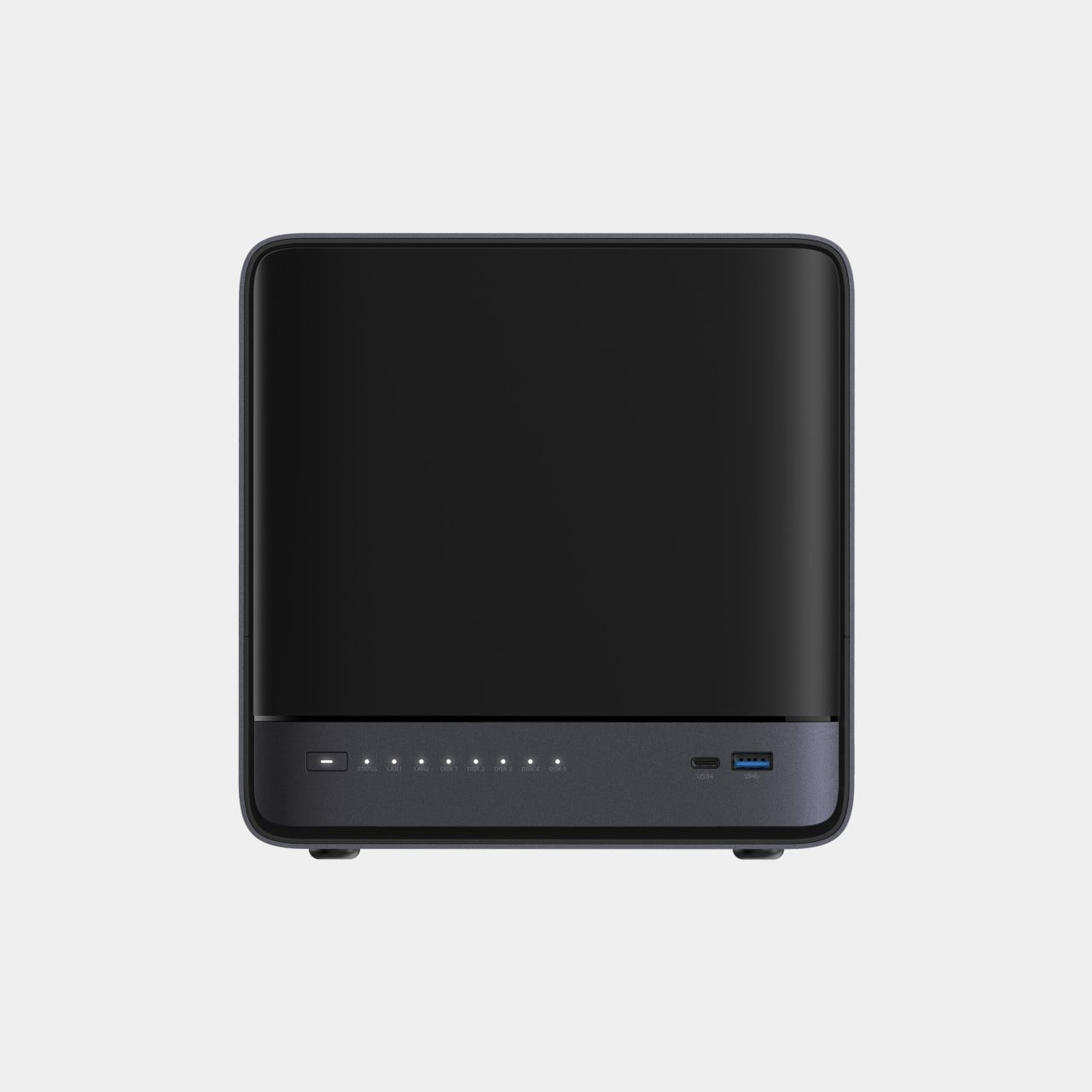
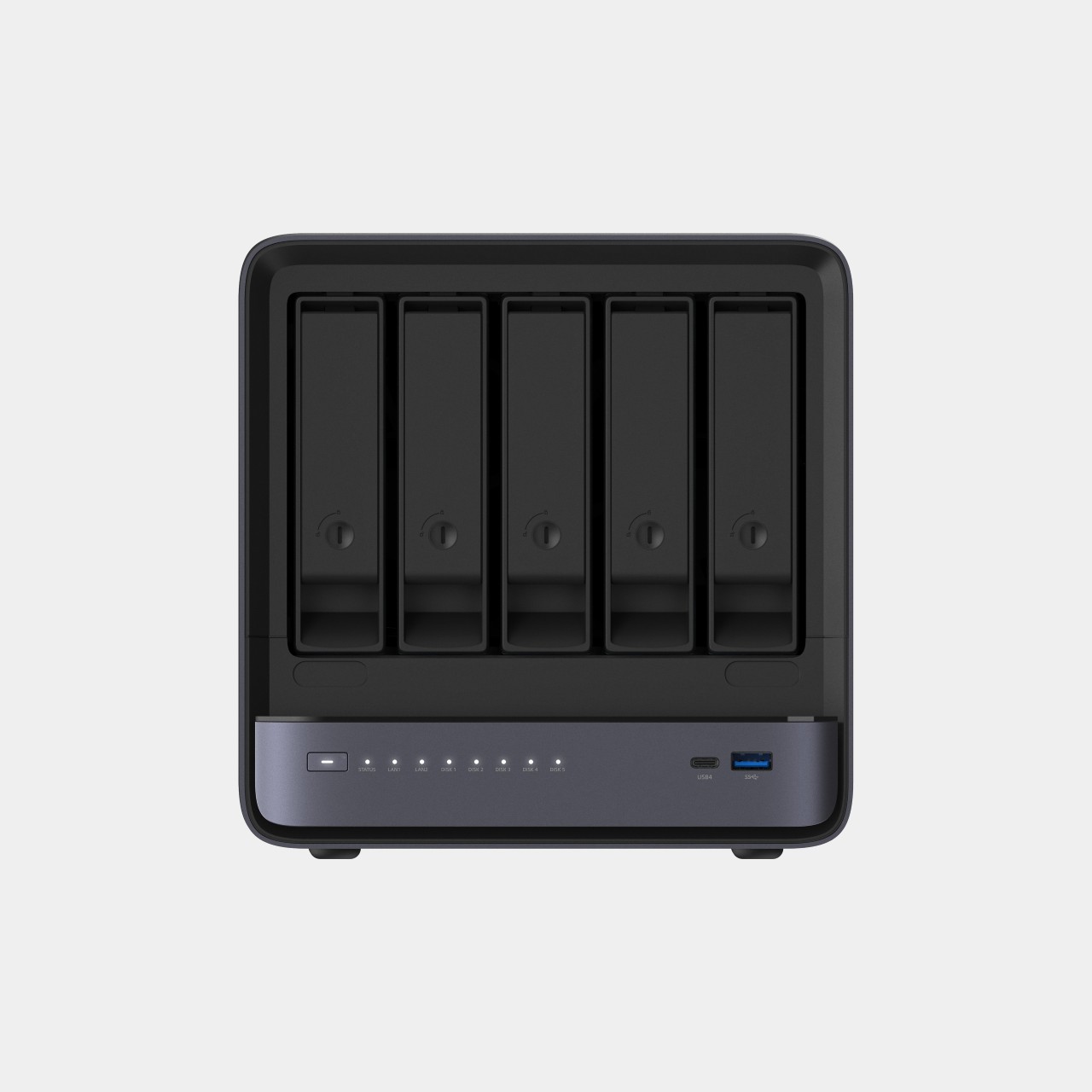
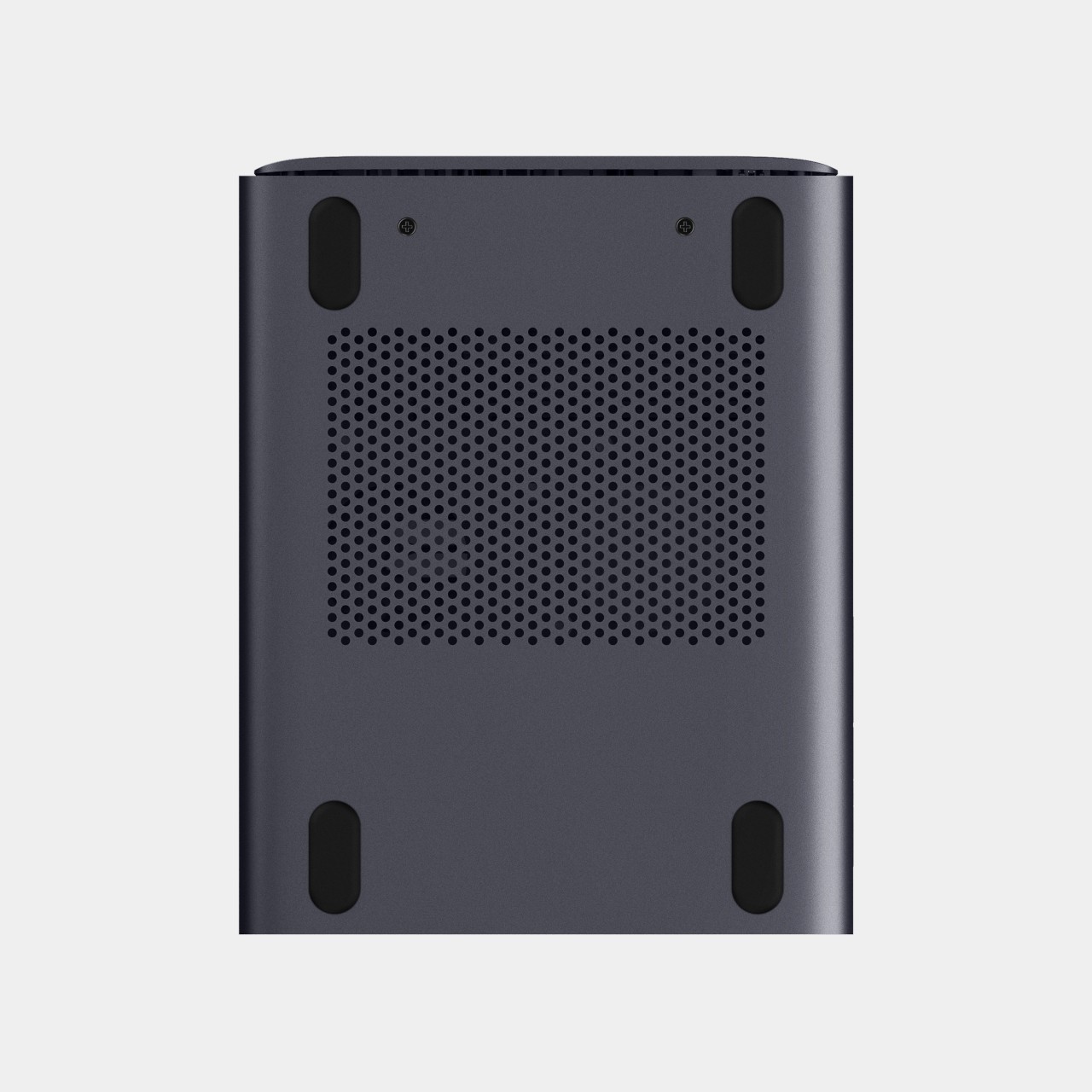
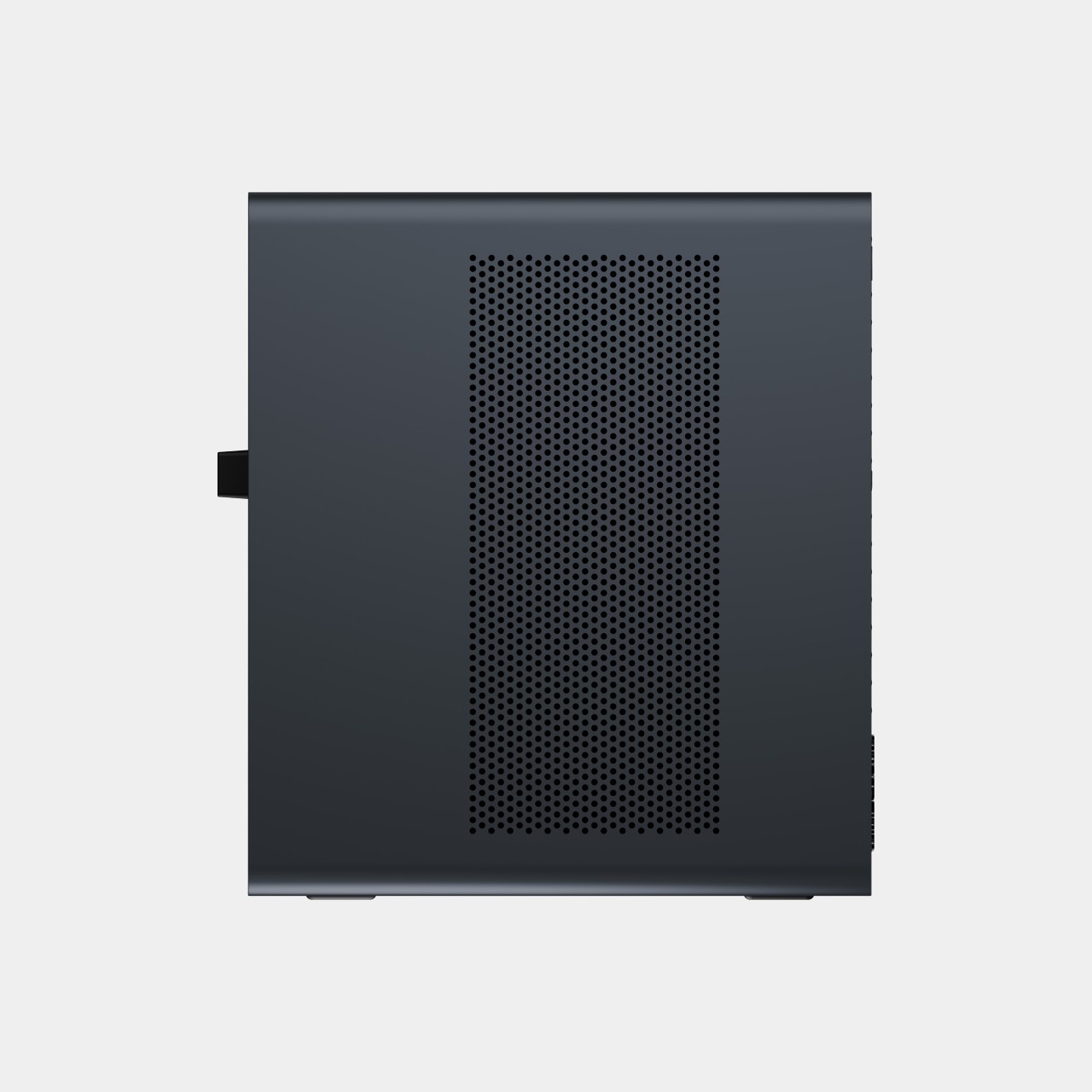
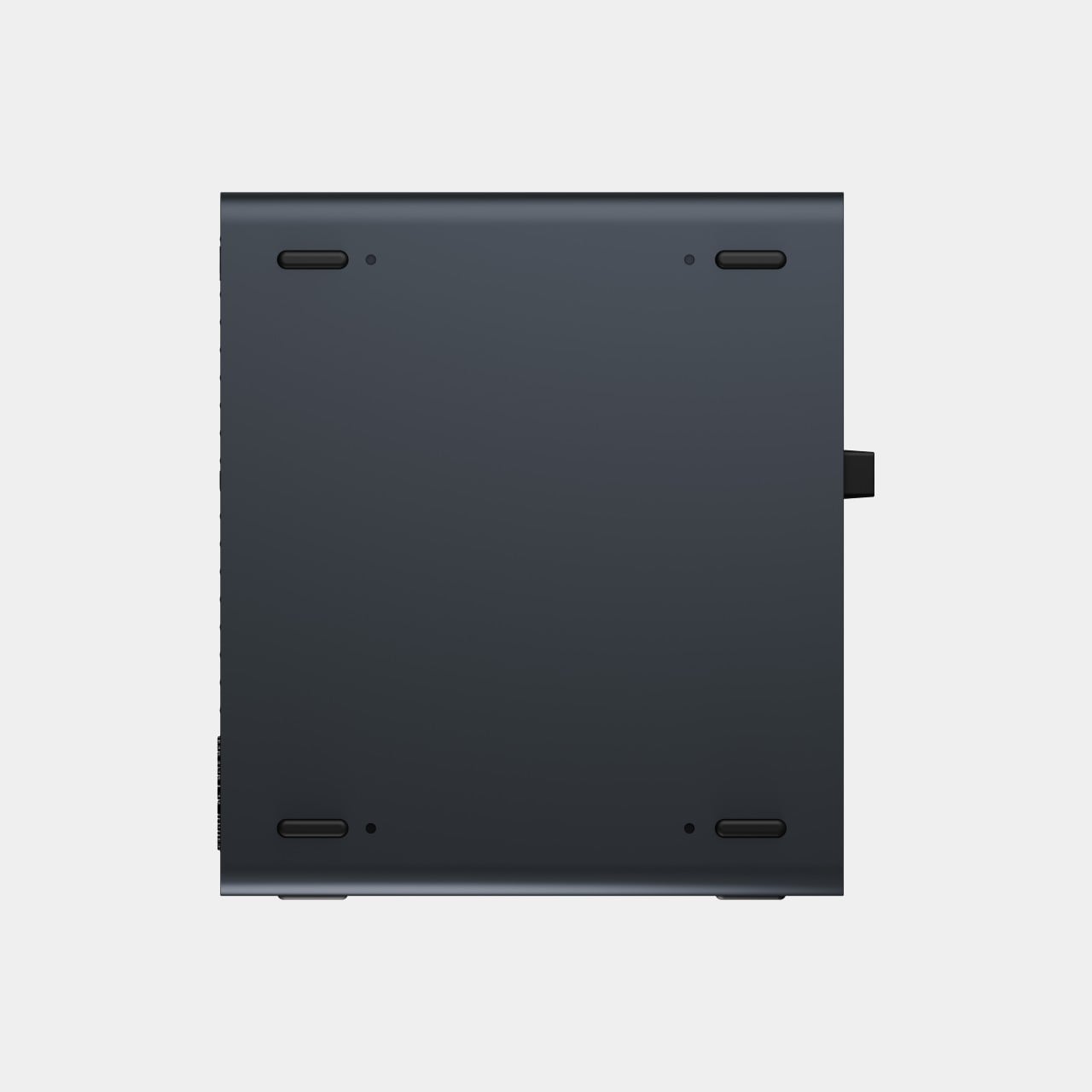
The N5 MAX-P495 takes the shape of a compact black cube, but what it holds inside matters more than how it looks sitting on a shelf. It combines powerful AI computing with up to 200TB of local storage, enabling users to store, manage, and process large volumes of data within a single AI platform. That capacity turns a spare corner of an office into a private archive large enough to hold years of project files, footage, or research without ever touching a third-party server.

Designer: MINISFORUM
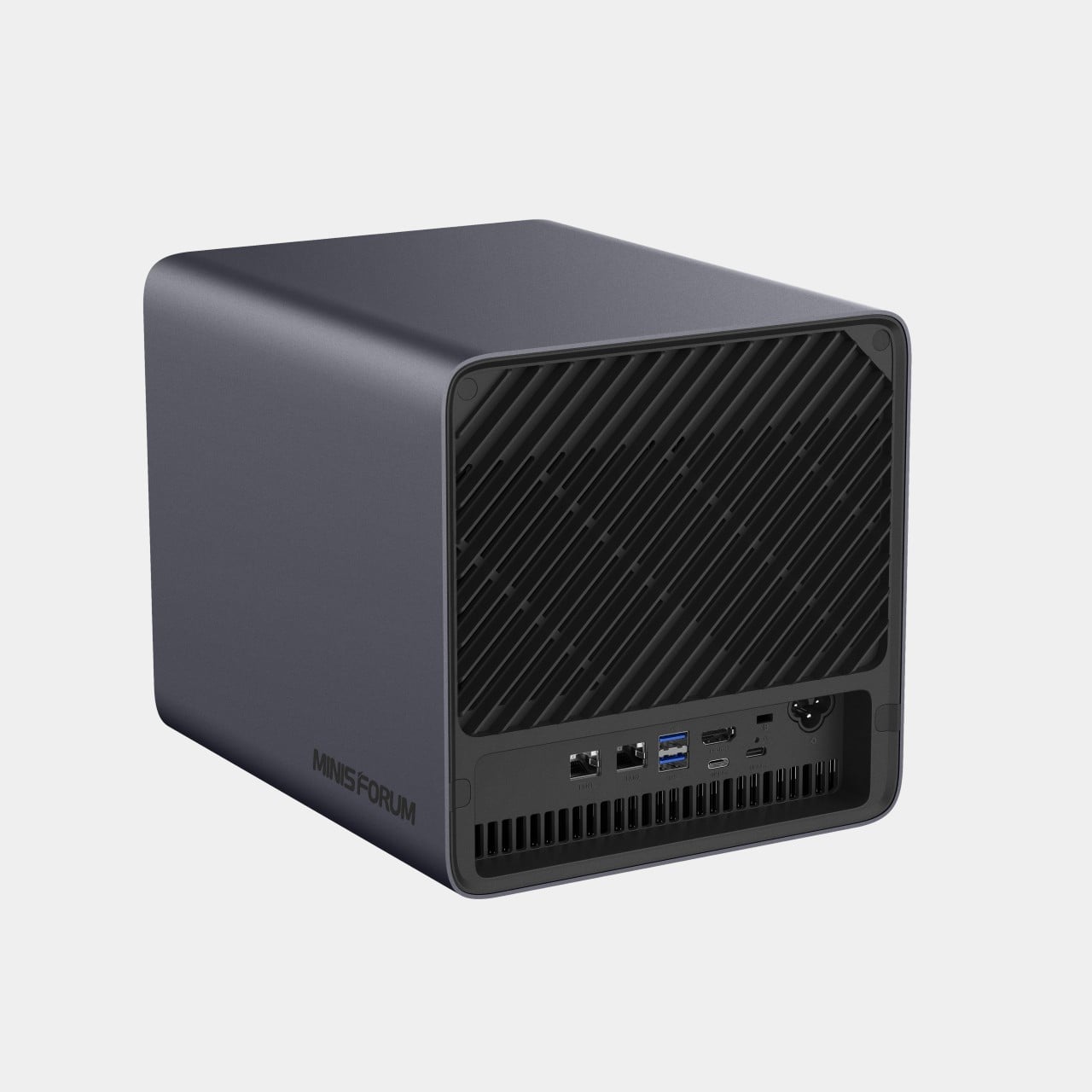
Storage alone doesn’t make an AI system useful, so MINISFORUM built the N5 to run the AI itself. From RAG knowledge bases and AI models to embeddings, databases, and AI agents such as OpenClaw and Hermes, N5 MAX-P495 keeps data and AI workloads local, enabling continuous and private AI operations. A small business could lean on that setup to run its own customer-support agent without routing conversations through an outside company’s servers.
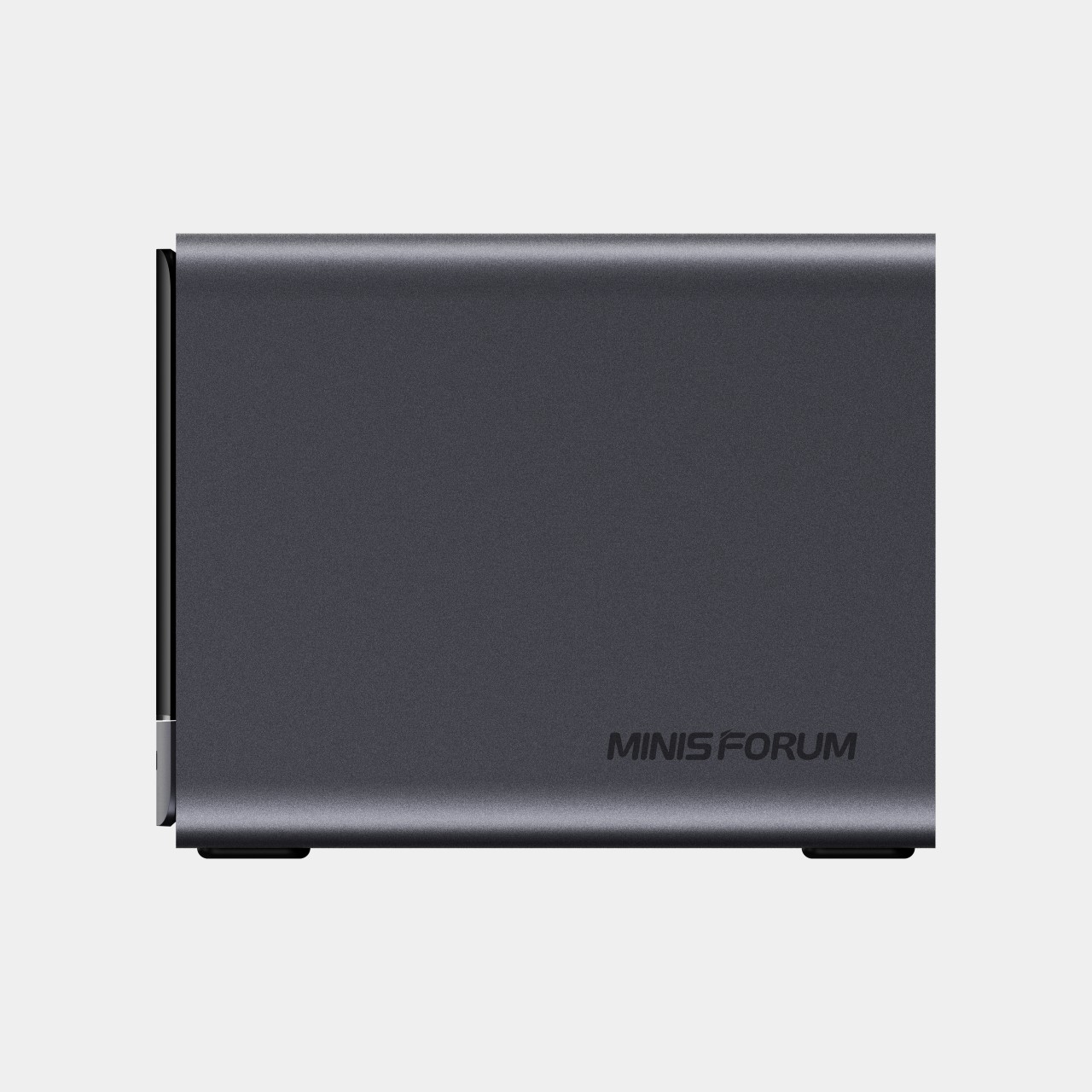
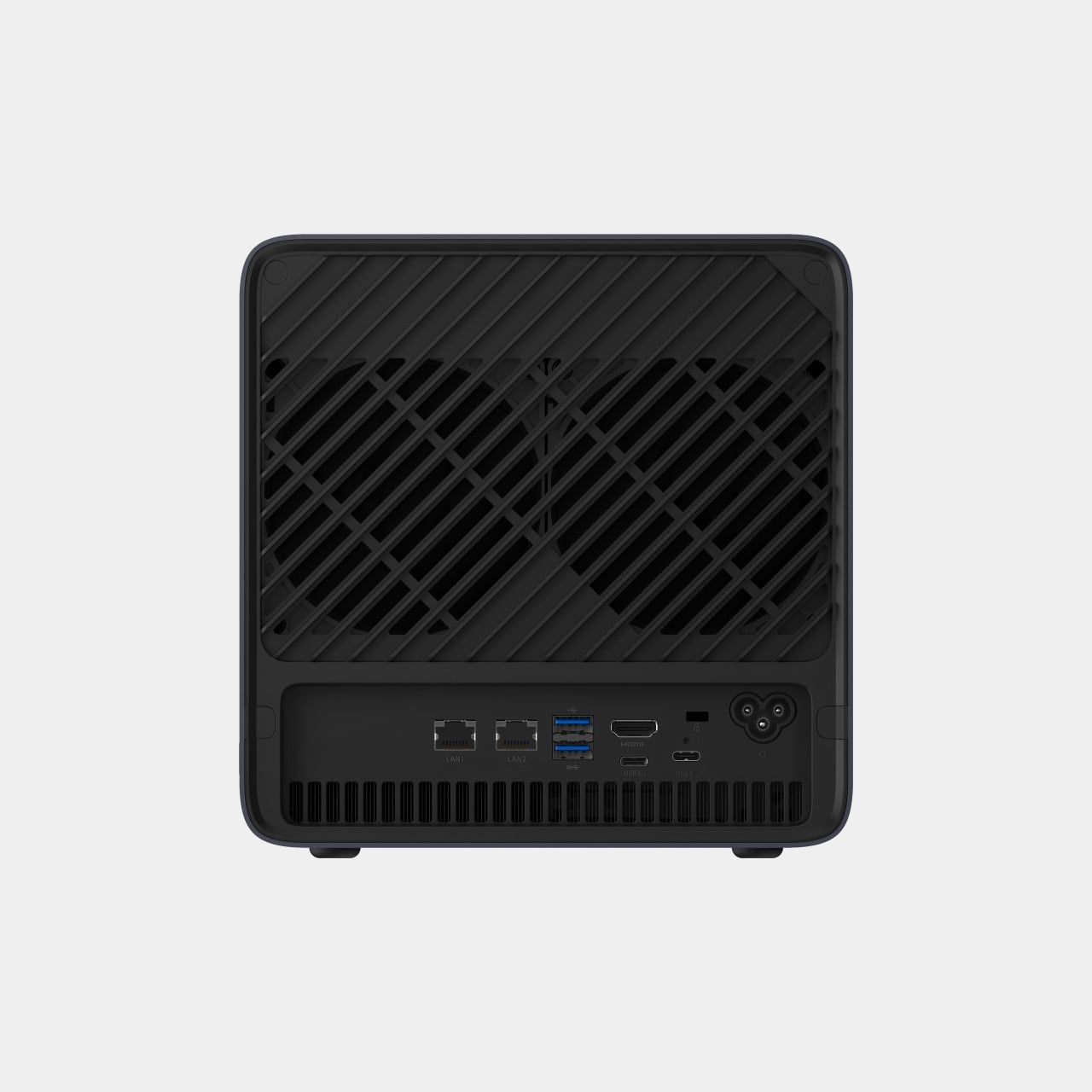
That local-first approach extends to how the N5 fits into a larger setup. Designed to work alongside AI computing devices, N5 MAX-P495 serves as a centralized backend for data, models, knowledge, and long-running AI workloads, bringing storage and computing together at the edge. It’s less a standalone gadget and more a quiet engine room, built to keep working in the background while something faster handles the parts people actually interact with.
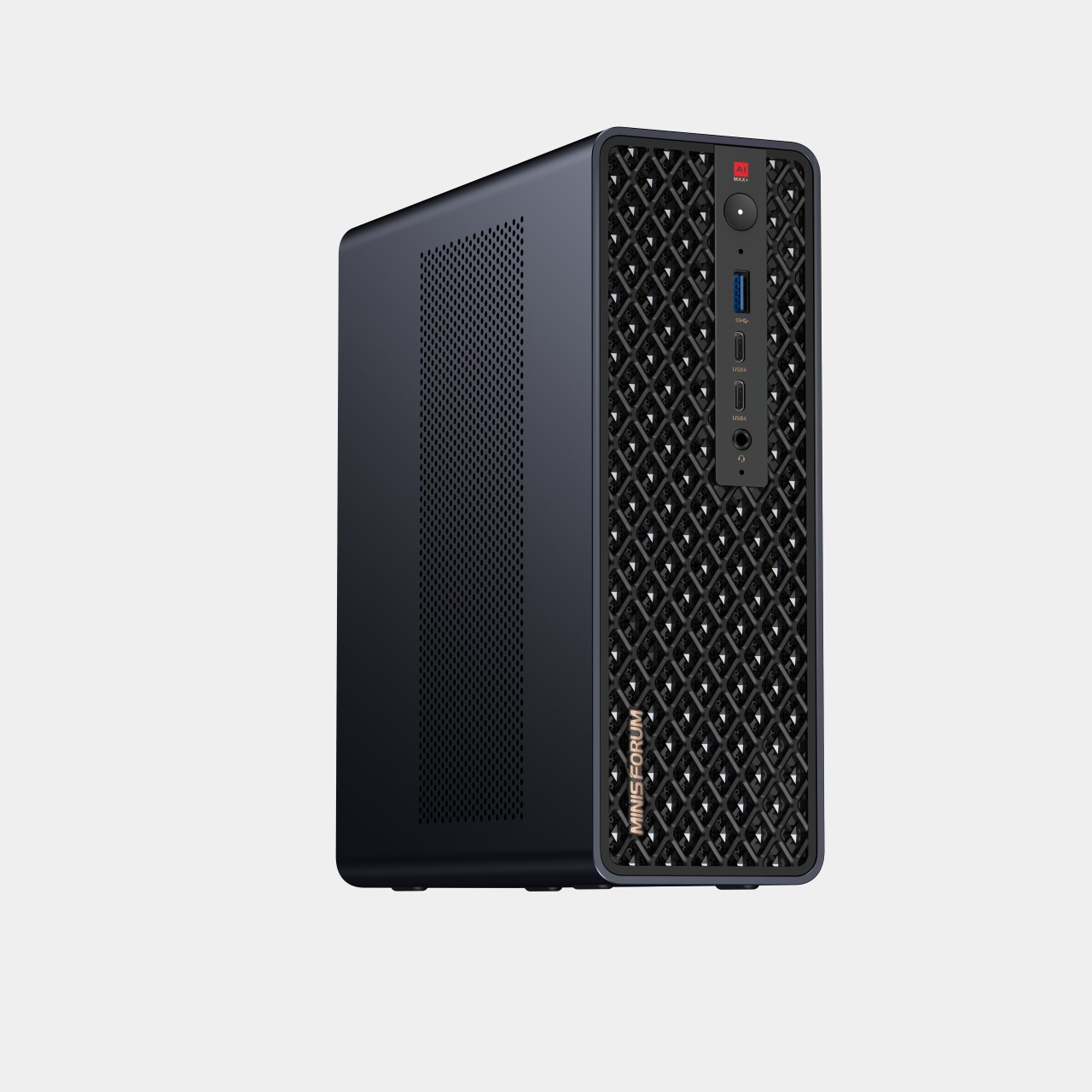
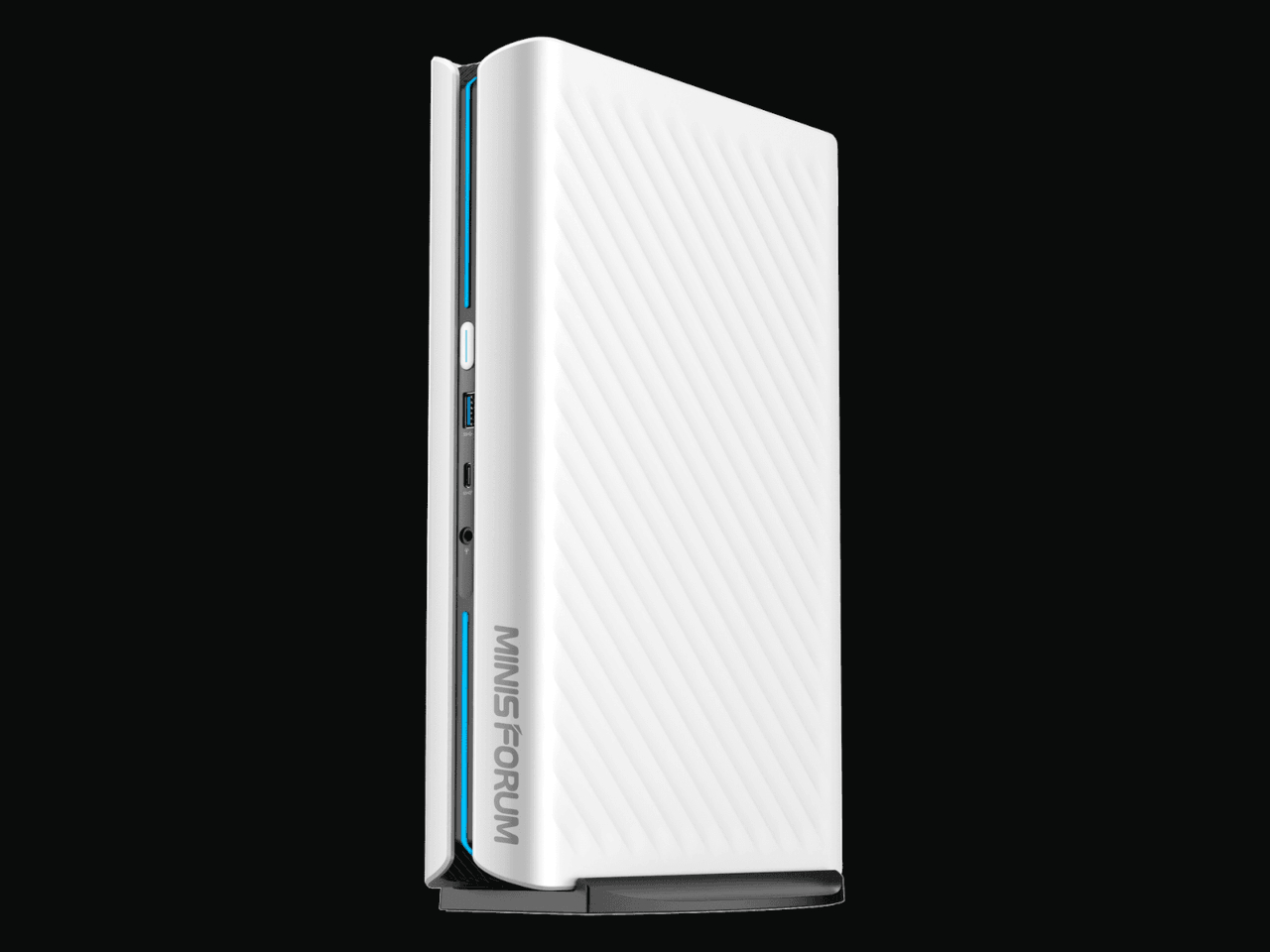
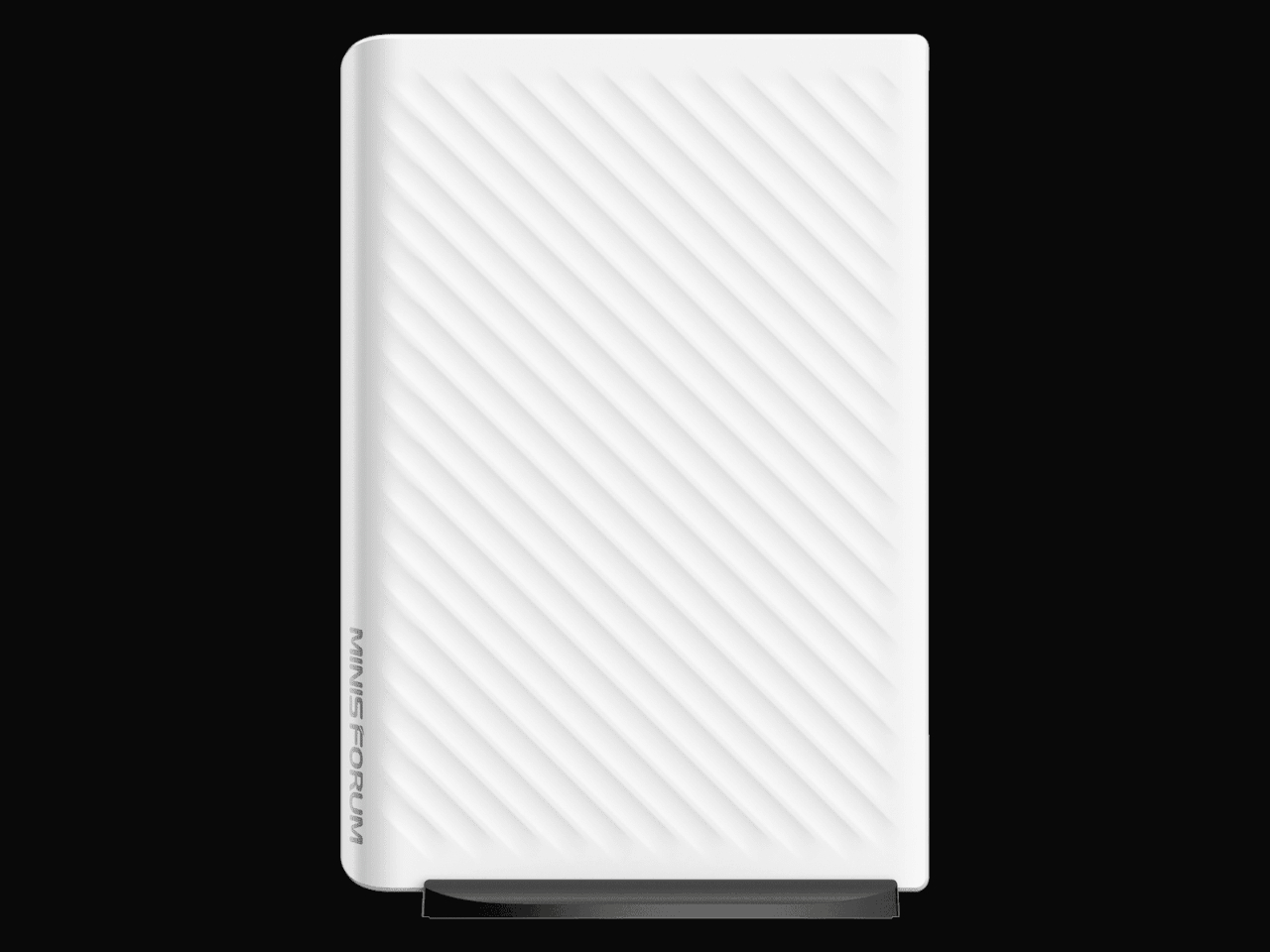
That faster half of the pairing is the MS-S1 MAX-P495, a compact tower wrapped in a ventilated, diamond-textured front panel that looks more like a piece of desk sculpture than a workstation. It delivers powerful local AI computing for demanding model inference, AI development, and computationally intensive workloads, built for intensive local AI tasks, engineering, and workflows in an ultra-compact footprint. Developers get workstation-class muscle without giving up desk space to a full tower case.
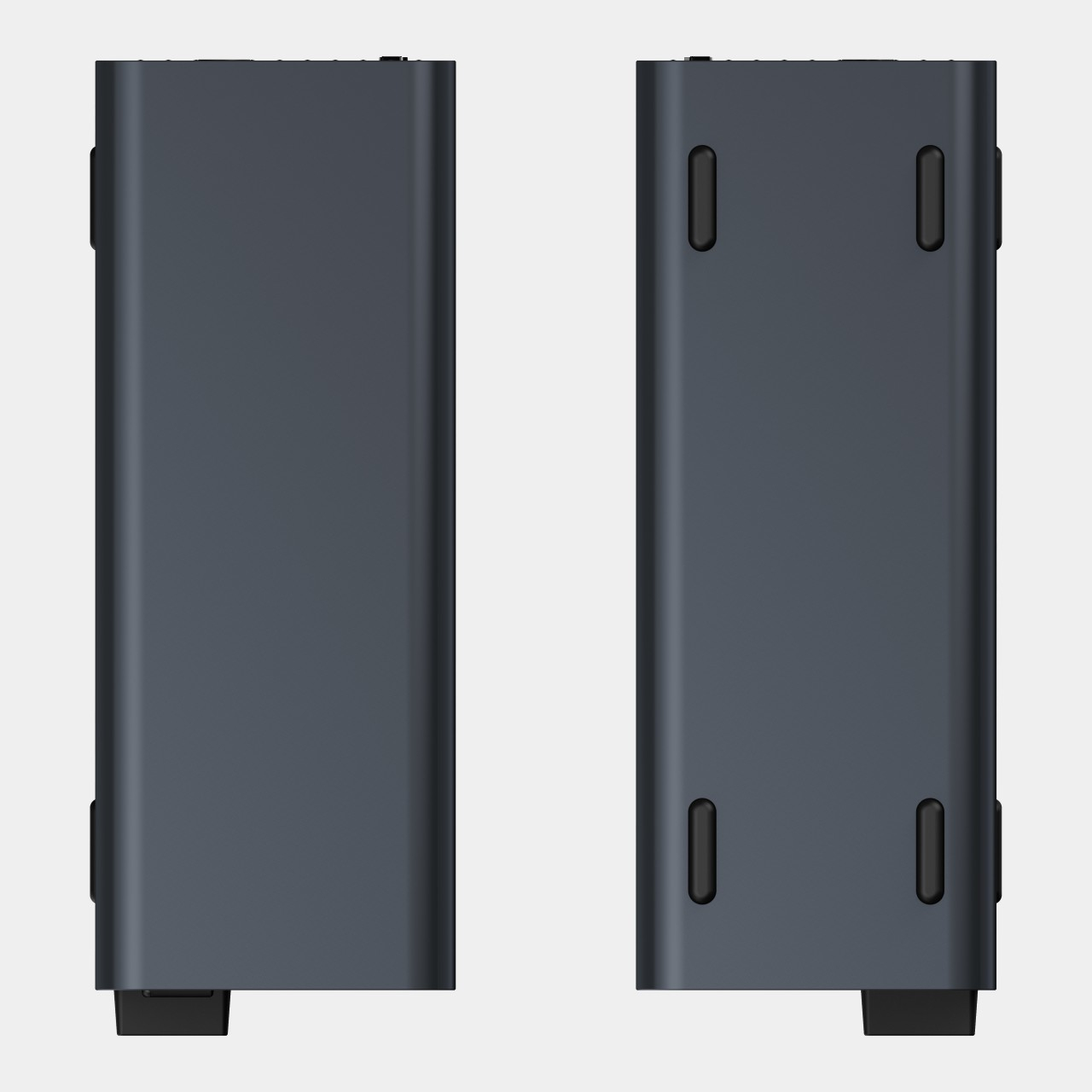
Speed matters just as much as raw power for certain jobs, and MINISFORUM designed the MS-S1 with that in mind. Designed for low-latency AI workloads, MS-S1 MAX-P495 enables responsive local inference for AI agents, computer vision, generative AI, and other real-time applications. A security camera system or a live creative tool built on generative AI benefits directly from that kind of immediate response instead of waiting on a round trip to the cloud.
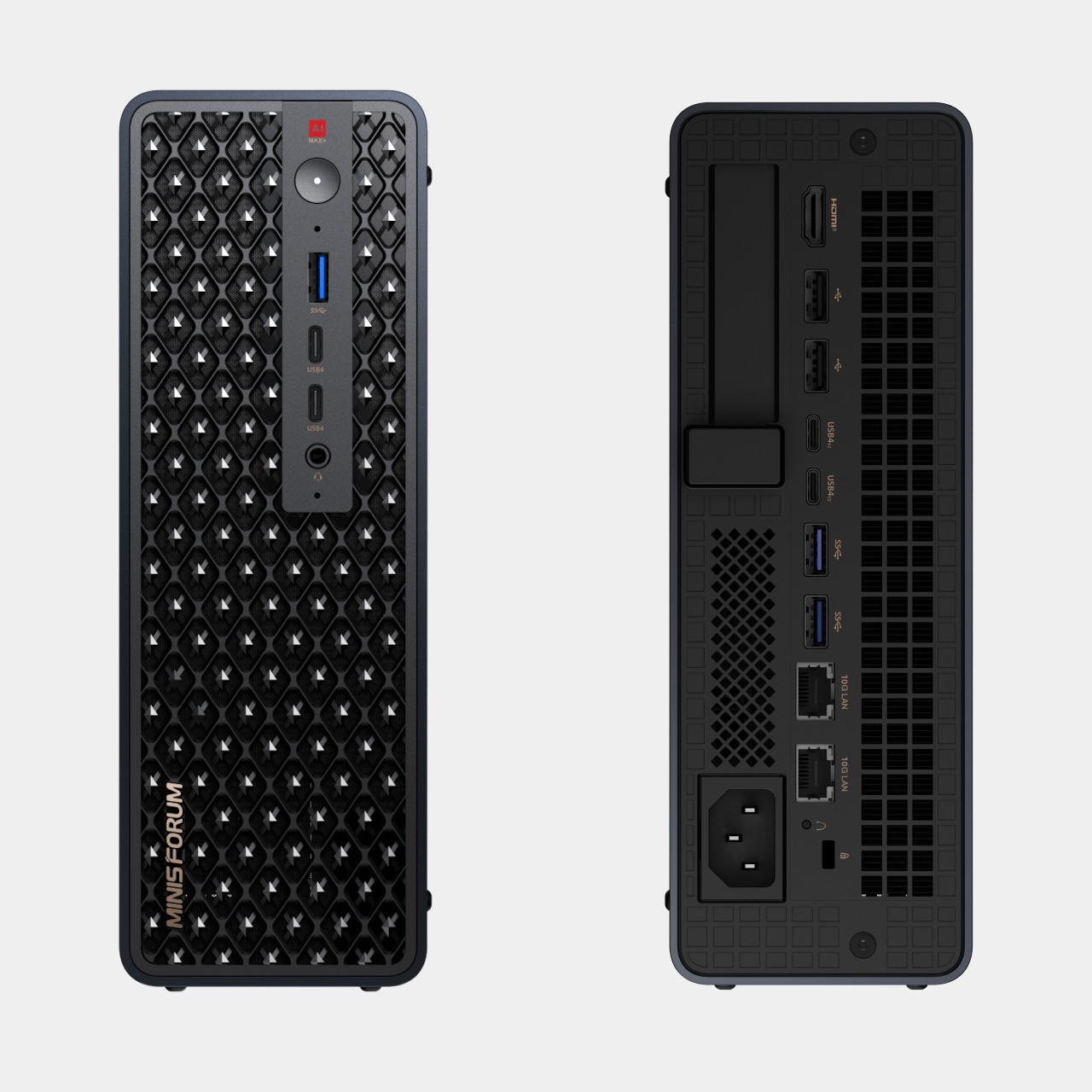
Connectivity rounds out the workstation’s role in a larger setup. With extensive connectivity and expansion capabilities, MS-S1 MAX-P495 serves as a powerful AI compute frontend, supporting models, applications, and connected devices across flexible edge AI environments. That flexibility means the same box can sit at the center of a home lab or plug into a small studio’s existing hardware without forcing a rebuild.

Paired together, the two devices split the work the way a good team would. The MS-S1 MAX-P495 and N5 MAX-P495 form a complete edge AI computing system, delivering high-performance AI compute at the frontend while integrating compute, massive storage, data, and AI knowledge at the backend, providing a powerful foundation for real-time inference, persistent AI workloads, and scalable local AI applications. It’s a compact answer to a question more households and small teams are starting to ask: whether AI still needs to live somewhere else at all.
The post Cloud AI Means Someone Else Has Your Data, MINISFORUM Fixes That first appeared on Yanko Design.
MINISFORUM AtomMan G1 Pro Packs Desktop RTX 5060 in a White Tower

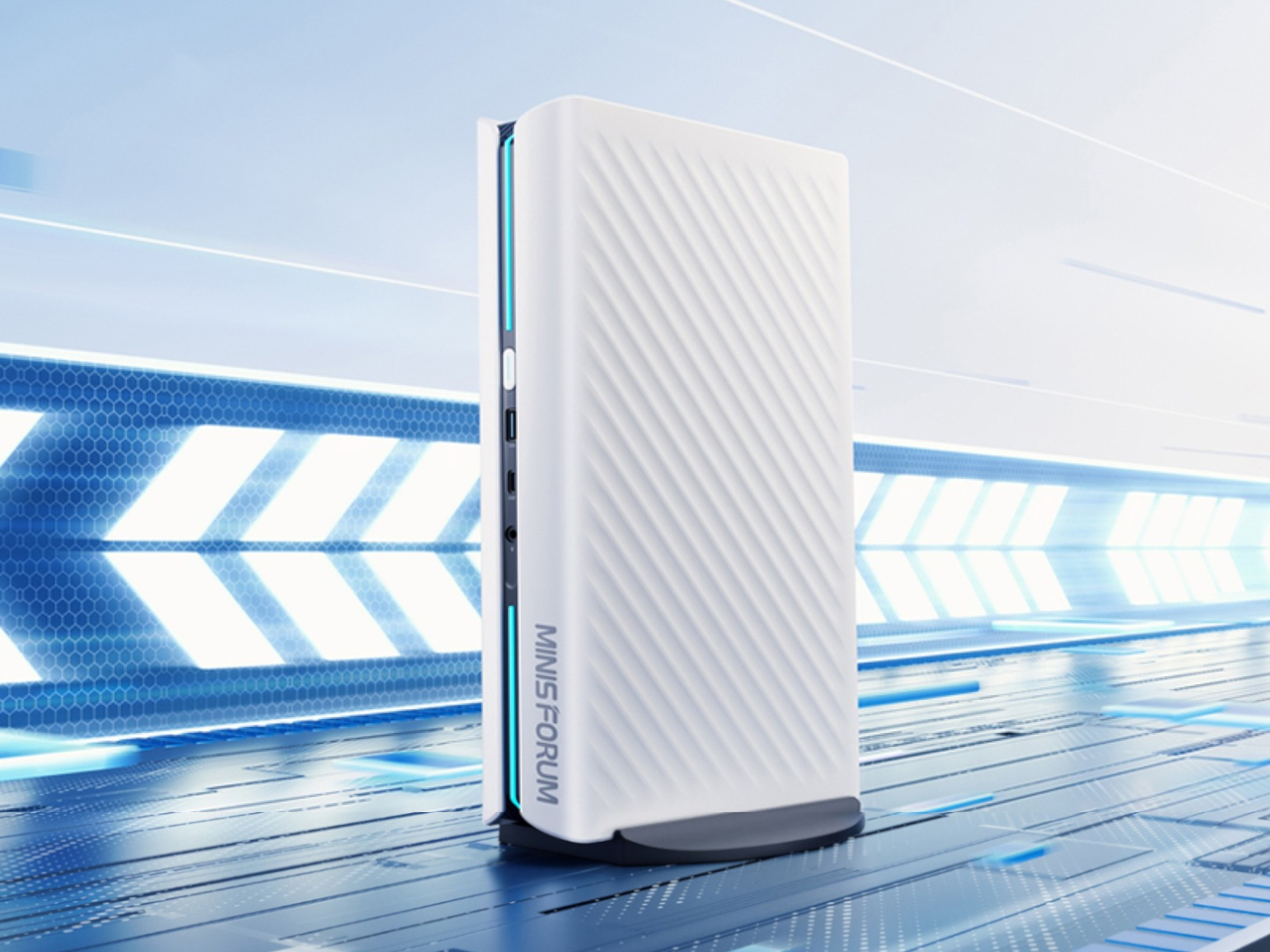
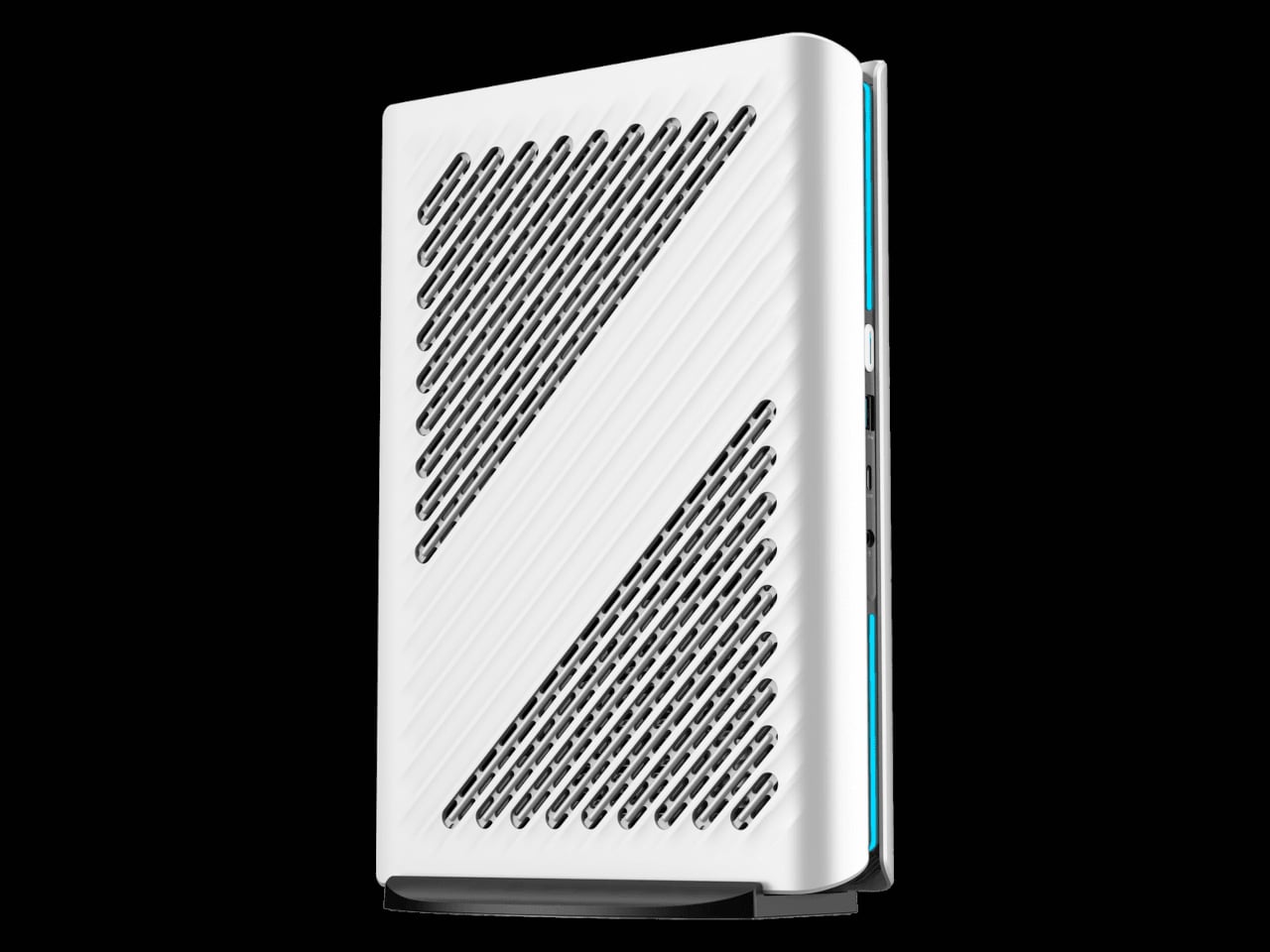
Most mini PCs fall into two visual camps: anonymous black boxes meant to hide behind a monitor, or aggressive RGB bricks that look like shrunken gaming rigs. Neither category thinks much about how the machine actually sits in a room. The MINISFORUM AtomMan G1 Pro takes a different route, leaning into a slim white tower form that looks more like a scaled-down desktop than a puck, designed to live on the desk as part of the composition.

The AtomMan G1 Pro is a compact gaming and creator PC that pairs an AMD Ryzen 9 8945HX with a desktop-class NVIDIA RTX 5060. It’s powerful enough for AAA gaming and 3D work, but what makes it interesting from a design perspective is how it packages that hardware into a minimalist vertical tower with a wave-textured side panel and a single, controlled strip of lighting in front.

Designer: MINISFORUM

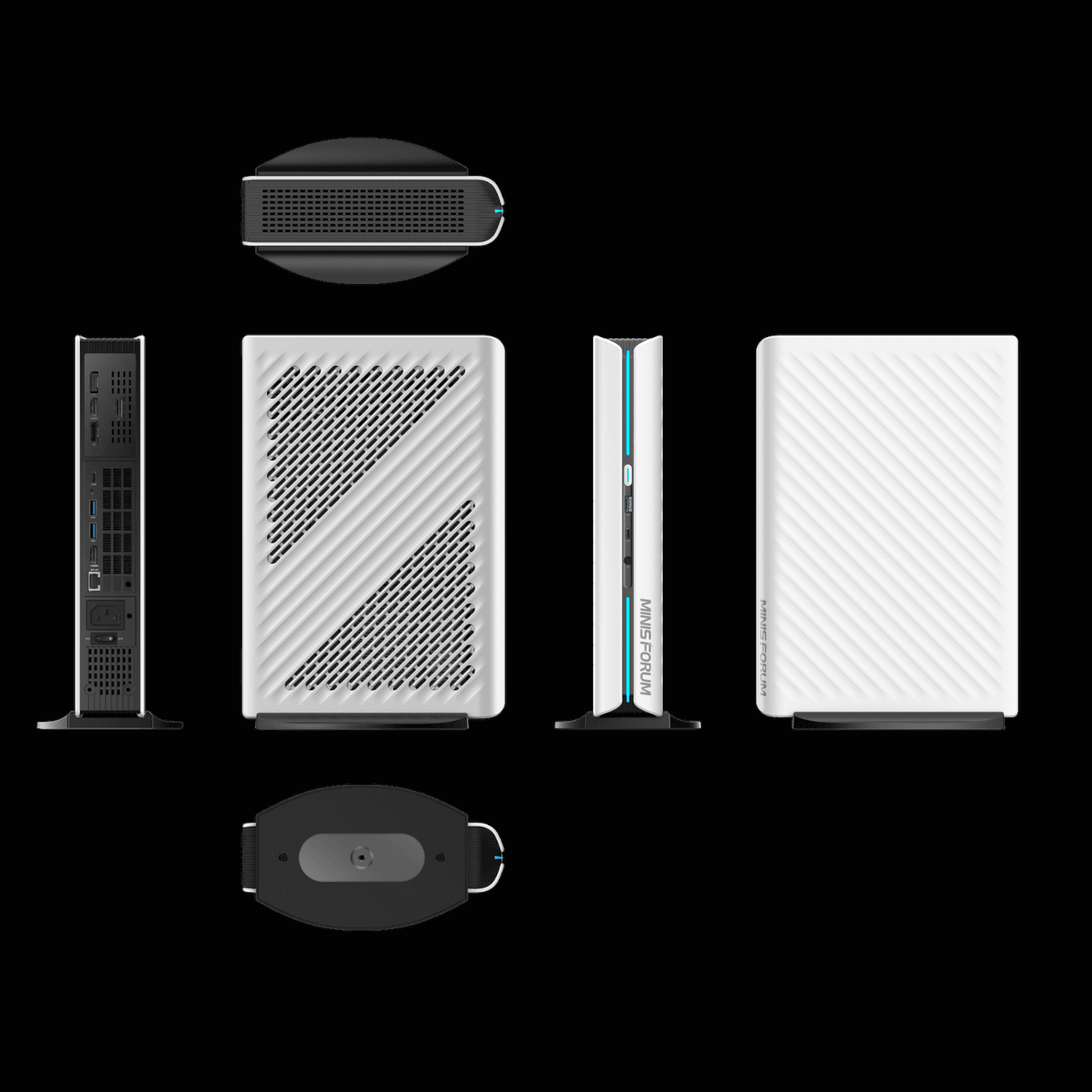
The G1 Pro stands upright on a small base, with a tall, slim body finished in white rather than the usual black. One side panel is a continuous wave texture that catches light softly instead of shouting with vents and logos. That vertical stance frees up desk space and makes it feel more like a small speaker or piece of audio gear than a traditional mini PC, which changes how you might place it in a living room or studio.

A vertical light strip runs along the front, adding a subtle cyan accent without turning the whole case into an RGB billboard. The MINISFORUM logo is printed vertically, aligning with the tower posture. Front I/O is tucked into that same edge, with a power button, USB-A, USB-C, and audio jack easily reachable but visually quiet, so the wave-textured face stays clean and uninterrupted.

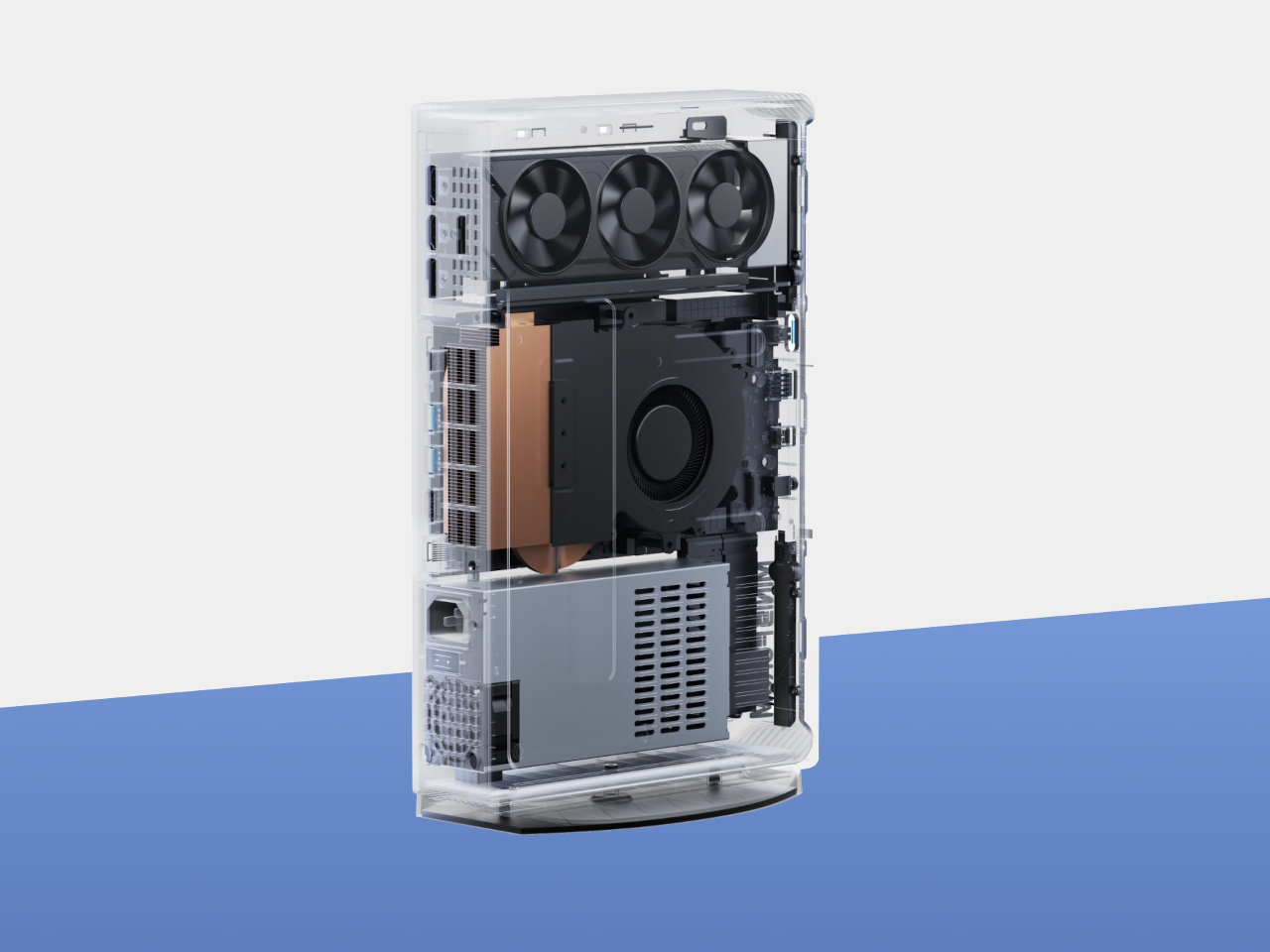
Inside, a full-length RTX 5060 desktop GPU sits vertically alongside the Ryzen 9 CPU, fed by a 350W internal PSU and a third-generation Glacier cooling system. Wide-diameter fans, copper heat pipes, and a two-sided exhaust layout push air through the tall chassis. The tower form is not just aesthetic; it gives the airflow a clear path and lets the machine dissipate up to 300W without looking like a heat sink on legs.

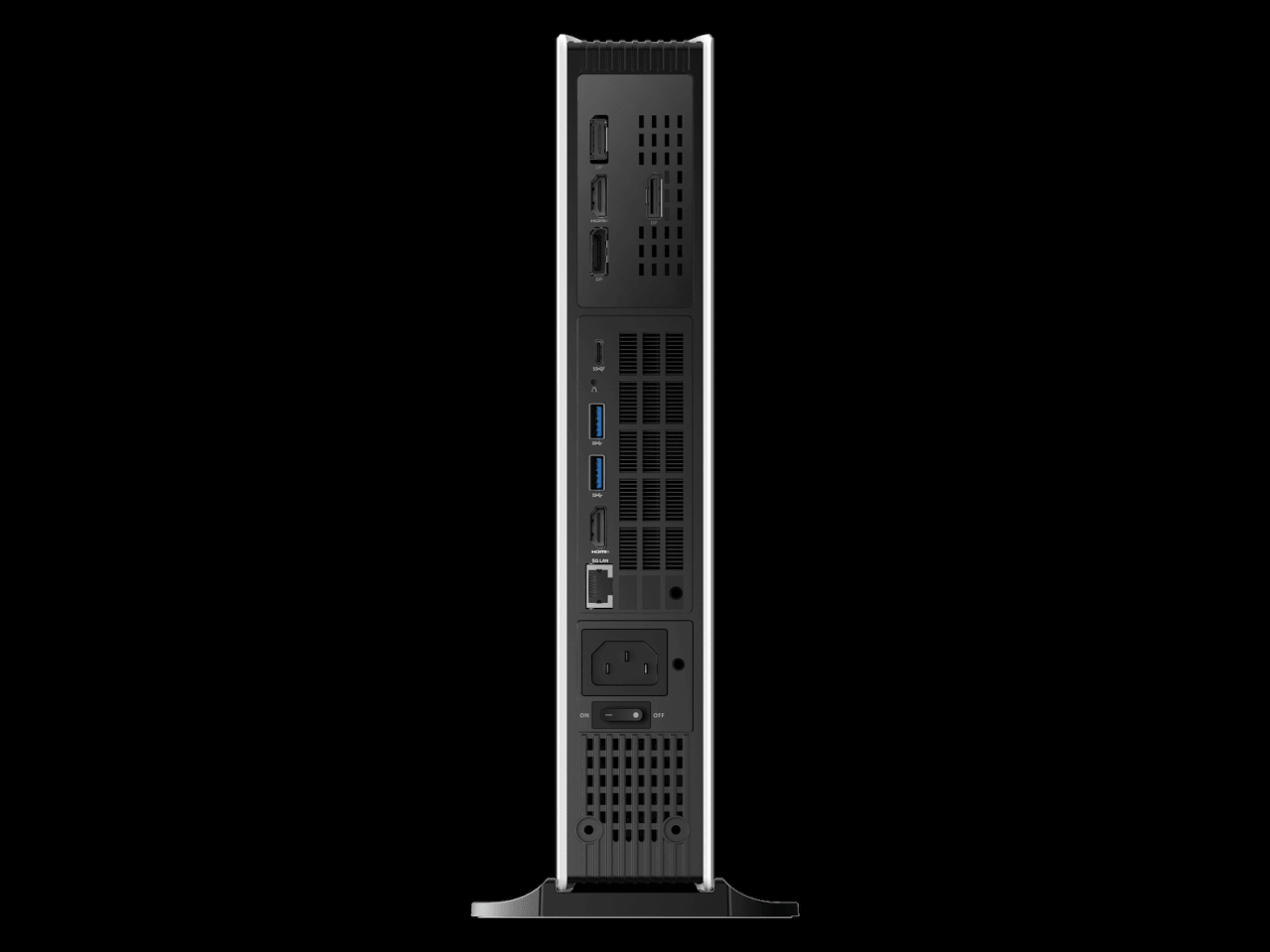
On the back, multiple DisplayPort and HDMI ports support up to four 4K displays, along with plenty of USB and a 5GbE LAN port. That means it can anchor a serious multi-monitor setup for gaming, editing, or coding while still looking tidy from the front. The white shell and vertical stance help it blend into both studio and living room setups without dominating the visual field.

The AtomMan G1 Pro shows what happens when a performance-focused mini PC gets a bit more design attention. It doesn’t abandon specs, but it wraps them in a form that feels more considered than another black brick. For anyone who wants desktop-class power in a machine that can actually sit on the desk without spoiling the view, this little white tower is worth watching when it ships early next year.

The post MINISFORUM AtomMan G1 Pro Packs Desktop RTX 5060 in a White Tower first appeared on Yanko Design.
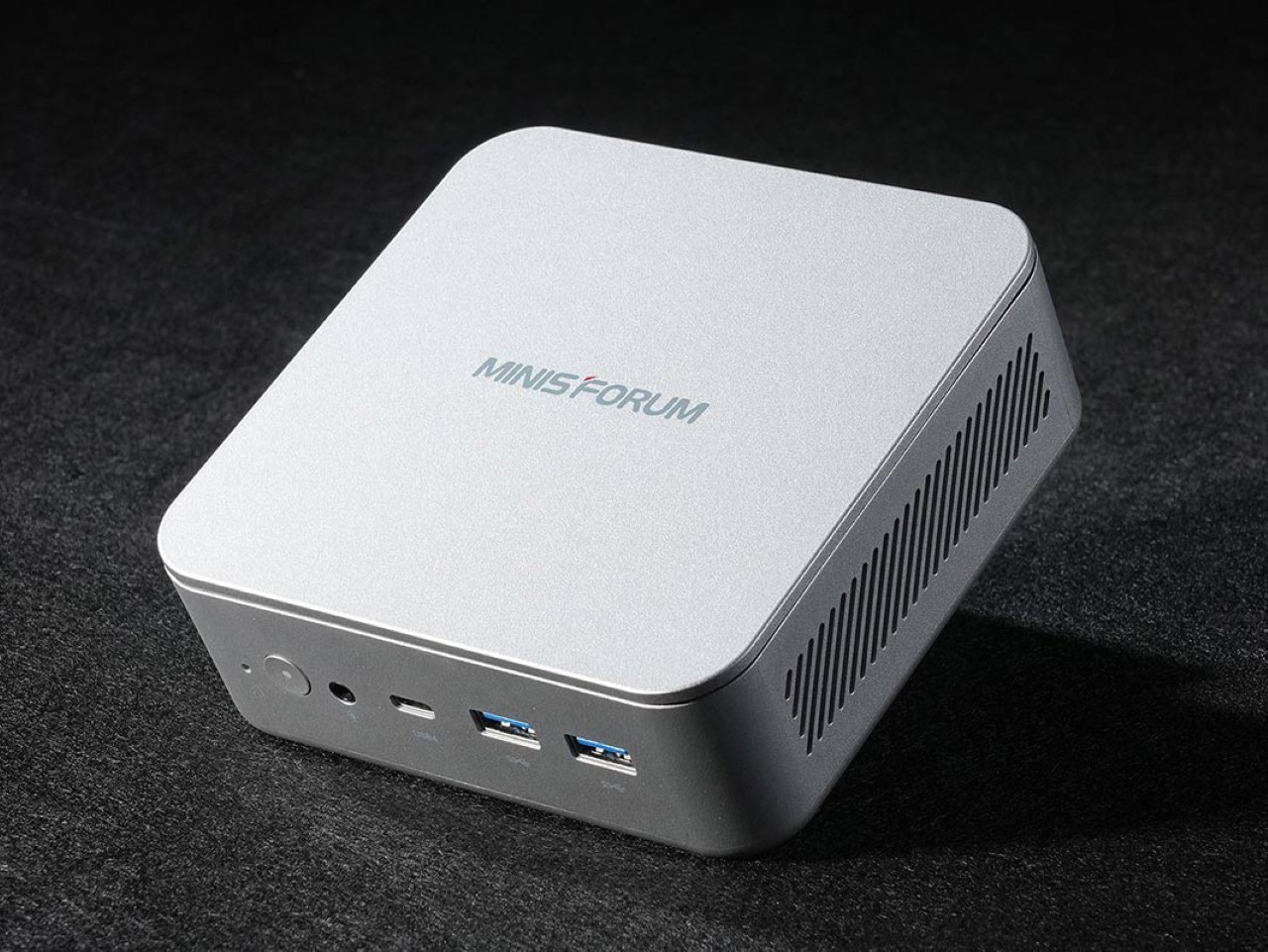
EliteMini AI370: The Tiny Windows Mini-PC Built to Outperform Apple’s M4 Mac mini

You know how every time Apple launches a feature on the iPhone, Android people rush to point out they did it first, or they did it better? If you’re a Windows fan, this post might just be perfect for you. At the end of last month, Apple debuted the M4 Mac mini, surprising us not with just a chip upgrade, but a size downgrade too. A fraction of its original size, this newer Mac mini was tailored for Apple’s AI (or Apple Intelligence), and was designed to be a functional power-house. Not to be outdone, however… it seems like MiniForum has a Windows-based answer to the new Mac mini.

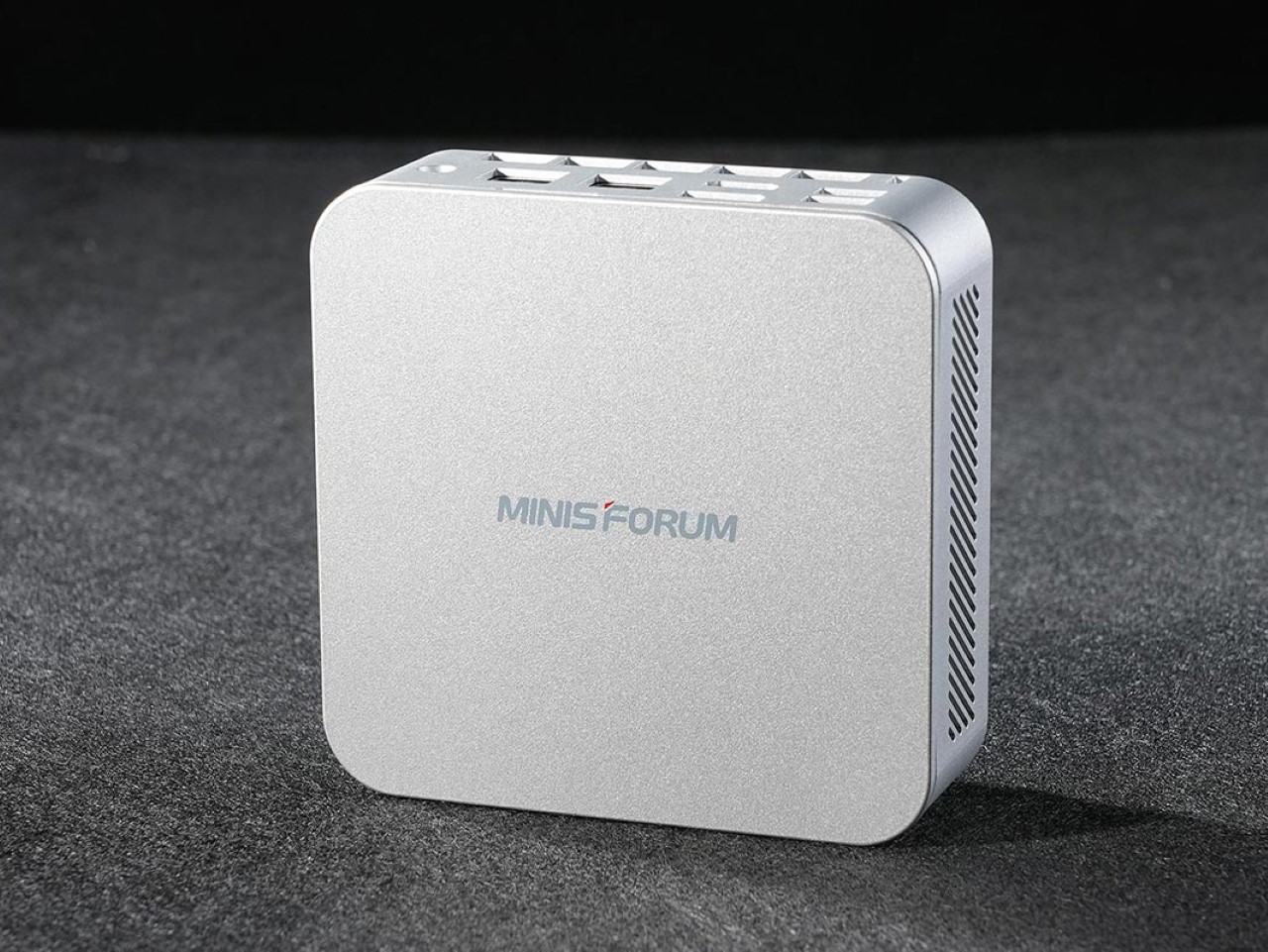
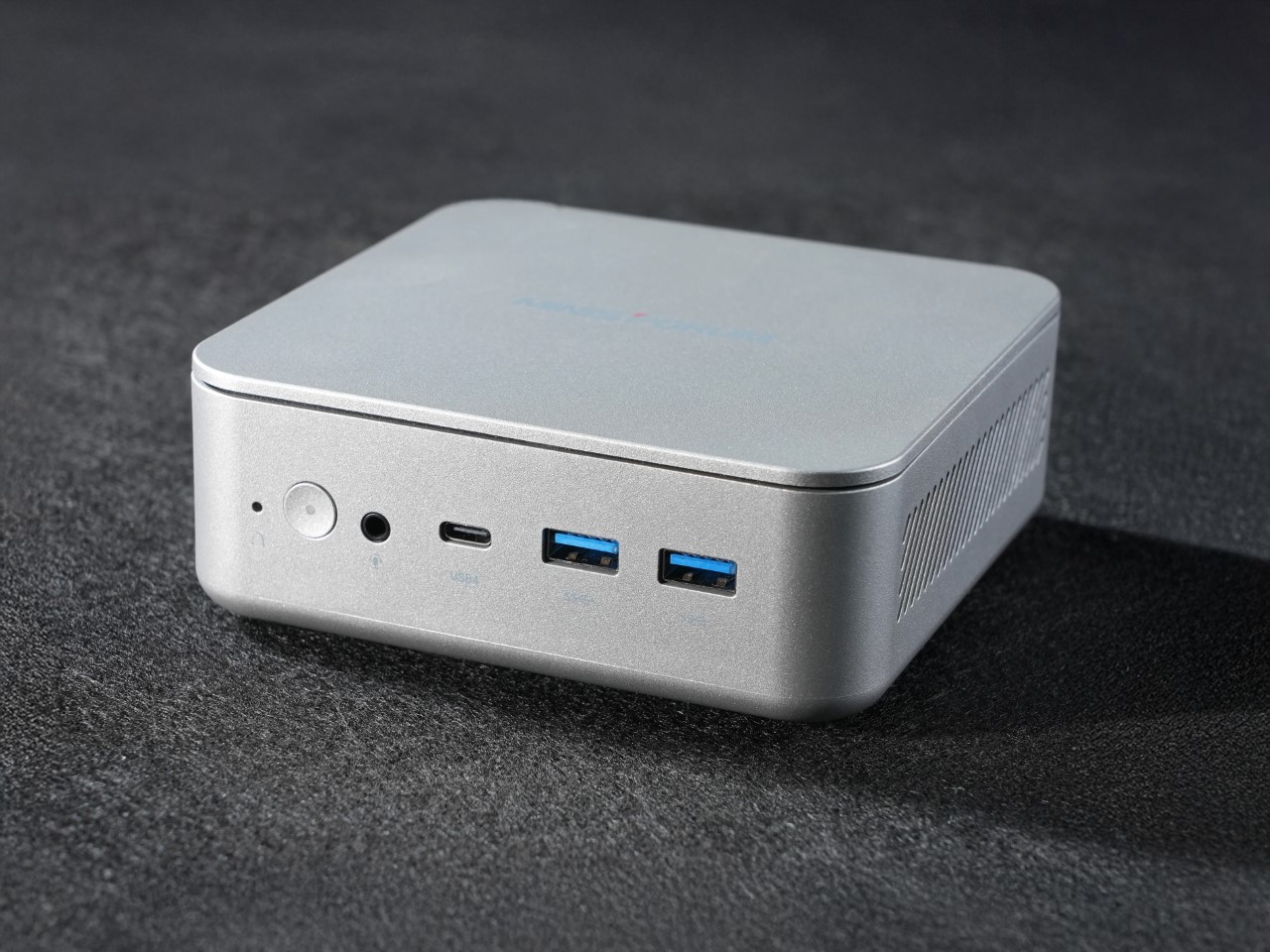
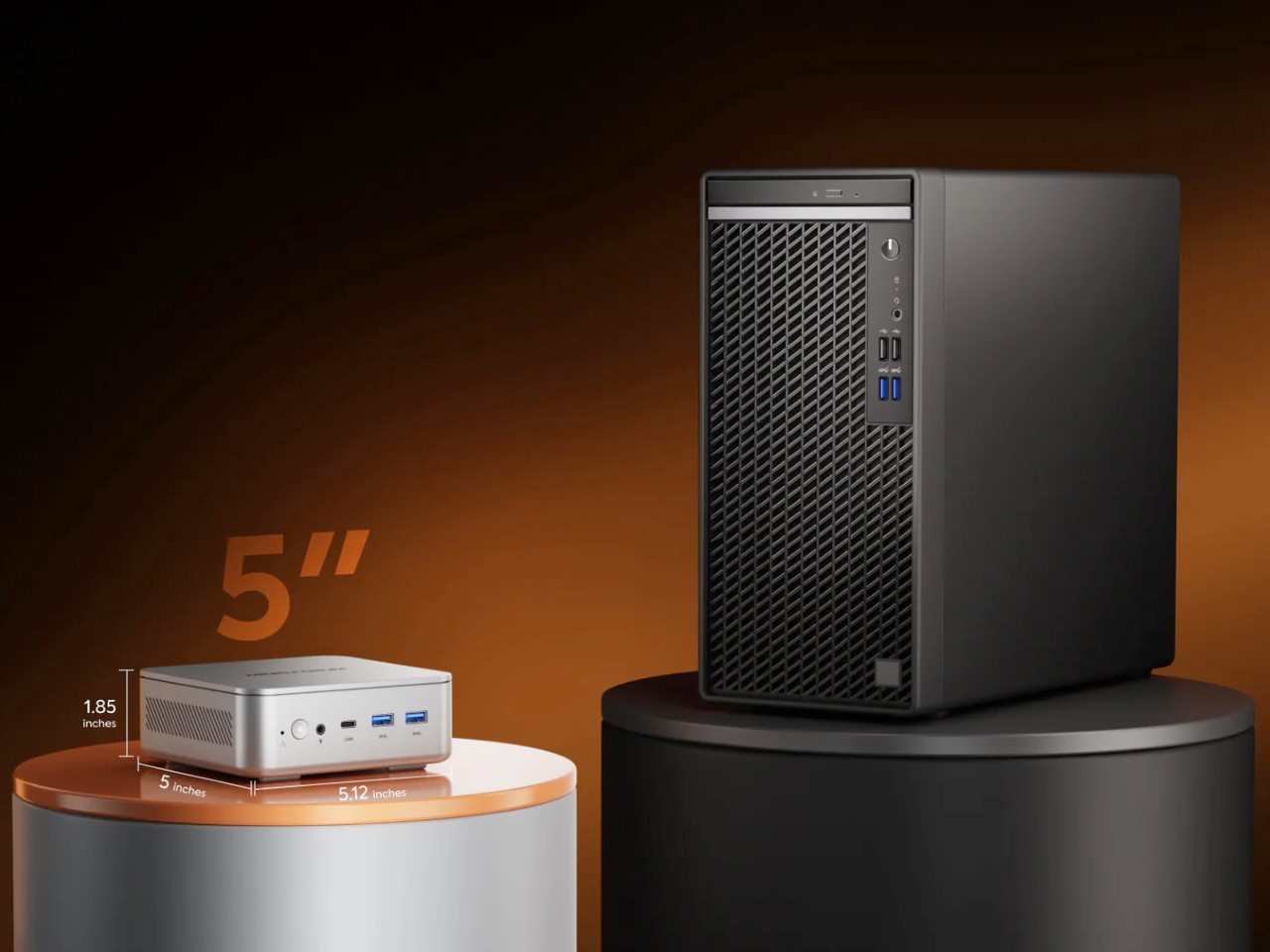
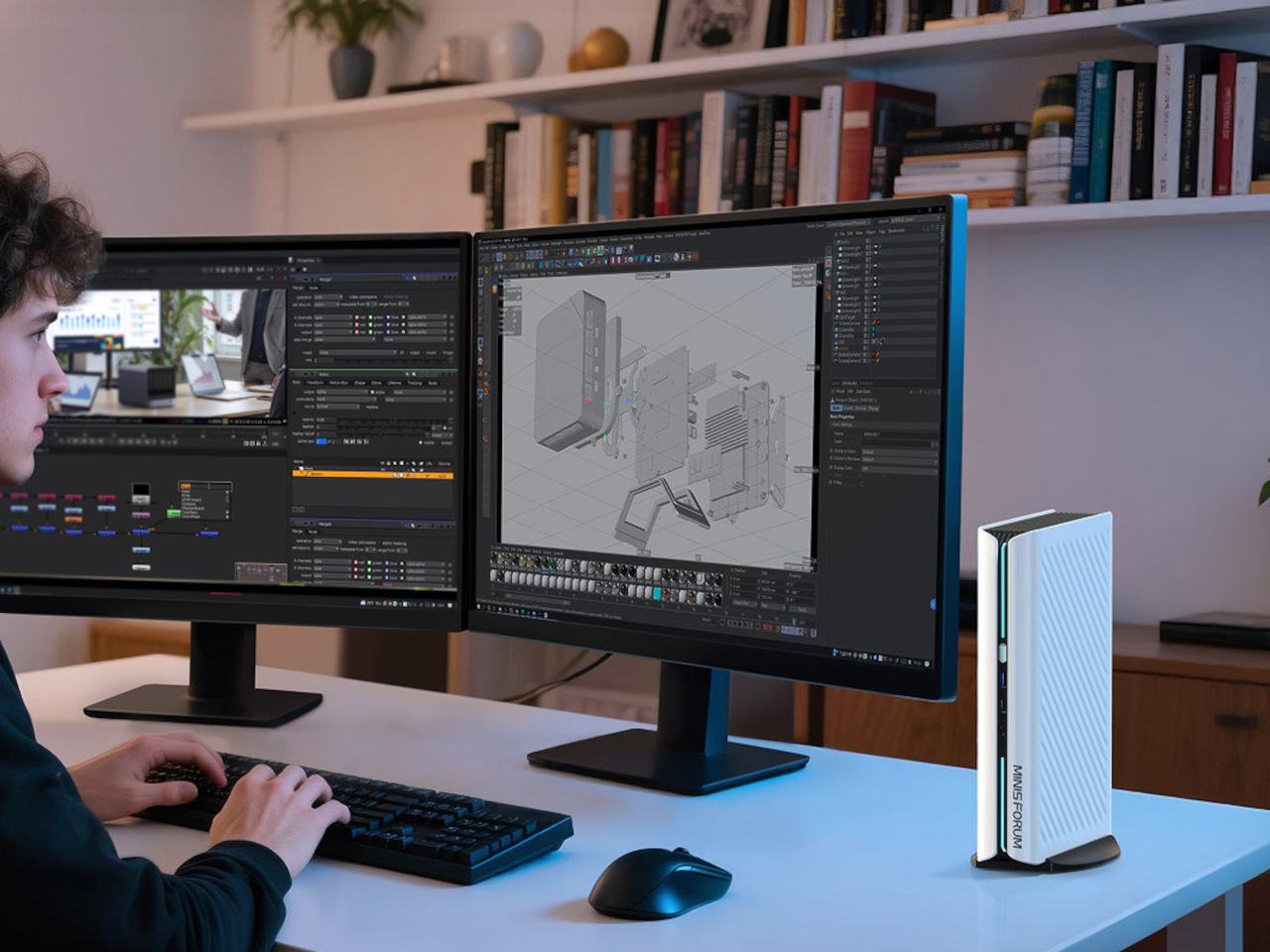
The EliteMini AI370 may be a bit of a handful name-wise, but it’s a handful when it comes to performance, ports, and portability too. Powered by AMD’s latest AI-ready Ryzen processor and the Radeon 890M, the EliteMini has 12 cores, 24 threads, and 50 TOPS of AI processing, ready to easily handle any demanding task from gaming to video editing or even working with AI models without breaking a sweat. The entire device measures just 5 inches across, making it exactly as small as the Mac mini, albeit with way more ports… and perhaps the most important feature – a front-facing power button.

Designer: MinisForum

Under the hood, the EliteMini AI370 boasts AMD’s Ryzen AI 9 HX 370 processor, which makes multitasking a breeze. With 12 cores and 24 threads, this chip is engineered for the heavy workloads you’d typically assign to a full-sized desktop, handling everything from advanced editing to 3D rendering with ease. Thanks to AMD’s XDNA2 architecture, this processor includes a dedicated Neural Processing Unit (NPU), delivering up to 50 TOPS (trillion operations per second) in AI power. If you’re working with AI applications, real-time rendering, or advanced editing software, this kind of performance is a huge asset, enhancing productivity while keeping things running smoothly.

Graphics enthusiasts and gamers will appreciate the Radeon 890M integrated graphics. Unlike many compact PCs that struggle with graphical processing, the EliteMini is geared for high-quality visuals, with frame rates above 60 FPS. This makes it more than capable for gaming and intensive creative applications. Having this level of integrated GPU performance means you won’t need to invest in an external GPU—perfect if you’re tight on desk space or don’t want extra hardware cluttering your setup.

Memory and storage are equally robust in the EliteMini AI370, with 32GB of DDR5 memory clocked at a fast 7500 MHz. This speed is a lifesaver for multitasking, allowing you to work across several applications without stalling. Storage options are equally impressive, supporting up to 4TB of PCIe NVMe SSD. That’s plenty of space for large project files, software libraries, and extensive media, while the SSD’s high-speed access means you won’t be stuck waiting around for files to load. For everything else, there are ports on both the front as well as the back.

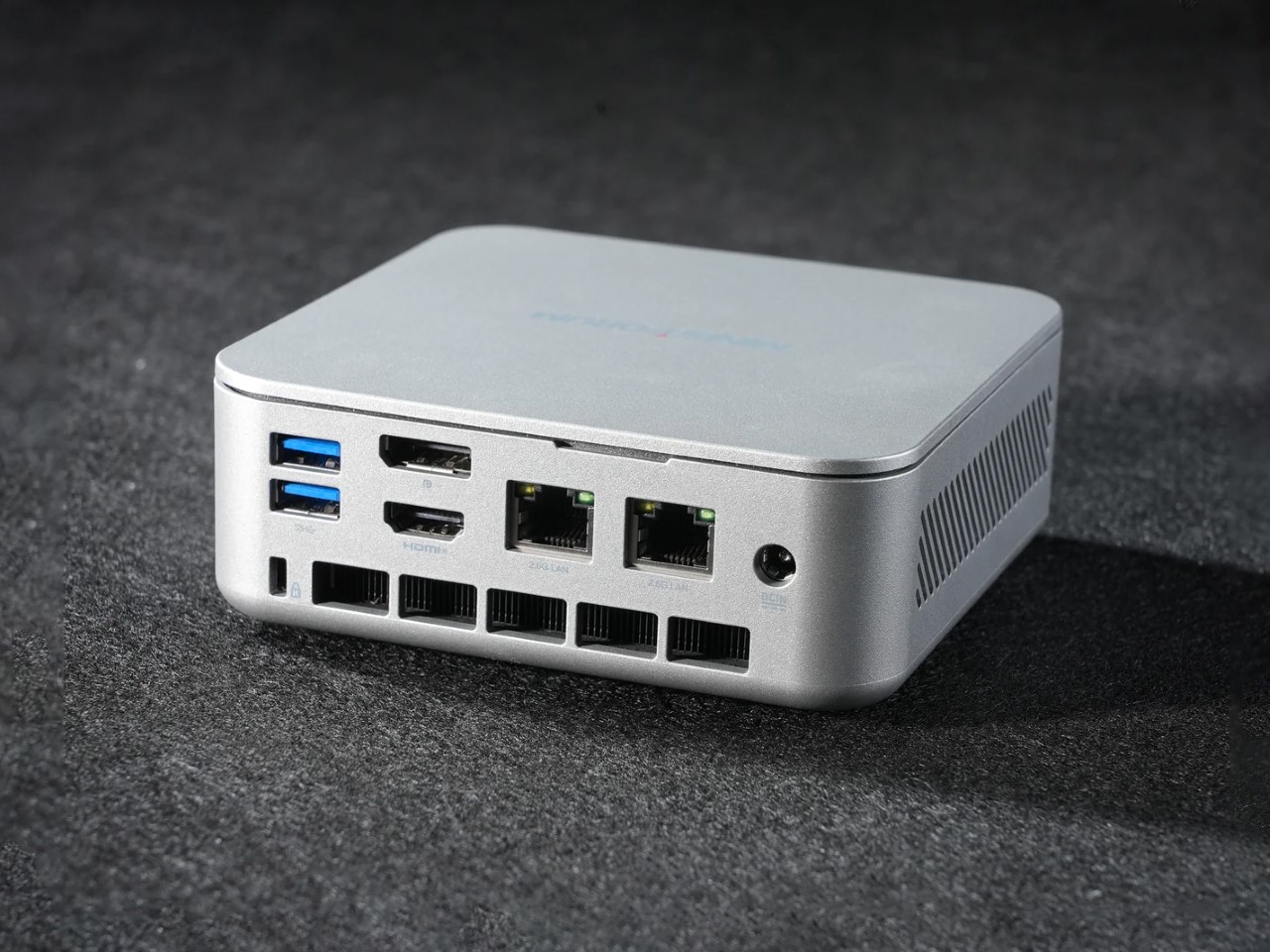
All this power and performance gets packed into a compact and accessible device, fitting neatly on any desk setup. The 5-inch form factor is easy to overlook, but don’t let its size fool you—this mini-PC holds its own. For users who need a flexible and minimal setup, the EliteMini offers a front-facing USB-C setup and headphone jack, while ports on the back include three USB 4.0, HDMI, and an Ethernet connection that’s upgradable to 10GbE. As a (probably) unintentional jab to Apple, the EliteMini puts its power button smack-dab on the front of the mini PC too, making it MUCH more accessible than the Mac mini’s awkwardly placed power button.

Of course, all these features come at a price. The EliteMini AI370 starts at an introductory $1,099, with a regular price of $1,399, reflecting the high-end components and capabilities. For comparison, Apple’s Mac Mini M4 starts at $599, but it lacks the EliteMini’s integrated AI capabilities and has fewer configuration options. For Windows users who prioritize performance and customization, the EliteMini’s added capabilities and that compact design make it a perfect alternative to the Mac mini. Besides, if you’re going to be working with AI models, you’d want a computer that’s AI ready too, no?

The post EliteMini AI370: The Tiny Windows Mini-PC Built to Outperform Apple’s M4 Mac mini first appeared on Yanko Design.