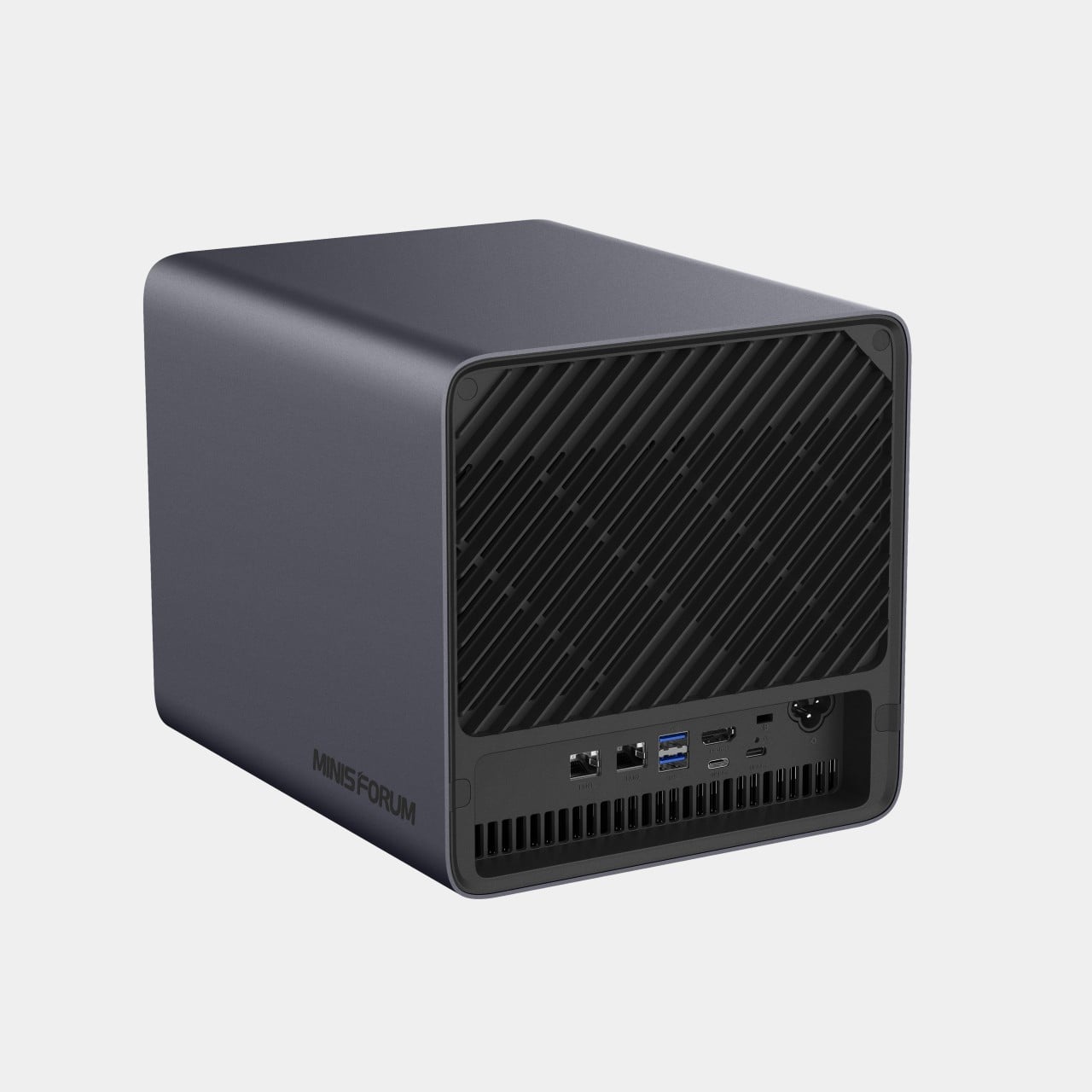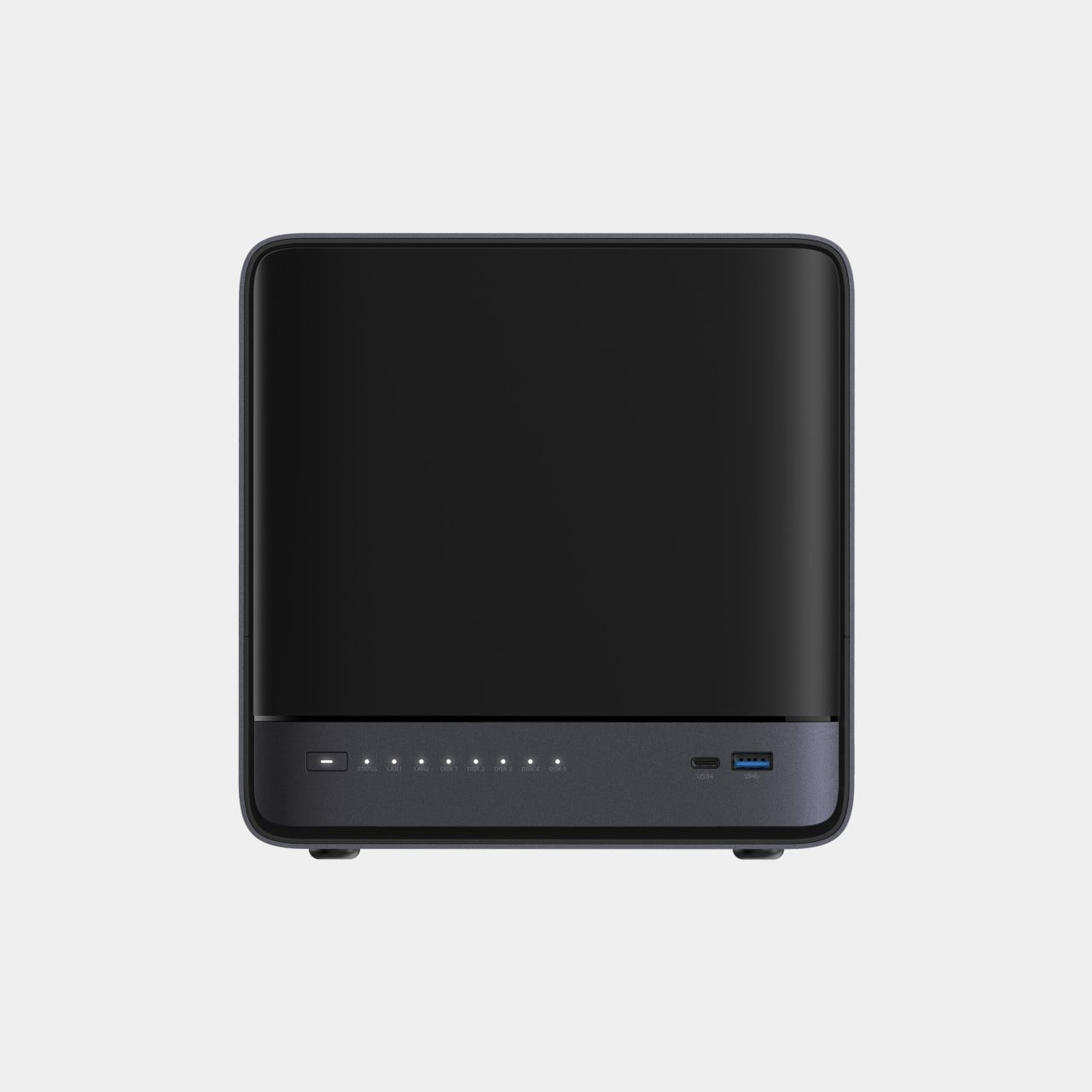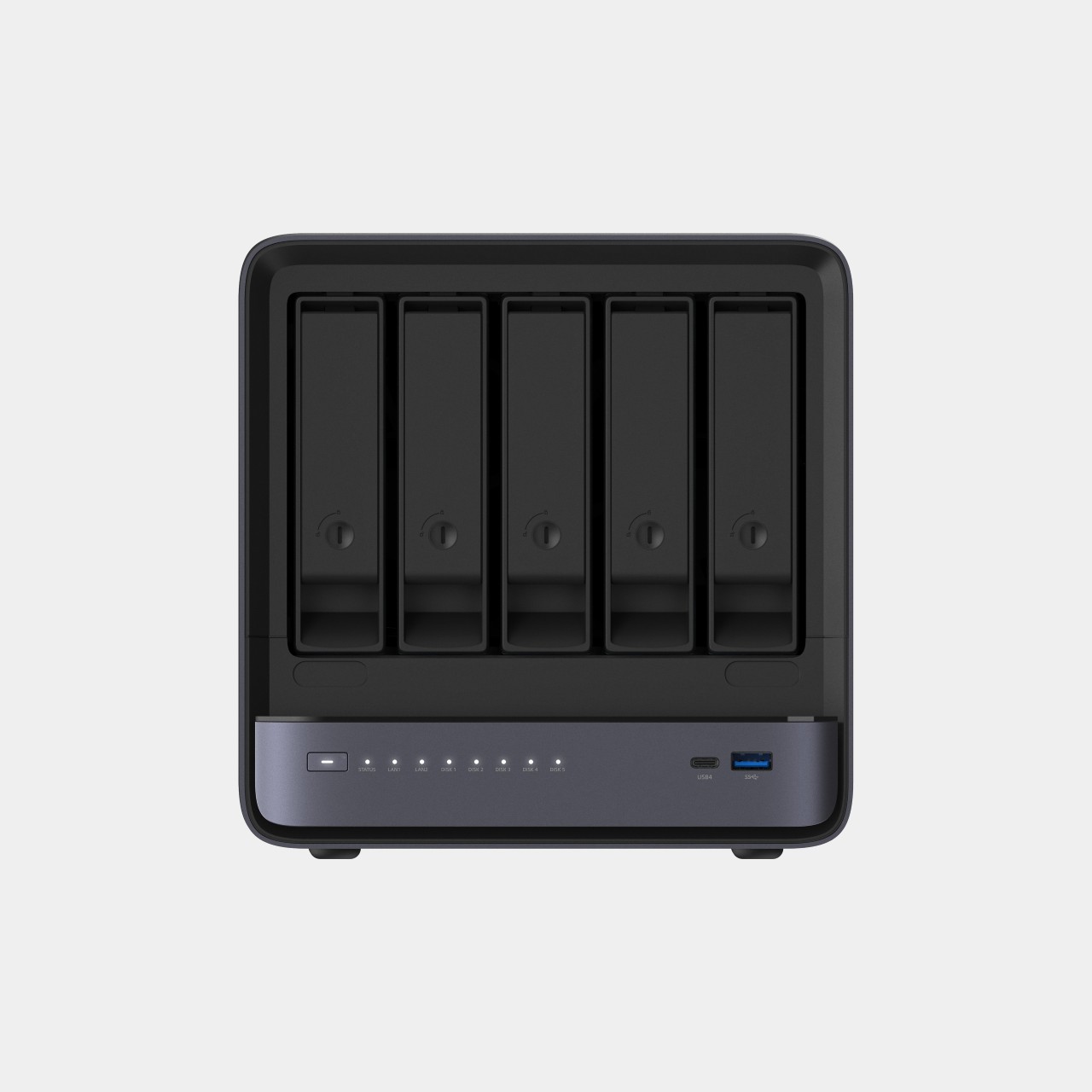
This $959 Mini PC Looks Like an NES But Runs 70B AI Models

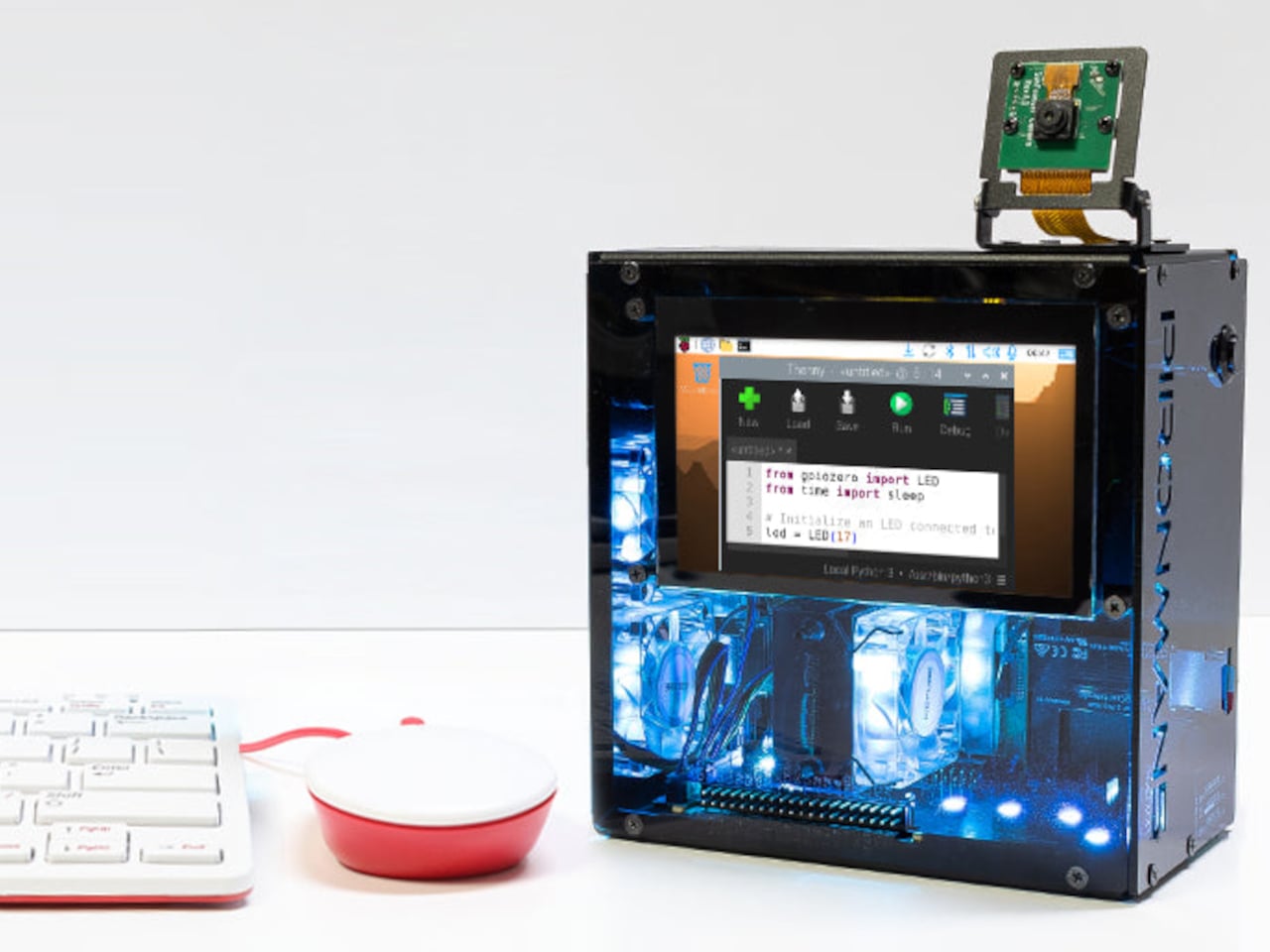
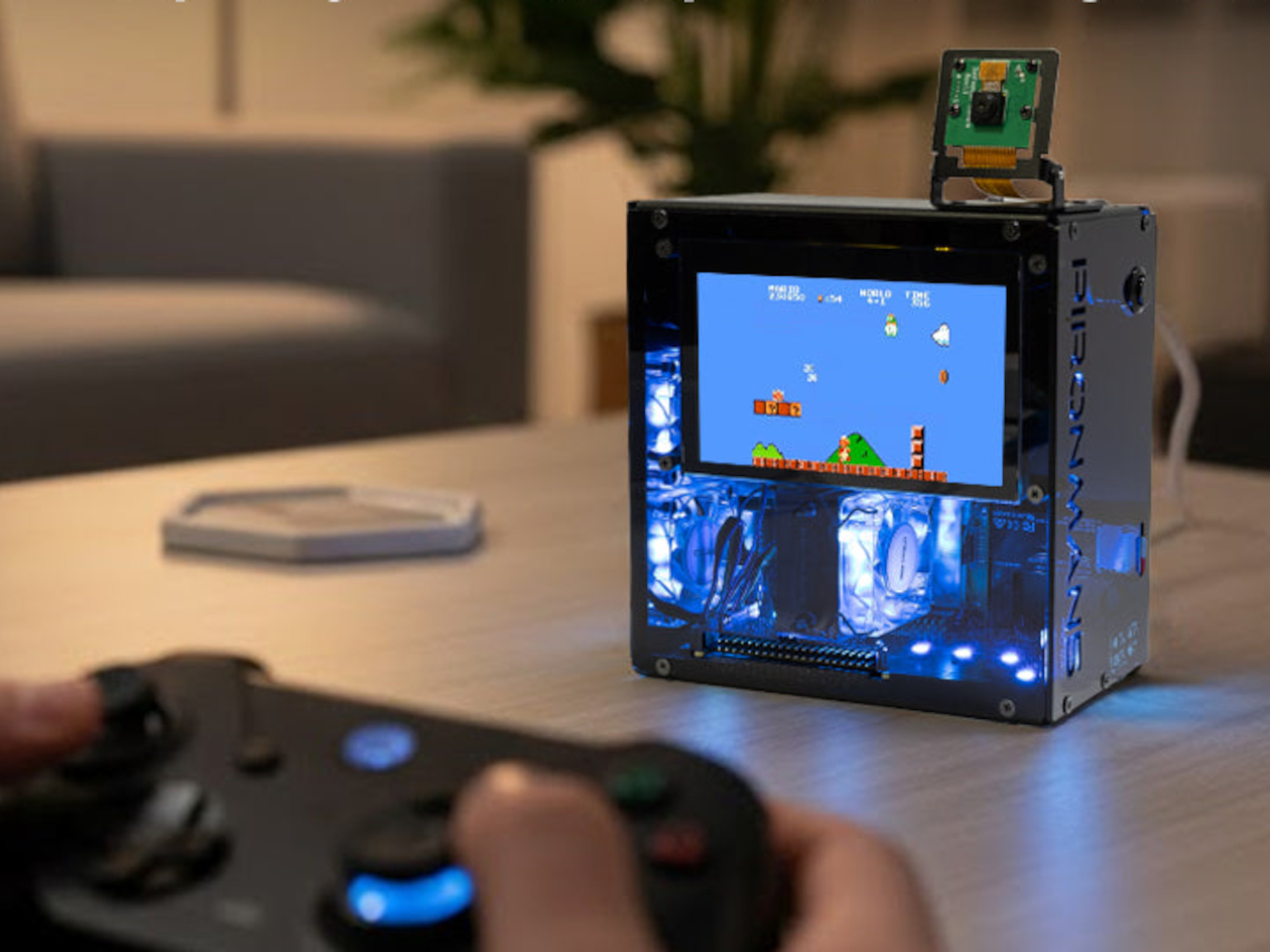
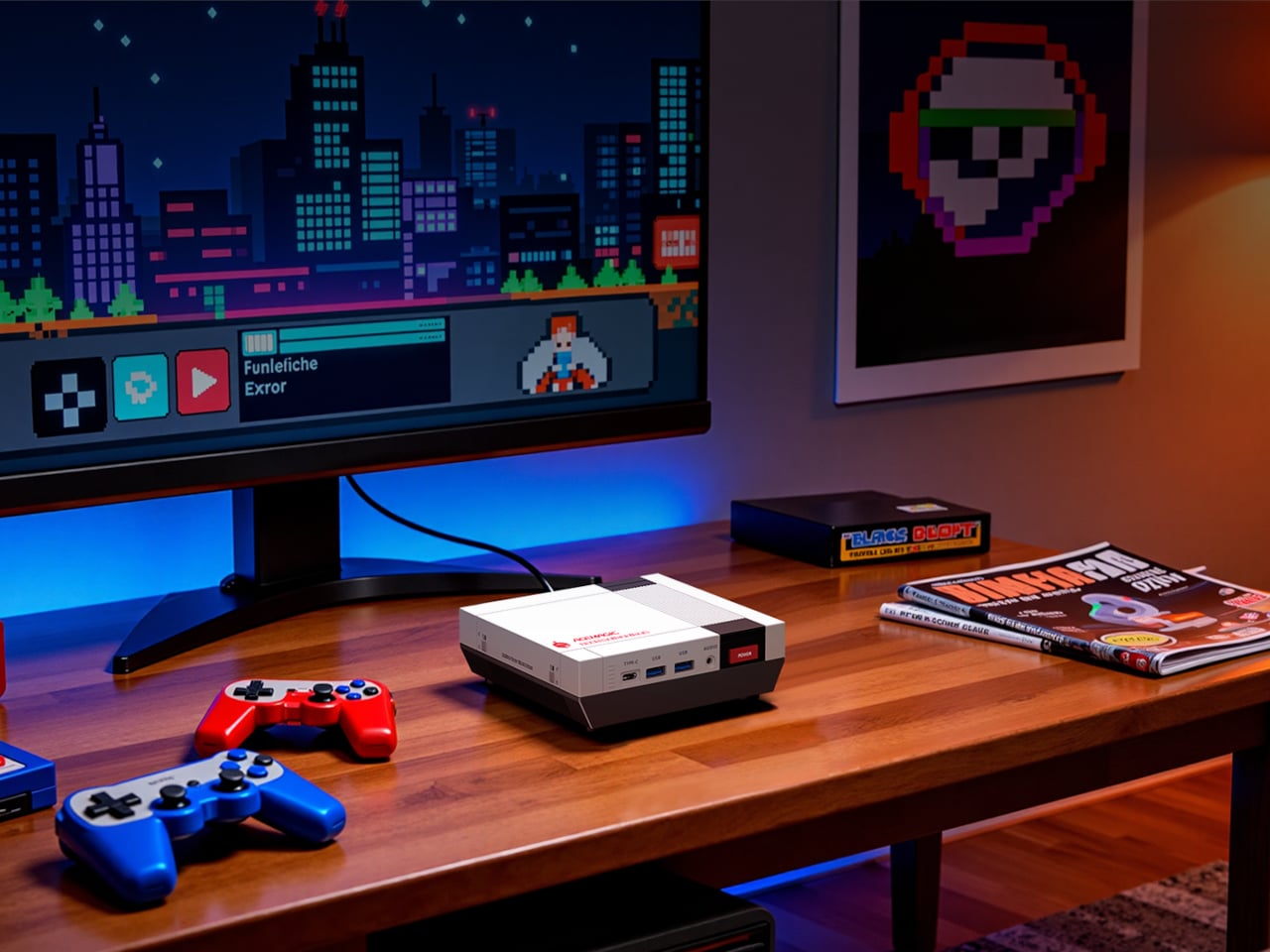
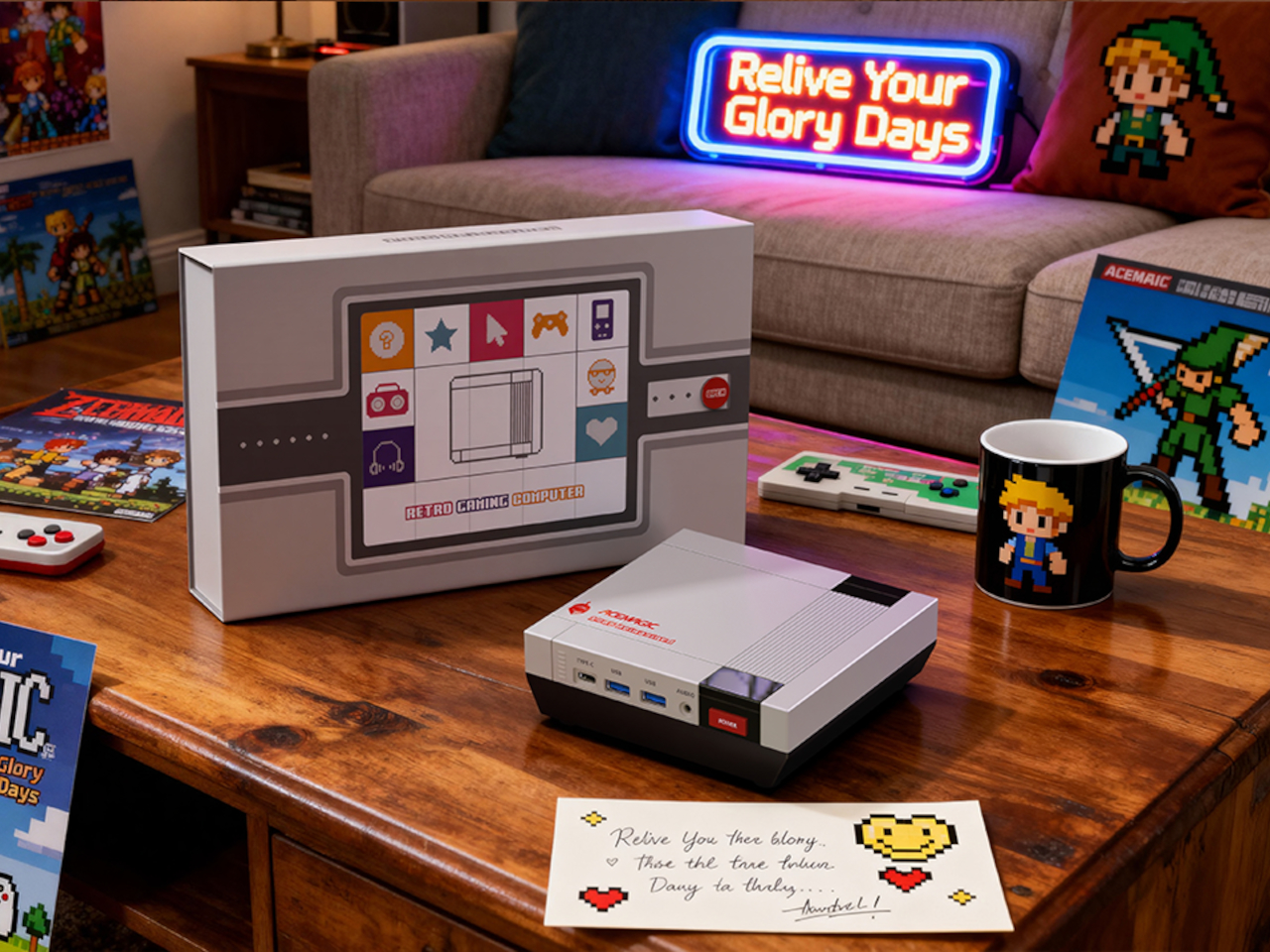
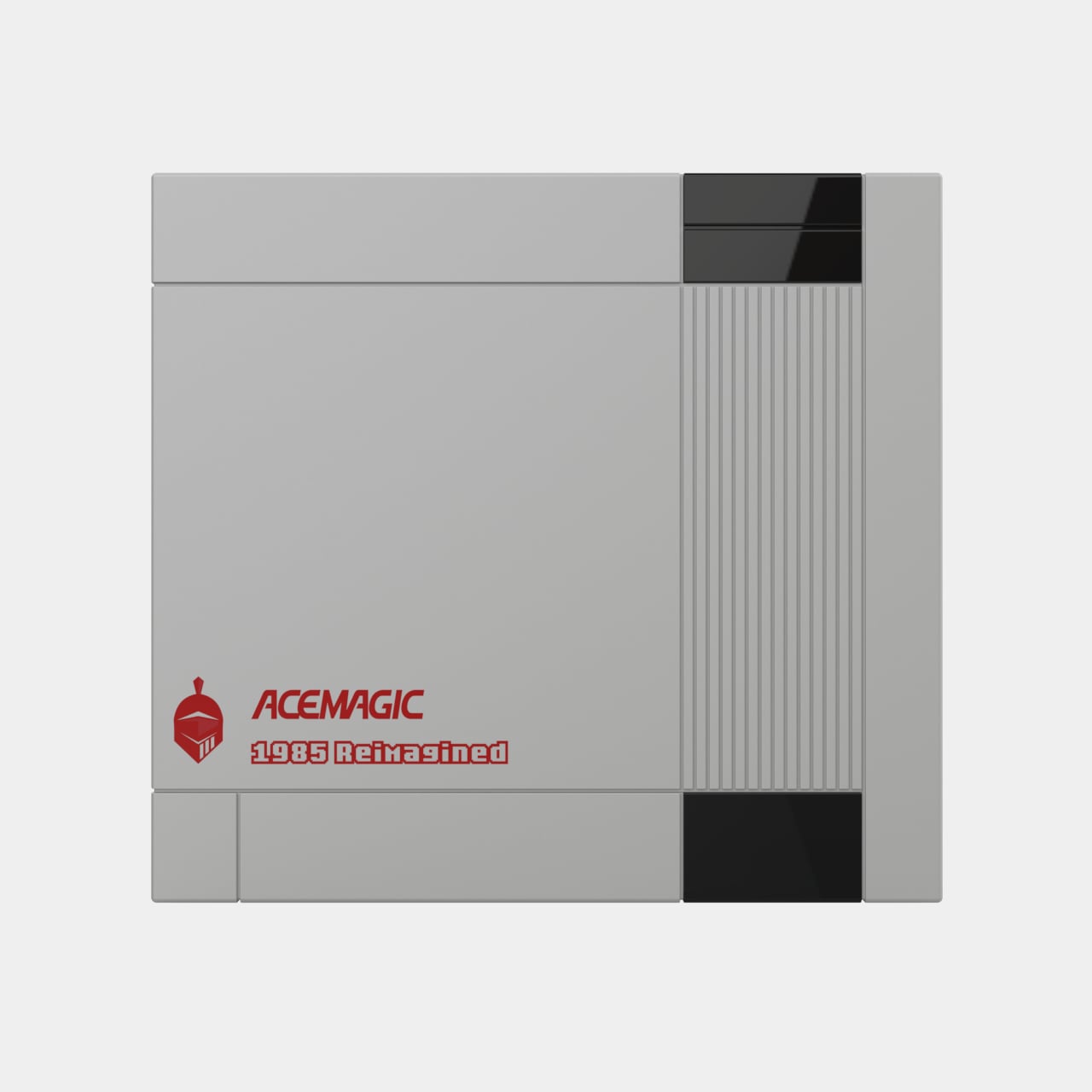
There is something quietly absurd about building a serious PC in the shape of a 1980s game console. Not absurd in a dismissive way, but more in the way that a very good idea sometimes sounds ridiculous until you see it sitting on a desk. The ACEMAGIC Retro X5 is exactly that kind of object: a compact Windows 11 Pro machine dressed in the rectangular geometry of classic cartridge-loading hardware, with a red power button where the reset button probably lived in your memory.

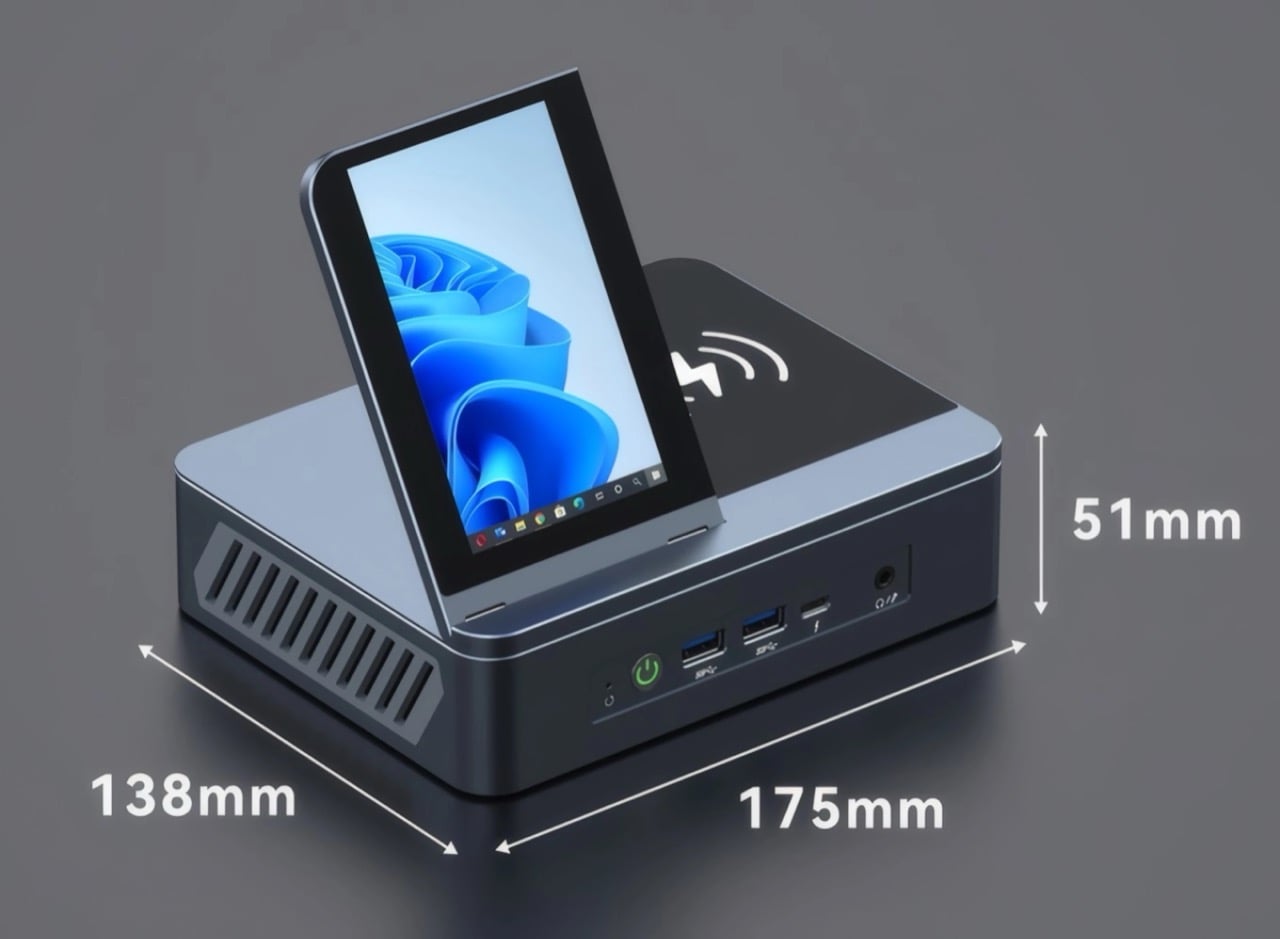
At 138mm x 128mm x 45 mm, the Retro X5 occupies roughly the footprint of a thick paperback. The body follows a black, white, and gray palette, with mechanical-style grilles cut into the cooling vents. A removable snap-fit panel lets you access the internals without tools, which signals something deliberate about the design: the whole thing is meant to be touched, handled, and opened rather than just admired from across a shelf.

Designer: ACEMAGIC

Inside that nostalgic shell sits AMD’s Ryzen AI 9 HX 370, a 12-core, 24-thread processor paired with the Radeon 890M GPU running at 2,900 MHz. The base configuration ships with 32 GB of DDR5 5,600 MT/s memory and a 1 TB PCIe 4.0 NVMe SSD. For anyone who has watched mini PCs ship with soldered RAM and single storage slots for years, the two M.2 2280 slots, expandable to 4TB total, are a more practical detail than the retro styling gets credit for.

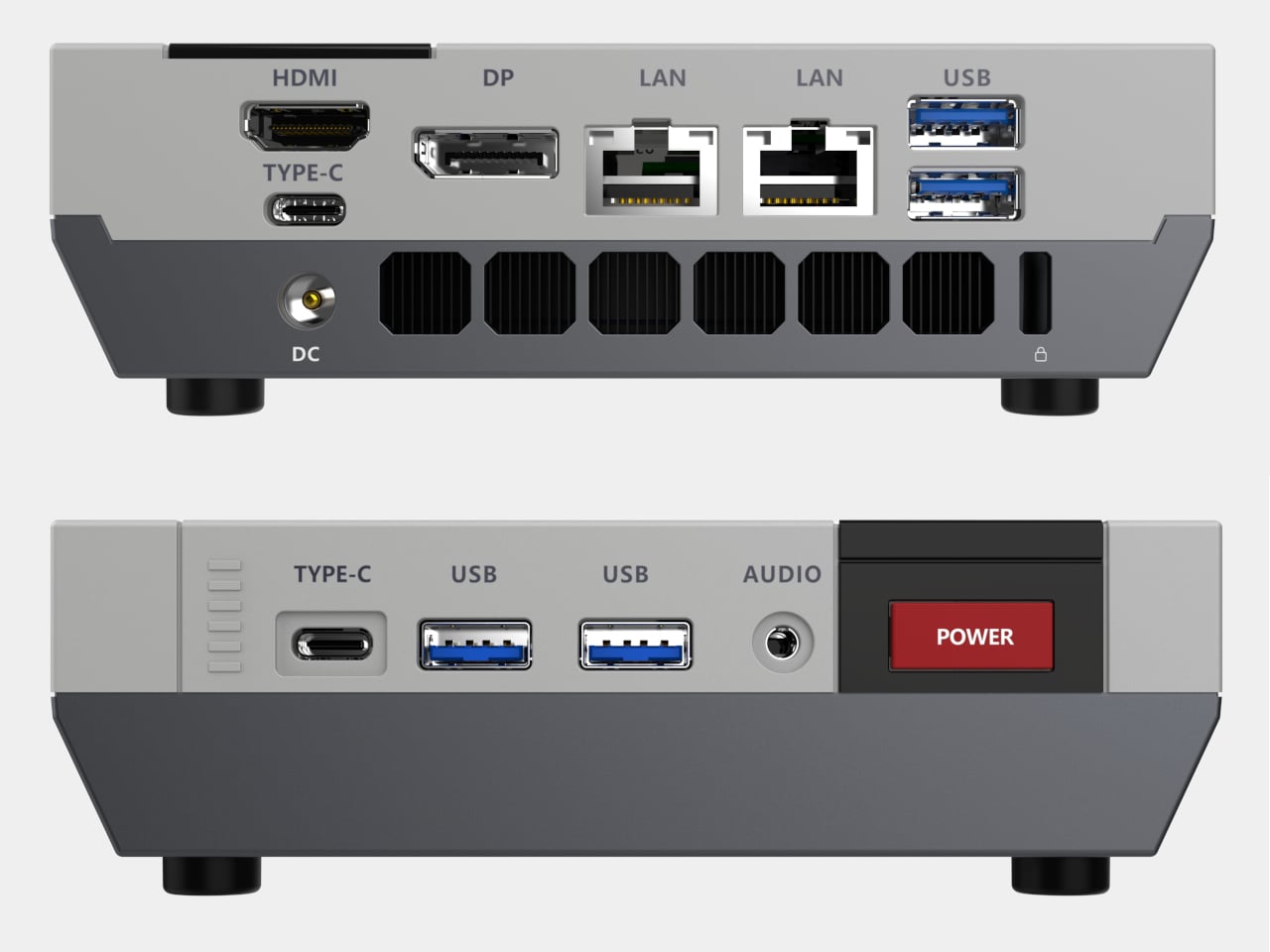
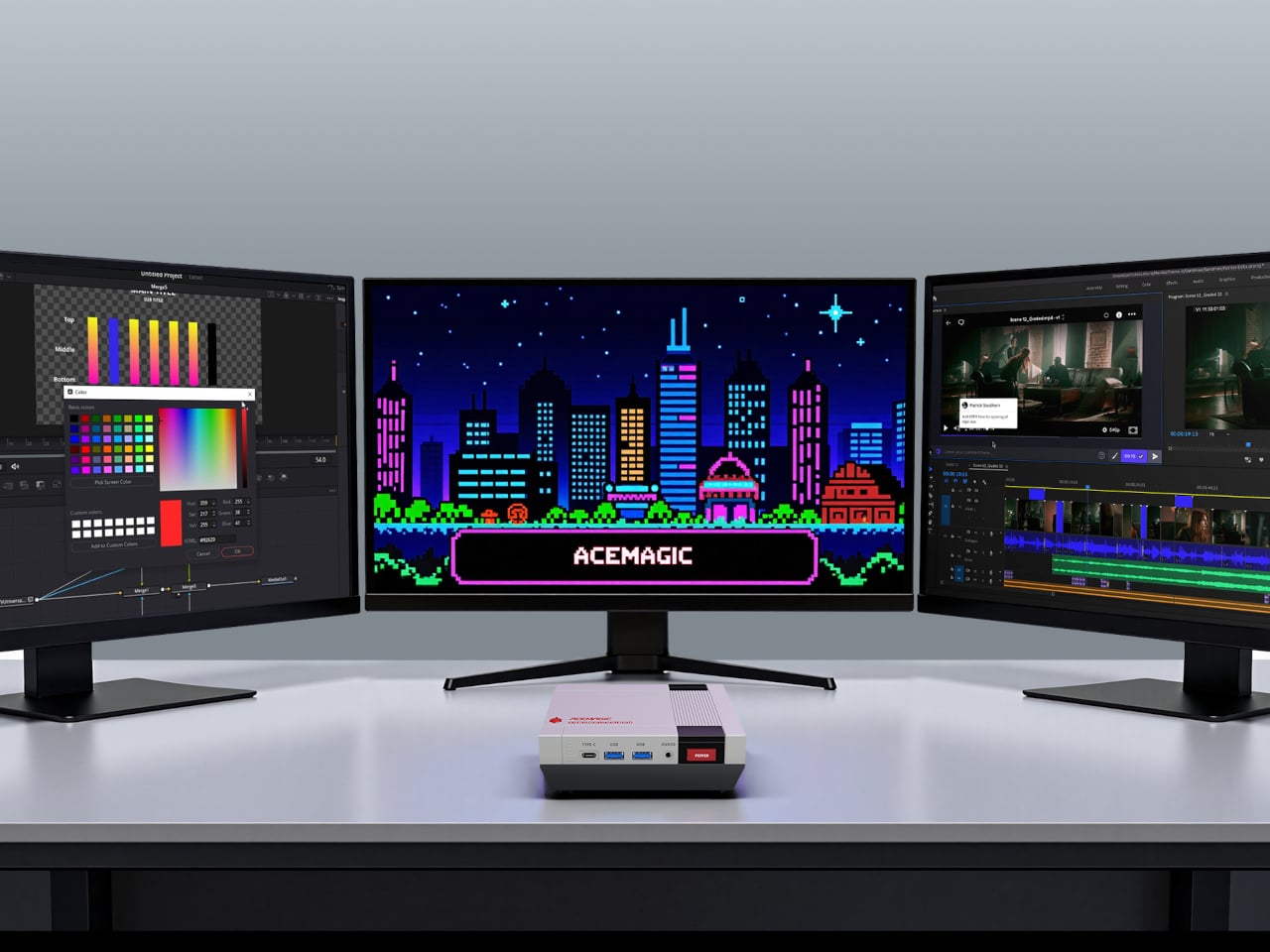
The port selection makes the Retro X5 less of a novelty and more of a credible desk workhorse. The front has two USB 3.2 Gen 2 Type-A ports, a USB4 Type-C, and a 3.5 mm audio jack. The rear adds two more Type-A ports, a second Type-C, dual 2.5 GbE Ethernet, HDMI 2.1, and DisplayPort 2.0; altogether, the machine supports up to four screens at once, with both HDMI and DP capable of 8K at 60 Hz.

ACEMAGIC also positions the Retro X5 around local AI workloads, citing support for models like DeepSeek R1 70B and LLaMA. The HX 370’s neural processing unit makes that plausible on paper, but running a 70B-parameter model on 32 GB of shared memory depends heavily on quantization levels. That distance between the spec sheet and actual large-model performance is the part that the product page, understandably, does not get into.

At $959 for the 32 GB and 1 TB pre-order configuration, the Retro X5 sits at the upper end of the mini PC category, where other AMD Strix Point machines without the retro treatment tend to start closer to $600 or even $700. The premium covers partly the HX 370’s stronger GPU tier and partly the design itself. Whether that casing reads as a charming object worth the difference, or just a clever coat of paint on familiar hardware, is probably the right question to ponder before hitting that Checkout button.

The post This $959 Mini PC Looks Like an NES But Runs 70B AI Models first appeared on Yanko Design.
TECNO and Tonino Lamborghini Built the Smallest Water-Cooled Gaming PC

Tech collaborations with fashion and luxury brands usually follow a familiar, slightly tired script. A logo goes on the back of an otherwise unchanged device, a press release says something about “shared values,” and that’s more or less it. So when TECNO announced its partnership with Tonino Lamborghini at MWC 2026 in Barcelona, it was fair to be skeptical about what “Italian design meets cutting-edge technology” would actually look like in practice.

It turns out the answer involves water-cooling tubes, a 241-pixel LED matrix on the back of a phone, and a mini gaming PC that looks like it belongs on the set of a science fiction film. The collaboration goes beyond a branding exercise. It’s a full product line with a consistent visual language running across all of it.

Designer: TECNO x Tonino Lamborghini

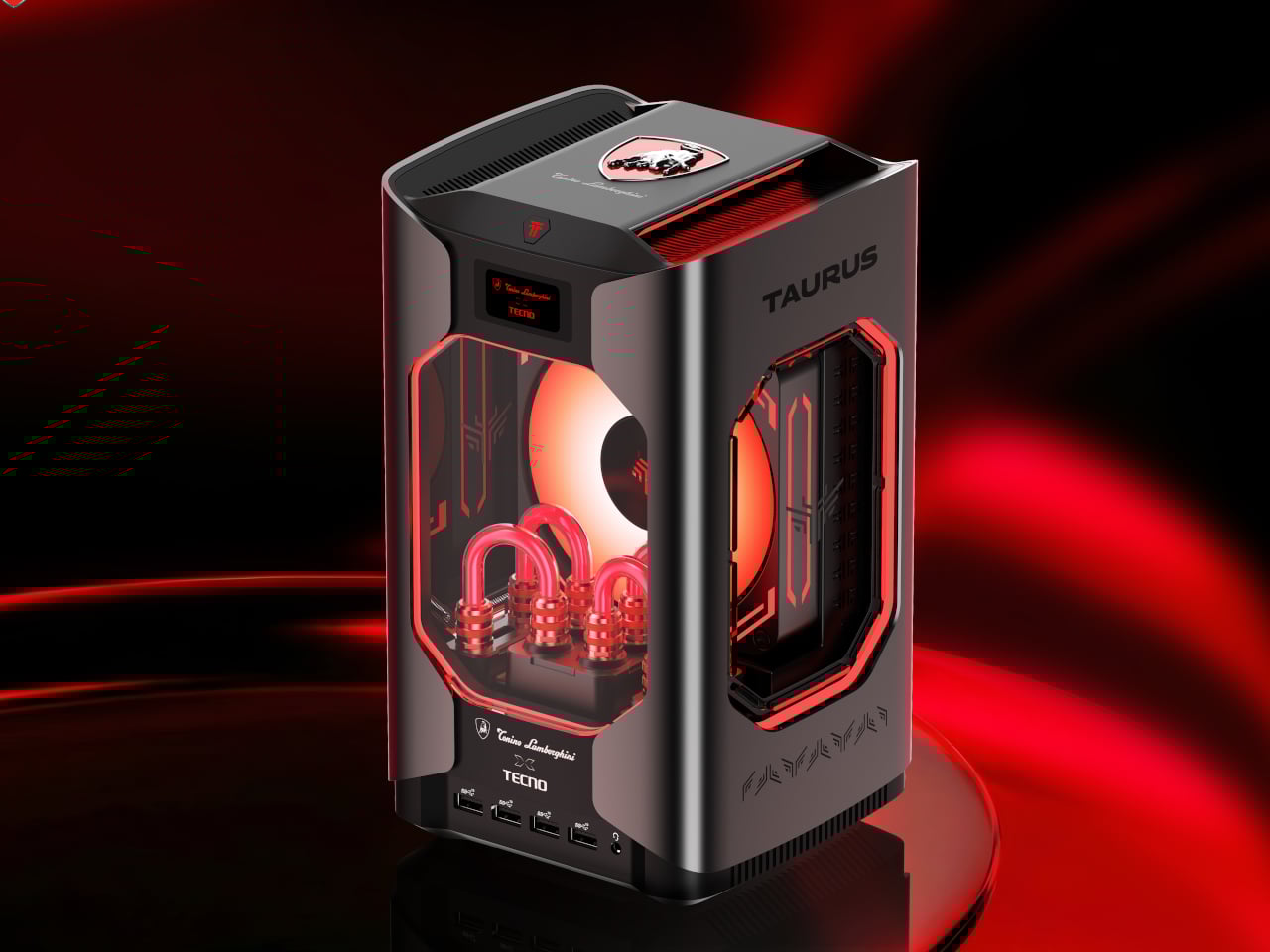
The centerpiece is the Tonino Lamborghini TECNO TAURUS, officially the MEGA Mini G1 Pro, the follow-up to the MEGA Mini G1, which TECNO claimed as the world’s first and smallest water-cooled gaming PC. The TAURUS keeps that cooling system, building around a roughly 10,000 mm² pure copper cold plate and a triple-fan setup inside a gunmetal all-metal chassis.

Through the transparent side panel, you can see the red water-cooling tubes looping around the internals, glowing under orange-tinted fans. Rather than hiding the engineering, it’s deliberately flaunting it. A small status screen on the front body lets you monitor CPU and GPU performance in real time, without opening a separate dashboard on another screen.

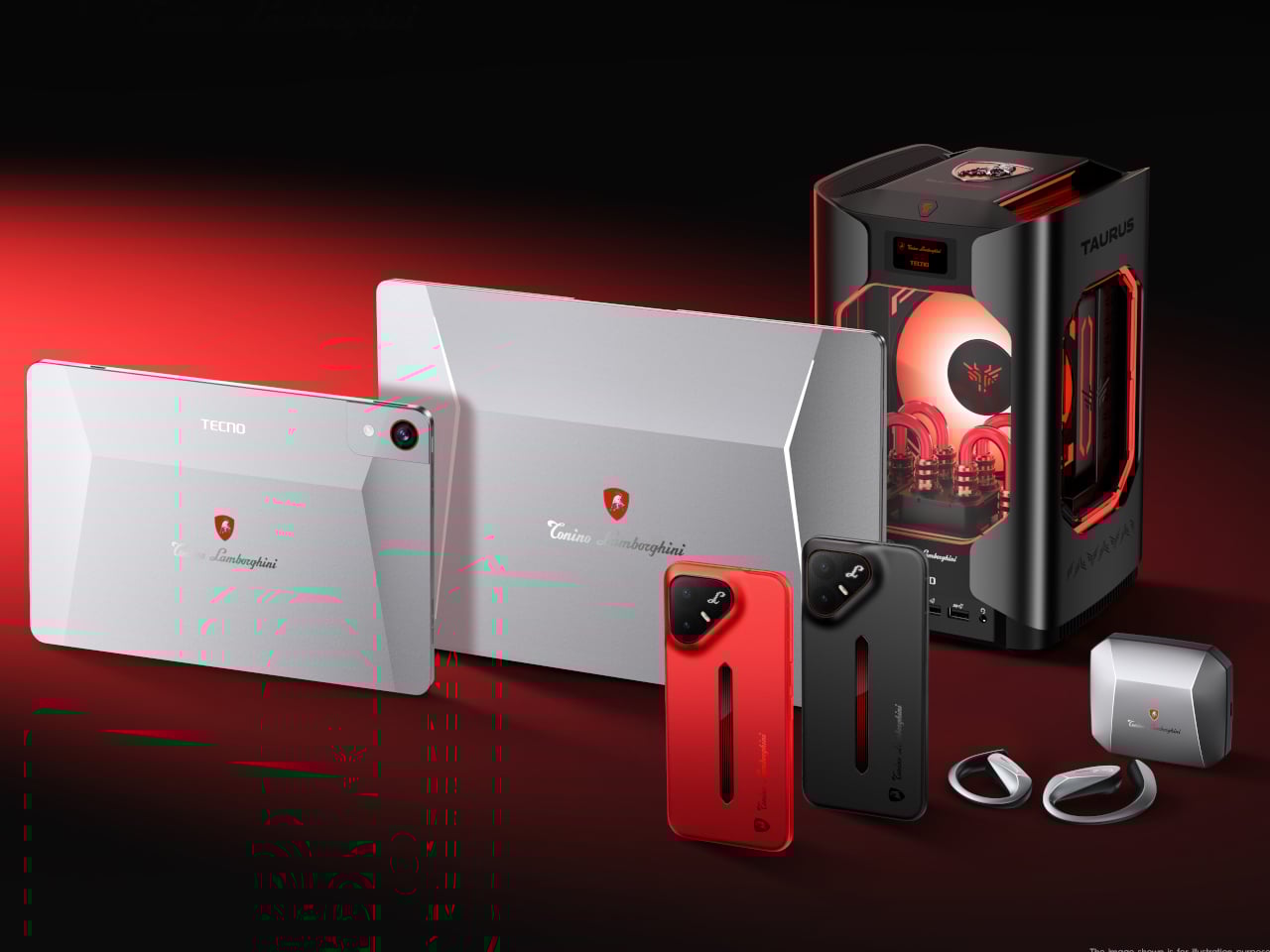
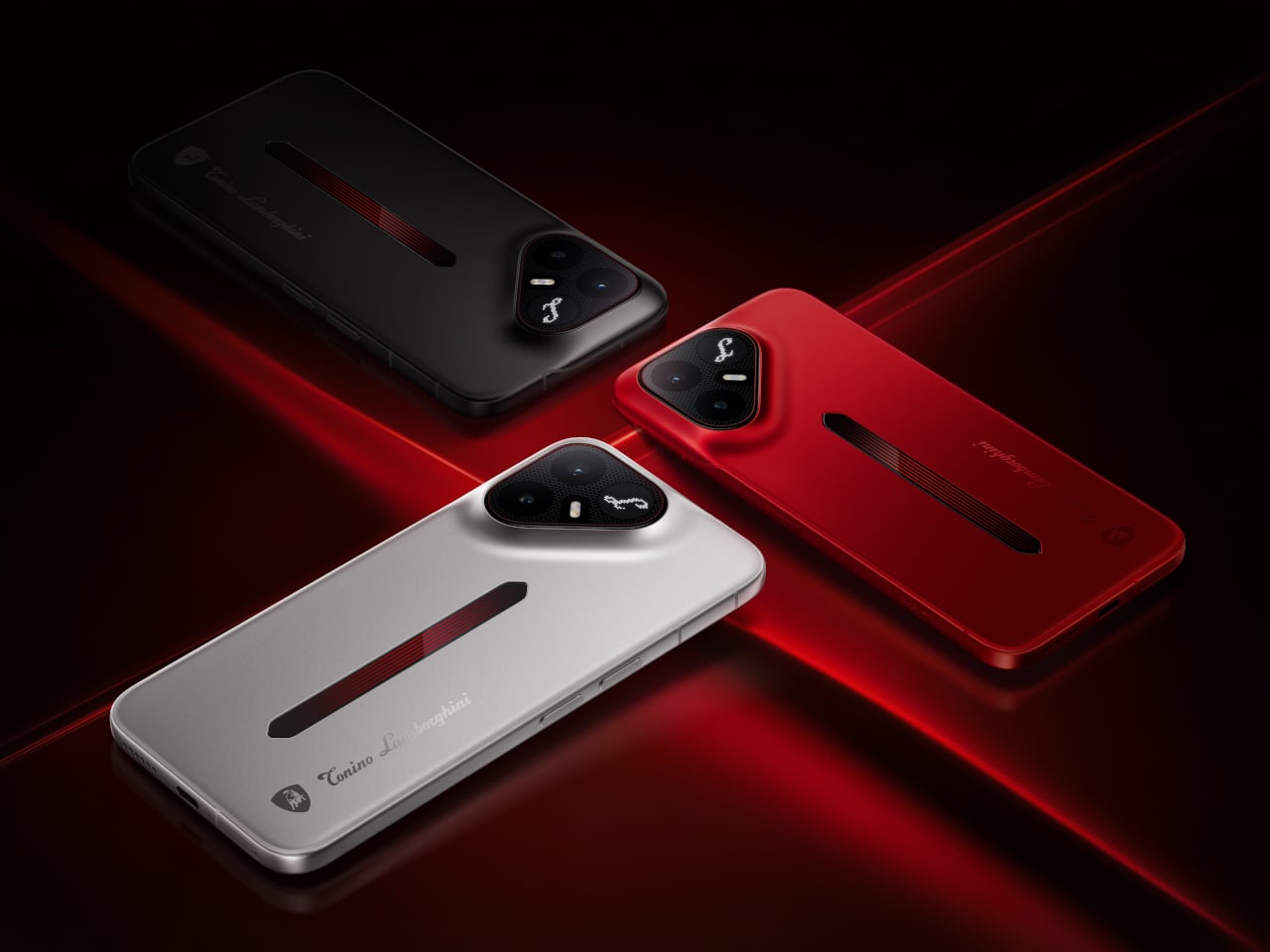
The second launched product is the TECNO POVA Metal Tonino Lamborghini Limited Edition, which TECNO is calling the world’s first full-metal unibody 5G phone. The camera module takes a triangular form, housing the Lamborghini “L” badge at its center, sitting flush against an uninterrupted metal back with bezels down to 0.99 mm.

A vertical slot running down the body doubles as a pulse light strip. The rear also features a 241-pixel independent LED dot matrix that can display call alerts, notifications, and custom animations. It sounds like a gimmick, but it’s one of the few times a phone’s notification system has been treated as a surface design decision. The phone runs on a Snapdragon processor and comes in silver, matte black, and red colorways.

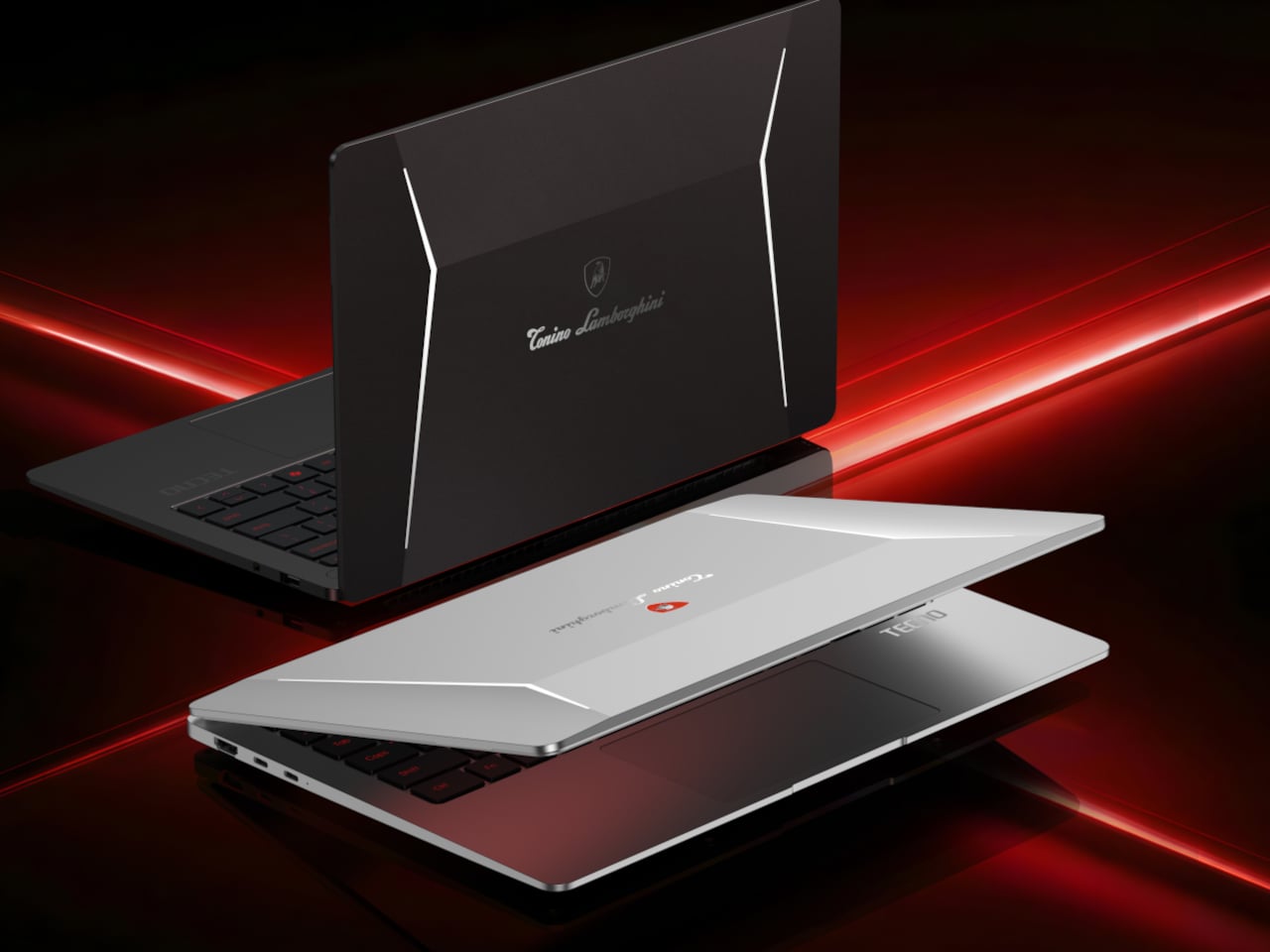
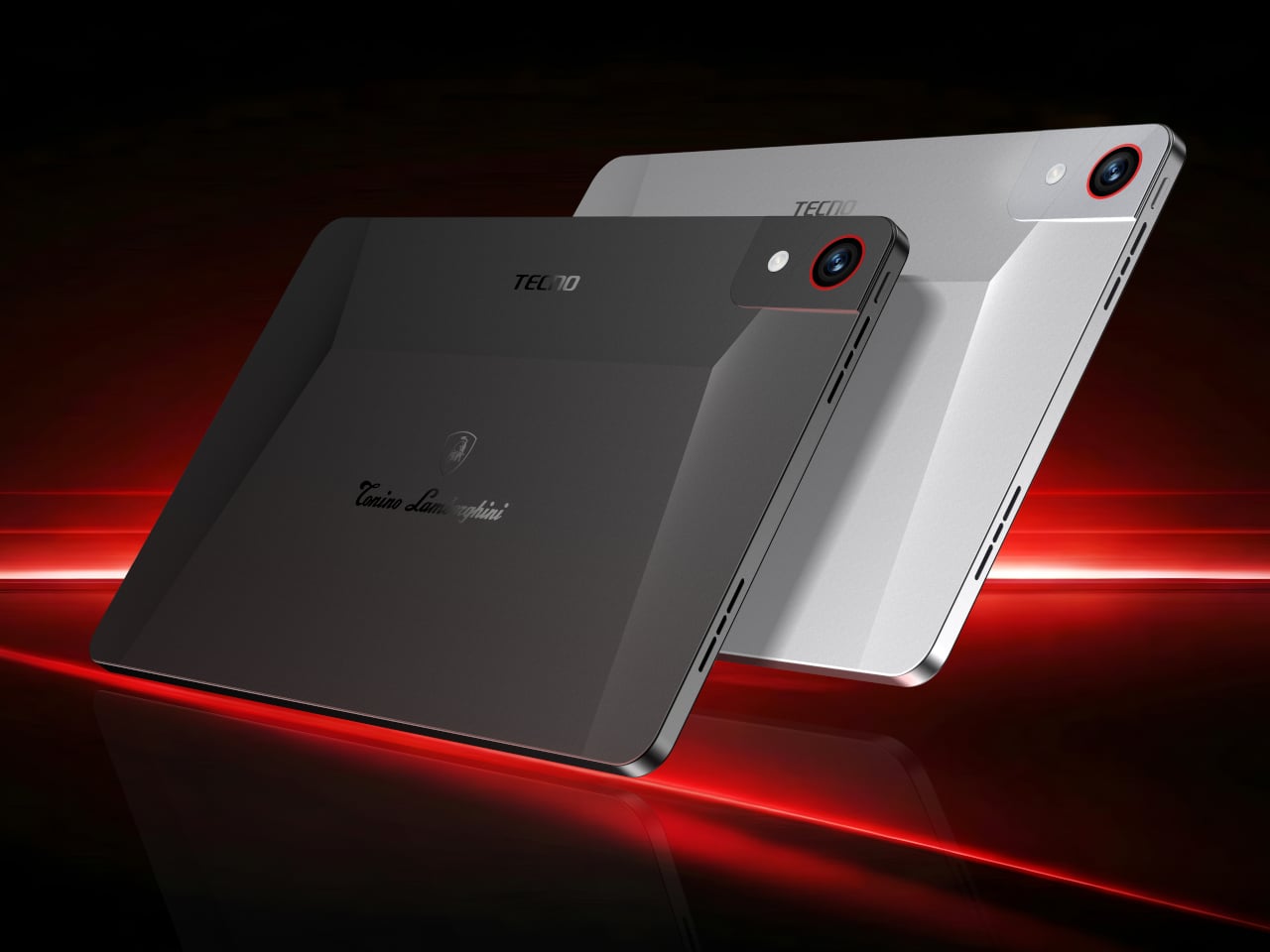
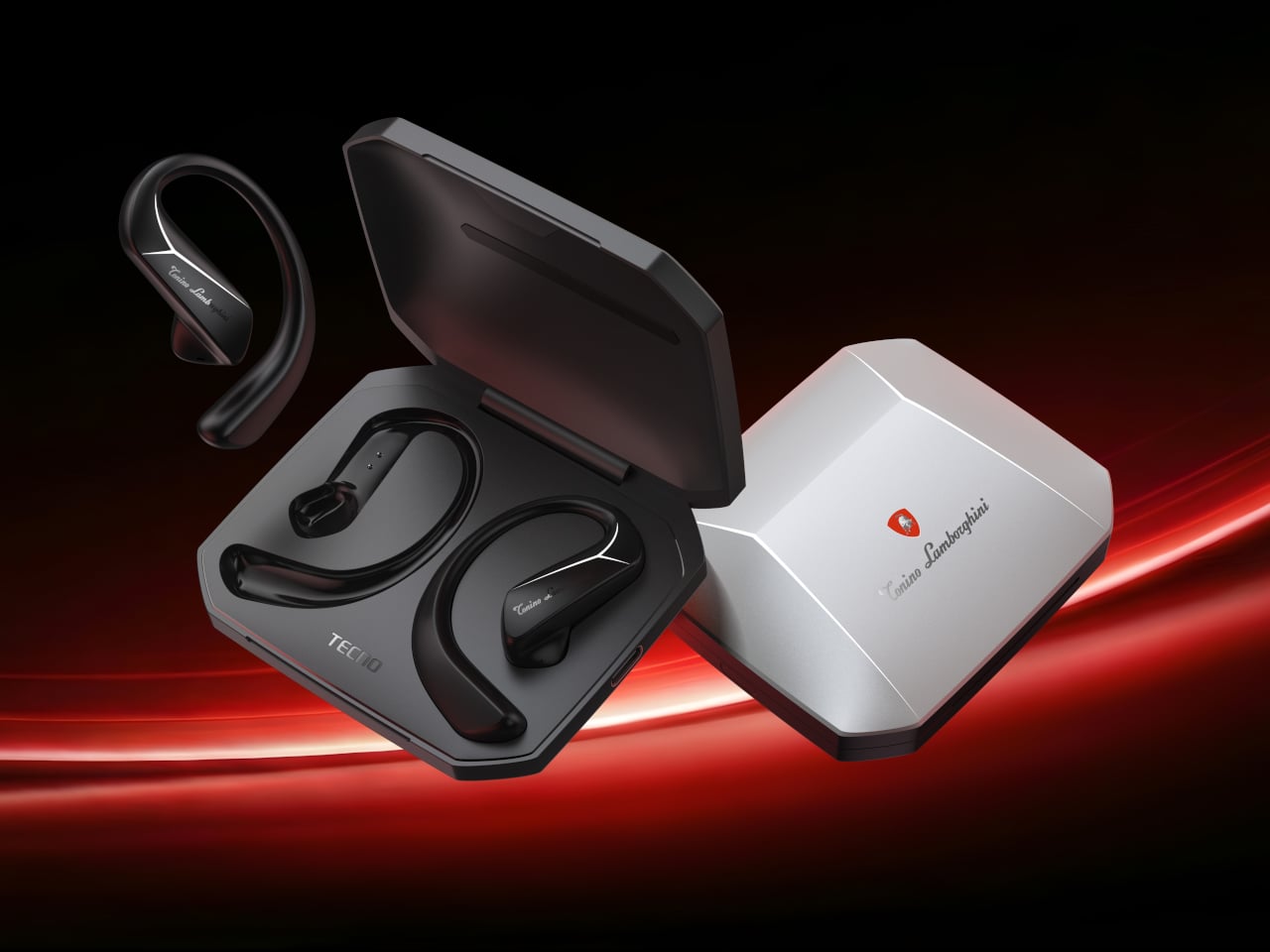
Beyond these two, TECNO showed a concept AIoT ecosystem extending the design language to laptops, tablets, and open-ear earphones, all carrying the same red-and-gunmetal palette and the Tonino Lamborghini shield badge. The laptops feature a sharp V-shaped crease across the lid, the tablets get red-ringed cameras, and the earphone case is angular enough to feel at home next to the rest of the lineup.

The real question this collaboration leaves open is whether the Tonino Lamborghini aesthetic, bold as it is, adds genuine character to these devices or just visual noise. Luxury branding on tech hardware has a long and uneven track record, and most of it ages poorly once the novelty fades. TECNO is betting the design has enough substance to outlast the MWC spotlight.

The post TECNO and Tonino Lamborghini Built the Smallest Water-Cooled Gaming PC first appeared on Yanko Design.
The Cheapest Mini PC Costs Under $100 And Uses An Old Samsung Phone to run Steam and PS2 Games

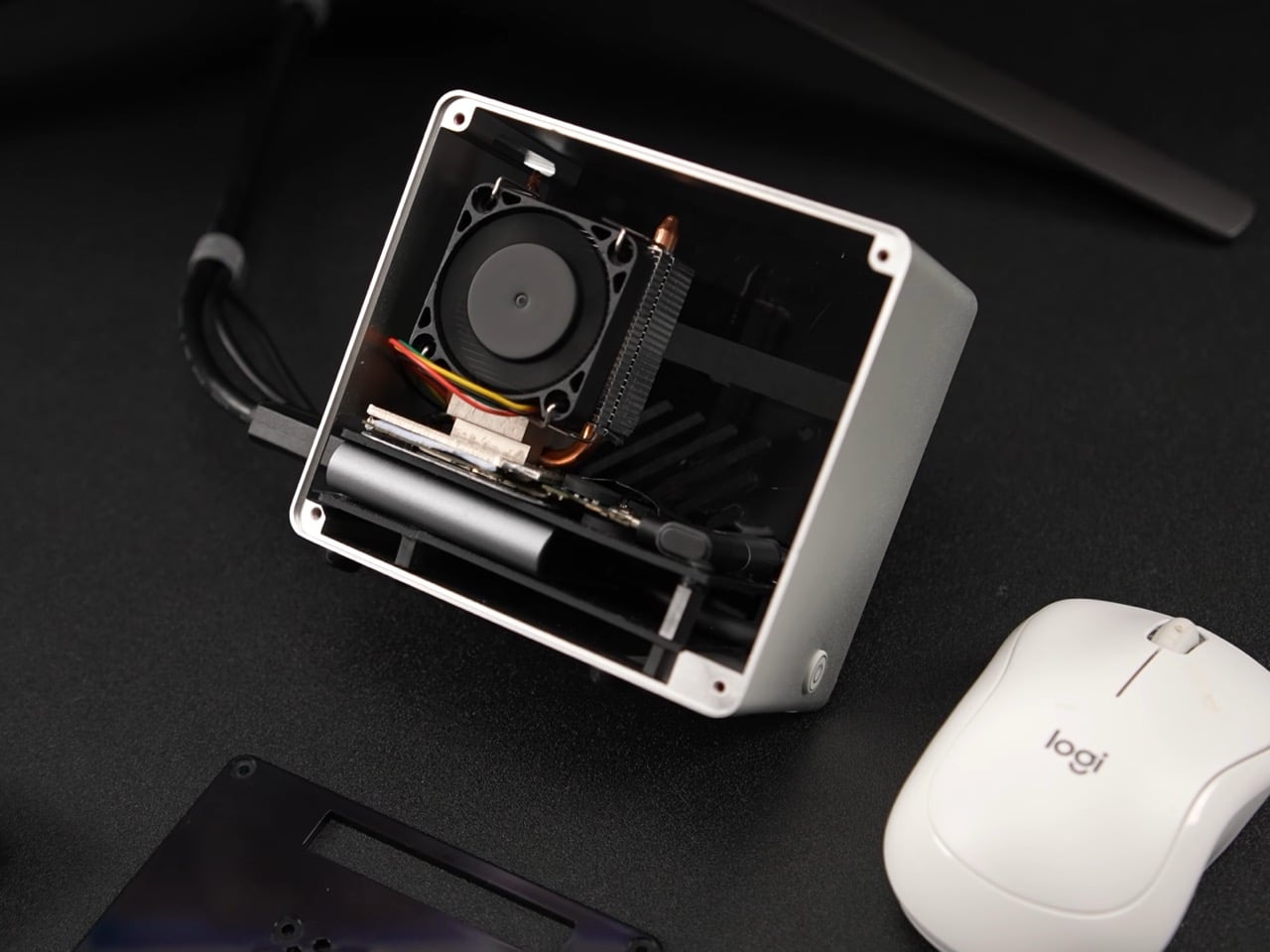
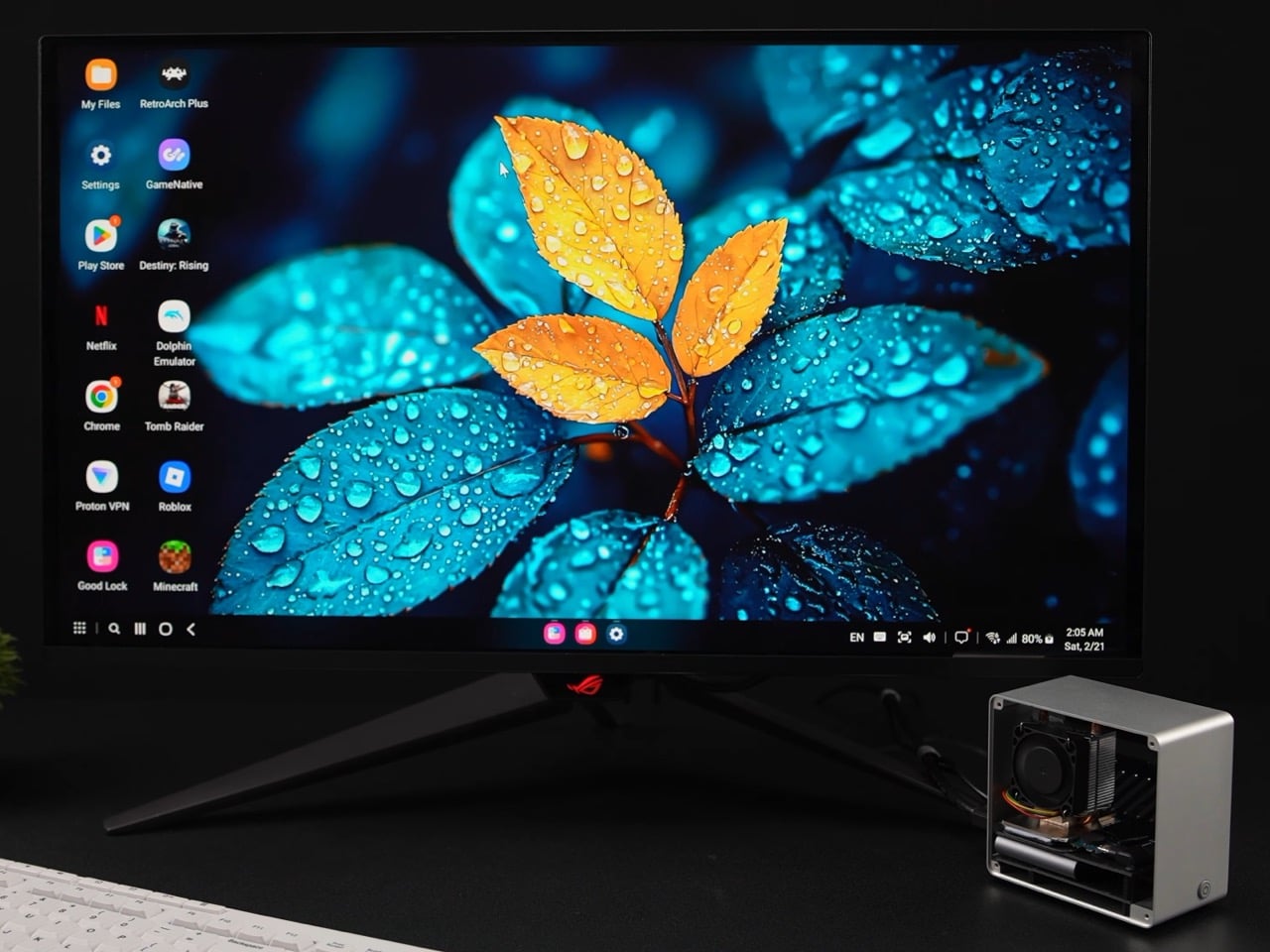
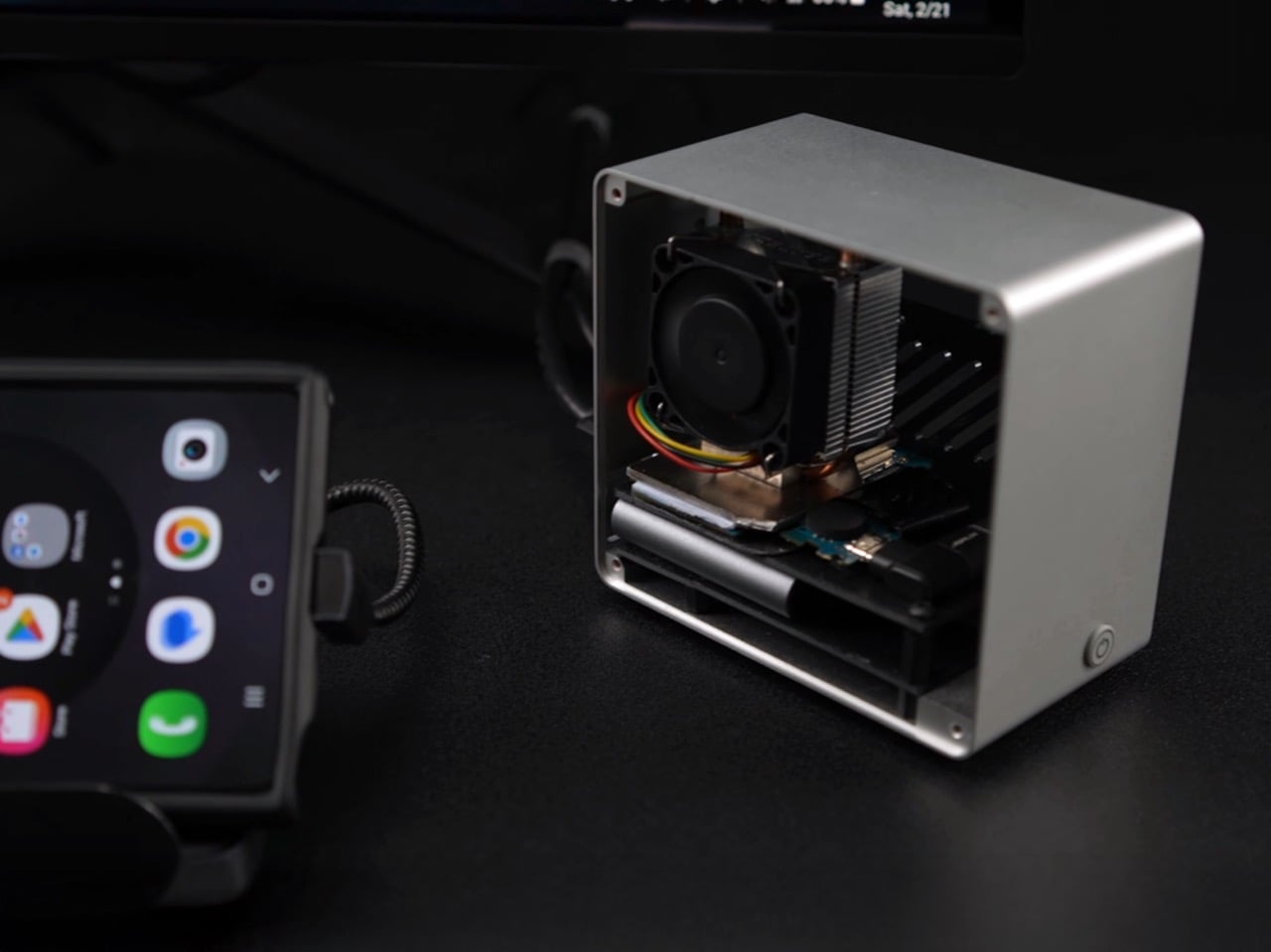
You know what’s ridiculously expensive these days? RAM. You know what isn’t? A broken phone on eBay. ETA PRIME spent under $70 on a Samsung Galaxy S20 FE with a busted screen, stuffed it into a Raspberry Pi tower case, and ended up with a mini PC that boots into Samsung Dex and runs Steam games. It sounds like the setup to a joke. It very much is not.

The Snapdragon 865 inside that cheap, busted Galaxy handles more than you would expect. Game Native connects it straight to your Steam library, PS2 and GameCube emulation run well, and Minecraft performs so smoothly ETA PRIME had his Xbox controller paired over Bluetooth within minutes. The whole thing costs less than a single night of impulse online shopping, which makes it either a genius budget build or a very convincing argument to check your eBay saved searches.

Designer: ETA Prime

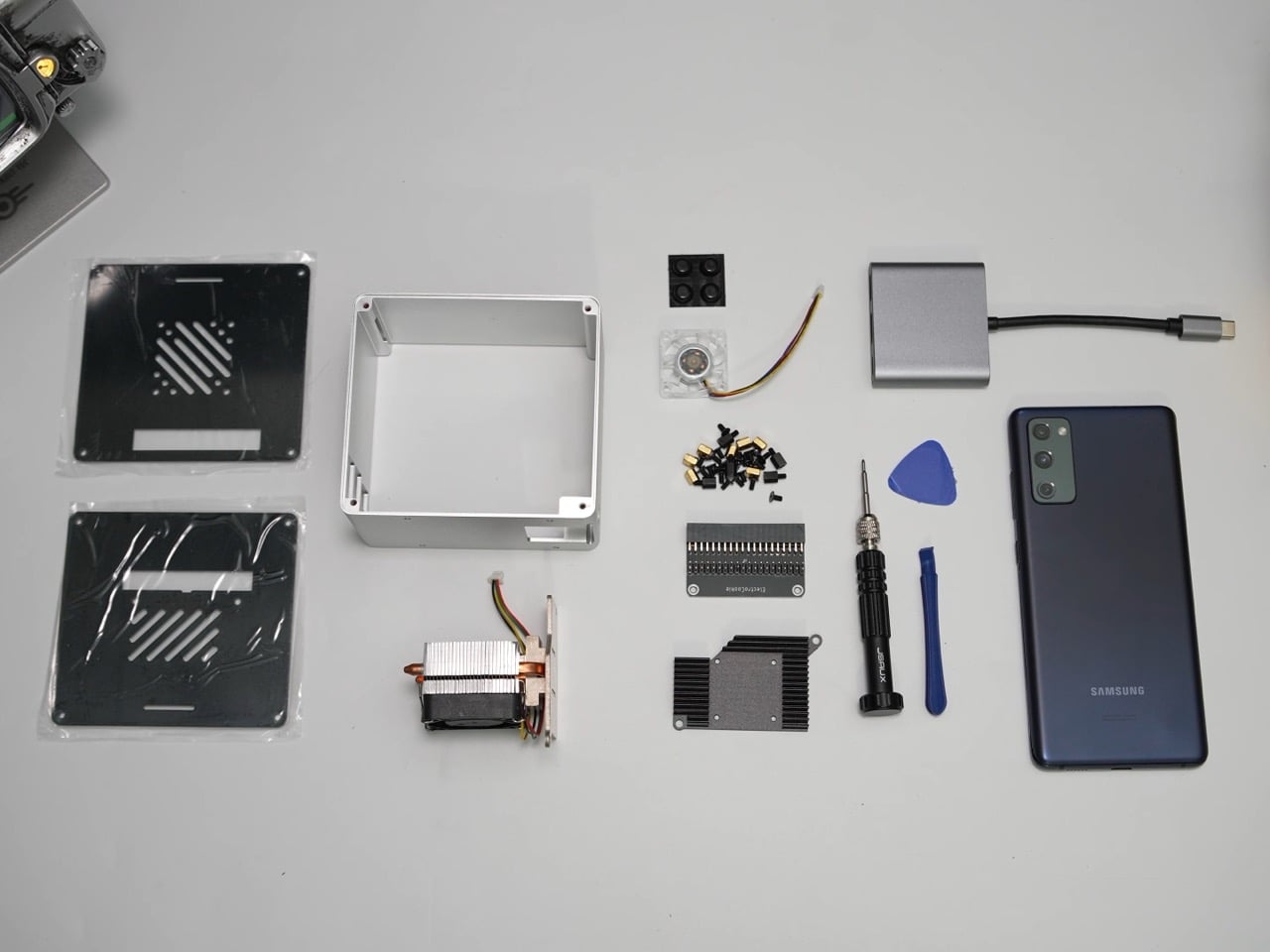
One Samsung Galaxy S20 FE with a broken screen runs about $70 on eBay. Add an aluminum Raspberry Pi tower case from Amazon, a USB-C to HDMI adapter, and a fan cooler strapped to the back for $10 to $15, and that is the entire bill of materials. ETA PRIME disassembled the phone and fitted the internals directly into the case, but he is clear that you can skip all of that, prop the phone on a stand, connect it to a dock, and get the identical Dex experience without touching a screwdriver. The screen, even busted, stays connected and functions as a secondary interface. Units with minor burn-in but an intact display are sitting at around $99 unlocked on eBay, fully updated with a security patch from October 2025.

Out of the box, the S20 FE runs Dex at 1080p on an external display. Install Good Lock from the Galaxy Store, grab the MultiStar plugin, enable high resolution for external displays, restart Dex, and the resolution options expand to 1440p, 1200p in 16:10, and 21:9 widescreen at 2560×1080. Windows resize, snap side by side, and you can run five apps simultaneously, more if you unlock it through MultiStar, though 6GB of RAM will start making its feelings known past a certain point. Chrome scales to a full desktop layout. So does Google Play. On a 1440p monitor this setup looks genuinely clean.

Hollow Knight: Silksong runs well on the 865. Left 4 Dead 2 was still downloading during ETA PRIME’s walkthrough but is expected to perform. Cyberpunk 2077 at 60fps is a non-starter on this chip with 6GB of RAM, and he says so without hedging. PS2 emulation through NetherSX2 puts God of War 2 at 2x resolution scale with occasional frame dips, 1.75x is the more stable setting. GameCube and Wii hold up across most titles, with demanding stages in games like F-Zero GX pushing the limits when upscaling is involved. Dreamcast, PSP, and Sega Saturn run clean.

A Galaxy S21, S22, or S23 gives you better RAM configurations and newer Snapdragon silicon if you want more ceiling. The S24 and S25 are still priced too high to make the economics work. The S20 FE sits at the right intersection of price, performance, and availability right now, and the Snapdragon 865 is old enough to be cheap but capable enough to handle a surprisingly wide range of workloads without flinching.

The full build walkthrough has not been posted yet. ETA PRIME recorded the entire process, around three and a half hours of footage, and has said he will publish it on YouTube if there is enough interest in the comments. Given how much this build has going for it, that video getting made feels like a matter of when.

The post The Cheapest Mini PC Costs Under $100 And Uses An Old Samsung Phone to run Steam and PS2 Games first appeared on Yanko Design.
AI Mini PCs Don’t Need to Hide: This One’s a Sci-Fi Pyramid

Mini PCs used to be defined by how invisible they could be, small black rectangles tucked behind monitors or under shelves. That made sense when they were just low-power desktops, but feels out of step now that these machines are running models, listening, watching, and routing data. If AI is going to sit on your desk, it might as well look like it belongs there instead of hiding like a piece of infrastructure.

M5Stack’s AI Pyramid Computing Box leans into that idea, turning an edge-AI platform into a small pyramid that looks more like a sci-fi artifact than a router. There are two versions, a transparent 4 GB model that shows off its internals and RGB light bars, and a Pro 8 GB version in a solid gray shell that keeps the same silhouette but reads more like a piece of industrial hardware. Both share the pyramid form and the underlying platform.

Designer: M5Stack

The pyramid shape goes beyond visual gimmick and gives the device a clear front edge where all the serious ports live, dual HDMI, dual Gigabit Ethernet, four USB-A, and USB-C power, while the sloping faces leave room for vertical RGB strips and a small OLED status window. The top becomes a natural exhaust point for the turbo fan, turning the whole volume into a kind of thermal chimney that glows when the system is alive.

Inside the pyramid is Axera’s AX8850 SoC, an octa-core Cortex-A55 at 1.7 GHz paired with a 24 TOPS NPU and hardware 8K H.264/H.265 encode and decode. The 4 GB model splits its LPDDR4x as 2 GB for the system and 2 GB for accelerators, while the Pro doubles that to 4 GB plus 4 GB, giving more headroom for local vision pipelines, speech models, or compact language models running under Linux.

On a desk, the AI Pyramid sits between a monitor and a small camera array, its dual HDMI outputs or input-plus-output feeding displays while the dual Ethernet ports bridge a home network and an isolated camera VLAN. The four-mic array and built-in speaker let it act as a local assistant or meeting transcriber, while the OLED strip quietly shows IP addresses or system load, and the RGB bars pulse to indicate activity.

Giving an AI mini PC a recognizable silhouette changes how you relate to it. A flat box disappears, which is fine for a dumb hub, but a device that is running models, listening, and orchestrating other hardware benefits from a form you can read at a glance. The AI Pyramid leans into that, making the thermal core, the ports, and even the status lights part of a small, legible object that feels like it was designed to share your desk rather than hide behind it.

The post AI Mini PCs Don’t Need to Hide: This One’s a Sci-Fi Pyramid first appeared on Yanko Design.
AYANEO AM03 Is Designed to Display on Your Desk, Not Hide

Most mini-PCs are treated like necessary clutter, small black rectangles taped to the back of a monitor or shoved behind a stack of books. That makes sense if you only care about ports and benchmarks, but it feels at odds with the attention people now give to desk setups, where everything else on the surface is chosen to be seen, from the keyboard to the mousepad to the plant in the corner.

The AYANEO Mini PC AM03 is a machine that is not trying to hide. It is pitched as a desktop setup essential and entertainment powerhouse, blending a retro-inspired shell with an Intel Core i9-12900H and AYASpace 3.0. The idea is that it should be both the performance core and the visual anchor of a desk, not just another anonymous box tucked under it or behind cables.

Designer: AYANEO

AYANEO has a habit of treating hardware as design objects, and the AM03 continues that with smooth contours, refined finishes, and two colorways, Sky Blue and Ink Black. One feels airy and bright, the other more serious and moody, both meant to sit comfortably next to a monitor, keyboard, and handhelds without looking like industrial equipment that wandered in from a server rack or a crowded electronics store shelf.

The foldable front panel keeps the face of the machine clean when closed and turns into a port bay when you flip it down. That means you can keep the front visually quiet most of the time, then reveal USB ports and other connectors when you need to plug in a drive, headset, or controller. It respects the difference between everyday viewing and occasional tinkering or heavy expansion.

Under the shell sits an Intel Core i9-12900H running at a 45 W TDP, which gives the AM03 laptop-class flagship performance in a compact body. Support for up to 64 GB of dual-channel memory and PCIe 4.0 SSDs makes it comfortable handling productivity, creative work, and gaming, especially when paired with an external GPU or cloud service for more demanding titles that need extra graphics horsepower.

The large cooling system keeps that 45W chip stable under load, so long renders or game sessions do not trigger throttling. Built-in stereo speakers handle office audio and light entertainment without separate desktop speakers, simplifying a setup for people who want fewer boxes and cables on the desk and more space for the things that actually earn their spot there, like a good lamp or a notebook.

AYASpace 3.0 is the software layer that makes the AM03 feel more like a console-grade device than a barebones PC. Users can switch performance modes, tweak TDP, organize game libraries, and monitor frame rates with FPS Thunder, all from a unified interface. It turns the box into something you tune and monitor as part of the desk experience, not just a Windows machine you forget about once it boots.

The AM03 tries to answer what gaming-grade hardware should look like when it lives in a living room or home office. By combining a fold-front design, Skyline Arc RGB, and serious silicon, it suggests that a mini-PC can be both a tool and a piece of desk art, something you keep in view because you like looking at it as much as you like what it can do.

The post AYANEO AM03 Is Designed to Display on Your Desk, Not Hide first appeared on Yanko Design.
ACEMAGIC M1A PRO+ Is a Tank-Styled Ryzen AI Cube With 128GB RAM

Most mini PCs still look like shrunken office desktops, anonymous rectangles that hide under monitors or behind screens. That makes sense for some setups, but feels out of step with people who treat their desk as a curated space where every object carries some weight. ACEMAGIC’s M1A PRO+ leans in the opposite direction, turning the computer into a visible, sculpted object that occupies the desk like a small piece of machinery rather than a hidden utility box.

The ACEMAGIC M1A PRO+ is a cube-shaped mini PC built around AMD’s Ryzen AI MAX 395, but the way it presents itself matters as much as the silicon inside. The compact cube footprint, faceted corners, and layered panels make it feel more like a small engine block or sci-fi module than a piece of office equipment. ACEMAGIC calls it a “tank,” which fits the visual language of sharp edges, reinforced surfaces, and functional venting that runs across every face.

Designer: ACEMAGIC

The front is dominated by a circular dial with the TANK label and concentric RGB rings glowing around it. That element acts as both a visual anchor and a mode selector, echoing the kind of control you would find on pro gear. The RGB is contained and graphic rather than sprayed everywhere, keeping it closer to an instrument than a light show, even when it is glowing in performance mode. Below, the ACEMAGIC wordmark and a row of front USB ports ground the composition.

The side panels carry the Tank Centre wordmark, with subtle venting near the base and a dark metallic finish that shifts between charcoal and gunmetal depending on the light. The surfaces are clean enough to sit in a studio or office, but the geometry and branding still signal that this is a performance machine. It looks intentional from every angle, which matters when it is sitting in full view instead of hiding under a desk.

The rear is where function gets framed. A large, octagonal grill and honeycomb vent surround a dense cluster of ports, two HDMI 2.1, one DisplayPort 2.0, dual 2.5 GbE Ethernet, four USB 3.2 Type-A, plus audio and power. The symmetry of the grill and the disciplined arrangement make the back feel like the business end of a device designed to drive multiple 8K displays and fast networks. Function is not hidden; it is organized and expressed through geometry.

The exterior makes sense when you realize what is inside: a Ryzen AI MAX 395 processor with 16 cores and 32 threads, Radeon 8060S graphics, 128 GB of LPDDR5X memory, and room for up to 12 TB of PCIe 4.0 storage. The tank metaphor feels earned when the machine is meant to run local AI models, heavy creative workloads, and modern games without flinching, all while the cooling system and power modes are controlled from that central dial.

The M1A PRO+ is talking to people who want their main machine to look like a deliberate part of the setup, not an afterthought. For developers, creators, and gamers who spend hours at a desk, having a compact cube that looks like a self-contained engine, with lighting and form language to match its capabilities, makes the idea of a mini PC feel a lot less anonymous and a lot more personal. It sits on the desk as if it belongs there, not like it is hiding until you need it.

The post ACEMAGIC M1A PRO+ Is a Tank-Styled Ryzen AI Cube With 128GB RAM first appeared on Yanko Design.
MINISFORUM AtomMan G1 Pro Packs Desktop RTX 5060 in a White Tower

Most mini PCs fall into two visual camps: anonymous black boxes meant to hide behind a monitor, or aggressive RGB bricks that look like shrunken gaming rigs. Neither category thinks much about how the machine actually sits in a room. The MINISFORUM AtomMan G1 Pro takes a different route, leaning into a slim white tower form that looks more like a scaled-down desktop than a puck, designed to live on the desk as part of the composition.

The AtomMan G1 Pro is a compact gaming and creator PC that pairs an AMD Ryzen 9 8945HX with a desktop-class NVIDIA RTX 5060. It’s powerful enough for AAA gaming and 3D work, but what makes it interesting from a design perspective is how it packages that hardware into a minimalist vertical tower with a wave-textured side panel and a single, controlled strip of lighting in front.

Designer: MINISFORUM

The G1 Pro stands upright on a small base, with a tall, slim body finished in white rather than the usual black. One side panel is a continuous wave texture that catches light softly instead of shouting with vents and logos. That vertical stance frees up desk space and makes it feel more like a small speaker or piece of audio gear than a traditional mini PC, which changes how you might place it in a living room or studio.

A vertical light strip runs along the front, adding a subtle cyan accent without turning the whole case into an RGB billboard. The MINISFORUM logo is printed vertically, aligning with the tower posture. Front I/O is tucked into that same edge, with a power button, USB-A, USB-C, and audio jack easily reachable but visually quiet, so the wave-textured face stays clean and uninterrupted.

Inside, a full-length RTX 5060 desktop GPU sits vertically alongside the Ryzen 9 CPU, fed by a 350W internal PSU and a third-generation Glacier cooling system. Wide-diameter fans, copper heat pipes, and a two-sided exhaust layout push air through the tall chassis. The tower form is not just aesthetic; it gives the airflow a clear path and lets the machine dissipate up to 300W without looking like a heat sink on legs.

On the back, multiple DisplayPort and HDMI ports support up to four 4K displays, along with plenty of USB and a 5GbE LAN port. That means it can anchor a serious multi-monitor setup for gaming, editing, or coding while still looking tidy from the front. The white shell and vertical stance help it blend into both studio and living room setups without dominating the visual field.

The AtomMan G1 Pro shows what happens when a performance-focused mini PC gets a bit more design attention. It doesn’t abandon specs, but it wraps them in a form that feels more considered than another black brick. For anyone who wants desktop-class power in a machine that can actually sit on the desk without spoiling the view, this little white tower is worth watching when it ships early next year.

The post MINISFORUM AtomMan G1 Pro Packs Desktop RTX 5060 in a White Tower first appeared on Yanko Design.
AOOSTAR EG02 eGPU Dock Has a Built-In Stand for Your Mini PC

Mini PCs and handheld gaming devices are getting impressively powerful CPUs, but their graphics capabilities still lag behind desktop machines by a wide margin. Integrated graphics can handle everyday tasks and lighter games just fine, but demanding titles or creative work that needs GPU acceleration quickly expose the limitations. External GPU docks have become a popular solution for bridging that gap, letting you plug a desktop graphics card into a compact device whenever you need the extra horsepower.

The AOOSTAR EG02 takes a different approach from most eGPU solutions by giving you a barebones platform where you bring your own power supply and graphics card. It’s designed for enthusiasts who use mini PCs, laptops, or handheld gaming devices and want the flexibility to configure their own GPU setup. The dock supports both Thunderbolt 5-class connections and Oculink, covering the two major high-bandwidth paths for connecting external graphics to modern compact computers.

Designer: AOOSTAR

The connectivity story here is worth understanding. Two front-facing USB-C ports deliver Thunderbolt 5-level bandwidth, which works with newer laptops and some handhelds that support the standard. There’s also an Oculink port that exposes a direct PCIe 4.0 x4 link, favored by mini PC users because it offers lower overhead and more consistent performance than Thunderbolt in some scenarios. Having both options means the dock works with whatever connection your host device supports.

Power comes from whatever ATX or SFX power supply you install in the back of the chassis. That dual-spec support means you can use anything from a compact 600-watt unit to a massive 1000-watt brick, depending on what kind of GPU you’re running. The all-metal chassis features an integrated aluminum frame with an adjustable GPU support arm that slides to match different card lengths, preventing sag and keeping everything stable.

Above the power supply sits a removable stand designed to hold a mini PC, creating a vertical stack where the PSU, mini PC, and GPU all occupy the same footprint. That’s useful if you want a compact all-in-one rig on your desk, but the stand can be detached if your mini PC will live somewhere else, like next to a monitor or tucked behind other gear.

The design encourages tinkering rather than hiding the hardware. In the lifestyle photos, you can see a mini PC perched on top of the dock with cables running to a GPU, or a handheld gaming device plugged in and suddenly pulling power from a full-size desktop card. It’s a modular approach that gives you control over every component and makes upgrades straightforward.

The EG02 is clearly aimed at people who enjoy building and tweaking their setups rather than those looking for a sealed, plug-and-play solution. As computing continues shrinking into handhelds and tiny boxes, a dock like this feels like a natural companion for anyone who still wants desktop-class graphics performance without committing to a full tower that occupies half their desk and costs twice as much.

The post AOOSTAR EG02 eGPU Dock Has a Built-In Stand for Your Mini PC first appeared on Yanko Design.
Microsoft 365 Link mini PC streams Windows 11 from the cloud in a secure ecosystem

Let’s be honest Windows 11 is not perfect, evolving at an agonizingly slow pace. This has pushed many power users down the Apple alley. The recently launched Mac Mini has a lot going in its favor, further creating a deep divide between the Microsoft and Apple options.

As a last-ditch effort to save the glitchy Windows 11 OS and very less options to choose from that bind the hardware and software for a seamless experience, Microsoft has introduced the Windows 365 Link mini PC strictly limited to cloud usage in a walled environment. The portable CPU is targeted towards big organizations and businesses who give a lot of weightage to security and keeping the working environment productive.

Designer: Microsoft

Targeted towards enterprise users

This is the world’s first dedicated “boot to cloud” device that runs Windows 11 OS via the Windows 365 link on the Windows 365 servers. Priced at $349 it is specifically designed to run Windows 365 Cloud PCs, and you need a Windows 365 subscription to get started. That adds another $28 to $315 per month. It’s still not clear whether the mini PC will get the extra perk of a subscription discount as a bundle, but we hope so.

The most popular option for employees is a $66 per month per user with applications including Microsoft Teams and browsers. Include the $349 hardware cost of the Windows mini PC and you’ve got a fat bill of $2,000 for a closed ecosystem with limited applications. Compare that to the $1,300 price tag for the 15-inch touchscreen Microsoft Surface Laptop powered by the Snapdragon X Elite chip and having 256GB storage. Clearly, Microsoft’s compact PC is not targeted towards individual users, and in no way competes with Apple’s powerhouse mini PC.

Security takes center stage

This 120 x 120 x 30 mm desktop PC has a fanless design, and comes with a 3.5mm audio jack, three USB-A ports, one USB-C port, an HDMI port, and a single DisplayPort output. There’s one Ethernet port, WiFi 6E, and Bluetooth 5.3 for wireless connectivity. The mini PC is designed for specific requirements where workers need to be quickly rotated between workstations and securely access their files. This eliminates the hassle of configuring the user settings and saving time. Also, the PC is ideal for setups where cloud-based software and hardware integration takes precedence.

Windows 365 Link will be available for purchase in April 2025 – that’s a long way off. However, one can enroll for the preview program in the U.S., Canada, the U.K., Germany, Japan, Australia, or New Zealand. Interested users can join the program before December 15 with permission from the Microsoft account team.

The post Microsoft 365 Link mini PC streams Windows 11 from the cloud in a secure ecosystem first appeared on Yanko Design.
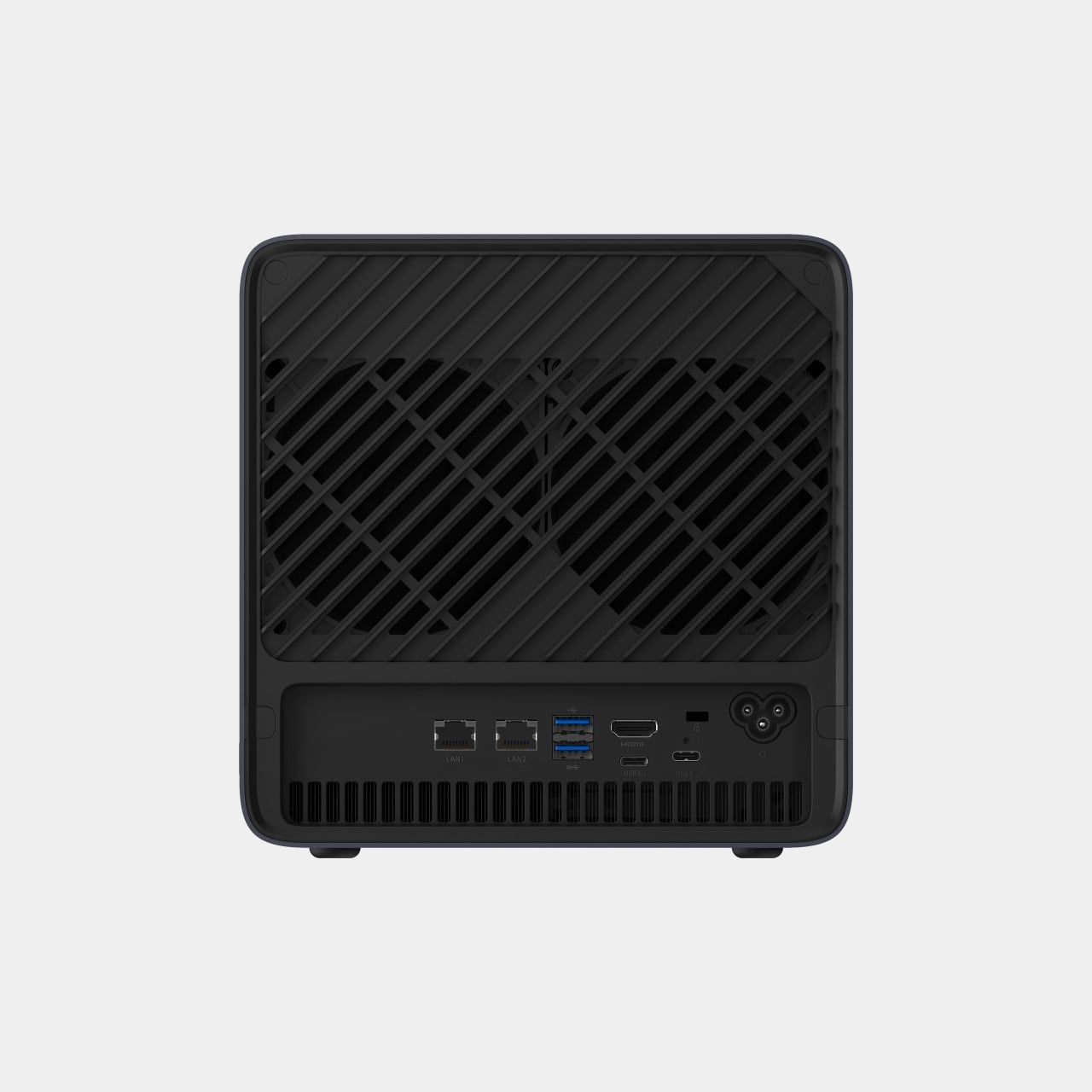
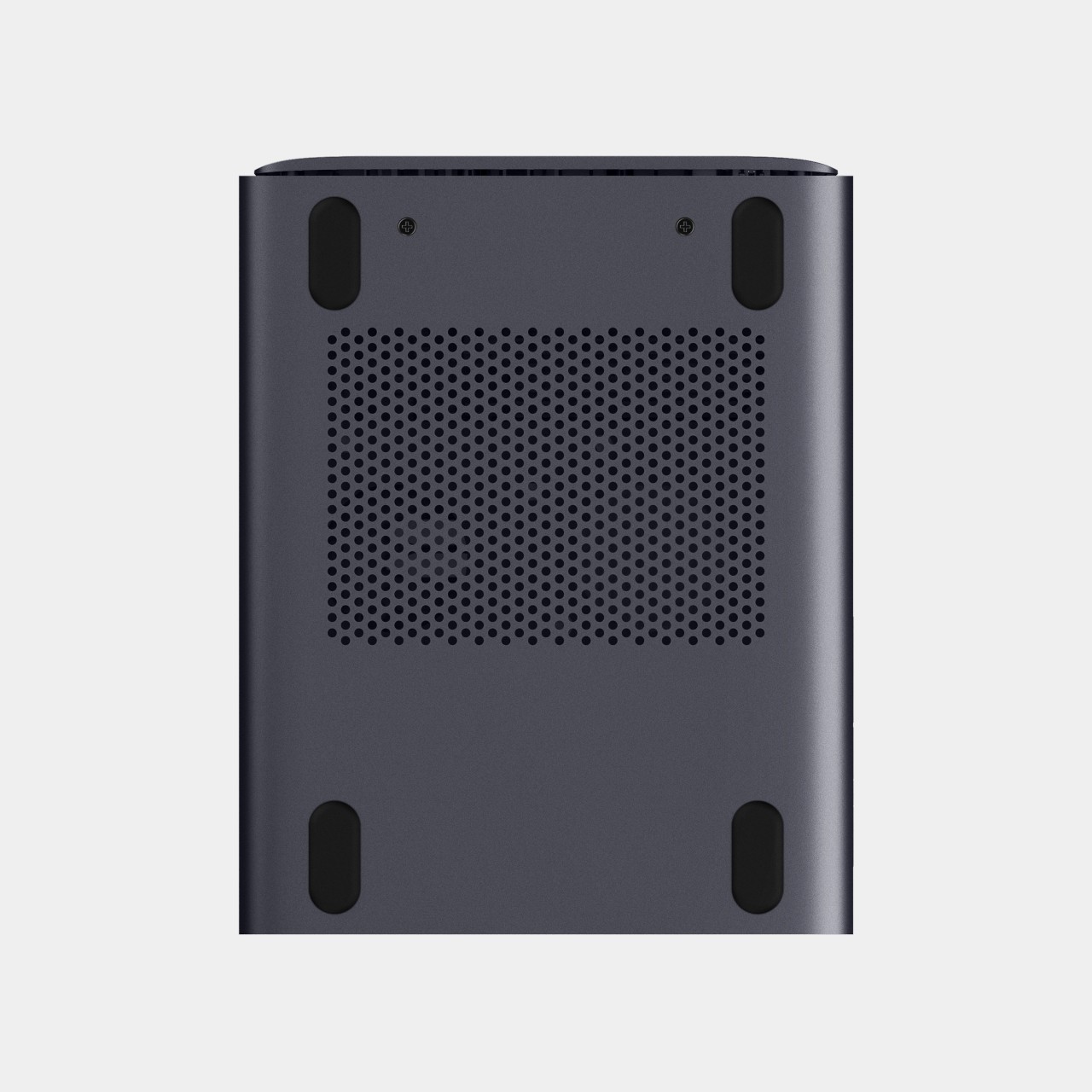
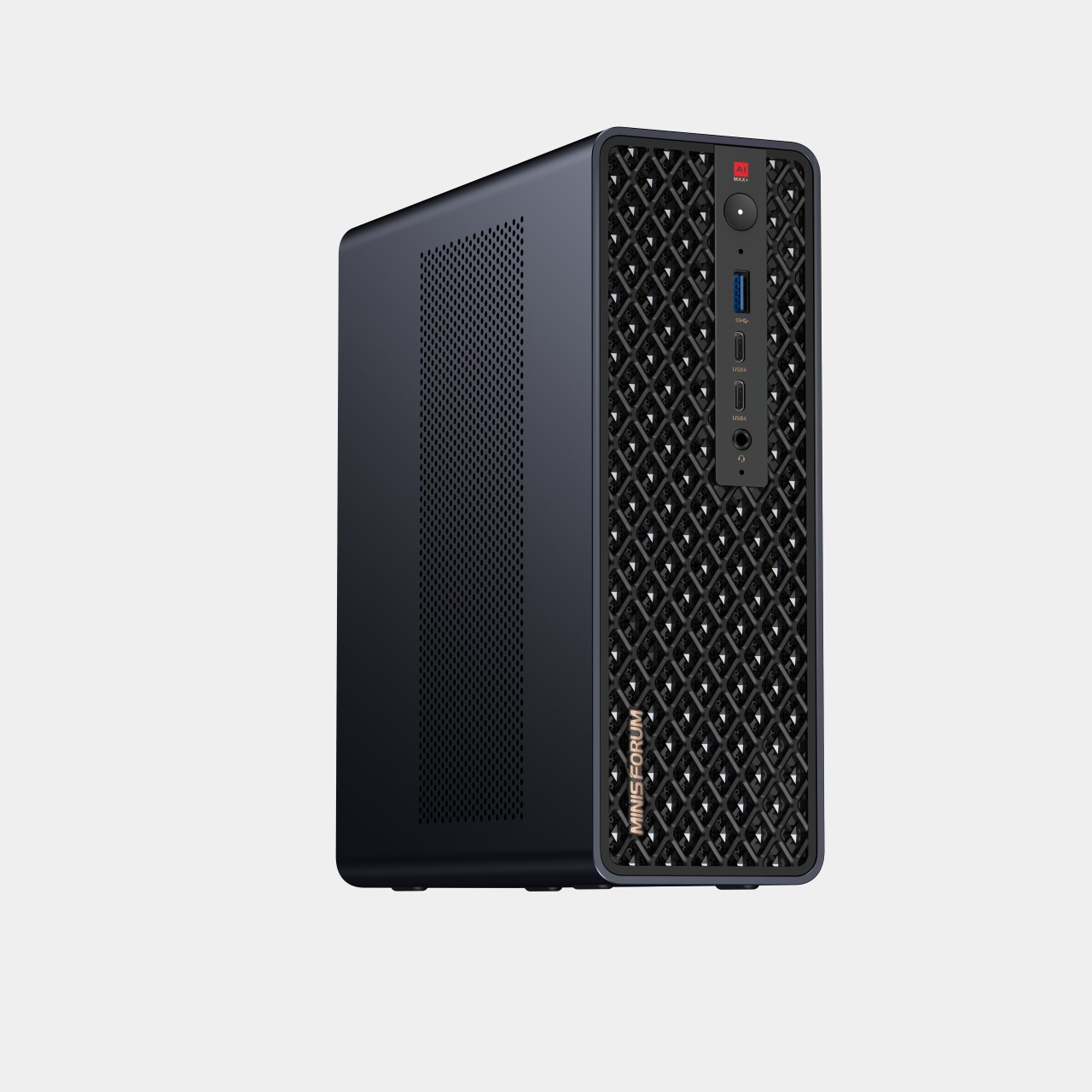
EliteMini AI370: The Tiny Windows Mini-PC Built to Outperform Apple’s M4 Mac mini

You know how every time Apple launches a feature on the iPhone, Android people rush to point out they did it first, or they did it better? If you’re a Windows fan, this post might just be perfect for you. At the end of last month, Apple debuted the M4 Mac mini, surprising us not with just a chip upgrade, but a size downgrade too. A fraction of its original size, this newer Mac mini was tailored for Apple’s AI (or Apple Intelligence), and was designed to be a functional power-house. Not to be outdone, however… it seems like MiniForum has a Windows-based answer to the new Mac mini.

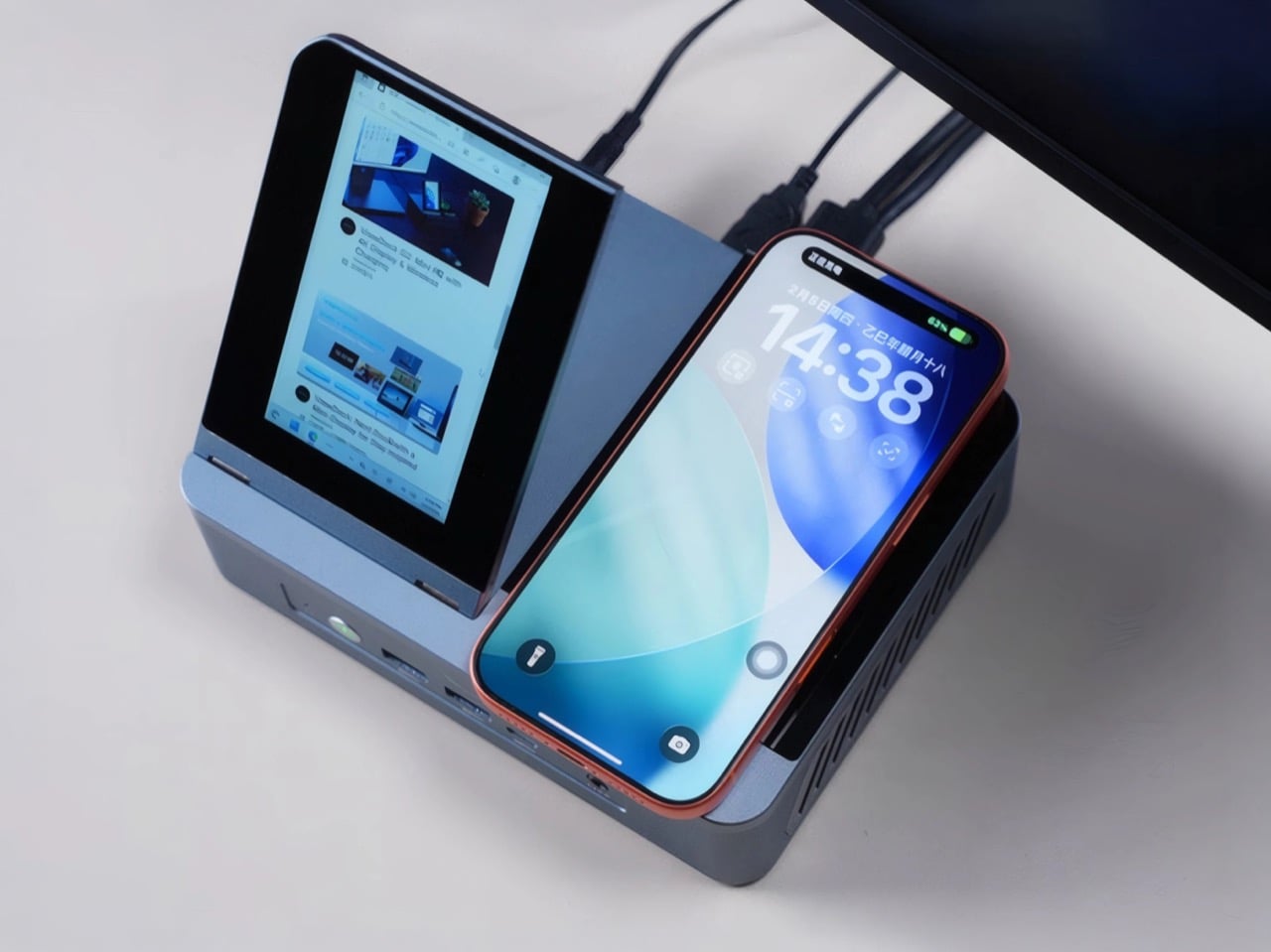
The EliteMini AI370 may be a bit of a handful name-wise, but it’s a handful when it comes to performance, ports, and portability too. Powered by AMD’s latest AI-ready Ryzen processor and the Radeon 890M, the EliteMini has 12 cores, 24 threads, and 50 TOPS of AI processing, ready to easily handle any demanding task from gaming to video editing or even working with AI models without breaking a sweat. The entire device measures just 5 inches across, making it exactly as small as the Mac mini, albeit with way more ports… and perhaps the most important feature – a front-facing power button.
Designer: MinisForum

Under the hood, the EliteMini AI370 boasts AMD’s Ryzen AI 9 HX 370 processor, which makes multitasking a breeze. With 12 cores and 24 threads, this chip is engineered for the heavy workloads you’d typically assign to a full-sized desktop, handling everything from advanced editing to 3D rendering with ease. Thanks to AMD’s XDNA2 architecture, this processor includes a dedicated Neural Processing Unit (NPU), delivering up to 50 TOPS (trillion operations per second) in AI power. If you’re working with AI applications, real-time rendering, or advanced editing software, this kind of performance is a huge asset, enhancing productivity while keeping things running smoothly.

Graphics enthusiasts and gamers will appreciate the Radeon 890M integrated graphics. Unlike many compact PCs that struggle with graphical processing, the EliteMini is geared for high-quality visuals, with frame rates above 60 FPS. This makes it more than capable for gaming and intensive creative applications. Having this level of integrated GPU performance means you won’t need to invest in an external GPU—perfect if you’re tight on desk space or don’t want extra hardware cluttering your setup.

Memory and storage are equally robust in the EliteMini AI370, with 32GB of DDR5 memory clocked at a fast 7500 MHz. This speed is a lifesaver for multitasking, allowing you to work across several applications without stalling. Storage options are equally impressive, supporting up to 4TB of PCIe NVMe SSD. That’s plenty of space for large project files, software libraries, and extensive media, while the SSD’s high-speed access means you won’t be stuck waiting around for files to load. For everything else, there are ports on both the front as well as the back.

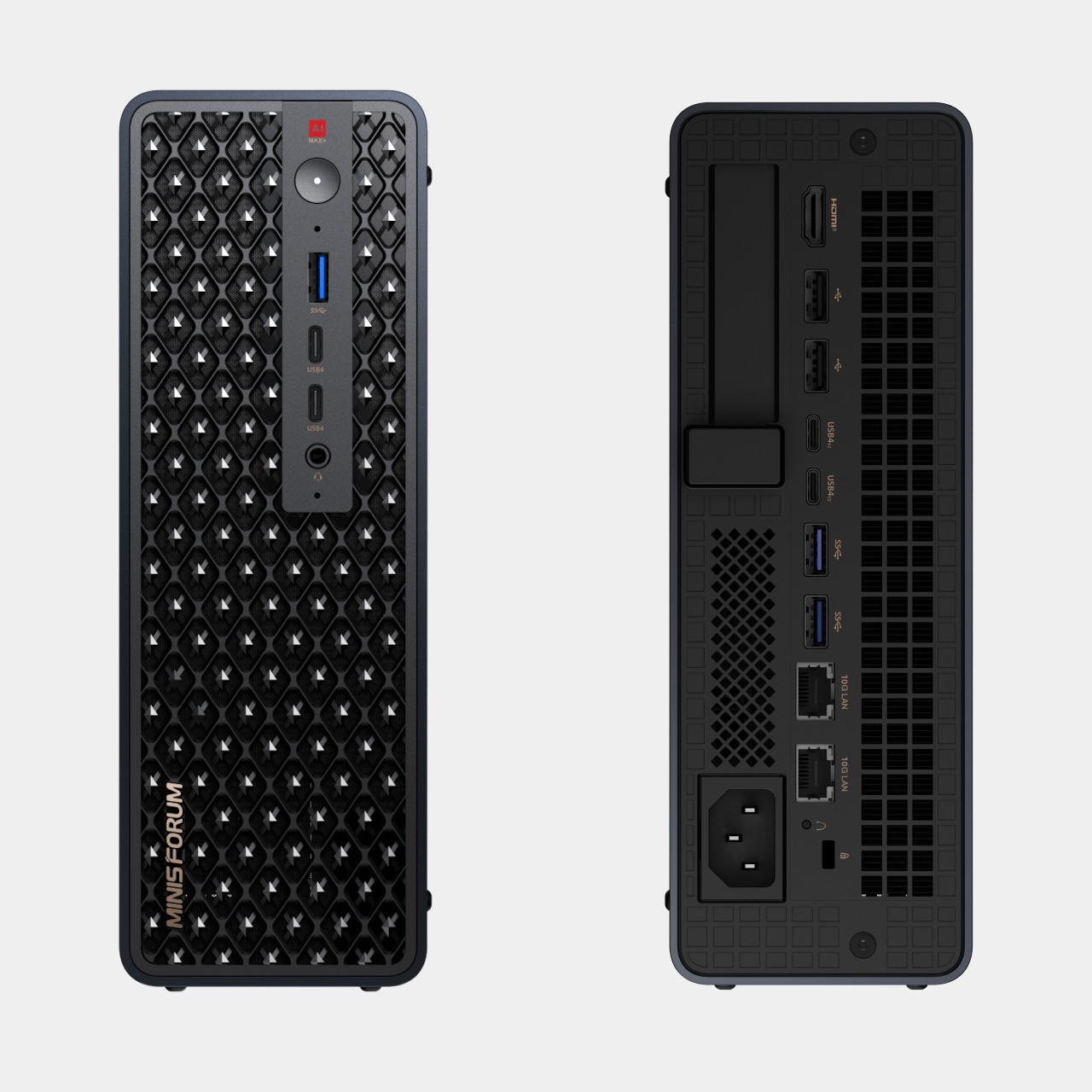
All this power and performance gets packed into a compact and accessible device, fitting neatly on any desk setup. The 5-inch form factor is easy to overlook, but don’t let its size fool you—this mini-PC holds its own. For users who need a flexible and minimal setup, the EliteMini offers a front-facing USB-C setup and headphone jack, while ports on the back include three USB 4.0, HDMI, and an Ethernet connection that’s upgradable to 10GbE. As a (probably) unintentional jab to Apple, the EliteMini puts its power button smack-dab on the front of the mini PC too, making it MUCH more accessible than the Mac mini’s awkwardly placed power button.

Of course, all these features come at a price. The EliteMini AI370 starts at an introductory $1,099, with a regular price of $1,399, reflecting the high-end components and capabilities. For comparison, Apple’s Mac Mini M4 starts at $599, but it lacks the EliteMini’s integrated AI capabilities and has fewer configuration options. For Windows users who prioritize performance and customization, the EliteMini’s added capabilities and that compact design make it a perfect alternative to the Mac mini. Besides, if you’re going to be working with AI models, you’d want a computer that’s AI ready too, no?

The post EliteMini AI370: The Tiny Windows Mini-PC Built to Outperform Apple’s M4 Mac mini first appeared on Yanko Design.