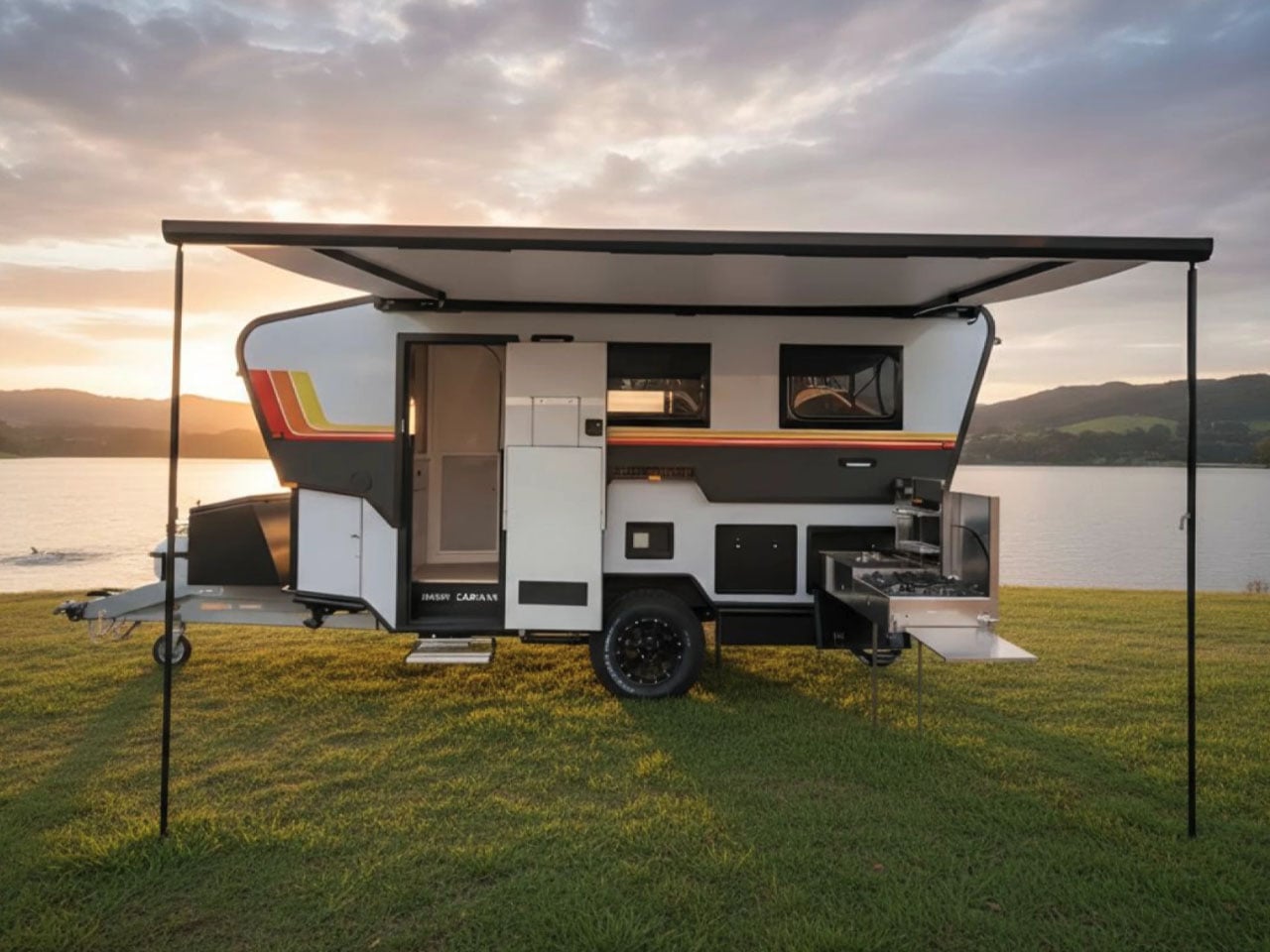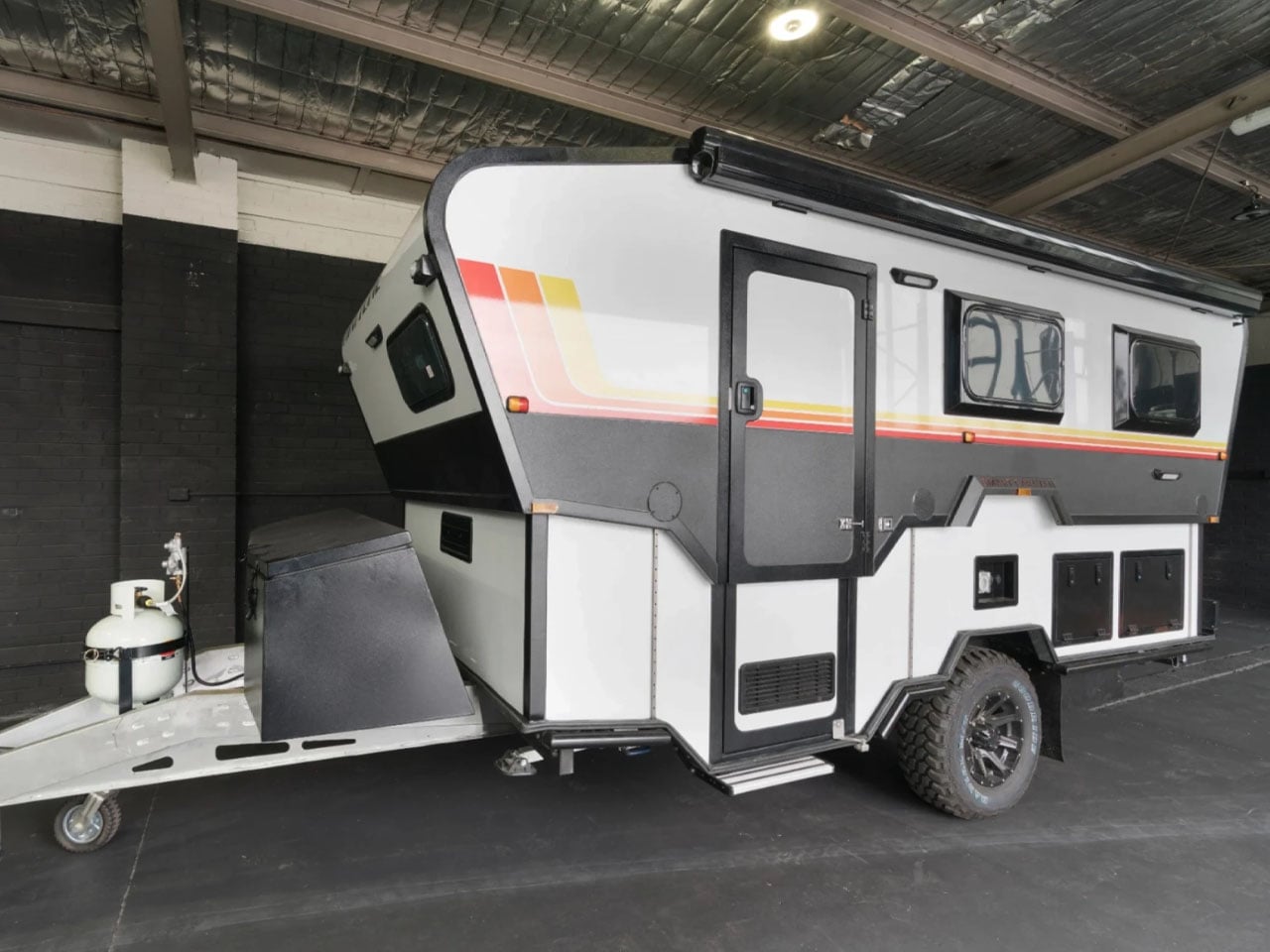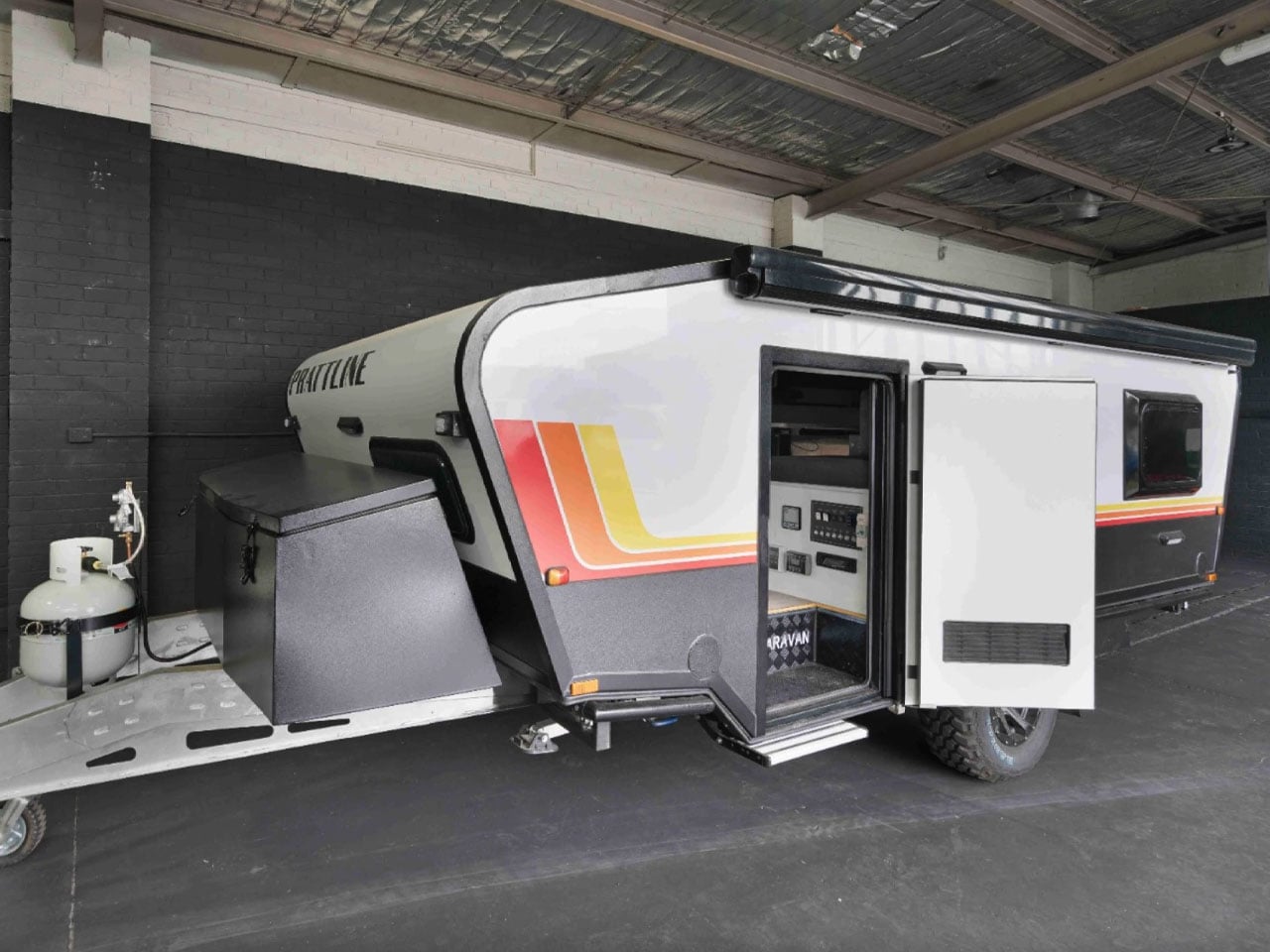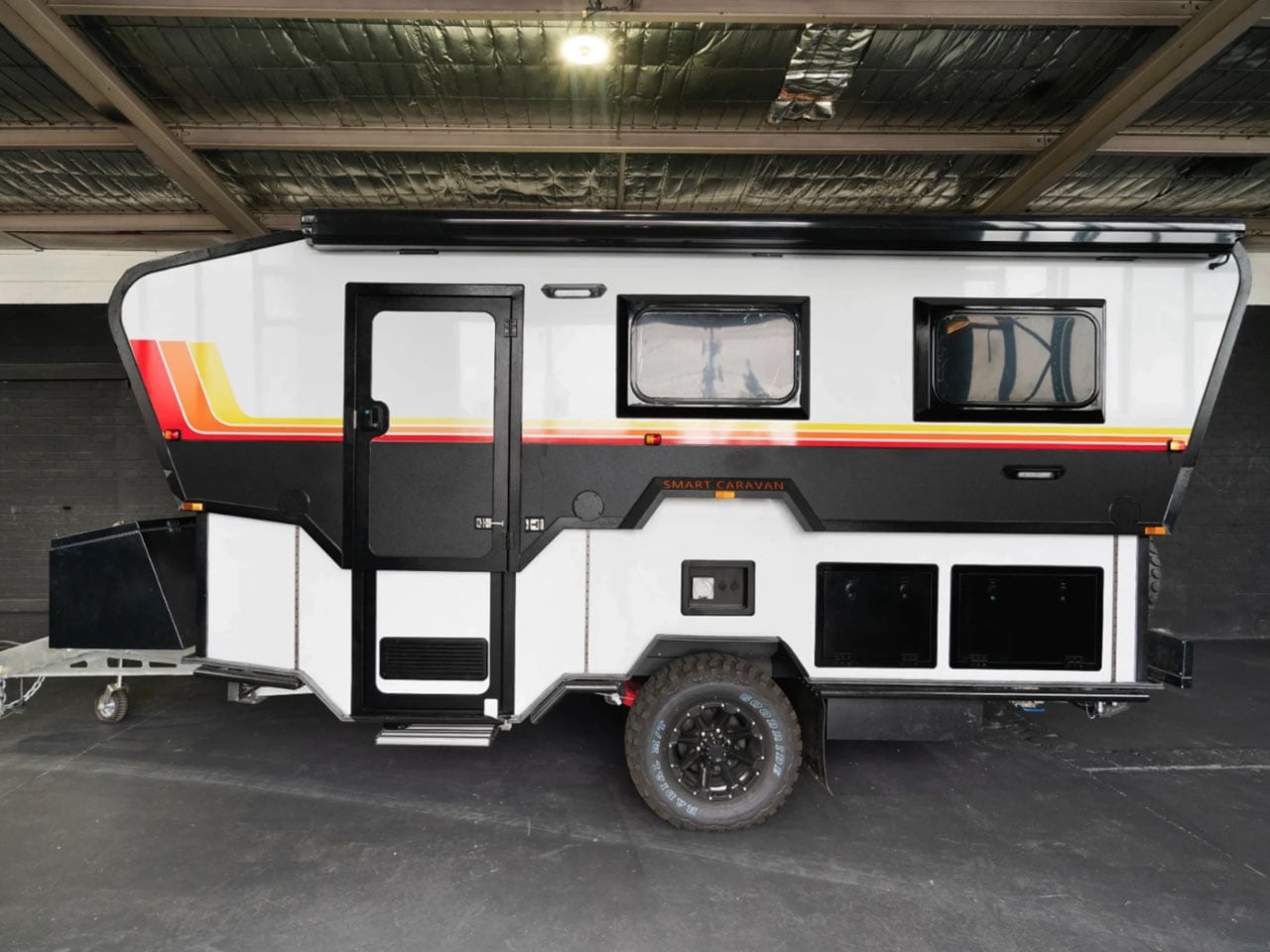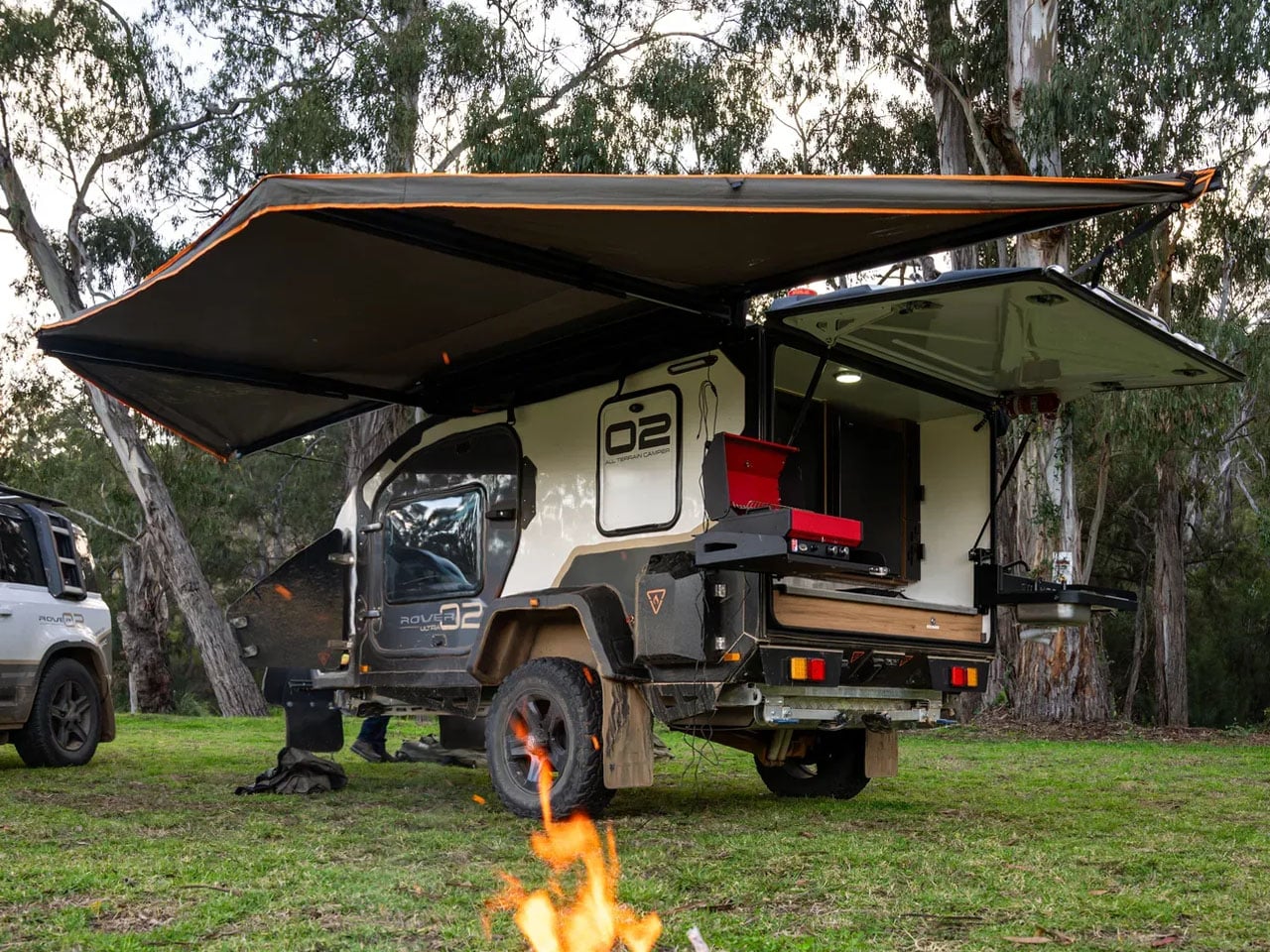
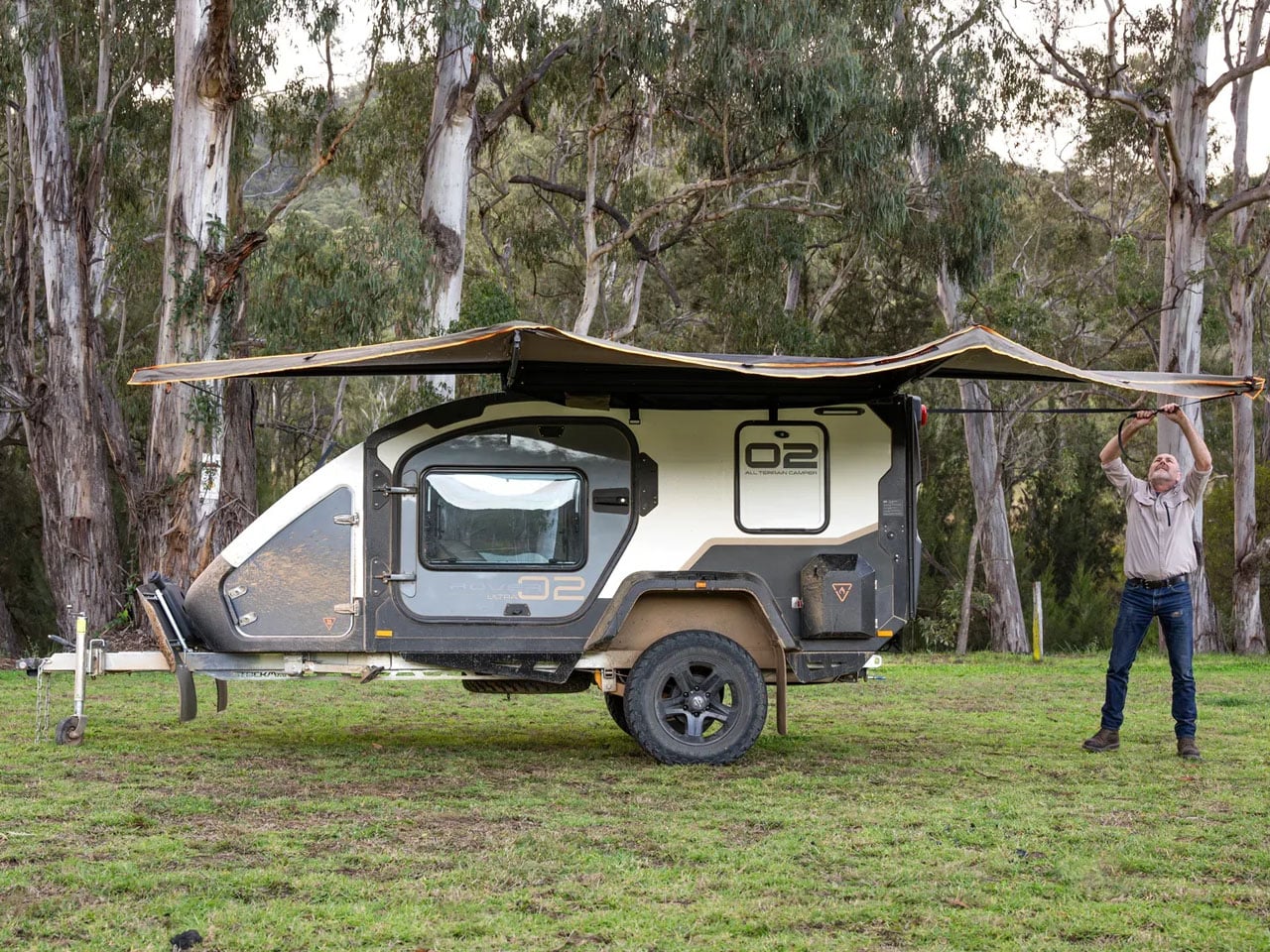
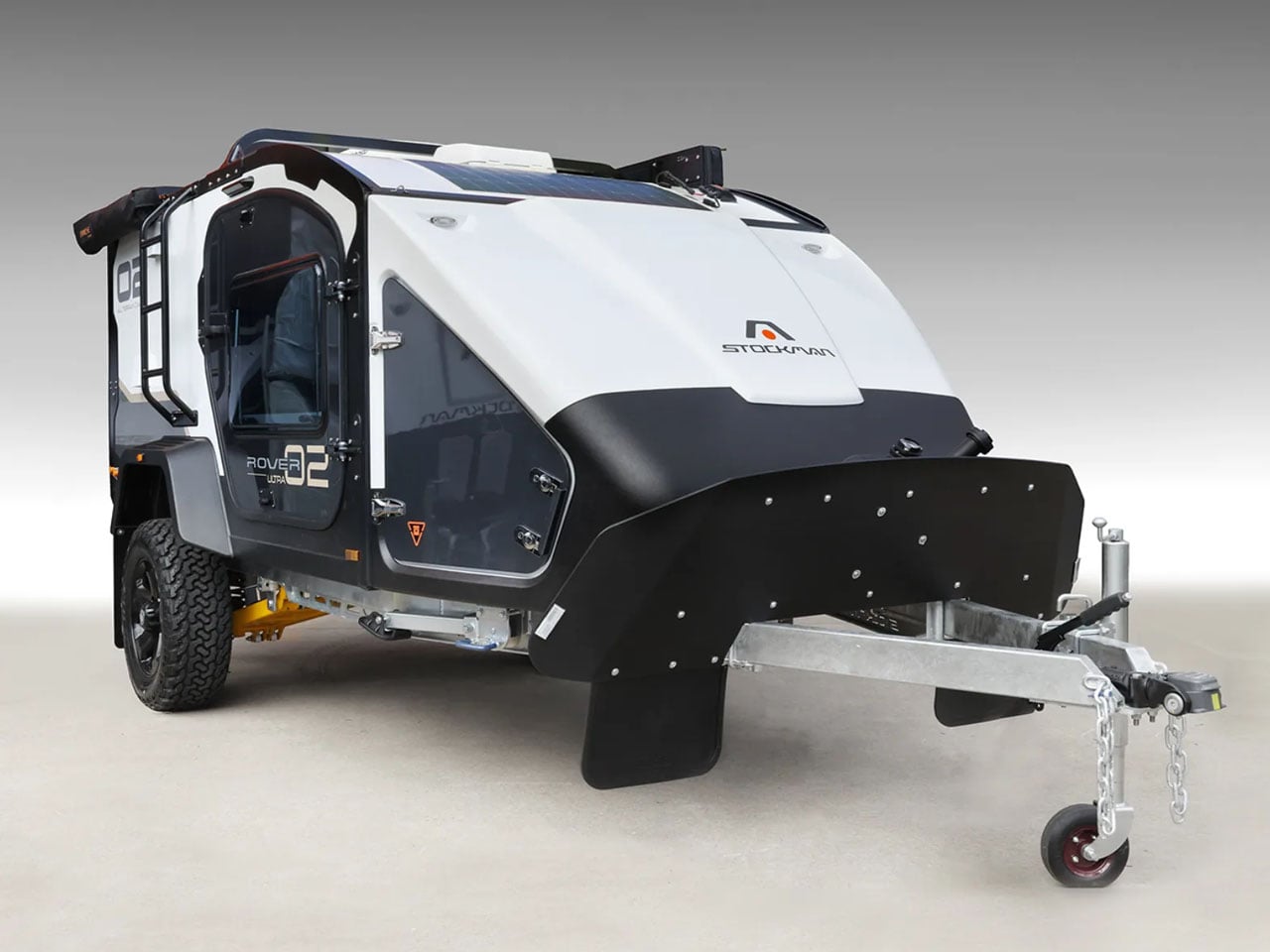
A teardrop trailer is great until you actually have to spend the day around it. You get a comfortable place to sleep, a kitchen tucked neatly into the rear hatch, and a footprint that’s easy to tow almost anywhere. What you don’t get is much living space once you’re parked. The 2026 Stockman Rover 2.0 camper trailer tackles that limitation with a surprisingly simple idea by giving the trailer wings.
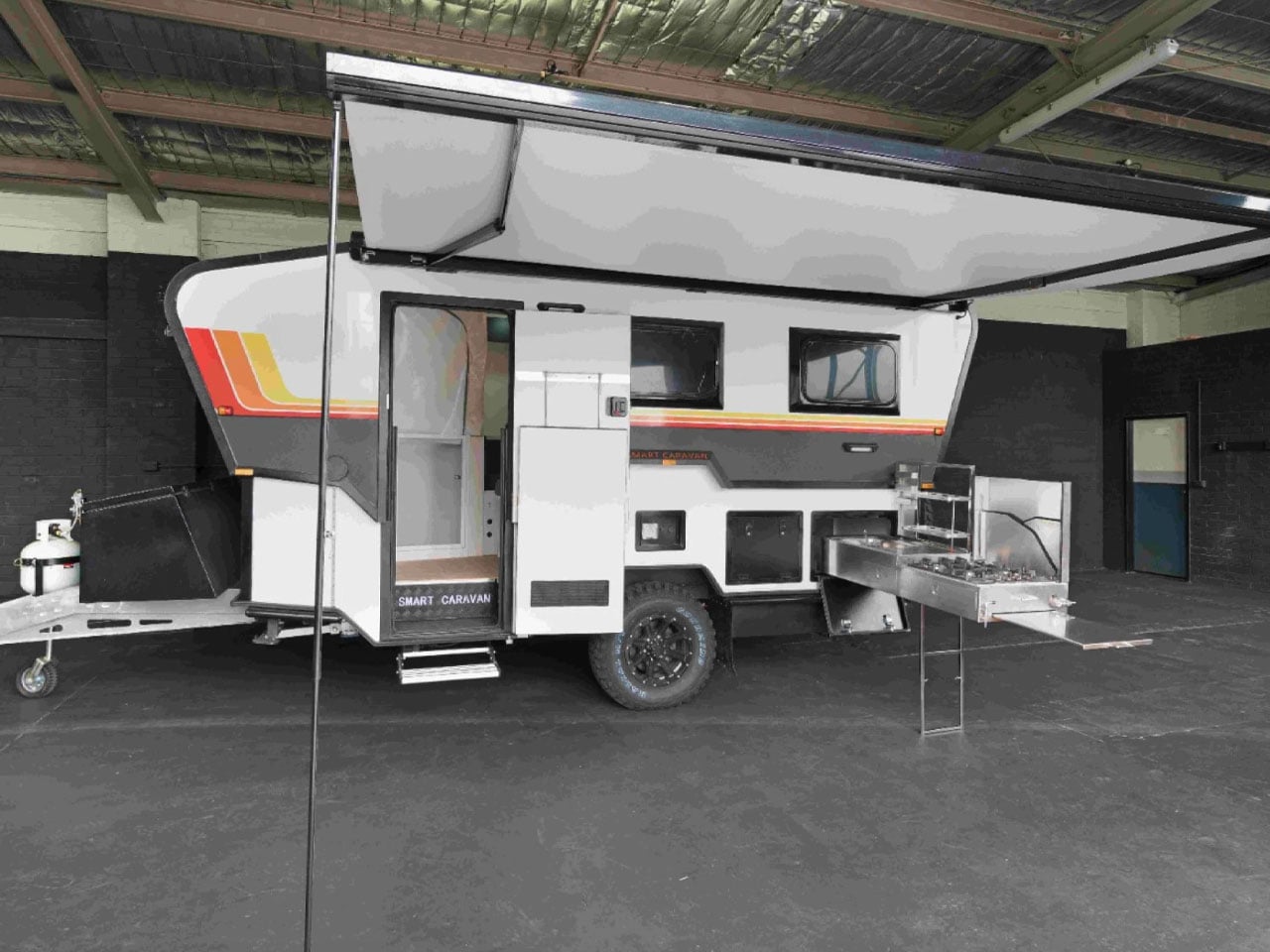
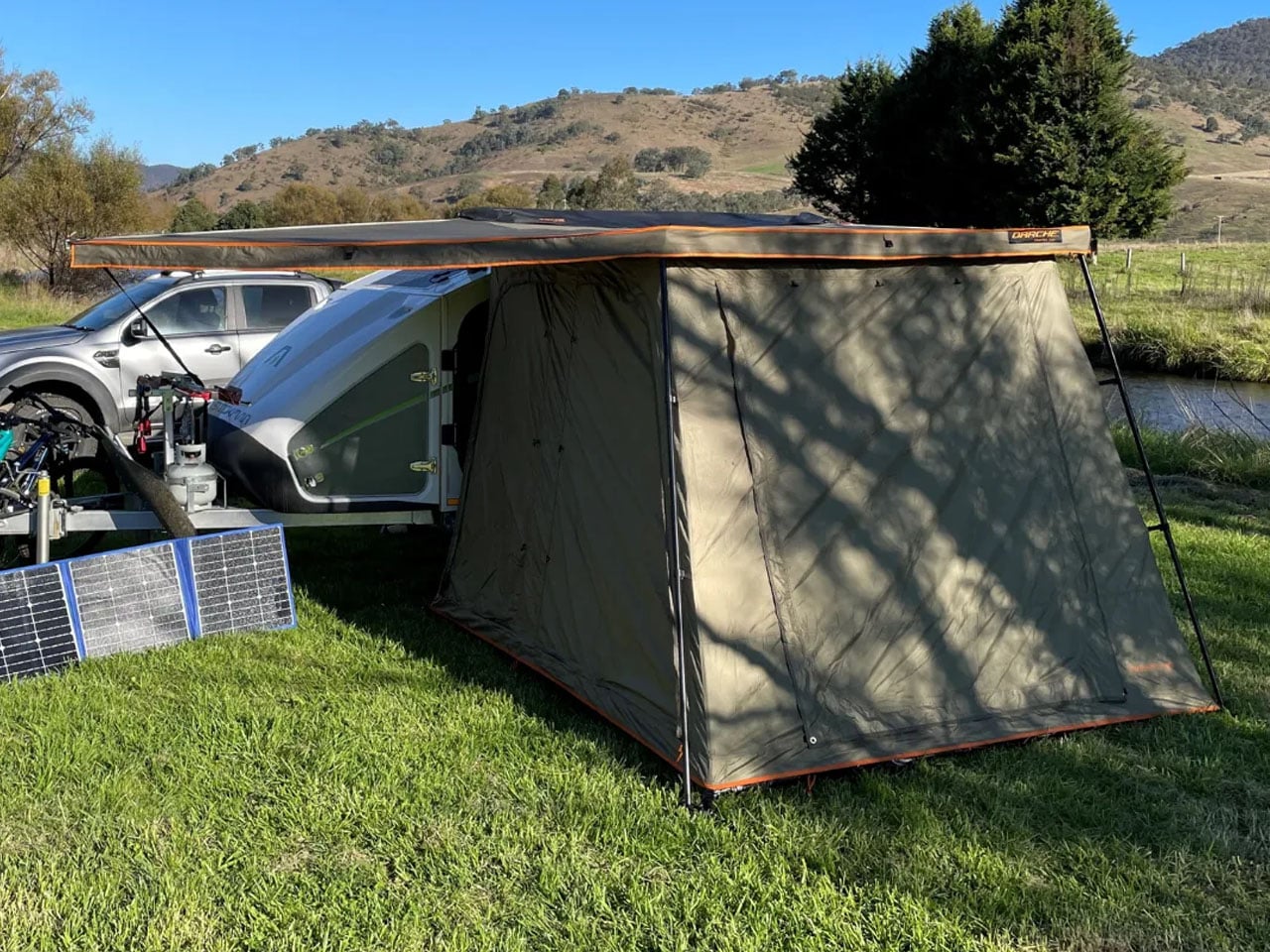
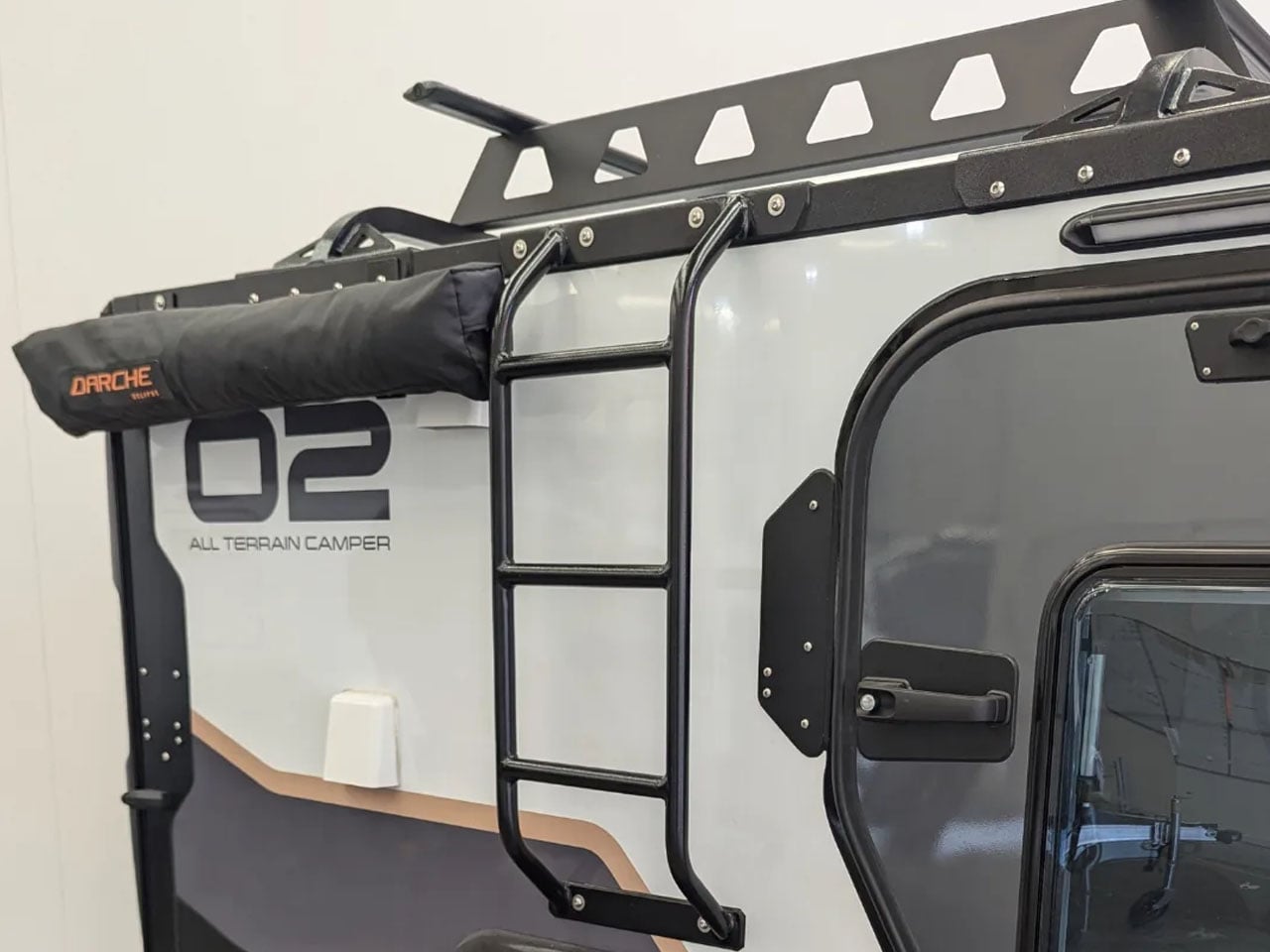
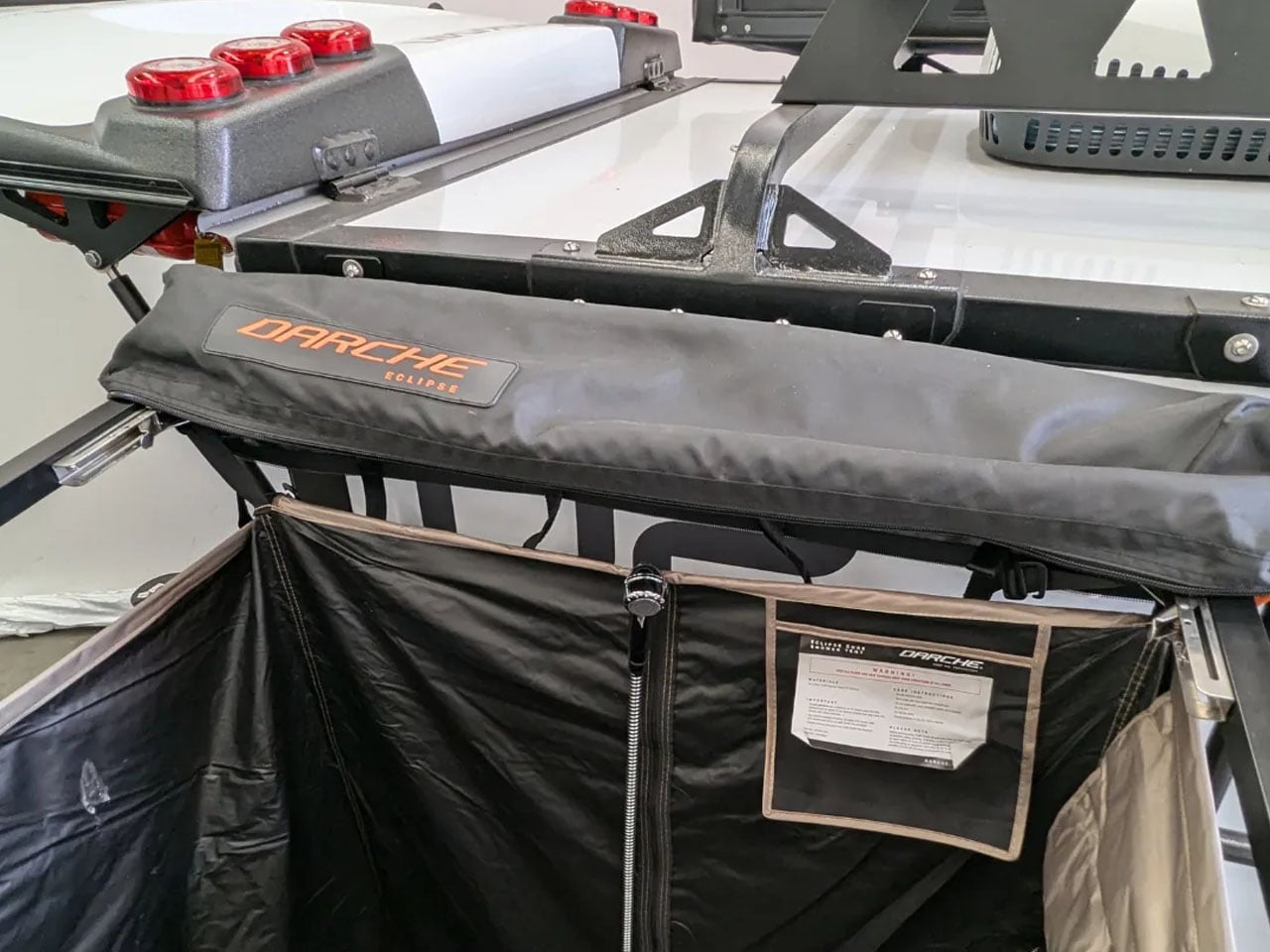
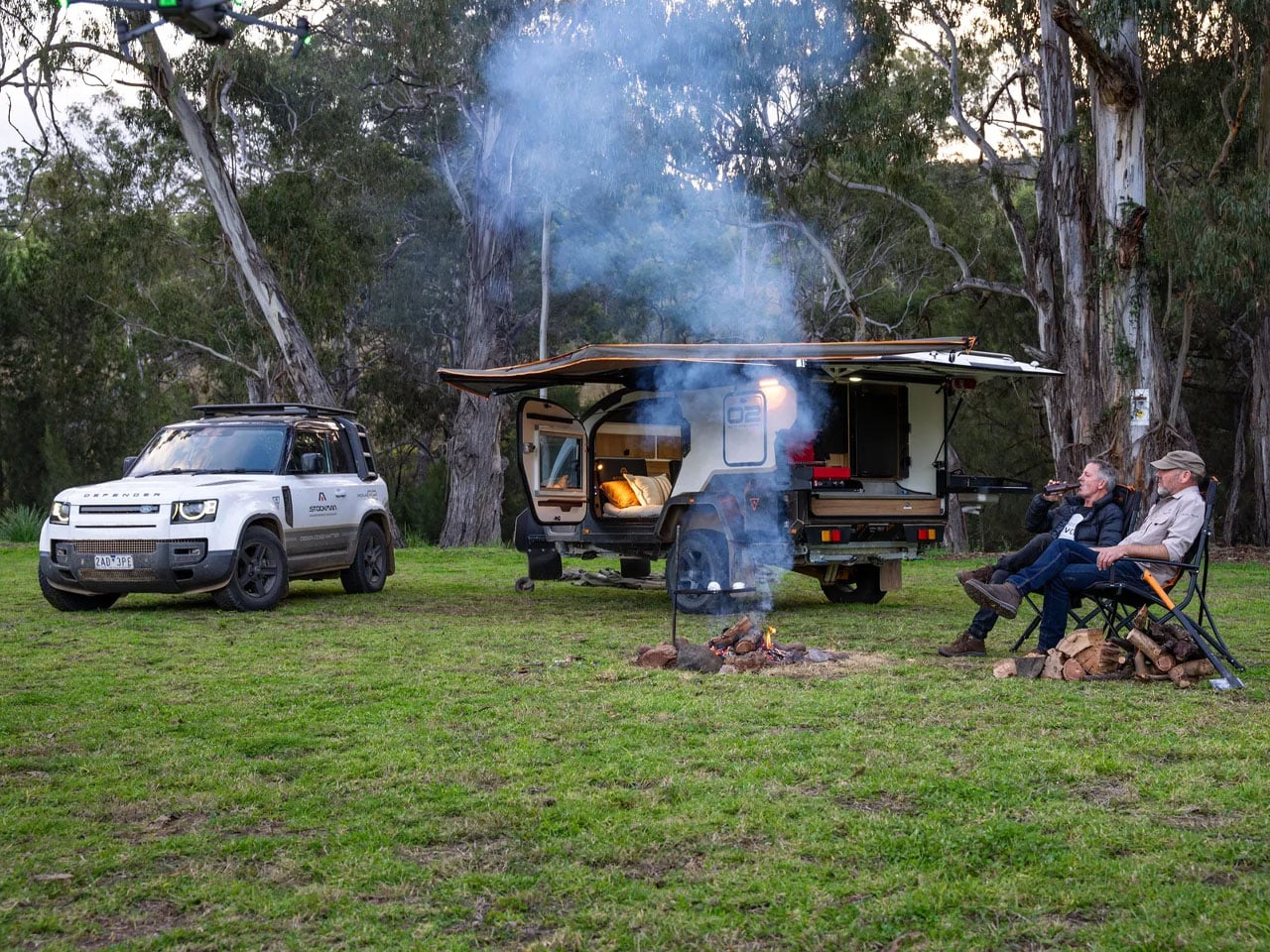
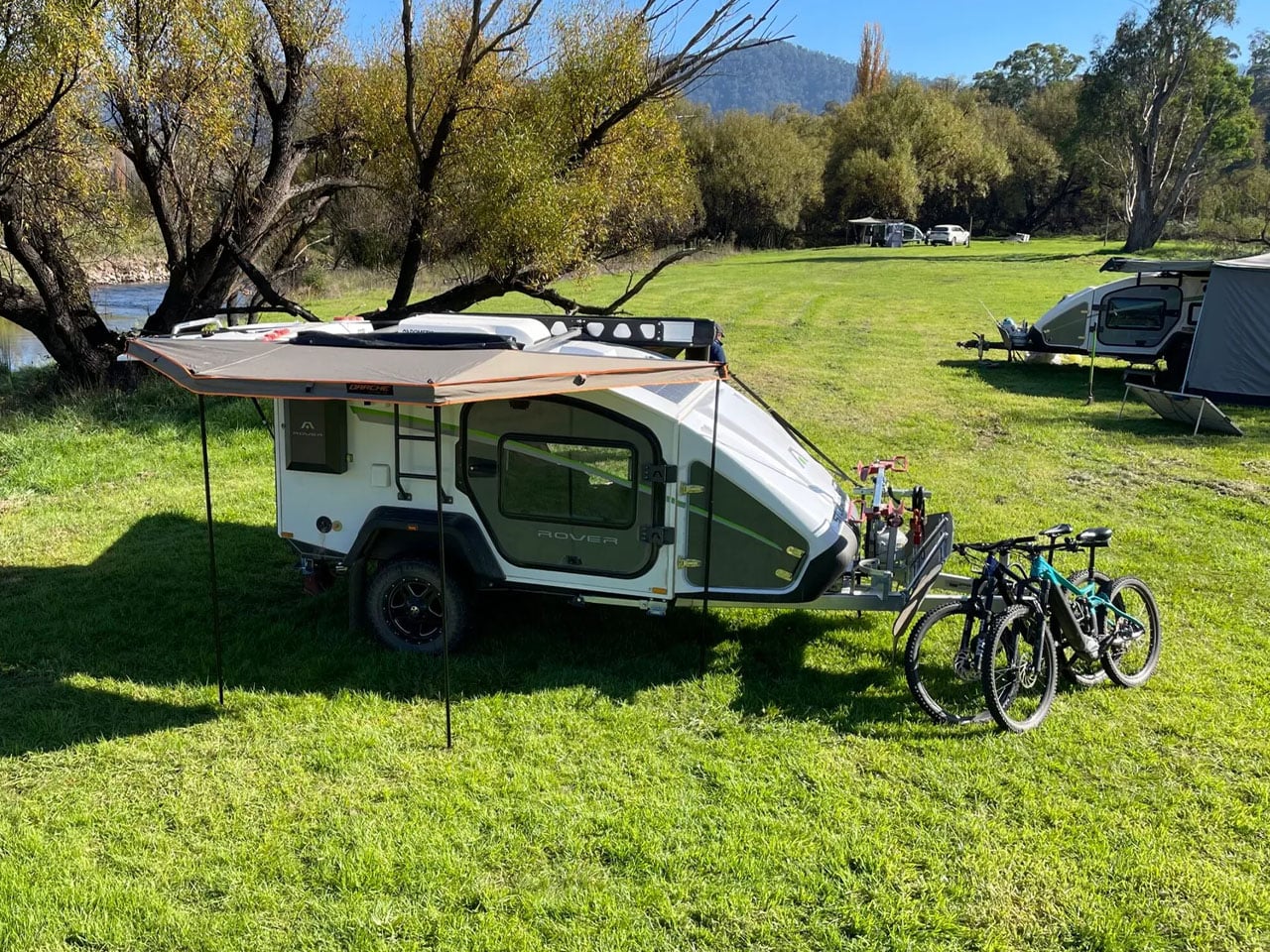
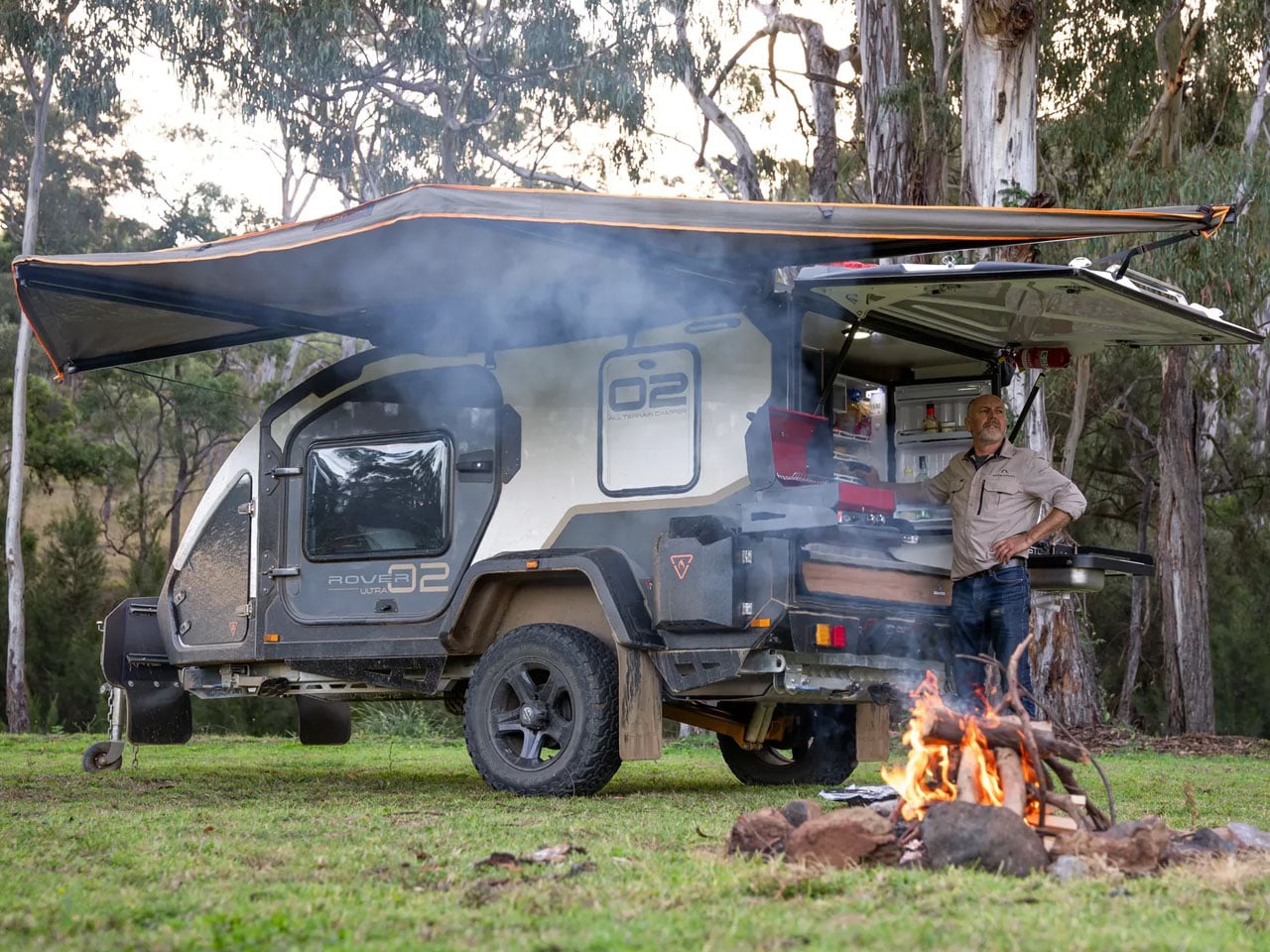
The latest version of Stockman’s compact off-road camper introduces an optional dual 180-degree awning setup that unfolds from both sides of the trailer. Once deployed, the pair creates a wraparound canopy that turns what would normally be an empty campsite into a shaded outdoor lounge. Zip the awnings together with the optional wall kit, add the enclosed privacy tent, and the Rover suddenly feels much larger than its compact silhouette suggests. It’s one of those upgrades that sounds incremental until you picture spending an entire afternoon cooking, or waiting out a rain shower beneath it.
Designer: Stockman Products
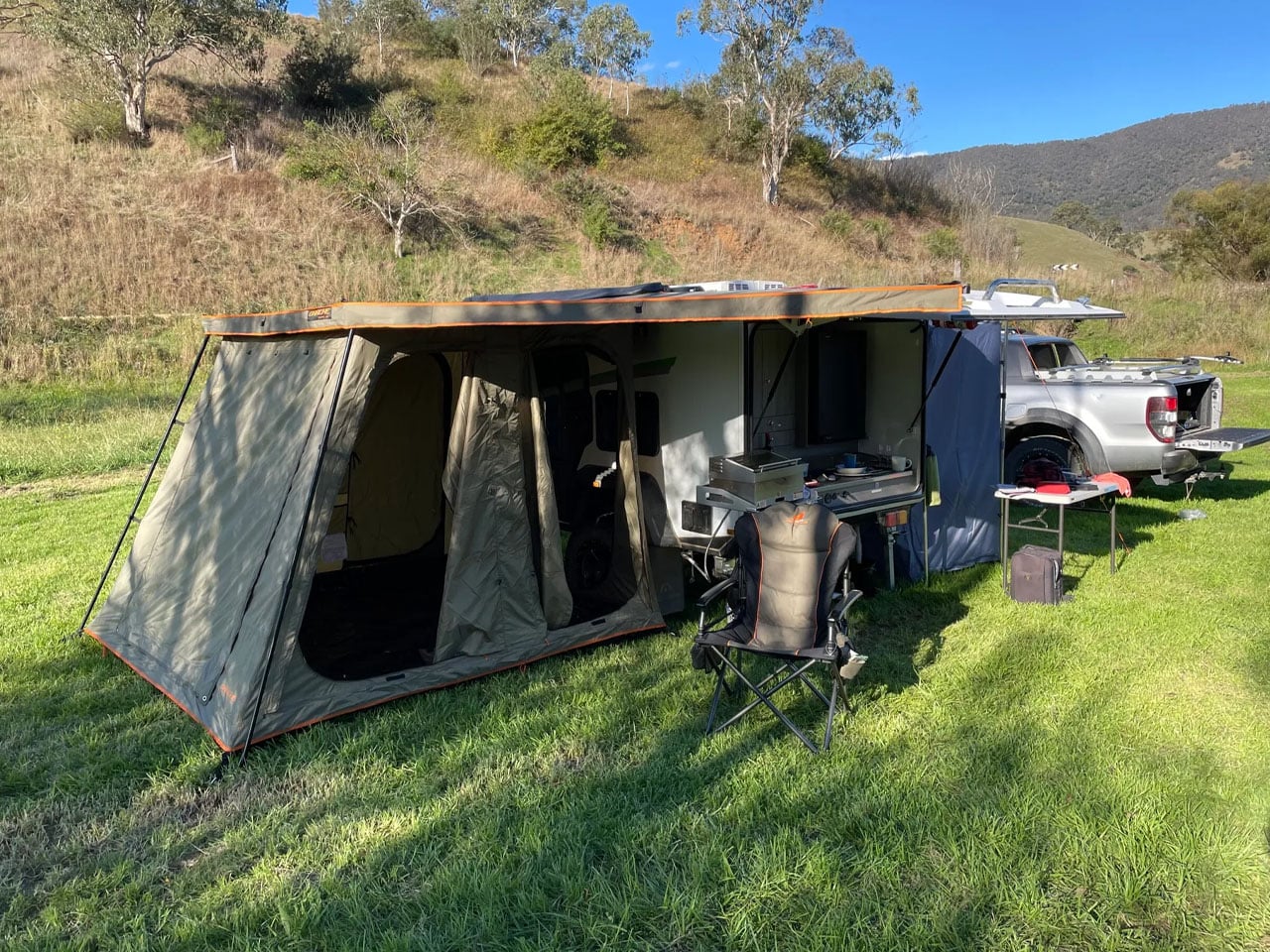
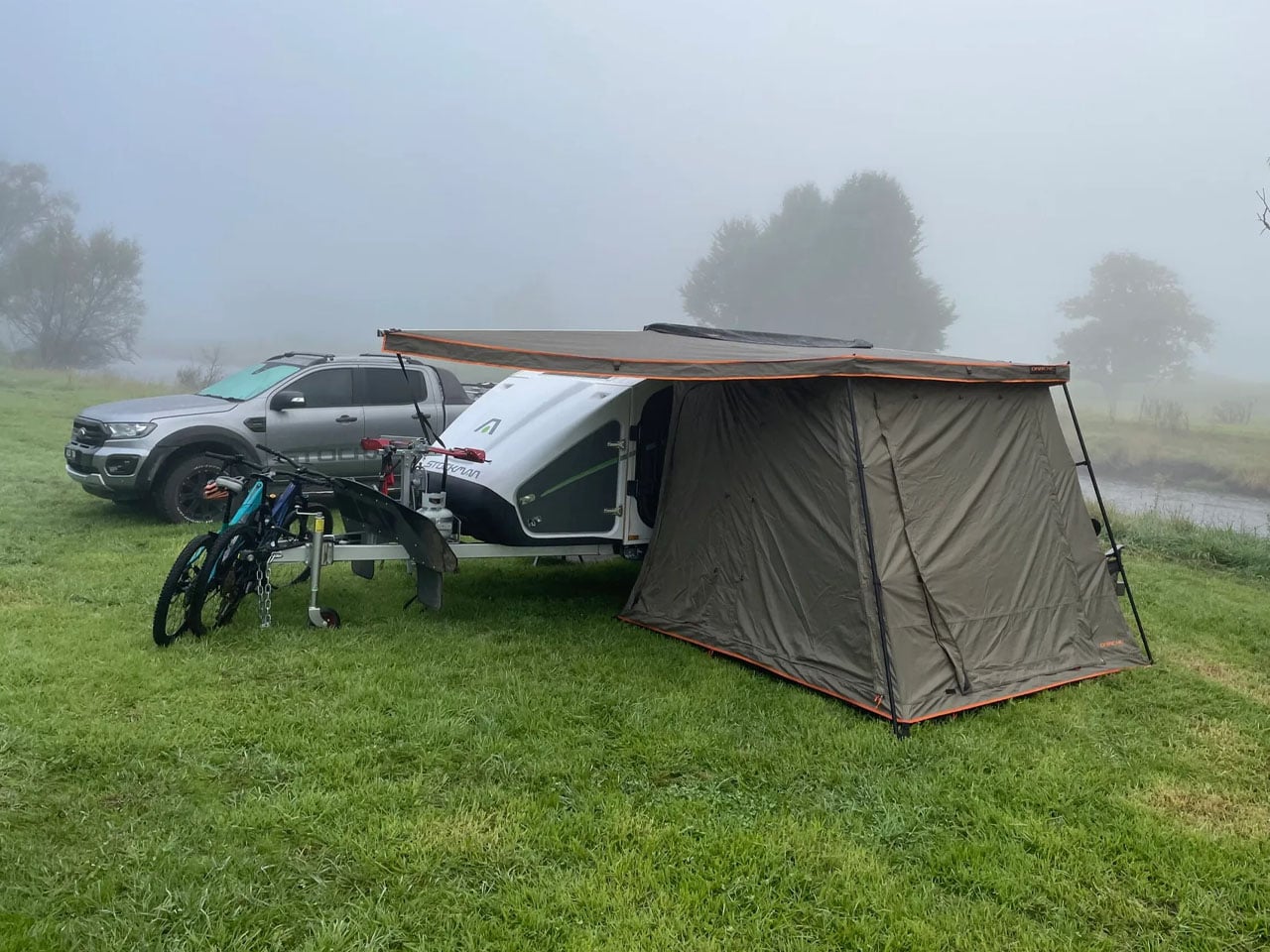
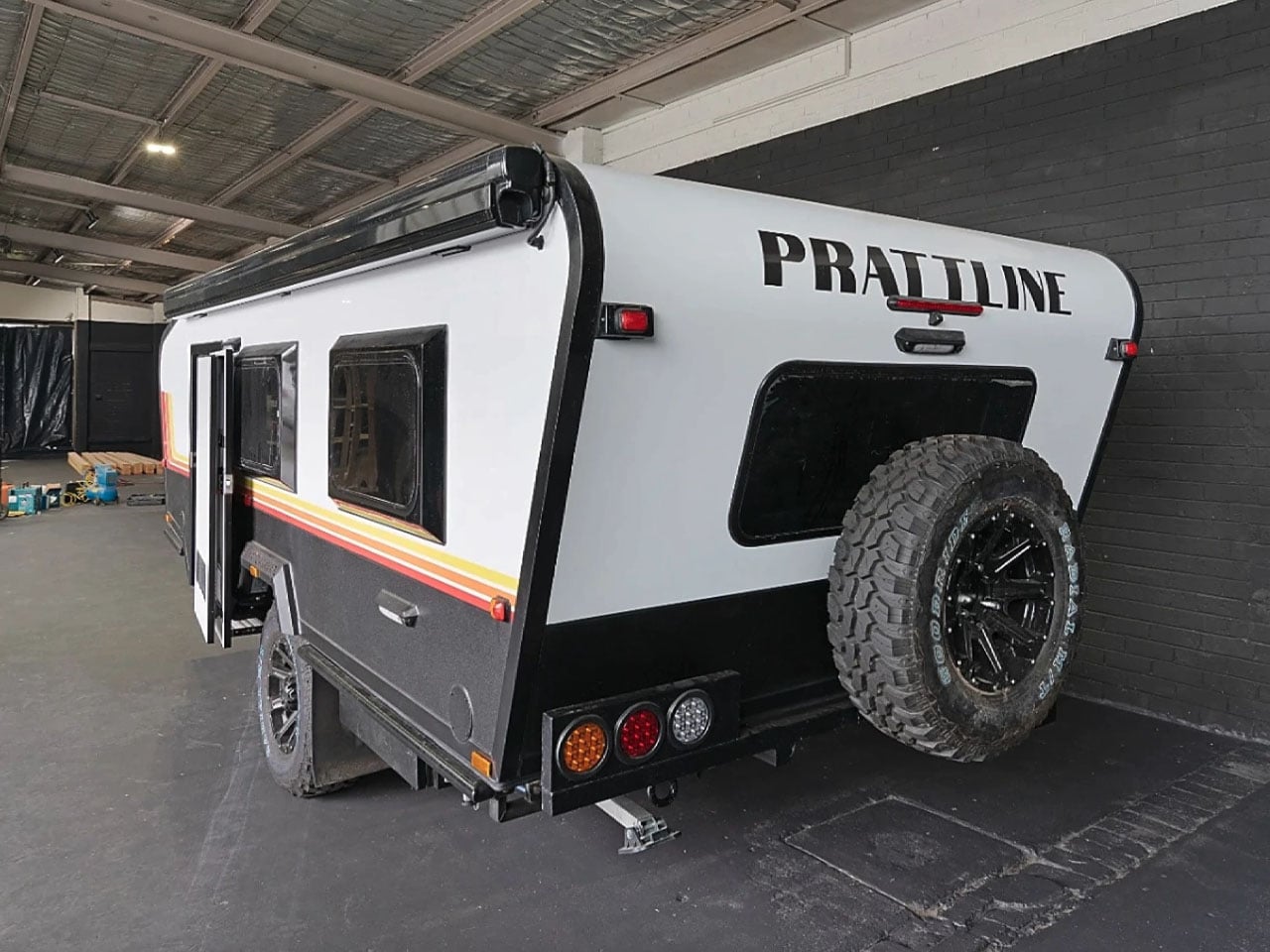
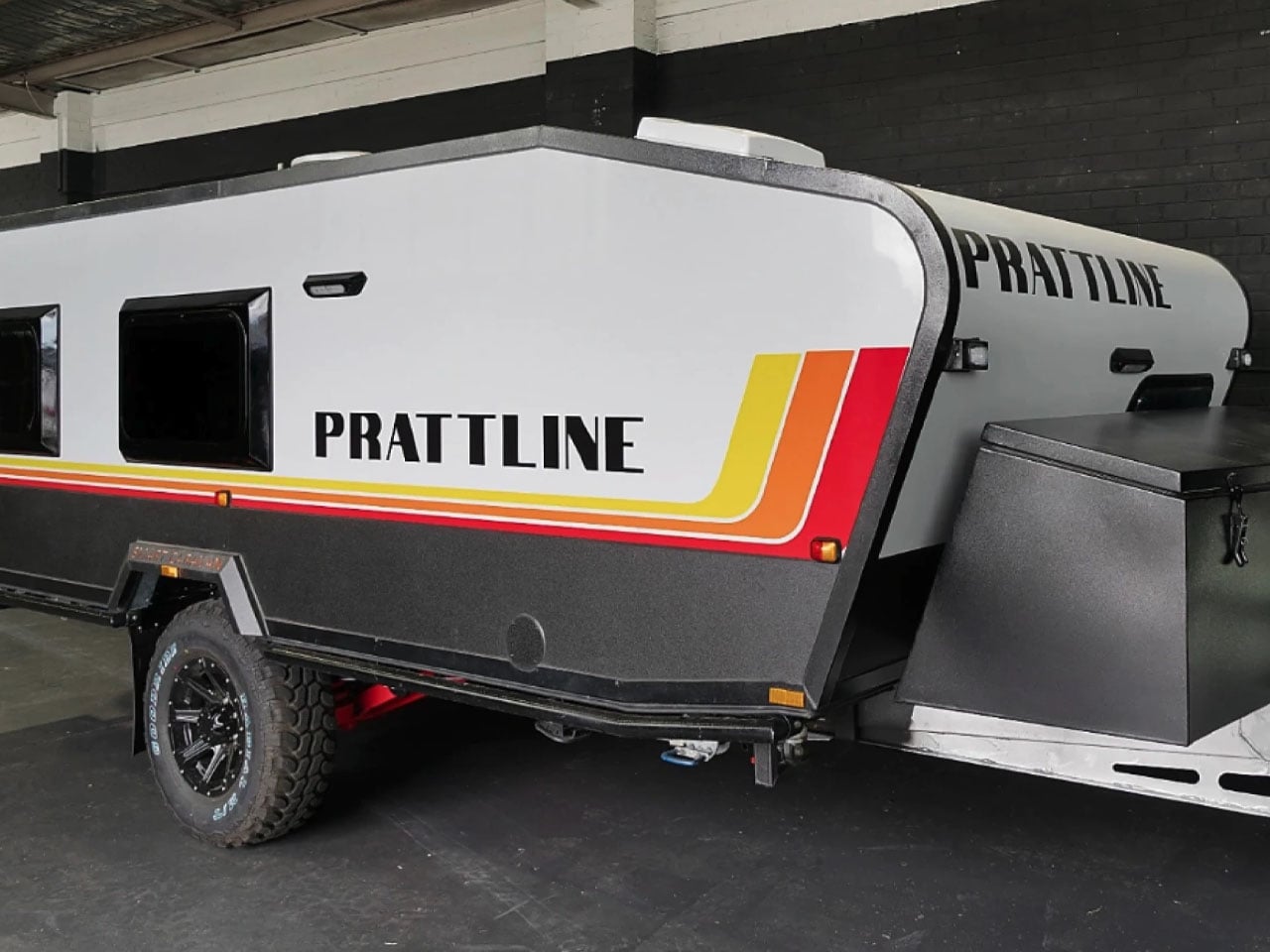
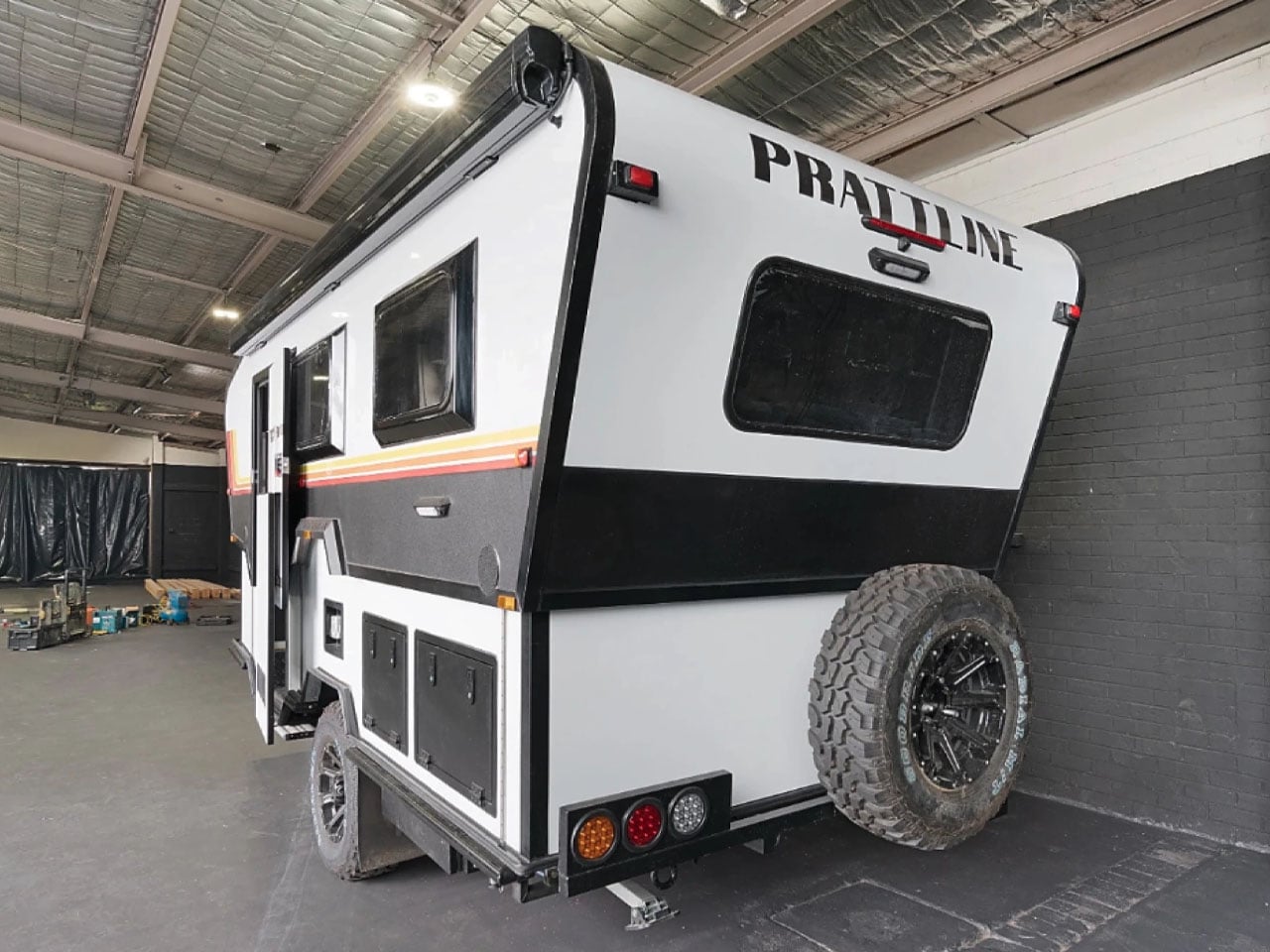
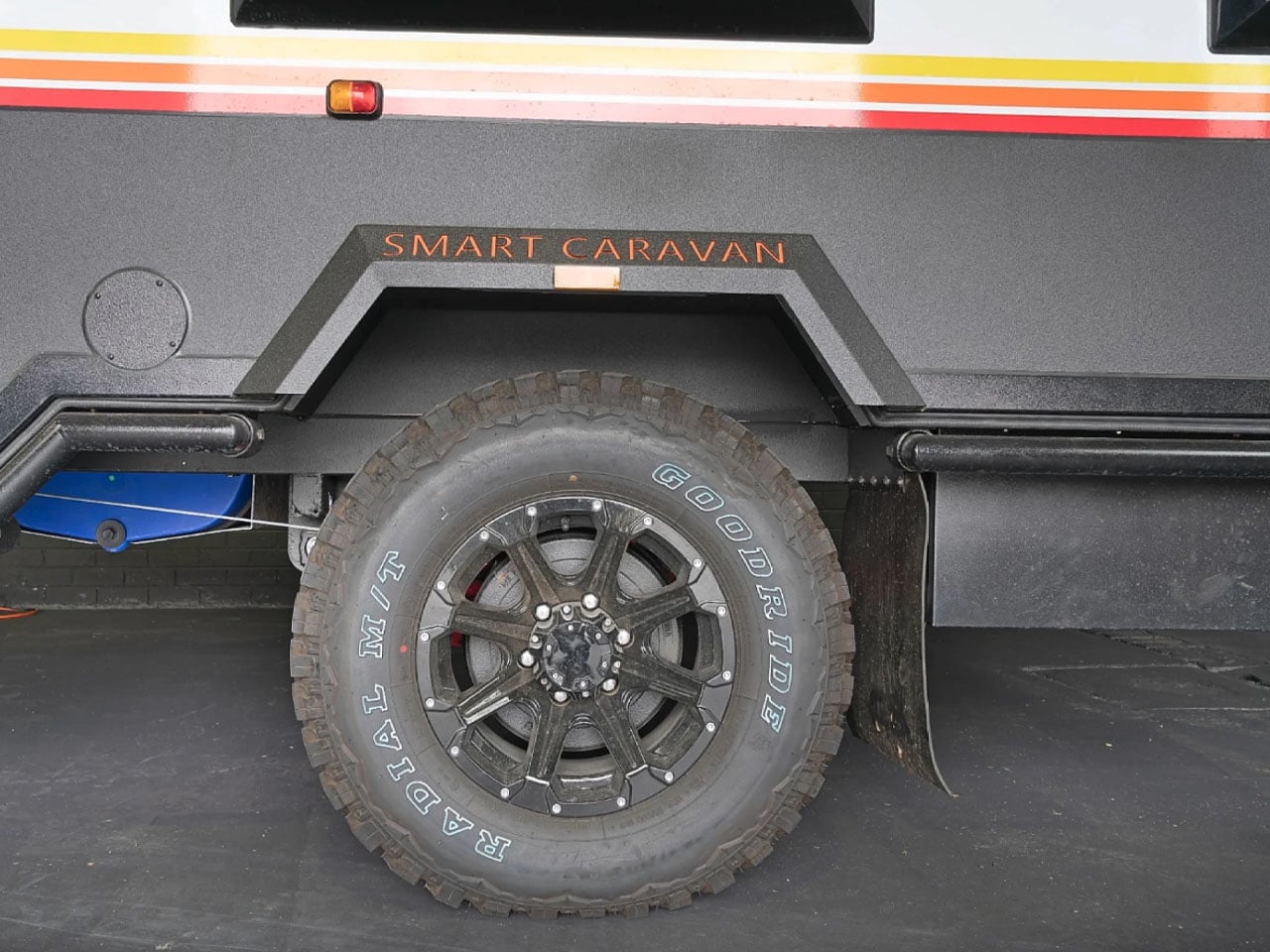
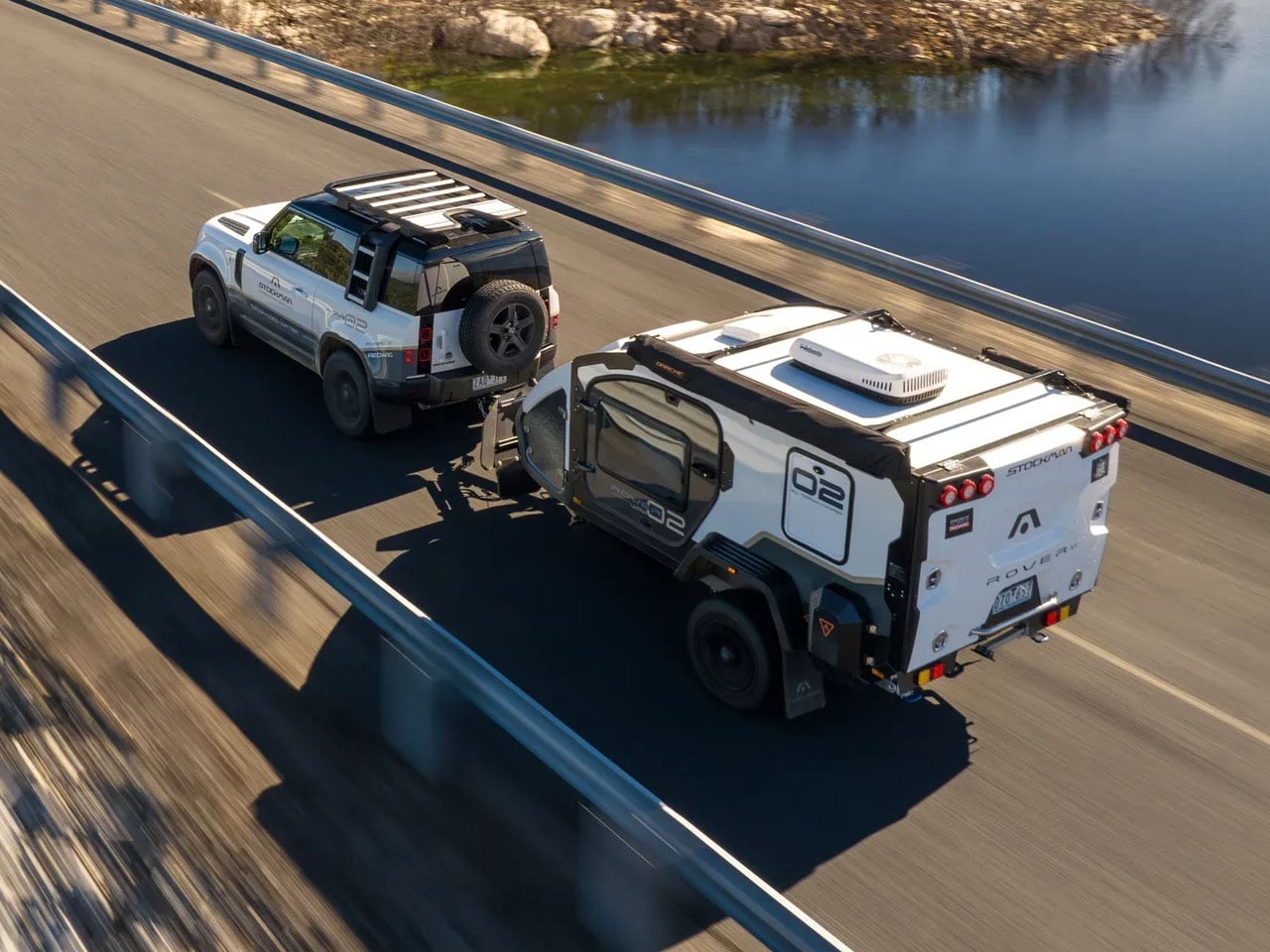
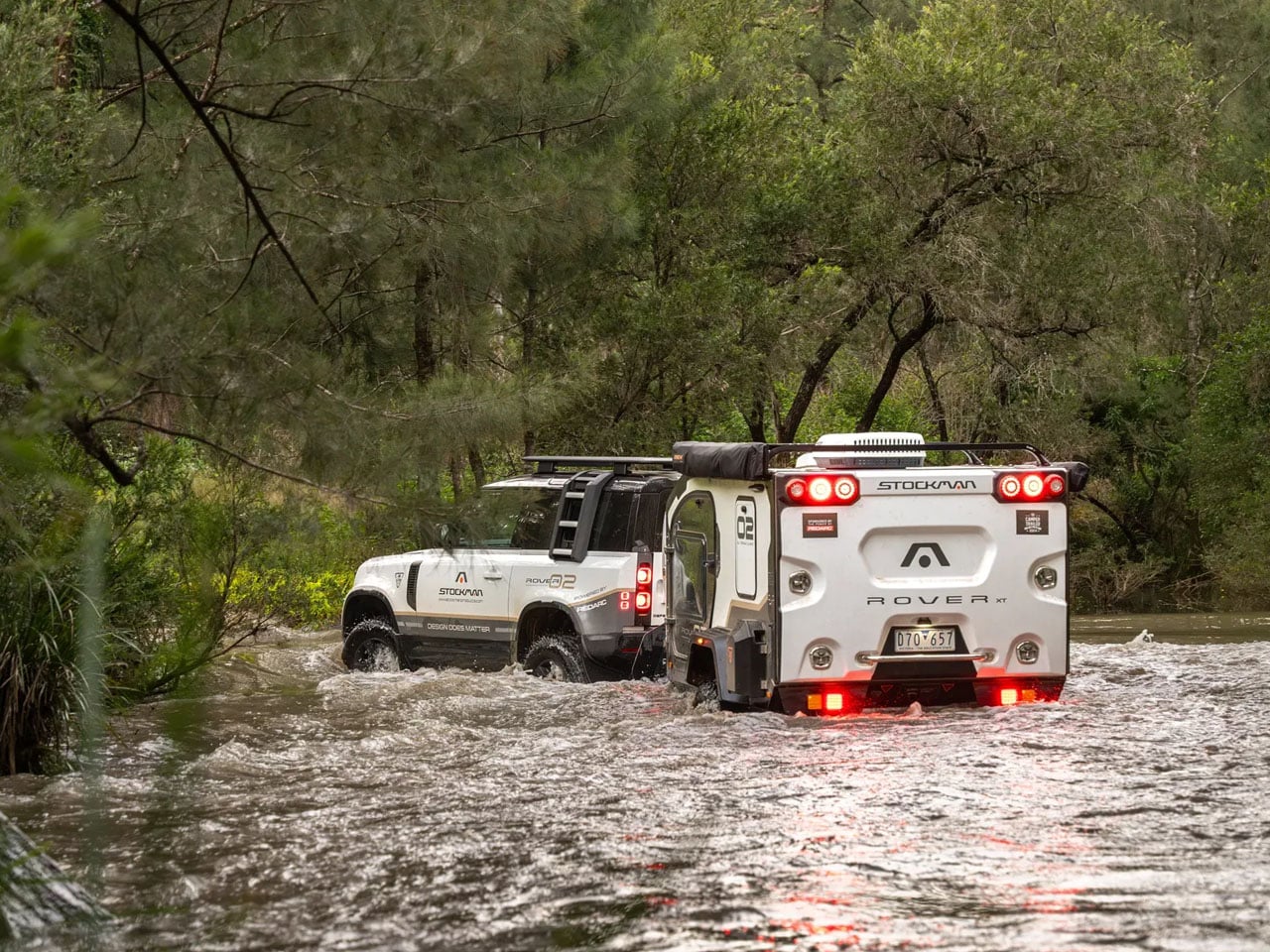
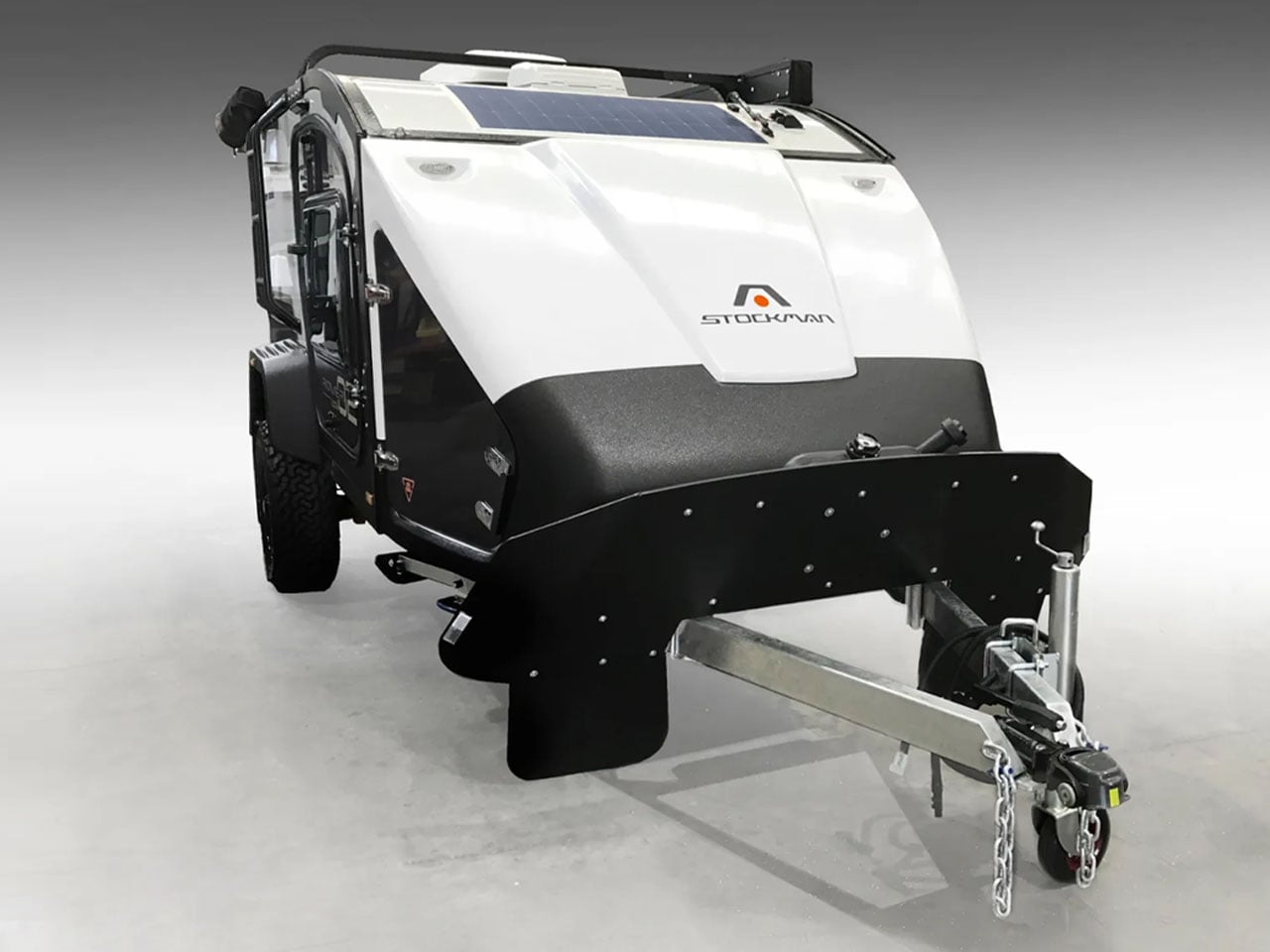
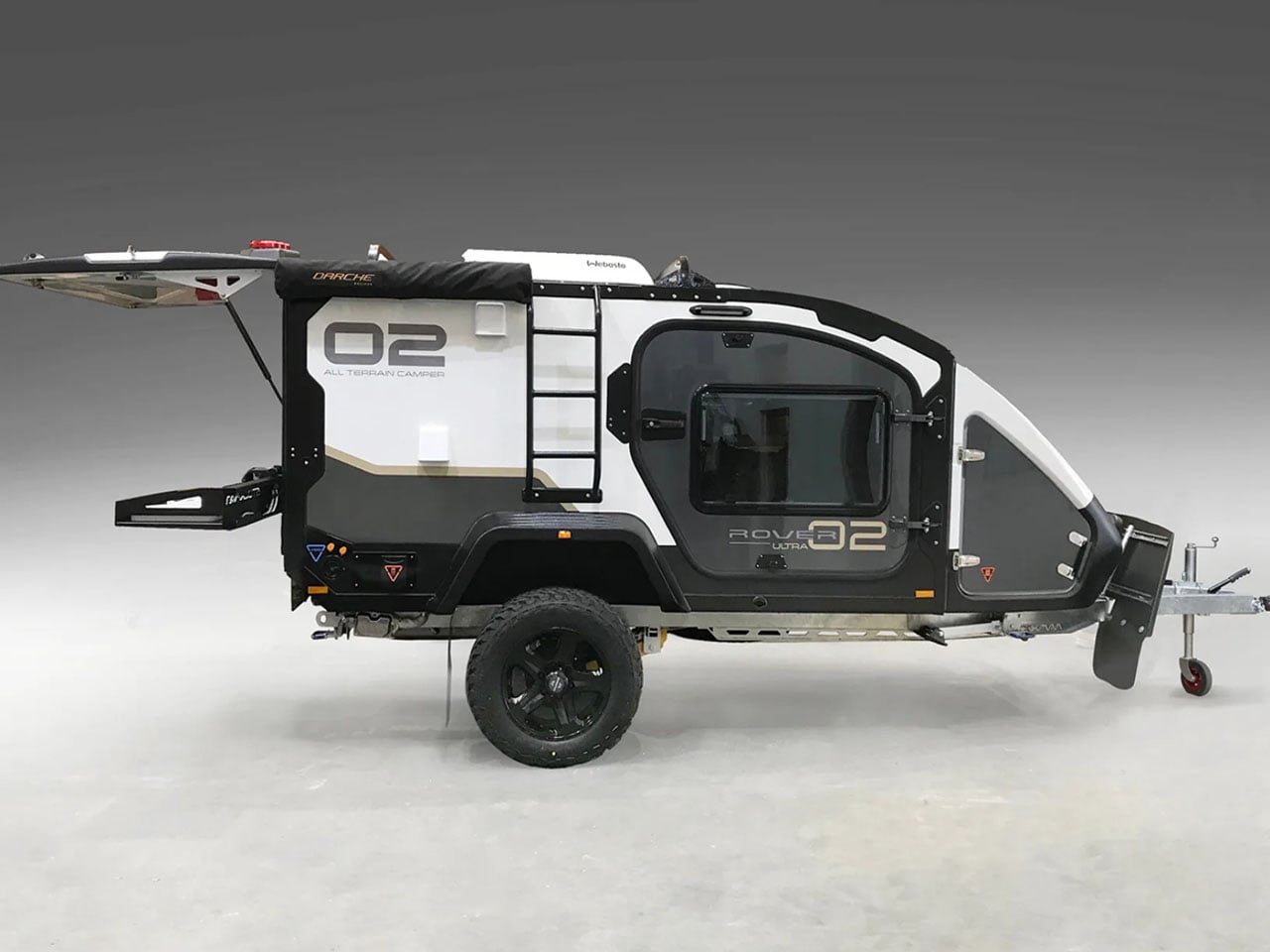
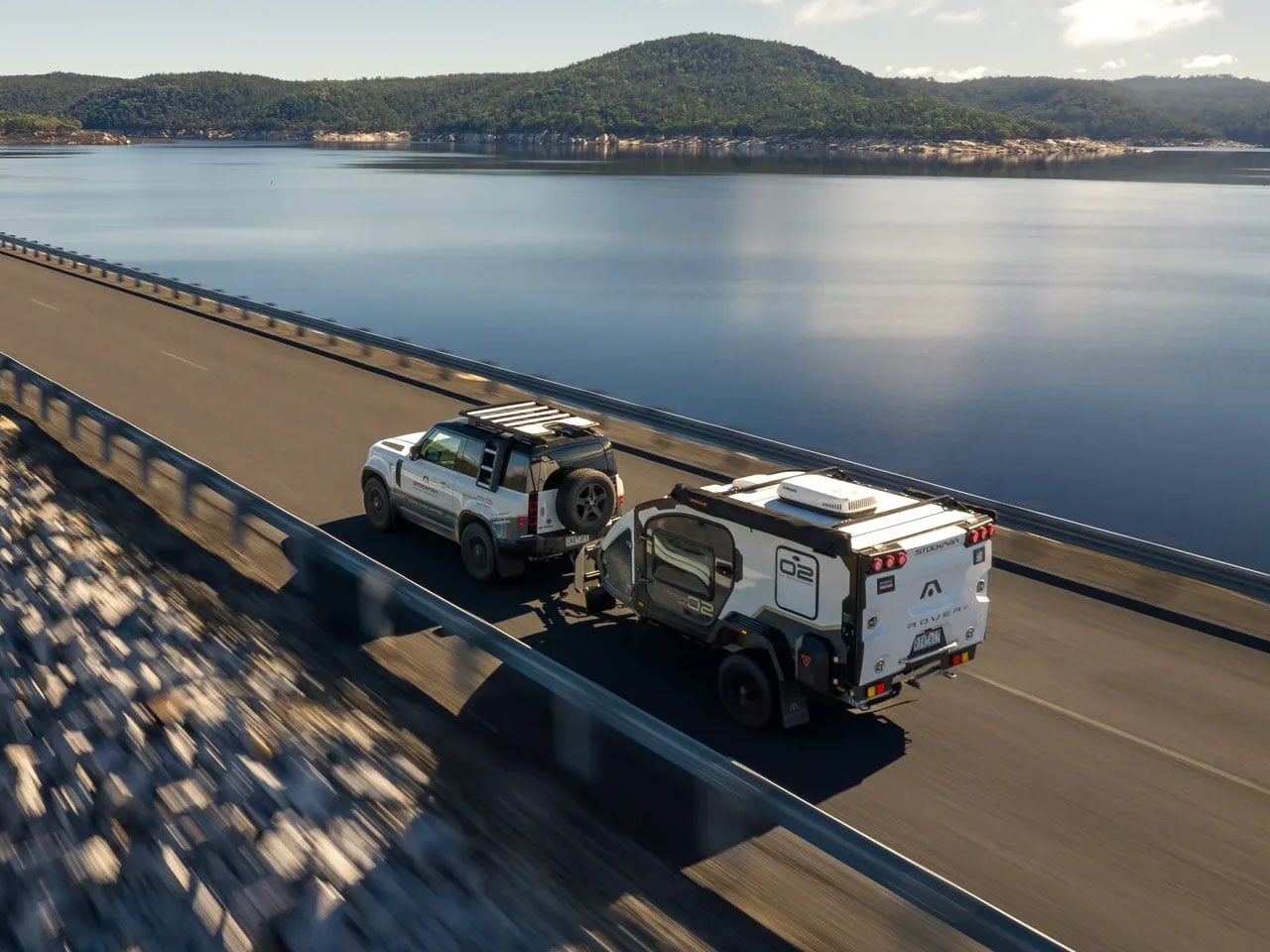
The clever part is that none of this changes what made the Rover popular in the first place. It’s still a compact camper built around a hot-dipped galvanized steel chassis that’s happy bouncing along rough tracks behind an SUV or ute. For 2026, Stockman has expanded the range into three variants instead of expecting every buyer to want the same level of capability. The Escape is aimed at campers sticking mostly to sealed roads and maintained gravel trails, while the Intrepid and Ultra lean into Australia’s love for remote touring with an XT off-road chassis, Cruisemaster independent suspension, dual shock absorbers, all-terrain tyres, and a DO35 articulating hitch designed to stay composed long after the pavement disappears.
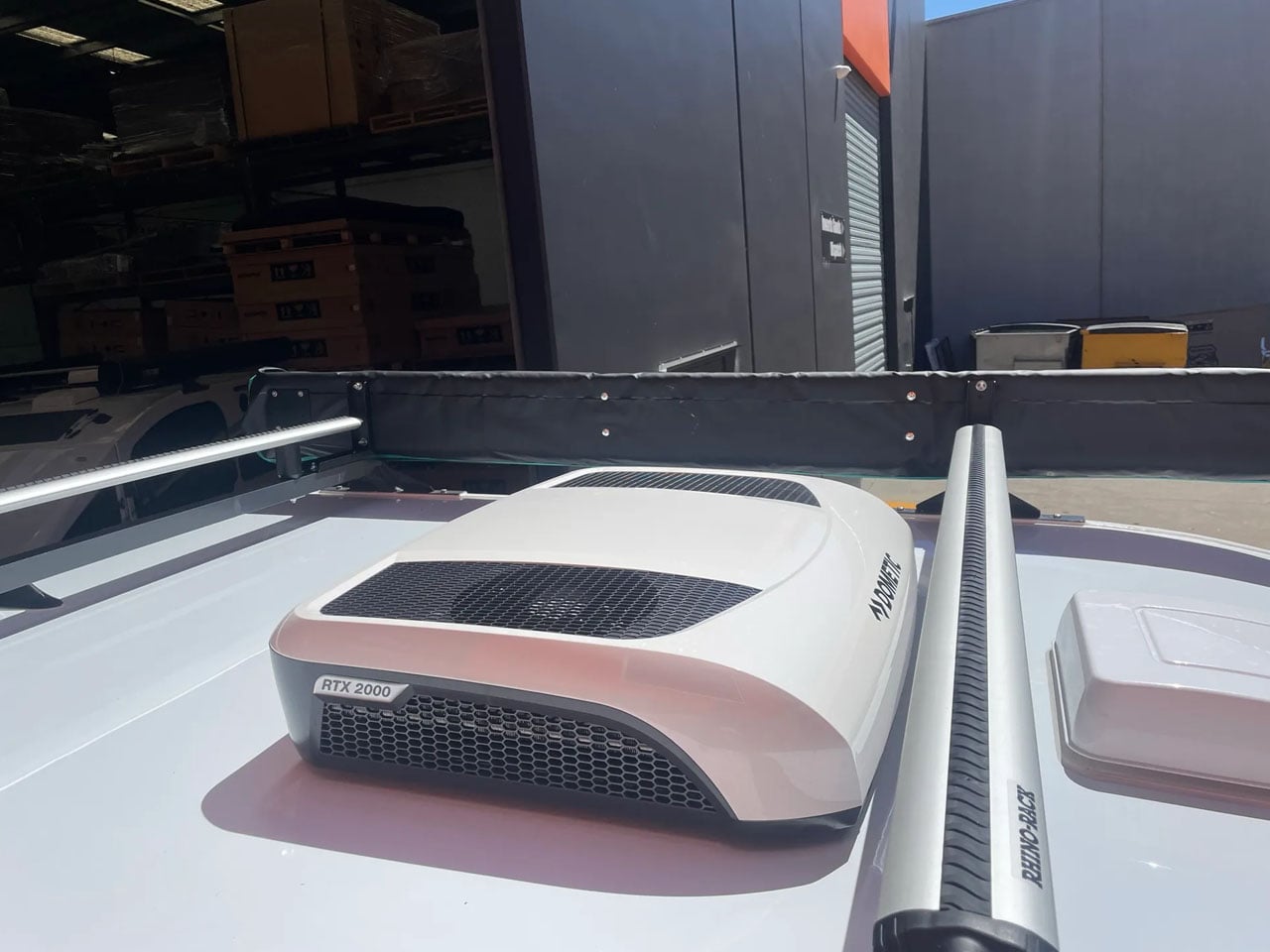
The upgrades continue where they’re arguably needed most: keeping modern campers powered without constantly hunting for the next campground. Stockman has swapped its previous electrical setup for a Renogy ecosystem across the lineup, giving the trailer a cleaner, smarter way to manage off-grid living. The flagship Ultra packs a 300Ah lithium battery, a 2,000W inverter, roof-mounted solar panels, and a touchscreen interface that keeps tabs on everything from battery health to charging status. There’s even a second display inside the cabin, a small but thoughtful touch that lets you check the system before climbing out of bed on a cold morning.
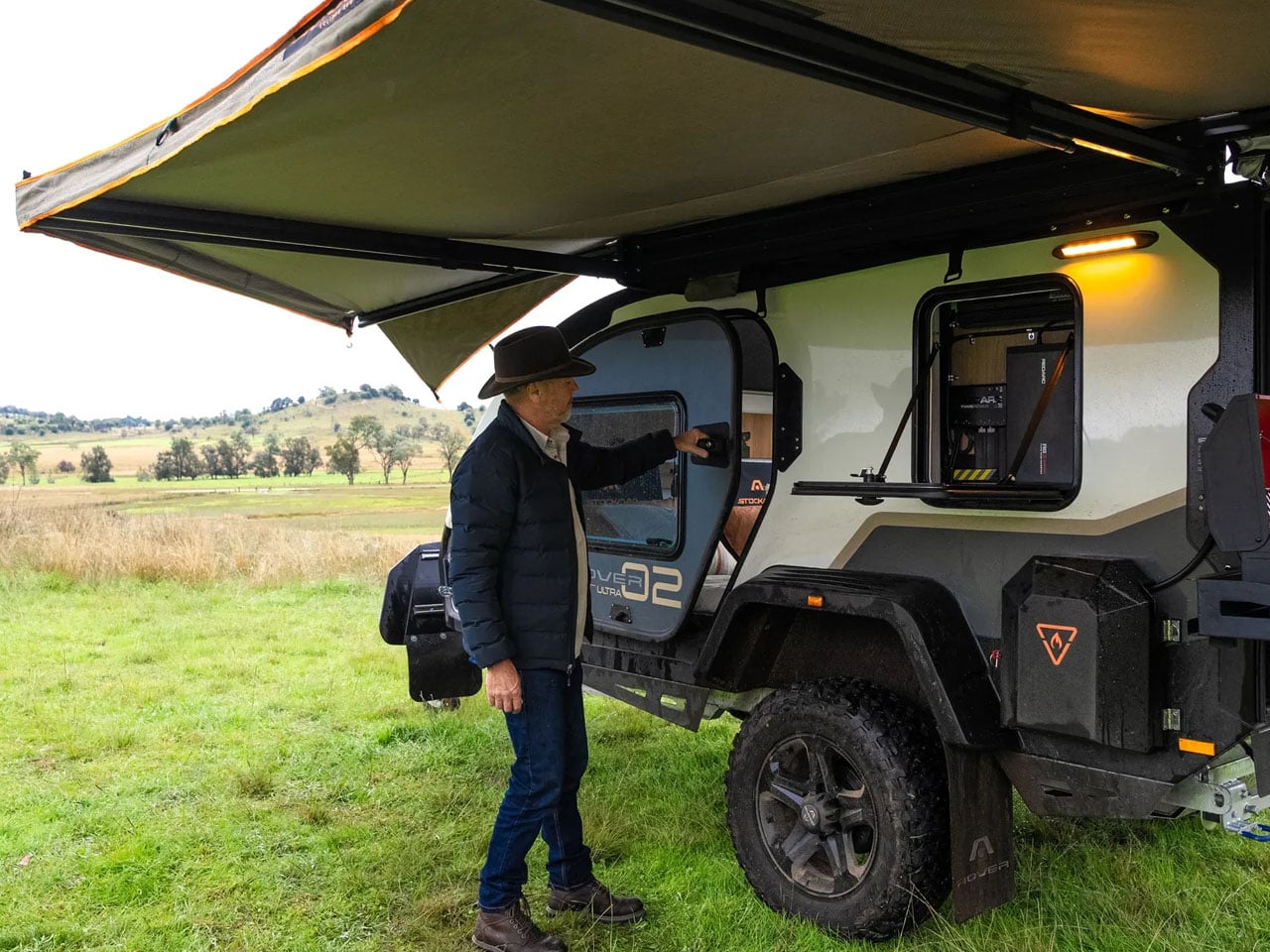
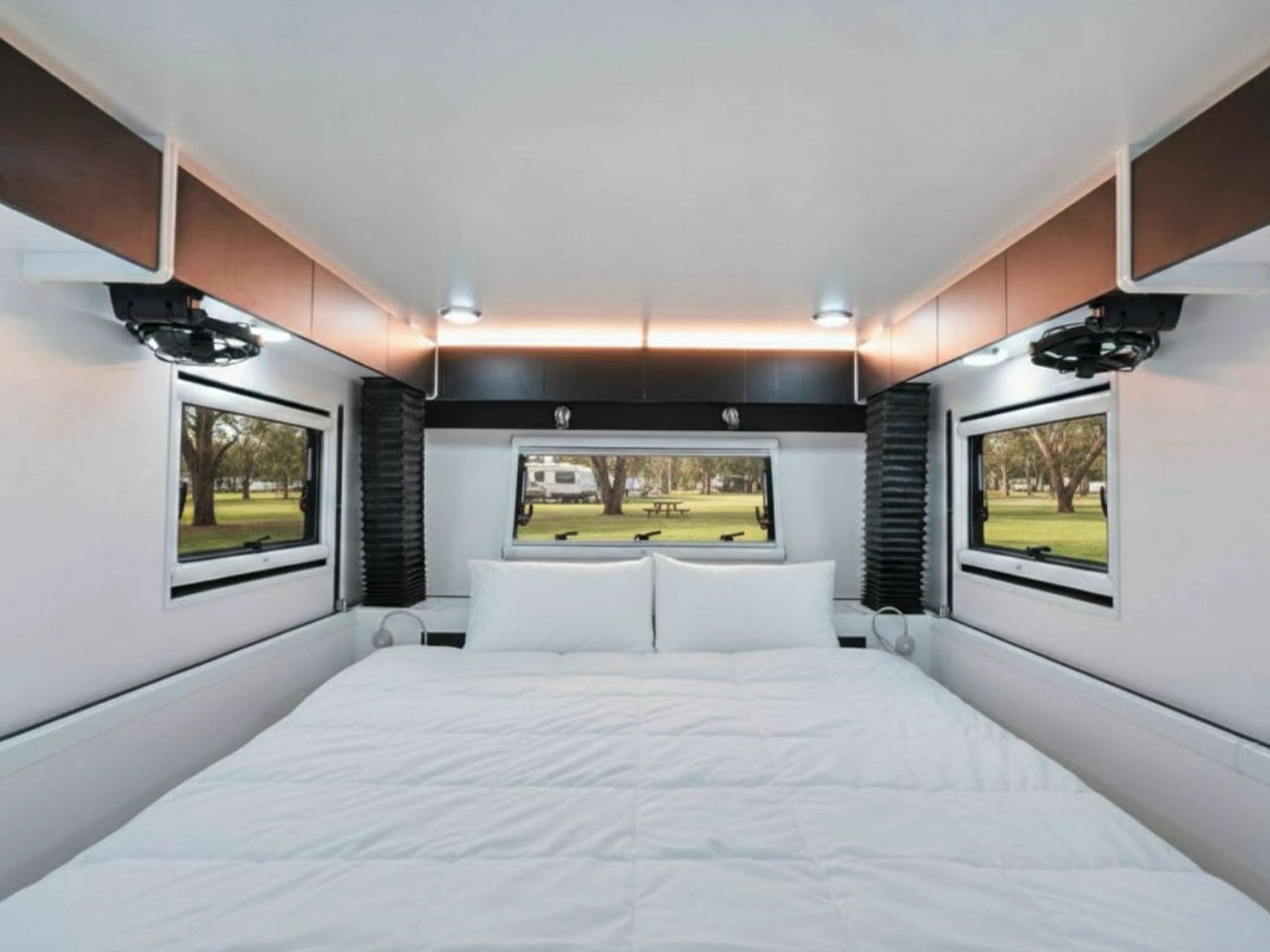
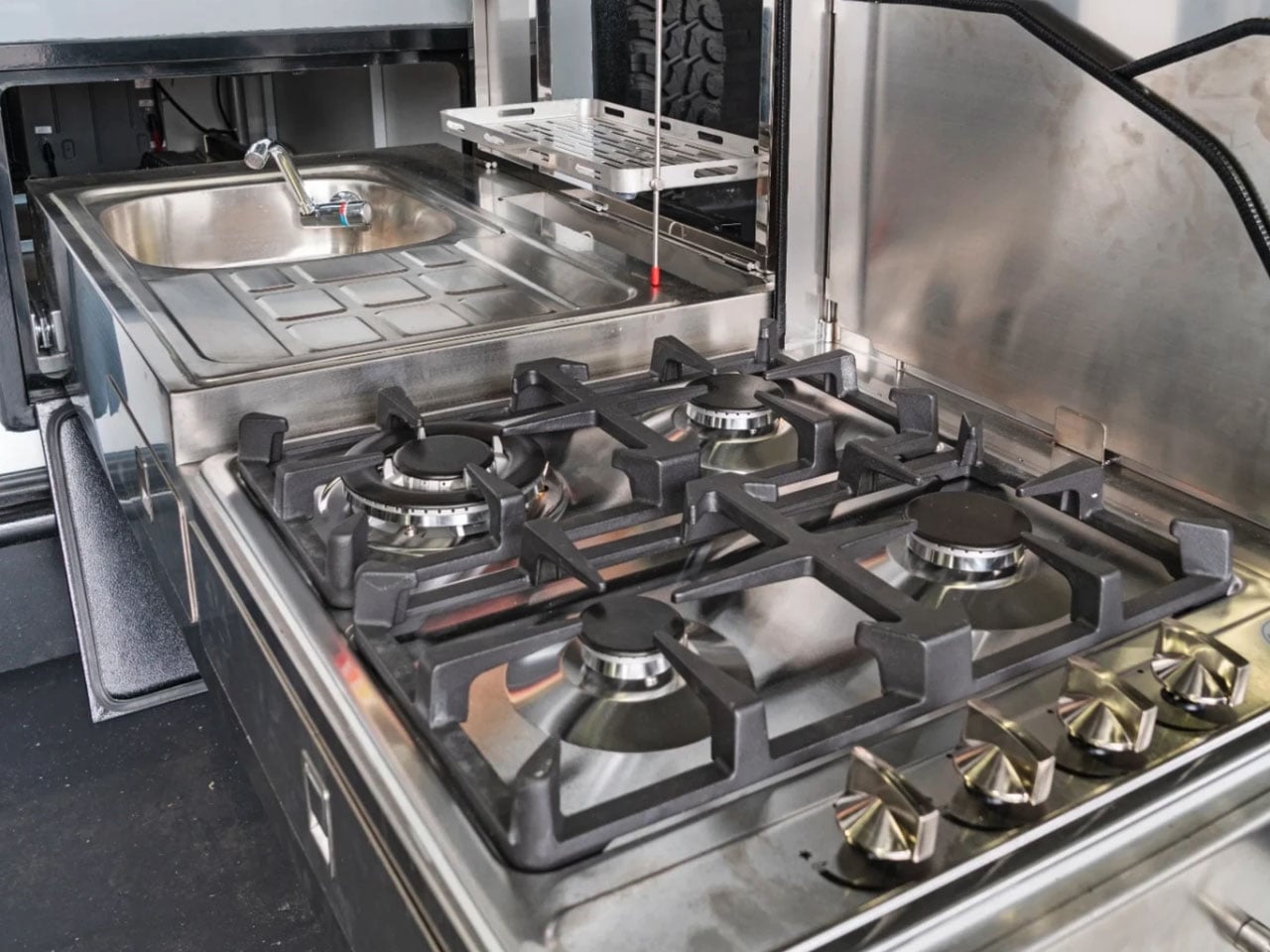
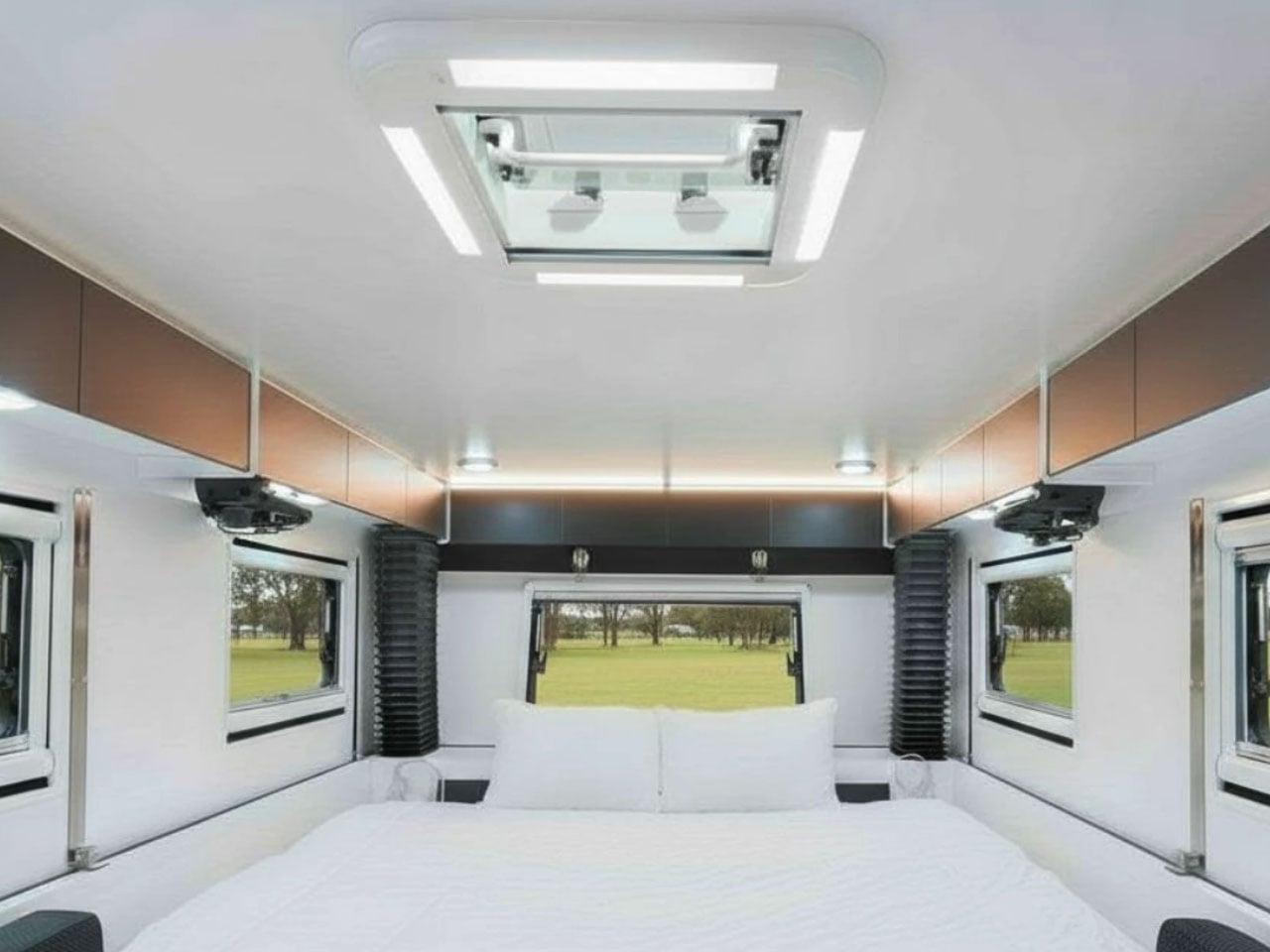
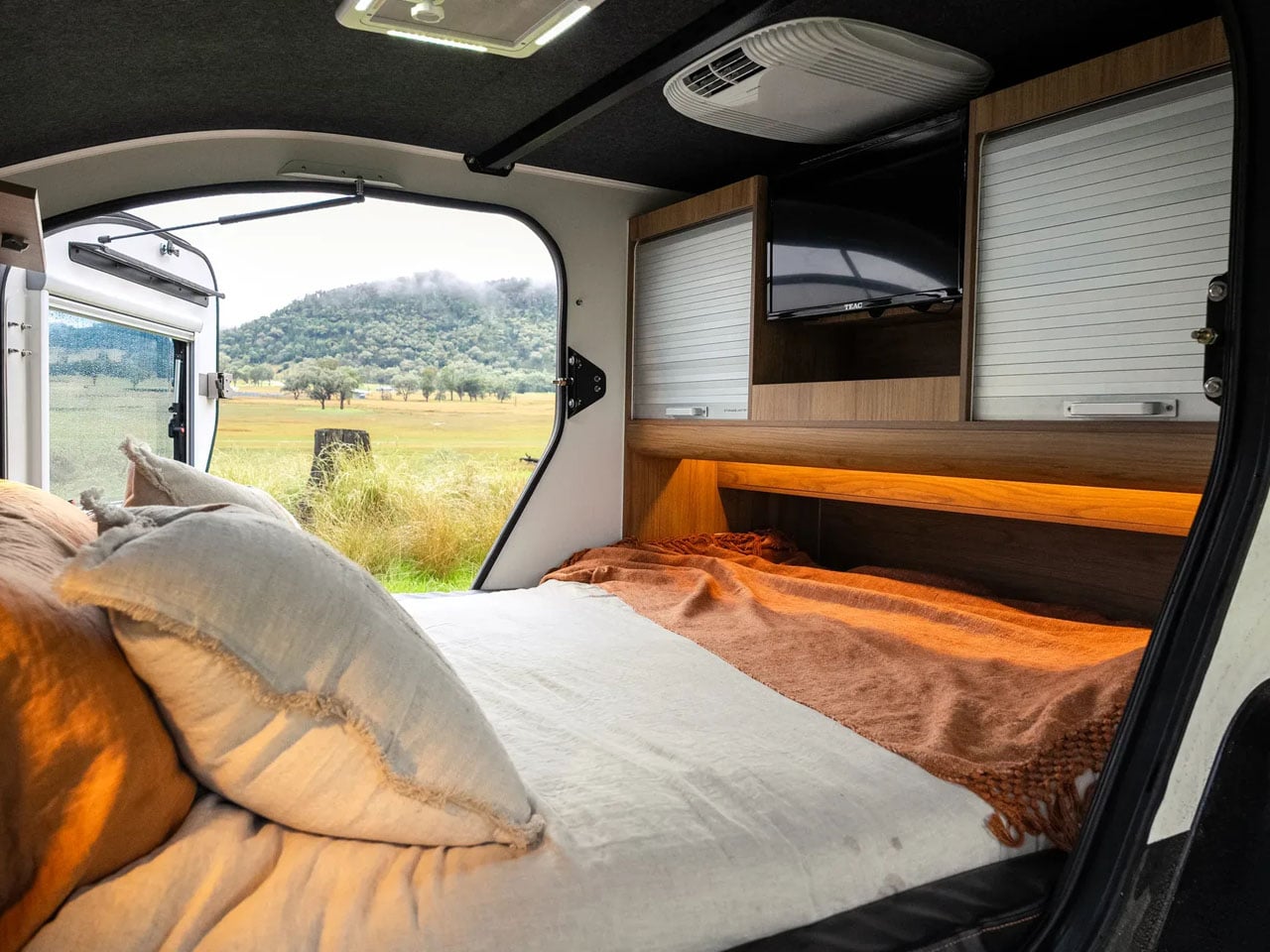
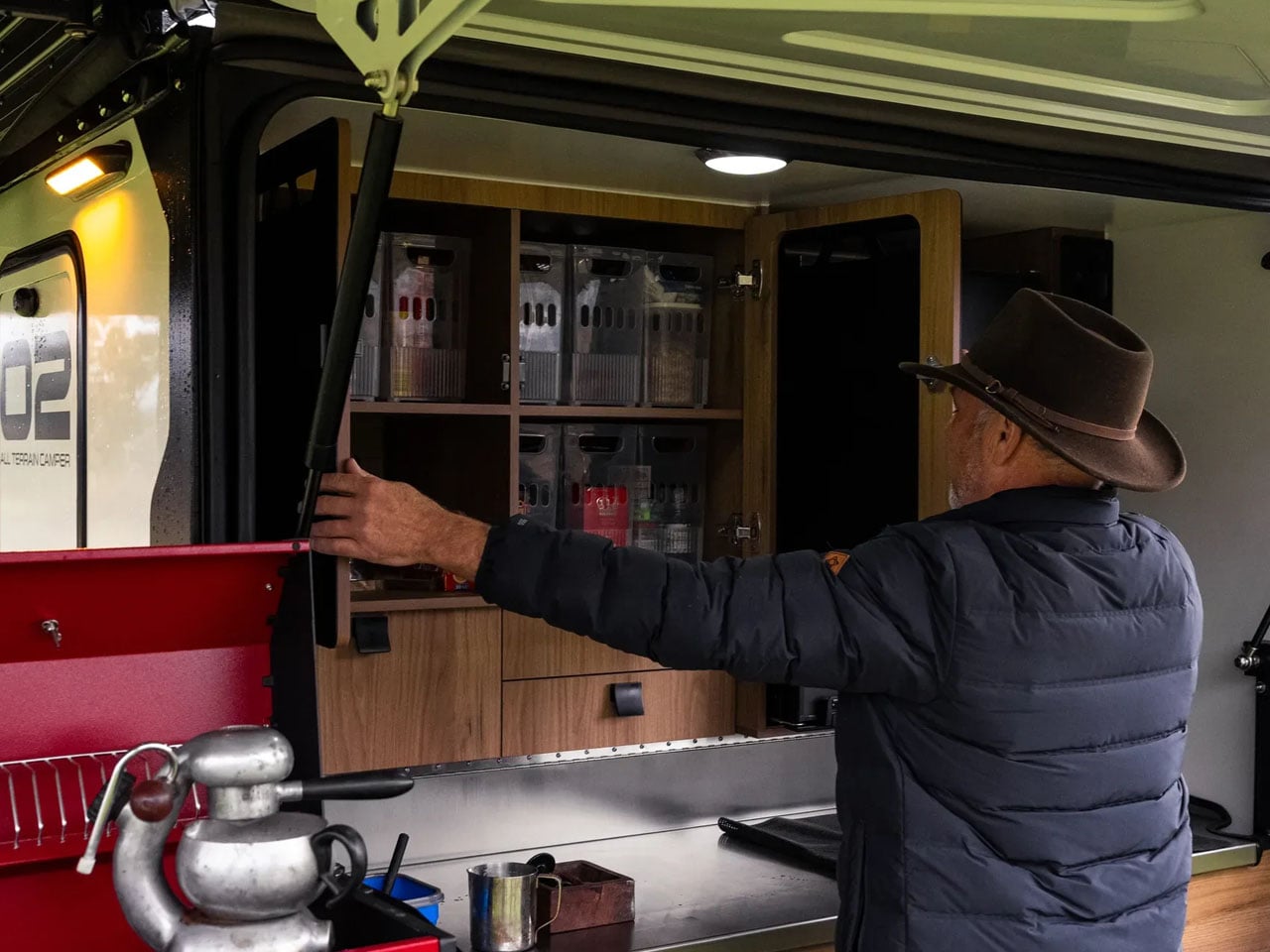
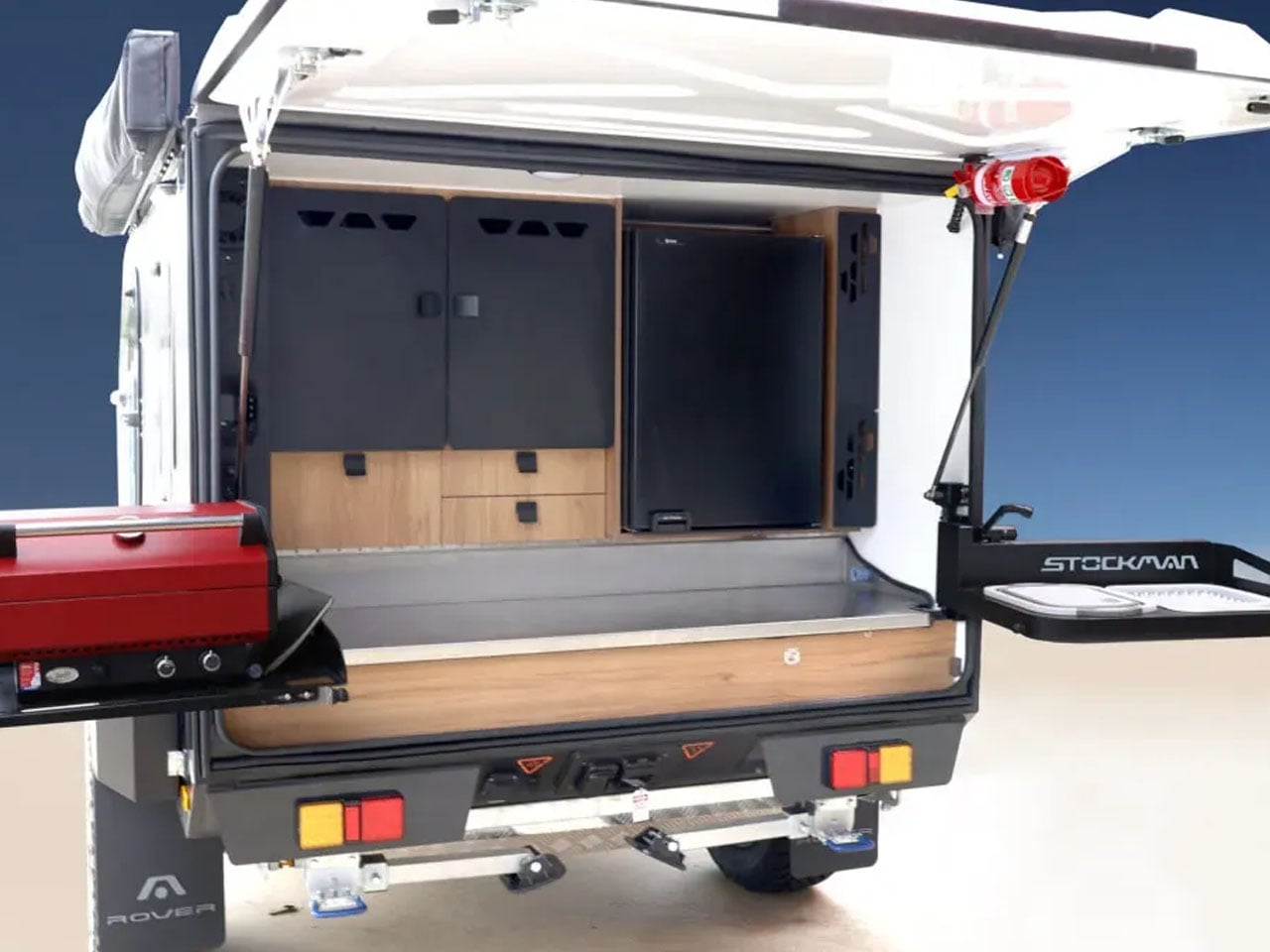
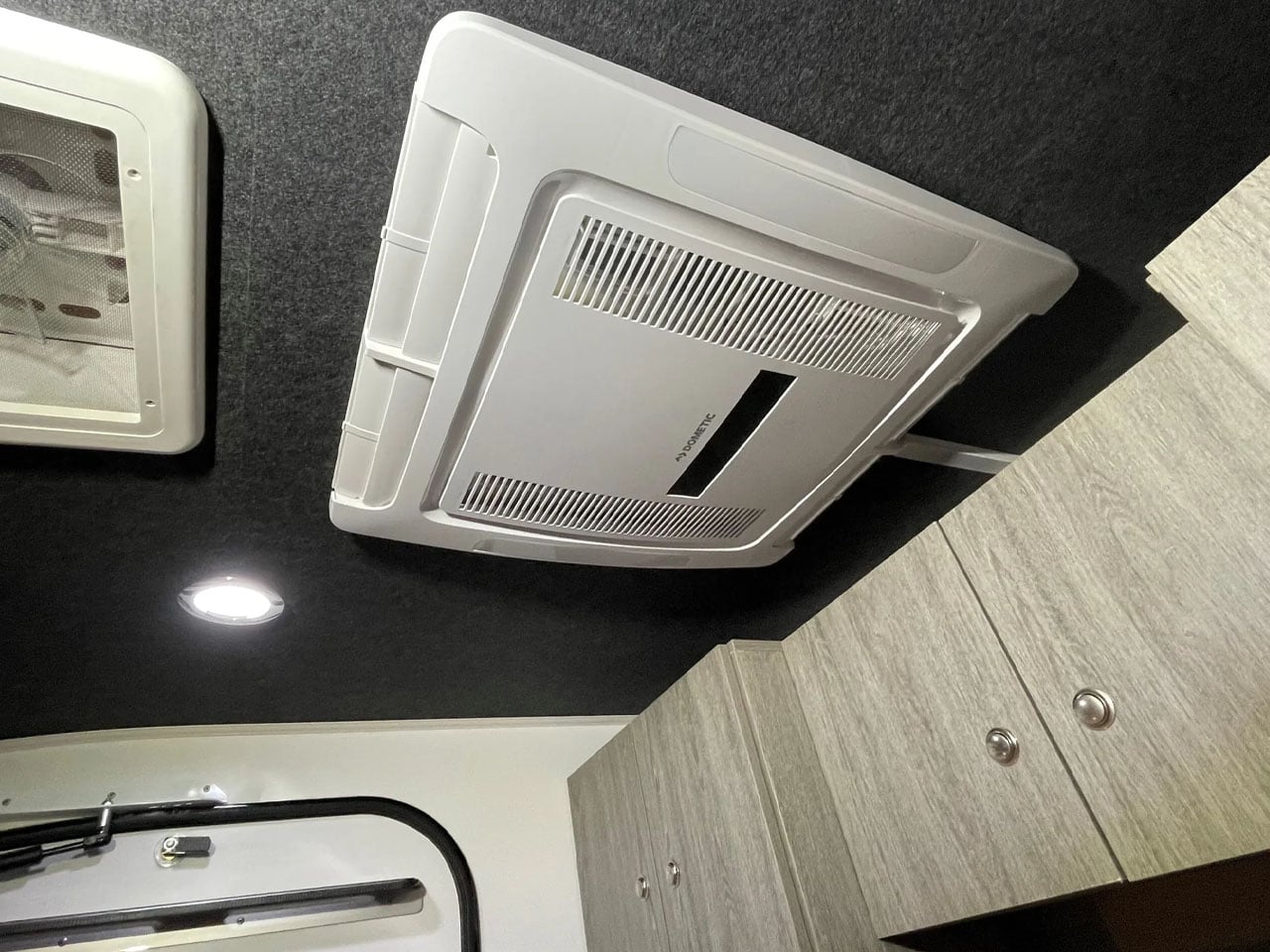
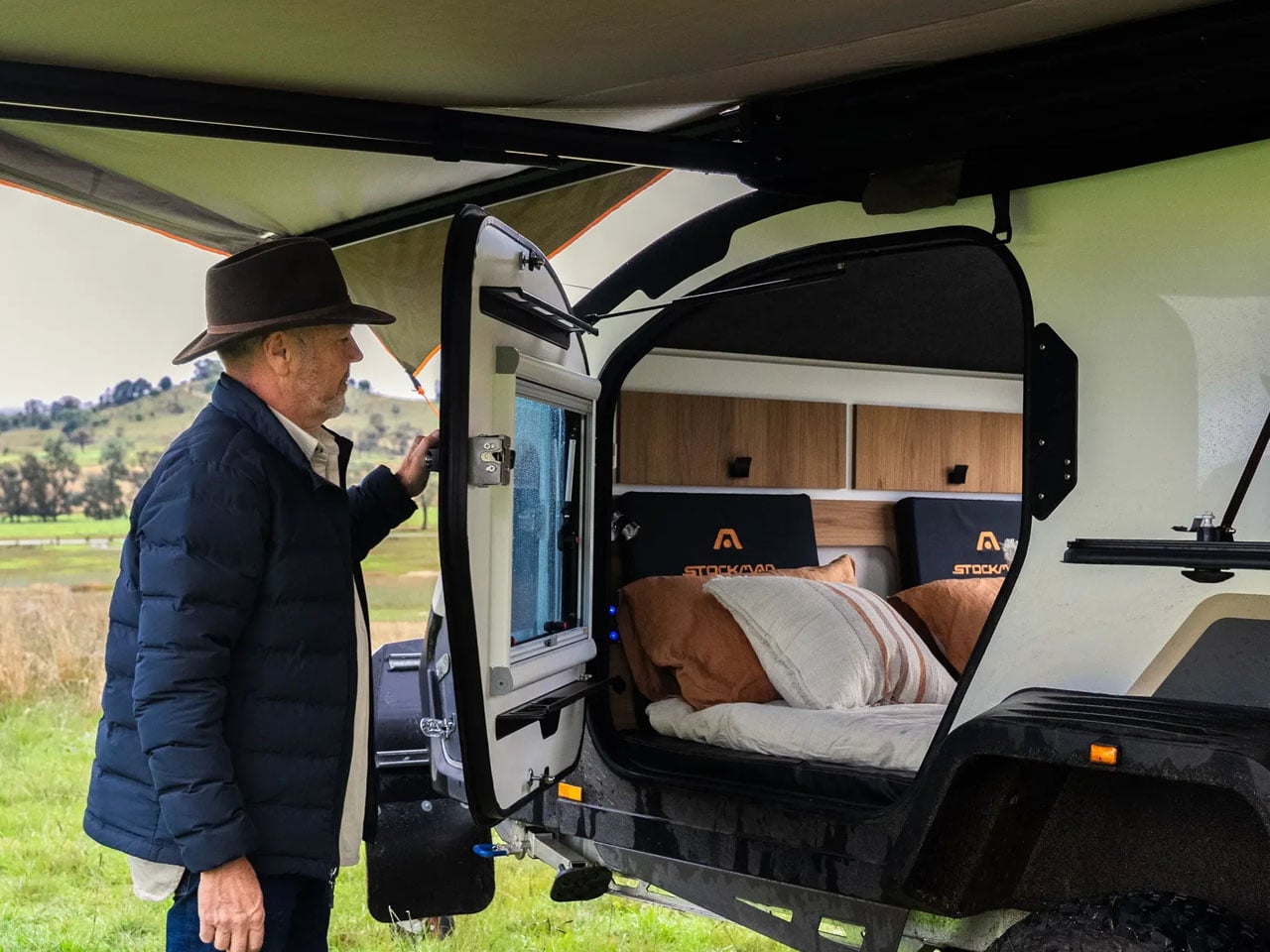
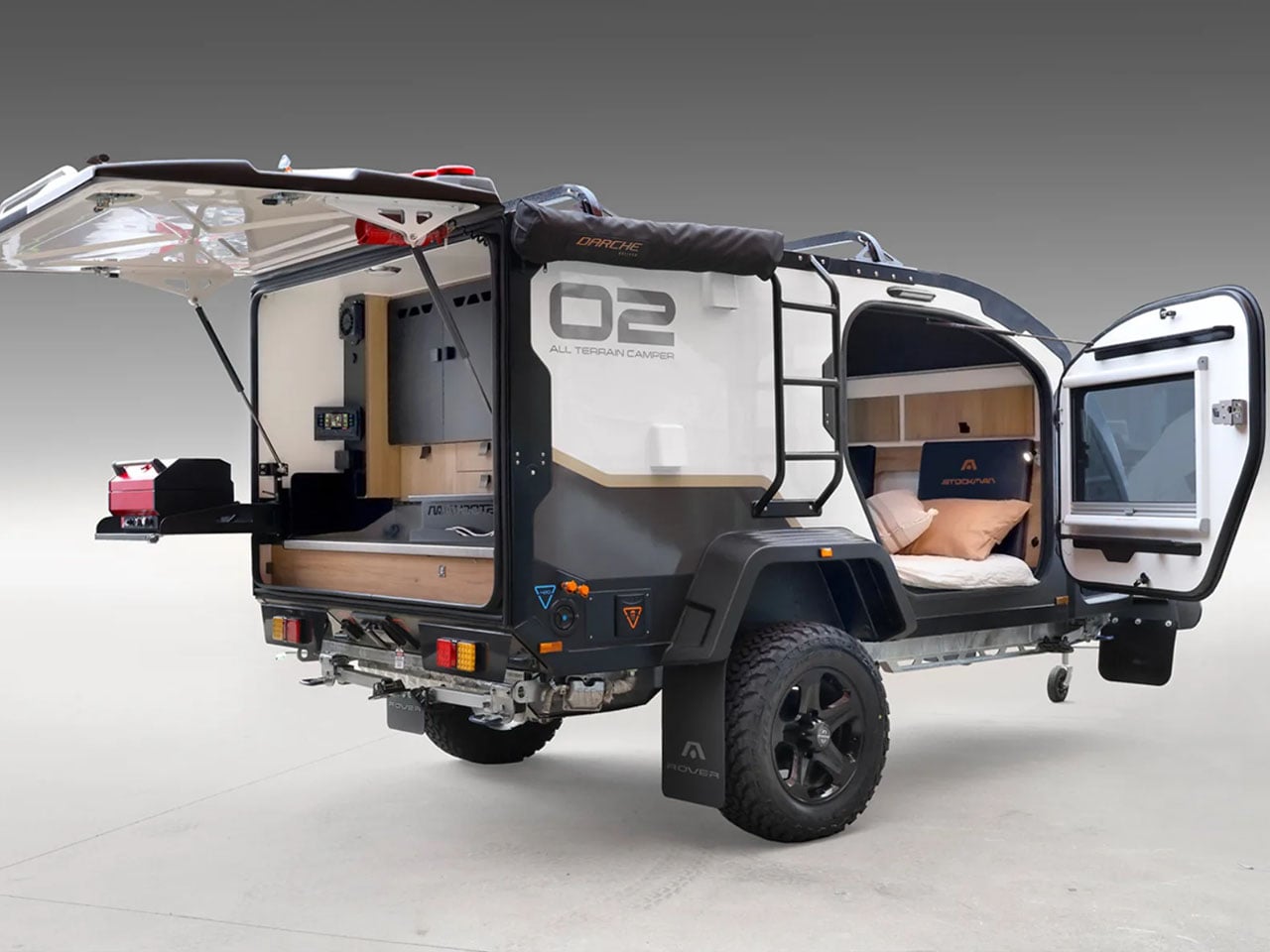
Inside, the Rover sticks to the formula that has made teardrop trailers enduringly popular. The insulated cabin is centered around a queen-size innerspring mattress, with storage tucked neatly around the sleeping area instead of competing with it. Lift the rear hatch, and you’ll find a surprisingly complete outdoor kitchen with a stainless steel worktop, sink, pantry storage, refrigerator, and a swing-out dual-burner stove that doubles as a barbecue plate. It’s designed around the assumption that camping is best experienced outside, using the cabin primarily as a comfortable retreat at the end of the day.
The Rover 2.0 doesn’t reinvent the teardrop trailer – at a starting price of AUD49,990 (US$35,000) for the Escape, AUD64,990 (US$45,500) for the Intrepid, and finally the Ultra costing AUD79,990 (US$56,000) – nor does it need to. Instead, it rethinks the part of the experience that often feels overlooked once you arrive at camp. Most compact trailers excel at getting you there; this one spends just as much effort making you want to stay.
The post This teardrop camper’s wing-like awnings turn any campsite into a comfortable outdoor living room first appeared on Yanko Design.