This Modular Furniture System Rolls With Your Workflow

Remember when office furniture meant heavy desks bolted to the floor and chairs that squeaked every time you moved? Those days feel like ancient history now. The way we work has transformed so dramatically that our furniture is finally catching up, and the Kylinc system by Belte Furniture is proof that flexibility isn’t just a buzzword anymore.

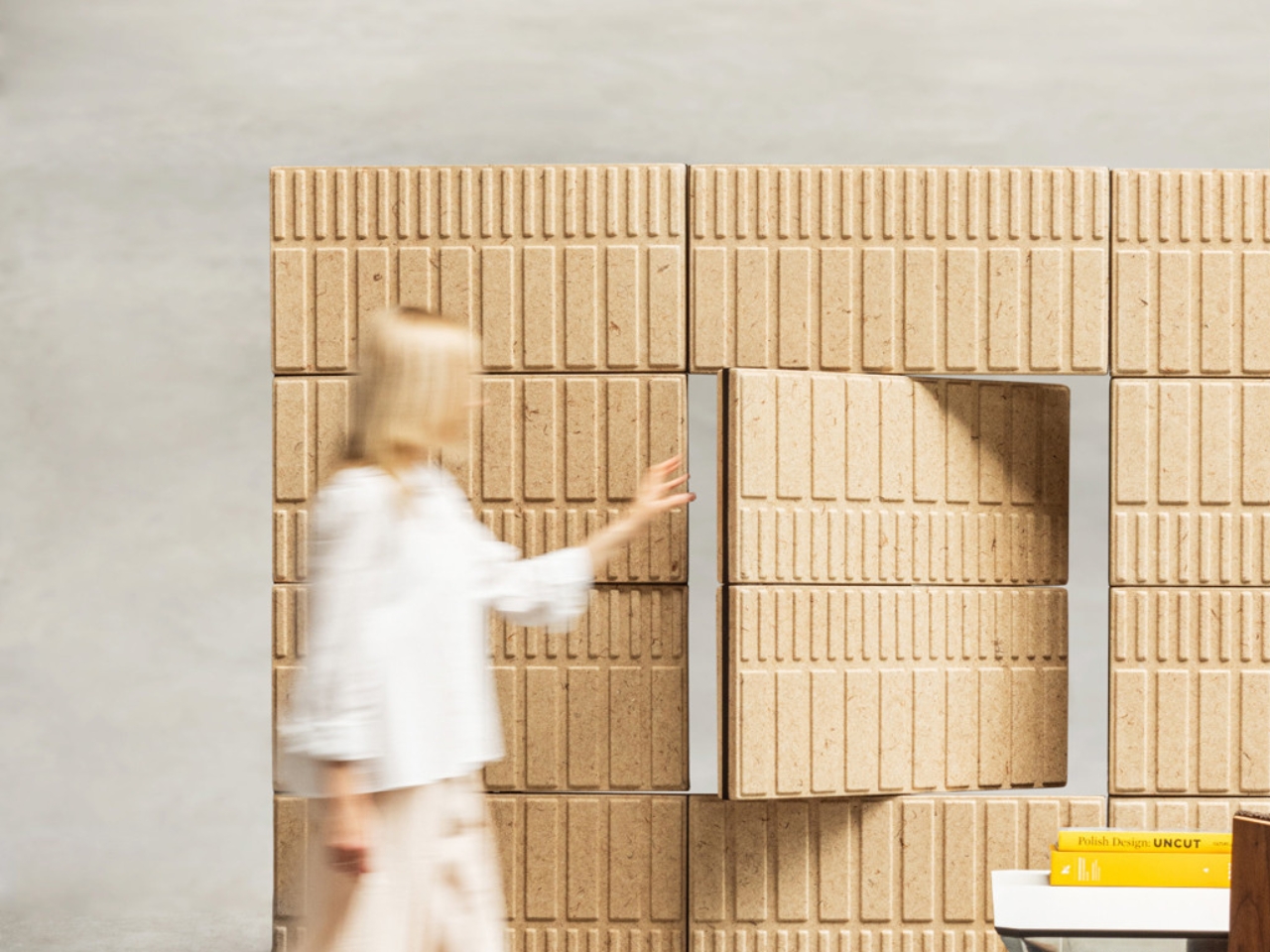
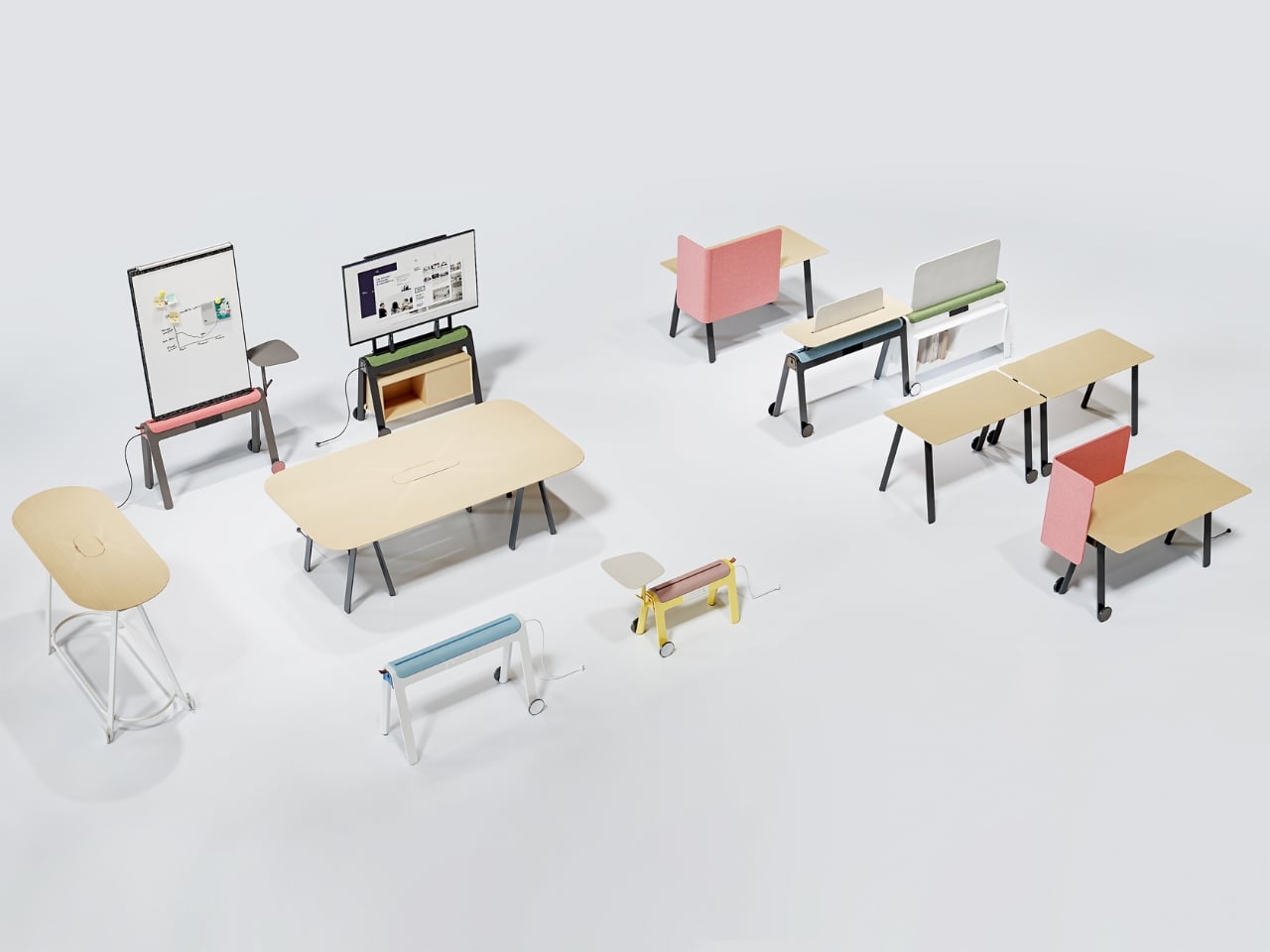
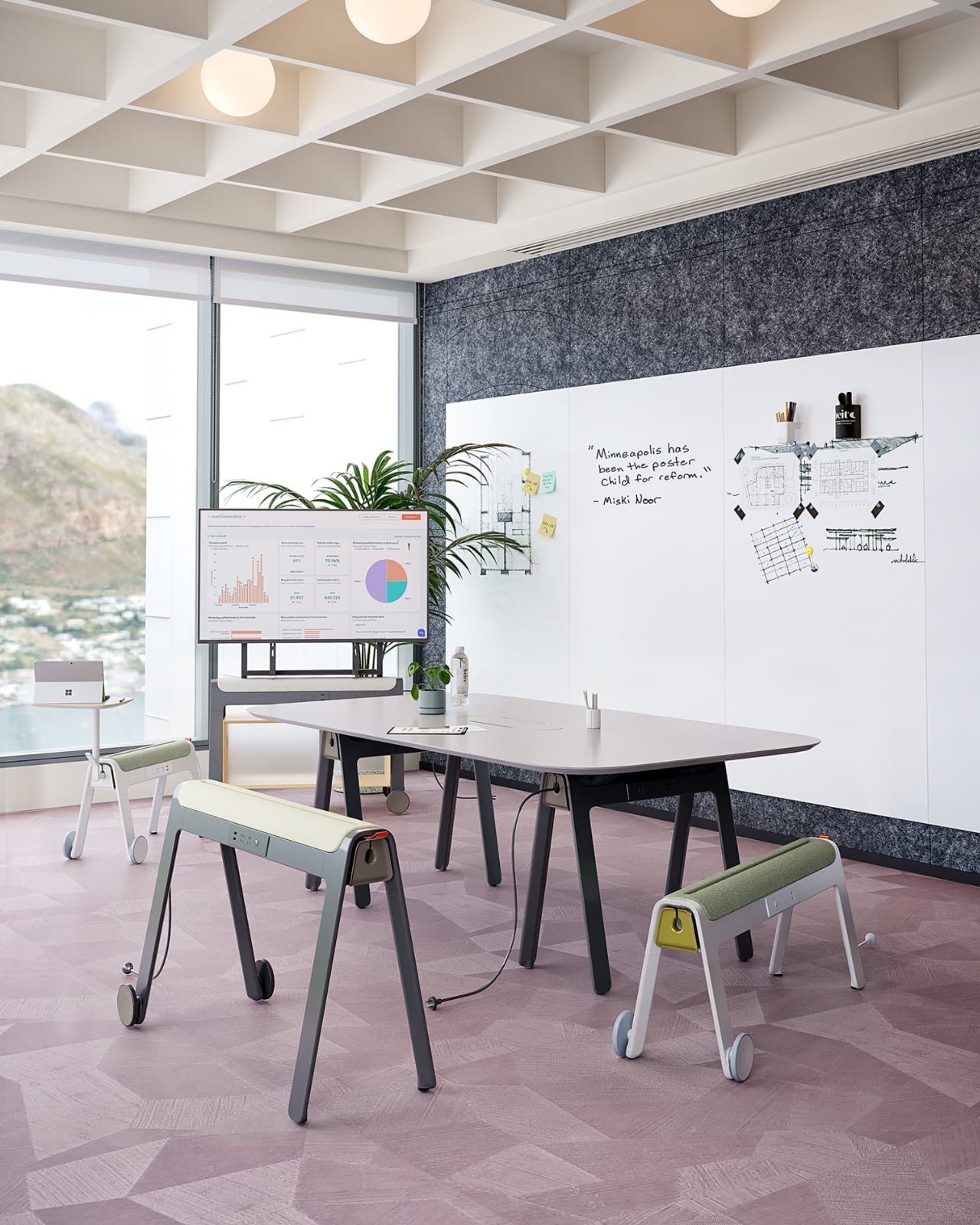
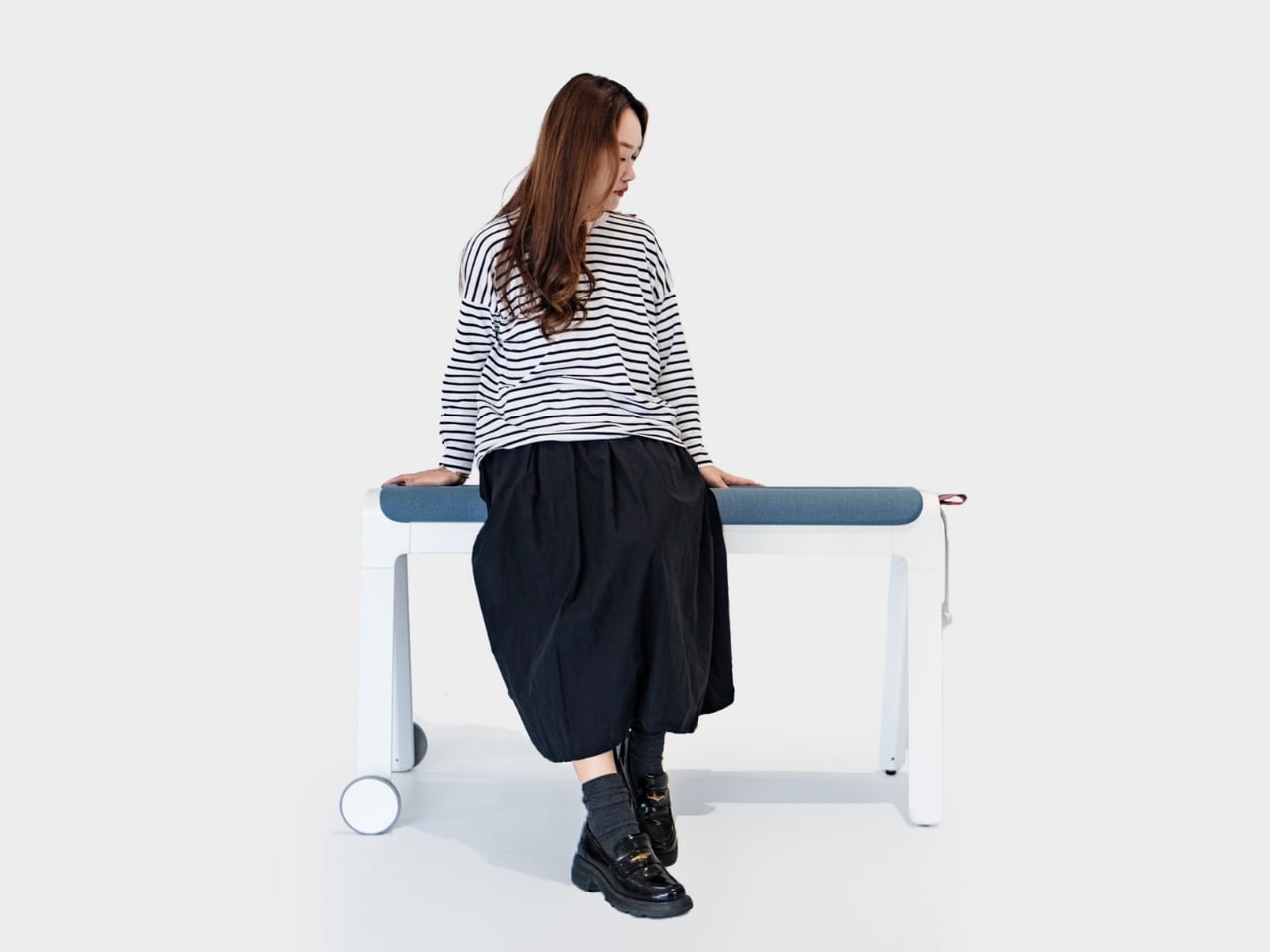
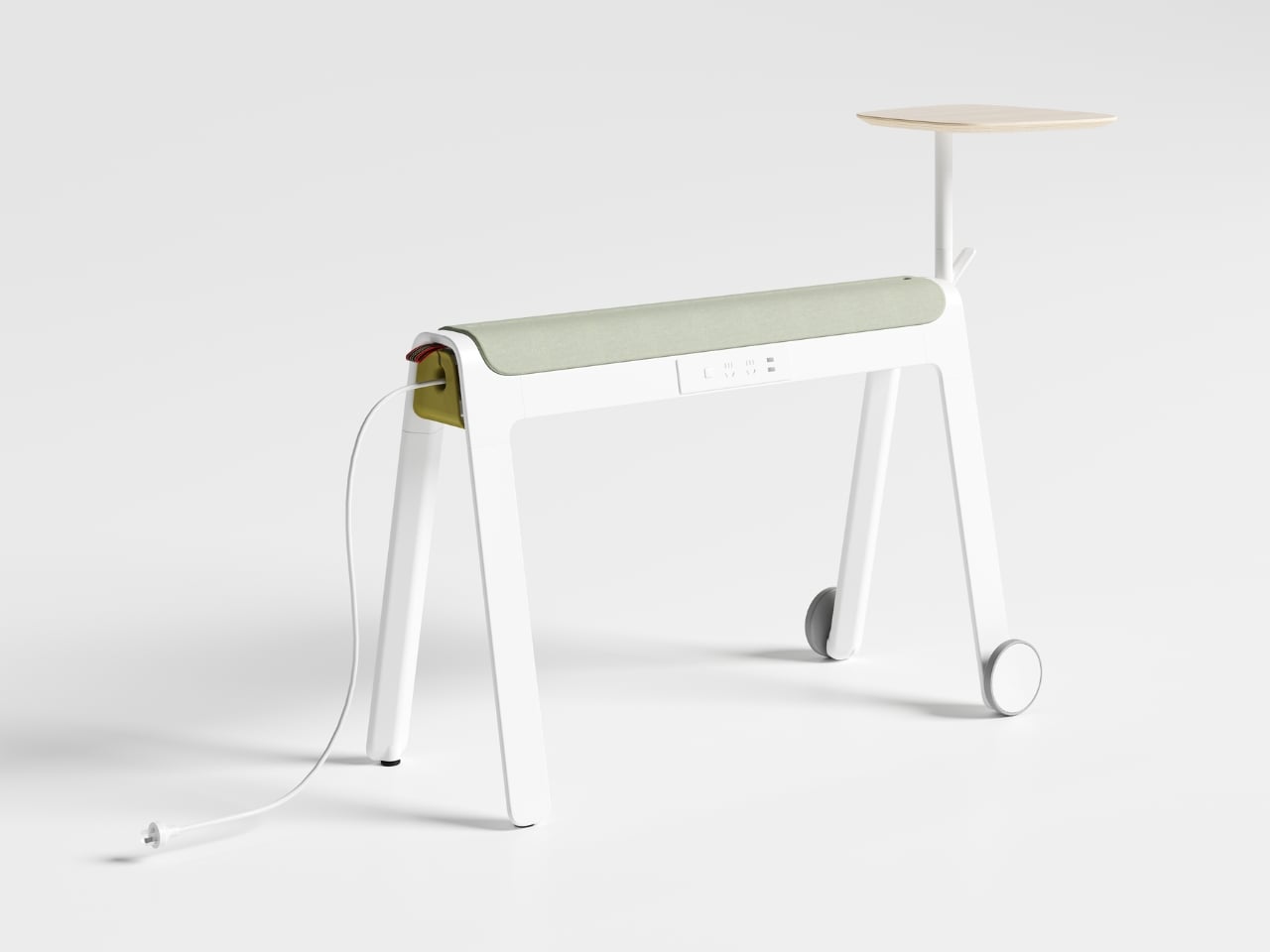
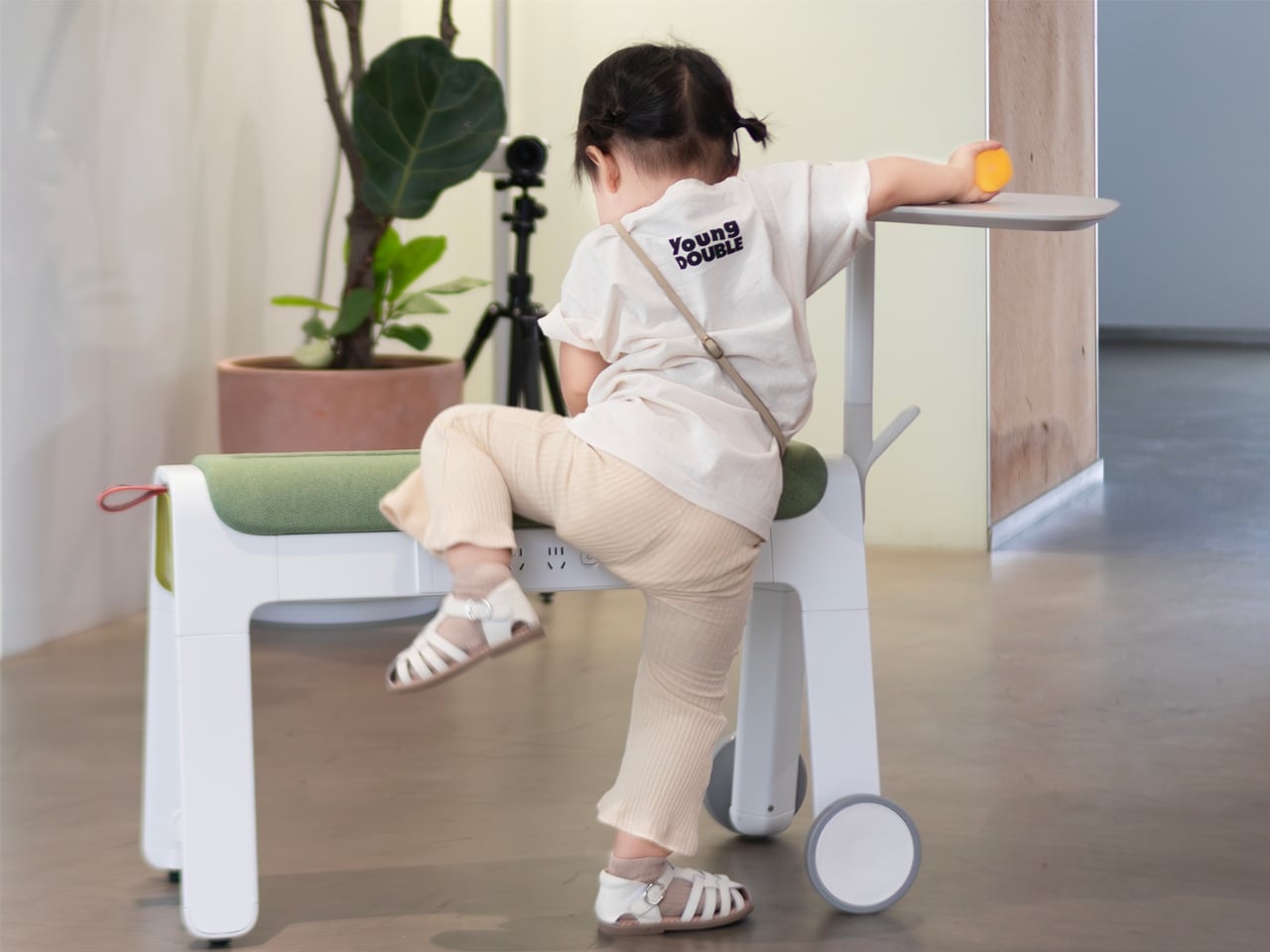
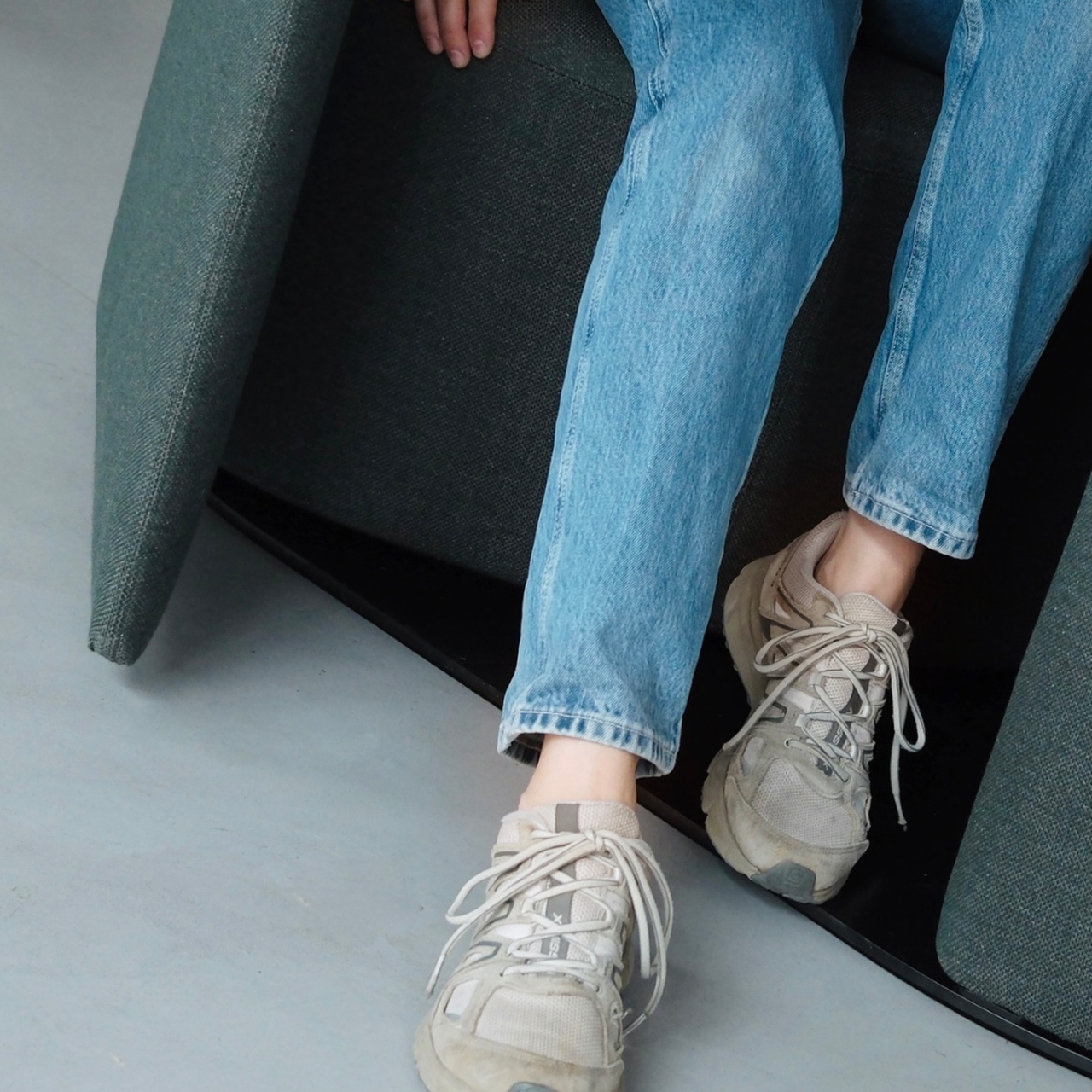
Unlike traditional office setups that commit you to one configuration forever, Kylinc treats your workspace like a living thing that can adapt whenever you need it to. The secret lies in its clever design: each piece rolls on large wheels, transforming your office into a sort of adult Lego set where you can rebuild your environment based on what the day demands.

Designer: Belte Furniture

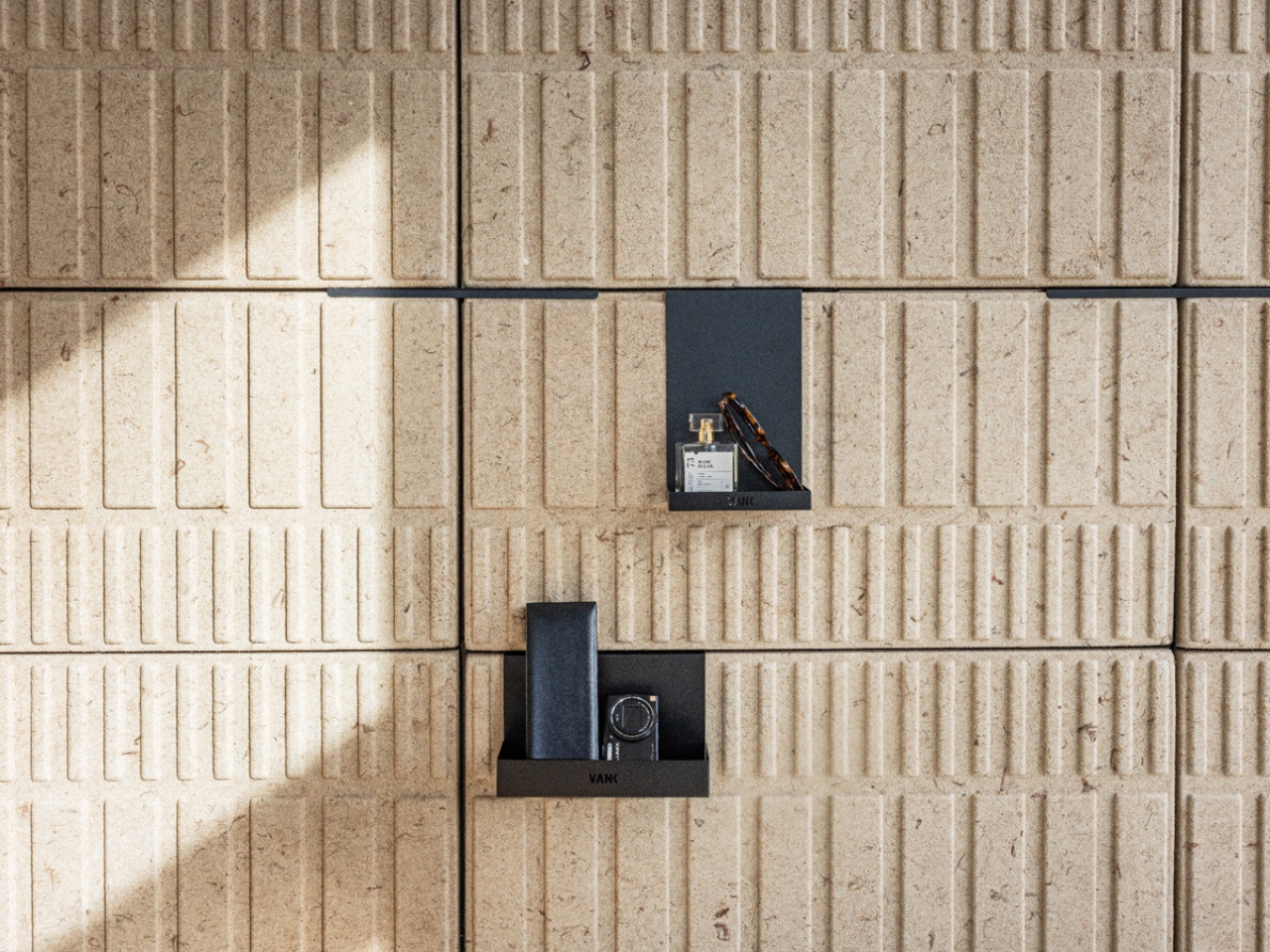
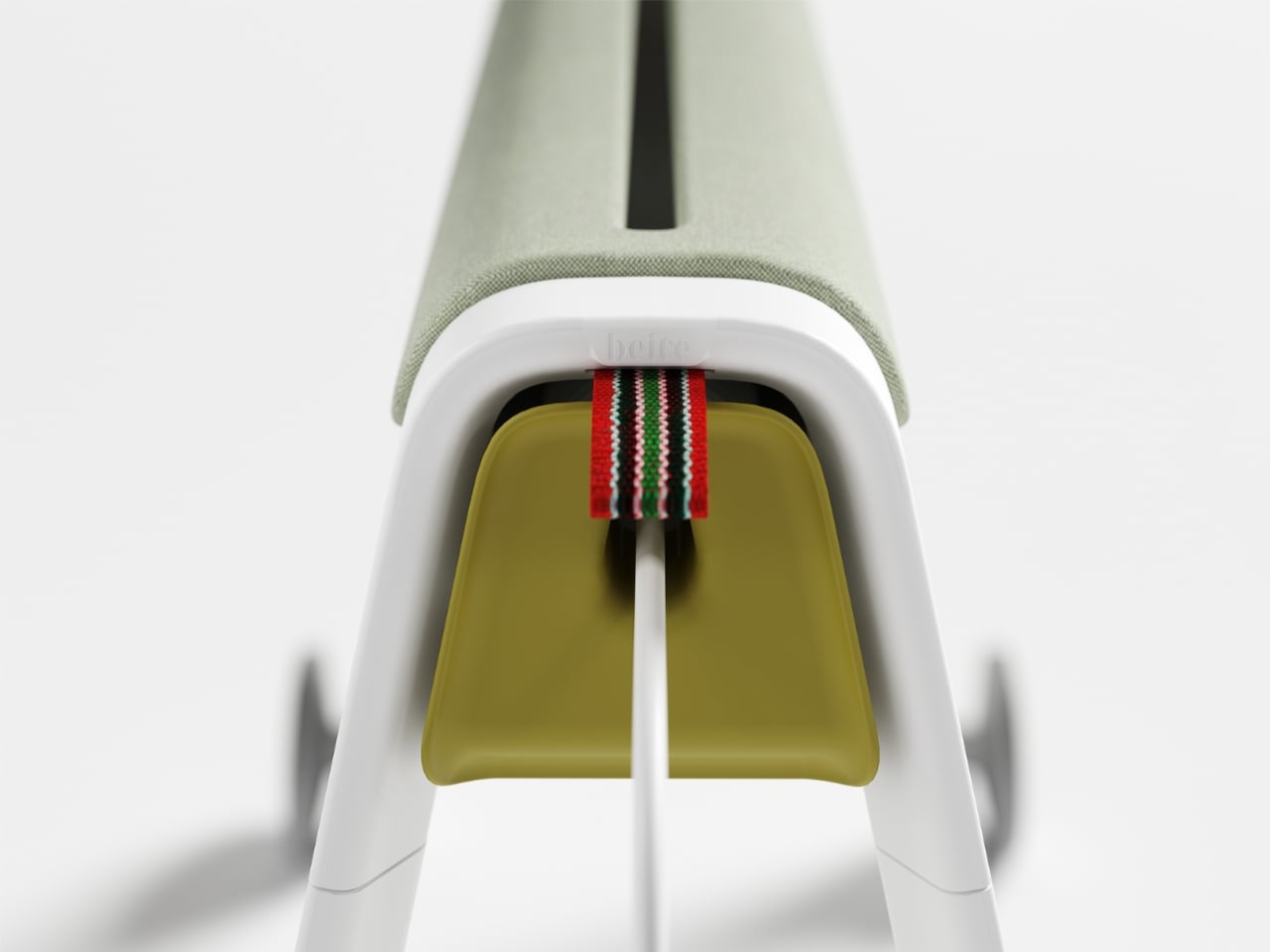
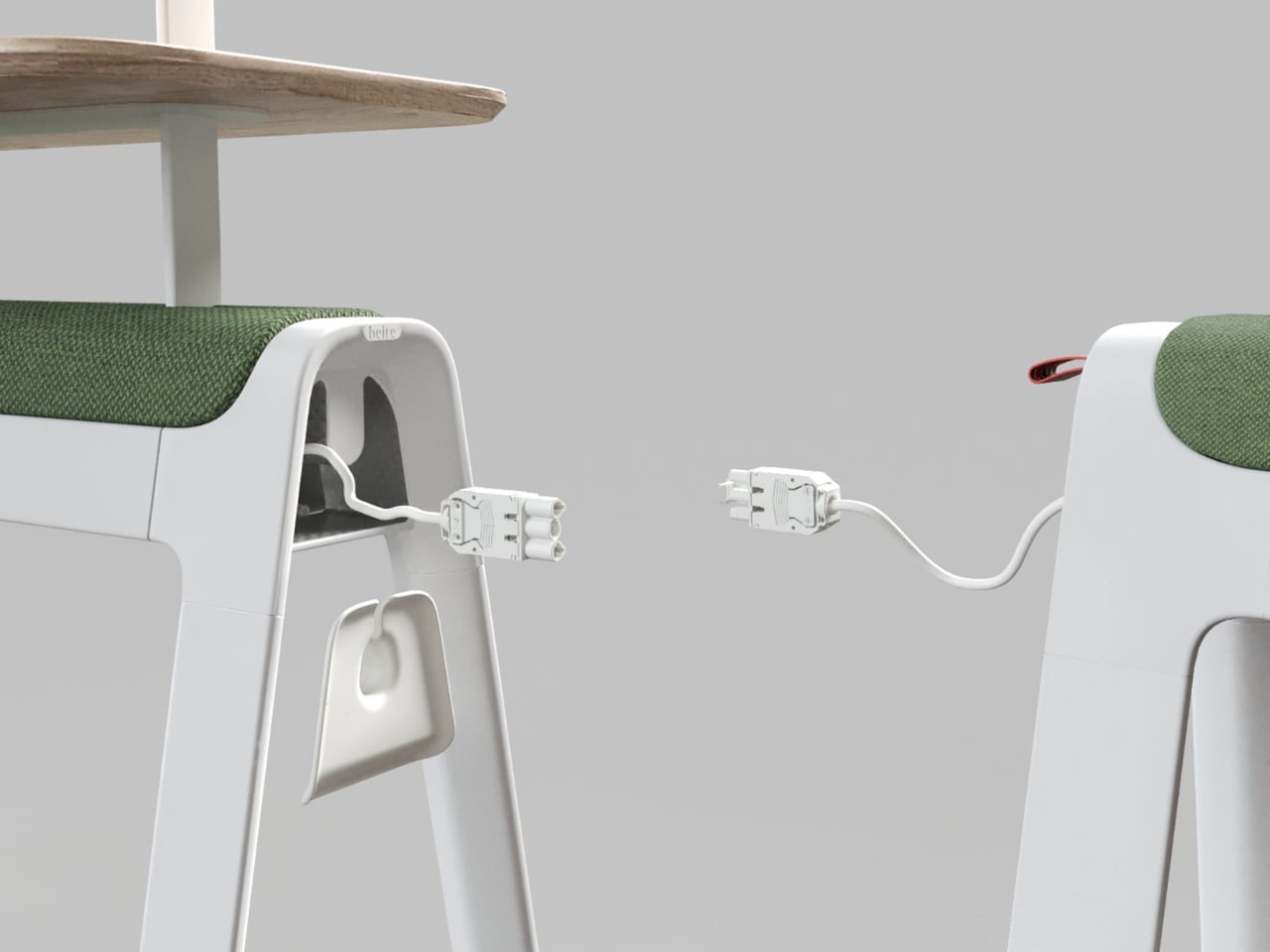
The real genius shows up in the details. Those oversized wheels aren’t just for show. They make repositioning furniture feel effortless, whether you’re creating an impromptu collaboration zone or carving out a quiet corner for focused work. And in a world where every device needs charging, Kylinc integrates power management directly into the furniture itself, complete with smart cable organization that keeps cords from turning into a tangled mess.

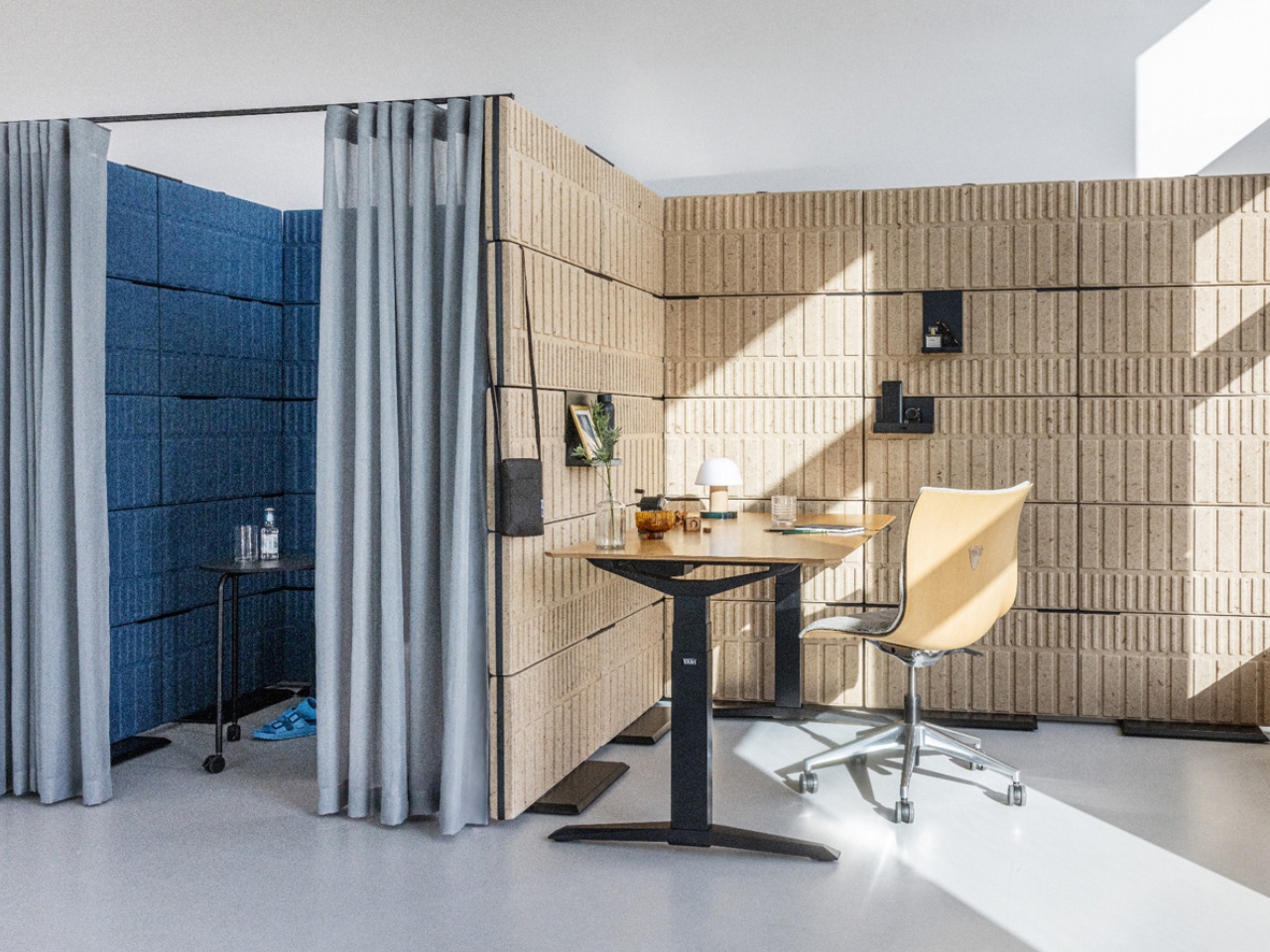
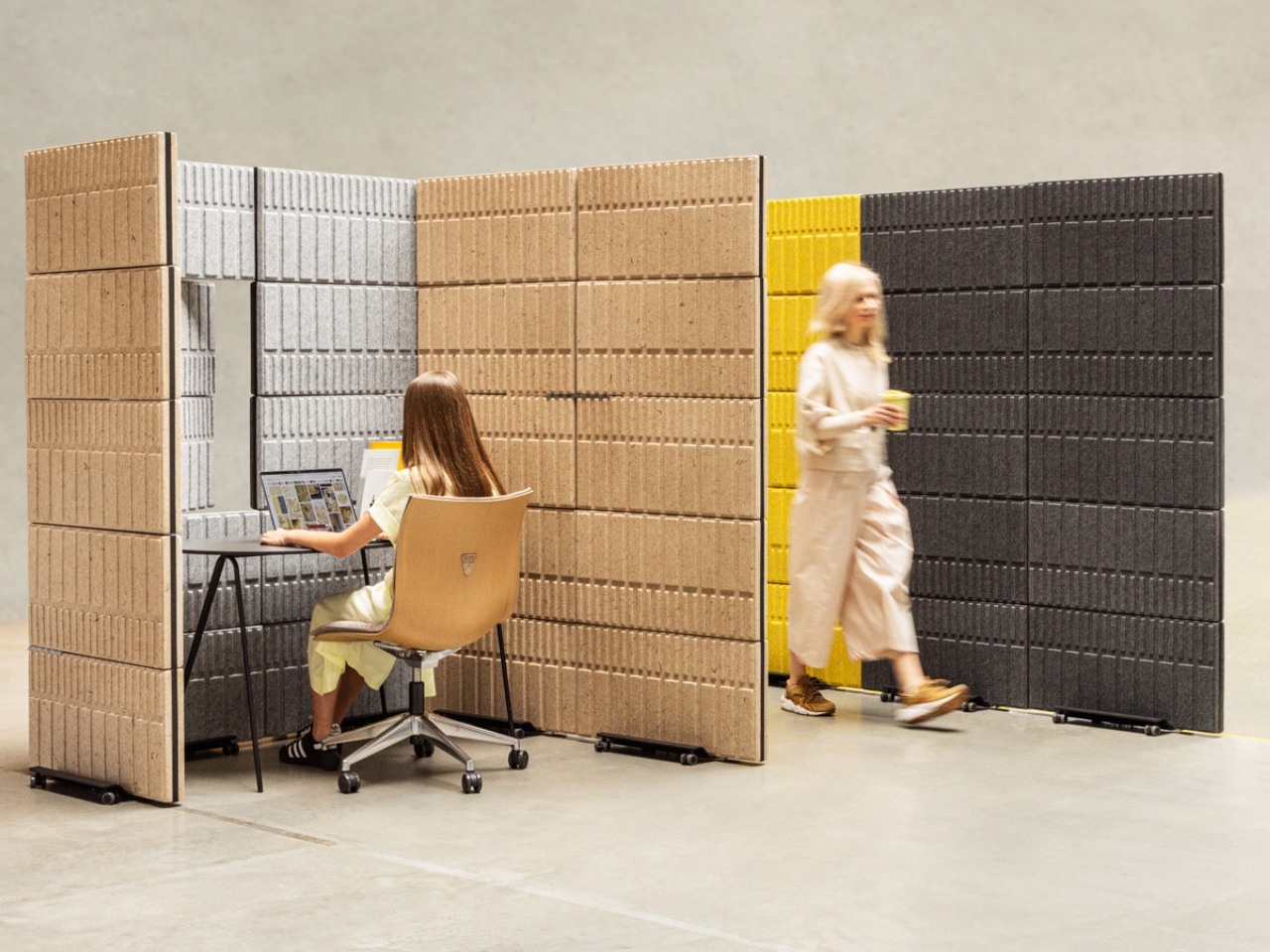
But here’s where things get interesting. The system comes alive through its mix-and-match approach. Benches, seating pods, work surfaces, and storage units all play together in whatever combination makes sense for your space. Need to host a team brainstorm? Arrange the pieces in a circle. Pivoting to heads-down work mode? Spread everything out for individual focus zones. The furniture bends to your workflow instead of forcing you to adapt to rigid layouts.

The color palette deserves its own mention. While most office furniture sticks to safe grays and blacks, Kylinc brings vibrant hues into the mix, injecting energy into spaces that typically feel sterile. It’s a small touch that acknowledges something important: where we work affects how we feel, and how we feel influences what we create.

Of course, no design exists in a vacuum. Some observers have noted that Kylinc draws inspiration from established designs in the flexible furniture space, particularly work by firms like Pearson Lloyd. The addition of integrated power might seem like pure innovation, but it introduces a practical question: will people actually bother unplugging and managing those cables when they want to reconfigure their space? There’s a gap between theoretical flexibility and real-world behavior that even the smartest design can’t always bridge.

Still, this tension points to something larger happening in workplace design. We’re moving away from the idea that one setup serves all needs all the time. The pandemic accelerated this shift, but the underlying truth was always there: different tasks require different environments, and the same person might need a collaborative hub in the morning and a quiet retreat in the afternoon. Kylinc responds to this reality by making spatial reconfiguration actually feasible. Traditional modular furniture often requires tools, time, or multiple people to rearrange. By contrast, a system built on wheels and designed for intuitive assembly lowers the friction enough that people might actually use it the way it’s intended.

The multifunctional accessories add another layer of versatility. Surfaces can morph from laptop stands to communal tables. Storage elements double as room dividers. Each component serves multiple purposes, which matters especially in smaller offices where every square foot counts. What makes furniture like Kylinc significant isn’t just the product itself but what it represents. We’re seeing a fundamental rethinking of how physical space supports work. The old model assumed stability: you’d sit at the same desk, in the same spot, doing roughly the same thing. The new model embraces flux: your needs change throughout the day, throughout the week, throughout your projects.

Winning an iF Design Award puts Kylinc in good company among furniture innovations that are reshaping how we think about workspaces. Whether this particular system becomes ubiquitous or simply points the way forward, it’s part of a bigger conversation about creating environments that serve people instead of constraining them. And in a time when the relationship between work and space continues to evolve, that’s exactly the kind of furniture we need more of.

The post This Modular Furniture System Rolls With Your Workflow first appeared on Yanko Design.
Office furniture tries to find balance between rest and productivity

A lot of offices and workplaces now have realized that the furniture and the design in their spaces can contribute to the productivity and the stress release of their employees. We’re seeing some add subtle and not-so-subtle touches to their offices to help people destress or at least have some sense of rest and relaxation while at the same time contribute to the eventual productivity of these employees.

Designers: PD Group X design studio

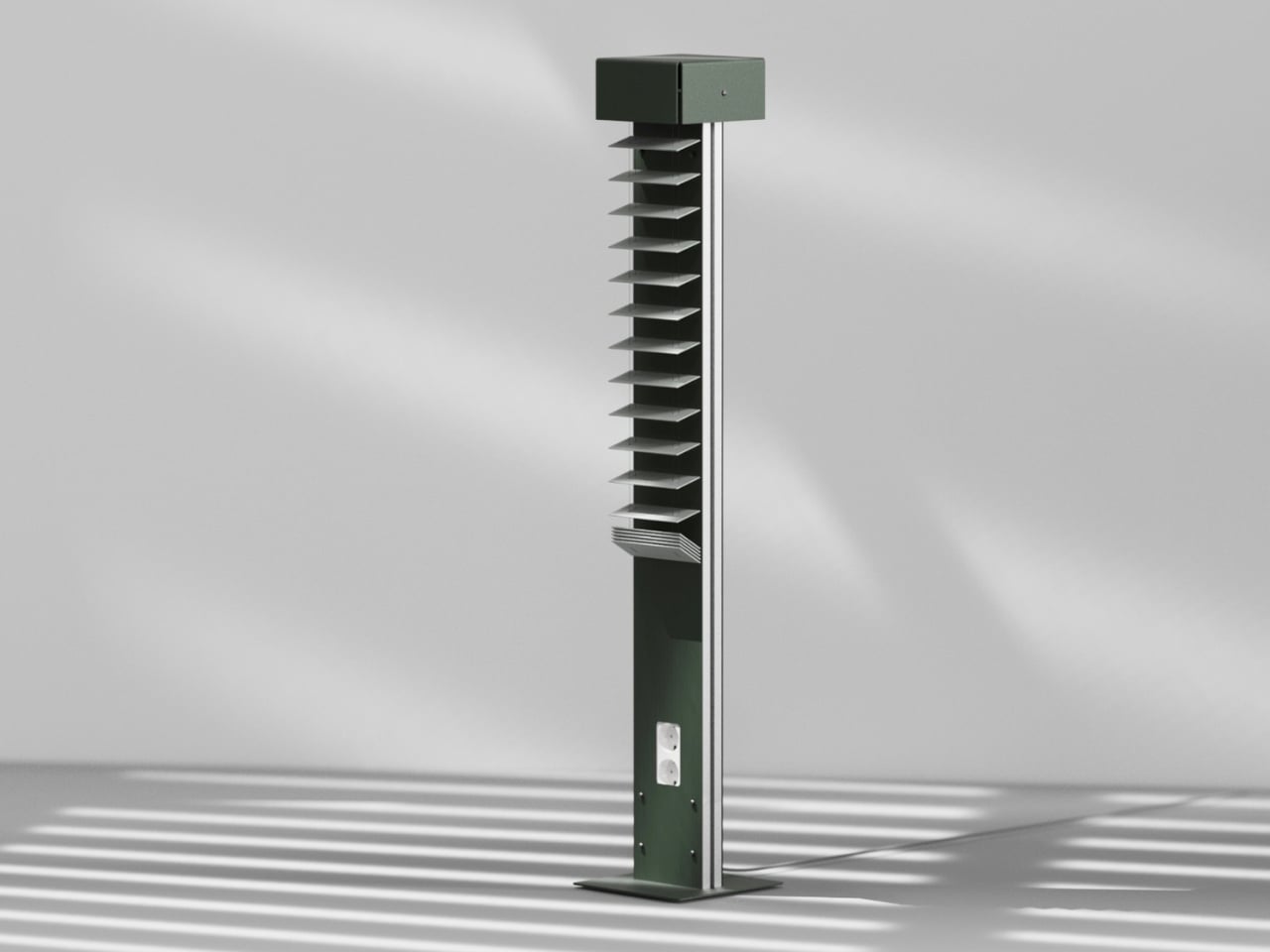
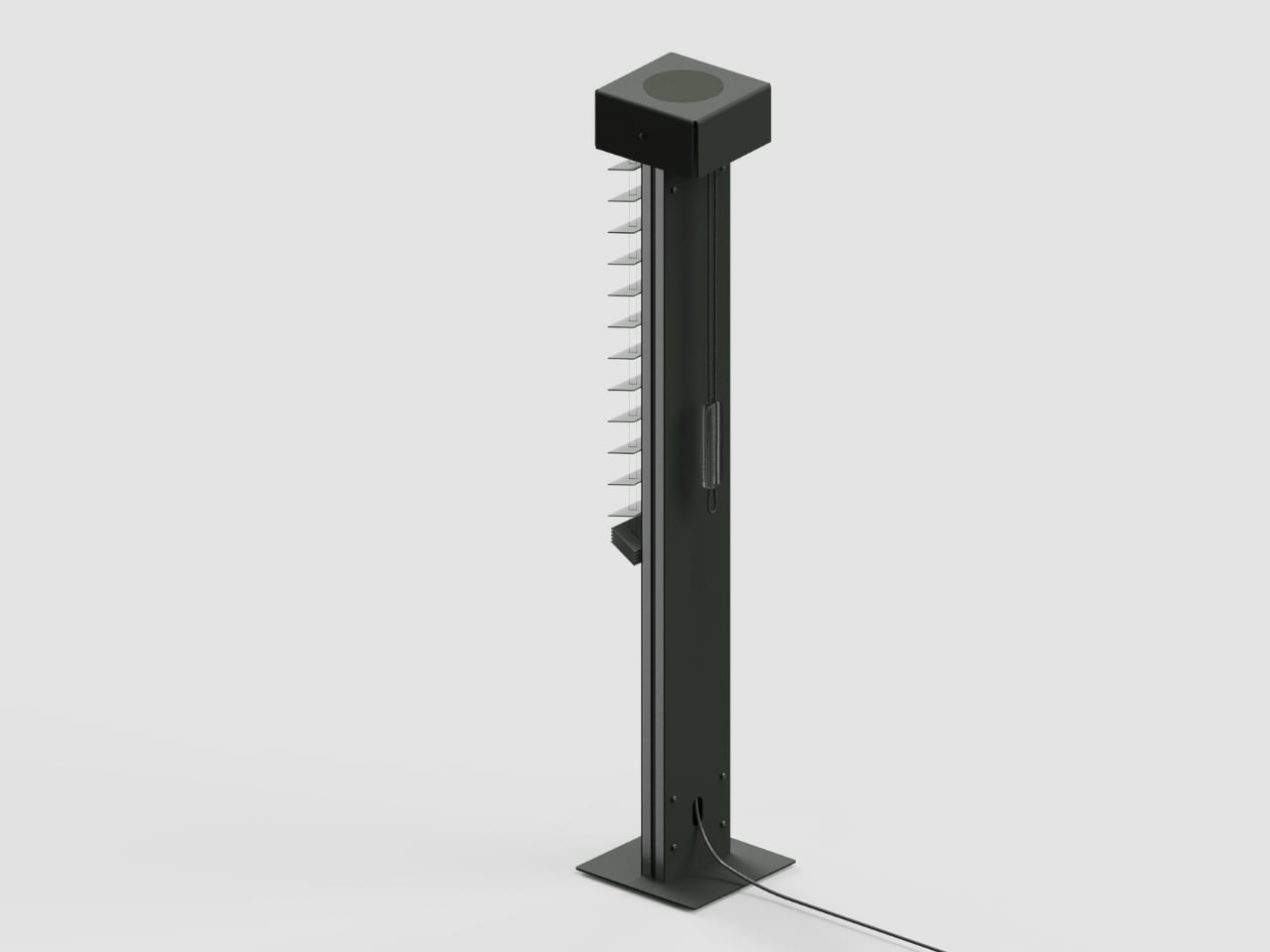
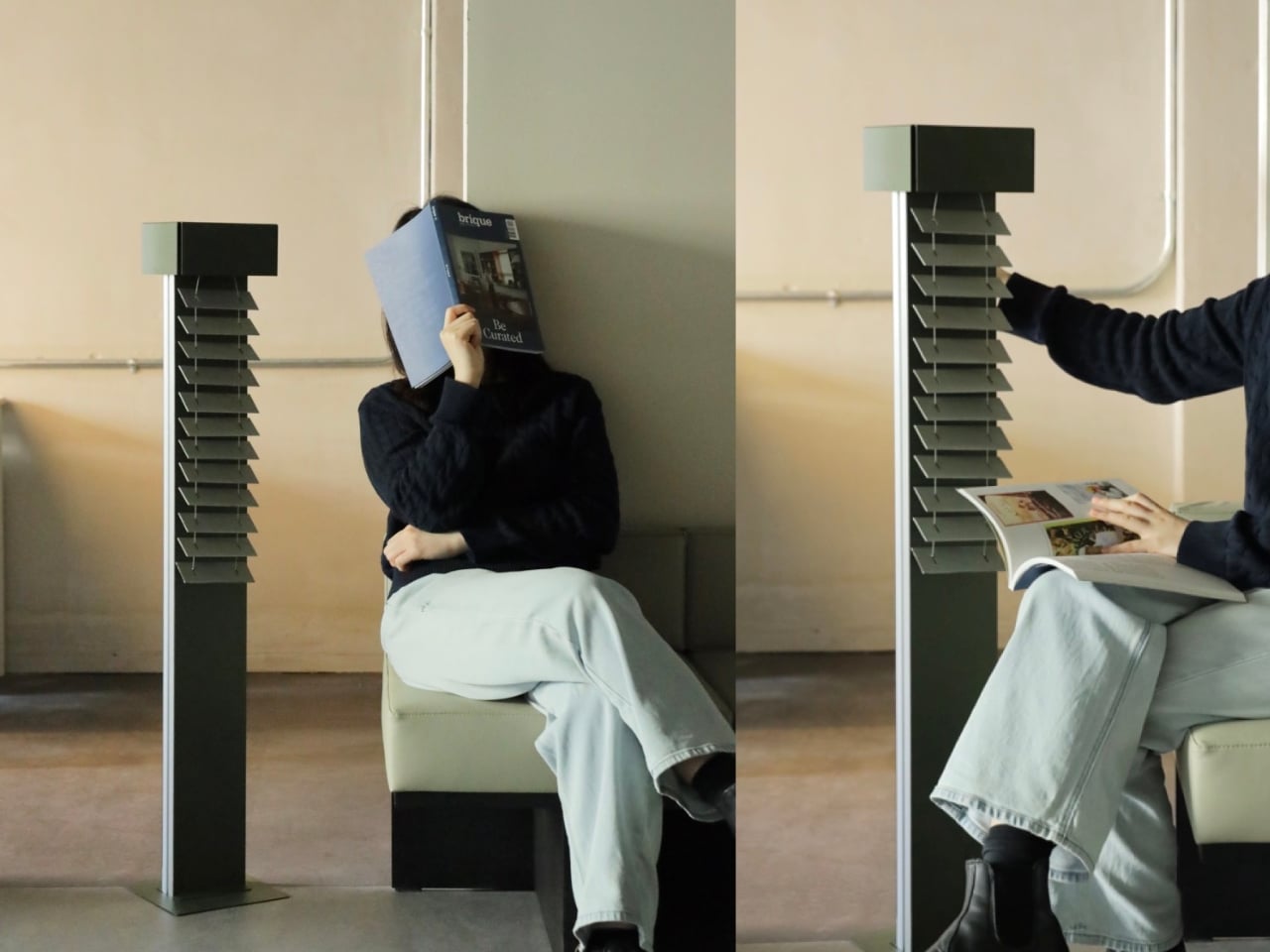
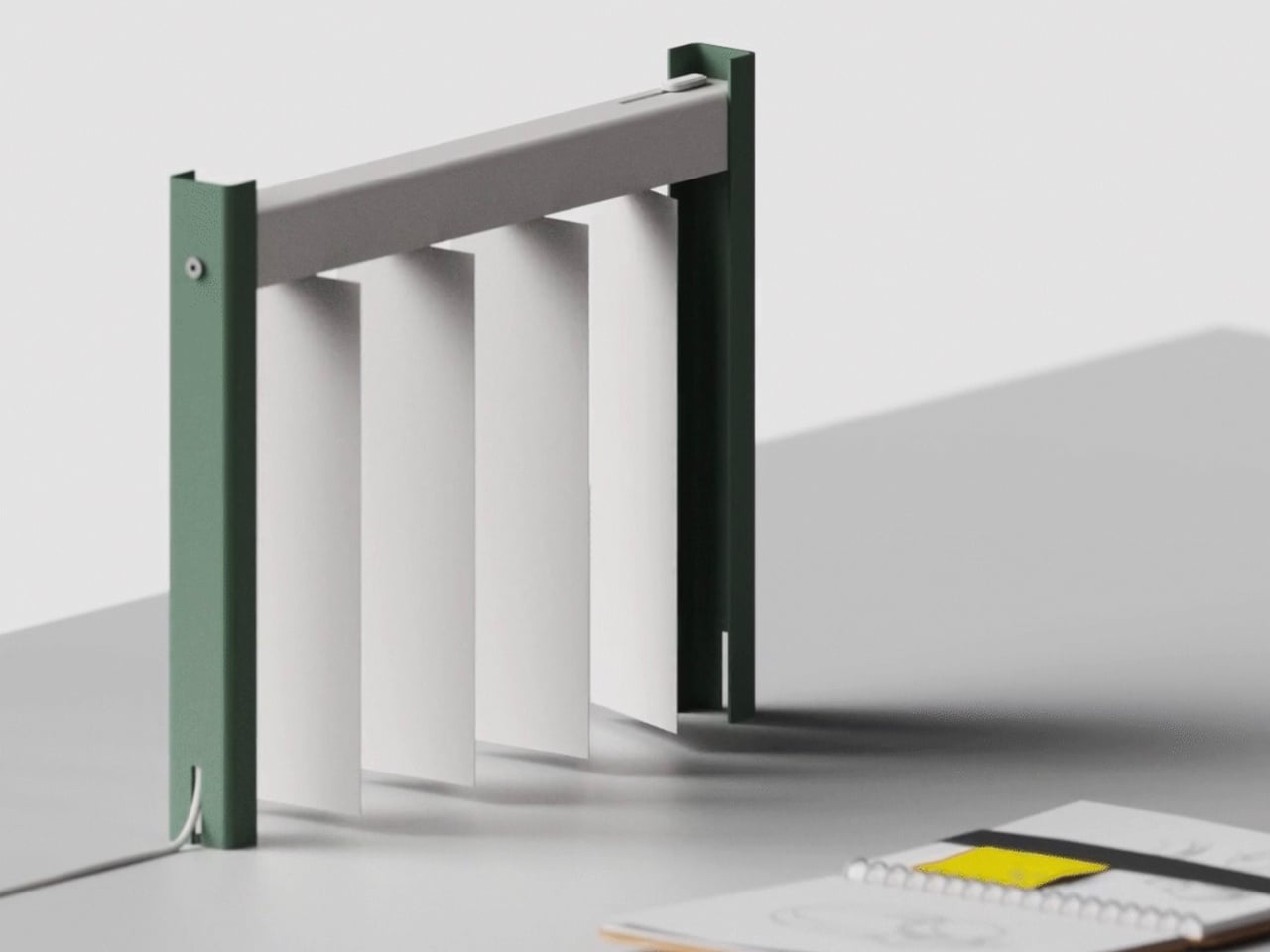
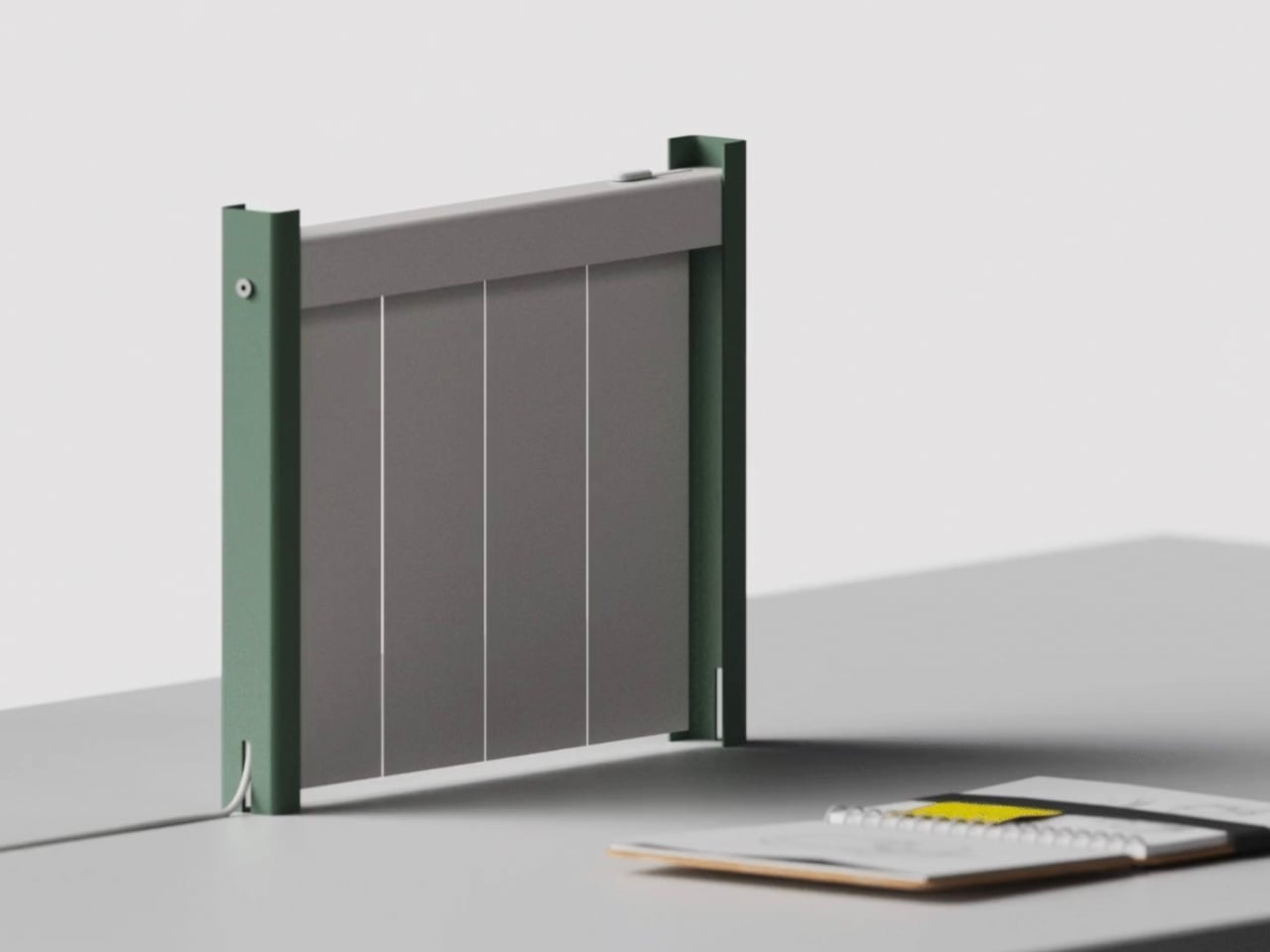
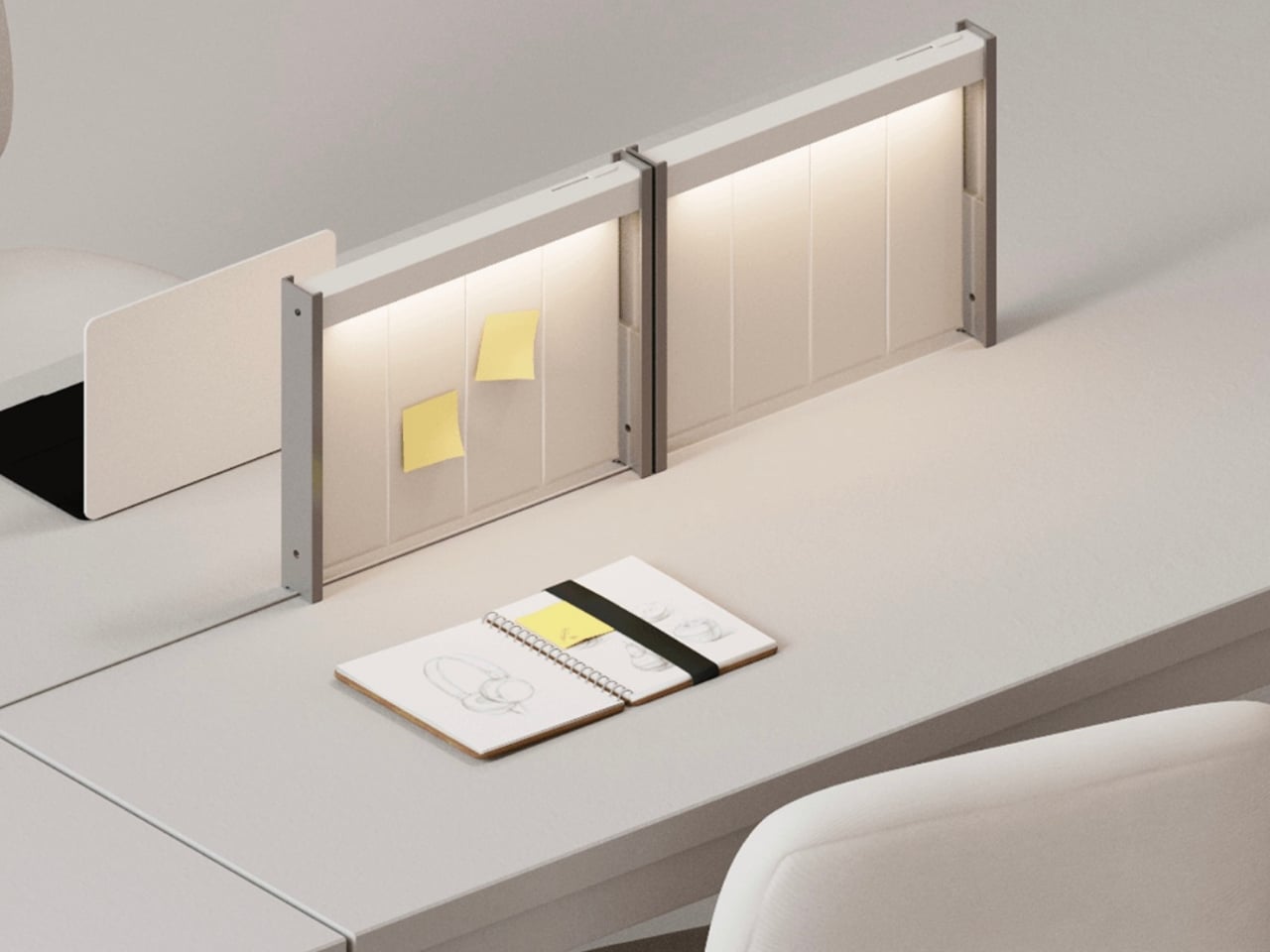
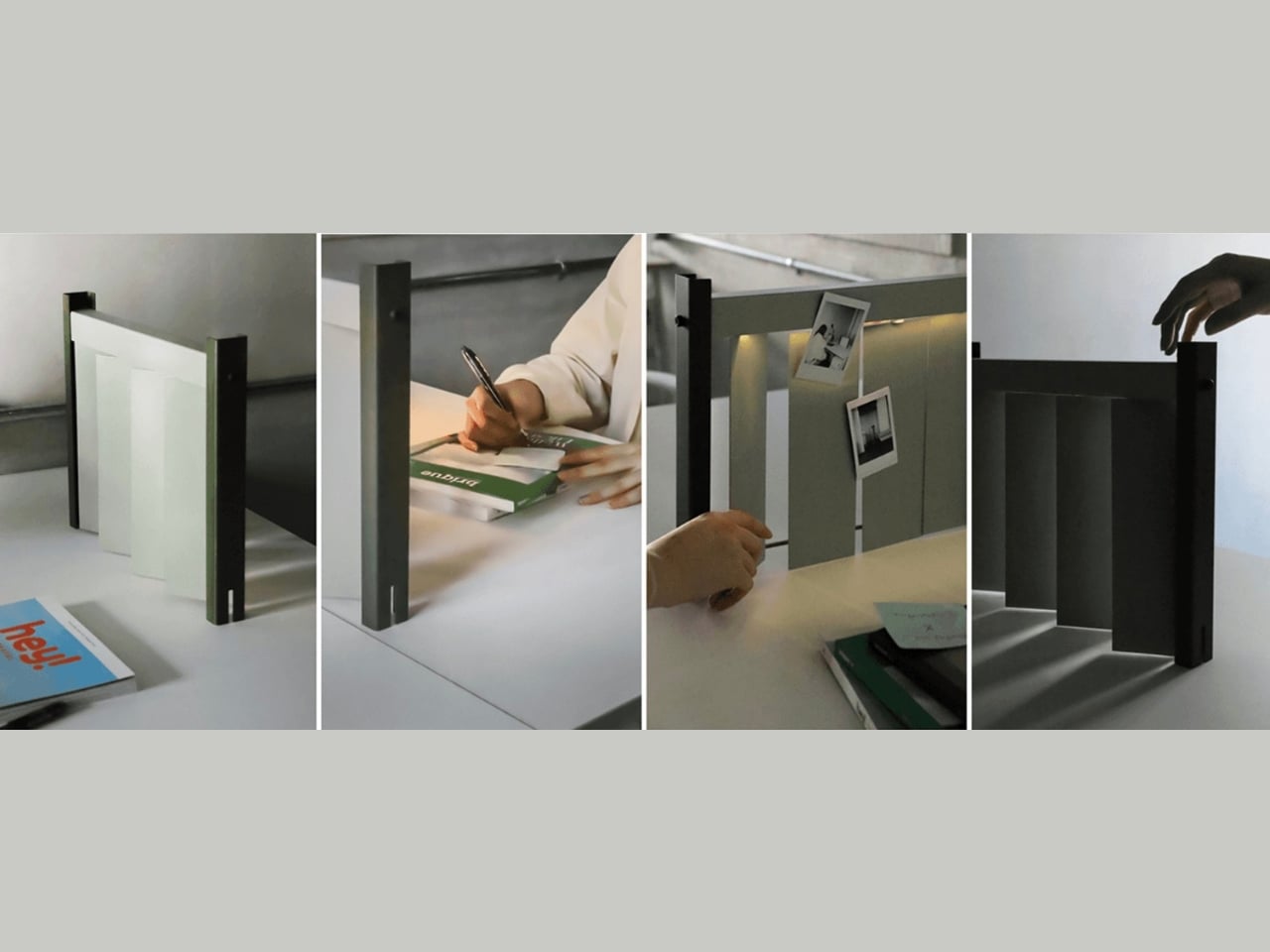
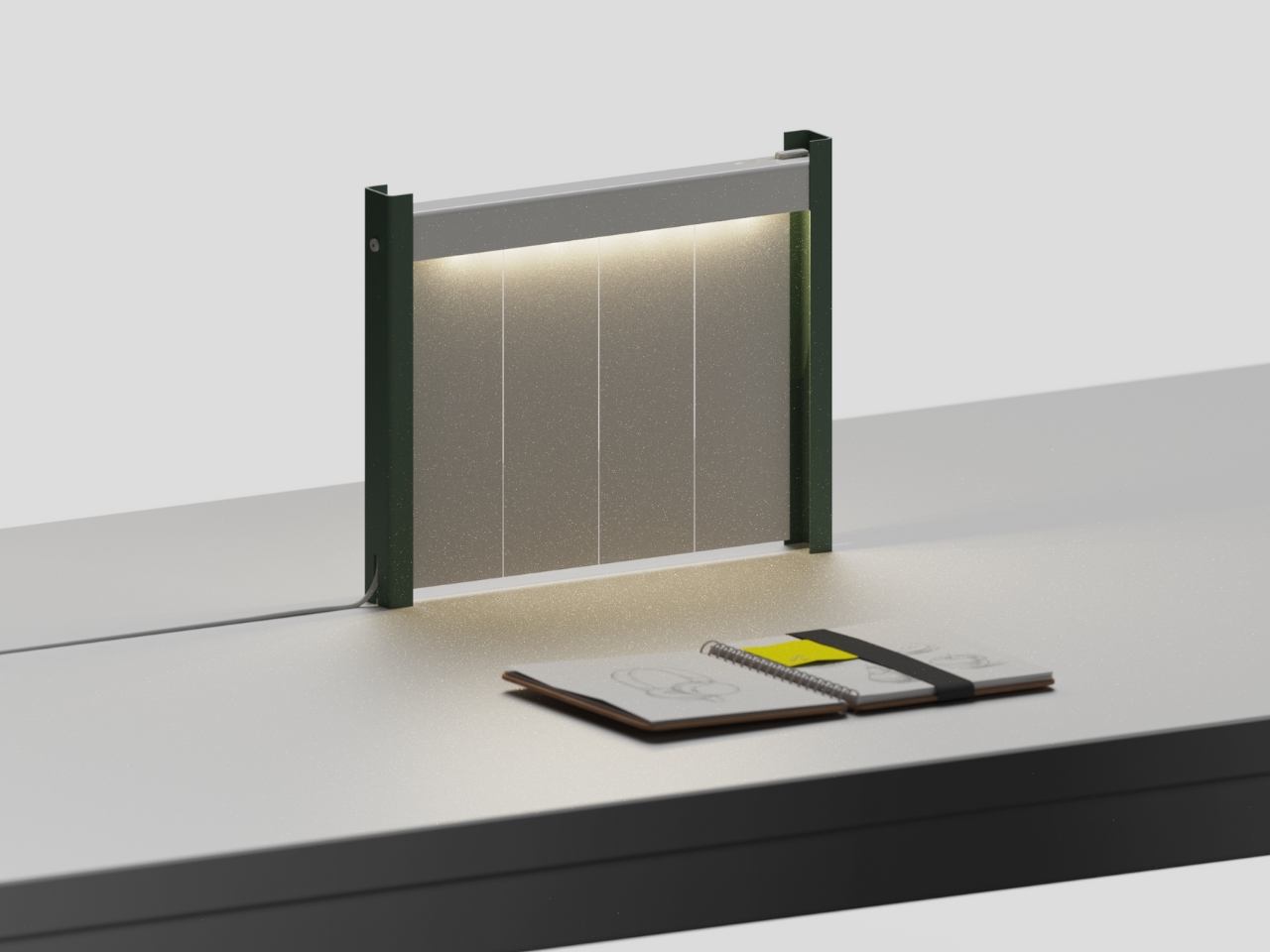
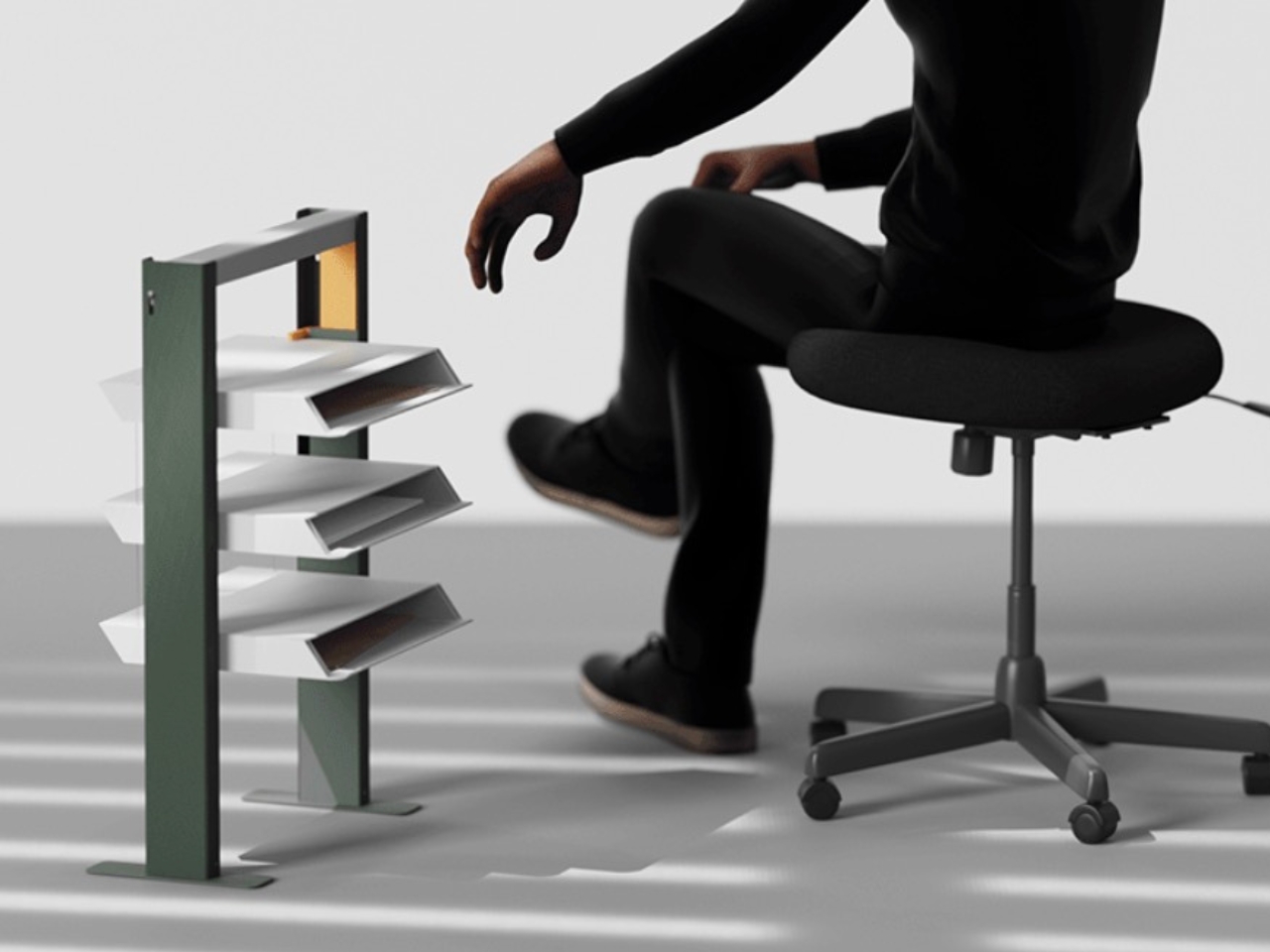
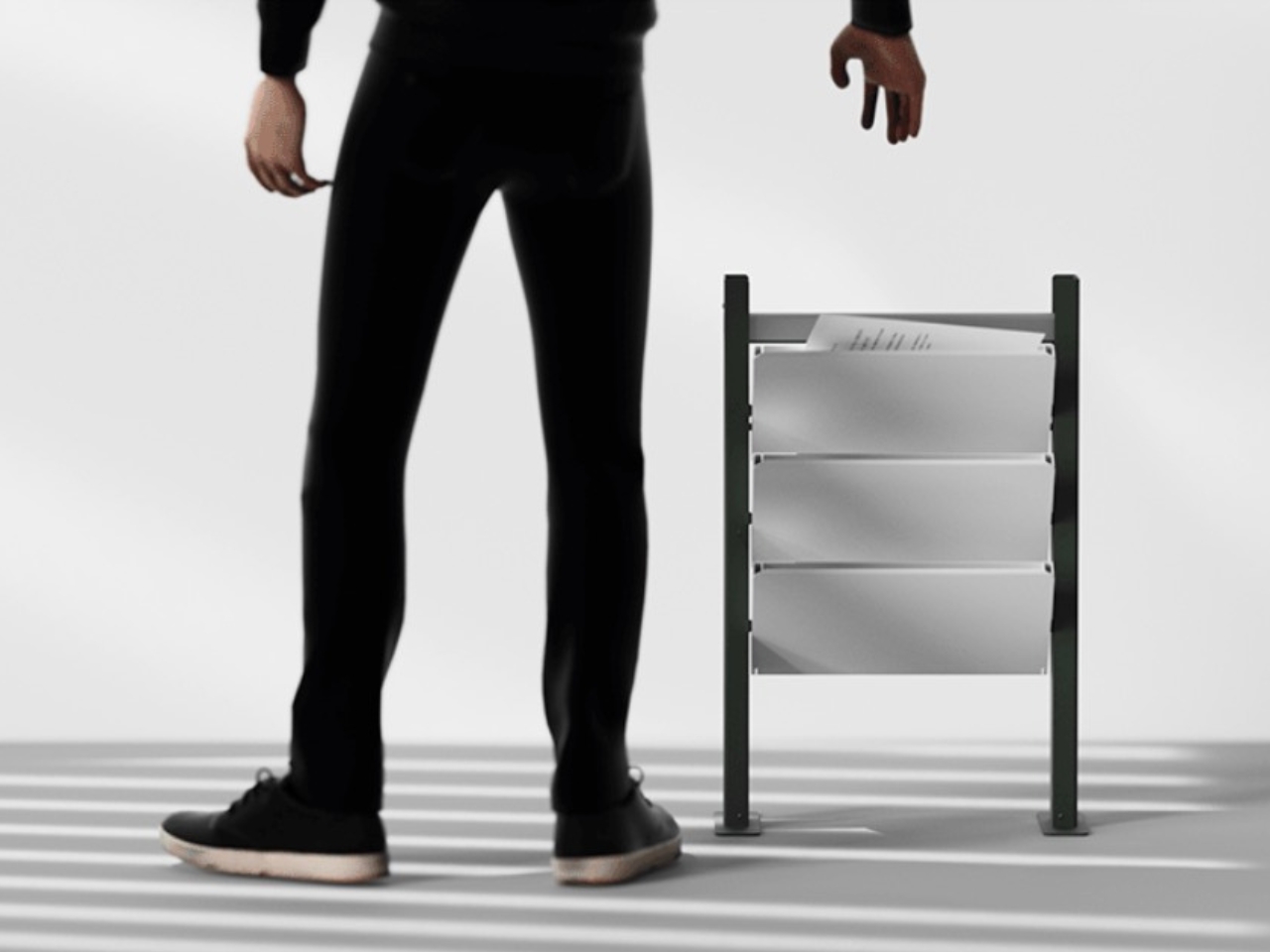
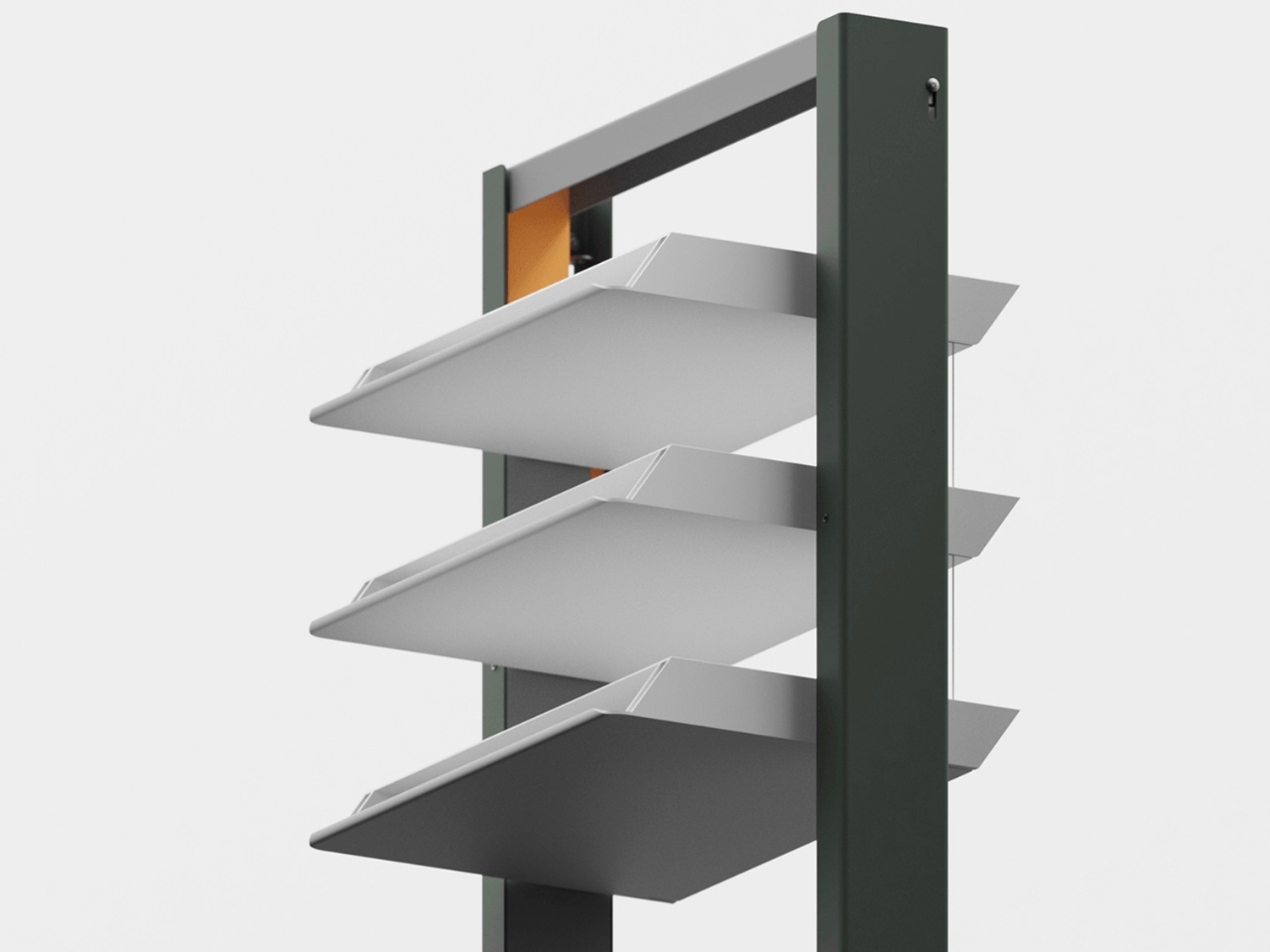
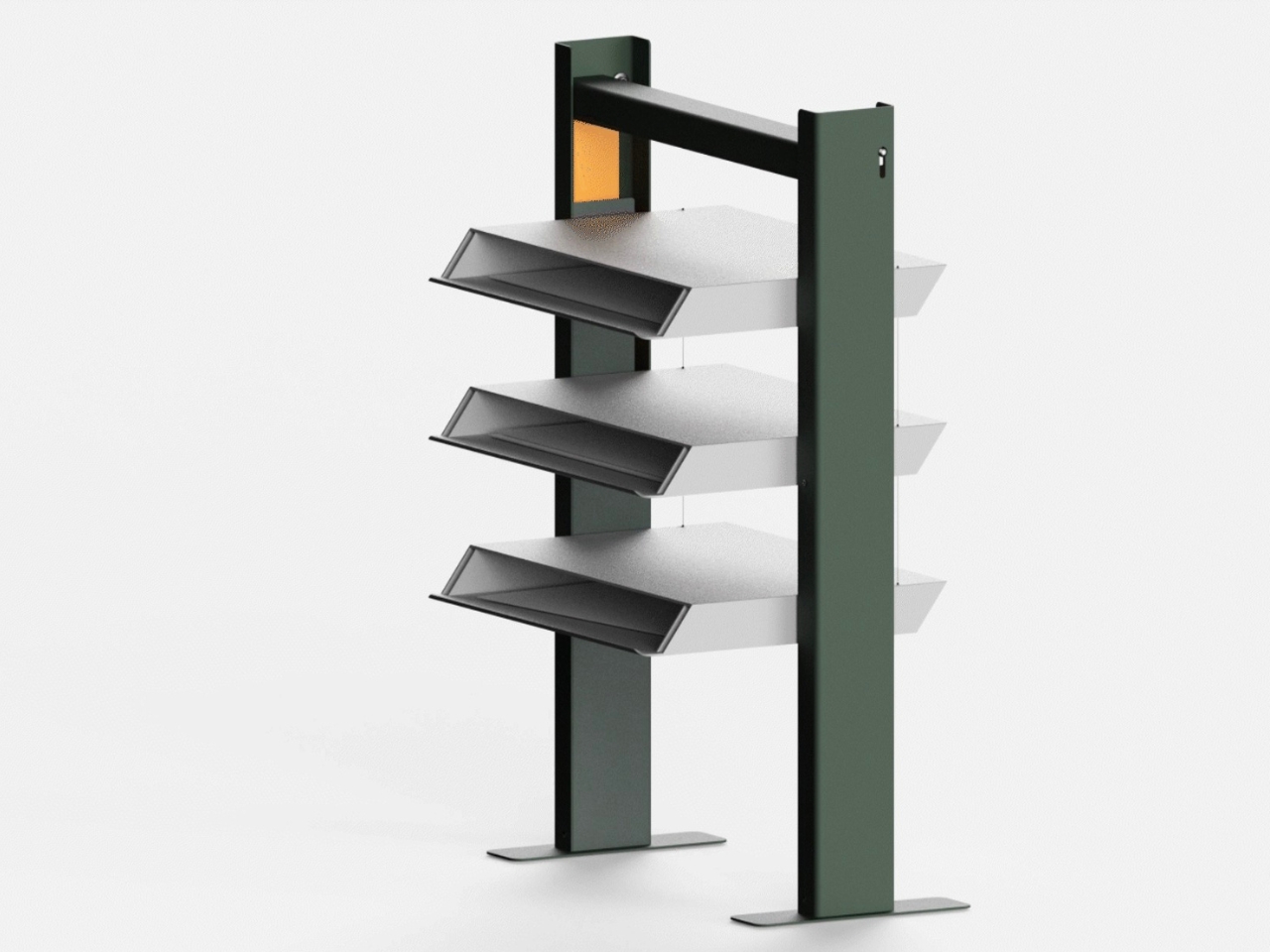
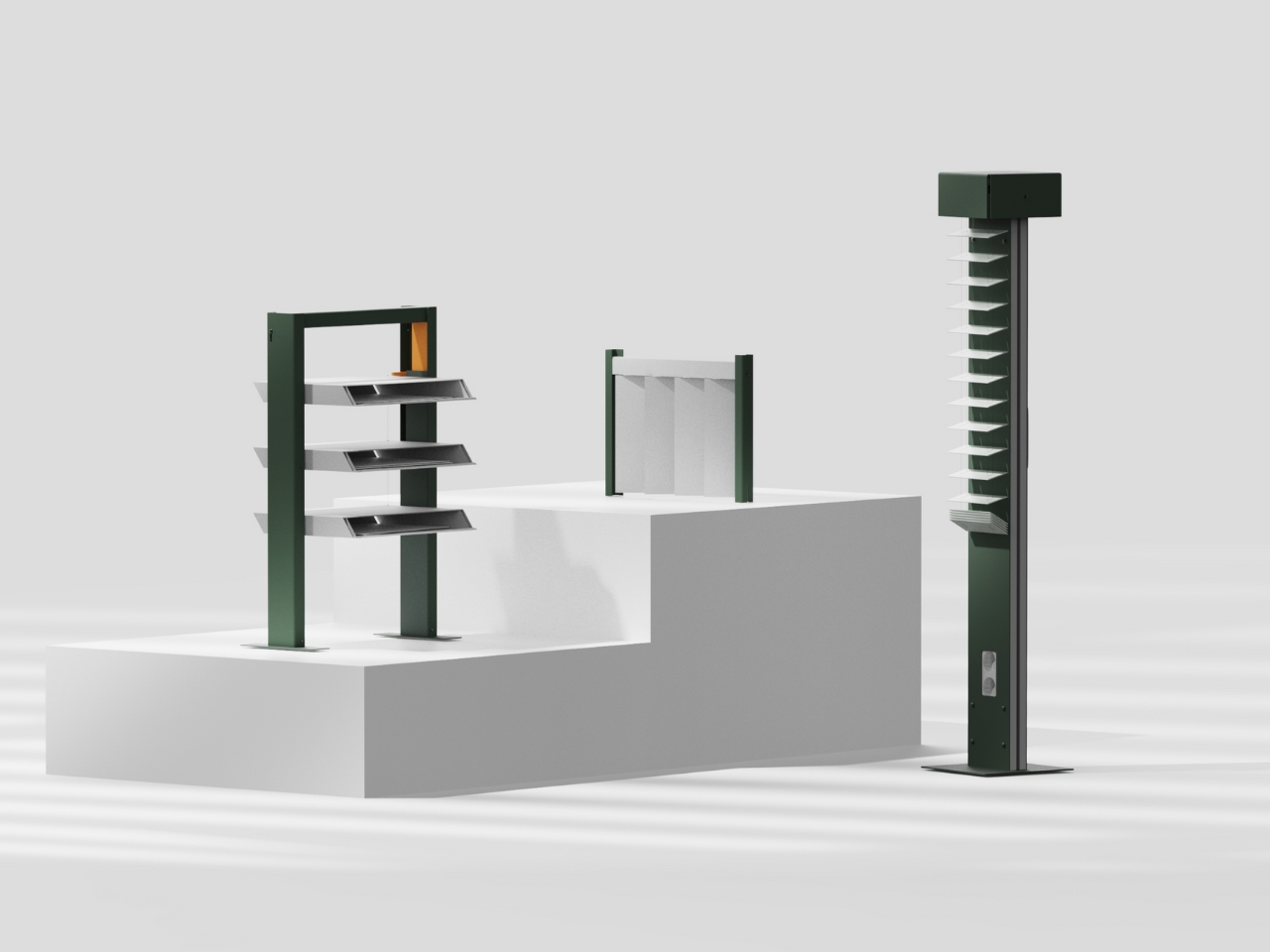
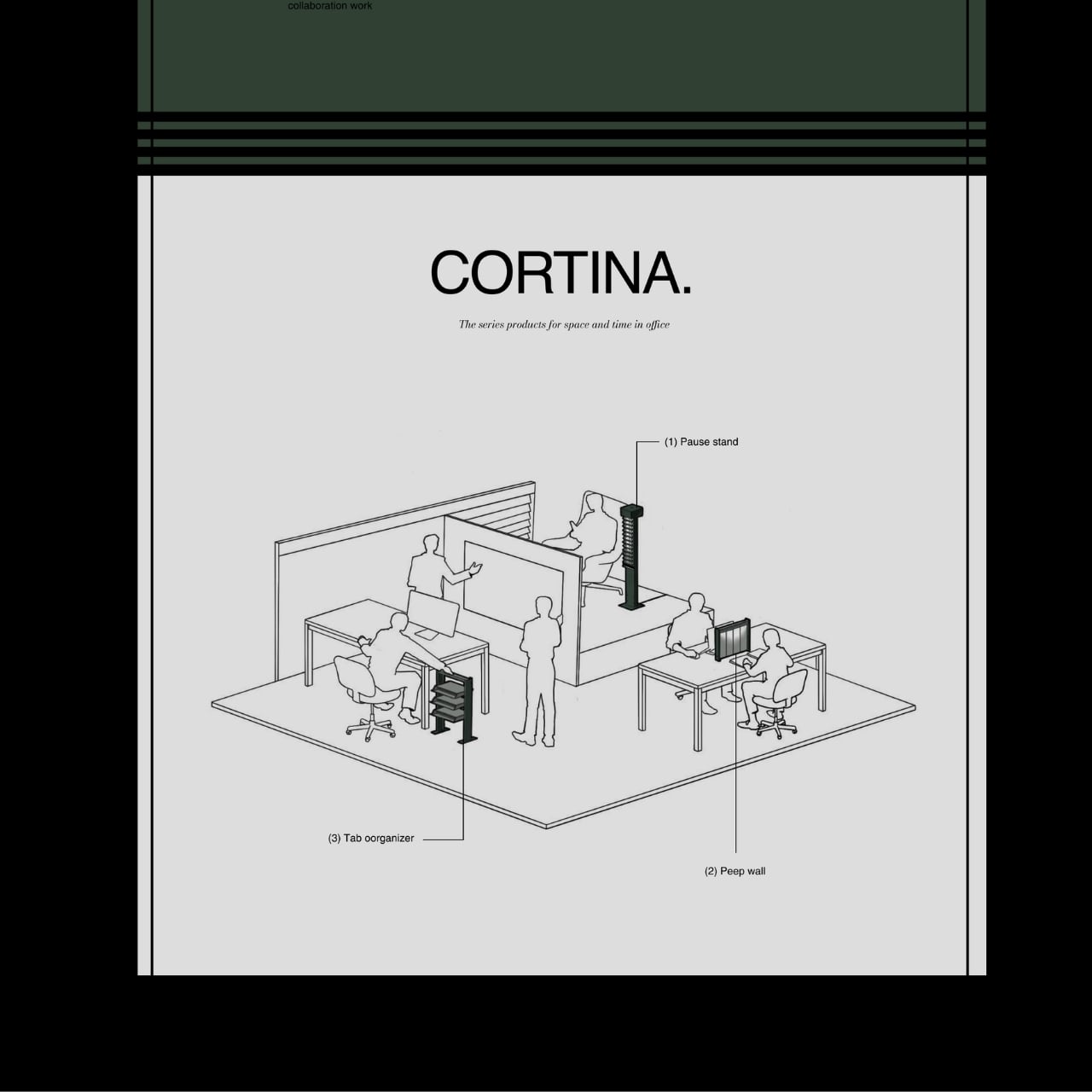
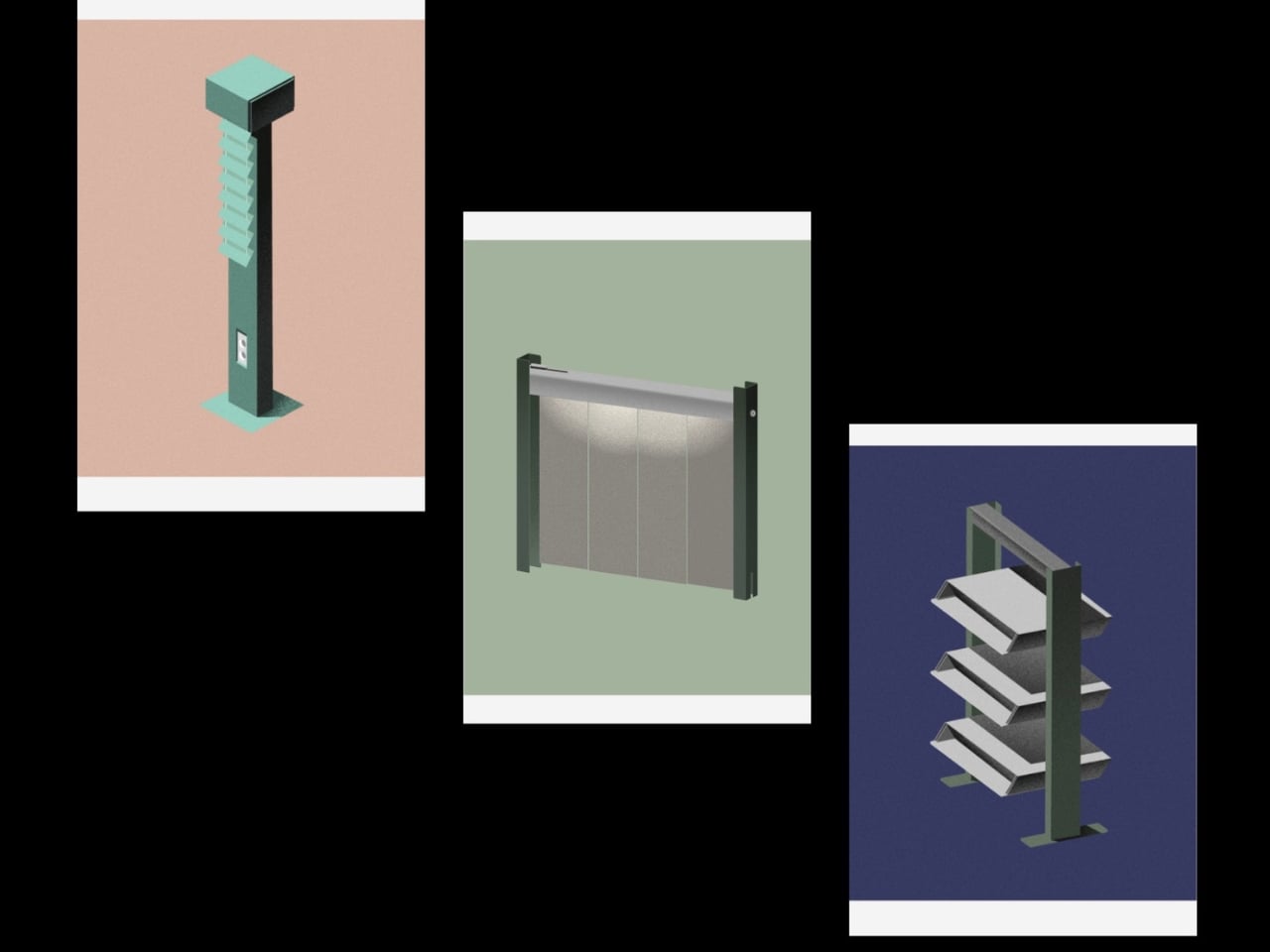
Cortina is a concept for a series of office furniture that gives users in the office their personal time and space and at the same time, increase work concentration. It is made up of three different pieces that are also multi-functional. Of course we’re fans of designs that can serve more than just one purpose to its users. The three items in this concept series are: the Pause Lounge Stand, the Peep Desk Wall, and the Tab Document Rack, which their names show off what their main functions are. They are meant to have multiple functions so as to save space and your office’s budget as well.

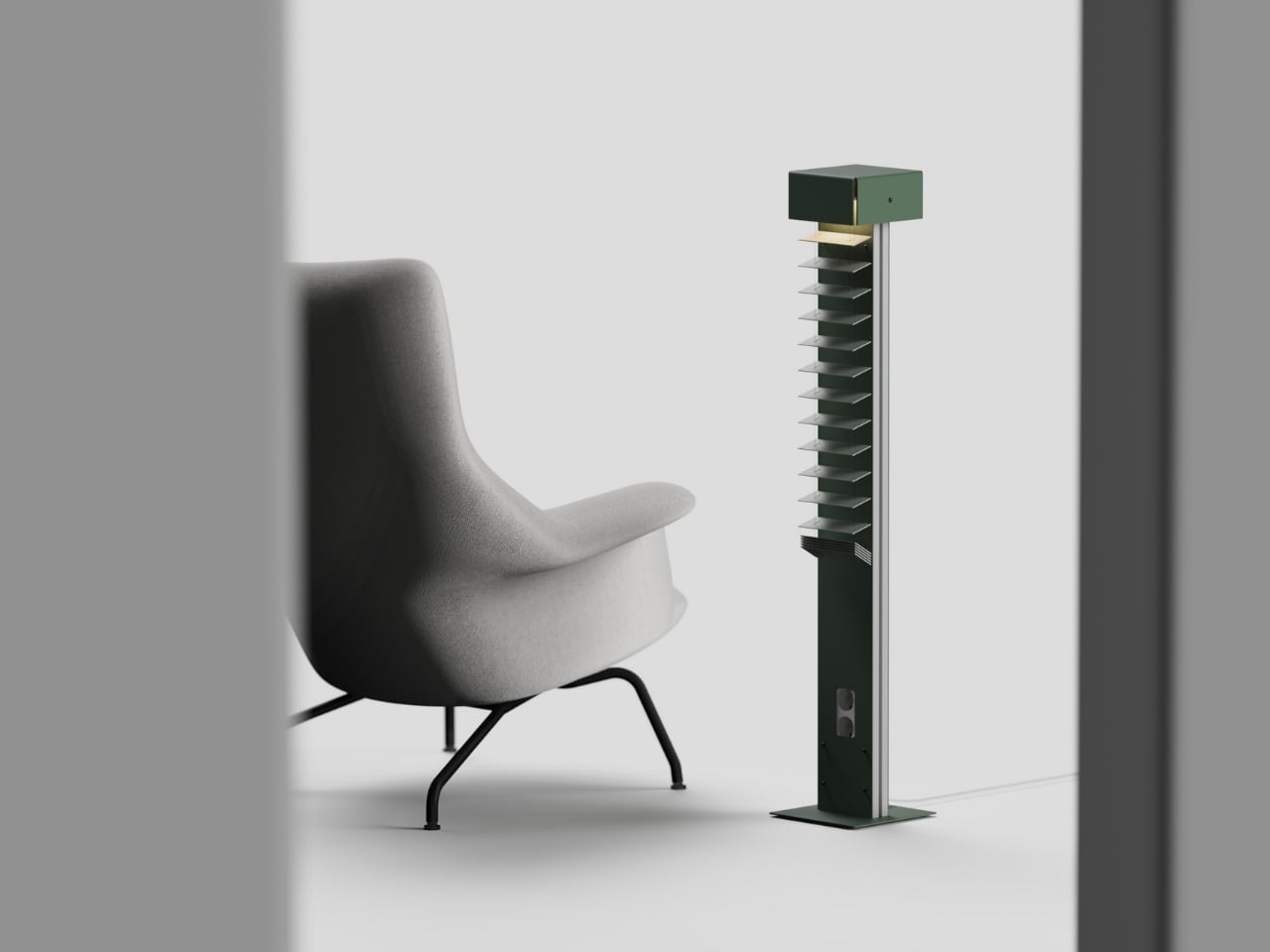
The Pause Lounge Stand lets users take a pause at work while also not overstaying in the rest area. Before you settle in your lounge chair or rest area, pull the handle that will set the time and as the minutes tick by, the shade parts of the tower-like stand goes down and the subtle lighting slowly disappears. Once the shades are all down, it’s a sign to go back to work. It also doubles as a phone charging station so you can let your device rest. The Peep Desk Wall is a divider placed on your table which is able to control the field of view between you and the other occupants of the table and the degree of light diffusion as well. You can also attach magnets and sticky notes on the metal plates so you can reach them easily.

Lastly, the Tab Organizer sorts papers of different sizes when you close the “blinds” after placing the different pieces into the tabs. The product renders don’t really show how the sorting happens but at the very least, it lets you store different documents into a standing piece of furniture and lessen clutter on your table. These carefully designed piece of office furniture would be an interesting addition to your workspace if these are functionalities that you need to implement, working on both rest and productivity.

The post Office furniture tries to find balance between rest and productivity first appeared on Yanko Design.
Tulipan Pod lets you keep your privacy but still be connected to the outside world

As much as I love working with my officemates, there are times when I wish my cubicle had a mute button so I could focus on whatever task I need to finish at the moment. But of course unless I had my own room where I could close the door or I step away from my space and hide somewhere, that cannot happen. Companies that have a more creative work space can use the more innovative open space layouts and furniture that we’re seeing lately.

Designer: Industrial Facility for +Halle

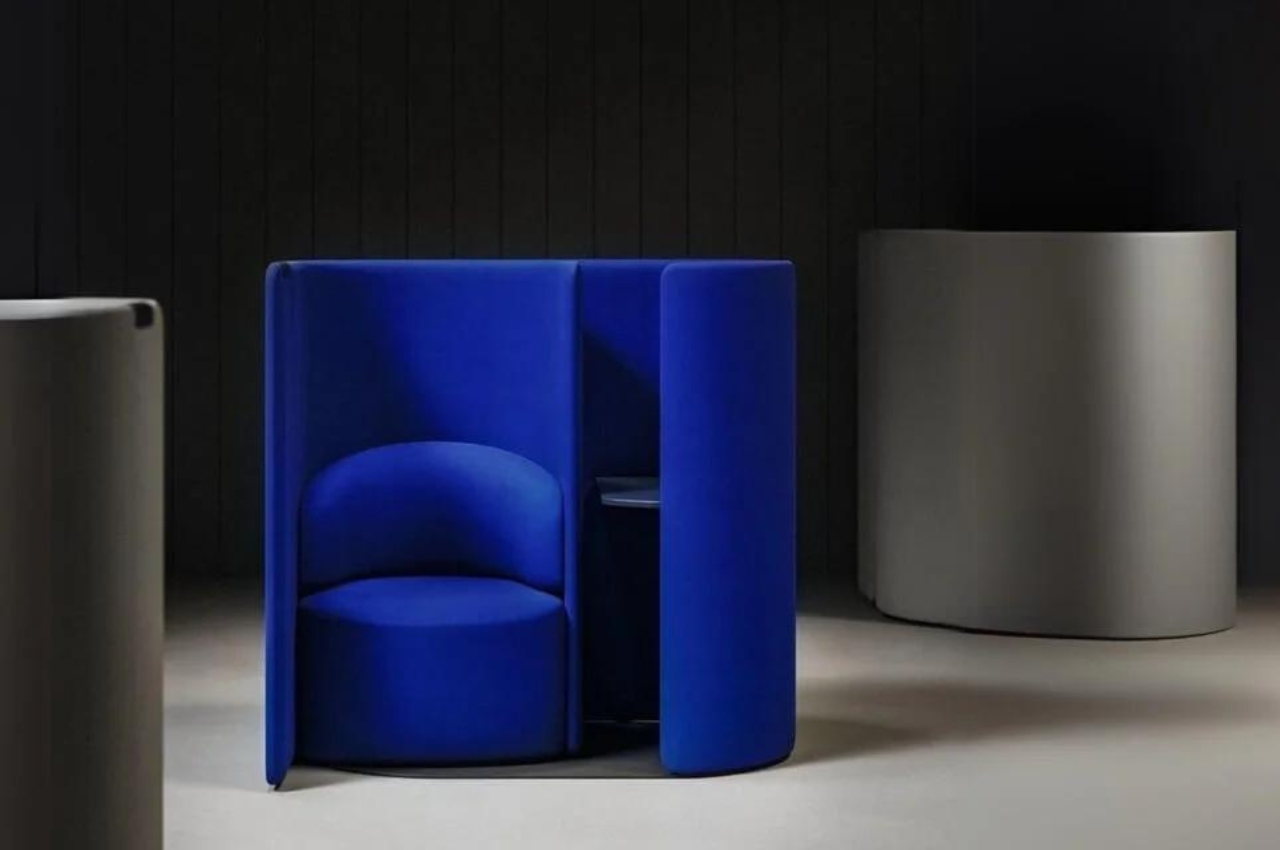
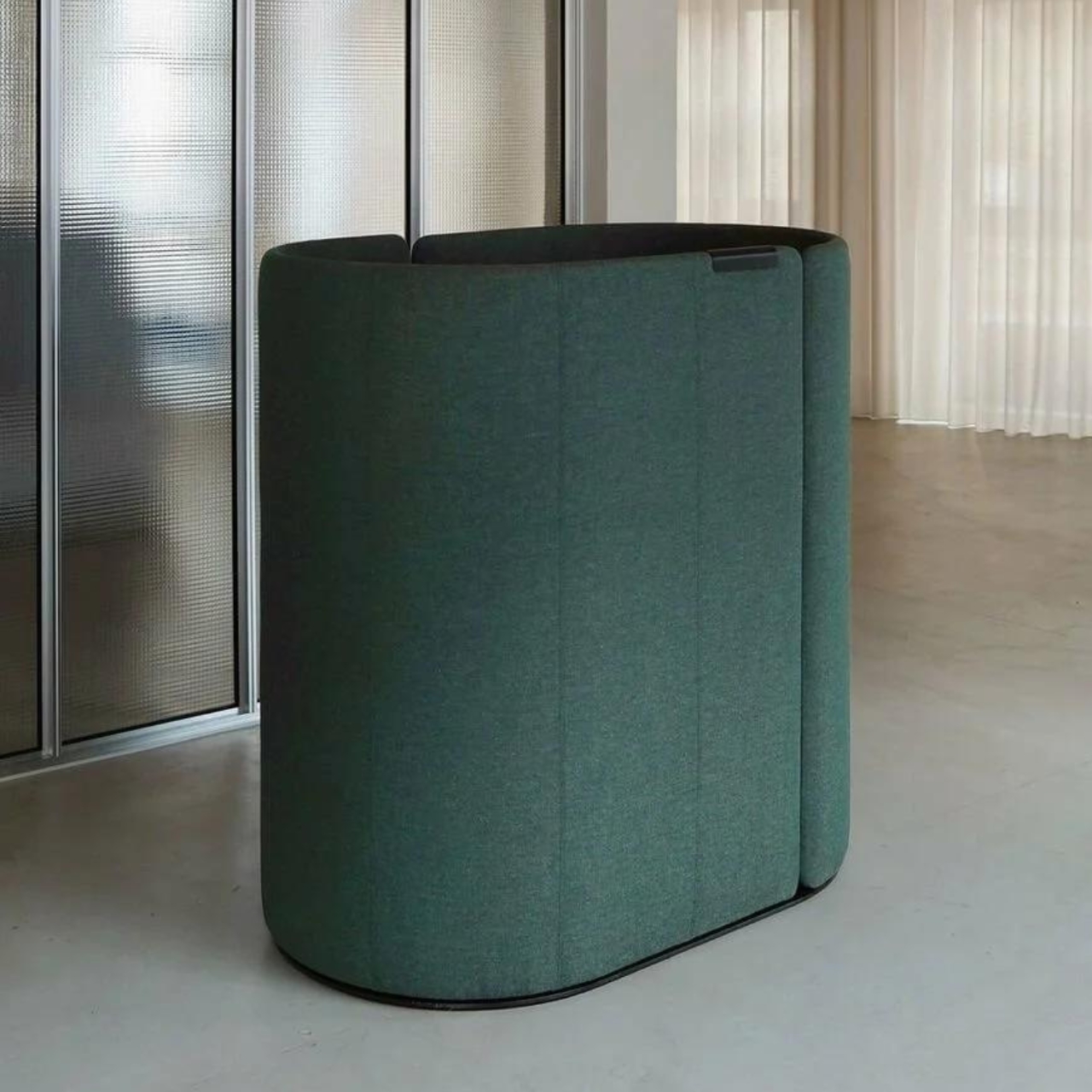
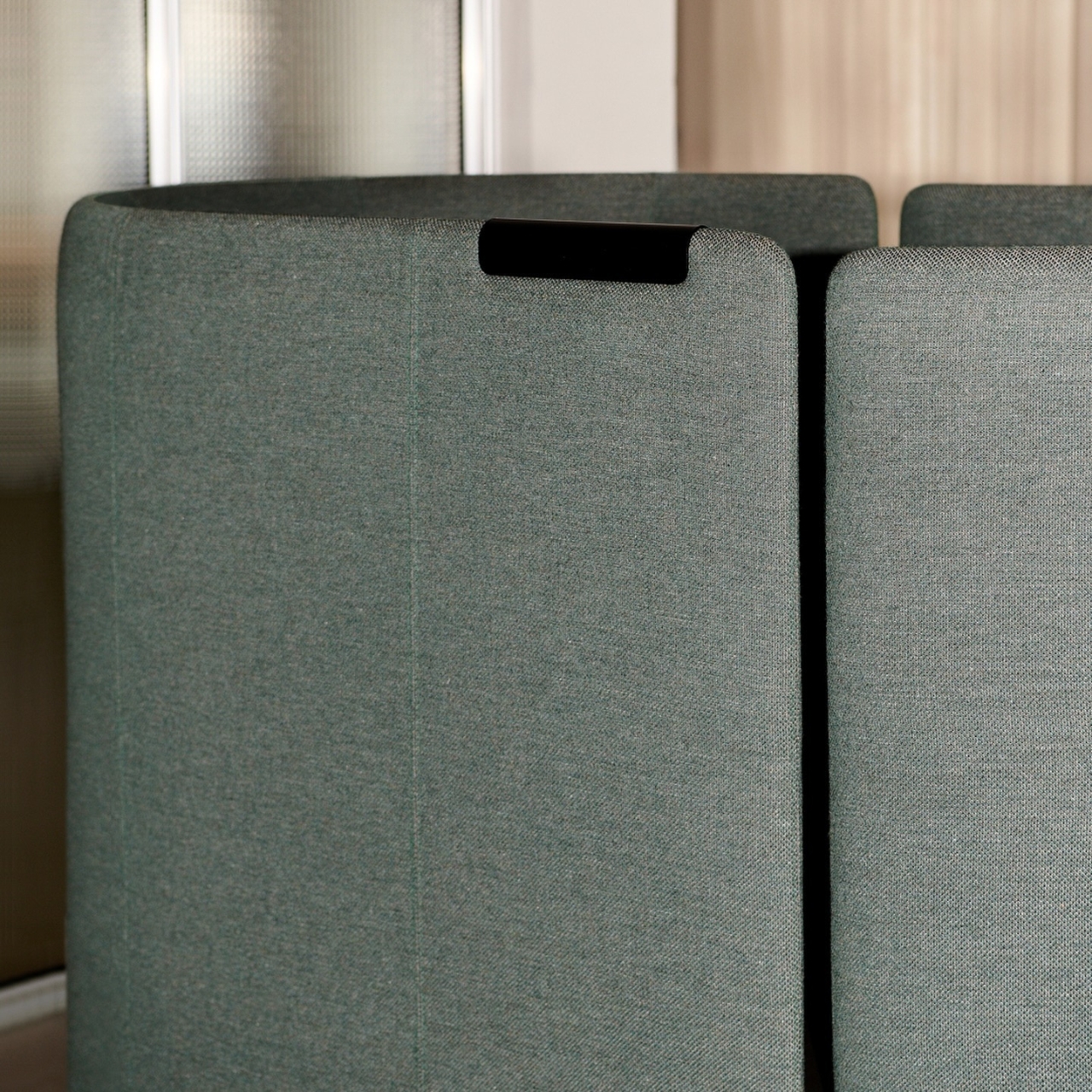
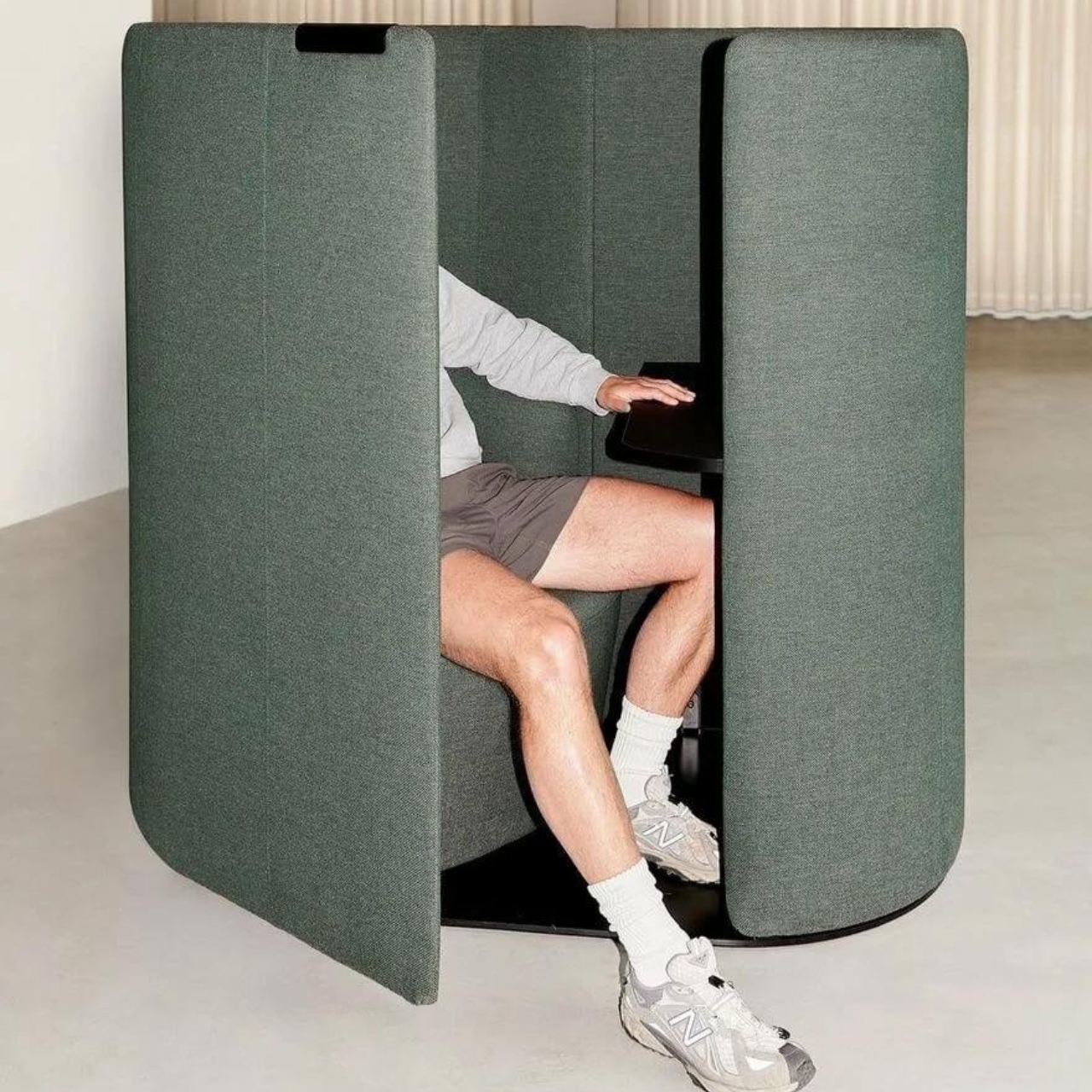
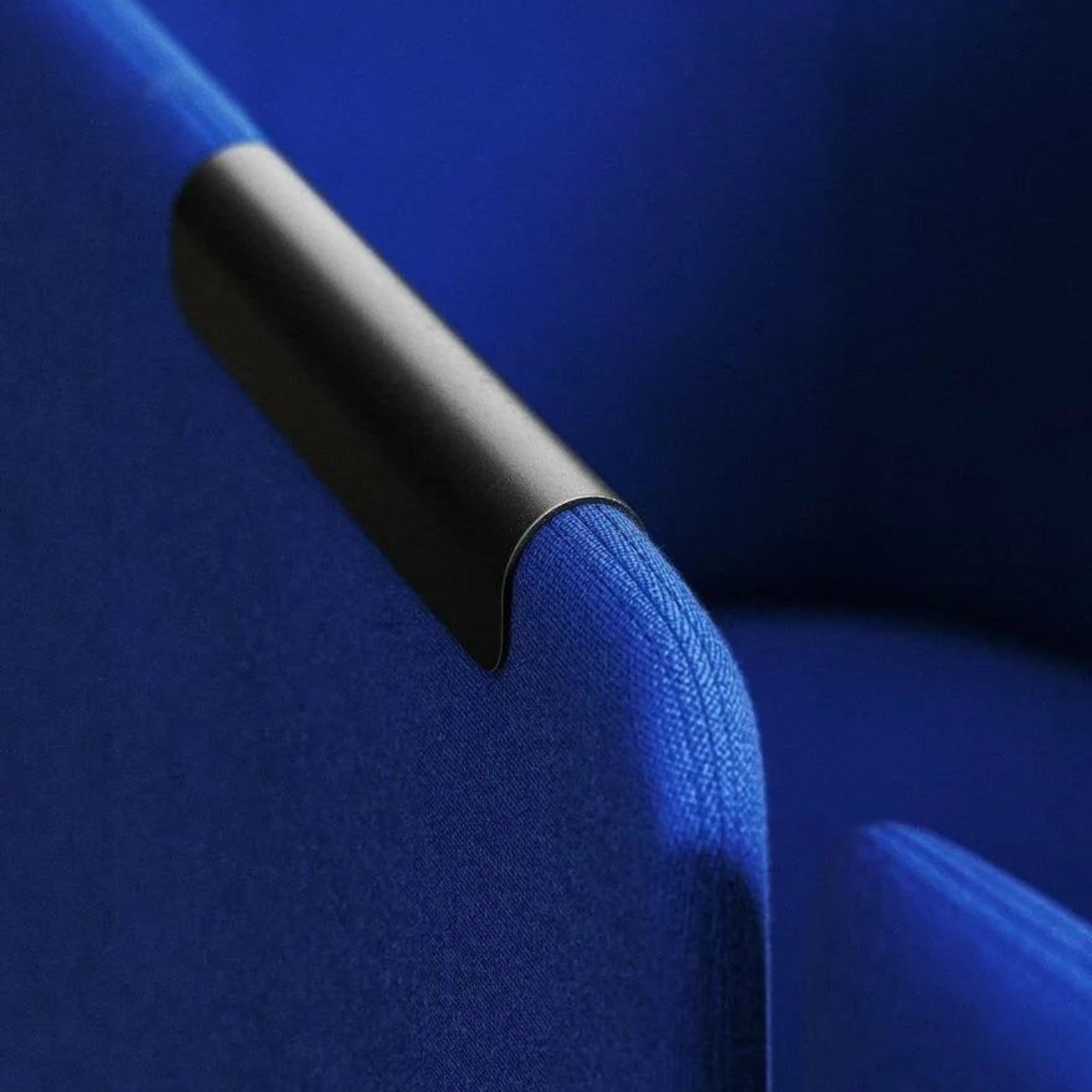
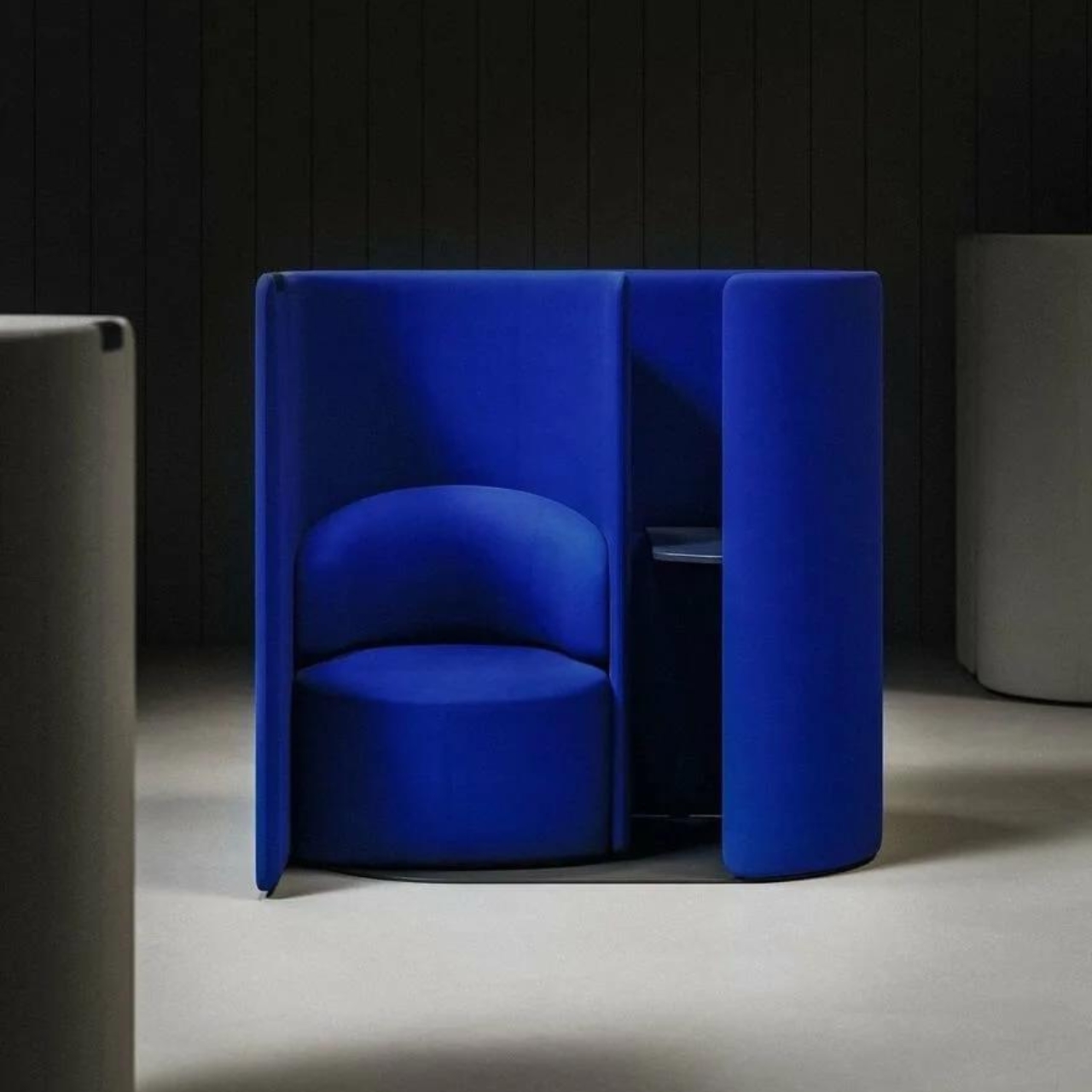
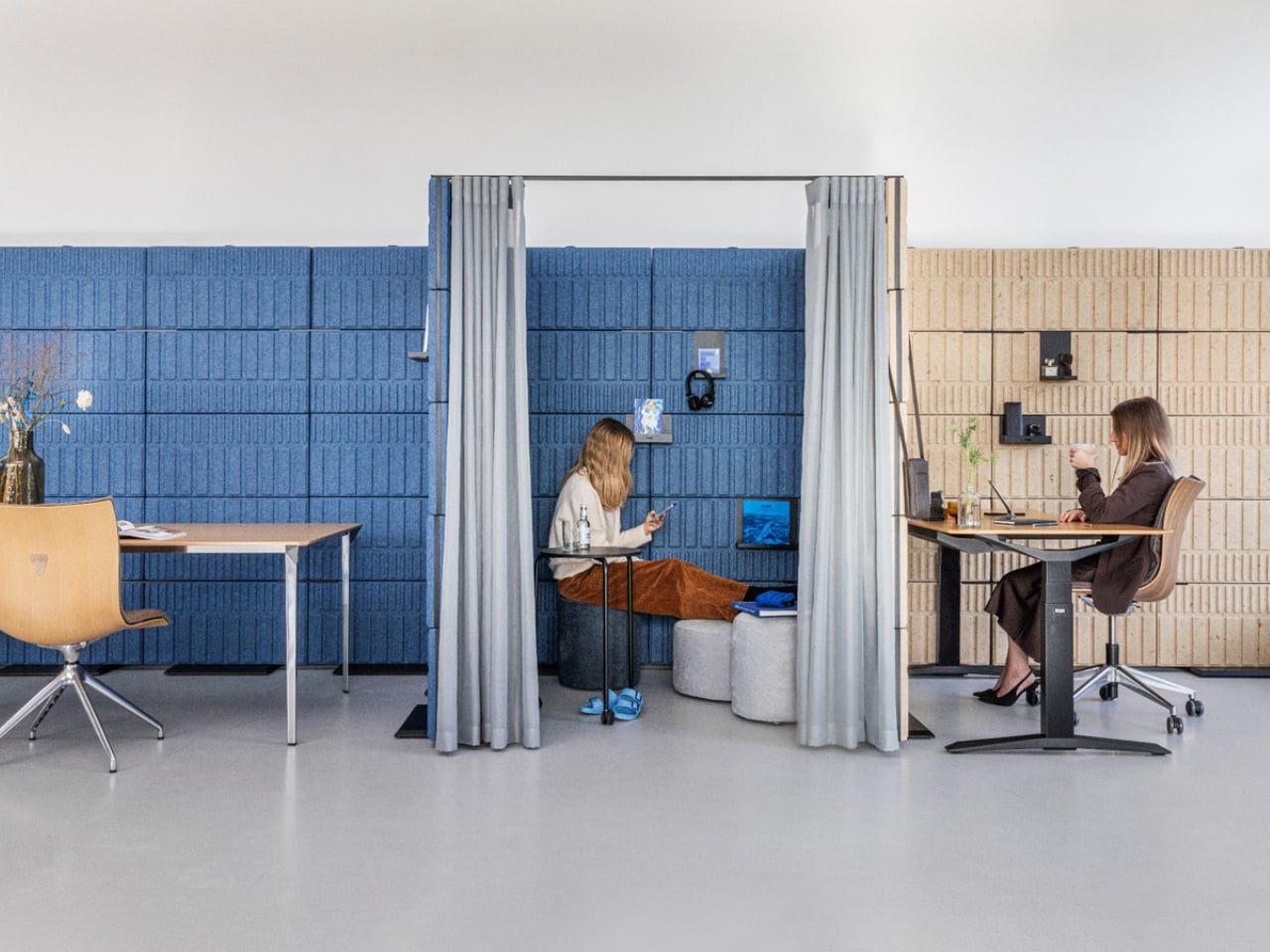
The Tulipan Pod is one such kind of furniture that was developed for +Halle by London design studio Industrial Facility. It’s basically an enclosed workspace that is not totally isolated but gives the user the option of temporarily shutting away other people in the office or still working in a private space but being a bit more “open”. It also has a softer look than other enclosed workspaces that we’re seeing as it gives off a plush texture.

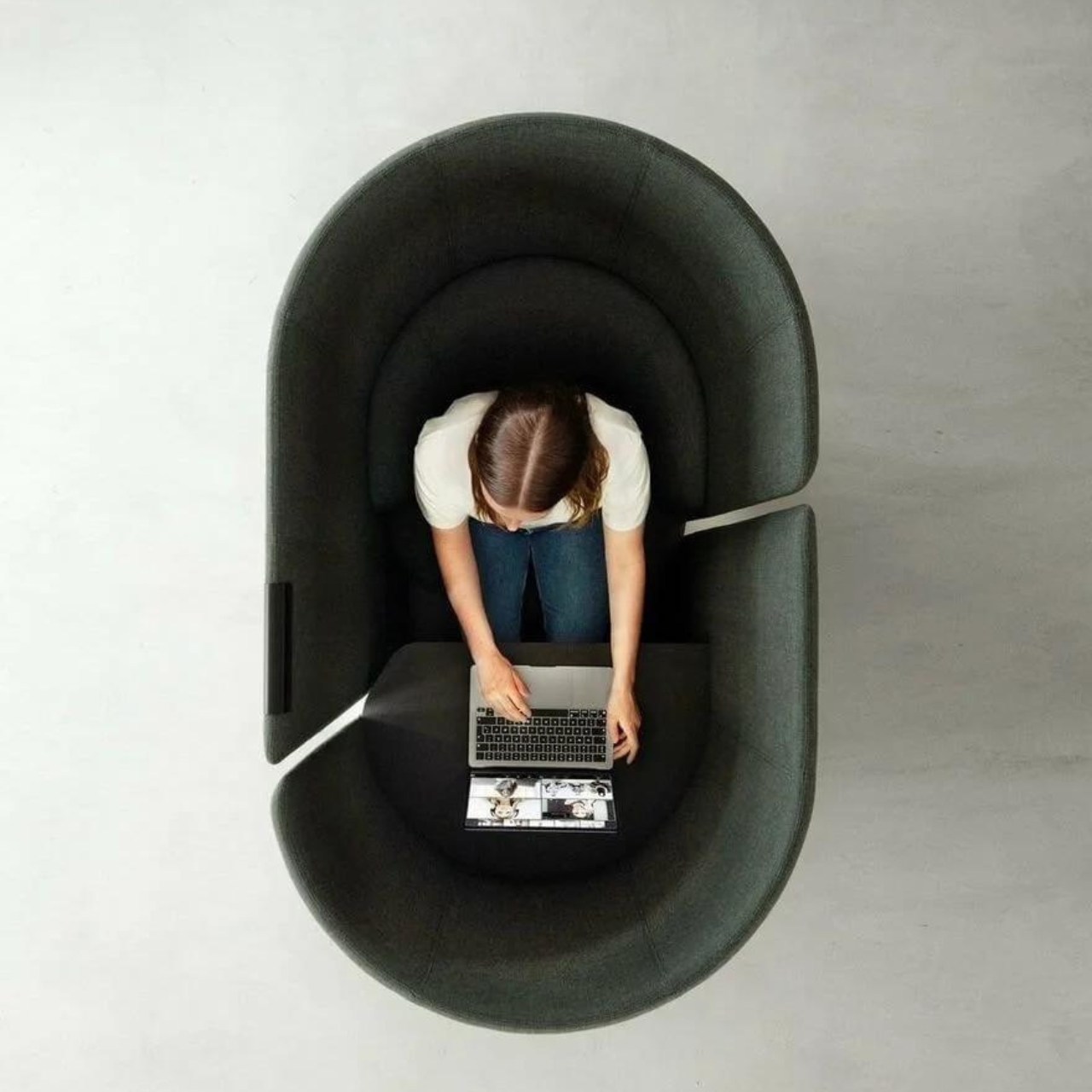
The pod has a cylindrical shape with one half of it stable and immobile, featuring a small table where you can place your laptop and other small work tools. The other half swivels around and can serve as your door to close out the outside world. There’s a seat with a soft back so you’re comfortable even when enclosed. If you want to talk to other people or see your environment, you just swivel out. The top part is also open so you still get to be connected to your surroundings and you also get properly circulating air.

Of course if you’re claustrophobic, you probably will not want to swivel into the pod or use the pod at all. But for those who need a bit of privacy while still have the option to be connected to the rest of your office, then this is a pretty good alternative to keep out chatty officemates when you need to focus.

The post Tulipan Pod lets you keep your privacy but still be connected to the outside world first appeared on Yanko Design.
Eco-Friendly Design Concepts at NeoCon 2024: Transforming Workspaces

NeoCon 2024 is just around the corner, and this year’s event is set to significantly impact the world of commercial interior design. Taking place June 10-12 at The Mart in Chicago, this 55th edition is expected to attract around 50,000 attendees who will explore the latest trends and innovations in shared spaces. Let’s dive into what to expect, focusing on the themes of design, well-being and sustainability.
Design: Creating Spaces That Connect Us

Design is at the heart of NeoCon, and this year’s event is about creating environments that foster community and collaboration. Gone are the days of bland, cubicle-filled offices. Today, it’s all about spaces that spark spontaneous interactions and genuine connections. Imagine walking into an office that feels more like a dynamic, buzzing café than a traditional workspace.

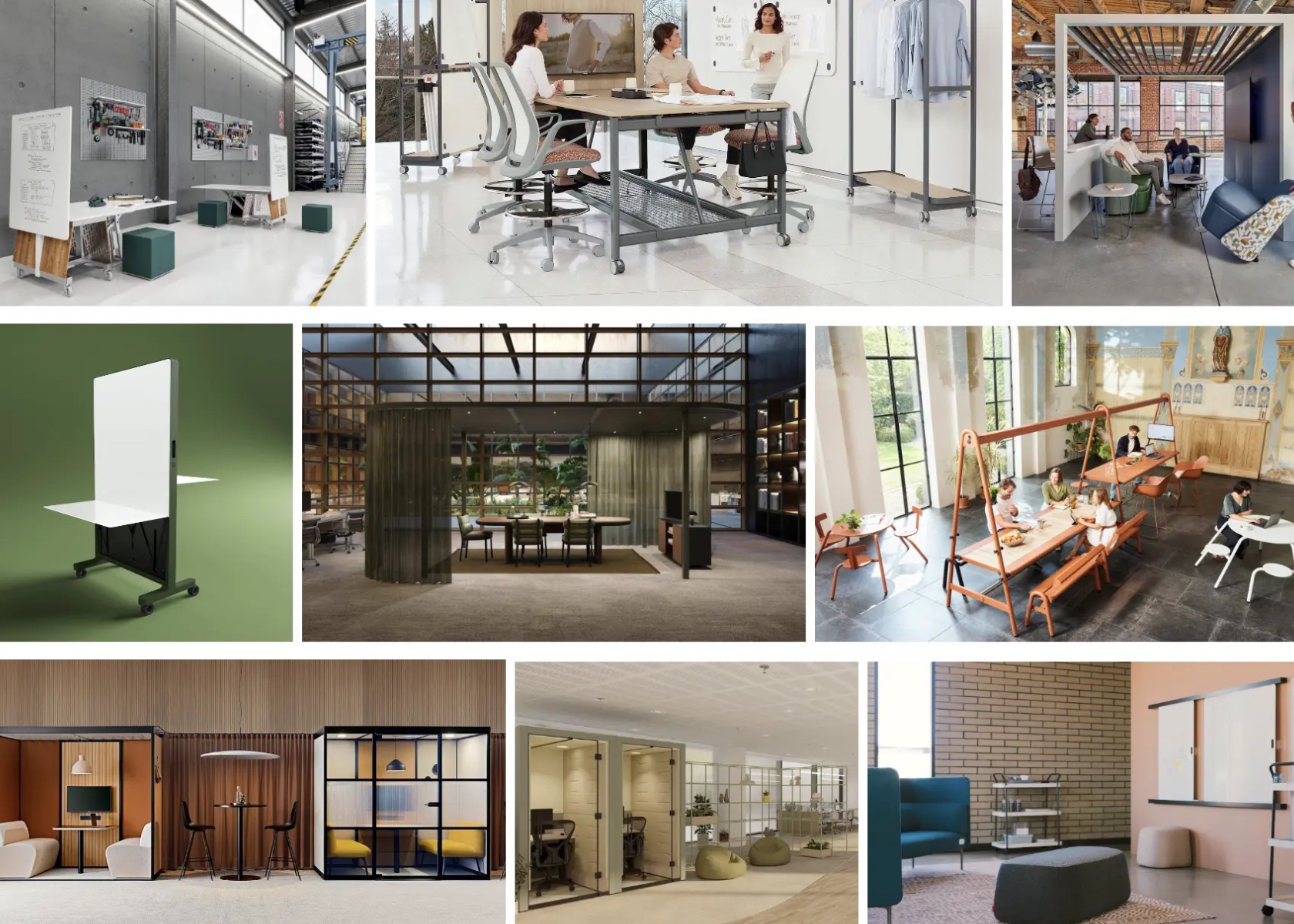
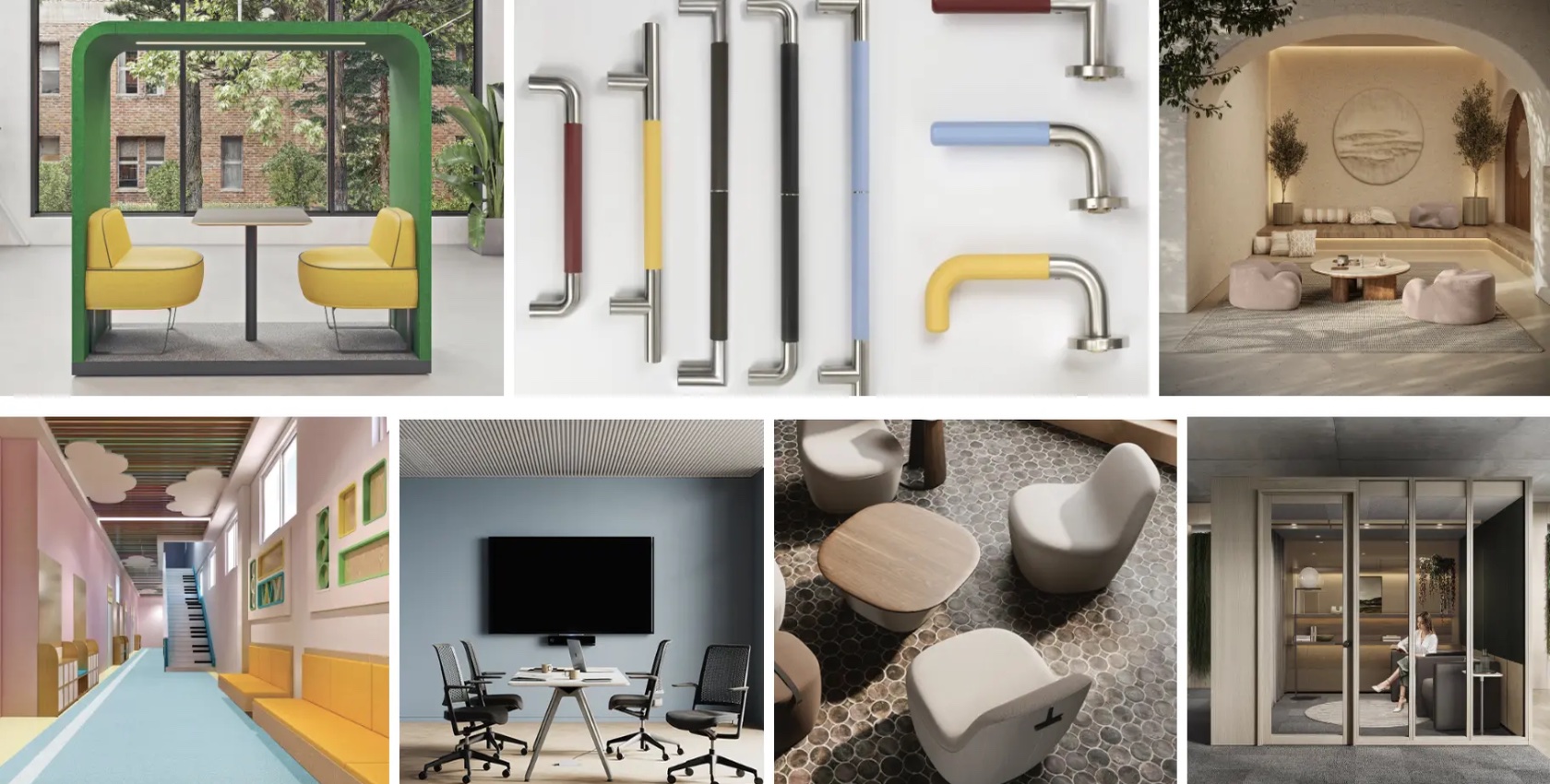
For instance, products like GRVT by Ghent and KI’s Sonrisa Lounge Furniture offer mobile, flexible solutions that can transform any environment into a collaborative hub at a moment’s notice. These designs cater to the ever-changing needs of modern workspaces. Spacestor’s Portals Huddle, with its easy-to-relocate collaboration spaces, exemplifies how versatile and responsive workplace design has become.

The overall layout also plays a huge role. Gensler’s Design Forecast for 2024 highlights the importance of human-centric workplaces that inspire purpose and reflect organizational values. This means creating spaces where people can casually bump into each other, sparking creativity and camaraderie. These little moments can make a big difference in fostering a positive company culture.

Well-Being: The Science of Feeling Good

One of the most fascinating trends at NeoCon 2024 is the rise of neuroaesthetics—designing spaces that make you feel good based on how your brain reacts to certain elements. Think colors, sounds and even the art on the walls. It’s all about creating environments that boost your mood, productivity and overall well-being.

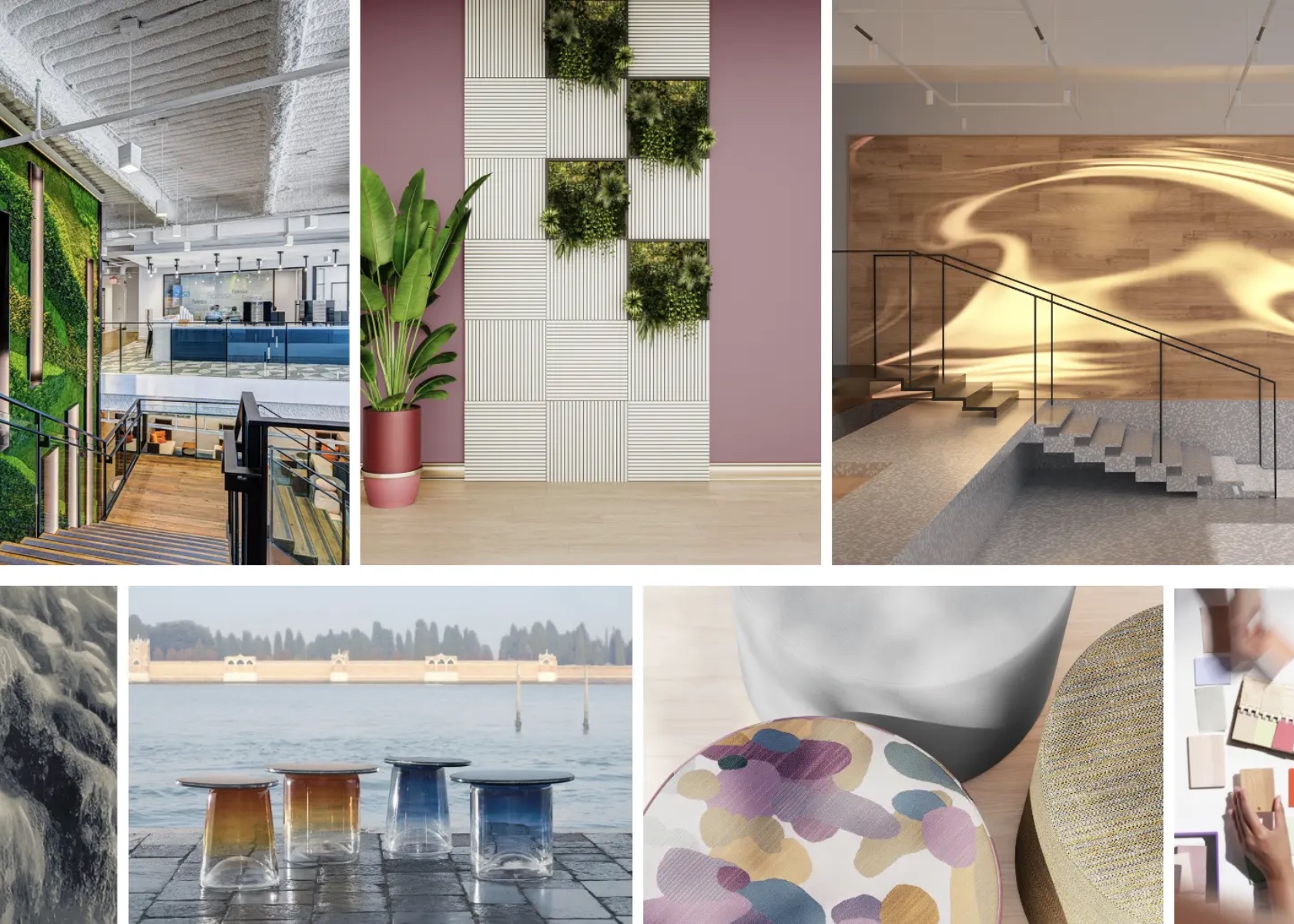
The Immersive Biophilic Garden by Garden on the Wall, for example, features indoor preserved gardens and moss walls that elevate moods and stimulate minds. Similarly, Egan Visual’s Sculpt Walls blend art with acoustics to create a sensory-rich experience, and CECOCECO’s ArtMorph panels use lighting and textures to soothe and captivate.

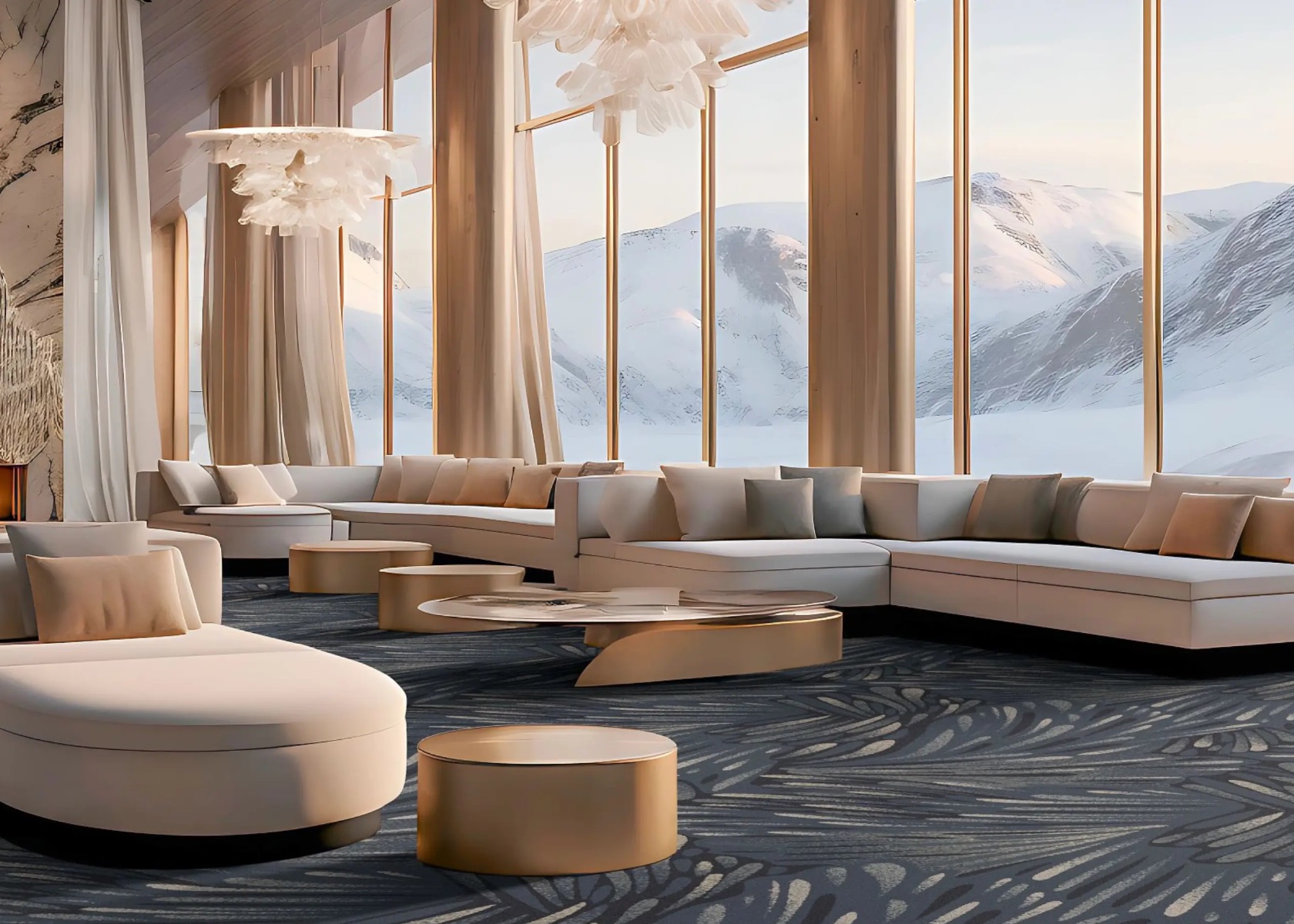
Colors play a significant part too. Studies show that natural patterns and shapes are easier for our brains to process, leading to a sense of calm and clarity. Shaw Contract’s Arctic Escape collection and Bernhardt’s Ice Collection of cobalt blue tables are designed to evoke specific emotional responses. Warm colors like Pantone’s color of the year, Peach Fuzz, and cool blues highlighted in ASID’s 2024 Trends Outlook also contribute to environments that make us feel good.

Unexpected pops of color, engaging textures and artful patterns can act as positive distractions in stressful environments. Designtex’s Joy Collection, with its vibrant colors and stimulating designs, brings a sense of clarity and delight, especially to healthcare settings. Collaborations like Stylex and Carole Baijings’ new color palette show how creative use of color can enrich our daily experiences.

Sustainability: Designing for the Future

Sustainability has shifted from a trend to a non-negotiable element of modern design. With the built environment contributing significantly to global CO2 emissions, there’s a pressing need for eco-friendly practices. NeoCon 2024 showcases the leaders in sustainable design, highlighting materials and solutions that reduce environmental impact without sacrificing style or functionality.
Haworth’s DesignLab emphasizes circular design—considering sustainability at every stage of a product’s life cycle. Andreu World’s Circular Design Challenge encourages industry professionals to embrace greener practices like eco-design, zero waste management and carbon neutrality.

Biophilic design, which integrates natural elements like plants and natural light into spaces, is also gaining traction. This approach reduces stress and fosters a deeper connection to nature. Scandinavian Spaces’ Tinnef, made from 100% recycled plastic, and Davis Furniture’s X50 collection, featuring components made of pre-consumer recycled content, are leading the charge in this space.

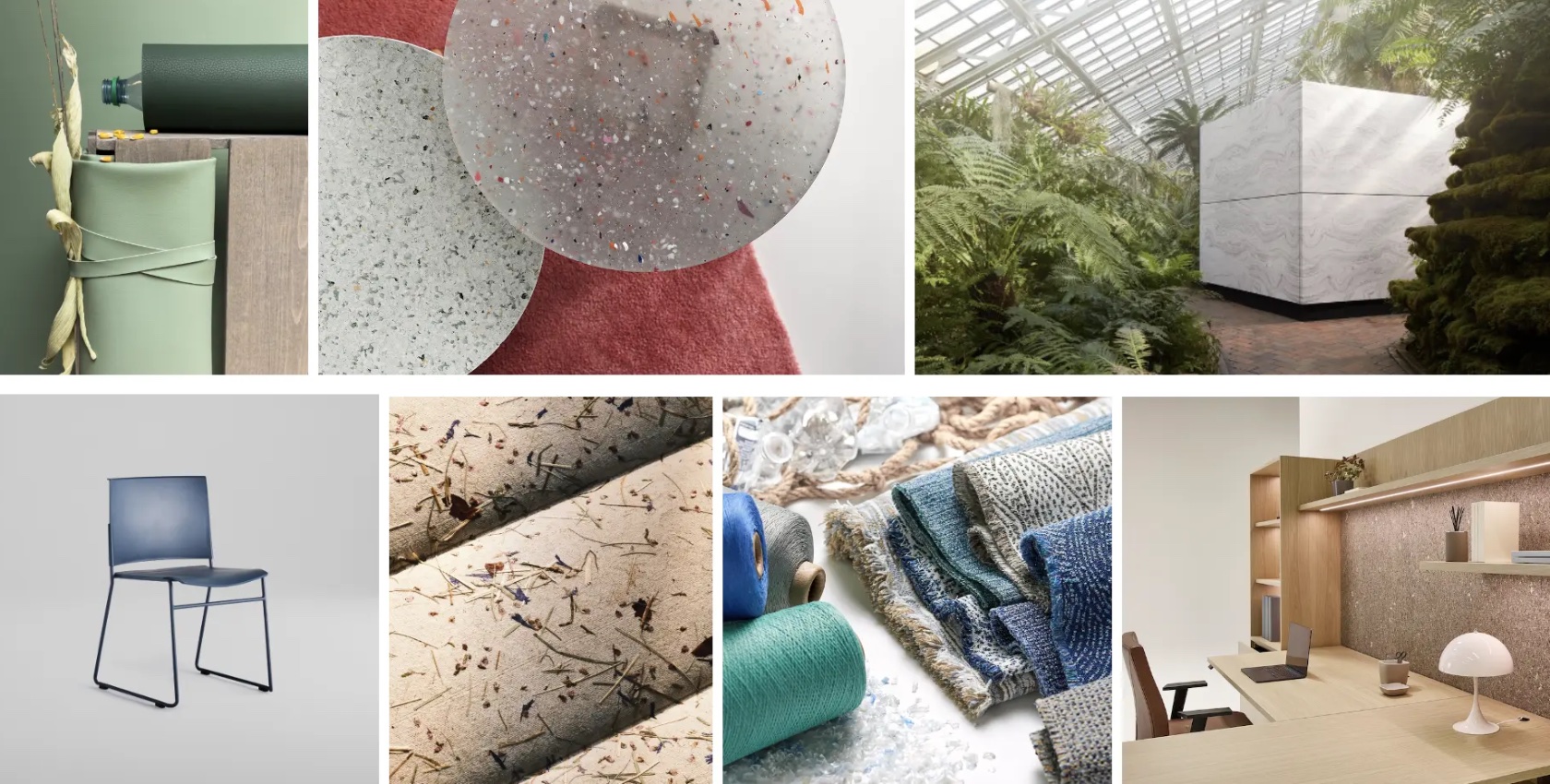
Noteworthy sustainable innovations include Ultrafabrics’ Volar Bio, which features a mix of recycled and bio-based content, and Turf’s Stone Textures, which emulate natural stone using eco-friendly materials. Slalom’s Bloom product emphasizes acoustic wellness using bio-based materials, while C.F. Stinson’s Sea Change textiles are crafted from post-consumer recycled polyester. Nienkamper’s Vox Tambour, using the eco-material Eelgrass, demonstrates how sustainable materials can offer excellent acoustic and thermal regulation properties.

NeoCon 2024 is set to showcase how thoughtful design can create environments that are functional, beautiful and supportive of human connections and environmental stewardship. As we look forward to the innovations on display, it’s clear that the future of design lies in creating spaces that are as good for people as they are for the planet. This holistic approach makes NeoCon 2024 an unmissable event for anyone interested in the future of our shared spaces.

The post Eco-Friendly Design Concepts at NeoCon 2024: Transforming Workspaces first appeared on Yanko Design.