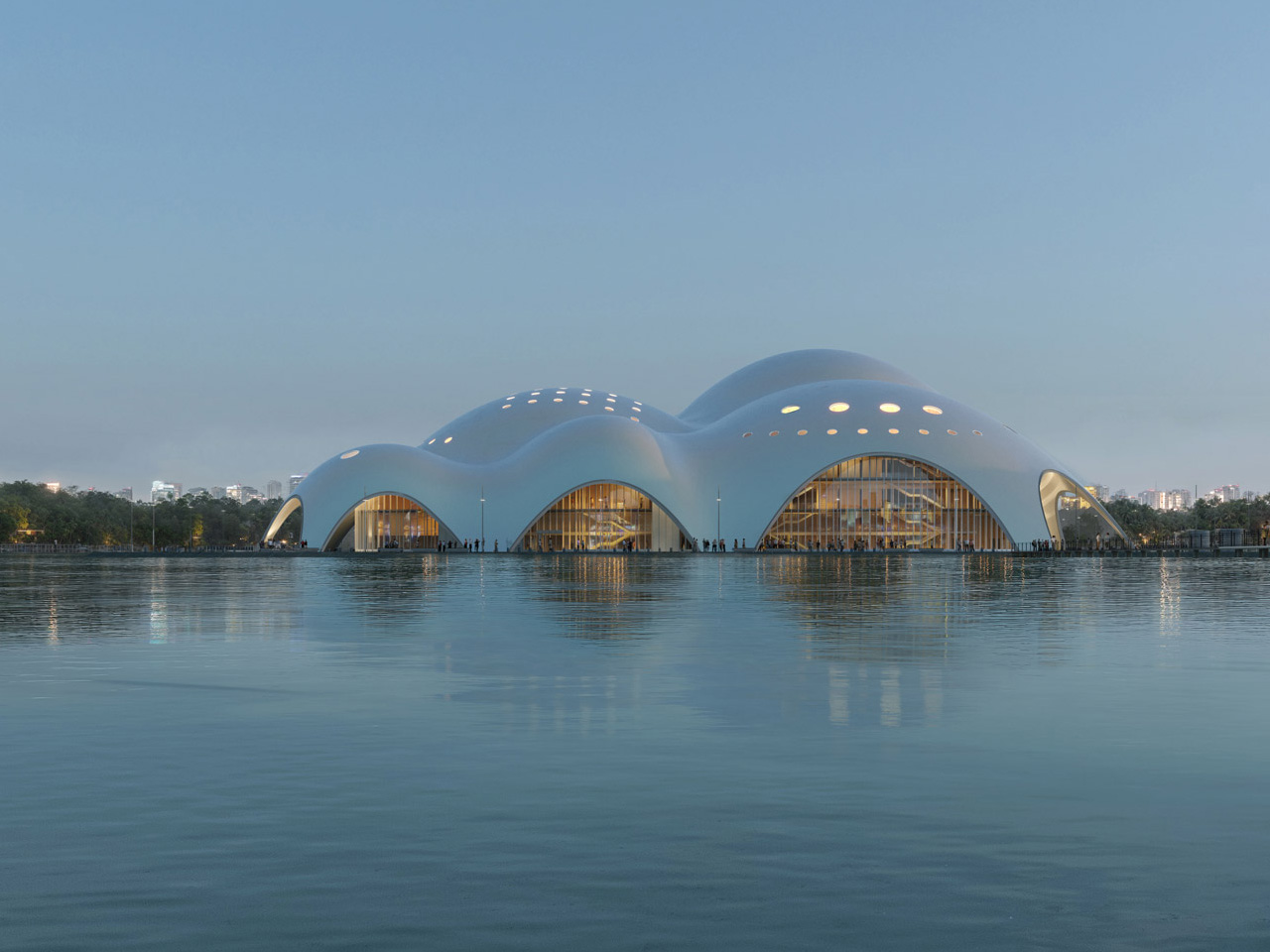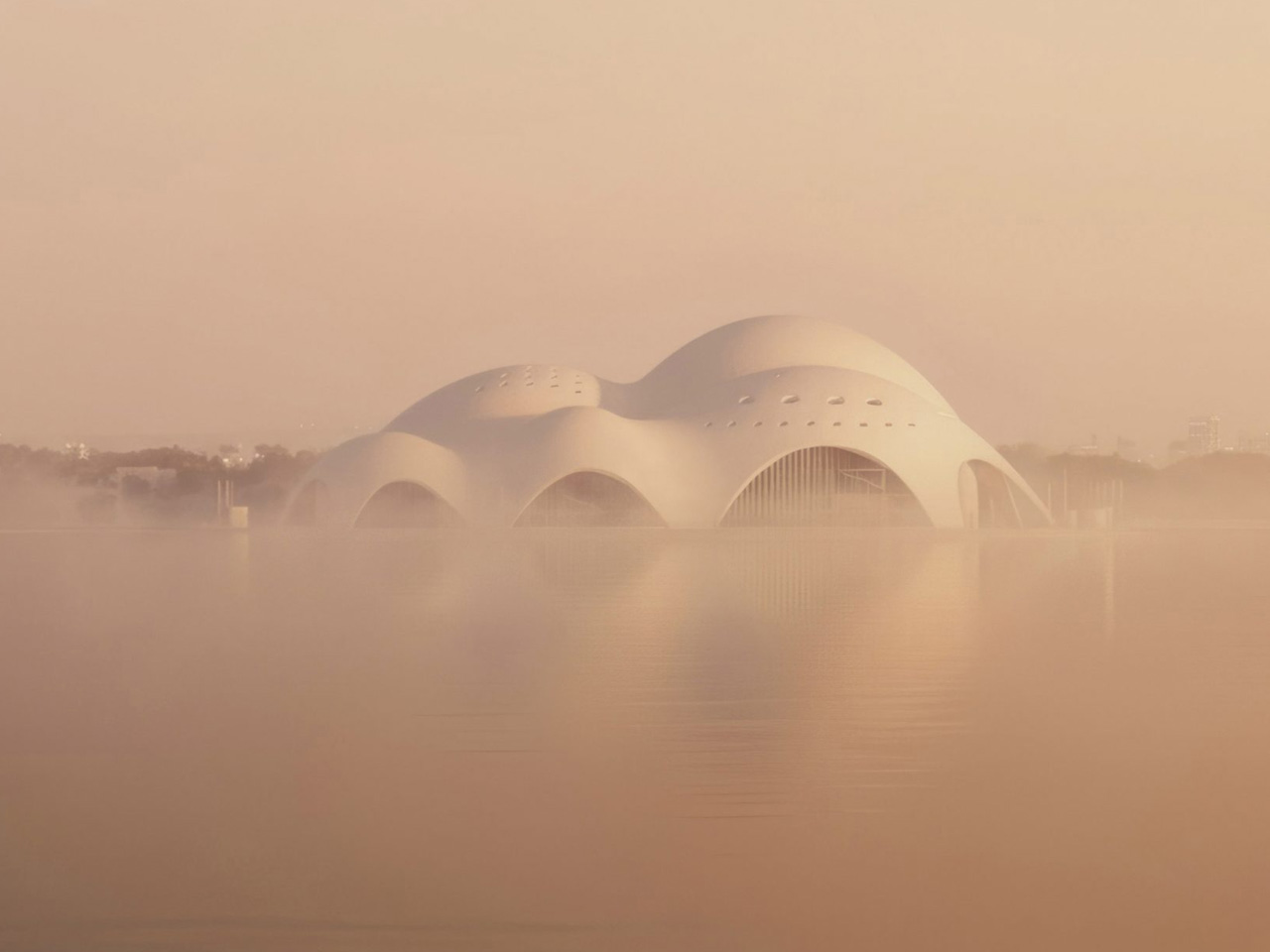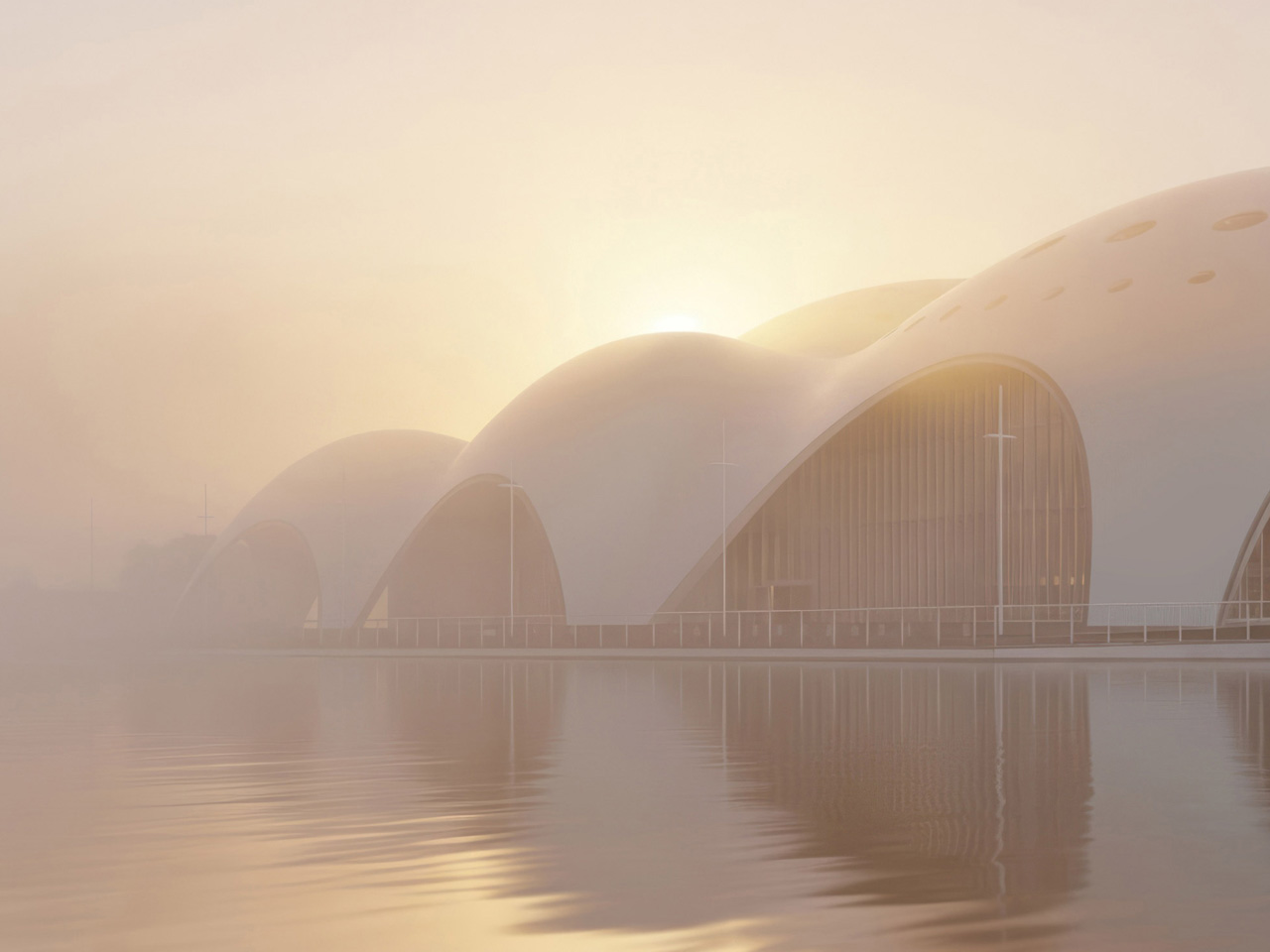
This Opera House Design Has No Back and You Can Walk on the Roof

Picture an opera house that doesn’t just sit on its waterfront site but flows across it like sound waves spreading through the air. That’s exactly what Bjarke Ingels Group has cooked up for Hamburg’s new State Opera, and honestly, it’s one of those designs that makes you rethink what a cultural building can be in the 21st century.

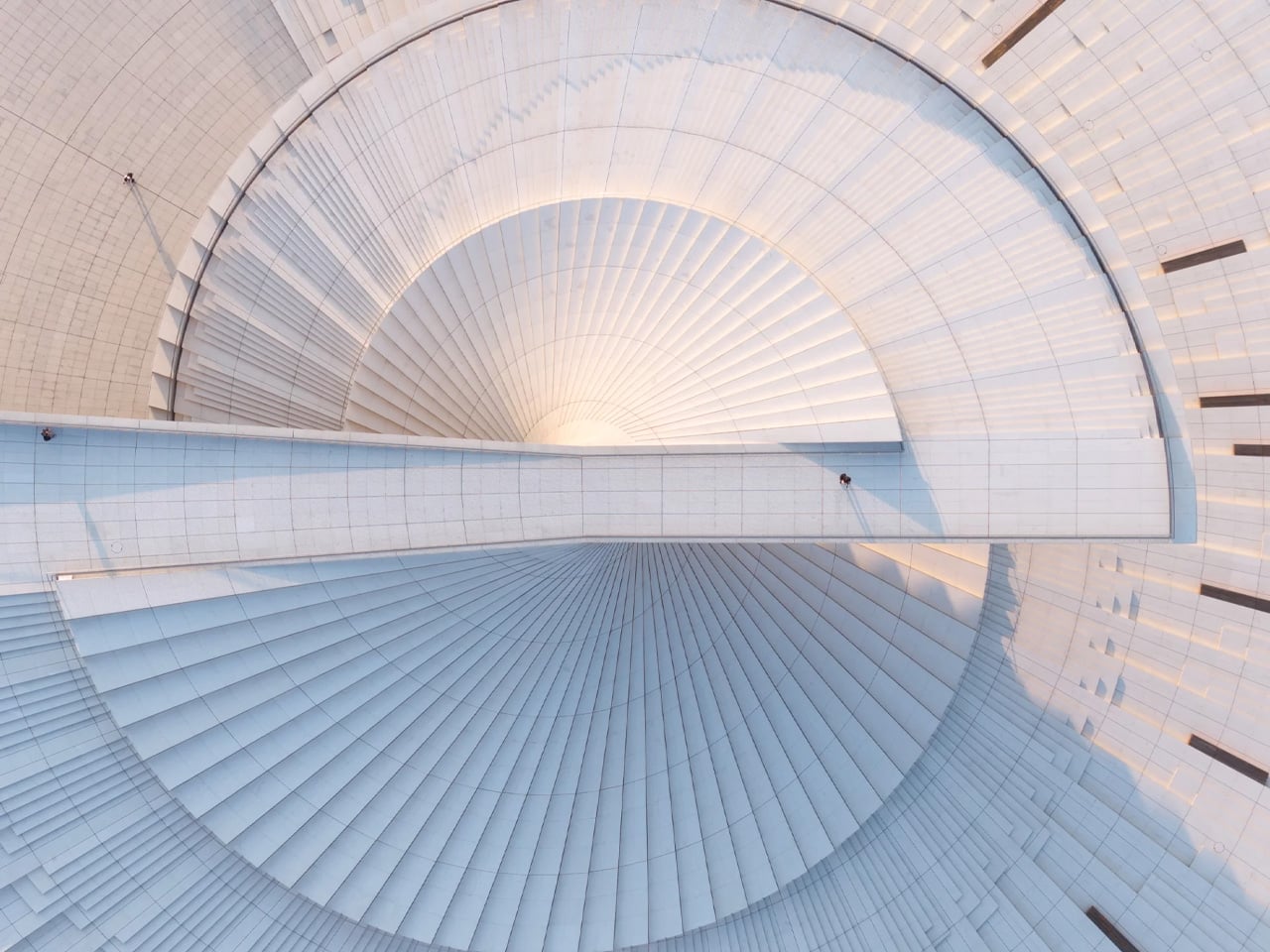
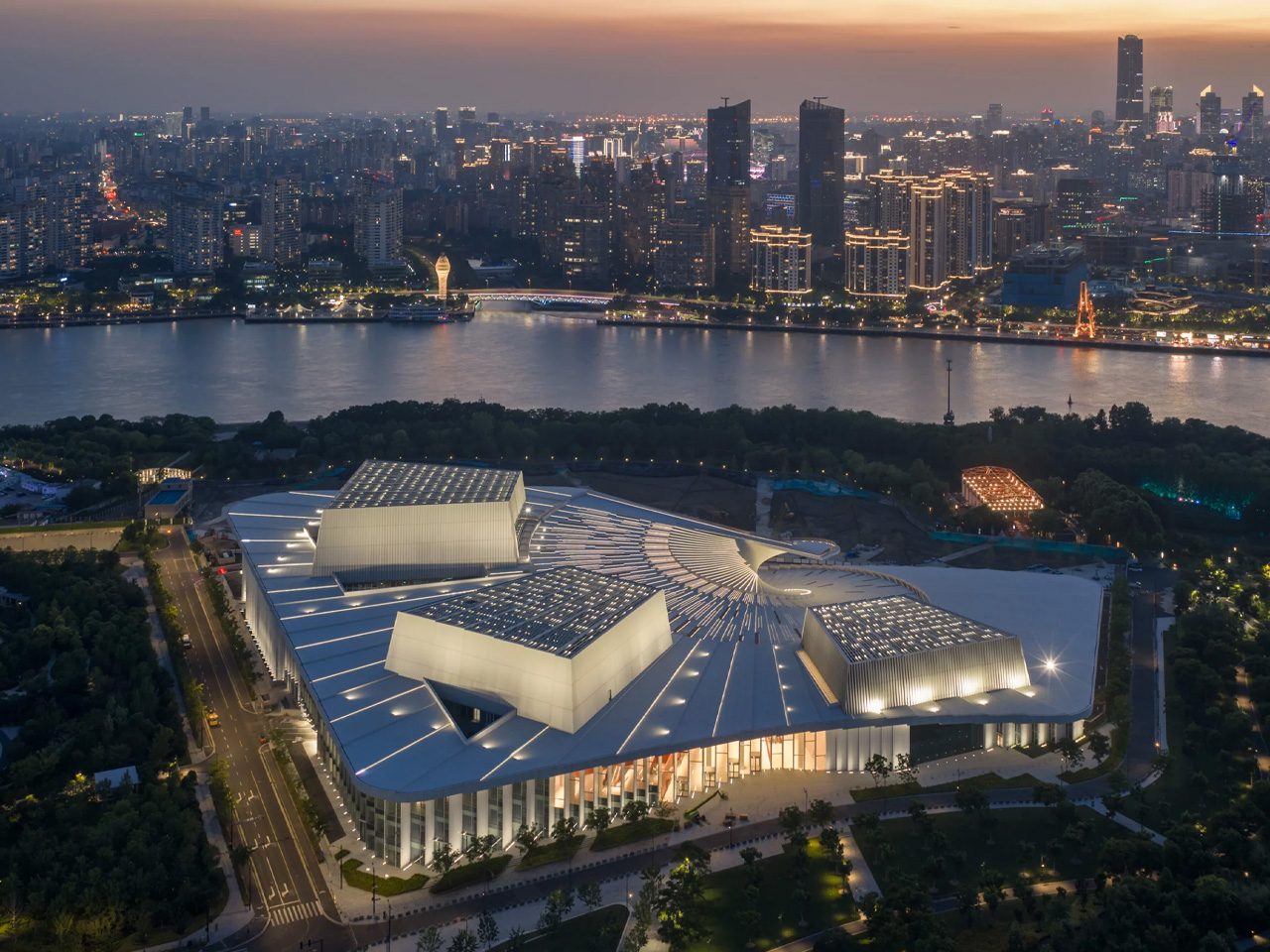
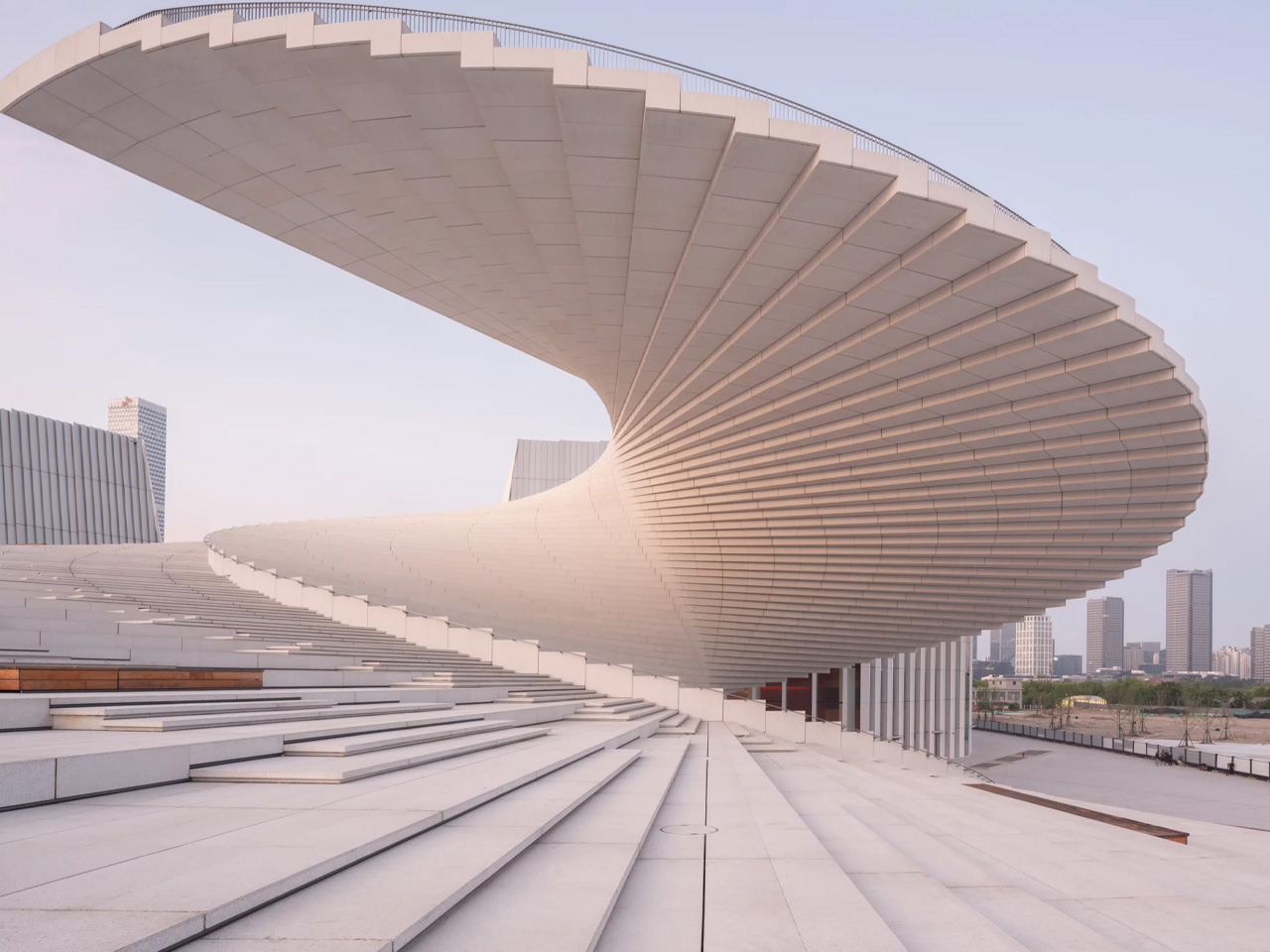
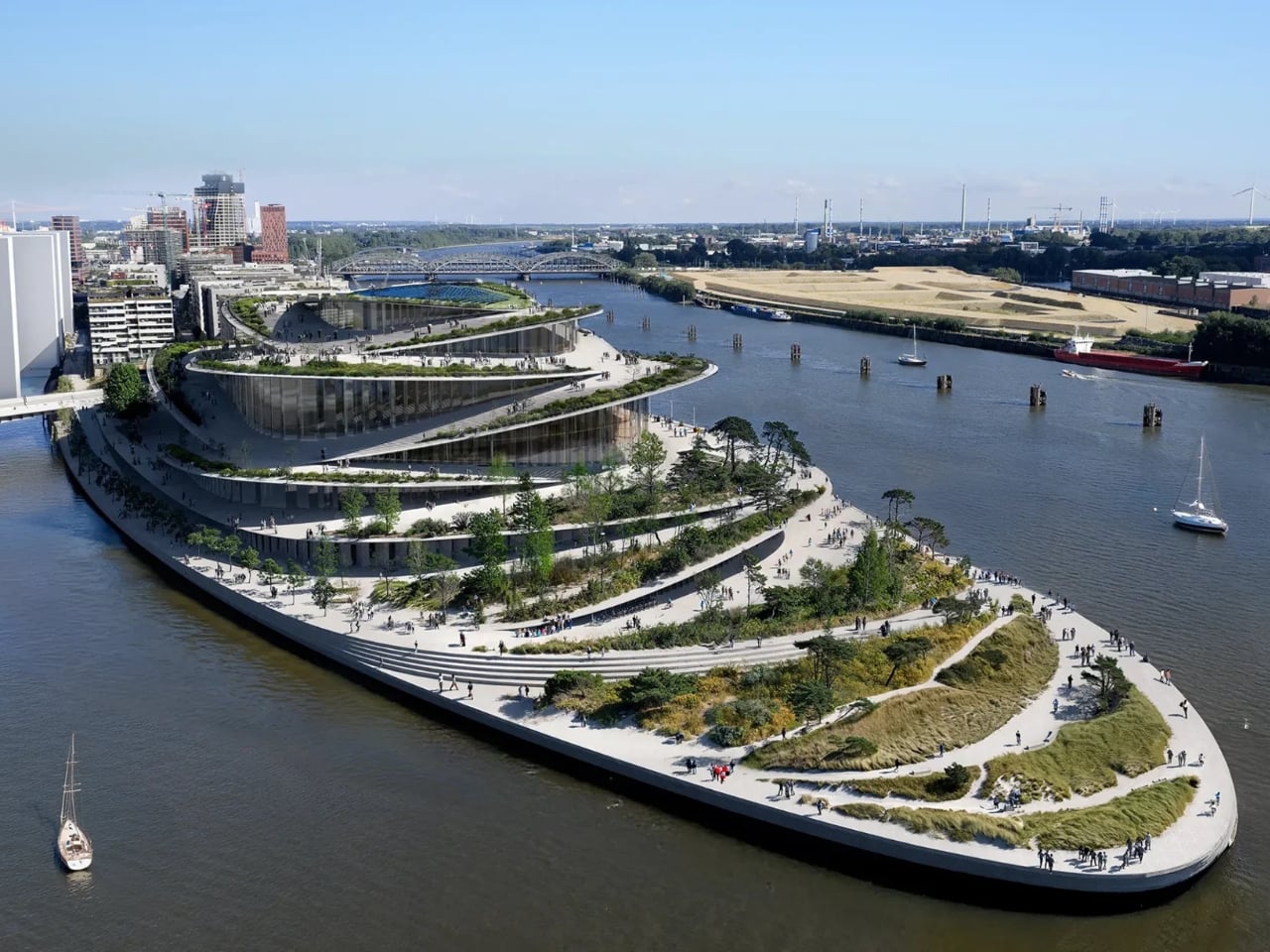
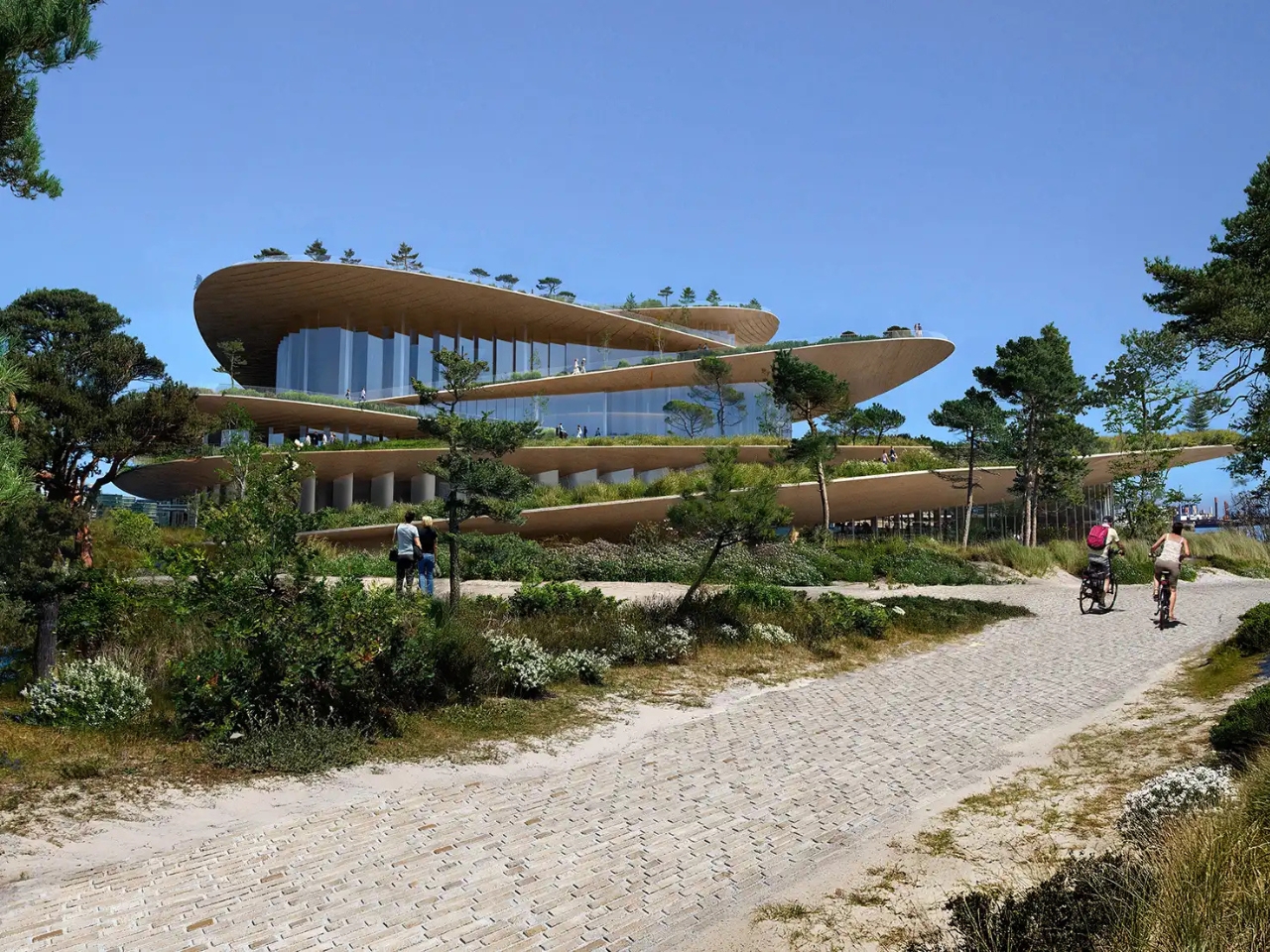
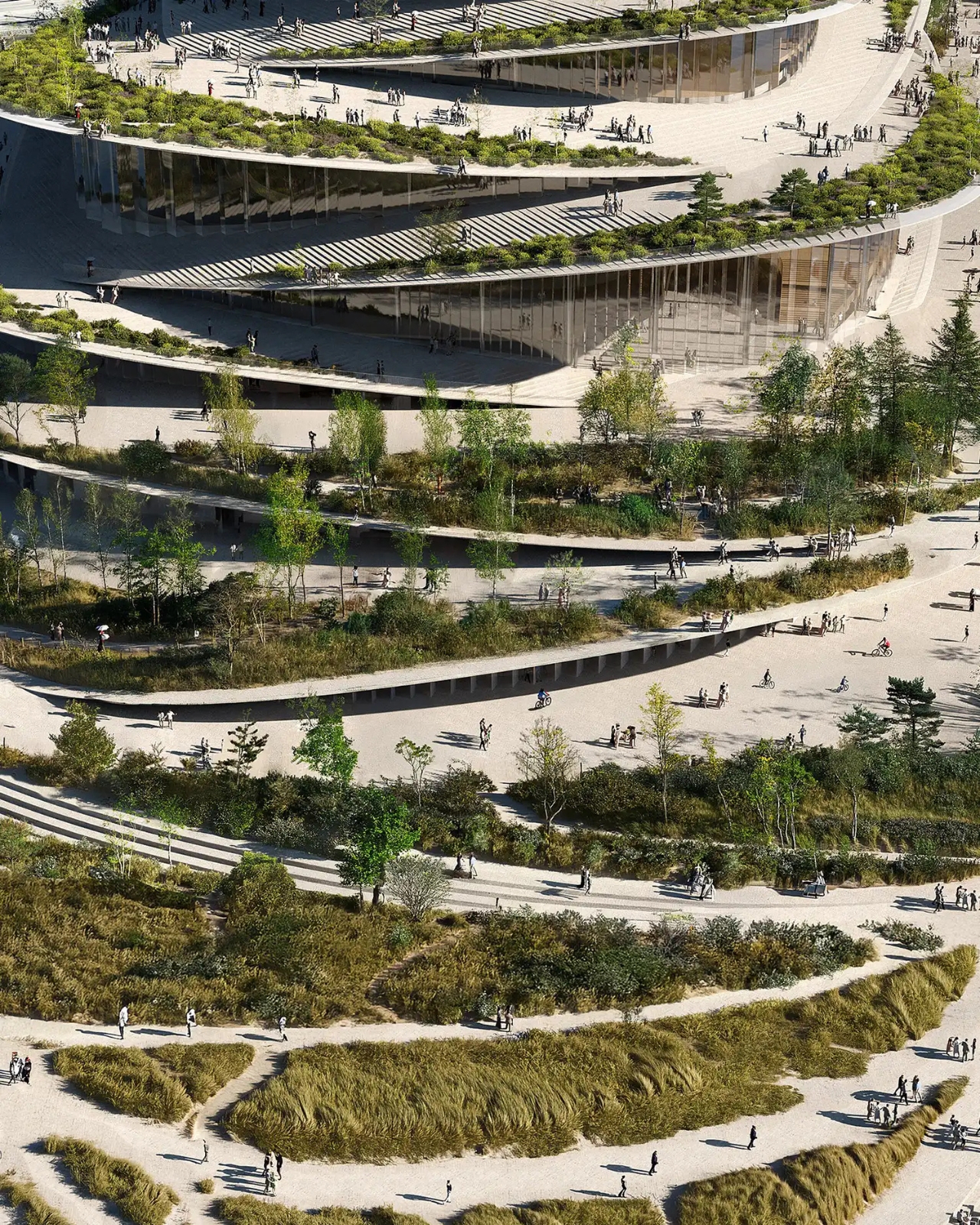
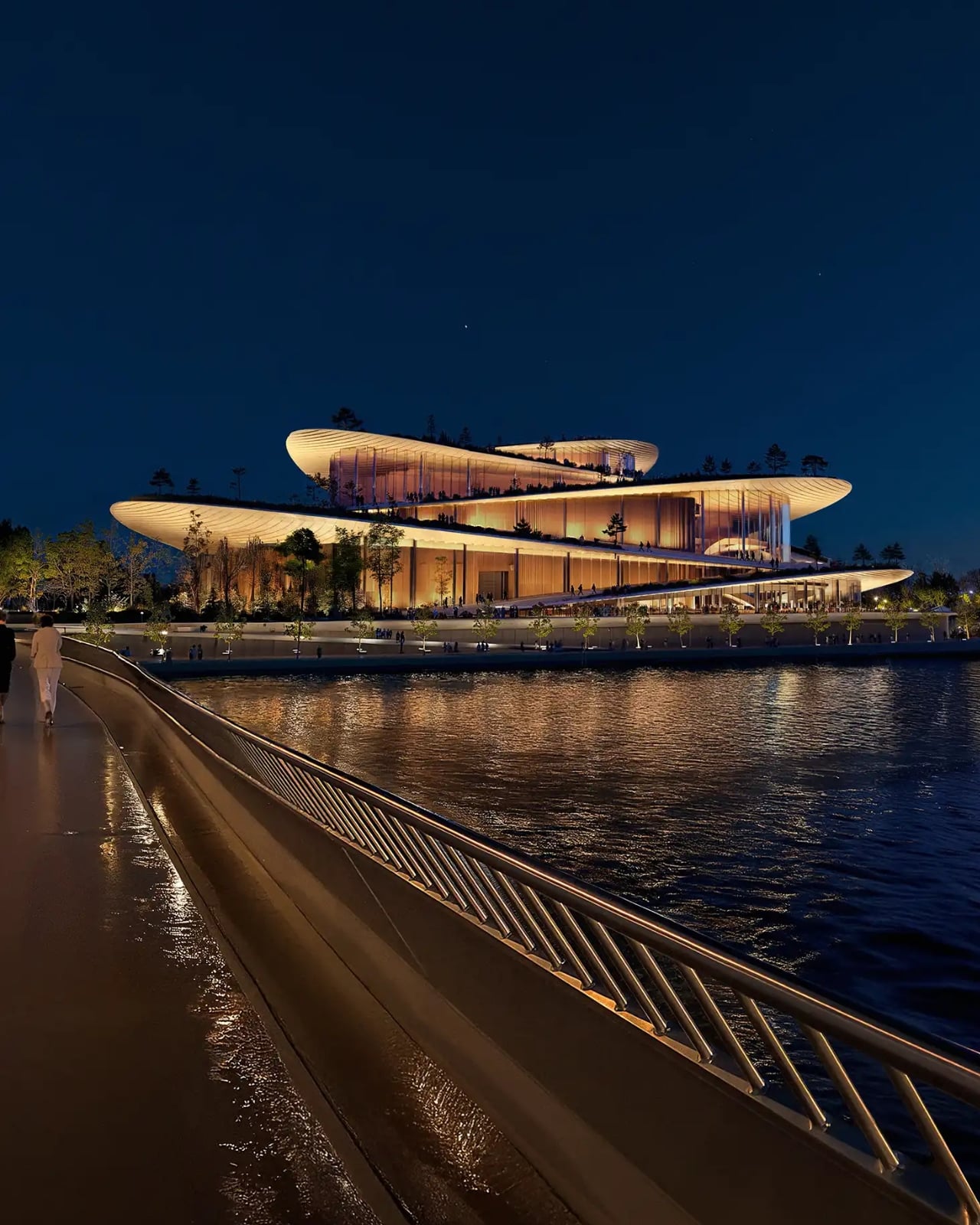
The Danish architecture firm just won an international competition to replace Hamburg’s aging 1950s opera house with something that feels less like a fortress of high culture and more like an urban living room. Located on the Baakenhöft peninsula in HafenCity, right where the city meets the water, the new building reads as a landscape of concentric terraces that ripple outward from the central performance hall. Ingels himself describes it as terraces “emanating like soundwaves,” which is pretty poetic for a guy known for turning ideas into buildable reality.

Designer: BIG – Bjarke Ingels Group

What makes this project so interesting is how it completely ditches the traditional opera house playbook. You know the type: imposing facades, grand staircases that separate the cultured elite from everyone else, buildings that basically scream “not for you” to anyone walking by. BIG’s approach flips that script entirely. The 450,000-square-foot building is designed as what they call “a public building within a park,” where the roofscape is fully walkable and the structure has no defined back side.

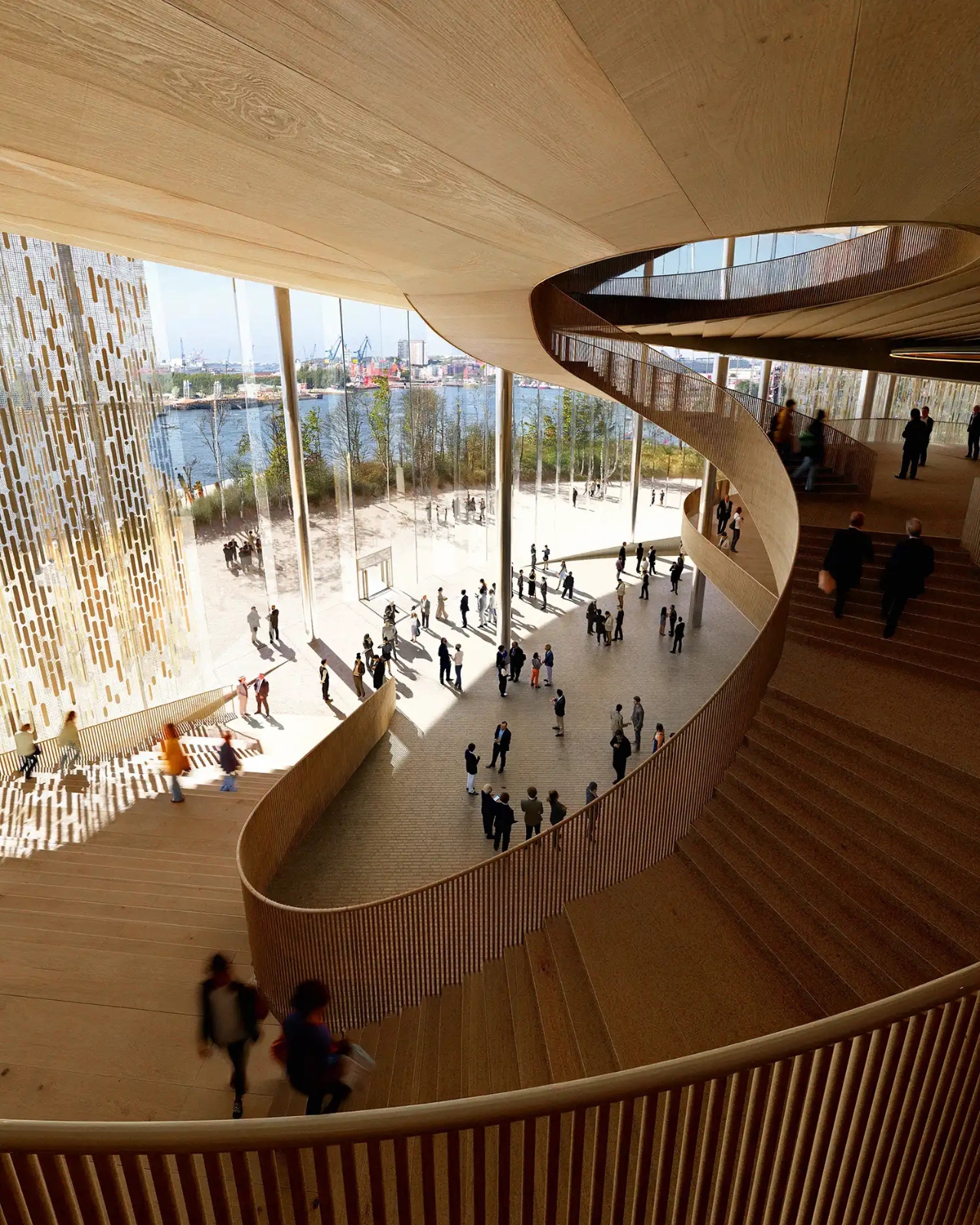
Think about that for a second. An opera house with no rear elevation. Instead of creating a building that sits apart from its surroundings, the design treats the entire structure as an extension of HafenCity’s public realm. The terraced exterior becomes a landscaped garden that rises to meet the main volume, creating what amounts to a human-made topography where people can hang out, walk their dogs, or just watch the sunset over the harbor regardless of whether they have tickets to La Bohème that evening.

This democratization of space isn’t just good PR. It represents a fundamental shift in how we think about cultural institutions and their relationship to the communities they serve. Opera houses have historically been exclusive spaces, both architecturally and culturally. By making the building itself permeable and accessible, BIG is suggesting that even if you’re not an opera fan, this building still belongs to you. It’s your park, your gathering space, your piece of waterfront.

The design also responds smartly to its context. Hamburg’s existing opera house served the city well for decades, but it reflects a different era’s ideas about urban culture and public space. The new location in HafenCity, a rapidly developing waterfront district that’s become one of Europe’s largest urban regeneration projects, demanded something that could anchor a neighborhood still finding its identity. Rather than plopping down a monument, BIG created something that extends and enhances the existing urban fabric.

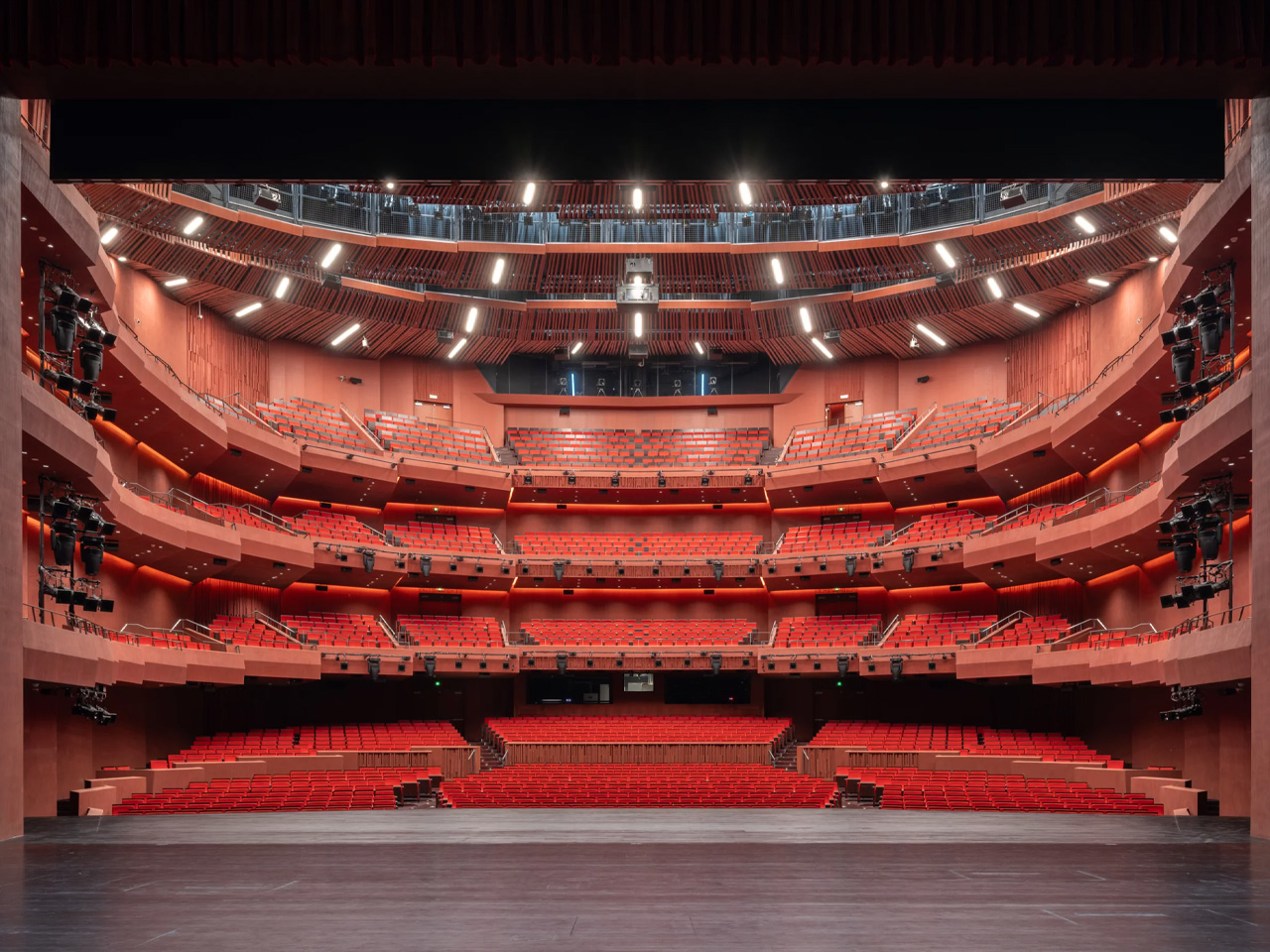
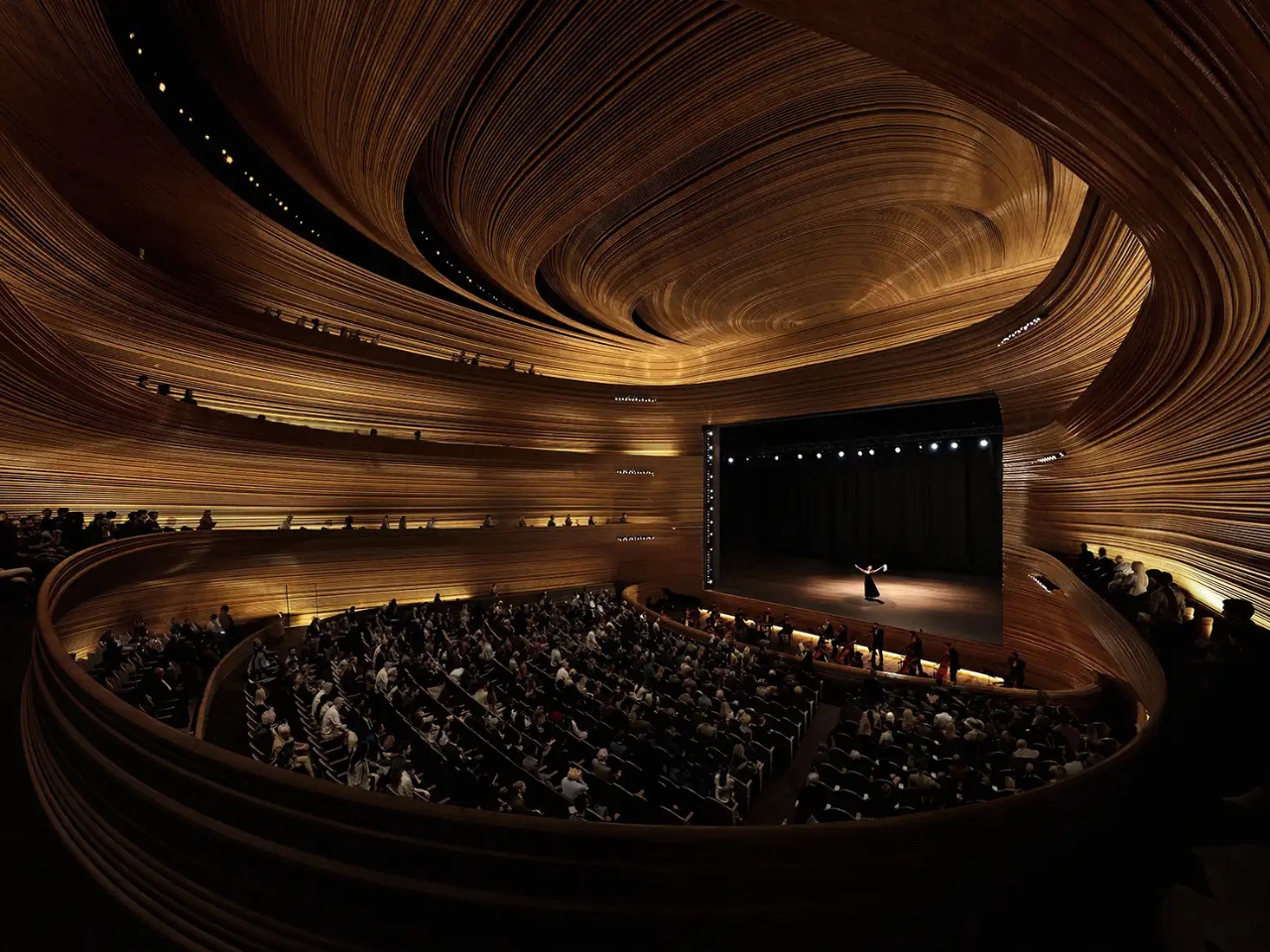
From a technical standpoint, the rippling terrace concept isn’t just aesthetically pleasing. It creates multiple entry points and circulation paths, distributes the building’s mass in a way that feels less imposing, and provides outdoor social spaces at various levels. The design incorporates advanced acoustic engineering to ensure world-class sound inside while maintaining that crucial connection to the outside world.

There’s also something refreshingly playful about the whole concept. Comparing the terraces to sound waves or ripples on water isn’t just architectural marketing speak. It creates a visual metaphor that helps people understand what the building is trying to do before they ever step inside. The opera makes sound, sound travels in waves, and those waves become the literal form of the building. It’s the kind of concept-driven design that Ingels has become famous for, where big ideas translate into built form in ways that feel both intellectually satisfying and just plain cool to look at.

Will this design single-handedly make opera accessible to the masses? Probably not. But it removes at least one barrier by creating a building that invites you in rather than keeping you out. And in a world where cultural institutions are constantly wrestling with questions of relevance and accessibility, that architectural gesture matters. Hamburg’s getting more than a new opera house. It’s getting a new kind of public space that just happens to have a world-class performance hall at its center.

The post This Opera House Design Has No Back and You Can Walk on the Roof first appeared on Yanko Design.
A Floating $395M Opera House Inspired By Oyster Pearls Opens In 2027

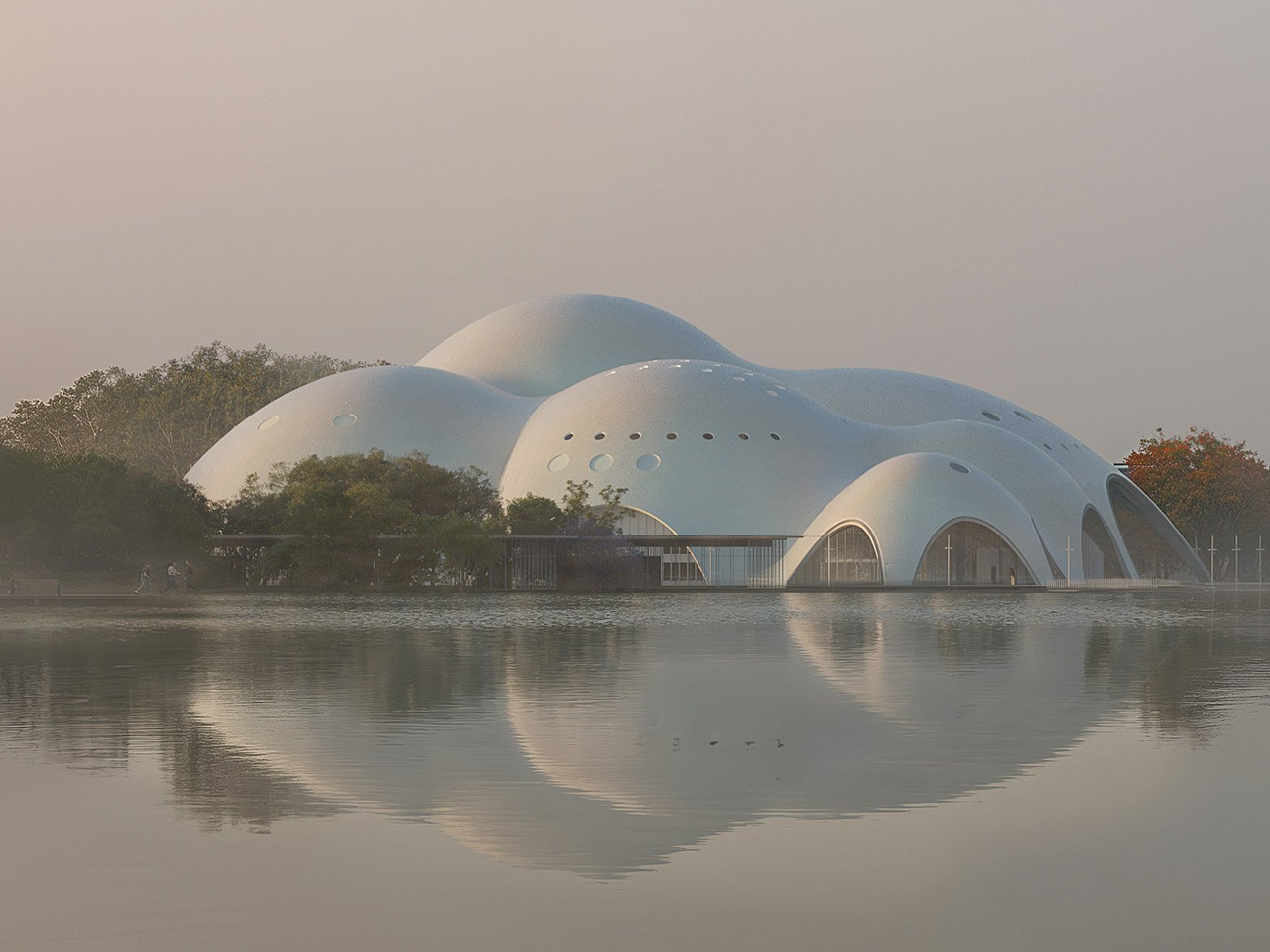
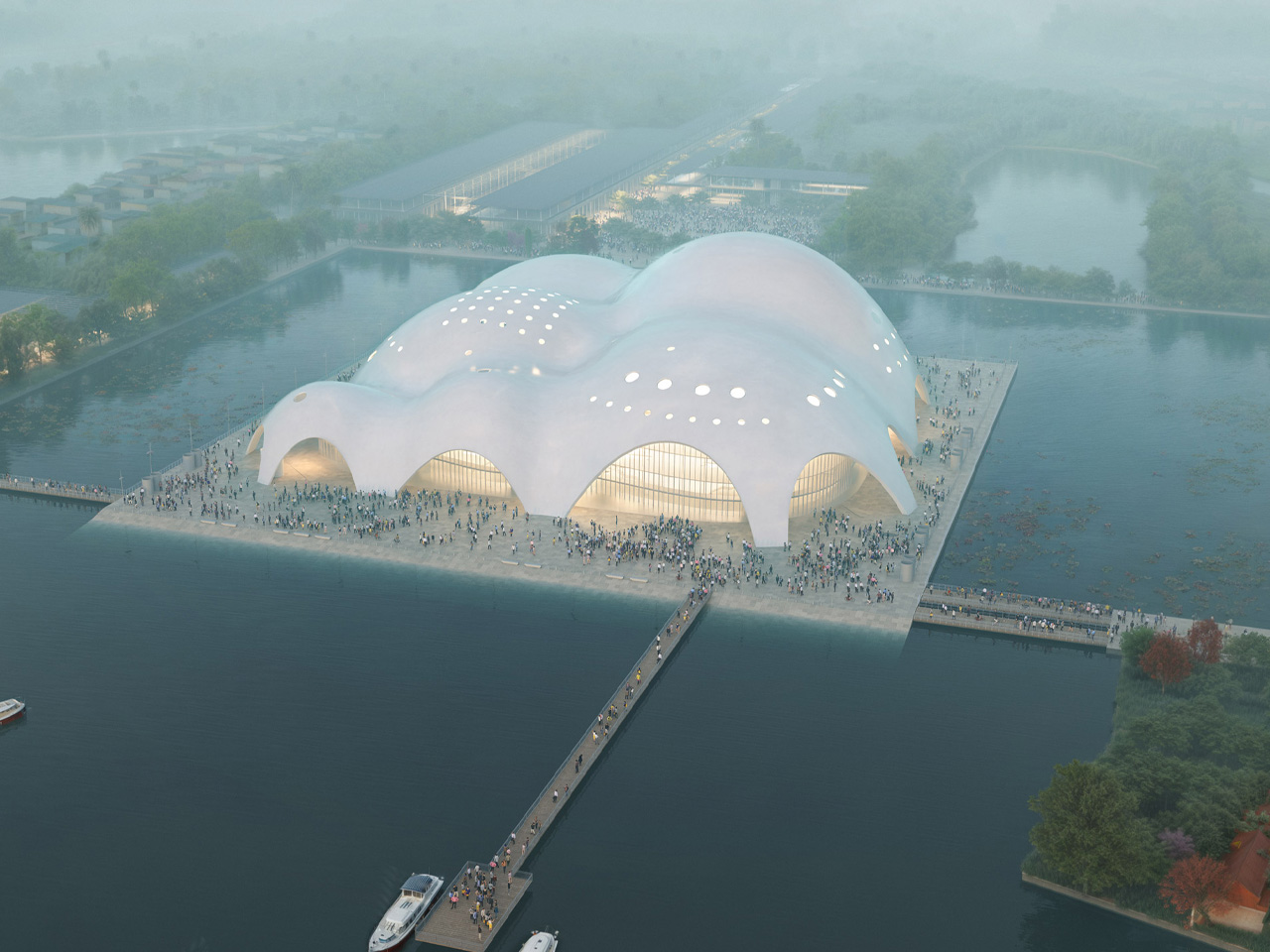
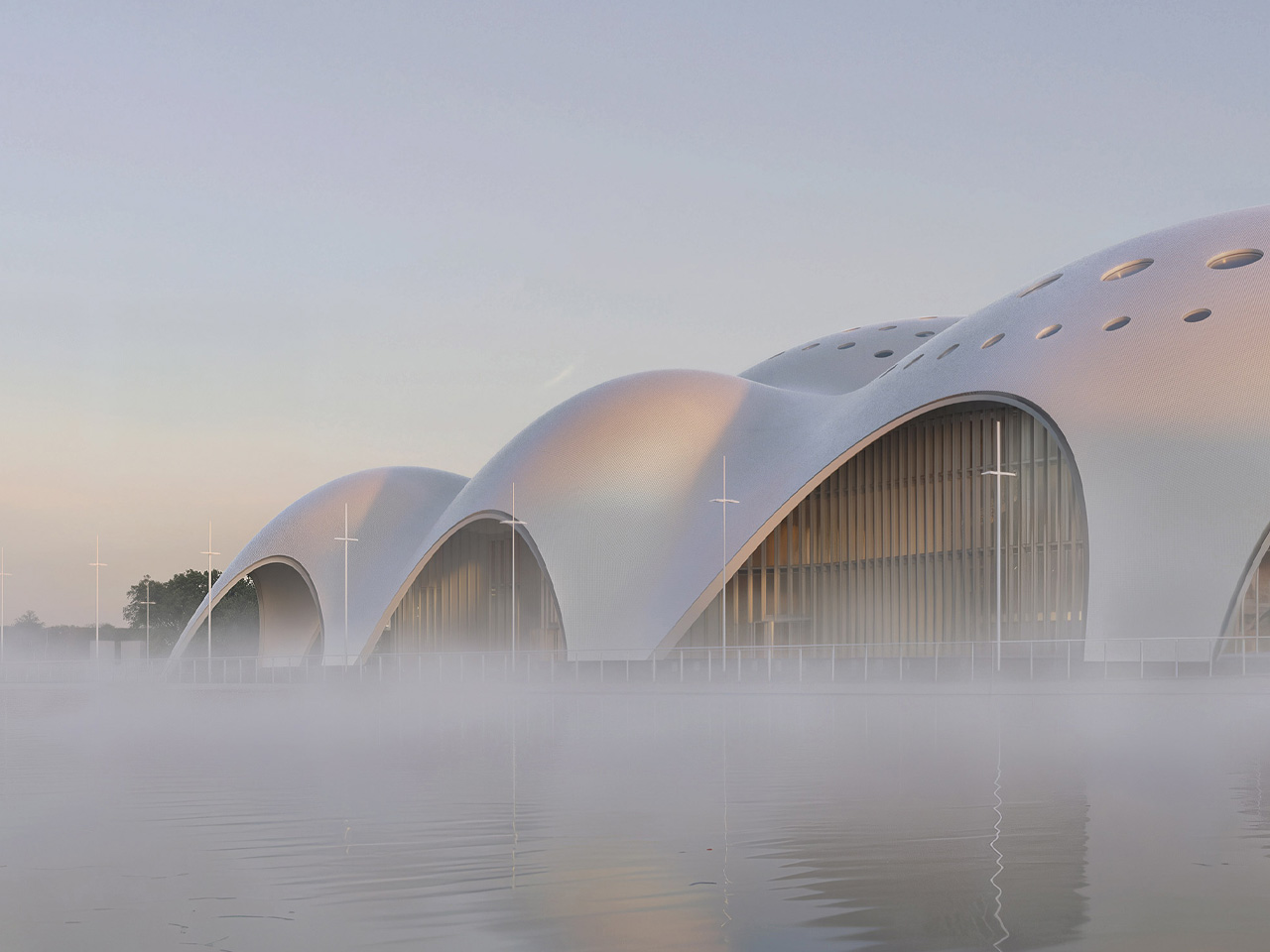
Construction has kicked off on what might be Southeast Asia’s most jaw-dropping cultural project—the Isola della Musica, a striking opera house designed by the legendary Renzo Piano that will literally float on Hanoi’s West Lake when it opens in 2027. You’d be hard-pressed to find a more dramatic setting for world-class performances.

The name means “Island of Music” in Italian, which feels fitting given Piano’s heritage and the venue’s extraordinary location on the Quang An Peninsula, nestled between West Lake and the newly created Đầm Trị Lake. At $394.5 million, this isn’t just about building another concert hall—it’s Vietnam flexing its cultural muscles on the global stage.

Designer: Renzo Piano Building Workshop and PTW Architects

A Pearl Born from History

Piano’s vision reaches deep into the lake’s past for inspiration. Generations of local farmers once made their living diving for massive freshwater oysters called “Trai,” hunting for those rare pearls that shimmer in pink, orange, and white. The opera house captures that heritage perfectly, its gleaming dome emerging from the water like nature’s own masterpiece, finally surfacing.

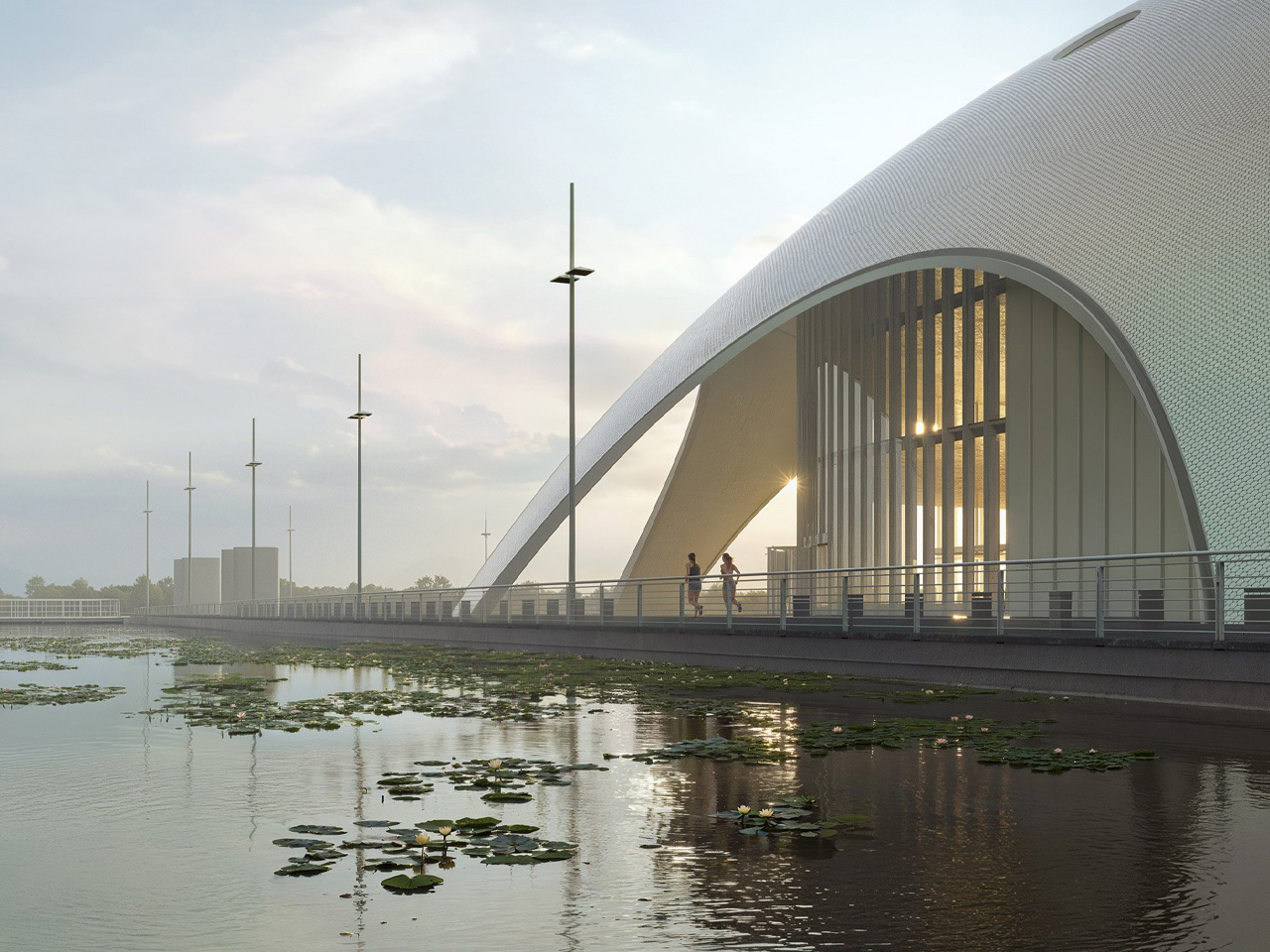
The architectural genius here lies in how Piano expresses what happens inside through the building’s outer shell. His team played with everything from soap bubble formations to catenary curves, crafting a double-layered structure that feels alive and organic. The building seems to breathe alongside the lake’s natural rhythms while maintaining the structural sophistication you’d expect from a Piano masterpiece.

Beyond the Stage

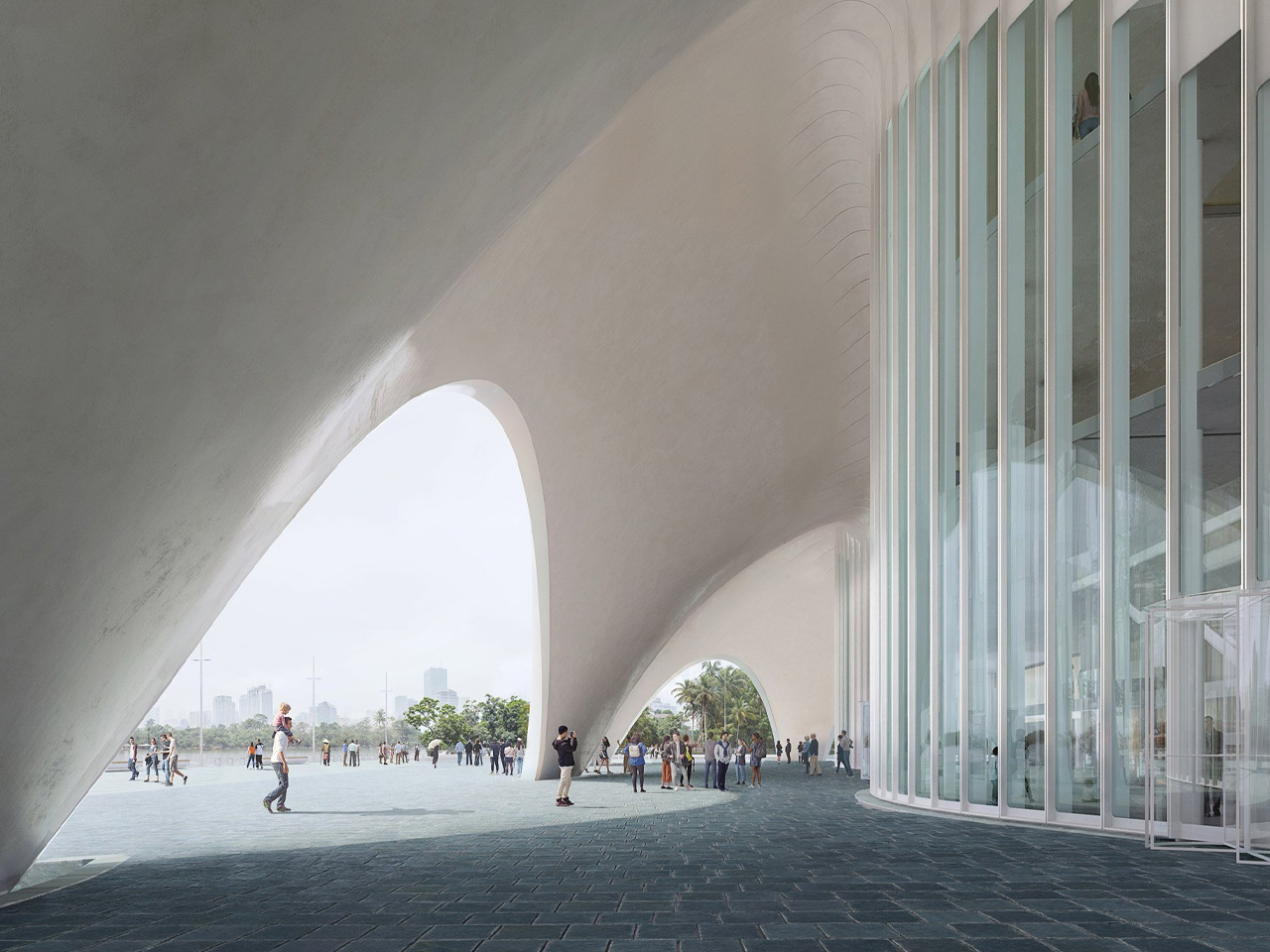
This 191,000-square-meter complex packs a serious punch with its 2,000-seat main theater, plus additional performance spaces that bump total capacity past 3,200. But calling it just an opera house sells it short—the venue will house museums, event spaces, and programming that goes way beyond traditional classical fare.

The real brilliance shows in how seamlessly it weaves into Hanoi’s fabric. The surrounding waterways, including the historic lotus pond at Pho Linh Pagoda and Thuy Su Lake, are getting full restoration treatment with native lotus replanting. Eight new boat docks will create water-based transit routes, including direct aquatic access to performances—imagine arriving at the opera by boat as the sun sets over West Lake.

A Cultural Capstone

The partnership between Piano’s workshop and Sydney’s PTW Architects brings world-class expertise to Vietnam’s cultural evolution. At 87, with 65 years of architectural mastery behind him, Piano could have chosen any project. Instead, he picked this Hanoi landmark as his latest legacy piece, seeing it as something truly special.

When the Isola della Musica finally opens in 2027, it’ll offer far more than spectacular performances. This floating pearl represents Vietnam’s cultural transformation, Piano’s enduring genius, and proof that great architecture can reshape both cityscapes and entire societies. Hanoi already has its gorgeous French colonial opera house—now it’s getting a contemporary cultural crown jewel that can stand toe-to-toe with the world’s greatest venues.

The post A Floating $395M Opera House Inspired By Oyster Pearls Opens In 2027 first appeared on Yanko Design.