Pepsi Max’s New Can Turns Blue When It’s Cold Enough to Drink

Most of us don’t think twice about the can we grab from the fridge. You reach, you pop, you drink. But Pepsi Max is betting that at least some of us will stop, look twice, and maybe even squeal a little when the can in our hand starts changing colour right before our eyes.

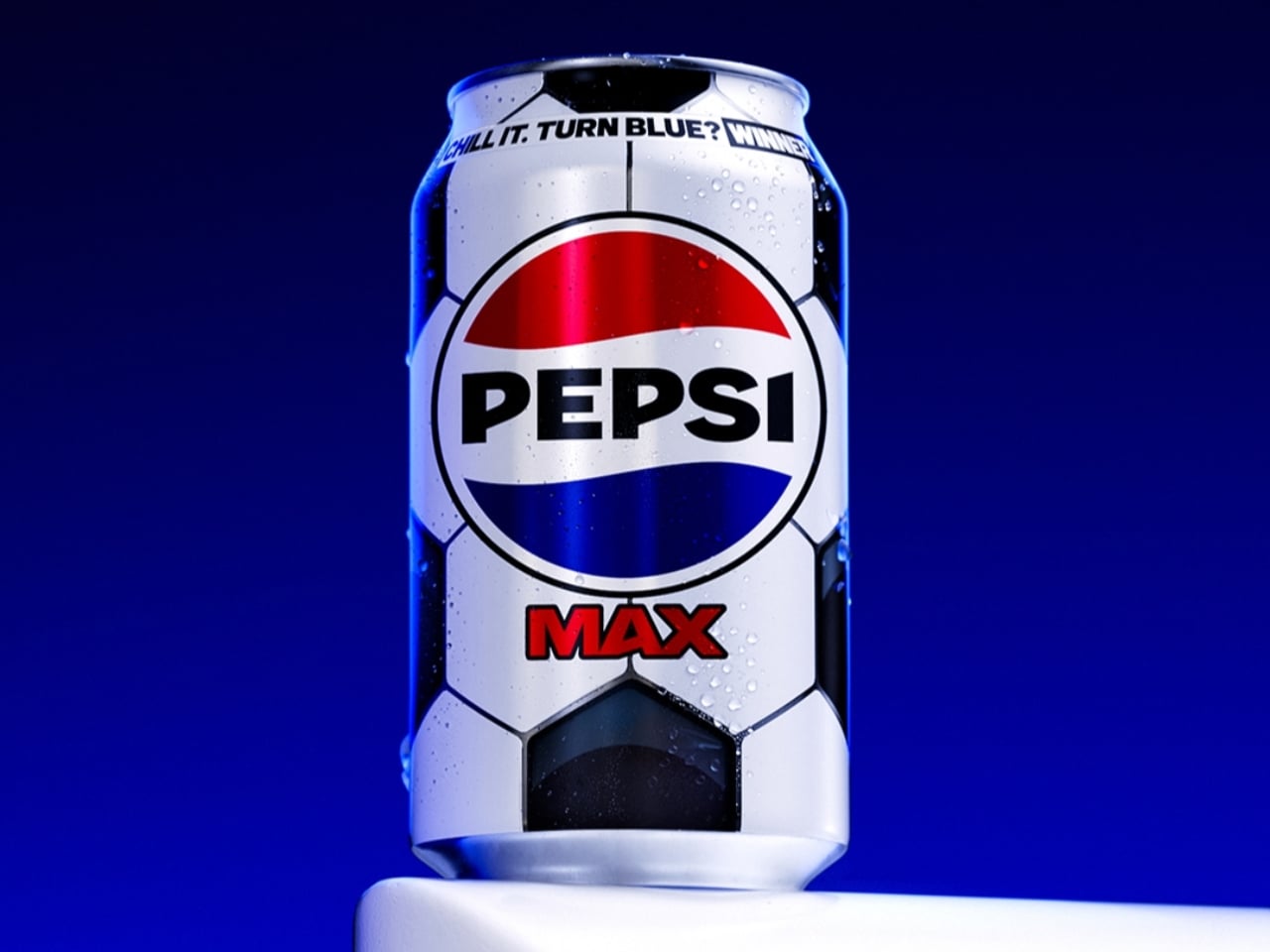
That’s the premise behind Pepsi Max’s new Perfect Chilled variant, launched as part of the brand’s wider Pepsi Football Nation campaign ahead of the 2026 FIFA World Cup. Out of 86 million football-themed cans hitting shelves across the UK, only 150,000 carry something extra: thermochromic ink that begins to shift at 12°C and turns a full, vivid blue at 8°C, the temperature Pepsi considers optimal for drinking. In other words, the can tells you when it’s ready.

Design: Pepsi
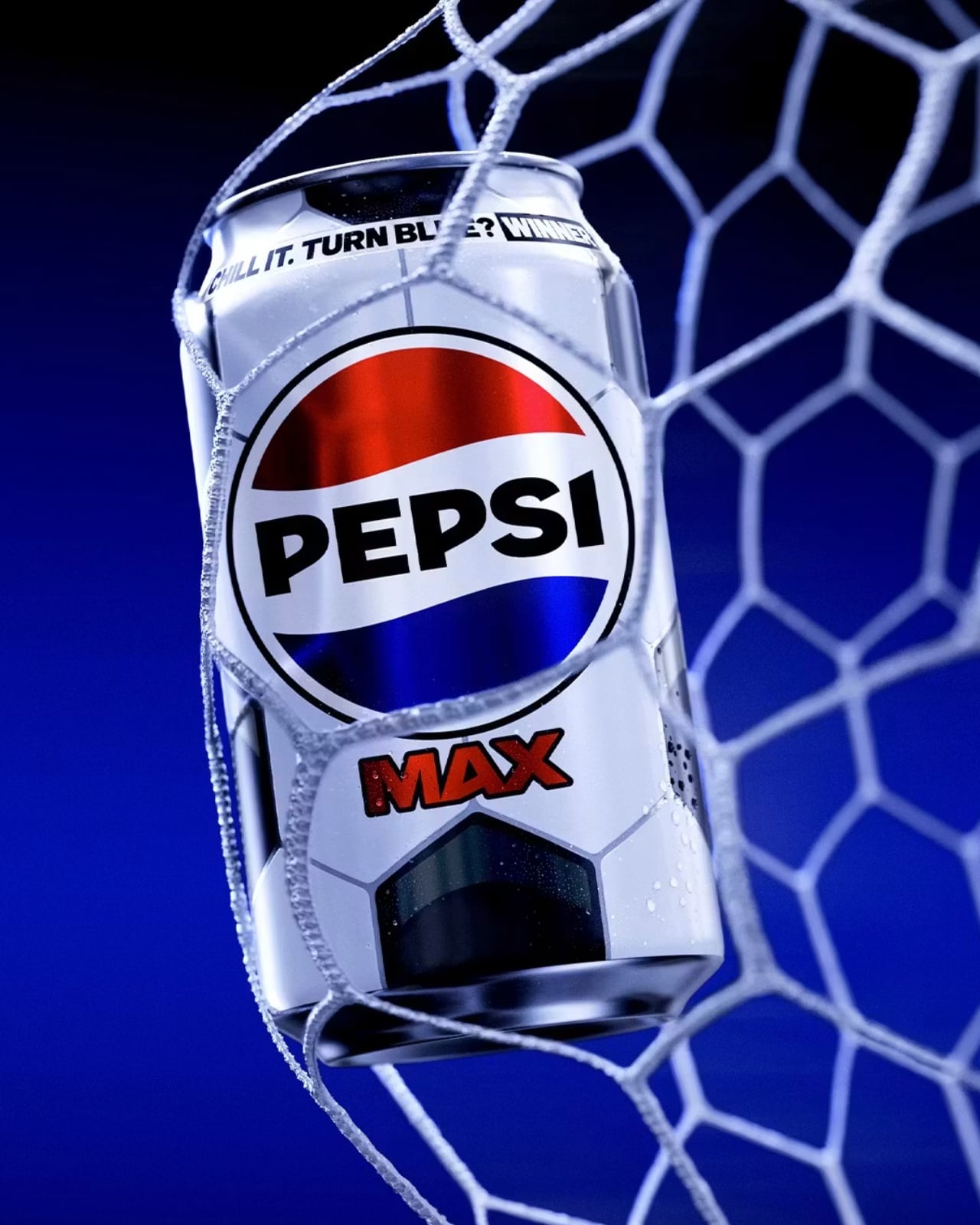
The design itself is clean and considered. The 330ml can wears the classic black-and-white pentagon pattern of a traditional football, a smart visual shorthand that doesn’t need any explanation. It’s immediately recognisable, seasonally relevant, and works beautifully with the colour-change mechanic. The graphic language is minimal without being plain, and the blue reveal against the black-and-white base is genuinely satisfying. When that blue kicks in, it’s not subtle. It’s the kind of visual shift that makes you want to show someone standing next to you.
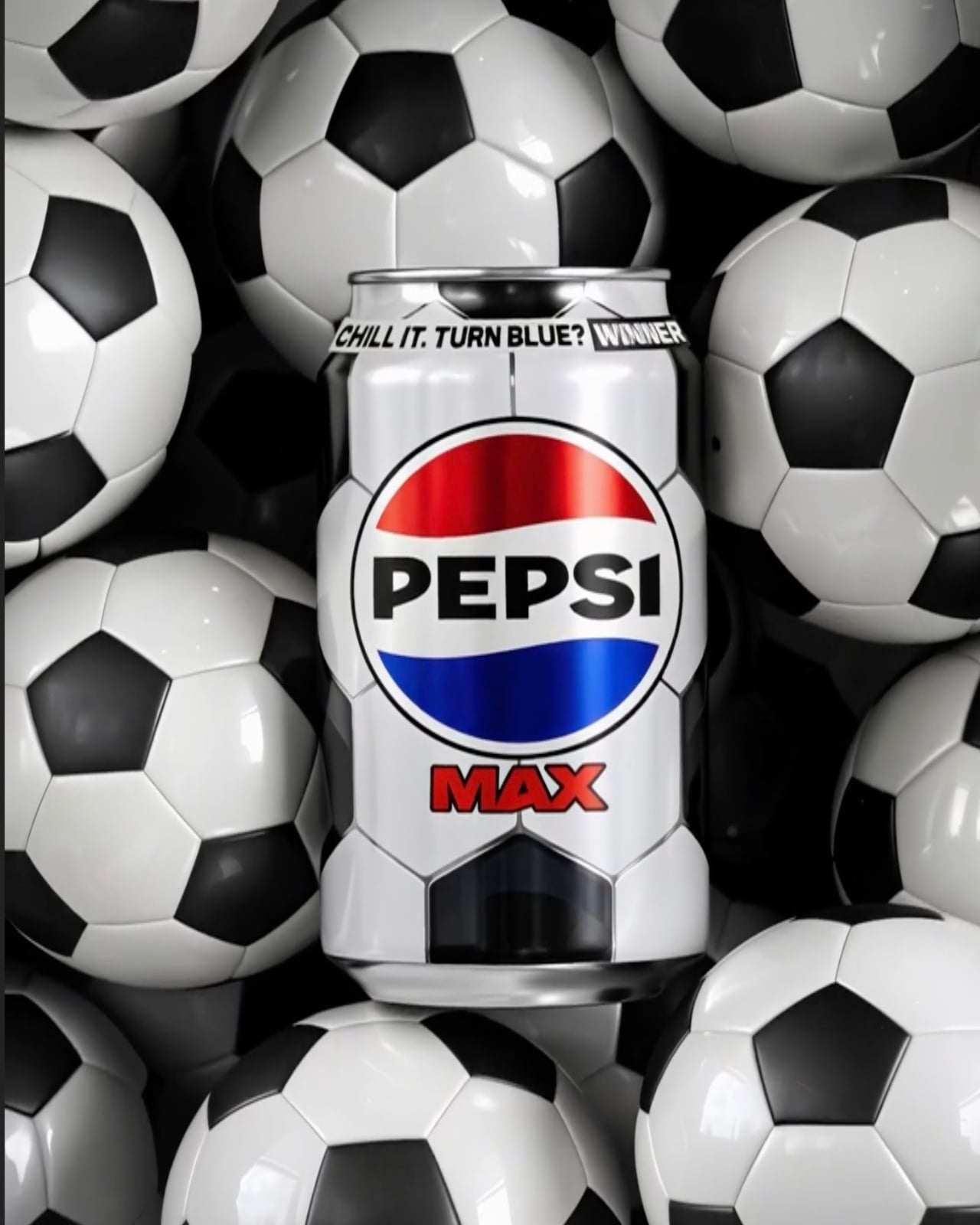
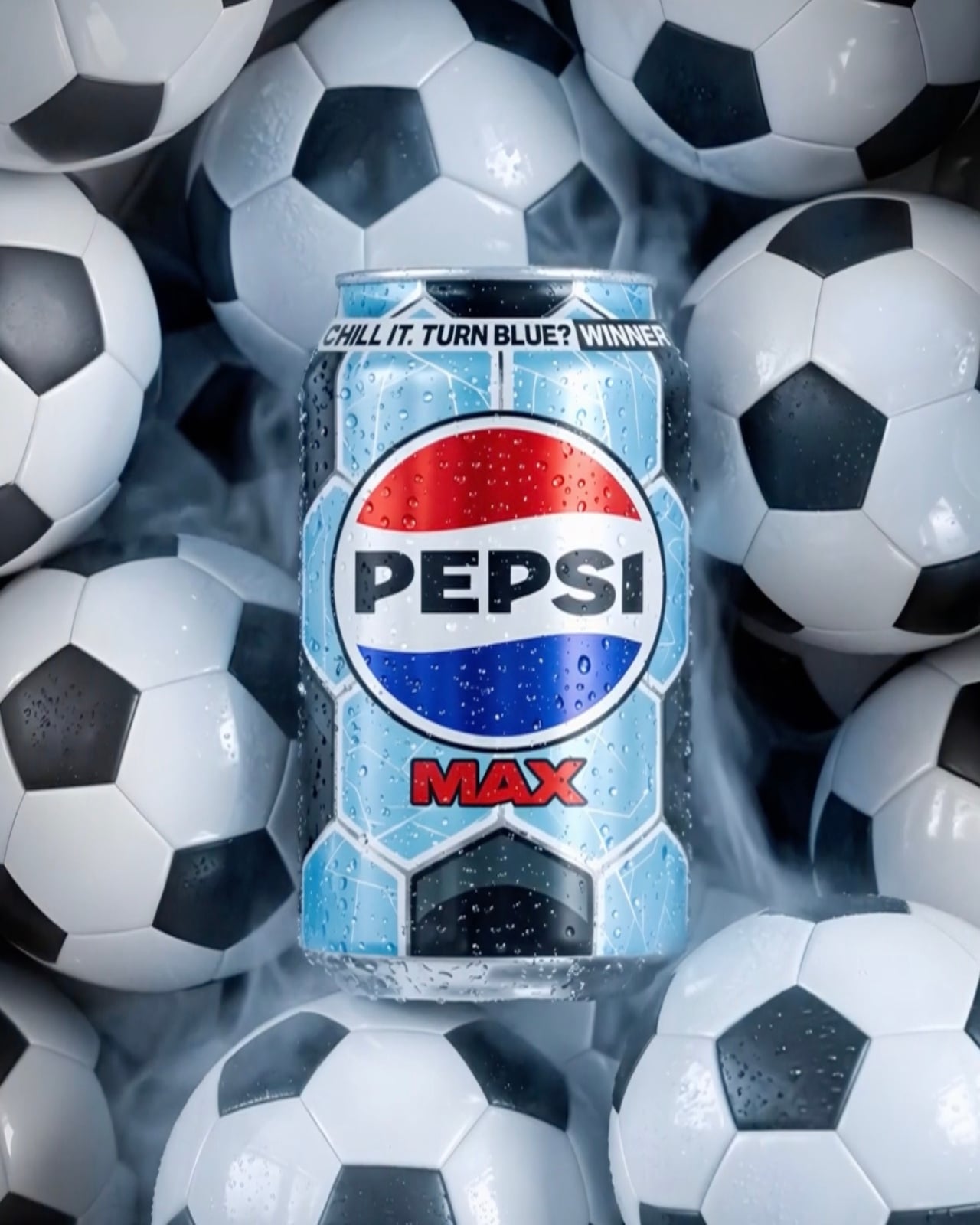
The Perfect Chilled variant also doubles as a prize trigger. Finding one means you’re entered into a competition where prizes include £5,000 towards a home entertainment bundle, football tickets, Pepsi Football Nation merchandise, and vouchers. So the colour change does two things at once: it signals peak drinking temperature, and it reveals whether you’re holding a winner. That’s a neat piece of design thinking, making a single moment do a lot of heavy lifting without feeling gimmicky.

I’ll admit I have a soft spot for thermochromic packaging. It made waves in mainstream consumer consciousness back in the 2000s with Coors Light’s cold-activated mountains, and various brands have been picking it up ever since. But Pepsi’s version feels more purposeful than most. Rather than just being a party trick, the temperature cue here is tied to a genuine product promise: that Pepsi Max is best at 8°C, and the can will tell you when you’ve hit it. That’s functional design, not just fun design, and the difference matters.
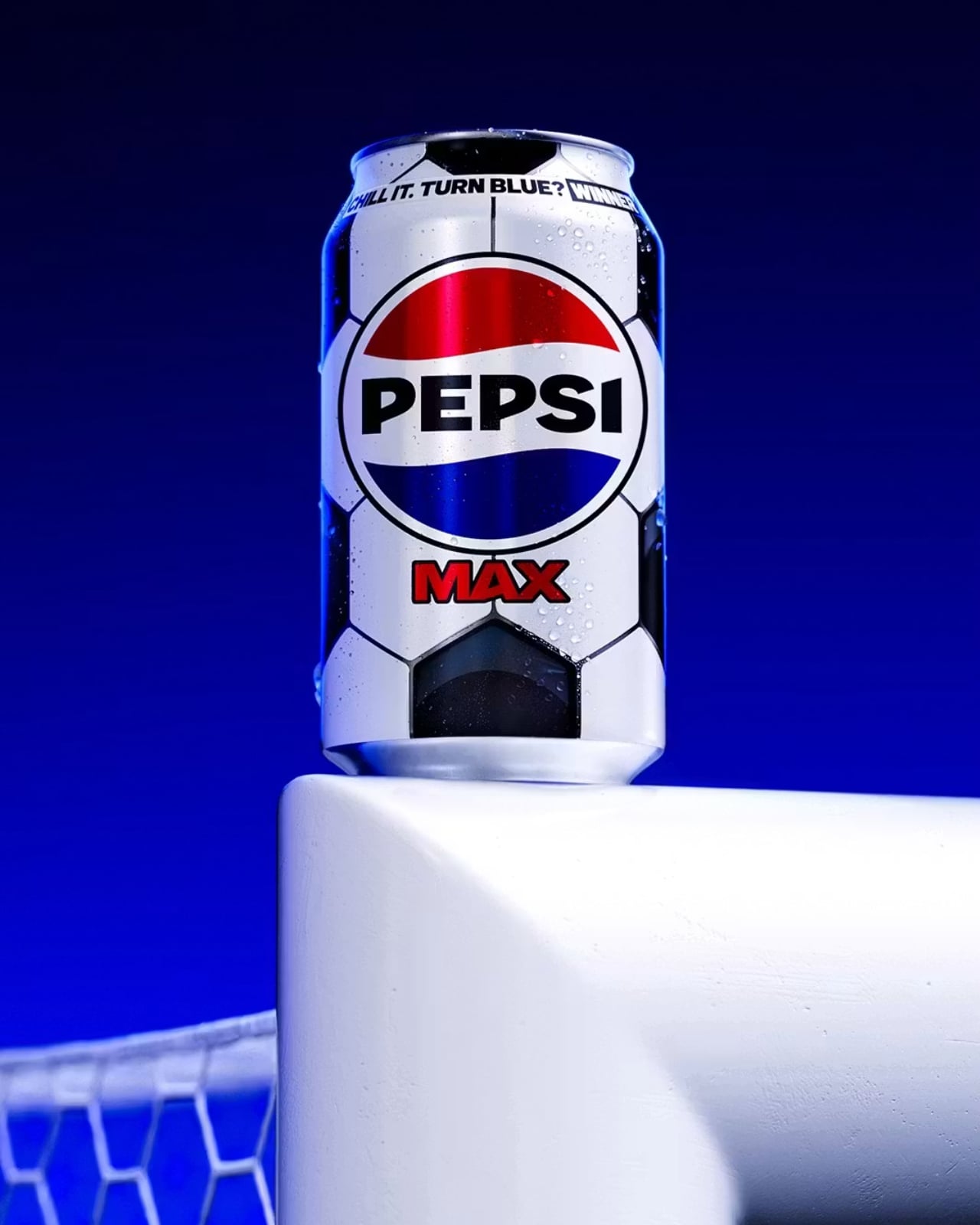
The scarcity piece is where the campaign gets genuinely clever. At 150,000 Perfect Chilled cans out of 86 million, the odds aren’t outrageous, but they’re not guaranteed either. It creates just enough tension to make you actually look at the packaging, which is something brands have been desperately trying to achieve in the era of eyes-down, scroll-while-shopping retail behaviour. When your product can make someone pause on the way to the checkout, you’ve done something right.

Pepsi didn’t stop at the can, either. The campaign includes a browser extension for Chrome and Firefox that replaces the word “soccer” with “football” on any webpage, a nod to the ongoing, completely unresolvable debate that football fans clearly feel strongly enough about to install software over. It’s a small touch, but it speaks to the same sensibility running through the whole campaign: know your audience, and then give them something that feels made for them specifically.

Packaging rarely gets the cultural credit it deserves. It’s the thing you throw away, the design you never frame, the object that lives in your hand for about four minutes before it goes in the recycling. But at its best, it does what this Pepsi Max can does: it turns a routine moment into a small, unexpected experience. For a product that’s been on shelves since the 1990s, making a can feel exciting again is no small feat. And if the price of admission is putting your Pepsi in the fridge before a football match, well, you were probably doing that anyway.
The post Pepsi Max’s New Can Turns Blue When It’s Cold Enough to Drink first appeared on Yanko Design.
How the Rolex Pepsi Turned Me into a One-Watch Guy

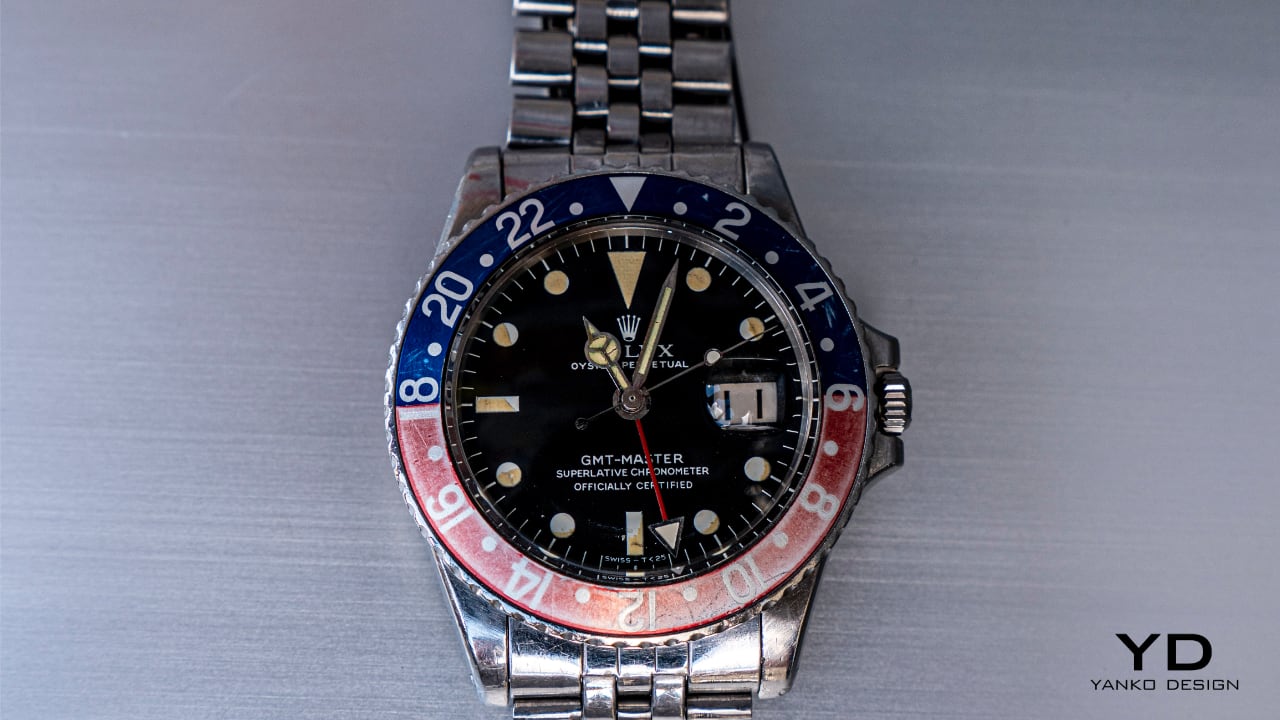
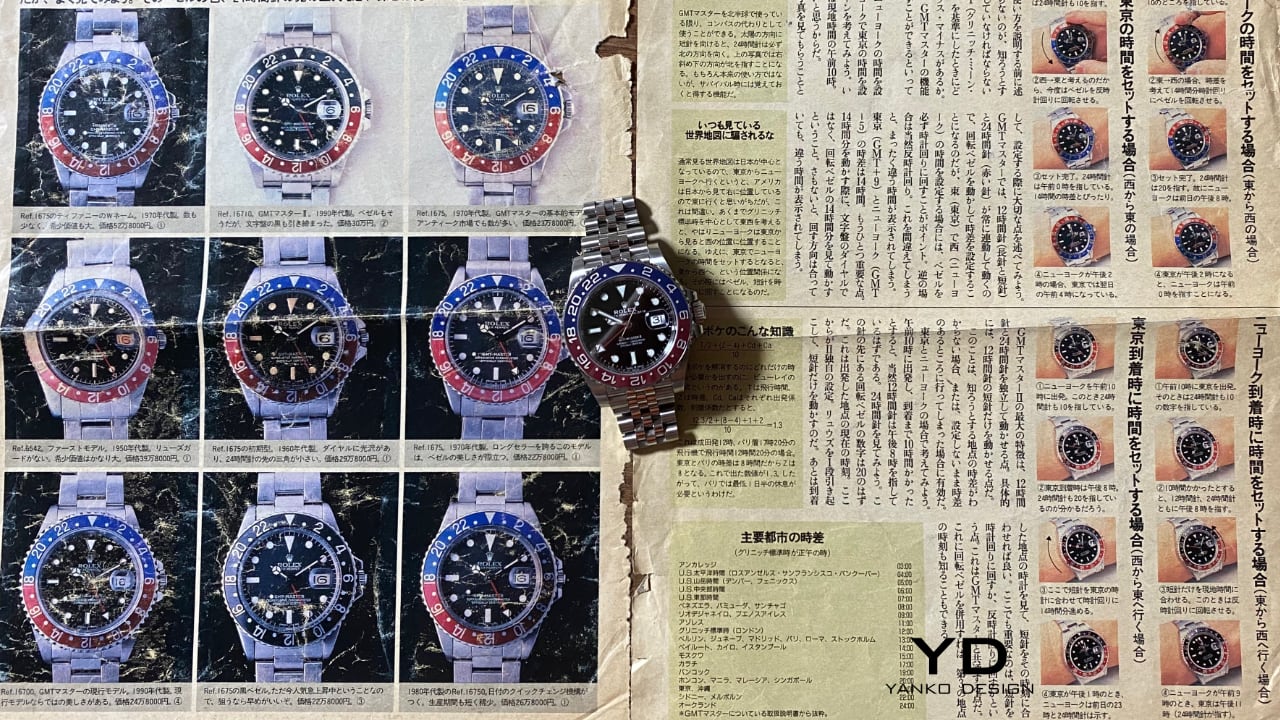
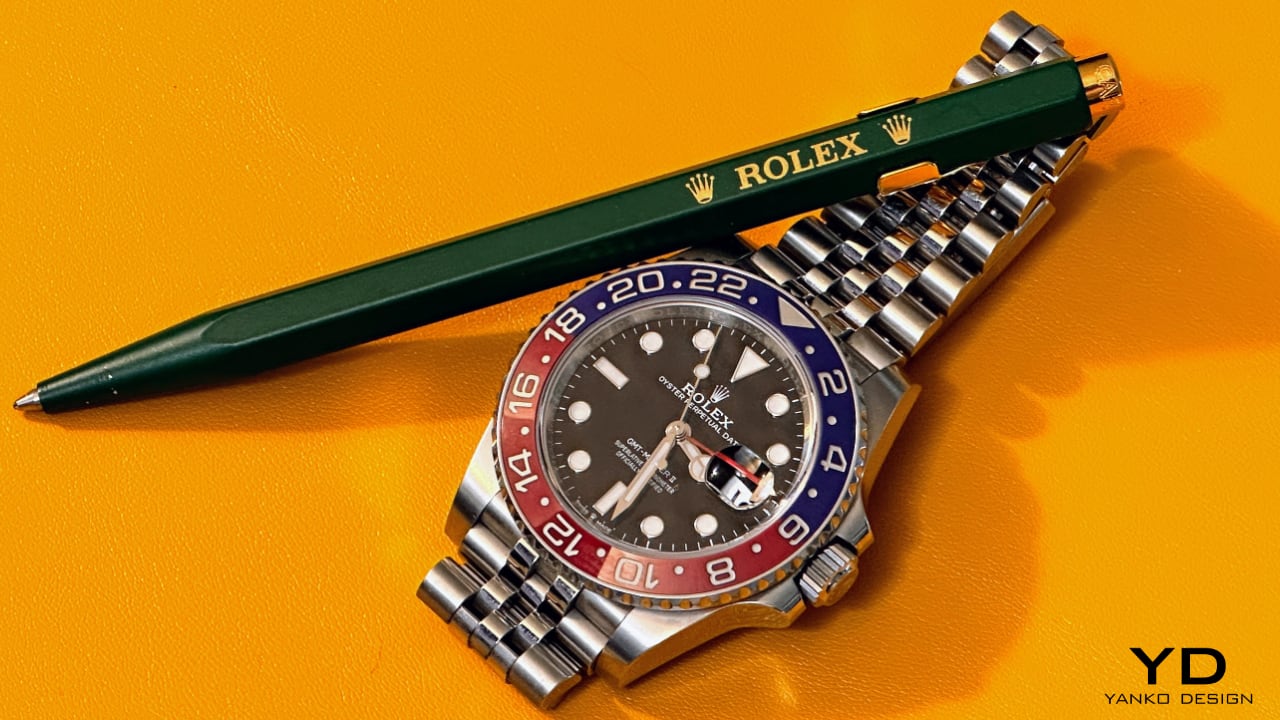
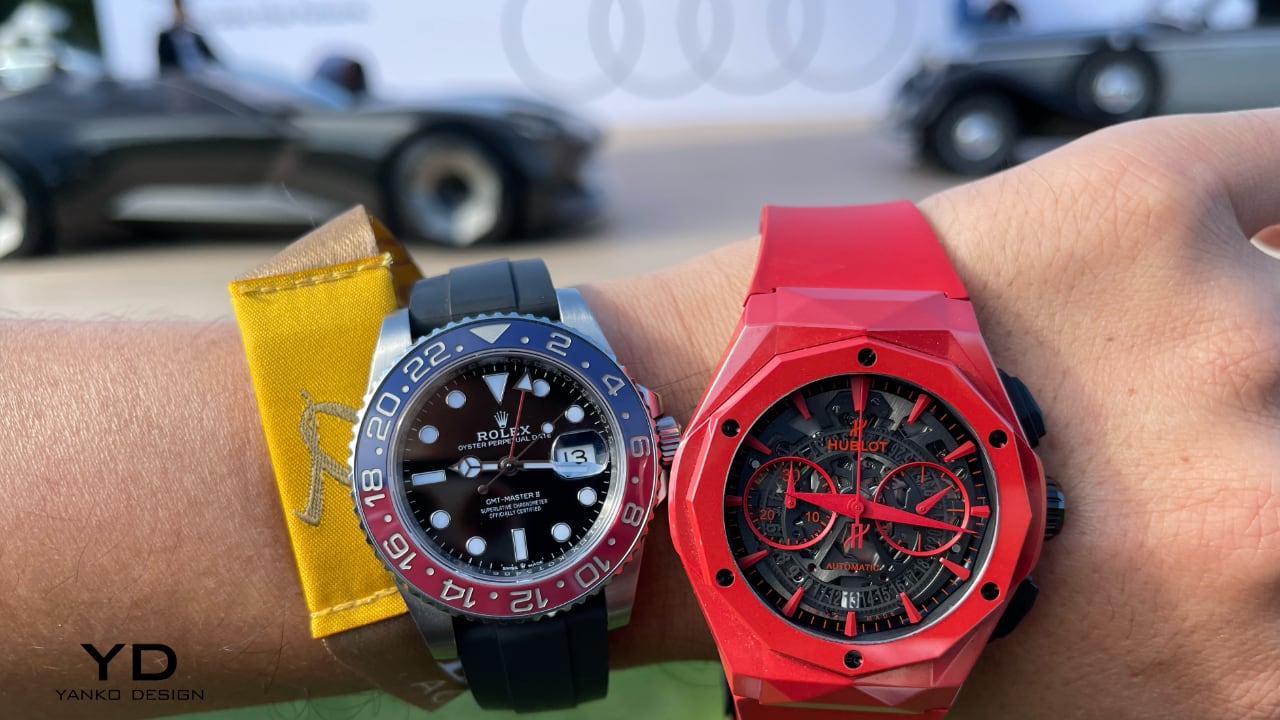
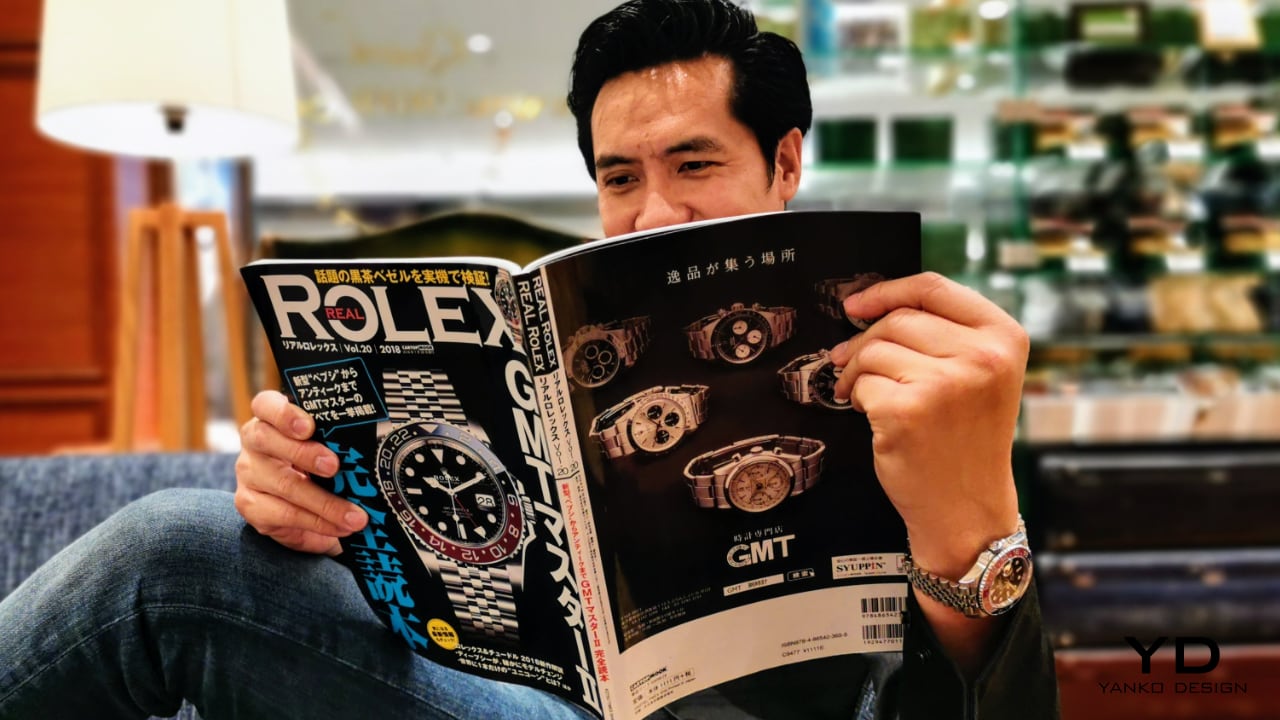
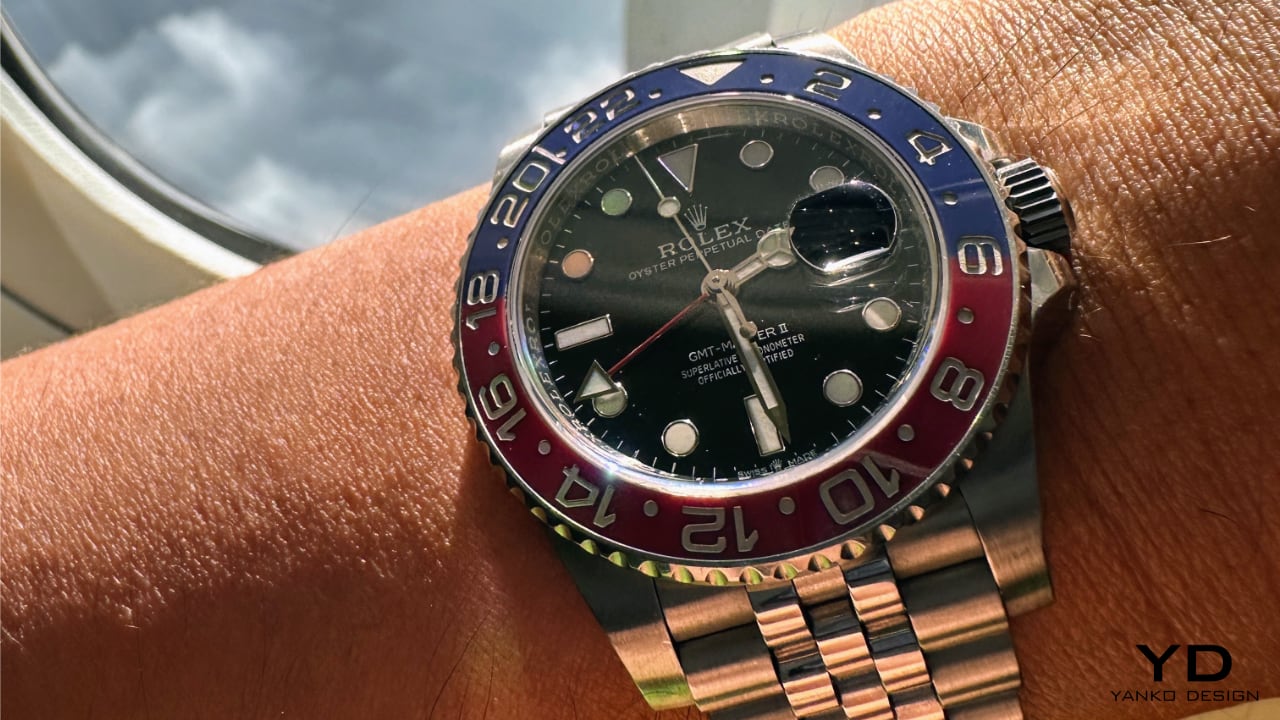
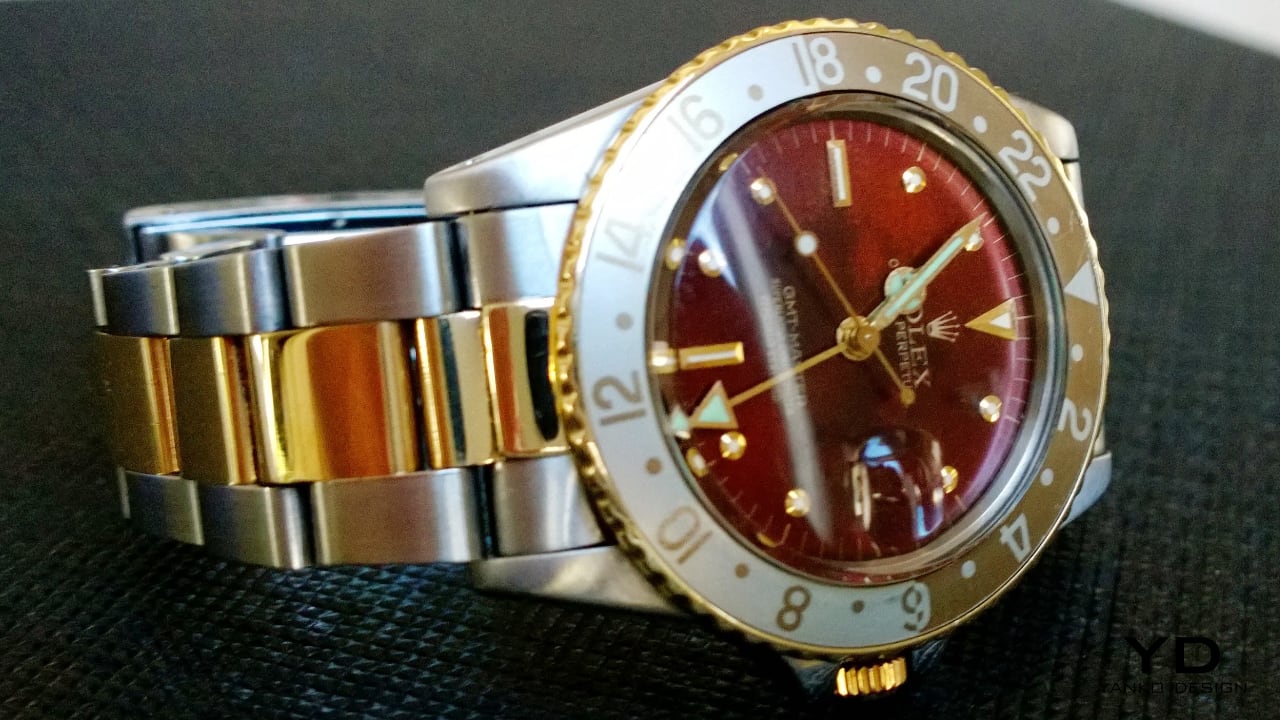
As someone who’s really into watches, I’ve had the chance to own and wear some pretty amazing pieces from big names like Omega, Audemars Piguet, and Rolex. Over the years, I’ve gathered quite a collection featuring everything from the sleek “Batman” GMT to the sturdy Submariner and the classic “Rootbeer” GMT with its distinctive nipple dial. But the Rolex 2018 GMT-Master II Mk1 edition, or the “Pepsi” as it’s fondly called because of its red and blue bezel, really changed the game for me. This watch turned me from a collector of many to a guy who mostly just wears this one. Well, two, if you count the practicality of an Apple Watch.

Designer: Rolex

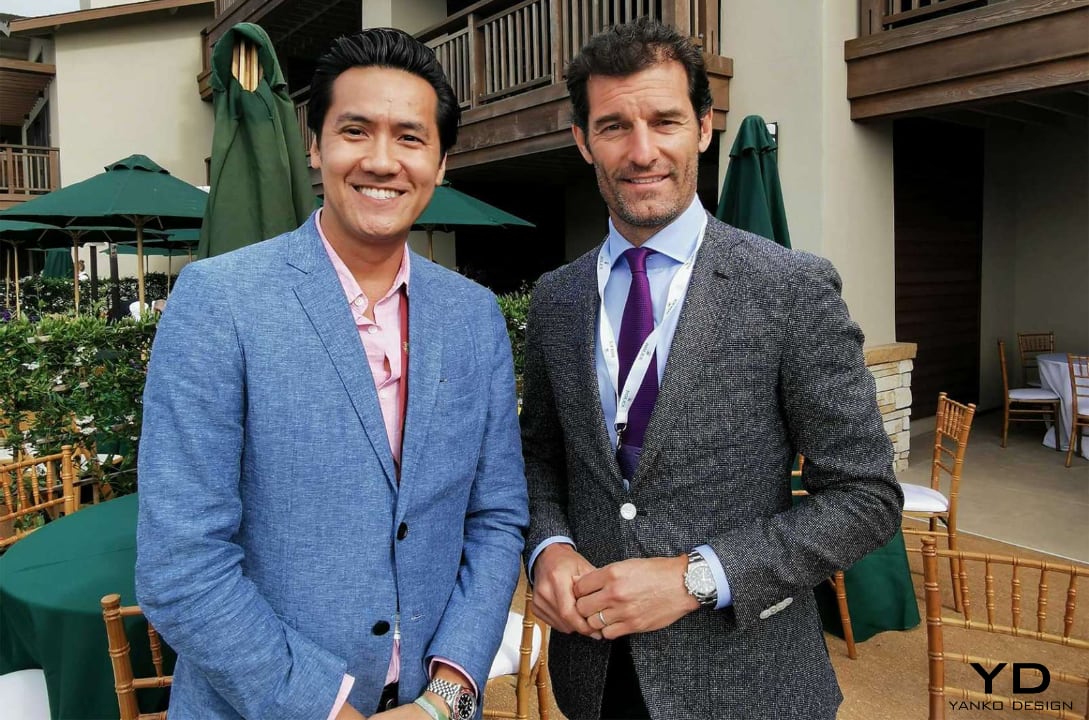
Vincent Nguyen at the 2018 Pebble Beach Concours d’Elegance with Australian motorsport legend Mark Webber.

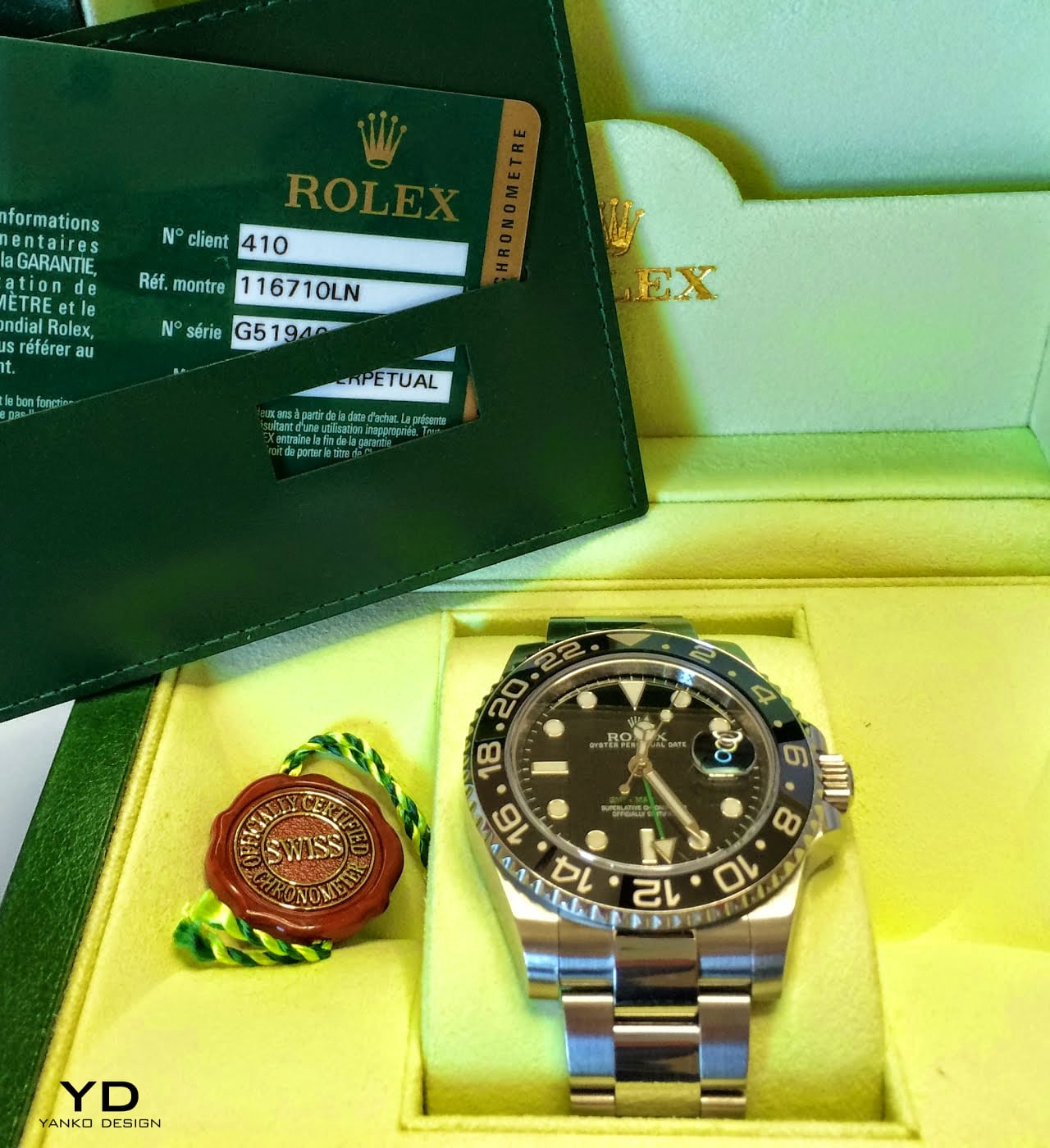
In 2007, my best friend and business partner for the past two decades, Ewdison Then, and I were bitten by the Rolex bug. We each bought the Rolex GMT-Master II with a black ceramic bezel, the reference 116710LN. This model marked a significant update in the GMT-Master II series, introducing Rolex’s Cerachrom bezel, a highly scratch-resistant and durable ceramic material. The “LN” in the reference number stands for “Lunette Noir,” French for “black bezel.” The model was lauded for its robustness, the sleek and modern aesthetic of the ceramic bezel, along with other enhancements like the improved 3186 movement and a more sturdy bracelet. Then, in a moment of madness, we sold them. Shortly after, Rolex discontinued the model, and the price skyrocketed. Let me tell you, if you ever find yourself in possession of a Rolex, remember this: buying a Rolex is like entering into a lifelong commitment, much like marriage. So, don’t sell it unless you’re ready for the heartbreak of seeing its price soar afterward!

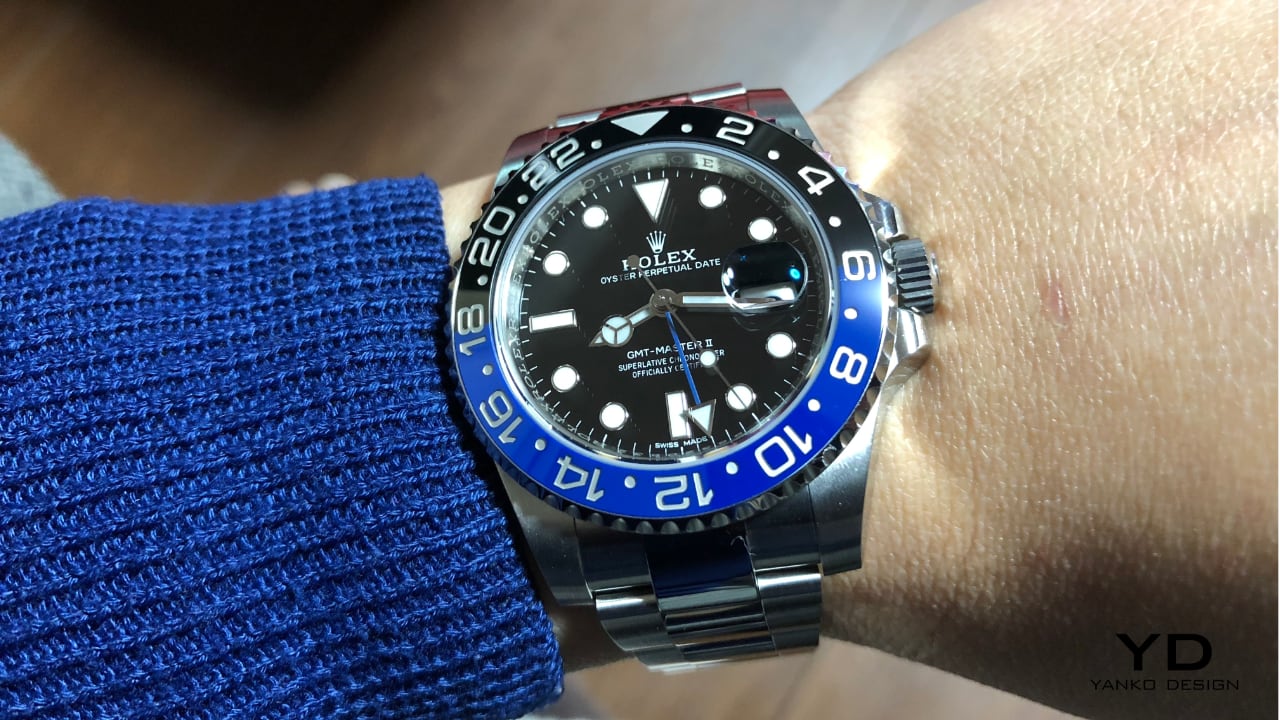
Ewdison Then’s Rolex Batman

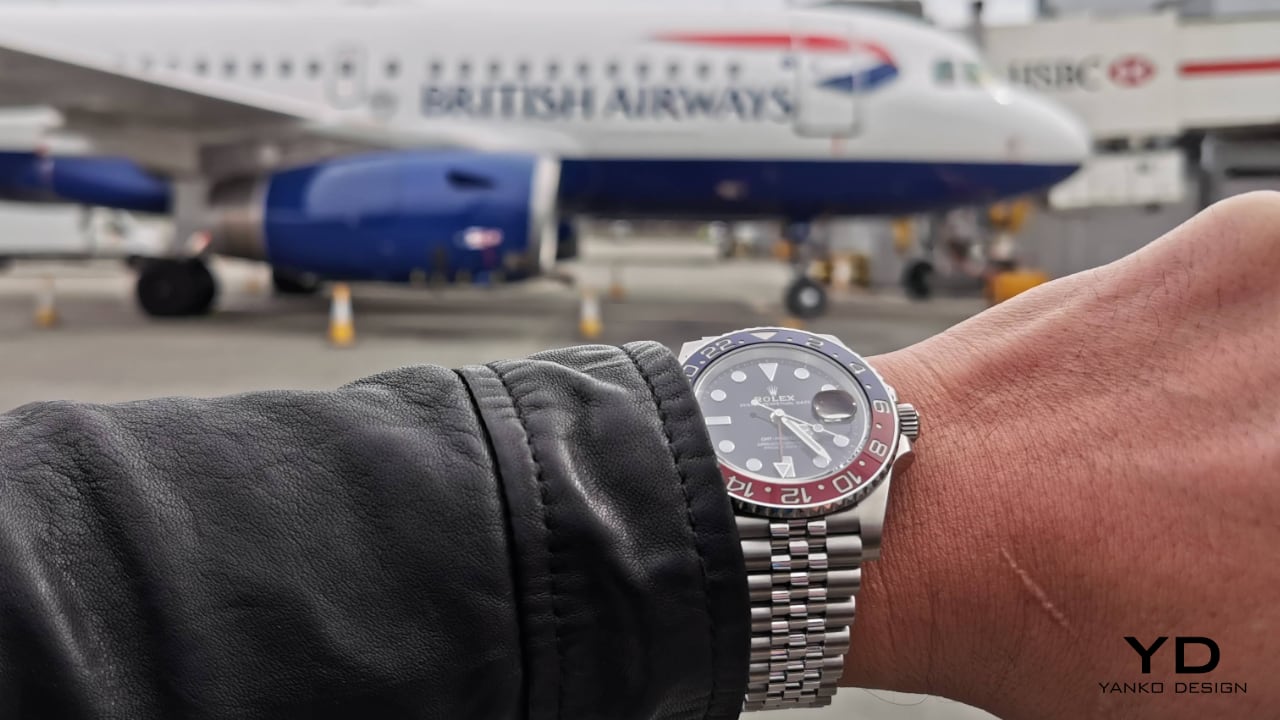
The Rolex GMT watch was intelligently designed in collaboration with Pan Am Airways for pilots requiring a functional and reliable timepiece to easily manage multiple time zones. This game-changing feature, introduced in the 1950s, still contributes to its enduring appeal today. The “Pepsi” model, identifiable by its distinct bi-color bezel, allows wearers to track day and night in another time zone at a glance. Additionally, there’s a fourth hand on the dial – the 24-hour hand, further enhancing its functionality. The vibrant splash of color on the bezel has become an iconic symbol in horology, adding to the watch’s overall appeal.

For me, the red and blue colors represent a balance between wealth and health, mirroring the concept of Yin and Yang. The vibrant, saturated MK1 bezel on my limited run spanning only a few months signifies wealth, passion, and power, reflecting the prestige of the Rolex brand. On the other hand, the soothing blue symbolizes health, tranquility, and stability, all critical to a balanced life. Similar to its ability to easily manage multiple time zones, the red and blue bezel embodies the pursuit of success and personal well-being, achieving perfect harmony.

It was deemed an instant classic when Rolex revealed the GMT-Master II “Pepsi” reference 126710BLRO at Baselworld in 2018. This exceptional model stood out from the crowd with its new-generation movement, the caliber 3285, and a significantly more robust mechanism ensuring an impressive power reserve of up to 70 hours. The thoughtful decision to pair this model with a five-link Jubilee bracelet, traditionally reserved for more formal, dressier models, was a respectful nod to Rolex’s rich heritage and a significant enhancement in both comfort and style.

Vincent Nguyen: Gobi Desert in Mongolia

Having accumulated over 4 million air miles and having the pleasure of visiting more than 45 countries, the practicality of the GMT function cannot be overstated. It has become invaluable for managing my life and work across various time zones. The GMT hand, which I keep set to Japan time, enables me to maintain a seamless connection with my business partner overseas. This ensures that I never miss a beat in our daily chats and collaborations, regardless of where my travels take me. From the vibrant, lively streets of Tokyo to the serene solitude of the Gobi desert or speeding down the Mulsanne Straight at Le Mans at 150 miles per hour, the Pepsi has proven itself as a dependable and trustworthy analog friend, with no need for charging.

I remember clearly that the day I added the Pepsi to my watch collection was magical. It felt like I had just ignited a rocket under my collector’s journey, blasting off into a whole new universe of style and sophistication. At that moment, I realized I had found the ultimate travel buddy who doesn’t even need a plane ticket or passport! Every glance at the watch face is like gazing through a window that opens up to a panorama of my life’s adventures. It’s the keeper of stories—each tick is a vibrant echo of distant places and the unique people I’ve encountered. It’s a portal to the countless miles I’ve traveled and the unforgettable moments that have sculpted who I am today. Its constant presence on my wrist during high-stakes negotiations, waiting for hours in between flights at airport lounges across the world, and tranquil evenings watching the sunset over the serene Pacific speaks volumes about its steadfast reliability.

From a technical standpoint, the watch’s overall design using stainless steel and movement strikes the perfect balance of rugged masculinity, complemented by its artistic craftsmanship. With its tough and scratch-resistant two-tone Cerachrom insert, the bezel is well-engineered and a piece of wearable art that holds up against the challenges of my adventurous lifestyle. It’s a feature that stands out for its ability to endure, from the freezing weather in the Alps to the intense demands of a day at a Japanese hot spring.

The Jubilee bracelet deserves a special mention—it’s a handsome piece of jewelry in itself. Comfortable enough for daily wear yet refined enough for a black-tie event, it seamlessly integrates into my lifestyle. It makes the wearing of the Pepsi feel like an extension of myself—an essential trait for someone whose life is in constant motion. The Jubilee’s sophisticated, five-piece link design offers a level of sophistication and elegance that the more utilitarian Oyster bracelet can’t match.

The Rolex GMT 126710BLRO masterfully intertwines a tribute to its historical roots with a persistent analog heartbeat, anchoring me to reality irrespective of the spectrum of my adventures. While I appreciate the ongoing advancements in horology, this specific Pepsi timepiece, not any others out there, remains the unrivaled highlight of my collection – both past and present. It stands as a constant in a rapidly changing world, symbolizing reliability, functionality, and a profound connection to all the places and moments that have shaped my journey.

The post How the Rolex Pepsi Turned Me into a One-Watch Guy first appeared on Yanko Design.